OUR LADY OF PROMPT SUCCOR NURSING FACILITY
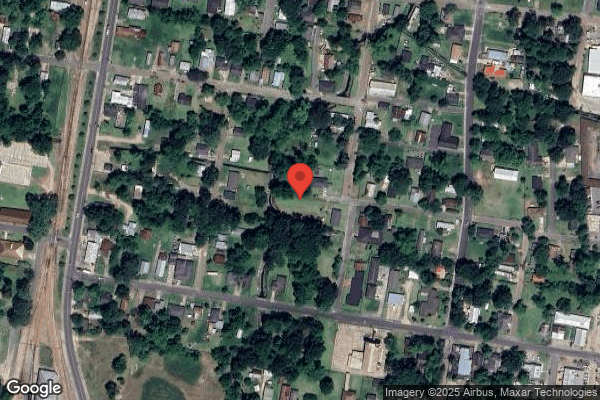
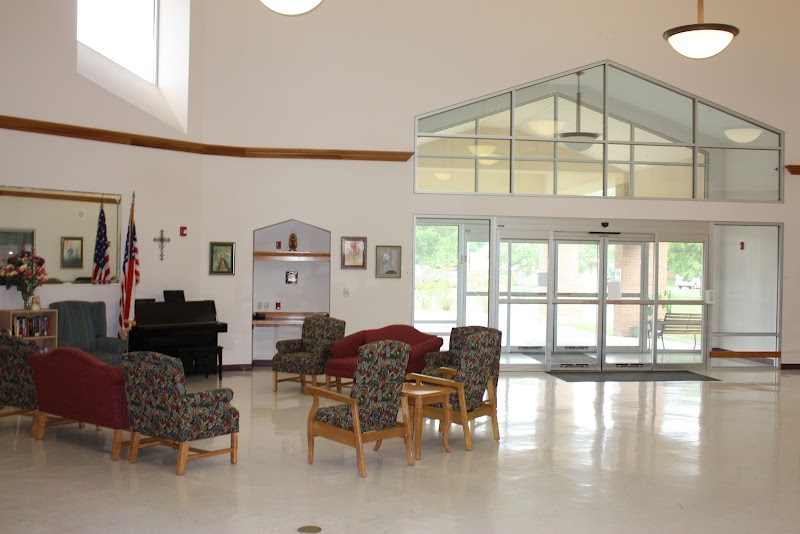
954 E PRUDHOMME ST, OPELOUSAS, LA 70570 (337) 948-3634
For profit - Limited Liability company 120 Beds RIGHTCARE HEALTH SERVICES Data: November 2025
Trust Grade
70/100
#49 of 264 in LA
Last Inspection: January 2025

Within standard 12-15 month inspection cycle. Federal law requires annual inspections.

Overview

Our Lady of Prompt Succor Nursing Facility in Opelousas, Louisiana, has a Trust Grade of B, indicating it is a good choice among nursing homes, but not the top tier. It ranks #49 out of 264 facilities in the state, placing it in the top half, and #2 out of 7 in St. Landry County, meaning only one local option is better. The facility's trend is worsening, with issues increasing from 1 in 2024 to 7 in 2025, which could raise concerns for families considering care. Staffing has a 3/5 rating with a turnover rate of 33%, which is lower than the state average, suggesting staff stability. However, there have been specific incidents, such as medications not being stored properly and missing temperature checks for food storage, which indicate potential safety risks. On the positive side, the facility has no fines on record, suggesting compliance with regulations.

Trust Score
B
70/100
In Louisiana
#49/264
Top 18%
Safety Record
Low Risk
No red flags
Inspections
Getting Worse
1 → 7 violations
Staff Stability
○ Average
33% turnover. Near Louisiana's 48% average. Typical for the industry.
Penalties
✓ Good
No fines on record. Clean compliance history, better than most Louisiana facilities.
Skilled Nurses
⚠ Watch
Each resident gets only 16 minutes of Registered Nurse (RN) attention daily — below average for Louisiana. Fewer RN minutes means fewer trained eyes watching for problems.
Violations
⚠ Watch
21 deficiencies on record. Higher than average. Multiple issues found across inspections.
★★★★☆
4.0
Overall Rating
★★★☆☆
3.0
Staff Levels
★★★☆☆
3.0
Care Quality
★★★★☆
4.0
Inspection Score
Stable
2024: 1 issues
2025: 7 issues

The Good

  • Full Sprinkler Coverage · Fire safety systems throughout facility
  • No fines on record
  • Staff turnover below average (33%)

    15 points below Louisiana average of 48%

Facility shows strength in fire safety.

The Bad

Staff Turnover: 33%

13pts below Louisiana avg (46%)

Typical for the industry

Chain: RIGHTCARE HEALTH SERVICES

Part of a multi-facility chain

Ask about local staffing decisions and management

The Ugly 21 deficiencies on record

Jan 2025 7 deficiencies
CONCERN (D)

Potential for Harm - no one hurt, but risky conditions existed

Resident Rights (Tag F0550)

Could have caused harm · This affected 1 resident

Based on interview, observations, and record review, the facility failed to ensure a resident was treated with respect and dignity and cared for in a manner that promoted maintenance or enhancement of...

Read full inspector narrative →
Based on interview, observations, and record review, the facility failed to ensure a resident was treated with respect and dignity and cared for in a manner that promoted maintenance or enhancement of his or her own quality of life by failing to apply a privacy cover to an indwelling catheter urinary drainage bag for 1 (#37) of 32 sampled residents. Findings: Review of Resident #37's medical record revealed an admission date of 07/25/2019, with diagnoses that included in part .Dementia with Agitation, Alzheimer's Disease, Disorder of Kidney and Ureter, Acute Kidney Failure, and Encounter for Fitting and Adjustment of Urinary Device . Review of Resident #37's Quarterly MDS (Minimum Data Set) with an ARD (Assessment Reference Date) of 11/23/2024 revealed a BIMS score of 99, which indicated severe cognitive impairment. Resident #37 required extensive assistance with two person physical assistance for bed mobility and toilet use. Resident #37 used an indwelling urinary catheter for urine elimination. Review of Resident #37's current clinical physician's orders revealed an order date 12/18/2024 to change the resident foley catheter 22FR (French) monthly. On 01/06/2025 at 9:28 a.m., Resident #37 was observed lying in bed with the door open. From the doorway and hallway, the resident's indwelling catheter urinary drainage bag was viewed with 100-200ml (milliliters) yellow urine in the collection bag. Closer observations at the resident's bedside revealed her indwelling catheter urinary bag was without a privacy cover. On 01/06/2025 at 10:18 a.m., in an interview and observation with S1DON (Director Of Nursing). S1DON approached Resident #37's doorway and stated, I know what is wrong, her catheter bag should not be like that. S1DON confirmed the resident's urinary catheter drainage bag had yellow urine in it, and it did not have a privacy cover. S1DON also confirmed that the urinary catheter bag should have a privacy cover to maintain the resident's dignity.
CONCERN (D)

Potential for Harm - no one hurt, but risky conditions existed

Deficiency F0554 (Tag F0554)

Could have caused harm · This affected 1 resident

Based on observations, interview and record review the facility failed to assess 1 (#55) of 1 (#55) residents investigated to self -administer medication out of a finalized sample of 32 residents. The...

Read full inspector narrative →
Based on observations, interview and record review the facility failed to assess 1 (#55) of 1 (#55) residents investigated to self -administer medication out of a finalized sample of 32 residents. The right to self-administer medications was the responsibility of the interdisciplinary team to assess and determine that this practice was clinically appropriate. Findings: Review of the facility's policy titled, Medications - Self-Administration without a review or revision date revealed in part: A resident who wishes to self-administer medications may do so after evaluation of competency by the care plan committee and upon approval and orders from the attending physician. 1.) The attending physician must write or give a verbal for the resident to self-administer medications and/or to keep at bedside. 2.) The resident must be evaluated by the care plan committee and be determined to be cognitively and physically competent to self-administer medications. This evaluation will be documented and maintained in the resident's chart. Review of Resident #55's EMR (Electronic Medical Record) revealed an admission date of 12/14/2017 with diagnoses that included; Mild Intermittent Asthma with Status Asthmaticus, Hypertensive Heart Disease, and Anemia. Review of Resident #55's January 2025 Physician's Orders failed to reveal an order for self-administration of medications. Review of Resident #55's EMR failed to reveal an evaluation or assessment had been completed by the care plan committee to determine the resident's physical and/or cognitive ability to self-administer medications. Review of Resident #55's January 2025 EMAR (Electronic Medication Administration Record) revealed Resident #55 had been administered Umeclidinium Br Aero Powder Breath Actuator (Incruse Ellipta) inhaler 62.5mcg/inh (micrograms per inhalation) on the morning of 01/06/2025 at 5:00 a.m. On 01/06/2025 at 10:25 a.m., an observation was made of Resident #55's room. A box containing an oral inhaler, with a label that read Resident #55's name and Incruse Ellipta 62.5mcg/inh was observed on the resident's nightstand. An interview was done with S6LPN (Licensed Practical Nurse) at that time. S6LPN observed the inhaler on Resident #55's nightstand. She confirmed the resident was not approved for self-administration of medication and confirmed it should not had been left at the resident's bedside. On 01/08/2025 at 11:15 a.m., a concurrent record review and interview was conducted with S5MDS (Minimum Data Set) who confirmed that residents who self-administer medications should have a Medications Self-Administration assessment that should be in the resident's EMR as well as a physician's order. S5MDS reviewed Resident #55's EMR and confirmed that she did not have a Medication Self-Administration assessment nor did she have a physician's order to do so. S5MDS confirmed Resident #55 should not have any medications left in her room.
CONCERN (D)

Potential for Harm - no one hurt, but risky conditions existed

Assessment Accuracy (Tag F0641)

Could have caused harm · This affected 1 resident

Based on record review and interview, the facility failed to accurately code the resident's Minimum Data Set (MDS) assessment for antibiotic use for 1 (#65) of 32 sampled residents whose records were ...

Read full inspector narrative →
Based on record review and interview, the facility failed to accurately code the resident's Minimum Data Set (MDS) assessment for antibiotic use for 1 (#65) of 32 sampled residents whose records were reviewed. Findings: A review of Resident #65's EMR (Electronic Medical Record) revealed an admission date of 06/26/2023 with diagnoses that included Pneumonitis, Urinary Tract Infection, and Sepsis. A review of Resident #65's December 2024 Physician's Orders revealed an order for Levofloxacin (an antibiotic) 500mg (milligrams) via g-tube (gastrostomy tube) one time a day for infection for 10 days. A review of resident #65's EMAR (Electronic Medication Administration Record) for December 2024 revealed he received Levofloxacin 500mg once daily from 12/17/2024 through 12/27/2024. Further review of resident #65's medical record revealed a Quarterly MDS assessment with an ARD (Assessment Reference Date) of 12/22/2024, read in part . Section N. Medications .High Risk Drug Classes Use and Indication .antibiotics were not indicated. On 01/08/2025 at 11:20 a.m., a concurrent record review and interview was conducted with S5MDS. S5MDS confirmed Resident #65 received an antibiotic during the timeframe of 12/17/2024 through 12/27/2024. She reviewed the referenced MDS, and confirmed the antibiotics were not indicated on the assessment and should have been.
CONCERN (D)

Potential for Harm - no one hurt, but risky conditions existed

ADL Care (Tag F0677)

Could have caused harm · This affected 1 resident

Based on interview, observations, and record review, the facility failed to ensure residents unable to carry out activities of daily living (ADL) received the necessary services to maintain good groom...

Read full inspector narrative →
Based on interview, observations, and record review, the facility failed to ensure residents unable to carry out activities of daily living (ADL) received the necessary services to maintain good grooming and personal hygiene for 2 (#1 and #27) out of 32 sampled residents. Findings: Review of a facility policy with an unknown date titled, Activities of Daily Living (ADLs) read in part .3. A resident who is unable to carry out activities of daily living will receive the necessary services to maintain good nutrition, grooming, and personal and oral hygiene . Review of a facility policy with an unknown date titled, Nail Care read in part .1. Routine cleaning and inspection of nails will be provided during ADL care on an ongoing basis .2. Routine nail care, to include trimming and filing . Resident #1 Review of Resident #1's medical record revealed an admission date of 12/19/2022, with diagnoses that included in part . Hemiplegia and Hemiparesis Following Other Cerebrovascular Disease Affecting Left Non-Dominant Side, Contracture Left Wrist, and Contracture Left Hand. Review of Resident #1's Annual MDS (Minimum Data Set) with an ARD (Assessment Reference Date) of 10/11/2024 revealed a BIMS (Brief Interview of Mental Status) score of 9, which indicated moderate cognitive impairment. Resident #1 required extensive assistance with two person physical assist for bed mobility and total dependence with 2 person physical assist for transfers. Review of Resident #1's care plan revealed in part .the resident requires assistance with all ADLs, such as . grooming .related to decreased mobility initial date of 11/13/2022. On 01/06/2025 at 10:30 a.m., in an interview and observation with Resident #1 revealed the resident's nails on both hands were long and dirty fingernails with a brown substance underneath the nails. Resident #1 stated he would like his fingernails cleaned, and he likes them trimmed short. On 01/06/2025 at 10:43 a.m., in an observation and interview with S1DON (Director of Nursing) of the resident dining area, S1DON observed and confirmed Resident #1 had long and dirty fingernails with brown substance under nails on both hands. S1DON stated the resident's fingernails should be cleaned and cut short, but they were not. Resident #27 Review of Resident #27's medical record revealed and admission date of 05/31/2023 with diagnoses that included in part . Dementia in Other Diseases Classified Elsewhere, Mild, With Other Behavioral Disturbance, Type 2 Diabetes Mellitus Without Complications, and Muscle Weakness (Generalized) . Review of Resident #27's Quarterly MDS with an ARD of 10/25/2024 revealed a BIMS score of 3, which indicated severe cognitive impairment. Resident #27 required extensive assistance with 2 person physical assistance with bed mobility and total dependence with 2 persons for transfer. Review of Resident #27's care plan revealed the resident was care planned for an ADL self-care performance deficit related to activity intolerance. Interventions include in part .required extensive assistance with .ADLS .initial date of 08/01/2024. On 01/06/2025 at 10:10 a.m., Resident #27 was observed sitting in her geri-chair in the day area. She was observed with black and grey colored facial hair to her upper lip and chin. On 01/06/2025 at 10:22 a.m., an interview and observation was conducted with S1DON. S1DON confirmed that Resident #27 had facial hair present on her lip and chin. S1DON confirmed the resident should have had her facial hair shaven this morning during her ADL care, but it was not. On 01/06/2025 at 11:09 a.m., in an interview with S7CNA (Certified Nursing Assistant), she confirmed that she was taking care of Resident #27 this morning and familiar with her care. S7CNA explained that in regards to facial hair, all CNAs were taught to shave facial hair during a resident's ADL care. S7CNA explained that S1DON did not allow female residents to remain with facial hair. S7CNA stated she had given the resident a bed bath this morning and did not notice the facial hair on Resident #27's lip and chin.
CONCERN (D)

Potential for Harm - no one hurt, but risky conditions existed

Infection Control (Tag F0880)

Could have caused harm · This affected 1 resident

**NOTE- TERMS IN BRACKETS HAVE BEEN EDITED TO PROTECT CONFIDENTIALITY** Based on observation, record review, and interview, the facility failed to maintain an infection prevention and control program ...

Read full inspector narrative →
**NOTE- TERMS IN BRACKETS HAVE BEEN EDITED TO PROTECT CONFIDENTIALITY** Based on observation, record review, and interview, the facility failed to maintain an infection prevention and control program designed to provide a safe, sanitary and comfortable environment to help prevent the development and transmission of communicable diseases and infections for 2 (#86, #37) out of 32 sampled residents as evidenced by failing to ensure: 1. staff removed PPE (Personal Protective Equipment) prior to exiting a resident's room that was on enhanced barrier precautions for Resident #86; and 2. failing to maintain a resident's urinary catheter in a sanitary manner for Resident #37. Findings: 1. Review of the facility's policy and procedure titled Enhanced Barrier Precautions dated May 2023 read in part, Policy: It is the policy of this facility to implement enhanced barrier precautions (EBP) for the prevention of transmission of multidrug-resistant organisms (MDRO). Definitions: Enhanced barrier precautions refer to the use of gown and gloves for use during high-contact resident care activities for residents known to be colonized or infected with a MDRO as well as those at increased risk of MDRO acquisition (e.g., residents with wounds or indwelling medical devices) . 47. Implementation of Enhanced Barrier Precautions- a. Gowns and gloves will be available outside of the resident's room . c. A trash can will be positioned inside the resident room and near the exit for discarding PPE (Personal Protective Equipment) after removal, prior to exit of the room . Resident #86 Review of Resident #86's electronic clinical record revealed the resident was admitted to the facility on [DATE]. The resident's diagnoses included Hemiplegia and Hemiparesis following Cerebrovascular Disease, Diabetes, Dysphagia, Gastrostomy, and Hypertensive Heart Disease without Heart Failure. Review of the resident's physician's orders for January 2025 revealed the resident had a PEG (Percutaneous Endoscopic Gastrostomy) tube in place. On 01/06/2025 at 9:35 a.m., S4CNA (Certified Nursing Assistant) was observed performing personal care to Resident #86. S4CNA was observed leaving the resident's room without removing gloves and then was observed getting items off of the linen cart wearing those same gloves. Enhanced Barrier Precaution sign was posted next to the resident's room door. On 01/06/2025 at 9:45 a.m., an interview was conducted with S3LPN (Licensed Practical Nurse). She confirmed the CNA should have removed the gloves prior to leaving out of the resident's room. 2. Resident #37 Review of a facility policy with an unknown date titled, Indwelling Urinary Catheter read in part .11. The urine collection bag must be kept below the level of the resident's bladder at all times including during transfers and during bathing, bag contact with floor must be avoided . Review of Resident #37's medical record revealed an admission date of 07/25/2019, with diagnoses that included in part . Dementia with Agitation, Alzheimer's Disease, Disorder of Kidney and Ureter, Acute Kidney Failure, and Encounter for Fitting and Adjustment of Urinary Device . Review of Resident #37's Quarterly MDS (Minimum Data Set) with an ARD (Assessment Reference Date) of 11/23/2024 revealed a BIMS score of 99, which indicated severe cognitive impairment. Resident #37 required extensive assistance with two person physical assistance for bed mobility and toilet use. Resident #37 used an indwelling urinary catheter for urine elimination. Review of Resident #37's current clinical physician's orders revealed an order date 12/18/2024 to change the resident foley catheter 22FR (French) monthly. On 01/06/2025 at 9:28 a.m., Resident #37 was observed in her room, with the door open. Upon entering the resident's room, the indwelling catheter drainage bag was observed hooked on the bed frame, her bed was in the lowest position and the urinary drainage bag was on the floor under the resident's bed. On 01/06/2025 at 10:18 a.m., in an interview and observation with S1DON (Director of Nursing). S1DON approached Resident #37's doorway and stated, I know what is wrong, her catheter bag should not be like that. At the bedside, S1DON confirmed the resident's indwelling catheter drainage bag was on the floor under the resident's bed. S1DON confirmed the urinary drainage bag should avoid contact with the floor at all times.
CONCERN (E)

Potential for Harm - no one hurt, but risky conditions existed

Deficiency F0761 (Tag F0761)

Could have caused harm · This affected multiple residents

Based on observations, record review, and interview, the facility failed to ensure that medications were stored and labeled properly in accordance with current accepted professional principles by: 1....

Read full inspector narrative →
Based on observations, record review, and interview, the facility failed to ensure that medications were stored and labeled properly in accordance with current accepted professional principles by: 1. having loose medications at the bottom of a drawer in the medication cart; and 2. staff failing to conduct and record daily temperature on the medication refrigerator in the medication storage room. Findings: Review of the facility's policy, with no revision date, titled Medications-Storage read, The facility shall store all drugs and biologicals in safe, secure, and orderly manner .Policy Interpretation and Implementation .2. The nursing staff shall be responsible for maintaining medication storage and preparation areas in a clean, safe, and sanitary manner. 1. On 01/07/2025 at 01:40 p.m., an observation was conducted of the medication cart on Hall A nurse's station with S2LPN (Licensed Practical Nurse). One peach and one white colored pill was observed on the bottom of the first large drawer in the medicine cart. During the observation, S2LPN confirmed that loose pills should not be in the bottom of any drawer on the cart. On 01/07/2025 at 01:54 p.m., an interview was conducted with S1DON (Director of Nursing) who confirmed there should not be loose pills in the bottom of the medication drawers on the medication cart and the pills should have been removed and discarded. 2. On 01/08/2025 at 11:15 a.m., an observation was conducted with S3LPN of the medication room on the Hall B nurse's station. Review of the medication refrigerator logs for November 2024 through December 2024 revealed missing temperatures on the following dates: 11/15/2024 through 11/29/2024, 12/01/2024, 12/04/2024, 12/10/2024, 12/14/2024, and 12/23/2024. On 01/08/2025 at 11:30 a.m., an interview was conducted with S1DON who confirmed the nursing staff on the night shift should check and record the temperatures for the medication refrigerators daily.
CONCERN (E)

Potential for Harm - no one hurt, but risky conditions existed

Food Safety (Tag F0812)

Could have caused harm · This affected multiple residents

Based on observations, record review and interview, the facility failed to store food in accordance with professional standards for food service safely as evidenced by the nursing staff failing to con...

Read full inspector narrative →
Based on observations, record review and interview, the facility failed to store food in accordance with professional standards for food service safely as evidenced by the nursing staff failing to conduct and record daily temperatures for the resident snack/supplement refrigerator in the medication storage room. Findings: Review of the facility's policy with no revision date titled Refrigerators & Snack/Supplements Handling read in part, .Food kept on the nursing units must be maintained as indicated below: a. Refrigerator temperatures must be checked and recorded daily, maintaining temperature between 32-40 degrees Fahrenheit . On 01/08/2025 at 11:15 a.m., an observation was conducted with S3LPN of the medication room on the Hall B nurse's station. Review of the resident's snack/supplement refrigerator temperature logs for November 2024 through December 2024 revealed missing temperatures on the following dates: 11/01/2024, 11/02/2024, 11/03/2024, 11/12/2024, 11/13/2024, 11/14/2024, 11/16/2024,11/17/2024, 11/18/2024, 11/20/2024, 11/21/2024, 11/22/2024, 11/23/2024, 11/25/2024, 11/26/2024, 11/27/2024, 11/28/2024, 11/29/2024, 12/01/2024. 12/04/2024, and 12/10/2024. On 01/08/2025 at 11:30 a.m., an interview was conducted with S1DON who confirmed the nursing staff on the night shift should check and record the temperatures for the resident's snack/supplement refrigerators daily.
Nov 2024 1 deficiency
CONCERN (D) 📢 Someone Reported This

A family member, employee, or ombudsman was alarmed enough to file a formal complaint

Potential for Harm - no one hurt, but risky conditions existed

Deficiency F0744 (Tag F0744)

Could have caused harm · This affected 1 resident

**NOTE- TERMS IN BRACKETS HAVE BEEN EDITED TO PROTECT CONFIDENTIALITY** Based on interviews and record reviews, S4CNA (Certified Nursing Assistant) failed to utilize and implement effective approaches...

Read full inspector narrative →
**NOTE- TERMS IN BRACKETS HAVE BEEN EDITED TO PROTECT CONFIDENTIALITY** Based on interviews and record reviews, S4CNA (Certified Nursing Assistant) failed to utilize and implement effective approaches of care for a resident with dementia to assure resident safety as evidenced by the CNA failing to call for assistance when the resident (#1) became combative while providing care, resulting in the resident sustaining injuries to his face and left arm for 1 (#1) out of 3 (#1, #2, and #3) sampled residents. Findings: Review of Resident #1's electronic record revealed he was admitted to the facility on [DATE]. His diagnoses included in part, but not limited to, Dysphasia following other Cerebrovascular Disease, Hypertensive Heart Disease without Heart Failure, Aphasia following Cerebral Infarction, Unsteadiness on feet, Generalized Anxiety Disorder, Repeated Falls, Cognitive Communication Deficit, Unspecified Dementia, severe, with other behavioral disturbance, Muscle Weakness (generalized). Review of the resident's MDS (Minimum Data set) dated 10/23/2024 revealed the resident had a BIMS (Brief Interview of Mental Status) score of 2, indicating severely impaired cognition. Further review of the resident's MDS revealed under Section G-Functional Status, the resident required extensive assistance with 2+ person physical assist for bed mobility and transfers. Written documentation from a meeting held with the facility's administrative and S4CNA was reviewed. S2DON (Directed of Nursing), S3ADON Assistant Director of Nursing), and S1ADM (Administrator) were present in the meeting. According to the minutes of the meeting, S4CNA's explained that when she walked in the resident's room, he was lying on his left side facing the door, close to the rail. His incontinence brief was on the floor. His bed alarm was going off. His hands were full of sticky BM (bowel movement). She uncovered the resident and he had BM everywhere, smeared all over his body. He had scratched his body, and had blood on his scrotum. She didn't introduce herself, and just started cleaning him. At one time, he was attempting to get out of the bed. She struggled to keep him in the bed. She used the sheet to turn him from side to side. He was kicking his arms and legs. When asked why she didn't call for help, she stated To be honest, I did this a long time. I'm used to it. S4CNA stated that she peeked at the desk, but didn't see anyone, so she handled the resident herself. She stated she didn't know why she didn't use the call bell. S4CNA stated she and the resident were fighting against one another while she provided care to him. She had to dodge swings and kicks. The resident was positioned by the bed rails at times, moving back and forth during repositioning. She had to turn him a lot to clean him, and to prevent him from falling out of bed. She had to remove his hands from the bed rails. S4CNA stated that she noticed some blood on the fitted sheet, but thought it was from the resident's scrotum area. She stated by trying to prevent the resident from falling, she could have grabbed him too tight. While repositioning him with the sheet, she could have used too much power. When asked what she could have done better, she stated, She should have called for assistance. Physician progress note dated 11/04/2024 read, Resident discovered with bruising right upper face along with laceration along right naso-labial fold about 2 cm (centimeter) in length. Also found he have bruising to inner cheek with open wound appearing to match associated teeth on that side. An interview and observation of the resident was not conducted due to the resident being transferred to the hospital on [DATE] at 10:00 a.m. On 11/12/2024 at 2:15 p.m., an interview was conducted with S6LPN (License Practical Nurse). She confirmed that she was the resident's nurse on 11/04/2024. She stated the CNA reported to her that the resident had blood on his sheets. When she assessed the resident she noted a skin tear to his left arm, bruising to his right ear and a bump in the middle of his forehead. She stated that the resident also had a scratch on the right side of his lip. She stated that the bruising did not look like an old bruise. She asked the resident what had happened and he stated that he did not know. She confirmed that the resident had behaviors and at times was combative with the staff. He would get upset when he had BM on him and he wanted staff to clean him right away. S6LPN stated that S4CNA did not inform her of the incident. On 11/12/2024 at 3:15 p.m., an interview was held with S2DON, S3ADON, S1ADM and S5CorpNurse (Corporate Nurse). S3ADON stated that in the meeting, S4CNA confirmed the resident was agitated and was kicking and fighting with her while she attempted to clean him up after he had a bowel movement. S4CNA reported that she was focused on getting the resident clean and not let him fall out of bed. She didn't think of calling for assistance. S4CNA also reported she didn't notice that the resident had hit his head or that she had caused a skin tear to the resident's left arm when she grabbed him to prevent him from falling out of bed. They all agreed that Resident #1's injuries could have been avoided if S4CNA would have called for assistance when the resident became agitated and use two person assistance as identified in the resident's comprehensive assessment. They all agreed that if a resident became agitated while providing care, the CNA should call for assistance. On 11/13/2024 at 8:30 a.m., S1ADM and S2DON confirmed that they had no means of contacting S4CNA. On 11/13/2024 at 9:56 a.m., a phone interview was conducted with S7CNA. She stated she worked with S4CNA on the 10 p.m. to 6 a.m. shift on 11/3/2024. She stated that she had informed S4CNA that the resident could become combative, especially in the evening and night hours (sundowner's). She stated that when the resident was combative, she always got someone to help with him. She also informed S4CNA that if she needed help with the resident to let her know. S7CNA confirmed that S4CNA did not ask her for help the entire shift.
Dec 2023 7 deficiencies
CONCERN (D)

Potential for Harm - no one hurt, but risky conditions existed

MDS Data Transmission (Tag F0640)

Could have caused harm · This affected 1 resident

**NOTE- TERMS IN BRACKETS HAVE BEEN EDITED TO PROTECT CONFIDENTIALITY** Based on record review and interview, the facility failed to ensure that a MDS (Minimum Data Set) assessment was completed and s...

Read full inspector narrative →
**NOTE- TERMS IN BRACKETS HAVE BEEN EDITED TO PROTECT CONFIDENTIALITY** Based on record review and interview, the facility failed to ensure that a MDS (Minimum Data Set) assessment was completed and submitted to CMS (Center of Medicare And Medicaid Services) in a timely manner for 3 (#17, #24, #59) out of a final sample of 37 residents. Findings: Resident #17 Resident #17 was admitted to the facility on [DATE] with diagnoses including Dysphagia and Generalized Anxiety. Review of Resident #17's electronic health record revealed a quarterly MDS (Minimum Data Set) assessment with an ARD (Assessment Reference Date) of [DATE]. Section Z of the assessment was not signed by a registered nurse, and the assessment had not been submitted. On [DATE] at 12:00 p.m., an interview was conducted S3MDSIP (Minimum Data Set/ Infection Preventionist ) who stated that she was responsible for signing and submitting Resident #17's MDS assessment. A review of Section Z of Resident #17's MDS assessment with ARD [DATE] was reviewed with S3MDSIP. S3MDSIP confirmed the MDS assessment was not signed, had not been submitted to CMS, and the submission was late. Resident #24 Resident #24 was admitted to the facility on [DATE] with diagnoses including Hypothyroidism, Chronic Obstructive Pulmonary Disease, Heart Failure, Atrial Fibrillation. Review of Resident #24's electronic health record revealed the resident was readmitted from the hospital on [DATE]. Further review of the residents record revealed a Re-entry MDS assessment that not been submitted. On [DATE] at 3:25 p.m., an interview was conducted with S3MDSIP. S3MDSIP confirmed the resident's re-entry MDS assessment should have been complete making it 1 day overdue. Resident #59 Resident #59 was admitted to the facility on [DATE] with a diagnoses including Heart Failure, Chronic Obstructive Pulmonary Disease, Morbid Obesity, and Cardiomegaly. Review of resident #59's electronic health record revealed the resident expired on [DATE]. Further review of the residents MDS assessment revealed a Death MDS assessment had never been opened. On [DATE] at 3:25 p.m., a group interview was conducted with S3MDSIP and S11MDS. Both confirmed the Death in Facility MDS assessment was not complete within the required time frame making it greater than 120 days overdue.
CONCERN (D)

Potential for Harm - no one hurt, but risky conditions existed

Assessment Accuracy (Tag F0641)

Could have caused harm · This affected 1 resident

**NOTE- TERMS IN BRACKETS HAVE BEEN EDITED TO PROTECT CONFIDENTIALITY** Based on observation, record review and interview the facility failed to accurately assess 1 (#76) of 37 sampled residents' oral...

Read full inspector narrative →
**NOTE- TERMS IN BRACKETS HAVE BEEN EDITED TO PROTECT CONFIDENTIALITY** Based on observation, record review and interview the facility failed to accurately assess 1 (#76) of 37 sampled residents' oral status. This had the potential to affect the 104 residents that reside in the facility. Findings: Record review revealed Resident #76's was admitted to the facility on [DATE] with Diagnosis of, Nicotine Dependence, Major Depressive disorder Type 2 Diabetes, Anxiety, Chronic Obstructive Pulmonary Disease, Anorexia, Gastroesophageal Reflux Disease, Vitamin D deficiency, Emphysema, Server proteins-Calorie Malnutrition, Dysphagia, Osteoarthritis, Iron Deficiency Anemia, and Dementia. On 12/04/2023 at 9:53 a.m., an observation of Resident #76's oral cavity confirmed she had broken and missing teeth. Record review of Resident #76's dental progress notes dated 04/13/2023 read in part, Oral Assessment, D. Suspect area or broken natural teeth .Tooth #11 is broken down, lingual cusp is broken. Root tips: #15 and #16. Record review of Resident #76's MDS ((Minimum Data Set (Oral Assessment)) dated 08/21/2023 under Section: L-Dental, read in part Cavity or broken natural teeth-Unchecked. (Meaning there was no cavity or broken natural teeth). On 12/05/2023 at 3:58 p.m., S3MDS reviewed Resident #76's MDS dated [DATE]. She stated S11MDS performed Resident #76's dental assessment and it was unchecked meaning there was nothing wrong with the resident's natural teeth. On 12/05/2023 at 4:08 p.m., S11MDS confirmed she does Resident #76's assessments. She stated Resident #76 had seen the dentist this year. She stated when she assessed Resident #76's oral cavity quarterly, the resident has broken and missing teeth. She reviewed Resident #76's MDS oral assessment dated [DATE] and confirmed she did not check the box to indicated the resident had cavity or broken natural teeth. She stated this was an inaccurate assessment.
CONCERN (D)

Potential for Harm - no one hurt, but risky conditions existed

Deficiency F0657 (Tag F0657)

Could have caused harm · This affected 1 resident

**NOTE- TERMS IN BRACKETS HAVE BEEN EDITED TO PROTECT CONFIDENTIALITY** Based on record review and interview, the facility failed to ensure all required members of the IDT (Interdisciplinary Team) att...

Read full inspector narrative →
**NOTE- TERMS IN BRACKETS HAVE BEEN EDITED TO PROTECT CONFIDENTIALITY** Based on record review and interview, the facility failed to ensure all required members of the IDT (Interdisciplinary Team) attended the care plan meeting for 1 (#60) out of 37 sampled residents. Findings: Review of the facility's policy titled Care Planning - Interdisciplinary Team read in part .2. The care plan is based on the resident's comprehensive assessment and is developed by a Care Planning/Interdisciplinary Team which includes, but is not necessarily limited to the following personnel: a. The resident's Attending Physician; b. The Registered Nurse who has responsibility for the resident; c. The Dietary Manager/Dietitian; d. The Social Services Worker responsible for the resident; e. The Activity Director/Coordinator; f. Therapists (speech, occupational, recreational, etc. ) g. Consultants (as appropriate) h. The Director of nursing (as applicable); i. The Charge Nurse responsible for resident care; j. Nursing Assistants responsible for the resident's care .5. The comprehensive care plan will be reviewed and revised by the interdisciplinary team after each comprehensive and quarterly MDS assessment. This policy lines up with what the regulation stated. Resident #60 was admitted to the facility on [DATE] with diagnoses including Type 2 diabetes, Generalized Anxiety, and Major Depressive Disorder. Review of Resident #60's health record revealed his most recent care plan or care conference meeting was on 10/05/2023. Further review of the care plan meeting documentation revealed the following: IDT members involved in resident's care planning: S3MDSIP (Minimum Data Set/Infection Preventionist) and S11MDS (Minimum Data Set). There were no other IDT members documented as being involved in the resident's care planning. On 12/06/2023 at 2:04 p.m., an interview and record review was conducted with S10SSD (Social Services Director). Resident #60's care conference meeting dated 10/5/2023 was reviewed with S10SSD. She confirmed that S3MDSIP and S11MDS were the only 2 documented members of the IDT in attendance. S10SSD further stated that the Physician or Nurse Practitioner did not attend and were not on conference call during the care plan meeting. S10SSD also stated that the physician did not review the care plan meetings nor the resident's care plan after each quarterly meeting.
CONCERN (D)

Potential for Harm - no one hurt, but risky conditions existed

Respiratory Care (Tag F0695)

Could have caused harm · This affected 1 resident

**NOTE- TERMS IN BRACKETS HAVE BEEN EDITED TO PROTECT CONFIDENTIALITY** Based on observation, interview, and record review, the facility failed to ensure respiratory equipment was properly stored when...

Read full inspector narrative →
**NOTE- TERMS IN BRACKETS HAVE BEEN EDITED TO PROTECT CONFIDENTIALITY** Based on observation, interview, and record review, the facility failed to ensure respiratory equipment was properly stored when not in use for 1(#23) out of 2 (#23 and #24) sampled residents reviewed for respiratory care out of a total sample of 37 residents. Findings: Review of facility's policy, titled, Respiratory Equipment-Infection Control Guidelines, read in part .Oxygen Concentrators: .5. Keep oxygen cannula and tubing used PRN (as needed) in a plastic bag when not in use. Review of Resident #23's electronic health record revealed she was admitted to the facility on [DATE] with diagnoses including Acute Pulmonary Edema, Chronic Obstructive Pulmonary Disease (COPD), and Acute and Chronic Respiratory Failure with Hypoxia. Review of Resident #23's December 2023 physician's order revealed an order dated 01/21/2023 for O2 (oxygen) at 2 Liters per Nasal Cannula as needed for SOB (shortness of breath), may use simple facemask if necessary for COPD. Review of Resident #23's care plan read in part .Potential for ineffective breathing pattern r/t (related to) COPD, Hx (history) Respiratory Failure and Infection, Pulmonary Edema. Interventions included: Administer oxygen as ordered. On 12/04/2023 at 12:31 p.m., an observation was made of Resident #23's room. An oxygen concentrator was observed near the resident's bedside dresser. Nasal cannula tubing was draped over the oxygen machine, with the nose piece of the tubing making contact with the machine. The nasal cannula tubing was not in a bag. On 12/04/2023 at 1:22 p.m., a second observation was made of Resident #23's room. The nasal cannula tubing remained draped over the oxygen machine with the nose piece of the tubing making contact with the machine. The nasal cannula tubing was not in a bag. On 12/04/2023 at 1:32 p.m., S5LPN (Licensed Practical Nurse) was asked to enter Resident #23's room. S5LPN observed the oxygen concentrator machine and confirmed the nasal cannula tubing was not in a bag and should have been. S5LPN stated the nursing staff was responsible for placing nasal cannula tubing in a bag when not in use.
CONCERN (D)

Potential for Harm - no one hurt, but risky conditions existed

Deficiency F0849 (Tag F0849)

Could have caused harm · This affected 1 resident

**NOTE- TERMS IN BRACKETS HAVE BEEN EDITED TO PROTECT CONFIDENTIALITY** Based on record review and interview, the facility failed to coordinate care as evidenced by failing to obtain pertinent informa...

Read full inspector narrative →
**NOTE- TERMS IN BRACKETS HAVE BEEN EDITED TO PROTECT CONFIDENTIALITY** Based on record review and interview, the facility failed to coordinate care as evidenced by failing to obtain pertinent information from the hospice agency for 1 (#19) out of 1 resident investigated for hospice and end of life care out of a total sample of 37 residents. Findings: Resident #19. Review of the resident's electronic clinical record revealed the resident was admitted to the facility on [DATE]. The resident's diagnoses included Hypertension, Cerebral Infarction, Major Depressive Disorder, Dysphagia and Aphasia Following Cerebral Infarction, Anorexia, and Atherosclerotic Heart Disease. Review of the resident's hospice binder revealed that the most recent hospice IDG (Interdisciplinary Group) plan of care in the binder was dated 10/25/2023. Further review of the hospice binder revealed that there was no evidence of a hospice election form and no evidence of the physician's certification and recertification of the resident's terminal illness. On 12/6/2023 at 9:15 a.m., an interview was conducted with S5LPN (Licensed Practical Nurse). She reviewed the resident's hospice binder and confirmed that the last plan of care in the hospice binder was dated 10/25/2023. On 12/6/2023 at 9:45 a.m., an interview was conducted with S2ADON (Assistant Director of Nursing). She reviewed the resident's hospice binder. S2ADON confirmed that the last plan of care in the hospice binder was dated 10/25/2023 and verified that it was not a current plan of care. S2ADON further reviewed the hospice binder and confirmed that there was no hospice election form and no physician certification or recertification of terminal illness for the resident in the hospice binder.
CONCERN (D)

Potential for Harm - no one hurt, but risky conditions existed

Infection Control (Tag F0880)

Could have caused harm · This affected 1 resident

**NOTE- TERMS IN BRACKETS HAVE BEEN EDITED TO PROTECT CONFIDENTIALITY** Based on observation, record review and interviews, the facility failed to maintain an infection prevention and control program ...

Read full inspector narrative →
**NOTE- TERMS IN BRACKETS HAVE BEEN EDITED TO PROTECT CONFIDENTIALITY** Based on observation, record review and interviews, the facility failed to maintain an infection prevention and control program designed to help prevent the development and transmission of communicable diseases and infections as evidenced by staff failing to appropriately change gloves and sanitize hands during perineal care for 1 (#43) resident out of a total sample of 37 residents. Findings: Review of the facility's policy titled Hand Hygiene read in part .Staff involved in direct resident contact will perform proper hand hygiene procedures to prevent the spread of infection to other personnel, residents, and visitors .6. The use of gloves does not replace hand washing. Wash hands before donning and after removing gloves. Resident #43 was admitted to the facility on [DATE] with diagnoses including Unspecified Dementia, Vitamin D Deficiency, and Contractures. Review of Resident #43's plan of care revealed in part . an intervention to assist with perineal cleansing as needed. On 12/05/2023 at 1:28 p.m., an observation was made of S4TN (Treatment Nurse) as she prepared to perform Resident #43's wound care. S9CNA (Certified Nursing Assistant) was present in the room to assist S4TN. Upon removing the resident's brief, it was revealed the resident had a bowel movement. S4CNA retrieved a perineal care cloth from a pack in the resident's dresser drawer. She went to the bathroom to wet the cloth with water and proceeded to perform perineal care for the resident. S4CNA needed an additional cloth and removed her gloves, opened the dresser drawer, and retrieved another cloth and a clean pair of gloves. S4CNA did not perform hand hygiene after removing her used gloves. S4CNA then put on a clean pair of gloves. S9CNA used the second perineal cloth and continued to clean Resident #43. S9CNA then returned to the dresser, opened the drawer, and removed a third perineal cloth without removing her gloves. There was a small amount of feces on the side of her right glove. S9CNA then proceeded to wet the third perineal cloth and continue cleaning the resident. Once Resident #43 was cleaned, S9CNA continued to assist S4TN with positioning the resident as she performed wound care. S9CNA did not remove the soiled gloves or perform hand hygiene until the wound care was completed. On 12/05/2023 at 1:45 p.m., an interview was conducted with S9CNA. S9CNA confirmed she was supposed to perform hand hygiene after removing her soiled gloves and before putting on clean gloves and did not. S9CNA also confirmed she did not change her soiled gloves, and proceeded to remove perineal cloths from the dresser drawer. S9CNA confirmed she wore the same soiled gloves throughout the remainder of wound care for the resident. On 12/05/2023 at 2:09 p.m., an interview was conducted with S3MDSIP (Minimum Data Set/ Infection Preventionist). S4MDSIP stated S9CNA should have sanitized her hands after removing soiled gloves and before putting on a new pair. S4MDS also confirmed that S9CNA should have changed her soiled gloves and sanitized her hands before continuing with perineal care.
CONCERN (E)

Potential for Harm - no one hurt, but risky conditions existed

Comprehensive Care Plan (Tag F0656)

Could have caused harm · This affected multiple residents

**NOTE- TERMS IN BRACKETS HAVE BEEN EDITED TO PROTECT CONFIDENTIALITY** Resident #53 Review of Resident #53's electronic health record revealed he was admitted to the facility on [DATE] with diagnoses...

Read full inspector narrative →
**NOTE- TERMS IN BRACKETS HAVE BEEN EDITED TO PROTECT CONFIDENTIALITY** Resident #53 Review of Resident #53's electronic health record revealed he was admitted to the facility on [DATE] with diagnoses including Type 2 Diabetes Mellitus with Diabetic Dermatitis. Review of Resident #53's December physician's order revealed an order dated 09/09/2021 for Accucheck to S/S (sliding scale) Regular Insulin: 150-200=4U (units), 201-250=6U, 251-300=8U, 301-350=10U, 351-400=12U, 401-450=14U, >450=Give 16U and Notify MD (Medical Doctor) for Type 2 Diabetes Mellitus with Diabetic Dermatitis. Review of Resident #53's care plan read in part Diabetes .Diabetes Mellitus (Type 2): Receives Metformin and Januvia as ordered. Further review of care plan revealed no interventions for the use of Regular Insulin. On 12/06/2023 at 11:52 a.m., an interview was conducted with S3MDSIP (Minimum Data Set/Infection Preventionist) who stated that she was responsible for completing and updating the care plan for Resident #53. A review of the resident's care plan was conducted with S3MDSIP. S3MDSIP confirmed that Resident #53's care plan did not include that the resident was prescribed Regular Insulin per SS and had no interventions for insulin. S3MDSIP confirmed that the care plan should have been developed to include the medication regular insulin and interventions for SS insulin. Resident #91 Review of Resident #91's electronic health record revealed he was admitted to the facility on [DATE] with diagnoses including Unspecified Dementia without behavioral disturbance, psychotic disturbance, mood disturbance and anxiety, Dementia with agitation, and Unspecified intellectual disabilities. Review of Resident #91's December physician's order revealed an order for dated 12/21/2022 for Exelon 4.6 mg (milligram)/24 hr (hour), apply one patch topically daily and Namenda 5 mg one tablet by mouth daily for Unspecified Dementia without behavioral disturbance, psychotic disturbance, mood disturbance and anxiety. Review of Resident #91's care plan read in part . Anxiety .has Dx (diagnosis) of Depression .had inpatient stay from 12/9/2022 to 12/21/2022 and returned with Dx of Dementia with behavioral disturbances and new on Cymbalta, Namenda and Exelon. Further review of Resident #91's care plan revealed no interventions for the diagnosis of Dementia. On 12/06/23 at 1:04 p.m., an interview was conducted with S11MDS (Minimum Data Set) who stated that she was responsible for completing and updating the care plan for Resident #91. A review of the resident's care plan was conducted with S11MDS. S11MDS confirmed that the resident's care plan did not have a care plan developed for Dementia and was care planned under the diagnosis of anxiety. She also confirmed that the diagnosis and interventions related to Dementia were not included in Resident #91's care plan and should have been. S11MDS stated the care plan should have been developed to include the Dementia diagnosis and interventions in order to be patient centered. Resident #48 Review of Resident #48's electronic medical record revealed she was admitted to the facility on [DATE] with diagnoses that included Essential Hypertension, Obstructive Sleep Apnea, COPD, Heart Failure, Hypothyroidism, and Major Depressive Disorder. Review of physician orders dated 10/10/2019 revealed an order for bilateral knee compression stockings mild to moderate compression 8-15 mm hg (millimeter of mercury). On at 7:00 a.m. and off at 2:00 p.m. daily. Further review of physician orders dated 12/18/2019 revealed an order to make sure resident elevates lower extremities as much as possible. Review of Resident #48's care plan revealed in part an intervention that included compression stockings on am off pm. Further review of Resident #48's care plan revealed it did not include resident elevating lower extremities. On 12/04/2023 at 3:09 p.m., an observation was made of swelling in Resident #48's lower extremities. On 12/06/2023 at 8:36 a.m., an observation was made of Resident #48 in her room sitting in her wheelchair with edema noted to bilateral lower extremities. Resident was not wearing compression stockings and did not have lower extremities elevated. Resident #48 stated that she forgets about her stockings and the facility does not remind or offer her to put them on. She also stated that they do not offer or assist with elevating her lower extremities. On 12/06/23 at 11:11 a.m., another observation was made of Resident #48 sitting in her chair in her room with continued swelling to her lower extremities, no compression stockings and her lower extremities were not elevated. On 12/06/23 at 11:14 a.m., an interview was conducted with S5LPN (Licensed Practical Nurse), she confirmed that resident did have edema to lower extremities and stated that her socks were digging into her skin. She stated that Resident used to have compression stocking, but she has not seen those in a while. On 12/06/23 at 11:23 a.m., an interview was conducted with S8CNA (Certified Nursing Assistant). She stated that she had not placed compression stockings or assisted with elevating her lower extremities on Resident #48. She stated that she was not aware of any edema to her lower extremities. On 12/06/23 at 11:28 a.m., an interview and record review was conducted with S3MDSIP (Minimum Data Set/Infection Preventionist). She confirmed that a care plan was not developed for elevating Resident #48's lower extremities and that her care plan for applying compression stockings was not implemented and both of these should have been performed. On 12/06/23 at 11:56 a.m., an interview and record review was conducted with S2ADON (Assistant Director of Nursing). She confirmed that Resident #48 should have compression stockings applied and that her lower extremities should have been elevated and neither had been done. Resident #47 Review of Resident #47's clinical record revealed she was admitted to the facility on [DATE] with diagnoses which included Chronic ischemic heart disease, Hypertensive heart disease, Chronic kidney disease, stage 4, Acute kidney failure, Heart disease, and Fracture upper end of right humerus. Review of Resident #47's Quarterly MDS (Minimum Data Set) dated 08/27/2023 revealed she had a BIMS of 13, which indicated she was cognitively intact. Review of Resident #47's current Care Plan included the following: Problem: Risk for dehydration related to receiving Lasix. (Diuretic, also known as Furosemide) Interventions: Monitor for and report edema Problem: Renal disease - Chronic kidney disease Interventions: Monitor edema and notify physician of changes Problem: Impaired cardiovascular status related to Hypertensive heart disease, Hypertension, and Chronic ischemic heart disease. Interventions: Monitor for altered cardiovascular status and notify physician for example Edema. Review of Resident #47's Physician Orders date 12/2023 revealed an order for Furosemide 20 mg (milligrams) by mouth daily. Review of Resident #47's Medication Administration Record (MAR) and Electronic Treatment Administration Record (ETAR) dated 10/2023 - 12/2023 did not reveal a monitoring tool for edema. On 12/04/2023 at 8:48 a.m., an observation was conducted of Resident #47's sitting in her recliner with her feet dependent on the floor, and her right hand on the arm rest of the recliner. Further observation revealed plus edema was noted to the resident's bilateral feet and right hand. On 12/04/2023 at 11:10 a.m., an observation and interview was conducted with Resident #47. She was observed sitting in her recliner with feet dependent on the floor and right hand on her lap. She reported that she sits in her recliner for most of the day, and she is unable to elevate her feet while in the recliner. She stated that due to her arm fracture, she is unable to reach the button on the recliner. She stated that her feet stay swollen and with her shoulder injury, her right hands swells often as well. On 12/05/23 at 11:10 a.m., an observation and interview was conducted with Resident #47 who was sitting in her recliner inside of her room. The resident stated that her right hand stays swollen and that staff does not prop her hand up on pillows throughout the day. She stated that at night she has to sleep with her legs elevated, to decrease the swelling in her legs. Further observation of the residents recliner revealed on the right lower side was a silver colored button. The resident stated that the button allowed her to raise her feet while sitting in the chair. The resident added that after she fractured her right arm, she has been unable to reach the button. On 12/06/2023 at 9:40 a.m., an observation and interview was conducted with Resident #47, who was observed sitting in her room, in the recliner. An observation was conducted on the resident's bilateral feet and right hand, which revealed two plus edema. The resident stated that her right hand is more swollen today than yesterday. On 12/06/2023 at 10:00 a.m., an interview was conducted with S6LPN (Licensed Practical Nurse) who reported she had not observed Resident #47's edema to her bilateral feet or her right hand. She added that she had not documented on the resident's edema, since 11/08/2023. On 12/06/2023 at 11:55a.m., an interview was conducted with S2ADON (Assistant Director of Nursing), who stated that staff had not documented on Resident #47's edema since 11/04/2023, and it should have been documented daily. She confirmed that the care plan was not being followed for the resident. Based on observations, record review, and interviews, the facility failed to develop and implement a person-centered care plan for 5 (#24, #47, #48, #53, and #91) out of 5 investigated for care plans out of a total sample of 37 residents by: 1. Failing to follow physician's orders for applying knee high compression stockings for Resident #24. 2. Failing to follow care plan by not monitoring edema for Resident #47. 3. Failing to develop a care plan for elevating lowering extremities and failing to implement a care plan for applying compression stockings for Resident #48. 4. Failing to develop a care plan to include interventions for the use of Regular Insulin for Resident #53. 5. Failing to develop the care plan to include interventions for the diagnosis of Dementia for the resident #91. Findings: Review of facility's policy, titled Care Plans-Comprehensive, read in part .Policy Explanation and Compliance Guidelines: .3. The comprehensive care plan will describe, at a minimum, the following: .f. Resident specific interventions that reflect the resident's needs and preferences and align with the resident's cultural identity, as indicated . Review of facility's policy, titled Care Plans-Goals and Objectives .read in part .2. Care plan goals and objectives are derived from information contained in the resident's comprehensive assessment and: a. Are resident oriented . Resident #24 Review of the resident's electronic clinical record revealed the resident was admitted to the facility on [DATE]. The resident's diagnoses included Atrial Fibrillation, Hyperlipidemia, Hypothyroidism, Hypertensive Chronic Kidney Disease, and Hypertensive Heart Disease with Heart Failure. Review of the physician's orders dated 3/13/2023 revealed an order for Compression Stockings (knee high) apply at 6 am and remove at 6 pm. On 12/5/2023 at 8:45 a.m., the resident was observed sitting up on the side of her bed eating breakfast. The resident's feet were dangling off the bed off the floor and observed to be swollen. During this observation, the resident was observed not wearing bilateral knee high compression stockings. On 12/5/2023 at 10:35 a.m., the resident was observed sitting up in wheelchair in her room. The resident's feet and ankles were swollen. During this observation, the resident was observed not wearing bilateral knee high compression stockings. On 12/5/2023 at 12:40 p.m., the resident was observed sitting up in chair in her room. The resident's feet were observed placed flat on floor and swollen. The resident was not wearing knee high compression stockings. The resident stated that she was waiting for the staff to apply the compression stockings. The compression stockings were observed on the resident's bed. On 12/5/2023 at 1:00 pm, S4TN (Treatment Nurse) was in the resident's room completing wound care. The resident mentioned sending someone to apply her compression stockings and S4TN stated that she would put them on for her. The surveyor asked S4TN if the compression stockings should have been on at this time. She stated that the night shift was responsible for applying the compression stockings since it was ordered to be applied at 6 a.m. S4TN confirmed the resident should have been wearing the compression stockings at this time.
Oct 2023 2 deficiencies
CONCERN (D) 📢 Someone Reported This

A family member, employee, or ombudsman was alarmed enough to file a formal complaint

Potential for Harm - no one hurt, but risky conditions existed

Notification of Changes (Tag F0580)

Could have caused harm · This affected 1 resident

**NOTE- TERMS IN BRACKETS HAVE BEEN EDITED TO PROTECT CONFIDENTIALITY** Based on record review and interviews the facility failed to notify the physician of a change in condition for 2 (#1, #2) of 3 (...

Read full inspector narrative →
**NOTE- TERMS IN BRACKETS HAVE BEEN EDITED TO PROTECT CONFIDENTIALITY** Based on record review and interviews the facility failed to notify the physician of a change in condition for 2 (#1, #2) of 3 (#1, #2, #3) sampled residents. Findings: Review of a facility policy titled Physician Notification read in part . Regulatory Guidance: A facility must immediately inform the resident's physician when there is an accident involving he resident which results in injury and has the potential for requiring physician intervention; (A) A significant change in the resident's physical, mental , or psychosocial status. (C) A need to alter treatment significantly. Policy Interpretation and Implementation: 3. In general, the charge nurse will notify the resident's attending physician: 3. B. immediately or as soon as is practical if the resident is involved in any accident or incident that results in an injury including injuries of an unknown source; c. the resident is involved in any accident. D. there is a significant change in the resident's physical, mental or psychosocial status. Resident #1: Review of Resident #1's electronic record revealed an admission date of 09/14/2023 with diagnoses that included Pervasive developmental disorder, Neuralgia and neuritis, Epilepsy, Severe intellectual disabilities, and Hydronephrosis. Resident #1 was nonverbal. Review of Resident #1's Incident and Accident report, read in part .on 10/05/2023 at approximately 11:34 a.m., S2LPN (Licensed Practical Nurse) went to Resident #1's room to provide care. After S2LPN completed his treatment, he placed S2LPN's hand on his left leg. S2LPN assessed the left leg, and did not observe any negative findings. When S2LPN touched Resident #1's left hip, the resident moaned. S2LPN asked the nurse on the floor if the resident had any pain medication ordered? S5LPN stated that he did not.S2LPN notified S4NP (Nurse Practitioner) and Tylenol was ordered. Later that afternoon staff had observed that Resident #1 still had not ambulated. S2LPN was notified of this at approximately 4:15 p.m. At approximately 4:15 p.m ., S2LPN notified S4NP that the resident still had not gotten out of bed and was still having left leg pain. S4NP ordered an xray. Approximately 4:30 p.m., S2LPN notified S1DON (Director of Nursing), and S6ADON (Assistant Director of Nursing) to report that the resident had not gotten out of bed and was having left leg pain. The xray was completed and the facility received the results approximately 9:33 p.m. The results of the xray revealed the resident had a left femoral neck fracture and recommended an orthopedic evaluation. Review of Resident #1's Medication Administration Record (MAR) revealed that the resident received Tylenol arthritis extended release 650 mg (Milligrams) by mouth on 10/05/2023 at 11:56 a.m., and on 10/06/2023 at 12:39 a.m. On 10/31/2023 at 9:35 a.m., an interview was conducted with S2LPN (Licensed Practical Nurse) who stated that on 10/05/2023 at approximately 11:35 a.m., she went to Resident #1's room to complete his treatment. She stated that the resident was complaining of left leg pain, had taken her hand, and placed it on his left hip. She stated that S5LPN was new and was not familiar with the resident. S2LPN stated that S5LPN asked her if the resident usually complained about pain? S2LPN stated that he did not, and he was usually up and walking around in the facility. S2LPN stated that the CNA's (Certified Nursing Assistants) complained that the resident did not want to get out of bed. S2LPN stated that later that evening she notified S1DON (Director of Nursing), S6ADON (Assistant Director of Nursing), and S4NP (Nurse Practitioner) that the resident was still complaining of left leg pain. On 10/31/2023 at 10:04 a.m., an interview was conducted with S1DON who confirmed that she was not aware that Resident #1 was having left leg pain until S2LPN notified her in the evening approximately 4:30 p.m. She confirmed that she should have been notified immediately when staff noticed that resident was not behaving as usual with a complaint of new onset pain. Resident #2: Review of Resident #2's electronic medical record revealed she was admitted on [DATE] with diagnoses that included Alzheimer's disease, Osteoporosis, and Parkinson's disease. Review of Resident #2's quarterly Minimum Data Set (MDS) dated [DATE] revealed a Brief Interview for Mental Status (BIMS) score of 14, which indicated she was cognitively intact. Review of the facility's Incident and Accident Report for Resident #2 dated 09/29/2023 read in part .S2LPN (Licensed Practical Nurse) - while performing resident treatment, resident was observed with dark purple discoloration that wrapped around the entire great toe on the right foot which measured 7 cm (centimeters) x 2 cm. Review of a facility document titled 72 Hour Follow-Up for Resident #2 dated 09/29/2023 at 1:25 p.m. revealed S2LPN documented that the resident stated her toe was bent last night upon transfer to bed. Resident #2 stated that her foot dropped and stuck to floor with her toe in a bent position. Review of Resident #2's nurses note dated 09/28/2023 at 3:00 p.m. entered by S1DON read in part . while making rounds, S2LPN and Resident #2's responsible party were in the hallway. S1DON stated that she was informed that the resident had a swollen and discolored right big toe. S1DON stated that she observed the resident's right great toe was swollen with blue discoloration. Resident #2 stated that her toe did not hurt if she did not move it. She added during transfer her foot hit the wheel of the wheelchair. Review of Resident #2's nurse's note dated 09/30/2023 at 8:00 a.m., entered by S5LPN read in part .Resident went to the emergency room for right leg and right great toe pain. At 11:11 a.m., S5LPN wrote that Resident #2 returned to the facility with diagnosis of Cellulitis and right toe fracture. On 10/31/2023 at 9:35 a.m., an interview was conducted with S2LPN who confirmed she observed bruising and discoloration to Resident #2's right toe on 09/28/2023. She confirmed that Resident #2 stated the night prior during a transfer from the chair to the resident's bed, the resident's leg dropped onto the floor causing her foot to get stuck. When she and S7CNA (Certified Nursing Assistant) moved the resident's foot, everything moved but the right great toe which got bent. On 10/31/2023 at 10:10 a.m., an interview was conducted with S1DON who confirmed that S7CNA should have immediately notified the nurse on duty, that she had an incident with Resident #2. On 10/31/2023 at 10:58 a.m., an interview was conducted with S4NP (Nurse Practitioner) who stated that she was not made aware of Resident #2's swollen and discolored right great toe until the resident's transfer to the hospital on [DATE].
CONCERN (D) 📢 Someone Reported This

A family member, employee, or ombudsman was alarmed enough to file a formal complaint

Potential for Harm - no one hurt, but risky conditions existed

Deficiency F0710 (Tag F0710)

Could have caused harm · This affected 1 resident

**NOTE- TERMS IN BRACKETS HAVE BEEN EDITED TO PROTECT CONFIDENTIALITY** Based on record review, and interview, the facility failed to ensure that a physician or nurse practitioner provided orders for ...

Read full inspector narrative →
**NOTE- TERMS IN BRACKETS HAVE BEEN EDITED TO PROTECT CONFIDENTIALITY** Based on record review, and interview, the facility failed to ensure that a physician or nurse practitioner provided orders for the resident's immediate care and needs for 1 (#1) of 3 (#1, #2, #3) sampled residents. Findings: Review of Resident #1's electronic record revealed an admission date of 09/14/2023 with diagnoses that included Pervasive developmental disorder, Neuralgia and neuritis, Epilepsy, Severe intellectual disabilities, and Hydronephrosis. Resident #1 was non verbal. Review of Resident #1's annual Minimum Data Set (MDS) dated [DATE] revealed a Brief Interview for Mental Status (BIMS) score that was left blank, which indicated the resident had severe cognitive impairment. Review of Resident #1's Incident and Accident report, read in part .on 10/05/2023 at approximately 11:34 a.m., S2LPN (Licensed Practical Nurse) went to Resident #1's room to provide care. After S2LPN completed his treatment, he placed S2LPN's hand on his left leg. S2LPN assessed the left leg, and did not observe any negative findings. When S2LPN touched Resident #1's left hip, the resident moaned. S2LPN asked the nurse on the floor (S5LPN) if the resident had any pain medication ordered? S5LPN stated that he did not. S2LPN notified S4NP (Nurse Practitioner) and Tylenol was ordered. Later that afternoon staff had observed that Resident #1 still had not ambulated. S2LPN was notified of this at approximately 4:15 p.m. At approximately 4:15 p.m ., S2LPN notified S4NP that the resident still had not gotten out of bed and was still having left leg pain. S4NP ordered an xray. Approximately 4:30 p.m., S2LPN notified S1DON (Director of Nursing), and S6ADON (Assistant Director of Nursing) to report that the resident had not gotten out of bed and was having left leg pain. The xray was completed and the facility received the results approximately 9:33 p.m. The results of the xray revealed the resident had a left femoral neck fracture and recommended an orthopedic evaluation. Review of Resident #1's Nurses Notes dated 10/05/2023 read in part .at 9:33 p.m., S2LPN attempted to notify S3MD (Medical Director), and S4NP of the results from the xray, but was unsuccessful. Further review revealed on 10/06/2023 at 8:29 a.m., S1DON documented that she attempted to contact S3MD and S4NP at 6:30 a.m. S1DON stated she left text message for S3MD and S4NP to call the facility. S4NP contacted the facility at 7:00 a.m. S1DON stated she informed S4NP of the results of Resident #1's xray, and was instructed to consult S3MD. At 8:32 a.m., S3MD was called, but no answer was received. At 9:58 a.m., S3MD contacted the facility, and was informed of the results of Resident #1's xray. S3MD ordered the resident to be sent to the emergency room for evaluation. At 11:03 a.m., Resident #1 departed from the facility via ambulance. On 10/31/2023 at 9:15 a.m., an interview was conducted with S3MD who stated that he did not have a call group, S4NP or myself answer the calls. He stated that he and S4NP take their own calls from the facility. He stated that he and S4NP was responsible for caring for about half of the residents who reside in the facility. S3MD stated that he was not aware that staff were aware of the resident's complaint of left leg pain since approximately 11:34 a.m. on 10/05/2023. He confirmed that the resident should not have had to wait so long before being evaluated. S3MD stated that when the facility notified S4NP about the results of Resident #1's xray, S4NP should have sent the resident out for evaluation at that time which would have avoided a delay in the resident's transfer. On 10/31/2023 at 10:51 a.m., an interview was conducted with S4NP who stated that S2LPN notified her that Resident #1 was having pain to his left leg approximately 4:52 p.m. while she was driving home. S4NP stated that she responded to the facility text on 10/06/2023 around 7:00 a.m. S4NP stated that she did not give the order to send the resident to the hospital although she had the authority to do so and deferred the decision to S3MD.
Dec 2022 4 deficiencies
CONCERN (D)

Potential for Harm - no one hurt, but risky conditions existed

Deficiency F0554 (Tag F0554)

Could have caused harm · This affected 1 resident

**NOTE- TERMS IN BRACKETS HAVE BEEN EDITED TO PROTECT CONFIDENTIALITY** Based on observation, interview, and record review, the facility failed to evaluate the resident's physical and mental competenc...

Read full inspector narrative →
**NOTE- TERMS IN BRACKETS HAVE BEEN EDITED TO PROTECT CONFIDENTIALITY** Based on observation, interview, and record review, the facility failed to evaluate the resident's physical and mental competency to self-administer medications for 1 (#29) out of 8 (#1, #29, #34, #40, #42, #45, #69 and #395) residents observed during medication pass. Findings: Review of the facility's policy and procedure titled Medication- Self Administration read in part: A resident who wishes to self-administer medications may do so after evaluation of competency by the care plan committee and upon approval and orders from the attending physician. Policy Interpretation and Implementation: 2. The resident must be evaluated by the care plan committee and be determined to be cognitively and physically competent to self- administer medications. This evaluation will be documented and maintained in the resident's chart . 5. The nurse will review the medication weekly for the appropriate amount taken and document findings . Review of Resident #29's clinical record revealed she was admitted to the facility on [DATE] with pertinent diagnoses that included Dry eye Syndrome, Hypothyroidism, Generalized Anxiety Disorder, Age-related osteoporosis, Major Depressive Disorder, Primary generalized osteoarthritis, and Generalized Muscle Weakness. Review of Resident #29's 5 day Minimum Data Set (MDS) assessment dated [DATE] revealed a Brief Interview for Mental Status (BIMS) score of 13 indicating Resident #29 had intact cognition. Review of Resident #29's current physician orders revealed an order entry dated 02/23/2022 for Systane 0.3-0.4% eye drop 1 gtt (drop) OU (both eyes) TID (three times a day) may keep at bedside. Review of Resident #29's current care plan revealed in part, dryness of eyes; new on Systane drops; may keep at bedside with an intervention to adhere to keep med at bedside per facility policy. On 12/06/2022 at 3:33 p.m., an observation was made of S5LPN (Licensed Practical Nurse) while passing scheduled medications to her assigned residents. S5LPN reported Resident #29 was scheduled to receive Systane eye drops. She stated that the eye drops were kept in Resident# 29's room because the resident self- administered the eye drops. Resident #29 was observed sitting in her recliner and had a night stand to the left of her. The resident opened the top drawer and pulled out a bottle labeled Systane eye drop. Resident #29 stated that she administered the eye drops herself three times a day. On 12/07/2022 at 9:32 a.m., Resident #29 was observed in her room watching TV. The resident removed the Systane eye drop bottle out of the drawer of her night stand. Resident # 29 reported she had not received any education from the facility staff regarding self administration of the eye drops. On 12/07/2022 at 10:29 a.m., an interview was conducted with S2DON (Director of Nursing) who reported the facility currently did not have an evaluation form for residents who self-administer medications. On 12/07/2022 at 12:03 p.m., S6LPN confirmed Resident # 29 self-administered Systane eye drops that the drops were stored in the resident's room. S6LPN reported the facility did not have a specific form that evaluated a resident's mental and physical capacity to safely self-administer medications. A phone interview was conducted on 12/07/2022 at 12:09 p.m. with S5LPN who reported she was not sure what form was used to evaluate a resident's ability to safely self-administer medications. She stated that she was not aware of the facility's policy regarding residents self-administering medications. On 12/07/2022 at 1:30 p.m., a follow up interview was conducted with S2DON. S2DON reported Resident #29 had not had an evaluation conducted to self-administer the ordered eye drops and that Resident #29 should have had an evualtion completed.
CONCERN (D)

Potential for Harm - no one hurt, but risky conditions existed

Comprehensive Care Plan (Tag F0656)

Could have caused harm · This affected 1 resident

**NOTE- TERMS IN BRACKETS HAVE BEEN EDITED TO PROTECT CONFIDENTIALITY** Based on observations, interviews, and record review, the facility failed to implement the resident's care plan by failing to fo...

Read full inspector narrative →
**NOTE- TERMS IN BRACKETS HAVE BEEN EDITED TO PROTECT CONFIDENTIALITY** Based on observations, interviews, and record review, the facility failed to implement the resident's care plan by failing to follow the physician's orders for a right hand roll due to a contracture for 1 (Resident #82) out of 23 sampled residents. Findings: Review of Resident #82's quarterly MDS (Minimum Data Set) assessment dated [DATE] revealed she was admitted to the facility on [DATE] with the following pertinent diagnoses: Stroke, Hypertension, Aphasia, Hemiplegia affecting right dominant side, and Contracture of right hand. Further review of the quarterly MDS revealed Resident #82 had a Brief Interview for Mental Status (BIMS) score of 99 which meant the resident was unable to complete the interview. Review of Resident #82's medical record revealed a form titled, Occupational Therapy Screening Form that read in part: Reason for screen: contracture .Resident exhibits the following problems: Joint contracture(s) or is at high risk for developing such. The comments section read, resident with contracture of right hand. Recommend right hand roll at this time to preserve joint integrity and skin health signed by S9OT (Occupational Therapist) and dated 09/28/2022. Review of Resident #82's current physician orders revealed an entry dated 09/29/2022 that read, right hand roll to preserve joint integrity and skin health d/t (due to) contracture. On 12/05/2022 at 10:47 a.m., an observation was made of Resident #82 in bed watching TV without a hand roll in her right hand. On 12/05/2022 at 2:15 p.m., a follow up observation of Resident #82 revealed she was in bed resting without a hand roll present in her right hand. On 12/06/2022 at 9:19 a.m., Resident #82 was observed in bed with the head of the bed elevated watching TV. Resident #82's right hand was observed without a hand roll in place. On 12/06/2022 at 1:35 p.m., an observation was made of Resident #82 observed in bed watching TV and her right hand remained without a hand roll in place. On 12/07/2022 at 8:30 a.m., an observation was made of Resident #82 resting in bed watching TV and there was no hand roll in place to her right hand. An interview was conducted with S12CNA (Certified Nursing Assistant) on 12/07/2022 at 8:34 a.m. who reported she was familiar with Resident #82. S12CNA reported she was not aware that Resident #82 was supposed to have a hand roll placed in the right hand. On 12/07/2022 at 8:36 a.m., an interview was conducted with S8LPN (Licensed Practical Nurse) who confirmed she was the nurse caring for Resident #82. S8LPN confirmed Resident #82 had current orders for a right hand roll to preserve joint integrity and skin health. S8LPN stated S12CNA had informed her that Resident #82 did not have a right hand roll. On 12/07/2022 at 11:00 a.m., S9OT was interviewed. S9OT confirmed she had screened Resident #82 at the end of September 2022 for services and recommended a soft hand roll to the resident's right hand. On 12/07/2022 at 1:35 p.m., an interview was conducted with S2DON (Director of Nursing) who confirmed Resident #82 should have had a right hand roll in place as ordered.
CONCERN (D)

Potential for Harm - no one hurt, but risky conditions existed

Respiratory Care (Tag F0695)

Could have caused harm · This affected 1 resident

**NOTE- TERMS IN BRACKETS HAVE BEEN EDITED TO PROTECT CONFIDENTIALITY** Based on observations, record review and interviews the facility failed to label and date oxygen and nebulizer tubing and/or mas...

Read full inspector narrative →
**NOTE- TERMS IN BRACKETS HAVE BEEN EDITED TO PROTECT CONFIDENTIALITY** Based on observations, record review and interviews the facility failed to label and date oxygen and nebulizer tubing and/or mask as per facility policy for 2 (# 73, and #57) out of 7 residents who received oxygen therapy out of a sample of 23 residents. Findings: Review of the facility's policy for oxygen administration read in part, Tubing, cannulas, and masks should be dated and replaced weekly unless otherwise noted Resident # 73 Resident #73 was admitted to the facility on [DATE] with diagnoses that included Dependence on supplemental oxygen, Hypertension, and Alzheimer's disease. The resident was on Hospice Care. On 12/5/2022 at 9:30 a. m., an observation in Resident #73's room revealed an oxygen tubing attached to a nebulizer mask was in the bedside table drawer. S2LPN removed the tubing from the drawer. S2LPN confirmed the plastic bag was dated 11/14/2022. She stated the plastic bag should have been changed on Sunday 12/4/22, and should be dated. On 12/6/2022 at 9:09 a.m., an interview was conducted with S2DON, she stated oxygen tubing, and nebulizer mask should be dated and replaced every Sunday on night shift. Resident # 57 Resident #57 was admitted to the facility on [DATE]. With diagnoses that included saddle embolus, hypoxemia, pneumonia. Review of Resident # 57's Care plan revealed the following, Maintain normal oxygen saturations and relieve shortness of breath with oxygen to reduce the recurrence of DVT (Deep Vein Thrombosis) and or PE (Pulmonary Embolism). The interventions was for LPN's to change oxygen equipment per facility protocol/policy. On 12/6/2022 at 9:20 a.m., an observation in Resident #57's room with S2DON of an oxygen tank with oxygen tubing laying on the bed. S2DON confirmed there was no label dating the tubing.
CONCERN (D)

Potential for Harm - no one hurt, but risky conditions existed

Deficiency F0761 (Tag F0761)

Could have caused harm · This affected 1 resident

Based on observation and interview, the facility failed to properly store drugs as evidenced by loose pills found in the bottom of the medication cart drawers for 2 (Cart A, B) of 3 (Cart A, B, C) med...

Read full inspector narrative →
Based on observation and interview, the facility failed to properly store drugs as evidenced by loose pills found in the bottom of the medication cart drawers for 2 (Cart A, B) of 3 (Cart A, B, C) medication carts observed. The facility had a census of 94 residents. Findings: Review of the facility's policy titled Storage of Medications read, in part, Policy heading: The facility stores all drugs and biologicals in a safe, secure and orderly manner . 2. Drugs and biologicals are stored in the packaging, containers or other dispensing systems in which they are received. Only the issuing pharmacy is authorized to transfer meds between containers. 3. The nursing staff is responsible for maintaining med storage and prep areas in a clean, safe and sanitary manner. Med carts are checked for dropped medications every weekend on the night shift. Loose pills are destroyed in the medication destroyer. On 12/07/2022 at 11:44 a.m., Cart A was inspected with S7LPN (Licensed Practical Nurse). 1 round, white colored pill and 1 oval, white colored pill were observed loose on the bottom of the second drawer. The pills were observed underneath resident medication blister packages. S7LPN confirmed that these loose pills should not be in the bottom of the medication cart. On 12/07/2022 at 11:53 a.m., Cart B was inspected with S6LPN. 1 blue and white colored capsule, 1 tan colored capsule were observed loose on the bottom of the second drawer and 1 round tan colored pill and 1 round white colored pill were observed loose on the bottom of the third drawer. S6LPN confirmed that these 4 loose pills should not be in the bottom of the medication cart. On 12/07/2022 at 11:55 a.m., S2DON (Director of Nursing) observed the loose pills that were discovered in the bottoms of Cart A and Cart B and confirmed that loose pills should not be in the medication carts.
Understanding Severity Codes (click to expand)
Life-Threatening (Immediate Jeopardy)
J - Isolated K - Pattern L - Widespread
Actual Harm
G - Isolated H - Pattern I - Widespread
Potential for Harm
D - Isolated E - Pattern F - Widespread
No Harm (Minor)
A - Isolated B - Pattern C - Widespread

Questions to Ask on Your Visit

  • "Can I speak with families of current residents?"
  • "What's your RN coverage like on weekends and overnight?"

Our Honest Assessment

Strengths
  • • No major safety red flags. No abuse findings, life-threatening violations, or SFF status.
  • • No fines on record. Clean compliance history, better than most Louisiana facilities.
  • • 33% turnover. Below Louisiana's 48% average. Good staff retention means consistent care.
Concerns
  • • 21 deficiencies on record. Higher than average. Multiple issues found across inspections.
Bottom line: Mixed indicators with Trust Score of 70/100. Visit in person and ask pointed questions.

About This Facility

What is Our Lady Of Prompt Succor Nursing Facility's CMS Rating?

CMS assigns OUR LADY OF PROMPT SUCCOR NURSING FACILITY an overall rating of 4 out of 5 stars, which is considered above average nationally. Within Louisiana, this rating places the facility higher than 99% of the state's 100 nursing homes. This rating reflects solid performance across the metrics CMS uses to evaluate nursing home quality.
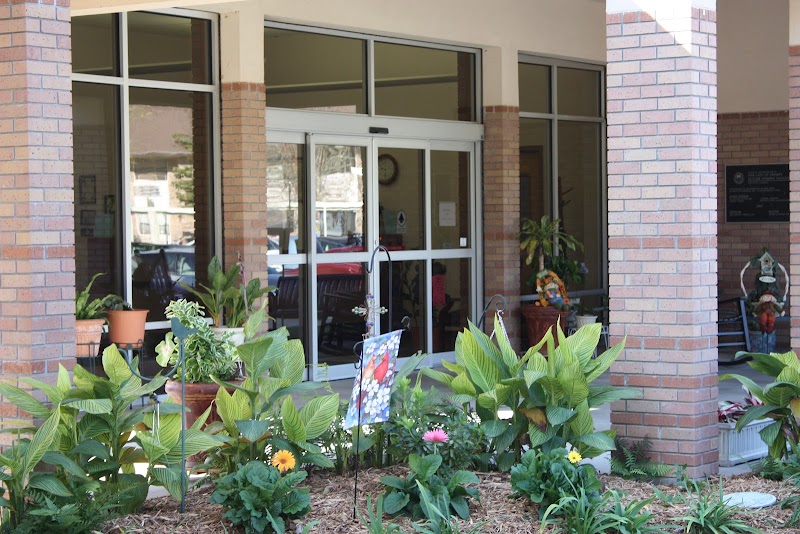
How is Our Lady Of Prompt Succor Nursing Facility Staffed?

CMS rates OUR LADY OF PROMPT SUCCOR NURSING FACILITY's staffing level at 3 out of 5 stars, which is average compared to other nursing homes. Staff turnover is 33%, compared to the Louisiana average of 46%. This relatively stable workforce can support continuity of care.

What Have Inspectors Found at Our Lady Of Prompt Succor Nursing Facility?

State health inspectors documented 21 deficiencies at OUR LADY OF PROMPT SUCCOR NURSING FACILITY during 2022 to 2025. These included: 21 with potential for harm.
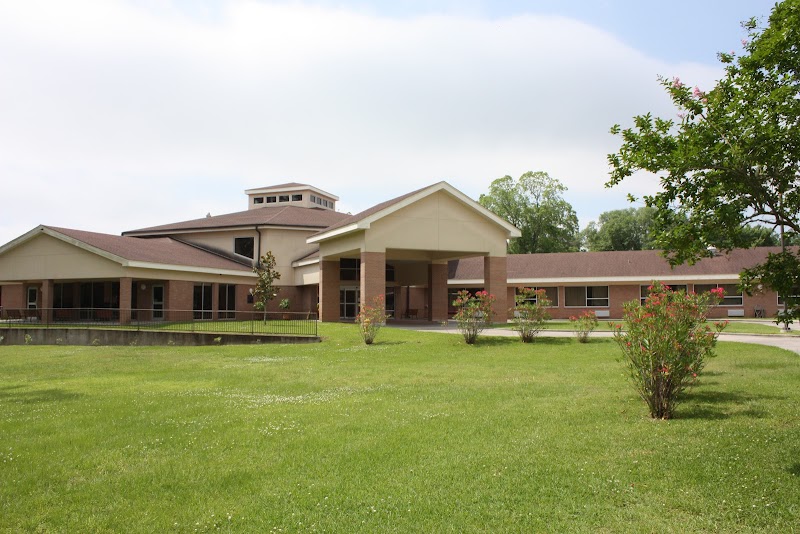
Who Owns and Operates Our Lady Of Prompt Succor Nursing Facility?

OUR LADY OF PROMPT SUCCOR NURSING FACILITY is owned by a for-profit company. For-profit facilities operate as businesses with obligations to shareholders or private owners. The facility is operated by RIGHTCARE HEALTH SERVICES, a chain that manages multiple nursing homes. With 120 certified beds and approximately 108 residents (about 90% occupancy), it is a mid-sized facility located in OPELOUSAS, Louisiana.

How Does Our Lady Of Prompt Succor Nursing Facility Compare to Other Louisiana Nursing Homes?

Compared to the 100 nursing homes in Louisiana, OUR LADY OF PROMPT SUCCOR NURSING FACILITY's overall rating (4 stars) is above the state average of 2.4, staff turnover (33%) is significantly lower than the state average of 46%, and health inspection rating (4 stars) is above the national benchmark.

What Should Families Ask When Visiting Our Lady Of Prompt Succor Nursing Facility?

Based on this facility's data, families visiting should ask: "Can I visit during a mealtime to observe dining assistance and food quality?" "How do you handle medical emergencies, and what is your hospital transfer rate?" "Can I speak with family members of current residents about their experience?"

Is Our Lady Of Prompt Succor Nursing Facility Safe?

Based on CMS inspection data, OUR LADY OF PROMPT SUCCOR NURSING FACILITY has a clean safety record: no substantiated abuse findings (meaning no confirmed cases of resident harm), no Immediate Jeopardy citations (the most serious violation level indicating risk of serious injury or death), and is not on the Special Focus Facility watch list (a federal program monitoring the lowest-performing 1% of nursing homes). The facility has a 4-star overall rating and ranks #1 of 100 nursing homes in Louisiana. While no facility is perfect, families should still ask about staff-to-resident ratios and recent inspection results during their visit.

Do Nurses at Our Lady Of Prompt Succor Nursing Facility Stick Around?

OUR LADY OF PROMPT SUCCOR NURSING FACILITY has a staff turnover rate of 33%, which is about average for Louisiana nursing homes (state average: 46%). Moderate turnover is common in nursing homes, but families should still ask about staff tenure and how the facility maintains care continuity when employees leave.

Was Our Lady Of Prompt Succor Nursing Facility Ever Fined?

OUR LADY OF PROMPT SUCCOR NURSING FACILITY has no federal fines on record. CMS issues fines when nursing homes fail to meet care standards or don't correct problems found during inspections. The absence of fines suggests the facility has either maintained compliance or corrected any issues before penalties were assessed. This is a positive indicator, though families should still review recent inspection reports for the full picture.

Is Our Lady Of Prompt Succor Nursing Facility on Any Federal Watch List?

OUR LADY OF PROMPT SUCCOR NURSING FACILITY is not on any federal watch list. The most significant is the Special Focus Facility (SFF) program, which identifies the bottom 1% of nursing homes nationally based on persistent, serious quality problems. Not being on this list means the facility has avoided the pattern of deficiencies that triggers enhanced federal oversight. This is a positive indicator, though families should still review the facility's inspection history directly.