CAMELOT OF BROUSSARD
418 ALBERTSON PARKWAY, BROUSSARD, LA 70518 (337) 839-9005
For profit - Limited Liability company 148 Beds PRIORITY MANAGEMENT Data: November 2025 2 Immediate Jeopardy citations
Trust Grade
11/100
#178 of 264 in LA
Last Inspection: March 2025

Within standard 12-15 month inspection cycle. Federal law requires annual inspections.

Overview

Camelot of Broussard has received a Trust Grade of F, indicating significant concerns about the quality of care provided. Ranked #178 out of 264 facilities in Louisiana, they are in the bottom half, and #7 out of 10 in Lafayette County, meaning there are only a few local options that are better. Although the facility is improving, having reduced issues from 26 in 2024 to 5 in 2025, it still has a long way to go with 44 total issues found during inspections, including critical violations related to unsanitary kitchen conditions and infection control practices. Staffing is rated below average at 2 out of 5 stars, with a turnover rate of 50%, which means staff may not be as familiar with residents' needs. Additionally, the facility has incurred $36,207 in fines, which is concerning and suggests ongoing compliance problems. Specific incidents include a failure to maintain a clean kitchen, risking foodborne illness for residents, and improper infection control practices during medication administration, highlighting both strengths in their trend of improvement and serious weaknesses in their current operations.

Trust Score
F
11/100
In Louisiana
#178/264
Bottom 33%
Safety Record
High Risk
Review needed
Inspections
Getting Better
26 → 5 violations
Staff Stability
⚠ Watch
50% turnover. Above average. Higher turnover means staff may not know residents' routines.
Penalties
⚠ Watch
$36,207 in fines. Higher than 84% of Louisiana facilities, suggesting repeated compliance issues.
Skilled Nurses
⚠ Watch
Each resident gets only 16 minutes of Registered Nurse (RN) attention daily — below average for Louisiana. Fewer RN minutes means fewer trained eyes watching for problems.
Violations
⚠ Watch
44 deficiencies on record. Higher than average. Multiple issues found across inspections.
★☆☆☆☆
1.0
Overall Rating
★★☆☆☆
2.0
Staff Levels
★★★☆☆
3.0
Care Quality
★☆☆☆☆
1.0
Inspection Score
Stable
2024: 26 issues
2025: 5 issues

The Good

  • Full Sprinkler Coverage · Fire safety systems throughout facility
  • No fines on record

Facility shows strength in fire safety.

The Bad

1-Star Overall Rating

Below Louisiana average (2.4)

Significant quality concerns identified by CMS

Staff Turnover: 50%

Near Louisiana avg (46%)

Higher turnover may affect care consistency

Federal Fines: $36,207

Above median ($33,413)

Moderate penalties - review what triggered them

Chain: PRIORITY MANAGEMENT

Part of a multi-facility chain

Ask about local staffing decisions and management

The Ugly 44 deficiencies on record

2 life-threatening
Mar 2025 5 deficiencies
CONCERN (D)

Potential for Harm - no one hurt, but risky conditions existed

Resident Rights (Tag F0550)

Could have caused harm · This affected 1 resident

Based on observations, interviews and record review, the facility failed to ensure resident were cared for in a manner and in an environment that maintained or enhanced his or her dignity by placing a...

Read full inspector narrative →
Based on observations, interviews and record review, the facility failed to ensure resident were cared for in a manner and in an environment that maintained or enhanced his or her dignity by placing a sign outside the residents door visible to the public indicating she required feeding assistance for 1 (Resident #14) out of 39 sampled residents, This failure could have caused decreased feeling of self-worth, feelings of embarrassment and a diminished quality of life. Findings: Review of the facility's policy, Quality of Life- Dignity, with a reviewed date of 12/27/2024 revealed: read in part, Policy statement, each resident shall be cared for in a manner that promotes and enhances quality of life, dignity, respect, and individuality 9. Staff shall maintain an environment in which confidential clinical information is protected, for example .b. signs indicating the resident's clinical status or care needs shall not be openly posted . Review of Resident #14's medical records revealed an admit date of 02/05/2010 with diagnoses that included: Hemiplegia and hemiparesis following cerebral infarction affecting left non-dominant side. The resident's daughter was designated as her RP (responsible party). Review of Resident #14's Quarterly MDS (Minimum Data Set) with ARD (Assessment Reference Date) of 12/24/2024 revealed a BIMS (Brief Interview for Mental Status) of 05 indicating severe impaired cognition. Resident #14 required partial to moderate assistance with eating. An observation conducted on 03/09/2025 at 2:05 PM, revealed a sign on the outside of Resident #14's room door visible to anyone who passed by in the hall that stated, Resident is to be fed for all meals as tolerated to not leave food near resident without supervision. On 03/10/2025 at 8:05 AM, a phone interview was conducted with Resident's #14 RP (Responsible Party). She stated she did not ask the facility to put a sign outside of the resident's door that stated Resident is to be fed for all meals as tolerated to not leave food near resident without supervision She stated she had them to put signs inside of her room to help with care specifically if the facility were to have agency staff working, but not outside of the residents room door visible to the public. On 03/10/2025 at 10:23 AM, a second observation noted the sign on the outside of the resident's room door facing the public. The sign read Resident is to be fed for all meals as tolerated to not leave food near resident without supervision. On 03/11/2025 at 10:10 AM, an interview was conducted with S3DON (Director of Nursing). She confirmed Resident #14 had a sign outside of her room door that stated Resident is to be fed for all meals as tolerated to not leave food near resident without supervision. She stated the RP had requested to place the sign outside of the door awhile back.
CONCERN (D)

Potential for Harm - no one hurt, but risky conditions existed

Deficiency F0658 (Tag F0658)

Could have caused harm · This affected 1 resident

**NOTE- TERMS IN BRACKETS HAVE BEEN EDITED TO PROTECT CONFIDENTIALITY** Based on record review and interviews, the facility failed to provide care and services that met professional standards of quali...

Read full inspector narrative →
**NOTE- TERMS IN BRACKETS HAVE BEEN EDITED TO PROTECT CONFIDENTIALITY** Based on record review and interviews, the facility failed to provide care and services that met professional standards of quality by failing to ensure rounding was conducted every two hours for 1 (#99) resident out of a final sample of 39 residents. Findings: Review of Resident #99's medical record revealed she was admitted to the facility on [DATE] with diagnoses including muscle wasting and atrophy, anxiety, and vascular dementia. Review of Resident #99's plan of care initiated on 11/15/2023 revealed the resident was moderate risk for falls related to psychoactive drug use. Further review of the resident's plan of care revealed the resident had impaired cognitive function/dementia or impaired thought processes related to Alzheimer's, Dementia. On 03/09/2025 at 12:48 PM, an interview was conducted with Resident #99's RP (Responsible Party) who stated the staff were not rounding on the resident as they should. She further stated that the resident had a fall on 01/30/2025 and was not rounded on for six hours. On 03/11/2025 at 11:10 AM, a follow up interview was conducted with Resident #99's RP who provided video footage from the resident's electronic monitoring device in her room. The device was positioned facing the resident's bed with visualization of the bed and the resident's room door. The surveyor observed the following video evidence: On 01/29/2025 at 11:00 PM, S7LPN (Licensed Practical Nurse) entered Resident #99's room, conversed with the resident, and exited the room. At 2:29 AM on 01/30/2025, the resident was observed moving in bed before eventually sliding out of bed at 2:30 AM. The resident was on her knees and then slid to the floor. On 01/30/2025 at 5:16 AM, S7LPN and S8CNA (Certified Nursing Assistant) entered the resident's room and found her on the floor. Resident #99 was not rounded on between 11:00 PM on 01/29/2025 and 5:16 AM on 01/30/2025. On 03/11/2025 at 11:32 AM, an interview was conducted with S3DON (Director of Nursing) who confirmed the resident fell on [DATE]. She stated they were able to review the facility's video footage on 01/30/2025, and confirmed there were some issues with staff rounding. She further stated that staff was expected to at least look into the resident's room and check for positioning and safety when rounding at night, and rounding every two hours was a general guideline. S3DON stated that after reviewing the facility's video footage evidence, it was confirmed that two hour rounds were not conducted on Resident #99. A review of the facility's video footage review provided by S11ADM (Administrator) for 01/30/2025, revealed two hour rounds were not conducted on Resident #99 until 5:16 AM.
CONCERN (D)

Potential for Harm - no one hurt, but risky conditions existed

Pharmacy Services (Tag F0755)

Could have caused harm · This affected 1 resident

Deficiency Text Not Available

Read full inspector narrative →
Deficiency Text Not Available
CONCERN (E)

Potential for Harm - no one hurt, but risky conditions existed

Food Safety (Tag F0812)

Could have caused harm · This affected multiple residents

Based on observations and interviews, the facility failed to maintain professional standards for food service safety by failing to wear appropriate hair restraints. This deficient practice had the pot...

Read full inspector narrative →
Based on observations and interviews, the facility failed to maintain professional standards for food service safety by failing to wear appropriate hair restraints. This deficient practice had the potential to affect the 124 residents who consumed food from the kitchen. A review of the facility's policy titled Preventing Foodborne Illness-Employee Hygiene and Sanitary Practices with a last review date of 12/27/2024, read in part, Policy Statement: Food Service employees shall follow appropriate hygiene and sanitary procedures to prevent the spread of foodborne illness. Policy Interpretation and Implementation .12. Hair nets or caps and/or beard restraints must be worn to keep hair from contacting exposed food, clean equipment, utensils and linens. On 03/09/25 at 09:30 AM, an observation was made in the kitchen of S1DM (Dietary Manager) not wearing a beard restraint, with facial hair exposed. On 03/09/25 at 11:00 AM, an observation was made in the kitchen of S2MD (Maintenance Director). S2MD was observed wearing a hair net on the top of his head, but with a large amount of hair exposed, hanging to his shoulders. On 03/09/2025 at 11:00 AM, an interview was conducted with S1DM. He confirmed that he should have been wearing a beard restraint. S1DM also confirmed that S2MD should have been wearing all of his hair under the hair net.
CONCERN (F)

Potential for Harm - no one hurt, but risky conditions existed

Infection Control (Tag F0880)

Could have caused harm · This affected most or all residents

**NOTE- TERMS IN BRACKETS HAVE BEEN EDITED TO PROTECT CONFIDENTIALITY** Based on observations, interviews and policy review, the facility failed to maintain an effective infection prevention and contr...

Read full inspector narrative →
**NOTE- TERMS IN BRACKETS HAVE BEEN EDITED TO PROTECT CONFIDENTIALITY** Based on observations, interviews and policy review, the facility failed to maintain an effective infection prevention and control program designed to provide a safe, sanitary, and comfortable environment, and to help prevent the development and transmission of communicable diseases and infections as evidenced by failing to: 1. perform proper hand hygiene during medication administration; and 2. wear appropriate PPE (Personal Protective Equipment) to care for Resident #13 who was on Enhanced Barrier Precautions (EBP). The facility's census was 121 residents. Findings: 1. On 03/10/2025, a review of the facility's policy titled Handwashing/Hand Hygiene with a last reviewed date of 12/27/2024, read in part, Policy Statement: This facility considers hand hygiene the primary means to prevent the spread of infections. Policy Interpretation and Implementation .2. All personnel shall follow the handwashing/hand hygiene procedures to help prevent the spread of infections to other personnel, residents and visitors .7. Use an alcohol-based hand rub containing at least 60-90% alcohol; or alternatively, soap (antimicrobial or non-antimicrobial) and water for the following situations .m. after removing gloves .8. Hand hygiene is the final step after removing and disposing of personal protective equipment. 9. The use of gloves does not replace hand washing/hand hygiene .Applying and Removing Gloves. 1. Perform hand hygiene before applying non-sterile gloves. On 03/10/2025 at 8:06 AM, an observation was made of S4LPN (Licensed Practical Nurse) administering medications on Hall A. S4LPN was preparing medications for Resident #89, when Resident #109 walked out of the neighboring room and asked S4LPN to remove a wristband from her wrist. S4LPN took a pair of scissors from her medication cart drawer and removed the wristband from Resident #109's wrist and immediately returned to continue preparing medications for Resident #89 without sanitizing her hands. S4LPN was then observed as she entered Resident #89's room to administer her medications. The resident refused two of the capsules in the cup. S4LPN returned to the cart, donned a pair of gloves and removed the pills from the medicine cup, then removed the gloves and returned to the resident's room to administer the remaining meds. S4LPN did not sanitize her hands before or after gloving. During an interview on 03/10/2025 at 8:11 AM, S4LPN stated she should have sanitized her hands before and after removing the resident's wrist band and before and after gloving. On 03/10/2025 at 9:34 AM, an observation was made of S5LPN during medication pass on Hall W. S5LPN picked up a pen from a cup on her cart and the pen fell on the floor. She reached down and picked up the pen from the floor and used it to sign a sheet on her cart then continued to prepare medications. S5LPN did not sanitize her hands. During an interview with S5LPN on 03/10/2025 at 9:45 AM, she confirmed that she did not sanitize her hands and stated she should have picked up the pen and cleaned it with a sanitizing wipe then sanitize her hands. During an interview with S10RNIP (Registered Nurse, Infection Preventionist) on 03/10/2025 at 2:32 PM, she confirmed that S4LPN and S5LPN did not maintain good infection control practice. She stated S4LPN should have performed hand hygiene before and after patient contact, and before donning and after removing gloves. She also stated the pen was dirty when it fell on the floor and S5LPN should have sanitized the pen with a wipe then perform hand hygiene. 2. On 03/10/2025, a review of the facility's policy titled, Enhanced Barrier Precautions Cheat Sheet with a last reviewed date of 12/27/2024 read in part, Examples of Enhanced-Based Precaution Residents: Wounds-includes .pressure ulcers .Enhanced-Based Precautions are indicated during: .wound care; any skin opening requiring dressing .Implementation: gowns and gloves are used during high-contact sessions . Review of Resident #13's admission Record revealed she was admitted to the facility on [DATE] with diagnoses that included in part, chronic obstructive pulmonary disease, peripheral vascular disease, and atrial fibrillation. Review of Resident #13's Medication Review Report revealed an order dated 12/23/2024 that read, Stage 3 pressure ulcer to sacrum: cleanse with wound cleanser, pat dry, apply collagen and calcium alginate and cover with dry clean dressing every day and as needed. Further review revealed an order dated 01/14/2025 that read, Nursing Intervention: Implement and maintain enhanced barrier precautions when performing high contact care activities. Review of Resident #13's Care Plan Report revealed an intervention initiated on 12/30/2024 that read in part, At risk for EBP (Enhanced Barrier Precautions) related to patients are indicated for the following residents who are: known to be colonized or infected with a MDRO (Multidrug-resistant organism) when contact precautions do not otherwise apply, at increased risk of MDRO acquisition resident has a wound. Further review of Resident #13's Care Plan Report revealed in part, Goal: EBP care should be maintained for the resident's entire stay or until wounds have healed or indwelling medical device is no longer needed. On 03/10/2025 at 8:24 AM an observation was made of a sign posted on the wall next to Resident #13's room door indicating she was EBP and staff should wear a gown as part of their PPE (Personal Protective Equipment). On 03/10/25 at 9:07 AM a concurrent observation and interview was conducted with S6ADON (Assistant Director of Nursing) and S9LPN (Licensed Practical Nurse). S6ADON and S9LPN were observed not wearing gowns while providing wound care to Resident #13's sacral pressure ulcer. S6ADON and S9LPN confirmed that Resident #13 is on EBP. S6ADON and S9LPN confirmed they were aware the resident was on EBP and they both failed to wear a gown while providing resident care. On 03/10/2025 at 2:48 PM an interview was conducted with S10RNIP (Registered Nurse Infection Preventionist). She confirmed a gown and gloves must be donned when providing high contact resident care activities such as providing wound care if a resident is indicated for EBP.
Dec 2024 3 deficiencies
CONCERN (D) 📢 Someone Reported This

A family member, employee, or ombudsman was alarmed enough to file a formal complaint

Potential for Harm - no one hurt, but risky conditions existed

Deficiency F0658 (Tag F0658)

Could have caused harm · This affected 1 resident

**NOTE- TERMS IN BRACKETS HAVE BEEN EDITED TO PROTECT CONFIDENTIALITY** Based on record review and interview, the facility failed to ensure that services were provided to meet professional standards o...

Read full inspector narrative →
**NOTE- TERMS IN BRACKETS HAVE BEEN EDITED TO PROTECT CONFIDENTIALITY** Based on record review and interview, the facility failed to ensure that services were provided to meet professional standards of quality as evidenced by S2LPN (Licensed Practical Nurse) borrowing medication from one resident to give to 1 (Resident #1) out 3 (Resident #1-3) sampled resident investigated during a complaint survey. This deficient practice had the potential to affect the 127 residents in the nursing home. Findings: Review of Resident #1's clinical record revealed he was admitted on [DATE]. His diagnoses included in part, Generalized Osteoarthritis, Morbid Obesity, Muscle Weakness, Essential Hypertension and Benign Prostatic Hyperplasia with lower urinary tract symptoms. He expired on [DATE]. Review of the Resident #1's [DATE] MAR (Medication Administration Record) revealed an order dated [DATE] for Zofran (nausea medication) 4mg (milligram) by mouth three times a day for nausea until [DATE]. The start date was [DATE]. Review of a list of medications available in the facility's medication pyxis machine (an automated dispensing system that helps clinicians safely and effectively provide right medications to the right patient at the right time) provided revealed that Zofran 4mg was available in the pyxis machine. On [DATE] at 12 p.m., a phone interview was conducted with S2LPN. S1DON (Director of Nursing) was present. S2LPN was asked if she obtained the Zofran from the facility's medication pyxis machine, she replied, I don't remember if I did. She stated that she was more concerned with getting the resident the medication quickly to relieve his symptoms and she borrowed the medication from another resident's medication. When asked if she knew that Zofran was available in the medication pyxis machine, she stated she knew but she wanted to give the resident the Zofran as quickly as possible and repeated that she had borrowed the medication from another resident's medication. On [DATE] at 12:05 p.m., an interview was conducted with S1DON. She confirmed that Zofran was available in the facility's medication pyxis machine. She confirmed that S2LPN should have used the Zofran in the emergency medication pyxis machine and should not have borrowed another resident's medication.
CONCERN (D) 📢 Someone Reported This

A family member, employee, or ombudsman was alarmed enough to file a formal complaint

Potential for Harm - no one hurt, but risky conditions existed

Pharmacy Services (Tag F0755)

Could have caused harm · This affected 1 resident

**NOTE- TERMS IN BRACKETS HAVE BEEN EDITED TO PROTECT CONFIDENTIALITY** Based on record review and interview, the facility failed to assure the accurate administering of a medication for 1 (Resident #...

Read full inspector narrative →
**NOTE- TERMS IN BRACKETS HAVE BEEN EDITED TO PROTECT CONFIDENTIALITY** Based on record review and interview, the facility failed to assure the accurate administering of a medication for 1 (Resident #1) out of 3 (Resident #1-3) sampled residents investigated during a complaint survey. This deficient practice has the potential to affect the 127 resident in the nursing home. Findings: Review of Resident #1's clinical record revealed he was admitted on [DATE]. His diagnoses included in part, Generalized Osteoarthritis, Morbid Obesity, Muscle Weakness, Essential Hypertension and Benign Prostatic Hyperplasia with lower urinary tract symptoms. He expired on [DATE]. Review of the facility's Documentation of Medication Administration policy with a revision date of [DATE] read the following in part .The facility shall maintain a medication administration record to document all medication administered. A Nurse .shall document all medications administered to each resident on the resident's medication administration record (MAR). Administration of medication must be documented after (never before) it is given. Documentation must include, at a minimum .d. date and time of administration .f. signature and title of the person administering the medication and resident response to the medication, if applicable. Review of the Resident #1's [DATE] MAR (Medication Administration Record) revealed an order dated [DATE] for Zofran (nausea medication) 4mg (milligram) by mouth three times a day for nausea until [DATE]. The start date was [DATE]. Further review of the MAR revealed there was no documentation that the resident was administered Zofran after S2LPN (Licensed Practical Nurse) called the NP (Nurse Practitioner) on [DATE] at 3:42 a.m. and no documentation of the resident's response to the medication. On [DATE] at 11:50 a.m., an interview and record review was conducted with S1DON (Director of Nursing). S1DON reviewed Resident #1's [DATE] MAR and confirmed that S2LPN had failed to document on the Resident #1's MAR and/or in his progress notes for [DATE] the date and time she administered the Zofran and a follow up of the resident's symptoms after he received the Zofran. She confirmed that S2LPN did not follow proper procedure for medication administration and had not accurately documented in the resident's clinical record. On [DATE] at 12 p.m., a phone interview was conducted with S2LPN (Licensed Practical Nurse). S1DON (Director of Nursing) was present. S2LPN stated on [DATE], she called the on-call NP and received an order for Zofran 4mg by mouth TID (3 times/day) x (for) 3 days for the resident's complaint of nausea. She stated that she administered the Zofran as ordered to the resident. She confirmed that she did not follow the correct procedure for the administration of the Zofran by not documenting on the resident's MAR and/or nurse's notes and not documenting a follow-up of the resident's response to the medication. She confirmed that she should have documented on the MAR the administration of the Zofran and documented in the nurse's notes a follow-up on the resident's symptoms.
CONCERN (D) 📢 Someone Reported This

A family member, employee, or ombudsman was alarmed enough to file a formal complaint

Potential for Harm - no one hurt, but risky conditions existed

Medical Records (Tag F0842)

Could have caused harm · This affected 1 resident

**NOTE- TERMS IN BRACKETS HAVE BEEN EDITED TO PROTECT CONFIDENTIALITY** Based on record reviews and interviews, the facility failed to maintain accurate medical records in accordance with accepted pro...

Read full inspector narrative →
**NOTE- TERMS IN BRACKETS HAVE BEEN EDITED TO PROTECT CONFIDENTIALITY** Based on record reviews and interviews, the facility failed to maintain accurate medical records in accordance with accepted professional standards and practices for 1 (#1) out of 3 (#2 and #3) sampled residents. S2LPN failed to accurately document on the EMAR (Electronic Medication Administration Record) and/or nurse's notes the administration of a medication. This deficient practice had the potential to affect the 127 residents in the nursing home. Findings: On 12/10/2024, a review of the facility's policy titled Documentation of Medication Administration with a last revision date of April 2007, read in part, Policy Interpretation and Implementation: A Nurse or Certified Medication Aide (where applicable) shall document all medications administered to each resident on the resident's EMAR (electronic medication administration record). The policy also indicated that the following information is to be documented in the resident's medical record: Name and strength of the drug, dosage, method of administration, date and time of administration, reason(s) why a medication was withheld, not administered, or refused, signature and title of the person administering the medication, and resident response to the medication. Resident #1's medical record revealed he was admitted to the facility on [DATE] with diagnoses which included, but were not limited to, Generalized Osteoarthritis, Morbid Obesity, and BPH (Benign Prostatic Hyperplasia) with Lower Urinary Tract Symptoms. A review of Resident #1's progress notes documented by S2LPN (Licensed Practical Nurse) indicated on 10/30/2024 at 3:42 a.m., resident complained of nausea and vomited twice. S2LPN called the Nurse Practitioner and received a new order for Zofran (nausea medication) 4 mg (milligrams) every 8 hours for 3 days . Review of a telephone order dated 10/30/2024 written by S2LPN revealed an order for Zofran 4mg po (by mouth) TID (three times a day) x (for) 3D (days). A review of Resident #1's October 2024 EMAR failed to reveal documentation that Zofran 4 mg was administered on 10/30/2024 by S2LPN. The review also failed to reveal documentation that S2LPN conducted a follow up on the resident's response to the medication. On 12/10/2024 at 11:55 a.m., an interview and record review was conducted with S1DON (Director of Nursing). A review of Resident #1's October 2024 EMAR and S2LPN's nurse's note from 10/30/2024 at 3:42 a.m. was conducted with S1DON. S1DON confirmed that S2LPN had failed to document on Resident #1's EMAR and/or in his nurse's notes that she administered the resident Zofran and the resident's response to the medication. S1DON stated that S2LPN should have documented the administration of the Zofran and the resident's response to the medication on the resident's EMAR, or at least in the nurse's notes. S1DON agreed that S2LPN had not accurately documented in the resident's clinical record.
Nov 2024 3 deficiencies
CONCERN (D) 📢 Someone Reported This

A family member, employee, or ombudsman was alarmed enough to file a formal complaint

Potential for Harm - no one hurt, but risky conditions existed

Deficiency F0583 (Tag F0583)

Could have caused harm · This affected 1 resident

**NOTE- TERMS IN BRACKETS HAVE BEEN EDITED TO PROTECT CONFIDENTIALITY** Based on record reviews, observations, interviews, and review of facility policy and procedure the facility failed to ensure a r...

Read full inspector narrative →
**NOTE- TERMS IN BRACKETS HAVE BEEN EDITED TO PROTECT CONFIDENTIALITY** Based on record reviews, observations, interviews, and review of facility policy and procedure the facility failed to ensure a resident was provided privacy during personal care for 1 (#2) out of 3 (#1, #2, and #3) sampled residents reviewed for resident rights. Findings: On 11/06/2024, a review of the facility's policy titled, Quality of Life - Dignity with a last reviewed date of 12/27/2023, read in part, . Policy Statement: Each resident shall be care for in a manner that promotes and enhances quality of life, dignity, respect, and individuality. Policy Interpretation and Implementation . 10. Staff shall promote, maintain and protect resident privacy, including bodily privacy during assistance with personal care . Review of Resident #2's record revealed she was admitted to the facility on [DATE] with diagnoses that included in part, Disease of Basal Ganglia, Muscle Weakness, Parkinson's Disease, and Tremor. Review of Resident #2's most recent Quarterly Minimum Data Set (MDS) dated [DATE], revealed the resident's Brief Interview for Mental Status (BIMS) score was 12, indicating her cognition was moderately impaired. Section GG: Functional Status read in part, Toilet use was coded as Extensive assistance/2. One person physical assist. Section H- Bladder and Bowel read in part, urinary continence was coded as occasionally incontinent Review of Resident #2's comprehensive plan of care, read in part, The resident has an ADL self-care performance deficit r/t (related to) . Muscle Weakness with interventions . dated 11/02/2023; Personal Hygiene: Resident requires assistance with personal hygiene Review of video surveillance in Resident #2's room revealed: 1. On 08/31/2024 at 9:52 p.m. S7CNA (Certified Nursing Assistant) was changing resident's brief with the door open. Resident #2's lower half of her body was uncovered and exposed from the hallway during personal care. 2. On 10/16/24 at 11:11 p.m. S7CNA was checking resident's brief to see if she was soiled. Resident #2's lower half of her body was uncovered and exposed from the hallway during personal care. On 11/06/2024 at 4:41 p.m. a review of video surveillance from 08/31/2024 and 10/16/2024 and interview was conducted with S2DON (Director of Nursing) who confirmed Resident #2's door should have been closed during personal care.
CONCERN (D) 📢 Someone Reported This

A family member, employee, or ombudsman was alarmed enough to file a formal complaint

Potential for Harm - no one hurt, but risky conditions existed

Report Alleged Abuse (Tag F0609)

Could have caused harm · This affected 1 resident

**NOTE- TERMS IN BRACKETS HAVE BEEN EDITED TO PROTECT CONFIDENTIALITY** Based on record reviews, observations, interviews, and review of facility's manual the facility failed to report to the administ...

Read full inspector narrative →
**NOTE- TERMS IN BRACKETS HAVE BEEN EDITED TO PROTECT CONFIDENTIALITY** Based on record reviews, observations, interviews, and review of facility's manual the facility failed to report to the administrator of the facility an event involving verbal abuse for 1 (#2) out of 3 (#1, #2, and #3) sampled resident reviewed for reporting alleged violations. Findings: On 11/06/2024, a review of the facility's manual titled, Abuse Neglect Reporting with a last revision date of 09/01/2016, read in part, Verbal Abuse - the use of oral, written or gesture language that willfully include disparaging and derogatory terms to residents . regardless of their age, ability to comprehend . Mental Abuse - this includes but is not limited to humiliation, harassment, and threats of punishment or deprivation . additional definitions: mistreatment: means to inappropriately treat or exploit a resident.In the event of any evidence involving mistreatment, exploitation, neglect or abuse, or other crime, including injuries of an unknown source, and an occurrence will be reported to the administrator of the facility . Findings: Review of Resident #2's record revealed she was admitted to the facility on [DATE] with diagnoses that included in part, Disease of Basal Ganglia, Muscle Weakness, Parkinson's Disease, and Tremor. Review of Resident #2's most recent Quarterly Minimum Data Set (MDS) dated [DATE], revealed the resident's Brief Interview for Mental Status (BIMS) score was 12, indicating her cognition was moderately impaired. Review of video surveillance in Resident #2's room revealed: On 10/16/2024 at 9:51 p.m. S4RN (Registered Nurse), S5LPN (Licensed Practical Nurse) and S6CNA (Certified Nursing Assistant) walk into Resident #2's room and Resident #2 is sitting on the floor. S6CNA stated this is what happens when they don't put their foot down with family members, and they play too many games they can find them another CNA tonight, and that's on my momma cause they will never work me like this S5LPN stated What's going on Resident #2? S6CNA stated to Resident #2 not listening for no reason she had just got up and 10 (p.m.), 10:15 (p.m.) you didn't have no reason to get up, you didn't have to use the bathroom and I'm not even with all of this, Resident #2 can beg me picking up on her like this . On 11/06/2024 at 9:34 a.m., an interview with S4RN. Reviewed video surveillance from 10/16/2024 involving what was said by S6CNA and how she spoke to Resident #2 and she confirmed that is a not a way to talk to a resident. She confirmed that speaking to a resident in that manner is not acceptable and she did not report it to her ADON (Assistant Director of Nursing), DON (Director of Nursing), or administrator. She confirmed that the S6CNA speaking to the resident in this manner in front of others could have caused the resident to feel humiliated. On 11/06/2024 at 10:06 a.m. an interview was conducted with S5LPN. Reviewed video surveillance on 10/16/2024 involving what was said by S6CNA and how she spoke to Resident #2. He confirmed S6CNA mistreated the resident. He confirmed that he did not report this to the ADON, DON, or administrator and should have. On 11/06/2024 at 4:34 p.m. a review of video surveillance from 10/16/2024 and joint interview was conducted with S1ADM (Administrator), S2DON (Director of Nursing), and S3QI (Quality Insurance Nurse). They confirmed S6CNA was unprofessional with Resident #2 and this was not reported to them by S4RN and/or S5LPN.
CONCERN (E) 📢 Someone Reported This

A family member, employee, or ombudsman was alarmed enough to file a formal complaint

Potential for Harm - no one hurt, but risky conditions existed

Free from Abuse/Neglect (Tag F0600)

Could have caused harm · This affected multiple residents

**NOTE- TERMS IN BRACKETS HAVE BEEN EDITED TO PROTECT CONFIDENTIALITY** Based on record reviews, observations, interviews, and facility policy and procedure review, the facility failed to protect the ...

Read full inspector narrative →
**NOTE- TERMS IN BRACKETS HAVE BEEN EDITED TO PROTECT CONFIDENTIALITY** Based on record reviews, observations, interviews, and facility policy and procedure review, the facility failed to protect the residents' right to be free from abuse. The facility failed to protect: 1. Resident #2 from verbal abuse and mental abuse by S6CNA (Certified Nursing Assistant), and 2. Resident #1 from physical abuse by Resident #3. Findings: On 11/06/2024, a review of the facility's policy titled, Abuse and Neglect - Clinical Protocol with a last reviewed date of 12/27/2023, read in part, . Policy Statement: The facility will ensure that each resident had the right to be free from, among other things, physical or mental abuse and corporal punishment. The facility will provide a safe resident environment and protect residents from abuse. Policy interpretation and Implementation: . Staff to Resident Abuse of any Types: . The facility assumes the responsibility upon admission of ensuring safety and well-being of the resident . Staff are expected to be in control of their behavior and behave professionally . Definitions: Abuse, is defined at §483.5 as the willful infliction of injury, unreasonable confinement, intimidation, or punishment with resulting physical harm, pain or mental anguish. Abuse also includes the deprivation by an individual, including a caretaker, of goods or services that are necessary to attain or maintain physical, mental, and psychosocial well-being. Instances of abuse of all residents, irrespective of any mental or physical condition, cause physical harm, pain or mental anguish. It includes verbal abuse, sexual abuse, physical abuse, and mental abuse . Verbal Abuse - the use of oral, written or gesture language that willfully include disparaging and derogatory terms to residents . regardless of their age, ability to comprehend . Physical Abuse - this includes but not limited to hitting, slapping, pinching, and kicking . Mental Abuse - this includes but is not limited to humiliation, harassment, and threats of punishment or deprivation . 1. Resident #2: Review of Resident #2's record revealed she was admitted to the facility on [DATE] with diagnoses that included in part Disease of Basal Ganglia, Muscle Weakness, Cognitive Communication Deficit, and Depression. Review of Resident #2's most recent Quarterly Minimum Data Set (MDS) dated [DATE] revealed the resident's Brief Interview for Mental Status (BIMS) score was 12, indicating her cognition was moderately impaired. Section GG: Functional Status read in part, Transfers, toileting and bed mobility was coded as Extensive assistance/2. One person physical assist. Review of Resident #2's comprehensive plan of care, read in part, the resident has impaired cognitive function/dementia or impaired thought process r/t (related to) degenerative diseases of Basal Ganglia with interventions that read in part, ask yes/no questions in order to determine the resident's needs, . communication: use the resident preferred name, identify yourself at each interaction, face the resident when speaking and make eye contact, reduce any distractions ., the resident understands consistent, simple, directive sentences, provide the resident with necessary cues- stop and return if agitated. The resident has an ADL self-care performance deficit r/t . Muscle Weakness with interventions . Bed Mobility: Resident requires assistance with bed mobility . Transferring: Resident requires assistance with transferring. Review of video surveillance in Resident #2's room revealed: On 09/04/2024 at 10:25 p.m.: S6CNA was observed walking with Resident #2 and assisting her back to her bed after using the restroom. S6CNA stated, Go all the way to the top of the bed, all the way .Don't you sit down until I tell you, walk, walk all the way to the top grab that rail . all the way to the top grab that rail . don't you lay your big butt down . go up some more cause ain't nobody got time pulling up on you, you're too heavy . Resident #2 stated, Are you mad at me? CNA stated, I ain't never mad I'm just not going to let you waste my time cause I don't play that .I got things to do . On 9/27/2024 at 11:28 p.m.: Resident #2 set off bed alarm by sitting up in bed. S6CNA came into the room and stated, Where you going? Resident #2 stated, I'm going walk for a little bit. S6CNA stated, No you're not get back in the bed .not playing with you and I already told you that .get yourself back in that bed get back in the bed. Resident #2 is seen attempting to lay down by herself without assistance from S6CNA was seen hovering over the resident. She displayed signs of struggling to lay back down without assistance and can be heard grunting. S6CNA stated, You're going to figure it out. S6CNA walked away from resident and leaned against the wall and put her hands in her pockets and stated, Next time you're going to know how hard it is to get back in the bed .go to sleep, go to bed .don't get out that bed . cause you going put yourself right back in. On 10/16/2024 at 9:46 p.m.: Resident #2 was seen sitting up in the bed. S6CNA walked in and stated, Why are you getting up? . No, you're not you just went to the bathroom .I don't care what your daughter got going on I just took you to the bathroom and I am not going to be in this room all night with you I came in here at 10:00 (p.m.), 10:15 (p.m.), and its 10:49 (p.m). S6CNA then pointed at to resident and then pointed to the bed and said Lay down. I'm not straining on you all night and I can go home .I can find me another job .I'm not dealing with you all night every night .get back in the bed, get yourself back in the bed how you got up .they got other patients around here not just you. S6CNA then exits Resident #2's room. On 11/06/2024 at 2:12 p.m. a phone interview with Resident #2's RP (Responsible Party) who stated that Resident #2 is her mom. She stated her mom has Fahr's Disease or Basal Ganglia Disease which affected her memory at times. She stated Resident #2 had a history of being verbally abused in her marriage of 40 years. She stated when her mother experienced this verbal abuse she would have nervous tics in her face caused by her increased anxiety. She stated she noticed her mom started having nervous tics which alerted her to start reviewing the video surveillance camera footage of Resident #2's room in October 2024. She stated Resident #2 would feel terrible about being spoken to in that manner by S6CNA if her cognition was not impaired. She stated on occasion she would hear her mom say, I'm not being bad am I? She stated she was scared for her mom and that is why she was transferred out of the facility. On 11/06/2024 at 2:46 p.m. a phone interview was conducted with Resident #2. She stated she does remember living at the previous facility. She stated the CNA's would talk to her very ugly but she does not remember their names. She reported after they spoke to her in an ugly way she was a little scared of them. She stated she left the facility because of the way they were treating her. On 11/06/2024 at 4:34 p.m. a review of video surveillance from the dates listed above and joint interview was conducted with S1ADM (Administrator), S2DON (Director of Nursing), and S3QI (Quality Insurance Nurse). They confirmed S6CNA was unprofessional, had communication problems, and a gruffness to her voice towards Resident #2. S2DON confirmed when S6CNA stated things such as you're too heavy was insulting to Resident #2. 2. Resident #3: Review of Resident #3's record revealed she was admitted to the facility on [DATE] with diagnoses that included in part, Anxiety Disorder, Major Depressive Disorder, and Alzheimer's Disease. Review of Resident #3's most recent Annual Minimum Data Set (MDS) dated [DATE], revealed the resident's Brief Interview for Mental Status (BIMS) score was 00, indicating her cognition was severely impaired. Section GG: Functional Status read in part, coded yes for wheelchair use, and coded as no impairment to her upper and lower extremity. Review of Resident #3's comprehensive plan of care, read in part, The resident is/has potential to be physically aggressive r/t (related to) Resident hit another resident. Date Initiated: 10/18/2024 . Review of Resident #3's nurse's note dated 10/16/2024 at 12:15 p.m. by S8LPN (Licensed Practical Nurse) read in part, Summoned to dining room by CNA (Certified Nursing Assistant) . states that resident noted on front of Hall W way where she was witnessed hitting another resident repeatedly .resident unable to say what happened but verbalized that she knew hitting people is wrong . On 11/04/2024 at 3:17 p.m. an interview was conducted with Resident #3. She was unable to recall an incident with Resident #1. Resident #1: Review of Resident #1's record revealed she was admitted to the facility on [DATE] with diagnoses that included in part, Alzheimer's Disease, Cognitive Communication Deficit, and Muscle Weakness. Review of Resident #1's most recent admission Minimum Data Set (MDS) dated [DATE], revealed the resident's Brief Interview for Mental Status (BIMS) score was 3, indicating her cognition was severely impaired. Section GG: Functional Status read in part, coded yes for wheelchair use. Review of Resident #1's nurse's note dated 10/16/2024 at 12:15 p.m. by S7LPN (Licensed Practical Nurse) read in part, noted by staff that resident was in an altercation with another resident, ask resident what transpired, resident denied any incident. No bruises to the upper/lower extremities. No complaints of pain. On 11/04/2024 at 3:32 p.m. an interview was conducted with Resident #1. She was unable to recall the incident in which she was struck by Resident #3. On 11/04/2024 at 2:36 p.m., a joint interview with S1ADM (Administrator) and S9AsstADM (Assistant Administrator) was conducted. They stated that they reviewed the video surveillance after the incident and Resident #1's back was towards the camera Resident #3 wheeled by Resident #1 and slapped her on the arm. S1ADM stated based off of the video surveillance Resident #3 was the aggressor and it looked like Resident #3 was meaning to strike at Resident #1. On 11/04/2024 at 2:39 p.m., review of video surveillance with no time stamps on S9AsstADM phone with permission. Resident #1's back was faced towards the camera, she was sitting on her wheelchair. Resident #3 passed by Resident #1 in her wheelchair and slapped Resident #1 on her arm. On 11/04/2024 at 2:44 p.m., an interview with S2DON (Director of Nursing) was conducted. She stated she reviewed video surveillance and Resident #1 and Resident #3 were on Hall W where the incident took place. S2DON stated that based off the video surveillance Resident #3 was wheeling towards Resident #1 and started hitting her. Regarding Resident #3's willful action, S2DON stated that's hard to say but yes, we didn't know if she wanted to hurt her but she did want to hit her. S2DON stated Resident #3 does have a history of aggressive behavior.
Oct 2024 3 deficiencies
CONCERN (D) 📢 Someone Reported This

A family member, employee, or ombudsman was alarmed enough to file a formal complaint

Potential for Harm - no one hurt, but risky conditions existed

Notification of Changes (Tag F0580)

Could have caused harm · This affected 1 resident

**NOTE- TERMS IN BRACKETS HAVE BEEN EDITED TO PROTECT CONFIDENTIALITY** Based on interviews and record review, the facility failed to ensure a resident's change in condition was immediatley reported f...

Read full inspector narrative →
**NOTE- TERMS IN BRACKETS HAVE BEEN EDITED TO PROTECT CONFIDENTIALITY** Based on interviews and record review, the facility failed to ensure a resident's change in condition was immediatley reported for 2 (#1, #2) residents out of 3 (#1, #2, #3) sampled residents as evidenced by: 1. S8VD/CNA (Van Driver/Certified Nursing Assistant) failing to report complaints of pain for Resident #1 and; 2. S6RN (Registered Nurse) failing to notify Resident #2's responsible party (RP) and physician of a significant change in Resident #2's physical condition. Findings: Review of the facility's policy titled Change in Resident's Condition or Status, with a last reviewed date of 12/27/2023, read in part .Policy Statement: Our facility shall promptly notify the resident, his or her Attending Physician Nurse Practitioner and the resident representative of changes in the resident's medical/mental condition and/or status. 1. The nurse will notify the resident's Attending Physician, Nurse Practitioner, or physician on call when there has been a(n): d. significant change in the resident's physical, emotional, mental condition. 2. A significant change of condition is a major decline or improvement in the resident's status that: a. Will not normally resolve itself without intervention by staff or by implementing standard disease related clinical interventions (is not self- limiting); 4. Unless otherwise instructed by the resident, a nurse will notify the resident's representative when: b. There is a significant change in the resident's physical, mental, or psychosocial status. Resident #1 Review of Resident #1's EHR (Electronic Health Record) revealed she was admitted to the facility on [DATE] with diagnoses that included in part, Alzheimer 's Disease, Pain, and Dorsalgia. Review of Resident #1's most recent Quarterly Minimum Data Set (MDS) dated [DATE], revealed the resident's Brief Interview for Mental Status (BIMS) score was 2, indicating her cognition was severely impaired. Review of the facility's transportation log revealed Resident #1 had a MD (Doctor of Medicine) appointment on 09/16/2024 at 1:30 p.m. Review of Resident #1's progress notes revealed a note dated 09/16/2024 by S4NurseAuditor that read in part, resident was being propelled in wheelchair with footrest present from elevator into hallway when her left leg slipped onto the ground. She complained of left lower leg pain once in her room. Hall nurse assessed and noted with left knee swelling, no bruising or discoloration noted but was unable to palpated d/t (due to) resident stating, It hurts. NP (Nurse Practitioner) notified with new order for x-ray to left knee. Prn (as needed) Pain med administered but pain was unrelieved. MRI of left knee ordered and carried out which showed a nondisplaced fracture of proximal tibia . Review of Resident #1's care plan revealed a focus that read in part, The resident had a bone fracture r/t (related to) left leg . Review of Witness Statement by S8VD/CNA dated 09/16/2024, read in part, We had went to the doctor we got back I was pushing her to her room in the elevator. Both of her legs was on the leg rest in the elevator. When we got back to out the elevator she was complaining her leg was hurting . On 10/07/2024 at 9:21 a.m., a telephone discussion was conducted with Resident #1's RP (Responsible Party). He stated that Resident #1 resided upstairs and to get to her room she utilized the elevator with assistance from staff. He stated on 09/16/2024 after lunch, he called Resident #1 to see how her physician's appointment went. He said as soon as Resident #1 answered the phone, she was crying and stated that her leg was hurting. Resident #1 notified her RP when the van driver was backing her out of the elevator her foot fell off and was caught under the wheelchair. He stated that Resident #1 said the van driver was supposed to go get help, but no one came into the room to help her. On 10/07/2024 at 11:25 a.m., an interview was conducted with S9LPN (Licensed Practical Nurse). She stated she was the nurse caring for Resident #1 on 09/16/2024. She stated Resident #1 went to a MD appointment and when she arrived back S8VD/CNA wheeled Resident #1 to her room and walked out. S9LPN stated she stopped the S8VD/CNA in the hall and retrieved Resident #1's paperwork from the MD appointment. She stated she was never notified from S8VD/CNA that anything abnormal happened with transferring Resident #1 back to her room, or that Resident #1 told her that she was in pain. S9LPN stated she went on lunch break and was relieved by S5StaffDeveloper. S9LPN stated that Resident #1 was able to let you know when something is wrong. S9LPN spoke to Resident #1 when she was off her lunch break, and Resident #1 informed her when she was getting off the elevator her left foot fell off the foot rest and went back and she heard something pop, and she told S8VD/CNA and also told her that she was in pain. S9LPN confirmed that S8VD/CNA failed to report Resident #1's new onset of pain to her from the incident that caused her left leg to fall off the foot rest. On 10/07/2024 at 12:34 p.m., an interview was conducted with S10CNA (Certified Nursing Assistant). She stated on 09/16/2024 she heard Resident #1's room number being called overhead and she went in the room to see what Resident #1 needed. She stated that Resident #1 told her she was ready to get in the bed and at the same time was rubbing her left knee. S10CNA stated she moved Resident #1's wheelchair and the resident started screaming in pain. She stopped moving the wheelchair and asked Resident #1 what was wrong and she stated her knee popped while the van driver was getting her off the elevator and she told the van driver she was in pain. She stated the van driver was supposed to get help but she never did. S10CNA stated she was never notified by S8VD/CNA that Resident #1 was in pain. She confirmed if a resident reports any type of change in condition such as new pain the nurse should be notified right away. On 10/07/2024 at 1:14 p.m., an interview was conducted with S8VD/CNA. She stated when she was taking Resident #1 off the elevator her legs were on the footrest and then she heard Resident #1 scream in pain and when she looked down she saw Resident #1's left leg was off the footrest. She stated she noticed this before she got to the nurse's station. She stated she put the resident's leg back on the footrest and wheeled her to her room. She stated she brought her paperwork back to the nurse's station, but did not notify S9LPN that Resident #1's left leg fell off of the wheelchair's foot rest or that she screamed in pain. On 10/07/2024 at 2:11 p.m., an interview was conducted with S2DON (Director of Nursing). She stated Resident #1 was returning from an appointment and when the resident was being pushed to her room in her wheelchair her leg slipped off the foot rest and she started experiencing knee pain with swelling. She stated a MRI of her left leg was done and she was diagnosed with a left tibia fracture. She stated she reviewed video camera surveillance and it was seen that S8VD/CNA was a few feet from coming out of the elevator and Resident #1's foot slipped off of the foot rest. S2DON stated, Yes and no if she should have notified the nurse, and on S8VD/CNA point of view it could have been confusing on her part to notify the nurse of the resident's pain. On 10/07/2024 at 2:45 p.m., an interview was conducted with S1ADM (Administrator). S1ADM stated Resident #1 and S8VD/CNA came off the elevator and she made a turn facing the camera, and Resident #1's leg fell off the foot rest and got caught under the wheelchair. He stated S8VD/CNA stopped and put her leg back on the foot rest. S8VD/CNA stopped at the nurse's station and then she pushed Resident #1 to her room. S1ADM stated, In hindsight 20/20 yeah she should have reported it to the nurse but the resident could have reported her own pain. On 10/07/2024 at 3:49 p.m., an interview was conducted with Resident #1. She stated that her left lower leg was broken and she had a brace on it. She stated it happened a few weeks ago when she was coming back from her MD appointment and her foot fell off the foot rest and got caught under the wheelchair. She stated she heard a pop, and immediately screamed and notified S8VD/CNA that she was in pain. She stated she was wheeled into her room and S8VD/CNA told her she was going to get help, but never came back to her room and no one else came into her room until she called for help. Resident #2 Review of Resident #2's EHR (Electronic Health Record) revealed the resident was admitted to the facility on [DATE] with diagnoses including, but not limited to, Overactive Bladder, Cognitive Communication Deficit, and Acute Cystitis without Hematuria. Review of Resident #2's nursing progress notes revealed a note written by S6RN (Registered Nurse) on 09/13/2024 at 9:07 p.m., that read in part: Summoned to resident's room by aide concerning resident having a high temperature of 102.0 accompanied with chills. Arrived to resident's room and assessed vitals BP (Blood Pressure) 164/80, Pulse 83, T (Temperature) 102.8, O2 (Oxygen) 89%. Resident was placed on O2 concentrator via NC (Nasal Cannula) on 1 liter to elevate O2 levels .Two Tylenol 325 mg (milligrams) tablets were administered PO (by mouth) at 1945(7:45 p.m.) for fever Care ongoing. Further review of Resident #2's progress notes failed to reveal documented evidence that the resident's family or physician was notified of the resident's change in condition. On 10/07/2024 at 9:05 a.m., a phone interview was conducted with Resident #2's family member who stated that they were surprised to learn that the resident was placed on oxygen over the weekend prior to her hospitalization on 09/16/2024. She stated that neither she nor the resident's RP were notified that the resident had been placed on oxygen. Attempts were made to conduct a phone interview with S6RN on 10/07/2024 at 1:41 p.m. and 3:57 p.m. with no response. On 10/07/2024 at 2:05 p.m., an interview was conducted with S2DON (Director of Nursing). S2DON stated the resident began experiencing shortness of breath and had a fever on the night of 09/13/2024. S6RN administered Tylenol for the resident's fever, and placed the resident on oxygen. S2DON stated that in her opinion, S6RN did not think to call the physician or nurse practitioner (NP) because she believed the resident improved. S2DON confirmed the resident's family member's assertion that Resident #2 remained on supplemental oxygen over the weekend. S2DON further confirmed that the resident's family, NP, nor physician were not notified. S2DON stated the resident's family and attending physician should have been notified of the resident's change in condition.
CONCERN (D) 📢 Someone Reported This

A family member, employee, or ombudsman was alarmed enough to file a formal complaint

Potential for Harm - no one hurt, but risky conditions existed

Comprehensive Care Plan (Tag F0656)

Could have caused harm · This affected 1 resident

**NOTE- TERMS IN BRACKETS HAVE BEEN EDITED TO PROTECT CONFIDENTIALITY** Based on record reviews and interviews, the facility failed to develop and/or implement a comprehensive person-centered plan of ...

Read full inspector narrative →
**NOTE- TERMS IN BRACKETS HAVE BEEN EDITED TO PROTECT CONFIDENTIALITY** Based on record reviews and interviews, the facility failed to develop and/or implement a comprehensive person-centered plan of care and/or physician's orders for 2 (#1 and #3) out of 3 (#1, #2, and #3) sampled resident as evidence by failing to: 1. implement a physician's order to monitor for changes post incident for Resident #1; and 2. develop appropriate interventions to prevent future falls from occurring for Resident #3. Findings: On 10/08/2024, a review of the facility's policy titled, Assessing Falls and Their Causes with a last reviewed date of 12/27/2023, read in part, Documentation: When a resident fall, the following information should be recorded in the resident's (electronic medical record): . 6. Appropriate interventions taken to prevent future falls . Resident #1 Review of Resident #1's record revealed she was admitted to the facility on [DATE] with diagnoses that included in part, Alzheimer 's Disease, Pain, and Dorsalgia. Review of Resident #1's most recent Quarterly Minimum Data Set (MDS) dated [DATE], revealed the resident's Brief Interview for Mental Status (BIMS) score was 2, indicating her cognition was severely impaired. Review of Resident #1's progress notes revealed a note dated 09/16/2024 by S4NurseAuditor that read in part, resident was being propelled in wheelchair with footrest present from elevator into hallway when her left leg slipped onto the ground. She complained of left lower leg pain once in her room. Hall nurse assessed and noted with left knee swelling, no bruising or discoloration noted but was unable to palpated d/t (due to) resident stating, It hurts. NP (Nurse Practitioner) notified with new order for x-ray to left knee. Prn (as needed) Pain med administered but pain was unrelieved. MRI of left knee ordered and carried out which showed a nondisplaced fracture of proximal tibia . Review of Resident #1's physician's orders revealed an order dated 09/16/2024 with an end date of 09/19/2024 that read, Acute Charting: Accident/Incident/Fall follow up - assess resident for change in condition, change in ROM (Range of Motion) and Pain Q (every) shift X (for) 72 hours post incident. Notify MD (Doctor of Medicine) of any acute changes identified upon assessment. Document findings in progress notes. Every shift for 3 days. Document abnormal findings in progress notes; Notify MD and Family of any abnormal findings if/when identified upon assessment. Review of September 2024 MAR (Medication Administrator Record) failed to reveal documentation for accident/incident/fall follow up assessment for Resident #1 on the evening shift of 09/17/2024 and 09/18/2024. On 10/07/2024 at 3:28 p.m., an interview and review of Resident #1's September 2024 MAR and other areas in the EHR (Electronic Health Record) was conducted with S2DON (Director of Nursing). She stated that the Acute Charting: Accident/Incident/Fall follow up was ordered by Resient #1's Nurse Practitioner for the nurse's to monitor the resident for changes after the resident had an incident on 09/16/2024. S2DON confirmed that there was no documentation of post incident monitoring on the evening shift of 09/17/2024 and 09/18/2024, indicating it was not completed by staff as ordered by the Nurse Practitioner. Resident #3 Review of Resident #3's EHR revealed she was admitted to the facility on [DATE] with diagnoses that included in part, Cerebral Infarction, Cognitive Communication Deficit, Abnormalities of Gait and Mobility, and Muscle Weakness. Review of Resident #3's progress notes revealed a note dated 07/18/2024 by S7LPN (Licensed Practical Nurse) that read in part, Summoned to resident room by aid. Resident observed lying in supine position on to of dresser . Ask resident what happened resident stated I was trying to get in my chair. Resident has a nodule to the back left side of her head . Send to ER (Emergency Room) . Review of Resident #3's care plan revealed a focus that read, The resident has had an actual fall Poor Balance with interventions that read in part, . fall on 07/18/2024 ER visit, all scans negative. New order for labs and UA (Urinalysis) inserted by S4NurseAuditor. On 10/08/2024 at 1:30 p.m., an interview was conducted with S4NurseAuditor she stated that she did insert an intervention in the care plan after Resident #3 had a fall on 07/18/2024. She stated after the fall Resident #2 had labs and a urinalysis completed and she was placed on antibiotics for approximately 5 days. She confirmed there were no interventions put into place to prevent future falls. On 10/08/2024 at 2:46 p.m., an interview was conducted with S2DON (Director of Nursing) she confirmed that after a fall, new interventions are put into place in the care plan to prevent future falls from happening. She stated Resident #3 had a fall in July 2024 and it was determined the fall was possibly due to a Urinary Tract Infection. She confirmed that after Resident #3 fell in July 2024, the interventions of new labs and UA were put in place to prevent future falls from happening. She confirmed no other non-pharmacological person centered interventions were developed.
CONCERN (D) 📢 Someone Reported This

A family member, employee, or ombudsman was alarmed enough to file a formal complaint

Potential for Harm - no one hurt, but risky conditions existed

Deficiency F0692 (Tag F0692)

Could have caused harm · This affected 1 resident

**NOTE- TERMS IN BRACKETS HAVE BEEN EDITED TO PROTECT CONFIDENTIALITY** Based on interviews and record review, the facility failed to effectively monitor a resident's intake and output, consistent wit...

Read full inspector narrative →
**NOTE- TERMS IN BRACKETS HAVE BEEN EDITED TO PROTECT CONFIDENTIALITY** Based on interviews and record review, the facility failed to effectively monitor a resident's intake and output, consistent with the resident's assessed needs and goals, to maintain acceptable parameters of hydration status for 1 resident (#2) out of 3 (#1, #2, #3) sampled residents. Findings: Review of Resident #2's EHR (Electronic Health Record) revealed the resident was admitted to the facility on [DATE] and had diagnoses including, but not limited to, Overactive Bladder, Cognitive Communication Deficit, and Acute Cystitis without Hematuria. Review of Section H of Resident #2's MDS (Minimum Data Set) assessment dated [DATE] revealed the resident was frequently incontinent of bladder. Review of Resident #2's progress notes revealed a visit note written by S11NP (Nurse Practitioner) on 09/16/2024 that read in part: .labs obtained today, labs are reviewed and does show acute elevation of creatinine at 5 (Reference range 0.7 to 1.4 ) .Plan: .Acute kidney injury: Will transfer to ER for evaluation . Review of Resident #2's care plan revealed the following in part: The resident has Acute Cystitis- Interventions: Check at least every 2 hours for incontinence .Monitor intake and output. Date initiated: 08/12/2024 for CNA (Certified Nursing Assistant), LPN (Licensed Practical Nurse, RN (Registered Nurse). Review of Resident #2's health record failed to reveal documented evidence that the resident's fluid intake and/or output was being effectively monitored. On 10/08/2024 at 2:50 p.m., an interview and record review was conducted with S2DON (Director of Nursing) and S3QI (Quality Insurance Nurse). S2DON confirmed Resident #2 had a care plan focus that read: Resident has Acute Cystitis and intervention to monitor intake and output. S2DON was asked if there was a specific area in the resident's medical record where nurses or CNAs (Certified Nursing Assistants) documented the resident's intake and output. Both S2DON and S3QI stated that there was not a specific place in the resident's medical record where the nurse or CNAs documented the number of times the resident voided or the number of brief changes. S2DON was then asked how the resident's intake was being monitored in relation to hydration. She stated that this was monitored with the percentage of meal intake as the resident had fluids with her meals. S2DON proceeded to show the resident's percentage of meal intake documentation for the month of September 2024 which did not include a separate area for fluid intake. She stated that there was no specific area in the medical record where CNAs or nurses specifically monitored the resident's fluid intake with meals or throughout each shift.
Feb 2024 17 deficiencies 2 IJ (2 facility-wide)
CRITICAL (L)

Immediate Jeopardy (IJ) - the most serious Medicare violation

Food Safety (Tag F0812)

Someone could have died · This affected most or all residents

⚠️ Facility-wide issue

Based on observations, interviews, and policy and procedure reviews the facility failed to maintain a clean and sanitary kitchen to prevent cross contamination and the likelihood of foodborne illnesse...

Read full inspector narrative →
Based on observations, interviews, and policy and procedure reviews the facility failed to maintain a clean and sanitary kitchen to prevent cross contamination and the likelihood of foodborne illnesses to the 127 residents who ate meals prepared from the facility's kitchen. This deficient practice resulted in an Immediate Jeopardy on 02/26/2024 at 8:45 a.m. when the following was observed in the facility's kitchen: 1.Equipment: a. The six-burner stove and deep fryer was observed with thick layer of debris and grease build-up on the top, front, inside, and sides. Plastic bubble wrap and debris was observed on the floor underneath the six-burner stove. The doors that enclosed the deep fryer noted on the outside was held together by rubber bands. The deep fryer's cooking oil collection area was observed to be full. A thick layer of oil and debris noted on the floor underneath the deep fryer. b. Build-up of grease and residue on the outside of all refrigerators and all walk-in coolers. c. Build-up of debris on the outside of all ice machines and brown substance noted on the inside the ice machine near the food prep station. d. Trolleys being used to bring food items or dishes from one part of the kitchen to another had debris and food residue on them. e. All food preparation counters and stations noted with food residue from the breakfast meal service while lunch was being prepared. f. Food residue noted on the steam table where tray covers and plates were stored for plating resident meals. 2. Dish and cookware storage and cleanliness: a. Clean dish storage racks noted with large steam pans, large pots, and serving pan with buildup of rust and hard water. b. Bowls noted on the clean dish storage rack with water and soap suds on them. c. A ladle that had been previously washed remained with a dried brown substance on it. 3. Food storage: A. Refrigerated items: 1. A bag of lettuce not labeled with the date it had been opened. 2. A bag of ready to eat boiled eggs not labeled with the date it had been opened. 3. Two bags of gravy were not labeled with the date it had been prepared. 4. An outdated leftover container of gumbo labeled 02/01/2023. 5. A tomato with changes noted to the color of the skin to brown and a cucumber with texture change in the refrigerator indicated the items were spoiled. 6. A bag of tropical fruit with an expiration date of 04/2023. B. Dry Storage 1. Four dented canned goods in the dry storage room. 2. Exterior and interior of lids of the dry food storage bins noted with build-up of grease and residue. 4. Handwashing stations a. Handwashing stations near located by dishwashing sinks were out of order. b. No paper towels noted above the hand washing station near the steam table. c. No self-opening trash cans near all hand washing stations which increased the risk for recontamination of hands after washing. 5. Debris and caked on food residue on large portions of the kitchen floor. 6. Dishes, old towels, and missing tiles noted under the dishwashing area. These failures placed residents at risk for of food-borne illnesses. S4CorpRN (Corporate Registered Nurse), S6AIT (Administrator in Training), and S15ADM (Administrator), was notified of the Immediate Jeopardy on 02/26/2024 at 5:53 p.m. The Immediate Jeopardy was removed on 02/27/2024 at 1:33 p.m., as confirmed by onsite verification through observations, interviews, and record reviews the facility implementing an acceptable Plan of Removal (POR) prior to the survey exit. The deficient practice had the likelihood to cause more than minimum harm to the 127 residents who eat out of the kitchen. Findings: Review of the facility's policy, General Kitchen Sanitation, dated 10/01/2023, revealed in part, the following: Policy: The facility recognizes that food-borne illness has the potential to harm elderly and frail residents. All nutrition & food service employees will maintain clean, sanitary kitchen facilities in accordance with the state and US Food Codes in order to minimize the risk of infection and food borne illness. Procedure: 1. Clean and sanitize all food preparation areas, food-contact surfaces, dining facilities and equipment. After each use, clean and sanitize all tableware, kitchenware and food-contact surfaces of equipment . 2. Clean food-contact surfaces of grills, griddles, and similar cooking devices . 3. Keep food-contact surfaced of all cooking equipment free of encrusted grease deposits and other accumulated soil . 12. Make sure hand-washing facilities are easily accessible and supplied with soap and paper towels. Review of the facility's policy, Food Storage, dated 10/01/2023, revealed in part, the following: Policy: To ensure that all food served by the facility is of good quality and safe for consumption, all food will be stored accord to the state, federal and US food Codes . Refrigerators: d. Date, label and tightly seal all refrigerated foods using clean, nonabsorbent, covered containers that are approved for food storage . e. Use all leftovers within 72 hours . Review of the facility's policy, Food Deliveries, dated 10/01/2023, revealed in part, the following: . Procedure: . c. All cans must be in good condition and not dented. Review of the facility's policy, Cutting Boards, dated 10/01/2023, revealed in part, the following: Policy: the facility will maintain counters and tabletops in a clean and sanitized condition to minimize the risk of food hazards . Food resides on food contact surfaces and equipment can provide an ideal environment for the growth of disease causing bacteria which can easily contaminate other foods . cleaning and sanitizing of food contact surfaces and equipment is necessary to prevent the spread of bacteria. Review of the facility's policy, Floors, Tables and Chairs, dated 10/01/2023, revealed in part, the following: Policy: The facility will maintain floors, tables and chairs in a clean and sanitary condition to minimize the risk of food hazards . Procedure: . 7. Sweep kitchen floors after each meal. Clean thoroughly with a disinfectant at least twice a week. Move major appliances at least once a month when disinfecting kitchen floors. Review of the facility's policy, Ovens, dated 10/01/2023, revealed in part, the following: Policy: The facility will maintain ovens in a clean and sanitary manner to minimize the risk of food hazards . Thorough cleaning will be done once each week. Procedure: . 3. Wipe off . grease on racks and in oven . Review of the facility's policy, Refrigerators, Coolers and Freezers, dated 10/01/2023, revealed in part, the following: Policy: The facility will maintain refrigerators, coolers and freezers in a clean and sanitary manner to minimize the risk of food hazards . Procedure: . 2. Dispose of all outdated food and discard all leftover items greater than 72 hours old . 9. Wipe exterior of refrigerator or freezer with approved cleaner or clean cloth wet with sanitizing solution. Review of the facility's policy, Steam Table, dated 10/01/2023, revealed in part, the following: Policy: The facility will maintain the steam table in a clean and sanitary manner to minimize the risk of food hazards. Procedure: . 2. Clean inside and outside of each unit of steam table with a cloth soaked in warm water and detergent. Review of Nutrition Report completed by S23RD (Registered dietician) dated 01/11/2024, titled: Quality Assurance Monitor 10 Kitchen/Food Service Observation Findings: garbage disposal not currently working; 0 ppm (parts per million) chemical running through line; some bowls/plates on drying rack need to be turned upside down; main handwashing sink broken others with running water maintenance aware; and employee making sandwiches with no hairnet. Review of Nutrition Report completed by S23RD dated 02/01/2024, titled: Quality Assurance Monitor 10 Kitchen/Food Service Observation Findings: Stove drip pans soiled; oven needs to be cleaned; several leftovers in walk-in cooler not labeled/dated; sandwiches made this morning not dated; expired thickened orange juice; moldy pancakes; several items expired in the freezer; several expired breads; boxes of bread on floor; some expired seasonings; found dented can; and also label/date bulk bins of rice/flour. An initial tour of the kitchen was conducted on 02/26/2024 at 8:45 a.m. with S5DM (Dietary Manager). On 02/26/2024 at 10:15 a.m. an interview was conducted with S5DM. S5DM confirmed the findings listed above throughout the kitchen tour. S5DM stated that he had a hard time managing the kitchen and holding kitchen staff accountable for responsibilities. He confirmed that the kitchen was not clean and sanitary causing the potential for food-borne illnesses to the residents that eat out of the kitchen. On 02/27/2024 at 11:00 a.m. an interview was conducted with S23RD who stated that on the first Thursday of the month she conducted an overview of the kitchen by following a premade check list which consists of following a check list of her observations, potential hazards, and cleanliness of the kitchen. After completing her kitchen observations, she then reviewed any abnormal findings and recommendations with S5DM. The observations of the kitchen made on 02/26/2024 was discussed. She confirmed that these findings had the potential to cause food-borne illnesses to residents. On 02/27/2024 at 11:55 a.m. an interview was conducted with S15ADM (Administrator). He confirmed that he had observed the condition of the kitchen and that it was not sanitary. He stated that the kitchen not being cleaned and sanitized has the potential to cause food borne illnesses to residents. On 02/27/2024 at 2:13 p.m., a joint interview was conducted with S1Administrator, S6AIT (Administrator in Training), and S4CorpRN (Corporate Registered Nurse). S1Administrator verified and confirmed he was informed via email of the findings made by S23RD on 02/01/2024. He stated he did not initiate any corrective action for the kitchen findings identified by S23RD. S1Adminsitrator was unsure of the time he had been in the facility's kitchen. S1Administrator stated he failed to ensure the unsanitary condition of the kitchen was corrected after he was notified of S23RD findings on 01/11/2024 and 02/01/2024. On 02/28/2024 at 9:35 a.m., an observation was made in the facility's kitchen. S5DM (Dietary Manger) pureed vegetable medley for residents using the food processor. S5DM wore gloves at this time. S5DM transferred the pureed vegetable medley into a pan, and proceeded to rinse the food processor out in the kitchen's two compartment sink. S5DM did not remove his gloves and did not wash the food processor with soap and water. S5DM then scooped chicken breast from a pot on the stove and added it to the food processor. He did not change his gloves or wash his hands. S5DM proceeded to puree the chicken breast. On 02/28/2024 at 9:43 a.m., an observation was made of a handwashing sink in the kitchen that contained a pitcher of water sitting in ice. S22Dietary was asked why the pitcher of water was in the handwashing sink. S22Dietary stated that she was using the pitcher of water to fill up the beverage cups that were on the preparation counter, and that is where she places the water pitcher. On 02/28/2024 at 9:55 a.m., an observation was made of the kitchen's two compartment sink in the food preparation area. There was a cart with dirty dishes next to the sink. S5DM stated that the right compartment of the sink was used for washing or rinsing dishes and the left compartment of the sink was used for thawing meat. He also stated that the cart with the dirty dishes was used to separate glass dishes that needed to be washed separately. Further observation of the two compartment sink revealed a spoon and ladle with food particles in the left compartment of the sink that was used for thawing meat. S5DM stated that those dishes were not supposed to be there.
CRITICAL (L)

Immediate Jeopardy (IJ) - the most serious Medicare violation

Administration (Tag F0835)

Someone could have died · This affected most or all residents

⚠️ Facility-wide issue

Based on observation, interview, and record review, the facility failed to be administered in a manner that enabled it to use its resources effectively and efficiently to ensure the well-being of resi...

Read full inspector narrative →
Based on observation, interview, and record review, the facility failed to be administered in a manner that enabled it to use its resources effectively and efficiently to ensure the well-being of residents by failing to provide oversight in the kitchen after unsanitary findings were discovered by the Registered Dietitian on 1/11/2024 and 2/1/2024 and reported to the administrator. This lack of administrative oversight resulted in an Immediate Jeopardy on 02/27/2024 at 4:01 p.m. when the kitchen was observed to have equipment; food storage, preparation practices; and dinnerware storage practices that were unsanitary and unsafe for meal distribution to residents. S1Administrator was notified of the Immediate Jeopardy on 02/27/2024 at 4:01 p.m. The Immediate Jeopardy was removed on 02/28/2024 at 9:39 a.m., after it was verified through observations, interviews, and record reviews the facility implemented an acceptable Plan of Removal, prior to the survey exit. This deficient practice had the potential to cause foodborne illness in 127 residents who consumed meals from the kitchen. Findings: Cross Reference F812 Review of Nutrition Report completed by S23RD dated 01/11/2024 titled: Quality Assurance Monitor 10 Kitchen/Food Service Observation Findings: garbage disposal not currently working; 0 ppm (parts per million) chemical running through line; some bowls/plates on drying rack need to be turned upside down; main handwashing sink broken others with running water maintenance aware; and employee making sandwiches with no hairnet. Review of Nutrition Report completed by S23RD dated 02/01/2024, titled: Quality Assurance Monitor 10 Kitchen/Food Service Observation Findings: Stove drip pans soiled; oven needs to be cleaned; several leftovers in walk-in cooler not labeled/dated; sandwiches made this morning not dated; expired thickened orange juice; moldy pancakes; several items expired in the freezer; several expired breads; boxes of bread on floor; some expired seasonings; found dented can; and also label/date bulk bins of rice/flour. Review of email dated 02/01/2024 at 4:37 p.m. from S23RD (Registered Dietitian) to S1Administrator, S2DON (Director of Nursing), S3ADON (Assistant Director of Nursing), S5DM (Dietary Manager), and S6AIT (Administrator in Training) read attached is my tracking and recommendation sheet from today's visit .that was completed in the kitchen. On 02/27/2024 at 11:00 a.m., an interview was conducted with S23RD. She stated the first week of every month she conducts an overview of the kitchen which consists of following a check list of her observations, potential hazards, and cleanliness of the kitchen. After kitchen observation, she meets with the S5DM and reviews everything that was observed in the kitchen. She stated then she has a meeting with S1Administrator about her recommendations, and she then emails her report to the administration team. She stated she had a verbal meeting about these findings with S1Administrator and S6AIT on 02/01/2024. On 02/27/2024 at 2:13 p.m., a joint interview was conducted with S1Administrator S6AIT, and S4CorpRN (Corporate Registered Nurse). S1Administrator verified and confirmed he was informed via email of the findings made by S23RD on 2/1/2024. He stated he did not initiate any corrective action for the kitchen findings identified by S23RD. S1Adminsitrator was unsure of the time he had been in the facility's kitchen. S1Administrator stated he failed to ensure the unsanitary condition of the kitchen was corrected after he was notified of S23RD findings on 1/11/2024 and 2/1/2024.
CONCERN (D)

Potential for Harm - no one hurt, but risky conditions existed

ADL Care (Tag F0677)

Could have caused harm · This affected 1 resident

**NOTE- TERMS IN BRACKETS HAVE BEEN EDITED TO PROTECT CONFIDENTIALITY** Based on observation, interview, and record review the facility failed to ensure that residents who were unable to carry out ADL...

Read full inspector narrative →
**NOTE- TERMS IN BRACKETS HAVE BEEN EDITED TO PROTECT CONFIDENTIALITY** Based on observation, interview, and record review the facility failed to ensure that residents who were unable to carry out ADLs (Activities of Daily Living) received the necessary services to maintain personal hygiene. The facility failed to provide nail care to dependent residents for 1 (Resident #49) out of 1 (Resident #49) resident sampled for ADLs. Findings: Review of the facility's policy, Care of Fingernails/Toenails, revealed in part, the following: Purpose: The purposes of this procedure are to clean the nail bed, to keep nails trimmed, and to prevent infections . General Guidelines 1. Nail care includes daily cleaning and regular trimming. 2. Proper nail can aid in the prevention of skin problems around the nail bed . 4. Trimmed and smooth nails prevent the resident from accidentally scratching and injuring his or her skin. Resident #49 Review of Resident #49's record revealed she was admitted to the facility on [DATE] with diagnoses which included, but were not limited to, Weakness, Other Abnormalities of Gait and Mobility, and Primary Generalized Osteoarthritis. Review of Resident #49's most recent Quarterly Minimum Data Set (MDS) dated [DATE], revealed the resident had a Brief Interview for Mental Status (BIMS) of 00, indicating her cognition was severely impaired. Review of Section GG: Functional Abilities and Goals were coded as 03 indicating she needed partial/moderate assistance for personal hygiene. Review of Resident #49's physician's orders revealed an order dated 10/26/2023 that read: Licensed nurse may clip and trim . finger and toenails as indicated Review of Resident #49's comprehensive care plan revealed a focus that read: The resident has an ADL self-care performance deficit with an intervention that included the resident requires assistance with personal hygiene. On 02/26/2024 at 10:49 a.m., an observation made of Resident #49's fingernails on both hands revealed they were untrimmed and had a light brown substance noted under the fingernails. Resident #49's toenails on both feet were untrimmed and jagged. On 02/28/2024 at 8:46 a.m., an observation made with S2DON (Director of Nursing) of Resident #49's fingernails on both hands revealed they were untrimmed and had a light brown substance noted under fingernails on both hands. Resident #49's toenails on both feet were untrimmed and jagged. An interview with S2DON was conducted at this time, who stated that Resident #49 was dependent on staff for her ADL's and nail care should have been done by the licensed nurse or wound care nurse.
CONCERN (D)

Potential for Harm - no one hurt, but risky conditions existed

Quality of Care (Tag F0684)

Could have caused harm · This affected 1 resident

**NOTE- TERMS IN BRACKETS HAVE BEEN EDITED TO PROTECT CONFIDENTIALITY** Based on observations, interviews, and records reviewed, the facility failed to identify and provide resident centered care and ...

Read full inspector narrative →
**NOTE- TERMS IN BRACKETS HAVE BEEN EDITED TO PROTECT CONFIDENTIALITY** Based on observations, interviews, and records reviewed, the facility failed to identify and provide resident centered care and services according to the resident's preferences to self-administer medications in order to attain the highest practicable well-being. This deficient practice was evidenced when facility staff failed to assess and initiate a care plan for Resident #119 to self-administer medications out of a finalized sample of 39 residents. Findings: Review of Resident #119's admission MDS (Minimum Data Set) assessment dated [DATE] revealed the resident was admitted to the facility on [DATE] with a BIMS (Brief Interview for Mental Status) score of 12 indicating the resident was cognitively intact. Review of Resident #119's February 2024 eMAR (electronic Medication Administration Record) revealed the medication Diclofenac Sodium External Gel 1% to be applied to affected area topically (a body surface including the skin) every 12 hours as needed for pain. Review of Resident #119's electronic health record failed to reveal an order for topical Miconazole cream. Further review of Resident #119's electronic health record failed to include a self-administration of medications assessment. Review of Resident #119's care plan failed to include self-administration of topical medications. On 02/26/2024 at 10:00 a.m., an observation was made of Resident #119 in her bed in her room with her bedside table within reach. A box of Diclofenac Sodium External gel and a tube labeled Miconazole was observed on the resident's bedside table. On 02/27/2024 at 8:34 a.m., a second observation was made of Resident #119 in her bed in her room. Resident #119 denied being evaluated by staff to self administer the two topical medications of Diclofenac Sodium External gel and Miconazole cream that remained on top of her bedside table. On 02/28/2024 at 9:18 a.m., an interview was conducted with S18LPN (Licensed Practical Nurse) who reviewed Resident #119's eMAR and confirmed the resident had an as needed order for Diclofenac Sodium External Gel. S18LPN denied Resident #119 having an order for Miconazole cream. S18LPN then looked in his medication cart and confirmed Resident #119's ordered Diclofenac Sodium External gel was not in the medication cart. On 02/28/2024 at 9:35 a.m., an interview was conducted with S3ADON (Assistant Director of Nursing). She verified that if a resident self-administered medications, there was an assessment that would have to be completed by one of the nurses and confirmed Resident #119 did not have a self administration assessment completed. Surveyor then accompanied S3ADON in to Resident #119's room, where the topical medications of Diclofenac Sodium External gel and Miconazole cream were located. S3ADON further confirmed an assessment should have been completed for Resident #119 to safely administered the topical medications of Diclofenac Sodium External gel and Miconazole cream.
CONCERN (D)

Potential for Harm - no one hurt, but risky conditions existed

Tube Feeding (Tag F0693)

Could have caused harm · This affected 1 resident

**NOTE- TERMS IN BRACKETS HAVE BEEN EDITED TO PROTECT CONFIDENTIALITY** Based on policy review, observations and interview, the facility failed to ensure that a resident's enteral feeding was properly...

Read full inspector narrative →
**NOTE- TERMS IN BRACKETS HAVE BEEN EDITED TO PROTECT CONFIDENTIALITY** Based on policy review, observations and interview, the facility failed to ensure that a resident's enteral feeding was properly labeled for 2 (#34, #474) residents out of 2 (#34, #474) sampled residents reviewed for tube feeding. Findings: Review of the facility's policy titled Enteral Tube Feeding via Continuous Pump under the heading of Initiate Feeding read, in part .5. On the formula label document initials, date and time the formula was hung/administered . Review of Resident #34's electronic health record revealed he was admitted to the facility on [DATE] with diagnoses including Muscle wasting and atrophy, Mild protein-calorie malnutrition, Gastro-Esophageal Reflux Disease, Dysphagia and Encounter for attention to Gastrostomy. Review of Resident #34's February 2024 physician's orders revealed an order dated 11/01/2023 that read in part .Change feeding administration set daily, label the formula container, syringe and administration set with resident's name, date, time and nurse's initial. On 02/26/2024 at 9:30 a.m., an observation of Resident #34's tube feeding bag and administration set revealed the formula bag label listed the resident's name, a date of 02/25, nurse's initials and the formula type and rate. There was no time listed on the label or the administration set indicating what time the feeding was started. Further observation of the tube feeding revealed the water flush bag label listed the resident's name, and a date of 02/24. There was no time or nurse's initials listed on the label. On 02/26/2024 at 11:10 a.m., an interview was conducted with S3ADON (Assistant Director of Nursing). S3ADON stated that tube feeding bags and water flush bags are changed every 24 hours and should be labeled with resident's name, date, time and nurse's initial. An observation was made with S3ADON of Resident #34's tube feeding and water flush bag. S3ADON confirmed the resident's tube feeding bag was not labeled correctly, and there was no time listed on the label. S3ADON observed the water flush bag and confirmed the bag should have been changed on 2/25, and was not labeled correctly with the time and nurse's intials. Review of Resident #474's clinical record revealed she was admitted to the facility on [DATE] with diagnoses including Other Symptoms and Signs Concerning Food and Fluid Intake and Gastro- Esophageal Reflux Disease without Esophagitis. Review of Resident #474's February 2024 physician's orders revealed an order dated 02/20/2024 that read: Enteral Nutrition- Isosource 1.2 at 55 ml (milliliters) per hour 24 hours via pump. Further review of the resident's February 2024 physician's orders revealed an order that read: Enteral feed order every night shift- Open system container or gravity feeding- change feeding administration set daily ; label the formula container, syringe, and administration set with the resident's name, date, time, and nurse's initial. On 02/26/2024 at 10:15 a.m., an observation was made of Resident #474. Observation of the resident's tube feeding bag revealed it was labeled only with the time 0421 (4:21 a.m.) and the nurse's initials. There was no date on the label indicating when the feeding bag was hung. 02/26/2024 10:45 a.m., a second observation was made with S3ADON (Assistant Director of Nursing) of Resident #474's tube feeding bag. S3ADON confirmed that the resident's tube feeding bag was not labeled correctly.
CONCERN (D)

Potential for Harm - no one hurt, but risky conditions existed

Pharmacy Services (Tag F0755)

Could have caused harm · This affected 1 resident

**NOTE- TERMS IN BRACKETS HAVE BEEN EDITED TO PROTECT CONFIDENTIALITY** Based on observation and interviews, the facility failed to accurately obtain pharmaceutical services, including supplying routi...

Read full inspector narrative →
**NOTE- TERMS IN BRACKETS HAVE BEEN EDITED TO PROTECT CONFIDENTIALITY** Based on observation and interviews, the facility failed to accurately obtain pharmaceutical services, including supplying routine medications with the appropriate strength as ordered by the physician, for 1 (#10) of 5 residents observed during medication administration pass. Findings: Review of Resident #10's February 2024 eMAR (electronic Medication Administration Record) revealed the medication Cranberry oral capsule to be administered as followed: Give 200 mg (milligrams) by mouth two times a day. Further review of the resident's February 2024 eMAR revealed S18LPN (Licensed Practical Nurse) administered 200 mg Cranberry oral capsule on 02/28/2024 for the morning dose. On 02/28/2024 at 11:27 a.m., an interview was conducted with S18LPN. S18LPN confirmed he administered Resident #10's ordered morning medications, which included 200 mg Cranberry oral capsule. Review of Cart A was conducted with S18LPN who confirmed there was no 200 mg Cranberry oral capsules available in the medication cart. Cart A revealed there was a bottle of 450 mg Cranberry tablets available. S18LPN then stated he obtained the ordered dose from Cart B. Surveyor accompanied S18LPN to Cart B and S18LPN confirmed there was no 200 mg Cranberry oral capsules available. S18LPN then looked in medication storage room [ROOM NUMBER] and medication storage room [ROOM NUMBER]. S18LPN confirmed there were no 200 mg Cranberry capsules. On 02/28/2024 at 1:30 p.m., an interview was conducted with S3ADON (Assistant Director of Nursing) who confirmed there were no 200 mg Cranberry oral capsules, only 450 mg Cranberry tablets were available in the facility. S3ADON confirmed the facility had not supplied the 200 mg Cranberry oral capsules as ordered.
CONCERN (D)

Potential for Harm - no one hurt, but risky conditions existed

Medication Errors (Tag F0758)

Could have caused harm · This affected 1 resident

**NOTE- TERMS IN BRACKETS HAVE BEEN EDITED TO PROTECT CONFIDENTIALITY** Based on interview and record review, the facility failed to ensure residents were re-evaluated for the continued use of PRN (as...

Read full inspector narrative →
**NOTE- TERMS IN BRACKETS HAVE BEEN EDITED TO PROTECT CONFIDENTIALITY** Based on interview and record review, the facility failed to ensure residents were re-evaluated for the continued use of PRN (as needed) antipsychotic medications after 14 days for 2 (#44, #51) residents out of a final sample of 39 residents. Findings: Review of the facility's policy titled Antipsychotic Medication Use read in part .The Attending Physician and/or Nurse Practitioner will identify, evaluate, with input from other disciplines and consults as needed, symptoms, that may warrant the use of antipsychotic medication.The need to continue PRN orders for psychotropic medications beyond 14 days requires that the practitioner document the rational for the extended order. The duration of the PRN order will be indicated in the order. PRN orders for antipsychotic medications will not be renewed beyond 14 days unless the healthcare practitioner has evaluated the resident for appropriateness of that medication. Review of Resident #44's clinical record revealed he was admitted to the facility on [DATE] with diagnoses including Hemiplegia and Hemiparesis Following Cerebral Infarction Affecting Left Non- Dominant Side and Anxiety Disorder. Review of Resident #44's February 2024 physician's orders revealed an order dated 01/05/2024 that read: Xanax (Alprazolam) Oral Tablet 0.25 MG (Milligrams) Give 1 tablet by mouth every 12 hours as needed for anxiety. There was no stop date ordered on the medication. Review of Resident #44's February 2024 MAR (Medication Administration Record) revealed the resident received Xanax 0.25 mg on 2/1, 2/6, 2/9, 2/10, 2/15, and 2/20. Review of Resident #44's GDR (Gradual Dose Reduction) recommendation dated 01/15/2024 revealed in part, a pharmacist recommendation for Xanax 0.25 mg prn anxiety (please provide stop date). On 02/28/2024 at 12:50 p.m., an interview and record review was conducted with S2DON (Director of Nursing). S2DON reviewed January and February 2024 nurse practitioner and physician's progress notes for Resident #44. S2DON confirmed the physician's progress notes and nurse practitioner's progress notes failed to address or evaluate the resident for the continued use of Xanax PRN for longer than 14 days. Review of Resident #51's clinical record revealed he was admitted to the facility on [DATE] with diagnoses including Anxiety Disorder, Major Depressive Disorder, and Insomnia Unspecified. Review of Resident #51's February 2024 physician's orders revealed an order dated 02/06/2024 that read: Alprazolam Oral Tablet 0.25 MG (Milligrams) Give 1 tablet by mouth every 12 hours as needed for anxiety related to Anxiety Disorder, Unspecified. There was no stop date ordered on the medication. A review of Resident #51's February 2024 MAR revealed Xanax 0.25 mg PRN was administered on 2/10 and 2/15. A review of Resident #51's February 2024 physician and nurse practitioner progress notes failed to address or evaluate the need for the resident's continued use of Xanax PRN for longer than 14 days. On 02/27/2024 at 1:19 p.m., an interview and record review was conducted with S2DON (Director of Nursing). A review of the Resident #51's electronic health record was reviewed with S2DON. She confirmed the resident's order for Alprazolam (Xanax) Oral Tablet 0.25 mg every 12 hours as needed for anxiety was ordered 02/06/2024, and that there was no stop date. Further review of the resident's electronic health record was conducted with S2DON, and she confirmed that there were no physician or nurse practitioner notes in the resident's electronic health record that provided rationale or evaluation for continuing the resident's order for as needed Xanax for longer than 14 days.
CONCERN (D)

Potential for Harm - no one hurt, but risky conditions existed

Deficiency F0761 (Tag F0761)

Could have caused harm · This affected 1 resident

Based on observation and interview, the facility failed to properly store drugs as evidenced by loose pills found in the bottom of medication cart drawers for 1 (Cart A) of 3 medication carts reviewed...

Read full inspector narrative →
Based on observation and interview, the facility failed to properly store drugs as evidenced by loose pills found in the bottom of medication cart drawers for 1 (Cart A) of 3 medication carts reviewed. Findings: Review of the facility's policy titled Storage of Medications revealed, in part, the following: Policy Statement: The facility stores all drugs and biologicals in a safe, secure and orderly manner .3. Nursing staff is responsible for maintaining medication storage and preparation areas in a clean, safe, and sanitary manner. On 02/27/2024 at 3:00 p.m., Cart A was observed with S17LPN (Licensed Practical Nurse). Thirteen and one half pills were observed underneath resident medication blister packs. These pills included the following: one large oblong tablet, seven white round tablets, two square peach tablets, one round pink tablet, one half white oblong tablet, one yellow oval tablet, and one white oval tablet. S17LPN confirmed that loose pills should not have been in the medication cart.
CONCERN (D)

Potential for Harm - no one hurt, but risky conditions existed

Deficiency F0805 (Tag F0805)

Could have caused harm · This affected 1 resident

Based on observation and interview, the facility failed to ensure food was prepared in a form to meet individual needs for residents who received pureed diets. Findings: On 02/28/2024 at 9:20 a.m., ...

Read full inspector narrative →
Based on observation and interview, the facility failed to ensure food was prepared in a form to meet individual needs for residents who received pureed diets. Findings: On 02/28/2024 at 9:20 a.m., an observation was made of S5DM (Dietary Manager) puree vegetable medley for the 4 residents who received pureed diets. The vegetable medley contained green beans, corn, and carrots. S5DM poured the vegetable medley into the food processor and began to puree the vegetables. S5DM proceeded to add 3 more scoops of vegetable medley to the food processor. He then added thickener to a 1 and ¼ cup measuring cup. S5DM stated that he was not adding all of the thickener to the pureed vegetables and proceeded to add a portion of the thickener to the pureed vegetables. S5DM stated that he usually eyeballed the amount of thickener added to dishes and he was not sure of how much thickener he added. S5DM proceeded to puree the vegetable medley. Upon completion, an observation was made of the pureed vegetable medley. The medley had small clumps and was not smooth. Small seeds from the green beans were also visualized. S5DM stated that he felt the pureed vegetable medley was suitable for the residents to consume.
CONCERN (D)

Potential for Harm - no one hurt, but risky conditions existed

Infection Control (Tag F0880)

Could have caused harm · This affected 1 resident

Based on observation, record review and interview, the facility failed to maintain an infection prevention and control program designed to help prevent the development and transmission of communicable...

Read full inspector narrative →
Based on observation, record review and interview, the facility failed to maintain an infection prevention and control program designed to help prevent the development and transmission of communicable diseases and infections as evidenced when S17LPN (Licensed Practical Nurse) failed to perform hand hygiene according to accepted standards of practice before, during, and after medication administration for 3 (# 10, # 29 and # 523) of 5 residents observed during medication pass. Findings: Review of the facility's policy and procedure titled, Handwashing/Hand Hygiene, revealed in part .This facility considers hand hygiene the primary means to prevent the spread of infections. 1. All personnel shall be trained and regularly in-serviced on the importance of hand hygiene .3. Hand hygiene products and supplies (sinks, soap, towels, alcohol-based hand rub, etc.) shall be readily accessible and convenient for staff use to encourage compliance with hand hygiene policies .7. Use an alcohol-based hand rub .for the following situations: .b. Before and after direct contact with residents; c. Before preparing or handling medications . Review of S17LPN's personnel file revealed she reviewed and signed the facility's Handwashing/Hand Hygiene policy and procedure on 09/24/2023. On 02/27/2024 at 8:57 a.m., S17LPN was observed entering Resident #29's room and failed to perform hand hygiene prior to administering ordered oral morning medications. On 02/27/2024 at 9:30 a.m., S17LPN was observed entering Resident #10's room and administered ordered oral medications. S17LPN was then observed assisting Resident #10 with ordered nasal spray administration. S17LPN placed the nasal spray in each of the resident's nostril and exited the resident's room. S17LPN failed to perform hand hygiene before, during and after having contact with the resident and assisting the resident with oral and nasal medication administration. S17LPN stated she thought she had performed hand hygiene with alcohol based rub; however her bottle of alcohol based rub was observed on the medication cart that was located outside of Resident #10's room in the hallway. On 02/27/2024 at 9:45 a.m., S17LPN was observed preparing Resident #523's ordered oral medications at the medication cart located outside of the resident's room. S17LPN failed to perform hand hygiene before and after preparing the medications. S17LPN then entered the resident's room and handed the resident a plastic medication cup filled with the resident's ordered oral medications without performing hand hygiene.
CONCERN (E)

Potential for Harm - no one hurt, but risky conditions existed

Safe Environment (Tag F0584)

Could have caused harm · This affected multiple residents

**NOTE- TERMS IN BRACKETS HAVE BEEN EDITED TO PROTECT CONFIDENTIALITY** Review of Resident #34's electronic health record revealed he was admitted to the facility on [DATE]. On 02/26/2024 at 11:00 a....

Read full inspector narrative →
**NOTE- TERMS IN BRACKETS HAVE BEEN EDITED TO PROTECT CONFIDENTIALITY** Review of Resident #34's electronic health record revealed he was admitted to the facility on [DATE]. On 02/26/2024 at 11:00 a.m., an observation was made of Resident #34's room. A urinal with 400 ml (milliliter) of dark amber urine was observed standing upright on bedside table. A dark brown ring was observed around the top of the urinal with yellow and brown debris observed in and around the bottom portion of the urinal. On 02/26/2024 at 11:10 a.m., an interview and room observation was conducted with S3ADON (Assistant Director of Nursing). S3ADON confirmed the urinal was on the bedside table, with a dark brown ring around top of urinal, with yellow and brown debris in and around the bottom portion of the urinal. S3ADON stated the urinal should have been discarded and replaced with a new urinal. On 02/26/2024 at 11:34 a.m., an observation was conducted of Resident #103's room. The wall next to the resident's window and bed had chipped paint and 3 holes exposing the sheetrock. On 02/27/2024 at 8:52 a.m., an interview and observation of Resident #103's room was conducted with S11Maintenance. S11Maintenance confirmed the chipped paint and holes in the resident's wall, and stated he was aware they needed to be repaired but had not done the repairs and should have. Based on observation, interview, and record review, the facility failed to provide a safe, clean, and homelike environment as evidenced by: 1. Failing to complete maintenance rounds to identify leaking faucets for Residents #107 and #420, 2. Failing to fix the wall in Resident # 103's room, and 3. Failing to discard an old urinal from Resident #34's bedside table. Findings: Review of the facility's policy titled Maintenance Service read in part . 2. Functions of maintenance personnel include, but are not limited to : d. Maintaining the heat/cooling system, plumbing fixtures, wiring, etc. in good working order, providing routinely schedule maintenance service to all areas . 3. The Maintenance Director is responsible for developing and maintaining a schedule of maintenance service to assure that the buildings, grounds, and equipment are maintained in a safe and operable manner .8. The Maintenance Director is responsible for maintaining the following records/ reports. k. inspection of building m. maintenance schedules Review of Resident #107's electronic health record revealed she was admitted to the facility on [DATE]. Review of Resident #107's MDS (Minimum Data Set) assessment dated [DATE] revealed a BIMS (Brief Interview for Mental Status) score of 15, that indicated the resident was cognitively intact. On 02/26/2024 at 9:20 a.m., an interview was conducted with Resident #107. Resident #107 stated that her bathroom sink's faucet shoots out water when turning the water on. She stated that she asked them to fix it weeks ago and they have not fixed it yet. An observation was then made of the resident's bathroom sink. The surveyor turned the knob to turn the cold water on and water came from the faucet, but water also sprung out, shooting upward into the air, from the base of the faucet and knobs. As a result, there was water on the countertops. The resident stated that she goes into the bathroom to brush her teeth and wash up in the mornings. Review of Resident #420's electronic health record revealed she was admitted to the facility on [DATE]. Review of Resident #420's MDS assessment dated [DATE] revealed a BIMS score of 15, that indicated the resident was cognitively intact. On 02/26/2024 at 10:09 a.m., an observation and interview was conducted in resident #420's shared bathroom. When turning the water on in the sink, water began to leak and shoot upward from the base of the knobs and faucet. There was wet paper towels behind the bowl of the sink on the counter. The resident stated that the faucet was leaking and she had to keep putting those paper towels there to catch the water. On 02/27/2024 at 8:30 a.m., a second observation was made of Resident #107's bathroom. The surveyor turned the resident's hot water on. Water sprung upward from the base of the knobs and faucet. The cold water was then turned on. Water also sprung upward from the base of the knobs and faucet, resulting in water on the countertop. The resident stated that no one had come to fix the sink yet. The resident stated again that she had asked for this to be fixed 2 to 3 weeks ago. On 02/27/2024 at 8:39 a.m., a second observation was made of Resident #420's bathroom. Water continued to shoot upward from the base of the resident's knobs and faucet when turned on. Resident #420 stated that the sink has been leaking for at least 3 weeks. On 02/27/2024 at 8:41 a.m., an interview was conducted with S11Maintenance who stated that environmental rounds were conducted weekly to ensure everything in resident rooms were working properly. S11Maintenance stated that he did not have documented evidence of the environmental rounds being conducted. S11Maintenance further stated that Resident #107 may have mentioned her sink leaking to him on yesterday, but he did not fix it yet because he has been busy and there are 131 rooms in the facility. S11Maintence stated that although the residents expressed that their sinks were leaking for weeks, he could not provide evidence that the maintenance rounds were conducted that would have identified the leaking sinks.
CONCERN (E)

Potential for Harm - no one hurt, but risky conditions existed

Deficiency F0604 (Tag F0604)

Could have caused harm · This affected multiple residents

**NOTE- TERMS IN BRACKETS HAVE BEEN EDITED TO PROTECT CONFIDENTIALITY** Resident #86 Review of Resident #86's electronic health record revealed he was admitted to the facility on [DATE] with diagnoses...

Read full inspector narrative →
**NOTE- TERMS IN BRACKETS HAVE BEEN EDITED TO PROTECT CONFIDENTIALITY** Resident #86 Review of Resident #86's electronic health record revealed he was admitted to the facility on [DATE] with diagnoses including Schizophrenia, Seizures, Major Depressive Disorder, Mood Affective Disorder, Encephalopathy and Legal Blindness. Review of Resident #86's most recent Annual Minimum Data Set (MDS) dated [DATE], revealed the resident had a Brief Interview for Mental Status (BIMS) of 00, indicating his cognition was severely impaired. Review of Resident #86's February 2024 physician's orders revealed an order dated 11/01/2023 that read: Maintain Lap Tray to Wheelchair every shift for poor trunk control monitor every shift to ensure in place. Further review of Resident #86's physician's orders revealed no physician order(s) to check the use of the lap tray every 2 hours and/or release as needed. Review of Resident #86's care plan read in part .The resident is Moderate risk for falls. Goal: The resident will be free of falls through the review date. Intervention included: The resident uses/Maintain Lap Tray to Wheelchair chair/Ensure the device is in place as needed. Every shift for poor trunk control, monitor every shift to ensure in place. Review of Resident #86's electronic health record failed to reveal quaterly assessments or on going re-evaluations for the use of the resident's lap tray. Further review of Resident #86's electronic health record failed to reveal any other less restrictive interventions were attempted prior to implementing the lap tray. On 02/28/2024 at 08:31 a.m., an observation was made of Resident #86 near the nurses station, sitting in wheelchair with lap tray in place. The lap tray was secured to the wheelchair with a red strap to each arm rest of the wheelchair. On 02/28/2024 at 8:34 a.m., an interview was conducted with S25CNA (Certified Nursing Assistant) who stated that Resident #86 had the lap tray secured at all times when in the wheelchair. S25CNA stated the resident would not be able to release the straps that secure the lap tray on his own. On 02/28/2024 at 12:46 p.m., an interview was conducted with S2DON (Director of Nursing) who stated the resident's lap tray was in place to assist with poor trunk control and positioning. S2DON stated the resident had seizures and the device was also implemented for safety. S2DON stated Resident #86 had not had seizures in the past several months. Review of Resident #86's electronic health record was conducted with S2DON. S2DON confirmed that there were no Restraint Necessity Positiong Device assessments completed after 04/06/2023. S2DON also confirmed that the resident could not remove the straps that secured the lap tray. Based on observations, interviews, record and policy and procedure reviews, the facility failed to ensure residents were free from unnecessary physical restraint for 2 (Resident #61 and #86) of 2 (Resident #61 and #86) sampled resident reviewed for restraints. Findings: Review of the facility's policy, Use of Restraints, revealed in part, the following: Policy Statement: Restraints shall only be used to treat the resident's medical symptom(s) and never fore discipline or staff convenience, or for the prevention of falls . Policy Interpretation and Implementation: 1. Physical Restraints are defined as any manual method or physical or mechanical device, material or equipment attached or adjacent to the resident's body that the individual cannot remove easily, which restricts freedom of movement of restricts normal access to one's body . 3. Examples of devices that are//may be considered physical restraints include leg restraints, arm restraints, hand mitts, soft ties or vest, wheelchair safety bars, geri-chairs, and lap cushions and trays that the resident cannot remove. 4. Practices that inappropriately utilize equipment to present resident mobility are considered restraints and are not permitted include: . c. Placing a resident in a chair that prevents the resident from rising . Resident #61: Review of Resident #61's record revealed she was admitted to the facility on [DATE] with diagnoses which included, but were not limited to Primary Generalized Osteoarthritis, Major Depressive Disorder, and Heart Failure. Review of Resident #61's most recent Annual Minimum Data Set (MDS) dated [DATE], revealed the resident had a Brief Interview for Mental Status (BIMS) of 00, indicating her cognition was severely impaired. Review of Resident #61's physician's orders revealed an order dated 10/24/2023 that read: Safety: Lap tray . Review of Resident #61's comprehensive care plan revealed a focus that read: The resident is at risk for falls with an intervention that included the resident uses a lap tray ensure the device in place. On 02/26/2024 at 10:49 a.m. Observation made of Resident #61 reclined in a geri chair with a lap tray connected. The lap tray was connected on the geri chair with a strap on each arm of the geri chair to the back of the geri chair. On 02/28/2024 at 9:20 a.m. Observation made of Resident #61 reclined in a geri chair with a lap tray connected. The lap tray was connected on the geri chair with a strap on each arm of the geri chair to the back of the geri chair. On 02/26/2024 at 10:13 a.m. an interview was conducted with S19LPN (Licensed Practical Nurse). S19LPN stated that Resident #61 reclined in the geri chair with the lap tray every day. She stated the lap tray was used to prevent Resident #61 from standing or falling. On 02/28/2024 at 9:28 a.m. an interview was conducted with S14LPN who stated that every shift she has worked Resident #61 has had the lap tray attached to her geri chair. She stated the lap tray was attached to the handles of the geri chair and to the back of the geri chair. S14LPN stated that Resident #61 has had previous behavior issues such as getting up on her own and the lap tray was initiated to prevent falls.
CONCERN (E)

Potential for Harm - no one hurt, but risky conditions existed

Deficiency F0645 (Tag F0645)

Could have caused harm · This affected multiple residents

**NOTE- TERMS IN BRACKETS HAVE BEEN EDITED TO PROTECT CONFIDENTIALITY** Based on record review and interview, the facility failed to ensure residents identified with Mental Disorder and/or Intellectua...

Read full inspector narrative →
**NOTE- TERMS IN BRACKETS HAVE BEEN EDITED TO PROTECT CONFIDENTIALITY** Based on record review and interview, the facility failed to ensure residents identified with Mental Disorder and/or Intellectual Disability had an accurately completed PASARR (Pre-admission Screening and Resident Review) Level I and/or Level II for 2 (#16, #45) of 4 (#8, #16,#45,#83) residents reviewed for PASARR screening. Findings: Review of the facility's policy titled, Behavioral Assessment, Intervention and Monitoring revealed, in part: .1. As part of the initial assessment, the nursing staff and Attending Physician will identify individuals with a history of impaired cognition, altered behavior .or mental disorder. a. All residents will receive a Level I PASARR (Preadmission Screening and Resident Review) screen prior to admission. b. If the level I screen indicated that the individual may meet the criteria for a mental disorder, intellectual disability or related condition he or she will be referred to the state PASARR representative for the Level II (evaluation and determination) screening process .5. New onset or changes in behavior that indicate newly evident or possible serious mental disorder, intellectual disability, or a related disorder will be referred for a PASARR Level II evaluation . Resident #16 Resident #16 was admitted to the facility on [DATE] with diagnoses including Major Depressive Disorder. Review of Resident #16's medical record revealed a Level I PASARR screening dated 01/04/2021. Further review of the PASARR screening revealed, in part, Major Depressive Disorder was not indicated. On 02/28/2024 at 12:12 p.m., an interview was conducted with S8SSD (Social Services Director) who stated that she was responsible for completing and submitting the screening for PASARRs when residents were admitted to the facility. A review of Resident #16's Level 1 PASARR screening dated 01/04/2021 was conducted with S8SSD, who stated the Resident's Level 1 screening was completed at the hospital before the resident was admitted . Further review of the PASARR screening for revealed there was no response to the question asking if the applicant had or had the applicant ever been diagnosed as having a mental illness. When asked if Major Depressive Disorder should have been indicated since the resident had the diagnosis, S8SSD stated she was not employed at the facility at this time but agreed that the diagnosis of Major Depressive Disorder should have been checked in Section III of the Level I PASARR.Resident #45 Resident #45 was admitted to the facility on [DATE]. Review of the resident's electronic health record (EHR) failed to reveal a Level I PASARR had been completed. Further review of Resident #45's EHR revealed the resident was diagnosed with Psychosis on 07/23/2020 and Recurrent Major Depressive Disorder on 02/05/2021. On 02/28/2024 at 12:12 p.m., an interview was conducted with S8SSD. S8SSD confirmed there was no evidence that the initial Level I PASARR was completed nor was there evidence of a resubmission of a Level I after the resident had new diagnoses of Psychosis and Recurrent Major Depressive Disorder.
CONCERN (E)

Potential for Harm - no one hurt, but risky conditions existed

Comprehensive Care Plan (Tag F0656)

Could have caused harm · This affected multiple residents

**NOTE- TERMS IN BRACKETS HAVE BEEN EDITED TO PROTECT CONFIDENTIALITY** Based on record review, observations and interviews, the facility failed to develop and implement a person-centered care plan fo...

Read full inspector narrative →
**NOTE- TERMS IN BRACKETS HAVE BEEN EDITED TO PROTECT CONFIDENTIALITY** Based on record review, observations and interviews, the facility failed to develop and implement a person-centered care plan for 3 (#6, #33, # 45) residents out of 3 (#6, #33, #45) sampled residents reviewed by: 1. Failing to follow physician's orders for using SASH (Saline, Administer, Saline, Heparin) after disconnecting a medication infusion from Resident #6's intravenous catheter; 2. Failing to implement an intervention of nebulizer treatment for Resident #33 with a diagnosis of Shortness of Breath; and 3. Failing to develop a care plan for impaired vision for Resident #45. Findings: Resident #6 was admitted to the facility on [DATE] with diagnoses including Acute Cystitis without Hematuria. Review of the resident's physician orders dated 02/22/2024 revealed the following order: - Flush Peripheral Intravenous (IV) per SASH (Saline, Administer, Saline, and Heparin) protocol, administer medication, follow up and disconnect when medication infusion is complete then provide post administration flush per SASH protocol. On 02/28/2024 at 8:45 a.m., an observation was made of S18LPN flushing Resident #6's peripheral IV with normal saline only after the ordered IV antibiotic was completed. There was no observation of a Heparin flush being administered. S18LPN was questioned about SASH protocol as listed on Resident #6's physician's orders. He stated he was not aware of an order for SASH protocol and did not know what SASH protocol entailed. On 02/28/2024 at 3:30 p.m., an interview was conducted with S21RN. S21RN acknowledged the physician order for the IV therapy called for SASH. S21RN agreed that nurses should follow the physician's orders, and confirmed S18LPN failed to follow physician's orders to flush Resident #6's peripheral IV with Heparin per SASH protocol. Resident # 33 Review of Resident #33's health record revealed that she was admitted to the facility on [DATE] with diagnoses which included, but were not limited to, Shortness of Breath, Hypertensive Heart, Chronic Kidney Disease, and Acute Cough. Review of Resident #33's most recent Quarterly Minimum Data Set (MDS) dated [DATE], revealed the resident had a Brief Interview for Mental Status (BIMS) of 12, indicating her cognition was mildly impaired. Review of Resident #33's physician's orders revealed an order dated 11/01/2023 that read: Advair Diskus Inhalation Aerosol Powder Breath Activated 100-50 MCG (microgram) (Fluticasone-Salmeterol) 1 inhalation inhale orally two times a date related to Shortness of breath. Further review revealed an order dated 11/01/2023 that read: Ipratropium-Albuterol Solution 0.5-2.5 (3) MG (milligram)/3 ML (milliliter) 1 vial inhale orally every 6 hours as needed for Shortness of Breath. Review of Resident #33's comprehensive plan of care revealed she was not care planned for Shortness of Breath. On 02/28/2024 at 9:45 a.m., an interview and review of Resident #33's comprehensive plan of care, diagnoses, and physician's orders was conducted with S13MDSRN (Minimum Data Set Registered Nurse). S13MDSRN stated that she was responsible for developing Resident #33's comprehensive care plan, and that each resident's care plan was person-centered. She confirmed that Resident #33 had a diagnosis of Shortness of Breath with physician's orders of Advair Diskus and Ipratropium-Albuterol Solution and should have been care planned for shortness of breath but was not. Resident #45 Review of Resident #45's electronic health record revealed she was admitted to the facility on [DATE] with the following pertinent diagnosis of Unqualified Visual Loss, Both Eyes. Review of Resident #45's Annual Minimum Data Set (MDS) assessment dated [DATE] revealed the resident has severely impaired vision. Review of Resident #45's current care plan failed to include impaired vision. On 02/26/2024 at 9:10 a.m. an initial interview was conducted with Resident #45 who stated she was blind in both eyes. On 02/28/2024 at 9:02 a.m., an interview was conducted with S18LPN (Licensed Practical Nurse) who confirmed he was caring for Resident #45. S18LPN confirmed the resident was blind in both eyes and confirmed the resident was not care planned for severely impaired vision. On 02/28/2024 at 2:32 p.m., an interview was conducted with S13MDSRN (Minimum Data Set Registered Nurse) who confirmed Resident #45's current care plan did not include severely impaired vision and should have.
CONCERN (E)

Potential for Harm - no one hurt, but risky conditions existed

Respiratory Care (Tag F0695)

Could have caused harm · This affected multiple residents

**NOTE- TERMS IN BRACKETS HAVE BEEN EDITED TO PROTECT CONFIDENTIALITY** Review of Resident #33's health record revealed that he was admitted to the facility on [DATE] with diagnoses which included, bu...

Read full inspector narrative →
**NOTE- TERMS IN BRACKETS HAVE BEEN EDITED TO PROTECT CONFIDENTIALITY** Review of Resident #33's health record revealed that he was admitted to the facility on [DATE] with diagnoses which included, but were not limited to, Shortness of Breath, Hypertensive Heart, Chronic Kidney Disease, and Acute Cough. Review of Resident #33's most recent Quarterly Minimum Data Set (MDS) dated [DATE], revealed the resident had a Brief Interview for Mental Status (BIMS) of 12, indicating her cognition was mildly impaired. Review of Resident #33's physician's orders revealed an order dated 11/01/2023 that read: Ipratropium-Albuterol Solution 0.5-2.5 (3) MG (milligram)/3 ML (milliliter) 1 vial inhale orally every 6 hours as needed for Shortness of Breath. Further review revealed an order dated 11/4/2023 that read: Nebulizer Tubing and mask change every night shift every Saturday. On 02/26/2024 at 10:35 a.m., an observation and interview was conducted with Resident #33 in her room. A nebulizer with mouthpiece and tubing attached to the nebulizer machine was observed open to air and without a date. The resident stated the nurse gave her the nebulizer treatment and was supposed to store it after her breathing treatment was completed but did not. On 02/28/2024 at 8:15 a.m., a follow up observation of Resident #33's room revealed the nebulizer with mouthpiece and tubing were still open to air and unlabeled. On 02/28/2024 at 8:44 a.m., an interview and observation of Resident #33's room was conducted with S2DON (Director of Nursing). S2DON confirmed Resident #33's nebulizer with mouthpiece and tubing were not dated or stored properly and stated that they should have been. Based on observations and interviews the facility failed to properly store respiratory equipment for 5 residents (#25, #33, #83, #101, and #104) out of 5 residents (#25, #33, #83, #101, and #104) investigated for respiratory care. Findings: Review of the facility's policy titled Departmental (Respiratory Therapy) - Prevention of Infection read in part, Steps in the Procedure, Infection Control Considerations Related to Oxygen Administration: 8. Keep the oxygen cannulae and tubing used PRN in a plastic bag when not in use. Infection Control Considerations Related to Medication Nebulizers/Continuous Aerosol: 7. Store circuit in plastic bag, marked with date and resident's name, between uses. Findings: Resident #25 Review of Resident #25's electronic health record revealed that she was admitted on [DATE] with diagnoses that included Chronic Obstructive Pulmonary Disease, Shortness of Breath and Acute on Chronic Combined Systolic (Congestive) and Diastolic (Congestive) Heart Failure. Review of Resident #25's Annual MDS (Minimum Data Set) with an ARD (Assessment Reference Date) of 11/26/2023 revealed Section O was coded as yes for receiving oxygen therapy. Review of Resident #25's physician's orders dated 12/13/2023 read in part, Oxygen 2 liters continuous per nasal cannula at night; may remove for ADLs; . On 02/26/2024 at 11:00 a.m., an observation was made of Resident #25's oxygen nasal cannula wrapped around the bed rail and not properly stored. On 02/26/2024 at 11:12 a.m., an interview and observation was conducted with S9LPN (Licensed Practical Nurse) of Resident #25's oxygen nasal cannula wrapped around her bed rail. S9LPN stated that the oxygen nasal cannula should be in a bag to be properly stored. Resident #83 Review of Resident #83's electronic health record revealed she was admitted on [DATE] with diagnoses that included Shortness of Breath, Wheezing and Chronic Obstructive Pulmonary Disease. Review of Resident #83's Quarterly MDS (Minimum Data Set) with an ARD (Assessment Reference Date) of 11/10/2023 revealed Section O was coded as yes for receiving oxygen therapy. Review of Resident #83's physician's orders dated 12/13/2023 revealed an order that read in part, Oxygen 2 Liters per NASAL CANNULA CONTINUOUSLY MAY REMOVE FOR ADLS, . Further review of Resident #83's physician's orders revealed orders dated 10/26/2023 that read in part, Ipratropium-Albuterol Solution 0.5-2.5 (3) MG (milligram)/3ML (milliliter) 1 vial inhale orally four times a day related to CHRONIC OBSTRUCTIVE PULMONARY DISEASE, . On 02/26/2024 at 9:21 a.m., an observation was made of Resident #83's oxygen nasal cannula wrapped around the portable oxygen cylinder tank not properly covered. An observation was also made of her nebulizer mask on her bedside table not covered. On 02/26/2024 at 9:27 a.m., an interview and observation was conducted with S10LPN (Licensed Practical Nurse). She confirmed that the nasal cannula that was on the portable oxygen tank cylinder and the nebulizer mask located on the bedside table of Resident #83 were both uncovered and should be stored in a bag. Review of Resident #104's medical record revealed that he was admitted to the facility on [DATE] with diagnoses which included, but were not limited to, Chronic Obstructive Pulmonary Disease. Review of Resident #104's most recent Quarterly Minimum Data Set (MDS) dated [DATE], revealed in section O an answer of yes for oxygen therapy. Review of Resident #104's physician's orders revealed an order dated 11/01/2023 that read: Ipratropium-Albuterol Solution 0.5-2.5 (3) MG (milligram)/3 ML (milliliter) 1 vial inhale orally every 6 hours as needed for Shortness of Breath On 02/26/2024 at 9:15 a.m., an observation of the resident's room revealed a nebulizer mask and tubing which were open to air, unlabeled and on the floor. No storage bag was noted in the room. On 02/26/2024 at 12:00 p.m., a follow up observation revealed the nebulizer mask and tubing were still open to air, unlabeled and on the floor. On 02/26/2024 at 1:45 p.m., an interview and observation of Resident #104's room was conducted with S14LPN (Licensed Practical Nurse). S14LPN confirmed Resident #104's nebulizer mask and tubing were not dated or stored properly. She stated the mask should be stored off of the floor and in a bag. Resident #101 was admitted to the facility on [DATE] with diagnoses including Chronic Obstructive Pulmonary Disease and Unspecified Respiratory Failure. Review of Resident #101's February 2024 physician's orders revealed an order dated 01/16/2024 for oxygen continuously at 3 liters nasal cannula every shift. On 02/26/2024 at 10:05 a.m., an observation was made of Resident #101's room. An oxygen mask was observed hanging by the straps of the mask on a tack on the resident's wall. The oxygen tubing was attached to the resident's oxygen concentrator. The oxygen mask was not in a bag or pouch. On 02/26/2024 at 10:43 a.m., an observation was made of Resident #101's room and oxygen mask with S3ADON (Assistant Director of Nursing). S3ADON confirmed the resident's oxygen mask should not have been hanging on the wall, and should have been stored in a bag or pouch.
CONCERN (E)

Potential for Harm - no one hurt, but risky conditions existed

Unnecessary Medications (Tag F0759)

Could have caused harm · This affected multiple residents

Based on observations, interviews, and record review, the facility failed to ensure the medication error rate was less than 5% for 2 (#10 and #29) of 5 residents observed during medication administrat...

Read full inspector narrative →
Based on observations, interviews, and record review, the facility failed to ensure the medication error rate was less than 5% for 2 (#10 and #29) of 5 residents observed during medication administration. A total of 28 opportunities were observed with 5 medication errors, which resulted in a medication error rate of 17.86%. The facility failed to ensure: 1. Resident #10's Ferrous Sulfate and Azelastine HCL (Hydrogen Chloride) Nasal Solution .1% was administered per physician orders. 2. Resident #29's Potassium, Protonix, and Guaifenesin were not administered per manufacturer's recommendations. Findings: Review of the facility's policy titled, Administering Medications revealed the following, in part: . 3. Medications are administered in accordance with prescriber orders . Resident #10 Review of Resident #10's current physician's orders revealed the following, in part: Ferrous Sulfate 325 mg (milligrams) PO (by mouth), every day. Azelastine HCL Nasal Solution .1%. 1 spray in both nostril two times a day. Resident #29 Review of Resident #29's current physician's orders revealed the following, in part: Potassium 20 meq (milliequivalents) PO twice a day. Protonix 40mg 1 tab once a day. Guaifenesin ER (Extended Release) 12 Hour 600 mg tablet-Give two tablets by mouth two times a day. According to an article titled, Meds That Should Not Be Crushed, revealed in part, .Crushing pills can improve ease of administration, but some shouldn't be crushed. Crushing extended-release meds can result in administration of a large dose all at once. Crushing delayed-release meds can alter the mechanism designed to protect the drug from gastric acids or prevent gastric mucosal irritation. Reference: https://pharmacist.therapeuticresearch.com/Content/Segments/PRL/2014/Aug/Meds-That-Should-Not-Be-Crushed-7309 An observation was made of S17LPN administering medications to Resident #29 on 02/27/2024 at 8:55 a.m. S17LPN crushed the resident's Potassium, Protonix and Guaifenesin ER tablets and mixed them into pudding. She then proceeded to administer the medication to Resident #29 before intervention from the surveyor. S17LPN stated she did not know that she should not crush these medications. An observation was made of S17LPN administering medications to Resident #10 on 02/27/2024 at 9:30 a.m. S17LPN was observed administering Ferrous Gluconate 27 mg instead of Ferrous Sulfate. S17LPN was observed administering 2 sprays of Azelastine HCL Nasal solution in each nostril instead of the 1 spray to each nostril.
CONCERN (F)

Potential for Harm - no one hurt, but risky conditions existed

Staffing Information (Tag F0732)

Could have caused harm · This affected most or all residents

Based on observation and interview the provider failed to post in a prominent place, readily accessible to residents and visitors, the daily nurse staffing data which reflect the current daily totals ...

Read full inspector narrative →
Based on observation and interview the provider failed to post in a prominent place, readily accessible to residents and visitors, the daily nurse staffing data which reflect the current daily totals of the number of hours worked by the nursing staff. The deficient practice had the potential to affect a census of 129. Findings: On 02/27/2024 at 9:15 a.m., an interview was conducted with S16HR (Human Resources). S16HR revealed she is responsible for posting the daily nursing hours. At that time, an observation was made with S16HR that revealed the posting on the wall with the facility's nursing staffing hours. Further review of this document with S16HR confirmed that the data on the form was for 2/24/2024 was not current.
Nov 2023 1 deficiency
CONCERN (D) 📢 Someone Reported This

A family member, employee, or ombudsman was alarmed enough to file a formal complaint

Potential for Harm - no one hurt, but risky conditions existed

Notification of Changes (Tag F0580)

Could have caused harm · This affected 1 resident

**NOTE- TERMS IN BRACKETS HAVE BEEN EDITED TO PROTECT CONFIDENTIALITY** Based on record review and interview, the facility failed to ensure the nurse notified the RP (Responsible Party) that resident ...

Read full inspector narrative →
**NOTE- TERMS IN BRACKETS HAVE BEEN EDITED TO PROTECT CONFIDENTIALITY** Based on record review and interview, the facility failed to ensure the nurse notified the RP (Responsible Party) that resident #2 had a fall for 1 (#2) out of 3 (#1, #2, and #3) sampled residents. Findings: Resident #2. Review of the facility's policy and procedure for Assessing Falls and Their Causes revealed, .Defining Details of Falls: 2. For each individual, distinguish falls in the following categories: a. Rolling, sliding, or dropping from an object (e.g., from bed or chair to floor) .Documentation: When a resident fall, the following information should be recorded in the resident's (electronic medical record): 4. Notification of the physician and family . Review of the resident's electronic medical record revealed the resident was admitted to the facility on [DATE] and was diagnosed with Degenerative Disease of Basal Ganglia, Cognitive Communication Deficit, and Parkinson's Disease. Review of the resident's nursing progress note dated 10/22/2023 at 3:55 p.m. revealed, This nurse made aware of resident on her knees on the side of the bed. This nurse enter room and observe resident leaning against the bed with knees on the floor. Resident stated she is trying to get to the bathroom . There was no evidence the nurse notified the resident's responsible party of the fall. Review of the resident's Grievance Form dated 10/21/2023 revealed, Grievance: (RP) saw on the camera in (Resident 2's) room that she rolled out of bed onto the floor and the staff didn't notify (RP) . The surveyor inquired about interviewing S2LPN (Licensed Practical Nurse) the nurse that documented the fall, but she was not available for interview. On 11/1/2023 at 3:17 p.m., an interview was conducted with S1DON (Director of Nursing). She reported the resident's fall actually occurred on 10/21/2023 on the night shift. S1DON stated S2LPN was called to come in the facility on 10/22/2023 to discuss the resident's fall. S1DON stated S2LPN confirmed the fall happened on the night shift on 10/21/2023 and that she did not document the fall in the resident's electronic medical record until 10/22/2023. S1DON stated that S2LPN documented the fall when she was informed the RP observed the fall on the camera that was in the resident's room. S1DON confirmed that S2LPN did not notify the resident's RP about the fall.
Aug 2023 3 deficiencies
CONCERN (D) 📢 Someone Reported This

A family member, employee, or ombudsman was alarmed enough to file a formal complaint

Potential for Harm - no one hurt, but risky conditions existed

Deficiency F0557 (Tag F0557)

Could have caused harm · This affected 1 resident

**NOTE- TERMS IN BRACKETS HAVE BEEN EDITED TO PROTECT CONFIDENTIALITY** Based on record review, observation and interview, the facility failed to ensure residents were treated with dignity for 1 (#3) ...

Read full inspector narrative →
**NOTE- TERMS IN BRACKETS HAVE BEEN EDITED TO PROTECT CONFIDENTIALITY** Based on record review, observation and interview, the facility failed to ensure residents were treated with dignity for 1 (#3) of 5 (#1- #5) sampled residents. This deficient practice was evidenced by S5CNA (Certified Nursing Assistant) slamming the room door of Resident #3, after he requested she assist him in getting out of bed. Findings: Review of Resident #3's quarterly Minimum Data Set (MDS) assessment dated [DATE] read in part Brief Interview for Mental Status (BIMS) score was 15 which indicated the resident was cognitively intact. Review of Resident #3's Care Plan dated 07/20/2022 read in part .at risk for falls with an intervention for one staff member to assist for all ambulation. Review of Physician Orders dated 07/01/2022 - activity as tolerated. On 08/15/2023 at 9:54 a.m., an interview was conducted with the resident, who stated that he has been in the bed for days and that S5CNA kept making excuses as to why she couldn't help him with getting out of bed. At this time, S5CNA entered the resident's room and confirmed she was working with the resident. When S5CNA was asked if she was going to get the resident up today, S5CNA stated that she had four other residents to get up for therapy and after she helped those four residents, then she would help Resident #3 out of bed. Surveyor informed S5CNA that she and the resident would wait for her to return. S5CNA turned away quickly exited the resident's room and slammed the door behind her. Resident #3 put both hands up in the air, and stated see she's pissed off, because I asked her to get me up. On 8/15/2023 at 9:55 a.m., an immediate interview was conducted with S5CNA. When asked why she slammed the door behind her, she stated that she did not slam the door and that the door just closed like that. On 08/15/2023 at 10:06 a.m., an interview was conducted with S4TL (Team Leader) who accompanied the surveyor to Resident #3's room. The resident stated to S4TL that he wanted to get up out of bed and had called for assistance, but S5CNA kept making excuses and telling him that he had to wait. S4TL was then informed that the surveyor had asked S5CNA if she was going to assist Resident #3 with getting out of bed today and that S5CNA slammed the resident's door as she exited. The resident stated that he has been in the bed so long that someone asked him if he was bedridden. He stated again that he wants to get out of bed, and get into his wheelchair. S4TL confirmed that S5CNA should not have slammed the door, and the resident should not have to request help getting out of bed so many times. S4TL stated S5CNA should have assisted the resident out of bed when he first requested assistance. On 08/15/2023 at 10:38 a.m., an interview was conducted with S2DON (Director of Nursing) who confirmed that S5CNA slamming Resident #3's door was unacceptable.
CONCERN (D) 📢 Someone Reported This

A family member, employee, or ombudsman was alarmed enough to file a formal complaint

Potential for Harm - no one hurt, but risky conditions existed

Deficiency F0676 (Tag F0676)

Could have caused harm · This affected 1 resident

**NOTE- TERMS IN BRACKETS HAVE BEEN EDITED TO PROTECT CONFIDENTIALITY** Based on observations, record review and interviews the provider failed to ensure staff provided assistance with transfers, and ...

Read full inspector narrative →
**NOTE- TERMS IN BRACKETS HAVE BEEN EDITED TO PROTECT CONFIDENTIALITY** Based on observations, record review and interviews the provider failed to ensure staff provided assistance with transfers, and ambulation for 1 (#3) of 5 (#1- #5) sampled residents. Finding: Review of Resident #3's electronic health record (EHR) revealed Resident #3 was admitted to the facility on [DATE], with diagnoses including Muscle Weakness, Unspecified Abnormalities of Gait and Mobility. Review of the resident's Minimum Data Set (MDS) assessment dated [DATE] revealed a BIMS (Brief Interview for Mental Status) score of 15, which indicated he was cognitively intact. Resident #3's functional status was assessed as 3 meaning he required extensive two person assistance with transfers. Review of Resident #3's Care Plan, dated 7/20/2022, read in part, Risk for falls due to Hemiparesis and limited mobility (uses a wheelchair for long distances) with interventions in part to remind resident to ask staff for assistance with ambulation and requires one staff member assistance for all ambulation. Review of the facility's Certified Nursing Assistant (CNA) documentation, titled Activities of Daily Living (ADL) Transfer Self Performance and Transfer Support, dated 08/02/2023 - 08/14/2023 revealed on 08/03/2023, 08/07/2023, 08/13/2023, and 08/14/2023 activity did not occur. Review of the facility's Census List provided by S9AD (Activity Director) dated 08/13/2023 and 08/14/2023 revealed that Resident #3 received in room activities. On 08/15/2023 at 9:54 a.m., an interview was conducted with the resident, who stated that he has been in the bed for days and that S5CNA kept making excuses as to why she couldn't get him up after he notified her for assistance. On 08/15/2023 at 10:06 a.m., an interview was conducted with S4TL (Team Leader) who accompanied the surveyor to the Resident #3's room. The resident stated to S4TL that he wanted to get up, and that the S5CNA kept giving him excuses as to why she could not get him up. S4TL confirmed that S5CNA that since the resident had requested to get out of bed so many times, S5CNA should have complied with the resident's request, and gotten him up. On 08/15/2023 at 10:38 a.m., an interview was conducted with S2DON (Director of Nursing) who stated that she would have to look into the reason why Resident #3 had not been getting out of bed despite the resident making multiple requests for assistance to get up out of his bed.
CONCERN (D) 📢 Someone Reported This

A family member, employee, or ombudsman was alarmed enough to file a formal complaint

Potential for Harm - no one hurt, but risky conditions existed

Deficiency F0726 (Tag F0726)

Could have caused harm · This affected 1 resident

Based record reviews and interviews, the facility failed to ensure nursing staff demonstrated competencies to provide care, assure residents' safety, and maintain the residents' highest practicable ph...

Read full inspector narrative →
Based record reviews and interviews, the facility failed to ensure nursing staff demonstrated competencies to provide care, assure residents' safety, and maintain the residents' highest practicable physical well-being. The facility failed to ensure S6CNA (Certified Nursing Assistant) completed rounds every two hours for 1 (#1) of 5 (#1-#5) residents sampled. Findings: Review of Resident #1's record revealed an admit date of 02/06/2023 and diagnoses including Displaced Comminuted fracture of shaft of humerus, left arm , Type 2 Diabetes mellitus, Muscle weakness, abnormalities of gait and mobility, and Cognitive communication deficit. Review of Resident #1's Minimum Data Set Assessment with an Assessment Reference Date of 04/28/2023 revealed the resident had a Brief Interview for Mental Status (BIMS) score of 13 indicating the resident was cognitively intact. Review of the facility's incident logs revealed Resident #1 had an unwitnessed fall in her room on 04/27/2023 approximately 4:00 a.m. The report was written by S7 LPN (Licensed Practical Nurse), which read in part .resident noted on call light, CNA notified nurse that resident was on the floor. Upon entering the room, resident noted on side of bed on buttocks. Resident stated she fell trying to go to the bathroom. No injuries noted. Review of Resident #1's Care Plan dated 02/06/2023 read in part: Falls at risk monitor for changes in condition that may warrant increased supervision/assistance and notify the physician, Keep walker within reach at all times, and assist with ambulation. Review of Witness Statement from S7LPN, which was signed and dated on 05/03/2023 read in part notified per aid resident was on floor. Upon entering resident noted on buttocks on floor next to bed. Resident stated she was going to the bathroom. No injuries noted, resident denied pain at the time. Resident was transferred back into bed x 2 person assist. NP (Nurse Practitioner) notified, RP (Responsible Party) was notified. Fall was reported to nurse S6LPN whom relieved this nurse the following morning. Review of the Witness Statement for S8CNA signed and dated on 05/03/2023 read in part when I arrived to work, I started to pick up trays. The resident was sleeping so I continued checking the other residents. My first round was approximately around 7:00 p.m. - 7:30 p.m., everyone was still good. Around 9:00 p.m. I made a round and the resident told me she was dry and made comments about her mother. I took lunch around the same time, probably around 10:30 pm - 11:00 p.m., but I checked on the residents. Around 2 a.m., or 3 a.m. I did a round, last round I think the resident light went off, when I got to her room she was in an upward position on side of her bed. I notified the nurse and she did vitals. If I'm at fault I'm at fault but I do not believe it was the large gap that is be claimed. Review of a paper presented by S3ADON (Assistant Director of Nursing) of a video time line which read in part the CNA went inside the resident room on 04/27/2023 at 12:10 a.m., and the nurse entered the room at 12:15 a.m. Further review revealed that no one entered the resident's room until the call bell was pressed at 4:00 am on 04/27/2023 Review of in-service dated 05/03/2023 which read in part night shift rounds, ensure to check on all your residents at least every 2 hours. Walking rounds should occur at 6p, 8p, 10p 12a, 2a 4a and 6a. Notify nurse or CNA Team Leader of any issues or concerns. On 08/14/2023 at 1:26 p.m., a phone interview was conducted with Resident #1's RP who stated that S7LPN told him that the video was reviewed and revealed that S8CNA did not go inside of the resident's room for over four hours. He added that about a week after the incident, S1ADM (Administrator) viewed the video and stated to him that S8CNA had not gone into the resident's room for over four hours. On 08/15/2023 at 9:45 a.m. An interview was conducted with S6LPN who stated that she relieved S7LPN on the morning of 04/27/2023. S6LPN stated that S7LPN told her in report that the resident had fallen and she had initiated neuro checks. S6LPN added that S7LPN also stated that the resident did not reach the call bell but the aid just happened to walk by the room and see the resident on the floor. On 08/15/2023 at 12:26 p.m., an interview was conducted with S3ADON who stated that due to the review of the video, and the extended time that no one checked on the resident, S8CNA was in serviced on rounding on resident's every two hours. On 08/15/2023 at 12:27 p.m., an interview was conducted with S2DON who confirmed that S8CNA was supposed to make rounds on all her resident's every two hours.
Jan 2023 9 deficiencies
CONCERN (D)

Potential for Harm - no one hurt, but risky conditions existed

Assessment Accuracy (Tag F0641)

Could have caused harm · This affected 1 resident

**NOTE- TERMS IN BRACKETS HAVE BEEN EDITED TO PROTECT CONFIDENTIALITY** Based on observation, record review and interview, the facility failed to ensure the resident's Minimum Data Set (MDS) was compl...

Read full inspector narrative →
**NOTE- TERMS IN BRACKETS HAVE BEEN EDITED TO PROTECT CONFIDENTIALITY** Based on observation, record review and interview, the facility failed to ensure the resident's Minimum Data Set (MDS) was completed accurately for 1 (#67) resident out of a finalized sample of 43 residents. The deficient practice had the potential to affect a census of 129. Findings: Resident #67. On 1/16/2023 at 9:57 a.m., the resident was observed sitting up in wheelchair in her room with her back to the door. The surveyor knocked on the door, but the resident did not respond. The surveyor called out to the resident saying hello, hello, can I come in. The resident responded and motioned to enter the room. The resident stated that she has problems with her hearing and was waiting for an appointment to see the doctor about her hearing. Review of the resident's quarterly MDS (Minimum Data Set) dated 12/30/2022 revealed the resident's hearing was coded as 0 for adequate- no difficulty in normal conversation, social interaction, listening to TV. On 1/17/2023 at 12:45 p.m., an interview was conducted with S13CNA (Certified Nursing Assistant). She stated that the resident was hard of hearing and that she had to talk loud when communicating with her. On 1/17/2023 at 12:47 p.m., an interview was conducted with S14LPN (Licensed Practical Nurse). She stated that the resident was very hard of hearing. On 1/17/2023 at 1:05 p.m., an interview was conducted with S15MDS (Minimum Data Set) Coordinator. She stated that she did do the assessment for the resident's hearing for the MDS dated [DATE]. On 1/17/2023 at 2:30 p.m., S15MDS Coordinator stated the resident told her that she cannot hear some people and that an appointment was made for her hearing to be checked by the doctor. Review of the resident's IDT (Interdisciplinary Team) note dated 1/17/2023 at 3:29 p.m. revealed, Resident stated that she is having . trouble hearing. She also stated that she has already made her own appointment regarding her hearing.
CONCERN (D)

Potential for Harm - no one hurt, but risky conditions existed

PASARR Coordination (Tag F0644)

Could have caused harm · This affected 1 resident

**NOTE- TERMS IN BRACKETS HAVE BEEN EDITED TO PROTECT CONFIDENTIALITY** Based on record review and interview, the facility failed to refer a resident with a newly diagnosed mental disorder to the appr...

Read full inspector narrative →
**NOTE- TERMS IN BRACKETS HAVE BEEN EDITED TO PROTECT CONFIDENTIALITY** Based on record review and interview, the facility failed to refer a resident with a newly diagnosed mental disorder to the appropriate state-designated authority for Level II PASARR (Preadmission Screening and Resident Review) evaluation and determination for 1 (#25) of 2 (#25, #96) residents investigated for PASARR in a final sample of 43 residents. Findings: Review of the facility's policy titled, Behavioral Assessment, Intervention and Monitoring read in part: The facility will provide and residents will receive behavioral health services as needed to attain or maintain the highest practicable physical, mental and psychosocial well-being in accordance with the comprehensive assessment and plan of care .New onset or changes in behavior that indicate newly evident or possible serous mental disorder, intellectual disability, or a related disorder will be referred for a PASARR Level II evaluation. Review of Resident #25's diagnosis list revealed on [DATE] she was diagnosed with Schizophrenia (a serious mental disorder in which people interpret reality abnormally and may result in some combination of hallucinations, delusions, and extremely disordered thinking and behavior that impairs daily functioning, and can be disabling). Review of the Resident #25's current physician's orders [DATE] revealed she was prescribed Risperdal 0.5mg (milligrams)1/2 tablet by mouth at bedtime related to Schizophrenia. Review of Resident #25's records revealed was no evidence of a Level II PASARR (Preadmission Screening and Resident Review) had been submitted to the appropriate state-designated authority. On [DATE] at 3:14 p.m., an interview conducted with S3SW. She stated she did not have a PASASRR Level II for Resident #25.: S3SW stated that she received a notification from Office of Behavioral Health on [DATE] informing her the resident needed a Level II PASARR. S3SW reviewed Resident #25's chart. She confirmed Resident # 25 had a new diagnosis of Schizophrenia on [DATE]. She further stated that Resident #25 had a change of mental health status initially on [DATE] and that a Level II PASARR should have been initiated then. Review of Resident #96's Louisiana Department of Health and Hospitals Medicaid Program notice of Medical Certification form revealed, Section II, Box H was highlighted which stated: Approved for admission by Level II authority for temporary period effective [DATE] through [DATE]. On [DATE] at 03:02 p.m., an interview was conducted with S3SW. She reviewed Resident #96's Louisiana Department of Health and Hospitals Medicaid Program notice of Medical Certification form. She stated a Level II PASARR was not initiated after [DATE] when the temporary one expired. She confirmed it should have been sent out after the last one expired.
CONCERN (D)

Potential for Harm - no one hurt, but risky conditions existed

Comprehensive Care Plan (Tag F0656)

Could have caused harm · This affected 1 resident

**NOTE- TERMS IN BRACKETS HAVE BEEN EDITED TO PROTECT CONFIDENTIALITY** Based on record review and interviews, the facility failed to implement the plan of care by failing to follow the physician's or...

Read full inspector narrative →
**NOTE- TERMS IN BRACKETS HAVE BEEN EDITED TO PROTECT CONFIDENTIALITY** Based on record review and interviews, the facility failed to implement the plan of care by failing to follow the physician's order to ensure padding to the footboard was in place for Resident #25 and to implement unsafe smoker interventions for Resident # 69 out of a finalized sample of 43 residents. This deficient practice had the potential to affect a total census of 129 residents. Findings: Resident #25 Review of Resident #25's clinical record was admitted to the facility on [DATE] with diagnoses that included CVA (Cerebral Vascular Accident) with Hemiplegia and Hemiparesis affecting left non-dominant side. She had a stage 2 pressure ulcer to the left buttock, a DTI (Deep Tissue Injury) to the left great toe, a DTI to the left posterior thigh, and a skin tear to the left inner thigh. Review of the resident's quarterly MDS (Minimum Data Set) dated 10/13/2022 revealed Section M (skin conditions) Resident at risk for pressure ulcers checked yes. Review of the resident's physician orders dated 12/22/2022 (revealed the following order: Ensure padding to footboard in place. On 01/17/2023 at 10:25 a.m., an observation of Resident #25 revealed she was lying in her bed with the head of the bed at a 45 degree angle. No padding was observed to the wooden footboard of her bed, and again both of her feet were pressed up against the wooden footboard. On 1/17/2023 at 11:50 a.m., another observation Resident #25 revealed she was sleeping in her bed. No padding was observed to the wooden footboard, and again both of her feet were pressed up against the wooden footboard. On 01/17/2023 at 01:52 p.m., an interview and observation of Resident #25 was conducted with S4RNWC. S4RNWC confirmed Resident #25 had an order for a footboard padding in place. She confirmed there was no padding to the resident's wooden footboard. S4RNWC confirmed the wooden footboard should have been padded for the DTI (Deep Tissue Injury) to her feet. Resident #69 Review of policy titled Smoking Policy - Residents revealed the following, in part: Smoking is only permitted in designated resident smoking areas, which are located outside of the building. Smoking is not allowed inside the facility under any circumstance. Any smoking-related privileges, restrictions, and concerns shall be noted on the care plan, and personnel caring for the resident shall be alerted to these issues. If a resident has been determined to be an unsafe smoker, or have restrictions during smoking it should be reflected on the Safe Smoking Assessment. Resident will not be permitted to keep cigarettes, e-cigarettes, pipes, tobacco, and other smoking articles in their possession if they are determined to have smoking restrictions or unsafe smoker unless under supervision. Review of Resident #69's medical record revealed he was admitted to the facility on [DATE] with diagnoses in part: of Chronic Obstructive Pulmonary Disease (COPD) and Inhalant Dependence. Review of Resident's physician orders revealed an order entry dated 09/23/2022 - Resident is a safe smoker. Monitor for safety during smoking every shift. Review of Resident #69's Safe Smoking assessment dated [DATE] revealed the following, in part: The resident has demonstrated that he only smokes in designated areas in or around the facility. - NO The resident is determined to be an unsafe smoker; requires occasional supervision by staff for safety during smoking. Note: Resident was noted smoking by the door d/t cold weather. Resident's cigarettes will be held by the nurse to ensure resident smokes outside. Review of Resident #69's Care plan revealed Smoking with interventions that included nurse to keep cigarettes and ensure smokes outside. On 01/18/2023 at 3:17 p.m., an interview was conducted with Resident #69 who stated he was a smoker. He stated he had his own lighter and kept it in his pocket. He could not recall who provided him with the lighter. On 1/18/2023 at 03:52 p.m., an interview was conducted with S16ADON (Assistant Director of Nursing) who explained that the nurses had a list of residents who were unsafe smokers and were to bring the unsafe smokers to the designated smoking area outside. The facility staff were to provide the resident with a cigarette and light the cigarette for the resident. She confirmed Resident #69 was an unsafe smoker and should not have cigarettes and lighter on him.
CONCERN (D)

Potential for Harm - no one hurt, but risky conditions existed

Incontinence Care (Tag F0690)

Could have caused harm · This affected 1 resident

**NOTE- TERMS IN BRACKETS HAVE BEEN EDITED TO PROTECT CONFIDENTIALITY** Based on observations, record review and interviews, the facility failed to ensure a resident's (#117) indwelling urinary cathet...

Read full inspector narrative →
**NOTE- TERMS IN BRACKETS HAVE BEEN EDITED TO PROTECT CONFIDENTIALITY** Based on observations, record review and interviews, the facility failed to ensure a resident's (#117) indwelling urinary catheter drainage bag was positioned off the floor for 1 (#117) one out of 5 (#25, #31, #62, #112 and #117) final sample resident investigated for Urinary Catheter. The total census was 129 residents. Findings: Review of the facility's policy titled, Catheter Care, Urinary read in part, Infection Control: .4. Be sure the catheter tubing and drainage bag are kept off the floor. Record review revealed Resident #117 was admitted to the facility on [DATE] with the following diagnoses in part, Acute Cystitis without Hematuria, Urinary Tract Infection, Type 1 Diabetes Mellitus and Hypertension. On 1/16/23 at 10:00 a.m., Resident #117's urinary catheter drainage bag was observed in a blue bag on the floor under the resident's bed. On 1/17/23 at 11:04 a.m., the resident's urinary catheter drainage bag was observed in a blue bag on the floor under the resident's bed. At 11:10 a.m., the CNA was observed entering Resident #177's room and at 11:12 a.m., she exited the resident's room without removing the resident's urinary catheter drainage bag from the floor. At 11:15 a.m., the resident's urinary catheter drainage bag remained under the resident's bed on the floor. At this time, the CNA was asked if the resident's catheter urinary drainage bag should be on the floor. She stated that a catheter's urinary drainage bag should never be on the floor. On 1/17/23 at 11:30 a.m., S1DON (Director of Nursing) confirmed that the urinary catheter drainage bag should not be left on the floor.
CONCERN (D)

Potential for Harm - no one hurt, but risky conditions existed

Deficiency F0761 (Tag F0761)

Could have caused harm · This affected 1 resident

Based on observation and interview, the facility failed to properly store drugs as evidenced by multiple loose pills found in 1 of the 3 medication carts reviewed. Findings: On 01/18/23 at 2:45 p.m.,...

Read full inspector narrative →
Based on observation and interview, the facility failed to properly store drugs as evidenced by multiple loose pills found in 1 of the 3 medication carts reviewed. Findings: On 01/18/23 at 2:45 p.m., an observation of Cart A with S20LPN (Licensed Practical Nurse) revealed the following loose medications at the bottom of the drawers: 3 orange colored oblong gel capsules and 1 light orange colored round pill. Review of facility's policy titled Storage of Medications stated nursing staff is responsible for maintaining medication storage and preparation areas in a clean, safe and sanitary manner. During an interview on 01/18/23 at 3:07 p.m., S20LPN stated that the medication carts should be cleaned and checked for loose pills, empty bottles, empty containers, trach, etc. at least every shift. She also confirmed that pills should not be loose on the bottom of the cart and that if they are, they should be discarded in a Sharp's Container.
CONCERN (D)

Potential for Harm - no one hurt, but risky conditions existed

Food Safety (Tag F0812)

Could have caused harm · This affected 1 resident

Based observation, interview, and record review, the facility failed to ensure the safe storage of foods in accordance with professional standards for food service safety by failing to: 1. Adequately ...

Read full inspector narrative →
Based observation, interview, and record review, the facility failed to ensure the safe storage of foods in accordance with professional standards for food service safety by failing to: 1. Adequately obtain daily temperatures for the freezer and refrigerator; and 2. Properly date and label food in the walk-in cooler. This deficient practice had the potential to affect all the residents that reside in the nursing home. The total census was 129. Findings: Review of the facility's policy titled, Food Storage read in part, Policy: to ensure that all food served by the facility is of good quality and safe for consumption, all food will be stored according to the state, federal and US (United States) Food Codes and HACCP (Hazard Analysis and Critical Control Points) guidelines. Procedure: 2. Refrigerators: d. Date, label and tightly seal all refrigerated food using clean, nonabsorbent, covered containers that are approved for food storage; e. Use all leftovers within 72 hours. Discard items that are over 72 hours old; h. Temperatures should be checked each morning and again on the PM (afternoon) shift. Record temperatures on a log that is kept near the refrigerator. 3. Freezers: h. Temperatures should be checked each morning and again on the PM shift. Record temperatures on a log that is kept near the refrigerator. On 1/16/2023 at 8:43 a.m., an observation of the walk-in cooler was conducted with S18Cook. Eight plastic Ziploc bags were observed on a cart. S18Cook stated the bags contained leftover foods. Further observation revealed three of the eight plastic bags were not labeled and dated. At 9:00 a.m., an observation was made of the January 2023 temperature log attached to the outside wall between the walk-in cooler and freezer. The log was observed with missing temperatures from January 1st through January 15th 2023 in the 3rd column of the log for both the walk-in cooler and the freezer. On 1/16/2023 at 9:30 a.m., S18Cook stated that leftover foods should be labeled and dated when placed in the cooler and used within 3 days. She confirmed three of the plastic bags were not labeled or dated. She stated because the three bags were not dated, there was no way to determine how long the three undated plastic bags had been in the cooler. She stated that bags should have been discarded. S18Cook also confirmed that the temperature log on the outside wall between the walk-in cooler and freezer was for the walk-in cooler and freezer. S18Cook stated that she was not sure if the temperatures should have been recorded the 3rd column. On 1/16/2023 at 3:20 p.m., an interview and review of the January 2023 temperature log for the walk-in cooler and freezer was conducted with S19DM. S19DM stated left over foods stored in the walk-in cooler should be labeled and dated. He also confirmed without a date, there is no way to determine how long the leftovers were in the cooler. S19DM stated the first, second and third columns on the temperature log represented morning, midday and evening. He stated the dietary staff were required to check the temperature of the walk-in cooler and the freezer in the morning, midday, and in the evening. S19DM confirmed that the January 2023 temperature log for the walk-in cooler and freezer was not maintained.
CONCERN (E) 📢 Someone Reported This

A family member, employee, or ombudsman was alarmed enough to file a formal complaint

Potential for Harm - no one hurt, but risky conditions existed

Safe Environment (Tag F0584)

Could have caused harm · This affected multiple residents

Based on observations, review of policies and procedures and interviews, the facility failed to maintain a clean and homelike environment by failing to clean the rooms of 4 of 4 residents (#25, #62, #...

Read full inspector narrative →
Based on observations, review of policies and procedures and interviews, the facility failed to maintain a clean and homelike environment by failing to clean the rooms of 4 of 4 residents (#25, #62, #67 and #96) investigated for environment. This deficient practice had the potential to affect the 129 residents who resided in the facility. Findings: Review of the facility's policy and procedure titled, Quality of Life-Homelike Environment read in part: Policy Statement: Residents are provided with a safe, clean, comfortable and homelike environment . 2. The facility staff and management shall maximize, to the extent possible, the characteristics of the facility that reflect a personalized, homelike setting. These characteristics include: a. Clean, sanitary and orderly environment . Review of the housekeeping department's checklist revealed: Duties that must be completed before the end of your shift .Every resident's room is to be completely cleaned, which consists of the following: medical equipment, clean shower, toilet, sink, counter and mirror daily, empty all trashcans, 6 open trash liners are to be put in each trash can .On specific days of the week certain task will need to be completed .Monday: clean doors and doorframes, wipe down tube feeding pumps and poles; Tuesday: Clean garbage cans and HSKG (housekeeping) equipment . the above is for all housekeepers, it does not matter if you work the same cart full time or you are the floater. These duties must be completed each day. On 01/16/2023 at 9:27 a.m., resident #96's room was observed with a used wipe on the floor and the air conditioner unit was observed to have scattered brown stains. On 01/16/2023 at 9:51 a.m., resident #67 was observed sitting up in her wheelchair in her room. An observation of resident #67's bathroom revealed used paper towels that were located on the bathroom floor surrounding the toilet and the bathroom trash can was observed without a trash can liner. The unlined trash can was observed with used paper towels that were overflowing out of the trash can. The resident stated that housekeeping does not clean her room daily. On 01/16/2023 at 10:50 a.m., resident #62 stated that his daughter cleaned his room and the floors when she visited him because the housekeeper does not clean his room. On 01/16/2023 at 12:45 p.m., resident #25's room was observed with a dirty towel on the floor on the side of the resident's bed. There were used paper towels observed on the floor around the resident's bed. There was trash observed in the trash cans with no trash liners noted in the trash cans that were located in the resident's room and bathroom. An observation was made of the resident's bathroom of used paper towels on the floor next to the toilet. On 01/16/2023 at 1:47 p.m., a follow up observation was made of Resident #96's room which revealed the floor remained sticky and the air conditioner unit remained with scattered brown stains. On 01/16/2023 at 8:50 a.m., S7HK (Housekeeper) was observed on the hall with her housekeeping cart. She stated that she was the only housekeeper working today. She stated that she was the only housekeeper employed at the facility and that the other housekeepers quit. She stated that when she was off of work, S8HKS (Housekeeping Supervisor) was scheduled to work. She stated that S8HKS was off today because of the holiday. On 01/16/2023 at 9:30 a.m., an interview was conducted with S8HKS. S8HKS stated that she and S7HK were the only 2 people employed as housekeeping staff at the facility. On 01/17/2023 at 8:55 a.m., an observation was made of Resident #96's room air conditioner unit that remained with scattered brown colored stains and the fall mat noted on the floor to the left side of the resident's bed had debris and stains present. On 01/17/2023 at 9:10 a.m., an interview was conducted with S9CNA (Certified Nursing Assistant). S9CNA stated the residents had complained about their rooms not being cleaned by housekeeping. S9CNA stated that there was a problem with the housekeeping department not having enough staff to clean the resident's rooms. S9CNA stated that most of the time there was only one housekeeper in the entire facility and that one housekeeper was not enough to clean the facility and all the residents' rooms. On 01/17/2023 at 9:20 a.m., an interview was conducted with S10CNA. She stated when she works on the weekends that there was only one or two housekeepers for the whole facility. On 01/17/2023 at 9:30 a.m., an interview was conducted with S11CNA. She stated the residents had complained about their rooms not being cleaned by housekeeping staff. S11CNA stated that the facility did not have enough housekeeping staff. On 01/17/2023 at 10:30 a.m., upon entering Resident #25's room, there was a full trash bag located on the floor near the door. Resident #25's family member was present and reported she had just emptied the resident's trash can and placed the trash bag near the door for the staff to throw. Resident #25's family member further stated that she visited the resident daily and emptied the trash cans during visits due to the trash can being over filled with trash. An observation was made of Resident #25's bathroom which revealed a bedside commode bucket located in the corner near the toilet. The bedside commode bucket contained an empty urinal with yellow stains noted on the rim, brown paper towels balled up and empty water bottles, which Resident #25's family member reported had been there like that for two weeks. On 01/17/2023 at 10:55 a.m., an interview was conducted with S12EA (Executive Assistant). She stated that she was person responsible for handing grievances and complaints from the residents, families, or from the staff whom received a grievance or complaint. S12EA stated that she had received complaints from residents and families concerning the resident rooms not being cleaned. S12EA confirmed that only 2 employees are hired in the position of housekeeper for the entire facility, which included S8HKS and S7HK. On 01/17/2023 at 11:55 a.m., S12EA provided documentation that S8HKS was out on leave on 12/25/2022 to 1/9/2023, and S7HK was out on leave on 12/29/2022 to 1/5/2023. These were the 2 housekeepers for the facility. On 01/17/2023 at 1:55 p.m., S12EA provided the work schedule for the housekeepers and for the dates 12/25/2022, 12/26/2022, 12/28/2022, 12/29/2022, 12/30/3022, 1/1/2023, 1/3/2023, and 1/5/2023 revealed that only 2 housekeepers worked in the entire facility for those dates, which were confirmed by S12EA. On the dates 12/27/2022, 12/31/2022, 1/2/2023, 1/4/2023, 1/6/2023, 1/7/2023, and 1/8/2023 revealed that only 1 housekeeper worked on those dates, which were also confirmed by S12EA. On 01/17/2023 at 2:09 p.m., an interview was conducted with S17LND (Laundry) who reported she was assigned to clean Resident #25's room and that the room had been cleaned twice already. S17LND accompanied surveyor to Resident #25's room and observed the trash bag located on the floor near the door then stated I can't touch that. Resident #25's bathroom was observed with S17LND who observed the bedside commode bucket and an empty urinal with yellow stains noted on the rim, brown paper towels balled up, and empty water bottles in the corner near the toilet. S17LND reported she had not seen the bedside commode bucket earlier and explained she was not allowed to touch the bedside commode bucket because it was nursing supplies. On 01/17/2023 at 2:15 p.m., an interview was conducted with S12EA. She confirmed that 1 to 2 housekeepers working in the size of this facility was not enough housekeeping staff to clean all the residents' rooms and the entire facility daily. On 01/18/2023 at 8:54 a.m., an observation was made of Resident #96's room air conditioner unit with scattered brown colored stains. The fall mat noted on the floor to the left side of the resident's bed had debris and stains present. On 01/18/2023 at 9:25 a.m., an interview was conducted with S8HKS who reported when housekeeping staff come on shift they have a check list/to do list to follow. She also explained that the housekeeping department was not allowed to touch nursing items like bedside commodes or urinals; the nursing/CNAs (Certified Nursing Assistants) are supposed to clean those items. If there are items that remained in resident's room, the housekeeping staff were to inform the housekeeping supervisor. On 01/18/2023 at 9:36 a.m., an observation of resident # 96's room was conducted with S8HKS. S8HKS confirmed the brown stains to the air conditioner unit. S8HKS also observed the fall mat on the floor to the left side of the resident's bed and confirmed the fall mat was soiled. S8HKS confirmed the air conditioner unit and fall mat should have been cleaned during previous shifts. On 01/18/2023 at 9:39 a.m., an interview was conducted with S2ADM (Administrator). S2ADM confirmed there were staffing issues with housekeeping staff since November 2022. S2ADM stated some residents and families have complained about their rooms not being cleaned by housekeeping. S2ADM stated there maybe 1 to 2 housekeepers that were scheduled to work. S2ADM stated 1 to 2 housekeepers for a facility this size is not ideal and may not be enough staff.
CONCERN (E)

Potential for Harm - no one hurt, but risky conditions existed

Administration (Tag F0835)

Could have caused harm · This affected multiple residents

**NOTE- TERMS IN BRACKETS HAVE BEEN EDITED TO PROTECT CONFIDENTIALITY** Based on interview and record review, the facility failed to be administer in a manner that enabled it to use its resources effe...

Read full inspector narrative →
**NOTE- TERMS IN BRACKETS HAVE BEEN EDITED TO PROTECT CONFIDENTIALITY** Based on interview and record review, the facility failed to be administer in a manner that enabled it to use its resources effectively and efficiently to attain or maintain the highest practicable physical, mental, and psychosocial well-being of a resident by failing to conduct a thorough investigation of an alleged fall for 1 (#117) out of 43 final sampled residents. This deficient practice had the potential to affect all the residents residing in the nursing home. The total census was 129 residents. Findings: Review of the facility's policy titled, Accidents and Incidents read in part, All accidents and incidents involving residents, visitors etc., occurring on our premises shall be investigated and reported to the Administrator. 1.The Nurse Supervisor/Charge Nurse and/or the department director or supervisor shall initiate and document investigation of the accident or incident Record review revealed that Resident #117 was admitted to the facility on [DATE]. His diagnoses included in part, Hemiplegia and Hemiparesis following Cerebral Infarction affecting left non-dominant side, Muscle Weakness, Unspecified Abnormalities of Gait and Mobility and Unspecified Lack of Coordination. According to his current quarterly MDS (Minimum Data Set) dated 12/29/2022, he had a BIMS (Brief Interview of Mental Status) 14, cognitively intact. He required extensive assistance with one person physical assistance with transfers, dressing and walking. Extensive assistance with two person physical assist with toileting. He had limited ROM (Range of Motion) in his upper and lower extremity with one-sided impairment. His balance during transition and walking was not steady and only able to stabilize with human assistance. Further review of Resident #117's record revealed that an x-ray was conducted on 12/29/22 with no significant findings. On 1/16/2023 at 2:00 p.m., Resident #117 stated that he fell in the shower with the CNA (Certified Nursing Assistant) about two weeks ago. He stated he was trying to go to the toilet and slipped on the floor. The floor was wet and the CNA had forgot to put on his shoes. He and the CNA fell on the floor. He stated that he fell hard on his bottom and back, hurting his left leg and knee. The CNA asked him not to tell anyone because she would get in trouble. He stated that his therapist noticed that he was not performing his exercises effectively and asked him what was wrong. He told the therapist that he had fallen but he had not told anyone. The therapist told him that he needed to inform someone. The resident stated he then told S2ADM what happened. He that S2ADM wrote something down in a notebook and told him that they would get an x-ray of his knee and leg. He stated that no one came to talk with him to find out what happened. He stated that he did inform his wife and daughter of the fall. 01/18/23 at 9:30 a.m., a phone interview was conducted with the resident's wife who stated that the resident had informed her and their daughter that he and the CNA had fallen in his bathroom when he was coming out of the shower on 12/25/22. She stated the resident reported to her that the CNA had not put on his shoes before she tried to transfer him to the toilet. She stated no one from the nursing home contacted her to inform her of what they found out about the resident's alleged fall. She stated that the facility may have contacted her daughter because she usually is the one who handles everything. On 1/18/2023 at 9:45 a.m., an attempt was made to contact the resident's daughter with no success. A review of the Social Service Director (SSD) note dated 12/26/22 revealed that the resident reported to the S23SSD that S22CNA was giving him a shower and he slipped on the floor and they both fell hard to the floor about two weeks ago. The resident stated that he did not tell anyone because the CNA asked him not to tell and he did not want to get anyone in trouble. S23SSD wrote that she spoke with the nurse to report this incident and spoke with S22CNA who stated that she was not working with him; she worked on a different hall. S23SSD wrote that she also contacted S2ADM and the Grievance Coordinator. Further review of S23SSD's note revealed that she spoke with the resident's daughter regarding this issue who informed her that the facility would conduct an investigation. On 1/18/23 at 10:15 a.m., an interview was conducted with S2ADM who confirmed that the resident informed him on 12/25/22 that he had fallen while coming out of the shower about two weeks ago. The resident stated to him that he did not want to tell anyone. S2ADM stated that he was not sure why the resident did not tell anyone. He informed S1DON (Director of Nursing) about the resident's report of a fall. He confirmed that S1DON was responsible for handling the incidents and accidents in the facility. S2ADM stated he was not aware if S1DON had followed up with the incident after he had informed her. On 1/18/23 at 10:30 a.m., an interview conducted with S1DON. She confirmed that the S2ADM informed her on 12/25/22 that the resident had reported that he had fallen in the shower. S2DON stated she remembered calling the nurse on duty on 12/26/2022 to go assess the resident and check with the CNAs to find out if they were aware of the resident falling. She stated that the nurse reported that the resident did not have any injury and the CNAs reported that they were not aware of the resident falling. S1DON stated that she could not remember the nurse's name. S1DON was asked for a copy of the nurse's assessment of the resident. She stated that the nurse's assessment should have been in the resident's electronic record. A review of the resident's nurse's notes from 12/1/22 to 1/17/23 was conducted with S1DON. S1DON confirmed that there was no documentation in the nurse's notes that the resident had been assessed for a fall on 12/25/22. She further stated that she was not sure if the assessment was done. S1DON was asked if she knew why the resident had an x-ray on 12/28/22. She stated the resident always complained of pain, so an x-ray was done. On 1/18/23 at 10:40 a.m., S1DON stated that the NP (Nurse Practitioner) had been notified of the fall and she remembered now this was why the x-ray was ordered. The resident was being monitored for pain and she had obtained witness statements from the CNAs regarding the resident's alleged fall. S1DON provided a copy of the NP's note and the resident's MAR (Medication Administration Record). She did not provide any witness statements from the CNA staff. A review of the NP's note revealed that the NP visited with the resident on 12/28/22, three days after the resident reported his fall. Further review of the NP's note under the heading Chief Complaint/Nature of Presenting Problem revealed the purpose of the visit was to reevaluate the resident for insomnia, anxiety, and the resident reported he had a fall and an x-ray was ordered. A review of the resident's December 2022 MAR revealed an order to monitor the resident for pain dated 7/01/22, thus indicating that the facility did not implement an intervention to monitor the resident's pain after his alleged fall. S1DON confirmed that she did not go and talk with the resident to find out what had happened after she was informed by the S2ADM that the resident had reported a fall. She also confirmed that she should have talked with the resident, done an incident report, and conducted a thorough investigation. On 1/18/23 at 11:30 a.m., a subsequent interview was conducted with S1DON. S1DON stated that she remembered that she, the S2ADM and the S16ADON were texting each other on 12/26/22 about the resident reporting he had fallen in the shower. A review of the text messages on the S1DON's phone was conducted. A text message from S16ADON read, I remember he had a fall .but I don't know how. At that time, an interview was conducted with S16ADON who stated that she remembered hearing the staff talk about the resident having a fall. When asked what she do regarding the fall, she replied, Nothing. S1DON stated S21LPN (Licensed Practical Nurse) was the nurse she asked to assess the resident. S1DON then called S21LPN on the phone. S21LPN stated if a resident had a fall, she would assess the resident, obtain vital signs, and do an incident report. S21LPN stated that she did not remember S1DON asking her to assess Resident #117 due to the resident falling. S1DON stated that she now remembered that it was another nurse she had asked to assess the resident. At 11:35 a.m., S1DON called an agency nurse who stated she remembered that S1DON called her and told her that the resident reported he and the CNA had fallen in the shower a few weeks ago. She stated that she went to the resident's room and asked him if he was okay. When asked, if she conducted an assessment of the resident, she replied, That's not what I was asked to do. I was told to ask the resident if he was okay and that's what I did. S1DON was then asked if she followed-up to check if an assessment of the resident was conducted. She replied, No. On 1/18/23 at 4:10 p.m., an interview was conducted with the S23SSD who confirmed that the resident informed her that he and the S22CNA had fallen in the shower about two weeks ago. She stated that she told the nurse on duty the day of the fall to report this to S1DON, but was not sure if the nurse had done so. She stated that she did talk to the resident's daughter and informed her that the facility would conduct an investigation. She stated she informed S2ADM that Resident #117 had reported to her he had fallen. She stated that because incidents were handled through the nursing department, she was not sure if an investigation was conducted.
CONCERN (E)

Potential for Harm - no one hurt, but risky conditions existed

Infection Control (Tag F0880)

Could have caused harm · This affected multiple residents

**NOTE- TERMS IN BRACKETS HAVE BEEN EDITED TO PROTECT CONFIDENTIALITY** Based on observations, record review and interview, the facility failed to provide a safe, sanitary, and comfortable environment...

Read full inspector narrative →
**NOTE- TERMS IN BRACKETS HAVE BEEN EDITED TO PROTECT CONFIDENTIALITY** Based on observations, record review and interview, the facility failed to provide a safe, sanitary, and comfortable environment to help prevent the development and transmission of communiciable diseases and infections. Staff failed to perform perform hand hygiene after changing gloves during wound care and after incontinence care for 1 (#25) of 3 ( #25, #41 and #89) residents investigated for pressure ulcers out of 10 residents with pressure ulcers according to the Resident Census and Conditions of Residents Report (CMS-672). Findings: Review of the facility's Handwashing/Hand Hygiene policy revealed the following in part: This facility considers hand hygiene the primary means to prevent the spread of infection .7. Use an alcohol-based hand rub containing at least 62% alcohol; or, alternatively, soap (antimicrobial or non-antimicrobial) and water for the following situations: g. Before handling clean or soiled dressings, gauze pads, etc.;h. before moving from a contaminated body site to a clean body site during resident care; j. after contact with blood or bodily fluids; k. after handling used dressings, contaminated equipment, etc.; m. after removing gloves. Review of electronic medical record for Resident #25 revealed she was admitted to the facility on [DATE]. Resident's pertinent medical conditions, read in part, Cerebrovascular Accident, Hemiplegia Left side, Hemiparesis Left side, Pressure-induced deep tissue damage of sacral region, Pressure-induced deep tissue damage of left buttock. Record review of current physician orders revealed the following: left buttock wound cleanse, pat dry, apply zinc cream and LOTA (leave open to air) daily. On 01/18/2023 at 09:06 a.m., wound care was observed for Resident #25. S4RNWC (Registered Nurse Wound Care) and S6LPNWC (Licensed Practical Nurse Wound Care) were present to assist in positioning Resident #25 while S5LPNWC (Licensed Practical Nurse Wound Care) performed wound care to the buttock area. S5LPNWC removed the old dressing and then removed her gloves. S5LPNWC then put on new gloves. S5LPNWC failed to perform hand hygiene after removing the old dressing. As S5LPNWC cleaned the wound, the resident had a bowel movement. S5LPNWC removed her gloves and failed to perform hand hygiene prior to putting on new gloves. She then applied ointment to the wound bed. S5LPNWC removed her old gloves and again failed to perform hand hygien prior to putting on new gloves. She then applied a foam dressing to the sacral wound. S5LPNWC then changed the resident's soiled brief, and removed her gloves. S5LPNWC did perform hand hygiene after removing her gloves. S5LPNWC then turned Resident #25 towards S6LPNWC. On 01/18/2023 at 09:24 a.m., an interview was conducted with S5LPNWC and S4RNWC. S5LPNWC stated gloves should be changed and hand hygiene should be performed between glove changes. S5LPNWC stated she did not perform hand hygiene between each of the glove changes while performing Resident #25's wound care. She also stated that she did not perform hand hygiene after changing the resident's soiled brief.
Understanding Severity Codes (click to expand)
Life-Threatening (Immediate Jeopardy)
J - Isolated K - Pattern L - Widespread
Actual Harm
G - Isolated H - Pattern I - Widespread
Potential for Harm
D - Isolated E - Pattern F - Widespread
No Harm (Minor)
A - Isolated B - Pattern C - Widespread

Questions to Ask on Your Visit

  • "What changes have you made since the serious inspection findings?"
  • "Can I speak with families of current residents?"
  • "What's your RN coverage like on weekends and overnight?"

Our Honest Assessment

Strengths
  • • Licensed and certified facility. Meets minimum state requirements.
Concerns
  • • Multiple safety concerns identified: 2 life-threatening violation(s), $36,207 in fines, Payment denial on record. Review inspection reports carefully.
  • • 44 deficiencies on record, including 2 critical (life-threatening) violations. These warrant careful review before choosing this facility.
  • • $36,207 in fines. Higher than 94% of Louisiana facilities, suggesting repeated compliance issues.
  • • Grade F (11/100). Below average facility with significant concerns.
Bottom line: Trust Score of 11/100 indicates significant concerns. Thoroughly evaluate alternatives.

About This Facility

What is Camelot Of Broussard's CMS Rating?

CMS assigns CAMELOT OF BROUSSARD an overall rating of 1 out of 5 stars, which is considered much below average nationally. Within Louisiana, this rating places the facility higher than 0% of the state's 100 nursing homes. A rating at this level reflects concerns identified through health inspections, staffing assessments, or quality measures that families should carefully consider.
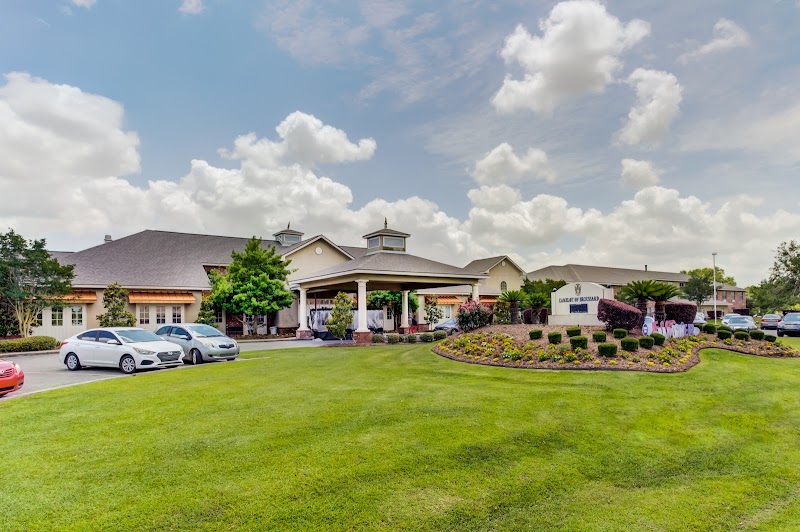
How is Camelot Of Broussard Staffed?

CMS rates CAMELOT OF BROUSSARD's staffing level at 2 out of 5 stars, which is below average compared to other nursing homes. Staff turnover is 50%, compared to the Louisiana average of 46%.

What Have Inspectors Found at Camelot Of Broussard?

State health inspectors documented 44 deficiencies at CAMELOT OF BROUSSARD during 2023 to 2025. These included: 2 Immediate Jeopardy (the most serious level, indicating potential for serious harm or death) and 42 with potential for harm. Immediate Jeopardy findings are rare and represent the most serious regulatory concerns. They require immediate corrective action.
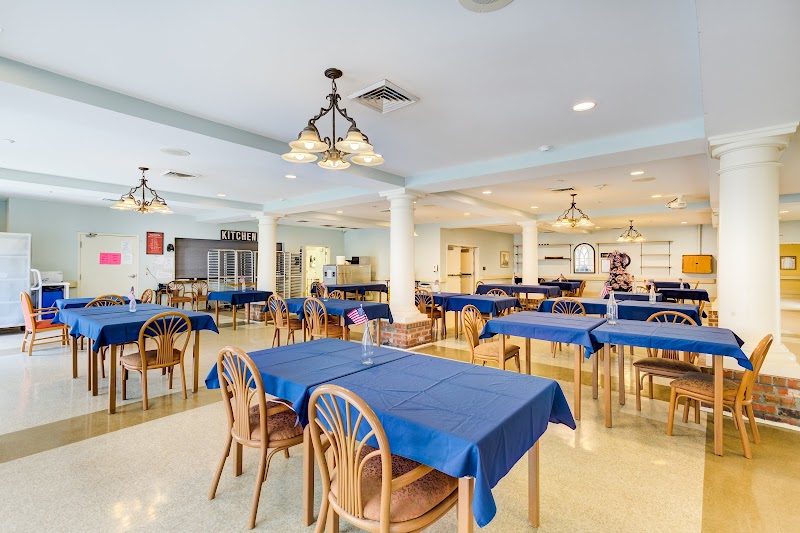
Who Owns and Operates Camelot Of Broussard?

CAMELOT OF BROUSSARD is owned by a for-profit company. For-profit facilities operate as businesses with obligations to shareholders or private owners. The facility is operated by PRIORITY MANAGEMENT, a chain that manages multiple nursing homes. With 148 certified beds and approximately 124 residents (about 84% occupancy), it is a mid-sized facility located in BROUSSARD, Louisiana.
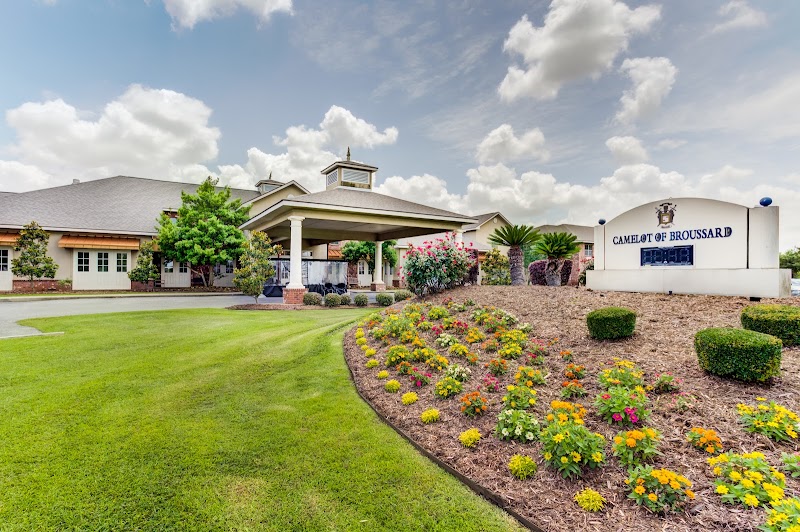
How Does Camelot Of Broussard Compare to Other Louisiana Nursing Homes?

Compared to the 100 nursing homes in Louisiana, CAMELOT OF BROUSSARD's overall rating (1 stars) is below the state average of 2.4, staff turnover (50%) is near the state average of 46%, and health inspection rating (1 stars) is much below the national benchmark.

What Should Families Ask When Visiting Camelot Of Broussard?

Based on this facility's data, families visiting should ask: "What changes have been made since the serious inspection findings, and how are you preventing similar issues?" "Can you walk me through typical staffing levels on day, evening, and night shifts?" "Can I visit during a mealtime to observe dining assistance and food quality?" "How do you handle medical emergencies, and what is your hospital transfer rate?" These questions are particularly relevant given the facility's Immediate Jeopardy citations and the below-average staffing rating.

Is Camelot Of Broussard Safe?

Based on CMS inspection data, CAMELOT OF BROUSSARD has documented safety concerns. Inspectors have issued 2 Immediate Jeopardy citations (the most serious violation level indicating risk of serious injury or death). The facility has a 1-star overall rating and ranks #100 of 100 nursing homes in Louisiana. Families considering this facility should ask detailed questions about what corrective actions have been taken since these incidents.

Do Nurses at Camelot Of Broussard Stick Around?

CAMELOT OF BROUSSARD has a staff turnover rate of 50%, which is about average for Louisiana nursing homes (state average: 46%). Moderate turnover is common in nursing homes, but families should still ask about staff tenure and how the facility maintains care continuity when employees leave.

Was Camelot Of Broussard Ever Fined?

CAMELOT OF BROUSSARD has been fined $36,207 across 2 penalty actions. The Louisiana average is $33,441. While any fine indicates a compliance issue, fines under $50,000 are relatively common and typically reflect isolated problems that were subsequently corrected. Families should ask what specific issues led to these fines and confirm they've been resolved.

Is Camelot Of Broussard on Any Federal Watch List?

CAMELOT OF BROUSSARD is not on any federal watch list. The most significant is the Special Focus Facility (SFF) program, which identifies the bottom 1% of nursing homes nationally based on persistent, serious quality problems. Not being on this list means the facility has avoided the pattern of deficiencies that triggers enhanced federal oversight. This is a positive indicator, though families should still review the facility's inspection history directly.