PRESBYTERIAN VILLAGE OF HOMER
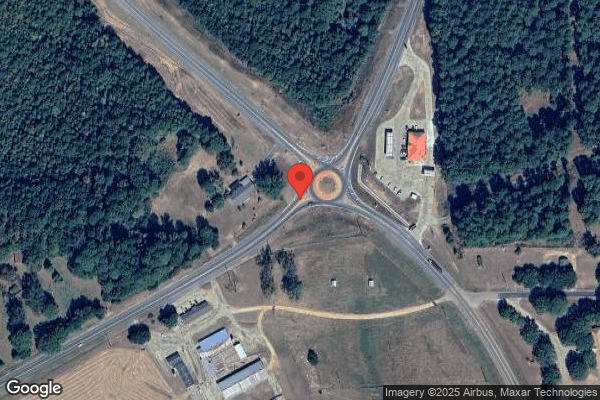

3700 HWY. 79 SOUTH, HOMER, LA 71040 (318) 927-6133
Non profit - Corporation 79 Beds Independent Data: November 2025
Trust Grade
65/100
#96 of 264 in LA
Last Inspection: May 2025

Inspected within the last 6 months. Data reflects current conditions.

Overview

Presbyterian Village of Homer has a Trust Grade of C+, indicating it is slightly above average and decent overall. It ranks #96 out of 264 nursing homes in Louisiana, placing it in the top half of facilities in the state, and #2 out of 3 in Claiborne County, meaning only one local option is rated higher. However, the facility's trend is worsening, with issues increasing from 4 in 2024 to 6 in 2025. Staffing is a relative strength, with a turnover rate of 37%, which is lower than the state average, but the nursing home has faced concerns related to RN coverage, failing to have an RN on duty for at least 8 hours a day on multiple occasions. Additionally, there have been issues regarding the lack of proper protocols for resident safety, such as failing to ensure all agency staff had background checks, which could potentially impact all residents. While the facility has no fines on record, the presence of serious concerns regarding staff oversight and resident safety should be carefully considered by families.

Trust Score
C+
65/100
In Louisiana
#96/264
Top 36%
Safety Record
Low Risk
No red flags
Inspections
Getting Worse
4 → 6 violations
Staff Stability
○ Average
37% turnover. Near Louisiana's 48% average. Typical for the industry.
Penalties
✓ Good
No fines on record. Clean compliance history, better than most Louisiana facilities.
Skilled Nurses
⚠ Watch
Each resident gets only 13 minutes of Registered Nurse (RN) attention daily — below average for Louisiana. Fewer RN minutes means fewer trained eyes watching for problems.
Violations
⚠ Watch
13 deficiencies on record. Higher than average. Multiple issues found across inspections.
★★★☆☆
3.0
Overall Rating
★★★☆☆
3.0
Staff Levels
★☆☆☆☆
1.0
Care Quality
★★★★☆
4.0
Inspection Score
Stable
2024: 4 issues
2025: 6 issues

The Good

  • Full Sprinkler Coverage · Fire safety systems throughout facility
  • No fines on record
  • Staff turnover below average (37%)

    11 points below Louisiana average of 48%

Facility shows strength in fire safety.

The Bad

3-Star Overall Rating

Above Louisiana average (2.4)

Meets federal standards, typical of most facilities

Staff Turnover: 37%

Near Louisiana avg (46%)

Typical for the industry

The Ugly 13 deficiencies on record

May 2025 6 deficiencies
CONCERN (D)

Potential for Harm - no one hurt, but risky conditions existed

Safe Environment (Tag F0584)

Could have caused harm · This affected 1 resident

Resident #39 Observations on 05/27/2025 at 9:45 a.m., 05/28/2025 at 10:10 a.m. and at 1:45 p.m. of Resident #39's room revealed the air conditioner unit contained a black substance on the vents and ne...

Read full inspector narrative →
Resident #39 Observations on 05/27/2025 at 9:45 a.m., 05/28/2025 at 10:10 a.m. and at 1:45 p.m. of Resident #39's room revealed the air conditioner unit contained a black substance on the vents and needed to be cleaned. On 05/28/2025 at 3:45 p.m., an observation of Resident #39's room with S2 DON present revealed Resident #39's air conditioner had a black substance on the vents. S2 DON confirmed the air conditioner vents needed to be cleaned. Based on observations and interviews, the facility failed to maintain a safe, clean, comfortable and homelike environment for 2 (#3 and #39) of 2 residents rooms observed. The failed practice was evidenced by 1) Resident #3 and #39's air conditioner vents needed cleaning, and 2) Resident #3's bed control needed cleaning, and 3) Resident #3's room had a bedrail stored under his bed. Findings: Resident # 3 Observations on 05/27/2025 at 10:05 a.m. and 05/28/2025 at 12:10 p.m. of Resident #3's room revealed the air conditioner vent was dirty with a buildup of dust, the bed control was noted on the Resident's night stand and was dirty and had a brown sticky substance on it, and a bedrail was noted on the floor under the Resident's bed. On 05/28/2025 at 3:35 p.m. an observation of Resident #3's room with S2 DON (Director of Nursing) present revealed Resident #3's air conditioner vent had a buildiup of dust, a bedrail was under the Resident's bed, and Resident's bed control was dirty with a brown, sticky substance. S2 DON confirmed that the air conditioner vent and bed control needed to be cleaned and the Resident should not have had a bedrail stored under his bed.
CONCERN (D)

Potential for Harm - no one hurt, but risky conditions existed

Deficiency F0657 (Tag F0657)

Could have caused harm · This affected 1 resident

Based on record review and interview the facility failed to ensure each resident/RP (Responsible Party) was notified in advance of care planning conferences to enable resident/RP participation for 1 (...

Read full inspector narrative →
Based on record review and interview the facility failed to ensure each resident/RP (Responsible Party) was notified in advance of care planning conferences to enable resident/RP participation for 1 (#27) of 28 sampled residents. Findings: Review of facility's undated Care Plan Policy revealed, in part: Application of Policy . 4. Care plan conferences (meetings) are scheduled for each resident at admission and continuing at least quarterly by the MDS Coordinator. The resident and his/her legal guardian/family member is given at least a seven (7) day notice of invitation to attend and participate in the resident's care planning conferences. The conference may be scheduled at an alternate date and time if more convenient for the resident and/or family member. 5. The MDS Coordinator or designee will invite family members and maintain records of the invitation and whether the resident and/or family member participated in the care plan conference. 6. Participation by the resident and/or family member is not limited to attending the scheduled conference but may be done by conversations in person or by telephone and by sending written letters addressed to the ID (Interdisciplinary) Team. Resident and/or family input can occur at any time. Review of Resident #27's medical revealed an initial admission date of 01/23/2024 with diagnoses that included, in part, other seizures, traumatic subarachnoid hemorrhage without loss of consciousness, attention-deficit hyperactivity disorder, anxiety disorder, hypertensive heart disease without heart failure, depression, and non-pressure chronic ulcer of other part of right foot. Review of MDS (Minimum Data Set) with ARD (Assessment Reference Date) of 4/17/2025 revealed Resident #27 had a BIMS (Brief Interview Mental Status) score of 05, which indicated a severe cognitive impairment. During an interview on 05/27/2025 at 1:53 p.m. Resident #27's family member reported there had been no care plan meetings. During an interview on 05/28/2025 at 2:35 p.m. S6 SSD (Social Services Director) reported Resident #27's family/RP was not being notified of upcoming care plan meetings and she did not have care plan meeting announcements for the family/RP as they were not being done. During an interview on 05/29/2025 at 10:35 a.m. S3 LPN (Licensed Practical Nurse)/MDS Nurse confirmed S6 Social Services was responsible for notify family/RP regard the care plan meeting and would send the care plan meeting invitations to the family/RP.
CONCERN (D)

Potential for Harm - no one hurt, but risky conditions existed

Drug Regimen Review (Tag F0756)

Could have caused harm · This affected 1 resident

**NOTE- TERMS IN BRACKETS HAVE BEEN EDITED TO PROTECT CONFIDENTIALITY** Based on record review and interview, the facility failed to ensure the physician documented a rationale for denying a gradual d...

Read full inspector narrative →
**NOTE- TERMS IN BRACKETS HAVE BEEN EDITED TO PROTECT CONFIDENTIALITY** Based on record review and interview, the facility failed to ensure the physician documented a rationale for denying a gradual dose reduction for 1 (#36) of 5 (#17, #24, #35, #36 and #47) Residents reviewed for unnecessary medications. Findings: Review of the medical record revealed Resident #36 was admitted to the facility on [DATE]. Resident #36 had diagnoses including restlessness and agitation, pseudobulbar affect, depression, muscle wasting, Alzheimer's disease, dementia, and bipolar disorder. Review of Resident #36's May 2025 physician orders revealed an order dated 02/26/2025 for Abilify 5 mg (milligrams) every morning and evening. Review of the consultant Pharmacist report revealed a dose reduction letter dated 03/18/2025 recommended a gradual dose reduction for Abilify 5 mg bid (two times a day) for Resident #36. Further review of the report revealed the physician chose not to attempt a gradual dose reduction, and failed to give a written clinical rationale. On 05/28/2025 at 3:50 p.m. interview with S2 DON (Director of Nursing) confirmed the letter from the pharmacist to the physician, requesting a gradual dose reduction, regarding Abilify 5 mg did not have a handwritten rationale for the reason the physician did not want to decrease the medication.
CONCERN (D)

Potential for Harm - no one hurt, but risky conditions existed

Room Equipment (Tag F0908)

Could have caused harm · This affected 1 resident

Based on observation and interview, the facility failed to maintain all mechanical, electrical, and patient care equipment in safe operating condition in the kitchen as evidenced by the deep fryer's i...

Read full inspector narrative →
Based on observation and interview, the facility failed to maintain all mechanical, electrical, and patient care equipment in safe operating condition in the kitchen as evidenced by the deep fryer's internal compartment having a heavy grease buildup. Findings: Initial observation of the kitchen on 05/27/2025 at 8:50 a.m. revealed the deep fryer internal compartment had a heavy grease buildup and needed to be cleaned. On 05/27/2025 at 2:27 p.m. S5 DM (Dietary Manager) confirmed the deep fryer's internal compartment had a grease buildup and needed to be cleaned.
CONCERN (E)

Potential for Harm - no one hurt, but risky conditions existed

Deficiency F0700 (Tag F0700)

Could have caused harm · This affected multiple residents

**NOTE- TERMS IN BRACKETS HAVE BEEN EDITED TO PROTECT CONFIDENTIALITY** Resident #47 Review of Resident #47's record revealed an admission date of 12/16/2024 with diagnoses including hemiplegia and he...

Read full inspector narrative →
**NOTE- TERMS IN BRACKETS HAVE BEEN EDITED TO PROTECT CONFIDENTIALITY** Resident #47 Review of Resident #47's record revealed an admission date of 12/16/2024 with diagnoses including hemiplegia and hemiparesis, muscle wasting, lack of coordination, dysphagia, cognitive communication deficit, aphasia, hyperlipidemia, reflux, depression, polyosteoarthritis, heart disease, and pseudobulbar affect. Review of Resident #47's Quarterly MDS assessment dated [DATE] revealed a Brief Interview of Mental Status score of 3 which indicated severe cognitive impairment for daily decision making. Further review of the MDS revealed Resident #47 was provided substantial/maximal assistance with bed mobility and dependent on staff for toileting. Resident #47 had limitation in range of motion on one side of upper and lower extremities. Review of Resident #47's May 2025 Physician's Orders revealed no documented evidence of an order for the use of bedrails/positioning bars/turn bars. Review of Resident #47's care plan dated 05/08/2025 revealed Resident 47's bed was equipped with turning bars for positioning purposes. Interventions included evaluation of the turning bar has been performed per policy and procedure; other options have been explored, but family and or Resident have chosen the option of having the turning bar put in place, and Resident knows how to utilize the turning bar. Observations on 05/27/25 at 10:00 a.m., and 05/28/2025 at 2:51 p.m. revealed Resident #47 was lying in the bed with bilateral positioning bars in place in the up position on his bed. Review of Resident #47's record revealed no documentation of a quarterly assessment for bed rails, no assessment for the risk of entrapment prior to installation of bed rails, the consent did not include risk and benefits, no routine inspection of the bed rails, the resident assessment did not contain the components as addressed on the facility's bed rail policy, and there was no documented evidence of the medical need for the use of bed rails. On 05/29/2025 at 2:00 p.m. interview with S4 Maintenance Director, S2 DON, S1 Administrator and S3 LPN/MDS confirmed no quarterly assessment for bed rails, no assessment for the risk of entrapment prior to installation of bed rails, the consent did not include risk and benefits, no routine inspection of the bed rails, the resident assessment did not contain the components as addressed on the facility's bed rail policy, and there was no documented evidence of the medical need for the use of bed rails. Based on observations, interviews, and record reviews, the facility failed to 1) ensure residents had a physician's order for bed rails, 2) ensure residents or resident's responsible party were informed of the risks and benefits associated with the use of bed rails, 3) ensure a quarterly assessment was completed for the use of bed rails, and 4) assess residents for the risks of entrapment from bed rails prior to the installation of bed rails for 3 (#24, #46 and # 47) of 3 residents reviewed for bed rails. Findings: Review of the Consent for Bed Rail Usage on Resident Bed revealed the following: -Facility must assess the resident for need of bed rails and must conduct a review of risks, which includes entrapment. -Types of bed rails which may be used at the facility for assistive turning devices, with physician's order and signed resident/RP (Responsible Party) consent, are: Turning Bars and Quarter Rails. Review of the facility's, undated, Policy for Bed Rails/Assist Bars/Turning Bars and Bed Safety revealed the following, in part: Application of Policy 6. Maintenance staff routinely inspect all beds and related equipment to identify risks and problems including potential entrapment risks and records such information in the Entrapment Prevention Program binder. 12. Use of Bed Rails: a. Bed rails are adjustable metal or rigid plastic bars that attach to the bed. They are available in a variety of types, shapes, and sizes ranging from full to one-half, one-quarter, or one-eighth lengths. Some bed rails are not designed as part of the bed by the manufacturer and may be installed on or used along the side of a bed. For the purpose of this policy bed rails shall include side rails, safety rails, and assist/grab/turning bars. c. The use of bed rails or side rails (including temporarily raising the side rails for episodic use during care) is prohibited unless the criteria for use of bed rails have been met, including attempts to use alternatives, interdisciplinary evaluation, resident assessment, and informed consent. f. The resident assessment to determine the risk of entrapment includes, but is not limited to: -Medical diagnosis, conditions, symptoms, and/or behavioral symptoms -Sleep habits -Medications(s) -Acute medical or surgical interventions -Underlying medical conditions -Existence of delirium -Ability to toilet self safely -Cognition -Communication -Mobility in and out of bed, and -Risk of falling g. The resident assessment also determines potential risks to the resident associated with the use of bed rails, including the following: -Accident hazards: (1) the resident could attempt to climb over, around, between, or through the rails, or over the foot board; and/or (2) the resident or part of his/her body could be caught between rails, the openings of the rails, or between the bed rails and mattress -Restricted mobility: (1) hinders residents from independently getting out of bed thereby confining them to their beds; (2) creates a barrier to performing routine activities such as going to the bathroom or retrieving items in his/her room, eating, hydration and/or walking; (3) decline in resident unction, such as muscle functioning/balance; and/or (4) skin integrity issues -Psychosocial outcomes: (1) creates an undignified self-image and alters the resident's self-esteem; (2) contributes to feelings of isolation; and/or (3) induces agitation or anxiety. h. Before using bed rails for any reason, the staff shall inform the resident or representative about the benefits and potential hazards associated with bed rails and obtain informed consent. The facility reviews this information with the resident/family upon admission and as necessary, after admission, with appropriate documentation/consents. The following information will be included in the consent: -The assessed medical needs that will be addressed with the use of bed rails; -The resident's risks from the use of bed rails and how these will be mitigated; -The alternatives that were attempted but failed to meet the resident's needs; and the alternatives that were considered but not attempted and the reasons. Resident #24 Review of Resident #24's medical record revealed an initial admission date of 11/01/2016 with diagnoses that included, in part, muscle wasting and atrophy not elsewhere classified of multiple sites, other lack of coordination, hemiplegia and hemiparesis following unspecified cerebrovascular disease affecting right dominant side, hypertensive heart disease without heart failure, heart failure unspecified, and essential (primary) hypertension. Review of Resident #24's May 2025 Physician's Orders revealed no documented evidence of an order for the use of bilateral hand assist rails. Review of Resident #24's admission MDS (Minimum Data Set) assessment dated [DATE] revealed a BIMS (Brief Interview Mental Status) should not have been conducted as Resident #24 was rarely/never understood and had a short and long term memory problem. Further review of the MDS revealed Resident #24 had impairment on both sides of upper and lower extremities and was dependent with roll left and right, sit to lying, lying to sitting, and chair/bed-to-chair transfers. Review of Resident #24's care plan revealed Resident #24's bed was equipped with turning bars for positioning purposes with interventions that included, in part, evaluation of turning bar has been performed per policy and procedure, other options have been explored but family and/or resident have chosen the option of having the turning bar put in place. Observations on 05/27/2025 at 10:07 a.m. and 05/28/2025 at 10:59 a.m. revealed hand assist rails were in place on each side of Resident #24's upper bed. Review of Resident #24's record revealed no documentation of a quarterly assessment for bed rails, no assessment for the risk of entrapment prior to installation of bed rails, the consent did not include risk and benefits, no routine inspection of the bed rails, the resident assessment did not contain the components as addressed on the facility's bed rail policy, and there was no documented evidence of the medical need for the use of bed rails. On 05/29/2025 at 2:00 p.m. interview with S4 Maintenance Director, S2 DON (Director of Nursing), S1 Administrator and S3 LPN (Licensed Practical Nurse)/MDS confirmed no quarterly assessment for bed rails, no assessment for the risk of entrapment prior to installation of bed rails, the consent did not include risk and benefits, no routine inspection of the bed rails, the resident assessment did not contain the components as addressed on the facility's bed rail policy, and there was no documented evidence of the medical need for the use of bed rails. Resident #46 Review of Resident #46's record revealed an admission date of 10/17/2024 with diagnoses including quadriplegia, polyneuropathy, pressure ulcer of sacral region stage 4, neuromuscular dysfunction of bladder, unspecified injury at C1 level of cervical spinal cord, hypotension, and muscle spasm. Review of Resident #46's Quarterly MDS assessment dated [DATE] revealed a Brief Interview of Mental Status score of 15 indicating no cognitive impairment. Further review of the MDS revealed Resident #46 was provided substantial/maximal assistance with bed mobility and transfers and dependent on staff for eating, toileting, and sit to stand/bed to chair transfers. MDS revealed Resident #46 had functional limitation in range of motion on both upper and lower extremities. Review of Resident #46's May 2025 Physician's Orders revealed no documented evidence of an order for the use of bedrails/positioning bars/turn bars. Review of Resident #46's care plan dated 04/10/2025 revealed Resident 46's bed was equipped with turning bars for positioning purposes. Interventions included evaluation of the turning bar has been performed per policy and procedure; other options have been explored, but family and or Resident have chosen the option of having the turning bar put in place, and resident knows how to utilize the turning bar. Observations on 05/27/2025 at 2:10 p.m. and 05/28/2025 at 10:00 a.m. of Resident #46 revealed the Resident had bilateral positioning bars in place in the up position on his bed. Review of Resident #46's record revealed no documentation of a quarterly assessment for bed rails, no assessment for the risk of entrapment prior to installation of bed rails, the consent did not include risk and benefits, no routine inspection of the bed rails, the resident assessment did not contain the components as addressed on the facility's bed rail policy, and there was no documented evidence of the medical need for the use of bed rails. On 05/29/2025 at 2:00 p.m. interview with S4 Maintenance Director, S2 DON, S1 Administrator and S3 LPN/MDS confirmed no quarterly assessment for bed rails, no assessment for the risk of entrapment prior to installation of bed rails, the consent did not include risk and benefits, no routine inspection of the bed rails, the resident assessment did not contain the components as addressed on the facility's bed rail policy, and there was no documented evidence of the medical need for the use of bed rails.
CONCERN (F)

Potential for Harm - no one hurt, but risky conditions existed

Deficiency F0727 (Tag F0727)

Could have caused harm · This affected most or all residents

Based on record reviews and interview, the facility failed to ensure an RN (Registered Nurse) was on duty for 8 consecutive hours per day, 7 days a week, for 4 days within FY (Fiscal Year) Quarter 1 2...

Read full inspector narrative →
Based on record reviews and interview, the facility failed to ensure an RN (Registered Nurse) was on duty for 8 consecutive hours per day, 7 days a week, for 4 days within FY (Fiscal Year) Quarter 1 2025 (October 1- December 31). Findings: Review of the facility's PBJ (Payroll Based Journal) Staffing Data Report for FY Quarter 1 2025 (October 1- December 31) revealed there were no RN hours for four or more days within the quarter. Further review revealed no RN hours for the dates of 10/27/2024, 11/30/2024, 12/01/2024, and 12/28/2024. During an interview on 05/28/2025 at 1:00 p.m. S1 Administrator reported he was responsible for completing the PBJ staffing report. S1 Administrator reviewed the PBJ for FY Quarter 1 2025 (October 1-December 31) and reported during that time period the facility only had one full time RN and 4 part time RNs. S1 Administrator confirmed there was not RN coverage for at least 8 consecutive hours a day for 10/27/2024, 11/30/2024, 12/01/2024, and 12/28/2024 and there should have been.
Jun 2024 4 deficiencies
CONCERN (D)

Potential for Harm - no one hurt, but risky conditions existed

Infection Control (Tag F0880)

Could have caused harm · This affected 1 resident

Based on record review, observation, and interview, the facility failed to ensure a Certified Nursing Assistant (CNA) used Personal Protective Equipment (PPE) for residents on Enhanced Barrier Precaut...

Read full inspector narrative →
Based on record review, observation, and interview, the facility failed to ensure a Certified Nursing Assistant (CNA) used Personal Protective Equipment (PPE) for residents on Enhanced Barrier Precautions during transfers for 2 (#44, #46) of 2 (#44, #46) residents reviewed for Enhanced Barrier Precautions. Findings: On 06/04/2024 at 4:16 p.m. review of the undated Enhanced Barrier Precautions (EBP) Policy and Procedures (no date noted) in part revealed: Enhanced Barrier Precautions are an infection control intervention designed to reduce transmission of multidrug-resistant organisms (MDROs) in nursing homes. Enhanced barrier precautions include gown and glove use during high-contact resident care activities for resident known to be colonized or infected with MDROs as well as those at increased risk of MDRO acquisitions (e.g. residents with wounds or indwelling medical devices). Enhanced Barrier Precautions are an approach of targeted gown and glove use during high contact resident care activities, designed to reduce transmission of Staph Aureus and MDROs. Overview: 1. MDRO transmission is common in skilled nursing facilities, contributing to significant morbidity and mortality for resident and increased costs for health care system. 2. EBP is an approach of targeted gown and glove use during high contact resident care activities, designed to reduce transmission of Staph Aureus and MDROs. 3. EBP may be applied (when contact precautions do not otherwise apply) to residents with any of the following: Wounds or indwelling medical devices, regardless of MDRO colonization status infection or colonization with MDRO. 4. Effective implementation of EBP requires staff training on the proper use of personal protective equipment (PPE) and the availability of PPE with hand hygiene products at the point of care. Standards: EBH can be applied (when contact precautions do not otherwise apply) to residents with any of the following: Wounds or indwelling medical devices, regardless of MDRO colonization status. Infection or colonization with an MDRO. Examples of indwelling medical devices include: Central line, urinary catheter, feeding tube, and tracheostomy/ventilator. Examples of high contact resident care activities include: Dressing, bathing/showering, transferring, providing hygiene, changing linens, changing briefs, or assisting with toileting, device care or use and wound care. Process: Identify resident with indwelling medical devices, who have active MDRO infection or known to have MDRO colonization, and those at risk for MDRO due to wounds or indwelling medical devices. Set up room with EBP PPE supplies. Use gown and gloves while providing high contact care activities. Post clear signage outside of resident rooms indicating the type of PPE required and defining high risk resident care activities. Gowns and gloves should be available outside of each resident room, and alcohol-hand rub should be available for every resident room. Do not need to wear gowns and gloves if transferring residents in dining room and/or commons area. A trash can large enough to dispose of multiple gowns should be available for each room. Review of the EBP sign posted on the resident doors revealed it was a bright orange sign that read: Stop Enhanced Barrier Precautions Everyone Must: Clean their hands, including before entering and when leaving room. Providers and staff must also: Wear gloves and a gown for the following High-Contact Resident Care Activities. Dressing Bathing/Showering Transferring Changing linens Providing Hygiene Changing briefs or assisting with toileting Device care or use: Central line, urinary catheter, feeding tube, tracheostomy Wound care: any skin opening requiring a dressing. Do not wear the same gown and gloves for the care of more than one person. An observation on 06/02/2024 at 8:10 a.m. revealed an Enhanced Barrier Precaution sign on Resident #44's door. Further review of the EBP sign revealed to wear a gown and gloves when performing the following high-contact resident care activities: Dressing, Bathing/showering, Transferring, Providing hygiene, Changing linens, Changing briefs or assisting with toileting. Observation at that same time of S4 CNA assisting Resident #44 with transferring from the bed to the wheelchair using a slide board revealed S4 CNA was not wearing a gown or gloves. An observation on 06/03/24 at 2:30 p.m. revealed an Enhanced Barrier Precaution sign on Resident #46's door. Observation at the same time of S9 CNA revealed she transferred Resident #46 from the wheelchair to the bed after returning from a physician appointment. S9 CNA was only wearing a mask and gloves and no gown. S9 CNA said she was agency and did not see the sign on the door for EBP and there was no cart with PPE right outside the door. She agreed she needed to have a gown on when transferring Resident #46. On 06/03/2024 at 2:35 p.m., observation of the hallway Resident #46 resided on revealed there were 3 PPE carts that were stocked with gowns, masks and gloves. On 06/04/2024 at 9:46 a.m. review of the infection control training for EBP May 1-31, 2024 revealed S9 CNA was trained on the facility's EBP. An interview was conducted on 06/04/2024 at 2:23 p.m. with S2 Director of Nursing (DON). S2 DON stated all staff, should wear a gown and gloves when transferring a resident on Enhanced Barrier Precautions.
CONCERN (E)

Potential for Harm - no one hurt, but risky conditions existed

Abuse Prevention Policies (Tag F0607)

Could have caused harm · This affected multiple residents

Based on record review and interview, the facility failed to develop and/or implement written policies and procedures to protect residents from abuse, neglect, exploitation and misappropriation of the...

Read full inspector narrative →
Based on record review and interview, the facility failed to develop and/or implement written policies and procedures to protect residents from abuse, neglect, exploitation and misappropriation of their property. The facility failed to obtain documentation of Agency/Contract Staff's criminal background checks, Adverse Actions checks, and/or CNA (Certified Nursing Assistant) Registry checks prior to allowing 17 of 17 unlicensed Agency/Contract Staff reviewed (S6 CNA, S7 CNA, S8 CNA, S9 CNA, S10 CNA, S11 CNA, S12 CNA, S13 CNA, S14 CNA, S15 CNA, S16 CNA, S17 CNA, S18 CNA, S19 CNA, S20 CNA, S21 CNA, and S22 CNA) to work with residents in the facility. This practice had the potential to affect all residents in the facility. Findings: Review of the facility's undated Freedom from Abuse, Neglect, & Exploitation policy revealed in part: The facility must not employ or otherwise engage individuals who: a. Have been found guilty of abuse, neglect, exploitation, misappropriation of property, or mistreatment by a court of law. b. Have had a finding entered into the State nurse aide registry concerning abuse, neglect, exploitation, mistreatment of residents or misappropriation of their property. Review of the facility's undated Abuse Prevention Program revealed in part: Steps in the Procedure: Our facility is committed to protecting our residents from abuse by anyone including, but not necessarily limited to: facility staff, other residents, consultants, volunteers, staff from other agencies providing services to our residents, family members, legal guardians, surrogates, sponsors, friends, visitors, or any other individual. I. Screening: Human Resources Department will screen potential employees by conducting background checks, including attempting to obtain information from previous employers, and checking with the appropriate licensing boards and registries. The facility will not knowingly employ any individual who has been convicted of abusing, neglecting, or mistreating individuals . Review of facility provided list of agency CNAs revealed the following 17 CNAs had worked in the facility between 05/01/2024 and 06/03/2024: S6 CNA, S7 CNA, S8 CNA, S9 CNA, S10 CNA, S11 CNA, S12 CNA, S13 CNA, S14 CNA, S15 CNA, S16 CNA, S17 CNA, S18 CNA, S19 CNA, S20 CNA, S21 CNA, and S22 CNA. During an interview on 06/04/2024 at 2:30 p.m., S1 Administrator reported the facility did not have documentation of criminal background checks or registry checks of any agency CNAs verified prior to them working in the facility. S1 Administrator further indicated the facility took the word of the agency which had screened the contracted staff before releasing them to work, and did not know documentation was needed.
CONCERN (E)

Potential for Harm - no one hurt, but risky conditions existed

Comprehensive Assessments (Tag F0636)

Could have caused harm · This affected multiple residents

**NOTE- TERMS IN BRACKETS HAVE BEEN EDITED TO PROTECT CONFIDENTIALITY** Based on record review and interview, the facility failed to conduct a comprehensive assessment which included the resident's sa...

Read full inspector narrative →
**NOTE- TERMS IN BRACKETS HAVE BEEN EDITED TO PROTECT CONFIDENTIALITY** Based on record review and interview, the facility failed to conduct a comprehensive assessment which included the resident's safe smoking assessment for 1 (#27) of 1 (#27) resident reviewed for smoking. Findings: Review of the Facility Smoking Policy (no date noted) revealed in part: Smoking Procedure: 4. Residents who smoke will be assessed upon admission, quarterly, and whenever there is a significant change in their ability to safely handle their smoking products. Review of resident #27's medical record revealed she had the following diagnoses in part: cerebral infarction with hemiplegia, unspecified affecting right dominant side, hereditary and idiopathic neuropathy, and memory deficit following cerebral infarction. Review of resident #27's quarterly Minimum Data Set (MDS) assessment dated [DATE] revealed she had a Brief Interview for Mental Status (BIMS) score of 00 which indicated resident was unable to be tested. Further review revealed resident #27 required extensive to total assistance for most activities of daily living. On 06/03/2024 at 9:47 a.m., resident #27 was observed in the outside designated smoking area. Resident #27 was alert with some confusion noted and was wearing a smoking apron, and was smoking a cigarette. Review of resident #27's medical record revealed there was no documented evidence that a smoking assessment was completed quarterly per the facility policy. Further review revealed the most recent smoking assessment completed for resident #27 was in June 2023. During an interview on 06/03/2024 at 10:00 a.m., S2Director of Nursing (DON) confirmed the facility had conducted resident #27's smoking assessments yearly. S2DON reported she was not aware the smoking assessments should have been conducted quarterly.
MINOR (B)

Minor Issue - procedural, no safety impact

Staffing Data (Tag F0851)

Minor procedural issue · This affected multiple residents

Based on record review and interview, the facility failed to electronically submit (PBJ) Payroll Based Journal staffing data as required. The facility census was 46 residents. Findings: Review of the ...

Read full inspector narrative →
Based on record review and interview, the facility failed to electronically submit (PBJ) Payroll Based Journal staffing data as required. The facility census was 46 residents. Findings: Review of the facility's PBJ Staffing Data Report - [NAME] Report 1705D Fiscal Year Quarter 1 (10/2023 - 12/2023) revealed, in part, the facility triggered regarding they failed to electronically submit PBJ staffing data as required. During an interview on 06/04/2024 at 4:00 p.m., S1Administrator reported he failed to submit PBJ staffing data for the above Quarter 1 of 2024 (10/2023 - 12/2023).
Oct 2023 2 deficiencies
CONCERN (D) 📢 Someone Reported This

A family member, employee, or ombudsman was alarmed enough to file a formal complaint

Potential for Harm - no one hurt, but risky conditions existed

Free from Abuse/Neglect (Tag F0600)

Could have caused harm · This affected 1 resident

Based on record reviews, observations, and interviews, the facility failed to protect the residents' right to be free from verbal abuse by staff. The facility failed to ensure residents were free from...

Read full inspector narrative →
Based on record reviews, observations, and interviews, the facility failed to protect the residents' right to be free from verbal abuse by staff. The facility failed to ensure residents were free from verbal abuse by staff for 4 (#1 #2, #3, #4) of 4 (#1 #2, #3, #4) sampled residents. Findings: Review of facility policy and procedure Reporting of Abuse or Suspected Abuse (no policy date) revealed in part: Residents have the right to be free from verbal, sexual, physical and mental abuse .Definition of Abuse .Verbal Abuse is the use of oral, written and gestured language that willfully includes disparaging and derogatory terms to residents . Review of the facility's Self-Reported Incident Report initiated 09/08/2023 revealed in part: Victim: Residents #1, #2, #3, and #4 Accused: S2 CNA (Certified Nursing Assistant) Allegation: Verbal Abuse-substantiated S5 Social Service Director spoke with Resident #1 on 09/08/2023 and Resident #1 stated she could not remember what S2 CNA said, but S2 CNA was really, really ugly and Resident #1 reported S2 CNA told her, I hate you. Resident #1 was cleaned by S2 CNA and a second CNA, but she was not put in her pajamas. Resident #1 told her family this morning (09/08/2023) that she did not wish to talk about it. Residents #2, #3, and #4 have dementia and are unable to remember the incidents. Review of S1 Housekeeper's written statement date 09/08/2023 revealed in part: S1 Housekeeper witnessed S2 CNA being verbally abusive to four different residents within a short period of time. S1 Housekeeper was uncomfortable with what she was witnessing and did not leave until the S2 CNA changed locations on the hall. S2 CNA entered Resident #1 and Resident #2's room and was ugly to both residents. S2 CNA asked Resident #2 why she had her shirt off, in a loud, aggressive tone. Resident #1 needed to be changed and S2 CNA was observed leaving Resident #1's room to get assistance from another CNA. While in the hallway she made a loud, offensive comments that included this is ridiculous and I am tired of the s**t. S1 Housekeeper observed S2 CNA going into Resident #3's room and addressing Resident #3 in a loud, aggressive voice. S1 Housekeeper overheard S2 CNA state I am not in the mood to put up with your smart mouth today and I'm not in the mood for it, not today. Resident #3 asked S2 CNA if she was in a bad mood and S2 CNA commented you are putting me in a bad mood. S2 CNA was standing at the end of Resident #3's bed bowed up and continued to speak in a loud, rude, disrespectful tone. Resident #3 asked S2 CNA, just stop, stop, Please stop. S1 Housekeeper also heard S2 CNA ask Resident #4 why she was lying in bed in her day clothes and that she would need to get her up to change into her pajamas. Again S2 CNA's voice was loud and disrespectful. During an interview on 09/28/2023 at 9:20 a.m. S1 Housekeeper acknowledged her statement dated 09/08/2023 was accurate. S1 Housekeeper was able to confirm her statement without prompting or reviewing her statement. After facility investigation substantiated the allegation of verbal abuse, S2 CNA was terminated on 09/08/2023. Review of S5 Social Service Director's note dated 09/08/2023 revealed the following: Resident #1 was unable to remember exactly what S2 CNA said to her, but it was really, really ugly. Resident #1 stated she was 99% sure S2 CNA said I hate you and I'm not doing anything else for you. Just a lot of yelling. Resident #1 Review of Resident #1's clinical record revealed an admit date of 11/17/2022 and diagnoses including, but not limited to: Lymphedema, Atrial fibrillation, and Status post Bowel Resection. Review of Resident #1's quarterly MDS (Minimum Data Set) assessment with an Assessment Reference Date of 08/31/2023 revealed the resident had a BIMS (Brief Interview for Mental Status) score of 15 out of 15 indicating the resident was cognitively intact. During an observation on 10/02/2023 at 9:55 a.m. Resident #1 was sitting up in bed. Resident #1 appeared calm with no signs of distress. During an interview 10/02/2023 at 10:00 a.m. Resident #1 was able to answer where she is, but did not answer any other questions. Resident #2 Review of Resident #2's clinical record revealed an admit date of 08/15/2022 and diagnoses including, but not limited to: Congestive heart failure, Delusional Behaviors, Anxiety Disorder, and Bipolar Disorder. Review of Resident #2's quarterly MDS assessment with an Assessment Reference Date of 07/13/2023 revealed the resident had a BIMS score of 3 out of 15 indicating the resident has severe cognitive impairment. During an observation on 10/02/2023 at 9:55 am Resident #2 was lying on her side in bed with head of bed elevated 45 degrees. Resident #2 appeared calm with no signs of distress. During an interview on 10/02/2023 at 10:00 a.m. Resident #2 talked about Resident #1 going to the hospital. Resident #2 did not answer any questions. Resident #3 Review of Resident #3's clinical record revealed an admit date of 07/06/2023 and diagnoses including, but not limited to: Alzheimer's disease, Covid 19, Rheumatoid arthritis, and Major depression. Review of Resident #3's quarterly MDS assessment with and Assessment Reference Date of 07/13/2023 revealed the resident had a BIMS score of 14 out of 15 indicating the resident was cognitively intact. During an observation on 10/28/2023 at 9:25 a.m. Resident #3 was sitting up in bed watching television. Resident #3 appeared calm with no signs of distress. During an interview on 10/28/2023 at 9:30 a.m. Resident #3 reports that she loves it here (at the facility). Resident #3 has no issues with anyone. Resident #3 is unable to say how long she has been at the facility or why she is at the facility. Resident #3 became confused approximately 3 minutes into the interview asking surveyor, who are you and why are you here? Resident #4 Review of Resident #4's clinical record revealed an admit date of 03/17/2023 and diagnoses including, but not limited to: Respiratory Failure, Atrial fibrillation, and Heart failure. Review of Resident #4's quarterly MDS assessment with and Assessment Reference Date of 09/07/2023 revealed the resident had a BIMS score of 6 out of 15 indicating the resident has severe cognitive impairment. During an observation on 10/28/2023 at 9:45 a.m. Resident #4 was setting in wheelchair in her room watching TV (television). Resident #4 smiled when surveyor entered room and appeared calm with no signs of distress. During an interview on 10/28/2023 at 9:50 am Resident #4 reported that she really liked it a here. Resident #4 reported staff are nice to her. Resident #4 was unable to say how long she had been at the facility or why she was at the facility. During an interview on 10/02/2023 at 12:41 p.m. S6 CNA reported after the incident on 9/07/2023 the residents did not appear anxious or upset. During an interview on 10/02/2023 at 12:50 p.m. S7 LPN (Licensed Practical Nurse) reported after the incident on 9/07/2023, none of the residents appeared anxious or expressed feeling unsafe. During an interview on 10/02/2023 at 12:55 p.m. S4 LPN reported after the incident on 9/07/2023 she went around the facility and interviewed residents to check on how they felt and if they had ever had a problem with the S2 CNA. S4 LPN confirmed no residents interviewed reported having a problem with S2 CNA. None of the residents interviewed throughout the facility reported feeling threatened by S2 CNA. During an interview on 10/3/23 at 3:50 p.m. S3 Administrator confirmed S2 CNA verbally abused Residents #1, #2, #3 and #4. S3 Administrator confirmed S2 CNA was immediately terminated when he was made aware of the incident.
CONCERN (D) 📢 Someone Reported This

A family member, employee, or ombudsman was alarmed enough to file a formal complaint

Potential for Harm - no one hurt, but risky conditions existed

Report Alleged Abuse (Tag F0609)

Could have caused harm · This affected 1 resident

Based on record review and interview the facility failed to ensure an alleged violation of verbal abuse was reported immediately, but not later than 2 hours to the State Survey Agency for 4 (#1, #2, #...

Read full inspector narrative →
Based on record review and interview the facility failed to ensure an alleged violation of verbal abuse was reported immediately, but not later than 2 hours to the State Survey Agency for 4 (#1, #2, #3, #4) of 4 (#1, #2, #3, #4) residents reviewed for an abuse allegation. Findings: Resident #1 Review of Resident #1's clinical record revealed an admit date of 11/17/2022 and diagnoses including, but not limited to: Lymphedema, Atrial Fibrillation, and Status Post Bowel Resection. Review of Resident #1's quarterly MDS (Minimum Data Set) assessment with an Assessment Reference Date of 08/31/2023 revealed the resident had a BIMS (Brief Interview of Mental Status) score of 15 out of 15, indicating the Resident #1 was cognitively intact. Resident #2 Review of Resident #2's clinical record revealed an admit date of 08/15/2022 and diagnoses including, but not limited to: Congestive heart failure, Delusional Behaviors, Anxiety Disorder, and Bipolar Disorder. Review of Resident #2's quarterly MDS assessment with an Assessment Reference Date of 07/13/2023 revealed the resident had a BIMS score of 3 out of 15, indicating that Resident #2 has severely impaired cognition. Resident #3 Review of Resident #3's clinical record revealed an admit date of 07/06/2023 and diagnoses including, but not limited to: Alzheimer's disease, Covid 19, Rheumatoid arthritis, and Major depression. Review of Resident #3's quarterly MDS assessment with an Assessment Reference Date of 07/13/2023 revealed the resident had a BIMS score of 14 out of 15, indicating Resident #3 has intact cognition. Resident #4 Review of Resident #4's clinical record revealed an admit date of 03/17/2023 and diagnoses including, but not limited to: Respiratory Failure, Atrial fibrillation, and Heart failure. Review of Resident #4's quarterly MDS assessment with an Assessment Reference Date of 09/07/2023 revealed the resident had a BIMS score of 6 out of 15 indicating, Resident #4 has severely impaired cognition. Review of the facility's Self-Reported Incident Report initiated 09/08/2023 revealed in part: Victim: Residents #1, #2, #3, and #4 Accused: S2 CNA (Certified Nursing Assistant) Allegation: Verbal Abuse-substantiated Review of S1 Housekeeper's written statement dated 09/08/23 revealed in part: S1 Housekeeper witnessed S2 CNA being verbally abusive to four different residents within a short period of time. S1 Housekeeper was uncomfortable with what she was witnessing and did not leave until the S2 CNA changed locations on the hall. S2 CNA entered Resident #1 and Resident #2's room and was ugly to both residents. S2 CNA asked Resident #2 why she had her shirt off in a loud, aggressive tone. Resident #1 needed to be changed and S2 CNA was observed leaving Resident #1's room to get assistance from another CNA. While in the hallway she made a loud, offensive comments that included this is ridiculous and I am tired of the s**t. S1 Housekeeper observed S2 CNA going into Resident #3's room and addressing Resident #3 in a loud, aggressive voice. S1 Housekeeper overheard S2 CNA state I am not in the mood to put up with your smart mouth today and I'm not in the mood for it, not today. Resident #3 asked S2 CNA if she was in a bad mood and S2 CNA commented you are putting me in a bad mood. S2 CNA was standing at the end of Resident #3's bed bowed up and continued to speak in a loud, rude, disrespectful tone. Resident #3 asked S2 CNA, just stop, stop, Please stop. S1 Housekeeper also heard S2 CNA ask Resident #4 why she was lying in bed in her day clothes and that she would need to get her up to change into her pajamas. Again, S2 CNA's voice was loud and disrespectful. Review of the facilities SIMS (Statewide Incident Management System) report revealed the incident occurred on 09/07/2023 at approximately 3:00 p.m. The incident was first reported to administration on 09/08/2023 at 8:30 a.m. Entry into the system was 09/08/2023 at 11:02 a.m. During an interview on 10/3/2023 at 4:00 p.m., S3 Administrator confirmed the allegation of verbal abuse was not reported within the 2-hour reporting time frame. S3 Administrator acknowledged the abuse allegation should have been reported within 2 hours and was not.
Jul 2023 1 deficiency
CONCERN (D)

Potential for Harm - no one hurt, but risky conditions existed

Accident Prevention (Tag F0689)

Could have caused harm · This affected 1 resident

Based on observation and interviews, the facility failed to ensure a resident received adequate supervision and assistance with devices to prevent accidents by failing to use proper assistance with tr...

Read full inspector narrative →
Based on observation and interviews, the facility failed to ensure a resident received adequate supervision and assistance with devices to prevent accidents by failing to use proper assistance with transfers for 1 Resident (#10) of 2 Residents (#10 and #32) reviewed for accident hazards. Findings: Review of Resident #10's clinical record revealed a diagnosis of morbid obesity and rheumatoid arthritis. Review of Resident #10's clinical record revealed on 07/05/2023 resident's height was 61 inches and weight was 252 pounds. Review of Resident #10's Comprehensive Care Plan revealed resident requires total assistance with two persons for transfers. Review of Resident #10's MDS (Minimum Data Set) dated 04/11/2023 revealed resident had upper and lower extremity impairement on both sides and requied total dependence and two person physical assistance with transfers. Review of Resident #10's clincial record revealed a nurse's note dated 04/11/2023 indicating resident required two person lift assistance with transfers to and from bed to wheelchair. An observation on 07/10/2023 at 9:20 a.m. revealed S2CNA was using a mechanical lift to transfer Resident #10 from the bed to wheelchair using one person assistance. During an interview on 07/10/2023 at 9:25 a.m. S2CNA confirmed she transferred Resident #10 by herself and further reported she usually transfers Resident #10 by herself when using a lift. During an interview on 07/12/2023 at 1:20 p.m. S1CNA Supervisor confirmed Resident #10 required two person assistance with transfers when using a lift.
Understanding Severity Codes (click to expand)
Life-Threatening (Immediate Jeopardy)
J - Isolated K - Pattern L - Widespread
Actual Harm
G - Isolated H - Pattern I - Widespread
Potential for Harm
D - Isolated E - Pattern F - Widespread
No Harm (Minor)
A - Isolated B - Pattern C - Widespread

Questions to Ask on Your Visit

  • "Can I speak with families of current residents?"
  • "What's your RN coverage like on weekends and overnight?"

Our Honest Assessment

Strengths
  • • No major safety red flags. No abuse findings, life-threatening violations, or SFF status.
  • • No fines on record. Clean compliance history, better than most Louisiana facilities.
  • • 37% turnover. Below Louisiana's 48% average. Good staff retention means consistent care.
Concerns
  • • 13 deficiencies on record. Higher than average. Multiple issues found across inspections.
Bottom line: Mixed indicators with Trust Score of 65/100. Visit in person and ask pointed questions.

About This Facility

What is Presbyterian Village Of Homer's CMS Rating?

CMS assigns PRESBYTERIAN VILLAGE OF HOMER an overall rating of 3 out of 5 stars, which is considered average nationally. Within Louisiana, this rating places the facility higher than 99% of the state's 100 nursing homes. This mid-range rating indicates the facility meets federal standards but may have areas for improvement.

How is Presbyterian Village Of Homer Staffed?

CMS rates PRESBYTERIAN VILLAGE OF HOMER's staffing level at 3 out of 5 stars, which is average compared to other nursing homes. Staff turnover is 37%, compared to the Louisiana average of 46%. This relatively stable workforce can support continuity of care.

What Have Inspectors Found at Presbyterian Village Of Homer?

State health inspectors documented 13 deficiencies at PRESBYTERIAN VILLAGE OF HOMER during 2023 to 2025. These included: 12 with potential for harm and 1 minor or isolated issues.

Who Owns and Operates Presbyterian Village Of Homer?

PRESBYTERIAN VILLAGE OF HOMER is owned by a non-profit organization. Non-profit facilities reinvest revenue into operations rather than distributing to shareholders. The facility operates independently rather than as part of a larger chain. With 79 certified beds and approximately 49 residents (about 62% occupancy), it is a smaller facility located in HOMER, Louisiana.

How Does Presbyterian Village Of Homer Compare to Other Louisiana Nursing Homes?

Compared to the 100 nursing homes in Louisiana, PRESBYTERIAN VILLAGE OF HOMER's overall rating (3 stars) is above the state average of 2.4, staff turnover (37%) is near the state average of 46%, and health inspection rating (4 stars) is above the national benchmark.

What Should Families Ask When Visiting Presbyterian Village Of Homer?

Based on this facility's data, families visiting should ask: "Can I visit during a mealtime to observe dining assistance and food quality?" "How do you handle medical emergencies, and what is your hospital transfer rate?" "Can I speak with family members of current residents about their experience?"

Is Presbyterian Village Of Homer Safe?

Based on CMS inspection data, PRESBYTERIAN VILLAGE OF HOMER has a clean safety record: no substantiated abuse findings (meaning no confirmed cases of resident harm), no Immediate Jeopardy citations (the most serious violation level indicating risk of serious injury or death), and is not on the Special Focus Facility watch list (a federal program monitoring the lowest-performing 1% of nursing homes). The facility has a 3-star overall rating and ranks #1 of 100 nursing homes in Louisiana. While no facility is perfect, families should still ask about staff-to-resident ratios and recent inspection results during their visit.

Do Nurses at Presbyterian Village Of Homer Stick Around?

PRESBYTERIAN VILLAGE OF HOMER has a staff turnover rate of 37%, which is about average for Louisiana nursing homes (state average: 46%). Moderate turnover is common in nursing homes, but families should still ask about staff tenure and how the facility maintains care continuity when employees leave.

Was Presbyterian Village Of Homer Ever Fined?

PRESBYTERIAN VILLAGE OF HOMER has no federal fines on record. CMS issues fines when nursing homes fail to meet care standards or don't correct problems found during inspections. The absence of fines suggests the facility has either maintained compliance or corrected any issues before penalties were assessed. This is a positive indicator, though families should still review recent inspection reports for the full picture.

Is Presbyterian Village Of Homer on Any Federal Watch List?

PRESBYTERIAN VILLAGE OF HOMER is not on any federal watch list. The most significant is the Special Focus Facility (SFF) program, which identifies the bottom 1% of nursing homes nationally based on persistent, serious quality problems. Not being on this list means the facility has avoided the pattern of deficiencies that triggers enhanced federal oversight. This is a positive indicator, though families should still review the facility's inspection history directly.