KAPLAN HEALTHCARE CENTER
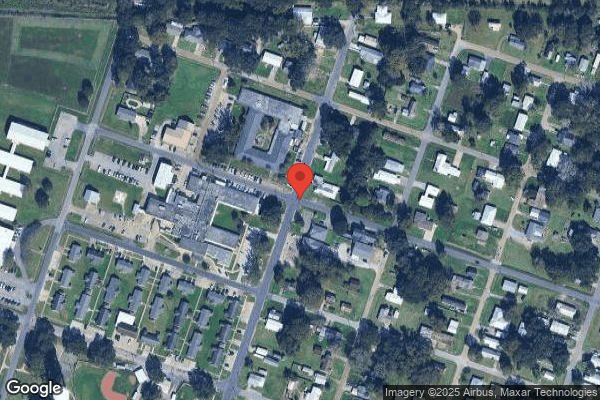
1300 W. EIGHTH STREET, KAPLAN, LA 70548 (337) 270-6131
For profit - Corporation 113 Beds NEXION HEALTH Data: November 2025 2 Immediate Jeopardy citations
Trust Grade
11/100
#133 of 264 in LA
Last Inspection: November 2024

Within standard 12-15 month inspection cycle. Federal law requires annual inspections.

Overview

Kaplan Healthcare Center has received a Trust Grade of F, indicating significant concerns and a poor overall reputation. It ranks #133 out of 264 facilities in Louisiana, placing it in the bottom half, and #5 out of 6 in Vermilion County, meaning only one local facility is rated lower. The trend is improving, with the number of issues decreasing from 10 in 2023 to 7 in 2024, but staffing remains a significant weakness with a low rating of 1 out of 5 stars and a high turnover rate of 59%, which is concerning compared to the state average of 47%. There have been recent fines totaling $40,243, which is average, but the facility has faced serious incidents, such as failing to provide necessary anticoagulant medication for a resident for 39 days, leading to an emergency hospitalization, and instances of physical harm among residents due to inadequate supervision. While there are some strengths, such as maintaining average RN coverage, the overall picture suggests families should approach with caution.

Trust Score
F
11/100
In Louisiana
#133/264
Top 50%
Safety Record
High Risk
Review needed
Inspections
Getting Better
10 → 7 violations
Staff Stability
⚠ Watch
59% turnover. Above average. Higher turnover means staff may not know residents' routines.
Penalties
✓ Good
$40,243 in fines. Lower than most Louisiana facilities. Relatively clean record.
Skilled Nurses
⚠ Watch
Each resident gets only 14 minutes of Registered Nurse (RN) attention daily — below average for Louisiana. Fewer RN minutes means fewer trained eyes watching for problems.
Violations
⚠ Watch
21 deficiencies on record. Higher than average. Multiple issues found across inspections.
★★☆☆☆
2.0
Overall Rating
★☆☆☆☆
1.0
Staff Levels
★★☆☆☆
2.0
Care Quality
★★★☆☆
3.0
Inspection Score
Stable
2023: 10 issues
2024: 7 issues

The Good

  • Full Sprinkler Coverage · Fire safety systems throughout facility
  • No fines on record

Facility shows strength in fire safety.

The Bad

2-Star Overall Rating

Near Louisiana average (2.4)

Below average - review inspection findings carefully

Staff Turnover: 59%

12pts above Louisiana avg (46%)

Frequent staff changes - ask about care continuity

Federal Fines: $40,243

Above median ($33,413)

Moderate penalties - review what triggered them

Chain: NEXION HEALTH

Part of a multi-facility chain

Ask about local staffing decisions and management

Staff turnover is elevated (59%)

11 points above Louisiana average of 48%

The Ugly 21 deficiencies on record

2 life-threatening 1 actual harm
Nov 2024 7 deficiencies 2 IJ (2 affecting multiple)
CRITICAL (K)

Immediate Jeopardy (IJ) - the most serious Medicare violation

Deficiency F0658 (Tag F0658)

Someone could have died · This affected multiple residents

**NOTE- TERMS IN BRACKETS HAVE BEEN EDITED TO PROTECT CONFIDENTIALITY** Based on interviews, observations and record review, the facility failed to ensure the resident was provided nursing services an...

Read full inspector narrative →
**NOTE- TERMS IN BRACKETS HAVE BEEN EDITED TO PROTECT CONFIDENTIALITY** Based on interviews, observations and record review, the facility failed to ensure the resident was provided nursing services and care that adhered to accepted standards of quality. Nursing staff failed to reconcile and administer the resident's prescribed anticoagulant medication for 39 days which jeopardized the resident's health and safety for 1 (#37) of 1 residents investigated for nursing services in a final sample of 31 residents. This deficient practice resulted in an Immediate Jeopardy for Resident #37 on 07/29/2024 when S3LPN (Licensed Practical Nurse) failed to resume the resident's anticoagulant Eliquis 5 mg (milligrams) twice daily after undergoing a same-day scheduled procedure at HC1 (Hospital Center) to remove an inferior vena cava (IVC) filter. On 09/06/2024, the nurse observed Resident #37 confused and lethargic with swelling to the left lower extremity. Resident #37 was transferred via ambulance to Hospital A's emergency room (ER) for evaluation on 09/06/2024 at 3:52 p.m. Upon admit to the ER, Hospital A identified that the facility's nurses failed to administer Resident #37's Eliquis from 07/29/2024 through 09/06/2024 (a total of 39 days and 78 missed doses). Hospital A's records revealed Resident #37 was diagnosed with extensive left lower leg Deep Vein Thrombosis (DVT), placed on a Heparin drip, then transferred to Hospital B for a higher level of care and further treatment. Hospital B's records dated 09/06/2024 at 8:26 p.m., revealed in part: Eliquis failure .MRI (magnetic resonance imaging) of the resident's brain revealed a large right MCA (Middle Cerebral Artery) ischemia. Resident #37 was hospitalized until 09/12/2024 at 5:22 p.m. The facility implemented an immediate corrective action plan on 09/07/2024 which was completed prior to the State Agency's investigation. There was sufficient evidence that the facility corrected the noncompliance and was in substantial compliance on 09/09/2024. Findings: On 11/05/2024 at 9:30 a.m., a request was made for the facility's policy regarding resident medication reconciliation. S2DON (Interim Director of Nursing/ Infection Preventionist) stated the facility did not have such policy. Review of the medical records for Resident #37 revealed the resident had a history of Atrial Fibrillation and Cerebral Infarction due to Occlusion or Stenosis of the Right Anterior Cerebral Artery. Further review revealed the resident underwent a procedure for Inferior Vena Cava (IVC) filter placement to prevent blood clots on 01/29/2024. Resident #37 was admitted to the facility on [DATE], and was prescribed Eliquis 5 mg (milligrams) twice a day since 02/24/2024. On 11/04/2024 at 1:56 p.m., a phone interview was conducted with Resident #37's responsible party (RP) who stated the resident had her IVC filter removed on 07/29/2024, and a nurse at the facility had discontinued the resident's Eliquis. The RP explained that Resident #37 was taken by ambulance on 09/06/2024. When the RP arrived at Hospital A's ER, the ER nurse who reviewed the resident's current medications identified that the resident had not received Eliquis since the IVC filter had been removed on 07/29/2024. Review of Resident #37's physician orders revealed Eliquis 5 mg tablet was held then discontinued by S3LPN on 07/25/2024. Review of the resident's medication administration record (MAR) and social services notes for July 2024 revealed Eliquis was held on 07/25/2024 to undergo a procedure at a local hospital (HC1) for IVC filter removal on 07/29/2024. Review of nursing progress notes dated 07/29/2024 at 5:30 a.m. per S6ADON (Assistant Director of Nursing) read: Resident left in stable condition via facility vehicle to HC1 for procedure. Review of the discharge orders dated 07/29/2024 from HC1 noted the resident should resume all previous medications. A listing of medication orders were attached which included Eliquis 5mg twice daily. Review of Resident #37's medication administration record (MAR) for July 2024 - September 2024 revealed the resident had not received Eliquis from 07/29/2024 - 09/06/2024. Review of nursing progress notes dated 09/06/2024 at 3:38 p.m. per S10LPNMDS (LPN Minimum Data Set Coordinator) revealed in part .at 2:40 p.m.Resident not responding to verbal stimuli .Left upper thigh swollen and warm to touch .at 2:50 p.m. S4NP (Nurse Practitioner) notified of Resident's condition and NON (New Order Noted) to send to ER for Eval (evaluation) .at 3:00 p.m. Ambulance notified of resident's condition and impending transfer .3:17 p.m. Resident left per stretcher . Review of Hospital A's medical records revealed in part, on 09/06/2024 at 3:52 p.m., Resident #37 arrived via ambulance, diverted en route to Hospital B for hypoxic episode (a period of time when the body's tissues are not getting enough oxygen). EMS (Emergency Medical Staff) reports 50% O2 (oxygen) sat (saturation), use of ambu (artificial manual breathing unit) bag. Resident arrived with 2L/NC (Liters of oxygen per Nasal Cannula) at 100%. Responsive to verbal stimuli, unable to answer questions, but does open eyes .Ultrasound of Left Lower Extremity Veins resulted on 09/06/2024 at 5:13 p.m. revealed in part, findings: Areas of mostly occlusive thrombus (blood clot) extending from the left common femoral vein through the calf. Thrombus also extends into the great saphenous vein (vein that runs from the foot to the upper thigh). The ER's note also revealed the MAR received from the nursing home did not show Eliquis was currently being given. Further review of Resident #37's medical records from Hospital A revealed on 09/06/2024 at 6:37 p.m., the ambulance called with update on transfer for higher level of care. The resident required a Heparin drip en route to Hospital B. Review of Resident #37's medical records from Hospital B revealed on 09/06/2024 at 8:26 p.m., Resident was transferred from Hospital A for DVT of LLE started on heparin drip .The resident is supposed to be on Eliquis, so this was reviewed as an Eliquis Failure Resident presented ill-appearing .significantly demented and unable to provide any meaningful history .left lower extremity with 3+ edema with mild erythema (reddening of the skin), firm to touch. Acute DVT of LLE complicated acute illness or injury with systemic systems that poses a threat to life or bodily .MRI of brain revealed a large right MCA (Middle Cerebral Artery) ischemia. Resident was hospitalized until 09/12/2024 at 5:22 p.m. and was discharged back to the nursing facility and restarted on Eliquis 5 mg twice daily. Review of the facility's Incident/Accident report by S6ADON (Assistant Director of Nursing) dated 09/09/2024 at 1:30 p.m. revealed in part: Medication Error .on 07/25, S3LPN received pre-op instructions to hold Eliquis for same procedure .Upon readmission to facility following procedure, S3LPN reviewed paperwork from hospital, read that there were no changes to medication, therefore did not reconcile and validate medications listed on hospital discharge paperwork with our eMAR (Electronic Medication Record). On 11/04/2024 at 2:00 p.m. and 3:50 p.m., attempts were made to contact S3LPN by phone, but no answer was received. On 11/04/2024 at 4:43 p.m., an interview was conducted with S2DON who verified the facility was made aware that Resident #37's anticoagulant had not been restarted since 07/29/2024 when Resident #37 was sent out to the ER on [DATE]. S2DON stated a QA (Quality Assurance) report and improvement plan was started on 09/07/2024 after S1ADM and S2DON's investigation revealed Resident #37's Eliquis had been discontinued in error, and not restarted post IVC removal on 07/29/2024. On 11/05/2024 at 9:30 a.m., an attempt was made to interview Resident #37 who was laying in her bed but did not respond nor make eye contact. The resident was unable to be interviewed. On 11/05/2024 at 11:30 a.m., an interview was conducted with S1ADM who confirmed that Resident #37's Eliquis should have been restarted on 07/29/2024. She stated that S3LPN should have followed their medication reconciliation process. S1ADM stated a QA (quality assurance plan) was opened as soon as she was made aware that Resident #37's Eliquis had not been administered after the procedure on 07/29/2024. The facility implemented the following immediate corrective actions to correct the deficient practice which was completed prior to the State Agency's investigation. Review of the corrective action plan dated 09/07/2024 revealed: Admit/Re-admit Medication Reconciliation problem was identified when Resident #37 was sent to hospital ER on [DATE] and the ER nurse completed a medication reconciliation which revealed the resident had not received Eliquis since 07/29/2024. Plan of Corrective Action: 1. Immediately conducted internal review of Resident #37's electronic medical record and the discovery was made that when the resident returned from a same day procedure on 07/29/2024, S3LPN failed to restart the resident's Eliquis. 2. Monitored start-up reviewed of capturing all admit/re-admits from the hospital or with a change of medication orders with a final check completed by S11LPN. 3. Revised Care Plan conference objectives to include medications being reviewed during meetings with the resident and/or RP. 4. Implemented a change in the facility's medication reconciliation process. Any changes to any residents medications and/or readmitted will be first reconciled by the floor nurse caring for resident. Upon completion of reconciliation, nurses are to submit resident's paperwork for review to S6ADON and/or S11LPN. S6ADON will follow up the floor nurse to ensure the medication reconciliation is accurate. S11LPN to perform final review to ensure medication reconciliations are properly put in place within the MAR. 5. Resident in question MAR will be reviewed weekly to ensure her medication is administered as ordered. 6. Monitoring to begin ongoing for all new and readmit 09/09/2024 with all outcomes brought to the QAPI (Quality Assurance/Performance Improvement) committee on or before the next meeting as appropriate to ensure compliance. 09/09/2024- Nursing staff received verbal reeducation on properly reconciling a resident's medications to ensure accurate medications are being administered. On 11/04/2024 at 4:43 p.m., an interview was conducted with S2DON who explained care plan meetings were to now include medication review, monitoring of all new admit/readmits followed up for changes or new orders. S3LPN and the nursing department was re-educated on medication reconciliation on 09/09/2024. S1ADM explained when orders of any type are received, the new or discontinued orders must be reconciled with the eMAR to ensure the medications are accurate. S2DON stated she conducted the auditing of the newly admitted /readmitted residents as well as reviewed Resident #37's eMAR weekly to ensure medications were administered as ordered remotely. She stated the facility had not identified any recurring problems. On 11/05/2024 at 11:30 a.m., an interview was conducted with S1ADM who explained she conducted a verbal reeducation to S3LPN and to the other nurses on 09/09/2024. S1ADM further explained there new process was for S11LPN (Licensed Practical Nurse-Medical Records) to validate medication reconciliations are correct after admit and morning start-up meetings have been completed as a final check. On 11/04/2024 - 11/06/2024 throughout the days nursing staff interviewed were knowledgeable about the medication reconciliation process being done to ensure medications are administered accurately. S2DON's audits were reviewed and revealed all new admit/readmits residents orders were followed up to identify changes or new orders on 09/16/2024, 09/23/2024, 09/30/2024, 10/07/2024, 10/14/2024, 10/21/2024 and 10/28/2024. S2DON also completed review of Resident #37's eMAR weekly to ensure medication administered as ordered for four weeks: 09/16/2024, 09/23/2024x, 09/30/2024, 10/07/2024, 10/14/2024, 10/21/2024 and 10/28/2024. No concerns were identified with review of S2DON's audits. Twelve residents were identified as taking an anticoagulant. Review of those residents' orders and eMARs were done which revealed their anticoagulant medications were being administered as ordered for 11/01/2024- 11/04/2024; no issues were identified. Routine monitoring was conducted as appropriate with reported findings in the facility's QA/QAPI (Quality Assurance/Quality Assurance Performance Improvement) program. There was sufficient evidence that the facility corrected the noncompliance and was in substantial compliance on 09/09/2024, thus it was determined to be a Past Noncompliance citation.
CRITICAL (K)

Immediate Jeopardy (IJ) - the most serious Medicare violation

Quality of Care (Tag F0684)

Someone could have died · This affected multiple residents

**NOTE- TERMS IN BRACKETS HAVE BEEN EDITED TO PROTECT CONFIDENTIALITY** Based on interviews, observation and record review, the facility failed to ensure care and services were provided according to p...

Read full inspector narrative →
**NOTE- TERMS IN BRACKETS HAVE BEEN EDITED TO PROTECT CONFIDENTIALITY** Based on interviews, observation and record review, the facility failed to ensure care and services were provided according to professional standards of practice resulting in harm for 1 (Resident #37) resident out of 31 final sampled residents. This deficient practice resulted in an Immediate Jeopardy for Resident #37 on 07/29/2024 when the facility's process for medication reconciliation failed as evidenced by: 1.S3LPN (Licensed Practical Nurse) failed to reconcile Resident #37's medications when the resident was readmitted to the facility following discharge from HC1 (Hospital Center) to remove an inferior vena cava (IVC) filter on 07/29/2024. The resident's discharge orders from HC1 included administration of the anticoagulant Eliquis 5 mg (milligrams) twice daily. -S6ADON and S11LPN further failed to follow the facility's standard of practice to conduct an additional review of Resident #37's medications reconciled by S3LPN. The resident's order for Eliquis 5 mg (milligrams) twice daily had not been resumed on 07/29/2024. -S4NP (Nurse Practitioner) failed to accurately verify Resident #37's medications when rounding on the resident on two different visits on 08/19/2024 and 09/04/2024. S4NP was therefore unaware whether or not nursing staff were administering Eliquis as ordered. The facility's failed process caused Resident #37 to go without the prescribed Eliquis from 07/29/2024 through 09/06/2024 (a total of 39 days and 78 missed doses) which resulted in serious harm for Resident #37. On 09/06/2024, the resident was transferred to Hospital A where she was diagnosed with an extensive left lower leg Deep Vein Thrombosis (DVT) requiring transfer to a higher level of care to Hospital B for further treatment. Hospital B's records dated 09/06/2024 at 8:26 p.m., revealed Resident #37 was admitted for treatment due to Eliquis failure and left lower extremity DVT. MRI (magnetic resonance imaging) of the resident's brain revealed she also suffered large right MCA (Middle Cerebral Artery) ischemia. Resident #37 remained hospitalized until 09/12/2024 at 5:22 p.m. 2. Resident #37 suffered a major cognitive decline as evident by the significant decrease in her BIMS (Brief Interview for Mental Status) score. Prior to the incident, the resident was assessed as having a BIMS score of 12 indicating intact cognition, whereas after the incident the resident's BIMS score was assessed as 00 indicating severe cognitive impairment. The facility implemented an immediate corrective action plan on 09/07/2024 which was completed prior to the State Agency's investigation. There was sufficient evidence that the facility corrected the noncompliance and was in substantial compliance on 09/09/2024. Findings: 1. On 11/05/2024 at 9:30 a.m., a request was made for the facility's policy regarding resident medication reconciliation. S2DON (Interim Director of Nursing/ Infection Preventionist) stated the facility did not have such policy. Review of the medical records for Resident #37 revealed the resident had a history of Atrial Fibrillation and Cerebral Infraction due to Occlusion or Stenosis of the Right Anterior Cerebral Artery. Review of the resident's physician orders revealed an order dated 02/24/2024 Eliquis 5 mg (milligrams) twice a day. Review of the resident's electronic health record revealed Eliquis was held on 07/25/2024 to undergo a procedure at a local hospital (HC1) for IVC filter removal on 07/29/2024. Review of the discharge orders dated 07/29/2024 from HC1 noted the resident should resume all previous medications. A listing of medication orders were attached which included Eliquis 5mg twice daily. Review of Resident #37's July 2024, August 2024 and September 2024 eMARs (electronic Medication Administration Records) revealed Eliquis 5 mg twice daily was not administered from 07/29/2024-09/06/2024 for a total of 39 days (78 doses). Review of S4NP's (Nurse Practitioner) progress notes dated 08/19/2024 and 09/04/2024 revealed no documentation addressing the resident's IVC filter removal on 07/29/2024. The medication list in S4NP's treatment plan listed Eliquis 5mg. S4NP checked off that the Medication/Treatment Regimen had been reviewed. Review of Resident #37's nursing progress notes dated 09/06/2024 at 3:38 p.m. per S10LPNMDS (LPN Minimum Data Set Coordinator) revealed in part, at 2:40 p.m. Resident #37 was not responsive to verbal stimuli; her left upper thigh swollen and warm to touch. The resident was transferred to Hospital A for evaluation at 3:17 p.m. Review of Resident #37's medical records from Hospital A revealed in part, on 09/06/2024 at 3:52 p.m., Resident #37 arrived via ambulance, diverted en route to Hospital B for hypoxic episode (a period of time when the body's tissues are not getting enough oxygen). Ultrasound of Left Lower Extremity (LLE) Veins resulted on 09/06/2024 at 5:13 p.m. revealed in part: Areas of mostly occlusive thrombus (blood clot) extending from the left common femoral vein through the calf extending into the great saphenous vein (vein that runs from the foot to the upper thigh). Review of Resident #37's medical records from Hospital B revealed on 09/06/2024 at 8:26 p.m., an Eliquis Failure. Acute DVT of LLE complicated acute illness or injury with systemic systems that poses a threat to life or bodily functions .MRI of brain revealed a large right MCA (Middle Cerebral Artery) ischemia. Resident was hospitalized until 09/12/2024 at 5:22 p.m. Review of the facility's Incident/Accident report by S6ADON (Assistant Director of Nursing) dated 09/09/2024 at 13:30 (1:30 p.m.) revealed in part: a verbal phone order had been given to S8LPNSSD to place resident's Eliquis on hold for three days, 07/27/2024 - 07/30/2024, due to a procedure. This hold order was entered into Resident #37's electronic health record (EHR) on 07/18/2024 at 9:44 a.m. by S8LPNSSD. On 07/25/2024, S3LPN (Licensed Practical Nurse) floor nurse received pre-op instructions to hold Eliquis for a same day procedure. She attempted to place the hold order in the resident's EHR but was unable to do complete it and discontinued the Eliquis on 07/25/2024 at 2215 (10:15 p.m.). Upon readmission to facility following procedure, resident's charge nurse, S3LPN, reviewed paperwork from hospital, read that there were no changes to medication, therefore did not reconcile and validate medications listed on hospital discharge paperwork with Resident #37's eMAR (electronic Medication Administration Record). On 11/04/2024 at 2:00 p.m. and 3:50 p.m., attempts were made to contact S3LPN by phone, but no answer was received. On 11/05/2024 at 9:35 a.m., a phone interview was conducted with S4NP who stated she was not made aware that the resident had the IVC filter removed on 07/29/2024 until 09/13/2024. S4NP explained she had not reviewed the resident's eMAR when she rounded on the resident on 08/19/2024 and 09/04/2024. S4NP stated she assumed the nurses were giving Resident #37's Eliquis as ordered. On 11/05/2024 at 10:16 a.m., a phone interview was conducted with S5MD (Medical Doctor/Director). S5MD stated he was not notified when the resident's IVC filter was removed on 07/29/2024. S5MD stated he was made aware that the resident's Eliquis had not been given since 07/29/2024 when the facility started their investigation on 09/13/2024. S5MD confirmed the Eliquis failure placed the resident at an increased risk of thromboembolic events. S5MD confirmed S4NP should have made sure Resident #37's medications were correct. On 11/05/2024 at 11:00 a.m., a joint interview was conducted with S1ADM and S2DON. S1ADM stated she was aware that the nursing staff made a mistake when Resident #37's Eliquis had not been resumed post IVC filter removal on 07/29/2024. S1ADM explained the prior procedure that medications were first reconciled by the floor nurse receiving the resident returning to the facility and was expected to reconcile the medications with the resident's discharge instructions and current eMAR. Then the DON or ADON reconciled the meds to ensure accuracy and resolve any discrepancies. The final person was S11LPN (Medical records) to reconcile medications. S1ADM and S2DON agreed that prior to this incident, the three person medication reconciliation process should have been done, but had not. 2. Review of the resident's Significant Change Minimum Data Set (MDS) assessment dated [DATE] with an Assessment Reference Date (ARD) of 06/28/2024 revealed the following, in part: -BIMS (Brief Interview for Mental Status) score of 12, indicating intact cognition. - Functional Limitation in Range of Motion revealed Upper Extremity (shoulder, elbow, wrist, hand) and Lower Extremity (hip, knee, ankle, foot) = 1. Impairment on one side -Set up assistance required for ADLs (Activities of Daily Living) for eating -Partial/moderate assistance required for shower/bathing, personal hygiene, and upper body dressing -Substantial/maximum assistance required for ADLs of toileting hygiene, lower body dressing and bed mobility. Review of Resident #37's medical record revealed a note from a follow up appointment with her vascular neurologist on 09/18/2024 that revealed in part . Eliquis was never resumed and patient developed a large lower extremity DVT and a right MCA territory stroke. The new MCA territory stroke has rendered her with left-sided neglect, right gaze preference, left-sided hemiplegia was present even after her first stroke. Resident's daughter believes there is a rapid decline in her clinical status after her second stroke. Resident making minimal communication and does not voice her needs at all. Review of Resident #37's Quarterly MDS assessment dated [DATE] revealed the following, in part: -BIMS score of 00, indicating severely impaired cognition. - Functional Limitation in Range of Motion revealed Upper Extremity (shoulder, elbow, wrist, hand) and Lower Extremity (hip, knee, ankle, foot) = 2. Impairment on both sides. -Substantial/maximum assistance required for eating. -Dependent on staff for all ADLs of oral/personal hygiene, toileting, shower/bathing, dressing, bed mobility and all transfers. On 11/05/2024 at 9:30 a.m., an attempt was made to interview Resident #37 who was laying in her bed. She did not respond nor make eye contact. The resident was unable to be interviewed. On 11/04/2024 at 4:05 p.m., an interview was conducted with S8LPN/SSD (Licensed Practical Nurse/Social Services Director). S8LPN/SSD stated she was familiar with Resident #37 and verified that the resident had a decline after being hospitalized [DATE] to 09/12/2024. S8LPN/SSD further stated that prior to 09/06/2024, Resident #37 was able to speak and able to feed herself, but currently the resident was unable to speak and required staff to feed her. On 11/06/2024 at 12:25 p.m., an interview was conducted with S12ST (Speech Therapist). S12ST verified that when Resident #37 was admitted to the facility at the end of February 2024, the resident was receiving therapy services and had a PEG (Percutaneous Endoscopic Gastrostomy) tube feeding. The resident was able to safely consume pleasure feedings by mouth, was communicating appropriately and stated the resident was doing very well. S12ST explained that when Resident #37 returned to the facility, after being hospitalized in September 2024, the resident had regressed greatly. The resident was unable to follow simple commands, would only nod her head sometimes. Her eating skills had regressed so much that the resident's tube feedings were increased. Plan of Corrective Action: 1. Immediately conducted internal review of Resident #37's electronic medical record and the discovery was made that when the resident returned from a same day procedure on 07/29/2024, S3LPN failed to restart the resident's Eliquis. 2. Monitored start-up reviewed of capturing all admit/re-admits from the hospital or with a change of medication orders with a final check completed by S11LPN. 3. Revised Care Plan conference objectives to include medications being reviewed during meetings with the resident and/or RP. 4. Implemented a change in the facility's medication reconciliation process. Any changes to any residents medications and/or readmitted will be first reconciled by the floor nurse caring for resident. Upon completion of reconciliation, nurses are to submit resident's paperwork for review to S6ADON and/or S11LPN. S6ADON will follow up the floor nurse to ensure the medication reconciliation is accurate. S11LPN to perform final review to ensure medication reconciliations are properly put in place within the MAR. 5. Resident in question MAR will be reviewed weekly to ensure her medication is administered as ordered. 6. Monitoring to begin ongoing for all new and readmit 09/09/2024 with all outcomes brought to the QAPI (Quality Assurance/Performance Improvement) committee on or before the next meeting as appropriate to ensure compliance. 7. S1ADM met with the contracted NP provider group to ensure the new protocol was understood. NP service will reference the actual EMAR for reconciliation of medications that residents receive. 09/09/2024- Nursing staff received verbal reeducation on properly reconciling a resident's medications to ensure accurate medications were being administered. On 11/04/2024 at 4:43 p.m., an interview was conducted with S2DON who explained care plan meetings were to now include medication review, monitoring of all new admit/readmits followed up for changes or new orders. S3LPN and the nursing department was re-educated on medication reconciliation on 09/09/2024. S1ADM explained when orders of any type are received, the new or discontinued orders must be reconciled with the eMAR to ensure the medications are accurate. S2DON stated she conducted the auditing of the newly admitted /readmitted residents as well as reviewed Resident #37's eMAR weekly to ensure medications were administered as ordered remotely. She stated the facility had not identified any recurring problems. On 11/05/2024 at 11:30 a.m., an interview was conducted with S1ADM who explained she conducted a verbal reeducation to S3LPN and to the other nurses on 09/09/2024. S1ADM further explained there new process was for S11LPN (Licensed Practical Nurse-Medical Records) to validate medication reconciliations are correct after admit and morning start-up meetings have been completed as a final check. On 11/06/2024 at 1:54 p.m., S1ADM stated the provider contacted S4NP and S13NPOwner (Nurse Practitioner Owner) of whom belong to the NP group contracted with the facility on 09/09/2024. The NP group implemented a systems change within their group's system to ensure the NPs reconcile resident medications accurately. On 11/06/2024 at 2:28 p.m., a phone interview was conducted with S13NPOwner who stated a new system was put into action by the NP group to ensure NPs accurately reconcile resident medications. The NP progress note form was revised to add wording that the medication list was to be used as reference only. NPs would now reference active orders in the resident's electronic health record and review the residents' MAR when reconciling medications for new admits/readmits or those with a significant change in condition. On 11/04/2024 - 11/06/2024 throughout the days nursing staff interviewed were knowledgeable about the medication reconciliation process being done to ensure medications are administered accurately. S4NP, S13NPOwner, and S5MD were knowledgeable about the new processes implemented by the NP group and actively involved in the facility's plan of corrective action for medication reconciliation medications.S2DON's audits were reviewed and revealed all new admit/readmits residents orders were followed up to identify changes or new orders on 09/16/2024, 09/23/2024, 09/30/2024, 10/07/2024, 10/14/2024, 10/21/2024 and 10/28/2024. S2DON also completed review of Resident #37's eMAR weekly to ensure medication administered as ordered for four weeks: 09/16/2024, 09/23/2024x, 09/30/2024, 10/07/2024, 10/14/2024, 10/21/2024 and 10/28/2024. No concerns were identified with review of S2DON's audits. Twelve residents were identified as taking an anticoagulant. Review of those residents' orders and eMARs were done which revealed their anticoagulant medications were being administered as ordered for 11/01/2024- 11/04/2024; no issues were identified. Routine monitoring was conducted as appropriate with reported findings in the facility's QA/QAPI (Quality Assurance/Quality Assurance Performance Improvement) program. There was sufficient evidence that the facility corrected the noncompliance and was in substantial compliance on 09/09/2024, thus it was determined to be a Past Noncompliance citation.
CONCERN (D)

Potential for Harm - no one hurt, but risky conditions existed

Notification of Changes (Tag F0580)

Could have caused harm · This affected 1 resident

Based on record review and interviews, the facility failed to notify the physician and/or NP (Nurse Practitioner) of a resident's invasive procdure for IVC (Inferior Vena Cava) filter removal for 1 (R...

Read full inspector narrative →
Based on record review and interviews, the facility failed to notify the physician and/or NP (Nurse Practitioner) of a resident's invasive procdure for IVC (Inferior Vena Cava) filter removal for 1 (Resident #37) out of 1 (Resident #37) residents reviewed for notification of change in a final sample of 31 residents. Review of Resident #37's medical record revealed the following diagnoses, in part: Hemiplegia and Hemiparesis following Cerebral Infarction affecting Left Non-Dominant side, Acute Embolism and Thrombosis of Left Femoral Vein and Dysphagia following Cerebral Infarction. Review of progress note per S6ADON (Assistant Director of Nursing) on 07/29/2024 read in part: Resident left in stable condition via facility vehicle to HC1 (Hospital Center) for procedure. Review of the resident's Interventional Radiology Brief Post-procedure note revealed the date of service as 07/29/2024 at 1:54 p.m. Description of procedure: IVC filter removed without issue. On 11/05/2024 at 09:35 a.m., a phone interview was conducted with S4NP. She stated she was not made aware that Resident #37 had her IVC filter removed on 07/29/2024. S4NP explained nurses were to notify her of any change in the resident's condition and/or treatment. On 11/05/2024 at 10:16 a.m., a phone interview was conducted with S5MD. He stated was unaware the resident's IVC filter was removed on 07/29/2024. Review of the Resident #37's electronic health record failed to reveal evidence that S5MD (Medical Doctor) or S4NP were aware of the resident's IVC filter removal procedure.
CONCERN (D)

Potential for Harm - no one hurt, but risky conditions existed

Report Alleged Abuse (Tag F0609)

Could have caused harm · This affected 1 resident

Based on record review and interviews, the facility failed to report an alleged violation of its failure to provide care to a resident necessary to avoid physical harm to designated state agency for 1...

Read full inspector narrative →
Based on record review and interviews, the facility failed to report an alleged violation of its failure to provide care to a resident necessary to avoid physical harm to designated state agency for 1 (Resident #37) out of 31 residents reviewed in the sample. On 11/04/2024 at 10:12 a.m., a request was made to the facility for all incidents that had been reported to the state agency in the past 120 days. There were no reports recieved for Resident #37. A request was also made for a policy regarding reportable incidents, but no policy was received prior to survey exit. Review of Resident #37's medical record revealed an admission date of 02/23/2024 with the following diagnoses, in part: Hemiplegia and Hemiparesis following Cerebral Infarction Affecting Left Non-Dominant Side, Acute Embolism and Thrombosis of Left Femoral Vein and Paroxysmal Atrial Fibrillation. On 11/04/2024 at 1:56 p.m., a phone interview was conducted with Resident #37's Responsible Party (RP) who stated the resident had her IVC (Inferior Vena Cava) filter removed on 07/29/2024, and upon her return to the facility, a nurse discontinued the resident's Eliquis (blood thinner). Resident #37's RP explained that the resident was taken by ambulance on 09/06/2024 to Hospital A's emergency room (ER). Resident #37's RP stated when she arrived at Hospital A's ER, the ER nurse was reviewing the resident's current medications. At that time, it was identified that the resident had not been receiving Eliquis as prescribed since resident's IVC filter removal on 07/29/2024. Review of the resident's records and facility documents revealed on 07/29/2024, Resident #37 was transferred HC1 (Hospital Center) to remove her Inferior Vena Cava (IVC) filter. Resident #37 returned to the nursing home the same day as the procedure with an order to restart Eliquis 5 mg (milligrams) twice daily. S3LPN (Licensed Practical Nurse) failed to restart the resident's anticoagulant as ordered on 07/29/2024. The resident was not administered Eliquis for a total of 39 (78 doses) days from 7/29/2024 - 09/06/2024. On 09/06/2024 Resident #37's nurse noted in her notes that the appeared to be confused and lethargic, and noted with swelling to the left lower extremity. Resident #37 was sent out via ambulance to Hospital A's emergency room (ER). Upon admit to the ER, it was identified that Resident #37 had not resumed Eliquis (anticoagulant) since 07/29/2024, which resulted in an extensive left lower leg Deep Vein Thrombosis (DVT), and an extension of her previous stroke. On 11/05/2024 at 11:00 a.m., an interview was conducted with S1ADM (Administrator). She stated the facility followed the state agency's guidelines for reporting. S1ADM confirmed that Resident #37's daughter notified her in September 2024 that the resident's Eliquis was not resumed after her IVC filter was removed which subsequently caused the resident harm. S1ADM stated that she did not feel like this was a reportable incident because she completed an internal Incident/Accident Report for the medication error.
CONCERN (D)

Potential for Harm - no one hurt, but risky conditions existed

Assessment Accuracy (Tag F0641)

Could have caused harm · This affected 1 resident

**NOTE- TERMS IN BRACKETS HAVE BEEN EDITED TO PROTECT CONFIDENTIALITY** Based on record review and interview, the facility failed to accurately code the resident's Minimum Data Set (MDS) for antipsych...

Read full inspector narrative →
**NOTE- TERMS IN BRACKETS HAVE BEEN EDITED TO PROTECT CONFIDENTIALITY** Based on record review and interview, the facility failed to accurately code the resident's Minimum Data Set (MDS) for antipsychotic use for 1 (Resident #42) out of 2 (Resident #42 and #53) residents reviewed for resident assessment discrepancy for antipsychotics. The final sample was 31 residents. Findings: Review of Resident #42's electronic revealed she was admitted to the facility on [DATE]. Review of the resident's quarterly MDS dated [DATE], Section N - Medications revealed the box for taking Antipsychotics was selected. Review of Resident #42's September 2024 physician orders failed to reveal an order for an antipsychotic. On 11/06/2024 at 9:50 a.m., an interview was conducted with S7RMDS (Regional Minimum Data Set). She confirmed that the resident had not received any antipsychotic medication. She stated she made an error in coding therefore the assessessment was inaccurate.
CONCERN (D)

Potential for Harm - no one hurt, but risky conditions existed

Pharmacy Services (Tag F0755)

Could have caused harm · This affected 1 resident

Based on observations and interviews the facility failed to provide appropriate pharmaceutical services, by not properly disposing of a contaminated sharp, observed during medication administration. ...

Read full inspector narrative →
Based on observations and interviews the facility failed to provide appropriate pharmaceutical services, by not properly disposing of a contaminated sharp, observed during medication administration. Findings: On 11/05/2024, a review of the facility's policy titled, Sharps Disposal, with a last revision date of January 2012, revealed in part: Policy Statement: This facility shall discard contaminated sharps into designated containers .1. Whoever uses contaminated sharps will discard them immediately, or as soon as feasible into designated containers . On 11/05/2024 at 11:01 a.m., an observation was made of S9LPN (Licensed Practical Nurse) perform a blood glucose test of a resident. After she performed the blood glucose test, she placed the used lancet in the palm of her gloved hand, and then removed her gloves. S9LPN returned to the medication cart, and placed her soiled gloves with the lancet inside into the trash receptacle of the medication cart. On 11/05/2024 at 11:09 a.m., an interview was conducted with S9LPN. S9LPN confirmed that she placed the used lancet inside her gloves then disposed of her soiled gloves and lancet in the trash receptacle of the medication cart. S9LPN stated she should have discarded the used lancet in the designated sharps container. On 11/06/2024 at 2:19 p.m., an interview was conducted with S2DON (Registered Nurse, Interim Director of Nursing, Infection Preventionist). S2DON confirmed that used lancets should be discarded into designated sharp containers.
CONCERN (D)

Potential for Harm - no one hurt, but risky conditions existed

Infection Control (Tag F0880)

Could have caused harm · This affected 1 resident

Based on observations and interviews, the facility failed to maintain an effective infection control and prevention program by failing to ensure staff performed hand hygiene when indicated according t...

Read full inspector narrative →
Based on observations and interviews, the facility failed to maintain an effective infection control and prevention program by failing to ensure staff performed hand hygiene when indicated according to accepted standards of practice during medication administration pass. Findings: On 11/05/2024, a review of the facility's policy titled Handwashing-Hand Hygiene Policy and Procedure, with a last reviewed date of 01/24/2024, revealed in part: Policy Statement: This facility considers hand hygiene the primary means to prevent the spread of infections .Policy Interpretation and Implementation: .7. Use an alcohol-based hand rub containing at least 62% alcohol; or, alternatively, soap (antimicrobial or non-antimicrobial) and water for the following situations: .b. Before and after direct contact with residents .i. After contact with a resident's intact skin .l. After contact with objects (e.g., medical equipment) in the immediate vicinity of the resident. On 11/05/2024 at 11:06 a.m., an observation was made of S9LPN (Licensed Practical Nurse) administering insulin to a resident. After administering the medication, she returned to the medication cart and began documenting on her computer. S9LPN did not sanitize her hands before returning to her work station. On 11/05/2024 at 11:09 a.m., an interview was conducted with S9LPN. S9LPN confirmed that she had not sanitized her hands after administering insulin, and before returning to her work station. S9LPN stated that she should have sanitized her hands before returning to her work station. On 11/06/2024 at 2:19 p.m., an interview was conducted with S2DON (Registered Nurse, Interim Director of Nursing, Infection Preventionist). S2DON confirmed that staff were supposed to sanitize their hands after completing a procedure/during medication pass, and before returning to their work station.
Nov 2023 7 deficiencies
CONCERN (D)

Potential for Harm - no one hurt, but risky conditions existed

Resident Rights (Tag F0550)

Could have caused harm · This affected 1 resident

**NOTE- TERMS IN BRACKETS HAVE BEEN EDITED TO PROTECT CONFIDENTIALITY** Based on observation, record review, and interview, the facility failed to ensure that each resident with urinary catheters had ...

Read full inspector narrative →
**NOTE- TERMS IN BRACKETS HAVE BEEN EDITED TO PROTECT CONFIDENTIALITY** Based on observation, record review, and interview, the facility failed to ensure that each resident with urinary catheters had a privacy bag or covering over thier urine collection bag for dignity for 2 (#36 and #41) of 2 (#36 and #41) sampled residents reviewed for urinary catheters. Findings: Resident #41 Review of Resident #41's record revealed he was admitted to the facility on [DATE] with diagnoses in part .Chronic Kidney Disease Stage 4, Neuromuscular Dysfunction of Bladder, Displaced Bicondylar Fracture of Right Tibia. Review of Resident #41's November 2023 physician's orders revealed an order dated 09/09/2023 that read: Privacy bag or covering over urine collection bag for dignity every shift. Review of Resident #41's current care plan revealed in part .The resident had a urinary catheter with an intervention for privacy bag or covering over urine collection bag for dignity. On 11/13/2023 at 10:35 a.m., an observation was made of Resident #41 as he entered the facility from an appointment. The resident was being pushed in his wheelchair by a staff member through the facility's entry doors at this time. The resident's urinary catheter drainage bag was hanging on the back of the wheelchair. There was no privacy bag or covering on the catheter drainage bag. The drainage bag was half way filled with urine. Resident #41 proceeded down the hallway to his room. On 11/13/2023 at 10:41 a.m., a second observation was made of Resident #41 in his room. There was no covering or bag over the catheter drainage bag. On 11/13/2023 11:35 a.m., a third observation was made of Resident #41 sitting in his wheelchair in the dining room during lunch. The urinary catheter drainage bag was hanging off the back of his wheelchair. There was yellow urine in the drainage bag and visible to others in the dining room. There was no privacy bag or covering on the catheter drainage bag. An interview was then conducted with S7LPN (Licensed Practical Nurse). S7LPN stated urinary drainage bags should be placed in privacy bags. S7LPN observed and confirmed Resident #41's urinary drainage bag was not in a privacy bag and should have been. Resident # 36 Resident #36 was admitted to the facility on [DATE] with diagnoses including Spinal Stenosis, Functional Quadriplegia, and Neuromuscular Dysfunction of Bladder. Review of Resident #36's physician's orders revealed an order dated 02/18/2023 that read: Privacy bag or covering over urine collection bag for dignity every shift. Review of Resident #36's plan of care revealed in part .Resident has an indwelling catheter- Neurogenic bladder with an intervention for privacy bag of or covering over urine collection bag for dignity. On 11/13/2023 at 9:45 a.m., an observation was made of Resident #36 in his room. The resident was sitting in his wheelchair with his urinary catheter drainage bag hooked underneath the wheelchair. There was no privacy bag or covering over the catheter drainage bag. On 11/13/2023 at 11:33 a.m., an observation was made of Resident #36 in the dining room amongst other residents during lunch. The resident's catheter drainage bag was hooked underneath his wheelchair, uncovered, with yellow urine in the drainage bag. On 11/13/2023 at 11:35 a.m., an observation was made of Resident #36's drainage bag with S7LPN (Licensed Practical Nurse). S7LPN confirmed the resident's catheter drainage bag should have had privacy bag or covering over it.
CONCERN (D)

Potential for Harm - no one hurt, but risky conditions existed

Safe Environment (Tag F0584)

Could have caused harm · This affected 1 resident

Based on interviews and observations, the facility failed to maintain a homelike environment for 1 (#22) out of 3 (#22, #36, and #39) residents investigated for a safe, clean, comfortable, and homelik...

Read full inspector narrative →
Based on interviews and observations, the facility failed to maintain a homelike environment for 1 (#22) out of 3 (#22, #36, and #39) residents investigated for a safe, clean, comfortable, and homelike environment. This deficient practice had the potential to affect all the residents residing in the facility. The facility's census was 63. Findings: An observation on 11/13/2023 at 10:34 a.m., revealed a visible hole in the wall of Resident #22's room. She stated it happened a couple of weeks ago when someone was pushing the bed towards the wall and created a hole. A follow up observation on 11/14/2023 at 1:54 p.m., was conducted of Resident #22's room and the hole in the wall was still present. On 11/14/2023 at 2:13 p.m., an interview was conducted with S6MTN (Maintenance). He stated he was aware of Resident #22's hole in her wall. He was notified somewhere between the dates of 10/23/23 to 10/26/23. S6MTN stated he was the only maintenance worker and had not been able to get to it. He stated the hole in Resident #22's wall should have been repaired.
CONCERN (D)

Potential for Harm - no one hurt, but risky conditions existed

Comprehensive Care Plan (Tag F0656)

Could have caused harm · This affected 1 resident

**NOTE- TERMS IN BRACKETS HAVE BEEN EDITED TO PROTECT CONFIDENTIALITY** Based on record review and interviews, the facility failed to ensure 1 (#37) out of 2 (#32 and #37) residents were administered ...

Read full inspector narrative →
**NOTE- TERMS IN BRACKETS HAVE BEEN EDITED TO PROTECT CONFIDENTIALITY** Based on record review and interviews, the facility failed to ensure 1 (#37) out of 2 (#32 and #37) residents were administered their tube feeding in a timely manner as ordered by the physician from a total sample size of 36 Residents. Findings: Review of the facility's policy, Enteral Nutrition revealed, the following, in part, Policy Statement: Adequate nutritional support through enteral nutrition is provided to residents as ordered .Policy Interpretation and Implementation: . 10. Enteral feedings are scheduled to try to optimize resident independence whenever possible (at night or during hours that do not interfere with resident's ability to participate in facility activities) . Resident #37: Review of Resident #37's record revealed that he was admitted to the facility on [DATE] with diagnoses which included, but were not limited to, Gastro-Esophageal Reflux Disease Without Esophagitis, Dysphagia Following Cerebral Infarction, Unspecified Protein-Calorie Malnutrition, and Gastrostomy Status. Review of Resident #37's most recent Quarterly Minimum Data Set (MDS) dated [DATE], revealed the resident had a Brief Interview for Mental Status (BIMS) of 3 indicating his cognition was severely impaired. Section K-Swallowing/Nutritional revealed the resident required nutrients via feeding tube. Review of the resident's November 2023 physician's orders revealed an order entry date of 08/05/2022 for Enteral Feed order every evening and night shift Jevity 1.5 at 75 cc (cubic centimeter) per hour from 6 p.m. - 12 noon. Review of resident's comprehensive care plan revealed a focus of alteration in nutritional status: NPO (nothing by mouth) the resident requires tube feeding with an intervention that included Jevity 1.5 at 75 cc per hour from 6 p.m. - 12 noon. Observation on 11/14/2023 at 3:28 p.m., revealed Resident #37's tube feeding currently infusing Jevity 1.5 at 75 cc per hour. A follow up observation on 11/14/2023 at 3:45 p.m., revealed Resident #37's tube feeding currently infusing Jevity 1.5 at 75 cc per hour. On 11/14/2023 at 3:50 p.m., an interview was conducted with S11LPN (Licensed Practical Nurse). S11LPN reviewed Resident #37's physician's orders and stated that Jevity 1.5 at 75 cc per hour is to infuse from 6 p.m. - 12 noon. She confirmed that Resident #37's tube feeding was currently infusing and that it should not be infusing per physician's orders. On 11/14/2023 3:56 p.m., an interview was conducted with S3DON/IP (Director of Nursing/Infection Preventionist). S3DON/IP reviewed Resident #37's physician orders and stated that Jevity 1.5 at 75 cc per hour was to infuse from 6 pm - 12 noon. She confirmed that the Jevity 1.5 at 75 cc per hour was not supposed to be infusing currently and should be turned off.
CONCERN (D)

Potential for Harm - no one hurt, but risky conditions existed

Respiratory Care (Tag F0695)

Could have caused harm · This affected 1 resident

**NOTE- TERMS IN BRACKETS HAVE BEEN EDITED TO PROTECT CONFIDENTIALITY** Based on observation, interview, and record review the facility failed to provide respiratory care consistent with professional ...

Read full inspector narrative →
**NOTE- TERMS IN BRACKETS HAVE BEEN EDITED TO PROTECT CONFIDENTIALITY** Based on observation, interview, and record review the facility failed to provide respiratory care consistent with professional standards for 1 (#57) of 2 (#2 and #57) sampled residents reviewed for respiratory care by failing to ensure that respiratory equipment was properly stored when not in use. Findings: Review of facility's policy, titled, Administering Medications through a Small Volume (Handheld) Nebulizer, read in part .Purpose: The purpose of this procedure is to safely and aseptically administer aerosolized particles of medication into the resident's airway. Steps in the Procedure 28. When equipment is completely dry, store in a plastic bag with the resident's name and the date on it. Review of Resident #57's record revealed he was admitted to the facility on [DATE] with diagnoses including Lobar Pneumonia, Chronic Obstructive Pulmonary Disease (COPD), Dysphagia, Muscle Wasting and Atrophy, and COVID 19. Review of Resident #57's November 2023 physician's orders revealed an order dated 04/18/2023 for Ipratropium-Albuterol Solution 0.5-2.5 (3) MG (milligram)/3ML(milliliter) inhale orally two times a day for COPD must do resp (respiratory) assessments in respiratory tab of eMAR ( Electronic Medical Administration Record) with each neb (nebulizer) tx (treatment). Review of Resident #57's November 2023 MAR (Medication Administration Record) revealed he was administered the nebulizer treatment on 11/13/2023 during morning medication pass. Review of Resident #57's care plan read in part .The resident is at risk for shortness of breath (SOB) r/t (related to)COPD, Cough Dx: Pneumonia (04/07/2023). Interventions included: Document pulse/heart rate, respiratory rate, lung sounds AFTER treatment is complete two times a day Ipratropium-Albuterol Solution as ordered. Monitor/document breathing patterns. Report abnormalities to MD. On 11/13/2023 at 10:23 a.m., an observation was made of Resident #57's room. The resident's nebulizer tubing and hand held nebulizer device were on a nightstand to the right of the resident's television. The nebulizer hand held device was not stored in a bag. On 11/13/2023 at 1:15 p.m., a second observation was made of Resident #57's room. The resident's nebulizer tubing and hand held device remained on a nightstand to the right of the resident's television and it was not inside a bag. On 11/13/2023 at 1:20 p.m., an interview and observation was conducted in Resident #57's room with S7LPN (Licensed Practical Nurse). S7LPN stated nursing staff should place all nebulizer and oxygen equipment in a labeled bag when treatments are completed. S7LPN observed and confirmed that Resident #57's nebulizer tubing and hand held nebulizer device were not inside a labeled storage bag. S7LPN further confirmed the nurses were responsible for placing the nebulizer and oxygen devices in bags when not in use. On 11/15/2023 at 12:38 p.m., an interview was conducted with S3DON (Director of Nursing). S3DON stated the nurses were responsible for ensuring all oxygen equipment, including handheld nebulizer devices, were placed in bags when not in use. She further stated that even if a resident could place the nebulizer device in the bag themselves, the nurses were responsible for going back into resident rooms to ensure that the resident completed the nebulizer treatment and that the equipment was placed in the storage bag.
CONCERN (E)

Potential for Harm - no one hurt, but risky conditions existed

Food Safety (Tag F0812)

Could have caused harm · This affected multiple residents

Based on observation, interview, and record review, the facility failed to store food in accordance with professional standards for food service and failed to ensure sanitary conditions were maintaine...

Read full inspector narrative →
Based on observation, interview, and record review, the facility failed to store food in accordance with professional standards for food service and failed to ensure sanitary conditions were maintained in the kitchen by failing to: 1. Ensure compromised cans in the dry storage room were disposed of 2. Follow the 3-step process for manually washing and sanitizing dishware correctly per the manufacturer's instructions and food safety requirements. This deficient practice had the potential to affect the 62 residents who consumed food from the kitchen. The facility's census was 63. Findings: Review of the facility's policy titled, Dry Storage read in part, 6. All dented cans must be removed from the storeroom, or marked do not use until it is picked up. Review of the facility's policy titled, Sanitization read in part, 9. Manual washing and sanitizing will employ a three step process for washing, rinsing and sanitizing: a. Scrape food particles and wash using hot water and detergent; b. rinse with hot water to remove soap and residue, and c. sanitize with hot water or chemical sanitizing solution. Chemical sanitizing solutions may consist of: 3. quaternary ammonium (QA) compound 150-200 ppm (parts per million) for time designated by the manufacturer. On 11/13/2023 at 8:46 a.m., an observation was conducted of the dry storage room with S4DM (Dietary Manager). Observations revealed the following canned goods that were compromised: 1 can of turnip greens, 1 can of marinara sauce, 1 can of cream style corn, 1 can of mandarin oranges, and 1 can of chicken noodle soup. S3DM stated the cans on the shelf that were compromised were on the shelf for use. She confirmed the cans did not have do not use written on them. On 11/13/2023 at 8:57 a.m., an observation of the manual wash 3 compartment sink performed by S8DS (Dietary Staff) was conducted. She stated she was going to start washing the dishes in the water. The water tempature in the sink was 115 degrees Fahrenheit and the QA compound was at 50 ppm. She stated that the QA compound at 50 ppm was not correct and that the QA compound should be at 200 ppm. On 11/13/2023 at 11:25 a.m., an interview was conducted with S12BM (Auto-Chlor Branch Manager) He stated when manual dishwashing, the QA Compound should be at 200 ppm. S12BM stated the valve to the QA compound dispenser was clogged up which was why the QA reading with S4DM was not correct.
CONCERN (E)

Potential for Harm - no one hurt, but risky conditions existed

Infection Control (Tag F0880)

Could have caused harm · This affected multiple residents

Based on observations and interviews, the facility failed to maintain an effective infection control and prevention program by: 1. Failing to ensure that contract staff wore gloves while changing a d...

Read full inspector narrative →
Based on observations and interviews, the facility failed to maintain an effective infection control and prevention program by: 1. Failing to ensure that contract staff wore gloves while changing a dirty mop pad and; 2. Failing to ensure staff sanitize hands during meal tray distribution for Residents #29, #48, #57, and #367. This deficient practice had the potential to affect the 63 residents residing in the facility. Findings: 1. A review of a policy titled, Healthcare Services Group, Inc. and its Subsidiaries Infection Control Policy read in part .1. Standard Precautions .Standard precautions for environmental and dining service employees include but are not limited to .Proper use of PPE (e.g., gloves .) .Also, equipment or items in the resident environment likely to have been contaminated .must be handled in a manner so as to prevent transmission of infectious agents, (e.g., wear gloves for handling soiled equipment .). On 11/14/2023 at 9:11 a.m., an observation was made of S10HSK (Housekeeper) mopping the dining room floor without wearing gloves. S10HSK removed the dirty cleaning pad from the mop with her bare hands and placed it in a yellow bag with a lid that was hanging on her cart. S10HSK was asked if she was supposed to wear gloves when changing the used mop pad, and she stated she did not know. On 11/14/2023 at 9:11 a.m., an interview was conducted with S9HSKSUP (Housekeeping Supervisor). S9HSKSUP was asked if S10HSK should have worn gloves to change the dirty mop pad, and she stated that they did not usually wear gloves. On 11/14/2023 at 9:48 a.m., S9HSKSUP reported that her boss told her that staff members were to wear gloves when changing a used mop pad. S9HSKSUP confirmed that S10HSK did not wear gloves to change the dirty mop pad and should have. On 11/14/2023 at 10:00 a.m., an interview was conducted with S3DON/IP (Director of Nursing/Infection Preventionist). S3DON/IP stated that the housekeeping staff should have followed their policy to wear gloves for handling soiled equipment. 2. Review of the facility's policy titled, Handwashing-Hand Hygiene Policy and Procedures read in part .7. Use an alcohol- based hand rub containing at least 62% alcohol; or alternatively soap (antimicrobial or non- antimicrobial) and water for the following situations: .l. After contact with objects (e.g., medical equipment) in the immediate vicinity of the resident; p. Before and after assisting a resident with meal. On 11/13/2023 at 11:44 a.m., an observation was conducted on Hall X as S13HA (Hospitality Aide) and S14HA distributed lunch trays to residents in their rooms. S13HA assisted Resident # 29 with meal set up on her bedside table, and adjusted her bed using the remote, and S14HA assisted Resident # 48 with meal set up. Both S13HA and S14HA exited the room, and did not sanitize their hands. S13HA and S14HA proceeded to remove meal trays from the cart and assisted Resident # 57 and Resident # 367 with meal setup on their bedside tables. They exited the room and did not perform hand hygiene. On 11/13/2023 at 11:46 a.m., an interview was conducted with S13HA and S14HA. S13HA and S14HA stated they did not have hand sanitizer in their pockets to sanitize their hands and confirmed that they did not sanitize their hands between distributing each resident's meal tray. On 11/14/2023 at 1:21 p.m., an interview was conducted with S3DON/IP (Director of Nursing/Infection Preventionist) who stated that the aides were expected to sanitize their hands between distributing each resident's meal tray and assisting with meal setup.
CONCERN (F)

Potential for Harm - no one hurt, but risky conditions existed

Antibiotic Stewardship (Tag F0881)

Could have caused harm · This affected most or all residents

Based on record review and interview, the facility failed to maintain an effective antibiotic stewardship program to monitor antibiotic use by failing to obtain culture reports, sensitivity data, and ...

Read full inspector narrative →
Based on record review and interview, the facility failed to maintain an effective antibiotic stewardship program to monitor antibiotic use by failing to obtain culture reports, sensitivity data, and review antibiotic usage. The facility's census was 63. A review of the facility's policy titled, Infection Prevention and Control Program read in part: 8. Antibiotic Stewardship a. Culture reports, sensitivity data, and antibiotic usage reviews are included in surveillance activities .Infection Preventionist Policy Statement: The Infection Preventionist is responsible for coordinating the implementation, assessment, developing, monitoring and management of the program .Monitoring Compliance with Infection Control Policy Statement: Routine monitoring and surveillance of the workplace are conducted .Policy Interpretation and Implementation 6. The infection preventionist .provides reports .that reflect c. Adherence to the facility's antibiotic stewardship program . A review of the facility's monthly infection control logs revealed: 14 residents with infections were prescribed antibiotics in July of 2023; 12 residents with infections were prescribed antibiotics in August 2023; 9 residents with infections were prescribed antibiotics in September 2023; and 8 residents with infections were prescribed with antibiotics in October 2023. Further review revealed 20 instances where there was no documentation of results or whether a culture was done. On 11/14/2023 at 2:20 p.m., a review of the facility's monthly infection control logs and antibiotic use logs July-October 2023 was conducted with S3DON/IP (Director of Nursing/Infection Preventionist). S3DON/IP was asked to discuss why there weren't any culture and/or results documented for the 20 residents from July 2023 through October 2023, and if she had discussed the facility's antibiotic stewardship policy with the physicians. She confirmed that she had not documented the information on the log and also stated that she had not discussed the antibiotic stewardship program with the prescribing physicians. On 11/15/2023 at 10:13 a.m., an interview and review of the facility's antibiotic surveillance documentation for July through October 2023 was conducted with S1ADM. S1ADM stated that S3DON/IP was responsible for the antibiotic stewardship program and had not effectively monitored antibiotic use. S1ADM confirmed that the facility failed to maintain an effective antibiotic stewardship program. On 11/15/2023 at 10:30 a.m., a review of the facility's antibiotic surveillance documentation from July through October of 2023 was conducted with S2CORP. S2CORP confirmed that S1DON/IP did not follow the facility's policy regarding antibiotic stewardship and confirmed that the facility's antibiotic stewardship program was ineffective.
Sept 2023 1 deficiency
CONCERN (D) 📢 Someone Reported This

A family member, employee, or ombudsman was alarmed enough to file a formal complaint

Potential for Harm - no one hurt, but risky conditions existed

ADL Care (Tag F0677)

Could have caused harm · This affected 1 resident

**NOTE- TERMS IN BRACKETS HAVE BEEN EDITED TO PROTECT CONFIDENTIALITY** Based on observation, record review, and interview, the facility failed to ensure that a resident who was unable to carry out AD...

Read full inspector narrative →
**NOTE- TERMS IN BRACKETS HAVE BEEN EDITED TO PROTECT CONFIDENTIALITY** Based on observation, record review, and interview, the facility failed to ensure that a resident who was unable to carry out ADLs (Activities of Daily Living) received the necessary services to maintain personal hygiene for 2 (#4, R1) of 6 (#1-5, and R1) sampled residents, of a total census of 68 residents. Findings: A review of Resident #4's record revealed diagnoses that included Hemiplegia, Hemiparesis, and history of a Stroke (Cerebral Vascular Accident). A review of Resident #4's quarterly Minimum Data Set assessment dated [DATE], revealed a BIMS (Brief Interview of Mental Status) score of 15, indicating that she was cognitively intact. The assessment revealed that Resident #4 was able to understand, make herself understood, and that she had not rejected care. The assessment revealed 4/3 for toileting, indicating that she was totally dependent on 2 persons for toileting. Further review of the MDS assessment revealed that Resident #4 was always incontinent of bowel and bladder. A review of Resident #4's Care Plan revealed that the resident required assistance with ADLs related to diagnoses of Hemiplegia, Stoke, and joint contractures. Resident #4 was care planned for incontinence, and staff were to check on the resident on every rounds and assist with toileting as needed. [Sic.] The resident was care planned for a Potential for skin breakdown. Staff were to observe the skin daily for irritation and redness, to provide peri care after each incontinent episode, and to keep the skin clean and dry, and body parts free from excessive moisture. A review of Resident R1's record revealed diagnosis including Cognitive Impairment, Cognitive Communication Deficit, Anxiety, Coronary Artery Disease, and High Blood Pressure. A review of Resident R1's annual Minimum Data Set assessment dated [DATE] BIMS score of 12, indicating that her cognition was Moderately Impaired. The assessment revealed that Resident R1 had not rejected care, she was assessed as 4/2 with toileting indicating that she required total care by one person. Further review of the MDS assessment revealed that Resident R1 was always incontinent of bowel and bladder, and that she was at risk of developing pressure ulcers. A review of Resident R1's Care Plan revealed that the resident had a Self-Care deficit, and required assistance with toileting Total. Staff were to provide assistance with toileting and to provide shower 3 times a week as scheduled. Resident R1 had a potential for skin breakdown. Staff were to keep the resident's skin clean and dry, and to provide incontinent care with each episode. On 09/13/2023 at 8:50 a.m., and observation of Room F was made. Resident #4 was not in the room. Resident R1, the roommate was noted lying in her bed in her gown. A pad was noted under the resident. The right side of the pad had a dark brown stain on it. Resident R1 was not groomed, her hair was askew and her gown did not appear clean. It did not appear that the resident had been bathed. On 09/13/2023 at 9:10 a.m., an observation of Resident #4 sitting in her wheelchair outside of her room was conducted. On 09/13/2023 at 12:00 p.m., an additional observation of Resident R1 in Room F was conducted. She wore the same gown, and the same brown stain to the right side of the pad was noted. Resident R1 had still not been groomed, her hair did not appear combed, and she did not appear to have been showered. On 09/13/2023 at 1:20 p.m., an interview was conducted with S5CNA. She stated that today she was assigned the residents in Rooms A, B, C, D, E, and H. On 09/13/2023 at 1:55 p.m., an observation and interview were conducted with Resident #4. She was sitting in her wheelchair in her room, Room F. She stated that the last time her brief was changed was before 6:00 a.m., this morning when the staff had gotten her out of her bed and put her in her wheelchair. She stated that no aide had checked on her at all today during the 6:00 a.m. to 2:00 p.m. shift. Her call bell light was on and she stated that she had pushed it so someone would come change her and that she had been wet for a long time. During the interview with Resident #4, S5CNA (Certified Nursing Aide) came into Resident #4's room, Room F, and confirmed that her shift was ending at 2:00 p.m. S5CNA stated that she was answering the call bell and had not been aware that she had been assigned to Room F, Resident #4 and Resident R1's room. S5CNA confirmed that she had not checked on or conducted any ADL (Activities of Daily Living) care on either resident in Room F during the 6:00 a.m. to 2:00 p.m., shift today. During the interview, S6CNA came into the room, and stated that she had come into the room as she had seen Resident #4's light was on and knew she was a 2 person assist. S6CNA stated that she had not received report from the off going aide yet, as she was responding to the call light. S6CNA stated that S5CNA was the aide assigned to Room F, and she would get report from her when this task was completed. S5CNA and S6CNA conducted pericare for Resident #4. A strong urine smell was noted and S6CNA stated the brief was full of urine, and appeared to have been full for a while. Resident #4 had also had a bowel movement. The resident confirmed that she had been sitting in her wheelchair since before 6:00 a.m., this morning and that no aide had checked on her during that time. She stated that the last time her brief had been checked or changed was before 6:00 a.m., this morning. On 09/13/2023 at 2:15 p.m., an observation of the CNA schedule was conducted with S5CNA and S6CNA. Four aides were noted assigned to the 6:00 a.m. to 2:00 p.m. schedule. S5CNA was assigned #1 from the 6:00 a.m. to 2:00 p.m., and S6CNA was assigned #1 from 2:00 p.m. to 10:00 p.m. S6CNA explained that if there were five aides on the schedule, #1 would have been assigned to Rooms A-E, and Room H. S6CNA pointed out that there were four aides assigned today and that corresponded to 4 units and #1 aide was assigned Rooms A - H, which included Rooms F and G. S5CNA stated that she had not realized that she had been assigned to Rooms F and G and had not checked on these residents today during the 6:00 a.m. to 2:00 p.m. shift. Further review of the CNA schedule revealed that the bather was listed as S7CNA Supervisor. S5CNA stated that she had not bathed Resident R1, from Room F today. On 09/13/2023 at 2:30 p.m., an observation of S6CNA conducting pericare on Resident R1 in Room F was made. S6CNA stated that she was very familiar with Resident R1 and she was dependent on staff for ADLs. She confirmed that it did not appear that the resident had received a bath this morning and it was her scheduled bathing day. A strong urine smell was noted during the brief change. S6CNA confirmed that resident's brief was saturated with urine. As she conducted pericare, S6CNA stated that the resident's gown, the soaker pad that was under her, and her sheets were all saturated with urine, and required changing. S6CNA stated that the brown stain on the right side of the soaker pad, was actually wet urine. S6CNA stated that the resident had been in wet urine for quite some time. On 09/13/2023 at 3:30 p.m., an interview was conducted with S7CNASupervisor. She reviewed the CNA assignments and confirmed that S5CNA had been assigned Rooms F and G and should have been checking on them and providing ADL care if needed during the 6:00 a.m. to 2:00 p. m. shift. She also stated that S5CNA should have showered Resident R1 during her shift. On 09/13/2023 at 5:30 p.m., concurrent interviews were conducted with S1CORP, S2ADM, S3DON, and S4ADON, regarding the lack of ADL provision to Resident #4 and Resident R1 in Room F. All 4 confirmed that Resident #4 and Resident R1 were dependent on staff for ADL care. They confirmed that the misunderstanding of the CNA schedule resulted in S5CNA failing to check on the residents, and failing to provide ADL care to both Resident #4 and Resident R1 during the 6:00 a.m. to 2:00 p.m. shift.
Apr 2023 1 deficiency 1 Harm
SERIOUS (G) 📢 Someone Reported This

A family member, employee, or ombudsman was alarmed enough to file a formal complaint

Actual Harm - a resident was hurt due to facility failures

Free from Abuse/Neglect (Tag F0600)

A resident was harmed · This affected 1 resident

**NOTE- TERMS IN BRACKETS HAVE BEEN EDITED TO PROTECT CONFIDENTIALITY** Based on record review, observation and interviews, the facility failed to protect the residents' rights to be free from physica...

Read full inspector narrative →
**NOTE- TERMS IN BRACKETS HAVE BEEN EDITED TO PROTECT CONFIDENTIALITY** Based on record review, observation and interviews, the facility failed to protect the residents' rights to be free from physical abuse by other residents for 2 (#1 and #6) of 6 (#1, #2, #3, #4, #5, #6) sampled residents. This deficient practice resulted in 1. Physical harm for Resident #1 on 04/08/2023 at 12:30 a.m. when Resident #6 punched Resident #1 in the left eye. This resulted in Resident #1 having a swollen, black eye, and a 2.0 cm (centimeter) x 0.1 cm x 0.1 cm brow laceration. Resident #1 stated he was afraid Resident #6 would hit him again. 2. Physical harm for Resident #6 on 04/08/2023 at 12:30 a.m., when Resident #1 began hitting Resident #6 on his arms and legs. Resident #6 then punched Resident #1 in the eye which caused Resident #6 right hand pain, redness, swelling, and abrasions to the 3rd knuckle and between the 4th and 5th knuckle. Resident #1 then pulled Resident #6's hair (so Resident #6 could not punch him again) and would not let go until facility staff intervened. Findings: Review of the facility's policy, Abuse Prohibition Policy revealed, in part, the following: Intent: Each resident had the right to be free from abuse, mistreatment, neglect, corporal punishment, involuntary seclusion and financial abuse . Policy: The facility will prohibit neglect, mental or physical abuse . Definitions: Abuse means the willful infliction of injury . punishment with resulting physical harm, pain or mental anguish. Physical abuse includes, hitting, slapping, kicking, shoving, pinching . Examples of verbal/mental abuse include . things to frighten a resident. Resident #1 Review of Resident #1's record revealed he was admitted to the facility on [DATE] with diagnoses which included, but were not limited to, Cerebral Infarction, Major Depressive Disorder Recurrent Severe With Psychotic Symptoms, Acquired Absence Of Right Leg Above Knee and Muscle Weakness (Generalized). Review of Resident #1's most recent Quarterly Minimum Data Set (MDS) assessment dated [DATE], revealed the resident had a Brief Interview for Mental Status (BIMS) score of 12 indicating his cognition was moderately impaired. Review of Resident #1's comprehensive care plan, dated 04/08/2023, revealed, in part, resident is/has potential to be physically aggressive related to anger, physical aggression received with an intervention on 04/08/2023 resident had a physical altercation with roommate. Review of the facility's Incident Log for the past 120 days revealed one incident of Physical Aggression Received for Resident # 1, dated 04/08/2023 at 12:30 a.m. Review of the facility's Incident Report dated 04/08/2023 at 12:30 a.m., revealed, in part, the following: Incident Type: Physical Report Prepared By: S2LPN (Licensed Practical Nurse) Nursing Description: Upon arriving to resident's room, Resident #1 has Resident #6's hair curled in his hand refusing to let go. Resident #1 states he was not going to release Resident #6 because Resident #1 was scared he would hit him again. Resident Description: Resident #1 stated he went over to Resident #6's side of the room to ask him to turn the volume down on the television. Resident #1 stated Resident #6 hit him first in the face then he started to hit Resident #6 but does not recall where he was hitting him. Injury Type: Sharp Puncture/Laceration Injury Location: Face Action Taken Description: Cleaned lacerations and applied steri strips above left eye. Review of S2LPN handwritten statement read in part . On 04/08/2023 I was at unit two med cart when I summoned to room by S3LPN. Upon arrival to room Resident #1 was in his wheelchair grabbing Resident #6's hair pulling his head down. Both parties were facing the entry way sitting in their wheelchairs .Resident #1 has swollen, blacken left eye and deep laceration above left eye. Resident #6 has multiple minor lacerations to right hand/knuckle. Review of S3LPN handwritten statement read in part . On 04/08/2023 I could hear a banging and I followed the noise and once I opened the door Resident #1 and Resident #6 were holding each other by hands and hair . Resident #1 had Resident #6 by the hair and Resident #6 was holding both of Resident #1's hands. I asked what is going on and Resident #6 replied he attacked me . Resident #6 says I came out the bathroom and was going to bed and he came to my side and hit me then I started to hit him back in his face . Review of Resident #1's weekly wound assessment, dated 04/11/2023, revealed, in part, the following: Wound Description: Skin tear to left brow area, steri strip in place. Wound was acquired on 04/08/2023 with measurement taken in cm and measured by length x width x depth of 2.0 cm x 0.1 cm x 0.1 cm Review of Resident #1's current physician's orders revealed an order on 04/08/2023 monitor steri-strips above left eye for seven days or until resolved. Review of Resident #1's Nurses Notes revealed, in part, the following: 04/08/2023 at 8:30 a.m. written by S1DON (Director of Nursing) Attempted to interview Resident #1 about reported altercation with roommate during the night. Resident #1 repeatedly mumbled, No when asked. Resident is noted with small cut to left brow area with steri strips x 2 intact and discoloration to left eye. 04/10/2023 at 10:18 a.m. written by S1DON Late entry from nurse note S2LPN for 04/08/2023. This nurse was at unit 2 med cart when summoned to resident's room by S3LPN. Upon arriving to resident's room, Resident #1 was sitting in his wheelchair back facing the bathroom. Resident #1 had Resident #6's hair curled in his hand refusing to let go. Resident #1 states he was not going to release Resident #6 because he was scared he would hit him again. On 04/10/2023 at 10:55 a.m., an interview and observation was conducted with Resident #1. Resident #1's speech was incomprehensible. Resident #1 was asked about the incident that occurred between him and his roommate. Resident #1 responded by moving his hand in the form of a fist and then pointed to his left eye. Resident #1's left eye was observed to have a laceration near his left eyebrow with steri strips in place and his left eye was discolored. Resident #6 Review of Resident #6's record revealed he was admitted to the facility on [DATE] with diagnoses which included, but were not limited to, Major Depressive Disorder, Other Specified Anxiety Disorders, Spinal Stenosis and Insomnia. Review of Resident #6's most recent Quarterly MDS assessment, dated 02/16/2023, revealed the resident had a BIMS score of 15 indicating his cognition was cognitively intact. Review of Resident #6's comprehensive care plan, dated 04/08/2023, revealed, in part, resident is/has potential to be physically aggressive with an intervention on 04/08/2023 resident had a physical altercation with roommate. Review of Resident #6's Nurses Notes revealed, in part, the following: 04/08/2023 at 9:33 a.m., written by S1DON. Interviewed resident about altercation with roommate last night. Resident #6 states I was coming out of the restroom in my wheelchair when I was returning to bed on the other side of the room when Resident #1 started hitting me on my arms and legs and pulling my hair. Resident #6 then hit him on the head with right hand to make him stop. 04/08/2023 at 11:10 a.m. written by S1DON Resident #6 complains of right hand pain. Noted redness and slight edema. Band aid intact to skin break on right hand on third knuckle and between fourth and fifth knuckle. Resident #6 stated it might be broken from when Resident #6 hit Resident #1 last night when Resident #1 was hitting on me and pulling my hair. On 04/10/2023 at 10:22 a.m. written by S1DON Late Entry from S2LPN from 04/08/2023. This nurse was at unit two med cart when summoned to Resident #6's room by S3LPN. Upon arriving to resident's room, Resident #6 was in his wheelchair facing the entry to the room right outside the bathroom door. Resident #1 had Resident #6 by the hair pulling his head down. Resident #6 had his hands on Resident #1's hands trying to make his let go. On 04/10/2023 at 11:10 a.m., an interview and observation was conducted with Resident #6. Resident #6 reported he was going back to his bed after using the restroom and bumped into Resident #1's wheelchair. Resident #1 then went to Resident #6's side of the room and started hitting him. Resident #6 stated he then punched Resident #1. Resident #6 stated Resident #1 then grabbed his hair. Resident #6's right hand was observed to have an abrasion to third knuckle and between fourth and fifth knuckle. On 04/10/2023 at 11:22 a.m., an interview was conducted with S1DON. She reported that she received a call on 04/08/2023 at around 12:30 a.m. from S2LPN about an altercation between two residents. She stated that she was told by S2LPN that Resident #6 was getting out of bathroom and Resident #1 approached him and grabbed Resident #6's hair, and then Resident #6 punched Resident #1. She confirmed this was an incident of resident to resident abuse. On 04/11/2023 at 7:00 p.m., an interview was conducted with S3LPN. She reported on 04/08/2023 she was making rounds when she got to Resident #1 and Resident #6's room she heard a banging noise. S3LPN reported that Resident #1 and Resident #6 were holding each other back. S3LPN reported Resident #1 had a laceration above his left eye and bruising was starting to form around his left eye, Resident #6 had scratches on his right hand near the knuckle. She confirmed this was an incident of abuse. Three attempts were made to contact S2LPN via phone on 04/11/2023 at 9:30 a.m., at 10:30 a.m., and at 11:00 a.m. S2LPN failed to return any phone calls and was unable to be interviewed.
Jan 2023 1 deficiency
CONCERN (D) 📢 Someone Reported This

A family member, employee, or ombudsman was alarmed enough to file a formal complaint

Potential for Harm - no one hurt, but risky conditions existed

Respiratory Care (Tag F0695)

Could have caused harm · This affected 1 resident

**NOTE- TERMS IN BRACKETS HAVE BEEN EDITED TO PROTECT CONFIDENTIALITY** Based on record review and interview, the facility failed to ensure that a resident who required respiratory care was provided c...

Read full inspector narrative →
**NOTE- TERMS IN BRACKETS HAVE BEEN EDITED TO PROTECT CONFIDENTIALITY** Based on record review and interview, the facility failed to ensure that a resident who required respiratory care was provided care according to professional standards of practice by the staff failing to provide tracheostomy care for 1 (#1) of 2 (#1, #4) residents reviewed with a tracheostomy. Findings: Review of the facility's policy and procedure titled Tracheostomy Care read in part, General Guidelines 5. Tracheostomy care should be provided as often as needed, at least once daily for old, established tracheostomies, and at least every eight hours for residents with unhealed tracheostomies. Review of Resident #1's electronic medical record revealed that he was admitted on [DATE] with diagnoses that included Cerebellar Stroke Syndrome, Cognitive Communication Deficit and Tracheostomy. He was discharged on 11/2/2022. Review of Resident #1's admit physician orders dated 8/3/2022 revealed there was no order written for tracheostomy care. Further review revealed an order for tracheostomy care was not obtained on 8/11/2022. Review of the Medication Administration Record (MAR) revealed that tracheostomy care was initiated on 8/11/2022 on the night shift. On 1/4/2023 at 2:02 p.m., an interview and a review of Resident #1's electronic record was conducted with S1DON (Director of Nursing). S1DON confirmed that the resident was admitted on [DATE] with a tracheostomy, which was new and unhealed. S1DON confirmed the admitting physician orders did not contain an order for tracheostomy care. S1DON also confirmed that she obtained the order for tracheostomy care for Resident #1 on 8/11/2022. She stated that the nursing staff should have contacted the physician to obtain an order for tracheostomy care when the resident was admitted to the facility. She stated according to the facility's tracheostomy care policy, Resident #1's did not receive tracheostomy care as per the policy, which should have been performed every eight hours.
Oct 2022 4 deficiencies
CONCERN (D)

Potential for Harm - no one hurt, but risky conditions existed

Comprehensive Care Plan (Tag F0656)

Could have caused harm · This affected 1 resident

**NOTE- TERMS IN BRACKETS HAVE BEEN EDITED TO PROTECT CONFIDENTIALITY** Based on record review and interview, the facility failed to revise the comprehensive person-centered care plan for Resident #38...

Read full inspector narrative →
**NOTE- TERMS IN BRACKETS HAVE BEEN EDITED TO PROTECT CONFIDENTIALITY** Based on record review and interview, the facility failed to revise the comprehensive person-centered care plan for Resident #38 who was admitted to hospice care. This was evidenced for 1 (#38) of 35 sampled residents. Findings: Resident #38 was admitted to the facility on [DATE] with diagnoses that included Hemiplegia and hemiparesis following cerebral infarction affecting the left non dominant side; Type 2 diabetes mellitus, Protein Calorie malnutrition, Atrial fibrillation, Anorexia, Alzheimer's disease, and Adult failure to thrive. He was admitted to hospice on 5/13/2022 with a diagnosis of End stage cerebral vascular accident. Review of Resident #38's care plan did not reveal interventions for hospice care. On 10/12/22 at 9:05 a.m., an interview and observation were conducted with S6LPN/MDS (License Practical Nurse/ Minimum Data Set) who was not able to show that Resident #38 was care planned for hospice care. S6LPN/MDS confirmed that the resident was admitted to hospice in May and that his care plan should have been updated in May. S6LPN/MDS stated that she overlooked it, and did not update his care plan.
CONCERN (D)

Potential for Harm - no one hurt, but risky conditions existed

ADL Care (Tag F0677)

Could have caused harm · This affected 1 resident

**NOTE- TERMS IN BRACKETS HAVE BEEN EDITED TO PROTECT CONFIDENTIALITY** Based on observation, interviews, and record review the facility failed to ensure that 2 (#7, #45) of 35 sampled residents who w...

Read full inspector narrative →
**NOTE- TERMS IN BRACKETS HAVE BEEN EDITED TO PROTECT CONFIDENTIALITY** Based on observation, interviews, and record review the facility failed to ensure that 2 (#7, #45) of 35 sampled residents who were unable to carry out activities of daily living (ADL) received necessary services to maintain good personal and oral hygiene. Findings: Resident #7. Resident #7 was admitted on [DATE] with diagnoses that included Cerebral Infarction, Dysphagia, Cognitive communication deficit, Thrombocytosis, Hemiplegia affecting the left non-dominant side, Dizziness and Giddiness. Review of Resident #7 care plan dated 1/19/22 read in part resident has an ADL self-care performance deficit and is at risk for loss of range of motion (ROM) due to diagnosis of cerebral infarction. Interventions were to encourage/assist in changing clothing daily/as needed; provide assistance in adl's as required; encourage the resident to use bell to call for assistance. Review of Resident #7's quarterly Minimum Data Set (MDS) dated [DATE] quarterly report read in part . Brief Interview for Mental Status (BIMS) score was 15 (indicates resident was cognitively intact) Functional Status: bed mobility 1 (supervision)/2 (one person physical assist); Transfer 1/2; eating 1/1(setup help only); Toilet use 3 (extensive assistance)/2 (one person physical assist); Personal hygiene 3 (extensive assistance/2(one person physical assist); Bathing 4(total dependence)/2 (one person physical assist. On 10/10/22 at 10:02 a.m. an observation and interview was conducted with Resident #7 who stated that she had been waiting to be changed for 20 minutes. The resident stated that S7CNA (Certified Nursing Assistant) stated that she would be right back to assist her. The resident's clothing was observed draped over the back of the wheelchair. On 10/10/22 at 10:35 a.m., a follow up interview was conducted with Resident #7 who stated that she was still waiting for assistance. On 10/10/22 at 11:51a.m., another interview was conducted with Resident #7 who had been observed ambulating in the hallway, and her gown was visible wet. The resident stated that she was still waiting for S7CNA to assist her. On 10/10/22 at 11:56 a.m., an interview was conducted with S7CNA who stated that she went on break from 10:15 a.m. to 10:45 a.m. and she was passing trays when the resident informed her that she needed assistance. Resident #7 stated that she saw S7CNA outside and told her again that she was soiled and needed assistance. S7CNA stated again that she was unaware the resident needed assistance. On 10/12/22 at 12:22 p.m., an interview was conducted with S9ADON/RN (Assistant Director of Nursing/Registered Nurse) who is also the Certified Nursing Assistant (CNA) Supervisor. S9ADON/RN stated that the CNA's are instructed to take care of the residents before passing out any lunch trays or taking breaks. S9ADON/RN confirmed that S7CNA should have assisted Resident #7 immediately. Resident #45. Review of the facility's policy statement for Activities of Daily Living (ADLs), Supporting revealed the following in-part: Residents who are unable to carry out ADLs will receive the services necessary to maintain good nutrition, grooming and personal and oral hygiene. Policy Interpretation and Implementation: 2. appropriate care and services will be provided for residents who are unable to carry out ADLs independently, in accordance with the plan of car, including Hygiene (bathing, dressing, grooming and oral care). Observation and attempted interview of Resident #45 on 10/10/2022 at 11:18 a.m., revealed the resident lying in bed. As the resident spoke, his tongue was noted with a heavy accumulation of a thick off white colored debris/contents covering his tongue. He was able to state his first and last name. When questioned, he was not able to recall the last time he performed/received oral care. A review of the resident's medical record revealed Resident #45 was admitted to the facility 06/08/2022 with diagnosis which included Malnutrition, Chronic Obstructive Pulmonary Disease, Dysphagia Status post Cerebral Infarction, Kidney Disease, Gastrostomy Status, Aphagia, Dysphagia Oral Phase and Anemia. The quarterly minimal data set (MDS) dated [DATE] coded the resident as requiring total assistance for eating, toileting and bathing. The resident's care plan contained the focused area and interventions of: Requires assistance with ADL care: Assist with oral care BID and PRN (twice a day and as needed) dated 06/17/2020. The resident's Documentation Survey Report (treatment administration record/TAR) for October 2022 included the Interventions and Task for: ADL - Bathing for Mondays and Saturdays and ADL - Personal Hygiene for Q (every) shift (Day shift = 6 a.m. - p.m., evening shift = 2 p.m. - 10 p.m. and Night shift =10 p.m. - 6 a.m.). The form was noted to have blank boxes for the dates of: Day shift - October 1, 4 and 6 - 8th of 2022. Evening shift - October 5th 2022. Night shift October 9 and 10th, 2022. During an interview, observation, and review of Resident #45's medical record on 10/11/2022 at 9:15 a.m., S7CNA said Resident #45 was totally dependent on staff for all ADLs/Hygiene and required extensive staff assistance. She explained hygiene care consisted of nail care, bathing, shaving and oral care. S7CNA presented the resident's bath/shower log which noted Resident #45's bathing/shower schedule was 3 days a week. (Monday, Wednesday and Saturdays). She said ADL care was documented in the electronic file and each individual task was documented. She said Resident #45 didn't eat by mouth, only by feeding tube. S7CNA said she had no knowledge of the resident having any issues with his mouth or tongue. S7CNA observed the resident's tongue at this time and said she had no knowledge that his tongue had that buildup, never received any report, and never reported the contents build up on the resident's tongue to anyone. S7CNA said she did not know what the contents buildup was on the resident's tongue. On 10/11/2022 at 09:29 a.m., Resident #45 said his first and last name. When asked, he said he didn't remember the last time he had oral care/teeth/tongue brushed. He replied; it's been a long time. During an interview and observation of Resident #45 on 10/11/22 at 10:30 a.m., S8LPN said the resident's tongue appeared to be covered with dried skin. She said this was the first time she noticed this dried skin on the resident's tongue. She said she never received any report of this condition of the resident's tongue. S7LPN reviewed the medical record searching for documentation of ADL/Oral care and said she was not able to find the service task of oral care being done with ADL/Bathing hygiene. During an interview and review of Resident #45's medical record on 10/11/22 at 10:35 a.m., S2DON said oral care should be done every morning and evening. S2DON said Resident #45 had no skin issues that she was aware of. S2DON said she performed oral care on Resident #45 (10/10/2022) yesterday evening and knew of no issues with the resident's oral cavity/tongue. S2DON confirmed the plan of care (POC) documented oral care was to be done BID (twice a day) and as needed. She said oral hygiene was documented and inclusive in the ADL - Personal Hygiene task documentation. She reviewed the file and stated that personal hygiene was to be done every shift. She verified there was no documentation of the ADL provided to the resident on 5 out of 10 days for this month of October 2022. At this time, S2DON made an observation of Resident #45's tongue and said the resident's tongue was covered with dried milk from his PEG tube feeding. S2DON said she reviewed the notes, skin assessments and ADL sheets and found nothing in the resident's record indicating staff had any knowledge of and/or addressed the resident's tongue being covered with dried milk.
CONCERN (D)

Potential for Harm - no one hurt, but risky conditions existed

Deficiency F0726 (Tag F0726)

Could have caused harm · This affected 1 resident

**NOTE- TERMS IN BRACKETS HAVE BEEN EDITED TO PROTECT CONFIDENTIALITY** Based on observation, interviews and record review, the facility's nursing services failed to demonstrate appropriate competenci...

Read full inspector narrative →
**NOTE- TERMS IN BRACKETS HAVE BEEN EDITED TO PROTECT CONFIDENTIALITY** Based on observation, interviews and record review, the facility's nursing services failed to demonstrate appropriate competencies and skill sets when providing nursing and related services involving assessing, evaluating, planning and implementing resident care plans for 1 (# 11) of 16 sampled residents. Findings: During an observation and interview with Resident #11 on 10/10/2022 at 1:03 p.m., Resident #11 said he had lesions on his abdomen which had been present off and on since his arrival to the facility in April 2022. Resident #11 exposed his upper torso and six different skin lesions were observed to his abdomen and right chest wall. The lesions were in the shape of circles, reddened and noted with superficial breaks in the skin. Resident #11 said the present lesions had been obvious for more than three weeks as of this time. S4LPN/Wound Treatment Nurse was interviewed on 10/11/2022 at 9:03 a.m. When asked if Resident #11 had any skin issues, S4LPN said the resident had flea bites from pets he had at his home. S4LPN said the resident's bites were worse upon his admit. She said the resident was not currently receiving any treatment for his wounds/bites. S4LPN said Resident #11 had no orders/treatments to address his abdominal lesions. She also said the facility's residents received weekly skin/body audits. A review of Resident #11's medical record revealed the following in-part: Diagnosis included Chronic Obstructive Pulmonary Disease, Myalgia, Peripheral Vascular Disease, Diabetes Mellitus Type II, and Diabetic Neuropathy. The Quarterly Minimal data set dated [DATE] listed the Resident's Brief Interview for Memory Status score as a 15, indicating he was cognitively intact. Other ulcers, wounds and skin problems were coded as none present. Weekly body skin check forms dated 10/03/2022, 09/26/2022 and 09/19/2022 identified no skin issues. The current care plan contained the Focus Area: Potential for alteration in skin integrity created 04/07/2022. The care plan did not identify the Resident's abdominal lesions. An interview and review of records with S2DON was conducted on 10/11/2022 at 3:00 p.m. S2DON reviewed the weekly body skin checks, verified her signature on the 10/03/2022 skin check, and said staff assessments did not identify the resident's abdominal lesions. During an interview and review of records on 10/11/2022 at 3:20 p.m., S5LPN presented a general nurse's note dated 04/05/2022 timed for 10:14 which documented in part: Resident arrived in wheelchair with family member. Red round marks to bilateral thigh. Multiple red spots on abdomen. During an interview and review of records on 10/11/2022 at 3:22 p.m., S6LPN/MDS reviewed the weekly body skin checks, current care plan and MDS for Resident #11. S6LPN/MDS verified none of Resident #11's assessments, plans of care or interventions identified or addressed any skin lesions on Resident #11.
CONCERN (D)

Potential for Harm - no one hurt, but risky conditions existed

Deficiency F0888 (Tag F0888)

Could have caused harm · This affected 1 resident

Based on record review and interview, the facility failed to ensure the medical exemption indicated which COVID-19 (coronavirus 19) vaccine was clinically contraindicated for 1 (S3CNA) of 1 staff gran...

Read full inspector narrative →
Based on record review and interview, the facility failed to ensure the medical exemption indicated which COVID-19 (coronavirus 19) vaccine was clinically contraindicated for 1 (S3CNA) of 1 staff granted a medical exemption. Findings: Review of S3CNA's medical exemption dated 6/1/22 revealed the above named employee should not receive the COVID-19 vaccine due to . allergic reaction of dyspnea and urticaria. The exemption did not state which vaccine caused the reaction nor did it identify which COVID-19 vaccines were contraindicated. In an interview on 10/10/22 at 12:16 p.m., S3CNA stated that she had difficulty breathing like her throat was closing after she received the first dose of the Moderna COVID-19 vaccine. Her doctor stated she could not receive anymore doses of the vaccine and filled out a medical exemption form. S3CNA stated she was not sure if her medical exemption indicated which vaccines were contraindicated. On 10/10/22 at 12:58 p.m., S1ADM reviewed S3CNA's exemption form and confirmed the exemption did not identify which vaccine S3CNA had a reaction to and which COVID-19 vaccines were contraindicated.
Understanding Severity Codes (click to expand)
Life-Threatening (Immediate Jeopardy)
J - Isolated K - Pattern L - Widespread
Actual Harm
G - Isolated H - Pattern I - Widespread
Potential for Harm
D - Isolated E - Pattern F - Widespread
No Harm (Minor)
A - Isolated B - Pattern C - Widespread

Questions to Ask on Your Visit

  • "What changes have you made since the serious inspection findings?"
  • "Why is there high staff turnover? How do you retain staff?"
  • "Can I speak with families of current residents?"
  • "What's your RN coverage like on weekends and overnight?"

Our Honest Assessment

Strengths
  • • Licensed and certified facility. Meets minimum state requirements.
Concerns
  • • Multiple safety concerns identified: 2 life-threatening violation(s), 1 harm violation(s), $40,243 in fines. Review inspection reports carefully.
  • • 21 deficiencies on record, including 2 critical (life-threatening) violations. These warrant careful review before choosing this facility.
  • • $40,243 in fines. Higher than 94% of Louisiana facilities, suggesting repeated compliance issues.
  • • Grade F (11/100). Below average facility with significant concerns.
Bottom line: Trust Score of 11/100 indicates significant concerns. Thoroughly evaluate alternatives.

About This Facility

What is Kaplan Healthcare Center's CMS Rating?

CMS assigns KAPLAN HEALTHCARE CENTER an overall rating of 2 out of 5 stars, which is considered below average nationally. Within Louisiana, this rating places the facility higher than 0% of the state's 100 nursing homes. A rating at this level reflects concerns identified through health inspections, staffing assessments, or quality measures that families should carefully consider.
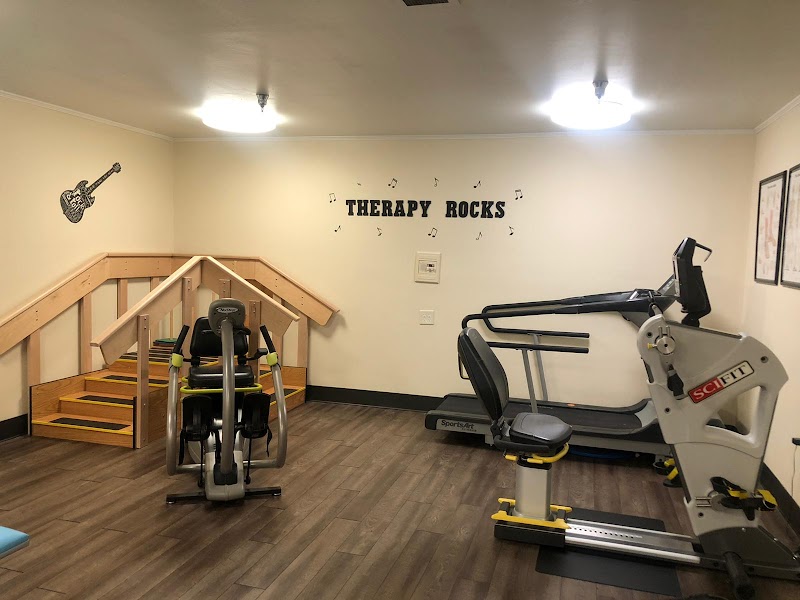
How is Kaplan Healthcare Center Staffed?

CMS rates KAPLAN HEALTHCARE CENTER's staffing level at 1 out of 5 stars, which is much below average compared to other nursing homes. Staff turnover is 59%, which is 12 percentage points above the Louisiana average of 46%. High turnover can affect care consistency as new staff learn residents' individual needs.

What Have Inspectors Found at Kaplan Healthcare Center?

State health inspectors documented 21 deficiencies at KAPLAN HEALTHCARE CENTER during 2022 to 2024. These included: 2 Immediate Jeopardy (the most serious level, indicating potential for serious harm or death), 1 that caused actual resident harm, and 18 with potential for harm. Immediate Jeopardy findings are rare and represent the most serious regulatory concerns. They require immediate corrective action.
Who Owns and Operates Kaplan Healthcare Center?

KAPLAN HEALTHCARE CENTER is owned by a for-profit company. For-profit facilities operate as businesses with obligations to shareholders or private owners. The facility is operated by NEXION HEALTH, a chain that manages multiple nursing homes. With 113 certified beds and approximately 70 residents (about 62% occupancy), it is a mid-sized facility located in KAPLAN, Louisiana.
How Does Kaplan Healthcare Center Compare to Other Louisiana Nursing Homes?

Compared to the 100 nursing homes in Louisiana, KAPLAN HEALTHCARE CENTER's overall rating (2 stars) is below the state average of 2.4, staff turnover (59%) is significantly higher than the state average of 46%, and health inspection rating (3 stars) is at the national benchmark.

What Should Families Ask When Visiting Kaplan Healthcare Center?

Based on this facility's data, families visiting should ask: "What changes have been made since the serious inspection findings, and how are you preventing similar issues?" "How do you ensure continuity of care given staff turnover, and what is your staff retention strategy?" "Can you walk me through typical staffing levels on day, evening, and night shifts?" "Can I visit during a mealtime to observe dining assistance and food quality?" These questions are particularly relevant given the facility's Immediate Jeopardy citations, the facility's high staff turnover rate, and the below-average staffing rating.

Is Kaplan Healthcare Center Safe?

Based on CMS inspection data, KAPLAN HEALTHCARE CENTER has documented safety concerns. Inspectors have issued 2 Immediate Jeopardy citations (the most serious violation level indicating risk of serious injury or death). The facility has a 2-star overall rating and ranks #100 of 100 nursing homes in Louisiana. Families considering this facility should ask detailed questions about what corrective actions have been taken since these incidents.

Do Nurses at Kaplan Healthcare Center Stick Around?

Staff turnover at KAPLAN HEALTHCARE CENTER is high. At 59%, the facility is 12 percentage points above the Louisiana average of 46%. High turnover means new staff may not know residents' individual needs, medications, or preferences. It can also be disorienting for residents, especially those with dementia who rely on familiar faces. Families should ask: What is causing the turnover? What retention programs are in place? How do you ensure care continuity during staff transitions?

Was Kaplan Healthcare Center Ever Fined?

KAPLAN HEALTHCARE CENTER has been fined $40,243 across 3 penalty actions. The Louisiana average is $33,481. While any fine indicates a compliance issue, fines under $50,000 are relatively common and typically reflect isolated problems that were subsequently corrected. Families should ask what specific issues led to these fines and confirm they've been resolved.

Is Kaplan Healthcare Center on Any Federal Watch List?

KAPLAN HEALTHCARE CENTER is not on any federal watch list. The most significant is the Special Focus Facility (SFF) program, which identifies the bottom 1% of nursing homes nationally based on persistent, serious quality problems. Not being on this list means the facility has avoided the pattern of deficiencies that triggers enhanced federal oversight. This is a positive indicator, though families should still review the facility's inspection history directly.