VERMILION HEALTH CARE CENTER
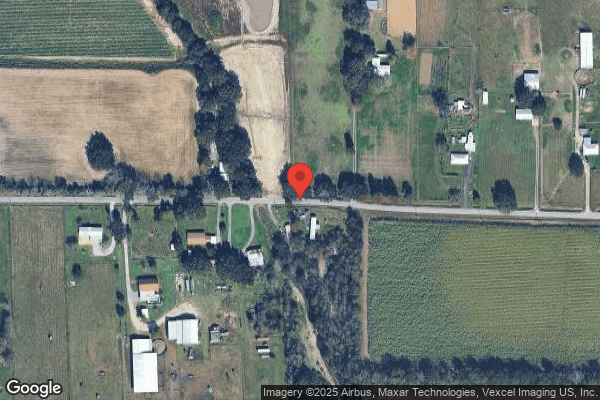
14008 CHENEAU ROAD, KAPLAN, LA 70548 (337) 643-1949
For profit - Corporation 120 Beds Independent Data: November 2025
Trust Grade
78/100
#26 of 264 in LA
Last Inspection: September 2025

Inspected within the last 6 months. Data reflects current conditions.

Overview

Vermilion Health Care Center in Kaplan, Louisiana, has a Trust Grade of B, indicating it is a good choice among nursing homes, reflecting solid care and services. It ranks #26 out of 264 facilities in the state, placing it in the top half, and #2 of 6 in Vermilion County, meaning only one local option is better. The facility shows an improving trend, reducing issues from three in 2024 to none in 2025. Staffing is average with a 3/5 rating and a turnover rate of 47%, consistent with the state average, suggesting some stability among staff. However, they have faced fines of $5,735, which is typical, yet there were serious concerns identified, including a failure to protect residents from abuse and not ensuring recent survey results were accessible, indicating areas for improvement in resident safety and transparency.

Trust Score
B
78/100
In Louisiana
#26/264
Top 9%
Safety Record
Moderate
Needs review
Inspections
Getting Better
3 → 0 violations
Staff Stability
⚠ Watch
47% turnover. Above average. Higher turnover means staff may not know residents' routines.
Penalties
✓ Good
$5,735 in fines. Lower than most Louisiana facilities. Relatively clean record.
Skilled Nurses
⚠ Watch
Each resident gets only 11 minutes of Registered Nurse (RN) attention daily — below average for Louisiana. Fewer RN minutes means fewer trained eyes watching for problems.
Violations
⚠ Watch
14 deficiencies on record. Higher than average. Multiple issues found across inspections.
★★★★★
5.0
Overall Rating
★★★☆☆
3.0
Staff Levels
★★☆☆☆
2.0
Care Quality
★★★★★
5.0
Inspection Score
Stable
2024: 3 issues
2025: 0 issues

The Good

  • Full Sprinkler Coverage · Fire safety systems throughout facility
  • No fines on record

Facility shows strength in fire safety.

The Bad

Staff Turnover: 47%

Near Louisiana avg (46%)

Higher turnover may affect care consistency

Federal Fines: $5,735

Below median ($33,413)

Minor penalties assessed

The Ugly 14 deficiencies on record

1 actual harm
Sept 2024 3 deficiencies
CONCERN (D)

Potential for Harm - no one hurt, but risky conditions existed

Incontinence Care (Tag F0690)

Could have caused harm · This affected 1 resident

**NOTE- TERMS IN BRACKETS HAVE BEEN EDITED TO PROTECT CONFIDENTIALITY** Based on record review, observations and interviews, the facility failed to provide appropriate and sufficient services, treatme...

Read full inspector narrative →
**NOTE- TERMS IN BRACKETS HAVE BEEN EDITED TO PROTECT CONFIDENTIALITY** Based on record review, observations and interviews, the facility failed to provide appropriate and sufficient services, treatment and care according to standards of professional practice for 1 (#49) of 2 (#49, and #64) residents that were reviewed for urinary catheter or UTI (urinary tract infection). The facility failed to ensure Resident #49's urinary catheter drainage tubing was properly secured off of the floor. Findings: Resident #49 was admitted to the facility on [DATE] with diagnoses which included, but were not limited to, Urinary Tract Infection, Acute Cystitis without Hematuria. A review of Resident #49's quarterly MDS (Minimum Data Set) with an ARD (Assessment Reference Date) of 08/19/2024 section H revealed yes for indwelling catheter. On 09/23/2024 at 9:07 a.m., an observation was conducted of Resident #49 in her room. The resident had a urinary catheter, the catheter bag was covered and placed underneath the wheelchair, and the drainage tubing part was under her wheelchair touching the floor. On 09/24/2024 at 8:24 a.m., a second observation was conducted of Resident #49 observed in her room sitting up in her wheelchair. The catheter bag was covered placed underneath the wheelchair, and the drainage tubing part was under her wheelchair touching the floor. On 09/24/2024 at 8:32 a.m., an interview and observation was conducted with S2ADON/IP (Assistant Director of Nursing/Infection Preventionist). She conducted an observation of Resident #49 in her room sitting up in her wheelchair. She stated the resident's drainage tubing part should not be touching the floor. S2ADON/IP stated the resident receives assistance for transfer from the CNA's (Certified Nursing Assistant). The CNA is supposed to use a yellow rubber band and loop the drainage tubing to prevent it from touching the floor.
CONCERN (E)

Potential for Harm - no one hurt, but risky conditions existed

Comprehensive Care Plan (Tag F0656)

Could have caused harm · This affected multiple residents

**NOTE- TERMS IN BRACKETS HAVE BEEN EDITED TO PROTECT CONFIDENTIALITY** 2. Resident #88 Resident #88 was admitted to the facility on [DATE] with diagnoses which included, but were not limited to Major...

Read full inspector narrative →
**NOTE- TERMS IN BRACKETS HAVE BEEN EDITED TO PROTECT CONFIDENTIALITY** 2. Resident #88 Resident #88 was admitted to the facility on [DATE] with diagnoses which included, but were not limited to Major Depressive Disorder, Single Episode, Severe without Psychotic Features, and Generalized Anxiety Disorder. A review of Resident #88's quarterly MDS (Minimum Data Set) assessment with an ARD (Assessment Reference Date) of 08/07/2024 revealed a BIMS (Basic Interview for Mental Status) of 10, which indicated the resident's cognition was moderately impaired. Section B of the MDS revealed the resident had moderate difficulty hearing and had no hearing aid. On 09/23/2024 at 10:16 a.m., an observation and an interview were conducted with Resident #88. The resident was unable to hear what was said to her. She stated that she was hard of hearing and her hearing aids disappeared after she was admitted to the facility. On 09/24/2024 at 9:03 a.m., a second observation and an interview were conducted with Resident #88. The resident was sitting in her wheelchair with her back turned to the door. The resident did not respond to surveyor when her name was called loudly from behind. A review of Resident #88's plan of care revealed no evidence of the resident's hearing loss. On 09/25/2024 at 8:34 a.m., a review of Resident #88's MDS assessment and plan of care, and an interview were conducted with S5MDS coordinator. She confirmed that the resident was assessed for hearing loss but a plan of care was not developed to address the problem. S5MDS coordinator stated that a person-centered plan of care should have been developed to address the resident's hearing deficit, but was not. Based on record reviews, observations and interviews, the facility failed to develop an/or implement a comprehensive person-centered plan of care for 3 (#10, #49 and #88) out of 31 sampled residents as evidenced by failing to: 1. follow the plan of care to address Resident #49's elevated blood sugar; 2. develop a person-centered plan of care to address hearing deficits for Resident #88; and 3. follow the plan of care for Resident #10 for ensuring the chair alarm was functioning properly. 1. Resident #49 Review of Resident #49's electronic medical record revealed the resident was admitted to the facility on [DATE]. The resident's diagnoses included in part: Type 2 Diabetes Mellitus. Review of the resident's physician's orders revealed in part .Novolin R (regular) Injection Solution 100 UNIT/ML (milliliter), inject as per sliding scale: >400=15U (units) recheck in 1 hour, then if >400 (greater than) =15U and call MD/NP, subcutaneously four times a day. Review of the resident's MARs (Medication Administration Record) revealed in September 2024 the following dates had a CBG (capillary blood sugar) greater than 400: 09/07/2024 at 4:30 p.m.: cbg 479 09/07/2024 at 8:00 p.m.: cbg 511 09/08/2024 at 4:30 p.m.: cbg 415 09/14/2024 at 4:30 p.m.: cbg 421 09/21/2024 at 4:30 p.m.: cbg 461 09/21/2024 at 8:00 p.m.: cbg 403 Review of nurses progress notes revealed for the following dates and times: 09/07/2024 at 4:30 p.m., 09/07/2024 at 8:00 p.m., 09/08/2024 at 4:30 p.m., 09/14/2024 at 4:30 p.m., 09/21/2024 at 4:30 p.m., and 09/21/2024 at 8:00 p.m., 15 units of Novolin R was administered to the Resident, however no CBG rechecks were conducted after an hour. On 09/24/2024 at 2:46 p.m., a phone interview was conducted S4LPN (Licensed Practical Nurse) with S1DON (Director of Nursing), and S3LPN in the DON's office. S4LPN in the old computer system they would have a pop up that prompted the nurses to recheck the blood sugar if it was over 400ng/dl after an hour. She stated the new computer system does not have that prompt so if she would have rechecked the resident's capillary blood glucose she would have documented it in the nurse's progress notes. On 09/24/2024 at 2:47 p.m., a record review and an interview was conducted with S1DON She reviewed Resident #49's electronic medical record and stated she did not see documentation anywhere in the record that the resident's CBG's rechecks were conducted after an hour for the following dates and times noted above. S1DON stated the nurse should have rechecked the residents CBG's after an hour of administering Novolin R to as ordered. 3. Resident #10 On 09/25/2024 at 12:15 p.m., a review of the facility's undated policy titled Resident Alarm revealed in part .Policy Explanation and Compliance Guidelines: .7. Monitoring and modification . b. When alarms are utilized, additional monitoring shall be provided, including but not limited to: . b. (ii.) verifying alarms are working properly. Resident # 10 was admitted to the nursing home on [DATE]. Her diagnoses included in part, Dementia, Congestive Heart Failure, Hypertension, Chronic Obstructive Pulmonary Disease, Anxiety Disorder and Muscle Weakness. Review of the Resident #10's September 2024 physician orders revealed an order dated 05/08/2024 to monitor and maintain chair alarm. Review of Resident #10's Fall Risk assessment dated [DATE] revealed a risk score of 17, which indicated she was at high risk for falls. Review of the Resident #10's care plan revealed under assistance with ADLS (Activities of Daily Living) an intervention dated 09/02/2024 to monitor chair alarm for compliance due to the resident would remove or unplug chair alarm. On 09/23/2024 at 10:31 a.m., an observation was made of Resident #10's chair alarm. The cord for the sensor pad to the chair alarm was observed wrapped around the right handle of her wheelchair and not connected to the chair alarm device. On 09/25/2024 at 11:10 a.m., Resident #10 was observed in the dining area sitting in her wheelchair. An observation was made of the cord for the sensor pad to the chair alarm was still wrapped around the right handle of her wheelchair and not connected to the chair alarm device. On 09/25/2024 at 11:15 a.m., an observation of the resident's chair alarm was made with S7CNA (Certified Nursing Assistant). She confirmed that the cord for the sensor pad to the chair alarm was not connected. She stated that the cord should be connected at all times. On 09/25/2024 at 11:18 a.m., an interview was conducted with S1DON who confirmed that Resident #10 had a chair alarm because she liked to get up out of her chair. She confirmed that the resident was a fall risk. She also confirmed that the cord for the sensor pad to the chair alarm should be connected at all times.
CONCERN (F)

Potential for Harm - no one hurt, but risky conditions existed

Deficiency F0577 (Tag F0577)

Could have caused harm · This affected most or all residents

Based on observation and interview, the provider failed to ensure the most recent survey results for the facility were posted in a place readily accessible to residents, family members, and legal repr...

Read full inspector narrative →
Based on observation and interview, the provider failed to ensure the most recent survey results for the facility were posted in a place readily accessible to residents, family members, and legal representatives of residents. The facility's census was 94 residents. Findings: On 09/23/2024 at 1:30 p.m., an observation was made of a blue binder labeled Survey Results was located in a clear plastic document holder mounted to the wall across from the Nurses station near the main entrance just outside of the Minimum Data Nurses (MDS) office. A review of the Survey Results binder revealed the results and the plans of correction from the last annual survey dated 08/02/2023 and a complaint survey that was conducted 04/04/2023. The results of the most recent complaint survey conducted 10/04/2023 were not in the binder. On 09/24/2024 at 12:44 p.m., an interview was conducted with S6Adm (Administrator) who stated all recent survey results were available in the blue binder in a wall pocket just outside of the MDS Nurse Station Office. S6Adm then reviewed the contents of the binder and confirmed the latest survey results from the complaint survey conducted on 10/04/2023 were not in the binder. S6Adm further stated survey results should remain readily accessible for all residents, their family members, and or legal representatives.
Oct 2023 3 deficiencies
CONCERN (D) 📢 Someone Reported This

A family member, employee, or ombudsman was alarmed enough to file a formal complaint

Potential for Harm - no one hurt, but risky conditions existed

Assessment Accuracy (Tag F0641)

Could have caused harm · This affected 1 resident

Based on interview and record review, the facility failed to ensure the resident's Minimum Data Set (MDS) accurately reflected the resident's status by failing to accurately code the resident for seri...

Read full inspector narrative →
Based on interview and record review, the facility failed to ensure the resident's Minimum Data Set (MDS) accurately reflected the resident's status by failing to accurately code the resident for serious mental illness for 1 (#3) of 3 (#1, #2, and #3) sampled residents. Findings: A review of Resident #3's electronic record revealed he was admitted to the facility with diagnoses including Paranoid Schizophrenia. A review of Resident #3's admission MDS (Minimum Data Set) dated 08/28/2023 revealed he had a BIMS (Basic Interview for Mental Status) of 3, indicating he had severe cognitive impairment. Further review revealed Resident #3 had behavioral symptoms that interfered with resident care, social activities, and intruded on privacy of others. Section A1510A which asked if he had a serious mental illness was blank. A review of Resident #3's Social Services' Progress Notes revealed in part, 08/21/2023 at 10:38 a.m., S1SSD (Social Service Director) wrote: His Dx (Diagnoses) are as follows: Paranoid Schizophrenia . On 10/24/2023 at 08:36 a.m., an interview was conducted with S6MDS who conducted Resident #3's admission MDS assessment. S6MDS confirmed Resident #3's diagnosis and confirmed his admission MDS assessment regarding serious mental illness was inaccurately coded.
CONCERN (D) 📢 Someone Reported This

A family member, employee, or ombudsman was alarmed enough to file a formal complaint

Potential for Harm - no one hurt, but risky conditions existed

PASARR Coordination (Tag F0644)

Could have caused harm · This affected 1 resident

**NOTE- TERMS IN BRACKETS HAVE BEEN EDITED TO PROTECT CONFIDENTIALITY** Based on record review and interview, the facility failed to refer a resident with a possible serious mental disorder for a Leve...

Read full inspector narrative →
**NOTE- TERMS IN BRACKETS HAVE BEEN EDITED TO PROTECT CONFIDENTIALITY** Based on record review and interview, the facility failed to refer a resident with a possible serious mental disorder for a Level II PASARR (Pre-admission Screening and Resident Review) evaluation to the appropriate state-designated authority after the resident was readmitted to the facility following an inpatient psychiatric stay for 1(#3) out of 3 (#1, #2 and #3) sampled residents. This deficient practice placed Resident #3 at risk of not receiving or benefiting from specialized services the resident may have needed. Findings: A review of the facility's policy titled Resident Assessment-Coordination with PASARR Program read in part, Policy Explanation and Compliance Guidelines: .6. The Social Services Director or designee shall be responsible for keeping track of each resident's PASARR screening status, and referring to the appropriate authority .9. Any resident who exhibits a newly evident possible serious mental disorder intellectual disability, or a related condition will be referred promptly to the state mental health or intellectual disability authority for a Level II resident review. Examples include: (g). a resident who exhibits behavioral, psychiatric, or mood related symptoms suggesting the presence of a mental disorder. (h). A resident whose .condition was not previously identified and evaluated through PASARR (i). a resident transferred, admitted or readmitted to the facility following an inpatient psychiatric stay or equally intensive treatment A review of Resident #3's electronic record revealed he was admitted to the facility from a rehabilitation hospital on [DATE] with diagnoses including Paranoid Schizophrenia, Anxiety Disorder, Restlessness, and Agitation. A review of Resident #3's MDS (Minimum Data Set) dated 08/28/2023 revealed he had a BIMS (Basic Interview for Mental Status) of 3, indicating he had severe cognitive impairment. Further review revealed Resident #3 had behavioral symptoms that interfered with resident care, social activities, and intruded on privacy of others. Section A1500 which asked if the resident was evaluated by PASARR was answered no. Section A1510A which asked if he had a serious mental illness was blank. A review of Resident #3's Level I Pre-admission Screening and Resident Review completed by the rehab facility and dated 08/17/2023, revealed that Resident #3 did not have a mental illness. The box for Schizophrenia was unchecked. Section 5. Hospital Exemption and Categorical Determinations was checked not applicable, indicating the resident did not qualify for a screening exemption. A review of Resident #3's Nurses' Progress Notes dated 08/21/2023 through 09/11/2023 revealed the following entries: On 08/22/2023 at 5:06 a.m., S4LPN (Licensed Practical Nurse) wrote: Resident has been awake in bed since around 2 a.m. yelling don't hurt me, Cursing F-- repeatedly. Banging on wall. Asking for a cup of whiskey on his table .Redirection ineffective. He continued to yell random things . On 08/24/2023 at 5:00 p.m., S5LPN wrote: Resident is noted sitting in Geri-chair at nurses' station yelling, cursing at staff and banging on Geri-chair. Staff attempts to redirect, unsuccessful. Resident pulled feeding tube out of port twice .Further review revealed at 9:11 p.m., S5LPN found resident sitting on his floor mat disoriented. He was assisted to Geri-chair and wheeled to nurses station. At 9:40 p.m. resident continues to yell at staff members, and other residents became agitated. NP was called and order received for Lorazepam (a sedative). On 08/25/2023 at 1:00 a.m., S4LPN wrote that the resident continued with yelling and pulled PEG (feeding tube) tube out. Redirection was ineffective. On 08/29/2023 at 3:18 a.m., S4LPN wrote that the resident was yelling out for help, cursed at her and the CNA, and banged on the wall when she went to help him. Redirection ineffective. At 3:44 a.m. the resident was transferred to the nurses' station because he kept attempting to get out of bed. At 4:00 a.m. the resident continued to yell out and curse. He grabbed the hole puncher off the nurse's desk and threw it at S4LPN. On 09/11/2023 at 12:14 p.m., S3LPN wrote that Resident #3 was hollering, cursing, and threatening the staff. The staff was unable to re-direct the resident and S2NP was notified of the resident's behavior. Further review of the nurses' notes revealed that the resident was transferred to an inpatient psychiatric facility on 09/11/2023 at 5:25 p.m. Further review of Resident #3's record revealed on 09/19/2023 at 8:54 p.m., the resident returned to the facility. There was no documented evidence in the record that the resident had been referred for a Level II PASARR screening after his return from the psychiatric hospital. On 10/24/2023 at 2:00 p.m., an interview was conducted with S1SSD (Social Services Director). S1SSD was asked if a Level II PASARR determination was sent after Resident #3 started having behaviors. She replied, No, the resident was sent to an inpatient psychiatric facility. S1SSD was asked if a Level II PASARR determination was sent after Resident #3 returned to the facility following his inpatient psychiatric stay. S1SSD stated that she did not submit a Level II PASARR referral to the state designated authority upon the resident's readmission. S1SSD stated that she did not submit a Level II PASARR was because when the resident returned to the facility from his inpatient stay (09/19/2023), she had received a request to extend the resident's CSR (Continued Stay Request [request for permission from the state for the resident to stay at the facility]) and it would have been within the 30-day window of his CSR. A review of the resident's CSR from the rehabilitation hospital the resident was transferred from, revealed a fax transmission date of 10/23/2023 at 4:39 p.m. S1SSD agreed that when the resident returned to the facility on [DATE] following his inpatient psychiatric stay, it was more than 30 days outside the CSR 30-day window. S1SSD also agreed, the resident started having behaviors on 08/21/2023, which was two months outside the cutoff date to submit a referral for a Level II PASARR. S1SSD confirmed a request for a Level II PASSAR could have been submitted for Resident #3.
CONCERN (D) 📢 Someone Reported This

A family member, employee, or ombudsman was alarmed enough to file a formal complaint

Potential for Harm - no one hurt, but risky conditions existed

Deficiency F0645 (Tag F0645)

Could have caused harm · This affected 1 resident

Based on record review and interview, the facility failed to ensure the accuracy of a Level I PASARR (Pre-admission Screening and Resident Review) for a resident with a diagnosis of Paranoid Schizophr...

Read full inspector narrative →
Based on record review and interview, the facility failed to ensure the accuracy of a Level I PASARR (Pre-admission Screening and Resident Review) for a resident with a diagnosis of Paranoid Schizophrenia upon admission to the facility for 1(#3) out of 3 (#1, #2 and #3) sampled residents. This deficient practice placed Resident #3 at risk of not receiving or benefiting from specialized services the resident may have needed. Findings: A review of the facility's policy titled Resident Assessment-Coordination with PASARR Program read in part, Policy Explanation and Compliance Guidelines: .1. All applicants to this facility will be screened for serious mental disorders .in accordance with the State's Medicaid rules for screening. a. PASSAR Level I - initial screening that is completed prior to admission . 6. The Social Service Director or designee shall be responsible for keeping track of each resident's PASARR screening status, and referring to the appropriate authority . A review of Resident #3's electronic record revealed he was admitted to the facility from a rehabilitation facility on 08/21/2023 with diagnoses including Paranoid Schizophrenia. A review of Resident #3's admission MDS (Minimum Data Set) dated 08/28/2023 revealed he had a BIMS (Basic Interview for Mental Status) of 3, indicating he had severe cognitive impairment. Further review revealed Resident #3 had behavioral symptoms that interfered with resident care, social activities, and intruded on privacy of others. Section A1500 which asked if the resident was evaluated by PASARR was answered no. Section A1510A which asked if he had a serious mental illness was blank. A review of Resident #3's Social Services' Progress Notes revealed in part, 08/21/2023 at 10:38 a.m., S1SSD (Social Service Director) wrote: Resident #3 was admitted to facility from a rehabilitation hospital . His Dx (Diagnoses) are as follows: Paranoid Schizophrenia, Insomnia, Aphasia Following Cerebral infarction, Dysphasia Following Cerebral Infarction, Muscle Weakness, Restlessness and Agitation .He plans on being long term at this time . D/C (Discharge) not anticipated at this time. On 10/23/2023 at 4:15 p.m., S1SSD (Social Services Director) was asked for a copy of a level II PASARR for Resident #3 after it was not found in the resident's electronic or paper records. S1SSD returned with a faxed copy of a level I PASARR that had been completed by the rehabilitation facility the resident was transferred from prior to his nursing home admission. The fax transmission date on the resident's level I PASARR was 10/23/2023 at 04:39 p.m. A review of Resident #3's Level I Pre-admission Screening and Resident Review dated 08/17/2023 revealed the resident was never diagnosed with having a mental illness. The box for Schizophrenia was unchecked. Further review revealed the page for Hospital Exemption and Categorical Determination was marked not applicable, indicating that the resident did not meet the requirements for an exception to Level II screening. Further review of the resident's record revealed no evidence the facility resubmitted a corrected Level I PASARR that indicated the resident's qualifying diagnosis. On 10/24/2023 at 08:36 a.m., an interview was conducted with S6MDS who conducted Resident #3's admission MDS assessment. S6MDS stated that S1SSD was responsible for coordinating the care of residents with PASARRs. She further stated that when she checked Resident #3's paper record he did not have a Level I or II PASARR upon his admission. On 10/24/2023 at 1:15 p.m., an interview was conducted with S1SSD. S1SSD confirmed that she was responsible for ensuring residents' have a Level I PASARR screening upon admission. S1SSD further stated that if the resident's level I screening was completed by the transferring facility, she should review the resident's Level I PASARR to ensure its accuracy. If inaccurate, S1SSD stated that she would then send a corrected Level I evaluation to the state designated authority. S1SSD was asked if she was aware that Resident #3's Level I screening from the rehabilitation hospital indicated Resident #3's diagnosis of Schizophrenia. She stated she did not review the resident's Level I PASARR upon his admission to the nursing facility and was not aware that he had a diagnosis of Schizophrenia. She further stated that Resident #3's Level I PASARR was inaccurate, it should have been resubmitted. S1SSD confirmed that if she had reviewed Resident #3's Level I PASARR when he was admitted , she would have recognized it was inaccurate, and referred the resident for a Level II PASARR determination based on his qualifying diagnosis.
Aug 2023 6 deficiencies
CONCERN (D)

Potential for Harm - no one hurt, but risky conditions existed

Quality of Care (Tag F0684)

Could have caused harm · This affected 1 resident

**NOTE- TERMS IN BRACKETS HAVE BEEN EDITED TO PROTECT CONFIDENTIALITY** Based on record reviews and interview, the facility failed to ensure quality of care in accordance with professional standards o...

Read full inspector narrative →
**NOTE- TERMS IN BRACKETS HAVE BEEN EDITED TO PROTECT CONFIDENTIALITY** Based on record reviews and interview, the facility failed to ensure quality of care in accordance with professional standards of practice, for 1(#6) of 35 sampled residents. This was evidenced when 72 hours of neuro-checks were not completed after Resident #6 had an unwitnessed fall and hit her head. Findings: A review of the facility's policy titled, Head Injuries read in part: 1. Residents who have sustained a head injury will be monitored according to current standards of nursing practice. 2. When a resident sustains a head injury, he or she will be assessed by a licensed nurse according to the following schedule as a minimum: -Every 15 minutes for 1 hour -Every 30 minutes for 1 hour -Every hour for 4 hours -Every 4 hours for the next 20 hours -Every 8 hours for the next 24 hours -And once 24 hours later . Resident #6 was admitted to the facility on [DATE] with diagnoses: Generalized Anxiety Disorder, Malignant Neoplasm of Right Main Bronchus, Other Deficiency Anemias, Diabetes Mellitus, Personal History of Transient Ischemic attack and Cerebral Infarction. Review of Resident #6's significant change Minimum Data Set (MDS) assessment dated [DATE] revealed a Brief Interview for Mental Status (BIMS) score of 10 indicating her cognition was moderately impaired. A review of an incident report dated 07/18/2023 at 12:10 a.m. completed by S11LPN (Licensed Practical Nurse), revealed that S13CNA (Certified Nursing Assistant) found Resident #6 lying on floor out of her recliner after S13CNA heard a loud crash while she was in the hallway. S11LPN was called to the resident's room and was informed by the resident that she hit her head. A hematoma was noted to the resident's left eye. Further review revealed neurological checks were completed for 24 hours. A review of a neurological (neuro) record for Resident #6 dated 07/18/2023, revealed neuro checks were started on 07/18/2023 at 12:10 a.m, and ended on 07/19/2023 on the 2 p.m.-10 p.m. shift, instead of on 07/21/2023. On 07/31/2023 at 10:00 a.m., an observation was made of Resident #6 in her room. The resident had yellowish-greenish bruising on the left side of her face, stretching from her left forehead to below her left eye, and a smaller quarter sized greenish bruise on the left side of her chin. On 08/02/2023 at 12:45 p.m., an interview was conducted with S3RNAIT (Registered Nurse, Administrator in Training). S3RNAIT confirmed that neuro checks were supposed to be conducted for 72 hours after a head injury as stated in the facility's policy.
CONCERN (D)

Potential for Harm - no one hurt, but risky conditions existed

Respiratory Care (Tag F0695)

Could have caused harm · This affected 1 resident

**NOTE- TERMS IN BRACKETS HAVE BEEN EDITED TO PROTECT CONFIDENTIALITY** Based on observation, record review and interview, the facility failed to provide respiratory care in accordance with profession...

Read full inspector narrative →
**NOTE- TERMS IN BRACKETS HAVE BEEN EDITED TO PROTECT CONFIDENTIALITY** Based on observation, record review and interview, the facility failed to provide respiratory care in accordance with professional standards of practice and the facility's policies and procedures evidenced by: 1. failing to follow the physician's order and care plan for oxygen administration for 2 (#6, #22) of 2 residents investigated for oxygen therapy and 2. failing to assure the resident had a portable supply of oxygen to take along when outside the room/ambulating on the unit for Resident #22. Findings: Review of the facility's policy Oxygen Administration revealed in part: Review the physician's orders or facility protocol for oxygen administration. Review the resident's care plan to assess for any special needs of the resident .Equipment and Supplies 1. portable oxygen cylinder (strapped to the stand); .No smoking/oxygen in use signs .Place an oxygen in use sign in a designated place on or over the resident's bed. Adjust the oxygen delivery device so that it is the proper flow of oxygen being administered. Resident #6 Review of physician's orders revealed an order written on 07/14/2023 for oxygen continuously at 2L/NC (2 liters by nasal cannula). On 07/31/2023 at 10:00 a.m., an observation was made of Resident #6 in her room with oxygen in place by nasal cannula. The monitor on the oxygen delivery machine that she was connected to, was set at 3 liters. On 08/01/2023 at 8:58 a.m., a follow up observation was made of resident #6 in her room with oxygen in place by nasal cannula, and the oxygen delivery machine remained set at 3 liters. On 08/01/2023 at 1:12 p.m., an interview and observation was conducted with S15 LPN (Licensed Practical Nurse). S15 LPN was observed checking the resident's physician's orders, and she confirmed that the resident had an order to receive 2 liters of oxygen. S15 LPN then checked the resident's oxygen delivery machine and confirmed that she was receiving 3 liters of oxygen and was ordered to receive 2 liters of oxygen. On 08/01/2023 at 1:14 p.m., an interview and observation was conducted with S4DON (Director of Nursing). S4DON checked the resident's oxygen concentrator and confirmed it was set at 3 liters. S4DON then checked the residents chart for the oxygen order and confirmed that the resident was ordered 2 liters of oxygen and should have been receiving 2 liters and not 3. Resident #22 Review of Resident #22's record revealed she was admitted to the facility on [DATE] and had diagnoses including cough, shortness of breath, Chronic Obstructive Pulmonary Disease (COPD), Parkinson's disease, and Chronic atrial fibrillation. Review of the resident's quarterly MDS (Minimum Data Set) dated 06/07/23 revealed in part that the resident had a BIMS (Brief Interview for Mental Status) score of 11, indicating she was cognitively intact. Review of the resident's physician orders August 2023 revealed an order dated 05/08/2022 start oxygen at 2L/NC (2 liters per nasal cannula) continuous maintain sats (saturation) above 92%. Review of the resident's care plan revealed in part that the resident required limited assistance with locomotion on the unit with assistance provided only to the extent necessary. Resident used oxygen continuously due to diagnoses COPD, history of acute Hypoxic Hypercapnic Respiratory Failure, CHF (Congestive Heart Failure). Interventions included to administer oxygen per physician orders. Further review revealed no evidence that the resident refused or was non-compliant with oxygen therapy. Review of the resident's MAR (Medication Administration Record) May 2023 - August 2023 revealed the resident received oxygen continuously every shift with no refusals. The nurses documented that Resident #22 received continuous oxygen at 2L/NC (Nasal Cannula) on 07/31/2023 at 5:00 a.m., 1:00 p.m., and 9:00 p.m. On 08/01/2023 nurses documented that the resident was administered continuous oxygen 2L/NC at 5:00 a.m. and 1:00 p.m. On 07/31/2023 at 09:40 a.m., an observation of the resident's door revealed no signage noting No Smoking/Oxygen in use. Resident #22 was observed sitting in her room in her wheelchair wearing a nasal cannula that was connected to an oxygen concentrator at a flow rate of 4.5 liters per minute. Oxygen in use signage was not observed in the resident's room. Resident #22 explained that she needed oxygen most of the time because she got easily short of breath on exertion due to COPD. The nurses set the settings on the concentrator for her. Resident #22 stated that she enjoyed going to activities in the dining room. She stated that she desired to be moved to a room closer to the dining room so she would not have to travel so far in her wheelchair because it made her short of breath. The resident stated that she propelled herself in her wheelchair down the hall to the dining room without staff assistance most of the time. She would be very short of breath by the time she got to the dining room. At this time, an observation of the resident's room revealed no portable oxygen cylinder/machine in room or attached to her wheelchair. Resident #22 stated that she was not provided portable oxygen and would like to have it so she could have oxygen when outside her room during activities. On 7/31/2023 at 03:20 p.m., an interview was conducted with S9CNA (Certified Nursing Assistant) and S8LPN (Licensed Practical Nurse) who stated they were Resident #22's assigned staff. They stated that Resident #22 required limited assistance with locomotion on the unit as needed. The resident propelled herself in her wheelchair without assistance most of the time. S9CNA and S8LPN stated that the resident did not have a portable oxygen cylinder. S8LPN reviewed the resident's physician orders at this time and confirmed Resident #22 was ordered to have continuous oxygen at 2 liters per minute via nasal cannula. S8LPN further stated that the resident enjoyed going to the dining room for activities and had just propelled herself back to her room after playing bingo. She stated that she observed that the resident was winded once she reached her room so she checked her oxygen saturation. S8LPN stated that the resident was not receiving oxygen while playing bingo and that the resident did not usually have any oxygen on when outside her room or while in dining room for activities because she did not have access to a portable oxygen. S8LPN further stated that recently the resident was in the dining room for an activity and got short of breath. Staff had to bring the resident back to her room to put her oxygen on because the resident's oxygen concentrator remained in the resident's room. S8LPN stated that Resident #22 never refused her oxygen and preferred to have it on because she has COPD and gets short of breath. S8LPN stated that the resident did not touch or change the dial settings on the concentrator and that the nurses were responsible for monitoring the resident's oxygen flow rate to ensure it remained set at 2L per the physician's order. The CNAs should have ensured the resident was transported with oxygen on when assisting the resident to activities. S8PLN confirmed Resident #22 should have had portable oxygen available when outside her room, but the resident would never have it. On 08/01/2023 at 01:31 p.m., another observation revealed Resident #22 sitting in her wheelchair in her room. Her nasal cannula was connected to the oxygen concentrator with oxygen flowing at 4.5 liters per minute. She stated that she was in bingo yesterday afternoon without oxygen. When she arrived back to her room after bingo, she was short of breath. S8LPN checked her and she was placed back on her oxygen. A portable oxygen cylinder was not observed on the resident's wheelchair or in the room. On 08/01/2023 at 01:34 p.m., an interview with S6LPN who stated she was assigned to care for Resident #22. She stated that Resident #22 had COPD, gets short of breath, and ordered to have continuous oxygen at 2 liters per minute via nasal cannula. She stated that the resident should not receive oxygen higher than the prescribed rate as it could knock out resident's drive to breathe. Nurses should monitor the setting to ensure oxygen remains set at 2 liters per minute. An observation of Resident #22 was conducted with S6LPN at this time. She observed the setting on the concentrator and stated that 4.5 liters per minute was too high. The resident responded, it's always been that high. S6LPN also stated Resident #22 did not have a portable oxygen cylinder. On 08/01/2023 at 01:41 p.m., S4DON (Director of Nursing) and S3RNAIT (Registered Nurse, Administrator in Training) stated that nurses should follow the physician orders for oxygen administration. Nurses should monitor the flow rate to ensure the resident is receiving the correct amount of oxygen. S3RNAIT stated that resident's with COPD receiving oxygen at 4.5 liters per minute was too high and therefore was concerning. Residents ordered to have continuous oxygen should have oxygen at all times unless resident refused. A portable oxygen cylinder should be provided for residents ordered to have continuous oxygen. Staff should bring the oxygen concentrator from the resident's room if a portable cylinder is not available. S3RNAIT confirmed that Resident #22 should have been provided a portable oxygen cylinder as there were some available in the facility. S3RNAIT and S4DON confirmed the nurses did not administer Resident #22's oxygen per the physician's orders and the resident's care plan. On 08/01/2023 at 04:14 p.m., S8LPN stated that she was not sure if a no smoking/oxygen in use sign should be posted on the door and/or in the resident's room. She stated that she had not seen such signage for any resident receiving oxygen. On 08/02/2023 at 11:52 a.m., S3RNAIT reviewed the facility's oxygen policy and confirmed that no smoking/oxygen in use signage should be posted for residents receiving oxygen as stated in the policy.
CONCERN (E)

Potential for Harm - no one hurt, but risky conditions existed

Comprehensive Care Plan (Tag F0656)

Could have caused harm · This affected multiple residents

Based on records review, interviews, and observations, the facility failed to ensure the resident's care plan and physician's order(s), were followed for 2 (#45, #67) out of 35 sampled residents. This...

Read full inspector narrative →
Based on records review, interviews, and observations, the facility failed to ensure the resident's care plan and physician's order(s), were followed for 2 (#45, #67) out of 35 sampled residents. This was evidenced when: 1. Facility staff failed to monitor for bleeding or bruising for an anticoagulant (blood thinner) for Resident #45 2. Facility staff failed to place a left elbow extension brace on Resident #67 to prevent further contractures. Findings: Review of policy: Anticoagulants Purpose: This facility recognizes that some medications, including anticoagulants, are associated with greater risks of adverse consequences than other medications. This policy addresses the facility's collaborative, systematic approach to managing anticoagulant therapy for efficacy and safety. Policy Explanation and Compliance Guidelines: .3. The resident's plan of care shall alert staff to monitor for adverse consequences. 1.Review of Resident #45's electronic clinical record revealed an admit date of 05/22/2019 with diagnoses that included Hypertension, Schizoaffective Disorder Bipolar Type, Polycythemia Vera, Personal History of Other Venous Thrombosis and Emboli, Acute on Chronic Diastolic (Congestive) Heart Failure. Review of physician orders revealed the following: 06/09/2023- Eliquis (anticoagulant) 5 milligrams one tablet by mouth twice daily Review of the MAR (Medication Administration Record) for June, July, and August 2023 revealed that there was: no evidence that bleeding or bruising was being monitored. On 08/01/2023 at 04:14 p.m., an interview was conducted with S12LPN (Licensed Practical Nurse). He stated if a resident was on Eliquis, they should be monitoring monitored for any bleeding, or bruising. S12LPN confirmed that there was no evidence he monitored the resident for bleeding or bruising. On 08/01/2023 at 4:23 p.m., an interview was conducted with S4DON (Director of Nursing). She confirmed the resident was currently on Eliquis, and no monitoring for bleeding or bruising were being conducted. Resident #67: 2. Review of Resident #67's electronic clinical record revealed an admit date of 08/06/2020 with diagnoses that included CVA (Cerebral Vascular Accident), Left Hemiparesis, Severe Muscle Spasticity Contracture Left Arm and Hand. Review of Care Plan revealed the following: I require ext (extensive assist) with bed mobility, transfers, locomotion on and off the unit, personal hygiene, total assist with bath r/t (related to) dx (diagnosis) CVA left hemiparesis, severe muscle spasticity contracture left arm and hand. Goal: will have an improvement in ability to perform adls (Activities Daily Living) through next review date. Interventions: 12/22/2022 maintain left elbow extension brace for 2 hours progressing to 8 hours as tolerated. I am receiving restorative program splint and PROM (Passive Range of Motion) left upper extremity. Interventions apply splint 2-8 hours at a time daily x6 days weekly On 07/31/2023 at 9:01 a.m., an observation was made of the resident sitting up in his wheelchair. His left arm was contracted up against his chest, no left elbow extension brace noted. Elbow extension brace was on bedside table. On 07/31/2023 at 04:26 p.m., an observation was made of the resident sitting in the chair outside of his room. Left arm contracted, no left elbow extension brace noted. On 08/01/2023 at 2:12 p.m., Resident #67 was observed while he was in his wheelchair. No extension brace was noted on his left elbow. On 08/01/2023 at 02:32 p.m., an interview and observation was conducted with S8LPN. She entered the Residents room. S8LPN stated the elbow extension brace helped prevent further progression of contractures to Resident #67's left elbow. She confirmed that she worked the past 2 days and the resident did not have it on.
CONCERN (E)

Potential for Harm - no one hurt, but risky conditions existed

Deficiency F0727 (Tag F0727)

Could have caused harm · This affected multiple residents

Based on interview and record review, the facility failed to provide a charge nurse other than the DON (Director of Nursing) when the facility had an average daily census of greater than 60 residents....

Read full inspector narrative →
Based on interview and record review, the facility failed to provide a charge nurse other than the DON (Director of Nursing) when the facility had an average daily census of greater than 60 residents. This had the potential to affect a current census of 91 residents. Findings: Review of facility assessment, dated 07/27/2023, revealed in part . 1.2 Indicate your daily average census (enter a range): 92. Review of timesheets revealed: -S3RNAIT (Registered Nurse) (Administrator in Training) clocked in as the DON and functioned as the charge nurse on the following dates: 06/06/2023, 06/07/2023, 06/08/2023, 06/09/2023, 06/12/2023, 06/13/2023, 06/14/2023, 06/15/2023, 06/16/2023, 06/19/2023, 06/20/2023, 06/21/2023, 06/22/2023, and 06/23/2023. -S4DON clocked in as the DON and functioned as the charge nurse on the following dates: 07/17/2023, 07/18/2023, 07/19/2023, 07/20/2023, 07/24/2023, 07/25/2023, 07/26/2023, and 07/27/2023. On 08/02/2023 at 9:01 a.m., an interview was conducted with S4DON, S1ADM, and S3RNAIT. S4DON stated she started 06/26/2023 as the full time DON. S1ADM stated S3RNAIT was also the DON until 07/16/2023. S3RNAIT started her new role of Administrator in Training on 07/17/2023. On 08/02/2023 at 9:13 a.m., an interview was conducted with S4DON, and S3RNAIT, and S1ADM. S4DON stated she served as the sole charge nurse and DON from 07/17/2023 till 07/27/2023. S3RNAIT stated she served as the DON and sole charge nurse from 06/05/2023 till 06/23/2023. During the interview, S1ADM and S3RNAIT both stated they were not under the assumption that the facility's DON could not serve at the charge nurse. S1ADM asked when these regulations were changed. S1ADM stated they have gone through many changes in the last couple of months in staff and administration. On 08/02/2023 at 11:04 a.m., an interview was conducted with S6LPN (Licensed Practical Nurse) who stated the charge nurse was the DON Monday through Friday. On 08/02/2023 at 11:09 a.m., and interview was conducted with S15LPN, who stated during the week, Monday through Friday, S4DON was both the charge nurse and the DON.
CONCERN (E)

Potential for Harm - no one hurt, but risky conditions existed

Unnecessary Medications (Tag F0759)

Could have caused harm · This affected multiple residents

**NOTE- TERMS IN BRACKETS HAVE BEEN EDITED TO PROTECT CONFIDENTIALITY** Based on observation, record review and interview, the facility failed to ensure its medication rate was not 5 percent or greate...

Read full inspector narrative →
**NOTE- TERMS IN BRACKETS HAVE BEEN EDITED TO PROTECT CONFIDENTIALITY** Based on observation, record review and interview, the facility failed to ensure its medication rate was not 5 percent or greater as evidenced by a calculated medication error rate of 18.75 percent. Findings: Review of the facility's policy titled Medications- Administering read in part .3. Medications must be administered in accordance with the orders, including any required time frame. 4. Medications must be administered within one (1) hour of their prescribed time, unless otherwise specified. On 08/02/2023 at 8:19 a.m., S6LPN (Licensed Practical Nurse) was observed as she administered medications. Resident #76 Resident #76 was admitted to the facility on 0 2/13/2023 with diagnoses in part: Heart Failure, Hypertension, and Coronary Artery Disease. 08/02/2023 at 8:20 a.m., an observation was made of S6LPN administering the following medication to Resident #76 that was due at 7:00 a.m.: -Carvedilol 12.5 mg (milligram) tablet - 1 tablet by mouth twice daily On 08/02/23 8:22 a.m , an interview was conducted with S6LPN who stated that she had 1 hour before and 1 hour after a medication was due to administer the medication. She stated that Resident #76's medications were due at 7:00 a.m., and they should have been administered by 8:00 a.m. S6LPN further stated that she had more residents to administer 7:00 a.m. medications to, and those residents' medications would also be late since they should have been administered by 8:00 a.m. She proceeded to document Resident #76's medications as administered at 8:23 a.m. S6LPN continued to administer medications to the other residents. Resident #34 Resident #34 was admitted to the facility on [DATE] with diagnoses in part: Stroke and Anemia. On 08/02/2023 at 8:32 a.m., an observation was made of S6LPN administering the following medications to Resident #34 that were due at 7:00 a.m.: -Lactulose 10 mg/15 mL (Milliliters) Solution - Give 30 mL BID (Two times per day) -Eliquis 5 mg tablet- One PO (by mouth) BID Resident #75 Resident #75 was admitted to the facility on [DATE] with diagnoses in part: Diabetes Mellitus, Anemia, and Hypertension. On 08/02/2023 at 8:34 a.m., an observation was made of S6LPN prepare and S3DON administer the following medication to Resident #75 that was due at 7:00 a.m.: -Tums tablet chewable- One PO BID Resident #14 Resident #14 was admitted to the facility on [DATE] with diagnoses in part: Hypertension, Hyperlipidemia, and Peripheral Vascular Disease. On 08/02/2023 at 8:40 a.m., an observation was made of S6LPN prepare and S3DON administer the following medications to Resident #14 that were due at 7:00 a.m.: -Colace 100 mg capsule- One PO BID -Vitamin C 500 mg tab- One PO BID -Cosopt eye drops - One drop to both eyes BID -Coreg 6.25 mg tab- PO BID -Brimonidine 0.2% Eye Drop - Give 1 GTT (Drop) OU (Both Eyes) BID On 08/02/2023 at 11:15 a.m., a joint interview was conducted with S3DON and S3RNAIT (Administrator In Training). S3DON confirmed that the nurses have one hour before and one hour after a medication is due to administer the medications. She also confirmed that all of the 7:00 a.m. medications administered after 8:00 a.m. were late.
CONCERN (F)

Potential for Harm - no one hurt, but risky conditions existed

Infection Control (Tag F0880)

Could have caused harm · This affected most or all residents

**NOTE- TERMS IN BRACKETS HAVE BEEN EDITED TO PROTECT CONFIDENTIALITY** 3. Resident #27 A review of the facility's policy titled, Skin Program, Pressure Ulcers and Other Wound read in part: Preventio...

Read full inspector narrative →
**NOTE- TERMS IN BRACKETS HAVE BEEN EDITED TO PROTECT CONFIDENTIALITY** 3. Resident #27 A review of the facility's policy titled, Skin Program, Pressure Ulcers and Other Wound read in part: Prevention, Treatment, and Documentation .Care of Residents with Wounds (Pressure and Non-Pressure Related) .21. Clean technique, using a no-touch method to avoid contaminating the wound .Clean technique and supplies will be used unless otherwise ordered. Resident #27 was admitted to the facility on [DATE] with diagnoses including in part: Pressure Ulcer of Right Heel, Type II Diabetes Mellitus with Diabetic Neuropathy, and Acquired Absence of Left Leg Below Knee. A review of Resident #27's Physician's orders revealed an order to clean wound to right heel with Dakin's Sol (solution), pack wound with Collagen and Calcium Alginate and cover with gauze wrap with kerlix and tape, 3X/week (3times per week) until resolved. A review of the resident's plan of care revealed that he was at risk for pressure ulcers and had a current pressure ulcer to right heel, with an intervention containing instructions to change his dressing three times per week per physician orders. On 08/02/2023 at 7:47 a.m., an observation was made of S7LPNTxNurse (Licensed Practical Nurse, Treatment Nurse) during Resident 27's pressure ulcer dressing change. S7LPNTxNurse used a pair of re-usable stainless steel scissors to cut the old dressing off of the resident's right heel and set the scissors to the side of the table without disinfecting them. S7LPNTxNurse picked up the same pair of scissors, took a small bottle of spectrum hand sanitizer from her pocket, squirted some on a piece of gauze, then wiped the dirty stainless steel scissors. S7LPNTxNurse immediately used the scissors to cut the calcium alginate dressing to pack Resident #27's wound. On 08/02/2023 at 8:24 a.m., an interview was conducted with S7LPNTxNurse. S7LPNTxNurse confirmed that she used hand sanitizer to clean the dirty re-usable stainless steel scissors prior to cutting the dressing to pack Resident #27's wound. She stated that she should have used the disinfectant wipes that were available on her treatment cart to clean the re-usable stainless steel scissors and not the hand sanitizer. On 08/02/2023 at 2:03 p.m., an interview was conducted with S10LPNIP (Licensed Practical Nurse, Infection Preventionist). S10LPNIP stated that S7LPNTxNurse kept a container of disinfecting wipes for disinfecting re-usable items. S10LPNIP further stated the disinfecting wipes required a contact time of 1 minute. S10LPNIP confirmed that S7LPNTxNurse should not have used hand sanitizer to clean the re-usable stainless steel scissors. Based on observations, interviews and record reviews, the facility failed to maintain an effective infection control and prevention program by: 1. Failing to ensure the facility's water management plan included an assessment of the building's water system. 2. S7LPNTxNurse failing to use appropriate hand hygiene practices and wear appropriate personal protective equipment (PPE) during laryngectomy care for Resident #23; and 3. S7LPNTxNurse failing to appropriately disinfect re-usable scissors during wound care for Resident #27. This deficient practice had the potential to affect the 91 residents residing in the facility. Findings: Review of the facility's policy titled, Water Management Program read in part: policy: it the policy of the facility to establish water management plans for reducing the risk of Legionellosis and other opportunistic pathogens (e.g. Pseudomonas, .and fungi) in the facility's water systems based on nationally accepted standards. #3. A risk assessment will be conducted by the water management team annually to identify where Legionella and other opportunistic watereborne pathogens could grow and spread in the facility's water system. On 08/01/2023 at 10:46 a.m., an interview conducted with S1ADM (Administrator), she confirmed the facility did not have any documentation that the facility water system had been assessed, by not being able to provide a diagram of the building water system. On 08/01/2023 at 1:45 p.m., an interview was conducted with S2MNT (Maintenance Supervisor). He reported the water system temperature in the facility was tested weekly in random areas of the facility, He also reported he was unware if the facility had a diagram of the water system for the facility. 2. Resident #23 Review of the facility's policy, Laryngectomy Care and Suctioning read in part: It is the policy of this facility to ensure that a resident with a laryngectomy stoma receives care consistent with professional standards of practice, the comprehensive person-centered care plan, and the resident's goals and preferences. Review of the facility's policy, Personal Protective Equipment read in part: Personal Protective Equipment or PPE refers to a variety of barriers used alone or in combination to protect mucous membranes, skin, and clothing from contact with pathogens. It includes gloves, gowns, face protection (facemasks, goggles, and face shields) .PPE will be utilized as part of standard precautions regardless of a resident's suspected or confirmed infection status .Indications/considerations for PPE use: Perform hand hygiene before donning gloves and after removal. Gloves are not a substitute for hand hygiene .Change gloves and perform hand hygiene between clean and dirty tasks .Wear a mask to protect the face from contamination with body fluids and other potentially infectious materials during tasks that generate splashes or sprays. Wear goggles or face shield as added face/eye protection. Personal eyeglasses are not a substitute for goggles .Gown during procedures and resident-care activities when contact of clothing/exposed skin with blood/body fluids, secretions and excretions is anticipated. Review of the facility's policy, Hand Hygiene revealed in part: staff involved in direct resident contact will perform proper hand hygiene procedures to prevent the spread of infection to other personnel, residents, and visitors. Hand hygiene is a general term that applies to either hand washing or the use of an antiseptic hand rub, also known as alcohol-based hand rub (ABHR). Staff will perform hand hygiene when indicated .Hand hygiene is indicated and will be performed under the conditions listed .after handling contaminated objects, before applying and after removing PPE including gloves, before and after handling clean or soiled dressing .after handling potentially contaminated body fluids, secretion, or excretions. The use of gloves does not replace hand washing. Wash hands before donning and after removing gloves. Review of Resident #23's record revealed he was admitted to the facility on [DATE] with diagnoses including Wheezing, Acute cough; Tracheostomy; Malignant neoplasm of base of tongue, larynx, laryngeal cartilage and right part of bronchus; Aphasia; and Chronic Obstructive Pulmonary Disease (COPD). Review of the Resident #23's care plan revealed in part that the resident required assistance with tracheostomy care for a laryngectomy tube. Perform care every day. Further review revealed the resident had a history of infection to his laryngectomy. Review of Resident #23's physician orders revealed an order dated: 07/12/2021 clean laryngectomy tube with soap and water qd (every day) and prn (as needed); 07/12/2021 provide stoma care to laryngectomy site qd and prn. On 07/31/2023 at 09:07 a.m., an observation of Resident #23's laryngectomy care was conducted. The cleaning kit was observed opened on the resident's bedside table that included a pair of tan gloves, gauze, brushes, one compartment filled with plain sterile water, and the other filled with sterile water and dial soap. S7LPNTxNurse (License Practical Nurse, Treatment Nurse) put on a pair of gloves then removed the laryngectomy tube from the resident's stoma. She wore a pair of personal eyeglasses. She did not put on a pair of goggles or face shield. She was not wearing a mask. The resident coughed as she cleaned around the stoma with gauze. She placed the tube into the tray of soapy water then discarded her gloves and the gauze into a red biohazard bag. S7LPNTxNurse did not perform hand hygiene after discarding her gloves. She stated that she needed more gloves then exited the room. She reentered the room and proceeded to put on a pair of gloves. She was observed touching items on the field then stated that she needed more gauze. S7LPNTxNurse removed her gloves, did not perform hand hygiene, and then exited the room. She returned to the bedside wearing a pair of gloves and tossed a stack of loose gauze onto the field. She discarded her gloves into a trashcan at the bedside then put on another pair of gloves. She did not perform hand hygiene before putting on the gloves. She proceeded to wash the resident's laryngectomy tube in soapy water with a brush and pushed out a thick glob of light green mucous. The resident was observed coughing during the procedure. S7LPNTxNurse continued to wash the tube then placed it into the tray containing plain sterile water. She discarded her dirty gloves into the trash can then proceeded to put on the tan gloves on the field. S7LPNTxNurse agitated the tube in plain sterile water, wiped it with gauze and finished up the procedure. An interview was conducted with S7LPNTxNurse immediately after she exited the room. She stated that she failed to use hand sanitizer or wash her hands after each time she removed her gloves. She stated that she should have at least sanitized her hands after removing her gloves before putting on another pair of gloves. On 08/01/2023 at 10:38 a.m., a follow-up interview and review of the facility's policies referenced above was conducted with S7LPNTxNurse. She stated that during laryngectomy care, the resident would be asked to cough to expel any mucous or secretions from the laryngectomy, then she would wipe away the secretions with a gauze. She confirmed that there was a possibly that the resident could cough mucous into her eyes or mouth due to close contact. She confirmed that she should wear a mask and eye protection while providing Resident #23's laryngectomy care. On 08/01/2023 at 11:44 a.m., an interview and review of the facility's policies referenced above as conducted with S4DON (Director of Nursing) and S10LPN/IP (Licensed Practical Nurse, Infection Preventionist). S4DON and S10LPN/IP stated that S7LPNTxNurse should have performed hand hygiene before putting on and after removing gloves. They further stated that Resident #23 was required to cough on demand during laryngectomy tube cleanings to clear out mucous. S7LPNTxNurse should have worn a mask and goggles, or face shield to protect her eyes and mouth during care due to the potential contact with the resident's mucous. S4DON and S10LPN/IP confirmed S7LPNTxNurse failed to implement the facility's infection control policies for hand hygiene and PPE use during laryngectomy care.
Apr 2023 2 deficiencies 1 Harm
SERIOUS (G) 📢 Someone Reported This

A family member, employee, or ombudsman was alarmed enough to file a formal complaint

Actual Harm - a resident was hurt due to facility failures

Free from Abuse/Neglect (Tag F0600)

A resident was harmed · This affected 1 resident

**NOTE- TERMS IN BRACKETS HAVE BEEN EDITED TO PROTECT CONFIDENTIALITY** Based on observation, interview and record review, the facility failed to protect the residents' rights to be free from physical...

Read full inspector narrative →
**NOTE- TERMS IN BRACKETS HAVE BEEN EDITED TO PROTECT CONFIDENTIALITY** Based on observation, interview and record review, the facility failed to protect the residents' rights to be free from physical and psychosocial abuse for 1 (#R1) of 7 (#1, #2, #3, #4, #5, #R1 and #R2) sampled residents. This deficient practice resulted in physical and psychosocial harm for Resident #R1 on 04/03/2023 at 4:00 p.m., when Resident #R2 struck her left shoulder with the back of his right hand. Immediately after, Resident #R1 was observed crying and upset. Findings: Review of the facility's policy, Abuse Prevention and Investigation revealed, in part, the following: Policy Statement: It is the policy of this facility to provide protections for the health, welfare and rights of each resident . prevent abuse . Definitions: Abuse means the willful infliction of injury, .punishment with resulting physical harm, pain, or mental anguish, which can include .certain resident to resident altercations . IV. Identification of Abuse, Neglect . B. Possible indicator of abuse include, but are not limited to: . 6. Physical abuse of a resident observed. 7. Psychological abuse of a resident observed. On 04/03/2023 at 4:00 p.m., an observation was made of Resident #R2 pacing the hall. Resident #R2 then walked up to Resident #R1 who was sitting in her wheelchair near the patio door. Resident #R2 then struck Resident #R1 with the back of his right hand. Immediately after, Resident #R1 was observed crying and upset. Resident #R1 Review of Resident #R1's record revealed she was admitted to the facility on [DATE] with diagnoses which included, but were not limited to, Generalized Anxiety Disorder, Dementia, Altered Mental Status, Major Depressive Disorder and Paranoid Personality Disorder. Review of Resident #R1's most recent Minimum Data Set (MDS), with an Assessment Reference Date (ARD) of 01/04/2023, revealed the resident had a Brief Interview for Mental Status (BIMS) score of 1 indicating her cognition was severely impaired. Review of Resident #R1's comprehensive care plan, dated 10/24/2022, revealed, in part, resident is at risk for physical and emotional trauma and impaired cognition and communication related to diagnosis of dementia. On 04/04/2023 at 1:50 p.m., an interview was attempted with Resident #R1, who was unable to participate due to her remaining quiet and not responding to surveyor's presence. Observed resident sitting in her room. Resident #R2 Review of Resident #R2's record revealed he was admitted to the facility on [DATE] with diagnoses which included, but were not limited to, Schizophrenia, Psychosis, Major Depressive Disorder, Anxiety Disorder and Dementia. Review of #R2's most recent MDS, with an ARD of 01/04/2023, revealed the resident had a BIMS score of 1 indicating his cognition was severely impaired. Review of Resident #R2's comprehensive care plan dated 10/31/2021, revealed, in part, I have diagnoses: anxiety, schizophrenia, insomnia, aggression, refusal of care and pacing with an intervention to provide safety for resident and others when he is pacing, wandering. On 04/03/2023 at 4:19 p.m., an interview was conducted with S7CNA (Certified Nursing Assistant). She stated on 04/03/2023, she observed when Resident #R2 was pacing the hall and walked towards Resident #R1. Resident #R1 was attempting to open the door and then Resident #R2 physically struck her on the left shoulder with the back of his right hand. S7CNA confirmed immediately after the incident, Resident #R1 was crying and upset. On 04/04/2023 at 10:36 a.m., an interview was conducted with S2DON (Director of Nursing). She confirmed S4LPN and S7CNA reported on 04/03/2023 after 4:00 p.m. that Resident #R2 approached Resident #R1 and Resident #R2 was agitated that Resident #R1 was trying to open the patio door. Then Resident #R2 struck Resident #R1's left shoulder with the back of his hand and Resident #R1 immediately cried after the incident. She confirmed this was an incident of abuse. On 04/04/2023 at 1:54 p.m., an interview was attempted with Resident #R2, who was unable to participate due to him remaining quiet and not responding to surveyor's presence. Observed resident sitting in the common area. On 04/04/2023 at 2:02 p.m., an interview was conducted with S4LPN. He stated he did not witness the resident to resident abuse, but was told by S7CNA that Resident #R2 was pacing the hall and walked to the patio door. Resident #R2 became agitated with Resident #R1 trying to open the patio door. Afterwards, Resident #R2 struck Resident #R1's left shoulder with the back of his right hand. He confirmed that immediately after Resident #R1 was struck, she began crying and was upset. He confirmed the incident between Resident #R1 and Resident #R2 was reported to S2DON as abuse.
CONCERN (D) 📢 Someone Reported This

A family member, employee, or ombudsman was alarmed enough to file a formal complaint

Potential for Harm - no one hurt, but risky conditions existed

Report Alleged Abuse (Tag F0609)

Could have caused harm · This affected 1 resident

**NOTE- TERMS IN BRACKETS HAVE BEEN EDITED TO PROTECT CONFIDENTIALITY** Based on observation, interview and record review, the facility failed to ensure reportable incidents were reported to the State...

Read full inspector narrative →
**NOTE- TERMS IN BRACKETS HAVE BEEN EDITED TO PROTECT CONFIDENTIALITY** Based on observation, interview and record review, the facility failed to ensure reportable incidents were reported to the State Survey Agency. The facility failed to ensure: 1. A physical and psycosocial abuse: resident to resident physical altercation, between Resident #R1 and Resident #R2 on 04/03/2023 was reported within 2 hours. 2. An allegation of physical abuse was reported within 2 hours after the allegation was made to the State Survey Agency for 1 (#5) of 7 (#1, #2, #3, #4, #5, #R1 and #R2) sampled residents. Findings: Review of the facility's policy, Abuse Prevention and Investigation revealed, in part, the following: .VIII. Reporting/Response: 1. Reporting of all alleged violations to the Administration, state agency, adult protective services and to all other required agencies within specified timeframes: a. Immediately, but not later than 2 hours after the allegation is made, if the events that cause the allegation involve abuse or result in serious bodily injury Review of facility's policy, Reporting Abuse to State Agencies and Other Entities/Individuals revealed, in part: All suspected violations and all substantiated incidents of abuse will be immediately reported to appropriate state agencies and other entities or individuals as required by law. 1. Should a suspected violation or substantiated incident of mistreatment, neglect, injuries of unknown source, or abuse (including resident to resident abuse) be reported, the facility Administrator, or his/her designee, will promptly notify the following persons or agencies (verbally and written) of such incident: a. The State licensing/certification agency responsible for survey/licensing the facility . On 04/03/2023 at 9:00 a.m., a request was made to S2DON (Director of Nursing) for the facility's incidents that were reported to the State Survey Agency over the last six months. On 04/03/2023 at 10:17 a.m., S2DON stated the facility has not had any incidents that were reported to the State Survey Agency over the last two years. 1. On 04/03/2023 at 4:00 p.m., an observation was made of Resident #R2 pacing the hall. Resident #R2 then walked up to Resident #R1 who was sitting in her wheelchair near the patio door. Resident #R2 then struck Resident #R1 with the back of his right hand. Immediately after Resident #R1 was observed crying and upset. On 04/04/2023 at 10:36 a.m., an interview was conducted with S2DON (Director of Nursing). She confirmed the resident to resident altercation that occurred on 04/03/2023 at 4:00 p.m. was abuse. She confirmed that she did not report this incident of abuse to the State Survey Agency within the required 2 hours after the incident occurred.2. Review of Resident #5's medical record revealed she was admitted to the facility on [DATE] with diagnoses that included: Age-Related Cognitive Decline, Generalized Anxiety Disorder, Old Myocardial Infarction, Major Depressive Disorder and Aphasia Following Other Cerebrovascular Disease. Review of Resident #5's quarterly Minimum Data Set (MDS) assessment with an Assessment Reference Date (ARD) of 02/15/2023 revealed a Brief Interview for Mental Status (BIMS) score of 2 meaning she had severely impaired cognition. Review of facility's grievance report revealed Resident #5's son visited the facility on 03/18/2023 and when he first saw Resident #5, he was concerned at the bruising that was present. Upon the facility's investigation, Resident #5's son stated he thought the resident was being abused and notified the local sheriff's department. Review of handwritten Nurses' Notes revealed, in part, . 03/18/23 at 10:25 a.m., S5LPN (Licensed Practical Nurse) was called to Resident #5's room where Resident #5's son stated he did not feel the injuries his mom had were from a fall because they look like she has been abused. Resident #5's son stepped out of the resident's room to make a phone call and when he returned informed S5LPN that the police were on the way. At 10:54 a.m., S5LPN notified S2DON and S1ADM (Administrator) . At 11:12 a.m., S1ADM arrived . On 04/03/2023 at 4:20 p.m., an interview was conducted with S2DON. S2DON confirmed she did not report the alleged abuse involving Resident #5 to the State Survey Agency within the required 2 hours after being notified of the allegation.
Understanding Severity Codes (click to expand)
Life-Threatening (Immediate Jeopardy)
J - Isolated K - Pattern L - Widespread
Actual Harm
G - Isolated H - Pattern I - Widespread
Potential for Harm
D - Isolated E - Pattern F - Widespread
No Harm (Minor)
A - Isolated B - Pattern C - Widespread

Questions to Ask on Your Visit

  • "Can I speak with families of current residents?"
  • "What's your RN coverage like on weekends and overnight?"

Our Honest Assessment

Strengths
  • • Licensed and certified facility. Meets minimum state requirements.
Concerns
  • • 14 deficiencies on record, including 1 serious (caused harm) violation. Ask about corrective actions taken.
Bottom line: Generally positive indicators. Standard due diligence and a personal visit recommended.

About This Facility

What is Vermilion Health's CMS Rating?

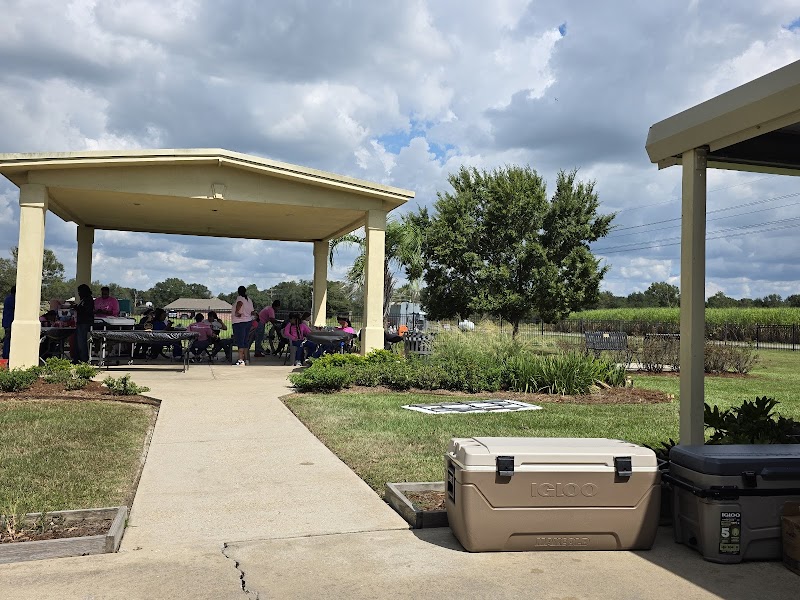
CMS assigns VERMILION HEALTH CARE CENTER an overall rating of 5 out of 5 stars, which is considered much above average nationally. Within Louisiana, this rating places the facility higher than 99% of the state's 100 nursing homes. This rating reflects solid performance across the metrics CMS uses to evaluate nursing home quality.
How is Vermilion Health Staffed?

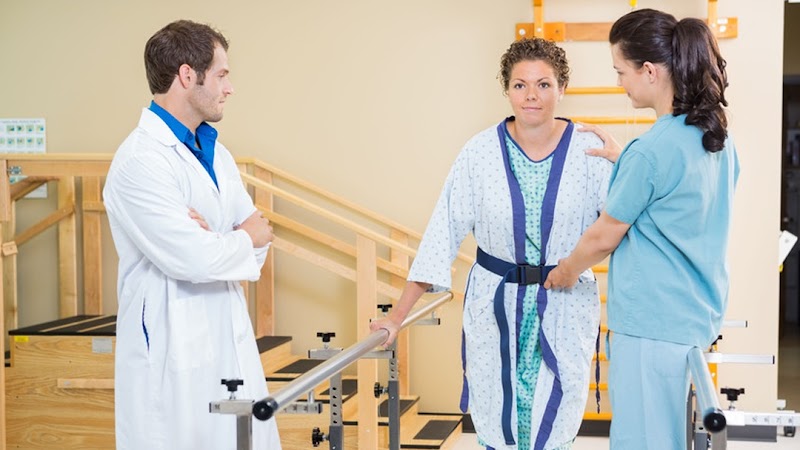
CMS rates VERMILION HEALTH CARE CENTER's staffing level at 3 out of 5 stars, which is average compared to other nursing homes. Staff turnover is 47%, compared to the Louisiana average of 46%.

What Have Inspectors Found at Vermilion Health?

State health inspectors documented 14 deficiencies at VERMILION HEALTH CARE CENTER during 2023 to 2024. These included: 1 that caused actual resident harm and 13 with potential for harm. Deficiencies causing actual harm indicate documented cases where residents experienced negative health consequences.
Who Owns and Operates Vermilion Health?

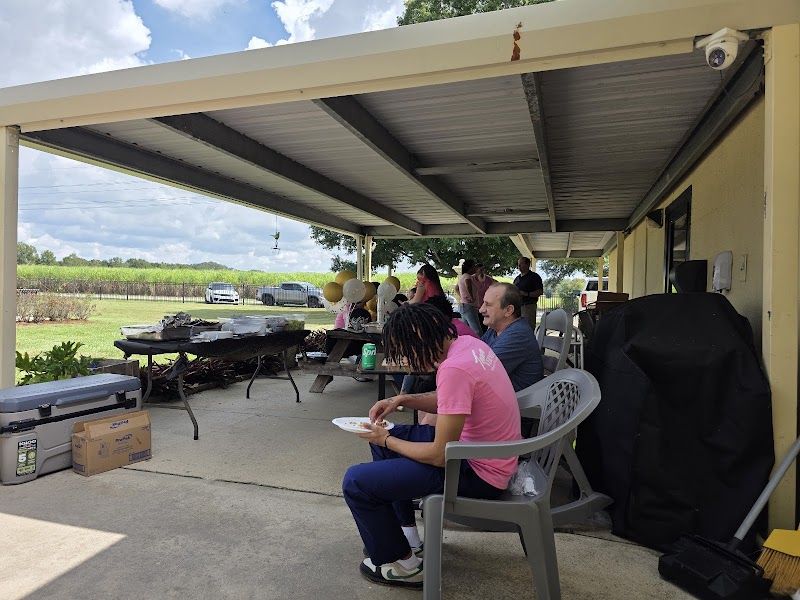
VERMILION HEALTH CARE CENTER is owned by a for-profit company. For-profit facilities operate as businesses with obligations to shareholders or private owners. The facility operates independently rather than as part of a larger chain. With 120 certified beds and approximately 86 residents (about 72% occupancy), it is a mid-sized facility located in KAPLAN, Louisiana.
How Does Vermilion Health Compare to Other Louisiana Nursing Homes?

Compared to the 100 nursing homes in Louisiana, VERMILION HEALTH CARE CENTER's overall rating (5 stars) is above the state average of 2.4, staff turnover (47%) is near the state average of 46%, and health inspection rating (5 stars) is much above the national benchmark.

What Should Families Ask When Visiting Vermilion Health?

Based on this facility's data, families visiting should ask: "Can I visit during a mealtime to observe dining assistance and food quality?" "How do you handle medical emergencies, and what is your hospital transfer rate?" "Can I speak with family members of current residents about their experience?"

Is Vermilion Health Safe?

Based on CMS inspection data, VERMILION HEALTH CARE CENTER has a clean safety record: no substantiated abuse findings (meaning no confirmed cases of resident harm), no Immediate Jeopardy citations (the most serious violation level indicating risk of serious injury or death), and is not on the Special Focus Facility watch list (a federal program monitoring the lowest-performing 1% of nursing homes). The facility has a 5-star overall rating and ranks #1 of 100 nursing homes in Louisiana. While no facility is perfect, families should still ask about staff-to-resident ratios and recent inspection results during their visit.

Do Nurses at Vermilion Health Stick Around?

VERMILION HEALTH CARE CENTER has a staff turnover rate of 47%, which is about average for Louisiana nursing homes (state average: 46%). Moderate turnover is common in nursing homes, but families should still ask about staff tenure and how the facility maintains care continuity when employees leave.

Was Vermilion Health Ever Fined?

VERMILION HEALTH CARE CENTER has been fined $5,735 across 1 penalty action. This is below the Louisiana average of $33,136. While any fine indicates a compliance issue, fines under $50,000 are relatively common and typically reflect isolated problems that were subsequently corrected. Families should ask what specific issues led to these fines and confirm they've been resolved.

Is Vermilion Health on Any Federal Watch List?

VERMILION HEALTH CARE CENTER is not on any federal watch list. The most significant is the Special Focus Facility (SFF) program, which identifies the bottom 1% of nursing homes nationally based on persistent, serious quality problems. Not being on this list means the facility has avoided the pattern of deficiencies that triggers enhanced federal oversight. This is a positive indicator, though families should still review the facility's inspection history directly.