CHATEAU LIVING CENTER
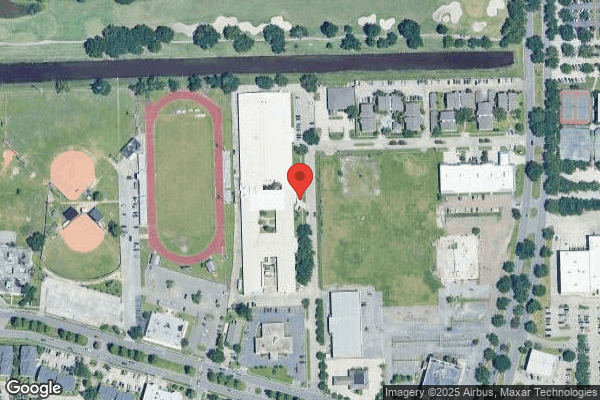

716 VILLAGE ROAD, KENNER, LA 70065 (504) 464-0604
For profit - Limited Liability company 215 Beds PLANTATION MANAGEMENT COMPANY Data: November 2025 3 Immediate Jeopardy citations
Trust Grade
0/100
#182 of 264 in LA
Last Inspection: July 2025

Inspected within the last 6 months. Data reflects current conditions.

Overview

Chateau Living Center has received a Trust Grade of F, indicating significant concerns about the quality of care provided. It ranks #182 out of 264 facilities in Louisiana, placing it in the bottom half of all nursing homes in the state, and #7 out of 12 in Jefferson County, meaning only a few local options are perceived as worse. The facility's situation is worsening, with reported issues increasing from 13 in 2024 to 27 in 2025. Staffing is a major weakness, receiving a 1 out of 5 stars rating and having 49% turnover, which is concerning as staff may not stay long enough to form meaningful relationships with residents. There have been alarming incidents, including a resident who wandered off the premises and suffered a serious head injury, and another resident who sustained second-degree burns from a lighter, showing inadequate supervision and safety measures. Overall, while the facility has some staff, the numerous critical issues and poor ratings suggest a lack of reliable care.

Trust Score
F
0/100
In Louisiana
#182/264
Bottom 32%
Safety Record
High Risk
Review needed
Inspections
Getting Worse
13 → 27 violations
Staff Stability
⚠ Watch
49% turnover. Above average. Higher turnover means staff may not know residents' routines.
Penalties
✓ Good
$159,972 in fines. Lower than most Louisiana facilities. Relatively clean record.
Skilled Nurses
⚠ Watch
Each resident gets only 5 minutes of Registered Nurse (RN) attention daily — below average for Louisiana. Fewer RN minutes means fewer trained eyes watching for problems.
Violations
⚠ Watch
56 deficiencies on record. Higher than average. Multiple issues found across inspections.
★☆☆☆☆
1.0
Overall Rating
★☆☆☆☆
1.0
Staff Levels
★☆☆☆☆
1.0
Care Quality
★☆☆☆☆
1.0
Inspection Score
Stable
2024: 13 issues
2025: 27 issues

The Good

  • Full Sprinkler Coverage · Fire safety systems throughout facility
  • No fines on record

Facility shows strength in fire safety.

The Bad

1-Star Overall Rating

Below Louisiana average (2.4)

Significant quality concerns identified by CMS

Staff Turnover: 49%

Near Louisiana avg (46%)

Higher turnover may affect care consistency

Federal Fines: $159,972

Well above median ($33,413)

Significant penalties indicating serious issues

Chain: PLANTATION MANAGEMENT COMPANY

Part of a multi-facility chain

Ask about local staffing decisions and management

The Ugly 56 deficiencies on record

3 life-threatening
Sept 2025 2 deficiencies
CONCERN (D) 📢 Someone Reported This

A family member, employee, or ombudsman was alarmed enough to file a formal complaint

Potential for Harm - no one hurt, but risky conditions existed

ADL Care (Tag F0677)

Could have caused harm · This affected 1 resident

**NOTE- TERMS IN BRACKETS HAVE BEEN EDITED TO PROTECT CONFIDENTIALITY** Based on observation, interviews, and record review, the facility failed to provide Activities of Daily Living (ADL) care in a t...

Read full inspector narrative →
**NOTE- TERMS IN BRACKETS HAVE BEEN EDITED TO PROTECT CONFIDENTIALITY** Based on observation, interviews, and record review, the facility failed to provide Activities of Daily Living (ADL) care in a timely manner for 1 (Resident #2) of 3 (Resident #1, Resident #2, Resident #3) sampled residents investigated for ADL care. Findings: Review of Resident #2's Electronic Medical Record (EMR) revealed, in part, Resident #2 was admitted to the facility on [DATE]. Further review revealed Resident #2 had diagnoses, in part, of overactive bladder and unspecified urinary incontinence. Review of Resident #2's Minimum Data Set (MDS) with an Assessment Reference Date (ARD) of 07/02/2025 revealed, in part, Resident #2 required supervision/touching assistance with toileting hygiene and had occasional bladder incontinence. Review of Resident #2's Care Plan with a goal date of 10/17/2025 revealed, in part, an intervention for staff to assist Resident #2 with perineal cleansing as needed. Further review revealed Resident #2 required assistance with toilet transfers, dressing, and hygiene. Observation on 09/22/2025 at 12:49PM revealed Resident #2 was seated in her wheelchair crying in the hallway outside of her room. Further observation revealed S6Licensed Practical Nurse (LPN) passed by and questioned Resident #2 as to why she was crying. Further observation revealed Resident #2 stated she had an accident on herself and S6LPN stated she would find a certified nursing assistant (CNA) to change her. Observation on 09/22/2025 at 1:18PM revealed Resident #2 wheeled herself down the hallway in her wheelchair crying, looking in rooms, and appeared in distress. Resident #2 approached S7Certified Nursing Assistant Supervisor (CNA Supervisor) in the hall to tell her she couldn't find any clothes and she was soaking wet while gesturing towards her groin area. S7CNA Supervisor stated she would check and see after she finished her current task. Observation on 09/22/2025 at 1:27PM revealed S7CNA Supervisor came back to Resident #2's room and showed Resident #2 she had clothes in her closet and walked out without giving assistance to Resident #2. Observation on 09/22/2025 at 1:30PM revealed Resident #2 wheeled herself back into the hallway in her wheelchair, crying and indicated she did not have any panties. Observation on 09/22/2025 at 1:31PM revealed Resident #2 did not receive incontinence care from the facility's staff until 09/22/2025 at 1:31PM, when S8CNA observed Resident #2 crying in the hallway and brought Resident #2's into her room to provide incontinence care.In an interview on 09/22/2025 at 1:40PM, S8CNA indicated Resident #2 had an episode of urinary incontinence and Resident #2's underwear and pants were wet with urine. In an interview on 09/22/2025 at 2:09PM, S7CNA Supervisor indicated once a resident had an episode of incontinence, they should be changed within 15 to 20 minutes. In an interview on 09/22/2025 at 2:12PM, S2Assistant Director of Nursing (ADON) indicated it was the facility's process for staff to change a resident after a known episode of incontinence within 15 to 20 minutes. In an interview on 09/22/2025 at 03:09PM, S3ADON indicated it was the facility's process for staff to change a resident after a known episode of incontinence within 15 minutes. In an interview on 09/22/2025 at 3:40PM, S7CNA Supervisor indicated she did hear Resident #2 state she was soaking wet but was unaware Resident #2 was incontinent of bladder and required assistance from staff for incontinence care.
CONCERN (D) 📢 Someone Reported This

A family member, employee, or ombudsman was alarmed enough to file a formal complaint

Potential for Harm - no one hurt, but risky conditions existed

Pharmacy Services (Tag F0755)

Could have caused harm · This affected 1 resident

Based on interviews and record reviews, the facility failed to ensure a resident's medication was not available for administration for 1 (Resident #1) of 3 (Resident #1, Resident #2, and Resident #3) ...

Read full inspector narrative →
Based on interviews and record reviews, the facility failed to ensure a resident's medication was not available for administration for 1 (Resident #1) of 3 (Resident #1, Resident #2, and Resident #3) sampled residents reviewed for medication administration.Findings:Review of Resident #1's August 2025 physician's orders revealed, in part, an order to administer Resident #1 one Hydrocodone-Acetaminophen (a medication used to treat pain) 10-325 milligrams (mg) tablet every eight hours as needed for pain.Review of the Individual Narcotic Record for Resident #1's Hydrocodone-Acetaminophen 10-325 mg tablets revealed, in part, Resident #1's had zero Hydrocodone-Acetaminophen 10-325 mg tablets available after she was administered the last Hydrocodone-Acetaminophen 10-325 mg tablet on 08/29/2025 at 8:43PM.In a telephone interview on 09/19/2025 at 1:14PM, Resident #1 indicated she was in pain related to a previous fall and her chronic pain on the night of 08/29/2025 to the morning of 08/30/2025. Resident #1 further indicated she had requested her pain medication, but the facility's nurse told her the pain medication was not available because the medicated had not been reordered.In a telephone interview on 09/22/2025 at 12:40PM, S5Licensed Practical Nurse (LPN) indicated when she arrived at the facility on the morning of 08/30/2025, Resident #1 had complained of pain. S5LPN further indicated Resident #1's Hydrocodone-Acetaminophen 10-325 mg tablets were not available. S5LPN further indicated she was not able to administer Resident #1's Hydrocodone-Acetaminophen 10-325 mg tablet as needed because none were available.In an interview on 09/22/2025 at 1:08PM, S4Staff Development/Charge Nurse/Infection Preventionist indicated when a resident had an active order for a medication, the mediation should have been available for administration.In an interview on 09/22/2025 at 2:08PM, S1DON indicated a resident's medication should have been ordered from the pharmacy before a resident was out of a medication.
Jul 2025 12 deficiencies
CONCERN (D)

Potential for Harm - no one hurt, but risky conditions existed

Free from Abuse/Neglect (Tag F0600)

Could have caused harm · This affected 1 resident

Based on interviews and record reviews, the facility failed to protect the residents' right to be free from physical abuse by a resident for 1 (Resident #110) of 1 (Resident #110) sampled residents id...

Read full inspector narrative →
Based on interviews and record reviews, the facility failed to protect the residents' right to be free from physical abuse by a resident for 1 (Resident #110) of 1 (Resident #110) sampled residents identified to have physically abused residents during a mood and behavior investigation. Findings: Review of the facility's policy and procedure titled, Abuse - Prevention and Prohibition, and dated 03/25/2023 revealed in part, physical abuse included hitting, slapping, pinching, biting, shoving, and kicking. Further review revealed each resident has the right to be free from abuse. Review of Resident #110's incident report dated 07/02/2025 revealed, in part, Resident #110 hit Resident #62 and punched Resident #180 in the chest. Review of S1Administrator's documentation dated 07/02/2025 revealed, in part, Resident #110 slapped Resident #62 on the foot and punched Resident #180 in the upper chest. In an interview on 07/23/2025 at 8:50AM, Resident #62 indicated Resident #110 entered her room and hit her legs several times with a closed fist. Resident #62 further indicated Resident #110 punched her roommate, Resident #180. Resident #180 was unable to be interviewed due to her cognitive status. In an interview on 07/23/2025 at 3:23PM, S16Licensed Practical Nurse (LPN) indicated she witnessed Resident #110 hit Resident #62. S16LPN further indicated she then attempted to remove Resident #110 from Resident #180's bed and Resident #110 became upset and punched Resident #180 in the chest with a closed fist. In an interview on 07/22/2025 at 3:30PM, S1Administrator acknowledged Resident #110 hit Resident #62 and Resident #180.
CONCERN (D)

Potential for Harm - no one hurt, but risky conditions existed

Deficiency F0605 (Tag F0605)

Could have caused harm · This affected 1 resident

Based on interviews and record reviews, the facility failed to ensure:1. The skilled nurse documented adequate indication for use of an anti-psychotic (medication used to treat psychosis) medication u...

Read full inspector narrative →
Based on interviews and record reviews, the facility failed to ensure:1. The skilled nurse documented adequate indication for use of an anti-psychotic (medication used to treat psychosis) medication used on an as needed (PRN) basis (Resident #3); and,2. The physician re-evaluated the use of an anti-psychotic used on a PRN basis and documented the rational and duration for an as needed (PRN) anti-psychotic drug (Resident #3). This deficient practice was identified for 1 (Resident #3) of 5 (Resident #3, Resident #16, Resident #98, Resident #110 Resident #119) sampled residents investigated for unnecessary medications. Findings:Review of Resident #3's record revealed diagnoses of, in part, unspecified dementia (condition which caused atrophy of the brain with loss of cognitive function), delusional disorder (condition which caused altered reality), major depressive disorder (condition which caused prolonged episodes of sadness), and psychosis (condition which caused altered reality). Review of Resident #3's July 2025 Physician Order revealed, in part, Haldol 1mg give one tablet by mouth every 24 hours as needed for agitation with an order date of 05/15/2025. 1.Review of Resident #3's July 2025 electronic Medication Administration Record (eMAR) revealed, in part, 1mg of Haldol was administered to Resident #3 on 07/05/2025 at 6:42PM. Further review of Resident #3's July 2025 eMAR revealed on 07/05/2025 on the evening and night shifts Resident #3 was documented as monitored for behaviors of agitation with no behaviors present. Review of Resident #3's Nurses Notes dated 07/05/2025 revealed Haldol was administered and was effective. There was no documented evidence, and the facility did not present any documented evidence, of the behaviors which were the indication for the administration of Haldol 1mg PRN, nor the non-pharmacological interventions attempted prior to having administered the PRN Haldol 1mg. In an interview on 07/23/2025 at 4:40PM, S2Corporate Nurse indicated the facility did not have any documentation of the reason for the administration of the as needed Haldol other than agitation, or the documentation of any non-pharmacological interventions attempted for Resident #3's agitation prior to the administration of the as needed Haldol. 2.Review of Resident #3's Pharmaceutical Consultant Report dated 05/20/2025 revealed, in part, the consultant pharmacist made a recommendation to limit the use of as needed antipsychotics to 14 days, and to provide a diagnosis code for Haldol. There was no documented evidence, and the facility did not present any documented evidence, Resident #3's physician evaluated Resident #3 for the continued use of Haldol or documented: If Resident #3 still required Haldol 1 mg on a PRN basis;The benefits Haldol 1 mg provided to Resident #3; and/or,If Resident #3's expressions or indications of distress improved because of the PRN medication. In an interview on 07/23/2025 at 4:40PM, S2Corporate Nurse indicated the facility did not have documented evidence Resident #3's physician evaluated Resident #3 for the continued use of Haldol 1mg after it was ordered on 05/15/2025, or the duration of the order.
CONCERN (D)

Potential for Harm - no one hurt, but risky conditions existed

ADL Care (Tag F0677)

Could have caused harm · This affected 1 resident

Based on observations, interviews, and record reviews, the facility failed to ensure a resident's fingernails were maintained for 1 (Resident #174) of 2 (Resident #119, Resident #174) sampled resident...

Read full inspector narrative →
Based on observations, interviews, and record reviews, the facility failed to ensure a resident's fingernails were maintained for 1 (Resident #174) of 2 (Resident #119, Resident #174) sampled residents investigated for activities of daily living (ADL). Findings:Review of Resident #174's Minimum Data Set (MDS) with Assessment Reference Date (ARD) 5/21/2025, revealed Resident #174 required substantial/maximal assistance with personal hygiene.Review of Resident #174's Care Plan revealed Resident #174 required staff assistance with ADL care with an initiation date of 10/11/2024. Observation on 07/21/2025 at 10:29AM revealed the fingernails on Resident #174's right and left hands extended past the end of the tip of Resident #174's fingers. Further observation revealed the fingernails on Resident #174's right 3rd finger (middle finger) and 5th finger (the smallest finger or the finger furthest from the thumb) were approximately one-fourth of an inch past Resident #174's fingertips. Observation on 07/22/2025 at 8:24AM revealed the fingernails on Resident #174 right and left hands extended past the end of the tip of Resident #174's fingers. Further observation revealed the fingernails on Resident #174's right 3rd finger and 5th finger were approximately one-fourth of an inch past Resident #174's fingertips. In an interview on 07/22/2025 at 4:17PM, S5Assistant Director of Nursing (ADON) indicated a resident's fingernails were to be trimmed as needed by the Certified Nursing Assistants (CNA) during showers and by activities personnel during scheduled rounding. Observation on 07/22/2025 at 4:51PM conducted with S4ADON revealed, in part, S4ADON was at Resident #174's bedside. Further observation revealed the fingernails on Resident #174's right and left hands extended past the end of the tip of Resident #174's fingers. Further observation revealed the fingernails on Resident #174's right 3rd finger and 5th finger were approximately one-fourth inch past Resident #174's fingertips and Resident #174's right 5th fingernail was jagged.In an interview on 07/22/2025 at 4:51PM, S4ADON confirmed the fingernail growth to Resident #174's right and left hands were long and extended past his fingernails and should not have. S4ADON further acknowledged the fingernail's on Resident #174's right hand were long and the length on the right 3rd finger and right 5th finger were excessive. S4ADON indicated Resident #174's nails appeared to not have been trimmed in a couple of weeks. S4ADON confirmed Resident #174's fingernails should have been trimmed prior to this observation.In an interview on 07/23/2025 at 10:46AM, S18ACT stated nails should not be long. S18ACT indicated fingernails should be trimmed if they extend past the tip of the finger. In an interview on 07/23/2025 at 2:10PM, S4ADON indicated, in part, she would expect a resident's fingernails to be trimmed if they extended past the tip of the finger.
CONCERN (D)

Potential for Harm - no one hurt, but risky conditions existed

Accident Prevention (Tag F0689)

Could have caused harm · This affected 1 resident

Based on observation, interviews, and record reviews, the facility failed to ensure chemicals in the beauty shop room were secured and not accessible to wandering residents. Findings:Review of the fac...

Read full inspector narrative →
Based on observation, interviews, and record reviews, the facility failed to ensure chemicals in the beauty shop room were secured and not accessible to wandering residents. Findings:Review of the facility's Wandering Residents List revealed, in part, 11 residents were identified by the facility as at risk for wandering. Observation on 07/21/2025 at 1:05PM revealed the facility's beauty shop room was unlocked, open, and unmonitored. Further observation revealed a container of blue solution labeled Barbicide on the counter not secured. Review of the Barbicide Safety Data Sheet provided by the facility, dated 06/14/2018, revealed, in part, the chemical was irritating to skin and eyes and harmful if swallowed and poison control should be called immediately if ingested. Further review revealed safety glasses and googles should be worn when handling the chemical. In an interview on 07/23/2025 at 12:00PM, S6Housekeeping Supervisor (HS) confirmed the beauty room should be closed and locked when unmonitored or unsupervised. S6HS further confirmed the Barbicide chemical was in the beauty room, unsecured on the counter, and should not have been accessible to residents. In an interview on 07/23/2025 at 1:30PM, S1Administrator was presented with the above mentioned findings and offered no further explanation for the deficient practice.
CONCERN (D)

Potential for Harm - no one hurt, but risky conditions existed

Respiratory Care (Tag F0695)

Could have caused harm · This affected 1 resident

Based on observations, interviews, and record reviews, the facility failed to have evidence a resident's oxygen tubing was changed weekly for 1 (Resident #74) of 2 (Resident #74, Resident #187) reside...

Read full inspector narrative →
Based on observations, interviews, and record reviews, the facility failed to have evidence a resident's oxygen tubing was changed weekly for 1 (Resident #74) of 2 (Resident #74, Resident #187) residents reviewed for respiratory care. Findings: Review of the facility's Oxygen Administration Policy and Procedure dated 11/16/2014 revealed, in part, at regular intervals, the facility staff were responsible to check and clean oxygen equipment, masks, tubing and cannula. Review of Resident #74's electronic health record revealed diagnoses of chronic obstructive pulmonary disease with an acute exacerbation (lung disease that blocks air flow) and acute chronic respiratory failure with hypoxia (absence of oxygen in body tissue).Review of Resident #74's Minimum Data Set (MDS) with an Assessment Reference Date (ARD) of 05/28/2025 revealed, in part, a Brief Interview for Mental Status (BIMS) score of 15 (score of 08-15) which indicated Resident #74 was cognitively intact. Further review revealed Resident #74 required oxygen. Review of Resident #74's physician orders dated 08/13/2024 revealed, in part, an active order to change Resident #74's oxygen tubing every week and as needed. Observation on 07/22/2025 at 10:14 AM revealed Resident #74's oxygen tubing was not dated. Observation on 07/22/2025 at 8:50AM revealed Resident #74's oxygen tubing was not dated. Observation on 07/23/2025 at 8:34AM revealed Resident #74's oxygen tubing was not dated.In an interview on 07/23/2025 at 8:35AM, Resident #74 indicated the facility staff did not change her oxygen tubing weekly as required.In an interview on 07/23/2025 at 8:43AM, S24Clinical Care Specialist indicated oxygen tubing should be changed as required per physician orders. In an interview on 07/23/2025 at 10:03AM, S3Director of Nursing indicated Resident #74's oxygen tubing should be changed as required per physician orders.
CONCERN (D)

Potential for Harm - no one hurt, but risky conditions existed

Food Safety (Tag F0812)

Could have caused harm · This affected 1 resident

Based on observations and interviews, the facility failed to ensure food was stored in a sanitary manner. Findings:Observation on 07/21/2025 at 8:45AM revealed an employee's frozen drink was present i...

Read full inspector narrative →
Based on observations and interviews, the facility failed to ensure food was stored in a sanitary manner. Findings:Observation on 07/21/2025 at 8:45AM revealed an employee's frozen drink was present in the facility's freezer. In an interview on 07/21/2025 at 8:46AM, S8Dietary Manager indicated the employee's frozen drink should not have been stored in the facility's freezer. In an interview on 07/21/2025 at 1:20PM, S1Administrator confirmed the employee should not have stored her frozen drink in the facility's freezer. Observation on 07/22/2025 at 12:21PM revealed a bottle of clear liquid labeled with S21Dietary Aide's name and date stored in the facility's freezer. In an interview on 07/22/2025 at 12:22PM, S21Dietary Aide confirmed she had placed her water bottle in the facility's freezer. S21Dietary Aide further indicated she should not have put her bottle of water in the facility's freezer. In an interview on 07/22/2025 at 12:23PM, S8Dietary Manager confirmed S21Dietary Aide should not have put her water in the facility's freezer.
CONCERN (E)

Potential for Harm - no one hurt, but risky conditions existed

Safe Environment (Tag F0584)

Could have caused harm · This affected multiple residents

**NOTE- TERMS IN BRACKETS HAVE BEEN EDITED TO PROTECT CONFIDENTIALITY** Based on observations, interviews, and record reviews the facility failed to ensure resident equipment and rooms were maintained...

Read full inspector narrative →
**NOTE- TERMS IN BRACKETS HAVE BEEN EDITED TO PROTECT CONFIDENTIALITY** Based on observations, interviews, and record reviews the facility failed to ensure resident equipment and rooms were maintained in a sanitary manner for 2 (Resident #57, Resident #148) of 2 (Resident #57, Resident #148) sampled residents investigated for tube feeding.Findings: Resident #57Review of Resident #57's electronic medical record revealed, in part, Resident #57 was admitted to the facility on [DATE] with diagnoses of encounter for attention to gastrostomy (surgical creation of an opening in the stomach to administer feedings), dysphagia (difficulty swallowing), and cognitive communication deficit. Review of Resident #57's Annual Minimum Data Set (MDS) with an Assessment Reference Date (ARD) of 06/11/2025 revealed, in part, Resident #57 was non-interviewable, dependent for all activities of daily living, had a feeding tube, and received enteral feeding.Observation on 07/21/2025 at 11:35AM revealed multiple areas of a reddish/brown substance located on Resident #57's tube feeding pump, on the base of Resident #57's tube feeding pole, and on Resident #57's floor near the tube feeding pole.Observation on 07/22/2025 at 12:49PM revealed multiple areas of a reddish/brown substance located on Resident #57's tube feeding pump, on the base of Resident #57's tube feeding pole, and on Resident #57's floor near the tube feeding pole. Resident #148Review of Resident #148's electronic medical record revealed, in part, Resident #148 was admitted to the facility on [DATE] with a diagnoses of an encounter for attention to gastrostomy and dysphagia following cerebral infarction (death of brain tissue due to insufficient blood flow).Review of Resident #148's Quarterly MDS with an ARD date of 05/07/2025 revealed, in part, Resident #148 was non-interviewable and received enteral feedings through tube feedings. Observation on 07/21/2025 at 10:30AM revealed multiple areas of a reddish/brown substance located on Resident #148's tube feeding pump, on the base of Resident #148's tube feeding pole, and on Resident #148's floor near the tube feeding pole.Observation on 07/22/2025 at 12:20PM revealed multiple areas of a reddish/brown substance located on Resident #148's tube feeding pump, on the base of Resident #148's tube feeding pole, and on Resident #148's floor near the tube feeding pole.In an interview on 07/22/2025 at 1:55PM, S1Administrator indicated the above mentioned findings in Resident #57's and Resident #148's rooms were not maintained in a sanitary manner.In an interview on 07/22/2025 at 3:30PM, S3Director of Nursing indicated the above mentioned findings in Resident #57's and Resident #148's rooms were not maintained in a sanitary manner.
CONCERN (E)

Potential for Harm - no one hurt, but risky conditions existed

Report Alleged Abuse (Tag F0609)

Could have caused harm · This affected multiple residents

Based on interviews and record reviews, the facility failed to ensure an incident of resident to resident physical abuse was reported to the state agency for 1 (Resident #110) of 1 (Resident #110) sam...

Read full inspector narrative →
Based on interviews and record reviews, the facility failed to ensure an incident of resident to resident physical abuse was reported to the state agency for 1 (Resident #110) of 1 (Resident #110) sampled residents identified to have physically abused residents during a mood and behavior investigation.Findings:Review of the facility's policy and procedure titled, Abuse-Prevention and Prohibition dated 03/25/2023 revealed, in part, the administrator shall immediately initiate a report to the state agency after forming the suspicion the allegation involves abuse of any type. Review of Resident #110's incident report dated 07/02/2025 revealed, in part, Resident #110 hit Resident #62 and punched Resident #180 in the chest. Review of the facility's list of incidents reported to the state agency for the last six months revealed no documented evidence, and the facility presented no documented evidence, the facility had reported incidents involving physical abuse as noted in the above mentioned incident report dated 07/02/2025. In an interview on 07/22/2025 at 3:30PM, S1Administrator indicated he was informed on 07/02/2025 that Resident #110 hit Resident #62 and punched Resident #180. S1Adminstrator further indicated he did not report the incidents of resident to resident physical abuse to the state agency as required.
CONCERN (E)

Potential for Harm - no one hurt, but risky conditions existed

Investigate Abuse (Tag F0610)

Could have caused harm · This affected multiple residents

Based on interviews and record reviews, the facility failed to ensure an incident of resident to resident physical abuse was thoroughly investigated for 1 (Resident #110) of 1 (Resident #110) sampled ...

Read full inspector narrative →
Based on interviews and record reviews, the facility failed to ensure an incident of resident to resident physical abuse was thoroughly investigated for 1 (Resident #110) of 1 (Resident #110) sampled residents identified to have physically abused residents during a mood and behavior investigation.Findings:Review of the facility's policy and procedure titled, Abuse-Prevention and Prohibition dated 03/25/2023 revealed, in part, the administrator should complete a thorough investigation of allegations of abuse to include interviews with employees and the administrator should obtain signed statements from the employees. Further review revealed the investigator should interview cognitive residents involved or the roommate if the resident was cognitively impaired. Review of Resident #110's incident report dated 07/02/2025 revealed, in part, Resident #110 hit Resident #62 and punched Resident #180 in the chest.In an interview on 07/23/2025 at 8:50AM, Resident #62 indicated Resident #110 entered her room and hit her legs several times with a closed fist. Resident #62 further indicated Resident #110 punched her roommate, Resident #180. There was no documented evidence, and the provider could not present any documented evidence, a thorough investigation, that included witness statements from nurses and cognitive residents, was completed for the above mentioned resident to resident physical abuse incident. In an interview on 07/23/2025 at 10:25AM, S15Corporate Administrator indicated the facility did not have witness statements for the incident of resident to resident physical abuse which occurred on 07/02/2025. In an interview on 07/23/2025 at 10:25AM, S2Corporate Nurse indicated the facility did not have witness statements for the incident of resident to resident physical abuse which occurred on 07/02/2025. In an interview on 07/23/2025 at 11:15AM, S2Corporate Nurse confirmed the above mentioned resident to resident physical abuse incident was not thoroughly investigated.
CONCERN (E)

Potential for Harm - no one hurt, but risky conditions existed

Infection Control (Tag F0880)

Could have caused harm · This affected multiple residents

Based on observations, interviews, and record reviews, the facility failed to:1. Ensure staff used soap and water to perform hand hygiene for a resident on physician ordered contact precautions for Cl...

Read full inspector narrative →
Based on observations, interviews, and record reviews, the facility failed to:1. Ensure staff used soap and water to perform hand hygiene for a resident on physician ordered contact precautions for Clostridium Difficile (a highly contagious encapsulated bacteria that causes severe abdominal pain and diarrhea and is resistant to alcohol based hand sanitizer [ABHS])(C. Difficile) (Resident #75);2. Ensure staff wore proper personnel protective equipment (PPE) while caring for a resident on C. Difficile contact isolation precautions (Resident #75); and,3. Ensure housekeeping used the proper cleaning agent to clean and disinfect a room on contact isolation precautions for C. Difficile (Resident #75). This deficient practice was identified for 1 (Resident #75) of 1 (Resident #75) sampled residents investigated for infection control surveillance. Findings:1.Review of the facility's Hand Hygiene policy and procedure, dated 07/01/2020, revealed, in part, after contact with a resident with infectious diarrhea, including C. difficile, hands shall be washed with soap and water. Review of the facility's Isolation policy and procedure, dated 11/30/2020, revealed, in part, alcohol rub is not effective in eradicating C. Difficile spores, therefore handwashing with soap and water was required prior to exiting room. Further review revealed if gloves were to become exposed to the pathogen while in the resident's room, staff should discard gloves, wash hands, and reapply gloves. Further review revealed after cleaning room, wash hands thoroughly with soap and water prior to exiting room. Review of Resident #75's July 2025 physician's orders revealed, in part, an order for contact precautions with strict isolation related to an active infection of C. Difficile. Observation on 07/21/2025 at 10:30AM revealed no signage on the outside or inside of Resident #75's room door indicating staff members should use soap and water to clean their hands. Further observation revealed, a contact isolation sign with a picture of ABHS being used to clean hands. Observation on 07/22/2025 at 1:25PM revealed S11Certified Nursing Assistant (CNA) entered Resident #75's room to perform catheter care and incontinence care. S11CNA cleaned Resident #75's catheter tubing, then changed gloves using ABHS without washing her hands with soap and water. S11CNA then removed Resident #75's urine and feces soiled brief, cleaned Resident #75's buttock area of feces, and placed a clean brief on Resident #75 without washing her hands with soap and water in between glove changes. In an interview on 07/22/2025 at 2:15PM, S11CNA indicated she did not use soap and water to wash her hands in between glove changes and should have. In an interview on 07/23/2025 at 9:12AM, S12Housekeeper confirmed she was assigned to clean Resident #75's room. S12Housekeeper further indicated she had just completed cleaning Resident #75's room and used ABHS to clean her hands upon completion. S12Housekeeper further indicated she did not use soap and water to wash her hands prior to exiting Resident #75's room. In an interview on 07/22/2025 at 3:10PM, S3Director of Nursing confirmed the contact precautions sign on Resident #75's door was the only visual sign posted for notifying staff of Resident #75's precautions. S3DON could not provide any further explanation as to why there was no signage requiring staff to wash their hands with soap and water. In an interview on 07/23/2025 at 11:16AM, S7Infection Control Nurse (ICN) confirmed there was no signage on the outside or inside of Resident #75's room which indicated staff members should use soap and water to wash their hands before leaving the room and should have been. S7ICN further confirmed the facility's policy indicated ABHS was not effective against C. Difficile and S11CNA and S12Housekeeper should have washed their hands with soap and water. 2.Review of the facility's Isolation policy and procedure, dated 11/30/2020, revealed, in part, contact isolation infections such as C. Diff, are transmitted via contact or indirect contact with the resident or the resident's environment; therefore, gown and gloves are to be utilized for all interactions that may involve contact with the resident or potentially contaminated areas in the resident's environment. Further review revealed gloves are to be utilized at all times. If gloves become exposed to the pathogen while in the resident's room, discard gloves, wash hands, and reapply gloves. Observation on 07/22/2025 at 1:25PM revealed S11CNA entered Resident #75's room to perform catheter care and incontinence care. Upon completing care, S11CNA removed her soiled gloves and used ABHS to perform hand hygiene. S11CNA then used her ungloved hands to cover Resident #75 with his used linen. Further observation revealed, S9Wound Care Nurse entered Resident #75's room to perform a sacral wound dressing change. Upon completion of the dressing change, S11CNA recovered Resident #75 with his used linens using her ungloved hands. In an interview on 07/22/2025 at 2:15PM, S11CNA indicated she could not provide any explanation as to why she did not put on new gloves before handling Resident #75's used linen. In an interview on 07/23/2025 at 11:16AM, S7ICN indicated all of the surfaces in Resident #75's room are potentially contaminated with C Difficile spores; therefore, staff members should wear gloves at all times while inside Resident #75's room. 3.Review of the facility's Isolation policy and procedure, dated 11/30/2020, revealed, in part, cleaning of an isolation room should be with bleach wipes with a 1:10 bleach solution or bleach wipes that kill C. Difficile spores. Observation on 07/23/2025 at 9:00AM revealed S12Housekeeper exiting Resident #75's room carrying a bottle of Micro-kill Q3 general disinfectant. In an interview on 07/23/2025 at 9:12AM, S12Housekeeper indicated she used MicroKill Q3 general disinfectant and Multisurface peroxide to clean Resident #75's room. S12Housekeeper indicated she did not know if the general cleaner was effective against C. Difficile. Review of the Environmental Protection Agency's (EPA) Registered Antimicrobial Products Effective against Clostridium Difficile Spores list, updated 02/2025, revealed, in part, the above mentioned general disinfectants were not on the list of effective agents against C. Difficile. In an interview on 07/23/2025 at 10:55AM, S6Housekeeping Supervisor (HS) indicated S12Housekeeper should have used Micro-kill bleach wipes to clean Resident #75's room. S6HS further indicated the above mentioned general cleaning solution used to clean Resident #75's room was not effective against C. Difficile and should not have been used in Resident #75's room. In an interview on 07/23/2025 at 11:16AM, S7ICN confirmed the Micro-kill Q3 general cleaner was not effective against C-Difficile spores. S7ICN further confirmed S12Housekeeper should have used the Micro-kill bleach wipes and/or a bleach solution to clean Resident #75's room. In an interview on 07/23/2025 at 1:30PM, S1Administrator was presented with the above mentioned findings and offered no further explanation for the deficient practice.
CONCERN (E)

Potential for Harm - no one hurt, but risky conditions existed

Deficiency F0925 (Tag F0925)

Could have caused harm · This affected multiple residents

Based on observations and interviews the facility failed to maintain an effective pest control management program for 7 (Resident #16, Resident #24, Resident #67, Resident #72, Resident #95, Resident ...

Read full inspector narrative →
Based on observations and interviews the facility failed to maintain an effective pest control management program for 7 (Resident #16, Resident #24, Resident #67, Resident #72, Resident #95, Resident #139, Resident #148) of 7 (Resident #16, Resident #24, Resident #67, Resident #72, Resident #95, Resident #139, Resident #148) sampled resident rooms observed for pests, 1 (Hall C ) of 3 (Hall C, Hall D, Hall E) sampled halls reviewed for environment, and for 2 (Dining Room A, Dining Room B) of 2 (Dining Room A, Dining Room B) sampled dining rooms observed during dining observations. Findings:Observation on 07/21/2025 at 10:30AM revealed a brown flying insect in Resident #148's room.In an interview on 07/21/2025 at 10:47AM, Resident #24 indicated it bothered her that there were flying insects in her room. Observation on 07/21/2025 at 10:48AM revealed brown flying insects in Resident #24's room. Observation on 07/21/2025 at 11:14AM revealed a brown flying insect in Resident #95's room. Observation on 07/21/2025 at 11:26AM revealed two brown flying insects on Resident #67's blanket while she was in bed. Observation on 07/21/2025 at 11:27AM revealed two brown flying insects on Resident #72's blanket while she was in bed. Observation on 07/21/2025 at 11:35AM revealed a brown flying insect on Resident #16's food on her breakfast tray in her room. Observation on 07/21/2025 11:43AM revealed a brown flying insect landed on the surveyor's arm in Dining Room A. Observation on 07/21/2025 at 12:30PM revealed two brown flying insects were present in Dining Room B. Observation on 07/21/2025 at 3:43PM revealed a brown flying insect were present on Hall C.Observation on 07/22/2025 at 11:30AM revealed brown flying insects were present in Dining Room A. Observation on 07/22/2025 at 3:40PM revealed a brown unknown flying insect was present in Dining Room A. In an interview on 07/22/2025 at 12:38PM, Resident #139 indicated a brown flying insect landed on her bread this morning at breakfast. In an interview on 07/22/2025 at 1:34PM the facility's contracted pest management company's administrator indicated they had not received any reports from the facility regarding brown flying insects. In an interview on 07/22/2025 at 1:55PM, S1Administrator indicated he was not aware of the presence of brown flying insects in the above mentioned areas of the facility.
MINOR (B)

Minor Issue - procedural, no safety impact

Staffing Information (Tag F0732)

Minor procedural issue · This affected multiple residents

Based on observations and interview, the facility failed to post the required nurse staffing information at the beginning of each shift daily for 3 (07/21/2025, 07/22/2025, 07/23/2025) of 3 (07/21/202...

Read full inspector narrative →
Based on observations and interview, the facility failed to post the required nurse staffing information at the beginning of each shift daily for 3 (07/21/2025, 07/22/2025, 07/23/2025) of 3 (07/21/2025, 07/22/2025, 07/23/2025) days observed for nurse staffing information. Findings:Observation on 07/21/2025 at 10:07AM revealed the facility's posted nurse staffing information dated 07/21/2025 did not include the facility's daily census. Observation on 07/22/2025 at 10:15AM revealed the facility's posted nurse staffing information dated 07/22/2025 did not include the facility's daily census. In an interview on 07/22/2025 at 3:05PM, S3Director of Nursing indicated he did not know what information was required to be on the facility's posted nurse staffing information. Observation on 07/23/2025 at 12:30PM revealed the facility's posted nurse staffing information dated 07/23/2025 did not include the facility's daily census. In an interview on 07/23/2025 at 1:00PM, S2Corporate Nurse confirmed the facility's daily staffing report form should be posted every morning and include the facility's current daily census. In an interview on 07/23/2025 at 1:30PM, S1Administrator was presented with the above mentioned findings and offered no further explanation for the deficient practice.
Apr 2025 5 deficiencies
CONCERN (D) 📢 Someone Reported This

A family member, employee, or ombudsman was alarmed enough to file a formal complaint

Potential for Harm - no one hurt, but risky conditions existed

Resident Rights (Tag F0550)

Could have caused harm · This affected 1 resident

Based on observation and interviews, the facility failed to provide a privacy cover for a urinary catheter drainage bag for 1 (Resident #R9) of 1 (Resident #R9) residents reviewed for catheters. Findi...

Read full inspector narrative →
Based on observation and interviews, the facility failed to provide a privacy cover for a urinary catheter drainage bag for 1 (Resident #R9) of 1 (Resident #R9) residents reviewed for catheters. Findings: Observation on 04/07/2025 at 8:02AM revealed Resident #R9 was ambulating in her wheelchair on Hall c. Further observation revealed Resident #R9's catheter drainage bag was attached under her wheelchair seat and her yellow urine was visible in the catheter drainage bag. Further observation revealed Resident #R9 called out to S4LPN, and asked for a privacy cover for her catheter drainage bag. Further observation revealed S4LPN responded back to Resident #R9 that she would get her a privacy cover for her catheter drainage bag. S4LPN further indicated to Resident #R9 that she was aware Resident #R9 had requested the privacy cover last week. In an interview on 04/07/2025 at 8:03AM, Resident #R9 indicated she had asked for a privacy cover for her catheter drainage bag last week but had not received one. In an interview on 04/07/2025 at 9:25AM, S4LPN confirmed Resident #R9 had asked for a privacy cover for her catheter drainage bag last week. S4LPN confirmed Resident #R9 should have a privacy cover over her catheter drainage bag. In an interview on 04/07/2025 at 9:32AM, S2Assistant Director of Nursing indicated Resident #R9 should have a privacy cover for her catheter drainage bag.
CONCERN (D) 📢 Someone Reported This

A family member, employee, or ombudsman was alarmed enough to file a formal complaint

Potential for Harm - no one hurt, but risky conditions existed

Pharmacy Services (Tag F0755)

Could have caused harm · This affected 1 resident

**NOTE- TERMS IN BRACKETS HAVE BEEN EDITED TO PROTECT CONFIDENTIALITY** Based on observation, interview, and record review, the facility failed to ensure expired medications were not available for res...

Read full inspector narrative →
**NOTE- TERMS IN BRACKETS HAVE BEEN EDITED TO PROTECT CONFIDENTIALITY** Based on observation, interview, and record review, the facility failed to ensure expired medications were not available for resident use for 2 (Medication Cart a, Medication Cart b) of 2 (Medication Cart a, Medication Cart b) medication carts reviewed for medication storage. Findings: Review of the United States Food and Drug Administration's Information Regarding Insulin Storage and Switching Between Products in an Emergency, located on the website https://www.fda.gov/drugs/emergency-preparedness-drugs/information-regarding-insulin-storage-and-switching-between-products-emergency, and current as of 09/19/2017 revealed, in part, open and unopened insulin products contained in vials or cartridges may be left unrefrigerated up to 28 days and continue to work. Review of the Lantus SoloStar Step-by-Step Guide dated 2022, revealed, in part, an opened Lantus pen should be discarded after 28 days. Observation of Medication Cart b on 04/07/2025 at 6:11AM revealed Resident #R11's Insulin Lispro (a medication used to lower blood glucose levels) 100 units (u) /milliliter(ml) pen was in Medication Cart b and available for use. Further observation revealed the above mentioned insulin pen had an opened date of 02/27/2025. In an interview on 04/07/2025 at 6:11AM, S3LPN confirmed Resident #R11's above mentioned insulin pen was expired. Observation of Medication Cart a on 04/07/2025 at 9:15AM revealed Resident #R10's Lantus (a medication used to lower blood glucose levels) 100 u/ml pen was in Medication Cart a and available for resident use. Further observation revealed the above mentioned pen was not labeled with the opened date. In an interview on 04/07/2025 at 9:15AM, S4LPN indicated without the opened date on Resident #R10's Lantus 100u/ml pen, she could not know when the medication was opened or if the medication was expired. S4LPN further indicated Resident #10's [NAME] 100u/ml pen should have been discarded.
CONCERN (D) 📢 Someone Reported This

A family member, employee, or ombudsman was alarmed enough to file a formal complaint

Potential for Harm - no one hurt, but risky conditions existed

Deficiency F0761 (Tag F0761)

Could have caused harm · This affected 1 resident

Based on observation, interviews, and record reviews, the facility failed to ensure medications were not left unattended at a resident's bedside for 1 (Resident #2) of 5 (Resident #1, Resident #2, Res...

Read full inspector narrative →
Based on observation, interviews, and record reviews, the facility failed to ensure medications were not left unattended at a resident's bedside for 1 (Resident #2) of 5 (Resident #1, Resident #2, Resident #3, Resident #4, Resident #12) sampled residents investigated for medication storage. Findings: Review of the facility's Medication Pass Guidelines policy and procedure dated 12/04/2017 revealed, in part, nurses should not leave residents with medications in a medication cup. Observation on 04/07/2025 at 2:25AM revealed a medication cup containing 2 unidentified white/round pills were present on Resident #2's bedside table. In an interview on 04/07/2025 at 2:25AM, Resident #2 indicated the two pills on her bedside table were her sleeping pills that were given to her by the nurse last night; however, she did not want the medication at the time so she left them on the side. In an interview on 04/07/2025 at 9:32AM, S2Assistant Director of Nursing (ADON) indicated Resident #2's medication should not have been left in a medication cup on Resident #2's bedside table.
CONCERN (D) 📢 Someone Reported This

A family member, employee, or ombudsman was alarmed enough to file a formal complaint

Potential for Harm - no one hurt, but risky conditions existed

Deficiency F0804 (Tag F0804)

Could have caused harm · This affected 1 resident

Based on observations and interviews, the facility failed to serve residents' food at an acceptable temperature as required. Findings: In an interview on 04/08/2025 at 8:40AM, Resident #3 indicated th...

Read full inspector narrative →
Based on observations and interviews, the facility failed to serve residents' food at an acceptable temperature as required. Findings: In an interview on 04/08/2025 at 8:40AM, Resident #3 indicated the facility's food was always cold. In an interview on 04/08/2025 at 10:14AM, Resident #2 indicated the facility's food was cold when it was served to her in her room. In an interview on 04/08/2025 at 10:17AM, Resident #1 indicated the facility served cold food. Observation on 04/08/2025 at 12:11PM revealed Resident #R14's lunch tray was placed on top of an insulated tray cart (a cart used to help food retain it's temperature as it is transported,) instead of inside the insulated tray cart, as S5Certified Nursing Assistant (CNA) pulled the insulated tray cart down Hall c. On 04/08/2025 at 12:15PM, surveyor collected Resident #R14's tray to be used as a test tray. Upon sampling the food on Resident #14's tray, the chicken, rice, and peas were found to be lukewarm/room temperature. In an interview on 04/08/2025 at 12:20PM, Resident #4 indicated the food at the facility was always cold. Observation on 04/09/2205 at 12:45PM revealed Resident #3's lunch tray arrived to Hall c. Further observation revealed Resident #3's lunch tray was placed on top of an insulated tray cart as it was transported down Hall c instead of inside the insulated tray cart. On 04/09/2025 at 1:00PM, surveyor collected Resident #3's lunch tray from the top of the insulated tray cart to be used as a test tray. Surveyor left Resident #3's plate covered and brought Resident #3's lunch tray directly to the kitchen to have the temperatures checked. Observation on 04/09/2025 at 1:02PM revealed the cover was removed from the plate on Resident #3's lunch tray and S7Dietary Technician checked the temperature of the food on Resident #3's lunch tray. Further observation revealed the pork was 78 degrees Fahrenheit (F), the lima beans were 81 degrees F, and the cabbage was 91 degrees F. On 04/09/2025 at 1:04PM both the surveyor and S7Dietary Technician sampled the food from Resident #3's lunch tray. Surveyor found the food to room temperature. In an interview on 04/09/2025 at 1:04PM, S7Dietary Technician indicated the food she had sampled was cold. S7Dietary Technician further indicated based on the food temperatures she had obtained she knew the food would be cold.
CONCERN (D) 📢 Someone Reported This

A family member, employee, or ombudsman was alarmed enough to file a formal complaint

Potential for Harm - no one hurt, but risky conditions existed

Deficiency F0919 (Tag F0919)

Could have caused harm · This affected 1 resident

Based on observation and interview, the facility failed to ensure a functional call bell was available for 2 (Resident #2, Resident #R6) of 15 (Resident #1, Resident #2, Resident #3, Resident #4, Resi...

Read full inspector narrative →
Based on observation and interview, the facility failed to ensure a functional call bell was available for 2 (Resident #2, Resident #R6) of 15 (Resident #1, Resident #2, Resident #3, Resident #4, Resident #R5, Resident #R6, Resident #R7, Resident #R8, Resident #R9, Resident #R10, Resident #R11, Resident #12, Resident #R13, Resident #R14, Resident #R15) residents investigated for functional call bells. Findings: Observation on 04/07/2025 at 2:20AM revealed the door/call light was illuminated above the door to Resident #2 and Resident #R6's room. In an interview on 04/07/2025 at 2:20AM, S5Certified Nursing Assistant (CNA) indicated Resident #2 and Resident #R6's call bell was illuminated above their door because it was broken. In an interview on 04/07/2025 at 2:25AM, Resident #2 indicated her call bell had been broken since Friday, 04/04/2025. Observation on 04/07/2025 at 5:21AM revealed the door/call light was illuminated above the door to Resident #2 and Resident #R6's room. In an interview on 04/08/2025 at 10:11AM, Resident #R6 indicated the call bell had been broken since Friday, 04/04/2025. Resident #R6 further indicated she had no way to call for assistance over the weekend while the call bell was not functioning; therefore, Resident #R6 had to wait for staff to round if she needed assistance. In an interview on 04/08/2025 at 10:14AM, Resident #2 indicated when her roommate (Resident #R6) would activate the call bell over the weekend, staff would not come due to the call bell not working. Resident #2 indicated Resident #R6 just had to wait for staff to come in the room if she needed something. In an interview on 04/07/2025 at 9:45AM, S1Administrator indicated he would have liked for staff to have notified him Resident #2 and Resident #R6's call bell was broken over the weekend. S1Administrator did not present any further evidence that disputed deficient practice.
Mar 2025 6 deficiencies
CONCERN (D) 📢 Someone Reported This

A family member, employee, or ombudsman was alarmed enough to file a formal complaint

Potential for Harm - no one hurt, but risky conditions existed

ADL Care (Tag F0677)

Could have caused harm · This affected 1 resident

**NOTE- TERMS IN BRACKETS HAVE BEEN EDITED TO PROTECT CONFIDENTIALITY** Based on observation, interviews, and record reviews, the facility failed to provide good personal hygiene for 1 (Resident #2) o...

Read full inspector narrative →
**NOTE- TERMS IN BRACKETS HAVE BEEN EDITED TO PROTECT CONFIDENTIALITY** Based on observation, interviews, and record reviews, the facility failed to provide good personal hygiene for 1 (Resident #2) of 3 (Resident #1, Resident #2, Resident #3) sampled residents reviewed for Activities of Daily Living (ADL) care. Findings: Review of Resident #2's medical record revealed Resident #2 was admitted to the facility on [DATE] with diagnoses, in part, dementia, neuroleptic-induced parkinsonism, and hypertension. Review of Resident #2's 5-Day Minimum Data Set (MDS) with an Assessment Reference Date (ARD) of 03/04/2025, revealed Resident #2 had Brief Interview for Mental Status (BIMS) Score of 10 which indicated moderate cognitive impairment; required substantial/maximal assistance with shower/bathing and personal hygiene; and was incontinent of bladder and bowel. Observation on 03/11/2025 at 9:11AM, revealed S7Certified Nursing Assistant (CNA) transferred Resident #2 to the shower chair, and rinsed the front of Resident #2's body. S7CNA then gave Resident #2 a soapy rag to wash his own genital area, and S7CNA proceeded to wash his legs. S7CNA then told Resident #2 to close his eyes and S7CNA washed his hair. S7CNA continued the bath by standing Resident #2 up and proceeded to encouraged him to was his own genitals. Resident #2 washed his genitals but did not wash his buttocks. S7CNA rinsed Resident #2 off with the shower head, and proceeded to dry the front of Resident #2's body with a towel. S7CNA placed pants on Resident #2, stood Resident #2 up with his pants partially pulled up. Further observation revealed Resident #2's buttocks were dry, and Resident #2 buttocks were not washed during this bathing process. In an interview on 03/11/2025 at 9:25AM, the surveyor noted Resident #2's buttocks had not been washed, S7CNA acknowledged she had not washed Resident #2's buttocks. In an interview on 03/11/2025 at 10:37AM, S1Administrator indicated that Resident #2's buttocks should have been washed during his bath.
CONCERN (E) 📢 Someone Reported This

A family member, employee, or ombudsman was alarmed enough to file a formal complaint

Potential for Harm - no one hurt, but risky conditions existed

Safe Environment (Tag F0584)

Could have caused harm · This affected multiple residents

Based on observations and interviews, the facility failed to ensure 1. facility's halls were free of strong unpleasant odors for Hall A and Hall B; and, 2. debris and trash were removed from Residen...

Read full inspector narrative →
Based on observations and interviews, the facility failed to ensure 1. facility's halls were free of strong unpleasant odors for Hall A and Hall B; and, 2. debris and trash were removed from Resident #1's floor; and 3. a damaged wedge pillow used to reposition Resident #1 was replaced. This deficient practice was identified for 1 (Resident #1) of 3 (Resident #1, Resident #2, Resident #3) sampled residents reviewed for environment. Findings: Observation on 03/11/2025 at 5:09AM, revealed Hall A had very strong unpleasant odor of urine throughout. Observation on 03/11/2025 at 5:12AM, Hall B had a strong unpleasant odor of trash and urine. Observation on 03/11/2025 at 5:20AM, of Resident #1's room revealed a container, napkins, mints, two plastic bags and chipped paint, wall debris on the floor near Resident #1's bed. Observation on 03/11/2025 at 5:33AM, revealed Resident #1's wedge pillow had pieces of foam missing from it. In an interview on 03/13/2025 at 2:05PM, S1Administrator indicated that Resident #1 floor had trash on it. S1Administrator further indicated Resident #1's room should not have that on the floor.
CONCERN (E) 📢 Someone Reported This

A family member, employee, or ombudsman was alarmed enough to file a formal complaint

Potential for Harm - no one hurt, but risky conditions existed

Pressure Ulcer Prevention (Tag F0686)

Could have caused harm · This affected multiple residents

**NOTE- TERMS IN BRACKETS HAVE BEEN EDITED TO PROTECT CONFIDENTIALITY** Based on observation, interview and record review, the facility failed to ensure a Certified Nursing Assistant (CNA) notified th...

Read full inspector narrative →
**NOTE- TERMS IN BRACKETS HAVE BEEN EDITED TO PROTECT CONFIDENTIALITY** Based on observation, interview and record review, the facility failed to ensure a Certified Nursing Assistant (CNA) notified the nurse that wound dressings were removed from Resident #1's sacral wound; right gluteal wound; and right ischium ; and, a Licensed Practical Nurse (LPN) ensured Resident #1's heel protector was applied to her left heel. The deficient practice was identified for 1 (Resident #1) of 2 (Resident #1, Resident #3) residents observed for wound care. Findings: Review of the facility's Wound Care policy and procedure, dated 11/26/2024, revealed in part; after observation of the affected skin area, implement standing orders. Further review revealed, in part, Nursing Interventions: Cleansing and dressing as ordered and appropriate; and heel protectors. Review of Resident #1's Electronic Medical Record (EMR) revealed, in part, Resident #1 was admitted to the facility on [DATE] and readmitted to the facility on [DATE]. Further review revealed Resident #1 had diagnoses, in part, morbid obesity, muscle weakness, other lack of coordination, other reduced mobility, muscle wasting atrophy, right ankle stage 3 pressure injury, right gluteal stage 3 pressure injury , right ischium stage 3 pressure injury, and sacrum stage 3 pressure injury. Review of Resident #1's quarterly Minimum Data Set (MDS) with an Assessment Reference Date (ARD) of 01/13/2025 revealed, in part, Resident #1 had (4) stage three pressure injuries and was at risk for developing pressure ulcers/injuries. Further review revealed Resident #1 had functional limitations in range of motion in the lower extremity on the right and left sides. Review of Resident #1's March 2025 physician orders revealed, in part, an order dated 08/01/2024 for heel protectors, to protect the left lateral ankle while in bed and to monitor every shift. Further review revealed an order dated 02/24/2025 for sacrum; cleanse with vashe, pat dry, apply silver alginate to wound bed, cover with clean, dry dressing every 1 hour as needed for soilage and dislodgement. Further review revealed an order dated 02/24/2025 for stage 3 right gluteus; cleanse with vashe, pat dry, apply silver alginate to wound bed, cover with dry dressing every 1 hour as needed for soilage and dislodgement. Further review revealed an order dated 02/24/2025 for stage 3 right ischium (is a bone that is a part of the hip bone located in the lower back part of the pelvis; cleanse with vashe, pat dry, apply silver alginate to wound bed, cover with dry dressing every 1 hour as needed for soilage and dislodgement. Observation on 03/11/2025 at 5:33AM, revealed S5CNA removed Resident #1's wound dressings to the sacrum, right gluteus and right ischium, during incontinence care. Observation on 03/11/2025 at 5:41AM, revealed there was no heel protector on Resident #1's left heel noted. In an interview on 03/11/2025 at 5:48AM, S5CNA indicated she did not inform Resident #1's nurse that she removed Resident #1's wound dressings. In an interview on 03/12/2025 at 7:58AM, S13Treatment Nurse indicated she was not notified by S5CNA that Resident #1's wound dressings were removed 03/11/2025 at 5:33AM. S13Treatment Nurse further indicated Resident #1 did not have a wound dressings on her pressure ulcers when she assessed her on 03/11/2025 at approximately 9:15AM. In an interview on 03/12/2025 at 8:26AM, S8CNA indicated on 3/11/2025 at approximately 9AM, Resident #1 did not have wound dressings on her wounds. SCNA8 indicated Resident #1's diaper was soiled with feces which was noted in the wounds. Observation on 03/12/2025 at 8:35AM, Resident #1's heel protector was on the right heel. In an interview on 03/12/2025 at 9:23AM, S9LPN stated Resident #1 is ordered to have a heel protector on the left heel. S9LPN further indicated that Resident #1 had the heel proctor on the right heel and it should have been on her left heel.
CONCERN (E) 📢 Someone Reported This

A family member, employee, or ombudsman was alarmed enough to file a formal complaint

Potential for Harm - no one hurt, but risky conditions existed

Deficiency F0687 (Tag F0687)

Could have caused harm · This affected multiple residents

**NOTE- TERMS IN BRACKETS HAVE BEEN EDITED TO PROTECT CONFIDENTIALITY** Based on observation, interview, and record review, the facility failed to ensure a resident diagnosed with peripheral vascular ...

Read full inspector narrative →
**NOTE- TERMS IN BRACKETS HAVE BEEN EDITED TO PROTECT CONFIDENTIALITY** Based on observation, interview, and record review, the facility failed to ensure a resident diagnosed with peripheral vascular disease had an appointment for toenail trimming for 1 (Resident #3) of 3 (Resident #1, Resident #2, Resident #3) sampled residents investigated for foot care. Findings: Review of Resident #3's clinical record revealed, in part, Resident #3 was admitted to the facility on [DATE] with diagnoses , in part, of peripheral vascular disease ( a circulatory condition in which narrowed blood vessels reduce blood flow to the limbs). Observation on 03/12/2025 at 9:42 AM, revealed Resident #3's left Great toe toenail was unusually long, thick, and curled backwards away from the nail bed. In an interview on 03/12/2025 at 9:42 AM, Resident #3 stated she requested toenail care when she was admitted to the facility. In an interview on 03/12/2025 at 11:56 AM, S11Assistant Director of Nursing (ADON) stated both of Resident #3's great toes toenails were long and thick and needed to be trimmed. In an interview on 03/12/2025 at 12:40 PM, S11ADON stated Resident #3 was not scheduled to have a Podiatry appointment/consult. In an interview on 03/13/2025 at 8:33 AM, S12LPN stated Resident #3's toenails needed to be trimmed. Further review revealed no documented evidence, and the facility did not present any documented evidence, Resident #3 had a podiatry consult or had seen a podiatrist prior to the survey entrance date of 03/11/2025.
CONCERN (E) 📢 Someone Reported This

A family member, employee, or ombudsman was alarmed enough to file a formal complaint

Potential for Harm - no one hurt, but risky conditions existed

Deficiency F0726 (Tag F0726)

Could have caused harm · This affected multiple residents

**NOTE- TERMS IN BRACKETS HAVE BEEN EDITED TO PROTECT CONFIDENTIALITY** Based on observation, record reviews, and interviews, the facility failed to ensure Certified Nursing Assistants (CNAs) demonstr...

Read full inspector narrative →
**NOTE- TERMS IN BRACKETS HAVE BEEN EDITED TO PROTECT CONFIDENTIALITY** Based on observation, record reviews, and interviews, the facility failed to ensure Certified Nursing Assistants (CNAs) demonstrated competencies for hand hygiene; use of Enhanced Barrier Precautions; proper showering; and and, a Licensed Practical Nurse (LPN) demonstrated competency applying a heel protector when providing care to residents. This deficient practice was identified for 2 (Resident #1, Resident#2) of 3 (Resident #1, Resident #2, Resident #3) sampled residents investigated. Findings: Resident #1 Review of Resident #1's record revealed, in part, an initial admit date of 03/25/2019 with a readmission date of 11/23/2024. Review of Resident #1's March 2025 physician orders revealed, in part, an order dated 08/01/2024, for heel protectors to protect left lateral ankle while in bed, monitor every shift. Review of Resident #1's quarterly Minimum Data Set (MDS) with an Assessment Reference Date (ARD) of 01/13/2025 revealed, in part, Resident #1 had four stage three pressure injuries and an indwelling urinary catheter. Further review revealed Resident #1 was always incontinent of bowel and bladder. Further review also revealed Resident #1 was dependent on staff for toileting hygiene. Review of Resident #1's Care Plan with a target date of 05/03/2025 revealed, in part, Resident #1 had a clinical condition (i.e. chronic wound, etc.) and or medical device (i.e. urinary catheter etc.) that warrants enhanced barrier precautions (EBP) with a goal to prevent Resident #1's potential Multi Drug Resistant Organism (MDRO) infection will not spread through the facility. Further review revealed, in part, interventions to perform hand hygiene prior to providing high contact resident care activity and after providing the high contact resident care activity included the following interventions: utilize gloves and gown when performing high-contact resident care activities (i.e. providing hygiene, changing briefs, and assisting with toileting) and utilize glove and gown when providing care to medical devices (i.e. urinary catheter). Observation on 03/11/2025 at 5:23AM, revealed Resident #1 had signage on the door which indicated Resident #1 was on EBP (gown and gloves). Further observation revealed, upon entering Resident #1's room for incontinence care, S5CNA and S6CNA did not place a gown on prior to performing incontinence care on Resident #1. Further observation revealed S6CNA failed to perform hand hygiene prior to placing gloves to assist with incontinence care for Resident #1. Observation on 03/11/2025 at 5:33AM, revealed S5CNA removed Resident #1's urine and feces soiled brief and cleaned Resident #1's buttock area. Further observation revealed S5CNA disposed of Resident #1's soiled brief and touched Resident #1's pillow and bed linens with the same gloves used to perform incontinence care. Further observation revealed S6CNA touched Resident #1's face, pillow, bedside table and bed linens with the same gloves used to perform incontinence care on Resident # 1. Observation on 03/12/2025 at 8:35AM, Resident #1's left heel protector was applied to Resident #1's right heel. In an interview on 03/12/2025 at 9:23AM, S9LPN indicated Resident #1 had an order for a heel protector for the left heel. S9LPN further indicated Resident #1's heel protector was on the right heel and it should have been applied to her left heel. Resident #2 Review of Resident #2's medical record revealed Resident #2 was admitted to the facility on [DATE] with diagnoses, in part, dementia, neuroleptic-induced parkinsonism, and hypertension. Review of the 5-Day MDS (minimum data set) with ARD of 03/04/2025 revealed, in part, Resident had the following: moderately impaired cognition; required substantial/maximal assistance with shower/bathing and personal hygiene; and was incontinent of bladder and bowel. Review of Resident #2's baseline care plan, with a target date of 06/03/2025, revealed, in part, Resident #2 required assistance from staff with Activities of Daily Living (ADL). Observation on 03/11/2025 at 9:11AM, S7Certified Nursing Assistant showered Resident #2 and did not wash his buttocks. In an interview on 03/11/2025 at 9:25AM, the surveyor noted Resident #2's buttocks had not been washed, S7CNA acknowledged she had not washed Resident #2's buttocks. In an interview on 03/11/2025 at 10:37AM, S1Administrator indicated that Resident #2's buttocks should have been washed during his bath. Observation on 03/13/2025 at 9:36AM, revealed S14Certified Nursing Assistant entered Resident #2's room to perform incontinence care, applied gloves and did not perform hand hygiene. S14CNA removed Resident #2's urine soiled brief, cleaned Resident #2's perineal area and buttock's, and placed a clean brief on Resident #2 without changing her gloves or performing hand hygiene. In an interview on 03/13/2025 at 9:40AM, S14CNA confirmed she did not perform hand hygiene before performing incontinence care for Resident #2. S14CNA further indicated she did not change her gloves or perform hand hygiene after removing Resident #2's urine soaked brief and should have. In an interview on 03/13/2025 at 2:05PM, S1Administrator indicated that staff should be performing hand hygiene when performing incontinence care. S1Administrator further indicated staff should have wear gowns for residents that require Enhanced Barrier Precautions.
CONCERN (E) 📢 Someone Reported This

A family member, employee, or ombudsman was alarmed enough to file a formal complaint

Potential for Harm - no one hurt, but risky conditions existed

Infection Control (Tag F0880)

Could have caused harm · This affected multiple residents

**NOTE- TERMS IN BRACKETS HAVE BEEN EDITED TO PROTECT CONFIDENTIALITY** Based on observations, interviews, and record reviews facility failed to maintain an infection prevention and control program fo...

Read full inspector narrative →
**NOTE- TERMS IN BRACKETS HAVE BEEN EDITED TO PROTECT CONFIDENTIALITY** Based on observations, interviews, and record reviews facility failed to maintain an infection prevention and control program for 2 (Resident #1, Resident #2) of 3 (Resident #1, Resident #2, Resident #3) sampled residents. Findings: Resident #1 Review of Resident #1's physician orders dated March 2024 revealed, in part, Oxygen-Clean Bi-level Positive Airway Pressure/Continuous Positive Airway Pressure (BIPAP/CPAP) mask (respiratory face mask used for machines that treat sleep apnea) and tubing change every week and in the evening every 24 hours as needed. Review of Resident #1's quarterly Minimum Data Set (MDS) with an Assessment Reference Date (ARD) of 01/13/2025 revealed, in part, Resident #1 had four stage three pressure injuries and an indwelling urinary catheter. Further review revealed Resident #1 was always incontinent of bowel and bladder. Further review revealed Resident #1 was dependent on staff for toileting hygiene. Review of Resident #1's Care Plan with a target date of 05/03/2025 revealed, in part, Resident #1 had a clinical condition (i.e. chronic wound, etc.) and or medical device (i.e. urinary catheter etc.) that warrants Enhanced Barrier Precautions (EBP) with a goal to prevent Resident #1's potential Multi Drug Resistant Organism (MDRO) infection to not spread through the facility. Further review revealed, in part, interventions to perform hand hygiene prior to providing high contact resident care activity and after providing high contact resident care activity. The following interventions: utilize gloves and gown when performing high-contact resident care activities (i.e. providing hygiene, changing briefs, assisting with toileting) and utilize gloves and gown when providing care to medical devices (i.e. urinary catheter). Observation on 03/11/2025 at 5:23AM, revealed a sign on Resident #1's door indicating EBP prior to entering Resident #1's room. Further observation revealed S5Certified Nursing Assistant (S5CNA) and S6Certified Nursing Assistant (S6CNA) did not put on a gown before performing incontinence care for Resident #1 and prior to entering Resident #1's room. Observation on 03/11/2025 at 5:24AM, revealed S5CNA entered Resident #1's room to perform incontinence care on Resident #1 with gloves on, but no gown. S6CNA entered Resident #1's room to assist S5CNA in performing incontinence care and did not perform hand hygiene before applying gloves and with no gown on. S5CNA and S6CNA then removed Resident #1's urine and feces soiled brief, cleaned Resident #1's buttock's area of feces, and placed a clean brief on Resident #1 without changing gloves or performing hand hygiene. S5CNA then disposed of Resident #1's soiled brief into the trash, and touched Resident #1's pillow and bed linens with the same gloves she used to perform incontinence care. S6CNA touched Resident #1's face, pillow, bedside table, and bed linens with the same gloves she used to perform incontinence care on Resident #1. Observation on 03/11/2025 at 5:25AM, revealed Resident #1's BIPAP/CPAP mask was uncovered, in an opened drawer, next to her bed. Observation on 03/11/2025 at 5:44AM, revealed S5CNA placed a lid on the garbage can and removed her gloves. S5CNA proceeded to go into Resident #1's room and opened Resident #1's refrigerator, touched the water pitcher, and gave Resident #1 a soft drink, without performing hand hygiene. In an interview on 03/11/2025 at 5:48AM, S5CNA confirmed she did not wear a gown, change her gloves or perform hand hygiene prior to placing a clean adult brief on Resident #1 or touching food items, and should have. In an interview on 03/11/2025 at 5:57AM, S6CNA confirmed she did not wear a gown, change gloves or perform hand hygiene prior to placing a clean adult brief on Resident #1, and should have. Observation on 03/12/2025 at 8:37AM, revealed Resident #1's BIPAP/CPAP was uncovered, in an opened drawer, next to her bed. In an interview on 03/11/2025 at 10:37AM, S1Administrator indicated S5CNA and S6CNA should have performed hand hygiene while performing incontinence and Activities of Daily Living (ADL) care. S1Administrator further indicated staff should wear a gown when performing incontinence care on residents on EBP. In an interview on 03/13/2025 at 2:05PM, S3Director of Nursing (DON) indicated S5CNA and S6CNA should have performed hand hygiene and incontinence care according the facility's policy and procedure. S3DON further indicated that both of the CNA's that performed incontinence care for Resident #1 should have worn gowns for a Resident on EBP. S3DON also indicated Resident #1's CPAP/BIPAP mask was not properly stored and should have been. Resident #2 Review of Resident #2's medical record revealed Resident #2 was admitted to the facility on [DATE] with diagnoses, in part, dementia, neuroleptic-induced parkinsonism, and hypertension. Review of Resident #2's 5-Day Minimum Data Set (MDS) with an Assessment Reference Date (ARD) of 03/04/2025, revealed Resident #2 had Brief Interview for Mental Status (BIMS) Score of 10 which indicated moderate cognitive impairment; required substantial/maximal assistance with shower/bathing and personal hygiene; and was incontinent of bladder and bowel. Review of Resident #2's baseline care plan with a target date of 06/03/2025 revealed, in part, Resident #2 was incontinent of bladder/ bowel and required assistance from staff. Observation on 03/13/2025 at 9:36AM, revealed S14Certified Nursing Assistant (S14CNA ) entered Resident #2's room to perform incontinence care and applied gloves without performing hand hygiene. Further observation revealed S14CNA removed Resident #2's urine soiled brief, cleaned Resident #2's perineal area and buttock's, and placed a clean brief on Resident #2 without changing gloves or performing hand hygiene. In an interview on 03/13/2025 at 9:40AM, S14CNA confirmed she did not perform hand hygiene before performing incontinence care for Resident #2. S14CNA further indicated she did not change gloves or perform hand hygiene after removing Resident #2's urine soaked brief and should have. In an interview on 03/13/2025 at 2:05PM, S1Administrator indicated staff should be performing hand hygiene when performing incontinence care.
Jan 2025 2 deficiencies 1 IJ (1 affecting multiple)
CRITICAL (K) 📢 Someone Reported This

A family member, employee, or ombudsman was alarmed enough to file a formal complaint

Immediate Jeopardy (IJ) - the most serious Medicare violation

Accident Prevention (Tag F0689)

Someone could have died · This affected multiple residents

Based on observations, interviews and record reviews, the facility failed to ensure the resident's environment remained free of accident/hazards, identify and eliminate the risk of accident hazards to...

Read full inspector narrative →
Based on observations, interviews and record reviews, the facility failed to ensure the resident's environment remained free of accident/hazards, identify and eliminate the risk of accident hazards to keep a resident free from elopement for 1 (Resident #1) of 3 (Resident #1, Resident #2, Resident #3) residents investigated for accidents/hazards. This deficient practice resulted in an Immediate Jeopardy (IJ) situation on 12/23/2024 at 8:50 a.m., when Resident #1 who was ordered a WanderGuard transmitter (a personal safety device that will alert facility staff when the resident approaches an exit and/or has left the building) exited the facility through Exit b. On 12/23/2024 at 9:25 a.m., Resident #1 was found 0.4 miles away from the facility with a skin tear to the back of his head. Resident #1 was then transferred via Emergency Medical Services (EMS) to the emergency department (ED) where he was diagnosed with a right temporal bone fracture and a right subdural hematoma (brain bleed). The IJ situation continued on 01/02/2025 at 12:30 p.m. when S10 Assistant Administrator used a secondary reset code that should have only been used by S1Administrator to open exits f and i; when using the secondary reset code, door exits f and i failed to alarm when a WanderGuard transmitter was placed near the door. The IJ situation continued on 01/02/2025 at 1:01 p.m. when S7CNA was observed using the secondary reset code that disabled the alarm. The IJ situation continued on 01/02/2025 at 1:30 p.m. when S3CNA was observed using the secondary reset code to unlock exit d. The IJ situation continued on 01/02/2025 when interviews of S3CNA, S4Maintenance, S5CNA and S6CNA verified they all used the secondary reset code to open exits f and d and that using this code disabled the alarm system. S1Administrator/Regional Administrator was notified of the Immediate Jeopardy on 01/02/2025 at 4:48 p.m. This deficient practice had the likelihood to cause more than minimal harm to the 6 residents identified by the facility as being at risk for elopement. Findings: Review of the facility's policy effective 07/31/2019 titled, Elopement, Resident Policy and Procedure revealed, in part, the facility would provide at least one of the following safety precautions for residents who are at risk for elopement: door alarms on facility exits, a personal safety device that will alert facility staff when the resident has left the building without supervision, and staff supervision. Further review revealed at no time shall a personal safety alarm or door alarm be turned off without the continual supervision of the exit. Further review revealed all staff shall be trained on preventing and responding to an elopement. Further review revealed staff training would include risk factors and interventions for prevention of elopement. Review of WanderGuard's (Door GUARDIAN) Installation Manual dated 03/11/2016 revealed, in part, if a nursing staff member was required to escort a resident with a WanderGuard transmitter out of the protected area, an escort code (secondary reset code) can be entered into the door panel/monitor to allow both the transmitter to pass through the perimeter without creating an alarm. Further review revealed the secondary reset code was used to escort a resident with a WanderGuard transmitter through the monitored door. Resident #1 Review of Resident #1's Minimum Data Set (MDS) with an Assessment Reference Date (ARD) of 12/10/2024 revealed, in part, Resident #1 had a Brief Interview for Mental Status (BIMS) score of 8, which indicated Resident #1 had moderate cognitive impairment. Review of Resident #1's Elopement Risk Evaluation dated 12/09/2024 revealed in part, Resident #1 wandered aimlessly. Further review revealed Resident #1 had an elopement score of 1, which indicated Resident #1 was at risk for elopement. Review of Resident #1's nurse's note dated 12/23/2024 revealed, in part, Resident #1 was noted to have been found by staff outside of the facility and lying on the ground. Further review revealed Resident #1 had a small skin tear to his posterior head with minimal bleeding. Resident #1 was sent to the ED. Review of the facility's incident investigation dated 12/23/2024 revealed, in part, on 12/23/2024 at 8:50 a.m., Resident #1 was observed to unsuccessfully exit through door b. Resident #1 was then observed engaged in conversation with another resident, attempted to open door b again, and successfully opened door b and walked away from the facility. Subsequently, on 12/23/2024 at 9:25 a.m., Resident #1 was found 0.4 miles away from the facility and on the ground. Resident #1 was then transported via EMS to the ED where he was diagnosed with a right temporal bone skull fracture and a right subdural hematoma (a collection of blood outside the brain that are usually caused by severe head injuries). Review of Resident #1's hospital record dated 12/23/2024, revealed, in part, Resident #1 reportedly absconded (escaped) from his nursing home and was found after a ground level fall several blocks away. Review further revealed a Computed Tomography Scan (CT) (a type of scan that shows detailed images of the body) of Resident #1's head revealed a Non-displaced right temporal bone skull fracture and a right subdural hematoma. In a telephone interview on 01/03/2025 11:41 a.m., a 3rd party WanderGuard vendor staff member indicated the facility's original WanderGuard transmitters had a sleep mode function that would activate if a resident remained motionless for 20 to 30 seconds. Review of the facility's Elopement Binder located at Nursing Station j revealed a list dated 12/30/2024 of the following residents who required a WanderGuard transmitter and were considered at risk for elopement: Resident #2, #3, #R4, #R5, #R6, and #R7. Review of the facility's schedule dated 01/02/2025 revealed S7CNA provided direct care to #R4 and #R7. In an interview on 01/02/2025 at 1:01 p.m., S7CNA indicated Resident #R7 was the only resident at risk for elopement in her room assignment. S7CNA failed to identify Resident #R4 as a resident at risk for elopement. In a telephone interview on 01/02/2025 at 3:25 p.m., S7CNA indicated she used the secondary reset door code to open exit f. In an interview on 01/02/2025 at 1:15 p.m., S1Administrator/Regional Administrator indicated that he was the only person who used the secondary reset door code because it bypassed the WanderGuard panel/monitor security alert; if an elopement risk resident were to attempt to exit the facility the door would not alarm. S1Administrator/Regional Administrator confirmed the secondary reset door code should not be used by staff to open the facility's exit doors. Observation on 01/02/2025 at 1:30 p.m. revealed S3CNA used the secondary reset door code to unlock exit d. In an interview on 01/02/2025 at 1:32 p.m., S3CNA confirmed she used the secondary reset door code to unlock exits d and f. In an interview on 01/02/2025 at 1:40 p.m., S4Maintenance indicated the secondary reset door code was the code used to unlock both exits d and f. In an interview on 01/02/2025 at 1:41 p.m., S5CNA indicated the secondary reset door code was used to unlock both exits d and f. In an interview on 01/02/2025 at 1:45 p.m., S6CNA indicated the secondary reset door code was used to unlock both exits d and f. In an interview on 01/02/2025 at 2:27 p.m., S2Director of Nursing (DON) indicated Resident #1 obtained the right temporal bone (a bone in the skull) fracture and a right subdural hematoma after he eloped from the facility. S2DON further indicated Resident #1 should not have been able to get out the facility. The Immediate Jeopardy was removed on 01/03/2025 at 11:55 a.m., after it was verified through observations, interviews, and record reviews that the provider implemented an acceptable Plan of Removal prior to the survey exit. A Plan of Removal was accepted on 01/03/2025 at 11:55 a.m. which included the following actions to correct the deficient practice: Immediately after the elopement on 12/23/2024 at approximately 10:00 a.m., S2Director of Nursing and designees performed a census check to ensure all residents with WanderGuard transmitters were accounted for and that the WanderGuard transmitters were functioning properly. All residents were accounted for and all WanderGuard transmitters were checked by 10:20 a.m. On 12/13/2024 S1Administrator/Regional Administrator contacted a 3rd party WanderGuard vendor to inspect the facility's WanderGuard system. The inspection was completed on 12/23/2024 with no issues. S1Administrator/Regional Administrator discovered on 12/23/2024 at 10:00 a.m. that some WanderGuard transmitters have a sleep mode feature. S1Administrator/Regional Administrator immediately verified that the WanderGuard transmitters actively used by the facility's residents did not have the sensor with the sleep mode function. S1Administrator/Regional Administrator also ordered additional WanderGuard transmitters without a sleep mode on 12/23/2024 and received the new WanderGuard transmitters on 12/26/2024 at 9:00 a.m. S1Administrator/Regional Administrator immediately locked all entrances on 12/23/2024 at approximately 10:00 a.m. and they will remain locked indefinitely. Immediately after the elopement on 12/23/2024, S2DON and designees began in-servicing all staff on the WanderGuard system and appropriate monitoring for WanderGuard transmitter residents. S2DON also placed binders at each nurses' station identifying WanderGuard residents so that staff would be aware. Staff were in-serviced on the binders. S1Administrator/Regional Administrator, S2DON, S8Assistant DON and S9Assistant DON randomly completed follow up interviews with staff to ensure they had understanding of the WanderGuard system and appropriate monitoring of residents. On 12/23/2024 S2DON, S8Assistant DON and S9Assistant DON placed every 1 hour monitoring to WanderGuard transmitter residents' electronic Medication Administration Record for increased supervision. S2DON and designees also began hourly visual checks on WanderGuard residents. Starting on 12/23/2024, S10Assistant Administrator and designee began performing daily WanderGuard system checks to ensure proper functioning. On 12/23/2024 S1Administrator/Regional Administrator sent a letter to resident family members educating them on not opening entries for residents allowing them to leave the facility. On 01/02/2025 at approximately 2:00 p.m. S1Administrator/Regional Administrator reset all primary and secondary door codes that will remain confidential. All staff have access to the primary code and department head staff have access to the secondary code. On 01/02/2025 at approximately 5:00 p.m. S1Administrator/Regional Administrator and designees began in-servicing staff on how to identify WanderGuard transmitter residents and ensuring WanderGuard transmitter residents were not allowed to exit the facility. All staff would be in-serviced via phone or in person upon arriving for their shift. The in-servicing of all staff would be completed by 01/03/2025. The likelihood of serious harm to any resident related to elopement no longer existed as of 01/03/2025.
CONCERN (D) 📢 Someone Reported This

A family member, employee, or ombudsman was alarmed enough to file a formal complaint

Potential for Harm - no one hurt, but risky conditions existed

Deficiency F0726 (Tag F0726)

Could have caused harm · This affected 1 resident

Based on interviews and record reviews, the facility failed to ensure a Certified Nursing Assistant (CNA) was competent in the facility's procedure for elopement risk residents for 1 (S7CNA) of 21 (S3...

Read full inspector narrative →
Based on interviews and record reviews, the facility failed to ensure a Certified Nursing Assistant (CNA) was competent in the facility's procedure for elopement risk residents for 1 (S7CNA) of 21 (S3CNA, S6CNA, S7CNA, S11Ward Clerk, S12CNA, S13Licensed Practical Nurse [LPN], S14CNA, S15LPN, S16Restorative Aide, S17CNA, S18CNA, S19LPN, S20LPN, S21LPN, S22CNA, S23LPN, S24CNA, S25CNA, S26CNA, S27LPN, and S28CNA facility employees interviewed for competency as it related to residents at risk for elopement. Findings: Review of the facility's policy with an effective date of 07/31/2019 and titled, Elopement, Resident Policy and Procedure revealed, in part, all staff shall be trained on preventing an elopement. Further review revealed staff training would include risk factors and interventions for prevention of resident elopement. Review of the facility's Elopement Binder located at Nursing Station j revealed a list dated 12/30/2024 of the following residents who required a WanderGuard transmitter and were considered at risk for elopement: Resident #R4 and #R7. Review of the above mentioned list revealed, in part, Resident #R4 and #R7 were residents that had a WanderGuard transmitter in place and were identified by the facility as being at risk for elopement. Review of the facility's CNA staffing schedule for 01/02/2025 revealed S7CNA was assigned to Room Assignment k. Review of the facility's census revealed Resident #R4 and Resident #R7 both resided in rooms that were located in Room Assignment k. Review of the facility's in-service dated 12/26/2024 revealed, in part, S7CNA acknowledged with her signature that she was trained on the facility's policy and procedure regarding the elopement of residents. In an interview on 01/02/2025 at 1:01 p.m., S7CNA denied she received training on residents at risk for elopement since 12/23/2024. S7CNA further indicated Resident #R7 was the only resident at risk for elopement in her room assignment, Room Assignment k. S7CNA did not identify Resident #R4 as a resident at risk for elopement. S7CNA further indicated there was not a list or a binder located at the nursing station for her to use as a reference to identify residents at risk for elopement. In an interview on 01/02/2025 at 2:27 p.m., S2Director of Nursing (DON) indicated the nursing staff should have had knowledge of which residents assigned to their care were at risk for elopement. S2DON further indicated the facility's process for staff members to confirm if a resident was an elopement risk was for staff to check the binders located at the nursing stations. These binders included a list of residents at risk for elopement. S2DON further acknowledged S7CNA should have known there was an elopement binder at the nursing station to use as a resource to identify residents at risk for elopement.
Aug 2024 3 deficiencies
CONCERN (D) 📢 Someone Reported This

A family member, employee, or ombudsman was alarmed enough to file a formal complaint

Potential for Harm - no one hurt, but risky conditions existed

Deficiency F0557 (Tag F0557)

Could have caused harm · This affected 1 resident

Based on record reviews, observation, and interviews the facility failed to ensure a resident was provided privacy during Percutaneous Endoscopic Gastrostomy (PEG) tube (a tube inserted through the sk...

Read full inspector narrative →
Based on record reviews, observation, and interviews the facility failed to ensure a resident was provided privacy during Percutaneous Endoscopic Gastrostomy (PEG) tube (a tube inserted through the skin into the stomach to provide liquid nourishment) feeding care for 1 (Resident #1) of 3 (Resident #1, Resident #2, and Resident #3) sampled residents reviewed for resident rights. Findings: Review of the facility's Enteral Nutrition Therapy (Tube Feeding) policy and procedure dated 01/14/2016 revealed, in part, staff should pull privacy screen and drape the resident during care for privacy. Review of the facility's Residents Rights policy and procedure dated 01/2023 revealed, in part, residents have the right to be treated with respect for their personal privacy. Review of Resident #3's record revealed, in part, Resident #3 had a diagnosis of mild intellectual disability. Observation on 08/28/2024 at 11:57 a.m. revealed S7Licensed Practical Nurse (LPN) entered Resident #3's room to perform PEG tube care without closing the door. Further observation revealed S7LPN raised Resident #3's shirt up to access her PEG tube port and completed PEG tube air bolus placement check, residual check, and free water flush while Resident #3's door remained open. Resident #3's exposed abdomen was visible from the hallway during care. In an interview on 08/28/2024 at 12:14 p.m., S7LPN indicated the door was left open during Resident #3's PEG tube care and should not have been. In an interview on 08/28/2024 at 12:30 p.m., S3Assistant Director of Nursing confirmed Resident #3's door should have been closed during PEG tube care. In an interview on 08/28/2024 at 1:18 p.m., S1Administrator confirmed Resident #3's door should have been closed during PEG tube care to maintain privacy.
CONCERN (D) 📢 Someone Reported This

A family member, employee, or ombudsman was alarmed enough to file a formal complaint

Potential for Harm - no one hurt, but risky conditions existed

Infection Control (Tag F0880)

Could have caused harm · This affected 1 resident

Based on record reviews, observations, and interviews, the facility failed to ensure staff wore proper protective equipment for Enhanced Barrier Precautions (EBP) during Percutaneous Endoscopic Gastro...

Read full inspector narrative →
Based on record reviews, observations, and interviews, the facility failed to ensure staff wore proper protective equipment for Enhanced Barrier Precautions (EBP) during Percutaneous Endoscopic Gastrostomy (PEG) tube (a tube inserted through the skin into the stomach to provide liquid nourishment) feeding care for 1 (Resident #3) of 1 (Resident #3) sampled residents reviewed for PEG tube feeding care. Findings: Review of the facility's Enhanced Barrier Precautions policy and procedure dated 04/01/2024 revealed, in part, EBP was indicated for residents with indwelling medical devices including feeding tubes. Further review revealed staff should wear a gown when performing high contact activity, such as feeding device care, with residents for whom EBP was indicated. Review of Resident #3's medical record revealed, in part, a diagnosis of age-related cognitive decline, moderate protein-calorie malnutrition, and gastrostomy (a surgical hole made in the skin of the abdomen allowing placement of a PEG tube). Review of Resident #3's physician orders dated 08/2024 revealed, in part, an order for EBP. Further review revealed staff shall utilize gown and gloves during high contact care activities for residents with indwelling medical devices. Observation on 08/28/2024 at 11:55 a.m. revealed an EBP sign above Resident #3's room door indicating staff must wear personal protective equipment during medical device care. Observation on 08/28/2024 at 11:57 a.m. revealed S7Licensed Practical Nurse (LPN) entered Resident #3's room to perform PEG tube care without wearing a gown. Further observation revealed S7LPN completed PEG tube air bolus placement check, residual check, and free water flush without wearing a gown. In an interview on 08/28/2024 at 12:14 p.m., S7LPN indicated she did not wear a gown when performing Resident #3's PEG tube care and should have. In an interview on 08/28/2024 at 12:30 p.m., S3Assistant Director of Nursing confirmed a gown should have been worn during PEG tube care for a resident on EBP. In an interview on 08/28/2024 at 1:18 p.m., S1Administrator confirmed a gown should have been worn during PEG tube care for a resident on EBP.
CONCERN (D) 📢 Someone Reported This

A family member, employee, or ombudsman was alarmed enough to file a formal complaint

Potential for Harm - no one hurt, but risky conditions existed

Safe Environment (Tag F0921)

Could have caused harm · This affected 1 resident

Based on observations and interviews, he facility failed to ensure water from the shower room did not leak into the hallway for 1 (Shower Room A) of 4 (Shower Room A, Shower Room B, Shower Room C, and...

Read full inspector narrative →
Based on observations and interviews, he facility failed to ensure water from the shower room did not leak into the hallway for 1 (Shower Room A) of 4 (Shower Room A, Shower Room B, Shower Room C, and Shower Room D) shower rooms observed for physical environment. Findings: Observation on 08/27/2024 at 2:44 p.m. revealed a pool of water was present in the hallway outside Shower Room A's doorway. In an interview on 08/27/2024 at 2:45 p.m., S5Staff Developer confirmed there was a pool of water in the hallway outside of Shower Room A's doorway. Observation on 08/27/2024 at 3:45 p.m. revealed a pool of water was present in the hallway outside of Shower Room A's doorway. In an interview on 08/27/2024 at 3:50 p.m., S6Maintenance confirmed there was a pool of water in the hallway outside of Shower Room A's doorway. Observation on 08/27/2024 at 3:51 p.m. revealed, in part, Shower Room A's floor was uneven, and water had pooled into the low areas of the floor and was draining into the hallway. In an interview on 08/27/2024 at 3:52 p.m., S6Maintenance confirmed Shower Room A's floor was uneven, and water had pooled into the low areas of the floor and drained into the hallway. In an interview on 08/27/2024 at 3:53 p.m., S3Assistant Director of Nursing confirmed Shower Room A's floor was uneven, and water had pooled into the low areas of the floor and drained into the hallway. In an interview on 08/27/2024 at 3:54 p.m., S5Staff Developer confirmed Shower Room A's floor was uneven, and water had pooled into the low areas of the floor and drained into the hallway. In an interview on 8/27/2024 at 4:13 p.m., S1Administrator acknowledged he was aware of the above incident.
Jul 2024 10 deficiencies
CONCERN (D) 📢 Someone Reported This

A family member, employee, or ombudsman was alarmed enough to file a formal complaint

Potential for Harm - no one hurt, but risky conditions existed

Deficiency F0554 (Tag F0554)

Could have caused harm · This affected 1 resident

Based on record reviews, observations, and interviews, the facility failed to assess a resident for self-administration of medications for 2 of 53 sampled observed for self-administration of medicatio...

Read full inspector narrative →
Based on record reviews, observations, and interviews, the facility failed to assess a resident for self-administration of medications for 2 of 53 sampled observed for self-administration of medications (Resident #122 and Resident #189). Findings: Review of the facility's Self-Administration of Medications policy dated 12/05/2014 revealed, in part, each resident would be assessed upon admission, quarterly, annual, for any signs of significant change in condition, and as needed for self-administration of medications, if applicable. Further review revealed a physician order would be written indicating it was safe for the Resident to self-administer medication and the Nursing staff would monitor the resident weekly and as needed. Further review of the policy revealed the care plan would also be updated. Resident #122 Review of Resident #122's Minimum Data Set with an Assessment Reference Date of 04/17/2024 revealed, in part, Resident #122 had a Brief Interview for Mental Status score of 8 which indicated Resident #122's cognition was moderately impaired. Observation on 07/22/2024 at 10:59 a.m., revealed one bottle of Nystatin Topical Powder approximately 1/3 full on Resident #122's bedside table. Review of Resident #122's record revealed there was no documented evidence and the facility did not present any documented evidence that Resident #122 was assessed or care planned to self-administer medication. Observation 07/23/2024 at 9:24 a.m., revealed one bottle of Nystatin Topical Powder 1/3 full located on Resident #122's bedside table. In an interview on 07/23/2024 at 11:48 a.m., S26Licensed Practical Nurse (LPN) indicated Resident #122 had 1 bottle of Nystatin topical powder (a powder to treat fungal or yeast infection) approximately one half full on her bedside table and it should not be there. In an interview on 07/23/2024 at 12:05 p.m., S5Assistant Director of Nursing (ADON) indicated Resident #122 was not assessed or care planned to have medications at her bedside to self-administer. S5ADON further indicated Resident #122 should not have had any medications at the bedside. In an interview on 07/24/2024 at 11:15 a.m., S6Director of Nursing (DON) indicated a self-administration of medication assessment was not completed for Resident #122. S6DON further indicated Resident #122 should not have had medications at the bedside. Resident #189 Review of Resident #189's Minimum Data Set with as Assessment Reference Date of 07/03/2024 revealed, in part, a Brief Interview for Mental Status score of 12 which indicated Resident #189 was cognition was moderately impaired. Observation on 07/22/2024 at 10:10 a.m. revealed 1 bottle of Nystatin topical powder (a powder to treat fungal or yeast infection) approximately one half full, 1 bottle of Nystatin topical powder approximately two thirds full, and 1 large tube of Ammonium Lactate 12% lotion (a medication used to treat dry, itchy skin) on Resident #189's bedside table. Review of Resident #189's record revealed no documented evidence and the facility was unable to present any documented evidence Resident #189 was assessed or care planned to self-administer medication. Observation 07/23/2024 at 9:24 a.m. revealed 1 bottle of Nystatin topical powder (a powder to treat fungal or yeast infection) approximately one half full, 1 bottle of Nystatin topical powder approximately two thirds full, and 1 large tube of Ammonium Lactate 12% lotion on Resident #189's bedside table In an interview on 07/23/2024 at 11:48 a.m., S26Licensed Practical Nurse (LPN) indicated Resident #189 had 1 bottle of Nystatin topical powder (a powder to treat fungal or yeast infection) approximately one half full, 1 bottle of Nystatin topical powder approximately two thirds full, and 1 large tube of Ammonium Lactate 12% lotion on Resident #189's bedside table. S26LPN further indicated Resident #189 was not assessed or care planned to have mediations at the bedside to self-administer. In an interview on 07/23/2024 at 12:05 p.m., S5Assistant Director of Nursing (ADON) indicated Resident #189 was not assessed or care planned to have medications at the bedside to self-administer. S5ADON further indicated Resident #189 should not have had any medication at the bedside. In an interview on 07/24/2024 at 11:15 a.m., S6Director of Nursing indicated a self-administration of medication assessment was not completed for Resident #189. He further indicated Resident #189 should not have had medications at the bedside.
CONCERN (D) 📢 Someone Reported This

A family member, employee, or ombudsman was alarmed enough to file a formal complaint

Potential for Harm - no one hurt, but risky conditions existed

Safe Environment (Tag F0584)

Could have caused harm · This affected 1 resident

Based on observations and interviews the facility failed to ensure a resident's wheelchair was in good repair and maintained in a sanitary manner for 1 resident (Resident #77) of 3 Residents (Resident...

Read full inspector narrative →
Based on observations and interviews the facility failed to ensure a resident's wheelchair was in good repair and maintained in a sanitary manner for 1 resident (Resident #77) of 3 Residents (Resident #4, Resident #77, and Resident #168) sampled residents reviewed for environment. Findings: Observation on 07/22/2024 at 9:51 a.m., revealed Resident #77's wheelchair had an unknown blackish brownish substance was covering both brake levers. Further observation revealed the arm pad for the right arm of the wheelchair was missing. Observation on 07/23/2024 11:41 a.m. revealed Resident # 77 was rolling himself down the hall and the wheelchair's right arm pad was missing and the left arm pad was torn, which displayed exposed foam. Observation on 07/24/2024 at 10:10 a.m., revealed Resident #77 was in his wheelchair and the right arm pad was missing and the left arm pad was torn, which displaced exposed form. In an interview on 07/24/2024 at 10:14 a.m., S22Licensed Practical Nurse confirmed Resident #77's wheelchair's right arm pad was missing, the left side arm pad was torn, and it was dirty. In an interview on 07/24/2024 at 10:29 a.m., S6Director of Nursing indicated Resident #77's wheelchair should be replaced.
CONCERN (D)

Potential for Harm - no one hurt, but risky conditions existed

Deficiency F0645 (Tag F0645)

Could have caused harm · This affected 1 resident

**NOTE- TERMS IN BRACKETS HAVE BEEN EDITED TO PROTECT CONFIDENTIALITY** Based on record reviews and interviews, the facility failed to ensure a Level I Pre-admission Screening and Resident Review (PAS...

Read full inspector narrative →
**NOTE- TERMS IN BRACKETS HAVE BEEN EDITED TO PROTECT CONFIDENTIALITY** Based on record reviews and interviews, the facility failed to ensure a Level I Pre-admission Screening and Resident Review (PASARR) was accurately completed to reflect a resident's diagnosis of mental illness for 1 (Resident #121) of 1 (Resident #121) sampled residents reviewed for PASARR. Findings: Resident #121 was admitted to the facility on [DATE] with diagnoses of, in part, Major Depressive and Bipolar Disorder Review of Resident #121's Minimum Data Set (MDS) with an Assessment Reference Date (ARD) of 06/23/2024 revealed, in part, Resident #121 had diagnoses of Depression and Bipolar and was taking antidepressants daily. Review of Resident #121's Psychology Consult dated 06/26/2024 revealed, in part, Resident #121 was referred for psychiatric evaluation due to having a history of bipolar and major depression with symptoms of anxiety and depression, and for having a history of mental health treatment in the past. Resident #121 does have a history of mental health treatment in the past. Further review revealed nursing staff reported Resident #121 was highly anxious, and irritable with staff and peers, and was experiencing increased anxiety, depression, and hopelessness due to physical limitations and loss of independence. Resident #121 was experiencing increased worry about returning home and living independently, missed his pets, was now wheelchair-bound and in chronic pain. Review of Resident #121's Level I determination dated 06/05/2024 revealed, in part, Resident #121 had no documentation of his mental illnesses. Further review of Resident #121's Level I Pre-admission Screening and Resident Review (PASSAR) revealed it was not signed and dated by a Physician. Further review revealed a state designated authority referral for a level II PASSRR evaluation and determination was not initiated by the facility. In an interview on 07/23/2024 at 10:36 a.m., S13Social Services (SS) indicated she was not sure if a Level II PASSAR was completed for Resident #121. S13SS further indicated a request would be sent to the Office of Behavior Health (OBH) for a Level II PASSAR evaluation if the resident indicated they are depressed during the interview and completion of the Patient Health Questionnaire (PHQ-9). In an interview 07/24/2024 at 08:45 a.m., S13SS indicated that based on Resident #121's admission diagnosis of Major Depressive Disorder, Bipolar Disorder, completed PHQ9 interview, and psychiatric evaluation Resident #121 should have been referred to OBH for a Level II PASSAR screening. S13SS confirmed Resident #121's Level I determination was inaccurate, not verified, and a Level II referral was not made to the appropriate authority. In an interview on 07/24/2024 at 2:27 p.m., S1Administrator confirmed Resident #121's Level I PASSAR was inaccurate and a Level II PASSAR referral should have been completed and submitted based on Resident #121's diagnoses of Major Depressive Disorder and Bipolar Disorder.
CONCERN (D) 📢 Someone Reported This

A family member, employee, or ombudsman was alarmed enough to file a formal complaint

Potential for Harm - no one hurt, but risky conditions existed

Deficiency F0694 (Tag F0694)

Could have caused harm · This affected 1 resident

**NOTE- TERMS IN BRACKETS HAVE BEEN EDITED TO PROTECT CONFIDENTIALITY** Based on record reviews and interviews the facility failed to ensure site care was provided to a peripherally inserted central c...

Read full inspector narrative →
**NOTE- TERMS IN BRACKETS HAVE BEEN EDITED TO PROTECT CONFIDENTIALITY** Based on record reviews and interviews the facility failed to ensure site care was provided to a peripherally inserted central catheter (PICC) as per professional standards of practice for 1 (Resident #596) of 2 (Resident #177 and Resident #596) sampled residents investigated for PICC site care. Findings: Review of Resident #596's Minimum Data Set with an Assessment Reference Date of 04/11/2024 revealed Resident #596 was receiving intravenous medications. Review of Resident #596's record revealed no documented evidence and the facility was unable to produce documented evidence that PICC site care was provided for the time period of 04/04/2024 through 05/05//2024. In a telephone interview on 07/23/2024 at 9:36 a.m., Resident #596, indicated he was admitted to facility for rehabilitation for knee surgery and antibiotics through a PICC line 04/04/2024 and left the faciity on [DATE]. He further indicated the PICC site was never cleaned or the bandage changed from 04/04/2024 through 05/05/2024. In an interview on 07/23/2024 at 12:45 p.m., S6Director of Nursing (DON) indicated PICC site care was completed on Sundays by the treatment/wound care nurse and should be documented on the wound care management report. In an interview on 07/23/2024 at 1:00 p.m., S17Treatment Nurse indicated she could not remember if she performed PICC site care for Resident #596. S17Treatment Nurse further indicated she could not provide documentation of PICC site care. In a telephone interview on 07/23/204 at 3:59 p.m., S18Treatment Nurse indicated she could not remember if she provided PICC site care for Resident #596. In an interview on 07/24/2024 at 2:15 p.m., S1Administrator indicated there was no documentation and he could not present documentation that PICC site care was performed on Resident #596 during the resident stay at the facility.
CONCERN (D)

Potential for Harm - no one hurt, but risky conditions existed

Food Safety (Tag F0812)

Could have caused harm · This affected 1 resident

Based on record review, observation, and interviews the facility failed to maintain food on the steam table to at least 135 degrees Fahrenheit (F). Findings: Review of Centers for Medicare and Medica...

Read full inspector narrative →
Based on record review, observation, and interviews the facility failed to maintain food on the steam table to at least 135 degrees Fahrenheit (F). Findings: Review of Centers for Medicare and Medicaid Services guidelines revealed, in part, maintain potentially hazardous food and temperature control safety foods at safe temperatures at or above 135 degrees F for hot foods. Observation on 07/23/2024 at 11:15 a.m., revealed there were different types of foods such as hamburger, rice, mashed potatoes, and pureed meat being held on the steam table for lunch. Observation further revealed S23Cook was checking the temperature of the pureed sweet potatoes with their thermometer which revealed and revealed a temperature of 130 degrees F. In an interview on 07/23/2024 at 11:16 a.m., S23Cook indicated the pureed sweet potatoes were 130 degrees F. In an interview on 07/23/2024 at 11:30 a.m., S9Dietary Supervisor indicated the steam table should hold the foods at temperature no lower than 135 degrees F. In an interview on 07/24/2024 at 11:35am, S1Administrator indicated the temperature of the food on the steam table should be at least 135 degrees F.
CONCERN (E)

Potential for Harm - no one hurt, but risky conditions existed

Comprehensive Care Plan (Tag F0656)

Could have caused harm · This affected multiple residents

Based on record reviews and interview, the facility failed to accurately revise a plan of care that addressed a resident's skin condition for 1 (Resident #62) of 2 (Resident #62 and Resident #29) samp...

Read full inspector narrative →
Based on record reviews and interview, the facility failed to accurately revise a plan of care that addressed a resident's skin condition for 1 (Resident #62) of 2 (Resident #62 and Resident #29) sampled residents investigated for pressure ulcers. Findings: Review of Resident #62's Plan of Care revealed, in part, Resident #62 had a plan of care developed on 06/16/2024 for impaired skin integrity related to irritation/excoriation to Resident #62's sacral area. Further review revealed a revision to Resident #62 impaired skin integrity plan of care on 07/15/2024 indicating Resident #62 now had a stage III pressure ulcer to the sacral area. Review of Resident #62's wound assessment nursing notes dated 07/02/2024 revealed, in part, Resident #62 had a stage III pressure ulcer with slough to the sacral area. In an interview on 07/24/2024 at 10:30 a.m., S2Corporate Nurse confirmed Resident's #62's sacral wound was staged as a stage III on 07/02/2024 and not 07/15/2024 as indicated on Resident #62's care plan. S2Corportate Nurse further confirmed Resident #62's care plan revision was inaccurate and did not accurately reflect Resident #62's skin condition.
CONCERN (E) 📢 Someone Reported This

A family member, employee, or ombudsman was alarmed enough to file a formal complaint

Potential for Harm - no one hurt, but risky conditions existed

Pressure Ulcer Prevention (Tag F0686)

Could have caused harm · This affected multiple residents

**NOTE- TERMS IN BRACKETS HAVE BEEN EDITED TO PROTECT CONFIDENTIALITY** Based on record reviews and interviews, the facility failed to: 1. Ensure the facility's policy was followed by failing to compl...

Read full inspector narrative →
**NOTE- TERMS IN BRACKETS HAVE BEEN EDITED TO PROTECT CONFIDENTIALITY** Based on record reviews and interviews, the facility failed to: 1. Ensure the facility's policy was followed by failing to complete a Braden skin risk assessment upon re-admission as required for 1 (Resident #62) of 2 (Resident #62 and Resident #29) sampled residents investigated for pressure ulcer; 2. Ensure a resident's pressure ulcer status was accurately documented for 1 (Resident #62) of 2 (Resident #62 and Resident #29) sampled residents investigated for pressure ulcers, and; 3. Ensure Resident #29's pressure ulcer prevention/treatment interventions were implemented for 1 (Rsident #29) of 2 (Resident #29 and Resident #62) sampled residents investigated for pressure ulcers. Findings: Review of the facility's Skin Care policy and procedure, with an effective date of 11/25/2014 revealed, in part, all residents will have a Braden skin assessment completed upon admission, re-admission, quarterly, annual, with significant changes and as needed. 1. Review of Resident #62's Minimum Data Set tracker revealed, in part, Resident #62 had hospital stays from 06/02/2024 to 06/10/2024 and from 06/22/2024 to 06/26/2024. In an interview on 07/24/2024 at 9:40 a.m., S4Assistant Director of Nursing confirmed a Braden skin assessment was not completed on 06/10/2024 and 06/26/2024 for Resident #62 as required. In an interview on 07/24/2024 at 10:30 a.m., S2Corporate Nurse confirmed a Braden skin assessment should have been completed on Resident #62 upon re-admission. S2Corporate Nurse further confirmed Resident #62 did not have a Braden skin assessment upon re-admission on [DATE] and 06/26/2024. 2. Review of the facility's Skin Care policy and procedure, with an effective date of 11/25/2014 revealed, in part, the purpose of the policy is to maintain and prevent further skin breakdown through prevention, assessment, and treatment. Further review of the policy revealed an individual wound documentation will be completed for each individual wound. In an interview on 07/22/2024 at 9:00 a.m., S25Treatment Nurse indicated Resident #62 had a stage III pressure ulcer to the sacral area as of 07/15/2024. In an interview on 07/23/2024 at 12:56 p.m., S17Treatment Nurse indicated Resident #62 had a stage III pressure ulcer to the sacral area. S17Treatment Nurse further indicated Resident #62's sacral wound was staged as a stage III pressure ulcer as of 07/23/2024. Review of Resident #62's Wound Assessment Reports revealed, in part; 06/14/2024-Resident #62 had a new wound to the sacral area and the wound type was listed as an irritation/excoriation. 06/21/2024-Resident #62 sacral wound status was unchanged. Wound type was listed as irritation/excoriation. 07/02/2024-Resident #62 sacral wound status was improved. Wound type was listed as irritation/excoriation. Further review revealed Resident #62's sacral wound changed to a stage III and vitamin therapy and Pro-stat (a nutritional supplement) was to be started to promote wound healing. 07/08/2024-Resident #62 sacral wound status was improved. Wound type was listed as irritation/excoriation. Further review revealed Resident #62 has a stage III sacral ulcer and treatment plan included Pro-stat to promote wound healing. 07/15/2024-Resident #62 sacral wound status was improved. Wound type was listed as irritation/excoriation. Further review revealed Resident #62 has a stage III sacral ulcer and treatment plan included Pro-stat to promote wound healing. 07/23/2024-Resident #62 had a new wound in the same area of irritation/excoriation to Resident #62's sacral area. Wound type was listed as pressure ulcer. Further review revealed, in part, Resident #62's sacral wound has declined from irritation to a stage III sacral pressure wound. In an interview on 7/24/2024 at 10:30 a.m., S2Corporate Nurse acknowledged Resident #62's wound care assessment and treatment documentation was inconsistent and incorrect which could affect treatment provided to Resident #62. S2Corporate Nurse confirmed Resident #62's wound status changed from irritation/excoriation to a stage III pressure ulcer on 07/02/2024. S2Corporate Nurse further confirmed Resident #62's wound should have been documented as a new pressure ulcer as of 07/02/2024. 3. In an interview on 07/22/2024 10:10 a.m., Resident # 29 indicated staff were not turning her. Review of Resident # 29's Minimum Data Assessment with an assessment reference date of 06/25/2024 revealed, in part, a brief interview mental status of 12 which indicated Resident 29's cognition was moderately impaired. Review of Resident #29's skin assessment form revealed Resident # 29 was at risk for pressure ulcer developing/injuries, had one plus unhealed pressure ulcer/injuries and had two Stage 4 pressure ulcers and number present was 2. Review of Resident #29's plan of care with a start date of 04/01/2024 and an active review date of 09/19/2024 revealed, in part, to turn Resident #29 every two hours and float heels off of the bed while in bed. Observation on 07/23/24 08:17 a.m., revealed Resident #29 was positioned on her right side in the bed and had no heel protectors on with her feet touching the bed. In an interview on 07/23/2024 at 8:28 a.m., S7Treatment Nurse asked Resident #29 if she could turn herself in the bed and Resident #29 demonstrated she could move herself a little but was unable to turn herself independently. In an interview on 07/23/2024 at 8:37 a.m., S7Treatment Nurse indicated Resident #29 had a stage 4 pressure ulcer to the right buttocks and a stage 4 pressure ulcer to the sacrum. S7Treatment Nurse further indicated the plan of care was to turn Resident #29 every 2 hours and ensure heel protectors where on while in bed. Observation on 07/23/2024 at 9:04 a.m., revealed Resident #29 remained on her right side in bed with no heal protectors on. In an interview on 07/23/2024 at 9:24 a.m. Resident #29 stated there were no heel protectors in her room. Observation on 07/23/2024 at 9:59 a.m. revealed S19Certified Nursing Assistant (CNA) came into Resident #29's room and asked if Resident #29 if she was all right. Observation revealed S19CNA did not turn, did not offer to turn, and did not put heel protectors on Resident #29 prior to leaving the room. Observation on 07/23/2024 at 10:03 a.m., revealed S20Licensed Practical Nurse (LPN) came into Resident #29's room and gave her morning medications. Observation revealed Resident # 29 feet were exposed and no heel protectors were observed. Further observation revealed S20LPN did not turn, did not offer to turn, and did not put heel protectors on Resident #29 prior to leaving the room. Observation on 07/23/2024 at 10:27 a.m., revealed S12LPN came into Resident #29's room followed by S19CNA. Observation revealed neither of the above staff offered Resident # 29 to be turned. Observation on 07/23/2024 at 10:41 a.m., revealed S19CNA was looking around Resident #29's room but did not offer Resident #29 to be turned. Observation on 07/23/2024 at 10:45 a.m. revealed Resident #29 remained on her right side and staff did not turn, did not offer to turn, and did not put heel protectors on Resident #29 since wound care was observed completed on 07/23/2024 at 8:37 a.m. by the surveyor. Observation on 07/23/2024 at 10:54 a.m. revealed S19CNA checked on Resident #29, but did not turn, did not offer to turn, and did not put heel protectors on Resident #29 prior to leaving the room. In an interview on 07/23/2024 at 11:00 a.m., S19C.N.A. Indicated she was never told by S17Treatment Nurse when Resident # 29 was lasted turned after the completion of wound care for Resident #29. S19C.N.A indicated Resident #29 should be turned every 2 hours, and she never offered to turn Resident #29. S19C.N.A indicated she was not aware if Resident #29 needed to wear heel protectors S19C.N.A further indicated they do not have a turn schedule as we just automatically turn residents every 2 hours. In an interview on 07 /23/2024 at 11:09 a.m., S21LPN indicated Resident #29 should be turned every 2 hours, and Resident # 29 should have had a heel protector on her right ankle. Observation on 07/23/2024 at 11:10 a.m., revealed S21LPN looked around Resident #29's room for the right heel protector and could not find the heel protector in her room. In an interview on 07/24/2024 at 10:35 a.m., S6Director of Nursing indicated staff should turn Resident #29 every 2 hours and/or offer her to be turned every 2 hours. In an interview on 07/24/2024 at 12:20 p.m., S22LPN indicated Resident # 29 had a nursing intervention for a heel protector to her right lateral ankle while in bed. Review of Resident #29's nursing intervention revealed, in part, a start date of 02/01/2023 and apply heel protector to protect right lateral ankle while in bed. Observation on 07/24/2024 at 12:26 p.m. revealed Resident #29 had no heel protector on her right ankle and was touching the mattress. In an interview on 07/24/2024 at 12:40 p.m., S6Director of Nursing indicated the right heel protector should be placed on Resident #29 while she was in bed.
CONCERN (E)

Potential for Harm - no one hurt, but risky conditions existed

Deficiency F0761 (Tag F0761)

Could have caused harm · This affected multiple residents

Based on record reviews, observation, and interviews, the facility failed to ensure discontinued and expired medication was stored properly and was not available for resident use for 1 ( Medication {M...

Read full inspector narrative →
Based on record reviews, observation, and interviews, the facility failed to ensure discontinued and expired medication was stored properly and was not available for resident use for 1 ( Medication {Med} cart a) of 4 (Med Cart a, Med Cart b, Med Cart c, and Med Cart d) medication carts observed for expired medications. Findings: Review of the facility's Disposal and Destruction of Medications policy and procedure dated 6/17/2024 revealed, in part, controlled medications that were discontinued would be removed from the medication cart with the individual controlled drug administration record form and retained in a securely locked area with restricted access until destroyed. Review of Resident #7's physician orders revealed Norco 5-325 mg tablets were discontinued on 08/28/2023. Observation of Med Cart a on 07/22/2024 at 1:49 p.m. revealed Resident #7's blister packet of Norco ( a controlled medication used to treat pain ) 5-325 milligrams (mg) with 5 tablets present. Further observation revealed Resident #7's Norco 5-325 mg blister packet had an expiration date of 06/06/2024. In an interview on 07/22/2024 at 1:20 p.m., S15Licensed Practical Nurse (LPN) confirmed Resident #7's 5 Norco 5-325 mg tablets expired on 06/06/2024 and were available for use in Med Cart a. S15LPN further indicated Resident #7's 5 expired Norco 5-325 mg tablets should not have been available for use in Med Cart a. In an interview on 07/22/2024 at 1:50 p.m., S5Assistant Director of Nursing (ADON) confirmed Resident #7's 5 Norco 5-325 mg tablets found in Med Cart a were expired and available for use. S5ADON further confirmed Resident #7's expired Norco 5-325 mg tablets should not have been available for use. In an interview on 07/24/2024 9:34 a.m., S6Director of Nursing (DON) confirmed Resident #7's discontinued and expired Norco 5-325 mg tablets were available for use in Med Cart a and should not have been. In an interview on 07/24/2024 at 11:21 a.m., S1Administrator confirmed Resident #7's discontinued and expired Norco 5-325 mg tablets in Med Cart a should have been removed on the date the discontinue order was given.
MINOR (B)

Minor Issue - procedural, no safety impact

MDS Data Transmission (Tag F0640)

Minor procedural issue · This affected multiple residents

**NOTE- TERMS IN BRACKETS HAVE BEEN EDITED TO PROTECT CONFIDENTIALITY** Based on record reviews and interview, the facility failed to transmit the resident assessment within 14 days of completion for ...

Read full inspector narrative →
**NOTE- TERMS IN BRACKETS HAVE BEEN EDITED TO PROTECT CONFIDENTIALITY** Based on record reviews and interview, the facility failed to transmit the resident assessment within 14 days of completion for 1 (Resident #105) of 2 (Resident #105 and Resident #87) investigated for resident assessments. Findings: Review of Resident #105's record revealed Resident #105 was admitted on [DATE] and discharged on 02/21/2024 with no anticipated return date. Review of Resident #105's Minimum Data Set (MDS) 3.0 Assessment Summary Report revealed, in part, Resident #105's discharge assessment was completed on 02/21/2024 ,and was not transmitted by 03/08/2024 as required by Centers for Medicare and Medicaid Services (CMS). The discharge assessment was signed and dated by S6Director of Nursing (DON) on 02/23/2024. Review of facility's MDS 3.0 Assessment Summary Report on 07/23/2024, revealed that Resident #105's discharge assessment completed on 02/21/2024, and was not transmitted within 14 days of the required completion date of 03/06/2024. Review of facility's Final Validation Report on 07/24/2024 at 06:56 a.m., revealed Resident #105's MDS was accepted with an error message that the record was submitted late. In an interview on 07/24/2024 at 11:54 a.m., S11MDS Nurse indicated Resident #105's MDS Section A0410: Unit Certification or Licensure Designation was entered in error. S11MDSN further indicated this error caused Resident #105's Discharge MDS to be late and not be transmitted by 03/06/2024 as required.
MINOR (B)

Minor Issue - procedural, no safety impact

Assessment Accuracy (Tag F0641)

Minor procedural issue · This affected multiple residents

Based on record reviews and interviews, the facility failed to ensure a resident's Minimum Data Set (MDS) assessment reflected the resident's accurate skin condition for 1 (Resident #62) of 2 (Residen...

Read full inspector narrative →
Based on record reviews and interviews, the facility failed to ensure a resident's Minimum Data Set (MDS) assessment reflected the resident's accurate skin condition for 1 (Resident #62) of 2 (Resident #62 and Resident #29) sampled residents investigated for pressure ulcers. Findings: Review of Resident #62's wound assessment nursing notes dated 07/02/2024 revealed, in part, Resident #62 had a stage III pressure ulcer with slough to the sacral area. Review of Resident #62's MDS with Assessment Reference Date (ARD) 07/07/2024 revealed, in part, Resident #62 had no unhealed pressure ulcers. In an interview on 07/24/2024 at 10:30 a.m., S2Corporate Nurse confirmed Resident's #62's sacral wound was staged as a stage III on 07/02/2024. S2Corporate Nurse further confirmed Resident #62's MDS with ARD of 07/07/2024 was inaccurate and did not accurately reflect Resident #62's skin condition.
Sept 2023 16 deficiencies 2 IJ (2 affecting multiple)
CRITICAL (K)

Immediate Jeopardy (IJ) - the most serious Medicare violation

Accident Prevention (Tag F0689)

Someone could have died · This affected multiple residents

**NOTE- TERMS IN BRACKETS HAVE BEEN EDITED TO PROTECT CONFIDENTIALITY** Based on record reviews, interviews, and observations, the facility failed to ensure residents who had a history of unsafe use o...

Read full inspector narrative →
**NOTE- TERMS IN BRACKETS HAVE BEEN EDITED TO PROTECT CONFIDENTIALITY** Based on record reviews, interviews, and observations, the facility failed to ensure residents who had a history of unsafe use of smoking materials were supervised and did not have smoking materials in their possession for 4 (Resident #33, Resident #83, Resident #86, and Resident #568) of 4 (Resident #33, Resident #83, Resident #86, and Resident #568) sampled residents reviewed for smoking. The deficient practice resulted in an Immediate Jeopardy situation on 07/19/2023 for Resident #568, a severely cognitively impaired resident, when Resident #568 had a cigarette lighter removed from his possession by S9Licensed Practical Nurse after Resident #568 attempted to enter the facility with a lit cigarette in his mouth and the facility failed to reassess the resident as an unsafe smoker and implement new interventions to prevent future smoking incidents. On 09/16/2023, Resident #568 sustained 2nd degree facial burns and required hospital emergency medical attention due to unsafely igniting a lighter in his room while using oxygen. Resident #33, Resident #83, and Resident #86 had a history of unsafe smoking in the facility and were assessed to need their smoking materials kept by staff. Observation on 09/20/2023 at 7:01 p.m. on the smokers' patio revealed Resident #33 requested Resident #86's blue lighter to light her cigarette. Observation revealed Resident #86 (a resident with a history of lighting a cigarette inside the facility) gave Resident #33 (a cognitively impaired resident who required supervision to ensure smoking in designated areas) his lighter and Resident #33 began to light her cigarette without staff supervision. Observation on 09/21/2023 at 9:55 a.m. revealed Resident #83 (a resident with a history of smoking in undesignated areas) was lying in his bed and was in possession of smoking materials. S1Administrator was notified of the Immediate Jeopardy on 09/21/2023 at 2:32 p.m. The Immediate Jeopardy was removed on 09/21/2023 at 5:56 p.m., after it was determined through observations, interviews, and record reviews, the facility implemented an acceptable Plan of Removal, prior to the survey exit. The facility's Plan of Removal included the following: 1. Corrective actions were taken for the resident (Resident #33, Resident #83, Resident #86, and Resident #568) by the alleged deficient practice by: -S1Administrator began in-servicing staff on 09/21/2023 at 3:00 p.m. on the following: (will in-service staff prior to working shift on day, evening and night shift) the facilities smoking policy, -All smoking incidents (resident is caught lighting a cigarette in the facility, sharing cigarettes and lighters with unsafe smokers, etc.) must be reported to S1Administrator, S2Director of Nursing or the immediate supervisor immediately, It was absolutely forbidden to purchase or share cigarettes/lighters with all residents, and if a staff member was caught it would result in reprimand up to termination. -S32Assistant Administrator and Staff Development Nurse completed rounds on 09/21/2023 to ensure Resident #33, Resident #83, Resident #86, and Resident #568 were not in possession of smoking materials. -The Minimum Data Set Department completed smoking assessments on all residents that smoke on 09/21/2023 to determine safe and unsafe smokers. Resident #76 was also identified as unsafe. S5Corporate Nurse placed a nursing intervention on Resident #33, Resident #83, Resident #86, Resident #568, and Resident #76 electronic medication administration record to be signed off every shift informing nursing staff that these residents need their smoking materials held by staff. -S1Administrator performed resident council meeting on 09/21/2023 with residents that smoke informing them of the facilities smoking policies. -S1Administrator sent a group-cast communication on 09/21/2023 to the resident's responsible parties on ensuring smoking materials are given to the facility staff rather than to residents when delivering smoking materials. -A designated employee will be responsible for supervising unsafe smokers while smoking every shift starting on 09/21/2023. 2. All residents with a history of unsafe use of smoking materials have the potential to be affected by the alleged deficient practice. 3. Measures put in place to ensure the alleged deficient practice will not recur are: - Starting on 09/21/2023, S2Director of Nursing or designee will perform quality assurance rounds twice a day to ensure Resident #33, Resident #83, Resident #86, and Resident #568, and any other resident identified as an unsafe smoker, are not in possession of smoking materials and are appropriately supervised until 10/12/2023. -The Minimum Data Set Department was to ensure smoking assessments are completed on residents at admission, readmission and as needed. The Minimum Data Set Team is to communicate to the Interdisciplinary Team any smokers identified as unsafe or needing materials to be held by staff. - Starting 09/21/2023, S2Director of Nursing or designee to spot check smoking assessments at random twice a week to ensure compliance until 10/12/2023. - S5Corporate Nurse placed a nursing intervention on Resident #33, Resident #83, Resident #86, Resident #568, and Resident #76's electronic medical record to be signed off every shift informing nursing staff that these residents need their materials held by staff. - S2Director of Nursing or designee to place nursing intervention on any unsafe smoker identified after 09/21/2023. 4. The facility plans to monitor its performance to ensure solutions are achieved and sustained by: - Starting on 09/21/2023, S2Director of Nursing or designee will perform quality assurance rounds twice a day to ensure Resident #33, Resident #83, Resident #86, Resident #568, and Resident #76 and any other resident identified as an unsafe smoker are not in possession of smoking materials and are appropriately supervised. 5. The likelihood of serious harm to Resident #33, Resident #83, Resident #86, Resident #568 and Resident #76 no longer existed after 4:30 p.m. on 09/21/2023. The deficient practice has the potential to cause more than minimum harm to any remaining unsafe smokers in the facility. Findings: Review of the facility's Smoking Policy and Procedure revealed, in part, safe smoking assessment and/or Interdisciplinary (ID) Team will determine if resident is safe to smoke. Residents deemed unsafe will be discussed with ID Team to determine protocol to be implemented on individual basis (ex. smoking apron needed, cigarettes stored at nurses station, lighter removed from resident from resident possession, direct supervision needed, etc.). Safe smoking assessments will be completed on residents who smoke upon admission, re-smoking assessments will be completed on residents who smoke upon admission, readmission, quarterly, annually, significant changes, and as needed. Further review revealed no documented evidence for the protocol of when direct supervision was required for unsafe smokers. Resident #568 Review of Resident #568's medical record revealed Resident #568 was admitted to the facility on [DATE] with diagnoses of depression, latent syphilis, CHF, COPD, alcohol dependence, hypertension, tobacco use, dependence on supplemental oxygen and nicotine dependence cigarettes. Review of Resident #568's Quarterly MDS with ARD of 06/28/2023 revealed, in part, Resident #568 had BIMS score of 7 which indicated severe impaired cognition. Review of Resident #568's Assessment for Safe smoking with a completion date of 06/28/2023 revealed, in part, memory ok and modified independence with decision making. Further review revealed, in part, Resident #568 is an occasional smoker and is considered a safe smoker. Review of Resident #568's Comprehensive Care plan, with a start date of 06/28/2023, revealed, in part Resident #568 was a safe smoker. Further review revealed, Resident #568's care plan was updated 09/16/2023 and indicated Resident #568 now an unsafe smoker because Resident #568 received burns from lighting a lighter in his room with oxygen in place. Further review revealed the following interventions, in part, Resident #568 will be reminded to smoke in designated smoking areas, Resident #568 will have cigarettes and lighter be administered to him and Resident #568 will need to be taken to the designated smoking areas at times. Review of Resident #568's nursing progress notes completed on 07/19/2023 at 1:31 p.m. by S9LPN revealed Resident #568 came from the back patio with a lit cigarette from his mouth, and S9LPN immediately removed the cigarette from Resident #568's mouth and put it out. S9LPN further indicated Resident #568's lighter was taken from him. ADON notified. Review of Resident #568's medical record revealed no documentation of a safe-smoking assessment or re-assessment following the resident's attempt to enter the facility with a lit cigarette on 07/19/2023. In an interview on 09/20/2023 at 2:55 p.m., S9LPN stated on 07/19/2023 Resident #568 had activated the automatic door to enter the facility through vestibule from designated smoking area and had a lit cigarette in his mouth. S9LPN stated she stopped Resident #568 prior to him entering the doorway and extinguished his cigarette and took his lighter away. S9LPN stated she took Resident #568's lighter because she felt he was unsafe to be in possession of his smoking material due to his cognitive status and other behaviors that displayed Resident #568's safety awareness was impaired. S9LPN stated Resident #568 was sent out to an inpatient psychiatric facility on 07/20/2023 for inappropriate sexual behaviors. S9LPN further stated she notified S4Assistant Director of Nursing of the unsafe smoking incident on 07/19/2023. In an interview on 09/20/2023 at 3:00 p.m., S4Assistant Director of Nursing stated she did not recall being told about the incident with Resident #568 on 07/19/2023. Review of Resident #568's nursing progress note completed on 07/20/2023 at 9:34 pm revealed Resident #568 was sent to inpatient psychiatric facility. Review of Resident #568's nursing progress note completed on 07/28/2023 at 12:37 p.m. revealed Resident #568 returned to the facility from the hospital. Further review of Resident #568's medical record revealed no documentation that a safe smoking re-assessment was completed upon the Resident's 07/28/2023 readmission. In an interview on 09/20/2023 at 3:20 p.m., S2DON stated the Assessment for Safe Smoking is completed upon admission, readmission, and quarterly and as needed. S2DON confirmed Resident #568 returned from hospital on [DATE] and an Assessment for Safe Smoking was not completed. S2DON stated they did not deem Resident #568 an unsafe smoker after the incident on 07/19/2023 because he did not enter the facility with a lit cigarette. In an interview on 09/20/2023 at 4:00 p.m., S21Minimum Data Set (MDS) nurse stated the Assessment for Safe Smoking are not done on readmission unless there is a need for a MDS to be done. S21MDS Nurse confirmed Resident #568 did not have a smoking assessment done on 07/28/2023 when he returned from the hospital. S21MDS Nurse stated she was not aware the facility Smoking policy stated Assessment for Safe Smoking are supposed to be completed on readmission. Review of Resident #568's nursing progress notes completed on 09/16/2023 at 1:33 p.m. revealed strong smoke smell noted on hallway. Resident #568 up in wheelchair on hallway outside of doorway with black soot noted to his face. Nurse asked Resident #568 what happened and Resident #568 stated he was playing with a lighter with his oxygen on with a nasal cannula in his nose. Resident #568 says he was just flicking the lighter. Nurse asked Resident #568 why he would do that and he stated he knows he is not supposed to smoke with oxygen. Resident #568 stated because I'm an idiot and started laughing. Nurse took lighter from Resident #568 and nurse checked Resident #568's belongings for more cigarettes and cigarettes were removed out of the room. Resident #568 was noted with black soot inside nostrils on bilateral cheeks and eyebrows. Nurse cleaned Resident #568's face with wet towel and applied ice and cold wet compresses to face. Redness noted to Resident #568's face. Nurse notified MD and an order obtained to send to the hospital for evaluation and call placed to Resident #568's daughter. Review of Resident #568's After Visit Summary from hospital emergency visit completed on 09/16/2023 revealed Resident #568's reason for visit was facial burn and diagnosis of facial burn, second degree. Review of Resident #568's Wound Assessment Report completed on 09/16/2023 revealed, in part, Resident #568 with a burn to upper lip, left cheek and right cheek measuring 7.00 cm x 11.00 cm. Burn type was thermal. Burn depth was superficial partial thickness. In an interview on 09/18/2023 at 12:56 p.m., Resident #568 stated he lit his face on fire with a lighter on 09/16/2023 when he was attempting to smoke. Resident #568 further stated when he went to light his cigarette it caught his mustache on fire. Observation on 09/20/2023 at 8:30 a.m. revealed Resident #568 up in his wheelchair rolling around in designated smoking area asking other residents for cigarettes and was unable to obtain one. Resident #568 then rolled back into the facility. In an interview on 09/20/2023 at 11:45 a.m., S26Certified Nursing Assistant (CNA) stated she was here on 09/16/2023 when Resident #568 caught his face on fire. S26CNA stated in regards to Resident #568's incident on 09/16/2023, she and the nurse were doing rounds, smelled something burning and Resident #568 came into the hallway with soot on his face. S26CNA further stated Resident #568 stated he was playing with a lighter with oxygen on. In an interview on 09/20/2023 at 11:48 a.m., S9LPN stated they are informed about unsafe smokers in a binder that is kept at the nursing station. S9LPN stated for residents who are unsafe smokers, the nurses hold their smoking materials and staff have to supervise them when they smoke. S9LPN stated there is a designated smoking area but there are no designated smoking times. S9LPN stated Resident #568 is an unsafe smoker and is not allowed to have cigarettes and lighters in his personal belongings. In an interview on 09/20/2023 at 12:50 p.m., S2Director of Nursing stated unsafe smokers are not allowed to have their cigarettes or lighters, these items are held by the nurse and they are supervised by staff members when they go out to smoke. Resident #33 Review of Resident #33's face sheet revealed, in part, Resident #33 was admitted to the facility on [DATE] with diagnosis of Chronic Obstructive Pulmonary Disease. Review of Resident #33's Minimal Data Set (MDS) with an Assessment Reference Date of 08/13/2023 revealed, in part, Resident #33's Brief Interview for Mental status score was 5 which indicated Resident #33 had severe cognitive impairment. Review of Resident #33's assessment for safe smoking with a completion date of 08/14/2023 revealed, in part, Resident #33 was an unsafe smoker. Review of this assessment revealed, Resident #33 was deemed an unsafe smoker related to having a diagnosis of Dementia. Review revealed Resident #33 had been known to light cigarettes in her room and in her restroom. Review revealed Resident #33's cigarettes were to be kept on the nursing cart and were to be distributed to Resident #33 by the floor nurse. Further review revealed Resident #33 was to be monitored by staff in the designated smoking area. Review of Resident #33's Comprehensive Care Plan, with a start date of 03/16/2023, revealed, in part, Resident #33 had a history of smoking in unauthorized areas. Review revealed Resident #33 needed her cigarettes and lighter administered to her. Further review revealed Resident #33 needed to be redirected to the authorized smoking areas. In an interview on 09/21/2023 at 12:55 p.m. S5Corporate Nurse stated the interventions on Resident #33's care plan are the interventions that should be followed for Resident #33 when she was smoking. Observation on 09/20/2023 at 3:55 p.m. revealed Resident #33 sitting outside in the designated smoking area holding two cigarettes. Observation revealed Resident #33 placed one cigarette in the right side of her bra, requested a light from a random resident, and began smoking a brown cigarette without staff supervision. In an interview on 09/20/2023 at 4:06 p.m., Resident #33 stated she enjoys smoking. Resident #33 further stated, she likes to smoke in the evening because staff do not bother her in the evening. In an interview on 09/20/2023 at 4:58 p.m. Resident #33's family member stated Resident #33 had a history of smoking in the her room and her bathroom. Resident #33's family member stated Resident #33 is not allowed to have smoking materials on her person per the facility's administration team. In an interview on 09/20/2023 at 6:56 p.m., Resident #33 stated she was going outside to smoke. Observation on 09/20/2023 at 6:57 p.m. revealed Resident #33 removed 2 cigarettes from her bra and proceeded to the nurse's station. Observation revealed Resident #33 informed S25Ward Clerk and S24Licensed Practical Nurse she was going outside to smoke. Further observation revealed Resident #33 proceeded outside to the designated smoking area without staff present. Observation on 09/20/2023 at 7:01 p.m. revealed, Resident #33 requested Resident #86's blue lighter to light her cigarette. Observation revealed Resident #86 gave Resident #33 his lighter and Resident #33 began to attempt to light her cigarette without staff supervision. In an interview on 09/20/2023 at 7:03 p.m., S25Ward Clerk stated Resident #33 required supervision when smoking. S25Ward Clerk stated the facility does not have an assigned person in place to supervise residents who smoke. S25Ward Clerk further stated the certified nursing assistants on shift and the facility's ward clerks try to alternate supervising the residents who smoke, but they are not able to do it all the time. In an interview on 09/20/2023 at 7:10 p.m., Resident #110, a resident with a BIMS score of 13 indicating Resident #110 was a cognitively intact resident, stated Resident #33 smoked multiple times a day, mainly in the evening time. Resident #110 stated she does not smoke, but enjoyed sitting outside in the designated smoking area with Resident #33. Resident #110 stated Resident #33 received her cigarettes from the nurse's cart or other residents. Resident #110 stated once Resident #33 received a lighter from other residents that have their lighter in the designated smoking area. Resident #110 stated staff do not supervise Resident #33 when she is smoking. Resident #110 further stated she supervised Resident #33 smoke and made sure she was safe. In an interview on 09/21/2023 at 1:00 p.m., S1Adminstrator stated residents who require assistance are not unsafe smokers. S1Administrator stated residents who smoke all have specific interventions specified on their careplan and smoking assessments that outlines the reason they require assistance. S1Administrator further stated residents who have smoked in the facility should be considered an unsafe smoker. S1Administrator stated to his knowledge, Resident #33 was not an unsafe smoker. S1Administrator further stated he was not informed of the prior incidents mentioned above. In an interview on 09/21/2023 at 2:42 p.m., S34Minimum Data Set Nurse stated smoking assessments are completed on admission and quarterly. S34Minimum Data Set Nurse further stated Resident #33 should have had a smoking assessment completed in June 2023 when her quarterly MDS was completed and she did not. Resident #83 Review of Resident #83's medical record revealed admitted to the facility on [DATE] with diagnoses of neuropathy, major depressive disorder, attention deficit hyperactivity disorder, peripheral vascular disease, insomnia, pain in leg, chronic pain, tobacco use, polyneuropathy, anxiety disorder, and opioid dependence. Review of Resident #83's Quarterly Minimum Data Set (MDS) with Assessment Reference Date of 07/31/2023 revealed, in part, a Brief Interview for Mental Status (BIMS) score of 15 which indicated cognitively intact. Review of Resident #83's Assessment for Safe Smoking for 07/31/2023 revealed, in part, Resident #83 is a frequent smoker and was considered an unsafe smoker because of reports of Resident #83 lighting cigarettes in the facility. Further review revealed Resident #83's smoking material is held at nurses' station and is given to him by the nurse. Review of Resident #83's Comprehensive Care Plan with start date of 03/07/2023, updated on 05/31/2023 and 07/31/2023 revealed, in part, Resident #83 was a safe smoker but had a history of smoking in undesignated areas and required staff to keep Resident #83's cigarettes and give them to him when it was time to smoke. Further review revealed Resident #83 would be reminded to smoke in designated smoking areas and may need supervision when smoking. Review of the facility's smoker's list with a date of 09/19/2023 revealed Resident #83 was a safe smoker who required smoking materials be held for him. Observation on 09/21/2023 at 8:34 a.m. revealed Resident #83 wheeling his wheelchair in the hallway with brown cigar lying on his lap. In an interview on 09/21/2023 at 8:34 a.m., Resident #83 stated he was going outside to smoke. Observation on 09/21/2023 at 9:43 a.m. revealed Resident #83 outside in designated smoking area smoking a brown cigarette without staff present. Observation on 09/21/2023 at 9:55 a.m. revealed Resident #83 lying in bed and resident showed this surveyor a gray scripto lighter he had in his pants waist band. In an interview on 09/21/2023 at 9:55 a.m., Resident #83 stated he is a smoker and his uncle brings him a carton of Santa Fe filtered cigars every one and a half weeks. Resident #83 further indicated he stores his cigars in his dresser drawer. Resident #83 stated he only has the one gray scripto lighter which is in his waist band of pants but he usually buys his lighters from a staff member. Resident #83 stated he has always been able to hold his cigarettes and lighters and has never had to be supervised by staff while he smoked. In an interview on 09/21/2023 at 9:57 a.m., S9Licensed Practical Nurse (LPN) stated Resident #83 has always had his cigarettes and lighter on him and nursing staff have never had to hold his cigarettes and lighter for him. S9LPN stated she was not aware Resident #83 was listed on Smoker list dated 09/19/2023 as a Smoker whose material must be held. Resident #86 Review of Resident #86's face sheet revealed, in part, Resident #86 was admitted to the facility on [DATE] with diagnoses that included: Chronic Obstructive Pulmonary Disease, and Tobacco Use. Review of Resident #86's Minimal Data Set with an Assessment Reference Date of 08/23/2023 revealed, in part, Resident #86's Brief Interview for Mental status score was 12 which indicated Resident #86 was moderately cognitively impaired. Review of Resident #86's assessment for safe smoking with a completion date of 08/23/2023 revealed, in part, Resident #86 was a safe smoker. Further review revealed, Resident #86 had to have his cigarettes administered to him due to lighting a cigarette in the facility. Review of Resident #86's Comprehensive Care Plan, with a start date of 02/01/2023, and a revision date of 08/18/2023 revealed, in part, staff were currently holding Resident #86's cigarettes. Further review revealed, staff were to report any unsafe smoking and/or smoking in unauthorized area to nursing staff. Review of the facility's smoker's list with a date of 09/19/2023 revealed Resident #86 was a safe smoker, but needed his smoking materials held by facility staff. Review of Resident #86's assessment for safe smoking with a completion date of 08/23/2023 revealed, in part, Resident #86 was a safe smoker. Further review revealed, Resident #86 had to have his cigarettes administered to him due to lighting a cigarette in the facility. Observation on 09/20/2023 at 3:56 p.m. revealed Resident #86 was outside with a pack of cigarettes and a cigarette lighter in his possession, smoking in the designated smoking area, without staff supervision. Observation on 09/20/2023 at 7:00 p.m. revealed, Resident #86's in the designated smoking area in possession of a blue lighter and cigarettes. Observation revealed Resident #86 gave Resident #33 his blue lighter when Resident #33 requested it to light her cigarette. In an interview on 09/21/2023 8:45 a.m., Resident #86 stated he had one incident in the past where he smoked in the facility. Resident #86 stated the facility never informed him he was considered an unsafe smoker or he was not allowed to keep his smoking materials. Resident #86 stated prior to last night, he was able to keep his own cigarettes and lighter. Resident #86 stated he shares his lighter with other residents and he was unaware that was unsafe smoking practices. In an interview on 09/21/2023 at 10:05 a.m., S9Licensed Practical Nurse stated worked at the facility on day shift. Resident #86 became an unsafe smoker as of 09/21/2023. S9Licensed Practical Nurse stated prior to 09/21/2023, she did not keep Resident #86's smoking material on her cart, because she was unaware he was an unsafe smoker. In an interview on 09/21/2023 at 11:15 a.m., S23Minimum Data Set Nurse stated she completed Resident #86's Assessment For Safe Smoking dated 08/23/2023 because she was informed by another staff member that Resident #86 lit a cigarette in his room and attempted to smoke.S23MDS Nurse further stated the safe smoking assessment was the facility's tool for identifying whether a resident was a safe smoker or an unsafe smoker. In an interview on 09/21/2023 at 11:20 a.m. S1Adminstrator stated to his knowledge, Resident #86 had no previous incidents with smoking material prior to 09/20/2023. S1Adminstrator further stated any resident that was caught smoking in the facility should be deemed an unsafe smoker and should not smoke unsupervised nor have smoking materials in their possession without staff supervision. S1Administrator further stated he was not informed of the previous unsafe smoking incidents listed above.
CRITICAL (K)

Immediate Jeopardy (IJ) - the most serious Medicare violation

Administration (Tag F0835)

Someone could have died · This affected multiple residents

The facility failed to be administered in a manner that enabled it to use its resources effectively and efficiently by failing to provide the necessary administrative oversight to ensure systems were ...

Read full inspector narrative →
The facility failed to be administered in a manner that enabled it to use its resources effectively and efficiently by failing to provide the necessary administrative oversight to ensure systems were in-place and implemented for residents who had a history of unsafe use of smoking materials were supervised and did not have smoking materials in their possession for 4 (Resident #33, Resident #83, Resident #86, and Resident #568) of 4 (Resident #33, Resident #83, Resident #86, and Resident #568) sampled residents reviewed for smoking. The deficient practice resulted in an Immediate Jeopardy situation on 07/19/2023 for Resident #568, a severely cognitively impaired resident, when Resident #568 had a cigarette lighter removed from his possession by S9Licensed Practical Nurse after Resident #568 attempted to enter the facility with a lit cigarette in his mouth and the facility failed to reassess the resident as an unsafe smoker and implement new interventions to prevent future smoking incidents. On 09/16/2023, Resident #568 sustained 2nd degree facial burns and required hospital emergency medical attention due to unsafely igniting a lighter in his room while using oxygen. Resident #33, Resident #83, and Resident #86 had a history of unsafe smoking in the facility and were assessed to need their smoking materials kept by staff. Observation on 09/20/2023 at 7:01 p.m. on the smokers' patio revealed Resident #33 requested Resident #86's blue lighter to light her cigarette. Observation revealed Resident #86 (a resident with a history of lighting a cigarette inside the facility) gave Resident #33 (a cognitively impaired resident who required supervision to ensure smoking in designated areas) his lighter and Resident #33 began to light her cigarette without staff supervision. Observation on 09/21/2023 at 9:55 a.m. revealed Resident #83 (a resident with a history of smoking in undesignated areas) was lying in his bed and was in possession of smoking materials. S1Administrator was notified of the Immediate Jeopardy on 09/21/2023 at 2:32 p.m. The Immediate Jeopardy was removed on 09/21/2023 at 5:56 p.m., after it was determined through observations, interviews, and record reviews, the facility implemented an acceptable Plan of Removal, prior to the survey exit. The facility's Plan of Removal included the following: 1. Corrective actions were taken for the residents (Resident # 33, Resident # 83, Resident # 86 and Resident # 568) by the alleged deficient practice by: -S5Coorporate Nurse in-serviced administrative staff (S2Director of Nursing, S1Administrator, S32Assistant Administrator, S4Assistant Director of Nursing, Minimum Data Set Department) on 09/21/2023 on ensuring the safety of unsafe smokers. -Facility audit performed on 09/21/2023 revealed that Resident # 33, Resident # 83, Resident # 86, and Resident # 568, and Resident # 76 were not in possession of smoking materials. 2. All residents with the history of unsafe smoking habits have the potential to be affected by the alleged deficient practice. 3. Measures put in place to ensure the alleged deficient practice will not reoccur are: -S5Coorporate Nurse in-serviced administrative staff on 09/21/2023 on ensuring the safety of unsafe smokers. -Facility audit performed on 09/21/2023 revealed that Resident # 33, Resident # 83, Resident # 86 and resident # 568 and Resident # 76 were not in possession of smoking materials. 4. The facility plans to monitor its performance to ensure solutions are achieved and sustained by: - Beginning on 09/21/2023 S6Regional Director or designee will perform Quality Assurance Administration audits once a week until 10/12/23 to ensure the facility is being administered in a manner that uses resources to effectively and efficiently meet the needs and safety of unsafe smokers. S6Regional Director will monitor the facility administrator weekly to ensure the S1Administrator is providing appropriate monitoring and supervision for unsafe smokers. - Beginning on 09/21/2023 S5Coorporate Nurse or designee will perform Quality Assurance Administration nursing audits two times per week until 10/12/2023 to ensure the facility is being administered in a manner that uses resources to effectively and efficiently meet the needs and safety of unsafe smokers. -S5Cooporate Nurse or designee to review S2Director of Nursing audits once per week to ensure compliance until 10/12/2023. 5. The likelihood of serious harm to Resident # 33, Resident # 83, Resident # 86, Resident # 568 and Resident # 76 no longer existed after 4:30 p.m. on 09/21/2023. The deficient practice has the potential to cause more than minimum harm to any remaining unsafe smokers in the facility. Findings: Cross Reference F-689. In an interview on 09/21/2023 at 11:20 a.m., S1Adminstrator stated to his knowledge, Resident #86 had no previous incidents with smoking material prior to 09/20/2023. S1Adminstrator further stated any resident, including Resident #33, Resident #83, and Resident #86, and Resident #568, caught smoking in the facility should be deemed an unsafe smoker and should not smoke unsupervised nor have smoking materials in their possession without staff supervision. Further, when this surveyor asked S1 Administrator, what was the facility's process to ensure unsafe smokers are supervised while smoking and do not have smoking materials in their possessions, S1Administrator declined to answer. In an interview on 9/21/2023 at 11:20 a.m., when this surveyor asked S5Corporate Nurse, what was the facility's process to ensure unsafe smokers are supervised while smoking and do not have smoking materials in their possessions, S5Corporate Nurse declined to answer.
CONCERN (D)

Potential for Harm - no one hurt, but risky conditions existed

Deficiency F0604 (Tag F0604)

Could have caused harm · This affected 1 resident

**NOTE- TERMS IN BRACKETS HAVE BEEN EDITED TO PROTECT CONFIDENTIALITY** Based on observations, record reviews and interviews, the facility failed to have a written order for the physical restraint for...

Read full inspector narrative →
**NOTE- TERMS IN BRACKETS HAVE BEEN EDITED TO PROTECT CONFIDENTIALITY** Based on observations, record reviews and interviews, the facility failed to have a written order for the physical restraint for 1 (Resident #132) of 3 (Resident #67, Resident #70 and Resident #132) sampled residents reviewed for restraints. Findings: Review of Restraint/Safety Devices Policy and procedure revealed, in part, each resident has the right to be free from any physical restraint imposed for purposes of discipline or convenience and is not required to treat the resident's medical symptoms. The procedure revealed, in part, the facility must obtain a physician order for all restraints and/or safety devices. Review of Resident #132's medical record revealed, Resident #132 was admitted to the facility on [DATE] with diagnoses of dementia, pain, history of falling, insomnia, and cerebral infarction. Review of Resident #132's medical record revealed the Restraint Consent Form was signed by family representative on 03/08/2023 for consent for use of Geri chair with lap buddy. Review of Resident #132's September 2023 physician's orders revealed, in part, there was no current order for the Geri chair with lap tray. Further review revealed Resident #132's physician order dated 03/08/2023 for Geri chair was discontinued on 06/22/2023. Observation on 09/18/23 at 10:45 a.m. revealed Resident #132 was sitting upright in a Geri chair with a lap tray. In an interview on 09/19/2023 at 10:25 a.m., S3Assistant Director of Nursing (ADON) confirmed that Resident #132 was unable to remove the lap tray off of his Geri chair. Observation on 09/20/2023 at 11:18 a.m. revealed Resident #132 sitting upright in a Geri chair with a lap tray with his feet on the floor in the lobby In an interview on 09/20/2023 at 11:18 a.m., Resident #132 stated he cannot remove the lap tray off his chair. Resident #132 stated he does not like the tray on the chair because he is not able to lean forward and move his chair around. In an interview on 09/20/2023 at 12:50 p.m., S2Director of Nursing (DON) stated residents who have safety devices or restraints should have a current order in their chart. Further, S2DON confirmed Resident #132 did not have an order on current physician's orders for the Geri chair with a lap tray. Observation on 09/21/2023 at 8:50 a.m. revealed Resident #132 sitting upright in a Geri chair with a lap tray and his feet on the floor. Observation on 09/21/2023 at 8:52 a.m. revealed S15Certified Nursing Assistant (CNA) asked Resident #132 if he could take off his lap tray and Resident #132 was not able to remove the lap tray when asked.
CONCERN (D)

Potential for Harm - no one hurt, but risky conditions existed

Comprehensive Care Plan (Tag F0656)

Could have caused harm · This affected 1 resident

**NOTE- TERMS IN BRACKETS HAVE BEEN EDITED TO PROTECT CONFIDENTIALITY** Based on observations, record reviews, and interviews the facility failed to: 1. Ensure a resident's interventions were updated ...

Read full inspector narrative →
**NOTE- TERMS IN BRACKETS HAVE BEEN EDITED TO PROTECT CONFIDENTIALITY** Based on observations, record reviews, and interviews the facility failed to: 1. Ensure a resident's interventions were updated after a fall for 1 (Resident #58) of 3 (Resident #53, Resident #56, and Resident #58) sampled residents reviewed for falls; and 2. Utilize a communication board as indicated in care plan for 1 (Resident #80) of 2 (Resident #48 and Resident #80) sampled residents reviewed for communication. Findings: Review of the facility's Incident and Accident Policy and Procedure revealed, in part, the Director of Nursing (DON) or designee should discuss all accidents daily including intervention and update plan of care. Review of Resident #58's Minimum Data Set (MDS) with an Assessment Reference Date (ARD) of 08/16/2023 revealed, in part, Resident #58 had a Brief Interview Mental Status (BIMS) of 13, which indicated Resident #58 was cognitively intact. Review of Resident #58's care plan revealed, in part, Resident #58 was at risk for falls. Further review of Resident #58's care plan revealed no updated interventions. In an interview on 09/19/2023 at 12:19 p.m., Resident #58 stated on Saturday 09/16/2023 she was getting up from her bed to her wheelchair to answer her phone. Resident #58 stated she moved too fast and fell over the wheelchair. Resident #58 stated the weekend nurse was aware of the fall. There was no documented evidence and the facility did not present any documented evidence that Resident #58's care plan was updated after the fall on 09/16/2023. In an interview on 09/21/2023 at 10:43 a.m., S3Assistant Director of Nursing (ADON) confirmed Resident #58 had no new interventions implemented after the fall on 09/16/2023. Resident #80 Review of Resident #80's Quarterly MDS with an ARD of 07/19/2023 revealed, in part, resident's primary language was Spanish. Review of Resident #80's Activity assessment dated [DATE] revealed, in part, Resident #80's primary language was Spanish. Review of Resident #80's Social assessment dated [DATE] revealed, in part, Resident #80's preferred language was Spanish. Review of Care Plan revealed, in part, Resident #80 would have a communication board in order to communicate more effectively. Observation on 09/18/2023 at 12:58 p.m., Resident #80 observed yelling out in a foreign language with no communication methods observed. Observation on 09/19/2023 at 10:00 a.m., Resident #80 lying in bed unable to communicate with surveyor due to speaking in Spanish. Observation on 09/20/2023 at 10:35 a.m., Resident #80 lying in bed unable to communicate with surveyor due to speaking in Spanish. In an interview on 09/21/2023 at 11:48 a.m., S18Licensed Practical Nurse stated Resident #80 did not have a communication board to interpret Spanish into English. In an interview on 09/21/2023 at 11:55 a.m., S20Certified Nursing Assistance stated Resident #80 did not have a communication board to use. In an interview on 09/21/2023 at 12:05 p.m., S17Social Services stated Resident #80 did not have a communication board. In an interview on 09/21/2023 at 12:15 p.m., S4ADON stated she knew Resident #80 did not have a communication board. In an interview on 09/21/2023 at 12:20 p.m., S21Minimum Data Set Nurse stated she was the nurse who completed Resident #80's care plan and knew Resident #80 did not have a communication board. She further stated the terminology Provide me with a communication board is a standard intervention for a resident who does not speak English as a first language and she did not personalize the care plan for Resident #80.
CONCERN (D) 📢 Someone Reported This

A family member, employee, or ombudsman was alarmed enough to file a formal complaint

Potential for Harm - no one hurt, but risky conditions existed

Pressure Ulcer Prevention (Tag F0686)

Could have caused harm · This affected 1 resident

**NOTE- TERMS IN BRACKETS HAVE BEEN EDITED TO PROTECT CONFIDENTIALITY** Based on observations, interviews, and record review the facility failed to ensure a resident with a newly developed stage 2 pre...

Read full inspector narrative →
**NOTE- TERMS IN BRACKETS HAVE BEEN EDITED TO PROTECT CONFIDENTIALITY** Based on observations, interviews, and record review the facility failed to ensure a resident with a newly developed stage 2 pressure ulcer was assessed in a timely manner by a registered nurse for 1 (Resident #23) of the 3 residents (Resident #1, Resident #23, and Resident #30) review for skin conditions/pressure ulcer care. Findings: Review of Resident #23 medical records revealed, in part, Resident #23 was admitted to the facility on [DATE]. Current diagnosis list include Diabetes, Hemiplegia due to cerebrovascular accident, and history of pressure ulcers. In an interview on 09/18/2023 at 10:30 a.m., Resident #23 complained of pain and soreness to her buttocks due to a yeast rash. Resident stated the pain is increasing and the skin on her buttocks may be broken. Observation on 09/19/2023 at 9:43 a.m. during incontinence care revealed, in part, redness to Resident #23's groin and buttocks. Further observation revealed a break in the skin to Resident #23's left buttock. In an interview on 09/19/2023 at 9:46 a.m., S31Certified Nursing Assistant (CNA) stated Resident #23's break in the skin is a new and it would be reported to the nurse on duty. In an interview on 09/19/2023 at 10:15 a.m., S30LPN stated she observed Resident #23's left buttocks and verified the skin to the left was broken. In an interview on 09/20/2023 at 8:38 a.m., S33Licensed Practical Nurse stated her assessment on the night of 09/19/2023 revealed Resident #23 has a wound to her left buttock. In an interview on 09/20/2023 at 8:47a.m., S30LPN stated she reported Resident #23's break in skin to S3Assistant Director of Nursing (ADON) on 09/19/2023. Review of Resident #23's medical record on 09/20/2023 at 8:50 a.m. revealed no documented assessment of Resident #23's new break in skin, no new orders for treatment to the broken skin, and no assessment for classification of skin condition or staging. In an interview on 09/20/2023 at 9:17am, S3ADON stated the nurse assigned to Resident #23 reported the break in skin to Resident #23's left buttocks on 09/19/2023. S3ADON stated she notified S8Wound Care Nurse of the change in Resident #23 skin but did not know if S8Wound Care Nurse assessed Resident #23.
CONCERN (D)

Potential for Harm - no one hurt, but risky conditions existed

Tube Feeding (Tag F0693)

Could have caused harm · This affected 1 resident

**NOTE- TERMS IN BRACKETS HAVE BEEN EDITED TO PROTECT CONFIDENTIALITY** Based on observations, interviews, and record review, the facility failed to ensure proper positioning of a resident receiving a...

Read full inspector narrative →
**NOTE- TERMS IN BRACKETS HAVE BEEN EDITED TO PROTECT CONFIDENTIALITY** Based on observations, interviews, and record review, the facility failed to ensure proper positioning of a resident receiving a tube feeding for 1 (Resident #88) of 1 resident investigated for services related to tube feedings. Findings: Review of the facility's Enteral Nutritional Therapy (Tube Feeding) Policy and Procedure revealed, in part, check position of tube by placing the stethoscope over the stomach and instill a small amount of air into enteral feeding tube and listen for air to enter the stomach. Review of Resident #88's medical record revealed, in part, Resident #88 admitted to the facility on [DATE] with diagnosis of dysphagia and gastrostomy status. Review of Resident #88's Minimum Data Set (MDS) with an Assessment Reference Date (ARD) of 08/06/2023 revealed, in part, Resident #88 had a feeding tube. Review of Resident #88's Comprehensive Care Plan revealed, in part, an intervention to check placement before initiating my feedings. Observation on 09/19/2023 at 1:06 p.m., revealed S22Licensed Practical Nurse (LPN) failed to check placement prior to performing flush or attempt at feeding. In an interview on 09/20/2023 at 12:36 p.m., S22LPN stated she did not auscultate (listening for air movement with a stethoscope) prior to administering Resident #88's flush and feeding. Observation on 09/21/2023 at 12:02 p.m., revealed S18LPN failed to auscultate placement prior to administering free water flush to resident. In an interview on 09/21/2023 at 12:10 p.m., S18LPN stated she did not auscultate because she did not know when to auscultate. She further stated she wasn't sure if she needed to do it before or after. In an interview on 09/21/2023 at 12:40 p.m., S2Director of Nursing stated residents with a peg tube should have auscultation performed prior to administration of feeding or flushes.
CONCERN (D)

Potential for Harm - no one hurt, but risky conditions existed

Deficiency F0698 (Tag F0698)

Could have caused harm · This affected 1 resident

Based on record review and interviews, the facility failed to maintain communication with a dialysis center for 1 (Resident #49) of 1 (Resident #49) sampled resident investigated for dialysis services...

Read full inspector narrative →
Based on record review and interviews, the facility failed to maintain communication with a dialysis center for 1 (Resident #49) of 1 (Resident #49) sampled resident investigated for dialysis services. Findings: Review of Dialysis Resident's Care Policy and Procedure revealed, in part a dialysis communication form should be reviewed when the resident returned from dialysis. Review of Resident #49's Significant Change Minimum Data Set (MDS) with an Assessment Reference Date (ARD) of 07/31/2023 revealed, in part, resident received dialysis and had a diagnosis of chronic kidney disease stage 3. Review of Resident #49's current physician orders, revealed an order for dialysis on Monday, Wednesday, and Friday. Further review revealed, in part, the only dialysis communication sheet presented by staff was dated 07/26/2023. In an interview on 09/21/2023 at 2:15 p.m., S18Licensed Practical Nurse stated Resident #49 went to dialysis and she did not know where any other Dialysis Communication Forms were, if they were not in the chart. In an interview on 09/21/2023 at 2:45 p.m., S4Assistant Director of Nursing presented dialysis reports from the dialysis center for the days in which Resident #49 received dialysis; however, S4ADON stated there were no other Dialysis Communication Forms from the facility. The reports presented from the dialysis center indicated Resident #49 went to dialysis on the following days: 07/26/2023, 07/28/2023, 07/31/2023, 08/02/2023, 08/04/2023, 08/07/2023, 08/09/2023, 08/11/2023, 09/06/2023, 09/13/2023, 09/18/2023, and 09/20/2023. S4ADON further stated Dialysis Communication Forms should be completed on each day resident #49 went to dialysis and she could not produce those forms. The facility failed to present any further documented evidence of any more Dialysis Communication Forms.
CONCERN (D) 📢 Someone Reported This

A family member, employee, or ombudsman was alarmed enough to file a formal complaint

Potential for Harm - no one hurt, but risky conditions existed

Food Safety (Tag F0812)

Could have caused harm · This affected 1 resident

Based on observation and interview, the facility failed to: 1. Ensure food was not stored on the freezer floor; 2. Ensure expired beverages were not available for resident consumption; 3. Ensure kitch...

Read full inspector narrative →
Based on observation and interview, the facility failed to: 1. Ensure food was not stored on the freezer floor; 2. Ensure expired beverages were not available for resident consumption; 3. Ensure kitchen appliances were free of a buildup of a yellow and brown substance; and, 4. Ensure the flooring of the kitchen was free of a buildup of brown substance under appliances and along the kitchen's baseboards. Findings: 1. Observation of the facility's freezer on 09/18/2023 at 12:29 p.m. revealed 2 boxes of sandwich bread were stored on the floor of the freezer. In an interview on 09/18/2023 at 12:30 p.m., S7Dietary Manager confirmed the 2 boxes of sandwich bread should not have been stored on the freezer floor. 2. Observation of the facility's refrigerator on 09/18/2023 at 12:31 p.m. revealed two containers of thickened orange juice with a use by date of 06/09/2023 available for resident's consumption. In an interview on 09/18/2023 at 12:32 p.m., S7Dietary Manager stated the thickened orange juice had been served to residents earlier in the morning. S7Dietary Manager confirmed the thickened orange juice was expired and needed to be removed from the facility's refrigerator. 3. Observation on 09/18/2023 at 12:38 p.m. revealed a buildup of a yellow and brown substance across the front and down the sides of the facility's tilt skillet and fryer. In an interview on 09/18/2023 at 12:39 p.m., S7Dietary Manager identified the buildup as grease and confirmed the tilt skillet and fryer needed to be cleaned. 4. Observation on 09/18/2023 at 12:40 p.m. revealed the floor throughout the facility's kitchen had a buildup of brown substance under the kitchen's appliances and along the baseboards. In an interview on 09/18/2023 at 12:41 p.m., S7Dietary Manager confirmed the kitchen floor needed to be cleaned thoroughly. In an interview on 09/21/2023 at 2:06 p.m., S1Administrator stated kitchen appliances should be kept clean. S1Administrator confirmed the facility's kitchen floor had a brown buildup and needed to be steam cleaned. S1Administrator also stated food should not be stored on the freezer floor and expired items should not be available for resident consumption.
CONCERN (D)

Potential for Harm - no one hurt, but risky conditions existed

Infection Control (Tag F0880)

Could have caused harm · This affected 1 resident

Based on observations and interviews the facility failed to ensure the resident's ice supply was maintained according to infection control practices for 2 (Ice Chest A and Ice Chest B) of 2 (Ice Chest...

Read full inspector narrative →
Based on observations and interviews the facility failed to ensure the resident's ice supply was maintained according to infection control practices for 2 (Ice Chest A and Ice Chest B) of 2 (Ice Chest A and Ice Chest B) observed for infection control practices. Findings: Observation on 09/19/2023 at 9:34 a.m., revealed Resident #118 opened Ice Chest B, grabbed the ice scoop, and scooped ice into his personal cup. While Resident #118 scooped ice out of Ice Chest B, his arm was touching the inside of Ice Chest B. Resident #118 then scooped ice out of Ice Chest B, placed the ice scoop into his personal cup, then placed the remaining ice in the scoop back into Ice Chest B. Observation then revealed Resident #118 placed the ice scoop on the side of Ice Chest B, and left the ice scoop uncontained. Observation on 09/19/2023 at 3:02 p.m., revealed the ice scoop lying next to Ice Chest B uncontained. Observation on 09/20/2023 at 8:30 a.m., revealed the ice scoop lying next to Ice Chest B uncontained. Observation on 09/20/2023 at 11:00 a.m., revealed the ice scoop lying next to Ice Chest B uncontained. Observation on 09/20/23 at 12:07 p.m., revealed Resident #114 wheeled himself to Ice Chest A. Resident #114 then opened Ice Chest A, grabbed the ice scoop and scooped ice from Ice Chest A into this personal cup. Observation further revealed while Resident #114 scooped ice out of Ice Chest A, his arm was touching the inside of Ice Chest A. Resident #114 then scooped ice out of Ice Chest A, placed the ice scoop into his personal cup, and then placed the remaining ice in the ice scoop back into Ice Chest A. In an interview on 09/21/23 at 12:41 p.m., S2Director of Nursing (DON) stated residents should not obtain ice from the facility's ice chests. S2DON confirmed it was an infection control issue when a resident's arms were inside the ice chests, the ice scoop came in contact with the resident's personal cup, and when the resident placed ice from inside the personal cup back into the ice chest. S2DON stated the ice chest scoop should not be left uncontained on the ice chest cart.
CONCERN (E) 📢 Someone Reported This

A family member, employee, or ombudsman was alarmed enough to file a formal complaint

Potential for Harm - no one hurt, but risky conditions existed

Notification of Changes (Tag F0580)

Could have caused harm · This affected multiple residents

Based on interview, and record review, the facility failed to notify a resident's representative of a change in condition. This deficient practice was identified for 1 (Resident #268) of 5 (Resident #...

Read full inspector narrative →
Based on interview, and record review, the facility failed to notify a resident's representative of a change in condition. This deficient practice was identified for 1 (Resident #268) of 5 (Resident #23, Resident #30, Resident #43, Resident #84, and Resident #268) sampled residents. Findings: Review of Resident #268's Medication Administration Record (MAR) dated September 2023 revealed, in part, Risperdal (a medication used to treat mood disorders) 0.5 milligrams (mg) was not administered on 09/08/2023 and 09/19/2023, Donepezil (a medication used to treat confusion) 10 mg was not administered on 09/19/2023, Fluoxetine (a medication used to treat depression) 20mg was not administered on 09/20/2023. In an interview on 09/202/2023 at 9:51 a.m., S10Licensed Practical Nurse (LPN) stated when Resident #268 refused medications she documented medication not given. In an interview on 09/21/2023 at 10:04 a.m., S10LPN stated Resident #268 refused medications this morning after 2 attempts. There was no documented evidence and the facility did not present any documented evidence that Resident #268's responsible party and physician or nurse practitioner was immediately notified Resident #268 refused medications. In an interview on 09/21/2023 at 11:38 a.m., S3Assistant Director of Nursing (ADON) stated when Resident #268 refused medications, the physician and responsible party should have been notified. In an interview on 09/21/2023 at 12:42 p.m., S5Corporate Nurse stated the nursing staff should have notified the physician and the responsible party when Resident #268 refused medications. In an interview on 09/21/2023 at 2:38 p.m., Resident #268's Responsible Party stated he was not notified of Resident #268 refused medication. In an interview on 09/21/2023 at 4:36 p.m., S11Nurse Practitioner stated she was not notified Resident #268 refused medications.
CONCERN (E)

Potential for Harm - no one hurt, but risky conditions existed

Deficiency F0603 (Tag F0603)

Could have caused harm · This affected multiple residents

**NOTE- TERMS IN BRACKETS HAVE BEEN EDITED TO PROTECT CONFIDENTIALITY** Based on observation, interview, and record review the facility failed to ensure a resident was free from unnecessary isolation ...

Read full inspector narrative →
**NOTE- TERMS IN BRACKETS HAVE BEEN EDITED TO PROTECT CONFIDENTIALITY** Based on observation, interview, and record review the facility failed to ensure a resident was free from unnecessary isolation without results of a positive culture for 1 (Resident #518) of 1 (Resident #518) sampled resident for transmission based precautions. Findings: Review of the facility's Isolation Policy and Procedure revealed, in part, the resident will be isolated only to the degree necessary to isolate the infecting organism. Further review revealed, in part, a resident will be discharged from isolation when deemed appropriate by physician or negative culture is obtained. Review of Resident #518's medical record revealed, in part, Resident #518 was admitted to the facility on [DATE]. Review of Resident #518's stool for clostridium difficile (C. diff) result dated 09/10/2023 revealed, in part, C. diff antigen and C. diff toxins was negative. In an interview on 09/18/2023 at 11:45 a.m., Resident #518 stated she doesn't know why she was on isolation. In an interview on 09/21/2023 at 10:20 a.m., S12Licensed Practical Nurse (LPN) stated Resident #518 was on contact precautions. S12LPN further stated she was not sure why Resident #518 was on contact precautions after reviewing Resident #518's medical record. S12LPN also stated Resident #518 should have had a physician's order for contact precautions and there was no physician order for contact precautions. In an interview on 09/21/2023 at 11:28 a.m., S3Assistant Director of Nursing (ADON) stated Resident #518 had no physician orders for transmission based precautions and according to the physician progress note dated 09/18/2023 Resident #518's stool was negative for C. diff. In an interview on 09/21/2023 at 3:00 p.m., Resident #518 stated she did not know why she was in isolation. Resident #518 further stated she would have participated in activities offered at the facility if she was not on isolation precautions. In an interview on 09/21/2023 at 3:30 p.m., S13Medical Director stated Resident #518's stool cultures were negative for C. diff and Resident #518 did not need be on contact isolation. In an interview on 09/21/2023 at 3:32 p.m., S5Corporate Nurse stated Resident #518 should not have been on contact isolation.
CONCERN (E)

Potential for Harm - no one hurt, but risky conditions existed

PASARR Coordination (Tag F0644)

Could have caused harm · This affected multiple residents

**NOTE- TERMS IN BRACKETS HAVE BEEN EDITED TO PROTECT CONFIDENTIALITY** Based on interview and record review, the facility failed to ensure a resident with an identified mental health diagnosis was re...

Read full inspector narrative →
**NOTE- TERMS IN BRACKETS HAVE BEEN EDITED TO PROTECT CONFIDENTIALITY** Based on interview and record review, the facility failed to ensure a resident with an identified mental health diagnosis was referred for a Preadmission Screening and Resident Review (PASARR) Level II evaluation as required for 2 (Resident #48 and Resident #53) of 2 (Resident #48 and Resident #53) sampled residents reviewed for PASARR. Findings: Resident #48 Review of Resident #48's medical record revealed, in part, Resident #48 was readmitted to the facility on [DATE]. Review of Resident #48's Level 1 Pre-admission Screening and Resident Review dated 09/24/2019 revealed, in part, Resident #48 was not diagnosed with a mental illness; therefore, no psychiatric diagnoses were selected to review. Review of Resident #48's diagnosis list revealed, in part, an active diagnosis of unspecified psychosis with an onset date of 10/17/2020, major depressive disorder with an onset date of 06/24/2020, and anxiety disorder with an onset date of 04/08/2020. Review of Resident #48's Minimum Data Set (MDS) with an Assessment Reference Date (ARD) of 09/13/2023 revealed, in part, Resident #48 had an active diagnoses of anxiety disorder, depression, and psychotic disorder; and did not have an active diagnoses of dementia. Additional review revealed Resident #48 received antianxiety medication and antidepressant medication daily. Review of Resident #48's physician orders dated September 2023, August 2023, and July 2023 revealed, in part, Buspirone (a medication used to treat anxiety) 5 milligrams (mg) tablet every 8 hours with target behaviors of anxious behavior or agitation and Zoloft (a medication used to treat depression) 50 mg tablet daily with target behavior of sad affect or flat affect. Review of Resident #48's medical record revealed, in part, Resident #48 was not evaluated for a Level II PASARR. Resident #53 Review of Resident #53's medical record revealed, in part, Resident #53 was admitted to the facility on [DATE]. Review of Resident #53's Level 1 Pre-admission Screening and Resident Review dated 12/15/2021 revealed, in part, Resident #53 was not diagnosed with a mental illness; therefore, no psychiatric diagnoses were selected to review. Review of Resident #53's diagnosis list revealed, in part, an active diagnosis of major depressive disorder with an onset date of 06/21/2023 and unspecified psychosis with an onset date of 12/23/2021. Review of Resident #53's MDS with an ARD of 08/16/2023 revealed, in part, Resident #53 had an active diagnoses of depression, psychotic disorder, and no active diagnoses of dementia. Additional review revealed Resident #53 received antipsychotic medication 1 day in the last 7 days and antidepressant medication 6 days in the last 7 days. Review of Resident #53's physician orders dated September 2023 revealed, in part, Zyprexa (a medication used to treat mental conditions) 2.5 mg tablet every 8 hours as needed for non-redirectable behavioral disturbances in deliriums, Remeron (a medication used to treat depression) 15 mg tablet at bedtime with target behavior of sad affect, flat affect, or withdrawn, Depakote (a medication used to treat manic episodes) 125 mg sprinkle capsules give 250 mg twice daily with target behavior of combative behavior, aggressive behaviors, or cursing staff. Review of Resident #53's medical record revealed, in part, Resident #53 was not evaluated for a Level II PASARR. In an interview on 09/20/2023 at 3:40 p.m., S16Social Services stated if a resident had a new mental health diagnosis after admission she was unsure what the process was. In an interview on 09/21/2023 at 10:43 a.m., S3Assistant Director of Nursing stated social services was responsible for making referrals to the appropriate state agency when a resident had a new mental condition. In an interview on 09/21/2023 at 1:20 p.m., S17Social Services stated she was unsure of the facility's process for referring a resident to the appropriate state-designated authority with a new mental condition. In an interview on 09/21/2023 at 1:27 p.m., S1Administrator stated he was unsure of the facility's process for referring the resident to the appropriate state-designated authority with a new mental condition. In an interview on 09/21/2023 at 1:54 p.m., S1Administrator stated Resident #48 and Resident #53 acquired new mental illness diagnoses after admission. S1Administrator further stated Resident #48 and Resident #52's paperwork should have been submitted to the appropriate state agency for further evaluation. S1Administrator stated S16Social Services and S17Social Services should have referred Resident #48 and Resident #53 for evaluation and the referral was not completed for Resident #48 and Resident #53.
CONCERN (E)

Potential for Harm - no one hurt, but risky conditions existed

Incontinence Care (Tag F0690)

Could have caused harm · This affected multiple residents

Based on observation, interviews, and record reviews the facility failed to: 1. Ensure a resident's suprapubic catheter (a tube that is passed through the lower abdominal wall directly into the bladde...

Read full inspector narrative →
Based on observation, interviews, and record reviews the facility failed to: 1. Ensure a resident's suprapubic catheter (a tube that is passed through the lower abdominal wall directly into the bladder to drain urine) care was completed as ordered for 1 (Resident #22) of 1 (Resident #22) sampled residents investigated for catheter care; and 2. Ensure a resident's suprapubic catheter (a tube that is passed through the lower abdominal wall directly into the bladder to drain urine) was changed monthly as ordered for 1 (Resident #22) of 1 (Resident #22) sampled residents investigated for catheter care. Findings: Review of Resident #22's Minimum Data Set (MDS) with an Assessment Reference Date (ARD) of 08/30/2023 revealed, in part, Resident #22 had an indwelling catheter. Review of Resident #22's physician orders dated September 2023 revealed, in part, suprapubic stoma cleanse with normal saline, pat dry, apply cover with T-Drain secure with tape daily and change suprapubic catheter monthly. Review of Resident #22's Medication Administration Record (MAR) revealed, in part, Resident #22's suprapubic catheter not changed on 09/09/2023. In an interview on 09/20/2023 at 10:07 a.m., S28Licensed Practical Nurse (LPN) stated Resident #22 had a suprapubic catheter, site care was performed daily on the night shift. Observation on 09/20/2023 at 10:12 a.m., revealed S28LPN opened Resident #22's brief, suprapubic catheter dressing dated 9/18/2023. S28LPN pulled Resident #22's suprapubic catheter dressing back and the suprapubic site was reddened with dried yellow drainage. In an interview on 09/20/2023 at 11:00 a.m., S8Wound Care Nurse stated Resident #22's suprapubic dressing change is daily, scheduled for 6:00 a.m., and the floor nurse is responsible for the dressing change. In an interview on 09/20/2023 at 3:31 p.m., S29LPN stated she performed catheter site care when the dressing was soiled. S29LPN stated she did not change the dressing prior to the end of her shift on 09/20/2023 at 7:00 a.m. In an interview on 09/21/2023 at 11:25 a.m., S3Assistant Director of Nursing (ADON) stated Resident #22's suprapubic site care should be performed daily. S3ADON also stated Resident #22's suprapubic catheter should have been changed monthly. S3ADON confirmed Resident #22's suprapubic dressing should have been changed daily and was not changed daily as order. S3ADON also stated Resident #22 has frequent urinary tract infections. S3ADON stated Resident #22's suprapubic catheter was changed on 08/09/2023 and should have been changed on 09/09/2023. S3ADON confirmed Resident #22's suprapubic catheter was not changed on 09/09/2023 as ordered.
CONCERN (E)

Potential for Harm - no one hurt, but risky conditions existed

Respiratory Care (Tag F0695)

Could have caused harm · This affected multiple residents

Based on record review, observation, and interview the facility failed to ensure a resident's oxygen tubing and nebulizer tubing was dated and stored properly when not in use for 2 (Resident #20 and R...

Read full inspector narrative →
Based on record review, observation, and interview the facility failed to ensure a resident's oxygen tubing and nebulizer tubing was dated and stored properly when not in use for 2 (Resident #20 and Resident #668) of 2 residents (Resident #20 and Resident #668) reviewed for respiratory care. Findings: Resident #20 Review of Resident #20's medical record revealed, in part, a diagnosis of Acute Respiratory Failure with hypoxia and acute pulmonary edema. Review of Resident #20's nursing notes revealed, in part, Resident #20 was started on oxygen on 09/14/2023 due to a change in condition. Review of Resident #20 September 2023 Physician Orders revealed, in part, an order for oxygen at 2 liters per nasal cannula as needed and to change nasal cannula every week. Observation on 09/18/2023 at 10:15 a.m. revealed, in part, Resident #20 oxygen tubing was not contained in a plastic bag and was not dated. Observation on 09/18/2023 at 11:40 a.m. revealed, in part, Resident #20 oxygen tubing was not contained in a plastic bag and was not dated. Observation further revealed Resident #20's tubing was observed hanging from the side rail of the bed. Observation on 09/19/2023 at 9:15 a.m. revealed, in part, Resident #20 lying in bed with oxygen in progress at 2 Liters per nasal cannula. No date was noted on the oxygen tubing. Observation on 09/19/2023 at 10:50 a.m. revealed, in part, Resident #20 nasal cannula was wrapped in Resident #20's bed sheets. No date was noted on the oxygen tubing. In an interview on 09/19/2023 at 11:55 a. m., S30Licensed Practical Nurse (LPN) confirmed there was no date on the tubing and verified the oxygen tubing was not contained in a plastic bag when not in use. In an interview on 09/19/2023 at 12:53 p.m., S2Director of Nursing confirmed oxygen tubing and nebulizer mask should be changed weekly and dated by nursing staff and respiratory care equipment should be stored in a plastic bag when not in use as per facility policy. Resident #668 Review of Resident #668's medical record revealed, in part, a diagnoses of Pneumonitis due to inhalation of food and vomit. Review of Resident #668's September 2023 Physician Orders revealed, in part, an order with a start date of 09/18/2023 for IPRAT-ALBUT 0.5-3(2.5) MG/3ML give 1 vial via nebulizer four times daily for 7 days. Review of Resident #668's electronic Medication Administration Record revealed, IPRAP-ALBUT 0.5-3 (2.5) mg/3ml was being given as ordered. Observation on 09/18/2023 at 11:10 a.m. revealed, in part, Resident #668's nebulizer mask and tubing sitting on the night stand uncontained with no date. Observation on 09/18/2023 at 1:30 p.m. revealed, in part, Resident #668's nebulizer mask and tubing sitting on the night stand uncontained with no date. Observation on 09/19/2023 at 9:33 a.m. revealed, in part, Resident #668's nebulizer mask and tubing sitting on the night stand uncontained with no date. Observation on 09/19/2023 at 11:50 a. m. revealed, in part, Resident #668 lying in bed with a nebulizer treatment in progress. No date is observed on the nebulizer mask or tubing. In an interview on 09/19/2023 at 11:55a.m., S30LPN confirmed there was no date on the nebulizer mask or tubing and verified the mask was not contained in a plastic bag when not in use. In an interview on 09/19/2023 at 12:53 p.m., S2Director of Nursing confirmed oxygen tubing and nebulizer mask should be changed weekly and dated by nursing staff and respiratory care equipment should be stored in a plastic bag when not in use as per facility policy.
CONCERN (E)

Potential for Harm - no one hurt, but risky conditions existed

Pharmacy Services (Tag F0755)

Could have caused harm · This affected multiple residents

**NOTE- TERMS IN BRACKETS HAVE BEEN EDITED TO PROTECT CONFIDENTIALITY** Based on record review and interview, the facility failed to ensure a resident's medications were available to be administered a...

Read full inspector narrative →
**NOTE- TERMS IN BRACKETS HAVE BEEN EDITED TO PROTECT CONFIDENTIALITY** Based on record review and interview, the facility failed to ensure a resident's medications were available to be administered as ordered for 1 (Resident #159) of 4 (Resident #14, Resident #121, Resident #159, and Resident #268) sampled residents investigated for mood and behavior. Findings: Review of Medication Administration policy revealed, in part, the facility should notify the pharmacy immediately to fill the order during regular pharmacy hours. Further review revealed, in part, after hours, retrieve the medication from the emergency medication kit. Further review revealed if the medication is not available in the emergency medication kit, alert the Charge Nurse, the physician/provider for additional orders if appropriate, and contact the on-call Pharmacist for further instruction. Review of Resident #159's Physician Telephone Orders, revealed, an order with a start date 09/15/2023 that read Xanax (a medication used to treat anxiety) 0.25 milligrams (mg) by mouth three times a day. Review of Resident #159's Physician orders revealed no documented evidence and the facility did not present any documented evidence that an order was obtained from the physician to hold Resident #159's Xanax 0.25 mg. Record Review of Pharmacy Delivery Report for Resident # 159 for September 2023 revealed, in part, Alprazolam (the generic medication for Xanax) 0.25 mg tablet was received on 09/18/2023 at 9:00 a.m. In an interview on 09/18/23 at 12:20 p.m., Resident #159 stated she had been extremely anxious since moving into the facility. Resident #159 stated she had an anxiety disorder and struggled with sleeping ever since her brother passed away. Resident #159 stated she discussed it with the physician on Friday, 09/15/2023 and he stated he was going to order her Xanax, but she never received it over the weekend because the staff said they did not receive it from the pharmacy. She further stated she did not sleep all weekend because she did not have anything for anxiety, and she was in unrelieved pain all weekend. Observation on 09/18/2023 at 2:30 p.m. revealed Medication Cart C did not contain a Alprazolam 0.25mg card for Resident #159. In an interview on 09/19/2023 at 10:26 a.m., a Senior Script Representative stated Resident #159's Xanax 0.25mg was delivered to the facility on [DATE] between 6:00 p.m. and 10:00 p.m. In an interview on 09/19/2023 at 10:34 a.m., S22Licensed Practical Nurse (LPN) stated Resident #159's physician gave a telephone order for Xanax 0.25mg on 09/15/2023, but the facility was unable to receive Resident #159's Xanax 0.25mg from the pharmacy without a physical prescription. S22LPN further stated when she returned to work on 09/18/2023, Resident #159's Xanax 0.25mg had still not been sent from pharmacy. In an interview on 09/20/2023 at 12:18 p.m., S18LPN confirmed Resident #159's Xanax 0.25mg was not administered on 09/16/2023, 09/17/2023, and 09/18/2023 because it had not yet been sent to the facility from the pharmacy. In an interview on 09/20/2023 at 10:55 a.m., S5Corporate Nurse stated the nursing staff should have contacted the physician to inform him a hard script was required to receive Resident #159's medication. S5Corporate Nurse further stated if the medication could not be obtained the physician should have been contacted for a hold order until the medication was received.
CONCERN (E)

Potential for Harm - no one hurt, but risky conditions existed

Medical Records (Tag F0842)

Could have caused harm · This affected multiple residents

**NOTE- TERMS IN BRACKETS HAVE BEEN EDITED TO PROTECT CONFIDENTIALITY** Based on record review and interview, the facility failed to ensure a resident's medication administration was documented accura...

Read full inspector narrative →
**NOTE- TERMS IN BRACKETS HAVE BEEN EDITED TO PROTECT CONFIDENTIALITY** Based on record review and interview, the facility failed to ensure a resident's medication administration was documented accurately for 1 (Resident #159) of 4 (Resident #14, Resident #121, Resident #159, and Resident #268) sampled residents investigated for mood and behavior. Findings: Review of Resident #159's Minimum Data Set with an Assessment Reference Date of 08/23/2023 revealed, in part, Resident #159 had a Brief Interview for Mental Status score of 15 which indicated Resident #159 was cognitively intact. Further review revealed Resident #159 had diagnoses of Anxiety Disorder, Depression, Bipolar Disorder, and Schizophrenia. Review of Resident #159's Physician Telephone Orders revealed, in part, an order for Resident #159 to receive Xanax (an antianxiety medication) 0.25 milligram (mg) tablet by mouth three times a day with a start date of 09/15/2023. In an interview on 09/18/2023 at 12:20 p.m., Resident #159 stated she had an anxiety disorder, and she struggled with sleeping ever since her brother passed away. Resident #159 stated she discussed her anxiety with her physician on 09/15/2023, and the physician stated he would order Xanax. Resident #159 stated she had not yet received Xanax because facility staff said they had not received Resident #159's Xanax from the pharmacy. Review of Resident #159's September 2023 Electronic Medication Administration Record revealed, in part, documentation that Resident #159 was administered Xanax 0.25mg on 09/16/2023 at 9:00 p.m., 09/17/2023 at 9:00 a.m., 5:00 p.m., and 9:00 p.m., and on 09/18/2023 9:00 pm. Observation on 09/18/2023 at 2:30 p.m. of Medication Cart c revealed no evidence and the facility was unable to provide any evidence that Resident #159's Xanax 0.25mg was available for administration as ordered by the physician. In an interview on 09/19/2023 at 10:26 a.m., the facility's contracted pharmacy representative stated Resident #159's Xanax 0.25mg was delivered to the facility on [DATE] between 6:00 p.m. and 10:00 p.m. In an interview on 09/19/2023 at 10:34 a.m., S22Licensed Practical Nurse (LPN) stated Resident #159's physician gave a telephone order for Xanax 0.25mg on 09/15/2023, but the facility was unable to receive Resident #159's Xanax 0.25mg from the pharmacy without a physical prescription. S22LPN further stated when she returned to work on 09/18/2023, Resident #159's Xanax 0.25mg had still not been sent from pharmacy. In an interview on 09/20/2023 at 12:18 p.m., S18LPN stated she documented the administration of Resident #159's Xanax 0.25mg on 09/16/2023, 09/17/2023 and 09/18/2023 inaccurately. S18LPN confirmed Resident #159's Xanax 0.25mg was not available for administration on 09/16/2023, 09/17/2023, and 09/18/2023 because it had not yet been sent by pharmacy.
Understanding Severity Codes (click to expand)
Life-Threatening (Immediate Jeopardy)
J - Isolated K - Pattern L - Widespread
Actual Harm
G - Isolated H - Pattern I - Widespread
Potential for Harm
D - Isolated E - Pattern F - Widespread
No Harm (Minor)
A - Isolated B - Pattern C - Widespread

Questions to Ask on Your Visit

  • "What changes have you made since the serious inspection findings?"
  • "Can I speak with families of current residents?"
  • "What's your RN coverage like on weekends and overnight?"

Our Honest Assessment

Strengths
  • • Licensed and certified facility. Meets minimum state requirements.
Concerns
  • • Multiple safety concerns identified: 3 life-threatening violation(s), $159,972 in fines. Review inspection reports carefully.
  • • 56 deficiencies on record, including 3 critical (life-threatening) violations. These warrant careful review before choosing this facility.
  • • $159,972 in fines. Extremely high, among the most fined facilities in Louisiana. Major compliance failures.
  • • Grade F (0/100). Below average facility with significant concerns.
Bottom line: This facility has 3 Immediate Jeopardy findings. Serious concerns require careful evaluation.

About This Facility

What is Chateau Living Center's CMS Rating?

CMS assigns CHATEAU LIVING CENTER an overall rating of 1 out of 5 stars, which is considered much below average nationally. Within Louisiana, this rating places the facility higher than 0% of the state's 100 nursing homes. A rating at this level reflects concerns identified through health inspections, staffing assessments, or quality measures that families should carefully consider.

How is Chateau Living Center Staffed?

CMS rates CHATEAU LIVING CENTER's staffing level at 1 out of 5 stars, which is much below average compared to other nursing homes. Staff turnover is 49%, compared to the Louisiana average of 46%.

What Have Inspectors Found at Chateau Living Center?

State health inspectors documented 56 deficiencies at CHATEAU LIVING CENTER during 2023 to 2025. These included: 3 Immediate Jeopardy (the most serious level, indicating potential for serious harm or death), 50 with potential for harm, and 3 minor or isolated issues. Immediate Jeopardy findings are rare and represent the most serious regulatory concerns. They require immediate corrective action.

Who Owns and Operates Chateau Living Center?

CHATEAU LIVING CENTER is owned by a for-profit company. For-profit facilities operate as businesses with obligations to shareholders or private owners. The facility is operated by PLANTATION MANAGEMENT COMPANY, a chain that manages multiple nursing homes. With 215 certified beds and approximately 184 residents (about 86% occupancy), it is a large facility located in KENNER, Louisiana.
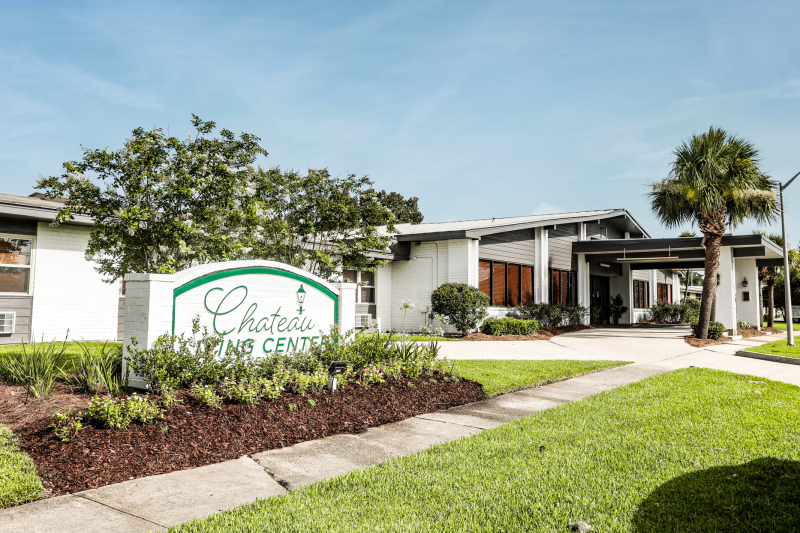
How Does Chateau Living Center Compare to Other Louisiana Nursing Homes?

Compared to the 100 nursing homes in Louisiana, CHATEAU LIVING CENTER's overall rating (1 stars) is below the state average of 2.4, staff turnover (49%) is near the state average of 46%, and health inspection rating (1 stars) is much below the national benchmark.

What Should Families Ask When Visiting Chateau Living Center?

Based on this facility's data, families visiting should ask: "What changes have been made since the serious inspection findings, and how are you preventing similar issues?" "Can you walk me through typical staffing levels on day, evening, and night shifts?" "Can I visit during a mealtime to observe dining assistance and food quality?" "How do you handle medical emergencies, and what is your hospital transfer rate?" These questions are particularly relevant given the facility's Immediate Jeopardy citations and the below-average staffing rating.

Is Chateau Living Center Safe?

Based on CMS inspection data, CHATEAU LIVING CENTER has documented safety concerns. Inspectors have issued 3 Immediate Jeopardy citations (the most serious violation level indicating risk of serious injury or death). The facility has a 1-star overall rating and ranks #100 of 100 nursing homes in Louisiana. Families considering this facility should ask detailed questions about what corrective actions have been taken since these incidents.

Do Nurses at Chateau Living Center Stick Around?

CHATEAU LIVING CENTER has a staff turnover rate of 49%, which is about average for Louisiana nursing homes (state average: 46%). Moderate turnover is common in nursing homes, but families should still ask about staff tenure and how the facility maintains care continuity when employees leave.

Was Chateau Living Center Ever Fined?

CHATEAU LIVING CENTER has been fined $159,972 across 2 penalty actions. This is 4.6x the Louisiana average of $34,679. Fines at this level are uncommon and typically indicate a pattern of serious deficiencies, repeated violations, or failure to correct problems promptly. CMS reserves penalties of this magnitude for facilities that pose significant, documented risk to resident health or safety. Families should request specific documentation of what issues led to these fines and what systemic changes have been implemented.

Is Chateau Living Center on Any Federal Watch List?

CHATEAU LIVING CENTER is not on any federal watch list. The most significant is the Special Focus Facility (SFF) program, which identifies the bottom 1% of nursing homes nationally based on persistent, serious quality problems. Not being on this list means the facility has avoided the pattern of deficiencies that triggers enhanced federal oversight. This is a positive indicator, though families should still review the facility's inspection history directly.