CAMELOT REHABILITATION AT MAGNOLIA PARK
1511 DULLES DRIVE, LAFAYETTE, LA 70506 (337) 216-0950
For profit - Limited Liability company 160 Beds PRIORITY MANAGEMENT Data: November 2025 3 Immediate Jeopardy citations
Trust Grade
0/100
#179 of 264 in LA
Last Inspection: February 2025

Within standard 12-15 month inspection cycle. Federal law requires annual inspections.

Overview

Camelot Rehabilitation at Magnolia Park has received a Trust Grade of F, indicating significant concerns about the quality of care provided. Ranking #179 out of 264 facilities in Louisiana places it in the bottom half, and at #8 out of 10 in Lafayette County, it suggests that only one nearby option is better. The facility's situation is worsening, with issues increasing from 9 in 2024 to 13 in 2025. Staffing is a concern, with the facility rated only 1 out of 5 stars and experiencing a 55% turnover rate, which is around the state average. Additionally, there have been serious incidents, such as staff failing to respond to a ventilator alarm for a resident, leading to a critical situation where the resident was left disconnected from their ventilator for over five minutes. Overall, while there are some areas of average quality, the weaknesses in critical care and staffing raise serious red flags for families considering this nursing home.

Trust Score
F
0/100
In Louisiana
#179/264
Bottom 33%
Safety Record
High Risk
Review needed
Inspections
Getting Worse
9 → 13 violations
Staff Stability
⚠ Watch
55% turnover. Above average. Higher turnover means staff may not know residents' routines.
Penalties
⚠ Watch
$30,183 in fines. Higher than 79% of Louisiana facilities, suggesting repeated compliance issues.
Skilled Nurses
⚠ Watch
Each resident gets only 7 minutes of Registered Nurse (RN) attention daily — below average for Louisiana. Fewer RN minutes means fewer trained eyes watching for problems.
Violations
⚠ Watch
50 deficiencies on record. Higher than average. Multiple issues found across inspections.
★☆☆☆☆
1.0
Overall Rating
★☆☆☆☆
1.0
Staff Levels
★★★☆☆
3.0
Care Quality
★☆☆☆☆
1.0
Inspection Score
Stable
2024: 9 issues
2025: 13 issues

The Good

  • Full Sprinkler Coverage · Fire safety systems throughout facility
  • No fines on record

Facility shows strength in fire safety.

The Bad

1-Star Overall Rating

Below Louisiana average (2.4)

Significant quality concerns identified by CMS

Staff Turnover: 55%

Near Louisiana avg (46%)

Frequent staff changes - ask about care continuity

Federal Fines: $30,183

Below median ($33,413)

Moderate penalties - review what triggered them

Chain: PRIORITY MANAGEMENT

Part of a multi-facility chain

Ask about local staffing decisions and management

Staff turnover is elevated (55%)

7 points above Louisiana average of 48%

The Ugly 50 deficiencies on record

3 life-threatening
Feb 2025 13 deficiencies
CONCERN (D)

Potential for Harm - no one hurt, but risky conditions existed

Assessment Accuracy (Tag F0641)

Could have caused harm · This affected 1 resident

**NOTE- TERMS IN BRACKETS HAVE BEEN EDITED TO PROTECT CONFIDENTIALITY** Based on interview and record review the facility failed to ensure the MDS (Minimum Data Set) was coded accurately for use of Bi...

Read full inspector narrative →
**NOTE- TERMS IN BRACKETS HAVE BEEN EDITED TO PROTECT CONFIDENTIALITY** Based on interview and record review the facility failed to ensure the MDS (Minimum Data Set) was coded accurately for use of Bipap (Bilevel Positive Airway Pressure) for 1 (#19) resident of 5 (#19, #41, #78, #95 and #112) residents investigated for respiratory care. Resident #19 Review of Resident #19's electronic medical record revealed she was admitted to the facility on [DATE] with diagnoses that included in part, Type 2 Diabetes Mellitus with unspecified complications, Major Depressive Disorder and other, Sleep Apnea. Review of Resident #19's current physician's orders read, RCU (Respiratory Care Unit): Bipap (Bilevel Positive Airway Pressure) S/T (Spontaneous/Timed) 16/12 RR (Respiration Rate) = 12 @ 21% at HS (Hour of Sleep) six times a day. Review of Resident #19's care plan read in part, Focus: The resident has Bipap related to sleep apnea. Review of Resident #19's MAR/TAR (Medication Administration Record/Treatment Administration Record) for November 2024 revealed Resident #19 used a Bipap nightly as ordered. Review of Resident #19's MDS with an ARD (Assessment Reference Date) of 11/27/2024 revealed Resident #19 did not use a Bipap. On 02/03/2025 at 4:11 PM, an interview and record review was conducted with S6MDS (Minimum Data Set). She confirmed that Resident #19 had a current order for use of a BiPAP at night and she used it nightly for the entire month of November 2024 according to the MAR/TAR. S6MDS confirmed that Resident #19's Quarterly MDS with an ARD of 11/27/2024 was not coded for use of a Bipap and should have.
CONCERN (D)

Potential for Harm - no one hurt, but risky conditions existed

Incontinence Care (Tag F0690)

Could have caused harm · This affected 1 resident

**NOTE- TERMS IN BRACKETS HAVE BEEN EDITED TO PROTECT CONFIDENTIALITY** Based on record review, observations and interviews, the facility failed to provide appropriate and sufficient services, treatme...

Read full inspector narrative →
**NOTE- TERMS IN BRACKETS HAVE BEEN EDITED TO PROTECT CONFIDENTIALITY** Based on record review, observations and interviews, the facility failed to provide appropriate and sufficient services, treatment, and care according to standards of professional practice for 1 (#3) of 4 (#3, #38, #62, and #78) residents that were reviewed for urinary catheter or UTI (urinary tract infection). The facility failed to ensure Resident #3's urinary catheter drainage tubing was properly secured off of the floor. Findings: Resident #3 was admitted to the facility on [DATE] with diagnoses which included, but were not limited to, Obstructive and Reflux Uropathy, Bladder Neck Obstruction. Review of Resident #3 Quarterly Minimum Data Set (MDS) assessment dated [DATE] revealed in Section GG Chair/bed-to-chair transfer that Resident #3 was coded as 3, indicating that the resident required partial/moderate assistance. On 02/02/2025 at 9:55 AM, an observation was conducted of Resident #3 in his room. The resident had a urinary catheter drainage bag laying on the floor roughly one foot away from the right side of his bed. The drainage bag was connected by tubing to Resident #3's suprapubic catheter. On 02/02/2025 at 12:54 PM, and observation and interview was conducted S11LPN (Licensed Practical Nurse). S11LPN stated that Resident #3 does not transfer himself and that staff assists him with transfers. She confirmed that the urinary catheter drainage bag was laying on the floor and should not have been.
CONCERN (D)

Potential for Harm - no one hurt, but risky conditions existed

Respiratory Care (Tag F0695)

Could have caused harm · This affected 1 resident

**NOTE- TERMS IN BRACKETS HAVE BEEN EDITED TO PROTECT CONFIDENTIALITY** Based on observation, interview, and record review the facility failed to ensure the resident's respiratory equipment was stored...

Read full inspector narrative →
**NOTE- TERMS IN BRACKETS HAVE BEEN EDITED TO PROTECT CONFIDENTIALITY** Based on observation, interview, and record review the facility failed to ensure the resident's respiratory equipment was stored properly for 2 (Resident #19 and Resident #41) out of 5 (Resident #19, #41, #78, #95 and #112) 36 sampled residents reviewed for respiratory care. On 02/04/2025 review of the facility's policy titled Departmental (Respiratory Therapy) - Prevention Infection with a review date of 10/30/2024 read in part, Infection Control Considerations Related to Medication Nebulizers/Continuous Aerosol: 7. Store the circuit in plastic bag marked with date and resident's name, between uses. On 02/04/2025 at 4:17 PM, S2DON (Director of Nursing) confirmed that this is the policy used for proper storage of all respiratory equipment. Resident #19 Review of Resident #19's electronic medical record revealed she was admitted to the facility on [DATE] with diagnoses that included in part, Type 2 Diabetes Mellitus with Unspecified Complications, Major Depressive Disorder and Other, Sleep Apnea. Review of Resident #19's current physician's orders that read, RCU (Respiratory Care Unit): Bipap (Bilevel Positive Airway Pressure) S/T (Spontaneous/Timed) 16/12 RR (Respiration Rate) = 12 @ 21% at HS (Hour of Sleep) six times a day. Review of Resident #19's care plan read in part, Focus: The resident has Bipap related to sleep apnea. On 02/02/2025 at 11:31 AM, an observation was made of Resident #19's Bipap mask on her bedside table opened to air. Resident #19 stated that her Bipap mask should be in a bag, but she did not have one. On 02/02/2025 at 11:35 AM, an observation and interview with S5LPN (Licensed Practical Nurse) was conducted. She confirmed that Resident #19's BiPAP mask was on her bedside table opened to air and not stored properly. She confirmed that the Bipap mask should have been in a bag labeled with the date and her name and there was no bag available. Resident #41 Review of Resident #41's EHR (Electronic Health Record) revealed an admission date of 11/05/2024 with diagnoses which included, but were not limited to, congestive heart failure, chronic obstructive pulmonary disease, and obstructive sleep apnea. Review of Resident #41's most recent Minimum Data Set (MDS) dated [DATE], revealed the resident had a Brief Interview for Mental Status (BIMS) of 15, indicating his cognition was intact. Section O: Special Treatments, Procedures and Programs checked for oxygen therapy and CPAP use. On 02/02/2025 at 10:52 AM, an observation was made of Resident #41's CPAP (continuous positive airway pressure) machine at the bedside. The CPAP mask was in the machine's basket, open to air making contact with the basket. The CPAP mask was not stored in a storage bag. Further observation revealed a nasal cannula on the seat of Resident #41's motorized wheelchair, open to air with the nose piece of the tubing making contact with the seat of the wheelchair. The nasal cannula was not stored in storage bag. Resident #41 confirmed the staff assists him with applying and removing both his CPAP mask and oxygen tubing. On 02/02/2025 at 11:03 AM, a concurrent observation and interview was conducted with S8LPN (Licensed Practical Nurse) in Resident #41's room. S8LPN viewed CPAP mask and nasal cannula and confirmed the CPAP mask and nasal cannula were not stored properly and should be stored in a plastic bag when not in use. S8LPN also confirmed it is the nurses' responsibility to make sure nasal cannulas and CPAP masks are stored properly when not in use. On 02/04/25 at 08:50 AM, an interview was conducted with S2DON (Director of Nursing). S2DON confirmed oxygen tubing such as nasal cannulas and CPAP masks should be stored in a plastic storage bag when not in use and confirmed that the nursing staff is ultimately responsible for proper storage of respiratory equipment when not in use.
CONCERN (D)

Potential for Harm - no one hurt, but risky conditions existed

Staffing Information (Tag F0732)

Could have caused harm · This affected 1 resident

Based on observations and interview, the facility failed to ensure staffing information posted daily was current and in a prominent place readily accessible to residents and visitors. The facility's c...

Read full inspector narrative →
Based on observations and interview, the facility failed to ensure staffing information posted daily was current and in a prominent place readily accessible to residents and visitors. The facility's census was 133. Findings: On 02/04/2025 at 2:00 PM, an observation was made of staffing data sheets filed in a closed binder. The binder was set in a window at the nurses' station directly across the hall from the administrative offices. The hall was not in a pathway frequently used by residents or visitors. The staffing sheets for 02/03/2025 and 02/04/2025 were not in the binder. On 02/04/2025 at 2:09 PM, an interview was conducted with S7ASADMIN (Assistant Administrator). She confirmed that staffing data sheets for 02/03/2025 and 02/04/2025 were not in the binder and staffing sheets that are in a closed binder are not readily accessible to residents or visitors.
CONCERN (D)

Potential for Harm - no one hurt, but risky conditions existed

Deficiency F0924 (Tag F0924)

Could have caused harm · This affected 1 resident

Based on observation and interview the facility failed to ensure hallway hand rails were securely affixed to the walls on 1 (Hall W) of 6 (Hall U, Hall V, Hall W, Hall X, Hall Y, and Hall Z) hallways ...

Read full inspector narrative →
Based on observation and interview the facility failed to ensure hallway hand rails were securely affixed to the walls on 1 (Hall W) of 6 (Hall U, Hall V, Hall W, Hall X, Hall Y, and Hall Z) hallways observed in the facility. This failed practice had the potential to affect all mobile residents that reside on Hall W. Findings: Review of a facility policy on 02/04/2025 at 12:38 PM titled, Maintenance Service with a revision date of 12/2009 revealed the following in part . 1. The maintenance department is responsible for maintaining the buildings, grounds, and equipment in a safe and operable manner at all times. 2. Functions of the maintenance personnel include . a. Maintaining the building in compliance with current federal, state, and local laws, regulations, and guidelines. b. Maintaining the building in good repair and free from hazards. 9. Maintenance personnel shall follow established safety regulations to ensure the safety and well-being of all concerned . Observations made on 02/02/2025 at 9:52 AM, 02/02/2025 at 11:20 AM, 02/02/2025 at 12:10 PM, and 02/02/2025 at 12:15 PM revealed a hand rail was broken outside of Room A on Hall W. The handrail was observed with one end detached from the wall and pointing outward into Hall W. A screw was exposed and pointing out of the end of the detached portion of the hand rail. On 02/02/2025 at 12:15 p.m., an interview with S3 Maintenance Supervisor confirmed the hand rail on Hall W was broken and detached from the wall. S3 Maintenance Supervisor stated the broken hand rail was unsafe and should have been fixed.
CONCERN (E)

Potential for Harm - no one hurt, but risky conditions existed

Safe Environment (Tag F0584)

Could have caused harm · This affected multiple residents

**NOTE- TERMS IN BRACKETS HAVE BEEN EDITED TO PROTECT CONFIDENTIALITY** Based on record review, observations and interviews the facility failed to provide a safe, clean, comfortable, and homelike envi...

Read full inspector narrative →
**NOTE- TERMS IN BRACKETS HAVE BEEN EDITED TO PROTECT CONFIDENTIALITY** Based on record review, observations and interviews the facility failed to provide a safe, clean, comfortable, and homelike environment. This was evidenced by: 1. Observations made on 02/05/2025 on Hall U of multiple rooms walls with damaged sheetrock, unfinished sheetrock repair, and a call light unit detached from wall; 2. Housekeeping staff failing to clean and sanitize room [ROOM NUMBER] on Hall U after a resident was discharged to the hospital; 3. Observation made on 02/02/2025 at 2:50 PM of a light fixture that was not working properly in room [ROOM NUMBER] on Hall Y; 4. Observation made on 02/02/2025 at 1:07 PM of a call light box that was detached from the wall in room [ROOM NUMBER] on Hall Y; and 5. Observation made on 02/02/2025 at 2:01 PM of an electrical outlet cover plate that was bent away from wall making electrical wiring visible in room [ROOM NUMBER] on Hall Y. Findings: Review of the facility's policy, Maintenance Service with a revised date 10/30/24 revealed the following in part, Policy Statement: Maintenance service shall be provided to all areas of the building, grounds, and equipment. Policy Interpretation and Implementation: 1. The Maintenance Department is responsible for maintaining the buildings, grounds, and equipment in a safe and operable manner at all times. 2. Functions of maintenance personnel include, but are not limited to: .b. Maintaining the building in good repair and free from hazards .d. Maintaining the heat/cooling system, plumbing fixtures,, wiring, etc., in good working order .i. Providing routinely scheduled maintenance service to all areas .7. The Maintenance Director is responsible for maintaining the following records/reports. Inspection of building, work order request . On 02/04/2025 at 11:00 AM, an observation was made on Hall U. The following concerns were identified: Rm 1 -sheetrock damage to outer room wall Rm 2 -unpainted sheetrock repair on outer bathroom wall Rm 3 -Bed 1--sheetrock damage to right wall next to bed Bed 2-- sheetrock damage to outer room wall--hole to lower part of wall next to the air conditioner Rm 4 -room still not cleaned Rm 5-call bell detached from wall Rm 6 -sheetrock damage to outer wall next to bed Rm 7 -Bed 1 -unpainted sheetrock repair to outer bathroom wall next to bed Rm 8 -Bed 2 -sheetrock damage to wall at the head of the bed On 02/04/2025 at 11:20 AM, an observation of room [ROOM NUMBER] was conducted with S10Housekeeping Supervisor. The resident's bed cover was noted on the bed. Items were noted on the adjacent bed and trash was noted in the trash can. S10Housekeeping Supervisor confirmed that the room had not been cleaned and sanitized after the resident was discharged from the facility on 01/28/2025 On 02/04/2025 at 11:30AM, an interview was conducted with S3Maintenance Supervisor. He confirmed that the above findings with the rooms were all issues and should have been taken care of. On 02/02/2025 at 2:50 PM, an observation was made of room [ROOM NUMBER]. The light above the bed did not turn on when the cord attached to the light fixture was pulled. On 02/03/2025 at 12:05 PM, a concurrent observation and interview was conducted with S3 Maintenance Supervisor. S3 Maintenance Supervisor observed that the light would not turn on. S3 Maintenance Supervisor confirmed the light should not be in this condition and should be working properly. On 02/02/2025 at 1:07 PM an observation was made of room [ROOM NUMBER]. The call light box was detached from the wall and was hanging by a red wire. A hole was observed in the wall where call light should have been attached. On 02/03/2025 at 11:29 AM, a concurrent observation and interview was conducted with S3 Maintenance Supervisor. S3 Maintenance Supervisor observed the call light box detached and hanging off of the wall. S3 Maintenance Supervisor confirmed the call light box should not have been detached and hanging from wall. On 02/02/2025 at 2:01 PM, an observation was made of room [ROOM NUMBER]. The electrical outlet cover plate covering the electrical outlet was observed next to the resident's bed. The cover plate was bent and protruding off of the wall. A hole in wall was observed with wiring exposed behind the cover plate. On 02/03/2025 at 11:27 AM, a concurrent observation and interview was conducted with S3 Maintenance Supervisor. S3 Maintenance Supervisor observed the bent electrical outlet cover plate. S3 Maintenance Supervisor confirmed the electrical outlet cover plate should not have been bent and protruding from the wall.
CONCERN (E)

Potential for Harm - no one hurt, but risky conditions existed

Pressure Ulcer Prevention (Tag F0686)

Could have caused harm · This affected multiple residents

**NOTE- TERMS IN BRACKETS HAVE BEEN EDITED TO PROTECT CONFIDENTIALITY** Patient #108 Review of Resident #108 clinical record revealed he was admitted to the facility on [DATE]. His diagnoses include i...

Read full inspector narrative →
**NOTE- TERMS IN BRACKETS HAVE BEEN EDITED TO PROTECT CONFIDENTIALITY** Patient #108 Review of Resident #108 clinical record revealed he was admitted to the facility on [DATE]. His diagnoses include in part, Cerebral Infarction; Type 2 Diabetes mellitus; Chronic respiratory failure; Unspecified Severe protein-calorie malnutrition; Dysphagia; Gastrostomy and tracheostomy status. Pressure ulcer of other site, Stage 3. Review of Resident #108's annual MDS (Minimum Data Set) dated 06/20/2024 revealed in part, BIMS (Brief Interview of Mental Status) not conducted due to resident rarely/never understood. He was total dependence with two+ person physical assist with bed mobility. Further review revealed under letter M: Skin Conditions, the resident wasn't coded for having an unstageable pressure ulcer. Review of Resident #108's quarterly MDS (Minimum Data Set) dated 08/26/2024 revealed under letter M: Skin Conditions, the resident was coded for having an unstageable pressure ulcer. Review of the resident's Wound Evaluation dated 08/09/24 read, Pressure-Unstageable (Slough and/or eschar). Body location: left elbow. New (7 days old). Acquired: in-house acquired.-Unstageable Dimensions: 6.25cm (centimeters) x 2.5cm x 2.5cm .wound bed-100% eschar .exudate: none . Review of Resident #108's skin assessment dated [DATE] revealed the resident's had no new wounds. On 02/04/2025 at 2:15PM, an interview was conducted with S2DON (Director of Nursing). She confirmed skin assessments should be conducted by the Treatment Nurse weekly. She also confirmed that the CNAs (Certified Nursing Assistant) are also responsible for assessing a resident's skin during bathing. She confirmed that Resident #108's left elbow pressure ulcer should have been identified before it had become an unstageable wound. Based on record review and interview, the facility failed to ensure a residents with pressure ulcers received necessary treatment and services, consistent with professional standards of practice, to promote healing and prevent the development of new pressure ulcers for 2 (#95 and #108) out of 6 (#8, #10, #53, #95, #108 and #112) residents investigated for pressure ulcers by: 1. Filing to perform weekly wound assessments for pressure ulcers for Resident # 95; and 2. Failing to conduct accurate skin assessments for Resident # 108 Resident #95 Review of Resident #95's electronic health record revealed an admission date of 01/14/2025 with diagnoses which included, but were not limited to, Morbid Severe Obesity Due To Excess Calories, Chronic Diastolic Congestive Heart Failure, Cirrhosis Of Liver, and Diarrhea. Review of Resident #95's Nurses' Notes dated 01/15/2025 revealed in part: Resident admitted from LGMC .Wound care assessment done .Resident noted having stage 3 pressure ulcer to sacral cornu .measuring 1.5cm (centimeter) x 1cm x 0.1cm .Stage 3 pressure ulcer to medial sacrum .measuring at 1 X 0.5 X 0.1 .Stage 3 pressure to right buttocks .measuring 1.5cm x 1cm x 0.1cm On 02/04/2025 a review of Resident #95's electronic health record review was conducted, it revealed the last wound assessment for Resident #95's three pressure ulcers was dated on 01/15/2025. On 02/04/2025 at 10:28 AM, an interview was conducted with S2DON (Director of Nursing). S2DON confirmed that the only evidence she could find of Resident #95's 3 pressure ulcer wound measurements were in a nurses' note dated 01/15/2025. S2DON stated wound measurements should be conducted weekly and documented in the electronic health record.
CONCERN (E)

Potential for Harm - no one hurt, but risky conditions existed

Deficiency F0761 (Tag F0761)

Could have caused harm · This affected multiple residents

Based on observation, interview, and record review the facility failed to ensure drugs and biologicals used in the facility were stored in accordance with currently accepted professional principles. T...

Read full inspector narrative →
Based on observation, interview, and record review the facility failed to ensure drugs and biologicals used in the facility were stored in accordance with currently accepted professional principles. The facility failed to ensure expired medications were not available for administration to residents in 1 (Med Room C) of 4 (Med Room A, Med Room B, Med Room C, and Med Room D) medication rooms. This deficient practice had to potential to affect 133 residents residing in the facility. Findings: Review of a facility policy on 02/04/2025 at 12:38 PM titled Storage of Medications (unknown original date) with a revised date of 04/2019, revealed the following in part . the facility stores all drugs and biologicals in a safe, secure, and orderly manner . 3. The nursing staff is responsible for maintaining medication storage and preparation areas are in a safe manner . 5. Discontinued, outdated, or deteriorated drugs or biologicals are returned to the dispensing pharmacy or destroyed . Observation on 02/02/2025 at 2:50 PM, of Med Room C with S9LPN (Licensed Practical Nurse), revealed the following expired items: 1. Forty-Nine (49) 0.9% Sodium Chloride 10ml pre-filled flushes (normal saline flush) with an expiration date of 08/2024. 2. Forty-Nine (49) 0.9% Sodium Chloride 10ml pre-filled flushes (normal saline flush) with an expiration date of 09/2024. 3. Ten (10) 0.9% Sodium Chloride 10ml pre-filled flushes (normal saline flushes) with an expiration date of 11/2024. 4. Two (2) Heparin 500usp/5ML (100usp units/ml in 0.9% Sodium Chloride) 6ml prefilled syringes with an expiration date of 11/2023. 5. Seven (7) Heparin 50usp units/5ml (10usp units/ml) in 0.9% Sodium Chloride (5ml pre-filled in 12ml syringe) with an expiration date of 07/2022. 6. Twenty-Eight (28) Heparin 50usp units/5ml (10usp units/ml) in 0.9% Sodium Chloride (5ml pre-filled in 12ml syringe) with an expiration date of 01/2023. 7. Ten (10) Heparin 50usp units/5ml (10usp units/ml) in 0.9% Sodium Chloride (5ml pre-filled in 12ml syringe) with an expiration date of 02/2024. 8. Five (5) Heparin 50usp units/5ml (10usp units/ml) in 0.9% Sodium Chloride (5ml pre-filled in 12ml syringe) with an expiration date of 06/2024. 9. One (1) Heparin 50usp units/5ml (10usp units/ml) in 0.9% Sodium Chloride (5ml pre-filled in 12ml syringe) with an expiration date of 07/2024. On 02/02/2025 at 2:58 PM, S9LPN confirmed in an interview that the above Normal Saline flushes and Heparin pre-filled syringes were expired. S9LPN stated that there should not have been any expired medications available. S9LPN stated the expired Normal Saline flushes and Heparin pre-filled syringes should have been discarded. Interview of S2DON (Director of Nursing) on 02/04/2025 at 11:30 AM, confirmed that Med Room C should not have had expired medications available for usage, and should have been disposed of properly and were not.
CONCERN (E)

Potential for Harm - no one hurt, but risky conditions existed

Food Safety (Tag F0812)

Could have caused harm · This affected multiple residents

Based on observations, and interview, the facility failed to store food in accordance with professional standards for food service, and ensure sanitary conditions were maintained in the kitchen as evi...

Read full inspector narrative →
Based on observations, and interview, the facility failed to store food in accordance with professional standards for food service, and ensure sanitary conditions were maintained in the kitchen as evidenced by: 1. opened food items in the walk in cooler not labeled with the date and time; and 2. expired foods in the dry storage area. This deficient practice had the potential to affect the 116 residents who consumed food from the kitchen. Findings: On 02/02/2025, a review of the facility's policy titled, Food Receiving and Storage, with a last revision date of July 2014, last reviewed date of 10/30/2024, revealed in part . Policy Statement: Foods shall be received and stored in a manner that complies with safe food handling practices. Policy Interpretation and Implementation: .6. Dry foods that are stored in bins will be removed from original packaging, labeled and dated (use by date). Such foods will be rotated using a first in-first out system. 7. All food stored in the refrigerator or freezer will be covered, labeled and dated (use by date) . On 02/02/2025 at 8:30 AM, a tour of the facility's kitchen was conducted with S1DS (Dietary Supervisor), who stated that she was responsible for the day to day management of the kitchen. On 02/02/2025 at 8:41 AM, an observation of the walk in cooler was conducted with S1DS and revealed the following items were opened and not labeled with the date and time they were opened nor the use by date: 1. large container of Italian dressing 2. large container of thousand island dressing 3. large container of mayonnaise 4. large container of mustard 5. large container of pickles 6. gallon of milk 7. carton of almond milk 8. carton of soy milk 9. carton of pineapple juice 10. carton of cranberry juice 11. carton of apple juice 12. container of au jus prep S1DS confirmed the food items listed above were opened, and not labeled with the date and time they were opened nor the use by date, and should have been. On 02/02/2025 at 8:55 AM, an observation of the dry storage room was conducted with S1DS and revealed the following: a plastic gallon bag with an opened bag of powdered lemonade dated 11/06/2024, a plastic gallon bag with an opened bag of fudge mix dated 11/28/2024, and a plastic gallon bag with an opened bag of powdered chocolate pudding dated 12/15/2024. S1DS confirmed the food items were expired and should have been removed from the dry storage area and discarded.
CONCERN (E)

Potential for Harm - no one hurt, but risky conditions existed

Infection Control (Tag F0880)

Could have caused harm · This affected multiple residents

**NOTE- TERMS IN BRACKETS HAVE BEEN EDITED TO PROTECT CONFIDENTIALITY** Based on observations, interviews, and record review, the facility failed to maintain an infection prevention and control progra...

Read full inspector narrative →
**NOTE- TERMS IN BRACKETS HAVE BEEN EDITED TO PROTECT CONFIDENTIALITY** Based on observations, interviews, and record review, the facility failed to maintain an infection prevention and control program designed to provide a safe and sanitary environment to help prevent the development and transmission of infection. The facility failed to ensure proper PPE (Personal Protective Equipment) was worn while proving care for 3 (#53, #95, #118) out of 36 sampled residents. Findings: Resident #95 On 02/04/2025, a review of the facility's policy titled, Enhanced Barrier Precautions Cheat Sheet with a last reviewed date of 10/30/2024 read in part, Examples of Enhanced-Based Precaution Residents: Wounds-includes .pressure ulcers .indwelling medical devices .feeding tubes .Enhanced-Based Precautions are indicated during: .changing briefs or assisting with toileting .Implementation: gowns and gloves are used during high-contact sessions . Review of Resident #95's electronic health record revealed she was admitted to the facility on [DATE] with diagnoses that included in part, congestive heart failure, cirrhosis of liver, and pressure ulcer of sacral region, stage 3. Review of Resident #95's physician's orders revealed an order dated 01/22/2025 that read, Nursing Intervention: Implement and maintain enhanced barrier precautions when performing high contact care activities. On 02/03/2025 08:08 AM An observation was made of a sign posted on Resident #95's room door indicating she was EBP and staff should wear a gown as a part of their PPE. On 02/03/2025 at 08:22 AM, a concurrent observation and interview was conducted with S11CNA (Certified Nursing Assistant). S11CNA was observed not wearing a gown while changing the Resident #95's incontinence brief. S11CNA confirmed that Resident #95 was on EBP and failed to wear a gown while providing resident care. On 02/03/2025 at 9:22 AM, an interview was conducted with S2DON (Director of Nursing). She confirmed a gown and gloves must be donned when providing high contact activities such as changing a resident's incontinence brief if a resident is indicated for EBP. Resident # 118 Review of Resident #118's electronic health record revealed he was admitted to the facility on [DATE] with diagnoses that included in part, muscle wasting and atrophy, severe protein calorie malnutrition, and gastrostomy status. Review of Resident #118's physician's orders revealed an order dated 04/04/2025 that read, Nursing Intervention: Implement and maintain enhanced barrier precautions when performing high contact care activities. On 02/03/2025 at 3:41 PM, a concurrent observation and interview was conducted with S12LPN (Licensed Practical Nurse). S12LPN arrived in Resident #118's room to change his incontinence brief. S12LPN left Resident #118's room and obtained an incontinence brief and gloves and returned to Resident #118's room to provide care. S12LPN was not wearing a gown when she changed Resident #118's incontinence brief. An observation was made of a sign posted on Resident #118's room door indicating he was EBP and staff should wear a gown as a part of their PPE. S12LPN confirmed she was aware the resident was on EBP and failed to wear a gown while providing resident care. On 02/04/2025 at 08:50 AM, an interview was conducted with S2DON (Director of Nursing). She confirmed a gown and gloves must be donned when providing high contact activities such as changing a resident's incontinence brief if a resident is indicated for EBP. Resident #53 Findings: Review of Resident #53's medical record revealed diagnoses that included in part . Multiple Sclerosis, Encounter for Palliative Care, Polyneuropathy in Diseases Classified Elsewhere, and Depression. Review of Resident #53's Annual Minimum Data Set (MDS), with an Assessment Reference Date (ARD) of 11/29/2024, revealed a Brief Interview for Mental Status (BIMS) score of 15, which indicated Resident #53 was cognitively intact. Review of resident #53's physician orders revealed an order to implement and maintain Enhanced Barrier Precautions when performing high contact care activities every shift, with a start date 01/14/2025. Observation on 02/02/2025 at 9:35 AM., revealed Enhanced Barrier Precautions (EBP) signage was posted on a wall next to Resident #53's door, and prior to entering the resident's room. Two (2) Certified Nursing Assistants (CNAs) were observed to enter Resident 53's room with a mechanical lift to transfer Resident #53. The 2 CNAs did not donned gowns prior to the transfer of Resident #53 with the mechanical lift, and proceeded with transferring the resident. Observation and interview of Resident #53 on 02/02/2025 at 11:03 AM, revealed Resident #53 sitting up in her geri-chair in her room. Resident #53 stated she had a pressure sore on her bottom, and that the 2 CNAs who transferred her from the bed to geri-chair wore gloves during the transfer. On 02/02/2025 at 12:22 PM, an interview with S4CNA confirmed that an EPB sign was posted on the wall next to Resident #53's door, and prior to entering the resident's room. S4CNA confirmed the EBP sign indicated she (S4CNA) should wear a gown and gloves when caring for Resident #53. Observation at that time with S4CNA revealed EBP signage was posted on the wall next to Resident #53's door. S4CNA confirmed that Resident #53 required gown and gloves during Activities of Daily Living (ADL) care, such as transferring. S4CNA confirmed that she did not wear a gown when she transferred Resident #53 on 02/02/2025 at 9:35 AM. On 02/04/2025 at 11:20 AM, S2DON revealed in an interview that staff are required to wear gown and gloves when caring for a resident who has EBP. S2DON confirmed that staff should have worn a gown and gloves when Resident #53 was transferred this morning with the mechanical lift. Unable to contact other CNA for interview.
CONCERN (F)

Potential for Harm - no one hurt, but risky conditions existed

Deficiency F0865 (Tag F0865)

Could have caused harm · This affected most or all residents

Based on record review and interview, the facility failed to ensure an effective Quality Assurance and Performance Improvement (QAPI) program was developed, implemented, and/or maintained in an effect...

Read full inspector narrative →
Based on record review and interview, the facility failed to ensure an effective Quality Assurance and Performance Improvement (QAPI) program was developed, implemented, and/or maintained in an effective and comprehensive manner. The facility failed to maintain documentation of evidence of its ongoing facility QAPI program. This deficient practice has the potential to affect 133 residents residing in the facility. Findings: Review of a facility policy on 02/04/2025 at 3:00 PM titled, QAPI Program (unknown original date documented) with a revised date of 12/2016, revealed the following in part .all employees will participate in ongoing QAPI efforts .the QAPI program has been developed to incorporate the continuous quality improvement and quality assurance processes consisting of ongoing analysis of clinical data and program results, identifying and prioritizing opportunities for improvement, implementing interventions, and evaluating the effectiveness of those intervention on the quality of care and services. On 02/04/2025 at 11:40 AM and 2:45 PM, the surveyor requested that S2DON (Director of Nursing) provide the facility's QAPI Program information. On 02/04/2025 at 3:12 PM, S2DON revealed in an interview that she could not locate the facility's QAPI binder, which had evidence of the facility's ongoing QAPI program. On 02/04/2025 at 3:45 PM, S2DON revealed in an interview that she did not know what happened to the QAPI binder and believed it was misplaced. On 02/04/2025 at 4:15 PM, S2DON stated in an interview that she could not provide evidence of the facility's QAPI program due to the QAPI binder being misplaced.
CONCERN (F)

Potential for Harm - no one hurt, but risky conditions existed

QAPI Program (Tag F0867)

Could have caused harm · This affected most or all residents

Based on record review and interview, the facility failed to provide documentation of the Quality Assurance and Performance Improvement (QAPI) program that addresses the facility's performance improve...

Read full inspector narrative →
Based on record review and interview, the facility failed to provide documentation of the Quality Assurance and Performance Improvement (QAPI) program that addresses the facility's performance improvement activities and projects. The facility failed to provide evidence of the number and frequency of improvement projects conducted, which addressed the scope and complexity of the facility's provided services. This deficient practice had to potential to affect 133 residents residing in the facility. Findings: Review of a facility policy on 02/04/2025 at 3:00 PM titled, QAPI Program (unknown original date) with a revised date of 12/2016 revealed the following in part .all employees will participate in ongoing QAPI efforts .the QAPI program has been developed to incorporate the continuous quality improvement and quality assurance processes consisting of ongoing analysis of clinical data and program results, identifying and prioritizing opportunities for improvement, implementing interventions, and evaluating the effectiveness of those intervention on the quality of care and services . The facility was unable to present any documented evidence of activities, projects, frequency of improvement projects addressing services for the Quality Assurance and Performance Improvement (QAPI) program during the survey. On 02/04/2025 at 3:12 PM, S2DON (Director of Nursing) revealed in an interview that she could not locate the facility's QAPI binder which had evidence of the facility's ongoing QAPI program in place. On 02/04/2025 at 4:15 PM, S2DON stated in an interview that she could not provide evidence of the facility's QAPI program due to the QAPI binder being misplaced.
CONCERN (F)

Potential for Harm - no one hurt, but risky conditions existed

Deficiency F0868 (Tag F0868)

Could have caused harm · This affected most or all residents

Based on record review and interview, the facility failed to: 1. Provide evidence that Quality Assessment and Assurance (QAA) committee met at least quarterly and as needed; and 2. Provide evidence t...

Read full inspector narrative →
Based on record review and interview, the facility failed to: 1. Provide evidence that Quality Assessment and Assurance (QAA) committee met at least quarterly and as needed; and 2. Provide evidence that ensured the QAA committee was composed of at a minimum: the DON (Director of Nursing, Medical Director or his/her designee, the Infection Preventionist (IP), and at least three other staff, one of whom must be the facility's administrator, owner, board member, or other individual in a leadership role who has knowledge of facility systems and the authority to change those systems. This deficient practice had to potential to affect 133 residents residing in the facility. Findings: Review of a facility policy on 02/04/2025 at 3:00 PM titled, QAPI Program (unknown original date) with a revised date of 12/2016, revealed the following in part .all employees will participate in ongoing QAPI efforts .the QAPI program has been developed to incorporate the continuous quality improvement and quality assurance processes consisting of ongoing analysis of clinical data and program results, identifying and prioritizing opportunities for improvement, implementing interventions, and evaluating the effectiveness of those intervention on the quality of care and services . The facility was unable to present any documented evidence of the facility QAA committee meetings. The facility was unable to present any documentation of who attended the facility QAA committee meetings. On 02/04/2025 at 3:12 PM, S2DON revealed in an interview that she could not locate the facility's QAPI binder which had evidence of the facility's ongoing QAPI program and evidence of QAA committee meeting information. On 02/04/2025 at 4:15 PM, S2DON stated in an interview that she could not provide evidence of the facility's QAPI program due to the QAPI binder being misplaced.
Jan 2024 9 deficiencies
CONCERN (D) 📢 Someone Reported This

A family member, employee, or ombudsman was alarmed enough to file a formal complaint

Potential for Harm - no one hurt, but risky conditions existed

Deficiency F0554 (Tag F0554)

Could have caused harm · This affected 1 resident

**NOTE- TERMS IN BRACKETS HAVE BEEN EDITED TO PROTECT CONFIDENTIALITY** Based on observation, interview and record review, the facility failed to assess 2 residents (#56 and #70) out of 45 sampled res...

Read full inspector narrative →
**NOTE- TERMS IN BRACKETS HAVE BEEN EDITED TO PROTECT CONFIDENTIALITY** Based on observation, interview and record review, the facility failed to assess 2 residents (#56 and #70) out of 45 sampled residents for self-administration of medications. Findings: Review of the facility's policy titled Self- Administration of Medications read in part .Residents have the right to self - administer medications if the interdisciplinary team has determined that it is clinically appropriate and safe for the resident to do so .4. The resident must sign the Consent for Administration of Medication Form regarding and agree to abide by the restrictions for handling and storage of medication according to one of the following plans. 5. Any bedside medications will meet all the required labeling specifications and guidelines required of any medications in the facility .9. The nursing staff will routinely check self- administered medications and will remove expired, discontinued, or recalled medications. Resident #56: Resident #56 was admitted to the facility on [DATE] with Diagnoses which included, but were not limited to, Type 2 Diabetes Mellitus with Other Circulatory Complications, and Long Term Use of Aspirin. On [DATE] at 9:19 a.m., an observation and interview of Resident #56 was conducted in her room. A tube of Diclofenac Sodium Topical Gel 1% and a bottle of [NAME] aspirin chewable were observed on the resident's bedside table. The resident stated that she could not remember which nurse gave the medication to her. A review of Resident #56's physician's orders revealed an order dated [DATE] for Diclofenac Sodium 1% gel apply to affected area every 8 hours as needed for pain. Further review revealed an order dated [DATE] for Aspirin 81 oral tablet chewable, give 1 tablet by mouth one time a day On [DATE] at 10:48 a.m., an interview and observation of Resident #56's room was conducted with S2DON (Director of Nursing). S2DON confirmed that Resident #56 had a tube of Diclofenac Sodium Topical Gel 1% and a Bottle of [NAME] Aspirin chewable at her bedside. S2DON stated that the resident was not supposed to have the medications at her bedside because she did not have an order to self-administer her medications.Resident #70: Resident #70 was admitted to the facility on [DATE] with diagnoses in part .Seborrheic Dermatitis, Psoriasis Unspecified, and Personal History of Malignant Melanoma of the Skin. Review of Resident #70's annual MDS (Minimum Data Set ) assessment dated [DATE] revealed the resident had a BIMS (Brief Interview for Mental Status ) of 15, indicating the resident was cognitively intact. Further review of section M- Skin Conditions revealed the resident was coded for applications of ointments/medications other than to feet. Review of Resident #70's [DATE] physician's orders revealed an order dated [DATE] that read: Fluocinonide External Solution 0.05 % , Apply to Affected areas topically every 12 hours as needed for Irritation related to Psoriasis. On [DATE] at 10:00 a.m., an observation was made of medication on Resident #70's night stand. The medication's label read: Fluocinoide External Solution. Resident #70 stated that he kept the medication at his bedside and applied it himself. A Review of Resident #70's health record failed to reveal a physician's order, care plan, or assessment to be able to self-administer his own medications or keep at bedside. On [DATE] at 10:30 a.m., an observation was made of Resident #70's room with S2DON (Director of Nursing). Fluocinoide Solution remained on the resident's nightstand. The medication label was then reviewed with S2DON. S2DON confirmed the medication had an expiration date of [DATE], and that unless the resident had a physician's order or was care planned, the resident could not administer the medication himself or keep it at the bedside.
CONCERN (D) 📢 Someone Reported This

A family member, employee, or ombudsman was alarmed enough to file a formal complaint

Potential for Harm - no one hurt, but risky conditions existed

Grievances (Tag F0585)

Could have caused harm · This affected 1 resident

**NOTE- TERMS IN BRACKETS HAVE BEEN EDITED TO PROTECT CONFIDENTIALITY** Based on record review and interview, the facility failed to investigate and take corrective actions for a grievance made by 1 (...

Read full inspector narrative →
**NOTE- TERMS IN BRACKETS HAVE BEEN EDITED TO PROTECT CONFIDENTIALITY** Based on record review and interview, the facility failed to investigate and take corrective actions for a grievance made by 1 (#56) out of a total sample of 45 residents. Findings: A review of the facility's policy titled Resident Grievances/Complaints, Recording and Investigating read in part: Policy Statement. All grievances and complaints filed with the facility will be investigated and corrective actions will be taken to resolve the grievance(s). Resident #56 was admitted to the facility on [DATE] with Diagnoses which included, but were not limited to, Type 2 Diabetes Mellitus with other circulatory Complications and Long Term Use of Aspirin. A review of the resident's quarterly MDS (Minimum Data Set) dated 11/17/2023 revealed she had a BIMS (Brief Interview for Mental Status) of 15, indicating her cognition was intact. On 01/29/2024 at 9:19 a.m., an observation and interview was conducted with Resident #56 in her room. The resident stated she washed her underclothes herself because sometimes when her clothes go to the laundry she doesn't get everything back. She stated that she had 4 brand new shirts and 2 pairs of pajamas that did not return from the laundry. The resident stated that she could not remember the exact date but it was more than two weeks ago. She further stated she reported it to S1ADM (Administrator) and he said he would get her money back. A review of the grievance log from September 2023 to January 2024 revealed that there was no grievance filed for the resident. 01/30/24 at 2:34 p.m., an interview was conducted with S1ADM. S1ADM was asked if he had filed a grievance for the resident. He stated he remembered the conversation with the resident, and confirmed that he did not file a grievance and should have filed one for the resident.
CONCERN (D)

Potential for Harm - no one hurt, but risky conditions existed

Assessment Accuracy (Tag F0641)

Could have caused harm · This affected 1 resident

**NOTE- TERMS IN BRACKETS HAVE BEEN EDITED TO PROTECT CONFIDENTIALITY** Based on interview and record review, the facility failed to ensure the assessment accurately reflected the status of 2 (#130 an...

Read full inspector narrative →
**NOTE- TERMS IN BRACKETS HAVE BEEN EDITED TO PROTECT CONFIDENTIALITY** Based on interview and record review, the facility failed to ensure the assessment accurately reflected the status of 2 (#130 and #14) residents out of a total of 45 sampled residents by failing to ensure that: 1. Resident #130 was coded correctly for weight loss on discharge assessment. 2. Resident #14 was coded correctly for discharge on discharge assessment. Findings: 1. Review of Resident #130's electronic health record revealed she was admitted on [DATE] with diagnoses that included Morbid Obesity, Cellulitis of Left Lower Limb, Cellulitis of Right Lower Limb, Anxiety Disorder and Edema, Unspecified. Review of Resident #130's MDS (Minimum Data Set) with an ARD (Assessment Reference Date) of 11/29/2023 Section A - Identification Information, A2105 Discharge Status was coded as 04 indicating she was discharged to Short-Term General Hospital. Further review of Resident #130's electronic health records nurses notes dated 11/29/2023 at 15:35 (3:35 p.m.) read in part, Resident dc'd (discharged ) home in stable condition. On 01/31/2024 at 11:18 a.m., an interview and record review was conducted with S4MDS (Minimum Data Set). She confirmed that the MDS Discharge Assessment with an ARD of 11/29/2023 Section A - Identification Information, A2105 was coded incorrectly. S4MDS confirmed that it was coded as 04 Short-Term General Hospital and should have been coded as 01 Home/Community.2. Review of Resident #14's electronic health record revealed she was admitted to the facility on [DATE] with diagnoses that included, but were not limited to, Type 2 Diabetes Mellitus, Dysphagia, Mild Protein Calorie Malnutrition, Gastrostomy, Respiratory Failure, and Tracheostomy, . Review of Resident #14's Quarterly MDS assessment with an ARD (Assessment Reference Date) of 12/06/2023 revealed in Section K - Swallowing/Nutritional Status, Weight Loss (Loss of weight of 5% or more in the last month or loss of 10% or more in last 6 months) was coded as (0) indicating she had no weight loss or an unknown weight loss. Review of Resident #14's electronic health record revealed on 07/26/2023, the resident weighed 195 lbs (pounds). On 11/29/2023, the resident weighed 170 pounds indicating the Resident #14 had a weight loss of 31.4 pounds which was an 18 % weight loss. On 01/30/2024 at 10:57 a.m., an interview and record review was conducted with S4RNMDS (Registered Nurse Minimum Data Set) Coordinator. She confirmed that the Quarterly MDS with an ARD of 12/06/2023 was inaccurately coded with 0 and should have been coded as 1 indicating Yes.
CONCERN (D) 📢 Someone Reported This

A family member, employee, or ombudsman was alarmed enough to file a formal complaint

Potential for Harm - no one hurt, but risky conditions existed

ADL Care (Tag F0677)

Could have caused harm · This affected 1 resident

**NOTE- TERMS IN BRACKETS HAVE BEEN EDITED TO PROTECT CONFIDENTIALITY** Based on interview and record review, the facility failed to ensure that a resident who was unable to carry out activities of da...

Read full inspector narrative →
**NOTE- TERMS IN BRACKETS HAVE BEEN EDITED TO PROTECT CONFIDENTIALITY** Based on interview and record review, the facility failed to ensure that a resident who was unable to carry out activities of daily living received the necessary services to maintain personal hygiene for 1 (Resident #129) of 2 (Resident #129 and Resident #183) investigated for activities of daily living out of a sample of 45. Findings: Review of Resident #129's electronic health record revealed she was admitted on [DATE] with diagnoses that included, Displaced Supracondylar Fracture without Intracondylar Extension of Lower End of Left Femur, Subsequent Encounter for Closed Fracture with Routing Healing, Difficulty in Walking, and Contusion of the Left Hip. Review of Resident #129's admission MDS (Minimum Data Set) with an ARD (Assessment Reference Date) of 01/09/2024 Section C - Cognitive Patterns C0500 BIMS (Brief Interview for Mental Status) Summary revealed a score of 13 indicating she was cognitively intact. Further review of Resident #129's MDS Section GG - Functional Abilities and Goals, E. Shower/Bathe Self: The ability to bathe self, including washing rinsing and drying self was coded as 02, Substantial/Maximal Assistance (helper does more than half the effort). Review of Resident #129's care plan dated 01/04/2024 read in part, The resident has an ADL (activity of daily living) self-care performance deficit. One of the interventions included Bathing: Resident requires assistance with bathing. On 01/29/2024 at 12:39 p.m., an interview was conducted with Resident #129. Resident #129 stated that she was scheduled to receive a bath on MWF (Mondays, Wednesdays, Fridays) and that there had been a few times when she had not received a bath. She further stated that she would like to receive a bath on her scheduled days. Review of Resident #129's Task: ADL - Bathing Extensive Assist X 1, which included the question What type of bath was completed? Choices for check off included: Shower, Bed Bath, Whirlpool, Resident Not Available, Resident Refused, and Not Applicable, revealed on dates 01/12/2024 (Friday) and 01/24/2024 (Wednesday) selections selected were Not Applicable. Further review of Resident #129's nurse notes dated 01/12/2024 and 01/24/2024 did not reflect a reason/explanation for resident not receiving a bath/shower. On 01/30/2024 at 3:54 p.m., a record review and interview was conducted with S2DON (Director of Nursing). S2DON confirmed that Resident #129 was scheduled to receive bath/shower on MWF and that on 01/12/2024 (Friday) and 01/24/2024 (Wednesday) she had not received a bath/shower and should have.
CONCERN (D)

Potential for Harm - no one hurt, but risky conditions existed

Deficiency F0727 (Tag F0727)

Could have caused harm · This affected 1 resident

Based on record review and interview, the facility failed to ensure a RN (Registered Nurse) was on duty for 8 consecutive hours per day for 7 days per week. Findings: Review of the facility's PBJ (P...

Read full inspector narrative →
Based on record review and interview, the facility failed to ensure a RN (Registered Nurse) was on duty for 8 consecutive hours per day for 7 days per week. Findings: Review of the facility's PBJ (Payroll Based Journal) Staffing Data Report for FY (Fiscal Year) Quarter 4 2023 (July 1 - September 31) revealed a trigger for One Star Staffing Rating. Review of the Time Card Report for the PBJ time period Quarter 4 2023 (July 1 - September 31) revealed the following: On 07/09/2023, S7ADON (Assistant Director of Nursing) clocked in for 6.22 hours. On 07/29/2023, S7ADON clocked in for 7.93 hours. On 08/27/2023, S7ADON clocked in at 7:56 a.m. and clocked out at 4:25 p.m. total of 7.98 hours and S8RN clocked in at 7:52 a.m. and clocked out at 3:53 p.m. total of 7.52 hours. On 09/09/2023, S4MDS (Minimum Data Set) Registered Nurse clocked in for 2.21 hours. On 09/10/2023, S4MDS clocked in for 2.38 hours. On 09/23/2023, S7ADON clocked in for 5.95 hours. On 01/30/2024 at 4:20 p.m., an interview was conducted with S2DON (Director of Nursing). S2DON stated that there must be 8 hour consecutive RN coverage in the facility daily. Dates stated above reviewed with S2DON who confirmed the dates listed above did not have 8 hour consecutive RN coverage in the facility.
CONCERN (D)

Potential for Harm - no one hurt, but risky conditions existed

Pharmacy Services (Tag F0755)

Could have caused harm · This affected 1 resident

Based on observation, interviews, and record review, the facility failed to ensure that pharmaceutical services provided to meet the needs of each resident were consistent with state and federal requi...

Read full inspector narrative →
Based on observation, interviews, and record review, the facility failed to ensure that pharmaceutical services provided to meet the needs of each resident were consistent with state and federal requirements and reflect current standards of practice for 1 (#2) of 3 residents (#1, #2, and #483) observed during medication pass. This had the potential to affect all the residents residing in the facility. The facility census was 122. Findings: A review of the facility's policy titled Administering Oral Medications, read in part: Steps in the Procedure .7. Check the expiration date on the medication. Return any expired Medications to the pharmacy. On 01/30/2024 at 7:51 a.m., an observation was conducted of S10LPN (Licensed Practical Nurse) during D1 medication pass on HallW. An observation of Resident #2's Metformin (Anti-diabetic medication) blister pack revealed an expiration date of 12/13/2023. Further review revealed it was sent by the pharmacy on 12/30/2023. There were two pills remaining out of the packet of 30 pills. S10LPN confirmed that the medication was expired and stated that it should not have been on the medication cart. A review of Resident #2's January 2024 MAR (Medication Administration Record) revealed that the resident received the 28 doses of Metformin between January 16th to the 29th. On 01/30/2023 at 8:03 a.m., an interview and review of Resident #2's Metformin blister pack was conducted with S2DON (Director of Nursing). S2DON confirmed that the Metformin expired on 12/13/2023. She stated that all the nurses who administered the medication to the resident were responsible for checking and removing the expired medication from the cart and did not.
CONCERN (D)

Potential for Harm - no one hurt, but risky conditions existed

Safe Environment (Tag F0921)

Could have caused harm · This affected 1 resident

**NOTE- TERMS IN BRACKETS HAVE BEEN EDITED TO PROTECT CONFIDENTIALITY** Based on observation, interview, and record review, the facility failed to provide a homelike environment for 1 (#1) out of 6 re...

Read full inspector narrative →
**NOTE- TERMS IN BRACKETS HAVE BEEN EDITED TO PROTECT CONFIDENTIALITY** Based on observation, interview, and record review, the facility failed to provide a homelike environment for 1 (#1) out of 6 residents (#1, #24, #109, #110, #112 and #129) investigated for environment, by failing to ensure that the resident's wheelchair and wheelchair pad were cleaned. This had the potential to affect all residents in the facility who used a wheelchair. The Facility's census was 122. Findings: Resident #1 was admitted to the facility on [DATE] with diagnoses including Chronic Obstructive Pulmonary Disease and Major Depressive Disorder. Review of Resident #1's quarterly MDS with an ARD (Assessment Reference Date) of 11/08/2023, revealed in section C that he had a BIMS (Basic Interview of Mental Status) of 15, indicating that his cognition was intact. Further review revealed in section GG that the resident used a wheelchair. On 01/29/2024 at 8:52 a.m., an observation and interview was conducted with Resident #1 in his room. The resident's wheelchair was at his bedside. There was moderate dust buildup observed on the metal sections of the wheelchair. There was a large brown stain observed on the pad on the seat of the wheelchair. The resident stated he could not remember the last time his wheelchair was cleaned. On 1/30/2024 at 3:15 p.m., a second observation was conducted of Resident #1 in his room. The resident's wheelchair was not cleaned. A review of the facility's January wheelchair cleaning schedule revealed that Resident #1's wheelchair was scheduled for cleaning on January 25 and 29, but there was no initial on those days to indicate that it was done. On 01/30/2024 at 3:30 p.m., an interview was conducted with S9CNASup (Certified Nursing Assistant Supervisor). S9CNASup was asked if she knew when the resident's wheelchair was last cleaned and she stated she was unsure. On 01/30/2024 at 3:59 p.m., a follow-up interview and review of the facility's January wheelchair cleaning schedule was conducted with S9CNASup. S9CNASup confirmed that Resident #1's wheelchair was dirty and had a pad with a large brown stain and stated it should not have been that way. She also confirmed that the resident's wheelchair was not cleaned on January 25 and 29 as scheduled and should have been cleaned.
CONCERN (E)

Potential for Harm - no one hurt, but risky conditions existed

Comprehensive Care Plan (Tag F0656)

Could have caused harm · This affected multiple residents

**NOTE- TERMS IN BRACKETS HAVE BEEN EDITED TO PROTECT CONFIDENTIALITY** Based on interviews and record reviews, the facility failed to ensure that services were provided as outlined in the comprehensi...

Read full inspector narrative →
**NOTE- TERMS IN BRACKETS HAVE BEEN EDITED TO PROTECT CONFIDENTIALITY** Based on interviews and record reviews, the facility failed to ensure that services were provided as outlined in the comprehensive plan of care for 2 (#28 and #63) out of 45 sampled residents by failing to ensure that: 1. Resident #28 had appropriate interventions for ADL (Activities of Daily Living) self-care related to Amputation. 2. Resident #63's physician orders were followed. Findings: 1. Resident #28 was admitted to the facility on [DATE] with Diagnoses which included, but were not limited to, End Stage Renal Disease, Dependence on Renal Dialysis, Type Two Diabetes, Acquired Absence of left leg above the knee, and Acquired Absence of Right Leg Below the Knee. A review of the resident's care plan revealed that he was care planned on 01/29/2024 for ADL self-care performance deficit r/t (related to) amputation, with the following interventions in part: 1) Bathing: Resident is independent with bathing. No assistance required. 2) Bed mobility: Resident is independent with bed mobility. No assistance required. 3) Dressing: Resident is independent with dressing. No assistance required. 4) Locomotion: Resident is independent with walking. No assistance required. On 01/30/2024 at 11:35 a.m., an interview was conducted with S11CNA (Certified Nursing Assistant). S11CNA stated that she had been working at the facility for two years and is familiar with Resident #28. She stated that the resident required two people to move and transfer him because both of his legs are amputated. S11CNA stated that the resident required a lifter pad and the lifter to get him out of bed. She further stated that he required two people to straighten him during a bed bath because he cannot move his bottom. On 01/30/2024 at 11:41 a.m. an interview and review of Resident #28's care plan was conducted with S12MDSLPN (Minimum Data Set/Licensed Practical Nurse). She confirmed that the ADL interventions for self-care related to amputation were inappropriate. On 01/31/2024 at 9:30 a.m., an interview was conducted with S13CORP (Corporate) nurse. S13CORP nurse confirmed that the ADL interventions for self-care related to amputation were inappropriate. 2. Review of Resident #63'S electronic clinical record revealed the resident was admitted to the facility on [DATE]. The resident's diagnoses included in part: Type 2 Diabetes Mellitus with Hyperglycemia. Review of Resident #63 care plan revealed the resident has diabetes mellitus and takes hypoglycemics. The care plan included an intervention for diabetes medication as ordered by doctor. Review of the resident's physician's standing orders revealed in part: Insulin Regular Human Injection Solution 100 UNIT/ML(Milliliter) Inject as per sliding scale: if CBG (Capillary Blood Glucose) results in the range of 0 - 200 mg/dl (Milligram/Deciliter = 0 units; 201 - 250 mg/dl = 2 units; 251 - 300 mg/dl = 4 units; 301 - 350 mg/dl = 6 units; 351 - 400 mg/dl = 8 units; 401mg/dl + = 10 units CALL MD (Medical Doctor) Review of the resident's MARs (Medication Administration Record) revealed in December 2023 the following dates had a CBG greater than 401: December 1: 6:00 a.m.- 426 mg/dl, 9:00 p.m.- 461 mg/dl, December 3: 9:00 p.m.- 522, December 5: 9:00 p.m.- 592 mg/dl December 6: 11:00 a.m.- 452 mg/dl, 4:00 p.m. 471 mg/dl, 9:00 p.m. 422 mg/dl December 9: 9:00 p.m.- 543 mg/dl December 10: 9:00 p.m.- 494 mg/dl December 11: 4:00 p.m.- 425 mg/dl, 9:00 p.m. 440 mg/dl December 13: 9:00 p.m.- 535 mg/dl December 15: 11:00 a.m.- 444 mg/dl, 9:00 p.m. 483 mg/dl December 18: 9:00 p.m.- 427 mg/dl December 25: 11:00 a.m.- 411 mg/dl. Review of the resident's MARs revealed in January 2024 the following dates had a CBG greater than 401: January 3- 6:00 a.m.- 485mg/dl, 11:00a.m.-537mg/dl, January 4- 9:00 p.m.- 427mg/dl, January 5: 6:00 a.m.- 477 mg/dl January 8: 4:00 p.m.- 442mg/dl, 9:00p.m.- 532mg/dl January 9: 6:00 a.m.- 441mg/dl January 12: 9:00 p.m.- 451 mg/dl January 24: 9:00 p.m.- 499 mg/dl January 25: 9:00 p.m.- 494 mg/dl January 26: 4:00 p.m. 442 mg/dl On 01/31/2024 at 11:17 a.m., an interview was conducted with S2DON (Director of Nursing). S2DON stated the physician does have standing orders to be notified for any CBGs greater than 401mg/dl. She reviewed the medical records and stated the physicians were not notified for any CBGs greater than 401 on dates listed above. She stated the MD should have been notified per orders.
CONCERN (E)

Potential for Harm - no one hurt, but risky conditions existed

Food Safety (Tag F0812)

Could have caused harm · This affected multiple residents

Based on observation, and interview, the facility failed to store food in accordance with professional standards for food service and failed to ensure sanitary conditions were maintained in the kitche...

Read full inspector narrative →
Based on observation, and interview, the facility failed to store food in accordance with professional standards for food service and failed to ensure sanitary conditions were maintained in the kitchen by failing to: 1. Ensure compromised cans in the dry storage room were disposed; 2. Failed to ensure food products were discarded on or before the expiration date; 3. Failed to ensure the kitchen was maintained in sanitary condition. Findings: An observation was made on 01/29/2024 at 08: 36 a.m. of the facility's walk-in pantry with S5FKS (Kitchen Supervisor) which included: -Five compromised dented cans which included: 1 can of slice beets, 2 cans of Mandarin, 1 can of apple slices, and 1 can of cream style corn) -Three expired loaves of bread with expiration date of 01/20/2024 -Two expired loaves of bread with expiration date of 01/27/2024 -Scoops stored in plastic Ziploc bags that had dried food particles on it -Old and dried food matter was observed on the wall above the food preparation table. On 1/29/2024 at 8:36 a.m., an interview was conducted with S5KS. She confirmed the cans were compromised and were on the shelves to be used, also she confirmed the 5 loaves of bread were expired and in the dry storage room to be used. S5KS confirmed the Ziploc bags should be clean to store the scoops in and the wall above the food preparation table should have been cleaned also.
Nov 2023 5 deficiencies
CONCERN (D) 📢 Someone Reported This

A family member, employee, or ombudsman was alarmed enough to file a formal complaint

Potential for Harm - no one hurt, but risky conditions existed

Resident Rights (Tag F0550)

Could have caused harm · This affected 1 resident

**NOTE- TERMS IN BRACKETS HAVE BEEN EDITED TO PROTECT CONFIDENTIALITY** Resident # 4: Review of Resident # 4's record revealed he was admitted to the facility on [DATE] with diagnoses which included, ...

Read full inspector narrative →
**NOTE- TERMS IN BRACKETS HAVE BEEN EDITED TO PROTECT CONFIDENTIALITY** Resident # 4: Review of Resident # 4's record revealed he was admitted to the facility on [DATE] with diagnoses which included, but were not limited to, Benign Prostatic Hyperplasia With Lower Urinary Tract Symptoms and Urinary Tract Infection. Review of Resident # 4's most recent admission Minimum Data Set (MDS) dated [DATE], revealed the resident had a Brief Interview for Mental Status (BIMS) of 12 indicating his cognition was mildly impaired. Section H - Bladder and Bowel check for indwelling catheter. On 11/21/2023 at 9:04 a.m., an observation was made of Resident # 4 in his room. The resident's door was open and he was resting in his bed with his urinary catheter collection bag hooked on the bed, visible from the doorway and contained yellow urine in the collection bag. There was no privacy bag or covering over the urinary catheter collection bag. On 11/21/2023 at 9:09 a.m., an observation was made of Resident # 4's collection bag with S6LPN (Licensed Practical Nurse). S6LPN stated that this resident's door is kept open at all times and confirmed it was open at this time. S6LPN confirmed the resident's urinary catheter collection bag was visible from the door way and should have had a privacy bag or covering over it. Based on observation, record review, and interview, the facility failed to ensure that residents with a urinary catheter had a privacy bag or covering over their urinary catheter collection bag to promote dignity for 2 (#1 and #4) of 4 (#1, #2, #3, and #4) sampled residents. Findings: Review of the facility's policy, Quality of Life - Dignity read in part . Policy Statement: Each resident shall be care for in a manner that promotes and enhances quality of life, dignity, respect and individuality. Policy Interpretation and Implementation .11. Demeaning practices and standards of care that compromise dignity are prohibited. Staff shall promote dignity and assist residents as needed by: a. Helping the resident keep urinary catheter bags contained and private. Resident # 1: Review of Resident # 1's record revealed he was admitted to the facility on [DATE] with the following pertinent diagnoses: Other Cerebral Infarction (Stroke), Hemiplegia and Hemiparesis Following Cerebral Infarction Affecting Unspecified Side, Aphasia Following Cerebral Infarction, Dysphagia Following Cerebral Infarction, Neuromuscular Dysfunction of Bladder and Bed Confinement Status. Review of November 2023's physician orders revealed a current order dated 11/13/2023 to ensure urinary catheter tubing anchor and privacy bag is intact and secure every shift. Review of Resident # 1's November 2023 eMAR (Electronic Medication Administration Record) revealed foley catheter in place .Ensure dignity bag is in place every shift and was checked off as completed per S6LPN (Licensed Practical Nurse) for Monday 11/20 and Tuesday 11/21. On 11/20/2023 at 6:00 a.m., Resident # 1 was observed resting in bed with his urinary catheter collection bag hooked on the right side of his bed frame and yellow urine was present in the collection bag. There was no privacy bag nor a covering over the urinary catheter collection bag. On 11/20/2023 at 1:40 p.m., Resident # 1 was observed resting in bed with his urinary catheter collection bag hooked on the left side of his bed frame and yellow urine was present in the collection bag. There was no privacy bag nor a covering over the urinary catheter collection bag. On 11/21/2023 at 9:00 a.m., Resident # 1 was observed resting in bed with his urinary catheter collection bag hooked on the right side of his bed frame and yellow urine was present in the collection bag. There was no privacy bag nor a covering over the urinary catheter collection bag. On 11/21/2023 at 9:15 a.m., S6LPN stated Resident # 1 had a urinary catheter with a collection bag that was to be covered with a privacy bag. S6LPN confirmed Resident # 1 did not have a urinary catheter collection bag and should have.
CONCERN (D) 📢 Someone Reported This

A family member, employee, or ombudsman was alarmed enough to file a formal complaint

Potential for Harm - no one hurt, but risky conditions existed

Deficiency F0578 (Tag F0578)

Could have caused harm · This affected 1 resident

**NOTE- TERMS IN BRACKETS HAVE BEEN EDITED TO PROTECT CONFIDENTIALITY** Based on policy review, record review, and interview, the facility failed to ensure each resident's plan of care and clinical re...

Read full inspector narrative →
**NOTE- TERMS IN BRACKETS HAVE BEEN EDITED TO PROTECT CONFIDENTIALITY** Based on policy review, record review, and interview, the facility failed to ensure each resident's plan of care and clinical record accurately reflected their advanced directives for 1 (#4) out of 4 sampled residents (#1, #2, #3 and #4). Findings: Review of the facility's policy, Advance Directives revealed, in part, the following: Policy Interpretation and Implementation . 10. The plan of care for each resident will be consistent with his or her documented treatment preferences and/or advance directive. Resident #4: Review of Resident #4's health record revealed that he was admitted to the facility on [DATE] with diagnoses which included, but were not limited to, Cerebral Infarction, Chronic Respiratory Failure with Hypercapnia, and Tracheostomy Status. Review of Resident #4's physician's orders revealed an order dated [DATE] that read: DNR (Do Not Resuscitate). Review of Resident #4's care plan revealed a focus of Resident/Responsible Party (RP) has elected a DNR status with an intervention of to ensure appropriate paperwork is on chart and goes with patient to hospital. Further review of Resident #4's health record revealed a Louisiana Physician Orders for Scope of Treatment (LaPOST) coded for the following: A. Cardiopulmonary Resuscitation (CPR) B. Medical interventions: Person has pulse or is breathing Full Treatment C. Artificially administered fluids and nutrition Long-term artificial nutrition by tube. Summary Discussed with Personal Health Care Representative (PHCR), signed by physician on [DATE] and signed by patient and PHCR on [DATE]. On [DATE] at 1:31 p.m., an interview was conducted with S3NURAUD (Nurse Auditor). S3NURAUD stated that he was responsible for updating residents' records when new orders were received. S3NURAUD reviewed Resident #4's LaPOST and confirmed it stated Resident #4 required CPR, and it was documented in Resident's #4's health record that his code status was DNR. On [DATE] at 1:39 p.m., an interview was conducted with S7CORP (Corporate Nurse). S7CORP confirmed there was inconsistency in Resident #4's LaPOST and health record. On [DATE] at 8:39 a.m., an interview was conducted with S4SSD (Social Worker). S4SSD stated that Resident #4 went to the hospital, and when he returned, her responsibility was to complete an updated LaPOST with the resident and/or RP and physician. She confirmed an updated LaPOST was not completed when Resident #4 returned from the hospital, and it should have been completed. S4SSD stated an updated LaPOST was not done until the surveyor brought it to her attention. S4SSD confirmed the plan of care was inconsistent with the physician's orders and Resident #4's LaPOST.
CONCERN (D) 📢 Someone Reported This

A family member, employee, or ombudsman was alarmed enough to file a formal complaint

Potential for Harm - no one hurt, but risky conditions existed

Medical Records (Tag F0842)

Could have caused harm · This affected 1 resident

**NOTE- TERMS IN BRACKETS HAVE BEEN EDITED TO PROTECT CONFIDENTIALITY** Based on record review, observation and interviews, the facility failed to maintain accurately documented medical records in acc...

Read full inspector narrative →
**NOTE- TERMS IN BRACKETS HAVE BEEN EDITED TO PROTECT CONFIDENTIALITY** Based on record review, observation and interviews, the facility failed to maintain accurately documented medical records in accordance with accepted professional standards and practices. The facility failed to ensure Resident # 1's EHR (Electronic Health Record) tracheostomy supplies were accurately documented for 1 (#1) out of 4 (#1-#4) sampled residents. Findings: Review of Resident # 1's record revealed he was re-admitted to the facility on [DATE] with the following pertinent diagnoses: Other Cerebral Infarction (Stroke), Hemiplegia and Hemiparesis Following Cerebral Infarction Affecting Unspecified Side, Aphasia Following Cerebral Infarction, Dysphagia Following Cerebral Infarction, Acute Respiratory Failure with Hypoxia, Pneumonitis Due to Inhalation of Food and Vomit, Tracheostomy Status and Bed Confinement Status. Review of November 2023 physician's orders revealed an order dated 11/13/2023 RCU (Respiratory Care Unit): Change trach (tracheostomy) every month and prn (as needed) for airway maintenance #8 Flexible Shiley Cuffless. Review of Resident # 1's respiratory assessment dated [DATE] revealed tracheostomy assessment. Resident received 28% oxygen delivered via tracheostomy. Under section titled, Tracheostomy Evaluation, revealed trach type was cuffed and trach size was Shiley #6 XLT (extended length tracheostomy tube). Review of respiratory progress notes revealed an entry dated 11/17/2023 per S9RTD (Respiratory Therapy Director) read, in part, .spoke to Resident's daughter about the cuff of resident's trach. She wants it inflated at all times and air in the cuff, Verified with NP (Nurse Practitioner) and pulmonologist. Both felt air in a cuff not on a ventilator may or could make it harder to move air .but if it's family wishes, we can monitor and treat . Review of Resident #1's comprehensive care plan failed to include focus, goals or interventions related to the Resident's diagnoses of Chronic Respiratory Failure with Hypercapnia, and Tracheostomy Status. Review of the facility's respiratory department's report sheet revealed Resident # 1 had a trach tube size of #6 Flexible Shiley Cuffed with special instructions to keep cuff slightly inflated. On 11/21/2023 at 9:00 a.m., an observation was made of S9RTD providing trach care to Resident # 1. S9RTD confirmed the resident's current trach tube size was #6 cuffed. S9RTD explained the respiratory department used a report sheet as a reference of trach and/or ventilator supplies for those residents with a trach and/or ventilator. On 11/21/2023 at 10:25 a.m., an interview was conducted with S3NURAUD (Nurse Auditor). He stated he was responsible for entering new admit and re-admit orders for residents. He confirmed he entered Resident #1's tracheostomy orders after Resident # 1 was re-admitted to the facility on [DATE]. S3NURAUD referenced Resident # 1's orders that he entered and confirmed an order entry dated 11/16/2023 for RCU: Change trach every month and prn for airway maintenance #8 Flexible Shiley Cuffless. He stated he was not aware that was the incorrect trach tube size. On 11/21/2023 at 11:45 a.m., S1DON (Director of Nursing) confirmed Resident # 1's current physician's orders for the resident's trach tube size were not accurate. S1DON further confirmed Resident # 1's current trach tube size was #6 Shiley cuffed and not the current order of #8 Flexible Shiley Cuffless.
CONCERN (E) 📢 Someone Reported This

A family member, employee, or ombudsman was alarmed enough to file a formal complaint

Potential for Harm - no one hurt, but risky conditions existed

Comprehensive Care Plan (Tag F0656)

Could have caused harm · This affected multiple residents

**NOTE- TERMS IN BRACKETS HAVE BEEN EDITED TO PROTECT CONFIDENTIALITY** Resident #2 Resident #2 was admitted to the facility on [DATE] with diagnoses including Anoxic Brain Damage and Acute Respirator...

Read full inspector narrative →
**NOTE- TERMS IN BRACKETS HAVE BEEN EDITED TO PROTECT CONFIDENTIALITY** Resident #2 Resident #2 was admitted to the facility on [DATE] with diagnoses including Anoxic Brain Damage and Acute Respiratory Failure with Hypoxia. The resident was on a Trilogy Ventilator. Review of Resident #2's physician's orders revealed an order written on 10/05/2023 to obtain a full set of vital signs: Blood pressure, pulse, respiration, temperature, and oxygen saturation two times a day. Review of Resident #2's MAR (Medication Administration Record) revealed that blood pressure was recorded once on 10/05/2023. Further review revealed that a full set of vital signs was recorded once on 10/13/2023 and once on 10/15/2023. On 11/20/2023 at 1:50 p.m., an interview and review of Resident #2's MAR was conducted with S1DON (Director of Nursing). S1DON was asked about the missing vital signs in the resident's record, and she stated she would check the respiratory assessments for the vital signs. On 11/20/2023 at 2:50 p.m., a follow up interview was conducted with S1DON. S1DON confirmed that the resident's blood pressure was obtained once on 10/05/2023 and a full set of vital signs: Blood pressure, pulse, respiration, temperature, and oxygen saturation was obtained once on 10/13/2023 and once on 10/15/2023. S1DON stated that the CNAs (Certified Nursing Assistants) should have completed vital signs according to the physician's orders, and did not. Resident # 4: Review of Resident #4's health record revealed that he was admitted to the facility on [DATE] with diagnoses which included, but were not limited to, Cerebral Infarction, Chronic Respiratory Failure With Hypercapnia, and Tracheostomy Status. Review of Resident #4's most recent admission Minimum Data Set (MDS) dated [DATE], revealed the resident had a Brief Interview for Mental Status (BIMS) of 12, indicating his cognition was mildly impaired. Section O - Special Treatments, Procedure, and Programs was coded for Continuous Oxygen therapy, Suctioning, Tracheostomy care, and Invasive Mechanical Ventilator. Review of Resident #4's physician's orders revealed an order dated 10/24/2023 that read: RCU (Respiratory Care Unit): Check vent for continuous settings, (12/6)/VT, (450)/PEEP 10/FI02 (30) %, Keep SP02 (Oxygen Saturation) greater than 92% three times a day related to Chronic Respiratory Failure With Hypercapnia. Further review revealed an order dated 10/03/2023 for RCU: Change trach (tracheostomy): Shiley #6 Cuffed. Review of Resident #2's comprehensive plan of care revealed no focus, goals or interventions related to the Resident's diagnoses of Chronic Respiratory Failure with Hypercapnia, and Tracheostomy Status. On 11/20/2023 at 12:54 p.m., an interview was conducted with S5MDS (Minimum Data Set Nurse). S5MDS stated that she was responsible for developing Resident #4's comprehensive care plan, and that each resident's care plan is a person-centered care plan. Resident #4's comprehensive plan of care diagnoses and physician's orders were reviewed with S5MDS. She confirmed that Resident #4 had a tracheostomy with ventilator and should have had a care plan focus, interventions, and goals related this on his comprehensive plan of care. On 11/20/2023 at 1:47 p.m., an interview was conducted with S1DON. S1DON stated that each resident's comprehensive plan of care was person centered. She confirmed that Resident #4 has had a tracheostomy with ventilator, and the resident should have had this in his plan of care with a focus, goals and interventions. Based on interview, and record review, the facility failed to develop and implement a comprehensive plan of care for 3 (#1 #2, and #4) residents out of a total sample of 4 residents as evidenced by: 1. Failing to implement a tracheostomy/ventilator plan of care for residents #1 and #4 and 2. Failing to implement physician's orders to obtain vital signs for resident #2. Findings: A review of the facility's policy titled, Care Plans, Comprehensive Person-Centered read in part: A comprehensive, person-centered care plan that includes measureable objectives and timetables to meet the resident's physical, psychosocial and functional needs is developed and implemented for each resident .8. The comprehensive, person-centered care plan will .b. Describe the services that are to be furnished to attain or maintain the resident's highest practicable physical, mental, and psychosocial well-being. Resident # 1: Review of Resident # 1's record revealed he was re-admitted to the facility on [DATE] with the following pertinent diagnoses: Other Cerebral Infarction (Stroke), Hemiplegia and Hemiparesis Following Cerebral Infarction Affecting Unspecified Side, Aphasia Following Cerebral Infarction, Dysphagia Following Cerebral Infarction, Acute Respiratory Failure with Hypoxia, Pneumonitis Due to Inhalation of Food and Vomit, Tracheostomy Status and Bed Confinement Status. Review of Resident # 1's November 2023 physician's orders revealed an order dated 11/13/2023 RCU (Respiratory Care Unit): Change trach (tracheostomy) every month and prn (as needed) for airway maintenance, trach assessment to be done Q12 (every 12 hours) and trach care BID (twice a day) and prn for soilage. Review of Resident # 1's comprehensive plan of care revealed no focus, goals or interventions related to Resident # 1's diagnoses of Acute Respiratroy Failure with Hypoxia and Tracheostomy Status. On 11/20/2023 at 2:15 p.m., an interview was conducted with S8MDS (Minimum Data Set Nurse) who confirmed Resident # 1 had a tracheostomy and his currrent comprehensive plan of care failed to include a focus, interventions, and goals related to his tracheostomy status.
CONCERN (F) 📢 Someone Reported This

A family member, employee, or ombudsman was alarmed enough to file a formal complaint

Potential for Harm - no one hurt, but risky conditions existed

Deficiency F0838 (Tag F0838)

Could have caused harm · This affected most or all residents

Based on record review and interviews, the facility failed to update the facility wide assessment as evidenced by failing to: 1. Identify the resident population acuity levels, specifically ventilato...

Read full inspector narrative →
Based on record review and interviews, the facility failed to update the facility wide assessment as evidenced by failing to: 1. Identify the resident population acuity levels, specifically ventilator dependent residents and residents requiring tracheostomy care 2. Include facility staff competencies regarding mechanical ventilator alarms 3. Include Respiratory Therapy Director or Respiratory Therapists as facility resources needed to provide competent support and care for the facility's resident population daily and during emergencies 4. Include how respiratory therapists were staffed on the mechanical ventilator and tracheostomy unit 5. Update the facility wide electronic medical record system to reflect the current system used This deficient practice had the potential to affect the 135 residents who resided in the facility. Findings: A review of the facility's policy and procedure titled, Facility Assessment, read in part: A facility assessment is conducted annually to determine and update our capacity to meet the needs of and competently care for our residents during day-to-day operations .1. Once a year, and as needed, a designated team conducts a facility-wide assessment to ensure the resources are available to meet the specific needs of our residents . 3. The facility assessment includes a detailed review of the resident population. This part of the assessment includes: a. Resident census data from the previous 12 months .c. Factors that affect the overall acuity of the residents, such as the number and percentage of residents with (1) Need for assistance with ADLs (Activities of Daily Living); (2) Mobility impairments .(5) Conditions or disease that require specialized care (e.g., dialysis, ventilators, wound care) . 4. The facility assessment also includes a detailed review of the resources available to meet the needs of the resident population. This part of the assessment includes: .d. Services currently provided, including: (1) Directors; .f. A breakdown of the training, licensure, education, skill level and measures of competency for all personnel; g. The current status of health information technology . 5 .Each department provides input on current or potential gaps in care or services due to possible misalignment or lack of appropriate resources . 9. The facility assessment is reviewed and updated annually, and as needed. Facility or resident changes or modifications that may prompt a reassessment sooner include: .c. A significant change in the resident census and/or overall acuity of our residents . Review of the facility's Facility Assessment revealed the Administrator, Director of Nursing (DON) and Medical Director were involved in completing the assessment. The assessment was completed or updated on 09/28/2023. Review of Part 1: Resident Profile, revealed diagnoses/conditions with acuity levels based off of RUG-IV (Resource Utilization Groups) categories. According to the CMS (Centers for Medicare and Medicaid Services) website: In May 2017, CMS released an Advanced Notice of Proposed Rulemaking (ANPRM) which outlined a new case-mix model, the Resident Classification System, Version I (RCS-I), that would be used to replace the existing RUG-IV case-mix model, https://www.cms.gov/medicare/payment/prospective-payment-systems/skilled-nursing-facility-snf/pps-model-research Further review of the Facility Assessment revealed, in part, Part 3: Facility Resources Needed to Provide Competent Support and Care for our Resident Population Every Day and During Emergencies included: 3.1 Staff Type included therapy services PT (Physical Therapy), OT (Occupational Therapy) and ST (Speech Therapy). RT (Respiratory Therapists) were not included as staff. 3.2 Staffing Plan revealed there was one Respiratory Director who worked the weekdays, one RT for day shift and one RT for night shift. 3.3 Individual Staff Assignment failed to include respiratory therapists. 3.4 Staff training/education and competencies failed to include respiratory therapists. Mandatory meetings are held as needed in order to discuss new policies and procedures, in-service on various topics and education of staff as needed. The following are the scheduled trainings and competencies which failed to include respiratory care training/competency for respiratory therapists, suctioning training/competency for CNAs (Certified Nursing Assistants), trilogy/ventilators training/competency for respiratory therapist, CNAs, PT, OT, ST, housekeeping, laundry, dietary and maintenance . 3.10 Health Information Technology Resources revealed in part .the facility utilizes American Health Tech (AHT), which is an electronic medical records system. On 11/20/2023 at 12:41 p.m., an interview was conducted with S9RTD (Respiratory Therapy Director). She explained the respiratory therapists staffing pattern was determined by the census number and acuity levels of the residents who required mechanical ventilator and tracheostomy care. S9RTD stated usually when the facility census was lower she staffed one RT on day and night shift. S9RTD was unable to provide a specific census number that identified the census as lower. On 11/20/2023 at 2:15 p.m., an interview was conducted with S8MDS (Minimum Data Set Nurse) who stated the facility currently uses the electronic medical records system of Point Click Care (PCC). On 11/21/2023 at 8:30 a.m., a follow up interview was conducted with S9RTD who was not aware of the facility assessment and stated she was not involved in completing the facility assessment. S9RTD explained any facility staff who attended new hire orientation were in-serviced on what a ventilator was and what the different alarms sounded like to assist all facility staff with becoming familiar with the basics of ventilators. On 11/21/2023 at 12:20 p.m., a joint interview was conducted with S1DON (Director of Nursing) and S2ADM (Administrator). Both confirmed the current electronic medical records system used was PCC and AHT was no longer used. S2ADM confirmed the facility assessment failed to reflect the current electronic medical records system used. S2ADM stated he was not aware the RUG-IV classification system was no longer used to identify resident acuity levels. S1DON and S2ADM confirmed the facility assessment failed to include respiratory therapy as staff, competencies for all facility staff regarding in-services on ventilators and ventilator alarms and failed to include the Respiratory Director when completed the facility assessment.
Sept 2023 2 deficiencies
CONCERN (E) 📢 Someone Reported This

A family member, employee, or ombudsman was alarmed enough to file a formal complaint

Potential for Harm - no one hurt, but risky conditions existed

ADL Care (Tag F0677)

Could have caused harm · This affected multiple residents

**NOTE- TERMS IN BRACKETS HAVE BEEN EDITED TO PROTECT CONFIDENTIALITY** Based on record review and interview, the facility failed to ensure that a resident who was unable to carry out activities of da...

Read full inspector narrative →
**NOTE- TERMS IN BRACKETS HAVE BEEN EDITED TO PROTECT CONFIDENTIALITY** Based on record review and interview, the facility failed to ensure that a resident who was unable to carry out activities of daily living received the necessary services to maintain good personal hygiene by failing to provide bathing on 08/18/2023, 08/19/2023, 08/23/2023, 08/25/2023, 08/28/2023, and 08/29/2023 for 1 (#3) of 2 (#2 and 3) residents who were dependent on staff for bathing, out of 3 (#1-3) sampled residents. Findings: Resident #3 was admitted to the facility on [DATE] with diagnoses that included Tracheostomy, Dysphagia following Cerebral Infarction, Amyotrophic Lateral Sclerosis, Cerebral Infarct, Acute Respiratory Failure with Hypoxia, Myocardial Infarction, Severe Protein-Calorie Malnutrition, Pneumonia, Gastrostomy, Neuromuscular Dysfunction of Bladder, Parkinson's disease, and Metabolic Encephalopathy. A review of Resident #3's MDS (Minimum Data Set) assessment dated [DATE] revealed that his BIMS (Brief Interview of Mental Status) score was 09, indicating that he was moderately impaired for cognition. He was assessed as 4/2: totally dependent on 1 person for personal hygiene and bathing. He was assessed as 4/3: totally dependent on 2 persons for bed mobility, transfers, and toileting. He had an indwelling catheter (urine), and was always incontinent of bowel. A summary of bath provision for Resident #3 for the month of September 2023 was provided by S2DON. The review revealed that Resident #3 was to receive bed baths on Mondays, Wednesdays, and Fridays. The summary of bath provision revealed S8CNA had provided a bath to the resident on 08/19/2023 at 2:16 a.m., 08/19/2023 at 8:36 p.m., 08/21/2023 1:41 a.m., 08/23/2023 at 10:09 p.m., 08/25/2023 at 12:38 a.m., 08/28/2023 at 11:32 p.m., and 08/29/2023 at 10:02 p.m. No bath was provided to Resident #3 on Friday, 08/18/2023. On 09/19/2023 at 4:50 p.m., a telephone interview was conducted with S8CNA. She stated that she was very familiar with Resident #3. S8CNA stated that she worked the 6:00 p.m. to 6:00 a.m. shift and provided care to the residents with tracheostomies. She stated that she had only two residents with tracheostomies that she provided bed baths to during her night shift, and that Resident #3 was not one of those residents. S8CNA stated that she only bathed Resident #3 twice, and that was on 08/21/2023. She stated that she had to bathe him twice that morning to specifically prepare him for the surgery that he was having that morning. S8CNA was asked about her name on the bathing log for the dates on 08/19/2023 at 2:16 a.m., 08/19/2023 at 8:36 p.m., 08/21/2023 1:41 a.m., 08/23/2023 at 10:09 p.m., 08/25/2023 at 12:38 a.m., 08/28/2023 at 11:32 p.m., and 08/29/2023 at 10:02 p.m., indicating that she had given him a bath. S8CNA stated that she had no idea why the bathing flow sheet reflected that she had provided a bed bath to him on those days, because she had not. S8CNA stated again, that the only time she had bathed Resident #3 was in preparation for his suprapubic catheter placement on 08/21/2023.
CONCERN (E) 📢 Someone Reported This

A family member, employee, or ombudsman was alarmed enough to file a formal complaint

Potential for Harm - no one hurt, but risky conditions existed

Deficiency F0691 (Tag F0691)

Could have caused harm · This affected multiple residents

**NOTE- TERMS IN BRACKETS HAVE BEEN EDITED TO PROTECT CONFIDENTIALITY** Based on record review and interview, the facility failed to ensure that residents who require urostomy services, receive such c...

Read full inspector narrative →
**NOTE- TERMS IN BRACKETS HAVE BEEN EDITED TO PROTECT CONFIDENTIALITY** Based on record review and interview, the facility failed to ensure that residents who require urostomy services, receive such care consistent with professional standards of practice as evidenced by the facility failing to assess a new Suprapubic catheter insertion site and failing to change the dressing to the Suprapubic catheter site from 08/21/2023 until the resident was discharged on 08/31/2023, for 1 (#3) of 3 (#1-3) sampled residents, out of a census of 135. Findings: Resident #3 was admitted to the facility on [DATE] with diagnoses including Neuromuscular Dysfunction of Bladder, Parkinson's disease, Amyotrophic Lateral Sclerosis, Cerebral Infarct, Acute Respiratory Failure with Hypoxia, and Metabolic Encephalopathy. A review of the facility's admission assessment dated [DATE] revealed that he was incontinent of his bladder, and had a Foley catheter in place upon admission. A review of Resident #3's Physician Telephone Orders revealed on order dated 08/18/2023 for: Suprapubic cath insertion on 08/21/2023. A review of an after visit summary dated 08/21/2023 for a Suprapubic catheter insertion was conducted. Instructions included, in part: Call MD (Medical Doctor) for worsening symptoms. Suprapubic catheter care instructions: Wash your hands before you handle the catheter, clean area around the catheter with soap and water daily; Call your doctor now or seek immediate medical care if you have increased redness or bleeding around the catheter, if you have swelling around the catheter or in your belly. Further review of Resident #3's Physician Telephone Orders and printed Physicians Orders for August 2023 failed to reveal an order for a dressing to the suprapubic site, orders for cleaning of the suprapubic site, nor notifying the physician of redness, bleeding, or swelling around the site. An order dated 08/31/2023: Send to ER for eval and tx (evaluation and treatment) was noted. A review of Resident #3's printed Physicians Orders for August 2023 revealed an order dated 08/17/2023 to provide catheter care with approved cleaning agents every shift. A review of a Progress Note dated 08/24/2023 by S7NP was conducted. Resident #3's Suprapubic catheter was not addressed in the S7NP's progress note. A review of Resident #3's MAR revealed that the order for catheter care was followed at 5:00 a.m., and 5:00 p.m., from 08/18/2023 through 08/31/2023. Further review revealed that S5LPN provided catheter care to the resident on 08/22/2023, 08/25/2023, 08/26/2023, 08/27/2023, and 08/30/2023. Continued review of the MAR revealed that S6LPN provided catheter care to the resident from 08/23/2023 through 08/31/2023. Further review of the MAR failed to reveal an assessment of Resident #3's Suprapubic site or dressing care to the site. No TAR (Treatment Administration Record) for Resident #3 was noted. A review of the nurse's progress notes revealed a note dated 08/21/2023 at 5:51 a.m. The entry included-Late entry from 08/21/2023 at 4:50 a.m. Res exited facility via ambulance for transport to hospital for a suprapubic catheter insertion. Further review of nurse's progress notes revealed an entry by S5LPN dated 08/21/2023 at 12:37 p.m. The entry included- resident returned from procedure, vitals within normal limits. The progress note did not address a dressing or the suprapubic site. A review of the nurse's progress notes from 08/21/2023 until the resident was sent out to the hospital on [DATE] failed to reveal that Resident #3's Suprapubic insertion site had been assessed nor that the dressing had been changed. A review of the Skilled Nursing documents from 08/17/2023 through 08/20/2023 revealed the nurses had documented: Genitourinary: Resident had a catheter/urinary ostomy, indwelling catheter, long term use. A review of the Skilled Nursing documents from 08/23/2023 through 08/31/2023 revealed the nurses had documented: Genitourinary: Urinary Appliance: Suprapubic catheter. Further review of the Skilled Nursing documents failed to reveal an assessment of the suprapubic catheter site, site care, or dressing changes. On 09/18/2023 at 9:45 a.m., an interview was conducted with S2DON. She stated that there was no TAR (Treatment Administration Record) for Resident #3 as there were no treatments conducted for the resident. On 09/19/2023 at 10:00 a.m., an interview was conducted with wound care nurses, S3LPN and S4LPN. S4LPN stated that she conducted the admission assessment on Resident #3 and no skin issues were identified on his admission, only that he had an existing Tracheostomy and a PEG (Percutaneous Endoscopic Gastrostomy) tube. S3LPN stated that PEG dressings were changed by the floor nurse, and Tracheostomy dressings were changed by the Respiratory Therapists. He stated that the wound care nurses conducted wound care to pressure ulcers, arterial wounds, skin tears, surgical wound dressings, along with supra pubic dressing changes. S3LPN stated that any wound care or dressing changes done on a resident would be reflected on a TAR. He further stated that Resident #3 did not have a TAR because no skin issues had been identified, and no wound care or dressing changes had been conducted by the wound care nurses. On 09/19/2023 at 3:00 p.m., an interview was conducted with S5LPN. She confirmed that on 08/21/2023 Resident #3 had a Suprapubic catheter inserted. She confirmed that he had a Suprapubic catheter inserted on 08/21/2023 and that she provided care to him on 08/22/2023. She stated that when she assessed him on 08/22/2023, he had a PEG dressing and a gauze dressing to his suprapubic catheter. She stated that she changed the gauze dressing to his PEG site but the suprapubic dressing was attended to by the wound care nurses. S5LPN stated that the catheter care orders on the MAR reflected care to the Foley catheter care, not assessing the Suprapubic catheter site or changing the suprapubic catheter dressing. She stated again that wound care conducted those dressing changes. S5LPN stated that she did not assess the Suprapubic catheter site nor had she changed the dressing to the suprapubic catheter during September 2023. On 09/19/2023 at 4:30 p.m., an interview was conducted with S3LPN and S4LPN, wound care nurses. They both confirmed that they had not assessed Resident #3's Suprapubic catheter insertion site nor had they conducted any dressing changes to the Suprapubic dressing. On 09/19/2023 at 4:35 p.m., a telephone interview was conducted with S6LPN. She stated that Resident #3 had a dressing to his PEG site that she would change. She stated that he had a gauze dressing to his Suprapubic catheter. S6LPN stated that she had not assessed the Suprapubic insertion site and had not changed the Suprapubic dressing, the wound care nurses took care of suprapubic dressings. On 09/19/2023 at 5:40 p.m., an interview was conducted with S2DON. She stated that if a resident had no orders regarding post procedure care for a wound, the Nurse Practitioner should have been consulted.
Mar 2023 3 deficiencies 3 IJ
CRITICAL (J) 📢 Someone Reported This

A family member, employee, or ombudsman was alarmed enough to file a formal complaint

Immediate Jeopardy (IJ) - the most serious Medicare violation

Respiratory Care (Tag F0695)

Someone could have died · This affected 1 resident

**NOTE- TERMS IN BRACKETS HAVE BEEN EDITED TO PROTECT CONFIDENTIALITY** Based on interviews and record reviews the facility failed to provide the necessary respiratory care consistent with professiona...

Read full inspector narrative →
**NOTE- TERMS IN BRACKETS HAVE BEEN EDITED TO PROTECT CONFIDENTIALITY** Based on interviews and record reviews the facility failed to provide the necessary respiratory care consistent with professional standards of practice for 1 (#3) out of 5 (#1, #2, #3, #4 and #5) sampled residents who required mechanical ventilation by the staff failing to: 1. Respond to Resident #3's ventilator alarm in a timely manner and 2. Adequately assess Resident #3 for a change in her condition. This failed practice resulted in an Immediate Jeopardy on 03/15/2023 at 3:44 p.m., when Resident # 3, who was cognitively impaired and ventilator dependent, became disconnected from the ventilator, when turned on her side, while facility staff performed incontinent care and wound care. The ventilator machine alarmed and flashed for over 5 minutes while S6CNA and S7CNA provided incontinent care and positioning, and S9LPN/wound care nurse provided wound care. S6CNA, S7CNA and S9LPN/wound care nurse failed to timely alert S5RT (Respiratory Therapist) or S3LPN/unit nurse of the alarm. S9LPN/wound care nurse, who went into the room two separate times to conduct wound care, failed to adequately assess the resident and address the alarm. S5RT on the unit, who was across the hall from the resident's room, failed to respond to the ventilator alarm until she was alerted by S7CNA. The ventilator machine continued to alarm and flash for over five minutes until S6CNA observed a change in the resident's condition and alerted S7CNA to get the nurse and respiratory therapist. S5RT found the resident blue in color and disconnected from the ventilator. The resident required manual respiratory resuscitation until her oxygen saturation and skin color returned to normal. The Administrator was notified of the Immediate Jeopardy on 03/24/2023 at 3:51 p.m. The Immediate Jeopardy was removed on 03/27/2023 at 3:55 p.m. when the facility presented an acceptable Plan of Removal. Through observation, interview and record review, the following components of the plan of removal was initiated and/or implemented prior to exit. Components: 1. At approximately 3:49 p.m. on 03/15/2023 Resident #3 who was identified as the resident affected by alleged deficient practice was stabilized by the respiratory therapist. Resident #3 is ventilator dependent. At that time there were 8 other residents who were ventilator dependent in the facility for a total of 9. Immediately, the designated nurse on the floor and respiratory therapist confirmed no other alarms were sounding once Resident #3 was determined stable, thus ensuring the 8 other residents were safe and without distress. Family practitioner, Pulmonologist and family were notified of event for Resident #3. 03/15/2023 at 4:35 p.m., the facility assistant Administrator rounded on the floor to ensure stability of the 9 total ventilator dependent residents. 03/15/2023 at 4:40 p.m. the facility nursing director rounded on Resident #3 and the ventilator unit to ensure stability of the 9 total ventilator dependent residents. 2. On 03/15/2023 at 4:40 p.m., the facility DON (Director of Nursing) identified 8 other residents at risk for alleged deficient practice of failure to respond to ventilator alarms timely. The facility DON ensured all safety needs were being net for the 8 total other residents identified at risk for the alleged deficient practice. 3. On 3/25/2023 at 4:10 p.m., the respiratory therapist and designed floor nurse, verbally educated CNAs who provided care for Resident #3 during the event on providing care with ventilator tubing (including disconnection) and ventilator alarms. 03/16/2023 Respiratory Therapist and Wound Care nurse involved in situation educated on assessing for disconnected tubing and caring for residents with tubing. On 03/24/2023 these 2 employees were also educated (including disconnection) on recognizing ventilator emergency alarms, how to handle a disconnected ventilator circuit and signs and symptoms of respiratory distress. 03/16/2023 at 6:00 a.m. (name of unit) staff in-serviced initiated by DON designee, including contract nursing staff. In-service topic was: General Care for (name of unit) Resident Safety-included specifics on how to address ventilator tubing becoming disconnected. On 03/16/2023 at 8:00 a.m. DON/Administrative Nurse designee began monitoring of (name of hall) ventilator unit for safely repositioning and care for residents with ventilator tubing. During the monitoring efforts, no negative findings were identified. On 03/23/2023 at 11:00 a.m., vent unit competency form added to the new hire orientation packet for (name of hall)/ventilator unit CNA and nursing staff, including contract nursing staff. In addition to adding to orientation packet, any staff working ventilator unit will receive training prior to working ventilator unit On 3/24/2023 at 4:30 p.m. additional in-services were initiated for (name of hall)/ventilator unit staff including contract nursing staff by DON/designee. Topics included: How to recognize ventilator emergency alarms, reconnecting ventilator circuits, signs and symptoms of respiratory distress On 03/24/2023 at 7:28 p.m. additional monitoring initiated by NFA (Nursing Facility Administrator)/DON of (name of hall)/ventilator unit alarm response times. This will be performed 3 x week x 4 weeks and then weekly by the Respiratory Therapy Director. 4. On 03/24/2023 at 6:30 p.m. all additional in-services, audits and education completed for the (name of hall) ventilator staff resident safety. 5. The education regarding safety and care for all ventilator dependent residents were initiated 03/15/2023. Additional education for ventilator unit staff implemented specifically for alarming systems and was completed on 03/24/2023 at 6:30 p.m. thus removing the likelihood of serious injury. This deficient practice had the potential to affect eight other residents who are ventilator dependent that reside in the nursing home. Findings: Review of Resident #3's clinical record revealed she was admitted to the facility on [DATE]. The resident had diagnoses and conditions including Chronic Respiratory Failure, Dependence On Respirator [ventilator] Status; Gastrostomy, Tracheostomy (trach), Aphasia, Quadriplegia, Amyotrophic Lateral Sclerosis (ALS), Sepsis (2/27/23) Ventilator Associated Pneumonia (2/27/23), and Personal History Of Transient Ischemic Attack (TIA) and Cerebral Infarction. Review of the resident's quarterly MDS (Minimum Data Set), dated 03/03/23, revealed the resident had a BIMS (brief Interview for Mental Status) score of 99 indicating resident was unable to complete the BIMS. The resident was totally dependent on two or more persons to physically assist her with bed mobility, transfer, dressing, toilet, bathing. Further review revealed she had trouble breathing/short of breath when lying flat. The resident required treatments including oxygen therapy, suction, tracheostomy care, and a mechanical ventilator. Review of the resident's care plan revealed in part that the resident was at risk for alteration in respiratory function and required mechanical ventilation d/t (due to) respiratory status r/t (related to) dx (diagnosis) of Chronic Respiratory Failure, ALS and History Of Hypoxemia. Interventions included: adjust ventilator settings as appropriate for resident, assess for changes in level of consciousness, assess for comfort and ability to cooperate while on mechanical ventilator, assess skin color, examine lips and nail beds for cyanosis, notify respiratory therapist as needed, suction as needed, trach care as ordered/needed. Review of video footage, with audio, dated 03/15/2023 provided by the Resident #3's family, revealed the following: Video 1: Start time: 15:44:28 (3:44 p.m.) with a run-time of 2:59 (2 minutes, 59 seconds). At 19 secs (15:44:47), S6CNA and S7CNA turned Resident #3 on her left side to perform incontinent and wound care. At 5 seconds (15:44:52) on her left side the resident's ventilator machine started alarming and flashing. S6CNA and S7CNA continued to conduct incontinent care without informing the unit nurse or the respiratory therapist of alarm. After, 1 minute and 37 seconds (15:46:05), the wound care nurse (S9LPN) entered the room. The ventilator machine was still alarming and flashing. The wound care nurse performed wound care and left the room at 2:13 (15:46:41) without addressing the alarm or assessing the resident. According to the run time, the resident's ventilator had been alarming for 2 minutes and 8 seconds. S6CNA was left in room still holding the resident on her left side. Ventilator machine still alarming. She didn't check the resident but instead looked towards the television. At 2:33 minutes (15:47:03) the wound care nurse returned to the resident's room and conducted more wound care. She looked over the resident's shoulder towards the head of the bed, looked at the ventilator machine, and proceeded to provide wound care. Video 2: Start time 15:47:28 (3:47 p.m.); run-time 2:59 (2 minutes and 59 seconds). At 15:47:31 (3:47 p.m.), the wound care nurse and S7CNA left the resident's room. Resident still on her left side and the ventilator machine was still alarming. S6CNA turned and looked at the resident 7 seconds into the video, continued to look at the resident for 25 seconds, then looked at the ventilator machine but did not respond. At 37 seconds into the video (15:48:08), the wound care nurse returned back to the room to conduct wound care. Ventilator alarm was still sounding and flashing. At 53 seconds into the video, the CNA (S6CNA) holding the resident reached for tissue on the bedside table and the wound care nurse walked out of the room. After one minute into the video, S6CNA placed the resident on her back, looked at the resident and then told (audible) S7CNA to call for the nurse (1:10). At 1:27 the respiratory therapist (S5RT) entered the resident's room, picked up something in the resident's bed stated (audible) We have to make sure it's connected. At 2:30 (15:50:01) the respiratory therapist connected an Ambu bag to resident then squeezed bag. Resident's chest was observed rising and falling. The respiratory therapist stated, If the alarm (inaudible) more than a few times ya'll have to come get somebody (inaudible) have to make sure its connected at all times. Respiratory therapist continued bagging resident until video ended at 2:49. Video 3: 15:50:28; run-time 2:59 Respiratory Therapist (S5RT) continued to give the resident manual ventilation via Ambu bag. Sixteen seconds into the video, the respiratory therapist removed the Ambu bag and connected the vent tubing to the resident. Review of the resident's progress notes revealed that on 03/15/23 at 4:43 p.m., S5RT wrote I was called to resident's room by CNA due to vent (ventilator) alarming and CNA states resident was turning blue. Upon arrival at bedside I found resident disconnected from ventilator with mild cyanosis (skin blue in color). I then reconnected the vent to resident and gave 100% oxygen while connecting Ambu (artificial manual breathing unit) bag to the wall flow meter. I told the CNA to get the nurse and a pulse ox (oximetry) on the resident's finger. I connected the Ambu bag to 100% oxygen from the wall flow meter at 15 LPM (liters per minute) and started to bag the resident until she fully recovered . On 03/23/23 at 12:55 p.m., an interview and observation was conducted with S4RTDirector. S4RTDirector provided demonstration of the Trilogy EV3000 ventilator's alarm in room located next door to Resident #3's room. She stated that this model was not commercial and was frequently used in nursing homes. She turned it on and after a few seconds of blowing air out a port on the left side of the monitor, the monitor began flashing red, alarmed loudly with message on screen in red that said Circuit disconnect Alarm. S4RTDirector stated that this message would show on screen if the ventilator hose was completely disconnected from resident. The alarm message would change to Low minvent after 5 seconds of alarming due to the vent tube being disconnected. At this time, S4RTDirector was asked to continue to let the alarm sound. Surveyor exited the room, closed the room door and stood behind nursing station desk. The alarm could be heard with the room door closed across the hall. An interview was conducted on 03/24/2023 at 11:15 a.m. with S5RT, who stated that on 03/15/2023, she was in a resident's room across the hall from Resident #3's room. She stated that she was not able to hear the alarm because she was suctioning the resident, his television was very loud and the CNAs (S6CNA and S7CNA) had Resident #3's room door closed. She stated she did not know how long the resident's alarm had been sounding before S8CNA came to inform her that they needed assistance in Resident #3's room. When she walked into the room, the ventilator machine alarm was sounding. The resident was blue in color and the ventilator tubing was disconnected. She noticed that the clip on the resident's ventilator machine that holds the vent tubing in place was closed around the tubing which should have been opened to allow the tubing to move when the CNAs turned the resident away from the ventilator machine. She stated that because the clamp was not opened, this caused the tubing to disconnect. She stated that she immediately reconnected the ventilator tubing back to the resident's tracheal tube. She then connected the Ambu bag in the room to the oxygen flow meter at 100%, unconnected to ventilator tubing, and started giving the resident manual ventilations with the Ambu bag. She confirmed Resident #3 had a Triology ventilator and that the ventilator will display on the screen a message Circuit disconnected alarm letting you know the ventilator tubing was disconnected. She stated the CNAs should know that when the machine alarms, they need to get the nurse or the respiratory therapist immediately. On 03/23/33 at 2:44 p.m., a phone interview was conducted with S6CNA. She stated that this was her first time working the vent unit and she had not been trained prior nor had anyone told her anything about what to do or about any alarms prior going on the unit on 03/15/2023. S6CNA stated on 03/15/2023, she and an agency CNA were assigned the vent unit and were making their last rounds. Resident #3 needed to have her brief changed. She stated that they turned the resident on her side and that at some point while they were getting her cleaned up, an alarm sounded. She was then asked if she had any idea what the alarm was for and she stated No. She stated the alarm kept sounding but she and the agency CNA (S7CNA) did not know what the alarm was for. She stated that the treatment nurse came and checked the monitor but said nothing was wrong. At some point later, she looked and saw the resident's face was discolored and called for the nurse. An interview was conducted with S7CNA on 03/23/23 at 4:06 p.m. S7CNA stated that she was employed as a full time CNA at this nursing home before she began to work as an agency CNA and was familiar with the vent unit. She stated that she seldom worked the vent unit and would be assigned to different areas of the nursing home. When asked if she received any training prior to being assigned the unit, she stated she could not recall. She confirmed that she worked with Resident #3 on 03/15/2023. When asked to explain the events of the incident, S7CNA stated that she and the other CNA (S6CNA) went into Resident #3's room to clean her and change her brief. She stated that the other CNA told her get the nurse because she noticed something was wrong with the resident. S7CNA stated that she could not recall how long the resident's ventilator alarm had been sounding before she left to get the nurse. S7CNA was asked if she knew what the ventilator alarm sounds like, she replied, I don't know what the vent alarm sounds like. On 03/24/2023 at 1:45 p.m., an interview was conducted with S9LPN. S9LPN stated that on 03/15/23 she was the wound care nurse and she went into Resident #3's room to conduct wound care on the resident's bottom. She confirmed that when she entered the room, she heard the resident's ventilator machine alarming. She stated she assumed that the alarm was sounding because the resident had been turned on her side. She confirmed that she left the resident's room because she forgot something on her cart and did not address why the ventilator was alarming. She also confirmed that she returned to the resident's room to finish the wound care. When asked if she heard the ventilator machine alarm still sounding when she returned to the room, she replied, I cannot recall. When asked if she assessed the ventilator machine and/or the resident at that time. She replied, Yes, I'm sure I did, but I don't remember. I am pretty sure that I did. I didn't see anything wrong. When asked if the CNAs voiced concern about the ventilator machine alarm she replied, No. On 03/24/2023 at 2:30 p.m., a phone interview was conducted with S3LPN who stated that she was an agency nurse. S3LPN stated that on 03/15/23, she was in another resident's room administering medication when someone (can't remember who) came and told her that she was needed in Resident #3's room. She stated she asked what had happened and the person told her that the resident's tube had disconnected. She stated that when she walked in the resident's room, the respiratory therapist was bagging the resident. She denied hearing Resident #3's ventilator machine alarming. On 03/27/2023 at 11:40 a.m., an interview was conducted with S2DON and the facility's Corporate Nurse. S2DON and the Corporate Nurse agreed that the facility's protocol regarding vent patients was that the CNAs should know when a ventilator alarms sounds, to inform the respiratory therapist and/or the nurse immediately; they should know the proper way to position/turn a resident on a ventilator to avoid disconnecting that resident's ventilator tube; and they are not to touch the ventilator equipment. On 03/27/2023 at 3:50 p.m., an interview was conducted with S1ADM. S1ADM stated before a CNA is allowed to work on the vent unit they must have training. S1ADM was asked if the CNAs involved in the incident on 03/15/2023 exhibited competency by allowing Resident #3's ventilator machine to alarm for five minutes and not immediately informing the nurse or the respiratory therapist until after the resident had a change in condition. S1ADM stated he could not answer because he was not aware of what exactly happened because the family refused to provide this video that apparently has leaked out. The facility did not provide requested documentation of training and competencies for any CNA or nursing staff working on the vent unit regarding responding to ventilator alarms and respiratory care for a resident on a ventilator. The facility did not provide requested policy/procedure for training and competencies of staff working on the vent unit before the survey exit.
CRITICAL (J) 📢 Someone Reported This

A family member, employee, or ombudsman was alarmed enough to file a formal complaint

Immediate Jeopardy (IJ) - the most serious Medicare violation

Deficiency F0726 (Tag F0726)

Someone could have died · This affected 1 resident

Based on interview and record review, the facility failed to ensure staff were trained and deemed competent with the appropriate skill set to adequately assess for changes in resident condition and re...

Read full inspector narrative →
Based on interview and record review, the facility failed to ensure staff were trained and deemed competent with the appropriate skill set to adequately assess for changes in resident condition and respond to ventilator alarms in order to assure a resident maintain the highest practicable physical, mental, and psychosocial well-being for 1(#3) out of 5 (#1, #2, #3, #4 and #5) sampled residents who required mechanical ventilation. This failed practice resulted in an Immediate Jeopardy on 03/15/2023 at 3:44 p.m., when Resident # 3, who was cognitively impaired and ventilator dependent, became disconnected from the ventilator, when turned on her side, while facility staff performed incontinent care and wound care. The ventilator machine alarmed and flashed for over 5 minutes while S6CNA and S7CNA provided incontinent care and positioning, and S9LPN/wound care nurse provided wound care. S6CNA, S7CNA and S9LPN/wound care nurse failed to timely alert S5RT (Respiratory Therapist) or S3LPN/unit nurse of the alarm. S9LPN/wound care nurse, who went into the room two separate times to conduct wound care, failed to adequately assess the resident and address the alarm. S5RT on the unit, who was across the hall from the resident's room, failed to respond to the ventilator alarm until she was alerted by S7CNA. The ventilator machine continued to alarm and flash for over five minutes until S6CNA observed a change in the resident's condition and alerted S7CNA to get the nurse and respiratory therapist. S5RT found the resident blue in color and disconnected from the ventilator. The resident required manual respiratory resuscitation until her oxygen saturation and skin color returned to normal. The Administrator was notified of the Immediate Jeopardy on 03/24/2023 at 3:51 p.m. The Immediate Jeopardy was removed on 03/27/2023 at 3:55 p.m. when the facility presented an acceptable Plan of Removal. Through observation, interview and record review, the following components of the plan of removal was initiated and/or implemented prior to exit. Components: 1. At approximately 3:49 p.m. on 03/15/2023 Resident #3 who was identified as the resident affected by alleged deficient practice was stabilized by the respiratory therapist. Resident #3 is ventilator dependent. At that time there were 8 other residents who were ventilator dependent in the facility for a total of 9. Immediately, the designated nurse on the floor and respiratory therapist confirmed no other alarms were sounding once Resident #3 was determined stable, thus ensuring the 8 other residents were safe and without distress. Family practitioner, Pulmonologist and family were notified of event for Resident #3. 03/15/2023 at 4:35 p.m., the facility assistant Administrator rounded on the floor to ensure stability of the 9 total ventilator dependent residents. 03/15/2023 at 4:40 p.m. the facility nursing director rounded on Resident #3 and the ventilator unit to ensure stability of the 9 total ventilator dependent residents. 2. 03/15/2023 at 4:40 p.m., the facility DON (Director of Nursing) identified 8 other residents at risk for alleged deficient practice of failure to respond to ventilator alarms timely. The facility DON ensured all safety needs were being net for the 8 total other residents identified at risk for the alleged deficient practice. 3. 3/15/2023 at 4:10 p.m., the respiratory therapist and designed floor nurse, verbally educated CNAs who provided care for Resident #3 during the event on providing care with ventilator tubing (including disconnection) and ventilator alarms. 03/16/2023 Respiratory Therapist and Wound Care nurse involved in situation educated on assessing for disconnected tubing and caring for residents with tubing. On 03/24/2023 these 2 employees were also educated (including disconnection) on recognizing ventilator emergency alarms, how to handle a disconnected ventilator circuit and signs and symptoms of respiratory distress. 03/16/2023 at 6:00 a.m. (name of unit) staff in-serviced initiated by DON designee, including contract nursing staff. In-service topic was: General Care for (name of unit) Resident Safety-included specifics on how to address ventilator tubing becoming disconnected. 03/16/2023 at 8:00 a.m. DON/Administrative Nurse designee began monitoring of (name of hall) ventilator unit for safely repositioning and care for residents with ventilator tubing. During the monitoring efforts, no negative findings were identified. 03/23/2023 at 11:00 a.m., vent unit competency form added to the new hire orientation packet for (name of hall)/ventilator unit CNA and nursing staff, including contract nursing staff. In addition to adding to orientation packet, any staff working ventilator unit will receive training prior to working ventilator unit 03/24/2023 at 4:30 p.m. additional in-services were initiated for (name of hall)/ventilator unit staff including contract nursing staff by DON/designee. Topics included: How to recognize ventilator emergency alarms, reconnecting ventilator circuits, signs and symptoms of respiratory distress 03/24/2023 at 7:28 p.m. additional monitoring initiated by NFA (Nursing Facility Administrator)/DON of (name of hall)/ventilator unit alarm response times. This will be performed 3 x week x 4 weeks and then weekly by the Respiratory Therapy Director. 4. 03/24/2023 at 6:30 p.m. all additional in-services, audits and education completed for the (name of hall) ventilator staff resident safety. 5. The education regarding safety and care for all ventilator dependent residents were initiated 03/15/2023. Additional education for ventilator unit staff implemented specifically for alarming systems and was completed on 03/24/2023 at 6:30 p.m. thus removing the likelihood of serious injury. This deficient practice had the potential to affect eight other residents who are ventilator dependent that reside in the nursing home. Findings: Review of Resident #3's clinical record revealed she was admitted the facility on 11/29/22. The resident had diagnoses and conditions including Chronic Respiratory Failure, Dependence On Respirator [ventilator] Status; Gastrostomy, Tracheostomy (trach), Aphasia, Quadriplegia, Amyotrophic Lateral Sclerosis (ALS), Sepsis (2/27/23) Ventilator Associated Pneumonia (2/27/23), and Personal History Of Transient Ischemic Attack (TIA) and Cerebral Infarction. Review of the resident's quarterly MDS (Minimum Data Set) dated 03/03/2023, revealed the resident had a BIMS (Brief Interview for Mental Status) score of 99 indicating resident was unable to complete the BIMS. The resident was totally dependent on two or more persons to physically assist her with bed mobility, transfer, dressing, toilet, bathing. Further review revealed she had trouble breathing/short of breath when lying flat. The resident required treatments including oxygen therapy, suction, tracheostomy care, and a mechanical ventilator. Review of the resident's care plan revealed the resident was at risk for alteration in respiratory function and required mechanical ventilation d/t (due to) respiratory status r/t (related to) dx (diagnosis) of Chronic Respiratory Failure, ALS and History Of Hypoxemia. Interventions included: adjust ventilator settings as appropriate for resident, assess for changes in level of consciousness, assess for comfort and ability to cooperate while on mechanical ventilator, assess skin color, examine lips and nail beds for cyanosis, notify respiratory therapist as needed, suction as needed, trach care as ordered/needed. Review of the resident's progress notes revealed that on 03/15/23 at 4:43 p.m., S5RT wrote I was called to resident's room by CNA due to vent (ventilator) alarming and CNA states resident was turning blue. Upon arrival at bedside I found resident disconnected from ventilator with mild cyanosis (skin blue in color). I then reconnected the vent to resident and gave 100% oxygen while connecting Ambu (artificial manual breathing unit) bag to the wall flow meter. I told the CNA to get the nurse and a pulse ox (oximetry) on the resident's finger. I connected the Ambu bag to 100% oxygen from the wall flow meter at 15 LPM (liters per minute) and started to bag the resident until she fully recovered. On 03/23/23 at 12:55 p.m., an interview was conducted with S4RTDirector. S4RTDirector stated that she did not formally train any CNAs because they were not responsible for the vent. The former CNA Supervisor oriented the CNAs to the vent unit and communicated to them what they should do on the unit, but she was not sure what they were told or trained to do. On 03/23/23 at 2:44 p.m., a phone interview was conducted with S6CNA. S6CNA stated she told the previous CNA supervisor that she never wanted to work the vent unit because she was not comfortable with it. She stated it was her first time working the vent unit on 03/15/2023 and she had not been trained prior nor had anyone told her anything about what to do or anything about any alarms. An interview was conducted on 3/23/23 at 3:48 p.m. with S8CNASupervisor. S8CNASupervisor stated she was new to the position and that she had not trained or oriented any full time or agency CNAs prior to them working with residents on the vent unit. When asked how she ensured that all CNAs working on the vent unit were competent to work on the unit, she stated, She made rounds with them and reeducated them on the facility's protocol regarding vent residents. S8CNA Supervisor was asked to provide documentation of CNA training and competencies regarding working with residents on the vent unit. She stated, I would have to ask the DON or the Staff Coordinator. S8CNASupervisor stated she was not sure if S6CNA and S7CNA had received any training by the Respiratory Therapist Director or anyone else in the facility prior to working on the vent unit. S8CNASupervisor confirmed that the CNAs should alert the nurse or Respiratory Therapist on the unit whenever the ventilator alarm sounds. On 03/23/23 at 4:06 p.m., a phone interview was conducted with S7CNA. S7CNA stated that she was pulled to work in the vent unit on 03/15/23 but that she seldom worked the vent unit because she would be assigned different areas of the nursing home. When asked if she received any training prior to being assigned the unit, she stated she could not recall. She stated that she could not recall when or how long Resident #3's alarm sounded before she left to get the nurse. S7CNA was asked if she knew what the vent alarm sounded like and she stated that she was not sure, I don't know what the vent alarm sounds like. An interview was conducted on 3/24/23 at 10:00 a.m. with S2DON. She stated that if the ventilator machine alarmed, the CNA staff should know to get the respiratory therapist or the nurse immediately. She stated regarding turning/repositioning, the resident's ventilator machine will alarm, but if the ventilator continues to alarm, the CNAs should get the respiratory therapist or the nurse. S2DON was asked to provide training and competencies for all staff that worked on the vent unit. S2DON stated that she would provide the training and competencies. An interview was conducted on 03/24/23 at 1:45 p.m. with S9LPN who confirmed that on 03/15/23 she went into Resident #3's room to conduct wound care on the resident's bottom. She confirmed that when she entered the room, she heard the resident's ventilator machine alarm sounding. She stated she assumed that ventilator was alarming because the resident had been turned on her side. She confirmed that she went into Resident #3's room three times. When asked if she heard the ventilator machine alarming when she returned to the room, she replied, I cannot recall. When asked if she assessed the ventilator machine and/or the resident at any time, she replied, Yes, I'm sure I did, but I don't remember. I am pretty sure that I did. I didn't see anything wrong. When asked if the CNAs voiced concern about the ventilator machine alarm, she replied, No. When asked if she was aware of what the alarms represent on the ventilator machine, she replied, I know that there are yellow and red flashing alarms. S9LPN stated that she did not know what the colors meant. When asked if she had been trained to work with resident on a ventilator, she replied, Only the nurses who worked on the vent unit were trained. When asked if she ever had to work on the vent unit, she replied, No. On 03/24/23 at 3:30 p.m., a review of training and competency documents provided by S2DON was reviewed. The documents failed to contain evidence of vent unit training or competency for staff working on the vent unit. On 03/27/2023 at 10:50 a.m., S2DON was informed that the staff training and competency documents provided did not contain evidence that training or competency evaluation regarding vent patients were conducted. On 03/27/2023 at 11:40 a.m., an interview was conducted with S2DON and the facility's Corporate Nurse. The Corporate Nurse stated that she was not aware of any verbiage in the regulations that stated that a CNA had to receive specialized training to work on a vent unit. She stated that the CNAs should be able to review the plan of care for a resident on the vent unit and determine any special needs that the resident required. Another request was made to S2DON for documentation that the CNA and their preceptor were deemed competent to work on the vent unit. A review of S6CNA and S7CNA's personnel files failed to revealed documentation that had received orientation to the vent unit and failed to reveal that they were assessed for competency. The facility did not provide requested documentation of training and competencies for any CNA or nursing staff working on the vent unit regarding responding to ventilator alarms and respiratory care for a resident on a ventilator. The facility did not provide requested policy/procedure for training and competencies of staff working on the vent unit before the survey exit. .
CRITICAL (J) 📢 Someone Reported This

A family member, employee, or ombudsman was alarmed enough to file a formal complaint

Immediate Jeopardy (IJ) - the most serious Medicare violation

Administration (Tag F0835)

Someone could have died · This affected 1 resident

Based on interview and record review, the facility failed to be administered in a manner that enabled its resources to be used effectively and efficiently to attain or maintain the highest practicable...

Read full inspector narrative →
Based on interview and record review, the facility failed to be administered in a manner that enabled its resources to be used effectively and efficiently to attain or maintain the highest practicable physical, mental and psychosocial well- being for 1 (#3) out of 9 ventilator dependent residents. The facility failed to: 1. Develop policies and procedures to ensure a. staff adequately assess and promptly respond to ventilator alarms for residents on a ventilator machine b. nurses and CNAs are trained and deemed competent to care for residents who require ventilator care, 2. Monitor and supervise services being provided by the CNAs during care of residents on a ventilator, and 3. Ensure all staff working on the vent unit were trained and competent to perform their duties in meeting the needs of residents who are ventilator dependent which included the proper response to ventilator alarms and turning/repositioning to prevent vent tubing from disconnecting. This failed practice resulted in an Immediate Jeopardy on 03/15/2023 at 3:44 p.m., when Resident # 3, who was cognitively impaired and ventilator dependent, became disconnected from the ventilator, when turned on her side, while facility staff performed incontinent care and wound care. The ventilator machine alarmed and flashed for over 5 minutes while S6CNA and S7CNA provided incontinent care and positioning, and S9LPN/wound care nurse provided wound care. S6CNA, S7CNA and S9LPN/wound care nurse failed to timely alert S5RT (Respiratory Therapist) or S3LPN/unit nurse of the alarm. S9LPN/wound care nurse, who went into the room two separate times to conduct wound care, failed to adequately assess the resident and address the alarm. S5RT on the unit, who was across the hall from the resident's room, failed to respond to the ventilator alarm until she was alerted by S7CNA. The ventilator machine continued to alarm and flash for over five minutes until S6CNA observed a change in the resident's condition and alerted S7CNA to get the nurse and respiratory therapist. S5RT found the resident blue in color and disconnected from the ventilator. The resident required manual respiratory resuscitation until her oxygen saturation and skin color returned to normal. The Administrator was notified of the Immediate Jeopardy on 03/24/2023 at 3:51 p.m. The Immediate Jeopardy was removed on 03/27/2023 at 3:55 p.m., when the facility presented an acceptable Plan of Removal. Through observation, interview and record review, the following components of the plan of removal was initiated and/or implemented prior to exit. Components: 1. At approximately 3:49 p.m. on 03/15/2023 Resident #3 who was identified as the resident affected by alleged deficient practice was stabilized by the respiratory therapist. Resident #3 is ventilator dependent. At that time there were 8 other residents who were ventilator dependent in the facility for a total of 9. Immediately, the designated nurse on the floor and respiratory therapist confirmed no other alarms were sounding once Resident #3 was determined stable, thus ensuring the 8 other residents were safe and without distress. Family practitioner, Pulmonologist and family were notified of event for Resident #3. 03/15/2023 at 4:35 p.m., the facility assistant Administrator rounded on the floor to ensure stability of the 9 total ventilator dependent residents. 03/15/23 at 4:40 p.m. the facility nursing director rounded on Resident #3 and the ventilator unit to ensure stability of the 9 ventilator dependent residents. 2. On 03/15/2023 at 4:40 p.m., the facility DON (Director of Nursing) identified 8 other residents at risk for alleged deficient practice of failure to respond to ventilator alarms timely. The facility DON ensured all safety needs were being net for the 8 total other residents identified at risk for the alleged deficient practice. 3. On 3/25/2023 at 4:10 p.m., the respiratory therapist and designed floor nurse, verbally educated CNAs who provided care for Resident #3 during the event on providing care with ventilator tubing (including disconnection) and ventilator alarms. 03/16/2023 Respiratory Therapist and Wound Care nurse involved in situation educated on assessing for disconnected tubing and caring for residents with tubing. On 03/24/2023 these 2 employees were also educated (including disconnection) on recognizing ventilator emergency alarms, how to handle a disconnected ventilator circuit and signs and symptoms of respiratory distress. 03/16/2023 at 6:00 a.m. (name of unit) staff in-serviced initiated by DON designee, including contract nursing staff. In-service topic was: General Care for (name of unit) Resident Safety-included specifics on how to address ventilator tubing becoming disconnected. On 03/16/2023 at 8:00 a.m. DON/Administrative Nurse designee began monitoring of (name of hall ) ventilator unit for safely repositioning and care for residents with ventilator tubing. During the monitoring efforts, no negative findings were identified. On 03/23/2023 at 11:00 a.m., vent unit competency form added to the new hire orientation packet for (name of hall)/ventilator unit CNA and nursing staff, including contract nursing staff. In addition to adding to orientation packet, any staff working ventilator unit will receive training prior to working ventilator unit. On 3/24/2023 at 4:30 p.m. additional in-services were initiated for (name of hall)/ventilator unit staff including contract nursing staff by DON/designee. Topics included: How to recognize ventilator emergency alarms, reconnecting ventilator circuits, signs and symptoms of respiratory distress. On 03/23/2023 at 7:28 p.m. additional monitoring initiated by NFA (Nursing Facility Administrator)/DON of (name of hall)/ventilator unit alarm response times. This will be performed 3 x week x 4 weeks and then weekly by the Respiratory Therapy Director. 4. On 03/24/2023 at 6:30 p.m. all additional in-services, audits and education completed for the (name of hall) ventilator staff resident safety. Corporate RN is providing oversight and monitoring of training 1 time a week for 4 weeks for continued compliance. Corporate RN educated Administrator and Director of Nursing regarding training of employees related to ventilator dependent residents. 5. The education regarding safety and care for all ventilator dependent residents was initiated 03/15/2023. Additional education for ventilator unit staff implemented specifically for alarming systems and was completed on 03/24/2023 at 6:30 p.m. thus removing the likelihood of serious injury. This deficient practice had the potential to affect eight other residents who are ventilator dependent that resided in the nursing home. Findings: Cross reference findings at F695 and F726 On 03/23/23 at 12:55 p.m., an interview was conducted with S4RTDirector. S4RTDirector stated that she was responsible for training the all respiratory therapist and nurses. They are trained for two weeks before they are allowed to care for residents on the vent unit. She stated that she did not formally train any CNAs because they were not responsible for the vent. The former CNA Supervisor oriented the CNAs to the vent unit and communicated to them what they should do on the unit, but she was not sure what they were told or trained to do. An interview was conducted on 3/23/23 at 3:48 p.m. with S8CNASupervisor. S8CNASupervisor stated she was new to the position and that she had not trained or oriented any full time or agency CNAs prior to them working with residents on the vent unit. When asked how she ensured that all CNAs working on the vent unit were competent to work on the unit, she stated, She made rounds with them and re-educated them on the facility's protocol regarding vent residents. S8CNA Supervisor was asked to provide documentation of CNA training and competencies regarding working with residents on the vent unit. She stated, I would have to ask the DON or the Staff Coordinator. S8CNASupervisor stated she was not sure if S6CNA and S7CNA had received any training by the Respiratory Therapist Director or anyone else in the facility prior to working on the vent unit. S8CNASupervisor confirmed that the CNAs should alert the nurse or Respiratory Therapist on the unit whenever the ventilator alarm sounds. On 03/24/2023 at 10:00 a.m., an interview was conducted with S2DON. S2DON was asked for the facility's policy/procedure and CNA training and competencies for ventilator alarms and turning/repositioning residents on a ventilator. S2DON stated that facility's protocol for new hire CNA training on the vent unit included putting them with a CNA with more experience working on the vent unit for a few days before they are allowed to work on the vent unit. She stated that they try to never schedule two inexperienced CNAs together but instead try to put one experienced CNA with a less experienced CNA. On 03/27/2023 at 11:40 a.m., an interview was conducted with S2DON and the facility's Corporate Nurse. The Corporate Nurse stated that she was not aware of any verbiage in the regulations that a CNA had to receive specialized training to work on a vent unit. She stated that the CNAs should be able to review the plan of care for a resident on the vent unit and determine any special needs that the resident required. When asked how the facility ensured that those CNAs received appropriate training and competency, the Corporate Nurse replied, We can pull the time cards for the CNAs that were oriented to the vent unit to show that they received 3 days training prior to working on the vent unit. S2DON and the Corporate Nurse agreed that it would be incumbent on the facility to know that the staff, nurses and CNAs, working on the vent unit were competent to work on that vent unit. Another request was made to S2DON for documentation that the CNA and their preceptor were deemed competent to work on the vent unit. On 03/27/2023 at 3:50 p.m., an interview was conducted with S1ADM. S1ADM stated before a CNA was allowed to work on the vent unit they must have training. S1ADM was asked if the CNAs involved in the incident on 03/15/2023 exhibited competency by allowing Resident #3's ventilator machine to alarm for five minutes and not immediately informing the nurse or the respiratory therapist until after the resident had a change in condition. S1ADM stated he could not answer because he was not aware of what exactly happened because the family refused to provide this video that apparently has leaked out. A review of S6CNA and S7CNA's personnel files failed to revealed documentation that they had received orientation to the vent unit and failed to reveal that they were assessed for competency. The facility did not provide requested documentation of training and competencies for any CNA or nursing staff working on the vent unit regarding responding to ventilator alarms and respiratory care for a resident on a ventilator. The facility did not provide requested policy/procedure for training and competencies of staff working on the vent unit before the survey exit.
Feb 2023 3 deficiencies
CONCERN (D) 📢 Someone Reported This

A family member, employee, or ombudsman was alarmed enough to file a formal complaint

Potential for Harm - no one hurt, but risky conditions existed

Comprehensive Care Plan (Tag F0656)

Could have caused harm · This affected 1 resident

**NOTE- TERMS IN BRACKETS HAVE BEEN EDITED TO PROTECT CONFIDENTIALITY** Based on record review and staff interview the facility failed to develop a person-centered comprehensive care plan for a reside...

Read full inspector narrative →
**NOTE- TERMS IN BRACKETS HAVE BEEN EDITED TO PROTECT CONFIDENTIALITY** Based on record review and staff interview the facility failed to develop a person-centered comprehensive care plan for a resident with a diagnoses of depression for 1 (Resident #2) of 5 sampled residents. The findings include: Review of the facility's policy titled Care Area Assessments (CAAs) read in part .CAAs are used to help analyze data obtained from the MDS and to develop individualized care plans. Review the triggered CAAs by doing in-depth, resident-specific assessment of the triggered condition: (1) History taking; (2) Physical assessment; (3) Gathering of relevant information . c. Define the problem(s): (1) Identify the functional, physical, and/or behavioral implications of the problem(s) . d. Make decisions about the care plan: . (2) Evaluate the resident's goals, wishes, strengths, and needs . e. Document interventions on the care plan: (1) Include specific interventions, including those that address common causes of multiple issues . Resident #2 was admitted to the facility on [DATE] with diagnosis included, but were not limited to, major depressive disorder, cognitive communication deficit, hypertension, hyperlipidemia, and muscle weakness. A review of Resident #2's physician orders revealed an order for Venlafaxine (Antidepressant) dated 07/04/2022. Further review of the Resident's physician's orders revealed and order for Remeron (Antidepressant) dated 01/03/2023. A review of the Resident's February 2023 MAR (Medication Administration Record) revealed that both Venlafaxine and Remeron were administered daily. Review of Resident #2's comprehensive plan of care revealed no goals or interventions related to the Resident's diagnoses of Depression. On 02/14/2023 at 9:00 a.m., an interview was conducted with S3MDS (Minimum Data Set Coordinator). S3MDS stated that each resident had universal items on their comprehensive plan of care. The plan of care is then developed based on the resident's diagnoses, physician orders, and MAR. Resident #2's comprehensive plan of care diagnoses, and physician orders were reviewed with S3MDS. She confirmed that Resident #2 received antidepressants, should have care plan interventions and goals related to his diagnosis of depression on his comprehensive plan of care. On 2/14/2023 at 9:22 a.m., an interview was conducted with S2DON. S2DON stated that each resident's comprehensive plan of care is person centered. She confirmed that if a resident is on any type of antidepressant medication, the resident should have this in their plan of care with goals and interventions.
CONCERN (E) 📢 Someone Reported This

A family member, employee, or ombudsman was alarmed enough to file a formal complaint

Potential for Harm - no one hurt, but risky conditions existed

Deficiency F0726 (Tag F0726)

Could have caused harm · This affected multiple residents

**NOTE- TERMS IN BRACKETS HAVE BEEN EDITED TO PROTECT CONFIDENTIALITY** Based on record review and interview, the facility failed to provide nursing and related services to assure resident safety and ...

Read full inspector narrative →
**NOTE- TERMS IN BRACKETS HAVE BEEN EDITED TO PROTECT CONFIDENTIALITY** Based on record review and interview, the facility failed to provide nursing and related services to assure resident safety and attain or maintain the highest practicable physical , mental, and psychosocial well- being of each resident by failing to implement and clarify physician's orders for 1 (Resident # 1) out of 5 sampled residents. Findings: A review of the facility's policy titled Medication Orders read in part .2. A current list of orders must be written and maintained in the clinical record of each resident Recording Order: 1. Medication Orders- When recording orders for medication specify the type, route, dosage, frequency, and strength of the medication ordered. Resident #1 was admitted on [DATE] with diagnoses including: Type 2 diabetes, unspecified atrial fibrillation, Congestive Heart Failure, End stage renal disease, generalized anxiety disorder, Insomnia, Depression, and Difficulty in walking. Review of Resident #1's September 2022 electronic physician's orders revealed an order for Lunesta (sleep medication) 2 mg tablet- Give one tab PO (by mouth) at bedtime. The medication was ordered on 9/2/22 and discontinued on 9/14/22. Further review of the Resident's September 2022 physician's orders revealed an order that read: Zolpidem (Ambien) 10 mg tablet - Give 1 tablet by mouth every night at bedtime. It was ordered on 8/25/22 and discontinued on 9/16/22. Review of Resident #1's paper chart revealed a Physician's Order Sheet that read: 9/2/22-Discontinue Ambien. 9/2/22-Start Lunesta 2 mg QHS (At hours of sleep). Review of Resident #1's September 2022 MAR (Medication Administration Record) revealed Resident #1 received both Zolpidem (Ambien) 10 mg and Lunesta 2 mg on dates: 9/1/22 and 9/5/22 through 9/13/22. The MAR also revealed that Resident #1 continued to receive Zolpidem through 9/15/22. On 2/14/23 at 2:11 p.m., an interview and medical record review was conducted with S2DON (Director of Nursing) and S1Administrator. Review of Resident #1's written Physician Order Sheet revealed an order to discontinue Ambien on 9/2/22 and an order to start Lunesta 2 mg on 9/2/22. S2DON reviewed the order sheet and stated that the nurse's signature on the order sheet was S6LPN who is no longer employed at the facility. She further stated that S6LPN should have entered the order into the computer and discontinue the Ambien because she received the order. However, S7LPN, who was the nurse auditor at the time, should have reviewed the order as well and saw that the Ambien should have been discontinued. Resident #1's September 2022 MAR was then reviewed. S2DON confirmed that the nurses documented Zolpidem (Ambien) 10 mg as administered on dates 9/1/22 and 9/5/22 through 9/15/22. Lunesta 2 mg was also documented as administered on dates 9/2/22 to 9/13/22. A review of the physician's progress note dated 9/2/22 was conducted with S2DON and S1Administrator. Review of the progress note revealed the physician wrote that Resident #1's insomnia was not controlled, and to start Lunesta 2mg. Otherwise, continue current plan of care as prescribed. S2DON stated that the physician's progress note was not clear. S2DON confirmed that the nurse did not follow or clarify the physician's orders to discontinue the Zolpidem (Ambien) for Resident #1.
CONCERN (E) 📢 Someone Reported This

A family member, employee, or ombudsman was alarmed enough to file a formal complaint

Potential for Harm - no one hurt, but risky conditions existed

Medical Records (Tag F0842)

Could have caused harm · This affected multiple residents

**NOTE- TERMS IN BRACKETS HAVE BEEN EDITED TO PROTECT CONFIDENTIALITY** Based on interview and record review, the facility failed to maintain medical records on each resident that are accurately docum...

Read full inspector narrative →
**NOTE- TERMS IN BRACKETS HAVE BEEN EDITED TO PROTECT CONFIDENTIALITY** Based on interview and record review, the facility failed to maintain medical records on each resident that are accurately documented for 1 (#1) out of 5 sampled residents. Findings: Review of the facility's policy titled Charting and Documentation read in part: 3.Documentation in the medical record will be objective (not opinionated or speculative), complete, and accurate. Resident #1 was admitted on [DATE] with diagnoses including: Type 2 diabetes, unspecified atrial fibrillation, Congestive Heart Failure, End stage renal disease, generalized anxiety disorder, Insomnia, Depression, and Difficulty in walking. Review of Resident #1's August 2022 and September 2022 physician's orders revealed an order that read: Zolpidem (Ambien) 10 mg tablet - Give 1 tablet by mouth every night at bedtime. It was ordered on 8/25/22 and discontinued on 9/16/22. Continued review of the physician's orders revealed a second order that read: Zolpidem 10 mg tablet - Give 1 tab PO QHS (by mouth, hours of sleep) It was ordered on 8/26/22 and discontinued on 9/2/22. Further review of Resident #1's August 2022 and September 2022 physician's orders revealed an order that read: Sertraline 100 mg tablet - Give 1 tablet by mouth every morning. It was ordered on 8/25/22 and discontinued on 9/16/22. Continued review of the physician's orders revealed a second order that read: Sertraline 100 mg tablet - Take 1 tab PO QD (by mouth every day). It was ordered on 8/26/22 and discontinued on 9/1/22. Review of Resident #1's August 2022 and September 2022 MARs (Medication Administration Records) revealed 2 orders for Zolpidem 10 mg tablet with instructions to give 1 tablet at bedtime. Both orders were documented as administered on the following dates: 8/27/22 and 8/29/22 through 9/1/22. The MARs also revealed 2 orders for Sertraline 100 mg tablet with instructions to give 1 tablet every day. Both orders were documented as administered on the following dates: 8/27/22 and 8/29/22 through 9/1/22. On 2/13/23 at 3:30 p.m., a phone interview was conducted with S4LPN (Licensed Practical Nurse). She stated that she was trained by facility staff on how to use the charting system when she began working at the facility, and knew what medications were due for the Resident because the computer system said due next to the medication in orange. She also stated that she would not have given two doses of any medication even though she documented both orders of Zolpidem as administered. She stated that she believed it was a duplicate order, and may have checked it off as administered twice by mistake. On 2/13/23 at 4:30 p.m., an interview was conducted with S2DON (Director of Nursing). Resident #1's MARs from August 2022 and September 2022 and physician's orders were reviewed with S2DON. She stated that she was unsure of how the Resident could have had duplicate orders for the same medications on his MAR. She further stated that there were no narcotic discrepancies at this time. She confirmed that there were 2 orders for Zolpidem 10 mg and 2 orders for Sertraline 100 mg on the residents August 2022 MAR and September 2022 MAR as well as his physician's orders. She also confirmed that the nurses documented the medications as administered on the MARs for both Zolpidem and Sertraline on dates 8/27/22 and 8/29/22 through 9/1/22. She stated that this was a documentation error, and that the nurses may have documented twice and did not realize that there were duplicate orders. On 2/14/23 at 1:00 p.m., an interview was conducted with S5LPN. During a review of Resident #1's August 2022 MAR with S5LPN, she confirmed that she documented that she administered Sertraline 100 mg to Resident #1 on the dates 8/27/22 and 8/31/22. She also confirmed that she documented the medication as administered for both orders, however she would not have given Resident #1 Sertraline twice. S5LPN also stated that she must not have caught that it was a duplicate order when she documented it.
Nov 2022 15 deficiencies
CONCERN (D)

Potential for Harm - no one hurt, but risky conditions existed

Deficiency F0578 (Tag F0578)

Could have caused harm · This affected 1 resident

**NOTE- TERMS IN BRACKETS HAVE BEEN EDITED TO PROTECT CONFIDENTIALITY** Based on record review and interview, the facility failed to ensure a resident's advanced directive was honored for 1 of 1 (#139...

Read full inspector narrative →
**NOTE- TERMS IN BRACKETS HAVE BEEN EDITED TO PROTECT CONFIDENTIALITY** Based on record review and interview, the facility failed to ensure a resident's advanced directive was honored for 1 of 1 (#139) resident investigated for advanced directives. Findings: Review of the facility's policy and procedure titled, Advance Directives read in part: Advanced directives will be respected in accordance with state law and facility policy . 10. The plan of care for each resident will be consistent with his or her documented treatment preferences and/or advanced directive .11.A resident will not be treated against his or her own wishes . Review of Resident # 139's EHR (electronic health record) revealed the resident was re-admitted to the facility on [DATE]. Further review of Resident # 139's EHR revealed the header contained a symbol of a heart outlined in red with letters DNR (Do Not Resuscitate). Resident # 139's care plan revealed he chose to have DNR status. Review of progress notes revealed an entry per S13LPN (Licensed Practical Nurse) on [DATE] at 1:44 pm that read in part: 1210 (12:10 p.m.) .Code Blue called . CPR (Cardio Pulmonary Resuscitation) initiated .1212 (12:12 p.m.) CPR stopped r/t (related to) DNR status. Checked for heart and lunch sounds. No vital signs present . On [DATE] at 2:38 p.m., an interview was conducted with S2DON (Director of Nursing) who reported that staff looked the header section of a resident's EHR for the resident's code status. S2DON stated that the symbol of a heart with the letters CPR or DNR was the resident's code status. S2DON reported Resident # 139's header revealed a symbol of a heart outlined in red and the letters DNR present which meant he was a DNR. S2DON further stated that S17LPN performed chest compressions to Resident #139 on [DATE] and that she informed S13LPN and S17LPN to stop CPR because the resident was a DNR. On [DATE] at 2:44 p.m., a phone interview was conducted with S17LPN who confirmed she was working on [DATE] and that she started chest compressions on Resident #139. She also confirmed S2DON entered Resident #139's room on [DATE] and informed her to stop performing CPR because the resident was a DNR.
CONCERN (D)

Potential for Harm - no one hurt, but risky conditions existed

Safe Environment (Tag F0584)

Could have caused harm · This affected 1 resident

Based on observations and interviews, the facility failed to maintain a clean and homelike environment by failing to clean a side rail that contained a dark brown residue and clean the wall which had ...

Read full inspector narrative →
Based on observations and interviews, the facility failed to maintain a clean and homelike environment by failing to clean a side rail that contained a dark brown residue and clean the wall which had a dried brown splattered substance in Room A. This deficient practice had the potential to affect the 131 residents who resided in the facility. Findings: Review of the facility's policy and procedure titled Quality of Life- Homelike Environment read in part: Policy Statement: Residents are provided with a safe, clean, comfortable and homelike environment . Policy Interpretation and Implementation .2. The facility staff and management shall maximize, to the extent possible, the characteristics of the facility that reflect a personalized, homelike setting. These characteristics include: a. Clean, sanitary and orderly environment . Review of the facility's form titled Housekeeping Check List read in part .All Rooms are to be cleaned everyday .Everything on list every day . Under section titled Room read in part .Bed frames- front, back, sides .Walls - make sure to clean any marks and spills Review of the Housekeeping Checklist for Room A revealed all areas for the forms dated 10/30/2022 and 10/31/2022 were checked off as completed. On 10/30/2022 at 9:10 a.m., an observation was made of Room A. The side rail on the right side of the bed had a dark brown residue present and the wall to the left side of the bed had a dark brown residue in a splattered pattern near the television. A follow up observation was conducted on 10/30/2022 at 12:05 p.m. of Room A. The side rail on the right side of the bed remained with a dark brown residue and the wall to the left side of the bed still had a dark brown residue in a splattered pattern near the television. On 10/31/2022 at 8:26 a.m., an observation was made of Room A. The brown substance on the side rail and the wall was still present. On 10/31/2022 at 10:46 a.m., a second observation was made of Room A. The brown substance on the side rail and the wall was still present. On 10/31/2022 at 1:41 p.m., a third observation was made of Room A. The brown substance on the side rail and the wall was still present. On 11/01/2022 at 9:01 a.m., an observation was made of Room A. The brown substance on the side rail and the wall that was observed on 10/30/22 and 10/31/222 was still present. An interview was conducted on 11/01/2022 at 9:04 a.m. with S16Hsk (Housekeeper) who reported she followed a check list daily which listed what was to be cleaned in the resident rooms which included the walls and bed rails. On 11/01/2022 at 9:12 a.m., an interview was conducted with S15HskSup (Housekeeping Supervisor) who reported all of the housekeeping staff had a checklist that was followed and completed for each resident room that was cleaned during their shift. On 11/01/2022 at 9:20 a.m., an observation of was made of Room A with S15HskSup. S15HskSup observed the brown substance on bed rails and wall. S15HskSup confirmed the bed rail and wall near the television should have been cleaned.
CONCERN (D)

Potential for Harm - no one hurt, but risky conditions existed

Transfer Notice (Tag F0623)

Could have caused harm · This affected 1 resident

**NOTE- TERMS IN BRACKETS HAVE BEEN EDITED TO PROTECT CONFIDENTIALITY** Based on record reviews and interview, the facility failed to notify the State Long Term Care Ombudsman of facility-initiated tr...

Read full inspector narrative →
**NOTE- TERMS IN BRACKETS HAVE BEEN EDITED TO PROTECT CONFIDENTIALITY** Based on record reviews and interview, the facility failed to notify the State Long Term Care Ombudsman of facility-initiated transfers for 1 (#48) out of 3 (#29, #48, #125) residents investigated for hospitalizations. This deficient practice has the potential to affect a census of 131 residents. Findings: Review of the facility's transfer or discharge emergency policy revealed in part: 4. should it become necessary to make an emergency transfer to the hospital, facility will implement .g. notify others as appropriate or as necessary. Resident #48 Review of Resident #48's electronic medical record revealed she was transferred to the hospital on 9/4/22 as indicated on the resident's census history. Review of the emergency transfer log from 8/1/22 to 9/29/22 revealed Resident #48 was not identified on the list for transfer to the hospital on 9/4/22. Review of the nurses' notes revealed on 9/4/22, resident #48 had been sent to hospital and returned to the facility on 9/5/22. On 11/01/22 at 1:52 p.m., an interview was conducted with S12SSD, she confirmed Resident #48 was not on the emergency transfer log that is emailed to Ombudsman monthly, for 9/4/22. S12SSD confirmed Resident #48 was hospitalized on [DATE] via review of the nurses' notes. S12SSD also confirmed she was responsible for emailing the report to the state office each month.
CONCERN (D)

Potential for Harm - no one hurt, but risky conditions existed

Comprehensive Assessments (Tag F0636)

Could have caused harm · This affected 1 resident

**NOTE- TERMS IN BRACKETS HAVE BEEN EDITED TO PROTECT CONFIDENTIALITY** Based on record review and interview, the facility failed to complete and transmit a Discharge MDS (Minimum Data Set) assessment...

Read full inspector narrative →
**NOTE- TERMS IN BRACKETS HAVE BEEN EDITED TO PROTECT CONFIDENTIALITY** Based on record review and interview, the facility failed to complete and transmit a Discharge MDS (Minimum Data Set) assessment within 14 days after a resident was discharged from the facility for 1(#85) out of 4 (#70, #85, #104 and #129) residents investigated for Resident Assessment. This deficient practice had the potential to affect all the residents in the facility. Total census 131. Findings: Review of Resident #85's face-sheet record revealed he was admitted on [DATE] and discharged [DATE]. Review of Resident #85's electronic clinical record failed to reveal that a Discharge MDS assessment was completed and transmitted within 14 days after the resident was discharged from the facility. On 11/01/22 at 3:25 p.m., an interview and record review of Resident #85's EHR (electronic health record) was conducted with S6RNMDS. After review of the resident's electronic record, S6RNMDS confirmed that Resident #85's discharge MDS assessment had not been completed. She confirmed that a discharge MDS assessment should be completed and transmitted within 14 days after a resident is discharged from the facility.
CONCERN (D)

Potential for Harm - no one hurt, but risky conditions existed

MDS Data Transmission (Tag F0640)

Could have caused harm · This affected 1 resident

**NOTE- TERMS IN BRACKETS HAVE BEEN EDITED TO PROTECT CONFIDENTIALITY** Based on record review and interview, the facility failed to ensure resident assessments were electronically transmitted in a ti...

Read full inspector narrative →
**NOTE- TERMS IN BRACKETS HAVE BEEN EDITED TO PROTECT CONFIDENTIALITY** Based on record review and interview, the facility failed to ensure resident assessments were electronically transmitted in a timely manner by failing to complete and transmit resident assessments for 2 (#70 and #85) out of 4 (#70, #85, #104 and #129) residents investigated for Resident Assessment out of a finalized sample of 50 residents. This deficient practice had the potential to affect 131 residents that resided in the facility. Findings: Review of the facility's policy and procedure titled MDS (Minimum Data Set) Completion and Submission Timeframes read in part . Policy Statement: Our facility will conduct and submit resident assessments in accordance with current federal and state submission timeframes. Policy Interpretation and Implementation: 1. The Assessment Coordinator or designee is responsible for ensuring that resident assessments are submitted to CMS' (Centers for Medicare and Medicaid) QIES (Quality Improvement Evaluation System) Assessment Submission and Processing (ASAP) system in accordance with current federal and state guidelines. 2. Timeframes for completion and submission of assessments is based on the current requirements published in the RAI (Resident Assessment Instrument) Manual. Resident #70: Resident # 70: Review of Resident #70's quarterly MDS dated [DATE] revealed he was admitted to the facility on [DATE]. Review of Resident # 70's electronic health record revealed that a quarterly MDS dated [DATE] was open and not completed. On 11/01/2022 at 12:13 p.m., an interview was conducted with S6RNMDS who confirmed Resident # 70 had a quarterly MDS dated [DATE] that was still open and not completed. Resident # 85: Review of Resident #85's face sheet revealed he was admitted on [DATE] and discharged [DATE]. Review of Resident #85's electronic clinical record revealed that a discharged assessment was not completed within 14 days after the resident was discharged from the facility. On 11/01/2022 at 3:25 p.m., an interview and record review was conducted with S6RNMDS. After review of Resident #85's electronic record, S6RNMDS confirmed that Resident #85's discharge MDS assessment had not been completed. She confirmed that a discharge MDS assessment should have been completed and transmitted within 14 days after a resident was discharged from the facility.
CONCERN (D)

Potential for Harm - no one hurt, but risky conditions existed

Pressure Ulcer Prevention (Tag F0686)

Could have caused harm · This affected 1 resident

**NOTE- TERMS IN BRACKETS HAVE BEEN EDITED TO PROTECT CONFIDENTIALITY** Based on record review and interview, the facility failed to ensure that a resident admitted to a facility without a pressure ul...

Read full inspector narrative →
**NOTE- TERMS IN BRACKETS HAVE BEEN EDITED TO PROTECT CONFIDENTIALITY** Based on record review and interview, the facility failed to ensure that a resident admitted to a facility without a pressure ulcers received care to prevent the development of pressure ulcers unless the individual's clinical condition demonstrates that they were unavoidable for 1 (#124) out of 3 (#113, #114 and #124) residents investigated for pressure ulcers out of a total sample of 26 residents. Findings: Review of the facility's Repositioning Policy revealed the following in-part: Evaluation - 2. Evaluate the resident for an existing pressure ulcer. If present, positioning the resident on the existing ulcer should be avoided. Interventions: 3. Residents who are in bed should be on at least an every two hour (Q2 hour) repositioning schedule. 4. For residents with a Stage I or above pressure ulcer, an every two (Q2 hour) repositioning schedule is inadequate. 6. If ineffective, the turning and repositioning frequency will be increased. Resident #124. Review of the resident's electronic clinical record revealed that the resident was admitted to the facility on [DATE]. The resident's admitting diagnoses included Hypertension, Atherosclerotic Heart Disease, Respiratory Failure, Non-traumatic Intracerebral Hemorrhage, and Type 2 Diabetes Mellitus . Additional diagnosis included: Hemiplegia and Hemiparesis following non-traumatic Intracerebral Hemorrhage affecting left non-dominant side . Review of the MDS (Minimum Data Set) dated 08/25/2022, Section M-Skin Conditions revealed that the resident had one Stage 3 pressure ulcer which as not present upon admit. Section G - Functional Status coded the resident with Extensive assistance two persons for Bed Mobility, Transfer and Toileting. The resident was coded as Total Dependence with one person for dressing, eating and section G0400A/B coded the resident with impairment on one side upper and lower extremity. Review of the resident's Skin Inspection Report revealed the resident's skin was intact on 05/26/2022 by S10Assistant Director of Nurses (ADON). Review of the resident's Braden Risk Score/Risk History Report: a Braden score of (10 to 12) represents High Risk of developing pressure sores. The resident's score on 05/27/22 was an (11) eleven and on 08/24/22 the resident scored a (12) twelve by S2Director of Nurses (DON). Review of the resident's Wound Assessment Report dated 08/05/2022 revealed a new wound (Pressure Ulcer) on the Left Buttock. The report revealed that it was assessed as a Stage 3 Pressure Ulcer. Measurements revealed, Length- 2.00 cm Width- 2.50 cm Depth- 1.50 cm (Centimeters). An observation on 10/30/22 at 10:45 a.m. revealed the resident was positioned in bed, on his back with a wedge under his right side. During an interview on 10/31/22 at 10:50 a.m. with CNAs S19 and S20, the two CNAs said the resident was totally dependent on staff for all activities of daily living (ADL) and he was to be repositioned/turned Q 2 (every 2 hours) with use of a wedge. The two staff said the resident had a bed sore on his left side, he was bathed / showered three days a week and any skin issues noted on any resident was reported to the nurse. The 2 CNAs said they had just repositioned the resident and placed him on his back. On 10/31/22 at 10:55 a.m. an interview and observation of the resident was conducted with LPN/Treatment Nurses - S7 and S21. Both nurses said the resident was total care from a stroke and he was turned and repositioned with a wedge Q 2 hours. Resident #124 was observed to be lying on his back upon entry into the room. On 10/31/22 at 11:11 a.m. interview with S22LPN revealed resident body audits were done weekly. During an interview and record review with S2DON on 10/31/22 at 1:52 p.m., S2DON confirmed Resident #124 was admitted into the facility with no skin issues. She said the resident's plan of care included turning and repositioning every 2 hours. S2DON also confirmed the facility's Repositioning Policy/ Interventions revealed in-part: 4. For residents with a Stage I or above pressure ulcer, an every two (Q2 hour) repositioning schedule is inadequate. 6. If ineffective, the turning and repositioning frequency will be increased. S2DON said the resident's pressure ulcer to the left buttock originated in the facility and was not identified until it was a Stage 3 on 08/05/22. S2DON said any resident's skin issue/pressure ulcer should have been identified before becoming a Stage III Pressure Ulcer.
CONCERN (D)

Potential for Harm - no one hurt, but risky conditions existed

Deficiency F0692 (Tag F0692)

Could have caused harm · This affected 1 resident

**NOTE- TERMS IN BRACKETS HAVE BEEN EDITED TO PROTECT CONFIDENTIALITY** Based on observations, interviews, and record review, the facility failed to ensure that a resident was offered sufficient fluid...

Read full inspector narrative →
**NOTE- TERMS IN BRACKETS HAVE BEEN EDITED TO PROTECT CONFIDENTIALITY** Based on observations, interviews, and record review, the facility failed to ensure that a resident was offered sufficient fluid intake to maintain proper hydration for 1 (Resident #38) out of 50 sampled residents. Findings: Review of the facility's policy titled Hydration-Clinical Protocol read in part .2.The staff will provide supportive measures such as supplemental fluids and adjusting environmental temperature, where indicated. Resident #38 was admitted on [DATE]. Resident #38's diagnoses include Type 2 diabetes, dysuria, and hydronephrosis. Review of the resident's plan of care revealed interventions to assess fluid and hydration status and encourage fluid intake during waking hours. Review of the resident's physician orders revealed an order to offer and encourage fluids every shift. On 10/30/2022 at 9:32 a.m., an interview was conducted with Resident #38. Resident #38 stated she received thickened liquids, and was thirsty all the time. She further stated she only received water with her meals. There was no water pitcher in the resident's room. On 10/31/2022 at 09:50 a.m., an interview was conducted with S13LPN. S13LPN stated the resident was supposed to have a water pitcher with thickened water available for her in her room. On 10/31/2022 at 10:00 a.m., a second observation was made of Resident #38's room and personal refrigerator. There was no water pitcher or other means of hydration available in either. On 10/31/2022 at 3:33 p.m., a third observation was made of the resident's room. There was no water pitcher or other means of hydration in the resident's room. On 10/31/2022 at 3:35 p.m., an interview was conducted with S14CNA.She stated the CNA (Certified Nursing Assistant) was responsible for ensuring the residents have water and hydration. She stated the resident should have had a water pitcher in her room. On 10/31/2022 at 3:45 p.m., an interview was conducted with S2DON. S2DON stated that nectar thickened water was made by dietary staff in the morning, and put in pitchers. She further stated that the CNAs should bring the prepared pitchers of thickened water to each resident that required thickened liquids. She stated the CNA was ultimately responsible for ensuring that each resident had water and/ or hydration in their rooms. She confirmed that the resident did not, and should have water in her room at all times.
CONCERN (D)

Potential for Harm - no one hurt, but risky conditions existed

Respiratory Care (Tag F0695)

Could have caused harm · This affected 1 resident

Based on observations, interviews, and record review, the facility failed to provide necessary care and services that is in accordance with professional standards of practice for 1 (#54) out of 2 (#15...

Read full inspector narrative →
Based on observations, interviews, and record review, the facility failed to provide necessary care and services that is in accordance with professional standards of practice for 1 (#54) out of 2 (#15, #54) residents reviewed for respiratory care, with the potential to effect 22 residents receiving oxygen therapy. The facility failed to ensure Resident #54 received a continuous flow of oxygen as evidenced by: Findings: Review of the facility's policy titled Oxygen Administration revealed in part: Steps in the procedure: 9. Check the mask, tank, humidifying jar, etc., to be sure good working order. 10. Observe the resident upon setup and periodically thereafter to be sure oxygen is being tolerated. Review of the physician's orders for resident #54 revealed an order dated 3/20/22 for oxygen at 3 liters via nasal cannula continuous related to Chronic Obstructive Pulmonary Disease. On 10/30/22 at 10:00 a.m., an observation was made of the resident's portable oxygen tank. The gauge on the regulator showed the amount of pressure in the tank, was near red which indicated the tank's oxygen level was low and nearing empty while in use for Resident #54. On 10/30/22 at 12:10 p.m., an observation was made of Resident # 54's portable oxygen tank. The gauge on the regulator was in the red, which indicated the oxygen tank was near empty. On 10/30/22 at 4:45 p.m. an observation of Resident #54's portable oxygen tank revealed the gauge on the regulator was in the red, and on empty, which indicated no oxygen was in the tank. Resident #54 he stated, No wonder I am short of breath. There is no oxygen coming out of the tube. On 10/30/22 at 4:46 p.m., an interview was conducted with S11LPN (Licensed Practical Nurse). She confirmed the portable oxygen tank in use for Resident #54 had no flow of oxygen to the resident, and the tank's regulator showed the tank was empty. On 11/1/22 at 10:45a.m., an interview was conducted with S2DON (Director of Nursing). She confirmed it was ultimately the staff nurses' responsibility to check the resident's to portable oxygen tank to ensure maintaining flow.
CONCERN (D)

Potential for Harm - no one hurt, but risky conditions existed

Food Safety (Tag F0812)

Could have caused harm · This affected 1 resident

Based on observation, interview and record review, the facility failed to store perishable food items for food service safety and ensure food was stored under sanitary conditions. This had the potenti...

Read full inspector narrative →
Based on observation, interview and record review, the facility failed to store perishable food items for food service safety and ensure food was stored under sanitary conditions. This had the potential to affect 131 residents that consumed food from the resident nourishment refrigerator out of a total census of 131. Findings: Review of the facility's food brought by family/visitors policy revealed in part: 4. Food brought in by family visitors that is left with the resident to consume later will be labeled and stored in a manner that it is clearly distinguishable from facility-prepared food b. perishable foods must be stored in re-sealable containers with lids in a refrigerator. Containers will be labeled with the resident's name, the item and the use by date. On 10/30/22 at 12:33 p.m., while making observations of the residents' nourishment refrigerator in the dining, an open small energy drink can, opened bottled coke, 1/2 empty, with cap on, and glass container of juice, partially empty, were found without having a label with name or date of opening. On 10/30/22 at 12:35 p.m., and interview with S10ADON, she confirmed the refrigerator was for resident's food and everything that was put in the refrigerator should have been labeled with the date when it was placed in the refrigerator, the name of the resident it belonged to, and if it was opened, it should have had a date it was opened. She also confirmed there were unlabeled, opened containers that should have been labeled to be placed in the refrigerator.
CONCERN (D)

Potential for Harm - no one hurt, but risky conditions existed

Deficiency F0849 (Tag F0849)

Could have caused harm · This affected 1 resident

**NOTE- TERMS IN BRACKETS HAVE BEEN EDITED TO PROTECT CONFIDENTIALITY** Based on interview and record review, the facility failed to collaborate with a hospice agency to ensure a resident had a Hospic...

Read full inspector narrative →
**NOTE- TERMS IN BRACKETS HAVE BEEN EDITED TO PROTECT CONFIDENTIALITY** Based on interview and record review, the facility failed to collaborate with a hospice agency to ensure a resident had a Hospice Plan of Care for 1 (#91) out of 3 (#91, #540 and #542) residents investigated for hospice services in a total investigative sample of 50 residents. The deficient practice had the potential to affect any of the 6 residents receiving hospice services as documented on the facility's Resident Census and Conditions form (CMS-672). Findings: Review of Resident #91's clinical record revealed he was admitted on [DATE]. Further review of the record revealed a physician's order dated 03/18/22 to admit to hospice services. Review of facility's form titled General Inpatient Services Addendum revealed .Nursing Facility Services Agreement between _____ .(h) Inpatient Clinical Record. Facility shall maintain an inpatient clinical record for each Hospice Patient that includes a record of all Inpatient Services furnished and events regarding care that occurred at Facility. A copy of the inpatient clinical record shall be available to Hospice at the time of discharge . 3. Hospice Responsibilities. (a) Provision of Plan of Care to Facility. Upon a hospice patient's admission to Facility for Inpatient Services, Hospice shall furnish a copy of the current Plan Care. Hospice shall specify that . (i) Copy of Plan of Care. Hospice shall document in the patient's record that the Plan of care has been provided to Facility and specify the Inpatient Services that facility will furnish. Hospice shall periodically review Hospice Patients' records to verify that these requirements are met. Review of Resident #91's clinical record and designated hospice binder revealed no current Hospice Plan of Care. The hospice binder included a nursing visit summary note dated 08/01/2022. In an interview on 10/31/2022 at 3:32 p.m. with S11LPN she reported Resident #91 had a binder specifically for his hospice information that should contain his current plan of care and visit notes. S11LPN reported she would notify Resident #91's hospice company for a current plan of care. On 10/31/2022 at 4:14 p.m., an interview was conducted with S2DON who reported hospice agency nurses were to leave updated information after each scheduled visit. S2DON assured surveyor Resident #91 had an updated plan of care that was located in a second binder. On 11/01/2022 at 1:35 p.m., S2DON was interviewed and reported Resident #91 did not have a second hospice binder. S2DON confirmed Resident #91's hospice binder was not current and did not include a current plan of care and should have.
CONCERN (E)

Potential for Harm - no one hurt, but risky conditions existed

Comprehensive Care Plan (Tag F0656)

Could have caused harm · This affected multiple residents

**NOTE- TERMS IN BRACKETS HAVE BEEN EDITED TO PROTECT CONFIDENTIALITY** Based on record review and interview, the facility failed to implement the resident's care plan by failing to follow the physici...

Read full inspector narrative →
**NOTE- TERMS IN BRACKETS HAVE BEEN EDITED TO PROTECT CONFIDENTIALITY** Based on record review and interview, the facility failed to implement the resident's care plan by failing to follow the physician's orders for lab work for 1 (Resident #38) out of 50 sampled residents. Findings: Review of Resident #38's 5 day MDS (Minimum Data Set) assessment dated [DATE] revealed she was admitted to the facility on [DATE] with the following pertinent diagnoses: Stroke, Diabetes, Diabetic Chronic Kidney Disease, and Alzheimer's disease. Review of Resident #38's current physician orders revealed an entry dated 06/09/2022 that read HgbA1C lab (hemoglobin A1C; a blood test that measures the average blood sugar level over the past three months) every 3 months with routine labs. On 10/31/2022 at 10:00 a.m., S2DON was asked to provide Resident #38's most recent HgbA1c lab result. On 10/31/2022 at 3:45 p.m., S2DON stated that Resident# 38 did not have an HgbA1c lab result. She confirmed the lab work should have been done as ordered. On 11/01/2022 at 1:38 p.m., an interview was conducted with S2DON who confirmed Resident #38's September 2022 Medication Administration Record revealed that the resident's HgbA1c lab was collected on 09/07/2022. S2DON notified the lab company and S2DON was unable to locate any documentation that the HgbA1c lab was completed as ordered.
CONCERN (E)

Potential for Harm - no one hurt, but risky conditions existed

Deficiency F0698 (Tag F0698)

Could have caused harm · This affected multiple residents

**NOTE- TERMS IN BRACKETS HAVE BEEN EDITED TO PROTECT CONFIDENTIALITY** Based on interview and record review, the facility failed to ensure ongoing communication and collaboration with the dialysis fa...

Read full inspector narrative →
**NOTE- TERMS IN BRACKETS HAVE BEEN EDITED TO PROTECT CONFIDENTIALITY** Based on interview and record review, the facility failed to ensure ongoing communication and collaboration with the dialysis facility as evidenced by failing to ensure: 1. blood pressure medication was held on a Resident #26's dialysis days as ordered by the physician and; 2. dialysis communication forms were filled out completely for Resident #26 and #113 for 2 (#26, #113) out of 2 (#26, #113) residents investigated for Dialysis. This deficient practice has the potential to affect the 6 dialysis that resided in the facility. Findings: Review of the facility's policy titled, End-Stage Renal Disease, Care of a Resident with, read in part .2. Education and training of staff includes, specifically: .b. the type of assessment data that is to be gathered about the resident's condition on a daily or per shift basis .f. timing and administration of medications, particularly those before and after dialysis .4. Agreement between this facility and the contracted ESRD facility include all aspects of how the resident's care will be managed, including: .c. how information will be exchanged between the facilities . Resident 26. Review of Resident #26's dialysis communication sheet dated 9/21/22 revealed under Special Considerations read, Do not give B/P (blood pressure) meds on dialysis days-may give Clonidine (blood pressure medication) 0.1 mg (milligram) prn (as needed) for B/P greater than 160/90 mmHg (millimeter per mercury)-one po (by mouth) every four hours. Review of Resident #26's September and October 2022 MAR (Medication Administration Record) revealed that the resident was given Amlodipine and Metoprolol Succinate ER (extended-release blood pressure medications) daily since 9/21/22. Further review of 12 dialysis communication sheets from 9/19/22 to 10/21/22 revealed 10 out of 12 sheets contained incomplete documentation. There were missing pre-treatment SBAR (Situation, Background, Assessment, Recommendation) information, nurse signatures and dates. On 11/01/22 at 8:50 a.m., an interview and record review was conducted with S2DON. After review of the resident's dialysis communication sheets from 9/19/22 to 10/21/22, S2DON confirmed that several communication sheets were not completed. She stated that the nurses should have completed the pre-treatment SBAR information on the dialysis communication sheet prior to the resident going to dialysis and review them when the resident returned from dialysis. S2DON reviewed Resident #26's dialysis communication dated 9/21/22 she confirmed that under the section Special Consideration was an order to stop the resident's blood pressure medications on her dialysis days and to give Clonidine (blood pressure medication) 0.1 mg prn (as needed) for blood pressure 160/90 every 4 hour. S2DON also reviewed the resident's paper and electronic medical record and confirmed she was unable to locate a written order to stop the resident's blood pressure mediation on her dialysis days and to give Clonidine for a blood pressure greater than 160/90mmHg as needed. She stated that based on her inspection of the original dialysis communication sheet dated 9/21/22, the holes visible in the upper left corner indicated that something, such as a physician's order, was attached to the sheet. A review of Resident #26's September and October 2022 MAR (Medication Administration Record) was conducted with S2DON and she confirmed that the resident was administered both her blood pressure medications (Amlodipine and Metoprolol succinate ER) daily since 9/21/22. On 11/01/22 at 9:15 a.m., an interview was conducted with S11LPN. She confirmed that she was the nurse that signed Resident #26's dialysis communication sheet dated 9/21/22 that stated the resident's. She stated that she did not recall seeing the order in the special considerations section of the form to stop the resident's blood pressure medications on her dialysis days and to give Clonidine for blood pressure greater than 160/90 mmHg. On 11/01/22 at 11:45 a.m., an interview was conducted with dialysis nurse who confirmed the special consideration on the resident's dialysis communication sheet on 9/21/22 was to stop her blood pressure medication. She stated that the physician wrote an order to hold Resident#26's blood pressure medication on her dialysis days because the resident was becoming hypotensive during her dialysis treatment. She confirmed that she attached the center's physician order sheet to the dialysis communication sheet. Resident # 113: Review of Resident # 113's electronic health record revealed he was admitted to the facility on [DATE]. Review of Resident # 113's October 2022 physician orders revealed an order entry dated 08/19/2022 that read May have in-center hemodialysis on M,W,F (Monday, Wednesday and Friday). Review of Resident # 113's dialysis communications sheets revealed a total of 30 sheets with date ranges from 07/15/2022 through 10/28/2022 that contained incomplete documentation. There were missing pre-treatment SBAR (Situation, Background, Assessment, Recommendation) information, nurse signatures and dates. On 11/01/2022 at 2:00 p.m., an interview was conducted with S2DON reviewed Resident #113's dialysis communications sheet and confirmed that the 30 sheets has missing documentation that should have been completed.
CONCERN (E)

Potential for Harm - no one hurt, but risky conditions existed

Deficiency F0888 (Tag F0888)

Could have caused harm · This affected multiple residents

**NOTE- TERMS IN BRACKETS HAVE BEEN EDITED TO PROTECT CONFIDENTIALITY** Based on record review, observations, and interview, the facility failed to ensure unvaccinated staff who had been granted an ex...

Read full inspector narrative →
**NOTE- TERMS IN BRACKETS HAVE BEEN EDITED TO PROTECT CONFIDENTIALITY** Based on record review, observations, and interview, the facility failed to ensure unvaccinated staff who had been granted an exemption, followed additional precautions to mitigate the transmission and spread of COVID-19 per the facility's policy. This deficient practice was evident for 2 of 2 (ST8, ST9) contract staff and 3 of 3 (S5CNA, S6RNMDS, S7LPNTN) direct hire staff sampled in a total of 38 unvaccinated staff with granted exemptions according to the facility's COVID-19 vaccination matrix. Review of the facility's policy titled, COVID-19 Healthcare Vaccination Policy and Procedure under subheading Additional Precautions and Contingency Plans for Unvaccinated Staff revealed in part: Staff who receive an exemption to the COVID-19 vaccine will be subject to additional precautions to mitigate the transmission and spread of COVID-19, which includes: Testing frequency of at least once every 7 days (CMS requirements will apply) while working in the facility. Staff members who have not reported to the facility in the preceding 7 days will provide proof of a negative COVID-19 test taken within 7 days prior to returning to the facility .Wear approved facility face coverings at all times while at work . Review of the facility's list of contract staff revealed 2 of 11 therapy staff were granted non-medical exemptions: S8ST approved 9/11/22 and S9ST approved 11/28/21. Review of testing logs for September 2022- October 2022 titled, Therapy Roster revealed S8ST last tested on [DATE] and 9/29/22. S9ST last tested on [DATE] and 9/28/22. There were no further testing dates for them in the logs. Review of the facility's direct hire staff exemptions revealed: S5CNA was unvaccinated and granted a non-medical exemption on 10/31/22. Further review of the approval notice revealed, Does not exempt wearing masks when masks are required per guidance. S6RNMDS was unvaccinated and granted a non-medical exemption on 5/26/22. S7LPNTN was unvaccinated and granted a non-medical exemption on 5/31/22. Further review of their exemption approval notices revealed, Must wear personal protective equipment and be tested at least once every 7 days. Please see policy on pages 3 and 4 under Additional Precautions . Review of the facility's testing logs September 2022 -October 2022 revealed: week of 9/26/22-9/30/22 - S7LPNTN was not tested. week of 10/3/22-10/9/22 - S5CNA and S7LPNTN were not tested. week of 10/10/22-10/16/22 - S5CNA and S7LPNTN were not tested. Further review revealed no further documentation of testing for any of the staff beyond the week of 10/10/22-10/16/22. On 10/30/22 at 09:35 a.m., an interview was conducted S3LPNIP who was responsible for staff COVID vaccinations and testing. She stated that both vaccinated staff and staff with exemptions were no longer required to test since the community rate transmission rate went down approximately 2 ½ -3 weeks ago. She stated that staff with exemptions were not periodically tested, not required to wear masks, or required do anything more than vaccinated staff. She stated that the facility did not have a contingency plan for unvaccinated staff. On 10/31/22 at 07:47 a.m., S2DON stated that unvaccinated staff including those with exemptions did not have to be tested weekly, wear N95 masks, or do anything different than vaccinated staff. On 10/31/22 at 10:23 a.m., an interview was conducted with S8ST who was observed in the therapy gym in the presence of residents and assisting them without mask on. S8ST stated she provided direct care to residents and was granted a non-medical exemption on 9/11/22. She stated she had not been tested for the last 2-3 weeks and was no longer required to wear an N95 mask due to the reduced transmission rate in the community. On 10/31/22 at 10:53 a.m., S5CNA stated that she was approved for a non-medical exemption and provided direct care to residents. S5CNA was observed not wearing mask. She stated that last week people were going around the facility stating that staff didn't have to wear a mask. She further stated that she was not tested weekly. On 10/31/22 at 10:58 a.m., S6RNMDS was observed wearing a KN95 mask. S6RNMDS stated that she had a non-medical exemption and wore a KN95 mask because she declined the flu vaccine. She further stated that she provided direct care to residents every other weekend. She stated that she had not been tested for the last two weeks because last Monday the facility's administrative staff told staff they were no longer required to test and wear N95 mask unless there was an outbreak in the facility or during high community transmission. On 10/31/22 at 11:06 a.m., S7LPNTN was observed without a mask on. She stated she administered treatments to residents in facility. S7LPNTN reviewed her exemption approval form and stated she had not been told she had to wear a N95 mask and test every 7 days because she was unvaccinated. On 10/31/22 at 12:23 p.m., a record review and interview was conducted with S3LPNIP. S3LPNIP reviewed the testing logs September 2022 - October 2022 and stated there were no further testing logs after the week of 10/10-10/16/22 because the facility had stopped testing everyone when the facility was no longer in outbreak status. She confirmed the last time S8ST and S9ST were tested was in September 2022; and confirmed there were no test dates for S5CNA and S7LPNTN. She further stated that she did not have any test results for the sampled staff on the days staff did not test at the facility. She reviewed the exemption approval forms and the facility's vaccination policy subheading Additional Precautions and Contingency Plans for Unvaccinated Staff and confirmed the facility's unvaccinated staff with exemptions should have been tested weekly and were required to wear an N95 mask. On 10/31/22 at 12:56 p.m., an interview was conducted with S4CorporateQA who stated that she completed specialized training in infection preventionist. She stated that unvaccinated staff were not required to wear a N95 mask and test every 7 days even when the community transmission rate was not high. S4CorporteQA stated that staff did not follow the facility's policy titled, COVID-19 Healthcare Vaccination Policy and Procedure. She then added that a contingency plan was no longer required for unvaccinated staff and that the policy not been updated. S4CorporateQA did not provide any other policy addressing the facility's contingency plan for unvaccinated staff.
CONCERN (F)

Potential for Harm - no one hurt, but risky conditions existed

Infection Control (Tag F0880)

Could have caused harm · This affected most or all residents

Based on record review and interview, the facility failed to have water management policies, procedures or an assessment process of the facility's water system in order to implement specific measures ...

Read full inspector narrative →
Based on record review and interview, the facility failed to have water management policies, procedures or an assessment process of the facility's water system in order to implement specific measures to prevent the growth of Legionella and other opportunistic waterborne pathogens in the building's water systems. The facility's census was 131. Findings: Review of the facility's document titled, Developing a Water Management Program to Reduce Legionella Growth and Spread in Buildings revealed it was a CDC (Centers for Disease Control and Prevention) document, and the information contained within the document was not facility specific. Further review failed to reveal documentation to whether the facility had assessed where Legionella and other opportunistic waterborne pathogens could grow and spread; measures to prevent the growth in the building's water systems; a way to monitor the measures in place; and established ways to intervene when control limits were not met. On 10/30/22 at 09:35 a.m., an interview was conducted with S3LPNIP who stated that she had not completed specialized training in infection prevention, but was solely responsible for the day-to-day tasks related to the facility's infection control program including tracking infections in the facility since June 2022. She was not sure if an assessment of the building's water system had been conducted nor aware of the facility's plan to prevent water borne illness. On 10/30/22 at 12:18 p.m., an additional interview and record review was conducted with S3LPNIP. A review of S3LPN's training revealed she started her training on 7/5/22 and had completed up to Module 7 Hand Hygiene of the CMS (Centers for Medicare and Medicaid Services) Infection Control training dated 10/28/22. Review of the CMS Infection Control training modules revealed the training topic Water Management Program was covered in Module 11C, which S3LPNIP had not completed as of 10/30/22. On 10/30/22 at 02:25 p.m., S1ADM was asked about the facility's policy on water management. He replied, Is that something new? S1ADM stated he had to get with the facility's corporate office to obtain information they had on water management. On 10/31/22 at 07:55 a.m., S2DON stated that she spoke with S1ADM who stated to her that he was unsure of what was required regarding water management. S2DON stated that the facility did not have any procedure for management of the water system. On 10/31/22 at 08:34 a.m., a follow-up interview was conducted with S1ADM who stated that the facility did not have an assessment of their water system, a policy, or a plan that included measures to prevent the growth of Legionella and other opportunistic waterborne pathogens in building water systems. He stated he was unaware of this new requirement and inquired about regulation on water management. On 10/31/22 09:50 a.m., S1ADM presented a copy of a policy titled, Water Supply which was reviewed. S1ADM confirmed he did not have any documentation that the facility had assessed where Legionella and other opportunistic waterborne pathogens could grow and spread in the building; measures to prevent the growth of Legionella and other opportunistic waterborne pathogens in building water systems that was based on nationally accepted standards; control measures the facility put in place nor a way to monitor the measures; or ways to intervene when control limits were not met. On 10/31/22 at 12:56 p.m., an interview was conducted with S4CorporateQA who stated that she had specialized training in infection prevention. She further stated that staff were aware for some time that CMS's water management regulation would be in effect in October 2022. She stated that she reviewed the requirements of the water management program last week and that the facility had developed a water management team that consisted of the facility's maintenance director, S1ADM, along with herself and the facility's medical director. She stated that she was not sure if the facility had implemented anything yet and could not provide documentation as to what the facility had put in place in regards to the assessment and monitoring of the water system.
CONCERN (F)

Potential for Harm - no one hurt, but risky conditions existed

Deficiency F0882 (Tag F0882)

Could have caused harm · This affected most or all residents

Based on record review and interview, the facility failed to ensure the staff performing the duties of the infection preventionist was qualified to perform the role. This deficient practice had the po...

Read full inspector narrative →
Based on record review and interview, the facility failed to ensure the staff performing the duties of the infection preventionist was qualified to perform the role. This deficient practice had the potential to affect a facility census was 131. Findings: On 10/30/22 at 09:35 a.m., an interview was conducted with S3LPNIP who stated that she was the facility's infection control nurse and responsible for employee training and development. She further stated that she did not complete specialized training in infection control prior to assuming her role because all of her responsibilities left her little time to complete the required IP (infection prevention) training. She stated that S4CorporateQA was a nurse certified in infection prevention who would come into the facility from-time-to-time about 4-5 times a month to look over her logs and tracking. S3LPNIP stated that she, not S4Corporate QA, was solely responsible for the day-to-day tasks of the facility's infection control program including tracking facility infections; staff and resident vaccinations and COVID testing; and the antibiotic stewardship program since she took over the infection control nurse position in June 2022. On 10/30/22 at 12:18 p.m., an interview and record review was conducted with S3LPNIP. A review of S3LPN's training revealed she started infection control training on 7/5/22 and had completed up to Module 7-Hand Hygiene of the CMS (Centers for Medicare and Medicaid Services) Infection Control training dated 10/28/22. On 10/31/22 at 07:47 a.m., an interview was conducted with S2DON who stated that S3LPNIP had not completed her infection control training. She stated that S4CorporateQA nurse was considered the facility's infection preventionist. S2DON stated that S4CorporateQA came into the facility to help with the facility's policies and procedures and look over S3LPNIP's tracking. S2DON stated that S3LPNIP was responsible for the day-to-day duties of the facility's infection control program including staff and resident vaccinations, staff training, and tracking and trending of positive COVID cases and infections within the facility. On 10/31/22 at 12:56 p.m., an interview was conducted with S4CorporateQA who stated that she held the title of infection preventionist for multiple sister facilities until the actual IP staff was done training. She stated that she came to the facility on a weekly basis to review S3LPNIP's reports, logs, make observations of the facility, and make recommendations. S4CorporateQA stated that she did not maintain a log of hours or days she spent at the facility and could not provide evidence of the number of days or hours dedicated to the facility's infection control program. S4CorporateQA stated that S3LPNIP was responsible for the day-to-day operations of IP program in the facility, and that S3LPNIP attended the facility's quarterly QA (quality assurance) meetings. S4CorporateQA stated that S3LPNIP and S2DON were responsible for implementing the facility's infection control and prevention policies.
Understanding Severity Codes (click to expand)
Life-Threatening (Immediate Jeopardy)
J - Isolated K - Pattern L - Widespread
Actual Harm
G - Isolated H - Pattern I - Widespread
Potential for Harm
D - Isolated E - Pattern F - Widespread
No Harm (Minor)
A - Isolated B - Pattern C - Widespread

Questions to Ask on Your Visit

  • "What changes have you made since the serious inspection findings?"
  • "Why is there high staff turnover? How do you retain staff?"
  • "Can I speak with families of current residents?"
  • "What's your RN coverage like on weekends and overnight?"

Our Honest Assessment

Strengths
  • • Licensed and certified facility. Meets minimum state requirements.
Concerns
  • • Multiple safety concerns identified: 3 life-threatening violation(s), $30,183 in fines. Review inspection reports carefully.
  • • 50 deficiencies on record, including 3 critical (life-threatening) violations. These warrant careful review before choosing this facility.
  • • $30,183 in fines. Higher than 94% of Louisiana facilities, suggesting repeated compliance issues.
  • • Grade F (0/100). Below average facility with significant concerns.
Bottom line: This facility has 3 Immediate Jeopardy findings. Serious concerns require careful evaluation.

About This Facility

What is Camelot Rehabilitation At Magnolia Park's CMS Rating?

CMS assigns CAMELOT REHABILITATION AT MAGNOLIA PARK an overall rating of 1 out of 5 stars, which is considered much below average nationally. Within Louisiana, this rating places the facility higher than 0% of the state's 100 nursing homes. A rating at this level reflects concerns identified through health inspections, staffing assessments, or quality measures that families should carefully consider.
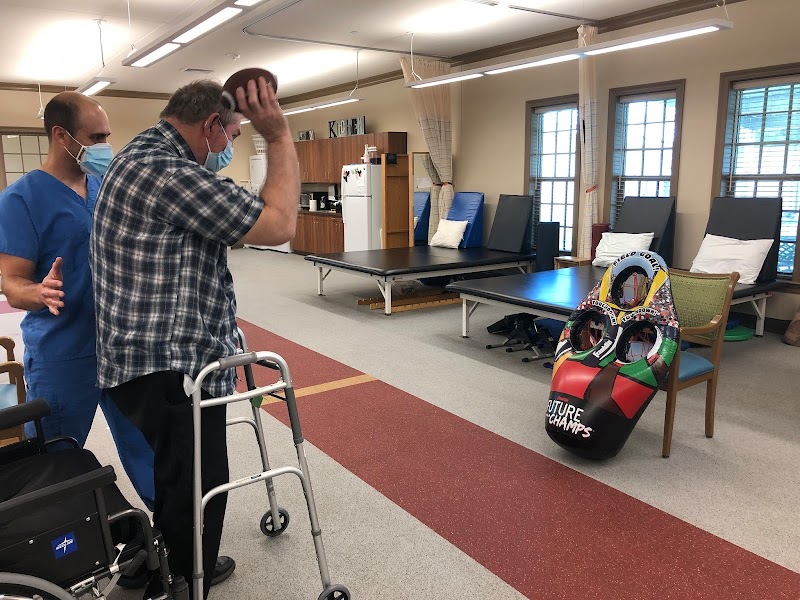
How is Camelot Rehabilitation At Magnolia Park Staffed?

CMS rates CAMELOT REHABILITATION AT MAGNOLIA PARK's staffing level at 1 out of 5 stars, which is much below average compared to other nursing homes. Staff turnover is 55%, which is 9 percentage points above the Louisiana average of 46%. High turnover can affect care consistency as new staff learn residents' individual needs. RN turnover specifically is 57%, which is notably high. RNs provide skilled clinical oversight, so turnover in this role can affect medical care quality.

What Have Inspectors Found at Camelot Rehabilitation At Magnolia Park?

State health inspectors documented 50 deficiencies at CAMELOT REHABILITATION AT MAGNOLIA PARK during 2022 to 2025. These included: 3 Immediate Jeopardy (the most serious level, indicating potential for serious harm or death) and 47 with potential for harm. Immediate Jeopardy findings are rare and represent the most serious regulatory concerns. They require immediate corrective action.

Who Owns and Operates Camelot Rehabilitation At Magnolia Park?

CAMELOT REHABILITATION AT MAGNOLIA PARK is owned by a for-profit company. For-profit facilities operate as businesses with obligations to shareholders or private owners. The facility is operated by PRIORITY MANAGEMENT, a chain that manages multiple nursing homes. With 160 certified beds and approximately 132 residents (about 82% occupancy), it is a mid-sized facility located in LAFAYETTE, Louisiana.
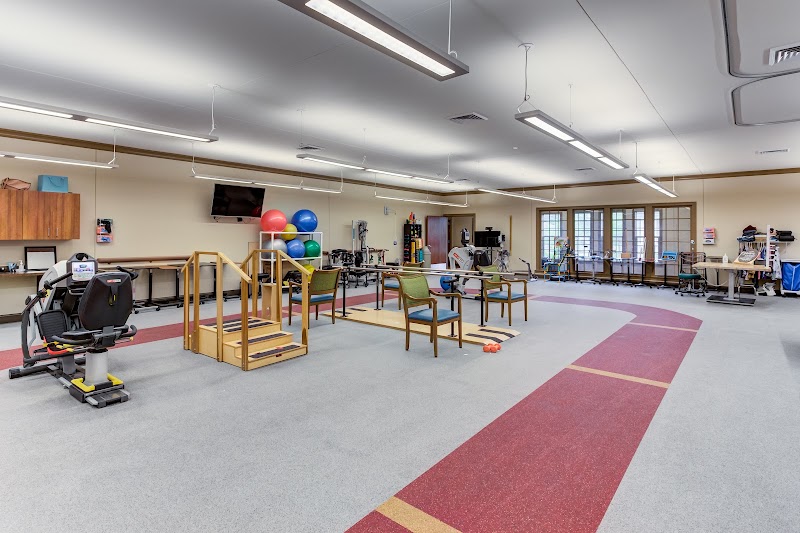
How Does Camelot Rehabilitation At Magnolia Park Compare to Other Louisiana Nursing Homes?

Compared to the 100 nursing homes in Louisiana, CAMELOT REHABILITATION AT MAGNOLIA PARK's overall rating (1 stars) is below the state average of 2.4, staff turnover (55%) is near the state average of 46%, and health inspection rating (1 stars) is much below the national benchmark.

What Should Families Ask When Visiting Camelot Rehabilitation At Magnolia Park?

Based on this facility's data, families visiting should ask: "What changes have been made since the serious inspection findings, and how are you preventing similar issues?" "How do you ensure continuity of care given staff turnover, and what is your staff retention strategy?" "Can you walk me through typical staffing levels on day, evening, and night shifts?" "Can I visit during a mealtime to observe dining assistance and food quality?" These questions are particularly relevant given the facility's Immediate Jeopardy citations, the facility's high staff turnover rate, and the below-average staffing rating.

Is Camelot Rehabilitation At Magnolia Park Safe?

Based on CMS inspection data, CAMELOT REHABILITATION AT MAGNOLIA PARK has documented safety concerns. Inspectors have issued 3 Immediate Jeopardy citations (the most serious violation level indicating risk of serious injury or death). The facility has a 1-star overall rating and ranks #100 of 100 nursing homes in Louisiana. Families considering this facility should ask detailed questions about what corrective actions have been taken since these incidents.

Do Nurses at Camelot Rehabilitation At Magnolia Park Stick Around?

Staff turnover at CAMELOT REHABILITATION AT MAGNOLIA PARK is high. At 55%, the facility is 9 percentage points above the Louisiana average of 46%. Registered Nurse turnover is particularly concerning at 57%. RNs handle complex medical decisions and coordinate care — frequent RN changes can directly impact care quality. High turnover means new staff may not know residents' individual needs, medications, or preferences. It can also be disorienting for residents, especially those with dementia who rely on familiar faces. Families should ask: What is causing the turnover? What retention programs are in place? How do you ensure care continuity during staff transitions?

Was Camelot Rehabilitation At Magnolia Park Ever Fined?

CAMELOT REHABILITATION AT MAGNOLIA PARK has been fined $30,183 across 1 penalty action. This is below the Louisiana average of $33,381. While any fine indicates a compliance issue, fines under $50,000 are relatively common and typically reflect isolated problems that were subsequently corrected. Families should ask what specific issues led to these fines and confirm they've been resolved.

Is Camelot Rehabilitation At Magnolia Park on Any Federal Watch List?

CAMELOT REHABILITATION AT MAGNOLIA PARK is not on any federal watch list. The most significant is the Special Focus Facility (SFF) program, which identifies the bottom 1% of nursing homes nationally based on persistent, serious quality problems. Not being on this list means the facility has avoided the pattern of deficiencies that triggers enhanced federal oversight. This is a positive indicator, though families should still review the facility's inspection history directly.