LOUISIANA EXTENDED CARE HOSPITAL OF LAFAYETTE
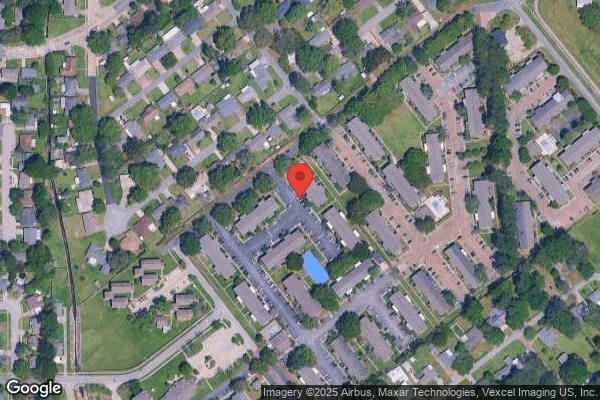
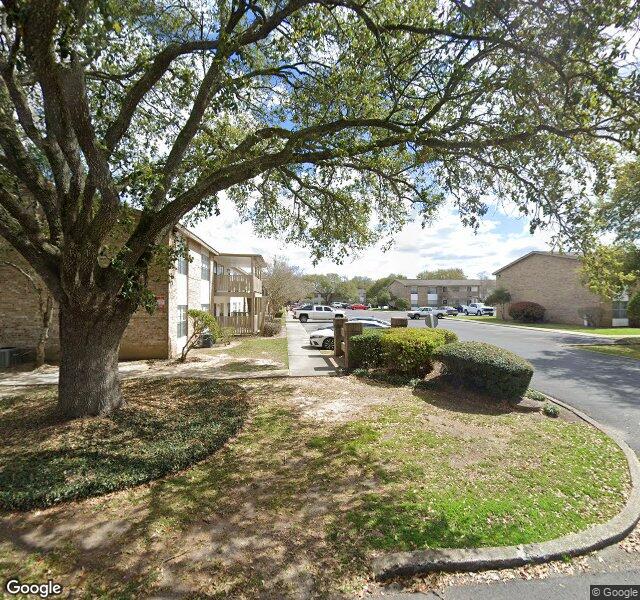
2810 AMBASSADOR CAFFERY PARKWAY, 5TH FLOOR, LAFAYETTE, LA 70506 (337) 289-8180
For profit - Limited Liability company 18 Beds PRIORITY MANAGEMENT Data: November 2025
Trust Grade
70/100
#87 of 264 in LA
Last Inspection: February 2025

Within standard 12-15 month inspection cycle. Federal law requires annual inspections.

Overview

The Louisiana Extended Care Hospital of Lafayette has a Trust Grade of B, indicating it is a good choice, though there may be some concerns. It ranks #87 out of 264 facilities in Louisiana, placing it in the top half, and #4 out of 10 in Lafayette County, meaning only three local options are better. However, the facility is experiencing a worsening trend, with issues increasing from 3 in 2024 to 4 in 2025. Staffing is a significant weakness here, with a rating of just 1 out of 5 stars, although the turnover rate is impressively low at 0%. Notably, the facility has not incurred any fines, which is a positive sign. On the downside, there were several concerning incidents reported, including failures to develop proper care plans for multiple residents, which can lead to inadequate treatment. Additionally, the facility did not maintain its infection prevention and control program effectively, lacking necessary training for the designated Infection Preventionist, which could pose risks to residents. Overall, while there are strengths, families should consider these weaknesses carefully when researching this facility.

Trust Score
B
70/100
In Louisiana
#87/264
Top 32%
Safety Record
Low Risk
No red flags
Inspections
Getting Worse
3 → 4 violations
Staff Stability
○ Average
Turnover data not reported for this facility.
Penalties
✓ Good
No fines on record. Clean compliance history, better than most Louisiana facilities.
Skilled Nurses
○ Average
RN staffing data not reported for this facility.
Violations
⚠ Watch
12 deficiencies on record. Higher than average. Multiple issues found across inspections.
★★★☆☆
3.0
Overall Rating
★☆☆☆☆
1.0
Staff Levels
★★★★★
5.0
Care Quality
★★★☆☆
3.0
Inspection Score
Stable
2024: 3 issues
2025: 4 issues

The Good

  • 5-Star Quality Measures · Strong clinical quality outcomes
  • Full Sprinkler Coverage · Fire safety systems throughout facility
  • No fines on record

Facility shows strength in quality measures, fire safety.

The Bad

3-Star Overall Rating

Above Louisiana average (2.4)

Meets federal standards, typical of most facilities

Chain: PRIORITY MANAGEMENT

Part of a multi-facility chain

Ask about local staffing decisions and management

The Ugly 12 deficiencies on record

Feb 2025 4 deficiencies
CONCERN (D)

Potential for Harm - no one hurt, but risky conditions existed

Transfer Notice (Tag F0623)

Could have caused harm · This affected 1 resident

**NOTE- TERMS IN BRACKETS HAVE BEEN EDITED TO PROTECT CONFIDENTIALITY** Based on record reviews and interview, the facility failed to notify the State Long Term care Ombudsman of facility-initiated tr...

Read full inspector narrative →
**NOTE- TERMS IN BRACKETS HAVE BEEN EDITED TO PROTECT CONFIDENTIALITY** Based on record reviews and interview, the facility failed to notify the State Long Term care Ombudsman of facility-initiated transfer for 1 (Resident #13) out of 1 sampled resident investigated for hospitalization. The deficient practice has the potential to affect a census of 10. Findings: Review of Resident #13's medical record revealed that the resident was admitted to the facility on [DATE] with a diagnosis that included but was not limited to stage 4 large cell neuroendocrine tumor. Review of Resident #13's physician orders revealed on 12/14/2024 transfer Resident #13 to the hospital. A request was made to S2DON on 02/17/2025 at 9:00 AM, and again at 12:15 PM for the facility's Emergency Transfer Log that was sent to the State Long Term Care Ombudsman. It was not received by time of exit. On 02/17/2025 at 1:15 PM, an interview was conducted with S2DON (Director of Nursing). She stated when the residents are transferred to the hospital she marks it on her paper calendar, and stated she was not aware she had to notify the Ombudsman when a resident was transferred out of the facility. S2DON confirmed Resident #13 was transferred out to the hospital on [DATE].
CONCERN (F)

Potential for Harm - no one hurt, but risky conditions existed

Deficiency F0655 (Tag F0655)

Could have caused harm · This affected most or all residents

**NOTE- TERMS IN BRACKETS HAVE BEEN EDITED TO PROTECT CONFIDENTIALITY** Based on record reviews and interview, the facility failed to develop and implement a person centered baseline care plan for 7 (...

Read full inspector narrative →
**NOTE- TERMS IN BRACKETS HAVE BEEN EDITED TO PROTECT CONFIDENTIALITY** Based on record reviews and interview, the facility failed to develop and implement a person centered baseline care plan for 7 (#65, #66, #67, #117, #165, #167 and #168) residents out of a total sample of 11 residents by: 1. Failing to develop a baseline care plan to include goals and interventions for a left wrist splint and pelvic fractures for Resident #65; 2. Failing to develop a baseline care plan to include goals and interventions for a cardiac defibrillator and right great toe fracture for Resident #66; 3. Failing to develop a baseline care plan to include goals and interventions for the use of Insulin for Resident #67; 4. Failing to develop a baseline care plan to include goals and interventions for the use of Insulin, Anticoagulant and Antianxiety medications for Resident #117; 5. Failing to develop baseline a care plan to include goals and interventions for the use of Antidepressant, Anticoagulant, Opioid and Diuretic medications for Resident #165; 6. Failing to develop a baseline care plan to include goals and interventions for the use of Antidepressant, Anticoagulant and Opioid medications for Resident #166; and 7. Failing to develop a baseline care plan to include goals and interventions for the use of Antidepressant, Insulin, Anticoagulant, Antipsychotic, Opioid medications and Wound care orders for Resident #168. Findings: Resident #65 Review of Resident #65's electronic medical record revealed the resident was admitted to the facility on [DATE] with a principal diagnosis of fracture of superior rim of left pubis. Other diagnoses included: other fracture of sacrum, other specified fracture of right acetabulum, unspecified fracture of the lower end of left radius, and fall. Review of Resident #65's February 2025 physician's orders revealed: 02/05/2025- Weight bearing: Non weight bearing LUE (Left Upper Extremity), keep limb elevate, keep splint c/d/i (clean/dry/intact) x (times) 2 weeks, encourage ROM (Range of Motion) of digits and PT (Physical Therapy) & OT (Occupational Therapy) Evaluation & Treatment for weakness & pain pelvic/radius fractures. Review of Resident #65's baseline care plan failed to identify and include resident centered interventions for the resident's left wrist fracture (resident's dominant hand) and limited ambulation due to pelvic fractures. Resident #66 Review of Resident #66's electronic medical record revealed the resident was admitted to the facility on [DATE] with a principal diagnosis of displaced fracture of proximal phalanx of right great toe. Other diagnoses included: atrial fibrillation, chronic embolism and thrombosis, contusion of right lower leg, contusion of right foot, fall on same level, atherosclerotic heart disease, presence of automatic (implantable) cardiac defibrillator, presence of aortocoronary bypass graft, and type 2 diabetes mellitus. Review of Resident #66's baseline care plan failed to identify and include resident centered interventions for the resident's right great toe fracture and presence of automatic (implantable) cardiac defibrillator.Resident #67 Review of Resident #67's electronic medical record revealed she was admitted to the facility on [DATE] with diagnoses which included, but were not limited to, type 2 diabetes mellitus. Review of Resident #67's February 2025 physician's orders revealed the following orders dated 02/07/2025 Insulin Aspart 7 units three times daily with meals. Review of Resident #67's baseline care plan revealed no goals or interventions for the use of Insulin Aspart. Resident #117 Review of Resident #117's electronic medical record revealed he was admitted to the facility on [DATE] with diagnoses which included, but were not limited to, atrial fibrillation, type 2 diabetes mellitus, and anxiety, Review of Resident #117s February 2025 physician's order revealed the following orders dated 01/28/2025: Apixaban (anticoagulant) 2.5mg by mouth twice a day, Buspirone (antianxiety) 5mg by mouth three times a day, and Insulin subcutaneous four times a day before meals and at night. Review of Resident #117's baseline care plan revealed no goals or interventions for the use of Apixaban, Buspirone, and Insulin. Resident #165 Review of Resident #165's electronic medical record revealed she was admitted to the facility on [DATE] with diagnoses which included, but were not limited to, empyema of pleura, coronary artery disease, atrial fibrillation, depression, and history of anxiety. Review of Resident #165's February 2025 physician's orders revealed the following orders dated 02/13/2025: Duloxetine DR capsule 30 mg oral daily; Duloxetine DR capsule 60 mg oral daily; Apixaban tablet 5 mg oral 2 times daily; and Hydrocodone-Acetaminophen 5-325 mg oral every 6 hours PRN (as needed). Further review revealed the following order dated 02/14/2024: Furosemide tablet 20 mg (milligrams) oral two times daily. Review of Resident #165's baseline care plan revealed no goals or interventions for the use of Duloxetine (antidepressant), Apixaban (anticoagulant), Hydrocodone-Acetaminophen (opioid) and Furosemide (diuretic). Resident #166 Review of Resident #166's electronic medical record revealed he was admitted to the facility on [DATE] with diagnoses which included, but were not limited to, alcohol abuse with withdrawals, alcoholic liver disease, and generalized anxiety disorder. Review of Resident #166's February 2025 physician's order revealed the following orders dated 02/14/2025: Escitalopram oxalate tablet 20mg oral daily; Enoxaparin injection 40 mg subcutaneous daily; and Hydrocodone-Acetaminophen 5-325 mg oral every 6 hours PRN. Review of Resident #166's baseline care plan revealed no goals or interventions for the use of Escitalopram (antidepressant), Enoxaparin (anticoagulant), and Hydrocodone-Acetaminophen (opioid). Resident #168 Review of Resident #168's electronic medical record revealed he was admitted to the facility on [DATE] with diagnoses which included, but were not limited to, aftercare for amputation, diabetes mellitus, type 2, and peripheral artery disease. Review of Resident #168's February 2025 physician's order revealed the following orders dated 02/14/2025: Duloxetine DR capsule 60mg oral daily; Insulin aspart U-100 (100 units per milliliter) injection 12 units subcutaneous 3 times daily; Insulin glargine U-100 injection 45 units subcutaneous 3 times daily; and Insulin aspart U-100 injection 0-5 units subcutaneous before meals and nightly PRN. Further review revealed the following order dated 02/15/2024: Heparin injection 5,000 units subcutaneous every 8 hours. Further review revealed the following orders dated 02/16/2025: Buspirone tablet 5 mg oral 3 times daily and Oxycodone tab 10 mg oral every 6 hours PRN. Further review revealed the following orders dated 02/17/2024: Coccyx-Clean with wound cleaner. Apply zinc oxide ointment. Leave OTA (open to air) daily. Further review revealed the following orders dated 02/18/2024: Rt (right) leg-Clean incision site with NS (normal saline). Apply xeroform gauze. Wrap with kerlix and ace bandage q (every) 2 days. Review of Resident #168's baseline care plan revealed no goals or interventions for the use of Duloxetine (antidepressant), Insulin apart, Insulin glargine, Heparin (anticoagulant), Buspirone (antipsychotic), and Oxycodone (opioid). Further review revealed no goals or interventions for wound care orders to coccyx and right leg. On 02/19/2025 at 2:30 PM, an interview and record reviews were conducted with S1CNO (Chief Nursing Officer). He reviewed the above findings and confirmed them. He stated when a resident is admitted into the facility the computer system generated care plans with generalized interventions that are not resident specific.
CONCERN (F)

Potential for Harm - no one hurt, but risky conditions existed

Infection Control (Tag F0880)

Could have caused harm · This affected most or all residents

**NOTE- TERMS IN BRACKETS HAVE BEEN EDITED TO PROTECT CONFIDENTIALITY** Based on observations, interviews, and record review, the facility failed to maintain an infection prevention and control progra...

Read full inspector narrative →
**NOTE- TERMS IN BRACKETS HAVE BEEN EDITED TO PROTECT CONFIDENTIALITY** Based on observations, interviews, and record review, the facility failed to maintain an infection prevention and control program (IPCP) designed to provide a safe and sanitary environment to help prevent the development and transmission of infection. The facility failed to ensure: 1. The facility's IPCP and its standards, policies and procedures were reviewed at least annually, and 2. Enhanced Barrier Precautions (EBP) were in place for Resident #115. This had the potential to affect the census of 10. Findings: 1. On 02/17/2025 at 3:00 PM, a review of the facility's following IPCP policies and procedures revealed the following: -Resident Pneumococcal Vaccination program effective date 09/01/2020 with no revised date; -COVID- 19 Vaccination Program effective 11/01/2021 with no revised date; -Resident Influenza Vaccination Program effective 09/01/2020 with revised date of 01/01/2022; -Infection Control Committee effective date 09/01/2020 with no revised date; and -Infection Control Plan effective date 09/01/2020 with no revised date. On 02/18/2025 at 2:00 PM, an interview was conducted with S1CNO (Chief Nursing Officer) who confirmed he was the facility's designated Infection Preventionist (IP). He confirmed the above listed policies and procedures had not been reviewed annually and should have been. 2. Resident #115 Resident # 115 was admitted to the facility on [DATE] with diagnoses which included, but were not limited to urinary tract infection. Review of Resident #115 physician orders read in part . Foley to Gravity. On 02/17/2025 at 10:00 AM, an observation was conducted of Resident #115 in her room. The resident stated she was waiting on a nurse to assist her to the bathroom. Resident #115 had a foley catheter (would state where observed -hanging from). At 10:03 AM a nurse aide walked into Resident #115's room, and assisted her to the bathroom without the use of PPE (protective personal equipment). Further observation revealed No EBP signs in the resident's room or on her door to alert staff. On 02/17/2025 at 10:50 AM, a second observation was conducted of Resident #115 in her room. The resident e was sitting upright in her chair, and her Foley catheter was covered and hanging on her walker. There were still no signs in the resident's room or on her door to indicate she was on EBP. On 02/18/2025 at 1:45 PM, an interview was conducted with S3LPN (Licensed Practical Nurse) who stated Resident #115's Foley catheter was discontinued yesterday (02/17/2025) in the afternoon. When asked if the resident was on enhanced barrier precautions, S3LPN asked if that was securing the foley tubing on the resident's leg. On 02/18/2025 at 1:56 PM, an interview was conducted with S2DON (Director of Nursing) who stated the facility used contact precautions, airborne precautions, and droplet precautions. She further stated she was unsure what enhanced barrier precautions were. On 02/18/2025 at 2:30 PM, an interview was conducted with S1CNO. He stated he did not know what enhanced barrier precautions were or which residents met that criteria.
CONCERN (F)

Potential for Harm - no one hurt, but risky conditions existed

Deficiency F0882 (Tag F0882)

Could have caused harm · This affected most or all residents

Based on interviews and record reviews, the facility failed to ensure that the individual designated as the Infection Preventionist (IP) had the appropriate knowledge and skills required as evidenced ...

Read full inspector narrative →
Based on interviews and record reviews, the facility failed to ensure that the individual designated as the Infection Preventionist (IP) had the appropriate knowledge and skills required as evidenced by failing to complete specialized Infection Prevention and Control training. This deficient practice had the potential to affect a census of 10 residents. Findings: On 02/18/2025 at 2:00 PM, an interview was conducted with S1CNO (Chief Nursing Officer) who confirmed he was the facility's designated IP and did not have an Infection Preventionist certificate. S1CNO stated the former IP resigned in April 2024 and denied receiving any specialized training from the former IP regarding the facility IP's duties and roles. S1CNO confirmed he had not reviewed the facility's Infection Prevention and Control Program (IPCP) policies and procedures for the year. S1CNO also was not aware what Enhanced Barrier Precautions (EBP) involved. On 02/19/2025 at 1:42 PM, an interview was conducted with S1CNO and S4ADM (Administrator). S1CNO explained a certified DON (Director of Nursing) at another facility deemed him competent as Infection Control Nurse. S4ADM stated he would go through S1CNO's personnel file to locate the copy of the certification. On 02/19/2025 at 2:13 PM, S4ADM stated when staff are employed as DON they must complete IP training which S1CNO completed on July 21, 2022. A review of a document titled, Infection Control Nurse Competency Checklist, with a last revised date of 07/2019 revealed S1CNO had not completed the required specialized Infection Prevention and Control training.
Jan 2024 3 deficiencies
CONCERN (D)

Potential for Harm - no one hurt, but risky conditions existed

Deficiency F0657 (Tag F0657)

Could have caused harm · This affected 1 resident

**NOTE- TERMS IN BRACKETS HAVE BEEN EDITED TO PROTECT CONFIDENTIALITY** Based on record review and interview, the facility failed to revise the resident's care plan for 1 (#63) resident out of a total...

Read full inspector narrative →
**NOTE- TERMS IN BRACKETS HAVE BEEN EDITED TO PROTECT CONFIDENTIALITY** Based on record review and interview, the facility failed to revise the resident's care plan for 1 (#63) resident out of a total sample of 15 residents. Findings: Review of the facility's policy titled, The Nursing Process- Care Planning, read in part .Nursing Process: The nursing process is an organized, systematic method of providing individualized nursing care that focuses on the resident's response to an actual or potential alteration in health .The process is ever - changing as the resident's identified needs change and/or problems are resolved. Resident #63 was admitted to the facility on [DATE] with diagnoses, in part . Displaced Supracondylar Fracture without Intercondylar Fracture of Right Humerus, Chronic Pain, Anxiety and Depression. Review of Resident #63's nursing progress notes revealed, in part, the following note dated 01/06/2024: I was assisting pt (patient) in bathroom, pt's phone rang, I handed the pt the phone and pt states to receiver, can you bring me a rope because I want to kill myself. I waited for pt to end call. I asked pt what is wrong. I asked pt if statement about killing herself is serious. Pt. stated yes and no I need someone to come get my laundry. I stated to pt. that we take these statements serious here. NP (Nurse Practitioner) aware, no new orders at this time. Re-educated pt about the seriousness of these statements and to please let staff know when she needs assistance. Will continue to monitor. Review of Resident #63's plan of care revealed the following, in part . Goal: Optimal Comfort and Well Being with interventions, in part, to acknowledge emotional response to hospitalization and recognize and utilize personal coping strategies. The care plan did not include interventions to address the resident stating she wanted a rope to hang herself on 01/06/2024. On 01/09/2024 at 2:41 p.m., an interview and record review of Resident #63's plan of care was conducted with S1DONIP (Director of Nursing/Infection Preventionist).When asked about the resident stating that she wanted a rope to hang herself, she stated that their intervention was to educate the patient on refraining from saying such things because it was serious. S1DONIP confirmed that Resident #63's care plan was not updated to include any new interventions after the incident on 01/06/2024, when the resident stated that she wanted a rope to hang herself.
CONCERN (E)

Potential for Harm - no one hurt, but risky conditions existed

Food Safety (Tag F0812)

Could have caused harm · This affected multiple residents

Based on observation, interview, and record review, the facility failed to store food in accordance with professional standards for food service and failed to ensure sanitary conditions were maintaine...

Read full inspector narrative →
Based on observation, interview, and record review, the facility failed to store food in accordance with professional standards for food service and failed to ensure sanitary conditions were maintained in the kitchen by failing to: 1. Ensure compromised cans in the dry storage room were disposed of 2. Ensure opened food items were labeled with the date and time 3. Ensure scoops were not stored inside bins of flour, and rice This deficient practice had the potential to affect the 9 residents who consumed food from the kitchen. The facility's census was 9. Findings: On 1/8/2024 at 8:59 a.m., the following observations of the kitchen were made with S2DM (Dietary Manager): An observation of the contents inside the dry goods storage room revealed the following compromised cans: 3 cans of sliced peaches in light syrup, and 1 can of country sausage gravy. S2DM confirmed the cans were compromised and were on the shelves to be used. An observation of the contents inside the dry goods storage room shelf revealed the following opened bottles and cans that were not labeled with the date and time: parsley flakes, soy sauce, 2 cans of spicy salt free cajun seasoning, lemon pepper seasoning, 2 cans of bread crumbs, 2 boxes of brown sugar, and white vinegar. S2DM confirmed the bottles and cans were opened and should have been labeled with the date and time that it was opened. An observation was conducted of two separate bins that contained long grain rice and flour. Both bins had scoops stored in them. S2DM confirmed scoops should not be stored in the bins of flour and rice.
CONCERN (F)

Potential for Harm - no one hurt, but risky conditions existed

Comprehensive Care Plan (Tag F0656)

Could have caused harm · This affected most or all residents

**NOTE- TERMS IN BRACKETS HAVE BEEN EDITED TO PROTECT CONFIDENTIALITY** Review of Resident #163's health record revealed he was admitted to the facility on [DATE] with diagnoses including Hypoxia, COV...

Read full inspector narrative →
**NOTE- TERMS IN BRACKETS HAVE BEEN EDITED TO PROTECT CONFIDENTIALITY** Review of Resident #163's health record revealed he was admitted to the facility on [DATE] with diagnoses including Hypoxia, COVID 19, Chronic Obstructive Pulmonary Disease, Chronic Hypoxemic Respiratory Failure, and Congestive Heart Failure. Review of Resident #163's current physician's order revealed an order dated 01/05/2024 for Oxygen continuous, Low flow, Nasal Cannula (NC) (1-5 Liters), LPM (Liters per minute) 2 to maintain Sp02 >= (greater than or equal to) 90%. Review of Resident #163's care plan revealed no goals or interventions for the use of Oxygen. Review of Resident #164's health record revealed he was admitted to the facility on [DATE] with diagnoses including Candidal cystitis and urethritis, Acute kidney failure, Hypertensive chronic kidney disease, Chronic kidney disease, Type 2 Diabetes Mellitus with diabetic chronic kidney disease, Malignant neoplasm of prostate, and Other retention of urine. Review of Resident #164's current physician's order revealed an order dated 12/29/2023 for Foley (Catheter) to Gravity. Review of Resident #164's care plan revealed no goals or interventions for the use of Foley to Gravity. 1/9/2024 at 2:00 p.m., an interview and record reviews were conducted with S1DONIP (Director of Nursing/Infection Preventionist). On 01/09/2024 at 2:13 p.m., an interview and record review of Resident #3's plan of care was conducted with S1DONIP. When asked where interventions were for the resident's diagnoses of Major Depressive Disorder and Anxiety, she stated that the resident was care planned for optimal comfort and well-being. However, the plan of care did not directly address Anxiety and Depression. S1DONIP also stated that there were no interventions or area for the monitoring of the side effects of his psychiatric medications. S1DONIP was then asked where Resident #3's plan of care addressed his diagnosis of Diabetes. S1DONIP confirmed that Resident #3's plan of care did not address the resident's diagnosis of Diabetes. A review of Resident #163's and Resident #164's care plans were then conducted with S1DONIP. S1DONIP confirmed that Resident #163's care plan did not have a care plan developed for the use of Oxygen. S1DONIP also confirmed that Resident #164's care plan was not developed to include goals or interventions for the resident's Foley catheter. A review of Resident #10's, Resident #113 and Resident #114's care plans were then conducted with S1DONIP. S1DONIP confirmed Resident #10's heels were not floated and they have not been floated since his admit into the facility, and that his care plan did not address his Apixaban use. She also confirmed Resident #113, and Resident #114's plan of care failed to address goals and interventions for Resident #113, and Resident #114's preferences for activities. S1DONIP further confirmed the facility's system did not develop comprehensive person-centered care plans for Residents #3, #10, #113, #114, #163 and #164 that included measurable objectives and timeframes to meet the residents' medical, nursing, and mental and psychosocial needs. Resident #10 Resident #10 was admitted to the facility on [DATE] with diagnoses in part: Acute Respiratory Failure, and Atherosclerotic Heart Disease of Native Coronary Artery without Angina Pectoris. Review of Resident #10's physician's orders dated for revealed the following order: Apixaban (blood thinner) 5 milligrams 1 tablet by mouth twice a day. Review of Resident #10's plan of care read in part: Prevent skin injury, intervention: float heels off bed, avoid pressure on the Achilles tendon. Resident #10's plan of care failed to include interventions for the resident's use of Apixaban. On 1/9/2024 at 9:18 a.m., an observation revealed Resident #10 in bed with his heels not floated, and touching the bed. Resident #113 Resident #113 was admitted to the facility on [DATE] with diagnosis in part: Schizophrenia. Review of Resident #113's plan of care failed to address goals and interventions for Resident #113's preferences for activities. Resident #114 Resident #114's was admitted to the facility on [DATE] with diagnosis in part: Encephalopathy, Acute Kidney Failure, Chronic Kidney Disease, and Unspecified Dementia. Review of Resident #114's plan of care failed to address goals and interventions for Resident #114's preferences for activities. Based on record reviews and interview, the facility failed to develop and implement a person centered care plan for 6 residents (#3, #10, #113, #114, #163, #164) out of a final sample of 15 residients as evidenced by: 1. Failing to develop a care plan to include goals and interventions for the resident's diagnoses of Diabetes Mellitus, Anxiety and Major Depressive Disorder for Resident #3; 2. Failing to include interventions for the use of antianxiety, antiepressant, and diabetic medication for Resident #3; 3. Failing to follow care plan by not floating heels for Resident #10; 4. Failing to develop a care plan to include interventions for Apixaban (blood thinner) for Resident #10; 5. Failing to develop a care plan to include interventions for Resident #113's and Resident #114's activities; 6. Failing to develop a care plan to include goals and interventions for the use of Oxygen for Resident #163, and 7. Failing to develop a cae plan to include goals and interventions for the use of Foley catheter for Resident #164. The facility's census was 9 residents. Findings: Review of the facility's policy titled The Nursing Process- Care Planning read in part .Purpose: To provide each resident with an individualized plan of nursing care .To aid the nursing staff in performing nursing activities in a goal-directed manner .Nursing Plan of Care: The nursing plan of care provides a collaborative/systematic method of individualized nursing care that focuses on the resident's response to an actual or potential alteration in health based on resident assessment .it communicates pertinent resident problems/needs, delineates appropriate medical and nursing interventions to meet these needs, and documents the effectiveness of those interventions in the medical record. Resident #3 was admitted to the facility on [DATE] with diagnoses in part: Status Post Lumbar Fusion, Diabetes Mellitus, and Major Depressive Disorder, and Anxiety. Review of Section N, Medications, of Resident #3's Comprehensive MDS (Minimum Data Set) assessment dated [DATE] revealed the resident received antianxiety, antidepressant, and hypoglycemic medications. Review of Resident #3's physician's orders for January 2024 revealed the following orders: Duloxetine DR (Delayed Release) Capsule (an antidepressant) 60 mg (milligrams) daily and Insulin Aspart ACHS (With Meals, Hours of Sleep) 0-5 units. Review of Resident #3's plan of care failed to reveal goals or interventions for the resident's diagnoses of Diabetes Mellitus, Anxiety, and Major Depressive Disorder and also failed to include interventions for the resident's use of Insulin Aspart and Duloxetine.
Jan 2023 5 deficiencies
CONCERN (D)

Potential for Harm - no one hurt, but risky conditions existed

MDS Data Transmission (Tag F0640)

Could have caused harm · This affected 1 resident

**NOTE- TERMS IN BRACKETS HAVE BEEN EDITED TO PROTECT CONFIDENTIALITY** Based on record reviews and interview, the facility failed to transmit Minimum Data Sets (MDS) Assessments timely for 2 resident...

Read full inspector narrative →
**NOTE- TERMS IN BRACKETS HAVE BEEN EDITED TO PROTECT CONFIDENTIALITY** Based on record reviews and interview, the facility failed to transmit Minimum Data Sets (MDS) Assessments timely for 2 residents reviewed (Resident #1, #5). This deficient practice had the potential to affect any of the 15 residents who reside in the facility as listed on the Resident Census and Conditions Form. Findings: Resident #1 Review of Resident #1's Discharge MDS (Minimum Data Set) ARD (Assessment Reference Date) [DATE] was not transmitted. The status was waiting for signoff. In an interview on [DATE] at 3:05 p.m., with S1DON, she verified Resident #1 died on [DATE] and the Discharge assessment-return not anticipated MDS was not transmitted, status was waiting for signoff. Resident #5 Review of Resident #5's discharge summary revealed the resident was discharged on [DATE]. Review of Resident #5's electronic clinical record revealed that a discharge assessment was not completed within 14 days after the resident was discharged from the facility. In an interview on [DATE] 3:23 p.m. with S1DON, she stated Resident #5 was admitted to the facility on [DATE] and discharged [DATE]. She stated she was unable to locate a discharge MDS assessment.
CONCERN (D)

Potential for Harm - no one hurt, but risky conditions existed

Tube Feeding (Tag F0693)

Could have caused harm · This affected 1 resident

**NOTE- TERMS IN BRACKETS HAVE BEEN EDITED TO PROTECT CONFIDENTIALITY** Based on observations, record review and interview, the facility failed to ensure nursing staff labeled the resident's tube feed...

Read full inspector narrative →
**NOTE- TERMS IN BRACKETS HAVE BEEN EDITED TO PROTECT CONFIDENTIALITY** Based on observations, record review and interview, the facility failed to ensure nursing staff labeled the resident's tube feeding per the facility's policy for 1 (#69) of 1 residents investigated for tube feeding in a final sample of 8 residents. Findings: Review of the facility's policy titled, Nasogastric/Enteral Tubes/Feedings read in part, continuous nasogastric/enteric feeding bags and tubing shall be labeled and changed at least every 24 hours .Ready to hang feedings and tubing will be labeled and changed at least every 48 hours. Review of Resident #69's record revealed he was admitted to the facility on [DATE] with diagnoses including Hemiplegia and Hemiparesis following non-traumatic Intracerebral Hemorrhage affecting left non-dominate side and Dysphagia. The resident underwent a procedure for a feeding tube placement on 12/29/22. Review of the resident's current physician's orders revealed: 12/20/22 Isosource 1.5 Cal 1200 ml (milliliters) continuous tube feeding 50 ml/hr (milliliters per hour); free water flush 100 ml every 4 hours. Review of the resident's January 2023 MAR (Medication Administration Record) revealed no evidence of the dates and time each tube feeding was hung and changed. On 01/09/23 at 09:48 a.m., Resident #69 was observed in bed with a bag of tube feeding formula connected to a pump in progress. An observation of the tube feeding formula revealed a blank sticker on the front of the bag. The back of the bag, tubing, and pump was observed. There was no written label of the date and time the resident's tube feeding started. A bag of water was also observed connected to the feeding pump which was not labeled with a date and time. On 01/09/23 at 02:04 p.m., another observation of Resident #69 revealed his tube feeding was in progress via pump. The tube feeding remained without a date and time; the bag was almost empty. On 01/09/23 at 02:07 p.m., an interview was conducted with Resident #69's nurse. S2LPN stated that Resident #69 was admitted on [DATE] with Dysphagia following a Stroke and required continuous tube feedings via pump. She stated that the tube feeding formula bag and free water bag should be labeled with the date, time, nurse initials, patient name, patient room number, and the rate of infusion ml/hr each time the feeding is started per the facility's policy. An observation of Resident #69 was conducted with S2LPN at this time. S2LPN observed the resident's tube feeding setup and confirmed the formula and water bag were not labeled per the facility's protocol. S2LPN stated that the resident's formula should not run longer than 24 hours. S2LPN stated that she did not hang the feeding today and was not sure of the date or time when the resident's feeding was started. On 01/09/23 at 02:37 p.m., S1DON stated that the nurses should label the tube feeding formula and free water bag with either the date/time it was initially hung or date it needed to be taken down. She stated that Resident #69 received a continuous tube feeding via pump of ready to hang formula which should be changed every 48 hours per the facility's policy. She was informed that Resident #69's formula was not labeled and was asked if she knew of the date/time his current feeding started. S1DON stated she was not sure of when the resident's tube feeding began. S1DON was asked to provide documentation of the resident's feeding administration records since his admission through 01/09/23. On 01/10/23 at 12:57 p.m., in another interview, S1DON stated that she reviewed Resident #69's MAR and nursing flow sheets, but could not find any evidence of the dates/times the resident's tube feedings were hung.
CONCERN (D)

Potential for Harm - no one hurt, but risky conditions existed

Deficiency F0726 (Tag F0726)

Could have caused harm · This affected 1 resident

Based on observation, interviews and record review, the facility's nursing services failed to demonstrate appropriate competencies and skill sets by failing to ensure an oxygen order for 1 (#9) of 8 s...

Read full inspector narrative →
Based on observation, interviews and record review, the facility's nursing services failed to demonstrate appropriate competencies and skill sets by failing to ensure an oxygen order for 1 (#9) of 8 sampled residents in a facility with a census of 15 residents. Findings: Review of Resident #9's medical record revealed an admit date of 01/05/2022 and diagnosis which consisted of Heart failure, Obstructive Sleep Apnea on Bilevel Positive Airway Pressure (BiPAP), and Hypertension. Review of Resident #9's physician orders, dated 1/09/2023, revealed there was no order for oxygen. During an observation and interview, on 01/09/2023 at 09:30 a.m., Resident #9 was sitting up in his bed with oxygen in progress via nasal cannula. Interview held with Resident #9 who stated he was instructed by the staff at the facility to wear oxygen at night instead of his own Bilevel Positive Airway Pressure (BIPAP). On 01/10/23 at 12:09 p.m., an interview was conducted with S1DON (Director of Nursing). She stated that on 01/09/23 there was no order for oxygen PRN (as needed) or continuous. The order was placed on 01/10/23 at 12:53 a.m. On 01/10/23 at 1:41 p.m., an interview was conducted with S4MD. He stated Resident #9 was a personal patient of his and he was under the assumption that Resident had brought his BIPAP machine from home and was using that. He stated he did not realize the Resident was wearing Oxygen via Nasal Cannula versus a Bilevel Positive Airway Pressure (BiPAP). .
CONCERN (E)

Potential for Harm - no one hurt, but risky conditions existed

Respiratory Care (Tag F0695)

Could have caused harm · This affected multiple residents

Review of Resident #9's record revealed she was admitted to the SNF (Skilled Nursing Facility) on 01/05/2023 with diagnoses including Heart Failure and Obstructive Sleep Apnea On 1/09/23 at 9:38 a.m.,...

Read full inspector narrative →
Review of Resident #9's record revealed she was admitted to the SNF (Skilled Nursing Facility) on 01/05/2023 with diagnoses including Heart Failure and Obstructive Sleep Apnea On 1/09/23 at 9:38 a.m., Resident#9 was observed being taken to the therapy gym by staff. His nasal cannula was placed in a basin next to the bed. The cannula was not placed in a plastic bag. On 1/09/23 at 9:40 a.m., an interview and observation was conducted with S1DON. S1DON observed Resident #9's nasal cannula in the basin next to the bed without a plastic bag. S1DON stated the nasal cannula should be stored in a plastic bag when not in use. Based on observation record review and interview, the facility failed to ensure respiratory equipment was properly stored and labeled per the facility's policy for 4 (#8, #9, #68, and #69) of 4 residents investigated for respiratory care. This deficient practice had a potential to affect 9 residents receiving respiratory treatments according to the Resident Census and Conditions of Residents form dated 1/9/23. The facility's census was 15. Findings: Review of the facility's policy titled, Administration of Inhaled Medications read in part, Infection Control: Drain nebulizer after treatment and wipe off aerosol mask. Package nebulizer and mask in plastic bag following the treatment. New mask and nebulizer will be provided once a week. Review of the facility's policy titled, Replacement Schedule and Cleaning of Respiratory Therapy Supplies read in part, suction tubing and oral suction catheters (yankauer) will be replaced at least weekly and PRN. Suction canisters will be replaced at least weekly or when 3/4 full; whichever comes first. Resident #68 Review of Resident #68's record revealed she was admitted to the SNF (Skilled Nursing Facility) on 1/4/23 with diagnoses including Pneumonia, Acute Respiratory Failure with Hypoxia, and Pleural Effusion. Review of the resident's current physician's orders revealed: 1/7/23 albuterol-ipratropium 2.5 mg (milligrams)-0.5 mg/3 ml (milliliters) nebulizer solution 3 ml every 6 hours Review of the resident's January 2023 MAR (Medication Administration Record) revealed the resident's nebulizer treatments were administered on 1/7/23, 1/8/23, and on 1/9/23. On 01/09/23 at 11:23 a.m., Resident #68 was observed in bed and was not interviewable. Her nebulizer mask was observed connected to the medical air adapter on wall with its tubing hanging on the wall adapter. The mask was not in a plastic bag. Closer observations revealed the mask was not dated and had a thin cloudy film on the inner surface of the mask. On 01/09/23 at 01:59 p.m., another observation of Resident #68 revealed the resident's nebulizer mask hanging on the wall as it was observed previously. The mask was not inside a plastic bag. On 01/09/23 at 02:07 p.m., an interview was conducted with Resident #68's nurse. S2LPN stated that masks should be dated and stored in a plastic bag when not in use. She confirmed Resident 68's tubing should have been stored in a plastic bag. Resident #8 Review of Resident #8's record revealed she was admitted to the SNF on 11/15/22 with diagnoses including Streptococcal Meningitis, Pneumonitis, and Bacteremia. Review of the resident's current physician's orders revealed: 1/10/23 Oxygen PRN (as needed) 1 LPM (liters per minute) nasal cannula. Titrate oxygen per protocol 1-5 Liters. 1/3/23 albuterol-ipratropium 2.5 mg-0.5 mg/3 ml nebulizer solution 2 times daily and every 6 hours Review of the resident's January 2023 MAR revealed the resident's nebulizer treatments were administered on 1/2/23-1/5/23. Review of the resident's admission MDS (Minimum Data Set) dated 11/22/22 revealed she had a BIMS (Brief Interview for Mental Status) score of 15, indicating she was cognitively intact. On 01/09/23 at 10:17 a.m., Resident #8 was observed sitting in her wheelchair in her room. Her nebulizer mask was observed connected to and hanging from the medical air adapter. The mask had a thin cloudy film on the inner surface of the mask, was not dated, and not inside a plastic bag. The resident's nasal cannula was observed on the floor. The resident stated she had pneumonia, was administered oxygen and a breathing treatment recently. On 01/09/23 at 01:55 p.m., another observation of Resident #8 revealed the resident's nebulizer mask hanging on the wall as it was observed previously. The mask was not inside a plastic bag. The nasal cannula tubing was observed on the floor. On 01/11/23 at 09:38 a.m., Resident #8 was observed in bed with oxygen per nasal cannula at 3 liters per minute. Resident #8 stated she last had a breathing treatment on yesterday. Her nebulizer mask was observed hanging on the air port wall adapter and not stored in a plastic bag. The medication reservoir of the mask was observed with clear liquid droplets inside. On 01/11/23 at 09:50 a.m., an interview was conducted with Resident #8's nurse. S3LPN stated that the resident was on oxygen prn and received nebulizer treatments. Nebulizer masks and medication reservoir should be rinsed after use with water and wipes then air dried. Masks should be changed every week and dated with the date the new mask was put up. Masks should be stored in a plastic bag when not in use. An observation of Resident #8 was conducted with S3LPN at this time. S3LPN confirmed the resident's mask was hanging on the wall, not bagged, and not dated. She was not sure the last time the resident had a breathing treatment and that she had not administered one today. Resident #69 Review of Resident #69's record revealed he was admitted to the SNF on 12/30/22 with diagnoses including Hemiplegia and Hemiparesis following non-traumatic Intracerebral Hemorrhage affecting left non-dominate side, and Dysphagia. Review of the resident's current physician's orders revealed: 12/30/22 albuterol-ipratropium 2.5 mg-0.5 mg/3 ml nebulizer solution 3 ml every 4 hours prn wheezing 12/30/22 budesonide nebulizer solution 0.5 mg every 12 hours On 01/09/23 at 09:54 a.m., Resident #69 was observed in bed; he was not interviewable. The resident's family member was present in the room at this time. The resident's nebulizer mask was observed connected to the medical air adapter on wall with its tubing hanging on the wall adapter. The mask was not in a plastic bag and not dated. A thin cloudy film was observed on the inner surface of the mask. The resident's family member stated that the mask was used to administer the resident's breathing treatments. A 500 ml suction canister was also observed on the wall containing 350 ml of water and brown sediment. The resident's family member stated that he had remained in the facility with the resident for the past few days. He stated that the suction canister had contained debris for approximately 2-3 days and that he was not sure of the last time it had been changed. On 01/09/23 at 02:04 p.m., another observation of Resident #69 revealed the resident's nebulizer mask hanging on the wall as it was observed previously. The mask was not inside a plastic bag. The suction canister had not been changed. On 01/09/23 at 02:07 p.m., an interview was conducted with Resident #68's nurse. S2LPN stated that masks should be dated and stored in a plastic bag when not in use. An observation of Resident #69 was conducted with S2LPN at this time. S2LPN confirmed the resident's nebulizer mask hung on the wall exposed and not stored inside a plastic bag. She confirmed the mask had been used and not cleaned. She stated she was not sure how long the mask had been used or the last time it had been changed. She confirmed the contents of the canister and stated she was not sure how long the contents had been inside the canister. On 01/10/23 at 09:16 a.m., S1DON stated that the nurses on the floor administer breathing treatments and oxygen therapy. Nebulizer masks and nasal cannulas should be stored in plastic bags and nasal cannulas should not be on the floor. On 01/09/23 at 03:10 p.m., another interview was conducted with S1DON. She stated she was not sure how long Resident #69's suction setup had been in place. She stated that suction tubing and canisters should be changed as needed so that secretions inside do not sit for long periods of time.
CONCERN (E)

Potential for Harm - no one hurt, but risky conditions existed

Food Safety (Tag F0812)

Could have caused harm · This affected multiple residents

Based on observation, interview and record review, the facility failed to store food in accordance with professional standards for food service by failing to: 1. Ensure an expired food item was remov...

Read full inspector narrative →
Based on observation, interview and record review, the facility failed to store food in accordance with professional standards for food service by failing to: 1. Ensure an expired food item was removed from the kitchen's walk in cooler 2. Ensure opened food items were labeled with the date and time 3. Ensure expired tube feeding was removed from the kitchen This deficient practice had the potential to affect the 14 residents who consumed meals prepared and/or served from the facility kitchen and 1 resident who received tube feeding. Findings: On 1/9/2023 at 8:15 a.m., the following observations of the kitchen were made with S7DM (Dietary Manager): An observation of the contents inside the walk in cooler revealed an open bottle with a label that read Picante Sauce. The bottle had an expiration date of 11/02/2022. S7DM confirmed that the bottle had been opened and had an expiration date of 11/02/2022. She confirmed the bottle should not have been in the cooler. Further observation of the contents inside the walk in cooler revealed an opened bottle of mayonnaise. The bottle was not labeled with the date or time it was opened. Further observation revealed an open and bottle of Italian Dressing. The bottle was not labeled with the date or time that it was opened. S7DM confirmed the findings and said the containers of food items should have been labeled with the date and time each was opened. An observation of the contents inside the dry goods storage room revealed an opened 32 oz (ounce) bottle of browning and seasoning auce. The bottle was not labeled with date or time. S7DM confirmed the bottle was opened and should have been labeled with the date and time that it was opened. An observation was made of the tube feeding storage area. The tube feeding bags were stored in bins according to the type of tube feeding. S7DM stated the bags were for resident use. Further observation of the bins revealed 4 Novasource Renal tube feeding bags with an expiration date of 12/29/2022. S7DM confirmed the tube feeding bags had an expiration date of 12/29/2022 and should have been removed from the bin.
Understanding Severity Codes (click to expand)
Life-Threatening (Immediate Jeopardy)
J - Isolated K - Pattern L - Widespread
Actual Harm
G - Isolated H - Pattern I - Widespread
Potential for Harm
D - Isolated E - Pattern F - Widespread
No Harm (Minor)
A - Isolated B - Pattern C - Widespread

Questions to Ask on Your Visit

  • "Can I speak with families of current residents?"
  • "What's your RN coverage like on weekends and overnight?"

Our Honest Assessment

Strengths
  • • No major safety red flags. No abuse findings, life-threatening violations, or SFF status.
  • • No fines on record. Clean compliance history, better than most Louisiana facilities.
Concerns
  • • 12 deficiencies on record. Higher than average. Multiple issues found across inspections.
Bottom line: Mixed indicators with Trust Score of 70/100. Visit in person and ask pointed questions.

About This Facility

What is Louisiana Extended Care Hospital Of Lafayette's CMS Rating?

CMS assigns LOUISIANA EXTENDED CARE HOSPITAL OF LAFAYETTE an overall rating of 3 out of 5 stars, which is considered average nationally. Within Louisiana, this rating places the facility higher than 99% of the state's 100 nursing homes. This mid-range rating indicates the facility meets federal standards but may have areas for improvement.

How is Louisiana Extended Care Hospital Of Lafayette Staffed?

CMS rates LOUISIANA EXTENDED CARE HOSPITAL OF LAFAYETTE's staffing level at 1 out of 5 stars, which is much below average compared to other nursing homes.

What Have Inspectors Found at Louisiana Extended Care Hospital Of Lafayette?

State health inspectors documented 12 deficiencies at LOUISIANA EXTENDED CARE HOSPITAL OF LAFAYETTE during 2023 to 2025. These included: 12 with potential for harm.

Who Owns and Operates Louisiana Extended Care Hospital Of Lafayette?

LOUISIANA EXTENDED CARE HOSPITAL OF LAFAYETTE is owned by a for-profit company. For-profit facilities operate as businesses with obligations to shareholders or private owners. The facility is operated by PRIORITY MANAGEMENT, a chain that manages multiple nursing homes. With 18 certified beds and approximately 17 residents (about 94% occupancy), it is a smaller facility located in LAFAYETTE, Louisiana.

How Does Louisiana Extended Care Hospital Of Lafayette Compare to Other Louisiana Nursing Homes?

Compared to the 100 nursing homes in Louisiana, LOUISIANA EXTENDED CARE HOSPITAL OF LAFAYETTE's overall rating (3 stars) is above the state average of 2.4 and health inspection rating (3 stars) is at the national benchmark.

What Should Families Ask When Visiting Louisiana Extended Care Hospital Of Lafayette?

Based on this facility's data, families visiting should ask: "Can you walk me through typical staffing levels on day, evening, and night shifts?" "Can I visit during a mealtime to observe dining assistance and food quality?" "How do you handle medical emergencies, and what is your hospital transfer rate?" "Can I speak with family members of current residents about their experience?" These questions are particularly relevant given the below-average staffing rating.

Is Louisiana Extended Care Hospital Of Lafayette Safe?

Based on CMS inspection data, LOUISIANA EXTENDED CARE HOSPITAL OF LAFAYETTE has a clean safety record: no substantiated abuse findings (meaning no confirmed cases of resident harm), no Immediate Jeopardy citations (the most serious violation level indicating risk of serious injury or death), and is not on the Special Focus Facility watch list (a federal program monitoring the lowest-performing 1% of nursing homes). The facility has a 3-star overall rating and ranks #1 of 100 nursing homes in Louisiana. While no facility is perfect, families should still ask about staff-to-resident ratios and recent inspection results during their visit.

Do Nurses at Louisiana Extended Care Hospital Of Lafayette Stick Around?

LOUISIANA EXTENDED CARE HOSPITAL OF LAFAYETTE has not reported staff turnover data to CMS. Staff turnover matters because consistent caregivers learn residents' individual needs, medications, and preferences. When staff frequently change, this institutional knowledge is lost. Families should ask the facility directly about their staff retention rates and average employee tenure.

Was Louisiana Extended Care Hospital Of Lafayette Ever Fined?

LOUISIANA EXTENDED CARE HOSPITAL OF LAFAYETTE has no federal fines on record. CMS issues fines when nursing homes fail to meet care standards or don't correct problems found during inspections. The absence of fines suggests the facility has either maintained compliance or corrected any issues before penalties were assessed. This is a positive indicator, though families should still review recent inspection reports for the full picture.

Is Louisiana Extended Care Hospital Of Lafayette on Any Federal Watch List?

LOUISIANA EXTENDED CARE HOSPITAL OF LAFAYETTE is not on any federal watch list. The most significant is the Special Focus Facility (SFF) program, which identifies the bottom 1% of nursing homes nationally based on persistent, serious quality problems. Not being on this list means the facility has avoided the pattern of deficiencies that triggers enhanced federal oversight. This is a positive indicator, though families should still review the facility's inspection history directly.