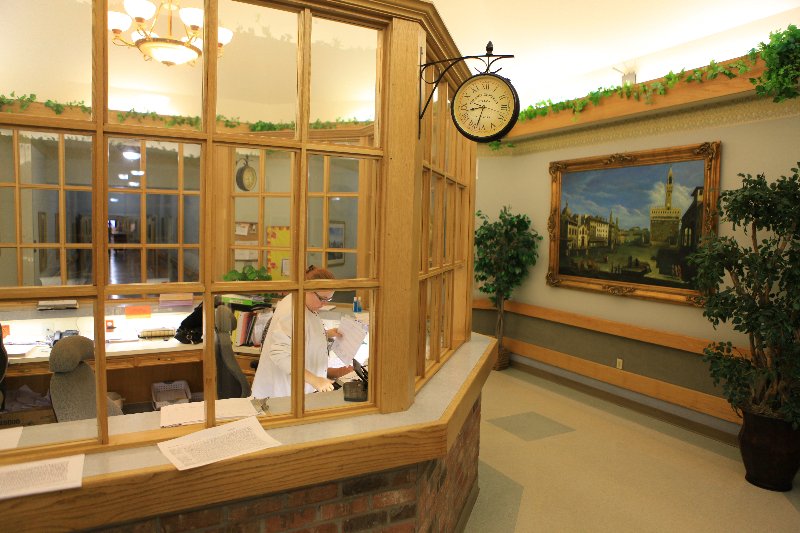
MAISON DE LAFAYETTE

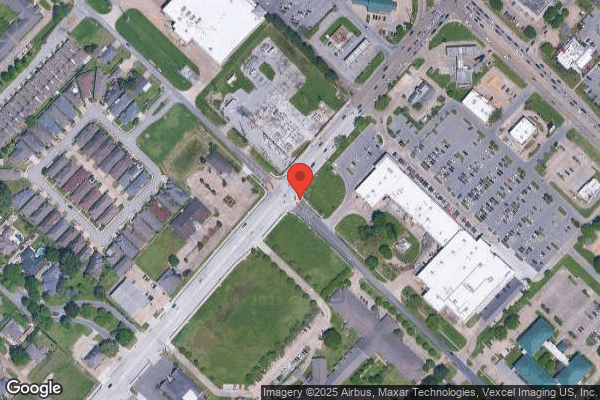
2707 KALISTE SALOOM ROAD, LAFAYETTE, LA 70508 (337) 981-2258
For profit - Limited Liability company 189 Beds Independent Data: November 2025 1 Immediate Jeopardy citation
Trust Grade
13/100
#224 of 264 in LA
Last Inspection: August 2025

Inspected within the last 6 months. Data reflects current conditions.

Overview

Maison de Lafayette has received a Trust Grade of F, indicating significant concerns about the quality of care provided. It ranks #224 out of 264 nursing homes in Louisiana, placing it in the bottom half, and #10 out of 10 in Lafayette County, meaning there are no local options that perform better. The facility is showing some improvement; issues decreased from 18 in 2024 to 16 in 2025. However, staffing is a major concern with a rating of only 1 out of 5 stars and a high turnover rate of 70%, which is well above the state average. Additionally, the facility has faced serious incidents, including a failure to monitor a resident with Type 1 Diabetes, which led to hospitalization, and instances of verbal abuse towards residents by staff. While there are strengths such as some compliance actions taken after the incidents, the overall picture suggests families should carefully consider these serious concerns when evaluating care options.

Trust Score
F
13/100
In Louisiana
#224/264
Bottom 16%
Safety Record
High Risk
Review needed
Inspections
Getting Better
18 → 16 violations
Staff Stability
⚠ Watch
70% turnover. Above average. Higher turnover means staff may not know residents' routines.
Penalties
✓ Good
$25,838 in fines. Lower than most Louisiana facilities. Relatively clean record.
Skilled Nurses
⚠ Watch
Each resident gets only 8 minutes of Registered Nurse (RN) attention daily — below average for Louisiana. Fewer RN minutes means fewer trained eyes watching for problems.
Violations
⚠ Watch
47 deficiencies on record. Higher than average. Multiple issues found across inspections.
★☆☆☆☆
1.0
Overall Rating
★☆☆☆☆
1.0
Staff Levels
★★☆☆☆
2.0
Care Quality
★★☆☆☆
2.0
Inspection Score
Stable
2024: 18 issues
2025: 16 issues

The Good

  • Full Sprinkler Coverage · Fire safety systems throughout facility
  • No fines on record

Facility shows strength in fire safety.

The Bad

1-Star Overall Rating

Below Louisiana average (2.4)

Significant quality concerns identified by CMS

Staff Turnover: 70%

23pts above Louisiana avg (46%)

Frequent staff changes - ask about care continuity

Federal Fines: $25,838

Below median ($33,413)

Moderate penalties - review what triggered them

Staff turnover is elevated (70%)

22 points above Louisiana average of 48%

The Ugly 47 deficiencies on record

1 life-threatening 1 actual harm
Aug 2025 11 deficiencies
CONCERN (D)

Potential for Harm - no one hurt, but risky conditions existed

Deficiency F0561 (Tag F0561)

Could have caused harm · This affected 1 resident

**NOTE- TERMS IN BRACKETS HAVE BEEN EDITED TO PROTECT CONFIDENTIALITY** Based on interview and record reviews, the facility failed to ensure the resident's right to make choices about aspects of her l...

Read full inspector narrative →
**NOTE- TERMS IN BRACKETS HAVE BEEN EDITED TO PROTECT CONFIDENTIALITY** Based on interview and record reviews, the facility failed to ensure the resident's right to make choices about aspects of her life that were significant to the resident for 1 (#49) resident out of a final sample of 56 residents. Findings: Review of the facility's policy titled Resident Rights, with a last revised date of February 2021, read in part: Federal and state laws guarantee certain basic rights to all residents of this facility. These rights include the resident's right to: e. self-determination.v. have the facility respond to his or her grievance. Review of Resident #49's EHR (Electronic Health Record) revealed she was admitted to the facility on [DATE] and had diagnoses including spastic diplegic cerebral palsy, major depressive disorder, and anxiety disorder.Review of Resident #49's quarterly MDS (Minimum Data Set) assessment dated [DATE] revealed the resident had a BIMS (Brief Interview for Mental Status) score of 15, indicating that her cognition was intact.On 08/11/2025 at 10:01 a.m., an interview was conducted with Resident #49. She stated that she had an issue with S15CNA (Certified Nursing Assistant) that began last year. She stated there were instances where she asked for assistance and S15CNA would not help her. She further stated S15CNA did not respect her wishes as far as assisting her with ADLs (Activities of Daily Living) in the way that she liked or in a way that would not increase her pain due to her diagnoses (spastic diplegic cerebral palsy) of which she experiences pain all of the time. Resident #49 went on to say that S15CNA was fired, but recently got rehired. She had spoken with the previous administrator, S5ADON (Assistant Director of Nursing), and S2DON (Director of Nursing) about her issue with S15CNA, and stated she did not want her as her CNA because the CNA made her uncomfortable, and she did not like the way the CNA cared for her. Resident #49 stated S2DON told her that she just had to get used to S15CNA. The former administrator, S5ADON and S2DON also told her that they didn't move resident rooms or CNA assignments. The resident stated she felt she should not have to be cared for by someone who made her uncomfortable. On 08/12/2025 at 1:43 p.m., an interview was conducted with S2DON and S5ADON. Both confirmed that approximately three to four weeks ago, a conversation was had with Resident #49 regarding S15CNA. S2DON stated that Resident #49 reported to both of them that she did not want S15CNA to be her CNA, but when asked if S15CNA had done something, Resident # 49 could not give an answer, only that she just did not like the CNA. S2DON further stated that she told Resident #49 during that meeting that she could not simply move CNAs around because she did not like someone. There had to have a legitimate reason to move the CNA or not allow the CNA to work with her. She stated that if she removed the resident from the CNA's assignment, it would not be fair to the CNA. As a solution, to protect S15CNA, she told S15CNA to have another CNA go in the room with her so that the resident could not say anything occurred that did not occur. S2DON did not remove S15CNA from Resident #49's room assignment as the resident requested.
CONCERN (D)

Potential for Harm - no one hurt, but risky conditions existed

Deficiency F0568 (Tag F0568)

Could have caused harm · This affected 1 resident

**NOTE- TERMS IN BRACKETS HAVE BEEN EDITED TO PROTECT CONFIDENTIALITY** Based on record review and interviews, the facility failed to ensure individual financial records were provided to the resident ...

Read full inspector narrative →
**NOTE- TERMS IN BRACKETS HAVE BEEN EDITED TO PROTECT CONFIDENTIALITY** Based on record review and interviews, the facility failed to ensure individual financial records were provided to the resident through quarterly statements for 1 (Resident #35) out of 56 residents included in the sample.Findings:On 08/11/2025 at 3:54 p.m., an interview was conducted with Resident #35. Resident #35 stated she had not received quarterly statements for her personal funds account.On 08/12/2025, a review of Resident #35's Minimum Data Set (MDS) dated [DATE] revealed the resident had a Brief Interview for Mental Status (BIMS) score of 11, which indicated moderately impaired cognition.On 08/12/2025, a review of Resident #35's admission Record revealed resident was admitted to the facility on [DATE] with diagnoses which included in part, unspecified dementia, Parkinson's disease, and Alzheimer's disease. Further review under the Contacts section revealed Resident #35's Responsible Party (RP) was a family member.On 08/13/2025 at 10:39 a.m., an interview was conducted with S9OD (Office Director). She stated if a resident was his or her own RP, then the quarterly statements were given to the resident, if not, the statements were mailed to the resident's RP.On 08/13/2025 at 10:50 a.m., a telephone interview was conducted with Resident #35's RP. Resident #35's RP confirmed the resident did have a personal funds account at the facility. Resident #35's RP stated she had not received quarterly statements from the facility.On 08/13/2025 at 11:00 a.m., an interview was conducted with S9OD. She confirmed that a resident with an admission date in April of 2025 should have received a quarterly statement in June of 2025.On 08/13/2025 at 1:43 p.m., an interview was conducted with S9OD. S9OD confirmed that Resident #35 had a trust account at the facility. S9OD could not provide evidence that Resident #35 received a quarterly statement or that a quarterly statement was mailed to Resident #35's RP.On 08/13/2025, a review of the facility's policy titled, Resident Trust Fund Policy, indicated the following: Accounting and Recordkeeping.The individual financial record shall be available through quarterly statements.
CONCERN (D)

Potential for Harm - no one hurt, but risky conditions existed

Grievances (Tag F0585)

Could have caused harm · This affected 1 resident

**NOTE- TERMS IN BRACKETS HAVE BEEN EDITED TO PROTECT CONFIDENTIALITY** Based on interviews and record reviews, the facility failed to address and act upon grievances for 1 (#49) resident out of 56 sa...

Read full inspector narrative →
**NOTE- TERMS IN BRACKETS HAVE BEEN EDITED TO PROTECT CONFIDENTIALITY** Based on interviews and record reviews, the facility failed to address and act upon grievances for 1 (#49) resident out of 56 sampled residents. Findings:Review of the facility's policy titled, Grievances/Complaints, Filing, with a last revised date of April 2017, read in part: 3. All grievances, complaints, or recommendations stemming from resident or family groups concerning issues of resident care in the facility will be considered. Actions on such issues will be responded to in writing, including rationale for the response.7. Upon receipt of a grievance and/or complaint, the grievance officer will review and investigate the allegations and report the findings to the administrator.13. The results of all grievances files, investigated and reported will be maintained on file for a minimum of three years from the issuance of the grievance decision.Review of Resident #49's EHR (Electronic Health Record) revealed she was admitted to the facility on [DATE] and had diagnoses including spastic diplegic cerebral palsy, major depressive disorder, and anxiety disorder.Review of Resident #49's quarterly MDS (Minimum Data Set) assessment dated [DATE] revealed the resident had a BIMS (Brief Interview for Mental Status) score of 15, indicating that her cognition was intact.On 08/11/2025 at 10:01 a.m., an interview was conducted with Resident #49. She stated that she had an issue with S15CNA (Certified Nursing Assistant) that began last year. She stated there were instances where she asked for assistance and S15CNA would not help her. She further stated S15CNA did not respect her wishes as far as assisting her with ADLs (Activities of Daily Living) in the way that she liked or in a way that would not increase her pain due to her diagnoses (spastic diplegic cerebral palsy) of which she experiences pain all of the time. Resident #49 went on to say that S15CNA was fired, but recently got rehired. She had spoken with the previous administrator, S5ADON (Assistant Director of Nursing), and S2DON (Director of Nursing) about her issue with S15CNA, and stated she did not want her as her CNA because the CNA made her uncomfortable, and she did not like the way the CNA cared for her. Resident #49 stated S2DON told her that she just had to get used to S15CNA. The former administrator, S5ADON and S2DON also told her that they didn't move resident rooms or CNA assignments. The resident stated she felt she should not have to be cared for by someone who made her uncomfortable.Review of the facility's grievance log from April 2025 to August 2025 did not reveal a grievance was filed for Resident #49.On 08/12/2025 at 1:43 p.m., an interview was conducted with S2DON and S5ADON. Both confirmed that approximately three to four weeks ago, they had a conversation with Resident #49 regarding S15CNA. S2DON stated that Resident #49 reported to both of them that she did not want S15CNA to be her CNA, but when asked if S15CNA had done something, the resident did not give an answer. When asked why there was no grievance form or investigation for the resident regarding her complaint, S2DON stated that she did not complete a grievance form or investigation because the resident could not explain what she actually complained about.
CONCERN (D)

Potential for Harm - no one hurt, but risky conditions existed

Comprehensive Assessments (Tag F0636)

Could have caused harm · This affected 1 resident

Based on record review and interview, the facility failed to ensure a discharge Minimum Data Set (MDS) assessment was completed timely for 1 (#111) out of 56 total sampled residents. Findings:Review o...

Read full inspector narrative →
Based on record review and interview, the facility failed to ensure a discharge Minimum Data Set (MDS) assessment was completed timely for 1 (#111) out of 56 total sampled residents. Findings:Review of the CMS (Center for Medicare and/or Medicaid Services) RAI (Resident Assessment Instrument) Manual Version 3.0 provided by the facility as their policy titled, Chapter 5: Submission and Correction of MDS Assessments read in part .5.2 Timeliness Criteria: In accordance with the requirements at 42 CR 483.20(f)(1), (f)(2), and (f)(3), long-term care facilities participating in the Medicare and Medicaid programs must meet the following conditions: Completion Time: For all non-admission OBRA (Omnibus Budget Reconciliation Act) and PPS (Prospective Payment System) assessments, the MDS completion date (Z0500B) must be no later than 14 days after the Assessment Reference Date (ARD)(A2300). Review of Resident #111's electronic health record (EHR) revealed an initial admission date of 03/24/2025 and a discharge date of 06/13/2025. Further review of Resident #111's EHR failed to reveal that a Discharge MDS assessment was completed and transmitted within 14 days after the resident was discharged from the facility. On 08/12/2025 at 3:37 p.m., an interview and record review of Resident #111's EHR was conducted with S4MDS. After review of the resident's EHR, she confirmed that Resident #111 did not have a discharge MDS assessment. She confirmed Resident #111's discharge MDS should have been completed and transmitted within 14 days after the resident discharged from the facility.
CONCERN (D)

Potential for Harm - no one hurt, but risky conditions existed

Assessment Accuracy (Tag F0641)

Could have caused harm · This affected 1 resident

**NOTE- TERMS IN BRACKETS HAVE BEEN EDITED TO PROTECT CONFIDENTIALITY** Based on record review and interview, the facility failed to ensure that the minimum data set (MDS) assessment accurately reflec...

Read full inspector narrative →
**NOTE- TERMS IN BRACKETS HAVE BEEN EDITED TO PROTECT CONFIDENTIALITY** Based on record review and interview, the facility failed to ensure that the minimum data set (MDS) assessment accurately reflected the status of 2 (Resident #69 and #179) of 56 sampled residents. The facility failed to: 1.Accurately code medication on the MDS for Resident #69; and 2.Accurately code the discharge type on the MDS for Resident #179.Findings: Resident #69 Review of Resident #69’s (EHR) electronic health record revealed she was admitted to the facility on [DATE] with diagnoses that included but were not limited to paroxysmal atrial fibrillation. Review of Resident #69’s physician’s orders revealed an order dated 07/04/2025 that read in part, Aspirin 81mg (milligrams) 1 tablet by mouth daily related to paroxysmal atrial fibrillation. Review of Resident #69’s MAR (Medication Administration Record) for July 2025 revealed she had been administered Aspirin daily from 07/04/2025 to 07/31/2025. Review of Resident #69’s Annual MDS (Minimum Data Set) with an ARD (Assessment Reference Date) of 07/09/2025 revealed in Section N (Medications) she was coded for taking anticoagulant and blank for antiplatelet use. On 08/12/2025 at 3:45 p.m., an interview and record review was conducted with S4MDS. She confirmed Resident #69 was coded as taking anticoagulants and blank for use of an antiplatelet. She then confirmed the resident was not prescribed an anticoagulant and was prescribed Aspirin which was an antiplatelet. She confirmed the MDS was coded incorrectly. Resident #179 Review of the resident’s care plan revealed in part: date initiated 06/23/2025 “I wish to return to the community after completion of skilled therapy services.” Goal: I will be able to return to the community with the assistance of community resources of my choice after completion of skilled therapy services…Interventions: assist me with discharge planning. Review of Resident #179’s admission /Medicare - 5 Day /DRNA (Discharge Return Not Anticipated) /End of PPS (Prospective Payment System) Part A Stay MDS assessment dated [DATE] by S3MDS revealed the resident was admitted to the facility on [DATE] and discharged on 06/28/2025. Section Q of the MDS assessment revealed the resident’s overall goal was to discharge to the community…discharge plan “yes”… the source of this information was from the resident’s family…a referral been made to the Local Contact Agency. Review of the following information in Section A of the assessment revealed: Discharge status “Home/Community” F. entry/discharge reporting “Discharge return not anticipated” G. type of discharge “unplanned” Further review of the resident’s record did not reveal any evidence indicating the resident had an unplanned or emergent discharge. On 08/12/2025 at 3:32 p.m., a review of Resident #179’s electronic health record, care plan and the resident’s admission /Medicare - 5 Day /DRNA /End of PPS Part A Stay dated 06/28/2025 was conducted with S3MDS who confirmed she was responsible for Resident #179’s MDS and care plan assessments. She explained the resident was admitted to the facility on [DATE] for skilled services and discharged to home on [DATE] after her skilled service days ended on 06/27/2025. S3MDS confirmed the resident’s MDS assessment was coded as an unplanned discharge, but recalled the resident’s spouse discussed upon admission that the resident’s discharge would be a planned discharge. She then stated she would review the record further to see if there was evidence indicating an unplanned discharge. Upon further review of the resident’s and facility records, S3MDS confirmed there was no evidence the resident’s discharge was unplanned therefore the resident’s MDS assessment was inaccurate. On 08/13/2025 at 11:15 a.m., a phone interview was conducted with Resident #179’s spouse who stated the resident’s discharge had been planned with the facility upon her admission. The resident’s spouse stated the resident was discharged after her therapy days ended, confirming the resident was an anticipated planned discharge.
CONCERN (D)

Potential for Harm - no one hurt, but risky conditions existed

Respiratory Care (Tag F0695)

Could have caused harm · This affected 1 resident

**NOTE- TERMS IN BRACKETS HAVE BEEN EDITED TO PROTECT CONFIDENTIALITY** Based on observation, interview, and record review, the facility failed to ensure oxygen equipment was stored appropriately when...

Read full inspector narrative →
**NOTE- TERMS IN BRACKETS HAVE BEEN EDITED TO PROTECT CONFIDENTIALITY** Based on observation, interview, and record review, the facility failed to ensure oxygen equipment was stored appropriately when not in use for 3 (Resident #30, Resident #89, Resident #116) out of 5 (Resident #30, Resident #84, Resident #89, Resident #94, Resident #116) sampled residents reviewed for respiratory care. Findings: On 08/13/2025, a review of the facility’s policy titled, “Oxygen Administration”, with a last revision date of October 2010, failed to address the procedure for oxygen equipment storage. On 08/13/2025, a review of the facility’s policy titled, “Administering Medications through a Small Volume (Handheld) Nebulizer”, with a last revision date of October 2010, failed to address the procedure for oxygen equipment storage. On 08/13/2025, a review of the facility’s policy titled, “CPAP(Continuous Positive Airway Pressure)/BiPap (Bilevel Positive Airway Pressure) Support” with a last revision date of March 2015, indicated “Masks, nasal pillows and tubing…Once dry place in zip lock bag until used by resident…” Resident #116 Review of Resident #116’s “admission Record” revealed resident was admitted to the facility on [DATE] with diagnoses which included in part, obstructive sleep apnea, pulmonary hypertension, and pleural effusion. Review of Resident #116’s Physician’s orders revealed an order dated 09/25/2024, which stated, “CPAP—wear at night during hours of sleep. Remove in morning. Directions: at bedtime related to morbid (severe) obesity due to excess calories.” On 08/11/2025 at 11:01 a.m., an observation was made of Resident #116’s CPAP mask stored in the top drawer of her bedside dresser. Resident #116’s CPAP mask was not stored in a plastic bag. On 08/11/2025 at 11:23 a.m., a concurrent interview and observation was conducted with S10LPN (Licensed Practical Nurse) in Resident #116’s room. S10LPN confirmed that Resident #116’s CPAP mask was not stored in a plastic bag and it should have been. On 08/13/2025 at 1:41 p.m., an interview was conducted with S11IP (Infection Preventionist). S11IP confirmed that CPAP masks should be stored in a plastic bag when not in use. Resident #89 Review of Resident #89’s electronic health record revealed she was admitted to the facility on [DATE] with diagnoses, which included, but were not limited to, dysphagia following cerebral infarction, type 2 diabetes mellitus, emphysema, and asthma. Review of Resident #89’s August 2025 physician’s orders revealed an order dated 07/30/2025, which read in part: check oxygen saturation every shift. Apply oxygen at 2L (Liters) per nasal cannula as needed for oxygen saturation less than 92%. Review of Resident #89’s care plan read in part… I have diagnoses of emphysema and persistent asthma. Interventions included: Oxygen as ordered and as needed. On 08/11/2025 at 9:00 a.m., an observation was made of Resident #89’s room. An oxygen concentrator was observed running and oxygen tubing was observed on the side of the garbage can on the floor. On 08/11/2025 9:06 a.m., an observation and interview was conducted with S18LPN (Licensed Practical Nurse) who confirmed the oxygen tubing should not have been on the floor, and the tubing had to be thrown discarded. Resident #30 Review of Resident #30’s electronic health record revealed she was admitted to the facility on [DATE] with diagnoses which included, but were not limited to, pneumonia, abscess of lung with pneumonia, acute respiratory failure with hypoxia, and chronic respiratory failure with hypoxia. Review of Resident #30’s August 2025 physician’s orders revealed an order dated 07/31/2025 Oxygen at 2 liters per nasal cannula continuous, Monitor every shift every for shortness of breath/dyspnea. Further review revealed an order dated 08/04/2025 Albuterol Sulfate Nebulization Solution 2.5 mg (milligrams) inhale orally via nebulizer two times a day for sob (shortness of breath) for 10 days. Review of Resident #30’s care plan read in part…I have diagnosis of acute hypoxic respiratory failure, chronic hypercapnic respiratory failure, right upper lobe PNA (pneumonia) with lung abscess, cough. Interventions included: Change nebulizer mask and tubing every Sunday 6-2 shift prn (as needed) usage. Change O2 (oxygen) tubing every Sunday 6-2 shift while in use. Review of Resident #30’s MAR (medication administration record) and TAR (treatment administration record) for August 2025 revealed no evidence that Resident #30’s nebulizer mask and tubing, and O2 tubing were changed. On 08/11/2025 at 10:26 a.m., an observation was made of Resident #30 with Oxygen at 2 liters per nasal cannula in progress. There was no date on the oxygen tubing. Further observation revealed a nebulizer mask and tubing on the counter top. There was no date on the nebulizer mask and tubing. On 08/11/2025 at 10:30 a.m., S12LPN (Licensed Practical Nurse) was asked to enter Resident #30’s room. S12LPN observed the oxygen tubing and confirmed the tubing was not labeled with the date it was changed. S12LPN also observed the nebulizer mask and tubing and confirmed the mask and tubing were not labeled with the date it was changed. On 08/13/2025 at 12:04 p.m., an interview and record review was conducted with S2DON (Director of Nursing) who confirmed Resident #30’s nebulizer mask and oxygen tubing should have been labeled with the date it was changed, but was not. S2DON reviewed Resident #30’s MAR and TAR for August 2025 and confirmed there was no evidence that Resident #30’s nebulizer mask and tubing, and O2 tubing were changed, but should have been.
CONCERN (D)

Potential for Harm - no one hurt, but risky conditions existed

Deficiency F0790 (Tag F0790)

Could have caused harm · This affected 1 resident

**NOTE- TERMS IN BRACKETS HAVE BEEN EDITED TO PROTECT CONFIDENTIALITY** Based on observation, record review, and interviews the facility failed to make an appointment with a dentist in a timely manner...

Read full inspector narrative →
**NOTE- TERMS IN BRACKETS HAVE BEEN EDITED TO PROTECT CONFIDENTIALITY** Based on observation, record review, and interviews the facility failed to make an appointment with a dentist in a timely manner for 1 (#3) of 1 (#3) residents investigated for dental care. Findings:Record review revealed Resident #3 was admitted to the facility on [DATE] with accumulative diagnoses including cerebral infarction, diabetes mellitus, speech and language deficits following cerebral infarction, dysarthria following cerebral infarction, hemiplegia and hemiparesis following cerebral infarction affecting right dominant side, and depressive disorders.Record review of Resident #3's physician orders dated 08/06/2025 read in part: Consult dentist related to dental pain right upper gums has broken teeth with redness/tenderness.Record review of Resident #3's care plan read in part, I require dental care. I am experiencing dental pain and a potentially abscessed tooth. Interventions included refer resident and follow up with dentist as needed. Assess oral cavity and dentition. Monitor for any irritation, sores, loose or missing teeth and complaints discomfort or pain.Review of Resident #3's Minimum Data Set (MDS) admission dated 06/30/2025 revealed a Brief Interview for Mental Status (BIMS) score of 07, which indicated severely impaired cognition. On 08/11/2025 at 10:24 a.m., an observation revealed Resident #3's oral cavity had missing teeth. Further observation revealed resident's bottom left tooth was dark in color.On 08/11/2025 at 11:51 a.m., an observation revealed Resident #3's during the lunch meal. The resident was served white beans, rice, carrots, and corn bread. The consumed 25% of meal, and was observed having difficulty chewing his food. The resident would not close his mouth fully to bite down and chew the food. Resident was observed with facial grimaces while eating.On 08/12/2025 at 2:15 p.m., an interview was conducted with S8SSD (Social Services Director) who stated she was responsible for arranging dental consults for the residents. She stated the process when she receive an order for a resident to have a dental consultation, was to complete a referral form for the resident. Then, the resident is added to the list to be seen when the dentist comes to the facility. She confirmed that the dental team was in the facility on 08/11/2025 and on 08/12/2025 and Resident #3 was not seen. S8SSD stated she was not aware that Resident #3 had an order written on 08/06/2025 for him to be seen by the dentist due to dental pain and possible abscess. On 08/13/2025 at 7:56 a.m., an interview was conducted with S18LPN (Licensed Practical Nurse). S18LPN confirmed she entered a dental consult order into the computer for Resident #3. She stated that the order should have gone to S8SSD and the ward clerk. She stated she was not aware if S8SSD or the ward clerk had received the order and completed the referral. She confirmed she did not follow up on the order, but assumed the order had been completed.
CONCERN (D)

Potential for Harm - no one hurt, but risky conditions existed

Food Safety (Tag F0812)

Could have caused harm · This affected 1 resident

Based on observations, and interview, the facility failed to store food in accordance with professional standards for food service, and ensure expired foods were removed from the kitchen.This had the ...

Read full inspector narrative →
Based on observations, and interview, the facility failed to store food in accordance with professional standards for food service, and ensure expired foods were removed from the kitchen.This had the potential to affect the 166 residents that consumed food from the kitchen.Findings:On 08/12/2025, a review of the facility's policy titled, Food Receiving and Storage, with a last revision date of 11/2022, revealed in part. Policy Statement: Foods shall be received and stored in a manner that complies with safe food handling practices. Dry Food Storage.4. Dry foods that are stored in bins are removed from original packaging, label and dated ( used by date). Such foods are rotated using a first in-first out system. On 08/11/2025 at 8:30 a.m., an initial tour of the kitchen was conducted with S7DD (Dietary Director). During the tour, S7DD confirmed: 15 cups of prune juice on the shelf in the dry storage room, had an expiration date of 07/03/2025; 4 loafs of bread had a best use by date of 07/24/2025; 22 loafs of bread had a best by date of 08/06/2025; and 10 loafs of bread with a best by date of 08/08/2025. She stated the expired and past the best by date items should have discarded by the date printed on the food items.
CONCERN (D)

Potential for Harm - no one hurt, but risky conditions existed

Infection Control (Tag F0880)

Could have caused harm · This affected 1 resident

Based on observations, interviews, and record review the facility failed to maintain an infection prevention and control program designed to provide a safe, sanitary, and comfortable environment and t...

Read full inspector narrative →
Based on observations, interviews, and record review the facility failed to maintain an infection prevention and control program designed to provide a safe, sanitary, and comfortable environment and to help prevent the development of communicable diseases and infection. This was evidenced by staff failing to perform appropriate hand hygiene during the provision of care and services, and failing to appropriately dispose of medical waste.Findings:A. Review of the facility’s Handwashing/Hand Hygiene Policy and Procedure, with a review date of October 2023, read in part: “…Indication for Hand Hygiene: 1. hand hygiene is indicated: e. after touching the resident's environment…” Review of a document titled “Medical Waste, Handling of”, with a revision date of 09/2010, which read in part: “Purpose – is to provide a definition of and guidelines for the safe and appropriate handling of medical waste…General Guidelines – 1. Medical waste includes human blood and blood soiled articles contaminated items (i.e., soiled dressings)… 4. Disposable items, which are contaminated with excretions or secretions from residents believed to be infectious, must be placed in red plastic bags and sealed…” Observations of the dining room on 08/12/2025 at 11:58 a.m. revealed S17CNA (Certified Nursing Assistant) feeding two residents. S17CNA repeatedly touched the utensils and cups of the two residents without performing hand hygiene. An interview with S17CNA was conducted on 08/12/2025 at 12:05 p.m. S17CNA confirmed that she had not used hand sanitizer between feeding the two residents. She stated she did not have the sanitizer in her pocket at the time she assisted the two residents, and she should have had hand sanitizer and utilized it while assisting the residents. On 08/12/2025 at 11:45 a.m., an observation on Hall A revealed a treatment cart positioned against the wall. The treatment cart had a trash can attached with the lid of the trash can opened. A red biohazard trash bag was observed lining the trash can. A yellow soiled discarded personal protective gown was observed hanging half way outside of the red trash bag, along with other discarded materials, and a smaller bio hazard trash bags. On 08/12/2025 at 12:30 p.m., another observation was made of the same treatment cart on Hall A. The cart’s trash can lid was open and inside the trash can was more red biohazard bags and a yellow soiled personal protective gown hanging out of the trash can. On 08/12/2025 at 2:41 p.m., an observation and subsequent interview was conducted with S11IP (Infection Preventionist). After making an observation of the treatment cart on Hall A, S11IP confirmed that the treatment cart’s trash was overflowing with soiled personal protective gowns and biohazard bags. She confirmed the soiled personal protective gowns and the read biohazard bags were not contained and discarded appropriately. B. On 08/13/2025, a review of the facility’s policy titled “Handwashing/Hand Hygiene” with a revision date of October 2023, read in part: This facility considers hand hygiene the primary means to prevent the spread of health-care associated infections. Policy Interpretation and Implementation: Administrative Practices to Promote Hand Hygiene 1. All personnel are trained and regularly in-serviced on the importance of hand hygiene in preventing the transmission of healthcare- associated infections. 2. All personnel are expected to adhere to hand hygiene policies and practices to help prevent the spread of infections to other personnel, residents and visitors. Indications for Hand hygiene 1. Hand hygiene is indicated: a. after contact with blood, body fluids, or contaminated surfaces… On 08/12/2025 at 9:07 a.m., S21CNA (Certified Nursing Assistant) was observed walking down Hall W with a plastic bag containing laundry items in her bare hands. S21CNA opened the hopper room and discarded the bag. She did not perform hand hygiene. S21CNA immediately walked across the hall and removed linen from the clean linen cart. During an interview with S21CNA, she stated that she brought dirty linen from a resident’s room and disposed of it in the hopper room. S21CNA confirmed she did not wash or sanitize her hands before picking up the clean linen, and should have. On 08/12/2025 at 9:16 a.m., S22CNA was observed walking towards the hopper room on Hall W with a bag containing linen. She opened the hopper room, disposed of the linen, and did not perform hand hygiene. S22CNA walked back down the hall and uncovered a clean linen cart parked in the hallway. During an interview with S22CNA, she stated the bag she took to the hopper room contained dirty linen from a resident’s bed. She confirmed she did not perform hand hygiene before handling the covered clean linen cart and stated she should have. On 08/12/2025 at 2:20 p.m., an interview was conducted with S11IP (Infection Preventionist). She stated that all staff were aware of proper hand hygiene practices and the CNAs should have sanitized their hands between contact with the contaminated and clean surfaces.
CONCERN (E)

Potential for Harm - no one hurt, but risky conditions existed

Comprehensive Care Plan (Tag F0656)

Could have caused harm · This affected multiple residents

**NOTE- TERMS IN BRACKETS HAVE BEEN EDITED TO PROTECT CONFIDENTIALITY** Based on observations, interviews and record reviews, the facility failed to implement the plan of care and follow physician ord...

Read full inspector narrative →
**NOTE- TERMS IN BRACKETS HAVE BEEN EDITED TO PROTECT CONFIDENTIALITY** Based on observations, interviews and record reviews, the facility failed to implement the plan of care and follow physician orders for 6 (#13, #52, #65, #69, and #120) of 56 sampled residents. This was evidenced by failing to:1. provide Resident #13 with Nepro (dialysis supplement) as ordered;2. apply a carrot stretcher (used for hand contractures) to Resident #52's right hand as ordered; 3. supervise Resident #65 for all meals4. administer medication for Resident #69; and5. provide Resident #120 with two person assistance for toileting.Findings:Resident #13 Review of Resident #13’s EHR (Electronic Health Record) revealed she was admitted to the facility on [DATE] and had diagnoses including end stage renal disease and diabetes type 2. Review of Resident #13’s quarterly MDS (Minimum Data Set Assessment) dated 07/11/2025 revealed the resident had a BIMS (Brief Interview for Mental Status) score of 12, indicating her cognition was intact. Review of Resident #13’s August 2025 physician’s orders revealed an order dated 07/18/2025 that read: Nepro , two times a day related to end stage renal disease, give 1 carton twice daily. Review of Resident #13’s plan of care initiated on 03/14/2025 revealed in part: I have altered diet needs r/t (related to) diverticulosis, HTN (hypertension), HLD (hyperlipidemia), GERD (gastro-esophageal reflux disease), DM2 (diabetes mellitus type 2), ESRD (end stage renal disease). I am at risk for malnutrition, dehydration and weight fluctuations r/t vitamin deficiency, obesity vertigo, depression, hemodialysis… Interventions in part: Serve my diet and supplements as ordered. On 08/12/2025 at 9:35 a.m., an interview was conducted with Resident #13. Resident #13 was asked if she drank her Nepro twice daily. She stated that she drank her Nepro when the facility provided it to her, but she had not received it in a while. She stated she has not had it this week at all (08/11/2025, 08/12/2025) and did not think she got it at the end of last week either. She stated the nurse told her that it was on back order. On 08/12/2025 at 9:42 a.m., an interview was conducted with S23LPN (Licensed Practical Nurse) who stated the resident did not receive her Nepro because it is was on back order and could not say the last time she received the Nepro. S23LPN then stated that Nepro was stored in the nutrition room, and there was none in the nutrition room. An observation of the nutrition room was made with S23LPN. There was no Nepro in the nutrition room. On 08/12/2025 at 10:05 a.m., an interview was conducted with S6QA (Quality Assurance Nurse) who stated that she was responsible for ensuring nutritional supplements were ordered and available for residents who required them. She stated that she, along with her central supply assistant, ensured that supplements were in stock, and ordered when the supply got low. S6QA was asked when the last time an order was placed for Nepro. S6QA could not provide evidence of when Nepro was last ordered. S6QA stated that if a supplement was on back order, they would contact the ordering physician and get a backup supplement to give until the other one came in. S6QA stated that because there was a physician’s order for Nepro, the facility was responsible for ensuring that the resident received Nepro and should have had it available. Resident #52 Resident #52 was admitted to the facility on [DATE], with diagnoses which included, but were not limited to, cerebral infarction, syncope and collapse, and hemiplegia and hemiparesis following cerebral infarction affecting right dominant side. Review of Resident #52’s quarterly Minimum Data Set (MDS) dated [DATE], revealed a Brief Interview for Mental Status (BIMS) of 14, indicating the resident’s cognition was intact. Review of August 2025 physician’s orders, revealed an order written on 05/05/2025 which read, “Carrot stretcher for R (right) hand contracture. Apply daily & (and) remove once per day to clean hand.” Review of the resident’s July 2025 and August 2025 Medication Administration Record (MAR) and Treatment Administration Record (TAR) revealed no evidence the carrot stretcher was placed in Resident # 52’s hand daily as ordered. On 08/11/2025 at 1:00 p.m., an observation and interview was conducted of Resident #52. The resident’s right hand was contracted with her fingers turned into her palm. The resident was unable to open her right hand. Resident #52 did not have a carrot stretcher or hand roll in her hand. The resident was unable to remember the last time she had a hand roll placed in her hand and stated it had been “a while.” On 08/13/2025 at 10:35 a.m., an interview and review of Resident #52’s electronic health record was conducted with S2DON (Director of Nursing), S6QA (Quality Assurance Nurse), and S5ADON (Assistant Director of Nursing). They all confirmed the physician’s order for the carrot stretcher to be applied to the resident’s right hand daily. They also confirmed there was no evidence on the MAR or TAR to prove the carrot stretcher was placed in the resident’s right hand daily, and stated that it should have been documented to prove it was done. On 08/13/2025 at 1:19 p.m., an interview was conducted with S20CNA (Certified nursing Assistant). S20CNA stated she had been working with Resident #52 since June 2025 and had never seen a carrot stretcher in her right hand, and didn’t know she needed one. Resident #69 Review of Resident #69’s electronic health record revealed she was admitted to the facility on [DATE] with diagnoses which included, but were not limited to, osteomyelitis of vertebra, lumbar region. Review of Resident #69’s July 2025 physician’s orders revealed an order dated 07/03/2025 Cefazolin Sodium Injection Solution reconstituted 2 gm (gram). Use 2 gram intravenously every 8 hours related to infection and inflammatory reaction due to internal fixation device of spine. Review of Resident #69’s July 2025 MAR (medication administration record) revealed no evidence Cefazolin Sodium 2gm Injection Solution was administered intravenously for the resident on the dates of 07/05/2024 at 0400 and 07/26/2025 at 0400. On 08/13/2025 at 11:54 a.m., an interview and record review was conducted with S2DON (Director of Nursing). She reviewed Resident #30’s MAR and confirmed the resident’s medication was not administered as ordered on 07/05/2025 at 0400 and 07/26/2025 at 0400. Resident #120 Review of the Resident’s electronic medical record revealed Resident #120 was admitted to the facility on [DATE] with diagnoses including, but not limited to: hemiplegia and hemiparesis following cerebrovascular disease affecting left dominant side, difficulty in walking, generalized muscle weakness, peripheral vascular disease, major depressive disorder, generalized anxiety disorder, stiffness of left knee, lack of coordination and degenerative disease of nervous system. Review of Resident #120’s quarterly Minimum Data Set (MDS) assessment dated [DATE] revealed the Resident was assessed as having a Brief Interview for Mental Status (BIMS) score of 11, indicating the resident had moderate cognitive impairment. Resident #120’s bowel and bladder status was assessed as the resident always having bowel and bladder incontinence. Review of Resident #120’s care plan revealed the resident required ADL (Activities of Daily Living) assistance r/t (related to) lack of coordination, difficulty walking, muscle weakness, left hemiplegia with an intervention to assist with ADL's as needed including mobility and toileting hygiene; may require more assistance as condition warrants. Review of Resident #120’s POC (Plan of Care) revealed a task for toileting/urinary continence require two (2) person assistance provided by CNAs (Certified Nursing Assistants) every shift. On 08/13/2025 at 10:45 a.m., an observation was made of Resident #120 lying in bed, awake and alert. S13CNA knocked on the resident’s room door and stated she was coming to change the resident’s soiled adult brief. S13CNA verified S14CNA was the other CNA working with her. S13CNA stated she was able to change the resident’s soiled brief herself. S13CNA proceeded to turn and clean the resident by herself. S13CNA never attempted to call for assistance to help with changing and cleaning the resident. On 08/13/2025 at 2:01 p.m., an interview was conducted with S24LPN. S24LPN reported Resident #120 was bedbound and dependent on staff. S24LPN would neither confirm nor deny that Resident #120 required two person assistance for brief change. Resident #65 Review of Resident #65’s electronic medical record (EMR) revealed she admitted on [DATE] with diagnoses including but limited to cognitive communication deficit, gastrostomy, type 2 diabetes mellitus, hemiplegia and hemiparesis following cerebral infarction, dysphagia oropharyngeal, and adult failure to thrive. Review of Resident #65’s admission MDS (Minimum Data Set Assessment) dated 05/29/2025 revealed the resident had a BIMS (Brief Interview for Mental Status) score of 11, indicating severely impaired cognition. Review of Resident #65’s August 2025 physician’s orders revealed an order dated 07/30/2025 that read: Speech therapy recommends Resident #65 return to oral intake, mechanical soft with thin liquids by straw, resident to be placed in dining room/supervised for all meals. Review of Resident #65’s care plan initiated on 05/24/2025 read in part: “I have altered diet needs related to diabetes, hypertension, dysphagia, and chronic kidney disease.” Interventions – serve my diet and supplements as ordered, provide verbal encouragement, cues, reinforcement if need, refer to therapy services s ordered. On 08/11/2025 at 12:01 p.m., observation of Resident #65 in the dining room was conducted. The resident was observed sitting at a table with two other residents. The resident was not being monitored by staff, or being cued by staff. The resident was observed trying to get the attention of the staff, because she did not want the carrots, rice, white beans, and corn bread. On 08/13/2025 at 8:05 a.m., another dining room observation was conducted. Resident #65 was observed during breakfast meal. The resident was not being supervised. She sat at a table with two other residents. The resident’s nurse was observed outside of the dining room, preparing medications at her medication cart. On 08/13/2025 at 8:10 a.m., an observation and subsequent interview was conducted with S16LPN (Licensed Practical Nurse). S16LPN confirmed that she was the nurse for Resident #65. She stated she was not aware the resident had an order to be monitored for all meals. S16LPN reviewed Resident #65’s physician orders and confirmed that the resident was supposed to be supervised for all meals. S16LPN also confirmed that she had not been monitoring the resident during her meals as per the physician’s orders.
CONCERN (E)

Potential for Harm - no one hurt, but risky conditions existed

Menu Adequacy (Tag F0803)

Could have caused harm · This affected multiple residents

Based on observations, interview, and record review, the facility failed to ensure menus were followed for 7 (#1, #3, #71, #89, #121 #145, #148) residents who required mechanical soft diets out of a f...

Read full inspector narrative →
Based on observations, interview, and record review, the facility failed to ensure menus were followed for 7 (#1, #3, #71, #89, #121 #145, #148) residents who required mechanical soft diets out of a final sample of 56 residents. Findings: Review of the facility's policy titled, Menus, with a last revision date of October 2017, read in part: 1. Menus meet the nutritional needs of residents in accordance with the recommended dietary allowances of the Food and Nutrition Board. Review of the diet spread sheet for residents prescribed mechanical soft diets revealed the following meal was to be served on 08/11/2025: Beans [NAME] Northern f (featured)/Dry Ham buffet, [NAME] Steamed, Carrot Sliced Parslied, Cornbread, Crisp Pear. On 08/11/2025 at 11:30 a.m., an observation was made during lunch in Dining Hall B. Residents #1, #3, #71, #89, #121 #145, and #148 were all prescribed Mechanical Soft diets and had whole Brussel sprouts on their plates. Residents #1 and #145 had eaten all of the Brussel sprouts that were served on their plates. Resident #89 attempted to eat the Brussel sprouts but stated that she could not chew them. On 08/11/2025 at 11:55 a.m., dietary staff was observed bringing a covered pan to the serving kitchen for Dining Hall B. An interview was conducted with S25Dietary who confirmed the pan contained sliced carrots. S25Dietary stated that the dietary staff from the main kitchen was responsible for bringing the carrots to the Dining Hall B serving kitchen. She stated that she saw that the meal tickets read that the residents who received mechanical soft diets were to have sliced carrots with their meals and not Brussel sprouts. She stated that she still served them Brussel sprouts because she did not want them to start their meal without a vegetable. On 08/11/2025 at 12:09 p.m., an interview was conducted with S7DD (Dietary Director) who confirmed residents on mechanical soft diets were to have sliced carrots with their meals. She stated that the dietary staff responsible for serving the lunch meal from Dining Hall B's kitchen should have followed the menu and meal tickets, which included sliced carrots. S7DD further stated the dietary staff should not have served residents, who were prescribed mechanical soft diets, Brussel sprouts instead of carrots. She explained that the dietary staff member should have notified the main kitchen that they did not receive carrots for the mechanical soft diets prior to serving any resident meals.
May 2025 3 deficiencies
CONCERN (D) 📢 Someone Reported This

A family member, employee, or ombudsman was alarmed enough to file a formal complaint

Potential for Harm - no one hurt, but risky conditions existed

Deficiency F0628 (Tag F0628)

Could have caused harm · This affected 1 resident

**NOTE- TERMS IN BRACKETS HAVE BEEN EDITED TO PROTECT CONFIDENTIALITY** Based on interviews and record review, the facility failed to provide the resident or RP (Responsible Party) with written notice...

Read full inspector narrative →
**NOTE- TERMS IN BRACKETS HAVE BEEN EDITED TO PROTECT CONFIDENTIALITY** Based on interviews and record review, the facility failed to provide the resident or RP (Responsible Party) with written notice which specifies the duration of the bed-hold policy at the time of transfer to the hospital for 1 resident (#2) out of 3 (#1, #2, #3) sampled residents. Findings: Review of the facility's policy titled Transfer or Discharge, Preparing a resident for , with a last revised date of December 2016, read in part: The business office is responsible for .b. Informing the resident, or his or her representative (sponsor) of our facility's readmission appeal rights, bed- holding policies , etc; . Review of the facility's Emergency Transfer Log for March 2025 revealed Resident #2 was transferred to the hospital on [DATE] and returned to the facility on [DATE]. Further review of the Emergency Transfer Log revealed the written notification to resident portion of the log was blank. On 05/14/2025 at 9:04 a.m., a review of the Emergency Transfer Log was conducted with S12SSD (Social Services Director). She stated that she was unaware that she had to send written notification at the time of Resident #2's transfer to the hospital about the duration of the bed hold or the payment policy to the resident or RP. On 05/14/2025 at 11:15 a.m., an interview was conducted with S2ADMAsst (Administrative Assistant). She stated that she provided written notification to the RP or resident of the bed hold policy and provided the notification that she sends to the RP upon transfer to the hospital. A review of the document titled Bed Hold Agreement was conducted with S2ADMAsst and revealed the notice did not provide information to the resident or RP that explained the duration of the bed-hold. S2ADMAsst confirmed that the agreement did not have information that explained the duration of the bed-hold.
CONCERN (D) 📢 Someone Reported This

A family member, employee, or ombudsman was alarmed enough to file a formal complaint

Potential for Harm - no one hurt, but risky conditions existed

Assessment Accuracy (Tag F0641)

Could have caused harm · This affected 1 resident

**NOTE- TERMS IN BRACKETS HAVE BEEN EDITED TO PROTECT CONFIDENTIALITY** Based on record review and interview, the facility failed to ensure that the minimum data set (MDS) assessment accurately reflec...

Read full inspector narrative →
**NOTE- TERMS IN BRACKETS HAVE BEEN EDITED TO PROTECT CONFIDENTIALITY** Based on record review and interview, the facility failed to ensure that the minimum data set (MDS) assessment accurately reflected the status of 1 (Resident #3) of 3 (Residents #1 - #3) sampled residents. Findings: Resident #3 was admitted to the facility on [DATE], with diagnoses which included, but were not limited to metabolic encephalopathy, cerebral infarction, memory deficit following cerebral infarction, and hemiplegia and hemiparesis following infarction affecting right dominant side. During an interview with Resident #3 on 05/13/2025 at 9:09 a.m., she stated that she experienced pain from her pressure ulcer but had been receiving pain medication which helps with the pain. Review of Resident #3 Physician Orders, revealed an order written on 06/20/2024 for Tylenol 8 hour oral tablet extended release 650 milligram (mg) (Acetaminophen) Give 1 tablet by mouth two times a day. Review of Resident #3's quarterly MDS with an assessment reference date (ARD) of 03/19/2025, revealed in Section J0100 that the resident did not receive any scheduled pain medications. On 05/13/2025 at 10:17 a.m., an interview and review of Resident 3#'s quarterly MDS assessment with ARD of 03/19/2025 was conducted with S3MDS and S4MDS. S4MDS stated she completed the assessment and confirmed that she did not code the resident for receiving pain medication. S3MDS confirmed that Resident #3 received pain medication during the look back period of her quarterly MDS assessment and it should have been coded yes for receiving pain medication.
CONCERN (D) 📢 Someone Reported This

A family member, employee, or ombudsman was alarmed enough to file a formal complaint

Potential for Harm - no one hurt, but risky conditions existed

ADL Care (Tag F0677)

Could have caused harm · This affected 1 resident

**NOTE- TERMS IN BRACKETS HAVE BEEN EDITED TO PROTECT CONFIDENTIALITY** Based on record review and interview, the facility failed to provide ADL (Activities of Daily Living) care for dependent residen...

Read full inspector narrative →
**NOTE- TERMS IN BRACKETS HAVE BEEN EDITED TO PROTECT CONFIDENTIALITY** Based on record review and interview, the facility failed to provide ADL (Activities of Daily Living) care for dependent residents by failing to ensure rounding was conducted every two hours for 1 (#2) resident out of 3 (#1,#2,#3) sampled residents. Findings: Review of Resident #2's medical record revealed she was admitted to the facility on [DATE] and had diagnoses including unspecified dementia and urinary tract infection. Review of section GG- Functional Abilities of Resident #2's MDS (Minimum Data Set) assessment dated [DATE] revealed the resident could not walk ten feet and required substantial or maximal assistance for toileting. Review of section H- Bowel and Blader revealed the resident was always incontinent of bowel and bladder. On 05/12/2025 at 8:05 a.m., a phone interview was conducted with Resident #2's family member. She stated that the CNAs were not rounding on the resident every two hours, and her mom was left soiled for several hours before being changed. On 05/12/2025 at 3:50 p.m., a follow up interview was conducted with Resident #2's family member who provided video footage from the resident's electronic monitoring device in her room. The device was positioned facing the resident's bed, with visualization of the resident in bed. The surveyor observed the following: On 05/11/2025, staff was observed entering the resident's room at 3:50 p.m., and performed peri-care. Staff did not perform peri-care again until 8:30 p.m. Further review of the video evidence revealed staff did not round or return to perform peri-care for Resident #2 until 05/12/2025 at 12:00 a.m. On 05/13/2025 at 10:28 a.m., an interview was conducted with S7CNA(Certified Nursing Assistant) who stated that the CNAs were to round every two hours on the residents. She further stated that during two hour rounds, she ensured residents were clean, briefs were not soiled, provided peri- care, ensure residents had hydration, and that the residents' needs were met. On 05/13/2025 at 1:27 p.m., an interview was conducted with S1ADM (Administrator) who stated that the facility's staff was instructed to round every two hours. S1ADM could not provide video evidence from the facility's camera footage of CNAs conducting two hour rounds on Resident #2.
Apr 2025 2 deficiencies
CONCERN (D) 📢 Someone Reported This

A family member, employee, or ombudsman was alarmed enough to file a formal complaint

Potential for Harm - no one hurt, but risky conditions existed

Comprehensive Assessments (Tag F0636)

Could have caused harm · This affected 1 resident

**NOTE- TERMS IN BRACKETS HAVE BEEN EDITED TO PROTECT CONFIDENTIALITY** Based on record review and interview, the facility failed to ensure a comprehensive Minimum Data Set (MDS) assessment was comple...

Read full inspector narrative →
**NOTE- TERMS IN BRACKETS HAVE BEEN EDITED TO PROTECT CONFIDENTIALITY** Based on record review and interview, the facility failed to ensure a comprehensive Minimum Data Set (MDS) assessment was completed timely for 1 (#1) out of 7 (#1, #2, #3, #R1, #R2, #R3, #R4) total sampled residents. Findings: A request was made on 04/03/2025 to S3RA (Regional Administrator) for a policy regarding MDS completion and submission time frames. A policy was not provided by the time of survey exit. Review of CMS's (Centers for Medicare and Medicaid Services) RAI Version 3.0 Manual- RAI OBRA (Omnibus Budget Reconciliation Act)-required Assessment Summary revealed that Assessment Reference Date for an admission Comprehensive Assessment should be completed no later than the 14th calendar day of the resident's admission. Findings: Review of Resident #1's progress notes revealed he was hospitalized on [DATE] and readmitted on [DATE]. Further review of Resident #1's progress notes revealed he was hospitalized again on 02/27/2025 and readmitted on [DATE]. Review of Resident #1's electronic clinical record failed to reveal that a comprehensive MDS assessment was completed and transmitted within 14 days after the resident was readmitted to the facility after each hospitalization. On 04/03/2025 at 11:00 a.m., a request was made to S3RA for an interview with the MDS nurse. S3RA stated that an interview could not be conducted unless questions were submitted in writing as a formal request.
CONCERN (D) 📢 Someone Reported This

A family member, employee, or ombudsman was alarmed enough to file a formal complaint

Potential for Harm - no one hurt, but risky conditions existed

Comprehensive Care Plan (Tag F0656)

Could have caused harm · This affected 1 resident

Based on interview and record reviews, the facility failed to develop a plan of care after a fall for 1 (Resident #3) of 7 (#1, #2, #3, #R1, #R2, #R3, #R4) sampled residents. Findings: Review of Resi...

Read full inspector narrative →
Based on interview and record reviews, the facility failed to develop a plan of care after a fall for 1 (Resident #3) of 7 (#1, #2, #3, #R1, #R2, #R3, #R4) sampled residents. Findings: Review of Resident #3's Discharge Minimum Data Set with an Assessment Reference Date of 03/02/2025 revealed, in part, section J had yes to falls. Review of Resident #3's Nursing Progress note dated 02/13/2025 8:11p.m., read in part .Summoned to resident's room by CNA (Certified Nursing Assistant), who was doing rounds. Upon entering resident's room he was noted lying in supine position on floor next to bed. When assisted to bed facial grimace noted, although he denied pain. Review of Resident #3's Nursing Progress note dated 02/18/2025 8:19 p.m., read in part . I the writer was in the middle of going to give resident his HS (Hours sleep) medications, when I noticed Resident #3 on floor laying down in supine position , head beneath bed. I called another Agency Nurse to assisted resident back into bed. Resident was cover in feces and he stated he was going to use bathroom Review of Resident #3's Plan of Care revealed, in part, Resident #55 was at risk for falls r/t (related to) rhabdomyolysis, falls, muscle weakness, abnormal gait/mobility, unsteadiness on feet, muscle wasting/atrophy, cognitive deficit, Dementia, femur fracture. I have fall with femur fracture prior to admission, 02/13/2025- I had a fall OOB (out of bed), and 02/18/2025 I had a fall in my room. Interventions read in part . call bell within reach when in bed/room, reinforce and re-educate me on the importance of safety, please keep my assistive devices within reach as needed/ordered, I need to be toileted before bed. On 04/02/2025 at 9:34 am, a joint interview was conducted with S2RN (Registered Nurse), and S1RN. S1RN stated she S2RN was their quality nurse and she was the one who would update care plans for residents after falls. S2RN reviewed Resident #3's medical records and confirmed the resident had two falls on 02/13/2025 and 02/18/2025. She then reviewed the fall from 02/18/2025 and stated the updated intervention stated bed in lowest position, call light within reach. S2RN agreed that this intervention was already in place and was a standard nursing of care, she stated the intervention was not resident specific this was already applied to the resident.
Jun 2024 14 deficiencies
CONCERN (D)

Potential for Harm - no one hurt, but risky conditions existed

Deficiency F0561 (Tag F0561)

Could have caused harm · This affected 1 resident

**NOTE- TERMS IN BRACKETS HAVE BEEN EDITED TO PROTECT CONFIDENTIALITY** Resident #35 Review of Resident #35's electronic health record revealed she was admitted to the facility on [DATE] with diagnose...

Read full inspector narrative →
**NOTE- TERMS IN BRACKETS HAVE BEEN EDITED TO PROTECT CONFIDENTIALITY** Resident #35 Review of Resident #35's electronic health record revealed she was admitted to the facility on [DATE] with diagnoses which included, but were not limited to .Heart Failure, Atrial Fibrillation, Hypertension, Edema and Gastro-Esophageal Reflux Disease. Review of Quarterly MDS (Minimum Data Set) dated 03/20/2024 revealed the resident has a BIMS (Brief Interview for Mental Status) score of 15 indicating the resident is cognitively intact. Review of Resident #35's June 2024 physician's orders revealed an order dated 02/02/2023 that read: Regular diet, Regular texture, Thin consistency, NAS (no added salt). Review of Resident's #35's Meal ticket dated 06/11/2024 revealed in part .Dislikes: Oats/Oatmeal; Bacon .Special Notes: No oatmeal .bacon .at breakfast. Review of Resident #35's current care plan revealed in part .I have altered diet needs r/t HTN (hypertension), HLD (hyperlipidemia), CAS (carotid artery stenting), heart failure, GERD (gastro-esophageal reflux disease), heartburn, indigestion .Maintain a current list of my food likes and dislikes. On 06/10/2024 at 8:21 a.m., an interview was conducted with Resident #35 who stated that even if a food is listed as a dislike on the meal ticket, the food will still be served on her meal tray. The resident stated that this happens often. On 06/10/2024 at 8:54 a.m., an observation was conducted in Resident #35's room, which revealed her breakfast tray and meal ticket. Resident's breakfast tray consisted of one fried egg, one biscuit and four slices of bacon. Further review of the resident's meal ticket revealed in part .dislikes: bacon .special notes: no oatmeal, grits, bacon or ham at breakfast. On 06/11/2024 at 8:09 a.m., an observation was conducted in Resident #35's room, which revealed her breakfast tray and meal ticket. Resident's breakfast tray consisted of scrambled eggs, one biscuit, two slices of bacon and a container of oatmeal. Further review of the resident's meal ticket revealed in part . dislikes: oats/oatmeal; bacon .special notes: no oatmeal, grits, bacon or ham at breakfast. On 06/11/2024 at 8:24 a.m., an interview and meal ticket review was conducted with S16ADON (Assistant Director of Nursing) who confirmed that Resident #35's meal ticket listed oatmeal and bacon as dislikes and should not be served on resident's breakfast tray. An observation of Resident #35's breakfast tray was conducted in resident's room with S16ADON who confirmed oatmeal and bacon were served for breakfast and should not have been. Based on observation, and interview the Facility failed to promote and facilitate residents' self- determination through support of the residents' choice about aspects of his or her life in the facility that were significant to the resident for 2 (#25, #35) out 5 (#2, #25, #35, #63, and #106) residents investigated for choices as evidence by: 1. failure to remove completed food trays from resident's room for Resident #25; 2. failure to support food choices for Resident #35 Findings: Resident #25 Review of Resident #25's medical record revealed an admit date of 11/14/2018 with diagnoses which included in part, Type 2 Diabetes Mellitus, Major Depressive Disorder, recurrent severe without psychotic features. Review of Resident #25's annual Minimum Data Sets (MDS) assessment dated [DATE] revealed Resident #25 had a Brief Interview for Mental Status (BIMS) score of 15 indicating intact cognition. On 06/10/2024 at 7:35 a.m., an observation was conducted in Resident #25's room, which revealed two food trays. Further review of the food trays revealed that the food trays were from breakfast and lunch dated 06/09.2024. On 06/10/2024 at 7:36 a.m., an interview was conducted with Resident #25 who stated that he did not like when staff left the food trays in his room, because it attracted roaches. The resident stated that this was not the first time, and it happened often. On 06/11/2024 at 2:23 p.m., an interview was conducted with S4CNA (Certified Nursing Assistant) who confirmed that she was assigned to the resident on Sunday 06/09/2024. She stated that food trays were picked up as soon as the residents completed their meal. She stated that she was aware that Resident #25 did not like his food trays to be left in his room, because of roaches. She confirmed that she should have picked up the breakfast and lunch trays on, 06/09/2024, and had not.
CONCERN (D)

Potential for Harm - no one hurt, but risky conditions existed

Safe Environment (Tag F0584)

Could have caused harm · This affected 1 resident

**NOTE- TERMS IN BRACKETS HAVE BEEN EDITED TO PROTECT CONFIDENTIALITY** Based on observations and interviews, the facility failed to provide a homelike environment for 2 (#1 and #123) out of 9 (#1, #1...

Read full inspector narrative →
**NOTE- TERMS IN BRACKETS HAVE BEEN EDITED TO PROTECT CONFIDENTIALITY** Based on observations and interviews, the facility failed to provide a homelike environment for 2 (#1 and #123) out of 9 (#1, #15, #22, #35, #89, #102, #106, #123 and #142) residents investigated for environment, out of a total sample of 59 residents. Findings: On 06/11/2024, a review of the facility's policy titled Homelike Environment with a revision date of 04/03/2024, read in part, Policy Statement: Residents are provided with a safe, clean, comfortable and homelike environment . Resident #1 was admitted to the facility on [DATE], with diagnoses which included, but were not limited to Atherosclerotic Heart Disease of Native Coronary Artery without Angina and Recurrent Depressive Disorders. On 06/10/2024 at 7:30 a.m., an observation was conducted of resident #1's bathroom. The left wall of the bathroom was scratched up and peeling, and there were four holes observed in the sheetrock of the wall across from the shower. On 06/10/2024 at 7:34 a.m., an interview and observation of Resident #1's bathroom was conducted with S16ADON (Assistant Director of Nursing). She confirmed the resident's bathroom walls were in disrepair and stated that the maintenance staff was responsible for maintaining the resident's bathroom. On 06/11/2024 at 9:11 a.m., an interview was conducted with S17MaintSup (Maintenance Supervisor). He stated that the administrative staff made Ambassador Rounds of residents' rooms daily and are supposed to report needed repairs to him. S17MaintSup stated he was made aware that the resident's bathroom needed repairs yesterday when the surveyors were in the facility. On 06/11/2024 at 9:35 a.m., a follow-up interview and review of the Ambassador Rounds list was conducted with S16ADON. She stated that each room had an ambassador from the administrative staff who made rounds three times a week and are responsible for turning in their log with identified issues to maintenance. A review of the ambassador list revealed S2DON (Director of Nursing) was the ambassador for Resident #1's room. On 06/11/2024 at 9:45 a.m., an interview was conducted with S2DON. She confirmed that she did not report the maintenance needs for Resident #1's bathroom until yesterday (06/10/2024). Resident # 123 On 06/12/2024, a review of the facility's policy titled Cleaning and Disinfecting Residents' Rooms with a last reviewed date of 04/20/2024 read in part: 2. Environmental surfaces will be disinfected (or cleaned) on a regular basis (e.g., daily, three times per week) and when surfaces are visibly soiled. On 06/10/2024 at 6:09 a.m., an observation was made of Resident #123's bathroom. The shower curtain was observed with multiple scattered black spots. Resident #105 stated that he used the shower independently. On 06/12/2024 at 8:49 a.m., a second observation was conducted of Resident #123's bathroom. The shower curtain remained with multiple scattered black spots and residue. 06/12/2024 at 9:01 a.m., an interview was conducted with S8HskSup (Housekeeping Supervisor). She stated shower curtains were removed and sprayed down when soiled or replaced if needed. An observations was then conducted with S8HskSup of the resident's bathroom shower. She observed the multiple scattered black spots that spanned from the top to the bottom of the shower curtain. [NAME] residue and was also observed on the shower curtain. S8HskSup confirmed that the shower curtain had multiple black spots and residue, and that the housekeeping staff was responsible for cleaning the shower curtains.
CONCERN (D)

Potential for Harm - no one hurt, but risky conditions existed

PASARR Coordination (Tag F0644)

Could have caused harm · This affected 1 resident

**NOTE- TERMS IN BRACKETS HAVE BEEN EDITED TO PROTECT CONFIDENTIALITY** Based on record review and interview, the facility failed to refer residents with newly identified mental disorders to the appro...

Read full inspector narrative →
**NOTE- TERMS IN BRACKETS HAVE BEEN EDITED TO PROTECT CONFIDENTIALITY** Based on record review and interview, the facility failed to refer residents with newly identified mental disorders to the appropriate state designated authority for review for 2 residents (#16, #125) out of 4 residents (#16, #65, #102, #125) investigated for PASARR (Pre admission Screening and Resident Review). Findings: Resident #16 Review of Resident #16's EHR (Electronic Health Record) revealed he was admitted to the facility on [DATE] with diagnoses including, but not limited to, Pyschotic Disorder with Hallucinations and Unspecified Psychosis. Further review of Resident #16's EHR revealed a Level I PASARR screening dated 06/30/2006 that was completed at another facility. A diagnosis of mental retardation or other related conditions was not documented on the screening. A Review of the Level II Evaluation summary and determination notice dated 07/28/2023 revealed in part: Type of Referral - Resident Review . Evaluation Placement Recommendations - The individual does not have a serious mental illness and a level II is not required. On 06/11/2024 at 3:25 p.m., an interview was conducted with S5SSD (Social Services Director) who stated that there was no evidence of a Level I screening other than the Level I screening dated 06/30/2006 that Resident #16 was admitted with. A review of the resident's EHR was then conducted with S5SSD. She confirmed the resident had diagnoses of Unspecified Psychosis and Psychotic Disorder With Hallucinations, and these diagnoses were not included on the resident's the Level I screening completed on 06/30/2006. S5SSD confirmed that an updated Level I screening was not completed when the resident was admitted in 2021 to include those new psychiatric diagnoses. Resident #125 Review of the resident #125's clinical record revealed the resident was admitted to the facility on [DATE]. Review of the resident's diagnosis list revealed the resident did not have a diagnosis of mental illness upon admission. Further review of the diagnosis list revealed the resident was diagnosed with Dementia without Behavior Disturbance, Psychotic Disturbance, Mood Disturbance, Anxiety and Major Depressive Disorder in 2023. Review of the resident's Level 1 PASARR screening dated 04/20/2022 revealed the resident did not have a diagnosis of mental illness. Review of the resident's clinical record revealed diagnoses of mental illness on 02/14/2023 and 05/30/2023. There was no evidence a new Level 1 PASARR screening was done or submitted to the appropriate agency once the resident was diagnosed with mental illness. On 06/11/2024 at 9:45 a.m., an interview was conducted with S5SSD and S19SSD. Both stated they could not provide evidence that a new Level 1 PASARR screening was done when the resident was newly diagnosed with mental illness.
CONCERN (D)

Potential for Harm - no one hurt, but risky conditions existed

Comprehensive Care Plan (Tag F0656)

Could have caused harm · This affected 1 resident

**NOTE- TERMS IN BRACKETS HAVE BEEN EDITED TO PROTECT CONFIDENTIALITY** 2. On 06/12/2024 at 7:47 a.m., an observation was made of Resident #72. The resident had an old dressing on her left arm coverin...

Read full inspector narrative →
**NOTE- TERMS IN BRACKETS HAVE BEEN EDITED TO PROTECT CONFIDENTIALITY** 2. On 06/12/2024 at 7:47 a.m., an observation was made of Resident #72. The resident had an old dressing on her left arm covering her dialysis cannulation site with old blood noted on the dressing. On 06/12/2024 at 9:00 a.m., an observation of Resident #72's dialysis site and an interview was conducted with S22LPN (Licensed Practical Nurse). She confirmed the resident still had a dialysis dressing over her cannulation site and stated that the dressing should have been removed on Monday before dinner. Based on observation, record review and interview, the facility failed to follow the care plan for Resident #72 as evidenced by failing to: 1. ensure the resident did not have cigarettes in her possession, 2. follow physician's orders to remove the resident's dialysis dressing for 1 (#72) out of 59 sampled residents. Findings: 1. Resident #72. Review of the resident's clinical record revealed the resident was admitted to the facility on [DATE]. The resident's diagnoses included Encephalopathy, End Stage Renal Disease, Anxiety Disorder, Altered Mental Status, and Tobacco Use. Review of Resident #72's medical record revealed in Section O of her MDS that she received dialysis. Further review revealed a physician's order written on 05/20/2024: remove dressings/bandaids over dialysis cannulation site every Mon (Monday), Wed (Wednesday), Fri (Friday) before dinner. On 06/10/2024 at 8:36 a.m., the resident was observed sitting up in wheelchair in the hallway of the hall she resided on. The resident was observed holding a pack of cigarettes on her lap. The resident was observed wheeling herself down the hall. During this observation, an interview was conducted with S22LPN (Licensed Practical Nurse). The LPN stated the resident was an unsafe smoker and should not be holding her cigarettes. Review of the resident's care plan revealed the resident was a smoker with interventions that included: Allow my care team to store my smoking materials . Review of the resident's Smoking Safety Screening assessment dated [DATE] revealed the resident was safe to smoke with supervision. Review of the facility's smokers list identified the resident as an unsafe smoker requiring supervision. Review of the resident's nursing note dated 6/10/2024 08:49 (8:49 a.m.) revealed, Resident noted wheeling herself down the hall with a pack of cigarettes on her lap . On 06/11/2024 at 9:54 a.m., an interview was conducted with S2DON (Director of Nursing). She reviewed the resident's clinical record and confirmed the resident was assessed as an unsafe smoker and should not have had the pack of cigarettes in her possession.
CONCERN (D)

Potential for Harm - no one hurt, but risky conditions existed

Deficiency F0657 (Tag F0657)

Could have caused harm · This affected 1 resident

**NOTE- TERMS IN BRACKETS HAVE BEEN EDITED TO PROTECT CONFIDENTIALITY** Resident # 89 On 06/12/2024 at 2:32 p.m., a review of the facility's policy titled Advanced Directives with a last reviewed date...

Read full inspector narrative →
**NOTE- TERMS IN BRACKETS HAVE BEEN EDITED TO PROTECT CONFIDENTIALITY** Resident # 89 On 06/12/2024 at 2:32 p.m., a review of the facility's policy titled Advanced Directives with a last reviewed date of 04/03/2024 read in part: 4. The plan of care for each resident is consistent with his or her documented treatment preferences and/or advance directive. Review of Resident #89's EHR (Electronic Health Record) revealed the resident was admitted to the facility on [DATE] with diagnoses including Cerebral Infarction due to Embolism of Left Posterior Cerebral Artery and Malignant Neoplasm of Cervix Uteri. Review of Resident #89's May 2024 physician's orders revealed an order dated 05/29/2024 that read DNR (Do Not Resuscitate). Review of the resident's Lapost (Louisiana Physician Orders for Scope of Treatment) signed and dated 05/29/2024 read in part: Cardiovascular Resuscitation - DNR/Do not attempt resuscitation (allow natural death). Review of Resident #89's plan of care revealed a focus that read: I am a Full Code; I have signed Advanced Directive, with an initiation dated 06/06/2023. On 06/11/2024 at 12:58 p.m., an interview was conducted with S6MDS and S7MDS who stated that they were responsible for developing and updating Resident #89's plan of care. S6MDS and S7MDS both stated that they were not aware the resident's code status was updated from Full Code to DNR, and the resident's care plan was not revised. Based on record review, observations, and interviews the facility failed to ensure the plan of care had been revised for 2 (#25, #89) of 2 (#25, 89#) residents' comprehensive care plans reviewed. The facility failed to ensure: 1. Resident #25's care plan reflected his refusal to wear an abdominal binder. 2. Resident #89's care plan was revised to reflect their updated code status. Findings: Resident #25 Review of Resident #25's Electronic Record revealed an admit date of 12/31/2018 with diagnoses that included in part, Ventral Hernia. Review of Resident #25's physician's orders dated 06/2024 revealed an order on 05/06/2024 which read in part abdominal binder for support of hernia on during day/off at night. Review of Resident #25's comprehensive care plan dated 02/02/2018 read in part I am at risk for bowel/bladder incontinence/altered elimination related to ventral hernia. Intervention read in part .abdominal binder for support. Review of Resident #25's MDS (Minimum Data Set) dated 04/03/2024 read in part .Brief Interview for Mental Status (BIMS) score was 13 which indicated the resident was cognitively intact. Review of Resident #25's Treatment Administration Record (TAR) dated 06/2024 read in part 0800 a.m., abdominal binder for support of hernia on during day/off at night. Further review revealed that on 06/10/2024 - 06/12/2024, S3LPN (Licensed Practical Nurse) documented that the resident had the abdominal binder on. On 06/10/2024 at 7:35 a.m., an observation and interview was conducted with Resident #25 in his room. Resident #25 was observed sitting in a chair, and a cantaloupe sized lump was observed in the resident's abdominal area. The resident was asked if he was wearing his abdominal binder, and he stated no. He stated that the abdominal binder caused him increased pain. On 06/11/2024 at 9:47 a.m., a follow up observation and interview was conducted with Resident #25, who was sitting in a chair in his room. He stated that he was not wearing his abdominal binder. On 06/12/2024 at 8:05 a.m., a third observation and interview was conducted with Resident #25 who was sitting in a chair in his room. He stated that he was not wearing his abdominal binder. On 06/12/2024 at 11:04 a.m., an interview was conducted with S3LPN who stated that the resident had the ventral hernia for a long time. She stated that Resident #25 had an abdominal binder that was to be worn in the day and taken off at night. On 06/12/2024 at 11:07 a.m., an observation and interview was conducted with Resident #25 and S3LPN in Resident #25's room. S3LPN was asked if she applied Resident #25's abdominal binder on 06/10/2024, 06/11/2024, and 06/12/2024, and she stated that she had not. S3LPN asked Resident #25 to locate his abdominal binder, and the resident stated that he did not remember where he put the binder. He stated that he did not wear the binder because it was painful to him. S3LPN confirmed that she had not applied the abdominal binder on 06/10/2024, 06/11/2024, and 06/12/2024. She stated that she should have informed the physician that the resident was refusing to wear the abdominal binder.
CONCERN (D)

Potential for Harm - no one hurt, but risky conditions existed

Incontinence Care (Tag F0690)

Could have caused harm · This affected 1 resident

**NOTE- TERMS IN BRACKETS HAVE BEEN EDITED TO PROTECT CONFIDENTIALITY** Based on record review, observations and interview, the facility failed to provide appropriate and sufficient services, treatmen...

Read full inspector narrative →
**NOTE- TERMS IN BRACKETS HAVE BEEN EDITED TO PROTECT CONFIDENTIALITY** Based on record review, observations and interview, the facility failed to provide appropriate and sufficient services, treatment and care according to standards of professional practice for 1 (#33) of 1 (#33) residents that were reviewed for urinary catheter or UTI (urinary tract infection) out of a total of 59 sampled residents. The facility failed to ensure Resident #33's urinary catheter bag was below the level of the resident's bladder. Findings: Resident # 33 was admitted to the facility on [DATE] with diagnoses which included, but were not limited to, Bladder Disorder, and Benign Prostatic Hyperplasia with Lower Urinary Tract Symptoms A review of Resident #33's quarterly MDS (Minimum Data Set) with an ARD (Assessment Reference Date) of 04/17/2024 revealed he had a BIMS (Brief Interview for Mental Status) score of 15, suggesting his cognition was intact. On 06/10/2024 at 8:32 a.m., an observation was conducted of the resident in his wheelchair with his urinary catheter bag hung on the right side on the arm of the wheelchair, and not below his bladder. On 06/10/2024 at 7:40 a.m., an observation was conducted of the resident sitting in his wheelchair. His urinary catheter bag was hanging on the right side on the arm of the wheelchair. On 06/10/2024 at 8:32 a.m., an interview and observation was conducted with S14LPN (Licensed Practical Nurse). She stated the Resident had a history of refusing catheter care in the past but for the past couple of months he had not refused any catheter care. S14LPN observed Resident #33 in his room in his wheelchair and confirmed his urinary catheter bag was hanging on the right side on the arm of the wheelchair above his bladder. She stated the urinary catheter bag should have been below the bladder.
CONCERN (D)

Potential for Harm - no one hurt, but risky conditions existed

Tube Feeding (Tag F0693)

Could have caused harm · This affected 1 resident

**NOTE- TERMS IN BRACKETS HAVE BEEN EDITED TO PROTECT CONFIDENTIALITY** Based on observations, record review and interviews, the facility failed to provide appropriate treatment and services to preven...

Read full inspector narrative →
**NOTE- TERMS IN BRACKETS HAVE BEEN EDITED TO PROTECT CONFIDENTIALITY** Based on observations, record review and interviews, the facility failed to provide appropriate treatment and services to prevent complications of enteral feeding by failing to ensure insertion site of the gastric tube was cleansed as ordered for 1 (#54) resident investigated for tube feeding, out of a total sample of 59 residents Findings: Resident #54 was admitted to the facility on [DATE], with diagnoses which included, but were not limited to Malignant Neoplasm of Overlapping Sites of Oropharynx and Carcinoma In Situ of Skin of Right Upper Limb. The resident had a PEG (Percutaneous Endoscopic Gastrostomy) tube for enteral feeding. A review of Resident #54's MDS (Minimum Data Set) revealed in section K that he had weight loss and was receiving 26-50% tube feeding. A review of Resident #54's June 2024 physician's orders revealed an order written on 10/23/2023: Cleanse the PEG site with soap and water, pat dry, apply split gauze qd (every day). On 06/10/2024 at 6:58 a.m., an observation and interview were conducted with Resident #54 in his room. The resident stated he was losing weight and receiving enteral bolus feeding. The resident's PEG tube site had a dressing dated 06/07/2024, indicating it hadn't been changed in three days. On 06/20/2024 at 7:07 a.m., an interview and review of Resident #54's physician's orders was conducted with S21 LPN (Licensed Practical Nurse) who confirmed the dressing needed to be changed daily. S21LPN made an observation of the resident's feeding tube site and confirmed that the dressing was dated 06/7/2024, indicating it had not been changed in three days. On 06/10/2024 at 7:09 a.m., an interview and observation of Resident #54's feeding tube site dressing was conducted with S13ADON (Assistant Director of Nursing) who confirmed the dressing had not been changed in three days and should have been changed daily.
CONCERN (D)

Potential for Harm - no one hurt, but risky conditions existed

Deficiency F0761 (Tag F0761)

Could have caused harm · This affected 1 resident

**NOTE- TERMS IN BRACKETS HAVE BEEN EDITED TO PROTECT CONFIDENTIALITY** Based on observations, record review, and interviews, the facility failed to ensure medications were stored properly and not ava...

Read full inspector narrative →
**NOTE- TERMS IN BRACKETS HAVE BEEN EDITED TO PROTECT CONFIDENTIALITY** Based on observations, record review, and interviews, the facility failed to ensure medications were stored properly and not available for resident's use as evidenced by eye drops left at the beside for 1 (#2) out of 59 final sampled residents. The deficient practice had the potential to affect a census of 164. Findings: Resident #2 was admitted on [DATE] with diagnoses that included in part, Preglaucoma, and Occipital neuralgia. Review of Resident #2's MDS (Minimum Data Set) with an ARD (Assessment Reference Date) of 05/28/2024 revealed a BIMS (Brief Interview for Mental Status) score of 10, which indicated moderate cognitive impairment. On 06/12/2024 at 12:34 p.m., review of the facilities Medication Administration policy and procedure with a review date of 04/03/2024 read in part Policy Interpretation and Implementation: 27. Residents may self-administer their own medications only if the attending physician, in conjunction with the interdisciplinary care planning team, has determined that they have the decision-making capacity to do so safely. Review of the 06/2024 physicians orders revealed an order on 05/27/2024 for Dorzolamide HCL - Timolol Ophthalmic solution 2-0.5% instill one drop in both eyes at bedtime. On 06/10/2024 at 6:26 a.m., an observation was conducted of Resident #2's room that revealed eye drops on the top of her dresser. The bottle of eye drop medication was observed. The bottles contained a clear substance, and the label read in part Dorzolamide HCL- Timolol Ophthalmic solution 2-0.5%. On 06/10/2024 at 6:28 a.m., an interview was conducted with Resident #2 who stated that she administers her own eye drops sometimes, and sometimes the nurse would administer her eye drops. On 06/10/2024 at 7:00 a.m., a second observation was conducted of Resident #2's room which revealed two bottles of eye drops medication at the resident's bedside. On 06/10/2024 at 7:53 a.m., an interview was conducted with S3LPN (Licensed Practical Nurse) who confirmed that the eye drops should not have been left at the resident's bedside. She stated the resident had not been assessed for self-administration of the medication.
CONCERN (D)

Potential for Harm - no one hurt, but risky conditions existed

Deficiency F0800 (Tag F0800)

Could have caused harm · This affected 1 resident

**NOTE- TERMS IN BRACKETS HAVE BEEN EDITED TO PROTECT CONFIDENTIALITY** Based on observations and interviews, the facility failed to provide a nourishing, palatable, well-balanced diet to meet the nut...

Read full inspector narrative →
**NOTE- TERMS IN BRACKETS HAVE BEEN EDITED TO PROTECT CONFIDENTIALITY** Based on observations and interviews, the facility failed to provide a nourishing, palatable, well-balanced diet to meet the nutritional needs of 2 (#51 and #92) of 26 (#s 4, 5, 6, 14, 15, 17, 18, 28, 35, 49, 50, 51, 54, 62, 64, 83, 92, 104, 112, 122, 134, 138, 140, 142, 153, and 563) residents investigated for dining. Findings: On 06/12/2024, a review of the facility's policy titled, Frequency of Meals, with a revision date of 04/03/2024, read in part, Policy Statement: Each resident shall receive at least three (3) meals daily, at times comparable to typical mealtimes .Policy Interpretation and Implementation 1. The facility will serve at least three (3) meals or their equivalent daily at scheduled times .Breakfast 7:30 a.m. Resident #51: Review of Resident #51's electronic record revealed an admission date of 09/23/2019 with diagnoses that revealed in part, Acute Kidney Failure, Vitamin D Deficiency, Chronic Congestive Heart Failure, Hypomagnesemia, Celiac Disease, Hypokalemia, Anemia, Unspecified Protein-Calorie Malnutrition and Celiac Disease. Review of Resident #51's Quarterly Minimum Data Set (MDS) dated [DATE] revealed a Brief Interview of Mental Status (BIMS) score of 11, which indicated the resident's cognition was moderately impaired. Review of Resident #51's electronic record revealed a diet order on 05/21/2024 for Mechanical soft with chopped meat, extra gravy with meat, regular liquids. On 06/10/2024 at 8:40 a.m., an interview was conducted with Resident #51. She reported that she had not received her breakfast tray yet that morning. She stated that she had just requested a breakfast tray because she was leaving for a doctor's appointment. She stated that a CNA (Certified Nursing Assistant) had just notified her that the kitchen was out of plates and eggs. On 06/11/2024 at 9:50 a.m., an interview was conducted with Resident #51. She stated that she did not get breakfast yesterday on 06/10/2024 before her appointment. Resident #51 stated that she left about 8:45 a.m. She did not eat until she returned, and lunch was served. On 06/12/2024 at 8:23 a.m. an interview was conducted with S18CNA. She was working the morning of 06/10/2024 on Resident #51's hall. She stated that Resident #51 asked her for a breakfast tray before she went to her appointment on 06/10/2024. She stated the kitchen informed her that they had run out of dishes. She confirmed that Resident #51 did not get her breakfast tray on the morning of 06/10/2024 before her appointment. She confirmed that Resident #51 left for her appointment around 8:50 a.m. Resident #92: Resident #92 was admitted to the facility on [DATE], with diagnoses which included, but were not limited to, Interstitial Pulmonary Disease and Peripheral Vascular Disease. The resident was on a Consistent Carbohydrate Diet, Regular Texture, Thin Consistency. On 06/10/24 at 8:36 a.m., an interview was conducted with the resident in her room. The resident was sitting in her wheelchair and her family member was there to take her to a doctor's appointment. The resident and family member stated that she was going to her appointment without breakfast because breakfast was late. They also stated that meals were frequently late and cold. The resident left for her doctor's appointment without eating breakfast. On 06/10/24 at 8:41 a.m., an interview was conducted with S18CNA. She stated that breakfast was late. On 06/11/2024 at 1:53 p.m., an interview was conducted with S21LPN. S21LPN stated that Resident #92 should have gotten her breakfast by 8:00 a.m. He further stated that after 8:00 a.m. breakfast was considered late.
CONCERN (D)

Potential for Harm - no one hurt, but risky conditions existed

Deficiency F0802 (Tag F0802)

Could have caused harm · This affected 1 resident

Based on interviews, observations and record review, the facility failed to ensure there was enough dietary staff to provide residents' meals within 45 minutes of the facility's scheduled meal times f...

Read full inspector narrative →
Based on interviews, observations and record review, the facility failed to ensure there was enough dietary staff to provide residents' meals within 45 minutes of the facility's scheduled meal times for 57 residents who consumed meals from Kitchen 3. Findings: On 06/12/2024, a review of the facility's policy titled, Frequency of Meals, with a revision date of 04/03/2024, read in part, Policy Statement: Each resident shall receive at least three (3) meals daily, at times comparable to typical mealtimes .Policy Interpretation and Implementation 1. The facility will serve at least three (3) meals or their equivalent daily at scheduled times .Breakfast 7:30 a.m., Lunch 11:30 a.m . On 06/10/2024 at 8:15 a.m., an interview was conducted with S23DS (Dietary Supervisor) stated the facility has one main kitchen (Kitchen 1) where all of food was prepared and two other kitchens (Kitchen 2 and Kitchen 3) used to distribute meals. On 06/10/2024 at 8:30 a.m., an interview was conducted with S11DM (Dietary Manager) stated S12Cook was responsible for Kitchen 3. On 06/10/2024 at 8:41 a.m., an interview was conducted with S18CNA (Certified Nursing Assistant). She stated that breakfast was late for Hall A. On 06/10/2024 at 8:50 a.m., an interview was conducted with Resident #142 who stated she had not yet received her breakfast tray. On 06/10/2024 at 10:45 a.m. an interview was conducted with Resident #15 who stated she had not received her breakfast tray until almost 9:00 a.m. Resident #15 further stated breakfast was that late more often than not. On 06/10/2024 at 12:33 p.m., an observation was made of lunch meal trays being delivered on Hall A. On 06/10/2024 at 12:45 p.m., the last lunch tray was observed being delivered to the last resident on Hall A. On 06/11/2024 at 8:40 a.m., an observation was made of the last breakfast tray being delivered on Hall A. On 06/11/2024 at 4:00 p.m., an interview was conducted with S11DM who stated Kitchen 3 did not have good phone reception, and whoever was serving the meals would have to walk to Kitchen 1 if needed more supplies. S11DM agreed that staff not having all necessary food and supplies to complete meal services takes time away from serving times and contributes to late serving times. She explained that she was not involved in the process of how CNAs distribute the meal trays to residents on hall A.
CONCERN (D)

Potential for Harm - no one hurt, but risky conditions existed

Deficiency F0839 (Tag F0839)

Could have caused harm · This affected 1 resident

Based on observations, interviews, and record review, the facility failed to ensure environmental staff possessed the necessary qualifications or competencies as evidenced by failing to notify nursing...

Read full inspector narrative →
Based on observations, interviews, and record review, the facility failed to ensure environmental staff possessed the necessary qualifications or competencies as evidenced by failing to notify nursing staff when Resident #93 was heard yelling for help. Findings: Review of S9Hsk's (Housekeeping) training revealed the following onboarding training was completed upon hire on 06/06/2024: Stop and Watch In service Form revealed, in part .Environmental and Dining Services Employees do not provide direct patient care, but may come in contact with patients or residents while performing their duties, for example, while cleaning a resident's room or serving a resident's meal .Employees may come in contact with residents, it is important for them to be aware of the types of behavior that could indicate a serious change in a resident's health .It is important that you immediately notify a member of the nursing staff. The facility may have a form for you to complete if you notice a change in a resident's behavior, but the important thing is that you report the change to nursing so they are aware . On 06/11/2024 at 8:03 a.m., during a random observation of the breakfast meal distribution of trays on Hall A, surveyor heard Resident #93 yelling help. The resident's door was observed closed. On 06/11/2024 at 8:15 a.m., as S9HsK walked to supply closet located directly across from Resident #93's room (Room A), Resident #93 could be heard yelling help. S9Hsk looked at Resident #93's closed door and continued to walk in the opposite direction and began cleaning Room B which was located across and adjacent from Room A. On 06/11/2024 at 8:16 a.m., Resident #93 was heard yelling heeeelllllllpppp (more exaggerated). On 06/11/2024 at 8:17 a.m., S9HsK was observed walking out of Room B and had not acknowledged the yelling of Resident #93. On 06/11/2024 at 8:19 a.m., S9HsK was observed standing near her cart in the hallway outside of Room A when Resident#93 was heard yelling heeeeeellllllpppp (more exaggerated). S9Hsk was observed looking up and at the resident's closed door (Room A) without making any type of initiative to further investigate the yelling. On 06/11/2024 at 8:25 a.m., S9Hsk was interviewed while on Hall A. She stated she was newly hired and had been working at the facility for two weeks. She confirmed she completed onboarding training online upon hire on 06/06/2024 which included her job duties. S9HsK explained if she went into a resident's room to clean and a resident was observed on the floor, she would look for the button that was usually located on the resident's bed and would call the nurse. S9HsK reported she would wait until the nurse came to check on resident. S9Hsk confirmed she heard Resident #93 screaming and admitted she should have notified a nurse or CNA (Certified Nursing Assistant) of the yelling of a resident. On 06/11/2024 at 2:41 p.m., an interview was conducted with S8HskSup (Housekeeping Supervisor) who stated she had been staffed at the facility through a contracted agency since 03/04/2024. S8HskSup stated that if housekeeping staff hear or see a resident screaming for help or on the floor, the expectation of the housekeeping staff was to use the resident's call button to call the desk for help and wait with the resident until the nurse arrives to care for the resident. If unable to get to call button, housekeeping staff have been instructed to notify S8HskSup by cell phone. S8HskSup confirmed she had not been notified of S9Hsk hearing Resident #93 screaming help while S9Hsk was cleaning rooms on Hall A and S9Hsk failing to notify nursing staff to investigate the screaming. On 06/11/2024 at 5:25 p.m., an interview was conducted with S1Admin (Administrator) regarding the incident involving Resident #93 screaming for help on Hall A earlier in the morning. He explained that he could not believe that S9Hsk heard the resident screaming and didn't get help from the nurse or a CNA and stated he speculated that S9Hsk must have not interpreted the screaming as a sign of distress.
CONCERN (D)

Potential for Harm - no one hurt, but risky conditions existed

Medical Records (Tag F0842)

Could have caused harm · This affected 1 resident

Based on observation and interviews, the facility failed to protect confidential information for Resident #6 by failing to enable the computer's privacy screen during a treatment being administered to...

Read full inspector narrative →
Based on observation and interviews, the facility failed to protect confidential information for Resident #6 by failing to enable the computer's privacy screen during a treatment being administered to Resident #153. This deficient practice had the potential to affect a total census of 164. Findings: On 06/11/2024 a review of the facility's Policy and Procedure titled, Confidentiality of Information and Personal Privacy, with a revision date of October 2017 and review date of January 2024, read in part . Policy: Our facility will protect and safeguard resident confidentiality of all resident personal and medical records. Policy Interpretation and Implementation: 1. The facility will safeguard the personal privacy and confidentiality of all resident personal and medical records . 4. Access to resident personal and medical records will be limited to authorized staff . On 06/11/2024 at 10:12 a.m., an observation was made of an unattended treatment cart located outside of Resident #153's room with the computer opened and the screen was visible. Private medical information was visible on the computer screen regarding another resident (#6). On 06/11/2024 at 10:18 a.m., an interview was conducted with S13ADON (Assistant Director of Nursing). She verified that the expectation for treatment carts was the same, as with the medication carts. S13ADON stated that when staff left the carts unattended, the computer screens should be locked to protect the confidentiality of resident's personal and medical information. On 06/11/2024 at 12:32 p.m., an interview was conducted with S10TxLPN (Treatment Licensed Practical Nurse) who stated she was the designated treatment nurse and documented on a computer that was present on the treatment cart. She stated the computer's privacy screen should be locked when left unattended. S10TxLPN explained that to enable the privacy screen on the computer, it had to be manually enabled by pressing the lock icon on the computer. She confirmed she had not locked the computer screen when she left the cart unattended in the hallway, to provide care to Resident #153.
CONCERN (E)

Potential for Harm - no one hurt, but risky conditions existed

Resident Rights (Tag F0550)

Could have caused harm · This affected multiple residents

**NOTE- TERMS IN BRACKETS HAVE BEEN EDITED TO PROTECT CONFIDENTIALITY** Resident #128 Review of Resident #128's electronic health record revealed he was admitted to the facility on [DATE] with diagnos...

Read full inspector narrative →
**NOTE- TERMS IN BRACKETS HAVE BEEN EDITED TO PROTECT CONFIDENTIALITY** Resident #128 Review of Resident #128's electronic health record revealed he was admitted to the facility on [DATE] with diagnoses which included, but were not limited to .Cerebral Infarction, Obstructive and Reflux Uropathy, and Retention of Urine. Review of Resident #'s 128's June 2024 physician's orders revealed an order dated 05/24/2024 that read: Indwelling foley catheter 16F (French)/30CC (cubic centimeters). Review of Resident #128's current care plan revealed in part .The resident had a urinary catheter that had been re-inserted on 05/24/2024. On 06/10/2024 at 6:20 a.m., an observation was made of Resident #128 in his room. The resident was lying in his bed with his urinary catheter drainage bag hanging underneath the bed. The drainage bag was half filled with urine. There was no privacy bag or covering on the catheter drainage bag. On 06/10/2024 at 8:08 a.m., a second observation was made of Resident #128 in his room. The resident was sitting in his wheelchair with his urinary catheter drainage bag hanging off the left of the wheelchair. There was urine in the drainage bag and visible to others in the hall. There was no privacy bag or covering on the catheter drainage bag. On 06/10/2024 at 8:34 a.m., an interview and observation was made of Resident #128's drainage bag with S20LPN (Licensed Practical Nurse). She confirmed the resident's catheter drainage bag should have had privacy bag or covering over it and it did not. Based on observations and interviews, the facility failed to treat each resident with respect, dignity and care by: 1. the facility failed to ensure residents were assisted with meals in a dignified manner as evidenced by staff standing over Residents #122, #138, and #563 while assisting them to eat, 2. the facility failed to ensure that a resident with a urinary catheter had a privacy bag or covering over their urine collection bag for dignity for Resident #128. Findings: On 06/12/2024, a review of the facility's policy titled Assistance with meals with a revision date of 01/17/2024, read in part, Policy Statement: Residents shall receive assistance with meals in a manner that meets the individual needs of each resident. Residents who cannot feed themselves will be fed with attention to safety, comfort, and dignity, for example: a. not standing over residents while assisting them with meals. Resident # 122 Review of the Resident #122's electronic medical record revealed she was admitted to the facility on [DATE] with diagnoses that included in part, Alzheimer's Disease, Dementia, Contracture Right Hand, and Contracture of Muscle Left Hand. Resident # 138 Review of the Resident #138's electronic medical record revealed he was admitted to the facility on [DATE] with diagnoses that included in part, Senile Degeneration of Brain, Dementia, Other Lack of Coordination, and Major Depressive Disorder. Resident # 563 Review of the Resident #563's electronic medical record revealed she was admitted to the facility on [DATE] with diagnoses that included in part, Other Frontotemporal Neurocognitive Disorder, Major Depressive Disorder Recurrent Severe with Psychotic Symptoms, and Unspecified Dementia. On 06/10/2024 from 8:05 a.m. until 8:15 a.m., observations were conducted of S15CNA (Certified Nursing Assistant) in the dining room. She was observed at the feeding table standing up and feeding Resident #122, Resident #138, and Resident #563 during the that time frame. An interview was conducted with S15CNA, and she stated she was standing up feeding the residents because it was easier for her to feed them. When asked if she should be standing up while feeding the resident she stated oh, no I need to be sitting. On 06/12/2024 at 11:44 a.m., an interview was conducted with S2DON (Director of Nursing). She stated that staff should not stand over residents while feeding and assisting them with meals.
CONCERN (E)

Potential for Harm - no one hurt, but risky conditions existed

Menu Adequacy (Tag F0803)

Could have caused harm · This affected multiple residents

Based on observations, record reviews, and interviews, the facility failed to ensure recipes for pureed, and chopped diets were followed. This failure had the potential to contribute to an unpleasant ...

Read full inspector narrative →
Based on observations, record reviews, and interviews, the facility failed to ensure recipes for pureed, and chopped diets were followed. This failure had the potential to contribute to an unpleasant dining experience, decreased intake, altered nutritional needs, and weight loss for the 7 residents who received pureed or chopped meals. Findings: On 06/11/2024 at 11:09 a.m., an observation was made of S23DS (Dietary Supervisor) preparing the lunch meal pureed dessert of a chocolate peanut butter bar. S23DS was observed taking an unmeasured amount of chocolate peanut butter bars and placing them in the food processor and blended the bars. She then stopped blending the mixture and added an unmeasured amount of milk from 1- half pint of milk, then blended the mixture and shortly after stopped blending. S23DS was observed manually breaking the large pieces of bars that had not processed into smaller pieces and then blended the mixture. She then added an unmeasured amount of milk from a half pint of milk, blended mixture, stirred mixture and added unmeasured amount of milk from a second half pint of milk and blended mixture. S23DS never used a recipe to prepare the pureed desserts. On 06/11/2024 at 11:22 a.m., an observation was made of S12Cook preparing the lunch meal's purred black eyed peas. S12Cook was observed placing an unmeasured amount of cooked black eyed peas into the food processor, added an unmeasured amount of milk from 1- half pint of milk and then blended the mixture. S12Cook stated that total number of residents who consumed pureed diets were between 10 or 11. She denied knowledge of a pureed recipe being available to ensure an adequate amount was being served to those residents. S12Cook was then observed adding 1 single serving packet of thickener to the mixture, then blended the mixture, stopped and added a second single serving packet of thickener to the blended mixture. After blending the mixture, S12Cook was then observed separating the mixture into 3 different sized metal serving bins using a disposable plastic spoon. S12Cook failed to measure how much of the mixture was divided up to ensure an adequate amount among the 3 serving steam tables. On 06/11/2024 at 11:33 a.m., S12Cook was observed removing a total of 7 scoops of rice from the main steam table to the food processor to prepare the pureed rice. She added an unmeasured amount of milk from 1- half pint container, blended the mixture, stopped blending, then added more of an unmeasured amount of milk, and continued to blend the mixture without use of a recipe. On 06/11/2024 at 11:39 a.m., an observation was made of S23DS approach S12Cook and informed her that she would need more chopped meat and black eyed peas because there was not enough on the main kitchen's serving steam table. On 06/11/2024 at 12:02 p.m., an observation was made of S12Cook removing an unmeasured amount of black eyed peas from the main kitchen's serving steam table to blend more for chopped diets because S23DS informed her there was not enough. S12Cook failed to use a recipe. On 06/11/2024 at 3:53 p.m., an interview was conducted with S11DM (Dietary Manager). She stated recipes were located in the main kitchen in designated binders and should be used. She stated S12Cook was filling in and confirmed she should have used the recipes when preparing the lunch meal on yesterday 06/10/2024.
Apr 2024 1 deficiency
CONCERN (E) 📢 Someone Reported This

A family member, employee, or ombudsman was alarmed enough to file a formal complaint

Potential for Harm - no one hurt, but risky conditions existed

Deficiency F0604 (Tag F0604)

Could have caused harm · This affected multiple residents

**NOTE- TERMS IN BRACKETS HAVE BEEN EDITED TO PROTECT CONFIDENTIALITY** Based on observation, record review, and interviews, the facility failed to ensure residents were free from unnecessary physical...

Read full inspector narrative →
**NOTE- TERMS IN BRACKETS HAVE BEEN EDITED TO PROTECT CONFIDENTIALITY** Based on observation, record review, and interviews, the facility failed to ensure residents were free from unnecessary physical restraints for 1 (#3) resident out of 3 residents investigated. Findings: On 04/04/2024, a review of the facility's policy titled Use of Restraints with a last reviewed date of 01/04/2024 read in part .Restraints shall only be used to treat the resident's medical symptom and never for discipline or staff convenience, or for the prevention of fall. Review of Resident #3's EHR (Electronic Health Record) revealed the resident was admitted to the facility on [DATE] with diagnoses including Traumatic Subdural Hemorrhage, Major Depressive Disorder, and Dementia. Review of Resident #3's plan of care revealed the following problem and intervention: Resident is at risk for falls r/t (related to) muscle weakness, difficulty walking, SDH (Subdural Hemorrhage), seizure, dementia, TIA (Transient Ischemic Attack), falls, dizziness. Intervention implemented on 03/21/2024- Fall Intervention- I need my bed exchanged with a scoop mattress overlay as ordered. Review of Resident #3's March 2024 physician's orders failed to reveal any physician's orders for the use of a scoop/concave mattress. Review of Resident #3's April 2024 physician orders revealed an order dated 04/03/2024 that read: concave mattress overlay to low air loss mattress overlay, monitor qshift (every shift) Review of Resident #3's EHR and paper chart failed to reveal an assessment or evaluation for the use of scoop/concave mattress to the resident's bed. On 04/03/2024 at 3:55 p.m., a phone interview was conducted with S7HN (Hospice Nurse), along with S3ADON (Assistant Director of Nursing), S4QA (Quality Assurance), and S2DON (Director of Nursing). S7HN stated Resident #3 has had multiple falls so they implemented a concave mattress as a fall prevention intervention, preventing the resident from getting out of the bed. On 04/04/2024 at 8:50 a.m., an interview was conducted with S5LPN (Licensed Practical Nurse). She stated Resident #3 had been on a concave low air loss mattress since March of 2024. S5LPN also mentioned the hospice company has recently brought him a new mattress. She stated they are were using the concave mattress because it was harder for him to roll out of the bed and for fall prevention. S5LPN stated he can't get out of the mattress without assistance. On 04/04/2024 at 9:04 a.m., an interview was conducted with S3ADON. She stated the resident has a concave mattress to prevent him from rolling out of the bed. She stated there was no restraint assessment completed for the resident because they did not consider it a restraint. On 04/04/2024 at 10:00 a.m., an interview was conducted with S2DON. She stated the Resident was in a concave mattress to prevent falls by rolling out of the bed. She stated she did not consider this a restraint so they did not have an evaluation for the need of a restraint. On 04/04/2024 at 10:58 a.m., an interview was conducted with S6CNA (Certified Nursing Assistant). She stated the Resident was placed in the concave mattress to prevent him from rolling out of the bed. S6CNA stated he cannot remove the mattress or get out of the bed without assistance.
Mar 2024 2 deficiencies
CONCERN (D) 📢 Someone Reported This

A family member, employee, or ombudsman was alarmed enough to file a formal complaint

Potential for Harm - no one hurt, but risky conditions existed

Comprehensive Care Plan (Tag F0656)

Could have caused harm · This affected 1 resident

**NOTE- TERMS IN BRACKETS HAVE BEEN EDITED TO PROTECT CONFIDENTIALITY** Based on record reviews and interview, the facility failed to develop and implement a person centered care plan for 1 resident (...

Read full inspector narrative →
**NOTE- TERMS IN BRACKETS HAVE BEEN EDITED TO PROTECT CONFIDENTIALITY** Based on record reviews and interview, the facility failed to develop and implement a person centered care plan for 1 resident (#3) out of a final sample of 3 residents as evidenced by failing to ensure a resident had a comprehensive care plan that addressed her refusal for CPAP (Continuous Positive Airway Pressure). Findings: Review of Resident #3's electronic medical record revealed Resident #3 was admitted to the facility on [DATE] with a diagnosis including in part, Asthma, COPD (Chronic Obstructive Pulmonary Disease) with Chronic Bronchitis, SOB (Shortness of Breath) Review of Resident #3's Minimum Data Set (MDS) with an Assessment Reference Date (ARD) of 01/24/2024 revealed, in part, Resident #3's Brief Interview for Mental Status Score (BIMS) was a 15 which indicated Resident #15 was cognitively intact. Review of Resident #3's Plan of Comprehensive Care Plan revealed, in part, Resident #3 I have episodes of dyspnea with potential for impaired oxygen exchange related to Asthma, COPD with Chronic bronchitis, SOB, Cough, Wheezing, Chronic pharyngitis. Interventions were to apply DME (Durable Medical Equipment) as ordered. Review of Resident #3's Nursing Progress Notes revealed, in part. On 02/18/2024 Resident #3 is very anxious and confused, agitated and arguing with staff. CPAP is place on nightly per staff but resident continues to remove the CPAP mask and pull it apart stating that staff nurses do not place it on, advised Resident #3 to call when assistance is needed to replace her mask, resident continues by stating, I've been abused my entire childhood Resident #3 has a HX (history) of delusional thoughts. Will continue to monitor and encourage. There was no documented evidence and the facility did not present any evidence that a plan of care had been developed for refusal of CPAP. On 03/05/2024 at 9:20 a.m., a joint interview was conducted with S3MDS and S4MDS. S3MDS reviewed Resident #3's electronic medical record and confirmed the resident wore a CPAP at night and had a history of refusing it. She reviewed the resident's care plan and stated the resident's care plan was not resident specific nor did she have a focus area of refusal of the CPAP. She stated the resident had been in the facility since 2012 and it was hard to be resident specific due to the amount of care the resident required.
CONCERN (E) 📢 Someone Reported This

A family member, employee, or ombudsman was alarmed enough to file a formal complaint

Potential for Harm - no one hurt, but risky conditions existed

Deficiency F0725 (Tag F0725)

Could have caused harm · This affected multiple residents

Based on observations, interviews and record reviews, the facility failed to: 1. provide sufficient numbers of CNAs (Certified Nursing Assistant) to perform services on a 24- hour basis per the facili...

Read full inspector narrative →
Based on observations, interviews and record reviews, the facility failed to: 1. provide sufficient numbers of CNAs (Certified Nursing Assistant) to perform services on a 24- hour basis per the facility's assessment, and 2. timely respond to call bells for Resident #1's and Resident 2's who required assistance with care and needs. This had the potential to effect 165 residents who reside in the facility. Findings: 1. Review of the facility's Facility Assessment Tool Staffing Plan revealed the following including: Staffing Plan 3.2 - Based on your resident population and their needs for care and support, describe your general approach to staffing to ensure that you have sufficient staff to meet the needs of the residents at any given time. Nurse Aides - 46 (43 Floor, 2 [NAME] Clerks, 1 Activities). Review of the facility's 24 Hour CNA Staffing Sheet revealed the following days when there was not enough CNAs for the resident census as per the facility's assessment: 02/29/2024 - Facility Census: 164 - 41 CNAs worked in the 24 hour period. 03/01/2024 - Facility Census: 165 - 38 CNAs worked in the 24 hour period. 03/02/2024 - Facility Census: 165 - 39 CNAs worked in the 24 hour period. 03/03/2024 - Facility Census: 165 - 39 CNAs worked in the 24 hour period. 2. Review of the facility's policy, Answering the Call Light, revealed in part, the following: Purpose: the purpose of this procedure is to ensure timely responses to the resident's requests and needs. Steps in the Procedure 1. C if the resident's request is something you can fulfill, complete the task within five minutes if possible. Review of the call bell response time report dated 02/19/2024 - 02/26/2024 revealed the following response times: Resident #1 who resided on Hall A: Start time 02/22/24 06:28:45 a.m. Response 18:26 minutes Start time 02/22/24 06:59:07 a.m. Response 20:10 minutes Resident #2 who resided on Hall B: Start time 02/19/24 01:14:40 a.m. Response 13:43 minutes Start time 02/19/24 03:05:42 a.m. Response 18:23 minutes Start time 02/19/24 22:02:35 (11:02 p.m.) Response 18:48 minutes Start time 02/20/24 03:18:08 a.m. Response 00:10:16 minutes Start time 02/20/24 19:58:51 (7:58 p.m.) Response 26:28 minutes Start time 02/21/24 16:42:49 (4:42 p.m.) Response 18:45 minutes Start time 02/21/24 17:29:42 (5:29 p.m.) Response 47:58minutes Start time 02/21/24 19:02:24 (7:02 p.m.) Response 24:50 minutes Start time 02/21/24 20:53:16 (8:53 a.m.) Response 06:59 minutes Start time 02/22/24 09:18:31 a.m. Response 09:32 minutes Start time 02/22/24 20:13:54 (8:13 p.m.) Response 15:29 minutes Start time 02/23/24 05:02:46 a.m. Response 14:47 minutes Start time 02/23/24 15:37:59 (3:37 p.m.) Response 14:12 minutes Start time 02/23/24 19:09:52 (7:09 p.m.) Response 38:59 minutes Start time 02/23/24 19:13:18 (7:13 p.m.) Response 35:32 minutes Start time 02/23/24 20:25:42 (8:25 p.m.) Response 11:39 minutes Start time 02/23/24 21:55:28 (9:55 p.m.) Response 11:08 minutes Start time 02/24/24 03:01:47 a.m. Response 08:00 minutes Start time 02/24/24 07:05:55 a.m. Response 10:03 minutes Start time 02/24/24 14:48:01 (2:48 p.m.) Response 28:24 minutes Start time 02/24/24 19:26:54(7:26 p.m.) Response 27:41 minutes Start time 02/24/24 21:24:25 (9:24 p.m.) Response 17:17 minutes Start time 02/25/24 11:01:01 a.m. Response 07:43 minutes Start time 02/25/24 12:22:08 p.m. Response 11:16 minutes Start time 02/25/24 16:33:06 (4:33 p.m.) Response 09:45 minutes Start time 02/25/24 19:00:01 (7:00p.m.) Response 12:07 minutes Start time 02/26/24 09:36:01 a.m. Response 13:53 minutes Review of the call bell response time report for all of the 32 rehabilitation residents on Hall B revealed the maximum response time was 36:55 minutes. On 03/04/2024 at 4:00 p.m., an interview was conducted with the daughter of R#1 at the nurse's station for Hall B. She stated her mother had been admitted to the facility for 1 week now and there were times when it took the staff over an hour to answer call bell lights for her mother to receive her PRN (as needed) inhaler medication for her asthma. During the interview, the surveyor heard a call bell alerting at the nurse's station at 4:00 pm and staff was not observed to enter the room to fulfill the resident's needs until 4:17 p.m. On 3/4/2024 at 4:22 p.m., an interview was conducted with S6LPN (Licensed Practical Nurse). She stated she is employed by a nurse staffing agency but had been working at this facility for years. She confirmed the calls bells were hard to answer timely because they do not have enough staff to respond to all of them. She stated they may have 3 CNAs working on her Hall B but these are rehabilitation patients so they consistently need assistance with toileting and being transferred. On 03/05/2024 at 8:10 a.m., an observation and interview was conducted with Resident #2. Resident #2 stated the problem with call bell response time was that CNAs (Certified Nursing Assistants) were always short staffed. The CNAs often told her that they were the only CNA on the hall and that is why it takes so long to answer the call bell. On 03/05/2024 at 9:11 a.m., an interview was conducted with S5CNA. She stated that when a resident presses the call bell from the room, it blinks white and either the CNA or the nurse enters the room, turns off the call bell, and then fulfills the resident's needs. On 03/05/2024 at 10:50 a.m., an interview was conducted with S2DON (Director of Nursing). She stated a call should be answered within 5 minutes of the resident pressing the call bell. S2DON stated when a resident presses the call bell, it notifies the front desk person and the light above there room is either red or white. The call bells are expected to be answered within 5 minutes. When asked about the call bell log response times, she stated she was unsure as to why it took the staff members so long to assist the resident's with their needs. On 03/05/2024 at 1:00 p.m., an interview was conducted with S1ADMIN (Administrator). He confirmed that the facility assessment indicated that 46 CNAs where needed in a 24 hour period based on a census of 165. He confirmed the amount of CNAs on dates 02/29/2024-3/2/2024 did not meet to the amount stated in the facility's assessment. S1ADMIN stated for the 14 days that he has been employed with the facility they have never had 43 CNA's on the floor. He reported his staff did not display urgency to answer call bells timely.
Jan 2024 1 deficiency
CONCERN (D) 📢 Someone Reported This

A family member, employee, or ombudsman was alarmed enough to file a formal complaint

Potential for Harm - no one hurt, but risky conditions existed

ADL Care (Tag F0677)

Could have caused harm · This affected 1 resident

**NOTE- TERMS IN BRACKETS HAVE BEEN EDITED TO PROTECT CONFIDENTIALITY** Based on observation, interview, and record review, the facility failed to ensure a dependent resident was provided incontinence...

Read full inspector narrative →
**NOTE- TERMS IN BRACKETS HAVE BEEN EDITED TO PROTECT CONFIDENTIALITY** Based on observation, interview, and record review, the facility failed to ensure a dependent resident was provided incontinence care for 1 (Resident #1) of 3 (Resident #1, Resident #2, and Resident #3) sampled residents. Review of Resident #1's Electronic Medical Record (EMR) revealed, in part, Resident #1 had Hemiplegia (paralysis to one side of the body) and Hemiparalysis following a Cerebral Infarction (disruption in blood supply to a part of the brain causing tissue to die) affecting the left non-dominant side. Review of Resident #1's Quarterly Minimum Date Set (MDS) dated [DATE] revealed, in part, Resident #1 had a Brief Interview for Mental Status (BIMS) score of 13 which indicated she was cognitively intact. Further review revealed Resident #1 required substantial/maximal assist from staff for toileting hygiene, partial/moderate assistance from staff for personal hygiene, and was frequently incontinent of bowel and bladder. Review of Resident #1's plan of care revealed, in part, an intervention that staff were to assist with toileting, incontinent liner changes, brief changes and pericare as needed. Review of Grievance Log revealed on 01/15/2024: Complaint was staff did not make rounds q 2 (every 2) hours and change resident. Does investigation support the complaint: yes. Follow up action- Plan is to today (01/22/2024) conduct a town hall meeting and in-service CNAs (Certified Nursing Assistants) and nurses to follow facility policy, turn/reposition q 2 hours and prn, and provide pericare. On 01/22/2024 at 2:35 p.m., an interview was conducted with S3LPN (Licensed Practical Nurse). She confirmed on the night of 01/14/2024 she missed one round on the resident but was unsure what time she had missed rounds. She stated that she was written up because of a CNA not rounding on the resident. On 01/22/2024 at 3:18 p.m., a phone interview was conducted with S4CNA (Certified Nursing Assistant). She stated as far as she remembered she entered into all the rooms initially at 10:00 p.m. and then a round at 6:00 a.m. She was unsure the exact times she went into each specific room. On 01/22/2024 at 4:07 p.m., a phone interview was conducted with S5CNA. She stated she remembered going into the Resident #1's room that morning to assist a CNA to transfer the resident out of the bed. She was then informed by Resident #1 that she hadn't been checked on all night. S5CNA stated the resident had required a bed bath and S6CNA had to change the sheets and her clothing because they were soiled with urine. On 01/22/2024 at 4:35 p.m., a joint interview was conducted with S2LPNAA (Licensed Practical Nurse/Administrative Assistant) and S1ADM, (Administrator). They both confirmed and stated the video camera footage showed no evidence of a CNA rounding on the Resident #1 from 10 p.m. till 6:00 a.m. S1ADM stated that the resident should have been checked on every 2 hours. On 01/23/2024 at 10:50 a.m., an interview was conducted with Resident #1. She stated last Sunday (01/14/2024) night she was left in the bed all night long and soiled with urine from head to toe. Resident #1 said around 6:00 a.m. S6CNA walked in and asked her what happened and she stated that when she woke up she realized she hadn't been changed all night long. Resident #1 stated it felt like she was in a swimming pool because her bed was so full of urine. On 01/23/2024 at 11:02 a.m., a phone interview was conducted with S6CNA. She stated she worked on 01/15/2024 and when she arrived on her shift she made rounds and went to Resident #1's room. S6CNA stated the resident, her sheets, brief, and clothes were soaking wet with urine. When she asked her what happened, she stated she slept through the night and a CNA hadn't check on her all night. S6CNA stated the resident was saturated with urine so she had to give her a bed bath, change her sheets, and clothes.
Sept 2023 1 deficiency
CONCERN (D) 📢 Someone Reported This

A family member, employee, or ombudsman was alarmed enough to file a formal complaint

Potential for Harm - no one hurt, but risky conditions existed

Notification of Changes (Tag F0580)

Could have caused harm · This affected 1 resident

**NOTE- TERMS IN BRACKETS HAVE BEEN EDITED TO PROTECT CONFIDENTIALITY** Based on record review and interview, the facility failed to ensure the nurse informed the physician and RP (Responsible Party) ...

Read full inspector narrative →
**NOTE- TERMS IN BRACKETS HAVE BEEN EDITED TO PROTECT CONFIDENTIALITY** Based on record review and interview, the facility failed to ensure the nurse informed the physician and RP (Responsible Party) in a timely manner of a change in the resident's condition for 1 (#2) out of 3 (#1, #2, #3) sampled residents. Findings: Resident #2. Review of the resident's electronic clinical record revealed the resident was admitted to the facility on [DATE]. The resident's diagnoses included Alzheimer's Disease, Impulse Disorder, and Schizoaffective Disorder. Review of the resident's nursing note dated 5/30/2023 at 9:16 a.m. revealed, CNA (Certified Nursing Assistant) was prompted to go to a resident room due to resident hollering to find (resident #2) walking around in her room only in a shirt . There was no evidence the physician or RP was notified of the resident's behavior. Review of the resident's nursing note dated 7/27/2023 at 17:40 (5:40 p.m.) revealed, Resident continuously wanders in and out of other resident's rooms. He bothers them in the dining room when others are trying to eat. He goes from table to table and takes food off plates while residents are eating. He grabs food with his hands. He grabs drinks. He takes belongings from the rooms. He meddles with bed bound residents' feet, clothes, bed linen, and whatever else he can get his hands on. He plays in trash cans, places objects in his mouth. He walks down the hall with nothing on but his shirt and no diaper. He breaks furniture. He destroys items. He kicks windows on the doors that lead to the patio on hall. There was no evidence the physician or RP was notified of the resident's behaviors. Review of the resident's nursing note dated 7/28/2023 at 11:30 a.m. revealed, Resident noted to be urinating on the floor in room nearby. Will cont (continue) to monitor. There was no evidence the physician or RP was notified of the resident's behavior. Review of the resident's nursing note dated 8/4/2023 at 20:02 (8:02 p.m.) revealed, Res (resident) is constantly going in and out of others rooms, cross contaminating, digs in trash cans with his hands, picks food off of others plates as they are trying to eat, takes drinks and start drinking out of others cups, goes in and out of every room and takes linen off of beds, pulls on bed bound residents' feet, turns over tables and chairs, pushes furniture around, walks down the hall without his diaper on and wanders into rooms half naked, pees on the floor of fellow residents' rooms, plays in BM (bowel movement) and cross contaminates everything. Does not keep still. There was no evidence the physician or RP was notified of the resident's behaviors. Review of the resident's nursing note dated 8/10/2023 at 18:43 (6:43 p.m.) revealed, Continues to wander in and out of other resident's rooms . He is pulling on the bed linen while residents are in bed covered up. He plays in his diaper and then reaches for anything he can get his hands on and cross contaminates. Today, he also had a large BM on the furniture. There was no evidence the physician or RP was notified of the resident's behaviors. Review of the resident's nursing note dated 8/12/2023 at 20:30 (8:30 p.m.) revealed, During shift frequently redirected away from other resident's rooms, belongings of others, and food of others. Will redecorate entire dining room, common day area and will do so while fellow residents are sitting at tables. Instructed that he could hurt someone and guided away from fellow residents. Pt (patient) then called fellow resident a profanity and laughed. Resident will attempt to remove food from others trays or from off beds causing fellow residents to become agitated and anxious at the sight of pt coming into the area . Attempts to bring resident outside show minimal improvement in behavior. Resident will push and pull gates and fencing back and forth, he will kick doors and he will move patio furniture. Will continue to redirect. There was no evidence the physician or RP was notified of the resident's behaviors. Review of the resident's nursing note dated 8/13/2023 at 14:23 (2:23 p.m.) revealed, Continues to take brief/clothing off & wander/ambulate up and down hallway, and into others rooms, picks up wet floor signs and brings them into others rooms, takes food off snack cart or from others, snacks given to resident oranges, pears, applesauce, kool aid. Resident brought outside to listen to music as diversional activity (enjoys music), walks around patio, attempts to lay down in common area to take naps. At times will try to drag mattress off of empty beds, bring them into hallway and try to nap in hallway. When he wants to sit, will just begin to sit and/or grab onto handrails while being assisted to room for nap or to be dressed/redressed, continuing redirection utilized during shifts. There was no evidence the physician or RP was notified of the resident's behaviors. Review of the resident's nursing note dated 8/15/2023 at 10:46 a.m. revealed, Does not stop wandering in and out of people's rooms. All day constantly, women residents are yelling and screaming because he is going in rooms and meddling with the bedbound residents pulling on their feet, toes, clothes, taking belongings, eating their food, in and out of things, trash cans, food cart, drinking and eating any and everything. He is a nuisance to everyone on the hall throughout the day. He moves furniture, breaks furniture, unplug things, kicking glass door and pulling on glass door handles. This resident has to be watched and redirected nonstop. It's impossible at times for staff to complete duties and give attention to other residents that require assistance while this resident is up and wandering. There was no evidence the physician or RP was notified of the resident's behaviors. Review of the resident's social service note dated 8/15/2023 at 11:03 a.m. revealed, Resident in hallway wandering into other resident's rooms, resident screaming at resident to get out of her room. Resident remains in room till (until) staff goes to get him out of other resident's room. Resident leaves out began pulling and kicking double doors to try to go out of doors. Psych notified for resident to be seen on rounds. There was no evidence the resident's RP was notified of the resident's behaviors. Review of the resident's nursing note dated 8/15/2023 at 11:13 a.m. revealed, Touching residents, touching hair, shoulders, arms, pushing tables on residents while seated in dining area, pushing wheelchairs while residents are in the wc (wheelchair), constantly moving, cannot be redirected. When he is prompted to sit down, he gets right back up and begins the same behaviors. There was no evidence the RP was notified of the resident's behaviors. Review of the resident's nursing note dated 8/15/2023 at 11:28 a.m. revealed, Resident bit off a piece of a glove and began chewing on it. Gagging and almost choked on it. Staff successfully removed the piece of glove from the resident's mouth. The resident's behaviors had progressed and escalated from 5/30/2023 and there was no evidence the psychiatric mental health nurse practitioner or the resident's RP was notified of the resident's behaviors until 8/15/2023. On 9/19/2023 at 2:55 p.m., an interview was conducted with S3LPN (Licensed Practical Nurse). S3LPN stated that resident #2 was a wanderer and wandered in and out of other resident's rooms. He stated resident #2 would take the linen off of the other resident's beds, take food off of the other resident's trays, rearrange furniture on the unit, take off all of his clothes and wander up and down the hall and in and out of the other resident's rooms. S3LPN stated the residents have complained resident #2 removed their linen and touched their toes when he wanders in their room. S3LPN denied the residents complained of other body parts being touched by resident #2. S3LPN stated resident #2's behaviors were the same on some days and worse on other days. S3 LPN stated that some days resident #2 would be sitting down and on other days, the resident needed constant continuous supervision. S3LPN stated the staff would have to follow resident #2 around because he would have one behavior after another. S3LPN stated he did not inform the responsible party every time the resident exhibited behaviors. On 9/19/2023 at 3:30 p.m., an interview was conducted with S2ADON (Assistant Director of Nurses). She stated the resident's dementia had progressed from wandering down the hall to wandering in the resident's rooms, removing the resident's covers, touching the resident's toes, eating out of other resident's trays. S2ADON stated the resident's behaviors had increased. S2ADON reviewed the resident's electronic clinical records and verified that there was evidence of the resident's increased behaviors from 5/30/2023 to 8/15/2023. S2ADON confirmed that there was no evidence the nurses had informed the resident's physician or responsible party of the resident's increased behaviors prior to 8/15/2023. On 9/19/2023 at 4:15 p.m., an interview was conducted with S4SSD (Social Service Director). She stated that she went on the resident's hall around the time of 8/15/2023. S4SSD stated that on one visit, she observed the resident wandering in and out of resident's rooms. On another visit on the same day, S4SSD stated she observed the resident removing his pants and just in a diaper. S4SSD stated she observed the resident eating food out of other resident's plates on another visit that day. S4SSD stated she reported her observations to S2ADON. On 9/19/2023 at 4:45 p.m., an interview was conducted with S1DON (Director of Nurses). S1DON stated she started working at the facility on 8/30/2023. S1DON stated if there were changes in the resident's behaviors, the staff should have informed the resident's physician and responsible party.
Aug 2023 1 deficiency 1 IJ
CRITICAL (J) 📢 Someone Reported This

A family member, employee, or ombudsman was alarmed enough to file a formal complaint

Immediate Jeopardy (IJ) - the most serious Medicare violation

Quality of Care (Tag F0684)

Someone could have died · This affected 1 resident

**NOTE- TERMS IN BRACKETS HAVE BEEN EDITED TO PROTECT CONFIDENTIALITY** Based on record review, and interview, the facility failed to ensure that residents received treatment and care in accordance wi...

Read full inspector narrative →
**NOTE- TERMS IN BRACKETS HAVE BEEN EDITED TO PROTECT CONFIDENTIALITY** Based on record review, and interview, the facility failed to ensure that residents received treatment and care in accordance with professional standards of practice by failing to initiate orders to conduct blood sugar levels on a newly admitted resident with a significant history of Type 1 Diabetes Mellitus and was receiving insulin, for 1 (#4) of 5 (#1-5) sampled residents, and 7 (R1-R7) randomly selected residents. This deficient practice resulted in an immediate jeopardy for Resident #4 on 08/16/2023 when he was admitted to the facility until 08/18/2023 when he was transferred to the hospital via ambulance. On 08/16/2023, the resident was admitted with a significant history of Type 1 Diabetes Mellitus, including a Right Below the Knee Amputation, a recent diagnosis of Diabetic Ketoacidosis, Diabetic foot ulcers, and Gangrene. On 08/18/2023 Resident #4 became sluggish, lethargic, and short of breath. A glucometer level was obtained at that time, with the level too high to be read. Resident #4 was hospitalized on [DATE] with a blood glucose level of 814. He was admitted to the ICU (Intensive Care Unit) with diagnosis the included Diabetic Ketoacidosis without coma associated with Type 1 Diabetes Mellitus, and AKI (Acute Kidney Injury) Acute. Resident #4 was hospitalized from [DATE] through 08/24/2023. The facility implemented corrective actions and was in substantial compliance on 08/21/2023, prior to the State Agency's survey, thus it was determined to be a Past Noncompliance citation. Findings: A review of the nursing facility's policy titled Nursing Care of the Older Adult with Diabetes Mellitus was conducted. The policy included, in part: Purpose: To provide an overview of diabetes in the older adult, its symptoms and complications, and the principals of glucose monitoring. 1. Hyperglycemia uncontrolled diabetes from lack of insulin or inadequate insulin results in hyperglycemia. 2. Diabetic Ketoacidosis (DKA) (diabetic coma). Ketoacidosis occurs when hyperglycemia is untreated and the cells begin to metabolize fat for energy. DKA is a life threatening emergency that needs immediate medical attention. The policy included: Blood Glucose Monitoring: 3. for the resident receiving insulin who is well controlled. Monitor blood glucose levels twice a day if on insulin. The policy did not include a protocol for blood glucose monitoring of a resident receiving insulin who was not well controlled. A review of a document titled New Admit/Readmit Checklist revealed: CBG (Capillary Blood Glucose) check daily x 7 days on new admits. A review of hospital documentation in Resident #4's nursing home chart revealed that on 08/16/2023, Resident #4 was discharged from the hospital to the nursing home. Diagnoses included Resolved- Diabetic Ketoacidosis without coma associated with Diabetes Mellitus Type 1, Right left Below the Knee Amputation, (BKA), Gangrene of toe Right foot, Lower Limb Ischemia, Peripheral Artery Disease, Anxiety, Chronic Systolic Heart Failure, Coronary Artery Disease, Diabetes Mellitus Type 1, and Diabetic Ulcer of Left Great Toe. Resident #4's medications included an order for Insulin -Lantus 100 u/ml (units per milliliter). 25 units in the morning. Further review revealed Resident #4's Blood glucose levels while in the hospital ranged as follows: 08/07/23- elevated at 523 mg/dL (milligrams per deciliter), 08/08/23 elevated at 340, 357, and 401 mg/dl. 08/15/23 low at 43 mg/dl. No ranges were noted on the hospital lab results. The Mayo Clinic states that a normal blood sugar level for a Type 1 diabetic ranges between 80 and 130 mg/dL before meals and no higher than 180 mg/dL after eating. Source: Mayo Clinic: Diabetes Conditions and Treatment, May 3, 2023. Review of Resident #4's nursing home record confirmed an admission date of 08/16/2023 with diagnoses including Disorder of Circulatory System, Malnutrition, Type 2 Diabetes Mellitus with Diabetic Polyneuropathy, and Acute Metabolic Acidosis. A review of Resident #4's Care Plan revealed the following: 08/16/2023: I suffer from DM II (Diabetes Mellitus Type 2); I suffer from diabetic neuropathy and diabetic ulcers; I have history of hyperglycemia (high blood sugar) and DKA (Diabetic Ketoacidosis). Interventions included: CBGs (Capillary Blood Glucose) (accuchecks) as ordered and PRN (as needed); Monitor me for s/s (signs and symptoms) of hyper polyuria, thirst, restlessness, agitation, confusion; Monitor me for complications such as decreased healing, decreased circulation. A review of handwritten admission orders dated 08/16/2023, signed by S1MD and S4LPN was conducted. An order for Lantus insulin 25 units administered Q AM (every morning) was noted. Further review of the orders revealed no order for CBG's to be conducted on Resident #4. A review of the August 2023 printed orders and telephone orders revealed the following: 08/16/2023-Lantus (insulin glargine) inject 25 u (units) sq (subcutaneously) one time a day. There was no order for CBG testing. 08/18/2023-Lantus 27 u sq one time a day. 08/18/2023 CBG's AC/HS (before meals and before sleep) with Humalog sliding scale related to type 2 diabetes mellitus with diabetic polyneuropathy. S4LPN's signature was noted; 08/18/2023 Give 12 u Lispro now recheck CBG. S5LPN's signature was noted; 08/18/2023 give 5 u Lispro now recheck CBG in 30 minutes. S5LPN's signature was noted; 08/18/2023- Send to ER for DX (Diagnosis) hyperglycemia. CBG unable to read. S5LPN's signature was noted. A review of Resident #4's MAR (Medication Administration Record) revealed the Humalog insulin order dated 08/18/2023. Lantus 25 u was administered on 08/18/2023 at 8:00 a.m. The documentation for BS (Blood Sugar) was 400 at 5:00 p.m., and 8:00 p.m., by S5LPN. Lispro 5 u and 12 u were administered by S5LPN on 08/18/2023 as ordered. The BS readings were recorded as 400 for both Lispro administrations. A review of Resident #4's Progress Notes revealed the following: 08/18/2023 at 3:11 p.m. New order per S1MD. CBG AC/HS with sliding scale. Signed by S4LPN; 08/18/2023 at 3:39 p.m. CBG was HI on reading by S5LPN; 08/18/2023 at 4:42 p.m. Res (resident) appears sluggish, CBG checked reads hi. New order noted give 12 u per s/s (sliding scale) by S5LPN; 08/18/2023 at 4:43 p.m. CBG checked reading show hi. New order give 5 units of s/s and recheck in 30 minutes by S5LPN; 08/18/2023 at 5:36 p.m. Greater than 400 by S5LPN; 08/18/2023 at 5:37 p.m. Not given send to ER for hypoglycemia [Sic.] by S5LPN. A review of a document titled Transfer To Other Facility Or Hospital, dated 08/18/2023 was conducted. The document included: Situation 1. Hyperglycemia. CBG unable to read to high. A review of the Emergency Department notes dated 08/18/2023 at 6:30 p.m., was conducted. The History included that the patient presented with Hyperglycemia- was given 12 units Lispro at nursing home, reports CBG still elevated .persistent glucose elevation greater than 600 was given 12 units of Lispro at the nursing home but no change to his glucose levels. Blood sugar level PTA (prior to arrival) 600, Diabetic status: controlled with insulin. Risk factors: History of DKA. Critical Care: Comments included: elevated glucose levels, labs consistent with acute DKA given depressed bicarb levels elevated glucose greater than 800. Started on DKA protocol and admitted to the ICU. Comprehensive metabolic panel: glucose level 814. Diagnosis: 1. Diabetic Ketoacidosis without coma associated with Type 1 Diabetes Mellitus; 2. AKI (Acute Kidney Injury) Acute. A review of a Grievance/Complaint Form dated 08/21/2023 for Resident #4 revealed a complaint that the resident was not getting insulin/CBG checks. The Investigation Findings revealed orders written for CBG/Accuchecks. CBG taken and meds administered per orders. Follow Up Action Taken included: Admissions nurse counseled on obtaining correct orders. The documentation included a Physician's Telephone Order dated 08/18/2023 that included: CBG AC & HS Humalog SS; Lantus 27 units SQ daily. The order was signed by S5LPN. A Notice of Disciplinary Action dated 08/21/2023 with employee name S4LPN noted. The form included: Rule violation-upon admit accuchecks was not initiated. Upon admit any res with DX of DM (Diabetes Mellitus) will have orders for accuchecks with sliding scale to create a baseline for MD (Medical Doctor) to review. The form was dated 08/21/2023 and signed by both S4LPN and S3RN/QA (Quality Assurance). An Inservice Record dated 08/21/2023 signed by S4LPN was noted. The inservice included: Upon admission, if a resident has a diagnosis of Diabetes Mellitus please refer to providers standing orders for accuchecks and sliding scales. All residents are required to have accuchecks with sliding scale to develop a baseline for MD review. An assessment dated [DATE] conducted by S1MD of Resident #4 was reviewed. The assessment included a review of problems, which included Type 1 diabetes mellitus uncontrolled, and Metabolic Acidosis. Further review of S1MD's assessment revealed the following: He has a medical history significant of type 1 diabetes. He was initially admitted and required transfer back to the hospital within about 24-48 hours. During his readmission he was treated for hyperglycemia, diabetic ketoacidosis. On 08/29/2023 at 11:55 a.m., an observation and interview were conducted with Resident #4. He was aphasic and a family member spoke on his behalf. The family member stated that he was admitted to the nursing home from the hospital on [DATE]. He stated that on the afternoon of 08/18/2023 he reported to the nurse that the resident was sluggish, lethargic and was having a hard time breathing, and that he was a brittle diabetic and asked what the resident's accuchecks had been reading. They stated that nursing home staff had not checked his sugar until that time. He stated that the staff were administering insulin to him from 08/16/2023 through 08/18/2023 but were not checking his blood sugars. On 08/18/2023 he spoke to S5LPN regarding the resident's blood sugar and the nurse reported that they did not have an order to conduct blood sugars on the resident so they had not been checking it since his admit on 08/16/2023. The family member stated that S5LPN took his blood sugar but it was so high that it did not register a number on the glucometer. They stated that Resident #4 was sent to the ER and then admitted to the ICU (Intensive Care Unit) and that his sugar was over 800. He was in the hospital from [DATE] to 08/24/2023. Resident #4 nodded his head in agreement with his family's account. On 08/29/2023 at 2:45 p.m., an interview was conducted with S5LPN. She stated that Resident #4 was admitted on [DATE], and confirmed that he had a diagnosis of Diabetes Mellitus. She stated that no order for a CBG had been initiated upon his admission and that staff had not conducted blood glucose checks on the resident from 08/16/2023 to 08/18/2023 because there was no order. S5LPN stated that on 08/18/2023, the resident was sluggish and an order for CBG/Accuchecks was received. She stated that the reading on the glucometer on 08/18/2023 was too high to be read. She confirmed that documentation of 400: on the MAR, and clarified that this indicated it was too high to read. S5LPN confirmed that she documented on the transfer form that CBG was too high to be read and they sent Resident #4 to the ER related to hyperglycemia. On 08/29/2023 at 4:30 p.m., an interview was conducted with S2DON. She stated that a plan was put into place to correct lack of CBGs being conducted on Resident #4. She stated that as a result of the CBG's not being conducted, the admissions nurse will follow a new admit/readmit checklist that included that CBGs will be checked daily for 7 days on the new residents. S2DON stated that new or readmitted residents who have a Diabetes diagnosis and are receiving insulin will have CBG's ordered AC/HS for 7 days. On 08/30/2023 at 10:30 a.m., an interview was conducted with S4LPN, who stated that she was the admissions nurse for the nursing home. S4LPN reviewed her handwritten admission orders profile dated 08/16/2023 for Resident #4 and the hospital documentation she transcribed her orders from. She stated that she reviewed all Resident #4's diagnoses, orders, and medications with S1MD. S4LPN confirmed that she had discussed the diagnoses listed on the hospital admission packet including Diabetic ketoacidosis without coma associated with Type 1 Diabetes Mellitus, Right Below Knee Amputation, Diabetes Mellitus, Diabetic Ulcer of Left Great Toe, Gangrene of toe of Right Foot, Lower Limb Ischemia, Peripheral Arterial Disease, Anxiety, Chronic Systolic Heart Failure, and Coronary Artery Disease. She made him aware of the order for the insulin Lantus 25 units q day. She further stated that if S1MD had made any additional orders for Resident #4, including conducting CBG checks on him, she would have written them down. She stated he had not given her an order to conduct CBG checks on the resident. S4LPN stated that S1MD was aware that no CBG's had been ordered on 08/16/2023 when the resident was admitted . She stated that since this situation with Resident #4, S2DON had initiated a procedure to conduct CBGs on all new residents and on readmitted residents. She stated that staff will conduct CBGs AC & HS for 7 days on residents who are have diabetes and are receiving insulin if they don't have orders on admission. S4LPN stated that on 08/18/2023, she overheard Resident #4's family speaking to the nurse at the nurse's station about the CBGs. The family member stated that the nursing home staff needed to be doing the CBG's as the resident was a severe diabetic and when she heard that, it was a red flag to her. She stated that she texted S1MD and got an order from him for CBG's AC and HS to be conducted on Resident #4. On 08/30/2023 at 2:00 p.m., a telephone interview was conducted with S1MD. He stated that when Resident #4 was admitted to the nursing home, the admission nurse called him and they reviewed all the orders, medications, and diagnosis. He confirmed that the only assessment he had conducted on Resident #4 was on 08/29/2023 as the resident was sent out to the hospital shortly after he was initially admitted , and before he (S1MD) was able to see him. This surveyor read the diagnoses from the admission paperwork dated 08/16/2023, from the admitting hospital, and that Resident #4 was receiving the insulin Lantus. S1MD stated that he was aware of all the Resident's diagnoses and that he had been receiving insulin. He further stated that he was aware that no accuchecks had been ordered for the resident from the discharging hospital. S1MD stated that the hospital had discharged the resident to the nursing home with no accuchecks ordered and he saw no reason to add accuchecks to the orders for this resident. He stated that nothing that the admission nurse from the nursing home informed him about the resident, including the diagnoses, made him consider changing any of the orders from the hospital including adding accuchecks for the resident. S1MD stated that If the hospital felt he was stable for discharge to the nursing home, and wrote those orders, why would I add to them? S1MD confirmed that he had been made aware that on 08/18/2023 the resident's Blood Glucose/Accucheck readings were too high for the glucometer to read, and that upon admission to the hospital on [DATE] his blood glucose was over 800. S1MD further stated that he did not think the nursing home staff should have been conducting Accuchecks on the resident when he was admitted on [DATE]. On 08/30/2023 at 4:07 p.m., an interview was conducted with S2DON. She was asked if the nursing home should have been conducting CBG's on Resident #4 between 08/16/2023 and 08/18/2023, when he was admitted and before he became symptomatic and had to be sent out to the hospital due to hyperglycemia on 08/18/2023. S2DON stated they were following the discharge orders from the hospital and the orders did not include CBGs. S2DON further stated that S1MD had not ordered CBGs on the resident, and that S4LPN followed the hospital orders. Review of in-services during the survey revealed the following Corrective Action Plan was implemented. A review of residents admitted from 08/21/2023 revealed that CBG's had been ordered and conducted appropriately. Interviews with multiple nursing staff verified that they were in-serviced and were conducting CBGs per the corrective action plan. The facility had implemented the following actions to correct the deficient practice and was in the process of in servicing all nursing staff with substantial compliance accomplished on 08/21/2023. 08/21/2023- Continuous Quality Assessment and Improvement Corrective Action Plan was initiated: 08/21/2023- In-service conducted for the admission nurse to ensure CBG's/Accuchecks were conducted on any resident with a diagnosis of Diabetes Mellitus; 08/21/2023- A New Admit/Readmit Checklist including CBG checks daily x 7 days on all new admits; 08/29/2023- In-service conducted with nursing staff on signs and symptoms of Hyperglycemia, new admits with a Diabetes diagnosis and/or order of insulin, clarify need of order for accuchecks as needed with NP or MD. 08/29/2023- In-service conducted with nursing staff on signs and symptoms of Hypoglycemia; and Monitoring of CBG orders for new/readmitted residents ongoing from 08/21/2023 for 12 weeks by QA nurse.
Aug 2023 1 deficiency 1 Harm
SERIOUS (G) 📢 Someone Reported This

A family member, employee, or ombudsman was alarmed enough to file a formal complaint

Actual Harm - a resident was hurt due to facility failures

Free from Abuse/Neglect (Tag F0600)

A resident was harmed · This affected 1 resident

**NOTE- TERMS IN BRACKETS HAVE BEEN EDITED TO PROTECT CONFIDENTIALITY** Based on observation, interview, and record reviews, the facility failed to protect the resident's right to be free from abuse f...

Read full inspector narrative →
**NOTE- TERMS IN BRACKETS HAVE BEEN EDITED TO PROTECT CONFIDENTIALITY** Based on observation, interview, and record reviews, the facility failed to protect the resident's right to be free from abuse for 2 (#1, #2) residents out of 5 (#1, #2, #3, #4, #5) sampled residents. The facility failed to protect: 1. Resident #2 from verbal and psychosocial abuse by S2LPN (Licensed Practical Nurse). 2. Resident #1 from verbal abuse made by S4HSK. This deficient practice resulted in psychosocial harm for Resident #2 on 06/08/2023 at 1:15 p.m. when S2LPN yelled expletives at her. Resident #2 was observed crying by staff after the incident. Resident #2 stated during an interview that she was deathly scared of S2LPN and hoped she didn't return to the facility. The facility implemented corrective actions which were completed prior to the State Agency's investigation, thus it was determined to be a Past Noncompliance citation. Findings: A review of the facility's Abuse/Neglect Policy statement read in part: Abuse: the willful infliction of injury, unreasonable confinement, intimidation, or punishment with resulting physical harm, pain or mental anguish. Abuse also includes the deprivation by an individual, including a caretaker, of goods or services that are necessary to attain or maintain physical, mental and psychosocial well-being. Instances of abuse of all residents, irrespective of any mental or physical condition, cause physical harm, pain or mental anguish. It includes verbal abuse, sexual abuse, physical abuse, and mental abuse including abuse facilitated or enabled through the use of technology. Types of Abuse .4. Emotional abuse- emotional abuse (also known a verbal or psychological abuse) occurs when someone insults a resident or uses threats to control them. It is the most commonly occurring of all the nursing home types of abuse. 1. Resident # 2 A record review of Resident #2's EHR (Electronic Health Record) revealed she was admitted to the facility on [DATE] with diagnoses in part: Chronic Kidney Disease Stage 4, Insomnia, Major Depressive Disorder, and Generalized Anxiety Disorder. A record review of Resident # 2's quarterly MDS (Minimum Data Set) dated 06/21/2023 revealed that the resident had a Brief Interview for Mental Status (BIMS) of 13 which indicated she had intact cognition. A review of Resident #2 care plan, with a start date of 02/04/2019, revealed she was care planned for suffering from anxiety and depression, my target behaviors include: feeling down, depressed, hopeless. Care planned interventions included to allow resident to verbalize feelings and listen in a non-judgmental manner. Review of the facility's incident report, dated 06/08/2023 at 5:22 p.m. Read in part .Resident #2 allegation of verbal abuse by staff that occurred with Resident #2 and S2LPN. Further review of the facility's incident report: Staff reported alleged verbal abuse towards Resident #2 (victim). Staff member (S2LPN) was sent home pending investigation. Resident #2 was interviewed to determine if resident feared staff member; denied fear or concern at the time. Review of Resident #2 handwritten statement by S9CNA on behalf of Resident #2 read in part . Date 6/8/2023. Statement: Resident #2 reported that the S2LPN screamed at me. Resident said she tells me where to go, even when I want to go to my room. She leans in and whispers things sometimes. I don't like to ask her for help. Resident then stated I don't know why she doesn't like me and is mean to me. She makes me wait on my meds (medications) and when I go too far she yells at me to wait until she comes, but she is always smoking. Resident noted with tears in her eyes. Resident stated She was just screaming at me but I don't what she said. I felt like she was yelling at me. Review of S6CNA (Certified Nursing Assistant) handwritten statement dated 6/8/2023 read in part Resident #2 approached S2LPN to let her know she needed a bandage on her hand. S2LPN replied You're not my only resident. I have 30 f***ing other residents. Review of S9CNA handwritten statement dated 6/8/23 read in part I was sitting at nurse's station and noticed Resident #2 being pushed to nurse S2LPN cart. I then heard S2LPN loudly and sternly scream at Resident #2 You are not my only f***ing patient, I have 30 more to care about. The resident tried to speak and S2LPN told her to just shut up you understand me then aggressively turned her chair around aggressively and rolled off. About 20 minutes later she returned and put the resident in the dining room. Resident #2 dropped her head and was shaking it. Resident #2 looked up at me (S9CNA) and said I'm terrified. She is so mean to me and no one listens or believe me. She tortures me. On 08/07/2023 at 1:07 p.m., an interview was conducted with Resident #2. She was questioned about the incident from 06/08/2023. She stated S2LPN, that nurse is mean. She was mean to me and I was deathly scared of her. She is a nurse so she can give me any medications that could hurt me. I am deathly scared of her and I hope she never comes back. Resident #2 stated she needed a bandage for her thumb so she went up to S2LPN and S2LPN started yelling and fussing at her. She stated I do not know exactly what she said to me but she was yelling and fussing. Resident #2 mentioned that after she was given her bandage, S2LPN wheeled her fast down the hall to her room. She stated S2LPN never hurt me physically, but she was just mean and I did not report it to anyone. Phone calls made to S2LPN on 08/07/2023 at 8:56 a.m., 08/07/2023 at 3:15 p.m., and 08/08/2023 at 8:00 a.m. were not returned and therefore she was unable to be interviewed. On 08/08/2023 at 11:06 a.m., a phone interview was conducted with S6CNA. S6CNA was tearful while describing the events that occurred on 6/8/2023. She stated she was by the nurse's station when Resident #2 approached S2LPN to let her know she needed a bandage on her hand. S2LPN replied You're not my only resident. I have 30 f***ing other residents. S2LPN then took wheeled Resident #2 down to her room. S6CNA stated when S2LPN responded to the Resident she was yelling at her. S6CNA said after S2LPN assisted the Resident, she went to check on Resident #2. That is when Resident #2 told her was scared of S2LPN. However now, she stated that Resident #2 seems happier and comes out of her room more now that S2LPN is no longer in the facility. On 08/08/2023 at 11:45 a.m., an interview was conducted with S1ADM and S5LPNAA. S1ADM confirmed verbal abuse did occur. He was aware that Resident #2 was scared of the nurse after this incident. The facility has implemented the following actions to correct the deficient practice: 06/08/2023- Plan of correction Quality Assurance and Performance Improvement: 1. Staff member was sent home pending investigation. Resident was interviewed to determine if resident feared staff member alleged or if resident had concern for their safety. 2. Social Services conducted targeted core rounds in the area where staff member alleged of verbal abuse was assigned continued core rounds were conducted for residents to determine if other residents were affected by alleged abusive practice. 3. Facility staff were in serviced on verbal abuse, examples of verbal abuse, how verbal abuse affects residents, signs of verbal abuse and preventing verbal abuse. Continued care rounds will be conducted at least 3 times a week for 4 weeks to ensure compliance 4. The facility continues care round ambassador will report allegations of verbal abuse to administrator immediately. Administrator and or designee will monitor continued care rounds through report in standup meeting. This monitoring will be 5 times weekly for 4 weeks. The results of this monitoring will be taken to the monthly QAA meeting. 5. Date of compliance: 6/9/2023 06/08/2023- All staff have received in service on verbal abuse; monitoring conducted and documented with ongoing trainings continued. 2. Resident #1 What were our findings from the evidence? Did this rise to the level of verbal abuse? Review of Resident #1's medical record revealed she was admitted on [DATE]. Resident #1's diagnoses included Unspecified Dementia, Anxiety Disorder, Major Depressive Disorder, Chronic Kidney Disease, Hypokalemia, Hypertension, and Hyperlipidemia. Review of the resident's most recent quarterly MDS dated [DATE] revealed the resident had a BIMS score of 7, indicating the resident had severely impaired cognition. Review of the facility's incident report dated 06/20/2023 read in part, Accused: (S4HSK). Victim: (Resident #1). Staff member was alleged as having committed verbal abuse toward a resident requesting assistance from the staff. Staff member sent home. Resident safety ensured. Investigation underway. Review of handwritten witness statement 06/20/2023 at 10:40 a.m., by S3LAN read in part .Resident #1 was in her room and S4HSK was out in the hall when Resident #1 had asked S4HSK to come see. S4HSK walked into Resident #1's room and S4HSK stated I had already told you I was going to bring you some toilet paper with a bit of an attitude. Resident #1 then stated I just wanted to show you something. At that point S4HSK just continued to repeat herself but got a little uglier about it. I (writer) had went bring clothes next door and when I got out I heard S4HSK and Resident #1 arguing in a very heated way so I had stepped into the room to try to defuse the situation which I barely could get a word out except okay, okay guys, because of how heated they were then. They threatened to report each other and stormed into the hall way and as Resident #1 and S4HSK started walking away from each other, S4HSK told Resident #1 you better find something safe to do. On 08/07/2023 at 12:52 p.m., an interview and observation was conducted with Resident #2. When asked about her incident with S4HSK, she stated she did not remember who S4HSK was or having any arguments with them. On 08/07/2023 at 11:37 a.m., an interview was conducted with S3LAN. She was questioned about the incident from 06/20/2023. She stated S4HSK was out in the hall when Resident #1 had asked S4HSK to come see. S4HSK walked into Resident #1's room and S4HSK stated I had already told you I was going to bring you some toilet paper with an attitude. Resident #1 then stated I just wanted to show you something. At that point, S4HSK just continued to repeat I had already told you I was going to bring you some toilet paper. S3LAN went to bring clothes next door and when she walked out of the room she heard S4HSK and Resident #. They were in a heavy heated argument and Resident #1 and S4HSK were yelling at each other while they were arguing. S3LAN said when she walked into the room they were very close to each other, but no physical abuse had occurred. Resident #1 and S4HSK started walking away from each other and S4HSK told Resident #1 you better find something safe to do. S3LAN immediately notified her supervisor. S3LAN stated that when S4HSK said Resident #1 you better find something safe to do, she found it threatening to the resident and felt the need to report it right away to her supervisor. On 08/08/2023 at 11:56 a.m., an interview was conducted with S1ADM. S1ADM confirmed verbal abuse was allegation was substantiated. He stated he was not employed during this incident, but S4HSK was terminated immediately. S1ADM explained he was recently hired as the administrator of the facility and did not have access to the State Agency incident reporting system and therefore had emailed the state agency directly to report the findings and allegations of this incident. He stated they did an in-service after the incident and the staff completed rounds on the residents. The facility implemented the following corrective action: 1. 06/29/2023- All staff had received re-education on different types of abuse, how to protect the elderly on abuse, and reporting policies. 2. Care rounds were conducted with residents 3 times a week for 4 weeks, and monitoring was completed 5 times weekly for 4 weeks. Completion date was 07/18/2023.
May 2023 10 deficiencies
CONCERN (D) 📢 Someone Reported This

A family member, employee, or ombudsman was alarmed enough to file a formal complaint

Potential for Harm - no one hurt, but risky conditions existed

Grievances (Tag F0585)

Could have caused harm · This affected 1 resident

**NOTE- TERMS IN BRACKETS HAVE BEEN EDITED TO PROTECT CONFIDENTIALITY** Based on records reviewed and interviews, the facility failed to ensure their grievance policy and procedure was followed. The f...

Read full inspector narrative →
**NOTE- TERMS IN BRACKETS HAVE BEEN EDITED TO PROTECT CONFIDENTIALITY** Based on records reviewed and interviews, the facility failed to ensure their grievance policy and procedure was followed. The facility failed to initiate grievances that were voiced for 1 out of 1 (#124) resident investigated for grievances. The facility census was 162. Findings: Review of the facility's policy titled Grievances/Complaints, Recording and Investigating revealed, in part, All grievances and complaints filed with the facility will be investigated and corrective actions will be taken to resolve the grievance(s). 1. The Administrator has assigned the responsibility of investigating grievances and complaints to the Grievance Officer. 2. Upon receiving a grievance and complaint report, the Grievance officer will begin an investigation into the allegations . Resident #124 Review of Resident #124's medical record revealed she was admitted to the facility on [DATE]. Review of quarterly MDS (Minimum Data Set) assessment revealed a BIMS (Brief Interview of Mental Status) score of 13 indicating the resident was cognitively intact. Review of facility's Grievance Logs from November 2022 to May 2023 revealed the only grievance filed was on 03/10/2023 regarding food service. Review of nursing progress notes in Resident #124's medical record revealed an entry that was entered by S12NS (Night Supervisor) on 05/05/2023 at 1:00 a.m. that read, in part: Resident's son call the nurse into room. Upon entering room resident stated, During supper I was eating my pull pork sandwich and I felt something in my throat .when I spit it out I saw this. Resident gesture to a clear storage bag with a bread twist tie wrapped in a napkin. Resident stated, I'm happy I spit it out before I swallowed it. Resident stated, I told my son I am afraid to eat the food here at this place. Reported to S2DON (Director of Nursing) and S3LPN (Licensed Practical Nurse). An initial interview was conducted with Resident #124 on 05/15/2023 at 2:23 p.m. Resident #124 stated she had a wired twist tie in her sandwich about a week ago. On 05/16/2023 at 8:45 a.m., a follow up interview was made with Resident #124. She stated I have something to show you that I forgot to show you yesterday. Resident was observed removing a wired twist tie that was yellow in color from a clear storage bag. She reported the wired twist tie was discovered in her pork sandwich during supper a week ago. On 05/17/2023 at 11:44 a.m., Resident #124's family member emailed surveyor text message conversation with Resident #124's son regarding the wired twist tie. Review of the email revealed: Here are some of the text. Regarding the twisty tie, Resident #124 told her night nurse, S12NS, who sent picture of it to S2DON. Further review of text message conversation revealed on 05/05/2023 at 5:20 a.m., Resident #124's son's text message read, in part,: I did tell S12NS. She sent a picture of it to S2DON . On 05/17/2023 at 1:52 p.m., an interview was conducted with S7SSD (Social Services Director) who reviewed the facility's grievance binder and denied any complaints or grievances regarding a wired twist tie in Resident #124's sandwich. On 05/17/2023 at 2:44 p.m., S2DON was interviewed and confirmed that S12NS had sent her a text message about a wired twist tie being found in Resident #124's sandwich. S2DON stated she did instruct S12NS to fill out a grievance form regarding the foreign object in Resident #124's sandwich and give the form to S1ADM (Administrator).
CONCERN (D)

Potential for Harm - no one hurt, but risky conditions existed

Assessment Accuracy (Tag F0641)

Could have caused harm · This affected 1 resident

**NOTE- TERMS IN BRACKETS HAVE BEEN EDITED TO PROTECT CONFIDENTIALITY** Based on record reviews and staff interviews, the facility failed to accurately code the residents' Minimum Data Set (MDS) asses...

Read full inspector narrative →
**NOTE- TERMS IN BRACKETS HAVE BEEN EDITED TO PROTECT CONFIDENTIALITY** Based on record reviews and staff interviews, the facility failed to accurately code the residents' Minimum Data Set (MDS) assessments for 1(#12) for resident's vision out of 44 sampled residents. This deficient practice had the potential to affect a census of 162. Findings: Resident #12 was admitted on [DATE] with diagnoses that included in part: Major Depressive Disorder, Bradycardia, and Legal Blindness. Resident #12's Annual MDS assessment dated [DATE] was reviewed. Review of Section B- Hearing, Speech, Vision Status, revealed the resident was coded as 0, indicating he had adequate vision. On 05/15/2023, at 10:30 a.m., an observation was conducted of Resident #12's room. There were two signs posted that read vision impaired. On 05/16/2023 at 3:41 p.m., an interview was conducted with S25MDS. She stated she was very familiar with Resident # 12, and he was blind. A review of section B of Resident #12's MDS was conducted with S25MDS. S25MDS confirmed that the resident's vision was coded as adequate and should have been coded as severely impaired. On 05/16/2023 at 3:46 p.m., an interview conducted with S7SSD. She stated she was responsible for completing MDS assessments. S7SSD confirmed she inaccurately coded Resident #12 as having adequate vision but should have coded his vision as severely impaired.
CONCERN (D)

Potential for Harm - no one hurt, but risky conditions existed

Deficiency F0679 (Tag F0679)

Could have caused harm · This affected 1 resident

**NOTE- TERMS IN BRACKETS HAVE BEEN EDITED TO PROTECT CONFIDENTIALITY** Based on observations, interviews, and record review, the facility failed to ensure activities were provided based on comprehens...

Read full inspector narrative →
**NOTE- TERMS IN BRACKETS HAVE BEEN EDITED TO PROTECT CONFIDENTIALITY** Based on observations, interviews, and record review, the facility failed to ensure activities were provided based on comprehensive assessment , care plan, and preferences for 1 (#153) resident out of 1 resident investigated for activities out of a final sample of 44 residents. This deficient practice had the potential to affect the 17 residents that resided on Hall A. Findings: Review of the facility's policy titled Group Programs and Activities Calendar read in part .1. Both large and small group activities are part of our activity programs. 2. The activities calendar states all activities available for the entire month .6. Smaller monthly activity calendars are placed in each resident room at a height and location that is accessible to the resident .8. Modifications, time changes, cancellations or substitutions are reflected on all large [NAME] calendars as soon as possible. Resident #153 was admitted to the facility on [DATE] with diagnoses including but not limited to: Major Depressive Disorder and Dementia. Review of Resident #153's quarterly MDS (Minimum Data Set) dated 04/06/2023 revealed all activity preferences were very important to the resident including doing things with groups of people. Review of Resident #153's plan of care read in part .I will participate in the activities of my choosing with interventions to provide me with a monthly calendar of activities and assist me to get to activities and socials timely. On 05/15/2023 at 12:15 p.m., an interview was conducted with Resident #153's wife who stated that there were no activities done with the resident besides watching TV (Television). On 05/16/2023 at 10:24 a.m., an observation was made of Resident #153 and Hall A. There were residents observed watching TV in the common area. A white board was posted on the wall of the common area. There were different activities on the board for Monday to Friday. The dates on the board were 09/12/2022 to 09/16/2022. On 05/16/20233 at 11:12 a.m., a second observation was made on Hall A. An observations was made of each resident's room on Hall A. There were no activity calendars in the residents' rooms. Again, residents were observed watching TV in the common area. There was no staff observed offering activities to the residents on Hall A. On 05/16/2023 at 12:52 p.m., a third observation was made on Hall A. There were three residents in the common area watching TV. On 05/16/2023 at 1:00 p.m., an interview with S5AD (Activities Director) who stated that she and S6AAD (Assistant Activities Director) were responsible for doing activities with the residents. A review of the activities calendar for May 2023 was then conducted with S5AD. The activities for 05/16/2023 included in part Exercise and Arts and Crafts at 10:00 a.m. She stated that this was the calendar she followed on Hall A as well. S5AD stated that S6AAD was responsible for conducting activities with the residents on Hall A. S6AAD did not conduct the 10:00 a.m. activities because she had to transport residents to appointments that morning. S5AD confirmed that she did not conduct the 10:00 a.m. activities with the residents on Hall A. She stated she should have conducted the 10:00 a.m. activities with the residents on Hall A since S6AAD was not available. S5AD also stated that Hall A should have had an updated activities schedule on the hall as well as activity calendars in each resident's room. On 05/16/2023 at 1:05 p.m., an interview was conducted with S6AAD. S6AAD confirmed that she did not conduct the 10:00 a.m. activities with the residents on Hall A.
CONCERN (D)

Potential for Harm - no one hurt, but risky conditions existed

Deficiency F0685 (Tag F0685)

Could have caused harm · This affected 1 resident

**NOTE- TERMS IN BRACKETS HAVE BEEN EDITED TO PROTECT CONFIDENTIALITY** Based on record review and interviews the facility failed to schedule a vision examination for 1 (#130) of 2 (#12, #130) residen...

Read full inspector narrative →
**NOTE- TERMS IN BRACKETS HAVE BEEN EDITED TO PROTECT CONFIDENTIALITY** Based on record review and interviews the facility failed to schedule a vision examination for 1 (#130) of 2 (#12, #130) residents reviewed for Communication and Sensory from 44 sampled residents. Findings: Review of Resident #130's electronic record revealed he was admitted to the facility on [DATE] with diagnoses of Rheumatoid Arthritis, Dementia, Gout, Osteoarthritis, Myalgia, Major Depressive Disorder, Pain, Benign Prostatic Hyperplasia, Anemia, and Essential Hypertension. Review of Resident #130's Social Services quarterly notes read in part, 12/02/2022 Resident has impaired vision without the use of corrective lenses at this time. 03/06/2023 Resident has impaired vision without the use of corrective lenses at this time. Review of Resident #130's MDS (Minimum Data Set) quarterly assessment read in part, 12/07/2022 Section B1000 Vision. 1. Impaired-sees large print but not regular print in newspapers/books. 03/08/2023 Section B1000 Vision. 1. Impaired-sees large print but not regular print in newspapers/books. On 05/15/2023 at 2:11 p.m., Resident #130 confirmed his vision was poor. He stated no one had ever asked him since he was admitted to the facility if he would like to be seen by an eye doctor to correct his vision. He stated he would like to see an eye doctor to get a pair of glasses. On 05/17/2023 at 11:14 a.m., S8SSD (Social Services Department) confirmed that SSD was to do quarterly summaries on the residents for Medically Necessary Coordination of services. She stated this would include Vision. She stated during the quarterly assessment if the residents had issues SSD would schedule an appointment to get services. At this time S8SSD reviewed Resident #130's SSD quarterly assessments for 12/02/22 and 03/06/23 and confirmed the previous SSD had assessed the resident for vision impairment without corrective lenses on both assessments. S8SSD stated she would have asked Resident #130 if he would like to see an eye doctor and if Resident stated yes she would have arranged an appointment. She stated she would have documented this in the progress notes. On 05/17/2023 at 3:35 p.m., S2DON (Director of Nursing) reviewed Resident #130's SSD quarterly progress notes and confirmed SSD had assessed the resident for impaired vision. She stated SSD should have made an appointment with the eye doctor if the resident wanted to correct his vision.
CONCERN (D)

Potential for Harm - no one hurt, but risky conditions existed

Deficiency F0692 (Tag F0692)

Could have caused harm · This affected 1 resident

**NOTE- TERMS IN BRACKETS HAVE BEEN EDITED TO PROTECT CONFIDENTIALITY** Based on observation, interview, and record review, the facility failed to offer sufficient fluid intake to maintain proper hydr...

Read full inspector narrative →
**NOTE- TERMS IN BRACKETS HAVE BEEN EDITED TO PROTECT CONFIDENTIALITY** Based on observation, interview, and record review, the facility failed to offer sufficient fluid intake to maintain proper hydration and health for 1 (#3) resident diagnosed with a Urinary Tract Infection, of 2 (#3, #117) residents sampled for hydration, of a total sample of 44 residents. Findings: A review of Resident #3's annual MDS (Minimum Data Set) assessment dated [DATE] revealed a BIMS (Brief Interview of Mental Status) score as 13, indicating that she was cognitively intact. A review of Resident #3's care plan revealed she was at risk for dehydration, bladder and bowel incontinence, and altered elimination related to dysuria (painful or difficult urination). Further review of the resident's care plan revealed she had a history of Urinary Tract Infections. A review of Resident #3's orders revealed an order with a start date of 05/09/2023 from S24NP (Nurse Practitioner) for the antibiotic Macrobid 100 mg (milligrams), one tablet twice daily for 7 days for a UTI (Urinary Tract Infection). The Macrobid was discontinued on 05/11/2023. Further review revealed an order dated 05/11/2023 from S24NP for the antibiotic Bactrim DS, one tablet by mouth for 7 days for UTI. A review of S24NP's progress note dated 05/08/2023 for Resident #3, included that the cna (certified nurse aide) reported blood in the resident's brief, and an order for Macrobid for UTI. A review of S24NP's progress note dated 05/11/2023 for Resident #3 included to discontinue Macrobid and start Bactrim for UTI. On 05/15/2023 at 10:18 a.m., an interview was conducted with Resident #3. She stated that she was on an antibiotic for a UTI, and that the staff had not been bringing her water regularly. She stated that when she was diagnosed with the UTI last week, S24NP instructed her to drink a lot of water because it was very important to stay hydrated because of the infection. She stated that she was brought only half a pitcher of water last night and none this morning. An observation of her water pitcher revealed there was no water or ice in her pitcher. An observation of the resident's room revealed there was no other water or ice in her room. On 05/15/2023 at 10:47 a.m., an interview was conducted with S14ADON. She confirmed that Resident #3 had been diagnosed with a UTI and presented the lab results. She stated that the staff should be providing water for the resident to drink. She confirmed that Resident #3's water pitcher was empty. She stated that water and ice should have been provided to the resident already this morning related to the UTI. On 05/15/2023 at 10:55 a.m., an interview was conducted with S17CNA. She stated that her shift was from 6:00 a.m. - 2:00 p.m., and that one of her tasks was to bring water and ice to the residents. She confirmed that she had not brought water or ice to Resident #3 during her shift.
CONCERN (D)

Potential for Harm - no one hurt, but risky conditions existed

Respiratory Care (Tag F0695)

Could have caused harm · This affected 1 resident

**NOTE- TERMS IN BRACKETS HAVE BEEN EDITED TO PROTECT CONFIDENTIALITY** Based on record reviews, observations, and interviews, the facility failed to provide necessary respiratory care consistent with...

Read full inspector narrative →
**NOTE- TERMS IN BRACKETS HAVE BEEN EDITED TO PROTECT CONFIDENTIALITY** Based on record reviews, observations, and interviews, the facility failed to provide necessary respiratory care consistent with professional standards of practice for 1 (#121) of 2 (#121, #144) residents investigated for respiratory care. This deficient practice was evidenced by staff failing to clean Resident #121's CPAP (Continuous Positive Airway Pressure) machine per the facility's policy. Findings: A review of the facility's policy and procedure titled CPAP/BiPAP (Bi-level Positive Airway Pressure) Support revealed, in part, .General Guidelines for cleaning . 2. These guidelines are for single-resident use cleaning .5. Humidifier: a. Use clean, distilled water only in the humidifier chamber. b. clean humidifier weekly and air dry. c. To disinfect, place vinegar-water solution (1:3) in clean humidifier. Soak for 30 minutes and rinse thoroughly . A review of Resident #121's record revealed he was admitted to the facility on [DATE] with pertinent diagnoses of Unspecified Asthma, Sleep Apnea and Morbid Obesity. A review of Resident #121's quarterly MDS (Minimum Data Set) assessment dated [DATE] revealed a BIMS (Brief Interview for Mental Status) score of 14, indicating his cognition was intact. A review of Resident #121's physician's orders for May 2023 revealed an order dated 04/16/2023 for CPAP tubing to be cleaned weekly, every Sunday on the day shift. In addition, an order dated 06/09/2020 for CPAP to be worn at night during hours of sleep and PRN (as needed) naps was noted. Further review of Resident #121's physician's orders failed to reveal orders to ensure that staff cleaned Resident #121's CPAP machine or the humidifier reservoir. A review of Resident #121's care plan revealed the resident was care planned for Ineffective Breathing Patterns, Dyspnea (Difficulty Breathing), Potential for r/t (related to) SOB (Shortness of Breath) and Sleep Apnea. Interventions included to assist resident as needed with applying CPAP and keeping equipment clean. A review of Resident #121's May 2023 MAR (Medication Administration Record) and TAR (Treatment Administration Record) failed to reveal that staff had conducted cleaning of the resident's CPAP humidifier reservoir. On 05/15/2023 at 10:32 a.m., an initial interview was conducted with Resident #121 who stated none of the facility staff cleaned his CPAP machine or the humidifier reservoir. On 05/16/2023 at 9:10 a.m., an observation was conducted of Resident #121's CPAP machine and the humidifier reservoir. The humidifier reservoir contained no water. Dried spots of dark brown residue that covered the bottom of the reservoir were noted. On 05/17/2023 at 9:44 a.m., an interview was conducted with Resident #121 who stated he cleaned his own CPAP humidifier reservoir last night. On 05/17/2023 at 9:58 a.m., an interview was conducted with S13LPN (Licensed Practical Nurse). S13LPN stated that the humidifier reservoir on Resident #121's CPAP machine was cleaned by the night shift nurse. On 05/17/2023 at 2:36 p.m., an interview was conducted with S2DON (Director of Nursing), as she reviewed Resident #121's orders. She confirmed the order for nursing staff to clean Resident #121's CPAP tubing and mask weekly with soap and water. S2DON continued to review the orders and confirmed the facility had failed to ensure there was an order to clean Resident #121's CPAP humidifier reservoir. S2DON stated that there should have been an order for this, to ensure staff were conducting the cleaning of the CPAP appropriately, per the facility's policy. S2DON confirmed there was no evidence that staff had been cleaning the CPAP humidifier reservoir.
CONCERN (D)

Potential for Harm - no one hurt, but risky conditions existed

Deficiency F0888 (Tag F0888)

Could have caused harm · This affected 1 resident

Based on record review and interview, the facility failed to implement a process to ensure 100% of the facility's staff were fully vaccinated as evidenced by failing to provide documentation of COVID-...

Read full inspector narrative →
Based on record review and interview, the facility failed to implement a process to ensure 100% of the facility's staff were fully vaccinated as evidenced by failing to provide documentation of COVID-19 vaccination status for 1 (S20CNA-Certified Nursing Assistant) out of 1 staff listed as temporary delay/new hire. This deficient practice had the potential to affect the 30 residents who resided on Hall B. Findings: Review of policy: Mandatory COVID-19 Vaccination Policy and Procedure read in part . New Hires: All new employees are required to comply with the vaccination requirements outlined in this policy as soon as practicable and as a condition of employment. The candidate shall have at a minimum the first dose in a vaccine series if applicable completed prior to working in the facility with 30 days to complete the series or have an approved exemption request. Review of the facility's COVID-19 Staff Vaccination Status for Providers form, provided by S22HR (Human Resources), revealed a list of 129 total staff. The form also listed 1 staff with temporary delay/new hire, 113 staff completely vaccinated, and 15 staff granted a non-medical exemption. Review of S20CNA's personnel file revealed a date of hire (DOH) of 03/25/2023, and was listed as an active employee. Review of the facility schedule revealed that S20CNA worked with residents on Hall B on 04/30/2023, 05/06/2023, 05/07/2023 and 05/14/2023. On 05/15/2023 at 1:40 p.m., an interview was conducted with S22HR who stated that she did not have documentation of S20CNA's COVID-19 vaccination status or an approved vaccination exemption form. On 05/15/2023 at 1:50 p.m. an interview was conducted with S21IC (Infection Control) who confirmed that without a COVID-19 vaccination status, S20CNA should not have been working with residents. On 05/16/23 3:25 p.m., a follow up interview was conducted with S22HR who stated that she was supposed to get the exemption form from S20CNA, but the employee kept falling under the radar. She stated that she did not have a contingency plan in place for when she didn't receive the exemption form. S22HR confirmed that S20CNA should not have been allowed to work without having provided proof of her COVID-19 vaccination status.
CONCERN (D)

Potential for Harm - no one hurt, but risky conditions existed

Deficiency F0947 (Tag F0947)

Could have caused harm · This affected 1 resident

Based on record review and interview, the facility failed to ensure there was evidence that CNAs (Certified Nursing Assistants), which included agency or contracted CNAs, received in-service training ...

Read full inspector narrative →
Based on record review and interview, the facility failed to ensure there was evidence that CNAs (Certified Nursing Assistants), which included agency or contracted CNAs, received in-service training regarding abuse/neglect/exploitation, resident rights, dementia care, infection control, communication, behavioral health, and specific resident needs for 4 (S26CNA, S27CNA, S28CNA, S29CNA) out of 5 (S26CNA, S27CNA, S28CNA, S29CNA, S30CNA) CNA personnel records reviewed. Findings: Review of S26CNA's personnel record revealed that she was an agency CNA. There was no date of hire noted in the CNA's personnel record. Further review of the CNA's personnel record revealed that there was no evidence of training on abuse/neglect/exploitation, resident rights, dementia care, infection control, communication, behavioral health, and specific resident needs. Review of S27CNA's personnel record revealed that she was an agency CNA. There was no date of hire noted in the CNA's personnel record. Further review of the CNA's personnel record revealed that there was no evidence of training on resident rights, dementia care, communication, behavioral health, and specific resident needs. Review of S28CNA's personnel record revealed the date of hire was 4/14/2023. There was no evidence of training on dementia care, infection control, communication, behavioral health, and specific resident needs. Review of S29CNA's personnel record revealed the date of hire was 3/31/2023. There was no evidence of training on dementia care, infection control, communication, behavioral health, and specific resident needs. On 5/17/2023 at 4:35 pm, the exit conference was conducted. Prior to the exit conference, S1ADM (Administrator) and S22HR (Human Resources) did not provide evidence that the CNAs received those in-service trainings.
CONCERN (E)

Potential for Harm - no one hurt, but risky conditions existed

PASARR Coordination (Tag F0644)

Could have caused harm · This affected multiple residents

**NOTE- TERMS IN BRACKETS HAVE BEEN EDITED TO PROTECT CONFIDENTIALITY** Based on record review and interview, the facility failed to refer residents with newly diagnosed mental disorders or had a sign...

Read full inspector narrative →
**NOTE- TERMS IN BRACKETS HAVE BEEN EDITED TO PROTECT CONFIDENTIALITY** Based on record review and interview, the facility failed to refer residents with newly diagnosed mental disorders or had a significant change in their mental condition to the appropriate state-designated authority for Level II PASARR (Preadmission Screening and Resident Review) for evaluation and determination for 2 (#18, #70) of 2 residents investigated for PASARR in a final sample of 44 residents. Findings: Review of Resident #18's diagnosis list revealed on 09/06/2021 he was diagnosed with Unspecified Psychosis, and Psychotic Disorder with Hallucinations. Review of Resident #18's records revealed no evidence a Level II PASARR had been submitted to the appropriate state-designated authority. On 05/17/2023 at 1:07 p.m., an interview was conducted with S7SSD. She confirmed Resident #18 had a new diagnosis of Unspecified Psychosis, and Psychotic Disorder with Hallucinations on 09/06/2021. S7SSD confirmed no Level 1 PASARR was completed after the new diagnosisResident #70 was admitted to the facility on [DATE]. Review of Resident #70's diagnoses list revealed on 04/06/2023 he was diagnosed with Post Traumatic Stress Disorder (PTSD). Review of nursing progress notes revealed an entry dated 04/06/2023 at 1:43 p.m. per S13LPN (Licensed Practical Nurse) to add diagnosis of PTSD. Review of Resident #70's medical record revealed a form tilted Notice of Medical Certification under Section II dated 09/12/2022 revealed Level II is not required. Further review of Resident #70's medical record failed to include evidence an updated Level II PASARR had been submitted after 04/06/23 when he was diagnosed with PTSD. On 05/17/2023 at 2:12 p.m., an interview was conducted with S8SSD (Social Services Director) who reviewed Resident #70's medical record and confirmed he had a new diagnosis of PTSD on 04/06/2023 and should have had an updated Level I resident review done.
CONCERN (E)

Potential for Harm - no one hurt, but risky conditions existed

Deficiency F0697 (Tag F0697)

Could have caused harm · This affected multiple residents

**NOTE- TERMS IN BRACKETS HAVE BEEN EDITED TO PROTECT CONFIDENTIALITY** Resident 112: A review of the facility's Pain Management policy was not conducted as the policy was not provided. A review of R...

Read full inspector narrative →
**NOTE- TERMS IN BRACKETS HAVE BEEN EDITED TO PROTECT CONFIDENTIALITY** Resident 112: A review of the facility's Pain Management policy was not conducted as the policy was not provided. A review of Resident #112's record revealed an admission date of 7/28/2022. The resident's diagnoses included pain, history of right pubic fracture, left hip prosthesis, presence of left artificial hip joint, cervical strain, and carpal tunnel syndrome of bilateral upper limbs. A review of Resident #112's quarterly MDS (Minimum Data Set) assessment dated [DATE] revealed that the resident did not reject care, had a diagnosis of pain, and had received PRN (as needed) pain medication. He had responded Yes to the question regarding having pain, and that he had occasional, moderate pain in the last 5 days. A review of Resident #112's orders revealed an order for the narcotic pain medication Norco, 7.5/325 mg (milligrams) one tablet to be administered every 6 hours as needed for pain, and an order for Acetaminophen 325 mg, 2 tablets PRN for pain. Resident #112's care plan revealed that he was at risk for pain related to a pubic fracture, cervical strain, and carpel tunnel syndrome. Interventions include to assess the location, frequency, duration, and intensity of pain as per the pain scale. Document and report to MD/NP (physician/nurse practitioner). A review of Resident #112's May 2023 MAR (Medication Administration Record) revealed that Norco 7.5/325 mg had been administered on 5/2/2023. The pain level was documented at 5. Further review of the MAR failed to reveal that Resident #112 had been monitored for the presence of pain at any other time by the facility. A review of the resident's TAR (Treatment Administration Record) failed to reveal monitoring for the presence of pain. A review of Resident #112's nurse's notes failed to reveal monitoring for the presence of pain. On 5/15/2023 at 12:58 p.m., an interview was conducted with the resident. He motioned to his lower stomach and bilateral hip area with his hand and made a slight grimace with his mouth. He stated that due to a hip and pubic fracture from a few years ago, he had continuous pain in his groin and back. On 5/16/2023 at 2:20 p.m., and interview was conducted with S4LPN. She confirmed that Resident #112 was diagnosed with Pain, and that she had administered Norco 7.5/325 mg to him once this month for his complaints of pain. S4LPN stated that monitoring of the presence of Resident #112's pain was documented on his MAR, and only when he was administered his PRN pain medication. On 5/16/23 at 2:46 p.m., an interview was conducted with S2DON, S14ADON, and S3LPN regarding the facility policy and procedure for monitoring for the residents' presence of pain. The policy was requested. On 5/16/2023 at 3:36 p.m., an interview was conducted with S2DON. S2DON further stated that the facility policy was that the nursing staff should monitor for the presence of a residents' pain every shift, regardless of having a diagnosis of pain, and they should document the monitoring on the residents' MARs. She confirmed that there was no evidence that nurses had been monitoring for the residents' presence of pain, and that they should have been. The policy was requested. On 5/17/2023 at 9:05 a.m., an interview was conducted with S9LPN. She confirmed that Resident #112 was diagnosed with pain and did complain that he had pain at times. She stated that there was no order to monitor for presence of Resident #112's pain. She stated that if the resident complained of pain, it was documented on the MAR, but only when a PRN pain medication was administered. On 5/17/2023 11:23 a.m., an interview was conducted with S10LPN. She stated that she only monitored for the presence of pain if a resident was diagnosed with pain. S10LPN confirmed that she did not ask a resident about pain if they did not have that diagnosis. She further stated that she would document monitoring of the presence of pain on the residents' MARs if they complain to her about pain, and only if she would administer medication related to that complaint of pain. S10LPN stated that she did not monitor the residents for the presence of pain, and stated that they would let her know if they had pain. Based on interview and record review, the facility failed to ensure that pain management was provided to residents who require such services, consistent with professional standards of practice, the comprehensive person-centered care plan, and the residents' goals and preferences as evidenced by failing to monitor for the presence of pain for 2 (96, 112) of 3 (96, 112, 130) residents sampled for pain, of a total sample of 44 residents. Findings: Review of Resident #96's Care Plan read in part .Pain: Potential for r/t (related to) Arthritis, Depression, Gout, GERD (Gastro Esophageal Reflux Disease) Pain to right foot ankle, right great toe infection, Osteoporosis with old compression fracture, left side back pain. Review of Resident #96's May 2023 physician's revealed the following orders: - Bio freeze Gel 4% -apply to lower back topically at bedtime for pain. - Acetaminophen ER (Extra Strength) Tablet 650 milligrams - three times daily for pain. --Neurontin Capsule 300 mg - give one at bedtime for Diabetic Neuropathy. A review of Resident #96's Medication Administration Record (MAR) revealed no documented evidence that the resident was monitored for pain. Review of Resident #97's electronic medical record revealed he was admitted to the facility on [DATE] with, diagnoses in part: Fractured Head and Neck of Right Femur, Fracture of T11-T12 Vertebra, Fracture of Right Ribs, Fracture of Lumbar Vertebra, Chronic Pain, Pain in Joints, Type 2 Diabetes Mellitus with Diabetic Neuropathy On 5/17/2023 at 1:33 p.m., S15LPN (Licensed Practical Nurse) reviewed Resident #96's MAR and confirmed the resident got Bio Freeze, Acetaminophen, and Neurontin for pain. S15LPN confirmed Resident #96 was not monitored for pain for each nurse's shift. On 5/17/2023 at 2:18 p.m., an interview was conducted with S2DON (Director of Nursing). She confirmed Resident #96 was not being monitored for pain. She also confirmed the nurses should have monitored the resident for pain every shift.
Understanding Severity Codes (click to expand)
Life-Threatening (Immediate Jeopardy)
J - Isolated K - Pattern L - Widespread
Actual Harm
G - Isolated H - Pattern I - Widespread
Potential for Harm
D - Isolated E - Pattern F - Widespread
No Harm (Minor)
A - Isolated B - Pattern C - Widespread

Questions to Ask on Your Visit

  • "What changes have you made since the serious inspection findings?"
  • "Why is there high staff turnover? How do you retain staff?"
  • "Can I speak with families of current residents?"
  • "What's your RN coverage like on weekends and overnight?"

Our Honest Assessment

Strengths
  • • Licensed and certified facility. Meets minimum state requirements.
Concerns
  • • Multiple safety concerns identified: 1 life-threatening violation(s), 1 harm violation(s), $25,838 in fines. Review inspection reports carefully.
  • • 47 deficiencies on record, including 1 critical (life-threatening) violation. These warrant careful review before choosing this facility.
  • • $25,838 in fines. Higher than 94% of Louisiana facilities, suggesting repeated compliance issues.
  • • Grade F (13/100). Below average facility with significant concerns.
Bottom line: Trust Score of 13/100 indicates significant concerns. Thoroughly evaluate alternatives.

About This Facility

What is Maison De Lafayette's CMS Rating?

CMS assigns MAISON DE LAFAYETTE an overall rating of 1 out of 5 stars, which is considered much below average nationally. Within Louisiana, this rating places the facility higher than 0% of the state's 100 nursing homes. A rating at this level reflects concerns identified through health inspections, staffing assessments, or quality measures that families should carefully consider.

How is Maison De Lafayette Staffed?

CMS rates MAISON DE LAFAYETTE's staffing level at 1 out of 5 stars, which is much below average compared to other nursing homes. Staff turnover is 70%, which is 23 percentage points above the Louisiana average of 46%. High turnover can affect care consistency as new staff learn residents' individual needs. RN turnover specifically is 71%, which is notably high. RNs provide skilled clinical oversight, so turnover in this role can affect medical care quality.

What Have Inspectors Found at Maison De Lafayette?

State health inspectors documented 47 deficiencies at MAISON DE LAFAYETTE during 2023 to 2025. These included: 1 Immediate Jeopardy (the most serious level, indicating potential for serious harm or death), 1 that caused actual resident harm, and 45 with potential for harm. Immediate Jeopardy findings are rare and represent the most serious regulatory concerns. They require immediate corrective action.

Who Owns and Operates Maison De Lafayette?

MAISON DE LAFAYETTE is owned by a for-profit company. For-profit facilities operate as businesses with obligations to shareholders or private owners. The facility operates independently rather than as part of a larger chain. With 189 certified beds and approximately 167 residents (about 88% occupancy), it is a mid-sized facility located in LAFAYETTE, Louisiana.

How Does Maison De Lafayette Compare to Other Louisiana Nursing Homes?

Compared to the 100 nursing homes in Louisiana, MAISON DE LAFAYETTE's overall rating (1 stars) is below the state average of 2.4, staff turnover (70%) is significantly higher than the state average of 46%, and health inspection rating (2 stars) is below the national benchmark.

What Should Families Ask When Visiting Maison De Lafayette?

Based on this facility's data, families visiting should ask: "What changes have been made since the serious inspection findings, and how are you preventing similar issues?" "How do you ensure continuity of care given staff turnover, and what is your staff retention strategy?" "Can you walk me through typical staffing levels on day, evening, and night shifts?" "Can I visit during a mealtime to observe dining assistance and food quality?" These questions are particularly relevant given the facility's Immediate Jeopardy citations, the facility's high staff turnover rate, and the below-average staffing rating.

Is Maison De Lafayette Safe?

Based on CMS inspection data, MAISON DE LAFAYETTE has documented safety concerns. Inspectors have issued 1 Immediate Jeopardy citation (the most serious violation level indicating risk of serious injury or death). The facility has a 1-star overall rating and ranks #100 of 100 nursing homes in Louisiana. Families considering this facility should ask detailed questions about what corrective actions have been taken since these incidents.

Do Nurses at Maison De Lafayette Stick Around?

Staff turnover at MAISON DE LAFAYETTE is high. At 70%, the facility is 23 percentage points above the Louisiana average of 46%. Registered Nurse turnover is particularly concerning at 71%. RNs handle complex medical decisions and coordinate care — frequent RN changes can directly impact care quality. High turnover means new staff may not know residents' individual needs, medications, or preferences. It can also be disorienting for residents, especially those with dementia who rely on familiar faces. Families should ask: What is causing the turnover? What retention programs are in place? How do you ensure care continuity during staff transitions?

Was Maison De Lafayette Ever Fined?

MAISON DE LAFAYETTE has been fined $25,838 across 3 penalty actions. This is below the Louisiana average of $33,337. While any fine indicates a compliance issue, fines under $50,000 are relatively common and typically reflect isolated problems that were subsequently corrected. Families should ask what specific issues led to these fines and confirm they've been resolved.

Is Maison De Lafayette on Any Federal Watch List?

MAISON DE LAFAYETTE is not on any federal watch list. The most significant is the Special Focus Facility (SFF) program, which identifies the bottom 1% of nursing homes nationally based on persistent, serious quality problems. Not being on this list means the facility has avoided the pattern of deficiencies that triggers enhanced federal oversight. This is a positive indicator, though families should still review the facility's inspection history directly.