RIVER OAKS RETIREMENT MANOR
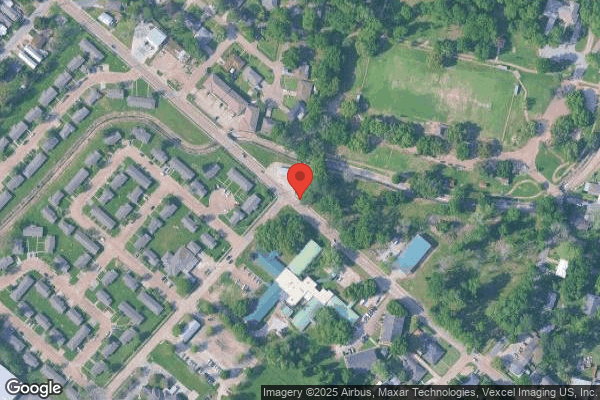

2500 E. SIMCOE STREET, LAFAYETTE, LA 70501 (337) 233-7115
For profit - Partnership 100 Beds Independent Data: November 2025 2 Immediate Jeopardy citations
Trust Grade
6/100
#151 of 264 in LA
Last Inspection: September 2024

Within standard 12-15 month inspection cycle. Federal law requires annual inspections.

Overview

River Oaks Retirement Manor has received a Trust Grade of F, indicating poor performance and significant concerns about the facility's operations. It ranks #151 out of 264 nursing homes in Louisiana, placing it in the bottom half of the state, and #6 out of 10 in Lafayette County, meaning only one local option is worse. The facility's trend is improving, with the number of issues decreasing from 15 in 2023 to 6 in 2024, but it still faces serious staffing challenges, exhibiting a 63% turnover rate, which is notably higher than the state average. Although it has some average staffing ratings, it has concerning RN coverage that is lower than 76% of Louisiana facilities. Additionally, the facility has accumulated fines totaling $99,451, which is higher than 82% of other nursing homes in the state, indicating ongoing compliance problems. Specific incidents of concern include critical failures in managing bed rails, which resulted in a resident becoming entangled and sustaining a femoral neck fracture, and another resident falling out of bed due to inadequate supervision during care, leading to a serious ankle fracture. These incidents highlight the need for improvement in both resident safety and overall management practices at River Oaks Retirement Manor.

Trust Score
F
6/100
In Louisiana
#151/264
Bottom 43%
Safety Record
High Risk
Review needed
Inspections
Getting Better
15 → 6 violations
Staff Stability
⚠ Watch
63% turnover. Above average. Higher turnover means staff may not know residents' routines.
Penalties
○ Average
$99,451 in fines. Higher than 56% of Louisiana facilities. Some compliance issues.
Skilled Nurses
⚠ Watch
Each resident gets only 12 minutes of Registered Nurse (RN) attention daily — below average for Louisiana. Fewer RN minutes means fewer trained eyes watching for problems.
Violations
⚠ Watch
28 deficiencies on record. Higher than average. Multiple issues found across inspections.
★★☆☆☆
2.0
Overall Rating
★★★☆☆
3.0
Staff Levels
★★☆☆☆
2.0
Care Quality
★★☆☆☆
2.0
Inspection Score
Stable
2023: 15 issues
2024: 6 issues

The Good

  • Full Sprinkler Coverage · Fire safety systems throughout facility
  • No fines on record

Facility shows strength in fire safety.

The Bad

2-Star Overall Rating

Near Louisiana average (2.4)

Below average - review inspection findings carefully

Staff Turnover: 63%

17pts above Louisiana avg (46%)

Frequent staff changes - ask about care continuity

Federal Fines: $99,451

Well above median ($33,413)

Moderate penalties - review what triggered them

Staff turnover is elevated (63%)

15 points above Louisiana average of 48%

The Ugly 28 deficiencies on record

2 life-threatening 1 actual harm
Sept 2024 4 deficiencies
CONCERN (D)

Potential for Harm - no one hurt, but risky conditions existed

Safe Environment (Tag F0584)

Could have caused harm · This affected 1 resident

**NOTE- TERMS IN BRACKETS HAVE BEEN EDITED TO PROTECT CONFIDENTIALITY** Based on observation, interview, and record review, the facility failed to provide a safe, clean, and homelike environment for 2...

Read full inspector narrative →
**NOTE- TERMS IN BRACKETS HAVE BEEN EDITED TO PROTECT CONFIDENTIALITY** Based on observation, interview, and record review, the facility failed to provide a safe, clean, and homelike environment for 2 (#47 and #74) of 4 (#25, #47, #74 and #78) residents investigated for environment in a final sample of 36 residents as evidenced by: 1. failing to ensure clean bed linen was provided for Resident #47, and 2. failing to ensure the toilet was in good repair for Resident #74. Findings: On 09/17/2024, a review of the facility's policy titled Homelike Environment with a last reviewed date of 09/06/2024, read in part . Policy Statement: In accordance with residents' rights, the facility will provide a safe, clean, comfortable and homelike environment . This includes ensuring that the resident can receive care and services safely and that the physical layout of the facility maximizes resident independence and does not pose a safety risk. Policy Interpretation and Implementation: . 4. The facility will provide and maintain bed and bath linens that are clean and in good condition . Resident #47: Review of Resident #47's record revealed she was admitted to the facility on [DATE] with diagnoses which included, but were not limited to, Paraplegia, Muscle Wasting and Atrophy, and Unspecified Dementia. On 09/16/2024 at 10:45a.m., an observation was made of Resident #47's bed. The resident's flat sheet and fitted sheet revealed multiple areas of dark red stains. On 09/16/2024 at 12:52 p.m., a second observation was made of Resident #47's bed. The multiple areas of dark red stains were still on the bed linen. On 09/17/2024 at 1:57 p.m., a third observation was made of Resident #47's bed. The resident's bed linen was still stained. On 09/17/2024 at 2:01 p.m., an interview and observation of Resident #47's room was conducted with S7CNA (Certified Nursing Assistant) and S8CNA. They confirmed the multiple areas of dark red stains on Resident #47's flat sheet and fitted sheet. They confirmed there should not be any stains on the residents' bed linen and it should have been changed before the bed was made. On 09/17/2024 at 2:40 p.m., an interview was conducted with S1DON (Director of Nursing). S1DON confirmed bed linens should be changed and cleaned at all times if stains are noted. Resident #74: Review of Resident #74's record revealed he was admitted to the facility on [DATE], with diagnoses which included, but were not limited to, Cerebral Infarction, Hemiplegia and Hemiparesis, and Dysphagia. Review of Resident #74's Annual MDS (Minimum Data Set) dated 07/02/2024, revealed in Section G - Functional Status: Toilet Use 2. One person physical assist. On 09/16/2024 at 9:17 a.m., an observation and interview was conducted with Resident #74. Resident #74 walked to the toilet in his bathroom and picked up the toilet seat cover and seat which revealed part of the toilet seat cover and seat were detached from the toilet. Resident #74 shook his head yes when asked if he had notified staff of his toilet seat cover and seat not attached securely to the toilet. On 09/17/2024 at 2:05 p.m., an observation of Resident #74's toilet and an interview was conducted with S7CNA and S8CNA. They stated that Resident #74 used the toilet by himself at times. S7CNA and S8CNA confirmed that part of the toilet seat cover and seat were detached from the toilet. On 09/17/2024 at 2:14 p.m., an observation of Resident #74's toilet and an interview was conducted with S6MS (Maintenance Supervisor). S6MS stated that he had not been making periodic rounds in any of the residents' rooms or bathrooms to check on their environment. He stated he only went in residents' rooms when staff wrote maintenance concerns in the maintenance work order binder. S6MS confirmed that Resident #74's toilet seat cover and seat were partially detached from the toilet and should have been completely attached to the toilet. He confirmed this was not a homelike environment.
CONCERN (D)

Potential for Harm - no one hurt, but risky conditions existed

Grievances (Tag F0585)

Could have caused harm · This affected 1 resident

Based on interviews and record review, the facility failed to initiate a grievance for 1 (Resident #21) of 1 sampled residents reviewed for grievances in a final sample of 36 residents. Findings: Revi...

Read full inspector narrative →
Based on interviews and record review, the facility failed to initiate a grievance for 1 (Resident #21) of 1 sampled residents reviewed for grievances in a final sample of 36 residents. Findings: Review of the facility's policy, Grievance/Complaint Policy, with a review date of 09/06/2024, revealed in part . residents have the right to file grievances either orally or in writing, to the facility staff. The administrator and staff will make prompt efforts to resolve grievances to the satisfaction of the resident 1. Any resident, may file a grievance or complaint to the facility that hears grievances concerning theft of property, and other concerns regarding their LTC (Long Term Care) facility stay . 4. Upon receipt of a grievance and/or complaint, the grievance official will ensure prompt investigation and resolution of the allegations. Review of Resident #21's clinical record revealed an admit date of 04/14/2022. Review of Resident #21's Quarterly MDS (Minimum Data Set) dated 08/27/2024 revealed Resident #21 had a BIMS (Brief Interview of Mental Status) score of 15 indicating intact cognition. On 09/17/2024 at 2:34 p.m., an interview was conducted with Resident #21. She reported that a pair of her brown pants had been missing for four months. Resident #21 stated she informed a laundry employee about her missing brown pants. On 09/18/2024 at 8:58 a.m., an interview was conducted with S3LAUN (Laundry). She stated she did recall that Resident #21 had mentioned she was missing brown pants approximately four months ago, and she was unable to locate them for the resident. S3LAUN admitted she forgot to report the missing item to the SSD (Social Services Director) for her to create a grievance for the missing item. On 09/18/2024 at 9:10 a.m., an interview was conducted with S4SSD. She confirmed that she had not been informed by S3LAUN about Resident #21's missing brown pants. S4SSD confirmed Resident #21 had an inventory log of brown pants that were labeled with her name. She also stated that grievances raised by residents should be reported to the SSD so that an official grievance can be filed and addressed, which did not happen in this situation.
CONCERN (D)

Potential for Harm - no one hurt, but risky conditions existed

Comprehensive Care Plan (Tag F0656)

Could have caused harm · This affected 1 resident

**NOTE- TERMS IN BRACKETS HAVE BEEN EDITED TO PROTECT CONFIDENTIALITY** Based on observations, interview, and record review, the facility failed implement the resident's plan of care by not following ...

Read full inspector narrative →
**NOTE- TERMS IN BRACKETS HAVE BEEN EDITED TO PROTECT CONFIDENTIALITY** Based on observations, interview, and record review, the facility failed implement the resident's plan of care by not following a physician's order to ensure the resident's indwelling catheter was the correct size for 1 (#25) out of 2 (#19 and #25) residents investigated with Urinary Tract Infection out of a total sample of 36 residents. Findings: A review of Resident #25's record revealed the resident was admitted to the facility on [DATE] with diagnoses which included, but were not limited to Benign Prostatic Hyperplasia with Lower Urinary Tract Symptoms, Retention of Urine, Overactive bladder and Hydonephrosis with Renal and Ureteral Calculous Obstruction, and Urinary Tract Infection. A review of Resident #25's physician's orders revealed an order written on 09/10/2024 which read: Indwelling Catheter draining to GU (Genitourinary) bag. Change q (every) month and PRN (as needed) every day shift every 1 month(s) starting on the 14th for 1 day(s) for BPH w/ LUTS ( Benign Prostatic Hyperplasia with Lower Urinary Tract symptoms) 16 Fr(French) /10 cc (cubic centimeter) bulb AND every 24 hours as needed for BPH w/ LUTS 16 Fr/10 cc bulb. On 09/18/2024 at 8:14 a.m., an observation was made of S5CNA (Certified Nursing Assistant) performing Resident #25's indwelling catheter care. She stated the resident had a 16 Fr/5 cc bulb catheter. On 09/18/2024 at 8:56 a.m., an observation of resident #25's indwelling catheter was made with S1DON (Director of Nursing). She confirmed the resident had a 16 Fr/5 cc bulb catheter. On 09/18/2024 at 9:05 a.m., S1DON confirmed that the nurse should have used a 16Fr/10cc bulb catheter per the doctor's order. S1DON reviewed the resident's medical record and confirmed that there was no new order for the resident to have a 16Fr/5cc bulb catheter.
CONCERN (F)

Potential for Harm - no one hurt, but risky conditions existed

Deficiency F0577 (Tag F0577)

Could have caused harm · This affected most or all residents

Based on observation, record review and interviews, the facility failed to ensure resident rights were maintained as evidenced by: 1. Failing to ensure the results of the most recent complaint survey...

Read full inspector narrative →
Based on observation, record review and interviews, the facility failed to ensure resident rights were maintained as evidenced by: 1. Failing to ensure the results of the most recent complaint survey dated 08/08/2024 was available for residents, visitors or other individuals to review; and 2. Failing to ensure residents were aware of where to locate state inspection results to review for 4 (#4, #41, #49, and #71) out of 4 (#4, #41, #49, and #71) residents that attended the Resident Council meeting. The facility census was 79. Findings: Review of Resident #4's Quarterly MDS (Minimum Data Set) dated 09/04/2024 revealed the Brief Interview for Mental Status (BIMS) score of 15, indicating her cognition was intact. Review of Resident #41's Annual MDS (Minimum Data Set) dated 08/03/2024 revealed the Brief Interview for Mental Status (BIMS) score of 15, indicating her cognition was intact. Review of Resident #49's Quarterly MDS (Minimum Data Set) dated 06/18/2024 revealed the Brief Interview for Mental Status (BIMS) score of 15, indicating her cognition was intact. Review of Resident #71's Quarterly MDS (Minimum Data Set) dated 07/09/2024 revealed the Brief Interview for Mental Status (BIMS) score of 10, indicating his cognition was moderately intact. On 09/16/2024 at 1:45 p.m., a Resident Council meeting was conducted with Residents #4, #41, #49, and #71. Each resident stated they were unaware of the results of the state inspection surveys were available to read and where this information was located. An observation was made on 09/16/2024 at 3:15 p.m. of the facility's binder labeled, Annual State Survey Results located near the entrance of the facility on top of a high dresser. Further review of the facility's binder revealed no documented evidence of the survey results from the most recent complaint survey dated 08/08/2024 was available for review. On 09/16/2024 at 3:25 p.m., an interview was conducted with S2ADM (Administrator) who stated it was S1DON's (Director of Nursing) responsibility to update the survey results binder. On 09/16/2024 at 3:30 p.m., an interview was conducted with S1DON. S1DON stated it was her responsibility to update the survey results binder. She confirmed the most recent complaint survey results dated 08/08/2024 was not in the survey results binder for residents, visitors, or other individuals to review.
Aug 2024 2 deficiencies 2 IJ (2 affecting multiple)
CRITICAL (K) 📢 Someone Reported This

A family member, employee, or ombudsman was alarmed enough to file a formal complaint

Immediate Jeopardy (IJ) - the most serious Medicare violation

Deficiency F0700 (Tag F0700)

Someone could have died · This affected multiple residents

**NOTE- TERMS IN BRACKETS HAVE BEEN EDITED TO PROTECT CONFIDENTIALITY** Based on record review, observations and interview, the facility failed ensure correct use and installation of bed rails to avoi...

Read full inspector narrative →
**NOTE- TERMS IN BRACKETS HAVE BEEN EDITED TO PROTECT CONFIDENTIALITY** Based on record review, observations and interview, the facility failed ensure correct use and installation of bed rails to avoid the risk of entrapment. The facility failed to: 1. Identify and use appropriate alternatives prior to using bed rails; 2. Ensure appropriate dimensions of the bed based on the resident's size and weight to ensure the resident's bed frame, mattress, and bed rails were compatible prior to instillation; 3. Ensure correct installation of bed rails including adherence to manufacturer's recommendations and/or specifications for adaptive devices to prevent entrapment; 4. Adequately assess the residents' risk for entrapment and safety prior to applying modified side rails with wooden boards that were not recommended per the manufacturer; 5. Appropriately monitor and supervise residents with bed rails in place. This failed practice occurred for 5 (#1, #R1, #R2, #R3, and #R4) of 5 (#1, #R1, #R2, #R3, and #R4) residents with these modified bed rails. This deficient practice resulted in an Immediate Jeopardy on 07/28/2024 at 1:00 p.m. when Resident #1 attempted to climb over the boarded side rail and became entrapped between the air mattress and the modified boarded bed rail attached to the resident's bed. An x-ray revealed the resident sustained a left femoral neck fracture which required transfer to the local hospital. Resident #1 underwent surgery for a closed reduction and percutaneous pinning for the left femoral neck fracture. Resident #1's bed was replaced upon his return from the hospital on [DATE], but there continued to be a likelihood for severe harm, injury or death for Residents #R1- #R4 whose beds were still equipped with air mattresses with wooden boards attached to the outside of bilateral bed rails. These modified boarded bed rails were attached in the middle of the bed in the horizontal position spanning one third width of the side of the bed. S1DON (Director of Nursing) and S2ADM (Administrator) were notified of an Immediate Jeopardy situation on 08/07/2024 at 1:25 p.m. The Immediate Jeopardy was removed on 08/08/2024 at 5:13 p.m., as confirmed by onsite verification through observations, interviews, and record reviews, the facility implemented an acceptable Plan of Removal (POR) prior to the survey exit. Findings: On 08/08/2024 , a review of the facility's policy titled, Bed Safety and Bed Rails with a revision date of 08/06/2024 read in part: 4. Maintenance staff routinely inspects all beds and related equipment to identify risks and problems including potential entrapment risks .Use of Bed Rails .4. Prior to the installation or use of a side or bed rail, alternatives to the use of side or bed rails are attempted. Alternatives may include: a. roll guards; b. foam bumpers; c. lowering the bed; and/or d. use of concave mattresses to reduce rolling of the bed .6. The resident assessment to determine risk of entrapment includes, but is not limited to: a. medical diagnosis, conditions, symptoms, and/or behavioral symptoms; b. size and weight; c. sleep habits; d. medication(s); e. acute medical or surgical interventions; f. underlying medical conditions; g. existence of delirium; h. ability to toilet self safely; i. cognition; j. communication; k. mobility (in and out of bed); and l. risk of failing. 7. The resident assessment also determines potential risks to the resident associated with the use of bed rails, including the following: a. Accident hazards: Review of the Bed Rail Entrapment Risk Notification Guide and Owner's Operator and Maintenance Manual for the facility's beds read in part: Proper patient assessment, equipment selection , frequent patient monitoring, and compliance with instructions, warnings, and this Bed Rail Entrapment Risk Notification Guide is essential to reduce the risk of entrapment. Accessories have been developed in the industry to reduce the openings in existing bed systems that could cause entrapment. Any modification through the use of accessories must be used in conjunction with proper patient assessment prior to intervention .Use of other manufacturer's products in conjunction with an .homecare bed , may significantly increase the risk of entrapment; as such .does not recommend their use. Mattresses must fit bed frame and assist rails snugly to reduce the risk of entrapment. Review of Resident #1's EHR (Electronic Health Record) revealed he was admitted to the facility on [DATE]. The resident's diagnoses included Anxiety Disorder, Alzheimer's disease, Lack of Coordination, and Age Related Osteoporosis without Current Pathological Fracture. Review of Resident #1's annual MDS (Minimum Data Set) assessment dated [DATE] revealed the resident had a BIMS (Brief Interview for Mental Status) of 3, indicating the resident's cognition was severely impaired. Review of Resident #1's plan of care, with a target date of 09/30/2024, revealed the following in part: Resident has self-care performance deficits and requires staff supervision and/or assistance with ADLs (Activities of Daily Living) and range of motion to maintain quality of life r/t (related to) generalized weakness, impaired mobility, dx (diagnosis) of lobar pneumonia, major recurrent depressive disorder, anxiety disorder, Alzheimer's disease . intervention for bilateral assist rails to HOB (head of bed). Further review of the resident's plan of care did not include interventions for the use of the bilateral bed rails including specific direct monitoring and supervision during use of the bed rails and interventions for safety to reduce the risk for resident entrapment. Review of Resident 1's EHR revealed a document, MDS Bar/Side Rail Assessment, dated 07/02/2024, with the following: Section A. Assessment: History of falls; currently using side rails for positioning or support. The facility did not document or assess the resident's cognition, size and weight, medical diagnoses, conditions, symptoms, and/or behavioral symptoms. Review of Section B. Interventions revealed no interventions had been attempted before device use. Review of Section C. Recommendations revealed bilateral assist rails were indicated to provide a sense of security. Further review of the assessment revealed the comments section read: bilateral boarded assist rails for security. Further review of Resident #1's record did not reveal any evidence of ongoing monitoring for safe use of the boarded side rails. Review of Resident #1's nursing progress notes, dated 07/28/2024 at 4:34 p.m., read in part .While sitting at desk, inform resident stated his leg was hurting. Resident did try and climb OOB (out of bed) sometime after lunch. CNA (Certified Nursing Assistant) was able to put him in w/c (wheelchair) before climbing out, but leg was in between the mattress and footboard. Resident has been sitting in w/c without s/s (signs or symptoms) of pain. Resident c/o (complaints of) LLE (left lower extremity) pain during brief change per CNA @ (at) this time. Informed S1DON . Review of Resident #1's hospital record, dated 07/28/2024, revealed in part: resident presented after a fall after he got trapped in the railings of his bed. Patient severely altered at baseline due to his dementia .Left femoral neck fracture identified. Review of the resident's hospital Discharge summary dated [DATE] read in part .Patient seen by Ortho team and had a closed reduction and percutaneous pinning left femoral neck fracture. Review of a witness statement written by S4CNA, dated 07/28/2024, read in part: When I got in the room and I saw him laying on his left side with his legs stuck between the side rail and mattress. I asked if he was hurting, and he said no. I then stood on the side of the bed and moved the side rail while holding his legs. I then moved his legs back on the bed. And was able to get him to sit up on the side of the bed and he stood and I assisted him in sitting in his wheelchair .I then brought him near the nurses station the rest of the day until me and my partner went to change him around 3:30 p.m. We were putting him back in the wheelchair when he started to look like he was in pain when he stood up. When we finished, were brought him back to the front and told the nurse. On 08/06/2024 at 9:26 a.m., an interview was conducted with S4CNA. She stated that she worked with Resident #1 on 07/28/2024. She went into the resident's room because she heard his bed alarm going off, and found him stuck between his mattress and the side rail of the bed. His left leg was caught under the rail and his right leg was positioned as if he was trying to climb over or get out. She then removed his legs and body from in between the side rail and mattress, stood the resident up, and placed him in the wheelchair. The resident did not complain of pain at this time. She then notified the nurse. S4CNA stated the resident had the side rails because he could have fallen out of the bed without them and they were in place for his safety. She stated that she was in-serviced on not moving a resident if they were stuck in the side rails of the bed after the incident occurred, but the facility did not train her on what to do in that situation prior to that incident. On 08/06/2024 at 9:58 a.m., an interview was conducted with S1DON (Director of Nursing). She stated that the side rails on the bed had the ability to be positioned vertically or horizontally. She stated that with the facility's older beds, mattresses, like the air mattresses, required assist rails with wooden boards attached to keep the mattress in place and for the resident to be able to turn and reposition due to the height of the mattress. The rails on the older beds were not tall enough, and the resident needed the boarded bed rails to increase the height of the rails to assist with turning and repositioning. S1DON also confirmed that Resident #1 had poor condition overall, and his cognition had been that way since he was admitted . S1DON also stated Resident #1 could potentially have rolled out of bed if he did not have those boarded bed rails in place with the older bed. S1DON stated that the CNAs were in-serviced on not moving a resident if they became entrapped in the side rails of the bed after the incident with the Resident #1. However, a situation like this had never occurred and was not common so there was no specific training on what to do if a resident became entrapped in the bed rails. S1DON also stated that the CNAs and nurses ensured that the bed rails were in place and residents were safe during their rounds by direct observation. Their charting on the MARs (Medication Administration Record) and CNA task records only required that they document that the bed rails were in place as ordered. Resident #1's care plan was then reviewed with S1DON. She confirmed that the use of bilateral bed rails was an intervention for the resident, but there were no specific interventions for monitoring or safety interventions for the use of the bed rails. Resident #R1. Review of Resident # R1's EHR (Electronic Health Record) revealed he was admitted to the facility on [DATE]. The resident had diagnoses including, but not limited to, Other Genetic Related Intellectual Disability, Gastrostomy Status, and Conversion Disorder with Seizures and Convulsions. Review of Resident #R1's Annual MDS (Minimum Data Set) assessment dated [DATE] revealed the resident had a BIMS (Brief Interview for Mental Status) Score of 5, indicating his cognition was severely impaired. Review of Resident #R1's August 2024 physician's orders revealed an order dated 07/07/2024 that read: Bilateral Boarded Assist Rails to HOB (Head of Bed) to aide in bed mobility and positioning due to low air loss mattress. Review of Resident #R1's plan of care revealed the following in part: Resident has self- care performance deficits and requires staff supervision and/or assistance with ADL'S (Activities of Daily Living) and range of motion to maintain quality of life with an intervention for bilateral assist bars to HOB to aide bed mobility, turning/repositioning while in bed. Further review of the resident's plan of care failed to include interventions for the use the bilateral assist rails including specific direct monitoring and supervision during use of the assist rails and interventions for safety to reduce the risk for resident entrapment. Resident #R2. Review of Resident #R2's EHR revealed she was admitted to the facility on [DATE]. The resident's diagnoses included, but not limited to, Anxiety Disorder, and Hemiplegia and Hemiparesis following Cerebral Infarction Affecting Left Non Dominant Side. Review of Resident #R2's August 2024 physician's orders revealed an order, dated 06/25/2024, read: Low air loss pressure reducing mattress on bed. An order, dated 07/07/2024, read: Bilateral Boarded Assist Rails to HOB to aide in bed mobility and positioning. Low air loss pressure reducing mattress on bed. Review of Resident #R2's plan of care revealed the following in part: Resident has Self- care performance deficits and requires staff supervision and/or assistance with ADL'S and range of motion to maintain quality of life r/t (related to) CVA (Cerebrovascular Accident) with left sided hemiplegia, flaccid left extremities, non-ambulatory . with an intervention for bilateral assist bars to HOB to aide bed mobility, turning/repositioning while in bed. Further review of the resident's plan of care revealed no interventions for the use bilateral assist rails including specific direct monitoring and supervision during use of the assist rails and interventions for safety to reduce the risk for resident entrapment. Resident #R3. Review of Resident #R3's EHR revealed he was admitted to the facility on [DATE] with diagnoses including, but not limited to: Non ST Elevation Myocardial Infarction, Unspecified Lack of Coordination, and Anxiety Disorder. Review of Resident #R3's August 2024 physician's orders revealed an order, dated 05/02/2023, and discontinued on 08/06/2024, that read: Bilateral Boarded Assist Rails to HOB to aide in bed mobility and positioning per resident request. Further review revealed an order, dated 06/24/2024, and discontinued on 08/06/2024, that read: Boards to assist rails every shift for safety. Resident #R3 also had an order, dated 06/24/2024, that read: Low air loss pressure reducing mattress on bed. Review of Resident #R3's plan of care, with an initiation date of 06/11/2024, revealed the following in part: Resident has self-care performance deficits and requires staff supervision and assist for ADLs r/t generalized weakness, history of falls, decreased mobility .with an intervention for bilateral boarded assist bar in use to HOB due to low air loss mattress to bed. Further review of the resident's plan of care revealed no interventions for the use the bilateral assist rails including specific direct monitoring and supervision during use of assist rails and interventions for safety to reduce the risk for resident entrapment. Resident #R4. Review of Resident #R4's EHR revealed he was admitted to the facility on [DATE] with diagnoses including, but not limited to: Acquired Absence of Right Leg Above Knee, Anxiety Disorder, and Dementia. Review of Resident #R4's comprehensive MDS Assessment, dated 07/16/2024, revealed the Resident did not have a BIMS score because the resident was rarely or never understood. Review of Resident #R4's August 2024's physician's orders revealed an order, dated 07/16/2024, and discontinued on 08/06/2024, read: Bilateral Boarded Assist Rails to HOB to aide in bed mobility and positioning d/t (due to) low air loss mattress in use. Further revealed an order, dated 07/30/2024, and discontinued on 08/07/2024, that read: Bilateral Boarded Assist Rails to bed every shift. Review of Resident #R4's plan of care with an initiation date of 04/24/2024 revealed the following in part: Resident has self-care performance deficits and requires staff supervision and/ or assistance with ADLs and range of motion to maintain quality of life r/t impaired mobility .with an intervention for bilateral assist bars to HOB to aide in bed mobility/ turning and repositioning. Further review revealed no interventions for the use the bilateral assist rails including specific direct monitoring and supervision during use of the assist rails and interventions for safety to reduce the risk for resident entrapment. Review of Residents #R1- #R4's MDS Bar/Side Rail Assessments, all dated 07/29/2024, revealed the facility did not assess each resident's size and weight to ensure bed dimensions were appropriate for the residents. Review of Section B - Interventions of the residents' assessments revealed interventions tried before device used- none of the above was documented. The facility did not assess Resident #R2's medical diagnoses, or behavioral symptoms, and did not assess Resident #R3 and #R4's cognition, medical diagnoses, or behavioral symptoms as indicated in Section A of the assessment. Further review of Residents #R1-#R4's records revealed no evidence of ongoing monitoring for safe use of the boarded side rails. On 08/06/2024 at 11:13 a.m., observations were made of Residents #R1- #R4's rooms. Observations revealed each residents' bed with an air mattresses and bilateral bed rails with wooden boards attached to the outside of the bed rails. These modified boarded bed rails were attached in the middle of the bed in the horizontal position spanning one third width of the side of the bed. On 08/06/2024 at 2:01 p.m. a joint interview was conducted with S1DON (Director of Nursing) and S2ADM (Administrator). S1DON stated that after Resident #1 became entrapped between the boarded bed rail and air mattress, Resident #1's bed was replaced with a new bed without boarded bed rails upon his return from the hospital on [DATE]. She and the MDS (Minimum Data Set) nurses assessed the residents who had air mattresses for safety. S1DON also stated there was a risk for any resident with bed rails to become entrapped between the bed rails and the mattress, but they felt the benefits of the boarded bed rails outweighed the risks of having them removed. She further stated the boarded bed rails were safe even if a resident was able to roll and become entrapped between the air mattress and boarded rail. She stated that maintenance installed the bed rails and attached the wooden boards to the rails for the residents with air mattresses as ordered. S1DON was asked if the facility utilized the manufacturer's guidelines to ensure the air mattresses were appropriate mattresses for the bed frames and bed rails. She replied that she would have to find those guidelines. S1DON then stated the air mattresses with bed rails with wooden boards attached had been in place when she began working at the facility over one year ago. S2ADM stated the facility was in the process of replacing the older beds in stages, but because of the cost, Residents #R1-#R4 were not given any of the new beds. S1DON confirmed that these 4 residents remained in the old beds with wooden boarded bed rails attached because those residents were just ordered to be on air mattresses within the last 1 to 2 months. S2ADM stated that there had not been any more orders for new electric beds as of 08/06/2024. S1DON also stated that the CNAs and nurses ensured that the bed rails were in place and residents were safe during their rounds by direct observation. Their charting only required that they document that the bed rails were in place as ordered. Resident #1's plan of care was then reviewed S1DON. She confirmed that the use of bilateral bed rails was an intervention for the resident, but there were no specific interventions or safety interventions for the use or monitoring of the bed rails prior to his accident. On 08/06/2024 at 3:04 p.m., a joint interview was conducted with S1DON and S3MDSLPN (Minimum Data Set, Licensed Practical Nurse). S3MDSLPN stated that the MDS nurses were responsible for completing the bed rail assessments and creating and updating care plans for all residents who utilized bed rails. Review of the assessments for Residents #1, #R1-#R4 was reviewed with S3MDSLPN who confirmed the assessment was not completed appropriately to include assessments of the residents' height and weight and bed dimensions. She confirmed the assessment failed to include other interventions that had been attempted prior to the use of the bed rails. Residents #1, #R1-#R4's care plans failed to reveal any interventions for the safe use of bilateral bed rails with a wooden board attachment including increased monitoring or safety interventions to prevent entrapment. It was confirmed there was evidence of ongoing monitoring for safe use of the boarded side rails for these residents after Resident #1's accident. S3MDSLPN stated had worked at the facility for several years and the process of using the air mattress and wooden boarded bed rails had always been in place. S1DON asserted that there was no issue with use of the mattresses and boarded bed rails at this time. S1DON was asked again to provide the manufacturer's guidelines for the beds and mattresses, but she could not provide them. On 08/07/2024 at 8:57 a.m., an interview was conducted with S5MAINTSUP (Maintenance Supervisor). He stated that he had been in maintenance for two years at the facility, and they have always used the boarded bed rails for beds with air mattresses. He stated that due to the height of the mattress, the boarded side rails were needed as a fail-safe, to keep residents from falling out of bed. He stated maintenance attached the boards to the bed rails of the beds. He did not refer to any manufacturer's guidelines or recommendations for the mattresses or beds to ensure they were compatible, safe, and approved by the manufacturer. He stated he simply did what the facility had always done which was attach wooden boards to the outside of the side rails for those residents who required air mattresses. He received the orders for the air mattresses from the administrative nurses, and placed the mattresses on the beds and was not sure if they had referred to any manufacturer instructions. S5MAINTSUP further stated that maintenance routinely inspected the side rails to ensure they were functioning properly, but he did not have any documented evidence of the inspection. On 08/07/2024 at 6:16 p.m., an interview was conducted with S6REP (Medline -Mattress Representative). He stated that the mattresses were compatible with the bed frames and assist rails. However, the mattress stabilizers on the four corners of the beds were optional so they were currently being removed by maintenance, allowing the mattress to be flush to the bed frame. On 08/07/2024 at 7:00 p.m., an interview was conducted with administrative staff. S1DON, S2ADM, S3MDSLPN, S7ADON (Assistant Director of Nursing), S8SSD (Social Services Director), S9CNASUP (Certified Nursing Assistant Supervisor), S10MR (Medical Records), and S11IP (Infection Preventionist) were all present for the interview. S1DON stated MDS nurses were responsible for creating and updating resident care plans. S3MDSLPN denied there was anything in care plan that addressed monitoring the residents with boarded bed rails more frequently, nor any specific safety interventions related to the boarded rails in Residents #R1- #R4's care plan. S2ADM stated that the intervention to attach the wooden boards to the side rails of the beds for residents who required air mattresses was already in place when he became the administrator. He was not aware of the manufacturer's guidelines for the air mattress, the bed frame, or the manufacturer's safety recommendations for entrapment prevention when side rails were in use. He also stated that did question the wooden boards when he became administrator, but just went with it because there were no resident complaints or issues. He never checked the manufacturer's guidelines to ensure that the wooden boards were an appropriate attachment for the side rails. S2ADM confirmed the wooden boards were not an appropriate intervention to apply to the side rails. S2ADM confirmed S6REP (Medline Representative) reported that mattress stabilizers were on the corners of Resident #R1-#R4's bed that prevented the air mattress from lying flush on the bed frame causing the mattress to be unstable. S2DM confirmed these stabilizers were removed on 08/07/2024. It was unknown if Resident #1's bed had these stabilizers attached at the time of the accident.
CRITICAL (K) 📢 Someone Reported This

A family member, employee, or ombudsman was alarmed enough to file a formal complaint

Immediate Jeopardy (IJ) - the most serious Medicare violation

Administration (Tag F0835)

Someone could have died · This affected multiple residents

**NOTE- TERMS IN BRACKETS HAVE BEEN EDITED TO PROTECT CONFIDENTIALITY** Based on interviews and record review, the facility failed to be administered in a manner that enabled it to use its resources e...

Read full inspector narrative →
**NOTE- TERMS IN BRACKETS HAVE BEEN EDITED TO PROTECT CONFIDENTIALITY** Based on interviews and record review, the facility failed to be administered in a manner that enabled it to use its resources effectively and efficiently to provide appropriate oversight to ensure the well-being of residents. The facility failed to have a system in place for residents to ensure the appropriate use, assessment, and monitoring of bed rails according to mattress manufacturer's guidelines to prevent resident entrapment for 5(#1, #R1, #R2, #R3, and #R4) of 5 (#1, #R1, #R2, #R3, and #R4) residents. This lack of administrative oversight resulted in an Immediate Jeopardy on 07/28/2024 at 1:00 p.m. when Resident #1 attempted to climb over the boarded side rail and became entrapped between the air mattress and the modified boarded bed rail attached to the resident's bed. An x-ray revealed the resident sustained a left femoral neck fracture which required transfer to the local hospital. Resident #1 underwent surgery for a closed reduction and percutaneous pinning for the left femoral neck fracture. The Immediate Jeopardy continued as Residents #R1- #R4 had the same type of bed, air mattress and modified bed rail as Resident #1. The facility failed refer to the manufacturer's recommendations for the proper use of bed rails, and appropriately assess and monitor the four remaining residents for the high likelihood of entrapment leaving the residents vulnerable to serious injury, serious harm, serious impairment or death. S1DON (Director of Nursing) and S2ADM (Administrator) were notified of an Immediate Jeopardy situation on 08/07/2024 at 1:25 p.m. The Immediate Jeopardy was removed on 08/08/2024 at 5:13 p.m., as confirmed by onsite verification through observations, interviews, and record reviews, the facility implemented an acceptable Plan of Removal (POR) prior to the survey exit. Findings: Cross Reference F700 Review of the facility's policy titled, Administration, with a last revised date of 08/07/2024, read in part: Policy Interpretation and Implementation .1. a. managing the day - to - day functions of the facility .i. ensuring manufacturing recommendations are being followed by staff. On 08/06/2024 at 2:01 p.m. a joint interview was conducted with S1DON and S2ADM. S1DON stated that after Resident #1 became entrapped between the boarded bed rail and air mattress, Resident #1's bed was replaced with a new bed without boarded bed rails upon his return from the hospital on [DATE]. She and the MDS (Minimum Data Set) nurses assessed the residents who had air mattresses for safety. S1DON also stated there was a risk for any resident with bed rails to become entrapped between the bed rails and the mattress. The facility's administration felt the benefits of the boarded bed rails outweighed the risks of having them removed. She stated the facility's administration still felt the boarded bed rails were safe even if a resident was able to roll and become entrapped between the air mattress and boarded rail. She stated that maintenance installed the bed rails and attached the wooden boards to the rails for the residents with air mattresses as ordered. S1DON was asked if the facility utilized the manufacturer's guidelines to ensure the air mattresses were appropriate mattresses for the bed frames and bed rails. She replied that she would have to find those guidelines. S1DON then stated the air mattresses with bed rails with wooden boards attached had been in place when she began working at the facility over one year ago. S2ADM stated the facility was in the process of replacing the older beds in stages, but because of the cost, Residents #R1-#R4 were not given any of the new beds. S1DON confirmed that these 4 residents remained in the old beds with wooden boarded bed rails attached because those residents were just ordered to be on air mattresses within the last 1 to 2 months. S2ADM stated that there had not been any more orders for new electric beds as of 08/06/2024. S1DON further stated that CNAs (Certified Nursing Assistants) were in-serviced on not moving a resident if they become entrapped in the side rails of the bed after the incident occurred with Resident #1, however there was no specific training on resident entrapment prior to or after Resident #1's accident. S1DON also stated that the CNAs and nurses ensured that the bed rails were in place and residents were safe during their rounds by direct observation. Their charting only required that they document that the bed rails were in place as ordered. Resident #1's plan of care was then reviewed S1DON. She confirmed that the use of bilateral bed rails was an intervention for the resident, but there were no specific interventions or safety interventions for the use or monitoring of the bed rails prior to his accident. On 08/06/2024 at 3:04 p.m., a joint interview was conducted with S1DON and S3MDSLPN (Minimum Data Set, Licensed Practical Nurse). S3MDSLPN stated that the MDS nurses were responsible for completing the bed rail assessments and creating and updating care plans for all residents who utilized bed rails. Review of the assessments for Residents #1, #R1-#R4 was reviewed with S3MDSLPN who confirmed the assessment was not completed appropriately to include assessments of the residents' height and weight and bed dimensions. She confirmed the assessment failed to include other interventions that had been attempted prior to the use of the bed rails. Residents #1, #R1-#R4's care plans failed to reveal any interventions for the safe use of bilateral bed rails with a wooden board attachment including increased monitoring or safety interventions to prevent entrapment. It was confirmed there was evidence of ongoing monitoring for safe use of the boarded side rails for these residents after Resident #1's accident. S3MDSLPN stated had worked at the facility for several years and the process of using the air mattress and wooden boarded bed rails had always been in place. S1DON asserted that there was no issue with use of the mattresses and boarded bed rails at this time. S1DON was asked again to provide the manufacturer's guidelines for the beds and mattresses, but she could not provide them. On 08/07/2024 at 8:57 a.m., an interview was conducted with S5MAINTSUP (Maintenance Supervisor). He stated that he had been in maintenance for two years at the facility, and they have always used the boarded bed rails for beds with air mattresses. He stated that due to the height of the mattress, the boarded side rails were needed as a fail-safe, to keep residents from falling out of bed. He stated maintenance attached the boards to the bed rails of the beds. He did not refer to any manufacturer's guidelines or recommendations for the mattresses or beds to ensure they were compatible, safe, and approved by the manufacturer. He stated he simply did what the facility had always done which was attach wooden boards to the outside of the side rails for those residents who required air mattresses. He received the orders for the air mattresses from the administrative nurses, and placed the mattresses on the beds and was not sure if they had referred to any manufacturer instructions. S5MAINTSUP further stated that maintenance routinely inspected the side rails to ensure they were functioning properly, but he did not have any documented evidence of the inspection. On 08/07/2024 at 7:00 p.m., an interview was conducted with administrative staff. S1DON, S2ADM, S3MDSLPN, S7ADON (Assistant Director of Nursing), S8SSD (Social Services Director), S9CNASUP (Certified Nursing Assistant Supervisor), S10MR (Medical Records), and S11IP (Infection Preventionist) were all present for the interview. S1DON stated MDS nurses were responsible for creating and updating resident care plans. S3MDSLPN denied there was anything in care plan that addressed monitoring the residents with boarded bed rails more frequently, nor any specific safety interventions related to the boarded rails in Residents #R1- #R4's care plan. S2ADM stated that the intervention to attach the wooden boards to the side rails of the beds for residents who required air mattresses was already in place when he became the administrator. He was not aware of the manufacturer's guidelines for the air mattress, the bed frame, or the manufacturer's safety recommendations for entrapment prevention when side rails were in use. He also stated that did question the wooden boards when he became administrator, but just went with it because there were no resident complaints or issues. He never checked the manufacturer's guidelines to ensure that the wooden boards were an appropriate attachment for the side rails. S2ADM confirmed the wooden boards were not an appropriate intervention to apply to the side rails. S2ADM confirmed S6REP (Medline Representative) reported that mattress stabilizers were on the corners of Resident #R1-#R4's bed that prevented the air mattress from lying flush on the bed frame causing the mattress to be unstable. S2DM confirmed these stabilizers were removed on 08/07/2024. It was unknown if Resident #1's bed had these stabilizers attached at the time of the accident.
Aug 2023 10 deficiencies 1 Harm
SERIOUS (G) 📢 Someone Reported This

A family member, employee, or ombudsman was alarmed enough to file a formal complaint

Actual Harm - a resident was hurt due to facility failures

Accident Prevention (Tag F0689)

A resident was harmed · This affected 1 resident

**NOTE- TERMS IN BRACKETS HAVE BEEN EDITED TO PROTECT CONFIDENTIALITY** Based on observation, record review, and interview, the facility failed to ensure that each resident received adequate supervisi...

Read full inspector narrative →
**NOTE- TERMS IN BRACKETS HAVE BEEN EDITED TO PROTECT CONFIDENTIALITY** Based on observation, record review, and interview, the facility failed to ensure that each resident received adequate supervision and assistance devices to prevent accidents during provision of care for 1 (#21) of 4 (#18, #21, #55, #60) residents investigated for accidents, of a total sample of 33 residents. This deficient practice resulted in an actual harm for Resident #21 on 07/28/2023 when S7CNA and S8CNA failed to adequately supervise the resident when they lowered the side rails of the bed and walked away from the resident during ADL (Activities of Daily Living) care. S7CNA and S8CNA failed to raise the resident's side rails when they moved away from the bed and Resident #21 fell out of his bed onto the floor. Resident #21 was sent to the ER (Emergency Room) for evaluation after displaying excruciating pain. On 07/28/2023 an x-ray revealed that Resident #21 had a Trimalleolar fracture to his Left ankle. Resident #21 had an immobilizer with a boot to his lower Left extremity as the physicians have determined that the fracture is inoperable due to his non- ambulatory status and diagnoses. The facility implemented corrective actions prior to the State Agency's survey, thus it was determined to be a Past Noncompliance citation. Findings: A review of Resident #21's record revealed an admission date of 12/29/2021 and diagnoses including End Stage Dementia, Parkinson's disease, tremors, and a history of stroke. A review of Resident #21's MDS (Minimum Data Set) assessment dated [DATE] revealed that he was totally dependent on 2 persons for bed mobility, and transfers. A review of Resident #21's Care plan revealed that he was at risk for falls and/or fall related injuries. He was care planned for 2 person assistance. Interventions/tasks included: 7/28/23 fall with major injury from during resident care; transferred to ER for evaluation and treatment; Returned to facility with diagnosis of left ankle fracture secondary to fall related injury; left foot ankle brace as indicated. He was assessed with impaired neurological function and required assistance with ADLs (Activities of Daily Living), and Fall Precautions by staff. Resident #21's Care plan included that he had Self-Care Performance Deficits and required staff supervision and /or assistance with ADL's with interventions that included bilateral padded assist rails to HOB (Head of Bed) to aide in bed mobility/turning and repositioning. A review of written physician's orders dated 07/28/2023 revealed in part: Night staff responded during change of incontinence pad, patient fell from bed patient guarding right ankle is edematous .patient with poor verbalization, butt wincing . will transport to ER for evaluation .signed by physician. A review of a Nurse Incident and Accident Report revealed: Fall without injury 7/28/23 00:40 (12:40 a.m.). S7CNA and S8CNA reported the incident. Further review revealed CNAs were changing him and he pulled himself to the edge of the bed and fell off onto the floor. Left side. Diagnoses: Closed tri-malleolar fracture of left ankle. Page 3 of 5 included #5. Contributing factors: side rail put down too early. A hospital report dated 07/28/2023 included: Chief Complaint: patient presents with ankle pain, fell out of bed last night while getting changed at nursing home patient grimaces in pain . An X-ray report dated 07/28/2023 at 2:19 p.m., revealed that Resident #21 had sustained a left Trimalleolar ankle fracture. A review of an office visit note by the orthopedic surgeon dated 08/10/2023 was conducted. The note included, in part: left ankle injury, patient with displaced bi-malleolar ankle fracture. Plan: Pt with bi-malleolar ankle fracture which by definition we would benefit from operative intervention. Given his non-ambulatory status as well as end-stage dementia we discussed this with daughter, despite will attempt non-operative treatment. We will place him in a boot. On 08/21/2023 at 8:45 a.m., an observation of Resident #21 was conducted. He was in his bed, on his right side. An immobilizer and boot were noted to the lower extremity of left leg. S4LPN stated that he had fallen in July and fractured his ankle. S10CNA was present in the resident's room and stated that she has been working with him since May 2023. She stated that he was totally dependent on staff for repositioning and turning in his bed. She further stated that Resident #21 was not able to get out of bed on his own. On 08/21/2023 at 10:05 a.m., an interview with S10CNA was conducted. She stated that on 07/28/2023 she had received report from two agency aides that were going off duty earlier that morning Resident #21 had fallen. She stated that later that morning she and S9CNA were getting the resident ready for his bath. She took off his sock and she noticed he was in excruciating pain, and he grabbed her hand and would not let go. On 08/21/2023 at 1:40 p.m., an interview was conducted with S9CNA. She stated that when she went to put Resident #21's socks on he hollered and yanked back. S9CNA stated that she noticed that his left ankle was swollen and she informed S6LPN. On 08/21/2023 at 1:50 p.m., an interview was conducted with S6LPN. She stated that on 07/28/2023, she had received report from the off going nurse that Resident #21 had fallen in the night. She stated that she had been informed that 2 aides were changing the resident's brief, they rolled him to change him and he ended up out of bed. S6LPN stated that he had not been sent to the ER (Emergency Room) at that point, but later that day the aide came to report that his ankle was swollen. S6LPN stated that when she assessed him he grimaced and flinched. She stated that orders were obtained by the physician to send to him to the ER for evaluation and he was diagnosed with a fracture to his left ankle. On 08/22/2023 at 10:34 a.m., a telephone interview was conducted with agency CNA, S8CNA. She confirmed that she was familiar with Resident #21 and was working with him on 07/28/2023 when he fell out of bed. She stated that she was working with another aide, who had put his bed side rail down and had moved away from the side of the bed. She stated that Resident #21 rolled out of bed on the side with no bed rail and fell on to the floor. On 08/22/2023 at 10:40 a.m., a telephone interview was conducted with agency CNA, S7CNA. She confirmed that she worked with Resident #21 on 07/28/2023 when he fell out of bed, and further stated that this was the first time she had worked with him. She stated that another agency aide was working with her that morning. Resident #21 had scooted to the bottom of his bed, nearer to the foot of the bed. She stated that she was on the left side of his bed and she had lowered the left bed side rail, and then she moved away from the side of the bed to assist the other CNA. S7CNA stated that she had not raised the rail when she left the side of the bed, and the resident turned to the left and fell out of the bed onto the floor. On 08/22/2023 at 12:44 p.m., S18HR provided personnel files for agency CNA's, S7CNA and S8CNA and stated that all training provided to them was included in the files. A review of S7CNA and S8CNA's personnel files failed to reveal proficiencies and/or competencies in providing safe ADL care to prevent accidents during repositioning in bed or transferring. Further review of the personnel files failed to reveal competencies on ensuring side rails are kept up during ADL care so residents will not roll out of bed. On 08/22/23 1:00 p.m., concurrent interviews were conducted with S1DON and S2ADON. The facility's Incident and Report for Resident #21` dated 07/28/2023 was reviewed. Both confirmed the staff in-services included that when changing Resident #21 if you put down both side rails then one person needs to be on each side of resident to ensure resident does not roll out of bed. If only one person changing then the side you are turning res towards you need to keep side rail up to protect res from rolling off bed. S21ADON confirmed that she had conducted the in-service with the staff related to Resident #21 rolling out of his bed during ADL care. S1DON confirmed that no competencies had been conducted on the agency aides S7CNA and S8CNA, ensuring that they were competent in skills and techniques necessary to care for residents' needs in a manner to prevent accidents. Review of in-services, CNA competencies, interviews with multiple CNAs, and observations during the survey revealed the following Corrective Action Plan was implemented. The facility has implemented the following actions to correct the deficient practice: 07/28/2023- Continuous Quality Assessment and Improvement Corrective Action Plan: 07/28/2023- In-service conducted for all staff to ensure side rails are up during ADL care for the resident, and dealing with combative residents. 07/28/2023- CNA Competency, including agency CNAs, on skills including remaining with resident when side rails are down and raising side rails if moving away from the resident. The facility staff were trained on 07/28/2023. All staff were trained before beginning their shifts. Agency and new staff are trained upon entrance to the facility. Substantial compliance was obtained on 07/28/2023. Monitoring of staff ongoing until 09/21/2023.
CONCERN (D)

Potential for Harm - no one hurt, but risky conditions existed

Deficiency F0582 (Tag F0582)

Could have caused harm · This affected 1 resident

Based on record review and interview, the facility failed to provide the estimated cost for services for which the residents may be responsible for paying for 2 residents (#337 and #338) of 3 sampled ...

Read full inspector narrative →
Based on record review and interview, the facility failed to provide the estimated cost for services for which the residents may be responsible for paying for 2 residents (#337 and #338) of 3 sampled residents for Advanced Beneficiary Notice of Non-Coverage (ABN). Findings: Residents #337 and #338 were both issued ABN notices which included elected services and reasons why Medicare may not pay for these services. Residents #337 and #338 elected Option 1. Which included in part, I want the services listed above. I understand that if Medicare does not pay, I am responsible for payment. The estimated cost for these services on the notices were incomplete. On 08/22/2023 at 9:25 a.m., an interview was conducted with S3SSD (Social Services Director) who stated that she did not include an estimated cost for services for Residents #337 and #338's ABN notices. She agreed that the residents should be notified of the amount of cost for services that they may be responsible to pay. S3SSD confirmed that there was not an estimated cost for services on the ABN signed by the resident/responsible party and should have been.
CONCERN (D)

Potential for Harm - no one hurt, but risky conditions existed

MDS Data Transmission (Tag F0640)

Could have caused harm · This affected 1 resident

**NOTE- TERMS IN BRACKETS HAVE BEEN EDITED TO PROTECT CONFIDENTIALITY** Based on record review and interview, the facility failed to ensure a Discharge Minimum Data Set (MDS) assessment was completed ...

Read full inspector narrative →
**NOTE- TERMS IN BRACKETS HAVE BEEN EDITED TO PROTECT CONFIDENTIALITY** Based on record review and interview, the facility failed to ensure a Discharge Minimum Data Set (MDS) assessment was completed timely for 1(#64) out of 22 total sampled residents. Findings: Review of Resident #64's medical record revealed he was admitted on [DATE] and discharged from the facility on 05/19/2023. Review of Resident #64's electronic clinical record failed to reveal that a Discharge MDS assessment was completed and transmitted within 14 days after the resident was discharged from the facility. On 08/21/2023 at 4:10 p.m., an interview and record review of Resident #64's EHR (electronic health record) was conducted with S11MDSLPN. She confirmed that Resident #64's did not have a discharge MDS assessment. She confirmed that a discharge MDS assessment should have been completed and transmitted within 14 days after a resident is discharged from the facility on 05/19/2023.
CONCERN (D)

Potential for Harm - no one hurt, but risky conditions existed

PASARR Coordination (Tag F0644)

Could have caused harm · This affected 1 resident

**NOTE- TERMS IN BRACKETS HAVE BEEN EDITED TO PROTECT CONFIDENTIALITY** Based on record review and interview, the facility failed to refer residents with newly diagnosed mental disorders or had a sign...

Read full inspector narrative →
**NOTE- TERMS IN BRACKETS HAVE BEEN EDITED TO PROTECT CONFIDENTIALITY** Based on record review and interview, the facility failed to refer residents with newly diagnosed mental disorders or had a significant change in their mental condition to the appropriate state-designated authority for Level II PASARR (Preadmission Screening and Resident Review) for evaluation and determination for 1 resident ( #9) of 3 (#9,#18, #20) residents investigated for PASARR in a final sample of 33 residents. Findings: Resident #9 was admitted to the facility on [DATE] with diagnosis not limited to Anxiety Disorder. Review of Resident #9's health record revealed she was diagnosed with a new diagnosis of Major Depressive Disorder Recurrent Severe with Psychotic Symptoms on 08/17/2021. Further review of Resident #9's health record failed to reveal a Level II PASARR had been submitted to the appropriate state-designated authority. On 08/21/2023 at 10:31 a.m., an interview was conducted with S3SSD (Social Services Director). She stated Resident #9 had a Level 1 PASSR on 01/22/2020 . She confirmed Resident #9 had a new diagnosis of Major Depressive Disorder Recurrent Severe with Psychotic Symptoms on 08/17/2021. S3SSD stated a new Level 1 PASARR should have been completed with the new diagnosis.
CONCERN (D)

Potential for Harm - no one hurt, but risky conditions existed

Deficiency F0645 (Tag F0645)

Could have caused harm · This affected 1 resident

**NOTE- TERMS IN BRACKETS HAVE BEEN EDITED TO PROTECT CONFIDENTIALITY** Based on record review and interview, the facility failed to ensure residents identified with Mental Disorder and/or Intellectua...

Read full inspector narrative →
**NOTE- TERMS IN BRACKETS HAVE BEEN EDITED TO PROTECT CONFIDENTIALITY** Based on record review and interview, the facility failed to ensure residents identified with Mental Disorder and/or Intellectual Disability had a (PASARR) Pre-admission Screening and Resident Review Level I and/or Level II for 1 (#20) of 3 (#9, #18, #20) residents reviewed for PASAAR screening. Findings: Review of Resident #20's clinical record revealed he was admitted on [DATE] with diagnoses that include: Essential Hypertension, Major Depressive Disorder- Recurrent Unspecified, and Paranoid Schizophrenia. Further review of Resident #20's clinical record revealed he was diagnosed with Schizophrenia on 02/22/2016. Review of Resident #20's quarterly MDS (Minimum Data Set) assessment, dated 07/11/2023, revealed a diagnosis of Schizophrenia. Further review of Resident #20's clinical record failed to reveal a completed PASSAR screening. On 08/21/2023 at 10:31 p.m., an interview was conducted with S3SSD (Social Services Director), who was responsible for ensuring PASARR screenings were completed. She stated Resident #20 was a transferred from another facility on 04/17/2013. She stated there was no PASARR in his records. S3SSD stated one should have been completed when Resident #20 was admitted .
CONCERN (D)

Potential for Harm - no one hurt, but risky conditions existed

Respiratory Care (Tag F0695)

Could have caused harm · This affected 1 resident

**NOTE- TERMS IN BRACKETS HAVE BEEN EDITED TO PROTECT CONFIDENTIALITY** Based on observations, records reviews, and interviews the facility failed to ensure respiratory equipment was properly stored w...

Read full inspector narrative →
**NOTE- TERMS IN BRACKETS HAVE BEEN EDITED TO PROTECT CONFIDENTIALITY** Based on observations, records reviews, and interviews the facility failed to ensure respiratory equipment was properly stored when not in use for 1 (#44) of 1 (#44) residents investigated for respiratory care out of a total sample of 33 residents. Findings: Review of the facility's policy titled Administering Medication through a Small Volume (Handheld) Nebulizer) read in part: Steps in the Procedure .27. When equipment is completely dry, store in a plastic bag with the resident's name and the date on it. Resident #44 was admitted to the facility on [DATE] with a diagnosis in part: Unspecified Asthma Review of Resident #44's August 2023 Physician's Orders revealed Duoneb Solution 0.5-2.5 mg (milligrams)/3ml (milliliter) 1 vial inhale orally two times a day for COPD (Chronic Obstructive Pulmonary Disease) On 08/20/2023 at 09:33 a.m., an observation was made of Resident #44's nebulizer machine. It was observed on the bedside table with the tubing and the mask on the table and not in a bag. On 8/20/2023 at 11:21a.m., a second observation was made of Resident #44's room. The Nebulizer machine was observed on the bedside table with the tubing, and the mask was on the table and not in a bag. On 8/20/2023 at 3:22 p.m., a third observation was made of Resident # 44's room. The Nebulizer machine was observed on the bedside table with the tubing on the table along with the mask and not stored in a bag. On 8/20/2023 at 3:22 p.m., an interview was conducted with S2ADON. She confirmed the nebulizer tubing and mask was on the resident's bedside table and not stored in a bag. She stated after the resident uses the mask, it should be placed in a plastic bag when it is not in use. S2ADON confirmed that Resident #44 was not capable of applying or removing her nebulizer mask without assistance.
CONCERN (D)

Potential for Harm - no one hurt, but risky conditions existed

Deficiency F0849 (Tag F0849)

Could have caused harm · This affected 1 resident

**NOTE- TERMS IN BRACKETS HAVE BEEN EDITED TO PROTECT CONFIDENTIALITY** Based on interview and record review, the facility failed to collaborate with a hospice agency to ensure a resident had a Hospic...

Read full inspector narrative →
**NOTE- TERMS IN BRACKETS HAVE BEEN EDITED TO PROTECT CONFIDENTIALITY** Based on interview and record review, the facility failed to collaborate with a hospice agency to ensure a resident had a Hospice Plan of Care for 1 (Resident #17) out of 2 (#17, #21) sampled residents for hospice care. Findings: Review of the facility and hospice agency's contract titled Nursing Facility Services Agreement dated 10/01/2019 read in part: Agreements: (i) Plan of Care means a written care plan established, maintained, reviewed and modified, at intervals identified by the Interdisciplinary Group (IDG). The plan of care must reflect hospice patient and family goals and interventions based on the problems identified in the hospice patient assessments. (d) Coordination of Care. (ii) Design of Plan of Care - In accordance with applicable federal and state laws and regulations, facility shall coordinate with hospice in developing a plan of care for each hospice patient. Hospice retains primary responsibility or development of the plan of care. 6. Records: Creation and Maintenance of Records. Facility shall prepare and maintain complete and detailed records concerning each hospice patient receiving facility services under this agreement in accordance with prudent record-keeping procedures and as required by applicable federal and state laws and regulations and Medicare and Medicaid program guidelines. Review of a document titled Hospice Program read in part . 12. the hospice provider is responsible for the following: d. obtaining the following information from the hospice: (1) the most recent hospice plan of care specific to each resident. (4) Names and contact information for hospice personnel involved in hospice care of each resident. Review of Resident #17's clinical record revealed he was admitted to the facility on [DATE] with diagnoses that included Senile degeneration of brain, Malignant neoplasm of prostate, Acute myeloblastic leukemia, Chronic kidney disease, and Type 2 diabetes mellitus. Further review of the clinical record revealed a physician order dated 06/29/2023 to admit to hospice. On 08/22/2023 at 7:30 a.m., an interview and record review was conducted with S16LPN (Licensed Practical Nurse). S16LPN was asked to provide Resident #17's hospice binder with the plan of care. S16LPN stated that the resident did not have a hospice binder or plan of care. An review of the resident's hard chart was conducted with S16LPN, which failed to reveal any information related to his hospice care. S16LPN stated that the resident was admitted into the facility on hospice care. She confirmed that a binder was never completed for Resident #17, and a plan of care should have been completed.
CONCERN (D)

Potential for Harm - no one hurt, but risky conditions existed

Deficiency F0925 (Tag F0925)

Could have caused harm · This affected 1 resident

Based on observations and interviews, the facility failed to maintain an effective pest control program by failing to ensure to facility was free from cockroaches. The deficient practice had the poten...

Read full inspector narrative →
Based on observations and interviews, the facility failed to maintain an effective pest control program by failing to ensure to facility was free from cockroaches. The deficient practice had the potential to affect 83 residents who resided in the facility. Findings: Review of the facility's policy Pest Control, read in part our facility shall maintain an effective pest control program .1. This facility maintains an on-going pest control program to ensure that the building is kept free of insects and rodents. On 08/21/2023 at 8:36 a.m., an observation in the beauty shop revealed a live cockroach by the soap dispenser. S14MAINT verified there was a cockroach. On 08/21/2023 at 8:46 a.m., a second observation of a live cockroach was visualized by the bathroom door in the beauty shop. S12ADMIN and S13MAINTSUP were present and confirmed the cockroach. S13MAINSUP stated the trees were recently cut and they are having a Cockroach problem. On 08/21/2023 at 9:00 a.m., a third observation of a live cockroach was observed on the wall of the beauty shop. S13MAINTSUP confirmed the third cockroach.
CONCERN (E) 📢 Someone Reported This

A family member, employee, or ombudsman was alarmed enough to file a formal complaint

Potential for Harm - no one hurt, but risky conditions existed

Comprehensive Care Plan (Tag F0656)

Could have caused harm · This affected multiple residents

**NOTE- TERMS IN BRACKETS HAVE BEEN EDITED TO PROTECT CONFIDENTIALITY** Resident #18 Findings: Review of Resident #18's electronic health record revealed he was admitted on [DATE] with a diagnosis tha...

Read full inspector narrative →
**NOTE- TERMS IN BRACKETS HAVE BEEN EDITED TO PROTECT CONFIDENTIALITY** Resident #18 Findings: Review of Resident #18's electronic health record revealed he was admitted on [DATE] with a diagnosis that included Hemiplegia and Hemiparesis following unspecified Cerebrovascular Disease affecting right dominant side. Review of Resident#18 Quarterly MDS (Minimum Data Set) dated 06/21/2023 revealed a BIMS (Brief Interview of Mental Status) of 9 indicating moderately impaired cognition. Review of Resident's care plan interventions for falls included an intervention for bed alarm used daily. On 08/22/2023 at 10:50 a.m., an observation and interview with S10CNA (Certified Nursing Assistant) revealed that Resident #18 did not have a bed alarm. S10CNA stated that Resident #18 did not have a bed alarm or chair alarm. On 08/22/2023 at 10:55 a.m., an interview was conducted with S6LPN. She stated that Resident #18 did not have a bed alarm or chair alarm and has not had any alarms that she was aware of. On 08/22/2023 at 11:10 a.m., an interview and observation was conducted with S1DON, who stated that Resident #18 did not have a bed alarm. An observation of Resident #18's current care plan was conducted with S1DON who confirmed that the interventions for the resident were not implemented. Resident # 44 Findings: Review of Resident #44's electronic clinical record revealed the resident was admitted to the facility on [DATE]. The resident's diagnoses included Cervical Disc Disorder, Spinal Stenosis, , Schizophrenia, Bipolar Disorder, Unspecified Asthma Review of Resident #44's care plan revealed the following in part: Resident has an alteration in musculoskeletal function; is at risk for joint discomfort/pain, contracture formation, fractures and or complications r/t (related to) decreased mobility, dx (diagnosis) of age related osteoporosis, myotonic disorders, cervical myelopathy, ulnar neuropathy of left upper extremity, spinal stenosis of cervical region, cervical myelopathy. Interventions: hand roll to bilateral hands at all times except during bathing. On 08/20/2023 at 03:25 p.m., an observation was conducted of Resident #44. Her left hand was contracted. No hand rolls were observed to the resident's hands. On 08/21/2023 at 12:12 p.m., a second observation was conducted of Resident #44 in the dining room. There was a hand roll to the resident's left hand. There was no hand roll to the resident's right hand. On 08/21/2023 at 3:39 pm., an observation and interview was conducted with Resident #44. A hand roll was in the resident's left hand. Resident #44 stated she only had 1 hand roll. On 08/21/2023 at 3:59 p.m., an interview and observation was conducted with S15LPN (Licensed Practical Nurse). She entered Resident #44's room and observed only a left hand roll. S15LPN searched the Resident's room, and was not able to find the other hand roll. S15LPN confirmed Resident #44 should have bilateral hand rolls at all times to prevent further contractures, and did not. Findings: Resident #2 Review of Resident #2's electronic clinical record revealed an admit date of 01/02/2019 with diagnoses that included Stage 4 kidney disease, Anemia, Type 2 diabetes, Hypertension, and Edema. Review of Resident #2's physician orders revealed the following order dated 05/02/2020: Fluid restriction of 1 Liter which is 1000 milliliters (ml) per day every shift. Review of Resident #2's Care Plan dated 08/11/2023 revealed the following in part: Impaired renal function related to Chronic kidney disease. Intervention: observe for adequate intake and output every shift; 1000 ml fluid restriction. Review of a document titled Nurse Intake & Output Record (3 shifts) revealed: On 08/09/2023 total intake for 24 hours was 1060 ml On 08/10/2023 total intake for 24 hours was 1140 ml On 08/12/2023 total intake for 24 hours was 1040 ml On 08/13/2023 total intake for 24 hours was 1040 ml On 08/17/2023 total intake for 24 hours was 1140 ml On 08/18/2023 total intake for 24 hours was 1200 ml On 08/19/2023 total intake for 24 hours was 1170 ml On 08/20/2023 total intake for 24 hours was 1140 ml On 08/22/2023 at 3:45 p.m., an interview was conducted with S15LPN (Licensed Practical Nurse) who stated that Resident #2 had a 24 hour 1000 ml fluid restriction. She confirmed that the resident should not have received more than 1000 ml of fluids per day. Based on record review interview, and observations, the facility failed to ensure the resident's care plan and physician's order(s), were followed for 4 (#2, #18, #21, #44) out of 33 sampled residents. This was evidenced when the: 1. Facility failed to ensure Resident #21 had a right heel protector. 2. Facility staff failed to ensure Resident #2 did not exceed his 24 hour 1000 ml (Milliliters) fluid restriction. 3. Facility failed to ensure Resident #44 had bilateral hand rolls. 4. Facillity failed to ensure Resident #18 had a bed alarm. Findings: Resident #21: A review of Resident #21's record revealed an admission date of 12/29/2021. A review of wound care documentation revealed that Resident #21 had pressure ulcers to his bilateral buttocks, his right knee, right inner thigh, and right shin. A review of Resident #21's 07/21/2023 MDS (Minimum Data Set) assessment revealed that he was totally dependent on 2 staff for bed mobility and for transfers. A review of Resident #21's Care Plan revealed that he had self-care performance deficits and required staff supervision and or assist with ADLs (Activities of Daily Living) related to impaired mobility. An intervention for staff to ensure a heel protector to Resident #21's right foot at all times, was noted. A review of orders and task descriptions for the aides revealed right heel protector on at all times. On 08/20/2023 at 12:23 p.m., an observation was conducted of Resident #21 in his bed. An observation of an immobilizer with a boot with a hard bottom was noted to his left lower leg. No heel protector was noted on his right foot. On 08/21/2023 at 8:45 a.m., an observation was conducted of Resident #21 during wound care. No heel protector was noted to his right foot. On 08/21/2023 at 10:05 a.m., an observation was conducted of Resident #21. No heel protector was noted to his right foot. On 08/22/2023 at 11:20 a.m., an observation of Resident #21 was conducted concurrent with an interview with S10CNA. No heel protector was observed on Resident #21's right foot. S10CNA confirmed that no heel protector was on the resident's right heel. She reviewed the task list for Resident #21, and confirmed that the order was to ensure the right heel protector was on at all times. On 08/22/2023 at 11:30 a.m., an interview was conducted with S2ADON. She confirmed the order for placement of a right heel protector on at all times for Resident #21, and stated that the order was started on 01/28/2023. She conducted an observation of the resident and confirmed that no heel protector had been placed on the right heel. S2ADON confirmed that staff had failed to follow the order to place the right heel protector to Resident #21's at all times to his right heel.
CONCERN (E) 📢 Someone Reported This

A family member, employee, or ombudsman was alarmed enough to file a formal complaint

Potential for Harm - no one hurt, but risky conditions existed

Pressure Ulcer Prevention (Tag F0686)

Could have caused harm · This affected multiple residents

Based on observation, record review, and interview, the facility failed to ensure that a resident with pressure ulcers received necessary treatment and services to prevent new ulcers from developing f...

Read full inspector narrative →
Based on observation, record review, and interview, the facility failed to ensure that a resident with pressure ulcers received necessary treatment and services to prevent new ulcers from developing for 1 (#21) of 3 (#21, #43, #60) residents investigated for pressure ulcers, of a total sample of 33 residents. Findings: A review of Resident #21's record revealed an admission date of 12/29/2021 and diagnoses including Parkinson's disease, tremors, and a history of stroke. A review of Resident #21's care plan was conducted and included that he was planned for Pressure Ulcers/Skin Impairment related to decreased mobility, fragile aged skin, and history of skin impairment. Interventions included to use positional devices as needed i.e. foam wedges, pillow, etc. A review of S17NP's wound assessment on Resident #21 dated 08/16/2023 revealed that the NP (Nurse Practitioner) had identified and assessed 4 wounds; right buttock, left buttock, right knee, and right inner thigh. No identification of a wound to Resident #21's right mid shin was noted. A review of Resident #21's progress notes and skin assessments were conducted and included, in part: 8/14/2023 weekly skin assessment head to toe: unstageable pressure ulcer noted to left buttocks, stage 4 pressure ulcer right buttocks, skin tear to right knee, blister to inner right thigh - ruptured, abrasions noted to left shin, left ankle swollen entry by S5LPN. 08/16/2023 at 2:10 p.m. skin wound note: S17NP did wound care rounds to resident and noted: 1- R buttocks unstageable, 2- lateral l buttocks stage 4, 3- R knee skin tear, 4- R inner thigh stage 2. No mention of a wound to Resident #21's right mid shin was documented .entry by S5LPN; and 08/21/2023 at 8:41 a.m. Lamb's wool ordered per -MD name--for skin integrity .entry by S5LPN. Further review of the progress notes failed to reveal evidence of a wound to Resident #21's right mid shin. A review of orders and task descriptions for the aides revealed Lamb's wool to be placed between legs at all times while in bed. On 08/20/2023 at 12:05 p.m., an observation of Resident #21 in his bed was conducted. He was lying on his right side. Both knees were drawn up towards his stomach, and appeared contracted. Lamb's wool was noted placed partially between his legs. A wound dressing dated 08/20/2023 was noted to his right mid shin area. The boot of his immobilizer was noted to be sitting on the mid shin dressing. The lamb's wool was not covering the dressing nor was it preventing the boot of the immobilizer on his right leg to come into contact with his left leg. On 08/21/23 at 8:45 a.m., an interview with S5LPN, wound care nurse, concurrent with an observation of wound care conducted on Resident #21 was made. S10CNA was present assisting with the positioning of the resident during wound care. S5LPN stated that she had been providing wound care to the resident since April 2023. She stated that Resident #21 currently had multiple pressure ulcers and wounds that she was providing wound care to. She stated that the resident had a pressure ulcer to each buttock, one skin tear to his right ankle, a blister that had ruptured to his right inner thigh, and skin tear to his right knee. She that Resident #21 had an immobilizer with a boot on his lower left extremity and stated that staff were to place the lamb's wool between the resident's legs, ensuring that the boot did not come into contact with the resident's right leg to prevent further skin issues. During the provision of wound care the lamb's wool was observed not situated between the entirety of his lower extremities and the boot of the immobilizer was sitting on a dressing dated 08/20/2023, located to his right mid shin area. S5LPN stated that she has not seen the wound to his mid shin area before, that this was a new wound that she had not seen before now. She confirmed that the boot was sitting on the dressing dated 08/20/2023. S5LPN confirmed that lamb's wool was not covering the resident's entire right leg and not protecting it from the boot on his left foot. S10CNA confirmed that the lamb's wool had not been placed between the resident's legs to prevent the left foot boot from coming into contact with the resident's right leg. On 08/22/2023 at 11:15 a.m., an interview was conducted with S5LPN. She stated that on 08/09/2023 the physician ordered the lamb's wool to be placed between the resident's legs at all times while in bed to prevent further pressure ulcer formation. On 08/21/2023 at 2:11 p.m., an interview was conducted with S2ADON. She reviewed the S17NP's wound care note dated 08/16/2023 for Resident #21. She confirmed that S17NP had not identified a wound to resident's right mid shin area. S2ADON confirmed that a new wound had developed to this area between the NP's assessment on 08/16/2023 and 08/20/2023.
Jun 2023 5 deficiencies
CONCERN (D) 📢 Someone Reported This

A family member, employee, or ombudsman was alarmed enough to file a formal complaint

Potential for Harm - no one hurt, but risky conditions existed

Report Alleged Abuse (Tag F0609)

Could have caused harm · This affected 1 resident

Based on record review and interview, the facility failed to ensure that staff followed abuse/neglect policy and procedure for reporting when S9CNA (Certified Nursing Assistant) failed to report an al...

Read full inspector narrative →
Based on record review and interview, the facility failed to ensure that staff followed abuse/neglect policy and procedure for reporting when S9CNA (Certified Nursing Assistant) failed to report an allegation of abuse from Resident #1 to the Administrator immediately. This was evidenced for 1 (#1) of 5 (#1-#5) residents sampled. Findings: Review of a document titled Nursing Facility Mandated Reporting Flowsheet read in part: The nursing facility becomes aware of an incident and /or allegation of abuse or allegations that are required to be reported, as determined by the nursing facility. Does the incident or allegation involve neglect, exploitation or other reportable incident that poses a threat to the residents health and safety, but does not result in serious bodily harm? Report immediately to the administrator, but not later than 24 hours to the Health and Human Services (HSS). Does the incident or allegation involve abuse with or without serious bodily harm? An injury involving protracted loss or impairment of the function of a bodily member, or mental faculty; requiring medical intervention; Report immediately to administrator, and to law enforcement as applicable, but no later than 2 hours to the HSS. Review of a document titled Abuse Prevention and Prohibition read in part .VII. Reporting/Response: The facility employee or agent who becomes aware of abuse or neglect, shall immediately report the matter to the facility Director of Nursing/Assistant Director of Nursing. The facility employee who has reasonable cause to believe any resident with whom they have direct contact has been subjected to abuse, shall immediately report or cause a report to be made to the mandated state agency per reporting criteria. Review of Resident #1's medical record revealed an admit date of 01/06/2023 with diagnoses which included: Type II Diabetes Mellitus with Diabetic Polyneuropathy, and Major Depressive Disorder. Review of an Incident/Accident Reporting Form dated 02/06/2023 at 4:01 p.m. and prepared by S3DON (Director of Nursing) read in part .Description: On 02/06/2023 Resident #1 reported that S8LPN (Licensed Practical Nurse) used inappropriate language when providing care to him in his room. Incident investigation read in part . the following instances allegedly occurred: Resident #1 was having a conversation with his friend about food he did not eat. Allegedly S8LPN stated, I don't see how y'all eat this (while patting her private area) but won't eat that. Resident #1 stated while talking about the swelling in his legs, S8LPN allegedly stated does your penis get bigger too? Resident #1 stated that while receiving an insulin shot from S8LPN, she allegedly stated, don't raise your arm too high, I don't want you touching my (breasts). On 06/26/2023 at 3:20 p.m., an interview was conducted with S9CNA who stated that she was in the room with the resident and one of the resident's friends, when S8LPN began to make inappropriate comments. She stated that the comments were sexual in nature, like telling the resident that he won't eat a certain food, but they eat and gesturing to her private area. When S9CNA was asked why she did not report the incident immediately to her supervisor? She stated that she was waiting for the resident to feel comfortable about talking about it. She added that she observed that after the incident, the resident looked sad. On 06/27/2023 at 11:10 a.m., an interview was conducted with S1ADM, who stated that if a physical abuse is witnessed or suspected the reporting is within 2 hours, if it is abuse of any other kind, then reporting is within 24 hours. For anything not an actual harm, the facility has 24 hours to notify the state. S1ADM confirmed that the incident should have been reported within 24 hours, and S9CNA should have notified her supervisor immediately.
CONCERN (E) 📢 Someone Reported This

A family member, employee, or ombudsman was alarmed enough to file a formal complaint

Potential for Harm - no one hurt, but risky conditions existed

Safe Environment (Tag F0584)

Could have caused harm · This affected multiple residents

Based on observations and interviews, the facility failed to maintain a clean and sanitary environment as evidenced by: 1. multiple cockroaches in the facility; 2. multiple pads, fitted sheets, flat ...

Read full inspector narrative →
Based on observations and interviews, the facility failed to maintain a clean and sanitary environment as evidenced by: 1. multiple cockroaches in the facility; 2. multiple pads, fitted sheets, flat sheets, and pillow cases were stained or torn. This deficient practice had the potential to affect all 80 Residents residing in the facility. On 06/26/2023 at 8:44 a.m., an initial walkthrough of the kitchen was conducted with S6DM. The refrigerator and freezer that are both located outside of the kitchen under an awning. Two large deceased cockroaches were found by the refrigerator and two more deceased roaches were found by the door. Further observation of the dry storage room revealed one deceased cockroach on the floor. Another deceased cockroach was observed in the kitchen under the metal sink. S6DM confirmed cockroaches should not be in the kitchen and food storage areas. On 06/26/2023 at 11:26 a.m., one large brown cockroach was observed running under the surveyor's chair. S2AA witnessed it, grabbed it with a tissue paper and discarded it. S2AA stated the facility should not have cockroaches On 6/26/2023 at 9:07 a.m., an observation of .and interview was conducted with S7HLS. A stack of linen was observed in the clean linen bin. Closer observations of the linen inside the clean linen bin revealed stained, and ripped fitted sheets, along with stained pads, and stained pillow cases. S7HLS then went through the entire bin. Multiple stained pads and torn fitted sheets were observed. A total of 35 pads, 32 flats, 25 fitted and 10 pillow cases were observed with stains or tears. S7HLS stated the linen should not have tears or stains in them, and that it should have been discarded.
CONCERN (E) 📢 Someone Reported This

A family member, employee, or ombudsman was alarmed enough to file a formal complaint

Potential for Harm - no one hurt, but risky conditions existed

Free from Abuse/Neglect (Tag F0600)

Could have caused harm · This affected multiple residents

**NOTE- TERMS IN BRACKETS HAVE BEEN EDITED TO PROTECT CONFIDENTIALITY** Based on observation, interview, and record reviews, the facility failed to protect the resident's right to be free from abuse f...

Read full inspector narrative →
**NOTE- TERMS IN BRACKETS HAVE BEEN EDITED TO PROTECT CONFIDENTIALITY** Based on observation, interview, and record reviews, the facility failed to protect the resident's right to be free from abuse for 2 (#1, #4) residents out of 5 (#1, #2, #3, #4, #5) sampled residents. The facility failed to protect: 1. Resident #1 from sexual abuse by S8LPN. 2. Resident #4 from physical abuse by Resident #3. Findings: Review of the facility's policy titled Abuse Prevention and Prohibition of Emotional or Psychological Abuse read in part .Abuse is the willful infliction of injury, unreasonable confinement, intimidation, or punishment with resulting physical harm, pain or mental anguish. Physical Abuse - refers to the infliction of injury on a resident that occurs other than by accidental means. The following are examples of physical abuse: A) hitting a resident with hand, fists, foot, or object. B) Shoving, tripping, pushing, pulling, scratching, slapping, and pinching a resident. E) Allowing a resident to be abused by other residents. Emotional or psychological abuse is the verbal or nonverbal infliction of anguish, pain, or distress that results in mental or emotional suffering. Sexual Abuse read in part . sexual abuse includes but is not limited to, nonconsensual sexual interactions (i.e. Sexual harassment, sexual coercion, or sexual assault.) Examples of sexual abuse include: A) you notice that an individual offers affectionate gestures to a resident that are too lingering and seductive or become centered on the sex organs, anus, and breasts. D) You over hear a person making openly sexual remarks to or about an incapacitated resident or attempting to talk to that incapacitated resident into sexual activities. 1. Resident #1 Review of Resident #1's medical record revealed an admit date of 01/06/2023 with diagnoses which included Type II Diabetes Mellitus with Diabetic Polyneuropathy. He was diagnosed with Major Depressive disorder on 6/7/2023. Review of Resident #1's Quarterly Minimum Data Set (MDS) assessment dated [DATE] revealed a BIMS score of 14, which indicated the resident was cognitively intact. Review of Mood severity score was 00 which indicates no depression. Review of a Significant Change MDS assessment dated [DATE] revealed a BIMS score of 13, which indicated the resident was cognitively intact. Review of Mood severity score was 02 which indicates minimal depression. Review of Resident #1's Comprehensive Plan of Care, with no target dates noted, revealed in part . resident at risk for changes in mood/behavior and /or other complications related to being in unfamiliar environments related to residing in long term care facility, feels staff members are afraid to interact with him regarding previous incident with former employee. Review of an Incident/Accident Reporting Form dated 02/06/2023 at 4:01 p.m. and prepared by S3DON (Director of Nursing) read in part .Description: On 02/06/2023 Resident #1 reported that S8LPN (Licensed Practical Nurse) used inappropriate language when providing care to him in his room. Incident investigation read in part . the following instances allegedly occurred: Resident #1 was having a conversation with his friend about food he did not eat. Allegedly S8LPN stated I don't see how y'all eat this (while patting her private area) but won't eat that. Resident #1 stated while talking about the swelling in his legs S8LPN allegedly stated does your penis get bigger too? Resident #1 stated that while receiving an insulin shot from S8LPN, she allegedly stated don't raise your arm too high, I don't want you touching my (breasts). Review of S9CNA's witness statement read when I was in the room I heard we put our mouth on worse things that when (S8LPN) reached to lick his finger. I heard did the swelling go in other places or just in legs? I saw when he reached his arm up. Review of the facility document titled Trauma Screening Tool dated 06/02/2023 at 14:34 (2:34 p.m.) per S13LPN read in part: the resident reported that he had repeated disturbing memories, thoughts, or images of a stressful experience from the past - quite a bit. Feeling very upset when something reminded you of a stressful experience from the past - moderately. Avoided activities or situations because they reminded you of a stressful experience from the past? Quite a bit. Feeling irritable or having angry outburst - a little bit. Difficulty concentrating - a little bit. Feeling empty or easily startled - a little bit Trauma Screening Notes: Resident reports due to previous sexual harassment encounter, he feels people walk on egg shells around him. Paranoid that people are afraid to care for him because they think he will get them in trouble. Wants instant gratification. Decreased motivation to help self. Feels staff, such as therapy, isn't doing enough to help him get discharged and afraid he will end up staying long term care. Review of the facility's Psychiatrist evaluation of the resident dated 06/07/2023 read in part chief complaint - psychiatric evaluation - depression/paranoid. Reason for referral read in part. In the facility since 1/2023 Consult for evaluation and medication management. Staff reports no issues at this time with sleep, appetite or medication compliance but increased depression and paranoia due to past. Formulation: .states just sad because of (?) making sexual comments to him . Plan: .Zoloft (antidepressants) Review of Resident #1's physician's order dated June 2023 revealed an order for Zoloft 50 mg daily for depression dated 06/14/2023. Review of a document titled Separation Notice for S8LPN dated 02/06/2023 read in part . employee date last worked was 02/05/2023. Reason for separation: Terminated/Fired. Explain reason for separation: Inappropriate conduct towards a resident. Further review of the documented revealed that S1ADM documented that S8LPN was terminated from the facility due to talking to a resident in an inappropriate manner (sexual harassment allegations). On 06/26/2023 at 11:45 a.m., an interview was conducted with Resident #1 who stated that his friend was visiting him that day. S8LPN and S9CNA were also present inside of his room. He stated that he was talking about food likes and dislikes when S8LPN made the comment about we eat that but we don't eat this and patted herself on her private area. He added that after that comment, he began to speak about the swelling in his legs. He stated that the nurse stated That's odd. Does your penis get swollen too? He then stated that the S8LPN came around his bed to check his blood sugar in order to administer his insulin. He stated that when he picked up his arm S8LPN stated let me give you your shot. Then S8LPN stated not too high I don't want you touching my (breasts). Resident #1 stated that his friend stated man she is nasty. The resident stated he told his friend man I guess so. Resident #1 stated that S9CNA just shook her head. He added that S9CNA asked him if he needed anything else and walked out the room. Resident #1 stated that he saw the psychiatrist, and when he asked how he was feeling. He told the doctor how he was feeling depressed, and that some staff didn't want to care for him. He added that he told the psychiatrist what had happened between himself and S8LPN. The doctor said that he needed to be on depression medication On 06/26/2023 at 3:20 p.m., an interview was conducted with S9CNA who stated that she was in the room with the resident and one of the resident's friends, when S8LPN began to make inappropriate comments. She stated that the comments were sexual in nature, like telling the resident that he won't eat a certain food but they eat and gesturing to her private area. When S9CNA was asked why she did not report the incident immediately to her supervisor? She stated that she was waiting for the resident to feel comfortable about talking about it. She added that she observed that after the incident, the resident looked sad. On 06/26/2023 at 3:30 p.m., an interview was conducted with S5SSD (Social Services Director) who stated that on 02/06/2023 she went to do a MDS assessment on the resident when the resident stated that something was going on and he didn't want to talk about it but he knew he should. S5SSD stated that the resident stated that S8LPN was saying sexual inappropriate things to him and that he was feeling depressed. On 06/27/2023 at 11:10 a.m., an interview was conducted with S1ADM (Administrator) who stated that Resident #1 was making comments to staff about the incident that occurred on 1/29/2023 with S8LPN. He and S3DON went to speak with him about it but the resident did not want to talk to them. S1ADM stated that the resident stated he wanted to talk with family and his attorney first. He added that it was about 5 - 6 days later before the resident told them about the allegation of sexual abuse. S1ADM added that from the interviews with staff, some said they heard certain things and some said they didn't hear certain things about the way S8LPN spoke with the resident, while others stated that they did not hear anything that was inappropriate. S1ADM added that when S8LPN was interviewed; she denied all allegations. He stated that the nurse was terminated on 02/06/2023. On 6/27/2023 at 11:49 a.m., an attempt to call the psychiatrist's nurse practitioner was made with voice mail received. On 06/27/2023 at 12:53 p.m., a follow up interview was conducted with S9CNA and S3DON. S9CNA was given her original statement to refresh her memory about the incident. She stated that she heard S8LPN state we put our mouth on worse things that's when she reached to lick his finger. She added that she heard did the swelling go in other places or just in legs? She stated that she saw when the resident reached his arm up and heard S8LPN say (breasts). S9CNA confirmed in the presence of the S3DON that the conversation S8LPN had with Resident #1 was inappropriate and sexual in nature. 2. Resident #4 Review of Resident #4's medical record revealed an admit date of 03/22/2017 and diagnoses which included: Metabolic Syndrome, Alzheimer's disease, and Chronic Diastolic Heart Failure. Review of Resident #4's Quarterly MDS assessment dated [DATE] revealed a BIMS score of 3, which indicated severely impaired cognition. Review of Resident #4's care plan (no target date was noted) revealed in part .at risk for changes in mood/behavior and/or other complications related to diagnoses of Alzheimer's disease, physically aggressive acts towards peers. Interventions included physical altercation between resident and male peer; monitor for changes in resident's condition; keep separated as to not allow for interaction between resident and peer. Review of the incident and accident report dated 01/02/2023 read in part . description - according to witness, Resident #3 was seated at dining room table waiting for evening meal. Resident #4 approached Resident #3, and he kept asking her to get away. Resident #4 continued to approach Resident #3, and he (Resident #3) stood up and punched her (Resident #4) in the left shoulder. Resident #3 then picked up his cane and Resident #4 picked up her walker. Staff intervened and the residents were removed from the situation. No injuries were observed An interview could not be conducted with the witness to the incident as the employee is no longer employed at the facility. On 06/27/2023 at 11:10 a.m., an interview and review of the facility's Abuse policy, and video evidence was conducted with S1ADM who confirmed that Resident #3 behavior was physically abusive to Resident #4.
CONCERN (E) 📢 Someone Reported This

A family member, employee, or ombudsman was alarmed enough to file a formal complaint

Potential for Harm - no one hurt, but risky conditions existed

Deficiency F0727 (Tag F0727)

Could have caused harm · This affected multiple residents

Based on record review and interview, the facility failed to ensure a RN (Registered Nurse) was on duty for 8 consecutive hours per day for 7 days per week for 20 of 46 days reviewed for RN staffing h...

Read full inspector narrative →
Based on record review and interview, the facility failed to ensure a RN (Registered Nurse) was on duty for 8 consecutive hours per day for 7 days per week for 20 of 46 days reviewed for RN staffing hours. This deficient practice had the potential to affect all 80 residents residing in the facility according to the facility's Resident Census and Conditions Form. Findings: Review of the facility's PBJ (Payroll Based Journal) Staffing Data Report for FY (Fiscal Year) Quarter 2 2023 (January 1 - March 31), revealed No RN (Registered Nurse) hours, and One Star Staffing Rating. Review of the Time Card Report for 02/13/2023 - 03/03/2023 revealed no RN's clocked in or out for 8 consecutive hours on the following dates: 02/13/2023, 02/14/2023, 02/15/2023, 02/16/2023, 02/17/2023, 02/20/2023, 02/21/2023, 02/22/2023, 02/23/2023, 02/24/2023, 02/27/2023, 02/28/2023, 03/01/2023, 03/02/2023, and 03/03/2023. Review of the Time Card Report for 02/13/2023 - 03/03/2023 also revealed the following: On 02/18/2023 S11RN was clocked in for 7.47 hours, on 02/19/2023 S11RN was clocked in for 7.52 hours. On 02/25/2023 S10RN was clocked in for 7.48 hours, and on 02/26/2023 S10RN was clocked in for 7.50 hours. Review of Time Card Report from June 25, 2023 revealed the following: S4ADON clocked into the facility at 9:34 a.m. and clocked out the facility at 6:10 p.m. The time 6:10 p.m. was in a different shade. On 06/26/2023 at 11:15 a.m., a joint interview of the time card reports was conducted with S1ADM and S1AA. They both confirmed the facility did not have RN coverage for 8 consecutive hours per day for 7 days per week; on 02/13/2023, 02/14/2023, 02/15/2023, 02/16/2023, 02/17/2023, 02/20/2023, 02/21/2023, 02/22/2023, 02/23/2023, 02/24/2023, 02/27/2023, 02/28/2023, 03/01/2023, 03/02/2023, and 03/03/2023 they had no RN's clocked in or out for 8 consecutive hours, and the weekend RN hours provided were less than required 8 hours on 02/18/2023, 02/19/2023, 02/25/2023. On 06/26/2023 at 2:45p.m., an interview was conducted with S12HR. She stated that S4ADON forgot to clock out on 06/26/2023, so S12HR edited her time which is why the time 6:10p was in a different shade. On 06/26/2023 at 3:24 p.m., an interview was conducted with S1ADM. He stated was unable to pull up video footage from 06/25/2023 to show S4ADON entering and leaving the facility for the day.
CONCERN (E) 📢 Someone Reported This

A family member, employee, or ombudsman was alarmed enough to file a formal complaint

Potential for Harm - no one hurt, but risky conditions existed

Staffing Data (Tag F0851)

Could have caused harm · This affected multiple residents

Deficiency Text Not Available

Read full inspector narrative →
Deficiency Text Not Available
Aug 2022 7 deficiencies
CONCERN (D)

Potential for Harm - no one hurt, but risky conditions existed

Assessment Accuracy (Tag F0641)

Could have caused harm · This affected 1 resident

**NOTE- TERMS IN BRACKETS HAVE BEEN EDITED TO PROTECT CONFIDENTIALITY** Based on observation, record review and interview, the facility failed to accurately complete a resident's significant change MD...

Read full inspector narrative →
**NOTE- TERMS IN BRACKETS HAVE BEEN EDITED TO PROTECT CONFIDENTIALITY** Based on observation, record review and interview, the facility failed to accurately complete a resident's significant change MDS (Minimum Data Set) assessment for 1 (#29) of 1 residents investigated for resident assessments in a final sample of 18 residents. Findings: On 08/01/22 at 12:02 PM, Resident #29 was observed propelling himself in his wheelchair with a chair alarm attached. Review of the fall incident report dated 5/1/22 and the resident's care plan revealed resident fell and a new chair alarm was placed on resident's wheelchair on 5/1/22. Review of the CNA (Certified Nursing Assistant) Care Task Log July 2022 revealed documentation that the chair alarm was on the resident's chair and working daily. Review of Resident #29's Significant Change MDS assessment dated [DATE] revealed the resident was not assessed as having a chair alarm. On 08/02/22 at 11:17 AM, an interview and review of Resident #29's record was conducted with S2MDS. She confirmed the resident had a chair alarm in place since 5/1/22. She confirmed Resident #29's Significant Change MDS assessment was inaccurate because she failed to code the chair alarm which was used daily.
CONCERN (D)

Potential for Harm - no one hurt, but risky conditions existed

Deficiency F0761 (Tag F0761)

Could have caused harm · This affected 1 resident

Based on observation and interview, the facility failed to properly store drugs as evidenced by loose pills found in the bottom of medication cart drawers for 2 of 3 medication carts reviewed. The fac...

Read full inspector narrative →
Based on observation and interview, the facility failed to properly store drugs as evidenced by loose pills found in the bottom of medication cart drawers for 2 of 3 medication carts reviewed. The facility had a census of 87 residents. Findings: A review of the facility's policy and procedure titled Storage of Medications read in part . Policy Statement The facility shall store all drugs and biologicals in a safe, secure, and orderly manner. Policy Interpretation and Implementation 1. Drugs and biologicals shall be stored in the packaging, containers or other dispensing systems in which they are received .2. The nursing staff shall be responsible for maintaining medication storage AND preparation areas in a clean, safe, and sanitary manner .8. Drugs shall be stored in an orderly manner in cabinets, drawers, carts . Each resident's medications shall be assigned to an individual cubicle, drawer, or other holding area to prevent the possibility of mixing medications of several residents . On 08/03/2022 at 09:25 AM, MedCart 1 was inspected with S6LPN. 1 round white pill and ½ of a blue pill were observed loose in the second drawer and 1 round peach pill was observed loose on the bottom of the third drawer. The loose pills were not in labeled blister packs. S6LPN confirmed that loose pills should not be in the medication cart. On 08/03/2022 at 09:55 AM, MedCart 2 was inspected with S8LPN. 1 oval peach pill was observed loose in the second drawer. The third drawer had the following pills observed loose at the bottom of the drawer= 1 oval red and white capsule, 2 round white pills, 1 round brown pill, 1 round orange pill and 1 round yellow pill. S8LPN confirmed that loose pills should not be in the medication cart. On 08/03/2022 at 10:42 AM, an interview was conducted with S10ADON who explained nurses are expected to review medication carts at the beginning of the shift and remove any loose medications discovered in any of the medication carts immediately. S10ADON confirmed MedCart 1 and MedCart 2 should not have had loose medications.
CONCERN (D)

Potential for Harm - no one hurt, but risky conditions existed

Infection Control (Tag F0880)

Could have caused harm · This affected 1 resident

Based on observations, interviews and record review the facility failed to maintain an infection prevention and control program and implement appropriate use of personal protective equipment to preven...

Read full inspector narrative →
Based on observations, interviews and record review the facility failed to maintain an infection prevention and control program and implement appropriate use of personal protective equipment to prevent the spread of Coronavirus Disease-2019 (COVID-19) as evidenced by staff not wearing the required Personal Protective Equipment (PPE) upon entering a resident's room (Resident #14) who was on Quarantine Precautions. This deficient practice had the potential to affect the 87 residents who resided in the facility. Findings: A review of the facility's policy and procedure titled Infection Control Policies revealed Infection Control Program: The facility will establish and maintain an infection control Program designed to provide a safe, sanitary, and comfortable environment in which the residents reside and to help prevent the development and transmission of disease and infection using Centers for Disease Control guidelines where available Preventing Spread of Infection: When the staff members designated by the infection control program determines that a resident needs isolation to prevent the spread of infection, the facility must isolate the resident. Isolation techniques- . Transmission based precautions: Transmission based precautions used for residents who are known to be, or suspected of being infected or colonized with infectious agents . Facility will communicate transmission-based precautions to all health care personnel, and for personnel to comply with requirements. Facility will post pertinent signage (i.e. isolation precautions) and verbal reporting between staff . Review of CDC (Centers for Disease Control and Prevention) Guidance titled, Interim Infection Prevention and Control Recommendations for Healthcare Personnel During the Coronavirus Disease 2019 (COVID-19) Pandemic Updated February 2, 2022 revealed: Personal Protective Equipment - HCP (Healthcare Personnel) who enter the room of a patient with suspected or confirmed SARS-CoV-2 infection should adhere to Standard Precautions and use a NIOSH (National Institute of Occupational Safety and Health)-approved N95 or equivalent or higher-level respirator, gown, gloves, and eye protection (i.e., goggles or a face shield that covers the front and sides of the face). A review of Resident # 14's progress notes revealed an entry dated 08/01/2022 at 9:40 AM per S6LPN (Licensed Practical Nurse) that read Resident complaining scratchy throat and raspy voice. Afebrile . Further review of Resident # 14's progress notes revealed an entry dated 08/01/2022 at 11:24 AM per S9IC (Infection Control Nurse) that read Resident informed hall nurse of scratchy throat. Hall nurse informed infection control nurse, Rapid Covid-19 screening consented and obtained. Negative results. Resident informed of quarantine status x 10 days. On 08/01/2022 at 12:00 PM, an observation was made of a clear door organizer on the front of Resident # 14's door with multiple compartments that stored PPE including gloves, red biohazard bags, isolation gowns, N95 masks, shoe covers and a sign that was faced against the door unable to be read. At 12:05 PM on 08/01/2022, an observation was made of S4CNA (Certified Nursing Assistant). She entered Resident # 14's room and delivered the resident's lunch tray without donning the required PPE of a N95 or equivalent higher-level respirator, gown, gloves, and eye protection. As S4CNA exited the resident's room, she reported she was not aware the resident was on precautions due to having Covid like symptoms. She confirmed that she should have donned PPE prior to entering the resident's room. On 08/02/2022 at 11:28 AM, an observation was made of S12 Maint. (Maintenance) who entered Resident # 14's room without donning PPE of a N95 or equivalent higher-level respirator, gown, gloves, and eye protection. On 08/02/2022 at 11:30 AM, Resident # 14 was observed opening her door without a facemask in place, stood in the doorway and then ambulated back to her bed. Resident # 14's door remained open. At 11:38 AM on 08/02/2022, S11CNA was observed entering Resident # 14's room without donning PPE and delivering the resident's lunch tray. S11CNA reported she should have put on a N95 or equivalent higher-level respirator, gown, gloves, and eye protection prior to entering the resident's room. On 08/02/2022 at 11:43 AM, an observation was made of S13Maint. and S14Vendor entering Resident # 14's room without donning PPE of a N95 or equivalent higher-level respirator, gown, gloves, and eye protection which were readily available in the clear door organizer on the front of Resident # 14's door. On 08/02/2022 at 11:45 AM, an interview was conducted with S13Maint. who confirmed he had not donned the required PPE that was readily available in the clear over the door organizer attached on the front of Resident # 14's door. S12Maint. walked up and reported that Resident # 14's room was not a COVID room and they were not told Resident # 14 was on Quarantine Precautions. On 08/02/2022 at 11:51 AM, an interview was conducted with S9IC who confirmed all staff were to don PPE including a N95 or equivalent higher-level respirator, gown, gloves, and eye protection prior to entering Resident # 14's room and verified that she had informed all staff including maintenance that Resident # 14 was on Quarantine Precautions x 5 days. On 08/02/2022 at 12:05 PM, S15HSK (housekeeping) was observed cleaning Resident # 14's room without PPE in place. S15 HSK reported resident doesn't have COVID that bad and that she was fully vaccinated so she was not worried about it. On 08/02/2022 at 12:30 PM, an interview was conducted with S9IC who confirmed all staff, including housekeeping, have received in-service training specific to donning and doffing PPE specifically for residents who experience symptoms associated with COVID19. S9IC confirmed the signage located in one of the compartments of the clear over the door organizer on Resident # 14's door was flipped over with the writing facing the door for resident privacy. S9IC reported she follows CDC guideline and confirmed the facility staff observed had not followed those guidelines.
CONCERN (E)

Potential for Harm - no one hurt, but risky conditions existed

Resident Rights (Tag F0550)

Could have caused harm · This affected multiple residents

**NOTE- TERMS IN BRACKETS HAVE BEEN EDITED TO PROTECT CONFIDENTIALITY** Based on observation, interview and record review, the facility failed to ensure residents were assisted with meals in a dignifi...

Read full inspector narrative →
**NOTE- TERMS IN BRACKETS HAVE BEEN EDITED TO PROTECT CONFIDENTIALITY** Based on observation, interview and record review, the facility failed to ensure residents were assisted with meals in a dignified manner as evidenced by staff standing over residents while assisting them to eat. This deficient practice affected 4 (#5, #57, #72, #284) of 9 residents who require assistance to eat. Findings: Review of the facility's policy titled, Assistance with Meals revealed in part: Dining Room Residents & Residents Requiring Full Assistance -Residents who cannot feed themselves will be fed with attention to safety, comfort and dignity, for example: not standing over residents while assisting them with meals. Resident # 5 Review of the resident's electronic medical record revealed she was admitted to the facility on [DATE] with diagnoses including Aphasia/Hemiplegia and Hemiparesis affecting left non-dominant side, following Cerebral Infarction, Dysphagia, Alzheimer's Disease, Bell's Palsy, Abnormal Posture, and need for assistance with personal care. Review of the resident's quarterly MDS (Minimum Data Set) dated 7/6/22 revealed the resident had impairment on one side of upper and lower extremities; was totally depended on staff for eating and required 1 person physical assistance. The resident had a BIMS (Brief Interview for Mental Status) score of 4 indicating severe cognitive impairment. Resident # 57 Review of the resident's electronic medical record revealed she was admitted to the facility on [DATE] with diagnoses including Aphasia, Metabolic Encephalopathy, Dementia, Alzheimer's Disease, Dysphagia, Anoxic Brain Damage, and Bipolar Disorder. Review of the resident's quarterly MDS dated [DATE] revealed the resident was totally depended on staff for eating and required 1 person physical assistance. The resident's cognition was assessed as rarely/never understood. Resident # 72 Review of the resident's electronic medical record revealed she was admitted to the facility on [DATE] with diagnoses including Generalized Anxiety Disorder, Abnormal Posture, Schizophrenia, Mild Intellectual Disability, and Bipolar Disorder. Review of the resident's quarterly MDS dated [DATE] revealed the resident had impairment on both sides of upper and lower extremities; was totally depended on staff for eating and required 1 person physical assistance. Resident # 284 Review of the resident's electronic medical record revealed she was admitted to the facility on [DATE] with diagnoses including Dementia, Alzheimer's Disease, and Dysphagia. Review of the resident's significant change MDS dated [DATE] revealed the resident was totally depended on staff for eating and required 1 person physical assistance. The resident's cognition was assessed as rarely/never understood. On 08/01/22 at 12:12 PM, dining observations were conducted of residents requiring assistance to eat. S4CNA (Certified Nursing Assistant) and S6LPN (Licensed Practical Nurse) were at one of the 3 assisted feeding tables feeding residents. S6LPN was observed standing over Resident #57 while feeding her. S4CNA was initially observed sitting and feeding Resident #284, but then stood up at the table and continued feeding her. Observations continued to 12:21 PM as both S6LPN and S4CNA remained standing while feeding the residents. On 08/01/22 at 12:21 PM, interviews were conducted with S4CNA and S6LPN. When asked if there was a particular reason why she was standing while feeding Resident #284, S4CNA replied it was difficult for her to feed the resident at an angle and stood up because it was better for her to not have to reach over the table. S6LPN was also asked if there was a reason why she was standing over Resident #57 while feeding her and she replied that she normally stood when providing feeding assistance. S6LPN further stated that staff were not told they should sit while feeding residents. S6LPN was observed continuing to feed Resident #57 while standing over her. Observations continued to 12:31 PM with S6LPN standing over Resident #57 and at one point she leaned her left forearm on the dining table while feeding the resident. Observations were completed at 12:34 PM. Residents #57 and #284 were not interviewable. On 08/02/22 at 8:17 AM, an observation was made of S5CNA standing while feeding Residents #5, #72, and # 284. On 08/02/22 at 11:44 AM, an interview was conducted with S7CNASupervisor who stated that the CNAs (Certified Nursing Assistants) should sit while feeding and assisting residents during meals. Standing over residents while feeding them is a dignity issue and against the facility's policy. On 08/02/22 at 01:46 PM, an interview was conducted with S1DON (Director of Nurses) who stated that staff should not stand over residents while feeding and assisting them with meals per the facility's policy.
CONCERN (E)

Potential for Harm - no one hurt, but risky conditions existed

PASARR Coordination (Tag F0644)

Could have caused harm · This affected multiple residents

Based on record review and interview, the facility failed to refer a resident with a newly diagnosed mental disorder to the appropriate state-designated authority for Level II PASARR (Preadmission Scr...

Read full inspector narrative →
Based on record review and interview, the facility failed to refer a resident with a newly diagnosed mental disorder to the appropriate state-designated authority for Level II PASARR (Preadmission Screening and Resident Review) evaluation and determination for 1 (#9) of 2 (#9, #13) residents investigated for PASARR in a final sample of 18 residents. Findings: Review of the facility's policy titled, Behavioral Assessment, Intervention and Monitoring read in part: The facility will provide and residents will receive behavioral health services as needed to attain or maintain the highest practicable physical, mental and psychosocial well-being in accordance with the comprehensive assessment and plan of care .New onset or changes in behavior that indicate newly evident or possible serous mental disorder, intellectual disability, or a related disorder will be referred for a PASARR Level II evaluation. Review of Resident #9's electronic record revealed on 2/16/22 he was diagnosed with Schizophrenia (a serious mental disorder in which people interpret reality abnormally and may result in some combination of hallucinations, delusions, and extremely disordered thinking and behavior that impairs daily functioning, and can be disabling). Review of the resident's current physician's orders August 2022 revealed he was prescribed Risperdal (antipsychotic) 0.25 mg give 1 tablet by mouth two times a day related to Schizophrenia. Review of the resident's progress notes from February 2022 through July 2022 revealed the resident had behaviors including kicking at staff. He refused all his medication regularly especially when he was out of cigarettes. Further review of the notes on 5/13/22 revealed in part: 8:22 am resident went to front door of facility and remained pushing on it several times stating he was going to go to the store to him some cigarettes. Resident is out of cigarettes at this time. 9:34 am resident exited side door of nursing home stated to staff they needed to listen to him and give him cigarettes. Resident locked his wheelchair and refused to go back inside. After many attempts the nurse got the resident back into facility. An order for a wander guard (resident monitoring device) was applied to resident's ankle for his safety. 11:14 am resident's monitoring system applied to his left leg. The resident's family member was inside the resident's room where the resident was swinging his hands striking her. The resident also swung and hit the nurse and CNA (Certified Nursing Assistant). Before leaving the room, the resident took his cigarette light out and lit it trying to burn his monitoring device. The resident refused to give staff his lighter while making threats that he would strike them if not left alone. The resident's cigarettes and lighter were confiscated. He continued to tell the nurse she better give him his cigarettes or else. The psychiatrist was notified. 17:31 the ambulance arrived to transport the resident to a mental health facility. The resident refused to go with ambulance so they did not depart with resident. The psychiatrist's office instructed the nurse to call the police and ambulance to take the resident to the hospital to get PEC (Physician Emergency Certificate) then transport him to the mental health hospital. The resident refused to leave. The nurse informed the psychiatrist who stated that he would possibly come to the facility on 5/15/22 to PEC the resident so he can get the help he needed. 17:52 the psychiatrist's office reserved a bed at the mental health hospital. The mental health hospital phoned the ambulance to pick resident up to take him to their facility for evaluation and treatment. Review of the psychiatrist's note dated 6/16/22 revealed staff reported the resident refused his medication. The resident was in a depressed mood with delusions and hallucinations, talking to himself in his room. There was no evidence a Level II PASARR had been submitted to the appropriate state-designated authority. On 08/03/22 at 08:47 AM, an interview and review of Resident #9's record was conducted with S3SSD. She stated the doctor diagnosed the resident with Schizophrenia on 2/16/22, but an evaluation for Level II PASARR services had not been submitted to the state-designated authority at that time. She stated that she was not sure if a Level II PASARR was required after the resident was diagnosed with Schizophrenia. She stated that she does not submit for a Level II PASARR evaluation until a resident is sent out for in-patient psychiatric treatment. She reviewed the resident's progress notes for May 2022 and confirmed the resident had behaviors and was sent out for in-patient psychiatric treatment. On 08/03/22 at 01:45 PM, a follow-up interview was conducted with S3SSD who stated that she had reviewed information on Level II PASARR requirements and spoke with a representative from the State OCDD (Office for Citizens with Developmental Disabilities) office of behavioral health responsible for Level II requests. She stated that the OCDD representative stated to her that a Level II PASARR should have been submitted for Resident #9 after he was diagnosed with Schizophrenia on 2/16/22. S3SSD confirmed she failed to submit a Level II PASARR to the state-designated authority on 2/16/22 when Resident #9 was diagnosed with Schizophrenia.
CONCERN (E)

Potential for Harm - no one hurt, but risky conditions existed

Comprehensive Care Plan (Tag F0656)

Could have caused harm · This affected multiple residents

**NOTE- TERMS IN BRACKETS HAVE BEEN EDITED TO PROTECT CONFIDENTIALITY** . Based on record review and interview, the facility failed to implement the resident's care plan by failing to monitor for ble...

Read full inspector narrative →
**NOTE- TERMS IN BRACKETS HAVE BEEN EDITED TO PROTECT CONFIDENTIALITY** . Based on record review and interview, the facility failed to implement the resident's care plan by failing to monitor for bleeding for 2 (#3, #53) of 18 total sampled residents. Findings: Resident #3 Review of the resident's electronic clinical record revealed that resident #3 was admitted to the facility on [DATE]. The resident's admitting diagnoses included Multiple Sclerosis, Peripheral Vascular Disease, and Diabetes Mellitus. Review of the resident's July 2022 MAR (Medication Administration Record) revealed the resident received the blood thinner Xarelto Tablet 2.5 mg two times per day. Review of the resident's care plan revealed the resident was at risk for bleeding and bruising related to anticoagulant therapy (blood thinners). It included an intervention to observe, document, and notify the physician of any side effects. Review of the resident's electronic clinical record revealed no evidence that resident #3was monitored for bleeding. On 08/03/22 at 1:54 p.m., an interview was conducted with S8LPN. S8LPN stated that resident #3 received Xarelto 2.5 mg two times per day. She further stated that when a resident was prescribed blood thinners, the resident should be monitored for side effects such as bruising and bleeding. S8LPN confirmed there was no documented evidence that Resident # 3 was monitored for bleeding, and it should have been documented on the resident's MAR. Resident # 53 A review of Resident #53's medical record revealed the following pertinent diagnoses: Hypertension, Peripheral Vascular Disease and Vascular Dementia. A review of the resident's current (August 2022) physician orders revealed an order entry dated 05/30/2022 with a start date of 06/02/2022 for Xarelto 15 mg (milligram) tablet with the instructions to take one tablet by mouth at bedtime. A Review of the resident's eMARs (electronic Medication Administration Records) for June 2, 2022 thru August 3, 2022 revealed the Resident received Xarelto as ordered. Further review of the eMARs revealed that there was no evidence that the resident had been monitored for bleeding precautions. On 08/03/2022 at 01:42 PM, an interview was conducted with S6LPN who confirmed Resident #53 did have a current order for the medication Xarelto at bedtime. S6LPN reported Resident #53 required monitoring for bleeding precautions, which which should be on the eMAR. S6LPN accessed the Resident's eMAR and confirmed monitoring for bleeding precautions was not present. S6 LPN confirmed there was no evidence that Resident # 53 had been monitored for bleeding precautions since the resident's Xarelto was resumed on 06/02/2022.
CONCERN (E)

Potential for Harm - no one hurt, but risky conditions existed

Deficiency F0657 (Tag F0657)

Could have caused harm · This affected multiple residents

**NOTE- TERMS IN BRACKETS HAVE BEEN EDITED TO PROTECT CONFIDENTIALITY** A review of Residents #13, #26, #42, #53 and # 69 medical records revealed no evidence in any of the records that care plan meet...

Read full inspector narrative →
**NOTE- TERMS IN BRACKETS HAVE BEEN EDITED TO PROTECT CONFIDENTIALITY** A review of Residents #13, #26, #42, #53 and # 69 medical records revealed no evidence in any of the records that care plan meetings had been held. Residents #13, #26, #42, #53 and # 69 were non-interviewable, therefore the following attempts were made to contact their responsible parties: On 08/01/2022 at 01:51 PM, an attempt was made to contact Resident # 42's responsible party via phone with no answer. On 08/03/2022 at 08:35 AM, an attempt was made to contact Resident #69's responsible party via phone with no answer. On 08/03/2022 at 08:36 AM, an attempt was made to contact Resident # 13's responsible party via phone with no answer. On 08/03/2022 at 08:38 AM, a phone interview was conducted with Resident # 26's responsible party who reported she had not received an invitation from the facility to attend to a care plan meeting for the resident since before the COVID-19 pandemic. On 08/03/2022 at 08:58 AM, a phone interview was conducted with Resident # 53's responsible party who reported the last time she was invited to a care plan meeting for the resident when the resident was first admitted to the facility at the beginning of the year of 2020. On 08/03/2022 at 02:32 PM, a list of the following Residents (#13, #26, #42, #53 and # 69) was provided to S2MDS Coordinator requesting dates of the last care plan meetings. S2MDS Coordinator reported she was unable to provide the requested documentation because a care plan meetings for Residents #13, #26, #42, #53 and #69 had not been conducted. Based on record reviews and interviews, the facility failed to ensure residents and/or the residents' responsible party were invited to attend quarterly care plan meetings. The facility failed to provide evidence that care plan meetings were held for 6 (#13, # 26, #42, #48, #53, #69) out 6 residents investigated for care planning out of a final sample of 18 residents. This deficient practice has the potential to affect the 87 residents residing in the facility. Findings: Review of the facility policy titled, Care Planning--Interdisciplinary Team read, .3. the resident, the resident's family and/or the resident's legal representative/guardian or surrogate are encouraged to participate in the development of and revision to the resident's care plan. 4. Every effort will be made to schedule care plan meeting at the best time of the day for the resident and family . Resident #48 was admitted to the facility on [DATE] and readmitted on [DATE]. Review of the resident's quarterly MDS dated [DATE] reveled he had a BIMS (Brief Interview of Mental Status) of 13, cognitively intact. A review of the resident's electronic and paper record revealed no documented evidence that a care plan meeting was conducted since the resident was admitted to the facility on [DATE]. An interview was conducted on 8/1/22 at 1:59 p.m. with Resident #48 who stated that he had not attended a care plan meeting in a long time. An interview was conducted on 08/02/22 at 1:45 p.m. with S2MDS (Minimum Data Set) Coordinator who stated that she was responsible for scheduling care plan meeting with the resident and/or the resident's responsible party. She confirmed that care plan meetings were held quarterly. S2MDS Coordinator stated she documented in the resident's electronic record when a care plan meeting was held. She stated Resident #48's last quarterly care plan meeting should have been held in May 2022. A review of the resident's medical record by S2MDS Coordinator confirmed that a care plan meeting had not been conducted in May 2022. S2MDS Coordinator stated she was unable to provide documented evidence of when the resident's last care plan meeting was held. An interview was held on 08/02/22 02:00 PM with S1DON (Director of Nursing) who confirmed that S2MDS Coordinator was responsible for scheduling the care plan meetings. She confirmed that care plan meetings are conducted quarterly at the time of the resident's comprehensive assessments.
Understanding Severity Codes (click to expand)
Life-Threatening (Immediate Jeopardy)
J - Isolated K - Pattern L - Widespread
Actual Harm
G - Isolated H - Pattern I - Widespread
Potential for Harm
D - Isolated E - Pattern F - Widespread
No Harm (Minor)
A - Isolated B - Pattern C - Widespread

Questions to Ask on Your Visit

  • "What changes have you made since the serious inspection findings?"
  • "Why is there high staff turnover? How do you retain staff?"
  • "Can I speak with families of current residents?"
  • "What's your RN coverage like on weekends and overnight?"

Our Honest Assessment

Strengths
  • • Licensed and certified facility. Meets minimum state requirements.
Concerns
  • • Multiple safety concerns identified: 2 life-threatening violation(s), 1 harm violation(s), $99,451 in fines, Payment denial on record. Review inspection reports carefully.
  • • 28 deficiencies on record, including 2 critical (life-threatening) violations. These warrant careful review before choosing this facility.
  • • $99,451 in fines. Extremely high, among the most fined facilities in Louisiana. Major compliance failures.
  • • Grade F (6/100). Below average facility with significant concerns.
Bottom line: Trust Score of 6/100 indicates significant concerns. Thoroughly evaluate alternatives.

About This Facility

What is River Oaks Retirement Manor's CMS Rating?

CMS assigns RIVER OAKS RETIREMENT MANOR an overall rating of 2 out of 5 stars, which is considered below average nationally. Within Louisiana, this rating places the facility higher than 0% of the state's 100 nursing homes. A rating at this level reflects concerns identified through health inspections, staffing assessments, or quality measures that families should carefully consider.

How is River Oaks Retirement Manor Staffed?

CMS rates RIVER OAKS RETIREMENT MANOR's staffing level at 3 out of 5 stars, which is average compared to other nursing homes. Staff turnover is 63%, which is 17 percentage points above the Louisiana average of 46%. High turnover can affect care consistency as new staff learn residents' individual needs.

What Have Inspectors Found at River Oaks Retirement Manor?

State health inspectors documented 28 deficiencies at RIVER OAKS RETIREMENT MANOR during 2022 to 2024. These included: 2 Immediate Jeopardy (the most serious level, indicating potential for serious harm or death), 1 that caused actual resident harm, and 25 with potential for harm. Immediate Jeopardy findings are rare and represent the most serious regulatory concerns. They require immediate corrective action.

Who Owns and Operates River Oaks Retirement Manor?

RIVER OAKS RETIREMENT MANOR is owned by a for-profit company. For-profit facilities operate as businesses with obligations to shareholders or private owners. The facility operates independently rather than as part of a larger chain. With 100 certified beds and approximately 75 residents (about 75% occupancy), it is a mid-sized facility located in LAFAYETTE, Louisiana.

How Does River Oaks Retirement Manor Compare to Other Louisiana Nursing Homes?

Compared to the 100 nursing homes in Louisiana, RIVER OAKS RETIREMENT MANOR's overall rating (2 stars) is below the state average of 2.4, staff turnover (63%) is significantly higher than the state average of 46%, and health inspection rating (2 stars) is below the national benchmark.

What Should Families Ask When Visiting River Oaks Retirement Manor?

Based on this facility's data, families visiting should ask: "What changes have been made since the serious inspection findings, and how are you preventing similar issues?" "How do you ensure continuity of care given staff turnover, and what is your staff retention strategy?" "Can I visit during a mealtime to observe dining assistance and food quality?" "How do you handle medical emergencies, and what is your hospital transfer rate?" These questions are particularly relevant given the facility's Immediate Jeopardy citations and the facility's high staff turnover rate.

Is River Oaks Retirement Manor Safe?

Based on CMS inspection data, RIVER OAKS RETIREMENT MANOR has documented safety concerns. Inspectors have issued 2 Immediate Jeopardy citations (the most serious violation level indicating risk of serious injury or death). The facility has a 2-star overall rating and ranks #100 of 100 nursing homes in Louisiana. Families considering this facility should ask detailed questions about what corrective actions have been taken since these incidents.

Do Nurses at River Oaks Retirement Manor Stick Around?

Staff turnover at RIVER OAKS RETIREMENT MANOR is high. At 63%, the facility is 17 percentage points above the Louisiana average of 46%. High turnover means new staff may not know residents' individual needs, medications, or preferences. It can also be disorienting for residents, especially those with dementia who rely on familiar faces. Families should ask: What is causing the turnover? What retention programs are in place? How do you ensure care continuity during staff transitions?

Was River Oaks Retirement Manor Ever Fined?

RIVER OAKS RETIREMENT MANOR has been fined $99,451 across 2 penalty actions. This is above the Louisiana average of $34,073. Fines in this range indicate compliance issues significant enough for CMS to impose meaningful financial consequences. Common causes include delayed correction of deficiencies, repeat violations, or care failures affecting resident safety. Families should ask facility leadership what changes have been made since these penalties.

Is River Oaks Retirement Manor on Any Federal Watch List?

RIVER OAKS RETIREMENT MANOR is not on any federal watch list. The most significant is the Special Focus Facility (SFF) program, which identifies the bottom 1% of nursing homes nationally based on persistent, serious quality problems. Not being on this list means the facility has avoided the pattern of deficiencies that triggers enhanced federal oversight. This is a positive indicator, though families should still review the facility's inspection history directly.