CALCASIEU COMMUNITY CARE CENTER
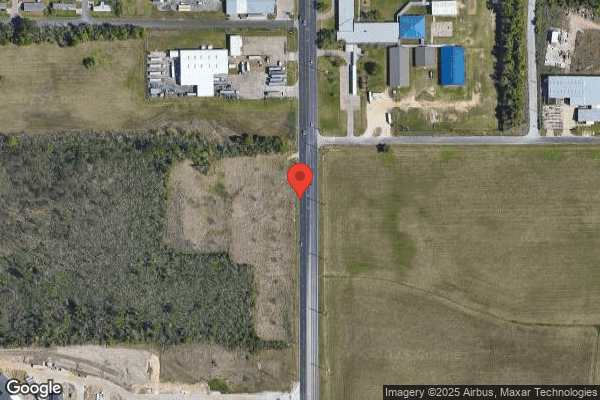

4190 GERSTNER MEMORIAL DRIVE, LAKE CHARLES, LA 70607 (337) 240-9730
Non profit - Corporation 120 Beds COMMCARE CORPORATION Data: November 2025
Trust Grade
45/100
#118 of 264 in LA
Last Inspection: October 2024

Within standard 12-15 month inspection cycle. Federal law requires annual inspections.

Overview

Calcasieu Community Care Center has a Trust Grade of D, indicating below-average care with some significant concerns. It ranks #118 out of 264 facilities in Louisiana, placing it in the top half, and #5 out of 10 in Calcasieu County, meaning only four local options are better. The facility is showing an improving trend, decreasing from 17 issues in 2023 to 16 in 2024. Staffing is average with a rating of 3 out of 5, but a 59% turnover rate raises concerns about consistency and familiarity among caregivers. While the center has not incurred any fines, which is a positive sign, there are notable issues such as failing to maintain an effective antibiotic stewardship program and not preparing therapeutic diets correctly for residents, which led to significant weight loss in some individuals. Overall, while there are strengths, such as no fines, the facility's challenges should be carefully considered by families.

Trust Score
D
45/100
In Louisiana
#118/264
Top 44%
Safety Record
Low Risk
No red flags
Inspections
Getting Better
17 → 16 violations
Staff Stability
⚠ Watch
59% turnover. Above average. Higher turnover means staff may not know residents' routines.
Penalties
✓ Good
No fines on record. Clean compliance history, better than most Louisiana facilities.
Skilled Nurses
⚠ Watch
Each resident gets only 10 minutes of Registered Nurse (RN) attention daily — below average for Louisiana. Fewer RN minutes means fewer trained eyes watching for problems.
Violations
⚠ Watch
33 deficiencies on record. Higher than average. Multiple issues found across inspections.
★★☆☆☆
2.0
Overall Rating
★★★☆☆
3.0
Staff Levels
★★☆☆☆
2.0
Care Quality
★★☆☆☆
2.0
Inspection Score
Stable
2023: 17 issues
2024: 16 issues

The Good

  • Full Sprinkler Coverage · Fire safety systems throughout facility
  • No fines on record

Facility shows strength in fire safety.

The Bad

2-Star Overall Rating

Near Louisiana average (2.4)

Below average - review inspection findings carefully

Staff Turnover: 59%

13pts above Louisiana avg (46%)

Frequent staff changes - ask about care continuity

Chain: COMMCARE CORPORATION

Part of a multi-facility chain

Ask about local staffing decisions and management

Staff turnover is elevated (59%)

11 points above Louisiana average of 48%

The Ugly 33 deficiencies on record

Oct 2024 14 deficiencies
CONCERN (D)

Potential for Harm - no one hurt, but risky conditions existed

Deficiency F0554 (Tag F0554)

Could have caused harm · This affected 1 resident

**NOTE- TERMS IN BRACKETS HAVE BEEN EDITED TO PROTECT CONFIDENTIALITY** Based on observation, interview and record review the facility failed to assess if the practice to self-administer medication wa...

Read full inspector narrative →
**NOTE- TERMS IN BRACKETS HAVE BEEN EDITED TO PROTECT CONFIDENTIALITY** Based on observation, interview and record review the facility failed to assess if the practice to self-administer medication was clinically appropriate for 1 (#110) resident investigated to self-administer medication out of a finalized sample of 40 residents. The deficient practice had to potential to affect 115 residents. Findings: On 10/07/2024, a review of the facility's policy titled Self-Administration of Medications with a reviewed date 01/04/2024 read in part: As part of the evaluation comprehensive assessment, the interdisciplinary team assesses each resident's cognitive and physical abilities to determine whether self-administering medications is safe and clinically appropriate for the resident. Resident #110 was admitted to the facility on [DATE] with diagnoses that included Chronic Obstructive Pulmonary Disease, Chronic Kidney Disease, and Mild Cognitive Impairment. Review of Resident #110's October 2024 Physician's Orders revealed an order for Ventolin Inhalation Aerosol Solution 108mcg/act (micrograms per actuator) 2 puffs, inhale orally every 4 hours and Fluticasone Propionate Nasal Suspension 50 mcg/act, 1 spray in both nostrils in the morning. Review of Resident #110's (Electronic Medical Record) EMR revealed no documented evidence that the resident was assessed to self-administer medication. On 10/07/2024 at 12:40 p.m., an interview and observation was made with Resident #110 of a prescription nasal spray and inhaler on her bedside table. Resident #110 confirmed she's always kept this nasal spray and inhaler at her bedside so that she can administer it to herself. On 10/07/2024 at 12:52 p.m., an observation, interview, and record review was conducted with S13LPN (Licensed Practical Nurse). S13LPN confirmed the resident's prescription nasal spray and inhaler was on the bedside table of Resident #110 and confirmed it should not be. S13LPN reviewed Resident #110's EMR and failed to find any assessments for self-administering medication.
CONCERN (D)

Potential for Harm - no one hurt, but risky conditions existed

MDS Data Transmission (Tag F0640)

Could have caused harm · This affected 1 resident

Deficiency Text Not Available

Read full inspector narrative →
Deficiency Text Not Available
CONCERN (D)

Potential for Harm - no one hurt, but risky conditions existed

Assessment Accuracy (Tag F0641)

Could have caused harm · This affected 1 resident

**NOTE- TERMS IN BRACKETS HAVE BEEN EDITED TO PROTECT CONFIDENTIALITY** Based on record review and interview, the facility failed to ensure the assessment accurately reflected the resident's status by...

Read full inspector narrative →
**NOTE- TERMS IN BRACKETS HAVE BEEN EDITED TO PROTECT CONFIDENTIALITY** Based on record review and interview, the facility failed to ensure the assessment accurately reflected the resident's status by failing to accurately code the Minimum Data Set (MDS) for 1(#52) of 40 sampled residents, as evidenced by Resident #52 not being coded for weight gain and hospice care. The deficient practice had the potential to effect a total census of 115 residents. Findings: Resident #52 was admitted to the facility on [DATE] with diagnoses which included in, but were not limited to, Cerebrovascular Disease and Unspecified Dementia. A review of Resident #52's records revealed a physician's order dated 07/24/2024 that read in part, admit to facility under the care of hospice. Admit diagnosis: Cerebrovascular Disease. A further review of Resident #52's record revealed a plan of care initiated on 05/10/2024 that read in part, I am at end- stage of life and utilizing hospice or other palliative care services. End-stage Cardiovascular Disease. A review of Resident #52's record of weights revealed on 08/01/2024 that she had a 7.4% weight gain in the last 30 days and a weight loss of 18.4% in the last 90 days. A review of Resident #52's Quarterly Minimum Data Set (MDS) Assessment with an Assessment Reference Date (ARD) of 08/14/2024, revealed the following in part: Section K0300. Weight Loss, Loss of 5% or more in the last month or loss of 10% or more in last 6 months was coded with a dash (-) which indicated this section was not assessed. K0310 Weight Gain, Gain of 5% or more in the last month or gain of 10% or more in last 6 months was coded with a dash (-) which indicated this section was not assessed. Section O, Special treatments, procedures, and programs; K1 Hospice care b. while a resident, was not coded. On 10/08/2024 at 3:54 p.m., a record review and interview was conducted with S9CC (Clinical Coordinator). She confirmed that Resident #52 received hospice services since admission on [DATE], and had a physician's order for hospice services dated 05/10/2024 which was revised on 07/24/2024. S9CC also confirmed the resident had a weight gain of 7.4% in the last 30 days. S9CC confirmed the resident's Quarterly MDS with an ARD of 08/14/2024, Sections K0300, and O-K1.b were not assessed. S9CC confirmed Sections K0300 should have been coded as a weight gain, and Section O- K1.b. should have been coded for receiving hospice care, but were not.
CONCERN (D)

Potential for Harm - no one hurt, but risky conditions existed

PASARR Coordination (Tag F0644)

Could have caused harm · This affected 1 resident

**NOTE- TERMS IN BRACKETS HAVE BEEN EDITED TO PROTECT CONFIDENTIALITY** Based on record review and interview, the facility failed to refer residents with a newly diagnosed mental disorder to the appro...

Read full inspector narrative →
**NOTE- TERMS IN BRACKETS HAVE BEEN EDITED TO PROTECT CONFIDENTIALITY** Based on record review and interview, the facility failed to refer residents with a newly diagnosed mental disorder to the appropriate state-designated authority for Level II PASARR (Preadmission Screening and Resident Review) evaluation and determination for 1 (#73) out of 3(#11, #49, #73) sampled residents investigated for PASARR, in a final sample of 40 residents. Findings: On 10/09/2024, a review of the facility's policy titled PASARR Pre-admission Screening and Coordination with a revision date of 12/28/2023 read in part: A negative Level I screen permits admission to proceed and ends the PASARR process unless a possible serious mental disorder (MD) or intellectual disability (ID) arises later. Any resident with newly evident or possible serious MD, ID or a related condition must be referred, by the facility, to the appropriate state-designated authority for review. A review of Resident # 73's electronic health record (EHR) revealed the resident was admitted to the facility on [DATE] with diagnoses which included, but were not limited to Type II Diabetes Mellitus without Complications, Major Depressive Disorder, Recurrent Severe without Psychotic Features, and Post-Traumatic Stress Disorder, Chronic. Further review of Resident #73's EHR revealed the resident was diagnosed with Schizophrenia, Bipolar Disorder, and Anxiety Disorder on 08/16/2024. Review of Resident #73's record revealed a PASARR Level II Evaluation Summary and Determination Notice dated 10/21/2020. The determination results read in part, a Level II is not required. Further review of Resident #73's records revealed no evidence that a Level II PASARR had been submitted to the appropriate state-designated authority after new diagnoses of Schizophrenia, Bipolar Disorder, and Anxiety Disorder on 08/16/2024. On 10/09/2024 at 11:37 a.m., a record review and interview was conducted with S4SSD (Social Services Director). She confirmed Resident #73's PASARR dated 10/21/2020 indicated a Level II PASARR was not required. S4SSD confirmed the resident had new diagnoses of Schizophrenia, Bipolar Disorder, and Anxiety Disorder on 08/14/2024. She also confirmed she did not submit a review for a Level II evaluation and determination to the appropriate state-designated authority after the resident's new diagnoses and should have.
CONCERN (D)

Potential for Harm - no one hurt, but risky conditions existed

Deficiency F0645 (Tag F0645)

Could have caused harm · This affected 1 resident

**NOTE- TERMS IN BRACKETS HAVE BEEN EDITED TO PROTECT CONFIDENTIALITY** Based on record review and interview, the facility failed to ensure residents identified with Mental Disorder and/or Intellectua...

Read full inspector narrative →
**NOTE- TERMS IN BRACKETS HAVE BEEN EDITED TO PROTECT CONFIDENTIALITY** Based on record review and interview, the facility failed to ensure residents identified with Mental Disorder and/or Intellectual Disability had an accurately completed PASARR (Pre-admission Screening and Resident Review ) Level I and/or Level II for 2 (#11, #49) of 3 (#11, #49, #73) residents reviewed for PASAAR screening out of a final sample of 40 residents. Findings: On 10/09/2024, a review of the facility's policy titled PASARR Pre-admission Screening and Coordination with a revision date of 12/28/2023 read in part: The Facility Social Services Representative or DON (Director of Nursing) or their designee notifies the appropriate MD (Medical Diagnosis) or ID (Intellectual Disability) State-designated authority for review of newly identified or possible serious MD, ID, or a related condition. Resident #11 Review of Resident #11's record revealed the resident was admitted to the facility on [DATE] with a diagnosis that included Bipolar Disorder. Further review of Resident #11's medical record revealed a Level I PASARR screening dated 04/28/2023. Further review of the screening Section 3: Mental Illness revealed Bipolar Disorder was not indicated. Resident #49 Review of Resident #49's medical record revealed the resident was admitted to the facility on [DATE] with a diagnosis including Obsessive-Compulsive Disorder. Further review of the record revealed the resident's Level I PASARR screening dated 04/28/2023. Review of the screening Section 3: Mental Illness revealed Obsessive-Compulsive Disorder was not indicated. The Level I PASARR was issued temporarily effective 05/07/2024 through 08/15/2024. Further record review revealed a current Level I PASARR but the Level I screening could not be found in the residents' EMR (Electronic Medical Record). On 10/09/2024 at 12:15 p.m., a concurrent records review and interview was conducted with S4SSD (Social Services Director) who stated that she was responsible for completing and reviewing PASARRs when residents were admitted to the facility. A review of Resident #11's diagnoses and dates of diagnosis was done as well as the Level 1 PASARR screening dated 04/28/2023. She stated the resident had the Level I PASARR upon admission and she never resubmitted the PASARR screening to reflect the qualifying diagnosis. Further record review was done for Resident #49. S4SSD reviewed Resident #49's diagnosis and date and confirmed it had not been indicated to reflect that qualifying diagnosis. A request was made for the Level I PASARR screening form that was sent to the designated authority for determination. S4SSD was unable to provide this and was unable to confirm if the qualifying diagnosis had been accurately indicated.
CONCERN (D)

Potential for Harm - no one hurt, but risky conditions existed

Tube Feeding (Tag F0693)

Could have caused harm · This affected 1 resident

Based on observation, interview and policy review, the facility failed to ensure that a resident's enteral feeding was properly labeled for 1 (#106) resident out of 1 (#106) sampled residents reviewed...

Read full inspector narrative →
Based on observation, interview and policy review, the facility failed to ensure that a resident's enteral feeding was properly labeled for 1 (#106) resident out of 1 (#106) sampled residents reviewed for tube feeding. The deficient practice had the potential to affect a total of 4 residents receiving enteral feedings. Findings: Review of the facility's policy titled Enteral Tube Feeding via Continuous Pump on 10/08/2024 with a reviewed date of 01/17/2024, under the heading of Initiate Feeding read, in part .5. On the formula label document initials, date and time the formula was hung/administered . Review of Resident #106's electronic health record revealed an admission date of 08/15/2024 with diagnoses including Cerebral Infarction, Dysphasia, and Aphasia. Review of Resident #106's October 2024 physician's orders revealed an order dated 10/01/2024 that read: Enteral Feed Order every night shift Fibersource HN at 83ml (milliliters) per hour with 50ml H2O (water) flush. On 10/08/2024 at 9:30 a.m., an observation of Resident #106's tube feeding administration set failed to revealed the resident's name, date or time of initiation, nor the initials of who initiated the feeding. S14LPN (Licensed Practical Nurse) was present during the observation. She confirmed the administration set was not labeled with the resident's name nor the date, time, or initials of who initiated the feeding. She confirmed the set should be labeled with this information.
CONCERN (D)

Potential for Harm - no one hurt, but risky conditions existed

Respiratory Care (Tag F0695)

Could have caused harm · This affected 1 resident

**NOTE- TERMS IN BRACKETS HAVE BEEN EDITED TO PROTECT CONFIDENTIALITY** Resident #96 Resident #96 was admitted to the facility on [DATE] with diagnoses that included Chronic Obstructive Pulmonary Dise...

Read full inspector narrative →
**NOTE- TERMS IN BRACKETS HAVE BEEN EDITED TO PROTECT CONFIDENTIALITY** Resident #96 Resident #96 was admitted to the facility on [DATE] with diagnoses that included Chronic Obstructive Pulmonary Disease, Pulmonary Hypertension, and Chronic Cough. Review of October 2024 Physician Orders revealed an order dated 10/04/2024 that read, May apply oxygen between 2-4L (liters) PRN (as needed) for dyspnea. On 10/07/2024 at 3:10 p.m., an observation and interview was conducted with S13LPN (Licensed Practical Nurse) of an oxygen nasal cannula on the floor. S13LPN confirmed the nasal cannula should not have been on the floor and should have been stored in a bag. Based on record review, observation, and interview, the facility failed to properly store respiratory equipment for 2 (#10, #96) out of 2 (#10, #96) residents investigated for respiratory care in a final sample of 40 residents. Findings: On 10/09/2024, a review of the facility's policy titled Departmental (Respiratory Therapy) - Prevention of Infection, with a last reviewed date of 07/16/2024, read in part: The purpose of this procedure is to guide prevention of infection associated with respiratory tasks and equipment, including ventilators, among residents and staff. Infection control considerations related to Medication Nebulizers/Continuous Aerosol: 7. Store the circuit in plastic bag, marked with date and resident's name, between uses. Resident #10 A review of Resident #10's electronic health record (EHR) revealed that she was admitted to the facility on [DATE] with diagnoses in part, but not limited to Osteoporosis and Major Depressive Disorder. A review of Resident #10's physician's orders revealed an order dated 10/06/2024 that read, Ipratropium-Albuterol Inhalation solution 0.5-2.5 (3 milligram/3 milliliters), 1 vial inhale orally three times a day for pneumonia. On 10/07/2024 at 9:39 a.m., an observation was conducted in Resident #10's room. Resident #10's nebulizer tubing and mouthpiece were on top of a drawer unit, not in use, open to air, and not stored in a bag. On 10/07/2024 at 9:53 a.m., an observation was conducted in Resident #10's room with S11LPN (Licensed Practical Nurse). S11LPN confirmed Resident #10's nebulizer tubing and mouthpiece was not stored in in a bag and should have been stored in a bag while not in use.
CONCERN (D)

Potential for Harm - no one hurt, but risky conditions existed

Food Safety (Tag F0812)

Could have caused harm · This affected 1 resident

Based on observation and interview, the facility failed to store, prepare, distribute and serve food in accordance with professional standards for food service safety by failing to ensure refrigerated...

Read full inspector narrative →
Based on observation and interview, the facility failed to store, prepare, distribute and serve food in accordance with professional standards for food service safety by failing to ensure refrigerated food items that were opened were labeled with the date they were opened before storing. This deficient practice had the potential to affect the 115 residents who consumed food prepared in the kitchen. Findings: On 10/07/2024 at 8:28 a.m., an observation of the free standing refrigerator in the kitchen and an interview was conducted with S5DM (Dietary Manager). A gallon of ranch dressing and a zip locked bag of sliced cucumbers were noted to be opened, used, and were not labeled with a date. S5DM confirmed the above findings and stated the opened food items should have been labeled with the date they were opened, but had not been.
CONCERN (D)

Potential for Harm - no one hurt, but risky conditions existed

Infection Control (Tag F0880)

Could have caused harm · This affected 1 resident

Based on observation, policy review, and interviews, the facility failed to ensure Enhanced Barrier Precautions (EBP) were implemented for 1 (#19) of 8 (#19, #41, #52, #555, #73,# 93, #103, and #106) ...

Read full inspector narrative →
Based on observation, policy review, and interviews, the facility failed to ensure Enhanced Barrier Precautions (EBP) were implemented for 1 (#19) of 8 (#19, #41, #52, #555, #73,# 93, #103, and #106) residents reviewed that required EBP. Findings: On 10/09/2024, review of the facility's Enhanced Barrier Precaution (EBP) policy, with a revision date of 04/2024, read, in part: 1. Enhanced Barrier Precautions (EBP's) are used as an infection prevention and control intervention to reduce the spread of multi-drug resistant organisms (MDRO's) to residents. 2. EBP's employ targeted gown and glove use during high contact resident care activities when contact precautions do not otherwise apply. 3. Examples of high-contact resident care activities requiring the use of gown and gloves for EBP's include: h. chronic wounds such as pressure ulcers 5. EBP's are indicated for residents with wounds .regardless of MDRO colonization. 6. EBP's remain in place for the duration of the resident's stay or until resolution of the wound 11. Signs are posted on the door or wall outside the resident room indicating the type of precautions and PPE (Personal Protective Equipment) required. Review of Resident #19's medical records revealed a Stage II Pressure Ulcer was discovered on her left gluteus on 10/02/2024 and current physician's orders specified daily wound care. During an interview with Resident #19 on 10/07/2024 at 2:06 p.m., she stated she had a pressure wound somewhere on her backside near her tailbone. Resident #19 said a nurse cleans and applies a clean dressing every day. On 10/09/2024 at 10:05 a.m., an observation and interviews were conducted with S16LPN (Licensed Practical Nurse) and S17RN (Registered Nurse) near Resident #19's closed door. S16LPN and S17RN confirmed their role as wound care nurses. S16LPN and S17RN confirmed Resident #19 had a Stage II Pressure Ulcer on the top portion of her left gluteus, and stated S16LPN was going to conduct wound care on the resident's wound. There was no sign on Resident #19's door or near the entrance to her room to ensure awareness of EBP. Also, there was no PPE observed to be available in the immediate area. S16LPN and S17RN confirmed there was no signage on or near the entrance of Resident #19's room to ensure EBPs were recognized, and no PPE available in the immediate area of Resident #19's room, if needed to provide immediate care while following EBP guidelines. S16LPN and S17RN stated they were not aware that a resident with a pressure ulcer was one of the requirements for EBP.
CONCERN (E)

Potential for Harm - no one hurt, but risky conditions existed

Deficiency F0692 (Tag F0692)

Could have caused harm · This affected multiple residents

**NOTE- TERMS IN BRACKETS HAVE BEEN EDITED TO PROTECT CONFIDENTIALITY** Based on observations, interview and record review, the facility failed to prepare mechanically altered therapeutic diets to mee...

Read full inspector narrative →
**NOTE- TERMS IN BRACKETS HAVE BEEN EDITED TO PROTECT CONFIDENTIALITY** Based on observations, interview and record review, the facility failed to prepare mechanically altered therapeutic diets to meet the nutritional requirements for 4 (#52, #88, #93 and #106) residents out of 8 (#28, #37, #52, #68, #88, #93, #96 and #106) residents reviewed for weight and nutrition. The facility did not use the recommended liquid additive consistently when preparing pureed foods as defined by the recipe, and not serve residents' meals according to planned nutritional menus as recommended by the registered dietitian for residents #52, #88, #93, and #106 who received puree diets and found to have weight loss. 1) Resident #52 had a weight loss of 9.17% in 3 months and a 17.86% in less than 6 months. 2) Resident #88 had a weight loss of 12.13% in one month and 22.76% in 6 months. 3) Resident #93 had a weight loss of 7.63% in three months. 4) Resident #106 had a weight loss of 10.40% in less than three months. Findings: The menu items for lunch for 10/07/2024 included Chicken Thighs with barbecue sauce, potato salad No raw vegetables, Baked Beans, Texas Toast and Vanilla [NAME] Dessert. On 10/07/2024 at 11:00 a.m., an observation was made of S7KS (Kitchen Staff) preparing the pureed meal for 8 residents prescribed a pureed diet. While preparing the baked chicken, he placed the meat from 12 chicken wings into the food processor, added 6 teaspoons of thickener and 4 cups of water. S7KS was instructed, by S5DM (Dietary Manager), to use hot water to add to the pureed chicken. S7KS then placed 8 gray scoops of potato salad in the food processor with 2 cups of water. Once pureed, he placed the scoops for each resident on each unit in a container and on the unit cart. S7KS stated he was using the Pureed Foods Guidelines. Review of the facility's Pureed Foods Guideline, read in part: Instructions for preparing pureed foods: 2. Measure the number of serving using the regular prepared recipe portion. 3. Add appropriate liquid (example: reserve liquid, broth, juice, milk) if needed, to assist with pureeing. Puree with a blender or food processor until smooth. NOTE: Water should not be used as a liquid to puree foods. Examples of liquid to use for different pureed foods* Chicken and potatoes use [NAME] gravy; Vegetables use Broth, Bread use milk. Use a sauce or gravy that compliments the dish you are pureeing. On 10/07/2024 at 1:10 p.m., an interview was conducted with S5DM. She confirmed she was the supervisor over the kitchen. She reported, and provided a list of 8 residents that received a pureed diet. S5DM reviewed the pureed foods guidelines and confirmed water should not be used as a liquid to puree foods. On 10/07/2024 at 4:10 p.m., an interview was conducted with S7KS, he confirmed he used water to puree the barbecue chicken and potato for the lunch menu and that he did not prepare the puree bread that should have been served to the residents according to the menu. He also confirmed he reviewed the pureed foods guideline and should not have use water to puree any food and should have pureed the bread for lunch menu. Residents #52, #88, #93 and #106 Review of the facility's policy titled Weight Assessment and Intervention, with a revised date of March 2022, no date of review provided by facility, revealed in part: Policy Statement: Resident weights are monitored for undesirable or unintended weight loss or gain. Policy Interpretation and Implementation: 5. The threshold for significant unplanned and undesired weight loss will be based on the following criteria [where percentage of body weight loss = (usual weight-actual weight)/(usual weight) x 100]: 1. 1 month - 5% . 2. 3 months - 7.5% . 3. 6 months - 10% . 1) Review of Resident #52's EMR (Electronic Medical Record) revealed an admit date of 05/10/2024 revealed with diagnoses that included: Cerebrovascular Disease, Dementia and Anxiety. Review of Resident #52's EMR (Electronic Medical Record) accessed on 10/07/2024 revealed a weight on 10/01/2024 of 132.6 lbs. (pounds). A weight on 06/05/2024 of 157.0 lbs., reflecting a weight loss of 9.17%, in less than 3 months and a weight on 05/10/2024 of 173.6 lbs. reflecting a weight loss of 17.86%, in less than 6 months. Review of Resident #52's Quarterly Minimum Data Set (MDS) assessment dated [DATE] revealed a BIMS (Brief interview of mental status) score of 03, indicating a severely impaired mental status. Weight loss/gain was not assessed. Review of Resident #52's weight evaluations assessment, dated 09/05/2024 revealed a 13.9% in 90 days (21.8 lbs.), receiving 3 ounces of a dietary supplement three times a days. Review of Resident #52's Care Plan revealed a focus of the resident has nutritional potential nutritional problem: 06/05/2024 9.6%--16 pounds weight loss in 30 days; 09/05/2024 13.9%--21.8 pounds weight loss in 90 days and 10/01/2024 7.0%/10 pounds weight loss in 30 days. Goal The resident will maintain adequate nutritional status as evidenced by maintaining weight through review date date initiated 05/10/24 and revised on 05/10/2024 with a target date of 11/12/2024. Interventions included Provide, serve diet as ordered. Review of Resident #52's revealed Meal intake: last 30 days (09/10/2024 - 10/07/2024) - 0 - 25% for 13 meals, 26% - 50% was for 5 meals, 51% -75% was for 11 meals, 76% - 100% was for 7 meals, no refusals and 2 not applicable on 10/07/2024. Record review of October 2024 physician's orders for Resident #52, revealed she was ordered 05/10/2024 - Regular Diet, Pureed texture. 2) Review of Resident #88's EMR revealed an admit date of 01/27/2023 revealed with diagnoses that included: Cerebrovascular Disease, Dysphagia, Moderate Protein-Calorie Malnutrition, Alzheimer's disease and Anxiety. Review of Resident #88's EMR weights revealed a weight on 09/03/2024 of 133.6 lbs. and on 10/03/2024, the resident weighed 117.4 lbs., reflecting a weight loss of 12.13 % in 1 month. On 04/04/2024, the resident weighed 152.00 lbs., reflecting a weight loss of 22.76 % in six months. Review of Resident #88's Quarterly MDS assessment dated [DATE] revealed a BIMS score, not assessed, resident rarely/never understands. Section K0300-Weight Loss: Weight loss/gain was identified as yes, not on a physician-prescribed weight-loss regimen. Record review of October 2024 physician's orders for Resident #88, revealed the following orders: 09/10/2024 - Regular Diet, Pureed texture. On 10/07/2024 at 12:26 p.m., an observation was conducted of Resident # 88 in dining area being fed by staff. The resident's meal tray contained a pureed diet of pureed barbecue chicken, pureed potato salad, pureed baked beans and pudding. No pureed bread was noted on the tray confirmed by a staff member. 3) Review of Resident #93's EMR revealed an admit date of 11/23/2022 revealed with diagnoses that included: Cerebrovascular Disease, Diabetes Mellitus type II, Dysphagia and Aphasia. Review of Resident #93's EMR weights on 10/07/2024 revealed a weight on 09/09/2024 of 128.4 lbs. and on 06/05/2024 a weight of 139.0 lbs., reflecting a weight loss of 7.63%, in 3 months. Review of Resident #93's Annual MDS assessment dated [DATE] revealed a BIMS score of 10, indicating a moderately impaired mental status. Section K0520, addresses feeding tube, and mechanically altered diet; Section K0710 Percent Intake by Artificial Route 25% or less. Review of Resident #93's Care Plan revealed a focus of the resident had weight loss 08/08/2024 5% weight loss; Goal: The resident will return to baseline weight by review date. Interventions included have feedings as ordered; Record review of October 2024 physicians' orders for Resident #93, revealed she was ordered 08/20/2024 - Regular Diet, Pureed texture, Diabetisource at 70 ml/hour from 7p.m. to 7a.m via PEG (percutaneous endoscopic gastrostomy). On 10/08/2024 at 12:19 p.m., an interview was conducted with S12CNA (Certified Nursing Assistant), she reported Resident #93 had to be fed her meals. She stated the resident had been eating less and less and refused meals. Resident #93 was observed at this time refusing to eat a soup S12CNA was attempting to feed the resident. 4) Review of Resident #106's EMR revealed an admit date of 08/15/2024 revealed with diagnoses that included: Cerebrovascular Disease, Hemiplegia, Dysphagia, Dementia and Aphasia. Review of Resident #106's EMR weights revealed a weight on 08/16/2024 of 177.0 lbs., and on 10/07/2024 a weight of 158.6 lbs., reflecting a weight loss of 10.40%, in less than three months. Review of Resident #106's admission MDS assessment dated [DATE] revealed a BIMS score of 02, indicating a severely impaired mental status. Section K: Weight loss/gain answered No or unknown. Record review of October 2024 physicians' orders for Resident #106, revealed 09/17/2024 - Regular Diet, Pureed texture, nectar thick liquids, no straws, continue peg feedings and meds via peg and an order on 10/1/2024 - every night shift Fibersource HN (High Nitrogen) at 83ml/hr with 50ml H20 (water) Flush. On 10/07/2024 at 3:26 p.m., an interview conducted with S15LPN (Licensed Practical Nurse), she reported Resident #106 eats 3 meals a day, orally and received nocturnal nutrition via PEG. On 10/08/2024 at 9:30 a.m., an observation was made of the resident lying in bed being fed breakfast meal of pureed foods by S18CNA. On 10/08/2024 at 1:12 p.m., an interview was conducted with S18CNA. S18CNA confirmed that she fed Resident #106 this morning. S18CNA stated the resident consumed approximately 25% of morning meal. S18CNA confirmed that the resident required staff assist with meals and that her appetite fluctuates with each meal. On 10/08/2024 at 9:00 a.m., an interview was conducted with S8RD, she reported she visits the facility monthly and reviews resident's weights weekly remotely. She stated she reviews the reports for resident's weights done weekly and monthly. She confirmed the resident she would look would be the ones with a significant weight change in a 30/90/180 day period, but could not recall what residents she had reviewed in last 6 months. She reported she was informed of the finding of water used to pureed foods during lunch preparation yesterday. A review of the in-services for Dietary Department revealed S8RD in-serviced staff on following recipes on 3/28/2024 with three staff signatures noted. S5DM and S7KS were not listed has having received this in-service. S8RD confirmed she had previously in-serviced the kitchen staff on pureed diet preparation with the use of broth or milk on 03/28/2024. S8RD stated she goes to the kitchen for inspection every three months, but she does not observe staff the making pureed food during her rounds. S8RD confirmed S5DM was responsible for overseeing that kitchen staff prepared puree foods according to the guideline and serve the meals according to the menu. Further review of the in-services for Dietary Department revealed an in-service dated 09/17/2024 presented by S1ADM, with signatures including S5DM and S7KS, for policy & procedures Re: pureed process, ticket process, review of diet orders, allergies, etc. Reviewed importance of following proper procedure as it relates to nutrition.
CONCERN (E)

Potential for Harm - no one hurt, but risky conditions existed

Menu Adequacy (Tag F0803)

Could have caused harm · This affected multiple residents

**NOTE- TERMS IN BRACKETS HAVE BEEN EDITED TO PROTECT CONFIDENTIALITY** Based on observation, and interviews, the facility failed to ensure recipes for pureed foods and menus were followed for residen...

Read full inspector narrative →
**NOTE- TERMS IN BRACKETS HAVE BEEN EDITED TO PROTECT CONFIDENTIALITY** Based on observation, and interviews, the facility failed to ensure recipes for pureed foods and menus were followed for residents who recieved puree diets. This deficient practice affected 8 (#28, #37, #52, #68, #88, #93, #96 and #106) of 8 residents that received a pureed diet. Findings: On 10/07/2024 at 10:55 a.m., a review of the facility's lunch menu revealed the residents should have received: Chicken thighs with barbecue sauce, baked beans, Texas toast and vanilla [NAME] dessert. On 10/07/2024 at 11:00 a.m., an observation was made of S7KS (kitchen staff) preparing the pureed food for eight residents prescribed pureed diets. While preparing the baked chicken, he placed the meat from 12 chicken wings into the food processor, added 6 teaspoons of thickener and 4 cups of water. S7KS was instructed, by S5DM (Dietary Manager), to use hot water to add to the pureed the chicken. S7KS then placed 8 gray scoops of potato salad in the food processor with 2 cups of water. Once pureed he placed the scoops for each resident on each unit in a container and on the unit cart. S7KS confirmed he was using the Pureed Foods Guidelines. On 10/07/2024 at 12:35 p.m., an observation of a pureed diet tray being prepared for a resident was done. When the tray being served it was noted there was no pureed bread for tray and no substitute was identified on the tray. The tray had pureed barbecue chicken, pureed baked beans, pureed potato salad and a cup of yellow pudding. No other foods were observed on the plate. On 10/07/2024 at 1:00 p.m., a review of the pureed foods guideline revealed in part: 2. Measure the number of servings using the regular prepared recipe portion. 3. Add appropriate liquid (ex: reserved liquid, broth, juice milk0, if needed, to assist with pureeing. Puree with the blender or food processor until smooth. NOTE: Water should not be used as a liquid to puree foods. On 10/07/2024 at 1:10 p.m., an interview was conducted with S5DM. She confirmed she was the supervisor over the kitchen. She reported, and provided a list of 8 residents that received a pureed diet. S5DM reviewed the pureed foods guideline and confirmed water should not be used as a liquid to puree foods. On 10/07/2024 at 4:10 p.m., an interview was conducted with S7KS, he confirmed he used water to puree the food for the lunch menu and that he did not puree the bread, that should have been served with thee pureed diet. He also confirmed he reviewed the pureed foods guidelines and should not have use water to puree any food and should have pureed the bread for lunch menu. On 10/08/2024 at 9:00 a.m., an interview was conducted with S8RD, she reported she visits the facility monthly for kitchen inspection. She reported she was informed of the finding of water used to pureed foods during lunch preparation yesterday. S8RD confirmed she had previously in-serviced the kitchen staff on pureed diet preparation with the use of broth or milk.S8RD confirmed S5DM is responsible for overseeing the staff were supposed to follow and serve the menu and prep puree according to their guideline.
CONCERN (E)

Potential for Harm - no one hurt, but risky conditions existed

QAPI Program (Tag F0867)

Could have caused harm · This affected multiple residents

Based on review of the Quality Assurance and Performance Improvement (QAPI) Program and interview, the facility failed to take actions aimed at performance improvement and after implementing those act...

Read full inspector narrative →
Based on review of the Quality Assurance and Performance Improvement (QAPI) Program and interview, the facility failed to take actions aimed at performance improvement and after implementing those actions, measure its success and track performance. This was evidenced by lack of evidence of: 1. Measuring or tracking success of actions implemented; 2. collection and analysis of data; and, 3. in-services conducted with staff. This deficient practice had the potential to affect a census of 115 residents. Findings: On 10/09/2024, a review of the facility's undated policy titled, Quality Assurance and Performance Improvement (QAPI) Program revealed the following in part: Each facility must develop, implement, and maintain an effective, comprehensive, data driven QAPI program that focuses on indicators of the outcomes of care and quality of life for out residents. Facility must maintain documentation and evidence of its ongoing QAPI program. On 10/09/2024 at 3:15 p.m., a review of the QAPI program and an interview was conducted with S2DON (Director of Nursing). There was no documented evidence that the actions implemented were measured or performance of the action plans were being tracked. There was also no evidence of data collection and analysis. Further review of the records failed to reveal in-services conducted with clinical and non-clinical support staff members. S2DON confirmed there was no documented evidence of data collection, analysis of data, monitoring, or performance tracking and in-services being conducted.
CONCERN (F)

Potential for Harm - no one hurt, but risky conditions existed

Antibiotic Stewardship (Tag F0881)

Could have caused harm · This affected most or all residents

Based on record review and interview, the facility failed to maintain an effective antibiotic stewardship program to monitor antibiotic use by failing to develop an antibiotic stewardship program with...

Read full inspector narrative →
Based on record review and interview, the facility failed to maintain an effective antibiotic stewardship program to monitor antibiotic use by failing to develop an antibiotic stewardship program with effective surveillance and tracking and trending of antibiotic use. This deficient practice had the potential to effect a census of 115. Findings: Review of the policy titled Antibiotic Stewardship, with a revised date of December 2022, facility did not provide a review date, read in part: Antibiotics will be prescribed and administered to residents under the guidance of the facility's Antibiotic Stewardship program. Policy Interpretation and Implementation: The purpose of our antibiotic stewardship program is to monitor the use of antibiotics in our residents. Surveillance: 1. As part of the facility antibiotic stewardship program, all clinical infections treated with antibiotics will undergo review of the infection preventionist (IP), or designee. 2. The IP, or designee, will review antibiotic utilization as part of the antibiotic stewardship program and identify specific situations that are not consistent with the appropriate use of antibiotics. 4. All resident antibiotic regimens will be documented on the facility-approved antibiotic surveillance tracking form. The information gathered will include: a. Resident name and medical record number, b. Unit and room number, c. date symptoms appeared, d. name of antibiotic, e. start date of antibiotic, f. pathogen identified, g. site of infection, h. date of culture, i. stop date, j. total days of therapy, k. outcome, and l. adverse events. A review of the facility's policy titled, Infection Prevention and Control Program, with a revised date October 2018, facility did not provide a review date, a read in part: 8. Antibiotic Stewardship a. Culture reports, sensitivity data, and antibiotic usage reviews are included in surveillance activities .Infection Preventionist Policy Statement: The Infection Preventionist is responsible for coordinating the implementation, assessment, developing, monitoring and management of the program .Monitoring Compliance with Infection Control Policy Statement: Routine monitoring and surveillance of the workplace are conducted .Policy Interpretation and Implementation 6. The infection preventionist .provides reports .that reflect c. Adherence to the facility's antibiotic stewardship program . Review of the Infection Surveillance Reported for September 2024 revealed: 29 other infections and 2 Urinary Tract/Kidney infections for a total of 32 infections. There were 6 infections for July 2024, 9 infections for August 2024, 14 infections for September 2024, and 1 infection for October 2024 identified on the surveillance report. There are 2 open infections of unknown and 2 open infections of Urinary Tract/Kidney for July 2024, 9 open infections for August 2024, 5 open infections for September 2024, and 1 open infection for October 2024. Review of list of residents with antibiotic orders from 09/19/2024 to 10/09/2024 with current on antibiotics reviewed revealed there were 5 resident with antibiotics. 1 antibiotic started on 10/02/2024 and 10/04/2024; 1 antibiotics stated on 10/07/2024 and 2 antibiotics started on 10/09/2024. Review of progress notes *NEW* from 10/01/2024 to 10/09/2024 for resident receiving antibiotics revealed: documentation for Resident #49 was on Doxycycline (started 10/04/2024) had 1documented note on 10/06/2024 about antibiotic. Documentation for Resident #268 was on Cipro (started 10/07/2024) had 1documented note on 10/07/2024 about antibiotic. On 10/09/24 at 9:47 a.m., an interview was conducted with S2DON, she confirmed she was the facility's infection preventionist. She confirmed the facility had not had a certified ICP since 04/17/2024, as no one had completed the training until she had on 10/08/2024. She stated the previous DON had been doing the infection control, but did not have the Preventionist certification. She confirmed the facility did not have an effective Antibiotic Stewardship program for surveillance monitoring of infections and use of antibiotics, or the tracking and trending. She stated the floor nurses were responsible for daily documentation when a resident was on an antibiotic and the facility used an infection screening evaluation when a resident is started on an antibiotic. On 10/09/2024 at 2:01 p.m., an interview was conducted with S2DON, she confirmed the facility had no residents on any type of isolation. On 10/09/2024 at 5:30 p.m., the facility did not provide evidence of an antibiotic stewardship program in place by survey exit.
CONCERN (F)

Potential for Harm - no one hurt, but risky conditions existed

Deficiency F0882 (Tag F0882)

Could have caused harm · This affected most or all residents

Based on interview and record review, the facility failed to ensure that the individual designated as the Infection Preventionist, completed specialized training in infection prevention and control. T...

Read full inspector narrative →
Based on interview and record review, the facility failed to ensure that the individual designated as the Infection Preventionist, completed specialized training in infection prevention and control. This had the potential to affect a census of 115residents. Findings: On 10/08/2024, a review of the facility's policy titled Infection Preventionist with a revision date of December 2022, revealed the following in part: Professional Training 1. The infection preventionist is professionally -trained in nursing, medical technology, microbiology, epidemiology, or other related field with at least the following professional training: a. a nurse must have earned a certificate/diploma or degree in nursing Specialized Training: 1. The infection preventionist has obtained specialized ICP (Infection Control Preventionist) training beyond initial profession training or education prior to assuming the role 2. Evidence of training is provided through certificate(s) of completion or equivalent documentation. Review of the facility's infection control records revealed that there was no documented evidence that S3ADON (Assistant Director of Nursing), who was the facility's designated Infection Preventionist, had completed specialized training in infection prevention and control. On 10/09/24 at 9:47 a.m., an interview was conducted with S2DON (Director of Nursing), She confirmed the facility had not had an ICP with a certification since 04/17/2024 and stated she got hers on 10/08/2024 when the surveyors were in the facility.
Mar 2024 2 deficiencies
CONCERN (D) 📢 Someone Reported This

A family member, employee, or ombudsman was alarmed enough to file a formal complaint

Potential for Harm - no one hurt, but risky conditions existed

Transfer Notice (Tag F0623)

Could have caused harm · This affected 1 resident

**NOTE- TERMS IN BRACKETS HAVE BEEN EDITED TO PROTECT CONFIDENTIALITY** Based on record reviews and interview, the facility failed to notify the State Long Term Care Ombudsman of facility-initiated tr...

Read full inspector narrative →
**NOTE- TERMS IN BRACKETS HAVE BEEN EDITED TO PROTECT CONFIDENTIALITY** Based on record reviews and interview, the facility failed to notify the State Long Term Care Ombudsman of facility-initiated transfers for 2 (#1, #4) out of 5 (#1, #2, #3, #4, #5) residents investigated for hospitalizations. This deficient practice has the potential to affect a census of 95 residents. Findings: Review of the facility's policy titled Transfer or discharge, Facility-Initiated revealed, in part, 4. Notice of transfer is provided to the resident and representative as soon as practicable before the transfer and to the long-term care (LTC) ombudsman when practicable (e.g., in a monthly list of residents that includes all notice content requirements). Resident #1 Review of nurses' notes revealed Resident #1 was sent to the hospital on [DATE]. Further review of nurses' notes revealed Resident #1 was sent to the hospital again on 02/25/2024. Review of the emergency transfer log from 02/02/2024 to 02/29/2024 revealed Resident #1 was not identified on the list for transfer to the hospital on either 02/15/2024 or 02/25/2024. Resident #4 Review of nurses' notes revealed Resident #4 was sent to the hospital on [DATE]. Review of the emergency transfer log from 02/02/2024 to 02/29/2024 revealed Resident #4 was not identified on the list for transfer to the hospital on [DATE]. On 02/19/2024 at 1:30 p.m., an interview was conducted with S4AM (Account's Manager). S4AM confirmed she was responsible for emailing the report to the state office each month. She confirmed Resident #1 and Resident #4's hospital transfers. She confirmed Resident #1 was not on the emergency transfer log for 02/15/2024 or 02/25/2024 nor was Resident #4 for the emergency transfer on 02/20/2024 and confirmed they should have been.
CONCERN (E) 📢 Someone Reported This

A family member, employee, or ombudsman was alarmed enough to file a formal complaint

Potential for Harm - no one hurt, but risky conditions existed

Deficiency F0657 (Tag F0657)

Could have caused harm · This affected multiple residents

**NOTE- TERMS IN BRACKETS HAVE BEEN EDITED TO PROTECT CONFIDENTIALITY** Based on interviews and record reviews, the facility failed to ensure that 3 (#1, #2 #5) out of 5 (#1-#5) sampled residents part...

Read full inspector narrative →
**NOTE- TERMS IN BRACKETS HAVE BEEN EDITED TO PROTECT CONFIDENTIALITY** Based on interviews and record reviews, the facility failed to ensure that 3 (#1, #2 #5) out of 5 (#1-#5) sampled residents participated in care planning meetings. This was evidenced by failure to provide evidence that family representatives were invited to a care planning meetings and residents stating they had never participated in a care planning meeting. The deficient practice had the potential to affect a total census of 95. Findings: Review of the facility's policy, Care Planning - Interdisciplinary Team, with a revised date of March 2022, revealed in part, the following, 4. The resident, the resident's family and /or the resident's legal representative/guardian or surrogate are encouraged to participate in the development of and revisions to the resident's care plan. 6. If it is determined the participation of the resident or representative is not practicable for the development of the care plan, an explanation is documented in the medical record. Resident #1 A review of Resident #1's medical record revealed Resident #1 was admitted to the facility on [DATE] and had diagnoses that included, but not limited to; Senile Degeneration of Brain, Anxiety Disorder, Depression, Primary Generalized Osteoarthritis. Review of Resident #1's Quarterly MDS (Minimal Data Set) dated 02/05/2024 revealed a BIMS (Brief Interview for Mental Status) score of 2, indicated the resident was severely cognitively impaired. On 03/19/2024 at 9:40 a.m., an interview was conducted with S5MDSN (Minimal Data Set Nurse). She stated the resident's representatives are notified of upcoming care planning meetings through the facility's Cliniconex messaging system. S5MDSN reviewed Resident #1's EMR (electronic medical record) and was unable to provide any documentation of the resident's representative's notification of the care planning meeting. Resident #2 A review of Resident #2's medical record revealed the resident had an admission date of 05/01/2023 and had diagnoses that included, but not limited to; End Stage Heart Failure, Depression, Anxiety, Unspecified Psychosis and Dementia. Review of Resident #2's Quarterly MDS (Minimum Data Set) dated 01/09/2024 revealed a BIMS (Brief Interview Mental Status) score of 15, indicating the resident was cognitively intact. On 03/18/2024 at 3:00 p.m., an interview was conducted with Resident #2. She stated she did not recall ever being informed about care plan meetings, and does not know how often they have a care planning meeting for her. On 03/19/2024 at 10:15 a.m., an interview was conducted with S5MDSN (Minimum Data Set Nurse), she stated the resident's representative was notified through the facility's Cliniconex messaging system about the care plan meeting dates. S5MDSN reviewed Resident #2 EMR (electronic medical record) and was unable to provide any documentation of the resident being told about the meeting. Resident #5 A review of Resident #5's medical record revealed the resident had an admission date of 12/30/2022 and had diagnoses that included, but not limited to; Anemia, Osteoporosis, Overactive Bladder, Major Depression and Anxiety. Review of Resident #5's annual MDS dated [DATE] revealed a BIMS score of 15, indicating the resident was cognitively intact. On 03/19/2024 at 11:05 a.m., an interview was conducted with Resident #5. She stated she was not aware of what a care plan meeting was, and did not recall ever being invited to a care plan meeting. On 03/19/2024 at 1:10 p.m., during an interview S6MDSN, confirmed the resident was not sent a message or asked to attend the care plan meeting. On 03/19/2024 at 3:00 p.m., an interview was conducted with S3DON, who confirmed the resident should have been invited to attend their care plan meetings.
Nov 2023 12 deficiencies
CONCERN (D)

Potential for Harm - no one hurt, but risky conditions existed

Assessment Accuracy (Tag F0641)

Could have caused harm · This affected 1 resident

**NOTE- TERMS IN BRACKETS HAVE BEEN EDITED TO PROTECT CONFIDENTIALITY** Based on observations, records reviews and interviews the provider failed to ensure that a resident's assessment accurately refl...

Read full inspector narrative →
**NOTE- TERMS IN BRACKETS HAVE BEEN EDITED TO PROTECT CONFIDENTIALITY** Based on observations, records reviews and interviews the provider failed to ensure that a resident's assessment accurately reflected the resident's status for 2 (Resident #63 and Resident #45) residents investigated out of a finalized sample of 37 residents as evidenced by: 1. Failing to ensure Resident #63's MDS assessment accurately identified dialysis status, antipsychotic and antianxiety use; and, 2. Failing to ensure that Resident #45's MDS (Minimum Data Set) accurately identified his Level II PASARR (Preadmission Screening and Resident Review) status. Findings: Resident #63 A review of Resident #63's medical record revealed an admission date of 05/05/2023 with diagnoses that include, but not limited to; Dependence on Renal Dialysis, Psychotic Disorder with Delusions, and Anxiety Disorder. A review of Resident #63's October 2023 Physician's Orders revealed an order for Hemodialysis on Monday, Wednesday, and Fridays. A review of Resident #63's August 2023 EMAR (Electronic Medication Administration Record) revealed Resident #63 received Risperidone (an antipsychotic medication) as well as, Lorazepam (an antianxiety medication). A review of the Quarterly MDS with an Assessment Reference Date (ARD) of 08/31/2023 for Resident #63 revealed, Section N: Medications, was coded 0 (days) for antipsychotics and 0 (days) for antianxiety, that indicated the resident did not receive these medications. Further review of Section O: Special Treatments, Procedures, and Programs revealed Dialysis was not identified. On 10/31/2023 at 4:03 p.m., an observation and interview was conducted with S10LPNCC (Licensed Practical Nurse Clinical Coordinator). S10LPNCC confirmed the resident was administered both Risperdal (an antipsychotic medication) and Lorazepam (an antianxiety medication) during the month of August 2023. She also confirmed that Resident #63 received dialysis during the month of August 2023. S10LPNCC reviewed Resident #63's Quarterly MDS dated [DATE] and confirmed that the resident was not coded to accurately reflect for these items and should have been. Resident #45 Review of Resident #45's medical record revealed he was admitted on [DATE] with diagnoses that included Schizoaffective Disorder and Major Depressive Disorder. Review of Resident #45's Notice of Medical Certification dated 04/24/2023 read in part, Section II. H. Approved for admission by Level II Authority for a temporary period effective 04/24/2023 through 04/22/2024. Further review of OBH-PASRR (Office of Behavioral Health-Preadmission Screening and Resident Review) Evaluation Summary and Determination Notice Evaluation and Placement Recommendations read, the individual has a serious mental illness and is recommended nursing home admission. Review of Resident #45's MDS with an ARD (Assessment Reference Date) of 08/03/2023 in Section A1500 (PASRR) read Is the resident currently considered by the state level II PASRR process to have serious mental illness and/or intellectual disability or elated condition? This was coded as 0, indicating Resident #45 did not have a serious mental illness. On 10/31/2023 at 12:48 p.m., an interview was conducted with S14LPNCC, she confirmed that Resident #45's MDS with an ARD of 08/03/2023 was inaccurately coded as 0, and should have been coded as 1 to reflect Resident #45 was considered by the state level II PASRR process to have a serious mental illness.
CONCERN (D)

Potential for Harm - no one hurt, but risky conditions existed

Comprehensive Care Plan (Tag F0656)

Could have caused harm · This affected 1 resident

**NOTE- TERMS IN BRACKETS HAVE BEEN EDITED TO PROTECT CONFIDENTIALITY** Based on record review and interview, the facility failed to develop/implement a comprehensive centered care plan for 2 (Residen...

Read full inspector narrative →
**NOTE- TERMS IN BRACKETS HAVE BEEN EDITED TO PROTECT CONFIDENTIALITY** Based on record review and interview, the facility failed to develop/implement a comprehensive centered care plan for 2 (Resident #45 and Resident #67) out of 37 sampled residents. This deficient practice had the potential to affect a census of 85. 1. Failing to develop a comprehensive centered care plan for Resident #45 for PASRR (Preadmission Screening and Resident Review); and 2. Failing to follow care plan for restorative program for Resident #67. Findings: Resident #45 Review of Resident #45's medical record revealed he was admitted on [DATE] with diagnoses that included Schizoaffective Disorder and Major Depressive Disorder. Review of Resident #45's Notice of Medical Certification dated 04/24/2023 read in part, Section II. H. Approved for admission by Level II Authority for a temporary period effective 04/24/2023 through 04/22/2024. Review of OBH-PASRR (Office of Behavioral Health-Preadmission Screening and Resident Review) Evaluation Summary and Determination Notice Evaluation and Placement Recommendations read, the individual has a serious mental illness and is recommended nursing home admission. Review of Resident #45's comprehensive person-centered care plan revealed he was not care planned for Level II PASRR. On 10/31/2023 at 12:48 p.m., an interview was conducted with S14LPNCC and she confirmed that Resident #45 was a Level II PASRR and this should have been included in his comprehensive care plan and was not. Resident #67 Review of Resident #67's medical record revealed the resident was admitted to the facility on [DATE], with diagnoses not limited to Cerebral Vascular Accident, Muscle Wasting and Left-side Paralysis. Review of Resident #67's MDS (Minimum Data Set) with ARD (Assessment Reference Date) of 08/02/2023 revealed the resident had a BIMS (Brief Interview of Mental Status) score of 15 indicating the resident was cognitively intact. Section O revealed the resident was not receiving restorative care. Review of Resident #67's comprehensive person-centered care plan revealed on 12/29/2022 resident required a Restorative Program -for Decreased Lower and Upper Left Extremity mobility - with interventions of Active/Passive Range (A/PROM) of Motion for 15 minutes, 7 days a week. Review of facility documentation survey report v2 for Resident #67 revealed for resident nursing rehabilitation - for decreased Left Lower and Upper Extremity mobility with A/PROM for 15 minutes, 5 times a week. On 11/01/2023 at 10:02 a.m., an interview was conducted with S10LPNCC, she confirmed the MDS with an ARD 08/02/2023 and current care plan do not match for the residents Restorative Program (section O). She reported the facility does not currently have a restorative program, but they do have a restorative aid that provides restorative care to the residents 5 times a week.
CONCERN (D)

Potential for Harm - no one hurt, but risky conditions existed

Deficiency F0657 (Tag F0657)

Could have caused harm · This affected 1 resident

Based on interviews and record reviews, the facility failed to ensure that 1 (#49) out of 37 sampled residents participated in care planning meetings. This was evidenced when the resident stated she h...

Read full inspector narrative →
Based on interviews and record reviews, the facility failed to ensure that 1 (#49) out of 37 sampled residents participated in care planning meetings. This was evidenced when the resident stated she had never participated in a care planning meeting. The deficient practice had the potential to affect a total census of 85. Findings: A review of the facility's policy titled, Care Planning - Interdisciplinary Team, read in part; 3. The resident, the resident's family and/or the resident's legal representative/guardian or surrogate are encouraged to participate in the development of and revisions to the resident's care plan. 4. Every effort will be made to schedule care plan meetings at the best time of the day for the resident and family. A review of Resident #49's medical record revealed the resident had an admission date of 05/15/2023 and had diagnoses that included, but not limited to; Metabolic Encephalopathy, Repeated Falls, and Chronic Atrial Fibrillation. A review of Resident #49's Minimum Data Set (MDS) Quarterly dated 09/27/2023 read in part, Brief Interview for Mental Status (BIMS) was 15 which indicated the resident was cognitively intact. A review of Resident #49's EMR (Electronic Medical Record) revealed no evidence of an invitation sent to the resident's RP (Responsible Party) or the resident and there was evidence of a care planning meeting. On 11/01/2023 at 2:08 p.m., an interview was conducted with Resident #49. She confirmed that she had never been invited nor participated in any care planning meetings and further stated that she wasn't aware that the facility did this. On 11/01/2023 at 2:13 p.m., an interview was conducted with S13HHC (Household Coordinator). She stated that the care planning meetings are conducted by herself (the Household Coordinator) and the Clinical Coordinator. She confirmed that families and/or residents should be invited to attend their care planning meetings but could not provide evidence of family or resident notifications regarding meetings nor could she provide evidence that the care planning meetings had taken place.
CONCERN (D) 📢 Someone Reported This

A family member, employee, or ombudsman was alarmed enough to file a formal complaint

Potential for Harm - no one hurt, but risky conditions existed

Deficiency F0676 (Tag F0676)

Could have caused harm · This affected 1 resident

**NOTE- TERMS IN BRACKETS HAVE BEEN EDITED TO PROTECT CONFIDENTIALITY** Based on observations, record review and interviews the provider failed to ensure staff provided active and passive range of mot...

Read full inspector narrative →
**NOTE- TERMS IN BRACKETS HAVE BEEN EDITED TO PROTECT CONFIDENTIALITY** Based on observations, record review and interviews the provider failed to ensure staff provided active and passive range of motion for 1 (#67) of 3 (#11, #52, #67) residents investigated for rehab and restorative care. The deficient practice had the potential to effect the 8 residents receiving restorative care. Finding: Review of the facility's policy titled, Restorative Nursing Services, read in part: Residents will receive restorative nursing care as needed to help promote optimal safety and independence. Restorative goals and objectives are individualized and resident-centered, and are outlined in the resident's plan of care. Review of Resident #67's medical record revealed the resident was admitted to the facility on [DATE], with diagnoses not limited to Cerebral Vascular Accident, Muscle Wasting and Left-side Paralysis. Review of Resident #67's MDS (Minimum Data Set) with ARD (Assessment Reference Date) of 08/02/2023 revealed the resident had a BIMS (Brief Interview of Mental Status) score of 15 indicating the resident was cognitively intact. Section G revealed resident required extensive assistance with bed mobility and dependent with transfers. Review of Resident #67's facility documentation survey report for resident nursing rehabilitation - for decreased Left Lower and Upper Extremity mobility with A/PROM (Active/Passive Range of Motion) for 15 minutes, 5 times a week revealed August 2023 resident did not receive restorative care from 08/01/2023 to 08/17/2023. September 2023 resident did not receive restorative care 5 times a week during the week of 09/17/2023. During the month of October she did not receive restorative care 5 times a week during the week of 10/02/2023 and 10/09/2023. On 11/01/2023 at 11:30 a.m., an interview was conducted with S9CNA (Certified Nursing Assistant), she reported she provides restorative care to Resident #67 5 times a week. On 11/01/2023 at 1:15 p.m., an interview was conducted S3ADON, she confirmed there was multiple weeks the resident did not receive the restorative care 5 times a week.
CONCERN (D) 📢 Someone Reported This

A family member, employee, or ombudsman was alarmed enough to file a formal complaint

Potential for Harm - no one hurt, but risky conditions existed

Deficiency F0692 (Tag F0692)

Could have caused harm · This affected 1 resident

Based on record review and interview, the facility failed to maintain acceptable parameters of nutritional status, by failing to ensure the RD (Registered Dietitian) conducted nutritional assessments ...

Read full inspector narrative →
Based on record review and interview, the facility failed to maintain acceptable parameters of nutritional status, by failing to ensure the RD (Registered Dietitian) conducted nutritional assessments for 1 (Resident #63) out of 4 (Resident #20, Resident #45, Resident #47, Resident #63) residents investigated for nutrition out of a total sample of 37 residents. Findings: A review of Resident #63's medical record revealed an admission date of 05/05/2023 with diagnoses that included, but not limited to; Dependence on Renal Dialysis, Muscle Wasting and Atrophy, Generalized Muscle Weakness, Psychotic Disorder with Delusions, and Anxiety Disorder. A review of the Resident #63's Care Plan revealed an approach for potential to have a nutritional problem related to Kidney Disease as; with an intervention of the Registered dietitian to evaluate and make changes to my diet as recommended PRN (as needed). A review of Resident #63's medical record revealed the only Registered Dietitian Nutritional Assessment and Registered Dietitian Summary Note was dated 05/06/2023. Further review of the resident's medical record revealed the resident had weight evaluation assessments as follows: on 05/25/2023 showing a 5% weight gain, on 07/12/2023 showing a 10% weight gain, and on 10/19/2023 showing a 5% weight loss. There was no documented evidence of Registered Dietitian assessment performed for the documented weight gains and loss. On 11/01/2023 at 9:30 a.m., an interview was conducted with S2DON (Director of Nursing) and S18LPN (Licensed Practical Nurse). S18LPN stated she monitors resident weights. Both S2DON and S18LPN confirmed that the RD (Registered Dietitian) documents her assessments and recommendations in the residents' EMR (Electronic Medical Record) and that all dialysis residents are assessed at least monthly. S18LPN confirmed that she verbally notified the RD of Resident #63's weight changes. She confirmed that the only RD assessment documented was on 05/06/2023 stating that this was his admission nutritional evaluation. No documented evidence was provided that the facility's RD assessed the resident's after his initial admission assessment, or for weight changes.
CONCERN (D) 📢 Someone Reported This

A family member, employee, or ombudsman was alarmed enough to file a formal complaint

Potential for Harm - no one hurt, but risky conditions existed

Respiratory Care (Tag F0695)

Could have caused harm · This affected 1 resident

Based on record reviews, observation, and interview, the facility failed to provide necessary care and services in accordance with the professional standards of practice and the resident's plan of car...

Read full inspector narrative →
Based on record reviews, observation, and interview, the facility failed to provide necessary care and services in accordance with the professional standards of practice and the resident's plan of care for 1 (#13) of 37 sampled residents reviewed. Findings: Review of the facility's policy entitled, Departmental (Respiratory Therapy) - Prevention of Infection read, in part, It is the policy of this facility to only use prefilled humidification bottles for oxygen administration. The policy also included Infection Control Considerations Related to Oxygen Administration, that read, Change the oxygen cannula and tubing every seven (7) days, or as needed. Review of Resident #13's admission Record revealed an admission date of 12/12/2022 with a primary diagnosis of Chronic Obstructive Pulmonary Disease (COPD). A review of resident #13's Physician's Orders, that indicated Active Orders as of: 11/01/2023, read, Oxygen @ (at) 2 liters per nasal cannula continuous .for COPD/SOB (shortness of breath) related to Chronic Obstructive Pulmonary Disease. The order start date was 04/14/2023. The order summary added, change, date and initial on tubing q (every) week every night shift every Sunday. A review of Resident #13's eMAR (electronic Medical Administration Record) for October 2023 reflected continuous use of Oxygen therapy at 2 liters via nasal cannula without interruption. The October 2023 eMAR provided no indication that the tubing, nasal cannula, or humidifier had been changed in October 2023. A review of resident #13's Plan of Care, last reviewed on 09/09/2023, revealed his altered respiratory status/difficulty breathing related to COPD (Chronic Obstructive Pulmonary Disease). Resident #13's Care Plan included an approach to administer oxygen via nasal cannula at 2 liters a minute via concentrator/portable cylinder continuous in an effort to prevent poor oxygen absorption. At 1:17 p.m. on 10/30/2023, an observation of Resident #13 in his room revealed he was receiving oxygen therapy at 2 liters per minute via nasal cannula from an oxygen concentrator. An empty humidification container was attached in line of the oxygen delivery system. The bottle was dated 10/16/23. At 1:30 p.m. on 10/30/2023, an observation and interview was conducted with S7LPN (Licensed Practical Nurse). S7LPN verified that Resident #13's oxygen tubing, nasal cannula, and humidifier were dated 10/16/23 and that the humidifier reservoir was empty. S7LPN stated that the tubing, nasal cannula, and humidifier should be changed at least every 7 days, occurring every Sunday. At 11:30 a.m. on 11/01/2023, an interview was conducted with S2DON (Director of Nursing). S2DON stated that all residents receiving oxygen therapy should have their oxygen tubing, nasal cannula, and humidifier changed at least every 7 days, occurring on the night shift of every Sunday.
CONCERN (D) 📢 Someone Reported This

A family member, employee, or ombudsman was alarmed enough to file a formal complaint

Potential for Harm - no one hurt, but risky conditions existed

Deficiency F0698 (Tag F0698)

Could have caused harm · This affected 1 resident

Based on record reviews and interviews, the facility failed to ensure that residents who required dialysis received such services consistent with professional standards of practice for 1 (Resident #63...

Read full inspector narrative →
Based on record reviews and interviews, the facility failed to ensure that residents who required dialysis received such services consistent with professional standards of practice for 1 (Resident #63) out 1 (Resident #63) residents sampled for dialysis services as evidenced by: 1. Failing to monitor and assess a dialysis fistula before, and upon return from outpatient hemodialysis, and; 2. Failing to ensure ongoing communication and collaboration with the dialysis facility through dialysis communication forms. Finding: A review of Resident #63's medical record revealed an admission date of 05/05/2023 with diagnoses that included, in part but not limited to; Dependence on Renal Dialysis, End Stage Renal Disease, Arteriovenous Fistula, acquired. A review of Resident #63's Physicians orders for October 2023 revealed an order to assess the shunt site daily for thrill and bruit, pain, bleeding, redness or warmth daily, every shift. Further review of Physician's Orders revealed an order for the resident to attend hemodialysis on Monday, Wednesday, and Friday. A review of Resident #63's EMAR (Electronic Medication Administration Record) revealed no signature on the day shift for the dates of 10/04/2023, 10/05/2023, and 10/07/2023 for assessing shunt site daily, every shift. A review of Resident #63's Care Plan revealed an approach for requiring hemodialysis as; assess shunt site daily and dialysis communication form will be reviewed every time I return from dialysis. A review of Resident #63's medical record revealed Dialysis Communication forms were only sent to the provider on 07/19/2023 and 07/21/2023. On 10/31/23 at 3:48 p.m., an interview was conducted with S11LPN (Licensed Practical Nurse). She confirmed that dialysis communication forms were to be completed and sent with the resident every time he attended hemodialysis as a form of monitoring and communication with the dialysis provider. She provided the binder in which the dialysis communication forms are kept. Only 2 forms were in the binder that were dated 07/19/2023 and 07/21/2023. She confirmed that she was aware this should have been done and confirmed it had not been. On 11/01/23 at 9:45 a.m., an observation and interview was conducted with S8LPN. She confirmed that Resident #63's dialysis access shunt site should be monitored every shift. She confirmed that documentation of the assessment is on the EMAR (Electronic Medication Administration Record). An observation was made with S8LPN of Resident #63's October 2023 EMAR and confirmed that the assessment wasn't performed on the day shift for the dates of 10/04/2023, 10/05/2023, and 10/07/2023. S8LPN also confirmed that dialysis communication forms should be filled out and sent to the dialysis center every time the resident goes to dialysis. She confirmed the forms are kept in the binder at each nurse's station. An observation was made of the Dialysis Communication Binder with S8LPN. She confirmed there were only 2 communication forms in the binder that were dated 07/19/2023 and 07/21/2023. She confirmed that she is aware this should be done and confirmed it had not been. On 11/01/2023 at 9:30 a.m., an observation and interview was conducted with S2DON. She confirmed that, at this time, no one monitors resident EMAR's for missing entries. An observation was made of Resident #63's October 2023 EMAR viewed at that time. She confirmed the missing signatures for 10/04/2023, 10/05/2023, and 10/07/2023 order for assessing dialysis shunt and confirmed that without a signature, it cannot be confirmed if the order/assessment had been carried out. She confirmed that this should have been done.
CONCERN (D)

Potential for Harm - no one hurt, but risky conditions existed

Deficiency F0729 (Tag F0729)

Could have caused harm · This affected 1 resident

Based on record review and interview, the facility failed to have documented evidence the Certified Nursing Assistant (CNA) Registry was verified for 3 (S15CNA, S16CNA, and S17CNA) of 3 (S15CNA, S16CN...

Read full inspector narrative →
Based on record review and interview, the facility failed to have documented evidence the Certified Nursing Assistant (CNA) Registry was verified for 3 (S15CNA, S16CNA, and S17CNA) of 3 (S15CNA, S16CNA, and S17CNA) CNA personnel records reviewed. This deficient practice had the potential to affect a total census of 85. Findings: Review of the personnel record for S15CNA revealed a hire date on 09/12/2022. There was no documented evidence the CNA Registry check had been performed prior date of hire or bi-annually thereafter. Review of the personnel record for S16CNA revealed a hire date of 10/28/2022. There was no documented evidence of CNA Registry checks bi-annually after the date of hire. Review of the personnel record for S7CNA revealed a hire date on 09/27/2022. There was no documented evidence the CNA Registry check had been performed prior date of hire or bi-annually thereafter. On 11/01/2023 at 3:45 p.m., an interview was conducted with S12AA (Administrative Assistant). S12AA confirmed she is responsible for verifying CNA registry checks and stated she does them upon hire and every 6 months after that. She stated she was not aware she needed to keep the previous years' verifications and once the new check had been done, she discarded the previous one. She stated that she was behind on the bi-annual checks, confirmed that S15CNA, S16CNA, and S17CNA had not been done, and confirmed they should have been done.
CONCERN (E) 📢 Someone Reported This

A family member, employee, or ombudsman was alarmed enough to file a formal complaint

Potential for Harm - no one hurt, but risky conditions existed

Deficiency F0565 (Tag F0565)

Could have caused harm · This affected multiple residents

Based on record reviews and interviews, the facility failed to ensure resident rights by failing to initiate resident grievances received during monthly resident council meetings and failing to demons...

Read full inspector narrative →
Based on record reviews and interviews, the facility failed to ensure resident rights by failing to initiate resident grievances received during monthly resident council meetings and failing to demonstrate the facility's resolution for such grievances. This deficient practice had the potential to effect a census of 85. Findings: Review of the facility's policy titled Resident Care Grievance Policy revealed, in part, the following: Policy: Facility will investigate all grievances and filed complaints relating to a facility resident. Any resident, his or her representative, family member, or appointed advocate may file a grievance or complaint, verbally, anonymously or in writing, concerning treatment, medical care, behavior of other residents, staff members, theft of property, etc. without fear of threat or reprisal in any form. Written complaints should be signed by the resident or the person filing the complaint on behalf of the resident. Grievance decisions should include the following: date the grievance was received, a summary statement of the resident's grievance, the steps taken to investigate the grievance, a summary of the pertinent findings or conclusions regarding the resident's concerns, a statement as to whether the grievance was confirmed or not confirmed, any corrective action taken or to be taken by the facility as a result of the grievance, and the date the decision was issued. Whether the investigation indicated that the grievance allegation is founded or unfounded, the Administrator or his/her designee must contact or meet with the complainant and discuss the findings of the report with the concerned parties. There should be clear documentation of the date and time as well as names of the person apprised of the investigation outcome. A review of the Resident Council Meeting Minutes was conducted and revealed notes by S5HHC (Household Coordinator) for 05/10/2023, 07/13/2023, 08/10/2023 and 10/12/2023 with the different complaints addressed; however there was no evidence the complaints were reviewed by S1ADM (Administrator) or his/her designee, nor that the facility provided a response to the different complaints. A review of the facility's grievance log from 04/30/2023 to 10/30/2023 failed to include the complaints addressed during the monthly Resident Council Meeting Minutes for 05/10/2023, 07/13/2023, 08/10/2023 and 10/12/2023. On 10/30/2023 at 11:02 a.m., an interview was conducted with Resident #50, who reported she was the Resident Council President. She stated the council meets monthly. She reported the meeting for the month on October 12, 2023, the only complaint was about the cable going out, but does not know if something was done about it. She stated she does not know how to file a grievance and no one had ever explained the grievance procedure for the facility. On 10/30/2023 at 3:00 p.m., an interview was conducted with Resident #49, she reported she attends the meetings regularly. She stated she had a list of the complaints voiced during the meeting held in September. She stated there were multiple complaints voiced. She reported she had not received any resolutions for any of the complaints stated during a meeting. She stated she does not recall having any grievances filed by the staff that attend the resident council meetings. On 10/31/2023 at 9:40 a.m., an interview was conducted with Resident #23, she reported she is the [NAME] President for resident council and does attend the meetings regularly. She stated she was unaware of the grievance policy and does not know where to find a grievance form or how to file one. She reported the council meets every month and a discussion of old business had never been reviewed during a meeting that she could recall. She stated when they have complaints during a meeting she is not sure who is taking notes and no information is ever reported back to the council with a resolution. On 11/01/2023 at 10:45 a.m., an interview with S6CNAHHC (Certified Nursing Assistant Household Coordinator), she reported she attends the resident council meetings monthly. She stated when the residents voice a complaint she will take the information, investigate and provide the information to administrative staff. She reported she does not know how the information is relayed back to the complainant. She does not recall any grievances be completed from the resident council meetings. On 11/01/2023 at 12:47 p.m., an interview was conducted with S5HHC (Household Coordinator), she confirmed she attends all of the resident council meeting and completes the form for minutes of the meeting. She reviewed the minutes from the meetings from May 2023 to October 2023 and confirmed that the old business was not routinely reviewed at the meetings. She confirmed that not all of the information is completed when a complaint is brought forth. She also stated that she does not file a grievance for the complaints voiced in resident council. On 11/01/2023 at 1:00 p.m., an interview was conducted with S2DON (Director of Nursing), she reported when a grievance is filed an investigation is completed by the department involved. She stated the resolution is given to the complainant by the person who investigated the complaint.
CONCERN (E) 📢 Someone Reported This

A family member, employee, or ombudsman was alarmed enough to file a formal complaint

Potential for Harm - no one hurt, but risky conditions existed

Deficiency F0572 (Tag F0572)

Could have caused harm · This affected multiple residents

Deficiency Text Not Available

Read full inspector narrative →
Deficiency Text Not Available
CONCERN (E) 📢 Someone Reported This

A family member, employee, or ombudsman was alarmed enough to file a formal complaint

Potential for Harm - no one hurt, but risky conditions existed

Grievances (Tag F0585)

Could have caused harm · This affected multiple residents

Based on record reviews and interviews, the facility failed to ensure that their grievance policy and procedure was followed. The facility failed to ensure the residents were aware of the procedure fo...

Read full inspector narrative →
Based on record reviews and interviews, the facility failed to ensure that their grievance policy and procedure was followed. The facility failed to ensure the residents were aware of the procedure for filing a grievances. The deficient practice had the potential to effect a census of 85. Findings: Review of the facility's policy and procedure titled, Resident Care Grievance Policy, revealed in part: Purpose: To provide guidelines for assisting a resident, a resident representative, or employee with presentation of a grievance related to resident treatment and/or resident care which strictly complies with all state and federal regulations and facility policies. Review of bulletin board on household units observed with signage of greivance procedure noted. Review of facility's Grievance Logs from April 20, 2023 to October 30, 2023 did not reveal a grievance for Resident #50, Resident #49 or Resident #23. On 10/30/2023 at 11:02a.m., an interview was conducted with Resident #50, she reported that she was the Resident Council President. She stated she did not know how to file a grievance and no one had ever explained to her the grievance procedure/policy for the facility to her. On 10/31/2023 at 9:40 a.m., an interview was conducted with Resident #23, she reported she is the [NAME] President for resident council and does attend the meetings regularly. She stated she was unaware of the grievance policy and does not know where to find a grievance form or how to file one. On 11/01/2023 at 1:00 p.m., an interview was conducted with S2DON (Director of Nursing), she reported when a grievance is filed an investigation is completed by the department involved. She stated the grievance procedure should be given to the resident on admission.
CONCERN (E)

Potential for Harm - no one hurt, but risky conditions existed

Medical Records (Tag F0842)

Could have caused harm · This affected multiple residents

Based on record review and interview, the facility failed to maintain a complete medical record on each resident for 1 (Resident #63) out of a sample of 37 residents. This was evidenced by failing to ...

Read full inspector narrative →
Based on record review and interview, the facility failed to maintain a complete medical record on each resident for 1 (Resident #63) out of a sample of 37 residents. This was evidenced by failing to ensure I&O's (Intake and Output) were documented daily, every shift. This deficient practice had the potential to affect a census of 85 residents. Findings: A review Resident #63's medical record revealed an admission date of 05/05/2023 with diagnoses that included, but not limited to: Dependence on Renal Dialysis, End Stage Renal Disease, Psychotic Disorder with Delusions, and Anxiety Disorder. A review of Resident #63's plan of care revealed an approach for fluid overload related to kidney failure, dialysis, and fluid restrictions as, monitor and document intake and output. A review of Resident #63's POC (Point of Care) documentation for the month of October 2023 revealed no recorded intake for the day shift on the dates of: 10/02/2023, 10/03/2023, 10/04/2023, 10/05/2023 10/06/2023 10/07/2023, 10/08/2023, 10/10/2023, 10/11/2023, 10/13/2023, 10/14/2023, 10/15/2023, 10/16/2023, 10/17/2023, 10/18/2023, 10/20/2023, 10/21/2023, 10/23/2023, 10/24/2023, 10/25/2023, 10/26/2023, 10/27/2023 10/28/2023, 10/29/2023, 10/30/2023, and 10/31/2023. Further review revealed no documentation of I&O's on any shift on the dates of: 10/09/2023, 10/12/2023, 10/19/2023, and 10/22/2023. On 10/31/2023 at 3:48 p.m., an interview was conducted with S11LPN (Licensed Practical Nurse). She stated that both the CNA's (Certified Nursing Assistants) and LPN's are responsible for monitoring and documenting the resident's I&O's every shift. S11LPN confirmed there should be 2 entries of I&O's daily; one for each shift. S11LPN viewed the resident's record, confirmed there were multiple missing entries; both missing shift entries and missing days and further confirmed there should be no missing entries. On 10/31/2023 at 4:03 p.m., an interview was conducted with S10LPNCC (Licensed Practical Nurse Clinical Coordinator). S10LPNCC stated that the CNA's and nurses are both responsible for monitoring and documenting resident I&O's. She confirmed it should be being done every shift. She stated that the household coordinators ensure it is being done. An observation was made of this residents recorded I&O's for the month of October 2023. She confirmed that there were multiple missing days and multiple missing shifts of I&O data and confirmed it should be complete. On 11/01/2023 at 9:30 a.m., an observation and interview was conducted with S2DON (Director of Nursing). Resident #63's record for October 2023 I&O documentation was viewed. She confirmed there were multiple missing entries; both missing shift entries and missing days and further confirmed that there should be no missing entries. She confirmed that missing entries in the resident's record should have been monitored and were not.
Aug 2023 1 deficiency
CONCERN (E) 📢 Someone Reported This

A family member, employee, or ombudsman was alarmed enough to file a formal complaint

Potential for Harm - no one hurt, but risky conditions existed

Infection Control (Tag F0880)

Could have caused harm · This affected multiple residents

Based on record review and interviews, the facility failed to have establish and maintain an effective infection control and prevention program to help prevent the development and transmission of comm...

Read full inspector narrative →
Based on record review and interviews, the facility failed to have establish and maintain an effective infection control and prevention program to help prevent the development and transmission of communicable diseases and infections by failing to: 1. use evidence-based surveillance criteria to define infections; 2. obtain pertinent notes such as discharge summary, lab results, and infection or multidrug-resistant organism colonization status when residents are transferred back from acute care hospitals; and 3. appoint a designee for the Infection Control Preventionist in her absence. This had the potential of effect a total census of 78 residents. Findings: 1. A review of the facility's policy titled, Antimicrobial Stewardship Program Plan, read in part .The following tools will be used for the plan: Suspected UTI (Urinary Tract Infection) SBAR (Situation, Background, Assessment, Recommendation-a form of communication), McGeer Criteria, or Infection UDA (User Defined Assessment). A review of the EMR (Electronic Medical Record) for 4 residents (Resident #5, Resident #R6, Resident #R8, Resident #R10) who had UTI's revealed there was no surveillance tool used for defining the infection. An interview was conducted on 08/30/2023 at 3:50 p.m. with S3IP. S3IP revealed the facility utilized an Infection UDA for their Antimicrobial Stewardship Program. S3IP confirmed the 4 residents who had an UTI were on an antibiotic and should have a UDA initiated in order to determine if it was infection that required antibiotics. 2. A review of Resident #5's hospital summary from an ER (Emergency Room) visit on 07/29/2023 revealed a UA with C&S (Urinalysis with Culture and Sensitivity) was obtained at that time. The results for the UA indicated a UTI. A prescription was written by the ER for Bactrim DS (antibiotic) to treat the preliminary UA findings. Further review of the resident's hospital records revealed the final culture and sensitivity results listed multidrug resistant organisms (Extended Spectrum Beta-Lactamase Klebsiella and Vancomycin Resistant Enterococcus) that required transmission based precautions and were resistant to the prescribed Bactrim and therefore was not effective in treating the infection. A review of Resident #5's EMR revealed the facility did not have the final results of the UA with C&S that had been obtained during the hospital ER visit on 07/29/2023 which would have identified the organisms requiring transmission based precautions and listed effective antibiotics. A review of Resident #5's July and August 2023 medication administration record revealed the resident completed a 7 day course of Bactrim DS. A group interview was conducted on 08/30/2023 at 3:50 p.m. with S1ADM, S2DON, S3IP, and S4CN. S3IP confirmed that she was responsible for following up on C&S's. She stated hospital paperwork goes to medical records or the floor nurse who then notifies her of labs or new orders for antibiotics. If they do not notify her, she gets notification of antibiotic orders from the EMR dashboard which she reviews every morning. S3IP stated she was unaware of the resident's new order this antibiotic, therefore, did not request the final C&S report from the hospital. 3. During the continuation of the group interview conducted on 08/30/2023 at 3:50 p.m. with S1ADM, S2DON, S3IP, and S4CN, S3IP confirmed she was responsible for the facility's Infection Surveillance Plan. S3IP stated she was absent from the facility during the time of Resident #5's return from the hospital. S2DON confirmed that she has IP (Infection Preventionist) Certification. She stated that there was no one designated to perform the IP tasks upon S3IP absence. S2DON stated she should have been the one to assume the responsibility of IP and also confirmed that she did not obtain Resident #5's UA C&S results upon her return from the hospital visit.
Aug 2023 4 deficiencies
CONCERN (D) 📢 Someone Reported This

A family member, employee, or ombudsman was alarmed enough to file a formal complaint

Potential for Harm - no one hurt, but risky conditions existed

Report Alleged Abuse (Tag F0609)

Could have caused harm · This affected 1 resident

**NOTE- TERMS IN BRACKETS HAVE BEEN EDITED TO PROTECT CONFIDENTIALITY** Based on record reviews and interviews, the facility failed to report an incident of neglect when a resident eloped from the fac...

Read full inspector narrative →
**NOTE- TERMS IN BRACKETS HAVE BEEN EDITED TO PROTECT CONFIDENTIALITY** Based on record reviews and interviews, the facility failed to report an incident of neglect when a resident eloped from the facility to the State Survey Agency no later than 24 hours later in accordance with State law for 1 (#1) of 5 (#1 ,#2, #3, #4, #5) sampled residents. The deficient practice had a potential to affect a total census of 72 residents. Findings: A review of the facility's policy titled Wandering and Elopement Assessment/Management/Security revealed in part: Definition of Elopement as a situation in which a resident leaves the premises or a safe area without the facility's knowledge and supervision .Post-elopement Care 6. Notify regulatory agencies when applicable. A review of the resident's medical record revealed Resident #1 was admitted to the facility on [DATE] with diagnoses that included Vascular Dementia, Severe with Behavioral Disturbance, Cognitive Communication Deficit, Repeated Falls, Mood Disorder and Major Depressive Disorder. A review of Resident #1's Quarterly MDS (Minimal Data Set) dated 06/24/2023 revealed the resident had a BIMS (Brief Interview Mental Status) score of 5 indicating the resident was severely cognitively impaired. Section P of MDS was coded as using wander/elopement alarm daily. A review of Resident #1's Care Plan revealed, in part, a Problem for Resident #1 as elopement risk/wanderer r/t impaired safety awareness with an incident dated on 07/17/2023-Wandered out of front door of facility. Approaches related to this problem are listed, in part, WANDER ALERT: Wander guard device in place. A review of Resident #1's Physician's Orders active from the date range of 12/12/2022 through 08/31/2023 revealed the resident had an order for a wander guard. The start date of this order was 12/12/2022. A review of the facility's incident report dated 07/17/2023 revealed in part: Incident Location: Outside, Incident Description: door alarm sounding. Surroundings were checked. Upon going to check the area around the door, the door was locked with the door still sounding .unable to open the door .looked through the windows of the door, a person noticed outside lying supine in front of the main entrance door. On 07/31/2023 at 11:37 a.m., an interview was conducted with S1ADM. S1ADM stated she was responsible for reporting incidents, including neglect, to the State Agency. S1ADM confirmed the resident had breached an area (the front door) that the wander guard was intended to prevent and was outside, unknown to staff, for approximately 40 minutes. S1ADM stated she had not reported the elopement because administration had determined that the resident had not left a resident safe area and because he was still on the front porch despite having exited the facility.
CONCERN (D) 📢 Someone Reported This

A family member, employee, or ombudsman was alarmed enough to file a formal complaint

Potential for Harm - no one hurt, but risky conditions existed

Assessment Accuracy (Tag F0641)

Could have caused harm · This affected 1 resident

**NOTE- TERMS IN BRACKETS HAVE BEEN EDITED TO PROTECT CONFIDENTIALITY** Based on record review and interview, the facility failed to ensure the resident's assessment accurately reflected the resident'...

Read full inspector narrative →
**NOTE- TERMS IN BRACKETS HAVE BEEN EDITED TO PROTECT CONFIDENTIALITY** Based on record review and interview, the facility failed to ensure the resident's assessment accurately reflected the resident's status by failing to accurately code the Minimum Data Set (MDS) for wander/elopement alarm use for 1 (#5) of 4 (#1, #3, #4) residents sampled for wander/elopement alarms. The deficient practice had the potential to affect a total census of 72. Findings: Review of Resident #5's electronic health record revealed she was admitted on [DATE] with diagnoses that included: Alcohol Dependence with Alcohol-Induced Persisting Dementia and Major Depressive Disorder. A review of the Care Plan read in part: elopement risk/wanderer .Wander Alert: Wander Guard Device # Model SCS LOT 10210987 .date initiated 02/16/2023. A review of the Quarterly MDS with an Assessment Reference Date (ARD) of 05/17/2023 for Resident #5 revealed, Section C: BIMS (Brief Interview for Mental Status) 9 which indicated the resident was moderately cognitively impaired. Section P: Alarms, was coded as 0 indicating a wander/elopement alarm was not used. On 07/31/2023 at 4:00 p.m., an interview was conducted with S3CCC. S3CCC reviewed Resident #5's care plan and confirmed the start date of the wander/elopement alarm was 02/16/2023. S3CCC reviewed Section P of the MDS (used for coding restraints and alarms) dated 05/17/2023. S3CCC confirmed that Resident #5 was not accurately assessed as using a wander/elopement alarm and confirmed he should have been.
CONCERN (D) 📢 Someone Reported This

A family member, employee, or ombudsman was alarmed enough to file a formal complaint

Potential for Harm - no one hurt, but risky conditions existed

Staffing Data (Tag F0851)

Could have caused harm · This affected 1 resident

Based on record review and interviews, the facility failed to electronically submit payroll information for direct care staffing as required. Findings: Review of the facility's Payroll Base Journal (P...

Read full inspector narrative →
Based on record review and interviews, the facility failed to electronically submit payroll information for direct care staffing as required. Findings: Review of the facility's Payroll Base Journal (PBJ) Staffing Data Report 1705D Fiscal Year Quarter 2 2023 (January 1- March 31) revealed the facility failed to submit staffing data for the quarter. On 08/01/2023 at 9:40 a.m., an interview was conducted with S1ADM (Administrator) who stated that PBJ staffing data reporting was done on a corporate level. During another interview on 08/01/2023 at 10:30 a.m., S1ADM confirmed that corporate level personnel was responsible for submitting PBJ staffing data. At 10:50 a.m., during the interview with S1ADM, a telephone conference was conducted with S5CHR (Corporate Human Resources). S5CHR verbalized that they utilize a third party vendor to submit the PBJ staffing data. She confirmed that no payroll information for direct care staffing had been transmitted for Fiscal Year Quarter 2 2023, which was from January 1, 2023 through March 31, 2023.
CONCERN (E) 📢 Someone Reported This

A family member, employee, or ombudsman was alarmed enough to file a formal complaint

Potential for Harm - no one hurt, but risky conditions existed

Medical Records (Tag F0842)

Could have caused harm · This affected multiple residents

**NOTE- TERMS IN BRACKETS HAVE BEEN EDITED TO PROTECT CONFIDENTIALITY** Based on record reviews and interviews, the facility failed to accurately maintain resident records by failing to document monit...

Read full inspector narrative →
**NOTE- TERMS IN BRACKETS HAVE BEEN EDITED TO PROTECT CONFIDENTIALITY** Based on record reviews and interviews, the facility failed to accurately maintain resident records by failing to document monitoring of wander guard placement, skin inspection and signal operation for 3 (#1, #3, #4) out of 5 (#1, #2, #3, #4, #5) resident sampled. This deficient practice had the potential to affect a total census of 72 residents. Findings: Resident #1 Review of Resident #1's electronic clinical record revealed he admitted to the facility on [DATE] with diagnosis of Vascular Dementia, Severe with other Behavioral Disturbances, Mood Disorder, and Major Depressive Disorder. Review of Resident #1's Physician's orders revealed an order dated 12/12/2022 for Wander guard (an alarm used for elopement) to verify placement, inspect skin at the band location, and confirm a positive signal operation every shift. Review of resident #1's June 2023 revealed no documentation of the wander guard's placement verification, inspection of the resident's skin at the band site, and confirmation of a positive signal on the day shift for the dates of 06/10/2023, 06/11/2023, 06/24/2023 and 06/25/2023. There was no documentation of the wander guard's placement verification, inspection of the resident's skin at the band site, and confirmation of a positive signal for the night shift for 06/01/2023, 06/05/2023, 06/06/2023, 06/08/2023, and 06/10/2023 through 06/30/2023. Review of resident #1's July 2023 eTAR revealed no documentation of the wander guard's placement verification, inspection of the resident's skin at the band site, and confirmation of a positive signal on the day shift for 7/22/2023 and 07/23/2023. There was no documentation for of the wander guard's placement verification, inspection of the resident's skin at the band site, and confirmation of a positive signal on night shift for the dates of 07/13/2023, 07/15/2023 through 07/19/2023. On 08/01/2023 at 11:35 a.m., an interview was conducted with S2DON (Director of Nursing). She stated nursing staff should be checking for placement of the wander guard, inspecting the skin around the band site, and taking the resident to the doors to check if the wander guard is functioning properly, signaling the door to lock. She confirmed that the nursing staff had not documented for Resident #1's wander guard checks on the eTAR as ordered for the above referenced dates. S2DON verified this should have been done every shift (day and night) and signed by the nursing staff verifying it was complete. Resident #3 Review of Resident #3's electronic clinical record revealed he was admitted to the facility on [DATE] with diagnoses of Severe dementia with behavioral disturbance and Anxiety. Review of Resident #3's Physician orders revealed an order dated 06/28/2023 for a Wander guard (an alarm used for elopement). The order read to verify placement, inspect skin at the band location, and confirm a positive signal operation every shift. Review of Resident #3's June 2023 electronic Treatment Administration Record (eTAR) revealed no documentation of the wanderguard's placement verification, inspection of the resident's skin at the band site, and confirmation of a positive signal on the night shift (6:00 p.m. to 6:00 a.m.) for 06/28/2023 to 06/30/2023. Review of Resident #3's eTAR for 07/01/2023 through his discharge on [DATE] revealed no documentation of the wanderguard's placement verification, inspection of the resident's skin at the band site, and confirmation of a positive signal on the day shift (6:00 a.m. to 6:00 p.m.) for 07/06/2023 and 07/15/2023. There was no documentation of the wanderguard's placement verification, inspection of the resident's skin at the band site, and confirmation of a positive signal on the night shift for 07/01/2023 to 07/05/2023, 07/06/2023 to 7/09/2023, 07/11/2023 to 07/13/2023, and 07/15/2023 to 07/19/2023. Resident #4 Review of Resident #4's electronic clinical record revealed he admitted to the facility on [DATE] with diagnosis of Dementia of unspecified severity with other behavior disturbance. Review of Resident #4's Physician orders revealed an order dated 12/29/2022 for a Wander guard. The order read to verify placement, inspect skin at the band location, and confirm a positive signal operation every shift. Review of Resident #4's June 2023 eTAR revealed no documentation of the wanderguard's placement verification, inspection of the resident's skin at the band site, and confirmation of a positive signal on the day shift for 06/10/2023 to 06/11/2023, and 06/24/2023. There was no documentation of the wanderguard's placement verification, inspection of the resident's skin at the band site, and confirmation of a positive signal on the night shift for 06/01/2023, 06/05/2023 to 6/06/2023, 06/08/2023, 06/10/2023, and 06/30/2023. Review of Resident #4's July 2023 eTAR revealed no documentation of the wanderguard's placement verification, inspection of the resident's skin at the band site, and confirmation of a positive signal on the night shift for the following dates: 07/01/2023 to 07/09/2023, 07/11/2023 to 07/13/2023, and 07/16/2023 to 07/19/2023. On 08/01/2023 at 11:35 a.m. an interview was conducted with S2DON (Director of Nursing). She stated the nurses should be checking for placement of the wander guard, inspecting the skin around the band site, and taking the resident to the doors to make sure they are functioning and locking properly. She confirmed that the nursing staff had not documented Resident #3 and #4's wander guard checks as ordered on the eTAR for the above referenced dates She verified they should be checking every shift (day and night) and then documenting on the resident clinical administration record that the check was completed.
Understanding Severity Codes (click to expand)
Life-Threatening (Immediate Jeopardy)
J - Isolated K - Pattern L - Widespread
Actual Harm
G - Isolated H - Pattern I - Widespread
Potential for Harm
D - Isolated E - Pattern F - Widespread
No Harm (Minor)
A - Isolated B - Pattern C - Widespread

Questions to Ask on Your Visit

  • "Why is there high staff turnover? How do you retain staff?"
  • "Can I speak with families of current residents?"
  • "What's your RN coverage like on weekends and overnight?"

Our Honest Assessment

Strengths
  • • No fines on record. Clean compliance history, better than most Louisiana facilities.
Concerns
  • • 33 deficiencies on record. Higher than average. Multiple issues found across inspections.
  • • Grade D (45/100). Below average facility with significant concerns.
  • • 59% turnover. Above average. Higher turnover means staff may not know residents' routines.
Bottom line: Trust Score of 45/100 indicates significant concerns. Thoroughly evaluate alternatives.

About This Facility

What is Calcasieu Community's CMS Rating?

CMS assigns CALCASIEU COMMUNITY CARE CENTER an overall rating of 2 out of 5 stars, which is considered below average nationally. Within Louisiana, this rating places the facility higher than 0% of the state's 100 nursing homes. A rating at this level reflects concerns identified through health inspections, staffing assessments, or quality measures that families should carefully consider.

How is Calcasieu Community Staffed?

CMS rates CALCASIEU COMMUNITY CARE CENTER's staffing level at 3 out of 5 stars, which is average compared to other nursing homes. Staff turnover is 59%, which is 13 percentage points above the Louisiana average of 46%. High turnover can affect care consistency as new staff learn residents' individual needs. RN turnover specifically is 75%, which is notably high. RNs provide skilled clinical oversight, so turnover in this role can affect medical care quality.

What Have Inspectors Found at Calcasieu Community?

State health inspectors documented 33 deficiencies at CALCASIEU COMMUNITY CARE CENTER during 2023 to 2024. These included: 33 with potential for harm.
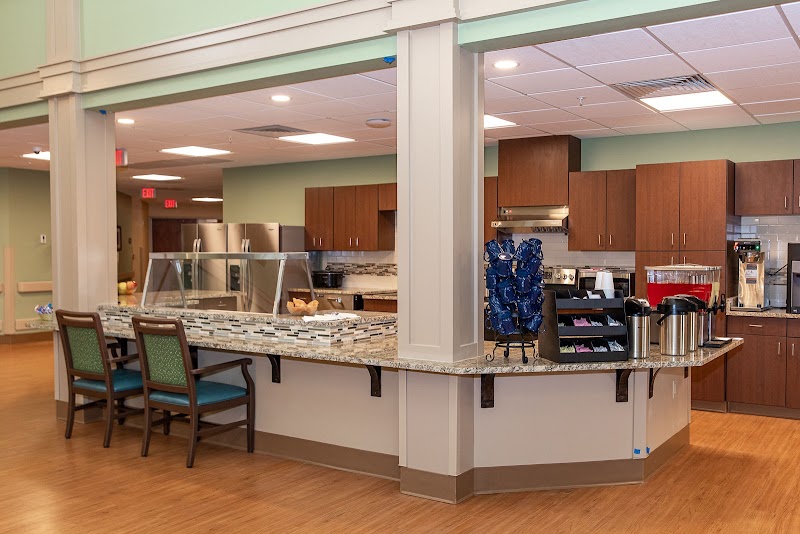
Who Owns and Operates Calcasieu Community?

CALCASIEU COMMUNITY CARE CENTER is owned by a non-profit organization. Non-profit facilities reinvest revenue into operations rather than distributing to shareholders. The facility is operated by COMMCARE CORPORATION, a chain that manages multiple nursing homes. With 120 certified beds and approximately 113 residents (about 94% occupancy), it is a mid-sized facility located in LAKE CHARLES, Louisiana.

How Does Calcasieu Community Compare to Other Louisiana Nursing Homes?

Compared to the 100 nursing homes in Louisiana, CALCASIEU COMMUNITY CARE CENTER's overall rating (2 stars) is below the state average of 2.4, staff turnover (59%) is significantly higher than the state average of 46%, and health inspection rating (2 stars) is below the national benchmark.

What Should Families Ask When Visiting Calcasieu Community?

Based on this facility's data, families visiting should ask: "How do you ensure continuity of care given staff turnover, and what is your staff retention strategy?" "Can I visit during a mealtime to observe dining assistance and food quality?" "How do you handle medical emergencies, and what is your hospital transfer rate?" "Can I speak with family members of current residents about their experience?" These questions are particularly relevant given the facility's high staff turnover rate.

Is Calcasieu Community Safe?

Based on CMS inspection data, CALCASIEU COMMUNITY CARE CENTER has a clean safety record: no substantiated abuse findings (meaning no confirmed cases of resident harm), no Immediate Jeopardy citations (the most serious violation level indicating risk of serious injury or death), and is not on the Special Focus Facility watch list (a federal program monitoring the lowest-performing 1% of nursing homes). The facility has a 2-star overall rating and ranks #100 of 100 nursing homes in Louisiana. While no facility is perfect, families should still ask about staff-to-resident ratios and recent inspection results during their visit.

Do Nurses at Calcasieu Community Stick Around?

Staff turnover at CALCASIEU COMMUNITY CARE CENTER is high. At 59%, the facility is 13 percentage points above the Louisiana average of 46%. Registered Nurse turnover is particularly concerning at 75%. RNs handle complex medical decisions and coordinate care — frequent RN changes can directly impact care quality. High turnover means new staff may not know residents' individual needs, medications, or preferences. It can also be disorienting for residents, especially those with dementia who rely on familiar faces. Families should ask: What is causing the turnover? What retention programs are in place? How do you ensure care continuity during staff transitions?

Was Calcasieu Community Ever Fined?

CALCASIEU COMMUNITY CARE CENTER has no federal fines on record. CMS issues fines when nursing homes fail to meet care standards or don't correct problems found during inspections. The absence of fines suggests the facility has either maintained compliance or corrected any issues before penalties were assessed. This is a positive indicator, though families should still review recent inspection reports for the full picture.

Is Calcasieu Community on Any Federal Watch List?

CALCASIEU COMMUNITY CARE CENTER is not on any federal watch list. The most significant is the Special Focus Facility (SFF) program, which identifies the bottom 1% of nursing homes nationally based on persistent, serious quality problems. Not being on this list means the facility has avoided the pattern of deficiencies that triggers enhanced federal oversight. This is a positive indicator, though families should still review the facility's inspection history directly.