RESTHAVEN NURSING & REHAB CENTER, LLC
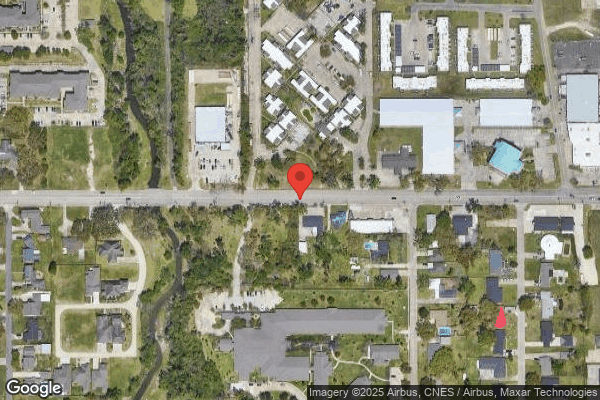

1103 W MCNEESE, LAKE CHARLES, LA 70605 (337) 477-6371
For profit - Limited Liability company 162 Beds CENTRAL MANAGEMENT COMPANY Data: November 2025 2 Immediate Jeopardy citations
Trust Grade
11/100
#240 of 264 in LA
Last Inspection: August 2024

Within standard 12-15 month inspection cycle. Federal law requires annual inspections.

Overview

Resthaven Nursing & Rehab Center in Lake Charles, Louisiana, received a Trust Grade of F, indicating significant concerns about the facility's quality of care. It ranks #240 out of 264 nursing homes in Louisiana, placing it in the bottom half of all facilities in the state, and #7 out of 10 in Calcasieu County, meaning only three local options are worse. The situation is worsening, as the number of issues reported increased from 5 in 2023 to 12 in 2024. Staffing has a moderate rating of 3 out of 5 stars, with a turnover rate of 50%, which is about average for the state, but there is good RN coverage, exceeding that of 90% of Louisiana facilities. However, concerning incidents were noted, including a failure to maintain a clean kitchen, leading to unsanitary conditions that posed a risk of foodborne illness for residents, and the presence of live cockroaches in food preparation areas, indicating a lack of effective pest control.

Trust Score
F
11/100
In Louisiana
#240/264
Bottom 10%
Safety Record
High Risk
Review needed
Inspections
Getting Worse
5 → 12 violations
Staff Stability
⚠ Watch
50% turnover. Above average. Higher turnover means staff may not know residents' routines.
Penalties
✓ Good
$34,369 in fines. Lower than most Louisiana facilities. Relatively clean record.
Skilled Nurses
⚠ Watch
Each resident gets only 23 minutes of Registered Nurse (RN) attention daily — below average for Louisiana. Fewer RN minutes means fewer trained eyes watching for problems.
Violations
⚠ Watch
21 deficiencies on record. Higher than average. Multiple issues found across inspections.
★☆☆☆☆
1.0
Overall Rating
★★★☆☆
3.0
Staff Levels
★★☆☆☆
2.0
Care Quality
★☆☆☆☆
1.0
Inspection Score
Stable
2023: 5 issues
2024: 12 issues

The Good

  • Full Sprinkler Coverage · Fire safety systems throughout facility
  • No fines on record

Facility shows strength in fire safety.

The Bad

1-Star Overall Rating

Below Louisiana average (2.4)

Significant quality concerns identified by CMS

Staff Turnover: 50%

Near Louisiana avg (46%)

Higher turnover may affect care consistency

Federal Fines: $34,369

Above median ($33,413)

Moderate penalties - review what triggered them

Chain: CENTRAL MANAGEMENT COMPANY

Part of a multi-facility chain

Ask about local staffing decisions and management

The Ugly 21 deficiencies on record

2 life-threatening
Aug 2024 12 deficiencies 2 IJ (2 facility-wide)
CRITICAL (L)

Immediate Jeopardy (IJ) - the most serious Medicare violation

Food Safety (Tag F0812)

Someone could have died · This affected most or all residents

⚠️ Facility-wide issue

I. Based on observations, interviews, and policy and procedure reviews, the facility failed to maintain a clean and sanitary kitchen to prevent cross contamination and the likelihood of foodborne illn...

Read full inspector narrative →
I. Based on observations, interviews, and policy and procedure reviews, the facility failed to maintain a clean and sanitary kitchen to prevent cross contamination and the likelihood of foodborne illnesses to the 110 residents who ate meals prepared from the facility's kitchen. This deficient practice resulted in an Immediate Jeopardy on 08/18/2024 at 9:15 a.m. when the following was observed during multiple visits in the facility's kitchen: 1. Equipment: a. Excessive food residue on the stove top. b. Black residue under the ice machine's filter. Water dripped down over the black residue. c. Collection receptacle of the oven's grill top with old food, thick black burnt residue, and uncooked pasta. d. Dry food particles and grease on the oven handle. e. Burnt food particles on the stove burners. f. Food splatter on the shelf of the stove. g. Grease on the backsplash of the fryer. h. Dried grease on the back surface of the stove and grill. i. Ice buildup on the floor located on the back wall in the walk-in refrigerator. 2. Dish and cookware storage and cleanliness: a. Four rack shelf for dirty dishes with dried food residue. b. Three small bowls stored on the clean dish shelf had food debris. 3. Food Storage a. One can of sliced apples in the pantry with a dent on the upper rim. b. Bag of cereal in the pantry unlabeled with no date of opening. c. Container of tuna fish unlabeled with no date of preparation. d. Residue on the top of the sugar, rice, and flour storage bins. 4. Surfaces a. Trash debris and dirt on the floor under the rolling rice container. b. Large spot of dirt on the floor outside of the pantry door. c. Counter to the left of the rinsing sink with food debris and thick black gritty substance noted on the top edges of the backsplash where it connected to the wall. d. Black residue buildup resembling mildew on top of base board on the back corner of the south wall in the dishwashing room. e. Front exterior panel of the three compartment sink in the dishwashing room covered with dried food debris. f. Large amount of dirt/dust on the pipes underneath the three compartment sink. g. Trash debris on the floor near the trash can next to the rinsing sink in the dishwashing room. h. Large area of black residue resembling mildew on the wall behind the steam exhaust of the automatic dishwasher. A portion of the residue stain was covered with a thick black, gritty substance. i. Large amounts of dried brown splatter noted on the wall to the right and left of the dishwasher. j. Multiple brown spots and food splatter on the dishwashing room door with a dirty towel hanging on the top of the door. k. Food splatter noted on the spice shelf. l. Food crumbs noted on the preparation table. m. Dried food particles and green rust noted on the baking table drawer. 5. Pests a. Swarm of gnats flying in the dishwashing room and a few randomly throughout the kitchen. b. Live small cockroach crawling behind the stove. c. Live small cockroach in dry storage room. d. Three dead roaches in a small red bucket under the food prep counter. 6. Dietary workers observed without proper hair and facial hair restraints. These failures placed residents at risk for food-borne illnesses. S1ADM (Administrator), S4HR (Human Resources), and S2DON (Director of Nursing) were notified of the Immediate Jeopardy on 08/18/2024 at 5:51 p.m. The Immediate Jeopardy was removed on 08/20/2024 at 10:40 a.m., as confirmed by onsite verification through observations, interviews, and record reviews the facility implementing an acceptable Plan of Removal (POR) prior to survey exit. The deficient practice had the likelihood to cause more than minimum harm to the 110 residents who ate out of the kitchen. Findings: Review of the facility's policy, Cleaning Schedule, with a last reviewed date of 02/14/2024, revealed the following in part: Policy: The dietary manager shall establish a cleaning schedule for the food service department to ensure that food is stored and prepared under sanitary conditions. 1. All equipment and work areas are cleaned after each use, or, on a routine basis. 9. The DM (Dietary Manager) checks routinely to see that the task is completed according to standards. Review of the facility's policy, Cleaning and Sanitizing Equipment, last reviewed on 02/14/2024, revealed the following in part: Policy: All equipment is kept clean and food contact surfaces are cleaned and sanitized. 2. Remove food and soil from under and around the equipment. 3. Remove detachable parts and manually wash, rinse and sanitize or run through dish machine. Review of the facility's policy, Cleaning Procedure, last reviewed on 02/14/2024, revealed, the following in part: Item: Stainless steel shelving, counter, and tables. When: As used, daily, weekly .Stainless steel/aluminum storage racks, When: Monthly or more if needed Item: Baseboards. When: Monthly/more frequent if needed. 1. Heavily soiled deposits may require several applications of cleaning solution and scrubbing action to remove the soil. Review of the facility's policy, Storage of Refrigerated Food, last reviewed on 02/14/2024, revealed the following in part: Policy: The facility ensures the quality and safety of refrigerated foods through accepted storage procedures. Procedure: 4. All non-hazardous, opened foods are labeled with name of food and date stored. 5. All hazardous foods are labeled with name of food and date to be discarded or the date stored. Cooked food should not be held longer that 48 hours. Review of the facility's policy, Employee Sanitation Practices, last reviewed on0 2/14/2024, revealed the following in part: Policy: Food service employees shall follow sanitary practices to prevent the spread of food borne illness and reduce those practices which result in food contamination and compromised food safety. 3. Proper Work Attire, b. Wears a clean hat or other hair restraint. Employees with facial hair wear a beard restraint. On 08/18/2024 at 9:15 a.m., an initial tour of the kitchen conducted with S15PM (Production Manager) revealed the following: 1. Three small bowls stored on the clean dish shelf had food debris 2. One can of sliced apples in the pantry with a dent on the upper rim 3. Bag of oat cereal in the pantry unlabeled with no date of opening 4. Container of tuna fish unlabeled with no date of preparation 5. Trash debris and dirt on the floor under the rolling rice container 6. Large area of black residue resembling mildew on the wall behind the steam exhaust of the automatic dishwasher. A portion of the residue stain was covered with a thick black gritty substance 7. Large amounts of dried brown splatter on the wall to the right of the dishwasher 8. Counter to the left of the rinsing sink with food debris and thick black gritty substance on the edges between the backsplash and the wall 9. Front exterior panel of the three compartment sink in the dishwashing room covered with dried food debris 10. Large amount of dirt/dust on the pipes underneath the three compartment sink 11. Large spot of dirt on the floor outside of the pantry door 12. Four rack shelf for dirty dishes with dried food residue. S15PM confirmed all observations listed above. She confirmed that the items should have been cleaned; the dented can of sliced apples should not be in the dry storage area and should have been discarded; the bag of oat cereal should have been dated with the date of opening; and that the container of tuna fish in the refrigerator should have been labeled and dated with the date of preparation. On 08/18/2024 at 11:40 a.m., S18DW (Dietary Worker) was observed wearing a hair net only covering half of his hair. S18DW's hair around his crown was exposed and he had no covering for his facial hair. S17DW (Dietary Worker) was observed with her hair up in a bun. S17DW's hair net only covered her bun with a portion of hair outside of the bun. The hair around her crown was exposed. On 08/18/2024 at 11:40 a.m., an interview was conducted with S16DM (Dietary Manager). She confirmed that S17DW was not wearing a hair net appropriately and her hair net should cover all of her hair. She also confirmed that S18DW should have a beard restraint for his facial hair and was not wearing a hair net appropriately by not covering all of his hair. On 08/18/2024 at 4:05 p.m., and interview and observation of the dishwashing room was conducted with S16DM, S1ADM, and S19MA (Maintenance Assistant). S16DM stated that the thick black gritty residue on the wall behind the dishwasher had to be scrubbed with bleach cleaning solution time and time again because the substance continued to return. S19MA observed the substance on the wall and stated he was not sure what it was. He could not confirm if the black residue stain was mold or mildew, but acknowledged that the residue appeared to not have been cleaned recently and was located where steam was released from the washer in an area that remains wet. S19MA stated due to the thickness and grittiness of the substance coving portions of the residue stain on the wall behind the dishwasher, he believed it was a build-up of dirt. S19MA was asked how an accumulation of dirt could form in the dishwashing area of which he did not give a clear answer. S19MA obtained a dry napkin and attempted to wipe the black residue off the wall. Very little of the black reside came off onto the napkin with much of the reside remaining on the wall which was not easily wiped off. S19MA stated that no one reported to him this issue to assess if there was a mold/mildew issue. S19MA stated it was the kitchen's staff responsibility to keep the kitchen clean. S16DM that this area of black residue behind the dishwasher required cleaning and scrubbing with bleach but it continued to return. S1ADM stated that she was not aware of this black substance on the wall behind the dishwasher. S1ADM and S16DM were was asked to observe the black substance lining the top edge of the stainless steel back splash and corner where it met the wall to the left of the dishwasher. She was also asked to observe the walls with brown, dry splatter to the right and left of the dishwasher as well as the black residue on the baseboards underneath the counter to the left of the dishwasher. S16DM referred to the thick gritty black build-up as dirt. She explained that she was not sure how long the build-up of dirt had been on the walls and floor. S16DM stated she was not sure if the residue on the wall was mold or mildew, and further stated that she had not contacted maintenance staff nor notified S1ADM of this issue. During continued interviews while inside the kitchen, a swarm of gnats were observed flying around the dishwashing room. S16DM stated that a bug light was out of order in the kitchen. S16DM and S1ADM confirmed the kitchen was unclean and not sanitary. Neither could state exactly when the kitchen was last thoroughly cleaned. S16DM stated she was responsible for supervising and assuring that kitchen staff cleaned and sanitized the kitchen daily. She further acknowledged the facility's kitchen cleaning practices were not effective. On 08/18/2024 at 4:45 p.m., an additional tour of the kitchen by the survey team was conducted with S15PM and S16DM and revealed the following: 1. Excessive food residue on the stove top 2. Black residue under the ice machine's filter; water dripped down over the black residue 3. Collection receptacle of the oven's grill top with old food, thick black burnt residue, and uncooked pasta 4. Dry food particles and grease on the oven handle 5. Burnt food particles on the stove burners 6. Food splatter on the shelf of the stove 7. Grease on the backsplash of the fryer 8. Dried grease on the back surface of the stove and grill 9. Ice buildup on the floor located on the back wall in the walk-in refrigerator 10. Four rack shelf for dirty dishes with dried food residue 11. Residue on the top of the sugar, rice, and flour storage bins 12. Large spot of dirt on the floor outside of the pantry door 13. Counter to the left of the rinsing sink with thick black gritty substance on the top edges of the backsplash where it connected to the wall 14. Black residue buildup resembling mildew on top of base board on the back corner of the south wall in the dishwashing room 15. Front exterior panel of the three compartment sink in the dishwashing room covered with dried food debris 16. Large amount of dirt/dust on the pipes underneath the three compartment sink 17. Trash debris on the floor near the trash can next to the rinsing sink in the dishwashing room 18. Large area of black residue resembling mildew was on the wall behind the steam exhaust of the automatic dishwasher. A portion of the residue stain was covered with a thick black gritty substance. 19. Large amounts of dried brown splatter on the wall to the right and left of the dishwasher 20. Multiple brown spots and food splatter on the dishwashing room door with a dirty towel hanging on the top of the door. 21. Food splatter on the spice shelf 22. Food crumbs on the preparation table 23. Dried food particles and green rust on the baking table drawer 24. Swarm of gnats flying in the dishwashing room and a few randomly throughout the kitchen 25. Live small cockroach crawling behind the stove 26. Live small cockroach in dry storage room 27. Three dead roaches in a small, red bucket under the food prep counter. The findings above were again reviewed with the S16DM. S16DM stated, I saw everything y'all saw. II. Based on observation and interview the facility failed to distribute and serve food in accordance with professional standards for food service safety by leaving used soiled gloves in the residents drink service area. On 08/18/2024 at 11:45 a.m., an observation was made during lunch service in Dining Room A. There was a pair of used food gloves turned inside out on the counter where the residents' drinks were being poured and served. An interview was conducted with S21RN (Registered Nurse), who stood by the counter. She confirmed that she used the gloves for pouring and serving the residents' water and drinks, removed the gloves, then placed them on the counter afterward. She stated that she should have placed the used gloves in the garbage can when she took them off but did not. On 08/19/2024 at 2:37 p.m., an interview was conducted with S20IP (Infection Preventionist). She stated that S21RN should have placed the dirty gloves in the trash can and not left them on the counter that was used for serving the residents' drinks.
CRITICAL (L)

Immediate Jeopardy (IJ) - the most serious Medicare violation

Administration (Tag F0835)

Someone could have died · This affected most or all residents

⚠️ Facility-wide issue

Based on observation, interview, and record review, the facility failed to be administered in a manner that enabled it to use its resources effectively and efficiently to ensure the well-being of resi...

Read full inspector narrative →
Based on observation, interview, and record review, the facility failed to be administered in a manner that enabled it to use its resources effectively and efficiently to ensure the well-being of residents by failing to provide oversight in the kitchen. This lack of oversight resulted in an Immediate Jeopardy on 08/18/2024 at 9:15 a.m., when the kitchen was observed to have equipment, environment, food storage, preparation practices; and dinnerware storage practices that were unsanitary and unsafe for meal distribution to residents with the high likelihood to cause foodborne illness. S1ADM (Administrator) was notified of the Immediate Jeopardy on 08/18/2024 at 5:51 p.m. The Immediate Jeopardy was removed on 08/20/2024 at 10:40 a.m., after it was verified through observations, interviews, and record reviews that the facility implemented an acceptable Plan of Removal prior to the survey exit. This deficient practice had the potential to cause foodborne illness in 110 residents who consumed meals from the kitchen. Findings: Cross Reference F812 On 08/19/24 3:36 p.m., an interview was conducted with S22RD (Registered Dietician). S22RD stated that she performed a walkthrough of the entire kitchen quarterly with the last walkthrough conducted on 06/19/2024. Reviewed S22RD's quarterly report dated 6/19/2024 that stated no cleanliness issues noted with S22RD. S22RD reported that she observed the kitchen randomly when she visited the facility but it was not a full detailed inspection. S22RD stated she had not done a walkthrough of the entire kitchen since 06/19/2024 and has had no reports of any cleanliness issues nor has she observed any since then. She stated that she had been aware of the ongoing presence of gnats in the kitchen for a few months. She further stated that administration was aware of the presence of gnats in the kitchen. Review of the facility's State of Louisiana Department of Health, Office of Public Health, Retail Food Notice of Violations dated 06/11/2024 at 9:30 a.m. read in part: Non-Critical Items: Code Reference: Non-food contact surfaces are not cleaned at a frequency necessary to preclude accumulation of soil residues. On 08/19/2024 at 3:50 p.m., an interview and review of the Food Notice of Violations referenced above was conducted with S1ADM. S1ADM stated that the State Sanitarian reported to her the results of his inspection before he left the faciity on the day of inspection. She stated that no intervention was needed after the inspection because the Sanitarian had informed her that all deficiencies had already been corrected. S1ADM stated S16DM (Dietary Manager) was responsible for the cleanliness of the kitchen. S1ADM stated that S16DM had not reported any issues with cleanliness in the kitchen. S1ADM stated that S22RD (Registered Dietician) came three times a month. If S22RD identified any issues in the kitchen, she would have notified S1ADM, but she had not. She stated that S3RA (Regional Administrator) was at the facility twice a week and conducted full facility rounds, but he had not reported any kitchen concerns. S1ADM stated she was aware of issues with gnats in the kitchen that was reported to her on 08/09/2024. S1ADM stated she observed gnats in the kitchen on 08/09/2024 and called pest control. She reported that pest control came on 08/12/2024 for the gnat problem and that this was the last date she recalled being in the kitchen. On 08/20/2024 at 8:50 a.m., an interview was conducted with S3RA (Regional Administrator). He stated that he was not aware of the cleanliness issue in the kitchen. He stated that he conducted rounds in the facility and observed the kitchen on 08/12/2024. He stated there were no pest or cleanliness issues in the kitchen on 08/12/2024 that he observed. S3RA stated he may have documentation of these rounds of which was requested. On 08/20/2024 at 10:17 a.m., an interview and email review was conducted with S1ADM. The email dated 06/5/2024 at 1:37 p.m. was from S1ADM to S16DM. The email read: I realized I skipped over dietary. Staff are not wearing beard covers. Ice build-up on the floor of the fridge. Garlic bread without date. Food items in bag on floor under the shelf. S1ADM stated that she sent this email to S16DM after a third party consultant mock survey had been conducted. She stated she had forgotten to address these issues in a meeting, and sent the email to notify S16DM of the findings. On 08/20/2024 at 1:51 p.m., an interview was conducted with S3RA, S1ADM, and S16DM. Both S3RA and S1ADM stated they were unaware of the cleanliness issues in the kitchen and were attempting to manage the pest issues. S1ADM stated that she was last near the kitchen on 08/12/2024 when the pest control was present, but was in the hallway behind the kitchen and did not enter the kitchen. S1ADM stated she did not remember entering the kitchen after this date. S3RA stated there were no cleanliness issues that he observed on 08/12/2024. S16DM stated that she was responsible for doing visual checks to ensure daily, weekly, and monthly cleaning/sanitation tasks were completed by kitchen staff and that she was responsible for ensuring they did so effectively. S16DM stated she was last present in the kitchen on 08/16/2024, just prior to survey entrance (08/18/2024). S1ADM stated she was ultimately responsible for the kitchen as she was S16DM's direct supervisor. No documentation of S3RA or S1ADM kitchen rounds were provided before exit.
CONCERN (D)

Potential for Harm - no one hurt, but risky conditions existed

Tube Feeding (Tag F0693)

Could have caused harm · This affected 1 resident

Based on record reviews, observations, and interview the facility failed to provide appropriate treatment and services for 1 (#4) of 3 (#1, #4, and #32) residents reviewed for tube feeding by failing ...

Read full inspector narrative →
Based on record reviews, observations, and interview the facility failed to provide appropriate treatment and services for 1 (#4) of 3 (#1, #4, and #32) residents reviewed for tube feeding by failing to ensure the tube feeding container was appropriately labeled. Findings: Review of Resident #4's medical record revealed an admit date of 12/17/2020 with diagnoses that included, but were not limited to, Dysphagia, and Multiple Sclerosis. Review of Resident #4's dietitian orders revealed in part, Jevity at 55ml/hr (milliliter/hour) with 40ml/hr H2O (water). Observation on 08/18/2024 at 10:15 a.m. revealed Resident #4's was receiving Jevity via feeding pump. Further observation revealed Resident #4's tube feeding formula label failed to include the date and time the feeding was hung. A second observation on 08/18/2024 at 10:39 a.m. revealed Resident #4's was receiving Jevity via feeding pump. Further observation revealed Resident #4's tube feeding formula label failed to include the date and time the feeding was hung. During an interview and observation on 08/18/2024 at 1:07 p.m. with S5LPN (Licensed Practical Nurse), she confirmed Resident #4's formula label failed to include the time, and date the feeding was hung and should have.
CONCERN (D)

Potential for Harm - no one hurt, but risky conditions existed

Respiratory Care (Tag F0695)

Could have caused harm · This affected 1 resident

**NOTE- TERMS IN BRACKETS HAVE BEEN EDITED TO PROTECT CONFIDENTIALITY** Resident #27 A review of Resident #27's Electronic Health Record (EHR) revealed he was admitted to the facility on [DATE] with d...

Read full inspector narrative →
**NOTE- TERMS IN BRACKETS HAVE BEEN EDITED TO PROTECT CONFIDENTIALITY** Resident #27 A review of Resident #27's Electronic Health Record (EHR) revealed he was admitted to the facility on [DATE] with diagnoses that included, but not limited to Shortness of Breath and Wheezing. A review of Resident #27's physician's orders revealed an order that read in part, Ipratropium-Albuterol Inhalation Solution 0.5-2.5 3mg(milligram) per 3ml milliliter inhale every 4 hours as needed for wheezing per handheld nebulizer. On 08/18/2024 at 11:40 a.m., an observation was made of Resident #27's nebulizer mask lying on the night stand exposed; no bag was available for storage. On 08/18/2024 at 11:43 a.m., an observation of Resident #27's nebulizer was conducted with S7RN (Registered Nurse). She confirmed the nebulizer mask was not stored in a bag and should have been placed in a bag while not in use. On 08/20/2024 at 7:53 a.m., an interview was conducted with S2DON (Director of Nursing) who confirmed the nebulizer mask should be stored in a bag while not in use. Based on observations, interviews, and record review, the facility failed to ensure respiratory equipment was properly stored when not in use for 2 (#27, #31) of 2 (#27, #31) residents investigated for respiratory care in a final sample of 44 residents. Findings: On 08/19/24 at 12:00 p.m., a review of the facility's policy titled Nebulizer Treatments, with no dates listed on policy, read in part: Procedure . 11 . Place nebulizer, mouthpiece and t-piece in closed plastic bag when not in use. Resident #31 Resident #31 was admitted to the facility on [DATE] with diagnoses in part: Respiratory Failure, Chronic Obstructive Pulmonary Disease, Shortness of breath, and Dependence on Supplemental Oxygen. Review of August 2024 Physician Orders revealed orders for: Yupelri Inhalation Solution 175 mcg (micrograms)/3ml (milliliters) - 1 vial inhaled once daily; Budesonide Inhalation Suspension 0.5 mg/2ml- 1 vial inhaled two times a day; and Formoterol Fumarate inhalation nebulization solution 20 mcg/2ml- 1 vial inhaled orally via nebulizer two times a day. On 08/18/2024 at 10:40 a.m., an observation was made of Resident #31's nebulizer mask laying on top of her nebulizer machine and was not contained inside a bag. On 08/18/2024 at 12:45 p.m., a second observation was made of Resident #31's nebulizer mask laying on top of her nebulizer machine and was not contained inside a bag. At that time, an interview was conducted with S7RN (Registered Nurse) , she stated that the nebulizer mask should be placed in a bag when not in use and that Resident #31's nebulizer mask was not in a bag, nor did she have a bag in her room to store it.
CONCERN (D)

Potential for Harm - no one hurt, but risky conditions existed

Deficiency F0725 (Tag F0725)

Could have caused harm · This affected 1 resident

Deficiency Text Not Available

Read full inspector narrative →
Deficiency Text Not Available
CONCERN (D)

Potential for Harm - no one hurt, but risky conditions existed

Deficiency F0726 (Tag F0726)

Could have caused harm · This affected 1 resident

**NOTE- TERMS IN BRACKETS HAVE BEEN EDITED TO PROTECT CONFIDENTIALITY** Based on observation, record review and interviews, the facility failed to ensure that nursing staff followed facility policies ...

Read full inspector narrative →
**NOTE- TERMS IN BRACKETS HAVE BEEN EDITED TO PROTECT CONFIDENTIALITY** Based on observation, record review and interviews, the facility failed to ensure that nursing staff followed facility policies and procedures for medication administration. This deficient practice is evidenced by a nurse leaving medications at the resident's bedside for 1 (#26) of 44 sampled residents. Findings: On 08/20/2024, a review of the facility's policy titled Pharmacy General Guidelines with a last reviewed date of 02/19/2024 read in part: Medications are administered as prescribed, in accordance with good nursing principles and practices .Procedure: Medications are administered at the time they are prepared . The person administering medication must remain with the resident until all medication has been swallowed. On 08/20/2024, a review of the facility's policy titled Self-Administration of Medication with a last reviewed date of 02/19/2024 read in part, Policy: It is the policy of this facility that each resident has the right to self-administer medications, but is the responsibility of the interdisciplinary team to determine that it is safe prior to the resident exercising that right. Procedure: 1. A nurse will administer all medications, even if a physician order is present to self-administer, until the interdisciplinary team has the opportunity to obtain the necessary information to determine the resident's ability to safely self-administer. 2. If the resident wishes to self-administer medications, the interdisciplinary team must assess the resident's overall ability to safely administer his/her own medications. Review of Resident #26's record revealed the resident was admitted to the facility on [DATE] with diagnoses that included but not limited to: Type 2 Diabetes Mellitus, Dementia, Major Depressive Disorder, Paroxysmal Atrial Fibrillation, and Essential Primary Hypertension. A review of Resident #26's Quarterly Minimum Data Set (MDS) with an Assessment Reference Date of 08/04/2024 revealed she had a BIMS (Brief Interview for Mental Status) score of 15 indicating the resident was cognitively intact. A review of Resident #26's electronic medical record revealed no physician's order or plan of care to self-administer medication. A review of Resident #26's electronic MAR (Medication Administration Record) revealed on 08/18/2024 at 9:00 a.m. 10 medications were administered by S7RN. Aspirin 81 mg (milligram) give 1 tablet Furosemide 20 mg give 1 tablet Glipizide 5 mg give 1 tablet Losartan Potassium 100 mg give 1 tablet Metoprolol Tartrate 75 mg give 1 tablet Senior Tabs (Multiple Vitamins with Minerals) give 1 tablet Sertraline give 1 tablet Vitamin E 400 unit give 1 capsule Memantine 10 mg give 1 tablet Metformin 1000 mg give 1 tablet On 08/18/2024 at 11:20 a.m., an observation was made of Resident #26's room, she was not in her room. A medicine cup filled with pills was observed on Resident #26's dresser. On 08/18/2024 at 11:28 a.m., an observation of Resident #26's room was conducted with S7RN (Registered Nurse). She confirmed a medicine cup filled with medications remained on the dresser. S7RN confirmed she prepared Resident #26's morning medications and left the medication on the dresser. A total of 10 pills were counted from the medicine cup. She confirmed she should not have left the medication in the resident's room. On 08/19/2024 at 11:30 a.m., an interview was conducted with Resident #26. She stated she had just returned from eating lunch at a restaurant, but she was not able to recall what she had eaten for lunch. When asked if the resident received her medications this morning or yesterday morning. On 08/19/2024 at 1:30 p.m., an interview and record review was conducted with S6CCC (Clinical Care Coordinator). She confirmed Resident #26 did not have a physician's order or care plan for self-administration of medication. S6CCC confirmed Resident #26 did not have an interdisciplinary team assessment for self-administration of medications. On 08/20/2024 at 7:50 a.m., an interview was conducted with S2DON (Director of Nursing). She confirmed Resident #26 did not have a physician's order to self-administer medications. S2DON confirmed nurses should not leave medications in resident's room. She confirmed the nurse should have remained with the resident to ensure the resident swallowed the medication.
CONCERN (D)

Potential for Harm - no one hurt, but risky conditions existed

Deficiency F0761 (Tag F0761)

Could have caused harm · This affected 1 resident

**NOTE- TERMS IN BRACKETS HAVE BEEN EDITED TO PROTECT CONFIDENTIALITY** Based on observations, interviews and policy reviews, the facility's staff failed to follow the facility's policy for storage of...

Read full inspector narrative →
**NOTE- TERMS IN BRACKETS HAVE BEEN EDITED TO PROTECT CONFIDENTIALITY** Based on observations, interviews and policy reviews, the facility's staff failed to follow the facility's policy for storage of medications as evidenced by: 1. Expired medication stored in the refrigerator in Med RoomA; 2. Expired medications stored inside 2 ([NAME], CartB) of 3 ([NAME], CartB, CartC) medication carts inspected; 3. Unlabeled medication stored inside 1 ([NAME]) of 3 ([NAME], CartB, CartC) medication carts inspected. The deficient practice had the potential to affect a total census of 111 residents. Findings: On 08/20/2024, a review of the facility's policy titled, Medication Storage in the Facility with a last reviewed date of 02/19/2024 read in part, Policy: Medications and biologicals are stored safely, securely, and properly following manufacturer's recommendations or those of the supplier. Procedure: 1. The provider pharmacy dispenses medications in containers that meet legal requirements. 13. Outdated, contaminated, or deteriorated medications and those in containers that are cracked, soiled, or without secure closures are immediately removed from stock, disposed of according to procedures for medication destruction, and reordered from the pharmacy, if a current order exists. On 08/20/2024, a review of the facility's policy titled Destruction: Non-controlled Medication with a last reviewed date of 02/19/2024 read in part, Policy: Discontinued medications, expired medications, and medications left in the facility after a resident's discharge are destroyed at least quarterly. On 08/20/2024 at 10:21 a.m., an inspection of [NAME] medication cart was conducted with S11LPN (Licensed Practical Nurse) with the following findings: 1. An unlabeled inhaler, Ellipta 200 mcg (microgram) with no labeled manufacturer box available for storage inside the drawer of the cart. S11LPN confirmed the inhaler was not labeled and no labeled manufacturer box was available for storage. S11LPN stated she did not know which resident the inhaler belonged to. S11LPN confirmed the inhaler should have been labeled or not on the medication cart. 2. Expired, unlabeled manufacturer box and bottle that read Pink Eye Relief Sterile Eye drops. The box had Resident #117's name handwritten on the box. The medication had an expiration date of 09/2023. S11LPN confirmed Resident #117's name was handwritten on the box and it had an expiration date of 09/2023. S11LPN confirmed the expired medication should not have been stored on the medication cart. 3. A blue pill bottle with a printed label that read in part, Resident #117, Prescription (Rx)# 135853, Tamsulosin 0.4 mg (milligram), Dispensed on 08/14/2023, Dispense 90, Discard after 08/10/2024. S11LPN confirmed the medication was expired and should not have been stored on the medication cart. On 08/20/2024 at 10:30 a.m., an inspection of MedRoomA storage room was conducted with S11LPN. The medication refrigerator contained a prescription for Resident #272 that read Bisacodyl suppository 10mg, Rx#2339820N with an expiration date of 06/30/2024. S11LPN confirmed the medication was expired and should not have been stored in the medication refrigerator. On 08/20/2024 at 10:50 a.m., an inspection of CartB was conducted with S8LPN. Observed an inhaler for Resident #12 labeled Albuterol Sulfate Inhalation Aerosol 90 mcg with an expiration date of 08/10/2024. S11LPN confirmed the medication was expired and should not have been stored on the cart. On 08/20/2024 at 11:24 a.m., an interview was conducted with S2DON (Director of Nursing). She confirmed expired medications should not be stored on the medication carts or refrigerators. S2DON confirmed inhalers should have a label on the inhaler and/or the box.
CONCERN (D)

Potential for Harm - no one hurt, but risky conditions existed

Social Worker (Tag F0850)

Could have caused harm · This affected 1 resident

Based on interviews and record reviews, the facility failed to ensure it employed a qualified social worker on a full-time basis. The facility had 160 licensed beds with a census of 111 residents. Fi...

Read full inspector narrative →
Based on interviews and record reviews, the facility failed to ensure it employed a qualified social worker on a full-time basis. The facility had 160 licensed beds with a census of 111 residents. Findings: Review of the facility's license revealed they had a total number of 160 licensed beds. On 08/19/2024 at 10:20 a.m., an interview was conducted with S2DON (Director of Nursing). S2DON was asked who the current social worker was for the facility. She replied that S1ADM (Administrator) had been the facility's acting social worker for over a month now. They were currently advertising to hire a social worker but have not had any luck finding someone that met the requirements. Record review of S1ADM resume revealed, in part, education: Masters in Health Administration, Bachelors in Nutritional Sciences and Minor in Biological Sciences. S1ADM's resument failed to show a bachelor's degree in social work or a bachelor's degree in a human services field including, but not limited to, sociology, gerontology, special education, rehabilitation counseling, and psychology; and one year of supervised social work experience in a health care setting working directly with individuals. On 08/19/2024 at 5:06 p.m., a joint interview was conducted with S1ADM and S3RA (Regional Administrator). S1ADM confirmed that her resume was accurate. She stated she did not have a year of social work experience. S1ADM confirmed she assumed the role of the facility's social worker in July of 2024. S3RA (Regional Administrator) stated that S4HR (Human Resources) also assisted the administrator as a social worker and she had her bachelor's degree. Record review of S4HR resume revealed, in part, education: Bachelor of Science in mass communication with concentration in journalism. Failed to show a bachelor's degree in social work or a bachelor's degree in a human services field including, but not limited to, sociology, gerontology, special education, rehabilitation counseling, and psychology; and one year of supervised social work experience in a health care setting working directly with individuals. On 8/20/2024 at 9:04 a.m., an interview was conducted with S4HR. She stated the administrator was currently the facility's social worker. S4HR stated she assisted S1ADM with scheduling appointments for dental, podiatry, care conferences, and other paperwork aspects of the job. S4HR stated she had a Bachelors in Mass Communication with a Concentration in Journalism. She had been employed with the facility for three years now, and had never worked with the geriatric population.
CONCERN (D)

Potential for Harm - no one hurt, but risky conditions existed

Infection Control (Tag F0880)

Could have caused harm · This affected 1 resident

Based on observation, interview and record review, the facility failed to maintain an effective infection control and prevention program and implement accepted infection control practices to help prev...

Read full inspector narrative →
Based on observation, interview and record review, the facility failed to maintain an effective infection control and prevention program and implement accepted infection control practices to help prevent and control the spread of an infectious communicable disease, COVID-19 by failing to post proper signage outside the resident's entrance room clearly identifying the type of transmission based precautions and appropriate PPE (Personal Protective Equipment) be used for 1 (#110) of 3 (#27, #82, #110) residents investigated for transmission based precautions (TBP). This deficient practice had the ability to affect 6 residents in the facility that were on transmission based precautions. Findings: A review of the facility's policy, COVID-19 SURVEILLANCE PLAN- Guidelines to Prevent/Control/Treat the Coronavirus (COVID-19), last reviewed on 2/14/2024, revealed, the following in part: Implementing Proper Infection Control Guidelines: Isolation rooms must be identified with proper signage outside the entrance of the room indicating the type of isolation (contact and droplet). Review of Resident #110's physician's order dated 8/15/2024 read: Contact/droplet isolation: positive Covid-19 every shift. On 8/18/2024 at 10:40 a.m., Resident #110's room door was observed without any signage posted on the door indicating the type of transmission based precaution the resident was on nor of the PPE required to enter the room. On 8/18/2024 at 10:41 a.m., an observation of Resident #110's room entrance was conducted with S24RN (Registered Nurse) who confirmed Resident #110 was COVID-19 positive and on isolation TBP. She confirmed no signage was posted on or around Resident #110's door indicating the type of transmission based precaution the resident was on nor of the PPE required to enter the room. S24RN acknowledged that there should be a TBP sign posted on the resident's door. On 8/20/2024 at 12:20 p.m., and interview was conducted with S20IP (Infection Preventionist) and S25IP. S20IP confirmed that Resident #110 should have had a sign placed on his room door per the facility's policy.
CONCERN (E)

Potential for Harm - no one hurt, but risky conditions existed

Comprehensive Care Plan (Tag F0656)

Could have caused harm · This affected multiple residents

**NOTE- TERMS IN BRACKETS HAVE BEEN EDITED TO PROTECT CONFIDENTIALITY** Resident #5 Resident #5 was admitted to the facility on [DATE] with Diagnoses which included, but were not limited to Dementia i...

Read full inspector narrative →
**NOTE- TERMS IN BRACKETS HAVE BEEN EDITED TO PROTECT CONFIDENTIALITY** Resident #5 Resident #5 was admitted to the facility on [DATE] with Diagnoses which included, but were not limited to Dementia in Other Disease Classified Elsewhere, Mild, Without Behavioral Disturbance, Psychotic Disturbance, Mood Disturbance, and Anxiety; Difficulty in Walking; Unsteadiness on Feet, and History of Falling. A review of Resident #5's quarterly MDS (Minimum Data Set) with an ARD (Assessment Reference Date) of 05/07/2024 revealed she had a BIMS (Brief Interview for Mental Status) of 10, indicating her cognition was moderately impaired. Further review revealed the resident had two or more falls since admission. A review of Resident #5's accident investigation reports revealed that she suffered a fall without injuries on 05/07/2024 with immediate post incident action stating staff was in-serviced to assist resident with toileting every two hours and PRN (as needed). Further review revealed the resident sustained another fall without injuries on 06/08/2024 and staff was in-serviced on toileting resident every two hours. A review of Resident #5's Plan of Care revealed she was care planned At high risk for falls related to hx (history) of falling, unsteadiness on feet, muscle weakness, abnormalities in gait and mobility. Further review of the care plan revealed there was no update with new interventions to address the fall on 05/07/2024 when staff was in-serviced to toilet the resident every two hours. The care plan was updated after the resident fell again on 06/08/2024, with staff to offer toilet assistance every two hours. On 08/19/2024 at 2:40 p.m., an interview and review of Resident #5's medical records was conducted with S13ADON (Assistant Director of nursing). She confirmed that the resident had a fall on 05/07/2024, which was not addressed with the new interventions in the care plan. S13ADON stated that after the resident fell and the investigation was completed, it was discussed in morning meetings and MDS (Minimum Data Set) was responsible for updating the care plan with the new interventions to toilet the resident every two hours to prevent her from falling again, but they did not. On 08/19/2024 at 2:46 p.m., an interview and review of Resident #5's medical records was conducted with S14MDS (Minimum Data Set). She confirmed that the resident had a fall on 05/07/2024, and the care plan was not updated to reflect every two hours toileting as in-serviced. Based on observations, record reviews, and interviews, the facility failed to develop and implement the resident's plan of care to provide the necessary care and services in accordance with professional standards of practice for 3 (#1, #4, and #5) residents in a final sample of 44 residents by: 1. failing to follow physician's orders for tube feeding for Resident #1; 2. failing to follow physician's orders for applying prevalon heel protector to Resident #4's right foot; 3. failing to ensure that interventions were care planned after Resident #5 sustained a fall. Findings: Resident # 1 Review of Resident #1's medical record revealed an admit date of 12/17/2020 with diagnoses that included, but were not limited to, Hyperosmolality and Hypernatremia, and Mild Protein-Calorie Malnutrition. Review of the physician's orders dated 07/05/2024 revealed an order for Jevity 1.5 cal (calories) at 44ml/hour (milliliter/hour) with water flushes at 45ml/hr per continuous pump. On 08/18/2024 at 10:10 a.m., an observation was conducted of the Resident #1 in her room. Tube feedings were on with Jevity 1.5 cal. The pump read 44ml/hr and water flushes 40ml/hr. On 08/19/2024 at 9:22 a.m., Resident #1 was observed in her room up in her bed. Tube feedings were on with Jevity 1.5 cal. The pump read 44ml/hr and water flushes 40ml/hr. On 08/19/2024 at 2:08 p.m., an interview, record review, and observation of Resident #1's tube feeding was conducted with S2DON (Director of Nursing). She confirmed the resident's tube feedings were on with Jevity 1.5 cal, the pump read 44ml/hr, and water flushes 40ml/hr. She confirmed the order was for the resident to have water flushes at 45ml/ hr, and not at 40ml/hr. Resident #4 Review of Resident #4's medical record revealed an admit date of 12/17/2020 with diagnoses that included, but were not limited to, Muscle Wasting and Atrophy, and Multiple Sclerosis. Review of the physician's orders dated 03/14/2023 revealed an order for Prevalon heel protector to right foot at all times every shift. On 08/18/2024 at 10:15 a.m., Resident #4 was observed in her bed. During this observation, the resident was not wearing the prevalon heel protector to her right foot. On 08/19/2024 at 9:05 a.m., Resident #4 was observed sitting up in her gerichair. During this observation, the resident was not wearing the prevalon heel protector to her right foot. On 08/19/2024 at 9:29 a.m., an interview was conducted with S12CNA (Certified Nursing Assistant). She stated Resident #4 was compliant and Resident #4 never pulled or removed things that was placed on her. On 08/19/2024 at 2:03 p.m., an interview and observation of the resident was conducted with S2DON. She confirmed the prevalon heel protector was not on Resident #4's right foot. S2DON confirmed the resident should have been wearing the prevalon heel protector to her right foot.
CONCERN (E)

Potential for Harm - no one hurt, but risky conditions existed

Deficiency F0698 (Tag F0698)

Could have caused harm · This affected multiple residents

**NOTE- TERMS IN BRACKETS HAVE BEEN EDITED TO PROTECT CONFIDENTIALITY** Based on observation, record reviews and interviews, the facility failed to ensure that residents who required dialysis received...

Read full inspector narrative →
**NOTE- TERMS IN BRACKETS HAVE BEEN EDITED TO PROTECT CONFIDENTIALITY** Based on observation, record reviews and interviews, the facility failed to ensure that residents who required dialysis received such services consistent with professional standards of practice and the comprehensive person-centered care plan as evidenced by: 1. failing to ensure assessment of the resident's condition before dialysis treatments, and 2. failing maintain an effective communication system between the facility and the dialysis center for 1(#68) of 1(#68) investigated for dialysis care out of 44 sampled residents. Findings: Review of Resident #68's record revealed the resident was admitted to the facility on [DATE] with diagnoses which included, but were not limited to Encounter for Surgical Aftercare Following Surgery On The Circulatory System, Dependence of Renal Dialysis, and Deficiency of Other Vitamins. A review of Resident #68's physician orders revealed she received dialysis three times a week on Tuesday, Thursday, and Saturday at an offsite dialysis center. A review of Resident #68's Dialysis Communication Binder revealed the following dialysis communication sheets had no information communicated by the facility to the dialysis center: 04/02/2024; 04/06/2024; 04/09/2024; 04/13/2024; 04/20/2024; 04/27/2024; 04/30/2024; 05/02/2024; 05/04/2024; 05/09/2024; 05/11/2024; 05/25/2024; 06/11/2024; 06/13/2024; 06/18/2024; 06/20/2024; 06/22/2024; 07/02/2024; 07/16/2024; 07/25/2024; 07/27/2024; 08/01/2024; 08/08/2024; and 08/17/2024. On 08/19/2024 at 10:00 a.m., S8LPN (Licensed Practical Nurse) was asked about the communication procedure between the facility and the dialysis center. She stated that the resident had a communication binder and looked for it at the nurses' station. S8LPN was unable to locate the resident's communication binder and stated the binder was probably left in the transportation van. On 08/19/2024 at 3:36 p.m., an interview was conducted with S2DON (Director of Nursing). A request was made for Resident #68's dialysis communication binder. [NAME] stated she would try to locate the binder. On 08/19/2024 at 4:41 p.m., S2DON returned with Resident #68's Dialysis Communication Binder and stated that she had to drive to the offsite dialysis center to retrieve it. A review of the binder with S2DON revealed the above mentioned dates had no information from the facility to the dialysis center. A request was made for the facility's dialysis policy. On 08/19/2024 at 5:02 p.m., a review of the facility's policy titled Fistula Maintenance: Post Dialysis Care with a reviewed date of 02/19/2024 was conducted with S2DON. She confirmed the policy did not address communication. She stated that the policy was provided by their central office and she would consult their regional nurse to see if there was a policy addressing dialysis communication. On 08/19/2024 at 5:20 p.m., an interview was conducted with S9CORP (Corporate Nurse). S9Corp stated he had been working with the company since 1998, and was not familiar with a communication procedure between the facility and the dialysis center. He confirmed the communication sheets listed above were not completed by the facility's staff and stated he was not familiar with the regulations regarding dialysis communication. On 08/20/2024 at 11:57 a.m., S10TRAN (Transporter) was observed wheeling Resident #68 in her wheelchair down Hall W. She stopped at the nurses' station and picked up a red binder from the counter and placed it in the back of the resident's wheelchair. When asked, S10TRAN stated she was taking the resident to dialysis. S11LPN was standing near her medication cart and a review of the dialysis binder was conducted with her, which revealed the pre-dialysis assement that was to be completed by facility nurses before the residnet was sent to dialysis was not completed. S11LPN confirmed that a dialysis communication sheet had not been initiated. She also confirmed that she did not call the dialysis center to communicate with anyone there. S11LPN stated that she should have assessed the resident, taken her vital signs, then completed the top of the dialysis sheet to send with the resident to dialysis.
CONCERN (F)

Potential for Harm - no one hurt, but risky conditions existed

Deficiency F0925 (Tag F0925)

Could have caused harm · This affected most or all residents

Based on observations, record review and interviews, the facility failed to maintain an effective pest control program by failing to ensure the facility's kitchen was free from insects. The deficient ...

Read full inspector narrative →
Based on observations, record review and interviews, the facility failed to maintain an effective pest control program by failing to ensure the facility's kitchen was free from insects. The deficient practice had the potential to affect 110 residents who ate meals from the kitchen. 111 residents resided in the facility. Findings: On 8/18/2024 at 4:05 p.m., an interview and observation of the dishwashing room was conducted with S16DM (Dietary Manager), S1ADM (Administrator), and S19MA (Maintenance Assistant). A large swarm of gnats were observed flying around the dishwashing room. S16DM stated that a bug light was out of order in the kitchen. On 8/18/2024 at 4:45 p.m. a tour of the kitchen by the survey team was conducted with S15PM (Production Manager) and S16DM during which the following was observed: 1. One live cockroach crawling behind the stove; 2. One live cockroach crawling in the dry food storage room; and 3. Three dead roaches in a small red bucket stored under the food prep counter. On 8/19/2024 at 3:36 p.m., an interview with S22RD (Registered Dietician) was conducted. S22RD stated that she performs a walkthrough of the entire kitchen quarterly, last being on 6/19/2024. She stated that she was aware of the ongoing gnat problem in the kitchen for a few months and that administration was aware of this. On 8/19/2024 at 3:50 p.m., an interview was conducted with S1ADM who stated she was made aware there were gnats in the kitchen on 8/09/2024. She observed gnats flying in the kitchen on this date and called pest control. She reported that pest control came on the 8/12/2024 for the gnat problem. She confirmed gnats remained in the kitchen and that the pest treatment was not effective. On 8/20/2024 at 1:51 p.m., an interview was conducted with S3RA (Regional Administrator), S1ADM, and S16DM. Both S3RA and S1ADM stated they were of the pest control issues persisted and previous pest treatments were not effective.
Jul 2023 5 deficiencies
CONCERN (D)

Potential for Harm - no one hurt, but risky conditions existed

Deficiency F0637 (Tag F0637)

Could have caused harm · This affected 1 resident

**NOTE- TERMS IN BRACKETS HAVE BEEN EDITED TO PROTECT CONFIDENTIALITY** Based on record review and interview, the facility failed to ensure that a Significant Change in Condition Minimum Data Set (MDS...

Read full inspector narrative →
**NOTE- TERMS IN BRACKETS HAVE BEEN EDITED TO PROTECT CONFIDENTIALITY** Based on record review and interview, the facility failed to ensure that a Significant Change in Condition Minimum Data Set (MDS) assessment was completed within the required timeframe after resident discharged from hospice services for 1 (#40) out of 21 sampled residents. This deficient practice had the potential to affect a total census of 102 residents. Findings: Review of Resident #40's electronic health record revealed he admitted to the facility on [DATE] with diagnoses including Hemiplegia following a cerebral infarction, chronic obstructive pulmonary disease, Hypertension, and Vascular dementia. Review of Resident #40's Physician orders revealed an order dated 06/29/2023 to discontinue hospice services. Review of Resident #40's MDS assessments, revealed a Significant Change in Condition MDS with an Assessment Reference Date (ARD) of 07/10/2023. The status of the assessment was open, indicating the assessment was not complete. The assessment target date to complete was 07/24/2023. On 07/26/2023 at 10:22 a.m., an interview was conducted with S6CCC (Clinical Care Coordinator). She confirmed that Resident #40 had discharged from hospice services on 06/29/2023. She stated a discharge from hospice services would require Resident #40 to have a Significant change in his Condition Assessment. She reviewed Resident #40's Significant Change MDS with ARD date of 07/10/2023 and verified it was listed as open, but not yet completed. She acknowledged the assessment should have been completed within 14 days from the ARD date of 07/10/2023, and was not completed within the required timeframe.
CONCERN (D)

Potential for Harm - no one hurt, but risky conditions existed

Assessment Accuracy (Tag F0641)

Could have caused harm · This affected 1 resident

**NOTE- TERMS IN BRACKETS HAVE BEEN EDITED TO PROTECT CONFIDENTIALITY** Based on record review and interview, the facility failed to ensure the assessment accurately reflected the resident's status by...

Read full inspector narrative →
**NOTE- TERMS IN BRACKETS HAVE BEEN EDITED TO PROTECT CONFIDENTIALITY** Based on record review and interview, the facility failed to ensure the assessment accurately reflected the resident's status by failing to accurately code the Minimum Data Set (MDS) for medications for 1 (#52) of 21 residents reviewed in the initial pool. The deficient practice had the potential to affect a total of 102 residents. Findings: Review of Resident #52's electronic health record revealed she was admitted on [DATE] with diagnoses that included: Atherosclerotic Heart Disease, Fracture of T11-T12 Vertebrae, Unspecified Fracture of Left Femur. A review of the Quarterly MDS with an Assessment Reference Date (ARD) of 07/03/2023 for Resident #52 revealed, Section N: Medications, was coded 0 (days) for anticoagulant use and was coded 0 (days) for injections in the 7 day look back period. A review of the Medication Administration Record (MAR) for July 2023 revealed the resident received an anticoagulant starting on 06/29/2023. On 07/26/2023 at 12:04 p.m., an interview was conducted with S6CCC. S6CCC reviewed the July MAR and confirmed the resident received anticoagulant injections starting on 06/29/2023. S6CCC confirmed these anticoagulant injections were received during the ARD look back period. S6CCC reviewed Resident #52's Quarterly MDS ARD 07/03/2023 and confirmed the MDS was coded incorrectly.
CONCERN (D)

Potential for Harm - no one hurt, but risky conditions existed

PASARR Coordination (Tag F0644)

Could have caused harm · This affected 1 resident

**NOTE- TERMS IN BRACKETS HAVE BEEN EDITED TO PROTECT CONFIDENTIALITY** Based on observation, record reviews and interviews, the facility failed to refer all residents with a newly evident or serious ...

Read full inspector narrative →
**NOTE- TERMS IN BRACKETS HAVE BEEN EDITED TO PROTECT CONFIDENTIALITY** Based on observation, record reviews and interviews, the facility failed to refer all residents with a newly evident or serious mental disorder, intellectual disability, or a related condition for level II resident review for 2(#82, #85) out of 6 (#1, #16, #44, #52, #82, #85) residents reviewed for Pre-admission Screening and Resident Review (PASARR). The deficient practice had the potential to affect a total census of 102 residents. Findings: Resident #82 Review of Resident #82's electronic health record revealed she was admitted on [DATE] with diagnoses that included: Hypertension, Major Depressive Disorder and Generalized Anxiety Disorder. Review of Resident #82's Quarterly MDS (Minimum Data Set) assessment, dated 05/02/2023, revealed a BIMS (Brief Interview for Mental Status) of 13 indicating she was cognitively intact. Review of Resident #82's electronic health record revealed a diagnosis of Schizoaffective Disorder, Bipolar Type dated 05/14/2022. Review of Resident #82's care plan in part: Potential for adverse effects due to use of psychotropic medications; takes Zyprexa for Schizoaffective Disorder, Bipolar Type and Mood Disorder related to diagnosis of Depression Schizoaffective Disorder, Bipolar Type. Further review revealed no plan to receive PASARR Level II services. Review of Resident #82's PASARR, dated 01/20/2022, revealed it was completed by the resident's previous facility and did not reflect her current psychiatric diagnoses. Section III Mental Illness section revealed a question that read, Do you suspect the applicant has, or has the applicant ever been diagnosed as having a mental illness? The response checked was, no, indicating the resident did not have a mental illness. On 07/25/2023 at 4:37 p.m., an interview was conducted with S3SW, he reported he was responsible for PASARR screening, and he confirmed that the PASARR should have been resubmitted when the resident was diagnosed with Schizoaffective Disorder, Bipolar Type on 05/14/2022.Resident #85 Resident #85 was admitted to the facility on [DATE] with diagnoses that included, in part: Major Depressive Disorder. A review of Resident #85's Level I PASARR dated 06/20/2022 revealed no Level II assessment was required. Further review of Resident #85's record revealed a diagnosis of Bipolar Disorder with the onset date of 10/11/2022. On 07/25/2023 at 2:54 p.m., an interview was conducted with S3SW (Social Worker) who confirmed Resident #85 had a diagnosis of Bipolar Disorder with the onset date of 10/11/2022. S3SW confirmed that a Level II assessment had not been conducted after the resident was diagnosed with Bipolar Disorder. On 07/25/23 4:17 p.m., an interview was conducted with S2DON (Director of Nursing) who stated the Level II PASARR were not submitted for new diagnoses during the time of Public Health Emergency (PHE) waiver and had not been submitted when the waiver ended. On 07/26/23 12:34 p.m., an interview was conducted with S1ADM (Administrator) who stated the facility did not have a policy on PASARR and the facility follows Louisiana Department of Health guidelines.
CONCERN (D)

Potential for Harm - no one hurt, but risky conditions existed

Comprehensive Care Plan (Tag F0656)

Could have caused harm · This affected 1 resident

Based on observation, record review and interviews, the facility failed to implement care plan for 1 (#90) out of 33 sampled residents. The deficient practice had the potential to affect a total censu...

Read full inspector narrative →
Based on observation, record review and interviews, the facility failed to implement care plan for 1 (#90) out of 33 sampled residents. The deficient practice had the potential to affect a total census of 102 residents. Findings: Resident admitted to facility on 06/20/2023 with diagnoses that included in part: Stable Burst Fracture of First Lumbar Vertebra, Wedge Compression Fracture of First Lumbar Vertebra, Fatigue fracture of Vertebra Lumbar Region and Dementia. A review of the Resident #90's Care Plan revealed, in part: At high risk for falls related to history of falls at home, risk for falls. 07/04/2023 Fall. Interventions included, in part: Fall mat on floor on left side of the bed. An observation was made on 07/25/2023 at 10:34 a.m. of Resident #90 lying in bed with left side of bed against wall and no fall mat noted on floor or in room. On 07/25/2023 at 10:55 a.m., an interview was conducted with S5CNA (Certified Nursing Assistant) who confirmed Resident #90 did not have a fall mat in room. On 07/25/2023 at 3:18 p.m., an interview was conducted with S4LPN (Licensed Practical Nurse) who confirmed Resident #90's care plan for Risk for Falls included the intervention of fall mat to left side of bed.
CONCERN (E)

Potential for Harm - no one hurt, but risky conditions existed

Deficiency F0645 (Tag F0645)

Could have caused harm · This affected multiple residents

**NOTE- TERMS IN BRACKETS HAVE BEEN EDITED TO PROTECT CONFIDENTIALITY** Based on record review and interview, the facility failed to ensure residents identified with Mental Disorder and/or Intellectua...

Read full inspector narrative →
**NOTE- TERMS IN BRACKETS HAVE BEEN EDITED TO PROTECT CONFIDENTIALITY** Based on record review and interview, the facility failed to ensure residents identified with Mental Disorder and/or Intellectual Disability had an accurate (PASARR) Pre-admission Screening and Resident Review Level I and/or Level II for 3 (#44, #52, #82) of 6 (#1, #16, #44, #52, #82, #85) residents reviewed for PASAAR screening. The deficient practice had the potential to effect 102 residents. Findings: Resident #44 Review of Resident #44's electronic health record revealed she was admitted on [DATE] with diagnoses that included: Dementia with Mood Disorder, Major Depressive Disorder with Psychotic Symptoms, and Delusional Disorders. Review of Resident #44's care plan read in part: Mood disorder related to diagnosis of Depression, Anxiety, Delusional Disorders and potential for adverse effects due to use of psychotropic medications. Takes Zoloft for depression, takes Abilify for delusional disorder. Further review of the care plan revealed no plan to receive PASARR Level II services. Review of Resident #44's PASARR, dated 06/15/2015, revealed it was completed and signed by a physician at a hospital and did not reflect her current psychiatric diagnoses. Section A: Mental Illness section revealed a question that read, Does the individual have indications of, or a diagnosis of a major illness as define by DSM-IV TR (The Diagnostic and Statistical Manual of Mental Disorders), limited to Schizophrenia, Mood Disorder, Severe Anxiety Disorder, Somatoform Disorder; Personality Disorder, other Psychotic Disorder, or another mental disorder that may lead to a chronic disability? The response checked was, no, indicating the resident did not have a mental illness. On 07/25/2023 at 4:25 p.m., an interview was conducted with S3SW. He confirmed the PASARR for Resident #44 was not accurate on admission by not identifying diagnosis of Delusional Disorders. He confirmed the PASARR should have been resubmitted on admission with Resident #44's diagnosis of Delusional Disorders. Resident #52 Review of Resident #52's electronic health record revealed she was admitted on [DATE] with diagnoses that included: Fracture of T11-T12 vertebrae, Major Depressive Disorder, Generalized Anxiety Disorder, and Post-Traumatic Stress Disorder. Review of Resident #52's care plan read in part: Potential for adverse effects due to use of psychotropic medications. Takes Lexapro for diagnosis of Depression, takes Seroquel, Wellbutrin SR and Klonopin for Anxiety. Mood disorder related to diagnosis of Anxiety and Depression, PTSD. Further review of the care plan revealed no plan to receive PASARR Level II services. Review of Resident #52's PASARR, dated 02/01/2021, revealed it was completed by the resident's previous facility and did not reflect her current psychiatric diagnoses. Section III Mental Illness section revealed a question that read, Do you suspect the applicant has, or has the applicant ever been diagnosed as having a mental illness? The response checked was, no, indicating the resident did not have a mental illness. On 07/25/2023 at 2:05 p.m., an interview was conducted with S3SW, he reported he was responsible for the PASARR screening, and he confirmed the PASARR was not accurate on admission by not identifying Resident #82's diagnosis of Post-Traumatic Stress Disorder. He confirmed the PASARR should have been resubmitted on admission with Resident #52's diagnosis of Post-Traumatic Stress Disorder. Resident #82 Review of Resident #82's electronic health record revealed she was admitted on [DATE] with diagnoses that included: Hypertension, Major Depressive Disorder, Generalized Anxiety Disorder and Schizoaffective Disorder, Bipolar Type. Review of Resident #82's Quarterly MDS (Minimum Data Set) assessment, dated 05/02/2023, revealed a BIMS (Brief Interview for Mental Status) of 13 indicating she was cognitively intact. Review of Resident #82's care plan read in part: Potential for adverse effects due to use of psychotropic medications; takes Lexapro for diagnosis of Depression, takes Zyprexa for Schizoaffective Disorder, Bipolar Type and Mood Disorder related to diagnosis of Depression Schizoaffective Disorder, Bipolar Type. Further review of the care plan revealed no plan to receive PASARR Level II services. Review of Resident #82's PASARR, dated 01/20/2022, revealed it was completed by the resident's previous facility and did not reflect her current psychiatric diagnoses. Section III Mental Illness section revealed a question that read, Do you suspect the applicant has, or has the applicant ever been diagnosed as having a mental illness? The response checked was, no, indicating the resident did not have a mental illness. On 07/25/2023 at 4:37 p.m., an interview was conducted with S3SW, he reported he was responsible for the PASARR screening, and he confirmed the PASARR was not accurate on admission by not identifying Resident #82's diagnosis of Major Depressive Disorder. He confirmed the PASARR should have been resubmitted on admission with Resident #82's diagnosis of Major Depressive Disorder.
Jul 2022 4 deficiencies
CONCERN (D)

Potential for Harm - no one hurt, but risky conditions existed

Assessment Accuracy (Tag F0641)

Could have caused harm · This affected 1 resident

Based on record reviews and staff interviews, the facility failed to accurately code the resident's Minimum data set (MDS) assessment for use of anticoagulants for 3 (#38, #59, #71) out of 26 sampled ...

Read full inspector narrative →
Based on record reviews and staff interviews, the facility failed to accurately code the resident's Minimum data set (MDS) assessment for use of anticoagulants for 3 (#38, #59, #71) out of 26 sampled residents. This deficient practice had the potential to affect a census of 117. Findings: Resident #38 A review of Resident #38's medical record revealed a Quarterly MDS with an assessment reference date (ARD) of 5/4/2022. Section N for Medications, read in part, indicate the number of days the resident received the following medication by pharmacological classification, not how it is used, during the last 7 days, letter E for Anticoagulants was coded for 7 days. Further review of Resident #38's electronic medication administration record (EMAR) for April 2022 and May 2022 revealed no indication of anticoagulants being administered. Resident #59 A review of Resident #59's medical record revealed a Quarterly MDS with an ARD of 5/20/2022 .Section N for Medications; letter E for Anticoagulants was coded for 4 days. Further review of Resident #59's EMAR for May 2022 revealed no indication of anticoagulant being administered. Resident #71 A review of Resident #71's medical record revealed a Quarterly MDS with an ARD of 4/25/2022. Section N for Medications, Letter E for Anticoagulants was coded for 7 days. Further review of Resident #71's EMAR for April 2022 revealed no indication of anticoagulant being administered. On 7/19/22 at 12:30 pm, an interview was conducted with S5CCC (Clinical Care Coordinator). She verified Resident #38's MDS with ARD date of 5/4/22 was coded for receiving 7 days of Anticoagulant, but only received Aspirin (pharmalogical classification: Nonsteroidal anti-inflammatory drug) and Plavix (pharmalogical classification: antiplatelet). She verified Resident # 59's MDS with ARD date of 5/20/22 was coded for receiving 4 days of Anticoagulant, but only received Aspirin. She verified Resident #71's MDS with ARD date of 4/25/22 was coded for receiving 7 days of anticoagulant but only received Aspirin and Plavix. She verbalized she was unaware that Plavix could not be coded as an anticoagulant.
CONCERN (D)

Potential for Harm - no one hurt, but risky conditions existed

Deficiency F0688 (Tag F0688)

Could have caused harm · This affected 1 resident

**NOTE- TERMS IN BRACKETS HAVE BEEN EDITED TO PROTECT CONFIDENTIALITY** Based on observation, interview and record review, the facility failed to ensure a resident with limited mobility was positioned...

Read full inspector narrative →
**NOTE- TERMS IN BRACKETS HAVE BEEN EDITED TO PROTECT CONFIDENTIALITY** Based on observation, interview and record review, the facility failed to ensure a resident with limited mobility was positioned appropriately to prevent further decline or injury by failing to follow physician orders to float the heels of 1 (#84) out of 5 (#10,#30,#50, #71,and #84) residents reviewed for position and mobility. This deficient practice had the potential to affect the census of 117 residents. Findings: Resident #84 was admitted to the facility on [DATE] with diagnoses that included: hemiplegia following cerebral vascular disease affecting left non-dominant side, type 2 diabetes mellitus, and fracture of the upper and lower end right fibula. The review of Resident #84's MDS (minimum data set) revealed the resident had a BIMS (Brief Interview for Mental Status) of 13 (mildly impaired cognition). A review of Resident #2's Care Plan revealed a goal for skin to remain free of breakdown with a start date of 01/07/21 with interventions that included the following: heels up as tolerated, at risk for pressure ulcer development, turn and reposition resident every 2 hours and as needed while in bed and wheelchair, off-loading boots to heels at all times while in bed. The review of Resident #84's Physician Orders dated July 2022 revealed an order to float heels as tolerated. On 07/18/22 at 10:43 AM an observation was made of a sign on the wall above the head of the bed that read, Float Heels. At this time, Resident #84 was lying on her back with her heels flat on the bed and her toes pointed forward. On 07/18/22 at 12:35 PM Resident #84 was observed with her heels resting flat on the bed, with no heel protectors on or pillow under her ankles. On 07/19/22 at 04:28 PM Resident #84 was observed lying in bed with both her heels on the mattress, not floated and without heel protectors on. On 07/19/22 at 04:28 PM Resident #84 was observed lying in bed with both heels in full contact with the mattress, not elevated and not wearing any heel protectors. 07/20/22 at 12:00 PM another observation revealed resident #84 lying in bed with no heel protectors on or pillow at the foot of her bed. Her heels were not floated. S6CNA came in and said Resident #84 often refuses to have her heels floated as she proceeded to ask the resident if she wanted her to put the pillow under her heels. Resident #84 said no, I'm okay. Surveyor then asked the resident is she would allow S6CNA to put that pillow under her legs to keep her heels off the mattress and she responded okay. At this time S6CNA placed the heel floating pillow under the resident's lower legs, successfully floating resident's heels. On 7/20/22 at 1:30 PM, during an interview S3LPN (Licensed Practical Nurse) stated if the resident refused to float her heels the certified nurse aide should notify her and she was not notified of any refusal. S3LPN confirmed that the resident should have her heels off the mattress as much as possible.
CONCERN (D)

Potential for Harm - no one hurt, but risky conditions existed

Deficiency F0761 (Tag F0761)

Could have caused harm · This affected 1 resident

Based on observation, interview, and policy review, the facility's nursing staff failed to ensure the medication cart remained locked when unattended. Findings: Review of the facility's policy on med...

Read full inspector narrative →
Based on observation, interview, and policy review, the facility's nursing staff failed to ensure the medication cart remained locked when unattended. Findings: Review of the facility's policy on medication administration read in part: During routine administration of medications, the medication cart must be clearly visible to the personnel administering medications, and all outward sides must be inaccessible to residents or others passing by. If the cart cannot be seen by the nurse for any reason, the cart must be locked. On 07/19/22 at 12:51 PM, an observation was conducted of S4LPN gathering supplies to check Resident #93's blood sugar. After gathering the supplies, S4LPN entered the resident's room. At this time, the medication cart's lock was observed the locking mechanism disengaged with the drawers of the cart facing the hallway. S4LPN proceeded to check Resident #93's blood sugar, exited the room and returned to the medication cart. An interview was conducted with S4LPN at this time. She observed the lock on the medication cart and confirmed it was not locked. She stated that she had not locked the medication cart prior to entering the resident's room. S4LPN confirmed she should have locked the medication cart prior to entering the resident's room. On 07/20/22 at 07:45 AM, an interview was conducted with S2ADON/IC who stated that nurses should ensure the medication cart is locked when unattended per the facility's policy.
CONCERN (D)

Potential for Harm - no one hurt, but risky conditions existed

Infection Control (Tag F0880)

Could have caused harm · This affected 1 resident

Based on observations, interviews, and policy review, the facility failed to ensure nurses implemented infection control practices as evidenced by: 1. failing to perform hand hygiene when going room ...

Read full inspector narrative →
Based on observations, interviews, and policy review, the facility failed to ensure nurses implemented infection control practices as evidenced by: 1. failing to perform hand hygiene when going room to room during medication pass for 1 (#87) resident; and by 2. failing to wear appropriate personal protective equipment when checking a resident's blood sugar (#93); and perform hand hygiene after contact with blood and after removing gloves . Findings: Review of the facility's policy titled, Universal Precautions read in part, perform handwashing before and after each contact with resident whether gloves are worn or not and following exposure of hands to body fluids, blood, excretions, or other contaminates. Wear disposable gloves to protect hands from possible contact with any body fluid or any article contaminated with body fluid. Review of the facility's policy titled, Hand Washing Technique revealed in part, Hands must be washed between handing of individual residents; during performance of duties .wearing gloves does not replace hand washing. Non-sterile gloves are worn if infectious transmission could occur by direct resident contact and indirect contact with contaminated equipment and/or body secretions. Review of an attachment to the handwashing policy revealed a document titled, Hand hygiene that read in part, washing with soap and water is appropriate when the hands are visibly soiled or contaminated with blood or other body fluids .using an alcohol based hand rub is appropriate for decontaminating the hands before direct patient contact; before putting on gloves; after contact with a patient; after contact with body fluids, excretions, after removing gloves, and after contact with inanimate objects in the patient's environment. 1. Resident #87 On 07/19/22 at 08:21 AM, an observation was made of S3LPN administering medications to Resident #76 on Hall A. After administering the resident's medications, S3LPN exited the room and returned to the medication cart parked outside the resident's room. S3LPN was not observed washing her hands or using hand sanitizer after exiting the resident's room. S3LPN proceeded to chart the medication administration in a computer on the medication cart then proceeded to Hall B to administer medications to Resident # 87. S3LPN parked the medication cart outside Resident #87's room then proceeded to prepare the resident's medications. When asked if she should perform hand hygiene, S3LPN replied oh, I didn't know I had to do that. She confirmed she had not used hand sanitizer after exiting Resident #76 room and that she had proceeded to prepare medications to administer to Resident #87's. S3LPN stated that she did not know the nurses had to use hand sanitizer when going room to room and that she thought the nurses had to sanitize their hands only when going room to room on the COVID unit. 2. Resident #93 On 07/19/22 at 12:51 PM, a medication pass observation was conducted with S4LPN as she gathered supplies at the medication cart parked outside Resident #93's room to check the resident's blood sugar. S4LPN put clean gloves on both hands, cleaned the glucometer with a sanitizing wipe then discarded the gloves. She was not observed using hand sanitizer. She then proceeded to put on a clean pair of gloves. S4LPN searched for supplies in the medication drawer then discarded the glove on her left hand. She then entered the resident's room with the glucometer and supplies wearing a glove only on her right hand. She proceeded to check Resident #93's blood sugar wearing only one glove on her right hand. Her left hand was observed without a glove. She cleaned the resident's finger with an alcohol wipe, then stuck the resident's finger with a lancet. S4LPN was then observed squeezing a drop of blood from the resident's finger with her ungloved hand and placed test strip on the resident's finger. After checking Resident #93's blood sugar, S4LPN removed her glove, exited the resident's room. She was not observed washing her hands with soap and water before exiting the resident's room. S4LPN returned to the medication cart, put clean gloves on and proceeded to wipe the glucometer with a sanitizing wipe. An interview was conducted with S4LPN at this time. She confirmed she checked the resident's blood sugar wearing only one glove and stated that she should have performed the finger stick wearing gloves on both hands. She confirmed she did not wash her hands with soap and water after performing the finger stick with an ungloved hand before exiting the resident's room or use hand sanitizer after removing her gloves. On 07/20/22 at 07:45 AM, an interview was contacted with S2ADON/IC who stated that nurses should wear gloves on both hands when performing finger sticks because they are coming in contact with blood. Nurses should either wash their hands with soap and water or use hand sanitizer after removing their gloves, during medication pass when going room to room, and after contact with blood.
Understanding Severity Codes (click to expand)
Life-Threatening (Immediate Jeopardy)
J - Isolated K - Pattern L - Widespread
Actual Harm
G - Isolated H - Pattern I - Widespread
Potential for Harm
D - Isolated E - Pattern F - Widespread
No Harm (Minor)
A - Isolated B - Pattern C - Widespread

Questions to Ask on Your Visit

  • "What changes have you made since the serious inspection findings?"
  • "Can I speak with families of current residents?"
  • "What's your RN coverage like on weekends and overnight?"

Our Honest Assessment

Strengths
  • • Licensed and certified facility. Meets minimum state requirements.
Concerns
  • • Multiple safety concerns identified: 2 life-threatening violation(s), $34,369 in fines. Review inspection reports carefully.
  • • 21 deficiencies on record, including 2 critical (life-threatening) violations. These warrant careful review before choosing this facility.
  • • $34,369 in fines. Higher than 94% of Louisiana facilities, suggesting repeated compliance issues.
  • • Grade F (11/100). Below average facility with significant concerns.
Bottom line: Trust Score of 11/100 indicates significant concerns. Thoroughly evaluate alternatives.

About This Facility

What is Resthaven Nursing & Rehab Center, Llc's CMS Rating?

CMS assigns RESTHAVEN NURSING & REHAB CENTER, LLC an overall rating of 1 out of 5 stars, which is considered much below average nationally. Within Louisiana, this rating places the facility higher than 0% of the state's 100 nursing homes. A rating at this level reflects concerns identified through health inspections, staffing assessments, or quality measures that families should carefully consider.

How is Resthaven Nursing & Rehab Center, Llc Staffed?

CMS rates RESTHAVEN NURSING & REHAB CENTER, LLC's staffing level at 3 out of 5 stars, which is average compared to other nursing homes. Staff turnover is 50%, compared to the Louisiana average of 46%.

What Have Inspectors Found at Resthaven Nursing & Rehab Center, Llc?

State health inspectors documented 21 deficiencies at RESTHAVEN NURSING & REHAB CENTER, LLC during 2022 to 2024. These included: 2 Immediate Jeopardy (the most serious level, indicating potential for serious harm or death) and 19 with potential for harm. Immediate Jeopardy findings are rare and represent the most serious regulatory concerns. They require immediate corrective action.
Who Owns and Operates Resthaven Nursing & Rehab Center, Llc?

RESTHAVEN NURSING & REHAB CENTER, LLC is owned by a for-profit company. For-profit facilities operate as businesses with obligations to shareholders or private owners. The facility is operated by CENTRAL MANAGEMENT COMPANY, a chain that manages multiple nursing homes. With 162 certified beds and approximately 111 residents (about 69% occupancy), it is a mid-sized facility located in LAKE CHARLES, Louisiana.
How Does Resthaven Nursing & Rehab Center, Llc Compare to Other Louisiana Nursing Homes?

Compared to the 100 nursing homes in Louisiana, RESTHAVEN NURSING & REHAB CENTER, LLC's overall rating (1 stars) is below the state average of 2.4, staff turnover (50%) is near the state average of 46%, and health inspection rating (1 stars) is much below the national benchmark.

What Should Families Ask When Visiting Resthaven Nursing & Rehab Center, Llc?

Based on this facility's data, families visiting should ask: "What changes have been made since the serious inspection findings, and how are you preventing similar issues?" "Can I visit during a mealtime to observe dining assistance and food quality?" "How do you handle medical emergencies, and what is your hospital transfer rate?" "Can I speak with family members of current residents about their experience?" These questions are particularly relevant given the facility's Immediate Jeopardy citations.

Is Resthaven Nursing & Rehab Center, Llc Safe?

Based on CMS inspection data, RESTHAVEN NURSING & REHAB CENTER, LLC has documented safety concerns. Inspectors have issued 2 Immediate Jeopardy citations (the most serious violation level indicating risk of serious injury or death). The facility has a 1-star overall rating and ranks #100 of 100 nursing homes in Louisiana. Families considering this facility should ask detailed questions about what corrective actions have been taken since these incidents.

Do Nurses at Resthaven Nursing & Rehab Center, Llc Stick Around?

RESTHAVEN NURSING & REHAB CENTER, LLC has a staff turnover rate of 50%, which is about average for Louisiana nursing homes (state average: 46%). Moderate turnover is common in nursing homes, but families should still ask about staff tenure and how the facility maintains care continuity when employees leave.

Was Resthaven Nursing & Rehab Center, Llc Ever Fined?

RESTHAVEN NURSING & REHAB CENTER, LLC has been fined $34,369 across 1 penalty action. The Louisiana average is $33,423. While any fine indicates a compliance issue, fines under $50,000 are relatively common and typically reflect isolated problems that were subsequently corrected. Families should ask what specific issues led to these fines and confirm they've been resolved.

Is Resthaven Nursing & Rehab Center, Llc on Any Federal Watch List?

RESTHAVEN NURSING & REHAB CENTER, LLC is not on any federal watch list. The most significant is the Special Focus Facility (SFF) program, which identifies the bottom 1% of nursing homes nationally based on persistent, serious quality problems. Not being on this list means the facility has avoided the pattern of deficiencies that triggers enhanced federal oversight. This is a positive indicator, though families should still review the facility's inspection history directly.