ROSEWOOD NURSING CENTER
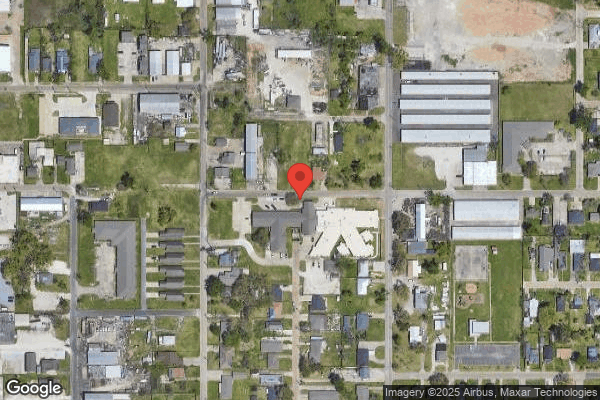
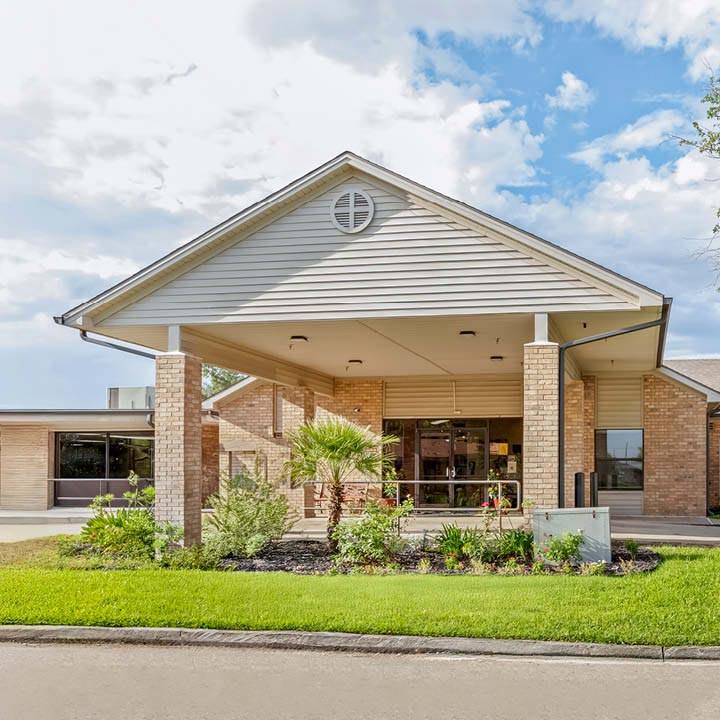
534 15TH STREET, LAKE CHARLES, LA 70601 (337) 439-8338
For profit - Limited Liability company 150 Beds Independent Data: November 2025 2 Immediate Jeopardy citations
Trust Grade
0/100
#241 of 264 in LA
Last Inspection: December 2024

Within standard 12-15 month inspection cycle. Federal law requires annual inspections.

Overview

Rosewood Nursing Center in Lake Charles, Louisiana, has a Trust Grade of F, indicating poor performance and significant concerns about the facility. It ranks #241 out of 264 facilities in Louisiana, placing it in the bottom half of nursing homes in the state and #8 out of 10 in Calcasieu County, meaning there are only two better options nearby. Although the facility shows an improving trend with issues decreasing from 9 in 2024 to 1 in 2025, it has a concerning total of $237,311 in fines, which is higher than 91% of facilities in Louisiana. Staffing is a relative strength, with better RN coverage than 76% of state facilities, but high turnover remains a concern at 47%. Specific incidents include a critical failure to ensure a resident was properly assisted during a transfer, leading to a leg fracture, and another incident where a resident did not receive CPR as per their advanced directive, which resulted in their death. Overall, while there are some strengths in staffing, the significant issues and recent incidents raise serious concerns for families considering this facility.

Trust Score
F
0/100
In Louisiana
#241/264
Bottom 9%
Safety Record
High Risk
Review needed
Inspections
Getting Better
9 → 1 violations
Staff Stability
⚠ Watch
47% turnover. Above average. Higher turnover means staff may not know residents' routines.
Penalties
✓ Good
$237,311 in fines. Lower than most Louisiana facilities. Relatively clean record.
Skilled Nurses
⚠ Watch
Each resident gets only 15 minutes of Registered Nurse (RN) attention daily — below average for Louisiana. Fewer RN minutes means fewer trained eyes watching for problems.
Violations
⚠ Watch
29 deficiencies on record. Higher than average. Multiple issues found across inspections.
★☆☆☆☆
1.0
Overall Rating
★☆☆☆☆
1.0
Staff Levels
★☆☆☆☆
1.0
Care Quality
★★☆☆☆
2.0
Inspection Score
Stable
2024: 9 issues
2025: 1 issues

The Good

  • Full Sprinkler Coverage · Fire safety systems throughout facility
  • No fines on record

Facility shows strength in fire safety.

The Bad

1-Star Overall Rating

Below Louisiana average (2.4)

Significant quality concerns identified by CMS

Staff Turnover: 47%

Near Louisiana avg (46%)

Higher turnover may affect care consistency

Federal Fines: $237,311

Well above median ($33,413)

Significant penalties indicating serious issues

The Ugly 29 deficiencies on record

2 life-threatening 2 actual harm
Jun 2025 1 deficiency
CONCERN (D) 📢 Someone Reported This

A family member, employee, or ombudsman was alarmed enough to file a formal complaint

Potential for Harm - no one hurt, but risky conditions existed

Report Alleged Abuse (Tag F0609)

Could have caused harm · This affected 1 resident

**NOTE- TERMS IN BRACKETS HAVE BEEN EDITED TO PROTECT CONFIDENTIALITY** Based on record reviews and interviews, the facility failed to report an injury of unknown origin to the State Agency no later t...

Read full inspector narrative →
**NOTE- TERMS IN BRACKETS HAVE BEEN EDITED TO PROTECT CONFIDENTIALITY** Based on record reviews and interviews, the facility failed to report an injury of unknown origin to the State Agency no later than 2 hours later in accordance with State law for 1 (#1) of 8 (#1 ,#2, #3, #4, #R1, #R2, #R3, #R4) sampled residents. The deficient practice had a potential to affect a total census of 66 residents. Findings: A review of the facility's policy titled Abuse, Prevention and Prohibition Policy, with an approval date of 03/2025, revealed in part: All alleged violations involving abuse, neglect, exploitation, or mistreatment, including injuries of unknown source and misappropriation of resident property will be reported immediately to the administrator. The allegation will be reported no later than 2 hours, or per state regulations after the allegation is made. A review of the resident's medical record revealed Resident #1 was admitted to the facility on [DATE] with diagnoses that included Type 2 Diabetes Mellitus without complications, Schizoaffective Disorder, and History of Falling. A review of Resident #1's admission MDS (Minimal Data Set) dated 03/05/2025 revealed the resident had a BIMS (Brief Interview Mental Status) score of 13 indicating the resident was cognitively intact. A review of Resident #1's progress note dated 05/22/2025 at 4:08 p.m., documented by S1ADM (Administrator) that read as follows: Resident also has a red abrasion area to his right hip area. Approximately 6cm (centimeters) x 4cm in diameter. Sending resident to the ER (Emergency Room) for evaluation and x-rays. Again resident denies stubbing toe and falling. A review of the State Agency report revealed the date of discovery was 05/22/2025 and the date entered was 05/27/2025. On 06/23/2025 at 3:30 p.m., an interview was conducted with S1ADM. S1ADM stated she is responsible for reporting incidents to the State Agency. S1ADM confirmed that on 05/22/2025 it was reported to her, upon discovery, new skin findings on Resident #1 that included a wound to his right foot and an abrasion to his right hip area. S1ADM stated that through investigation, they (referring to herself and her corporate team) determined that the wound was not as a result of neglect; therefore, the report to the State Agency within 2 hours was not warranted per policy and state law. S1ADM was further interviewed regarding the abrasion to Resident #1's right hip. S1ADM confirmed that the resident was unable to recall or verbalize how he sustained this injury. S1ADM agreed that since the facility was unaware of this injury and how it occurred and because the resident could not recall how he sustained it, that this would be considered an injury of unknown origin and should have been reported to the State Agency within the required 2 hour timeframe.
Dec 2024 7 deficiencies
CONCERN (D)

Potential for Harm - no one hurt, but risky conditions existed

Safe Environment (Tag F0584)

Could have caused harm · This affected 1 resident

Based on observations and interviews, the facility failed to provide a clean, comfortable, and homelike environment for 1 (#33) out of 35 sampled residents. The deficient practice had the potential to...

Read full inspector narrative →
Based on observations and interviews, the facility failed to provide a clean, comfortable, and homelike environment for 1 (#33) out of 35 sampled residents. The deficient practice had the potential to affect a census of 63. Findings: On 12/08/2024 at 10:19 a.m., an observation was conducted of Resident #33's room. The room had a silver pole on wheels that held the TF (Tube Feeding) machine, it had dry white substance(s) running down the pole and a tan , crusty substance covering almost the entire wheel base. Further observation revealed the oxygen concentrator had dried white and tan crusty splattered substance and drip spots on the front and top of the concentrator. On 12/08/2024 at 10:20 a.m., resident stated they should clean that machine and pole, it is dirty and they don't even attempt to clean it. On 12/08/2024 at 10:43 a.m., an observation of Resident #33's room and interview was conducted with S5RN (Registered Nurse). She confirmed the findings from above, and stated they should have been cleaned.
CONCERN (D)

Potential for Harm - no one hurt, but risky conditions existed

Deficiency F0692 (Tag F0692)

Could have caused harm · This affected 1 resident

**NOTE- TERMS IN BRACKETS HAVE BEEN EDITED TO PROTECT CONFIDENTIALITY** Based on interview and record review, the facility failed to ensure RD (Registered Dietitian) recommendations in response to ide...

Read full inspector narrative →
**NOTE- TERMS IN BRACKETS HAVE BEEN EDITED TO PROTECT CONFIDENTIALITY** Based on interview and record review, the facility failed to ensure RD (Registered Dietitian) recommendations in response to identified weight loss were relayed to the physician for review and implementation for 1 (#44) of 9 (#3, #5, #23, #33, #34, #35, #44, #46, #212) residents that receive nutrition from enteral feedings. Findings: A review of Resident #44's record revealed an admission date of 10/30/2024 with diagnoses that included Dysphagia, Aphasia, Protein-Calorie Malnutrition, and Encounter for Attention to Gastrostomy (feeding/PEG tube). A review of Resident #44's care plan revealed a focus area for potential nutritional problem related to disease process, dysphagia, malnutrition, and has unplanned weight loss. Interventions included, provide and serve diet/provide peg (feeding) tube as per order and RD to evaluate and make diet change recommendations. A review of Resident #44's current physician's orders for November 2024 and December 2024 failed to reveal an order for tube feeding formula and rate. A review of Resident #44's November 2024 EMAR (Electronic Medication Administration Record) revealed an order that stated May substitute Isosource 1.5 for Jevity but failed to include administration instructions for rate. Review of Resident #44's December 2024 EMAR revealed an order that stated May substitute Isosource 1.5 for Jevity but also failed to include administration instructions for rate. Review of the RD Consultant Dietitian report Summary of Nutritional Care dated 11/15/2024 for Resident #44 revealed the following: Consult on [AGE] year old male who was eating initially by PO (by mouth) and after MBS (Modified Barium Swallow) test, he is NPO (nothing by mouth) and receiving Isosource 1.5 (liquid nutrition for tube feeding) at 50ml/hr (milliliters per hour) with 30ml/hr flush (water) He has had a 13.4 pound weight loss in past month and is currently at 134.8 pounds. BMI: 21.8 and is 90% of IBW (Ideal body weight) range: 149-180 pounds. Recommended increase to Isosource 1.5 TF (tube feeding) to 65ml/hr continuously . On 12/10/2024 at 10:45 a.m., an interview was conducted with S10RD. S10RD stated she assesses all residents' nutritional needs. The results, including changes and recommendations, are then emailed to the facility's administrative staff. The administrative staff is responsible for implementing the changes. She viewed her Consultant Dietitian Report dated 11/15/2024 and confirmed she had identified Resident #44's weight loss and made recommendations to increase the tube feeding rate according to the resident's estimated nutritional needs. She confirmed this report was sent to administrative staff, which included the DON (Director of Nursing), ADON (Assistant Director of Nursing), and the Administrator via e-mail. On 12/10/2024 at 3:03 p.m., a concurrent record review and interview was conducted with S2DON. S2DON confirmed she received the RD consultant report dated 11/15/2024 that included Resident #44's recommendations for the increased tube feeding rate. S2DON then viewed Resident #44's record and failed to identify that the recommendation had been implemented and confirmed there was no order to increase the tube feeding rate and should have been. On 12/10/2024 at 4:15 p.m., an additional interview was conducted with S2DON who stated that the resident's current weight is 135 lbs and has not had a weight loss from November 2024 to December 2024. During the interview, a request was made for a policy in regards to the process for reviewing and implementing Registered Dietitian recommendations. No such policy was provided by the time of survey completion.
CONCERN (D)

Potential for Harm - no one hurt, but risky conditions existed

Tube Feeding (Tag F0693)

Could have caused harm · This affected 1 resident

**NOTE- TERMS IN BRACKETS HAVE BEEN EDITED TO PROTECT CONFIDENTIALITY** Based on record reviews, observations, and interviews, the facility failed to ensure that residents' enteral feeding was properl...

Read full inspector narrative →
**NOTE- TERMS IN BRACKETS HAVE BEEN EDITED TO PROTECT CONFIDENTIALITY** Based on record reviews, observations, and interviews, the facility failed to ensure that residents' enteral feeding was properly labeled for 2 (#34 and #35) out of 2 (#34 and #35) sampled residents reviewed for tube feeding. The deficient practice had the potential to affect a total of 9 residents that received tube feedings. Findings: Resident #34 Review of Resident #34's electronic health record revealed he was admitted to the facility on [DATE] with diagnoses including Cerebral Infarction, Gastrostomy Status, Dysphagia Pharyngeal Phase, Moderate Protein Calorie Malnutrition, and Vascular Dementia. Review of Resident #34's physician's orders revealed an order dated 11/26/2024 that read: Enteral feed every night shift for supplement r/t (related to) Mod (moderate) PCM (Protein Calorie Malnutrition), and Dysphagia. Administer Isosource 1.5 via peg tube at 45 ml (milliliters)/hr. (per hour) continuous and flush of 60 ml/hr. Total volume to be infused 1080 ml in 24 hours. On 12/08/2024 at 10:46 a.m., an observation of Resident #34's tube feeding administration set revealed the formula label read, Isosource 1.5, the resident's name, a date of 12/08/2024, 1:00 a.m., and nurse's initials. There was no rate listed on the administration set. Further observation of the tube feeding administration set revealed the flush bag was not labeled. On 12/09/2024 at 10:24 a.m., a second observation was conducted of Resident #34's tube feeding administration set revealed the flush bag was not labeled. On 12/09/2024 at 10:48 a.m., an observation of Resident #34's tube feeding administration set was conducted with S7LPN (Licensed Practical Nurse). S7LPN confirmed the flush bag of the tube feeding administration set was not labeled and it should have been labeled with the resident's name, contents, rate, date, time, room number, and initials. Resident #35 Review of Resident #35's electronic health record revealed she was admitted to the facility on [DATE] with diagnoses including Hemiplegia following Cerebrovascular Disease, Type II Diabetes Mellitus, Dementia, Gastrostomy Status, Dysphagia, and Aphasia. Review of Resident #34's physician's orders revealed an order dated 11/27/2024 that read: Enteral feed Diabetisource via peg tube at 45ml/hr. with flush of 80 mls per 4 hours. On 12/08/2024 at 9:25 a.m., an observation of Resident #35's tube feeding administration set was conducted revealed the formula label read, Diabetisource AC, the resident's name, a date of 12/08/2024, 1:00 a.m., and the nurse's initials. There was no rate listed on the administration set. Further observation of the tube feeding administration set revealed the flush bag was not labeled. On 12/09/2024 at 10:26 a.m., an observation of Resident #35's tube feeding administration set was conducted that revealed the flush bag was not labeled. On 12/09/2024 at 10:50 a.m., an observation of Resident #35's tube feeding administration set was conducted with S7LPN. S7LPN confirmed the flush bag of the tube feeding administration set was not labeled. S7LPN confirmed the flush bag should have been labeled with the resident's name, contents, rate, date, time, room number, and initials. On 12/10/24 at 8:44 a.m., an interview was conducted with S2DON (Director of Nursing). S2DON confirmed the tube feeding administration set to include the formula bag and the flush bag should have each been labeled with the date, time, nurse's initials, rate and contents to ensure the resident received the proper nutrition and hydration. Further interview with S2DON revealed the facility had no policy and procedure related to labeling the tube feeding administration set.
CONCERN (D)

Potential for Harm - no one hurt, but risky conditions existed

Medication Errors (Tag F0758)

Could have caused harm · This affected 1 resident

Based on record review and interview the facility failed to ensure that each residents' medication regimen was free from unnecessary medications by failing to monitor for side effects for antipsychotr...

Read full inspector narrative →
Based on record review and interview the facility failed to ensure that each residents' medication regimen was free from unnecessary medications by failing to monitor for side effects for antipsychotropic medications for 1 (#42) of 5 (#11, #24, #27, #42, #47) residents reviewed for unnecessary medications. The deficient practice had the potential to affect a total census of 63. Findings: On 12/10/2024 at 1:07 p.m., a request was made for a policy regarding monitoring for antipsychotropic medications. No such policy was provided by the time of the survey conclusion. A review of Resident #42's record revealed an admission date of 10/21/2024 with diagnoses that included Vascular Dementia, Anxiety Disorder and Depression. A review of Resident #42's November 2024 and December 2024 EMAR's (Electronic Medication Administration Record) revealed Resident #42 was receiving the following medications: An antipsychotic, Quetiapine 200mg (milligram) twice daily with a start date of 11/14/2024, An antidepressant, Duloxetine 60mg 2 capsules daily with a start date of 11/15/2024, An antidepressant, Mirtazapine 15mg at bedtime with a start date of 11/14/2024, and An antianxiety, Buspirone 5mg three times daily with a start date of 11/21/2024. Further review of Resident #42's November 2024 and December 2024 EMAR failed to reveal side effect monitoring. On 12/20/2024 at 9:50 a.m., a concurrent record review and interview was conducted with S7LPN (Licensed Practical Nurse). S7LPN reviewed Resident #42's November 2024 and December 2024 EMAR and confirmed the resident was taking the Quetiapine, Duloxetine, Mirtazapine, and Buspirone and that all of the medications required monitoring for side effects and targeted behaviors. S7LPN confirmed this monitoring should be documented on the EMAR, and was not being done and should be. On 12/20/2024 at 1:07 p.m., a concurrent record review and interview was conducted with S2DON (Director of Nursing). S2DON reviewed Resident #42's November 2024 and December 2024 EMAR and confirmed the resident was taking the Quetiapine, Duloxetine, Mirtazapine, and Buspirone and that all of the medications required monitoring for side effects and targeted behaviors. S2DON confirmed this monitoring should be documented on the EMAR, and was not being done and should be.
CONCERN (D)

Potential for Harm - no one hurt, but risky conditions existed

Food Safety (Tag F0812)

Could have caused harm · This affected 1 resident

Based on observation and interview, the facility failed to ensure food products were properly refrigerated after being opened. This deficient practice has the potential to effect the 56 residents that...

Read full inspector narrative →
Based on observation and interview, the facility failed to ensure food products were properly refrigerated after being opened. This deficient practice has the potential to effect the 56 residents that eat meals from the from the facility's kitchen. Findings: On 12/08/2024 at 8:45 a.m., an initial observation of the kitchen's dry storage room was conducted. One 48 ounce container of Concord Grape Jelly, was opened with approximately one-third of the jelly missing. Upon further inspection of the container, it read Refrigerate after opening. On 12/08/2024 at 11:15 a.m., a second observation of the kitchen's dry storage room was conducted with S6DM (Dietary Manager). She confirmed the container of Concord Grape Jelly had been opened, and on further review of the label, that is should be been refrigerated after opening.
CONCERN (E)

Potential for Harm - no one hurt, but risky conditions existed

Respiratory Care (Tag F0695)

Could have caused harm · This affected multiple residents

Based on observations, interview, and record review, the facility failed to provide necessary care and services that is in accordance with professional standards of practice for 3 (#11, #33, #37) out ...

Read full inspector narrative →
Based on observations, interview, and record review, the facility failed to provide necessary care and services that is in accordance with professional standards of practice for 3 (#11, #33, #37) out of 3 (#11, #33, #37) residents reviewed for respiratory care, with the potential to effect 7 residents receiving oxygen therapy. Findings: Review of the facility's policy titled Oxygen Administration with an approval date of 12/2024, revealed in part: Steps in the procedure . 10. Check the mask, tank, humidifying jar, etc., to be sure they are in good working order and are securely fastened. Be sure there is water in the humidifying jar and that the water level is enough that the water bubbles as oxygen flows through. 12. Replenish water to humidifier jar as needed. Resident #11 Review of the physician's orders for Resident #11 revealed an order dated 12/09/2024 - Oxygen (O2) 3L/NC (liters per nasal cannula). On 12/08/2024 at 9:37 a.m., an observation of Resident #11's O2 concentrator was done. The humidifier jar, attached to concentrator tubing, was on floor without H2O (water) in the humidifier jar. On 12/08/2024 at 9:44 a.m., during an observation and interview with S4LPN, she observed and confirmed the oxygen humidifier jar for the concentrator was on the floor and the humidifier jar was empty. She reported the tubing and canister are changed at night on Sundays and PRN. She also confirmed the oxygen was infusing at 3 L/NC as ordered. Resident #33 Review of the physician's orders for Resident #33 revealed an order dated 10/21/2424 - O2 at 3L/NC as needed for SOB (Shortness of Breath) On 12/08/2024 at 10:21 a.m., an observation of Resident #33's O2 concentrator was done. The humidifier jar was without H2O in the humidifier jar. On 12/08/2024 at 10:25 a.m., an interview was conducted with Resident #33. She stated she uses supplemental oxygen through her nose all the time. On 12/08/2024 at 10:43 a.m., an observation and interview with S5RN (Registered Nurse) of Resident #33's O2 concentrator was conducted. She confirmed the humidifier jar for the oxygen was empty and should have been checked regularly and had water added to it as needed. Resident #37 Review of the physician's orders for Resident #37 revealed an order dated 02/29/2024 O2 3L/NC as needed for Shortness of Breath. On 12/08/2024 at 10:04 a.m., an observation of Resident #33's O2 concentrator was done. The humidifier jar was empty, without H2O. On 12/08/2024 at 10:10 a.m., an observation and interview with S8LPN of Resident #37's O2 concentrator was conducted. She also confirmed the humidifier jar was empty, and should have water and bubbling when in use administering oxygen. Or while administering oxygen.
CONCERN (F)

Potential for Harm - no one hurt, but risky conditions existed

Staffing Information (Tag F0732)

Could have caused harm · This affected most or all residents

Based on observation and interview, the facility failed to post nurse staffing information in a prominent place, readily accessible to residents and visitors. The information should be posted on a dai...

Read full inspector narrative →
Based on observation and interview, the facility failed to post nurse staffing information in a prominent place, readily accessible to residents and visitors. The information should be posted on a daily basis and include the resident census and total number of actual hours worked by RNs (Registered Nurses), LPNs (Licensed Practical Nurses), and CNA (Certified Nurse Assistant) staff directly responsible for resident care per shift. The facility census was 63. Findings: On 12/10/2024 at 6:54 p.m., an interview with S1ADM (Administrator) and S9PM (Payroll Manager) verified that the facility did not post daily nurse staffing information that included the resident census and total number of actual hours worked by RNs, LPNs, and CNA staff directly responsible for resident care per shift anywhere in the facility. On 12/10/2024 at 7:30 p.m., an interview with S3RDO (Regional Director of Operations) was conducted. S3RDO was questioned regarding the posting of nurse staffing information that included resident census and total number of actual hours worked by RNs, LPNs, and CNA staff directly responsible for resident care per shift on a daily basis. S3RDO responded, We don't post the daily staffing information, but probably should.
Aug 2024 1 deficiency 1 IJ
CRITICAL (J) 📢 Someone Reported This

A family member, employee, or ombudsman was alarmed enough to file a formal complaint

Immediate Jeopardy (IJ) - the most serious Medicare violation

Accident Prevention (Tag F0689)

Someone could have died · This affected 1 resident

**NOTE- TERMS IN BRACKETS HAVE BEEN EDITED TO PROTECT CONFIDENTIALITY** Based on interviews, observations, and record reviews, the facility failed to ensure a resident was free from accidents hazards ...

Read full inspector narrative →
**NOTE- TERMS IN BRACKETS HAVE BEEN EDITED TO PROTECT CONFIDENTIALITY** Based on interviews, observations, and record reviews, the facility failed to ensure a resident was free from accidents hazards during a mechanical lift transfer for 1 (#1) of 7 (#1, #2, #3, R1, R2, R3, and R4) sampled residents who required two-person transfer with a mechanical lift. This deficient practice resulted in an Immediate Jeopardy for Resident #1 on 08/08/2024 at 2:15 p.m., when S3CNA (Certified Nursing Assistant) attempted to transfer the resident from a shower bed to residents bed while utilizing the mechanical lift without assistance of another qualified staff person. Resident #1 fell from the lift sling during the transfer and landed on the floor resulting in a fractured right leg. Resident #1 was transferred to the hospital on [DATE]. X-ray report dated 08/08/2024 at 4:53 p.m. showed a suspected nondisplaced fracture of the distal fibula. A CT (comp tomography) scan done on 08/09/2024 at 7:43 a.m. revealed a comminuted, displaced distal femoral fracture with multiple ossific fragments and surrounding hemorrhage. Resident #1 underwent surgery; intramedullary nailing of the right femur on 08/10/2024. The resident remains in the hospital at the time of survey as a result of the fall with fracture and surgical repair. The facility implemented an immediate corrective action plan on 08/08/2024 which was completed prior to the State Agency's investigation. There was sufficient evidence that the facility corrected the noncompliance and was in substantial compliance on 08/09/2024 at 11:00 am, thus it was determined to be a Past Noncompliance citation. Findings: A review of the facility's Mechanical Lift Policy, last reviewed by the facility in July 2024 revealed the following, in part: Staff will be observed for competency in using mechanical lifts and observed periodically for adherence to policies and procedures regarding use of equipment and safe lifting techniques. Staff shall perform routine checks and maintenance of equipment used for lifting to ensure that it remains in good working order. Review of the facility's CNA Professional Orientation Guidebook revealed in part: Mechanical Lift Transfers: All mechanical lifts require two people. Review of the medical records for Resident #1 revealed the resident was admitted to the facility on [DATE] with diagnoses that included Heart Failure, Vascular Dementia, Major Depressive Disorder, and Cognitive Communication Deficit. Review of Resident #1's quarterly MDS (Minimum Data Set) with an ARD (Assessment Reference Date) of 07/26/2024, revealed the following, in part: BIMS (Brief Interview for Mental Status) of 99 which indicated the assessment for cognition could not be complete because resident did not participate; Bed mobility- extensive assistance/2-person assist. Review of Resident #1's current care plan initiated 10/14/2022 revealed the following, in part: 05/23/2022 .Problem: The resident has an ADL self-care performance deficit related to cognitive and physical impairment .Approaches: The resident requires two person and mechanical aid (Hoyer lift) for transfers. Review of Resident #1's Fall Incident Report dated 08/08/2024 revealed the following, in part: Was called to the room by the CNA because the resident fell on the floor. CNA stated the sling pad popped Resident was left in the position that she was found in. The ambulance was called to get resident up and bring her to the ER (emergency room). Review of Resident #1's hospital records revealed an x-ray report dated 08/08/2024 at 4:53 p.m. that showed a suspected non displaced fracture of the distal fibula. A CT (comp tomography) scan done on 08/09/2024 at 7:43 a.m. revealed a comminuted, displaced distal femoral fracture with multiple ossific fragments and surrounding hemorrhage. Resident #1 underwent surgery, intramedullary nailing of the right femur, on 08/10/2024. Review of the facility's Investigative Report revealed the following, in part: on 08/08/2024, S3CNA failed to properly follow community policy as it related to assessment and functionality of the sling and requirements of two-person assistance while utilizing Hoyer lifts resulting in resident falling from Hoyer lift and sustaining fracture. Identified staff member immediately suspended pending investigation. On 08/14/2024 at 3:15 pm., an interview was conducted with S4LPN (Licensed Practical Nurse). S4LPN confirmed she cared for Resident #1 on 08/08/2024. She confirmed she was aware that Resident #1 required transfers with a Hoyer lift and two person assistance. She denied ever being asked for assistance with any transfers on 08/08/2024. She stated she was made aware Resident #1 had fallen when S3CNA came into the hallway calling for help. S4LPN stated when she entered the resident's room, she noted both the shower bed and Hoyer lift were in the room and the Resident #1 was lying next to the bed on her right side with her right leg under the bed. S4LPN stated she observed Resident #1's right leg was bent in the opposite direction behind her in an unnatural alignment with a protrusion from the right thigh. She stated she suspected a fracture of the femur and chose not to move the resident until EMS arrived. On 08/15/2024 at 9:00 a.m., a phone interview was conducted with S3CNA. She confirmed she provided care to Resident #1 on 08/08/2024. S3CNA stated she had taken care of Resident #1 previously and was familiar with the type of care the resident required including that the resident required two persons for transfers with the lifter. She stated that she and another CNA (later identified as S5CNA) transferred Resident #1 from her bed to her shower bed using the Hoyer lift, brought the resident into the shower room, and gave her a shower. When done, she (S3CNA) transported Resident #1 on the shower bed back inside her room. S3CNA stated she rang the call bell to request assistance from another staff member. After waiting approximately 1 minute, Resident #1 began to cry. S3CNA stated she didn't want to make the resident wait any longer, so she proceeded to transfer the resident on her own without assistance. Resident #1 was on a lifter pad, then hooked up to the mechanical lift. S3CNA stated once Resident #1 was lifted into the air, she heard a noise which she believed was the lifter pad ripping, then the resident just fell to the floor. She further explained the resident fell onto her right side with her right leg under the bed. S3CNA stated she immediately went into the hallway and called for nursing assistance; S4LPN responded immediately. S3CNA confirmed she was aware Resident #1 required two staff members for transfers, but failed to follow the resident's care plan. On 08/15/2024 at 1:30 p.m., an interview was conducted with S5CNA. She stated on 08/08/2024, while walking on the hallway, she observed S3CNA attempting to transfer Resident #1 from her bed to the shower bed using the Hoyer lift without assistance. When she observed this, she entered the room and assisted S3CNA with the transfer because she was aware that Resident #1 required two persons with all transfers. S3CNA went into the shower room with the resident after the transfer while she continued on with her own tasks. S5CNA denied being asked to assist with any transfers, and also denied hearing a call bell singling for assistance. On 08/15/2024 at 1:45 p.m., an interview was conducted with S1ADM (Administrator). S1ADM confirmed Resident #1 had been hospitalized since 08/08/2024 as a result of the fall resulting in a leg fracture that required surgical repair on 08/10/2024. She stated that, during the investigation of the incident and interview with S3CNA, it was determined that S3CNA failed to follow Resident #1's care plan for two person assist and to assess the functionality of the sling prior to using the lift. S1ADM stated the lift sling was inspected after Resident #1's fall which was noted to have come unsewn at the seam where the hooks were attached. S1ADM denied the sling had any frayed areas. S1ADM stated they immediately inspected all slings in the facility as well as all Hoyer lifts. She stated all Hoyer lifts were in good working order with no deficits were found in any of the other slings. Then they began in-servicing all clinical staff which included: a physical demonstration, on proper use of Hoyer lifts, assessing slings for functionality, abuse/neglect, and change in condition. The facility also did an audit on all care plans to ensure each resident's transfer requirements were correct. She asserted there were no negative findings as a result of this audit. S1ADM further stated the facility had an AD HOC (impromptu) QAPI (Quality Assurance Performance Improvement) meeting on 08/08/2024 to begin investigations and initiate corrective actions and on the repeat AD HOC QAPI meeting on 08/09/2024 where they determined the deficient practice had been corrected. S1ADM reported the facility's monitoring began the following day (08/09/2024) and was ongoing. She denied any negative findings with the monitoring and stated there had been no further incidents regarding transfers, Hoyer lifts, or lifter slings. S1ADM reported she and the Director of Nursing would conducted monitoring for 90 days. Projected completion of monitoring was 09/01/2024 if no negative findings. The monitoring would be extended for an additional 60 days if any negative findings were identified. Multiple Nurses and CNA's were interviewed about the use of the mechanical lift. All staff interviewed were knowledgeable about the facility's policy that two trained staff members should be present when lifting a resident using the mechanical lift. All staff members stated they had received multiple trainings on the proper use of mechanical lifts. Five random residents, who required use of a mechanical lift for transfers, were observed on 08/14/2024 and 08/15/2024 having two or more staff members present when the mechanical lift was used on them. No concerns were identified. The facility implemented the following actions to correct the deficient practice: 08/08/2024- Continuous Quality Assessment and Improvement Corrective Action Plan: I. Immediate evaluation of all Hoyer lift and slings. II. Immediate reeducation of clinical staff for safe mechanical transfer procedure, lift sling evaluation and reporting, and abuse, neglect and change in condition reporting. III. Employee monitoring of resident transfers utilizing Hoyer lift and lift slings by administrator or designee. IV. Monitoring or Hoyer lift and lift slings by administrator or designee. V. Continued education on the use of Hoyer lifts, slings, and their usage at the time of hire, annually and as needed. 08/09/2024- All clinical staff have received re-education; monitoring conducted and documented with ongoing trainings continued.
Jan 2024 1 deficiency
CONCERN (D) 📢 Someone Reported This

A family member, employee, or ombudsman was alarmed enough to file a formal complaint

Potential for Harm - no one hurt, but risky conditions existed

Deficiency F0698 (Tag F0698)

Could have caused harm · This affected 1 resident

Based on interview and record review, the facility failed to ensure that residents who required dialysis received such services consistent with professional standards of practice for 1 (#1) out of 2 (...

Read full inspector narrative →
Based on interview and record review, the facility failed to ensure that residents who required dialysis received such services consistent with professional standards of practice for 1 (#1) out of 2 (#1, #2) residents sampled for dialysis services as evidenced by: 1. Failing to conduct comprehensive post dialysis assessments; and 2. failing to ensure that communication received from the dialysis provider was addressed and communicated with staff. Findings: Review of the facility's policy titled, Dialysis Communication, read in part .6. The nurse will complete post dialysis information on the dialysis communication form. 7. Nurse will communicate any significant information (complications or concerns) to the medical practitioner and/or representative. Review of Resident #1's medical record revealed an admission date of 01/12/2023 with diagnoses that included, in part but not limited to; End Stage Renal Disease and Dependence on Renal Dialysis. Review of Resident #1's care plan revealed an intervention to review communication form or flow sheet after treatment, implement new orders or recommendations, and encourage resident to complete treatment. Review of Resident #1 dialysis communication binder revealed a Dialysis Communication Form dated 12/27/2023 with the Post Dialysis Facility Information portion not completed or signed by the facility nurse. Review of Dialysis Communication Form dated 12/29/2023 revealed concerns during dialysis that read in part .Patient will need someone to sit with her during treatment for safety. The Post Dialysis Facility Information was not complete or signed by the facility nurse. Further review of the communication form sent by the dialysis provider revealed a comment on 01/03/2024 that read in part .needs sitter during treatment for safety concerns. There was no Post Dialysis Facility Information documented. Review of Resident #1's dialysis clinical notes revealed an entry on 01/03/2024 that read in part .On 12/29/2023, this RN (Registered Nurse) requested NH (Nursing Home) to send sitter with patient during treatment for safety but no sitter sent 12/31/2023 nor 01/03/2024 .spoke with S2DON (Director of Nursing) who stated she did receive request via communication sheet but did not believe patient needs sitter during treatment. On 01/18/2024 at 10:05 a.m., an interview was conducted with S2DON. S2DON stated she was never notified by her staff of any requests made by the dialysis provider for a sitter during Resident #1's dialysis treatments. On 01/18/2024 at 3:30 p.m., a follow up interview and review of Resident #1's Dialysis communication Forms dated 12/27/2023, 12/29/2023, and 01/03/2024 was conducted with S2DON. S2DON confirmed that, had S3LPN reviewed, completed the post dialysis form, and followed policy, there would not have been a failure in dialysis communication and collaboration and the request made by the dialysis provider could have been addressed. S2DON acknowledged and confirmed the Post Dialysis Facility Information was incomplete and should be done by the facility nurse upon the resident's return from dialysis treatment. On 01/18/2024 at 3:45 p.m., an interview and review of Resident #1's dialysis communication forms dated 12/27/2023, 12/29/2023 and 01/03/2024 was conducted with S3LPN (Licensed Practical Nurse). She confirmed that she did not complete the Post Dialysis Facility Information portion. S3LPN also confirmed she saw the concerns documented by the dialysis provider on 12/29/2023 requesting a sitter for the resident, did not communicate this information to any staff member and should have.
Dec 2023 8 deficiencies
CONCERN (D)

Potential for Harm - no one hurt, but risky conditions existed

Assessment Accuracy (Tag F0641)

Could have caused harm · This affected 1 resident

**NOTE- TERMS IN BRACKETS HAVE BEEN EDITED TO PROTECT CONFIDENTIALITY** Based on record review and interview, the facility failed to ensure the assessment accurately reflected the resident's status by...

Read full inspector narrative →
**NOTE- TERMS IN BRACKETS HAVE BEEN EDITED TO PROTECT CONFIDENTIALITY** Based on record review and interview, the facility failed to ensure the assessment accurately reflected the resident's status by failing to accurately code the Minimum Data Set (MDS) for smoking for 1 (#28) of 30 residents reviewed in the initial pool. Findings: Review of Resident #28's electronic health record revealed she was admitted on [DATE] with diagnoses that included: Quadriplegia, Muscle Wasting and Atrophy, Major Depressive Disorder, and Abnormal Posture. A review of the Quarterly MDS with an Assessment Reference Date (ARD) of 03/31/2023 for Resident #28 revealed, Section J: Current Tobacco Use, was coded 0 which indicated no. On 12/20/2023 at 1:02 p.m., an interview was conducted with S4MDSLPN. S4MDSLPN confirmed that the resident is a smoker. [NAME] viewed Resident #28's comprehensive assessment from 03/31/2023 and confirmed the MDS was coded incorrectly.
CONCERN (D)

Potential for Harm - no one hurt, but risky conditions existed

Quality of Care (Tag F0684)

Could have caused harm · This affected 1 resident

**NOTE- TERMS IN BRACKETS HAVE BEEN EDITED TO PROTECT CONFIDENTIALITY** Based on observations, interviews and record review, the facility failed to ensure hospice agencies communicated with facility s...

Read full inspector narrative →
**NOTE- TERMS IN BRACKETS HAVE BEEN EDITED TO PROTECT CONFIDENTIALITY** Based on observations, interviews and record review, the facility failed to ensure hospice agencies communicated with facility staff, and maintained and updated the residents' medical record that reflected the services provided for 1 (#31) of 2 (#31, #51) sampled resident that were provided Hospice Services. Findings: Record review of Resident #31's hospice binder and facility electronic record revealed she was admitted to the facility on [DATE] with an order dated [DATE] to admit to --- hospice for terminal Senile Degeneration of the Brain. Her cumulative diagnoses were in part: Senile Degeneration of Brain, Diabetes Mellitus II, Hypertension, Psychosis, Depression, Dementia, Dysphagia, Cerebral Vascular Accident, Anxiety and Major Depressive Disorder. Review of Resident #31's Quarterly MDS (Minimum Data Set) dated [DATE] revealed a BIMS (Brief Interview for Mental Status) of 03, which indicated the resident had severely impaired cognition. Record review of Resident #31's hospice medical record binder revealed a Hospice Recertification Plan of Care (POC) Update for a 60-day period had a benefit period from [DATE] to [DATE], signed by the hospice physician on [DATE]. The Hospice Certification of Terminal Illness (CTI) was signed by the hospice physician on [DATE], which indicated the resident was still considered terminally ill with a life expectancy of 6 months or less if the terminal illness runs it normal course. There was no recertification statement in medical records after [DATE]. Review of the hospice binder physician's order/plan of care revealed the following: [DATE] SN (Skilled Nurse) visits 1 time a week for 9 weeks and 3 PRN (as needed)/ status change. Social Worker (SW) effective [DATE], 1 visit per month for 2 months, with 2 PRN psychosocial needs and Home Health Aide (HHA) effective [DATE], 5 times a week for 8 weeks and 4 times a week for 1 week. A review of the facility's hospice binder revealed there were no documentation of an SN visit since [DATE]. There were no documented visits for SW. Further review revealed the HHA had no visits documented since 04/2023 in the facility's hospice medical binder. On [DATE] at 11:50 a.m., an Interview and review of Resident #31's hospice binder was conducted with S3DON. She confirmed the residents' hospice POC had expired on [DATE] and no new POC was in the hospice records. She also confirmed the last documentation of a hospice nurse visit was dated [DATE]. S3DON stated all hospice documentation was to be kept in the hospice binder and documentation should be added to the binder after each visit made to the resident and was not. On [DATE] at 12:40 p.m., an interview was conducted with S8LPN. She stated the hospice nurse was responsible for putting the visit notes in the hospice binder, along with a current POC. She further stated the facility staff is was responsible for ensuring the hospice binder are was up to date with documentation of hospice records and she could not recall the last time she had checked the to ensure the hospice binder was up to date.
CONCERN (D)

Potential for Harm - no one hurt, but risky conditions existed

Respiratory Care (Tag F0695)

Could have caused harm · This affected 1 resident

**NOTE- TERMS IN BRACKETS HAVE BEEN EDITED TO PROTECT CONFIDENTIALITY** Based on interview and record review, the facility failed to provide necessary care and services that is in accordance with prof...

Read full inspector narrative →
**NOTE- TERMS IN BRACKETS HAVE BEEN EDITED TO PROTECT CONFIDENTIALITY** Based on interview and record review, the facility failed to provide necessary care and services that is in accordance with professional standards of practice by failing to ensure oxygen was delivered at the ordered for 1 (#153) out of 1 (#153) resident reviewed for respiratory care out of a total sample of 30 residents. Findings: Resident #153 was admitted on [DATE], with diagnoses not limited to Chronic Obstructive Pulmonary Disease and Parkinson 's Disease. Review of the Resident's physician's orders for December 2023 revealed on 12/15/2023, resident to be placed on oxygen (O2) therapy at 2 liters per nasal cannula (L/NC) as needed (PRN) for oxygen saturation (O2 Sat) 92% or lower. Review of Resident #153's electronic medical record revealed her vital signs and O2 Sat monitoring was recorded 3 times a day between 12/15/2023 to 12/19/2023 with his or her O2 sat ranging from 92% to 98%. The O2 Sat documented for 12/15/2023 at 10:00 p.m. and 12/15/2023 at 11:34 p.m., was 92%. Further review of the electronic medical record revealed the nurses' progress notes and admission assessment had no documented evidence that oxygen had been administered for O2 sats of 92% on 12/15/2023. On 12/20/2023 at 1:15 p.m., an interview was conducted with S7LPN, she reported the resident is on oxygen PRN. She reviewed the resident's order and confirmed there was an order was oxygen 2L/NC PRN for O2 sat 92% or less. She then reviewed the O2 Sat levels documented from 12/15/2023 to 12/20/2023 and confirmed the resident had O2 sat levels of 92% documented on 12/15/2023 at 10:00 p.m. and 11:34 p.m She then reviewed the progress noted and nursing admission assessment and confirmed there was no documentation the resident was administered oxygen as ordered when their O2 sat was 92%. She confirmed the resident should have been provided supplemental oxygen when their O2 sat was 92%.
CONCERN (D)

Potential for Harm - no one hurt, but risky conditions existed

Pharmacy Services (Tag F0755)

Could have caused harm · This affected 1 resident

Based on observations, interviews and record reviews, the facility failed to provide pharmaceutical services that were in order and accounted for the drug record reconciliation of all controlled drugs...

Read full inspector narrative →
Based on observations, interviews and record reviews, the facility failed to provide pharmaceutical services that were in order and accounted for the drug record reconciliation of all controlled drugs during shift changes for medication carts A and B. This deficient practice had the potential to affect the 52 residents residing in the facility. Findings: A review of the facility's policy titled, Controlled Substance Policy revealed, in part .4. The persons performing the inventory will sign to verify that the inventory was done. All controlled substances are to be counted every shift. The count is to be performed by the on-coming licensed nurse and the off-going licensed nurse .Both nurses will sign on the narcotic sign in and out sheet that the count was completed. On 12/20/2023 at 12:55 p.m., an observation of A Hall narcotic drug log was performed with S6LPN (Licensed Practical Nurse). Review of the log revealed that there were missing signatures for 4 days in the month of December 2023; 12/05/2023, 12/07/2023, 12/08/2023, and 12/19/2023. S6LPN confirmed the dates without signatures indicated a narcotic reconciliation had not been performed. S6LPN further confirmed the reconciliation should be done by the off-going and on-coming nurses at the beginning and end of every shift and was not. On 12/20/2023 at 2:55 p.m., an observation of B Hall narcotic drug log was performed with S7LPN. Review of the log revealed there were 6 days with missing signatures in the month of November 2023; 11/23/2023, 11/24/2023, 11/27/2023, 11/29/2023, and 11/30/2023. For the month of December 2023, there were 12 days with missing signatures; 12/01/2023, 12/02/2023, 12/03/2023, 12/04/2023, 12/05/2023, 12/07/2023, 12/08/2023, 12/09/2023, 12/10/2023, 12/11/2023, 12/15/2023 and 12/16/2023 indicating a narcotic reconciliation had not been performed. S7LPN confirmed the reconciliation should be done by the off-going and on-coming nurses at the beginning and end of every shift and was not. On 12/20/2023 at 3:29 p.m., an interview was conducted with S1ADM (Administrator). She confirmed that both on-coming and off-going nurses should be reconciling narcotics at the beginning and end of every shift and should be signing the logs to verify it was done. S1ADM reviewed A and B hall narcotic drug logs and she confirmed the presence of missing signatures. She further confirmed the narcotic logs should not have missing signatures.
CONCERN (D)

Potential for Harm - no one hurt, but risky conditions existed

Deficiency F0761 (Tag F0761)

Could have caused harm · This affected 1 resident

**NOTE- TERMS IN BRACKETS HAVE BEEN EDITED TO PROTECT CONFIDENTIALITY** Based on observation and interviews, the facility failed to ensure that expired medication/biologicals were properly discarded a...

Read full inspector narrative →
**NOTE- TERMS IN BRACKETS HAVE BEEN EDITED TO PROTECT CONFIDENTIALITY** Based on observation and interviews, the facility failed to ensure that expired medication/biologicals were properly discarded and not available for use. This was evidenced by having expired Influenza vaccinations stored in a medication refrigerator. Findings: On [DATE] at 9:40 a.m., an observation of Medication Room A was conducted with S5LPN. During the inspection of the mediation refrigerator, 3 unopened boxes and 1 opened box with 2 remaining doses of Influenza Vaccine-Fluzone High Dose-Quadrivalent (10 dose box) were noted expired. The manufacturer expiration date on each box read [DATE]. S5LPN confirmed expiration date and confirmed they should have been discarded. On [DATE] at 11:30 a.m., an interview was conducted with S1ADM, who confirmed that expired medication should not have been in the medication refrigerator.
CONCERN (D)

Potential for Harm - no one hurt, but risky conditions existed

Medical Records (Tag F0842)

Could have caused harm · This affected 1 resident

**NOTE- TERMS IN BRACKETS HAVE BEEN EDITED TO PROTECT CONFIDENTIALITY** Based on record review and interview, the facility failed to accurately maintain resident records by failing to have a written o...

Read full inspector narrative →
**NOTE- TERMS IN BRACKETS HAVE BEEN EDITED TO PROTECT CONFIDENTIALITY** Based on record review and interview, the facility failed to accurately maintain resident records by failing to have a written order to release body to funeral home for 1 (#51) out of 1 (#51) sampled death resident records. Findings: Resident #51 was admitted to the facility on [DATE] with diagnoses including Senile Degeneration of Brain, Dementia and Emphysema. A review of the physician's orders for Resident #46 revealed 10/30/2023 - Admit to facility under the care of - Hospice. Further review of physician's orders for Resident #46, had no order to release resident to funeral home. Review of Resident #46's electronic records nursing progress notes revealed on 11/07/2023 at 3:05 a.m., time of death 3:05 a.m., by hospice. Further review of nurses' progress on 11/07/2023 at 4:42 a.m., resident leaving facility with staff from --- Funeral Home. On 12/19/2023 at 11:45 a.m., an interview was conducted with S3DON. She reviewed the resident's records and hospice records and confirmed there was not an order to release the body to the funeral home. She also confirmed they should have had an order to release the body to the funeral home.
CONCERN (D)

Potential for Harm - no one hurt, but risky conditions existed

Infection Control (Tag F0880)

Could have caused harm · This affected 1 resident

**NOTE- TERMS IN BRACKETS HAVE BEEN EDITED TO PROTECT CONFIDENTIALITY** Based on observations, record review and interview, the facility failed to maintain an effective infection prevention and contro...

Read full inspector narrative →
**NOTE- TERMS IN BRACKETS HAVE BEEN EDITED TO PROTECT CONFIDENTIALITY** Based on observations, record review and interview, the facility failed to maintain an effective infection prevention and control program by failing to ensure staff performed hand hygiene according to accepted standards of practice during wound care for 1 (#46) out of 1 (#46) residents sampled for pressure wounds. Findings: Review of Resident #46's quarterly Minimum Data Set (MDS) dated [DATE] revealed a Brief Interview for Mental Status (BIMS) score of 12 indicating the resident had moderate cognitive impairment. Review of Resident #46's electronic medical record revealed an admission date of 09/01/2023 with diagnoses including, but not limited to Cerebral Vascular Accident, Gastrostomy Tube, Anxiety, Diabetes Mellitus II, Dysphagia, Stage IV Sacral Pressure Ulcer and Protein-calorie Malnutrition. Review of the resident's current physician's orders revealed an order written on 12/14/2023 - daily wound care to sacral wound: cleanse with NS (normal saline) or wound cleanser. Apply collagen powder, cover with Vashe or Dakins moistened gauze and ABD (abdominal) pad. Secure with dry dressing. On 12/20/2023 at 10:00 a.m., an observation was made of S9RN (Registered Nurse) providing wound care to Resident #46. There was no dressing covering the wound. S9RN applied clean gloves, wound cleanser to clean the wound bed with her gloved hand, then patted the wound dry with gauze. S9RN proceeded to apply collagen powder to gauze then applied to the wound bed without changing her dirty gloves. The wound was then covered with a clean ABD pad and secured with tape. On 12/20/23 at 10:15 a.m., an interview was conducted with S9RN. S9RNconfirmed she did not change her dirty gloves after cleaning the wound and before applying the new dressing. She stated she should have changed her dirty gloves after cleaning Resident #46's wound and before she applied the new clean dressing.
CONCERN (E)

Potential for Harm - no one hurt, but risky conditions existed

Deficiency F0727 (Tag F0727)

Could have caused harm · This affected multiple residents

Based on record review and interview, the facility failed to ensure a RN (Registered Nurse) was on duty for 8 consecutive hours per day for 7 days per week. Findings: Review of the facility's PBJ (P...

Read full inspector narrative →
Based on record review and interview, the facility failed to ensure a RN (Registered Nurse) was on duty for 8 consecutive hours per day for 7 days per week. Findings: Review of the facility's PBJ (Payroll Based Journal) Staffing Data Report for FY (Fiscal Year) Quarter 4 2023 (July 1 - September 30), revealed a trigger for no RN hours and a One Star Staffing Rating. Review of Time Card Reports and RN clock in hours for the months of July 2023 to September 2023 revealed no RN hours for 4 days in the month of July. On 12/19/2023 at 2:50 p.m. a review of the Time Card Reports for July 2023 was conducted with S1ADM (Administrator). S1ADM confirmed that there was no RN coverage for 07/03/2023, 07/07/2023, 07/12/2023, and 07/13/2023.
Jul 2023 1 deficiency 1 IJ
CRITICAL (J) 📢 Someone Reported This

A family member, employee, or ombudsman was alarmed enough to file a formal complaint

Immediate Jeopardy (IJ) - the most serious Medicare violation

Deficiency F0678 (Tag F0678)

Someone could have died · This affected 1 resident

**NOTE- TERMS IN BRACKETS HAVE BEEN EDITED TO PROTECT CONFIDENTIALITY** Based on record reviews and interviews, the facility failed to ensure direct care staff provided basic life support, including C...

Read full inspector narrative →
**NOTE- TERMS IN BRACKETS HAVE BEEN EDITED TO PROTECT CONFIDENTIALITY** Based on record reviews and interviews, the facility failed to ensure direct care staff provided basic life support, including CPR, to a resident requiring emergency care according to the resident's advanced directive and physician's order for 1 (Resident #1) out of 4 (Resident #1, Resident #2, Resident #3, Resident #6) residents reviewed for advanced directives. On [DATE] at 9:20 p.m., an Immediate Jeopardy occurred for Resident #1 when the resident, who was a full code status, did not receive CPR (Cardio-pulmonary Resuscitation) upon being found unresponsive by S2LPN. At approximately 9:31 p.m. on [DATE], S2LPN notified S4MD and the hospice nurse that the resident was found with her eyes open, mouth open, and lips purple. S2LPN did not administer CPR per the resident's advanced directives and physician's order and notified the hospice nurse instead. On [DATE] at approximately 10:11 p.m., the hospice RN arrived at the facility and pronounced the time of death for Resident #1 at 10:15 p.m. The facility implemented corrective actions prior to the State Agency's investigation on [DATE]; thus, it was determined to be a Past Non-compliance citation. Findings: Review of the facility's policy for Emergency Procedure - Cardiopulmonary Resuscitation revealed the following: 8. If a resident is found unresponsive and not breathing normally, a licensed staff member will verify code status using the medical record. 9. If the resident is a full code, per the medical record, a staff member that is certified in CPR will initiate CPR. Review of Resident #1's clinical record revealed the resident was admitted on [DATE] with diagnoses that included: Unspecified Dementia Unspecified Severity with Other Behavioral Disturbance, Disorganized Schizophrenia, Moderate Protein-Calorie Malnutrition, Chronic Kidney Disease Stage 3A, Anemia in Chronic Kidney Disease, Dysphagia Oropharyngeal Phase. Resident #1 was admitted to Hospice services on [DATE]. Review of Resident #1's LaPost (Louisiana Physician Orders for Scope of Treatment revealed that CPR (Cardiopulmonary Resuscitation)/Attempt Resuscitation was to be administered if the resident is unresponsive, pulseless and is not breathing. This form was dated [DATE] and signed by Resident #1's daughter. Review of MDS (Minimal Data Set, a standardized health status assessment) with an ARD (Assessment Reference Date) of [DATE] revealed a BIMS (Brief Interview for Mental Status) score of 7, which indicated the Resident #1 was severely cognitively impaired. The resident's MDS also revealed that she was receiving Hospice care. Review of Resident #1's Care Plan revealed the following, in part: Date initiated: [DATE]. Advanced Directive/End of Life Care Plan, Resident is not at or approaching end of life at this time. Goal: Resident's wishes for Advanced Directives and end of life care will be honored .target date [DATE]. Interventions: Code Status: FULL CODE, Ensure resident's wishes are honored in regard to any Advanced Directive, Maintain Advanced Directives in file. Date initiated: [DATE]. The resident has a terminal prognosis. Goal: The resident's comfort will be maintained through the review date .target date [DATE]. Interventions: Work cooperatively with hospice team to ensure the resident's spiritual, emotional, intellectual, physical and social needs are met. Review of Resident #1's Physician's Orders for the date range of [DATE] - [DATE] revealed the following orders: [DATE]: Admit to .Hospice. Dx (diagnosis): Senile Dementia. [DATE]: Full Code. An interview on [DATE] at 11:40 a.m. was conducted with S1ADM. S1ADM stated that S2LPN phoned her the night of [DATE] to notify her of Resident #1's death. She instructed S2LPN to look in the chart and do everything she's supposed to do. It wasn't until the following morning when she learned that the resident had not been administered CPR as made known on her Advanced Directive. She then immediately opened an investigation and started a corrective action plan. S1ADM stated that by that time (the following day [DATE]) S2LPN had e-mailed her resignation. She made multiple attempts to reach S2LPN for questioning but she was never able to speak to her regarding the incident. During the interview, S1ADM also provided the corrective actions put into place that included proof of in-service education. The summary of information presented included the following: Code Status: CPR must be initiated on all full code residents or residents with no declared status. Non clinical staff must immediately get the nurse if there is a significant change in resident's condition and clinical staff must immediately check the code status/CPR policy education. An interview on [DATE] at 1:45 p.m. was conducted with S3CNA. S3CNA confirmed she was the CNA (Certified Nursing Assistant) assigned to Resident #1 on the night she expired ([DATE]). S3CNA stated she had been in the room twice previously and the resident was awake and alert. When she was making her last rounds of the night, at approximately 9:20 p.m., she entered Resident #1's room and found her with her mouth open; purple lips; skin cold to touch; and she would not respond. S3CNA stated she attempted to feel for a pulse but was unable to find one and stated she observed Resident #1 making no attempts at breathing. S3CNA stated she immediately told S2LPN. S3CNA stated S2LPN that Resident #1 was unresponsive and had no pulse. S3CNA stated that S2LPN made a phone call on her cell phone and went into Resident #1's room. S3CNA could not confirm who S2LPN called. S3CNA confirmed that CPR was never initiated on Resident #1 and that the emergency cart was never brought to Resident #1's room. S3CNA stated she had been in serviced on how and when to verify a resident's code status the following day on [DATE]. A phone interview was conducted on [DATE] at 8:56 a.m. with S2LPN. S2LPN confirmed that she was notified by S3CNA that it appeared Resident #1 had expired. S2LPN stated she immediately entered Resident #1's room and observed Resident #1's eyes open; fixed and dilated; mouth open; skin was cold; and chest was rigid. At that time she attempted to listen for a heartbeat with a stethoscope and obtain a blood oxygen saturation level with a pulse oximeter. S2LPN stated she could not obtain any vital signs. S2LPN stated as soon as she could not obtain vital signs, she called the doctor and checked the residents chart for the code status simultaneously. S2LPN stated once she was on the phone with S4MD, S4MD asked her if the resident was on hospice and what her code status was. S2LPN stated she replied to S4MD that yes, Resident #1 was under hospice care and was a full code but went on to inform S4MD that she did not feel like she could compress Resident #1's chest due to rigidity. S2LPN stated that S4MD instructed her to call hospice to inform them of Resident #1's condition and have them (hospice) come out. S2LPN confirmed she did not initiate CPR and followed S4MD's instructions and called hospice to come and assess Resident #1. S2LPN stated she phoned S1ADM to notify her of Resident #1's death. An attempt to interview the hospice nurse was made on [DATE] at 2:16 p.m. but she did not return the call. An interview was conducted on [DATE] at 9:29 a.m. with S4MD. S4MD stated he could not recall the events of the night in question ([DATE]), the circumstances of Resident #1's death, nor could he recall speaking to S2LPN. Throughout the survey dates of [DATE] - [DATE], 12 staff were (nurse's, CNA's, Physical Therapist, Transportation driver) interviewed on how to locate resident code status and the proper procedure if a resident was found unresponsive. All staff interviewed were knowledgeable of where to locate code status and CPR procedure. The facility implemented the following actions beginning on [DATE] to correct the deficient practice that occurred on [DATE]: 1. On [DATE], S2LPN, failed to provide CPR to a full code hospice resident. The S2LPN resigned prior to being suspended. It was ultimately determined that S2LPN failed to follow policy when she did not verify the code status of the hospice patient. Prior to the S2LPN being suspended, the nurse resigned. 2. On [DATE], 100% of code status audit was performed and completed that included and identified issues were corrected: 100% audit of all resident code status, 100% audit that each resident had a LaPost in place that matches their code status order and ensuring that all signatures were in place, and both pages were scanned into the residents electronic medical record, 100% code status check on patient care plans to ensure these matched the orders and the LaPosts. This compliance was achieved on [DATE]. 3. On [DATE], re-education with all staff, including certified and licensed staff on the following policies: CPR Policy and Advanced Directives Policy. To include that when a resident is found unresponsive without pulse or blood pressure, and not breathing normally, a nurse will assess them and then a verification of the resident's code status will be done. If the resident is a full code, CPR will be initiated and 9-1-1 will be activated. The nursing staff will continue CPR until paramedics arrive. This compliance was achieved on [DATE]. 4. Nursing staff will continue to be educated at the time of hire on the aforementioned information as part of the orientation process, including location of information of Advanced Directives. 5. Mock codes initiated and completed on each shift. 6. Beginning [DATE], the facility nursing management team will audit certified and licensed nursing staff on the appropriate action if a resident is found with no pulse, blood pressure, or respiration. This audit will take place three times per week for the next 90 days. Any noted issues to be discussed during the QAPI process. 7. This is discussed in the monthly QAPI meeting for the next three months. 8. The facility will continue to utilize the current system in place for identification of code status by the staff checking the EMR (Electronic Medical Record) in the event of an arrest (resident's death). As a backup, the facility will also continue to print a current list of all resident code statuses out of the EMR record and place on the crash carts every night at midnight. Compliance achieved on [DATE]. An AD HOC (needed) QAPI (Quality Assurance and Performance Improvement) was conducted on [DATE]. Discussed the reportable, our policy and the POC (Plan of Correction) for advanced directives. Team verbalized understanding and voiced no concerns. An AD HOC (needed) QAPI was conducted on [DATE]. Discussed the conclusion of the investigation and the past non-compliance was also on the agenda; as well as, mechanisms put into place for auditing and ensuring compliance. A review of QAPI minutes dated [DATE] revealed the past non-compliance was reviewed in meeting. Stated as follows: Issues: CPR past non-compliance monitoring until [DATE]-90 days from occurrence (Resident #1 name). Staff in attendance with signatures included, in part, as follows: Medical Director, Administrator, DON, MDS nurse, Social Service Director, Payroll Clerk, ADON.
Mar 2023 5 deficiencies 2 Harm
SERIOUS (H) 📢 Someone Reported This

A family member, employee, or ombudsman was alarmed enough to file a formal complaint

Actual Harm - a resident was hurt due to facility failures

Pressure Ulcer Prevention (Tag F0686)

A resident was harmed · This affected multiple residents

**NOTE- TERMS IN BRACKETS HAVE BEEN EDITED TO PROTECT CONFIDENTIALITY** Based on observation, interview, and record review, the facility failed to ensure residents received the necessary treatment and...

Read full inspector narrative →
**NOTE- TERMS IN BRACKETS HAVE BEEN EDITED TO PROTECT CONFIDENTIALITY** Based on observation, interview, and record review, the facility failed to ensure residents received the necessary treatment and services, consistent with professional standards of practice, to prevent new pressure ulcers from developing by failing to conduct weekly skin assessments for 2 (#R2, and #R12) of 4 (#1, #R2, #R11 and #R12) residents reviewed for facility acquired pressure ulcers. This deficient practice resulted in an actual harm for: 1. Resident #R2, who was a risk for developing pressure ulcers, was discovered to have a Stage 3 pressure ulcer on her left elbow on 2/15/23 at 3:24 p.m. Staff failed to conduct a weekly skin assessment from 02/01/23 to 02/14/23, which delayed the identification and treatment of the wound. 2. Resident #R12, who was at risk for developing pressures ulcers, was discovered with a Stage 2 pressure ulcer on her left and right buttock on 02/06/2023. Staff failed to conduct skin assessments from 12/19/22 to 2/6/2023, which delayed the identification and treatment of the wound. Finding: Review of the facility's policy titled, Wound Care System Requirements, read in part, The facility has a designated Wound Care Nurse, who completes weekly assessment and documentation .Skin checks by licensed staff weekly for all residents .Monthly 100% Skin Audits of all residents by DON (Director Of Nursing) and administrative nurse team completed by the 10th of each month .Weekly wound assessment is being completed, with individual documentation . Resident #R2: Resident #R2 was admitted to the facility on [DATE]. Her admitting diagnosis was End Stage Renal Disease. Other diagnoses in part included, Type 2 Diabetes Mellitus, Contracture of Muscle, Left Hand, Lack of Coordination, Hemiplegia and Hemiparesis Following Unspecified Cerebrovascular Disease Affecting Left Non-dominant Side, Pressure Ulcer Of Right Buttock, Stage 2, and Muscle Weakness. Review of Resident #R2's quarterly MDS (Minimum Data Set) dated 12/09/22 revealed that resident's BIMS (Brief Interview of Mental Status) score of 4 which indicated severe impaired cognition. Further review of the MDS revealed that the resident required extensive assistance with one person physical assist for bed mobility and toileting; and total assistance with two person physical assist with transfers. Review of Resident #R2's care plan revealed she was care planned for impairment to skin integrity related to impaired mobility and incontinence. Pressure wound identified. Interventions included: pressure reducing mattress on bed, pressure reducing cushion to protect the skin while Review of Resident #R2's Braden Scale dated 12/30/22 revealed a score of 13, which indicated that the resident was a moderate risk for the development of a pressure ulcer. Review of the resident's electronic record failed to reveal evidence that weekly skin assessments had been conducted for the month of January 2023. A continued review of the record revealed a monthly skin check was conducted S2DON on 02/01/2023 at 1:00 p.m., indicated that the resident had no new areas of skin impairment. Further review revealed there were no weekly skin assessment conducted until 02/15/2022, which was 14 days after her last skin assessment. A Pressure Ulcer Weekly Wound Evaluation dated 02/15/2023 at 3:24 p.m. revealed that the clinician was notified of the wound on the resident's left elbow by S5LPN on 02/15/2023 at 12:50 p.m. The date the wound was acquired was 02/15/2023. The wound was assessed as a Stage 3 pressure ulcer. The wound was described as the following: wound bed moist, beefy red granulation tissue present. There was 25% granulation tissue and 75% slough tissue in the wound bed with a moderate amount of serosanguineous (yellowish fluid with small amounts of blood) drainage. It measured 2 cm (centimeters) by 2cm by 0.1cm (approximately 3.1-4.0cm in size). There was no peri-wound (tissue surrounding the wound) and the wound edges and shape were attached and flat. The wound was described as a new wound. On 02/28/23 at 1:10 p.m., Resident #R2's wound observation was conducted with S5LPN. The dressing on the resident's left elbow was removed by the nurse. The wound was elongated with an indented dark color wound bed, with edges well approximated. There was no drainage or signs of infection noted. On 03/01/2023 at 5:00 p.m., an interview was conducted with S5LPN. S5LPN stated that on 02/15/2023, the shower aide informed her that Resident #R2 had a dressing on her left elbow. She stated that there was no date, time or initials on the dressing; so therefore, she did not know when or who had placed the dressing on the resident's elbow. She stated that she reported the finding to the S2DON. Resident #R12: Resident #R12 was admitted to the facility on [DATE]. Her diagnoses included in part, Dementia, Congestive Heart Failure, Anxiety, Diabetes Type 2, Morbid Obesity and Depression. Review of Resident #R12's quarterly MDS dated [DATE] revealed she had BIMS of 00, severe impaired cognition. She required extensive assistance with two plus person physical assist for bed mobility and toileting. She also total assistance with two plus person physical assist with transfer. Review of Resident #R12's care plan addressed the resident's potential for impairment/actual impairment to skin integrity related to the resident's impaired mobility status and the need for ADL (Activities of Daily Living) assistance. The interventions did not include weekly skin assessments. Review of Resident #R12's Braden Scale dated 01/18/2023 revealed a score of 14, which indicated that the resident was a moderate risk for the development of a pressure ulcer. Review of Resident #R12's electronic record revealed a skin assessment dated [DATE] was conducted with no new skin impairments noted. A continued review of the record revealed there were no weekly skin assessments had been conducted for the month of January 2023. Further review revealed a skin assessment was conducted on 02/06/2023, seven weeks after her last skin assessment, which revealed that the resident had a pressure ulcer on her right and left buttocks. A Pressure Ulcer Weekly Wound Evaluation dated 02/08/2023 at 02:08 p.m. revealed that the S18MD was notified of the wound on Resident #R12's left buttock on 02/15/2023 at 12:00 a.m. The date the wound was acquired was 02/06/2023. The wound was assessed as a Stage 2 pressure ulcer. The wound was described as the following: wound bed moist, beefy red granulation tissue present. There was 100% granulation tissue, no slough tissue in the wound bed and a light amount of serosanguineous (yellowish fluid with small amounts of blood) drainage. It measured 1.5 cm (centimeters) by 1 cm by 0.1cm (approximately 1.1-2.0 cm in size). There was no peri-wound (tissue surrounding the wound) and the wound edges and shape were attached and flat. The wound was described as a new wound. A Pressure Ulcer Weekly Wound Evaluation dated 2/8/2023 at 02:13 p.m. revealed that the clinician was notified of the wound on Resident #R12's right buttock on 02/08/2023. The date the wound was acquired was 02/06/2023. The wound was assessed as a Stage 2 pressure ulcer. The wound was described as the following: wound bed moist, beefy red granulation tissue present. There was 100% granulation tissue, no slough tissue in the wound bed and a light amount of serosanguineous (yellowish fluid with small amounts of blood) drainage. It measured 1 cm (centimeters) by 1 cm by 0.1cm (approximately 0.7-1.0 cm in size). There was no peri-wound (tissue surrounding the wound) and the wound edges and shape were attached and flat. The wound was described as a new wound. No wound observation was conducted for Resident #R12 because she was not in the facility during the survey. On 03/01/23 at 6:15 p.m., an interview was conducted with S1DON. S3ADON and S1ADM were present during the interview. S2DON was asked to pull up Resident #R2's skin assessments in the electronic health record. She reviewed the skin assessments and confirmed that the resident did not have any skin assessments conducted for the month of January 2023. She also confirmed that the resident did not have a skin assessment conducted at any time from 02/05/23 to 02/11/23. She stated that the resident had a skin assessment conducted on 02/01/23 and did not have another skin assessment until 02/15/23, 14 days later, when a Stage 3 pressure ulcer was discovered on the resident's elbow. S1DON stated that all residents in the facility were to receive a weekly skin assessment. She stated that there was a built-in report in the EHR (Electronic Health Record) for skin assessments that alerted the nurses when a skin assessment was due. The nurse assigned to the resident was responsible for conducting the skin assessment. She also stated that the S3ADON will run a UDA (User Defined Assessment) report weekly in order to determine if all required assessment had been done. S3ADON confirmed that she was responsible for running UDA report weekly and stated that when assessments were missed she counseled/in-serviced the nurse who did not complete the assessment. When asked if a missed assessment could be completed a day or more after it was late, she said yes. S2DON confirmed that she did not ensure that the missed skin assessments were completed. She confirmed that staff should have noticed the change in the resident's skin before it was noted to be a Stage 3 pressure ulcer. S3ADON did not provide documented evidence of the counseling/in-services conducted with the staff related to the missed skin assessments before the survey was completed.
SERIOUS (H) 📢 Someone Reported This

A family member, employee, or ombudsman was alarmed enough to file a formal complaint

Actual Harm - a resident was hurt due to facility failures

Accident Prevention (Tag F0689)

A resident was harmed · This affected multiple residents

**NOTE- TERMS IN BRACKETS HAVE BEEN EDITED TO PROTECT CONFIDENTIALITY** Based on record review, and interview, the facility failed to ensure residents were free of accident hazards by failing to: 1. ...

Read full inspector narrative →
**NOTE- TERMS IN BRACKETS HAVE BEEN EDITED TO PROTECT CONFIDENTIALITY** Based on record review, and interview, the facility failed to ensure residents were free of accident hazards by failing to: 1. properly restrain a resident in her wheelchair during transport in the facility's van for 1 (Resident #1) out of 4 (#1, #R3, #R4, #R5) residents who were transported in the facility's van. 2. provide adequate supervision for 1 (#3) out of 7 (#3, #R6, #R7, #R8, #R9, #R10, #R11) residents who were assessed to be at risk for wandering. The deficient practice resulted in an actual harm for: 1. Resident #1 when S12CNADriver (Certified Nursing Assistant) failed to use the seat/lap belt to properly secure the resident in her wheelchair during transport. On 10/01/22 at 5:29 a.m., S12CNA Driver and Resident #1 were involved in a motor vehicle accident. Resident #1 was transported from the scene of the accident by ambulance to the emergency room where she was diagnosed with a Tibia/Fibula fracture. 2. Resident #3, who was assessed as an elopement/wander risk, was found in an empty on the floor and sustained bruising and a puncture wound to the left temporal (near the ear) region of her head. Findings: Resident #1: Facility failed to provide a the following documents upon completion of the survey: policy for the use of the facility's van; manufacturer's instruction for the van's restraint system; transportation log; competencies for all transport personnel prior to exit in-service for all staff related to transportation guidelines and occupant safety. Resident #1 was admitted to the facility on [DATE] with diagnoses that included Diabetes Mellitus Type II, End Stage Renal Disease, Muscle Weakness, Abnormalities of Gait and Mobility, Dysphagia, Anxiety, Dyspnea, Depression, Congestive Heart Failure, Obesity, Dementia and Peripheral Vascular Disease. Review of Resident #1's quarterly MDS (Minimum Data Set) dated 07/12/22 revealed the resident had a BIMS (Brief Interview for Mental Status) score of 14 indicating the resident was cognitively intact. Further review revealed the resident was ambulatory with 1 person assistance and utilized a wheelchair. Review of Resident #1's significant change MDS dated [DATE] revealed the resident had a BIMS score of 08 indicating resident had recall memory deficits. Further review revealed the resident was used a wheelchair and did not ambulate with impairment to one side lower extremity. Review of S12CNADriver's handwritten statement dated 10/01/22 revealed in part: transporting Resident #1 to dialysis. I wheeled Resident #1 outside to the van around 5:25 a.m. I put the lift gate down and got inside the van and lifted the swift for the seat belt. I grabbed the three of them, I hooked on the bar on her wheelchair and the other two on each side above the leg rest. Then the last one I hooked right behind under the seat on the middle bar .I was coming up to the turning lane and put my right signal on and a truck turned in front of me. Then his passenger was on the phone with 911 and asked me did I need an ambulance, I said yes for my resident. Review of the hospital emergency room (ER) visit notes dated 10/01/23 read in part . resident presented to the ER at 6:32 am on 10/01/22 with complaints of pain to the right leg via emergency medical services. X-rays of the right leg were obtained with impression: Mildly displaced fracture of the distal fibular metaphysis and tibial diaphysis. ER disposition was admit. Review of Resident #1's facility incident report completed by S2DON dated 10/01/22 read in part .Incident location - Out of facility/during transport. Incident description-S12CNADriver reported to S16PADIM while transporting Resident #1 to dialysis, a car turned in front of her van causing a car accident. Resident #1 was transported to hospital from the scene of the accident. Review of investigation records provided facility completed by S17ADM revealed in part Summary of events: resident diagnosis - left tibia/fibia fracture. Resident was involved in a vehicle accident with the facility transportation vehicle she was being transported to dialysis on October 1, 2022 at 5:45 a.m. Staff member S12CNADriver was the driver the facility van at the time of the accident and was the only staff member with the resident. Resident #1 was transported to the hospital via ambulance with a medical stretcher. On 10/01/22, the resident was seated in a wheelchair and locked-in/wheelchair braced as per transportation guidelines in the facility transportation vehicle and the vehicle sustained a head on collision due to fault of another driver. The resident sustained a tibia/fibula fracture of the left leg, resident was transported to hospital where the resident had surgery to repair the fracture. Facility completed an in-service for all nursing staff in regards to resident transportation guidelines and occupant safety. Review of the facility's Supervisor's Incident and Investigation Report revealed in part .S16PADM was notified at 5:50 a.m., on 10/03/22 about a traffic accident. Another vehicle hit the facility van head on with S12CNADriver, employee, and Resident #1 in the vehicle while being transported to dialysis. Louisiana Uniform Crash Report completed by (local police department): the driver of vehicle #2, facility van, was driven by S12CNADriver, license information, valid, license class Regular driver license, type non-CDL (Commercial Driver's License). Passenger in vehicle #2 was Resident #1, seat position-other enclosed cargo area, air bag did not deploy, type of medical transport-EMS (Emergency Medical Service) ground, Injury status-possible injury. Review of facility's Employee Corrective Action Form revealed in part: Employee was transporting Resident #1 in the facility van. Employee did not put the seat belt/safety belt on Resident #1 while transporting causing serious bodily injury. Action: Termination of employment. Signed by S16PADM on 10/05/22. Review of Resident #1's nursing notes revealed in part: 10/06/22 6:15 pm - Resident return from hospital via AASI, alert, awake, no c/o pain. Further review revealed that note did not address the status of the resident's leg. Review of the hospital written discharge instructions dated 10/06/22 revealed in part WBAT (Weight Bearing as tolerated) to RLE (Right lower extremity) for transfers, activity/mobility with assistance and diagnosis at time of discharge MVC (motor vehicle crash), multiple fx (fractures). Surgical / Procedure 10/03/22 - Rt (right) tibia I & D (incision and drainage), IM (Intramedullary) nail with casting (added for above question nothing found in documentation I have of a cast applied) On 02/27/23 at 11:10 a.m., an interview was conducted with Resident #1. When asked about the accident that happened on 10/01/22, she stated that she was going to dialysis, something happened, can't really remember it all, she went to the hospital and was there for 2 days, might have been longer than that, I don't remember. She can't recall how long it had been since she was walking, but stated when she came in the facility she was walking, but it had been a good while since had walked. Put in proper POD, complete sentences. On 02/27/23 at 12:10 p.m., an interview was conducted with S1ADM (Administrator) and S2DON. Both S1ADM and S2DON confirmed the facility van used during the MVA (motor vehicle accident) was totaled and no longer in their possession. S1ADM confirmed the facility had obtained a new transportation van that has yet to be used as they are still waiting on registration documents. S1ADM stated that the facility had been using an ambulance or a 3rd party contractor for resident transport since the accident. S1ADM confirmed he did not have the transportation log or manufacturer's instruction manual for the van's restraint system, as it was left in the van that had been involved in the MVA. On 02/28/23 at 4:35 p.m., an interview was conducted with S2DON (Director of Nursing), reviewed the form titled Employee Corrective Action form and confirmed it was a form for S12CNADriver. She confirmed the resident identified on the report was Resident #1. She stated she could not give a reason for the termination of S12CNADriver, because she was not involved with the termination of S12CNADriver. She was only told by S16PADMN that the employee was terminated on 03/01/23 at 10:48 a.m., a phone interview was conducted with S12CNADriver. She stated she would call her attorney to see if she could provide an interview about the accident that occurred on 10/01/2022. On 03/01/23 at 11:03 a.m., a second phone interview was conducted with S12CNADriver. She stated she had spoken with her attorney who advised her not to provide an interview. Resident #3 Review of the hospital ER (Emergency Room) visit notes dated 1/16/23 read in part, The resident presented to the ER for evaluation of fall .patient is a fall risk, she wandered off and was found on the floor, it appears she had hit her head on the left temporal region where there is a bruise and a puncture wound . Further review revealed that Resident 3 was recently admitted to the hospital for a subarachnoid, intraparenchymal and subdural hemorrhage (bleeding on the brain) and was discharged to the facility on 1/13/23. An interview was conducted on 2/27/23 at 3:00 p.m. with S3ADON. She stated that S11CNA had just put the resident in her bed and when she went back to check on the resident and discovered the resident was not in bed. She stated the Business Office Manager informed her and the CNA that she had seen the resident walking by her office earlier going towards the therapy room. They went down the hall to the therapy department but the resident was not in the therapy department. They started looking for the resident in the rooms on the hall. The resident was found in an empty room on the floor. She stated the resident was assessed and had a bruise to her left eye. S3ADON confirmed that the resident was at risk for wandering and confused at times. She also confirmed that the resident was not able to ambulate without assistance. When asked what interventions were put in place addressing the resident's wandering, she stated, I'm not sure. I don't remember. An interview was conducted on 2/28/23 at 10:45 a.m. with S11CNA. She stated that she put the resident in her bed after lunch between 12:30-12:45 p.m. She then went to the dining room to get another resident to put to bed. When she passed by the resident's room, she noticed the resident was not in her bed. She checked in the resident's bathroom and the resident was not in her bathroom. She stated that the DON's (Director of Nurses) office was across from the resident's room and the door was open. She asked the DON and the ADON (Assistant Director of Nurses) if they had seen the resident leave her room. She stated that they told her they did not see the resident. She asked the nurse and the nurse stated that she did not see the resident. She asked the Business Office manager if she had seen the resident and the Business Office Manager told her that she had seen the resident walking towards the therapy department. S11CNA stated that she, the ADON and the Business Office Manager began looking for the resident. They did not find the resident in the therapy department, so they looked in the empty rooms down the hall. The resident was found in one of the empty rooms next to the bed and chair on the floor. She confirmed that the resident was confused most of the time, not able to use the call bell to call for assistance or not able to walk without assistance. She stated that the night CNAs (Certified Nursing Assistant) had reported to her that the resident would frequently wander and needed to be monitored. S11CNA confirmed on the day that the resident fell (1/16/23), she was the only CNA working on that hall. On 2/28/23 at 11:00 a.m., an observation was made on Hall A of Resident 3's room which was across from the DON's office and was also visible from the nurse's station. On 2/28/23 at 1:50 p.m., an interview was conducted with S1DON. She confirmed that S11CNA was the only CNA assigned on Hall A where the resident resided.
CONCERN (D) 📢 Someone Reported This

A family member, employee, or ombudsman was alarmed enough to file a formal complaint

Potential for Harm - no one hurt, but risky conditions existed

Comprehensive Care Plan (Tag F0656)

Could have caused harm · This affected 1 resident

**NOTE- TERMS IN BRACKETS HAVE BEEN EDITED TO PROTECT CONFIDENTIALITY** Based on record review and interview, the facility failed to ensure a resident will have a person-centered comprehensive care pl...

Read full inspector narrative →
**NOTE- TERMS IN BRACKETS HAVE BEEN EDITED TO PROTECT CONFIDENTIALITY** Based on record review and interview, the facility failed to ensure a resident will have a person-centered comprehensive care plan developed and implemented to meet a resident's needs by: 1. failing to develop a plan of care that address the resident's risk for elopement for 2 (#3, #R9) residents, and 2. failing to apply bilateral heel protectors for a resident with a history of pressure ulcers as ordered by the physician for 1 (#3) resident out of 16 (#1-#5, #R1-R12) sampled residents. Findings: 1. Resident 3: Resident 3 was admitted to the facility on [DATE] for skilled services. Her diagnoses included in part the following: Traumatic Subarachnoid Hemorrhage With Loss of Consciousness- Status Unknown, Muscle Weakness (Generalized), Unsteadiness On Feet, Other Abnormalities of Gait and Mobility, Other Lack Of Coordination, Cognitive Communication Deficit, Syncope and Collapse. Review of Resident 3's clinical record revealed an Elopement assessment dated [DATE], which indicated that the resident was an elopement risk. Review of Resident 3's care plan revealed the resident's care plan failed to address the resident's risk for elopement. 2. Resident R9: Resident R9 was admitted to the facility on [DATE]. Her diagnoses included in part, Schizophrenia, Unspecified Dementia, Unspecified Severity, With Other Behavioral Disturbance, Other Specified Anxiety Disorders, Cerebral Infarction and Cognitive Social Or Emotional Deficit Following Nontraumatic Subarachnoid Hemorrhage. Review of Resident R9's Elopement assessment dated [DATE] revealed that the resident was at risk for elopement. Review of Resident R9's care plan revealed the resident's care plan failed to address the resident's risk for elopement. On 2/28/23 at 10:30 a.m., a review of Resident 3's Elopement assessment dated [DATE] and the resident's plan of care was conducted with S1DON. She confirmed that the elopement assessment indicated that the resident was at risk for elopement. She stated the SSD (Social Service Director) was responsible for completing all elopement assessments. Since Resident 3 was admitted after hours, it was completed by an agency nurse and the SSD was supposed to review the assessment the next day and collaborate with the MDS Coordinator, who is also responsible for completing the care plans. She confirmed that Resident 3's care plan failed to address the resident's risk for elopement. On 3/1/23 at 10 a.m., a review of Resident R9's Elopement assessment dated [DATE] and the resident's care plan was conducted with S1DON. She confirmed that the resident was at risk for elopement and the resident's care plan did not address the resident's risk for elopement. 3. Resident R11: Resident R11 was admitted to the facility on [DATE]. Her admitting diagnoses included in part the following, Cerebral Palsy, Unspecified intellectual Disabilities, Muscle Weakness, and Abnormal Posture. Other diagnoses with an onset date of 2/2/23 included Pressure Ulcer Of Right Elbow, Unstageable, Pressure-Induced Deep Tissue Damage Of Other Site and Pressure-Induced Deep Tissue Damage Of Unspecified Site. Review of Resident R11's March 2023 physician orders revealed an order for heel protectors while in bed. The order start date was 1/26/2023. On 03/01/2023 at 4:00 p.m., Resident R11 was observed in her bed. S14RN was asked to come into the room. She removed the resident's blankets to reveal the resident had a bandage only on her left foot, a sock only on her right foot and a pillow under her left side/knees. No heel protectors were observed. On 03/01/2023 at 4:10 p.m., another observation was made of the resident with S14RN. S14RN stated S15CNA had just put the resident to bed when she came on her shift. She stated that the CNAs are responsible for applying the heel protectors. S14RN actively looked around the resident's room for the heel protectors. After looking for a while, S14RN stated I don't know where they are. The resident's heel protectors were observed on top of the resident's closet. On 03/01/2023 at 4:15 p.m., an interview was conducted with S15CNA. She confirmed that she had put the resident into the bed when she came on her shift at approximately 3:00 p.m. She stated that the resident only had one heel protector in her room so she used it on her elbow. On 03/01/2023 at 4:25 p.m., an observation was made of resident with S3ADON. S3ADON confirmed that the resident still had no heel protectors in place. She also confirmed that the resident's heel protectors were on top of the resident's closet. She stated that S15CNA had texted her at 4:16 p.m. to let her know that the resident needed heel protectors. When asked if the resident should have heel protectors on both feet, S3ADON stated she could not confirm if the resident should have 1 or 2 heel protectors in place and that she would have to verify the order first. S3ADON failed to return to confirm/verify the order by the end of the survey.
CONCERN (D) 📢 Someone Reported This

A family member, employee, or ombudsman was alarmed enough to file a formal complaint

Potential for Harm - no one hurt, but risky conditions existed

Deficiency F0692 (Tag F0692)

Could have caused harm · This affected 1 resident

**NOTE- TERMS IN BRACKETS HAVE BEEN EDITED TO PROTECT CONFIDENTIALITY** Based on observation, interview and record review, the facility failed to maintain acceptable parameters of nutritional status, ...

Read full inspector narrative →
**NOTE- TERMS IN BRACKETS HAVE BEEN EDITED TO PROTECT CONFIDENTIALITY** Based on observation, interview and record review, the facility failed to maintain acceptable parameters of nutritional status, offer a therapeutic diet to maintain usual body weight or desirable body weight range and electrolyte balance for 1 (#4) of 2 (#2, #4) residents reviewed for weight and nutrition. Findings: Review of the facility's policy titled: Nutrition (Impaired)/Unplanned Weight Loss-Clinical Protocol revealed in part: . #3) the threshold for significant unplanned and undesired weight loss will be based on the following criteria. a. 1 month - 5 percent weight loss is significant; greater than 5 percent is severe . Resident #4 was admitted to the facility on [DATE]. Her diagnoses included in part: Dysphagia, Systemic Lupus Erythematosus, Muscle Weakness, Gastro-Esophageal Reflux Disease, Atrial Fibrillation and Congestive Heart Failure. Review of Resident #4's Quarterly MDS (Minimum Data Sheet) dated 11/30/22 revealed the resident had a BIMS (Brief Interview for Mental Status) score of 15. Resident #4 was independent with assistance of set up a only for eating and no skin issues identified. Review of the Resident #4's electronic medical record revealed the following weight measurements in pounds: 11/18/22 = 147.4 12/9/22 = 147.2 1/10/23= 155.2 1/17/23 = 150.0 1/31/23 = 143.0 2/7/23 = 139.2 Review of the Resident's weight comparison document as provided by S2DON (Director of Nursing) revealed in part: Review of the weights revealed from 01/10/23 to 02/07/23, Resident #4 had a weight loss of 10.31 percent. Review of the resident's weight summary from the electronic medical record revealed on 01/31/23 Resident #4 had a weight of 143 pounds, with a -5.0 percent change (Comparison weight on 01/10/23=155.2 pounds, which was a 7.9 percent weight loss and a loss of 12.2 pounds). Review of Resident #4's Care Plan revealed in part: a focus of the resident has nutritional potential nutritional problem r/t (related to) difficulty chewing, diagnosis of Hypertension, Vitamin Deficiency, Pain/Arthritis 10/21 weight loss, 11/22 weight loss with date initiated 05/20/21 and revised on 11/18/22. Goal The resident will maintain adequate nutritional status as evidenced by maintaining weight through review date date initiated 05/20/21 and revised on 06/01/21 with a target date of 03/08/23. Interventions included DIET- NAS (No added salt) mechanical soft texture, regular liquid consistency, ground meat date initiated 05/20/21 and date revised 03/21/22. Monitor/record/report to MD (Medical Doctor) as needed sign/symptoms of malnutrition, muscle wasting, significant weight loss: three pounds in one week, greater than five percent in one month, greater than seven point five percent in three months, greater than ten percent in 6 months. Review of Resident #4's March 2023 physician's orders revealed in part: . 03/18/22 NAS diet, mechanical soft texture, regular liquid consistency 10/07/22 Encourage resident to elevate legs while sitting and while lying in bed every shift 11/04/22 Lasix 40 mg (milligrams) give one tablet by mouth daily for edema. 09/20/22 Check pulse, blood pressure, weight and pulse oximetry once a week on Friday for Congestive Heart Failure. Weight will be documented by restorative. Further review of the physician's orders compared to the documented weights for Resident #4 revealed the resident's weights were not documented weekly as ordered. On 03/01/23 at 3:50 p.m., an interview was conducted with S2DON. She confirmed resident weights were done monthly, unless otherwise ordered by the physician. S2DON explained if a resident had a significant weight change, then weights would be done weekly until stable. She stated the facility does not require an order for weights, as the facility staff follow the policy. She also confirmed Resident #4 had a weight loss of 7 pounds on 01/31/23 and the interventions were to monitor weight and swelling. During an interview on 03/01/23 at 4:30 p.m., with S2DON, she provided an order for Lasix 40 mg orally, daily from Dr. ____, Cardiologist and a progress note from Dr. ___ dated 11/04/22 revealed in part . history of present illness: says her swelling is worse . S2DON provided a second progress note from Dr. ___ dated 10/25/22 that revealed in part . History of present illness: feels little better though still with swelling . S2DON was unable to provide documentation of a physician's progress note after 11/04/22.
CONCERN (E) 📢 Someone Reported This

A family member, employee, or ombudsman was alarmed enough to file a formal complaint

Potential for Harm - no one hurt, but risky conditions existed

Deficiency F0947 (Tag F0947)

Could have caused harm · This affected multiple residents

Based on record review and interview, the facility failed to complete initial orientation training for 2 (S12CNA, S13CNA) CNAs (Certified Nursing Assistants) out of 5 (S8CNA, S11CNA,S12CNADriver) staf...

Read full inspector narrative →
Based on record review and interview, the facility failed to complete initial orientation training for 2 (S12CNA, S13CNA) CNAs (Certified Nursing Assistants) out of 5 (S8CNA, S11CNA,S12CNADriver) staff personnel records reviewed. Findings: Review of S12CNA (Certified Nursing Assistant) personnel file revealed a hire date of 09/21/2022. An orientation checkoff form dated 09/21/2021 lists films to be viewed. The required films were as listed: HIPAA (Health Insurance Portability and Accountability Act), Blood borne Safety, Preventing Falls, Patient Rights, Preventing Elder Abuse, Younite, Delivering Excellent Customer Service, Covid-19 Handwashing, Covid-19 Stopping the Spread, Covid-19 PPE. All training topics were unchecked and the form is not signed or dated by a trainer. Review of S13CNA personnel file revealed a hire date of 05/11/2022. An orientation checkoff form dated 05/11/2021 lists films to be viewed. The required films are as listed: HIPAA, Blood borne Safety, Preventing Falls, Patient Rights, Preventing Elder Abuse, Younite, Delivering Excellent Customer Service, Covid-19 Handwashing, Covid-19 Stopping the Spread, Covid-19 PPE. All training topics were unchecked and the form is not signed or dated by a trainer. An interview was conducted on 03/01/2023 at 4:30 p.m. with S2DON (Director of Nursing). She confirmed she was responsible for ensuring the completion of employee in-servicing trainings. She stated that some trainings were done verbally and some were done electronically. She confirmed that the list of training documentation should be current in the personnel file and if it is not there, it has not been done. She also provided an example of the checklist that is located in the personnel file.
Nov 2022 5 deficiencies
CONCERN (D)

Potential for Harm - no one hurt, but risky conditions existed

Deficiency F0692 (Tag F0692)

Could have caused harm · This affected 1 resident

**NOTE- TERMS IN BRACKETS HAVE BEEN EDITED TO PROTECT CONFIDENTIALITY** Based on observation, record review, and interviews, the facility failed to ensure 1 (#11) of 37 sampled residents reviewed for ...

Read full inspector narrative →
**NOTE- TERMS IN BRACKETS HAVE BEEN EDITED TO PROTECT CONFIDENTIALITY** Based on observation, record review, and interviews, the facility failed to ensure 1 (#11) of 37 sampled residents reviewed for nutrition received the correct therapeutic diet that included nectar thick fluid consistency. The deficient practice had the potential to affect a total of 13 residents on thickened liquids. Findings: Resident #11 admitted to the facility on [DATE] with diagnosis that included dementia, depression, schizophrenia, congenital hydrocephalus, dysphagia, oropharyngeal phase. A review of Resident #11's physician orders revealed an order on 8/19/2022 for Cardiac diet, pureed texture, nectar thick fluids consistency, 2 gram sodium related to dysphagia, oropharyngeal phase. A review of Resident #11's care plan revealed the resident had a potential nutritional problem related to vitamin deficiency, depression, schizophrenia, hyperlipidemia, hypertension, pain, dysphagia, 11/22 fluctuation in weight. The interventions included the following: may crush meds and give in food (pudding or applesauce). Diet No added salt (NAS), pureed diet, nectar thick fluids, upright for meals. Provide and serve diet as ordered. An observation was made on 11/28/22 at 12:00 p.m. of Resident #11 being served a meal in the dining room. The ticket on Resident #11's meal tray read regular, dysphagia puree, nectar thick liquid. He had a carton of milk and a cup of tea on his meal tray that were not thickened. An interview and observation of Resident #11's meal was conducted with S1CNA on 11/28/22 at 12:07 p.m. S1CNA confirmed Resident #11's milk and tea were not thickened. An interview and observation of Resident #11's meal/meal tray ticket was conducted with S2LPN on 11/28/22 at 12:10 p.m. S2LPN revealed Resident #11 had an order for puree, thickened liquid diet and confirmed the resident received thin liquids.
CONCERN (D)

Potential for Harm - no one hurt, but risky conditions existed

Tube Feeding (Tag F0693)

Could have caused harm · This affected 1 resident

Based on observation, interviews, and record review the facility failed to ensure that a resident's enteral feeding was properly labeled for 1 (#26) out of 1 (#26) resident investigated for tube feedi...

Read full inspector narrative →
Based on observation, interviews, and record review the facility failed to ensure that a resident's enteral feeding was properly labeled for 1 (#26) out of 1 (#26) resident investigated for tube feeding. This deficient practice had the potential to affect the 6 residents in the facility who received continuous tube feedings. Findings: The facility provided no documented evidence of a policy for enteral feedings. A review of Resident #26's clinical record revealed diagnoses of cerebral infarction, dysphagia, aphasia, and gastrostomy status. A review of Resident #26's current physician orders revealed a diet order for Enteral feed of Isosource (formula) 1.5 at 50 ml /hr. (milliliters per hour) continuously. On 11/29/2022 at 8:30 a.m., an observation of Resident #26's enteral feeding delivery system revealed a disposable enteral feeding bag containing a light brown liquid infusing at 50 ml/hr. The disposable bag contained no label with the contents of the bag, nor the date and time, the contents were placed in the bag. On 11/29/2022 at 8:40 a.m., during an interview and observation of Resident #26's enteral feeding delivery system with S4LPN (Licensed Practical Nurse), she confirmed the disposable bag did not have a label indicating the contents of the bag. She stated the bag should have a label with the date, time, contents of the bag, and initials of the nurse that completed the task. She reported the enteral feedings for Resident #26 were changed on the night shift. On 11/29/2022 at 10:54 a.m., an interview was conducted with S3DON (Director of Nursing). She stated the facility did not have a policy on enteral feeding, and follows the nursing standards of care. She was unable to provide any written policies or documented standards of care the facility utilized. She confirmed the disposable enteral feeding bags should be dated, timed, and labeled with the contents of the bag when the bag was prepared for the resident.
CONCERN (D)

Potential for Harm - no one hurt, but risky conditions existed

Respiratory Care (Tag F0695)

Could have caused harm · This affected 1 resident

**NOTE- TERMS IN BRACKETS HAVE BEEN EDITED TO PROTECT CONFIDENTIALITY** Based on observations, interviews, and record review, the facility failed to provide necessary care and services that is in acco...

Read full inspector narrative →
**NOTE- TERMS IN BRACKETS HAVE BEEN EDITED TO PROTECT CONFIDENTIALITY** Based on observations, interviews, and record review, the facility failed to provide necessary care and services that is in accordance with professional standards of practice for 2 (#31, #48) out of 2 (#31, #48) residents reviewed for respiratory care out of a total sample of 37 residents. The facility failed to: 1. Ensure nasal cannula tubing was changed according to the physician's orders for Resident #48 2. Ensure oxygen was delivered at the ordered rate for Resident #31 Findings: Resident #48 Resident #48 was admitted on [DATE]. Resident #48's diagnoses include respiratory failure with hypoxia and dyspnea. Review of the Resident's physician's orders for November 2022 revealed an order for Oxygen 2 liters every shift for continuous oxygen. Further review of the Resident's physician orders for November 2022 revealed an order that read Oxygen tubing-change weekly. Review of the Resident's Plan of Care revealed the Resident had altered respiratory function. The Resident required oxygen therapy related to respiratory failure with hypoxia, history of COVID 19, and complaints of shortness of breath when lying flat and with exertion. Further review of the Resident's Plan of Care revealed an intervention to provide O2 (oxygen) as per physician orders. On 11/28/22 at 8:55 a.m., an observation was made of Resident #48 in her room. The Resident wore a nasal cannula (device for delivering oxygen). There was a piece of tape on the nasal cannula tubing with a date of 9/5/22. The Resident stated that she uses oxygen and wears the nasal cannula every day. On 11/29/22 at 7:56 a.m., a second observation was made of Resident #48 in her room. The Resident wore a nasal cannula connected to an oxygen concentrator. There was a piece of tape on the Resident's nasal cannula tubing with a date of 9/5/22. On 11/29/22 at 8:42 a.m., an interview was conducted with S5LPN. An observation was made of the Resident's nasal cannula and tubing with S5LPN. She stated the piece of tape with the date on the tubing indicated the time the tubing was opened for the Resident's use. S5LPN further stated that the night shift nurse was supposed to change the nasal cannula tubing weekly. She confirmed the date on the nasal cannula tubing was 9/5/2022, and the nasal cannula should have been changed. On 11/29/22 8:50 a.m., an interview was conducted with S3DON. S3DON stated that oxygen tubing and nasal cannulas should be changed every Wednesday on the night shift. She further stated that all tubing should be labeled with the date and time that it was opened. She confirmed the resident's nasal cannula tubing was dated 9/5/2022 and should have been changed. Resident #31 Resident #31 was admitted on [DATE]. Resident #31's diagnoses include emphysema and dyspnea. Review of the Resident's physician's orders for November 2022 revealed an order for Oxygen 2 liters via nasal cannula every shift. Review of the Resident's Plan of Care revealed the resident has Emphysema related to history of smoking. Further review of the Resident's Plan of Care revealed an intervention to give oxygen therapy as ordered by the physician. On 11/28/22 at 10:32 a.m., an observation was made of an empty humidifier connected to an oxygen concentrator dated 11/22/22 with oxygen flowing at 3.5 L/NC. (liters per nasal cannula) On 11/28/22 at 10:44 a.m. an interview was conducted with S2LPN, at resident's bedside, with an observation of the oxygen concentrator. S2LPN confirmed the resident's humidifier was empty and oxygen was being administered at 3.5 L/NC. She also confirmed the physician's order dated 10/19/22 for oxygen 2 L/NC continuous.
CONCERN (D)

Potential for Harm - no one hurt, but risky conditions existed

Food Safety (Tag F0812)

Could have caused harm · This affected 1 resident

Based on observation and interviews, the facility failed to store food in accordance with professional standards for food service safety by failing to maintain the cleanliness of a unit's nourishment ...

Read full inspector narrative →
Based on observation and interviews, the facility failed to store food in accordance with professional standards for food service safety by failing to maintain the cleanliness of a unit's nourishment refrigerator and discard expired food items for 1 (Hall A) out of 2 (Hall A, Hall B) unit nourishment refrigerators in the facility. Findings: On 11/29/2022 at 1:30 p.m., during an observation of the nourishment refrigerator on Hall A with S5LPN (Licensed Practical Nurse), she confirmed the refrigerator was used to store food for the residents. The refrigerator contained the following: 1. A 4-ounce carton of Mighty Shake Vanilla Supplement with an expiration date of 10/21/2022. 2. A 4-ounce container of Orange juice with a punctured seal, half of the liquid missing, and leaking from the top. 3. A disposable fast food cup partially filled with brown liquid with an exposed straw. No identifiable information as to contents of the cup was observed. 4. The interior door shelf bin contained a 64-ounce container of prune juice. The container was stuck to the shelf with a thick dried yellow substance. S5LPN confirmed the findings and verbalized the refrigerator should be kept clean with no expired items. On 11/29/2022 at 1:35 p.m., an interview was conducted with S6HSK (Housekeeping Supervisor). She confirmed the finding and stated the refrigerator should be kept clean.
CONCERN (D)

Potential for Harm - no one hurt, but risky conditions existed

Medical Records (Tag F0842)

Could have caused harm · This affected 1 resident

Based on record review and interviews, the facility failed to accurately maintain resident records by failing to document monitoring of a resident's dialysis fistula for thrill and bruit for 1 (#8) ou...

Read full inspector narrative →
Based on record review and interviews, the facility failed to accurately maintain resident records by failing to document monitoring of a resident's dialysis fistula for thrill and bruit for 1 (#8) out of 4 (#8, #9, #14 #359) dialysis residents. The deficient practice had the potential to effect the four residents with a dialysis fistula or graft residing in the nursing home. Findings: Review of the facility's policy Hemodialysis Access Care revealed in part: Documentation: The nurse should document in the resident's medical record: 1. Presence of thrill and bruit of access is a shunt or graft Review of Resident # #8 record revealed an admit date of 5/11/21 with diagnoses including End Stage Renal Disease, Fractured Right Tibia/Fibula, Dementia, Diabetes, Congestive Heart Failure, hypertension, Dysphagia, Anxiety and Cognitive Communication Deficits. Review of medication administration record (MAR) revealed a start date of 04/08/22 for monitor dialysis arteriovenous (AV) fistula for thrill and bruit every shift, if no thrill or bruit noted, notify physician, with a discontinue date of 10/05/22. Review of Resident #8's care plan dated 10/20/2022 revealed, notify nephrologist or dialysis center immediately in case of: -no pulse, vibration or thrill in the fistula (every shift), or pus draining from catheter, fistula or graft. Review of Resident #8's nurses' progress notes dated 10/07/22 through 11/29/22 revealed no documentation of monitoring of the thrill and bruit of the fistula every shift. On 11/29/22 at 04:38 p.m., an interview was conducted with S12LPN, she reported a resident with a fistula or graft receiving dialysis, the nurse should assess the site every shift and then will document findings in the nurses' progress notes indicating the shunt is checked. On 11/29/22 at 04:42 p.m., an interview was conducted with S3DON, she reported that the staff nurse assigned to the resident should check the resident's dialysis site for swelling, bleeding, thrill and bruits when the resident returns from dialysis, then document the findings on the MAR or in the nurses' progress notes. On 11/30/22 at 10:03 a.m., an interview was conducted with S4LPN, she reported the nurse should check for thrill and bruit every shift, documenting findings on MAR. S4LPN reviewed the MAR with the surveyor, and then S4LPN confirmed that there was no documented evidence that the nurses was checking the resident's dialysis site for a thrill and a bruit.
Understanding Severity Codes (click to expand)
Life-Threatening (Immediate Jeopardy)
J - Isolated K - Pattern L - Widespread
Actual Harm
G - Isolated H - Pattern I - Widespread
Potential for Harm
D - Isolated E - Pattern F - Widespread
No Harm (Minor)
A - Isolated B - Pattern C - Widespread

Questions to Ask on Your Visit

  • "What changes have you made since the serious inspection findings?"
  • "Can I speak with families of current residents?"
  • "What's your RN coverage like on weekends and overnight?"

Our Honest Assessment

Strengths
  • • Licensed and certified facility. Meets minimum state requirements.
Concerns
  • • Multiple safety concerns identified: 2 life-threatening violation(s), 2 harm violation(s), $237,311 in fines, Payment denial on record. Review inspection reports carefully.
  • • 29 deficiencies on record, including 2 critical (life-threatening) violations. These warrant careful review before choosing this facility.
  • • $237,311 in fines. Extremely high, among the most fined facilities in Louisiana. Major compliance failures.
  • • Grade F (0/100). Below average facility with significant concerns.
Bottom line: Trust Score of 0/100 indicates significant concerns. Thoroughly evaluate alternatives.

About This Facility

What is Rosewood Nursing Center's CMS Rating?

CMS assigns ROSEWOOD NURSING CENTER an overall rating of 1 out of 5 stars, which is considered much below average nationally. Within Louisiana, this rating places the facility higher than 0% of the state's 100 nursing homes. A rating at this level reflects concerns identified through health inspections, staffing assessments, or quality measures that families should carefully consider.

How is Rosewood Nursing Center Staffed?

CMS rates ROSEWOOD NURSING CENTER's staffing level at 1 out of 5 stars, which is much below average compared to other nursing homes. Staff turnover is 47%, compared to the Louisiana average of 46%.

What Have Inspectors Found at Rosewood Nursing Center?

State health inspectors documented 29 deficiencies at ROSEWOOD NURSING CENTER during 2022 to 2025. These included: 2 Immediate Jeopardy (the most serious level, indicating potential for serious harm or death), 2 that caused actual resident harm, and 25 with potential for harm. Immediate Jeopardy findings are rare and represent the most serious regulatory concerns. They require immediate corrective action.

Who Owns and Operates Rosewood Nursing Center?

ROSEWOOD NURSING CENTER is owned by a for-profit company. For-profit facilities operate as businesses with obligations to shareholders or private owners. The facility operates independently rather than as part of a larger chain. With 150 certified beds and approximately 67 residents (about 45% occupancy), it is a mid-sized facility located in LAKE CHARLES, Louisiana.

How Does Rosewood Nursing Center Compare to Other Louisiana Nursing Homes?

Compared to the 100 nursing homes in Louisiana, ROSEWOOD NURSING CENTER's overall rating (1 stars) is below the state average of 2.4, staff turnover (47%) is near the state average of 46%, and health inspection rating (2 stars) is below the national benchmark.

What Should Families Ask When Visiting Rosewood Nursing Center?

Based on this facility's data, families visiting should ask: "What changes have been made since the serious inspection findings, and how are you preventing similar issues?" "Can you walk me through typical staffing levels on day, evening, and night shifts?" "Can I visit during a mealtime to observe dining assistance and food quality?" "How do you handle medical emergencies, and what is your hospital transfer rate?" These questions are particularly relevant given the facility's Immediate Jeopardy citations and the below-average staffing rating.

Is Rosewood Nursing Center Safe?

Based on CMS inspection data, ROSEWOOD NURSING CENTER has documented safety concerns. Inspectors have issued 2 Immediate Jeopardy citations (the most serious violation level indicating risk of serious injury or death). The facility has a 1-star overall rating and ranks #100 of 100 nursing homes in Louisiana. Families considering this facility should ask detailed questions about what corrective actions have been taken since these incidents.

Do Nurses at Rosewood Nursing Center Stick Around?

ROSEWOOD NURSING CENTER has a staff turnover rate of 47%, which is about average for Louisiana nursing homes (state average: 46%). Moderate turnover is common in nursing homes, but families should still ask about staff tenure and how the facility maintains care continuity when employees leave.

Was Rosewood Nursing Center Ever Fined?

ROSEWOOD NURSING CENTER has been fined $237,311 across 22 penalty actions. This is 6.7x the Louisiana average of $35,452. Fines at this level are uncommon and typically indicate a pattern of serious deficiencies, repeated violations, or failure to correct problems promptly. CMS reserves penalties of this magnitude for facilities that pose significant, documented risk to resident health or safety. Families should request specific documentation of what issues led to these fines and what systemic changes have been implemented.

Is Rosewood Nursing Center on Any Federal Watch List?

ROSEWOOD NURSING CENTER is not on any federal watch list. The most significant is the Special Focus Facility (SFF) program, which identifies the bottom 1% of nursing homes nationally based on persistent, serious quality problems. Not being on this list means the facility has avoided the pattern of deficiencies that triggers enhanced federal oversight. This is a positive indicator, though families should still review the facility's inspection history directly.