THE GARDENS AND GUARDIAN
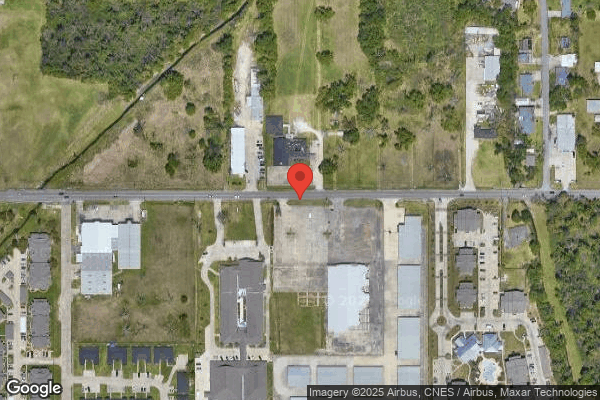

1401 COUNTRY CLUB ROAD, LAKE CHARLES, LA 70605 (337) 480-1550
For profit - Limited Liability company 60 Beds Independent Data: November 2025 1 Immediate Jeopardy citation
Trust Grade
26/100
#254 of 264 in LA
Last Inspection: July 2024

Within standard 12-15 month inspection cycle. Federal law requires annual inspections.

Overview

The Gardens and Guardian has received a Trust Grade of F, which indicates significant concerns and a poor overall rating. Ranking #254 out of 264 facilities in Louisiana places it in the bottom half of the state, and it is the lowest-ranked facility in Calcasieu County. Although the facility's trend is improving, with reported issues decreasing from seven in 2024 to one in 2025, it still has a high staffing turnover rate of 61%, well above the Louisiana average of 47%. The facility has faced fines totaling $20,000, which is average, but there are serious concerns regarding cleanliness and infection control. Specific incidents include a critical failure to maintain a sanitary kitchen, posing a risk for foodborne illnesses, and a lack of proper personal protective equipment for laundry staff handling contaminated items, which could potentially affect many residents. While there is some RN coverage, overall staffing and quality indicators suggest that families should carefully consider these issues when evaluating this nursing home.

Trust Score
F
26/100
In Louisiana
#254/264
Bottom 4%
Safety Record
High Risk
Review needed
Inspections
Getting Better
7 → 1 violations
Staff Stability
⚠ Watch
61% turnover. Above average. Higher turnover means staff may not know residents' routines.
Penalties
⚠ Watch
$20,000 in fines. Higher than 98% of Louisiana facilities. Major compliance failures.
Skilled Nurses
⚠ Watch
Each resident gets only 18 minutes of Registered Nurse (RN) attention daily — below average for Louisiana. Fewer RN minutes means fewer trained eyes watching for problems.
Violations
⚠ Watch
16 deficiencies on record. Higher than average. Multiple issues found across inspections.
★☆☆☆☆
1.0
Overall Rating
★★☆☆☆
2.0
Staff Levels
★☆☆☆☆
1.0
Care Quality
★★☆☆☆
2.0
Inspection Score
Stable
2024: 7 issues
2025: 1 issues

The Good

  • Full Sprinkler Coverage · Fire safety systems throughout facility
  • No fines on record

Facility shows strength in fire safety.

The Bad

1-Star Overall Rating

Below Louisiana average (2.4)

Significant quality concerns identified by CMS

Staff Turnover: 61%

15pts above Louisiana avg (46%)

Frequent staff changes - ask about care continuity

Federal Fines: $20,000

Below median ($33,413)

Minor penalties assessed

Staff turnover is elevated (61%)

13 points above Louisiana average of 48%

The Ugly 16 deficiencies on record

1 life-threatening
Mar 2025 1 deficiency 1 IJ (1 facility-wide)
CRITICAL (L) 📢 Someone Reported This

A family member, employee, or ombudsman was alarmed enough to file a formal complaint

Immediate Jeopardy (IJ) - the most serious Medicare violation

Food Safety (Tag F0812)

Someone could have died · This affected most or all residents

⚠️ Facility-wide issue

Based on observations, interviews, and policy and procedure reviews, the facility failed to maintain a clean and sanitary kitchen to prevent cross contamination and the high likelihood of foodborne il...

Read full inspector narrative →
Based on observations, interviews, and policy and procedure reviews, the facility failed to maintain a clean and sanitary kitchen to prevent cross contamination and the high likelihood of foodborne illnesses to the 40 residents who ate meals prepared from the facility's kitchen. This deficient practice resulted in an Immediate Jeopardy (IJ) on 3/3/2025 at 10:35 AM when the following was observed in the facility's kitchen during the initial tour: 1. Equipment and Food Prep Area a. The ice machine's air filter had an accumulation of lint build up. b. The ice machine's gutter located under the interior portion of the lift cover had an accumulation of lint build up. c. The countertop under a juice dispenser had a dried tan colored residue. d. The standup cooler's door handle was sticky and had food residue on the plastic framing and glass door. e. The backsplash on the wall located over the food processor was splattered with dried food debris. f. The table next to the small oven had dried food debris. g. The meat slicer and shelf on which it was located had splattered food debris. h. The oven door to the right side of the stove had grease drippings down the inside of the door and onto the floor beneath. i. The inside of both oven doors contained dried food debris. j. The outside fronts of both oven doors had splattered food debris. k. The outer rim of the deep fryer and metal table on which it was located had dried food residue. l. The counter to the left of the steam table had splatter food debris. m. The lower half of the glass door to the walk in cooler contained a sticky brown substance. n. Styrofoam containers containing food were set on the countertop with a dried tan debris on the countertop. 2. Dish and Cookware Storage a. The shelf for storing cleaned dishes and a crate containing clean glasses had a white dried sediment on it. b. The top surface of the portable plate stacking rack had dried food debris on its surface. c. A 3 tiered dish shelf had a large reddish colored dried substance on the bottom shelf. 3. Flooring a. The floor on both sides and behind the stove had a sticky brown residue. b. A large number of onion peelings were scattered throughout the floor in the walk in cooler. c. A large amount of a dark colored residue on the floor in the walk in cooler d. A large area under the sink and dishwasher had dried brown and white residue. e. Food debris on the floor in the dry storage room 4. Refrigerators and Walk-in Coolers: a. The kitchen wall near the walk in cooler was splattered with dried food debris and drippings. b. There was no documentation of a temperature log for monitoring of the food contents of the free standing refrigerator. 5. Food Storage a. Refrigerated items located within the standup cooler contained food unsafe for consumption: 1. Coconut cream pie was not labeled with the date it had been opened. 2. Bottle of Catalina dressing with an expiration date of 1/29/2025. 3. Bottle of Catalina dressing with an expiration date of 2/7/2025. 4. 5 Styrofoam cups with lids that were not labeled with its contents or date it had been prepared. 5. 5 Styrofoam bowls with lids that were not labeled with its contents or date it had been prepared. 6. 2 pitchers of orange juice not labeled with the date it had been opened. 7. 1 pitcher of apple juice not labeled with the date it had been opened. 8. 1 pitcher of tea not labeled with the date it had been opened. 9. 2 plastic unlabled and undated containers covered with plastic wrap 1 contained an orange substance and 1contained a brown substance 10. 2 jars of grape jelly not labeled with the date it had been opened. 11. 1 jar of peach preserves not labeled with the date it had been opened. 12. Clear plastic container containing a salad that was not labeled with a date it had been prepared. 13. Styrofoam container containing watermelon slices that was not labeled with a date it had been opened. 14. 2 plastic containers each containing a sandwich that were not labeled with a date they were prepared. 15. 1 plastic container with brown colored contents that was not labeled with its contents or a date opened. 16. 1 quart sized plastic bag with brown colored contents that was not labeled with its contents or a date opened. 17. A plastic bin located in the walk in cooler containing cumbers. Four cucumbers had texture changes of soft spots and indentions areas which indicated the cucumbers were spoiled. 18. A package of hot dog buns had green, yellow and brownish discolorations resembling mold. 6. Sanitation a. no cleaning observed between breakfast and lunch service. S1ADM (Administrator) was notified of the IJ on 3/3/2025 at 4:30 PM. Findings: Review of the facility's policy for Food Safety Requirements, date implemented: 2/27/2025 read in part: Policy .It is the policy of this facility to procure food from sources approved or considered satisfactory by federal, state, and local authorities. Food will also be stored, prepared, distributed and served in accordance with professional standards for food service safety .Policy explanation and compliance Guidelines: 1 .B. Storage of food in a manner that helps prevent deterioration or contamination of the food E. Equipment used in the handling of food including dishes, mixers, and other equipment that come in contact with food .Refrigerated storage . i. Monitor food temperature of the refrigeration equipment daily . iv. Labeling, dating, and monitoring refrigerated food 6. All equipment used in the handling of food shall be cleaned 8. E. cleaning and sanitizing to the ice machine according to manufactures guidelines. On 3/3/2025 reviewed the existing cleaning schedule posted in the kitchen for evening cook and aide duties: Monday- stovetops/oven; Tuesday- freezer/cooler; Wednesday-pantry/stainless; Thursday- worktables/fryer; Friday- cooker/refrigerator; Saturday- steamtable/juice machines; Sunday- steamer/secondary steamtable. Review of the facility's Office of Public Health (OPH) Food Notice of Violation report conducted on 11/12/2024, read in part: Critical items that must be corrected immediately Food contact surfaces and utensils are not clean to sight and touch Non-critical items that should be corrected by the next regular inspections non-food contact surfaces of equipment have an accumulation of dust, dirt, food residue and other debris .floors are not clean . moist cloths used for wiping spills on food contact surfaces are not stores in approved chemical sanitizer between uses. An initial tour of the kitchen was conducted on 3/3/2025 at 10:35 AM with S2DM. The above named findings were observed. On 3/3/2025 at 10:55 AM, an interview with S2DM (Dietary Manager) and S3DA (Dietary Aide) was conducted. S3DA confirmed that the food items listed above were not labeled with the contents nor the date the food was opened or prepared. S3DA could not state whether the food was still safe to be served because she was not sure how long it had been stored in the refrigerator. S3DA further confirmed the bottles of salad dressing were expired and the hot dog buns were moldy. S2DM confirmed they were unable to provide temperature logs to the free standing refrigerator and could not verify if the food inside had been stored within the acceptable temperature range. S2DM confirmed the above issues observed during the initial kitchen tour and stated the kitchen was not clean and sanitary. On 3/3/2025 at 10:50 AM, S7PCA (Personal Care Attendant) removed an unlabeled, undated Styrofoam cup from the stand up refrigerator as she prepared salads for lunch service. When asked what she planned to use the contents of the cup for, she stated it was to be served with the salads. S7PCA acknowledged the Styrofoam cup was not labeled with its contents and she was unable to state the date it had been opened or how long it had been in the refrigerator. On 3/3/2025 at 11:15 AM, continued observations of the kitchen revealed no cleaning had been done between breakfast and lunch service as lunch service preparation was being conducted. On 3/3/2025 at 12:30 PM, during an interview with S4DC (Dietary Cook), she stated a cleaning schedule posted for staff to follow so they would know what was scheduled to be cleaned for the day. She observed the condition of the kitchen and acknowledged the kitchen was not clean and sanitary. On 3/3/2025 at 1:00 PM, during an interview with S2DM, she reviewed the cleaning schedule of the kitchen and stated that staff were to clean according to the schedule at the end of each day prior to staff leaving for the day. She stated she was responsible for overseeing the kitchen and acknowledged she failed to monitor the kitchen to ensure its cleanliness. S2DM was unable to provide information on when the last time the tasks on cleaning schedule had been completed. On 3/3/2025 at 1:15 PM, an observation of the kitchen and interview was conducted with S1ADM. He stated dietary staff should conduct a cleaning of the kitchen daily and that S2DM was responsible for overseeing kitchen operations. He acknowledged he was ultimately responsible for the kitchen and confirmed he observed that the kitchen was not sanitary. On 3/3/2025 at 2:30 PM, an interview with conducted with S5DON (Director of Nursing). She confirmed she was the facility's Infection Preventionist. She stated that on 2/27/2025, she conducted a walkthrough of the kitchen and noticed that floors in the kitchen had debris and needed to be cleaned. She acknowledged that the unsanitary conditions of the kitchen could put residents at risk for foodborne illnesses. On 3/5/2025 at 1:25 PM, a telephone interview was conducted with S6RD (Registered Dietician). She stated she was the consultant dietician for the facility and that S2DM was responsible for overseeing the kitchen. S6RD confirmed the kitchen should be clean, sanitary, and that the food should be stored safely to ensure food served is safe for consumption. The IJ was removed on 3/4/2025 at 2:30 PM when the facility presented an acceptable Plan of Removal (POR). Through observations, interviews and record review, the surveyors confirmed the following components of the POR had been initiated and/or implemented prior to exit. The POR, read: A. Identification of those who have suffered, or are likely to suffer, a serious adverse outcome as a result of the noncompliance: 40 residents have the potential to be affected by this deficient practice. No evidence of food related GI (Gastrointestinal) illness were noted at this time. Any negative findings moving forward will be reported to the Medical Director immediately. B. Actions the facility will take: The dietary manager, as well as dietary staff, were interviewed on 3/3/2025 at 3:05 PM and determined to have insufficient knowledge of regulations and sanitation processes. Dietary policy and procedures regarding food storage, sanitation, cleaning schedules of the kitchen and appliances, and temperature checks were reviewed. The dietary manager, as well as other present dietary staff, were in-serviced on the facility's policy and procedures along with a pre/posttest to ensure sufficient understanding. This was initiated on 3/3/2025 at 3:05 PM and will be ongoing. All remaining dietary staff will be trained/in-serviced prior to the start of their work shift. Administrator will set up an education in-service with the registered dietician. The registered dietician will round and audit kitchen area twice monthly for 3 months, then resume monthly thereafter. May extend this time as the administrator sees fit. The administrator will round in the kitchen daily beginning 3/3/2025 until compliance is met. Upon notification of the deficit practice and the closure of kitchen, supper was prepared and provided for residents from the facility's sister facility. Arrangements have been made for all meals to be prepared and provided by the sister facility until the re-opening of this facility's kitchen. AII meals will be served from the secondary steam table located outside the main kitchen area, which remains in compliance. The sanitation process in the kitchen began immediately on 3/3/2025 at 1:30 PM. corporate staff was called in to assist with the process. Immediately upon notification, staff implemented an intense cleaning of the kitchen. Molded bread and vegetables were discarded. All unlabeled and expired refrigerated foods were discarded. AII other items checked and were noted to be labelled and dated. This was completed on 3/3/2025 by 4:45 PM. C. Education I Training Plan: AII dietary staff have the potential to be impacted by the noncompliance. Current dietary staff working in house on 3/3/2025 were in-serviced verbally on policies in regard to the kitchen hood inspection and cleaning, maintaining a sanitary tray line, Food Safety requirements, sanitation inspection, cleaning schedules of the kitchen and appliances, and temperature checks as well as temperatures for safe food handling on 3/3/2025 at 3:05 PM. The education provided on 3/3/2025 was done by the regional Registered Nurse. A pre/posttest made per Administrator and it will be utilized with continued education to ensure understanding with the dietary staff. This will begin on 3/4/2025. A Dietary Sanitation Orientation checklist will be completed with all dietary staff that are currently employed beginning 3/4/2025, and will be added to new hire packets. D. Monitoring of Implemented Action(s): Register dietician will be scheduled to make sanitation rounds at the facility twice monthly until compliance is met. May be extended as administrator sees necessary. Moving forward, effective 3/4/2025, Administrator will round in the kitchen 5 days per week to ensure compliance is met. This will continue daily for 2 weeks, then once weekly thereafter. To be monitored daily by administrator: Sanitary storage and safety, refrigerator and freezer are clean, work area is clean, major equipment and utensils are clean, storage area is clean, foods are covered, labeled and dated, food and non-food supplies are separated, trash containers are clean and covered, food is being stored off the floor, proper scoop storage, cleaning scheduled is posted, utility area for mop storage is clean, dishwashing area is clean, dishes are without stains and residue, proper wash/rinse temperatures, pots and pans surfaces are clean, personal hygiene of staff, hair restraints used, personal items stored properly, and proper hand washing techniques. If further non-compliance is noted, disciplinary actions will be taken as administrator sees fit. This plan will be implemented into the facility QAPI process and reviewed with IDT (Interdisciplinary Team) at meetings. This will be put into a QAPI process on 3/4/2025. A cleaning schedule will be implemented as followed: Monday- stove top, oven deep clean; Tuesday- freezer, cooler, freezer door; Wednesday- pantry, stainless/dish room; Thursday- work tables, fryer; Friday- cooler, clean refrigerator guard; Saturday- steam tables, clean all juice machines; Sunday- steamer, steamtable at secondary location. A master cleaning schedule will be implemented with areas to be cleaned along with frequency: extractor hood- general- once weekly; extractor hood filters and grease traps- once weekly; oven to be wiped down daily; Flat top- wipe down daily; Grill- daily; Cookers/burners- 4 time per week; Oil Fryer- wipe down daily; Legs and supports to equipment- 4 days per week; Gas pipes and taps- 3 times per week; Warmer- 3 times per week; Cleaning equipment (mops, buckets, cloths, brushes, etc.) -cleaned daily; Refuse areas: Floors- daily; doors- twice weekly; and walls- twice weekly.
Jul 2024 2 deficiencies
CONCERN (D)

Potential for Harm - no one hurt, but risky conditions existed

Deficiency F0578 (Tag F0578)

Could have caused harm · This affected 1 resident

**NOTE- TERMS IN BRACKETS HAVE BEEN EDITED TO PROTECT CONFIDENTIALITY** Based on record review and interview, the facility failed to follow its policy regarding advance directives evidenced by failing...

Read full inspector narrative →
**NOTE- TERMS IN BRACKETS HAVE BEEN EDITED TO PROTECT CONFIDENTIALITY** Based on record review and interview, the facility failed to follow its policy regarding advance directives evidenced by failing to accurately document the resident's choice of code status in the medical record for 1 (#19) out of 2 (#19 and #26) residents reviewed for advance directive. The deficient practice had the potential to affect a total census of 41 residents. Findings: On [DATE], a review of the facility's policy titled, Residents' Rights Regarding Treatment and Advance Directives with no date of implementation or revision, read in part: It is the policy of this facility to support and facilitate a resident's right to request, refuse and/or discontinue medical or surgical treatment and to formulate an advance directive. The policy explanation and compliance guidelines included in part: 7) Decisions regarding advance directives and treatment will be periodically reviewed as part of the comprehensive care planning process, the existing care instructions and whether the resident wishes to change or continue these instructions. 8) Any decision making regarding the resident's choices will be documented in the resident's medical record . Review of Resident #19's record revealed he was admitted to the facility on [DATE] with diagnoses that included in part, Metabolic Encephalopathy, Type 2 Diabetes Mellitus, Heart Failure, and Chronic Kidney Disease. A review of Resident #19's Electronic Health Record (EHR) revealed a physician's order dated [DATE] that read DNR (Do Not Resuscitate). A further review of the resident's medical record revealed the form titled, Louisiana Physician Orders for Scope of Treatment (LaPOST) signed by the physician and dated [DATE]. Section A. Cardiopulmonary Resuscitation (CPR) had a check mark next to DNR/Do Not Attempt Resuscitation (Allow Natural Death). Further review of Section B. Medical Interventions had a check mark next to comfort measures only. A review of Resident # 19's care plan revealed a focus initiated and revision date of [DATE]. The focus read in part, the resident was a full code. Interventions included in part, review the resident's code status with he/she and family quarterly and as needed. On [DATE] at 11:39 a.m., a record review and interview was conducted with S2ADON (Assistant Director of Nursing). S2ADON confirmed the care plan read the resident was a full code. S2ADON confirmed the physician's order written on [DATE] read DNR (Do not resuscitate). S2ADON also confirmed Resident #19's record revealed the LaPost form that indicated the resident had a DNR status with comfort measures only and was signed on [DATE]. She confirmed the resident's code status was not accurately documented in the resident's care plan.
CONCERN (D)

Potential for Harm - no one hurt, but risky conditions existed

MDS Data Transmission (Tag F0640)

Could have caused harm · This affected 1 resident

**NOTE- TERMS IN BRACKETS HAVE BEEN EDITED TO PROTECT CONFIDENTIALITY** Based on record review and interview, the facility failed to complete a discharge MDS (Minimum Data Set) assessment for 1 (#13) ...

Read full inspector narrative →
**NOTE- TERMS IN BRACKETS HAVE BEEN EDITED TO PROTECT CONFIDENTIALITY** Based on record review and interview, the facility failed to complete a discharge MDS (Minimum Data Set) assessment for 1 (#13) out of 1 (#13) residents sampled for resident assessment. This deficient practice had the potential to affect the census of 41 residents. Findings: Review of Resident #13's electronic health record revealed she was admitted to the facility on [DATE] with diagnoses which included, but were not limited to Displaced Trimalleolar (ankle) Fracture of the Right Lower Leg. Review of Resident #13's progress note dated 03/15/2024 revealed she was discharged from the facility back to her assisted living center home. Further review of her electronic health record revealed no discharge MDS assessment completed for 03/15/2024. On 07/10/2024 at 11:38 a.m., an interview and record review was conducted with S1DON (Director of Nursing). She confirmed that Resident #13 was admitted to the facility on [DATE] and was discharged to an assisted living center on 03/15/2024. She reviewed Resident #13's MDS assessments and confirmed a discharge assessment should have been completed, but was not.
Jan 2024 5 deficiencies
CONCERN (D) 📢 Someone Reported This

A family member, employee, or ombudsman was alarmed enough to file a formal complaint

Potential for Harm - no one hurt, but risky conditions existed

Assessment Accuracy (Tag F0641)

Could have caused harm · This affected 1 resident

**NOTE- TERMS IN BRACKETS HAVE BEEN EDITED TO PROTECT CONFIDENTIALITY** Resident #3 Resident #3 was admitted to the facility on [DATE] with diagnoses including Cerebrovascular Disease, Acute Kidney Fa...

Read full inspector narrative →
**NOTE- TERMS IN BRACKETS HAVE BEEN EDITED TO PROTECT CONFIDENTIALITY** Resident #3 Resident #3 was admitted to the facility on [DATE] with diagnoses including Cerebrovascular Disease, Acute Kidney Failure, Muscle Wasting and Atrophy, and Pain. A review of an incident report dated 12/17/2023 at 2:25 p.m., revealed a note written by S6LPN that she overheard the resident chair alarm beeping .saw resident on the floor with aid assessing her . A review of the resident's quarterly MDS (Minimum Data Set) assessment dated [DATE] revealed section P-Restraints and alarms, coded of 0 for use of bed alarm and chair alarm, indicating the resident did not use either. On 01/23/2024 at 10:17 a.m., an interview was conducted with S5LPNMDS coordinator. S5LPNMDS coordinator stated that bed and chair alarms were not coded on the MDS assessment unless used for a restraint. She further stated that they were included in the resident's risk assessment when used as an intervention for fall prevention. A review of the resident's fall assessment with S5LPNMDS revealed that the resident was not assessed for bed and chair alarms. On 01/23/2024 at 4:15 p.m., a follow-up interview was conducted with S5LPNMDS. She confirmed that the resident had used a bed and chair alarm during the seven day look back period of the quarterly assessment and should have been coded as, 2, indicating a bed and chair alarm were used daily. Based on interviews and record reviews, the facility failed to ensure assessments accurately reflected the status of 2 (#1 and #3) residents by failing to ensure that: 1. Resident #1 was coded correctly for weight loss on the discharge assessment and 2. Resident #3 was coded for use of a bed alarm and a chair alarm out of a total sample of 3 residents (#1, #2, #3). Findings: Review of the MDS (Minimum Data Set) 3.0 Completion Policy read in part, Residents are assessed, using a comprehensive assessment process, in order to identify care needs and to develop an interdisciplinary care plan. Policy Explanation and Compliance Guidelines: 1. According to federal regulations, the facility conducts initially and periodically a comprehensive, accurate and standardized assessment of each resident's functional capacity, using the RAI (Resident Assessment Instrument) specified by the state. Resident #1 Review of Resident #1's electronic health record revealed she was admitted to the facility on [DATE] with diagnoses that included Peritonitis, Abnormal Posture, Chronic Respiratory Failure with Hypercapnia, Encounter for Surgical Aftercare following surgery on the Digestive System, Encounter for Attention to Colostomy, Abdominal Distention, Major Depressive Disorder, Hypertension, Constipation, Hypokalemia and Dysphagia. Review of Resident #1's Discharge MDS assessment with an ARD (Assessment Reference Date) of 12/06/2023 revealed in Section K - Swallowing/Nutritional Status, Weight Loss (Loss of weight of 5% or more in the last month or loss of 10% or more in last 6 months) was coded as (0) indicating she had no weight loss or an unknown weight loss. Review of Resident #1's electronic health record revealed an admission weight of 140.8 pounds and a discharge weight of 112 pounds on 12/04/2023, indicating Resident #1 had a weight loss of 28.8 pounds. On 01/23/2024 at 10:46 a.m., an interview and record review was conducted with S5LPNMDS (Licensed Practical Nurse Minimum Data Set) Coordinator. She confirmed that the Discharge MDS with an ARD of 12/06/2023 was inaccurately coded with 0 and should have been coded as 2 indicating the resident did have a weight loss.
CONCERN (D) 📢 Someone Reported This

A family member, employee, or ombudsman was alarmed enough to file a formal complaint

Potential for Harm - no one hurt, but risky conditions existed

Comprehensive Care Plan (Tag F0656)

Could have caused harm · This affected 1 resident

**NOTE- TERMS IN BRACKETS HAVE BEEN EDITED TO PROTECT CONFIDENTIALITY** Based on interview and record review, the facility failed to ensure that services were provided as outlined in the physician's o...

Read full inspector narrative →
**NOTE- TERMS IN BRACKETS HAVE BEEN EDITED TO PROTECT CONFIDENTIALITY** Based on interview and record review, the facility failed to ensure that services were provided as outlined in the physician's orders for 1 (#2) of 11 sampled residents, by failing to ensure that the resident's weight was measured weekly. Findings: A review of the facility's policy titled Weight Monitoring, read in part .Compliance Guidelines. Weight can be a useful indicator of nutritional status .Significant unintended changes in weight (loss or gain) .may indicate a nutritional problem .5. A weight monitoring schedule will be developed upon admission for all residents .e. All others - monitor weight monthly unless otherwise indicated by the physician. Resident #2 was admitted to the facility on [DATE] with diagnoses including Myopathy, Neoplasm of Uncertain Behavior of Right Kidney, Encounter for Attention to Ileostomy, and Limitation of Activities Due to Disability. A review of care plan revealed the resident was Care planned on 07/20/2023 for a potential nutritional problem related to vitamin deficiency with interventions which read in part, weigh resident at same time each month or as ordered. A review of physician's orders revealed an order written on 10/22/2022 at 9:00 a.m. for weekly weights to monitor one time a day every Wednesday. A review of the resident's November 2023 to January 2024 weight records revealed the following weights were missing: November 2023 - 1, 15, 22, and 29 December 2023 - 13, 20, and 27 January 2024 - 3, and 17. On 1/23/2024 at 11:00 a.m., an interview and review of Resident #2's record of weights was conducted with S1ADON. She was asked why the resident's weights weren't measured weekly as ordered. She stated that they were having issues with measuring and accuracy of weights in the facility. S1ADON confirmed that the resident's weights were not being measured weekly as ordered and should have been done weekly as ordered.
CONCERN (D) 📢 Someone Reported This

A family member, employee, or ombudsman was alarmed enough to file a formal complaint

Potential for Harm - no one hurt, but risky conditions existed

Pharmacy Services (Tag F0755)

Could have caused harm · This affected 1 resident

Based on interview and record review the facility failed to ensure that pharmaceutical services provided to meet the needs of each resident were consistent with state and federal requirements and refl...

Read full inspector narrative →
Based on interview and record review the facility failed to ensure that pharmaceutical services provided to meet the needs of each resident were consistent with state and federal requirements and reflect current standards of practice for 1 (#R8) of 4 residents (#R8, #R9, #R10, and #R11) whose narcotic records were randomly checked, by failing to ensure that Resident #R8's narcotics record was reconciled. The facility had a census of 37. Findings: A review of the facility's policy titled Pharmacy Services, read in part: Policy. It is the policy of this facility to ensure that pharmaceutical services are provided to meet the needs of each resident, are consistent with state and federal requirements, and reflect current standards of practice . Pharmaceutical Services refers to the process (including documentation, as applicable) of .controlling, reconciling .5. The facility .will provide for: a. A system of medication records that enables .Accurate reconciliation and accounting for all controlled medications. Resident #R8 was admitted the facility on 04/27/2023 with diagnoses including Cerebral Ischemia and Heart Failure. A review of Resident #R8's physician orders revealed an order dated 12/11/2023 for Ativan (Lorazepam) Oral Tablet 0.5 mg, give 0.5 mg (milligram) by mouth two times a day for anxiety. On 01/23/2024 at 3:21 p.m., a random check of narcotics and interview was conducted with S4LPN (Licensed Practical Nurse) on Hall W. A review of Resident #R8's Individual Patient's Narcotics Record for Lorazepam 0.5 mg revealed that it was reconciled on 01/23/2024 at 8:00 a.m. by S4LPN and had 34 remaining. An observation of the blister pack for Resident #R8 containing Lorazepam 0.5 mg revealed that it had 33 tablets remaining. S4LPN was asked about the discrepancy and she stated that she gave the medication on 1/23/2024 at 2:00 p.m. A review of Resident #R8's MAR (Medication Administration Record) with S4LPN revealed an order with a start date of 12/12/2023 at 8:00 a.m. for Ativan oral tablet 0.5 mg, give 0.5 mg by mouth two times a day for anxiety that was initialed as given at 2:00 p.m. S4LPN confirmed that she did not reconcile the resident's narcotics record at the time the medication was given and stated that she should have. On 1/23/2024 at 4:08 p.m., an interview and review of Resident #R8's Individual Patient's Narcotic Record was conducted with S1ADON (Assistant Director of Nursing). S1ADON stated that the Individual Patient's Narcotic Record should have been reconciled at the time the narcotic medication was given to Resident #R8. S1ADON confirmed the narcotic sheet was not reconciled and should have been reconciled.
CONCERN (D) 📢 Someone Reported This

A family member, employee, or ombudsman was alarmed enough to file a formal complaint

Potential for Harm - no one hurt, but risky conditions existed

Deficiency F0761 (Tag F0761)

Could have caused harm · This affected 1 resident

**NOTE- TERMS IN BRACKETS HAVE BEEN EDITED TO PROTECT CONFIDENTIALITY** Based on interview and record review the facility failed to ensure that pharmaceutical services provided to meet the needs of ea...

Read full inspector narrative →
**NOTE- TERMS IN BRACKETS HAVE BEEN EDITED TO PROTECT CONFIDENTIALITY** Based on interview and record review the facility failed to ensure that pharmaceutical services provided to meet the needs of each resident were consistent with state and federal requirements and reflect current standards of practice for 1 (#R9) of 4 residents (#R8, #R9, #R10, and #R11) whose narcotic records were randomly checked, by failing to ensure that Resident #9's controlled drug was discarded after the blister pack was punctured. Findings: A review of the facility's policy titled Pharmacy Services, read in part: Policy. It is the policy of this facility to ensure that pharmaceutical services, whether employed by the facility or under an agreement, are provided to meet the needs of each resident, are consistent with state and federal requirements, and reflect current standards of practice . Pharmaceutical Services refers to the process (including documentation, as applicable) of .storing, controlling .packaging .using and/or disposing of all medications . Resident #R9 was admitted to the facility on [DATE] with diagnoses including Encephalopathy and Pain. The resident was discharged on 12/20/2023. On 01/23/2024 at 3:21 p.m., a random check of narcotics and interview was conducted with S4LPN on HallW. A review of Resident #R9's Controlled Drug Receipt/Record/Disposition Form for Diazepam 10 mg tablets revealed that it was reconciled on 12/06/2023 at 8:00 p.m. with 6 tablets remaining. An observation of the blister pack revealed a blue pill with similar color in pocket 6 which was punctured in the back of the pill pocket and taped with a piece of white tape. S4LPN stated that the medication was discontinued and the resident was later discharged but they have to keep his narcotics behind double locks and keep a count until pharmacy picks it up. S4LPN confirmed that the pill pocket was punctured and re-taped and stated it should not have been. On 1/23/2024 at 4:08 p.m., an interview and review of Resident #R9's narcotic record was conducted with S1ADON who stated that re-taping a narcotic in the blister pack was unacceptable. S1ADON further stated that when a blister pack is punctured and the resident does not take it, it should be destroyed by two nurses and documented as discarded. She confirmed that the pill in the Diazepam pack was taped back into the punctured blister pack and should not have been.
CONCERN (E) 📢 Someone Reported This

A family member, employee, or ombudsman was alarmed enough to file a formal complaint

Potential for Harm - no one hurt, but risky conditions existed

QAPI Program (Tag F0867)

Could have caused harm · This affected multiple residents

Based on review of facility's policy and procedure, record review and interview, the facility failed to effectively implement and monitor the facility's Performance Improvement Project (PIP) implement...

Read full inspector narrative →
Based on review of facility's policy and procedure, record review and interview, the facility failed to effectively implement and monitor the facility's Performance Improvement Project (PIP) implemented on 11/07/2023 by failing to: 1. Conduct weekly meeting from 11/07/2023 to 12/14/2023, 2. Implement interventions in a timely manner, 3. Timely calibrated the facility's scale and, 4. Provide documented evidence of monitoring performance of the identified indicators. This deficient practice had the potential to affect a census of 37 residents. Findings: Review of the facility's Policy titled Weight Monitoring read in part, Compliance Guidelines: 5. A weight monitoring schedule will be developed upon admission for all residents: e. All others - monitor weight monthly unless otherwise indicated by physician. The facility's PIP (Performance Improvement Project) dated 11/07/2023 revealed an identified issue with the accuracy of weights-Root cause: due to staff not in-serviced and educated on proper ways to obtain weights and too many employees are obtaining weights without checking for accuracy. According to the PIP, meetings were to be held weekly. Review of the PIP revealed the next meeting was held on 12/14/2023, which was four weeks later. The meeting minutes dated 12/14/2023 read in part, Weight discrepancies in the facility discussed. It was decided amongst the team that the facility will designate one wheel chair for obtaining weights, shower aids to obtain weights, scale will be calibrated for accuracy and ADON will enter all weights in PCC (Point Click Care) for each resident. Further review of the PIP revealed that interventions were not implemented until 12/14/2023. As of 01/23/2024, the facility's scale still had not been calibrated. The facility also failed to provide documented evidence that ongoing monitoring was conducted of the performance of indicators. On 01/23/2024 at 4:11 p.m., an interview was conducted with S1ADON (Assistant Director of Nursing). S1ADON confirmed that the PIP dated 11/07/2023 had not been properly oversighted by the designated staff and should have been. She also confirmed that there had been no monitoring in place to measure performance of the indicators and that this should have been conducted as well.
Jun 2023 2 deficiencies
CONCERN (D)

Potential for Harm - no one hurt, but risky conditions existed

Assessment Accuracy (Tag F0641)

Could have caused harm · This affected 1 resident

**NOTE- TERMS IN BRACKETS HAVE BEEN EDITED TO PROTECT CONFIDENTIALITY** Based on record review and interview, the facility failed to accurately code the resident's Minimum Data Set (MDS) assessment fo...

Read full inspector narrative →
**NOTE- TERMS IN BRACKETS HAVE BEEN EDITED TO PROTECT CONFIDENTIALITY** Based on record review and interview, the facility failed to accurately code the resident's Minimum Data Set (MDS) assessment for Hospice Services for 1 (#13) of 2 (#13, #8) sampled residents whose records were reviewed for Hospice Services. The deficient practice has the potential to affect a facility census of 38 residents. Findings: A review of Resident #13's medical record revealed a Quarterly MDS with an ARD (Assessment Reference Date) of 04/12/2023, read in part . Section O. 00100 - K . had a blank for Hospice while a Resident. Further review of resident #13's electronic medical record revealed a physician's order dated 07/13/2022 admit to _______ Hospice and Palliative care for Idiopathic Peripheral Autonomic Neuropathy. On 06/20/2023 at 12:45 p.m., during an interview with S1MDS nurse, she confirmed the Quarterly MDS dated [DATE] indicated Resident #13 was not receiving Hospice care. She verified that Resident #13 had an order for Hospice Service dated 07/13/2022 and the Quarterly MDS dated [DATE] was inaccurately coded.
CONCERN (D)

Potential for Harm - no one hurt, but risky conditions existed

Pharmacy Services (Tag F0755)

Could have caused harm · This affected 1 resident

Based on observation, record review and interview, the facility failed to ensure that the correct prescribed dosage of medication was administered to residents. The facility had a census of 37 residen...

Read full inspector narrative →
Based on observation, record review and interview, the facility failed to ensure that the correct prescribed dosage of medication was administered to residents. The facility had a census of 37 residents. Findings: Resident #141 Review of the facility's policy titled Medication Administration read in part #11. Compare medication source with MAR (Medication Administration Record) to verify resident's name, medication name, form, dose, route, and time. Review of Resident #141's physician orders 06/14/2023 revealed an order for Lactobacillus Oral Tablet (Lactobacillus) Give 4 tablets by mouth three times a day related to Bacteremia for 2 weeks. Observation of medication administration on 06/20/2023 at 8:01 a.m. revealed S3LPN administered 1 tablet of Lactobacillus to Resident #141. On 06/20/2021 at 3:14 p.m., an interview was conducted with S3LPN and she confirmed that she administered the dosage of 1 tablet of Lactobacillus to Resident #141, and that 4 tablets of Lactobacillus should have been given. On 06/21/2023 at 11:00 a.m., an interview was conducted with S2DON and she confirmed that S3LPN gave an incorrect dosage of Lactobacillus to Resident #141.
Feb 2023 2 deficiencies
CONCERN (D) 📢 Someone Reported This

A family member, employee, or ombudsman was alarmed enough to file a formal complaint

Potential for Harm - no one hurt, but risky conditions existed

Garbage Disposal (Tag F0814)

Could have caused harm · This affected 1 resident

Based on observation, interview, and policy review the facility failed to dispose of garbage and refuse in a sanitary manner and to prevent the harborage and feeding of pests. This deficient practice ...

Read full inspector narrative →
Based on observation, interview, and policy review the facility failed to dispose of garbage and refuse in a sanitary manner and to prevent the harborage and feeding of pests. This deficient practice has the potential to affect a census of 41. Finding: A review of the policy titled Biohazardous Waste revealed the following, in part: General: Red bags shall be used to collect biohazardous waste at use sites. Collecting barrels marked Biohazardous Waste shall be placed in designated storage areas. Environmental Services: Red bags shall be taken to the biohazardous waste collecting barrels in the resident areas. All bags shall be tightly closed prior to removal and brought directly to designated biohazard bins. At least daily, all red bags shall be removed from use areas and transported to the locked and enclosed holding area. On 2/22/23 at 12:00 p.m., an observation was made with S1DON of the biohazard storage area outside. There were four red biohazard trash bins with lids in an enclosed wooden fenced area with a lock. S1DON confirmed the four red biohazard trash bins were overfilled with biohazardous trash bags that did not allow the lids of the bins to close. She confirmed the biohazard trash bins should not have been overfilled and should have been closed.
CONCERN (F) 📢 Someone Reported This

A family member, employee, or ombudsman was alarmed enough to file a formal complaint

Potential for Harm - no one hurt, but risky conditions existed

Infection Control (Tag F0880)

Could have caused harm · This affected most or all residents

Based on observations, interviews and policy review, the facility failed to maintain an effective infection control and prevention program and implement accepted infection control practices to help to...

Read full inspector narrative →
Based on observations, interviews and policy review, the facility failed to maintain an effective infection control and prevention program and implement accepted infection control practices to help to prevent and control the spread of infectious communicable disease, COVID-19, by failing to ensure laundry staff used the appropriate PPE (personal protective equipment) while handling soiled laundry from COVID-19 isolation rooms. This deficient practice has the potential to affect 41 residents who reside in the facility. Finding: Review of the policy titled Contaminated laundry revealed the following in part: The use of proper Personal Protective Equipment (PPE) is required while completing laundry tasks. All handling of contaminated laundry requires the use of the following PPE: 1) Isolation gown, 2) face mask, 3) goggle/face shield, 4) gloves. On 2/22/23 at 11:35 a.m., an observation of the laundry services room was made that revealed the absence of Personal Protective Equipment (PPE) including gown, face shield, mask and gloves available for use while handling soiled laundry On 2/22/23 at 11:36 a.m., an interview was conducted with S2LDRY. She denied the use of gown and face shield while she handled soiled laundry and contaminated laundry from COVID-19 isolation rooms. On 2/22/23 at 12:35 p.m., an interview was conducted with S2LDRY. She stated the laundry from isolation rooms are removed from blue bags and placed in the washing machine. She confirmed she did not wear gown or face shield while handling soiled/contaminated laundry. On 2/22/23 at 1:15 p.m., an interview was conducted with S3ENV. She stated PPE including gown, gloves, mask and face shield are to be used for sorting all soiled laundry including soiled laundry and linen from isolation rooms. An observation was made in the laundry room with S3ENV, who confirmed there was no gown available for use. She confirmed there was not biohazard waste disposal available to dispose of contaminated PPE. S2ENV confirmed the staff should use appropriate PPE to handle all soiled laundry. On 2/22/23 at 1:40 p.m., an interview was conducted with S1DON, responsible for Infection Control, that confirmed the laundry staff should wear all PPE including gown, gloves, face shield and mask while handling soiled laundry.
Jun 2022 4 deficiencies
CONCERN (D)

Potential for Harm - no one hurt, but risky conditions existed

Deficiency F0692 (Tag F0692)

Could have caused harm · This affected 1 resident

**NOTE- TERMS IN BRACKETS HAVE BEEN EDITED TO PROTECT CONFIDENTIALITY** Based on record review and interviews, the facility failed to ensure that acceptable parameters of nutritional status was mainta...

Read full inspector narrative →
**NOTE- TERMS IN BRACKETS HAVE BEEN EDITED TO PROTECT CONFIDENTIALITY** Based on record review and interviews, the facility failed to ensure that acceptable parameters of nutritional status was maintained for 1(#14) resident out of 1(#14) resident reviewed as evidenced by facility staff failing to follow the policy and procedure for weight assessment as well as failing to follow physician's orders. This deficient practice had the potential to effect the 24 residents that required monthly weights. FINDINGS: Review of the facility policy for Weight Assessment and Inteervention stated in part . Weight Assessment: 3. Any weight change of 5% or more since last weight assessment will be retaken the next day for confirmation. If weight is verified, nursing will immediately notify the dietitian in writing. Verbal notification must be confirmed in writing. 4. The dietitian will respond within 24 hours of receipt of written notification. Resident #14 was admitted to facility on 01/28/22, with diagnoses of Cerebral Atherosclerosis, Conjunctivitis, Dementia Long-term use of anticoagulants, and Anxiety. Review of Resident # 14's physician orders revealed an order dated 05/05/2022, with a start date of 05/11/2022, that read: Weekly weight times 4 weeks, every day shift, every 7 days for 4 weeks and an end date of 06/08/2022. Review of the residents' record revealed documented weight measurements in pounds as followed: 1/28/22 10:54 a.m. - 170.0 1/28/22 12:36 p.m. - 167.0 2/16/22 12:38 p.m. - 162.4 4/8/22 16:21p.m. - 175.4 5/6/22 10:36 a.m. - 183.6 5/25/22 08:37 a.m. - 177.2 6/2/22 12:38 p.m. - 176.8 6/17/22 14:55 p.m. - 167.0 6/28/22 07:41 a.m. - 170.0 6/29/22 09:00 a.m. - 167.0 Further review of Resident # 14's weights since admission revealed that the resident had a -5.54% weight loss on 06/17/22; there was no documented evidence that the resident was weighed again until 06/28/22. A review of the physicians' orders, nurses' notes and weight record, from 06/17/2022 to 06/29/2022, revealed there was no documented evidence that the dietiatian and physician was notified of Resident # 14's weight loss that was documented on 06/17/2022. Further review of the nurses' notes revealed there was no documented evidence that Resident #14 was weighed on 06/18/2022 per the facility's Weight assessment policy. The Resident's electronic medical record was reviewed and revealed a Nutritional Risk Assessment was completed by the Registered Dietitian on 06/21/2022 which read in part, . D. goal/intervention: House supplement 2 times a day with meals related to weight loss . On 06/28/2022 at 2:40 p.m., an interview was conducted with S10 LPN (Licensed Practical Nurse), who confirmed there was a variation in weight each time the resident was weighed. She confirmed when there was a greater than 5% weight loss/gain, the dietitian should be notified. She also confirmed the dietitian was not notified timely when the resident had a weight loss of greater than 5% on 06/17/2022. S10LPN confirmed resident #14 was not currently receiving a house supplement. On 06/29/2022 at 9:00 a.m., an observation was made with S11LPN, ADON (Assistant Director of Nursing), of the resident being weighed. The resident was observed in a rolling three position reclining chair sitting on a pulmo (air filled, memory foam cushion). The resident was wearing warm-up pants, a long sleeve shirt, socks and tennis shoes. The digital scale, showed the measurement as 245.8 pounds, weight of Geri-chair being 78.8, 245.8 minus 78.8 equals 167 pounds, indicating a 3 pound weight loss since yesterday. S11LPN reported she weighed the resident yesterday, with the same type of clothing and in the same reclining chair and obtained a measurement of 170 pounds. On 06/29/2022 at 9:05 a.m., an interview with S11LPN, ADON was conducted who reported she had started obtaining all of her residents' weights due to multiple residents experiencing weight fluctuations. She confirmed the weight for Resident #14 was 167.0 pounds at present whereas yesterday the Resident weighed 170.0 pounds. She also confirmed there was a physician's order dated 05/05/2022 with a start date of 05/11/2022 for the resident to have weekly weights times four weeks with a stop date of 06/08/2022. She also confirmed the weights had not been done weekly as ordered. S11LPN, ADON reviewed the Resident's weights from 05/11/2022 until 06/08/2022 and confirmed the only dates that were documented, were 05/06/2022, 05/25/2022 and 06/02/2022. She confirmed the weights for Resident #14 were not documented for the weeks of 05/09/2022, 05/16/2022 and 06/06/2022 as per the physician's orders. She also confirmed there was not an order for house supplement and per the goal/intervention recommendation from the Nutritional Risk assessment dated [DATE]. On 06/29/2022 at 9:53 a.m., an interview was conducted with S12DM (Dietary Manager). She reported she reviewed all of the residents' weights weekly as documented in their electronic charts. S12DM explained for any of the residents' weights with a significant change of a 5% loss/gain, she would notify the dietitian. She confirmed she reviewed the recorded weights for Resident #14 on the week of 06/20/2022 and found a weight loss of almost 10 pounds, she reported to the dietitian. She confirmed the Registered Dietitian did not receive a notification from nursing service, to report the weight loss recorded on 06/17/2022.
CONCERN (D)

Potential for Harm - no one hurt, but risky conditions existed

Deficiency F0947 (Tag F0947)

Could have caused harm · This affected 1 resident

Based on interviews and record reviews, the required in-service training for nurse aides failed to include documented evidence 3 (S7CNA, S8CNA, S9CNA) of 3 certified nursing assistants (CNAs) had deme...

Read full inspector narrative →
Based on interviews and record reviews, the required in-service training for nurse aides failed to include documented evidence 3 (S7CNA, S8CNA, S9CNA) of 3 certified nursing assistants (CNAs) had dementia management training and 1 (S8CNA) of 3 (S7CNA, S8CNA, S9CNA) CNAs had resident abuse prevention training upon hire. This deficient practice had the potential to affect all 27 residents residing in the facility. Findings: Review of the personnel file for S7CNA revealed she was hired on 03/30/2022. There was no documented evidence she had dementia upon hire to 06/29/2022. In an interview held on 06/29/22 at 11:23 a.m., S4ADON (Assistant Director of Nursing) she confirmed there was no documentation of S7CNA's dementia training in her personnel file. Review of the personnel file for S8CNA revealed she was hired on 06/09/2022. There was no documentation she had dementia or abuse trainings upon hire to 06/29/2022 in her personnel file. In an interview held on 06/29/22 at 11:35 a.m., S4ADON confirmed there was no documented evidence of S8CNA's dementia or abuse trainings upon hire until 06/29/2022. Review of the personnel file for S9CNA revealed she was hired on 11/02/2021. Further review of her personnel file revealed there was no documentation of her dementia training since she was hired to 06/29/2022. Review of the Nurse Aide Training Requirements policy, revised May 2019, read in part but not limited to .6. Applicants who meet the qualifications for a nurse aide and are in training will have a minimum of 16 hours of training the following areas prior to direct contact with residents: .i. Cognitively impaired residents including 1) techniques for addressing unique needs and behaviors of individuals with dementia .2) Communicating with cognitively impaired residents .3) Understanding the behavior of cognitively impaired residents; and 5) Methods of reducing the effects of cognitive impairments . Review of the Personnel Folder-Check Off List for S7CNA revealed there was no documented evidence dementia training was included in the provider's onboarding files training program. On 06/29/22 at 12:37 p.m., an interview was held with S6HR (Human Resources) and she reported all new hired staff are provided training course on the provider's Onboarding Training Program that sends her automated notifications of staff completion of the training programs. She reviewed the Personnel Folder-Check Off List for S7CNA and reported it did not include dementia training for staff to complete during their orientation process. S6HR then reviewed all 3 personnel files (S7CNA, S8CNA, S9CNA) and she verified there were no dementia trainings for S7CNA, S8CNA or S9CNA. She confirmed there was no abuse training for S8CNA. She reported it is the responsibility of S2DON to ensure all nursing staff are properly trained with dementia and abuse. An interview held on 06/29/22 at 12:45 p.m., with S2DON (Director of Nursing) and she indicated she was not aware of what training staff are required. She then reviewed the Nurse Aide Training Requirements policy and she reported that staff are required abuse and dementia training prior to providing direct care to residents.
CONCERN (E)

Potential for Harm - no one hurt, but risky conditions existed

Infection Control (Tag F0880)

Could have caused harm · This affected multiple residents

Based on observations, record reviews, and interviews, the facility failed to maintain an effective infection control and prevention program and implement accepted infection control practices to help ...

Read full inspector narrative →
Based on observations, record reviews, and interviews, the facility failed to maintain an effective infection control and prevention program and implement accepted infection control practices to help to prevent and control the spread of infectious communicable disease, COVID-19, by failing to: (1) Ensure visitors were screened prior to entering the facility. (2) Post isolation signage and/or the correct isolation signage for 5 (Rooms A, B, C, D, and E) out of 5 isolation rooms (rooms A-E). This deficient practice had the potential to affect a census of 27. Findings: 1. A review of the facility's policy titled COVID 19 Infection Control Policy, read in part, F. Access to the Community. 1. General . B. All entry doors to the community should be secured to ensure all visitors must enter through one access point and/or main entrance . I. the main entrance door shall be locked, so that visitors must ring a bell or be let in by staff member to obtain access to the community. This protocol is to ensure each entrant has been properly screened. On 6/27/22 at 7:40 a.m., an observation was made of a visitor arriving at the facility. S13CNA (Certified Nursing Assistant) was in the process of screening other individuals, but stopped to provide the visitor access into the main lobby area. The visitor passed the screening station in the main lobby area and proceeded around the corner and down the hallway. S13CNA was asked if individual was an employee or a visitor. He stated that she was a sitter for one of the residents. He acknowledged that she had not been properly screened upon entering. S13CNA called upon another staff to have the visitor return to the main lobby area for screening. S13CNA confirmed that all persons that enter the facility must go through a screening process prior to entering the facility. 2. A review of a policy titled COVID 19 Infection Control Policy, read in part, J. PPE (Personal protective equipment) protocols and hygiene practices . 2. Isolated Residents (including COVID-19 Positive). Must wear all 4 pieces of PPE while attending to Resident, eye protection, mask, gown, and hand hygiene .5. Signage: an isolation door sign must be used for all residents on isolation. A review of a list provided by the facility during the entrance conference, titled list of COVID positive residents, included Residents #19, #23, #177, #178, and #227. A review of current physician orders for the COVID positive residents revealed the following: Resident #19. 6/21/2022-Droplet Precautions Q (every) shift while COVID positive, Resident #23. 6/18/22-Droplet Precautions Q shift while COVID positive, Resident #177. 6/19/22- Droplet isolation in place while COVID-19 positive, Resident #178. 6/21/22-Droplet precautions q shift while COVID positive, and; Resident #227. 6/18/22- Droplet precautions q shift while COVID positive. On 6/27/2022 at 9:00 a.m., an observation was made of the rooms designated as COVID-19 isolation rooms (rooms A, B, C, D and E). Room A, room B, and room C had isolation cart located outside each of the rooms, and signage posted on the door that indicated Contact precautions- Gown, gloves & hand hygiene. Room D, and room E had isolation cart located outside each of the rooms, and had no signage on doorway that indicated isolation precautions. On 6/27/2022 at 9:00 a.m., an interview was conducted with S13CNA. He stated the rooms that have an isolation cart located outside the doorway were isolation rooms, which included rooms A, B, C, D, and E. He confirmed that Residents #19, #23, #177, #178, and #227 resided in rooms A-E. He stated he was unsure of why no signage indicating isolation precautions was not posted on Rooms D and E. On 6/27/2022 at 9:20 a.m., an interview was conducted with S10LPN (Licensed Practical Nurse). She confirmed she was the nurse for rooms A, B, C, D, and E. She stated Residents # 19, #23, #177, #178, and #227, resided in rooms A-E, and required isolation precautions due to COVID-19 positive results. On 6/28/2022 at 8:50 a.m., an observation was made of S11LPN/ADON (Assistant Director of Nursing) removing the contact precaution signage posted on the doorways to rooms A, B, and C. She then placed droplet precaution signage on the doorways to rooms A, B, C, D, and E. During an interview at this time, S11LPN/ADON verbalized she had updated the signage from contact precautions to droplet precautions due to residents being COVID 19 positive.
MINOR (C)

Minor Issue - procedural, no safety impact

Deficiency F0761 (Tag F0761)

Minor procedural issue · This affected most or all residents

Based on observations, interviews and record reviews, the drugs and biologicals used in the facility were not labeled in accordance with currently accepted professional principles, as evidenced by hav...

Read full inspector narrative →
Based on observations, interviews and record reviews, the drugs and biologicals used in the facility were not labeled in accordance with currently accepted professional principles, as evidenced by having opened medication bottles available for resident administration with no date(s) the bottles were opened for 2 residents (#17, #19) sampled resident's medication bottles located in 1 medication cart b out of 2 medication carts (a, b). This deficient practice had the potential to affect all 27 residents residing in the facility. Findings: On 06/28/22 at 06:48 a.m., an observation of the bottom drawer of medication cart b was conducted with S3LPN (Licensed Practical Nurse). There was an opened bottle of lactulose solution 10 mg (milligram) that was one quarter full for Resident #17 with no date that the medication was opened. Further observations revealed there were two opened bottles of Megestrol Suspension 40 mg full for Resident #19 with no date(s) that they were opened. During this observation of medication cart b, S3LPN verified resident #17's lactulose medication was opened and full with no date it was opened. S3LPN confirmed resident #19's two bottles of megestrol medications were opened and both full with no date(s) they were opened. She replied all medications opened must have the date(s) the medications were opened documented on the bottles. An interview was held on 06/28/22 at 07:04 a.m., S1ADM (Administrator) and he reported that all medications should have date(s) documented on the opened bottles of medication. Review of the Administering Medications Policy read in part, section 12. when opening a multi-dose container, the date opened is recorded on the container. In an interview held on 06/28/22 at 07:06 a.m., S2DON and S1ADM were interviewed together. S2DON reported medications opened inside the medication cart must be labeled with the date. Both S2DON and S1ADM reviewed the Administering Medications Policy at this time. S2DON confirmed the policy indicated multi-dose container, the date opened must be recorded on the container and staff did not follow the policy.
Understanding Severity Codes (click to expand)
Life-Threatening (Immediate Jeopardy)
J - Isolated K - Pattern L - Widespread
Actual Harm
G - Isolated H - Pattern I - Widespread
Potential for Harm
D - Isolated E - Pattern F - Widespread
No Harm (Minor)
A - Isolated B - Pattern C - Widespread

Questions to Ask on Your Visit

  • "What changes have you made since the serious inspection findings?"
  • "Why is there high staff turnover? How do you retain staff?"
  • "Can I speak with families of current residents?"
  • "What's your RN coverage like on weekends and overnight?"

Our Honest Assessment

Strengths
  • • Licensed and certified facility. Meets minimum state requirements.
Concerns
  • • Multiple safety concerns identified: 1 life-threatening violation(s), Payment denial on record. Review inspection reports carefully.
  • • 16 deficiencies on record, including 1 critical (life-threatening) violation. These warrant careful review before choosing this facility.
  • • $20,000 in fines. Above average for Louisiana. Some compliance problems on record.
  • • Grade F (26/100). Below average facility with significant concerns.
Bottom line: Trust Score of 26/100 indicates significant concerns. Thoroughly evaluate alternatives.

About This Facility

What is The Gardens And Guardian's CMS Rating?

CMS assigns THE GARDENS AND GUARDIAN an overall rating of 1 out of 5 stars, which is considered much below average nationally. Within Louisiana, this rating places the facility higher than 0% of the state's 100 nursing homes. A rating at this level reflects concerns identified through health inspections, staffing assessments, or quality measures that families should carefully consider.

How is The Gardens And Guardian Staffed?

CMS rates THE GARDENS AND GUARDIAN's staffing level at 2 out of 5 stars, which is below average compared to other nursing homes. Staff turnover is 61%, which is 15 percentage points above the Louisiana average of 46%. High turnover can affect care consistency as new staff learn residents' individual needs. RN turnover specifically is 67%, which is notably high. RNs provide skilled clinical oversight, so turnover in this role can affect medical care quality.

What Have Inspectors Found at The Gardens And Guardian?

State health inspectors documented 16 deficiencies at THE GARDENS AND GUARDIAN during 2022 to 2025. These included: 1 Immediate Jeopardy (the most serious level, indicating potential for serious harm or death), 14 with potential for harm, and 1 minor or isolated issues. Immediate Jeopardy findings are rare and represent the most serious regulatory concerns. They require immediate corrective action.
Who Owns and Operates The Gardens And Guardian?

THE GARDENS AND GUARDIAN is owned by a for-profit company. For-profit facilities operate as businesses with obligations to shareholders or private owners. The facility operates independently rather than as part of a larger chain. With 60 certified beds and approximately 40 residents (about 67% occupancy), it is a smaller facility located in LAKE CHARLES, Louisiana.

How Does The Gardens And Guardian Compare to Other Louisiana Nursing Homes?

Compared to the 100 nursing homes in Louisiana, THE GARDENS AND GUARDIAN's overall rating (1 stars) is below the state average of 2.4, staff turnover (61%) is significantly higher than the state average of 46%, and health inspection rating (2 stars) is below the national benchmark.

What Should Families Ask When Visiting The Gardens And Guardian?

Based on this facility's data, families visiting should ask: "What changes have been made since the serious inspection findings, and how are you preventing similar issues?" "How do you ensure continuity of care given staff turnover, and what is your staff retention strategy?" "Can you walk me through typical staffing levels on day, evening, and night shifts?" "Can I visit during a mealtime to observe dining assistance and food quality?" These questions are particularly relevant given the facility's Immediate Jeopardy citations, the facility's high staff turnover rate, and the below-average staffing rating.

Is The Gardens And Guardian Safe?

Based on CMS inspection data, THE GARDENS AND GUARDIAN has documented safety concerns. Inspectors have issued 1 Immediate Jeopardy citation (the most serious violation level indicating risk of serious injury or death). The facility has a 1-star overall rating and ranks #100 of 100 nursing homes in Louisiana. Families considering this facility should ask detailed questions about what corrective actions have been taken since these incidents.

Do Nurses at The Gardens And Guardian Stick Around?

Staff turnover at THE GARDENS AND GUARDIAN is high. At 61%, the facility is 15 percentage points above the Louisiana average of 46%. Registered Nurse turnover is particularly concerning at 67%. RNs handle complex medical decisions and coordinate care — frequent RN changes can directly impact care quality. High turnover means new staff may not know residents' individual needs, medications, or preferences. It can also be disorienting for residents, especially those with dementia who rely on familiar faces. Families should ask: What is causing the turnover? What retention programs are in place? How do you ensure care continuity during staff transitions?

Was The Gardens And Guardian Ever Fined?

THE GARDENS AND GUARDIAN has been fined $20,000 across 1 penalty action. This is below the Louisiana average of $33,279. While any fine indicates a compliance issue, fines under $50,000 are relatively common and typically reflect isolated problems that were subsequently corrected. Families should ask what specific issues led to these fines and confirm they've been resolved.

Is The Gardens And Guardian on Any Federal Watch List?

THE GARDENS AND GUARDIAN is not on any federal watch list. The most significant is the Special Focus Facility (SFF) program, which identifies the bottom 1% of nursing homes nationally based on persistent, serious quality problems. Not being on this list means the facility has avoided the pattern of deficiencies that triggers enhanced federal oversight. This is a positive indicator, though families should still review the facility's inspection history directly.