MARRERO HEALTHCARE CENTER
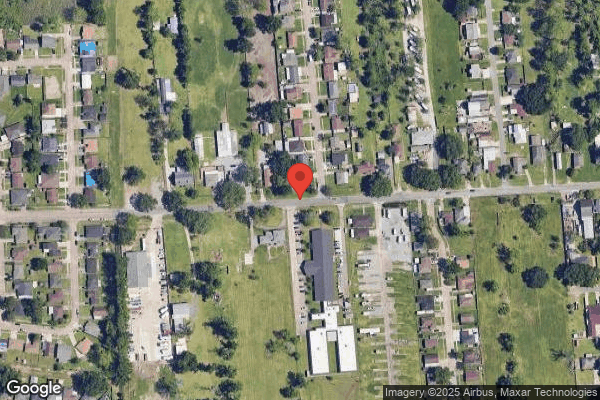

5301 AUGUST AVENUE, MARRERO, LA 70072 (504) 341-3658
For profit - Corporation 105 Beds NEXION HEALTH Data: November 2025 2 Immediate Jeopardy citations
Trust Grade
29/100
#140 of 264 in LA
Last Inspection: February 2025

Within standard 12-15 month inspection cycle. Federal law requires annual inspections.

Overview

Marrero Healthcare Center has received a Trust Grade of F, indicating significant concerns about the facility's quality and care. It ranks #140 out of 264 nursing homes in Louisiana, placing it in the bottom half, and #6 out of 12 in Jefferson County, meaning there are only five local options that are better. While the facility is improving, having reduced its issues from 9 in 2024 to 4 in 2025, it still faces serious deficiencies. Staffing is a relative strength, with a turnover rate of 28%, which is well below the state average, and it offers more RN coverage than 87% of Louisiana facilities, suggesting that residents receive better oversight. However, there are concerning incidents, such as a failure to accurately reflect residents' Do Not Resuscitate orders in their records, which created a life-threatening situation, and the lack of proper oversight regarding unsafe smoking practices for residents. Overall, families should weigh these strengths and weaknesses carefully when considering this facility.

Trust Score
F
29/100
In Louisiana
#140/264
Bottom 47%
Safety Record
High Risk
Review needed
Inspections
Getting Better
9 → 4 violations
Staff Stability
✓ Good
28% annual turnover. Excellent stability, 20 points below Louisiana's 48% average. Staff who stay learn residents' needs.
Penalties
✓ Good
$46,261 in fines. Lower than most Louisiana facilities. Relatively clean record.
Skilled Nurses
⚠ Watch
Each resident gets only 19 minutes of Registered Nurse (RN) attention daily — below average for Louisiana. Fewer RN minutes means fewer trained eyes watching for problems.
Violations
⚠ Watch
17 deficiencies on record. Higher than average. Multiple issues found across inspections.
★★☆☆☆
2.0
Overall Rating
★★☆☆☆
2.0
Staff Levels
★★☆☆☆
2.0
Care Quality
★★☆☆☆
2.0
Inspection Score
Stable
2024: 9 issues
2025: 4 issues

The Good

  • Low Staff Turnover (28%) · Staff stability means consistent care
  • Full Sprinkler Coverage · Fire safety systems throughout facility
  • No fines on record
  • Staff turnover is low (28%)

    20 points below Louisiana average of 48%

Facility shows strength in staff retention, fire safety.

The Bad

2-Star Overall Rating

Near Louisiana average (2.4)

Below average - review inspection findings carefully

Federal Fines: $46,261

Above median ($33,413)

Moderate penalties - review what triggered them

Chain: NEXION HEALTH

Part of a multi-facility chain

Ask about local staffing decisions and management

The Ugly 17 deficiencies on record

2 life-threatening
Feb 2025 4 deficiencies
CONCERN (D)

Potential for Harm - no one hurt, but risky conditions existed

Safe Environment (Tag F0584)

Could have caused harm · This affected 1 resident

Based on observations, and interviews, the facility failed to ensure shower rooms were maintained in a safe and sanitary manner for 2 (shower room x, shower room y) of 2 (shower room y, shower room z)...

Read full inspector narrative →
Based on observations, and interviews, the facility failed to ensure shower rooms were maintained in a safe and sanitary manner for 2 (shower room x, shower room y) of 2 (shower room y, shower room z) shower rooms observed for physical environment. Findings: Observation on 02/24/2025 at 11:07AM, revealed an unlabeled spray bottle located in the cabinet in shower room x that contained an unknown pink liquid. In an interview on 02/24/2025 at 11:08AM, S10Certified Nursing Assistant (CNA) indicated she showered multiple residents in shower room x the morning of 02/24/2025, and used the unknown pink liquid to clean the shower stall after each use. S10CNA further indicated she could not identify what type of pink liquid was in the spray bottle. In an interview on 02/24/2025 at 11:04AM, S6Housekeeping Supervisor (HS) indicated she was unaware of any pink liquids used to clean the shower stalls of the facility. S6HS further indicated S10CNA should not have used the unknown pink liquid to clean the shower stall in room x. In an interview on 02/25/2025 at 12:19PM, S1Administrator confirmed S10CNA should not have used the unknown pink liquid to clean the shower stall in shower room x. Observation on 02/24/2025 at 10:49AM of shower room y revealed a sharps container mounted to the wall, which was overflowing with 4 used shaving razors protruding out of the top of the sharps container, making the sharps container unable to close securely. In an interview on 02/24/2025 at 2:40PM, S3Registered Nurse (RN) indicated she was responsible for replacing the sharps containers in the shower rooms when they were full. S3RN confirmed the sharps container in shower room y was overflowing with 4 used shaving razors protruding out of the top of the sharps container, making the sharps container unable to close securely, and should not have been. In an interview on 02/25/2025 at 12:19PM, S1Administrator confirmed the sharps container in shower room y was overflowing with 4 used shaving razors protruding out of the top of the sharps container, making the sharps container unable to close securely, and should not have been.
CONCERN (D)

Potential for Harm - no one hurt, but risky conditions existed

Deficiency F0658 (Tag F0658)

Could have caused harm · This affected 1 resident

**NOTE- TERMS IN BRACKETS HAVE BEEN EDITED TO PROTECT CONFIDENTIALITY** Based on interview and record review, the facility failed to ensure medications and or/ physician's orders were accurately docum...

Read full inspector narrative →
**NOTE- TERMS IN BRACKETS HAVE BEEN EDITED TO PROTECT CONFIDENTIALITY** Based on interview and record review, the facility failed to ensure medications and or/ physician's orders were accurately documented on the medication administration record (MAR) for 2 (Resident#3, Resident#75) of 2 (Resident #3, Resident #75) sampled residents. Findings: Review of the facility's Medication Administration Policy, reviewed on 07/08/2024, revealed, in part, medications are administered in a safe and timely manner, and as prescribed. Further review revealed, the individual administering the medication initials the resident's MAR on the appropriate line after giving each medication and before administering the next ones. Resident #3 Review of Resident #3's medical record revealed, in part, Resident #3 was admitted to the facility on [DATE], with the following diagnoses of, acute and chronic diastolic congestive heart failure, major depressive disorder, insomnia, and gastroesophageal reflux disease (GERD). Review of Resident#3's MAR revealed, in part, the following medications were not documented by the facility's staff, as required, for Resident #3: -Melatonin Tablet 3 millgrams (mg) on 12/20/2024 at bedtime, 12/29/2024 at bedtime, and 02/04/2025 at bedtime; -Rivaroxaban Oral Tablet 20mg on 12/20/2024 at bedtime, 12/29/2024 at bedtime, and 02/04/2025 at bedtime; -Trazodone Oral Tablet 100mg on 12/20/2024 at bedtime, 12/29/2024 at bedtime, and 02/04/2025 at bedtime; -Furosemide Oral Tablet 40mg on 12/29/2024 at 4:00PM and 02/04/2025 at 4:00PM; -Protronix Tablet Delayed Release 40mg on 12/20/2024 at bedtime, 12/29/2024 at bedtime, and 02/04/2025 at bedtime; -Tizanidine HCI Oral Tablet 4mg on 12/20/2024 on night shift, 12/29/2024 on night shift, and 02/04/2025 on night shift; -Metoprolol Tartrate Oral Tablet 25mg on /20/2024 on the evening shift, 12/29/2024 on the evening shift, and 02/04/2025 on the evening shift, and -Gabapentin Capsule 300mg on 12/20/2024 at bedtime, 12/29/2024 at bedtime, and 02/04/2025 at bedtime. Review of Resident#3's MAR revealed, in part, the following physician orders were not documented by the facility's staff, as required, for Resident #3: -the order to monitor the side-effects of anticoagulant medication on 12/29/2024 on the evening shift; -the interventions for depression on 12/20/2024 on the evening shift and 12/29/2024 on the evening shift; -the order for bilateral side rail/assist bar to promote bed mobility on 12/20/2024 on the evening shift and 12/29/2024 on the evening shift; -the order to monitor diuretics on 12/20/2024 on the evening shift and 12/29/2024 on the evening shift; -the order to monitor HI/LOW bed on 12/20/2024 on the evening shift and 12/29/2024 on the evening shift; -the order to monitor behavior for depression on 12/20/2024 on the evening shift and 12/29/2024 on the evening shift; -the order to document interventions for hypnotics on 12/20/2024 on the evening shift and 12/29/2024 on the evening shift; -the order to monitor the resident's pain on 12/20/2024 on the evening shift and 12/29/2024 on the evening shift; -the order to monitor the pressure redistribution cushion on 12/20/2024 on the evening shift and 12/29/2024 on the evening shift; and -the order to monitor the side effects of anti-depressant medications on 12/20/2024 on the evening shift and 12/29/2024 on the evening shift. Resident #75 Review of Resident #75's medical records revealed, in part, Resident #75 was admitted to the facility on [DATE], with a diagnosis of cerebellar stroke syndrome. Review of Resident #75's quarterly minimum data set (MDS) revealed, in part, Resident #75 had a stage 4 pressure ulcer. Review of Resident#75's MAR revealed, in part, the following medication were not documented physician orders was not documented by the facility as required for Resident #75: -Apixban 5mg tablet on 02/04/2025 on the night shift and 02/20/2025 on the night shift; -Juven supplement on 02/04/2025 at bedtime and 02/20/2025 at bedtime; -Prostat supplement on 02/04/2025 on the night shift; -Timolol Maleate Opthalmic Solution 0.5% on 02/04/2025 at bedtime and 02/20/2025 at bedtime; -Medpass supplement on 02/04/2025 at 5:30PM; -Midodrine 5mg tablet on 02/04/2025 at bedtime; and -Novolog Flex Pen sliding scale on 02/04/2025 at 4:30PM and 8:00PM; and 02/19/2025 at 4:30PM and 8:00PM. Review of Resident#75's MAR revealed, in part, the following physician orders were not documented by the facility's staff, as required, for Resident #75: -the order to monitor for side-effects of anticoagulation medication on 02/04/2025 on the evening shift; -the order to monitor behaviors for depression on 02/04/2025 on the evening shift; -the order to monitor the resident's pain on 02/04/2025 on the evening shift; -the order to document the interventions for depression on 02/04/2025 on the evening shift and 02/20/2025 on the evening shift; -the order to monitor the pressure redistribution mattress on 02/04/2025 on the evening shift; and -the order to monitor the side effects of anti-depressant medications on 02/04/2025 on the evening shift. In an interview on 02/25/2025 at 12:46PM, S4Licensed Practical Nurse (LPN) indicated she didn't know what the blank spaces on Resident #3 and Resident #75's MAR meant. In an interview on 02/25/2025 at 2:55PM, S2Corporate Nurse indicated the blank spaces on Resident #3 and Resident #75's MAR indicated that the medications/physician's orders were not documented as completed per the facility's medication administration policy. S2Corporate Nurse further indicated if there were blank spaces on the residents' MAR, then that would indicated the physician's orders were not carried out as ordered.
CONCERN (D)

Potential for Harm - no one hurt, but risky conditions existed

Deficiency F0761 (Tag F0761)

Could have caused harm · This affected 1 resident

Based on observation, interview, and record review, the facility failed to ensure a medication cart was locked when unattended for 1 (medication cart c) of 3 medication carts (medication cart a, medic...

Read full inspector narrative →
Based on observation, interview, and record review, the facility failed to ensure a medication cart was locked when unattended for 1 (medication cart c) of 3 medication carts (medication cart a, medication cart b, medication cart c) reviewed for storage of medications. Findings: Review of the facility's Storage of Medications policy dated July 2024 revealed, in part, medication carts containing drugs and biologicals should be locked when not in use and unlocked medication carts should not be left unattended. Observation on 02/25/2025 at 11:09AM, revealed medication cart c was left unlocked and unattended in the hallway from 11:09AM through 11:10AM. In an interview on 02/25/2025 at 11:10AM, S4LPN indicated she left medication cart c unlocked and unattended while she entered a resident's room to administer medications, and should not have.
CONCERN (D)

Potential for Harm - no one hurt, but risky conditions existed

Food Safety (Tag F0812)

Could have caused harm · This affected 1 resident

Based on observation, interviews, and record review, the facility failed to ensure: 1. food items were labeled with an opened date and/or stored properly, and; 2. expired food was not available for r...

Read full inspector narrative →
Based on observation, interviews, and record review, the facility failed to ensure: 1. food items were labeled with an opened date and/or stored properly, and; 2. expired food was not available for resident consumption in the kitchen area. Findings: Review of the facility's Dry Food Storage Policy, dated 10/2022 and reviewed on 01/2023 revealed, in part, all items must be dated with the date that the food was delivered and if taken out of the original container, it must be labeled and dated. Further review of the policy revealed all expired foods must be removed from the dry food storage room. Observation of the facility's dry food storage room on 02/23/2025 at 8:30AM, revealed an opened bottle of red food coloring, without an opened date or an expiration date. Further observation revealed an opened bottle of soy sauce located in the kitchen on the bottom shelf of a stainless steel serving cart with an expiration date of 10/2023 and an opened date of 4/14/2024 and to refrigerate after opening. In an interview on 02/23/2025 at 8:40AM, S8Cook indicated the bottle of red food coloring was available for use and should have had an opened date written on the bottle. S8Cook further indicated the opened bottle of soy sauce, with an opened date of 10/2023 and not refrigerated, should have been discarded and not available for use. In an interview on 02/23/2025 at 10:15AM, S7Dietary Manager indicated the opened bottle of red food coloring should have had an opened date written on the bottle. S7Dietary Manager further indicated the opened container of soy sauce was expired and should have been discarded and not available for use.
Feb 2024 9 deficiencies 2 IJ (2 facility-wide)
CRITICAL (L)

Immediate Jeopardy (IJ) - the most serious Medicare violation

Deficiency F0678 (Tag F0678)

Someone could have died · This affected most or all residents

⚠️ Facility-wide issue

**NOTE- TERMS IN BRACKETS HAVE BEEN EDITED TO PROTECT CONFIDENTIALITY** Based on interviews and record reviews, the facility failed to ensure an effective system was in place to ensure the resident re...

Read full inspector narrative →
**NOTE- TERMS IN BRACKETS HAVE BEEN EDITED TO PROTECT CONFIDENTIALITY** Based on interviews and record reviews, the facility failed to ensure an effective system was in place to ensure the resident record accurately reflected the code status for residents, and that staff knew how to confirm a resident's code status if an emergency occurred for 2 (Resident #7 and Resident #9) of 25 (Resident #4, Resident #5, Resident #7, Resident #9, Resident #15, Resident #20, Resident #25, Resident #34, Resident #35, Resident #36, Resident #40, Resident #41, Resident #43, Resident #44, Resident #45, Resident #48, Resident #50, Resident #51, Resident #53, Resident #66, Resident #67, Resident #76, Resident #80, Resident #84, and Resident #237) sampled residents reviewed for advanced directives. This deficient practice resulted in an Immediate Jeopardy situation on [DATE], when Resident #7 had a physician's order to Do Not Resuscitate (DNR) in which no lifesaving measures were to be performed, and to allow natural death. Resident #7's advanced directive instructed that cardiopulmonary resuscitation (CPR), a lifesaving technique used in emergencies in which someone's breathing or heartbeat has stopped, was to be performed. An interview with S11Licensed Practical Nurse (LPN) revealed the facility's procedure to verify a resident's code status in case of an emergency was to follow the order located in the electronic medical record. S11LPN stated Resident #7's electronic medical record indicated Resident #7 was a DNR, so she would not provide CPR to Resident #7 in the event of an emergency. The Immediate Jeopardy situation continued on [DATE], which revealed Resident #9 had a DNR physician's order in the electronic medical record. Further review of Resident #9's electronic medical record revealed a Louisiana Physician Orders for Scope of Treatment (LaPOST) advance directive for CPR which was signed by the physician on [DATE]. Review of the code status binder located at the nurse's station, revealed Resident #9 had a LaPOST advance directive for CPR which was signed by the physician on [DATE]. An interview with S10Licensed Practical Nurse (LPN) revealed the facility's procedure to verify a resident's code status in case of an emergency was to follow the LaPOST in the code status binder located at each nurse's station. S10LPN reviewed the code status binder at the nurse's station and stated that Resident #9 was not on the DNR resident list. S10LPN then reviewed Resident #9's LaPOST located inside the code status binder and stated she would perform CPR on Resident #9 in the event of an emergency. Resident #9's nurse then reviewed Resident #9's electronic medical record and indicated Resident #9's code status was listed as a DNR, so with this information, she would not perform CPR on Resident #9. S1Administrator was notified of the Immediate Jeopardy on [DATE] at 4:47 p.m. The Immediate Jeopardy was removed on [DATE] at 4:28 p.m., after it was verified through observations, interviews, and record reviews the facility implemented an acceptable Plan of Removal, prior to the survey exit. This deficient practice had the likelihood to cause more than minimum harm to the remaining 99 residents who reside in the facility and may need to receive emergency care. Findings: Review of the facility's policy and procedure titled, Advanced Directives and last revised in [DATE] revealed, in part, advance directives will be respected in accordance with state and facility policy. Further review revealed advanced directive information shall be displayed in the medical record and be consistent with his or her documented treatment preferences and/or directive. Resident #7 Review of Resident #7's Electronic Medical Record revealed Resident #7 was admitted to the facility on [DATE]. Review of Resident #7's Minimum Data Set (MDS) with an Assessment Reference Date (ARD) of [DATE] revealed, in part, Resident #7 had a Brief Interview for Mental Status (BIMS) score of 3 which indicated Resident #7's cognition was severely impaired. Review of Resident #7's Louisiana Physician Orders for Scope of Treatment (LaPOST) revealed, in part, Resident #7's advanced directive was signed by Resident #7's personal health care representative on [DATE] and indicated Resident #7 was to receive CPR. Review of Resident #7's care plan dated [DATE], revealed, in part, Resident #7's was a full code (CPR). Review of Resident #7's Hospice Certification and Plan of Care dated [DATE] revealed, in part, Resident #7's advanced directive was to receive CPR. Review of Resident #7's of Resident #7's physician's orders related to code status revealed the following: [DATE]- Resident #7 was a full code and was to receive CPR; [DATE]- Resident #7 was admitted to hospice as of [DATE] with a code status was DNR; [DATE]-Resident #7 was admitted to hospice as of [DATE], was a full code, and was to receive CPR; and, [DATE]- Resident #7's code status was DNR. In an interview on [DATE] at 10:00 a.m., Residents #7's son/responsible party stated Resident's #7's code status was CPR/full code. Resident #7's son/responsible party further stated he signed the paperwork indicating CPR when Resident #7 was admitted to the facility and it was discussed again with the hospice nurse when she was admitted to hospice services. Resident #7's son/responsible party further stated he understood what CPR meant as he was a firefighter, and if the facility did not do CPR on his mother, then he would. In an interview on [DATE] at 10:03 a.m., S11Licensed Practical Nurse (LPN) stated to verify Resident #7's code status she would refer to the medication administration record in Resident #7's electronic medical record. S11LPN stated Resident #7's electronic medical record indicated Resident #7 was a DNR, so she would not provide CPR to Resident #7 in the event of an emergency. In an interview on [DATE] at 12:55 p.m., S6RegisteredNurse (RN) Medical Records stated she was responsible to ensure residents' electronic medical record matched their advance directives. S6RN Medical Records confirmed Resident #7's advanced directives were for resuscitation. S6RN Medical Records stated she entered the DNR order for Resident #7 on [DATE] by mistake. S6RN Medical Records agreed in the event of an emergency, had staff followed the Resident #7's electronic medical record which indicated Resident #7 was a DNR, Resident #7 would not have been resuscitated which could have resulted in death. Resident #9 Review of the Clinical Record revealed Resident #9 was admitted to the facility on [DATE] and re-admitted on [DATE]. Review of Resident #9's Minimum Data Set (MDS) with an Assessment Reference Date (ARD) of [DATE] revealed, in part, Resident #9 had a Brief Interview for Mental Status (BIMS) score of 9 which indicated his cognition was moderately impaired. Review of Resident #9's current care plan with an initiation date of [DATE] and a target date of [DATE], revealed he was a full code. Review of Resident #9's physician's orders related to code status revealed the following: [DATE]- Resident #9 was a full code, and CPR was listed on Resident #9's LaPOST in the Electronic Medical Record and on the LaPOST in the Code Status Binder located at the nurse's station; [DATE]- Resident #9 was admitted to hospice; and [DATE]-Resident #9's CPR order was discontinued, and a DNR order was placed in the electronic record under physician's orders. Review of Resident #9's Advanced Directives (LaPOST) in the electronic medical record and Code Status Binder, signed by Resident #9's representative on [DATE], revealed Resident #9 indicated he wanted to receive CPR. Review of Resident #9's LaPOST located in Hospice Binder #1 revealed, in part, Resident #9 was a DNR. Further review revealed, the LaPOST was signed by Resident #9 on [DATE], but was not signed by the physician. Review of Resident #9's Advance Directive (LaPOST) in Hospice Binder #2 revealed the LaPOST, indicating Resident #9 was a DNR, was signed by Resident #9 and by the physician on [DATE]. In an interview on [DATE] at 10:12 a.m., Resident #9 stated he did not want to be given life saving measures if he had an emergency. Resident #9 further stated he told the facility staff to just let him die and not to touch him if he had a life threatening emergency. Resident #9 stated he did not want CPR. In an interview on [DATE] at 10:26 a.m., S10Licensed Practical Nurse (S10LPN) stated in the event of an emergency, she would refer to the resident's Physical LaPOST in the Code Status Binder located at the nurse's station where all of the LaPOST forms for each resident were kept. S10LPN further stated she would also look at the DNR resident list located on the first page in the Code Status Binder and Resident #9's LaPOST in the Code Status Binder identified Resident #9 as a full code, so she would perform CPR on Resident #9 based on this LaPOST. S10LPN also indicated Resident #9's code status was also located under Resident #9's picture in the electronic medical record, but was unable to access it because the computer system was not working at this time. In an interview on [DATE] at 10:33 a.m., S10LPN stated she was now able to access Resident #9's code status in the electronic medical record. S10LPN further stated Resident #9's code status displayed he was a DNR in the electronic medical record, and now with this information, she would not perform CPR on Resident #9. S10LPN acknowledged Resident #9's code status was a DNR in the physician's orders and was a full code in the code binder. In an interview on [DATE] at 12:03 p.m., Resident #9's hospice company representative stated she received a call from S6RN/Medical Records on [DATE] asking her to send the signed copy Resident #9's LaPOST to put in Resident #9's Hospice chart. In an interview [DATE] at 12:52 p.m., S6RN/Medical Records stated she was responsible for updating Resident #9's code status in the Hospice Chart, Code Binder, and Electronic Medical Record. S6RN/Medical Records stated Resident #9 had two different binders because Hospice Binder #1 was lost and replaced with Hospice Binder #2. S6RN/Medical Records further stated Hospice Binder #1 was located but she did not place an updated LaPOST signed by the physician in Hospice Binder #1. S6RN/Medical Records stated the nurse should have used the code status that was listed in the Hospice Binder. S6RN/Medical Records stated it was a mix up with the hospice records. S6RN/Medical Records stated she found out Hospice Binder #1 was lost and then Hospice Binder #2 was created to replace Hospice Binder #1. When Hospice Binder #1 was located, someone combined the information in the two binders together. S6RN/Medical Records stated Resident #9's Hospice Binder #1 did not have a LaPOST signed by the doctor and should not be used staff. S6RN/Medical Records acknowledged that Hospice Binder #2 had a LaPOST signed by the physician with a DNR order. S6RN/Medical Records acknowledged that the electronic medical record had Resident #9 listed as a Do Not Resuscitate and the LaPOST in the electronic chart had Resident #9 listed as a as a full code which was signed by the physician. S6RN/Medical Records stated she should have ensured the accuracy of Resident #9's code status as being a DNR, and she did not. In an interview on [DATE] at 3:20 p.m., S2DON stated Resident #9's nurse should have looked in the Hospice Binder for the correct code status for Resident #9. S2DON further stated Resident #9's nurse should not have relied on the Code Status Binder to determine a hospice resident's code status. S2DON was presented with Resident #9's LaPOST located in Hospice Binder #1. The LaPOST in Hospice Binder #1 was not signed and she stated it was not valid if not signed. S2DON further stated if the LaPOST was not signed, life saving measures should be initiated if a resident has an emergency. In an interview on [DATE] at 4:57 p.m., S1Administrator stated S6RN/Medical Records nurse was responsible for ensuring the resident's clinical records accurately reflected the code status for residents in accordance with their advance directives. In an interview on [DATE] at 5:50 p.m., S6RN/Medical Records further stated the corporate office was responsible for ensuring her work was correct. S6RN/Medical Records stated that she found on yesterday [DATE] that Resident #9's code statuses were different in his physical and electronic medical records and did not do anything to correct the issue.
CRITICAL (L)

Immediate Jeopardy (IJ) - the most serious Medicare violation

Administration (Tag F0835)

Someone could have died · This affected most or all residents

⚠️ Facility-wide issue

**NOTE- TERMS IN BRACKETS HAVE BEEN EDITED TO PROTECT CONFIDENTIALITY** Based on interviews and record reviews, the facility failed to be administered in a manner that enabled it to use its resources ...

Read full inspector narrative →
**NOTE- TERMS IN BRACKETS HAVE BEEN EDITED TO PROTECT CONFIDENTIALITY** Based on interviews and record reviews, the facility failed to be administered in a manner that enabled it to use its resources effectively and efficiently to meet the needs of the residents by failing to provide oversight to ensure an effective system was in place where the resident record accurately reflected the code status for advanced directives, and that staff knew how to confirm a resident's code status if an emergency occurred for 2 (Resident #7 and Resident #9) of 25 (Resident #4, Resident #5, Resident #7, Resident #9, Resident #15, Resident #20, Resident #25, Resident #34, Resident #35, Resident #36, Resident #40, Resident #41, Resident #43, Resident #44, Resident #45, Resident #48, Resident #50, Resident #51, Resident #53, Resident #66, Resident #67, Resident #76, Resident #80, Resident #84, and Resident #237) sampled residents reviewed for Advanced Directives. This lack of administrative oversight resulted in an Immediate Jeopardy situation on [DATE], when Resident #7 had a physician's order to Do Not Resuscitate (DNR) in which no lifesaving measures were to be performed, and to allow natural death. Resident #7's advanced directive instructed that cardiopulmonary resuscitation (CPR), a lifesaving technique used in emergencies in which someone's breathing or heartbeat has stopped, was to be performed. An interview with Resident #7's nurse revealed the facility's procedure to verify a resident's code status in case of an emergency was to follow the order located in the electronic medical record. The Immediate Jeopardy situation continued on [DATE], which revealed Resident #9 had a DNR physician's order in the electronic medical record. Further review of Resident #9's electronic medical record revealed a Louisiana Physician Orders for Scope of Treatment (LaPOST) advance directive for CPR which was signed by the physician on [DATE]. Review of the code status binder located at the nurse's station, revealed Resident #9 had a LaPOST advance directive for CPR which was signed by the physician on [DATE]. An interview with Resident #9's nurse revealed the facility's procedure to verify a resident's code status in case of an emergency was to follow the LaPOST in the code status binder located at each nurse's station. Resident #9's nurse reviewed the code status binder at the nurse's station and stated that Resident #9 was not on the DNR resident list. Resident 9's nurse then reviewed Resident #9's LaPOST located inside the code status binder and stated she would perform CPR on Resident #9 in the event of an emergency. Resident #9's nurse then reviewed Resident #9's electronic medical record and indicated Resident #9's code status was listed as a DNR, so with this information, she would not perform CPR on Resident #9. S1Administrator was notified of the Immediate Jeopardy on [DATE] at 11:19 a.m. The Immediate Jeopardy was removed on [DATE] at 4:28 p.m., after it was verified through observations, interviews, and record reviews the facility implemented an acceptable Plan of Removal, prior to the survey exit. This deficient practice had the likelihood to cause more than minimum harm to the remaining 99 residents who reside in the facility and may need to receive emergency care. Findings: Cross Reference F678. In an interview on [DATE] at 4:58 p.m., S3Corporate Nurse stated the facility had no current plan in place to ensure a resident's code status was accurate throughout the medical record. She further stated S2Director of Nursing was responsible for ensuring staff were trained and educated on how to confirm a resident's code status. In an interview on [DATE] at 4:59 p.m., S2Director of Nursing stated she had not had provided the facility's nursing staff with any education on ensuring a resident's code status was consistent throughout their record.
CONCERN (D)

Potential for Harm - no one hurt, but risky conditions existed

Deficiency F0554 (Tag F0554)

Could have caused harm · This affected 1 resident

**NOTE- TERMS IN BRACKETS HAVE BEEN EDITED TO PROTECT CONFIDENTIALITY** Based on observations, interviews, and record reviews, the facility failed to ensure residents who self-administered medications...

Read full inspector narrative →
**NOTE- TERMS IN BRACKETS HAVE BEEN EDITED TO PROTECT CONFIDENTIALITY** Based on observations, interviews, and record reviews, the facility failed to ensure residents who self-administered medications were assessed prior to self-administering medications for 2 (Resident #30 and Resident #66) of 2 (Resident #30 and Resident #66) sampled residents reviewed for medication self-administration. Findings: Review of facility policy: Self-Administration of Medications revealed, in part, the following: As a part of the evaluation comprehensive assessment, the interdisciplinary team assesses each resident's cognitive and physical abilities to determine whether self-administering medications was safe and clinically appropriate for the resident; If it was deemed safe and appropriate for a resident to self-administer medications, this was documented in the medical record and the care plan; For self-administering residents, the nursing staff determines who was responsible for documenting medications were taken; Self-administered medications were to be stored in a safe and secure place, which was not accessible to other residents; and, Nursing staff reviews the self-administered medication record for each nursing shift, and transfers pertinent information to the medication administration record (MAR) kept at the nursing station, appropriately noting that the doses were self-administered. Resident #30 Review of Resident #30's record revealed a diagnosis of Seborrheic Dermatitis (skin condition which causes an itchy scaly rash). Review of Resident #30's Minimum Data Set (MDS) with Assessment Reference Date (ARD) of 02/08/2024 revealed Resident #30 had a Brief Interview for Mental Status Score (BIMS) of 15 which indicated he was cognitively intact. Further review revealed Resident #30 received applications of ointment on skin other than his feet. Review of Resident #30's current physician orders revealed: Ketoconazole External Cream (2% apply to face topically at bedtime for flaring, can also use cream to ear when flaring. Observation on 02/20/2024 at 11:32 a.m., during the medication pass revealed, Resident #30 had a tube of Ketoconazole topical cream (medication used to treat skin infections) and a bottle of Multivitamins (medication used to fill nutritional gaps) at his bedside. In an interview on 02/20/2024 at 11:32 a.m., Resident #30 stated he applies his own Ketoconazole topical cream to his face and administers his own multivitamin. Resident #30 further indicated he keeps the above mentioned medications at his bedside. In an interview on 02/20/2024 at 11:42 a.m., S11Licensed Practical Nurse (LPN) stated she reviewed Resident #30's physician's orders and Resident #30 did not have an order to self-administer Ketoconazole topical ointment or a multivitamin. S11LPN further stated she did not see any documentation on the Electronic Medication Administration Record for Resident #30 to self-administer medications. S11LPN stated Resident #30's care plan did not have a plan of care to self-administer medications. S11LPN further acknowledged that Resident #11 should not have medications at the bedside. In an interview on 02/21/2024 at 11:30 S2Director of Nursing (DON) stated Resident #30 should not have had medications at the bedside. Resident #66 Review of Resident #66's MDS with an ARD date of 02/08/2024 revealed, in part, Resident #66 was admitted to the facility on [DATE] and had a BIMS score of 15 indicating his cognition was intact. Review of Resident #66's February 2024 Physician Orders revealed, in part, Resident #66 had the following physician orders: On 02/13/2024 Albuterol Sulfate Inhalation Aerosol Powder Breath (medication used to treat or prevent bronchospasms) activated 108 micrograms (mcg), inhale 2 puffs every 6 hours as needed for SOB and/or wheezing; and, On 06/20/2023 Fluticasone Propionate Suspension (medication used to treat allergy symptoms) 50 mcg 1 spray in each nostril one time a day. Observation on 02/18/2024 at 12:59 p.m. revealed Resident #66 had an inhaler labeled Albuterol and nasal spray labeled Fluticasone on his rolling bedside table. There was no documented evidence and the facility did not present any documented evidence that Resident #66 was assessed as being safe to self-administer medications. In an interview on 02/21/2024 at 1:10 p.m., Resident #66 stated he kept his inhaler and nasal spray on his rolling bedside table and would self-administer both of the above mentioned medications 2 or 3 times a week. In a telephone interview 02/21/2024 at 2:57 p.m., S11LPN stated Resident #66 should not have had any medications at his bedside and/or was not allowed to self-administer medications. In an interview on 02/21/2024 at 3:25 p.m., S2DON stated Resident #66 should not have had any medications at his bedside and/or been allowed to self-administer medications.
CONCERN (D)

Potential for Harm - no one hurt, but risky conditions existed

Comprehensive Care Plan (Tag F0656)

Could have caused harm · This affected 1 resident

**NOTE- TERMS IN BRACKETS HAVE BEEN EDITED TO PROTECT CONFIDENTIALITY** Based on record review and interview, the facility failed to develop a plan of care with measureable interventions for a residen...

Read full inspector narrative →
**NOTE- TERMS IN BRACKETS HAVE BEEN EDITED TO PROTECT CONFIDENTIALITY** Based on record review and interview, the facility failed to develop a plan of care with measureable interventions for a resident assessed as being an unsafe smoker for 1 (Resident #15) of 3 (Resident #5, Resident #15, and Resident #45) sampled residents reviewed for smoking. Findings: Review of Resident #15's record revealed Resident #15 was admitted to the facility on [DATE] with a diagnosis of hemiplegia and hemiparesis following a non-traumatic intracranial hemorrhage affecting the right non-dominant side. Review of Resident #15's Minimum Data Set (MDS) with an Assessment Reference Date (ARD) of 02/24/2024 revealed, in part, Resident #15's Brief Interview for Mental Status Score (BIMS) was a 15 which indicated Resident #15 was cognitively intact. Review of the facility's smoking list revealed, in part, Resident #15 was identified as being an unsafe smoker. Review of Resident #15's Smoking Safety Evaluation, dated 01/03/2024 , revealed, in part, Resident #15 was assessed as having a problematic short and long term memory, upper body limitations, and was unable to hold her smoking materials safely. Further review revealed, Resident #15 was an unsafe smoker and her plan of care had been revised. Review of Resident #15's Plan of Comprehensive Care Plan with a Target Completion Date of 12/04/2024 revealed, in part, Resident #15 was a safe smoker. Further review revealed, Resident #15 would be educated on the risk of smoking and hazards, the designated smoking area, the facility's policy, and evaluated for her safe smoking ability. There was no documented evidence and the facility did not present any documented evidence that a plan of care had been developed with measureable interventions for being an unsafe smoker. In an interview on 02/21/2024 at 4:16 p.m., S7Registered Nurse stated Resident #15's care plan was not developed upon her being assessed as an unsafe smoker and it should have been. In an interview on 02/21/2024 at 3:55p.m., S2Director of Nursing stated Resident #15's care plan was not developed upon her being assessed as an unsafe smoker and it should have been. In an interview on 02/21/2024 at 4:30 p.m., S3Corporate Nurse stated Resident #15's care plan was not developed after Resident #15 was assessed as being an unsafe smoker.
CONCERN (D)

Potential for Harm - no one hurt, but risky conditions existed

Tube Feeding (Tag F0693)

Could have caused harm · This affected 1 resident

Based on observations, interviews, and record reviews, the facility: 1.) Failed to ensure staff administered the correct tube feeding formula per physician's orders and dietician's recommendation (Res...

Read full inspector narrative →
Based on observations, interviews, and record reviews, the facility: 1.) Failed to ensure staff administered the correct tube feeding formula per physician's orders and dietician's recommendation (Resident #40); 2.) Failed to ensure CNA staff did not stop and resume a resident's continuous tube feeding (Resident #40); and, 3) Failed to ensure staff administered a tube feeding at the correct rate per physician's orders (Resident #40). This deficient practice was identified for 1 (Resident #40) of 1 (Resident #40) sampled residents who received their nutritional needs through a tube feeding. Findings: Review of the facility's Certified Nursing Assistant Job Description/ Duties and Functions revealed, in part, duties and functions did not include discontinuation of tube feedings. Review of the facility's policy on Enteral Nutrition revealed, in part, the nurse was to confirm that orders for enteral nutrition were complete which included: The enteral nutrition product; Administration method (continuous, bolus or intermittent); and Volume and rate of administration. Further review revealed, in part, the recommendation to initiate the use of enteral nutrition is based on the results of the comprehensive nutritional assessment, and is consistent with current standards of practice, treatment goals and facility policies. The dietician, with input from the provider and nurse, recommends special food formulations. Review of Resident #40's Minimum Data Set (MDS) with an Assessment Reference Date (ARD) of 12/17/2023 revealed, in part, Resident #40 had a feeding tube. Review of Resident #40's medical record revealed, in part, Resident #40 had diagnoses which included Gastronomy Status, Aphasia, and Malnutrition. Review of Resident #40's current Physician's Orders that were in place on 02/18/2024 revealed, in part, an enteral feed order for continuous tube feeding every shift of Jevity 1.5 calories per milliliter at 40 milliliters (ml) per hour. Review of Registered Dietician note dated 12/01/2023 revealed, in part, to continue tube feeding. Resident #40 tolerated Jevity 1.5 calories per ml at 40 ml per hour. Observation on 02/18/2024 at 10:04 a.m., revealed Resident #40's tube feeding was hung but enteral feeding pump was turned off. Further observation revealed the tube feeding formula hanging was Osmolite 1.5 calories. In an interview on 02/18/2024 at 10:25 a.m., S16Licensed Practical Nurse (LPN) acknowledged Resident #40's tube feeding was turned off and should not have been. In an interview on 02/18/2024 at 10:31 a.m., S12Certified Nursing Assistant (CNA) acknowledged she turned Resident #40's tube feeding off to provide personal care, and forgot to restart the tube feeding. Observation on 02/19/2024 at 6:23 p.m., revealed Resident #40 had Osmolite 1.5 tube feeing formula infusing at 45 milliliters per hour. In an interview on 02/20/2024 at 8:07 a.m., S12CNA stated she should not have turned Resident #40's feeding pump on and off. In an interview on 02/20/2024 at 8:09 a.m., S8LPN stated if a CNA needed to provide care to residents that received tube feedings, they should notify the nurse that the pump needed to be turned off. Observation on 02/20/2024 at 8:11 a.m., revealed Resident #40 had Osmolite 1.5 tube feeding formula infusing at 45 milliliters per hour. Observation on 02/20/2024 at 5:30 p.m., revealed Resident #40 had Osmolite 1.5 tube feeding infusing at 45 milliliters per hour. Observation on 02/21/2024 at 10:43 a.m., revealed Resident #40 had Osmolite 1.5 tube feeding infusing at 45 milliliters per hour. In an interview on 02/21/2024 at 11:30 a.m., S2Director of Nursing (DON) stated CNAs should not turn off feeding pumps. S2DON further acknowledged that Osmolite 1.5 was not a replacement for Jevity 1.5 calories. S2DON also indicated Resident #40's tube feeding should have been infusing at 40 milliliters per hour as ordered. In an interview on 02/21/2024 at 12:13 p.m., S8LPN stated Resident #40 started Osmolite 1.5 on 02/19/2024 instead of Jevity, and Resident #40's tube feeding was infusing at 45 milliliters per hour, and should have been infusing at 40 milliliters per hour.
CONCERN (D)

Potential for Harm - no one hurt, but risky conditions existed

Deficiency F0773 (Tag F0773)

Could have caused harm · This affected 1 resident

**NOTE- TERMS IN BRACKETS HAVE BEEN EDITED TO PROTECT CONFIDENTIALITY** Based on interviews and record reviews, the facility failed to obtain results of a urinalysis and initiate treatment for a resid...

Read full inspector narrative →
**NOTE- TERMS IN BRACKETS HAVE BEEN EDITED TO PROTECT CONFIDENTIALITY** Based on interviews and record reviews, the facility failed to obtain results of a urinalysis and initiate treatment for a resident with bacteria in his urine in a timely manner for 1 (Resident #84) of 1 (Resident #84) sampled residents investigated for mood and behaviors. Findings: Review of Resident #84's medical record revealed, in part, Resident #84 was admitted to the facility on [DATE]. Further review revealed Resident #84 had a Brief Interview for Mental Status (BIMS) score of 9 which indicated his cognition was moderately impaired. Review of Resident #84's February 2024 physician orders revealed, in part, Resident #84 had an order to obtain a urinalysis on 02/13/2024. There was no documented evidence and the facility did not present any documented evidence the facility obtained the results of Resident #84's urinalysis which was obtained on 02/13/2024. In an interview on 02/21/2024 at 11:35 p.m., S11Licensed Practical Nurse (LPN) stated she did not have the results of Resident #84's urinalysis obtained on 02/13/2024. In an interview on 02/21/2024 at 2:52 p.m., S17Assistant Director of Nursing (ADON) stated it was brought to her attention today by S11LPN that the facility had not received Resident #84's results from his urinalysis on 02/13/2024. S17ADON stated the nursing staff had requested Resident #84's urinalysis results from the laboratory multiple times but had not received the results. S17ADON further stated after speaking to the laboratory today, it was determined the laboratory had the wrong fax number for the facility. S17ADON obtained and then presented the surveyor with Resident #84's urine culture (a diagnostic test that determines what type of cell(s) are in a substance) dated 02/17/2024. Review of Resident #84's urine culture drawn on 02/13/2024 with results completed on 02/17/2024 revealed Beta Hemolytic Streptococcus, group b (a bacteria that can cause infections). In an interview on 02/21/2024 at 5:18 p.m., S2Director of Nursing (DON) stated the floor nurses were responsible for laboratory tracking and S17ADON was responsible to oversee the floor nurses. S2DON stated the floor nurses had not notified her they were unable to obtain Resident #84's urinalysis results. S2DON agreed the facility did not obtain Resident #84's urinalysis/culture results timely.
CONCERN (D)

Potential for Harm - no one hurt, but risky conditions existed

Infection Control (Tag F0880)

Could have caused harm · This affected 1 resident

Based on observation and interviews, the facility failed to ensure failed staff performed hand hygiene and/or changed gloves during wound care after becoming contaminated. This deficient practice was ...

Read full inspector narrative →
Based on observation and interviews, the facility failed to ensure failed staff performed hand hygiene and/or changed gloves during wound care after becoming contaminated. This deficient practice was identified for 1 (Resident #20) of 2 (Resident #20 and Resident #76) sampled residents observed during wound care. Findings: Observation on 02/21/2024 at 10:17 a.m. revealed S9Wound Care Nurse (WCN) removed two square gauze pads with an ungloved hand from the wound care cart without performing hand hygiene and then placed in a medication cup. Further observation revealed, S9WCN then removed gloves from the inside of the wound care cart and placed them directly on the top surface of the wound care cart without performing hand hygiene or without cleaning the top surface of the wound care cart. S9WCN entered Resident #20's room, placed the gloves on her hands, removed Resident #20's purse off of her bed, pulled back Resident #20's bed linens, lifted Resident #20's gown, turned Resident #20 to her left side, and cleaned Resident #20's Stage 3 Pressure Ulcer with the above mentioned two square gauze without performing hand hygiene or changing her gloves. In an interview on 02/20/2024 at 10:34 a.m., S9WCN confirmed the above mentioned observation. S9WCN further confirmed she should have performed hand hygiene and/or changed gloves prior to touching Resident #20's wound care supplies. S9WCN further stated she should have placed her gloves on a barrier and not directly on the wound care cart, changed her gloves and performed hand hygiene after touching Resident #20's personal items, and prior to cleaning Resident #20's wound. In an interview on 02/21/2024 at 11:08 a.m., S3Corporate Nurse stated S9WCN should have performed hand hygiene prior to touching wound care supplies that would come in contact with Resident #20's wound. S3Corporate Nurse further stated hand hygiene should have been performed and/or gloves should have been changed after touching Resident #20's personal belongings and prior to cleaning Resident #20's wound. In an interview on 02/21/2024 at 11:25 a.m., S2Director of Nursing stated S9WCN should have performed hand hygiene prior to touching wound care supplies that would come in contact with Resident #20's wound. S3Corporate Nurse further stated hand hygiene should have been performed and/or gloves should have been changed after touching Resident #20's personal belongings and prior to cleaning Resident #20's wound.
CONCERN (E)

Potential for Harm - no one hurt, but risky conditions existed

Accident Prevention (Tag F0689)

Could have caused harm · This affected multiple residents

Based on observations, interviews, and record reviews the facility failed to: 1. Ensure residents who were identified as unsafe smokers, did not have access to smoking materials for 1 (Resident #15) o...

Read full inspector narrative →
Based on observations, interviews, and record reviews the facility failed to: 1. Ensure residents who were identified as unsafe smokers, did not have access to smoking materials for 1 (Resident #15) out of 3 (Resident #5, Resident #15, and Resident #45) unsafe smokers reviewed for smoking; and 2. Ensure water accessible to residents did not exceed 120 degrees Fahrenheit for 6 (Bathroom a, Bathroom b, Bathroom d, Bathroom e, Bathroom f, and Bathroom e) of 6 (Bathroom a, Bathroom b, Bathroom d, Bathroom e, Bathroom f, and Bathroom e) resident bathrooms investigated for hot water temperatures. Findings: 1. Review of the facility's Smoking Policy - Supervised and Unsupervised dated October 2022 revealed, in part, it was the responsibility of the facility to provide a safe and hazard free environment. Review revealed, the facility was responsible for enforcement of Smoking Policies. Further review revealed, residents wishing to smoke while at the facility would have a Smoking Safety Evaluation completed to determine the resident's ability to follow smoking policies safely. Review further revealed if a resident was determined to be an unsafe smoker, the facility would keep all smoking supplies. Review of Resident #15's Minimum Data Set (MDS) with an Assessment Reference Date (ARD) of 02/24/2024 revealed, in part, a Brief Interview for Mental Status Score (BIMS) was a 15 which indicated Resident #15 was cognitively intact. Review of Resident #15's Smoking Safety Evaluation, dated 01/03/2024 , revealed, in part, Resident #15 had upper body limitations, was unable to hold her smoking materials safely, and did not return her smoking materials for storage. Further review revealed, Resident #15 was assessed as an unsafe smoker and required supervision when smoking. In an interview on 02/18/2024 at 12:35 p.m., Resident #15 stated she kept her smoking materials on her person inside of her purse, and returns her smoking materials to the nurse at the end of the day. Observation on 02/18/2024 at 12:35 p.m. revealed Resident #15 had a green and white pack as well as a red pack of cigarettes in her purse, both of which contained cigarettes. Observation on 02/19/2024 at 11:06 a.m. revealed Resident #15 had an orange lighter, a green and white pack of cigarettes, as well as a red pack of cigarettes in her purse, both of which contained cigarettes. In an interview on 02/21/2024 at 9:35 a.m., S14Certfied Nursing Assistant stated Resident #15's cigarettes and lighters were stored in the nurse's medication cart. In an interview on 02/21/2024 at 9:38 a.m., S10Licensed Practical Nurse (LPN) stated residents are allowed to keep 1-2 cigarettes on their person, but must smoke under staff supervision. In an interview on 02/21/2024 at 3:55p.m., S2Director of Nursing (DON) stated unsafe smokers were not allowed to keep smoking materials at any time. S2DON stated smoking materials were to be kept on the nurse's medication cart. S2DON further stated Resident #15 was an unsafe smoker and should not have smoking materials on her person. 2. Review of the facility's Water Temperature Policy revealed, in part, tap water in the facility shall be kept within a temperature range to prevent scalding of residents. Further review revealed water heaters that service resident rooms be set to temperatures of no more than 120 degrees Fahrenheit, or the maximum allowable temperature per state regulation. Observation on 02/18/2024 at 10:03 a.m. revealed the water from the sink in Bathroom b was hot to touch, and the surveyor was unable to maintain their hand in the flow of water for more than 5 seconds due to the high temperature. Observation on 02/18/2024 at 10:47 a.m. revealed the water from the sink in Bathroom a was hot to touch, and the surveyor was unable to maintain their hand in the flow of water for more than 5 seconds due to the high temperature. Observation on 02/18/2024 at 10:51 a.m. revealed the water from the sink in Bathroom c was hot to touch, and the surveyor was unable to maintain their hand in the flow of water for more than 5 seconds due to the high temperature. Observation on 02/18/2024 at 1:14 p.m. revealed the water from the sink in Bathroom e was hot to touch, and the surveyor was unable to maintain their hand in the flow of water for more than 5 seconds due to the high temperature. Observation on 02/18/2024 at 1:32 p.m. revealed the water from the sink in Bathroom f was hot to touch, and the surveyor was unable to maintain their hand in the flow of water for more than 5 seconds due to the high temperature. In an interview during observation of temperatures with surveyor on 02/18/2024 between 2:30 p.m. and 3:25 pm S5Maintenance Supervisor (S5MS) stated he stated he calibrated his thermometer and got the following water temperature readings: 124.9 degrees Fahrenheit in Bathroom a; 124.3 degrees Fahrenheit in Bathroom b; 124.3 degrees Fahrenheit in Bathroom c; 125.0 degrees Fahrenheit in Bathroom d; 129.8 degrees Fahrenheit in Bathroom e; and 127.7 degrees Fahrenheit in Bathroom f. In an interview on 02/21/2024 at 10:40 a.m. S1Administrator acknowledged water temperatures in the above mentioned bathrooms should have not exceeded 120 degrees Fahrenheit.
CONCERN (E)

Potential for Harm - no one hurt, but risky conditions existed

Food Safety (Tag F0812)

Could have caused harm · This affected multiple residents

Based on record review, observation, and interview, the facility failed to: 1. Ensure food that was available for use was properly stored, dated, and labeled in the facility's kitchen refrigerator; an...

Read full inspector narrative →
Based on record review, observation, and interview, the facility failed to: 1. Ensure food that was available for use was properly stored, dated, and labeled in the facility's kitchen refrigerator; and, 2. Ensure food that was available for use was not expired. Findings: Review of the facility's Food Receiving and Storage policy dated October 2022 revealed, in part, all foods stored in the refrigerator or freezer would be covered, labeled, and dated. Observation on 02/18/2024 at 9:28 a.m. of the facility's kitchen refrigerator revealed: -an open black Styrofoam box of cooked spaghetti noodles; -a small plastic container of pureed meat not dated; -a bag of sliced yellow cheese not dated; -a half filled pitcher full of a light brown liquid not dated nor labeled; -a clear square container of yellow substance not dated nor labeled; -1 gallon of dill pickle relish with an expiration date of 11/04/2022; -a 138 ounce (oz) jug of mild picante sauce with an expiration date of 11/23/2022; -a large container of sliced strawberries in sugar with an expiration date of 05/07/2022; -12 -1 quart bottles of Borden's buttermilk with an expiration date of 02/13/2024; -a 16 pound (lb) box of hard-boiled eggs with an expiration date of 01/09/2024; -a 16lb box that contained 114 hardboiled eggs with an expiration date of 12/17/2023; and, -1 gallon of honey mustard with an expiration date of 12/09/2023. Observation on 02/18/2024 at 9:39 a.m. of the stand-up cart in the facility's kitchen refrigerator revealed: -69 individual cups of a brown breaded substance not labeled; -16 individual cups of an unidentified apple substance not labeled; -3 individual cups of pureed yellow substance not labeled; -12 individual cups of unidentified coarse yellow substance not labeled; and, -11 individual cups of unidentified white and black substance not labeled. In an interview on 02/18/2024 at 9:49 a.m., S15Cook confirmed the above mentioned items were not labeled, dated, and/or expired. S15Cook further stated the kitchen staff had no system in place to ensure food in the refrigerator was checked for expiration dates. In an interview on 02/19/2024 at 9:42 a.m., S4Dietary Manager confirmed the above mentioned items were not labeled, dated, and/or expired and they should not have been available for use in the kitchen. S4Dietary Manager further confirmed the kitchen staff had no system in place to ensure food in the refrigerator was checked for expiration dates.
Aug 2023 2 deficiencies
CONCERN (D) 📢 Someone Reported This

A family member, employee, or ombudsman was alarmed enough to file a formal complaint

Potential for Harm - no one hurt, but risky conditions existed

Pressure Ulcer Prevention (Tag F0686)

Could have caused harm · This affected 1 resident

Based on interviews and record reviews, the facility failed to ensure wound care was provided as ordered for 1 (Resident #4) of 3 (Resident #3, Resident#4, Resident #5) sampled residents identified as...

Read full inspector narrative →
Based on interviews and record reviews, the facility failed to ensure wound care was provided as ordered for 1 (Resident #4) of 3 (Resident #3, Resident#4, Resident #5) sampled residents identified as having pressure ulcers in a total sample of 5. Findings: Review of Surgical Consult note dated 07/13/2023 revealed, in part, a new physician order written by the wound care physician on 07/13/2023: apply honey base gel, calcium alginate with silver (wound dressing which absorbs drainage) to sacral wound and apply a bordered gauze dressing daily. Review of Resident #4's Electronic Treatment Record (E-TAR) revealed the above mentioned wound care order was not transcribed to the E-TAR. Further review revealed, the facility did not present any documented evidence that Resident #4 received the new wound care treatment as mentioned above from 7/13/2023 to 7/16/2023. In an interview on 08/08/2023 at 4:20 p.m., S3Woundcare Nurse, formerly weekend treatment nurse, stated she did not perform wound care to Resident #4 sacral area. Further stated she did not see any new orders dated 07/13/2023 on E-Tar to perform treatment to a sacral wound. In an interview on 08/09/2023 at 11:50 a.m., S4Former Wound Care Nurse stated she did not transcribe the physician wound care on 07/13/2023. Further stated the order should have been transcribed as prescribed. In an interview on 08/09/2023 at 12:10 p.m., S2DON/Director of Nursing confirmed treatment order for sacral wound was not implemented. Further acknowledged Resident #4's new wound care treatment should have been implemented on 07/13/2023 as ordered.
CONCERN (E) 📢 Someone Reported This

A family member, employee, or ombudsman was alarmed enough to file a formal complaint

Potential for Harm - no one hurt, but risky conditions existed

ADL Care (Tag F0677)

Could have caused harm · This affected multiple residents

**NOTE- TERMS IN BRACKETS HAVE BEEN EDITED TO PROTECT CONFIDENTIALITY** Based on record review and interview, the facility failed to ensure a resident who required extensive assistance from staff with...

Read full inspector narrative →
**NOTE- TERMS IN BRACKETS HAVE BEEN EDITED TO PROTECT CONFIDENTIALITY** Based on record review and interview, the facility failed to ensure a resident who required extensive assistance from staff with toileting was provided timely assistance with incontinence care for 1 (Resident #1) of the 5 residents (Resident #1, Resident #2, Resident #3, Resident #4, and Resident #5) sampled residents reviewed. Findings: Review of the facility's Activities of Daily Living (ADL) policy revealed, in part, -Residents who are unable to carry out activities of daily living independently will receive the services necessary to maintain good nutrition, grooming, and personal and oral hygiene. -Appropriate care and services will be provided for residents who are unable to carry out ADLs independently, with the consent of the resident and in accordance with the plan of care, including appropriate support and assistance with hygiene, mobility, elimination, dining, and communication. Review of Resident #1's admission Minimum Data Set (MDS) with an Assessment Reference Date (ARD) of 06/16/2023 revealed, in part, a Brief Interview for Mental Status (BIMS) score of 15 which indicated Resident #1 was cognitively intact. Further review Resident #1 required extensive assistance of staff for toileting and was always incontinent of bladder and bowel. In a telephone interview on 08/07/2023 at 2:34 p.m., Resident #1 Responsible Party (RP) stated Resident #1 did not get the proper care at the facility. Resident #1's RP stated on 06/12/2023 at 9:00 p.m., she and the nurse on duty assisted Resident #1 with incontinent care. Resident #1's RP stated she returned to the facility on [DATE] and Resident #1 stated he had not been assisted with incontinence care since the night before. Resident #1's RP stated Resident #1's diaper and sheets were soaked with urine. Resident #1's RP stated she reported the incident to the nursing director. In a telephone interview on 08/08/2023 at 10:00 a.m., Resident #1 stated the facility did not assist him with incontinence care on many occasions. Resident #1 stated it would be 4 to 6 hours at times that he was not assisted with incontinence care. In an interview on 08/08/2023 at 11:00 a.m., S1Administrator and S2Director of Nursing stated they were not aware of Resident #1's complaint of not being assisted with incontinence care. Review of grievance follow-up and corrective action plans revealed, in part, no corrective plans to address staff providing assistance with incontinence care in a timely manner or proper documentation of ADL care provided. Review of Resident #1's ADL Documentation Survey Report revealed under section titled, bladder elimination/incontinence revealed, in part, no documentation to support incontinence care was provided on the following days: 6/13/2023 - Day shift 6/14/2023 - Night shift 6/15/2023 - Day shift 6/16/2023 - Day shift and Night shift 6/17/2023 - Day shift 6/19/2023 - Day shift and Night shift 6/20/2023 - Day and Evening shift 6/24/2023 -Night Shift 6/25/2023 -Night Shift In an interview on 08/08/2023 at 1:45 p.m., S5Certified Nursing Assistant (CNA) Supervisor stated ADL documentation was completed electronically. Further stated if a task is performed it was signed as completed by the person performing the task. If the task was not performed it was not signed off as completed. In an interview on 08/08/2023 at 1:47 p.m., S6CNA stated ADL documentation was completed as the task was performed. S6CNA stated task are only documented if the task was performed. In an interview on 08/09/2023 at 1:40 p.m., S7CNA stated documentation for ADL care was completed electronically on a tablet. She stated ADL care provided is documented when it is provided and if it not signed it was not completed. S7CNA stated she could not confirm incontinence care was provided on the day shift of 6/15/2023, 6/17/2023, 06/20/2023, and 06/23/2023 because she vaguely remembers Resident #1. In an interview on 08/09/2023 at 2:00 p.m., S2Director of Nursing confirmed Resident #1 should have been assisted with incontinent care and care provided should have been documented on the ADL documentation sheet. The facility did not present documentation that Resident #1 was assisted with incontinence care on the days incontinence care was not documented on the ADL Documentation Survey Report and was unable to verify if incontinence care was provided.
Feb 2023 1 deficiency
CONCERN (E)

Potential for Harm - no one hurt, but risky conditions existed

Food Safety (Tag F0812)

Could have caused harm · This affected multiple residents

**NOTE- TERMS IN BRACKETS HAVE BEEN EDITED TO PROTECT CONFIDENTIALITY** Based on observation and interview, the facility failed to store dry goods in a manner to prevent the possibility of food contam...

Read full inspector narrative →
**NOTE- TERMS IN BRACKETS HAVE BEEN EDITED TO PROTECT CONFIDENTIALITY** Based on observation and interview, the facility failed to store dry goods in a manner to prevent the possibility of food contamination. This deficient practice had the potential to affect 89 residents who receive meals from the facility's kitchen according to the Resident Census and Condition Forms CMS-672. Findings: Observation of the facility's pantry on 02/15/2023 at 11:00 am revealed, in part, the following items did not include a date on which the item were opened: 1 bag of Oreo Cookies, Pinto Beans, 1 bucket of Creamy Peanut Butter, 7 bags of Fettuccine, 1 bag of Dry Shell Pasta, 1 pack of Spaghetti, a bag of tortilla, 1 bag of Always Save All Purpose Flour, 1 [NAME] Gravy Mix, 2 Packets of Taco Meat Seasoning, 1 packet of Sloppy [NAME] Seasoning, 1 bag of [NAME] Cake Mix, 1 [NAME] Frosting Mix, 1 Two-Way Chocolate, Red Food coloring, Almond Extract, and 1 bag of grits. Observation of the facility's freezer on 02/15/23 at 11:10 am revealed, in part, 3 bags of meat and fish in Ziploc bags had no label with an open date. Review of facility's Dry Storage policy, dated January 2023 revealed, in part, Number 9 - If an item is opened, the food must be tightly sealed. It should be dated with the date that it was opened. If the product was removed from its original container, then the product should also have the name of the product. If using large bags to seal open items in their original packaging the bag maybe reused, but needs to be re-dated. If the food is directly in the bag, the bag must be labeled and dated, and when the bag is emptied, it should be discarded. Bags must be sealed. Review of facility's Refrigerators and Freezers Policy, dated 2022 revealed, in part, Number 4 - Food Service Supervisors or designated employees will check and record refrigerator and freezer temperatures daily with first opening and at closing in the evening. Number 7 - All food shall be appropriately dated to ensure proper rotation by expiration dates. Received dates (dates of delivery) will be marked on cases and on individual items removed from cases for storage. Use by dates will be completed with expiration dates on all prepared food in refrigerators. Expiration dates on unopened food will be observed and use by dates indicated once food is opened. Review of Refrigerator/Freezer temperature log for the month of February 2023 revealed, in part Refrigerator had no documentation for AM temperatures dated 02/09/2023 and 02/10/2023; no documentation for PM temperatures dated 02/11/2023 and 02/12/2023. Further review of the Refrigerator/Freezer temperature log revealed, in part, the freezer had no documentation for PM temperatures dated 02/09/2023 and 02/10/2023. In an interview on 02/13/2023 at 8:45 am, S1Dietary Manager acknowledged the missing temperatures for the Refrigerator/Freezer temperature log for the month of February 2023 as noted above should have been documented. In an interview on 02/15/2023 at 11:20 am, S1Dietary Manager acknowledged the above identified foods items in the freezer and the pantry were not dated or labeled appropriately.
Jan 2023 1 deficiency
CONCERN (D) 📢 Someone Reported This

A family member, employee, or ombudsman was alarmed enough to file a formal complaint

Potential for Harm - no one hurt, but risky conditions existed

Pharmacy Services (Tag F0755)

Could have caused harm · This affected 1 resident

Based on interviews and record reviews, the facility failed to ensure that medication records were accurately documented for 2 residents (Resident #2 and Resident #5) of 5 sampled residents who were r...

Read full inspector narrative →
Based on interviews and record reviews, the facility failed to ensure that medication records were accurately documented for 2 residents (Resident #2 and Resident #5) of 5 sampled residents who were reviewed for medications administered as prescribed. Findings: Resident #2 Review of Resident #2's physician orders for December 2023 revealed, in part, orders for Cholecalciferol (medication for vitamin D deficiency) 1000 unit daily, Flomax (medication used to for urine retention) 0.4 milligram (mg) daily, Folic Acid (medication for folic acid deficiency) 1 mg daily, Magnesium Oxide (medication used to treat magnesium deficiency) 400 mg daily, Potassium Chloride ER (Extended Release) (medication used to treat potassium deficiency) 20 milliequivalent (Meq) daily, Spironolactone (medication used to treat blood pressure) 50 mg daily, Thiamine HCL (hydrochloride) (medication used to treat vitamin deficiency) 100 mg daily, Carvedilol (medication for heart conditions) 3.125 mg two times a day, Rifaximin (medication used to treat liver problems) 550 two times a day, Protonix (medication used to treat reflux) 40 mg daily, Lactulose (medication used to reduce ammonia level in blood) 20 mg/30 ml 30 ml three times a day dated 07/26/2022, and Lactulose 20 mg/30 ml 45 ml three times a day dated 12/23/2022. Review of Resident #2's December 2023 electronic medication administration record (eMAR) revealed, in part, no documentation of administration on 12/14/2023, 12/16/2023, and 12/20/2023 on the day shift for the following medications: Cholecalciferol 1000 unit, Flomax 0.4 milligram, Folic Acid 1 mg, Magnesium Oxide 400 mg, Potassium Chloride ER 20 Meq, Spironolactone 50 mg, Thiamine HCL 100 mg, Carvedilol 3.125 mg, Rifaximin Tablet 550, and Lactulose 20 mg/30 ml and no documentation of administration for Protonix 40 mg daily on 12/16/2023 and 12/20/2023. Review of January 2023 electronic Medical Administration Record (eMAR) revealed, in part, no documentation of administration of Lactulose 20 mg/30 ml 45 ml three times a day documented on 01/05/2023 at 7:00 p.m., and 01/07/2023 for the 4:00 p.m. and 7:00 p.m. medication administration times. In an interview on 01/19/2023 at 2:45 p.m., S1Administrator stated there was no documentation of administration of the above mentioned medications on 12/14/2023, 12/16/2023, 12/20/2023, 01/05/2023, and 01/07/2023. S1Administrator further stated the nurses should have documented administration of medication if it was performed. Resident #5 Review of Resident #5's Physician Orders for January 2023, revealed, in part, an order for Meropenem Solution (antibiotic, medication used to treat infections) 1 gm (gram) administer 1 gm intravenously (medication given in the vein) every 12 hours until 02/03/2023. Review of Resident #5's electronic Medication Administration Record (eMAR) for January 2023, revealed, in part, Meropenem Reconstituted Solution 1 gm administer 1 gram intravenously every 12 hours was not documented as having been administered on 01/14/2023 at 8:00 p.m., 01/15/2023 at 8:00 a.m., 01/16/2023 at 8:00 a.m., and 01/17/2023 at 8:00 a.m. In an interview on 01/19/2023 at 9:30 a.m., S3Corporate Nurse confirmed there was missing documentation on the electronic Medication Administration Record (eMAR) for the administration of Meropenem Solution Reconstituted 1 gm on 01/14/2023 at 8:00 p.m., 01/15/2023 at 8:00 a.m., 01/16/2023 at 8:00 a.m., and 01/17/2023 at 8:00 a.m In an interview on 01/19/2023 at 11:30 a.m., S2Medical Records stated on 01/13/2023 thirteen bags of Meropenem Solution 1 gram was delivered to facility. S2Medical Records further stated there were 5 bags remaining which indicates that the medication was administered appropriately, but was not documented correctly.
Understanding Severity Codes (click to expand)
Life-Threatening (Immediate Jeopardy)
J - Isolated K - Pattern L - Widespread
Actual Harm
G - Isolated H - Pattern I - Widespread
Potential for Harm
D - Isolated E - Pattern F - Widespread
No Harm (Minor)
A - Isolated B - Pattern C - Widespread

Questions to Ask on Your Visit

  • "What changes have you made since the serious inspection findings?"
  • "Can I speak with families of current residents?"
  • "What's your RN coverage like on weekends and overnight?"

Our Honest Assessment

Strengths
  • • 28% annual turnover. Excellent stability, 20 points below Louisiana's 48% average. Staff who stay learn residents' needs.
Concerns
  • • Multiple safety concerns identified: 2 life-threatening violation(s), $46,261 in fines, Payment denial on record. Review inspection reports carefully.
  • • 17 deficiencies on record, including 2 critical (life-threatening) violations. These warrant careful review before choosing this facility.
  • • $46,261 in fines. Higher than 94% of Louisiana facilities, suggesting repeated compliance issues.
  • • Grade F (29/100). Below average facility with significant concerns.
Bottom line: Trust Score of 29/100 indicates significant concerns. Thoroughly evaluate alternatives.

About This Facility

What is Marrero Healthcare Center's CMS Rating?

CMS assigns MARRERO HEALTHCARE CENTER an overall rating of 2 out of 5 stars, which is considered below average nationally. Within Louisiana, this rating places the facility higher than 0% of the state's 100 nursing homes. A rating at this level reflects concerns identified through health inspections, staffing assessments, or quality measures that families should carefully consider.
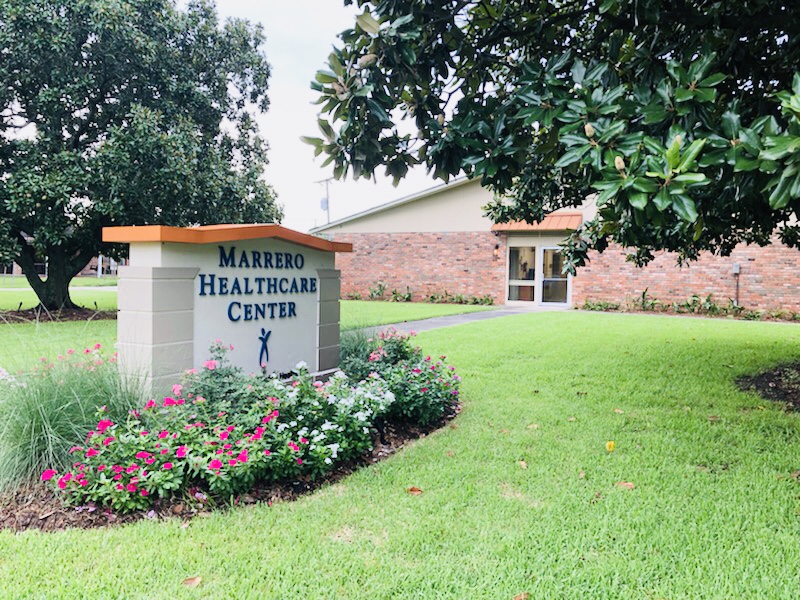
How is Marrero Healthcare Center Staffed?

CMS rates MARRERO HEALTHCARE CENTER's staffing level at 2 out of 5 stars, which is below average compared to other nursing homes. Staff turnover is 28%, compared to the Louisiana average of 46%. This relatively stable workforce can support continuity of care.

What Have Inspectors Found at Marrero Healthcare Center?

State health inspectors documented 17 deficiencies at MARRERO HEALTHCARE CENTER during 2023 to 2025. These included: 2 Immediate Jeopardy (the most serious level, indicating potential for serious harm or death) and 15 with potential for harm. Immediate Jeopardy findings are rare and represent the most serious regulatory concerns. They require immediate corrective action.

Who Owns and Operates Marrero Healthcare Center?

MARRERO HEALTHCARE CENTER is owned by a for-profit company. For-profit facilities operate as businesses with obligations to shareholders or private owners. The facility is operated by NEXION HEALTH, a chain that manages multiple nursing homes. With 105 certified beds and approximately 87 residents (about 83% occupancy), it is a mid-sized facility located in MARRERO, Louisiana.
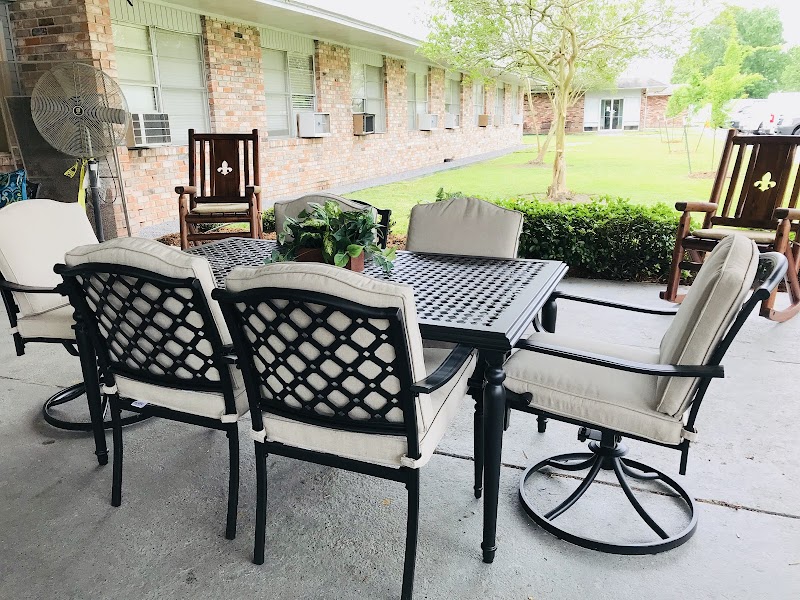
How Does Marrero Healthcare Center Compare to Other Louisiana Nursing Homes?

Compared to the 100 nursing homes in Louisiana, MARRERO HEALTHCARE CENTER's overall rating (2 stars) is below the state average of 2.4, staff turnover (28%) is significantly lower than the state average of 46%, and health inspection rating (2 stars) is below the national benchmark.

What Should Families Ask When Visiting Marrero Healthcare Center?

Based on this facility's data, families visiting should ask: "What changes have been made since the serious inspection findings, and how are you preventing similar issues?" "Can you walk me through typical staffing levels on day, evening, and night shifts?" "Can I visit during a mealtime to observe dining assistance and food quality?" "How do you handle medical emergencies, and what is your hospital transfer rate?" These questions are particularly relevant given the facility's Immediate Jeopardy citations and the below-average staffing rating.

Is Marrero Healthcare Center Safe?

Based on CMS inspection data, MARRERO HEALTHCARE CENTER has documented safety concerns. Inspectors have issued 2 Immediate Jeopardy citations (the most serious violation level indicating risk of serious injury or death). The facility has a 2-star overall rating and ranks #100 of 100 nursing homes in Louisiana. Families considering this facility should ask detailed questions about what corrective actions have been taken since these incidents.

Do Nurses at Marrero Healthcare Center Stick Around?

Staff at MARRERO HEALTHCARE CENTER tend to stick around. With a turnover rate of 28%, the facility is 18 percentage points below the Louisiana average of 46%. Low turnover is a positive sign. It means caregivers have time to learn each resident's needs, medications, and personal preferences. Consistent staff also notice subtle changes in a resident's condition more quickly.

Was Marrero Healthcare Center Ever Fined?

MARRERO HEALTHCARE CENTER has been fined $46,261 across 1 penalty action. The Louisiana average is $33,541. While any fine indicates a compliance issue, fines under $50,000 are relatively common and typically reflect isolated problems that were subsequently corrected. Families should ask what specific issues led to these fines and confirm they've been resolved.

Is Marrero Healthcare Center on Any Federal Watch List?

MARRERO HEALTHCARE CENTER is not on any federal watch list. The most significant is the Special Focus Facility (SFF) program, which identifies the bottom 1% of nursing homes nationally based on persistent, serious quality problems. Not being on this list means the facility has avoided the pattern of deficiencies that triggers enhanced federal oversight. This is a positive indicator, though families should still review the facility's inspection history directly.