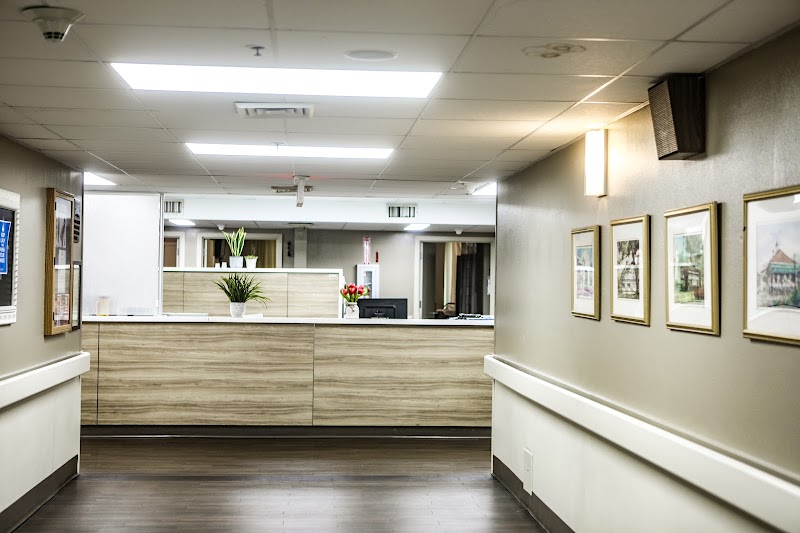
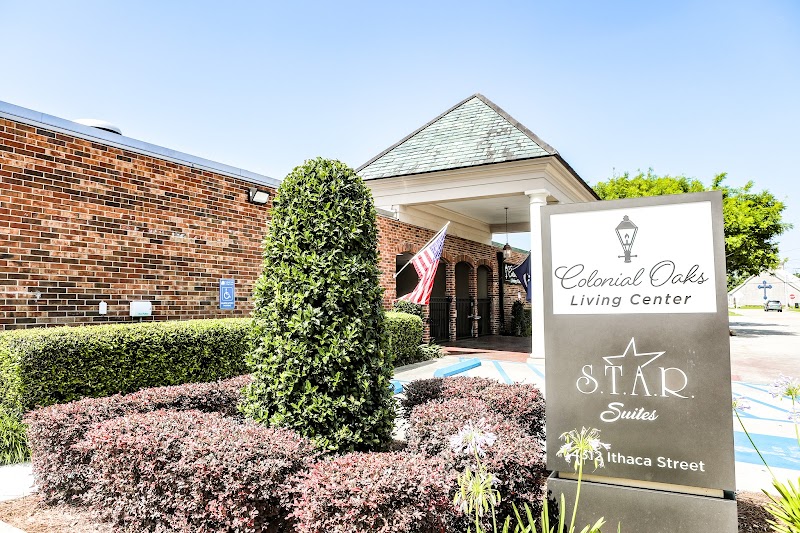
Colonial Oaks Living Center
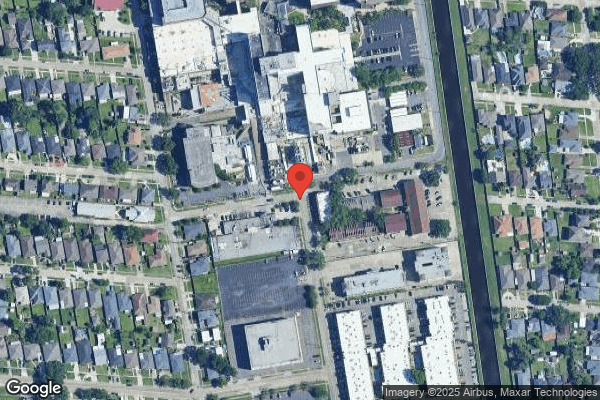
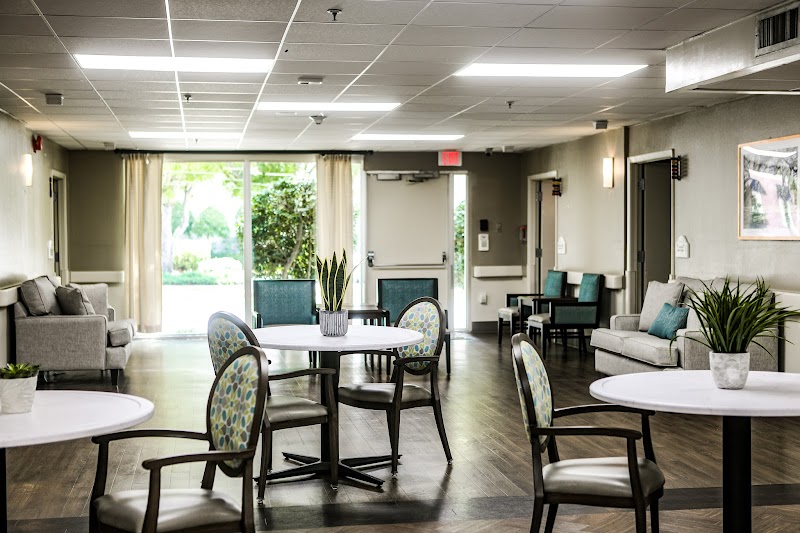
4312 ITHACA STREET, METAIRIE, LA 70006 (504) 887-6414
For profit - Limited Liability company 110 Beds PLANTATION MANAGEMENT COMPANY Data: November 2025
Trust Grade
50/100
#123 of 264 in LA
Last Inspection: April 2025

Within standard 12-15 month inspection cycle. Federal law requires annual inspections.

Overview

Colonial Oaks Living Center has a Trust Grade of C, indicating it is average and sits in the middle of the pack among nursing homes. It ranks #123 out of 264 facilities in Louisiana, placing it in the top half, and #5 out of 12 in Jefferson County, meaning only four other local options are better. Unfortunately, the facility is trending downward, with issues increasing from 8 in 2024 to 12 in 2025. Staffing is a concern, as it has a rating of only 2 out of 5 stars and a turnover rate of 48%, aligning with the state average but not indicative of a stable environment. While there have been no fines, which is a positive sign, the nursing home has less RN coverage than 87% of facilities in the state, reducing oversight for residents. Specific incidents noted by inspectors include a failure to maintain proper dishwasher temperatures for sanitizing dinnerware, which could risk infection, and a lack of implementation of fall prevention measures for a resident with mobility issues, potentially increasing the risk of falls. Additionally, an enteral feeding bag was not labeled correctly, which could lead to nutrition errors. Overall, while the facility has some strengths, particularly the absence of fines, there are significant areas of concern regarding care and safety that families should consider.
Trust Score
C
50/100
In Louisiana
#123/264
Top 46%
Safety Record
Low Risk
No red flags
Inspections
Getting Worse
8 → 12 violations
Staff Stability
⚠ Watch
48% turnover. Above average. Higher turnover means staff may not know residents' routines.
Penalties
✓ Good
No fines on record. Clean compliance history, better than most Louisiana facilities.
Skilled Nurses
⚠ Watch
Each resident gets only 8 minutes of Registered Nurse (RN) attention daily — below average for Louisiana. Fewer RN minutes means fewer trained eyes watching for problems.
Violations
⚠ Watch
23 deficiencies on record. Higher than average. Multiple issues found across inspections.
★★☆☆☆
2.0
Overall Rating
★★☆☆☆
2.0
Staff Levels
★★☆☆☆
2.0
Care Quality
★★☆☆☆
2.0
Inspection Score
Stable
2024: 8 issues
2025: 12 issues

The Good

  • Full Sprinkler Coverage · Fire safety systems throughout facility
  • No fines on record

Facility shows strength in fire safety.

The Bad

2-Star Overall Rating

Near Louisiana average (2.4)

Below average - review inspection findings carefully

Staff Turnover: 48%

Near Louisiana avg (46%)

Higher turnover may affect care consistency

Chain: PLANTATION MANAGEMENT COMPANY

Part of a multi-facility chain

Ask about local staffing decisions and management

The Ugly 23 deficiencies on record

Apr 2025 6 deficiencies
CONCERN (D)

Potential for Harm - no one hurt, but risky conditions existed

Deficiency F0578 (Tag F0578)

Could have caused harm · This affected 1 resident

**NOTE- TERMS IN BRACKETS HAVE BEEN EDITED TO PROTECT CONFIDENTIALITY** Based on interviews and record reviews, the facility failed to ensure a resident's physical chart did not contain conflicting ad...

Read full inspector narrative →
**NOTE- TERMS IN BRACKETS HAVE BEEN EDITED TO PROTECT CONFIDENTIALITY** Based on interviews and record reviews, the facility failed to ensure a resident's physical chart did not contain conflicting advance directive documents for 1 (Resident #11) of 3 (Resident #11, Resident #71, Resident #134) sampled residents investigated for advanced directives. Findings: Review of the facility's Advance Directive policy and procedure dated [DATE] revealed, in part, previously revised advanced directives should be removed from a resident's chart and placed in the resident's file in medical records. Further review revealed only the active advanced directive should remain on the chart. Review of Resident #11's physical chart revealed, in part, a Louisiana Physician Orders for Scope of Treatment (LaPOST) form dated [DATE], which indicated Resident #11 was a full code status (a healthcare provider should perform cardiopulmonary resuscitation [CPR] [an emergency procedure that combines chest compressions and rescue breathing to keep blood circulating] if a resident's heart stopped beating or a resident stopped breathing). Further review revealed an Advance Directive Consent form dated [DATE], which indicated Resident #11's code status was Do Not Resuscitate (DNR) (a healthcare provider should not perform CPR if a resident's heart stopped beating or a resident stopped breathing). Review of Resident #11's Electronic Medical Record (EMR) revealed, in part, Resident #11 was a DNR. Review of Resident #11's [DATE] physician's orders revealed, in part, an order dated [DATE] which indicated Resident #11's code status was DNR. Review of Resident #11's care plan, created on [DATE]with a review date of [DATE] revealed, in part, Resident #11's code status was DNR with an approach that included Resident #11's current advanced directive would be located in her medical record. In an interview on [DATE] at 10:39AM, S16Ward Clerk/Certified Nursing Assistant (CNA) indicated Resident #11's physical chart should only contain the most recent advanced directive and code status information. S16Ward Clerk/CNA further indicated outdated and conflicting advanced directive documents could be confusing and should be removed. In an interview on [DATE] at 9:49AM, S17Licensed Practical Nurse (LPN) indicated Resident #11 was a DNR. S17LPN further indicated if Resident #11 would go into cardiac arrest she would not provide CPR or initiate resuscitation efforts. In an interview on [DATE] at 2:32PM, S2Director of Nursing (DON) indicated Resident #11 should not have more than one advanced directive in her chart. S2DON further indicated the LaPOST dated [DATE], that indicated Resident #11 was a full code should have been removed from Resident #11's chart when the advance directive dated [DATE] was signed and placed in Resident #11's chart. In an interview on [DATE] at 3:00PM, S1Administrator confirmed Resident #11 should not have had contradicting advanced directives in her physical chart.
CONCERN (D)

Potential for Harm - no one hurt, but risky conditions existed

Safe Environment (Tag F0584)

Could have caused harm · This affected 1 resident

Based on observations and interviews, the facility failed to ensure the shower room floors were maintained in a clean manner for 2 (Shower room e, Shower room f) of 3 (Shower room d, Shower room e, Sh...

Read full inspector narrative →
Based on observations and interviews, the facility failed to ensure the shower room floors were maintained in a clean manner for 2 (Shower room e, Shower room f) of 3 (Shower room d, Shower room e, Shower room f) shower rooms observed for cleanliness. Findings: In an interview on 04/06/2025 at 9:54AM, Resident #44 indicated the shower room was dirty. Observation of Shower room f on 04/06/2025 at 10:06AM revealed the floors had a buildup of an unknown black substance between the floor tiles throughout the floor of Shower room f. Observation of Shower room e on 04/06/2025 at 10:08AM revealed the floors had a buildup of an unknown black substance between the floor tiles throughout the floor of Shower room e. In an interview on 04/06/2025 at 10:12AM, S13Certified Nursing Assistant indicated the floors in Shower rooms e and f were dirty and needed to be cleaned. In an interview on 04/07/2025 at 10:27AM, S14Housekeeping Supervisor confirmed Shower room e and Shower room f had a buildup of an unknown black substance between the floor tiles throughout the floors and needed to be cleaned. In an interview on 04/07/2025 at 10:36AM, S1Administrator confirmed the floors in Shower room e and Shower room f needed to be cleaned. In an interview on 04/07/2025 at 11:36AM, S15Floor Tech/Porter indicated it has been over a month since he cleaned the floors in Shower room e and Shower room f.
CONCERN (D)

Potential for Harm - no one hurt, but risky conditions existed

Deficiency F0725 (Tag F0725)

Could have caused harm · This affected 1 resident

Based on observations, interviews, and record reviews, the facility failed to ensure staff answered call bells to assist residents in a timely manner for 3 (Resident #7, Resident #48, Resident #333) o...

Read full inspector narrative →
Based on observations, interviews, and record reviews, the facility failed to ensure staff answered call bells to assist residents in a timely manner for 3 (Resident #7, Resident #48, Resident #333) of 24 (Resident #1, Resident #3, Resident #4, Resident #6, Resident #7, Resident #8, Resident #9, Resident #14, Resident #20, Resident #21, Resident #33, Resident #35, Resident #37, Resident #41, Resident #43, Resident #46, Resident #47, Resident #48, Resident #51, Resident #52, Resident #56, Resident #65, Resident #76, Resident #333) initial pool residents reviewed for call bell use. Findings: Resident #333 Review of Resident #333's discharge Minimum Data Set (MDS) with an Assessment Reference Date (ARD) of 03/28/2025 revealed, in part, Resident #333's cognition was moderately impaired and Resident #333 was incontinent of bowel and bladder. In an interview on 04/06/2025 at 9:40AM, Resident #333 indicated on 04/05/2025 she had to wait approximately 6 hours, from 6:00AM to 12:00 PM, to receive incontinence care from staff. Resident #333 further indicated the wait time for staff assistance was approximately 30 to 60 minutes after pressing the call light. Resident #48 In an interview on 04/06/2025 at 9:41AM, Resident #48, who resided in Room j indicated when she pressed the call light button for staff assistance, Resident #48's wait time was usually 45 to 60 minutes. Resident #7 Observation on 04/06/2025 at 9:47AM revealed the call light, in the hallway, above the doorway for Room i started blinking and ringing. Further observation at approximately 9:52AM revealed an announcement from the speaker in the hallway that indicated Resident #7, in Room i, needed assistance from staff. Observation also revealed at 9:58AM, a 2nd announcement from the speaker in the hallway which indicated staff was needed in Room i, and at the same time, a staff member passed the blinking and ringing call light above the doorway of Room i, and entered Room h, which was next to Room i. Further observation revealed at 10:10AM, a staff member passed by the blinking and ringing call light in the hallway above the doorway of Room i, and entered Room j, which was also next to Room i. Observation further revealed at 10:18AM, staff went into Room i to assist Resident #7. In an interview on 04/06/2025 at 9:46AM, Resident #7 indicated when she pressed the call light button for assistance from staff, Resident #7 usually had to wait at least 45 minutes. In an interview on 04/08/2025 at 3:01PM, S2Director of Nursing confirmed that waiting approximately 30 minutes for staff assistance, after the call light button was pressed, was too long for the resident to wait for assistance.
CONCERN (D)

Potential for Harm - no one hurt, but risky conditions existed

Deficiency F0761 (Tag F0761)

Could have caused harm · This affected 1 resident

Based on observation, interviews, and record review, the facility failed to ensure that a medication cart was secured while unattended for 1 (Medication Cart a) of 4 (Mediation Cart a, Medication Cart...

Read full inspector narrative →
Based on observation, interviews, and record review, the facility failed to ensure that a medication cart was secured while unattended for 1 (Medication Cart a) of 4 (Mediation Cart a, Medication Cart b, Medication Cart c, Medication Cart d) medication carts observed. Findings: Review of the facility's Medication Administration policy and procedure dated 10/04/2024 revealed, in part, medications must be secured at all times and not left unattended. Further review revealed, medication cart drawers should be locked when not in use. Observation on 04/06/2025 at 9:22AM revealed, Medication Cart a was left unlocked and unattended by S8Licensed Practical Nurse (LPN). In an interview on 04/06/2025 at 9:35AM, S8LPN indicated a medication cart should always be locked if unattended. In an interview on 04/08/2025 at 2:45PM, S2Director of Nursing (DON) confirmed all medication carts should have been locked while unattended. In an interview on 04/08/2025 at 2:50PM, S1Administrator confirmed medication carts should have been locked if left unattended.
CONCERN (D)

Potential for Harm - no one hurt, but risky conditions existed

Infection Control (Tag F0880)

Could have caused harm · This affected 1 resident

Based on observations, interviews, and record reviews the facility failed to ensure oxygen personal care items were contained in plastic bags when not in use for 2 ( Resident #133, Resident #135) of 6...

Read full inspector narrative →
Based on observations, interviews, and record reviews the facility failed to ensure oxygen personal care items were contained in plastic bags when not in use for 2 ( Resident #133, Resident #135) of 6 (Resident #40, Resident #50, Resident #133, Resident #134, Resident #155, Resident #185) sampled residents investigated for oxygen use. Findings: Resident #133 Review of the facility's BIPAP (Bilevel Positive Airway Pressure) and CPAP (Continuous Positive Airway Pressure) Machine Cleaning Policy and Procedure dated 11/04/2014 revealed, in part, store mouthpiece, and mask in plastic bag when not in use. Review of Resident #133's Physician's Orders dated April 2025 revealed, in part, Resident #133 was on Continuous Positive Airway Pressure (CPAP) nightly at bedtime. Observation on 04/06/2025 at 10:32AM revealed Resident #133's CPAP mask and tubing was on the nightstand and was not contained in a plastic bag. Observation on 04/06/2025 at 3:42PM revealed Resident #133's CPAP mask and tubing was on the nightstand and not contained in a plastic bag. In an interview on 04/06/2025 at 3:46PM, S11Licensed Practical Nurse (LPN) indicated Resident #133's CPAP should have been contained in a plastic bag with Resident #133's name and room number written on the bag. Observation on 04/07/2025 at 11:42AM revealed Resident # 133's CPAP mask and tubing was on the nightstand and not contained in a plastic bag. In an interview on 04/07/2025 at 11:46AM, S12LPN indicated Resident #133's CPAP was not in a plastic bag. Resident #135 Review of the facility's Oxygen Concentrator Cleaning Policy and Procedure dated 11/16/2014 revealed, in part, oxygen masks must be stored mask in plastic bag when not in use. Review of Resident #135's Physician's Orders dated April 2025 revealed, in part, Levalbuterol HCCL Nebulization solution (a medication used to relax the muscles of the airway) 0.63miligrams/milliliter inhale orally two times a day for wheezing, Observation on 04/06/2025 at 3:35PM revealed Resident #135's breathing treatment mask was on the nightstand and not contained in a plastic bag. In an interview on 04/06/2025 at 3:45PM, S11Licensed Practical Nurse indicated Resident #135's breathing treatment mask was not in a plastic bag, but should have been contained in a plastic bag with the resident's name and room number written on it. In an interview 04/07/2025 at 2:45PM, S2Director of Nursing indicated respiratory equipment for Resident #133 and Resident #135 should have been contained in a plastic bag.
CONCERN (E)

Potential for Harm - no one hurt, but risky conditions existed

Food Safety (Tag F0812)

Could have caused harm · This affected multiple residents

Based on observations, interviews, and record reviews, the facility failed to ensure the kitchen's dishwasher and 3 compartment sink parameters were maintained to correctly sanitize dinnerware. Findin...

Read full inspector narrative →
Based on observations, interviews, and record reviews, the facility failed to ensure the kitchen's dishwasher and 3 compartment sink parameters were maintained to correctly sanitize dinnerware. Findings: Observation on 04/08/2025 at 8:10AM revealed after multiple attempts the dishwasher temperature gauge read 90 degrees Fahrenheit (°F). In an interview on 04/08/2025 at 8:11AM, S10Culinary Aide (CA) indicated the dishwasher's water wash temperature was 90°F. S10CA further indicated they were using a sanitizer for the dinnerware. In an interview on 04/08/2025 at 8:12AM, S9Dietary Manager (DM) indicated the dish machine's water temperature was not getting to 150°F as it should. S9DM further indicated the facility needed to install a hot water heater to raise the dishwasher water temperatures, and S9DM was not sure how many parts per million (PPM) the sanitizer needed to be in order to sanitize the dinnerware. S9DM further indicated according to the Dishwasher Temperature Log, the wash temperature should be 150°F and the rinse temperature should be 180°F. Review of the facility's Dishmachine Temperature Log (High Temperature) revealed from 04/01/2025 to 04/07/2025 staff were documenting a wash temperature of 150°F and a rinse temperature of 180°F for breakfast, lunch, and dinner with no documentation of the sanitizer PPM. In an interview on 04/08/2025 at 8:15AM, S9DM first indicated the 3 compartment sink's sanitizer final rinse should be 2 PPM. S9DM then opened the Pot Pan Sink documentation and stated according to the Pot Pan Sink form, the 3 compartment sink should have a reading of 180 to 200 PPM. Observation on 04/08/2025 at 8:16AM revealed the test strip of the 3 compartment sink's sanitizer final rinse was 0 PPM as indicated on the test strip. In an interview on 04/08/2025 at 2:00PM, S9DM indicated the dishwasher's water temp went up to about 146°F earlier but maintained this temperature only for a minute. S9DM indicated the facility had used the dishwasher to wash dishes for the residents. In an interview on 04/08/2025 at 2:10PM, S1Administrator confirmed the above findings and indicated staff were still using the dishwasher to wash the dinnerware.
Feb 2025 6 deficiencies
CONCERN (D) 📢 Someone Reported This

A family member, employee, or ombudsman was alarmed enough to file a formal complaint

Potential for Harm - no one hurt, but risky conditions existed

Deficiency F0658 (Tag F0658)

Could have caused harm · This affected 1 resident

Based on interviews and record reviews, the facility failed to deliver care per professional standards by failing to ensure a physician's orders for daily weights was followed for 1 (Resident #3) of 3...

Read full inspector narrative →
Based on interviews and record reviews, the facility failed to deliver care per professional standards by failing to ensure a physician's orders for daily weights was followed for 1 (Resident #3) of 3 (Resident #1, Resident #2, Resident #3) sampled residents investigated for nursing services. Findings: Review of the May 2023 Louisiana Administrative Code, Title 46, Part XLVII revealed, in part: the registered nurse retained the accountability for the total nursing care of the individual, and was responsible for and accountable to each consumer of nursing care for the quality of nursing care he or she received, regardless of whether the care was provided solely by the registered nurse or by the registered nurse in conjunction with other licensed or unlicensed assistive personnel. Further review revealed, in part, the plan for nursing care was implemented according to the following criteria: nursing actions were consistent with the plan for nursing care and nursing actions were documented by written records. Review of Resident #3's February 2025 physician's orders revealed, in part, an order dated 11/07/2024 for daily weights to be obtained for Resident #3. Review of the facility's Restorative Aide Log Book revealed, in part, no documented evidence, and the facility did not provide any documented evidence, Resident #3 was weighed daily as ordered. Review of Resident #3's weight summary report revealed, in part, the following weight entries: - 01/09/2025: 166.0 pounds (lbs); - 12/10/2024: 175.0 lbs; and, - 11/10/2024: 183.0 lbs. There was no documented evidence, and the facility did not present any documented evidence Resident #3's weight was obtained on any other day since 11/07/2024. In an interview on 02/03/2025 at 2:45PM, S14CNA/Restorative Aide (RA) indicated there were no residents who currently received daily weight checks. In an interview on 02/04/2025 at 10:30AM, S13CNA/RA indicated there were no residents who currently received daily weight checks. In an interview on 02/05/2025 at 9:12AM, S3Assistant Director of Nursing (ADON) confirmed Resident #3 had an active physician orders for daily weights. S3ADON further confirmed the facility could not provide any documented evidence daily weights were completed as ordered. In an interview on 02/05/2025 at 10:00AM, S2Director of Nursing (DON) confirmed the facility could not provide any documented evidence Resident #3's daily weights were performed as ordered and should have been. In an interview on 02/05/2025 at 12:30PM, S1Administrator confirmed Resident #3's daily weights should have been performed as ordered.
CONCERN (D) 📢 Someone Reported This

A family member, employee, or ombudsman was alarmed enough to file a formal complaint

Potential for Harm - no one hurt, but risky conditions existed

Pressure Ulcer Prevention (Tag F0686)

Could have caused harm · This affected 1 resident

**NOTE- TERMS IN BRACKETS HAVE BEEN EDITED TO PROTECT CONFIDENTIALITY** Based on observations, interviews, and record reviews, the facility failed to follow a physician's order to ensure a pressure re...

Read full inspector narrative →
**NOTE- TERMS IN BRACKETS HAVE BEEN EDITED TO PROTECT CONFIDENTIALITY** Based on observations, interviews, and record reviews, the facility failed to follow a physician's order to ensure a pressure relieving cushion was in place on a resident's wheelchair for 1 (Resident #3) of 3 (Resident #1, Resident #2, Resident #3) sampled residents reviewed for quality of care. Findings: Review of Resident #3's February 2025 physician's orders revealed, in part, an order dated 07/01/2024 for a pressure relieving cushion to be used on Resident #3's wheelchair. Review of Resident #3's care plan with a start date of 07/21/2024 and a review date of 04/17/2025 revealed, in part, Resident #3 was at high risk for skin breakdown. Further review revealed an intervention for the facility to place a pressure reducing device/product on Resident #3's wheelchair. Review of Resident #3's Braden Scale assessment dated [DATE] revealed, in part, Resident #3 had a total score of 18.0, which indicated Resident #3 was at a risk of skin breakdown and/or developing a pressure ulcer. Observation on 02/03/2025 at 11:30AM, revealed Resident #3 was sitting in his wheelchair without a pressure relieving cushion as ordered. Observation on 02/04/2025 at 9:30AM, revealed Resident #3 was sitting in his wheelchair without a pressure relieving cushion as ordered. In an interview on 02/04/2025 at 9:45AM, Resident #3 indicated he did not have a pressure relieving cushion to sit on while using his wheelchair. In an interview on 02/05/2025 at 10:10AM, S9Licensed Practical Nurse (LPN) indicated Resident #3 was at risk for skin breakdown. S9LPN further indicated she did not know the location of Resident #3's pressure relieving cushion. In an interview on 02/05/2025 at 10:00AM, S2Director of Nursing (DON) confirmed Resident #3 did not have a pressure relieving cushion on his wheelchair as ordered and should have. In an interview on 02/05/2025 at 12:30PM, S1Administrator confirmed all of Resident #3's pressure ulcer prevention measures should have been implemented as ordered.
CONCERN (D) 📢 Someone Reported This

A family member, employee, or ombudsman was alarmed enough to file a formal complaint

Potential for Harm - no one hurt, but risky conditions existed

Deficiency F0725 (Tag F0725)

Could have caused harm · This affected 1 resident

Based on interviews and record reviews, the facility failed to ensure the required number of Certified Nursing Assistants (CNAs) were present and working in the facility for 2 (01/13/2025 and 01/14/20...

Read full inspector narrative →
Based on interviews and record reviews, the facility failed to ensure the required number of Certified Nursing Assistants (CNAs) were present and working in the facility for 2 (01/13/2025 and 01/14/2025) of 3 (01/12/2025, 01/13/2025, and 01/14/2025) days reviewed for sufficient staffing. Findings: Review of the Facility's Assessment, last updated on 01/01/2025 revealed, in part, the number or range of CNAs needed to provide competent support and care to the facility's residents, every day and during emergencies, was 6 to 9 CNAs during the day shift 6:00AM to 2:00PM) on weekdays. Review of the facility's CNA schedule for 01/13/2025 revealed, in part, eight CNAs were scheduled to work the 6:00AM to 2:00PM shift. Review of the facility's CNA's time sheets dated 01/12/2025 to 01/13/2025, revealed in part, on 01/13/2025, between 6:00AM to 6:02AM, S16CNA and S17CNA were clocked in for a total of two CNAs working in the facility. Further review revealed on 01/13/2025 between 6:02AM to 6:06AM, S16CNA, S17CNA, and S18CNA were clocked in for a total of three CNAs working in the facility. Further review revealed on 01/13/2025 between 6:06AM and 6:17AM, S16CNA, S18CNA, S17CNA, and S23CNA were clocked in for a total of four CNAs working in the facility. Further review revealed on 01/13/2025 between 6:17AM to 6:20AM, S16CNA, S18CNA, S17CNA, S23CNA and S24CNA clocked in for a total of five CNAs working in the facility. Further review revealed on 01/13/2025 from 6:20AM to 6:22AM, S16CNA, S18CNA, S23CNA, and S24CNA clocked in for a total of four CNAs working in the facility. Further review revealed on 01/13/2025 between 6:22AM to 7:07AM, S16CNA, S18CNA, S23CNA, S24CNA, and S25CNA were clocked in for a total of five CNAs working in the facility. Review of the facility's CNA schedule for 01/14/2025 revealed, in part, eight CNAs were scheduled to work the 6:00AM to 2:00PM shift. Review of the facility's CNA's time sheets from 01/13/2025 to 01/14/2025, revealed in part, on 01/14/2025, between 6:01AM to 6:03AM, S16CNA, S19CNA, S20CNA, S21CNA and S22CNA were clocked in for a total of five CNAs working in the facility. Further review revealed on 01/14/2025 between 6:03AM to 6:06AM, S16CNA, S20CNA, S21CNA, and S22CNA were clocked in for a total of four CNAs working in the facility. Further review revealed on 01/14/2025 between 6:06AM to 6:15AM, S16CNA, S20CNA, S21CNA, S22CNA, and S23CNA were clocked in for a total of five CNAs working in the facility. There was no documented evidence, and the facility did not present any documented evidence, any other staff was working as a CNA during the above mentioned timeframes. In an interview on 02/05/2025 at 10:15AM, S14CNA/Restorative Aid indicated there were usually 4 CNAs and 2 CNA/Restorative aides scheduled on the custodial unit of the facility and 2 CNAs scheduled on the skilled nursing unit of the facility during the day shift on weekdays, Monday through Friday. S14CNA/Restorative Aid further indicated three CNAs would not have been an adequate amount of staff to provide care to the residents. In an interview on 02/05/2025 at 10:30AM, S6CNA Supervisor indicated she was in charge of making the facility's CNA schedule. S6CNA Supervisor further indicated she scheduled 4 to 5 CNAs on the custodial unit of the facility and 1 to 2 CNA/Restorative Aides on the custodial unit of the facility depending on the resident's needs during the day shift on weekdays, Monday through Friday. S6CNA Supervisor further indicated the facility should have at least seven CNAs and/or CNA/Restorative Aides working in the facility during the day shift on weekdays (6:00AM to 2:00PM.) In an interview on 02/05/2025 at 10:32AM, S2Director of Nursing indicated there should be at least 4 CNAs scheduled for the custodial unit of the facility and 2 CNAs scheduled on the skilled nursing unit during the day shift on weekdays, Monday through Friday. S2DON further indicated the facility should have the required number of CNAs working in the facility as per the Facility Assessment. In an interview on 02/05/2025 at 12:38AM, S1Administrator acknowledged the facility should have the required number of CNAs working in the facility as per the Facility Assessment.
CONCERN (D) 📢 Someone Reported This

A family member, employee, or ombudsman was alarmed enough to file a formal complaint

Potential for Harm - no one hurt, but risky conditions existed

Pharmacy Services (Tag F0755)

Could have caused harm · This affected 1 resident

Based on interviews and record reviews, the facility failed to maintain a system to reconcile controlled drugs for 3 (Medication Cart a, Medication Cart b, Medication Cart d) of 4 (Medication Cart a, ...

Read full inspector narrative →
Based on interviews and record reviews, the facility failed to maintain a system to reconcile controlled drugs for 3 (Medication Cart a, Medication Cart b, Medication Cart d) of 4 (Medication Cart a, Medication Cart b, Medication Cart c, Medication Cart d) medication carts reviewed for the reconciliation documentation of controlled substances. Findings: Medication Cart a Review of S15Licensed Practical Nurse (LPN)'s 01/14/2025 time sheet revealed, in part, S15LPN clocked out from her shift (11:00PM to 7:00AM) at 7:03AM on 01/14/2025. Review of S10LPN's 01/14/2025 time sheet revealed, in part, S10LPN clocked in for her shift (7:00AM to 3:00PM) at 7:33AM on 01/14/2025. Review of the facility's January 2025 Medication Cart a's Controlled Drugs-Count Record revealed, in part, on 01/14/2025 S15LPN documented with her initials that she was the nurse scheduled for the 11:00PM to 7:00AM shift and had reconciled the controlled substances on Medication Cart a with S10LPN. Further review revealed on 01/14/2025 S10LPN documented with her initials that she was the nurse scheduled for the 7:00AM to 3:00PM shift and had reconciled the controlled substances of Medication Cart a with S15LPN. Medication Cart b Review of S12LPN's 01/13/2025 time sheet revealed, in part, S15LPN clocked out from her shift (11:00PM to 7:00AM) at 6:59AM on 01/13/2025. Review of S9LPN's 01/13/2025 time sheet revealed, in part, S9LPN clocked in for her shift (7:00AM to 3:00PM) at 7:21AM on 01/13/2025. Review of the facility's January 2025 Medication Cart b's Controlled Drugs-Count Record revealed, in part, on 01/13/2025 S12LPN documented with her initials that she was the nurse scheduled for the 11:00PM to 7:00AM shift and had reconciled the controlled substances on Medication Cart b with S9LPN. Further review revealed on 01/13/2025 S9LPN documented with her initials that she was the nurse scheduled for the 7:00AM to 3:00PM shift and had reconciled the controlled substances of Medication Cart b with S12LPN. Medication Cart d Review of S7LPN's 01/13/2025 time sheet revealed, in part, S7LPN clocked out from her shift (7:00AM to 3:00PM) at 2:57PM on 01/13/2025. Review of S8LPN's 01/13/2025 time sheet revealed, in part S8LPN clocked in for her shift (3:00PM to 11:00PM) at 4:22PM on 01/13/2025. Review of the facility's January 2025 Medication Cart d's Controlled Drugs-Count Record revealed, in part, on 01/13/2025 S7LPN documented with her initials that she was the nurse scheduled for the 7:00AM to 3:00PM shift and had reconciled the controlled substances on Medication Cart d with S8LPN. Further review revealed on 01/13/2025 S8LPN documented with her initials that she was the nurse scheduled for the 3:00PM to 11:00PM shift and had reconciled the controlled substances of Medication Cart d with S7LPN. In an interview on 02/05/2025 at 11:12AM, S7LPN indicated she often counts controlled medications for Medication Cart d at shift change with S4Clinical Care Coordinator when S8LPN did not arrived to the facility at shift change. S7LPN acknowledged if she and S4Cliniclal Care Coordinator were counting controlled medications together, S4Clinical Care Coordinator should be initialing the Controlled Drugs-Count Record. In an interview on 02/05/2025 at 11:52AM, S4Clinical Care Coordinator indicated she reconciled controlled medications with S7LPN on 01/13/2025. S4Clinical Care Coordinator further indicated she normally did not sign the Controlled Drugs-Count Record sheet because she was not the oncoming scheduled nurse. In an interview on 02/05/2025 12:01PM, S5Minimum Data Set (MDS) LPN indicated he reconciled the controlled medications when he took over Medication Cart a on 01/14/2025 from S15LPN and Medication Cart b on 01/13/2025 from S12LPN when their relief had not arrived at shift change. S5MDS LPN further indicated he did not initial the Controlled Drugs-Count Record when he counted controlled medications with another nurse and should have. In an interview on 02/05/2025 at 11:27AM, S2Director of Nursing (DON) acknowledged if nurses were reconciling controlled medications with each other, they should be initialing to verify that they had reconciled the controlled medications on the Controlled Drugs-Count Record sheet. In an interview on 02/05/2025 at 12:38PM, S1Administrator acknowledged the nurses should have been initialing the Controlled Drugs-Count Record sheet when they reconciled controlled substances together.
CONCERN (D) 📢 Someone Reported This

A family member, employee, or ombudsman was alarmed enough to file a formal complaint

Potential for Harm - no one hurt, but risky conditions existed

Medical Records (Tag F0842)

Could have caused harm · This affected 1 resident

Based on observation, interviews, and record review, the facility failed to ensure a Resident's electronic Medication Administration Record (eMAR) was accurately documented for 1 (Resident #3) of 3 (R...

Read full inspector narrative →
Based on observation, interviews, and record review, the facility failed to ensure a Resident's electronic Medication Administration Record (eMAR) was accurately documented for 1 (Resident #3) of 3 (Resident #1, Resident #2, Resident #3) sampled residents reviewed for accurate medical record documentation. Findings: Review of the facility's Licensed Practical Nurse (LPN) job description dated 10/2024 revealed, in part, it was the responsibility of the LPN to have knowledge of federal and state laws and regulations related to resident care and to carry out the assigned duties and responsibilities in accordance with current existing federal and state regulations. Review of Resident #3's February 2025 physician's orders revealed, in part, an order dated 07/01/2024 for a pressure relieving cushion to be used on Resident #3's wheelchair. Review of Resident #3's February 2025 electronic Medication Administrator Record (eMAR) revealed, in part, S9Licensed Practical Nurse documented Resident #3 had a pressure relieving cushion on his wheelchair on 02/05/2025. Observation on 02/05/2025 at 9:50AM revealed Resident #3 lying in his bed. Further observation revealed no pressure relieving cushion on Resident #3's wheelchair or in Resident #3's room. In an interview on 02/05/2025 at 10:10AM, S9LPN indicated she did not visualize Resident #3's pressure reliving cushion this shift. S9LPN further indicated she did not know where Resident #3's wheelchair pressure relieving cushion was or the last time she saw it. Review of Resident #3's Medication Administration Audit Report revealed, in part, S9LPN documented in Resident #3's eMAR on 02/05/2025 at 10:06AM she had verified Resident #3's pressure relieving cushion was in place on his wheelchair as ordered. In an interview on 02/05/2025 at 11:20AM, S2Director of Nursing (DON) acknowledged S9LPN should not have documented Resident #3's wheelchair had a pressure relieving cushion when Resident #3's wheelchair did not have one. S2DON confirmed the above mentioned eMAR for Resident #3 was inaccurate and should not have been. In an interview on 02/05/2025 at 12:30PM, S1Administrator confirmed Resident #3's medical record documentation was not accurate and should have been.
CONCERN (E) 📢 Someone Reported This

A family member, employee, or ombudsman was alarmed enough to file a formal complaint

Potential for Harm - no one hurt, but risky conditions existed

Accident Prevention (Tag F0689)

Could have caused harm · This affected multiple residents

**NOTE- TERMS IN BRACKETS HAVE BEEN EDITED TO PROTECT CONFIDENTIALITY** Based on observations, interviews, and record reviews, the facility failed to ensure a resident's individualized fall prevention...

Read full inspector narrative →
**NOTE- TERMS IN BRACKETS HAVE BEEN EDITED TO PROTECT CONFIDENTIALITY** Based on observations, interviews, and record reviews, the facility failed to ensure a resident's individualized fall prevention interventions were implemented to prevent future falls for 1 (Resident #3) of 3 (Resident #1, Resident #2, Resident #3) sampled residents reviewed for accidents. Findings: Review of the facility's Fall Protocol policy and procedure dated 10/14/2014 revealed, in part, the purpose of the fall protocol was to initiate preventative fall approaches and provide appropriate interventions to prevent falls. Review of Resident #3's medical record revealed, in part, Resident #3 was admitted to the facility on [DATE] with diagnose, which included, cognitive communication deficit, abnormalities of gait and mobility, and generalized muscle weakness. Review of Resident #3's Minimum Data Set (MDS) with an Assessment Reference Date (ARD) of 01/03/2025 revealed, in part, Resident #3 had a Brief Interview for Mental Status (BIMS) score of 10, which indicated Resident #3 had moderate cognitive impairment. Further review revealed Resident #3 used a manual wheelchair for mobility Review of the facility's Incident Log dated 06/2024 through 01/2025 revealed, in part, Resident #3 had sustained the following falls: - 01/27/2025- unwitnessed fall; - 01/15/2025- unwitnessed fall; - 12/30/2024- unwitnessed fall; - 11/11/2024- unwitnessed fall; - 10/29/2024- unwitnessed fall; - 10/03/2024- unwitnessed fall; - 10/01/2024- unwitnessed fall; - 09/22/2024- unwitnessed fall; - 09/17/2024- unwitnessed fall; - 09/03/2024- unwitnessed fall; - 08/21/2024- unwitnessed fall; - 08/20/2024- unwitnessed fall; - 08/06/2024- unwitnessed fall; - 07/31/2024- unwitnessed fall; - 07/24/2024- witnessed fall; and, - 06/19/2024- unwitnessed fall with a skin tear injury. Review of Resident #3's fall risk evaluation dated 12/31/2024 revealed, in part, Resident #3 should be considered a high risk for falls. Review of Resident #3's care plan with a start date of 07/21/2024 and a review date of 04/17/2025 revealed, in part, Resident #3 was at risk for falls related to unsteadiness. Further review revealed the following interventions: - The facility will place a call don't fall visual reminder sign in Resident #3's view; - Resident #3 will have a bed alarm; and, - Fluorescent tape will be placed on Resident #3's wheelchair brake handles. Observation of Resident #3's room on 02/04/2025 at 9:15AM revealed there was no visual call for assistance reminder sign in Resident #3's room. Observation of Resident #3's wheelchair on 02/04/2025 at 9:30AM revealed there was no florescent tape on the wheelchair brake handles. Further observation revealed there was no bed alarm in place on Resident #3's bed. In an interview on 02/04/2025 at 10:00AM, S9Licensed Practical Nurse (LPN) indicated there was no visual call for assistance reminder sign in Resident #3's room and should have been. In an interview on 02/04/2025 at 10:20AM, S2Director of Nursing (DON) confirmed there was no visual call for assistance reminder sign in Resident #3's room and should have been. S2DON further indicated Resident #3's bed alarm sensing pad was not in his room and available for use. Observation on 02/05/2025 at 9:55AM revealed Resident #3 was lying in bed without a bed alarm in place. In an interview on 02/05/2025 at 10:00AM, S2DON confirmed there was no florescent tape on Resident #3's wheelchair brakes and should have been. S2DON further confirmed Resident #3 did not have a working bed alarm on 02/04/2025 and 02/05/2025 and should have. In an interview on 02/05/2025 at 12:30PM, S1Administrator confirmed Resident #3's individualized care plan interventions to prevent falls should have been implemented in accordance with Resident #3's plan of care.
Jun 2024 1 deficiency
CONCERN (D) 📢 Someone Reported This

A family member, employee, or ombudsman was alarmed enough to file a formal complaint

Potential for Harm - no one hurt, but risky conditions existed

Deficiency F0660 (Tag F0660)

Could have caused harm · This affected 1 resident

**NOTE- TERMS IN BRACKETS HAVE BEEN EDITED TO PROTECT CONFIDENTIALITY** The facility failed to ensure the discharge process was followed by failing to: 1. Ensure a resident's discharge location was ac...

Read full inspector narrative →
**NOTE- TERMS IN BRACKETS HAVE BEEN EDITED TO PROTECT CONFIDENTIALITY** The facility failed to ensure the discharge process was followed by failing to: 1. Ensure a resident's discharge location was accurate (Resident #1); 2. Ensure a resident and/or resident's responsible party (RP) was provided information in order to select a home health agency (Resident #1); and, 3. Ensure the resident and/or RP received the discharge summary and instructions prior to discharge (Resident #1). This deficient practice was identified for 1 (Resident #1) of 3 (Resident #1, Resident #2, Resident #3) sampled residents investigated for discharge planning. Findings: Review of Discharge-Transfer of a Resident Policy and Procedure effective 08/21/2017 revealed, in part, the purpose of the policy and procedure was to ensure a safe departure from the facility and provide sufficient information for after care of the resident. Further review revealed when a resident was discharged , the facility must complete the Discharge Summary/Instructions assessment and review the assessment with the resident and/or RP prior to discharge. Review revealed the resident and/or RP must sign a copy of the assessment form to indicate they have received and understood the instructions, and a copy of the assessment form should be given to the resident and/or RP. The signed copy of the assessment form should be placed in the resident's record. Review of Resident #1's admission Minimum Data Set with an Assessment Reference Date of 03/31/2024 revealed, in part, Resident #1 was admitted to the facility from the hospital on [DATE] with a goal to be discharged back into the community. Review of Resident #1's care plan with a start date of 03/25/2024 revealed, in part, Resident #1 was care planned to return to her home with interventions for staff to assist Resident #1 with obtaining community resources for discharge, accommodate for Resident #1's discharge goals of care and treatment, and arrange and/or notify Resident #1 of the home health agency of Resident #1's choosing. Review of Resident #1's Face Sheet revealed Resident #1's address and Resident #1's Responsible Party's address were the same location. Review of Resident #1's note written by S4Social Services Director (SSD) on 03/08/2024 at 8:32 a.m. revealed, in part, prior to admission, Resident #1 resided in a senior living community. Further review revealed Resident #1 planned to be discharged to the community after she completed therapy. Review of the facility's Detail Admission/Discharge Report from 04/03/2024 through 06/03/2024 revealed, in part, Resident #1 was discharged home from the facility on 05/02/2024 with home health care. Review of Resident #1's Discharge Summary/Instructions revealed, in part, on 05/02/2024, Resident #1 was discharged home with home health services. Further review revealed Resident #1's RP's address was listed as Resident #1's discharge address. Review of the discharge instructions revealed no signature present to confirm the above mentioned information was provided. There was no documented evidence, and the facility was unable to provide any documented evidence Resident #1 and/or Resident #1's RP was provided discharge instructions or signed the Discharge Summary/Instructions assessment form to acknowledge receipt of the discharge instructions. There was no documented evidence, and the facility was unable to provide any documented evidence Resident #1 and/or Resident #1's RP was provided a list of compiled home health agencies to pick from. In an interview on 05/31/2024 at 3:20 p.m., Resident #1's granddaughter indicated there were issues with Resident #1's discharge because the facility had set up Resident #1 to be discharged to Resident #1's RP's address instead of Resident #1's home address. Resident #1's granddaughter further indicated at discharge, Resident #1 nor Resident #1's RP were provided information regarding the location Resident #1 was being discharged to. Resident #1's granddaughter also indicated Resident #1 and Resident #1's RP were not provided a list of home health agencies to choose from. In an interview on 06/04/2024 at 12:39 p.m., S2Licensed Practical Nurse (LPN) confirmed when she discharged a resident, a copy of the discharge instructions were provided to the resident and/or the resident's family. S2LPN further indicated she would obtain the resident and/or the resident's family's signature on the discharge instructions and then would place the copy in the resident's chart. S2LPN further indicated she would have the resident and/or resident's family sign the instructions to acknowledge the discharge instructions were provided to them prior to the discharge. In an interview on 06/05/2024 at 11:33 a.m., S3LPN confirmed she was the nurse who discharged Resident #1. S3LPN further confirmed she did not get the discharge summary form signed by Resident #1 or Resident #1's RP. S3LPN indicated she did not go over Resident #1's discharge arrangements with Resident #1 or Resident #1's RP at the time of the discharge. In an interview on 06/05/2024 at 11:45 a.m., S2Director of Nursing (DON) indicated she was aware Resident #1 planned to return to her own address when discharged . S2DON confirmed Resident #1's Discharge Summary/Instructions revealed Resident #1 was discharged to Resident #1's RP's address, which was incorrect. S2DON stated Resident #1's Discharge Summary/Instructions form should have been reviewed and signed by Resident #1 and/or Resident #1's RP to ensure Resident #1 and/or Resident #1's RP were aware of all discharge arrangements prior to discharge. S2DON indicated reviewing the discharge arrangements prior to discharge could have caught the error of Resident #1's discharge location. S2DON confirmed S4SSD should have confirmed Resident #1's discharge address of the prior to initiating and setting up discharge. In an interview on 06/05/2024 at 12:56 p.m., S4SSD indicated when in Resident #1's care plan meeting, Resident #1's family said Resident #1 would return home on discharge, and S4SSD assumed the address on Resident #1's face sheet was Resident #1's home address. S4SSD stated she could not recall if she ever specifically verified that Resident #1 was going back to the address on Resident #1's face sheet. S4SSD confirmed Resident #1's discharge address was incorrect, and S4SSD should have verified the discharge location during the discharge process. S4SSD confirmed she had not provided Resident #1 and/or Resident #1's RP a list of available home health agencies to choose an agency from.
Apr 2024 7 deficiencies
CONCERN (D)

Potential for Harm - no one hurt, but risky conditions existed

Deficiency F0558 (Tag F0558)

Could have caused harm · This affected 1 resident

Based on observation and interview the facility failed to ensure a resident's bathroom door would close. This was identified for 1 (Resident #144) of 2 Resident (#141 and Resident #144) sampled reside...

Read full inspector narrative →
Based on observation and interview the facility failed to ensure a resident's bathroom door would close. This was identified for 1 (Resident #144) of 2 Resident (#141 and Resident #144) sampled residents for environment. Findings: In an interview on 04/07/2024 at 10:53 a.m., Resident #144 indicated his bathroom door could not close all the way. Observation on 04/08/2024 at 8:49 a.m. revealed Resident #144's bathroom door was unable to be closed all the way. Observation on 04/08/2024 at 2:05 p.m. revealed Resident #144 bathroom door was unable to be closed all the way. Observation on 04/09/2024 at 10:14 a.m. revealed S4Certified Nursing Assistant (CNA) tried to close Resident #144's bathroom door and was unable to close it all the way. In an interview on 04/09/2024 at 10:15 a.m., S4CNA indicated she could not close Resident #144's bathroom door all the way. In an interview on 04/09/2024 at 10:40 a.m., S5Housekeeping Supervisor indicated the bathroom door cannot close all the way and it should. In an interview on 04/09/2024 at 11:20 a.m., S2Director of Nursing indicated Resident #144's bathroom door did not close and it should.
CONCERN (D)

Potential for Harm - no one hurt, but risky conditions existed

Deficiency F0725 (Tag F0725)

Could have caused harm · This affected 1 resident

**NOTE- TERMS IN BRACKETS HAVE BEEN EDITED TO PROTECT CONFIDENTIALITY** Based on observations and interviews the facility failed to ensure staff assisted a resident with transfer assistance timely for...

Read full inspector narrative →
**NOTE- TERMS IN BRACKETS HAVE BEEN EDITED TO PROTECT CONFIDENTIALITY** Based on observations and interviews the facility failed to ensure staff assisted a resident with transfer assistance timely for 1 resident (Resident #341) of 37 residents (Residents #2 ,#3, #6, #7, #8, #9, #12, #15, #19, #20, #21, #29, #31, #34, #38, #41, #42, #44, #50, #52, #54, #56, #64, #65, #66, #70, #71, #72, #78, #82, #87, #88, #89, #90, #141, #144, and #341) included in the sample. Findings: Observation on 04/09/2024 at 9:14 a.m. revealed Resident #341 pushed call light button for assistance. In an interview on 04/09/2024 at 9:15 a.m., Resident #341 indicated she pushed call light for needing staff to assistance her with being transferred from her bed to her wheelchair. Observation on 04/09/2024 at 9:19 a.m. revealed S7Certified Nursing Assistant (CNA) entered Resident #341's room and turned off Resident #341's call light. . Further observation revealed Resident #341 requested assistance from S7CNA to assist her with being transferred from her bed to her wheelchair. S7CNA replied back to Resident #341 that her CNA would come to help her and exited Resident #341's room. In an interview on 04/09/2024 at 10:19 a.m. Resident #341 indicated that she had not received assistance to transfer from her bed to her wheelchair since she pressed the call light at 9:14 a.m. Observation on 04/09/2024 at 10:22 a.m. revealed Resident #341 was being assisted to wheelchair by S9Physical Therapist. In an interview on 04/11/2024 at 1:35 p.m., S8CNA Supervisor indicated a resident waiting over an hour for assistance was too long. In an interview on 04/11/2024 at 11:50 a.m., S2Director of Nursing (DON) indicated a resident waiting over an hour for a call light request to be answered was too long. S2DON further indicated call lights should not be turned off until the resident's request had been addressed.In an interview on 04/11/2024 at 1150 am [NAME] D DON indicated a resident waiting 1 hour for a call light request to be answered is to long. DON further stated, call lights should not be cleared until the Resident request has been addressed.
CONCERN (D)

Potential for Harm - no one hurt, but risky conditions existed

Food Safety (Tag F0812)

Could have caused harm · This affected 1 resident

Based on observations and interviews the facility failed to ensure expired food items were not available for resident consumption. Findings: Observations on 04/07/2024 at 9:22 a.m. in the dry storag...

Read full inspector narrative →
Based on observations and interviews the facility failed to ensure expired food items were not available for resident consumption. Findings: Observations on 04/07/2024 at 9:22 a.m. in the dry storage area of the facility's kitchen revealed: 1. One half box of dried cranberries had an expiration date of 01/23/2021. 2. Six packets of Chefs Finest Ranch Salad Dressing had an expiration date of 04/22/2020; and, 3. One 128 ounce container of Cajun Worchester Sauce with 4 ounces remaining in the container had an expiration date of 07/09/2023. In an interview on 04/07/2024 at 9:30 a.m., S6Dietary Manager indicated the above mentioned expired food items should not have been made available for resident consumption. In an interview on 04/08/2024 at 9:10 a.m., S1Administrator indicated the above mentioned expired food items should not have been made available for resident consumption.
CONCERN (D)

Potential for Harm - no one hurt, but risky conditions existed

Infection Control (Tag F0880)

Could have caused harm · This affected 1 resident

Based on record reviews, observation, and interviews the facility failed to perform proper hand hygiene after removing gloves during incontinence care for 1 (Resident #7) of 1 (Resident #7) sampled re...

Read full inspector narrative →
Based on record reviews, observation, and interviews the facility failed to perform proper hand hygiene after removing gloves during incontinence care for 1 (Resident #7) of 1 (Resident #7) sampled resident reviewed for incontinence care. Findings: Review of Perineal Care Policy and Procedure with an effective date of 11/17/2015 revealed, in part, proper hand hygiene was to be performed after glove removal. Observation on 04/09/2024 at 10:30 a.m., revealed incontinence care for Resident #7 by S10Certified Nursing Assistant (CNA). Further observation revealed S10CNA acquired cleansing wipes with gloves on and wiped the genitalia of Resident #7. Observation further revealed S10CNA disposed the cleansing wipes then removed her gloves and did not perform hand hygiene. Further observation revealed S10CNA had three gloves on each hand and after she removed the first pair of gloves, S10CNA did not perform hand hygiene. S10CNA then acquired additional cleansing wipes and wiped Resident #7's catheter tubing. Further observation revealed S10CNA removed second pair of gloves and did not perform hand hygiene. Observation further S10CNA then acquired additional cleansing wipes with the third pair of gloves on and wiped Resident #7's buttocks and then put an adult brief on Resident #7 without performing hand hygiene after glove removal. In an interview on 04/09/2024 at 10:50 a.m., S10CNA indicated she did not perform hand hygiene after each glove change. S10CNA further indicated she wore three gloves on each hand at one time because some residents are soiled, and she did want to acquire new pair of gloves every time gloves are soiled. In an interview on 04/09/2024 at 11:00 a.m., S2Director of Nursing (DON) indicated three gloves worn at one time was not proper infection control protocol, and S2DON further indicated proper hand hygiene practice was to perform hand hygiene after every glove removal.
CONCERN (E)

Potential for Harm - no one hurt, but risky conditions existed

Quality of Care (Tag F0684)

Could have caused harm · This affected multiple residents

Based on observations, interviews, and record review the facility failed to ensure an enteral feeding bag (which contains an enteral formula for purpose of supplying nutrients directly into the stomac...

Read full inspector narrative →
Based on observations, interviews, and record review the facility failed to ensure an enteral feeding bag (which contains an enteral formula for purpose of supplying nutrients directly into the stomach) was properly labeled to include the date and time of initiation and the rate of infusion. This practice was identified for 1(Resident#1) of 1 (Resident #1) sampled for enteral feeding. Findings: Review of Texas Health and Human Services Evidence-Based Best Practice for Nutritional Support revealed, in part, enteral feeding should include a label with resident's name, date and time of initiation, and the infusion rate. Observation on 04/07/2024 at 10:43 a.m. revealed Resident #31's enteral feeding bag was not labeled with date or time of initiation or the infusion rate of the feeding. Observation on 04/08/2024 at 10:15 a.m. revealed Resident #31's enteral feeding bag was not labeled with the time of initiation or the infusion rate of the feeding. Observation on 04/09/2024 at 9:22 a.m. revealed Resident #31's enteral feeding bag was not labeled with the infusion rate of the feeding. Observation on 04/11/2024 at 9:58 a.m. revealed Resident #31's enteral feeding bag was not labeled with the time of initiation. In an interview on 04/11/2024 at 2:03 p.m., S2Director of Nursing indicated it is professional standard of practice for enteral feeding bag to be labeled to include the date and time of initiation and infusion rate. In an interview on 04/11/2024 at 2:04 p.m., S1Administrator indicated it is professional standards of practice for enteral feeding bag to be labeled to include the date and time of initiation and infusion rate.
CONCERN (E)

Potential for Harm - no one hurt, but risky conditions existed

Incontinence Care (Tag F0690)

Could have caused harm · This affected multiple residents

Based on observations and interviews, the facility failed to ensure an indwelling urinary catheter (a tubing that goes into the bladder to drain urine) drainage bag and catheter tubing did not touch t...

Read full inspector narrative →
Based on observations and interviews, the facility failed to ensure an indwelling urinary catheter (a tubing that goes into the bladder to drain urine) drainage bag and catheter tubing did not touch the floor to prevent infections for 3 (Resident #7, Resident #71, Resident #341) of 3 (Resident #7, Resident #71, Resident #341) sampled residents reviewed for catheter use. Findings: Review of Healthcare Infection Control Practices Advisory Committee, Guidelines for Prevention of Catheter Associated Urinary Tract Infections 2009, revised on June 09, 2019 revealed, in part, not to rest the urinary catheter bag on the floor. Resident #7 Observation on 04/07/24 at 10:21 a.m. revealed Resident #7's indwelling urinary catheter drainage bag was hanging from the bedrail and lying on the floor. Observation on 04/08/2024 at 10:04 a.m. revealed Resident #7's indwelling urinary catheter drainage bag was hanging from bedrail and lying on the floor. Observation on 04/08/2024 at 11:55 a.m. revealed Resident #7 indwelling urinary catheter draining bag was hanging from bed rail and lying on the floor. Observation on 04/08/2024 at 2:25 p.m. revealed Resident #7's indwelling urinary catheter drainage bag was hanging from the bedrail and lying on the floor. Observation on 04/09/2024 at 9:34 a.m. revealed Resident #7's indwelling urinary catheter drainage bag was hanging from bedrail and lying on the floor. Resident #71 Observation on 04/08/2024 at 12:24 p.m. revealed Resident #71's indwelling urinary catheter drainage bag was hanging from the bottom of the wheelchair and the catheter tubing was handing down and touching the floor. Resident #341 Observation on 04/07/2024 at 1:43 p.m. revealed Resident #341's indwelling urinary catheter drainage bag and catheter tubing was lying flat on the floor next to the bed. Observation on 04/08/2024 at 9:54 a.m. revealed Resident #341's indwelling urinary catheter drainage bag was hanging from the bottom of the wheelchair. Further observation revealed the bottom of catheter drainage bag was touching the floor and the catheter tubing was handing down and touching the floor. Observation on 04/09/2024 at 9:14 a.m. revealed Resident #341's indwelling urinary catheter drainage bag and tubing was lying flat on the floor next to the bed. In an interview on 04/09/2024 at 12:25 p.m., S2Director of Nursing indicated a resident's indwelling urinary catheter drainage bag and catheter tubing should not be laying on the floor due to increased risk for infection. In an interview on 04/11/2024 at 2:03 p.m., S1Administrator indicated professional standards of practice was to keep indwelling urinary catheter drainage bags and catheter tubing off the floor.
MINOR (B)

Minor Issue - procedural, no safety impact

Comprehensive Assessments (Tag F0636)

Minor procedural issue · This affected multiple residents

Based on record reviews and interview, the facility failed to complete and electronically submit resident assessments to CMS (Center for Medicare Service) in a timely manner for 8 (Resident #12, Resid...

Read full inspector narrative →
Based on record reviews and interview, the facility failed to complete and electronically submit resident assessments to CMS (Center for Medicare Service) in a timely manner for 8 (Resident #12, Resident #21, Resident #41, Resident #42, Resident #44, Resident #54, Resident #66, and Resident #70) of 8 (Resident #12, Resident #21, Resident #41, Resident #42, Resident #54, Resident #66, and Resident #70) residents reviewed for resident assessments. Findings: Review of the facility's IQIES (Internet Quality Improvement and Evaluation System) MDS (Minimum Data Set) 3.0 Final Validation Report dated 04/08/2024 revealed, in part, the facility completed and/or submitted the following resident assessments late: Resident #12 Resident #12's Death in Facility Assessment with an ARD (Assessment Reference Date) of 11/06/2023 was completed more than 14 days after the ARD; Resident #21 Resident #21's Quarterly Assessment with an ARD of 02/21/2024 was completed more than 14 days after the ARD and submitted more than 14 days after it was completed; Resident #41 Resident #41's Discharge Assessment with an ARD of 11/20/2023 was submitted more than 14 days after it was completed; Resident #42 Resident #42's Death in Facility Assessment with an ARD of 11/06/2023 was submitted more than 14 days after it was completed; Resident #44 Resident #44's Discharge Assessment with an ARD of 11/21/2023 was completed more than 14 days after the ARD; Resident #54 Resident #54's Quarterly Assessment with an ARD of 02/21/2024 was completed more than 14 days after the ARD and submitted more than 14 days after it was completed; Resident #66 Resident #66's Discharge Assessment with an ARD of 12/20/2023 was completed more than 14 days after the ARD and submitted more than 14 days after it was completed; and, Resident #70 Resident #70's Quarterly Assessment with an ARD of 02/07/2024 was completed more than 14 days after the ARD. In an interview on 04/09/2024 at 8:50 a.m., S3MDS Coordinator indicated the above mentioned assessments were not completed and/or transmitted timely and should have been. In an interview on 04/11/2024 at 10:20 a.m., S2Director of Nursing (DON) indicated she was aware the above mentioned assessments were late.
Sept 2023 1 deficiency
CONCERN (D) 📢 Someone Reported This

A family member, employee, or ombudsman was alarmed enough to file a formal complaint

Potential for Harm - no one hurt, but risky conditions existed

Accident Prevention (Tag F0689)

Could have caused harm · This affected 1 resident

Based on record review and interview, the facility failed to ensure a new intervention was implemented following a resident's fall to prevent future falls for 1 Random Resident (Random Resident R4) of...

Read full inspector narrative →
Based on record review and interview, the facility failed to ensure a new intervention was implemented following a resident's fall to prevent future falls for 1 Random Resident (Random Resident R4) of 3 sampled resident and 2 randomly sampled residents (Resident #1, Resident #2, Resident #3, Random Resident R4, and Random Resident R5) reviewed for accident hazards. Findings: Record Review of Random Resident R4 's Care Plan revealed, in part, resident is at risk for falls, a history of falls, and no interventions for a fall on 09/11/2023. In an interview on 09/25/2023 at 10:20 a.m., Random Resident R4 stated he had fallen in the bathroom on 09/11/2023. Random Resident R4 stated after falling he sat on the floor and held the grab bar near the vanity. In an interview on 09/25/2023 at 10:40 a.m., Resident #3 stated he saw Random Resident R4 seated on the floor in the bathroom after hearing a thud, like someone fell and hit the wall. In an interview on 09/27/2023 at 10:34am, S3Certified Nursing Assistant (CNA) stated Random Resident R4 had fallen in the bathroom while I was caring for his roommate on 09/11/2023. S3CNA stated S2Licensed Practical Nurse had entered the bathroom through the adjoining room and questioned her about the incident. S3CNA stated falls should be reported, and further stated she was not sure if the fall was reported. There was no documented evidence and the facility did not present any documented evidence of Random Resident R4 being assessed with a new care plan intervention developed and implemented to prevent future falls. In an interview on 9/27/2023 at 2:54 p.m., S2Director of Nursing (DON) stated she was not aware of Random Resident R4's fall on 09/11/2023, because it was not reported and not documented by the staff involved. S2DON stated Random Resident R4's Care Plan was not revised after Random Resident R4's 09/11/2023 fall.
Mar 2023 1 deficiency
CONCERN (D)

Potential for Harm - no one hurt, but risky conditions existed

Food Safety (Tag F0812)

Could have caused harm · This affected 1 resident

**NOTE- TERMS IN BRACKETS HAVE BEEN EDITED TO PROTECT CONFIDENTIALITY** Based on observation and interview, the facility failed to ensure expired food items were not available for consumption by the r...

Read full inspector narrative →
**NOTE- TERMS IN BRACKETS HAVE BEEN EDITED TO PROTECT CONFIDENTIALITY** Based on observation and interview, the facility failed to ensure expired food items were not available for consumption by the residents. This deficient practice had the potential to effect any of the 87 out of 90 residents who consumed meals prepared in the facility's kitchen as documented on the facility's Census and Conditions of Resident's form (CMS-672) Findings: Observation on 03/27/2023 at 9:10a.m. during the initial kitchen tour with S2Dietary Supervisor revealed the following expired food items: A 5lb bucket, ½ used of creamy peanut butter with an expiration date of 11/2021. Light Corn Syrup with Vanilla, 1 gallon with an expiration date of 05/27/2021. Two 7 ounce [NAME] Designer Dessert Sauce, caramel flavored partially used with an expiration date of 07/21/2022 and a second partially used bottle with an expiration date of 04/06/2022. Eleven unopened bottles of caramel sauce with an expiration date of 04/06/2022 on each bottle and one partially used bottle with an expiration date of 04/06/2022. In an interview on 03/27/2023 at 9:18a.m., S2Dietary Supervisor stated the above mentioned items were for resident consumption and should not have been on shelves with expired dates. In an interview on 03/27/2023 at 9:28am, S1Administrator acknowledged the expired items mentioned above should not have been available to use.
Jan 2023 1 deficiency
CONCERN (E) 📢 Someone Reported This

A family member, employee, or ombudsman was alarmed enough to file a formal complaint

Potential for Harm - no one hurt, but risky conditions existed

Quality of Care (Tag F0684)

Could have caused harm · This affected multiple residents

Based on record review and interview the facility failed to: 1) administer medications per physician orders for one (Resident #1) of two sampled residents reviewed for hospitalization and; 2) devel...

Read full inspector narrative →
Based on record review and interview the facility failed to: 1) administer medications per physician orders for one (Resident #1) of two sampled residents reviewed for hospitalization and; 2) develop a plan of care for constipation for one (Resident #1) of five sampled residents reviewed for comprehensive person-centered care plan. Findings: Review of Resident #1's closed clinical records revealed, in part, an admit date of 08/05/2022 from an acute hospital with diagnoses essential hypertension and constipation. Review of Resident #1's September 2022 Physician Orders revealed, in part, the following orders: Hydralazine 10 milligrams (mg) (a medication used to lower blood pressure) give one tablet by mouth three times a day as needed for blood pressure greater than 160/90, and Colace 100mg (a medication used to soften stool) administer two capsules twice a day. Review of Resident #1's care plan revealed, in part, a diagnosis of hypertension with approaches for nursing staff to administer antihypertensive medication as ordered and obtain and evaluate blood pressure as appropriate. Further review of Resident #1's care plan revealed Resident #1 did not have a care plan problem for a diagnosis and/or history of constipation with appropriate goals or interventions for prevention, treatment, or identified risk factors, and the facility was unable to produce a care plan that addressed constipation for Resident #1. Review of Resident #1's Physician Progress Note dated 08/23/2022 revealed, in part, Resident #1 was seen for reports of constipation. Resident #1 had been receiving 100 mg of Colace daily and the order was changed to 100mg twice daily. Review of Resident #1's nurse note on 08/30/2022 revealed, in part, Resident #1 had a blood pressure of 161/92. Review of Physician Progress Note dated 08/30/2022 revealed, in part, Resident #1 was being evaluated for hypertension with a blood pressure of 161/92. Resident #1 had constipation which could have been contributing to her blood pressure. Review of Resident #1's August 2022 Electronic Medication Administration Record (EMAR) revealed, in part, Colace 100mg was administered to Resident #1 only once a day at 8:00 a.m. and not twice daily per physician orders from 08/24/2022 until Resident #1 discharged on 09/03/2022. Further review of Resident #1's August 2022 EMAR revealed, in part, no documentation Resident #1 received 10mg of Hydralazine for a blood pressure above 160/90 on 08/30/2022. Review of Resident #1's nurse note dated 09/03/2022 revealed, in part, Resident #1 had difficulty communicating, mumbled speech, elevated blood pressure and was transferred to the hospital for evaluation. Review of Resident #1's hospital record dated 09/03/2022 revealed, in part, Resident #1 received treatment for uncontrolled hypertension. In a telephone interview on 01/03/2023 at 10:29 a.m., S2LPN confirmed if she administered 10mg of Hydralazine to Resident #1 on 08/30/2022 she would have documented the administration on the EMAR. S2LPN could not confirm 10mg of Hydralazine was administered to Resident #1 for a blood pressure of 161/92 on 08/30/2022. In an interview on 01/03/2023 at 1:53 p.m., S3MDS Nurse acknowledged he was unaware constipation was a problem for Resident #1. S3MDS Nurse stated he reviewed Resident #1's paperwork initially upon admission and was responsible for completing Resident #1's comprehensive care plan. S3MDS Nurse acknowledged Resident #1 should have had a care plan problem for constipation that addressed risk factors, monitoring, and treatment. In an interview on 01/03/2023 at 3:05 p.m., S1DON acknowledged Resident #1 had a diagnosis of constipation since admission and there should have been a care plan problem in Resident #1's care plan record to address constipation. S1DON further acknowledged Resident #1 should have received medications per physician orders.
Understanding Severity Codes (click to expand)
Life-Threatening (Immediate Jeopardy)
J - Isolated K - Pattern L - Widespread
Actual Harm
G - Isolated H - Pattern I - Widespread
Potential for Harm
D - Isolated E - Pattern F - Widespread
No Harm (Minor)
A - Isolated B - Pattern C - Widespread

Questions to Ask on Your Visit

  • "Can I speak with families of current residents?"
  • "What's your RN coverage like on weekends and overnight?"

Our Honest Assessment

Strengths
  • • No major safety red flags. No abuse findings, life-threatening violations, or SFF status.
  • • No fines on record. Clean compliance history, better than most Louisiana facilities.
Concerns
  • • 23 deficiencies on record. Higher than average. Multiple issues found across inspections.
  • • Grade C (50/100). Below average facility with significant concerns.
Bottom line: Mixed indicators with Trust Score of 50/100. Visit in person and ask pointed questions.

About This Facility

What is Colonial Oaks Living Center's CMS Rating?

CMS assigns Colonial Oaks Living Center an overall rating of 2 out of 5 stars, which is considered below average nationally. Within Louisiana, this rating places the facility higher than 0% of the state's 100 nursing homes. A rating at this level reflects concerns identified through health inspections, staffing assessments, or quality measures that families should carefully consider.
How is Colonial Oaks Living Center Staffed?

CMS rates Colonial Oaks Living Center's staffing level at 2 out of 5 stars, which is below average compared to other nursing homes. Staff turnover is 48%, compared to the Louisiana average of 46%.

What Have Inspectors Found at Colonial Oaks Living Center?

State health inspectors documented 23 deficiencies at Colonial Oaks Living Center during 2023 to 2025. These included: 22 with potential for harm and 1 minor or isolated issues.

Who Owns and Operates Colonial Oaks Living Center?

Colonial Oaks Living Center is owned by a for-profit company. For-profit facilities operate as businesses with obligations to shareholders or private owners. The facility is operated by PLANTATION MANAGEMENT COMPANY, a chain that manages multiple nursing homes. With 110 certified beds and approximately 88 residents (about 80% occupancy), it is a mid-sized facility located in METAIRIE, Louisiana.

How Does Colonial Oaks Living Center Compare to Other Louisiana Nursing Homes?

Compared to the 100 nursing homes in Louisiana, Colonial Oaks Living Center's overall rating (2 stars) is below the state average of 2.4, staff turnover (48%) is near the state average of 46%, and health inspection rating (2 stars) is below the national benchmark.

What Should Families Ask When Visiting Colonial Oaks Living Center?

Based on this facility's data, families visiting should ask: "Can you walk me through typical staffing levels on day, evening, and night shifts?" "Can I visit during a mealtime to observe dining assistance and food quality?" "How do you handle medical emergencies, and what is your hospital transfer rate?" "Can I speak with family members of current residents about their experience?" These questions are particularly relevant given the below-average staffing rating.

Is Colonial Oaks Living Center Safe?

Based on CMS inspection data, Colonial Oaks Living Center has a clean safety record: no substantiated abuse findings (meaning no confirmed cases of resident harm), no Immediate Jeopardy citations (the most serious violation level indicating risk of serious injury or death), and is not on the Special Focus Facility watch list (a federal program monitoring the lowest-performing 1% of nursing homes). The facility has a 2-star overall rating and ranks #100 of 100 nursing homes in Louisiana. While no facility is perfect, families should still ask about staff-to-resident ratios and recent inspection results during their visit.

Do Nurses at Colonial Oaks Living Center Stick Around?

Colonial Oaks Living Center has a staff turnover rate of 48%, which is about average for Louisiana nursing homes (state average: 46%). Moderate turnover is common in nursing homes, but families should still ask about staff tenure and how the facility maintains care continuity when employees leave.

Was Colonial Oaks Living Center Ever Fined?

Colonial Oaks Living Center has no federal fines on record. CMS issues fines when nursing homes fail to meet care standards or don't correct problems found during inspections. The absence of fines suggests the facility has either maintained compliance or corrected any issues before penalties were assessed. This is a positive indicator, though families should still review recent inspection reports for the full picture.

Is Colonial Oaks Living Center on Any Federal Watch List?

Colonial Oaks Living Center is not on any federal watch list. The most significant is the Special Focus Facility (SFF) program, which identifies the bottom 1% of nursing homes nationally based on persistent, serious quality problems. Not being on this list means the facility has avoided the pattern of deficiencies that triggers enhanced federal oversight. This is a positive indicator, though families should still review the facility's inspection history directly.