ST ANTHONY COMMUNITY CARE CENTER
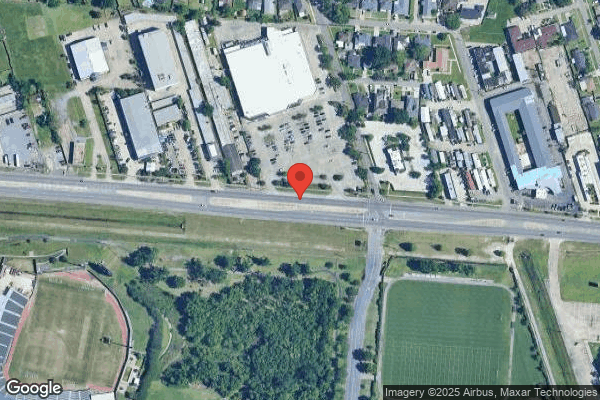

6001 AIRLINE DR, METAIRIE, LA 70003 (504) 733-8448
Non profit - Corporation 124 Beds Independent Data: November 2025
Trust Grade
80/100
#23 of 264 in LA
Last Inspection: October 2024

Within standard 12-15 month inspection cycle. Federal law requires annual inspections.

Overview

St. Anthony Community Care Center has a Trust Grade of B+, indicating it is above average and recommended for families seeking care. It ranks #23 out of 264 nursing homes in Louisiana, placing it in the top half of facilities statewide, and #3 out of 12 in Jefferson County, meaning there are only two local options that are better. However, the facility is experiencing a worsening trend, with issues increasing from 6 in 2023 to 8 in 2024. Staffing is a concern, rated at 2 out of 5 stars and with a high turnover rate of 60%, significantly above the state average. Fortunately, the facility has not incurred any fines, which is a positive sign, and it provides more registered nurse coverage than average, which is beneficial for monitoring resident care. On the downside, there are specific incidents that raise concerns about care quality. For example, staff failed to ensure that opened food products in the kitchen were properly sealed and labeled, and there were lapses in hand hygiene during wound care and incontinence care, which could increase the risk of infection. Additionally, one resident did not receive insulin as prescribed, which could lead to serious health issues. While there are strengths at St. Anthony Community Care Center, potential residents and families should weigh these weaknesses carefully.

Trust Score
B+
80/100
In Louisiana
#23/264
Top 8%
Safety Record
Low Risk
No red flags
Inspections
Getting Worse
6 → 8 violations
Staff Stability
⚠ Watch
60% turnover. Above average. Higher turnover means staff may not know residents' routines.
Penalties
✓ Good
No fines on record. Clean compliance history, better than most Louisiana facilities.
Skilled Nurses
⚠ Watch
Each resident gets only 14 minutes of Registered Nurse (RN) attention daily — below average for Louisiana. Fewer RN minutes means fewer trained eyes watching for problems.
Violations
⚠ Watch
16 deficiencies on record. Higher than average. Multiple issues found across inspections.
★★★★★
5.0
Overall Rating
★★☆☆☆
2.0
Staff Levels
★★★★★
5.0
Care Quality
★★★★☆
4.0
Inspection Score
Stable
2023: 6 issues
2024: 8 issues

The Good

  • 5-Star Quality Measures · Strong clinical quality outcomes
  • Full Sprinkler Coverage · Fire safety systems throughout facility
  • No fines on record

Facility shows strength in quality measures, fire safety.

The Bad

Staff Turnover: 60%

14pts above Louisiana avg (46%)

Frequent staff changes - ask about care continuity

Staff turnover is elevated (60%)

12 points above Louisiana average of 48%

The Ugly 16 deficiencies on record

Oct 2024 4 deficiencies
CONCERN (D)

Potential for Harm - no one hurt, but risky conditions existed

Pressure Ulcer Prevention (Tag F0686)

Could have caused harm · This affected 1 resident

**NOTE- TERMS IN BRACKETS HAVE BEEN EDITED TO PROTECT CONFIDENTIALITY** Based on record reviews, observations, and interviews the facility failed to ensure a resident's pressure ulcer treatment plan w...

Read full inspector narrative →
**NOTE- TERMS IN BRACKETS HAVE BEEN EDITED TO PROTECT CONFIDENTIALITY** Based on record reviews, observations, and interviews the facility failed to ensure a resident's pressure ulcer treatment plan was carried out in accordance with physician's orders for 1 (Resident #19) of 4 (Resident #19, Resident #29, Resident #47, and Resident #68) sampled residents reviewed for pressure ulcer care. Findings: Review of the facility's Wound Care policy and procedure dated 01/19/2022 revealed, in part, pressure relieving devices and repositioning schedules should be adhered to as part of the resident's wound plan of care. Review of Resident #19's medical record revealed, in part, Resident #19 was admitted to the facility on [DATE] with diagnoses, in part, of Alzheimer's Disease, Peripheral Vascular Disease, Vitamin Deficiency, and need for assistance with personal care. Review of Resident #19's October 2024 physician orders revealed, in part, an order dated 07/31/2024 for heel boots to bilateral extremities (BLE) while in bed. Review of Resident #19's Minimum Data Set with an Assessment Reference Date of 09/04/2024 revealed, in part, Resident #19 had a Brief Interview for Mental Status (BIMS) score of 5 indicating severe cognitive impairment. Further review revealed Resident #19 had an unhealed Stage 3 right heel pressure ulcer. Review of Resident #19's care plan with a goal date of 12/12/2024 revealed, in part, a plan of care for a Stage III pressure ulcer to the right Achilles heel with care approaches that included BLE heel boots while in bed. Further review revealed a plan of care for a self-care deficit with care approaches that included requiring extensive assistance by two staff to turn and reposition in bed. Review of Resident #19's wound care provider progress note written by S11Nurse Practitioner dated 10/24/2024 at 2:14 p.m. revealed, in part, Resident #19's right heel pressure injury treatment recommendations included wearing heel protectors and preventing contact of heels with bed or other surfaces. Observation on 10/28/2024 at 10:30 a.m. revealed Resident #19's heels were in direct contact with the surface of the bed and Resident #19 was not wearing BLE heel boots. Observation on 10/29/2024 at 8:56 a.m. revealed Resident #19's heels were in direct contact with the surface of the bed and was not wearing BLE heel boots. Observation on 10/30/2024 at 9:30 a.m. revealed Resident #19's heels were in direct contact with the surface of the bed and Resident #19 was not wearing BLE heel boots. In an interview on 10/30/2014 at 9:53 a.m., S7Licensed Practical Nurse (LPN) indicated Resident # 19 was not wearing her heel boots. S7LPN further indicated she was not aware they were still ordered. Observation on 10/30/2024 at 11:00 a.m. revealed S9Certified Nursing Assistant (CNA) and S10CNA did not apply Resident #19's heel boots after providing incontinence care, and left Resident #19's heels directly on the surface of the bed. In an interview on 10/30/2024 at 11:18 a.m., S2Director of Nursing confirmed Resident #19 was not wearing her BLE heel boots as ordered and should have been.
CONCERN (D)

Potential for Harm - no one hurt, but risky conditions existed

Deficiency F0761 (Tag F0761)

Could have caused harm · This affected 1 resident

Based on observations, interviews, and record review, the facility failed to ensure all medications were stored in a secured manner for 1 (Resident #27) of 1 (Resident #27) sampled residents reviewed ...

Read full inspector narrative →
Based on observations, interviews, and record review, the facility failed to ensure all medications were stored in a secured manner for 1 (Resident #27) of 1 (Resident #27) sampled residents reviewed for medication storage. Findings: Review of the facility's undated Storage of Medications policy and procedure revealed, in part, the facility was to store all drugs and biologicals in a safe and secure manner. Further review revealed drugs and biologicals used in the facility were stored in locked compartments. Review of Resident #27's October 2024 physician's orders revealed, in part, an order for Pro-Stat (a liquid protein supplement) give 1 time per day, and an order for Multivitamin-Minerals (a combination of vitamins and minerals used to treat vitamin deficiency) give 1 tablet two times per day for wound healing. Observation on 10/28/2024 at 9:43 a.m. revealed an unsecured and unattended bottle of Centrum Silver Men 50+ Multivitamin/Multimineral Supplement and Pro-Stat Concentrated Liquid Protein 15 grams (g) per fluid ounce on Resident #27's bedside table. In an interview on 10/28/2024 at 9:43 a.m., Resident #27 the bottle of multivitamins and the bottle of liquid protein supplements were left unsecured and unattended by nursing staff on his bedside table. Resident #27 further indicated his nurse administers both of the above mentioned multivitamins and liquid protein supplement to him every morning with his other medications. Observation on 10/29/2024 11:08 a.m. revealed an unsecured and unattended bottle of multivitamins and a bottle of liquid protein supplement on Resident #27's bedside table. Observation on 10/30/2024 at 10:02 a.m. revealed an unsecured and unattended bottle of multivitamins and a bottle of liquid protein supplement on Resident #27's bedside table. In interview on 10/30/2024 at 2:02 p.m. S10Licensed Practical Nurse (LPN) indicated Resident #27 had the bottle of multivitamins and the bottle of protein supplement unsecured and unattended at his bedside since the end of September 2024 when she began working at the facility. S10LPN further indicated she was aware the unsecured and unattended bottles of multivitamins and liquid protein supplement in Resident #27's room could have been a problem, but since she was new to the facility she did not report it to the administrative nursing staff. In an interview on 10/30/2024 at 2:05 p.m. S7LPN indicated Residents were not allowed to keep medications unsecured and unattended at their bedside. SLPN indicated all medications should be secured in a locked compartment.
CONCERN (E)

Potential for Harm - no one hurt, but risky conditions existed

Food Safety (Tag F0812)

Could have caused harm · This affected multiple residents

**NOTE- TERMS IN BRACKETS HAVE BEEN EDITED TO PROTECT CONFIDENTIALITY** Based on observations, interviews, and record reviews the facility failed to: 1. ensure opened food products stored in the kitch...

Read full inspector narrative →
**NOTE- TERMS IN BRACKETS HAVE BEEN EDITED TO PROTECT CONFIDENTIALITY** Based on observations, interviews, and record reviews the facility failed to: 1. ensure opened food products stored in the kitchen were sealed and/or labeled with the date the product was opened; 2. ensure food was prepared in a sanitary manner; and, 3. ensure facility's ice machine was maintained in a clean and sanitary condition. 1. Review of the facility's Food Receiving and Storage policy and procedure with a revision date of 10/2017, revealed, in part, all foods stored in the refrigerator or freezer will be covered, labeled, and dated. Observation of the facility's reach in cooler on 10/28/2024 at 8:58 a.m. revealed an opened package of cooked sliced meat in an unsealed bag with no product label or opened date written on the bag. In an interview on 10/28/2024 at 8:59 a.m., S4Food Service Manager (FSM) indicated the unlabeled package of sliced meat was ham and confirmed it was not labeled or dated and should have been. Observation of a storage cart in the kitchen preparation area on 10/28/2024 at 9:00 a.m. revealed an opened 16 ounce container of garlic powder, an opened bottle of [NAME] Imitation Vanilla Flavor, and an opened 19 ounce container of Lowrey's Lemon and Pepper Seasoning with no opened date written on the containers. In an interview on 10/28/2024 at 9:03 a.m., S4FSM confirmed the containers of garlic powder, vanilla flavor, and lemon pepper seasoning were opened with no opened date written on them. S4FSM further indicated he was not aware that the opened containers of seasonings needed opened dates written on them. 2. Review of the facility's Handwashing/Hand Hygiene policy and procedure with a revision date of 08/2015 revealed, in part, hand hygiene should be performed before handling food. Observation of the facility's kitchen on 10/28/2024 at 8:55 a.m. revealed a 32 gallon trashcan in the food preparation area next to the handwashing sink. Further observation revealed the trashcan had a manually opening lid with no hands free opening device. In an interview on 10/28/2024 at 8:56 a.m., S4Food Service Manager confirmed the only trashcan in the kitchen preparation area did not have a hands free opening lid. Observation on 10/29/2024 at 11:27 a.m. revealed S6Food Service Staff (FSS) lifted the kitchen trashcan lid with her gloved hand to throw away a used plastic wrap. Further observation revealed S6FSS then closed the trashcan lid and continued food preparation without changing her gloves and/or performing hand hygiene. In an interview on 10/29/2024 at 11:45 a.m., S4FSM confirmed S6FSS should have removed her gloves and performed hand hygiene after using the kitchen trashcan's manual lid before returning to food preparation. 3. Review of the facility's Ice Machines and Ice Storage Chests policy and procedure with a revision date of 01/2012, revealed, in part, ice machines will be used and maintained to assure a safe and sanitary supply of ice. Observation of the facility's dining room ice machine on 10/28/2024 at 9:08 a.m. revealed a black substance inside the ice compartment on both sides. Further observation revealed S4Food Service Manager (FSM) wiped the black substance away with a paper towel. In an interview on 10/28/2024 at 9:10 a.m., S4FSM indicated the black substance inside the ice machine should not have be there. S4FSM further indicated the black substance could have fallen into the ice when he wiped it off the walls and that the ice should be drained and not available for resident use or consumption. Observation of the facility's ice machine on 10/29/2024 at 8:54 a.m. revealed a grey and white crusty substance on the inside plastic upper lip of ice machine. Observation of the facility's ice machine on 10/29/2024 at 9:33 a.m. revealed several areas of a black flaky substance in the ice compartment on the ice. In an interview on 10/29/2024 at 10:36 a.m., S4FSM confirmed there were several areas of a black flaky substance throughout the ice and should not have been. S4FSM further indicated the ice machine had not been emptied and cleaned since the above observation on 10/28/2024 of a black substance on the inside walls of the ice compartment. S4FSM further indicated the ice compartment would need to be drained, emptied, and cleaned prior to ice being available for resident use or consumption. In an interview on 10/29/2024 at 10:56 a.m., S12Certified Nursing Assistant (CNA) indicated she brought the portable cooler to fill with ice from the ice machine. S12CNA further indicated the ice in the cooler was going to be distributed to all of the residents. In an interview on 10/29/2024 at 11:25 a.m., S1Administrator and S2Director of Nursing confirmed there was a foreign substance in the ice and should not have been. S1Administrator further acknowledged that fresh ice had fallen on top of the black flaky substance covering most of it up and the ice should be discarded and the ice machine thoroughly cleaned and disinfected prior to distributing new ice to residents. In an interview on 10/29/2024 at 1:30 p.m., S5MaintenanceSupervisor (MS) indicated there should not be any foreign substance in the ice machine at any time. S5MS further indicated the ice machine should be thoroughly cleaned and disinfected prior to distributing new ice to residents.
CONCERN (E)

Potential for Harm - no one hurt, but risky conditions existed

Infection Control (Tag F0880)

Could have caused harm · This affected multiple residents

**NOTE- TERMS IN BRACKETS HAVE BEEN EDITED TO PROTECT CONFIDENTIALITY** Based on record reviews, observations, and interviews, the facility failed to ensure: 1. Staff performed proper hand hygiene whi...

Read full inspector narrative →
**NOTE- TERMS IN BRACKETS HAVE BEEN EDITED TO PROTECT CONFIDENTIALITY** Based on record reviews, observations, and interviews, the facility failed to ensure: 1. Staff performed proper hand hygiene while performing wound care for 1 (Resident #47) of 4 (Resident #19, Resident #29, Resident #47, and Resident #68) residents observed for wound care; 2. Certified Nursing Assistants (CNA) completed hand hygiene during incontinence care for 1 (Resident #19) of 1 (Resident #19) sampled residents reviewed for incontinence care; and, 3.Staff identified and decontaminated a blood spill in a timely manner per facility's policy. Findings: 1. Review of the facility's policy and procedure titled Handwashing/Hand Hygiene with a revision date of 8/2015 revealed, in part, hand hygiene is considered the primary means to prevent the spread of infection. Further review revealed, in part, hand hygiene is to be performed before handling clean or soiled dressing and/or gauze pads and after handling used dressings. Review of the facility's policy and procedure titled Wound Care with a revision date of 01/09/2022 revealed, in part, hand hygiene should be performed after removing soiled dressing, and before cleaning the wound when wound care is performed on a resident. Observation on 10/29/2024 at 3:23 p.m. revealed S3Assistant Director of Nursing(ADON) removed Resident #47's soiled dressing from Resident #47's right gluteal pressure ulcer, removed the wound cleanser soaked gauze from the clean field set-up, and then cleaned Resident #47's wound with the wound cleaner soaked gauze without changing her gloves or performing hand hygiene. In an interview on 10/29/2024 at 3:41 p.m., S3ADON indicated it is the facility's policy to perform hand hygiene in between removing the soiled dressing from a wound and cleaning the wound. S3ADON acknowledged that she did not perform hand hygiene per the policy and procedure and should have. 2. Review of the facility's Handwashing/Hand Hygiene policy and procedure with a revision date of 08/2015 revealed, in part, hand hygiene should be performed after contact with residents, before moving from a contaminated body site to a clean body site during resident care. Review of the facility's Perineal Care policy and procedure with a revision date of 02/2018 revealed, in part, after disposing of gloves and supplies into designated container, hands should be washed and dried thoroughly. Review of Resident #19's medical records revealed, in part, Resident #19 was admitted to the facility on [DATE] with diagnoses, in part, of Alzheimer's Disease, Peripheral Vascular Disease, and need for assistance with personal care. Review of Resident #19's October 2024 physician's orders revealed, in part, an order dated 10/29/2024 for Enhanced Barrier Precautions (EBP). Review of Resident #19's Minimum Data Set with an Assessment Reference Date of 09/04/2024 revealed, in part, Resident #19 had a Brief Interview for Mental Status (BIMS) score of 5 indicating severe cognitive impairment. Further review revealed Resident #19 had an unhealed Stage 2 sacral pressure ulcer. Observation of Resident #19's room door on 10/30/2024 at 10:55 a.m. revealed an EBP sign. Further observation of the EBP sign revealed, in part, everyone must clean their hands when leaving the room. Observation on 10/30/2024 at 11:00 a.m. revealed S9CNA and S10CNA entered Resident #19's room to perform incontinence care. S9CNA and S10CNA then removed Resident #19's urine soiled brief and placed a clean brief on Resident #19 without changing gloves or performing hand hygiene. S9CNA then disposed of Resident #19's soiled brief into the trash, and then touched Resident #19's bed linens with the same gloves used to perform incontinence care. Further observation revealed S9CNA then removed and discarded her gloves into the trash, exited Resident #19's room, opened the hallway trash bin with her hands to dispose of the bag of trash, and then walked to the nurse's station touching the countertop and CNA schedule book without performing hand hygiene. In an interview on 10/30/2024 at 11:11 a.m., S9CNA confirmed she did not change gloves or perform hand hygiene prior to placing a clean adult brief on Resident #19 and should have. S9CNA further confirmed she did not perform hand hygiene after removing trash from Resident #19's room and manually opening the hallway trash bin and should have. In an interview on 10/30/2024 at 11:18 a.m., S2Director of Nursing confirmed S9CNA and S10CNA did not perform hand hygiene according to the facility's policy and they should have. 3. Review of the facility's undated Cleaning Spills of Splashes of Blood or Body Fluids policy and procedure revealed, in part, spills or splashes of blood or other body fluids must be cleansed and the area decontaminated as soon as practical. Further review revealed whoever witnessed a blood spill anywhere in the facility shall notify environmental services that a spill or splash of blood has occurred and pertinent information, including the amount and area in which the incident occurred. Observation on 10/29/2024 at 11:38 a.m. revealed Resident #8 was sitting in her wheelchair in the hallway on Hall X and her left foot was bleeding onto the floor and a trail of blood spots were noted down the hallway on Hall X. Observation on 10/29/2024 at 11:44 a.m. revealed S15LPN cleaned the blood from the floor on Hall X near Resident #8's foot but did not clean the trail of blood spots down Hall X. Further observation revealed staff members, a random resident, and a family member walked down Hall X over and/or around the trail of blood spots down Hall X. Further observation revealed S15LPN did not alert the staff members, resident, or family member of the spots of blood trailing down Hall X.
Apr 2024 1 deficiency
CONCERN (D) 📢 Someone Reported This

A family member, employee, or ombudsman was alarmed enough to file a formal complaint

Potential for Harm - no one hurt, but risky conditions existed

Report Alleged Abuse (Tag F0609)

Could have caused harm · This affected 1 resident

**NOTE- TERMS IN BRACKETS HAVE BEEN EDITED TO PROTECT CONFIDENTIALITY** Based on record reviews and interviews, the facility: Failed to report an episode of elopement for 1 (Resident #1) of 4 (Residen...

Read full inspector narrative →
**NOTE- TERMS IN BRACKETS HAVE BEEN EDITED TO PROTECT CONFIDENTIALITY** Based on record reviews and interviews, the facility: Failed to report an episode of elopement for 1 (Resident #1) of 4 (Resident #1, Resident #2, Resident #3, and Resident #4) sampled residents investigated for accidents; and, Failed to report, within 24 hours of discovery, an allegation of missing narcotics for 1 (Resident #3) of 4 (Resident #1, Resident #2, Resident #3, and Resident #4) sampled residents investigated for pharmaceutical services. Findings: Resident #1 Review of Resident #1's record revealed, in part, Resident #1 had a diagnosis of dementia. Review of the facility's policy titled, Wandering and Elopement Assessment, Management, and Security dated 10/28/2022 revealed, in part, elopement was defined as a situation in which a resident left the premises or a safe area without the facility's knowledge and supervision. Review of Resident #1's Minimum Data Set (MDS) with an Assessment Reference Date (ARD) of 02/02/2024 revealed, in part, a Brief Interview for Mental Status score of 7. A score of 7 which indicated severe cognitive impairment. Review of Resident #1's nurse's notes dated 03/02/2024 at 3:00 p.m. revealed, in part, a family member reported Resident #1 was outside of the facility on the ramp which lead to a store located next to the facility. Further review revealed, in part, Resident #1 reported to staff she wanted to leave the facility. In an interview on 04/11/2024 at 11:30 a.m., S2Director of Nursing (DON) indicated when Resident #1 left the faciity on [DATE], it was considered an elopement. S2DON indicated due to Resident #1's BIMS score of 7 and her diagnosis of dementia, it was not safe when Resident #1 left the facility unsupervised on 03/02/2024 and it was considered an elopement. S2DON stated the facility did not report Resident #2's elopement to the state survey agency as required. In an interview on 04/11/2024 at 11:56 a.m., S1Administrator confirmed Resident #1 eloped from the facility on 03/02/2024. S1Administrator further indicated Resident #1's elopement was not reported to the state survey agency as required. Resident #3 Review of Resident #3's April 2024 Physician Orders revealed, in part, Percocet (a controlled drug used for pain) 5-325milligram (mg) give 1 tablet by mouth every 12 hours as needed for pain. In an interview on 04/11/2024 at 11:07 a.m., S2DON indicated on 01/24/2024 a night shift nurse reported Resident #3 had 60 pills of Percocet 5-325mg delivered to the facility on [DATE], and the medication was not in the medication cart. S2DON indicated review of the pharmacy manifest dated 01/16/2024 revealed, in part, the facility had received Resident #3's 60 Percocet 5-325mg pills. S2DON indicated the pills were unable to be located in the facility. Review of the facility's documentation revealed the incident was reported to the state survey agency on 02/15/2024. In an interview on 04/12/2024 at 10:34 a.m., S2DON indicated the facility did not report Resident #3's missing Percocet to the state survey agency within 24 hours of discovery.
Feb 2024 1 deficiency
CONCERN (D) 📢 Someone Reported This

A family member, employee, or ombudsman was alarmed enough to file a formal complaint

Potential for Harm - no one hurt, but risky conditions existed

Infection Control (Tag F0880)

Could have caused harm · This affected 1 resident

Based on observation, record review, and interview, the facility failed to ensure: 1. the nurse performed hand hygiene after handling a soiled dressing and removing gloves (Resident #1); and 2. the n...

Read full inspector narrative →
Based on observation, record review, and interview, the facility failed to ensure: 1. the nurse performed hand hygiene after handling a soiled dressing and removing gloves (Resident #1); and 2. the nurse performed hand hygiene after contact with the resident's door, cleaning scissors, and prior to applying the dressing to the resident's periwound (intact skin surrounding the wound) tissue (Resident #1). This deficient practice was observed for 1 (Resident #1) of 2 (Resident #1 and Resident #2) sampled residents observed during wound care. Findings: Review of the facility's Handwashing/Hand Hygiene policy and procedure revealed the staff was to use an alcohol-based hand rub containing at least 62% alcohol; or alternatively soap and water for the following situations, in part: -before and after direct contact with residents; -after contact with a resident's intact skin; -after handling used dressings; after contact with objects in the immediate vicinity of the resident; and -after removing gloves. Observation on 02/27/2024 at 9:33 a.m. revealed S3Interim Infection Preventionist/Interim Wound Care Nurse entered Resident #1's room performed hand hygiene, applied gloves, and removed the soiled dressing to Resident #1's mid spine. S3Interim Infection Preventionist/Interim Wound Care Nurse then removed her gloves, performed hand hygiene, applied new gloves and cleaned the wound. S3Interim Infection Preventionist/Interim Wound Care Nurse removed her gloves, did not perform hygiene after cleaning the wound, and left out of Resident #1's room touching the door handle. S3Interim Infection Preventionist/Interim Wound Care Nurse then proceeded to re-enter Resident #1's room and touched the door handle and then cleaned the scissors. S3Interim Infection Preventionist/Interim Wound Care Nurse applied new gloves without performing hand hygiene, then cut the foam dressing for Resident #1's wound. S3Interim Infection Preventionist/Interim Wound Care Nurse then placed the clear transparent base layer on Resident #1's mid spine periwound tissue. In an interview on 02/27/2024 at 2:19 p.m., S3Interim Infection Preventionist/Interim Wound Care Nurse stated she did not remember not performing hand hygiene after re-entering Resident #1's room. S3Interim Infection Preventionist/Interim Wound Care Nurse stated infection control standards should be followed during wound care. In an interview on 02/27/2024 at 3:43 p.m., S1Administrator was informed of the above mentioned wound care observations. S1Administrator stated if S3Interim Infection Preventionist/Interim Wound Care Nurse failed to perform hand hygiene as noted above, the observations would have been a break in infection control practices. In an interview on 02/27/2024 at 3:57 p.m., S2Director of Nursing (DON) was informed of the above mentioned wound care observations. S2DON stated if S3Interim Infection Preventionist/Interim Wound Care Nurse failed to perform hand hygiene, S3Interim Infection Preventionist/Interim Wound Care Nurse did not follow the facility's infection control procedures.
Jan 2024 2 deficiencies
CONCERN (D) 📢 Someone Reported This

A family member, employee, or ombudsman was alarmed enough to file a formal complaint

Potential for Harm - no one hurt, but risky conditions existed

Notification of Changes (Tag F0580)

Could have caused harm · This affected 1 resident

Based on record reviews and interviews, the facility failed to immediately notify a resident's responsible party of a change in condition for 1 (Resident #1) of 3 (Resident #1, Resident #2, and Reside...

Read full inspector narrative →
Based on record reviews and interviews, the facility failed to immediately notify a resident's responsible party of a change in condition for 1 (Resident #1) of 3 (Resident #1, Resident #2, and Resident #3) sampled residents. Findings: Review of the facility's Resident Rights policy revealed, in part, these rights include the resident's right to be notified of his or her medical condition and of any changes in his or her conditions. Review of Resident #1's progress notes revealed no documentation of notification of a fall that occurred on 01/07/2024. In an interview on 01/24/2024 at 1:34 p.m., Resident #1's Responsible Party (RP) stated she never received any calls or notifications regarding Resident #1 falling on 01/07/2024. In an interview on 01/24/2024 at 1:40 p.m., S5Licensed Practical Nurse (LPN) stated on 01/06/2024 he worked from 11:00 p.m. to 7:00 a.m. S5LPN stated at the end of the shift while awaiting the arrival of the oncoming shift someone reported to him that Resident #1 went down to the floor while trying to get into the wheelchair and they put Resident #1 back in bed. S5LPN stated I didn't do anything after receiving the report that Resident #1 fell. S5LPN stated he did not notify Resident #1's responsible party of the fall. In an interview on 01/24/2024 at 2:05 p.m., S2Director of Nursing (DON) stated when a resident is found on the floor the family or responsible party should also be notified of the fall immediately after assessing the resident for injuries. S2DON stated she did not know if S5LPN notified Resident #1's RP of the fall.
CONCERN (D) 📢 Someone Reported This

A family member, employee, or ombudsman was alarmed enough to file a formal complaint

Potential for Harm - no one hurt, but risky conditions existed

Accident Prevention (Tag F0689)

Could have caused harm · This affected 1 resident

Based on record reviews and interviews, the facility failed to ensure a resident's nurse assessed, documented, and communicated a resident's fall for 1 (Resident #1) of 3 (Resident #1, Resident #2, an...

Read full inspector narrative →
Based on record reviews and interviews, the facility failed to ensure a resident's nurse assessed, documented, and communicated a resident's fall for 1 (Resident #1) of 3 (Resident #1, Resident #2, and Resident #3) sampled residents for accidents. Findings: Review of the facility's Accidents and Incidents - Investigating and Reporting Policy revealed, in part, all accidents or incidents involving residents, employees, visitors, vendors, etc., occurring on our premises shall be investigated and reported to the Administrator. Further review revealed, the nurse supervisor/clinical coordinator and/or the department director or supervisor shall promptly initiate and document investigation of the accident or incident. Further review revealed, the following data shall be included on the Incident/Accident form in the electronic health record (EHR): the date and time the accident or incident took place; the nature of the injury/illness (e.g. bruise, fall, nausea, etc.); the circumstances surrounding the accident or incident; where the accident/incident took place; the name(s) of witnesses and their accounts of the accident or incident; the injured person's account of the accident/incident; the date/time the injured person's family was notified and by whom; the condition of the injured person including their vital signs; the disposition of the injured (i.e. transferred to the hospital, put to bed, sent home); any corrective action taken; follow-up information; other pertinent data as necessary or required; and the signature/title of the person completing the report. Review of Resident #1's alert note dated 01/07/2024 at 3:42 p.m. revealed, in part, called to Resident #1's room by S10Certified Nursing Assistant (CNA) who stated Resident #1 would not turn to be changed and she was guarding her right hip/upper leg/knee. Further review revealed, Resident #1 pointed to the right hip when asked for her to show me where she hurts. Further review revealed, when asked if she fell, she did not answer, no report given regarding a fall or any complaints of pain before the beginning of the shift. In an interview on 01/24/2024 at 10:43 a.m., S6Licensed Practical Nurse (LPN) stated she worked a weekend shift on 01/07/2024 which was a 16 hour shift during the 7:00 a.m. to 3:00 p.m. shift Resident #1 was her normal self. S6LPN stated at 3:00 p.m. S10CNA had her come to Resident #1's room because she was guarding her right hip when attempting to change Resident #1. S6LPN stated Resident #1 pointed to her right hip when she asked if she had pain. S6LPN stated she asked Resident #1 if she had a fall or someone did something to her and Resident #1 did not respond. S6LPN stated she immediately notified the physician and received an order to transfer Resident #1 to the hospital for evaluation and also notified Resident #1's sister of the change in condition and the order to transfer Resident #1 to the hospital. S6LPN stated S4Registered Nurse (RN) was notified of Resident #1 having pain to the right hip. In an interview on 01/24/2024 at 11:56 a.m., S9CNA stated on 01/07/2024 she worked the 7:00 a.m. to 3:00 p.m. shift and provided care to Resident #1 during the shift. S9CNA stated she changed Resident #1 every 2 hours. S9CNA further stated Resident #1 was calm and did not complain of pain during the shift. S9CNA stated she was not aware of Resident #1 having any falls and did not receive any communication at the start of the shift of any falls. In an interview on 01/24/2024 at 12:54 p.m., S7CNA stated she changed Resident #1 in the morning of 01/07/2024 and Resident #1 was asking for coffee. S7CNA stated she instructed Resident #1 the other CNA was going to get her up out of bed to have coffee. S7CNA stated she continued making rounds and when she came back up the hall she found Resident #1 on the floor. S7CNA stated she reported the fall to S5LPN and was instructed to assist Resident #1 back to bed. S7CNA stated with S8CNA's assistance they assisted Resident #1 back to bed. In an interview on 01/24/2024 at 1:00 p.m., S10CNA stated on 01/07/2024 Resident #1 did not get up out of bed and she was on the get up list. S10CNA stated he started making rounds at 3:00 p.m. while changing Resident #1's roommate and Resident #1 was yelling out please change me. S10CNA stated once he finished Resident #1's roommate he went over to assist Resident #1. S10CNA stated Resident #1 was flinching when he gestured to touch her and remove her brief. S10CNA stated he reported it to the nurse and was not aware of any falls that had occurred that day or in the previous days. In an interview on 01/24/2024 at 1:40 p.m., S5LPN stated on 01/06/2024 he worked from 11:00 p.m. to 7:00 a.m. S5LPN stated at the end of the shift while awaiting the arrival of the oncoming shift someone reported to him that Resident #1 went down to the floor while trying to get into the wheelchair and they put Resident #1 back in bed. S5LPN stated I did not do anything after receiving the report that Resident #1 fell. S5LPN stated he didn't perform a physical assessment of Resident #1 and did not report the fall to the oncoming staff. S5LPN stated he should have assessed Resident #1, reported the fall to the oncoming staff, and documented the fall in Resident #1's record. In an interview on 01/24/2024 at 2:05 p.m., S2Director of Nursing (DON) stated she was notified by S4RN that Resident #1 was being transferred out to the hospital for right hip pain and no one knew what happened. In an interview on 01/24/2024 at 2:21 p.m., S4RN stated on 01/07/2024 S10CNA reported to her and Resident #1's primary nurse that Resident #1 was complaining of pain. S4RN further stated she performed an assessment and Resident #1 was not able to move her leg, attempted passive range of motion and Resident #1 complained of increased pain. S4RN also stated she also noticed Resident #1 was not up in the dining room and thought that was unusual. S4RN stated she questioned the day shift staff to determine if any staff had received any reports from the night shift regarding any changes in Resident #1 and no one received any reports. S4RN stated an aide made a statement about Resident #1 trying to get coffee early that morning and does not recall what the aide stated happened. S4RN stated she recalled asking the aide if they reported the concern to the nurse and the aide stated she had reported it to S5LPN. S4RN stated she check the computer for any notes or reports from S5LPN regarding what may have resulted in Resident #1's pain and she did not see anything. S4RN stated she did not even see an incident report which she should have been able to see if it was started at the time. S4RN stated when a resident has a fall a full assessment should be completed with vital signs immediately, the physician and responsible party or family should be notified, the DON should be notified, and an incident report should be initiated. In an interview on 01/25/2024 at 11:10 a.m., S2DON stated when a nurse receives a report of a resident being found on the floor the nurse should perform an assessment including vital signs prior to moving the resident. S2DON also stated the nurse should notify the supervisor, document the fall and assessment, and start an incident report after notifying the physician and family.
Dec 2023 4 deficiencies
CONCERN (D) 📢 Someone Reported This

A family member, employee, or ombudsman was alarmed enough to file a formal complaint

Potential for Harm - no one hurt, but risky conditions existed

Notification of Changes (Tag F0580)

Could have caused harm · This affected 1 resident

Based on observations, interviews, and record review, the facility failed to immediately notify a resident's physician when a resident had a change in status for 1(Resident #36) of 3 (Resident #24, Re...

Read full inspector narrative →
Based on observations, interviews, and record review, the facility failed to immediately notify a resident's physician when a resident had a change in status for 1(Resident #36) of 3 (Resident #24, Resident #36, Resident #227) sampled residents reviewed under infection control investigations. Findings: Review of the facility's Change in a Resident's Condition or Status policy revealed, in part the nurse will notify the resident's attending physician or physician on call when there had been a significant change in the resident's physical condition. Further review revealed, in part, a significant change of condition was a major decline that would not normally resolve itself without intervention by staff or by implementation of standard disease related clinical interventions. Observation on 12/18/2023 at 10:00 a.m. revealed Resident #36 was lying in her bed with multiple crumpled tissues scattered on top of her blanket across the bed and a box of tissues on her right side. Further observation revealed, Resident #36 had clear drainage from the right nostril (hole in your nose in which you breathe) and a non-productive (a dry cough that does not bring up any mucous) cough. In an interview on 12/18/2023 at 10:31 a. m., Resident #36 stated she had a cold, with a runny nose and a cough. Resident #36 stated she had been feeling sick for a week or two. Resident #36 further stated the nurse had given her cough drops to help control her cough. Observation on 12/19/2023 at 9:30 a. m. revealed Resident #36 was in her bed with multiple crumpled tissues on the bedside table across her lap. Further observation revealed Resident #36 exhibited a wet productive cough and redness was noted to her left and right cheeks. In an interview on 12/19/2023 at 10:35 a.m., Resident #36 stated her throat was really sore. Review of Resident #36's nurse's notes dated 12/01/2023-12/19/2023 revealed no documented evidence Resident #36's physician was notified of Resident #36's respiratory symptoms. In an interview on 12/20/2023 at 11:00 a.m., S10Licensed Practical Nurse (LPN) stated she was Resident #36's nurse on 12/18/2023 from 7:00 a.m. to 11:00 p.m. and on 12/19/2023 from 7:00 a.m.-3:00 p.m. S10LPN stated Resident #36 had presented with a cough, runny nose, and flushed face on Monday 12/18/2023. S10LPN stated she notified Resident #36's physician via text message, but he did not respond. S10LPN further stated she did not follow up with the physician to ensure the text message was received nor attempt other methods to notify Resident #36's physician. In an interview on 12/20/2023 at 1:38 p.m., Resident #36's physician stated he was informed Resident #36 was experiencing a productive cough and sore throat on the evening of 12/19/2023 by S11Medical Records. Resident #36's physician further stated the above mentioned symptoms were not normal symptoms for Resident #36. In an interview on 12/20/2023 at 12:52 p.m., S12Corporate Nurse stated the expectation of staff was for staff to communicate with the resident's physician immediately upon discovery of respiratory symptoms in a resident. In an interview on 12/20/2023 at 1:00 p.m., S2Director of Nursing (DON) stated the above mentioned symptoms were recognized as a change in condition for Resident #36. S2DON stated S10LPN should have contacted Resident #36's physician immediately to notify him of Resident #36's change in condition and if a response was not received, she should have ensured an alternate method of notification was used.
CONCERN (D)

Potential for Harm - no one hurt, but risky conditions existed

Safe Environment (Tag F0921)

Could have caused harm · This affected 1 resident

Based on observation and interview, the facility failed to ensure the laundry room was kept clean and sanitary. Findings: Observation on 12/18/2023 at 11:32 a.m. revealed the facility's laundry room ...

Read full inspector narrative →
Based on observation and interview, the facility failed to ensure the laundry room was kept clean and sanitary. Findings: Observation on 12/18/2023 at 11:32 a.m. revealed the facility's laundry room had multiple shelves with folded sheets, blankets, cloth pads, and positioning wedges stacked on the shelves. Further observation revealed an unknown light gray fuzzy substance was present on the top of the positioning wedges located on the top shelf. Further observation revealed an unknown light gray substance on the ceiling air condition vent directly above the shelves and on the walls near the shelves. In an interview on 12/18/2023 at 11:33 a.m., S6Housekeeper confirmed the unknown light gray substance observed on the positioning wedges, vent, and walls was dust. S6Housekeeper further confirmed dust should not be present on the clean side of the facility's laundry room where the dusty positioning wedges, vent, and walls were located. Observation on 12/19/2023 at 10:03 a.m. revealed the facility's laundry room had multiple shelves with folded sheets, blankets, cloth pads, and positioning wedges stacked on the shelves. Further observation revealed an unknown light gray fuzzy substance was present on the top of the positioning wedges located on the top shelf. Further observation revealed an unknown light gray substance on the ceiling air condition vent directly above the shelves and on the walls near the shelves. In an interview on 12/19/2023 at 10:13 a.m., S5Housekeeping Supervisor confirmed the presence of an unknown light gray fuzzy substance on the positioning wedges, vent, and walls near the shelves that stored the facility's clean linen. S5Housekeeping Supervisor stated the clean side of the facility's laundry room should be kept clean and free from dust and lint. In an interview on 12/19/2023 at 10:14 a.m., S1Administrator acknowledged the presence of an unknown light gray fuzzy substance on the positioning wedges, vent, and walls near the shelves that stored the facility's clean linen. S1Administrator further stated the unknown light gray fuzzy substance present on the positioning wedges, vent, and walls on the clean side of the facility's laundry room needed to be cleaned.
CONCERN (E)

Potential for Harm - no one hurt, but risky conditions existed

Deficiency F0760 (Tag F0760)

Could have caused harm · This affected multiple residents

**NOTE- TERMS IN BRACKETS HAVE BEEN EDITED TO PROTECT CONFIDENTIALITY** Based on interviews and record reviews, the facility failed to ensure a resident received sliding scale insulin per the physicia...

Read full inspector narrative →
**NOTE- TERMS IN BRACKETS HAVE BEEN EDITED TO PROTECT CONFIDENTIALITY** Based on interviews and record reviews, the facility failed to ensure a resident received sliding scale insulin per the physician's order for 1 (Resident #36) of 5 (Resident #3, Resident #36, Resident #39, Resident #60, and Resident #71) residents investigated for unnecessary medications. Findings: Review of the Resident #36's EMR (electronic medical record) revealed, Resident #36 was admitted to the facility on [DATE] with diagnoses which included, in part, Type 2 Diabetes Mellitus. Review of Resident #36's Minimum Data Set with an Assessment Reference Date of 11/04/2023 revealed, in part, Resident #36 had a diagnosis of diabetes and received insulin injections. Review of Resident #36's laboratory results from 10/24/2023 revealed, in part, a Hemoglobin A1C (a test used to measure blood glucose over a 3 month period) readings dated 10/24/2023 of 8.1%. Review of Resident #36's December 2023 Physician's Orders revealed, in part, an order with a start date of 01/23/2023 for Accuchecks (a blood glucose measurement) two times a day. Further review revealed, an additional order with a start date of 12/26/2022 for Novolog (a fast acting insulin given to decrease a resident's blood glucose) 100units/milliliter (mL) Flexpen administered per sliding scale as follows: -for blood glucose 0-60 milligrams per deciliter (mg/dL), give 0 units and give orange juice; -for blood glucose 61-200mg/dL, administer 0 units; -for blood glucose 201-250mg/dL, administer 2 units; -for blood glucose 251-300mg/dL, administer 4 units; -for blood glucose 301-350mg/dL, administer 6 units; and, -for blood glucose 351-400mg/dL, administer 10 units and notify the physician. Review of Resident #36's electronic medication administration record (eMAR) for October 2023 revealed, in part, that blood glucose measurements were taken twice daily every day at 9:00 a.m. and at 9:00 p.m. Further review of Resident #36's October 2023 eMAR revealed the following readings were over 201 mg/dL with no documented evidence Novolog was administered as ordered, in part: -10/01/2023 at 9:00 p.m. a capillary blood glucose reading of 248 mg/dL; -10/03/2023 at 9:00 p.m. a capillary blood glucose reading of 204 mg/dL; -10/04/2023 at 9:00 p.m. a capillary blood glucose reading of 245 mg/dL; -10/05/2023, at 9:00 p.m. a capillary blood glucose reading of 334 mg/dL; -10/06/2023 at 9:00 p.m. a capillary blood glucose reading of 343 mg/dL; -10/10/2023 at 9:00 p.m. a capillary blood glucose reading of 290 mg/dL; -10/12/2023 at 9:00 p.m. a capillary blood glucose reading of 239 mg/dL; -10/13/2023 at 9:00 p.m. a capillary blood glucose reading of 308 mg/dL; -10/15/2023 at 9:00 p.m. a capillary blood glucose reading of 311 mg/dL; -10/16/2023 at 9:00 a.m. a capillary blood glucose reading of 229 mg/dL; -10/17/2023 at 9:00 a.m. a capillary blood glucose reading of 249 mg/dL -10/17/2023 at 9:00 p.m. a capillary blood glucose reading of 239 mg/dL; -10/18/2023 at 9:00 a.m. a capillary blood glucose reading of 278 mg/dL -10/18/2023 at 9:00 p.m. a capillary blood glucose reading of 249 mg/dL; -10/19/2023 at 9:00 p.m. a capillary blood glucose reading of 265 mg/dL; -10/20/2023 at 9:00 p.m. a capillary blood glucose reading of 215 mg/dL; -10/22/2023 at 9:00 a.m. a capillary blood glucose reading of 202 mg/dL -10/22/2023 at 9:00 p.m. a capillary blood glucose reading of 212 mg/dL; -10/23/2023 at 9:00 p.m. a capillary blood glucose reading of 215 mg/dL; -10/24/2023 at 9:00 p.m. a capillary blood glucose reading of 239 mg/dL; -10/26/2023 at 9:00 p.m. a capillary blood glucose reading of 230 mg/dL; -10/27/2023 at 9:00 p.m. a capillary blood glucose reading of 205 mg/dL; -10/28/2023 at 9:00 p.m. a capillary blood glucose reading of 215 mg/dL; -10/29/2023 at 9:00 a.m. a capillary blood glucose reading of 211 mg/dL; and -10/29/2023 at 9:00 p.m. a capillary blood glucose reading of 252 mg/dL. Review of Resident#36's November 2023 eMAR revealed, in part, that blood glucose measurements were taken twice daily every day at 9:00 a.m. and at 9:00 p.m. Further review of Resident #36's November 2023 eMAR revealed the following readings were over 201 mg/dL with no documented evidence Novolog was administered as ordered, in part: -11/03/2023 at 9:00 a.m. a capillary blood glucose reading of 254 mg/dL -11/03/2023 at 9:00 p.m. a capillary blood glucose reading of 202 mg/dL; -11/04/2023 at 9:00 a.m. a capillary blood glucose reading of 211 mg/dL -11/04/2023 at 9:00 p.m. a capillary blood glucose reading of 252 mg/dL; -11/07/2023 at 9:00 a.m. a capillary blood glucose reading of 209 mg/dL; -11/08/2023 at 9:00 p.m. a capillary blood glucose reading of 240 mg/dL; -11/09/2023 at 9:00 p.m. a capillary blood glucose reading of 207 mg/dL; -11/13/2023 at 9:00 a.m. a capillary blood glucose reading of 218 mg/dL; -11/15/2023 at 9:00 a.m. a capillary blood glucose reading of 220 mg/dL -11/15/2023 at 9:00 p.m. a capillary blood glucose reading of 209 mg/dL; -11/17/2023 at 9:00 p.m. a capillary blood glucose reading of 201 mg/dL; -11/18/2023 at 9:00 a.m. a capillary blood glucose reading of 215 mg/dL; -11/21/2023 at 9:00 a.m. a capillary blood glucose reading of 202 mg/dL; -11/24/2023 at 9:00 p.m. a capillary blood glucose reading of 306 mg/dL; -11/25/2023 at 9:00 a.m. a capillary blood glucose reading of 306 mg/dL; -11/25/2023 at 9:00 p.m. a capillary blood glucose reading of 217 mg/dL; -11/26/2023 at 9:00 a.m. a capillary blood glucose reading of 217 mg/dL; -11/27/2023 at 9:00 a.m. a capillary blood glucose reading of 269 mg/dL; -11/27/2023 at 9:00 p.m. a capillary blood glucose reading of 222 mg/dL; -11/29/2023 at 9:00 a.m. a capillary blood glucose reading of 236 mg/dL -11/29/2023 at 9:00 p.m. a capillary blood glucose reading of 330 mg/dL; -11/30/2023 at 9:00 p.m. a capillary blood glucose reading of 261 mg/dL. Review of Resident #36's December 2023 eMAR revealed, in part, blood glucose measurements were taken twice daily every day at 9:00 a.m. and at 9:00 p.m. Further review of Resident #36's December 2023 eMAR revealed the following readings were over 201 mg/dL with no documented evidence Novolog was administered as ordered, in part: -12/01/2023, at 9:00 p.m. a capillary blood glucose reading of 229 mg/dL; -12/02/2023, at 9:00 a.m. a capillary blood glucose reading of 212 mg/dL; -12/03/2023, at 9:00 a.m. a capillary blood glucose reading of 221 mg/dL; -12/04/2023, at 9:00 a.m. a capillary blood glucose reading of 227 mg/dL; -12/07/2023, at 9:00 p.m. a capillary blood glucose reading of 232 mg/dL; -12/09/2023, at 9:00 p.m. a capillary blood glucose reading of 225 mg/dL; and -12/15/2023, at 9:00 p.m. a capillary blood glucose reading of 288 mg/dL. In an interview on 12/21/2023 at 8:58 a.m., S10Licensed Practical Nurse (LPN) stated if Resident #36's capillary blood glucose was measured to be 201mg/dL or higher, Resident #36 would be administered short acting insulin per the physician's above mentioned sliding scale order. S10LPN further stated if she would have administered short acting insulin to Resident #36, she would have documented it on Resident #36's eMAR. In an interview on 12/21/2023 at 11:30 a.m., S2Director of Nursing(DON) stated the above mentioned blood glucose levels for Resident #36 warranted administration of short acting insulin. S2DON further stated the facility had no documented evidence Resident #36's short acting insulin was administered per her physician's order, therefore it was a medication error.
CONCERN (E) 📢 Someone Reported This

A family member, employee, or ombudsman was alarmed enough to file a formal complaint

Potential for Harm - no one hurt, but risky conditions existed

Infection Control (Tag F0880)

Could have caused harm · This affected multiple residents

Based on observation and interview the facility failed to: 1. Ensure hand hygiene was performed after emptying a resident's garbage can; 2. Ensure hand hygiene was performed while assisting 4 (Residen...

Read full inspector narrative →
Based on observation and interview the facility failed to: 1. Ensure hand hygiene was performed after emptying a resident's garbage can; 2. Ensure hand hygiene was performed while assisting 4 (Resident #2, Resident #5, Resident #14, and Resident #26) residents in the dining room; and 3. Ensure catheter care was completed in a sanitary manner. Findings: Review of the facility's Handwashing/Hand Hygiene policy revealed, in part use of an alcohol-based hand rub containing atleast 62% alcohol or soap and water should be used before and after direct contact with residents, before and after handling an invasive device such as a urinary catheter, after contact with objects in the immediate vicinity of the resident, and before and after assisting a resident with meals. Further review revealed, the use of gloves does not replace hand washing or hand hygiene. 1. Observation on 12/19/2023 at 10:37 a.m. revealed, in part, S4Housekeeper exited a resident's room carrying a small garbage can containing trash and placed it on the ledge of the housekeeping cart. Further observation revealed S4Housekeeper used her ungloved right hand to remove a pair of gloves from the garbage can and then placed the gloves inside the garbage bag on the housekeeping cart. Further observation revealed S4Housekeeper did not perform hand hygiene and used her right hand to open the restroom door before she entered. In an interview on 12/19/2023 at 10:40 a.m., 4SHousekeeper confirmed she removed a pair of gloves from a resident's garbage can with her ungloved right hand and placed them into the garbage bag on the housekeeping cart. S4Housekeeper confirmed she touched the gloves then touched the restroom door without performing hand hygiene. S4Housekeeper stated she should have performed hand hygiene after she touched the trash and/or used gloves. In an interview on 12/19/2023 at 11:00 a.m., S5Housekeeping Supervisor stated S4Housekeeper should have completed hand hygiene after she touched the trash and/or used gloves before she touched any surface in the facility. In an interview on 12/19/2023 at 11:15 a.m., S1Administrator confirmed S4Housekeeper should not have removed trash and/or used gloves from a resident's garbage can with her bare hand. S1Administrator stated S4Housekeeper should have completed hand hygiene after she touched the trash and/or used gloves. 2. Observation on 12/18/2023 at 12:40 p.m., revealed after feeding Resident #14 with her right hand, S8CNA then used her right hand and gave Resident #2 her drink and did not perform hand hygiene. Further observation revealed S8CNA gave Resident #2 a bite of food with her left hand and then gave Resident #14 a bite of ice cream with her left hand, and did not perform hand hygiene. Observation on 12/19/2023 at 12:34 p.m., revealed S8CNA was feeding Resident #26. Further observation revealed S8CNA reached over and removed a white towel from Resident #2's head, and proceeded to go back to feeding Resident #26 without performing hand hygiene. In an interview on 12/19/2023 at 2:00 p.m., S8CNA confirmed she had not performed hand hygiene in between feeding and touching the residents and should have. Observation 12/21/2023 at 12:25 p.m., revealed S9CNA fed Resident #14 with her right hand and then handed Resident #5 her glass of water with her right hand without performing hand hygiene. In an interview on 12/21/2023 at 11:34 a.m., S9CNA confirmed she did not perform hand hygiene in between feeding residents and should have. In an interview on 12/20/2023 at 11:00 a.m., S2Director of Nursing (DON) stated hand hygiene should be completed between contact with each resident when the CNAs are feeding residents. 3. Observation on 12/21/2023 at 2:25 p.m., revealed 8CNA performed catheter care for Resident #45. Further observation revealed, S8CNA put on gloves, unfastened Resident #45's brief, dipped a hand towel in a basin of soapy water, cleaned the sides of Resident #45's penis, dipped the used hand towel back into the basin of soapy water, and used the same hand towel to clean from the tip of Resident #45's penis, down his Foley catheter tubing 3 times, without ever changing the positioning of the hand towel or replacing the hand towel. Further observation revealed, after performing Resident #45's catheter care, S8CNA grabbed a new diaper, turned Resident #45 by grabbing his thigh and upper arm, placed the new diaper underneath Resident #45, turned Resident #45 to his back, pulled down Resident #45's gown, and covered Resident #45 with a sheet and 2 blankets all without removing the gloves she used for Resident #45's catheter care or performing hand hygiene. Further observation revealed while wearing the same pair of gloves used to perform Resident #45's catheter care, S8CNA went into Resident #45's bathroom by touching the door knob, grabbed a container to empty Resident #45's urine from his catheter bag, emptied the urine from Resident #45's catheter bag using the spigot, placed the spigot of the catheter bag back into the holder without cleaning the spigot, and flushed Resident #45's toilet all without changing her gloves or performing hand hygiene. Further observation revealed, S8CNA performed hand hygiene, put on new gloves, emptied the soapy water from the basin she had placed the hand towel used in Resident #45's catheter care, swished her gloved hand into the basin water, grabbed Resident #45's shampoo and spray, and opened Resident #45's drawer all without changing her gloves or performing hand hygiene. In an interview on 12/21/20233 at 2:48 p.m., S8CNA confirmed she had used the same towel to clean the sides of Resident #45's penis, dip into the water basin, and clean Resident #45's catheter and should not have. S8CNA further confirmed she should have repositioned the hand towel or got a new hand towel when cleaning Resident #45's catheter 3 times and did not. S8CNA further confirmed she did not know she needed to clean a catheter's spigot after emptying urine from a catheter bag, and confirmed she had not cleaned Resident #45's spigot. S8CNA further stated that she did not change her gloves or perform hand hygiene between performing Resident #45's catheter care and touching Resident #45 and items in Resident #45's room and should have. In an interview on 12/21/2023 at 3:00 p.m., S2DON stated S8CNA should not have placed the hand towel back in the basin of water after she cleaned the sides of Resident #45's penis, and S8CNA should not have used the same hand towel to perform Resident #45's catheter care. S2DON further stated S8CNA should not have used the same part of the hand towel when she wiped Resident #45's Foley catheter 3 times and should have repositioned the hand towel between wipes. S2DON further stated S8CNA should have cleaned the spigot after emptying Resident #45's catheter bag as that was the facility's protocol. S2DON further stated S8CNA should have performed hand hygiene and changed her gloves after performing Resident #45's catheter care and emptying the used water basin, before touching Resident #45's items, door knob, drawers, blankets, sheets, gown, and new diaper.
Sept 2023 2 deficiencies
CONCERN (D) 📢 Someone Reported This

A family member, employee, or ombudsman was alarmed enough to file a formal complaint

Potential for Harm - no one hurt, but risky conditions existed

Notification of Changes (Tag F0580)

Could have caused harm · This affected 1 resident

Based on interview, and record review, the facility failed to notify a resident's representative of a change in condition and a room change. This deficient practice was identified for 1 (Resident #3) ...

Read full inspector narrative →
Based on interview, and record review, the facility failed to notify a resident's representative of a change in condition and a room change. This deficient practice was identified for 1 (Resident #3) of 5 (Resident #1, Resident #2, Resident #3, Resident #4, and Resident #5) sampled residents. Findings: Review of the facility's Resident Rights policy revealed, in part, the resident's right to be notified of his or her medical condition and of any changes in his or her conditions. Review of the facility's Positive COVID Tracking Form revealed, in part, Resident #3 tested positive for COVID on 08/14/2023. Further review revealed, in part, Resident #3 was moved to isolation on 08/14/2023 through 08/24/2023. There was no documented evidence and the facility did not present any documented evidence that Resident #3's responsible party was immediately notified Resident #3 tested positive for COVID, needed to be placed on isolation, and was being moved to a different room on 08/14/2023. In an interview on 09/07/2023 at 10:02 a.m., Resident #3's Responsible Party stated she was not notified by the facility Resident #3 tested positive for COVID and was moved to an isolation room. In an interview on 09/07/2023 at 12:11 p.m., S1Director of Nursing (DON) confirmed the facility had no documented evidence of and did not produced any documented evidence of notification to Resident #3's Responsible Party on 08/14/2023 when Resident #3 tested positive for COVID and was moved to an isolation room.
CONCERN (E) 📢 Someone Reported This

A family member, employee, or ombudsman was alarmed enough to file a formal complaint

Potential for Harm - no one hurt, but risky conditions existed

ADL Care (Tag F0677)

Could have caused harm · This affected multiple residents

Based on interview and record review, the facility failed to ensure a resident who required assistance from staff with bathing received timely assistance to maintain personal hygiene per professional ...

Read full inspector narrative →
Based on interview and record review, the facility failed to ensure a resident who required assistance from staff with bathing received timely assistance to maintain personal hygiene per professional standards. This deficient practice was identified for 1 (Resident #3) of 5 (Resident #1, Resident #2, Resident #3, Resident #4, and Resident #5) sampled residents reviewed for activities of daily living. Findings: Review of Resident #3's MDS (Minimum Data Set) with an ARD (Assessment Reference Date) of 06/12/2023 revealed, in part, Resident #3 required one person physical assist with bathing. Review of Resident #3's Comprehensive Care Plan revealed, in part, Resident #3 was care planned for Activities of Daily Living (ADL) self-care performance deficit with an intervention of Resident #3 was to receive assistance from staff to provide bath/shower. There was no documented evidence and the facility did not present any documented evidence that Resident #3 received assistance with a bath and/or shower for the time period of 08/14/2023 through 08/24/2023. In an interview on 09/05/2023 at 1:00 p.m., Resident #3 stated the entire time he was placed on isolation precautions for COVID from 08/14/2023 through 08/24/2023 he didn't receive a bath or shower. In an interview on 09/06/2023 at 1:00 p.m., S3Certified Nursing Assistant (CNA) stated when Resident #3 was on isolation precautions he was unable to shower in the shower room. In an interview on 09/07/2023 at 9:30 a.m., Resident #3 stated he was not offered an alternative bath type while on isolation precautions. In an interview on 09/07/2023 at 9:56 a.m., S2CNA stated Resident #3 did not receive assistance with a bath or shower while he was on isolation precautions from 08/14/2023 through 08/24/2023. In an interview on 09/07/2023 at 1:10 p.m., S1Director of Nursing (DON) stated Resident #3 was on isolation precautions from 08/14/2023-08/24/2023 and was not able to utilize the shower room. S1DON further stated she was not able to verify whether Resident #3 was offered a bath on his bath days during isolation. S1DON further stated Resident #3 should have been offered a bed bath or self-bath while in isolation precautions.
Dec 2022 2 deficiencies
CONCERN (D)

Potential for Harm - no one hurt, but risky conditions existed

Deficiency F0760 (Tag F0760)

Could have caused harm · This affected 1 resident

Based on interviews and record reviews, the facility failed to have a process in place to ensure residents were free from significant medication errors for 1 sampled resident (Resident #33) of 18 resi...

Read full inspector narrative →
Based on interviews and record reviews, the facility failed to have a process in place to ensure residents were free from significant medication errors for 1 sampled resident (Resident #33) of 18 residents included in the final investigation sample. This failed practice had the potential to affect any of the 72 residents receiving medications from the facility as documented on the facility's Resident Census and Conditions of Residents form (CMS-672). Findings: Review of Resident #33's physician orders revealed, in part, an order dated 12/16/2022 for 20 MEQ (milli-equivalents) of Potassium Chloride 10% give 15 mls (milliliters) via Percutaneous endoscopic gastrostomy (PEG) tube every day with a start date and time of 12/17/2022 at 6:00 a.m. Review of Resident #33's December 2022 electronic medication record (eMAR) revealed, in part, there was no documentation of 20 MEQ (milli-equivalents) of Potassium Chloride 10% given via PEG as per the Physician orders dated 12/17/2022. Further review of the eMAR revealed there was no documentation of administration on 12/18/2022 and 12/19/2022. In an interview on 12/19/2022 at 2:20 p.m., S9Licensed Practical Nurse (LPN) stated Resident #33 was started on 20 MEQ (milli-equivalents) of Potassium Chloride 10% per PEG every day, due to low blood potassium levels on 12/16/2022. Review of Resident #33's Medical Lab report dated 12/16/2022 revealed, in part, a critically low level of potassium 2.7 mmol/L (a unit of measure that shows the concentration of a substance in a specific amount of fluid)(Normal Range 3.5-5.1 mmol/L). In an interview on 12/19/2022 at 2:22 p.m. S2Licensed Practical Nurse (LPN), stated there was no documentation of administration of 20 MEQ (milli-equivalents) of Potassium Chloride 10% per PEG every day on 12/17/2022, 12/18/2022, and 12/19/2022. Observation of medication cart a revealed an unopened 472 ml (milliliter) bottle of 20 MEQ (milli-equivalents) of Potassium Chloride 10% with Resident #33's name on the bottle, and the written label to give 15mls per PEG every day. In an interview on 12/19/2022 at 2:30 p.m., S1Director of Nursing (DON) confirmed Resident #33's bottle of 20 MEQ (milli-equivalents) of Potassium Chloride 10% was unopened and stated that 20 MEQ (milli-equivalents) of Potassium Chloride 10% was not administered to Resident #33 on 12/17/2022, 12/18/2022, and 12/19/2022 at 6:00 a.m. as ordered. In an interview on 12/20/2022 at 8:34 a.m., S1DON stated the order for 20 MEQ (milli-equivalents) of Potassium Chloride 10% - give 15 mls per PEG every day was entered incorrectly into their system and did not populate to the electronic medication administration record (eMAR) for the nurses to administer 20 MEQ (milli-equivalents) of Potassium Chloride 10% to Resident #33. S1DON further stated the facility had no system in place to reconcile ordered medications to populate on the eMAR for Resident #33.
CONCERN (D)

Potential for Harm - no one hurt, but risky conditions existed

Deficiency F0761 (Tag F0761)

Could have caused harm · This affected 1 resident

Based on record reviews, observations, and interviews the facility failed to ensure expired medications and wound care dressings were not available for use for 3 (Resident #35, Resident #28 and Reside...

Read full inspector narrative →
Based on record reviews, observations, and interviews the facility failed to ensure expired medications and wound care dressings were not available for use for 3 (Resident #35, Resident #28 and Resident #41) of 72 residents who receive medications/wound care dressings from the facility. This failed practice had the potential to affect any of the 72 residents residing in the facility as documented on the facility's Resident Census and Conditions of Residents form (CMS-672). Findings: Observation on 12/18/2022 at 11:25a.m., medication cart a revealed Resident #5's bottle of Nitroglycerin sublingual tablet 0.3 mg (milligrams) one hundred (100) tablets with an expiration date of 07/2022 was available for administration In an interview on 12/18/2022 at 11:35 a.m., S8Licensed Practical Nurse (LPN) stated that medications in the medication cart a were available for resident use. S8LPN further stated there were 100 tablets of Nitroglycerin sublingual tablet 0.3mg (milligrams) with an expiration date of 07/2022 were available for resident use. S8LPN acknowledged Nitroglycerin sublingual tablet 0.3 mg had an expiration date of 07/2022 and should have been discarded from medication cart a. Observation on 12/18/2022 at 4:00 p.m., treatment cart c revealed one Dermatell hydrocolloid dressing with an expiration date of 04/28/2022. Further observation revealed one open package of Tricolfix tubular bandages with an expiration date of 03/2021. In interview on 12/19/2022 at 4:10 p.m., S13Treatment Nurse (TN) stated that the dressings in treatment cart c were available for resident use, and Dermatell Hydrocolloid dressing with an expiration date of 04/28/2022 and package of Tricolfix tubular bandages with an expiration date of 03/2021 should have been discarded from treatment cart c. In an interview on 12/19/2022 at 8:53 a.m., S1Directior of Nursing (DON) stated that expired medications and expired dressings should have been discarded from medication cart a and treatment cart c, where medications are kept for resident use.
Understanding Severity Codes (click to expand)
Life-Threatening (Immediate Jeopardy)
J - Isolated K - Pattern L - Widespread
Actual Harm
G - Isolated H - Pattern I - Widespread
Potential for Harm
D - Isolated E - Pattern F - Widespread
No Harm (Minor)
A - Isolated B - Pattern C - Widespread

Questions to Ask on Your Visit

  • "Why is there high staff turnover? How do you retain staff?"
  • "Can I speak with families of current residents?"
  • "What's your RN coverage like on weekends and overnight?"

Our Honest Assessment

Strengths
  • • Grade B+ (80/100). Above average facility, better than most options in Louisiana.
  • • No major safety red flags. No abuse findings, life-threatening violations, or SFF status.
  • • No fines on record. Clean compliance history, better than most Louisiana facilities.
Concerns
  • • 16 deficiencies on record. Higher than average. Multiple issues found across inspections.
  • • 60% turnover. Above average. Higher turnover means staff may not know residents' routines.
Bottom line: Generally positive indicators. Standard due diligence and a personal visit recommended.

About This Facility

What is St Anthony Community's CMS Rating?

CMS assigns ST ANTHONY COMMUNITY CARE CENTER an overall rating of 5 out of 5 stars, which is considered much above average nationally. Within Louisiana, this rating places the facility higher than 99% of the state's 100 nursing homes. This rating reflects solid performance across the metrics CMS uses to evaluate nursing home quality.
How is St Anthony Community Staffed?

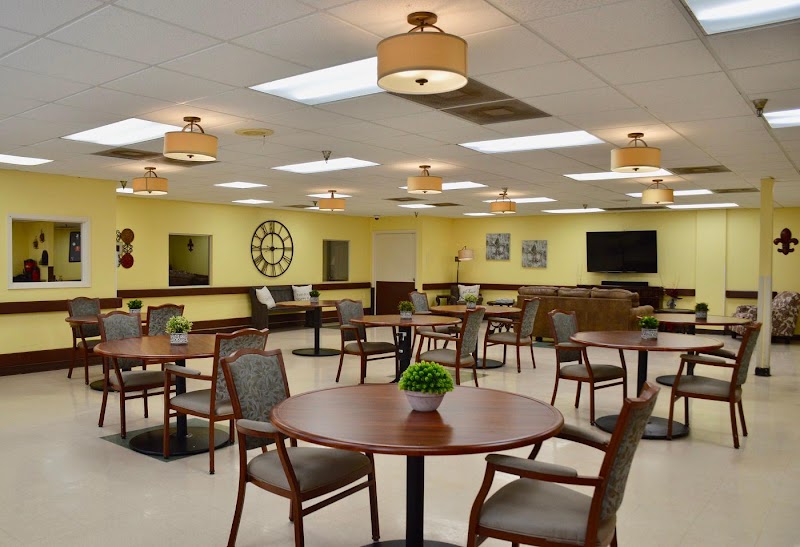
CMS rates ST ANTHONY COMMUNITY CARE CENTER's staffing level at 2 out of 5 stars, which is below average compared to other nursing homes. Staff turnover is 60%, which is 14 percentage points above the Louisiana average of 46%. High turnover can affect care consistency as new staff learn residents' individual needs. RN turnover specifically is 67%, which is notably high. RNs provide skilled clinical oversight, so turnover in this role can affect medical care quality.

What Have Inspectors Found at St Anthony Community?

State health inspectors documented 16 deficiencies at ST ANTHONY COMMUNITY CARE CENTER during 2022 to 2024. These included: 16 with potential for harm.
Who Owns and Operates St Anthony Community?

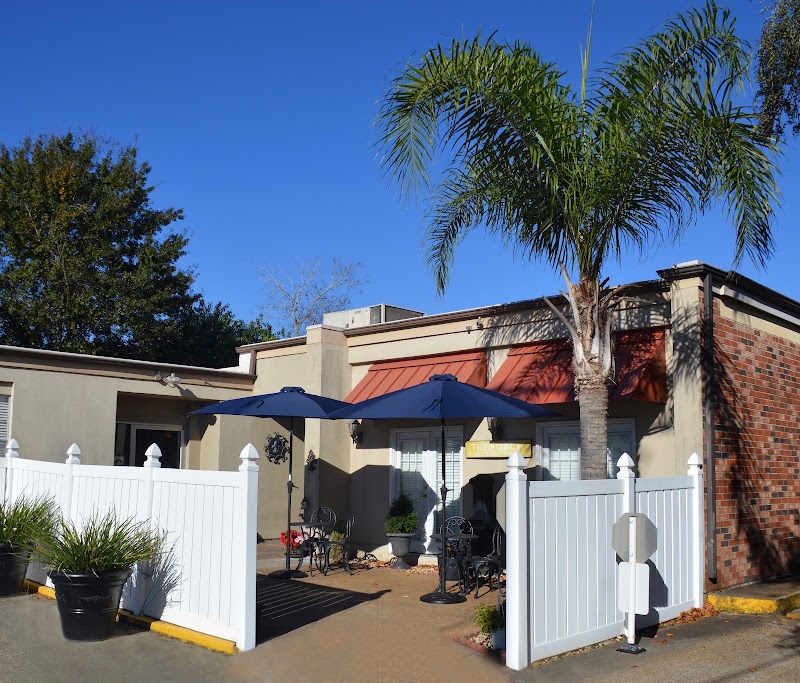
ST ANTHONY COMMUNITY CARE CENTER is owned by a non-profit organization. Non-profit facilities reinvest revenue into operations rather than distributing to shareholders. The facility operates independently rather than as part of a larger chain. With 124 certified beds and approximately 76 residents (about 61% occupancy), it is a mid-sized facility located in METAIRIE, Louisiana.
How Does St Anthony Community Compare to Other Louisiana Nursing Homes?

Compared to the 100 nursing homes in Louisiana, ST ANTHONY COMMUNITY CARE CENTER's overall rating (5 stars) is above the state average of 2.4, staff turnover (60%) is significantly higher than the state average of 46%, and health inspection rating (4 stars) is above the national benchmark.

What Should Families Ask When Visiting St Anthony Community?

Based on this facility's data, families visiting should ask: "How do you ensure continuity of care given staff turnover, and what is your staff retention strategy?" "Can you walk me through typical staffing levels on day, evening, and night shifts?" "Can I visit during a mealtime to observe dining assistance and food quality?" "How do you handle medical emergencies, and what is your hospital transfer rate?" These questions are particularly relevant given the facility's high staff turnover rate and the below-average staffing rating.

Is St Anthony Community Safe?

Based on CMS inspection data, ST ANTHONY COMMUNITY CARE CENTER has a clean safety record: no substantiated abuse findings (meaning no confirmed cases of resident harm), no Immediate Jeopardy citations (the most serious violation level indicating risk of serious injury or death), and is not on the Special Focus Facility watch list (a federal program monitoring the lowest-performing 1% of nursing homes). The facility has a 5-star overall rating and ranks #1 of 100 nursing homes in Louisiana. While no facility is perfect, families should still ask about staff-to-resident ratios and recent inspection results during their visit.

Do Nurses at St Anthony Community Stick Around?

Staff turnover at ST ANTHONY COMMUNITY CARE CENTER is high. At 60%, the facility is 14 percentage points above the Louisiana average of 46%. Registered Nurse turnover is particularly concerning at 67%. RNs handle complex medical decisions and coordinate care — frequent RN changes can directly impact care quality. High turnover means new staff may not know residents' individual needs, medications, or preferences. It can also be disorienting for residents, especially those with dementia who rely on familiar faces. Families should ask: What is causing the turnover? What retention programs are in place? How do you ensure care continuity during staff transitions?

Was St Anthony Community Ever Fined?

ST ANTHONY COMMUNITY CARE CENTER has no federal fines on record. CMS issues fines when nursing homes fail to meet care standards or don't correct problems found during inspections. The absence of fines suggests the facility has either maintained compliance or corrected any issues before penalties were assessed. This is a positive indicator, though families should still review recent inspection reports for the full picture.

Is St Anthony Community on Any Federal Watch List?

ST ANTHONY COMMUNITY CARE CENTER is not on any federal watch list. The most significant is the Special Focus Facility (SFF) program, which identifies the bottom 1% of nursing homes nationally based on persistent, serious quality problems. Not being on this list means the facility has avoided the pattern of deficiencies that triggers enhanced federal oversight. This is a positive indicator, though families should still review the facility's inspection history directly.