JO ELLEN SMITH CONVALESCENT CENTER
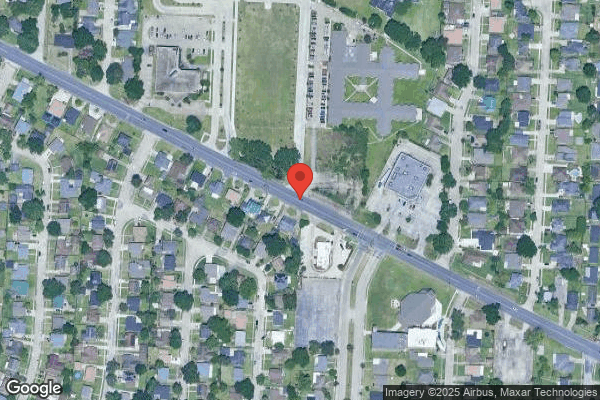
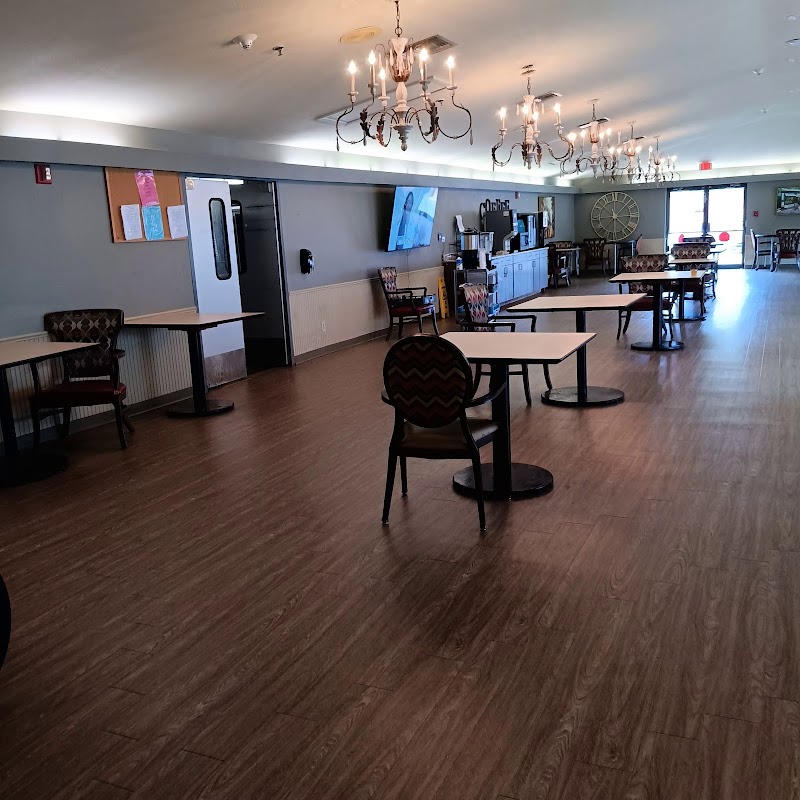
4502 GENERAL MEYER AVENUE, NEW ORLEANS, LA 70131 (504) 361-7923
For profit - Corporation 108 Beds PRIORITY MANAGEMENT Data: November 2025
Trust Grade
63/100
#79 of 264 in LA
Last Inspection: March 2025

Within standard 12-15 month inspection cycle. Federal law requires annual inspections.

Overview

Jo Ellen Smith Convalescent Center has a Trust Grade of C+, which indicates that it is slightly above average, but still has room for improvement. It ranks #79 out of 264 facilities in Louisiana, placing it in the top half, and is #2 out of 11 in Orleans County, suggesting only one local option is better. Unfortunately, the facility's situation appears to be worsening, with the number of reported issues increasing from 2 in 2024 to 4 in 2025. Staffing is a significant concern, receiving only 1 out of 5 stars, and while turnover is relatively low at 43%, the facility has less RN coverage than 77% of facilities in the state. Recent inspections revealed several issues, including failure to accurately document medication administration and meal intake for residents who require monitoring due to health concerns, highlighting areas that need urgent attention despite some strengths in health inspections.

Trust Score
C+
63/100
In Louisiana
#79/264
Top 29%
Safety Record
Low Risk
No red flags
Inspections
Getting Worse
2 → 4 violations
Staff Stability
○ Average
43% turnover. Near Louisiana's 48% average. Typical for the industry.
Penalties
✓ Good
$5,055 in fines. Lower than most Louisiana facilities. Relatively clean record.
Skilled Nurses
⚠ Watch
Each resident gets only 9 minutes of Registered Nurse (RN) attention daily — below average for Louisiana. Fewer RN minutes means fewer trained eyes watching for problems.
Violations
⚠ Watch
16 deficiencies on record. Higher than average. Multiple issues found across inspections.
★★★☆☆
3.0
Overall Rating
★☆☆☆☆
1.0
Staff Levels
★★★☆☆
3.0
Care Quality
★★★★☆
4.0
Inspection Score
Stable
2024: 2 issues
2025: 4 issues

The Good

  • Full Sprinkler Coverage · Fire safety systems throughout facility
  • No fines on record
  • Staff turnover below average (43%)

    5 points below Louisiana average of 48%

Facility shows strength in fire safety.

The Bad

3-Star Overall Rating

Above Louisiana average (2.4)

Meets federal standards, typical of most facilities

Staff Turnover: 43%

Near Louisiana avg (46%)

Typical for the industry

Federal Fines: $5,055

Below median ($33,413)

Minor penalties assessed

Chain: PRIORITY MANAGEMENT

Part of a multi-facility chain

Ask about local staffing decisions and management

The Ugly 16 deficiencies on record

Aug 2025 1 deficiency
CONCERN (E) 📢 Someone Reported This

A family member, employee, or ombudsman was alarmed enough to file a formal complaint

Potential for Harm - no one hurt, but risky conditions existed

Pharmacy Services (Tag F0755)

Could have caused harm · This affected multiple residents

Based on interviews and record reviews the facility failed to ensure nursing staff administered medications timely as ordered by the physician for 2 (Resident #1, Resident #2) of 3 (Resident #1, Resid...

Read full inspector narrative →
Based on interviews and record reviews the facility failed to ensure nursing staff administered medications timely as ordered by the physician for 2 (Resident #1, Resident #2) of 3 (Resident #1, Resident #2, Resident #3) sampled residents investigated for pharmacy services. Findings:Review of the facility’s Job Description for Nurse Supervisor last revised 2020 revealed, in part, a medication administration function of the job was to administer medications in accordance with physician orders, regulations, and facility policy. Review of the facility’s Administering Medications policy and procedure, last revised April 2019 revealed, in part, medications are to be administered in accordance with the prescriber’s order, including any required time frame, and medications are to be administered within one hour of the prescribed time, unless otherwise specified. Further review revealed if a medication is withheld, refused, or given at a time other than the scheduled time, the individual administering the medication shall note on the Medication Administration Record/Electronic Medication Administration Record (MAR/eMAR) and sign or initial the reason for that medication and dose was not given as prescribed. Further review of the Administering Medications policy and procedure revealed the physician would be notified for any medications that are held or refused, so that order can be reviewed as necessary. Resident #1 Review of Resident #2’s July 2025’s Physician Orders revealed, in part: Mirtazapine 30 milligram (mg) oral tablet (a medication used for depression), administer 1 tablet by mouth at bedtime, scheduled for 8:00PM; Melatonin 5 mg oral tablet (a medication used for sleep), administer 4 tablets by mouth at bedtime, scheduled for 8:00PM; Carvedilol 5 mg oral tablet (a medication used for high blood pressure), administer 2 tablets, scheduled for 8:00AM and 8:00PM; Timoptic Ophthalmic Solution 0.5% (a medication used for high eye pressure), administer 1 drop in both eyes, scheduled for 8:00AM and 8:00PM; and, Rouvastatin Calcium 20 mg oral tablet (a medication used for high cholesterol), administer 1 tablet by mouth, scheduled for 8:00PM. Review of Resident #1’s July 2025 Medication Administration Audit Report revealed, in part, the following: the above mentioned medications were administered on 07/01/2025 at 9:28PM; the above mentioned medications were administered on 07/07/2025 at 9:46PM; the above mentioned medications were administered on 07/08/2025 at 9:48PM; and, the above mentioned medications were administered on 07/09/2025 at 9:23PM. In an interview on 08/05/2025 at 11:36AM, S2Assistant Director of Nursing confirmed the above medications for the above mentioned dates and times were not administered timely as ordered by the physician and should have been. In an interview on 08/05/2025 at 11:50AM, S3Admissions Licensed Practical Nurse (LPN) confirmed the above mentioned medications for the above mentioned dates and times were not administered timely as ordered by the physician and should have been. Resident #2 Review of Resident #2’s July 2025’s Physician Orders revealed, in part: Clonidine HCL (medication used to treat elevated blood pressure) 0.3 milligrams (mg), oral tablet, administer two times a day, and scheduled for 8:00AM and 8:00PM; Senna (laxative used to treat constipation) 8.6mg, oral tablet, administer one time a day, and scheduled for 7:00PM; and, Diclofenac Sodium Delayed Release (anti-inflammatory medication used to manage pain) 75mg oral tablet, administer two times a day, and scheduled for 8:00AM and 8:00PM. Review of Resident #2’s Medication Administration Audit Report for 07/13/2025 and 07/15/2025 revealed, in part: Senna (medication used to treat constipation) 8.6 mg, oral tablet, administer one time a day, was scheduled for 7:00PM on 07/13/2025, and was administered at 8:24PM; Diclofenac Sodium delayed release (medication used to treat pain from intervertebral disc degeneration) 75 mg, oral tablet, was scheduled for 8:00PM on 07/15/2025, and was administered at 9:11PM; and, Clonidine Hydrochloride (medication used to treat elevated blood pressure) 0.3 mg, oral tablet, was scheduled for 8:00PM on 07/15/2025, and was administered at 9:11PM. In an interview on 08/04/2025 at 5:23PM, S5LPN indicated Resident #2’s Senna 8.6mg tablet, scheduled for on 07/13/2025 at 7:00PM, was not administered timely as ordered by the physician, and should have been. In an interview on 08/05/2025 at 11:15AM, S2Assistant Director of Nursing (ADON) indicated Resident #2’s above mentioned scheduled medications for the above mentioned dates and times were not administered timely as ordered by the physician and should have been. In an interview on 08/05/2025 at 11:56AM, S3Admissions LPN indicated Resident #2’s above mentioned scheduled medications for the above mentioned dates and times were not administered timely as ordered and should have been.
Mar 2025 3 deficiencies
CONCERN (D)

Potential for Harm - no one hurt, but risky conditions existed

Comprehensive Care Plan (Tag F0656)

Could have caused harm · This affected 1 resident

Based on interviews and record reviews, the facility failed to ensure a care plan was developed for a resident who smokes to decrease the risk of smoking related accidents for 1 (Resident #31) of 2 (R...

Read full inspector narrative →
Based on interviews and record reviews, the facility failed to ensure a care plan was developed for a resident who smokes to decrease the risk of smoking related accidents for 1 (Resident #31) of 2 (Resident #31, Resident #34) sampled residents investigated for smoking. Findings: Review of Resident #31's Annual Minimum Data Set with an Assessment Reference Date of 12/18/2024 revealed, in part, Resident #31 had a Brief Interview of Mental score of 12 which indicated Resident #31 had moderate cognitive impairment and used tobacco. In an interview on 03/17/2025 at 12:40PM, Resident #31 indicated he was an active smoker. Review of Resident #31's care plan revealed no documented evidence and the facility did not present any documented evidence Resident #31 had a care plan developed to address the risks and interventions of smoking. In an interview on 03/19/2025 at 9:45AM, S11Minimum Data Set (MDS) Nurse indicated all residents who were active smokers required a care plan to address the risk factors and interventions of smoking. S11MDS Nurse confirmed Resident #31 was an active smoker and Resident #31 did not have a care plan developed which addressed the risks and interventions of smoking and should have. In an interview on 03/19/2025 at 4:02PM, S2Director of Nursing confirmed Resident #31 was an active smoker and Resident #31 did not have a care plan developed which addressed the risks and interventions of smoking and should have.
CONCERN (D)

Potential for Harm - no one hurt, but risky conditions existed

Tube Feeding (Tag F0693)

Could have caused harm · This affected 1 resident

**NOTE- TERMS IN BRACKETS HAVE BEEN EDITED TO PROTECT CONFIDENTIALITY** Based on observations, interviews, and record reviews the facility failed to administer a resident's Percutaneous Endoscopic Gas...

Read full inspector narrative →
**NOTE- TERMS IN BRACKETS HAVE BEEN EDITED TO PROTECT CONFIDENTIALITY** Based on observations, interviews, and record reviews the facility failed to administer a resident's Percutaneous Endoscopic Gastrostomy (PEG) tube (a soft, plastic feeding tube that goes into your stomach used to provide nutrition when oral intake is inadequate) feeding water flush as ordered by the physician for 1 (Resident #104) of 4 (Resident #35, Resident #70, Resident #75, Resident #104) sampled residents reviewed for PEG tube care and services in a total sample of 26. Findings: Review of Resident #104's records revealed, in part, Resident #104 was admitted to the facility on [DATE] with a diagnoses of cerebral infarction, dysphagia (difficulty swallowing), and malnutrition (imbalance of nutrients the body needs and receives.) Review of Resident #104's March 2025 physician orders revealed, in part, an order for Resident #104's PEG tube feeding to include Osmolite 1.5 (a PEG tube feeding formula) at 45 milliliters per hour (ml/hr) continuously via PEG tube pump. Further review revealed an order for Resident #104's PEG tube feeding to include a flush of water at a rate of 130 mL/hr every 4 hours to provide Resident 104 with a total of 780 ml; in addition to the fluid from medication administration flushes. Review of Resident #104's Care Plan, dated 02/17/2025, revealed, in part, Resident #104 had an intervention to be provided with tube feedings/flushes as ordered via feeding pump. Observation on 03/17/2025 at 12:37PM revealed, Resident #104's PEG tube pump was programmed to administer a water flush at a rate of 125 ml/hr every 4 hours, equivalent to 750 ml water flush for 24 hours. Observation on 03/18//2025 at 10:55AM revealed Resident #104's PEG tube pump was programmed to administer a water flush at a rate of 125 ml/hr every 4 hours, equivalent to 750 ml water flush for 24 hours. Observation on 03/18/2025 at 12:19PM revealed Resident #104's PEG tube pump was programmed to administer a water flush at a rate of 125 ml/hr every 4 hours, equivalent to 750 ml water flush for 24 hours. In an interview on 03/18/2025 at 2:24PM, S4Licensed Practical Nurse (LPN) confirmed Resident #104's PEG tube pump was programmed to administer a water flush at a rate of 125 ml/hr every 4 hours. S4LPN further indicated the PEG tube feeding flushes should have been programmed to administer a water flush at a rate of 130 ml/hr every 4 hours as ordered by the physician, and was not. In an interview on 03/19/2025 at 3:38PM, S2Director of Nursing confirmed that the PEG tube feeding flush should have been programmed to administer a water flush at a rate of 130 ml/hr every 4 hours as ordered by the physician, and was not.
CONCERN (E)

Potential for Harm - no one hurt, but risky conditions existed

Pharmacy Services (Tag F0755)

Could have caused harm · This affected multiple residents

Based on observation, record reviews, and interviews the facility failed to ensure that controlled drugs were maintained and accurately reconciled for 1(Med Cart A) out of 3 (Med Cart A, Med Cart B, a...

Read full inspector narrative →
Based on observation, record reviews, and interviews the facility failed to ensure that controlled drugs were maintained and accurately reconciled for 1(Med Cart A) out of 3 (Med Cart A, Med Cart B, and Med Cart C) medication carts observed for the medication storage facility task. Findings: Observation on 03/19/2025 at 8:55AM revealed a discrepancy on the facility's narcotic count form, on Med Cart A. Further observation revealed S3Licensed Practical Nurse (S3LPN) documented Resident # 184's Testosterone Cypionate (a hormonal replacement) Injection Solution 200 milligrams per milliliters (MG/ML) was administered per the EMAR (Electronic Medication Administration Record), on 03/05/2025, but the narcotic count form on Med Cart A did not have any documentation that this was documented as being administered and the 2 vials were not available for use on Med Cart A. Record review of Resident #184's physician's orders, dated 11/15/2023, revealed, in part, an order for Testosterone Cypionate Injection Solution 200 (MG/ML) to inject 200 mg intramuscularly in the evening every 14 days. Review of facility's records revealed, in part, the narcotic count form in Med Cart A narcotic book indicated 2 vials of Testosterone Cypionate Injection Solution 200mg/ML was available for use. Review of the facility's records revealed, in part, the Controlled Drugs-Count Record form, that was completed by the on-going and off-going nurse of each shift, indicated for the dates of 03/01/2025 to 03/19/2025 the 2 vials of Testosterone Cypionate Injection Solution 200mg/ML was available for use. There was no discrepancies noted. In an interview on 03/19/2025 at 8:57AM, S3LPN indicated the medication was not signed out on the narcotic count form. S3LPN further indicated the 2 vials of Testosterone Cypionate Injection Solution 200mg/ML were administered by another nurse on 03/05/2025 and were not available for use in the Med Cart A. In an interview on 03/19/2025 at 1:06PM, S2DON indicated there was some inconsistencies in reconciling narcotic count form. S2DON further confirmed that she could not provide the narcotic count form for the missing 2 vials of Testosterone Cypionate Injection Solution 200mg/ML on Med Cart A.
Sept 2024 1 deficiency
CONCERN (D) 📢 Someone Reported This

A family member, employee, or ombudsman was alarmed enough to file a formal complaint

Potential for Harm - no one hurt, but risky conditions existed

Accident Prevention (Tag F0689)

Could have caused harm · This affected 1 resident

**NOTE- TERMS IN BRACKETS HAVE BEEN EDITED TO PROTECT CONFIDENTIALITY** Based on record review, observations, and interviews, the facility failed to ensure a resident with a history of falls received ...

Read full inspector narrative →
**NOTE- TERMS IN BRACKETS HAVE BEEN EDITED TO PROTECT CONFIDENTIALITY** Based on record review, observations, and interviews, the facility failed to ensure a resident with a history of falls received care and services to prevent future falls for 1 (Resident #1) of 3 (Resident #1, Resident #2, Resident #3) residents reviewed. Findings: Review of Resident #1's minimum data set (MDS) revealed, in part, Resident #1 required extensive assistance with one-person physical assist for bed mobility, transfers, and toilet use. Review of Resident #1's care plan with a problem onset date of 07/10/2024 and updated on 08/22/2024 revealed, in part, Resident #1 would not sustain a serious injury related to falls, with the following interventions: call-light within Resident #1's reach; staff will ensure Resident #1 has no non-skid socks daily; and a mattress will on floor when Resident #1 is in her bed. Review of Resident #1's electronic health records (EHR) revealed, in part, Resident #1 was admitted on [DATE]. Further review revealed Resident #1 had the following diagnoses of: dementia with behavioral disturbance; cerebral edema; non-traumatic intercrainal hemorrhage; urinary tract infection (UTI), mild protein-calorie malnutrition; lack of coordination; and abnormalities of gait and mobility. Review of the facility's incident reports revealed, in part, Resident #1's had two unwitnessed falls that occurred in Resident #1's room on 07/02/2024 at 2:17 p.m. and 07/07/2024 at 10:07 p.m. Observation on 09/04/2024 at 9:25 a.m. revealed Resident #1's door was closed, and upon entering the room, the room was observed to be warm with the floor being slippery with a condensation-like substance. Further observation revealed Resident #1 was lying in bed with no staff present in the room, the call light was observed out of reach, without wearing non-skid socks, and without having a mattress placed on the floor next to Resident #1's bed. In an interview on 09/04/2024 at 3:53 p.m. S2Director of Nursing (S2DON), indicated Resident #1 recently had multiple falls at the facility, and the family requested in the care plan meeting that Resident #1 have a mattress placed on the floor next to her bed. S2DON further indicated the mattress should have been left in Resident #1's room so that it would be available for use, when Resident #1 decided to lie down in her bed. Observation on 09/04/2024 at 4:10 p.m. revealed Resident #1's bedroom door was closed and when S2DON walked into Resident #1's room, S2DON's shoes were slightly sliding from the condensation-like wet substance on Resident #1's floor. Further observation revealed Resident #1's room was also warm and humid. Further observation revealed Resident #1 was lying in bed with no staff present in the room, the call light was observed out of reach, without wearing non-skid socks, and without having a mattress placed on the floor next to Resident #1's bed. Observation also revealed S1Administrator and S4Maintenance attempting to bring a mattress in Resident #1's room. In an interview on 09/04/2024 at 4:10 p.m. S2DON confirmed Resident #1 did not have a mattress in her room to prevent falls, and that the slippery floor was a safety risk for Resident #1.
Mar 2024 1 deficiency
CONCERN (D)

Potential for Harm - no one hurt, but risky conditions existed

Incontinence Care (Tag F0690)

Could have caused harm · This affected 1 resident

Based on record review and interview, the facility failed to ensure a resident with a Foley catheter (a medical device that collects urine) was monitored for signs and symptoms of urinary tract infect...

Read full inspector narrative →
Based on record review and interview, the facility failed to ensure a resident with a Foley catheter (a medical device that collects urine) was monitored for signs and symptoms of urinary tract infections (UTIs) and catheter care was provided for 1 (Resident #83) of 2 (Resident #46 and Resident #83) residents reviewed for catheters. Findings: Review of Resident #83's Minimum Data Set (MDS) with an Assessment Reference Date (ARD) of 02/26/2024 revealed, in part, Resident #83 had a Brief Interview Mental Status Score (BIMS) of 7, which indicated Resident #83 had moderate cognitive impairment. Further review revealed Resident #83 had a Foley catheter. Review of the facility's January 3, 2023 Cather Care, Urinary policy and procedure revealed, in part, staff should review a resident's care plan to assess for any special needs of the resident. Further review of the facility's policy and procedure revealed, in part, staff should provide routine hygiene catheter care with soap and water or equivalent each shift and as needed unless otherwise indicated by physician and will be documented in the EMR (electronic medical record). Further review revealed the following information should be recorded in the resident's medical record, the date and time that catheter care was given, the name and title of the individuals giving catheter care, all assessment data obtained when giving catheter care, character of urine such as color (straw-colored, dark, or red), clarity (cloudy, solid particles, or bloody), any odor, any problems noted at the catheter-ureteral junction during perineal care such as drainage, redness, bleeding, irritation, crusting, or pain, and any problems or complaints made by the resident related to the procedure. Review of Resident #83's care plan revealed Resident #83 had the need for a Foley catheter related to urinary retention on 02/19/2024. Further review of Resident #83's care plan revealed approaches to include providing catheter care every shift and as needed as ordered, assessing urine color, consistency & output as indicated, monitoring for signs and symptoms of urinary tract infection and notifying the physician as needed. Review of Resident #83's Physician's Orders from 02/19/2024 - 03/04/2024 revealed, in part, no orders for a Foley catheter. Review of Resident #83's March 2023 Physician's Orders revealed, in part, orders dated 03/05/2024 to monitor urine color (yellow, bloody, dark and notify md if not yellow) every shift, monitor urine consistency (clear, cloudy mucus) every shift, and provide catheter care every shift. Review of Resident #83's medical record revealed no documented evidence and the facility was unable to present any documented evidence Resident #83's was provided catheter care or was monitored for signs and symptoms of a UTI from 02/19/2024 to 03/04/2024. In an interview on 03/07/2024 at 11:16 a.m., S1Director of Nursing (DON) indicated Resident #83 returned from the hospital with a catheter in February 2024. S1DON confirmed orders for Resident #83's catheter were not put in the EMR until 03/05/2024. S1DON further confirmed no documentation of catheter care or monitoring for signs and symptoms of a urinary tract infection was in Resident #83's electronic Medication Administration Record and it should have been documented.
Dec 2023 2 deficiencies
CONCERN (D) 📢 Someone Reported This

A family member, employee, or ombudsman was alarmed enough to file a formal complaint

Potential for Harm - no one hurt, but risky conditions existed

Pharmacy Services (Tag F0755)

Could have caused harm · This affected 1 resident

Based on observation, record review, and interview, the facility failed to ensure a resident's medication was available to be administered as ordered and notify the physician when a resident's medicat...

Read full inspector narrative →
Based on observation, record review, and interview, the facility failed to ensure a resident's medication was available to be administered as ordered and notify the physician when a resident's medication was unavailable for 1 (Resident #1) of 3 (Resident #R1, Resident #R2, and Resident #R3) residents observed for medication administration. Findings: Review of Resident #R1's medical record revealed Resident #R1's cognition was intact. Further review revealed a history of Zoster Ocular Disease (a virus that can affect the eye and cause inflammation and blindness). Review of Resident #R1's December 2023 Physician Orders revealed, in part, an order with a start date 11/08/2023 for Erythromycin Ophthalmic Ointment (an ointment used to treat or prevent infection of the eye) 5 milligram/gram, apply to the corner of the left eye lid in the morning. During observation of Resident #R1's medication administration on 12/13/2023 at 8:30 a.m. S4 Licensed Practical Nurse (S4LPN) stated Resident #R1's Erythromycin ointment was not available for use on the medication and the ointment was being refilled by the pharmacy. In an interview on 12/13/2023 at 9:00 a.m. Resident #R1 stated she did not receive the Erythromycin ointment to her left eye this morning because it had not arrived from the pharmacy. Resident #R1 stated the ointment was ordered to prevent eye infection following a procedure she had approximately 2 months ago to close her left eye. In an interview on 12/14/2023 at 11:48 a.m., Resident #R1 stated she did not receive the Erythromycin ointment to her left eye today when she received her morning medications. In an interview on 12/14/2023 and 12:09 p.m., S2Director of Nursing (S2DON) stated a refill order for Erythromycin ointment had been sent to the pharmacy but the ointment was on currently on back order. S2DON stated she was not aware Resident #R1 had run out of Erythromycin ointment. S2DON further stated Resident #R1's physician had not been notified the Erythromycin ointment was not available for use because it is the facility's procedure to notify the physician on the 3rd day a medication is not administered and/or not available. S2DON stated she was not aware the physician should be notified immediately or as soon as possible every time a medication was not administered or available for use. In an interview on 12/14/2023 at 12:23 p.m., S4LPN confirmed Resident #R1 did not receive the Erythromycin ointment to her left eye on 12/13/2023 and 12/14/2023 as scheduled because it had not arrived from the pharmacy. S4LPN further stated she did not notify Resident #R1's physician because Resident #R1 only missed two days of the medication and she is required to notify the physician if the medication was not administered for 3 days. S4LPN stated she was not aware the physician should have been notified as soon as a medication was not available for use. In an interview on 12/14/2023 at 12:31 p.m., S3Assistant Director of Nursing agreed the facility should not be waiting 3 days to notify the physician when a medication is not administered as ordered to a resident.
CONCERN (D) 📢 Someone Reported This

A family member, employee, or ombudsman was alarmed enough to file a formal complaint

Potential for Harm - no one hurt, but risky conditions existed

Deficiency F0761 (Tag F0761)

Could have caused harm · This affected 1 resident

Based on observation, record review, and interviews, the facility failed to ensure oral medications remained under the direct supervision of S4Licensed Practical Nurse (LPN) for 1 (Resident #R1) of 3 ...

Read full inspector narrative →
Based on observation, record review, and interviews, the facility failed to ensure oral medications remained under the direct supervision of S4Licensed Practical Nurse (LPN) for 1 (Resident #R1) of 3 (Resident #R1, Random #R2, Resident #R3) residents observed during medication administration. Findings: Review of the facility's Administering Oral Medications policy and procedure revealed, in part, the purpose of the facility's procedure was to provide guidelines for safe administration of oral medications. Further review revealed the staff member administering medications was to remain with the resident until all medications were ingested. Review of Resident #R1's December 2023 Physician Orders revealed, in part, the following medications: 1.) Venlafaxine (a medication used to treat depression) 37.5 milligram (mg), give 1 tablet by mouth in the morning; 2.) Mobic (a medication used to treat pain and inflammation) 15 mg, give 1 tablet by mouth in the morning; 3.) Metoprolol (a medication used to treat high blood pressure) 100 mg, give 1 tablet by mouth once daily; 4.) Metformin (a medication used to treat elevated blood sugar) 500 mg , give 1 tablet by mouth in the morning; 5.) Furosemide (a medication used to fluid retention) 40 mg, give 1 tablet by mouth in the morning; 6.) Eliquis (a medication used to prevent blood clots) 5 mg, give 1 tablet by mouth 2 times a day; and, 7.) Gabapentin (a medication used to treat seizures and nerve pain) 400 mg, give 1 tablet by mouth 3 times a day. Observation on 12/23/2023 at 8:30 a.m. revealed, in part, S4LPN placed Venlafaxine 37.5 mg tablet, Mobic 15 mg tablet, Metoprolol 100 mg tablet, Metformin 500 mg tablet, Furosemide 40 mg tablet, Eliquis 5 mg tablet, and Gabapentin 400 mg tablet into a medication cup. Further observation revealed S4LPN entered Resident #R1's room with the above mentioned medications and Resident #R1 stated she did not want to take her medications until after she finished eating her breakfast. Further observation revealed S4LPN left the above mentioned medications in a medication cup on Resident #R1's rolling bedside table and exited Resident #R1's room without administering or observing Resident #R1 swallow the oral medications. In an interview on 12/13/2023 at 10:04 a.m., S4LPN confirmed she left the above mentioned medications in a medication cup on Resident #R1's bedside table without verifying Resident #R1 swallowed the medications. S4LPN stated she should have observed Resident #R1 take all her oral medications before exiting Resident #R1's room. In an interview on 12/13/2023 at 10:10 a.m., S2Director of Nursing confirmed S4LPN should not have left the above mentioned medications on Resident #R1's bedside table unsupervised and should have remained with Resident #R1 until all medications were ingested.
Sept 2023 1 deficiency
CONCERN (E) 📢 Someone Reported This

A family member, employee, or ombudsman was alarmed enough to file a formal complaint

Potential for Harm - no one hurt, but risky conditions existed

Deficiency F0692 (Tag F0692)

Could have caused harm · This affected multiple residents

Based on record review and interviews, the facility failed to ensure a resident with a history of weight loss had their meal intake documented for each meal for 4 (Resident #1, Resident #2, Resident #...

Read full inspector narrative →
Based on record review and interviews, the facility failed to ensure a resident with a history of weight loss had their meal intake documented for each meal for 4 (Resident #1, Resident #2, Resident #3, and Resident #4) of 5 (Resident #1, Resident #2, Resident #3, Resident #4, and Resident #5) sampled residents reviewed for weight loss. Findings: Resident #1 Review of Resident #1's face sheet revealed, in part, a diagnosis of moderate protein-calorie malnutrition. Review of Resident #1's care plan for malnutrition revealed, in part, an intervention for facility staff to monitor and record Resident #1's meal ingestion percentage. Review of Resident #1's Meal and Snack Intake Roster from 06/01/2023 through 09/06/2023 revealed, in part, no breakfast meal intake documentation for the months of June 2023, August 2023, and September 2023. Further review revealed the only breakfast meal intake documentation for the month of July 2023 was on 07/12/2023. Review of Resident #1's Meal and Snack Intake Roster from 06/01/2023 through 09/06/2023 revealed, in part, no lunch meal intake documentation for the months of June 2023, August, 2023, and September 2023. Further review revealed the only lunch meal intake documentation for the month of July 2023 was on 07/10/2023 and 07/13/2023. Review of Resident #1's Meal and Snack Intake Roster from 06/01/2023 through 09/06/2023 revealed, in part, no dinner meal intake documentation for the months of August 2023 and September 2023. Further review revealed no dinner meal intake documentation for the following dates: 06/05/2023, 06/09/2023, 06/10/2023, 06/11/2023, 06/14/2023, 06/15/2023, 06/20/2023, 06/21/2023, 06/22/2023, 06/23/2023, 06/24/2023, 06/25/2023, 06/28/2023, 06/29/2023, 07/03/2023, 07/04/2023, 07/05/2023, 07/06/2023, 07/07/2023, 07/08/2023, 07/10/2023, 07/12/2023, and 07/14/2023 through 07/31/2023. There was no documented evidence and the facility was unable to present any documented evidence Resident #1's meal intakes were monitored and/or documented for the above mentioned dates. Resident #2 Review of Resident #2's face sheet revealed, in part, Resident #2 had a diagnosis of unspecified protein-calorie malnutrition. Review of Resident #2's Minimum Data Set (MDS) with an Assessment Reference Date (ARD) of 08/02/2023 revealed, in part, Resident #2 was 100 pounds and had weight loss of 5% in last month or 10% in last 6 months and was not on a physician prescribed weight loss regimen. Review of Resident #2's Weight Change Comparison document revealed in part, Resident #2 weighed 113.6 pounds on 06/05/2023 and 102.4 pounds on 08/31/2023, which was a significant weight loss of 9.86% in less than 91 days. Review of Resident #2's weight loss care plan revealed, in part, an intervention for facility staff to monitor and record food intake at each meal. Review of Resident #2's Meal and Snack Intake Roster from 06/01/2023 through 09/06/2023 revealed, in part, no breakfast meal intake documentation for June 2023, July 2023, August 2023, and September 2023. Review of Resident #2's Meal and Snack Intake Roster from 06/01/2023 through 09/06/2023 revealed, in part, no lunch meal intake documentation for June 2023, July 2023, August 2023, and September 2023. Review of Resident #2's Meal and Snack Intake Roster from 06/01/2023 through 09/06/2023 revealed, in part, the only dinner meal intake documentation for the month of June 2023 was on 06/21/2023 and 06/27/2023. Review also revealed the only dinner meal intake documentation for the month of July 2023 was on 07/01/2023, 07/02/2023, 07/14/2023, 07/15/2023, 07/17/2023, and 07/18/2023. Further review revealed no dinner meal intake documentation for August 2023 and September 2023. There was no documented evidence and the facility was unable to present any documented evidence Resident #2's meal intakes were monitored and/or documented for the above mentioned dates. Resident #3 Review of Resident #3's MDS with an ARD of 08/23/2023 revealed, in part, Resident #3 had a diagnosis of malnutrition. Review of Resident #3's altered nutrition care plan revealed, in part, an intervention for staff to monitor Resident #3's intake with every meal. Review of Resident #3's Meal and Snack Intake Roster from 06/01/2023 through 09/06/2023 revealed, in part, no breakfast meal intake documentation for June 2023, August 2023, and September 2023. Further review revealed the only breakfast meal intake documented for July 2023 was on 07/12/2023. Review of Resident #3's Meal and Snack Intake Roster from 06/01/2023 through 09/06/2023 revealed, in part, no lunch meal intake documentation for June 2023, August 2023, and September 2023. Further review revealed the only lunch meal intake documentation for July 2023 was on 07/10/2023 and 07/13/2023. Review of Resident #3's Meal and Snack Intake Roster from 06/01/2023 through 09/06/2023 revealed, in part, no dinner meal intake documentation for August 2023 and September 2023. Further review revealed no documented dinner meal intake on 06/05/2023, 06/09/2023, 06/10/2023, 06/11/2023, 06/14/2023, 06/15/2023, 06/20/2023, 06/21/2023, 06/22/2023, 06/23/2023, 06/24/2023, 06/25/2023, 06/28/2023, 06/29/2023, 06/30/2023, 07/03/2023, 07/04/2023, 07/05/2023, 07/06/2023, 07/07/2023, 07/08/2023, 07/10/2023, 07/12/2023, and 07/14/2023 through 07/31/2023. There was no documented evidence and the facility was unable to present any documented evidence Resident #3's meal intakes were monitored and/or documented for the above mentioned dates. Resident #4 Review of Resident #4's MDS with an ARD of 09/07/2023 revealed, in part, a diagnosis of malnutrition. Review of Resident #4's Weight Change Comparison document revealed, in part, Resident #4 weighed 155 pounds on 08/02/2023 and 141.2 pounds on 08/29/2023, which was a significant weight loss of 13.6% in less than 31 days. Further review revealed Resident #4 weighed 158.6 pounds on 05/30/2023 and 141.2 pounds on 08/29/2023, which was a significant weight loss of 17.2% in less than 91 days. Review of Resident #4's altered nutrition care plan revealed, in part, an intervention for facility staff to monitor Resident #4's meal intake. Review of Resident #4's Meal and Snack Intake Roster from 06/01/2023 through 09/06/2023 revealed, in part, no breakfast meal intake documentation on 06/15/2023, 06/19/2023, 06/23/2023, 06/28/2023, 06/29/2023, 06/30/2023, 07/21/2023, 07/22/2023, 07/28/2023, 08/02/2023, 08/10/2023, 08/11/2023, 08/14/2023, 08/22/2023, 08/23/2023, 08/25/2023, 09/01/2023, and 09/02/2023. Review of Resident #4's Meal and Snack Intake Roster from 06/01/2023 through 09/06/2023 revealed, in part, no lunch meal intake documentation on 06/15/2023, 06/20/2023, 06/21/2023, 06/23/2023, 06/30/2023, 07/01/2023, 07/21/2023, 07/22/2023, 08/01/2023, 08/02/2023, 08/10/2023, 08/11/2023, 08/14/2023, 08/22/2023, 08/23/2023, 09/01/2023, 09/02/2023, and 09/03/2023. Review of Resident #4's Meal and Snack Intake Roster from 06/01/2023 through 09/06/2023 revealed, in part, no dinner meal intake documentation on 06/18/2023, 06/20/2023, 06/21/2023, 07/27/2023, 08/01/2023, and 08/22/2023. There was no documented evidence and the facility was unable to present any documented evidence Resident #4's meal intakes were monitored and/or documented for the above mentioned dates. In an interview on 09/06/2023 at 3:36 p.m., S8Certified Nursing Assistant (CNA) stated each resident's meal intake should be documented by the CNA for each meal. In an interview on 09/06/2023 at 3:38 p.m., S7CNA stated each resident's meal intake should be documented by the CNA for each meal. In an interview on 09/06/2023 at 3:40 p.m., S6MDS Nurse stated meal intakes should be documented for all residents for each meal. S6MDS Nurse stated it was especially important to document meal intakes for residents with weight loss because S5Registered Dietician (RD) utilized the documentation to make dietary recommendations. In an interview on 09/06/2023 at 4:30 p.m., S1Administrator confirmed Resident #1, Resident #2, Resident #3, and Resident #4 had missing meal intake documentation. S1Administrator further stated there was no documented evidence meal intakes were documented for the above mentioned missing dates. In an interview on 09/07/2023 at 10:20 a.m., S2Director of Nursing (DON) confirmed there was missing meal intake documentation for Residents #1, Resident #2, Resident #3, and Resident #4. S2DON stated CNAs should document a resident's meal intake for each meal. S2DON further stated it was especially important for CNAs to document meal intakes for residents who have had a history of weight loss. S2DON confirmed a resident's meal intake documentation was important information utilized by the facility and S5RD. In an interview on 09/07/2023 at 10:51 a.m., S5RD stated a resident with weight loss should have their meal intake documented for every meal. S5RD additionally stated she utilized the resident's meal intake documentation when she made recommendations. In an interview on 09/07/2023 at 11:19 a.m., S4CNA Supervisor confirmed there was missing meal intake documentation. S4CNA Supervisor stated CNAs should be documenting every resident's meal intake for each meal. In an interview on 09/07/2023 at 11:41 a.m., S3Assistant Director of Nursing (ADON) confirmed Resident #1, Resident #2, Resident #3, and Resident #4 had missing meal intake documentation. S3ADON stated meal intake documentation was needed for the S5RD to complete her assessments and provide accurate recommendations for residents with weight loss.
Aug 2023 1 deficiency
CONCERN (E) 📢 Someone Reported This

A family member, employee, or ombudsman was alarmed enough to file a formal complaint

Potential for Harm - no one hurt, but risky conditions existed

Infection Control (Tag F0880)

Could have caused harm · This affected multiple residents

Based on record review, observation, and interview, the facility failed to: 1.) Ensure the Certified Nursing Assistant (CNA) removed gloves and completed hand hygiene during incontinent care for 2 (S5...

Read full inspector narrative →
Based on record review, observation, and interview, the facility failed to: 1.) Ensure the Certified Nursing Assistant (CNA) removed gloves and completed hand hygiene during incontinent care for 2 (S5CNA and S6CNA) of 2 (S5CNA and S6CNA) CNA's observed for incontinence care; and 2.) Ensure the Licensed Practical Nurse (LPN) removed gloves and completed hand hygiene prior to performing catheter care for 1 (Resident #1) resident observed for catheter care. 3.) Ensure the Wound Care Nurse removed gloves and completed hand hygiene prior to treating a pressure ulcers for 1(Resident #R6) of 2 (Resident #1 and Resident #R6) observed for wound care. Findings: 1. Review of the facility's Hand Washing Policy and Procedure revealed, in part, 2. All personnel shall follow the handwashing/hand hygiene procedures to help prevent the spread of infections to other personnel and residents. 6. Wash hands with soap (antimicrobial or non-antimicrobial) and water when hands are visible soiled. 7. Use an alcohol-based hand rub; or, alternatively, soap and water for the following situations: Before and after direct contact with residents; Before and after handling an invasive device (e.g., urinary catheters); Before moving from a contaminated body site to a clean body site during resident care; After contact with residents intact skin; After contact with blood or body fluids; After contact with objects (e.g., medical equipment) in the immediate vicinity of the resident; and after removing gloves. 9. The use of gloves does not replace hand washing/hand hygiene. Integration of glove use along with routine hand hygiene is recognized as the best practice for preventing healthcare-associated infections. Review of the facility's Catheter Care, Urinary Policy and Procedure revealed, in part, Infection Control 1. Use standard precautions when handling or manipulating drainage system. 2. Maintain clean technique when handling or manipulating the catheter, tubing or drainage bag. Review of the facility's Wound Care Policy and Procedure revealed, in part, Wear gloves for holding gauze to catch irrigation solutions that are poured directly over the wound; Wash tissue around the wound that is usually covered by the dressing, tape or gauze with wound cleanser or normal saline; Apply treatments as indicated; Discard disposable items; Remove disposable gloves; and Wash and dry your hands thoroughly. Review of Resident #1's MDS (Minimum Data Sheet) with ARD (Assessment Reference Date dated 07/24/2023 revealed, in part: Sections C - Cognitive Patterns- Brief Interview for Mental Status (BIMS) Score of 15 which indicates he was cognitively intact; and Section GG-Functional Abilities- Toileting/Hygiene- partial to moderate assistance. Review of Resident #1's Care Plan revealed, in part, Resident #1 required assistance with Activities of Daily Living (ADL's) related to decreased mobility related to a right below the knee amputation and incontinence. Observation of incontinence care on 08/07/2023 at 1:22 p.m., revealed S6Certified Nursing Assistant (S6CNA) and S5Cetified Nursing Assistant Supervisor (S5CNA Supervisor) entered Resident #1's room and both donned gloves retrieved from their shirt pockets without performing hand hygiene before assisting Resident #1 with incontinence care. S5CNA Supervisor then removed a feces soiled bed spread from Resident #1's bed then turned the door handle to Resident #1's room with soiled gloves on. S5CNA supervisor returned to Resident #1's room closed door with ungloved hands, without performing hand hygiene and donned gloves from her shirt pocket. S5CNA Supervisor removed Resident #1's incontinence brief. Further observation revealed S6CNA wiped feces from Resident #1's perineal area and turned Resident #1 while S5CNA Supervisor wiped Resident #1's buttocks. S5CNA Supervisor then removed remaining soiled linen from the bed; opened the door to Resident #1's room with gloves on; and returned to the room; and removed gloves without performing hand hygiene. S5CNA donned gloves retrieved from her pocket and applied a clean incontinence brief to Resident #1. S6CNA picked up the urinary catheter bag and tubing with soiled gloves then placed the catheter bag on the bed rail. Further observation revealed S6CNA applied a gown to Resident #1, and moved Resident #1's bedside table with personal belongings closer to Resident #1 with soiled gloves on. Further observation revealed S6CNA removed her soiled gloves, and both S6CNA and S5CNA Supervisor exited Resident #1's room without performing hand hygiene. In an interview on 08/07/2023 at 1:39 p.m., S6CNA acknowledged she did not perform hand hygiene prior to or after performing incontinence care for Resident #1. S6CNA acknowledged she should have performed hand hygiene and applied clean gloves before and after incontinence care and touching Resident #1's catheter bag, tubing, and personal belongings. S6CNA stated there isn't any hand sanitizer in Resident #1's room. S6CNA acknowledged soap and water is available in Resident #1's bathroom. In an interview on 08/07/2023 at 1:41 p.m., S5CNA Supervisor acknowledged she did not perform hand hygiene prior to applying gloves and performing Perineal Care to Resident #1. S5CNA Supervisor acknowledged she should have performed hand hygiene after providing incontinence care for Resident #1 and touching multiple surfaces in his room. In an interview on 08/09/2023 at 1:08 p.m., S2Director of Nursing (S2DON) acknowledged S5CNA Supervisor and S6CNA should have performed hand hygiene before and after providing incontinence care to Resident#1. In an interview and observation on 08/08/2023 at 1:15 p.m., S4Licensed Practical Nurse (S4LPN) entered Resident #1's room and washed her hands with soap and water, then she picked up the bed remote adjusted Resident #1's bed removed his incontinence brief, did not perform hand hygiene donned gloves, and provided urinary catheter care to Resident #1. S4LPN acknowledged she picked up the remote to adjust Resident #1's bed, removed his incontinence brief and did not perform hand hygiene before proceeding with catheter care for Resident #1. In an interview on 08/09/2023 at 1:08 p.m., S2Director of Nursing (S2DON) acknowledged S4LPN should have performed hand hygiene before performing catheter care for Resident #1. 2. Review of Resident #R6's record revealed diagnosis, in part, Traumatic spinal cord injury and Quadriplegia. Review of the MDS (Minimum Data Sheet) with ARD (Assessment Reference Data) dated 06/06/2023 revealed, in part, Section C- Cognitive Patterns- Brief Interview for Mental Status (BIMS) 15 which indicates cognitively intact. Section M-Skin conditions- Pressure Ulcer/Injury and Resident # R6 has 1+ unhealed pressure ulcers. Review of Resident #R6's wound care note dated 08/08/2023 revealed Resident #R6 was sent out to a local hospital emergency department (ER) for left gluteal wound deterioration. Observation on 08/08/2023 at 9:09 a.m. of Resident #R6's wound care revealed S3Wound Care Nurse removed gauze soaked with wound cleanser from a container, then cleaned pressure ulcer to sacral area and discarded the soiled gauze without performing hand hygiene. S3Wound Care Nurse then removed another gauze from the container and cleaned another pressure ulcer to left gluteal. In an interview on 08/08/2023 at 12:03 p.m., S3Wound Care Nurse acknowledged she cleaned the Resident #R6's sacral pressure ulcer then his left gluteal pressure ulcer without changing gloves or performing hand hygiene. S3Wound Care Nurse acknowledged she probably should have changed gloves and performed hand hygiene after cleaning Resident #R6's sacral pressure ulcer before she cleaned his left gluteal pressure ulcer. S3Wound Care Nurse stated she thought it was okay to clean both pressure ulcers without changing gloves and performing hand hygiene because both wounds were under the same dressing. In an interview on 08/09/2023 at 1:08 p.m., S2Director of Nursing (S2DON) stated it was okay for S3Wound Care Nurse to clean a wound located in Resident #R6's sacral area, not perform hand hygiene, or remove gloves, then proceed to clean left gluteal pressure ulcer with same gloves on because both pressure ulcers are under the same dressing. S2DON acknowledged the facility does not have a policy on cleaning two separate pressure ulcers with the same gloves and not performing hand hygiene.
Mar 2023 6 deficiencies
CONCERN (D)

Potential for Harm - no one hurt, but risky conditions existed

Deficiency F0578 (Tag F0578)

Could have caused harm · This affected 1 resident

**NOTE- TERMS IN BRACKETS HAVE BEEN EDITED TO PROTECT CONFIDENTIALITY** Based on record review and interviews, the facility failed to ensure the resident's code status was accurate in the resident's p...

Read full inspector narrative →
**NOTE- TERMS IN BRACKETS HAVE BEEN EDITED TO PROTECT CONFIDENTIALITY** Based on record review and interviews, the facility failed to ensure the resident's code status was accurate in the resident's plan of care. This deficient practice was identified for 1 (Resident #13) of 25 sampled residents reviewed for accurate code status. Findings: Review of Resident #13's record revealed an admission date of [DATE]. Review of Resident #13's MDS (Minimum Data Set) with an ARD (Assessment Reference Date) of [DATE] revealed, in part, Resident #13 had a BIMS (Brief Interview for Mental Status) of 14 (Score of 13-15 indicated resident was cognitively intact). Review for Resident #13 [DATE] Physician's Orders revealed a DNR (Do Not Resuscitate) order dated [DATE]. Review of Resident #13's Louisiana Physician Order for Scope of Treatment (LaPost) dated [DATE], revealed an order by the physician for a Full Code (indicated cardiopulmonary resuscitation should be provided). In an interview on [DATE] at 9:55 a.m., S2DON (Director of Nursing) stated a resident's code status would be taken from the LaPost, if they have one, upon admit. S2DON further stated if there was no LaPost then the SSW would get a LaPost signed by the doctor. In an interview on [DATE] at 10:00 a.m., S3ADON (Assistant Director of Nursing) stated if she needed to find the code status of a resident she would look in the electronic record first, if she did not see it on there, she would then go to the hard chart. In an interview on [DATE] at 10:30 a.m., S7SSW (Social Service Worker) confirmed Resident #13 had a LaPost in the hard chart which indicated Full Code status and that the [DATE] Physician's Orders indicated a DNR status. In an interview on [DATE] at 10:35 a.m., S3ADON (Assistant Director of Nursing) stated in the event Resident #13 needed Cardiopulmonary Resuscitation (CPR), she would not perform CPR because the electronic orders indicated Resident #13 was a DNR. In an interview on [DATE] at 10:40 a.m., S7SSW stated he handled the LaPost by getting them signed by the doctor and then he placed the signed LaPost into the resident's chart. When asked who put the code status orders into the computers, he stated he did not know. When asked if he notified the nurse of the change in Resident #13's Code Status, he stated he did not know he needed to do that. In an interview on [DATE] at 10:45 a.m., S2DON stated the process to have a LaPost order put into the computer correctly was as follows: S7SSW would have the LaPost signed by the physician then S7SSW should notify the nurses before he placed the LaPost into the chart. She further stated S7SSW would forget at times to let the nurses know he had received a LaPost. In an interview on [DATE] at 11:30 a.m., Resident #13 stated she wanted CPR to be performed, if needed. In an interview on [DATE] at 2:30 p.m., S1Administrator confirmed Resident #13 had an advanced directive which indicated Resident #13 was a DNR and a LaPost which indicated she was a Full Code. S1Administrator further confirmed the LaPost was signed by Resident #13's primary physician on [DATE].
CONCERN (D)

Potential for Harm - no one hurt, but risky conditions existed

ADL Care (Tag F0677)

Could have caused harm · This affected 1 resident

Based on observations, interviews, and record reviews the facility failed to ensure a resident, dependent on staff for nail care, received assistance to keep finger nails trimmed for 1 (Resident #112)...

Read full inspector narrative →
Based on observations, interviews, and record reviews the facility failed to ensure a resident, dependent on staff for nail care, received assistance to keep finger nails trimmed for 1 (Resident #112) of 2 sampled residents (Resident #112 and #34) reviewed for activities of daily living (ADLs) in a total sample of 25. Findings: Review of Resident #112's Minimum Data Set with an Assessment Review Date of 12/08/2022 revealed, in part, Resident #112 had a primary diagnosis of Hemiplegia (weakness on one side of the body) affecting his right dominant side. Further review of Resident #112's MDS revealed Resident #112 was not cognitively intact, and required extensive assistance from staff with personal hygiene. Observation on 03/20/2023 at 11:00 a.m. revealed, in part, Resident #112's finger nails extended beyond the tips of his fingers on both hands. Observation on 03/23/2023 at 9:25 a.m. revealed, in part, Residents #112's finger nails extended beyond the tips of his fingers on both hands and multiple nails displayed sharp pointed corners. Observation on 03/23/2023 at 10:15 a.m. of Resident #112's finger nails with S2DON (Director of Nursing) present revealed Resident #112's finger nails extended beyond the tips of his fingers and multiple nails had sharp pointed corners. In an interview on 03/23/2023 at 10:15 a.m., S2DON stated the CNA's (Certified Nursing Assistants) were responsible for trimming Resident #112's nails. S2DON also indicated Resident #112's finger nails on both hands were too long, had sharp corners, and needed to be trimmed.
CONCERN (E)

Potential for Harm - no one hurt, but risky conditions existed

Deficiency F0761 (Tag F0761)

Could have caused harm · This affected multiple residents

Based on observations, record review, and interviews the facility failed to ensure: 1. Expired medications were not available for administration to residents for 1 of 4 Carts (Medication Cart A) re...

Read full inspector narrative →
Based on observations, record review, and interviews the facility failed to ensure: 1. Expired medications were not available for administration to residents for 1 of 4 Carts (Medication Cart A) reviewed for medication storage; and, 2. Nurses sign off on the Controlled Drugs-Count Record at the beginning and end of each shift for 2 of 3 floors (Floor W and Floor X) reviewed for controlled substance reconciliation. This deficient practice had the potential to affect 1 of the 16 residents who resided on the Floor W of the facility. Findings: Observation on 03/22/2023 at 11:20 a.m. revealed Medication Cart A contained 1 tube of Hemorrhoidal Cream with an expiration date of 01/2023. In an interview on 03/22/2023 at 11:32 a.m., S4Licensed Practical Nurse (LPN) nurse for Floor W stated the nurses are responsible to ensure there are no expired medications available for resident use and confirmed the above documented medication was expired. Review of Floor W's Controlled Drugs - Count Record revealed missing nurses' signatures for witnessing the narcotic counts on the following dates: 02/17/2023, 02/23/2023, 02/24/2023, 02/ 25/2023, 02/28/2023, 03/02/2023, 03/03/2023, 03/09/2023, 03/11/2023, 03/19/2023, 03/21/2023, 2023, 03/22/2023. Review of Floor X's Controlled Drugs - Count Record revealed missing nurses' signatures for witnessing narcotic counts on the following dates: 01/03/2023, 01/12/ 2023, 01/17/2023, 01/22/2023, 01/24/2023, 01/25/2023, 01/28/2023, 01/29/2023, 01/30/2023, and 01/31/2023. In an interview on 03/22/2023 at 11:20 a.m., S4LPN stated the nurses are responsible for counting and signing the Controlled Drug- Count Record with the oncoming nurse and off going nurse for each shift. In an interview on 03/22/2023 at 11:32 a.m., S6LPN stated the nurses are responsible for counting and signing the Controlled Drug- Count Record with the oncoming nurse and off going nurse for each shift. In an interview on 03/22/2023 at 12:10 p.m., S2Director of Nursing (DON) stated the nurses are responsible for checking for expired medications and nurses are responsible for counting and signing the Narcotic Controlled Count Sheet for all shifts with oncoming and off-going nurse for each shift worked.
CONCERN (E)

Potential for Harm - no one hurt, but risky conditions existed

Infection Control (Tag F0880)

Could have caused harm · This affected multiple residents

Based on record review, observations, and interviews the facility failed to ensure staff changed gloves and performed hand hygiene during incontinence care for 2 (Resident #68 and Resident #112) of 2 ...

Read full inspector narrative →
Based on record review, observations, and interviews the facility failed to ensure staff changed gloves and performed hand hygiene during incontinence care for 2 (Resident #68 and Resident #112) of 2 (Resident #68 and Resident #112) sampled residents observed for incontinence care in a total sample of 25. Findings: Review of the facility's Perineal Care Policy revealed, in part, the purpose of the procedure was to provide cleanliness and to prevent infections. Further review revealed, in part, after washing and drying the perineal area staff should remove gloves and discard, wash and dry your hands thoroughly, then reposition bed covers and make the resident comfortable. Resident #68 Observation of peri-care on Resident #68 at 1:00 p.m., S10CNA (Certified Nursing Assistant), entered the room with the needed supplies to change an adult brief. She put gloves on without washing her hands and/or without using alcohol gel, and removed Resident #68's brief and proceeded to use wet wipes to clean resident's peri-area. After cleaning the resident, S10CNA grabbed a jar of Vaseline from the bedside table with the same gloved hands, and dipped the first 2 gloved fingers of her right hand into the Vaseline jar. S10CNA then applied the Vaseline to the resident's buttocks utilizing the same gloves. From there she changed the resident's fitted sheet and placed a new pad under resident and an adult brief on Resident #68 while wearing the same gloves. Resident #68 then asked S10CNA to apply more Vaseline to his buttocks, and S10CNA proceeded to apply more Vaseline with the same gloved hands and the same technique. S10CNA proceeded to empty Resident #68's urinal into the toilet. She returned to the room and grabbed the clean flat sheet and proceeded to cover the resident without changing her gloves. She then finished removing the dirty bedding from the bed and placed the dirty bedding on the floor. S10CNA then finished applying the fitted sheet to the bed. She grabbed the garbage bag, opened the door, walked down the hall with the garbage bag in her gloved hand. In an interview on 03/21/2023 at 1:12 p.m., S10CNA verified she should have changed gloves before she put her hand into the Vaseline jar before she applied it to Resident #68's buttocks and before she began putting clean linen on the bed. In an interview on 03/23/2023 at 10:50am S2DON (Director of Nursing) stated S10CNA should have changed her gloves before she dipped her fingers into the Vaseline jar and after she provided peri-care. Resident #112 Review of Resident #112's Minimum Data Set with an Assessment Review Date of 12/08/2022 revealed, in part Resident #112 required extensive assistance from staff for toileting and was always incontinent of bowel and bladder. Observation on 03/22/2023 at 12:03 p.m., revealed, in part, S9CNA (Certified Nursing Assistant) entered the room with a single pair of gloves and applied the gloves. Further observation revealed S9CNA opened Resident #112's diaper and provided incontinence care after a bowel movement. Further observation revealed S9CNA did not remove her gloves after providing incontinence care and placed a new diaper on Resident #112, then removed Resident #112's soiled shirt and placed a new shirt on Resident #112, pulled up Resident #112's blanket, and grabbed the bed control remote to raise the head of the bed. In an interview on 03/22/2023 at 12:19 p.m., S9CNA acknowledged she should have performed hand hygiene and changed gloves when moving from dirty to clean when providing incontinence care. In an interview on 03/22/2023 at 2:10 p.m., S2DON (Director of Nursing) stated S9CNA should have completed hand hygiene and changed her gloves after cleaning Resident #112's incontinent episode and prior to touching clean areas, personal belongings, and equipment.
MINOR (B)

Minor Issue - procedural, no safety impact

Comprehensive Care Plan (Tag F0656)

Minor procedural issue · This affected multiple residents

Based on observation, record review, and interview the facility failed to develop a person-centered comprehensive care plan for 1 resident (Resident #322) in a total sample of 11 with percutaneous end...

Read full inspector narrative →
Based on observation, record review, and interview the facility failed to develop a person-centered comprehensive care plan for 1 resident (Resident #322) in a total sample of 11 with percutaneous endoscopic gastrostomy (PEG) tube as documented on the facility's Resident Census and Conditions of Residents CMS Form-672. Findings: Review of Resident #322's care plan revealed a plan of care was not developed related to Resident #322's PEG tube. Review of Resident #322's physician orders dated March 2023 revealed, in part, no orders or interventions for the PEG tube. In an interview on 03/21/2023 at 11:08 a.m., S3Assiant Director of Nursing (ADON) stated Resident #322 did not have a PEG tube. Observation on 03/21/2023 at 11:39 a.m., revealed Resident #322 sitting in a wheelchair with a PEG tubing exposed from under shirt. In an interview on 03/22/2023 at 10:52 a.m., Resident #322 stated he had a feeding tube but did not receive medications or nutrition through the tube. In an interview on 03/22/2023 at 12:30 p.m., S5Minimum Data Set Nurse (MDS) stated Resident #322 did not have any care plan interventions for the PEG tube. In an interview on 03/22/2023 at 12:45 p.m., S2Director of Nursing (DON) confirmed Resident #322 should have had a care plan for the PEG tube.
MINOR (B)

Minor Issue - procedural, no safety impact

Deficiency F0657 (Tag F0657)

Minor procedural issue · This affected multiple residents

Based on record review and interviews the facility failed to ensure the care plan meetings were being conducted with the interdisciplinary team for 2 of 2 (Resident #13 and Resident #68) sampled resid...

Read full inspector narrative →
Based on record review and interviews the facility failed to ensure the care plan meetings were being conducted with the interdisciplinary team for 2 of 2 (Resident #13 and Resident #68) sampled residents reviewed for Care Planning in a total investigative sample of 25. Findings: Resident #13: Review of Resident #13's record revealed an admission date of 03/16/2022. Review of Resident #13's Minimum Data Set (MDS) with an Assessment Reference Date (ARD) of 11/11/2022 revealed, in part, Resident #13 had a Brief Interview for Mental Status (BIMS) of 14 (resident was cognitively intact). In an interview on 03/20/2023 at 12:25 p.m., Resident #13 stated she had not participated in a care plan meeting. In an interview on 03/21/2023 at 9:30 a.m., S7SSW (Social Worker) stated he facilitated the care plan meetings and should have been conducted quarterly. S7SSW further stated he had no documentation which indicated Resident #13 had a care plan meeting conducted since she was admitted . Review of Resident #13's Care Plan Review Meeting sheet dated 11/11/2022 revealed the only signatures were that of S7SSW and S2DON (Director of Nursing). Further review revealed no documented evidence of what information was reviewed at the meeting nor if Resident #13 was invited to attend or did attend the meeting. Resident #68: Review of Resident #68's record revealed an admission date of 07/06/2022. Review of Resident #68's Minimum Data Set (MDS) with an Assessment Reference Date (ARD) of 01/09/2023 revealed, in part, Resident #68 had a Brief Interview for Mental Status (BIMS) of 13 (resident was cognitively intact). In an interview on 03/20/2023 11:19 a.m., Resident #68 stated he had never been invited to attend nor had attended a meeting to discuss his care at the facility. Review of Resident #68's Care Plan Review Meeting sheet dated 02/01/2023 revealed the only signatures were that of S7SSW and S2DON. In an interview on 03/22/2023 at 11:45 a.m., S1Administrator and S2DON confirmed care plan meetings were not conducted with the resident and the appropriate staff.
Understanding Severity Codes (click to expand)
Life-Threatening (Immediate Jeopardy)
J - Isolated K - Pattern L - Widespread
Actual Harm
G - Isolated H - Pattern I - Widespread
Potential for Harm
D - Isolated E - Pattern F - Widespread
No Harm (Minor)
A - Isolated B - Pattern C - Widespread

Questions to Ask on Your Visit

  • "Can I speak with families of current residents?"
  • "What's your RN coverage like on weekends and overnight?"

Our Honest Assessment

Strengths
  • • No major safety red flags. No abuse findings, life-threatening violations, or SFF status.
  • • 43% turnover. Below Louisiana's 48% average. Good staff retention means consistent care.
Concerns
  • • 16 deficiencies on record. Higher than average. Multiple issues found across inspections.
Bottom line: Mixed indicators with Trust Score of 63/100. Visit in person and ask pointed questions.

About This Facility

What is Jo Ellen Smith Convalescent Center's CMS Rating?

CMS assigns JO ELLEN SMITH CONVALESCENT CENTER an overall rating of 3 out of 5 stars, which is considered average nationally. Within Louisiana, this rating places the facility higher than 99% of the state's 100 nursing homes. This mid-range rating indicates the facility meets federal standards but may have areas for improvement.
How is Jo Ellen Smith Convalescent Center Staffed?

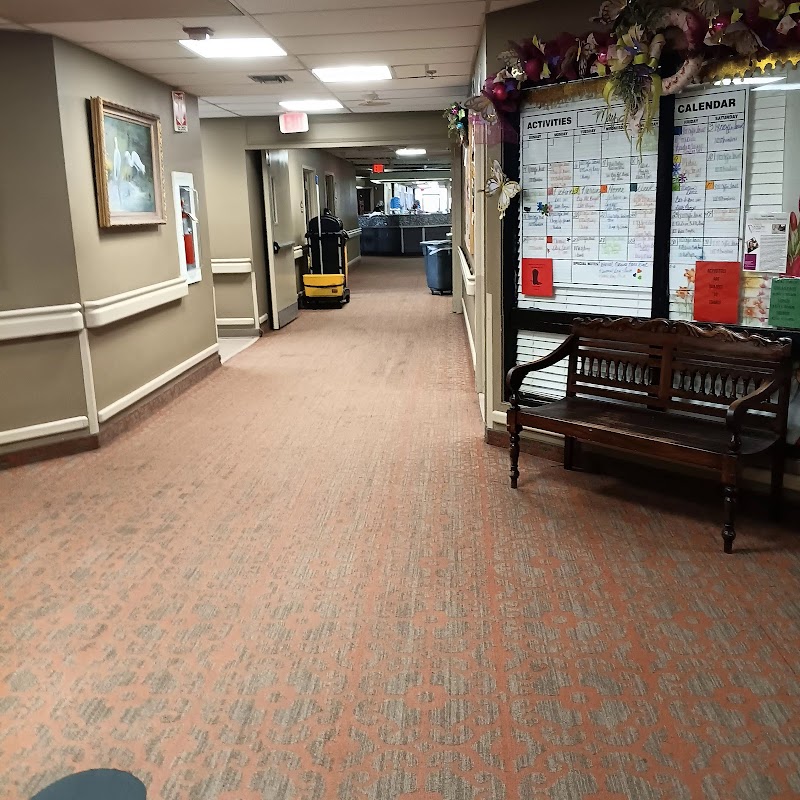
CMS rates JO ELLEN SMITH CONVALESCENT CENTER's staffing level at 1 out of 5 stars, which is much below average compared to other nursing homes. Staff turnover is 43%, compared to the Louisiana average of 46%. This relatively stable workforce can support continuity of care.

What Have Inspectors Found at Jo Ellen Smith Convalescent Center?

State health inspectors documented 16 deficiencies at JO ELLEN SMITH CONVALESCENT CENTER during 2023 to 2025. These included: 14 with potential for harm and 2 minor or isolated issues.
Who Owns and Operates Jo Ellen Smith Convalescent Center?

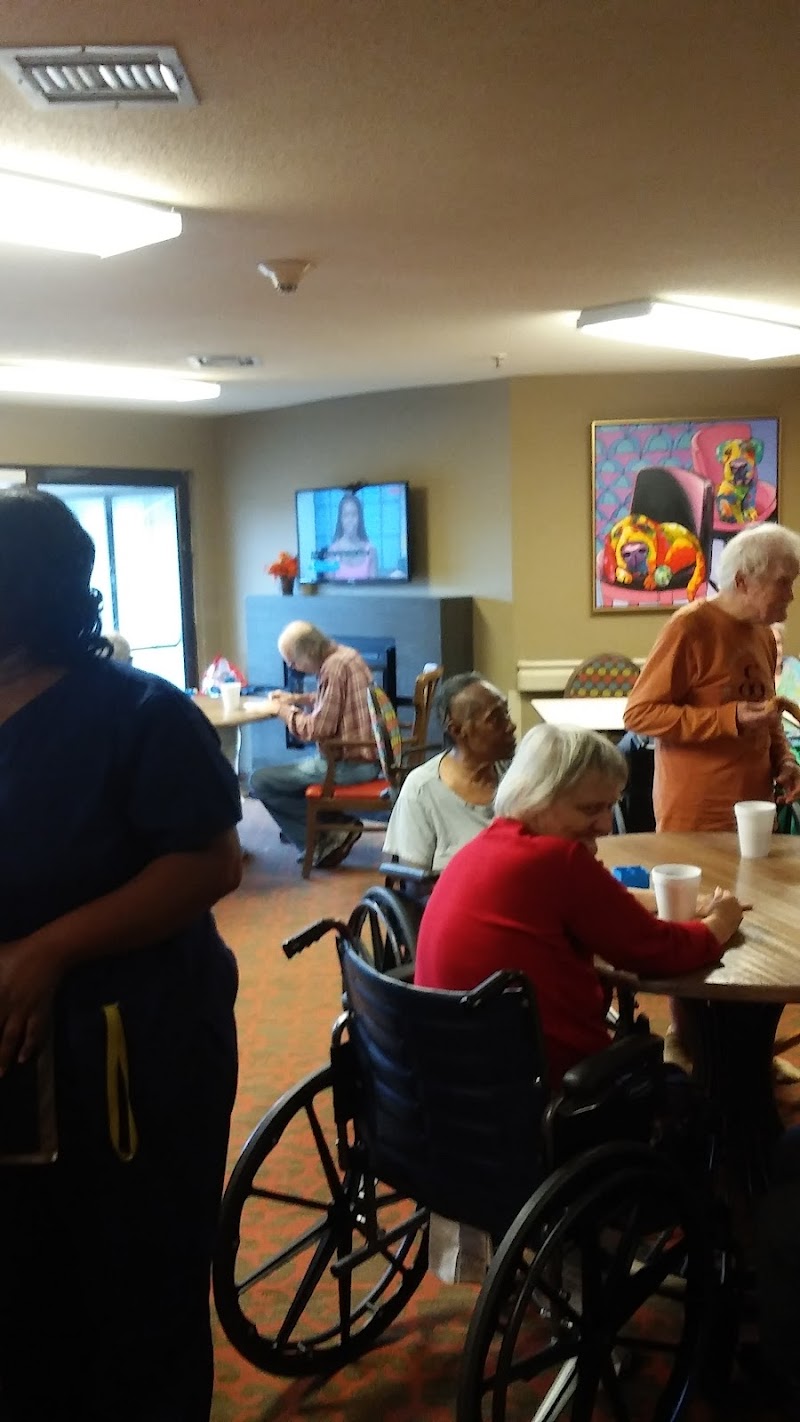
JO ELLEN SMITH CONVALESCENT CENTER is owned by a for-profit company. For-profit facilities operate as businesses with obligations to shareholders or private owners. The facility is operated by PRIORITY MANAGEMENT, a chain that manages multiple nursing homes. With 108 certified beds and approximately 128 residents (about 119% occupancy), it is a mid-sized facility located in NEW ORLEANS, Louisiana.
How Does Jo Ellen Smith Convalescent Center Compare to Other Louisiana Nursing Homes?

Compared to the 100 nursing homes in Louisiana, JO ELLEN SMITH CONVALESCENT CENTER's overall rating (3 stars) is above the state average of 2.4, staff turnover (43%) is near the state average of 46%, and health inspection rating (4 stars) is above the national benchmark.

What Should Families Ask When Visiting Jo Ellen Smith Convalescent Center?

Based on this facility's data, families visiting should ask: "Can you walk me through typical staffing levels on day, evening, and night shifts?" "Can I visit during a mealtime to observe dining assistance and food quality?" "How do you handle medical emergencies, and what is your hospital transfer rate?" "Can I speak with family members of current residents about their experience?" These questions are particularly relevant given the below-average staffing rating.

Is Jo Ellen Smith Convalescent Center Safe?

Based on CMS inspection data, JO ELLEN SMITH CONVALESCENT CENTER has a clean safety record: no substantiated abuse findings (meaning no confirmed cases of resident harm), no Immediate Jeopardy citations (the most serious violation level indicating risk of serious injury or death), and is not on the Special Focus Facility watch list (a federal program monitoring the lowest-performing 1% of nursing homes). The facility has a 3-star overall rating and ranks #1 of 100 nursing homes in Louisiana. While no facility is perfect, families should still ask about staff-to-resident ratios and recent inspection results during their visit.

Do Nurses at Jo Ellen Smith Convalescent Center Stick Around?

JO ELLEN SMITH CONVALESCENT CENTER has a staff turnover rate of 43%, which is about average for Louisiana nursing homes (state average: 46%). Moderate turnover is common in nursing homes, but families should still ask about staff tenure and how the facility maintains care continuity when employees leave.

Was Jo Ellen Smith Convalescent Center Ever Fined?

JO ELLEN SMITH CONVALESCENT CENTER has been fined $5,055 across 1 penalty action. This is below the Louisiana average of $33,129. While any fine indicates a compliance issue, fines under $50,000 are relatively common and typically reflect isolated problems that were subsequently corrected. Families should ask what specific issues led to these fines and confirm they've been resolved.

Is Jo Ellen Smith Convalescent Center on Any Federal Watch List?

JO ELLEN SMITH CONVALESCENT CENTER is not on any federal watch list. The most significant is the Special Focus Facility (SFF) program, which identifies the bottom 1% of nursing homes nationally based on persistent, serious quality problems. Not being on this list means the facility has avoided the pattern of deficiencies that triggers enhanced federal oversight. This is a positive indicator, though families should still review the facility's inspection history directly.