HERITAGE MANOR OF OPELOUSAS

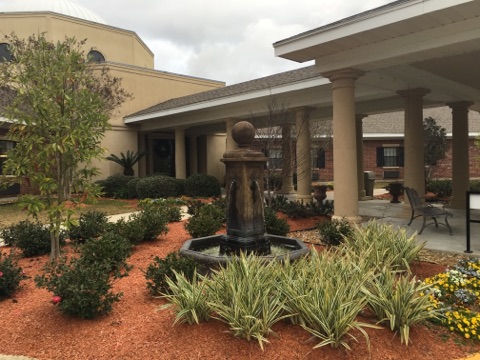
7941 I-49 SOUTH SERVICE ROAD, OPELOUSAS, LA 70570 (337) 942-7588
For profit - Limited Liability company 109 Beds THE BEEBE FAMILY Data: November 2025 2 Immediate Jeopardy citations
Trust Grade
1/100
#207 of 264 in LA
Last Inspection: August 2024

Within standard 12-15 month inspection cycle. Federal law requires annual inspections.

Overview

Heritage Manor of Opelousas has received a Trust Grade of F, which indicates significant concerns and a poor quality of care. It ranks #207 out of 264 facilities in Louisiana, placing it in the bottom half, and #7 out of 7 in St. Landry County, meaning there are no better local options. However, the facility is reportedly improving, with the number of issues decreasing from 18 in 2024 to just 1 in 2025. Staffing is rated average at 3 out of 5 stars, with a turnover rate of 54%, which is close to the state average, while RN coverage is better than 76% of Louisiana facilities, suggesting that RNs are available to monitor residents closely. On the downside, the facility has faced serious fines totaling $75,014, higher than 76% of Louisiana facilities, and recent inspections revealed critical incidents, such as a resident falling from a wheelchair due to inadequate supervision and another resident sustaining a head injury from a poorly managed lift transfer. Families should weigh these strengths and weaknesses carefully when considering this facility.

Trust Score
F
1/100
In Louisiana
#207/264
Bottom 22%
Safety Record
High Risk
Review needed
Inspections
Getting Better
18 → 1 violations
Staff Stability
⚠ Watch
54% turnover. Above average. Higher turnover means staff may not know residents' routines.
Penalties
✓ Good
$75,014 in fines. Lower than most Louisiana facilities. Relatively clean record.
Skilled Nurses
⚠ Watch
Each resident gets only 19 minutes of Registered Nurse (RN) attention daily — below average for Louisiana. Fewer RN minutes means fewer trained eyes watching for problems.
Violations
⚠ Watch
37 deficiencies on record. Higher than average. Multiple issues found across inspections.
★☆☆☆☆
1.0
Overall Rating
★★★☆☆
3.0
Staff Levels
★☆☆☆☆
1.0
Care Quality
★☆☆☆☆
1.0
Inspection Score
Stable
2024: 18 issues
2025: 1 issues

The Good

  • Full Sprinkler Coverage · Fire safety systems throughout facility
  • No fines on record

Facility shows strength in fire safety.

The Bad

1-Star Overall Rating

Below Louisiana average (2.4)

Significant quality concerns identified by CMS

Staff Turnover: 54%

Near Louisiana avg (46%)

Higher turnover may affect care consistency

Federal Fines: $75,014

Well above median ($33,413)

Moderate penalties - review what triggered them

Chain: THE BEEBE FAMILY

Part of a multi-facility chain

Ask about local staffing decisions and management

The Ugly 37 deficiencies on record

2 life-threatening 1 actual harm
Jul 2025 1 deficiency
CONCERN (D) 📢 Someone Reported This

A family member, employee, or ombudsman was alarmed enough to file a formal complaint

Potential for Harm - no one hurt, but risky conditions existed

Comprehensive Care Plan (Tag F0656)

Could have caused harm · This affected 1 resident

**NOTE- TERMS IN BRACKETS HAVE BEEN EDITED TO PROTECT CONFIDENTIALITY** Based on record review and interview, the facility failed to follow the resident's plan of care for 1 (Resident #1) of 3 (#1, #2...

Read full inspector narrative →
**NOTE- TERMS IN BRACKETS HAVE BEEN EDITED TO PROTECT CONFIDENTIALITY** Based on record review and interview, the facility failed to follow the resident's plan of care for 1 (Resident #1) of 3 (#1, #2, #3) sampled residents. Findings: Review of Resident #1's electronic health record revealed he was admitted to the facility on [DATE] with diagnoses that included but were not limited to Acute on Chronic Diastolic Heart Failure, Urinary Tract Infection, Chronic Kidney Disease, Unspecified Dementia, Cerebral Ischemia and Essential Hypertension Review of Resident #1's significant change MDS (Minimum Data Set) with an ARD (Assessment Reference Date) of 04/10/2025 revealed she had a BIMS (Brief Interview for Mental Status) of 05, indicating she was severely, cognitively impaired. Review of Resident #1's Physician Order Summary Report for May 2025 revealed an order with a start date of 05/09/2025. The order read in part: Lotrisone cream twice daily to affected area for 7 days. (two times a day until 05/16/2025 at 18:59 [6:59 p.m.]). Review of Resident #1's MAR/TAR (Medication Administration Record/Treatment Administration Record) for May 2025 revealed 4 dosages of the Lotrisone cream was not given. There was no evidence the doses were given on 05/09/2025 (first dose p.m.), 05/11/2025 (p.m. dose), 05/14/2025 (p.m. dose) and 05/15/2025 (p.m. dose) anywhere in the resident's record. On 07/01/2025 at 4:00 p.m., an interview and record review was conducted with S1DON. A review of Resident #1's May 2025 physician's orders, nurse's notes and MAR/TAR was done. S1DON confirmed that Resident #1's had missed four doses of Lotrisone cream.
Oct 2024 1 deficiency 1 IJ
CRITICAL (J) 📢 Someone Reported This

A family member, employee, or ombudsman was alarmed enough to file a formal complaint

Immediate Jeopardy (IJ) - the most serious Medicare violation

Accident Prevention (Tag F0689)

Someone could have died · This affected 1 resident

**NOTE- TERMS IN BRACKETS HAVE BEEN EDITED TO PROTECT CONFIDENTIALITY** Based on interview, observations, and record reviews, the facility failed to ensure a cognitively impaired resident received ade...

Read full inspector narrative →
**NOTE- TERMS IN BRACKETS HAVE BEEN EDITED TO PROTECT CONFIDENTIALITY** Based on interview, observations, and record reviews, the facility failed to ensure a cognitively impaired resident received adequate supervision during facility transportation which resulted in the resident falling from a wheelchair and sustaining a severe head injury for 1 (#2) of 3 (#2, #3, #R5) sampled residents with impaired cognition investigated for safe transportation via wheelchair. The deficient practice resulted in an Immediate Jeopardy for Resident #2 on 10/08/2024 at 10:00 a.m., when S2D (Driver) left Resident #2 unattended in her wheelchair on a sidewalk outside of an eye doctor's office while S2D moved the transportation van. Resident #2, who was cognitively impaired, fell from her wheelchair during this time, striking her head against the concrete pavement. Resident #2 was transferred to a local hospital (Hospital A) for evaluation on 10/08/2024 at 12:01 p.m. Hospital A's CT (computed tomography) report of the head dated 10/08/2024 at 12:19 p.m., showed the resident sustained post traumatic bilateral parenchymal and subarachnoid hemorrhages. Resident #2 was transferred from Hospital A to a second hospital (Hospital B) for further evaluation and treatment by a neurologist on 10/08/2024 at 3:11 p.m. where she was subsequently admitted for further treatment with coagulation and antihypertensive medication in the ICU (Intensive Care Unit) for three days. Resident #2 returned to the facility on [DATE]. The facility implemented an immediate corrective action plan on 10/08/2024 which was completed prior to the State Agency's investigation. There was sufficient evidence that the facility corrected the noncompliance and was in substantial compliance on 10/09/2024, thus it was determined to be a Past Noncompliance citation. Findings: A request was made for a facility policy regarding supervising residents during transportation appointments. On 10/29/2024 at 1:47 p.m., S1DON (Director of Nursing) stated the facility did not have such policy. Review of the facility's Transportation Attendant Job Summary revealed; as a part of the responsibilities .maintain safety and comfort of residents as much as possible during transportation. Review of the medical records for Resident #2 revealed the resident was admitted to the facility on [DATE] with diagnoses that included Dementia, Anxiety Disorder, and Hemiplegia Following Cerebral Infarction Affecting Right Dominant Side. Review of Resident #2's quarterly MDS (Minimum Data Set) with ARD (Assessment Reference Date) of 09/24/2024, revealed the following, in part: -BIMS (Brief Interview for Mental Status) interview was unable to be conducted because the resident was never/rarely understood and could never/rarely make herself understood. She was indicated as having a memory problem for both long-term and short-term memory, and her cognitive skill for daily decision making were severely impaired. -Resident #2 utilized a wheelchair and required extensive physical assistance from two or more persons with transferring. Review of Resident #2's current care plan initiated 08/13/2024 revealed the following, in part: Problem: Resident is at risk for falls .Approaches: Cues/reminders as needed for safety. Review of Resident #2's MAR (Medication Administration Record) for October 2024 revealed she received Aspirin 81mg (an antiplatelet medication) and Apixaban 2.5mg (an anticoagulant medication) from 10/1/2024 until the date of her fall on 10/08/2024. Resident #2's Fall Incident Report dated 10/08/2024 revealed the following in part: Resident #2 went out on pass at 0810 (8:10 a.m.) to an appointment via facility transportation in stable condition. S2D called provider to report that resident slid out of chair and hit her head. Resident was driven back to facility at 1040 (10:40 a.m.) as directed by the provider for proper assessment. On assessment a large hematoma with dried blood was noted to right side of Resident #2's forehead. Ambulance was called and Resident #2 was transferred to Hospital A. Review of Resident #2's hospital records from Hospital A revealed a CT of Resident #2's head without contrast was performed. The results revealed a posttraumatic bilateral parenchymal and subarachnoid hemorrhage with a large right scalp hematoma. Resident #2 was transferred to Hospital B on 10/08/2024 for neurology consultation and treatment with IV (intravenous) coagulation and antihypertensive therapy under ICU monitoring. On 10/28/2024 at 1:30 p.m., an attempt was made to interview Resident #2. She did not respond to questioning and was unable to be interviewed. On 10/28/2024 at 10:11 a.m., an interview was conducted with S2D. S2D stated she transported Resident #2 in her wheelchair to an appointment in the facility's van on 10/08/2024. When the appointment was done, she wheeled Resident #2 outside and parked her in her wheelchair on the sidewalk at the van parking spot. S2D stated the van had to be moved to put the wheelchair lift gait down. S2D stated she locked Resident #2's wheelchair then left Resident #2 unattended for approximately one minute to move the van. She returned to find Resident #2 lying on her right side on the concrete with her wheelchair on its side and observed a raised area to the resident's right forehead beginning to form. She stated she immediately notified the facility and was instructed to return to the facility with Resident #2. On 10/29/2024 at 11:10 a.m., an interview was conducted with S1DON (Director of Nursing). S1DON stated she was notified by the nursing staff that an incident occurred during Resident #2's transportation where the resident fell out of her wheelchair. She stated that without having full knowledge of incident details, she instructed S2D to return to the facility with the resident so a nursing assessment could be performed. She stated Resident #2's nurse performed an assessment and immediately sent her to the hospital via ambulance services. On 10/29/2024 at 1:20 p.m., S1DON stated the facility administrator immediately suspended S2D for the day and suspended her from driving for a week. They gave a verbal reeducation to all drivers before the next scheduled resident appointment. They immediately removed the resident's wheelchair and ordered a high back chair with a seatbelt. In-services were started the following day (10/09/2024) and also started retraining on the van/transportation with competency demonstrations. She stated they identified other residents that could be affected as every resident that utilizes facility transportation and by monitoring resident transports of both ambulatory and wheelchair bound residents. On 10/30/2024 at 11:40 a.m., a follow up interview was conducted with S1DON. S1DON confirmed that all residents in a wheelchair require supervision during transportation. S1DON confirmed that Resident #2's cognition was severely impaired, and she was left unsupervised which led to Resident #2's injury. S1DON further confirmed S2D should not have left Resident #2 unattended at any point while providing transportation services. The facility implemented the following immediate corrective actions to correct the deficient practice which was completed prior to the State Agency's investigation. 10/08/2024 Corrective Action Plan 1. Immediate suspension of S2D from work and driving privileges for 1 week post incident. 2. Immediate verbal education provided to drivers after the incident occurred before the next facility transport. 3. Immediate removal of Resident #2's wheelchair. 4. Audit conducted of Resident #2's transportation needs was performed. Implemented high back wheelchair with seatbelt to be used for transportation only. 5. In-services conducted for all facility drivers regarding: Safe transportation of resident including safe loading and unloading procedures; what to do if a resident falls; residents should be supervised and not to left unattended; proper location where residents should wait for safe loading and unloading, accident prevention; and wheelchair securement. 6. Review of the transportation attendant's job summary conducted with S2D. 7. In-serviced drivers on company owned vehicle with return demonstration for competency. 8. Monitoring drivers for adherence to transportation procedures. 9. Conducted review of resident needs/concerns with information gathered from van drivers during monitoring. 10/09/2024 - All staff identified as being able to transport residents using the facility's van received re-education; monitoring was conducted and documented. Ongoing monitoring of the plan's effectiveness continued. On 10/28/2024 - 10/30/2024 throughout the days multiple facility transportation drivers were interviewed about the transportation process. All staff interviewed were knowledgeable about the process and providing supervision to residents while out on pass at all times. All staff members stated they had received multiple trainings that included slides, in-services, and a return demonstration for competency. They were able to accurately verbalize the contents of the training that was outlined in the facility's plan of corrective action. Two facility transportation drivers were observed loading wheelchair bound residents in the facility van for appointment transportation on 10/29/2024 and 10/30/2024. Facility van is noted to be in the facility breezeway with the wheelchair gait already in the lowered position while the residents were waiting inside of the facility. Both staff members explained the procedure prior starting. Both utilized wheelchair locks and safety belt during lift. Once in van, both staff members strapped the residents in using all provided seat belts. Neither resident was ever left unattended during the entire process. No concerns observed. Six random residents requiring wheelchair use and facility van transportation were interviewed regarding facility transportation on 10/29/2024 and 10/30/2024. None of the residents expressed complaints regarding the transportation services. All residents confirm they had never been left unattended during transportation. None of the residents expressed fear of utilizing the facility van. No concerns identified. There was sufficient evidence that the facility corrected the noncompliance and was in substantial compliance on 10/09/2024, thus it was determined to be a Past Noncompliance citation.
Aug 2024 14 deficiencies 1 IJ (1 affecting multiple)
CRITICAL (K)

Immediate Jeopardy (IJ) - the most serious Medicare violation

Infection Control (Tag F0880)

Someone could have died · This affected multiple residents

**NOTE- TERMS IN BRACKETS HAVE BEEN EDITED TO PROTECT CONFIDENTIALITY** Resident #72 was admitted to the facility on [DATE] with diagnosis including Pressure ulcer of sacral region, stage IV. Review o...

Read full inspector narrative →
**NOTE- TERMS IN BRACKETS HAVE BEEN EDITED TO PROTECT CONFIDENTIALITY** Resident #72 was admitted to the facility on [DATE] with diagnosis including Pressure ulcer of sacral region, stage IV. Review of Resident #72's Physician Orders, in part, revealed an order dated 07/9/2024 for Enhanced Barrier Precautions: Gown and gloves to be worn during high contact activities (Hygiene, Toileting, Chronic Wound care). Review of Resident #72's Care Plan revealed the following: -Problem Onset 07/9/2024, Resident has a Pressure Ulcer- Stage 4 Pressure Ulcer to Sacral Region -Approaches, In part: Enhanced Barrier Precautions Followed On 08/27/24 at 2:30 p.m., an observation of wound care for Resident #72 was made, and an interview was conducted with S23CNA (Certified Nursing Assistant). Resident #72 was noted to have a sign on her door reading in part: Enhanced Barrier Precautions, Stop, Wear gloves and a gown for the following high- contact resident care activities: Changing briefs, wound care. S23CNA was observed assisting during wound care, turning Resident #72 and changing her brief without wearing a gown. On 08/28/24 at 2:25 p.m., an interview was conducted with S3ICP (Infection Control Preventionist). S3ICP confirmed that S23CNA should have been wearing a gown while assisting with wound care and changing a brief for Resident #72. Based on observation, interview and record review, the facility failed to maintain an effective infection control program in order to prevent the transmission of communicable diseases and infections as evidenced by failing to ensure: 1. a previously used insulin multi-dose pen that is designed for single patient use, was not used to administer insulin to another resident. 2. proper cleaning of glucometer between use 3. staff wore proper Personal Protective Equipment (PPE) for Enhanced Barrier Precautions (EBP) while performing high contact resident care activity. 4. proper use and storage of PPE for used on residents in contact isolation. This deficient practice resulted in an Immediate Jeopardy (IJ) on 08/27/2024 at 11:17 a.m. when S27LPN (Licensed Practical Nurse) used Resident #6's previously used insulin multi-dose pen, designed for single patient use, to administer insulin to Resident #61. This deficient practice placed 6 residents who receive insulin by multi-dose pens at risk for potential exposure to blood-borne pathogens. S1ADM (Administrator) and S2DON (Director of Nursing) were notified of the Immediate Jeopardy on 08/27/2024 at 5:25 p.m. The Immediate Jeopardy was removed on 8/28/2024 at 12:55 p.m., after it was verified through observations, interviews, and record reviews that the facility implemented an acceptable Plan of Removal (POR) prior to the survey exit. The facility had a census of 107 residents. Findings: 1. On 08/27/2024, a review of the facility's policy titled Injections with a last review date of 01/2024 read in part, Purpose: To administer medication via injection. Preparation .Verify the physician's order, comparing the medication label to the order verify the following: a. Right medication b. Right dosage c. Right route d. Right time e. Right resident Review of FDA (United States Food and Drug Administration) Drug Safety Communications, Safety Announcement dated 02/25/2015 revealed the following in part: FDA requires label warnings to prohibit sharing of multi-dose diabetes pen devices among patients. Insulin pens and pens for other injectable diabetes medicines should never be shared among patients, even if the needle is changed. Sharing pens can result in the spread of serious infections from one patient to another. Pens must never be used for more than one patient because blood may be present in the pen after use. Sharing pens can lead to transmission of infections such as the human immunodeficiency virus (HIV) and hepatitis viruses. Pens should be clearly labeled with each patient's name or other identifying information. Verify the pen with the name of the patient and other patient identifiers to ensure the correct pen is used on the correct patient. Resident #61 admitted to the facility on [DATE] with diagnoses which included, but were not limited to Type 2 Diabetes Mellitus. A review of Resident #61's electronic health record (EHR) revealed a physician's order dated 12/21/2023 that read, Novolog (insulin) Flexpen syringe (single patient use), Accu-check (blood glucose monitor) AC (before meals) and HS (hour of sleep) to SS (sliding scale). A review of Resident #61's August 2024 Electronic Medication Administration Record (EMAR) revealed on 08/27/2024 at 11:00 a.m., she was administered 4 units of Novolog Flexpen by S27LPN. A review of Resident #6's EHR revealed a diagnosis of Type 2 Diabetes Mellitus. Further review revealed a physician's order dated 04/20/2017 that read, Novolog (insulin) Flexpen syringe (single patient use), Accu-check (blood glucose monitor) AC (before meals) and HS (hour of sleep). A review of Resident #6's August 2024 EMAR revealed she was administered Novolog Flexpen on 08/26/2024 at 4:00 p.m. and 8:00 p.m., also on 08/27/2024 at 6:00 a.m. and 11:00 a.m. On 08/27/2024 at 11:17 a.m., a observation was made of S27LPN during medication administration. S27LPN completed a blood glucose Accu-check on Resident #61 that read 163. S27LPN prepared 4 units of Novolog Flexpen according to the physician order. She stated the Novolog Flexpen was for Resident #61 and administered the injection. After S27LPN administered the injection, an observation of the Novolog Flexpen that was administered revealed a label which read Resident #6's name Novolog. S27LPN confirmed the Novolog Flexpen was labeled with Resident #6's name and that it was previously used to administer insulin to Resident #6. S27LPN confirmed she administered Resident #6's Novolog Flexpen to Resident #61. She stated she should have checked the label on the Novolog Flexpen prior to administration. S27LPN confirmed she should not have administered Resident #6's insulin to Resident #61. S27LPN further stated, There were too many insulin pens that were all bunched up and I just grabbed a Novolog Flexpen. On 08/27/2024 at 11:32 a.m., an interview was conducted with S2DON. She confirmed insulin pens are not to be used on another resident. During the interview, S27LPN entered the S2DON's office and informed her that she had administered Resident #6's previously used insulin pen to Resident #61. On 08/28/24 at 2:11 p.m., an interview was conducted with S3ICP. She confirmed that insulin flexpens are for single resident use only and are not to be shared due to the risk of blood-borne pathogen transmission and infections. 2. On 08/28/2024, a review of the policy titled Blood Glucose Quality Control with a last review date of 01/2024 read in part, Maintenance of Blood Glucose Monitoring Systems, Always clean the meter after each use. Gently wipe to clean and disinfect the surface of the meter with a disinfectant wipe per facility policy. On 08/27/2024 at 11:17 a.m., an observation was made of S27LPN (Licensed Practical Nurse) during medication administration. S27LPN completed a blood glucose check on Resident #61 and placed the uncleaned glucose monitor on the medication cart. After S27LPN administered Resident #61's insulin, she placed the uncleaned glucose monitor in the drawer. S27LPN confirmed she did not disinfect the blood glucose monitor after use. S27LPN stated that she only disinfects the monitor at the beginning and the end of the shift and did not disinfect the glucose monitor after use with each resident. On 08/27/2024 at 11:32 a.m., an interview was conducted with S2DON (Director of Nursing). She confirmed the blood glucose monitor should be disinfected after each use. On 08/28/24 at 2:11 p.m., an interview was conducted with S3ICP who confirmed blood glucose monitors are to be disinfected between all patient use and as needed when soiled. 4. On 8/27/2024 at 9:30 a.m., an observation was made of S7LPN (Licensed Practical Nurse) entering Resident #75's room to administer medication. She was not wearing any PPE. The resident was on contact precautions for an infection with Extended-Spectrum-Beta-Lactamase (ESBL). An interview was conducted with S7LPN when she exited the resident's room. She confirmed the signage on the door indicating the need for Enhance Barrier Precautions (EBP) because the resident had a catheter. She then acknowledged the Contact isolation signage and stated she was unaware of the resident's contact isolation status. On 08/27/2024 at 9:43 a.m., a second observation was made of S7LPN entering Resident #38's room with no PPE on, looking behind and donning PPE after entering room. The resident's door had signage, acknowledging the resident was on droplet precautions due to a positive COVID-19 diagnosis and there were no PPE available at the outside entrance of the room. On 08/27/2024 at 9:50 a.m., an interview was conducted with S7LPN, in which she stated that S3ICP (Infection Control Preventionist) informed her the PPE was to be kept inside the room for EBP (Enhanced Barrier Precautions) and any type of isolation residents. On 08/27/2024 at 3:29 p.m., an interview was conducted with S3ICP who stated she had been instructed by a corporate nurse to keep PPE inside residents' rooms rather than outside at the point of entry. S3ICP confirmed Resident #75 was on contact isolation precautions for ESBL and Resident #38 was on droplet precautions for a positive COVID-19 diagnosis. 3. Review of the provider's policy and Ppocedure titled Enhanced Barrier Precautions, read in part Enhanced Barrier Precautions (EBP) involve gown and glove use during high contact resident care activities for residents known to be colonized or infected with a MDRO as well as those at increased risk of MDRO acquisition (e.g., residents with wounds or indwelling medical devices) .Hand hygiene is recommended before and after resident contact .As part of Standard Precautions, gown and gloves should be removed and hand hygiene performed when moving to work with another resident. Resident #44 was admitted to the facility on [DATE] with diagnosis that included contracture of left and right hand. On 07/11/2024, resident had underwent placement of a PEG (percutaneous endoscopic gastrostomy) tube (indwelling medical device). On 08/28/2024 at 2:35 p.m., an observation was conducted in the room of Resident #44, which revealed a sign on the door that the resident was on Enhanced Barrier Precautions (EBP). Further observation revealed S13CNA (Certified Nursing Assistant) entered the resident's room, and asked if she needed assistance. S13CNA was observed assisting the resident without gloves or an isolation gown to locate her call bell and repositioned it for her. Further observation revealed S13CNA moved and adjusted the resident's blanket on her bed to locate the resident's hat. S13CNA then rubbed the resident's leg as she spoke with her. S13CNA exited Resident #44's room without sanitizing her hands, and entered another resident's room, and was observed with the water pitcher in her hand. On 08/28/2024 at 2:37 p.m., an interview was conducted with S13CNA who confirmed that she should have had gloves on while she assisted Resident #44, and sanitized her hands before entering another resident's room. On 08/28/2024 at 3:30 p.m., an interview was conducted with S3ICP (Infection Control Preventionist) who confirmed that S13CNA should have had gloves on while assisting Resident #44, and sanitized her hands before entering another resident's room.Record review of Resident #27's Care Plan read in part, Nutritional Status, PEG (Percutaneous Endoscopic Gastrostomy) Feeding and flush as ordered. Enhanced Barrier Precautions as Ordered. Record review of Resident #27's Physician Orders dated 04/16/2024 read in part, Enhanced Barrier Precautions: Gown and gloves to be worn during high contact resident care Activities ( .Feeding Tube). On 08/27/2024 at 11:45 a.m., an observation of Resident #27's room door revealed a sign on the outside that read in part, STOP . Enhanced Barrier Precautions .Providers and Staff must .Wear gloves and gown for the following High-Contact Resident Care Activities .Device Care or used: Feeding tube. Surveyor knocked on the door and S30LPN (Licensed Practical Nurse) responded. On entering the room, S30LPN was observed flushing Resident #27's PEG tube with water. She was wearing gloves and not wearing a gown. S30LPN was asked if Resident #27 was on Enhanced Barrier Precautions and she stated Yes. When asked if she should be wearing a gown to flush the residents PEG tube, she stated she should be wearing a gown. On 08/27/2024 at 12:09 p.m., an interview was conducted with S3ICP (Infection Control Preventionist) who confirmed that Resident #27 was on Enhanced Barrier Precaution for her PEG tube. S3ICP stated that staff should wear gown and gloves when flushing or cleaning the resident's PEG tube.
CONCERN (D)

Potential for Harm - no one hurt, but risky conditions existed

Deficiency F0568 (Tag F0568)

Could have caused harm · This affected 1 resident

Based on record review and interviews, the facility failed to provide individual financial record to the resident through quarterly statements and/or upon request for 1 (#5) of 1 (#5) residents invest...

Read full inspector narrative →
Based on record review and interviews, the facility failed to provide individual financial record to the resident through quarterly statements and/or upon request for 1 (#5) of 1 (#5) residents investigated for personal funds. The deficiency had the potential to affect a census of 107. Findings: On 08/28/2024, a review of the provider's policy titled General Resident Trust Fund Policies with a last reviewed date of 08/2021, read in part, quarterly statements shall be provided to all residents, or their resident representative within 30 days after the end of the quarter. Resident #5 was admitted to facility on 09/22/2023 with diagnoses that included Chronic Kidney Disease, Type 2 Diabetes Mellitus, Retention of Urine, and Paraplegia. Review of Resident #5's MDS (Minimum Data Set) dated 06/04/2024, revealed a BIMS (Brief Interview of Mental Status) score of 15, indicating the resident was cognitively intact. On 08/26/2024 at 12:35 p.m., an interview was conducted with Resident #5 who stated that he had not received quarterly statements informing him of his account balance. On 08/28/2024 at 4:20 p.m., an interview was conducted with S14AA (Administrative Assistant) who stated Resident #5 had received his quarterly financial statements. S14AA was not able to provide evidence that Resident #5 was provided with quarterly financial statements. On 08/28/2024 at 4:30 p.m., an interview was conducted with S15AM (Accounts Manager) who stated the facility did not have any documented evidence that Resident #5 had received his quarterly financial statements. She further stated that she and S14AA were not trained to document when the resident's or the resident's representative financial statements were issued their quarterly financial statements. On 08/28/2024 at 5:05 p.m., a follow up interview was conducted with Resident #5, who was shown a copy of his financial statement for 03/30/2024 through 06/28/2024. The resident stated he had never seen a statement like what he was shown. He stated that he had requested a copy of his statement from S14AA, and she had not provided the information to him.
CONCERN (D)

Potential for Harm - no one hurt, but risky conditions existed

Safe Environment (Tag F0584)

Could have caused harm · This affected 1 resident

**NOTE- TERMS IN BRACKETS HAVE BEEN EDITED TO PROTECT CONFIDENTIALITY** Based on observations and interview, the facility failed to ensure the cleanliness of a wheelchair for 1 (#33) out of 2 (#33 and...

Read full inspector narrative →
**NOTE- TERMS IN BRACKETS HAVE BEEN EDITED TO PROTECT CONFIDENTIALITY** Based on observations and interview, the facility failed to ensure the cleanliness of a wheelchair for 1 (#33) out of 2 (#33 and #105) residents investigated for a safe, clean, comfortable and homelike environment, out of a total sample size of 39 residents. Findings: A review of the facility's policy titled Equipment and Supplies with a last reviewed date of 01/2024 read in part, 7. Resident Care equipment will be cleaned and decontaminated after use and will be prepared for reuse by the same or another resident. Equipment will be cleaned and decontaminated according to manufacturer's recommendation. Resident #33 was admitted to the facility on [DATE] with diagnoses which included Unspecified Dementia. On 08/26/24 at 10:00 a.m., Resident #33 was observed sitting in her room in her wheelchair. Resident #33's wheelchair was observed with a large amount of yellow food-like residue on the seat, the foot petal bars, and the wheels of the wheelchair. On 08/26/2024 at 11:00 a.m., an interview and observation was conducted with S29LPN (Licensed Practical Nurse) of Resident #33's wheelchair. S29LPN confirmed that the wheelchair was dirty and should be cleaned. S29LPN confirmed that that Resident #33's wheelchair should not have been in that condition.
CONCERN (D)

Potential for Harm - no one hurt, but risky conditions existed

MDS Data Transmission (Tag F0640)

Could have caused harm · This affected 1 resident

**NOTE- TERMS IN BRACKETS HAVE BEEN EDITED TO PROTECT CONFIDENTIALITY** Based on record review and interview, the facility failed to ensure that a MDS (Minimum Data Set) assessment was completed and s...

Read full inspector narrative →
**NOTE- TERMS IN BRACKETS HAVE BEEN EDITED TO PROTECT CONFIDENTIALITY** Based on record review and interview, the facility failed to ensure that a MDS (Minimum Data Set) assessment was completed and submitted to CMS (Center for Medicare And Medicaid Services) in a timely manner, after a resident was discharged for 1 (#82) of 1 (#82) resident investigated for Resident Assessment out of a final sample of 39 residents. The deficient practice had the potential to affect 107 residents. Findings: Review of Resident #82's medical record revealed an admission date of 08/03/2021, and a discharge date of 05/06/2024. Further review of Resident #82's medical record revealed no documented evidence that a discharge assessment was opened, completed and/or transmitted since he was discharged . On 08/28/2024 at 4:39 p.m., an interview was conducted with S18MDS (Minimal Data Set). who confirmed Resident #82 was discharged home on [DATE]. She also confirmed the discharge assessment had not been opened, completed, or transmitted in greater than 120 days and should have been.
CONCERN (D)

Potential for Harm - no one hurt, but risky conditions existed

Assessment Accuracy (Tag F0641)

Could have caused harm · This affected 1 resident

**NOTE- TERMS IN BRACKETS HAVE BEEN EDITED TO PROTECT CONFIDENTIALITY** Based on record review and interview, the facility failed to ensure the resident's Minimum Data Set (MDS) was completed accurate...

Read full inspector narrative →
**NOTE- TERMS IN BRACKETS HAVE BEEN EDITED TO PROTECT CONFIDENTIALITY** Based on record review and interview, the facility failed to ensure the resident's Minimum Data Set (MDS) was completed accurately for 1 (#56) out of 39 sampled residents. Findings: Review of Resident #56's clinical medical record revealed she was admitted to the facility on [DATE]. Her current diagnoses include, but where no limited to, Cerebral Infarction, Hemiplegia affecting right dominant side, Chronic Obstructive Pulmonary Disease and Muscle Weakness. Review of Resident #56's Significant Change MDS dated [DATE] revealed under Section P-Restraints, the resident was coded for the use of restraints. Review of the resident's active physician order as of 08/01/2024 revealed no order for restraints. On 08/26/2024 at 8:30 a.m., an interview and review of the residents MDS dated [DATE] was conducted with S9LPN/MDS (Licensed Practice/Minimum Data Set. She confirmed that she incorrectly coded the use of the bed rails as a restraint on the resident's MDS.
CONCERN (D)

Potential for Harm - no one hurt, but risky conditions existed

Comprehensive Care Plan (Tag F0656)

Could have caused harm · This affected 1 resident

**NOTE- TERMS IN BRACKETS HAVE BEEN EDITED TO PROTECT CONFIDENTIALITY** Based on record reviews, interviews and observations, the facility failed to develop and/or implement a resident centered compre...

Read full inspector narrative →
**NOTE- TERMS IN BRACKETS HAVE BEEN EDITED TO PROTECT CONFIDENTIALITY** Based on record reviews, interviews and observations, the facility failed to develop and/or implement a resident centered comprehensive plan of care for 3 (#36, #76 and #105) out of 39 sampled residents as evidenced by failing to: 1. implement Resident #36's plan of care to apply bilateral heel protectors while in bed; 2 develop a plan of care for Resident #76 that addressed his significant weight loss; and 3. develop a plan of care to address Resident #105's Urinary Catheter and her diagnosis of Urinary Tract Infection. Findings: 1. Resident #36 Review of Resident #36's electronic medical record revealed she was admitted to the facility on [DATE] with diagnoses which included, but were not limited to Pressure Ulcer of Sacral Region Stage 4, Rash and other Nonspecific Skin Eruption, Unspecified, and Severe Protein-Calorie Malnutrition. Review of Resident #36's care plan revealed a problem onset on 04/02/2021 which read in part .Resident is at risk for further skin breakdown due to decline in mobility. This problem included a goal for the resident to have no new skin breakdown through next review date 10/16/2024, and an intervention for bilateral heel protectors while in bed. Review of Resident #36's August 2024 EMAR (Electronic Medical Record) revealed bilateral heel protectors while in bed signed by nurses as completed on 08/27/2024 at 6 a.m., 2 p.m. and 10 p.m., and on 08/28/2024 at 6 a.m. On 08/27/2024 at 9:40 a.m., Resident #36 was observed lying in bed with no bilateral heel protectors on. On 08/28/2024 at 08:33 a.m., an observation of Resident #36 and an interview was conducted with S21CNA (Certified Nursing Assistant). S21CNA confirmed that Resident #36 did not have bilateral heel protectors and stated that she should have been wearing the heel protectors. She further stated that she had worked with Resident #36 on 08/27/2024 from 6 a.m. to 2 p.m. and that the resident did not use the heel protectors and should have. S21CNA confirmed that she was aware that Resident #36 should have used bilateral heel protectors while in bed. On 08/28/2024 at 8:42 a.m., an interview, record review and observation of Resident #36 was conducted with S19LPN (Licensed Practical Nurse). S19LPN confirmed that Resident #36 was care planned for bilateral heel protectors, and was not wearing bilateral heel protectors and should have. 2. Resident #76 Review of Resident #76's electronic medical record revealed he was admitted to the facility on [DATE] with diagnoses which included, but were not limited to Vascular Dementia, Anxiety Disorder and Unspecified Sequelae of Cerebral Infarction. Review of Resident #76's Significant Change MDS (Minimal Data Set) with an ARD (Assessment Reference Date) of 06/12/2024 revealed a weight loss of 5% or more in the last month or loss of 10% or more in the last 6 months, and was not on a prescribed weight loss regimen. Review of Resident #76's resident centered comprehensive care plan revealed no evidence that his weight loss had been addressed. On 08/28/2024 at 2:31 p.m., an interview and record review was conducted with S17AN (Assessment Nurse). She confirmed that Resident #76 had a significant weight loss that was coded on his Significant Change MDS with an ARD of 06/12/2024. S17AN also confirmed that she had not addressed Resident #76's weight loss on his comprehensive care plan and stated she should have.3. Resident #105 Review of the resident's electronic clinical record revealed the resident was admitted to the facility on [DATE]. The resident's diagnosis included in part, Urinary Tract Infection, Type 2 Diabetes Mellitus, Unspecified Hydronephrosis and Essential Hypertension. Review of the resident's 5-day PPS (Prospective Payment System) MDS (Minimum Data Set) assessment dated [DATE] revealed under Section H-Bladder and Bowel, the resident was coded for having an indwelling catheter. Further review revealed under Section I: Active Diagnosis, the resident was coded for have a UTI (urinary tract infection) in the last 30 days. Review of the resident's care plan revealed no evidence that the resident's urinary catheter and UTI was addressed in the care plan. On 08/28/2024 at 3:30 p.m., an interview conducted with S17ANAssessement Nurse). She confirmed that according to Resident 105's electronic clinical record, the resident did have a urinary catheter and had a UTI. Then, a review of the resident's care plan was conducted with S17AN. She confirmed the resident's urinary catheter and UTI was not addressed in her care plan and should have been.
CONCERN (D)

Potential for Harm - no one hurt, but risky conditions existed

Deficiency F0657 (Tag F0657)

Could have caused harm · This affected 1 resident

**NOTE- TERMS IN BRACKETS HAVE BEEN EDITED TO PROTECT CONFIDENTIALITY** Based on record review and interview, the facility failed to facilitate the resident's and if applicable, the resident represent...

Read full inspector narrative →
**NOTE- TERMS IN BRACKETS HAVE BEEN EDITED TO PROTECT CONFIDENTIALITY** Based on record review and interview, the facility failed to facilitate the resident's and if applicable, the resident representatives' participation in the care planning process for 1 (#5) of 2 (#5, and #76) residents investigated for care planning out of a total sample of 39 residents. Findings: Review of Resident #5's medical records revealed he was admitted to the facility on [DATE] and he was his own representative. Review of the resident's MDS (Minimum Data Set) assessment dated [DATE] revealed the resident had a BIMS (Brief Interview for Mental Status) score of 15, indicating he was cognitively intact. Review of S16SS (Social Services) notes dated 11/02/2023 read in part .the residents daughter was having phone trouble, but left her P.O Box address so that she could also be contacted by the facility via mail. On 08/26/2024 at 12:35 p.m., an interview was conducted with Resident #5, in which he stated that he had not been invited to attend any care plan meetings. On 08/27/2024 at 4:15 p.m., an interview and review of a copy of the mailing envelope was conducted with S16SS. She stated she mailed the care plan meeting invitation to Resident #5's daughter. The copy of the mailing envelope was addressed to Resident #5 with his home address, but on closer observation the address was different from the one provided to the facility by the resident's daughter on 11/02/2023. On 08/27/2024 at 4:20 p.m., further review of Resident #5's hard chart revealed no evidence that quarterly care plan meetings had been conducted after 01/04/2024. On 08/27/2024 at 4:30 p.m., an interview was conducted with S16SS, who failed to provide documented evidence that care plan meetings were being conducted quarterly, or that the resident's daughter had been invited to the quarterly meetings.
CONCERN (D)

Potential for Harm - no one hurt, but risky conditions existed

Deficiency F0676 (Tag F0676)

Could have caused harm · This affected 1 resident

**NOTE- TERMS IN BRACKETS HAVE BEEN EDITED TO PROTECT CONFIDENTIALITY** Based on observation, record review and interviews the facility failed to provide oral care for 1 (#64) of 4 (#44, #56, #64, #91...

Read full inspector narrative →
**NOTE- TERMS IN BRACKETS HAVE BEEN EDITED TO PROTECT CONFIDENTIALITY** Based on observation, record review and interviews the facility failed to provide oral care for 1 (#64) of 4 (#44, #56, #64, #91) residents reviewed for ADL's (Activities of Daily Living) from a sample of 39 Residents. Findings: Record review revealed Resident #64 was admitted to the facility on [DATE] and had a BIM (Brief Mental Exam) of 10. She had a diagnosis of Muscle weakness and required extensive assistance with all ADL's. Record review of Resident #64's Care Plan revealed the C.N.A.'s were to assist Resident #64 with maintaining good oral hygiene daily. On 08/26/24 at 12:48 p.m., an observation revealed Resident #64 had a white milky substance between her upper and lower teeth. At this time Resident #64 stated she has been in the facility going on 2 months and during this time the staff have not provided her with oral care in the morning. On 08/27/24 9:12 a.m., another observation revealed Resident #64 had a white milky substance between her upper and lower teeth. At this time Resident #64 stated no one had assisted her to brush her teeth after breakfast. On 08/27/24 at 9:13 a.m., an interview with S7LPN revealed Resident #64 required staff to assist her with brushing her teeth. At this time S7LPN observed Resident #64's oral Cavity and stated the residents teeth were nasty and needed to be cleaned. On 8/27/24 at 9:29 a.m., an interview with S24 C.N.A. revealed Resident #64 was a total assist and needed the C.N.A.s to brush her teeth daily. On 08/027/24 at 12:48 p.m., an interview with S17 AN (Assessment Nurse) revealed Resident #64 required extensive assistance with ADL's (Activities of Daily Living) and it was the C.N.A.'s responsible to provide oral hygiene for the resident daily.
CONCERN (D)

Potential for Harm - no one hurt, but risky conditions existed

Respiratory Care (Tag F0695)

Could have caused harm · This affected 1 resident

**NOTE- TERMS IN BRACKETS HAVE BEEN EDITED TO PROTECT CONFIDENTIALITY** Based on observations, interviews, and record reviews, the facility failed to provide respiratory care consistent with professio...

Read full inspector narrative →
**NOTE- TERMS IN BRACKETS HAVE BEEN EDITED TO PROTECT CONFIDENTIALITY** Based on observations, interviews, and record reviews, the facility failed to provide respiratory care consistent with professional standards of practice for 2 ( Resident #31 and #54) of 3 (Resident #31, Resident #54 and Resident #359) investigated for respiratory care by failing to properly store: 1. Resident #31's nebulizer mask, and 2. Resident #54's BiPAP (Bilevel Positive Airway Pressure) mask Findings: 1. Resident #31 Review of Resident #31's electronic medical record revealed he was admitted to the facility on [DATE] with diagnoses that included, but not limited to, Chronic Obstructive Pulmonary Disease with Exacerbation, Chronic Systolic Heart Failure and Shortness of Breath. Review of Resident #31's admission MDS (Minimum Data Set) with an ARD (Assessment Reference Date) of 07/30/2024 revealed a BIMS (Brief Interview for Mental Status) of 14, indicating he was cognitively intact. Review of Resident #31current physician's orders read in part, Pulmicort 0.5 mg/2ml (milligram/milliliter) respule - Give 2 ml per neb (nebulizer) tx (treatment) twice a day. Brovana 15 mcg/2ml (microgram/milliliter) solution - Give 2 ml per neb tx twice a day. On 08/26/2024 at 09:15 a.m., during an interview with Resident #31, an observation was made of Resident #31's nebulizer mask on his bedside table open to air. Resident #31 stated that the nurses administered his nebulizer treatments and that the mask was never stored in a bag. On 08/26/2024 at 10:15 a.m., a second observation was made of Resident #31's mask on his bedside table open to air. On 08/26/2024 at 12:45 p.m., an interview and observation was with conducted with S19LPN (Licensed Practical Nurse). S19LPN confirmed that Resident #31's nebulizer mask was on his bedside table opened to air and not stored properly.2. Resident #54 A review of Resident #54's electronic health record revealed she admitted to the facility on [DATE] with diagnoses that included but were not limited to Chronic Obstructive Pulmonary Disorder, Pleural Effusion, Pneumonia, and Acute Pulmonary Edema. A review of Resident #54's Significant Change Minimum Data Set (MDS) with an Assessment Reference Date of 06/25/2024 revealed the resident had a Brief Interview for Mental Status (BIMS) score of 14, indicating her cognition was intact. Section O: Special Treatments, Procedures and Programs was checked for Non-invasive Mechanical Ventilator, Bi-level Positive Airway Pressure (BiPAP). A review of Resident #54's August 2024 physician's orders that included but were not limited to, BiPap at bedtime (settings 12/6), Cleanse BiPap mask with soap and water daily after use. On 08/26/2024 at 10:48 a.m., an observation was conducted in Resident #54's room. Resident #54's BiPap mask was observed on the night stand, not in use, open to air and not stored in a bag. Further observation of the BiPap mask revealed spots of a dried dark red substance inside the mask. On 08/26/2024 at 10:55 a.m., an observation and interview was conducted with S25LPN (Licensed Practical Nurse). S25LPN confirmed Resident #54's BiPap mask had spots of dried dark red substance inside the mask was open to air and not stored appropriately. She confirmed the mask should have been cleaned and placed in a bag.
CONCERN (D)

Potential for Harm - no one hurt, but risky conditions existed

Deficiency F0697 (Tag F0697)

Could have caused harm · This affected 1 resident

**NOTE- TERMS IN BRACKETS HAVE BEEN EDITED TO PROTECT CONFIDENTIALITY** Based on interviews, and record review, the facility failed to ensure that pain management was provided to residents who require...

Read full inspector narrative →
**NOTE- TERMS IN BRACKETS HAVE BEEN EDITED TO PROTECT CONFIDENTIALITY** Based on interviews, and record review, the facility failed to ensure that pain management was provided to residents who require such services, consistent with professional standards of practice and the comprehensive person-centered care plan for 1 (#64) of 3 (#11, #64, and #69) residents sampled for pain. The facility failed to ensure Resident #64 who displayed verbal pain received the ordered interventions to alleviate pain. Findings: Record review revealed Resident #64 was admitted to the facility on [DATE]. She had diagnosis that included but were not limited to, Pain in Leg, Intervertebral Disc Degeneration in her Lumbar Region, Scoliosis, Angina Pectoris, Weakness, and Type 2 Diabetes Mellitus. Her BIMS (Brief Interview for Mental Status) was 10 (Moderate Cognitive Status). Record review of Resident #64's care plan read in part, Resident is at risk for pain. Administer meds as ordered. Notify MD (Medical Doctor) of any unrelieved pain. Record review of Resident #64's physician orders read in part, Tylenol 325 milligram tablet take one by mouth once every 6 hours as needed for pain. On 08/26/2024 at 12:53 p.m., an interview was conducted with Resident #64. She stated she had back pain that comes from her sciatic nerve and the nurse gives her Tylenol for the pain. On 08/27/2024 at 8:39 a.m., during a skin assessment with S22TN (Treatment Nurse) Resident #64 complained of back pain that was an 8 to 9 on the pain scale with 10 being the worst. She asked S22TN if she could ask her nurse to bring her some Tylenol for the pain. Resident #64 then stated she had asked the nurse for Tylenol for pain last night (08/26/2024) and the nurse did not bring her Tylenol. On 08/28/2024 at 11:02 a.m., S22TN was asked if she had notified S7LPN (Licensed Practical Nurse) on 08/27/2024 that Resident #64 had complained of pain. She stated she did notify S7LPN regarding the residents pain. Record review of Resident #64's MAR (Medication Administration Record) for August 2024 read in part, Tylenol 325 milligram take one tablet by mouth once every 6 hours as needed for pain. On 8/13/2024 at 12:22 p.m., the resident was administered her Tylenol for a pain level of 5. Resident #64 did not receive any Tylenol on 08/26/2024, or 08/27/2024. Record review of Resident #64's nurses notes dated 08/27/2024 revealed there was no notation that S22TN had notified S7LPN of the resident's pain or that S7LPN had administered Resident #64 Tylenol for pain. On 08/28/2024 at 11:17 a.m., an interview with S7LPN revealed she did not administer Resident #64 any Tylenol for pain on 8/27/2024. On 08/28/2024 at 3:00 p.m., an interview with S2DON (Director of Nursing) revealed that the nursing staff should manage the residents pain as ordered by the physician.
CONCERN (D)

Potential for Harm - no one hurt, but risky conditions existed

Deficiency F0726 (Tag F0726)

Could have caused harm · This affected 1 resident

**NOTE- TERMS IN BRACKETS HAVE BEEN EDITED TO PROTECT CONFIDENTIALITY** 2. Resident #78 was admitted to the facility on [DATE] with diagnoses including Muscle Weakness, Hemiplegia following Cerebral I...

Read full inspector narrative →
**NOTE- TERMS IN BRACKETS HAVE BEEN EDITED TO PROTECT CONFIDENTIALITY** 2. Resident #78 was admitted to the facility on [DATE] with diagnoses including Muscle Weakness, Hemiplegia following Cerebral Infarction with the Right Dominant Side Affected, and Unspecified Dementia. Review of the Resident #78's Care Plan revealed the following: Problem Onset 07/26/2022, In part: Falls, Resident is at Risk for Falls due to SP (Stroke Progression) CVA (Cardiovascular Accident) with right sided weakness Approaches, In part: 06/26/2024 Bed Bolsters; 8/19/2024 for fall on0 08/15/2024. Staff to ensure that bolsters are in proper position. Review of Nursing Note for Resident #78, on 8/20/2024 at 6:45 a.m., by S9LPN, revealed in part: CNA reported resident found on floor at 0120. Code green called. Upon entering room noted bed in lowest position, floor mats in place, one bed bolster in place noted other one wasn't secured correctly after further evaluation. Neuros started, increase supervision and tighten bed bolster correctly. On 08/27/24 at 12:48 p.m., and interview was conducted with S3ICP. S3ICP stated that she was responsible for investigating falls. She stated that Resident #78 had bolsters on both sides of the bed to assist with fall prevention. She stated that on 8/20/2024, a CNA had admitted she did not know how to apply the bolsters correctly, resulting in Resident 78#'s fall on 8/20/2024. She stated she did not remember who the CNA was that was involved in the fall on 8/20/2024. She stated S9LPN reported that she educated the CNA after the fall on 8/20/2024 on proper use of the bolsters. She stated that these findings were the result of her investigation. On 08/27/24 at 05:15 p.m., an interview and observation of Resident #78's bed bolster was conducted with S10CNA while the resident was in bed. S10CNA confirmed that left bed bolster was not clipped. She stated that she was not assigned to Resident #78 at that time, but stated she did care for her at times. She stated that she was familiar with using the bolsters but had never been educated on the proper use of them. On 08/28/24 at 01:42 p.m. an interview and observation was conducted with S11CNA. S11CNA stated she was assigned to Resident #78 at that time. She stated that she had never been educated on the proper use of the bolsters. On 08/28/24 at 1:50 p.m. an interview was conducted with S2DON (Director of Nursing). S2DON stated that she was unaware of any staff education on bolsters and that S12CNAS (Certified Nursing Assistant Supervisor) was responsible for keeping records of all CNA education. On 08/28/24 at 01:55 p.m. an interview was conducted with S12CNAS. S12CNAS stated that she believed some of the CNA's were in-serviced on the bolsters but not all of them. She further stated that she personally had not conduced any bolster in-services. She confirmed that the facility had no documentation of staff being educated on the use of the bolsters for Resident #78. Based on observation, record reviews, and interviews, the facility failed to ensure nursing staff demonstrated competencies and skill sets to provide nursing and related services to assure resident safety and attain or maintain the highest practicable physical, mental, and psychosocial well-being of each resident for 2 (# 61, #78) residents out of 39 sampled residents. The facility failed to ensure staff demonstrated competency for: 1. safe injection practices when S27LPN used Resident #61's used multi-dose insulin pen designed for single patient use to administer insulin to Resident #6; and 2. correct application of Resident #78's bed bolsters by CNAs (certified nursing assistants). The facility had a census of 107 residents. Findings: 1. On 08/28/2024, a review of the facility's policy titled Injections with a last reviewed date of 01/2024 read in part, Purpose: To administer medication via injection. Procedure: 2. Verify the physician's order, comparing the medication label to the order verify the following: a. Right medication, b. Right dosage, c. Right route, d. Right time, e. Right resident. Resident #61was admitted to the facility on [DATE] with diagnoses which included but were not limited to, Type 2 Diabetes Mellitus. A review of Resident #61's electronic health record (EHR) revealed a physician's order dated 12/21/2023 that read, Novolog Flexpen syringe (multi-dose insulin pen device designed for single patient use), Accu-check (blood glucose monitor) AC (before meals) and HS (hour of sleep) to SS (sliding scale). A review of Resident #61's August 2024 Electronic Medication Administration Record (EMAR) revealed on 08/27/2024 at 11:00 a.m., she was administered 4 units of Novolog Flexpen by S27LPN. A review of Resident #6's EHR revealed a diagnosis of Type 2 Diabetes Mellitus. Further review revealed a physician's order dated 04/20/2017 that read, Novolog Flexpen syringe, Accu-check AC and HS. On 08/27/2024 at 11:17 a.m., an observation was made of S27LPN during medication administration. S27LPN completed a blood glucose check on Resident #61 that read 163. S27LPN prepared 4 units of Novolog Flexpen according to the physician order. She stated the Novolog Flexpen was for Resident #61 and administered the injection. After S27LPN administered the injection, an observation of pharmacy label on the Novolog Flexpen revealed it was labeled with Resident #6's name. S27LPN confirmed the Novolog Flexpen was labeled with Resident #6's name and that it had been previously used to administer insulin to Resident #6. S27LPN confirmed she administered Resident #6's Novolog Flexpen to Resident #61. She stated she should have checked the label prior to administration and should not have administered Resident #6's insulin to Resident #61. S27LPN further stated, There were too many insulin pens that were all bunched up and I just grabbed a Novolog Flexpen. On 08/27/2024 at 11:32 a.m., an interview was conducted with S2DON. She confirmed insulin pens were not to be used on another resident. During the interview, S27LPN entered the S2DON's office and informed her that she had administered Resident #6's previously used insulin pen to Resident #61. S2DON stated S27LPN knew that she should have verified the resident's name on the label of the insulin pen. S2DON further stated she conducted an in-service on 08/06/2024 with the nurses, including S27LPN, regarding medication administration.
CONCERN (D)

Potential for Harm - no one hurt, but risky conditions existed

Deficiency F0805 (Tag F0805)

Could have caused harm · This affected 1 resident

Based on observation, record reviews, and interviews, the facility failed to ensure that recipes were followed for residents who received pureed diets, by failing to follow a recipe for steamed rice. ...

Read full inspector narrative →
Based on observation, record reviews, and interviews, the facility failed to ensure that recipes were followed for residents who received pureed diets, by failing to follow a recipe for steamed rice. This deficiencies had the potential to effect 8 residents receiving a pureed diet. Findings: On 08/27/2024, a review of the facility's policy titled Preparation and service of pureed diets with a revision date of 05/18/2018, with no review date, read in part, Policy: Pureed diets are served when a modification in texture is needed because of lack teeth, chewing, and/or swallowing problems. Pureed foods are prepared in a consistency that is appropriate for each resident's ability to chew and shallow. 6. The pureed foods should be blended to the consistency that holds its shape such as mashed potatoes, unless otherwise specified in the diet order. Only the smallest amount of liquid possible should be used to puree the foods, since dilution will decrease the amount of calories, protein, vitamins and minerals the resident/patient will receive. A review the recipe for Steamed [NAME] puree revealed: Steamed rice for 15 serving: Steamed [NAME] - 11.25 cups 1. Prepare rice according to regular recipe. Milk Whole Bulk - 1 cup Soft Margarine bulk - ½ cup 2. Place food in processor, process until smooth by adding 1.5 TBSP milk and 2.5 tsp (teaspoon) of margarine per portion. On 08/26/2024 at 9:55 a.m., an observation was conducted of S8Cook preparing pureed steamed rice. S8Cook confirmed she was preparing the steamed rice for 15 serving. S8Cook placed 4 cups of steamed rice in the processor, then added one and a half (1 ½) quarts of milk into the processor with the 4 cups of rice and began to blend the mixture. After blending the mixture, S8Cook opened the food processor and stated the steamed rice was too thin. S8Cook then placed two (2) TBSP of thickener into the mixture. On 08/26/2024 at 10:05 a.m., an interview was conducted with S5DM (Dietary Manager), she confirmed the recipe should have been be prepared for 15 servings. She stated per the recipe S8Cook should have used 11.25 cups of steamed rice, with 1 cup milk, and 1/2 cup of soft margarine bulk.
CONCERN (D)

Potential for Harm - no one hurt, but risky conditions existed

Deficiency F0849 (Tag F0849)

Could have caused harm · This affected 1 resident

**NOTE- TERMS IN BRACKETS HAVE BEEN EDITED TO PROTECT CONFIDENTIALITY** Based on record review and interview, the facility failed to coordinate care as evidenced by failing to obtain pertinent informa...

Read full inspector narrative →
**NOTE- TERMS IN BRACKETS HAVE BEEN EDITED TO PROTECT CONFIDENTIALITY** Based on record review and interview, the facility failed to coordinate care as evidenced by failing to obtain pertinent information from the contracted hospice agency for 1 (#99) out of 2 (#99, #46) residents investigated for hospice. Findings: A review of the facility's Assignment and Assumption Agreement with the contracted Hospice Agency dated [DATE] read in part: Preparation- Nursing Facility and Hospice each shall prepare and maintain complete, detailed clinical records for each patient receiving services under this Agreement in accordance with prudent record- keeping procedures, and as required by applicable federal and state laws and regulation on Medicare/Medicaid guidelines. Review of the Resident #99's electronic medical record revealed the resident was admitted to the facility on [DATE]. The resident's diagnoses included Dementia, Pain, and Unspecified protein- calorie malnutrition. Review of the Resident #99's clinical record revealed a Hospice Certification that expired on [DATE] and the last Hospice Nurse Visit Note on record was dated [DATE]. On [DATE] at 11:39 a.m., an interview was conducted with S2DON (Director of Nursing). She stated that Resident #99 was currently receiving Hospice services. When asked about the Hospice certification and Hospice Nursing Visit Notes, she replied, We don't look at that, and referred surveyor to S28MRS (Medical Records Supervisor). On [DATE] at 11:46 a.m., an interview was conducted with S28MRS. S28MRS confirmed that the last Hospice Certification on record for Resident #99 was the Certification dated for [DATE] through [DATE]. S28MRS also confirmed that the last Hospice Nurse Visit Note for Resident #99 on record was dated [DATE].
CONCERN (E)

Potential for Harm - no one hurt, but risky conditions existed

Deficiency F0761 (Tag F0761)

Could have caused harm · This affected multiple residents

Based on observation and interview, the facility failed to properly store drugs as evidenced by loose pills found in the bottom of medication cart drawers for 3 (Cart A, Cart B, and Cart C) of 3 medic...

Read full inspector narrative →
Based on observation and interview, the facility failed to properly store drugs as evidenced by loose pills found in the bottom of medication cart drawers for 3 (Cart A, Cart B, and Cart C) of 3 medication carts checked for safe and secure storage. Findings: On 08/28/2024 a review of the facility's policy titled Medication Storage, with a last reviewed date of 01/2024, revealed in part, Policy Statement: There shall be storage areas provided that assure adequate space, equipment and security for medications within the facility, including .Medication rooms, refrigerators and medication/treatment carts shall be maintained in a clean and orderly manner per the facilities' policy and procedure. On 08/28/24 at 10:56 a.m., Cart A and Cart C were checked with S19LPN (Licensed Practical Nurse). Four loose pills were observed underneath the residents' medication blister packs of Cart A. These included: one white oblong tab (tablet), one white oval tab, one half of a green oval tab, and one pink and brown capsule. Eight pills were observed underneath residents' medication blister packs of Cart C. These included : two white round tabs, one orange round tab, one white rectangle tab, one yellow gel capsule, one pink round tab, one-half white round tab, and one half orange oval tab. On 08/28/24 at 11:53 a.m., Cart B was observed with S29LPN. One small green oval tab was observed underneath the residents' medication blister packs.
Jun 2024 1 deficiency
CONCERN (D) 📢 Someone Reported This

A family member, employee, or ombudsman was alarmed enough to file a formal complaint

Potential for Harm - no one hurt, but risky conditions existed

Accident Prevention (Tag F0689)

Could have caused harm · This affected 1 resident

**NOTE- TERMS IN BRACKETS HAVE BEEN EDITED TO PROTECT CONFIDENTIALITY** Based on observation, record review and interview, the facility failed to ensure the staff followed the policy and procedures to...

Read full inspector narrative →
**NOTE- TERMS IN BRACKETS HAVE BEEN EDITED TO PROTECT CONFIDENTIALITY** Based on observation, record review and interview, the facility failed to ensure the staff followed the policy and procedures to prevent accidents for 1 (#1) out of 3 (#1, #2, #3) sampled residents. Findings: Review of the facility's policy titled Toileting Residents with the latest review date of 01/24 read in part .Purpose: Residents are toileted safely on a routine basis in a timely manner according to their individualized plan of care . Procedure: 5 . If the resident is high risk for falls, the nursing assistant/designee is to remain in the bathroom for resident safety. Review of the resident's electronic clinical record revealed the resident was admitted to the facility on [DATE]. The resident's diagnoses included Atherosclerotic Heart Disease, Urge Incontinence, Hypertension, and Bilateral Osteoarthritis of Knee. Review of the resident's quarterly MDS (Minimum Data Set) dated 05/21/2024 revealed the resident's BIMS (Brief Interview Mental Status) score was 14 for being cognitively intact. Review of the resident's care plan revealed the resident was at risk for falls. Further review of the resident's care plan revealed the resident had 13 falls since 01/02/2024 to 06/14/2024. On 06/25/2024 at 10:44 a.m., an observation was made of Resident #1. The resident was observed sitting up in wheelchair at the dining room table. The resident had a bruise to the left side of her face around the temporal, orbital and cheek area. The resident stated she fell in the bathroom. The resident stated the CNA (Certified Nursing Assistant) brought her to the bathroom and left her in the bathroom alone. The resident stated she fell in the bathroom while trying to clean her bottom. The resident stated if the CNA had stayed with her she would not have fallen. Review of the resident's nurse's note dated 06/14/2024 at 11:22 a.m. read in part, 8:48 a.m.: During AM med pass, this nurse was outside of resident room when hearing a noise and resident saying 'Oh sh_' and began yelling for help. This nurse walked into resident room and observed resident sitting on bathroom floor leaning to the left side. Pants and diaper to her ankle. When asked what happened, resident stated 'I was wiping and I fell' . Golf ball size hematoma observed to left temple . Assisted resident to commode x 2 (times two) assist. CNA helped resident with wiping her bottom . On 06/25/2024 at 12:15 p.m., an interview was conducted with S3ADON (Assistant Director of Nursing). S3ADON stated she was in the facility when the resident fell in the bathroom on 06/14/2024. S3ADON stated she conducted the incident investigation. S3ADON stated she asked the resident what happened in the bathroom and the resident responded that she was wiping her bottom and fell. S3ADON stated she did not ask the resident how she got in the bathroom or if someone brought her to the bathroom. S3ADON stated she thought the resident went to the bathroom on her own. On 06/25/2024 at 12:25 p.m., a telephone interview was conducted with S4LPN (Licensed Practical Nurse). S4LPN stated she was working with Resident #1 on the day she fell in the bathroom on 06/14/2024. S4LPN stated she was passing medications at the time of the resident's fall. S4LPN stated she went in the resident's room to administer her medications but the resident was in the bathroom at the time. S4LPN stated she walked out the resident's room to continue passing medications. S4LPN stated when she walked out of the resident's room she heard the resident say Oh sh__ and was yelling for help. S4LPN stated she went back in the room and the resident was on the floor in the bathroom and had a hematoma to the left temple. S4LPN stated she called for S5CNA. S5CNA entered the room and stated she had just put the resident on the toilet. S4LPN confirmed that S5CNA had left the resident in the bathroom alone. On 06/25/2024 at 1:07 p.m., an interview was conducted with S6MDS (Minimum Data Set). S6MDS stated the resident was assessed as a high risk for falls. On 06/25/2024 at 1:20 p.m., an interview was conducted with S5CNA. S5CNA stated she was familiar with Resident #1. 5CNA stated the resident was a fall risk and the resident told her that she was afraid to fall. S5CNA stated on 06/14/2024 she brought the resident to the bathroom and sat her on the toilet. S5CNA stated she left out of the resident's room once the resident was on the toilet. S5CNA stated later, S4LPN called her to help assist the resident off of the bathroom floor and to help clean her bottom. S5CNA stated the resident had a knot on the left side of her head after the fall occurred. On 06/25/2024 at 3:00 p.m., an interview was conducted S1Admin (Administrator) and S2DON (Director of Nursing). Both confirmed that the resident had several falls and was a high risk for falls and that the policy revealed that if the resident was high risk for falls, the nursing assistant/designee was to remain in the bathroom for resident safety.
May 2024 1 deficiency
CONCERN (D) 📢 Someone Reported This

A family member, employee, or ombudsman was alarmed enough to file a formal complaint

Potential for Harm - no one hurt, but risky conditions existed

Report Alleged Abuse (Tag F0609)

Could have caused harm · This affected 1 resident

**NOTE- TERMS IN BRACKETS HAVE BEEN EDITED TO PROTECT CONFIDENTIALITY** Based on record review and interview, the facility failed to ensure that the nursing staff failed to immediately notify the Admi...

Read full inspector narrative →
**NOTE- TERMS IN BRACKETS HAVE BEEN EDITED TO PROTECT CONFIDENTIALITY** Based on record review and interview, the facility failed to ensure that the nursing staff failed to immediately notify the Administrator of an injury of unknown origin for 1 (Resident #1) of 3 (Resident #1, Resident #2 and Resident #3) sampled residents investigated. This deficient practice had the potential to effect a census of 109. Findings: On 05/06/2024, a review of the facility's policy titled, Incident Investigation and Reporting, (review date 04/11/2024) was conducted. This policy read in part, 3. In the event of any incident involving an allegation or suspicion of mistreatment, exploitation, neglect, abuse, misappropriation or other crime, as well as injuries of unknown origin, elopement, and/or adverse events, . each occurrence will be reported immediately to the Administrator of the facility. Review of Resident #1's electronic medical record revealed he was admitted to the facility on [DATE] with diagnoses that included, but not limited to, Cognitive Communication Deficit, Alzheimer's Disease, Unspecified, Bell's Palsy, Unspecified Dementia, Vascular Dementia, Severe with Agitation, Difficulty in Walking and Depression. Further review of Resident #1's Significant Change MDS (Minimum Data Set) with an ARD (Assessment Review Date) of 02/12/2024 revealed he had a BIMS (Brief Interview for Mental Status) of 3, indicating severe cognitive impairment. Review of Resident #1 nurse's notes dated 04/15/2024 at 5:34 a.m. revealed that at 2:20 a.m., blood was discovered on the resident's pillow by the CNA (Certified Nursing Assistant) who reported this to S3ALPN (Agency Licensed Practical Nurse). Resident #1 was sent to the emergency room by ambulance. Review of the hospital emergency room records dated 04/15/2024 revealed Resident #1 was treated for a scalp laceration to his left posterior head. Treatment consisted of six staples to the resident's head and he was sent back to the facility. Further review of the resident's record and documents provided by the facility regarding the incident was reviewed. There was no documented evidence that S3ALPN notified the Administrator of the incident. On 05/07/2024 at 11:23 a.m., a phone interview was conducted with S3ALPN. She stated that she was the nurse caring for Resident #1 on 04/15/2024. She stated that blood was found on Resident #1's pillow and when she assessed the resident, he had a laceration on the left side of his head. She stated that the resident was in bed when he was found and she confirmed that she was unsure of how the injury had occured. She also stated that the resident was unable to tell her what happened to his head. S3ALPN confirmed that she did not contact the facility's Administrator nor anyone in the facility's administration to report the resident's injury. She stated that she was not aware that she had to notify administration. On 05/07/2024 at 4:21 p.m., an interview was conducted with S1ADM (Administrator) and S2DON (Director of Nursing). S1ADM and S2DON both confirmed both Resident # 1 sustained an injury of unknown origin on 04/15/2024. S1ADM and S2DON stated that they were not made aware of the resident's injury until 04/16/2024 by the resident's RP (Responsible Party). They also stated the resident could not recall how he sustained the injury and the facility could not determine the injury's source. S1ADM and S2DON confirmed S3ALPN failed to notify them of the incident or of the resident's injury which should have been reported per the facility's policy.
Apr 2024 1 deficiency
CONCERN (D) 📢 Someone Reported This

A family member, employee, or ombudsman was alarmed enough to file a formal complaint

Potential for Harm - no one hurt, but risky conditions existed

Deficiency F0697 (Tag F0697)

Could have caused harm · This affected 1 resident

**NOTE- TERMS IN BRACKETS HAVE BEEN EDITED TO PROTECT CONFIDENTIALITY** Based on interview and record review, the facility failed to ensure that pain management was provided to residents who require s...

Read full inspector narrative →
**NOTE- TERMS IN BRACKETS HAVE BEEN EDITED TO PROTECT CONFIDENTIALITY** Based on interview and record review, the facility failed to ensure that pain management was provided to residents who require such services, consistent with professional standards of practice and the comprehensive person-centered care plan as evidenced by failing to administer pain medication to a resident who displayed nonverbal indicators of pain for 1 resident (#2) out of 3 (#1, #2, #3) sampled residents. Findings: Review of Resident #2's clinical record revealed she was admitted to the facility on [DATE] and had diagnoses including but not limited to: Displaced fracture of base of neck of right femur, Age related osteoporosis with current pathological fracture, Unilateral primary osteoarthritis of left knee, and Vascular dementia. Review of Resident #2's March 2024 physician's orders revealed an order dated 02/05/2024 that read: Ibuprofen 200 mg (milligrams) - Give 2 tablets by mouth every 6 hours as needed for pain. Further review of Resident #2's March 2024 physician's orders revealed an order dated 07/19/2023 that read: Acetaminophen 325 mg (milligrams) tablet - Two tabs (tablet) (650 mg) by mouth as needed every 4 hours for pain. Review of Resident #2's plan of care revealed the following problem and interventions in part: Resident is at risk for pain due to dx (diagnosis) of OA (Osteoarthritis) of left knee, limited ROM (Range of Motion) in left knee, hx (history) of surgical laparoscopy of knee secondary to MVA (Motor Vehicle Accident) . Interventions: Observe onset, location, severity, and duration of pain and administer Acetaminophen 325 mg by mouth as needed every 4 hours for pain. Review of the facility's incident reported dated 03/24/2024 at 7:30 p.m. revealed Resident #2 had an unobserved fall with no apparent injury. Review of nursing progress notes revealed a nursing note entered on 3/25/2024 at 10:00 a.m. by S2LPN (Licensed Practical Nurse) that read in part .Resident complains of pain to left leg and hip. Unwitnessed fall noted on 3/24/24. new order noted for x-ray of hip and left leg . Prior to getting results of x-rays, family member requested to send resident to ER d/t (due to) unrelieved pain. Review of Resident #2's March 2024 MAR (Medication Administration Record) revealed no documented evidence that as needed pain medication was administered to the resident on 03/25/2024. On 04/16/2024 at 10:36 a.m., an interview with conducted with S2LPN. S2LPN stated that when he assessed the resident on the morning of 03/25/2024, she was moaning and grunting, and showing signs that she was in pain. S2LPN stated that he did not administer any pain medication to the resident although she had as needed Acetaminophen and Ibuprofen ordered for pain. S2LPN stated he could not give a reason as to why he did not administer pain medication to the resident when he assessed her and saw that she was in pain. On 04/16/2024 at 10:56 a.m., an interview was conducted with S1DON (Director of Nursing). S1DON stated that she would have expected S2LPN to administer pain medication to Resident #2 when he assessed her and saw the resident was in pain.
Jul 2023 10 deficiencies
CONCERN (D)

Potential for Harm - no one hurt, but risky conditions existed

Deficiency F0578 (Tag F0578)

Could have caused harm · This affected 1 resident

**NOTE- TERMS IN BRACKETS HAVE BEEN EDITED TO PROTECT CONFIDENTIALITY** Resident #78 Resident #78 admitted to the facility on [DATE] with diagnoses that included End Stage Renal Disease and Dependence...

Read full inspector narrative →
**NOTE- TERMS IN BRACKETS HAVE BEEN EDITED TO PROTECT CONFIDENTIALITY** Resident #78 Resident #78 admitted to the facility on [DATE] with diagnoses that included End Stage Renal Disease and Dependence on Renal Dialysis. Resident #78 had a Brief Interview for Mental Status (BIMS) score of 14 that indicated the resident was cognitively intact. A review of Resident #78's medical record revealed that on [DATE], the Resident/Family Consent for Cardiopulmonary Resuscitation form indicated the following: I understand that CPR constitutes an extraordinary measure and should be done on this resident in the case of extreme emergency. Further review of medical record revealed there was not an order for Code Status and the Face Sheet indicated Full Code. A review of Resident #78's Care Plan revealed the following: Resident is a Do Not Resuscitate (DNR) status. On [DATE] at 9:04 a.m., an interview was conducted with Resident #78 who confirmed that he wanted CPR done in the event of extreme emergency. On [DATE] at 9:26 a.m., an interview was conducted with S6NCM (Nurse Case Manager). S6NCM reviewed and confirmed Resident #78's medical record revealed the Resident/Family Consent for Cardiopulmonary Resuscitation indicated CPR should be done. S6NCM reviewed and confirmed Resident #78's Care Plan indicated Resident was a DNR status and it was not correct. Based on interview and record review, the facility failed to ensure each resident's plan of care and clinical record reflected their advance directives for 2 (#52, #78) residents out of 2 (#52, #78) residents investigated for advance directives. Findings: Review of the facility's policy titled Advance Directives read in part: All staff providing care for the resident will: Review the Advance Directive and clarify any discrepancies between the Directive and current treatment plan. Resident #52 Resident #52 was admitted to the facility on [DATE] with diagnoses including but not limited to Rheumatoid Arthritis, Cognitive Communication Deficit, and Hypertension. Review of Resident #52's EHR (Electronic Health Record) revealed she was a full code and required CPR (Cardiopulmonary Resuscitation). Review of Resident #52's current Plan of Care revealed in part: Resident is a full code. Review of Resident #52's Progress Notes revealed a nurse's note dated [DATE] at 11:16 a.m. that read: Daughter (Power of Attorney) came in and signed paperwork for DNR (Do Not Resuscitate ). Placed information in 24 hr. (hour) report book, medical records and nurse made aware. Daughter will think about palliative care and let me know either this week or next. Review of Resident #52's hard chart revealed a sticker that read DNR on the first page. A document labeled Resident/Family Consent for Cardiopulmonary Resuscitation read in part .I understand that CPR constitutes an extraordinary measure and SHOULD NOT be done on this resident .The document was signed by Resident #52's POA , witness, and physician on [DATE]. Further review of Resident #52's hard chart revealed a Physician's Orders Sheet dated [DATE] that read DO NOT RESUSCITATE. On [DATE] at 2:39 p.m., an interview and record review was conducted with S13MR (Medical Records) who stated that when a resident's advance directive or code status was changed, she was responsible for updating the advance directive in the EHR. She stated that she receives the order sheet from the admissions clerk, and either she, the ward clerk, or admissions clerk update the resident's hard chart with the new information. She then notifies the MDS (Minimum Data Set) nurses so they can update the resident's plan of care. A review of Resident #52's hard chart and EHR was conducted with S13MR. S13MR confirmed that the EHR read CPR, plan of care read full code, and the hard chart and written physician's orders read DNR. S13MR also confirmed that the EHR and plan of care should have been updated to reflect the resident's new advance directive of DNR.
CONCERN (D)

Potential for Harm - no one hurt, but risky conditions existed

Safe Environment (Tag F0584)

Could have caused harm · This affected 1 resident

**NOTE- TERMS IN BRACKETS HAVE BEEN EDITED TO PROTECT CONFIDENTIALITY** Based on observations, record review, and interviews, the facility failed to maintain a homelike environment by failing to ensur...

Read full inspector narrative →
**NOTE- TERMS IN BRACKETS HAVE BEEN EDITED TO PROTECT CONFIDENTIALITY** Based on observations, record review, and interviews, the facility failed to maintain a homelike environment by failing to ensure the air conditioner (AC) cover for the AC unit was intact for 1 (#2) of 7 (#2, #7, #64, #75, #77, #80 and #83) residents investigated for environment. Findings: Review of the facility's policy, Resident Environment revealed, in part, the following: Policy Statement: It is the policy of this facility to provide a safe, clean, comfortable and homelike environment . Review of Resident #2's record revealed he was admitted to the facility on [DATE] with diagnoses including but not limited to, Acquired Absence Of Unspecified Leg Below Knee, Anxiety Disorder, Muscle Weakness, and Difficulty In Walking. On 07/17/2023 at 10:42 a.m., an observation was made of Resident #2's room. The AC unit was underneath the window in the resident's room. Further observation revealed AC unit's cover was not attached to the unit and was on the floor. On 07/18/2023 at 12:40 p.m., a second observation of Resident #2's room revealed the AC unit's cover remained on the floor. On 07/19/2023 at 8:36 a.m., a third observation of Resident #2's room revealed the AC unit's cover remained on the floor. On 07/19/2023 at 8:41 a.m., an interview and record review was conducted with S4MAINT (Maintenance Supervisor). S4MAINT stated he checked each room on Resident #2's hall on 07/17/2023 to ensure everything was in good and working condition and the residents' environment was homelike. A review of the maintenance log for June to July 2023 failed to reveal that maintenance rounds were conducted on 07/17/2023 or that the AC unit in Resident #2's room was not intact. On 07/19/2023 at 8:47 a.m., an interview and observation of Resident #2's room was conducted with S4MAINT. S4MAINT confirmed the cover for the AC unit was not intact, on the floor, and this was not a homelike environment.
CONCERN (D)

Potential for Harm - no one hurt, but risky conditions existed

Assessment Accuracy (Tag F0641)

Could have caused harm · This affected 1 resident

**NOTE- TERMS IN BRACKETS HAVE BEEN EDITED TO PROTECT CONFIDENTIALITY** Resident #64 Findings: Review of Resident #64 electronic health record revealed that resident was admitted on [DATE] with diagno...

Read full inspector narrative →
**NOTE- TERMS IN BRACKETS HAVE BEEN EDITED TO PROTECT CONFIDENTIALITY** Resident #64 Findings: Review of Resident #64 electronic health record revealed that resident was admitted on [DATE] with diagnoses that included Major Depressive Disorder, Unspecified Disorder of Psychological Development, and Schizophrenia. Review of Resident #64's Notice of Medical Certification (Form 142), read in part, Section II. G. Approved for admission by Level II Authority effective 06/05/2018. Review of Resident #64's admission Minimum Data Set (MDS), with an Assessment Reference Date (ARD) date of 11/15/2022, read in part: Section A. Identification Information. A1500. Preadmission Screening and Resident Review (PASRR) Is the resident currently considered by the state Level II PASRR process to have serious mental illness and/or intellectual disability or related condition? Code 0, indicating no. On 07/19/2023 at 11:21 a.m., an interview was conducted with S12LPN. She verified that Resident #64 was determined by the State Authority to have a Level II PASRR at the time of her admission and had diagnoses to indicate she had a serious mental illness and/or intellectual disability. She stated her admission MDS with ARD of 11/15/2022 was assessed incorrectly by not indicating she was considered by the State Authority to have a Level II PASRR. Based on record reviews and interviews, the facility to accurately code the Resident's Minimum Data Set(MDS) Assessments to reflect the status of a state Level II PASRR for 3 (#3,#64, #95) out of 4 (#3,#62, #64, #95) residents reviewed for PASARR (Preadmission Screening and Resident Review); and, Resident #101's discharge disposition status out of 44 sampled residents. Findings: Resident #3 admitted to the facility on [DATE] with diagnoses that included, in part: Schizoaffective Disorder and Vascular Dementia with other behavior disturbance. A review of Resident #3's record revealed his Notice of Medical Certification was Approved for admission by Level II Authority effective 12/22/2022. Further record review revealed the Level I Pre-admission Screening and Resident Review (PASRR) indicated Resident #3 had a mental illness diagnosis of Schizoaffective Disorder. A review of Resident #3's Minimum Data Set (MDS) Significant Change in Status 5 Day (SM5) assessment with an Assessment Reference Date (ARD) of 03/02/2023 revealed in Section A, A1510 Level II PASRR Conditions was coded 0 that indicated Resident #3 was not considered Level II PASRR. On 07/19/2023 at 9:26 a.m. an interview was conducted with S12LPN (Licensed Practical Nurse). She reviewed Resident #3's PASRR and confirmed he had a Level II PASRR. S12LPN reviewed Resident #3's MDS for ARD of 03/02/2023, Section A1510 and confirmed it was coded 0, which indicated there was no Level II PASRR. Resident #101 Resident #101 was admitted to the facility on [DATE] with diagnoses including but not limited to Encounter for Orthopedic Aftercare, PVD (Peripheral Vascular Disease), GERD (Gastro-Esophageal Reflux Disease), and Acquired Absence of Right Leg Above Knee. Resident #101 discharged from the facility on 05/06/2023. Review of Section A of Resident #101's 5 day discharge MDS (Minimum Data Set) dated 05/06/2023 revealed Discharge Status- Acute Hospital. Review of Resident #101's Progress Notes revealed a nurse's note dated 05/06/2023 that read: Resident's daughter .reports that her mother cried all night and wants to go home. Stated she doesn't have any problems with the facility but does not want to stay. Resident's daughter has signed her out AMA (Against Medical Advice). States she will get her things together and bring her home. Resident and family left the building at 1310 (1:10 p.m.). On 07/19/2023 at 11:34 a.m., an interview and record review was conducted with S6NCM (Nurse Case Manager). She confirmed that Resident #101 was admitted to the facility for one day and then discharged to home. Section A of the Resident's 5 Day Discharge MDS was reviewed with S6NCM. S6NCM confirmed that Resident #101's discharge status read acute hospital. She also confirmed that the Resident's MDS was coded incorrectly and her discharge status should have been coded as discharge to community. Resident #95 Review of Resident #95's electronic clinical record revealed he admitted to the facility on [DATE] with diagnoses that included Depression, Unspecified dementia with agitation, schizoaffective disorder bipolar type, and Mild neurocognitive disorder due to known physiological condition with behavioral disturbances. Review of Resident #95's physician examination dated for 02/22/2023, read in part, Impression: MR (Mental Retardation) with dementia. Review of Resident #95's Notice of Medical Certification (Form 142), read in part, Section II. G. Approved for admission by Level II Authority effective 02/14/2023. Review of Resident #95's admission Minimum Data Set (MDS), with an Assessment Reference Date (ARD) date of 02/28/2023, read in part: Section A. Identification Information. A1500. Preadmission Screening and Resident Review (PASRR) Is the resident currently considered by the state level II PASRR process to have serious mental illness and/or intellectual disability or related condition? Coded 0, indicating no. On 07/18/2023 at 10:45 a.m., an interview was conducted with S7SSD (Social Services Director). She confirmed Resident #95 was determined by the State Authority to have a Level II PASRR at the time of his admission on [DATE]. On 07/18/2023 at 11:15 a.m., an interview was conducted with S6NCM (Nurse Case Manager) who confirmed Resident #95 was admitted to the facility on [DATE]. She verified Resident #95 was determined by the State Authority to have a Level II PASRR at the time of his admission and had diagnoses to indicate he had a serious mental illness and/or intellectual disability. She stated his admission MDS with ARD of 02/28/2023 was coded incorrectly by not indicating he was considered by the State Authority for to have a Level II PASRR, and not indicating his diagnosis of MR.
CONCERN (D)

Potential for Harm - no one hurt, but risky conditions existed

PASARR Coordination (Tag F0644)

Could have caused harm · This affected 1 resident

**NOTE- TERMS IN BRACKETS HAVE BEEN EDITED TO PROTECT CONFIDENTIALITY** Based on interview and record review, the facility failed to incorporate the recommendations from the PASARR (Preadmission Scree...

Read full inspector narrative →
**NOTE- TERMS IN BRACKETS HAVE BEEN EDITED TO PROTECT CONFIDENTIALITY** Based on interview and record review, the facility failed to incorporate the recommendations from the PASARR (Preadmission Screening and Resident Review) Level II determination and the PASARR evaluation report into a resident's assessment, care planning, and transitions of care for 1 (#62) of 4 (#3, #62, #64, #95 ) residents reviewed for PASARR out of a total of 44 sampled residents. Findings: Resident #62 was admitted to the facility on [DATE] with diagnoses including but not limited to Major Depressive Disorder, Schizophrenia, and Anxiety Disorder. Review of Section O of Resident #62's quarterly MDS (Minimum Data Set) dated 06/06/2023 revealed the resident was not assessed for receiving psychological therapy. Review of Resident #62's Plan of Care revealed he had potential for altered mood state related to diagnosis of Schizophrenia. Review of Resident #62's clinical record revealed he was approved for admission by Level II Authority for a temporary period effective 10/18/2022 through 10/25/2023. Review of Resident #62's OBH-PASRR Level II Evaluation Summary and Determination Notice dated 10/25/2022 read in part .Recommended Specialized Services .Other Specialized Services: Psychiatric Evaluation Consult. Further review revealed the following in part . Evaluation Comments: .OBH recommends the following to occur before next Continued Stay Review: .Continued Psychiatric Evaluation/Consult. MCO (Managed Care Organization) to assist with accessing resources and ensure recipient receives services by next Continued Stay Request. On 07/19/2023 at 10:15 a.m., an interview and record review was conducted with S7SSD (Social Services Director). A review of Resident #62's PASSR Level II Evaluation Summary and Determination Notice dated 10/25/2022 was reviewed with S7SSD. When asked about the recommendation for the Resident to have continued psychiatric evaluation and consult, she stated that a psychiatric evaluation was not warranted for the Resident because he was stable on his medications and not displaying any behaviors. She further stated the state's psychiatric professional visited the facility every 3 to 6 months and completed an annual psychiatric evaluation every year. On 07/19/2023 at 02:19 p.m., a second interview was conducted with S7SSD who stated that the state's psychiatric professional was at the facility on yesterday. S7SSD could not provide documented evidence of when the state's psychiatric professionals, nurse practitioners, or physicians visited the residents. S7SSD proceeded to ask S13MR (Medical Records) if she had documentation of when a psychiatric consult was requested for Resident #62. S13MR could not provide documentation that a psychiatric consult was requested. S7SSD confirmed that Resident #62 did not have a psychiatric evaluation conducted as recommended in his Level II PASSR evaluation and should have had a psychiatric evaluation.
CONCERN (D)

Potential for Harm - no one hurt, but risky conditions existed

Deficiency F0655 (Tag F0655)

Could have caused harm · This affected 1 resident

**NOTE- TERMS IN BRACKETS HAVE BEEN EDITED TO PROTECT CONFIDENTIALITY** Based on record review and interview, the facility failed to complete a baseline care plan within 48 hours of admission for 1 (#...

Read full inspector narrative →
**NOTE- TERMS IN BRACKETS HAVE BEEN EDITED TO PROTECT CONFIDENTIALITY** Based on record review and interview, the facility failed to complete a baseline care plan within 48 hours of admission for 1 (#102) out of 44 sampled residents. Findings: Review of Resident #102's electronic clinical record revealed an admit date of 05/18/2023 with diagnoses that included: Congestive heart failure, Acute kidney failure, Acute respiratory failure, Atrial fibrillation, Aortic aneurysm, Anxiety, Endocarditis, Chronic pain syndrome, Chronic obstructive pulmonary disease, Depression, Hypertension, and Cardiomyopathy. Further review revealed admission orders beginning on 05/18/2023 for admission under hospice services, and do not resuscitate (DNR). Review of a Resident #102's Baseline Care Plan and Summary revealed a completion date of 05/24/2023. On 07/18/2023 at 9:25 a.m., an interview was conducted with S6NCM (Nurse Case Manager). She confirmed Resident #102 was admitted to the facility on [DATE]. She reviewed the Baseline Care plan and summary and verified it indicated that it was completed on 05/24/2023. She acknowledged that it was not completed within the required timeframe of 48 hours from admission.
CONCERN (D)

Potential for Harm - no one hurt, but risky conditions existed

Comprehensive Care Plan (Tag F0656)

Could have caused harm · This affected 1 resident

**NOTE- TERMS IN BRACKETS HAVE BEEN EDITED TO PROTECT CONFIDENTIALITY** Based on record review and interview the facility failed to weigh a resident weekly as per plan of care for 1 (#64) of 4 (#38, #...

Read full inspector narrative →
**NOTE- TERMS IN BRACKETS HAVE BEEN EDITED TO PROTECT CONFIDENTIALITY** Based on record review and interview the facility failed to weigh a resident weekly as per plan of care for 1 (#64) of 4 (#38, #64, #65, #78) reviewed for nutrition. This deficient practice had the potential to affect a census of 98 residents. Findings: Review of the facility's policy titled Weight Evaluation read in part, weight shall be obtained weekly on people with the following problems: #4. Residents with a significant unplanned or unexplained weight loss (or gain) both prior to or during stay in the facility. Resident #64 was admitted to the facility on [DATE] with diagnoses that included Acute Kidney Failure, Hypertension, Edema, Major Depressive Disorder and Schizophrenia. Review of Resident #64's quarterly MDS (Minimum Data Set) dated 05/09/2023 revealed in part a BIMS (Brief Interview for Mental Status) of 14 which revealed she was cognitively intact. Review of Resident #64's comprehensive care plan revealed in part that resident had a weight loss that had an onset date of 02/06/2023. One of the approaches included weekly weights. Review of Resident #64's electronic record revealed that weekly weights were not done consistently and resident continued to lose weight. Resident's weights ranged from 183.3 on 02/01/2023 to 167.2 on 07/10/2023. The missing weekly dates included: 03/22/2023, 04/07/2023, 04/20/2023, and 04/27/2023. On 07/19/2023 at 9:38 a.m., an interview was conducted with S3ADONIP (Assistant Director of Nurses, Infection Preventionist). She stated that she is responsible for monitoring and documenting weights of all residents. She stated that there was a weight team that weighed residents either monthly, weekly or as needed and she inputted the weights in the system and notified the physician and/or registered dietician of any identified concerns. She confirmed that Resident #64 should have been weighed weekly for weight loss and this had been identified since 02/06/2023 and that it was on her care plan. She confirmed that weights were not done weekly in the months of March and April of 2023 and they should have been done weekly.
CONCERN (D)

Potential for Harm - no one hurt, but risky conditions existed

Accident Prevention (Tag F0689)

Could have caused harm · This affected 1 resident

**NOTE- TERMS IN BRACKETS HAVE BEEN EDITED TO PROTECT CONFIDENTIALITY** Based on interviews and record reviews, the facility failed to ensure staff implemented interventions to prevent or reduce the r...

Read full inspector narrative →
**NOTE- TERMS IN BRACKETS HAVE BEEN EDITED TO PROTECT CONFIDENTIALITY** Based on interviews and record reviews, the facility failed to ensure staff implemented interventions to prevent or reduce the risk of accidents for 1 resident ( #33) of 3 residents (#1, #12 and #33) investigated for accidents out of a final sample of 44 residents. Findings: Review of facility's policy and procedure titled Accident/Incident Report revealed in part, . 1. All accidents/incidents including residents, employees or visitors, will be reported to the Charge Nurse and to appropriate department head immediately upon knowledge of occurrence, so that it may be evaluated. Accident/Incident is defined as an unexpected happening which may or may not have cause loss of injury to a visitor, resident and/or staff person .2. All accidents/incidents reports will be electronically accessible by the DON (Director of Nursing) immediately after his/her notification of the accident/incident .5. If there is any accident/incident the nurse completes the Resident Incident Report in the clinical computer software and prints and signs the report. The Administrator and DON review the report for further investigation and follow-up. Witnesses and/or involved persons must complete the Incident Witness Statement . Review of Resident #33's electronic health record revealed the resident was admitted to the facility on [DATE] with the following pertinent diagnoses of Dysphagia (difficulty swallowing) and Anxiety Disorder. Review of Resident #33's significant change MDS (Minimum Data Set) assessment dated [DATE] revealed the resident had a BIMS (Brief Interview for Mental Status) score of 6 indicating the resident's cognition was severely impaired. Under Section G: Functional Status, the resident was coded as requiring set up assistance for eating. Review of Resident #33's eMAR (electronic medication administration record) for July 2023 revealed an order entry dated 07/04/2023 for Mechanical Soft Ground Meats with Thin Liquids. Review of nursing progress notes revealed an entry dated 05/06/2023 at 9:46 p.m. per S11LPN (Agency Licensed Practical Nurse) that read: LPN was called to res (resident) room during supper this p.m. CNA (Certified Nursing Assistant) stated res was choking. LPN observed res was coughing. Res stated that she had difficulty when drinking cranberry juice. LPN noted res was eating rice and meat .Res stated she did have some difficulty swallowing the rice .LPN requested speech therapy to eval (evaluate) when available. Review of report titled 24-Hour Nursing Report dated 05/06/2023 revealed Resident #33 S/T (Speech Therapy) Evaluation? Had a choking episode at supper. Further review of 24- Hour Nursing Report dated 05/07/2023 revealed Resident #33 S/T eval d/t (due to) choking episode on 05/06 at supper. Review of facility's Incident Log dated 03/17/2023 thru 07/17/2023 failed to include Resident #33's alleged choking episode at supper on 05/06/2023. An interview was conducted with S9SLP (Speech, Language, Pathology Therapist) on 07/19/2023 at 11:32 a.m. regarding Resident #33. S9SLP stated the last time Resident #33 was on therapy's case load was on 12/10/2022 until 03/8/2023. S9SLP was not aware of Resident #33 requiring an evaluation after the resident allegedly choked during supper on 05/06/2023. On 07/19/2023 at 1:27 p.m., an interview was conducted with S11LPN who stated she remembered working the evening shift on 05/06/2023, when the CNA was waving her hands to get S11LPN's attention because Resident #33 was choking on her supper in her room. S11LPN further stated when she arrived to Resident #33's room, the resident stated she didn't choke and had just swallowed wrong. S11LPN confirmed an incident report was not done and that she was not certain if SLP had seen the resident after she made a note for Resident #33 to be evaluated by SLP. She explained if there was any additional information it would be on that shifts 24 hour nursing summary report. On 07/19/2023 at 2:30 p.m., an interview was conducted with S1ADM (Administrator) who confirmed there was no incident report completed for Resident #33 on 05/06/2023 for an alleged choking episode.
CONCERN (D)

Potential for Harm - no one hurt, but risky conditions existed

Deficiency F0698 (Tag F0698)

Could have caused harm · This affected 1 resident

**NOTE- TERMS IN BRACKETS HAVE BEEN EDITED TO PROTECT CONFIDENTIALITY** Based on observation, record review and interview, the facility failed to ensure that a resident who required hemodialysis recei...

Read full inspector narrative →
**NOTE- TERMS IN BRACKETS HAVE BEEN EDITED TO PROTECT CONFIDENTIALITY** Based on observation, record review and interview, the facility failed to ensure that a resident who required hemodialysis receive such services consistent with professional standards of practice by not assessing the dialysis resident's shunt site for bruit and thrill for 1(#78) out of 1(#78) sampled residents for dialysis. Findings: A review of the Policy Hemodialysis - Care of Resident revealed the following, in part: 2) Daily check shunt site for bruit or thrill, pain, swelling, redness, excessive warmth, serous or purulent drainage indicating infection. Resident #78 admitted to the facility on [DATE] with diagnoses that included End Stage Renal Disease and Dependence on Renal Dialysis. A review of Resident #78's Care Plan revealed the following, in part: Dialysis on Monday, Wednesday, and Friday. Dialysis fistula to left upper arm. Interventions included, in part: Check dialysis fistula site to left upper arm for bruit and thrill, check for pain, swelling, redness, heat, drainage, coolness. A review of Resident #78's Electronic Health Record (EHR) revealed there was no documentation of assessment of shunt/fistula site. A review of Resident #78's Nursing Facility/Dialysis Clinic Communication forms for 06/19/2023 through 07/17/2023 revealed assessment of shunt site was not completed on the following dates: 06/19/2023, 06/21/2023, 06/23/2023, 06/26/23, 06/28/2023, 06/30/2023, 07/03/2023, 07/05/2023, 07/10/2023, 07/12/2023, and 07/17/2023. On 07/19/2023 at 9:26 a.m., an interview was conducted with S6NCM (Case Manager) who reviewed and confirmed Resident #78's Care Plan for dialysis included interventions of check dialysis fistula site to left upper arm. S6NCM reviewed the EHR and confirmed that there was not documentation of assessment of shunt/fistula site. S6NCM reviewed and confirmed that the assessment of shunt site was not completed on the Nursing Facility/Dialysis Clinic Communication form.
CONCERN (D)

Potential for Harm - no one hurt, but risky conditions existed

Staffing Data (Tag F0851)

Could have caused harm · This affected 1 resident

Based on record review and interviews, the facility failed to electronically submit accurate payroll information for direct care staffing as required. Findings: Review of the PBJ (Payroll Based Journ...

Read full inspector narrative →
Based on record review and interviews, the facility failed to electronically submit accurate payroll information for direct care staffing as required. Findings: Review of the PBJ (Payroll Based Journal) Staffing Data Report for FY (Fiscal Year) Quarter 2 2023 from 01/01/2023 - 03/31/2023 revealed triggers for the following: failed to submit accurate data for the quarter- One Star Staffing Rating, and Excessively Low Weekend Staffing. On 07/18/2023 at 02:08 PM, a PBJ review, and interview conducted with S5HR, and S1ADM. The facility had the correct number of staff and agency staff needed for the Quarter from January 2023 to March 31, 2023, however they confirmed contract workers were not being inputted correctly in the PBJ system, indicating data did not reflect the correct number of staff present for that shift.
CONCERN (E)

Potential for Harm - no one hurt, but risky conditions existed

Deficiency F0726 (Tag F0726)

Could have caused harm · This affected multiple residents

**NOTE- TERMS IN BRACKETS HAVE BEEN EDITED TO PROTECT CONFIDENTIALITY** 4. Resident # 68 Review of Resident #68's clinical record revealed he was admitted to the facility on [DATE] with diagnoses whic...

Read full inspector narrative →
**NOTE- TERMS IN BRACKETS HAVE BEEN EDITED TO PROTECT CONFIDENTIALITY** 4. Resident # 68 Review of Resident #68's clinical record revealed he was admitted to the facility on [DATE] with diagnoses which included, but were not limited to, Hereditary And Idiopathic Neuropathy, Edema, Pain, Muscle Weakness, and Other Lack Of Coordination. Review of the resident's MDS (Minimum Data Set) dated 07/04/2023, revealed the resident had a Brief Interview for Mental Status (BIMS) of 15 indicating her cognition is intact. Section J-Health Conditions revealed the resident received scheduled pain medication regimen. Review of resident's comprehensive care plan revealed on 04/06/2023 resident is at risk for pain with an intervention to administer meds as ordered. Review of the resident's physician's orders revealed an order entry date 04/26/2023 Percocet 5-325 mg tablet one tablet by mouth three times a day. Review of the resident's June and July 2023 EMAR (Electronic Medication Administration Record) revealed the following Percocet 5-325 mg tablet one table by mouth three times a day scheduled for 6:00 a.m., 1:00 p.m., and 9:00 p.m. Review of resident's administration history for Percocet 5-325 mg tablet one tablet three times a day scheduled for 6:00 a.m., 1:00 p.m., and 9:00 p.m. revealed on 06/11/2023 administered at 7:30 p.m., 06/17/2023 administered at 10:03 p.m., 07/01/2023 administered at 2:03 p.m., 07/06/2023 administered at 2:06 p.m., and on 07/16/2023 there is no documentation that the 6:00 a.m. dose was administered. On 07/17/2023 at 10:35 a.m., an initial interview was conducted with Resident #68 who stated her pain medication is often late. On 07/18/2023 at 3:57 p.m., an interview was conducted with S2DON (Director of Nursing). S2DON explained scheduled medications were to be administered either one hour before or one hour after the scheduled time as ordered by the physician. Reviewed Resident #68's medication administration history with S2DON who confirmed on 07/01/2023 at 2:03 p.m., 07/06/2023 at 2:06 p.m. the medication was given late. S2DON confirmed on 07/16/2023 there is no documentation of the 6:00 a.m. dose administered in the EHR (electronic health record) or any paper documentation. On 07/19/2023 at 10:47 a.m., and interview was conducted with S3ADONIP (Assistant Director of Nursing/Infection Preventionist). S3ADON confirmed that scheduled medication were to be administered either one hour before or one hour after the scheduled time as ordered by the physician. Reviewed Resident #68's medication administration history with S3ADON who confirmed on 06/11/2023 at 7:30 p.m. and 6/17/2023 at 10:03 a.m. the medication was given late. Resident #61 Findings: Review of Resident #61's electronic health record revealed she was admitted on [DATE] with diagnoses that included Acute Kidney Failure, Permanent Atrial Fibrillation, Hypertension, and Presence of a Pacemaker. Review of Resident #61's quarterly MDS (Minimum Data Set) dated 06/20/2023 revealed she had a BIMS (Brief Interview for Mental Status) of 15 which revealed she was cognitively intact. Review of Resident #61's physician orders revealed an order dated 03/07/2023: Place pneumatic compression devices on bilateral lower extremities every day at 9:00 p.m. Remove pneumatic compression devices from bilateral lower extremities and store every morning at 5:00 p.m. Review of Resident #61's care plan revealed she has a diagnosis of atrial fibrillation/dysrhythmia with an onset date of 03/31/2022. It revealed that interventions were added on 03/07/2023 that included placement of pneumatic compression devices on bilateral lower extremities and remove and store every morning. Review of Resident #61's MAR/TAR (Medication Administration Record/Treatment Administration Record) for July 2023 revealed documentation that the pneumatic compression device had been placed on resident at 9:00 p.m. every night and removed at 5:00 .a.m. every morning. On 07/17/2023 at 10:09 a.m., Resident #61 was observed with swelling to bilateral lower extremities. Resident stated that she had the swelling for the past few days. On 07/18/2023 at 11:26 a.m., an interview was conducted with Resident #61. She stated that pneumatic compression devices were not placed on her any longer, because it hurt her too much. On 07/18/2023 at 12:48 p.m., an interview was conducted with S14CNA (Certified Nursing Assistant). She stated that she was familiar with Resident #61. She stated the resident used to use pneumatic device at night and resident complained that it was too tight and they stopped putting it on her at night a few months ago. On 07/19/2023 at 9:03 a.m., an interview was conducted with S15LPN (Licensed Practical Nurse). She stated that she was not aware that Resident #61 had swelling to bilateral extremities. She stated that she was unaware the resident had pneumatic compression device placed on at night. On 07/19/2023 at 9:53 a.m., an interview was conducted with S3ADONIP (Assistant Director of Nurses, Infection Preventionist). She stated that according to Resident #61's care plan and MAR/TAR resident should have had pneumatic compression device placed at night and removed in the morning. The resident told S3ADONIP that her daughter had taken the device back home a few months ago. S3ADONIP confirmed that the placement and removal of pneumatic compression device should not have been documented on the MAR/TAR because it was not being done. Based on observations, record reviews and interviews, the facility failed to ensure nursing staff demonstrated competencies to provide care as ordered for 4 residents (#12, #33, #61 and #68) out of a final sample of 44 residents. This deficient practice was evidenced when: 1. S10LPN (Licensed Practical Nurse) failed to administer scheduled morning medications as ordered for Resident #12 2. S8TX (Treatment Nurse) failed to accurately document Resident #33's wound assessment and physician's ordered wound care to the right lower leg. 3. Nursing staff failed to discontinue Resident #61's order for pneumatic compression devices after the resident's family member removed the devices from the facility because the devices were painful for Resident #61. Nursing staff continued to document that the pneumatic compression devices were applied at night despite there being no device to apply. 4. Nursing staff failed to administer scheduled pain medication as ordered for Resident #68 for five shifts. Findings: 1. Resident #12 Review of the facility's medication administration policy titled Administration of Medications read in part .Purpose to administer medications in accordance with best practice .PROCEDURE: General: .3. Drugs and biologicals are administered no more than one hour before or no more than one hour after the dosage time on the order . Review of Resident #12's electronic health record revealed Resident #12 was admitted to the facility on [DATE] with the following diagnoses in part .Unspecified Fracture of Unspecified Thoracic Vertebrae, Chronic Obstructive Pulmonary Disease (COPD), Anxiety Disorder, Chronic Respiratory Failure with Hypoxia, Type II Diabetes Mellitus (DM), Cerebral Infarction, Hyperlipidemia, Pain in Thoracic Spine, Major Depressive Disorder, Recurrent, Bladder Disorder, Essential Hypertension, Hypokalemia (low potassium), Unspecified Convulsions, Iron Deficiency Anemia and Magnesium Deficiency. Review of Resident #12's quarterly MDS (Minimum Data Set) assessment dated [DATE] revealed, under Section C, a BIMS (Brief Interview for Mental Status) score of 15 indicating the resident's cognition was intact. Review of Resident #12's July 2023 physician's orders and July 2023 eMAR (electronic Medication Administration Record) revealed the following medications were scheduled to be administered at 8:00 a.m., but were administered at 9:24 a.m. on 07/17/2023 : - Plavix 75 mg (milligram) tab (tablet) Give one tab po (by mouth) once a day - Potassium CL (Chloride) ER (Extended Release) mEQ (milliequivalents) tab 1 tab po once daily - Sodium Chloride 1 gm (gram) tab 1 tab po twice a day - Oxybutynin 5 mg tab 1 tab po twice a day - Lyrica 150 mg capsule 1 capsule po three times a day - Magnesium Oxide 400 mg tablet Give 2 tabs po twice daily - Metformin HCL (Hydrochloride) 1,000 mg tab 1 tab po twice a day - Metoprolol Succinate ER 50 mg tab 1 tab po twice a day - Norco 5-325 mg tab Give 1 tab po twice a day for pain - Zoloft 50 mg tab 1 tab po once Q (every) day - Amlodipine Besylate 10 mg tab Give one tab po once a day - Ativan 0.5 mg tab 1 tab po twice a day - Buspirone HCL 10 mg tab 1 tab po twice a day - Ferrous Sulfate 325 mg tab Give one tab po twice a day - Keppra 500 mg tab Give one tab by mouth twice a day On 07/17/2023 at 8:49 a.m., an initial interview was conducted with Resident #12 who stated she was still waiting for her scheduled 8:00 morning medications to be given. On 07/18/2023 at 1:37 p.m., an interview was conducted with S10LPN (Licensed Practical Nurse) who stated scheduled medications were to be administered either one hour before or one hour after the scheduled time as ordered by the physician. S10LPN further stated medications scheduled for 8:00 a.m. were able to be administered between 7:00 a.m. and 9:00 a.m. A joint review of Resident #12's scheduled 8:00 a.m. medications administered on 07/17/2023 was conducted between S10LPN and surveyor. S10LPN confirmed the medications were administered at 9:24 a.m., which were late. On 07/18/2023 at 3:12 p.m., an interview was conducted with S2DON (Director of Nursing) who explained scheduled medications were to be administered either one hour before or one hour after the scheduled time as ordered by the physician. Resident #12's medication administration history for 07/17/2023 at 8:00 a.m. was reviewed with S2DON, who confirmed S10LPN had administered Resident #12's scheduled 8:00 a.m. medications at 9:24 a.m. which was 24 minutes late. 2. Resident #33 Review of Resident #33's electronic health record revealed the resident was admitted to the facility on [DATE] with the following pertinent diagnoses: Atrial Fibrillation (AFib), Coronary Artery Disease (CAD), Deep Vein Thrombosis (DVT) and Peripheral Vascular Disease (PVD). Review of Resident #33's significant change MDS assessment dated [DATE] revealed the resident had a BIMS score of 6 indicating the resident's cognition was severely impaired. Review of Resident #33's July 2023 physician's orders revealed an order entry dated 06/12/2023 to cleanse wound to right lower leg with wound cleanser, pat dry and cover with foam dressing Q (every) 3 days until healed. Review of Resident #33's eTAR (electronic Treatment Administration Record) for June 2023 revealed wound care to the resident's right lower leg was completed on 06/15, 06/18, 06/21, 06/24, 06/27 and 06/30. Review of Resident #33's eTAR for July 2023 revealed wound care to the resident's right lower leg was completed on 07/03, 07/06, 07/09, 07/12, 07/15 and 07/18. Review of Resident's electronic health record failed to include evidence that wound assessment reports had been conducted for the wound identified on the resident's right lower leg. Review of the facility's Wound and Skin Status Report for residents requiring current treatments for wound and skin problems included Resident #33 who only had one skin tear to her left lateral shin. Further review revealed the resident had treatment to cleanse wound to right lower leg with wound cleanser, pat dry and cover with foam dressing Q 3 days until healed. On 07/17/2023 at 9:14 a.m., an initial observation was made of the resident resting in bed with a dressing noted to her right lower leg. There was no dressing noted to her left leg. On 07/18/2023 at 2:41 p.m., an observation was made of S8TX performing physician ordered wound care to Resident #33's right lower leg. After completing the wound care, S8TX confirmed the wound was on the resident's right lower leg. S8TX then exited the resident's room and stated she completed weekly wound assessment reports on Thursdays. Surveyor requested to view previous week's wound assessment report and S8TX was unable to provide evidence that a wound assessment report had been completed for the resident's wound to her right lower leg. S8TX had not documented physician ordered wound care as being done to the right lower leg and continued to document that wound care was provided to the left leg only. On 07/18/2023 at 3:04 p.m., an interview was conducted with S2DON who confirmed S8TX was responsible for completing treatments. Surveyor requested Resident #33's last documented wound assessment report. S2DON provided one wound assessment report dated 07/03/2023 for the resident's left lateral shin. There was no documentation provided that Resident #33's right lower leg wound had been assessed since identified on 06/12/2023. S2DON confirmed S8TX must have meant to document on the right lower leg and continued to document on the left leg in error.
Dec 2022 1 deficiency 1 Harm
SERIOUS (G) 📢 Someone Reported This

A family member, employee, or ombudsman was alarmed enough to file a formal complaint

Actual Harm - a resident was hurt due to facility failures

Accident Prevention (Tag F0689)

A resident was harmed · This affected 1 resident

**NOTE- TERMS IN BRACKETS HAVE BEEN EDITED TO PROTECT CONFIDENTIALITY** Based on record review, and interview, the facility failed to ensure a resident was free from accident hazards during a mechanic...

Read full inspector narrative →
**NOTE- TERMS IN BRACKETS HAVE BEEN EDITED TO PROTECT CONFIDENTIALITY** Based on record review, and interview, the facility failed to ensure a resident was free from accident hazards during a mechanical lift transfer for 1 (#3) of 4 (#1,#3, #4, and #5) sampled residents who required two-person transfer with a mechanical ([NAME]) lift, of a total of 5 (#1, #2, #3, #4, and #5) sampled residents. This deficient practice resulted in an actual harm for Resident #3 on 11/18/2022 at 5:15 a.m. when S4CNA attempted to transfer Resident #3, utilizing a mechanical lift, from a bed to a wheelchair without the assistance of another person. Resident #3 fell from the lift and sustained a laceration to the back of his head during the attempted transfer. He was sent to the emergency room for evaluation, received 3 staples to the back of his head and returned to the facility in stable condition. The facility implemented and completed corrective actions prior to the State Agency's investigation, thus it was determined to be a Past Noncompliance citation. Findings: A review of the facility's policy titled Mechanical Lift was conducted and revealed, in part: 12. Ensure resident and staff safety at all times. 13. Have co-worker stabilize the resident and assist in moving the resident's legs as the lift is in operation. A review of the Transfer Criteria for the Vander-Lift 600 (mechanical lift) revealed in Part: Warning, although one person can perform patient transfers, certain patients or situations may require the help of additional staff members. For example, patients with unpredictable behavior due to dementia may require additional help if their behavior poses a risk of injury to themselves or to staff. Resident #3's medical record revealed he was admitted to the facility on [DATE]. His diagnoses included left sided hemiparesis related to cerebral infarction, unspecified lack of coordination, cerebral infarction, Parkinson's, involuntary abnormal movements, restlessness and agitation, muscle wasting and atrophy, and unspecified psychosis. Review of Resident #3's physician orders revealed and order with a start date of 06/04/2019 to use a lift transfer with 2 staff assistance. Review of Resident #3's Minimum Data Sheet (MDS) dated [DATE] section C revealed a Brief Interview Mental Score (BIMS) of 9, indicating moderate cognitive impairment. Under section G functional status, the resident was coded a 3 for transfers requiring 2 person physical assistance when transferring between surfaces such as bed and chair or wheelchair. Review of the care plan revealed resident required total lift with 2 staff assistance. Review of the resident's nurse notes dated 11/18/22 at 5:15 a.m. revealed resident fell while being transferred from bed to chair. Laceration noted to back of head MD (medical doctor) and RP (responsible party) notified. Review of Resident 3's emergency room Clinical Summary report dated 11/18/22 at 07:47 a.m. revealed a diagnosis of accidental fall with contusion of head. Reason for exam revealed trauma and resident on aspirin. Review of the second emergency room Clinical Summary report dated 11/18/2022 at 12:43 p.m. revealed a diagnosis of scalp laceration. Review of a nurse's note, dated 11/18/22 at 8:49 p.m., revealed Resident returned from hospital at 2:45 p.m., alert to self and place, denies pain at this time, 3 staples intact to back of head, to be removed in 5 days, sister at bedside . On 12/27/22 at 10:15 a.m., during an interview Resident #4 stated he was anxious to get up and did not keep his arms in the sling during the transfer when he hurt his head. He confirmed there was only one person using the sling to get him out of the bed. During an interview on 12/27/22 at 10:30 a.m., S4CNA confirmed she didn't wait for help to come to transfer Resident #3 from his bed to his wheelchair using the mechanical lift and he sustained a head laceration. S4CNA stated she had been trained to use 2 people when transferring a resident with the lift and should not have attempted the transfer without another staff assisting regardless of the resident getting impatient or getting in a hurry. Several observations were made of 2 staff using the mechanical lift, safely as ordered between 12/27/2022 and 12/28/22 and no problems were identified. Several interviews were conducted with the care provider staff that use the lift who confirmed they were trained to always have 2 or more staff working together with every resident that required the use of mechanical lift transfers. On 12/28/22 at 09:10 a.m., during an interview S1QA, S2DON, and S3ADON confirmed all care staff that use a lift must have 2 staff assistance, and all staff that have been in the facility since the incident have been retrained on safe transfers of residents using the mechanical lift. The facility has implemented the following actions to correct the deficient practice: 1. The resident who fell was assessed for injuries. Orders received to send to the emergency department. Resident received staples to the back of his head and returned to the facility. Neuro checks were initiated and resident was placed on acute observation with no negative outcome. 2. The residents in the facility who are transferred with the wrong sling size or not according to their plan of care have the potential to be affected by the alleged deficient practice. Education started within the facility regarding sling sizes and changes in resident's weight. 3. The Certified Nursing Assistants were in-serviced on using the correct lift pad. Continuing education to be done until compliance is achieved. All CNA staff in-serviced on lift policy and procedures utilizing 2 person assist during transfers. In-services were complete and compliance was achieved on 11/21/22. 4. Director of Nursing / Assistant Director of Nursing / QI nurse will perform Q&A sessions with demonstration with CNA's regarding the lift policy 6 times a week for 3 months to ensure that they are following the policy. Any negative findings will result in a progressive form of disciplinary action. The subcommittee will review weekly for three months.
Jul 2022 7 deficiencies
CONCERN (D)

Potential for Harm - no one hurt, but risky conditions existed

Safe Environment (Tag F0584)

Could have caused harm · This affected 1 resident

Based on observations and interview, the facility failed to maintain a clean, sanitary, and homelike environment for 1 of 1 (#61) residents investigated for room environment in a final sample of 22 re...

Read full inspector narrative →
Based on observations and interview, the facility failed to maintain a clean, sanitary, and homelike environment for 1 of 1 (#61) residents investigated for room environment in a final sample of 22 residents. This deficient practice had the potential to affect a census of 100 residents residing in the facility. Findings: On 07/25/22 at 09:26 AM, Resident #61 was observed asleep in his bed with his tube feeding in progress via pump. Observations of his room environment revealed: A glove folded inside out on top of the TV and another glove folded inside out on the floor next to the dresser. A trashcan without a liner containing trash and debris stuck to the bottom of it. White plastic caps from tubing supplies were observed scattered on floor and on top of the rolling beside table next to the resident's bed. A nebulizer machine was observed on top of the rolling bedside table with tubing and a mask attached to it. The mask was observed exposed on top of the nebulizer machine and had film of debris on the inside surface of the mask. Closer observations of the nebulizer machine revealed brown debris on top surface and corners of the machine. Two suction machines were observed on a towel on the floor, one green and one blue. The blue suction machine was dirty and covered with white dust/debris. A red top canister and tubing was attached to it. The canister had dried crusty debris on the lid and contained 50 mls (mililiters) of yellow fluid. The tubing attached the blue suction machine/canister contained clear secretions and mucous. The tip end of another tubing attached to the machine was observed sitting in a small pool of liquid on the floor. Suction tubing with an exposed Yankauer suction tip was observed on top of an undressed pillow on a chair in the corner of the room. Closer observations of the tubing revealed clear secretions and mucous inside of it. On 07/25/22 at 10:00 AM, S5CNA, S6CNA and S7CNA were observed in the resident's room. They stated they were preparing to get the resident out of bed with the Hoyer lifter. They further stated that Resident #61 could not speak and was totally dependent on staff for all his care. The aides were asked to observe the room and both confirmed that the room was dirty. On 07/25/22 at 10:02 AM, S4LPN entered the room to assist the aides with disconnecting the resident's tube feeding. At this time, S5CNA was picking up the suction machines off the floor and placed it on the resident's rolling bedside table next to the nebulizer machine. S4LPN stated that the suction machines should not have been on the floor. She observed the nebulizer machine and confirmed it was dirty She observed the blue suction machine and confirmed that there was a white dust on the surface and it was dirty. She observed the red canister and tubing attached to the blue suction machine and confirmed that it was bodily fluid from when the resident was suctioned. She also confirmed that there was dry crusty debris on top of the canister. She further stated she was not sure how long the setup had been there. She observed the suction tubing with tip exposed on the resident's side chair and stated the tubing contained secretions and mucous. S4LPN looked around Resident #61's room and confirmed the resident's environment was dirty and unsanitary. On 07/25/22 at 10:18 AM, S2DON entered Resident #61's room and stated that housekeeping staff were responsible for keeping the resident's room and environment clean and the nursing staff was responsible for maintaining cleanliness of the respiratory supplies and equipment. She observed the debris and dust on the suction and nebulizer machines and confirmed it had not been cleaned routinely. She observed the suction setup and confirmed there was secretions and mucous inside the tubing attached to the blue suction machine, inside the tubing on the chair, and yellow bodily fluid inside of the canister. She stated she was not sure how long the dirty setup had been there or the last time the suction machine or nebulizer had been cleaned. She observed the resident's environment and confirmed the room was dirty and needed to be cleaned. On 07/25/22 at 10:28 AM, S1ADM entered the resident's room. S2DON showed S1ADM around the room. S1ADM confirmed the resident's room environment was dirty. On 07/25/22 at 10:37 AM, S17HSKSup and S18HSK were inside the resident's room. S17HSKSup and S18HSK confirmed the resident's room was dirty and that it was housekeeping staff's responsibility to keep the resident's room environment clean.
CONCERN (D)

Potential for Harm - no one hurt, but risky conditions existed

Assessment Accuracy (Tag F0641)

Could have caused harm · This affected 1 resident

**NOTE- TERMS IN BRACKETS HAVE BEEN EDITED TO PROTECT CONFIDENTIALITY** Based on record review and interview, the facility failed to ensure the resident's Minimum Data Set (MDS) was completed accurate...

Read full inspector narrative →
**NOTE- TERMS IN BRACKETS HAVE BEEN EDITED TO PROTECT CONFIDENTIALITY** Based on record review and interview, the facility failed to ensure the resident's Minimum Data Set (MDS) was completed accurately for 1 (#45) out of a finalized sample of 22 residents. This deficient practice had the potential to affect a census of 100. Findings: A review of Resident #45's chart revealed an admit date of 05/10/2022 with diagnoses that included dependence on renal dialysis, acute kidney failure and end stage renal disease. A review of Resident #45's physician orders revealed an order dated 05/10/2022 for Hemo-Dialysis at______ on Tuesday, Thursday and Saturday. A review of Resident #45's significant change MDS dated [DATE] revealed Section O (Special Treatments, Procedures and Programs) with directions to check all of the following treatments, procedures and programs that were performed during the last 14 days. The category labeled other revealed J. Dialysis was not checked. An interview was conducted on 07/27/2022 at 2:22 p.m. with S11MDS who confirmed that Resident #45 had an order dated 05/10/2022 for dialysis. S11MDS confirmed Resident #45 received dialysis while a resident during the 7 day lookback period for the significant change MDS assessment. S11MDS confirmed Dialysis should have been checked.
CONCERN (D)

Potential for Harm - no one hurt, but risky conditions existed

Comprehensive Care Plan (Tag F0656)

Could have caused harm · This affected 1 resident

**NOTE- TERMS IN BRACKETS HAVE BEEN EDITED TO PROTECT CONFIDENTIALITY** Based on observation, interview, and record review, the facility failed to implement the residents' plan of care by not followin...

Read full inspector narrative →
**NOTE- TERMS IN BRACKETS HAVE BEEN EDITED TO PROTECT CONFIDENTIALITY** Based on observation, interview, and record review, the facility failed to implement the residents' plan of care by not following physician orders and the care plan for 3 (#37, #21 and #84) out of a finalized sample of 22 residents as evidenced by: 1. Failing to provide heel protectors for Resident # 37 and 2. Failing to monitor for side effects of anticoagulants for 2 residents (#21 and #84). This deficient practice had the potential to affect a total census of 100 residents. Findings: 1. Resident #37 Resident #37 was admitted to the facility on [DATE] with diagnosis that included cerebral infarction with right sided hemiplegia. The resident's diagnosis also included moderate protein calorie malnutrition, dysphagia, and vitamin deficiency. The resident had a Stage three (3) pressure ulcer to right lateral malleolus. A review of Resident #37's physician order dated 5/11/22 revealed the following order: Apply bilateral heel protectors while in bed. A review of Resident #37's care plan revealed the he was care planned for the following problems and approaches: Potential for skin breakdown: apply heel protectors while in bed. An observation on 7/26/22 at 2:00 pm was conducted of Resident # 37 revealed bilateral heels were on surface of bed, heel boots were not on resident's heels. Heel protectors were observed on the resident's bedside table. An observation on 7/26/22 at 3:32 pm was conducted of resident #37 revealed heel protectors were not on either foot. Heel protectors noted on bedside table. An interview on 7/26/22 at 3:48 pm was conducted with S15TNA (Temporary nurse aide. She stated the resident should have heel protectors on both feet. She confirmed resident did not have heel protectors on either foot. An interview on 7/27/22 at 8:36 am was conducted with S3ADON/IP (Assistant Director of Nursing/Infection Preventionist). She confirmed the resident has an order and was care planned to wear heel protectors. 2. Resident #21 and Resident #84 A review of Resident #21's medical record revealed that the resident was admitted to the facility on [DATE] with diagnoses read in part of Essential Hypertension (High blood pressure), Hemiplegia (Paralysis) following non-traumatic Intracranial Hemorrhage (bleeding in the brain) affecting right dominant side, Cerebral Infarction (Stroke), Peripheral Vascular Diseases, Chronic Kidney Disease and End Stage Renal Disease. A review of Resident #21's physician orders revealed an order dated 05/17/2022 for Eliquis 2.5 mg (milligram) tablet- 1 tablet; po (by mouth) BID (twice a day). A review of the care plan revealed, in part, to include the following: Resident has potential for bleeding or hemorrhage relate to the use of Eliquis for prevention of blood clots. Observe for signs/symptoms of bleeding, such as any blood in stool, epistaxis, blood in urine, bruising, bleeding gums, etc. A review of the resident's Electronic Medication Administration Record (EMAR) for May 17, 2022- July 27, 2022 revealed the resident received Eliquis per orders. The monitoring for bleeding/bruising was not completed for May 17, 2022- July 27, 2022. On 07/27/2022 at 10:22 a.m., an interview was conducted with S4LPN who reported residents who receive anticoagulants must be monitored for signs of bleeding which would be documented on the resident's EMAR. S4LPN confirmed Resident # 21 was receiving an anticoagulant and monitoring for signs of bleeding was not on the resident's EMAR and should have been. Resident #84 Resident #84 was admitted to the facility on [DATE] with diagnosis that included heart failure. The resident's diagnosis also included Type 2 diabetes mellitus, major depressive disorder, unspecified mood (affective) disorder, vascular dementia with behavioral disturbance, anxiety disorder, lewy body dementia/vascular dementia, heart failure. A review of Resident #84's quarterly assessment Minimum Data Set (MDS) dated [DATE] revealed that the resident received an anticoagulant for 7 days in the lookback period. A review of Resident #84's physician order for 3/23/22 revealed the following order Eliquis 2.5mg tablet - 1 tab by mouth twice a day. A review of the care plan revealed, in part, to include the following: Anticoagulants/antiplatelet- Resident has potential for bleeding or hemorrhage related to use of anticoagulants. Observe signs/symptoms of bleeding, such as any blood in stool, epistaxis, blood in urine, bruising, bleeding gums, etc. A review of Medication Administration Record (MAR) for July 2022 revealed the resident received Eliquis per orders. The monitoring for bleeding/bruising was not completed for July 1 - 27, 2022. An interview on 7/27/2022 at 9:16 am, conducted with S13LPN, verified no monitoring tool (evidence) of side effects (bleeding or bruising) noted. She reviewed the order for Eliquis and stated the special requirement is not set up for monitoring of side effects. An interview on 07/27/22 at 9:30 am was completed with S2DON (Director of Nursing). She confirmed that there was no evidence that bleeding or bruising was being monitored per the care plan.
CONCERN (D)

Potential for Harm - no one hurt, but risky conditions existed

ADL Care (Tag F0677)

Could have caused harm · This affected 1 resident

Based on record review, observation, and interview the facility failed to ensure a resident who was unable to carry out activities of daily living received the necessary services to maintain good groo...

Read full inspector narrative →
Based on record review, observation, and interview the facility failed to ensure a resident who was unable to carry out activities of daily living received the necessary services to maintain good grooming and personal hygiene for 1 (Resident #5) of 3 (Residents #5, #16, and #48) sampled residents reviewed for ADLs (activities of daily living) out of a final sample of 22 residents. Findings: Resident #5 Review of the facility's policy and procedure (P&P) for Bathing revealed the following in-part: Bed Bath - Complete: page 2 and 3 of 7: Procedure 2.f. = Wash, rinse and dry hands. Soaking each hand in the basin as needed to remove dirt from finger nails. Clean and trim fingernails as needed. Partial Bath: page 3 and 4 of 7: Bed Bound Resident 5: Check fingernails and toenails for cleanliness and smooth edges. Review of Resident #5's medical record revealed an admit date of 04/21/2021 with diagnoses of but not limited to non-traumatic brain dysfunction, non-Alzheimer's Dementia, and Alzheimer's disease. The Resident Summary listed the resident as total assistance for bathing. Review of Resident #5's MDS (Minimum Data Set) dated 04/19/22 revealed the resident's cognitive skills were severely impaired. Review of Resident #5's Comprehensive Plan of Care revealed a Problem Onset of Shower/Hygiene: 04/21/2021, cannot bathe self, requires partial/moderate assist with shower/hygiene related to diagnosis of dementia . Observation of Resident #5 on 07/25/22 at 10:42 AM revealed his finger nails were long and had a build-up of a dark black substance under them. During interview with S3Assistant Director of Nursing (ADON) and S11Minimal Data Set (MDS) on 7/26/2022 at 11:30 AM, both staff said Resident #5 was bathed by facility staff and by hospice staff. They said facility staff bathe the resident on Tuesdays, Thursdays, and Saturdays and hospice bathe the resident on Mondays, Wednesdays, and Fridays. The two staff explained that the staff bathing the resident were responsible for cleaning and trimming the resident's fingernails as needed. They said the resident was bathed six days a week between facility and hospice staff. During the interview on 7/26/2022 at 11:30 AM with S3ADON and S11MDS, an observation of Resident #5 was made at this time. S3ADON and S11MDS both observed and verified that Resident #5's fingernails were long and contained dark colored build-up under the nails. Both staff said Resident #5's fingernails had not been trimmed in a while and were dirty. On 7/26/2022 at 3:05 PM, an interview and a review of Resident #5's Resident Care ADL Assistance and Support form and the facility's whirlpool log of resident baths for the month of July 2022 was conducted with S3ADON and S16CNASup. S16CNASup said the resident's fingernails were supposed to be cleaned/trimmed with his bath. The two staff reviewed the forms and said the facility had no evidence indicating that facility staff bathed the resident on Tuesdays, Thursdays and Saturdays for the dates of July 2, 5, 5, 7, 9, 12, 14, 19, 21, or today, 26 of 2022. S3ADON said the facility staff are responsible for the resident's hygiene/nail care and his fingernails should not have been allowed to grow long and get as dirty as they were.
CONCERN (D)

Potential for Harm - no one hurt, but risky conditions existed

Respiratory Care (Tag F0695)

Could have caused harm · This affected 1 resident

**NOTE- TERMS IN BRACKETS HAVE BEEN EDITED TO PROTECT CONFIDENTIALITY** Based on observations, record reviews, and interviews the facility's staff failed to ensure respiratory equipment was kept clean...

Read full inspector narrative →
**NOTE- TERMS IN BRACKETS HAVE BEEN EDITED TO PROTECT CONFIDENTIALITY** Based on observations, record reviews, and interviews the facility's staff failed to ensure respiratory equipment was kept clean and sanitary; and ensure nursing staff changed respiratory treatment tubing/masks and suction accessories timely per the facility's protocol for 2 of 2 (#61, #295) residents investigated for respiratory care. This deficient practice has the potential to affect all 4 residents receiving respiratory treatments according to the facility's Resident Census and Conditions form dated 7/25/22. Findings: Review of the facility's policy titled, Infection Control Oxygen Equipment Cleaning read in part, Use disposable tubing, masks, and cannula for patients receiving oxygen therapy. This equipment is to be discarded as this procedure dictates. Oxygen tanks, connectors, regulators, stands, carts and concentrators must be cleaned between each resident use and when visibly soiled.--a. all exterior parts of the items will be sprayed or wiped down with a facility approved chemical which provides disinfection, sporicidal and viricidal action, and allowed to air dry, before use or storage. Tubing should be replaced every 7 days. Masks should be replaced every 7 days. When not in use, store the mask/cannula in a plastic bag clearly labeled with the resident's name and date. Review of the facility's policy titled, Nebulizer read in part, following medication administration, rinse equipment with hot water and place on paper towel to air dry. Cleaning Nebulizers: Disconnect nebulizer from tubing. Rinse under hot tap water to remove any residual after each use. Air dry parts on clean paper towels. Store in clean plastic bag. Review of the facility's policy titled, Infection Control Suction Equipment read in part, Cleaning suction machines after each shift when used by a single resident: a. disposable canisters and connection tubing shall be replaced every 7 days or more often as necessary. Equipment must be dated. b. Oropharyngeal/nasopharyngeal: Suction clean water through suction catheter and tubing. If there is mucous build-up in the tubes, replace tubing before re-using. Change catheter at least every 7 days and more often if necessary. When not in use, keep the cleaned suction machine covered either at bedside or in the clean utility room and a suction set with equipment ready for use. Resident #61 Review of Resident #61's clinical record revealed he was admitted to the facility on [DATE] and had diagnoses including Dysphagia, Pneumonitis Due To Inhalation Of Food And Vomit (1/3/22), Catatonic Schizophrenia, Generalized Epilepsy And Epileptic Syndromes, Hemiplegia And Hemiparesis Following Cerebrovascular Disease Affecting Right Dominate Side, Gastrostomy Status, Respiratory Disorder, And Acute Respiratory Failure With Hypoxia (1/3/22). Review of the resident's physician orders revealed an order dated 5/30/18 to suction prn (as needed) excessive oral secretions. AN order dated 12/12/19 for Ipratropium Bromide-Albuterol Sulfate 0.5-3 (2.5) mg (milligram) /3ml (milliliter)- 1 UD (as directed) per Nebulizer treatment four times a day. Review of the resident's care plan revealed the resident had severe cognitive impairment and received suctioning as needed for excessive oral secretions due to a history of aspiration. Review of the July 2022 MAR (Medication Administration Record) revealed the resident received breathing treatments on 7/24/22 at 12:00 am & 6:00 PM and on 7/25/22 at 12:00 AM and 6:00 AM. On 07/25/22 at 09:26 AM, Resident #61 was observed asleep in his bed with his PEG tube feeding in progress via pump. Observations of his room environment revealed: A nebulizer machine was on top of the rolling bedside table with tubing and a mask attached to it. The mask was observed exposed on top of the nebulizer machine and had film of debris on the inside surface of the mask. The mask was not inside a plastic bag. The date on the mask was not legible and appeared to be partially rubbed off. The plastic bag was observed on table and not inside a plastic bag which was observed under other items on the rolling bedside table and dated 7/17/22. Closer observations of the nebulizer machine revealed brown debris on top surface and corners of the machine. Two suction machines were observed on a towel on the floor, one green and one blue. The blue suction machine was dirty and covered with white dust/debris. A red top canister and tubing was attached to it. The canister had dried crusty debris on the lid and contained 50 ml of yellow fluid. The tubing attached the blue suction machine/canister contained clear secretions and mucous. The tip end of another tubing attached to the machine was observed sitting in a small pool of liquid on the floor. The tubing and suction canister were not dated. Suction tubing with an exposed Yankauer suction tip was observed on top of an undressed pillow on a chair in the corner of the room. Closer observations of the tubing revealed clear secretions and mucous inside of it. On 07/25/22 at 10:00 AM, S5CNA, S6CNA and S7CNA were observed in the resident's room. They stated they were preparing to get the resident out of bed with the Hoyer lifter. They further stated that Resident #61 could not speak and was totally dependent on staff for all his care. The aides were asked to observe the room and both confirmed that the room was dirty. S5CNA stated suction machines should not be on the floor. On 07/25/22 at 10:02 AM, S4LPN entered the room to assist the aides with disconnecting the resident's tube feeding. At this time, S5CNA picked up the suction machines off the floor and placed it on the resident's rolling bedside table next to the nebulizer machine. S4LPN stated that the suction machines should not have been on the floor. She observed the nebulizer mask and tubing and confirmed that the date was 7/17/22. S4LPN stated that masks should be changed every other day by the nurses, and that the resident's mask had not been changed timely per the facility's protocol. She further stated that the mask should have been stored inside the plastic zip lock bag per the facility's protocol. She observed the nebulizer machine and confirmed it was dirty. She observed the blue suction machine and confirmed that there was a white dust on the surface and it was dirty. She observed the red canister and tubing attached to the blue suction machine and confirmed that it was bodily fluid from when the resident was suctioned. She stated she was not sure how long the setup had been there or if the resident was suctioned recently. S4LPN stated, the last time she remembered the resident was suctioned was a month and a half ago. She also confirmed that there was dry crusty debris on top of the canister. She observed the suction tubing with tip exposed on the resident's side chair and stated the tubing contained secretions and mucous. S4LPN confirmed the respiratory care setup was unsanitary and that the suction setup and tubing should have been discarded after use. On 07/25/22 at 10:18 AM, S2DON entered Resident #61's room and stated that nursing staff was responsible for maintaining cleanliness of the respiratory supplies and equipment. She stated that oxygen supply tubing/masks including nebulizer masks should be changed by the night shift nurses weekly every Sunday night. She observed date on the nebulizer mask and confirmed the date of 7/17/22 and stated that it should have been changed on 7/24/22. She confirmed the mask had not been cleaned and a film was on the inside surface of the mask. She observed the debris and dust on the suction and nebulizer machines and confirmed it had not been cleaned routinely. She observed the suction setup and confirmed there was secretions and mucous inside the tubing attached to the blue suction machine, inside the tubing on the chair, and yellow bodily fluid inside of the canister. She stated she was not sure how long the dirty setup had been there or the last time the suction machine or nebulizer had been cleaned. She stated that suctioning supplies should be discarded after suctioning the resident. Resident #295 Review of the resident's clinical record revealed she was re-admitted to the facility on [DATE]. Her diagnoses included Congestive Heart Failure, Dysphagia, and Dementia. Review of the resident's physician's orders revealed an order dated 7/8/22 for Albuterol Sulfate 2.5 mg/3 ml solution - 1 UD per nebulizer treatment every 4 hours as needed for shortness of breath/wheezing. Review of the MAR revealed no documentation that the nurses were changing the resident's masks and tubing per the facility's protocol. On 07/25/22 at 11:10 AM, Resident #295 was observed resident lying in bed with a nebulizer mask on her face receiving her breathing treatment. The date labeled on the mask and tubing read 7/17/22. On 07/25/22 at 11:13 AM, S8LPN entered the resident's room and confirmed the date on mask read 7/17/22. S8LPN stated that she realized the mask needed to be changed after she poured the medicine into the mask reservoir but proceeded with the treatment. S8LPN confirmed that the resident's mask and tubing should have been changed before starting the treatment. On 07/26/22 at 11:59 AM, an interview was conducted with S3ADON/IP (Infection Preventionist) who stated that nebulizer masks should be changed weekly and should not be used after 7 days as explained in the facility's Infection Control Oxygen Equipment Cleaningpolicy. She stated the nurses were told to check the date on the nebulizer masks prior to administering a treatment and outdated masks should be discarded and the treatment should be administered with a new mask. S3ADON stated Resident #61 required suctioning for excessive secretions and his suction machine should be set up with a clean canister and tubing and ready to go for when he needs it. The nurses should discard the setup after each use and replace with clean setup. She confirmed that a suction machine should not be on the floor. S3ADON stated that she was not sure if the suction tubing and canister needed to be dated when setup and stated that if it was used it should be dated. She confirmed nurses failed to follow the facility's Infection Control Oxygen Equipment Cleaning policy.
CONCERN (D)

Potential for Harm - no one hurt, but risky conditions existed

Deficiency F0888 (Tag F0888)

Could have caused harm · This affected 1 resident

Based on interview and record review, the facility failed to accurately track and update employee COVID-19 vaccination status to ensure that all employees were fully vaccinated for COVID-19 as evidenc...

Read full inspector narrative →
Based on interview and record review, the facility failed to accurately track and update employee COVID-19 vaccination status to ensure that all employees were fully vaccinated for COVID-19 as evidenced by: 1. one employee had received the 2nd dose of a 2 dose vaccine outside the recommended interval between doses and 2. one employee had received only one dose of a two dose vaccine. The facility listed a total of 106 employees on the COVID-19 Staff Vaccination Status for Providers. Findings: Review of the facility's employee vaccination status documentation revealed the following: 1. S19CNA received the first dose of the Pfizer vaccine (2 dose vaccine) on 3/23/22. The second dose was received on 7/21/22 which was approximately 4 months after the first dose. 2. S20CNA received the first dose of Pfizer on 12/6/21. There was no evidence that a second dose had been received by the employee. Review of S20CNA's employee information form revealed she was hired on 5/5/22. The facility had no evidence that she had received a second dose of the vaccine prior to or since hire. Review of the facility's policy titled Mandatory COVID-19 Vaccination Policy and Procedure revealed in part the following: .All staff, covered by this policy, are required to be fully vaccinated as a term and condition of employment at this facility .Staff are to be considered fully vaccinated two weeks after completing primary vaccination with a COVID-19 vaccine, with, if applicable, at least the minimum recommended interval between doses. For example, this includes two weeks after a second dose in a two-dose series such as the Pfizer or Moderna vaccines . On 7/26/22 at 11:05 am, S1Admin confirmed that S19CNA vaccination series was out of the recommend interval and that S20CNA had received only 1 dose of a 2 dose vaccine.
CONCERN (E)

Potential for Harm - no one hurt, but risky conditions existed

Infection Control (Tag F0880)

Could have caused harm · This affected multiple residents

**NOTE- TERMS IN BRACKETS HAVE BEEN EDITED TO PROTECT CONFIDENTIALITY** 2. Resident #54 Review of the facility's policy titled, Interim Policy for Suspected or Confirmed Coronavirus (COVID-19) read in...

Read full inspector narrative →
**NOTE- TERMS IN BRACKETS HAVE BEEN EDITED TO PROTECT CONFIDENTIALITY** 2. Resident #54 Review of the facility's policy titled, Interim Policy for Suspected or Confirmed Coronavirus (COVID-19) read in part, Residents with COVID positive test results shall be maintained on the COVID Zone for a minimum of 10 days from first positive test result .limit only essential personnel to enter the COVID zone with appropriate PPE and respiratory protection. PPE includes: gloves, gown, goggles, and respiratory protection .a. eye protection that covers both the front sides of the face. Review of the facility's policy titled, Procedure for Isolation: Isolation Precautions read in part, All personal protective equipment (disposable isolation gowns, mask, gloves, etc.) should be used once and discarded in either the trash or used linen receptacle before you leave the room. Review of CDC (Centers for Disease Control and Prevention) Guidance titled, Interim Infection Prevention and Control Recommendations for Healthcare Personnel During the Coronavirus Disease 2019 (COVID-19) Pandemic Updated February 2, 2022 revealed: Personal Protective Equipment - HCP (Healthcare Personnel) who enter the room of a patient with suspected or confirmed SARS-CoV-2 infection should adhere to Standard Precautions and use a NIOSH (National Institute of Occupational Safety and Health)-approved N95 or equivalent or higher-level respirator, gown, gloves, and eye protection (i.e., goggles or a face shield that covers the front and sides of the face). Review of Resident #54's clinical record revealed she tested positive for COVID on a rapid antigen test on 7/19/22. Review of the resident's physician telephone orders revealed an order dated 7/20/22 strict isolation for contact/droplet precautions above standard precautions with private room related to COVID to prevent further spread of disease per CDC recommendations. Resident to remain in room all services provided in room to resident. Review of the facility's census dated 7/25/22 revealed Resident #54 resided on Hall A with 15 other residents. On 07/25/22 at 12:11 PM, an observation was conducted on Hall A. Only one PPE (personal protective equipment) cart observed on the hall outside of Resident #54's room. A sign on the door revealed droplet precautions were in effect. Further review of the signage revealed gloves, a gown and masks were to be worn. The sign did not indicate eye protection should be worn. There was no eye protection observed on PPE cart outside the resident's room. A few minutes later, S10TNA was observed entering the room wearing a gown, gloves, and mask with resident meal tray in hand then closed the door. She was not wearing goggles or a face shield. An interview was conducted with S10TNA after she exited the room. She stated she was not wearing any eye protection when she entered the resident's room and should have done so. She stated that Resident #54 was the only COVID positive resident on the hall. On 07/27/22 at 08:08 AM, S9CNA was observed exiting Resident #54's room wearing a blue disposable gown and gloves with a wrist blood pressure cuff in her hands. S9CNA was not observed wearing any eye protection. S9CNA stated that she was going room to room checking residents' blood pressures and had gone into Resident #54's room first to check the resident's blood pressure. She stated that after checking the resident's blood pressure, she exited the room wearing the PPE because she forgot that she had to discard the gown and gloves into the designated bins inside the resident's room. S9CNA confirmed Resident #54 was COVID positive and stated that she should have discarded the PPE inside the room per the facility's protocol. She further stated that she was not told she had to wear eye protection when entering the room and providing care. She confirmed Resident #54 was located on Hall A with COVID negative residents. On 07/27/22 at 08:11 AM, S3ADON/IP (Infection Preventionist) arrived on Hall A. She confirmed Resident #54 was COVID positive and currently on droplet precautions. She stated that staff should put on a gown, gloves, and mask per the sign posted on the door. She further stated that staff should also wear eye protection when entering the room. She confirmed the sign on the door did not indicate eye protection should be worn. S3ADON/IP further stated that staff should follow the facility's policy which states eye protection should be worn when entering a COVID positive resident's room especially when in close contact with the resident. S3ADON/IP stated that staff should not exit the resident's room wearing PPE. She stated that S9CNA should have discarded her PPE into the trash bin inside the resident's room. She confirmed S9CNA and S10TNA did not follow the facility's policies. Based on observation, interview and record review, the facility failed to maintain an effective infection control and prevention program and implement accepted infection control practices to help prevent and control the spread of an infectious communicable disease, COVID-19, as evidenced by: 1. residents failing wearing masks in communal settings while county/parish transmission rates were high and while the facility was conducting outbreak testing, and 2. staff failing to wear the appropriate the PPE (personal protective equipment) when entering a COVID isolation room and appropriately discard the PPE inside the room prior to exiting. This had the potential to affect 100 residents who resided in the facility. Findings: 1. Review of the community transmission rate for the facility's location was red/high as of July 21, 22. Further review the transmission rates revealed rates were red/high for the weeks of 6/10/22-6/16/22, 6/18/22-6/24/22, 6/24/22-6/30/22, 7/1/22-7/7/22, and 7/8/22-7/24/22. Review of outbreak line list for residents revealed 2 resident were COVID positive. One resident tested positive on 7/4/22 and the other tested positive on 7/19/22. Review of outbreak line list for staff revealed 8 COVID positive staff members from 6/27/22 to 7/16/22. Review of the facility's policy titled Interim Policy for Suspected or Confirmed Coronavirus (COVID-19) with a last reviewed date of 07/22 revealed in part the following: .Well-fitting face mask shall be worn by the resident when others are present in the resident's room that is not their roommate or when the resident is outside of their room . Review of CDC's (Centers for Disease Control) Interim Infection Prevention and Control Recommendations for Healthcare Personnel During the Coronavirus Disease 2019 (COVID-19) Pandemic, Updated Feb. 2, 2022 revealed the following: Source control and physical distancing (when physical distancing is feasible and will not interfere with provision of care) are recommended for everyone in a healthcare setting. This is particularly important for individuals, regardless of their vaccination status, who live or work in counties with substantial to high community transmission . On 07/25/22 at 8:44 AM, 6 residents were observed seated around the main lobby nurse's station without masks. Some residents were positioned side by side in their wheelchairs and less than 6 feet apart. On 07/25/22 at 8:58 AM, 3 residents were observed in therapy department performing exercises and were observed unmasked and less than 6 feet apart. On 07/25/22 at 10:40 am, more than 8 unmasked residents were observed in the dining room participating in activities and not positioned more than 6 feet apart. 07/25/22 at 2:39 PM, approximately 20 residents were observed playing bingo being called by S16AD (Activity Director) in the main dining room. 4 residents were observed seated less than 6 feet apart at one table with only 3 of those residents having masks covering their mouth. Further observation revealed 2 residents and S16AD at one table with only 1 of the residents masked. Additionally, a table seated with 4 residents was observed with only 3 of the 4 residents noted to be masked. On 07/25/22 at 2:50 PM, Resident #12 was observed being transported in a wheelchair from bingo to her room on Hall B. Resident #12 was not masked and yellow face mask was observed hanging from the handle bars of her wheelchair. On 07/25/22 at 2:52 PM, Resident #42 was observed being wheeled down Hall B to her room. Resident #42 was not wearing a mask. On 07/26/22 at 8:49 AM, 3 unmasked residents was observed seated in the main lobby with wheelchairs positioned side by side. On 07/26/22 at 9:30 AM, Resident #64 and Resident #87 were observed being wheeled down Hall A. Both residents were not masked. On 07/25/22 4:12 PM, an interview was conducted with S16AD. She stated the residents were in activities for about an hour today. She confirmed that not all residents were masked during bingo. She pointed to box of masks that was in her bingo cart and stated that all residents were offered a mask. She stated that some residents took the mask and hung it on their wheelchair and some didn't wear the mask at all. She stated that it is the resident's right to choose not to wear a mask. On 07/25/22 at 10:45 AM, an interview with S3ADON/IP was conducted. She confirmed that residents were out of their room without being masked. She stated that all residents were given masks to wear but they are not forced to wear the mask as it is their right not to wear one. She stated that it would be a constant battle to enforce the wearing of masks. She confirmed that she is testing twice a week due to a COVID outbreak and high county/parish transmission rates. She stated that there was one resident, Resident #54, who was currently in isolation due to COVID-19. Residents #12, #43 and #87 were not interviewed due to their cognitive status. 07/26/22 at 9:22 AM, an interview with Resident #195 who was a recent admit with no MDS (Minimum Data Set) submitted yet in order to determine cognitive status. She was able to state her name and her location. She was seated in the main lobby and was not wearing a mask. When asked where her mask was she looked around her wheelchair and stated I don't know what I did with it. When asked if someone told/encouraged her to wear it she said No. I don't think they are taking it too seriously. 07/26/22 at 9:49 AM, an interview with Resident #64, who had been previously observed being transported down the hall without a mask, was conducted. Resident #64 had a BIMS of 15 per MDS dated [DATE] which indicated she was cognitively intact. She reported that she had just returned to her room after taking a shower. She stated that no one provided her a mask or encouraged her to wear one when she was transported to or from the shower. She stated that when she was at bingo yesterday, she was offered a mask but they told her she didn't have to wear it as it was her choice. On 7/26/22 at 2:35 pm, S1ADM confirmed that residents were unmasked throughout the facility and during communal dining and activities. She also confirmed that the facility was still conducting outbreak testing and that the community transmission rates had been red/high for several weeks.
Understanding Severity Codes (click to expand)
Life-Threatening (Immediate Jeopardy)
J - Isolated K - Pattern L - Widespread
Actual Harm
G - Isolated H - Pattern I - Widespread
Potential for Harm
D - Isolated E - Pattern F - Widespread
No Harm (Minor)
A - Isolated B - Pattern C - Widespread

Questions to Ask on Your Visit

  • "What changes have you made since the serious inspection findings?"
  • "Can I speak with families of current residents?"
  • "What's your RN coverage like on weekends and overnight?"

Our Honest Assessment

Strengths
  • • Licensed and certified facility. Meets minimum state requirements.
Concerns
  • • Multiple safety concerns identified: 2 life-threatening violation(s), 1 harm violation(s), $75,014 in fines, Payment denial on record. Review inspection reports carefully.
  • • 37 deficiencies on record, including 2 critical (life-threatening) violations. These warrant careful review before choosing this facility.
  • • $75,014 in fines. Extremely high, among the most fined facilities in Louisiana. Major compliance failures.
  • • Grade F (1/100). Below average facility with significant concerns.
Bottom line: Trust Score of 1/100 indicates significant concerns. Thoroughly evaluate alternatives.

About This Facility

What is Heritage Manor Of Opelousas's CMS Rating?

CMS assigns HERITAGE MANOR OF OPELOUSAS an overall rating of 1 out of 5 stars, which is considered much below average nationally. Within Louisiana, this rating places the facility higher than 0% of the state's 100 nursing homes. A rating at this level reflects concerns identified through health inspections, staffing assessments, or quality measures that families should carefully consider.
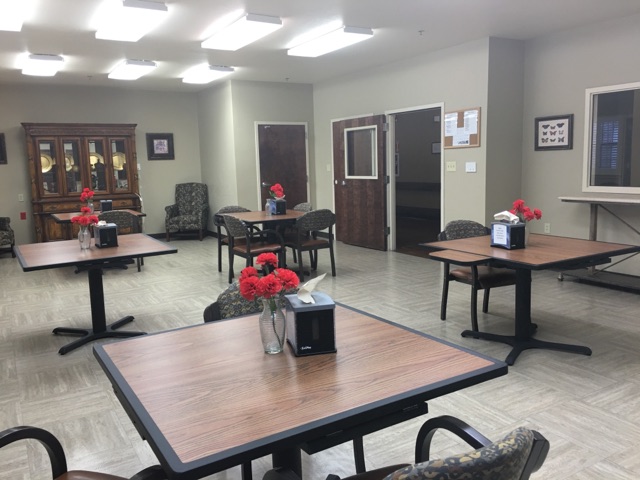
How is Heritage Manor Of Opelousas Staffed?

CMS rates HERITAGE MANOR OF OPELOUSAS's staffing level at 3 out of 5 stars, which is average compared to other nursing homes. Staff turnover is 54%, compared to the Louisiana average of 46%.

What Have Inspectors Found at Heritage Manor Of Opelousas?

State health inspectors documented 37 deficiencies at HERITAGE MANOR OF OPELOUSAS during 2022 to 2025. These included: 2 Immediate Jeopardy (the most serious level, indicating potential for serious harm or death), 1 that caused actual resident harm, and 34 with potential for harm. Immediate Jeopardy findings are rare and represent the most serious regulatory concerns. They require immediate corrective action.
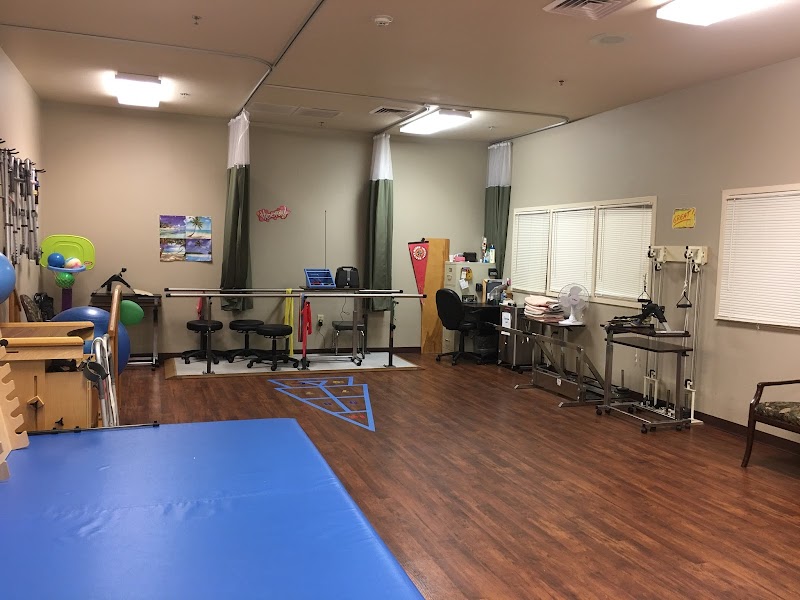
Who Owns and Operates Heritage Manor Of Opelousas?

HERITAGE MANOR OF OPELOUSAS is owned by a for-profit company. For-profit facilities operate as businesses with obligations to shareholders or private owners. The facility is operated by THE BEEBE FAMILY, a chain that manages multiple nursing homes. With 109 certified beds and approximately 103 residents (about 94% occupancy), it is a mid-sized facility located in OPELOUSAS, Louisiana.
How Does Heritage Manor Of Opelousas Compare to Other Louisiana Nursing Homes?

Compared to the 100 nursing homes in Louisiana, HERITAGE MANOR OF OPELOUSAS's overall rating (1 stars) is below the state average of 2.4, staff turnover (54%) is near the state average of 46%, and health inspection rating (1 stars) is much below the national benchmark.

What Should Families Ask When Visiting Heritage Manor Of Opelousas?

Based on this facility's data, families visiting should ask: "What changes have been made since the serious inspection findings, and how are you preventing similar issues?" "Can I visit during a mealtime to observe dining assistance and food quality?" "How do you handle medical emergencies, and what is your hospital transfer rate?" "Can I speak with family members of current residents about their experience?" These questions are particularly relevant given the facility's Immediate Jeopardy citations.

Is Heritage Manor Of Opelousas Safe?

Based on CMS inspection data, HERITAGE MANOR OF OPELOUSAS has documented safety concerns. Inspectors have issued 2 Immediate Jeopardy citations (the most serious violation level indicating risk of serious injury or death). The facility has a 1-star overall rating and ranks #100 of 100 nursing homes in Louisiana. Families considering this facility should ask detailed questions about what corrective actions have been taken since these incidents.

Do Nurses at Heritage Manor Of Opelousas Stick Around?

HERITAGE MANOR OF OPELOUSAS has a staff turnover rate of 54%, which is 8 percentage points above the Louisiana average of 46%. Moderate turnover is common in nursing homes, but families should still ask about staff tenure and how the facility maintains care continuity when employees leave.

Was Heritage Manor Of Opelousas Ever Fined?

HERITAGE MANOR OF OPELOUSAS has been fined $75,014 across 3 penalty actions. This is above the Louisiana average of $33,829. Fines in this range indicate compliance issues significant enough for CMS to impose meaningful financial consequences. Common causes include delayed correction of deficiencies, repeat violations, or care failures affecting resident safety. Families should ask facility leadership what changes have been made since these penalties.

Is Heritage Manor Of Opelousas on Any Federal Watch List?

HERITAGE MANOR OF OPELOUSAS is not on any federal watch list. The most significant is the Special Focus Facility (SFF) program, which identifies the bottom 1% of nursing homes nationally based on persistent, serious quality problems. Not being on this list means the facility has avoided the pattern of deficiencies that triggers enhanced federal oversight. This is a positive indicator, though families should still review the facility's inspection history directly.