MAINEGENERAL REHAB & LONG TERM CARE - GRAY BIRCH
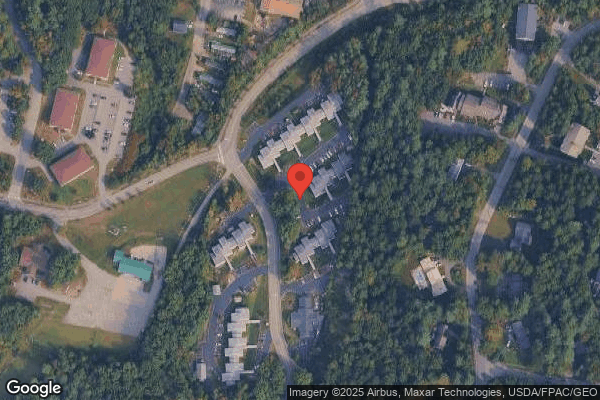

37 GRAY BIRCH DRIVE, AUGUSTA, ME 04330 (207) 621-7100
Non profit - Corporation 77 Beds Independent Data: November 2025
Trust Grade
53/100
#39 of 77 in ME
Last Inspection: August 2024

Within standard 12-15 month inspection cycle. Federal law requires annual inspections.

Overview

MaineGeneral Rehab & Long Term Care - Gray Birch has received a Trust Grade of C, indicating an average level of care that places it in the middle of the pack among nursing homes. It ranks #39 out of 77 facilities in Maine, which means it is in the bottom half, and #5 out of 7 in Kennebec County, suggesting limited better options locally. The facility's performance is worsening, with issues increasing from 7 in 2023 to 14 in 2024, indicating potential growing concerns. Staffing is rated at 4 out of 5 stars, which is a strength, but the turnover rate is average at 54%. They have incurred fines of $9,770, which is on par with many facilities but still raises some concern. On the downside, there have been serious incidents, including a resident experiencing an anaphylactic reaction due to being served food containing an allergen despite a documented allergy. Additionally, the facility has been criticized for failing to ensure resident privacy during sensitive discussions and for not developing comprehensive care plans for residents with specific health needs, such as respiratory conditions or PTSD. While there are strengths in staffing, these weaknesses in care and safety should be carefully considered by families.

Trust Score
C
53/100
In Maine
#39/77
Top 50%
Safety Record
Moderate
Needs review
Inspections
Getting Worse
7 → 14 violations
Staff Stability
⚠ Watch
54% turnover. Above average. Higher turnover means staff may not know residents' routines.
Penalties
✓ Good
$9,770 in fines. Lower than most Maine facilities. Relatively clean record.
Skilled Nurses
✓ Good
Each resident gets 78 minutes of Registered Nurse (RN) attention daily — more than 97% of Maine nursing homes. RNs are the most trained staff who catch health problems before they become serious.
Violations
⚠ Watch
21 deficiencies on record. Higher than average. Multiple issues found across inspections.
★★★☆☆
3.0
Overall Rating
★★★★☆
4.0
Staff Levels
★★☆☆☆
2.0
Care Quality
★★★☆☆
3.0
Inspection Score
Stable
2023: 7 issues
2024: 14 issues

The Good

  • 4-Star Staffing Rating · Above-average nurse staffing levels
  • Full Sprinkler Coverage · Fire safety systems throughout facility
  • No fines on record

Facility shows strength in staffing levels, fire safety.

The Bad

3-Star Overall Rating

Near Maine average (3.0)

Meets federal standards, typical of most facilities

Staff Turnover: 54%

Near Maine avg (46%)

Higher turnover may affect care consistency

Federal Fines: $9,770

Below median ($33,413)

Minor penalties assessed

The Ugly 21 deficiencies on record

1 actual harm
Aug 2024 12 deficiencies
CONCERN (D)

Potential for Harm - no one hurt, but risky conditions existed

Resident Rights (Tag F0550)

Could have caused harm · This affected 1 resident

Based on observations and interviews, the facility failed to promote care to residents in a manner that maintains each resident's dignity for 2 of 3 meals observed. (Resident #21 [R21], R11, and R7). ...

Read full inspector narrative →
Based on observations and interviews, the facility failed to promote care to residents in a manner that maintains each resident's dignity for 2 of 3 meals observed. (Resident #21 [R21], R11, and R7). Findings: 1. On 8/05/24 from 12:00 through 12:45 p.m., during observation of lunch meal pass, a surveyor observed R21, R11 and R7 sitting at the same table. At 12:10 p.m., Staff served R21 and R7. R11 was observed watching R21 and R7 eat, while staff served other tables. At 12:24 p.m., R11 was served lunch. 2. On 8/6/24 from 8:20 a.m. through 8:30 a.m. during observation of breakfast meal pass, R21, R11, and R7 were observed sitting at the same table. At 8:20 a.m. staff served breakfast to R21 and R7. R11 was observed watching R21 and R7 eat, while staff served other tables. At 8:30 a.m., R11 was served breakfast. On 8/06/24 at 2:13 p.m., in an interview with the Administrator, a surveyor confirmed residents were not served with dignity when meals were not served to all residents at a table at the same time.
CONCERN (D)

Potential for Harm - no one hurt, but risky conditions existed

PASARR Coordination (Tag F0644)

Could have caused harm · This affected 1 resident

Based on record review and interview, the facility failed to ensure that the State mental health authority for Pre-admission Screening and Resident Review (PASRR) was notified after a resident was new...

Read full inspector narrative →
Based on record review and interview, the facility failed to ensure that the State mental health authority for Pre-admission Screening and Resident Review (PASRR) was notified after a resident was newly diagnosed and/or experienced symptoms related to a mental disorder or trauma event to determine if a change in level of service was required for 1 of 3 sampled residents reviewed for PASRR (Resident #56 [R56]). Finding: On 8/6/24, a surveyor reviewed R56's clinical record which included a PASRR evaluation completed by the hospital, dated 11/5/21, that indicated no PASRR level II was required and there was no mental health diagnosis. A review of R56's diagnosis list included in the clinical record: Post-traumatic stress disorder (PTSD) , Major depressive disorder, and Generalized anxiety disorder, all added to the clinical record on 11/5/21, the date of admission. A physician progress note with the topic of PTSD, dated 12/14/21, talked about trauma, abuse, and that R56 was having nightmares. On 1/24/22, R56 started medication for anxiety and on 3/17/22, R56 started medication for depression. On 8/07/24 at 2:12 p.m., during an interview with the Director of Nursing (DON), a surveyor confirmed that information for R56 was not sent to the State mental health authority for re-evaluation since the original PASRR did not include the mental health diagnosis on the original submission and R56 had started to have symptoms related to the diagnosis of PTSD. The DON stated that the facility had just done an audit of residents with PTSD and R56 must have been missed.
CONCERN (D)

Potential for Harm - no one hurt, but risky conditions existed

Deficiency F0657 (Tag F0657)

Could have caused harm · This affected 1 resident

Deficiency Text Not Available

Read full inspector narrative →
Deficiency Text Not Available
CONCERN (D)

Potential for Harm - no one hurt, but risky conditions existed

Quality of Care (Tag F0684)

Could have caused harm · This affected 1 resident

Based on record review, observations and interviews, the facility failed to ensure that physician's orders were followed for 1 of 2 sampled residents for wound management (Resident #12 [R12]) and 1 of...

Read full inspector narrative →
Based on record review, observations and interviews, the facility failed to ensure that physician's orders were followed for 1 of 2 sampled residents for wound management (Resident #12 [R12]) and 1 of 5 residents reviewed for unnecessary medications. (Resident #47 [R47]) Findings: 1. On 8/5/24, R12's clinical record was reviewed and included a physician order for wound care instructing nursing to Cleanse legs with Vashe - apply clobetasol to legs- cover open areas with xeroform, then Abd pads and the hold in place with netting. DX: venous insufficiency (chronic) (peripheral). On 8/5/24 from 12:49 p.m. through 1:36 p.m., 2 surveyors observed the Licensed Practical Nurse (LPN #1) perform R12's bilateral leg dressing changes. The LPN #1 wet a facecloth with faucet water and cleansed R12's legs and then applied clobetasol to the open wounds. On 8/5/24 at 1:36 p.m., the LPN #1 confirmed she did not follow the physician orders by using water to clean R12's legs and should have applied clobetasol to the legs not the open wounds. 2. On 8/7/24, R47's clinical record was review and included a physician order, dated 6/4/24, to administer Novolog Insulin based on blood sugar results as follows: Instructions: 0-150: 0 units 151-200: 2 units, 201-250: 4 units, 251-300: 6 units, 301-350: 8 units, 351-400: 10 units, equal to or greater than 401: 12, units Alert provider if BG is less than 70 or greater than 400. On 8/2/24, R47's blood sugar results was 330. Documentation indicated that R47 received 10 units and should have received 8 units. R47's clinical record was further reviewed for physician notification for high blood sugars for July 2024, for the 7:30 a.m. blood sugar results with the following documented but lacked evidence that the Medical Provider was notified: On 7/18/24, the blood sugar was not documented but R47 received 12 units which indicated that the blood sugar was grater than 401; On 7/20/24, the blood sugar was 531; On 7/23/24, the blood sugar was 531; On 7/24/24, the blood sugar was 411; On 7/25/24, the blood sugar was 421; and On 7/30/24, the blood sugar was 418. On 8/7/24 at 11:38 a.m., during an interview with the Pines Nurse Manager, a surveyor confirmed these findings.
CONCERN (D)

Potential for Harm - no one hurt, but risky conditions existed

Food Safety (Tag F0812)

Could have caused harm · This affected 1 resident

**NOTE- TERMS IN BRACKETS HAVE BEEN EDITED TO PROTECT CONFIDENTIALITY** Based on observations and interviews, the facility failed to store, prepare, and serve food in accordance with professional stan...

Read full inspector narrative →
**NOTE- TERMS IN BRACKETS HAVE BEEN EDITED TO PROTECT CONFIDENTIALITY** Based on observations and interviews, the facility failed to store, prepare, and serve food in accordance with professional standards for food service safety by not storing dishes and food in a sanitary manner, not maintaining a clean kitchen floor, and not ensuring that plumbing fixtures were properly installed to prevent backflow as required by the Maine State Plumbing Code for 2 of 3 days of survey (8/5/24 and 8/6/24). This has the potential to effect all residents. Findings: On 8/05/24 at 11:10 a.m., during the initial kitchen tour, a surveyor observed with the Food Service Director (FSD), the floors to be heavily soiled with crumbs, grease, fruit, and unidentifiable debris. A container full of measuring cups used for food preparation was observed with the lid ajar and covered in crumbs. The measuring cups within the container had visible food debris inside them. A large bin containing oats was observed with the lid partially open to the environment. The air gap for the left kitchen sink was less than 1 inch, in violation of the 10-114 State of Maine Rules Chapter 226, definition Section A, which defines an Air-Gap Separation - A physical separation between the free-flowing discharge end of a potable water supply pipeline and an open or non-pressure receiving vessel. An air-gap separation shall be at least twice the diameter of the supply pipe measured vertically above the overflow rim of the vessel - in no case less than one inch (2.54 cm). Observation of the walk-in refrigerator revealed the floor was heavily soiled with food debris including shredded pieces of chicken. Observation of dry food storage revealed on the shelf and available for use: 3 cans - 6 pounds (lbs) 10 ounces (oz) [NAME] Creek Diced Beets, 1 had a dented in side, 2 had dented bottom seals. 1 can - 6lbs 12 0z Magellan Pineapple Slices with a dented top seal. 2 cans - 7lbs [NAME] Creek Banana Pudding both dented on the top seal. Observation of the walk-in freezer revealed on the shelf and available for use: 1 box - 10.25lbs [NAME] Breaded chicken breasts open and undated, open to the environment. 1 box - 10lbs Pork Sausage 2oz patties (fully cooked heat & serve), open to the environment. These findings were observed and confirmed with the FSD at the time of the observation. On 8/6/24 at 9:57a.m., observation of the dry food storage revealed on the shelf and available for use, 2 cans of 6lbs 10oz [NAME] Creek Diced Beets, both dented on the bottom seal. Observation of the walk-in refrigerator revealed soiled flooring including plastic tape, food debris and a potato on the floor. Observation of the kitchen revealed the air gap for the left kitchen sink and the air gap for the steamer were less than 1. These findings were observed and confirmed with the FSD at the time of the observation.
CONCERN (D)

Potential for Harm - no one hurt, but risky conditions existed

Infection Control (Tag F0880)

Could have caused harm · This affected 1 resident

Based on observations, interviews, and record reviews the facility failed to maintain an Infection Control Program designed to prevent the development and transmission of disease and infection related...

Read full inspector narrative →
Based on observations, interviews, and record reviews the facility failed to maintain an Infection Control Program designed to prevent the development and transmission of disease and infection related to wound management for 1 of 2 residents sampled for wound care. (Resident #12 [R12]). Finding: On 8/5/24 from 12:49 p.m. through 1:36 p.m. 2 surveyors observed the Licensed Practical Nurse (LPN 1) perform R12's bilateral leg dressing change. During the observation the following was observed: LPN1 gowned and gloved, entered the room and closed curtain with her gloved hand. With the same gloved hands, she began removing the xeroform from the wound bed, removed her gloves then exited the room and returned with a handful of facecloths. Next, she donned a new gown and gloves and cleansed both legs using the face cloths with faucet water. With the same gloved hands, she applied clobetasol ointment to several wounds using her gloved fingers. She then stopped, removed gown and gloves, performed hand hygiene and exited the room returning with Q-tips. She washed her hands and applied new gown and gloves. The following care was all completed with the same gloved hands and without performing hand hygiene. With her gloved hand she tucked her hair behind her ear, lifted up her gown and removed the packages of Q-tips from her scrub pocket. She opened the Q-tips and continued to apply the ointment to the wound beds. Then she again lifted her gown and removed more Q-tips from her scrub pocket and continued to apply the ointment. She then took a package of xeroform off the windowsill, reached under her gown again to her name badge which had an attached black marker and dated the package of xeroform. She then obtained scissors off the windowsill and cut a piece of the xeroform off, placing each piece of xeroform on an open wound beds, during this process she placed the scissors into the basin filled with the residents personal belongings 6 times. Next, she obtained the abdominal pads off the windowsill, opened and placed them on the legs, again reached under her gown to obtain the marker and dated the ABD pads. Finally, she applied the netting to bilateral legs, all with the same gloved hands and without performing hand hygiene. On 8/5/24 at 1:36 p.m., during an interview, LPN1 confirmed she failed to provide an environment to prevent development and transmission of disease and infection during the dressing change. On 8/6/24 at 9:38 a.m., the above concerns were discussed with the Director of Nursing.
CONCERN (D)

Potential for Harm - no one hurt, but risky conditions existed

Deficiency F0883 (Tag F0883)

Could have caused harm · This affected 1 resident

**NOTE- TERMS IN BRACKETS HAVE BEEN EDITED TO PROTECT CONFIDENTIALITY** Based on record reviews and interview, the facility failed to ensure residents were offered pneumococcal vaccinations in accorda...

Read full inspector narrative →
**NOTE- TERMS IN BRACKETS HAVE BEEN EDITED TO PROTECT CONFIDENTIALITY** Based on record reviews and interview, the facility failed to ensure residents were offered pneumococcal vaccinations in accordance with the Centers for Disease and Prevention Control (CDC) recommendations for 2 of 5 residents reviewed for immunizations (Resident #54 [R54] and R66). Findings: 1. R54 was admitted to the facility on [DATE]. The CDC recommendation was to review, offer and/or receive one dose of Prevnar 20 which had not been done. 2. R66 was admitted to the facility on [DATE]. The CDC recommendation was to review, offer and/or receive one dose of Prevnar 20 which had not been done. On 8/7/24 1:22 p.m., during an interview with a surveyor, the Infection Preventionist stated that the Medical Provider follows the CDC recommendations for vaccinations. The surveyor confirmed these findings.
CONCERN (E)

Potential for Harm - no one hurt, but risky conditions existed

Deficiency F0583 (Tag F0583)

Could have caused harm · This affected multiple residents

2. On 4/30/24, R54 was admitted with Developmental disorder of scholastic skills and severe intellectual disabilities. On 8/05/24 at 1:00 p.m., a surveyor observed the MDS Coordinator (MDS2) conduct a...

Read full inspector narrative →
2. On 4/30/24, R54 was admitted with Developmental disorder of scholastic skills and severe intellectual disabilities. On 8/05/24 at 1:00 p.m., a surveyor observed the MDS Coordinator (MDS2) conduct an interview for depression with R54 in the hallway. On 8/05/24 at 1:03 p.m., in an interview MDS2, a surveyor confirmed that the depression interview was held in a public space and did not protect the resident's privacy. Based on observations and interviews, the facility failed to ensure the confidentiality of protected resident health information by displaying on monitors next to a resident's name and room number identification, what therapeutic needs they required, time of a meal corresponding with a group activity, what device was required to obtain the resident's weight, walking program, and shower day for 2 of 3 days of survey. In addition, the facility failed to protect and promote a resident's privacy and confidentiality for 1 of 1 residents reviewed for privacy (Resident #54 [R54]). Findings: 1. On 8/5/24 at noon, during an initial tour, it was observed that on the corridor walls, outside the resident's room, on the Birch Unit and the Pine Unit, the resident's full name, room number and bed location ('A' means bed by door of room/'B' means bed by window of room) is posted. On 8/5/24 between noon and 1:00 p.m., the surveyors observed a large monitor on the wall across from the Birch Unit nurse's station and a large monitor on the wall near the Pine Unit nurse's station that could be seen by other residents, and visitors. In bright colors, the monitors displayed the residents first name, first initial of last name, room number and bed location. Next to the resident's name indicated the time the resident was going to receive Occupational Therapy, Physical Therapy, or Speech Therapy. Also displayed is the type of device the resident would be weighed on (floor scale or chair scale) and what day they received a shower. Also displayed is who is on a walking program and what time a resident will be eating-corresponding with a group. On the bottom left hand side of the monitor is a key indicating information in a color code. On 8/6/24 at approximately 10:00 a.m., in an interview with the Director of Nursing, she confirmed that this information was on monitors in the corridors and at 2:15 p.m., this finding was discussed with the Administrator.
CONCERN (E)

Potential for Harm - no one hurt, but risky conditions existed

Comprehensive Care Plan (Tag F0656)

Could have caused harm · This affected multiple residents

**NOTE- TERMS IN BRACKETS HAVE BEEN EDITED TO PROTECT CONFIDENTIALITY** Based on record reviews and interview, the facility failed to develop a Comprehensive Care Plan that addressed the physical need...

Read full inspector narrative →
**NOTE- TERMS IN BRACKETS HAVE BEEN EDITED TO PROTECT CONFIDENTIALITY** Based on record reviews and interview, the facility failed to develop a Comprehensive Care Plan that addressed the physical needs of 1 of 5 residents reviewed for Respiratory (Resident #15 [R15]) and failed to ensure that a care plan was developed in the area of Post Traumatic Stress Disorder (PTSD) for 1 of 1 residents reviewed for PTSD (R56). Findings: 1. On 8/7/24, clinical record review indicated R15 was admitted on [DATE]. Admitting diagnoses included Obstructive Sleep Apnea (OSA) and Congestive Heart Failure (CHF). Orders for these diagnoses include the use of 2 liters of oxygen at night and daily weight monitoring. On 8/7/24 at 11:02 a.m., the surveyor confirmed with the Director of Nursing that the Care Plan does not address R15's use of oxygen, or the diagnoses of OSA or CHF. 2. On 8/6/24, a surveyor reviewed R56's clinical record which included a diagnosis of Post-traumatic stress disorder (PTSD) with a start date of 11/5/21, which was the admission date for R56. A physician progress note with the topic of PTSD, dated 12/14/21, talked about trauma, abuse, and that R56 was having nightmares. There was no evidence of a problem area of PTSD or triggers and interventions that addressed R56's PTSD in the current care plan. On 8/07/24 at 2:12 p.m., during an interview with the Director of Nursing (DON), a surveyor confirmed this finding. The DON stated that the facility had just done an audit of residents with PTSD and R56 must have been missed.
CONCERN (E)

Potential for Harm - no one hurt, but risky conditions existed

Respiratory Care (Tag F0695)

Could have caused harm · This affected multiple residents

Based on observations, record reviews, facility policy, and interviews, the facility failed to provide a sanitary environment to help prevent the development and transmission of disease and infection ...

Read full inspector narrative →
Based on observations, record reviews, facility policy, and interviews, the facility failed to provide a sanitary environment to help prevent the development and transmission of disease and infection related to respiratory care for 5 of 6 residents reviewed for respiratory care (Resident #9 [R9]), Resident #60 [R60], Resident #221 [R221]), Resident #15 [R15], Resident #49 [R49]). Findings: The facilities policy on Obtaining and Use of Oxygen Devises, last revised on 7/23/24. Under section 4 procedures, subsection C Cleaning/changing of oxygen equipment states the particle filter on the concentrators should be removed and cleaned weekly. 1. On 8/5/24 at 3:56 p.m., observation of R9's oxygen (O2) nasal cannula tubing stored over the O2 concentrator handle. On 8/6/24 at 8:00 a.m., and on 8/7/24 at 7:12 a.m., additional observation of R9's O2 nasal cannula tubing wrapped up and hanging over the cylinder on the back of his/her wheelchair. 4. On 8/5/24 at 1:31 p.m., a surveyor observed R15's oxygen concentrator filter to be heavily soiled. On 8/7/24 at 11:13 a.m., a surveyor and the Director of Nursing (DON) observed R15's concentrator to be set to 3 liters of oxygen flow and the filter was heavily soiled. Review of the clinical record indicated the oxygen is to be used during hours of sleep at 2 liters per minute. The surveyor confirmed these findings at the time of the observations with the DON. 5. On 8/6/24 at 12:19 p.m., a surveyor observed R49 connected to a portable oxygen tank set to 3 liters of oxygen flow; the tank was observed to be empty. R49's oxygen saturation was observed to be 88% on room air. At 2:36 p.m., review of the care plan indicated, To ease breathing, oxygen is used at 2 liters via nasal cannula, to maintain an oxygen saturation of 92% or greater. On 8/7/24 at 1:27 p.m., in an interview with the DON, a surveyor confirmed respiratory care was not implemented as directed. 2. On 8/5/24 at 12:41 p.m., observation of R221's O2 nasal cannula tubing wrapped up and stored under the handle of the oxygen concentrator. On 8/6/24 at 7:43 a.m., and 8/7/24 at 7:11 a.m., additional observations of his/her O2 nasal cannula tubing wrapped and hanging over oxygen concentrator. On 8/7/24 at 7:20 a.m., both the surveyor and Director of Nursing observed the above finding. 3. On 8/5/24 at 12:32 p.m., observation of R60's O2 tubing wrapped up and stored under the handle of the concentrator and on 8/6/24 at 7:35 a.m., additional observation of the oxygen nasal cannula being stored by lying across his/her bed. On 8/7/24 at 10:35 a.m., during an interview, the DON stated the O2 tubings are expected to be stored in the provided bags for when the tubing is not in use.
CONCERN (E)

Potential for Harm - no one hurt, but risky conditions existed

Deficiency F0698 (Tag F0698)

Could have caused harm · This affected multiple residents

**NOTE- TERMS IN BRACKETS HAVE BEEN EDITED TO PROTECT CONFIDENTIALITY** Based on interviews and record review, the facility failed to ensure that the clinical record contained information necessary to...

Read full inspector narrative →
**NOTE- TERMS IN BRACKETS HAVE BEEN EDITED TO PROTECT CONFIDENTIALITY** Based on interviews and record review, the facility failed to ensure that the clinical record contained information necessary to meet the professional standards of practice for monitoring a dialysis catheter site for 1 of 1 residents reviewed for dialysis (Resident #56 [R56]). Finding: On 8/6/24, R56's clinical record was reviewed it stated R56 was admitted to the facility on [DATE]. The clinical record indicated that R56 had received dialysis prior to admission and currently was using a right chest dialysis catheter for treatments. The surveyor was unable to find in the physician orders, an order to monitor the dressing that covered the right chest dialysis catheter or daily documentation that it was being monitored. On 8/06/24 at 02:35 p.m., during an interview with a surveyor, the Pines Unit Manager stated that they monitor the clear dressing that covers the catheter site, but not sure if there was an order to do so. The surveyor also asked about instructions on what to do in case of an emergency related to R56's dialysis catheter site as the surveyor could not find instructions in the physician orders or the care plan. The Pines Unit Manager stated she would check on it. On 8/7/24 at 8:09 a.m., during an interview with a surveyor, the Pines Unit Manager stated she was unable to find an order for the monitoring of the catheter dressing or what to do in case of an emergency related to R56's dialysis catheter site at the time of yesterday's interview with the surveyor.
MINOR (B)

Minor Issue - procedural, no safety impact

Assessment Accuracy (Tag F0641)

Minor procedural issue · This affected multiple residents

**NOTE- TERMS IN BRACKETS HAVE BEEN EDITED TO PROTECT CONFIDENTIALITY** Based on record review and interview, the facility failed to ensure that the Minimum Data Set (MDS) 3.0 was coded accurately for...

Read full inspector narrative →
**NOTE- TERMS IN BRACKETS HAVE BEEN EDITED TO PROTECT CONFIDENTIALITY** Based on record review and interview, the facility failed to ensure that the Minimum Data Set (MDS) 3.0 was coded accurately for 1 of 1 resident reviewed for discharged to the community (Resident #68 [R68]) and 1 of 3 residents reviewed for Pre admission Screening And Resident Review (PASARR) (Resident #47 [R47]). Findings: 1. On 8/7/24, R68's clinical record was reviewed for discharge. Medical record indicated R68 was discharged to the community on 5/8/24. Review of the discharge MDS dated [DATE], section 2A105 states R68 was discharged to short term general hospital. On 8/7/24 at 10:35 a.m. during an interview, the MDS coordinator confirmed the MDS was coded inaccurately for discharge. 2. On 8/5/24, R47's clinical record was reviewed. On 4/8/24, R47's PASSAR was completed and indicated that R47 qualified for Level II services. Review of R47's Annual MDS, dated [DATE], Section: A1500 was coded to indicate that R47 did not have a Level II PASSAR. On 8/7/24 at 9:27 a.m., during an interview with a surveyor, the MDS coordinator stated the MDS was coded inaccurately. The surveyor confirmed this finding during this interview.
May 2024 2 deficiencies
CONCERN (D) 📢 Someone Reported This

A family member, employee, or ombudsman was alarmed enough to file a formal complaint

Potential for Harm - no one hurt, but risky conditions existed

Free from Abuse/Neglect (Tag F0600)

Could have caused harm · This affected 1 resident

**NOTE- TERMS IN BRACKETS HAVE BEEN EDITED TO PROTECT CONFIDENTIALITY** Based on facility policy, record review and interview, the facility failed to provide an environment free of abuse and neglect f...

Read full inspector narrative →
**NOTE- TERMS IN BRACKETS HAVE BEEN EDITED TO PROTECT CONFIDENTIALITY** Based on facility policy, record review and interview, the facility failed to provide an environment free of abuse and neglect for 1 of 2 residents reviewed for facility reported investigations (Resident #1). Findings: Review of facility policy titled ''Fall Risk Reduction and Fall Prevention last revised 4/22 states Upon incident of fall or found on floor: . A registered nurse is required to assess residents after a fall. Appropriate incident reports will be filled out and required documentation completed in the patient/resident EMR. Review of Policy titled Prevention and Reporting of Abuse, Neglect, Exploitation/Misappropriation last revised 11/22 defines verbal abuse as The use of oral, written, or gestured language that willfully includes disparaging and derogatory terms to residents or within their hearing distance regardless of their age, ability to comprehend, or disability, and defines neglect as the deprivation of an individual of goods or services that are necessary to attain or maintain physical, mental and psychosocial well-being. On 10/26/23 the Division of Licensing and Certification received a 5 day Follow- Up Investigation for facility reported incident dated 10/22/23 which states [On 10/22/23 [Resident#1] had a fall from bed and states that the nurse made aware she came to the doorway and used profanity while speaking with him and did not come in the room at all to assess.]'' Further review of 5 day follow- up revealed Registered Nurse (RN)#4 interview stating, she did not reinsert the foley because she was busy doing the other tasks and she reported it off to the day nurse that it needed to be done.'' Resident #1 was admitted on [DATE] with diagnoses including paraplegia, neurogenic bladder, neuromuscular deficiency, and history of falls. Review of quarterly Minimum Data Set (MDS) dated [DATE] revealed Resident #1 had a Brief Interview for Mental Status (BIMS) score of 15/15 indicating he/she is cognitively intact. Review of Resident#1's clinical record revealed SBAR [Situation, Background, Assessment, Recommendation] .Progress Note dated 10/22/23 at 5:20 a.m., states [Certified Nursing Assistant] CNA was doing rounds when resident called out to her. Upon entering the room resident was noted sitting on the floor, [When] asked resident stated that [he/she] fell out of bed. It was also noted that resident had pulled out [his/her] foley catheter again. Assessment Done. No injuries noted. Further review of SBAR states, In LTC [Long Term Care] patients are required to be assessed by an RN after a fall . Resident#1's entire clinical record lacked evidence that RN#4 completed an assessment or notified provider after Resident #1's fall. Review of Resident #'1s clinical record revealed order dated 9/29/23 to .reinsert suprapubic foley cath [catheter] or external foley cath if accidental d/c. SBAR provider if reinserted. Review of Resident #1's 2023 Treatment Administration Record (TAR) revealed progress note dated 10/22/23 at 19:04 states: Done @ 10am this morning. Late entry. By oncoming RN #5, (approximately 5 hours after it dislodged). Review of CNA#5's written statement dated 10/23/23 revealed She [RN#4] swore at and about [Resident#1] & the situation in front of all 3 of us CNAs During an interview on 5/21/24 at 8:20 a.m., Resident#1 indicated that after he/she fell RN#4 stood in the doorway to his/her room and asked, why the fuck would you do that? Resident #1 further indicated that RN#4 refused to come into his/her room or provide care. During an interview on 5/21/24 at 3:48 p.m., RN #2 indicated that she was present during shift report on 5/21/24 at 6:45 a.m. and confirmed RN #4 did not notify oncoming nurse of Resident #1's fall or that his/her catheter had dislodged. RN #2 further indicated that she was approached by CNA #5 who notified her of Resident #1's fall and RN #4's refusal to provide care. During the interview on 5/22/24 at 9:11 a.m., Director of Nursing (DON) confirmed RN#4 failed to complete an assessment, notify the provider, or provide care to Resident #1 after his/her fall.
CONCERN (D) 📢 Someone Reported This

A family member, employee, or ombudsman was alarmed enough to file a formal complaint

Potential for Harm - no one hurt, but risky conditions existed

Medical Records (Tag F0842)

Could have caused harm · This affected 1 resident

**NOTE- TERMS IN BRACKETS HAVE BEEN EDITED TO PROTECT CONFIDENTIALITY** Based on record reviews, interviews, and facility policy, the facility failed to ensure that clinical records were complete and ...

Read full inspector narrative →
**NOTE- TERMS IN BRACKETS HAVE BEEN EDITED TO PROTECT CONFIDENTIALITY** Based on record reviews, interviews, and facility policy, the facility failed to ensure that clinical records were complete and contained accurate information for 2 of 5 residents, and failed to obtain a providers order for 1 of 1 residents reviewed for documentation (Resident's #1 and #5). Findings: Review of facility policy titled ''Fall Risk Reduction and Fall Prevention last revised 4/22 states Upon incident of fall or found on floor: . A registered nurse is required to assess residents after a fall. Appropriate incident reports will be filled out and required documentation completed in the patient/resident EMR [Electronic Medical Record]. On 10/22/23 the Division of Licensing and Certification received a facility reported incident indicating Resident#1 fell in his/her room and Registered Nurse (RN)#4 was made aware. It further revealed that RN#4 was overheard swearing at Resident #1 and refused to do a post fall assessment. 1.Resident #1 was admitted on [DATE] with diagnoses including paraplegia, neurogenic bladder, neuromuscular deficiency, and history of falls. Review of quarterly Minimum Data Set (MDS) dated [DATE] revealed Resident #1 had a Brief Interview for Mental Status (BIMS) score of 15/15 indicating he/she is cognitively intact. Review of Resident#1's clinical record revealed incident report dated 10/22/23 at 5:20 a.m,. stating CNA was doing rounds when resident called out to her. Upon entering the room resident was noted sitting on the floor, When asked resident stated that [he/she] fell out of bed. It was also noted that resident had pulled out [his/her] foley catheter again. Assessment Done. No injuries noted. Further review of incident report states, In LTC patients are required to be assessed by an RN after a fall . Review of Resident#1's entire clinical record lacked evidence that a complete assessment was done after this incident. During the interview on 5/22/24 at 9:11 a.m., Director of Nursing (DON) confirmed RN#4 failed to complete an assessment on Resident #1 after his/her fall. 2. Resident #5 was admitted to facility on 2/24/24 for skilled services with diagnoses to include anxiety and depression. Review of Resident #5's active orders dated April 2024 revealed order with start date of 2/29/24 for Behavior Monitoring Two times daily .for increased agitation, refusal of care, physically abusive behavior, crying . Review of Resident #5's clinical record revealed provider note dated 4/10/24 states . Concern for cognitive dysfunction-apparently even prior to this surgery but has worsened which may be due to meds, hospitalization, etc; outpt [outpatient] eval with geriatrics may be reasonable. Further review of Resident #5's clinical record lacked evidence that a referral for with geriatrics was obtained for this resident. During an interview on 5/22/24 at 12:43 p.m., Nurse Practitioner confirmed Resident #5 was not referred to geriatrics for evaluation, and an order was not given for Resident #5's respiratory panel on 4/11/24. Review of provider note dated 4/11/24 states .depression/anxiety with emotional lability-poor safety awareness, concern for possible cognitive issues, . outbursts with staff . Review of Resident #5's clinical record revealed progress note dated 4/11/24 stating . self propels on the unit in [his/her] wheelchair .has mild anxiety this evening because [he's/she's] unable to recall how to unlock and lock her wheelchair and [he/she] can't remember to use the call light for help so [he/she] yells or calls for help. [He/she] is frantic by the time someone gets to her . Review of Residents Treatment Administration Record (TAR) dated April 2024 revealed Resident had no behaviors on 4/11/24 through 4/13/24 or 4/15/24 through 4/17/24. Review of Resident #5's clinical record revealed provider note dated 4/11/24 stating [ .this afternoon found a lab result on my desk that was a resp [respiratory] panel from Friday April 6th that was positive for covid; there was no lab order for a resp panel and not of the providers had ordered this; there is a nursing note that indicates a resp panel was sent to due to gi sx, for throat and malaise; we were never notified of the pos result and it is unclear who put the lab on my desk .] Further review of Resident #5's clinical record lacked evidence that an order was obtained for above. During interview on 5/21/24 at 1:17 p.m. Registered Nurse (RN)#3 confirmed Resident #5 clinical record lacked documentation reguarding the above behaviors.
May 2023 7 deficiencies 1 Harm
SERIOUS (G)

Actual Harm - a resident was hurt due to facility failures

Accident Prevention (Tag F0689)

A resident was harmed · This affected 1 resident

Based on clinical record review, interviews, observation, and review of facility policy, the facility failed to ensure that the resident's environment was free of accident/ hazards relating to a food ...

Read full inspector narrative →
Based on clinical record review, interviews, observation, and review of facility policy, the facility failed to ensure that the resident's environment was free of accident/ hazards relating to a food allergy. As a result of this failure, a resident experienced an anaphylactic reaction, requiring administration of epinephrine and emergency transport to an acute care hospital for 1 of 2 residents reviewed for hospitalization (Resident #32). Findings: A review of Resident #32's clinical record was conducted. Resident #32 was originally admitted to the facility in early June of 2022, with a documented allergy to onions. A dietary order dated 6/8/22 states Food Allergy(s): onions and a care plan initiated on 6/8/22 which states Goal: [Resident #32] will tolerate prescribed food/liquid texture diet, Interventions: Dislikes (list): Allergy to onions. Review of a clinical note, dated 11/11/22, states .1745-Dietary informed this staff member that resident has soup with onions in it. (pearl) Resident is allergic. Met resident in the hall who states [he/she] feels bad but is vague and unable to explain. Resp uneven and unlabored. Resident was assisted back to [his/her] room and placed in bed .provider agreed not to administer epi pen at this time, okay to give Benadryl 23 mg x1 . Review of a clinical note, dated 11/20/22, states Dietary down to unit with [CNA] and stated that resident had onions in [his/her] beef tips. Resident ate approx. 25% of the meal. Resident states [he/she's] fine, originally refused to have vitals taken. No Resp distress noted, no need for EPI pen. Call placed with [Provider] who okayed a 25 mg Benadryl XL. Review of a clinical note, dated 1/18/23, states at 12:20 p.m., this RN notified that resident consumed at lunch -onions in the meat sauce .resident by nurse's station, speech started to become more garbled and redness to face, sweating, lungs diminished, poor airway exchange, 911 called, given PRN epi pen at 12:28 . Review of the acute care hospital Emergency Report, dated 1/18/23 states .reported history of allergy to onions .after receiving IV diphenhydramine and IM epi-pen for developing symptoms suspicious for allergy. [He/She] reportedly had some tomato sauce that contained onions unknowingly and afterward developed erthroderma [red skin], diaphoresis, dyspnea all improved after IM epi . Diagnosis: anaphylaxis. During an interview on 5/23/23 at 12:01 p.m., Director of Support Services (DSS) indicated that the facility Cooks were the primary focus for the education provided on 2/14/23 because they are the ones that prepare all the food for service. DSS further indicated that kitchen staff don't always have time outs [dietary staff huddle prior to delivering meals to floor to discuss what is being served, what is in the food, who has allergies and what alternatives they are getting] as they should prior to serving. DSS further indicated that the dietary staff that received the food shipments is responsible to label any food items that contained onions with a green sticker and that all foods containing onions have a green sticker. DDS indicated that he was not aware of the incidents on 11/11/22 or 11/21/22, so there were no measures put into place as far as he knows. At this time DSS confirmed above findings. During an interview on 5/23/23 at 12:32 p.m., [NAME] #1 indicated that she was aware that Resident #32 had an onion allergy, and she did not take the time to look at the tomato/meat sauce label as she normally would. [NAME] #1 further indicated that after she served the meal, she observed Resident #32 eating the tomato/meat sauce and she immediately went to the nurse and informed them of what had happened. During an interview on 5/24/23 at 7:00 a.m. Resident #32 confirmed that [he/she] has had an allergy to onions since the age of 3. [He/she] further indicates inability to have raw or cooked onions, and [he/she] can't touch or eat them. On 2/12/23 the facility completed a Root Cause Analysis related to the 1/18/23 event a review of that analysis states Date of Event: 1/18/23; Root Cause Analysis Event: Received onions with known allergy .Further review revealed 11/11/22: Received onions in soup, 11/21/22: Received onions on [his/her] beef tips [he/she] had 25% of meal when CNA [certified nursing assistant] caught it. Benadryl given. 1/18/23 received onions in spaghetti sauce: canned sauce. Had resp distress, redness, sweating. [He/she] received Epi pen and went to [acute care hospital]. Below are some of the changes that we have made since this occurred: -Menu slips have been colored coded to help flag allergens, diets, and constancy's -Green labels have been added to all canned items that contain onions .At the beginning of each meal service, cooks and aids need to do a time out. Review the allergies and what the resident with these allergies can or cannot have .review allergies at the daily huddle . Review of Onion Allergy Event Inservice dated 2/14/23 states .All long-term care staff have to take these allergies very seriously. We have seen an increase in allergies over the years and I need each kitchen staff member to do the following: -Read all labels, with the particular resident any items that contains onions including onion powder cannot be served to [him/her]. During an observation of the dry storage room on 5/23/23 at approximately 12:32 p.m. two surveyors, Director of Support Services (DSS), and cook observed multiple soup cans and approximately 4 bags of stuffing that also contained onions that were not labeled with a green sticker. At this time SSD indicated that at the time he was so concerned with the initial cause of Resident #32's reaction [tomato sauce] he did not think to check all the other food items in the storage room. Review of facility policy Food Allergies undated states Individuals with food allergies will be provided with safe foods and fluids, and appropriate substitutions to maintain health. On 5/23/23 at 4:04 p.m., the surveyor confirmed in an interview with the Administrator and the Director of Nursing, Resident #32 was served meals containing onions, and the dry storage room contained food items which did not identify (with the green label) that the items contained onions.
CONCERN (D)

Potential for Harm - no one hurt, but risky conditions existed

Deficiency F0578 (Tag F0578)

Could have caused harm · This affected 1 resident

**NOTE- TERMS IN BRACKETS HAVE BEEN EDITED TO PROTECT CONFIDENTIALITY** Based on record reviews, facility policy, and interviews the facility failed to provide residents/representatives written inform...

Read full inspector narrative →
**NOTE- TERMS IN BRACKETS HAVE BEEN EDITED TO PROTECT CONFIDENTIALITY** Based on record reviews, facility policy, and interviews the facility failed to provide residents/representatives written information concerning the right to accept or refuse medical or surgical treatment and/or formulate an advance directive for 2 of 3 residents reviewed for advanced directives (Resident #12 and #15). Findings: Review of facility admission packet titled Maine General Rehabilitation and Long-Term Care undated states .you will be asked to provide information that helps us meet the needs of our guests. This information includes .advance directive information (POA (Power Of Attorney) papers), guardianship papers, living wills 1. Resident #12 was admitted to facility on 5/7/20 with diagnoses to include paraplegia, diabetes mellitus type II, severe morbid obesity, multiple pressure ulcers, history of heart attack, anxiety, and cellulitis. Review of Resident #12's clinical record lacked evidence that [he/she] was offered/refused the opportunity to formulate an advanced directive since [his/her] admission on [DATE]. 2. Resident #15 was admitted to facility on 3/8/23 with diagnoses to include Multiple Sclerosis, bipolar, substance abuse, anxiety, neurogenic bladder, and presence of pacemaker. Review of Resident #15's clinical record lacked evidence that [he/she] was offered/refused the opportunity to formulate an advanced directive upon [his/her] admission on [DATE]. During an interview on 5/24/23 at 10:55 a.m., Licensed Social Worker (LSW) indicated that advanced directives are not always done on admission, and the facility does not have any time frame for this. LSW further indicated that if the provider team feels there is a need for an advanced directive, it is addressed at that time. At this time, LSW reviewed Resident's #12 and #15's clinical record and confirmed there was no evidence that they were offered/refused assistance filling out an advanced directive. During an interview on 5/24/23 at 11:15 a.m., Director of Nursing confirmed that Social Services should be discussing advanced directives upon admission, and if they don't have one, they should be offered assistance in completing one and it should be documented in the resident's clinical record.
CONCERN (D)

Potential for Harm - no one hurt, but risky conditions existed

Quality of Care (Tag F0684)

Could have caused harm · This affected 1 resident

Based on record reviews and interview's, the facility failed to ensure that a resident received treatment and services in accordance with the standards of practice for 1 of 21 sampled residents (Resid...

Read full inspector narrative →
Based on record reviews and interview's, the facility failed to ensure that a resident received treatment and services in accordance with the standards of practice for 1 of 21 sampled residents (Resident #15). Findings: Review of facility provided Permanent Pacemaker Care undated, states Documentation of type of pacemaker used, the cereal number and the manufacturers name, the pacing rate, the date and site of implantation, and the surgeon's name . 1. Resident #15 was admitted to facility on 3/8/23 with diagnoses to include Multiple Sclerosis, bipolar disorder, substance abuse, anxiety, and history of suicidal ideation and an implanted pacemaker for a heart condition. Review of Resident #15's clinical record revealed the following progress notes: -Dated 3/27/23 states Resident inquiring about pacemaker check and provided writer with cardiologist contact information. Spoke with cardiology that stated resident overdue for remote download. Informed cardiology residents Medtronic device not currently working and per cardiology will reach out to [Cardiology] and call back with information. -Dated 3/27/23 states .Received call from cardiology staff and stated will do remote download tomorrow night. Further review of Resident #15's clinical record lacked evidence that this was done. -Dated 4/21/23 states .Had new monitor for pacemakers check installed in room and activated. -Dated 4/24/23 states Resident alert and orientated. Had new monitor for pacemaker check installed in room and activated. The facility failed to provide evidence of how and when the monitor was installed. During an interview on 5/23/23 at 7:00 a.m. Resident #15 confirmed that [he/she] did have an implanted pacemaker and received a new reader a few weeks ago as the old one was not working, and it has been sitting on [his/her] dresser. Resident #15 is unsure of when the pacemaker was monitored or when [his/her] last cardiology visit was. Further review of Resident #15's entire clinical record laced evidence of information of cardiologist, as well as information of recommended pacer rates and when the pacemaker should be checked. On 5/24/23 at 1:21 p.m., in presence of 5 surveyors, the Director of Nursing confirmed there was no evidence that Resident #15's pacemaker was being monitored or followed by cardiology, and they were unsure of what his/her pacing rate should be. 2. Additionally, Resident #15's clinical record revealed nurse/physician communication note dated 3/23/23 states This nurse received a call from the patient's mother's friend that [he/she] called [his/her] mother's phone and left a message that [he/she] is contemplating suicide because [he/she] missed [his/her] care plan meeting. SBAR completed, patient appears stable at this time, will continue to monitor. Review of Resident #15's clinical record revealed SBAR dated 3/23/23 states This nurse received a call from the patient's mother's friend that [he/she] called [his/her] mother's phone and left a message that [he/she] is contemplating suicide because she missed [his/her] care plan meeting. SBAR completed, patient appears stable at this time, will continue to monitor . Review of Resident #15's clinical record revealed provider note dated 4/6/23 states .Patient seen today for suicidal ideation. Was told the resident called [his/her] mother yesterday to say that [he/she] was suicidal because [he/she] did not attend [his/her] care plan meeting. A friend of [his/her] [mother's/fathers] called this to the facility. When I ask [him/her] about this [he/she] doesn't feel well and that [he/she] is very fatigued and that [he/she] isn't eating. [He/she] denies that [he/she] is using any drugs when [he/she] goes out and does admit [he/she] smoked weed last week but says [he/she] hasn't since. [He/she] has chest pain, but is vague about this and if it is worse with exertion . Further review of Resident #15's clinical record lacked evidence that Resident #15's suicidal ideation was further addressed or the need for any follow up care. During an interview on 5/24/23 at 11:30 a.m., Director of Nursing stated that the facility is aware that the resident had and has suicidal ideation and there is no evidence of follow up care.
CONCERN (D)

Potential for Harm - no one hurt, but risky conditions existed

QAPI Program (Tag F0867)

Could have caused harm · This affected 1 resident

**NOTE- TERMS IN BRACKETS HAVE BEEN EDITED TO PROTECT CONFIDENTIALITY** Based record review and interviews, the facility's Quality Assurance and Performance Improvement failed to identify, monitor, an...

Read full inspector narrative →
**NOTE- TERMS IN BRACKETS HAVE BEEN EDITED TO PROTECT CONFIDENTIALITY** Based record review and interviews, the facility's Quality Assurance and Performance Improvement failed to identify, monitor, analyze the cause, and implement preventive actions for 3 of 3 adverse resident events, when a resident received food for which he/she was allergic. (Resident #32) Findings: Review of the facility policy Performance Improvement, Event Investigation dated 11/22 states, Adverse events will be investigated in a timely manner in an effort to enhance health care delivery, reduce incidents of resident harm, and maximize opportunities for improvement .Root Cause Analysis: Purpose is to identify the history leading up to the adverse event, why the adverse event occurred, contributing factors, and what opportunities can be identified to prevent adverse events in the future. Review of facility policy Performance Improvement, Quality Assurance and Performance Improvement (QAPI) dated 1/22 states, The monthly QAPI (Quality Assurance and Performance Improvement) meeting functions include: . Review adverse events, significant and/or sentinel events and ensure opportunities identified in the RCA are completed. Resident #32 was admitted on [DATE] with a documented allergy to onions. A dietary order dated 6/8/22 states, Food Allergy(s): onions. A care plan initiated on 6/8/22 states, Goal: [Resident #32] will tolerate prescribed food/liquid texture diet, Interventions: Dislikes (list): Allergy to onions. Review of Resident #32's clinical record stated the following: Clinical note dated 11/11/22 states .1745-Dietary informed this staff member that resident has soup with onions in it. (pearl) Resident is allergic. Met resident in the hall who states [he/she] feels bad but is vague and unable to explain. Resp uneven and unlabored. Resident was assisted back to [his/her] room and placed in bed .provider agreed not to administer epi pen at this time, okay to give Benadryl 23 mg x1 . Clinical note dated 11/20/22 states Dietary down to unit with CNA and stated that resident had onions in [his/her] beef tips. Resident ate approx. 25% of the meal. Resident states [he/she's] fine, originally refused to have vitals taken. No Resp distress noted, no need for EPR pen. Call placed with [Provider] who okayed a 25 mg Benadryl XL. Clinical note dated 1/18/23 states At 12:20, this RN notified that resident consumed at lunch onion-onions in the meat sauce, .resident by nurse's station, speech started to become more garbled and redness to face, sweating, lungs diminished, poor airway exchange, 911 called, given PRN epi pen at 12:28 . Review of Emergency Report' dated 1/18/23 states .reported history of allergy to onions .after receiving IV (intravenous) diphenhydramine and IM (intermuscular) epi-pen for developing symptoms suspicious for allergy. [he/she] reportedly had some tomato sauce that contained onions unknowingly and afterward developed erythroderma [red skin], diaphoresis, dyspnea all improved after IM epi Diagnosis: anaphylaxis. Review of the facility incident reports for dated 11/11/22, 11/20/22 and 1/18/23 lacked evidence that a root cause analysis (RCA) was completed to include: the history leading up to the adverse event, why the adverse event occurred, contributing factors, and what opportunities can be identified to prevent adverse event in the future. Review of the facilities QAPI monthly meetings lacked evidence that the incidents which occurred on 11/11/22 and 11/20/22 were investigated timely, included an RCA and reviewed at any QAPI meeting. Furthermore, the 1/31/23 QAPI meeting lacked evidence of reviewing the incident on 1/18/23, and it was not reviewed until the 2/28/23 QAPI meeting. During an interview on 5/23/23 at 4:04 p.m., both the Administrator Director and the Director of Nursing (DON), confirmed the facilities QAPI meetings were held monthly, and the facility determines what is reviewed during QAPI, which includes a list of all of the RCA events. The DON stated, I know the last incident in January was. I do not believe the other two were brought to the RCA level so they were not discussed at QAPI. The DON then confirmed all 3 incidents required a facility event investigation and should have had a RCA and reviewed at the QAPI meetings timely. At this time, the above concern of Resident #32 being served an allergen food on 3 separate occasions, which required forms of treatment due to an allergic reaction, and the facilities lack of investigation, RCA and further review with QAPI was confirmed.
CONCERN (E)

Potential for Harm - no one hurt, but risky conditions existed

Safe Environment (Tag F0584)

Could have caused harm · This affected multiple residents

**NOTE- TERMS IN BRACKETS HAVE BEEN EDITED TO PROTECT CONFIDENTIALITY** Based on observations and interviews, the facility failed to maintain adequate housekeeping and maintenance services to maintain...

Read full inspector narrative →
**NOTE- TERMS IN BRACKETS HAVE BEEN EDITED TO PROTECT CONFIDENTIALITY** Based on observations and interviews, the facility failed to maintain adequate housekeeping and maintenance services to maintain a sanitary, orderly, and comfortable interior on 2 of 2 units (Birches Unit and Pines Unit) for 1 of 1 environmental tour. Findings: On 5/24/23 from 12:30 p.m. to 1:00 p.m., an Environmental tour was conducted with the Director of Support Services, the Administrator and the Housekeeping Supervisor in which the following findings were observed. Birches Unit: * Resident room [ROOM NUMBER] - The bed rails had ripped/torn plastic/foam. * Resident room [ROOM NUMBER] - The bathroom had a urine collection hat on the back of the toilet that was soiled and not labeled. This is a shared bathroom with other residents. Pine Unit: * Resident room [ROOM NUMBER] - There was a pink wash basin on floor under the room sink. There were two soiled urine collection/measurement containers on the back of the toilet. There was a soiled pink wash basin on the back of the toilet. There was one stained ceiling tile above toilet. The caulking around the base of the toilet was dirty/stained. * Resident room [ROOM NUMBER]A - The wheelchair body and frame was dusty/dirty. * The storage door and door frame, across from nurse's station, had chipped/missing paint creating uncleanable surfaces. * The soiled utility room door and door frame, across from the nurse's station, had chipped/missing paint creating uncleanable surfaces. * There was a large black wheelchair, in the hallway by resident room [ROOM NUMBER], that had a ripped/torn backrest, arm-rests and seat creating uncleanable surfaces. * There was a manual sit-to-stand patient lift, in the hallway by resident room [ROOM NUMBER], that had dirt/debris on the foot rest area and both the left and right arm pads were ripped/torn. * There was a mechanical sit-to-stand patient lift, in the hallway by resident room [ROOM NUMBER], that had dirt/debris on the foot rest area. On 5/24/23 at 1:00 p.m., in an interview, the Director of Support Services, the Administrator and the Housekeeping Supervisor confirmed the above findings.
CONCERN (E)

Potential for Harm - no one hurt, but risky conditions existed

Comprehensive Care Plan (Tag F0656)

Could have caused harm · This affected multiple residents

**NOTE- TERMS IN BRACKETS HAVE BEEN EDITED TO PROTECT CONFIDENTIALITY** Based on record reviews, interviews, and facility policy the facility failed to update/implement goals and interventions in the ...

Read full inspector narrative →
**NOTE- TERMS IN BRACKETS HAVE BEEN EDITED TO PROTECT CONFIDENTIALITY** Based on record reviews, interviews, and facility policy the facility failed to update/implement goals and interventions in the area of suicidal ideation and pacemaker maintenance for 1 of 1 resident reviewed for mood and behavior and cardiac conditions(Resident #15), and in the area of smoking for 1 of 1 resident reviewed for smoking (Resident #48). Findings: Review of facility policy Care Plan development, Evaluation, and Modification dated 1/23 states comprehensive care plan will specify ad measureable goal for resident to achieve for each area of need identified will outline specific interventions to be provided . 1. Resident #15 was admitted to facility on 3/8/23 with diagnoses to include Multiple Sclerosis, bipolar disorder, substance abuse, anxiety, and history of suicidal ideation and an implanted pacemaker for a heart condition. Review of Resident #15's care plan initiated 3/8/23 states Goal: [Resident #15] cardiac output remain WNL [within normal limits] with no reports of chest pain, S.O.B. [shortness of breath] stable B/P. interventions: Monitor apical pulse and B/P per MD order. Monitor for changes in skin: pallor or cyanosis, cool moist skin, slow capillary refill. Monitor for s/sx of respiratory distress: lungs sound with bilateral crackles and wheezing. Monitor for Mental Status Changes: increased confusion, agitation, decreased cognition. Monitor for S/SX's of cardiac problems: increased fatigue, chest pain, fever, sudden unexplained cough, muscle cramps, dizziness, headaches, swelling of extremities from baseline. Further review of Resident #15's care plan lacked evidence of goals and interventions to include pacemaker rate, how often to sink pacemaker or who to contact if there and an emergency/complication. During an interview on 5/23/23 at 10:56 a.m., two surveyors and Resident Care Director confirmed Resident #15 did have a pacemaker and [his/her] care plan did not have the necessary information in the area of pacemaker checks in his/her care plan. On 5/24/23 at 1:21 p.m., in presence of 5 surveyors, the Director of Nursing confirmed there was no evidence that Resident #15's pacemaker was being monitored, or followed by cardiology, and that goals and interventions were not on [his/her] care plan and it should be. Review of Resident #15's clinical record revealed nurse/physician communication note dated 3/23/23 states This nurse received a call from the patient's mother's friend that [he/she] called [his/her] mother's phone and left a message that [he/she] is contemplating suicide because [he/she] missed [his/her] care plan meeting. SBAR completed, patient appears stable at this time, will continue to monitor. Further review of Resident #15's care plan lacked goals and interventions regarding suicidal ideation. During an interview on 5/24/23 at 11:30 a.m., Director of Nursing stated that the facility is aware that the resident had and has suicidal ideation and that this should have been care planned. 2. On 5/23/23 at approximately 10:00 a.m., Resident #48 was observed smoking outside the facility, off grounds. Resident #48 was admitted from Residential Care on 11/1/23. A review of the Annual Minimum Data Set (MDS) dated [DATE], Section J1300 - indicated Resident #48 had Current Tobacco Use: Yes Further, he/she was identified as a smoker on the resident matrix provided by the facility. Review of Resident #48's clinical record lacked evidence of a smoking assessment and care plan for smoking risk and safety concerns. On 5/23/23 at approximately 11:35 a.m., the Director of Nursing (DON) acknowledged there was no care plan for smoking. In a discussion with the Administrator Director on 5/23/23 at approximately 11:45 a.m., the surveyor confirmed a smoking assessment and care plan had not been implemented. He/she stated, this is a non-smoking facility, and we cannot control what the residents do when they sign out and leave the property. The Administrator Director further stated there has been no evidence of smoking paraphernalia in Resident #48's room, but staff are aware he/she smokes. On 5/23/23 at approximately 12:50 p.m. during a joint interview with the Administrator Director and the DON, the surveyor confirmed the finding that Resident #48's smoking assessment and care plan had not been implemented in the area of smoking.
CONCERN (E)

Potential for Harm - no one hurt, but risky conditions existed

Food Safety (Tag F0812)

Could have caused harm · This affected multiple residents

Based on observations, interviews, the facility's refrigerator/freezer temperature Logs and the facility's Food Storage policy, the facility failed to ensure the kitchen was maintained in a clean and ...

Read full inspector narrative →
Based on observations, interviews, the facility's refrigerator/freezer temperature Logs and the facility's Food Storage policy, the facility failed to ensure the kitchen was maintained in a clean and sanitary manner for wall mounted air conditioners, piping, a food disposal unit, and ceiling grids. Further, the facility failed to ensure foods were dated, labeled, and/or discarded by use by date in the dry storage room, the walk-in refrigerator, and the walk-in freezer for 1 of 1 tour. Additionally, upon kitchen documentation review, the facility failed to monitor temperatures of the sandwich bar refrigerator/freezer, the double door refrigerator, the Pepsi/food cooler, the ice cream freezer, the tall reach-in refrigerator, the walk-in refrigerator and the walk-in freezer. Findings: Review of the facility's Food Storage Policy noted: Procedure: 8. Plastic containers with tight-fitting covers or sealable plastic bags must be used for storing grain products, sugar, dried vegetables, and broken lots of bulk foods or open packages. All containers or storage bags must be legible and accurately labeled and dated. 12. Leftover food should be stored in covered containers or wrapped carefully and securely and clearly labeled and dated before being refrigerated. 13. Refrigerated Food Storage: F. All foods should be covered, labeled, and dated and routinely monitored to assure that foods (including leftovers) will be consumed by their safe use by dates, or frozen (where applicable), or discarded. 14. Frozen Foods: c. All food should be covered, labeled, and dated. All foods will be checked to assure that foods will be consumed by their safe used by dates or discarded. On 5/22/23 from 8:49 a.m. to 9:30 a.m., two surveyors conducted an initial kitchen tour with the Kitchen Manager and the Director of Support Services in which the following findings were observed: * The dish room had two wall mounted air conditioners that were dusty/dirty. The sprinkler piping, above the dish machine and clean dish storage shelving, were rusty creating uncleanable surfaces. The food disposal unit had dried food particles and dried liquid residue build up on it. * The ceiling grid, over the food steamer, was rusted creating uncleanable surfaces. * The dry storage room had three packages of shredded coconut that were not dated and labeled. There were 10 boxes, 28 ounces each of Cream of Wheat cereal and three 16 ounce packages of cake mix with use by date of 5/10/23 available for use. * The walk-in refrigerator had two 64 ounce milks and two 64 ounce heavy creams that had a use by date of 5/10/23. * The walk-in freezer had one package of flat bread, one package of crumbled bacon, one package of sweet potato french fries, four bags of rolls/buns, and two packages of waffles that were not labeled and dated. On 5/22/23 at 9:30 a.m., in an interview, the Kitchen Manager and the Director of Support Services confirmed the findings. *The dining room temperature log noted: 1. Record the temperature of the refrigerator and freezer every day and night. The following refrigerators and freezers were missing temperature monitoring on the following dates: The sandwich bar - 3/1/23(pm), 3/4/23(am), 3/9/23(am), 3/10/23(pm), 3/12/23(pm), 3/19/23(pm), 3/29/23(pm), 3/30/23(pm), 4/5/23(pm), 4/6/23(am), 4/7/23(pm), 4/12/23(pm), 4/16/23(am), 4/18/23(am), 4/19/23(pm), 4/20/23(pm), 4/21/23(pm), 4/23/23(am), 4/24/23(am), 4/25/23(am), 4/26/23(pm), 4/29/23(pm) and 4/30/23(am). The double door - 3/1/23(pm), 3/4/23(am), 3/9/23(am), 3/10/23(pm), 3/12/23(pm), 3/13/23(am), 3/19/23(pm), 3/29/23(pm), 3/30/23(pm), 4/5/23(pm), 4/6/23(am), 4/7/23(pm), 4/12/23(pm), 4/16/23(am), 4/18/23(am), 4/19/23(pm), 4/20/23(pm), 4/21/23(pm), 4/23/23(am), 4/24/23(am), 4/25/23(am), 4/26/23(pm), 4/29/23(pm) and 4/30/23(am). The Pepsi/food refrigerator - 3/1/23(pm), 3/4/23(am), 3/9/23(am), 3/10/23(pm), 3/12/23(pm), 3/13/23(am), 3/19/23(pm), 3/29/23(pm), and 3/30/23(pm). Ice Cream Freezer - 3/1/23(pm), 3/2/23(am), 3/4/23(am), 3/9/23(am), 3/10/23(pm), 3/12/23(pm), 3/19/23(pm), 3/29/23(pm), 3/30/23(pm), 4/5/23(pm), 4/6/23(am), 4/7/23(pm), 4/12/23(pm), 4/16/23(am), 4/18/23(am), 4/19/23(pm), 4/20/23(pm), 4/21/23(pm), 4/23/23(am), 4/24/23(am), 4/25/23(am), 4/26/23(pm), 4/29/23(pm) and 4/30/23(am). Tall Reach-in Refrigerator - 5/12/23(pm) Walk-in Refrigerator - 5/3/23(pm) and 5/12/23(pm) Walk-in Freezer - 5/3/23(pm) and 5/12/23(pm) On 5/22/23 at 2:20 p.m., in an interview the Director of Support Services confirmed the lack of documentation that showed the monitoring of the refrigerators and freezers on the above dates.
Understanding Severity Codes (click to expand)
Life-Threatening (Immediate Jeopardy)
J - Isolated K - Pattern L - Widespread
Actual Harm
G - Isolated H - Pattern I - Widespread
Potential for Harm
D - Isolated E - Pattern F - Widespread
No Harm (Minor)
A - Isolated B - Pattern C - Widespread

Questions to Ask on Your Visit

  • "Can I speak with families of current residents?"
  • "What's your RN coverage like on weekends and overnight?"

Our Honest Assessment

Strengths
  • • Licensed and certified facility. Meets minimum state requirements.
Concerns
  • • 21 deficiencies on record, including 1 serious (caused harm) violation. Ask about corrective actions taken.
  • • Grade C (53/100). Below average facility with significant concerns.
Bottom line: Mixed indicators with Trust Score of 53/100. Visit in person and ask pointed questions.

About This Facility

What is Mainegeneral Rehab & Long Term Care - Gray Birch's CMS Rating?

CMS assigns MAINEGENERAL REHAB & LONG TERM CARE - GRAY BIRCH an overall rating of 3 out of 5 stars, which is considered average nationally. Within Maine, this rating places the facility higher than 0% of the state's 100 nursing homes. This mid-range rating indicates the facility meets federal standards but may have areas for improvement.

How is Mainegeneral Rehab & Long Term Care - Gray Birch Staffed?

CMS rates MAINEGENERAL REHAB & LONG TERM CARE - GRAY BIRCH's staffing level at 4 out of 5 stars, which is above average compared to other nursing homes. Staff turnover is 54%, compared to the Maine average of 46%. RN turnover specifically is 68%, which is notably high. RNs provide skilled clinical oversight, so turnover in this role can affect medical care quality.

What Have Inspectors Found at Mainegeneral Rehab & Long Term Care - Gray Birch?

State health inspectors documented 21 deficiencies at MAINEGENERAL REHAB & LONG TERM CARE - GRAY BIRCH during 2023 to 2024. These included: 1 that caused actual resident harm, 19 with potential for harm, and 1 minor or isolated issues. Deficiencies causing actual harm indicate documented cases where residents experienced negative health consequences.

Who Owns and Operates Mainegeneral Rehab & Long Term Care - Gray Birch?

MAINEGENERAL REHAB & LONG TERM CARE - GRAY BIRCH is owned by a non-profit organization. Non-profit facilities reinvest revenue into operations rather than distributing to shareholders. The facility operates independently rather than as part of a larger chain. With 77 certified beds and approximately 69 residents (about 90% occupancy), it is a smaller facility located in AUGUSTA, Maine.

How Does Mainegeneral Rehab & Long Term Care - Gray Birch Compare to Other Maine Nursing Homes?

Compared to the 100 nursing homes in Maine, MAINEGENERAL REHAB & LONG TERM CARE - GRAY BIRCH's overall rating (3 stars) is below the state average of 3.0, staff turnover (54%) is near the state average of 46%, and health inspection rating (3 stars) is at the national benchmark.

What Should Families Ask When Visiting Mainegeneral Rehab & Long Term Care - Gray Birch?

Based on this facility's data, families visiting should ask: "Can I visit during a mealtime to observe dining assistance and food quality?" "How do you handle medical emergencies, and what is your hospital transfer rate?" "Can I speak with family members of current residents about their experience?"

Is Mainegeneral Rehab & Long Term Care - Gray Birch Safe?

Based on CMS inspection data, MAINEGENERAL REHAB & LONG TERM CARE - GRAY BIRCH has a clean safety record: no substantiated abuse findings (meaning no confirmed cases of resident harm), no Immediate Jeopardy citations (the most serious violation level indicating risk of serious injury or death), and is not on the Special Focus Facility watch list (a federal program monitoring the lowest-performing 1% of nursing homes). The facility has a 3-star overall rating and ranks #100 of 100 nursing homes in Maine. While no facility is perfect, families should still ask about staff-to-resident ratios and recent inspection results during their visit.

Do Nurses at Mainegeneral Rehab & Long Term Care - Gray Birch Stick Around?

MAINEGENERAL REHAB & LONG TERM CARE - GRAY BIRCH has a staff turnover rate of 54%, which is 8 percentage points above the Maine average of 46%. Moderate turnover is common in nursing homes, but families should still ask about staff tenure and how the facility maintains care continuity when employees leave.

Was Mainegeneral Rehab & Long Term Care - Gray Birch Ever Fined?

MAINEGENERAL REHAB & LONG TERM CARE - GRAY BIRCH has been fined $9,770 across 1 penalty action. This is below the Maine average of $33,177. While any fine indicates a compliance issue, fines under $50,000 are relatively common and typically reflect isolated problems that were subsequently corrected. Families should ask what specific issues led to these fines and confirm they've been resolved.

Is Mainegeneral Rehab & Long Term Care - Gray Birch on Any Federal Watch List?

MAINEGENERAL REHAB & LONG TERM CARE - GRAY BIRCH is not on any federal watch list. The most significant is the Special Focus Facility (SFF) program, which identifies the bottom 1% of nursing homes nationally based on persistent, serious quality problems. Not being on this list means the facility has avoided the pattern of deficiencies that triggers enhanced federal oversight. This is a positive indicator, though families should still review the facility's inspection history directly.