Bangor Nursing & Rehabilitation Center
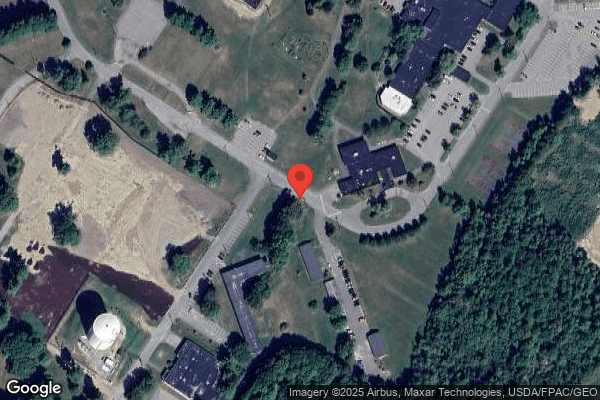
103 TEXAS AVE, BANGOR, ME 04401 (207) 947-4557
Non profit - Church related 60 Beds COVENANT HEALTH Data: November 2025
Trust Grade
33/100
#46 of 77 in ME
Last Inspection: December 2024

Within standard 12-15 month inspection cycle. Federal law requires annual inspections.

Overview

Bangor Nursing & Rehabilitation Center has received a Trust Grade of F, indicating significant concerns about the quality of care provided. Ranking #46 out of 77 facilities in Maine places it in the bottom half, and #7 out of 11 in Penobscot County suggests there are only a few local options that are better. Although the facility is showing improvement, with the number of issues decreasing from 25 in 2023 to 23 in 2024, it still has a concerning staffing turnover rate of 84%, well above the state average of 49%. Recent inspections revealed serious problems, including a lack of proper wound care for a resident, which led to hospitalization, and failure to provide accurate staffing data to regulatory agencies. While the nursing coverage is average, the facility's high fines of $12,831 further raise concerns about compliance and care standards.
Trust Score
F
33/100
In Maine
#46/77
Bottom 41%
Safety Record
Moderate
Needs review
Inspections
Getting Better
25 → 23 violations
Staff Stability
⚠ Watch
84% turnover. Very high, 36 points above average. Constant new faces learning your loved one's needs.
Penalties
✓ Good
$12,831 in fines. Lower than most Maine facilities. Relatively clean record.
Skilled Nurses
✓ Good
Each resident gets 58 minutes of Registered Nurse (RN) attention daily — more than average for Maine. RNs are trained to catch health problems early.
Violations
⚠ Watch
53 deficiencies on record. Higher than average. Multiple issues found across inspections.
★★☆☆☆
2.0
Overall Rating
★★★☆☆
3.0
Staff Levels
★★☆☆☆
2.0
Care Quality
★★☆☆☆
2.0
Inspection Score
Stable
2023: 25 issues
2024: 23 issues

The Good

  • Full Sprinkler Coverage · Fire safety systems throughout facility
  • No fines on record

Facility shows strength in fire safety.

The Bad

2-Star Overall Rating

Below Maine average (3.0)

Below average - review inspection findings carefully

Staff Turnover: 84%

38pts above Maine avg (46%)

Frequent staff changes - ask about care continuity

Federal Fines: $12,831

Below median ($33,413)

Minor penalties assessed

Chain: COVENANT HEALTH

Part of a multi-facility chain

Ask about local staffing decisions and management

Staff turnover is very high (84%)

36 points above Maine average of 48%

The Ugly 53 deficiencies on record

1 actual harm
Dec 2024 16 deficiencies 1 Harm
SERIOUS (G) 📢 Someone Reported This

A family member, employee, or ombudsman was alarmed enough to file a formal complaint

Actual Harm - a resident was hurt due to facility failures

Pressure Ulcer Prevention (Tag F0686)

A resident was harmed · This affected 1 resident

Based on record reviews and interviews, the facility failed to ensure that a resident received monitoring and wound care for 1 of 3 residents reviewed with a pressure ulcer wound (Resident #42 [R42])....

Read full inspector narrative →
Based on record reviews and interviews, the facility failed to ensure that a resident received monitoring and wound care for 1 of 3 residents reviewed with a pressure ulcer wound (Resident #42 [R42]). This lack of monitoring and wound care resulted in the pressure wound deteriorating and requiring a transfer and admission to the hospital for further treatment. Finding: On 12/6/24, the facility sent a reportable incident form to the State Agency alleging that Licensed Practical Nurse #1 (LPN1) documented that she had changed R42's pressure wound dressing on 12/2/24 and 12/4/24 but on 12/6/24, the pressure wound dressing was observed by Registered Nurse #1 (RN1), dated 11/30/24. On 12/16/24, R42's clinical record was reviewed. R42's December Treatment Administration Record (TAR) included a physician ordered treatment (started 11/19/24) for the right heel pressure wound that directed staff to cleanse with normal saline or wound wash, pat dry, apply Medihoney alginate, then Mepilex or foam equivalent, and may secure with gauze roll or kerlix and to change every other day on the night shift and as needed (PRN). R42 was to wear off-loading boots to bilateral feet when in bed. Review of R42's December TAR was signed by LPN1 to indicate that a weekly skin check was completed on 12/1/24 and documented at 8:00 p.m. in the clinical record, under Skin Check-LPN, that a foot evaluation completed and described wound #3 as a blister; however on 11/25/24, Family Nurse Practitioner (FNP) documented that it was a new unstageable open area on right heel-malodorous and draining purulent drainage. some discomfort and ordered an antibiotic. On 12/3/24, documentation indicated that Family Nurse Practitioner (FNP) visited R42 but did not observe the right heel dressing and documented that that off-loading boot was on. On 12/5/24, R42's Brief Interview for Mental Status (BIMS]) was 15 (cognitively intact), refused a weekly pressure wound assessment two times and the dressing was not observed as R42 was wearing the off-loading boots. On 12/17/24 at 1:50 p.m., during an interview with a surveyor, FNP stated that she observed the unstageable pressure wound on 11/25/24; it looked like a blister that had popped. FNP stated she ordered an antibiotic (Keflex times (x) 7 days) due to the drainage and odor of the wound (the last dose administered was 12/2/24). FNP stated that on 12/7/24, she ordered R42 be transferred to the hospital because he/she needed a wound debridement to the right heel pressure ulcer. On 12/17/24 at 2:10 p.m., during a joint interview with Registered Nurse #1 (RN1), RN2 and a surveyor, RN1 stated that on 12/6/24, he saw [Resident] 42 and asked how he/she was doing. [Resident] 42 mentioned that his/her (right) foot was hurting and RN1 stated that he asked how the dressing changes were going; [Resident] 42 stated they haven't been changed for a while. RN1 stated he took the green boot off which was covering the (right heel) dressing and saw 11/30/24 written on the dressing (a photo of the dated dressing was taken and provided to the surveyor). RN1 stated he last saw the wound on 11/28/24 and it looked good (On 12/6/24 at 6:00 p.m., RN1 documented that the wound now had a new odor and with new blackened tissue present with dried drainage observed on the old dressing). RN2, who observed the wound on 11/28, stated that it was healing well, to the point of wanting to contact the provider about maybe discontinuing the Medihoney, as it did its job. RN2 stated that weekly pressure wound assessments are supposed to be done weekly but they are not always done by her. RN1 stated that he called FNP and a televisit was completed to review the status of the right heel wound. FNP ordered a mobile x-ray that was completed 12/7/24 and they thought it was possible osteomyelitis (bone infection) and [Resident] 42 was sent to the hospital for further tests. RN1 stated he called the hospital to obtain status on [Resident] 42 and found it was not osteomyelitis, but [Resident]42 was admitted for broad spectrum IV antibiotics (intravenous medication used when a bacterial infection is suspected but the group of bacteria is unknown). [Resident] 42 did not return to the facility. R42's care plan, last updated 11/14/24, for the care area of, The resident has pressure ulcer right heel pressure ulcer development related to (r/t) immobility, with interventions added on 11/14/24 that included: Administer treatments and monitor for effectiveness; assess/record/monitor wound healing measure length, width, and depth where possible; assess and document status of wound perimeter, wound bed and healing progress; monitor/document/report as needed (PRN) any changes in skin status: appearance, color, wound healing, signs/symptoms of infection, wound size (length times (x) width x depth), stage; and weekly treatment documentation to include the measurement of each area of skin breakdown's width, length, depth, type of tissue and exudate (drainage). On 12/17/24 at 8:34 a.m., the Director of Nursing (DON) provided the surveyor with the weekly pressure wound assessments that were completed for R42's right heel pressure injury which included the dates of 11/13/24 and 12/6/24. The surveyor confirmed that weekly pressure wound assessments were not completed every week. On 12/17/24 at 3:15 p.m., during an interview with a surveyor, the DON stated that weekly skin checks are to be done on shower days. The surveyor confirmed LPN1's inaccurate description of a weekly skin check completed on 12/1/24, documenting the description of an unstageable pressure wound (as described by FNP on 11/25/24) as a blister and LPN1 would have needed to remove the dressing, dated 11/30/24, in order to see the area to complete the weekly skin check. The surveyor also confirmed that R42 had a dressing change scheduled every other day and PRN, R42 was on an antibiotic until 12/2/24 due to drainage of the wound, and wore off-loading boots while in bed. There was no evidence that staff had been monitoring the area (as directed by the care plan), because if they would have removed the right foot off-loading boot to observe the treatment for effectiveness, staff would have seen that the last time the dressing had been changed was 11/30/24. On 12/31/24 at 2:03 p.m., the surveyor spoke with LPN1 via telephone. LPN1 stated that she did not remember completing or documenting that she had completed a foot/skin check on 12/1/24 or a dressing change to R42's right heel pressure wound on 12/4/24. LPN1 did state that on 12/2/24, at the beginning of her shift, she documented that she had completed R42's right heel pressure wound dressing change but then was pulled to pass medications She stated that she informed R42 that the dressing change wouldn't be done until after 10 p.m. to which R42 stated that was too late. LPN1 stated that she forgot to change the documentation to indicate that the dressing had not been changed.
CONCERN (D)

Potential for Harm - no one hurt, but risky conditions existed

Notification of Changes (Tag F0580)

Could have caused harm · This affected 1 resident

Based on record reviews and interview, the facility failed to notify the Provider of a change in status for 1 of 1 sampled resident (Resident #11[R11]). Finding: On 12/16/24 at 3:01 PM during a clini...

Read full inspector narrative →
Based on record reviews and interview, the facility failed to notify the Provider of a change in status for 1 of 1 sampled resident (Resident #11[R11]). Finding: On 12/16/24 at 3:01 PM during a clinical record review for R11, a nursing note dated 10/11/24 labeled Health Status note documents that R11 vomited once, a large amount (copious) of dark brown/black liquid with undigested food and medication. Bowel sounds were noted to be less active than normal (hypoactive) but active (positive) in all four sections (quadrants). Low pitched (Course crackles) were heard (auscultated) throughout all lung lobes. Afebrile at 98.0. pulse 87, BP 97/66 though patient frequently is hypotensive. O2 95% on RA, respirations 20. Resident does present with cough, although this is not a new finding. Resident states he/she feels better since vomiting. He/She denies any further nausea. Will continue to observe. Upon Further review of his/her clinical record R11 has a Physicians order dated 8/10/24 to notify provider if recurrence in condition (vomiting) occurs. There is no evidence in the clinical record that the provider was made aware of the occurrence on 10/11/24. On 12/18/24 at 3:45 PM, during an interview with the Director of Nurses the surveyor confirmed that there is no documentation or evidence to support that R11's Provider was made aware of the above incident.
CONCERN (D)

Potential for Harm - no one hurt, but risky conditions existed

Deficiency F0655 (Tag F0655)

Could have caused harm · This affected 1 resident

**NOTE- TERMS IN BRACKETS HAVE BEEN EDITED TO PROTECT CONFIDENTIALITY** Based on record reviews and interview, the facility failed to ensure a baseline care plan was developed and implemented within 4...

Read full inspector narrative →
**NOTE- TERMS IN BRACKETS HAVE BEEN EDITED TO PROTECT CONFIDENTIALITY** Based on record reviews and interview, the facility failed to ensure a baseline care plan was developed and implemented within 48 hours that included the instructions needed to provide minimum healthcare information necessary to properly care for 1 of 2 residents reviewed that were admitted in the last 30 days (Resident #54 [R54]), Finding: On 12/16/24, R54's clinical record was reviewed which indicated that R54 was admitted to the facility on [DATE] after R54 had a fall which resulted in fractures prior to admission, requiring therapy and pain monitoring with diagnoses that included diabetes, use of an anti-coagulant, and a pressure ulcer to sacrum. These care areas were not added to the baseline care plan until after 48 hours of admission. On 12/18/24 at 9:47 a.m., during an interview with a surveyor, the Director of nursing stated that the nurses are responsible for the baseline care plan. R54's baseline care plan was reviewed and the surveyor confirmed that fall with fractures, pain, diabetes, anti-coagulant use, and pressure ulcer were not added until between 12/8/24 - 12/13/24, greater than 48 hours.
CONCERN (D)

Potential for Harm - no one hurt, but risky conditions existed

Deficiency F0692 (Tag F0692)

Could have caused harm · This affected 1 resident

**NOTE- TERMS IN BRACKETS HAVE BEEN EDITED TO PROTECT CONFIDENTIALITY** Based on record review and interview, the facility failed to provide recommended nutritional services for 1 of 1 residents revie...

Read full inspector narrative →
**NOTE- TERMS IN BRACKETS HAVE BEEN EDITED TO PROTECT CONFIDENTIALITY** Based on record review and interview, the facility failed to provide recommended nutritional services for 1 of 1 residents reviewed for dialysis [Resident #102 (R102)]. Finding: Review of the Dialysis Patient Care Policy created and approved on 05/21/2018 indicated, Dietary management involves restriction of protein, sodium, potassium, and/or fluid intake per physician's orders. On 12/17/24, clinical record review revealed: R102 was admitted on [DATE] with a diagnosis of dependence on renal dialysis. The resident was discharged to the hospital on [DATE] and returned to the facility on [DATE] with the same care plan in place. The care plan revised on 9/29/24 indicated the resident was on a renal diet. The dietary notes on 10/24/24 indicated the resident was on a renal, carb consistent, low sodium diet. The discharge orders from the hospital dated 12/12/24 indicated R102 continue the carb consistent, low sodium diet on return to the facility. On 12/12/24, the dietary communication slip indicated R102 was placed on a House/Regular diet upon return from the hospital. On 12/17/24 at 11:30 a.m., during an interview with a surveyor, the Kitchen Manager stated the House/Regular diet is not considered a low sodium diet. On 12/18/24 at 11:07 a.m., during an interview with the Director of Nursing (DON), 2 surveyors confirmed the record contained conflicting diet recommendations. The DON stated the dialysis center should direct the diet order; the dietician may discuss with them and make adjustments, but there would be a note for that. At this time 2 surveyors confirmed the facility did not provide the recommended nutritional services to R102 on his/her return from the hospital.
CONCERN (D)

Potential for Harm - no one hurt, but risky conditions existed

Respiratory Care (Tag F0695)

Could have caused harm · This affected 1 resident

Based on observations and interviews, the facility failed to provide oxygen therapy in a sanitary manner for 1 of 2 sampled residents using oxygen (Resident #25 [R25]). Finding: On 12/18/24 at 10:55 ...

Read full inspector narrative →
Based on observations and interviews, the facility failed to provide oxygen therapy in a sanitary manner for 1 of 2 sampled residents using oxygen (Resident #25 [R25]). Finding: On 12/18/24 at 10:55 a.m., during an environmental tour with the Director of Plant Operations, Healthcare Services Group District Manager, and surveyor observed R25 wearing oxygen via nasal cannula attached to an oxygen concentrator. The concentrator filter located on the back of the machine was dusty. On 12/18/24 at 10:55 a.m. in an interview with the Director Plant Operations, and Healthcare Services Group District Manager, a surveyor confirmed R25's oxygen concentrator was dusty.
CONCERN (D)

Potential for Harm - no one hurt, but risky conditions existed

Deficiency F0699 (Tag F0699)

Could have caused harm · This affected 1 resident

Based on record review and interview, the facility failed address the needs of a resident in order to minimize triggers that may cause re-traumatization for 1 of 2 resident reviewed for Mood/Behavior ...

Read full inspector narrative →
Based on record review and interview, the facility failed address the needs of a resident in order to minimize triggers that may cause re-traumatization for 1 of 2 resident reviewed for Mood/Behavior (Resident #15 [R15]). Finding: R15 was admitted to the facility with hospice services on 11/28/23. R15's diagnoses are significant for anxiety disorder, hallucinations, delusional disorder, dementia with behavioral disturbance, and need for assistance with personal care. On 12/15/24 at 8:08 p.m., a nurse note stated, [patient] stated to [2 staff] that the last two people who were in [his/her] room molested [him/her]. On 12/17/24 at 4:01 p.m., a nurse note stated, This afternoon the Hospice nurse and social worker reported to me [R15] was very upset when they saw [him/her] today. [He/She] reported being afraid and made claims of a sexual assault. Upon probing, the resident could not identify when it happened and stated it was not here. ? if [he/she] may have had a previous trauma triggered by a male caregiver. On 12/18/24, the provider signed a note stating, report to [Director of Nursing (DON)] of [patient] stating [he/she] was sexually abused. Investigation thought to be a trigger from a male caregiver with [history] of old trauma. On 12/19/24 at 9:54 a.m., during an interview with the DON, 2 surveyors confirmed that the clinical record lacked evidence that interventions were put in place for R15, in order to prevent re-traumatization.
CONCERN (D)

Potential for Harm - no one hurt, but risky conditions existed

Pharmacy Services (Tag F0755)

Could have caused harm · This affected 1 resident

**NOTE- TERMS IN BRACKETS HAVE BEEN EDITED TO PROTECT CONFIDENTIALITY** Based on record reviews and interviews, the facility failed to ensure that physician ordered medications were available for use ...

Read full inspector narrative →
**NOTE- TERMS IN BRACKETS HAVE BEEN EDITED TO PROTECT CONFIDENTIALITY** Based on record reviews and interviews, the facility failed to ensure that physician ordered medications were available for use to meet the needs of the residents for 1 of 3 residents reviewed as a closed record. (Resident #51 [R51]). Finding: On 12/19/24 at 1:07 p.m., during a review of Resident #51's clinical record, R51 was admitted to the facility on [DATE] after a stay at the hospital for the treatment of a surgical wound infection. He/she was admitted with an order for Vancomycin HCI in dextrose intravenous (IV) solution 1.25-5 gram (GM)/250 milliliters (ML) -% use 250ml intravenously two times a day for infection with a start date of 12/15/24 at 8:00 p.m. The Treatment Administration Record (TAR) shows documentation that on 12/15/24 at 8:00 PM a code of 9 was entered. The code 9 using the chart codes on the TAR indicated other/see progress notes. The progress note dated 11/15/24 documents the vancomycin HCI in dextrose intravenous solution 1.25-5gm/250ml% (antibiotic) was not in yet from the pharmacy, resulting in R51 missing his/her evening dose of his/her antibiotic treatment. On 11/16/24 at 8:00 a.m. a second dose of IV vancomycin HCI in dextrose intravenous solution 1.25-5gm/250ml% was due to be administered. In a nursing note dated 11/16/24 documents the correct formulation of the medication was not available, which resulted in R51 missing a second dose of IV antibiotics to treat his/her surgical infection. On 11/16/24 at 10:43 a.m., R51 and the spouse told the nurse that he/she was leaving against medical advice stating they were unhappy with the care and the IV medication, and they would be going to the ER to get the IV antibiotics. On 12/19/24 at 12:55 p.m., during an interview with the Infection Preventionist, she stated that they have been having an issue with the pharmacy with getting medications timely. They have pharmacy runs in the evening and again on the overnight shift during the week, on the weekends they get one pharmacy run. They do have a backup pharmacy but does not believe they can get IV medications from the local Walgreens. A surveyor confirmed at this time that R51 missed two doses of his/her IV antibiotics due to unavailability of the correct formulation of his/her medication order.
CONCERN (D)

Potential for Harm - no one hurt, but risky conditions existed

Food Safety (Tag F0812)

Could have caused harm · This affected 1 resident

Based on observations, and interviews, the facility failed to monitoring food temperatures to prevent food borne illness prior to serving residents for 1 of 4 days of survey (12/17/24), and the facili...

Read full inspector narrative →
Based on observations, and interviews, the facility failed to monitoring food temperatures to prevent food borne illness prior to serving residents for 1 of 4 days of survey (12/17/24), and the facility failed to ensure that plumbing fixtures were properly installed to prevent backflow as required by the Maine State Plumbing Code on 2 of 4 days of survey (12/17/24, and 12/18/24). This has the potential to effect all residents in the facility. Findings: 1. On 12/17/24 at 11:38 a.m., a surveyor observed the Kitchen Manager serve mashed potato, pureed green bean, and ground chicken onto an early plate from the steam table. The plate was covered and put to the side in preparation of being served ahead of the lunch service. At 11:39 a.m., a surveyor observed the Kitchen Manager begin to check holding temperatures of the food on the steam table, prior to serving the lunch service. The ground chicken was observed to be 133 degrees Fahrenheit, and the pureed chicken was observed to be 126 degrees Fahrenheit (Minimum safe holding temperature for hot foods is 135 degrees Fahrenheit). On 12/17/24 at 11:45 a.m., a surveyor confirmed with the Kitchen manager that the pureed chicken and ground chicken were not maintained at a safe holding temperature and the early plate had been prepared and was ready to serve with the ground chicken that was not maintained at a safe holding temperature. 2. The 10-114 State of Maine Rules Chapter 226, definition Section A, defines an Air-Gap Separation - A physical separation between the free-flowing discharge end of a potable water supply pipeline and an open or non-pressure receiving vessel. An air-gap separation shall be at least twice the diameter of the supply pipe measured vertically above the overflow rim of the vessel - in no case less than one inch (2.54 cm) and the Code of Federal Regulation, Title 21, Part 1250, Section 1250, 30 (d) states all plumbing shall be so designed, installed, and maintained as to prevent contamination of the water supply, food, and food utensils. On 12/17/24 at 2:34 p.m., a surveyor observed an improper air gap on the drain line of the ice machine, this finding was confirmed with the Kitchen Manager. On 12/18/24 at 12:00 p.m., a surveyor observed an improper air gap on the drain line of the ice machine, this finding was confirmed with the Kitchen Manager.
CONCERN (D) 📢 Someone Reported This

A family member, employee, or ombudsman was alarmed enough to file a formal complaint

Potential for Harm - no one hurt, but risky conditions existed

Medical Records (Tag F0842)

Could have caused harm · This affected 1 resident

Based on record reviews and interviews, the facility failed to ensure that clinical records were complete and contained accurate information for 1 of 3 sampled residents reviewed for pressure ulcers (...

Read full inspector narrative →
Based on record reviews and interviews, the facility failed to ensure that clinical records were complete and contained accurate information for 1 of 3 sampled residents reviewed for pressure ulcers (Resident #42 [R42]) and 1 of 1 reviewed for Respiratory care. Findings: 1. On 12/16/24, a surveyor reviewed information provided for a facility reported incident, dated 12/6/24, involving Licensed Practical Nurse #1 (LPN1) documenting that dressing changes were completed on R42's right heel on 12/2/24 and 12/4/24, but on 12/6/24, the dressing was observed and labeled last changed on 11/30/24 by Registered Nurse #3. Upon further review, the surveyor noted that LPN1 also documented a skin check was completed on 12/1/24 that included documentation of Foot evaluation completed and that R42's right heel pressure wound was a blister but on 11/25/24, the Family Nurse Practitioner #1 documented that the wound (that was a blister) was now unstageable and open, with drainage, to the right heel. On 12/17/24 at 3:15 p.m., during an interview with the Director of Nursing, a surveyor confirmed this finding. 2. On 12/16/24 during a resident observation and interview it was noted that R19 was using an oxygen concentrator at 2 Liters per minute using a nasal cannula. Observation of the nasal cannula (oxygen tubing) showed that it had a date of 12/8/24. During review of R19's Treatment Administration Record (TAR) for December it was noted that the nurse signed the TAR that the oxygen tubing was changed on 12/15/24. 12/18/24 at 7:22 a.m., observation and record review was done with the interim Social Service nurse, the surveyor confirmed the date on the oxygen tubing was 12/8/24 and that it was signed on the TAR as being changed on 12/15/24.
CONCERN (E)

Potential for Harm - no one hurt, but risky conditions existed

Deficiency F0578 (Tag F0578)

Could have caused harm · This affected multiple residents

**NOTE- TERMS IN BRACKETS HAVE BEEN EDITED TO PROTECT CONFIDENTIALITY** 6. R37 was admitted to the facility on [DATE]. A review of R37's clinical record lacked evidence that the facility offered or re...

Read full inspector narrative →
**NOTE- TERMS IN BRACKETS HAVE BEEN EDITED TO PROTECT CONFIDENTIALITY** 6. R37 was admitted to the facility on [DATE]. A review of R37's clinical record lacked evidence that the facility offered or reviewed with the resident and/or resident representatives or that the resident and/or resident representatives were provided with written information concerning the right to formulate an advanced directive. 7. R102 was admitted to the facility on [DATE]. A review of R37's clinical record lacked evidence that the facility offered or reviewed with the resident and/or resident representatives or that the resident and/or resident representatives were provided with written information concerning the right to formulate an advanced directive. On [DATE] at 7:48 a.m., during an interview with Registered Nurse #1 (RN1), R102's advanced directive regarding code status (cardiopulmonary resuscitation [CPR]) was reviewed. R102's electronic medical record indicated a code status of DO NOT RESUSCITATE (Do not provide CPR). RN1 stated demographics are printed for reference in case of power and / or internet failure. R102's printed demographic, located at the nurse's station indicated a codes status of FULL CODE (provide CPR). At this time the surveyor confirmed the facility had conflicting choices for code status for R102. On [DATE] at 2:00 p.m., during an interview with 3 surveyors, the Administrator stated there is no evidence in the Social Services office or in the resident's records to show Advanced directives were offered and/or reviewed with the resident and/or their representative. At this time a surveyor confirmed the above findings. 5. On [DATE], R18's clinical record was reviewed and indicated that R18 was admitted on [DATE]. The clinical record lacked evidence of the Advance Directive being offered or reviewed as the admission Face Sheet, signed by R18 on [DATE] for the question: have advance directives been discussed with responsible party was not answered and there was not a Medical Power of Attorney document on file. On [DATE] at 3:06 p.m., an email was sent to the Administrator requesting Advance Directive information for residents that included R18. On [DATE] at 7:25 a.m., during an interview with a surveyor, Social Services Interim stated she started in mid-November and during the admission process, she does not provide an Advance Directive packet to the responsible party and only reviewed the code status with the resident/family. On [DATE] at 10:15 a.m., documents were provided by the facility regarding what they could find for Advance Directive information in the clinical records. At 10:37 am., during an interview with a surveyor, the Admissions Coordinator stated she was unable to find any additional information in R18's clinical record as of this time but the Business Office Manager stated R18's family was called and would bring in paperwork today. Based on record reviews, and interviews, the facility failed to provide evidence to show Advance Directives were offered or reviewed with the resident and/or resident representatives or that the resident and/or resident representatives were provided with written information concerning the right to formulate an Advance Directive, for 7 of 14 residents reviewed for Advance Directive. (Resident #19 [R19], R16, R17, R11, R18, R37 and R102) Findings: 1. R19 was admitted to the facility on [DATE]. A review of R19's clinical record lacked evidence that the facility offered or reviewed with the resident and/or resident representatives or that the resident and/or resident representatives were provided with written information concerning the right to formulate an advanced directive. 2. R16 was admitted to the facility on [DATE]. A review of R16's clinical record lacked evidence that the facility offered or reviewed with the resident and/or resident representatives or that the resident and/or resident representatives were provided with written information concerning the right to formulate an advanced directive. 3. R17 was admitted on to the facility on [DATE]. A review of R17's clinical record lacked evidence that the facility offered or reviewed with the resident and/or resident representatives or that the resident and/or resident representatives were provided with written information concerning the right to formulate an advanced directive. 4. R11 was admitted on to the facility on [DATE]. A review of R11's clinical record lacked evidence that the facility offered or reviewed with the resident and/or resident representatives or that the resident and/or resident representatives were provided with written information concerning the right to formulate an advanced directive. R11's admission packet did not have the section addressing Advance Directives completed. On [DATE] at 2:00 p.m. during an interview with the Administrator, she stated they looked in the Social Service office and found 2 folders one for POLST and one that had the State of Maine health care Advanced Directives form labeled your right to choose. Per the Administrator there is no evidence in that office or in the resident records to show Advanced directives were offered or reviewed with the resident or the representatives. The above findings were confirmed by the surveyor at the time of this interview.
CONCERN (E)

Potential for Harm - no one hurt, but risky conditions existed

Safe Environment (Tag F0584)

Could have caused harm · This affected multiple residents

**NOTE- TERMS IN BRACKETS HAVE BEEN EDITED TO PROTECT CONFIDENTIALITY** 2. -In room [ROOM NUMBER], the walkers stored behind the door were heavily soiled with crusted debris. -The left arms rest on Re...

Read full inspector narrative →
**NOTE- TERMS IN BRACKETS HAVE BEEN EDITED TO PROTECT CONFIDENTIALITY** 2. -In room [ROOM NUMBER], the walkers stored behind the door were heavily soiled with crusted debris. -The left arms rest on Resident #17's wheel chair was ripped, creating an uncleanable surface.3. - In room [ROOM NUMBER], Bed 1, there was chipped paint on the trapeze (a metal triangular mobility appliance). - In room [ROOM NUMBER], the outside of the windows had visible dust and dirt on the windows. - In the horseshoe shaped hallway there were multiple areas on the walls that were patched but not painted. Based on observations and interviews, the facility failed to adequately maintain maintenance and housekeeping services necessary to maintain the facility in good repair and sanitary conditions for 1 of 1 environmental tour (12/18/24). Findings: On 12/18/24, between 10:47 a.m. through 11:13 a.m., an environmental tour was completed with the Director Plant Operations, Healthcare Services Group District Manager, and three surveyors, the following findings were confirmed at the time of observations: 1. - In room [ROOM NUMBER], there was paint chipped near both televisions and by the headboard for Bed 2. The metal bed enabler on Bed 1 had chipped paint. - In room [ROOM NUMBER], both nightstand coverings were damaged, the wall above the sink was damaged, there was a water-stained ceiling tile, there were handles missing on the dresser drawers, the trim on the headboard and footboard for Bed 1 were broken, the metal bed enablers for Bed 1 had chipped paint and the bedside table edges were damaged. - In room [ROOM NUMBER], there were 2 wooden chairs with yellow vinyl seats that were torn/cracked, creating an uncleanable surface. The outside of the windows had visible dust and dirt on the windows. The window was dirty inside and out. - Resident # (R) 13's wheelchair back was cracked, creating an uncleanable surface. - In room [ROOM NUMBER], on the wall to the left of the sink there was missing/gouged area under a plastic shelf.
CONCERN (E)

Potential for Harm - no one hurt, but risky conditions existed

PASARR Coordination (Tag F0644)

Could have caused harm · This affected multiple residents

3. On 12/17/24, during a record review of R37's clinical record, the PASARR II dated 10/2/24 has the PASRR determination explanation that R37 met the State of Maine's definition for serious mental ill...

Read full inspector narrative →
3. On 12/17/24, during a record review of R37's clinical record, the PASARR II dated 10/2/24 has the PASRR determination explanation that R37 met the State of Maine's definition for serious mental illness due to a diagnosis of depression and anxiety. Over the past three to six months, your diagnoses have led to intermittent functional limitations in interpersonal functioning, concentration or adaptation to change. Onset of symptoms and persistence causes significant distress and impairment in your ability to function independently. R37's PASRR Level II requires: Ongoing psychiatric services by a psychiatrist to evaluate response and effectiveness of psychotropic medications on target symptoms, modify medication orders, and to evaluate ongoing need for additional behavioral health services. You may benefit from ongoing medication management to be sure your mental health medications continue to work for you. Individual Therapy by a licensed behavioral health professional (may include mobile therapy): You may benefit from individual counseling which could help you learn coping skills and provide a consistent person to talk with. This additional emotional support and social interaction may be beneficial to you. Rehabilitative services: You will need to be provided the following services and/or supports: Education regarding medication compliance and/ or side effects, Socialization/Leisure/Recreation Activities, Family Involvement in the Individual's Care, Supportive Counseling from NF Staff, [and] A Behaviorally-Based Treatment Plan. On 12/18/24 11:07 a.m., during an interview with the Director of Nurses (DON) and a 2nd surveyor, R37's care plan was reviewed. The DON stated she just got off the phone (12/18/24) with Acadia, who had offered R37 a telehealth option. The DON felt R37 would not be a good candidate for the telehealth option, so R37 was placed on an in person wait list with an estimated 15 month wait for Psychiatric services. At this time 2 surveyors confirmed there is no evidence that the Level II services were provided to R37 or included in the care plan. Based on record reviews and interviews, the facility failed to incorporate recommendations from the Preadmission Screening Resident Review (PASARR) level II determination and the PASARR evaluation report into a resident's assessment, care planning, and transitions of care for 3 of 4 sampled resident (Resident #19 [R19, R16, and R37]). Findings: 1. On 12/17/24 at 9:58 a.m., during a record review of R16's clinical record, the PASARR II dated 10/7/24 has the PASRR determination explanation that R16 met the State of Maine's definition for serious mental illness due to a diagnosis of depression over the past three to six months, your diagnosis has led to intermittent functional limitations in interpersonal functioning, concentration or adaptation to change. Onset of symptoms and persistence causes significant distress and impairment in your ability to function independently. R16's PASRR Level II required: Ongoing psychiatric services by a psychiatrist to evaluate response and effectiveness of psychotropic medications on target symptoms, modify medication orders, and to evaluate ongoing need for additional behavioral health services. Peer Support Services, delivered by a Certified Mental Health Peer Support Specialist Ongoing psychiatric service by a psychiatrist to evaluate response and effectiveness of psychotropic medications on target symptoms, modify medication orders, and to evaluate ongoing need for additional behavioral health services: you may benefit from ongoing medication management to be sure your mental health medications continue to work for you. Rehabilitative services: You will need to be provided the following services and/or supports: Service or Support for socialization/leisure/recreation activities, Supportive Counseling from NF Staff. The reason for these supports is below. Socialization/Leisure/Recreation Activities: Being around others is important to reduce loneliness and isolation and provide support. Supportive Counseling from NF staff: Support and validation from caregivers is important for emotional wellbeing and could assist with symptoms as they occur. On 12/18/24 11:07 a.m, during an interview and review of R16's care plan with the Director of Nurses (DON) and a 2nd surveyor there is no evidence that the Level II services were included in care plans or provided to R16. The DON stated she just got off the phone (12/18/24) with Acadia and they are looking at a 15 month wait list for Psychiatric services. The DON was observed entering an intervention for continued mental health care, the surveyor asked if she knew what services R16 qualified for and the DON stated she was not aware and has not read the Level II. 2. 12/17/24 07:52 a.m., during a record review of R19's clinical record, the PASARR II dated 11/7/24 has the PASRR determination explanation that R19 met the State of Maine's definition for serious mental illness due to a diagnosis of bipolar disorder and anxiety. Over the past three to six months, your diagnoses have led to intermittent functional limitations in interpersonal functioning, concentration or adaptation to change. Onset of symptoms and persistence causes significant distress and impairment in your ability to function independently. R19's PASRR Level II required: Ongoing psychiatric services by a psychiatrist to evaluate response and effectiveness of psychotropic medications on target symptoms, modify medication orders, and to evaluate ongoing need for additional behavioral health services. You may benefit from ongoing medication management to be sure your mental health medications continue to work for you. Rehabilitative services: You will need to be provided the following services and/or supports: Service or Support for socialization/leisure/recreation activities, Family involvement in the individual's care Supportive Counseling from NF Staff. The reason for these supports is below. Socialization/Leisure/Recreation Activities: Being around others is important to reduce loneliness and isolation and provide support. You also enjoy bingo, coloring and music. Supportive Counseling from NF staff: Support and validation from caregivers is important for emotional wellbeing and could assist with symptoms as they occur. Family involvement in the individual's care: your family is very important to you. Your caregivers should promote a continued connection with your nephew. On 12/18/24 11:07 a.m, during an interview and review of R19's care plan with the Director of Nurses (DON) and a 2nd surveyor there is no evidence that the Level II services were included in care plans or provided to R19. The DON stated she just got off the phone (12/18/24) with Acadia and they are looking at a 15 month wait list for Psychiatric services.
CONCERN (E) 📢 Someone Reported This

A family member, employee, or ombudsman was alarmed enough to file a formal complaint

Potential for Harm - no one hurt, but risky conditions existed

Quality of Care (Tag F0684)

Could have caused harm · This affected multiple residents

3. On 12/16/24 during a clinical record review for R28, the surveyor noted that on 12/12/24 R28 was treated with a prescribed medicated shampoo for the treatment of lice. The directions were to monito...

Read full inspector narrative →
3. On 12/16/24 during a clinical record review for R28, the surveyor noted that on 12/12/24 R28 was treated with a prescribed medicated shampoo for the treatment of lice. The directions were to monitor effectiveness of treatment by checking for lice post treatment. There was no evidence in the clinical record that R28 was monitored after treatment. On 12/17/24 at 11:07 a.m. in an interview with the Infection Preventionist, a surveyor confirmed that no one was monitoring the effectiveness of the treatment of lice from 12/12/ 24 until 12/16/24, 4 days after treatment. Based on record reviews and interviews, the facility failed to ensure that physician orders for treatments were followed for 2 of 20 sampled residents. (Resident #11 [R11]), R19). The facility failed to monitor a residents treatment until 4 days after treatment was administered for 1 of 1 sampled resident (12/13/24 to 12/16/24). Findings: 1. On 12/17/24 at 11:03 a.m,, during a clinical record review a diet order dated 11/16/24 instructs that R11 needs constant supervision with meals. On 12/18/24 at 8:35 a.m., an observation was made that R11 was in his/her room and in bed. The privacy curtain was pulled halfway causing R11's upper body to not be visible. At this time CNA #2 was coming out of his/her room with the breakfast tray. A surveyor asked if she had assisted R11 with his/her meal and she stated that he/she eats by himself/herself after they set him/her up. She then stated that she had just come to pick up the tray because they were done eating. The surveyor confirmed, at this time that R11 was not in constant supervision during their breakfast meal. On 12/18/24 at 8:38 a.m. during an interview with RN#3 stated this was her first shift at this facility and she was not aware that R11 needed constant supervision for meals. At this time the surveyor confirmed R11 was not in constant supervision with his/her breakfast meal. 2. On 12/18/24 during a clinical record review for R19, the surveyor noted that on his/her Treatment Administration Record (TAR) for December 2024 it is documented that on the morning of 12/10/24 R19 had a blood sugar level of 86. He/she has a Physician order to receive 44 units of Lantus for Diabetes Mellitus and to hold for blood sugar less than 100. Documentation on the TAR indicates that on 12/10/24 R19 received 44 units of Lantus with a blood sugar of 86 when it should have been held. On 12/18/24 at 9:58 a.m. during an interview with the Director of Nursing the surveyor confirmed that the facility failed to hold the insulin for R19 on the morning of 12/10/24.
CONCERN (E)

Potential for Harm - no one hurt, but risky conditions existed

Drug Regimen Review (Tag F0756)

Could have caused harm · This affected multiple residents

3. On 12/19/24, review of R34's clinical record revealed the following: On 7/29/24, the Medication Regimen Review for R34 was completed and the pharmacist recommendation stated, Resident has an order ...

Read full inspector narrative →
3. On 12/19/24, review of R34's clinical record revealed the following: On 7/29/24, the Medication Regimen Review for R34 was completed and the pharmacist recommendation stated, Resident has an order to receive Tum's every 2 hours as needed (PRN). Please consider updating the Medication Administration Record (MAR) to include a daily limit ([that is] do not exceed 8,000 [milligrams (mg)] per day). Review of the MAR for active orders in August revealed an order dated 6/26/24 for Tums (calcium carbonate) 500mg tablets, 2 tablets to be given every 2 hours as needed for indigestion. Additionally, the MAR had an order for a Calcium Carbonate 600 mg supplement dated 4/23/24, scheduled for 1 tablet to be given by mouth twice a day. There was no indication that the orders were updated or changed to include a daily limit. On 12/19/24 at 11:30 a.m., during an interview with the Director of Nursing, 2 surveyors confirmed there is no evidence that this recommendation was reviewed and / or acknowledged by the provider. 4. On 12/19/24, review of R37's clinical record revealed the following: On 7/29/24, the Medication Regimen Review for R37 was completed and the pharmacist recommendation stated, Resident has a scheduled and a PRN order for Acetaminophen. Please consider updating the PRN order to include a daily limit such as 3 grams per day. On 9/22/24, the Medication Regimen Review for R37 was completed and the pharmacist recommendation stated, Resident has a scheduled and a PRN order for Acetaminophen. Please consider updating the PRN order to include a daily limit such as 3 grams per day. Review of R37's MAR and physician's orders revealed two orders for Acetaminophen 325 mg tablets, one scheduled and one to be given as needed. The as needed Acetaminophen has a start date of 6/15/24 and directs 2 tablets (650mg) to be give every 4 hours as needed for pain. The scheduled Acetaminophen has a start date of 7/31/24 and directs 2 tablets (650mgs) to be given every morning and bedtime for pain. As of 12/19/24 both orders remain active without indication of a daily limit. On 12/19/24 at 11:30 a.m., during an interview with the Director of Nursing, 2 surveyors confirmed there is no evidence that this recommendation was reviewed and / or acknowledged by the provider. Based on record review and interview, the facility failed to follow up on pharmacist recommendations timely, for 4 of 6 residents reviewed for medications (Resident #11 [R11], R16, R34 and R37). Findings: 1. On 12/18/24 during R11's clinical record review it was noted that on 10/30/24 the Pharmacist completed a medication record review and had made the following recommendations: - To confirm a diagnosis for Buspar therapy as the current diagnosis is not an approved indication for use, this medication is generally used to treat anxiety. - That this resident has been taking Risperidone 4 milligrams (mg) twice daily since 7/5/24. Please evaluate the current dose and consider a dose reduction. During clinical record review there is no evidence that the Pharmacist recommendations have been reviewed or responded by the Medical Provider. 2. On 12/18/24 during R16's clinical record review it was noted that on 9/22/24 the Pharmacist completed a medication record review and had made the following recommendations: - To review dosing schedule for Oxybutynin and Gabapentin schedule. Both orders have an AM window of 7 am to 10 am, however the afternoon dose is scheduled for 11 am. If the AM dose is administered at 10 am, this is too close to the 11 am dosing. Please either ensure AM dose is administered earlier or the afternoon dose later. Pharmacist medication review dated 10/29/24 has the following recommendations: - That this resident has been taking Sertraline 150mg daily since 3/6/24. Please evaluate this current dose and consider a dose reduction. During clinical record review there is no evidence that the Pharmacist recommendations have been reviewed or responded by the Medical Provider. On 12/19/24 at 11:30 a.m. during an interview with 2 surveyors the Director of Nursing (DON) stated we don't have any of the responses to the pharmacy recommendations. The DON was Unable to verify that the pharmacy recommendations were addressed or acknowledged by the Medical Provider.
CONCERN (E) 📢 Someone Reported This

A family member, employee, or ombudsman was alarmed enough to file a formal complaint

Potential for Harm - no one hurt, but risky conditions existed

Infection Control (Tag F0880)

Could have caused harm · This affected multiple residents

**NOTE- TERMS IN BRACKETS HAVE BEEN EDITED TO PROTECT CONFIDENTIALITY** Based on observations, record reviews, and interviews, the facility failed to maintain an Infection Control Program designed to ...

Read full inspector narrative →
**NOTE- TERMS IN BRACKETS HAVE BEEN EDITED TO PROTECT CONFIDENTIALITY** Based on observations, record reviews, and interviews, the facility failed to maintain an Infection Control Program designed to prevent the development and transmission of disease and infection for residents on precautions and during a medication pass observation for 3 of 4 days of survey (12/16/24, 12/17/24, and 12/18/24). Findings: 1. On 12/17/24 at 7:00 a.m., in the hallway by the nurses station, a surveyor observed Certified Nursing Assistant - Medication #1 (CNA-M1) with medications in her bare hands, giving them to Resident #16. The surveyor confirmed this observation with CNA-M1 at this time. 2. On 12/17/24, Resident #21 (R21)'s clinical record was reviewed which indicated that R21 had a Foley catheter and a history of a bacteria, Extended-spectrum beta-lactamase (ESBL), requiring contact precautions when providing care. At 8:43 a.m., the surveyor observed a sign on the the door to R21's room indicated that which required staff to put on gloves and a gown before entering the room; the surveyor did not observe a personal protective equipment (PPE) cart outside of the room. On 12/17/24 at 9:20 a.m., a surveyor observed two Certified Nursing Assistants providing morning care to R21 and neither CNA was wearing a gown. At 9:27 a.m., during an interview with a surveyor, the Infection Preventionist (IP) stated that R21 is on precautions and staff should be wearing a gown and gloves when providing care to R21. The surveyor confirmed that the two CNAs were not wearing gowns while providing morning care for R21. The facility's policy, Enhanced Barrier Precautions, [DATE] - [DATE], states: - Enhanced Barrier Precautions (EBP) signage should be placed where staff can easily identify - Personal protective equipment is required for all staff providing high contact resident care activities to include: Gowns and gloves with dressing, bathing/showering, transferring, providing hygiene, changing linens, changing briefs or assisting with toileting, device care or use (central line, urinary catheter, feeding tube, tracheostomy) and wound care to chronic wounds and unhealed surgical sites. - EBP will be in place for the duration of the resident's stay or until a wound is resolved or the indwelling medical device is discontinued. 3. On 12/16/24 at 12:10 p.m., during an interview with a surveyor, R54 stated that he/she had a wound with a dressing on his/her bottom. The surveyor did not observe a sign outside of R54's room, notifying staff that R54 was on Enhanced Barrier Precautions to notify staff that PPE must be worn when providing care nor observed a PPE cart nearby. On 12/17/24 at 9:14 a.m., a surveyor observed two Certified Nursing Assistant (CNA) students enter R54's room and there was already a CNA in the room assisting R54 who was standing with the use of a walker; neither the CNA nor the students were observed wearing a gown. At 9:23 a.m., during an interview with a surveyor, R54 stated that the CNA assisted him/her to use the restroom. On 9:27 a.m., during an interview with a surveyor, the Infection Preventionist stated that she forgot to put a sign on the outside of R54's room that would have notified staff that R54 was on enhanced barrier precautions. The surveyor explained the observation of the CNA nor the students wearing a gown as personal protective equipment. At 10:30 a.m., during an interview with a surveyor, CNA1 stated that she was unaware that R54 was on enhanced barrier precautions until after she provided care for R54 because there was no sign on the door at that time. She noticed that one was put up now, after she provided care. 4. On 12/17/24 at 10:31 a.m., during resident observation and interview it was noted that he/she had a foley catheter. At this time the surveyor observed there was no sign for his/her EBP and no PPE readily available for staff use. On 12/18/24 at 2:51 p.m, during a combined staff interview, they stated that R17 has had a foley catheter since their return from the hospital and they were not made aware of the EBP. The staff stated it wasn't until that afternoon (12/18/24) that they were made aware of the need to wear PPE when providing care to R17. On 12/18/24 at 3:00 p.m, during an observation of R17's room with the Infection Preventionist (IP), it was noted there are no gowns available for staff to put on prior to entering the room. The IP stated the PPE are placed in a drawer in the rooms, there were no PPE found in any of the residents drawers. At this time the surveyor confirmed there was no PPE available for use for this resident.
CONCERN (E)

Potential for Harm - no one hurt, but risky conditions existed

Deficiency F0883 (Tag F0883)

Could have caused harm · This affected multiple residents

**NOTE- TERMS IN BRACKETS HAVE BEEN EDITED TO PROTECT CONFIDENTIALITY** Based on record review, and interview, the facility failed to ensure residents were offered pneumococcal vaccinations in accorda...

Read full inspector narrative →
**NOTE- TERMS IN BRACKETS HAVE BEEN EDITED TO PROTECT CONFIDENTIALITY** Based on record review, and interview, the facility failed to ensure residents were offered pneumococcal vaccinations in accordance with the Centers for Disease Control and Prevention (CDC) recommendations for 5 of 5 residents reviewed for immunizations (Resident [R]3, R43, R25, R28, and R12). Findings: On 12/18/24 at 12:01 p.m., during an interview with the Infection Preventionist (IP), she stated that per the facility pharmacist, and CDC guidance, if a resident received the PCV13 and PPSV23, they should receive the PCV20 five years after the last pneumococcal vaccine given. 1. R3's admission date to the facility was on 12/6/23. During review of immunization records, R3 received a PPSV23 on 1/16/18, and a Pneumovax Dose 2 on 8/25/06. A surveyor could not locate evidence that R3 was reviewed, offered, or received a pneumococcal vaccine according to CDC recommendations. The Resident is over [AGE] years of age. 2. R43's admission date to the facility was on 3/29/24. During review of immunization records, R43 received a PPSV23 on 2/29/11. A surveyor could not locate evidence that R43 was reviewed, offered, or received a pneumococcal vaccine according to CDC recommendations. The Resident is over [AGE] years of age. 3. R25's admission date to the facility was on 11/30/23. During review of immunization records, a surveyor could not locate evidence that R25 was reviewed, offered, or received a pneumococcal vaccine according to CDC recommendations. The Resident is over [AGE] years of age. 4. R28's admission date to the facility was on 8/26/24. During review of immunization records, a surveyor could not locate evidence that R28 was reviewed, offered, or received a pneumococcal vaccine according to CDC recommendations. The Resident is over [AGE] years of age. 5. R12's admission date to the facility was on 12/15/21. During review of immunization records, a surveyor could not locate evidence that R12 was reviewed, offered, or received a pneumococcal vaccine according to CDC recommendations. The Resident is over [AGE] years of age. On 12/18/24 at 12:01 p.m., during an interview with the IP, a surveyor confirmed that R3, R43, R25, R28, and R12 were not offered, or received a pneumococcal vaccine according to CDC recommendations and should have been.
Oct 2024 4 deficiencies
CONCERN (D) 📢 Someone Reported This

A family member, employee, or ombudsman was alarmed enough to file a formal complaint

Potential for Harm - no one hurt, but risky conditions existed

Notification of Changes (Tag F0580)

Could have caused harm · This affected 1 resident

**NOTE- TERMS IN BRACKETS HAVE BEEN EDITED TO PROTECT CONFIDENTIALITY** Based on record review and interviews, the facility failed to ensure that a resident's representative was notified immediately o...

Read full inspector narrative →
**NOTE- TERMS IN BRACKETS HAVE BEEN EDITED TO PROTECT CONFIDENTIALITY** Based on record review and interviews, the facility failed to ensure that a resident's representative was notified immediately of a significant change in the resident's medical condition for 1 of 2 residents reviewed for a change in condition [Resident #8(R8)]. This had the potential to delay decisions in medical care. Findings: During a medical record review, R8 was admitted on [DATE] including diagnoses Parkinsonism, Dementia, and hallucinations. The daughter/Power of Attorney (POA) for medical and financial was listed as the responsible party. R8 had a Brief Interview for Mental Status score of 8, indicating moderate cognitive impairment. The care plan indicated The resident is resistive to care, refusal of medications, and listed May call daughter when refuses medications or care. Nursing notes indicated the following: On 10/2/24 at 4:18 a.m., R8 was found on the floor and an SBAR (Situation, Background, Assessment, and Recommendation) was left for the provider. The note states request day shift to call [patient] contact in the AM. On 10/2/24 at 12:51 p.m., Resident wasn't feeling well this morning, somewhat disoriented and lethargic. Dark bloody urine draining into Foley catheter .[Family Nurse Practitioner] notified. R8's Urine was previously documented as clear amber urine on 09/13/24. On 10/3/24 at 7:31 a.m., Nurse aware Resident refused all medications this am. Resident not talking correctly and unable to hold cup of water. On 10/3/24 at 12:52 p.m., [R8] was confused and had trouble speaking this morning; foley bag was full of dark red blood; foley catheter changed; 500 [milligrams] Levaquin [antibiotic] administered by mouth per order from [Nurse Practitioner (NP)]; by 1200 [R8] was breathing at 32 [respiratory rate]; oxygen 5 [liters] applied and blood oxygen remained 83 [percent]; sent for further evaluation and treatment by order from [NP]. The record lacks evidence that the POA was notified of R8's changes in condition. On 10/22/24 at 12:21 p.m., during an interview, a surveyor and the Director of Nursing (DON) reviewed the medical record. The DON stated, the Registered Nurse wanted to see if the interventions were effective before calling the resident representative. At this time the surveyor confirmed that the POA was listed as the responsible party, and that the facility failed to notify the resident representative timely in order to make medical decisions for R8.
CONCERN (D) 📢 Someone Reported This

A family member, employee, or ombudsman was alarmed enough to file a formal complaint

Potential for Harm - no one hurt, but risky conditions existed

Deficiency F0940 (Tag F0940)

Could have caused harm · This affected 1 resident

Based on interviews and record reviews, the facility failed to implement and maintain an effective training program for nursing staff contracted through the Clipboard Application (App) in the areas of...

Read full inspector narrative →
Based on interviews and record reviews, the facility failed to implement and maintain an effective training program for nursing staff contracted through the Clipboard Application (App) in the areas of dementia care, resident rights, and abuse, neglect and exploitation training by failing to ensure contracted Clipboard Professionals (Users) completed trainings prior to independently providing services to residents. Findings: Review of the Clipboard app Terms of Service Agreement last updated on October 9, 2023 states, Clipboard operates an online, marketplace, accessed through the Site, that allows third-party clients (each, a Client) to post open shifts at facilities (each, a Facility), and allows independent contractor professionals (each, a Professional) to view and sign up to work such shifts if they so choose. Under the subheading 2.1 CLIPBOARD'S ROLE AS A MARKETPLACE states, Clipboard merely makes the Site and Services available to enable Professionals and Clients to find and transact directly with each other . Users alone are responsible for evaluating and determining the suitability of any shift, Client or Professional. On 10/21/24 at 1:08 p.m., during an interview with a surveyor, the Scheduler stated if there is a call out or a no show for a shift the Scheduler or the Director of Nursing (DON) will be notified. The shift will be posted on the Clipboard App. A Clipboard User will accept the shift and an email from Clipboard will be sent to the Scheduler and the DON notifying them the shift has been filled. If the User cancels the shift, the shift will automatically repost. Users who don't show up for their shift are automatically blocked. During this interview the Clipboard app was reviewed, the Scheduler was unable to find evidence of dementia care, resident rights, or abuse, neglect and exploitation training. She stated she does not normally look for this, but the DON also receives an email and may track this information. On 10/21/24 at 1:49 p.m., in an interview with a surveyor, CNA1 stated she has worked in the facility through the Clipboard App for several months. The Clipboard App requires your license, a background check, and proof of required vaccinations. CNA1 stated dementia care, resident rights, and abuse, neglect and exploitation training were not required to pick up shifts on the Clipboard App. On 10/22/24 at 12:21 p.m., during an interview, a surveyor and the DON reviewed the Clipboard App. The DON was unable to provide evidence that dementia care, resident rights, and abuse, neglect and exploitation trainings were completed prior to contracted Clipboard User providing direct care to residents. At this time the surveyor confirmed the above findings.
CONCERN (E) 📢 Someone Reported This

A family member, employee, or ombudsman was alarmed enough to file a formal complaint

Potential for Harm - no one hurt, but risky conditions existed

Quality of Care (Tag F0684)

Could have caused harm · This affected multiple residents

**NOTE- TERMS IN BRACKETS HAVE BEEN EDITED TO PROTECT CONFIDENTIALITY** Based on interviews and observations the facility failed to provide incontinence care timely for 4 of 7 residents interviewed du...

Read full inspector narrative →
**NOTE- TERMS IN BRACKETS HAVE BEEN EDITED TO PROTECT CONFIDENTIALITY** Based on interviews and observations the facility failed to provide incontinence care timely for 4 of 7 residents interviewed during a complaint investigation [Resident # (R1), (R2), (R3), and (R4)]. Findings: 1. On 10/21/24, record review indicated R1 was admitted on [DATE] with Acute cystitis without hematuria (urinary tract infection that causes a bladder infection). R1's care plan indicates, [R1] has potential for impairment to skin [related to] incontinence, impaired mobility, and lists Keep skin clean and dry for an intervention. R1 has a Brief Interview for Mental Status (BIMS) score of 14, indicating intact cognition. On 10/21/24 at 10:46 a.m., during an interview with a surveyor, Resident (R1) stated that call bells can go unanswered for 40 minutes and R1 was not checked for incontinence on the night shift on 10/18/24 or 10/20/24. R1 stated he/she is prone to urinary tract infections and is afraid the delay in care will lead to another one. 2. On 10/21/24, record review indicated R2 was admitted on [DATE] with a diagnosis of cerebral infarction (stroke). The care plan indicates The resident has bowel and bladder incontinence[related to] Impaired Mobility, Physical limitations due to stroke, the care plan lists Encourage resident to call for assist when toileting need occurs and assist with bedpan and hygiene and Prompt and frequent incontinence care monitor skin with care and report any red, open or rash areas to [Licensed Nurse] as interventions. R2 has a Brief Interview for Mental Status (BIMS) score of 15, indicating intact cognition. On 10/21/24 at 11:08 a.m., a surveyor observed R2's call light was activated. During an interview with a surveyor, R2 stated the call bell was activated at 10:45 a.m., to request incontinence care. From 11:30 a.m. to 12:00 p.m., 2 CNAs entered the room and provided incontinence care to R2 (45 minutes after initiating the call bell). During this time a surveyor observed R2's bottom to be red with white ridges and appeared to be pruned, and the skin in the right inguinal fold was red and raw. 3. On 10/21/24, record review indicated R3 was admitted on [DATE] with a diagnosis of Multiple Sclerosis (MS). The care plan identifies [R3] has potential for impairment to skin integrity [related to] mobility deficits and [R3] has bowel/bladder incontinence [related to] Activity Intolerance, Impaired Mobility, advanced MS. Interventions direct staff to assist the resident with incontinence care including brief use, and Clean peri-area with each incontinence episode. R3 has a Brief Interview for Mental Status (BIMS) score of 12, indicating moderate impairment of cognition. On 10/21/24 at 11:16 a.m., during an interview with a surveyor, R3 stated he/she requested assistance with incontinence care around 5 a.m. and was told by staff they would come back with help but never returned. At 11:20 a.m., a surveyor observed as R2 informed staff that R3 needed assistance. From 12:06 p.m. to 12:24 p.m., a surveyor observed 2 CNAs provided incontinence care to R3. At this time the surveyor observed the brief to be heavily saturated as well as the bedding material below R3. 4. On 10/21/24 at 12:25 p.m., in an interview with a surveyor, R4 stated, I had my bell ringing for an hour and a half yesterday and no one comes to help. R4 stated the desire to refuse the water pill to prevent incontinence since staff are unable to respond timely. R4 also stated they soiled the bed this weekend as staff had not emptied the urinal timely. On 10/22/24 at 9:15 a.m., in an interview with the Administrator and the Director of Nursing a surveyor confirmed the above findings.
CONCERN (E) 📢 Someone Reported This

A family member, employee, or ombudsman was alarmed enough to file a formal complaint

Potential for Harm - no one hurt, but risky conditions existed

Deficiency F0725 (Tag F0725)

Could have caused harm · This affected multiple residents

Based on interviews, and observation, the facility failed to ensure sufficient staff were scheduled and on duty to meet the needs of residents [Resident #1 (R1), R2, R3, and R4]. This has the potentia...

Read full inspector narrative →
Based on interviews, and observation, the facility failed to ensure sufficient staff were scheduled and on duty to meet the needs of residents [Resident #1 (R1), R2, R3, and R4]. This has the potential to effect all residents. Findings: During the week of 10/21/24-10/25/24 interviews were conducted with anonymous staff [Anonymous Staff #1 (A1) and (A2)]. A1 stated the facility is not staffing to acuity and had recently cared for a resident immediately on entering the facility as they were heard screaming for help related to incontinence. A1 stated we have a lot of patients who are alert and oriented enough to know when someone comes but not enough to know to use the bathroom . so a lot of them are sitting in it. A2 stated the facility could use more staff as call bells go on for about 40 minutes, but staff are busy. 1. On 10/21/24 at 10:46 a.m., during an interview with a surveyor, Resident (R1) stated that call bells can go unanswered for 40 minutes and R1 was not checked for incontinence on the night shift on 10/18/24 or 10/20/24. R1 stated he/she is prone to urinary tract infections and is afraid the delay in care will lead to another one. Record review of R1's clinical record revealed a Brief Interview for Mental Status (BIMS) score of 14, indicating intact cognition. 2. On 10/21/24 at 11:08 a.m., a surveyor observed R2's call light was activated. During an interview with a surveyor, R2 stated the call bell was activated at 10:45 a.m., to request incontinence care. R2 stated his/her roommate (R3) also needed assistance as they had not been washed up for the day or provided incontinence care since 9:00 p.m. the night before. R2 stated he/she had requested to be up to his/her chair in the morning as R2 anticipated visitors arriving around lunch time. R2 stated the Certified Nursing Assistant (CNA) responded, I'm not your CNA today and we are really busy, we might not be able to get you up. R2 stated It's not just once, it's all the time. Review of R2's clinical record revealed a BIMS score of 15, indicating intact cognition. At 11:20 a.m., a staff member answered R2's call bell (35 minutes after activation). R2 informed them of the need for incontinence care for R2 and R3. The staff member stated they would need to get more staff to assist the resident and left. From 11:30 a.m. to 12:00 p.m., 2 CNAs entered the room and provided incontinence care to R2 (45 minutes after initiating the call bell). 3. On 10/21/24 at 11:16 a.m., during an interview with a surveyor, R3 stated he/she requested assistance with incontinence care around 5 a.m. and was told by staff they would come back with help but never returned. Review of R3'c clinical record indicated a BIMS score of 12 indicating moderate impairment. At 11:20 a.m., a surveyor observed as R2 informed staff that R3 needed assistance. At 11:30 a.m., a surveyor observed as R2 informed staff that R3 had not been cared for yet. From 12:06 p.m. to 12:24 p.m., 2 CNAs provided incontinence care to R3. At this time the surveyor observed the brief to be heavily saturated as well as the bedding material below R3. 4. On 10/21/24 at 12:25 p.m., in an interview with a surveyor, R4 stated I had my bell ringing for an hour and a half yesterday and no one comes to help . if I had fallen, I would have been left to die. R4 stated the desire to refuse the water pill to prevent incontinence since staff are unable to respond timely. R4 also stated they soiled the bed this weekend as staff had not emptied the urinal timely. Review of nurse notes indicated on 10/19/24 at 11:08 a.m., R4 wanted to be out of bed before breakfast, staff's response was R4 would not be helped to get up until after breakfast. On 10/21/24 at 12:45 p.m., in an interview with a surveyor, the Physical Therapist stated that she does end up getting residents out of bed a lot as nursing staff is busy. She noted residents that require use of a Hoyer Lift requires more staff. On 10/22/24 at 9:15 a.m., in an interview with the Administrator and the Director of Nursing a surveyor confirmed the above findings.
Jun 2024 3 deficiencies
CONCERN (D) 📢 Someone Reported This

A family member, employee, or ombudsman was alarmed enough to file a formal complaint

Potential for Harm - no one hurt, but risky conditions existed

Resident Rights (Tag F0550)

Could have caused harm · This affected 1 resident

Based on interviews and record review the facility failed to promote care for residents in a manner that maintains each resident's dignity and respect when staff attempted to have a resident receive n...

Read full inspector narrative →
Based on interviews and record review the facility failed to promote care for residents in a manner that maintains each resident's dignity and respect when staff attempted to have a resident receive nail care in contrast to their preferences and to disclose a private conversation for 1:1 resident(s) reviewed (Resident #1 [R1]). Findings: On 6/11/24 at 12:01 p.m., in an interview with a surveyor, R1 stated he/she was brought into the office and questioned about a private conversation between R1 and Adult Protective Services (APS). R1 stated he/she cried due to fear of being kicked out if R1 did not disclose the conversation. R1 also stated not wanting to have their nails trimmed as they are R1's preferred length. On 6/12/24 review of R1's clinical record indicated the Licensed Social Worker (LSW) spoke with R1 regarding R1's nail care needing attention. LSW continues to discuss nail trimming with R1 even after the resident verbalizes refusal for nail trimming. On 6/12/24 at 10:40 a.m., in an interview with a surveyor, the LSW stated she spoke with R1 about nail grooming because an APS representative expressed concerns. The LSW stated she brought R1 into her office after an activity to discuss APS concerns. At this time the surveyor confirmed the resident was brought to the office to discuss R1's visit with APS and to discuss having nails trimmed despite R1's preference.
CONCERN (D) 📢 Someone Reported This

A family member, employee, or ombudsman was alarmed enough to file a formal complaint

Potential for Harm - no one hurt, but risky conditions existed

Quality of Care (Tag F0684)

Could have caused harm · This affected 1 resident

Based on record review and interviews, the facility failed to ensure that physician orders were followed for 1 of 3 residents reviewed for provider orders (Resident #1 [R1]). Findings: On 12/7/24 a pr...

Read full inspector narrative →
Based on record review and interviews, the facility failed to ensure that physician orders were followed for 1 of 3 residents reviewed for provider orders (Resident #1 [R1]). Findings: On 12/7/24 a provider order was placed in R1's electronic medical record stating Referral to dentist for dental infection of bilateral posterior lower gums; [discontinue] this order when completed [or] scheduled. On 4/26/24 a provider instructed a referral be sent for dental services for R1. This order was placed in the paper chart and initialed as acknowledged by staff on 4/29/24 and 4/30/24. On 5/30/24 a provider instructed R1 to have a dental examination for teeth grinding and oral health. On 6/11/24 at 12:01 p.m., in an interview with a surveyor, R1 stated they had not been to a dentist but needed an appointment because a chipped tooth had turned into multiple broken teeth. On 6/11/24 at 12:30 p.m., in an interview with the Scheduler, the surveyor confirmed there were no dental appointments scheduled for R1. This delay in dental services extended over a period of 6 months (December 7, 2023, through June 12, 2024) despite 3 sets of instructions from 2 different providers for a referral to be made. On 6/12/24 at 11:00 a.m., in an interview with the Registered Nurse, a surveyor confirmed the no referrals or appointments were made for R1 as ordered by the providers.
CONCERN (D) 📢 Someone Reported This

A family member, employee, or ombudsman was alarmed enough to file a formal complaint

Potential for Harm - no one hurt, but risky conditions existed

Deficiency F0790 (Tag F0790)

Could have caused harm · This affected 1 resident

Based on record reviews and interviews, the facility failed to obtain dental services for a resident with chipped and broken teeth for 1 of 1 resident reviewed for dental services (Resident #1 [R1]). ...

Read full inspector narrative →
Based on record reviews and interviews, the facility failed to obtain dental services for a resident with chipped and broken teeth for 1 of 1 resident reviewed for dental services (Resident #1 [R1]). Findings: On 6/11/24 at 12:01 p.m., in an interview with a surveyor, R1 stated they had not been to a dentist but needed an appointment because a chipped tooth had turned into multiple broken teeth. At 12:30 p.m., in an interview with the Scheduler, the surveyor confirmed there were no dental appointments scheduled for R1. On 6/12/24, review of R1's clinical record revealed a provider order was placed 12/7/24 in R1's electronic medical record stating Referral to dentist for dental infection of bilateral posterior lower gums; [discontinue] this order when completed [or] scheduled. Review of the paper chart revealed a second provider wrote instructions for R1 to receive a dental examination for teeth grinding and oral health on 4/26/24 and 5/30/24. Dental services were delayed for a total of six months (December 7th, 2023, through June 12th, 2024). On 6/12/24 at 11:00 a.m., in an interview with the Registered Nurse, a surveyor confirmed that no referrals or appointments were made for R1 to receive dental services.
Oct 2023 16 deficiencies
CONCERN (D)

Potential for Harm - no one hurt, but risky conditions existed

Deficiency F0561 (Tag F0561)

Could have caused harm · This affected 1 resident

Based on record review and interviews, the facility failed to ensure that a resident's choice in the area of bathing was being followed for 1 of 1 sampled residents (Resident #26 [R26]). Finding: On ...

Read full inspector narrative →
Based on record review and interviews, the facility failed to ensure that a resident's choice in the area of bathing was being followed for 1 of 1 sampled residents (Resident #26 [R26]). Finding: On 10/24/23 at approximately 8:15 a.m., during an interview with a surveyor, R26 stated that he/she didn't get a shower last Tuesday evening (10/17/23) but received one the Tuesday before (10/10/23) but not the Tuesday before that (10/3/23). R26 stated that last week they told him/ her there wasn't enough staff but then found out that there was and that they just didn't want to do it. On 10/24/23, R26's clinical record was reviewed which indicated that R26 was to receive a shower on Tuesday evening shift. On 8/18/23, an annual Minimum Data Set (MDS) 3.0 was completed which included documentation under Section F0400 C. How important is it to you to choose between a tub bath, shower, bed bath, or sponge bath to which the response was - 1. very important. 10/26/23 at 10:08 a.m., a surveyor and the Director of Nursing (DON) reviewed R26's bathing documentation for the months of August thru October 2023 which noted a lot of missing/incomplete documentation in regard to showers. The DON stated she would look into this. At 11:15 a.m., the DON stated that she had a phone call out to some staff regarding R26's showers. At 10/26/23 at 1:02 p.m. the DON stated she was unable to find any additional documentation or information regarding bathing for R26. The surveyor and DON then reviewed the documentation to see if R26 received a shower on 10/24/23 (Tuesday of survey week) and there was no evidence that a shower was given on that date also. The surveyor confirmed there is no evidence that R26's choices are being honored for bathing.
CONCERN (D)

Potential for Harm - no one hurt, but risky conditions existed

Deficiency F0645 (Tag F0645)

Could have caused harm · This affected 1 resident

**NOTE- TERMS IN BRACKETS HAVE BEEN EDITED TO PROTECT CONFIDENTIALITY** Based on record review and interview, the facility failed to ensure a Pre-admission Screening and Resident Review (PASRR), inclu...

Read full inspector narrative →
**NOTE- TERMS IN BRACKETS HAVE BEEN EDITED TO PROTECT CONFIDENTIALITY** Based on record review and interview, the facility failed to ensure a Pre-admission Screening and Resident Review (PASRR), included current diagnoses, and was updated for 1 of 2 residents reviewed for PASRR (Resident 39 [R39]). Finding: During review of R39's medical record, it was determined that R39 was admitted to the facility on [DATE] and the record contained a PASRR Level I Screen dated 6/10/22 completed while the resident was at St. [NAME] Hospital. The PASRR Level I Screen in the diagnosis section, stated, No mental health diagnosis is known or suspected regarding mental health diagnoses, and did not include a diagnosis of anxiety or depression. The resident record lacked evidence that the PASRR Level I Screen was updated to include R39's current diagnosis of anxiety, and depression and was forwarded to the State-designated authority to determine if a Level II assessment was needed. On 10/25/23 at 10:31 a.m., in an interview with the Director of Social Services, a surveyor confirmed that the PASRR Level I for R39 did not include a diagnosis of anxiety, and depression and was not forwarded to the State-designated authority to determine if a Level II assessment was needed. The Director of Social Services said that R39 has a diagnosis of anxiety, and depression and should send in another PASSR Level I form for redetermination.
CONCERN (D)

Potential for Harm - no one hurt, but risky conditions existed

Comprehensive Care Plan (Tag F0656)

Could have caused harm · This affected 1 resident

Based on record review and interview, the facility failed to review/revise and update care plan interventions for the problem areas of Post Traumatic Stress Disorder (PTSD) for 1 of 17 sampled residen...

Read full inspector narrative →
Based on record review and interview, the facility failed to review/revise and update care plan interventions for the problem areas of Post Traumatic Stress Disorder (PTSD) for 1 of 17 sampled residents/care plans reviewed (Resident #19)(R19). Findings: On 10/24/23, R19's clinical record was reviewed. A review of the resident's diagnoses indicated a diagnosis of PTSD and R19's current medication orders indicated R19 received Risperidone for PTSD. A review of the Physician progress notes, dated 6/26/23 and 7/24/23, on the follow-up/acute visits, the last sentence of the first paragraph indicated PTSD started after the resident's son's untimely death. R19's care plan indicated that one of his/her current PTSD problems was, 'Resident has a psychosocial well being problem related to PTSD.' There was no evidence of interventions addressing what the triggers are that may re-traumatized the resident. No trigger specific interventions that staff should or should not do that may cause re-traumatization. Another care plan problem that addressed PTSD, according to the Director of Nursing, was 'Resident is/has potential to be verbally aggressive when around certain male individuals related to ineffective coping skills, mental/emotional illness, poor impulse control.' There was no evidence of interventions addressing what the triggers are that may re-traumatized the resident. No trigger specific interventions that staff should or should not do that may cause re-traumatization. On 10/25/23 at 7:00 a.m., in an interview with the surveyor, the Director of Nursing stated she miss understood what caused the PTSD and confirmed the above findings.
CONCERN (D)

Potential for Harm - no one hurt, but risky conditions existed

Pressure Ulcer Prevention (Tag F0686)

Could have caused harm · This affected 1 resident

**NOTE- TERMS IN BRACKETS HAVE BEEN EDITED TO PROTECT CONFIDENTIALITY** Based on record review, observation, and interviews, the facility failed to ensure that a treatment was followed for 1 of 1 resi...

Read full inspector narrative →
**NOTE- TERMS IN BRACKETS HAVE BEEN EDITED TO PROTECT CONFIDENTIALITY** Based on record review, observation, and interviews, the facility failed to ensure that a treatment was followed for 1 of 1 resident reviewed for pressure ulcers (Resident #33 [R33]). Finding: A review of R33's clinical record noted an admission date of 3/9/23. The Medication Review Report, under other, order summary listed, on 9/3/23, wash sacrum with Dermal wound cleanse, apply Lotrisone (generic name, Clotrimazole/Betamethasone, a combination medication, clotrimazole, is an antifungal, and betamethasone, is a corticosteroid that works by stopping the fungus from being able to make a protective covering, making it difficult for the fungus to grow or survive, and corticosteroid - that lowers certain chemicals in your body that cause inflammation in your skin) to peri wound . every day shift for sacral wound. The Treatment Administration Record (TAR), listed under, schedule for [DATE] lists, wash sacrum with Dermal wound cleanse, apply Lotrisone to peri wound (around the wound) . On 10/23/23 at approximately 3:44 p.m., during an interview with a surveyor, the Registered Nurse (RN) completing a dressing change for R33 could not find Lotrisone cream for peri wound on a sacrum wound as ordered on the TAR. He stated he would order more from the pharmacy. He also stated he will do the dressing change without the Lotrisone cream because the dressing needed to be changed and R33 wouldn't mind. On 10/23/23 at approximately 4:00 p.m., a surveyor observed the RN complete dressing change for R33 without using Lotrisone cream for peri wound. The RN failed to contact the provider prior to providing the dressing change to ensure that it was okay to complete without the Lotrisone cream. This finding was confirmed at this time.
CONCERN (D)

Potential for Harm - no one hurt, but risky conditions existed

Deficiency F0710 (Tag F0710)

Could have caused harm · This affected 1 resident

Based on record review and interview, the facility failed to ensure a resident's physician supervised and evaluated weight loss for 1 of 1 residents reviewed with significant weight loss (Resident #31...

Read full inspector narrative →
Based on record review and interview, the facility failed to ensure a resident's physician supervised and evaluated weight loss for 1 of 1 residents reviewed with significant weight loss (Resident #31 [R31]). Finding: On 10/24/23, R31's clinical record was reviewed. On 9/26/23, the resident's admission weight was documented at 144 lbs. Additional weights were documented as follows: 10/3/23 144.2 lbs 10/10/23 125.4 lbs -12.99 percent loss from admission weight 10/17/23 123 lbs. - 14.58 percent loss from admission weight. The clinical record contained documentation that on 10/11/23, the Dietitian visited R31 to discuss food allergies but no mention of weight loss was included in this note. Further review of the clinical record indicated that on 10/18/23, R31 was diagnosed with the Coronavirus but this was after the weight loss started. On 10/26/23 at 1:03 p.m., a surveyor and the Director of Nursing (DON) reviewed R31's clinical record and there was no evidence that the physician was notified of significant weight loss nor were there any Provider Progress Notes in the clinical record that indicated so. The DON stated that is nursing's responsibility to notify the Provider.
CONCERN (D)

Potential for Harm - no one hurt, but risky conditions existed

Pharmacy Services (Tag F0755)

Could have caused harm · This affected 1 resident

Based on record reviews and interviews, the facility failed to ensure that physician ordered medications were available for use to meet the needs of the residents for 1 of 4 sampled residents (Residen...

Read full inspector narrative →
Based on record reviews and interviews, the facility failed to ensure that physician ordered medications were available for use to meet the needs of the residents for 1 of 4 sampled residents (Resident #22[R22]). Finding: On 10/25/23 at 9:38 a.m., a surveyor observed Certified Nursing Assistant - Medication (CNA-M) #2 prepare R22's medications. CNA-M #2 was unable to locate any Artificial Tears to be able to administer to R22 who was supposed to receive 1 drop to each eye three times a day and as needed as instructed per physician order dated 1/23/23. CNA-M #2 reported to the Charge Nurse and a hold order was received. CNA-M #2 and CNA-M #1 looked for unopened Artificial Tears in the medication storage rooms and were unable to locate any. On 10/26/23 at 8:15 a.m., during an interview with a surveyor, CNA-M #1 stated that the process is to notify the Charge Nurse and/or Unit Secretary when the medication is not available. At this time, the surveyor and CNA-M #1 observed Central Supply and noted that there were no Artificial Tears located here. On 10/26/23 at 9:44 a.m., during an interview with a surveyor, CNA-M #3/Unit Secretary stated she was unaware there was no Artificial Tears in the building. The surveyor explained that there are 4 residents with this order and only two residents have this medication available for use and that R22 and R5 do not have this medication available to use. CNA-M #3/Unit Secretary then stated that she wasn't sure what the ingredients were between the other eye drops (available) but she told them to change it to one they have months ago. On 10/26/23 at 10:04 a.m., during an interview with a surveyor, the Director of Nursing stated she was unaware that there was no (unopened) Artificial Tears in the building. On 10/26/23 at 10:46 a.m., a surveyor observed the most recent Artificial Tears that was opened and available in a medication cart was dated 8/10/23.
CONCERN (D)

Potential for Harm - no one hurt, but risky conditions existed

Medical Records (Tag F0842)

Could have caused harm · This affected 1 resident

**NOTE- TERMS IN BRACKETS HAVE BEEN EDITED TO PROTECT CONFIDENTIALITY** Based on record review, observation, and interviews, the facility failed to ensure that clinical records were complete and conta...

Read full inspector narrative →
**NOTE- TERMS IN BRACKETS HAVE BEEN EDITED TO PROTECT CONFIDENTIALITY** Based on record review, observation, and interviews, the facility failed to ensure that clinical records were complete and contained accurate information for 1 of 1 resident reviewed for pressure ulcers (Resident #33 [R33]). Finding: A review of R33's clinical record noted an admission date of 3/9/23. The Medication Review Report, under other, order summary listed, on 9/3/23, wash sacrum with Dermal wound cleanse, apply Lotrisone (generic name, Clotrimazole/Betamethasone, a combination medication, clotrimazole, is an antifungal, and betamethasone, is a corticosteroid that works by stopping the fungus from being able to make a protective covering, making it difficult for the fungus to grow or survive, and corticosteroid - that lowers certain chemicals in your body that cause inflammation in your skin) to peri wound . every day shift for sacral wound. The Treatment Administration Record (TAR), listed under, schedule for [DATE] lists, wash sacrum with Dermal wound cleanse, apply Lotrisone to peri wound . The Wound Clinic order dated 9/12/23 listed under, comments, to Periwound apply clotrimazole (brand name, Lotrimin, an antifungal). On 10/23/23 at 3:44 p.m., during an interview with a surveyor, the Registered Nurse completing a dressing change for R33 could not find Lotrisone cream to use on a sacrum wound as ordered on the TAR. He stated he would get more ordered from the pharmacy. On 10/26/23 at 9:33 a.m. in an interview with a surveyor, RN [NAME] was asked if Lotrisone was used when she changed R33's dressing. RN said that she did a dressing change for R33 and used Lotrisone cream. The surveyor asked to see the cream used, and the RN went to R33's room and showed the surveyor a tube of Clotrimazole (Lotrimin) cream, this surveyor confirmed with the RN at this time that the medication she used was Lotrimin, not Lotrisone as listed on the TAR. On 10/26/23 at 9:45 a.m. in an interview with a surveyor, the Educational Director confirmed the transcription error that Lotrisone was entered in the TAR in error and should have been clotrimazole (Lotrimin) as ordered by the Wound Clinic on 9/12/23.
CONCERN (E)

Potential for Harm - no one hurt, but risky conditions existed

Deficiency F0583 (Tag F0583)

Could have caused harm · This affected multiple residents

Based on observations and interview, the facility failed to ensure the confidentiality of protected health information for 9 of 51 residents during 1 of 4 days of survey (Resident (R) #1, #10, #206, #...

Read full inspector narrative →
Based on observations and interview, the facility failed to ensure the confidentiality of protected health information for 9 of 51 residents during 1 of 4 days of survey (Resident (R) #1, #10, #206, #17, #105, #43, #31, #9, and #47). Finding: On 10/24/23 at 10:26 a.m., a surveyor observed on the nurses station counter near the front entrance, an unattended, printed, email from the Director of Nursing displayed, visible and easily accessible to residents, visitors, or other unauthorized persons. The subject of the email was entitled, Covid update for 10/23/23, and listed R1 is off isolation; R10 day 1; R206 day 2; R17 day 2; R105 day plus C-diff; R43 day 2; R31 day 5; R9 day 1; and R47 day 5 as Residents that have or had Covid, and/or Cdiff. On 10/24/23 from 10:26 a.m. through 10:41 a.m., three staff, and two visitors passed by the nursing station counter where the displayed email was sitting. On 10/24/23 at 10:41 a.m. in an interview with a surveyor, the Educational Director acknowledged the unsecured medical information, and she moved and turned over the printed email, stating they will have to provide some education.
CONCERN (E)

Potential for Harm - no one hurt, but risky conditions existed

Quality of Care (Tag F0684)

Could have caused harm · This affected multiple residents

Based on record reviews, interviews and facility policy review, the facility failed to follow a physician order for making a referral to a specialist for 1 of 5 residents reviewed for unnecessary medi...

Read full inspector narrative →
Based on record reviews, interviews and facility policy review, the facility failed to follow a physician order for making a referral to a specialist for 1 of 5 residents reviewed for unnecessary medications (Resident #26 [R26]) and failed to follow it's own policy for 1 of 2 residents reviewed with a fall (Resident #46[R46]). Findings: 1. On 10/23/23, R26's clinical record was reviewed and contained a physician order, dated 7/17/23, to obtain a urology referral for recurrent urinary tract infections and a gynecology referral for frequent vaginal pain, irritation, and atrophic vaginitis. On 8/2/23, a physician progress note was completed by the Medical Provider that indicated both referrals were pending. The surveyor was unable to find evidence that these appointments were made. On 10/24/23 at 2:18 p.m., during an interview with a surveyor, the Director of Nursing stated she was unable to find evidence that these referrals were addressed. 2. The facility's Fall Training Materials policy, dated 1/15/2020, directed staff that in the event a resident falls, the following measures will be instituted to include to monitor vital signs every shift for 72 hours and neuro checks if the fall was unwitnessed or if a head injury is suspected. The Neurological Flow Sheet directs staff to complete vital signs and neuro checks every 15 minutes times (x) 1 hour, every 30 minutes x 1 hour, every 1 hour x 4 hours, and every 4 hours x 24 hours. On 10/23/23, R46's clinical record was reviewed and included that the resident had a few recent falls. - On 10/3/23 at 10:05 a.m., a fall note was written that indicated, Resident attempting to ambulate to the bathroom without assistance and slipped off of the side of his bed. He/she landed on buttocks and bumped his/her head on the bedside table. No injury or treatment at this time, neurochecks initiated. A review of the clinical record lacked evidence that vital signs were completed every shift x 72 hours and that the Neurological Flow Sheet had not been fully completed. - On 10/11/23 at 1:39 a.m., an incident note was documented that indicated staff heard a banging sound coming from R46's room and went in to check. The patient was seen on the floor lying on his/her chest with his/her right arm under him/her and blood coming from a laceration to the right side of his/her head. The patient was assessed and assisted back to bed. Neuro checks are within normal limit for the patient. Wound to head cleaned and pressure bandage applied. Vitals charted. The resident was sent to the Emergency Room. A review of the clinical record lacked evidence that vital signs were completed x 72 hours and there was no Neurological Flow Sheet completed. On 10/26/23 at 1:00 p.m., during an interview with a surveyor, the Director of Nursing stated she was unable to find any additional information.
CONCERN (E)

Potential for Harm - no one hurt, but risky conditions existed

Drug Regimen Review (Tag F0756)

Could have caused harm · This affected multiple residents

**NOTE- TERMS IN BRACKETS HAVE BEEN EDITED TO PROTECT CONFIDENTIALITY** 2. R39 was originally admitted to the facility on [DATE] and has diagnoses to include Parkinson's Disease (a brain disorder that...

Read full inspector narrative →
**NOTE- TERMS IN BRACKETS HAVE BEEN EDITED TO PROTECT CONFIDENTIALITY** 2. R39 was originally admitted to the facility on [DATE] and has diagnoses to include Parkinson's Disease (a brain disorder that causes unintended or uncontrollable movements), Anxiety, and Depression. Review of R39's Consultant Pharmacist's Medication Regimen Review dated 7/25/23 states: Please confirm diagnosis listed for Donepezil (a cognition-enhancing medication) therapy. The current MAR (medication administration record) lists a diagnosis of Parkinsons which is not an approved indication for use, this medication is generally used to treat Alzheimer's dementia. Thank you. Review of R39's clinical record lacked evidence that the provider was provided the pharmacy consultant report dated 7/25/23. Review of R39's clinical record lacked evidence that this recommendation was addressed. On 10/26/23 at 11:30 a.m. the surveyor confirmed with the Educational Director that the pharmacy recommendation has not been addressed. Based on record reviews and interviews, the facility failed to respond to the consultant pharmacist's recommendations in a timely manner for 2 of 5 sampled residents reviewed for unnecessary medications (Resident #37 [R37], and Resident #39 [R39]). Findings: 1. Review of R37's Consultant Pharmacist's Medication Regimen Review dated 6/26/23 states: Please consider clarifying the diagnosis listed for Donepezil therapy. The Medication administration record (MAR) currently lists a diagnosis anxiety which is not an approved indication for use. This medication is generally used to treat Alzheimer's dementia. Thank you. Review of R37's clinical record lacked evidence that the provider was provided the pharmacy consultant report dated 6/26/23. Review of R37's clinical record lacked evidence that this recommendation was addressed. On 10/26/23 at 12:20 a.m. the surveyor confirmed with the Educational Director that the pharmacy recommendation was not provided to the provider.
CONCERN (E)

Potential for Harm - no one hurt, but risky conditions existed

Food Safety (Tag F0812)

Could have caused harm · This affected multiple residents

Based on observations and interviews, the facility failed to ensure the kitchen was maintained in a clean manner on 3 of 4 days of survey (10/23/23, 10/24/23, 10/25/23) the facility failed to ensure t...

Read full inspector narrative →
Based on observations and interviews, the facility failed to ensure the kitchen was maintained in a clean manner on 3 of 4 days of survey (10/23/23, 10/24/23, 10/25/23) the facility failed to ensure that dented cans were removed from use, failed to label thawed whipped topping with a thaw date on 1 of 4 days of survey. (10/23/23) Findings: On 10/23/23 at 11:11 a.m. during the initial tour the following was observed: -The kitchen floors were observed to be heavily soiled with food and food peelings, the grout lines in the tile floor are heavily soiled with dirt and grime. -The table on left hand side of stove the bottom shelf was observed to be heavily soiled with dirt/grime. -The bottom of the steamtable was observed to be soiled with dirt/dust and grime. -The ceiling tiles throughout the kitchen were observed to have black marks including handprints, water stains and areas were observed to be bubbled. -The floor drain near the stove was heavily soiled with food debris, dirt and grime, the floor mats were torn and uncleanable. -The wall behind the stove was soiled with grease and grime. In the reach in refrigerator in front of the steamtable has an unopened thawed bag of whipped topping that did not have a thaw date. instructions on the 16 oz bag was the topping has a shelf life of 2 weeks once thawed. On 10/23/23 at 11:40 a.m. the surveyor confirmed the above findings with the cook. On 10/23/23 tour of the dry food storage area it was noted that 3 boxes of plastic utensils (fork, spoon, and knives) were all uncovered and exposed to potential contaminants. On the rack that holds can goods the following was observed: - A six pound ( 6 lb.) eight ounce (8 oz) can of sliced apples that was dented on top seal. -Two (2) cans of diced peaches six pounds/nine ounces (6 lb. 9 oz) one (1) can was dented on the top seal and one (1) can was dented on bottom seal. - A seven pound (7 lb.) can of refried beans that was dented on the top seal. On 10/23/23 at 11:42 a.m. the surveyor confirmed these findings with the dietary aide On 10/23/23 at 1:45 p.m. during a tour of the kitchen with the Director of Nursing the surveyor confirmed the following: -floors being dirty with grout being caked with dirt/grime, the dented cans (sliced apples, diced peaches and refried beans, dirty ceiling tiles, the kitchen floor mats that are torn and uncleanable, the drain near stove is heavily soiled, backwall behind stove was dirty. 10/24/23 at 11:00 a.m. during a second tour of the kitchen, the following were observed, kitchen floor grout lines remain soiled with dirt/grime, back wall behind stove remains soiled, ceiling tiles are dirty floor mats remain in place torn, cracked and uncleanable. On 10/25/23 at 1:30 p.m. during a tour of the kitchen with the dietary manager the surveyor confirmed the following findings: the floors remained unclean the floor mats are torn, cracked and uncleanable, tables near the stove and bottom part of steamtable remain uncleaned, ceiling tiles dirty.
CONCERN (E)

Potential for Harm - no one hurt, but risky conditions existed

Deficiency F0882 (Tag F0882)

Could have caused harm · This affected multiple residents

Based on interview, the facility failed to ensure that the facility's Infection Preventionist (IP) had completed specialized training prior to starting the IP position. Finding: On 10/25/23 at 1:15 p....

Read full inspector narrative →
Based on interview, the facility failed to ensure that the facility's Infection Preventionist (IP) had completed specialized training prior to starting the IP position. Finding: On 10/25/23 at 1:15 p.m., in an interview with the surveyor, the Educator/Infection Preventionist (Educator/IP) stated she started this position in March 2023 and has enrolled in an on-line training for Infection Control and Prevention but has not completed the training. On 10/25/23 at 1:20 p.m., in an interview with the surveyor, the Educator/IP confirmed that no other staff/IP is overseeing or consistently training her and that she has not completed the specialized training-Certificate in Infection Prevention and Control.
CONCERN (E)

Potential for Harm - no one hurt, but risky conditions existed

Deficiency F0947 (Tag F0947)

Could have caused harm · This affected multiple residents

Based on employee record review and interviews, the facility failed to implement and maintain an effective training program which includes, at a minimum, training on dementia for 4 of 5 licensed staff...

Read full inspector narrative →
Based on employee record review and interviews, the facility failed to implement and maintain an effective training program which includes, at a minimum, training on dementia for 4 of 5 licensed staff reviewed (Certified Nursing Assistant #1 [CNA1], CNA2, Certified Nursing Assistant-Medications #1 [CNA-M1], and CNA-M2). Findings: On 10/25/23 the following employee records were reviewed: 1. CNA1 was hired on 3/11/20. There was no documented dementia training. 2. CNA2 was hired on 9/27/22. There was no documented dementia training in over 12 months. 3. CNA-M1 was hired 8/19/11. There was no documented dementia training in over 12 months. 4. CNA-M2 was hired 1/7/22. There was no documented dementia training in over 12 months. On 10/25/23 at 3:15 p.m., in an interview with a surveyor, the Employee Experience Business Partner, Senior Employee Experience Business Partner, and Director of Employee Experience confirmed the above findings.
CONCERN (F)

Potential for Harm - no one hurt, but risky conditions existed

Staffing Data (Tag F0851)

Could have caused harm · This affected most or all residents

Based on record review and interviews related to mandatory submission of staffing information, the facility failed to ensure complete and accurate direct care staffing information based on payroll dat...

Read full inspector narrative →
Based on record review and interviews related to mandatory submission of staffing information, the facility failed to ensure complete and accurate direct care staffing information based on payroll data was submitted to CMS (Centers for Medicare and Medicaid Services) for fiscal year quarter 3 (April 1 - June 30, 2023). This has the potential to affect all residents (51). Findings: Interview with the Administrator on 10/25/23 at 11:05 a.m. revealed that he/she is the responsible person for the submission to CMS of staffing information based on payroll data. Administrator verbalized, the finance/payroll department used to do this, but he got done in June 2023 and the Employee Experience Coordinator thought she had until the end of August 2023 to submit the data. A document titled PBJ Staffing Data Report CASPER (Certification and Survey Provider Enhanced Report) 1705D FY (Fiscal Year) Quarter 3 2023 (April 1 - June 30) states that the facility Failed to Submit Data for the Quarter was triggered. Triggered' was defined as no data submitted for quarter. A facility document titled Detailed Census Report - By Payer, dated 10/23/2023, documented there were 52 residents living in the facility, there were 51 residents living in the facility with 1 bed hold. On 10/25/23 at 11:05 a.m. with an interview with a surveyor, the Administrator revealed that their expectation is that the Employee Experience Coordinator submit to CMS the staffing information based on payroll data, and that they missed the deadline for the last quarter.
MINOR (B)

Minor Issue - procedural, no safety impact

Deficiency F0730 (Tag F0730)

Minor procedural issue · This affected multiple residents

Based on employee record review, and interviews, the facility failed to complete annual performance evaluations at least every 12 months for 4 of 5 sampled licensed staff (Certified Nursing Assistant ...

Read full inspector narrative →
Based on employee record review, and interviews, the facility failed to complete annual performance evaluations at least every 12 months for 4 of 5 sampled licensed staff (Certified Nursing Assistant (CNA) #1, #2, and Certified Nursing Assistant-Medications (CNA-M) #1, and #2). Findings: 1. CNA1 was hired on 3/11/20. The last performance evaluation was completed on 3/11/21. The facility was unable to provide evidence of a completed annual performance evaluation for 2022 and 2023. 2. CNA2 was hired on 9/27/22. The facility was unable to provide evidence that an annual performance evaluation was completed. 3. CNA-M1 was hired on 8/19/11. The last performance evaluation was completed on 8/19/20. The facility was unable to provide evidence of a completed annual performance evaluation for 2021, 2022, and 2023. 4. CNA-M2 was hired on 1/7/22. The facility was unable to provide evidence that an annual performance evaluation was completed. On 10/25/23 at 3:15 p.m., in an interview with a surveyor, the Employee Experience Business Partner, Senior Employee Experience Business Partner, and Director of Employee Experience confirmed the above findings.
MINOR (B)

Minor Issue - procedural, no safety impact

Infection Control (Tag F0880)

Minor procedural issue · This affected multiple residents

Based on review of the facility's Infection Prevention and Control Program (IPCP) and interview, the facility failed to ensure that the IPCP was reviewed annually. Finding: On 10/26/23 at 11:00 a.m., ...

Read full inspector narrative →
Based on review of the facility's Infection Prevention and Control Program (IPCP) and interview, the facility failed to ensure that the IPCP was reviewed annually. Finding: On 10/26/23 at 11:00 a.m., the facility's IPCP was reviewed. There was no evidence to indicate that the IPCP was reviewed annually. The Educator/Infection Preventionist did not provide evidence that the IPCP was reviewed annually.
Oct 2023 1 deficiency
CONCERN (D) 📢 Someone Reported This

A family member, employee, or ombudsman was alarmed enough to file a formal complaint

Potential for Harm - no one hurt, but risky conditions existed

Quality of Care (Tag F0684)

Could have caused harm · This affected 1 resident

Based on record reviews, and interviews the facility failed to ensure that physician orders were followed for 1 of 3 resident's reviewed that were transferred to the hospital (Resident #1 [R1]). Find...

Read full inspector narrative →
Based on record reviews, and interviews the facility failed to ensure that physician orders were followed for 1 of 3 resident's reviewed that were transferred to the hospital (Resident #1 [R1]). Findings: R1's clinical record was reviewed and included hospital ED (emergency department) discharge instructions with a diagnosis of urinary tract infection (UTI), and physician order, dated 8/16/23 at 4:07 p.m., for the medication Cefdinir (an antibiotic medication to treat bacterial infections in many different parts of the body) 300 mg (milligrams) oral capsule, 1 cap oral, every 12 hours, Duration: 10 days. R1's Medication Administration Record (MAR) was reviewed and lacked evidence that the ordered medication Cefdinir was given from 8/16/23 9:00 p.m. through 8/19/23 9:00 p.m., a total of 7 doses. R1 did not receive Cefdinir until 8/20/23 9:00 a.m., four days after the physician's order. On 8/18/23 at 4:47 p.m., a progress note title, infection note stated, .pharmacy did not send due to a allergies alert. Nurse followed up today and med will be started Saturday morning 8/19/23 On 8/17/23 at 8:10 a.m., a progress note titled, orders - administration note stated, Cefdinir Oral Capsule, Give 300 mg by mouth every 12 hours for UTI for 10 days, new order awaiting pharmacy delivery. Not in our RX Now System. CN (Charge Nurse) aware. On 8/16/23 at 20:41 (8:41 p.m.), a progress note titled, orders - administration note stated, Cefdinir Oral Capsule, Give 300 mg by mouth every 12 hours for UTI for 10 days, Cefdinir 300 mg not given awating pharmacy. Review of Resident #1's ED hospital discharge medication list dated 8/16/23 at 4:07 p.m. was documented that a prescription Cefdinir 200 mg oral capsule, 1 cap oral, every 12 hours, duration: 10 days had instruction to pickup at Pharmerica - Portland. On 10/11/23 at 2:15 p.m. in an interview with the Director of Nursing (DON), and the Educational Director, they stated that the ordered was sent directly to the pharmacy the facility uses and that the facility should have followed up to ensure R1 had his/her antibiotic medication to treat the UTI. On 8/16/23 at 2:15 p.m. during an interview with the DON, a surveyor confirmed this finding.
Mar 2023 5 deficiencies
CONCERN (D) 📢 Someone Reported This

A family member, employee, or ombudsman was alarmed enough to file a formal complaint

Potential for Harm - no one hurt, but risky conditions existed

Comprehensive Care Plan (Tag F0656)

Could have caused harm · This affected 1 resident

**NOTE- TERMS IN BRACKETS HAVE BEEN EDITED TO PROTECT CONFIDENTIALITY** Based on record reviews and interviews, the facility failed to follow interventions outlined in the resident's care plan in the ...

Read full inspector narrative →
**NOTE- TERMS IN BRACKETS HAVE BEEN EDITED TO PROTECT CONFIDENTIALITY** Based on record reviews and interviews, the facility failed to follow interventions outlined in the resident's care plan in the areas of nutrition for 2 of 3 resident reviewed for care plans (Resident's #1 & #2). Findings: 1. Resident #1 was admitted to the facility on [DATE] with diagnoses to include dementia, and failure to thrive. Review of quarterly Minimum Data Set (MDS) dated [DATE] revealed that Resident #1 had a Brief Interview for Mental Status (BIMS) of 1 of 15 indicating [he/she] was not cognitively intact. Further Review of MDS revealed [he/she] needed extensive assistance with Activities of Daily living set up assistance with meals. Review of Resident #1's care plan initiated 10/6/22, updated 2/25/23 revealed .nutritional problem or potential nutritional problem of malnutrition r/t [due to] age and dx [diagnoses] dementia, failure to thrive. The resident will maintain adequate nutritional status as evidenced by maintaining weight within 10% of 150 lbs (UBW) , no s/sx [signs/symptoms] of malnutrition, and consuming at least 75% of at least 2 meals daily through review date. Monitor/record/report to MD PRN s/sx of malnutrition: Emaciation (Cachexia), muscle wasting, significant weight loss: 3lbs in 1 week, >5% in 1 month,>7.5% in 3 months, >10% in 6 months. Review of Resident #1's Dietitian note dated 1/11/23 states Risk for malnutrition r/t age and dementia dx. Interventions: cont. [continue]to provide diet as ordered. Monitoring PO [by mouth] intakes, weight. Weight accuracy being questioned due residents' consistent intakes documented and drastic change in short period of time. Review of Resident #1's clinical record revealed the [he/she] weighed 151.6 lbs. [pounds] on admission, 153.2 lbs. on 11/1/22., 106.2 lbs. on 12/4/22, 105.8 lbs. on 1/4/23, and 96.4 lbs. on 2/22/23. (Indicating a 55.2% weight loss since admission). Review of Resident #2's clinical record lacked evidence that a medical provider was notified of significant weight loss. Review of January 2023 meal intakes lacked evidence that Resident #1 was offered or refused breakfast meal on 4 of 31 days, lunch meal on 4 of 31 days, dinner meal on 8 of 31 days, and evening snack on 7 of 31 days. Review of February 2023 meal intakes lacked evidence that Resident #1 was offered or refused breakfast meal on 4 of 28 days, lunch meal on 4 of 28 days, dinner meal on 4 of 28 days and evening snack on 4 of 28 days. 2. Resident #2 was admitted to facility on 12/28/21 with diagnoses to include chronic heart failure, anxiety, major depressive disorder, anxiety and obesity. Review of Resident #2's care plan initiated on 12/28/21, updated 3/10/23 states [Resident #2] has a potential nutritional problem of inadequate intakes r/t [due/to] poor appetite .often skips breakfast meals. The resident will maintain adequate nutritional status as evidenced by .consuming at least 50% of at least 2 meals daily through review date Monitor intake and record q [every] meal. Review of Resident #2's Nutritional Risk Assessment dated 6/8/22 revealed .Oral intake food: intake meets <25% of estimated needs: inconsistent documentation shows poor intakes .Goals/interventions: Nutritional Risk Related to poor appetite and intakes as evidenced by documentation and trays coming back untouched. Nutritional goal: adequate intakes. Nutritional intervention: .Continue to monitor PO intake, weights Review of Resident #2's Dietitian Quarterly Nutritional assessment dated [DATE] states . Intakes: varied intakes, often refuses breakfast. Resident receives weekly menus to pick [his/her] meals. Often does not wake up for [his/her] breakfast tray. Review of meal intakes dated February 2023 lacked evidence that Resident #2 was offered or refused breakfast, dinner, or lunch meals and snack on 2/12/12. Dinner meal or snack on 2/12/23, breakfast or lunch meals on 2/16/23, breakfast or lunch meal on 2/22/23, breakfast on or lunch meal on 2/24/23, dinner meals or evening snacks on 2/25/23 and 2/26/23 and breakfast or lunch meals on 2/27/23. Review of meal intakes dated March 2023 lacked evidence that Resident #2 was offered or refused dinner meals or evening snacks on 3/3/23 and 3/8/23, 3/20/23 and breakfast or lunch meals on 3/23/23. During an interview on 3/29/23 at 10:05 a.m., CNA1 indicated that she documents meal percentage during her shift and each meal and snack should be entered and that weights are supposed to be done monthly and sooner if it's ordered by a doctor. CNA1 confirmed that if a weight is higher or lower than the last, they should be re-weighed. During an interview on 3/29/23 at 11:20 a.m., Nurse Practitioner (NP) indicated that providers have never been able to trust the weights the facility is documenting as the facility is using multiple different modalities (ie hoyer, wheelchair, etc), have multiple missing weights, or weights that are too low or too high and they are no re-weights. NP further indicated it is her expectation that care plans are followed and documented against appropriately. During an interview on 3/29/23 at 11:12 a.m., a surveyor and Director of Nursing (DNS) confirmed above.
CONCERN (D) 📢 Someone Reported This

A family member, employee, or ombudsman was alarmed enough to file a formal complaint

Potential for Harm - no one hurt, but risky conditions existed

Quality of Care (Tag F0684)

Could have caused harm · This affected 1 resident

**NOTE- TERMS IN BRACKETS HAVE BEEN EDITED TO PROTECT CONFIDENTIALITY** Based on record reviews, interview's, and observations, the facility failed to ensure that a resident received treatment and car...

Read full inspector narrative →
**NOTE- TERMS IN BRACKETS HAVE BEEN EDITED TO PROTECT CONFIDENTIALITY** Based on record reviews, interview's, and observations, the facility failed to ensure that a resident received treatment and care in accordance with the person-centered care plan, and the resident's choices for 1 of 3 residents reviewed for care plans (Resident #2). Resident #2 was admitted to facility on 12/28/21 with diagnoses to include chronic heart failure, anxiety, major depressive disorder and obesity. Review of Resident #2's care plan initiated on 12/28/21, updated 3/10/23 states [Resident #2] has a potential nutritional problem of inadequate intakes r/t [due/to] poor appetite .often skips breakfast meals. The resident will maintain adequate nutritional status as evidenced by .consuming at least 50% of at least 2 meals daily through review date Monitor intake and record q [every] meal. Review of Resident #2's Nutritional Risk Assessment dated 6/8/22 revealed .Oral intake food: intake meets <25% of estimated needs: inconsistent documentation shows poor intakes .Goals/interventions: Nutritional Risk Related to poor appetite and intakes as evidenced by documentation and trays coming back untouched . Review of Dietitian Quarterly Nutritional assessment dated [DATE] states . Intakes: varied intakes, often refuses breakfast. Resident receives weekly menus to pick [his/her] meals. Often does not wake up for [his/her] breakfast tray. During observations of breakfast and lunch meals on the Long-Term Care (LTC) Unit on 3/28/23 between 9:00 a.m., and 1:03 p.m., the following was observed: -At 9:00 a.m., Resident #2 was visible from door of room [ROOM NUMBER], lying in bed and sleeping with [his/her] left arm hanging off the side of the bed. A covered breakfast tray was observed on [his/her] side table containing a covered plate, cup of orange juice, cup of mixed fruit, and a breakfast tag indicting the meal was eggs: fried over easy, toast, orange juice, & fruit. -At 9:42 a.m., CNA1 was observed entering room [ROOM NUMBER], walking past Resident #2 who was sleeping, with [his/her] left arm hanging off the bed and a breakfast tray on side table. -At 9:44 a.m., CNA2 was observed entering room [ROOM NUMBER], walking past Resident #2 who was sleeping, with [his/her] left arm hanging off the side of the bed and a breakfast tray on side table. -At 9:53 a.m., LTC Unit Secretary entered room [ROOM NUMBER] and was observed walking past Resident #2 who was sleeping, with [his/her] left arm hanging off side of bed and a breakfast tray on the side table. -At 9:58 a.m., after surveyor intervention, Registered Nurse (RN1) entered room [ROOM NUMBER] and confirmed that Resident #2 was sleeping with [his/her] left arm hanging off the side of the bed and a breakfast tray on the side table. RN1 woke Resident #2 at this time indicating to [him/her] that [his/her] arm was hanging off the side of the bed and [his/her] food is getting cold. At this time Resident #2 indicated that [he/she] was hungry. 10:00 a.m., CNA1 confirmed that breakfast trays arrived on the LTC unit at 8:15 a.m., and the trays were immediately served. CNA1 further indicated that she leaves Resident #2's breakfast tray at bedside because [he/she] stays up late and likes to sleep late and CNA1 just reheats the food when [Resident #2] wakes up. CNA1 then indicated that she would go heat up the breakfast tray (that had been sitting for approximately 2 hours at that time). After surveyor intervention, CNA1 removed Resident #2's breakfast tray and placed it on the dietary cart for return and called the kitchen for another breakfast tray which was delivered at 10:25 a.m. -At 12:05 p.m., Resident #2 was observed from hall in bed, sleeping with an uncovered food tray on the side table containing spaghetti with meat sauce. -At 12:30 p.m., Resident #2 was observed from hall in bed, sleeping with an uncovered food tray on the side table containing spaghetti with meat sauce. -At 12:58 p.m., Resident #2 was observed from the hall in bed sleeping, with uncovered spaghetti with meat sauce. At this time this writer approached RN1 and indicated that Resident #2's lunch tray had been at bedside for approximately 1 hour. RN1 asked CNA1 to remove the lunch tray and order a new one when [Resident #2] woke up. During an interview on 3/28/23 at 2:30 p.m., Resident #2 indicated that [he/she] was waiting for spaghetti. During an interview on 3/28/23 at 1:03 p.m., with RN1 and CNA1, CNA1 confirmed the lunch trays came on the unit between 12-12:02 p.m., and that Resident #2 lunch tray was one of the first to be delivered and was on the side table and [he/she] was sleeping and she did not notify [him/her] it was there. During observations of Resident #2 on 3/29/23 between 8:12 a.m. and 12:47 p.m., the following was observed: -At 8:12 a.m., Resident #2 was observed from the hall in bed sleeping. CNA1 was observed to bring in breakfast tray and left it on Resident #2' side table and walked out of the room without notifying [him/her] it was there. -At 9:00 a.m., Resident #2 was observed from hall in bed sleeping with breakfast tray on bedside table. -At 9:10 a.m., Resident #2 was observed from hall in bed sleeping, CNA2 went into room [ROOM NUMBER] and woke [Resident #2] indicated that breakfast had been sitting there for a while and asked if [he/she] wanted to eat or if [he/she] wanted to sleep more and she could bring [him/her] breakfast later. Resident #2 indicated that [he/she] would like to sleep a little longer. At this time CNA2 removed breakfast tray confirmed to contain french toast, sausage links, fruit, and orange juice. At 10:15 a.m. Resident #2 was observed sitting up in bed eating a bowl of cereal. -At 12:05 p.m., Resident #2 was observed in bed, sleeping. At this time CNA2 was observed entering room [ROOM NUMBER] and placed lunch tray on Resident #2's side table and left the room without notifying [him/her] it was there. At this time CNA2 confirmed that the tray contained shrimp scampi. -At 12:45 p.m., Resident #2 was observed in bed, sleeping with lunch tray at bedside. At this time Surveyor asked DNS to come to room [ROOM NUMBER]. At 12:47 p.m. DNS confirmed Resident #2's lunch tray at bedside and Resident #2 was sleeping and asked nursing staff to remove the lunch tray and notify the kitchen when [he/she] woke in order to get a hot meal. During an interview on 3/29/23 at 11:12 a.m., a surveyor and Director of Nursing (DNS) discussed concerns regarding Resident #2 not being notified that breakfast and a lunch tray were delivered and were left sitting at bedside for an extended period of time. DNS indicated that Resident #2 likes to sleep in late and that [he/she] should be given the option to eat or sleep when they arrive, but they should not be left is [he/she] was sleeping. DNS then indicated that she was going to notify nursing staff to call the kitchen for meals when Resident #2 woke up. During an interview on 3/29/23 at approximately 10:01 a.m., Resident #2 indicated that [he/she] enjoys having eggs and toast for breakfast, but they bring it when [he/she] is sleeping and will just leave it without waking [him/her] up and sometimes just take it away. [he/she] further indicated that [he/she] had been looking forward to eating the spaghetti yesterday but they didn't wake [him/her] and took the tray and [he/she] didn't end up eating lunch, and that staff often leave meal trays and take It before [he/she] wakes up and will just bring cereal when [he/she] is up but would prefer a hot meal. During an interview on 3/29/23 at 11:20 a.m., Nurse Practitioner (NP) indicated that it is her expectation that residents receiving meals appropriate for their diet or are receiving an equal substitution. During an interview on 3/29/23 at approximately 3:00 p.m. the above was discussed with Administrator.
CONCERN (D) 📢 Someone Reported This

A family member, employee, or ombudsman was alarmed enough to file a formal complaint

Potential for Harm - no one hurt, but risky conditions existed

Deficiency F0692 (Tag F0692)

Could have caused harm · This affected 1 resident

**NOTE- TERMS IN BRACKETS HAVE BEEN EDITED TO PROTECT CONFIDENTIALITY** Based on interviews, observations, and record review the facility failed to ensure that accommodations were made for a resident ...

Read full inspector narrative →
**NOTE- TERMS IN BRACKETS HAVE BEEN EDITED TO PROTECT CONFIDENTIALITY** Based on interviews, observations, and record review the facility failed to ensure that accommodations were made for a resident that included accommodation of nutrition needs for 1 of 3 residents reviewed for nutrition (Resident #1). Findings: 1. Resident #1 was admitted to the facility on [DATE] with diagnoses to include dementia, and failure to thrive. Resident #1 expired on [DATE]. Review of quarterly Minimum Data Set (MDS) dated [DATE] revealed that Resident #1 had a Brief Interview for Mental Status (BIMS) of 1 of 15 indicating [he/she] was not cognitively intact and needed extensive assist with Activities of Daily living and set up assistance with meals. Review of Resident #1's care plan initiated [DATE], updated [DATE] revealed .nutritional problem or potential nutritional problem of malnutrition r/t [due to] age and dx [diagnoses] dementia, failure to thrive. The resident will maintain adequate nutritional status as evidenced by maintaining weight within 10% of 150 lbs (UBW) , no s/sx [signs/symptoms] of malnutrition, and consuming at least 75% of at least 2 meals daily through review date. Monitor/record/report to MD PRN s/sx of malnutrition: Emaciation (Cachexia), muscle wasting, significant weight loss: 3lbs in 1 week, >5% in 1 month,>7.5% in 3 months, >10% in 6 months. Review of Resident #1's clinical record revealed the [he/she] weighed 151.6 lbs. [pounds] on admission, 153.2 lbs. on [DATE]. 106.2 lbs. on [DATE], 105.8 lbs. on [DATE], and 96.4 lbs. on [DATE]. (Indicating a 55.2% weight loss since admission). Review of dietitian note dated [DATE] states .Risk for malnutrition r/t age and dementia dx. Interventions: cont. to provide diet as orders. Monitoring PO, intakes, weight . Weight accuracy being questioned due residents' consistent intakes documented and drastic change in short period of time. Review of Resident #1's clinical record revealed provider note dated: [DATE] states Per Vague nursing staff [he/she] is eating in fact [he/she] ate all [his/her] breakfast per the CNA [Certified Nursing Assistant] who was getting [him/her] ready for the day. Pt weight is 105.5 lbs. and according to [his/her] records it looks like [he/she] had approx 55 lb. weight loss from 11-1-[DATE]. I don't believe the big weight loss is accurate . Review of [DATE] meal intakes lacked evidence that Resident #1 was offered or refused breakfast or evening snack on [DATE], Dinner or evening snack on [DATE], [DATE], [DATE], [DATE], Breakfast, lunch, dinner, or evening snack on [DATE], or breakfast or lunch on [DATE] and [DATE]. Review of February 2023 meal intakes lacked evidence that Resident #1 was offered or refused breakfast or lunch on [DATE], breakfast on [DATE], diner or evening snack on [DATE], breakfast, lunch, dinner or evening snack on [DATE], dinner or evening snack on [DATE], breakfast or lunch on [DATE], dinner or evening snack on [DATE] or breakfast or lunch on [DATE]. During an interview on [DATE] at 11:03 a.m., Acting Director of Nursing (DON) indicated that weights are taken monthly unless there is a provider order to do more. DON further indicated that the facility scales were replaced at beginning of the year some time. Further review of Resident #1's clinical record lacked evidence that any re-weights were completed after the scales were replaced. During an interview on [DATE] at 11:20 a.m., Nurse Practitioner (NP) indicated that it is her expectation that weights are done as ordered and that meal intake are documented accurately according to care plans, and that providers have never been able to trust the weights that facility is documenting because they are using different modalities (ie. Hoyer, wheelchair, etc.), have multiple missing weights, or weights that are too low or too high and no re-weights, so they have to closely monitor residents they have concerns for. Resident #1's clinical record lacked evidence that the facility took any further steps to monitor Resident #1's weight loss or nutritional intakes. On [DATE] at approximately 2:45 p.m. the above was discussed with the DON.
CONCERN (E) 📢 Someone Reported This

A family member, employee, or ombudsman was alarmed enough to file a formal complaint

Potential for Harm - no one hurt, but risky conditions existed

Deficiency F0725 (Tag F0725)

Could have caused harm · This affected multiple residents

**NOTE- TERMS IN BRACKETS HAVE BEEN EDITED TO PROTECT CONFIDENTIALITY** Based on record review and interviews, the facility failed to ensure sufficient direct care staff were scheduled and on duty to ...

Read full inspector narrative →
**NOTE- TERMS IN BRACKETS HAVE BEEN EDITED TO PROTECT CONFIDENTIALITY** Based on record review and interviews, the facility failed to ensure sufficient direct care staff were scheduled and on duty to meet the needs of residents that reside in the facility. This has the potential to affect all residents needing assistance with Activities of Daily Living (ADLs). Findings: 1. Resident #1 was admitted to the facility on [DATE] with diagnoses to recent history of falls, dementia, and anxiety . Review of quarterly Minimum Data Set (MDS) dated [DATE] revealed that Resident #1 had a Brief Interview for Mental Status (BIMS) of 1 of 15 indicating [he/she] was not cognitively intact and needed extensive assistance with [his/her] activities of daily living. Review of Resident #1's entire clinical record revealed [he/she] fell on [DATE], 12/6/22, and 1/15/23. Further review of Resident #1's clinical record revealed on 1/28/23 [he/she] was transported to an acute care hospital for an evaluation of a deep laceration to [his/her] left elbow. 2. Resident #2 Resident #2 was admitted to facility on 12/28/21 with diagnoses to include chronic heart failure, anxiety, and spinal stenosis Review of Resident #2's clinical record revealed progress note dated 3/16/22 stating Resident found on floor by foot of the bed .stated [he/she] was getting up to help [his/her] roommate. On 3/29/23 at 10:01 a.m., Resident #2 indicated that it seems that there are a lot of people working, but it doesn't seem like anyone is actually working in the evenings and at night because the bells ring for a very long time. At this time Resident #2 indicated that [he/she] fell a couple of weeks ago because [his/her] roommate needed help and Resident #2 rang the bell for [him/her] and no one came, so [he/she] tried to go help and fell. During an interview on 3/28/23 at 9:05 a.m., Certified Nursing Assistant (CNA)1 indicated she doesn't get asked to work overtime a lot, but there is a lot of agency staff and they have had a lot of falls. During an interview on 2/28/23 at 1:04 p.m., Registered Nurse (RN)1 indicated the facility has had quite a lot of falls and the facility staffs at exactly what the State staffing ratios are and no more, but they don't take the resident's high level of acuity needs. During an interview on 3/29/23 at 1:42 p.m., RN2 indicated that the facility has had a lot of falls and she feels that it is because there is a lot of agency staff and they're not taking the residents needs seriously enough and they are just placed on the floor with no training. During an intervew on 3/29/23 at approximatly 1:50 p.m., the scheduler indicated that the facility is staffed per State ratio regulations. During an interview on 3/29/23 at approximately 2:00 p.m., a surveyor discussed above with Administrator.
CONCERN (E) 📢 Someone Reported This

A family member, employee, or ombudsman was alarmed enough to file a formal complaint

Potential for Harm - no one hurt, but risky conditions existed

Medical Records (Tag F0842)

Could have caused harm · This affected multiple residents

**NOTE- TERMS IN BRACKETS HAVE BEEN EDITED TO PROTECT CONFIDENTIALITY** Based on record reviews and interview the facility failed to ensure that clinical records were complete and contained accurate i...

Read full inspector narrative →
**NOTE- TERMS IN BRACKETS HAVE BEEN EDITED TO PROTECT CONFIDENTIALITY** Based on record reviews and interview the facility failed to ensure that clinical records were complete and contained accurate information for 2 of 3 sampled residents reviewed for meal intakes (Resident's #1 and #2). Findings: 1. Resident #1 was admitted to the facility on [DATE] with diagnoses to include dementia, and failure to thrive. Review of quarterly Minimum Data Set (MDS) dated [DATE] revealed that Resident #1 had a Brief Interview for Mental Status (BIMS) of 1 of 15 indicating [he/she] was not cognitively intact. Further Review of MDS revealed [he/she] needed extensive assistance with Activities of Daily living set up assistance with meals. Review of Resident #1's care plan initiated 10/6/22, updated 2/25/23 revealed .nutritional problem or potential nutritional problem of malnutrition r/t [due to] age and dx [diagnoses] dementia, failure to thrive. The resident will maintain adequate nutritional status as evidenced by maintaining weight within 10% of 150 lbs. (UBW) , no s/sx [signs/symptoms] of malnutrition, and consuming at least 75% of at least 2 meals daily through review date. Monitor/record/report to MD PRN s/sx of malnutrition: Emaciation (Cachexia), muscle wasting, significant weight loss: 3lbs in 1 week, >5% in 1 month,>7.5% in 3 months, >10% in 6 months. Review of Resident #1's Dietitian note dated 1/11/23 states Risk for malnutrition r/t age and dementia dx. Interventions: cont. [continue]to provide diet as ordered. Monitoring PO [by mouth] intakes, weight. Weight accuracy being questioned due residents' consistent intakes documented and drastic change in short period of time. Further review of Resident #1's clinical record lacked evidence that [he/she] was re-weighed. Review of Resident #1's clinical record revealed the [he/she] weighed 151.6 lbs. [pounds] on admission, 153.2 lbs. on 11/1/22., 106.2 lbs. on 12/4/22, 105.8 lbs. on 1/4/23, and 96.4 lbs. on 2/22/23. (Indicating a 55.2% weight loss since admission). Review of Resident #1's clinical record lacked evidence that a medical provider was notified of significant weight loss. Review of January 2023 meal intakes lacked evidence that Resident #1 was offered or refused breakfast meal on 4 of 31 days, lunch meal on 4 of 31 days, dinner meal on 8 of 31 days and evening snack on 7 of 31 days. Review of February 2023 meal intakes lacked evidence that Resident #1 was offered or refused breakfast meal on 4 of 28 days, lunch [NAME] on 4 of 28 days, dinner meal on 4 of 28 days or evening snack on 4 of 28 days. 2. Resident #2 was admitted to facility on 12/28/21 with diagnoses to include Chronic Heart Failure, anxiety, major depressive disorder, and obesity. Review of Resident #2's care plan initiated on 12/28/21, updated 3/10/23 states [Resident #2] has a potential nutritional problem of inadequate intakes r/t [due/to] poor appetite .often skips breakfast meals. The resident will maintain adequate nutritional status as evidenced by .consuming at least 50% of at least 2 meals daily through review date Monitor intake and record q [every] meal. Review of Resident #2's Nutritional Risk Assessment dated 6/8/22 revealed .Oral intake food: intake meets <25% of estimated needs: inconsistent documentation shows poor intakes .Goals/interventions: Nutritional Risk Related to poor appetite and intakes as evidenced by documentation and trays coming back untouched. Nutritional goal: adequate intakes. Nutritional intervention: .Continue to monitor PO intake, weights Review of February 2023 meal intakes lacked evidence that Resident #2 was offered or refused breakfast, dinner, lunch, or snack on 2/12/12. Dinner or snack on 2/12/23, breakfast or lunch meals on 2/16/23, breakfast or lunch meal on 2/22/23, breakfast on or lunch meal on 2/24/23, dinner meals or evening snacks on 2/25/23 and 2/26/23 and breakfast or lunch meals on 2/27/23. Review of March 2023 meal intakes lacked evidence that Resident #2 was offered or refused dinner meals or evening snacks on 3/3/23 and 3/8/23, 3/20/23 and breakfast or lunch meals on 3/23/23. Further review of Resident #2 meal intakes revealed that on 3/28/23 [he/she] consumed 75-100% of the lunch meal. On 3/28/23 at 12:30 p.m., Resident #2 was observed from hall in bed, sleeping with an uncovered food tray on the side table containing spaghetti and meat sauce. -At 12:58 p.m., Resident #2 was observed from the hall in bed sleeping, with uncovered spaghetti and meat sauce. At this time this writer approached RN1 and indicated that Resident #2's lunch tray had been at bedside uncovered and open to air for approximately 1 hour. RN1 asked CNA2 to take the tray and send it back to the kitchen and when Resident #2 wakes up, to get [him/her] a fresh meal. During an interview on 3/28/23 at 2:30 p.m., Resident #2 indicated that [he/she] was waiting for spaghetti. During a follow up interview on 3/29/23 at approximately 10:01 a.m., Resident #2 indicated that she had been looking forward to eating the spaghetti yesterday, but [he/she] didn't end up eating lunch. Resident #2 further indicated that staff often take [his/her] meal trays away before [he/she] wakes up and ends up with cereal instead. During an interview on 3/29/23 at 10:05 a.m., CNA1 indicated that she documents meal % during her shift and each meal and snack should be entered. When asked why she documented that Resident #2 ate 76-100% of [his/her] lunch the previous day, but [he/she] didn't eat any lunch because the tray was sent back to the kitchen because it had been sitting uncovered. CNA1 indicated that she must have made a mistake. During an interview on 3/29/23 at 11:20 a.m., Nurse Practitioner (NP) indicated that it is her expectation that resident meal intakes are documented after each meal and are correct and that providers could not count on resident weights to be correct because of modalities used, lack of weights and lack of re-weights. During a follow up interview on 3/29/23 at 1:20 p.m., DNS and surveyor reviewed documentation for Resident #1 and #2's intakes. DNS confirmed documentation is not complete. DNS indicated that all the facility scales were replaced at the beginning of the year. During an interview on 3/29/23 at 8:15 a.m., Dietary Manager indicated that; intakes should be documented right after meal, but staff isn't very good about keeping up with that and she has a difficult time getting weights and re -weights. During a follow up phone interview on 4/3/23 at 8:46 a.m., Dietary Manager confirmed that there are missing meal intakes, but she looks at intakes overall and comes up with the numbers for nutrition assessments. When asked if she has addressed the concerns with missing weights and meal intake with the medical provider DM indicated she had not, but nursing management is aware.
Mar 2023 2 deficiencies
CONCERN (D) 📢 Someone Reported This

A family member, employee, or ombudsman was alarmed enough to file a formal complaint

Potential for Harm - no one hurt, but risky conditions existed

Free from Abuse/Neglect (Tag F0600)

Could have caused harm · This affected 1 resident

Based on electronic clinical record review, review of the facility internal investigation and interviews, the facility failed to ensure that a resident was free from verbal abuse which cause the resid...

Read full inspector narrative →
Based on electronic clinical record review, review of the facility internal investigation and interviews, the facility failed to ensure that a resident was free from verbal abuse which cause the resident to temporarily feel ashamed, embarrassed, angered and sad for 1 of 2 residents reviewed for abuse allegations (Resident1). Finding: On 3/21/23 a review of Resident1's electronic clinical record indicated Resident1 was diagnosed with obesity, neurogenic bowel, neuromuscular dysfunction of the bladder and other co-morbidities. The resident was bed bound and requires two person assist for bed mobility and care. On 3/21/23 a review of the facility's internal investigation indicated that on 11/23/22 Resident1 stated CNA1 called her disgusting and made rude comments about the resident. In conclusion, CNA1 was terminated from employment due to unacceptable behavior toward Resident1. On 3/21/23 at 12:10 p.m., in an interview with the surveyor, Resident1 stated that he/she had not been feeling well and CNA1 and CNA2 came into the room to assist with incontinent care. Resident1 stated when he/she was rolled over, gas and diarrhea came out and CNA1 snapped at him/her and said, did you have to fart in my face? Your disgusting. If you didn't eat pizza this wouldn't happen. You are lactose intolerant. Resident1 stated that after humiliating him/her, CNA1 slapped his/her bottom with an Attend (incontinent product). Resident1 stated they were not physically hurt but for a while he/she was embarrassed, ashamed and cried to a family member about the experience. The resident stated they were over it now. On 3/22/23 at 3:54 p.m., in an interview with the surveyor, CNA2 stated he went into Resident1's room with CNA1. Resident1 was rolled toward him and CNA1 was providing incontinent care. CNA2 stated the resident passed gas and CNA1 said to the resident 'did you have to fart in my face?'. He stated CNA1 said it in an angry, rude way and he didn't think she was joking. He couldn't remember any other comments made. CNA1 stated he observed CNA1 slap the resident's bottom with an incontinent wipe. He stated it was not an Attend but one of the wipes used to clean the resident with. On 3/23/23 at 11:22 a.m., in an interview with the surveyor, CNA1 stated CNA2 and she went in to help with incontinent care. CNA2 held the resident over while CNA1 bathed. CNA1 stated the resident started farting and she jokingly told him/her-'did you have to fart in my face? CNA1 stated she did tell the resident that they had diarrhea because they ate pizza and because the resident is lactose intolerant. CNA1 stated she probably shouldn't have said those things, but it was not in an abusive way. CNA1 also stated that she never slapped the resident with a wipe. On 3/21/23 at 2:45 p.m., the finding was discussed with the Administrator.
CONCERN (E) 📢 Someone Reported This

A family member, employee, or ombudsman was alarmed enough to file a formal complaint

Potential for Harm - no one hurt, but risky conditions existed

ADL Care (Tag F0677)

Could have caused harm · This affected multiple residents

Based on electronic clinical record review, and interviews, the facility failed to provide residents with care and services (toileting care/mobility assist) to promote physical and mental health and w...

Read full inspector narrative →
Based on electronic clinical record review, and interviews, the facility failed to provide residents with care and services (toileting care/mobility assist) to promote physical and mental health and well being in a timely manner for 3 of 4 residents reviewed for toileting and mobility care (Resident2, Resident4, Resident5). Finding: On 3/21/23 a review of Resident2's clinical record indicated the resident is wheelchair bound and unable to use a toilet. Resident2 requires incontinent care be performed on his/her bed. On 3/21/23 at 1:00 p.m., in an interview with the surveyor, Resident2 stated that during the supper meal service, if he/she requests to be changed (incontinent care) he/she is told they will have to wait until his/her roommate is finished eating (roommate eats meals in the resident room) and when supper service is done. Resident2 stated they wear an Attend (incontinent product), but the wait can be up to two hours. Resident2 stated being told to wait until supper service is over before assistance can be provided occurs more often than not. Resident2 stated they do not have any skin breakdown at this time. On 3/21/23 at 1:30 p.m., in an interview with the surveyor, Resident4 stated he/she does not get out of bed much. They prefer to stay in bed. Resident4 stated his/her left leg gets cramped at times and if pulled up in bed, it relieves much of the pain. Resident 4 stated if he/she rings the call bell for assistance during supper time, he/she is told they will have to wait until trays are picked up. Resident4 stated that can mean an hour or more. Resident4 stated it is uncomfortable but does not stop him/her from eating. Resident4 stated he/she has overheard staff telling their roommate (Resident5) that they would have to wait to go to the bathroom until after supper. On 3/21/23 at 1:45 p.m., in an interview with the surveyor, Resident5 stated if they ask for help getting into the bathroom at supper time, they are told they have to wait until supper is done. Resident5 stated they have been incontinent because of the wait but wear an Attend and have no skin problems. Resident5 stated they haven't told any staff about it because nothing will be done about it. Resident5 stated he/she has overheard staff tell the roommate assistance will have to wait until after supper meal. On 3/22/23 at 12:26 p.m., in an interview with the surveyor, CNA3 stated during supper other staff are passing trays and the residents require two person assist, so they have to wait until after supper. CNA3 stated she was told by her Charge Nurse that care would have to wait until supper is over or when someone can help The above finding was discussed with the Administrator on 3/21/23 at 2:45 p.m.
Jan 2023 1 deficiency
CONCERN (D) 📢 Someone Reported This

A family member, employee, or ombudsman was alarmed enough to file a formal complaint

Potential for Harm - no one hurt, but risky conditions existed

Comprehensive Care Plan (Tag F0656)

Could have caused harm · This affected 1 resident

**NOTE- TERMS IN BRACKETS HAVE BEEN EDITED TO PROTECT CONFIDENTIALITY** Based on record reviews and interviews, the facility failed to update/implement goals and interventions in the area of behaviors...

Read full inspector narrative →
**NOTE- TERMS IN BRACKETS HAVE BEEN EDITED TO PROTECT CONFIDENTIALITY** Based on record reviews and interviews, the facility failed to update/implement goals and interventions in the area of behaviors for 1 of 3 residents reviewed for care plans (Resident #2). Findings: Resident #2 was admitted to facility on 7/1/22 with diagnoses to include multiple sclerosis, Type II diabetes mellitus, hemiplegia, bipolar disorder, and anxiety disorder. Review of MDS dated [DATE] revealed Resident #2 needs extensive assist with his/her activities of daily living. Review of facility provided note #1 revealed that on 11/5/22, while a staff member was giving care to Resident #2, 3 white pills that were identified as valium were found in his/her bed. Review of facility provided note dated 12/7/22 stating Resident returned from ED (emergency department) .ED also reports that [his/her] toxicology screen came back positive for THC and benzodiazepines. During an interview on 1/3/23 at 9:30 a.m., Administrator indicated that Resident #2 had been overheard on the phone asking someone to bring him/her in some pills and after his/her need to go to the ED for evaluation they made sure that his/her visits were supervised. Review of Resident #2's care plan lacked evidence that goals and interventions were put into place after these above incidents. During an interview on 1/3/23 at 9:30 a.m., the Director of Nursing indicated that the Minimum Data Set Coordinator completed baseline and comprehensive care plans, but they could be done by anyone. During an interview on 1/3/23 at 2:02 p.m., Minimum Data Set (MDS) Coordinator indicated that care plans can be updated by any licensed staff. At this time MDS Coordinator confirmed Resident #2's care plan was not updated to include drug seeking behaviors and supervised visits. During an interview on 1/3/23 at 4:00 pm., the above was discussed with Administrator.
Aug 2022 5 deficiencies
CONCERN (D)

Potential for Harm - no one hurt, but risky conditions existed

Deficiency F0660 (Tag F0660)

Could have caused harm · This affected 1 resident

**NOTE- TERMS IN BRACKETS HAVE BEEN EDITED TO PROTECT CONFIDENTIALITY** Based on record review and interview, the facility failed to develop a discharge plan that focused on a resident's discharge goa...

Read full inspector narrative →
**NOTE- TERMS IN BRACKETS HAVE BEEN EDITED TO PROTECT CONFIDENTIALITY** Based on record review and interview, the facility failed to develop a discharge plan that focused on a resident's discharge goals, preparation, and effective transition of care for 1 of 1 Residents reviewed for discharge to community (#45). Finding: On 8/3/22, Resident #45's clinical record was reviewed which indicated the resident was admitted on [DATE] for skilled services and discharged on 5/7/22. The admission Minimum data set (MDS) 3.0, dated 3/24/22, indicated under section V for return to community referral, that this care area would be care planned. A review of the care plan lacked evidence of a discharge care plan. On 8:40 a.m., during an interview with a surveyor, the MDS Coordinator stated she was unable to find a discharge care plan for Resident #45.
CONCERN (D)

Potential for Harm - no one hurt, but risky conditions existed

Quality of Care (Tag F0684)

Could have caused harm · This affected 1 resident

Based on record review, observation, and interview, the facility failed to administer a physician ordered medication that was available for use for 5 days, for 1 of 1 resident reviewed for constipatio...

Read full inspector narrative →
Based on record review, observation, and interview, the facility failed to administer a physician ordered medication that was available for use for 5 days, for 1 of 1 resident reviewed for constipation (Resident #26). Finding: On 8/1/22, a surveyor reviewed Resident #26's clinical record. The Progress Notes written by licensed staff for 5 days between 7/28/22 through 8/1/22, indicated that the medication, Amitiza, (used to treat constipation) was not administered because the medication was unavailable. On 8/2/22, during an interview with a surveyor, the Certified Nursing Assistant - Medication (CNA-M) explained the process on reordering medications. During this interview, the CNA-M opened the bottom drawer of the medication cart and showed the surveyor where Resident #26's extra cards of medications were kept. In this location, it was observed that Resident #26 had 2 cards of Amitiza, with a total of 52 tablets that were filled on 5/16/22. The surveyor confirmed that the medication was available for use but staff did not look in the overflow area where the additional cards of Amitiza were kept during this observation.
CONCERN (D)

Potential for Harm - no one hurt, but risky conditions existed

Medication Errors (Tag F0758)

Could have caused harm · This affected 1 resident

Based on record reviews and interviews, the facility failed to ensure an Abnormal Involuntary Movement Scale (AIMS), used to monitor for potentially irreversible side effects of anti-psychotic medicat...

Read full inspector narrative →
Based on record reviews and interviews, the facility failed to ensure an Abnormal Involuntary Movement Scale (AIMS), used to monitor for potentially irreversible side effects of anti-psychotic medications, was completed on initiation of an antipsychotic is in use, for 1 of 5 sampled residents reviewed for unnecessary medications (Resident #8). Finding: On review of Resident #8's clinical record, the surveyor noted a physician's orders, dated 6/21/22, for Nuplazid, an antipsychotic medication, used to treat a diagnosis of Parkinson's Disease with delusions. The Pharmacist's Medication Regimen Review, dated 7/27/22, which directed the facility to Please update AIMS testing. The facility protocol, Abnormal Involuntary Movement Scale (AIMS), created 10/19/2016, indicated: The AIMS (Abnormal Involuntary Movement Scale) Assessment is completed with initiation of an antipsychotic medication. The assessment is to be completed at least every 180 days and/or when requested by the physician. The surveyor could not locate evidence of a completed AIMS after the initiation of Nuplazid on 6/21/22, and the surveyor confirmed, during an interview with the Administrator and Minimum Data Set Coordination on 8/3/22 at 8:15 a.m., that an AIMS assessment was not completed on Resident #8 with the initiation of an antipsychotic medication.
CONCERN (E)

Potential for Harm - no one hurt, but risky conditions existed

Safe Environment (Tag F0584)

Could have caused harm · This affected multiple residents

**NOTE- TERMS IN BRACKETS HAVE BEEN EDITED TO PROTECT CONFIDENTIALITY** Based on observations and interview, the facility failed to ensure resident walls, a radiator, curtains, blinds, and bathroom, w...

Read full inspector narrative →
**NOTE- TERMS IN BRACKETS HAVE BEEN EDITED TO PROTECT CONFIDENTIALITY** Based on observations and interview, the facility failed to ensure resident walls, a radiator, curtains, blinds, and bathroom, were maintained in a clean and sanitary manner on 1 of 1 environmental tour. (8/3/22) Findings: On 8/3/22 between 8:15 a.m. and 8:38 a.m., during the environmental tour with the Maintenance Director and Administrator, a surveyor, the Maintenance Director, and the Administrator observed the following: -In main dining room, window blinds had missing pieces and bent pieces. -In room [ROOM NUMBER] bed pan on back of toilet - unlabeled, wall very marred BR door frame marred and gouged -In room [ROOM NUMBER], left heating unit pulled away from the wall, room door multiple scrapes with rough edges -In room [ROOM NUMBER], room door very scraped with rough edges, wall along sink to bathroom is all scraped. -In room [ROOM NUMBER], room sink was pulled away from wall leaving a gap between wall and sink creating an uncleanable surface. -In rooms 1, 3, 7, 8, 9, 11, 31, 33, and 35 curtains were not attached correctly. The surveyor confirmed the above findings with the Maintenance Director and Administrator at the time of the observations.
CONCERN (E)

Potential for Harm - no one hurt, but risky conditions existed

Food Safety (Tag F0812)

Could have caused harm · This affected multiple residents

Based on observations and interviews, the facility failed to ensure the kitchen was maintained in a clean and sanitary manner for the hood vent above the cooking stove for 2 of 3 days of survey (8/1/2...

Read full inspector narrative →
Based on observations and interviews, the facility failed to ensure the kitchen was maintained in a clean and sanitary manner for the hood vent above the cooking stove for 2 of 3 days of survey (8/1/22 and 8/2/22) and failed to sure that the dishwasher reached the minimum temperatures for 1 of 3 days of survey (8/3/22). Finding: On 8/1/22 at 11:05 a.m., a surveyor and the Food Service Director (FSD) observed the hood vent located over the stove that was greasy and dusty. The FSD stated that an outside company comes and cleans it but they are having a hard time finding someone to come clean it. She stated that the facility does not clean it. On 8/2/22 at 9:05 a.m., the Maintenance Person (MP) and surveyor observed the hood vent located over the stove that was greasy and dusty. The tag on it indicated it last was serviced on 7/21/21. The MP stated that date probably was correct as he has tried to get people to come in and clean it but they weren't vaccinated so they aren't allowed in the building and the facility does not clean it. On 8/3/22 between 11:10 a.m. and 11:15 a.m., a Dietary Staff Member (DSM) and a surveyor observed the low temperature dishwasher being used two times as the DSM was in the process of washing dishes. The DSM stated that the temperature should be minimum 120 degrees as he pointed to the gauge on the front of the machine where this was written on the gauge, stating that the gauge was broken and they were using a portable gauge that records the maximum temperature during the total dishwashing cycle. The maximum temperature reached between the 2 cycles was 108.9, according to the portable gauge. The manufacturer's tag on the side of the dishwasher indicated the minimum temperature for the wash and rinse was 120 degrees. At 11:20 a.m., during an interview with a surveyor, the FSD stated that the temps should be at least 120 degrees (for both wash and rinse) and they were fine this morning when she took them (with the portable gauge). The surveyor explained that the dishwasher was not meeting temperature now according to the portable gauge. The FSD stated she would contact Maintenance. At 12:20 p.m., during an interview with a surveyor, the FSD stated that the dishwasher was officially down for repair and the company had been called.
Understanding Severity Codes (click to expand)
Life-Threatening (Immediate Jeopardy)
J - Isolated K - Pattern L - Widespread
Actual Harm
G - Isolated H - Pattern I - Widespread
Potential for Harm
D - Isolated E - Pattern F - Widespread
No Harm (Minor)
A - Isolated B - Pattern C - Widespread

Questions to Ask on Your Visit

  • "Why is there high staff turnover? How do you retain staff?"
  • "Can I speak with families of current residents?"
  • "What's your RN coverage like on weekends and overnight?"

Our Honest Assessment

Strengths
  • • Licensed and certified facility. Meets minimum state requirements.
Concerns
  • • 53 deficiencies on record, including 1 serious (caused harm) violation. Ask about corrective actions taken.
  • • $12,831 in fines. Above average for Maine. Some compliance problems on record.
  • • Grade F (33/100). Below average facility with significant concerns.
  • • 84% turnover. Very high, 36 points above average. Constant new faces learning your loved one's needs.
Bottom line: Trust Score of 33/100 indicates significant concerns. Thoroughly evaluate alternatives.

About This Facility

What is Bangor Nursing & Rehabilitation Center's CMS Rating?

CMS assigns Bangor Nursing & Rehabilitation Center an overall rating of 2 out of 5 stars, which is considered below average nationally. Within Maine, this rating places the facility higher than 0% of the state's 100 nursing homes. A rating at this level reflects concerns identified through health inspections, staffing assessments, or quality measures that families should carefully consider.
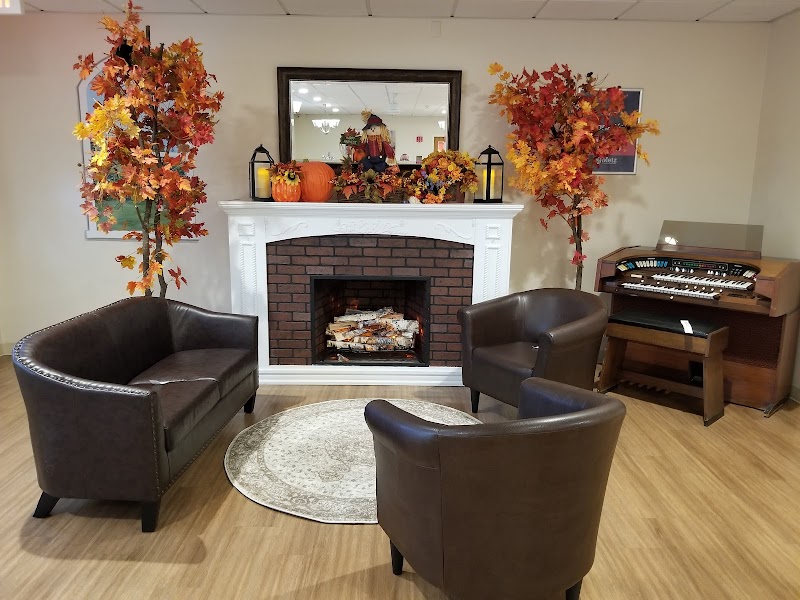
How is Bangor Nursing & Rehabilitation Center Staffed?
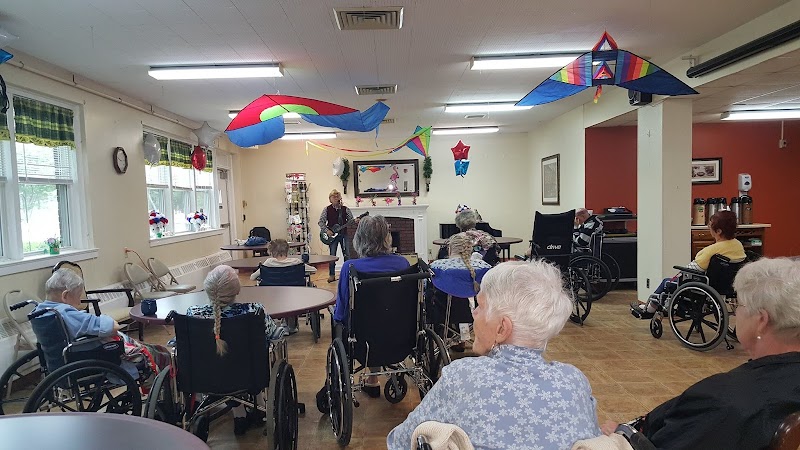
CMS rates Bangor Nursing & Rehabilitation Center's staffing level at 3 out of 5 stars, which is average compared to other nursing homes. Staff turnover is 84%, which is 38 percentage points above the Maine average of 46%. High turnover can affect care consistency as new staff learn residents' individual needs. RN turnover specifically is 85%, which is notably high. RNs provide skilled clinical oversight, so turnover in this role can affect medical care quality.

What Have Inspectors Found at Bangor Nursing & Rehabilitation Center?

State health inspectors documented 53 deficiencies at Bangor Nursing & Rehabilitation Center during 2022 to 2024. These included: 1 that caused actual resident harm, 50 with potential for harm, and 2 minor or isolated issues. Deficiencies causing actual harm indicate documented cases where residents experienced negative health consequences.

Who Owns and Operates Bangor Nursing & Rehabilitation Center?

Bangor Nursing & Rehabilitation Center is owned by a non-profit organization. Non-profit facilities reinvest revenue into operations rather than distributing to shareholders. The facility is operated by COVENANT HEALTH, a chain that manages multiple nursing homes. With 60 certified beds and approximately 54 residents (about 90% occupancy), it is a smaller facility located in BANGOR, Maine.

How Does Bangor Nursing & Rehabilitation Center Compare to Other Maine Nursing Homes?

Compared to the 100 nursing homes in Maine, Bangor Nursing & Rehabilitation Center's overall rating (2 stars) is below the state average of 3.0, staff turnover (84%) is significantly higher than the state average of 46%, and health inspection rating (2 stars) is below the national benchmark.

What Should Families Ask When Visiting Bangor Nursing & Rehabilitation Center?

Based on this facility's data, families visiting should ask: "How do you ensure continuity of care given staff turnover, and what is your staff retention strategy?" "Can I visit during a mealtime to observe dining assistance and food quality?" "How do you handle medical emergencies, and what is your hospital transfer rate?" "Can I speak with family members of current residents about their experience?" These questions are particularly relevant given the facility's high staff turnover rate.

Is Bangor Nursing & Rehabilitation Center Safe?

Based on CMS inspection data, Bangor Nursing & Rehabilitation Center has a clean safety record: no substantiated abuse findings (meaning no confirmed cases of resident harm), no Immediate Jeopardy citations (the most serious violation level indicating risk of serious injury or death), and is not on the Special Focus Facility watch list (a federal program monitoring the lowest-performing 1% of nursing homes). The facility has a 2-star overall rating and ranks #100 of 100 nursing homes in Maine. While no facility is perfect, families should still ask about staff-to-resident ratios and recent inspection results during their visit.

Do Nurses at Bangor Nursing & Rehabilitation Center Stick Around?

Staff turnover at Bangor Nursing & Rehabilitation Center is high. At 84%, the facility is 38 percentage points above the Maine average of 46%. Registered Nurse turnover is particularly concerning at 85%. RNs handle complex medical decisions and coordinate care — frequent RN changes can directly impact care quality. High turnover means new staff may not know residents' individual needs, medications, or preferences. It can also be disorienting for residents, especially those with dementia who rely on familiar faces. Families should ask: What is causing the turnover? What retention programs are in place? How do you ensure care continuity during staff transitions?

Was Bangor Nursing & Rehabilitation Center Ever Fined?

Bangor Nursing & Rehabilitation Center has been fined $12,831 across 1 penalty action. This is below the Maine average of $33,207. While any fine indicates a compliance issue, fines under $50,000 are relatively common and typically reflect isolated problems that were subsequently corrected. Families should ask what specific issues led to these fines and confirm they've been resolved.

Is Bangor Nursing & Rehabilitation Center on Any Federal Watch List?

Bangor Nursing & Rehabilitation Center is not on any federal watch list. The most significant is the Special Focus Facility (SFF) program, which identifies the bottom 1% of nursing homes nationally based on persistent, serious quality problems. Not being on this list means the facility has avoided the pattern of deficiencies that triggers enhanced federal oversight. This is a positive indicator, though families should still review the facility's inspection history directly.