EASTSIDE CENTER FOR HEALTH & REHABILITATION, LLC
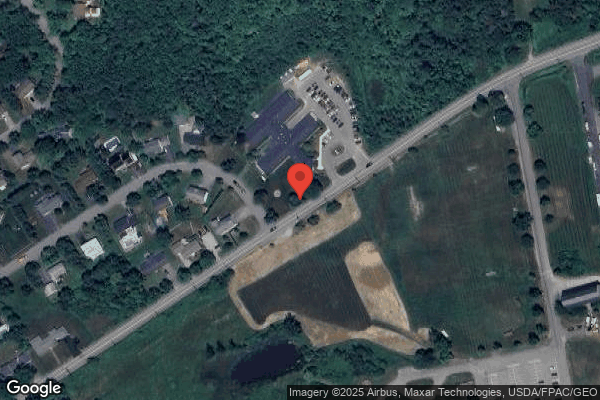
516 MT HOPE AVENUE, BANGOR, ME 04401 (207) 947-6131
For profit - Limited Liability company 67 Beds NATIONAL HEALTH CARE ASSOCIATES Data: November 2025 1 Immediate Jeopardy citation
Trust Grade
33/100
#36 of 77 in ME
Last Inspection: February 2025

Within standard 12-15 month inspection cycle. Federal law requires annual inspections.

Overview

Eastside Center for Health & Rehabilitation in Bangor, Maine, has received a Trust Grade of F, indicating significant concerns about the facility's care quality. They rank #36 out of 77 nursing homes in Maine, placing them in the top half, but the overall trust score suggests serious issues. The trend is worsening, with reported problems increasing from 3 in 2024 to 8 in 2025. Staffing is a relative strength with a rating of 4 out of 5 stars and a turnover rate of 47%, which is slightly below the state average, but there are still serious concerns due to $34,359 in fines, indicating compliance issues. Specific incidents include failure to provide CPR to a resident in critical need and not following care protocols for bowel management, leading to severe discomfort for another resident, highlighting a mix of staffing strength but critical failures in care procedures.

Trust Score
F
33/100
In Maine
#36/77
Top 46%
Safety Record
High Risk
Review needed
Inspections
Getting Worse
3 → 8 violations
Staff Stability
⚠ Watch
47% turnover. Above average. Higher turnover means staff may not know residents' routines.
Penalties
○ Average
$34,359 in fines. Higher than 51% of Maine facilities. Some compliance issues.
Skilled Nurses
✓ Good
Each resident gets 72 minutes of Registered Nurse (RN) attention daily — more than 97% of Maine nursing homes. RNs are the most trained staff who catch health problems before they become serious.
Violations
⚠ Watch
26 deficiencies on record. Higher than average. Multiple issues found across inspections.
★★★☆☆
3.0
Overall Rating
★★★★☆
4.0
Staff Levels
★★★★★
5.0
Care Quality
★★☆☆☆
2.0
Inspection Score
Stable
2024: 3 issues
2025: 8 issues

The Good

  • 4-Star Staffing Rating · Above-average nurse staffing levels
  • 5-Star Quality Measures · Strong clinical quality outcomes
  • Full Sprinkler Coverage · Fire safety systems throughout facility
  • No fines on record

Facility shows strength in staffing levels, quality measures, fire safety.

The Bad

3-Star Overall Rating

Near Maine average (3.0)

Meets federal standards, typical of most facilities

Staff Turnover: 47%

Near Maine avg (46%)

Higher turnover may affect care consistency

Federal Fines: $34,359

Above median ($33,413)

Moderate penalties - review what triggered them

Chain: NATIONAL HEALTH CARE ASSOCIATES

Part of a multi-facility chain

Ask about local staffing decisions and management

The Ugly 26 deficiencies on record

1 life-threatening 2 actual harm
Feb 2025 7 deficiencies 1 Harm
SERIOUS (G)

Actual Harm - a resident was hurt due to facility failures

Incontinence Care (Tag F0690)

A resident was harmed · This affected 1 resident

Based on observations, interviews, facility policy review, and record review, the facility failed to monitor a resident's bowel movements and initiate the Bowel Regime protocol on shift 7 for 1 of 1 r...

Read full inspector narrative →
Based on observations, interviews, facility policy review, and record review, the facility failed to monitor a resident's bowel movements and initiate the Bowel Regime protocol on shift 7 for 1 of 1 residents reviewed (Resident # [R] 46). This failure resulted in R46 not having a bowel movement for an additional 16 shifts which resulted in R46 screaming out for help and crying because of the pain due to gas buildup and constipation. Findings: The facility's policy, Bowel Regime last revised 3/23 indicated: - Certified Nursing Assistant (CNA) is responsible for accurate documentation of bowel moments in Point Click Care (PCC) [electronic medical record]. - The Licensed Nurse reviews the PCC Clinical Alerts daily for residents in need of the bowel regime. -Residents will have an Medical Doctor (MD) order that reads as follows unless otherwise specified by a healthcare provider: Milk of Magnesium (MOM) 30 cubic centimeter (cc) by mouth (PO) as needed (PRN) if no bowel movement (BM) after six shifts; Dulcolax suppository 10 milligrams per rectum (PR) PRN/ if MOM ineffective; Fleet Enema 1 PR PRN if Dulcolax Suppository ineffective. -The Licensed nurse will review PCC daily for residents in need of the bowel regime and list residents who have not had sufficient BM's within the last six shifts, MOM will be administered per order at the beginning of the 7th shift. If insufficient BM after the MOM is administered, the Licensed Nurse will administer a Dulcolax suppository the following shift. Residents not having results after Dulcolax Suppository will receive enema. R46's care plan, last revised 1/19/25, identified that The resident is at risk for alteration in gastro-intestinal status related to constipation and directed staff to follow the facility bowel protocol for bowel management. On 2/25/25 at approximately 10:30 a.m., a surveyor heard a resident crying out for help saying, please help me, help me. The surveyor observed a CNA enter R46's room and heard the CNA ask R46 what they needed; R46 said, I can't poop, I hurt so bad, I can't push it out. The CNA asked R46 if he/she wanted to try the bed pan and resident said, I can't use that. (R46 has a wound on coccyx). On 2/25/25 at 10:45 a.m., a surveyor again heard R46 crying and observed the resident laying on his/her left side rocking his/her body back and forth, crying and stating, someone please help me. The surveyor observed a medical provider in the room and heard the provider say to a Registered Nurse (RN) that R46 refused a rectal exam and to give fluids and an extra dose of oxycodone (narcotic) to treat the pain and requested an abdominal x-ray. On 2/25/25 at 12:07 p.m., during an interview with multiple staff and a surveyor, CNA1 stated that it was the CNAs responsibility to document the bowel movement. She stated that R46 was calling out and she went into the room. R46 told me to call the police because his/her butt hurts. R46 refused the bed pan and wanted the Doctor. RN1 then stated that R46 was visibly in pain and that she contacted the Doctor and since the resident received his/her scheduled Miralax and Senna plus, the Doctor ordered a suppository (Bisacodyl), which RN1 stated she administered (at 10:47 a.m.). Review of R46's physician orders indicated that R46 was receiving scheduled Miralax daily and Senna plus twice daily. R46's Medication and Treatment Administration Records for February 2025 lacked evidence that R46 had been offered or given PRN Bowel Regime medications or treatments until the Doctor was called on 2/25/25 when R46 was screaming and crying because of the pain and not being able to have a bowel movement. Review of the Physiatry Medical Provider documentation, dated 2/25/25, indicated that R46 had been without a bowel movement, contributed due to a lack of adequate by mouth intake. They have increased Miralax to twice a day, continuing the scheduled Senna twice a day and have ordered a suppository as well as an enema with a plan to give as-needed oxycodone to the patient. Monitor for any changes in bowel habits and adjust interventions as needed to maintain regular bowel function. On 2/25/25 at 12:18 p.m., during an interview with multiple surveyors present, the Director of Nursing (DON) stated that the last documented BM for R46 was 2/17/25 and confirmed that the facility did not initiate the bowel protocol for R46. On 3/10/25 at 3:20 p.m., during an interview with a surveyor, the Administrator reviewed the x-ray results with the surveyor that confirmed non obstructive bowel gas pattern with fecal residue which may corrilate with clinical constipation. On 3/10/25 at 3:55 p.m., during an interview with a surveyor, the DON stated that the bowel protocol for R46 should have started on shift 7 with a suppository because R46 was already receiving Miralax. Review of the bowel documentation provided indicated that R46 had 1 small and 2 medium BMs after bowel treatment intervention on 2/25/25. On 3/11/25 at 11:07 a.m., during an interview, Physiatry Medical Provider stated R46 was having minimal oral intake/mobility as R46 got closer to end of life care and has had history of constipation, therefore it was regular for R46 to go several days without BMs. This is why on the 19th, I recommended to continue the current regiment and recommended to make adjustments if continued constipation. I did not see this patient again until 2/25, and there were no nursing complaints prior to this time. This is where I became concerned regarding lack of BM and change in behaviors as this was not normal for R46. I then brought this to the primary team's attention, and made several changes myself to R46's regiment as soon as I saw R46 including increasing miralax, addition of suppository and other regiment per Doctor's recommendations. In the past if patients did not have a bowel movement and there was nursing concern there are standing orders that can be ordered such as fleet enema, MOM and suppositories as stronger agents if without BM or call out to Third Eye (off hours physician service). This did not occur from the last time I saw R46 on the 19th until I saw R46 again on the 25th. On 3/11/25 at 11:09 a.m., during an interview, Nurse Practioner stated Nursing never brought to our attention that she was constipated or hadn't had a BM in a week.
CONCERN (D)

Potential for Harm - no one hurt, but risky conditions existed

Deficiency F0578 (Tag F0578)

Could have caused harm · This affected 1 resident

4. On 2/24/25 during a clinical record review it is documented that R17 was admitted to the facility in 2020. A review of R17's clinical record lacked evidence that the facility offered or reviewed wi...

Read full inspector narrative →
4. On 2/24/25 during a clinical record review it is documented that R17 was admitted to the facility in 2020. A review of R17's clinical record lacked evidence that the facility offered or reviewed with the resident and/or resident representatives or that the resident and/or resident representatives were provided with written information concerning the right to formulate an advanced directive. On 2/24/25 at 1:58 p.m. During an interview with the Administrator the surveyor confirmed R17's clinical record does not have any evidence of an Advanced Directive. Based on record reviews and interviews, the facility failed to ensure that the resident and/or resident representative was provided with written information to formulate an advanced directive or appoint a surrogate, was completed for 4 of 7 residents reviewed for advanced directives.(Resident #[R] 7 , R46, R214, and R17). Findings: 1. On 2/24/25 R7's clinical record was reviewed and indicated R7 was admitted to the facility the middle of January 2025. Review of R7's clinical record lacked evidence that the facility provided/obtained resident and/or resident representative written information concerning the right to formulate an advance directive or appoint a surrogate. 2. On 2/24/25, R46's clinical record was reviewed and indicated R46 was admitted to the facility the middle of January 2025. Review of R46's clinical record lacked evidence that the facility provided/obtained resident and/or resident representative written information concerning the right to formulate an advance directive or appoint a surrogate. 3. On 2/24/25, R214's clinical record was reviewed and indicated R214 was admitted to the facility on the middle of February 2025. Review of R214's clinical record lacked evidence that the facility provided/obtained resident and/or resident representative written information concerning the right to formulate an advance directive or appoint a surrogate. On 2/24/25 at 1:58 p.m., during an interview with surveyors, the Administrator confirmed there was no evidence of offering Advance Directives or obtaining Power of Attorney (POA) paperwork (if applicable) in the clinical records.
CONCERN (D)

Potential for Harm - no one hurt, but risky conditions existed

Safe Environment (Tag F0584)

Could have caused harm · This affected 1 resident

**NOTE- TERMS IN BRACKETS HAVE BEEN EDITED TO PROTECT CONFIDENTIALITY** Based on observations and interviews, the facility failed to adequately provide housekeeping and maintenance services necessary ...

Read full inspector narrative →
**NOTE- TERMS IN BRACKETS HAVE BEEN EDITED TO PROTECT CONFIDENTIALITY** Based on observations and interviews, the facility failed to adequately provide housekeeping and maintenance services necessary to maintain the building and resident equipment in good repair and in a sanitary condition for 2 of 3 days of survey (2/23/25, 2/24/25). Findings: 1. On 2/23/25 at 11:30 a.m., in the bathroom for room [ROOM NUMBER], a surveyor observed the vinyl covering on the inside of the bathroom door to be torn and sticking out. At 11:50 a.m., the surveyor and Administrator observed the torn vinyl door covering; the surveyor confirmed this finding at this time. At 11:55 a.m., the surveyor observed the Interim Maintenance Director remove the torn vinyl from the bathroom door. 2. On 2/24/25 at 1:40 p.m., the Interim Maintenance Director and surveyor completed an environmental tour and the following were confirmed: In room [ROOM NUMBER], the wood trim on the wall behind the head of the bed was broken; In room [ROOM NUMBER], the blind slats were broken; In room [ROOM NUMBER], the blind slats were broken; In room [ROOM NUMBER] bathroom, the paint was chipped in multiple areas; and The wheelchair arms for Resident # 34 were both cracked and uncleanable.
CONCERN (D)

Potential for Harm - no one hurt, but risky conditions existed

Deficiency F0645 (Tag F0645)

Could have caused harm · This affected 1 resident

**NOTE- TERMS IN BRACKETS HAVE BEEN EDITED TO PROTECT CONFIDENTIALITY** Based on record reviews and interviews, the facility failed to ensure residents with a specialized mental health diagnosis had b...

Read full inspector narrative →
**NOTE- TERMS IN BRACKETS HAVE BEEN EDITED TO PROTECT CONFIDENTIALITY** Based on record reviews and interviews, the facility failed to ensure residents with a specialized mental health diagnosis had been referred to the appropriate state-designated authority for Pre-admission Screening & Resident Review (PASRR) evaluation and determination for 1 of 2 residents reviewed for PASRR evaluation (Resident #48 [R48]). Finding: Clinical record review indicates R48 was re-admitted to the facility on [DATE], diagnoses to include bipolar disorder, anxiety disorder, and major depressive disorder. Review of R48's PASRR Level I dated 5/10/24 indicates R48 had a Convalescence Categorical exemption (a time-limited 30-day exemption). R48's clinical record lacks evidence that the resident had been re-evaluated for a PASRR Level II determination after the Convalescent period ended on 6/11/24, 8 months later. On 2/24/25 at 11:42 a.m., in an interview with the Director of Nursing Services, a surveyor confirmed R48 had not been re-evaluated for a PASRR Level II determination after the Convalescent period ended.
CONCERN (D)

Potential for Harm - no one hurt, but risky conditions existed

Deficiency F0694 (Tag F0694)

Could have caused harm · This affected 1 resident

**NOTE- TERMS IN BRACKETS HAVE BEEN EDITED TO PROTECT CONFIDENTIALITY** Based on record review, interviews and observations, the facility failed to follow hospital discharge orders for 1 of 13 sampled...

Read full inspector narrative →
**NOTE- TERMS IN BRACKETS HAVE BEEN EDITED TO PROTECT CONFIDENTIALITY** Based on record review, interviews and observations, the facility failed to follow hospital discharge orders for 1 of 13 sampled Residents (163 [R163]) Finding: On 2/25/25 at 1:19 p.m. R163's clinical record was reviewed. R163 had written discharge orders from the hospital, dated 2/18/25. These orders included antibiotics for the treatment of bilateral pyelonephritis growing Extended-spectrum beta-lactamase infection (ESBL), Escherichia coli (E. Coli) and Klebsiella. The antibiotic ordered was Meropenem 1 gram two times a day - injection to intravenous piggyback every 12 hours with instructions not to skip doses. R163 was admitted on [DATE] and was scheduled to receive Meropenem at 9:00 p.m. A physician order was received to start Meropenem when it arrives from pharmacy. Resident #163's Electronic Medical Record (EMAR) indicates that he/she did not receive the dose of Meropenem that was due at 9:00 p.m. During interviews with the Administrator, Director of Nursing (DON) and the Infection Preventionist, the facility has an emergency supply (E-Kit) of medications, and they had 3 doses of Meropenem 1 gram available when R163 was admitted . There is no evidence in the clinical record or the EMAR that he/she received Meropenem 1 gram as ordered even when the dose was available in the E-Kit or when it arrived from pharmacy as ordered On 2/25/25 at 2:13 p.m. during a record review and interview with DON the surveyor confirmed that R163 did not receive his/her 2100 dose of Meropenem on 2/18/25. On 2/25/25 during a clinical record review of R163's signed physician orders with a review date of 2/19/25 had an order for Normal Saline Flush use 10 milliliters (ml) intravenously as needed and before and after each medication administration. Review of R163's EMAR lacked evidence that the Normal Saline Flush was completed as ordered from 2/18/25 to 2/23/25 On 2/25/25 at 11:00 a.m. during a review of R163's EMAR with RN2 the surveyor confirmed there is no documentation or evidence that R163 received the treatment of Normal Saline Flush as ordered
CONCERN (E)

Potential for Harm - no one hurt, but risky conditions existed

Deficiency F0725 (Tag F0725)

Could have caused harm · This affected multiple residents

Based on Payroll Based Journal staffing report and interviews, the facility failed to ensure sufficient direct care staff were scheduled and on duty to meet the needs of residents that reside in the f...

Read full inspector narrative →
Based on Payroll Based Journal staffing report and interviews, the facility failed to ensure sufficient direct care staff were scheduled and on duty to meet the needs of residents that reside in the facility for weekends of the fourth quarter (July 1 - September 30, 2024). Finding: A payroll based journal (PBJ) report for the fourth quarter of 2024 indicated the facility triggered for low weekend staffing. On 2/23/25 at 11:07 a.m., during an interview with the Administrator, the surveyor stated that the facility triggered for low weekend staffing for the 4th quarter per the PBJ report. The Administrator stated that Human Resources was responsible for the PBJ data. On 2/24/25 at 1:35 p.m., during an interview with a surveyor, Human Resources stated that the facility's (payroll) system computes the data for the PBJ report. No additional information was provided to indicate that the PBJ information was incorrect which identified low weekend staffing.
MINOR (B)

Minor Issue - procedural, no safety impact

Deficiency F0582 (Tag F0582)

Minor procedural issue · This affected multiple residents

Based on interviews and Beneficiary form review, the facility failed to ensure that a Skilled Nursing Facility Advance Beneficiary Notice (SNFABN) was provided to 2 of 3 residents whose Medicare Part ...

Read full inspector narrative →
Based on interviews and Beneficiary form review, the facility failed to ensure that a Skilled Nursing Facility Advance Beneficiary Notice (SNFABN) was provided to 2 of 3 residents whose Medicare Part A services were discontinued (Residents #24 [R24], and R36). Finding: 1. On 2/25/25, R24's Skilled Beneficiary Notification Review form was reviewed. The Beneficiary Notification form that was completed indicated R24 received Medicare Part A services that ended on 12/20/24, but there was no evidence that the required Skilled Nursing Facility Advance Beneficiary Notice (SNFABN) was provided to R24 so that he/she could make an informed decision to continue receiving the skilled services that may not be paid for by Medicare and assume financial responsibility. 2. On 2/25/25, R36's Skilled Beneficiary Notification Review form was reviewed. The Beneficiary Notification form that was completed indicated R36 received Medicare Part A services that ended on 12/26/24, but there was no evidence that the required Skilled Nursing Facility Advance Beneficiary Notice (SNFABN) was provided to R36 so that he/she could make an informed decision to continue receiving the skilled services that may not be paid for by Medicare and assume financial responsibility. On 2/25/24 at 2:55 p.m., in an interview with the surveyor, the Administrator confirmed that a SNFABN was not issued to R24, and R36.
Jan 2025 1 deficiency
CONCERN (D) 📢 Someone Reported This

A family member, employee, or ombudsman was alarmed enough to file a formal complaint

Potential for Harm - no one hurt, but risky conditions existed

Comprehensive Care Plan (Tag F0656)

Could have caused harm · This affected 1 resident

Based on record review and interview, the facility failed to develop a care plan for a current problem of Atrophic Vaginitis for 1 of 4 residents reviewed for care planning a current medical problem r...

Read full inspector narrative →
Based on record review and interview, the facility failed to develop a care plan for a current problem of Atrophic Vaginitis for 1 of 4 residents reviewed for care planning a current medical problem requiring physician ordered treatment (Resident #1[R1]. Finding: On 1/2/25, a review of R1's clinical record was completed. In the physician progress note, dated 10/1/24 and 12/5/24, Atrophic Vaginitis was addressed as a current problem and requires daily treatment with creams and a gel. Documentation indicated R1 experiences vulva pain and vulvovaginal irritation. Documentation in the nurse's notes indicate that the resident goes to a medical center outside the facility for women's wellness and is being followed by a Gynecologist. A review of R1's care plan was completed and there was no evidence of a problem, goal or interventions related to R1's current problem of Atrophic Vaginitis. On 1/2/25 at 11:15 a.m., in an interview with the surveyor, the Director of Nursing confirmed that she was unable to locate information in the care plan that directly addressed the Atrophic Vaginitis.
Apr 2024 2 deficiencies
CONCERN (E) 📢 Someone Reported This

A family member, employee, or ombudsman was alarmed enough to file a formal complaint

Potential for Harm - no one hurt, but risky conditions existed

Quality of Care (Tag F0684)

Could have caused harm · This affected multiple residents

Based on record review and interviews, the facility failed to follow Physician orders to provide a low sodium diet and assist a resident out of bed to a chair for meals for 1 of 1 sampled resident (Re...

Read full inspector narrative →
Based on record review and interviews, the facility failed to follow Physician orders to provide a low sodium diet and assist a resident out of bed to a chair for meals for 1 of 1 sampled resident (Resident#1[R1]). Findings: 1. On 4/22/24, R1's clinical record was reviewed and in the physician order section, on 4/8/24, R1's Cardiologist wrote an order for the resident to receive a low sodium diet. A review of R1's current dietary slip indicated the resident receives a House (general) regular diet. On 4/22/24 at 11:00 a.m., in an interview with R1, he/she stated that salt packets have been on their meal trays. On 4/22/24 at 2:00 p.m., a Food Service Supervisor stated that she discovered on 4/15/24, R1 had gone to the hospital. Since then, R1 has not received a low sodium diet from 4/15/24 through to 4/22/24. 2. On 4/8/24, R1's Cardiologist also wrote an order for the resident to get out of bed and into a chair for all meals. On 4/22/24 at 11:00 a.m., the resident stated he/she has not been getting out of bed for meals until recently. Documentation on R1's April Treatment Administration Record (TAR) was reviewed. The documentation indicated a new entry started on 4/19/24 indicated the resident is to get out of bed in a chair for meals. On 4/22/24 at 2:15 p.m., the surveyor discussed this order with the Director of Nursing, and that the order was not followed from 4/8/24 through to 4/19/24.
CONCERN (E) 📢 Someone Reported This

A family member, employee, or ombudsman was alarmed enough to file a formal complaint

Potential for Harm - no one hurt, but risky conditions existed

Accident Prevention (Tag F0689)

Could have caused harm · This affected multiple residents

**NOTE- TERMS IN BRACKETS HAVE BEEN EDITED TO PROTECT CONFIDENTIALITY** Based on observations and interview, the facility failed to ensure that the resident's environment was free from accident hazard...

Read full inspector narrative →
**NOTE- TERMS IN BRACKETS HAVE BEEN EDITED TO PROTECT CONFIDENTIALITY** Based on observations and interview, the facility failed to ensure that the resident's environment was free from accident hazards related to baseboard heaters in disrepair with heating elements exposed for 5 of 16 room observations. Findings: On 4/22/24 between 11:30 a.m. and 11:50 a.m., the following accident hazards were observed: room [ROOM NUMBER]-baseboard heater end cap off. room [ROOM NUMBER]-baseboard connector missing exposing heating elements. room [ROOM NUMBER]-baseboard connector missing exposing heating elements. room [ROOM NUMBER]- baseboard connector missing exposing heating elements. room [ROOM NUMBER]- baseboard connector missing exposing heating elements, and mattress bumper torn creating an uncleanable surface. B-Unit dining room-baseboard connectors missing exposing heating elements. On 4/22/24 at 12:45 p.m., the above findings were discussed with the Director of Nursing and maintenance corrected findings promptly.
Apr 2024 1 deficiency
CONCERN (D) 📢 Someone Reported This

A family member, employee, or ombudsman was alarmed enough to file a formal complaint

Potential for Harm - no one hurt, but risky conditions existed

Quality of Care (Tag F0684)

Could have caused harm · This affected 1 resident

Based on record review and interview, the facility failed to follow a Physician Assistant order for 1 of 1 sampled resident (Resident #1 [R1]). Finding: On 4/9/24, R1's clinical record was reviewed. I...

Read full inspector narrative →
Based on record review and interview, the facility failed to follow a Physician Assistant order for 1 of 1 sampled resident (Resident #1 [R1]). Finding: On 4/9/24, R1's clinical record was reviewed. In the Provider order section, R1 had an order dated 3/14/24 for a neurological follow-up, post COVID Syndrome/neuropathy lower extremities autonomic dysfunction. There was no evidence in the clinical record that an appointment with neurology had been made. On 4/9/24 at 1:10 p.m., in an interview with the surveyor, the Administrator confirmed he was unable to find evidence that this order was followed.
Dec 2023 7 deficiencies
CONCERN (D)

Potential for Harm - no one hurt, but risky conditions existed

Deficiency F0552 (Tag F0552)

Could have caused harm · This affected 1 resident

Based on record review and interviews, the facility failed to inform a Resident Representative (RR), in advance, of treatment risks and benefits, options, and alternatives related to use of an antipsy...

Read full inspector narrative →
Based on record review and interviews, the facility failed to inform a Resident Representative (RR), in advance, of treatment risks and benefits, options, and alternatives related to use of an antipsychotic medication for 1 of 5 sampled residents reviewed for psychoactive medication use (Resident #10 (R10)). Finding: On 12/21/23, R10's record was reviewed and indicated that on 12/14/23, an order for a new medication, Seroquel (anti-psychotic psychoactive medication) was started to be given at bedtime and also as needed (PRN). The medical record lacked evidence that consent was given for treatment with this new medication by the RR and that the RR was informed of the risks and the benefits of treatment with this psychoactive medication or alternative options. On 12/22/23 at 10:36 a.m., during an interview with a surveyor, the Registered Nurse Supervisor #1 (RNS1) was unable to find evidence that the RR was notified. The Registered Nurse #1 (RN1) who entered the order for the Seroquel into the electronic record was present during this interview and was asked if she had notified the RR or completed the psychotropic consent form. The RN1 stated that she could not recall if she had. The surveyor confirmed this finding at this time and the RNS1 said she would notify the RR right away.
CONCERN (D)

Potential for Harm - no one hurt, but risky conditions existed

Abuse Prevention Policies (Tag F0607)

Could have caused harm · This affected 1 resident

Based on facility policy review, employee personnel file review, and interview, the facility failed to ensure that references were checked for 1 of 5 sampled employees hired in 2023 (Employee #2, (E2)...

Read full inspector narrative →
Based on facility policy review, employee personnel file review, and interview, the facility failed to ensure that references were checked for 1 of 5 sampled employees hired in 2023 (Employee #2, (E2)). Finding: The facility's Abuse Policy & Procedure, revised 1/2023, indicated the following: Screening shall include, but is not limited to: -At least one favorable reference from previous or current employers (reference can be either written or verbal) and to document date, time, name, and title of person giving reference. On 12/22/23, a surveyor reviewed E2's personnel file and could not find evidence of reference checks. On 12/22/23 at 8:10 a.m., during an interview with a surveyor, the Administrator stated that when gathering information for E2's file, they discovered that reference checks had not been completed. He stated that the facility was without a Human Resources person at that time and that was their responsibility.
CONCERN (D)

Potential for Harm - no one hurt, but risky conditions existed

Medical Records (Tag F0842)

Could have caused harm · This affected 1 resident

Based on record reviews and interview, the facility failed to ensure that the clinical records contained accurate documentation for 1 of 5 residents reviewed for unnecessary medications. (Resident #28...

Read full inspector narrative →
Based on record reviews and interview, the facility failed to ensure that the clinical records contained accurate documentation for 1 of 5 residents reviewed for unnecessary medications. (Resident #28 [R28]) Findings: On 12/22/23, during a review of R28's electronic medication administration record (EMAR), it was noted that Morphine Sulfate (a narcotic pain medication) was entered on 11/29/23 in a concentration of 20 milligrams (mg)/5 milliliters (ml). The EMAR stated, Give 0.25 ml by mouth at bedtime for comfort until 12/29/2023 to equal 5 mg AND Give 0.25 ml by mouth every 1 hours as needed for severe pain until 12/29/2023 to equal 5 mg. On 12/22/23 during a review of R28's clinical record, the provider's written order signed on 11/29/23 states Change Morphine Sulfate to 20 mg/ml, 5 mg SL (sublingual (applied under the tongue)) QHS (at bedtime), and 5mg SL Q1[hour] (Once per hour) PRN (as needed) for severe pain or dyspnea (shortness of breath). Prescription duration of 28 days [without] refills. The order entered in the EMAR on 11/29/23 states to give 0.25 ml equals 1 mg morphine, not 5 mg as ordered by the provider. The same order entered in the EMAR on 11/29/23 states to give by mouth, not sublingual as ordered by the provider. The same order entered in the EMAR on 11/29/23 states with a stop date of 12/29/23 equals 31 days, not 28 days as ordered by the provider. On 12/21/23 at 4:00 p.m., during an interview with Registered Nurse #2 (RN2), she looked at the EMAR and stated, R28's order is for 20 mg/5 ml of Morphine, I would give 0.25 ml for a 5 mg dose. When asked if that is equal to 5 mg she states yes. Then looking closer she stated, it looks funny. After looking in the paper chart, she noted the order is written for concentration of 20 mg/ml. On 12/21/23 at 4:06 p.m., in an interview with RN2, two surveyors confirmed the above findings.
CONCERN (E)

Potential for Harm - no one hurt, but risky conditions existed

Deficiency F0761 (Tag F0761)

Could have caused harm · This affected multiple residents

Based on observation, interviews, and record review the facility failed to ensure proper medication and biological storage temperatures for 1 of 2 medication storage room refrigerators (B wing). Find...

Read full inspector narrative →
Based on observation, interviews, and record review the facility failed to ensure proper medication and biological storage temperatures for 1 of 2 medication storage room refrigerators (B wing). Finding: On 12/22/23 at 11:43 a.m., a surveyor and Registered Nurse #1 (RN1) observed the medication storage room refrigerator on B wing. The refrigerator contained insulin, and controlled liquid medications. A temperature log sheet, located on front of the refrigerator dated for the month of December, 2023 has multiple days when temperatures were documented above 46 degrees Fahrenheit. The temperature log sheet noted, normal temp Range 36-46 degrees. If temp exceeds normal range, document action taken to correct. There is no documentation as to what, if anything, was done regarding the temperatures above 46 degrees Fahrenheit. A review of the temperature log sheet lacked evidence of documentation of action taken to correct temperatures above 46 degrees Fahrenheit in the medication storage room refrigerator on B wing as follows: 12/1/23 nights 47 degrees Fahrenheit 12/5/23 nights 49.3 degrees Fahrenheit 12/6/23 nights 47.5 degrees Fahrenheit 12/11/23 night 48 degrees Fahrenheit 12/12/23 nights 49.(illegible) degrees Fahrenheit 12/13/23 nights 49.1 degrees Fahrenheit 12/15/23 night 47.9 degrees Fahrenheit 12/16/23 nights 47 degrees Fahrenheit 12/18/23 nights 49 degrees Fahrenheit 12/19/23 nights 47.5 degrees Fahrenheit 12/20/23 nights 47.5 degrees Fahrenheit 12/21/23 nights 48 degrees Fahrenheit The refrigerator temperatures where documented on days and nights, 12 of 23 shifts exceeded normal temperature range of 46 degrees Fahrenheit with no documentation of action taken to correct temperatures above 46 degrees Fahrenheit. On 12/22/23 at 11:43 a.m., in an interview with RN1, a surveyor confirmed there was no documentation for dates the refrigerator temperature was above 46 degrees Fahrenheit.
CONCERN (E)

Potential for Harm - no one hurt, but risky conditions existed

Deficiency F0801 (Tag F0801)

Could have caused harm · This affected multiple residents

Based on interviews, the facility failed to ensure there was a Food Service Director (FSD) that met the qualifications of a FSD. This has the potential to affect all the residents. Findings: On 12/18/...

Read full inspector narrative →
Based on interviews, the facility failed to ensure there was a Food Service Director (FSD) that met the qualifications of a FSD. This has the potential to affect all the residents. Findings: On 12/18/23 at 11:05 a.m., during an interview with the consulting Food Service Director #1 from a sister facility, she stated there is no FSD at this time. On 12/21/23 at 8:15 a.m., during an interview with the consulting Food Service Director #2 from a sister facility, she stated, this facility does not have a qualified FSD at this time. 12/21/23 11:20 a.m., in an interview with the Dietician, she stated she comes in to assess and make recommendations when a need is identified such as when a resident has a pressure ulcer, swallowing difficulties, or weight loss. On 12/18/23 and on 12/21/23, two surveyors confirmed that the facility had not employed a qualified FSD, and used a consulting dietician, who was not employed by the facility in a full-time position.
CONCERN (E)

Potential for Harm - no one hurt, but risky conditions existed

Food Safety (Tag F0812)

Could have caused harm · This affected multiple residents

Based on observations and interview, the facility failed to ensure dishes were stored in a sanitary manner for 3 of 3 days (12/18/23, 12/21/23, and 12/22/23), failed to ensure food was stored under sa...

Read full inspector narrative →
Based on observations and interview, the facility failed to ensure dishes were stored in a sanitary manner for 3 of 3 days (12/18/23, 12/21/23, and 12/22/23), failed to ensure food was stored under sanitary conditions for 1 of 3 days (12/18/23), failed to ensure that dented cans were removed from use for 1 of 3 days (12/18/23), failed to remove expired foods from walk-in refrigerator and emergency food supply storage for 1 of 3 days (12/18/23), failed to retrieve a bread delivery from the loading dock allowing it to be stored next to a full garbage bag for 1 of 3 days (12/21/23), failed to ensure dishes were not wet stacked for 1 of 3 days, (12/21/23), and failed to ensure sanitizing chemical was present in sanitation sink for 1 of 1 days (12/21/23). Findings: 1. On 12/18/23 at 11:00 a.m., during an initial tour of the kitchen, two surveyors observed a stack of serving pans stored face up on back left corner of top shelf, next to oven. On 12/21/23 at 11:15 a.m., two surveyors observed a stack of serving pans stored face up on back left corner of top shelf, next to oven. On 12/22/23 at 7:57 a.m., two surveyors observed a stack of serving pans stored face up on back left corner of top shelf, next to oven. On 12/22/23 at 7:57 a.m., two surveyors confirmed the serving pans were stored upward facing on shelf with consulting Food Service Director #2 (FSD2) and Kitchen Supervisor/Cook for 3 of 3 days. 2. On 12/18/23 at 11:00 a.m., two surveyors observed one soiled container in the dry storage food area. The container held boxed graham crackers, boxed pasta, and some scattered straws. There was an unidentified pile of light colored crumbs loose within container. On 12/18/23 at the time of the observation, two surveyors confirmed the above finding with the consulting Food Service Director #1 (FSD1). 3. On 12/18/23 at 11:00 a.m., two surveyors observed two dented cans of Ready to Serve Tomato Soup 7.25 ounce (oz) (One dented on top seal, one dented on bottom seal), one 50oz can of Condensed Tomato Soup dented near bottom seal, and one 48oz can Pulled Chicken with Broth with a dented/crushed-in top seal. On 12/18/23 at the time of the observation, two surveyors confirmed the above findings with the consulting FSD1. 4. On 12/18/23 at 11:10 a.m., during observation of the walk-in refrigerator, two surveyors observed one case of 4oz cups (48 in total) Dannon Light and Fit yogurt with a best by date of 12/16/23, and one 5 pound (lb) container of Parmesan cheese that was not labeled with an open date or a discard date. On 12/18/23 at 11:10 a.m., two surveyors confirmed with the FSD1 that the yogurt was past the best by date and the Parmesan cheese was open without an open date. The consulting FSD1 stated the facility's practice is to use the best by date as the expiration date. On 12/18/23 at 11:20 a.m., during observation of Emergency Food Storage, two surveyors observed one Case (6 total cans in the box) of 6lb Yellow Cling Diced Peaches in Pear juice dated to be used by 3/1/23, two 64oz Jars of [NAME] Creek Grape Jelly with best by date of 9/17/23, and one box (6 total cans) of 4lbs 2.5oz cans Chunk Light Skip [NAME] Tuna in Water dated to be used by 11/24/23. On 12/18/23 at 11:20 a.m., two surveyors confirmed with the consulting FSD1 the above findings. The consulting FSD1 stated the facility's practice is to use the best by date as the expiration date. 5. On 12/21/23 at 11:35 a.m., during an observation of the kitchen, two surveyors observed a stack of pallets containing bread for resident use in contact with a trash bag on the loading dock outside the kitchen door. On 12/21/23 at 11:43 a.m., two surveyors confirmed the above finding with the Administrator and consulting FSD2. The Administrator stated the bread had been delivered that morning. 6. On 12/21/23 at 1:25 p.m., two surveyors observed two stacks of multiple plate warmer tops wet stacked on top shelf in clean dish area. On 12/21/23 at 1:25 p.m., two surveyors confirmed this finding with consulting FSD2. 7. On 12/21/23 at 1:29 p.m., two surveyors observed the sanitation sink full of clear liquid. A pallet of dishes was observed to be drip drying to the right of the sink. When a surveyor asked how the dishes were sanitized, the consulting FSD2 utilized a chemical test strip to test the chemical level in the sanitation sink; the test strip did not register presence of the sanitizing agent. On 12/21/23 at 1:29 p.m., two surveyors confirmed with the consulting FSD2 that the sanitization chemical was not present, and she stated the dishes would need to be re-processed.
CONCERN (E)

Potential for Harm - no one hurt, but risky conditions existed

Garbage Disposal (Tag F0814)

Could have caused harm · This affected multiple residents

Based on observation and interview, the facility failed to properly dispose of garbage on 2 of 3 days of survey (12/18/23 and 12/21/23). Findings: On 12/18/23 at 11:15 a.m., two surveyors observed a f...

Read full inspector narrative →
Based on observation and interview, the facility failed to properly dispose of garbage on 2 of 3 days of survey (12/18/23 and 12/21/23). Findings: On 12/18/23 at 11:15 a.m., two surveyors observed a full black trash bag left sitting on the walkway outside the kitchen door. On 12/21/23 at 11:35 a.m., two surveyors observed, through a kitchen door window, a full trash bag on loading dock with crushed boxes. On 12/21/23 at 11:43 a.m., in an interview with the Administrator and Food Services Director #2, two surveyors confirmed the above findings.
Apr 2023 2 deficiencies 1 Harm
SERIOUS (G) 📢 Someone Reported This

A family member, employee, or ombudsman was alarmed enough to file a formal complaint

Actual Harm - a resident was hurt due to facility failures

Accident Prevention (Tag F0689)

A resident was harmed · This affected 1 resident

**NOTE- TERMS IN BRACKETS HAVE BEEN EDITED TO PROTECT CONFIDENTIALITY** Based on review of the Facility Reported Incident report, facility's investigation, facility's policies and procedures, record r...

Read full inspector narrative →
**NOTE- TERMS IN BRACKETS HAVE BEEN EDITED TO PROTECT CONFIDENTIALITY** Based on review of the Facility Reported Incident report, facility's investigation, facility's policies and procedures, record review, and interviews, the facility failed to follow their own policy and procedures for Transfer Techniques, Fall Prevention Program, Accident/Incidents and failed ensure that care plan interventions for the use of a gait belt during transfers were followed for 1 of 2 sampled residents (#1). This failure to use a Gait Belt resulted in a distal femur fracture. Finding: Review of the Facility's Reported Incident form, dated 4/13/23 and the 5 day follow up report, dated 4/17/23, stated on 4/11/23 resident sustained an injury while two students and one CNA were transferring. The resident had an x-ray and right femoral fracture was found. Review of the facility's 5 day follow up report, dated 4/17/23, indicates Resident #1 was lowered to the floor during the transfers due to becoming very weak. Resident #1 was then placed in the whirlpool chair with the assistance of a Certified Nursing Assistance (CNA) and CNA student. Once in the whirlpool, [Resident #1] complained of right knee pain. He/she was removed from the whirlpool, provided ice and remained comfortable throughout the afternoon. The following morning the resident was seen by the provider, complaining of some pain and swelling of the right knee, an X-ray of the knee found a right distal femur shaft fracture with malalignment. Review of the facilities investigation contained statements from the witnesses: CNA Student #1 witness statement, dated 4/13/23 at 8:44 a.m.: On 4/11/23 during clinical .resident was brought in on his/her wheelchair by the CNA. The CNA was transferring him/her to the Whirlpool chair by herself. [Resident #1] was weak and started to lower to the floor. CNA guided him/her down to the floor, and I noticed residence leg was in an awkward position on the floor. [Resident] was in distress at the time and he/she appeared in pain. The other CNA student I was with, assisted CNA to get [Resident #1] from the floor to the Whirlpool chair. [Resident #1] was then lifted into the whirlpool by CNA . as the other CNA student and I were helping [resident] in the Whirlpool. [Resident] began crying and complaining of leg pain. This was reported to the CNA instructor who then got the nurse. CNA Student #2 witness statement, dated 4/13/23 at 8:44 a.m.: On 4/11/23 during clinical .The CNA went to transfer [resident] from his/her wheelchair to the whirlpool chair lift but resident was not strong enough to stand so CNA lowered him/her to the floor. I helped the CNA lift [resident] from the floor to the whirlpool lift chair. During the whirlpool [resident] complained of pain in his/her knee and was crying so I went to get my instructor. CNA Student #3 stated dated 4/13/23: when I came into the area where {Resident #1] was, the CNA was in the middle of transferring the patient from his/her wheelchair to the whirlpool chair when the patient couldn't hold his/her weight. CNA was still holding on to him/her and slowly brought him/her down to the floor. The patient's leg on the right side was at an awkward angle. CNA then asked one of the CNA students to help her transfer [resident] into the whirlpool chair. On 4/18/23 at 10:16 a.m., during an interview Resident #1 stated, That day I slipped out. It was a total accident, and when I did my leg bent backwards. I screamed, my leg my leg . I slipped out of the CNA 's hands .I slipped out of their hands and when I fell my knees went back from my thigh. On 4/18/23 at 11:38 a.m., during an interview with the involved CNA, the CNA stated if she's unaware of what assistance a resident needs, I usually ask it in report and then there's also the [NAME], which I did not check for [Resident #1] transferring. She was told by another CNA that Resident #1, was just a stand pivot which he/she was supposed to be with a gait belt and I didn't know that. Surveyor asked the CNA if she used a gait belt during the transfer. CNA stated, no, no gait belt was used. CNA confirmed she attempted to stand pivot Resident #1 stating, The first time I stood [him/her] up and I just had the student pull his/her brief out, and resident stated oh, I got to sit. So, I sat resident down in his/her wheelchair .I stood resident up again and then he/she just wouldn't stand, like he/she just like deadweight . So, we lowered resident to the ground CNA then confirmed that both her and student CNA picked the resident up off the floor and placed him/her on the whirlpool chair without the use of a Hoyer lift and then transferred him/her to the tub. CNA stated when she asked the resident if he/she was ok, resident replied, I think I might have twisted my knee. The CNA went to get the nurse, however, was redirected by answering call bells. When she talked to the nurse, the Nurse stated, he was already made aware by the CNA student's instructor of the residents twisting of the knee and had already evaluated the resident knee pain. At this time, the CNA stated she did not notify the nurse of the resident being lowered to the floor/fall stating, I also didn't know that qualified as a fall. I had been told before that if a staff was present and they were lowered, it doesn't qualify. Obviously, I was still going to tell the nurse but I didn't get him right then and there, and I should have. I should have left him/her on the floor. On 4/18/23 at 12:29 p.m., during a telephone interview with the involved Licensed Practical Nurse (LPN #1), he stated on 4/11/23 the CNA and the students put Resident #1 in the tub, when he/she was getting in he/ she hurt his/her leg. At the time of the report the LPN was not told of the resident being lowered to the floor. He stated, he had given Resident #1 Tylenol and he/she was sleeping approx. 45 mins later. He went back after an additional hour to look at the resident's leg, as soon as I touched it, he/she cried out with pain, said it hurt terrible. I put a call out to PA (physician assistant). Stating, he filled out an SBAR (Situation Background Assessment and Recommendation) and the Physician Assistant (PA) did not call back during his shift. He reported off to the oncoming LPN #2 what had happened with Resident #1 and that there was a call out to the PA and he left the facility at 6:30 p.m. On 4/19/23 at 9:00 a.m., during a telephone interview with LPN #2, she stated, it was reported that 2 CNA 's transferred him/her in a stand pivot and his/her knee twisted the opposite way and he/she bumped his/her knee. Upon evaluation of Resident #1's knee was very swollen and [resident] and I talked about the fact [resident] already had surgery on that knee. So, I iced it, I gave him/her Tylenol .I checked on resident all night . made sure report in the morning said I think his/her knees should be X-rayed just to rule out the possibility of a new fracture on an old site. The knee was where he/she had the pain .she told me she had a fall, that sounded not good. On 4/18/23 Resident #1's care plan, with a revision date of 8/18/22, under the Focus area of Activities of Daily Living (ADL) self-performance deficit, contained an intervention that directed staff that Resident #1 was a Squat pivot transfers in/out of bed with 1 assist and gait belt. Nurse note, dated 4/11/23 at 10:13 a.m., states, Late entry, this writer in to check on resident who had been asleep. Upon awaking he/she had c/o pain 7/10 in RLE (right lower extremity). attempts to move leg causes resident to cry out. Right LE (lower extremity) continues with 0 redness or edema. Placed call to provider to question need for X-ray with no answer. Message left to return call. Nurse note, dated 4/11/23 at 10:31 a.m., states, upon transfer with 2 asst to shower chair res c/o twisting his/her knee Nurse note, date 4/11/23 at 9:45 p.m., states patient complained of pain right knee. The knee is swollen, tender . unable to move leg without pain to knee. Ice applied per request x 10 minutes. with patient stating some relief. states that this knee is also the one he/she injured requiring surgery years ago. Bruising noted below the knee, with patient stating that's where he/she landed when he/she fell. Will continue to monitor and leave note for oncoming and MD. Dated 4/12/23 at 4:08 p.m., states resident seen by provider today for pain and swelling in right knee. And X-ray was ordered, showing fracture of distal femur shaft . family notified by (PA) . resident will be NWB (non-weight bearing) and no Hoyer lift to be used. Provider notes, dated 4/12/23, patient did have a whirlpool yesterday and with this he/she slipped onto the ground affecting his/her right knee with increased edema and discomfort .pain in right knee. s/p fall to the floor hitting his/her right knee. History of right total knee arthroplasty many years ago. We'll check X-rays of right knee to rule out fracture. Will place patient on Tylenol 650 mg (milligrams) 3 times Daily x 5 days. Will utilize biofreeze every 2 hours as needed pain. Patient is essentially bed bound and does not ambulate or place weight onto his/her legs at this point. Provider notes, dated 4/13/23, seen today for increased pain secondary to right femur fracture . the day before yesterday patient was going for a whirlpool and after discussion with CNA what was found is that patient had a 2 person assist from his/her wheelchair to the whirlpool chair while they were doing this patient became dead weight and fell to his/her right knee in an awkward angle to his/ her leg. Staff helped lower him/her to the ground and he/she did complain of right knee pain at that time and was noted to have swelling. Patient did have X-rays yesterday that did show a femur fracture distally above his/her total right knee replacement on the right side . we will place a long brace right leg on at all times. Patient is non weight bearing and no Hoyer lift at this point. Facility Transfer Technique Policy and Procedure, issued 10/2019 states, Purpose: To ensure that all resident transfers are completed in a safe and efficient manner for both the resident and the person and/or persons performing the transfer. Policy: Based on the residence needs, a gate belt may be used. All residents must be lifted or transferred according to the determined procedure. Transfer status will be documented on the resident's care plan, CNA [NAME]/assignment. prior to transferring the resident, the staff member will check the transfer status on the [NAME]/assignment to determine the proper transfer technique for the resident. Review of the facility's Accident/Incident policy and procedure with a revision date of 1/2023, directs staff to notify the nursing supervisor/licensed nurse when an incident occurs . The licensed nurse or the nursing supervisor will complete and document the evaluation of the residence condition. This evaluation is to include but not limited to: type of injury with location on body . the health care provider will be notified with the date and time of notification documentation in RMS (risk Management System) in nurses notes. Document any new orders or recommendations made by the health care provider. If unable to reach the healthcare provider in a timely manner, call the medical director .The responsible party will be notified by the licensed nurse/designee with the date and time of notification documented in RMS and nurses' notes. Review of the facility's Fall Prevention Program with a revision date of 3/23 states, A fall: an observed or unobserved, unexpected drop to a lower level or loss of erect position and directs staff to includes fall prevention measures on the CNA [NAME]/assignment .Follows directions for care as indicated on the resident care flow sheets. If a fall occurs, keeps the resident in mobile until resident is examined and determined to be free from fractures. Review of the No lift expectations: Eastside Rehabilitation Center is a no lift facility if any resident falls they must be Hoyer lifted back to a chair or bed, it is never acceptable to lift a resident up off the floor. On 4/18/23 at 1:47 p.m. the surveyor discussed with the Administrator, the Director of Nursing and the Regional Director of Operations that the CNA did not use the gait belt during this transfer that resulted Resident #1 sustaining a distal femur fracture, staff did not to use a manual lift to get the resident off the floor and staff did not to notify the nurse immediately of the fall. At this time, the Administrator notified the surveyor that the facility had identified and acted upon these findings on 4/13/23 (2 days) after the resident was lowered to the floor to prevent future occurrences. See list below for actions facility initiated. As a result of the facility's investigation, the following corrective actions were initiated on 4/13/23: - Wrote a plan of action for this event which included, care plan for transferring not followed, resident experienced a fall and nurse was not notified. - Resident care plan was reviewed for how to transfer resident safely - Audit care plans to see who is supposed to be transferring with a gait belt and ensure there is one available in the room. - Review residents who transfer with gait belt with therapy to ensure this is how the resident should be transferring. - Created audits for monitoring transfers being completed per care plans - All clinical staff will be education on the fall policy and procedures as well as accidents in injuries policy and procedure. - Clinical staff will be educated that facility is a no lift facility. Staff involved in the incident will be educated prior to working again including a gate belt competency. - CNA involved was provided education on gait belt application and techniques, utilizing a Hoyer lift if resident is on the floor, resident and the facility, accident/incident policy and fall prevention policy and procedure. - 2 Audits have been completed since fall. - Results will be reviewed in Quality Assurance Performance Improvement meetings until 3 months of compliance have been reached.
CONCERN (D) 📢 Someone Reported This

A family member, employee, or ombudsman was alarmed enough to file a formal complaint

Potential for Harm - no one hurt, but risky conditions existed

Notification of Changes (Tag F0580)

Could have caused harm · This affected 1 resident

Based on record review and interviews, the facility failed to ensure that the nurse was notified immediately by the Certified Nurses Aide of a resident fall, failed to immediately notify the residents...

Read full inspector narrative →
Based on record review and interviews, the facility failed to ensure that the nurse was notified immediately by the Certified Nurses Aide of a resident fall, failed to immediately notify the residents representative of a resident's injury, and failed to follow its own policy and procedure for Accident/Incident for 1 of 2 residents reviewed for accidents. (#1) Finding: Review of the Facility's Reported Incident form, dated 4/13/23 and the 5 day follow up report, dated 4/17/23 stated on 4/11/23 resident sustained an injury while two students and one CNA were transferring. The resident had an x-ray and right femoral fracture was found. On 4/18/23 at 11:38 a.m., during an interview, the involved CNA stated, the first time I stood [him/her] up and I just had the student pull the resident's brief out, and Resident #1 stated oh, I got to sit. I sat resident down in his/her wheelchair .I stood him/her again and then he/she just wouldn't stand, like he/she just like deadweight . So, we lowered the resident to the ground. CNA then confirmed that both her and student CNA picked the resident up off the floor and placed him/her on the whirlpool chair and then transferred him/her to the tub. CNA stated when she asked the resident if he/she was ok, resident replied, I think I might have twisted my knee. The CNA went to get the nurse, however, was redirected by answering call bells. When she talked to the nurse, the Nurse stated, he was already made aware by the CNA student's instructor of the residents twisting of the knee and had already evaluated the resident knee pain. At this time, the CNA stated she did not notify the nurse of the resident being lowered to the floor/fall stating, I also didn't know that qualified as a fall. I had been told before that if a staff was present and they were lowered, it doesn't qualify. On 4/18/23 at 12:29 p.m., during a telephone interview with the involved Licensed Practical Nurse (LPN #1), he stated on 4/11/23 the CNA was transferring Resident #1 into the whirlpool, when he/she was getting in he/she hurt his/her leg. Which I did not find out about the fall until Thursday (4/18/23). Stating, he was only aware of the knee pain and had given Resident #1 Tylenol. Upon additional evaluation, he stated, as soon as I touched it, he/she cried out with pain, said it hurt terrible. I put a call out to PA (physician assistant) who had not responded for the remainder of his shift. He reported off to the oncoming nurse (LPN#2). Surveyor asked if he had notified the families representative of the injury and increased pain, he stated, I did not, I should have but I just did not. Nurse note, dated 4/11/23 at 10:31 a.m., states, upon transfer with 2 assist to shower chair resident c/o (complaint of) twisting his/her knee Nurses note, dated 4/12/23 at 4:08 p.m. states, resident seen by provider today for pain and swelling in right knee. An X-ray was ordered, showing fracture of distal femur shaft. Resident didn't want to go to hospital or treated until her husband was made aware. Family notified by (PA) decision to treat in house. Provider notes dated 4/13/23 at 11:30, seen today for increased pain secondary to right femur fracture . the day before yesterday patient was going for a whirlpool and after discussion with CNA what was found is that patient had a 2 person assist from his/her wheelchair to the whirlpool chair while they were doing this patient became dead weight and fell to his/her right knee in an awkward angle to his/ her leg. Staff helped lower him/her to the ground and he/she did complain of right knee pain at that time and was noted to have swelling. Patient did have X-rays yesterday that did show a femur fracture distally above his/her total right knee replacement on the right side. Tylenol is helping some but patient would like a higher level of medication if at all possible. I did call patient's [representative] last evening who is his/her power of attorney/next of kin whom after discussion of treatment options to include sending to the emergency room for aggressive care versus staying in the facility for more of a conservative approach. Review of the facility's Accident/Incident policy and procedure with a revision date of 1/2023, directs staff to notify the nursing supervisor/licensed nurse when an incident occurs . The licensed nurse or the nursing supervisor will complete and document the evaluation of the residence condition. This evaluation is to include but not limited to: type of injury with location on body . the health care provider will be notified with the date and time of notification documentation in RMS (Risk Management System) in nurses notes. Document any new orders or recommendations made by the health care provider. If unable to reach the healthcare provider in a timely manner, call the medical director .The responsible party will be notified by the licensed nurse/designee with the date and time of notification documented in RMS and nurses notes. On 4/18/23 at 1:47 p.m. the surveyor discussed with the Administrator, the Director of Nursing and the Regional Director of Operations that the CNA failed to immediately notify the nurse of Residents #1's fall and the facility failed to notify Resident #1's representative of the fall with injury and increasing pain for over 24 hours.
Dec 2022 2 deficiencies 1 IJ
CRITICAL (J) 📢 Someone Reported This

A family member, employee, or ombudsman was alarmed enough to file a formal complaint

Immediate Jeopardy (IJ) - the most serious Medicare violation

Deficiency F0678 (Tag F0678)

Someone could have died · This affected 1 resident

**NOTE- TERMS IN BRACKETS HAVE BEEN EDITED TO PROTECT CONFIDENTIALITY** Based on interviews, review of facility's policies and procedures for Cardiopulmonary Resuscitation (CPR) and Automated External...

Read full inspector narrative →
**NOTE- TERMS IN BRACKETS HAVE BEEN EDITED TO PROTECT CONFIDENTIALITY** Based on interviews, review of facility's policies and procedures for Cardiopulmonary Resuscitation (CPR) and Automated External Defibrillator (AED) use, and review of the Bangor Fire Department Emergency Medical Service (EMS) Patient Care Report, the facility failed to provide CPR to a resident (Resident #1) who was a full code, when found unconscious, not breathing, and pulseless. This failure resulted in delay of basic life support care to a resident and created an immediate jeopardy situation for 1 of 22 residents who were a full code status. Findings: On [DATE], the Department of Licensing and Certification received a complaint from an anonymous source indicating that CPR was not provided by the nurse and the AED device was not functioning. On [DATE], the Department of Licensing and Certification received a second complaint that indicated the nurse caregiver did not know the resident's code status which caused an eight to ten minute delay before the Paramedics were able to initiate CPR and life saving care. On [DATE] at 12:29 p.m., interview with the Bangor Fire Department Chief. He stated on [DATE] at 9:08 p.m., the EMS crew received a call to go to the facility for a cardiac arrest. He stated the next day one of the Paramedics told him that when they arrived at the facility, a Registered Nurse (RN) stated the resident had passed away and asked the Paramedic to assist the resident back into bed. The Paramedic asked for the code status of Resident #1 and the RN stated she thought it was a DNR. The Paramedic asked for a copy of the resident's DNR form. At this time, the RN did not know the resident's code status. The RN looked at the clinical record and discovered the resident had been a full code. From the time the Paramedics arrived at the facility to the time the RN realized the resident was a full code, eight to ten minutes had passed and delayed initiating CPR. On [DATE], the Bangor Fire Department EMS Patient Care Report was reviewed. The Paramedic documented that when they arrived at the facility, the RN stated the resident passed away and asked for assistance in lifting the resident onto the bed. The Paramedic asked the RN if the resident was a DNR and the RN stated yes. The Paramedic asked for a copy of the DNR form (which is standard practice). The RN looked at the resident's clinical record and found that the resident was a full code. The ambulance crew initiated CPR and lifesaving support care for 45 minutes. At 10:00 p.m., resuscitation attempts were terminated, and time of death was called. On [DATE] at 8:00 a.m., in an interview with the Director of Nursing (DNS). The DNS stated a resident's code status is obtained upon admission and is in the electronic clinical record in a banner under the resident's name and is on a pink piece of paper in the paper chart and should be in the care plan. The DNS stated on [DATE], she was informed that the RN did not perform CPR the evening of [DATE] when Resident #1 was unresponsive, not breathing and had no pulse. She stated she also was informed that the RN did not know the resident's code status until after the Paramedics arrived and asked her. The DNS stated on [DATE], she was given the AED device that would have been used to assist in the CPR on [DATE], but it was not in working order. The Paramedics used their own equipment. The DNS stated she started an investigation, and the RN was put on suspension until investigation over. On [DATE], Resident #1's clinical record was reviewed. Resident #1 was admitted for Skilled Services with a diagnosis of ischemic cardiomyopathy, atrial fibrillation, heart failure and other co-morbidities. On [DATE] at 11:43 a.m., interview with the RN. The RN stated that on [DATE] at approximately 8:30 p.m., she was called to Resident #1's room. The RN stated at that time the resident was on the floor, unconscious but breathing. She stated she told C.N.A. #1 and C.N.A. #2 to get vital signs and she went and called 911. During the call, C.N.A. #1 interrupted her call with 911 and stated C.N.A. #2 said the resident had passed. RN stated she went back to the room to find the resident unconscious, not breathing and no pulse. RN#1 stated she did not start CPR because she saw the EMS crew coming to the facility door. RN stated she left C.N.A. #1 with the resident and went to let the EMS crew into the facility. RN stated she did not initiate CPR on Resident #1 when discovering he/she had no pulse, no breath and was unconscious. She also stated she had not known the resident's code status until looking in the clinical record for the Paramedic. On [DATE] at 12:13 p.m., interview with C.N.A. #1. C.N.A. #1 stated that Resident #1 rang the call bell and needed assistance to the bathroom. On the way to the bathroom, C.N.A. #1 stated the resident's legs bucketed and she lowered Resident #1 to the floor. C.N.A. #1 stated she rang the room call bells to get help. After five or six minutes passed, C.N.A. #1 stated she looked out the door and saw C.N.A. #2 and yelled to her to get RN #1. C.N.A. #1 stated the resident was talkative to her after being lowered to the floor, but by the time RN#1 got to the room, Resident #1 was breathing but unconscious. C.N.A. #1 stated RN #1 went to call 911 and C.N.A. #1 went to get the blood pressure cuff while C.N.A. #2 stayed with the resident. She stated when she got back to the room with the cuff, C.N.A. #2 told her the resident had passed and to get the RN. C.N.A. #1 stated the RN said the resident was not breathing and had no pulse. C.N.A. #1 stated the RN left her in the room with the resident while RN let EMS in the facility. On [DATE] at 4:01 p.m., interview with C.N.A. #2. C.N.A. #2 stated all she remembered was C.N.A. #1 calling for help because something happened to Resident #1. She stated that C.N.A. #1 called out for her to get RN #1 and she did. The resident stopped breathing and I told C.N.A. #1 to go tell the nurse. C.N.A. #2 stated the ambulance came and she stayed out of the way. On [DATE], a review of the facility's CPR policy and procedure was completed. The policy stated that the facility will initiate CPR on all residents without an advanced directive order in the event of a cardiac arrest. Under the 'Guidelines' it indicated to verify that the resident is a full code. Under 'Procedure' #2: the licensed staff member will immediately assess the resident for responsiveness, checking for pulse and respirations. #3: If the resident is not a do not resuscitate (DNR) CPR will be initiated immediately. #7: Basic life support will continue to be provided by CPR certified staff and will not be discontinued until it has been determined that the resident is breathing on his own and has a pulse, or when the ambulance response team has taken over. On [DATE], the RN's personnel file was reviewed. On [DATE], the RN completed and passed the American Heart Association Basic Life Support (CPR and AED) program. Based on the above information, Immediate Jeopardy (IJ) was called on [DATE] for RN #1's failure to initiate CPR/lifesaving support to Resident #1 on [DATE] when he/she was found to be unconscious, not breathing and no pulse. The facility's failure to provide this service constituted an Immediate Jeopardy situation. Please see F-0000 Initial comments related to IJ removal plan.
CONCERN (E) 📢 Someone Reported This

A family member, employee, or ombudsman was alarmed enough to file a formal complaint

Potential for Harm - no one hurt, but risky conditions existed

Room Equipment (Tag F0908)

Could have caused harm · This affected multiple residents

**NOTE- TERMS IN BRACKETS HAVE BEEN EDITED TO PROTECT CONFIDENTIALITY** Based on interviews, observation and review of the facility's Automated External Defibrillator (AED) policy and procedure, the f...

Read full inspector narrative →
**NOTE- TERMS IN BRACKETS HAVE BEEN EDITED TO PROTECT CONFIDENTIALITY** Based on interviews, observation and review of the facility's Automated External Defibrillator (AED) policy and procedure, the facility failed to ensure that the AED (a life saving device) was functioning and ready for use in case of a cardiac emergency for 22 of 60 residents who were full codes. Finding: On [DATE] at 8:00 a.m., interview with the Director of Nursing (DNS). The DNS stated when she was given the AED device on [DATE] the pads had expired. She stated on [DATE] when RN #1 went to use the AED, the device was not working. The DNS stated the AED device was in her office since [DATE] due to not being operational. The facility has one AED device. On [DATE] at 9:40 a.m., the Administrator and DNS showed the AED device to the surveyor. When the AED was opened, there were no pads in the device and it was not available for use. The DNS stated at this time, the facility had 22 out of 60 residents who were full codes. In addition, the DNS stated the night shift Charge Nurse was responsible for checking the equipment for functionality of the crash cart as well as the AED device. After the equipment has been checked, documentation of that goes on a 'Crash/Suction Cart Inventory'. The DNS and surveyor reviewed the inventory checklist to find that days had been missed ([DATE] and [DATE]) and the last date of [DATE] indicated the AED was in functioning order. On [DATE] at 11:00 a.m., interview with the Assistant Director of Nursing (ADON). She stated on [DATE], the pads for the AED device were stuck together and sticky. She was unsure when or if it had been used before. On [DATE], the AED policy and procedure was reviewed. Under Policy, #4: The AED is to be used by nurses certified in: CPR, AED training. #5: Indicators for use: Patients in cardiopulmonary arrest (Unconscious, pulseless and not breathing spontaneously before the device is used to analyze the patient's Electrocardiogram (ECG) rhythm) Under #6: Equipment: When a resident is in cardiac arrest the Licensed Nurse will respond with the crash cart and AED. On [DATE] at approximately 10:00 a.m., in an interview with the surveyor, the Administrator and DNS confirmed that the AED device has not been functional since the evening of [DATE].
Aug 2022 4 deficiencies
CONCERN (D)

Potential for Harm - no one hurt, but risky conditions existed

Deficiency F0657 (Tag F0657)

Could have caused harm · This affected 1 resident

**NOTE- TERMS IN BRACKETS HAVE BEEN EDITED TO PROTECT CONFIDENTIALITY** Based on record review and interviews, the facility failed to update a care plan for the care area of Dialysis for 1 of 1 reside...

Read full inspector narrative →
**NOTE- TERMS IN BRACKETS HAVE BEEN EDITED TO PROTECT CONFIDENTIALITY** Based on record review and interviews, the facility failed to update a care plan for the care area of Dialysis for 1 of 1 residents reviewed receiving Dialysis services (Resident #26). Finding: On 8/15/22, Resident #26's clinical record was reviewed which indicated Resident #26 was admitted to the facility on [DATE], already receiving Dialysis services. A review of a physician progress note, dated 3/25/22, indicated that the access port for dialysis was located in the left upper chest. The clinical record contained documentation that on 6/30/22, Resident #26 had surgery for a creation of a left arteriovenous (AV) fistula, a type of an access port for Dialysis, On 8/15/22 at 11:50 a.m., during an interview with the Assistant Director of Nursing Services (ADNS), the surveyor and ADNS reviewed Resident #26's care plan and noted that the care plan only included mention of the access port for the left AV fistula but made no mention of the access port of the left upper chest. The Charge Nurse then called Dialysis to see which access site they were currently using. At 12:26 p.m., the Charge Nurse stated that Dialysis was currently using the access port in the chest as the AV fistula was still healing. At 12:30 p.m., the surveyor confirmed with the ADNS that the care plan did not include the access point that was currently being used, the port in the left upper chest.
CONCERN (D)

Potential for Harm - no one hurt, but risky conditions existed

Deficiency F0698 (Tag F0698)

Could have caused harm · This affected 1 resident

Based on interview and record review, the facility failed to ensure that a resident who requires Dialysis receive such services, consistent with the professional standards of practice for 1 of 1 resid...

Read full inspector narrative →
Based on interview and record review, the facility failed to ensure that a resident who requires Dialysis receive such services, consistent with the professional standards of practice for 1 of 1 resident receiving Dialysis (#26). Finding: On 8/15/22, Resident #26's clinical record was reviewed which indicated the resident received Dialysis services. The clinical record contained documentation that on 6/30/22, Resident #26 had surgery for a creation of a left aerteriovenous (AV) fistula, a type of an access port for Dialysis. The clinical record lacked evidence of monitoring the left AV fistula for a bruit and thrill. On 8/15/22 at 11:50 a.m., during an interview with a surveyor, the Assisstant Director of Nursing Services (ADNS)stated that this treatment was active at one time but got discontinued and forgot to re-activate it when Resident #26 returned from the hospital. The ADNS added the treatment to monitor the bruit and thrill back in at this time.
CONCERN (E)

Potential for Harm - no one hurt, but risky conditions existed

Deficiency F0625 (Tag F0625)

Could have caused harm · This affected multiple residents

3. On 8/16/22 at 1:00 p.m., the surveyor noted on review of Resident #211's electronic clinical record that the resident transferred to an acute care facility on 7/15/22, and subsequently admitted , f...

Read full inspector narrative →
3. On 8/16/22 at 1:00 p.m., the surveyor noted on review of Resident #211's electronic clinical record that the resident transferred to an acute care facility on 7/15/22, and subsequently admitted , for treatment of altered mental status thought to be secondary to metabolic encephalopathy. On review of Resident #211's clinical record, the surveyor could not locate evidence in the electronic or paper record that the Resident's Representative was notified in writing of the bed hold notice upon discharge to the hospital. On 8/16/22 at 2:20 p.m., in an interview with the surveyor, the Director of Nursing confirmed that the Resident's Representative was not sent a written copy of the bed hold notice. 2. On 8/15/22 at 9:30 a.m., the surveyor noted on review of Resident #23's electronic clinical record that the resident transferred to an acute care facility on 6/28/22, and was subsequently admitted , for treatment of sepsis and pneumonia. On review of Resident #23's clinical record, the surveyor could not locate evidence in the electronic or paper record that the Resident's representative was notified in writing of the bed hold notice upon discharge to the hospital. On 8/16/22 at 11:01 a.m., in an interview with the surveyor, the Director of Nursing Services confirmed that the Resident's Representative was not sent a written copy of the bed hold notice. Based on record reviews and interviews the facility failed to issue a bed hold notice to Resident's Representatives for a facility-initiated transfer/discharge for 3 of 4 residents (Residents #9, #23, #211) reviewed who were transferred to an acute care facility. The bed hold notice provides the Resident Representative, or the self-responsible resident, information on the facility's procedure for the reservation of the resident's bed if the resident is hospitalized and gives them the opportunity to choose whether to reserve their bed or give up the bed, depending on payment type. Findings: 1. On 8/16/22 at 8:30 a.m., the surveyor noted on review of Resident #9's electronic clinical record that the resident transferred and was subsequently discharge to an acute care facility on 5/30/22 for treatment of aspiration pneumonia and sepsis. On review of Resident #9's clinical record, the surveyor could not locate evidence in the electronic or paper record that the Resident's Representative was notified in writing of the bed hold notice upon discharge to the hospital. On 8/16/22 at 9:00 a.m., in an interview with the surveyor, the Assistant Director of Nursing confirmed that the Resident's Representative was not sent a written copy of the bed hold notice.
MINOR (B)

Minor Issue - procedural, no safety impact

Transfer Notice (Tag F0623)

Minor procedural issue · This affected multiple residents

3. On 8/16/22 at 1:00 p.m., the surveyor noted on review of Resident #211's electronic clinical record that the resident transferred to an acute care facility on 7/15/22, and subsequently admitted , f...

Read full inspector narrative →
3. On 8/16/22 at 1:00 p.m., the surveyor noted on review of Resident #211's electronic clinical record that the resident transferred to an acute care facility on 7/15/22, and subsequently admitted , for treatment of altered mental status thought to be secondary to metabolic encephalopathy. On review of Resident #211's clinical record, the surveyor could not locate evidence in the electronic or paper record that the Resident's Representative was notified in writing of the discharge/transfer notice upon discharge to the hospital. On 8/16/22 at 2:20 p.m., in an interview with the surveyor, the Director of Nursing Services, confirmed that the Resident's Representative was not sent a written copy of the discharge/transfer notice. 2. On 8/15/22 at 9:30 a.m., the surveyor noted on review of Resident #23's electronic clinical record that the resident transferred to an acute care facility on 6/28/22, and subsequently admitted , for treatment of sepsis and pneumonia. On review of Resident #23's clinical record, the surveyor could not locate evidence in the electronic or paper record that the Resident's Representative was notified in writing of the discharge/transfer notice upon discharge to the hospital. On 8/16/22 at 11:01 a.m., in an interview with the surveyor, the Director of Nursing Services, confirmed that the Resident's Representative was not sent a written copy of the discharge/transfer notice. Based on record reviews and interviews, the facility failed to issue a written discharge/transfer notice to Resident's Representatives for a facility-initiated transfer/discharge for 3 of 4 residents (Residents #9, #23 and #211) reviewed who were transferred to a hospital. Findings: 1. On 8/16/22 at 8:30 a.m., the surveyor noted on review of Resident #9's electronic clinical record that the resident transferred to an acute care facility on 5/30/22, and subsequently admitted , for treatment of aspiration pneumonia and sepsis. On review of Resident #9's clinical record, the surveyor could not locate evidence in the electronic or paper record that the Resident's Representative was notified in writing of the discharge/transfer notice upon discharge to the hospital. On 8/16/22 at 9:00 a.m., in an interview with the surveyor, the Assistant Director of Nursing, confirmed that the Resident's Representative was not sent a written copy of the discharge/transfer notice.
Understanding Severity Codes (click to expand)
Life-Threatening (Immediate Jeopardy)
J - Isolated K - Pattern L - Widespread
Actual Harm
G - Isolated H - Pattern I - Widespread
Potential for Harm
D - Isolated E - Pattern F - Widespread
No Harm (Minor)
A - Isolated B - Pattern C - Widespread

Questions to Ask on Your Visit

  • "What changes have you made since the serious inspection findings?"
  • "Can I speak with families of current residents?"
  • "What's your RN coverage like on weekends and overnight?"

Our Honest Assessment

Strengths
  • • Licensed and certified facility. Meets minimum state requirements.
Concerns
  • • Multiple safety concerns identified: 1 life-threatening violation(s), 2 harm violation(s), $34,359 in fines. Review inspection reports carefully.
  • • 26 deficiencies on record, including 1 critical (life-threatening) violation. These warrant careful review before choosing this facility.
  • • $34,359 in fines. Higher than 94% of Maine facilities, suggesting repeated compliance issues.
  • • Grade F (33/100). Below average facility with significant concerns.
Bottom line: Trust Score of 33/100 indicates significant concerns. Thoroughly evaluate alternatives.

About This Facility

What is Eastside Center For Health & Rehabilitation, Llc's CMS Rating?

CMS assigns EASTSIDE CENTER FOR HEALTH & REHABILITATION, LLC an overall rating of 3 out of 5 stars, which is considered average nationally. Within Maine, this rating places the facility higher than 0% of the state's 100 nursing homes. This mid-range rating indicates the facility meets federal standards but may have areas for improvement.

How is Eastside Center For Health & Rehabilitation, Llc Staffed?

CMS rates EASTSIDE CENTER FOR HEALTH & REHABILITATION, LLC's staffing level at 4 out of 5 stars, which is above average compared to other nursing homes. Staff turnover is 47%, compared to the Maine average of 46%.

What Have Inspectors Found at Eastside Center For Health & Rehabilitation, Llc?

State health inspectors documented 26 deficiencies at EASTSIDE CENTER FOR HEALTH & REHABILITATION, LLC during 2022 to 2025. These included: 1 Immediate Jeopardy (the most serious level, indicating potential for serious harm or death), 2 that caused actual resident harm, 21 with potential for harm, and 2 minor or isolated issues. Immediate Jeopardy findings are rare and represent the most serious regulatory concerns. They require immediate corrective action.

Who Owns and Operates Eastside Center For Health & Rehabilitation, Llc?

EASTSIDE CENTER FOR HEALTH & REHABILITATION, LLC is owned by a for-profit company. For-profit facilities operate as businesses with obligations to shareholders or private owners. The facility is operated by NATIONAL HEALTH CARE ASSOCIATES, a chain that manages multiple nursing homes. With 67 certified beds and approximately 62 residents (about 93% occupancy), it is a smaller facility located in BANGOR, Maine.

How Does Eastside Center For Health & Rehabilitation, Llc Compare to Other Maine Nursing Homes?

Compared to the 100 nursing homes in Maine, EASTSIDE CENTER FOR HEALTH & REHABILITATION, LLC's overall rating (3 stars) is below the state average of 3.0, staff turnover (47%) is near the state average of 46%, and health inspection rating (2 stars) is below the national benchmark.

What Should Families Ask When Visiting Eastside Center For Health & Rehabilitation, Llc?

Based on this facility's data, families visiting should ask: "What changes have been made since the serious inspection findings, and how are you preventing similar issues?" "Can I visit during a mealtime to observe dining assistance and food quality?" "How do you handle medical emergencies, and what is your hospital transfer rate?" "Can I speak with family members of current residents about their experience?" These questions are particularly relevant given the facility's Immediate Jeopardy citations.

Is Eastside Center For Health & Rehabilitation, Llc Safe?

Based on CMS inspection data, EASTSIDE CENTER FOR HEALTH & REHABILITATION, LLC has documented safety concerns. Inspectors have issued 1 Immediate Jeopardy citation (the most serious violation level indicating risk of serious injury or death). The facility has a 3-star overall rating and ranks #100 of 100 nursing homes in Maine. Families considering this facility should ask detailed questions about what corrective actions have been taken since these incidents.

Do Nurses at Eastside Center For Health & Rehabilitation, Llc Stick Around?

EASTSIDE CENTER FOR HEALTH & REHABILITATION, LLC has a staff turnover rate of 47%, which is about average for Maine nursing homes (state average: 46%). Moderate turnover is common in nursing homes, but families should still ask about staff tenure and how the facility maintains care continuity when employees leave.

Was Eastside Center For Health & Rehabilitation, Llc Ever Fined?

EASTSIDE CENTER FOR HEALTH & REHABILITATION, LLC has been fined $34,359 across 3 penalty actions. The Maine average is $33,422. While any fine indicates a compliance issue, fines under $50,000 are relatively common and typically reflect isolated problems that were subsequently corrected. Families should ask what specific issues led to these fines and confirm they've been resolved.

Is Eastside Center For Health & Rehabilitation, Llc on Any Federal Watch List?

EASTSIDE CENTER FOR HEALTH & REHABILITATION, LLC is not on any federal watch list. The most significant is the Special Focus Facility (SFF) program, which identifies the bottom 1% of nursing homes nationally based on persistent, serious quality problems. Not being on this list means the facility has avoided the pattern of deficiencies that triggers enhanced federal oversight. This is a positive indicator, though families should still review the facility's inspection history directly.