Maine Veterans Home - Bangor
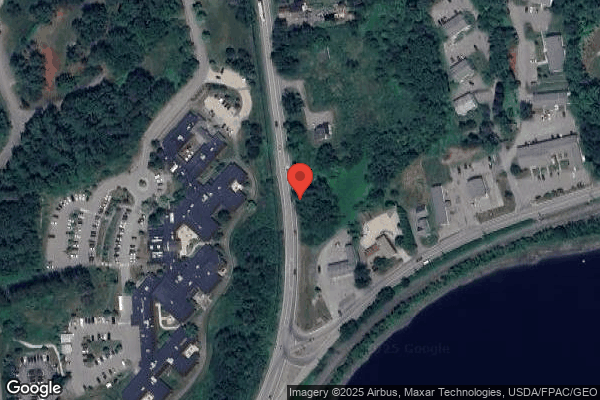

44 HOGAN RD, BANGOR, ME 04401 (207) 942-2333
Non profit - Other 120 Beds MAINE VETERANS' HOME Data: November 2025 1 Immediate Jeopardy citation
Trust Grade
8/100
#56 of 77 in ME
Last Inspection: August 2024

Within standard 12-15 month inspection cycle. Federal law requires annual inspections.

Overview

Maine Veterans Home in Bangor has received a Trust Grade of F, indicating significant concerns about the care provided. Ranking #56 out of 77 facilities in Maine places it in the bottom half, and #9 out of 11 in Penobscot County suggests only two local options are better. While the facility shows an improving trend, reducing issues from 18 in 2024 to 5 in 2025, it still has alarming deficiencies, including incidents of physical and potential sexual abuse among residents that resulted in critical and serious findings. Staffing is a notable strength, with a perfect 5/5 rating and a turnover rate of 40% which is below the state average, but the facility has also incurred $74,698 in fines, higher than 93% of Maine facilities. The presence of more registered nurses than 83% of facilities is a positive aspect, as they can catch issues that aides might miss, but families should remain aware of the serious incidents that have been reported.

Trust Score
F
8/100
In Maine
#56/77
Bottom 28%
Safety Record
High Risk
Review needed
Inspections
Getting Better
18 → 5 violations
Staff Stability
○ Average
40% turnover. Near Maine's 48% average. Typical for the industry.
Penalties
⚠ Watch
$74,698 in fines. Higher than 99% of Maine facilities. Major compliance failures.
Skilled Nurses
✓ Good
Each resident gets 90 minutes of Registered Nurse (RN) attention daily — more than 97% of Maine nursing homes. RNs are the most trained staff who catch health problems before they become serious.
Violations
⚠ Watch
34 deficiencies on record. Higher than average. Multiple issues found across inspections.
★★☆☆☆
2.0
Overall Rating
★★★★★
5.0
Staff Levels
★★★☆☆
3.0
Care Quality
★☆☆☆☆
1.0
Inspection Score
Stable
2024: 18 issues
2025: 5 issues

The Good

  • 5-Star Staffing Rating · Excellent nurse staffing levels
  • Full Sprinkler Coverage · Fire safety systems throughout facility
  • No fines on record
  • Staff turnover below average (40%)

    8 points below Maine average of 48%

Facility shows strength in staffing levels, fire safety.

The Bad

2-Star Overall Rating

Below Maine average (3.0)

Below average - review inspection findings carefully

Staff Turnover: 40%

Near Maine avg (46%)

Typical for the industry

Federal Fines: $74,698

Well above median ($33,413)

Moderate penalties - review what triggered them

Chain: MAINE VETERANS' HOME

Part of a multi-facility chain

Ask about local staffing decisions and management

The Ugly 34 deficiencies on record

1 life-threatening 1 actual harm
Mar 2025 5 deficiencies 1 IJ (1 affecting multiple)
CRITICAL (K) 📢 Someone Reported This

A family member, employee, or ombudsman was alarmed enough to file a formal complaint

Immediate Jeopardy (IJ) - the most serious Medicare violation

Free from Abuse/Neglect (Tag F0600)

Someone could have died · This affected multiple residents

Based on a review of the reports from Adult Protective Services (APS), the facility's internal investigations, facility policies, clinical record reviews and interviews, the facility failed to assess ...

Read full inspector narrative →
Based on a review of the reports from Adult Protective Services (APS), the facility's internal investigations, facility policies, clinical record reviews and interviews, the facility failed to assess a resident (Resident#5 [R5]) for the ability to consent to sexual behavior with another resident (R6). The failure to assess R5 for the ability to consent resulted in R5 not being free from potential sexual abuse. Additionally, the facility failed to ensure that residents were free from verbal and physical abuse by a Certified Nursing Assistant (CNA) for 3 of 3 residents reviewed for abuse. This failure created an immediate jeopardy situation. (R5, R3 and R2). Findings: 1.On 1/31/25, the State Survey Agency, (also known as Division of Licensing and Certification (DLC) received an Adult Protective Services (APS) report which stated on 1/30/25 the facility called R5's court appointed guardian informing her that, R5 was in a male patient's room and his pants were down. The staff wheeled R5 back to his/her room and are doing 15-minute checks on R5. The court appointed guardian stated to APS intake staff, facility didn't share the male patient's name and R5 is unable to communicate if anything happened. On 2/18/25, the DLC received another APS report which stated that R5's court appointed guardian called APS and stated that a Hospice nurse reported to her that on 2/13/25 the same male patient [in the 1/30/25 incident] had exposed himself to R5 and attempted to enter R5s room on 2/14/25. R5s guardian called the facility, and the facility stated that the incidents were consensual. However, the report states that R5 has dementia and is under guardianship. A review of the facility's investigation titled Internal Fact-Finding Summary dated 2/27/25 stated, Synopsis of Issues: On 1/30/25 R5 was found in R6's room. R6 had pants down and R5's mouth was on R6's penis. And stated On 2/14/25 RN4 reported to RN5 that R5 was being pushed in a wheelchair by R6. RN4 reported that R5 cowered into the nurse's station and appeared to be afraid of R6. At this time R6 was moved to another unit. A review of R5s clinical record states [he/she] has a diagnosis that includes but is not limited to, vascular dementia (a type of cognitive decline caused by damage to the blood vessels in the brain). R5s current care plan includes an approach dated 1/31/25 Resident may exhibit sexual behaviors with male residents. If resident displays sexual behaviors, assess resident for signs of behavior changes related to sexual behaviors. If resident appears agitated, anxious, or is crying, redirect resident away from male residents. Notify the supervisor or nurse manager if sexual behavior is occurring and is creating an unwanted interaction. If resident is engaging in consensual sexual behavior, provide privacy. A review of R5s clinical record lacks evidence that R5 was assessed for the ability to consent to sexual behaviors with male residents. Additionally, review of A State of Maine Physician's/Psychologist's report (Guardianship and/or conservatorship Proceedings) document signed on 4/6/23 by a registered physician assistant states under the evaluation of Respondent's mental and physical condition [R5] lacks executive function and cannot make [his/her] own decisions During the clinical record review for Resident 6 [R6] the surveyor noted a Provider Request form dated 10/28/2024, which stated On Sunday R6 was found in [his/her] room with a female resident. The door was shut, and when staff entered both had their pants down and were touching one another. I am not sure if this is a one-time thing or increased sexual behavior and another notification to the medical provider in January of 2025 resulted in new medications added to the medication regime for R6 related to inappropriate sexual behaviors. On 3/12/25 at 11:23 a.m. in a telephone interview with a surveyor, R5's court appointed guardian confirmed that R5 does not have the capability to consent and has no history of sexual behavior. It was reported to her from the facility that on 1/30/25 an incident occurred with R5 that was consensual, and when she asked what that meant, she was told by the facility that consensual meant they are both participating. The court guardian confirmed that R5 is not able to make his/her own decisions and would not have the capacity to consent to sexual behavior with male residents. On 3/13/25 at 1:14 p.m. in a telephone interview with a surveyor, CNA5 stated that: -R6 has had several observed incidents of trying to get female residents to enter [his/her] room, with many of the female residents stating, get away from me. -R6 was observed in rooms of female residents with pants down, standing over the female resident as they were lying in their beds. -CNA5 recalled looking for R5 and went to R6s room but the door had been barricaded shut with two wheelchairs, once she did gain entry, she found R5 in there sitting in [his/her] wheelchair crying. After this incident, CNA 5 stated R6 was on 15-minute checks. On 3/13/25 at 1:36 p.m. in an interview with the Director of Nursing Services (DNS), a surveyor confirmed that the facility failed to protect R5 from potential sexual abuse by R6, who has a known history of hypersexual behaviors (as evidenced by R6's provider notes and orders), by barricading R5 in R6's room and performing a sexual act. The DNS stated that we determined that no harm had happened, and R5 was okay with the act. R5 wasn't crying, yelling, didn't seem upset. We don't feel all sexual acts are abuse. The facility did not report the incident of 1/30/25 to DLC or any other authority of potential sexual abuse of R5 by R6. R5's right to be free from sexual abuse was violated. The facility failed to take action to ensure that R5 was assessed for the capacity to consent to sexual behavior with R6. A reasonable person would potentially suffer psychological distress, emotional harm, embarrassment, and deep sadness due to lack of control over the situation and would experience fear of R6. 2. On 2/26/25 the Division of Licensing and Certification (DLC) received a facility report with an allegation that a Certified Nursing Assistant 1 (CNA1) witnessed CNA2 swearing towards residents. [R3] And that CNA2 was placed on administrative leave effective 2/20/25 and voluntarily resigned his position on 2/21/25. A review of the facility's investigation titled Internal Fact-Finding Summary dated 2/28/25 stated that on 2/20/25 CNA1 reported that in the past month she heard and witnessed on five occasions CNA2 make inappropriate remarks to residents; forcefully grab residents by the arms and take them to their rooms. Additionally, CNA1 stated that CNA2 stated the following to R3: -[R3] needs to get the fuck back to bed and stay there and grabbed R3s arm and forcefully took R3 back to their room. R3 stated Please don't hurt me three times, CNA1 noted that R3 was visibly uncomfortable. -CNA2 stated he [R3] needs to shut the fuck up CNA1 heard R3 get into bed while CNA2 was in the room, R3 stated don't do that please CNA2 told CNA1 That should calm [R3] down for a while then stated to R3 I'm not going to hurt you, but you'll know when I do. CNA1 also reported the following between CNA2 and R2: -CNA2 called R2 a stupid bastard CNA1 did not observe any physical interaction between CNA2 and R2, but she did hear R2 yell out AHHH! -CNA2 stated R2s really going to regret coming back out again referring to R2 coming out of his/her room. CNA1 also reported that she noticed more often than not residents have very notable injuries that occur the nights [CNA2] is present. Additionally, under Facts Summary CNA1 stated that these incidents/events had occurred over the last month, maybe three weeks. CNA1 stated CNA2 told her You just take your knee and hit them [residents] in thigh, and they won't get out of bed. CNA2 was interviewed by the facility and denied the allegations. CNA1 completed the facility's abuse training on 11/21/24 and CNA2 completed the training on 11/18/24. The clinical record review for R3 revealed a nursing note dated 12/22/24 at 11:38 a.m., a bruise was observed on the back of his/her right thigh measuring 15 centimeters (cm) by 7.5 cm in width. Additionally, during review of the CNA documentation for R3, it showed that CNA2 was the staff who provided care to R3 for the two-night shifts before the bruising was observed (bruising can be observed 24 to 48 hours after injury). Comparing the markings on R3 and the statement that CNA2 made claiming that all you have to do is knee the resident in the thigh and this will keep them in bed for the night. The bruise measuring 15 cm x 7.5 cm and matches the possibility of being struck by a knee. R3's clinical record does not show that R3 had any falls prior to this bruise being found making a fall the reason for this bruised area. A review of staffing schedules was completed within the timeframe CNA1 reports that she observed the incidents between CNA2 and residents. Because of the delay in CNA1 reporting, CNA2 continued to be able to work with residents for a total of 36 shifts. (See F609 for details). On 3/12/25 at 1:09 p.m. during an interview with facility administration, the surveyor confirmed that the facility failed to ensure residents were free from psychological, verbal and physical abuse. Please see F-0000 Initial comments for details related to the IJ template, removal plan, and removal of the IJ.
CONCERN (D) 📢 Someone Reported This

A family member, employee, or ombudsman was alarmed enough to file a formal complaint

Potential for Harm - no one hurt, but risky conditions existed

Deficiency F0657 (Tag F0657)

Could have caused harm · This affected 1 resident

Based on record reviews and interviews, the facility failed to ensure a care plan was resident centered and updated accurately for 1 of 6 residents reviewed during complaint investigations (Resident #...

Read full inspector narrative →
Based on record reviews and interviews, the facility failed to ensure a care plan was resident centered and updated accurately for 1 of 6 residents reviewed during complaint investigations (Resident #5 [R5]). Findings: 1. Clinical record review indicated R5 has a diagnosis of vascular dementia. The care plan updated 2/26/25 identified the following: -A care area identified on 9/21/23, indicated Dementia. No goal listed. An approach dated 1/31/25 indicated Resident may exhibit sexual behaviors with male residents and If resident displays sexual behaviors, assess resident for signs of behavior changes related to sexual behaviors. If resident appears agitated, anxious, or is crying, redirect resident away from male residents. Notify supervisor or nurse manager if sexual behavior is occurring and is creating an unwanted interaction. If resident is engaging in consensual sexual behavior, provide privacy. On 3/12/25 at 2:28 p.m., during an interview with a surveyor and RN6, R5's care plan was reviewed. The care plan did not address R5's cognitive ability to engage in consensual sexual activity. At this time the surveyor confirmed R5's care plan was not resident centered or updated for an accurate approach due to R5 diagnosis of dementia and inability to consent to sexual activity. At this time the surveyor confirmed R6's care plan was not updated and implemented to meet R5's needs.
CONCERN (E) 📢 Someone Reported This

A family member, employee, or ombudsman was alarmed enough to file a formal complaint

Potential for Harm - no one hurt, but risky conditions existed

Report Alleged Abuse (Tag F0609)

Could have caused harm · This affected multiple residents

Based on a review of the Nursing Facility Reportable Incident submitted to the Division of Licensing and Certification (DLC) on 2/26/25, the incident report from Adult Protective services on 2/26/25, ...

Read full inspector narrative →
Based on a review of the Nursing Facility Reportable Incident submitted to the Division of Licensing and Certification (DLC) on 2/26/25, the incident report from Adult Protective services on 2/26/25, the facility's internal investigations, written statements by staff, facility policies, clinical record reviews and interviews, the facility failed to ensure staff reported allegations of psychological, physical, verbal, and sexual abuse immediately for 4 of 4 residents reviewed during complaint investigations, (Resident #1[R1], R2, R3, and R5) and failed to report an injury of unknown origin for 1 of 3 residents sampled R3. Findings: A review of the facility's policy, Abuse, Neglect, Exploitation and Misappropriation of Property revised 4/24/23, under the heading, on page 1, Definitions: Abuse is the willful infliction of injury, unreasonable confinement, intimidation, punishment that causes or is likely to cause physical harm, pain or mental anguish. Willful as used in this definition of abuse, means the individual must have acted deliberately, not that the individual must have intended to inflict injury or harm. Verbal abuse is the use of oral, written or gestured language that includes disparaging and/or derogatory terms to residents or their families within their hearing distance, regardless of their age, ability to comprehend or disability. Physical abuse is physical assaults, cruel discipline, excessive use of physical or chemical restraints, or unnecessary or incorrect medication that may cause pain, inability to move a limb, burns, cuts, internal injuries, marks or bruises. Mental abuse is verbal or nonverbal conduct which causes or has the potential to cause the resident to experience humiliation, intimidation, fear, shame, agitation or degradation. On page 3 under section 5.4 Identification/detection: 5.4.1 Resident abuse may be overt or covert. It may be perpetrated by anyone, including but not limited to a staff member, another resident, a family member or another visitor. 5.4.2 reasons to suspect that abuse has taken place may include but are not limited to: 5.4.2.1 Resident complaints of abuse 5.4.2.2 actual observation of physical, verbal or sexual attack 5.4.2.4 unexplained bruises or other injuries 5.4.2.5 resident complaints of pain that are new or sudden and cannot be correlated to any of the resident's diagnosis. 5.4.2.6 resident's apparent fear of another person, whether staff, resident or visitor. 5.4.3 any of the reasons listed above, or any unexplained changes in a resident physical condition or behavior may indicate the possibility that the resident has been subjected to abuse and should be brought to the attention of the Supervisor immediately, but not later than 2 hours if serious bodily injury is involved. Section 5.6 protection 5.6.1 staff will intervene immediately to protect the resident(s) in any situation of actual or potential abuse, neglect, exploitation, or mistreatment. 5.7 Reporting and Response: 5.7.1 staff members will be expected to report actual or suspected abuse, neglect, exploitation or misappropriation of property to their supervisor immediately with subsequent reports to the Administrator and DNS (Director of Nursing Services) 5.7.2 licensed or certified staff and unlicensed assistive personnel are required by Maine law to report actual or suspected abuse, neglect, or exploitation to DHHS and APS. 5.7.5 as required by Maine law and regulation, a report must be made to DHHS with 24 hours and followed up by a written report if requested by DHHS. On 2/26/25 the DLC received a facility report with an allegation that a Certified Nursing Assistant (CNA) was witnessed swearing towards residents. The date of the alleged abuse was 2/20/25 and was not reported to the DLC until 2/26/25. On 2/26/25 at 3:24 p.m., the DLC received a reportable incident from the facility, alleging that on 2/20/25 CNA1 reported that she witnessed CNA2 being physically and verbally abusive to residents (R1, R2, and R3) she stated this has been going on for approximately 3 weeks to a month and did not report it. This allowed CNA2 to work 36 shifts continuing to subject the residents to his verbal and physical abuse. On 3/11/25 at 12:14 p.m. during an interview with the DON she stated she asked CNA1 why this wasn't reported sooner, CNA1 stated she had told her charge nurse, the charge nurse RN1 denied being told until the morning of 2/20/25. DNS stated that CNA1 was re-educated on the spot about reporting things immediately and not waiting. CNA1 reported to DNS that she was afraid of CNA2. At this time the surveyor confirmed that an observed allegation of verbal and physical abuse was not reported to the State timely. On 3/12/25 during a clinical record review for R3 there was a note dated 12/23 for an order to x-ray right hip and upper thigh due to bruise to back of right hip and upper thigh measuring 15cm x 7.5 cm. It is documented that this bruise was found on 12/22/24 and there is no evidence that this injury of unknown origin was reported or investigated. On 3/12/25 at 1:09 p.m. during an interview with a Unit Manager RN3, a surveyor confirmed that this injury of unknown origin was not reported to the DLC. A review of a facility Internal Fact-Finding Summary dated 2/27/25 stated, Synopsis of Issues: On 1/30/25 R5 was found in R6's room. R6 had pants down and R5's mouth was on R6's penis. On 2/14/25 RN4 reported to RN5 that R5 was being pushed in a wheelchair by R6. RN4 reported that R5 cowered into the nurse's station and appeared to be afraid of R6. At this time R6 was moved to another unit. On 3/13/25 at 1:36 p.m. in an interview with the DNS, a surveyor confirmed that the facility failed to notify DLC of potential sexual abuse on 1/30/25 involving R6 to R5.
CONCERN (E) 📢 Someone Reported This

A family member, employee, or ombudsman was alarmed enough to file a formal complaint

Potential for Harm - no one hurt, but risky conditions existed

Investigate Abuse (Tag F0610)

Could have caused harm · This affected multiple residents

Based on clinical record reviews and interviews, the facility failed to investigate an injury of unknown origin after a resident was found with a bruise for 1 of 6 residents reviewed for abuse (Reside...

Read full inspector narrative →
Based on clinical record reviews and interviews, the facility failed to investigate an injury of unknown origin after a resident was found with a bruise for 1 of 6 residents reviewed for abuse (Resident #3 [R3]). Findings: On 3/12/25 at 11:30 a.m. during a clinical record review for R3, there is a nursing note dated 12/22/24 at 11:38 a.m. documenting a bruise on the back of the right thigh measuring 15 centimeters (cm) by 7.5 cm. additional note at 11:43 a.m. documents the bruise is to the back right hip/upper thigh area. The clinical record lacks evidence that this area of bruising injury of unknown origin was investigated by the facility. On 3/12/25 at 1:09 p.m. during an interview with a Unit Manager RN3, the surveyor confirmed that the injury of unknown origin was not investigated.
CONCERN (E) 📢 Someone Reported This

A family member, employee, or ombudsman was alarmed enough to file a formal complaint

Potential for Harm - no one hurt, but risky conditions existed

Quality of Care (Tag F0684)

Could have caused harm · This affected multiple residents

**NOTE- TERMS IN BRACKETS HAVE BEEN EDITED TO PROTECT CONFIDENTIALITY** Based on clinical record review and interviews, the facility failed to ensure physician orders were followed for 1 of 2 sampled ...

Read full inspector narrative →
**NOTE- TERMS IN BRACKETS HAVE BEEN EDITED TO PROTECT CONFIDENTIALITY** Based on clinical record review and interviews, the facility failed to ensure physician orders were followed for 1 of 2 sampled residents (Resident #6, [R6]). Findings: Review of R6's physician order sheet, handwritten, dated 10/28/24, stated, in one month present case to Doctor #1 (DR1). Review of R6's physician order sheet, handwritten, dated 10/29/24, stated, medroxyprogesterone 2.5 m.g PO (by mouth) daily for hypersexual behaviors. POA (power of attorney) consented for use. Review of R6's physician order sheet, handwritten, dated 11/11/24, stated, increase medroxyprogesterone to 5 m.g QD (every day). Review of R6's physician orders signed 11/14/24, page 3, stated under medications, 11/11/24 medroxyprogesterone acetate 5 m.g tablet by mouth daily given for antisocial sexual behavior (sexual-associated behavior disruptive to others). Review of R6's physician order sheet, handwritten, dated 12/13/24, increase medroxyprogesterone to 10 m.g PO daily. Re-present to DR1 next opportunity. Review of R6's physician orders signed on 1/16/25, page 2, stated diagnoses to include, Z72.51 high risk for heterosexual behavior. Review of R6's clinical record dated 2/14/25, acute visit, provider PA-C, stated, R6, [AGE] years old, was seen today for escalation of sexually inappropriate behaviors. Staff reports that the patient has been going after several female residents, trying to get them alone closing doors in order to attempt to have inappropriate sexual relations. He/she has been seen making sexual gestures to several female residents. Medroxyprogesterone was resumed subsequently increased. On 1/31/25, medroxyprogesterone 5 m.g daily was initiated due to inappropriate sexual behaviors, with a plan to increase to 10 m.g daily on 2/15/25.Given the fact that the patient has been targeting certain female residents and attempted again today, nursing reached out to management and the patient will be moved to a different room off of the unit to avoid any further incidents. On 3/13/25 at approximately 12:50 p.m., during record review and interview with RN3, a surveyor could not find evidence that R6's case has been presented to DR1 as ordered on 10/28/24 and 12/13/24. RN3 stated DR1 is no longer available, and RN3 and surveyor could not find evidence of follow-up pertaining to DR1 referrals with ordering PA-C as of 3/13/25, 121 days beyond the first order from the PA-C for case to be presented to DR1.
Aug 2024 14 deficiencies
CONCERN (D)

Potential for Harm - no one hurt, but risky conditions existed

Resident Rights (Tag F0550)

Could have caused harm · This affected 1 resident

2. On 8/19/24 at 12:49 p.m., during lunch observation in the [NAME] Wing dining room, a surveyor observed R6 request a sliced turkey sandwich. R6 stopped eating when he/she did not receive one. The Li...

Read full inspector narrative →
2. On 8/19/24 at 12:49 p.m., during lunch observation in the [NAME] Wing dining room, a surveyor observed R6 request a sliced turkey sandwich. R6 stopped eating when he/she did not receive one. The Licensed Practical Nurse publicly provided education to R6 regarding their medication, diagnosis, and dietary restrictions. 3. On 8/20/24 at 8:40 a.m., during breakfast observation in the [NAME] Wing dining room, a surveyor observed R94 and R41 sitting at a table with 4 other residents. All residents at the table were served except R94 and R41. Staff observed serving other tables. At 8:46 a.m., R94 was served, staff then served other tables. At 8:52 a.m., R41 was the last resident served in the dining room On 8/22/24 at approximately 10:30 a.m., the above observations were reviewed and confirmed with the Administrator. Based on observation and interview the facility failed to promote care to residents in a manner that maintains each resident's dignity for 3 of 4 meal observations in 2 dining rooms on the B Unit. Findings: 1. On 8/19/24 between 12:30 p.m. - 12:55 p.m., during lunch observation in the East Wing dining room on B Unit, a surveyor observed the following: A surveyor observed Certified Nursing Assistant #1 (CNA1) assisting Resident (R46) with eating at 12:43 p.m. The surveyor observed R46 in his/her chair with CNA1 standing up as she was feeding R46. During an interview with a surveyor, CNA1 stated that she was standing because there were no extra chairs to sit in, in the dining room. R46's tablemate did not receive his/her meal tray until 12:53 p.m. Resident #79 (R79) was observed eating at 12:35 p.m., but his/her tablemate(s) did not receive their food until 12:49 p.m. There was a table with 6 residents, R65 received his/her lunch at 12:43 p.m. The surveyor left the dining room at 12:55 p.m., and 3 of 6 tablemates had not received their lunch by this time. On 8/19/24 at 12:51 p.m., a surveyor asked CNA2 how the meal service is supposed to be delivered. CNA2 stated that they are supposed to serve by table. CNA3 stated that typically we give the kitchen our tickets so they know where the residents are but they wanted to do it themselves today. The kitchen staff was observed bringing the trays into the dining room but with no direction of whose trays were coming in and when.
CONCERN (D)

Potential for Harm - no one hurt, but risky conditions existed

PASARR Coordination (Tag F0644)

Could have caused harm · This affected 1 resident

Based on record review and interview, the facility failed to ensure that the State mental health authority for Pre-admission Screening and Resident Review (PASRR) was notified after a resident was adm...

Read full inspector narrative →
Based on record review and interview, the facility failed to ensure that the State mental health authority for Pre-admission Screening and Resident Review (PASRR) was notified after a resident was admitted with a diagnosed and/or experienced symptoms related to a mental disorder or trauma event to determine if a change in level of service was required for 1 of 5 sampled residents reviewed for PASRR (Resident #30 [R30]). Finding: On 8/21/24, R30's clinical record was reviewed which included a PASRR evaluation completed by the hospital, dated 4/4/24, that indicated no PASRR level II was required and there was a mental health diagnosis of anxiety. A review of R30's diagnosis list included in the clinical record: Post-traumatic stress disorder (PTSD), and anxiety disorder, all added to the clinical record on 4/9/24, the date of admission. On 8/21/24 at 12:43 p.m., in an interview with the surveyor, the Licensed Social Worker confirmed that the PASRR should have been updated to include the diagnosis of PTSD and the State mental health authority should have been notified.
CONCERN (D)

Potential for Harm - no one hurt, but risky conditions existed

Comprehensive Care Plan (Tag F0656)

Could have caused harm · This affected 1 resident

**NOTE- TERMS IN BRACKETS HAVE BEEN EDITED TO PROTECT CONFIDENTIALITY** Based on record review and interviews, the facility failed to update/implement a care plan in the area of communication for 1 of...

Read full inspector narrative →
**NOTE- TERMS IN BRACKETS HAVE BEEN EDITED TO PROTECT CONFIDENTIALITY** Based on record review and interviews, the facility failed to update/implement a care plan in the area of communication for 1 of 1 resident reviewed for communication (Resident #76). Finding: Resident #76 was admitted on [DATE] and has diagnoses to include a hearing deficit requiring use of hearing aids. Review of Resident #76's care plan updated 6/21/24 states communication: Impaired communication. Goal: 3 months Approach: assess for unmet needs such as pain, toileting, hunger, thirst. allow extra time to respond. validate understanding. Allow time to respond face resident, speak clearly Further review of Resident #76's care plan lacked evidence that goals and interventions were put into place for his/her hearing needs. Review of Minimum Data Set (MDS) dated [DATE] revealed Resident #76 is hard of hearing and requires hearing aids. Review of Resident #76 clinical record revealed Physician Order Sheet dated 7/12/24 for ENT referral for [right] ear pain/clear drainage/ruptured tm [tympanic membrane] . During an interview on 8/22/24 at 11:38 a.m., the Director of Nursing reviewed Resident #76 care plan and confirmed he/she does depend on hearing aids and care plan does not include goals and interventions for hearing loss / hearing aids.
CONCERN (D) 📢 Someone Reported This

A family member, employee, or ombudsman was alarmed enough to file a formal complaint

Potential for Harm - no one hurt, but risky conditions existed

Quality of Care (Tag F0684)

Could have caused harm · This affected 1 resident

**NOTE- TERMS IN BRACKETS HAVE BEEN EDITED TO PROTECT CONFIDENTIALITY** Based on record review, facility policy review, and interviews, the facility failed to complete neurological assessments after u...

Read full inspector narrative →
**NOTE- TERMS IN BRACKETS HAVE BEEN EDITED TO PROTECT CONFIDENTIALITY** Based on record review, facility policy review, and interviews, the facility failed to complete neurological assessments after unwitnessed falls for 1 of 4 residents reviewed for falls (Resident #7 [R7]). Finding: Clinical Record Review indicated R7 was admitted on [DATE] with a diagnosis of Vascular Dementia. According to the Minimum Data Set (a standardized assessment tool) on 6/19/24, R7 had a Brief Interview for Mental Status (BIMS) score of 1, and a BIMS of 3 on 8/16/24 (a score of 0-7 suggests severe cognitive impairment). Nurse documentation indicated R7 had two unwitnessed falls on 8/14/24. The clinical record lacked evidence that follow-up assessments were completed after the unwitnessed falls. The Fall Prevention policy (dated 4/24/23) indicates a fall may be witnessed, reported by the resident or an observer, or identified when a resident is found on the floor or ground, and An Occurrence Report will be completed in ECS following a resident fall, and Neurological Checks will be implemented following any fall with suspected head injury. The Neurological Assessments policy (dated 5/8/24) indicated, In the case of an unwitnessed fall, the resident will be considered to have hit their head unless he/she can reliably state that he/she did not, and Assessments will be completed every 15 minutes for the first hour after the fall; every 30 minutes for the subsequent 4 hours; every shift for the next 72 hours. Between 8/19/24 through 8/22/24, during an interview with a surveyor, regarding R7's falls on 8/14/24, Anonymous (A) staff members (A1, A2, A3, and A4) stated: A1 stated, I couldn't see, but I heard it. [R7] has a habit of coming out in the morning, I heard the crash. We ran right to [R7]. A2 stated, he/she observed the staff and heard the fall, the nurse ran, all the staff ran. A4 I hear a loud bang in the dining room. Staff got up and went over there, and I heard a yelp. [R7] was laying on [their] left side, on the floor. There was no one there to witness it. A3 stated, R7 was found on the floor after an unwitnessed fall, fall assessments were started but then discarded without being recorded in the electronic medical record (ECS). On 8/22/24 at 11:22 a.m., in an interview with a surveyor, the Director of Nursing stated, within 20 minutes a post fall investigation has to be filled out. It includes multiple staff members input (medication technician, charge nurse, certified nursing assistants, and supervisors) The information is used to for a mini root cause analysis. The provider and family are supposed to be called, and it should be documented. Care plans are reviewed to see if new interventions need to be put in place. If a resident puts themselves on the floor, the need to complete a post fall evaluation varies. If a noise is heard from outside the room, and they are found on the floor. It's considered a fall, no matter what, and the post fall investigation needs to be completed. On 8/22/24 at 12:06 p.m., in an interview with the Director of Nursing and the B Unit Manager, a surveyor confirmed R7's clinical record lacked evidence that the neurological assessments were completed after the two unwitnessed falls.
CONCERN (D)

Potential for Harm - no one hurt, but risky conditions existed

Deficiency F0692 (Tag F0692)

Could have caused harm · This affected 1 resident

**NOTE- TERMS IN BRACKETS HAVE BEEN EDITED TO PROTECT CONFIDENTIALITY** Based on record review and interview, the facility failed to recognize a potential significant weight loss for 1 of 1 sampled re...

Read full inspector narrative →
**NOTE- TERMS IN BRACKETS HAVE BEEN EDITED TO PROTECT CONFIDENTIALITY** Based on record review and interview, the facility failed to recognize a potential significant weight loss for 1 of 1 sampled residents reviewed for nutrition (Resident #101 [R101]). Finding: On 8/20/24 at 9:59 a.m., clinical record review indicated R101 was admitted on [DATE] with a diagnosis of dementia and abnormal weight loss. R101's weight on admission was 111.4 pounds (lbs). On 4/18/24, the Baseline Care Plan for R101's dementia included the dietary intervention Provide ordered diet, Identify likes/dislikes, Offer substitute foods, Dietary consult PRN. On 7/25/24, the Potential for Unintended weight loss was added to the Care Plan, including request for dietary evaluation. Monthly weight documentation indicated: On 4/19/24 the resident weighed 112 pounds (lbs). On 5/7/24 the resident weighed 111.1 lbs. On 6/4/24 the resident weighed 106.7 lbs On 7/2/24 the resident weighed 108.7 lbs On 8/6/24 the resident weighed 100.0 lbs (8% weight loss in 1 month and 10.23% in 4 months) On 8/21/24 at 8:10 a.m., in an interview with the B Unit Manager, a surveyor confirmed the clinical record lacked evidence that nursing staff had notified the medical provider or the registered dietitian, and had not initiated nutritional interventions, such as requesting supplements, to address the weight loss.
CONCERN (D)

Potential for Harm - no one hurt, but risky conditions existed

Deficiency F0710 (Tag F0710)

Could have caused harm · This affected 1 resident

Based on record review and interview, the facility failed to ensure a resident's physician supervised and evaluated weight loss for 1 of 1 residents reviewed with significant weight loss (Resident #10...

Read full inspector narrative →
Based on record review and interview, the facility failed to ensure a resident's physician supervised and evaluated weight loss for 1 of 1 residents reviewed with significant weight loss (Resident #101 [R101]). Finding: On 8/20/24 at 9:59 a.m., R101's clinical record was reviewed. On 4/17/24 the resident's admission weight was 111.4 pounds (lbs). On 7/2/24 the resident weighed 108.7 lbs. On 8/6/24 the resident weighed 100.0 lbs (an 8% weight loss in one month, and a 10.23% weight loss in 4 months). On 8/21/24 at 8:10 a.m., in an interview with the B Unit Manager, a surveyor confirmed that the clinical record lacks evidence the provider was notified of significant weight loss, nor were there any Provider Progress notes that addressed the significant weight loss.
CONCERN (D)

Potential for Harm - no one hurt, but risky conditions existed

Drug Regimen Review (Tag F0756)

Could have caused harm · This affected 1 resident

Based on record review and interview, the facility failed to follow up on pharmacist recommendations timely, for 1 of 5 residents reviewed for unnecessary medications (Resident #19 [R19]). Finding: On...

Read full inspector narrative →
Based on record review and interview, the facility failed to follow up on pharmacist recommendations timely, for 1 of 5 residents reviewed for unnecessary medications (Resident #19 [R19]). Finding: On 8/20/24 at approximately 2:03 p.m., a surveyor and the B Unit Manager reviewed R19's clinical record which included an order, dated 4/18/24, for Trazodone 50 milligrams as needed (PRN) at bedtime with no duration of the order. The surveyor reviewed the pharmacist recommendations, dated 4/19/24 and 5/16/24, for the medication Trazodone, with both of the recommendations indicating use of PRN (as needed) antidepressants must be limited to 14 days with the exception that the prescriber documents their rationale in the patient's medical record and indicates the duration for that PRN order. This order was not discontinued until 6/11/24. The surveyor confirmed with the B Unit Manager this finding.
CONCERN (D)

Potential for Harm - no one hurt, but risky conditions existed

Medication Errors (Tag F0758)

Could have caused harm · This affected 1 resident

**NOTE- TERMS IN BRACKETS HAVE BEEN EDITED TO PROTECT CONFIDENTIALITY** Based on facility policy review, interviews, and record reviews, the facility failed to ensure an Abnormal Involuntary Movement ...

Read full inspector narrative →
**NOTE- TERMS IN BRACKETS HAVE BEEN EDITED TO PROTECT CONFIDENTIALITY** Based on facility policy review, interviews, and record reviews, the facility failed to ensure an Abnormal Involuntary Movement Scale (AIMS), used to monitor for potentially irreversible side effects of antipsychotic medications, was completed when an antipsychotic medication was started, when a dose changed, or every 6 months, for 2 of 4 sampled residents reviewed (Resident [R] 19. R74). In addition, the facility failed to ensure the physician wrote a rationale and/or order with a duration to extend an as needed (PRN) psychotropic medication beyond the 14-day limit, for 1 of 1 resident reviewed (R19) . Findings: The facility's policy, Antipsychotic Medications, last reviewed [DATE], defines that an AIMS test will be done at the initiation of the antipsychotic (medication) or with a change in dosage and at least every 6 months there after. On [DATE] 2:35 p.m. During an interview with a surveyor the Director of Nursing (DON) and Assistant DON (ADON) stated that an AIMS test should be completed as a baseline, with a dosage change and at least every 6 months. 1. On [DATE], R19's clinical record was reviewed and included a physician order for Risperidone (antipsychotic medication). At 2:45 p.m., the ADON and surveyor reviewed R19's physician orders and noted that R19 had a dose increase of Risperidone 0.5 milligrams (mg) on [DATE], from twice a day to three times a day. The most recent AIMS test in the clinical record was completed on [DATE]. The surveyor confirmed that an AIMS test was not completed when the Risperidone increased with the ADON during this review. On [DATE] at approximately 2:03 p.m., a surveyor and the B Unit Manager reviewed R19's clinical record which included an order, dated [DATE], for Trazodone 50 mg as needed (PRN) at bedtime with no duration of the order. The surveyor reviewed the pharmacist recommendations, dated [DATE] and [DATE], for the medication Trazodone, with both of the recommendations indicating use of PRN (as needed) antidepressants must be limited to 14 days with the exception that the prescriber documents their rationale in the patient's medical record and indicates the duration for that PRN order. The surveyor reviewed with the B Unit Manager noting that R19 received the PRN dose on [DATE] but the order was not active because it expired on [DATE]. 2. On [DATE], R74's clinical record was reviewed and included a physician order for Seroquel (antipsychotic medication). At 2:45 p.m., the ADON and surveyor reviewed R74's clinical record. R74 was admitted to the facility on [DATE] with orders for Seroquel (anti-psychotic medication) for 25 mg daily; on [DATE], this dose was increased to 50 mg daily. There was no baseline AIMS in the clinical record and the most recent AIMS test was completed on [DATE]. The surveyor confirmed this finding with the ADON during this review.
CONCERN (D)

Potential for Harm - no one hurt, but risky conditions existed

Deficiency F0883 (Tag F0883)

Could have caused harm · This affected 1 resident

Based on record review and interview, the facility failed to ensure that 1 of 5 residents reviewed for immunizations included documentation in the medical record to indicate the resident received a pn...

Read full inspector narrative →
Based on record review and interview, the facility failed to ensure that 1 of 5 residents reviewed for immunizations included documentation in the medical record to indicate the resident received a pneumococcal immunization (Resident #7). Finding: Review of Resident #7's clinical record revealed .Pneumococcal Vaccine Consent signed 11/6/23. Further review of resident's clinical record lacked evidence that this vaccination was administered. During an interview on 8/20/24 at 10:54 a.m., the Education Coordinator reviewed the clinical record and confirmed Resident #7 signed pneumococcal immunization consent on 11/6/23, and did not receive the vaccination.
CONCERN (E)

Potential for Harm - no one hurt, but risky conditions existed

Deficiency F0578 (Tag F0578)

Could have caused harm · This affected multiple residents

**NOTE- TERMS IN BRACKETS HAVE BEEN EDITED TO PROTECT CONFIDENTIALITY** Based on facility policy review, record reviews, and interviews, the facility failed to ensure that the resident and/or resident...

Read full inspector narrative →
**NOTE- TERMS IN BRACKETS HAVE BEEN EDITED TO PROTECT CONFIDENTIALITY** Based on facility policy review, record reviews, and interviews, the facility failed to ensure that the resident and/or resident representative written information, concerning the right to accept or refuse medical or surgical treatment and/or formulate and advanced directive, was completed for 9 of 32 residents reviewed for advanced directives. (Resident [R] [R9], R27, R30, R37, R19, R49, R45, R76, and R87). Findings: Review of facility policy Advance Directives . dated 4/26/23 states .policy to provide to all residents at the time of their admission, and subsequently upon request, written information concerning their rights under Maine law to make decisions concerning their health care, including the right to accept or refuse medical treatment and health care services. 1. Resident #45 was admitted to the facility on [DATE]. Review of R45's clinical record lacked evidence that the facility provided/obtained resident and/or resident representative written information concerning the right to accept or refuse medical or surgical treatment and/or formulate an advance directive. 2. Resident #76 was admitted to the facility on [DATE]. Review of R76's clinical record lacked evidence that the facility provided/obtained resident and/or resident's representative written information concerning the right to accept or refuse medical or surgical treatment and/or formulate an advance directive. 3. Resident #87 was admitted to the facility on [DATE]. Review of R87's clinical record lacked evidence that the facility provided/obtained resident and/or resident's representative written information concerning the right to accept or refuse medical or surgical treatment and/or formulate an advance directive. 4. Resident #19 was admitted on [DATE]. A review of R19's clinical record lacked evidence that the facility followed up and/or assisted the resident/resident representative with the written information concerning the right to accept or refuse medical or surgical treatment and/or formulate an advanced directive. 5. Resident #49 was admitted on [DATE] . A review of R49's clinical record lacked evidence that the facility followed up and/or assisted the resident/resident representative with the written information concerning the right to accept or refuse medical or surgical treatment and/or formulate an advanced directive. 6. Resident #9 was admitted on [DATE]. A review of R9's clinical record lacked evidence that the facility followed up and/or assisted the resident/resident representative with the written information concerning the right to accept or refuse medical or surgical treatment and/or formulate an advanced directive. 7. Resident #27 was admitted on [DATE]. A review of R27's clinical record lacked evidence that the facility followed up and/or assisted the resident/resident representative with the written information concerning the right to accept or refuse medical or surgical treatment and/or formulate an advanced directive. 8. Resident #30 was admitted on [DATE]. A review of R30's clinical record lacked evidence that the facility followed up and/or assisted the resident/resident representative with the written information concerning the right to accept or refuse medical or surgical treatment and/or formulate an advanced directive. 9. 3. Resident #37 was admitted on [DATE]. A review of R37's clinical record lacked evidence that the facility followed up and/or assisted the resident/resident representative with the written information concerning the right to accept or refuse medical or surgical treatment and/or formulate an advanced directive. During an interview on 8/20/24 from 10:09 a.m. to 10:12 a.m., in presence of 3 surveyors, the Licensed Social Worker confirmed residents/representatives were not asked/offered the opportunity to form an advanced directive, and that she did not follow up with resident and/or resident's representatives to assist with completing advanced directives.
CONCERN (E)

Potential for Harm - no one hurt, but risky conditions existed

Food Safety (Tag F0812)

Could have caused harm · This affected multiple residents

**NOTE- TERMS IN BRACKETS HAVE BEEN EDITED TO PROTECT CONFIDENTIALITY** 2. On [DATE] at 12:39 p.m., during a lunch observation in the East Wing dining room on B Unit, a surveyor observed in the bevera...

Read full inspector narrative →
**NOTE- TERMS IN BRACKETS HAVE BEEN EDITED TO PROTECT CONFIDENTIALITY** 2. On [DATE] at 12:39 p.m., during a lunch observation in the East Wing dining room on B Unit, a surveyor observed in the beverage trays with ice, 2 unopened 1% milk with an expiration date of [DATE]. The surveyor confirmed this with the Registered Nurse. Based on observations, and interviews, the facility failed to ensure that bowls were dried properly and failed to ensure the kitchen was free from insects for 1 of 2 kitchen tour ([DATE]). In addition, the facility failed to ensure that milk was not expired during 1 of 2 meal observations on the B Unit ([DATE]). Findings: 1. On [DATE] at 10:20 a.m. an initial tour of the kitchen was done with the Nutrition Manager. Observed on a shelf, available for use, were 30 cereal bowl and 30 small white bowls that were wet stacked/nestled. Near the baking station area, fruit flies were observed coming from and around the floor drain. These findings were confirmed at the time of the observation.
CONCERN (E) 📢 Someone Reported This

A family member, employee, or ombudsman was alarmed enough to file a formal complaint

Potential for Harm - no one hurt, but risky conditions existed

Medical Records (Tag F0842)

Could have caused harm · This affected multiple residents

**NOTE- TERMS IN BRACKETS HAVE BEEN EDITED TO PROTECT CONFIDENTIALITY** 3. Clinical Record Review indicated R7 was admitted on [DATE] with a diagnosis of Vascular Dementia. According to the Minimum Da...

Read full inspector narrative →
**NOTE- TERMS IN BRACKETS HAVE BEEN EDITED TO PROTECT CONFIDENTIALITY** 3. Clinical Record Review indicated R7 was admitted on [DATE] with a diagnosis of Vascular Dementia. According to the Minimum Data Set (a standardized assessment tool) on 6/19/24, R7 had a Brief Interview for Mental Status (BIMS) score of 1, and a BIMS of 3 on 8/16/24 (a score of 0-7 suggests severe cognitive impairment). Nurse documentation indicated R7 had two unwitnessed falls on 8/14/24. The clinical record lacked evidence that neurological assessments were completed after the unwitnessed falls. Between 8/19/24 through 8/22/24, during an interview with a surveyor, Anonymous (A) Staff Members (A3 and A4) stated: A4 stated, after an unwitnessed fall, R7's initial neurological assessment and vitals were documented in a fall packet on the morning of 8/14/24, but then staff were directed by management to discard them (prior to completion) without being recorded in the electronic medical record (ECS). A3 stated, R7 was found on the floor after an unwitnessed fall, neurological assessments and vitals were documented in the fall packet but then discarded (prior to completion), without being recorded in ECS. On 8/22/24 at 11:14 a.m., in an interview with a surveyor, a Certified Nursing Assistant (CNA) #5 stated vitals are completed as part of the post fall packet. The CNAs take the vitals and keep them with the packet and the nurses are responsible for entering them into the ECS when the packet is completed. On 8/22/24 at 11:22 a.m., in an interview with a surveyor, the Director of Nursing stated, within 20 minutes a post fall investigation has to be filled out. It includes multiple staff members input (medication technician, charge nurse, certified nursing assistants, and supervisors) The information is used to for a mini root cause analysis. The provider and family are supposed to be called, and it should be documented. Care plans are reviewed to see if new interventions need to be put in place. If a resident puts themself on the floor, the need to complete a post fall evaluation varies. If a noise is heard from outside the room, and they are found on the floor. It's considered a fall, no matter what, and the post fall investigation needs to be completed. On 8/22/24 at 12:06 p.m., in an interview with the B Unit Manager and the Director of Nursing, the B Unit Manager stated post fall assessments may be discarded after step 4 if staff feel it was not a fall based on assessments. At this time the surveyor confirmed that resident medical records are not retained when assessments and vitals are discarded before being entered into the electronic record. Based on facility policy review, record reviews and interviews, the facility failed to ensure that resident records contained accurate, complete, and/or readily accessible information for 3 of 5 resident records reviewed for falls (Resident #84 [R84], R74 and R7). Findings: The facility's policy, Neurological Assessments, (neuro checks) last reviewed 5/8/24, indicates that a neurological assessment will be completed and documented in ECS (electronic medical record) after any incident or fall in which a head injury is suspected. In the case of an unwitnessed fall, the resident will be considered to have hit their head unless he/she can reliably state he/she did not. Assessments will be completed every 15 minutes for the first hour after the fall, every 30 minutes for the subsequent 4 hours, every shift for the next 72 hours. 1. On 8/21/24, R84's clinical record was reviewed and indicated that on 8/15/24 at 12:00 p.m., R84 was observed on the floor in the dining room and neuro checks were started. A review of R84's Treatment Administration Record (TAR) and documented neurological assessments indicated the following: On 8/9/24, the TAR indicated when the 15 and 30 minute neuro checks were to be completed but upon review of the clinical record, the neurological assessments were not documented at the time the assessment occurred. The assessment that was completed for a 15 minute check at 12:00 p.m., was not documented in the clinical record until 5:53 p.m.; The assessment that was completed for a 15 minute check at 12:15 p.m., was not documented in the clinical record until 5:54 p.m.; The assessment that was completed for a 15 minute check at 12:30 p.m., was not documented in the clinical record until 5:55 p.m.; The assessment that was completed for a 15 minute check at 12:45 p.m., was not documented in the clinical record until 5:56 p.m.; The assessment that was completed for a 15 minute check at 1:00 p.m., was not documented in the clinical record until 5:58 p.m.; The assessment that was completed for a 30 minute check at 1:30 p.m., was not documented in the clinical record until 5:59 p.m.; The assessment that was completed for a 30 minute check at 2:00 p.m., was not documented in the clinical record until 5:59 p.m.; The assessment that was completed for a 30 minute check at 2:30 p.m., was not documented in the clinical record until 6:00 p.m.; The assessment that was completed for a 30 minute check at 3:00 p.m., was not documented in the clinical record until 6:01 p.m.; The assessment that was completed for a 30 minute check at 3:15 p.m., was not documented in the clinical record until 6:02 p.m.; The assessment that was completed for a 30 minute check at 4:00 p.m., was not documented in the clinical record until 6:03 p.m.: and The assessment that was completed for a 30 minute check at 4:30 p.m., was not documented in the clinical record until 6:04 p.m. The above documentation does not indicate a late entry or mention of what time the documented assessment actually was completed. 2. On 8/21/24, R74's clinical record was reviewed and indicated that on 8/9/24 at 5:45 p.m., R74 was observed on the floor in his/her room and neuro checks were started. A review of R74's Treatment Administration Record (TAR) and documented neurological assessments indicated the following: On 8/9/24, the TAR indicated when the 15 and 30 minute neuro checks were to be completed but upon review of the clinical record, the neurological assessments were not documented at the time the assessment occurred. The assessment that was completed for a 15 minute check at 6:00 p.m., was not documented in the clinical record until 9:51 p.m., and did not include vitals; The assessment that was completed for a 15 minute check at 6:15 p.m., was not documented in the clinical record until 9:51 p.m. and did not include vitals; The assessment that was completed for a 15 minute check at 6:30 p.m., was not documented in the clinical record until 9:51 p.m., and indicated refusing vitals; The assessment that was completed for a 15 minute check at 6:45 p.m., was not documented in the clinical record until 9:52 p.m., and indicated refusing vitals; There was an extra 15 minute check documented at 10:00 p.m. per assessment (not listed on the TAR), and indicated refusing vitals; The assessment that was completed for a 30 minute check at 7:15 p.m., was not documented in the clinical record until 10:01 p.m., and indicated refusing vitals; The assessment that was completed for a 30 minute check at 7:45 p.m., was not documented in the clinical record until 10:02 p.m., The assessment that was completed for a 30 minute check at 8:15 p.m., was not documented in the clinical record until 10:02 p.m., and indicated refusing vitals; The assessment that was completed for a 30 minute check at 8:45 p.m., was not documented in the clinical record until 10:02 p.m., and indicated refusing vitals; The assessment that was completed for a 30 minute check at 9:15 p.m., was not documented in the clinical record until 10:47 p.m., and indicated refusing vitals; The assessment that was completed for a 30 minute check at 9:45 p.m., was not documented in the clinical record until 10:47 p.m., and indicated refusing vitals; and The assessment that was completed for a 30 minute check at 10:15 p.m., was not documented in the clinical record until 10:47 p.m., and indicated refusing vitals. The above documentation does not indicate a late entry or mention of what time the documented assessment actually was completed. On 8/22/24 at 10:23 a.m., a surveyor reviewed documentation of the neuro checks with the Director of Nursing. The Treatment Administration Record (TAR) was reviewed and the time on the TAR included the time that an assessment was done but the documentation of the assessment in the clinical record does not correlate with the time on the TAR. The surveyor confirmed that the documentation of the assessments are not reflective of the time that they were completed. On 8/22/24 at 11:14 a.m., in an interview with a surveyor, a Certified Nursing Assistant (CNA) #5 stated vitals are completed as part of the post fall packet. The CNAs take the vitals and keep them with the packet and the nurses are responsible for entering them into the ECS (electronic medical record) when the packet is completed.
CONCERN (E)

Potential for Harm - no one hurt, but risky conditions existed

Infection Control (Tag F0880)

Could have caused harm · This affected multiple residents

Based on facility policy review, record review, and interview, the facility failed to maintain an effective infection control program, and failed to analyze and follow-up on known infections in the fa...

Read full inspector narrative →
Based on facility policy review, record review, and interview, the facility failed to maintain an effective infection control program, and failed to analyze and follow-up on known infections in the facility. This has the potential to affect all residents receiving an antibiotic in the facility. In addition, the facility failed to ensure a shared glucometer was cleaned after each use for 1 of 2 observations (8/20/24), Findings: Review of facility policy Infection Prevention and Control Program dated 9/25/23 states will establish, implement and maintain an infection prevention and control program that will provide safe, sanitary and comfortable environment to help prevent, recognize, and control, the onset, development and transmission of communicable disease and infection to residents . Surveillance and investigation to prevent and control the onset and spread of infection within the facility.Program Record Keeping maintains records of incidents and corrective actions related to infections . 1. Review of facility provided Infection Report revealed the following: -During the month of 6/2024, there were 25 documented facility acquired infections that were prescribed antibiotics. -During the month of 7/2024, there were 20 documented facility acquired infections that were prescribed antibiotics. -From 8/1/24 through 8/29/2024 there were 15 documented facility acquired infections that were prescribed antibiotics. Further review of infection report lacked evidence the facility analyzed and followed up on known infections in facility. During an interview on 8/21/24 at 12:01 p.m., Director of Nursing (DON) confirmed they review antibiotics during the monthly Antibiotic Stewardship meetings but have not looked at trends or root cause of the infections. During an interview on 8/22/24 at 9:20 a.m., Infection Preventionist indicated the facility does have a lot of antibiotic use and realized that there are a lot of antibiotic prescriptions that do not meet McGuires criteria and haven't done any tracing/surveillance to form a root cause of the infections. 2. On 8/20/24 at 8:23 a.m., a surveyor observed Certified Nursing Assistant #4 (CNA4) complete a blood sugar on a resident, using a shared glucometer. At 8:25 a.m., the surveyor then observed CNA4 walk over to another resident and complete another blood sugar, without cleaning the glucometer inbetween use. On 8/20/24 at 8:26 a.m., during an interview with CNA4, the surveyor asked if she cleaned the glucometer after using on one resident, before completing the blood sugar check on the other resident. CNA4 stated that she does have the Sani Cloths to clean the glucometer and that sometimes she cleans it when she remembers. The surveyor confirmed during this interview that the glucometer was not cleaned inbetween resident use.
CONCERN (E)

Potential for Harm - no one hurt, but risky conditions existed

Antibiotic Stewardship (Tag F0881)

Could have caused harm · This affected multiple residents

Based on facility policy review, record reviews, and interviews, the facility failed to implement its Antibiotic Stewardship Program (ASP) that includes antibiotic use protocols and a system to monito...

Read full inspector narrative →
Based on facility policy review, record reviews, and interviews, the facility failed to implement its Antibiotic Stewardship Program (ASP) that includes antibiotic use protocols and a system to monitor antibiotic use. This has the potential to affect all residents receiving an antibiotic. Findings: Review of the facility policy Antibiotic Stewardship Program dated 2/2/23 states .To improve patient safety and assist in the prevention of multi-drug resistant organisms (MDRO) and Clostridium difficile infections (CDI) by optimizing use of antibiotic drugs and to provide continuous improvement by utilizing prescribing and outcomes data to identify opportunities of targeted initiatives and optimal antibiotic prescribing .Tracking and trending for appropriate antibiotic selection and identification . Review of facility policy Medication Regimen Review dated 1/2019 states .The consultant pharmacist compiles and analyzes data collected from MMR's and presents findings to the Quality Assurance and Process Improvement (QAPI) Committee as part of the facility continuous improvement (CQI) program. Review of facility provided Infection Report revealed the following: -During the month of 6/2024, there were 25 documented facility acquired infections that were prescribed antibiotics. -During the month of 7/2024, there were 20 documented facility acquired infections that were prescribed antibiotics. -From 8/1/24 through 8/29/2024 there were 15 documented facility acquired infections that were prescribed antibiotics. Further review of infection report lacked evidence these antibiotics were reviewed or discussed. Review of facility provided Quality Pharmacy Report for Quarter #3 dated 10/9/23, Quarter #4 dated 1/8/24, Quarter #1 dated 4/1/24, and Quarter #2 dated 6/26/24, lacked evidence that the pharmacist/facility reviewed antibiotic use during these meetings. During an interview on 8/21/24 at 12:01 p.m., Director of Nursing (DON) indicated that for the most part the providers put their own orders in the electronic medical record (EMR) and the infection report is generated through the EMR, and that is what they review during the monthly Antibiotic Stewardship meetings, but they have not looked at trends or root cause. During a follow-up interview on 8/21/24 at 3:01 p.m., with 2 surveyors, the DON indicated she spoke with pharmacist confirming the provided pharmacy reports contain everything that is discussed in QAPI, and antibiotic stewardship has not been discussed. During an interview on 8/22/24 at 9:20 a.m., Infection Preventionist (IP) indicated the facility does have a lot of antibiotic use and realized through the survey process that there are a lot of antibiotic prescriptions that do not meet McGuires criteria. IP further indicated that at this point no one had discussed antibiotic use with the providers before and they have not implemented any tracking systems.
Jul 2024 3 deficiencies
CONCERN (D) 📢 Someone Reported This

A family member, employee, or ombudsman was alarmed enough to file a formal complaint

Potential for Harm - no one hurt, but risky conditions existed

Resident Rights (Tag F0550)

Could have caused harm · This affected 1 resident

Based on observations and interviews, the facility failed to ensure that a resident requiring feeding assistance was done in a dignified manner for 1 of 1 resident observed requiring feeding assistanc...

Read full inspector narrative →
Based on observations and interviews, the facility failed to ensure that a resident requiring feeding assistance was done in a dignified manner for 1 of 1 resident observed requiring feeding assistance (Resident #2). Finding: On 7/8/24 during observation of breakfast tray pass. Resident #2 was sitting in a Broda chair at one of the entrances to the dining area. Next to resident #2 was a dining room chair. A Certified Nurse's Assistant (CNA) placed Resident #2's breakfast tray on the tray table in front of him/her at 8:24 a.m. and walked away. The same CNA continued to deliver trays to the other residents in the dining room and two additional residents outside the dining area. At 8:50 a.m., the CNA approached Resident #2 standing in front of him/her and feed the resident two bites of food, put the spoon down and walked away. At 9:02 a.m., the same CNA returned and collected the uneaten tray without speaking to the resident or asking if he/she wanted more food. On 7/8/24 at 9:32 a.m., the above was discussed with the Director of Nursing and Assistant Director of Nursing.
CONCERN (D) 📢 Someone Reported This

A family member, employee, or ombudsman was alarmed enough to file a formal complaint

Potential for Harm - no one hurt, but risky conditions existed

Comprehensive Care Plan (Tag F0656)

Could have caused harm · This affected 1 resident

**NOTE- TERMS IN BRACKETS HAVE BEEN EDITED TO PROTECT CONFIDENTIALITY** Based on record review, observations, and interview, the facility failed to provide interventions outlined in the resident's car...

Read full inspector narrative →
**NOTE- TERMS IN BRACKETS HAVE BEEN EDITED TO PROTECT CONFIDENTIALITY** Based on record review, observations, and interview, the facility failed to provide interventions outlined in the resident's care plan in the area of Self-care deficit and Nutrition for 1 of 3 sampled residents. (Resident #2) Finding: Resident #2 was admitted to the facility on [DATE] with diagnosis of Dementia and Dysphagia. The History and Physical dated 2/21/24 states he/she is a nonverbal resident. Review of Resident #2's care plan, initiated 2/20/24, last revised 5/28/24 for self -care deficit in the area of eating has a nursing intervention of, I am dependent. One assist. Please alternate 1 to 2 bites of food followed by a sip of liquid. If client refuses a meal, please reapproach . The care plan initiated on 2/29/24, last updated on 5/28/24 for nutrition has a nursing intervention of, Assist to eat, Set up foods as needed. Feed all meals. Maintain eye contact during feeding. On 7/8/24 observation of Resident #2 in a Broda chair at the entrance of the dining room with an empty chair next to him/her. At 8:24 a.m., the Certified Nurse's Assistant (CNA) placed residents #2 tray in front of him/her then walked away. At 8:50 a.m., the CNA approached resident #2, stood in front of the tray table and asked the resident, are you going to eat some breakfast, your sleeping the CNA then attempted to feed the resident a spoon full of puree banana muffin, which resident refused (moving his/her head). CNA then stated, you need to wake up, is it too cold, want some water? The CNA did not heat up the food or give the resident fluids. She then offered the resident another bite. The resident was given 2 spoonful's of food. The CNA then put down the spoon and walked away. At 9:02 a.m., the same CNA returned and collected the uneaten tray, not speaking to the resident or asking if he/she wanted more food. On 7/8/24 at 9:32 a.m., the above was discussed with the Director of Nursing and Assistant Director of Nursing.
CONCERN (E) 📢 Someone Reported This

A family member, employee, or ombudsman was alarmed enough to file a formal complaint

Potential for Harm - no one hurt, but risky conditions existed

Quality of Care (Tag F0684)

Could have caused harm · This affected multiple residents

Based on facility policy, record reviews and interviews, the facility failed to follow physician orders for 1 of 3 sampled residents review for medications (Resident #3). Findings: Facilities Medicati...

Read full inspector narrative →
Based on facility policy, record reviews and interviews, the facility failed to follow physician orders for 1 of 3 sampled residents review for medications (Resident #3). Findings: Facilities Medication Administration Procedure dated 1/2020 states, Assign AM and PM for medication administration times unless specified otherwise by physician services . physician services will specify if they want medications administered every twelve hours or other hourly times . Schedule hypothyroid medication to be administered on an empty stomach, but must be scheduled for consistency, however not before 7:00 AM unless resident prefers. On 7/8/24 at 11:45 a.m., during an interview, Resident #3's family representative stated his/her Parkinson's medication is not being given timely with regards to doses being to close together, given with meals or as instructed by the neurologists. Review of the scheduled mealtimes for resident #3 are as follows: Breakfast served at 8:30 a.m., Lunch at 12:30 p.m. and Dinner at 5:30 p.m. A review of Resident #3's clinical record containing Provider orders and the Medication Administration Record (MAR) indicated the following medications Sinemet and Levothyroxine were given at incorrect times/or with meals: 1. A provider order dated 12/22/23 for Levothyroxine Sodium (Hypothyroid medication) 75 microgram (mcg) tablet by mouth daily at 7:00 a.m. for hypothyroidism. On 6/8/24 the Levothyroxine dose was given at 8:54 a.m. On 6/9/24 the Levothyroxine dose was given at 8:48 a.m. On 6/21/24 the Levothyroxine dose was given at 8:26 a.m. On 7/1/24 the Levothyroxine dose was given at 8:31 a.m. On 7/3/24 the Levothyroxine dose was given at 8:29 a.m. On 7/4/24 the Levothyroxine dose was given at 8:06 a.m. On 7/6/24 the Levothyroxine dose was given at 8:17 a.m. On 7/7/24 the Levothyroxine dose was given at 8:22 a.m. On 7/8/24 the Levothyroxine dose was given at 8:10 a.m. 2. A Provider order dated 6/5/24 for (Sinemet) Carbidopa - Levodopa 25 milligram (mg)-250mg table, give 1 tablet by mouth five times a day 5:30 a.m., 9:00 a.m., 12:00 p.m., 3:00 p.m., 7:00 p.m. for Parkinsonism. On 6/6/24 the 3:00 p.m. Sinemet dose was given at 5:15 p.m. 3. A provider order dated 6/6/24 for Sinemet 25mg -250mg table, give 0.5 tablet by mouth at 10:00 p.m. Administration Instructions: Leave current timing of medications per neurologists. On 6/8/24 the Sinemet was given at 7:47 p.m. 4. New Provider orders dated 6/18/24 for (Sinemet) Carbidopa - Levodopa 25 milligram (mg)-250mg table, give 1 tablet by mouth five times a day 7:00 a.m., 10:00 a.m., 2:00 p.m., 4:30 p.m., 7:00 p.m. for Parkinsonism. Administration Instructions: Leave current timing of medications per neurologists. Do not give with meals and the order for Sinemet 25mg -250mg table, give 0.5 tablet by mouth at 10:00 p.m. Administration Instructions: Leave current timing of medications per neurologists. Do not give with meals. On 6/19/24 the 2:00 p.m. Sinemet dose was given at 11:47 a.m., and the 10:00 p.m. dose was given at 8:56 p.m. On 6/21/24 the 7:00 a.m. Sinemet dose was given at 8:26 a.m. On 6/22/24 the 10:00 p.m. Sinemet dose was given at 8:36 p.m. On 6/25/24 the 10:00 a.m. Sinemet dose was given at 12:17 p.m. On 7/1/24 the 7:00 a.m. Sinemet dose was given at 8:32 a.m. On 7/3/24 the 7:00 a.m. Sinemet dose given at 8:30 a.m., the 10:00 a.m., dose was given at 8:37 a.m. On 7/6/24 the 10:00 p.m. Sinemet dose was given at 7:00 p.m. On 7/7/24 the 10:00 p.m. Sinemet dose was given at 7:09 p.m. 5. A new Provider order dated 7/3/24 for Sinemet 25mg -250mg table, give 1 tablet by mouth five times a day 7:00 a.m., 10:00 a.m., 2:00 p.m., 4:30 p.m., 7:00 p.m. for Parkinsonism. Administration Instructions: ***Alert *** DO NOT GIVE WITH MEALS/FOOD -Leave current timing of medications per neurologists. On 7/4/24 the 7:00 a.m. Sinemet dose was given at 8:06 a.m. On 7/5/24 the 10:00 a.m. Sinemet dose was given at 11:08 a.m. On 7/6/24 the 7:00 a.m. Sinemet dose was given at 8:17 a.m. On 7/7/24 the 7:00 a.m. Sinemet dose was given at 8:22 a.m., the 2:00 p.m., dose was given at 3:32 p.m. On 7/8/24 the 7:00 a.m. Sinemet dose was given at 8:11 a.m. On 7/8/24 at 2:15 p.m., during an interview, the Director of Nursing confirmed the above medication times were given outside of the provider orders.
May 2024 1 deficiency 1 Harm
SERIOUS (G) 📢 Someone Reported This

A family member, employee, or ombudsman was alarmed enough to file a formal complaint

Actual Harm - a resident was hurt due to facility failures

Free from Abuse/Neglect (Tag F0600)

A resident was harmed · This affected 1 resident

Based on record review and interviews, the facility failed to protect a resident ' s right to be free from physical abuse by staff, when a Certified Nursing Assistant (C.N.A.) held a residents arms do...

Read full inspector narrative →
Based on record review and interviews, the facility failed to protect a resident ' s right to be free from physical abuse by staff, when a Certified Nursing Assistant (C.N.A.) held a residents arms down during care, causing the resident to sustain bruising on arms and causing the resident to be angry for 1 of 1 residents reviewed (Resident #1 [R1]). Finding: On 5/6/24, R1's clinical record was reviewed. The record indicated R1 was diagnosed with dementia, anxiety, severe agitation, and psychosis and resides on the secured [memory care] unit. A nurse note, dated 4/3/24, indicated that the R1 had new bruises on his/her left upper and lower forearm and a bruise on the upper right arm. On 5/6/24 at 8:35 a.m., in an interview with Registered Nurse-Nurse Manager (RN-NM), she stated that on 4/3/24, C.N.A.2 wheeled R1 to her office. C.N.A.2 stated that R1 shouted out angrily that C.N.A.1 threw him/her around. RN-NM and C.N.A.2 observed new bruises on R1's arms. RN-NM assessed the resident and no other injuries were observed. RN-NM stated in her interview that she immediately interviewed C.N.A.1 about the bruising on R1's arms. C.N.A.1 stated he assisted R1 to the toilet and was trying to bath R1. R1 was trying to hit him during morning care so C.N.A.1 stated he grabbed R1's left arm and held it down on the toilet's safety rail while he finished the bath. On 5/6/24 at 9:42 a.m., in an interview with C.N.A.1, he stated in an interview that he did not hold R1's arm down. He stated R1 was trying to hit him so he pushed the resident's arm away. On 5/6/24 at 10:05 a.m., in an interview with C.N.A.2, he stated he took care of R1 on 4/2/24, the day before the incident and he did not notice any bruising on R1's arms. C.N.A.2 stated on 4/3/24, R1 wheeled up to C.N.A.2 and was very angry. R1 pointed at C.N.A.1 and said he threw [R1] around. C.N.A. 2 stated he noticed some red bruising on his arms, so wheeled R1 to RN-NM office. and reported the incident. On 5/6/24 at 10:20 a.m., in an interview with the day Charge Nurse, she stated the RN-NM asked her to take care of R1. Charge Nurse stated she noticed the new bruises on his/her arms. On 5/6/24 at 11:02 a.m., in an interview with C.N.A.3, she stated she worked on 4/2/24, the day before the incident and she stated she observed R1 in the corridor several times that day and did not notice any bruises on R1's arms. On 4/3/24, C.N.A.3 stated that C.N.A.1 asked her to switch residents with him because R1 was trying to hit him. C.N.A.3 stated she took care of R1 for a while. She stated she washed him up and noticed the bruises on R1's arms. C.N.A.3 also stated that R1 told her C.N.A.1 grabbed [him/her]. On 5/6/24, a review of the facility's Abuse Policy, page 1, paragraph 2, indicated staff will protect each resident from abuse. Defined physical abuse as physical assaults, cruel discipline, excessive use of physical or chemical restraints, or unnecessary or incorrect medication that may cause pain, inability to move limbs, burns, cuts, internal injuries, marks or bruises. As a result of this isolated incident, the following corrective actions were initiated on 4/3/24. -The RN-NM terminated C.N.A.1. -The Staff Development Coordinator and the Assistant Director of Nursing provided all direct care staff and licensed nurses on all the facility's Units (B-Unit, C-Unit and D-Unit) on Resident Abuse, Neglect and Exploitation. In addition, staff were in-serviced on 'Burn Out'.
Sept 2023 7 deficiencies
CONCERN (D)

Potential for Harm - no one hurt, but risky conditions existed

Deficiency F0657 (Tag F0657)

Could have caused harm · This affected 1 resident

**NOTE- TERMS IN BRACKETS HAVE BEEN EDITED TO PROTECT CONFIDENTIALITY** 2. On 9/27/23, R252's clinical record was reviewed and included a physician order, dated 9/14/23, to restart Eliquis, a medicati...

Read full inspector narrative →
**NOTE- TERMS IN BRACKETS HAVE BEEN EDITED TO PROTECT CONFIDENTIALITY** 2. On 9/27/23, R252's clinical record was reviewed and included a physician order, dated 9/14/23, to restart Eliquis, a medication used to help prevent blood clots, at 5 milligrams, twice a day. An interdisciplinary Team Meeting was held on 9/14/23 that indicated the Resident Representative wanted this medication restarted (after it was discontinued on 9/12/23) and that the Medical Provider explained the risk versus benefits of this medication being used for R252 (the resident was a fall risk). The surveyor could not find any monitoring for this medication being care planned. On 9/27/23 at 2:28 p,m., during an interview with a surveyor, the B Unit Manager stated that she took the Eliquis out the of the care plan (on 9/13/23) when the medication was discontinued on 9/12/23 but forgot to put it back in when the medication was restarted on 9/14/23. She stated that she would add that back into the care plan now. Based on record reviews and interviews the facility failed to revise/update care plans to reflect/address residents current needs and behaviors for 2 of 22 sampled residents (Resident [R] 202 and R252). Findings: 1. On 9/26/23, during a record review for R202, the clinical record reflected that R202 was admitted to the facility on [DATE] from a lower level of care facility. An elopement assessment was completed on 9/8/23 with a score of 6 (per the unit manager a score above 5 indicates the resident is at a high risk for elopement). Upon review of R202's care plan with a completion date of 9/14/23, the care plan lacked evidence that a wandering/elopement problem and interventions were implemented to address this risk. On 9/14/23, a physician request form was completed with a note indicating R202 was sitting in his/her room and dining room yelling intermittently, refused to believe he/she lives at facility, he/she was exit seeking, appears to become very distressed, up during the night shift, and appears to be sundowning. This showed resident was actively exit seeking and the facility failed to update and revise their care plan to address R202's current needs/behaviors. On 9/27/23 at 8:00 a.m., during an interview with the Unit Manager, a surveyor confirmed that R202's care plan was not revised/updated to include his/her elopement risk or his/her anxiety/distress about their recent move to long term care.
CONCERN (D)

Potential for Harm - no one hurt, but risky conditions existed

Pressure Ulcer Prevention (Tag F0686)

Could have caused harm · This affected 1 resident

Based on observation, record review, and interview, the facility failed to ensure that a treatment was followed for 1 of 2 sampled residents reviewed for pressure ulcers (Resident [R} 83). Finding: On...

Read full inspector narrative →
Based on observation, record review, and interview, the facility failed to ensure that a treatment was followed for 1 of 2 sampled residents reviewed for pressure ulcers (Resident [R} 83). Finding: On 9/26/23, R83's clinical record was reviewed which indicated the resident had an unstageable pressure ulcer on the back of the left heel. On 8/18/23, a treatment was added to apply Prevelan boots in bed as resident allows every shift. On 9/26/23 at 1:20 p.m., a surveyor observed Certified Nursing Assistant (CNA) #3 assist R83 into bed. After R83 was in bed and covered up, the surveyor asked CNA #3 about the Prevelan boots. CNA #3 showed the surveyor that they were in the closet and that they were worn by the resident at night. CNA #3 did not attempt to place the Prevelan boots on R83 during this observation. On 9/27/23 at 7:22 a.m., a surveyor discussed the observation on 9/26/23 with the B Unit Manager. On 9/27/23, after further review of the clinical record, the surveyor noticed that the Charge Nurses are signing off on this treatment in the electronic clinical record as the Charge Nurse signed off on this treatment on 9/26/23 at 10:53 a.m. as being completed. On 9/28/23 at 8:34 a.m., during an interview with the Charge Nurse that signed off the completed task on 9/26/23, the Charge Nurse stated that this is a CNA task and that nursing does not put them on for the most part.
CONCERN (D)

Potential for Harm - no one hurt, but risky conditions existed

Medication Errors (Tag F0758)

Could have caused harm · This affected 1 resident

Based on record review and interview, the facility failed to ensure that the physician completed a required visit before renewing an as needed (PRN) anti-psychotic medication for 1 of 3 residents revi...

Read full inspector narrative →
Based on record review and interview, the facility failed to ensure that the physician completed a required visit before renewing an as needed (PRN) anti-psychotic medication for 1 of 3 residents reviewed on PRN anti-psychotics (Resident (R) 60). Finding: On 9/26/23, R60's clinical record was reviewed. The physician orders contained a telephone order, dated 9/6/23, to Renew Risperdal (anti-psychotic) 0.5 milligrams (mg) twice a day (BID) PRN x 14 days but there was no face to face physician visit in the clinical record for 9/6/23. On 9/27/23 at 8:14 a.m., during an interview with the Director of Nursing, a surveyor confirmed that there was no visit completed by the physician on 9/6/23, prior to renewing the PRN anti-psychotic.
CONCERN (D)

Potential for Harm - no one hurt, but risky conditions existed

Infection Control (Tag F0880)

Could have caused harm · This affected 1 resident

2. On 9/26/23 at 10:43 a.m., a surveyor observed a sign outside of Resident #52's [R52's] room that stated, Enhanced Barrier Precautions, and observed Registered #1 [RN]1 and RN2 in R52's room providi...

Read full inspector narrative →
2. On 9/26/23 at 10:43 a.m., a surveyor observed a sign outside of Resident #52's [R52's] room that stated, Enhanced Barrier Precautions, and observed Registered #1 [RN]1 and RN2 in R52's room providing care involving his/her PICC line (peripherally inserted central catheter, a thin, soft tube inserted into a vein used to deliver medications and other treatments directly to the large central veins near the heart) and intravenous medication bag to him/her without wearing personal protection equipment, gowns. On 9/26/23 at 10:43 a.m. in an interview with a surveyor, RN1 and RN2 stated they were not wearing a gown while providing care to R52, and RN1 stated that she should have been. On 9/26/23 review of R52's care plan indicated under care area: enhanced barrier precautions, related to: .PICC line, Nurses: wear gloves and gown for ALL the following high contact resident care activities: . device care/use-central line . On 9/26/23 review of facility policy and procedure for Transmission-Based Precautions states, on page 17, . examples of high-contact resident care activities requiring gown and glove use for Enhanced Barrier Precautions include: . Device care or use: central line . On 9/27/23 at 8:05 a.m., in an interview with the Director of Nursing, a surveyor confirmed the above finding. Based on observations, interviews, and record reviews, the facility failed to maintain an environment to help prevent the development of urinary tract infections on 3 of 4 survey days (9/25/23, 9/26/23, and 9/27/23), and also failed to use appropriate personal protection equipment, use of gowns, to prevent the risk of infection on 1 of 4 survey days (9/26/23). Findings: 1. On 9/25/23 at 12:35 p.m., a surveyor observed the urinary catheter bag that was attached to the bed frame, was resting on the floor matt. On 9/26/23 at 12:37 p.m., a surveyor observed the urinary catheter bag that was attached to the bed frame, was resting on the floor matt. On 9/27/23 at 7:07 a.m., a surveyor observed the urinary catheter bag that was attached to the bed frame, was resting on the floor matt. On 9/27/23 at 7:17 a.m., a surveyor and the B Unit Manager observed the urinary catheter bag resting on the floor mat. At 8:26 a.m., during an interview with a surveyor, the Director of Nursing stated that they do not have a policy for urinary catheter bags but that they follow the Centers for Disease Control (CDC)'s guidelines. The surveyor confirmed that the CDC guidelines directed, Do not rest the bag on the floor.
CONCERN (D)

Potential for Harm - no one hurt, but risky conditions existed

Deficiency F0947 (Tag F0947)

Could have caused harm · This affected 1 resident

Based on record review and interviews, the facility failed to implement and maintain an effective training program which includes, at a minimum, training on abuse, and dementia management by failing t...

Read full inspector narrative →
Based on record review and interviews, the facility failed to implement and maintain an effective training program which includes, at a minimum, training on abuse, and dementia management by failing to ensure that 1 of 5 Certified Nursing Assistant's (CNA) employed, completed the required annual training (CNA1). Findings: On 9/28/23, during a review of employee personnel records, the following were noted: 1. CNA1's employee personnel record lacks evidence of mandatory abuse training within the last twelve months. 2. CNA1's employee personnel record lacks evidence of mandatory dementia training within the last twelve months. On 9/28/23 at 10:51 a.m., during an interview with a surveyor, the Administrator stated that he was unable to find any dementia trainings or abuse trainings for CNA1 within the past twelve months. The surveyor confirmed this finding during this interview.
CONCERN (E)

Potential for Harm - no one hurt, but risky conditions existed

Comprehensive Care Plan (Tag F0656)

Could have caused harm · This affected multiple residents

**NOTE- TERMS IN BRACKETS HAVE BEEN EDITED TO PROTECT CONFIDENTIALITY** 5. On 9/26/23, R15's clinical record was reviewed which indicated R15 had a diagnosis of PTSD. A review of R15's care plan did n...

Read full inspector narrative →
**NOTE- TERMS IN BRACKETS HAVE BEEN EDITED TO PROTECT CONFIDENTIALITY** 5. On 9/26/23, R15's clinical record was reviewed which indicated R15 had a diagnosis of PTSD. A review of R15's care plan did not include a care area with interventions for the diagnosis of PTSD. 6. On 9/26/23, R23's clinical record was reviewed which indicated R23 had a diagnosis of PTSD. A review of R23's care plan did not include a care area with interventions for the diagnosis of PTSD. 7. On 9/26/23, R37's clinical record was reviewed which indicated R37 had a diagnosis of PTSD. A review of R37's care plan did not include a care area with interventions for the diagnosis of PTSD. 8. On 9/26/23, R83's clinical record was reviewed which indicated R83 had a diagnosis of PTSD. A review of R83's care plan did not include a care area with interventions for the diagnosis of PTSD. On 9/28/23 at 8:15 a m., during an interview with the surveyors, the Director of Nursing stated she was unable to find a care area in the care plan for R15, R23, R37 and R83's PTSD. The surveyor confirmed that there was no evidence addressing what might trigger the PTSD symptoms and there was no evidence of interventions that indicated what staff should or should not do that may cause re-traumatization from the resident's PTSD. On 9/26/23, R80's clinical record was reviewed and indicated the resident was admitted to the facility on [DATE]. The admission minimum data set (MDS) 3.0 was completed on 12/7/22. This MDS indicated, under Section I - Active Diagnosis, that the resident had PTSD, review of the resident's current diagnosis list included a diagnosis of PTSD. Upon review of R80's care plan, the care plan did not include a care area with interventions for the diagnosis of PTSD. On 9/27/23 at 9:50 a.m. the MDS Lead stated she was unable to find a care area in the care plan for R80's PTSD. The surveyor confirmed that there was no evidence addressing what R80's PTSD was caused by or what events might cause re-traumatization. Based on record reviews, and interviews, the facility failed to ensure that care plans were updated to reflect a resident's current needs for 8 of 8 residents reviewed that had a diagnosis of Post Traumatic Stress Disorder. (Resident #2 [R2], Resident #15 (R15), Resident #23 (R23), Resident #25 [R25], Resident #37 (R37), Resident #54 [R54], Resident #80 (R80) and Resident #83 (R83)]. Findings: 1. On 9/26/23, R2's clinical record was reviewed. R2 had a diagnosis of PTSD. R2's current care plan was reviewed. There was no evidence of interventions that identified triggers which may re-traumatize the resident with a history of PTSD, no interventions indicating to staff what behaviors may cause a trigger, under the problem care area; Mood-PTSD, depression, nightmares, Cerebral Vascular Accident (CVA) with left hemiparesis. On 9/27/23 at 8:15 a.m., in an interview with the Director of Nursing, she confirmed that the care plan did not have interventions addressing the resident's PTSD care needs. 2. On 9/26/23, R25's clinical record was reviewed. R25 had a diagnosis of PTSD. R25's current care plan was reviewed. There was no evidence of interventions that identified triggers which may re-traumatize the resident with a history of PTSD, no interventions indicating to staff what behaviors may cause a trigger, under the problem care area; Mood-Depression-related to cognitive loss, impaired mobility, right below the knee amputation, PTSD. On 9/27/23 at 8:15 a.m., in an interview with the Director of Nursing, she confirmed that the care plan did not have interventions addressing the resident's PTSD care needs. 3. On 9/26/23, R54's clinical record was reviewed. R54 had a diagnosis of PTSD. R54's current care plan was reviewed. There was no evidence of interventions that identified triggers which may re-traumatize the resident with a history of PTSD, no interventions indicating to staff what behaviors may cause a trigger, under the problem care area; Cognitive Loss-related to congestive heart failure, diabetes, depression, PTSD. On 9/27/23 at 8:15 a.m., in an interview with the Director of Nursing, she confirmed that the care plan did not have interventions addressing the resident's PTSD care needs.
CONCERN (E)

Potential for Harm - no one hurt, but risky conditions existed

Deficiency F0699 (Tag F0699)

Could have caused harm · This affected multiple residents

**NOTE- TERMS IN BRACKETS HAVE BEEN EDITED TO PROTECT CONFIDENTIALITY** 5. On 9/26/23, R15's clinical record was reviewed and indicated the resident was admitted to the facility on [DATE]. The most re...

Read full inspector narrative →
**NOTE- TERMS IN BRACKETS HAVE BEEN EDITED TO PROTECT CONFIDENTIALITY** 5. On 9/26/23, R15's clinical record was reviewed and indicated the resident was admitted to the facility on [DATE]. The most recent MDS was dated 8/26/13. This MDS indicated, under Active Diagnosis Section I6100, that the resident had PTSD. The surveyor was unable to find information in the clinical record that indicated what R15's PTSD was caused by or what events might cause re-traumatization. 6. On 9/26/23, R23's clinical record was reviewed and indicated the resident was admitted to the facility on [DATE]. R23's diagnosis list indicated that the resident had a diagnosis of PTSD. The surveyor was unable to find information in the clinical record that indicated what R23's PTSD was caused by or what events might cause re-traumatization. 7. On 9/26/23, R37's clinical record was reviewed and indicated the resident was admitted to the facility on [DATE]. The most MDS was dated 9/6/23. This MDS indicated, under Active Diagnosis Section I6100, that the resident had PTSD. The surveyor was unable to find information in the clinical record that indicated what R15's PTSD was caused by or what events might cause re-traumatization. 8. On 9/26/23, R83's clinical record was reviewed and indicated the resident was admitted to the facility on [DATE]. The most recent MDS 3.0 was dated 7/4/23. This MDS indicated, under Active Diagnosis Section I6100, that the resident had PTSD. The surveyor was unable to find information in the clinical record that indicated what R15's PTSD was caused by or what events might cause re-traumatization. On 9/27/23 at 9:40 a.m., during an interview with a surveyor, the SSD stated that they started the process October 2022 when the regulation started so if the resident was here prior to then, we don't have a note in the computer. On 10:55 a.m., in an interview with the surveyor, the SSD confirmed there were no trauma assessments completed that identified the cause of the resident's PTSD and what triggers would cause re-traumatization. Based on record review and interview, the facility failed to identify a resident's past history of Post-Traumatic Stress Disorder (PTSD)/trauma to determine what trigger(s) might cause re-traumatization for 8 of 9 sampled residents reviewed with a current diagnosis of PTSD [Resident #2 [R2], Resident #15 [R15], Resident #23 [R23], Resident #25 [R25], Resident #37 [R37], Resident #54 [R54], Resident #80 [R80] and Resident #83 [R83]]. Findings: 1. On 9/27/23, R80's clinical record was reviewed and indicated the resident was admitted to the facility on [DATE]. The admission minimum data set (MDS) 3.0 was dated 12/7/22. This MDS indicated, under Active Diagnosis Section I6100, that the resident had PTSD. The surveyor was unable to find information in the clinical record that indicated what R80's PTSD was caused by or what events might cause re-traumatization. On 9/27/23 at 8:48 a.m., during an interview with a surveyor, the Director of Nursing (DON) stated that the MDS Lead would have more information. On 9/27/23 at 9:50 a.m. a surveyor spoke to the MDS Lead and requested information regarding R80's PTSD. At this time the surveyor confirmed the finding that the facility had not obtained information regarding R80's PTSD or what triggers/events might cause re-traumatization. 2. On 9/26/23, R2's clinical record was reviewed and indicated the resident was admitted to the facility on [DATE]. The most recent MDS was dated 7/17/23. This MDS indicated, under Active Diagnosis Section I6100, that the resident had PTSD. The surveyor was unable to find information in the clinical record that indicated what R2's PTSD was caused by or what events might cause re-traumatization. On 9/27/23 at 10:55 a.m., in an interview with the surveyor, the Social Services Director (SSD) confirmed there were no trauma assessments completed that identified the cause of the resident's PTSD and what triggers would cause re-traumatization. 3. On 9/26/23, R25's clinical record was reviewed and indicated the resident was admitted to the facility on [DATE]. The most recent MDS was dated 8/16/23. This MDS indicated, under Active Diagnosis Section I6100, that the resident had PTSD. The surveyor was unable to find information in the clinical record that indicated what R25's PTSD was caused by or what events might cause re-traumatization. On 9/27/23 at 10:55 a.m., in an interview with the surveyor, the SSD confirmed there were no trauma assessments completed that identified the cause of the resident's PTSD and what triggers would cause re-traumatization. 4. On 9/27/23, R54's clinical record was reviewed and indicated the resident was admitted to the facility on [DATE]. The most recent MDS was dated 7/26/23. This MDS indicated, under Active Diagnosis Section I6100, that the resident had PTSD. The surveyor was unable to find information in the clinical record that indicated what R54's PTSD was caused by or what events might cause re-traumatization. On 9/27/23 at 10:55 a.m., in an interview with the surveyor, the SSD confirmed there were no trauma assessments completed that identified the cause of the resident's PTSD and what triggers would cause re-traumatization.
Mar 2022 4 deficiencies
CONCERN (D)

Potential for Harm - no one hurt, but risky conditions existed

Resident Rights (Tag F0550)

Could have caused harm · This affected 1 resident

2. On 3/22/22 at 8:06 a.m., a surveyor observed Resident #40's uncovered urinary catheter drainage bag, with dark yellow colored urine, visible from the hallway and resting on the floor mat. On 3/23/...

Read full inspector narrative →
2. On 3/22/22 at 8:06 a.m., a surveyor observed Resident #40's uncovered urinary catheter drainage bag, with dark yellow colored urine, visible from the hallway and resting on the floor mat. On 3/23/22 at 1:30 p.m., during an interview with a surveyor, the Infection Preventionist stated that the urinary catheter bag should have been covered. Based on observations and interviews, the facility failed to maintain the dignity of 2 residents (Residents #40 and #90) related to urinary collection bags during 1 of 3 days of survey (3/22/22). Findings: 1. On 3/22/22 at 7:56 a.m., a surveyor observed an uncovered urinary catheter drainage bag, visible from the hallway, containing approximately 300 centimeters of urine and attached to Resident #90's bed frame. During a discussion with the Nurse Manager of Unit D on 3/23/22 at 8:36 a.m., the surveyor confirmed that the uncovered urinary collection bag is a dignity concern.
CONCERN (D)

Potential for Harm - no one hurt, but risky conditions existed

Food Safety (Tag F0812)

Could have caused harm · This affected 1 resident

Based on observations and interview, the facility failed to ensure that the kitchen was maintained in a clean and sanitary manner for 1 of 2 kitchen tours. Findings: On 03/21/22 at 10:45 a.m. thru 11:...

Read full inspector narrative →
Based on observations and interview, the facility failed to ensure that the kitchen was maintained in a clean and sanitary manner for 1 of 2 kitchen tours. Findings: On 03/21/22 at 10:45 a.m. thru 11:10 a.m., an initial tour the kitchen was completed with the Lead Cook. The following findings were observed: The back panel of the flat top stove was heavily coated with grease along with dust and food particles stuck to the grease. The gas pipes between the ovens were soiled with grease, dust and food particles. The floor between the ovens was soiled with debris and food particles. The back of the steam table was greasy, cluttered with pieces of aluminum foil, debris and food particles. The oven vents were greasy and dusty. The bottom shelf of the long prep table, near the back wall, where clean pots and pans are stored on, was soiled with food particle. The front of the gas stove, the back splash and the stove knobs were soiled with grease and food particles. The knobs on the gas griddle were soiled with grease. The grout between the tiles in front of the garbage disposal were cracked and some missing creating an uncleanable surface. The above findings were confirmed in an interview with the Lead [NAME] at the time of the observations.
CONCERN (D)

Potential for Harm - no one hurt, but risky conditions existed

Medical Records (Tag F0842)

Could have caused harm · This affected 1 resident

2. Resident #56's most recent admission to the facility was 2/2/22, with previous documentation charted in the electronic record for March and April 2021. The current initial dietary assessment comple...

Read full inspector narrative →
2. Resident #56's most recent admission to the facility was 2/2/22, with previous documentation charted in the electronic record for March and April 2021. The current initial dietary assessment completed by the Nutrition Services Manager (NSM), dated 2/12/22, stated that Resident #56's height was 63 inches and weight was 224 pounds, although the NSM documented no weight change (writer questions accuracy of 63 inch height). Nutritional needs were calculated based on those documented figures which computed a body mass index (BMI) of 39.7 and ideal body weight (IBW) of 124 with calories, protein, and fluid needs calculated, based on the documented height and weight. In addition, this assessment included lab values documented as impaired nutritional labs collected 4/22/2022 were as follows . The surveyor noted that the current date was 3/22/2022. The surveyor further reviewed the clinical record and observed on 3/31/21 (previous admission), the documented height for Resident #56 was 71 inches. On 3/23/22 at 2:31 p.m., the surveyor reviewed Resident #56's initial assessment documentation with the NSM, noting that the height appears to be incorrect which would make the BMI, IBW, and calorie, protein and fluid needs all incorrect. The surveyor also pointed out that the resident has not had any labs during this admission and that 4/22/2022 was a month in the future and that those labs must be from the previous admission. On 3/23/22 at 7:53 a.m., the NSM stated that he based his calculations on the most recent documented height that was charted on 2/2/22 as 63 inches. He had staff recheck Resident #56's height and it was 71 inches which made all the calculations incorrect. Resident #56's admission Minimum Data Set (MDS) - Version 3.0, dated 2/9/22, stated in 'Section K: K0200-Height and Weight contained incorrect documentation that the resident's admission height was 63 inches. Based on record reviews and interviews, the facility failed to ensure that clinical records were complete and contained accurate information for 2 of 3 sampled residents reviewed for weight loss (Resident #43 and Resident #56). Findings: 1. Documentation in Resident #43's clinical record stated on 1/7/22 the resident was hospitalized for urinary obstruction. While in the Emergency Department Resident #43 was tested for COVID-19 and had a positive result. The following two COVID-19 tests showed the resident was negative for COVID, but the hospital had the resident stay and quarantine for 10 days. Resident #43 returned to the facility on 1/17/22. Documentation on the hospital discharge form stated Resident #43 might have some difficulties with dysphagia and was put on a pureed diet with nectar thick liquids. A facility Speech Therapist note, dated 1/20/22, stated the resident's diet was upgraded to thin liquids. On 1/21/22 Resident #43's diet was upgraded to Mechanical Ground and on 2/1/22 the diet was upgraded to Regular Solids. An admission Minimum Data Set (MDS) - Version 3.0, start date 1/24/22 and completed on 1/28/22 stated in Section K: K0200-Swallowing/Nutritional, that the Nutrition Services Manager coded the resident's admission weight as 208#. Documentation on the resident's weight list stated prior to hospitalization, on 1/6/22, Resident #43 weighed 208# and on 1/27/22 weighed 183#. Section K: K0300-weight loss was coded to identify that Resident #43 was not on a weight loss program and had a weight loss. On 3/23/22 at 7:30 a.m., in an interview with the Nutrition Services Manager, he stated that the Resident came back from the hospital on 1/17/22 and on 1/27/22 the Resident had a weight of 183#. The Nutrition Services Manager confirmed with the surveyor that he inaccurately coded the weight on the admission MDS in Section K-K0220.
MINOR (B)

Minor Issue - procedural, no safety impact

Staffing Information (Tag F0732)

Minor procedural issue · This affected multiple residents

Based on observations and interview, the facility failed to post the current nurse staffing schedule and date for 2 of 3 days (3/21/2022, 3/22/2022). Findings: 1. On Monday, 3/21/2022 at 10:15 a.m. a ...

Read full inspector narrative →
Based on observations and interview, the facility failed to post the current nurse staffing schedule and date for 2 of 3 days (3/21/2022, 3/22/2022). Findings: 1. On Monday, 3/21/2022 at 10:15 a.m. a surveyor accompanied by 3 other surveyors observed the posted information across from the receptionist desk was dated for Friday, 3/19/2022. 2. On Tuesday, 3/22/2022 at 9:57 a.m. a surveyor observed the posted information at the receptionist desk was dated for Monday, 3/21/2022. The surveyor confirmed this finding with the Human Resource Assistant, Staffing Coordinator on 3/22/2022 at 9:57 a.m.
Understanding Severity Codes (click to expand)
Life-Threatening (Immediate Jeopardy)
J - Isolated K - Pattern L - Widespread
Actual Harm
G - Isolated H - Pattern I - Widespread
Potential for Harm
D - Isolated E - Pattern F - Widespread
No Harm (Minor)
A - Isolated B - Pattern C - Widespread

Questions to Ask on Your Visit

  • "What changes have you made since the serious inspection findings?"
  • "What safeguards are in place to prevent abuse and neglect?"
  • "Can I speak with families of current residents?"
  • "What's your RN coverage like on weekends and overnight?"

Our Honest Assessment

Strengths
  • • 40% turnover. Below Maine's 48% average. Good staff retention means consistent care.
Concerns
  • • Multiple safety concerns identified: Federal abuse finding, 1 life-threatening violation(s), 1 harm violation(s), $74,698 in fines, Payment denial on record. Review inspection reports carefully.
  • • 34 deficiencies on record, including 1 critical (life-threatening) violation. These warrant careful review before choosing this facility.
  • • $74,698 in fines. Extremely high, among the most fined facilities in Maine. Major compliance failures.
  • • Grade F (8/100). Below average facility with significant concerns.
Bottom line: This facility has a substantiated abuse finding. Extreme caution advised. Explore alternatives.

About This Facility

What is Maine Veterans Home - Bangor's CMS Rating?

CMS assigns Maine Veterans Home - Bangor an overall rating of 2 out of 5 stars, which is considered below average nationally. Within Maine, this rating places the facility higher than 0% of the state's 100 nursing homes. A rating at this level reflects concerns identified through health inspections, staffing assessments, or quality measures that families should carefully consider.
How is Maine Veterans Home - Bangor Staffed?
CMS rates Maine Veterans Home - Bangor's staffing level at 5 out of 5 stars, which is much above average compared to other nursing homes. Staff turnover is 40%, compared to the Maine average of 46%. This relatively stable workforce can support continuity of care.

What Have Inspectors Found at Maine Veterans Home - Bangor?

State health inspectors documented 34 deficiencies at Maine Veterans Home - Bangor during 2022 to 2025. These included: 1 Immediate Jeopardy (the most serious level, indicating potential for serious harm or death), 1 that caused actual resident harm, 31 with potential for harm, and 1 minor or isolated issues. Immediate Jeopardy findings are rare and represent the most serious regulatory concerns. They require immediate corrective action.
Who Owns and Operates Maine Veterans Home - Bangor?

Maine Veterans Home - Bangor is owned by a non-profit organization. Non-profit facilities reinvest revenue into operations rather than distributing to shareholders. The facility is operated by MAINE VETERANS' HOME, a chain that manages multiple nursing homes. With 120 certified beds and approximately 97 residents (about 81% occupancy), it is a mid-sized facility located in BANGOR, Maine.

How Does Maine Veterans Home - Bangor Compare to Other Maine Nursing Homes?

Compared to the 100 nursing homes in Maine, Maine Veterans Home - Bangor's overall rating (2 stars) is below the state average of 3.0, staff turnover (40%) is near the state average of 46%, and health inspection rating (1 stars) is much below the national benchmark.

What Should Families Ask When Visiting Maine Veterans Home - Bangor?

Based on this facility's data, families visiting should ask: "What changes have been made since the serious inspection findings, and how are you preventing similar issues?" "What safeguards and monitoring systems are in place to protect residents from abuse or neglect?" "Can I visit during a mealtime to observe dining assistance and food quality?" "How do you handle medical emergencies, and what is your hospital transfer rate?" These questions are particularly relevant given the facility's Immediate Jeopardy citations and the substantiated abuse finding on record.

Is Maine Veterans Home - Bangor Safe?

Based on CMS inspection data, Maine Veterans Home - Bangor has documented safety concerns. The facility has 1 substantiated abuse finding (meaning confirmed case of resident harm by staff or other residents). Inspectors have issued 1 Immediate Jeopardy citation (the most serious violation level indicating risk of serious injury or death). The facility has a 2-star overall rating and ranks #100 of 100 nursing homes in Maine. Families considering this facility should ask detailed questions about what corrective actions have been taken since these incidents.

Do Nurses at Maine Veterans Home - Bangor Stick Around?

Maine Veterans Home - Bangor has a staff turnover rate of 40%, which is about average for Maine nursing homes (state average: 46%). Moderate turnover is common in nursing homes, but families should still ask about staff tenure and how the facility maintains care continuity when employees leave.

Was Maine Veterans Home - Bangor Ever Fined?

Maine Veterans Home - Bangor has been fined $74,698 across 2 penalty actions. This is above the Maine average of $33,826. Fines in this range indicate compliance issues significant enough for CMS to impose meaningful financial consequences. Common causes include delayed correction of deficiencies, repeat violations, or care failures affecting resident safety. Families should ask facility leadership what changes have been made since these penalties.

Is Maine Veterans Home - Bangor on Any Federal Watch List?

Maine Veterans Home - Bangor is not on any federal watch list. The most significant is the Special Focus Facility (SFF) program, which identifies the bottom 1% of nursing homes nationally based on persistent, serious quality problems. Not being on this list means the facility has avoided the pattern of deficiencies that triggers enhanced federal oversight. This is a positive indicator, though families should still review the facility's inspection history directly.