STILLWATER HEALTH CARE
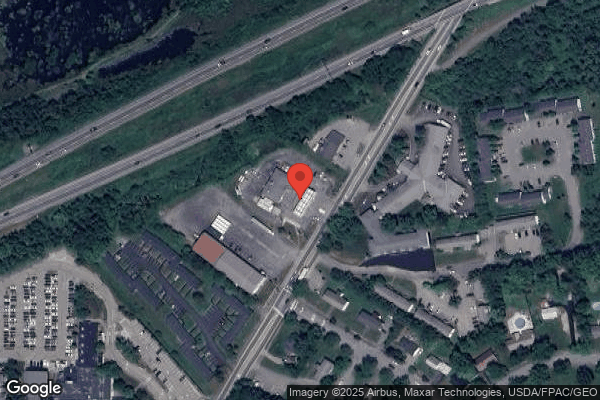
335 STILLWATER AVE, BANGOR, ME 04401 (207) 947-1111
For profit - Partnership 63 Beds FIRST ATLANTIC HEALTHCARE Data: November 2025
Trust Grade
45/100
#44 of 77 in ME
Last Inspection: January 2025

Within standard 12-15 month inspection cycle. Federal law requires annual inspections.

Overview

Stillwater Health Care, located in Bangor, Maine, received a Trust Grade of D, indicating below-average performance with some notable concerns. It ranks #44 out of 77 facilities in Maine, placing it in the bottom half, and #6 out of 11 in Penobscot County, meaning there are only a few local facilities that are rated better. The facility's performance is worsening, with issues increasing from 4 in 2024 to 10 in 2025. Staffing is a relative strength, rated 4 out of 5 stars, with a turnover of 44%, which is slightly below the state average. However, the facility has concerning fines totaling $28,886, higher than 89% of Maine facilities, suggesting ongoing compliance problems. Specific incidents raise alarms about resident safety, such as a resident with Alzheimer's who experienced multiple unwitnessed falls, including a serious incident that resulted in a fractured femur. Additionally, another resident was left on a bedpan for approximately 45 minutes, leading to a Stage 2 pressure ulcer. Despite having average RN coverage, the facility's challenges in safety and quality of care underscore the need for careful consideration by families researching options for their loved ones.

Trust Score
D
45/100
In Maine
#44/77
Bottom 43%
Safety Record
Moderate
Needs review
Inspections
Getting Worse
4 → 10 violations
Staff Stability
○ Average
44% turnover. Near Maine's 48% average. Typical for the industry.
Penalties
○ Average
$28,886 in fines. Higher than 58% of Maine facilities. Some compliance issues.
Skilled Nurses
✓ Good
Each resident gets 59 minutes of Registered Nurse (RN) attention daily — more than average for Maine. RNs are trained to catch health problems early.
Violations
⚠ Watch
26 deficiencies on record. Higher than average. Multiple issues found across inspections.
★★★☆☆
3.0
Overall Rating
★★★★☆
4.0
Staff Levels
★★☆☆☆
2.0
Care Quality
★★★☆☆
3.0
Inspection Score
Stable
2024: 4 issues
2025: 10 issues

The Good

  • 4-Star Staffing Rating · Above-average nurse staffing levels
  • Full Sprinkler Coverage · Fire safety systems throughout facility
  • No fines on record
  • Staff turnover below average (44%)

    4 points below Maine average of 48%

Facility shows strength in staffing levels, fire safety.

The Bad

3-Star Overall Rating

Near Maine average (3.0)

Meets federal standards, typical of most facilities

Staff Turnover: 44%

Near Maine avg (46%)

Typical for the industry

Federal Fines: $28,886

Below median ($33,413)

Moderate penalties - review what triggered them

Chain: FIRST ATLANTIC HEALTHCARE

Part of a multi-facility chain

Ask about local staffing decisions and management

The Ugly 26 deficiencies on record

2 actual harm
Jan 2025 10 deficiencies 1 Harm
SERIOUS (G) 📢 Someone Reported This

A family member, employee, or ombudsman was alarmed enough to file a formal complaint

Actual Harm - a resident was hurt due to facility failures

Accident Prevention (Tag F0689)

A resident was harmed · This affected 1 resident

**NOTE- TERMS IN BRACKETS HAVE BEEN EDITED TO PROTECT CONFIDENTIALITY** 2. On 1/15/25, a review of R30's clinical record was completed. R30 is diagnosed with Alzheimer's Disease/Dementia. Nurse's note...

Read full inspector narrative →
**NOTE- TERMS IN BRACKETS HAVE BEEN EDITED TO PROTECT CONFIDENTIALITY** 2. On 1/15/25, a review of R30's clinical record was completed. R30 is diagnosed with Alzheimer's Disease/Dementia. Nurse's notes indicated that R30 had several unwitnessed falls, mostly in the late afternoon and evening time; On 6/12/24 at 12:23 p.m., R30 was found on their bedroom floor and had sustained a fracture of the right femur. On 8/19/24, R30 found in bedroom and apparently had slid from their wheelchair onto their bedroom floor. On 9/14/24, R30 fell to the bedroom floor. When found, R30 told staff they were reaching for the TV remote. On 10/25/24, R30 found on floor next to the bed. On 11/13/24, R30 found on bedroom floor, slid to the floor from his/her bed while staff in room. On 12/11/24, R30 found on bedroom floor after falling from wheelchair. On 1/3/25, R30 found on bedroom floor after getting up from his/her wheelchair and falling to the bedroom floor. A review of R30's care plan, dated 6/13/24, indicated for the problem of safety and the potential for falls, interventions were to use non-skid footwear, monitor for medication side effects, report behaviors, and keep call bell in reach. A review of R30's care plan, dated 9/7/24, indicated for the problem of at risk for falls, interventions were to keep call bell in reach, use non-skid footwear, fall mat to each side of bed and use fall risk strategies. The highlighted fall strategies for R30 were to use fall mats, low bed, call light in reach, personal items in reach. On 1/16/25 at 7:15 a.m., in an interview with Certified Nurse Assistant-Medication (C.N.A.-M), she stated she works from 6 a.m. to 6 p.m. She stated she most always works on the A-Wing, where R30 lives. CNA-M stated R30 is a 'sun downer'. [R30] gets more agitated and anxious in the late afternoon and evening. The C.N.A.-M stated they try to keep an eye on R30, but they aren't always able too. C.N.A.-M stated most of the falls occur during late afternoons, dinner time and evening in R30's room and are unwitnessed. On 1/16/25 at 10:20 a.m., in an interview with the surveyor, the Director of Nursing confirmed that he has not evaluated the times and causes for R30's falls and has not put in place a plan for supervision and monitoring of R30 during the times of day that the resident experiences greater anxiety and is at a higher risk for falls. Based on record review and interviews, the facility failed to provide interventions outlined in the resident's care plan to ensure that two-person assist was provided during activities of daily living (ADL) for 1 of 2 sampled residents (Resident #12 [R12]), reviewed for falls. The failure to have supervision (two-person assist) as directed by the care plan resulted in an avoidable accident; R12 falling out of bed during evening ADL care, requiring transfer to the emergency room [ER] with admission to the hospital, sustaining a laceration to the head, and rib fractures with increased pain. In addition, based on record review, and interview, the facility failed to adequately supervise a fall risk resident for 1 of 2 sampled residents (R30), reviewed for falls. Findings: R12 was admitted on [DATE] with diagnosis to include diabetes mellitus, peripheral vascular disease with history of right above-the knee amputation, most recently a left toe amputation, and history of deep vein thrombosis on Coumadin (a blood thinner). Review of R12's Report a Facility Incident or Complaint form, dated 5/29/24 at 12:22 p.m. from the facility, indicates that on 5/28/24 at 21:00 (9:00 p.m.), while providing incontinent care to R12, Certified Nursing Assistant #4 (CNA4) had to change his gloves, while he stepped away to get clean gloves R12 rolled out of bed. R12 had laceration above left eye. Pain reported in left torso/rib area. R12 was admitted for follow-up and reported rib fracture per imaging report. Review of R12's follow-up report Report of Facility Incident or Complaint form, dated 5/31/24 at 3:28 p.m. from the facility, indicates that, CNA4 tasked with R12's care did not follow his/her plan of care. It is noted that R12 was a 2 person assist in bed and for incontinence care. CNA4 provided care on his own. CNA4 will go back on orientation to ensure that he is providing safe resident care to our residents. This same CNA will also be receiving a disciplinary write up for this infraction. He will also be required to complete safe resident handling education. R12 received a laceration above his/her left eye, and fractured ribs 2 - 6 on the left side. R12 was admitted to the hospital. Review of R12's Baseline Care Plan (CP) dated 5/24/24, indicates under Baseline CP: I NEED: some assistance can't complete my cares on my own; BECAUSE I: have below knee amputation; I REPOSITION IN BED: with 2 helpers providing more than half the effort. Review of R12's Kardex Guidelines for Daily Care indicates under MOBILITY: I reposition in bed: with 2 helpers providing more than half the effort. Review of R12's fall charting indicates on 5/28/24: 21:00 (9:00 p.m.) resident room. Laceration left forehead c/o (complain of) pain left side torso hit head. Review of R12's injury report indicates that on 5/28/24 21:00 (9:00 p.m.) R [12], (CNA4), lac (laceration) left forehead c/o (complain of) pain left side torso hit head, ER . Bed height: higher for hygiene, incontinence care .CNA [4] cleaning resident for incontinence care, he stepped away for a second to grab a clean pair of gloves. R [12] yelled; I'm going. CNA [4] saw R [12] roll out of bed. - ran for additional staff assistance. Resident found on the right side of the bed (on floor, per Administrator interview on 1/15/25). Small amount of blood coming from his/her left eyebrow and forehead area. Vitals taken; ems [emergency medical services] called. c/o (complain of) pain on left side of his/her torso (rib area) and left arm more than c/o pain in his/her head. On 1/16/25 at 8:35 a.m. in an interview with a surveyor via telephone, CNA4 states, R12 rolled out of bed. I was performing care, patient care hygiene. R12 couldn't hold his/her balance, he/she only has one leg, and his/her weight got to him/her. CNA4 states, I think R12 was a two person assist. CNA4 did admit to caring for R12 by himself when the care plan and Kardex states R12 is a 2 person assist. On 1/15/24 at 12:23 p.m. in an interview with a surveyor, CNA7 stated that R12 needs 2-person assistance, and stated that this can be found in the Kardex, and pointed to a binder in the nurses station on A wing where the Kardex, Guidelines for daily care, on each resident is kept. Review of CT Abdomen and Pelvis with Contrast report findings on 5/29/24 at 1:31 a.m., Chest Findings: Displaced acute appearing fractures of the left anterior lateral 2nd through 6th ribs. On 1/15/25 at 10:34 a.m. in an interview with the Director of Nursing (DON), a surveyor confirmed that the baseline care plan for R12 states he/she needs 2-person assistance with repositioning. The failure to have two staff members present during care for R12 resulted in the resident falling out of bed and sustaining injuries.
CONCERN (E)

Potential for Harm - no one hurt, but risky conditions existed

Safe Environment (Tag F0584)

Could have caused harm · This affected multiple residents

**NOTE- TERMS IN BRACKETS HAVE BEEN EDITED TO PROTECT CONFIDENTIALITY** Based on observations and interviews, the facility failed to maintain a comfortable air temperature for 3 of 4 days of survey. F...

Read full inspector narrative →
**NOTE- TERMS IN BRACKETS HAVE BEEN EDITED TO PROTECT CONFIDENTIALITY** Based on observations and interviews, the facility failed to maintain a comfortable air temperature for 3 of 4 days of survey. Findings: On 1/13/25, during an initial tour of A-Wing and B-Wing, the air temperature was observed to be chilly. On 1/13/25, between 11:15 a.m. and 12:00 p.m., in an interview with the surveyor, Resident #5 (R5), R10, R11, R17 and R36 stated they feel cold and at night, it is colder. On 1/14/25, the facility air temperature was observed to be chilly on A-Wing. On 1/15/25 at 12:30 p.m., the air temperature was observed to be chilly on A-Wing. The thermostats on A and B-Wing and in the main dining room were observed to be set at 70 degrees Fahrenheit (F). On 1/15/25 at 1:00 p.m., the air temperature was taken in front of the nurse's station on A-Wing and registered at 69.9 Degrees F; in front of room [ROOM NUMBER] the air temperature was 70.1 degrees F, in front of room [ROOM NUMBER] the air temperature was 70.1 degrees F, and in front of room [ROOM NUMBER] the air temperature was 70.1 degrees F. On 1/15/25 at 2:00 p.m., in an interview with the Maintenance Director (and observation of thermostats), he confirmed he was unaware that the regulation indicated the air temperature must be maintained between 71 degrees F and 81 degrees F. He turned the thermostats up to 73 degrees F at the time of the interview. On 1/15/25 at 2:30 p.m., the air temperature at A-Wing nurse's station registered at 73 F, in front of room [ROOM NUMBER] the air temperature was 73.5 F, and in front of room [ROOM NUMBER] the air temperature was 73.4 F. On 1/15/25, while taking the air temperatures, random residents on A-wing were asked if they could feel a difference in the air temperature and they answered that they felt warmer. ,
CONCERN (E) 📢 Someone Reported This

A family member, employee, or ombudsman was alarmed enough to file a formal complaint

Potential for Harm - no one hurt, but risky conditions existed

Deficiency F0657 (Tag F0657)

Could have caused harm · This affected multiple residents

Based on record review, review of the facility's 'Fall Policy and Procedure' and interview, the facility failed to re-evaluate fall interventions and the relevance of the current fall interventions fo...

Read full inspector narrative →
Based on record review, review of the facility's 'Fall Policy and Procedure' and interview, the facility failed to re-evaluate fall interventions and the relevance of the current fall interventions for 1 of 2 sampled residents (Resident #30 [R30]) reviewed for 7 falls within 8 months timeframe. Finding: On 1/15/25, a review of R30's clinical record was completed. R30 is diagnosed with Alzheimer's Disease/Dementia. Nurse's notes indicated that from 6/3/24 through 1/3/25, R30 has had several unwitnessed falls, mostly in the late afternoon and evening time, in his/her bedroom. On 6/12/24 at 12:23 p.m., R30 was found on their bedroom floor and had sustained a fracture of the right femur. On 8/19/24, R30 found in bedroom and apparently had slid from their wheelchair onto their bedroom floor. On 9/14/24, R30 fell to the bedroom floor. When found, R30 told staff they were reaching for the TV remote. On 10/25/24, R30 found on floor next to the bed. On 11/13/24, R30 found on bedroom floor, slid to the floor from his/her bed while staff in room. On 12/11/24, R30 found on bedroom floor after falling from wheelchair. On 1/3/25, R30 found on bedroom floor after getting up from his/her wheelchair and falling to the bedroom floor. A review of R30's care plan, dated 6/13/24, indicated for the problem of safety and the potential for falls, interventions were to use non-skid footwear, monitor for medication side effects, report behaviors, and keep call bell in reach. A review of R30's care plan, dated 9/7/24, indicated for the problem of at risk for falls, interventions were to keep call bell in reach, use non-skid footwear, fall mat to each side of bed and use fall risk strategies. The highlighted fall strategies for R30 were to use fall mats, low bed, call light in reach, personal items in reach. On 1/16/25, a review of the facility's Fall policy and Procedure (Clinical Protocol) indicated under Cause Identification: Number 3. The staff and physician will continue to collect and evaluate information until either the cause of the falling is identified, or it is determined that the cause cannot be found or is not correctable. Under Treatment/Management: Number 1: Based on the preceding assessment, the staff and physician will identify pertinent interventions to try to prevent subsequent falls and to address risks of serious consequences of falling. 2. If underlying causes cannot be readily identified or corrected, staff will try various interventions, based on assessment of the nature or category of falling, until falling reduces or stops or until a reason is identified for its continued (for example, if the individual continues to try to get up and walk without waiting for assistance). Under Monitoring and Follow-Up: Number 2. The staff and physician will monitor and document the interventions intended to reduce falling or the consequences of falling. 4. If the individual continues to fall, the staff and physician will re-evaluate the situation and consider other possible reasons for the resident's falling (bedsides those that have already been identified) and will re-evaluate the continued relevance of current interventions. On 1/16/25 at 10:20 a.m., in an interview with the surveyor, the Director of Nursing confirmed that R30 continues to have unwitnessed falls. He stated has not re-evaluated the effectiveness of the current fall interventions, has not tried other interventions to attempt to reduce the falls, and confirmed that he has not followed the facility's fall policy and procedures.
CONCERN (E)

Potential for Harm - no one hurt, but risky conditions existed

Respiratory Care (Tag F0695)

Could have caused harm · This affected multiple residents

**NOTE- TERMS IN BRACKETS HAVE BEEN EDITED TO PROTECT CONFIDENTIALITY** Based on observations, record reviews, and interviews, the facility failed to maintain oxygen filled tanks while in use, failed ...

Read full inspector narrative →
**NOTE- TERMS IN BRACKETS HAVE BEEN EDITED TO PROTECT CONFIDENTIALITY** Based on observations, record reviews, and interviews, the facility failed to maintain oxygen filled tanks while in use, failed to maintain a physician ordered oxygen setting on an air concentrator, and failed to maintain respiratory equipment in a sanitary manner to help prevent the development and transmission of disease and infection related to respiratory care for 3 of 4 residents reviewed for respiratory care (Resident #10 [R10], R15 and R1). Findings: 1. On 1/13/25 at 12:10 p.m., the surveyor observed Resident #10 (R10) in his/her wheelchair that held a portable oxygen tank on the back of the wheelchair. R10 was using a nasal cannula to receive the extra oxygen. Upon observation of the oxygen tank, it registered empty. After the observation, the surveyor reviewed R10's clinical record under the physician order section. R10 had a physician order for continuous oxygen to be kept at a range between 2-5 liters per minute (LPM) to maintain an oxygen saturation of 90%. At 12:25 p.m., RN1 was observed changing the oxygen tank. At 12:25 p.m., in an interview with the surveyor, R1 confirmed that the oxygen tank had been empty. 2. On 1/16/25 at 8:20 a.m., a surveyor observed R10 in the front lobby sitting in his/her wheel chair. Upon observation, R10's portable oxygen tank registered empty. A Nurse showed up at 8:28 a.m., with new tank and exchanged them. On 1/16/25 at 8:28 a.m., in an interview with the surveyor, the Director of Nursing confirmed that the oxygen tank had been empty. 3. On 1/15/25 at 2:45 p.m., a surveyor observed R10's oxygen concentrator and the air intake filter located on the back on the concentrator was heavily soiled with dust. On the front of the concentrator was the manufacturer's directions that directed the air intake filter needed to be cleaned weekly. On 1/15/25 at 2:50 p.m., in an interview with the Director of Nursing, a surveyor confirmed this finding. 4. On 1/14/25 at 8:45 a.m., a surveyor observed R15's oxygen concentrator set on 1.5 liters per minute (LPM); the front of the oxygen concentrator was dusty and the intake filter located on the back on the concentrator was dusty. On the front of the concentrator was the manufacturer's directions that directed the air intake filter needed to be cleaned weekly. R15's physician order indicated that the oxygen order was for 2-4 LPM. On 1/14/25 at 3:07 p.m., during an interview with a surveyor, Licensed Practical Nurse (LPN) stated that R15's oxygen should be at 2 LPM. During this interview, the surveyor confirmed that the concentrator setting was not per physician order and that the front of the concentrator and the filter in the back was dusty. 5. R1 was admitted on [DATE] and has an order dated 10/11/24 for a continuous positive airway pressure (CPAP) machine (used to treat obstructive sleep apnea, uses mild pressure to keep the breathing airways open during sleep) for evening use. On 1/13/25 at 11:58 a.m., a surveyor observed R1's CPAP machine on the table beside his/her bed. R1 states that staff set it up for him/her at night, but nobody has come in to clean it or order new supplies for it, and R1 states he/she's been here for three months and knows some supplies need to be replaced. On 1/14/25 at 3:03 p.m. in an interview with a surveyor, RN3 states she doesn't know if R1's CPAP has been cleaned because she doesn't work nights. She states it would be on the Treatment Administration Record (TAR), usually scheduled cleaning once a week. RN4 looked on the TAR and on the physician orders and did not see any orders for cleaning R1's CPAP. During this interview, the surveyor confirmed that the CPAP machine does not have an order or treatment scheduled for cleaning the CPAP machine. On 1/14/25 at 3:09 p.m., during an interview with the RN-Nurse Manager, a surveyor confirmed that there is no order for R1's CPAP machine, tubing, and mask for cleaning or replacing supplies.
CONCERN (E)

Potential for Harm - no one hurt, but risky conditions existed

Deficiency F0725 (Tag F0725)

Could have caused harm · This affected multiple residents

Based on record review and interviews, the facility failed to ensure sufficient direct care staff were scheduled and on duty to meet the needs of residents that reside in the facility. This has the po...

Read full inspector narrative →
Based on record review and interviews, the facility failed to ensure sufficient direct care staff were scheduled and on duty to meet the needs of residents that reside in the facility. This has the potential to affect all residents needing assistance with Activities of Daily Living (ADL's). Findings: Review of Payroll Based Journal staffing report revealed the facility triggered for low weekend staffing during the fourth quarter of 2024 (July 1 - September 30). On 1/14/25 at 2:35 p.m., in an interview with a surveyor and review of weekend staffing for July 1, 2024, through September 30, 2024, the Administrator confirmed the facility did not have enough staff to meet resident needs on the weekends.
CONCERN (E)

Potential for Harm - no one hurt, but risky conditions existed

Food Safety (Tag F0812)

Could have caused harm · This affected multiple residents

**NOTE- TERMS IN BRACKETS HAVE BEEN EDITED TO PROTECT CONFIDENTIALITY** Based on observations and interviews, the facility failed to ensure the proper storage and labeling of foods in the walk-in refr...

Read full inspector narrative →
**NOTE- TERMS IN BRACKETS HAVE BEEN EDITED TO PROTECT CONFIDENTIALITY** Based on observations and interviews, the facility failed to ensure the proper storage and labeling of foods in the walk-in refrigerator located in the kitchen, failed to ensure a vegetable sink had the proper air gap and failed to ensure kitchen staff properly wore hairnets by leaving hair uncovered and unrestrained for 2 of 4 days of survey (1/13/25, 1/15/25). Findings: 1. On 1/13/25 at 10:30 a.m., during the initial kitchen tour, a surveyor observed the Food Service Director (FSD) with a hairnet that did not contain all her hair. In the walk-in refrigerator there was a large cup of [NAME] Donuts beverage that was not labeled with a name or date, and a 1-pound (lb.) brick of Gold'N'Sweet butter that was noted to have a torn cover exposing the butter and showing marks of scrapes and punctures along the edges and on the top of the butter brick. The vegetable sink was observed with an improper air gap on the drainpipe. The 10-114 State of Maine Rules Chapter 226, definition Section A, defines an Air-Gap Separation - A physical separation between the free-flowing discharge end of a potable water supply pipeline and an open or non-pressure receiving vessel. An air-gap separation shall be at least twice the diameter of the supply pipe measured vertically above the overflow rim of the vessel - in no case less than one inch (2.54 cm) and the Code of Federal Regulation, Title 21, Part 1250, Section 1250, 30 (d) states all plumbing shall be so designed, installed, and maintained as to prevent contamination of the water supply, food, and food utensils. All the above findings were confirmed with the FSD at the time of the observations. 2. On 1/15/25 at 7:50 a.m., during a second tour of the kitchen, the surveyor observed that the FSD had a hairnet that did not contain all her hair, and two kitchen aides/cooks did not have a beard/mustache cover on while performing food preparation/distribution tasks. The vegetable sink did not have the proper 1-inch air gap on the drainpipe. On 1/15/25 at 8:00 a.m., the surveyor confirmed with the FSD that her hair was not contained in her hairnet and the cook and kitchen aide did not have their facial hair covered and the vegetable sink remained with the improper 1-inch air gap.
CONCERN (E)

Potential for Harm - no one hurt, but risky conditions existed

Infection Control (Tag F0880)

Could have caused harm · This affected multiple residents

Based on the observations, facility policy reviews, and interviews, the facility failed to maintain an infection prevention and control program designed to help prevent the development and transmissio...

Read full inspector narrative →
Based on the observations, facility policy reviews, and interviews, the facility failed to maintain an infection prevention and control program designed to help prevent the development and transmission of communicable diseases and during two medication administration observations and for a Resident on Enhanced Barrier Precautions (Resident #25 [R25] on 2 of 4 days of survey (1/14/25 and 1/15/25). Findings: The facility's policy, Administering Oral Medications, revised 2/2022, noted that for tablets or capsules from a bottle - do not touch the medication with your hands. 1. On 1/14/25 at 6:50 a.m., a surveyor observed Certified Nursing Assistant - Medications #1 (CNA-M1) preparing medications. There were already 2 pills in the plastic cup when the surveyor started the observation. CNA-M1 popped a pill from the medication card into her hands and placed the pill in the plastic cup. The surveyor confirmed during this observation with CNA-M1 that she had touched the medication with her hand at this time. 2. On 1/15/25 at 6:50 a.m., during a medication pass observation with CNA-M1 for Resident #55 (R55), a surveyor observed that CNA-M1 popped a pill from the medication card and it fell on to the top of the medication cart; CNA-M1 picked up the pill using 2 medication cups (not touching with her hands) and placed the pill into the medication cup for administration. The surveyor confirmed that the top of the medication cart is not considered a clean area because you don't know who or what has touched the top of your cart, even if you had cleaned it at the beginning of your shift at this time. 3. The facility's policy, Enhanced Barrier Precaution, revised 2/2024, directs that Enhanced Barrier Precautions (EBP) are indicated for residents with wounds .and remain in place for the duration of the stay or until the resolution of the wound. Examples of high-contact resident care activities requiring the use of gown and gloves for EBPs included changing linens. On 1/14/25, before 10:00 a.m., a surveyor observed Certified Nursing Assistant #2 (CNA2) in a resident room changing the bed linen for R25 and was observed not wearing a gown. The surveyor observed an Enhanced Barrier Precaution sign that indicated that staff must wear gloves and gown when changing bed linens. At 10:02 a.m., during an interview with a surveyor, CNA2 stated that R25 has a leg wound that is wrapped; CNA2, Licensed Practical Nurse (LPN), and the surveyor observed the sign on the wall outside of R25's room that indicated gown and gloves much be worn when changing bed linens. The surveyor confirmed that EBP were not followed at this time. On 1/15/25 at 7:37 a.m., during an interview with a surveyor, the Director of Nursing (DON) stated that CNA2 came to him and discussed the above observation; the DON stated that he explained to CNA2 that personal protective equipment (PPE) should be worn when changing bed linens for R25 and that additional education would be provided.
CONCERN (E)

Potential for Harm - no one hurt, but risky conditions existed

Deficiency F0947 (Tag F0947)

Could have caused harm · This affected multiple residents

Based on employee record reviews and interviews, the facility failed to implement and maintain an effective training program which includes, at a minimum, training on abuse, and on dementia management...

Read full inspector narrative →
Based on employee record reviews and interviews, the facility failed to implement and maintain an effective training program which includes, at a minimum, training on abuse, and on dementia management by failing to ensure that 5 of 5 Certified Nursing Assistant (CNA) staff employed completed their required training (CNA1, CNA2, CNA4, CNA5, and CNA6). Findings: On 1/16/25 the following employee records were reviewed: 1. CNA1 was hired on 5/17/23. There was no documented training in over 12 months. 2. CNA2 was hired on 9/25/23. There was no documented training in over 12 months. 3. CNA4 was hired 2/28/24. There was no documented orientation, or training on dementia, and there is no documented reorientation as outline in a performance correction notice dated 6/11/24. 5. CNA5 was rehired on 9/26/24. There was no documented training on dementia. 6. CNA6 was hired on 5/8/23. There was no documented training on dementia. On 1/16/25 at 11:27 a.m., in an interview with a surveyor, the Administrator stated that she was unable to find any documented trainings listed above, and a surveyor confirmed that CNA1, CNA2, CNA4, CNA5, and CNA6 lacked evidence that mandatory training was completed.
MINOR (B)

Minor Issue - procedural, no safety impact

Staffing Information (Tag F0732)

Minor procedural issue · This affected multiple residents

Based on observations and interview, the facility failed to post the nurse staffing information in an area visible to residents for 4 of 4 days of survey (1/13/25, 1/14/25, 1/15/25, and 1/16/25). Find...

Read full inspector narrative →
Based on observations and interview, the facility failed to post the nurse staffing information in an area visible to residents for 4 of 4 days of survey (1/13/25, 1/14/25, 1/15/25, and 1/16/25). Finding: On 1/14/25 through 1/16/25, a surveyor observed that the nurse staffing information was not posted in an area visible to residents. On 1/16/25 at 11:27 a.m., in an interview with a surveyor, the Administrator and Director of Nursing stated the nurse staff information was posted outside of the main entrance door to the facility, and the surveyor confirmed that it was not posted in an area that residents had visible access too.
MINOR (B)

Minor Issue - procedural, no safety impact

Medical Records (Tag F0842)

Minor procedural issue · This affected multiple residents

**NOTE- TERMS IN BRACKETS HAVE BEEN EDITED TO PROTECT CONFIDENTIALITY** Based on record reviews and interviews, the facility failed to ensure that a resident's record contained the Power of Attorney p...

Read full inspector narrative →
**NOTE- TERMS IN BRACKETS HAVE BEEN EDITED TO PROTECT CONFIDENTIALITY** Based on record reviews and interviews, the facility failed to ensure that a resident's record contained the Power of Attorney paperwork, 2 months after admission, for 1 of 2 residents reviewed for Advance Directives (Resident #55 [R55]). Finding: On 1/14/25, R55's clinical record was reviewed and noted that R55 was admitted to the facility on [DATE] and that a family member was the Power of Attorney. The Acknowledgement of Important Information and Policies document uploaded in R55's electronic clinical record indicated that R55 has an Advanced Directive and have provided the facility with a copy of the document but the surveyor could not find this document. On 1/15/25 at 11:58 a.m., during an interview with a surveyor, the Licensed Social Worker (LSW) stated that she did not have a copy of an Advance Directive or the Power of Attorney (POA) paperwork. On 1/15/25 at 1:15 p.m., LSW handed the surveyor a copy of the Power of Attorney paperwork that she just received from the hospital. The surveyor confirmed that the POA paperwork has missing from R55's clinical record for 2 months.
May 2024 2 deficiencies
CONCERN (D) 📢 Someone Reported This

A family member, employee, or ombudsman was alarmed enough to file a formal complaint

Potential for Harm - no one hurt, but risky conditions existed

Investigate Abuse (Tag F0610)

Could have caused harm · This affected 1 resident

Based on interviews and facility policy review, the facility failed to ensure an alleged violation involving fall with major injury was thoroughly investigated for 1 of 2 facility reported incidents r...

Read full inspector narrative →
Based on interviews and facility policy review, the facility failed to ensure an alleged violation involving fall with major injury was thoroughly investigated for 1 of 2 facility reported incidents reviewed (Resident #1 (R1). Finding: On 4/10/24, the Division of Licensing and Certification received from the facility a Reportable Incident Form which indicated an allegation of fall with major injury of R1. A review of the closed clinical record for R1 revealed an admission date of 4/4/24 from private residence. Diagnoses included a history of heart disease and Alzheimer's disease and was admitted with hospice services. R1 sustained a fracture and was discharged to acute care hospital on 4/10/24. The facility's Abuse, Neglect, Exploitation, Mistreatment and Misappropriation - Reporting and Investigating, revised 2/23, indicated that, Investigating Allegations. 1. All allegations are throughly investigated. There is no evidence that staff were interviewed. On 5/7/24 at 12:02 p.m., in an interview with a surveyor, a hospice registered nurse stated that R1 stated he/she fell, and when asked how he/she got into bed, R1 stated, I put me, and then stated they threw me. On 5/7/24 at 3:49 p.m., in an interview with a surveyor, a Certified Nursing Assistant stated that R1 stated he/she fell, then stated he/she said a group of people picked him/her up and threw him/her up in the bed. On 5/7/24 at 12:52 p.m., in an interview with a the Director of Nursing (DON), a surveyor confirmed that the allegation of fall with major injury was not thoroughly investigated.
CONCERN (D) 📢 Someone Reported This

A family member, employee, or ombudsman was alarmed enough to file a formal complaint

Potential for Harm - no one hurt, but risky conditions existed

Deficiency F0655 (Tag F0655)

Could have caused harm · This affected 1 resident

Based on record review and interview, the facility failed to ensure a baseline care plan was developed and implemented within 48 hours that included the instructions needed to provide minimum healthca...

Read full inspector narrative →
Based on record review and interview, the facility failed to ensure a baseline care plan was developed and implemented within 48 hours that included the instructions needed to provide minimum healthcare information necessary to properly care for 1 of 2 residents reviewed for fall with major injury (Resident #1 (R1)). Finding: A review of the closed clinical record for R1 revealed an admission date of 4/4/24 from private residence. Diagnoses included a history of heart disease and Alzheimer's disease was admitted with hospice services. R1 sustained a fracture and was discharged to acute care hospital on 4/10/24. A review of the clinical record failed to locate evidence that a baseline care plan was developed and implemented within 48 hours of R1's admission. On 5/7/24 at 12:52 p.m., in an interview with a surveyor, the Director of Nursing confirmed that no care plan had been developed.
Mar 2024 2 deficiencies
CONCERN (D) 📢 Someone Reported This

A family member, employee, or ombudsman was alarmed enough to file a formal complaint

Potential for Harm - no one hurt, but risky conditions existed

Quality of Care (Tag F0684)

Could have caused harm · This affected 1 resident

Based on record review and interviews, the facility failed to ensure physician ordered medications with parameters to hold were followed for 1 of 1 residents reviewed with medication parameters (Resid...

Read full inspector narrative →
Based on record review and interviews, the facility failed to ensure physician ordered medications with parameters to hold were followed for 1 of 1 residents reviewed with medication parameters (Resident [R]1). Findings; 1. On 3/26/24, R1's clinical record was reviewed and included a physician order, dated 2/28/24, for scheduled Acetaminophen, 325 milligrams (mg) tablets x 3 tablets (975 mg) to be administered at 6:00 a.m., 2:00 p.m., and 10:00 p.m. The clinical record also included an as needed (PRN) order for Acetaminophen, dated 2/27/24, 500 mg every 4 hours as needed for pain/fever, with parameters not to exceed 3 grams (3000 milligrams) in a 24 hour period. A review of the Medication Administration Record indicated at on 3/10/24 at 10:00 p.m., R1 received 975 mg of Acetaminophen; on 3/11/24, R1 received 975 mg of Acetaminophen at 6:00 a.m. and 2:00 p.m. and 500 mg at 8:43 a.m. for fever and 4:41 p.m. for pain. The total Acetaminophen documented as being administered in a 24 hour period was 3925 milligrams, exceeding 3000 milligrams in a 24 hour period. On 3/26/24 at 12:55 p.m., a surveyor confirmed with the Director of Nursing that documentation indicated at R1 received Acetaminophen greater than 3 grams in a 24 hour period. 2. R1's clinical record included a physician order for Nitroglycerin ointment, dated 3/1/24, to be applied to the necrotic area on the left 3rd finger three times a day, at 9:00 a.m., 2:00 p.m., and 7:30 p.m. with parameters to hold if systolic blood pressure is below 100. On 3/3/24 at 8:29 a.m., R1's blood pressure was documented as 98/52 but the Treatment Administration Record (TAR) indicated that the Nitroglycerin ointment was applied at 9:00 a.m., but should have been held. On 3/4/24 at 2:28 p.m., R1's blood pressure was documented as 94/59 but the Treatment Administration Record (TAR) indicated that the Nitroglycerin ointment was applied at 2:00 p.m., but should have been held. On 3/26/24 at 1:10 p.m., during an interview with the Director of Nursing, a surveyor confirmed this finding.
CONCERN (E) 📢 Someone Reported This

A family member, employee, or ombudsman was alarmed enough to file a formal complaint

Potential for Harm - no one hurt, but risky conditions existed

Medical Records (Tag F0842)

Could have caused harm · This affected multiple residents

Based on record review and interview, the facility failed to ensure that clinical records were complete and contained accurate information for 22 of 31 treatment opportunities for Resident #1's treatm...

Read full inspector narrative →
Based on record review and interview, the facility failed to ensure that clinical records were complete and contained accurate information for 22 of 31 treatment opportunities for Resident #1's treatment for Nitroglycerin ointment application. Findings: On 3/26/24, R1's clinical record included a physician order for Nitroglycerin ointment, dated 3/1/24, to be applied to the necrotic (dead tissue) area on the left 3rd finger three times a day, at 9:00 a.m., 2:00 p.m., and 7:30 p.m. with parameters to hold if systolic blood pressure is below 100. The Treatment Administration Record (TAR) was reviewed and contained the following: 3/1/24 at 2:00 p.m., the treatment was administered but the clinical record lacked evidence of a blood pressure prior to the application of the Nitroglycerin. 3/2/24 at 2:00 p.m. and 7:30 p.m., the treatment was administered but the clinical record lacked evidence of a blood pressure prior to the application of the Nitroglycerin. 3/3/24 at 2:00 p.m. and 7:30 p.m., the treatment was administered but the clinical record lacked evidence of a blood pressure prior to the application of the Nitroglycerin. 3/4/24 at 7:30 p.m., the treatment was administered but the clinical record lacked evidence of a blood pressure prior to the application of the Nitroglycerin. 3/5/24 at 2:00 p.m. and 7:30 p.m. the treatment was held but lacked evidence on why it was held. 3/6/24 at 2:00 p.m. and 7:30 p.m. the treatment was held but lacked evidence on why it was held. 3/7/24 at 2:00 p.m., the treatment was administered but the clinical record lacked evidence of a blood pressure prior to the application of the Nitroglycerin and at 7:30 p.m. the treatment was held but lacked evidence on why it was held. 3/8/24 at 9:00 a.m., 2:00 p.m. and 7:30 p.m., the treatment was administered but the clinical record lacked evidence of a blood pressure prior to the application of the Nitroglycerin. 3/9/24 at 9:00 a.m., 2:00 p.m. and 7:30 p.m., the treatment was administered but the clinical record lacked evidence of a blood pressure prior to the application of the Nitroglycerin. 3/10/24 at 2:00 p.m. and 7:30 p.m., the treatment was administered but the clinical record lacked evidence of a blood pressure prior to the application of the Nitroglycerin. 3/11/24 at 2:00 p.m. the treatment was administered but the clinical record lacked evidence of a blood pressure prior to the application of the Nitroglycerin and at 7:30 p.m. the treatment was held but lacked evidence on why it was held. On 3/26/24 at 1:10 p.m., during an interview with the Director of Nursing, a surveyor confirmed these findings. The Director of Nursing stated that the way the order was written into the (electronic) system that there was no specific directions to take the blood pressure (even though there were hold parameters.
Nov 2023 4 deficiencies
CONCERN (D)

Potential for Harm - no one hurt, but risky conditions existed

Quality of Care (Tag F0684)

Could have caused harm · This affected 1 resident

**NOTE- TERMS IN BRACKETS HAVE BEEN EDITED TO PROTECT CONFIDENTIALITY** 2. On 11/29/23, R11's clinical record was reviewed and included a physician order written on 5/5/23 that the Medical Provider wr...

Read full inspector narrative →
**NOTE- TERMS IN BRACKETS HAVE BEEN EDITED TO PROTECT CONFIDENTIALITY** 2. On 11/29/23, R11's clinical record was reviewed and included a physician order written on 5/5/23 that the Medical Provider wrote on the Physician Order Sheet orders to: Refer to dental office for cleaning and evaluation if necessary for poor dentition and refer to Optometry for an eye exam due Type II Diabetes. This order sheet had handwriting on it that indicated a copy was given to the Scheduler. The surveyor was unable to locate these orders in the physician orders (active or discontinued) or find the results of the appointments in the clinical record. On 11/29/23, the surveyor asked Registered Nurse #2 (RN2) if she had any information on these appointments. She stated that the Scheduler was working overnight tonight and she would pass the information on to her. This request for information was also provided to the Director of Nursing (DON) at approximately 3:00 p.m. On 11/30/23 at 1:05 p.m., during an interview with the DON, the surveyor asked if there was any documentation about the appointments or that the Medical Provider was made aware if these physician ordered referrals where not made. The DON stated that he had no documentation about appointments other than a written statement that was obtained from the Scheduler that stated she attempted to make the appointments but could not find a provider that was accepting new patients that accepted R11's insurance. The DON stated that going forward all attempts at scheduling appointments will be documented in ECS (electronic charting system). The clinical record lacked evidence that these appointments were made or attempted to be made and lacked evidence that the Medical Provider was notified that these physician ordered referrals were not completed. Based on clinical record reviews, review of the electronic Medication Administration Record (eMAR) and interviews, the facility failed to ensure physician orders were followed for 2 of 5 sampled residents for unnecessary medications (Resident #152 (R152) and R11)). Findings: 1. R152 was admitted on [DATE]. During a review of R152's admission orders, dated 11/15/23, he/she had an order for Quetiapine to take 0.5 tablet to equal 12.5 milligram (mg) by mouth twice daily. Review of the eMAR for November 2023 indicates that R152 had an order, dated 11/15/23, for Quetiapine Fumarate 50 milligram dose: 0.5 tablet/25 mg by mouth two times a day. R152 received the following doses at 25 mg instead of the ordered 12.5 mg on 11/15/23 at 6:30 p.m., 11/16/23 at 8:30 a.m., 11/16/23 at 6:30 p.m., 11/17/23 at 8:30 a.m. and on 11/17/23 at 6:30 p.m. (Total of 5 doses). On 11/29/23 at 1:21 p.m., during an interview with the Director of Nursing, the surveyor confirmed that R152 received 5 incorrect doses of his/her Quetiapine medication.
CONCERN (D)

Potential for Harm - no one hurt, but risky conditions existed

Deficiency F0883 (Tag F0883)

Could have caused harm · This affected 1 resident

**NOTE- TERMS IN BRACKETS HAVE BEEN EDITED TO PROTECT CONFIDENTIALITY** Based on record review, facility policy review, and interview, the facility failed to follow their own policy in obtaining a res...

Read full inspector narrative →
**NOTE- TERMS IN BRACKETS HAVE BEEN EDITED TO PROTECT CONFIDENTIALITY** Based on record review, facility policy review, and interview, the facility failed to follow their own policy in obtaining a resident's Pneumococcal vaccination status and providing a vaccination if needed, for 1 of 5 residents reviewed for immunizations Resident #18 (R 18). Finding: The facility's policy, Pneumococcal Vaccine, revised 6/2022, indicated: 1. Prior to or upon admission, residents will be assessed for eligibility to receive the Pneumococcal vaccine series, and when indicated, will be offered the vaccine series within thirty (30) days of admission to the facility unless medically contraindicated or the resident has already been vaccinated. 2. Assessments of Pneumococcal vaccination status will be conducted within five (5) working days of the resident's admission if not conducted prior to admission. On 11/29/23, R18's clinical record was reviewed which indicated the resident was admitted to the facility on [DATE], from another facility. The surveyor reviewed the electronic charting and found that the Pneumococcal vaccination status was blank. The paper record was reviewed and the surveyor couldn't find the vaccination status documented but did find a Pneumococcal Vaccine Administration consent form that was reviewed with the Resident Representative on 9/25/23 (greater than 5 days after admission). On 11/29/23 at 11:54 a.m., the surveyor reviewed this form with the Director of Nursing (DON) who stated that the documentation written on the form was that the records requested from previous facility and that it was documented that a vaccine should be given if needed. The surveyor asked when the last time an attempt was made to obtain the records from the previous facility? The DON called the Nurse Manager who replied that the last time an attempt was made was the end of September. The surveyor confirmed that the vaccination status was not attempted to be obtained until greater than 5 days after admission and that there has been no follow up since the end of September to obtain R18's vaccination status to determine whether an additional vaccination was needed.
MINOR (B)

Minor Issue - procedural, no safety impact

Deficiency F0730 (Tag F0730)

Minor procedural issue · This affected multiple residents

Based on review of annual evaluations and interviews, the facility failed to complete an annual performance evaluation for a nurse aide at least every 12 months, for 4 of 5 sampled Certified Nursing A...

Read full inspector narrative →
Based on review of annual evaluations and interviews, the facility failed to complete an annual performance evaluation for a nurse aide at least every 12 months, for 4 of 5 sampled Certified Nursing Assistants (CNA) employed greater than 1 year (CNA1, CNA2, CNA3, CNA4). Findings: On 11/29/23, a surveyor reviewed the following employee files: 1. CNA1 was hired on 10/17/22. There was no annual evaluation completed by October 2023. On 11/29/23 at 11:05 a.m., during an interview with a surveyor, the Business Office Manager (BOM) stated she was unable to find where the annual evaluation due last month was completed and she also checked with the Director of Nursing to see if CNA1's annual evaluation might be with him but he had no evaluations in his office either. 2. CNA2 was hired 9/24/19. The last annual evaluation was completed 9/24/22 and there was not one that had been completed by September 2023. On 11/29/23 at 1:01 p.m., during an interview with a surveyor, the Administrative Assistant/Scheduler stated she was unable to find one for 2023. 3. CNA3 was hired 1/10/14. The employee file included a non-nursing evaluation that was completed 2/2022 but lacked evidence of an annual evaluation completed for CNA3 in 2023 as CNA3 worked both an office position and a CNA position in 2022 and 2023. On 11/29/23 at 1:16 p.m., during an interview with a surveyor, the Administrative Assistant/Scheduler stated that CNA3 worked in the role of a CNA between January 2022 and January 2023. The surveyor confirmed that there was not an annual evaluation completed for a CNA in 2023. 4. CNA4 was hired 7/25/16. The employee file included a non-nursing evaluation that was completed 8/2022 as Activities Director. On 11/29/23 at 11:55 a.m., during an interview with a surveyor, CNA4 stated that she has worked the floor in the role of a CNA between July 2022 and July 2023 but had not received an evaluation for working as a CNA, only received a non-nursing evaluation. On 11/29/23 at 1:14 p.m., during an interview with a surveyor, the Administrative Assistant/Scheduler stated that CNA4 worked in the role of a CNA between July 2022 and July 2023. The surveyor confirmed that there was not an annual evaluation completed for a CNA in 2023.
MINOR (B)

Minor Issue - procedural, no safety impact

Staffing Information (Tag F0732)

Minor procedural issue · This affected multiple residents

Based on observations and interview, the facility failed to post the nurse staffing information in an area visible to residents and visitors for 3 of 3 days of survey. Finding: On 11/27/23 through 11/...

Read full inspector narrative →
Based on observations and interview, the facility failed to post the nurse staffing information in an area visible to residents and visitors for 3 of 3 days of survey. Finding: On 11/27/23 through 11/29/23, the surveyor observed that the nurse staffing information was not posted in an area visible to residents and visitors. On 11/29/23 at 8:48 a.m., in an interview with the surveyor, the Director of Nursing stated the nurse staff information was behind the nurse's station and confirmed that it was not posted in an area that residents and visitors had visible access too.
Aug 2023 1 deficiency 1 Harm
SERIOUS (G) 📢 Someone Reported This

A family member, employee, or ombudsman was alarmed enough to file a formal complaint

Actual Harm - a resident was hurt due to facility failures

Free from Abuse/Neglect (Tag F0600)

A resident was harmed · This affected 1 resident

Based on interviews, review of the facility reportable incident form, and review of the medical record, the facility failed remove a bed pan timely from 1 of residents reviewed. This resulted in harm ...

Read full inspector narrative →
Based on interviews, review of the facility reportable incident form, and review of the medical record, the facility failed remove a bed pan timely from 1 of residents reviewed. This resulted in harm when a resident was left on a bed pan for approximately 45 minutes and sustained a Stage 2 pressure ulcer (Resident 1). Finding: A Nursing Facility Reportable Incident form was faxed to Division of Licensing and Certification office indicating on 7/25/23 at approximately 4:00 a.m., a Certified Nurse Aide (CNA) placed a resident on a bed pan, left resident on bedpan and failed to monitor the resident per policy. At approximately 4:45 a.m., when resident asked to be taken off the bedpan while removing the bed pan, the resident had 2 open areas on left buttock creating a Stage II injury. A review of Resident #1's medical record stated, in a nursing note, on 7/25/23, Certified Nursing Assistant (CNA) #1 at approximately 4:00 a.m., placed a bed pan under [Resident #1] for toileting. At approximately 4:45 a.m. CNA #2 answered Resident #1's call bell. Upon removing the bedpan, skin came off with the bedpan causing a Stage 2 injury. Partial thickness loss of skin layers that presents as an abrasion or blister. Location: left upper buttock, surface area length times width (L X W): 1.5 x 1, Depth: 0.1 centimeters (cm). Location: left lower buttock area, surface area (L X W): 0.5 x 0.5, Depth: 0.1 cm. Skin Monitoring Treatment sheet indicated that the Stage 2 injury was monitored and treated per physician order; Calmospetine to be applied twice a day (BID) until resolved. On 8/3/23 Stage 2 wound had resolved. On 8/9/23 at approximately 10:30 a.m., in an interview with a surveyor, the Nurse Manager and Administrator stated on 7/25/23 Resident #1 was left on the bed pan from approximately 4:00 a.m. until 4:45 a.m., approximately 45 minutes. It was stated that at approximately 4:00 a.m., three CNAs and a RN were assisting a patient for an emergent situation, when the RN noticed a call light at the end of the hall. The RN asked CNA #1 to respond to call light. Approximately, at 4:45 a.m. the assigned CNA #2 answered a call light for Resident #1, removed the bed pan and observed a red imprint on the buttocks from the bed pan with two open areas, Stage 2 injury. On 8/9/23 at approximately 10:55 a.m., in an interview with a surveyor. Resident #1 stated she was left on the bed pan by a CNA. Resident #1 stated she was not familiar with the CNA and only remembered that she was on the bed pan for a long time until her assigned CNA answered her call light and removed her from the bed pan. Resident #1 stated she was relieved her CNA #2 removed the bed pan because she was very uncomfortable. Review of Stillwater Bed Pan Policy (not dated) states, No resident placed on a bedpan will be left alone in their room until the bed pan is removed from underneath them. No exceptions. If the resident requires privacy, shut the curtain and stay behind it until the bedpan needs to be removed from the resident. If the resident tells you that they do not want you in the room, shut the curtain and step outside the door of the room, shut the curtain and step outside the door of the room, keeping the bed in sight until the bedpan needs to be removed from the resident. Do not leave the doorway until the resident is removed from the bedpan unless there is a true medical emergency. All other needs can wait until the resident is removed from the bedpan. On 8/9/23 at 11:55 a.m., in an interview, the surveyor confirmed with the Nurse Manager and Administrator that Resident #1 was left on the bed pan from approximately 4:00 a.m. until 4:45 a.m. Resident #1 had a reddened area; outline of the bed pan with a Stage 2 injury which was treated with Calmospetine twice a day (BID).
Apr 2023 5 deficiencies
CONCERN (D) 📢 Someone Reported This

A family member, employee, or ombudsman was alarmed enough to file a formal complaint

Potential for Harm - no one hurt, but risky conditions existed

Notification of Changes (Tag F0580)

Could have caused harm · This affected 1 resident

**NOTE- TERMS IN BRACKETS HAVE BEEN EDITED TO PROTECT CONFIDENTIALITY** Based on record review and interview's, the facility failed to ensure that a resident's representative was notified of a signifi...

Read full inspector narrative →
**NOTE- TERMS IN BRACKETS HAVE BEEN EDITED TO PROTECT CONFIDENTIALITY** Based on record review and interview's, the facility failed to ensure that a resident's representative was notified of a significant change in medical condition for 1 of 3 residents reviewed for nutrition (Residents #1). Findings: On 3/24/23 at 10:33 a.m., the Department of Licensing & Certification received a complaint with concerns indicating [Resident #1] had not been eating for 4 days and had a large weight loss and family was not informed until facility staff indicated that [Resident #1] was dying and should be place on hospice care. [Family member] insisted Resident #1 be sent to emergency room for evaluation and was admitted in the Intensive Care Unit (ICU) with severe dehydration, sepsis, and a Urinary Tract Infection (UTI). Review of facility policy Change in Resident condition or Status dated 2/22 states Our facility shall promptly notify the resident, his/her representative (sponsor) of changes in the residence medical/mental condition and/or status . A significant Change of condition is a major decline or improvement in the resident's status . Unless otherwise instructed by the resident, the nurse will notify the residents representative when there is a significant change in the residence physical, mental, or psychosocial status. Resident #1 was originally admitted to the facility on [DATE] and had diagnoses to include depression, dementia, history of frontal temporal neurocognitive disorder, (result of damage to neurons in the frontal and temporal lobes of the brain), chronic heart failure, history of stroke and aphasia [loss of ability to understand or express speech, caused by brain damage]. Review of quarterly Minimum Data Set (MDS) dated [DATE] revealed Resident #1 had a Brief Interview for Mental Status (BIMS) of 0 of 15 indicating [he/she] is not cognitively intact. Further review revealed [he/she] is dependent on staff for all activities of daily living (ADL), has bilateral upper and lower extremity deficits, and requires 1-person physical assist to eat. Review of Resident #1's meal intakes for March 2023 revealed that Resident #1's average meal intake is between 50-100%. Further review of Resident #1's intakes revealed [he/she] refused breakfast, lunch, and dinner on 3/19/23, refused dinner on 3/21/23, breakfast, lunch, and dinner on 3/22/23, and breakfast and lunch on 3/23/23. Review of Resident #1's clinical record lacked evidence that [family member] was notified of this change in status. Review of Nutrition note dated 3/6/23 Significant change note: for weight loss, .weight 136.6#, weight history 138.2# (2/12 & 2/12), 145.8# (1/4), 146# (12/7) & 147.3# (9/7) .weight loss is undesired . Review of Resident #1's clinical record lacked evidence that [family member] was notified of this change in status. Review of Nutrition note dated 3/8/23 states: .further staff discussions point to a potential explanation for weight loss. Some reports describe high sugar items and high nutrient dense liquid supplements have not consistently been offered to [Resident #1] . Review of Resident #1's clinical record lacked evidence that [family member] was notified of this change in status. During an interview on 4/4/23 at 10:48 a.m., Unit Manger indicated that resident representatives and provider should be notified of changes in resident condition as soon as possible. During an interview on 4/4/23 at 3:19 p.m., Director of Nursing (DNS) confirmed that he contacted Resident #1's [daughter/son] on 3/23/23 and indicated that Resident #1 was declining and that they should probably discuss end of life as it seemed that [his/her] dementia was progressing and [he/she] wasn't eating as much and the only other thing they could do is put in a feeding tube. DNS further indicated [family member] got very upset with him and said I'm not giving up on my [mother/father] and demanded that [he/she] get evaluated at the hospital. Resident #1 was transferred to the Emergency Department on 3/23/23 and was admitted into the ICU with sepsis, severe hydration, and a UTI. At 3:20 p.m., a surveyor and DNS reviewed Resident #1's clinical record and confirmed there was no evidence that [family member] was notified of weight loss and meal refusals but should have been. During an interview on 4/4/23 at 3:45 p.m., the above was discussed with Administrator.
CONCERN (D) 📢 Someone Reported This

A family member, employee, or ombudsman was alarmed enough to file a formal complaint

Potential for Harm - no one hurt, but risky conditions existed

Deficiency F0646 (Tag F0646)

Could have caused harm · This affected 1 resident

**NOTE- TERMS IN BRACKETS HAVE BEEN EDITED TO PROTECT CONFIDENTIALITY** Based on record review and interview, the facility failed to ensure that a medical provider was notified of a significant change...

Read full inspector narrative →
**NOTE- TERMS IN BRACKETS HAVE BEEN EDITED TO PROTECT CONFIDENTIALITY** Based on record review and interview, the facility failed to ensure that a medical provider was notified of a significant change in medical condition, for 1 of 3 residents reviewed for nutrition (Resident #1). Findings: On 3/24/23 at 10:33 a.m., the Department of Licensing & Certification received a complaint with concerns indicating [Resident #1] had not been eating for 4 days and had a large weight loss and was not informed until facility staff indicated that [Resident #1] was dying and should be place on hospice care. [Family member] insisted Resident #1 be sent to emergency room for evaluation and was admitted in the Intensive Care Unit (ICU) with severe dehydration, sepsis, and a Urinary Tract Infection (UTI). Review of facility policy Change in Resident condition or Status dated 2/22 states our facility shall promptly notify the resident, his her attending physician, and representative(sponsor of changes) in the residence medical/mental condition and/or status . the nurse will notify the residents attending physician or physician on call when there has been a significant change in the resident's physical/emotional/mental condition;, need to alter the resident's medical treatment significantly, refusal of treatment or medications two (2) or more consecutive times . A significant Change of condition is a major decline or improvement in the resident's status .prior to notifying the physician or health care provider, the nurse will make detailed observations and gather relevant and pertinent information for the provider, unless otherwise instructed by the resident, the nurse will notify the residents representative when there is a significant change in the residence physical, mental, or psychosocial status. Review of quarterly Minimum Data Set (MDS) dated [DATE] revealed Resident #1 had a Brief Interview for Mental Status (BIMS) of 0 of 15 indicating [he/she] is not cognitively intact. Further review revealed [he/she] is dependent on staff for all activities of daily living (ADL), has bilateral upper and lower extremity deficits, and requires 1-person physical assist to eat. Review of Resident #1's meal intakes for March 2023 revealed that Resident #1's average meal intake is between 50-100%. Further review of Resident #1's intakes revealed [he/she] refused breakfast, lunch, and dinner on 3/19/23, refused dinner on 3/21/23, breakfast, lunch, and dinner on 3/22/23, and breakfast and lunch on 3/23/23. Review of Resident #1's clinical record lacked evidence that a medical provider was notified of this change in status. Review of Nutrition note dated 3/6/23 Significant change note: for weight loss, .weight 136.6#, weight history 138.2# (2/12 & 2/12), 145.8# (1/4), 146# (12/7) & 147.3# (9/7) .weight loss is undesired . Review of Resident #1's clinical record lacked evidence that a medical provider was notified of this change in status. Review of Nutrition note dated 3/8/23 states: .further staff discussions point to a potential explanation for weight loss. Some reports describe high sugar items and high nutrient dense liquid supplements have not consistently been offered to [Resident #1] . Review of Resident #1's clinical record lacked evidence that [family member] was notified of this change in status. During an interview on 4/4/23 at 10:48 a.m., Unit Manger indicated that resident representatives and provider should be notified of changes in resident condition as soon as possible. During an interview on 4/4/23 at 2:10 p.m., Physician Assistant (PAC) indicated that he has had Resident #1 on his caseload for approximately 3 months and [he/she] had been very stable. PAC indicated that on the morning of 3/23/23 he got a call and a nurse told him that Resident #1 had a fever of 103 and there were no other symptoms. PAC indicated he ordered a Tylenol suppository, a stat [as soon as possible] chest x-ray and a UA [urine culture] . PAC indicated the x-ray was negative and after the UA results still had not come back and the fever was still present, he instructed them to send to [him/her] ER for evaluation. PAC indicated that he was never notified of Resident #1's weight loss or meal refusals he would have sent [him/her] for evaluation sooner. During an interview on 4/4/23 at 3:20 p.m. a surveyor and Director of Nursing (DNS) reviewed Resident #1's clinical record and confirmed there was no evidence that the medical provider was notified of Resident #1's weight loss and meal refusals but should have been. During an interview on 4/4/23 at 3:45 p.m., the above was discussed with Administrator. -
CONCERN (D) 📢 Someone Reported This

A family member, employee, or ombudsman was alarmed enough to file a formal complaint

Potential for Harm - no one hurt, but risky conditions existed

Comprehensive Care Plan (Tag F0656)

Could have caused harm · This affected 1 resident

**NOTE- TERMS IN BRACKETS HAVE BEEN EDITED TO PROTECT CONFIDENTIALITY** Based on record reviews, observations, and interviews, the facility failed to develop/implement interventions outlined in the re...

Read full inspector narrative →
**NOTE- TERMS IN BRACKETS HAVE BEEN EDITED TO PROTECT CONFIDENTIALITY** Based on record reviews, observations, and interviews, the facility failed to develop/implement interventions outlined in the resident's care plan in the areas of nutrition and grooming for 1 of 3 resident reviewed for care plans (Resident's #1). Fndings: Resident #1 was originally admitted to the facility on [DATE] and had diagnoses to include depression, dementia, history of frontal temporal neurocognitive disorder, (result of damage to neurons in the frontal and temporal lobes of the brain), history of stroke, aphasia [loss of ability to understand or express speech, caused by brain damage] and dysphasia (difficulty swallowing]. Review of quarterly Minimum Data Set (MDS) dated [DATE] revealed Resident #1 had a Brief Interview for Mental Status (BIMS) of 0 of 15 indicating [he/she] is not cognitively intact. Further review revealed [he/she] is dependent on staff for all activities of daily living (ADL), has bilateral upper and lower extremity deficits and needs feeding assistance. Review of Resident #1's care plan initiated on 8/14/19, updated 3/9/23 states I eat with the help of 1 person . OOB [out of bed] for all meals. Please ensure I am wearing my upper dentures before meals . I need to be offered extra fluids because I can be forgetful or sometimes unaware don't get enough to drink, I show this by decreased skin turgor, increased thirst, concentrated urine .give me fluids consistently through the day .offer me a variety of fluids, assist me with eating and drinking fluids, my goal is to be adequately hydrated. I Dress with the help of 2 people. I do hygiene/grooming tasks with the help of 1 person. During an interview on 4/3/23 at 12:02 p.m., Resident #1's [family member] indicated that [he/she] has asked the facility multiple times to ensure [his/her] [mother/father] have their chin hairs shaved every morning because [his/her] [mother/father] would be mortified if [he/she] was able to look in the mirror and to ensure [his/her] fingernails were cut short because [his/her] hands are severely contracted and dig into the palms of [his/her] hands. [family member] also indicated that even though [his/her] [mother/father] is not able to communicate, it does not mean [he/she] doesn't not understand, and [he/she] deserved to be treated just like everyone else and should be dressed in [his/her] own clothes and not a gown. Further review of Resident #1's care plan lacked goals and interventions in these areas. During an interview on 4/4/23 at 9:02 a.m., Certified Nursing Assistant (CNA)2 indicated that a.m. care involved a full bed bath unless it was shower or bath day according to their care plan, should have facial hair shaved, nail care and moth care. If a resident has personal clothing, they should get dressed even if they are bed bound. They are informed by nurses if they need a weight at morning meeting and would not do a weight unless she was instructed to. On 4/4/23 at 8:15 a.m., Resident #1 was observed lying in bed wearing a gown. Right and left hands are severely contracted with extremely long fingernails digging into [his/her] palms and obviously long facial hair on chin. A clear plastic cup with handle and straw noted on side table in front of resident containing 350 ml water, and a small plastic cup ¼ full of red fortified juice. On 4/4/23 at 12:39 p.m., Resident #1 was observed lying in bed wearing a gown. Right and left hands are severely contracted with extremely long fingernails digging into [his/her] palms and obviously long facial hair on chin. A clear plastic cup with handle and straw noted on side table in front of resident containing 350 ml water, and a small plastic cup ¼ full of red fortified juice. At this time CNA1 entered the room with Resident #1's lunch and provided to feed [him/her] in bed and did not place Resident #1's top dentures prior to feeding, indicating that Resident #1 does not get out of bed for meals and does not wear dentures. During an interview on 4/4/23 at approximately 10:02 a.m., CNA1 indicated Resident #1 is dependent on staff for all ADL needs and cannot eat or drink independently. CNA1 further indicated she provided Resident #1 morning care before breakfast which included a full bed bath, nail care and mouth care. During a follow up interview at 12:40 p.m., CNA1 confirmed that she did not get Resident #1 dressed, trim [his/her] fingernails or shave [his/her] chin hairs with am care, but she should have. CNA1 further indicated that Resident #1 should be offered fluids through the day and confirmed that she had not offered fluids since breakfast that morning and was aware that Resident #1 was just readmitted to the facility after ICU admission for severe dehydration, UTI and sepsis and she should have come in to offer fluids, but she did not. During an interview on 4/4/23 at 3:19 p.m., Director of Nursing (DNS) confirmed that Resident #1 should be wearing [his/her] own personal clothing, nails should be trimmed, and facial hair should be shaved, and should be part [his/her] person-centered care plan. During a review of Resident #1's care plan with DNS, DNS Confirmed that Resident #1st's care plan does not include necessary goals and interventions for care for [his/her] grooming needs, and that staff are not following goals/interventions of nutrition/hydration. During an interview on 4/4/23 at 3:45 p.m., the above was discussed with Administrator.
CONCERN (D) 📢 Someone Reported This

A family member, employee, or ombudsman was alarmed enough to file a formal complaint

Potential for Harm - no one hurt, but risky conditions existed

ADL Care (Tag F0677)

Could have caused harm · This affected 1 resident

**NOTE- TERMS IN BRACKETS HAVE BEEN EDITED TO PROTECT CONFIDENTIALITY** Based on observations, interviews, and facility policy, the facility failed to provide personal hygiene in the area of dressing ...

Read full inspector narrative →
**NOTE- TERMS IN BRACKETS HAVE BEEN EDITED TO PROTECT CONFIDENTIALITY** Based on observations, interviews, and facility policy, the facility failed to provide personal hygiene in the area of dressing and grooming for 1 of 3 residents reviewed for Activities of Daily Living (ADL) (Resident #1). Findings: Review of facility policy Activities of Daily Living (ADL), Assistance with, dated 2/2022 states Residents will be provided with care, treatment, and services as appropriate to maintain or improve their ability to carry out activities of daily living (ADLs). Residents who are unable to carry out activities of daily living independently will receive the services necessary to maintain good nutrition, grooming and personal and oral hygiene .Appropriate care and services will be provided for residents who are unable to carry out ADL's independently, with the consent of the resident and in accordance the plan of care, including appropriate support and assistance with: hygiene (bathing, dressing, grooming, and oral care). If residents with cognitive impairment or dementia resist care, staff will attempt to identify the underlying cause of the problem and not just assume the resident is refusing or declining care Interventions to improve or minimize residence functional abilities will be in accordance with the residents' assessed needs, preferences, stated goals and recognized standards of practice On 3/24/23 at 10:33 a.m., the Department of Licensing & Certification received a complaint with concerns indicating [his/her] [mother/father] was left in a gown all day and not in their personal clothes, and [his/her] nails were not cut, and facial hair was not shaved. Review of quarterly Minimum Data Set (MDS) dated [DATE] revealed Resident #1 had a Brief Interview for Mental Status (BIMS) of 0 of 15 indicating [he/she] is not cognitively intact. Further review revealed [he/she] is dependent on staff for all activities of daily living (ADL), has bilateral upper and lower extremity deficits. During an interview on 4/4/23 at 9:02 a.m., CNA2 indicated that in the morning residents receive a full bed bath unless it was shower or bath day, to include shaving, nail care and mouth care. If a resident has personal clothing, they should get dressed even if they are bed bound. On 4/4/23 at 8:15 a.m., Resident #1 was observed lying in bed, wearing a gown. [His/her] right and left hands were severely contracted with extremely long fingernails digging into palms. There were obviously long hairs on chin. During a follow up observation at 12:39 p.m., Resident #1 was in bed, wearing gown, has extremely long fingernails digging into bilateral palms and obvious facial hair. During an interview on 4/4/23 at 12:45 p.m., Certified Nursing Assistant #1 indicated that resident should be dressed in their personal clothes if they have some and that a complete bed bath, nail care and shaving are part of a.m. care. At this time CNA1 confirmed that she provided Resident #1 with a.m. care and did not get [him/her] dressed and did not trim [his/her] nails or shave [his/her] facial hair and should have. Confirmed Resident #1s nails are very long and digging into [his/her] palm, did not shave face or get her dressed, but knows [he/she] has clothes in [his/her] room. During an interview on 4/4/23 at 3:32 p.m. [NAME] Director of Nursing (DNS) indicated that if residents have personal clothes, they should be dressed daily regardless of their status, nails should be cut, and facial hair shaved. At this time DNS indicated he agreed that Resident #1 should be in [his/her] personal clothing and [his/her] nails are too long and need to be cut and knows chin hair is long but [he/she] was in hospital and got back on 4/1/23. During an interview on 4/4/23 at 3:45 p.m., the above was discussed with Administrator.
CONCERN (D) 📢 Someone Reported This

A family member, employee, or ombudsman was alarmed enough to file a formal complaint

Potential for Harm - no one hurt, but risky conditions existed

Quality of Care (Tag F0684)

Could have caused harm · This affected 1 resident

**NOTE- TERMS IN BRACKETS HAVE BEEN EDITED TO PROTECT CONFIDENTIALITY** Based on record reviews, Hospital documentation, interviews, and observations, the facility failed to ensure that a resident rec...

Read full inspector narrative →
**NOTE- TERMS IN BRACKETS HAVE BEEN EDITED TO PROTECT CONFIDENTIALITY** Based on record reviews, Hospital documentation, interviews, and observations, the facility failed to ensure that a resident received treatment and care in accordance with the person-centered care plan, and the resident's choices for 1 of 3 residents reviewed for care plans (Resident #1). Findings: Review of facility policy Change in Resident condition or Status dated 2/22 states our facility shall promptly notify the resident, his her attending physician, and representative(sponsor of changes) in the residence medical/mental condition and/or status . the nurse will notify the residents attending physician or physician on call when there has been a significant change in the resident's physical/emotional/mental condition;, need to alter the resident's medical treatment significantly, refusal of treatment or medications two (2) or more consecutive times . A significant Change of condition is a major decline or improvement in the resident's status .prior to notifying the physician or health care provider, the nurse will make detailed observations and gather relevant and pertinent information for the provider, including information prompted by the interact SBAR communication form On 3/24/23 at 10:33 a.m., the Department of Licensing & Certification received a complaint with concerns indicating [Resdient #1] had not been eating for 4 days until a facility staff called and said that [Resident #1] was dying and should be place on hospice care. [Family member] insisted that resident be sent to ER (Emergency Room) for evaluation and [he/she] was admitted into ICU (Intensive Care Unit) with severe dehydration, sepsis, and a severe urinary tract infection. Review of quarterly Minimum Data Set (MDS) dated [DATE] revealed Resident #1 had a Brief Interview for Mental Status (BIMS) of 0 of 15 indicating [he/she] is not cognitively intact. Further review revealed [he/she] is dependent on staff for all activities of daily living (ADL), has bilateral upper and lower extremity deficits and needs feeding assistance. Review of Resident #1's care plan initiated on 8/14/19, updated 3/9/23 states I eat with the help of 1 person . Please offer me drinks throughout my meals and drinks at the end of my meal. I may require extra time to finish my meals. Fluid Management I need to be offered extra fluids because I can be forgetful or sometimes unaware don't get enough to drink, I show this by decreased skin turgor, increased thirst, concentrated urine. I need my nurses to monitor what fluids I take in and what I put out, give me fluids consistently through the day, observe me for changes in my mental status or behavior monitor the effects of my medications monitor my weight. Regularly monitor my blood pressure and pulse, assessment for edema and determine the severity, monitor the size of my abdomen .I need my aides to offer me a variety of fluids, weight me as ordered, assist me with eating and drinking fluids, record my intakes and outputs, take my vital signs as ordered, I need everyone to encourage me to drink fluids, report any confusion or behaviors that may not be normal for me, to my nurse, my goal is to be adequately hydrated. Review of Nutrition note dated 3/6/23 Significant change note: for weight loss, .weight 136.6#, weight history 138.2# (2/12 & 2/12), 145.8# (1/4), 146# (12/7) & 147.3# (9/7) .weight loss is undesired. Will discuss possible rationales for GI distress and weight loss with PA. Review of Resident #1's clinical record lacked evidence that a medical provider was notified of significant weight loss. Review of Nutrition note dated 3/8/23 states: .further staff discussions point to a potential explanation for weight loss. Some reports describe high sugar items and high nutrient dense liquid supplements have not consistently been offered to [Resident #1]. Going forward, this no longer appears to be a concern . Review of Nutrition note states 3/23/23 Significant change note: weight 117.2# (3/22), weight history 136.6# (3/3) 138.2# (2/12), 146# (12/7/22).pt. has refused 9 out of the last 11 meals . Further review of Resident #1's clinical record lacked evidence that a medical provider was consulted regarding this significant weight loss. Review of Resident #1's meal intakes for March 2023 revealed that Resident #1's average meal intake is between 50-100%. Further review of Resident #1's intakes revealed [he/she] refused breakfast, lunch, and dinner on 3/19/23, refused dinner on 3/21/23, breakfast, lunch, and dinner on 3/22/23, and breakfast and lunch on 3/23/23. Review of Resident #1's clinical record lacked evidence that a medical provider was notified of this change in status. Review of Resident #1's nursing note dated 3/21/22 at 11:49 p.m. states color: pale, moisture: dry, temperature: warm . Review of Resident #1's clinical record lacked evidence that a medical provider was notified of this change in status. Review of Resident #1's nursing note,dated 3/22/23 at 2:16 p.m., states Increased difficulty assisting PT [patient] to accept intake and increased episode of bolus holding without swallow initiation. Recommend SLP eval .3/22/23 treatment held: no follow up needed. Resident #1's clinical record lacked evidence that a medical provider was notified of this change in status. Review of nursing note 3/23/23 at 7:06 a.m., states Reason med not taken/given lethargic 3/23/23 07:07 unable to take. 09:32 am Monitoring for COVID-19: assessed resident for temperature: 100.5 provider aware see chart for orders . Review of Resident #1 clinical record revealed provider order dated 3/23/23 (no time) for Stat [as soon as possible] 2V [2 view] CXR [chest x-ray]. Straight cath and send urine for UA. Further review of provider order dated 3/2/323 (no time) states Sent to ER for evaluation Review of Resident #1's Nursing note dated 3/23/23 at 7:23 a.m., states PRN acetaminophen 650 mg suppository given for fever , further review of Resdient #1's nursing notes revealed Resident was transferred to hospital for evaluation on 3/23/23 at 16:31[4:31 p.m]. Review of Resident #1's ED (Emergency Department) note stated Assessment: probable sepsis, altered mental status . Critical Care Time: Upon my evaluation, this patient had a high probability of imminent or life-threatening deterioration due to sepsis, which required my direct attention, intervention, and personal management . Medical Decision Making: . sodium is 161 and [his/her] BUN is 62 and creatinine make this severe dehydration and prerenal azotemia. Review of final diagnosis: sepsis, hypernatremia, prerenal azotemia [condition in which the kidneys fail to adequately filter waste products from the blood due to reduced renal perfusion], and pyrexia [an abnormal elevation of body temperature]. Temperature 40.6 Celsius (105.8 Fahrenheit) blood pressure 100/59, pulse 118, Started on intravenous medications: acetaminophen, vancomycin, lactated Ringers, and ceftriaxone. Review of emergency room History & Physical dated 3/23/23 states .brought in . fever and lack of oral intake.Over the last week [he/she] had a progressive decline. 3-4 days ago [he/she] stopped eating food and today [he/she] began having fevers.noted to have leukocytosis with white count of 14.6. [His/her] lactate was increased at 3 and [his/he] sodium was 161. Patient was given 2 L [liters] of fluid resuscitation. Urine was markedly abnormal and [he/she] was given ceftriaxone and vancomycin. Assessment and plan: 1. Hypernatremia/severe- very dry during exam. Significant free water deficit 3.2 L. -will admit. - I suspect this is driven by infection. I suspect with [his/her] symptoms this has been progressing over the last few days. I have concerns [his/her] sodium has been climbing over 48 hours 2. AKI (acute kidney injury) -likely present volume depletion from sepsis. -continue with IV fluids- monitor closely 3. UTI with sepsis- receive ceftriaxone and vancomycin. -with fluids lactate is improving. Still tachycardic 4. metabolic encephalopathy - likely related to electrolyte abnormalities . During a telephone interview on 4/4/23 at 12:03 p.m., Hospital Case Manager indicated that upon Resident #1's arrival to the Emergency Department on 3/23/23, [he/she] had a rectal temperature of 40.6 Celsius which is 105 Fahrenheit and was severely dehydrated. During an interview on 4/4/23 at 1:30 p.m., License Practical Nurse (LPN)1 indicated that residents are supposed to be offered water throughout the day. LPN1 further indicated that Resident #1 is total assist with meals and hydration and is unable to feed [himself/herself] had been refusing meals for a few days and started to not feel well prior to hospitalization. LPN1 further indicated that she did not contact the provider regarding Resident #1's change in status but believed that another nurse did. Review of Resident #1's entire clinical record lacked evidence of a medical provider contact for this significant change in condition. During an interview on 4/4/23 at 2:10 p.m., Physician Assistant (PAC) indicated that he has had Resident#1 on his caseload for approximately 3 months and [he/she] had been very stable. On 3/23/23 Stated he got a call the a.m. of 2/23/23 and the nurse told him Resident #1 had of fever of 103 and there were not other symptoms. PAC states he ordered a Tylenol suppository, stat chest x-ray and a UA [urine culture]. The x-ray came back negative and when the UA had not come back and the fever was still present, he ordered them to send to ER for eval and treatment. PAC indicated the Dietitian never discussed [his/her] weight loss and nursing did not inform him of meal refusals and had he known, he would have sent [him/her] sooner and feels that lack of hydration and nutrition could have definitely been contributing factors to Resident #1's decline. During an interview on 4/4/23 at 3:20 p.m. Director of Nursing (DNS) Confirmed that he contacted Resident#1's [son/daughter] and indicated that they should probably discuss end of life care, as it seemed that [his/her] dementia was progressing and [he/she] wasn't eating as much and the only thing they could do is put in a feeding tube. DNS further indicated that [son/daughter] got very upset with him and said I'm not giving up on my [mother/father] and demanded that [he/she] get evaluated at the hospital. At this time DNS and surveyor reviewed Resident #1's clinical record confirmed that Resident #1's meal refusals and weigh loss was not properly followed up on and that a medical provider was not consulted in a timely manner and there was no evidence that a complete assessment (SBAR) was completed per policy for Resident #1's change ins status. DNS further confirmed a medical provider was not notified of [his/her] significant change in condition and Resident #1 was admitted into ICU with severe dehydration and sepsis. During an interview on 4/4/23 at 3:45 p.m., the above was discussed with Administrator.
Jul 2022 2 deficiencies
CONCERN (E)

Potential for Harm - no one hurt, but risky conditions existed

Quality of Care (Tag F0684)

Could have caused harm · This affected multiple residents

Based on interviews and record review the facility failed to provide physician ordered treatments and wound documentation for 4 of 10 days reviewed for a sampled Resident requiring dressing changes (7...

Read full inspector narrative →
Based on interviews and record review the facility failed to provide physician ordered treatments and wound documentation for 4 of 10 days reviewed for a sampled Resident requiring dressing changes (7/1/22, 7/2/22, 7/8/22, and 7/10/22). (Resident #246) Findings: During Resident #246's record review of the Medication Administration Record/Treatment Administration Record (MAR/TAR) All Shifts, from 7/1/22 through 7/11/22, the following treatments were not done: Physician order - Flush PEG TUBE [Percutaneous endoscopic gastrostomy tube site, a tube passed through a persons stomach through the abdomen] WITH 10 CC FREE Water three times a day. On 7/2/22 and 7/8/22 there is no documentation that this order was completed on the AM shift. Physician order - Do daily wound documentation NECK (HEALING TRACH SITE) [A (trach) tracheostomy is an opening (made by an incision) through the neck into the trachea (windpipe)] Sunday Tuesday Wednesday Thursday Friday Saturday AM. On 7/10/22 there is no documentation that this order was completed. Physician order - Change gauze NECK (HEALING TRACH SITE) daily AM. On 7/10/22 there is no documentation that this order was completed. Physician order - Do daily wound documentation ABDOMEN (PEG SITE) Sunday, Tuesday, Wednesday, Thursday, Friday, Saturday AM. On 7/1/22, 7/2/22, 7/8/22, and 7/10/22 there is no documentation that this order was completed. Physician order - Change DRESSING ABDOMEN (PEG SITE) daily AM. On 7/1/22, 7/2/22, 7/8/22, and 7/10/22 there is no documentation that this order was completed. Physician order - Do daily wound documentation PELVIC Apply DRY DRESSING daily PELVIC PIN SITE AM. On 7/10/22 there is no documentation that this order was completed. On 7/11/22 at 11:16 a.m., in an interview with a surveyor, Resident #246 stated that the staff on 7/10/22 did not provide ordered treatments to his/her healing trach site, PEG site, or right pelvic pin site. He/she stated that everything seems to be okay; however, the dressings are supposed to be changed. On 7/12/22 at 1:30 p.m., in an interview with the Administrator and Director of Nursing, a surveyor confirmed that physician orders, as listed above, were not followed for Resident #246. On 7/13/22 9:01 a.m., in a telephone interview a surveyor, the Registered Nurse working the day shift on 7/8/22, and 7/10/22 stated that she did not do all of the ordered treatments.
CONCERN (F)

Potential for Harm - no one hurt, but risky conditions existed

Food Safety (Tag F0812)

Could have caused harm · This affected most or all residents

Based on observations, interviews, facility policy reviews, and temperature monitoring logs, the facility failed to ensure that the High Temperature Dishwasher consistently reached 180 degrees Fahrenh...

Read full inspector narrative →
Based on observations, interviews, facility policy reviews, and temperature monitoring logs, the facility failed to ensure that the High Temperature Dishwasher consistently reached 180 degrees Fahrenheit (F) during the rinse cycle for 3 of 3 months reviewed (May, June, and July). In addition, the facility failed to label and remove expired items in the Resident Refrigerator and food storage area in the dining room for 2 of 3 days of survey (7/12/22 and 7/13/22), and failed to monitor temperatures in the Resident Refrigerator located in the dining room for 6 of 11 days in July. Findings: 1. The facility's policy, Dish Machine Temperature Policy (High Temp Dishwashers Policy, indicated Dishwashing staff will monitor and record dish machine wash and rinse temperatures to assure proper sanitizing of dishes. For a high temperature sanitizing dishwasher, the following temperatures must be met: A minimum wash temperature of 150 degrees F and a minimum rinse temperature of 180 degrees F for sanitizing. Staff will record dish machine temperatures for wash and rinse cycles at each meal. The Director of Food and Nutrition Services will spot check this log to assure temperatures are appropriate and staff is correctly monitoring and documenting dish machine temperatures. Staff will be trained to report any problems with the dish machine to the Director of Food and Nutrition Services as soon as they occur. On 7/12/22 at 1:50 p.m. , a surveyor and a Dietary Staff member observed the high temperature dish wash machine in operation noticing that during the rinse cycle the temperature went up to 179 degrees F and did not reach 180 degrees F. On the front of the machine was a manufacturer label that indicated rinse cycle must be 180 degrees F minimum. The Dietary staff member handed the surveyor the dish temperature log and stated that the machine does not usually go up to 180 degrees F. On 7/12/22 at 2:05 p.m., the Administrator entered the kitchen and directed staff to switch over to chemical sanitization until Ecolab (an outside company) could come and adjust the temperature on the machine. On 7/12/22 at 2:20 p.m., during an interview with a surveyor, the Administrator stated that there had been no resident illness due to the rinse cycle not reaching temperature. On 7/12/22, a surveyor reviewed the Dish Machine Temperatures log from May 2022 to July 2022. These logs lacked evidence of the temperatures being monitored during wash and rinse cycles at each meal every day and was documented that the rinse cycle only reached temperature of 180 degrees F two times during that time period. 2. The facility's policy, Resident Food Storage, indicated Food or beverage items without manufacturer expiration date and dated by designated facility staff, will be thrown away three days. Designated facility staff will be assigned to monitor resident room storage and refrigeration units for food or beverage disposal. On 7/12/22 at 8:10 a.m., the Dietary Manager (DM) and a surveyor observed the Resident Refrigerator and food storage area in the dining room. Inside the refrigerator, there were two Apple Cranberry Nutritional Juices with directions of use within 14 days after thawing with no date labeled on the container and a McDonalds container with a resident's name and a date of 7/6/22 (now 6 days old). In the cupboard was a half loaf of bread dated 6/26/22. The DM stated that bread should have been removed 5 days after thawing as that comes from the freezer (today would be the 16th day from date of removal). On 7/13/22 at 7:19 a.m., a surveyor observed the same McDonalds container with a resident's name and a date of 7/6/22 still in the Resident Refrigerator, now 7 days old. At 7:50 a.m., the Administrator and a surveyor observed this container. The Administrator removed it from the Resident Refrigerator during this observation. 3. The facility's policy, Food brought in from Outside Sources and Personal Food Storage, indicated Staff will monitor and document unit refrigerator temperatures. On 7/12/22 at 8:10 a.m., the DM and a surveyor observed the Temperature Log on the Resident Refrigerator located in the dining room; this log was completed 5 times in 11 days in July. The DM stated it was the night cook's responsibility to check the temperatures.
Understanding Severity Codes (click to expand)
Life-Threatening (Immediate Jeopardy)
J - Isolated K - Pattern L - Widespread
Actual Harm
G - Isolated H - Pattern I - Widespread
Potential for Harm
D - Isolated E - Pattern F - Widespread
No Harm (Minor)
A - Isolated B - Pattern C - Widespread

Questions to Ask on Your Visit

  • "Can I speak with families of current residents?"
  • "What's your RN coverage like on weekends and overnight?"

Our Honest Assessment

Strengths
  • • 44% turnover. Below Maine's 48% average. Good staff retention means consistent care.
Concerns
  • • 26 deficiencies on record, including 2 serious (caused harm) violations. Ask about corrective actions taken.
  • • $28,886 in fines. Higher than 94% of Maine facilities, suggesting repeated compliance issues.
  • • Grade D (45/100). Below average facility with significant concerns.
Bottom line: Trust Score of 45/100 indicates significant concerns. Thoroughly evaluate alternatives.

About This Facility

What is Stillwater Health Care's CMS Rating?

CMS assigns STILLWATER HEALTH CARE an overall rating of 3 out of 5 stars, which is considered average nationally. Within Maine, this rating places the facility higher than 0% of the state's 100 nursing homes. This mid-range rating indicates the facility meets federal standards but may have areas for improvement.

How is Stillwater Health Care Staffed?

CMS rates STILLWATER HEALTH CARE's staffing level at 4 out of 5 stars, which is above average compared to other nursing homes. Staff turnover is 44%, compared to the Maine average of 46%. This relatively stable workforce can support continuity of care.

What Have Inspectors Found at Stillwater Health Care?

State health inspectors documented 26 deficiencies at STILLWATER HEALTH CARE during 2022 to 2025. These included: 2 that caused actual resident harm, 20 with potential for harm, and 4 minor or isolated issues. Deficiencies causing actual harm indicate documented cases where residents experienced negative health consequences.

Who Owns and Operates Stillwater Health Care?

STILLWATER HEALTH CARE is owned by a for-profit company. For-profit facilities operate as businesses with obligations to shareholders or private owners. The facility is operated by FIRST ATLANTIC HEALTHCARE, a chain that manages multiple nursing homes. With 63 certified beds and approximately 59 residents (about 94% occupancy), it is a smaller facility located in BANGOR, Maine.

How Does Stillwater Health Care Compare to Other Maine Nursing Homes?

Compared to the 100 nursing homes in Maine, STILLWATER HEALTH CARE's overall rating (3 stars) is below the state average of 3.0, staff turnover (44%) is near the state average of 46%, and health inspection rating (3 stars) is at the national benchmark.

What Should Families Ask When Visiting Stillwater Health Care?

Based on this facility's data, families visiting should ask: "Can I visit during a mealtime to observe dining assistance and food quality?" "How do you handle medical emergencies, and what is your hospital transfer rate?" "Can I speak with family members of current residents about their experience?"

Is Stillwater Health Care Safe?

Based on CMS inspection data, STILLWATER HEALTH CARE has a clean safety record: no substantiated abuse findings (meaning no confirmed cases of resident harm), no Immediate Jeopardy citations (the most serious violation level indicating risk of serious injury or death), and is not on the Special Focus Facility watch list (a federal program monitoring the lowest-performing 1% of nursing homes). The facility has a 3-star overall rating and ranks #100 of 100 nursing homes in Maine. While no facility is perfect, families should still ask about staff-to-resident ratios and recent inspection results during their visit.

Do Nurses at Stillwater Health Care Stick Around?

STILLWATER HEALTH CARE has a staff turnover rate of 44%, which is about average for Maine nursing homes (state average: 46%). Moderate turnover is common in nursing homes, but families should still ask about staff tenure and how the facility maintains care continuity when employees leave.

Was Stillwater Health Care Ever Fined?

STILLWATER HEALTH CARE has been fined $28,886 across 2 penalty actions. This is below the Maine average of $33,368. While any fine indicates a compliance issue, fines under $50,000 are relatively common and typically reflect isolated problems that were subsequently corrected. Families should ask what specific issues led to these fines and confirm they've been resolved.

Is Stillwater Health Care on Any Federal Watch List?

STILLWATER HEALTH CARE is not on any federal watch list. The most significant is the Special Focus Facility (SFF) program, which identifies the bottom 1% of nursing homes nationally based on persistent, serious quality problems. Not being on this list means the facility has avoided the pattern of deficiencies that triggers enhanced federal oversight. This is a positive indicator, though families should still review the facility's inspection history directly.