SOUTHRIDGE REHAB & LIVING CTR
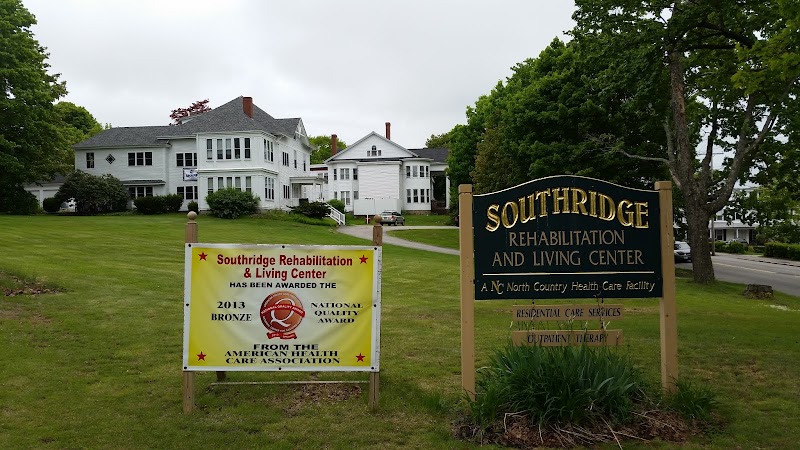
10 MAY ST, BIDDEFORD, ME 04005 (207) 282-4138
Non profit - Other 78 Beds NORTH COUNTRY ASSOCIATES Data: November 2025 2 Immediate Jeopardy citations
Trust Grade
0/100
#76 of 77 in ME
Last Inspection: June 2024

Within standard 12-15 month inspection cycle. Federal law requires annual inspections.

Overview

Southridge Rehab & Living Center has received a Trust Grade of F, indicating significant concerns about the facility's quality of care. It ranks #76 out of 77 nursing homes in Maine, placing it in the bottom half of the state, and #9 out of 9 in York County, meaning there are no local options that rank lower. The facility's trend is stable, with the same number of issues reported in 2024 and 2025. Staffing is a strength here, with a rating of 5 out of 5 stars, although the turnover rate is around 51%, which is average for the state. However, the facility has faced serious concerns, including a critical failure to prevent the spread of gastroenteritis among residents and a lack of supervision leading to a resident being found outside in hazardous conditions. Additionally, the facility has incurred $129,763 in fines, which is higher than any other facility in Maine, indicating ongoing compliance issues that families should consider carefully.

Trust Score
F
0/100
In Maine
#76/77
Bottom 2%
Safety Record
High Risk
Review needed
Inspections
Holding Steady
6 → 6 violations
Staff Stability
⚠ Watch
51% turnover. Above average. Higher turnover means staff may not know residents' routines.
Penalties
○ Average
$129,763 in fines. Higher than 73% of Maine facilities. Some compliance issues.
Skilled Nurses
✓ Good
Each resident gets 69 minutes of Registered Nurse (RN) attention daily — more than 97% of Maine nursing homes. RNs are the most trained staff who catch health problems before they become serious.
Violations
⚠ Watch
32 deficiencies on record. Higher than average. Multiple issues found across inspections.
★☆☆☆☆
1.0
Overall Rating
★★★★★
5.0
Staff Levels
★☆☆☆☆
1.0
Care Quality
★☆☆☆☆
1.0
Inspection Score
Stable
2024: 6 issues
2025: 6 issues

The Good

  • 5-Star Staffing Rating · Excellent nurse staffing levels
  • Full Sprinkler Coverage · Fire safety systems throughout facility
  • No fines on record

Facility shows strength in staffing levels, fire safety.

The Bad

1-Star Overall Rating

Below Maine average (3.0)

Significant quality concerns identified by CMS

Staff Turnover: 51%

Near Maine avg (46%)

Higher turnover may affect care consistency

Federal Fines: $129,763

Well above median ($33,413)

Significant penalties indicating serious issues

Chain: NORTH COUNTRY ASSOCIATES

Part of a multi-facility chain

Ask about local staffing decisions and management

The Ugly 32 deficiencies on record

2 life-threatening 1 actual harm
Jul 2025 1 deficiency 1 Harm
SERIOUS (G) 📢 Someone Reported This

A family member, employee, or ombudsman was alarmed enough to file a formal complaint

Actual Harm - a resident was hurt due to facility failures

Accident Prevention (Tag F0689)

A resident was harmed · This affected 1 resident

**NOTE- TERMS IN BRACKETS HAVE BEEN EDITED TO PROTECT CONFIDENTIALITY** Based on clinical record review, review of the facility's transport policy and interviews, a facility Transportation Aid failed ...

Read full inspector narrative →
**NOTE- TERMS IN BRACKETS HAVE BEEN EDITED TO PROTECT CONFIDENTIALITY** Based on clinical record review, review of the facility's transport policy and interviews, a facility Transportation Aid failed to follow the transport a resident to an appointment safely by not attaching the shoulder harness strap and seat belt resulting in resident sliding from wheelchair during a transport and sustaining a fracture of the left femur for 1 of 3 residents reviewed for facility transports. (#1)Resident #1 was admitted to the facility in March of 2025 following a fall, for rehabilitation and treatment of a fracture of the resident's left distal femur, right proximal humerus, Type 2 Diabetes Mellitus, Atrial Fibrillation, and depression. The fracture of the left distal femur was not healing well, and the resident had an appointment with the Orthopedic Surgeon.During a review of the facility investigation, on 6/26/25, at approximately 8:30 a.m. the facility Transportation Aid (TA) loaded the resident into the van and secured the wheelchair. The Transportation Aid did not fasten the shoulder harness/seat belt combination because it was not working. She then got into the van and started to pull away from the facility and she heard the resident fall out of her chair onto the floor of the van. She stopped the van and immediately called 911. The rescue team came and transported the resident to the hospital. Transport Aside knew the safety belts were not working properly and did not report the issue.Hospital Discharge summary dated [DATE] stated recent right proximal humerus fracture s/p ORIF(Open Reduction and Internal Fixation) on 3/26/25 complicated by left distal radius fracture and left distal femur fracture who presents with left thigh pain after a fall in wheelchair van and admitted for comminuted left femur fracture.On 7/7/25 at approximately 10:00 a.m. in an interview with a surveyor, the Transportation Aid stated that she has been with the facility since 2013 but has only been driving the van for the last 2 weeks. When asked what education she had received, she stated she had watched the training videos and had been given an orientation to the van by the Maintenance Director. When asked about the day of the transport she stated that she had loaded the resident into the van and locked the wheels in place. When I went to fasten the shoulder strap it would not move, and I could not get it buckled. I thought that because the distance to the appointment was close and I could drop off the resident and come back and report it to Maintenance. When asked if the Maintenance staff was at the facility at the time she found the issue with the shoulder strap? She said, Yes they were. When asked why she did not have them look at it at that time? She stated, I thought it would be OK.On 7/7/25, at approximately 11:15 a.m., in an interview with the Administrator she stated, When the incident happened, the van was removed from service immediately. It was due for normal maintenance, so we had that done and also an inspection of the safety straps was done by the Maintenance Director. On 6/26/25, during the inspection, it was discovered that the seatbelt straps were not attached properly, and the issue was fixed. The Maintenance Director was designated to be the van driver trainer.On 7/7/25, during a review of the facility's policy for Motor Vehicle Rules & Requirements, dated 3/1/25, the policy states that there is A notification sign must be visibly placed in the vehicle that reads. 'SAFETY BELTS MUST BE WORN'. The driver and all passengers must properly wear seat/safety belts at all times during operation of the motor vehicle.On 7/7/25, at approximately 8:55 a.m. during an observation of the transport van, no signs requiring the use of seat belts were found. This was reported to the Administrator at that time.As a result of the facility's investigation, the following corrective actions were initiated:- 0n 6/26/25, Van was placed out of commission until its safety was confirmed- On 6/26/25, the Maintenance Director inspected the inside of van completely to include all the equipment to ensure proper functionality. Specifically focusing on the seatbelt and tie downs.- On 6/26/25, the Maintenance Director was designated to be Van Transport Trainer.- On 6/26/25 Education provided to staff how to secure a passenger was placed in van for reference.- On 6/27/25 Involved staff were retrained on van safety with return demonstration.- On 6/30/25 Passenger Loading Instructions Audit tool developed for random audit to be done by the Maintenance Director.- On 6/30/25 Daily Wheelchair Van Safety Checklist developed for transport aid to complete before using the van.- On 6/30/25 current Van Driver completed training.
Jun 2025 1 deficiency
CONCERN (D) 📢 Someone Reported This

A family member, employee, or ombudsman was alarmed enough to file a formal complaint

Potential for Harm - no one hurt, but risky conditions existed

Deficiency F0760 (Tag F0760)

Could have caused harm · This affected 1 resident

Based on review of the complaint report, facility internal investigation, clinical record review, facility General Dose Preparation and Medication Administration Policy and Procedure, and interviews, ...

Read full inspector narrative →
Based on review of the complaint report, facility internal investigation, clinical record review, facility General Dose Preparation and Medication Administration Policy and Procedure, and interviews, the facility failed to identify the resident prior to administering medications, failed to follow the facilities policy on resident identification resulting in Resident #1 being given another's residents medication resulting in the need for a hospital evaluation for 1 of 1 residents reviewed (Resident #1) Findings: The Division of Licensing and Certification received a complaint that indicated on the morning of 5/20/25, Resident #1 received another resident's medications which resulted in lethargy and poor oxygen profusion. Resident #1 was transported to the emergency room for further evaluation. On 6/2/25, a review of the facility's internal investigation was completed. The investigation indicated that on 5/20/25, during morning medication pass, Certified Nurse Assistant-Medication (C.N.A.-M #1) administered the wrong medications (Eliquis - an anticoagulant medication used to prevent blood clots, Metformin used to treat type 2 diabetes; Flexeril used to treat muscle spasms; Lyrica used to treat nerve pain; Furosemide used to treat fluid retention; Potassium chloride a supplement to treat low potassium; Risperidone a antipsychotic medication used to treat a variety of mental health conditions; and Vitamin B) to Resident #1. C.N.A.-M #1 administered Resident #2's medications to Resident #1 in error. The physician' s noted dated 5/20/25 stated, Medication error: Patient inadvertently received another resident's medications (metformin, furosemide, risperidone, paroxetine, Eliquis, pregabalin, cyclobenzaprine). Based on the medication types and estimated dosages given, current presentation is not consistent with a toxic overdose. Poison Control was not contacted at this time, though the situation will continue to be monitored closely given the potential for delayed adverse effects. Patient remains clinically stable at time of evaluation, with only mild drowsiness noted. No signs of respiratory distress, hemodynamic instability, or neurologic changes . if any changes in mental status, vital signs, or neurologic function occur, the patient is to be transferred to the ED for further evaluation. Review of the nursing documentation, dated 5/20/25 at 4:10 p.m. stated, resident was given another resident medication. Provider notified and POA (Power of Attorney) notified as well. Monitoring vitals Q6 (every 6 hours) per doctor and monitoring sugars. Resident has been stable so far, only side effect was being a little drowsy, B/P (blood pressure) and Pulse continues to be WNL (with in normal limits). BS(blood sugars) has also been WNL. The nursing note, dated 5/20/25 at 8:03 p.m., stated, around 4:30 p.m. MedTech entered room to give evening medications and found resident to be unresponsive to voice and touch but breathing. Nurse attempted to get resident to respond but was unsuccessful . immediately 911 was called. EMS arrived and took patient to the hospital. Report given to hospital, all medications given in error told to hospital. Call received around 8:00 p.m. stating resident would be returning to facility sometime this evening. Nursing note, dated 5/20/25 at 11:08 p.m. stated, Resident returned to facility around 9:30 p.m., via stretcher transport . resident still lethargic and according to the hospital physician it is expected. Hospital reached out to poison control who told them to monitor [him/her] for 2 hours at the hospital and then send [him/her] back if stable. Reporting nurse stated all labs were WNL and BS (blood sugar) was 103, 10 minutes before return to facility. On 6/2/25 at 11:42 a.m., during an interview, the Registered Nurse (RN) manager for B2 unit stated she was working that day as the charge nurse and notified the doctor immediately of the medication error. The doctor gave orders to check vitals every 6 hours and blood sugars. The incident happened around 11:30-12pm and the residents vitals were stable, but [he/she] was not talking and sleeping very heavy, not responding with touch and it was then when she was sent to the hospital. On 6/2/25 at 11:59 a.m., during an interview, The Director of Nursing (DON) stated education on medication administration has been started and currently in place for nursing staff who administer medications. Education should be completed by 6/9/25. The facilities General Dose Preparation and Medication Administration policy and procedure, revised 11/15/24, under procedure 3.1 states, Verify each time a medication is administered that it is the correct medication, at the correct dose, at the correct route, at the correct rate, at the correct time for the correct resident. On 6/2/25 at 2:15 p.m., during the exit interview with the Administrator and the DON, the above failure to identify the resident prior to administering medications, failure to follow facility policy on resident identification resulting in Resident #1 being given another's residents medication and the need for a hospital evaluation was confirmed.
Mar 2025 4 deficiencies 1 IJ
CRITICAL (J) 📢 Someone Reported This

A family member, employee, or ombudsman was alarmed enough to file a formal complaint

Immediate Jeopardy (IJ) - the most serious Medicare violation

Accident Prevention (Tag F0689)

Someone could have died · This affected 1 resident

**NOTE- TERMS IN BRACKETS HAVE BEEN EDITED TO PROTECT CONFIDENTIALITY** Based on interviews, observations and record reviews, the facility failed to provide supervision to a resident after staff found...

Read full inspector narrative →
**NOTE- TERMS IN BRACKETS HAVE BEEN EDITED TO PROTECT CONFIDENTIALITY** Based on interviews, observations and record reviews, the facility failed to provide supervision to a resident after staff found resident in closet in another resident room, with an open window. Resident was previously identified as an elopement risk and had previous exit seeking attempts for 1 of 2 residents identified for elopement risk. Shortly after, the resident was found outside in a snowbank with a second story window open. This failure created an immediate jeopardy situation. (Resident #1) Findings: On 2/17/25 the Department of Licensing and Certification received a facility reported incident indicating [Resident #1] fell into snow from second floor on 2/17/24. [Resident #1] found in snowbank at approximately 1:00 a.m. Medical record indicated that on 2/12/25, Resident #1 was transferred from the facility residential care unit to a secured long term care unit(B1 Unit). The transfer was related to safety due to increased dementia behaviors including exit seeking and recent elopements from the residential care facility. Resident #1 is [AGE] years old with a diagnosis of dementia. On 2/12/25 the facility completed elopement assessment and determined Resident #1 was a High Risk for elopement. Resident#1 was wearing a Secure Care anklet (monitor for wandering residents). On 2/19/25, during review of Resident #1's nursing progress notes, stated on 2/14/25 at 11:51 a.m., a nurse administered as needed medication for anxiety and initiated a 1:1 for safety from staff due to wandering, exit seeking and refusal of care. Documentation states that medication was effective and daughter visiting. Resident #1's Medication Administration Record (MAR), stated on 2/15/25 at 1:29 p.m., and on 2/15/25 at 7:34 p.m., a nurse administered as needed medication for anxiety and both times the response was not effective. Resident #1's nursing progress notes stated on the night of 2/16/25 and into the early morning of 2/17/25, Resident #1 exhibited exit seeking behaviors, pacing, not responding to redirection and medications were not effective. On 2/28/25 at 9:49 a.m., during an phone interview with CNA#1, stated resident was last seen in bed on 2/17/25 around 12:20 a.m. Earlier that evening resident was found missing. The staff searched and found Resident #1 in the closet of another resident room. The window in that room was also found open. The residents in that room were both asleep when Resident #1 was found. CNA #1 stated that neither resident sleeping in that room would have been able to exit their bed independently to open the windows. On 2/28/25 at 11:41 a.m., during an interview with PSS #1 stated that at on 2/17/25 1:00 a.m. he/she was taking a break outside with another staff member from Residential Care and found Resident #1 on a snowbank underneath an open second floor window. Resident #1 was assessed by a facility nurse and found to be alert, tearful, oriented to self, scrapes on knees and a bump on his/her head. PSS#1 called 911 and went to alert the facility staff that resident was outside. The long-term care unit staff were unaware Resident #1 had gone missing again. Resident #1 was transferred by Emergency Medical Services (EMS) to the Emergency Room. During review of Residents #1 Hospital Discharge summary, dated [DATE], stated that Resident #1 was diagnosed with hypothermia, metabolic encephalopathy secondary to hypothermia and hypoxia and frostbite. Resident discharged back to facility on 2/2025 with orders by facility provider included comfort measures only and hospice. According to the archived records from the National Weather Service, the temperature range on 2/16/25 was 17-23 degrees Fahrenheit with light snow. On 2/19/25 at 10:00 a.m., during an interview with the facility Maintenance Director, all facility windows on B2 and A1 units had been assessed and retrofitted with window blockers that limited opening windows to 6 inches. Prior to this, according to the Maintenance Director, the windows could be easily opened. Some of the facility windows had very low sills and could be easily accessed. This was completed by 2/18/25 around 11:00 a.m. Resident Elopement policy last revised 9/2023 and found under section II (Procedure), Item G. The resident's plan of care is to be updated with appropriate interventions to meet resident's current needs. And under section II, Item H. Document in medical record. Indicate time the search began and the time the search ended. There is no documentation to support that staff followed the facility's policy when Resident #1 went missing the first time on the night of 2/17/25. Based on the above information, IJ was called on 3/4/25 for the facility's failure to provide adequate supervision to a resident with a history of exit seeking and elopement that resulted in a fall from a second story window into a snowbank. Staff on B2 were unaware the resident had been missing a second time until alerted by residential care staff after the fall. The facility's failure to provide these services constituted an immediate jeopardy situation. Please see F-0000 Initial Comments related to the IJ removal plan.
CONCERN (D) 📢 Someone Reported This

A family member, employee, or ombudsman was alarmed enough to file a formal complaint

Potential for Harm - no one hurt, but risky conditions existed

Notification of Changes (Tag F0580)

Could have caused harm · This affected 1 resident

Based on record reviews and interviews, the facility failed to notify the physician when interventions were ineffective in relieving resident's distress. In addition, the facility failed to notify the...

Read full inspector narrative →
Based on record reviews and interviews, the facility failed to notify the physician when interventions were ineffective in relieving resident's distress. In addition, the facility failed to notify the physician after the resident was missing and required a search to locate or when the resident experienced a life-threatening elopement. Findings: On 2/17/25 the Division of Licensing and Certification received a facility reported incident, which indicated Resident #1 was found outside in a snowbank having fallen from a second story window. Review of facility policy Resident Elopement Policy last revised 9/23 states under: II. PROCEDURE -Section D vii - The physician and resident's responsible party will be notified. -Section G. The resident's plan of care is to be updated with appropriate interventions to meet the resident's current needs -Section H Document in medical record. Indicate time the search began and the time the search ended. On 2/19/25, druing review of Resident #1's the Medication Administration Record, stated a PRN (as needed) medication for anxiety was given with no effect on 2/15/25 at 7:34 p.m. and 2/16/25 at 6:00 p.m There is no evidence to support that other interventions were tried and effective/ineffective or that a physician was notified. On 2/19/25, during review of Resident #1's electronic medical record (EMR), Clinical notes stated that Resident#1 had been found missing from his/her bed on 2/16/25 and located in the closet of another room where a window had also been found open. The notes lacked evidence the time the search began and time when resident was found. The notes also stated that interventions and medications had been unsuccessful to relieve resident's agitation. There is no evidence that a provider was notified. On 2/17/25 at approximately 1:00 a.m., Resident #1 was found outside in a snowbank underneath an open second story window. Resident #1 was transferred to the hospital and diagnosed with hypothermia and frostbite. The medical record lacked evidence that the facility physician was notified. On 2/19/25 at 12:15 p.m., a surveyor discussed the above findings with the Administrator and Director of Nursing and confirmed that physician was not notified of resdient behaviors and elopement.
CONCERN (D) 📢 Someone Reported This

A family member, employee, or ombudsman was alarmed enough to file a formal complaint

Potential for Harm - no one hurt, but risky conditions existed

Deficiency F0655 (Tag F0655)

Could have caused harm · This affected 1 resident

Based on record reviews and interviews, the facility failed to follow the baseline care plan implemented for Resident #1 in the area of Behaviors for 5 of 5 days that resident was in the facility. Fi...

Read full inspector narrative →
Based on record reviews and interviews, the facility failed to follow the baseline care plan implemented for Resident #1 in the area of Behaviors for 5 of 5 days that resident was in the facility. Findings: On 2/19/25, during review of Resident #1's baseline care plan, dated 2/12/25, stated in the area for Behaviors: Document behaviors in Treatment Administration Record (TAR) or on behavior monitoring form every shift. A review of Resident #1's Electronic Medical record (EMR) under TAR and Clinical Notes, failed to show documented behaviors for every shift between 2/12/25 and 2/17/25. On 2/28/25 at 8:51a.m., during an interview with CNA #1, who worked shifts with Resident #1 on 2/12/25, 2/13/25, 2/14/25, 2/15/25 and 2/16/25. CNA #1 stated that Resident #1 was wandering, exit seeking, refusing care, distressed frequently since arrival on B2 Unit. CNA #1 states that he/she was not told Resident #1 had eloped several times in Residential Care. On 2/28/25 at 9:49 a.m., during an interview with CNA #2, who worked shifts with Resident #1 on 2/12/25, 2/13/25, 2/15/25 and 2/16/25. CNA #2, confirmed that Resident #1 had been experiencing frequent wandering and exit seeking behaviors and was very difficult to manage when his/her family was not present. On 2/19/25 at 12:15 p.m., during an interview with the Administrator and the Director of Nursing, were unable to provide additional evidence or an explanation for not following the care plan for montoring behaviors.
CONCERN (D) 📢 Someone Reported This

A family member, employee, or ombudsman was alarmed enough to file a formal complaint

Potential for Harm - no one hurt, but risky conditions existed

Deficiency F0757 (Tag F0757)

Could have caused harm · This affected 1 resident

Based on record review and interviews, the facility failed to monitor targeted behaviors to support the use of antipsychotic and antianxiety medications for 1 resident reviewed for unnecessary medicat...

Read full inspector narrative →
Based on record review and interviews, the facility failed to monitor targeted behaviors to support the use of antipsychotic and antianxiety medications for 1 resident reviewed for unnecessary medications and behavior monitoring. Findings: Review of Resident #1's Physician Order Sheet has the following orders for Psychotropic Medications: -Sertraline 100 mg(milligram) tablet one time daily oral for Unspecified dementia, Moderate, with mood disturabance. -Clonazepam 0.5 mg tablet two times daily oral for Generalized Anxiety disorder -Lorazepam 100 % power (0.25 ml) topical As needed Every Four Hours for Ninety Days for Generalized Anxiety Disorder Review of Resident #1's Physician Order Sheet order, dated 2/12/25 that states: Behavioral/Psychotropic Medication Monitor Notes: Behavior monitoring for psychotropic medications below: Antipsychotics, Antianxiety, Antidepressants, Sedative/hypnotics *Please document ALL behaviors including those Normal for the resident. Physical Monitors: 1. Behavioral Symptoms/Effective?/Non-Pharmacological Interventions/Number of Episodes/Psychoactive Side Effects Frequency: Three Times Daily (Nurse Day Shift, Nurse Evening Shift, Nurse Night Shift). Review of Resident #1's Care plan included under interventions Monitor, report and document changes in mentation and If [Resident #1] is agitated or restless, provide distration Resident #1 was admitted to Long Term Care Unit from Residential Care with diagnosis of dementia due to with exit seeking and wandering behaviors. On 2/19/25, during review of the Treatment Administration Record (TAR) for Resident #1, between the dates of 2/12/25 and 2/17/25 there is no documentation on the TAR that nursing followed this monitoring behaviors ad physician order directed. The Medication Administration Record (MAR) showed 4 documented times that an as needed psychotropic medication was given between 2/12/25 and 2/17/25. There is no documentation as to why this drug was administered for 3 of 4 times it was administered to Resident #1. During review of progress notes for Resident #1, between the dates of 2/12/25 and 2/17/25, the nursing notes failed that supported the ordered behavior monitoring for psychotropic medications. In addition, nursing notes do not explain why an as needed medication was administered or what nonpharmacological interventions were attempted prior to administering an as needed medication. On 2/19/25 at 12:15 p.m., during an interview with the Administrator and the Director of Nursing and discussed the above findings.
Jun 2024 6 deficiencies
CONCERN (D)

Potential for Harm - no one hurt, but risky conditions existed

Accident Prevention (Tag F0689)

Could have caused harm · This affected 1 resident

Based on record reviews and interviews, the facility failed to provide a call bell to obtain assistance while on the bedside commode for 1 of 3 residents assessed to be a high risk for falls (Resident...

Read full inspector narrative →
Based on record reviews and interviews, the facility failed to provide a call bell to obtain assistance while on the bedside commode for 1 of 3 residents assessed to be a high risk for falls (Resident #1) Findings: On 6/25/24 a surveyor reviewed Resident #1's Electronic Medical Record and found that Resident #1 was admitted to facility on 1/26/24 with respiratory failure with hypoxia and since has had 8 unwitnessed falls. Resident #1 was rated upon admission as being a high risk for falls. On 6/25/24 a surveyor reviewed the progress notes in Resident #1's Electronic Medical Record (EMR) dated 3/22/24 and found a nurse's note that stated Resident was assisted to bed-side commode, CNA left her with call-bell not within reach. She then called out and fell to knees then onto her back (per resident). On 6/25/24, a surveyor reviewed the facility's Resident Incident Reporting Form, dated 3/23/24, for an incident that occurred 3/22/24 at 5:00a.m. that states (Resident #1 was assisted to bedside commode, then reaching for call bell fell onto floor mat and was found lying on her back. On 6/25/24 at 9:15 a.m. surveyors interviewed the Director of Nursing who agreed that a resident assessed to be at high risk for falls should have had their call bell when using the commode.
CONCERN (E)

Potential for Harm - no one hurt, but risky conditions existed

Safe Environment (Tag F0584)

Could have caused harm · This affected multiple residents

**NOTE- TERMS IN BRACKETS HAVE BEEN EDITED TO PROTECT CONFIDENTIALITY** Based on observations and interviews, the facility failed to adequately maintain maintenance services necessary to maintain in g...

Read full inspector narrative →
**NOTE- TERMS IN BRACKETS HAVE BEEN EDITED TO PROTECT CONFIDENTIALITY** Based on observations and interviews, the facility failed to adequately maintain maintenance services necessary to maintain in good repair and in sanitary condition for 2 of 2 units. Findings: On 6/26/2024 at 2:00p.m. during an environmental tour with a Cooperate Quality Improvement Nurse, the following were observed: On the Second Floor - B-2 Unit Resident room [ROOM NUMBER] - Window curtain stained, Resident room [ROOM NUMBER] - Window curtain off track, Resident room [ROOM NUMBER] - Stained ceiling tile above bed A Resident room [ROOM NUMBER] - Large chip out of the laminate on the front of the sink creating an uncleanable surface, Laminate on the left side of the sink is loose and could break creating a hazard. Resident room [ROOM NUMBER] - Window curtain stained, Resident room [ROOM NUMBER] - Resident bathroom toilet will not stop running. Next to Second floor Nurses' station hand sanitizer dispenser has had the drip catch cup torn away leaving screw holes in the wall that are rough and could be an injury hazard; and it is an uncleanable surface. Second floor hallway ceiling tile has several hanging bits of dirt and debris all down the hallway. First Floor - B-1 Unit Resident room [ROOM NUMBER] - Both resident's bed curtains have missing hooks and chipped paint in the middle of the ceiling, Resident room [ROOM NUMBER] - Left lower drawer under sink has chip in the laminate, creating a hazard and an uncleanable surface. Resident room [ROOM NUMBER] - Cob Webs along the wall on the left as you enter the room. All the above items were confirmed with Cooperate Quality Improvement Nurse at the time.
CONCERN (E)

Potential for Harm - no one hurt, but risky conditions existed

Quality of Care (Tag F0684)

Could have caused harm · This affected multiple residents

**NOTE- TERMS IN BRACKETS HAVE BEEN EDITED TO PROTECT CONFIDENTIALITY** Based on record reviews and interviews, the facility failed to follow the facility Falls Management Policy for 8 of 8 residents ...

Read full inspector narrative →
**NOTE- TERMS IN BRACKETS HAVE BEEN EDITED TO PROTECT CONFIDENTIALITY** Based on record reviews and interviews, the facility failed to follow the facility Falls Management Policy for 8 of 8 residents reviewed for falls thus far in 2024. Resident (#1,#6, #13,#30, #35, #36, #39 #41,) Findings: North County Associates, Falls Management Policy, last revised 7/2019 IV. Fall Reduction Actions A. DNS or designee will review fall incident reports regularly and identify potential patterns or trends. B. Quality Measures will be reviewed monthly and residents who triggers for falls and/or falls with major injury will have a completed record review by the DNS and/or designee. C. All falls will be reviewed at Quality Assurance or Fall Committee meetings on a quarterly basis, at a minimum. V. Procedure A. Complete Fall Risk Screen upon admission, quarterly, and as needed. B. Determine Risk Level and care plan according to risk level. C. When a fall has occurred the charge nurse will be notified in order to appropriately assess the resident and determine their medical status. D. A fall incident report will be completed after a resident has had a fall, whether it is witnessed or not. E. Complete Post Fall Observation Tool, following a fall, to help identify if the cause of the fall is related to mental status changes, physical limitations or environmental factors. F. Documentation must be completed in the nurse's note on each shift x3 following the fall. Residents' care plan will be updated with all new interventions. 1. On 6/25/24, a surveyor reviewed the Electronic Medical Record (EMR) for Resident #1 who was admitted on [DATE] for Long Term Care and found that Resident #1 had 8 falls (1/29/24, 1/31/24, 2/2/24, 2/2/24, 2/9/24, 2/27/24, 3/22/24, 4/7/24). Each fall lacked complete documentation per facility's Fall Management Policy; including updated Fall prevention interventions in the care plan which failed to show any updates in this area since 1/26/2024. Review of Resident #1's Progress Notes dated 2/20/24, 3/22/24, 4/11/24, 4/15/24 show increased pain due to injuries sustained from falls. 2. On 6/25/24 a surveyor reviewed the EMR for Resident #41 and found that Resident #41 admitted to the facility on [DATE] had 9 falls (2/17/24, 2/20/24, 3/1/24, 3/4/24, 3/7/24, 4/13, 24, 5/24/24, 5/27/24, 6/16/24. Each fall lacked complete documentation per facility's Fall Management Policy including revision of Fall Prevention Interventions in Resident #1's care plan. 3. 06/25/24 at 02:22 p.m. a surveyor spoke with ([NAME]) to request additional documentation on the facility follow up to resident falls. One undated monthly fall summary template was located and provided. 4. On 6/26/24 at 9:15a.m. surveyors met with Director of Nursing to discuss the monthly review for Quality Measures for falls and lack of consistent documentation following falls. The Director of Nursing stated they talk about falls all the time, but the documentation is not there. Based on record reviews and interviews, the facility failed to follow the facility Falls Management Policy for 8 of 8 residents reviewed for falls thus far in 2024. Resident (#1,#6, #13,#30, #35, #36, #39 #41,) Findings: 1. On 6/25/24, a surveyor reviewed the Electronic Medical Record (EMR) for Resident #13 who was admitted on [DATE], for Long Term Care and found that Resident #13 had fallen six times (1/7/24, 2/29/24, 3/1/24, 3/19/24, 4/12/24, and 5/20/24). The falls lacked complete documentation per facility's Fall Management Policy, including updated Fall prevention interventions in the care plan. Review of Resident #13's Progress Notes dated 1/7/24, 2/29/24, 3/1/24, 3/19/24, 4/12/24, and 5/20/24 shows that Post Fall Observations were done but all other required documentation is lacking, i.e. documentation for three shifts post fall and documentation of the Director of Nursing (DON) follow-up as stated in the facility's policy. 2. On 6/25/24, a surveyor reviewed the Electronic Medical Record (EMR) for Resident #30 who was admitted on [DATE], for Long Term Care and found that Resident #30 had fallen one time (2/16/24). The fall lacked complete documentation per facility's Fall Management Policy, including updated Fall prevention interventions in the care plan. Review of Resident #30's Progress Notes dated 2/16/24, Review of Resident #30's Progress Notes dated 2/16/24 shows that Post Fall Observations were done but all other required documentation is lacking, i.e. documentation for three shifts post fall and documentation of the Director of Nursing (DON) follow-up as stated in the facility's policy. 3. On 6/25/24, a surveyor reviewed the Electronic Medical Record (EMR) for Resident #35 who was admitted on [DATE], for Long Term Care and found that Resident #35 had fallen one time (6/16/24). The fall lacked complete documentation per facility's Fall Management Policy, including updated Fall prevention interventions in the care plan. Review of Resident #35's Progress Notes dated 6/16/24, Review of Resident #35's Progress Notes dated 6/16/24 shows that Post Fall Observations were done but all other required documentation is lacking, i.e. documentation for three shifts post fall and documentation of the Director of Nursing (DON) follow-up as stated in the facility's policy. 4. On 6/25/24, a surveyor reviewed the Electronic Medical Record (EMR) for Resident #36 who was admitted on [DATE], for Long Term care and found that Resident #36 had 2 falls (2/16/2024 and 4/30/24). Each fall lacked complete documentation per facility's Fall Management Policy, including updated Fall prevention interventions in the care plan. Review of Resident 36daTED's Progress Notes dated 2/16/2024 and 4/30/24. Review of Resident 36's Progress Notes dated 2/16/24 and 4/30/24 shows that Post Fall Observations were done but all other required documentation is lacking, i.e. documentation for three shifts post fall and documentation of the Director of Nursing (DON) follow-up as stated in the facility's policy. 5. On 6/25/24, a surveyor reviewed the Electronic Medical Record (EMR) for Resident #39 who was admitted on [DATE], for Long Term Care and found that Resident 39 had 3 falls (4/10/24, 5/14/24, and 6/17/24). Each fall lacked complete documentation per facility's Fall Management Policy, including updated Fall prevention interventions in the care plan. Review of Resident 39's Progress Notes dated 4/10/23, 5/14/24, and 6/17/24 shows that Post Fall Observations were done but all other required documentation is lacking, i.e. documentation for three shifts post fall and documentation of the Director of Nursing (DON) follow-up as stated in the facility's policy.
CONCERN (E)

Potential for Harm - no one hurt, but risky conditions existed

Food Safety (Tag F0812)

Could have caused harm · This affected multiple residents

Based on observations and interview, the facility failed to ensure the kitchen was maintained in a clean and sanitary manner for 2 of 2 initial kitchen observations completed on 6/24/24 and 6/25/24. A...

Read full inspector narrative →
Based on observations and interview, the facility failed to ensure the kitchen was maintained in a clean and sanitary manner for 2 of 2 initial kitchen observations completed on 6/24/24 and 6/25/24. Additionally, the facility failed to ensure that food temperatures were recorded. Findings: 1- On 6/24/24 at 8:50a.m. - Initial observation of the Kitchen: Observed two unlabeled and undated pans of deserts in the fridge - The Food Service Director (FSD) stated, That is today's desert. Observed soiled ceiling tiles - The FSD stated that the ceiling was last cleaned a couple of months ago. Observed a wall mounted fan with light to moderate dirt blowing on the cooking area. Observed a cart mounted fan with moderate to heavy dirt blowing on the cooking area When the cook was asked for the temperature log while cooking today's breakfast she stated, I did not get them on here. She showed the surveyor the log pages and it was noted that documentation of temperature while cooking was lacking since last Friday 6/21/2024. She stated that she was not here over the weekend, but that they have been out straight. Upon closer examination of the log sheets, it was discovered that there were no temperatures recorded for all meals on 6/16/24, Supper meal on 6/17/24, Supper meal on 6/18/24, Supper meal on 6/19/24, Supper meal on 6/20/24, Supper meal on 6/21/24, All meals on 6/22/24, All meals on 6/23/24, and Breakfast on 6/24/24. There was no log sheet even available for week of 6/23/24. 2. On 6/25/24 at 8:03 a.m., observed refrigerator in the B-2 Unit Common Dining area to have a heavy layer of dust on the top. In both the freezer compartment and the refrigerator there was a light to moderate amount of dirt and dried food. This was confirmed with the unit charge nurse at that time. 3. On 6/25/24 at 8:45a.m,. a surveyor observed the resident refrigerator on B-1 Unit. The base plate is covered with a heavy amount of dirt and rust. This was confirmed with the charge nurse at that time. 4. Additional findings during the 6/25/24 return observation of the Kitchen were: 3 employee drinks discovered in the 2 reach-in fridges in the Kitchen, and a half-eaten ice cream sandwich was found in walk-in freezer. This was called to the attention of the Cooperate Food Service Consultant at that time.
CONCERN (E)

Potential for Harm - no one hurt, but risky conditions existed

Deficiency F0883 (Tag F0883)

Could have caused harm · This affected multiple residents

**NOTE- TERMS IN BRACKETS HAVE BEEN EDITED TO PROTECT CONFIDENTIALITY** Based on record reviews and interviews, the facility failed to perform adequate screening and documentation for Pneumococcal and...

Read full inspector narrative →
**NOTE- TERMS IN BRACKETS HAVE BEEN EDITED TO PROTECT CONFIDENTIALITY** Based on record reviews and interviews, the facility failed to perform adequate screening and documentation for Pneumococcal and/or Influenza vaccination as required for 2 out of 5 residents screened for vaccinations. (Resident #1, Resident #6) Findings: 1. On 6/25/24, a surveyor reviewed Resident #1's Electronic Medical Record (EMR) and found no Pneumococcal vaccinations recorded under Immunizations. Resident #1 was admitted to the facility on [DATE]. A surveyor reviewed the physical medical record and did not locate any documentation that Resident #1 had received, been offered, or refused the Pneumococcal vaccination. 2. On 6/25/24, a surveyor reviewed Resident #6's EMR and found no Pneumococcal or Influenza vaccinations were recorded. Resident #6 was admitted to facility on 10/26/23. A surveyor reviewed the physical medical record and did not locate any documentation that Resident #6 had received, been offered, or refused the Pneumococcal or Influenza vaccinations. A surveyor reviewed the facility policy titled Infection Control Immunizations-Influenza, Pneumococcal Policy- last revised 3/22: Each resident will be offered an Influenza Vaccine October 1 through March 31 annually, unless the immunization is medically contraindicated, or the resident has already been immunized during this time period. Each Resident will be offered a Pneumococcal Vaccine, upon admission unless the immunization is medically contraindicated or the resident has already been immunized. Proof the resident either received the Influenza and/or Pneumococcal vaccine, the vaccine(s) was contraindicated for medical reasons, or the resident refused the vaccine(s). On 6/26/24 at 10:30 a.m., a surveyor interviewed the facility Infection Preventionist and the Corporate Quality Improvement Nurse and confirmed the above findings.
CONCERN (E)

Potential for Harm - no one hurt, but risky conditions existed

Deficiency F0887 (Tag F0887)

Could have caused harm · This affected multiple residents

**NOTE- TERMS IN BRACKETS HAVE BEEN EDITED TO PROTECT CONFIDENTIALITY** Based on record reviews and interviews, the facility failed to perform adequate screening and documentation for coronavirus (Cov...

Read full inspector narrative →
**NOTE- TERMS IN BRACKETS HAVE BEEN EDITED TO PROTECT CONFIDENTIALITY** Based on record reviews and interviews, the facility failed to perform adequate screening and documentation for coronavirus (Covid-19) as required for 2 out of 5 residents screened for Covid-19 vaccinations. (Resident #1, Resident #6) Findings: 1. On 6/25/24, a surveyor reviewed Resident #1's Electronic Medical Record (EMR) and found no coronavirus (Covid-19) vaccinations recorded. Resident #1 was admitted to the facility on [DATE]. A surveyor reviewed the physical medical record and did not locate any documentation that Resident #1 had received, been offered, or refused the Covid-19 vaccination. 2. On 6/25/24, a surveyor reviewed Resident #6's EMR and found no coronavirus (Covid-19) vaccinations recorded. Resident #6 was admitted to facility on 10/26/23. A surveyor reviewed the physical medical record and did not locate any documentation that Resident #6 had received, been offered, or refused the Covid-19 vaccinations. Review of Centers for Disease Control (CDC) guidelines for Covid-19 vaccinations for Long Term Care (LTC) residents is as follows: Consent or assent for a COVID-19 vaccine is given by LTC residents (or people appointed to make medical decisions on their behalf called a medical proxy) and documented in their charts per the provider's standard practice. On 6/26/24 at 10:30 a.m., a surveyor interviewed the facility Infection Preventionist and confirmed the CDC is consulted for standard practice in Infection Control at the facility. On 6/26/24 at 10:10 am, in a discussion with the facility Infection Preventionist and the Corporate QUality Improvement Nurse, it was confirmed the facility did not have a Resident Immunization policy for Covid-19 nor did the facility follow the CDC recommendations for screening LTC residents for Covid-19 Vaccinations.
May 2023 1 deficiency
MINOR (B) 📢 Someone Reported This

A family member, employee, or ombudsman was alarmed enough to file a formal complaint

Minor Issue - procedural, no safety impact

Safe Environment (Tag F0584)

Minor procedural issue · This affected multiple residents

**NOTE- TERMS IN BRACKETS HAVE BEEN EDITED TO PROTECT CONFIDENTIALITY** Based on observations and interviews, the facility failed to provide a sanitary, orderly, and comfortable environment on 1 of 2 ...

Read full inspector narrative →
**NOTE- TERMS IN BRACKETS HAVE BEEN EDITED TO PROTECT CONFIDENTIALITY** Based on observations and interviews, the facility failed to provide a sanitary, orderly, and comfortable environment on 1 of 2 units (Oakridge - B2) for 1 of 1 days of survey. Findings; On 5/31/2023 between the hours of 8:55 a.m. and 9:30 a.m., two surveyors observed the following during an environmental tour of Oakridge B-2 unit. -room [ROOM NUMBER] had crumpled tissues, a medication cup and smeared dried footprints on the floor. -room [ROOM NUMBER] bedroom floor had dried footprints, a purple glove near the trash can and a packet of syrup. Under the bed was a pile of debris that included a fork, napkins, a wrapper, and a plastic cup. -room [ROOM NUMBER] bedroom floor had multiple sticky areas of dried liquid near Bed C. The shared bathroom had a strong urine odor and the floor had visible dirt and debris around the trash can with a sticky dried substance and footprints. -room [ROOM NUMBER] bedroom had dried liquid on the floor, a pile of debris under the bed that included an opened coke can, a full butter packet, pile of white powder, tissues and a plastic lid such as would cover a bowl. The shared bathroom had a strong urine odor, the floor was dirty, tissues or toilet paper on the floor, a red substance dried on the floor and an unlabeled urinal stored on the back of toilet. -room [ROOM NUMBER] bedroom floor dirty with dust and debris. -room [ROOM NUMBER] bedroom had hair in sink, floor dirty with footprints, Dust coated windowsill. The shared bathroom had a dried brown substance on the floor near toilet and smears of light brown visible on floor and a strong odor of urine. -room [ROOM NUMBER] bedroom floor had areas of both dried gray liquid and dried white liquid with debris under the sink and a dust coated windowsill. -room [ROOM NUMBER] bedroom had dried liquid on side of bed and debris/trash under the head of the bed. The bathroom had a pungent odor and a dried sticky substance on floor. -room [ROOM NUMBER] bedroom wall scraped up behind Bed A with white visible under the paper surface, floor is visibly dirty with footprints, debris, food and dried brown liquid. Sink dirty with hair and debris. -room [ROOM NUMBER] bedroom had trash on the floor, sink was visibly dirty with gray liquid spots, floor was dirty with smeared dried brown footprints. -room [ROOM NUMBER] bedroom floor soiled with debris and dried footprints. Black liquid had spilled and dried near Bed B. Shared bathroom had a strong urine odor, sticky floor, visibly dirty toilet, trash on floor around trashcan, and dried liquid substance on floor. -room [ROOM NUMBER] shared bathroom with strong odor. Floor was visibly soiled with footprints. Sanitizing wipes container on floor. -Floor in nursing station was visibly dirty with dried, smeared footprints, dust and debris. -Unit shower room was visibly dirty with dust, footprints, and crumpled toilet paper on the floor near the toilet base. No hand soap in the soap dispenser for hand hygiene. -Employee bathroom across from the nursing desk had no hand soap available for hand hygiene. -Hoyer in hallway had built up black substance and lint substance in edges and horizonal surfaces. -Linen closet, near room [ROOM NUMBER], had dried brown footprints with visible debris along edges of floor. On 5/31/2023 from 1:50 p.m., to 2:00 p.m., two surveyors again observed the above concerns with the addition of the dining room with food crumbs and debris on the tables and under the tables. On 5/31/2023 during an environment tour with the Administrator the above findings were shared and confirmed.
Mar 2023 12 deficiencies 1 IJ (1 facility-wide)
CRITICAL (L)

Immediate Jeopardy (IJ) - the most serious Medicare violation

Infection Control (Tag F0880)

Someone could have died · This affected most or all residents

⚠️ Facility-wide issue

**NOTE- TERMS IN BRACKETS HAVE BEEN EDITED TO PROTECT CONFIDENTIALITY** Based on interview, observation, and record review, the facility failed to ensure resident's exhibiting symptoms of gastroenteri...

Read full inspector narrative →
**NOTE- TERMS IN BRACKETS HAVE BEEN EDITED TO PROTECT CONFIDENTIALITY** Based on interview, observation, and record review, the facility failed to ensure resident's exhibiting symptoms of gastroenteritis were on contact precautions; failed to ensure Personal Protective Equipment (PPE) supplies were available for use (gowns); failed to disinfect resident rooms and common areas with the appropriate (Environmental Protection Agency) EPA cleaner; and failed to educate and reeducate staff on contact precautions and appropriate disinfection resulting in spread of gastroenteritis creating an immediate jeopardy situation to 9 out of 34 Resident's, as of 3/6/2023, on the B2 Unit. (Resident #41, #29, #28, #32, #13, #27, #26, #35, #4). In addition to the immediate jeopardy, the facility failed to have a risk assessment and have water management policies and procedures in place to reduce the risk of growth and spread of Legionella and other opportunistic waterborne pathogens in the facility water system resulting in potential harm that is not immediate jeopardy to 52 residents in the facility. Findings: According to the Centers for Medicare and Medicaid Services, State Operations Manual Appendix PP Guidance to Surveyors for Long Term Care Facilities rev. 211 dated 2/03/2023, page 778, Contact Precautions: Contact precautions are intended to prevent transmission of pathogens that are spread by direct (e.g., person-to-person) or indirect contact with the resident or environment (e.g., C. difficile, norovirus, scabies), and requires the use of appropriate PPE, including a gown and gloves before or upon entering (i.e., before making contact with the resident or resident's environment) the room or cubicle. Prior to leaving the resident's room or cubicle, the PPE is removed and hand hygiene is performed. On 3/6/23 at 9:21 a.m., the Acting Director of Nursing (ADON) stated, to the survey team, words to the effect of: at the end of last week we had some type of Norovirus type thing in the building on B2, now we have more residents that are not doing well. A surveyor asked what type of precautions the residents on B2 are on, and the ADON stated, standard precautions. On 3/6/23 at 9:32 a.m., in an interview with a surveyor, Licensed Practical Nurse (LPN)1 stated, on the evening shift last night [Resident #30] was nauseous, [Resident #13] had loose stool x(times) three, [Resident #21] had nausea this morning, [Resident #35] had vomiting, [Resident #50] had a loose stool and one episode of vomiting, and [Resident #4] had extra-large loose stool. On 3/6/23 at 10:38 a.m., in an interview with a surveyor, LPN2 indicated that there were three residents with diarrhea and vomiting. [Resident #4] started last night, vomiting and diarrhea; [Resident #35] started yesterday, and overnight vomiting and diarrhea, and vomiting right now; [Resident #13] started overnight, and the evening shift yesterday, diarrhea. This surveyor asked what type of precautions the residents are on. She stated, everyone is on contact, wash hands, and wash hands after gloves. The LPN did not indicate what contact precautions meant. On 3/6/23 at 11:03 a.m., a surveyor observed Resident #35 seated in a wheelchair, vomiting into a basin. Certified Nursing Assistant-Medication Technician (CNA-M)1 was holding the basin with ungloved hands. In an interview with a surveyor, CNA-M1 stated, she was off the weekend, and if there are bins (precaution supply carts) outside the room, she would have known to wear gloves into the room, the facility is not doing that. The facility has not identified it as Norovirus, they identified it as a stomach flu. The CNA-M1 stated she was given a list of people not to give laxatives to due to loose stool. At this time a surveyor requested to see the list, Residents #4, #34, #50, #27, #3, #29, #21, #35, and #13 were highlighted on the list to Please hold laxatives. On 3/6/23 at 11:07 a.m., in an interview with a surveyor, CNA3 indicated she came on shift at approximately 6:45 a.m. this morning and she said, some residents have symptoms of Norovirus, who had bowel movememt(BM ) over the last evening shift. CNA3 stated she did not write the residents down, but [Resident #4] and [Resident #30] were not feeling well. [Resident #35], [Resident #7], and [Resident #13] were not feeling well. CNA3 stated, I go between floors(works different floors/units and goes back and forth between units). When a surveyor asked what PPE the CNA should use, she stated masks and gloves on, no gown precautions. If full precautions would have gowns available. On 3/6/23 at 11:24 a.m., a surveyor observed Physical Therapy (PT) going into room [ROOM NUMBER] with no gloves on, she leaned on the bedside table, hands resting on her face and spoke with Resident #30 before taking Resident #30 into the hallway for therapy services. In an interview with a surveyor, the Physical Therapist indicated that her Rehab Manager, and LPN1 said [Resident #30] was clear (not having symptoms of nausea/vomiting). On 3/6/23 at 11:38 a.m., a surveyor observed the Rehab Manager in room [ROOM NUMBER], she was walking around the bedside of Resident #4, picking up items next to the bed, counting repetitions for Resident #4 while the resident was lifting and lowering a physical therapy long stick (piece of exercise equipment). The Rehab Manager did not have a gown, or gloves on. In an interview with a surveyor, the Rehab Manager indicated she was not aware that [Resident #4] was on contact precautions, and that [Resident #4] complains of nausea all the time. In an interview with a surveyor, at this time, the Rehab Manager indicated she was unaware that [Resident #4] had vomiting and diarrhea today. On 3/6/23 at 1:37 p.m., in an interview with a surveyor regarding gastrointestinal symptoms, LPN2 stated, it started with [Resident #29] on the 27th (2/27/23), and next day [Resident #28] was vomiting, now we've got several people with diarrhea and vomiting. On 3/6/23 at 2:23 p.m., in an interview with a surveyor, LPN2 indicated, the facility started contact precautions this morning, but had no gowns. When asked by a surveyor how staff know what type of precautions, LPN2 stated, As soon as cards (precaution signs that get posted on or near a resident room that describes what type of transmission based precautions to use when entering a room) get up here. Waiting for maintenance, the cards are in a different building The LPN2 also indicated the gowns are kept in a different building (therefore precaution indication cards and gowns were not available for staff) and she was waiting for maintenance to bring them to B2 Unit. On 3/6/23 at 1:57 p.m., in an interview with a surveyor, CNA2 was asked how she knows what type of precautions and personal protective equipment (PPE) she must wear when entering a resident room, she stated, usually, a sign and a cart outside the door. When report exchange. I know there are a lot of people sick right now, cautious, no signs up. Just make sure we wash hands before entering and leaving rooms. Some residents are having loose stool. Always glove. Not told to wear a gown. This surveyor asked if any residents are on contact precautions right now, and CNA2 stated, No. On 3/6/23 at 2:11 p.m., in an interview with a surveyor, CNA-M1 stated she was not wearing gloves when she was holding a basin that [Resident #35] was vomiting into on 3/6/23 at 11:03 a.m. CNA-M1 also stated that she cleaned up the vomit and floor area with the purple top disinfectant wipes (Super Sani-Cloth Germicidal disposable wipes (cleanser was not an EPA approved for norovirus disinfection)). She stated, Usually, housekeeping will clean it thoroughly, but I couldn't find anybody. CNA-M1 didn't disinfect the floor with an EPA approved disinfectant On 3/6/23 at 2:14 p.m., in an interview with a surveyor, LPN1 stated, regarding how to disinfect an area that a resident vomited, he said, have housekeeping come in and clean it up with chlorine concentration. I suppose we should be using gowns, but I haven't seen any up here. On 3/6/23 at 2:26 p.m., in an interview with a surveyor, CNA2 stated, no one is on precautions, and that usually, all the precaution stuff is hanging on the doors, or the nurse tells us. There is definitely something going on, residents are vomiting and pooping. [Resident #39] has very loose stool, and the facility is aware of [Resident #4]. I mentioned to LPN1 about the loose stool. On 3/6/23 at 2:29 p.m., in an interview with a surveyor, the Rehab Manager indicated that she wiped down an exercise device that [Resident #4] was using earlier with a purple top wipe (Super Sani-Cloth Germicidal disposable wipe(cleanser was not an EPA approved for norovirus disinfection)) before she left the B2 unit Resident #4 was having gastrointestinal symptoms. The Rehab Manager didn't disinfect the exercise device with an EPA approved disinfectant. On 3/6/23 at 2:35 p.m., a surveyor observed no signage on B2 unit to indicate that there is gastrointestinal illness on the unit or any directions for a visitor to the unit. During a medical record review, Resident #41's clinical note, dated 2/26/23 at 4:06 a.m. indicated, resident was vomiting during the prior shift. On 3/8/23 at 8:37 a.m., during observation of B2 unit, surveyor observed CNA-M2 don additional PPE (gown/gloves) then grab a medicine cup and a cloth wrist blood pressure (BP) cuff and enter room [ROOM NUMBER] (Resident #30), which was posted as contact precautions for GI symptoms. CNA-M2 applied the BP cuff to the resident's wrist, obtained the reading then removed the cuff and placed it in her scrub pocket, then administered the medications to the resident. Upon leaving the room, the CNA-M2 doffed the PPE and washed her hands. The surveyor requested the BP reading, the CNA-M2 removed the contaminated BP cuff from her scrub pocket. At this time, the surveyor confirmed the BP cuff was not cleaned after coming in contact with a resident who was on contact precautions prior to being placed in the CNA-M2 pocket. During a medical record review, Resident #29's clinical note, dated 2/27/23 at 11:40 a.m. indicated, has vomited several times this morning, can't hold down fluids . one diarrhea episode this morning. During a medical record review, Resident 28's clinical note, dated 2/28/23 9:19 a.m. indicated, Resident reportedly vomited several times early this morning. No diarrhea. During a medical record review, Resident #32's clinical note, dated 2/28/23 at 2:36 p.m. indicated, admits to mild nausea, no vomiting or diarrhea, on 3/1/23 at 8:47 a.m. indicated, several bouts of diarrhea during the night .Had another large diarrhea this morning. On 3/1/23 at 12:40 p.m. indicated, had large diarrhea stool in bed. During a medical record review, Resident #13's clinical note , dated 3/4/23 at 9:15 a.m. indicated, doesn't feel good because he/she has been having diarrhea. During a medical record review, Resident #27's clinical note, dated 3/4/23 at 5:47 p.m. indicated, acute episode of nausea with vomiting, diarrhea, on 3/6/23 at 4:57 a.m. late entry, had multiple episodes of vomiting and diarrhea during the NOC (night) shift., on 3/5/23 at 2:30 p.m. indicated, had another diarrhea stool, no further vomiting. During a medical record review, Resident #26's clinical note, dated 3/1/23 10:12 a.m. indicated, provider visit, type of visit: N/V (nausea/vomiting) occasionally last 5-7 days, on 3/5/23 at 9:06 a.m. indicated, feels nauseated, just vomited yellow bile in his/her waste basket. States that he/she feels awful. During a medical record review, Resident #35's clinical note, dated 3/6/23 at 4:54 a.m. indicated, Resident has been experiencing nausea and vomiting. During a medical record review, Resident #4's clinical note, dated 3/6/23 at 1:18 a.m. indicated, Resident had x-large loose BM. Currently complaining of nausea. A review of North Country Associates Infection Control Management of Norovirus Outbreak Policy, developed: April 2007, and revised on 9/18 indicated, Noroviruses are a group of viruses that cause gastroenteritis in people infected with the virus. Symptoms of gastroenteritis include nausea, vomiting, abdominal cramping, and diarrhea. The primary mode of transmission is via poor hand washing and/or unsanitary conditions. Any surface, device, or material (e.g., commodes, bathing tubs, electronic rectal thermometers, and portable phones) that becomes contaminated with feces may serve as a reservoir for the Norovirus. Notify Maine CDC (Centers for Disease Control) to report outbreak of Norovirus like illness, follow Maine CDC recommendations, Notify resident's physician and family of Norovirus like illness. Prevention: Immediately implement Contact Precautions for residents with symptoms consistent with Norovirus. Do not wait for culture results. Re-educate staff on Standard and Contact Precautions. Thoroughly clean and disinfect contaminated surfaces immediately after an episode of illness by using an EPA registered disinfectant effective against Norovirus. Can norovirus infections be prevented? Yes .thoroughly clean and disinfect contaminated surfaces immediately after an episode of illness by using a bleach-based household cleaner. Based on the above information, IJ was called on 3/6/23 at 3:19 p.m. for the facility's failure to provide adequate infection prevention measures to mitigate the spread of infection in a timely manner. The facility's failure to provide these services constituted an immediate jeopardy situation. Please see F-0000 Initial comments related to the IJ removal plan. On 3/9/23 at 1:12 p.m., during an interview with the Administrator, he stated the facility does not have a Legionella or other opportunistic waterborne pathogen management and prevention program in place.
CONCERN (D)

Potential for Harm - no one hurt, but risky conditions existed

Deficiency F0657 (Tag F0657)

Could have caused harm · This affected 1 resident

**NOTE- TERMS IN BRACKETS HAVE BEEN EDITED TO PROTECT CONFIDENTIALITY** Based on record review and interviews, the facility failed to include a resident in the development of his/her comprehensive pla...

Read full inspector narrative →
**NOTE- TERMS IN BRACKETS HAVE BEEN EDITED TO PROTECT CONFIDENTIALITY** Based on record review and interviews, the facility failed to include a resident in the development of his/her comprehensive plan of care for 1 of 33 sampled residents (#10). Finding: Resident #10 was admitted to the facility on [DATE]. In an interview with Resident #10 on 3/6/23 10:15 a.m., he/she stated I don't get invited, I haven't been to a care plan meeting. The surveyor then asked Would you go to a care plan meeting if you were invited? Resident #10 stated Yes. On 3/8/23 upon review of Resident #10's clinical record, the surveyor noted that the care plan meetings held on 7/15/22, 10/5/22 and 12/28/22, lacked evidence that the resident was invited to care plan meetings. On 3/9/23 1:05 p.m., during an interview with the Social Service Director, she confirmed that she did not invite Resident #10 to the care plan meetings on 7/15/22, 10/5/22 and 12/28/22. The Social Services Director stated that she had only invited the resident representative.
CONCERN (D)

Potential for Harm - no one hurt, but risky conditions existed

Medication Errors (Tag F0758)

Could have caused harm · This affected 1 resident

Based on record review and interview, the facility failed to show evidence of an attempt of a gradual dose reduction (GDR) and lacked documentation to justify the continued use of antipsychotic medica...

Read full inspector narrative →
Based on record review and interview, the facility failed to show evidence of an attempt of a gradual dose reduction (GDR) and lacked documentation to justify the continued use of antipsychotic medications for 1 of 5 residents reviewed for unnecessary medications (#37). Finding: Resident #37's Physician Order Sheet signed by the physician on 7/21/22 indicated that Resident #37 had been receiving the antipsychotic Olanzapine 5 mg twice daily since 2/15/22. A Pharmacy GDR Tracking Report dated 2/15/23 indicated Resident #37's next GDR eval is due on 2/15/23 The clinical record lacked evidence that a gradual dose reduction was attempted or that a gradual dose reduction was clinically contraindicated for this resident between the dates of 1/26/22 and 2/15/23. The surveyor discussed this finding in an interview with the Quality Improvement Specialist (QIS) on 3/8/23 at 3:20 p.m.
CONCERN (E)

Potential for Harm - no one hurt, but risky conditions existed

Safe Environment (Tag F0584)

Could have caused harm · This affected multiple residents

**NOTE- TERMS IN BRACKETS HAVE BEEN EDITED TO PROTECT CONFIDENTIALITY** Based on observations and interviews, the facility failed to adequately provide housekeeping and maintenance services necessary ...

Read full inspector narrative →
**NOTE- TERMS IN BRACKETS HAVE BEEN EDITED TO PROTECT CONFIDENTIALITY** Based on observations and interviews, the facility failed to adequately provide housekeeping and maintenance services necessary to maintain the building in good repair and sanitary conditions on 2 of 2 resident units (A1 and B2). In addition, the facility failed to provide a homelike environment in the area of dining by serving meals on paper products for an extended period of time. Findings: 1. On 3/6/23 at 10:30 a.m., on 3/7/23 at 10:08 a.m. and on 3/9/23 at 8:42 a.m., observation of room [ROOM NUMBER] bathroom to have an unlabeled urinal stored on top of toilet and room [ROOM NUMBER] to have a urine hat stored on the floor next to the toilet, a folded towel underneath the trash can and 3 graduate containers on the back of the toilet. On 3/6/23 at 3:20 p.m., room [ROOM NUMBER] privacy curtain was stuck half open on the tracks. On 3/9/23 at 8:51 a.m., the shower room on A1 unit had a black and orange color substance along base of tiles at floors edge. On 3/9/23 from 10:14 a.m. - 10:22 a.m., an environmental tour was completed with the [NAME] President of Clinical Operations. The above concerns were again observed, with the additional observations of the following: room [ROOM NUMBER] - privacy curtain was now held closed by tying to another curtain. room [ROOM NUMBER] - bathroom wall to the right of toilet was marred, sheet rock exposed. room [ROOM NUMBER] - bathroom toilet base had a cove base glued incorrectly making the cove base stand taller than the toilet allowing dirt debris to build up and a brown substance at the base of the toilet. room [ROOM NUMBER] - window curtain, left side hanging off the rod and the privacy curtain hanging off the hooks at the end. 2. On 3/6/23 at 11:20 a.m., during observation of tray line in the kitchen, surveyor noted the following paper products in use: paper trays, paper clam shell containers used as plates, paper cups, paper soup bowls with lids and plastic ware sets with a napkin sealed in plastic wrap. At this time, in an interview with the Food Service Director (FSD), he stated the facility had using paper products for about 5 months due to, not enough staff for dishes, for the amount of dishes. On 3/7/23 at 7:33 a.m., during an interview with staff on A1 unit, she stated the kitchen had been using paper/plastic ware products for like 3 years. Surveyor asked if residents have complained about paper products. She stated yes, it's hard to cut up meats, a lot of spillage, food doesn't stay hot, a lot of reheating, dropped a few if someone has a lot of drinks. Some of the residents require special things, like a lip plate, they are not always getting the equipment they need. On 3/7/23 at 7:46 a.m., during an interview with the Director of Nursing (DON), she stated the kitchen has been using paper products/plastic ware, too long, at least a year, started with COVID. We lost so many people in the kitchen, so it kind of stayed that way, there's not enough staff to do dishes. At 7:51 a.m., the Acting Administrator (Senior [NAME] President of Development) joined the interview, surveyor explained concern with the ongoing use of paper products. On 3/7/23 at 11:45 a.m., during observations of dining services, the residents were observed using paper products i.e., paper trays, cups, clam shell plates and plastic ware. On 3/8/23 at 8:22 a.m., during an interview, RN1 stated the facility had been using paper products basically when COVID hit.
CONCERN (E)

Potential for Harm - no one hurt, but risky conditions existed

Quality of Care (Tag F0684)

Could have caused harm · This affected multiple residents

Based on record reviews and interview, the facility failed to follow physician orders for 2 of 5 residents reviewed for unnecessary medications (Resident #35, and #13). Findings: 1. On 3/9/23, Resid...

Read full inspector narrative →
Based on record reviews and interview, the facility failed to follow physician orders for 2 of 5 residents reviewed for unnecessary medications (Resident #35, and #13). Findings: 1. On 3/9/23, Resident #35's clinical record was reviewed and included a physician order, dated 1/17/23, that directed staff to check vital signs every 6 hours x 3 days and call Provider if heart rate was greater than 100, systolic blood pressure was less than 100, respiratory rate was equal to or greater than 24, and temperature was greater than 100, for a diagnosis of UTI (urinary tract infection). Documentation in the Electronic Treatment Administration Record (TMAR) for January, indicated that on 1/17/23, 1/18/23, 1/19/23, 1/20/23, and 1/21/23 staff initialed that the temperature, pulse, respiratory rate, and blood pressures were taken; however, there was no evidence of temperature, pulse, respiratory rate, and blood pressures taken every 6 hours for three days from 1/17/23 through 1/21/23. On 3/9/23 9:47 a.m., in an interview with B2 Unit, Registered Nurse (B2-RN) she looked up vital signs from 1/17/23 through 1/21/23, there was an order for the vital sign checks, but they were not done for 3 of 3 days. On 3/9/23 at 11:07 a.m., during an interview with North Country Associates (NCA's), Quality Improvement Specialist (QIS), a surveyor confirmed this finding. 2. On 3/9/23, Resident #13's clinical record was reviewed and included a physician order, dated 2/6/23, that directed staff to check blood pressure every day in the morning for 5 days. Documentation in the Electronic Treatment Administration Record (TMAR) for February, indicated that on 2/7/23, 2/8/23, 2/9/23, 2/10/23, and 2/11/23 staff initialed that the blood pressure was taken; however, there was no evidence of any blood pressures taken on 2/10/23 and 2/11/23 for 2 of 5 days ordered. On 3/9/23 at 11:20 a.m., during an interview with QIS, a surveyor confirmed this finding.
CONCERN (E)

Potential for Harm - no one hurt, but risky conditions existed

Deficiency F0761 (Tag F0761)

Could have caused harm · This affected multiple residents

Based on observations and interviews, the facility failed to ensure expired medications were removed from the supply available for use in 1 of 3 medication carts reviewed and failed to ensure that med...

Read full inspector narrative →
Based on observations and interviews, the facility failed to ensure expired medications were removed from the supply available for use in 1 of 3 medication carts reviewed and failed to ensure that medications were stored properly by having unlocked, unattended medication carts allowing residents and unauthorized persons access to medications, on 2 of 5 days of survey. Findings: 1. On 3/6/23 at 9:20 a.m. two surveyors observed an unlocked and unattended medication cart in the hallway of the A1 unit for approx. 5 minutes. During this time, 3 residents were observed in the hallway. Upon return to the medication cart the RN2 confirmed she had left the medication cart unlocked and unattended. 2. On 3/7/23 at 12:55 p.m., during review of medication cart #1, on B2 unit with the charge nurse, a surveyor observed a bingo card containing Tramadol 50 mg tabs with the expiration date of 1/31/23. This finding was confirmed with the charge nurse. 3. On 3/9/23 at 8:54 a.m., a surveyor observed RN2 walk away from an unlocked medication cart, walked down the hallway and enter a resident's room, leaving the medication cart unlocked and unattended for approx. 2 minutes. At approx. 8:56 a.m., the Quality Improvement Specialists observed the unlocked and unattended medication cart as the RN2 came back up the hallway, stating I did it again and I need to slow down as she locked the cart.
CONCERN (E)

Potential for Harm - no one hurt, but risky conditions existed

Food Safety (Tag F0812)

Could have caused harm · This affected multiple residents

Based on observations, interviews, and review of the facility's sink/bucket sanitizer form/policy and procedure and review of the food storage policy and procedure, the facility failed to ensure the k...

Read full inspector narrative →
Based on observations, interviews, and review of the facility's sink/bucket sanitizer form/policy and procedure and review of the food storage policy and procedure, the facility failed to ensure the kitchen was maintained in a clean and sanitary manner, failed to remove expired foods, failed to label and date foods in the walk-in freezer, and failed to monitor the chemical sanitizer levels for the sanitizing buckets for 2 of 5 survey days (3/6/23 and 3/7/23) in the kitchen. This has the potential to affect all residents. Findings: 1. On 3/6/23 at 9:13 a.m., during initial kitchen tour with the Food Service Director, the following findings were observed: - Stove top with flat grill: front and sides coded with dried food particle, oil dripping down sides/front, front open area of flat grill where the dials are located has heavy dust coded wires. - Steam table bottom shelf /base and legs have crumbs/debris, dried on food particles throughout. - Texture table bottom shelf with crumbs/debris, dried on food particles throughout - The Kitchen floor had dirt, trash and food debris around the edges and under the equipment and under the hand sink has a balled up face cloth, - The walk in freezer contained a bag of 6 frozen patties not labeled/dated and a bag of chicken tenders not labeled/dated. - Dry storage room had a package of Hot Dog rolls with fresh by date of 2/26/23 and the floor has brown/tan stained areas dirt throughout At this time, in an interview, the Food Service Director confirmed the initial findings in the kitchen. 2. On 3/7/23 at 8:20 a.m., during follow up observation of the kitchen with the FSD, the following was observed: - The Kitchen had food debris and papers on the floor under the prep table and walkway. - Stove top with flat grill still had the front and sides coded with dried food particle, oil dripping down sides/front, front open area of flat grill where the dials are located has heavy dust coded wires. - The facility's Sink/Bucket Sanitizer Forms were missing documentation on the following dates: January 2023: every day at 1:00p.m. and 5:00 p.m. 1/31/23 at 5:00 a.m., 9:00 a.m., 1:00p.m. and 5:00 p.m. February 2023: every day at 1:00p.m. and 5:00 p.m. 2/28/23 at 5:00 a.m., 9:00 a.m., 1:00p.m. and 5:00 p.m. March 2023: 3/1/23 through 3/5/23 at 1:00p.m. and 5:00 p.m. The facility's Food Safety and Sanitation Policy and Procedure noted: 4. All time and temperature control for safety foods (including leftover) should be labeled, covered and dated when stored. When a food package is opened, the food item should be marked to indicate the open date., This date is used to determine when to discard the food. The Dry storage Ares Policy and Procedure noted: 12. Food with expirations dates are used prior to the date on the packages. The store room will be cleaned on a regular basis. Floors will be wept and mopped at least weekly and more often as needed. The facility's Sink/Bucket Sanitizer Form, updated 10/23/12 noted: Take and record sanitizer ppm (parts per million) strength and solution temperature at designated times or when the solution looks dirty. Periodically ensure sanitizer is still at full strength before the 4 hours is up, especially if it is being used often .See manufacturer's directions for temperature and proper solution strength recommended. Ecolab: SmartPower Sink and Surface Cleaner Sanitizer, directions indicate the testing solution should be at or above room temperature and testing solution should be between 272-700 ppm. At this time, in an interview, the Food Service Director confirmed the lack of documentation on the Sink/Bucket Sanitizer Forms, stating he knows they change the sanitizer buckets every couple of hours and test the sanitizer per the manufacture's specifications, but it's not documented.
CONCERN (E)

Potential for Harm - no one hurt, but risky conditions existed

Garbage Disposal (Tag F0814)

Could have caused harm · This affected multiple residents

Based on observation and interviews, the facility failed to maintain garbage storage areas in a sanitary condition to prevent the harborage and feeding of pests for 2 of 3 dumpsters for 3 of 5 days of...

Read full inspector narrative →
Based on observation and interviews, the facility failed to maintain garbage storage areas in a sanitary condition to prevent the harborage and feeding of pests for 2 of 3 dumpsters for 3 of 5 days of survey. (3/6/23, 3/7/23, 3/8/23) Findings: On 3/6/23 at 8:31 a.m., 2 surveyors observed a volunteer open dumpster #2's lid, leaving it open. Then at 8:44 a.m., 2 staff approached the open dumpster, dumped 2 bags of trash, leaving dumpster open. On 3/7/23 at 7:02 a.m., observation of both dumpster #1 and #2 with the lids left open. On 3/8/23 at 7:56 a.m., observation of dumpster #2 with 2 garbage bags on the ground next to the dumpster and scattered trash i.e., gloves, plastic ware and a paper cup on the ground next to dumpster. On 3/8/23 at 4:02 p.m., observation of an empty dumpster with of a bag of trash on top, the trash bag half sticking out and is ripped with contents on the ground. On 3/9/23 at 8:07 a.m., during an interview with 2 surveyors, the above was confirmed with the Administrator and the [NAME] President of Clinical Operations. During this interview the Administrator stated on the evening of 3/8/23 he was shoveling out the trash underneath the dumpster.
CONCERN (E)

Potential for Harm - no one hurt, but risky conditions existed

Deficiency F0838 (Tag F0838)

Could have caused harm · This affected multiple residents

Based on interview and document review, the facility failed to review and update the Facility Assessment at least annually (between 2017 -2022). Finding: On 3/6/23 at 9:40 a.m. during the entrance co...

Read full inspector narrative →
Based on interview and document review, the facility failed to review and update the Facility Assessment at least annually (between 2017 -2022). Finding: On 3/6/23 at 9:40 a.m. during the entrance conference the survey team requested documents to include the Facility Assessment. On 3/9/23 at 8:00 a.m., the Administrator provided to the survey team the Facility Assessment, stating the date on the face sheet of the Facility Assessment is 2017, but it has been revised, it just has not been taken to QAPI as of yet. The survey team could not locate any evidence that a review or update of the Facility Assessment was completed between 2017-2022. The date of the most recent review/update to the Facility Assessment was noted to be dated 3/6/23, the date the survey team entered the facility for the annual survey and first request the Facility Assessment. On 3/9/23 at approximately 11:30 a.m., a surveyor confirmed the lack of review and updates to the Facility Assessment between 2017-2022, in an interview with the Administrator.
CONCERN (E)

Potential for Harm - no one hurt, but risky conditions existed

Deficiency F0868 (Tag F0868)

Could have caused harm · This affected multiple residents

Based on interviews and document reviews the facility's Quality Assurance Performance Improvement (QAPI) committee lacked documented attendance of the Administrator and the Medical Director. In additi...

Read full inspector narrative →
Based on interviews and document reviews the facility's Quality Assurance Performance Improvement (QAPI) committee lacked documented attendance of the Administrator and the Medical Director. In addition, the facility failed to present evidence that a quarterly meeting was held 2 of 4 quarters (July 2022 and October 2022). Finding: On 3/7/23, at approximately 9:00 a.m. the Acting Director of Nursing gave the survey team a folder of information marked QAPI. The folder contained minutes from the 1/27/22 meeting, however, the attendance indicated that the Administrator and the Medical Director were not present. The next meeting that was mentioned in the folder was 4/21/22. There were no minutes and no attendance list. On 3/7/23, at 2:30 p.m., in an interview with the Acting Director of Nursing, she stated that there was no more QAPI information that she could find. On 3/8/23, at 8:00 a.m., in an interview with the Acting Administrator, he stated that there was no more documentation to present. He stated, The Committee has not met since April of 2022, due to one thing or another. The departments have been doing their work, but nothing has come together.
CONCERN (F)

Potential for Harm - no one hurt, but risky conditions existed

Antibiotic Stewardship (Tag F0881)

Could have caused harm · This affected most or all residents

Based on record review, policy review, and interview, the facility failed to implement their Antibiotic Stewardship Program (ASP) related to tracking of infections. This has the potential to affect al...

Read full inspector narrative →
Based on record review, policy review, and interview, the facility failed to implement their Antibiotic Stewardship Program (ASP) related to tracking of infections. This has the potential to affect all residents for risk of infection. Finding: North Country Associates Policy & Procedure: Antibiotic Stewardship Program, revised 1/2019, under Infection Preventionist: A. Monitors and supports antibiotic stewardship activities through rounds, review of provider orders, documentation, and available reports. B. Tracks antibiotic therapy through use of line listings and pharmacy report. C. Reviews antibiotic resistance patterns: a. Monitors Healthcare-Associated Infections, Multidrug Resistant Organisms (HAI MDROs) on Monthly Line Listings and Infection Control Report looking for increased rates or trends. b. Compares with center antibiogram to look for commonalities The facility Matrix For Providers provided to the survey team indicates that two residents has a Urinary Track Infection and 1 resident has sepsis. On 3/8/23 at 1:36 p.m., the Quality Improvement Specialist (QIS) stated, I don't have anything for antibiotic stewardship and showed the surveyor an empty binder that would've been used for antibiotic tracking information regarding infections.
CONCERN (F)

Potential for Harm - no one hurt, but risky conditions existed

Deficiency F0885 (Tag F0885)

Could have caused harm · This affected most or all residents

Based on record review, interviews, and Centers for Medicare and Medicaid Services' (CMS) Corona Virus Disease of 2019 (COVID-19) Long-Term Care (LTC) Facility guidelines, the facility failed to notif...

Read full inspector narrative →
Based on record review, interviews, and Centers for Medicare and Medicaid Services' (CMS) Corona Virus Disease of 2019 (COVID-19) Long-Term Care (LTC) Facility guidelines, the facility failed to notify resident representatives of resident and/or confirmed positive cases of COVID-19 in a timely manner. This has the potential to affect all residents in the facility. Findings: On 3/9/23, a review of the facility's line listing for positive COVID-19 testing stated the following: On 1/22/23, 1 confirmed case was identified by Point of Care (POC) testing. On 1/23/23, 1 confirmed case was identified by POC testing. On 1/24/23, 1 confirmed case was identified by POC testing. On 1/28/23, 3 confirmed cases were identified by POC testing. On 1/30/23, 2 confirmed cases were identified by POC testing. On 2/1/23, 3 confirmed cases were identified by POC testing. On 2/3/23, 1 confirmed case was identified by POC testing. On 2/10/23, 1 confirmed case was identified by POC testing. On 2/13/23, 1 confirmed case was identified by POC testing. A review of the Centers for Medicare & Medicaid Services (CMS) Ref: QSO-20-29-NH Interim Final Rule Updating Requirements for Notification of Confirmed and Suspected COVID-19 Cases Among Residents and Staff in Nursing Homes, dated May 6, 2020, 483.80 Infection control section (g) COVID-19 Reporting notes the following in sub section (3): The facility must (3) Inform residents, their representatives, and families of those residing in facilities by 5 p.m. the next calendar day following the occurrence of either a single confirmed infection of COVID-19, or three or more residents or staff with new-onset of respiratory symptoms occurring within 72 hours of each other. This document further states: Include any cumulative updates for residents, their representatives, and families at least weekly or by 5 p.m. the next calendar day following the subsequent occurrence of either: each time a confirmed infection of COVID-19 is identified, or whenever three or more residents or staff with new onset of respiratory symptoms occur within 72 hours of each other. The clinical records lacked evidence that resident, resident representatives were notified of Covid positive cases on 1/22/23, 1/23/23, 1/24/23, 1/28/23, 1/30/23, 2/1/23, 2/3/23, 2/10/23 and 2/13/22 in a timely manner. On 3/9/23 at 1:50 p.m., during an interview with a surveyor, the [NAME] President of Clinical Operations, the above findings were confirmed.
Dec 2022 2 deficiencies
CONCERN (D) 📢 Someone Reported This

A family member, employee, or ombudsman was alarmed enough to file a formal complaint

Potential for Harm - no one hurt, but risky conditions existed

ADL Care (Tag F0677)

Could have caused harm · This affected 1 resident

Based on record review and interview, the facility failed to identify, assess, and ensure timely treatment for the cause of a resident's decline related to dental status for 1 of 3 sampled residents. ...

Read full inspector narrative →
Based on record review and interview, the facility failed to identify, assess, and ensure timely treatment for the cause of a resident's decline related to dental status for 1 of 3 sampled residents. (#1) Finding: Resident #1 was admitted to the long term care unit on 9/9/22. Review of the clinical record indicated the resident had diagnoses that included dementia and stroke. The comprehensive nursing assessment, completed on 9/13/22, noted under section Oral Status, Resident #1 had broken, loose or carious teeth, and had an oral hygiene problem. A review of the Minimum Data Set (MDS) 3.0, admission Assessment, dated 9/15/22, Section K, Swallowing/Nutritional Status, noted no signs of a swallowing disorder. Section L, Oral/Dental Status noted obvious or likely cavity or natural broken teeth. A review of the care plan, last revised on 9/19/22, included interventions to assist with oral hygiene, has own teeth, poor dentition. Monitor for oral pain, bleeding, difficulty chewing. Report. In addition, the care plan included interventions to address the resident's nutrition and hydration status for dysphagia and weight loss. A review of Certified Nursing Assistant (CNA) documentation from 9/9/22 through 11/24/22, did not reveal any resident refusals of care. A review of the facility's Dental Services/Loss or Damaged Dentures Policy, with a revision date of 10/18, stated in section II. Procedure: B. Facility staff will assist with making dental appointments and arranging transportation to dental appointments, as needed, or as requested by the resident/representative. The facility also submitted Form CMS-20070, Dental Status and Services Critical Element Pathway. The record noted the facility had consulted with a nutritionist and a speech language pathologist to address ongoing weight loss and dysphagia. Supplements and diet changes were implemented. On 10/24/22, a nutritionist noted Resident #1's weight had decreased from 150 pounds on admission, to 141.6 pounds. On 11/19/22, a nutritionist noted significant weight loss with the resident's weight at 128.8 pounds. On 11/20/22, staff reported the resident was having poor oral intake to the provider. On 11/22/22, the physician evaluated the resident and noted the resident needed help with feeding, which was unusual for the resident. The physician ordered a hospice referral, lab work, and an antibiotic. On 11/23/22, direct care staff reported Resident #1 was having minimal to no oral intake. On 11/24/22, staff noted more difficulty swallowing with the resident unable to accept food, fluids or medications, and reported this to the provider. On the evening of 11/24/22, the charge nurse noted acute oral pain, rated 10 on a 1-10 pain scale, poor oral intake for 2 days due to mouth pain, and visible swelling of the bottom left lip and jaw, which was tender to touch. The charge nurse notified the provider and transferred the resident to the Emergency Department. A review of hospital records indicated the resident was found to have acute kidney failure, sepsis, dental infection with severely compromised dentition, acute cystitis with hematuria, hyperkalemia, and hypernatremia and hyperosmolality, indicating dehydration. After an initial improvement in symptoms, the resident experienced a decline and was subsequently discharged to a hospice. On 12/2/22 at 4:15 pm, in a telephone interview, hospital staff stated the resident had presented to the Emergency department with significant signs of dehydration and jaw pain. The resident developed gangrene in her mouth. On 12/5/22, in separate interviews, the Residential Care Director, and the Assistant Director of Nursing confirmed Resident #1 had poor dentition. Both staff stated they had not assessed or observed the resident's mouth. Interviews with CNA's #1 and #2 confirmed Resident #1 had poor dentition and would not allow staff to provide oral care with a toothbrush. On 12/6/22 at 12:00 pm, in a telephone interview, the physician confirmed that on 11/22/22, he/she did not evaluate the resident's mouth during his/her exam. The physician stated he/she had observed the resident's face and did not notice asymmetry, swelling, or observe any signs of pain. He/she stated I mean I didn't see swelling. That's the problem, you just don't look at everybody's mouth and I don't know that I ever will, but if they have swelling on the outside, then it's kind of like oh hey we better get on top of that. The physician stated staff informed him/her Resident #1 was not eating and considered a decline in status might be an indication to consider a referral to hospice. On 12/8/22 at 9:44 am, in a telephone interview, the facility's social worker stated he/she had not been requested to contact Resident #1's family to arrange a dental appointment. On 12/8/22 at 9:55 am, in a telephone interview, the facility's transport staff stated he/she had not taken Resident #1 to any dental appointments.
CONCERN (E) 📢 Someone Reported This

A family member, employee, or ombudsman was alarmed enough to file a formal complaint

Potential for Harm - no one hurt, but risky conditions existed

Deficiency F0772 (Tag F0772)

Could have caused harm · This affected multiple residents

Based on record review and interview, the facility failed to ensure it has a process to obtain timely laboratory services to meet the needs of the residents. This has the potential to affect all 49 re...

Read full inspector narrative →
Based on record review and interview, the facility failed to ensure it has a process to obtain timely laboratory services to meet the needs of the residents. This has the potential to affect all 49 residents if lab services were needed from September to current. Findings: A review of the clinical record for Resident #1 revealed a physician had ordered laboratory tests on 11/22/22 for a urinalysis, with culture if indicated, and a comprehensive metabolic panel. The surveyor was unable to locate the results of the tests in the resident's clinical record. In a telephone interview on 12/6/22 at 11:33 am, a charge nurse reviewed Resident #1's clinical record and confirmed the labs had not been obtained. The charge nurse stated the facility's lab had not been coming to the facility, for approximately 3 months, and that only a few nurses were authorized to perform phlebotomy. He/she stated nursing staff had requested training, but it had yet to be provided. In a telephone interview, on 12/7/22 at 8:30 am, with the Assistant Director of Nursing (ADON), the surveyor discussed that labs ordered on 11/22/22 for Resident #1 had not been obtained. The ADON stated there's a chance it might not have been done. [lab] pulled out. The doctors are ordering labs, but they know it might not be done as quickly as they'd like. The ADON stated that since September 2022, the lab would pick up specimens, but would no longer come to the facility to draw blood. The ADON stated nurses are trying to obtain the ordered labs, but are requesting training, which had not been provided yet. The surveyor asked if the facility had made attempts to locate other labs to provide services. The ADON stated he/she did not know of anyone else and that the local hospital would not come to the facility, that staff had to bring residents to the hospital lab. The ADON stated that's just not feasible with some who have dementia. A review of the facility's agreement with the laboratory noted an attached letter stating as of 9/1/21, it would no longer provide phlebotomy services onsite, but would provide courier service and training for facility staff in phlebotomy. On 12/14/22 at 3:00 pm, in a telephone interview, the ADON stated the date of 9/1/21, noted in the laboratory's letter was incorrect, and phlebotomy services had stopped at the end of September 2022. Further, no staff had been scheduled for phlebotomy training because the lab did not have staff available to provide the training.
Apr 2021 5 deficiencies
CONCERN (D)

Potential for Harm - no one hurt, but risky conditions existed

Deficiency F0865 (Tag F0865)

Could have caused harm · This affected 1 resident

**NOTE- TERMS IN BRACKETS HAVE BEEN EDITED TO PROTECT CONFIDENTIALITY** Based on observations, review of the plan of correction, and interview, the facility's quality assurance committee failed to ens...

Read full inspector narrative →
**NOTE- TERMS IN BRACKETS HAVE BEEN EDITED TO PROTECT CONFIDENTIALITY** Based on observations, review of the plan of correction, and interview, the facility's quality assurance committee failed to ensure that the plan of correction for identified deficiencies from the Recertification Survey, dated 4/15/2021, were effective. The deficiency F584 (Safe/ clean/ comfortable/ homelike Environment) was again identified during the 6/23/2021 Re-visit Survey. Findings: During the Recertification Survey, dated 4/15/2021, a deficiency was cited at F584 (Safe/ clean/ comfortable/ homelike Environment for the failure to maintain adequate housekeeping and maintenance services to maintain a sanitary, orderly, and comfortable interior in 6 of 18 resident rooms. The facility's Plan of Correction, with a completion date of 5/20/2021, for F584 indicated that they would correct the deficiencies in all cited rooms and all rooms on B2 through auditing, deep cleaning, repair of flooring, laminate, and walls in cited rooms. Additionally, the facility indicated that they would perform monthly audits of the environment and have a deep cleaning schedule for all rooms on the cited Long Term Care Unit, B2. The facility indicated that they would have monthly audits with the Housekeeping Supervisor and would conduct an environmental tour with maintenance and the Administrator to assess compliance. During the Re-visit survey observations on 6/23/2021, F584 was cited again for failure to follow their Plan of Correction to clean and maintain cleanliness in 4 of 6 cited resident rooms (Rooms 215, 218, 221, and 223). In addition, there was a new environmental finding in 1 of 6 resident rooms (room [ROOM NUMBER]) for failure to keep floors free of dust, debris, and food items, and failure to keep other surfaces (windowsills and baseboard heating units) free of dust and debris. The Administrator and the Housekeeping Supervisor confirmed the findings of continued non-compliance in an interview on 6/23/2021 at 2:40 p.m.
CONCERN (E)

Potential for Harm - no one hurt, but risky conditions existed

Safe Environment (Tag F0584)

Could have caused harm · This affected multiple residents

**NOTE- TERMS IN BRACKETS HAVE BEEN EDITED TO PROTECT CONFIDENTIALITY** Based on observations and interviews, the facility failed to maintain adequate housekeeping and maintenance services to maintain...

Read full inspector narrative →
**NOTE- TERMS IN BRACKETS HAVE BEEN EDITED TO PROTECT CONFIDENTIALITY** Based on observations and interviews, the facility failed to maintain adequate housekeeping and maintenance services to maintain a sanitary, orderly, and comfortable interior in 6 of 18 resident rooms, on 1 of 2 units (Oakridge, B-2). Findings: On 4/15/2021, during a facility tour from 10:50 a.m. to 11:05 a.m., with the Administrator, Maintenance Director, and Housekeeping Manager, the following findings were observed: - room [ROOM NUMBER] - the bathroom floor was noted to be dirty and there was a brown, rust-like dirt/debris build up around the base of the toilet. Multiple areas along the wall where the sink is located were noted to be marred and had chipped paint. - room [ROOM NUMBER] - the floor under and around the recliner chair for Bed B was noted to be dirty and with food debris. - room [ROOM NUMBER] - the wall next to Bed A was noted to have a dried white substance splattered near the cove base. Beds A and B were noted to have very dusty/dirty bed frames. The floor was noted to be dirty and sticky. The laminate on the sink vanity was noted to be peeling away from the wall. - room [ROOM NUMBER] - The floor was noted to be dirty, with a dried-on gray substance between beds B and C, and in front of the bathroom door. - room [ROOM NUMBER] - The privacy curtains between Beds A and B, and Beds B and C were noted with brown stains. The sink side of the wall was noted with multiple areas of gouged, peeling paint. The bathroom floor was dirty and noted with debris, dried gray stains in front of the toilet, and brown, rust-like debris around the base of the toilet. - room [ROOM NUMBER] - The resident had been discharged from Bed A on 4/12/2021. The bedding remained unchanged from the previous resident and crumbs were observed in the bedding. A dried, sticky substance was observed on the overbed table for Bed B.
CONCERN (E)

Potential for Harm - no one hurt, but risky conditions existed

Infection Control (Tag F0880)

Could have caused harm · This affected multiple residents

Based on observations and interviews, the facility failed to implement appropriate infection prevention and control practices including hand hygiene and mask wearing during 1 of 2 medication administr...

Read full inspector narrative →
Based on observations and interviews, the facility failed to implement appropriate infection prevention and control practices including hand hygiene and mask wearing during 1 of 2 medication administration observations. Findings: 1. On 4/13/2021 at 7:21 a.m., Resident #21 received and self-administered oral medications in pudding. Once he/she finished taking the medications, the resident handed the pudding cup back to the Certified Nurses Assistant-Medications (CNA-M) #2 who checked to insure he/she took all the medications and then the CNA-M discarded the pudding container. CNA-M #2 returned to the medication cart, and without performing hand hygiene, completed her charting and proceeded to prepare the medications for the next resident. The surveyor intervened and CNA-M #2 confirmed she should have, but did not, perform hand hygiene. 2. On 4/13/2021 at 7:28 a.m., the surveyor noted CNA-M #2's face mask was worn under her nose. The CNA-M proceeded to administer oral medications and eye drops to Resident #35, with her nose uncovered. CNA-M #2 then readjusted her mask up over her nose after surveyor intervention.
MINOR (B)

Minor Issue - procedural, no safety impact

Deficiency F0582 (Tag F0582)

Minor procedural issue · This affected multiple residents

Based on record review and interview, the facility failed to ensure that the Skilled Nursing Facility Advance Beneficiary Notice (SNFABN) Form 10055, which included appeal rights and liability of paym...

Read full inspector narrative →
Based on record review and interview, the facility failed to ensure that the Skilled Nursing Facility Advance Beneficiary Notice (SNFABN) Form 10055, which included appeal rights and liability of payment was provided to 2 of 3 residents whose Medicare A coverage for skilled services was discontinued (#13, #18). Findings: 1. Resident #13's Medicare Part A coverage for skilled services ended on 2/25/2021. The medical record lacked evidence that Resident #13 or his/her legal representative was provided a SNFABN when the Medicare A coverage for skilled services was discontinued. The resident remained living in the facility. 2. Resident #18's Medicare Part A coverage for skilled services ended on 12/21/2020. The medical record lacked evidence that Resident #18 or his/her legal representative was provided a SNFABN when the Medicare A coverage for skilled services was discontinued. The resident remained living in the facility. On 4/15/2021 at 9:50 a.m., the surveyor confirmed the finding with the Licensed Social Worker that the facility did not deliver a Skilled Nursing Facility Advance Beneficiary Notice (SNFABN) when Medicare Part A coverage for skilled services ended and the residents remained in the facility.
MINOR (B)

Minor Issue - procedural, no safety impact

Deficiency F0583 (Tag F0583)

Minor procedural issue · This affected multiple residents

Based on observations and interviews, the facility failed to ensure the confidentiality of protected health information for 2 of 58 residents during 2 of 4 days of survey (Residents #37 and #39). Fin...

Read full inspector narrative →
Based on observations and interviews, the facility failed to ensure the confidentiality of protected health information for 2 of 58 residents during 2 of 4 days of survey (Residents #37 and #39). Findings: 1. On 4/12/2021 at 9:50 a.m., a surveyor observed on the B2 Oakridge Unit, an unattended medication cart with the computer monitor displaying Resident #39's electronic Medication Administration Record (eMAR). The Resident's medical information was visible and easily accessible to residents, visitors or other unauthorized persons. There was no staff person in the area. Upon return to the medication cart, the Certified Nurses Assistant-Medication (CNA-M) #1 secured the computer screen from view. The CNA-M #1 stated she normally closes the screen and forgot to insure the medication administration record was not visible to passersby. 2. On 4/13/2021 at 7:34 a.m., a surveyor observed CNA-M #2 prepare medications for Resident #37 at the medication cart in the unit corridor, and then started to leave the cart to administer the medications. The surveyor noted the Resident's eMAR was still readily available for viewing to any passersby. The surveyor halted CNA-M #2 and asked if she was going to close the screen. The CNA-M stated the screen will time-out in a few seconds. Upon return to the medication cart at 7:37 a.m., the surveyor and CNA-M #2 noted Resident #37's eMAR was still visible to anyone in the hallway.
Understanding Severity Codes (click to expand)
Life-Threatening (Immediate Jeopardy)
J - Isolated K - Pattern L - Widespread
Actual Harm
G - Isolated H - Pattern I - Widespread
Potential for Harm
D - Isolated E - Pattern F - Widespread
No Harm (Minor)
A - Isolated B - Pattern C - Widespread

Questions to Ask on Your Visit

  • "What changes have you made since the serious inspection findings?"
  • "Can I speak with families of current residents?"
  • "What's your RN coverage like on weekends and overnight?"

Our Honest Assessment

Strengths
  • • Licensed and certified facility. Meets minimum state requirements.
Concerns
  • • Multiple safety concerns identified: 2 life-threatening violation(s), 1 harm violation(s), $129,763 in fines. Review inspection reports carefully.
  • • 32 deficiencies on record, including 2 critical (life-threatening) violations. These warrant careful review before choosing this facility.
  • • $129,763 in fines. Extremely high, among the most fined facilities in Maine. Major compliance failures.
  • • Grade F (0/100). Below average facility with significant concerns.
Bottom line: Trust Score of 0/100 indicates significant concerns. Thoroughly evaluate alternatives.

About This Facility

What is Southridge Rehab & Living Ctr's CMS Rating?

CMS assigns SOUTHRIDGE REHAB & LIVING CTR an overall rating of 1 out of 5 stars, which is considered much below average nationally. Within Maine, this rating places the facility higher than 0% of the state's 100 nursing homes. A rating at this level reflects concerns identified through health inspections, staffing assessments, or quality measures that families should carefully consider.
How is Southridge Rehab & Living Ctr Staffed?

CMS rates SOUTHRIDGE REHAB & LIVING CTR's staffing level at 5 out of 5 stars, which is much above average compared to other nursing homes. Staff turnover is 51%, compared to the Maine average of 46%.

What Have Inspectors Found at Southridge Rehab & Living Ctr?

State health inspectors documented 32 deficiencies at SOUTHRIDGE REHAB & LIVING CTR during 2021 to 2025. These included: 2 Immediate Jeopardy (the most serious level, indicating potential for serious harm or death), 1 that caused actual resident harm, 26 with potential for harm, and 3 minor or isolated issues. Immediate Jeopardy findings are rare and represent the most serious regulatory concerns. They require immediate corrective action.
Who Owns and Operates Southridge Rehab & Living Ctr?

SOUTHRIDGE REHAB & LIVING CTR is owned by a non-profit organization. Non-profit facilities reinvest revenue into operations rather than distributing to shareholders. The facility is operated by NORTH COUNTRY ASSOCIATES, a chain that manages multiple nursing homes. With 78 certified beds and approximately 49 residents (about 63% occupancy), it is a smaller facility located in BIDDEFORD, Maine.
How Does Southridge Rehab & Living Ctr Compare to Other Maine Nursing Homes?

Compared to the 100 nursing homes in Maine, SOUTHRIDGE REHAB & LIVING CTR's overall rating (1 stars) is below the state average of 3.0, staff turnover (51%) is near the state average of 46%, and health inspection rating (1 stars) is much below the national benchmark.

What Should Families Ask When Visiting Southridge Rehab & Living Ctr?

Based on this facility's data, families visiting should ask: "What changes have been made since the serious inspection findings, and how are you preventing similar issues?" "Can I visit during a mealtime to observe dining assistance and food quality?" "How do you handle medical emergencies, and what is your hospital transfer rate?" "Can I speak with family members of current residents about their experience?" These questions are particularly relevant given the facility's Immediate Jeopardy citations.

Is Southridge Rehab & Living Ctr Safe?

Based on CMS inspection data, SOUTHRIDGE REHAB & LIVING CTR has documented safety concerns. Inspectors have issued 2 Immediate Jeopardy citations (the most serious violation level indicating risk of serious injury or death). The facility has a 1-star overall rating and ranks #100 of 100 nursing homes in Maine. Families considering this facility should ask detailed questions about what corrective actions have been taken since these incidents.

Do Nurses at Southridge Rehab & Living Ctr Stick Around?

SOUTHRIDGE REHAB & LIVING CTR has a staff turnover rate of 51%, which is 5 percentage points above the Maine average of 46%. Moderate turnover is common in nursing homes, but families should still ask about staff tenure and how the facility maintains care continuity when employees leave.

Was Southridge Rehab & Living Ctr Ever Fined?

SOUTHRIDGE REHAB & LIVING CTR has been fined $129,763 across 2 penalty actions. This is 3.8x the Maine average of $34,376. Fines at this level are uncommon and typically indicate a pattern of serious deficiencies, repeated violations, or failure to correct problems promptly. CMS reserves penalties of this magnitude for facilities that pose significant, documented risk to resident health or safety. Families should request specific documentation of what issues led to these fines and what systemic changes have been implemented.

Is Southridge Rehab & Living Ctr on Any Federal Watch List?

SOUTHRIDGE REHAB & LIVING CTR is not on any federal watch list. The most significant is the Special Focus Facility (SFF) program, which identifies the bottom 1% of nursing homes nationally based on persistent, serious quality problems. Not being on this list means the facility has avoided the pattern of deficiencies that triggers enhanced federal oversight. This is a positive indicator, though families should still review the facility's inspection history directly.