HORIZONS LIVING AND REHAB CENTER

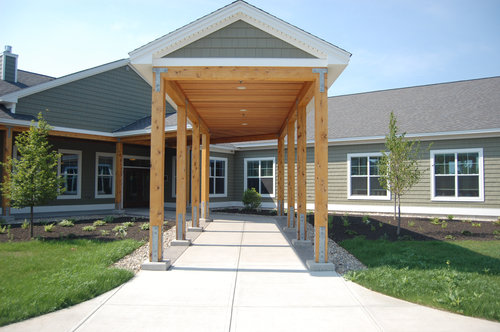
29 MAURICE DRIVE, BRUNSWICK, ME 04011 (207) 725-7495
For profit - Corporation 65 Beds Independent Data: November 2025
Trust Grade
78/100
#25 of 77 in ME
Last Inspection: August 2024

Within standard 12-15 month inspection cycle. Federal law requires annual inspections.

Overview

Horizons Living and Rehab Center has a trust grade of B, indicating it is a good choice, but not without its shortcomings. It ranks #25 out of 77 nursing homes in Maine, placing it in the top half of facilities in the state, and #9 out of 17 in Cumberland County, suggesting only a few options are better locally. Unfortunately, the facility is experiencing a worsening trend, with issues increasing from 6 in 2022 to 11 in 2024. Staffing is a strength, receiving a perfect score of 5 out of 5 stars and a turnover rate of 26%, well below the state average, meaning employees are more likely to stay and build relationships with residents. However, there are concerning incidents, such as failing to provide written transfer notices for residents moved to the hospital and lapses in CPR certification among staff, which could jeopardize resident safety. Overall, while the facility has strengths in staffing, it also has notable weaknesses that families should consider.

Trust Score
B
78/100
In Maine
#25/77
Top 32%
Safety Record
Low Risk
No red flags
Inspections
Getting Worse
6 → 11 violations
Staff Stability
✓ Good
26% annual turnover. Excellent stability, 22 points below Maine's 48% average. Staff who stay learn residents' needs.
Penalties
✓ Good
No fines on record. Clean compliance history, better than most Maine facilities.
Skilled Nurses
✓ Good
Each resident gets 53 minutes of Registered Nurse (RN) attention daily — more than average for Maine. RNs are trained to catch health problems early.
Violations
⚠ Watch
20 deficiencies on record. Higher than average. Multiple issues found across inspections.
★★★★☆
4.0
Overall Rating
★★★★★
5.0
Staff Levels
★★★☆☆
3.0
Care Quality
★★★☆☆
3.0
Inspection Score
Stable
2022: 6 issues
2024: 11 issues

The Good

  • 5-Star Staffing Rating · Excellent nurse staffing levels
  • Low Staff Turnover (26%) · Staff stability means consistent care
  • Full Sprinkler Coverage · Fire safety systems throughout facility
  • No fines on record
  • Staff turnover is low (26%)

    22 points below Maine average of 48%

Facility shows strength in staffing levels, staff retention, fire safety.

The Bad

No Significant Concerns Identified

This facility shows no red flags. Among Maine's 100 nursing homes, only 1% achieve this.

The Ugly 20 deficiencies on record

Aug 2024 11 deficiencies
CONCERN (D)

Potential for Harm - no one hurt, but risky conditions existed

Deficiency F0558 (Tag F0558)

Could have caused harm · This affected 1 resident

**NOTE- TERMS IN BRACKETS HAVE BEEN EDITED TO PROTECT CONFIDENTIALITY** Based on interviews and record review, the facility failed to ensure accommodations were made for a resident, to include the fac...

Read full inspector narrative →
**NOTE- TERMS IN BRACKETS HAVE BEEN EDITED TO PROTECT CONFIDENTIALITY** Based on interviews and record review, the facility failed to ensure accommodations were made for a resident, to include the facility's bathing schedule and resident preferences for 1 of 1 resident reviewed for activities of daily living (Resident #24). Findings On 8/26/24 at 8:20 a.m. and again on 8/27/24 at 7:55 a.m. during interviews, Resident #24 stated he/she had not received a shower in seven days and prefers to be bathed in the morning two times a week. Resident #24 stated he/she has informed the Certified Nurses Aide (CNA), a Registered Nurse, and the Nurse Practitioner of his/her preferences on multiple occasions. On 8/26/24 at 12:46 p.m., observation of the Stowes Unit weekly shower schedule dated 5/2/24 indicated Resident #24 was to receive a shower Wednesday evenings. At this time during a brief interview, CNA #11 stated, the posted shower schedule was incorrect, and she follows the daily CNA schedule, which has the showers to be completed for that shift highlighted. She confirmed Resident #24 does not receive showers twice weekly. On 8/27/24 review of CNA bathing documentation stated Resident #24 received showers on 8/7/24 and 8/14/24 with the last shower documented on 8/18/24 on the evening shift. The admission [NAME] data set dated [DATE] under section F preferences for customary routine and activities states it is important for him/her to choose their bathing options. On 8/27/24 the Staffing and Transport Coordinator provided the updated Stowes Unit weekly shower schedule, which states Resident #24 receives showers on Thursday evenings once a week. On 8/28/24 at 2:15 p.m., the above information was discussed with the Administrator and Director of Nursing.
CONCERN (D)

Potential for Harm - no one hurt, but risky conditions existed

Quality of Care (Tag F0684)

Could have caused harm · This affected 1 resident

**NOTE- TERMS IN BRACKETS HAVE BEEN EDITED TO PROTECT CONFIDENTIALITY** Based on interviews and record reviews, the facility failed to provide follow up care for 1 of 1 resident reviewed with a pacema...

Read full inspector narrative →
**NOTE- TERMS IN BRACKETS HAVE BEEN EDITED TO PROTECT CONFIDENTIALITY** Based on interviews and record reviews, the facility failed to provide follow up care for 1 of 1 resident reviewed with a pacemaker. (Resident #11) Finding: Review of the admission Minimum Data Set (MDS) assessment completed on 12/6/23 noted he/she had an implanted pacemaker listed under diagnosis. A further review of the Electronic Medical Record (EMR) lacked any details about the implanted pacemaker or facility follow and/or monitoring of the pacemaker's functioning. The care plan instructed the Registered Nurse (RN) to monitor/document/report a pulse rate lower than programmed rate. The programmed rate was not located in the EMR. On 8/27/24 at 1:04 p.m. during an interview, the Licensed Practical Nurse #1 confirmed she did not know Resident #11 had a pacemaker. On 8/27/24 at 2:00 p.m. during an interview, the RN #2 stated anyone with a pacemaker would be followed by cardiology. RN #2 was unable to provide documentation on Resident #11's pacemaker programmed rate, if his/her pacemaker checks had been completed and if he/she was seen or followed by a cardiologist since admission on [DATE]. On 8/28/24 at 9:45 a.m., during an interview, the Director of Nursing confirmed the standard of care for a pacemaker was not met for Resident #11.
CONCERN (D)

Potential for Harm - no one hurt, but risky conditions existed

Food Safety (Tag F0812)

Could have caused harm · This affected 1 resident

Based on observations and interviews, the facility failed to serve and store food in a sanitary manner during 1 of 1 observations of the refrigerator in the main dining room. Finding: On 8/26/24 at ...

Read full inspector narrative →
Based on observations and interviews, the facility failed to serve and store food in a sanitary manner during 1 of 1 observations of the refrigerator in the main dining room. Finding: On 8/26/24 at 12:20 p.m., observaton of the main dining room refrigerator lacked documentation of temperature monitoring and a very large amount of a red fluid covered the bottom of the freezer. At this time, the food service manager confirmed the observation.
CONCERN (E)

Potential for Harm - no one hurt, but risky conditions existed

Transfer Notice (Tag F0623)

Could have caused harm · This affected multiple residents

**NOTE- TERMS IN BRACKETS HAVE BEEN EDITED TO PROTECT CONFIDENTIALITY** 4. Documentation in Resident #28's clinical record indicated that the resident was transferred to the hospital on 5/1/24 and 6/2...

Read full inspector narrative →
**NOTE- TERMS IN BRACKETS HAVE BEEN EDITED TO PROTECT CONFIDENTIALITY** 4. Documentation in Resident #28's clinical record indicated that the resident was transferred to the hospital on 5/1/24 and 6/24/24 and subsequently admitted . The clinical record lacked evidence that Resident #28 and/or the resident representative were provided with written transfer/discharge notices upon either transfer. 5. Documentation in Resident #35's clinical record indicated that the resident was transferred to the hospital on 1/12/23, 10/29/23 and 4/7/24 and subsequently admitted . The clinical record lacked evidence that Resident #35 and/or the resident representative were provided with written transfer/discharge notices with all three transfers. On 8/27/24 at 9:05 a.m. during an interview, the Admissions Director confirmed the above residents and/or the resident representative were not provided with written transfer/discharge notices upon transfers. 3. Documentation in Resident #31 clinical record indicated that resident was transferred to the hospital on 8/19/24 and 8/21/24 and admitted for overnight observation and treatment. The clinical record lacked evidence that Resident #31 and/or the resident representative were provided with written transfer/discharge notices upon either transfer. Based on record review and interview, the facility failed to notify the resident, family and/or the resident's representative in writing of the transfers/discharge to an acute care hospital for 5 of 6 residents sampled for hospitalizations (Residents #7, #108, #31, #28 and #35). Findings: 1. Documentation in Resident #7's clinical record indicated that the resident was transferred to the hospital on 3/2/24 and 4/7/24 and subsequently admitted . The clinical record lacked evidence that Resident #7 and/or the resident representative were provided with written transfer/discharge notices upon either transfer. 2. Documentation in Resident #108's clinical record indicated that the resident was transferred to the hospital on 8/23/24 and returned on 8/24/24. The clinical record lacked evidence that Resident #108 and/or the resident representative were provided with written transfer/discharge notices upon transfer. On 8/26/24 at 2:34 p.m., in an interview with a surveyor, the nurse manager of the [NAME] Unit stated the nurses do not send the notices with the resident at the time of transfer. On 8/26/24 at 2:40 p.m., in an interview with a surveyor, the Admissions Director stated once a resident is admitted to the hospital, he/she or the facility's social worker, will send the notices to the resident's family. The notices are not sent for residents who are not admitted to the hospital. The Admissions Director confirmed that Resident #108 was not provided with a transfer/discharge notice.
CONCERN (E)

Potential for Harm - no one hurt, but risky conditions existed

Deficiency F0625 (Tag F0625)

Could have caused harm · This affected multiple residents

4. Resident #28's clinical record revealed the resident was transferred to an acute care hospital on 5/1/24 and 6/24/24 and subsequently admitted . The clinical record lacked evidence that Resident #2...

Read full inspector narrative →
4. Resident #28's clinical record revealed the resident was transferred to an acute care hospital on 5/1/24 and 6/24/24 and subsequently admitted . The clinical record lacked evidence that Resident #28 and/or the resident representative were provided with a written bed hold notices upon either transfer 5. Resident #35's clinical record reveals the resident was transferred to an acute care hospital on 1/12/23, 10/29/23 and 4/7/24 and subsequently admitted . The clinical record lacked evidence that Resident #35 and/or resident representative were provided with a written bed hold notices upon all three transfers. On 8/27/24 at 9:05 a.m. during an interview, the Admissions Director confirmed the above residents and/or resident representative were provided with a written bed hold notices upon transfers. 3. Resident 31's clinical record revealed the resident was transferred to an acute care hospital on 8/1924 and 8/21/24 and admitted . The clinical record lacked evidence that Resident #31 and/or the resident representative were provided with a written bed hold notices upon either transfer. Based on record review and interview, the facility failed to issue a bed hold notice which included the daily bed hold cost, to a resident, known family member and/or legal representative for 5 of 6 sampled residents who had been transferred to the hospital ((Residents #7, #108, #31, #28 and #35). Findings: 1. Resident #7's clinical record revealed the resident was transferred to an acute care hospital on 3/2/24 and 4/7/24 and subsequently admitted . The clinical record lacked evidence that Resident #7 and/or the resident representative were provided with a written bed hold notices upon either transfer. 2. Resident #108's clinical record revealed that the resident was transferred to the hospital on 8/23/24 and returned on 8/24/24. The clinical record lacked evidence that Resident #108 and/or the resident representative were provided with a written bed hold notice upon transfer.
CONCERN (E)

Potential for Harm - no one hurt, but risky conditions existed

Deficiency F0678 (Tag F0678)

Could have caused harm · This affected multiple residents

**NOTE- TERMS IN BRACKETS HAVE BEEN EDITED TO PROTECT CONFIDENTIALITY** Based on interviews and record reviews the facility failed to ensure all facility staff maintain training in cardiopulmonary res...

Read full inspector narrative →
**NOTE- TERMS IN BRACKETS HAVE BEEN EDITED TO PROTECT CONFIDENTIALITY** Based on interviews and record reviews the facility failed to ensure all facility staff maintain training in cardiopulmonary resuscitation (CPR) for Healthcare Providers, resulting in staff who are responsible for providing CPR without an active CPR certificate for 8 of 27 days reviewed. This has the potential to effect all of the residents. Findings: On [DATE] an anonymous staff member expressed concerns about facility staff not recieving education or maintaining their CPR Certification. On [DATE] at 2:24 p.m., during an interview, the Director of Nursing (DON) stated she herself was not CPR certified, it's not a facility requirement for staff and she does not know what staff are current with their CPR certification. On [DATE] at 3:20 p.m., the Administrator confirmed there are 7 of 56 residents who are Full Code and could potentially require CPR however, all residents are at risk for choking. A review of the facility staffing with CPR certification for the month of August had the following shifts where there were no staff available with current CPR certification: [DATE] night shift did not have any staff who were current in their CPR certification [DATE] night shift did not have any staff who were current in their CPR certification [DATE] evening and night shift did not have any staff who were current in their CPR certification [DATE] night shift did not have any staff who were current in their CPR certification [DATE] night shift did not have any staff who were current in their CPR certification [DATE] night shift did not have any staff who were current in their CPR certification [DATE] night shift did not have any staff who were current in their CPR certification [DATE] night shift did not have any staff who were current in their CPR certification The following facility Policy's and Procedures: > Emergency response policy, last revised [DATE] states, It is the policy of Horizons Living and Rehab Center to provide emergency care with a quick response, during a life or death situation regardless of code status. Examples of emergency may include (but are not limited to) severe bleeding and choking. > Finding a resident with no pulse or respiration, last revision on [DATE], instructing staff to If a resident is a full code, Call 911 and Immediately begin CPR. > Obstructed airway/choking episode/Heimlich Maneuver last revision on [DATE], instructing staff to establish that the victim is actually choking . immediately begin Heimlich maneuver. On [DATE] at 2:00 p.m., the facility provided documentation of current CPR certifications for 4 of 14 Registered Nurses, 2 of 12 Licensed Practical Nurses and 7 of 51 Certified Nurses Aids. The above was confirmed with both the Administrator and the Director of Nursing who stated going forward there would be a CPR certified staff on every shift while other staff are obtaining their certification.
CONCERN (E)

Potential for Harm - no one hurt, but risky conditions existed

Deficiency F0730 (Tag F0730)

Could have caused harm · This affected multiple residents

Based on review of annual evaluations and interviews, the facility failed to complete a annual performance evaluation for Certified Nursing Assistants (CNA) at least every 12 months, for 5 of 5 CNA's ...

Read full inspector narrative →
Based on review of annual evaluations and interviews, the facility failed to complete a annual performance evaluation for Certified Nursing Assistants (CNA) at least every 12 months, for 5 of 5 CNA's reviewed with employment greater than 1 year (CNA #12, CNA #13, CNA #14, CNA #15, CNA #16). Findings: On 8/28/24, a surveyor reviewed the following employee files: 1. CNA #12 was hired on 8/19/2020. The employee file lacked evidence of an annual review being completed since date of hire. 2. CNA #13 was hired on 8/4/2021. The employee file lacked evidence of an annual review being completed since date of hire. 3. CNA #14 was hired on 8/10/2022. The employee file lacked evidence of an annual review being completed since date of hire. 4. CNA #15 was hired on 9/16/2021. The employee file lacked evidence of an annual review being completed since date of hire. 5. CNA #16 was hired on 7/29/2020. The employee file lacked evidence of an annual review being completed since date of hire. On 8/28/24 at 12:30 p.m., during an interview, the Director of Nursing confirmed that the annual performance review for 5 of 5 employees had not been completed since their date of hire.
CONCERN (E)

Potential for Harm - no one hurt, but risky conditions existed

Administration (Tag F0835)

Could have caused harm · This affected multiple residents

Based on the cumulative effect of deficiencies cited during the recertification survey from 8/26/24 through 8/28/24, the facility was not administered in a manner that enabled residents to attain or m...

Read full inspector narrative →
Based on the cumulative effect of deficiencies cited during the recertification survey from 8/26/24 through 8/28/24, the facility was not administered in a manner that enabled residents to attain or maintain their highest practicable well-being as evidenced by Federal findings listed under 483.10- Resident rights (F558, F585); 483.15- Resident Notification (F623, F625); 483.24- Quality of Life (F678); 483.25- Quality of Care (F684); 483.35- Nursing Services (F726, F730, T206); 483.60- Food Safety (F812) and 483.95- Training Requirements (F940, F947). These failures to assure a process was in place to monitor staff development and resident care resulted in the facility failing to assist residents to maintain their highest functional and practicable well-being and has the potential to affect all 56 residents. In addition, the Administration failed to follow the Facility Assessment ensuring staff education/training and competencies were completed and failed to ensure policies and procedures were reviewed and updated annually. Findings: 1. Based on interviews and record review, the facility failed to ensure that accommodations were made for a resident, to include the facilities bathing schedule and resident preferences for 1 of 1 resident reviewed for activities of daily living (Resident #24). (F558) 2. Based on interviews and record review the facility failed to develop and implement a grievance policy which includes the resident's rights to a grievance, how to file and/or access grievance forms including anonymously and the response or resolution to grievances. (F565) 3. Based on record review and interview, the facility failed to notify the resident, family and/or the resident's representative in writing of the transfers/discharge to an acute care hospital for 5 of 6 residents sampled for hospitalizations (Residents #7, #108, #31, #28 and #35). (F623) 4. Based on record review and interview, the facility failed to issue a bed hold notice which included the daily bed hold cost, to a resident, known family member and/or legal representative for 5 of 6 sampled residents who had been transferred to the hospital ((Residents #7, #108, #31, #28 and #35). (F625) 5. Based on interviews and record reviews the facility failed to ensure all facility staff maintain training in cardiopulmonary resuscitation (CPR) for Healthcare Providers, resulting in staff who are responsible for providing CPR without an active CPR certificate for 8 of 27 days reviewed. (F678) 6. Based on interviews and record reviews, the facility failed to provide follow up care for 1 of 1 resident reviewed with a pacemaker (Resident #11). (F684) 7. Based on observations, interviews and record reviews, the facility failed to ensure that staff maintained the appropriate competency and skill required to provide Cardio-Pulmonary Resuscitation (CPR) for 11 of 12 newly hired nursing staff reviewed. This has the potential to effect 7 residents in the facility that maintained a Full Code status. (F726) 8. Based on review of annual evaluations and interviews, the facility failed to complete an annual performance evaluation for Certified Nursing Assistants (CNA) at least every 12 months, for 5 of 5 CNA's reviewed with employment greater than 1 year (CNA #12, CNA #13, CNA #14, CNA #15, CNA #16). (F730) 9. Based on record reviews and interviews, the facility failed to ensure nursing policy & procedure were in place, to develop and implement continuing education for nursing staff, evaluate nurse competencies and develop and maintain a job description for each level of nursing personnel. (T206) 10. Based on observations and interviews, the facility failed to serve and store food in a sanitary manner during 1 of 1 observations of the refrigerator in the main dining room. (F812) 11. Based on interview and employee personnel record reviews, the facility failed to implement and maintain effective training programs for nursing staff in the areas of cardiopulmonary resuscitation (CPR), nursing competencies, dementia care, resident rights and the required 12 hours of annual in-service education training for Certified Nurses Aid (CNA) for 11 of 12 newly hired nursing staff reviewed and 4 of 5 randomly selected CNAs employed greater than 1 year. (F940) 12. Based on Certified Nursing Assistant (CNA) employee education record review and interview, the facility failed to monitor and ensure that the CNA attended the required 12 hours of annual in-service education training and the mandatory yearly trainings for dementia care and resident rights for 4 of 5 randomly selected CNAs employed greater than 1 year (CNA #13, CNA #14, CNA #15, CNA #16). (F947) 13. Review of the Facility Assessment, revised on 8/17/24 states The facility assessment collects information about the facilities resident population to identify the number of resident; facility capacity; the care required; staff competencies . the facilities resources are identified and evaluated to ensure that care can be provided to meet residents needs during the day-to-day operations. Under section, Staff education, Training and Competencies states, every position has a job description that identifies the required education and credentials for the specific job. All credentials in education are verified before hiring . competencies are based on current standards of practice and may include knowledge and a test, knowledge and a return demonstration and observed ability, knowledge and observed behavior in an annual performance evaluation. Competencies are based on the care and services needed by the resident population. Under section, Policies and Procedures for the Provision of Care states, Policy and procedures are reviewed and updated at least annually and as needed with the introduction of new resident care needs, new technology or equipment or a change in the physical plant or environmental hazards. Creation of new policies/revision of existing policies will be done in consultation with the regulatory view in resident needs. On 8/28/24 at 11:42 a.m., during an interview, the Administrator and the Director of Nursing confirmed the facility had never developed or implemented a skills fair or competencies for the nursing staff neither upon hire or annually. In addition, the Director of Nursing confirmed the lack of job descriptions and was unable to provide job descriptions for the following staff: Registered Nurses, Licensed Practical Nurses, Certified Nurses Aid and Certified Medication Technician. Review of the following policies, contained the following: > Emergency Response, was last revised 9/4/2013. > Obstructed airway/choking episode/Heimlich Maneuver was last revised on 9/3/2013. In addition, the policy does not reflect the need for Basic Life Support / Cardiopulmonary Resuscitation (CPR) training for staff. > Finding a resident with no pulse or respiration, was last revised on 7/16/2013 and instructs staff to confirm the resident code status by visualizing a Green dot on the resident's chart binder indicating the resident is a FULL CODE and No dot indicates resident is a DNR (Do Not Resuscitate). The policy does not reflect the need for CPR training and/or maintaining a CPR certificate. On 8/26/24 upon entrance to the facility, the Administrator stated there were no longer any hard charts for the residents, all the resident's records are now in an Electronic Medical Record form (online). On 8/26/24 at 2:22 p.m., during an interview, the Administrator confirmed the facility did not have a grievance policy or procedure in place.
CONCERN (E)

Potential for Harm - no one hurt, but risky conditions existed

Deficiency F0940 (Tag F0940)

Could have caused harm · This affected multiple residents

**NOTE- TERMS IN BRACKETS HAVE BEEN EDITED TO PROTECT CONFIDENTIALITY** Based on interview and employee personnel record reviews, the facility failed to implement and maintain effective training progr...

Read full inspector narrative →
**NOTE- TERMS IN BRACKETS HAVE BEEN EDITED TO PROTECT CONFIDENTIALITY** Based on interview and employee personnel record reviews, the facility failed to implement and maintain effective training programs for nursing staff in the areas of cardiopulmonary resuscitation (CPR), nursing competencies, dementia care, resident rights and the required 12 hours of annual in-service education training for Certified Nurses Aid (CNA) for 11 of 12 newly hired nursing staff reviewed and 4 of 5 randomly selected CNAs employed greater than 1 year. Findings: Review of the Facility Assessment, revised on [DATE] under section, Staff education, Training and Competencies states, every position has a job description that identifies the required education and credentials for the specific job. All credentials in education are verified before hiring. All employees are trained in the following topics upon hire and annually: Resident rights and Dementia and dealing with difficult behaviors and competencies are based on current standards of practice and may include knowledge and a test, knowledge and a return demonstration and observed ability, knowledge and observed behavior in an annual performance evaluation. Competencies are based on the care and services needed by the resident population. 1. On [DATE] at 2:24 p.m., during an interview, the Director of Nursing (DON) stated she herself was not CPR certified and the facility does not require a CPR certification for staff. On [DATE] at 2:00 p.m., the facility was only able to provide documentation of current CPR certifications for 4 of 14 Registered Nurses, 2 of 12 Licensed Practical Nurses and 7 of 51 Certified Nurses Aids. 2. On [DATE] at 11:42 a.m., during an interview, the Administrator and the Director of Nursing stated the facility had never developed or implemented a skills fair or competencies for the nursing staff neither upon hire nor annually. 3. On [DATE], review of CNA #13, CNA #14, CNA #15 and CNA #16 employee education files lacked dementia and/or resident rights education as well as 12 required hours for continuing education yearly. On [DATE] at approx. 2:15 p.m., the above was discussed with the Administrator and Director of Nursing
CONCERN (E)

Potential for Harm - no one hurt, but risky conditions existed

Deficiency F0947 (Tag F0947)

Could have caused harm · This affected multiple residents

Based on Certified Nursing Assistant (CNA) employee education record review and interview, the facility failed to monitor and ensure that the CNA attended the required 12 hours of annual in-service ed...

Read full inspector narrative →
Based on Certified Nursing Assistant (CNA) employee education record review and interview, the facility failed to monitor and ensure that the CNA attended the required 12 hours of annual in-service education training and the mandatory yearly trainings for dementia care and resident rights for 4 of 5 randomly selected CNAs employed greater than 1 year (CNA #13, CNA #14, CNA #15, CNA #16). Findings On 8/28/24, a surveyor reviewed the following employee education files: 1. CNA #13 was hired 8/4/21. Review of CNA #13 Employee In-service/attendance Records lacked evidence of dementia and resident rights training. In addition, she has 7.5 of the 12 hours required for continuing education for the year of 2023. 2. CNA #14 was hired 8/10/22. Review of CNA #14 Employee In-service/attendance Records lacked evidence of dementia training. In addition, she has 9 of the 12 hours required for continuing education of the year 2023. 3. CNA #15 was hired 9/16/21. Review of CNA #15 Employee In-service/attendance Records lacked evidence of dementia training and resident rights training. In addition, she has 11 of the 12 hours required for continuing education of the year 2023. 4. CNA #16 was hired 7/29/20. Review of CNA #16 Employee In-service/attendance Records lacked evidence of resident rights training. In addition, she has 5.5 of the 12 hours required for continuing education of the year 2023. On 8/28/24 at 12:30 p.m., in a interview, the Director of Nursing confirmed the above findings.
MINOR (C)

Minor Issue - procedural, no safety impact

Grievances (Tag F0585)

Minor procedural issue · This affected most or all residents

**NOTE- TERMS IN BRACKETS HAVE BEEN EDITED TO PROTECT CONFIDENTIALITY** Based on interviews and record review the facility failed to develop and implement a grievance policy which includes the residen...

Read full inspector narrative →
**NOTE- TERMS IN BRACKETS HAVE BEEN EDITED TO PROTECT CONFIDENTIALITY** Based on interviews and record review the facility failed to develop and implement a grievance policy which includes the resident's rights to a grievance, how to file and/or access grievance forms including anonymously and the response or resolution to grievances. Findings: On 8/27/24 at 1:30 p.m. during an interview with resident council members. Residents #32, #35, and #40 were unaware that they could file a grievance, how to make a formal grievance, or that a grievance could be filed anonymously. Resident #32 stated on each unit there is a box where he/she believes a resident can make a complaint. He/she stated the box on the [NAME] Unit is behind the medication cart, inaccessible and too high for residents to reach in wheelchairs. On 8/27/24 observation of the comment and suggestion boxes on all three units ([NAME], [NAME], and [NAME]) are inaccessible for residents in wheelchairs, in addition [NAME]'s comment and suggestions box was located behind the medication cart. On 8/26/24 at 1:50 p.m., during an interview, the Director of Social Services stated the facility does not have a formal grievance process/policy or have forms accessible to residents. On 8/26/24 at 2:22 p.m., during an interview, the Administrator stated the facility has no grievance policy or procedure in place and residents are to come to him with concerns, and he will determine if the concern/complaint is a grievance.
May 2022 6 deficiencies
CONCERN (D)

Potential for Harm - no one hurt, but risky conditions existed

Safe Environment (Tag F0584)

Could have caused harm · This affected 1 resident

**NOTE- TERMS IN BRACKETS HAVE BEEN EDITED TO PROTECT CONFIDENTIALITY** Based on observations and interview, the facility failed to adequately ensure maintenance services necessary to maintain residen...

Read full inspector narrative →
**NOTE- TERMS IN BRACKETS HAVE BEEN EDITED TO PROTECT CONFIDENTIALITY** Based on observations and interview, the facility failed to adequately ensure maintenance services necessary to maintain resident's wheelchairs in good repair and sanitary condition and failed to maintain a clean homelike environment on 2 of 3 units ([NAME] and [NAME]). Findings: From 5/9/22 - 5/10/22 a surveyor observed the following: 1. [NAME] unit; room [ROOM NUMBER], 102A and 121 wheelchair armrests were ripped/torn and missing material, creating uncleanable surfaces. 2. [NAME] Unit: room [ROOM NUMBER] wheelchair armrests were ripped/torn and missing material, creating uncleanable surface. 3 stained ceiling tiles in between the nurse's station and the kitchenette, 1 stained ceiling tile above the cabinets in kitchenette and 2 stained ceiling tiles in the TV room across from the kitchenette. The hall fan wire cover, between room [ROOM NUMBER] and 107, was ripped from the wall, peeling off paint with several pieces of scotch tape holding it in place. On 5/10/22 at 4:32 p.m., a surveyor confirmed the above findings during the environment tour, with the Administrator.
CONCERN (D)

Potential for Harm - no one hurt, but risky conditions existed

Comprehensive Care Plan (Tag F0656)

Could have caused harm · This affected 1 resident

**NOTE- TERMS IN BRACKETS HAVE BEEN EDITED TO PROTECT CONFIDENTIALITY** Based on record review and interview, the facility failed to ensure that a care plan included a care area for diabetes managemen...

Read full inspector narrative →
**NOTE- TERMS IN BRACKETS HAVE BEEN EDITED TO PROTECT CONFIDENTIALITY** Based on record review and interview, the facility failed to ensure that a care plan included a care area for diabetes management for 1 of 36 sampled residents with care plans developed electronically (#25), Finding: Resident #25 was admitted to the facility on [DATE] with a diagnosis of Diabetes Mellitus and is on medications related to diabetes management. The medical record lacked evidence that a comprehensive care plan had been developed in the areas of diabetes mellitus management. On 5/11/22 at 12:45 p.m., during an interview with the Director of Nursing, a surveyor confirmed this finding.
CONCERN (D)

Potential for Harm - no one hurt, but risky conditions existed

Pharmacy Services (Tag F0755)

Could have caused harm · This affected 1 resident

Based on record review and interview, the facility failed to establish a system of records for disposition for all controlled drugs to enable accurate reconciliation for the use of Fentanyl (controlle...

Read full inspector narrative →
Based on record review and interview, the facility failed to establish a system of records for disposition for all controlled drugs to enable accurate reconciliation for the use of Fentanyl (controlled substance, schedule II) transdermal patch for 2 of 3 residents reviewed for Fentanyl transdermal patch use (#37 and #51). Findings: On 12/10/21 at 4:19 p.m., Division of Licensing received the following facility report of drug diversion: On 12/10/21 at 9:30 a.m., Licensed Practical Nurse (LPN #1) became acutely ill while working and was sent to the hospital. LPN #2 was unable to find Resident #37's Fentanyl patch on his/her person that had noted to be in place at the onset of LPN #1's shift and discovered the narcotic count for the Resident #37 Fentanyl patches was missing one patch. On 12/15/21 the facilities follow up indicated both of the patches were found at the hospital with LPN #1. The actions taken by the facility stated, they had revised our Fentanyl patch polices to include a policy of two nurse's signing off when removing and old patch and accounting for the destruction of the used patch. Guardian Pharmacy: Control Substance Disposal policy and procedure, effective 5/1/18 states in Section B. When a dose of a controlled medication is removed from the container for administration but refused by the resident or not given for any reason, it is not placed back in the container. It is destroyed in the presence of two licensed staff, and the disposal is documented on the accountability record/book on the line representing that dose. The same process applies to the disposal of unused partial tablets and unused portions of single dose ampules and doses of controlled substance wasted for any reason. Controlled Substance Storage policy and procedure, effective 5/1/18 states in Section E: At each shift change, or when keys are transferred, a physical inventory of all controlled substances, including refrigerated items is conducted by two appropriately licensed/certified personnel and is documented. Facilities Monitoring the Placement of Fentanyl Patches on Residents, after application and Removal of the Used Patches policy and procedure, revised on 12/16/21 after the drug diversion incident, to include the following: Removal and disposing of used fentanyl patch. 1. When removing a fentanyl patch, two licensed nurses, must dispose of the used patched together into a sharp container. 2. Both licensed nurses shall sign off and acknowledge the destruction of the used patch on the form titled Disposal of Open and Used Fentanyl Patches On 5/9/22 Resident #37's medical record lacked evidence of fentanyl patch destructions with 2 nurses prior to 12/19/21. Further review noted on 4/21/22 the record lacked documentation of destruction of the fentanyl patch by 2 nurses. On 5/9/22 Resident #51's medical record lacked evidence of the fentanyl patch destruction with 2 nurses on 4/29/22 and there was no evidence of fentanyl patch placement review for the month of March and April of 2022. On 5/11/22 at 12:29 p.m., in an interview with the Director of Nursing (DON) she confirmed the above findings and stated she could not find March and April 2022 fentanyl patch placement review. On 5/9/22 at 1:35 p.m., in an interview with LPN #3 she stated, prior to December, she was allowed to remove a fentanyl patch from the resident and destroy it without a second nurse witness. Since then, she is required to have another nurse witness destruction of the used fentanyl patch. She then stated they had always counted the cart with 2 nurses and checked to verify the patch placement when changing shifts. On 5/9/22 at 1:45 p.m., in an interview with LPN #4, she stated, prior to December, she doesn't believe fentanyl patches were destroyed with 2 nurses. On 5/9/22 at 1:49 p.m., in an interview with the DON, she stated she has been working in a nurse capacity since 2010 and has never had to have 2 nurses sign off to destroy fentanyl patches stating, nurses were always able to destroy by themself and It wasn't until the incident (12/10/21) when we updated the policy to have 2 nurses verify destruction of fentanyl patches. She then stated, on 12/10/21 LPN #1 was responsible for the medication cart containing narcotics but did not sign to verify placement of the patch on Resident #37 or the count for the patches. On 5/11/21 at 1:32 p.m., during an interview with the LPN #2, she stated she was called into work on 12/10/21 because LPN #1 was sent to the hospital. When she arrived approx. 9:30-10:00 a.m., she took over the medication cart from the Nurse Manager and did not count the controlled substances at that time. When it was time to administer Resident #37's new fentanyl patch, the count was wrong. On 5/11/22 at 2:13 p.m., during an interview with the Director of nursing, the above concerns were discussed.
CONCERN (E)

Potential for Harm - no one hurt, but risky conditions existed

Deficiency F0761 (Tag F0761)

Could have caused harm · This affected multiple residents

**NOTE- TERMS IN BRACKETS HAVE BEEN EDITED TO PROTECT CONFIDENTIALITY** Based on record review, observation and interviews, the facility failed to date biological's after opened and according to manuf...

Read full inspector narrative →
**NOTE- TERMS IN BRACKETS HAVE BEEN EDITED TO PROTECT CONFIDENTIALITY** Based on record review, observation and interviews, the facility failed to date biological's after opened and according to manufacturer specifications and failed to ensure expired medications were removed from the supply available for use in 1 of 2 medication rooms, 3 out of 3 medication carts and 1 of 3 treatment carts. In addition, the facility failed to adequately store controlled substances in a permanently affixed compartment and double locked in 1 of 2 medication rooms observed. Findings: Guardian Pharmacy policy and procedure for Controlled Substance Storage, effective 5/1/18 states in Section B: Schedule [II-V] medications and other medications subject to abuse or diversion are stored in a permanently affixed, double-locked compartment separate from all other medications or per state regulation and Section C: Controlled substances that require refrigeration are stored within a locked box within the refrigerator. For NF/SNF facilities, this box must be attached to the inside of the refrigerator. 1. On 5/10/22 at 7:20 a.m., observation of the facilities main medication room, [NAME] unit medication cart and treatment cart with a Licensed Practical Nurse (LPN) the following was observed: * In the main medication room: one opened bottle of Melatonin 1 milligram (mg) tablets with an expiration date of 3/22 and two opened multi use vials of Tuberculin Purified Protein Derivative (TB) with manufactures directions to discard opened product after 30 days, further observation revealed that the TB vials did not have an opened date nor a discard date. * [NAME] Medication cart: one bottle of Melatonin 1 mg tablets with an expiration date of 3/22 and an opened bottle of Acidophilus, Probiotic, with manufactures instruction to Refrigerate after opening. * [NAME] Treatment cart: an opened Basaslar Kiwi insulin Pen, with a manufacturer specification indicating after first use to discard unused medication after 28 days, further observation revealed the insulin pen did not have an opened date nor a discard date. At this time the LPN confirmed the above observations. 2. On 5/10/22 at 7:39 a.m., observation of the [NAME] unit medication cart with a Registered Nurse (RN) the following was observed: * One opened bottle of Melatonin 1 mg tablets with an expiration date of 3/22 * One opened bottle of Acidophilus, Probiotic, with manufactures instruction to Refrigerate after opening. At this time the RN confirmed the above observations. 3. On 5/10/22 at 7:52 a.m., observation of [NAME] unit medication cart and the medication room with an LPN the following was observed: * In the [NAME] medication cart: One opened bottle of stool softener, Docusate 100 mg tablets with expiration date of 4/22, an opened bottle of Melatonin 1 mg tablets with an expiration date of 3/22 and an opened bottle of Cetirizine 10 mg with expiration date of 4/22. * In the [NAME] medication room refrigerator, containing OTC medications, on the door of the refrigerator, was an opened bottle of liquid Lorazepam (controlled substance, schedule IV) for Resident #53. The Lorazepam was not stored in a permanently affixed and double locked compartment separate from other medications. On 5/10/22 at 11:31 a.m., observation of the main medication room refrigerator with the Director of Nursing (DON), contained a locked toolbox, not affixed to the fridge. The Director of Nursing stated the only liquid Ativan that is double locked is in the emergency kit (the toolbox) for which the key is obtained through the Pyxis. Otherwise, resident's liquid Ativan is in the fridge on the units, under one lock. At this time, the surveyor discussed the above findings with the DON who confirmed the liquid Lorazepam in the toolbox was not affixed to the fridge.
MINOR (B)

Minor Issue - procedural, no safety impact

Assessment Accuracy (Tag F0641)

Minor procedural issue · This affected multiple residents

**NOTE- TERMS IN BRACKETS HAVE BEEN EDITED TO PROTECT CONFIDENTIALITY** Based on electronic medical records review and interviews, the facility failed to ensure that a Minimum Data Set, version 3.0 (M...

Read full inspector narrative →
**NOTE- TERMS IN BRACKETS HAVE BEEN EDITED TO PROTECT CONFIDENTIALITY** Based on electronic medical records review and interviews, the facility failed to ensure that a Minimum Data Set, version 3.0 (MDS) was accurately coded in the area of restraints for 12 of 12 residents reviewed for restraints. In addition, the facility failed to ensure that an MDS was accurately coded in the area of Active diagnosis for 1 of 36 sampled residents. (#8, #11, #18, #25, #26, #29, #30, #33, #35, #36, #37, #44). Findings: The facilities Side Rail Consent form states: Side rails are used as enablers (to help us do something) or because they are medically necessary (as seizure precautions as an example). They are never used as a restraint at Horizons Living and Rehab Center. 1. Review of Resident #8's electronic charting revealed completion of a Side Rail Consent Form dated 5/21/18 which noted the Resident uses 2 side rails to assist resident in repositioning in bed. Resident #8's Annual MDS assessment dated [DATE], was inaccurately coded in Section P: Physical Restraints, stating bed rails used daily was a physical restraint. 2. Review of Resident #11's electronic charting revealed completion of a Side Rail Consent Form dated 11/25/20 which noted the resident uses 2 side rails for bed mobility. Resident #11's Annual MDS assessment dated [DATE], was inaccurately coded in Section P: Physical Restraints, stating bed rails used daily was a physical restraint. 3. Review of Resident #18's electronic charting revealed completion of a Side Rail Consent Form dated 5/14/19 which noted the resident uses 2 side rails to assist with turning side to side in bed and transferring in/out of bed. Resident #18's Annual MDS assessment dated [DATE], was inaccurately coded in Section P: Physical Restraints, stating bed rails used daily was a physical restraint. 4. Review of Resident #25's electronic charting revealed completion of a Side Rail Consent Form dated 1/14/21 which noted the Resident uses one ½ side rail on the left side for bed mobility. Resident #25's Quarterly MDS assessment dated [DATE], was inaccurately coded in Section P: Physical Restraints, stating bed rails used daily was a physical restraint. Resident #25's clinical record also indicated he/she was admitted to the facility on [DATE] with a diagnosis of Diabetes Mellitus requiring medication management. Resident #25's Quarterly MDS assessment dated [DATE], lacked coding under Active Diagnosis to indicate the resident had a diagnosis of Diabetes Mellitus. 5. Review of Resident #26's electronic charting revealed completion of a Side Rail Consent Form dated 5/21/18 which noted the Resident uses 2, ½ side rails for positioning and bed mobility. Resident #26's Quarterly MDS assessment dated [DATE], was inaccurately coded in Section P: Physical Restraints, stating bed rails used daily was a physical restraint. 6. Review of Resident #29's electronic charting revealed completion of a Side Rail Consent Form dated 7/11/17 which noted the Resident uses 2 side rails for bed mobility. Resident #'29s Quarterly MDS assessment dated [DATE], was inaccurately coded in Section P: Physical Restraints, stating bed rails used daily was a physical restraint. 7. Review of Resident #30's electronic charting revealed completion of a Side Rail Consent Form dated 10/12/16 which noted the Resident uses 2 side rails to aid in turning/repositioning within the bed. Resident #30's Quarterly MDS assessment dated [DATE], was inaccurately coded in Section P: Physical Restraints, stating bed rails used daily was a physical restraint. 8. Review of Resident #33's electronic charting revealed completion of a Side Rail Consent Form dated 7/29/16 which noted the Resident uses one side rail for bed mobility/transfer. Resident #33's Quarterly MDS assessment dated [DATE], was inaccurately coded in Section P: Physical Restraints, stating bed rails used daily was a physical restraint. 9. Review of Resident #35's electronic charting revealed completion of a Side Rail Consent Form dated 7/7/20 which noted the Resident uses 1 side rail for enabler for bed mobility. Resident #35's Annual MDS assessment dated [DATE], was inaccurately coded in Section P: Physical Restraints, stating bed rails used daily was a physical restraint. 10. Review of Resident #36's electronic charting revealed completion of a Side Rail Consent Form dated 4/29/14 which noted the Resident uses 1 side rail for bed mobility. Resident #36's Quarterly MDS assessment dated [DATE], was inaccurately coded in Section P: Physical Restraints, stating bed rails used daily was a physical restraint. 11. Review of Resident #37's electronic charting revealed completion of a Side Rail Consent Form dated 5/15/14 which noted the Resident uses 2 side rails for bed mobility, transfers. Resident #37's Quarterly MDS assessment dated [DATE], was inaccurately coded in Section P: Physical Restraints, stating bed rails used daily was a physical restraint 12. Review of Resident #44's electronic charting revealed completion of a Side Rail Consent Form dated 2/6/20 which noted the Resident uses 2 side rails to assist with bed mobility. Resident #'44s Quarterly MDS assessment dated [DATE], was inaccurately coded in Section P: Physical Restraints, stating bed rails used daily was a physical restraint. On 5/10/22 at 3:04 p.m., in an interview with the MDS Coordinator she stated, Nobody here uses side rails as physical restraint and confirmed the above residents were coded incorrectly and the use of the side rails do not meet the definition of a physical restraint. On 5/11/22 at 12:45 p.m., during an interview with the Director of Nursing, a surveyor confirmed the lack of coding under Activie Diagnosis to indicate Resident #25 has a diagnosis of Diabetes Mellitus.
MINOR (B)

Minor Issue - procedural, no safety impact

Staffing Information (Tag F0732)

Minor procedural issue · This affected multiple residents

Based on observation and interview, the facility failed to post the current daily nurse staffing information that includes the facility name, day of the month, a breakdown of the number of registered ...

Read full inspector narrative →
Based on observation and interview, the facility failed to post the current daily nurse staffing information that includes the facility name, day of the month, a breakdown of the number of registered and licensed nursing staff responsible for direct resident care and indicate which shifts the numbers corresponded to, for 2 of 3 survey days. Finding: On 5/11/22 at 10:15 a.m., two surveyors observed that the posted nurse staffing information date was for 5/9/22. On 5/11/22 at 10:30 a.m., in an interview with the Director of Nursing the surveyor confirmed, that the posted nurse staffing information was not up to date.
Oct 2019 3 deficiencies
CONCERN (D)

Potential for Harm - no one hurt, but risky conditions existed

Deficiency F0583 (Tag F0583)

Could have caused harm · This affected 1 resident

**NOTE- TERMS IN BRACKETS HAVE BEEN EDITED TO PROTECT CONFIDENTIALITY** Based on observations and interviews, the facility failed to ensure the confidentiality of protected health information for 3 of...

Read full inspector narrative →
**NOTE- TERMS IN BRACKETS HAVE BEEN EDITED TO PROTECT CONFIDENTIALITY** Based on observations and interviews, the facility failed to ensure the confidentiality of protected health information for 3 of 62 residents 2 of 4 days of survey (Residents #2, #25 and #37). Findings: 1. On 10/22/19 at 7:40 a.m., a surveyor observed the [NAME] Medication Cart computer, located in the hallway, with a full open display monitor unlocked, leaving Resident #37's electronic Medication Administration Record (eMAR) displayed, visible and easily accessible to residents, visitors or other unauthorized persons. There were two residents near the area. Approximately five (5) minutes later, a Licensed Practical Nurse (LPN) returned to the [NAME] Medication cart computer and secured the screen from view. The LPN stated he/she had brought a resident to the main dining room off the unit. On 10/22/19 at 7:45 a.m. in an interview with the LPN, the surveyor confirmed that the screen with the eMAR was open and confirmed the concern for exposing clinical information on the medication cart computer. 2. On 10/23/19 at 8:30 a.m., a surveyor observed medication administration on the [NAME] Unit with a LPN. The LPN prepared medications for Resident #2 at the medication cart in the unit corridor, then proceeded to Resident #2's room down the corridor to administer the medications, leaving the eMAR open, exposing Resident #2's identifying and clinical information in areas where unauthorized personnel pass through. On 10/23/19 at 9:00 a.m., the surveyor observed medication administration on the [NAME] Unit with the same LPN. The LPN prepared medications for Resident #25 at the medication cart in the unit corridor and left the medication cart to retrieve liquid lorazepam from the medication refrigerator, leaving the eMAR open exposing Resident #25's identifying and clinical information. On 10/23/19 at 9:10 a.m., in an interview with the LPN, the surveyor informed the LPN that he/she had left Resident #2 and #25's eMARs open, exposing confidential clinical information for both residents. During the interview the LPN acknowledged the privacy concern and the surveyor confirmed the privacy finding. On 10/24/19 at 9:14 a.m., in an interview with the Director of Nursing, the surveyor informed him/her of the privacy concern and confirmed the finding.
MINOR (B)

Minor Issue - procedural, no safety impact

Deficiency F0730 (Tag F0730)

Minor procedural issue · This affected multiple residents

Based on performance evaluation reviews and interview, the facility failed to complete a performance evaluation at least every twelve months for 4 of 4 Certified Nurse Assistant (C.N.A.) performance e...

Read full inspector narrative →
Based on performance evaluation reviews and interview, the facility failed to complete a performance evaluation at least every twelve months for 4 of 4 Certified Nurse Assistant (C.N.A.) performance evaluations reviewed (C.N.A.#1, 2, 3 and 4). Findings: 1. A review of C.N.A. #1's performance evaluations indicated that C.N.A. #1 received a performance evaluation on 8/20/18. 2. A review of C.N.A. #2's performance evaluations indicated that C.N.A. #2 received a performance evaluation on 5/17/18. 3. A review of C.N.A. #3's performance evaluations indicated that C.N.A. #3 received a performance evaluation on 6/29/18. 4. A review of C.N.A.#4's performance evaluations indicated that C.N.A. #4 received a performance evaluation on 5/15/18. On 10/23/19 at 1:21 PM, in an interview with the Director of Nursing (DON) and the Licensed Practical Nurse (LPN), Nursing Support Services, the surveyor confirmed the 4 sampled CNA employee files lacked performance evaluations in the past 12 months.
MINOR (B)

Minor Issue - procedural, no safety impact

Deficiency F0947 (Tag F0947)

Minor procedural issue · This affected multiple residents

Based on review of the facility's Staff Attendance records and interview, the facility failed to monitor and ensure Certified Nursing Assistants (CNAs) attended the required 12 hours of annual in-serv...

Read full inspector narrative →
Based on review of the facility's Staff Attendance records and interview, the facility failed to monitor and ensure Certified Nursing Assistants (CNAs) attended the required 12 hours of annual in-service education which included Abuse, Resident Rights and Dementia in-services for 2 of 4 randomly selected CNAs employed greater than 1 year (CNA #3 and #4). Findings: 1. Documentation on CNA #3's Staff Attendance sheet indicated a hire date of 5/5/16. The in-services documented between 10/2018 and 10/2019 indicated that CNA #3 received 6 hours of training. 2. Documentation on CNA #4's Staff Attendance sheet indicated a hire date of 11/12/15. The in-services documented between 10/2018 and 10/2019 indicated that CNA #4 received 3.33 hours of training and did not receive any dementia training. On 10/23/19 at 1:21 PM in an interview with the Director of Nursing (DON) and the Nursing Support Services Licensed Practical Nurse, the surveyor confirmed that both CNAs did not receive the required annual12 hours of training and that CNA #4 did not attend an in-service on Dementia in the past 12 months.
Understanding Severity Codes (click to expand)
Life-Threatening (Immediate Jeopardy)
J - Isolated K - Pattern L - Widespread
Actual Harm
G - Isolated H - Pattern I - Widespread
Potential for Harm
D - Isolated E - Pattern F - Widespread
No Harm (Minor)
A - Isolated B - Pattern C - Widespread

Questions to Ask on Your Visit

  • "Can I speak with families of current residents?"
  • "What's your RN coverage like on weekends and overnight?"

Our Honest Assessment

Strengths
  • • No major safety red flags. No abuse findings, life-threatening violations, or SFF status.
  • • No fines on record. Clean compliance history, better than most Maine facilities.
  • • 26% annual turnover. Excellent stability, 22 points below Maine's 48% average. Staff who stay learn residents' needs.
Concerns
  • • 20 deficiencies on record. Higher than average. Multiple issues found across inspections.
Bottom line: Generally positive indicators. Standard due diligence and a personal visit recommended.

About This Facility

What is Horizons Living And Rehab Center's CMS Rating?

CMS assigns HORIZONS LIVING AND REHAB CENTER an overall rating of 4 out of 5 stars, which is considered above average nationally. Within Maine, this rating places the facility higher than 99% of the state's 100 nursing homes. This rating reflects solid performance across the metrics CMS uses to evaluate nursing home quality.
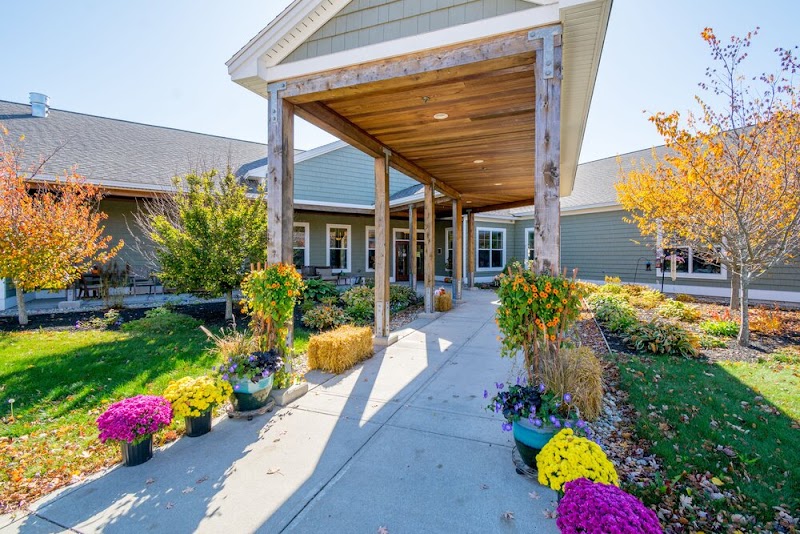
How is Horizons Living And Rehab Center Staffed?

CMS rates HORIZONS LIVING AND REHAB CENTER's staffing level at 5 out of 5 stars, which is much above average compared to other nursing homes. Staff turnover is 26%, compared to the Maine average of 46%. This relatively stable workforce can support continuity of care.

What Have Inspectors Found at Horizons Living And Rehab Center?

State health inspectors documented 20 deficiencies at HORIZONS LIVING AND REHAB CENTER during 2019 to 2024. These included: 15 with potential for harm and 5 minor or isolated issues.
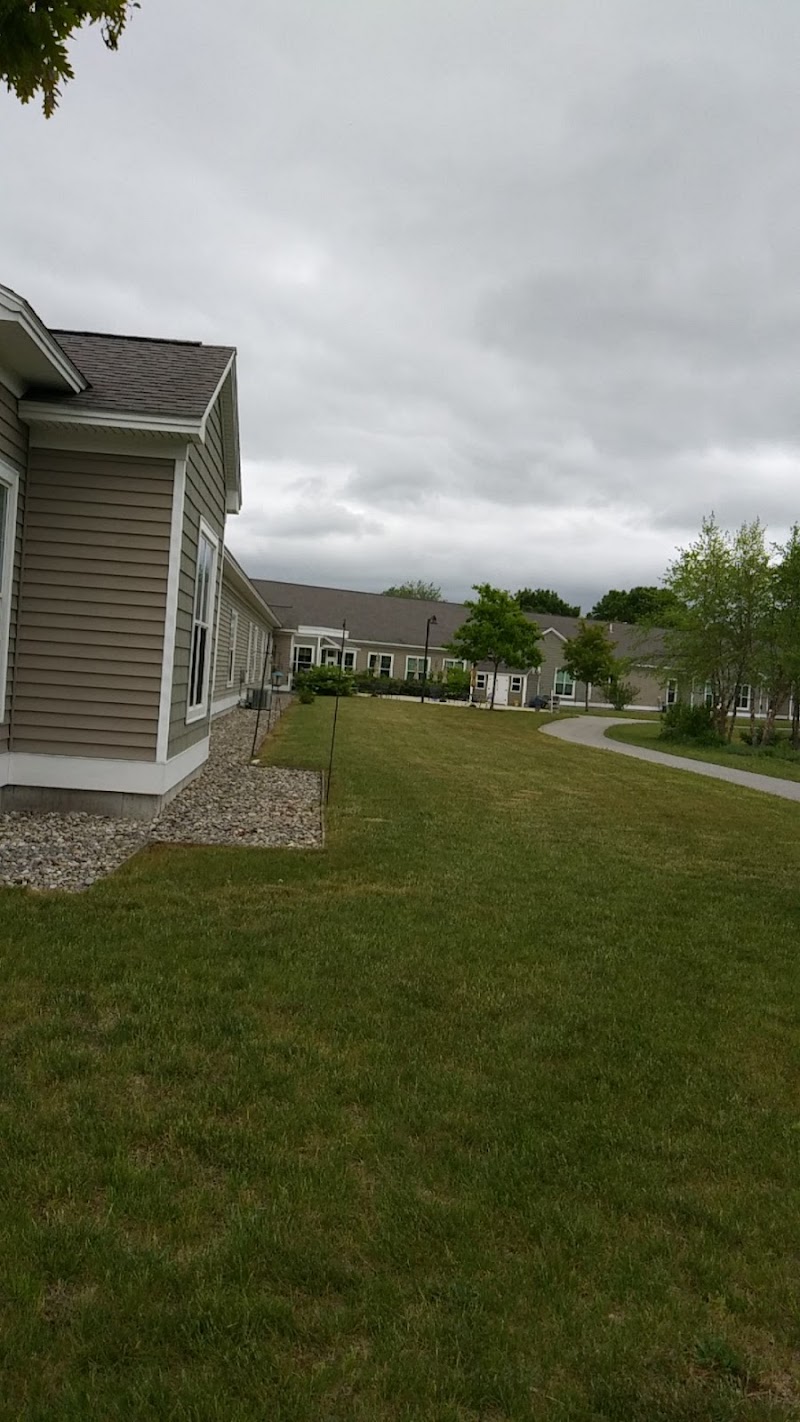
Who Owns and Operates Horizons Living And Rehab Center?

HORIZONS LIVING AND REHAB CENTER is owned by a for-profit company. For-profit facilities operate as businesses with obligations to shareholders or private owners. The facility operates independently rather than as part of a larger chain. With 65 certified beds and approximately 58 residents (about 89% occupancy), it is a smaller facility located in BRUNSWICK, Maine.
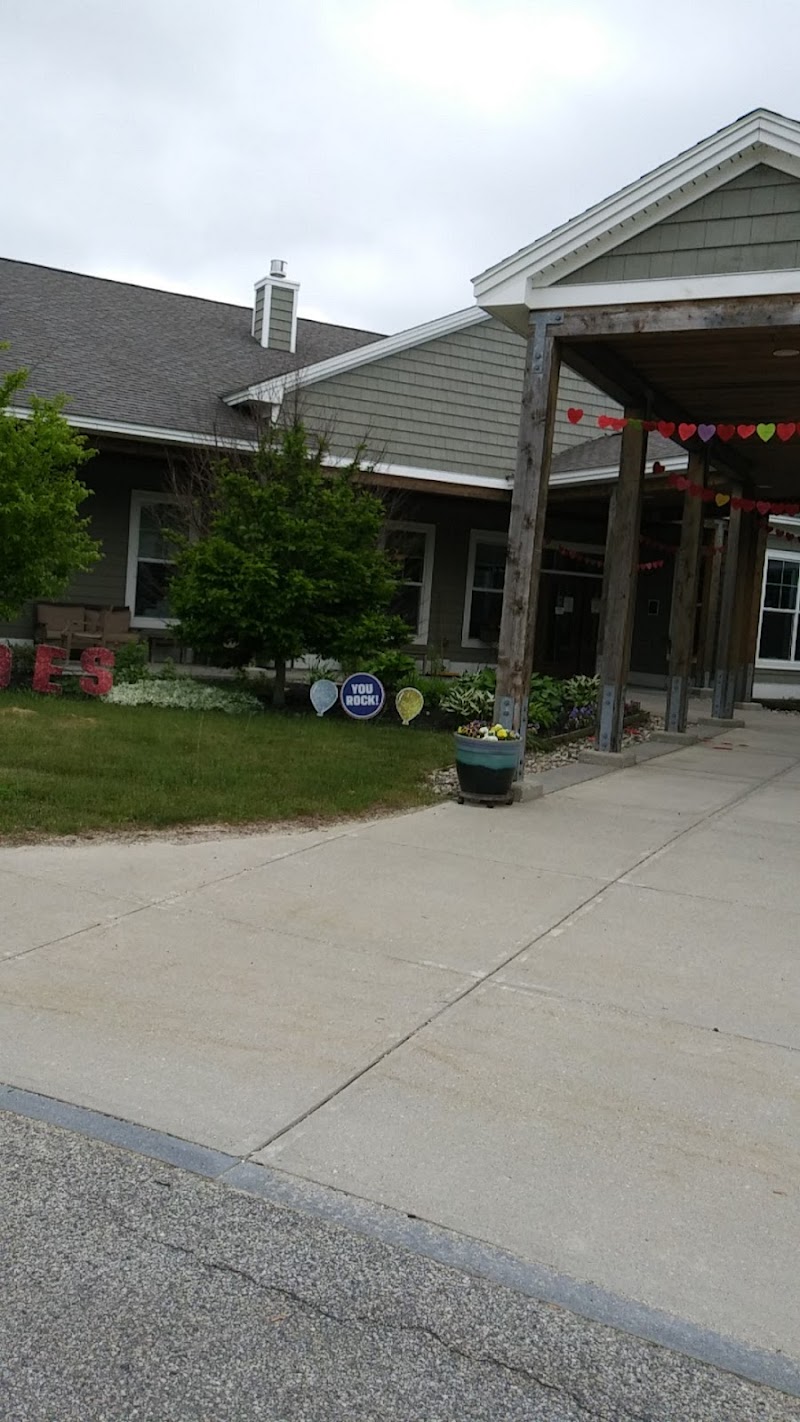
How Does Horizons Living And Rehab Center Compare to Other Maine Nursing Homes?

Compared to the 100 nursing homes in Maine, HORIZONS LIVING AND REHAB CENTER's overall rating (4 stars) is above the state average of 3.0, staff turnover (26%) is significantly lower than the state average of 46%, and health inspection rating (3 stars) is at the national benchmark.

What Should Families Ask When Visiting Horizons Living And Rehab Center?

Based on this facility's data, families visiting should ask: "Can I visit during a mealtime to observe dining assistance and food quality?" "How do you handle medical emergencies, and what is your hospital transfer rate?" "Can I speak with family members of current residents about their experience?"

Is Horizons Living And Rehab Center Safe?

Based on CMS inspection data, HORIZONS LIVING AND REHAB CENTER has a clean safety record: no substantiated abuse findings (meaning no confirmed cases of resident harm), no Immediate Jeopardy citations (the most serious violation level indicating risk of serious injury or death), and is not on the Special Focus Facility watch list (a federal program monitoring the lowest-performing 1% of nursing homes). The facility has a 4-star overall rating and ranks #1 of 100 nursing homes in Maine. While no facility is perfect, families should still ask about staff-to-resident ratios and recent inspection results during their visit.

Do Nurses at Horizons Living And Rehab Center Stick Around?

Staff at HORIZONS LIVING AND REHAB CENTER tend to stick around. With a turnover rate of 26%, the facility is 20 percentage points below the Maine average of 46%. Low turnover is a positive sign. It means caregivers have time to learn each resident's needs, medications, and personal preferences. Consistent staff also notice subtle changes in a resident's condition more quickly. Registered Nurse turnover is also low at 15%, meaning experienced RNs are available to handle complex medical needs.

Was Horizons Living And Rehab Center Ever Fined?

HORIZONS LIVING AND REHAB CENTER has no federal fines on record. CMS issues fines when nursing homes fail to meet care standards or don't correct problems found during inspections. The absence of fines suggests the facility has either maintained compliance or corrected any issues before penalties were assessed. This is a positive indicator, though families should still review recent inspection reports for the full picture.

Is Horizons Living And Rehab Center on Any Federal Watch List?

HORIZONS LIVING AND REHAB CENTER is not on any federal watch list. The most significant is the Special Focus Facility (SFF) program, which identifies the bottom 1% of nursing homes nationally based on persistent, serious quality problems. Not being on this list means the facility has avoided the pattern of deficiencies that triggers enhanced federal oversight. This is a positive indicator, though families should still review the facility's inspection history directly.