MID COAST SENIOR HEALTH CENTER
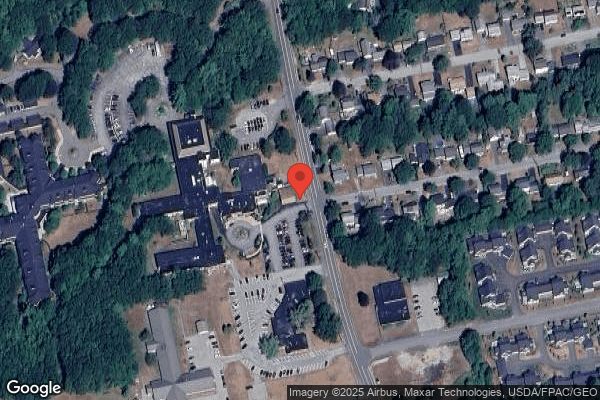
58 BARIBEAU DRIVE, BRUNSWICK, ME 04011 (207) 373-3600
Non profit - Corporation 42 Beds Independent Data: November 2025
Trust Grade
75/100
#9 of 77 in ME
Last Inspection: June 2024

Within standard 12-15 month inspection cycle. Federal law requires annual inspections.

Overview

Mid Coast Senior Health Center in Brunswick, Maine has a Trust Grade of B, indicating it is a good choice but not without issues. It ranks #9 out of 77 facilities in Maine, placing it in the top half, and #2 out of 17 in Cumberland County, meaning only one local facility is rated higher. Unfortunately, the facility's trend is worsening, as the number of issues identified increased from 2 in 2023 to 10 in 2024. Staffing is a concern with a high turnover rate of 98%, well above the state average of 49%, but it does have strong RN coverage that exceeds 100% of Maine facilities, ensuring more experienced oversight. While the facility has not incurred any fines, which is a positive sign, there have been significant concern-level incidents reported. For example, the care plans for two residents were not updated to address their needs, and the kitchen was found to be unsanitary, with unlabeled food items and a lack of cleanliness. Additionally, there were issues with uncovered commode buckets in resident bathrooms, raising potential hygiene concerns. Overall, while there are some strengths, such as high RN coverage and a lack of fines, the increasing number of issues and high staff turnover are significant areas for potential improvement.

Trust Score
B
75/100
In Maine
#9/77
Top 11%
Safety Record
Low Risk
No red flags
Inspections
Getting Worse
2 → 10 violations
Staff Stability
⚠ Watch
98% turnover. Very high, 50 points above average. Constant new faces learning your loved one's needs.
Penalties
✓ Good
No fines on record. Clean compliance history, better than most Maine facilities.
Skilled Nurses
✓ Good
Each resident gets 126 minutes of Registered Nurse (RN) attention daily — more than 97% of Maine nursing homes. RNs are the most trained staff who catch health problems before they become serious.
Violations
⚠ Watch
18 deficiencies on record. Higher than average. Multiple issues found across inspections.
★★★★★
5.0
Overall Rating
★★★★☆
4.0
Staff Levels
★★★★★
5.0
Care Quality
★★★★☆
4.0
Inspection Score
Stable
2023: 2 issues
2024: 10 issues

The Good

  • 4-Star Staffing Rating · Above-average nurse staffing levels
  • 5-Star Quality Measures · Strong clinical quality outcomes
  • Full Sprinkler Coverage · Fire safety systems throughout facility
  • No fines on record

Facility shows strength in staffing levels, quality measures, fire safety.

The Bad

Staff Turnover: 98%

51pts above Maine avg (47%)

Frequent staff changes - ask about care continuity

Staff turnover is very high (98%)

50 points above Maine average of 48%

The Ugly 18 deficiencies on record

Jun 2024 9 deficiencies
CONCERN (D)

Potential for Harm - no one hurt, but risky conditions existed

Safe Environment (Tag F0584)

Could have caused harm · This affected 1 resident

**NOTE- TERMS IN BRACKETS HAVE BEEN EDITED TO PROTECT CONFIDENTIALITY** Based on observation and interview the facility failed to provide maintenance services necessary to maintain a sanitary and comf...

Read full inspector narrative →
**NOTE- TERMS IN BRACKETS HAVE BEEN EDITED TO PROTECT CONFIDENTIALITY** Based on observation and interview the facility failed to provide maintenance services necessary to maintain a sanitary and comfortable interior on 2 of 3 units observed (100 and 200 units). Findings: During a facility tour on 6/12/24 between 8:31 a.m. and 8:55 a.m , the Director of Operations confirmed the following: 100 Unit the following was observed: -room [ROOM NUMBER] the bathroom had dead bugs/debis in the light fixture -room [ROOM NUMBER] entrance was missing the threshold -room [ROOM NUMBER] had approximately 4 feet section of baseborad trim missing left of the window 200 Unit the following was observed: -room [ROOM NUMBER] the sink was dripping and plugged up causeing pooling water in the sink. -room [ROOM NUMBER] the sink had a steady leak.
CONCERN (D)

Potential for Harm - no one hurt, but risky conditions existed

Transfer Notice (Tag F0623)

Could have caused harm · This affected 1 resident

**NOTE- TERMS IN BRACKETS HAVE BEEN EDITED TO PROTECT CONFIDENTIALITY** Based on facility policy, record reviews and interview the facility failed to provide a written Notice of Transfer or Discharge ...

Read full inspector narrative →
**NOTE- TERMS IN BRACKETS HAVE BEEN EDITED TO PROTECT CONFIDENTIALITY** Based on facility policy, record reviews and interview the facility failed to provide a written Notice of Transfer or Discharge to resident and/or resident representatives for 1 of 6 residents reviewed for hospitalization (Resident #28). In addition, the facility failed to notify the Office of the State Long-Term Care Ombudsman of hospital transfers for 2 of 6 residents reviewed for hospitalizations (Resident's #28 and #2). Findings: Review of facility policy Transfer and Discharge Policy undated, states .Notice of discharge shall be provided to the resident and resident representative: when a resident is temporarily transferred on an emergency basis to an acute care facility, notice of the transfer shall be provided to the resident and resident representative as soon as practicable, A list of resident who transferred out for the facility is provided to the state ombudsman on a monthly basis . 1. Resident #28 was admitted on [DATE] with diagnoses to include stage 3 chronic kidney disease. On 6/11/24 Resident #28 was transferred to an acute care hospital for evaluation and was subsequently admitted . Review of Resident #28's clinical record lacked evidence that a written notice of transfer/discharge was provided to the resident and/or resident representative. Further review lacked evidence the facility provided notice of this discharge to Office of the State Long-Term Care Ombudsman. 2. Resident #2 was admitted to facility on 5/9/24 with diagnoses to include acute respiratory failure with hypoxia, chronic systolic heart failure, and atrial fibrillation. On 6/1/24 Resident #2 was transferred to an acute care hospital and subsequently admitted . Review of Resident #2's clinical record lacked evidence that a written notice of transfer/discharge was provided to Office of the State Long-Term Care Ombudsman. On 6/11/24 at 11:43 a.m., during an interview, the Director of Nursing confirmed above findings.
CONCERN (D)

Potential for Harm - no one hurt, but risky conditions existed

Deficiency F0625 (Tag F0625)

Could have caused harm · This affected 1 resident

**NOTE- TERMS IN BRACKETS HAVE BEEN EDITED TO PROTECT CONFIDENTIALITY** Based on facility policy, record review and interview, the facility failed to issue a bed hold notice which included the daily c...

Read full inspector narrative →
**NOTE- TERMS IN BRACKETS HAVE BEEN EDITED TO PROTECT CONFIDENTIALITY** Based on facility policy, record review and interview, the facility failed to issue a bed hold notice which included the daily cost of care, to a resident, known family member or legal representative for 1 of 6 sampled residents who had been transferred to the hospital (Residents #28). Finding: Review of facility policy Resident Bed Hold Policy for Hospitalizations undated, states Prior to and upon a transfer, written information will be given to the residents and/or the resident representatives that explains in detail: the rights and limitations of the resident regarding bed-holds, The reserve bed payment policy as indicated by the state plan, the facility per diem rate required to hold a bed (non-Medicaid resident), or to hold a bed beyond the state bed-hold period (Medicaid residents). Resident #28 was admitted on [DATE] with diagnoses to include stage 3 chronic kidney disease. On 6/11/24 Resident #28 was transferred to an acute care hospital for evaluation and was subsequently admitted . Review of Resident #28's clinical record lacked evidence that a written notice bed hold was provided to the resident and/or resident representative. On 6/11/24 at 11:44 a.m., during an interview, the Director of Nursing confirmed above findings.
CONCERN (D)

Potential for Harm - no one hurt, but risky conditions existed

Deficiency F0655 (Tag F0655)

Could have caused harm · This affected 1 resident

**NOTE- TERMS IN BRACKETS HAVE BEEN EDITED TO PROTECT CONFIDENTIALITY** 3. Resident #2 was admitted to facility on 5/9/24 with diagnoses to include acute respiratory failure with hypoxia, type 2 diab...

Read full inspector narrative →
**NOTE- TERMS IN BRACKETS HAVE BEEN EDITED TO PROTECT CONFIDENTIALITY** 3. Resident #2 was admitted to facility on 5/9/24 with diagnoses to include acute respiratory failure with hypoxia, type 2 diabetes mellitus, chronic systolic heart failure, atrial fibrillation, and malnutrition. Review of the clinical record lacked evidence of a baseline care plan completed within 48 hours to include the instructions necessary to properly care for Resident #2's immediate health and safety needs for the above concerns. 4. Resident #28 was admitted on [DATE] with diagnoses to include chronic kidney disease stage 3, benign prostatic hyperplasia with lower urinary tract symptoms and history of multiple urinary tract infections requiring use of prophylactic antibiotics. Review of the clinical record lacked evidence of a baseline care plan completed within 48 hours to include the instructions necessary to properly care for Resident #28's immediate health and safety needs for the above concerns. On 6/11/24 at approximately 11:21 a.m., during and interview, the above was discussed with Director of Nursing Based on interviews and record reviews, the facility failed to ensure a baseline care plan was developed and implemented within 48 hours that included the problems, interventions, and initial goals needed to provide minimum healthcare information necessary to properly care for 4 of 14 residents that were reviewed for new admissions. (#190, #196, #2 and #28) Findings: 1. Resident #190 was admitted to the facility on [DATE]. The hospital discharge summary included information that the resident was admitted with diagnosis of COVID-19, Atrial flutter requiring anticoagulant medication and a Coronary Artery Bypass Graft (CABG) on 5/24/24 which required Epicardial pacing wires. The discharge instructions stated, Epicardial pacing wires: prepped and cut on day of discharge. Instructions: you had temporary epicardial pacing wires placed during surgery and utilized in the post-operative period. These rest on the surface of your heart and allowed us to temporarily control your heart rate. These wires exited the skin just below your ribcage and were cut at the time of discharge. These wires should no longer be visible . Do NOT pull these wires. Incision: Keep your incision dry. No bathing, whirlpool tub, or swimming for 3 weeks. Review of the clinical record lacked evidence of a baseline care plan completed within 48 hours to include the instructions necessary to properly care for Resident #190's immediate health and safety needs for the above concerns. 2. Resident #196 was admitted to the facility on [DATE]. The hospital discharge summary included information that the resident was admitted with diagnosis of left hip prosthetic joint infection requiring intravenous antibiotics via a peripherally inserted central catheter line. Review of the clinical record lacked evidence of a baseline care plan completed within 48 hours to include the instructions necessary to properly care for Resident #160's immediate health and safety needs for the above concerns. On 6/12/24 at approx. 10:55 a.m., during an interview, the above was discussed with the Registered Nurse admission Coordinator.
CONCERN (E)

Potential for Harm - no one hurt, but risky conditions existed

Comprehensive Care Plan (Tag F0656)

Could have caused harm · This affected multiple residents

**NOTE- TERMS IN BRACKETS HAVE BEEN EDITED TO PROTECT CONFIDENTIALITY** 2. On 6/10/24 at 9:47 a.m., in an interview with the Resident #29's representative, [he/she] stated, The doctor has told me how ...

Read full inspector narrative →
**NOTE- TERMS IN BRACKETS HAVE BEEN EDITED TO PROTECT CONFIDENTIALITY** 2. On 6/10/24 at 9:47 a.m., in an interview with the Resident #29's representative, [he/she] stated, The doctor has told me how to massage [his/her] leg because now that [he/she] is on Hospice they may not cover continued Physical Therapy (PT) for [him/her]. On 6/11/24 at 12:15 p.m. in an interview with the charge nurse, she confirmed that the edema is not in the care plan stating, that she has documentation in the resident's clinical record that shows on 6/5/24, 6/6/24, and 6/8/24 she elevated the resident's legs higher than the resident's heart to attempt to reduce the edema in the resident's left leg . I am not sure why it is not on the care plan. Based on facility policy, record reviews and interviews the facility failed to update and/or implement goals and interventions for 2 of 14 care plans reviewed. (Resident's #12 and #29). Findings: Review of facility policy Comprehensive Resident Care Plan undated states It is the policy of Mid Coast Senior Health Center to develop, implement and evaluate a comprehensive care plan for each resident based on a comprehensive assessment of the residents needs . will be developed for each resident to include measurable objectives and timetables based on the Resident Assessment Protocols triggered by the MDS and other assessments . will reflect intermediate steps for each objective if identification of those steps will enhance the resident's ability to meet his/her objectives .will be developed 7 days after the completion of the comprehensive assessment by the interdisciplinary team will be reviewed and updated periodically and as the resident's condition dictates . 1. Resident #12 was admitted on [DATE] and has diagnoses to include chronic kidney disease stage 2, congestive heart failure [CHF], Diabetes Mellitus II[DMII], right leg above knee amputation and atrial fibrillation. Review of Resident #12's clinical record revealed his/her last quarterly Minimum Data Set [MDS] was completed on 3/7/24. The most recently signed provider orders dated 4/26/24 revealed the flowing: -Order with start date of 1/18/23 for Blood glucose checks fasting and pm qid [4 times daily]- call provider if BG above 400. -Order with start date of 5/17/23 for insulin Aspart 100 unit/ml solution injection sub-q 8units tid [three times daily] for DMII. -Order with start date of 10/1/22 for insulin Aspart 100 unit/ml solution sub q tid per sliding scale 0730/730 am 1130/1130 am, 1630/430pm sliding scale: 70-150=0 units, 151-199=1 units 200-249=2 units, 250-299=3 units 300-349= 4 units, 350-399=5 units >400 call MD/provider for DMII. -Order with a start date of 1/21/23 for apixaban 5mg tablet by mouth 1 tab bid for DVT [deep vein thrombosis] prophylaxis -Order with start date of 3/22/24 for torsemide 20 mg tablet by mouth .2 tablet/40mg 8am for CHF. -Order with start date of 4/4/24 for ipratropium-albuterol 0.5mg/3ml -2.5 mg/3ml solution inhalation 1 vail tid prn for dyspnea. Review of Resident #12's care plan updated 5/31/24 lacked evidence of goals and interventions for the above diagnoses. On 6/11/24 at 12:21 p.m. during a review of Resident #12's care plan, the Director of Nursing confirmed the above finding.
CONCERN (E)

Potential for Harm - no one hurt, but risky conditions existed

Food Safety (Tag F0812)

Could have caused harm · This affected multiple residents

Based on observations and interviews, the facility failed to ensure the kitchen was maintained in a clean and sanitary manner for the floor stand mixer, floor stand fan, and the small countertop mixer...

Read full inspector narrative →
Based on observations and interviews, the facility failed to ensure the kitchen was maintained in a clean and sanitary manner for the floor stand mixer, floor stand fan, and the small countertop mixer. Freezer #7 contained unlabeled and undated items for 2 of 2 observations. Additionally, the dry storage room floor was not maintained in clean and sanitary manner, there is no temperature log for the dish machine, and the Mere Point Unit Freezer contained the ice scoop in with the ice for 1 of 3 days of survey. Findings: On 6/10/24 at 8:10 a.m., during the initial tour of the kitchen with the cook and again on 6/12/24 at 8:00 a.m., during a kitchen tour with the Director of Facilities Operations, the following findings were observed and confirmed: 1- Observed that the facility lacks a log for the dish machine. The cook stated, we are supposed to have a log for that, but I do not know where it is. In an interview, the Kitchen Coordinator and a Diet Aide, that run the dish machine, both stated in the instructions for running the dish machine that they must observe the temperature gauge and see that it rises to the correct temperature. 2- Observation of the dry storage room to have food on the floor i.e. packets of peanut butter, crackers and an energy bar. 3- Observation of the large floor mounted mixer to have stuck on dried food on mixer. At this time, the cook stated that she had not used the machine for 2 days. 4- Observation of the floor mounted fan to have a light to moderate covering of dirt like debris on fan with some long strands of dust like debris blowing in the air. 5- Observation of the small countertop mixer with dried food/debris on the side and the stand. No staff member could say when that machine was last used. 6- Observation of Kitchen Freezer #7 containing a package of Frozen French Fries with no label or date, an open bag of Hash browns with no date, and two packages of log shaped food with no label and no date. On 6/12/24 at 8:35 a.m. in the Mere Point Unit Kitchen, during observation of breakfast, surveyor noted the ice scoop in the ice bin of the freezer compartment of fridge. At this time, the kitchen staff member confirmed the ice scoop should not be stored in the ice bin.
CONCERN (E)

Potential for Harm - no one hurt, but risky conditions existed

Infection Control (Tag F0880)

Could have caused harm · This affected multiple residents

**NOTE- TERMS IN BRACKETS HAVE BEEN EDITED TO PROTECT CONFIDENTIALITY** Based on observations and interviews the facility failed to maintain an Infection Control Program designed to help prevent cross...

Read full inspector narrative →
**NOTE- TERMS IN BRACKETS HAVE BEEN EDITED TO PROTECT CONFIDENTIALITY** Based on observations and interviews the facility failed to maintain an Infection Control Program designed to help prevent cross contamination and/or development of infection by maintaining a safe and sanitary environment related to urinary collection devices for 3 of 3 days of survey on 2 of 3 units (100 and 200 Units). Findings: Observations of 100 Unit revealed the following: -On 6/10/24 at 9:48 a.m., and 6/11/24 at 7:25 a.m., observations of room [ROOM NUMBER] bathroom revealed uncovered commode bucket on floor, available for use. -On 6/10/24 at 9:25 a.m., observation of room [ROOM NUMBER] bathroom revealed uncovered commode bucket on the floor with bed pan stored inside, available for use. Observations of 200 unit revealed the following: -On 6/11/24 at 8:14 a.m. and 3:09 p.m., and on 6/12/24 at 8:04 a.m., observations of room [ROOM NUMBER] bathroom revealed an uncovered commode bucket on bathroom floor, available for use. - On 6/11/24 at 8:21 a.m., and 3:13 p.m., observations of room [ROOM NUMBER] bathroom revealed an uncovered commode bucket on floor, available for use. -On 6/12/24 at 8:16 a.m. 2 surveyors observed room [ROOM NUMBER] bathroom containing uncovered commode bucket on floor and urinal drainage bag hanging over the hand railing containing approximately 250 ccs yellow liquid. During a facility tour on 6/12/24 at 9:00 a.m., the above findings were confirmed with the Director of Operations.
CONCERN (E)

Potential for Harm - no one hurt, but risky conditions existed

Antibiotic Stewardship (Tag F0881)

Could have caused harm · This affected multiple residents

Based on record review and interviews the facility failed to maintain an antibiotic stewardship program that includes antibiotic use protocols and a system to monitor antibiotic use. This could affect...

Read full inspector narrative →
Based on record review and interviews the facility failed to maintain an antibiotic stewardship program that includes antibiotic use protocols and a system to monitor antibiotic use. This could affect all residents receiving antibiotics. Findings: Review of facility policy Antibiotic Stewardship dated 4/15/24 states Purpose: to monitor the use of antibiotics in our residents. Promotes the judicious use of antimicrobials in order to optimize the treatment of infections, reduce the risk of adverse events to patients/resident, and minimize the development of antibiotic-resistant organisms .conduct surveillance and collect data on pathogens related to antibiotic. On 6/12/24 at 1:04 p.m., during an interview, the Admissions Coordinator, Registered Nurse Care Manger, and Infection Preventionist, confirmed the facility does not track antibiotic use.
MINOR (B)

Minor Issue - procedural, no safety impact

Deficiency F0582 (Tag F0582)

Minor procedural issue · This affected multiple residents

Based on record reviews and interview, the facility failed to ensure the Notice of Medicare Provider Non-Coverage (NOMNC) form was provided at least two days prior to end of Skilled services for 1 of ...

Read full inspector narrative →
Based on record reviews and interview, the facility failed to ensure the Notice of Medicare Provider Non-Coverage (NOMNC) form was provided at least two days prior to end of Skilled services for 1 of 3 residents whose Medicare Part A Skilled services were discontinued (Residents #26). In addition, the facility failed to ensure the Skilled Nursing Facility Advance Beneficiary Notice (SNFABN) form 10055, which included appeal rights and liability of payment was provided at least two days prior to a resident's last covered day for 2 of 3 residents whose Medicare Part A services were discontinued and remained in the facility (#26 and #32). Findings: 1. Resident #26's NOMNC indicated that the resident's Medicare Part A services would end on 1/25/24 and was signed by residents Guardian on 1/24/24, one day prior to end of skilled services. The medical record lacked evidence that Resident #28's legal guardian was provided a SNFABN when the Medicare A coverage for skilled services was discontinued. The resident remained living in the facility. 2. Resident #32's Medicare Part A coverage for skilled services ended on 5/16/24. The medical record lacked evidence that Resident #32 or his/her legal representative was provided a SNFABN when the Medicare A coverage for skilled services was discontinued. The resident remained living in the facility. On 6/11/24 at 11:43 a.m., during an interview, the Director of Quality and Compliance confirmed the above.
Jan 2024 1 deficiency
CONCERN (E) 📢 Someone Reported This

A family member, employee, or ombudsman was alarmed enough to file a formal complaint

Potential for Harm - no one hurt, but risky conditions existed

Food Safety (Tag F0812)

Could have caused harm · This affected multiple residents

Based on observations and interviews, and document review, the facility failed to ensure the kitchen was maintained in a clean and sanitary manner for the wall mounted fan over the dish area, standing...

Read full inspector narrative →
Based on observations and interviews, and document review, the facility failed to ensure the kitchen was maintained in a clean and sanitary manner for the wall mounted fan over the dish area, standing fan just outside the dish area, and ceiling. Additionally, the walk-in freezer floor was not maintained in clean and sanitary manner, and the reach-in refrigerator had uncovered, undated, and unlabeled food; the reach-in freezer had open bags of food; and all temperature logs were lacking complete documentation of temperature tracking, all of which has the ability to affect all residents in the facility. Findings: On 1/30/2024 at 8:05a.m. during a tour of the kitchen with morning cook the following was observed: 1. Two fans, one above the dish area and the other outside the dish area heavily soiled with dirt and debris. 2. Uncovered, unlabeled, and undated food in the reach-in refrigerator. 3. Open bag of frozen food in the reach-in freezer. 4. Moderate to heavy amounts of dirt and hanging from ceiling above clean dish area. 5. All current temperature logs lacking documentation for the last two days. On 1/30/2024, at 8:25a.m. observation of the Mere Point Unit kitchen, it was found to be lacking documentation of monitoring the unit refrigerator and freezer for 6 of 30 days. On 1/30/2024, during review of past temperature monitoring logs, the following was found: September 2023 -Sandwich Unit, Main Kitchen (ID#15) lacking documentation for 17 of 30 days. -Walk-in Freezer, Main Kitchen (ID#1) lacking documentation for 17 of 30 days. -Walk-in Refrigerator, Main Kitchen (ID#2) lacking documentation for 18 of 30 days. -2-Door Refrigerator, Main Kitchen (ID#3) lacking documentation for 18 of 30 days. -Single Door Refrigerator, Main Kitchen (ID#5) lacking documentation for 17 of 30 days. -2-Door Refrigerator, Main Kitchen (ID#6) lacking documentation for 17 of 30 days. -2-Door Freezer, Main Kitchen (ID#7) lacking documentation for 17 of 30 days. October 2023 -Sandwich Unit, Main Kitchen (ID#15) page missing (31 of 31 days) -Single Door Refrigerator, Main Kitchen (ID#5) lacking documentation for 14 of 31 days. -2-Door Refrigerator, Main Kitchen (ID#6) lacking documentation for 14 of 31 days. -2-Door Freezer, Main Kitchen (ID#7) lacking documentation for 4 of 31 days. November 2023 -Sandwich Unit, Main Kitchen (ID#15) lacking documentation for 12 of 30 days. -Walk-in Freezer, Main Kitchen (ID#1) lacking documentation for 2 of 30 days. -Walk-in Refrigerator, Main Kitchen (ID#2) lacking documentation for 2 of 30 days. -2-Door Refrigerator, Main Kitchen (ID#3) lacking documentation for 2 of 30 days. Single Door Refrigerator, Main Kitchen (ID#5) lacking documentation for 2 of 30 days. -2-Door Refrigerator, Main Kitchen (ID#6) lacking documentation for 2 of 30 days. -2-Door Freezer, Main Kitchen (ID#7) lacking documentation for 7 of 30 days. December 2023 -The facility was unable to find any documentation of any equipment for the month of December, but the manager stated that he knows they were being done. January 2024 -Sandwich Unit, Main Kitchen (ID#15) no page for this unit was found -Walk-in Freezer, Main Kitchen (ID#1) lacking documentation for 2 of 30 days. -Walk-in Refrigerator, Main Kitchen (ID#2) lacking documentation for 2 of 30 days. -2-Door Refrigerator, Main Kitchen (ID#3) lacking documentation for 2 of 30 days. -Ice Cream Chest, Main Kitchen (ID#4) lacking documentation for 2 of 30 days -Single Door Refrigerator, Main Kitchen (ID#5) lacking documentation for 2 of 30 days. -2-Door Refrigerator, Main Kitchen (ID#6) lacking documentation for 2 of 30 days. -2-Door Freezer, Main Kitchen (ID#7) lacking documentation for 2 of 30 days. On 1/30/2024 at 8:45a.m. by request of the Administrator, there was a second visit to the kitchen so that she could see the issues. When that visit was complete the above findings were confirmed with the Dietary Manager, the Director of Facilities and the Administrator.
Mar 2023 2 deficiencies
CONCERN (D) 📢 Someone Reported This

A family member, employee, or ombudsman was alarmed enough to file a formal complaint

Potential for Harm - no one hurt, but risky conditions existed

Quality of Care (Tag F0684)

Could have caused harm · This affected 1 resident

Based on record review, and interview, the facility failed to follow its own fall policy in completing a neurological assessment for 1 of 1 resident reviewed for an unwitnessed fall (#1). Finding: Du...

Read full inspector narrative →
Based on record review, and interview, the facility failed to follow its own fall policy in completing a neurological assessment for 1 of 1 resident reviewed for an unwitnessed fall (#1). Finding: During a review of the medical record, on Friday, 4/29/22 at approximately 10:15 a.m., Resident #1 was found on the floor. The nursing assessment showed Resident #1 to have abrasions on his/her forehead with superficial bleeding. The wound was cleaned and bandaged, and ice was applied. The resident's [family member] was notified of the incident. Resident #1 was admitted to the facility in late December of 2021 with diagnosis of vertebral artery dissection, essential (primary) hypertension, basal cell carcinoma of skin of other parts of face, mild impairment of uncertain or unknown etiology. Resident #1 was admitted to the facility from independent living for skilled therapy services to address recurrent falls and weakness. A review of the Physical Therapy discharge summary of Wednesday, 3/9/22, stated the resident had progressed to ambulating with supervision during gait with assistive device (rolling walker). On Monday, 5/2/22 the Medical Director made the decision to send Resident #1 to the emergency room after he/she was complaining of increased pain and stiffness in his/her neck. On Tuesday, 5/3/22 a CAT scan revealed that Resident #1 had a C2 fracture and was transferred to Maine Medical Center. On Thursday, 5/12/22, Resident #1 returned to the facility with an Aspen Collar in place. Resident was on cervical precautions and was scheduled for Physical Therapy. The facility's Fall Protocol, dated August 2021 indicates after all falls nurse must complete and document an initial assessment and document vital signs at these intervals: 15 minutes times 4; every 30 minutes times 2; every hour times 2; once per shift for 72 hours. A fall that is unwitnessed, or in which the head is struck, requires the addition of neurological checks at the same intervals as above: orientation to person, place and time, strength of extremities, eye and pupil response. Any change in resident condition requires a a phone call to the primary care physician (e.g. facial droop, behavior changes, or weakness on one side). There was no documentation in the clinical record of Resident #1 that neurological checks had been initiated and monitored in accordance with the facility's policy after the fall that occurred on 4/29/22. On 3/16/23 at approximately 11:50 a.m., during an interview with the Administrator, the surveyor confirmed there was no evidence of neurological checks conducted and monitored in accordance with the facility's policy after Resident #1's unwitnessed fall in April of 2022. As a result of the the facility investigation into the unwitnessed fall, the following corrective actions were initiated; -Mandatory Nurse Staff Meetings were scheduled immediately, and took place on both 5/5/22 and 5/6/22 to review policies and procedures as follows: -Education and review of Fall Protocol including notification of physician required neurological checks was conducted. -Education and review of the importance of good shift to shift communication. -Education and review of the importance of doing a fall assessment and documenting interventions on the care plan. -Discussion of all falls will take place within the past 24 hours and to be discussed at Leader Huddle every morning to ensure that the fall protocol is being followed and necessary action steps are taken. -Mandatory Staff Education was provided and completed on 5/6/22. Attendance sign-in sheets completed. Training and education is ongoing. -Root Cause Analysis was completed.
CONCERN (D) 📢 Someone Reported This

A family member, employee, or ombudsman was alarmed enough to file a formal complaint

Potential for Harm - no one hurt, but risky conditions existed

Food Safety (Tag F0812)

Could have caused harm · This affected 1 resident

Based on observations and interview facility failed to ensure the kitchen was maintained in a clean and sanitary manner for 2 of 3 days of the survey. And failed to ensure dented soup cans were taken ...

Read full inspector narrative →
Based on observations and interview facility failed to ensure the kitchen was maintained in a clean and sanitary manner for 2 of 3 days of the survey. And failed to ensure dented soup cans were taken out of circulation for use for 1of 1 kitchen tour. Finding: On 3/13/23, at 9:10 a.m. - During the initial tour of the kitchen with the lead cook, the following was observed and confirmed: three stained ceiling tiles in the entry just above the dessert table, and the wall mounted fan just inside the entry was covered with a moderate amount of dust and debris. On 3/15/23 at 7:45 a.m. - During the return observation of kitchen, the following was observed: side intake vent of the ice machine covered with a heavy amount of dust and debris, and two large cans of tomato soup that were dented, stored in area that indicated the tomato soup was available for use. On 3/15/23 at 8:10 a.m., in an interview with the Lead [NAME] the surveyor confirmed the observation of dust and debris on the side intake vent of the ice machine, and dented tomato soup cans remained stored in an area that indicated the soup was available for use.
Aug 2021 6 deficiencies
CONCERN (D)

Potential for Harm - no one hurt, but risky conditions existed

Comprehensive Care Plan (Tag F0656)

Could have caused harm · This affected 1 resident

**NOTE- TERMS IN BRACKETS HAVE BEEN EDITED TO PROTECT CONFIDENTIALITY** Based on record review, observations and interview, the facility failed to ensure that a care plan was developed for the use of ...

Read full inspector narrative →
**NOTE- TERMS IN BRACKETS HAVE BEEN EDITED TO PROTECT CONFIDENTIALITY** Based on record review, observations and interview, the facility failed to ensure that a care plan was developed for the use of a wander/elopement alarm for 1 of 1 sampled resident reviewed for wandering. (#2) Finding: Resident wandering and Elopement Prevention Policy and Procedure, reviewed 12/2018. Section 4 under Assessment of Patients/Residents at Risk of Elopement indicated The patients/residents care plan will indicate they are at risk for elopement or other safety issues and Interventions to try to maintain safety will be included in the patients/residents care plan Resident #2's Minimum Data Set (MDS) 4.0 Quarterly assessment, dated 11/17/20 and 2/9/21 and the Annual MDS 4.0 Annual assessment dated [DATE], under section P0200 is checked to indicate Resident #2 has a wander/elopement alarm. Review of resident #2's wander/elopement assessment dated [DATE] indicated resident had no history of elopement, wander guard on for safety. Safety management interventions dated 8/18/20, 11/15/20, 2/9/21 and 4/29/21 state a wander/elopement alarm is used. On 8/2/21 at 11:04 a.m. and 2:04 p.m., Resident #2 was observed to have a wander guard bracelet on his/her right ankle and wandering independently, back and forth, throughout the Mere Point hallways. On 8/3/21 at 8:09 a.m. and 10:33 a.m., Resident #2 was observed wandering Mere Point hallways and dining room with a wander guard to his/her right ankle. From 4/28/20 through 8/4/2021 Residents #2's care plan lacked evidence of a wander/elopement risk and/or safety issues with intervention and goals. On 8/4/21 at 12:56 p.m., the above findings were confirmed with the Director of Nursing.
CONCERN (D)

Potential for Harm - no one hurt, but risky conditions existed

Deficiency F0761 (Tag F0761)

Could have caused harm · This affected 1 resident

Based on observations and interviews, the facility failed to ensure expired medications were removed from the supply available for use in 1 of 3 medication carts (300's) inspected and 1 of 1 medicatio...

Read full inspector narrative →
Based on observations and interviews, the facility failed to ensure expired medications were removed from the supply available for use in 1 of 3 medication carts (300's) inspected and 1 of 1 medication rooms for 1 of 4 days of survey. Findings: 1. On 8/2/21 at 11:15 a.m., during observation of unit 300's medication cart with the Certified Nurses Aid- Medication Technician (CNA-M), the surveyor observed the following expired medications available for use: - A bingo card of Pramipexole 0.125 milligram (mg) tabs, 13 tabs remaining with expiration date of 3/17/21. - A bingo card of Atorvastatin 40mg tabs, 10 tabs remaining with expiration date of 11/18/20 At this time, the CNA-M confirmed the expired medications should have been removed for supply. 2. On 8/2/21 at 11:44 a.m., during observation of the medication room with the Registered Nurse (RN) Care Coordinator, the surveyor observed the following expired medications: - 2 unopened bottles of pain reliever, acetaminophen aspirin (NSAID) and caffeine with expiration date of 6/21. - 1 unopened bottle of Zinc 50 mg with expiration date of 7/21 At this time, the surveyor confirmed the expired medications stored in an area available for use, in an interview with the RN. On 8/2/21 at approx. 3:40 p.m., a surveyor confirmed expired medication remaining available for use in an interview with the Administrator.
CONCERN (D)

Potential for Harm - no one hurt, but risky conditions existed

Food Safety (Tag F0812)

Could have caused harm · This affected 1 resident

Based on interview and observation, the facility failed to ensure the kitchen was maintained in a clean and sanitary manner for 1 of 2 kitchen tours on 1 of 4 days of survey. Findings: On 8/2/21 at 11...

Read full inspector narrative →
Based on interview and observation, the facility failed to ensure the kitchen was maintained in a clean and sanitary manner for 1 of 2 kitchen tours on 1 of 4 days of survey. Findings: On 8/2/21 at 11:00 a.m., during a second tour of the kitchen, a surveyor observed the following: -The wall air conditioner was dirty/dusty. -Moderate dust/dirt on external pipes behind the ice machine and oven warmer. -Vent facing the hot food prep table with black debris. -Vent in ceiling near the 3-bay sink with moderate dust build-up. -Moderate dust build-up on pipes behind the fan near the dish wash room. -Heavily chipped paint on the pole between the two tables in the hot food prep area. -Heavy dust build-up on the sprinkler head above the hot food prep table. On 8/2/21 at approximately 11:30 a.m., the surveyor confirmed the above observations in an interview with the Food Services Director.
CONCERN (D)

Potential for Harm - no one hurt, but risky conditions existed

Medical Records (Tag F0842)

Could have caused harm · This affected 1 resident

Based on record reviews and interviews, the facility failed to ensure that clinical records were complete and contained accurate documentation for 1 of 3 sampled residents reviewed for Transfer to the...

Read full inspector narrative →
Based on record reviews and interviews, the facility failed to ensure that clinical records were complete and contained accurate documentation for 1 of 3 sampled residents reviewed for Transfer to the Hospital. (Resident #8). Findings: On 8/2/21, approximately 9:30 a.m., during an interview with Resident #8, he/she stated that it had been a rough night and was taken to the hospital and had just gotten back around 6:00a.m. On 8/2/21, during review of Resident #8's medical record, it lacked documentation of a nursing assessment, intervention and/or the resident needing acute medical attention. A Nursing Supervisor sheet dated 8/2/2021 at 2:30 a.m., stated that Resident #8 was one of three residents to go to the hospital. On 8/2/21, at approximately 9:45 a.m. during an interview with the Registered Nurse (Charge Nurse), surveyor questioned the lack of documentation of nursing assessment and/or interventions for the needed transfer on 8/1/21. The Registered Nurse (Charge Nurse) was unable to locate any nursing documentation regarding the above transfer. On 8/3/21, a surveyor reviewed a late Entry nurses note/documentation that was completed by a third party, (Care coordinator) only after surveyor intervention. On 8/4/21 at 2:24 p.m., a surveyor confirmed the lack of documentation in Resident #8's clinical/medical record regarding the need for transfer to the hospital, in an interview with the Administrator.
CONCERN (E)

Potential for Harm - no one hurt, but risky conditions existed

Quality of Care (Tag F0684)

Could have caused harm · This affected multiple residents

**NOTE- TERMS IN BRACKETS HAVE BEEN EDITED TO PROTECT CONFIDENTIALITY** Based on record review and interviews, the facility failed to assess and monitor a resident after a fall, and failed to follow t...

Read full inspector narrative →
**NOTE- TERMS IN BRACKETS HAVE BEEN EDITED TO PROTECT CONFIDENTIALITY** Based on record review and interviews, the facility failed to assess and monitor a resident after a fall, and failed to follow their own Fall Protocol and Fall follow up worksheet by containing neurological assessments post a resident who obtains an unwitnessed fall for 1 of 2 sampled residents. (Resident #6). Findings: Facilities Fall protocol, created 3/2019, under the section Procedure indicated the Registered Nursing Staff will: #5 A fall that is unwitnessed, or in which the head is struck, requires the addition of neurological checks - orientation to person, place and time, strength of extremities, eye and pupil response. Facilities Fall follow up worksheet instructs nursing to obtain a set of vitals and neurological checks after an unwitnessed fall; every 15 minutes x4, then every 30 min x2, then every hour x2 and once per shift x72 hours. Resident #6 was admitted to the facility on [DATE] with a diagnosis of a wedge compression fracture of T11-T12 vertebra from a fall and history of cardio vascular accidents requiring coumadin therapy. On 8/4/21 during review of residents #6's medical record under nursing notes stated the following: - On 5/23/21 Resident #6 had an unwitnessed fall and was found on the floor. The initial neuro check: stated pupils equal, round and reactive to light, with the action to continue to observe. The medical record lacked evidence of further neurological assessments and/or fall follow up worksheet completion after this fall. - On 6/14/21 Resident #6 had an unwitnessed fall and was found on the floor. The record lacked evidence of any neurological assessments being completed after the fall. Review of the fall follow up worksheet contained only vitals. - On 6/17/21 Resident #6 had an unwitnessed fall and was found on the floor. The initial neuro check: stated pupils equal, round and reactive to light with the action to continue to observe. Review of the fall follow up worksheet contained a total of 2 neurological assessments completed and 4 sets of missing vitals. - On 7/10/21 Resident #6 had an unwitnessed fall which was self-reported by the resident. The medical record lacked evidence of further neurological assessments and/or fall follow up worksheet completion after this fall. - On 8/1/21 at 10:31 p.m., Resident #6 had an unwitnessed fall and was found on the floor. The initial neuro check: stated pupils equal, round and reactive to light, with the action to Orders received. Transfer to ER for further eval d/t pt is on coumadin. He/she returned to the facility early that morning. The medical record lacked evidence of further neurological assessments and/or fall follow up worksheet completion after this fall. On 8/4/21 at 11:05 a.m., during an interview with the Director of Nursing she stated, after a resident has an unwitnessed fall, nursing is to obtain frequent neurological checks following the Fall follow up worksheet. At this time, the surveyor confirmed the lack of neurological checks for the above unwitnessed falls.
CONCERN (E)

Potential for Harm - no one hurt, but risky conditions existed

Deficiency F0883 (Tag F0883)

Could have caused harm · This affected multiple residents

Based on immunization record review, review of the facility's immunization policy, and interviews, the facility failed to implement its Pneumococcal and COVID Vaccination Policy for 3 of 5 residents w...

Read full inspector narrative →
Based on immunization record review, review of the facility's immunization policy, and interviews, the facility failed to implement its Pneumococcal and COVID Vaccination Policy for 3 of 5 residents whose immunization records were reviewed (#1, #25, #28). Findings: The facility's Pneumococcal and COVID Vaccination Policy, with a revision date of 5/21, indicated in section I. Policy, Patients and residents on the skilled and long-term care communities will be assessed for appropriate administration of pneumococcal vaccines. Section III, Purpose, To offer patients/residents with vaccination PCV 13 (Pneumococcal Conjugate), PPSV23 (Pneumococcal Polysaccharide), and COVID-19 vaccine, according to CMS regulations and Centers for Disease Control (CDC) guidelines. Section IV. Procedure, A. Pneumococcal Vaccines: 4. Long-term care residents will be assessed for prior PCV13 (Pneumococcal Conjugate) vaccination and offered the PCV13 vaccine if appropriate. The CDC Vaccine Information Statement (VIS) for the Pneumococcal Conjugate Vaccine (PCV13), brand name Prevnar, dated 10/30/19, indicated, This vaccine may be given to adults 65 years or older based on discussions between the patient and health care provider. -On review of Resident #1's clinical record, the surveyor noted in the Electronic Charting System - Immunizations, Pneumovax (PPSV23) - 2/21/12. The surveyor could not locate evidence indicating whether the PCV13 vaccine was offered. -On review of Resident #25's clinical record, the surveyor noted in the Electronic Charting System - Immunizations, Pneumovax (PPSV23) - 10/15/10. The surveyor could not locate evidence indicating whether the PCV13 vaccine was offered. -On review of Resident #28's clinical record, the surveyor noted in the Electronic Charting System - Immunizations, Pneumovax (PPSV23) - 4/11/18. The surveyor could not locate evidence indicating whether the PCV13 vaccine was offered. On 8/3/21 at 10:45 a.m., in an interview with the surveyor, the facility's Infection Preventionist, stated she is focusing on all residents receiving the Pneumovax (PPSV23) vaccine first. On 8/4/21 at 11:50 a.m., in an interview, the Director of Nursing confirmed that Prevnar (PCV13) has not been routinely offered. The Director of nursing stated that in a previous discussion, the facility's leadership thought that providing Pneumovax (PPSV23) would meet the requirements and streamline the process of providing immunizations.
Understanding Severity Codes (click to expand)
Life-Threatening (Immediate Jeopardy)
J - Isolated K - Pattern L - Widespread
Actual Harm
G - Isolated H - Pattern I - Widespread
Potential for Harm
D - Isolated E - Pattern F - Widespread
No Harm (Minor)
A - Isolated B - Pattern C - Widespread

Questions to Ask on Your Visit

  • "Why is there high staff turnover? How do you retain staff?"
  • "Can I speak with families of current residents?"
  • "What's your RN coverage like on weekends and overnight?"

Our Honest Assessment

Strengths
  • • No major safety red flags. No abuse findings, life-threatening violations, or SFF status.
  • • No fines on record. Clean compliance history, better than most Maine facilities.
Concerns
  • • 18 deficiencies on record. Higher than average. Multiple issues found across inspections.
  • • 98% turnover. Very high, 50 points above average. Constant new faces learning your loved one's needs.
Bottom line: Generally positive indicators. Standard due diligence and a personal visit recommended.

About This Facility

What is Mid Coast Senior's CMS Rating?

CMS assigns MID COAST SENIOR HEALTH CENTER an overall rating of 5 out of 5 stars, which is considered much above average nationally. Within Maine, this rating places the facility higher than 99% of the state's 100 nursing homes. This rating reflects solid performance across the metrics CMS uses to evaluate nursing home quality.

How is Mid Coast Senior Staffed?

CMS rates MID COAST SENIOR HEALTH CENTER's staffing level at 4 out of 5 stars, which is above average compared to other nursing homes. Staff turnover is 98%, which is 51 percentage points above the Maine average of 47%. High turnover can affect care consistency as new staff learn residents' individual needs. RN turnover specifically is 100%, which is notably high. RNs provide skilled clinical oversight, so turnover in this role can affect medical care quality.

What Have Inspectors Found at Mid Coast Senior?

State health inspectors documented 18 deficiencies at MID COAST SENIOR HEALTH CENTER during 2021 to 2024. These included: 17 with potential for harm and 1 minor or isolated issues.

Who Owns and Operates Mid Coast Senior?

MID COAST SENIOR HEALTH CENTER is owned by a non-profit organization. Non-profit facilities reinvest revenue into operations rather than distributing to shareholders. The facility operates independently rather than as part of a larger chain. With 42 certified beds and approximately 40 residents (about 95% occupancy), it is a smaller facility located in BRUNSWICK, Maine.

How Does Mid Coast Senior Compare to Other Maine Nursing Homes?

Compared to the 100 nursing homes in Maine, MID COAST SENIOR HEALTH CENTER's overall rating (5 stars) is above the state average of 3.1, staff turnover (98%) is significantly higher than the state average of 47%, and health inspection rating (4 stars) is above the national benchmark.

What Should Families Ask When Visiting Mid Coast Senior?

Based on this facility's data, families visiting should ask: "How do you ensure continuity of care given staff turnover, and what is your staff retention strategy?" "Can I visit during a mealtime to observe dining assistance and food quality?" "How do you handle medical emergencies, and what is your hospital transfer rate?" "Can I speak with family members of current residents about their experience?" These questions are particularly relevant given the facility's high staff turnover rate.

Is Mid Coast Senior Safe?

Based on CMS inspection data, MID COAST SENIOR HEALTH CENTER has a clean safety record: no substantiated abuse findings (meaning no confirmed cases of resident harm), no Immediate Jeopardy citations (the most serious violation level indicating risk of serious injury or death), and is not on the Special Focus Facility watch list (a federal program monitoring the lowest-performing 1% of nursing homes). The facility has a 5-star overall rating and ranks #1 of 100 nursing homes in Maine. While no facility is perfect, families should still ask about staff-to-resident ratios and recent inspection results during their visit.

Do Nurses at Mid Coast Senior Stick Around?

Staff turnover at MID COAST SENIOR HEALTH CENTER is high. At 98%, the facility is 51 percentage points above the Maine average of 47%. Registered Nurse turnover is particularly concerning at 100%. RNs handle complex medical decisions and coordinate care — frequent RN changes can directly impact care quality. High turnover means new staff may not know residents' individual needs, medications, or preferences. It can also be disorienting for residents, especially those with dementia who rely on familiar faces. Families should ask: What is causing the turnover? What retention programs are in place? How do you ensure care continuity during staff transitions?

Was Mid Coast Senior Ever Fined?

MID COAST SENIOR HEALTH CENTER has no federal fines on record. CMS issues fines when nursing homes fail to meet care standards or don't correct problems found during inspections. The absence of fines suggests the facility has either maintained compliance or corrected any issues before penalties were assessed. This is a positive indicator, though families should still review recent inspection reports for the full picture.

Is Mid Coast Senior on Any Federal Watch List?

MID COAST SENIOR HEALTH CENTER is not on any federal watch list. The most significant is the Special Focus Facility (SFF) program, which identifies the bottom 1% of nursing homes nationally based on persistent, serious quality problems. Not being on this list means the facility has avoided the pattern of deficiencies that triggers enhanced federal oversight. This is a positive indicator, though families should still review the facility's inspection history directly.