Caribou Rehab and Nursing Center
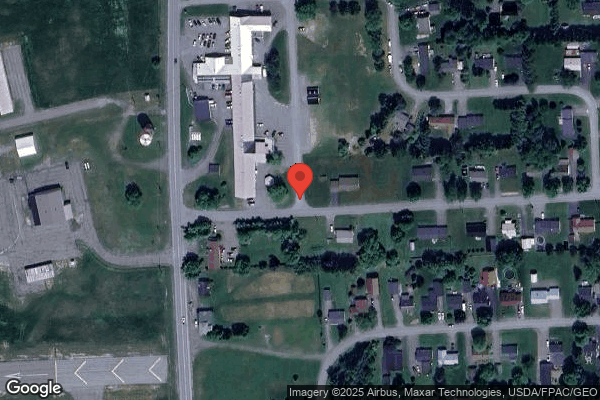
10 BERNADETTE ST, CARIBOU, ME 04736 (207) 498-3102
For profit - Limited Liability company 72 Beds Independent Data: November 2025
Trust Grade
70/100
#21 of 77 in ME
Last Inspection: July 2025

Inspected within the last 6 months. Data reflects current conditions.

Overview

Caribou Rehab and Nursing Center has a Trust Grade of B, indicating it is a good facility overall, but not without its flaws. It ranks #21 out of 77 nursing homes in Maine, placing it in the top half, and #5 out of 7 in Aroostook County, meaning only one facility nearby is rated higher. However, the trend is concerning as the number of issues reported has worsened, increasing from 6 in 2024 to 10 in 2025. While staffing is a strength with a perfect 5-star rating and a turnover rate of 43% (better than the state average), the facility has less RN coverage than 90% of other Maine facilities, which could impact care quality. Specific incidents include a medication cart being left unlocked and unattended, exposing residents to potential risks, and the facility not having a proper water management program to prevent harmful pathogens, indicating areas that need improvement alongside their strengths.

Trust Score
B
70/100
In Maine
#21/77
Top 27%
Safety Record
Low Risk
No red flags
Inspections
Getting Worse
6 → 10 violations
Staff Stability
○ Average
43% turnover. Near Maine's 48% average. Typical for the industry.
Penalties
✓ Good
No fines on record. Clean compliance history, better than most Maine facilities.
Skilled Nurses
✓ Good
Each resident gets 44 minutes of Registered Nurse (RN) attention daily — more than average for Maine. RNs are trained to catch health problems early.
Violations
⚠ Watch
25 deficiencies on record. Higher than average. Multiple issues found across inspections.
★★★★☆
4.0
Overall Rating
★★★★★
5.0
Staff Levels
★☆☆☆☆
1.0
Care Quality
★★★★☆
4.0
Inspection Score
Stable
2024: 6 issues
2025: 10 issues

The Good

  • 5-Star Staffing Rating · Excellent nurse staffing levels
  • Full Sprinkler Coverage · Fire safety systems throughout facility
  • No fines on record
  • Staff turnover below average (43%)

    5 points below Maine average of 48%

Facility shows strength in staffing levels, fire safety.

The Bad

Staff Turnover: 43%

Near Maine avg (46%)

Typical for the industry

The Ugly 25 deficiencies on record

Jul 2025 9 deficiencies
CONCERN (D)

Potential for Harm - no one hurt, but risky conditions existed

Resident Rights (Tag F0550)

Could have caused harm · This affected 1 resident

Based on observation and interviews, the facility failed to promote care for all residents in a manner that maintains each resident's dignity and respect during resident transportation on 1 of 3 days ...

Read full inspector narrative →
Based on observation and interviews, the facility failed to promote care for all residents in a manner that maintains each resident's dignity and respect during resident transportation on 1 of 3 days of survey (7/1/25) and during meal services on 1 of 3 days of service (6/30/25). Findings: 1.On 7/1/25 at 11:00 a.m. in the hallway near the conference room (Bears Den) a staff member was observed pulling a resident backwards in their wheelchair, causing this residents feet to drag on the floor. On 7/1/25 at 11:35 a.m., during an interview with the Assistant Director of Nursing, the surveyor confirmed that a staff member was pulling a resident backwards while in their wheelchair. 2. On 6/30/25 at 12:21 p.m., during the lunch service, a surveyor observed a staff member standing while assisting a resident to eat. This observation was observed and confirmed with Activities staff at the time of observation.
CONCERN (D)

Potential for Harm - no one hurt, but risky conditions existed

Deficiency F0554 (Tag F0554)

Could have caused harm · This affected 1 resident

Based on observation, interviews, and record review, the facility's interdisciplinary team meeting (IDTM) group failed to determine if it was clinically appropriate for a resident to keep medications ...

Read full inspector narrative →
Based on observation, interviews, and record review, the facility's interdisciplinary team meeting (IDTM) group failed to determine if it was clinically appropriate for a resident to keep medications at bedside and self-administer a medicated powder topically for 1 of 1 Residents observed with a medicated powder at bedside (Resident #165 [R165]). Finding: Review of facility policy, Pharmaceutical Services, reviewed on 8/21 stated, there shall be no self-administration of medication unless the Interdisciplinary Team Meeting (IDTM) group decides that the resident is able to self-administer and store the drugs safely. Physician's order will be maintained. On 6/30/25 at 10:37 a.m., a surveyor observed a medicated antifungal foot powder (Desenex), on R165's nightstand. R165 stated that he/she applies this powder themself, as needed. On 6/30/25 at 11:04 a.m., during an interview with a surveyor, the Director of Nursing (DON) stated that she will contact the doctor about the use of the Desenex because R165 has an order for miconazole (antifungal) for a rash. The DON stated that there had not been an evaluation to self administer medication completed. On 7/1/25, documentation in R165's clinical record included a physician order that the resident could self administer the Desenex and keep at the bedside; the clinical record also included a note that Licensed Practical Nurse #1 (LPN1) evaluated R165 for safe application of the product but there was no evidence that the IDTM had yet determined if this was clinically appropriate.
CONCERN (D)

Potential for Harm - no one hurt, but risky conditions existed

Deficiency F0578 (Tag F0578)

Could have caused harm · This affected 1 resident

Based on record review and interview, the facility failed to ensure a resident's right to formulate an advance directive regarding cardiopulmonary resuscitation (code status) was clear in the clinical...

Read full inspector narrative →
Based on record review and interview, the facility failed to ensure a resident's right to formulate an advance directive regarding cardiopulmonary resuscitation (code status) was clear in the clinical record for 1 of 9 sampled residents reviewed for advanced directives (Resident #214 [R214]). Finding: On 7/1/25, R214's clinical electronic health record (EHR) and paper health record were reviewed. R214's electronic clinical assessment in the EHR states, Code Status: FULLCODE, and the clinical paper health record, dated 6/23/25 Discharge Summary (from hospital) states, DNR/DNI [do not resuscitate/do not intubate] in regard to [his/her] CODE STATUS. On 7/1/25 at 2:05 p.m. a surveyor and the Assistant Director of Nursing (ADON) reviewed R214's EHR and paper health record. The ADON stated that the code status in the EHR should read DNR/DNI, not full code. In an interview at this time with the ADON, a surveyor confirmed that the code status for R214, full code is not accurate on the EHR.
CONCERN (D)

Potential for Harm - no one hurt, but risky conditions existed

Deficiency F0657 (Tag F0657)

Could have caused harm · This affected 1 resident

Based on record review and interview, the facility failed to review, revise and update a care plan for a newly discovered pressure ulcer for 1 of 1 resident reviewed for pressure ulcer (Resident #19 [...

Read full inspector narrative →
Based on record review and interview, the facility failed to review, revise and update a care plan for a newly discovered pressure ulcer for 1 of 1 resident reviewed for pressure ulcer (Resident #19 [R19]). Finding: On 6/30/25, R19's clinical record was reviewed. Documentation indicated that R19 had a care plan with a revision date of 6/9/25 for alteration in skin. The care plan was not updated to address the new onset of a 3rd pressure ulcer as a stage III to the posterior of left foot. There was no evidence that the care plan was updated to reflect the new skin care needs. On 7/01/25 at 11:37 a.m., R19's care plan was reviewed with the Assistant Director of Nursing. The surveyor confirmed that the care plan does not reflect R19's current wound status and the care required for treatment.
CONCERN (D)

Potential for Harm - no one hurt, but risky conditions existed

Quality of Care (Tag F0684)

Could have caused harm · This affected 1 resident

Based on record reviews and interview, the facility failed to follow physician orders for 1 of 3 residents reviewed for use of sliding scale insulin (Resident #49 [R49]). Finding: On 7/1/25, R49's cli...

Read full inspector narrative →
Based on record reviews and interview, the facility failed to follow physician orders for 1 of 3 residents reviewed for use of sliding scale insulin (Resident #49 [R49]). Finding: On 7/1/25, R49's clinical record was reviewed and included a physician order to administer insulin if finger stick blood sugars (FSBS) were at a certain result. The order for FIASP FlexTouch (insulin), dated 4/29/25, directed staff to inject subcutaneously as per sliding scale: 3 units for 200-250 (FSBS result) 6 units for 251-300, 9 units for 301-350, 12 units for 351-400, 15 units for 401-450, and to call physician if over 451. R49's May Treatment Administration Record (TAR) indicated that on 5/22/25, R49's FSBS was 563. The TAR documentation indicated that R49 received 15 units of insulin. The clinical record lacked evidence of calling the physician and obtaining a physician order for insulin for a FSBS result greater than 451. R49's June TAR indicated that on 6/27/25, R49's FSBS was 288. The TAR documentation indicated that R49 received 3 units of insulin, instead of 6 units as ordered. On 7/1/25 at 12:10 p.m., during an interview with the Assistant Director of Nursing, a surveyor confirmed these findings.
CONCERN (D)

Potential for Harm - no one hurt, but risky conditions existed

Food Safety (Tag F0812)

Could have caused harm · This affected 1 resident

Based on observation and interview, the facility failed to store, prepare, and serve food in accordance with professional standards for food service safety by not storing food in a sanitary manner for...

Read full inspector narrative →
Based on observation and interview, the facility failed to store, prepare, and serve food in accordance with professional standards for food service safety by not storing food in a sanitary manner for 2 of 3 days of survey (6/30/25 and 7/2/25). Finding: On 6/30/25 at 9:03 a.m., during observation of the walk-in freezer, a surveyor and the Dietary Supervisor observed and confirmed the following: 1 container of Veggie Lasagna, open and exposed to the environment. 1 container of pasta with meat sauce, exposed to the environment, freezer burn observed. 1 pizza on a round cooking sheet plastic wrap partially peeled up and pizza crust exposed to the environment. 6 slices of raw meat sitting on a shelf and exposed to the environment. The Dietary Supervisor identified them as Philly chicken. 1 package of cauliflower, open and undated. 1 package of breaded chicken patties, open and undated. 1 package of pre-cooked chicken cubed, open and undated. 1 package of yellow beans, open and undated. 1 package of tater-tots, open and undated. 1 package of fish sticks, open and undated. On 7/2/25 at 7:48 a.m., a surveyor observed and confirmed with a Certified Nursing Assistant (CNA) in the dayroom refrigerator and available for use: 1 half gallon of milk with an expiration date of July 01, 2025 2 open quart size containers of prune juice, undated. 1 open quart size container of apple juice, undated. 1 open quart size container of orange juice, undated. 1 pint size container of raspberries, observed to be shriveled and moldy.
CONCERN (D)

Potential for Harm - no one hurt, but risky conditions existed

Deficiency F0883 (Tag F0883)

Could have caused harm · This affected 1 resident

Based on record reviews, Centers for Disease Control and Prevention (CDC) recommendations, and interviews, the facility failed to offer the updated Pneumococcal vaccination to 1 of 5 residents (Reside...

Read full inspector narrative →
Based on record reviews, Centers for Disease Control and Prevention (CDC) recommendations, and interviews, the facility failed to offer the updated Pneumococcal vaccination to 1 of 5 residents (Resident #24 [R24]). Finding: On 7/1/25, R24's clinical record was reviewed. The documentation in R24's clinical record indicated that R24 received the Pneumococcal Conjugate Vaccine (PCV) 13 in 2015 and the Pneumococcal Polysaccharide Vaccine (PPV) 23 in 2017. The CDC recommendation was based on shared clinical decision-making, decide whether to administer one dose of PCV20 or PCV21 at least 5 years after the last pneumococcal vaccine dose. On 7/1/25 at 9:14 a.m., during an interview with a surveyor, the Assistant Director of Nursing stated there was no evidence of offering the PCV20 to R24. On 7/2/25 at 10:00 a.m., during an interview with a surveyor, the Director of Nursing/Infection Preventionist stated that they use the CDC recommendations for administering the pneumococcal vaccines.
CONCERN (E)

Potential for Harm - no one hurt, but risky conditions existed

Deficiency F0761 (Tag F0761)

Could have caused harm · This affected multiple residents

Based on observations and interviews, the facility failed to ensure that medications and medical equipment were stored properly by having an unlocked, unattended medication cart on 1 of 3 days (A wing...

Read full inspector narrative →
Based on observations and interviews, the facility failed to ensure that medications and medical equipment were stored properly by having an unlocked, unattended medication cart on 1 of 3 days (A wing medication cart) (6/30/25), and a treatment cart on 2 of 3 days of survey (7/1/25, and 7/2/25) allowing residents and unauthorized people access to medications, and medication equipment. Findings: 1. On 6/30/25 at 11:11 a.m., during a surveyor observation of a medication administration pass, the Certified Nursing Assistant-Medications (CNA-M) left the A wing medication cart in the dining/activity area of the locked Special Care Unit for residents with advanced cognitive impairment. The cart was left unattended and unlocked while the CNA-M left the cart to give medications to Resident #31 (R31) who was sitting two tables away from the unlocked cart. There were several residents in the dining/activity area, and a surveyor observed R214 sitting in a wheelchair, self-propel himself/herself to the front of the unlocked medication cart, stop, and place his/her hand on the lock, and a drawer before moving away from the cart. On 6/30/25 at 11:12 a.m. in an interview with a surveyor regarding the unlocked and unattended medication cart, the CNA-M stated she was okay to not lock the cart because she always has the medication cart in sight when administering medications. The surveyor asked if she saw R214 attempt to open the medication cart, and she stated she did not, her back was turned away from the medication cart while she was administering medications to R31. On 6/30/25 at 11:30 a.m., in an interview with a surveyor, the CNA-M stated that she doesn't keep the A wing medication cart keys with her, she keeps them hooked to a nail in the medication storage room on B wing. A surveyor confirmed with the CNA-M and the Assistant Director of Nursing (ADON) that the medication cart was left unlocked and unattended. 2. On 7/1/25 at 10:15 a.m., a surveyor observed a treatment cart in a resident hallway unattended. Multiple residents and other staff were observed passing by the cart. The cart was observed to be unlocked, and contained syringes, lancets, medicated creams, ointments, and powders. At 10:18 a.m., the Charge Nurse returned to the cart and stated she had been down to a resident's room, then went to get another resident a drink. The Charge Nurse stated that the cart does not have a lock. At this time the surveyor confirmed the cart contained medications and sharps and was left unlocked, unattended and easily accessible to residents. 3. On 7/2/25 at 7:51 a.m., a surveyor observed an unattended treatment care to be in a resident hallway with the drawers facing the wall. The treatment cart drawers contained syringes, lancets, medicated creams, ointments, and powders, secured by a swivel snap hook. At 8:00 a.m., the surveyor observed and confirmed with the Charge Nurse that the treatment cart contained medications and sharps and was not secured with a locking device. On 7/2/25 at 8:20 a.m., during an interview with the Director of Nursing (DON), ADON, and 2 surveyors, the treatment cart in the medication room was observed and confirmed to be secured with a swivel snap hook. The DON confirmed that the cart needs a lock to secure the drawers. At this time 2 surveyors confirmed the treatment cart was not secured with a locking device, and multiple residents are capable of accessing the contents when it is not stored in the medication room.
CONCERN (E)

Potential for Harm - no one hurt, but risky conditions existed

Infection Control (Tag F0880)

Could have caused harm · This affected multiple residents

Based on review of the facility's water management program and interview, the facility failed to fully develop/implement a water management program to prevent the growth and spread of legionella and o...

Read full inspector narrative →
Based on review of the facility's water management program and interview, the facility failed to fully develop/implement a water management program to prevent the growth and spread of legionella and other water-borne pathogens. Finding: On 7/2/25, a surveyor reviewed the facility's Water Management Program to Reduce Legionella Growth and Spread in Buildings policy that was last reviewed by the facility on 10/14/24 and photos of areas where Legionella could grow were updated as needed. The program lacked evidence of measures to prevent the growth of opportunistic waterborne pathogens (also known as control measures), and how to monitor them. There was no evidence of testing protocols for control measures, including how and when this would be monitored, acceptable control limits, what interventions would be taken if control limits were found to be outside of range, and instances when water testing for legionella would be needed. On 7/2/25 at 11:04 a.m., during an interview with Maintenance, a surveyor confirmed this finding.
Jun 2025 1 deficiency
CONCERN (D) 📢 Someone Reported This

A family member, employee, or ombudsman was alarmed enough to file a formal complaint

Potential for Harm - no one hurt, but risky conditions existed

Accident Prevention (Tag F0689)

Could have caused harm · This affected 1 resident

Based on record review, review of the facility incident report, observation, and interviews, the facility failed to monitor an unlocked and/or non-alarmed door to prevent a resident identified as an e...

Read full inspector narrative →
Based on record review, review of the facility incident report, observation, and interviews, the facility failed to monitor an unlocked and/or non-alarmed door to prevent a resident identified as an elopement risk from leaving the building unnoticed. A staff member, who was informed by a visitor, told staff she saw a resident outside, unattended. The failure to have monitoring of unlocked, and/or non-alarmed doors, resulted in an avoidable elopement for 1 of 3 resident reviewed for elopement risk (Resident # 1 [R1]). Finding: R1 was admitted to the facility in February 2025 with a diagnosis of Dementia. R1 was identified as an elopement risk and wears a wander guard alert (a safety device that alarms if resident wanders too close to a door). Review of R1's Reportable Incident Form dated 5/26/25 indicates that on 5/25/25 at approximately 3:15 p.m., R1 was outside for thirty-three minutes and he/she was sitting in a wheelchair near the gazebo on the lawn across the employee parking lot. Another residents family member saw him/her outside .R1 was wearing a wander guard, but the door was unlocked, and the wander guard did not alarm. On 6/5/25 at 3:15 p.m. in an interview with a surveyor, the Licensed Practical Nurse stated that on 5/25/25 she observed R1 outside with in a wheelchair, stuck in the mud we alerted other staff, and ran to bring R1 inside. On 6/5/25 at 5:00 p.m. in an interview with a surveyor, the Director of Nursing (DON) states the facility was able to determine through video surveillance footage that R1 exited the building from the D Wing door, it did not appear that the alarm from his/her wander guard went off or locked the door. R1 was returned to the facility on 5/25/25 at approximately 3:51 p.m., thirty-three minutes after elopement. R1 was outside on a day that was mild in temperature. R1 was assessed, and monitored, there were no lasting effects to R1. During this interview a surveyor confirmed that R1 had elopement unnoticed by staff.
Jun 2024 5 deficiencies
CONCERN (D)

Potential for Harm - no one hurt, but risky conditions existed

MDS Data Transmission (Tag F0640)

Could have caused harm · This affected 1 resident

Based on record review and interview, the facility failed to transmit a quarterly Minimum Data Set (MDS) electronically to the State MDS database within 14 days of completion date for 1 of 1 system se...

Read full inspector narrative →
Based on record review and interview, the facility failed to transmit a quarterly Minimum Data Set (MDS) electronically to the State MDS database within 14 days of completion date for 1 of 1 system selected residents reviewed for Resident Assessment (Resident #14 [R14]). Finding: R14's quarterly MDS, with a target date of 5/16/24, was completed on 5/17/24. This assessment was required to be electronically submitted to the State MDS database within 14 days (by 5/31/24) but was not submitted until 6/26/24, 26 days late. On 6/26/24 at 11:04 a.m., during an interview with a surveyor, the MDS Coordinator stated that she just submitted R14's quarterly MDS; she wasn't sure why it wasn't transmitted and was unaware that it didn't transfer until the surveyor asked about it.
CONCERN (D)

Potential for Harm - no one hurt, but risky conditions existed

Deficiency F0945 (Tag F0945)

Could have caused harm · This affected 1 resident

Based on employee files review and interviews, the facility failed to develop and implement an education program that included annual training on the Infection Control program standards, policies, and...

Read full inspector narrative →
Based on employee files review and interviews, the facility failed to develop and implement an education program that included annual training on the Infection Control program standards, policies, and procedures for 1 of 5 Certified Nursing Assistants (CNA) reviewed ( CNA1). Finding: On 6/25/24, CNA1's employee file and Inservice record was reviewed. CNA1's last documented Combined Inservice, which included training on the Infection Control program standards, was 12/6/22. On 6/25/24 at 2:45 p.m., during an interview with a surveyor, the Clinical Assistant stated that she was unable to find evidence that CNA1 completed the Combined Inservice in (December) 2023. On 6/26/24 at 3:12 p.m., during an interview with a surveyor, the Staff Educator stated that CNA1 completed the Infection Control training yesterday but it should have been done in 2023, but it was not. The surveyor confirmed this finding during these interviews.
CONCERN (E)

Potential for Harm - no one hurt, but risky conditions existed

Respiratory Care (Tag F0695)

Could have caused harm · This affected multiple residents

On 6/26/24 at 8:37 a.m., during an interview with a surveyor, Registered Nurse #1 (RN1) stated that cleaning the filters on the O2 concentrators is part of a Charge Nurse weekly task. A surveyor and R...

Read full inspector narrative →
On 6/26/24 at 8:37 a.m., during an interview with a surveyor, Registered Nurse #1 (RN1) stated that cleaning the filters on the O2 concentrators is part of a Charge Nurse weekly task. A surveyor and RN1 then observed the above mentioned 02 concentrator filters and the surveyor confirmed that they were dusty. On 6/26/24 at 9:16 a.m., during an interview with the Director of Nursing (DON), a surveyor confirmed with the DON that the O2 concentrator filters are dusty even though there was a weekly treatment for the task. The DON and surveyor then observed R35's O2 concentrator's dusty filters. Based on observations and interviews, the facility failed to provide respiratory care consistent with professional standards of practice by failing to ensure that respiratory equipment was clean, for 3 of 3 days of survey for Resident #33 (R33), R13, R35, R24, and R48). Findings: 1. On 6/24/24 at 9:01 a.m., a surveyor observed that R33's O2 concentrator filter was heavily soiled with dust and debris. On 6/25/24 at 1:17 p.m., a surveyor observed that R33's O2 concentrator filter was heavily soiled with dust and debris, and a trash receptacle containing a plastic trash bag was directly in front of the filter, the plastic trash bag was pulled toward/ against the filter. On 6/26/24 at 7:45 a.m., a surveyor observed that R33's O2 concentrator, the filter was observed to be heavily soiled with dust and debris. 2. On 6/24/24 at 9:48 a.m., a surveyor observed that R13's oxygen (O2) concentrator filter was heavily soiled with dust. On 6/25/24 at 8:55 a.m., a surveyor observed that R13's O2 concentrator filter was heavily soiled with dust. 2. On 6/24/24 at 9:57 a.m., a surveyor observed that R35's O2 concentrator filter was heavily soiled with dust. On 6/25/24 at 12:04 p.m., a surveyor observed that R35's O2 concentrator filter was heavily soiled with dust. 3. On 6/24/24 at 9:58 a.m., a surveyor observed that R24's O2 concentrator filter was heavily soiled with dust and debris. On 6/25/24 at 1:12 p.m., a surveyor observed that R24's O2 concentrator filter was heavily soiled with dust and debris. On 6/26/24 at 7:37 a.m., a surveyor observed that R24's O2 concentrator filter was heavily soiled dust and debris. 4. On 6/24/24 at 2:58 p.m., a surveyor observed that R48's O2 concentrator filter was soiled with dust. On 6/25/24 at 2:17 p.m., a surveyor observed that R48's O2 concentrator filter was soiled with dust.
CONCERN (E)

Potential for Harm - no one hurt, but risky conditions existed

Deficiency F0761 (Tag F0761)

Could have caused harm · This affected multiple residents

Based on observations and interviews, the facility failed to ensure expired medications were removed from the available for use supply, for 1of 2 Medication Carts reviewed (B Wing Medication Cart), an...

Read full inspector narrative →
Based on observations and interviews, the facility failed to ensure expired medications were removed from the available for use supply, for 1of 2 Medication Carts reviewed (B Wing Medication Cart), and 2 of 2 Medication Storage Rooms reviewed (B Wing Medication Storage and C-D Wing Medication Storage). Findings: On 6/24/24 at 1:53 p.m., review of the C-D Wing Medication Storage Room revealed on the shelf and available for use: 1 bag containing Prochlorperazine 25 milligram (mg) suppositories with an expiration date of 2/24 1 box Premarin vaginal cream conjugated estrogens 0.625mg/gram with an expiration date of 4/30/24 1 bag containing Acetaminophen Suppositories 650mg with an expiration date of 6/23 In the locked narcotic cabinet, on the shelf and available for use: 1 blister pack of Hydrocodone and Acetaminophen 5mg-325mg with an expiration of 4/5/24 A surveyor observed and confirmed the above findings with Registered Nurse #1 at the time of the observation. On 6/24/24 at 2:45 p.m., review of the B-Wing Medication Storage Room revealed on the shelf and available for use: 1 bag containing Bisacodyl 10mg suppositories, 5 suppositories had an expiration date of 4/24, and 5 suppositories had an expiration date of 6/23 1 bottle 44 milliliter Deep Sea Premium Saline nose spray 0.65% with an expiration date of 5/24 2 boxes Acetaminophen suppositories 650mg with an expiration date of 4/24 1 bottle Pain Relief Acetaminophen 250mg / Aspirin 250mg / Diphenhydramine 38mg with an expiration date of 2/24 1 bottle Loratadine 10mg with an expiration date of 12/23 Review of the B-Wing Medication Cart revealed available for use: 1 bottle Loratadine 10mg with an expiration date of 12/23 A surveyor observed and confirmed the above findings with Registered Nurse #2 at the time of the finding.
CONCERN (E)

Potential for Harm - no one hurt, but risky conditions existed

Infection Control (Tag F0880)

Could have caused harm · This affected multiple residents

Based on observations, and interviews the facility failed to maintain an Infection Control Program designed to help prevent cross contamination and/or development of infection by maintaining a safe an...

Read full inspector narrative →
Based on observations, and interviews the facility failed to maintain an Infection Control Program designed to help prevent cross contamination and/or development of infection by maintaining a safe and sanitary environment related to enhanced barrier precautions (EBP's) pertaining to Resident's with urinary Foley catheters for 3 of 3 days of survey (6/24/24, 6/25/24, and 6/26/24). Findings: On 6/24/24, from 7:30 a.m. to 3:45 p.m., surveyors observed no personal protective equipment (PPE) other than gloves or signage notifying of EBP's for Resident #48 (R48) who had a urinary Foley catheter or any other Resident who had urinary Foley catheters. On 6/25/24 at 10:32 a.m., a surveyor observed no PPE other than gloves or signage notifying of EBP's for R10 who had a urinary Foley catheter or any other Resident who had urinary Foley catheters. On 6/25/24 at 11:11 a.m., a surveyor could not find any documentation pertaining to the use of Enhanced Barrier Precautions (EBP's). On 6/25/24 at 1:52 p.m. in an interview with the Director of Nursing (DON) and Assistant Director of Nursing, a surveyor confirmed that the facility is not using EBP's for Resident's who have a urinary Foley catheter and does not have a plan in place for the use EBP's. The DON stated that the use of EBP's are not being used for urinary Foley catheters or anything else. On 6/25/24 at 2:13 p.m., during an interview with a surveyor, R48 stated that staff just emptied the urinary Foley catheter bag and the staff member was wearing a uniform and no protective gown. On 6/26/24 at 3:30 p.m., a surveyor observed no PPE other than gloves or signage notifying of EBP's for R10 who had a urinary Foley catheter or any other Resident who had urinary Foley catheters On 6/26/24 at 3:33 p.m., during an interview with a surveyor, Registered Nurse #1 (RN1) stated she did not know what EBP's were. The surveyor asked RN1 about what PPE was worn when she performs urinary Foley catheter care to which the response was gloves, and if she was inserting a urinary Foley catheter, the equipment would be sterile.
May 2024 1 deficiency
CONCERN (D) 📢 Someone Reported This

A family member, employee, or ombudsman was alarmed enough to file a formal complaint

Potential for Harm - no one hurt, but risky conditions existed

Quality of Care (Tag F0684)

Could have caused harm · This affected 1 resident

Based on facility reported incident and investigation review, record review, and interviews, the facility failed to ensure that a resident who was identified as a stand pivot transfer received assista...

Read full inspector narrative →
Based on facility reported incident and investigation review, record review, and interviews, the facility failed to ensure that a resident who was identified as a stand pivot transfer received assistance from two staff members during a transfer for 1 of 1 facility reported incidents reviewed (4/24/24). Finding: On 4/24/24, the facility reported an incident to the State Agency (Division of Licensing and Certification), alleging that on 4/23/24, Certified Nursing Assistant (CNA)1 transferred Resident (R)1, who was a two person assist transfer, with a non-family member visitor instead of a staff member. The facility's investigation, which was completed on 4/24/24, included an X-ray that identified that R1 had an acute (sudden) to subacute (between acute and chronic) non displaced fracture of the lower tibial shaft but the evaluation was limited due to severe osteoporosis. On 5/7/24 at 9:59 a.m., during an interview with a surveyor, CNA1 stated that about 12:30 p.m. (on 4/23/24), R1 rang the call bell and wanted to go to bed; his teammate was at lunch and he explained to R1 that he/she needed to wait so he could get assistance. CNA1 stated R1 was a two person assist transfer. R1 was adamant that he/she wanted to go to bed so R1's roommate's family member offered to help transfer R1 to bed. CNA1 explained that about 2:00 p.m., R1 complained of pain in the right knee to right ankle area and reported this to Licensed Practical Nurse (LPN)1. CNA1 stated that he was educated after this incident to seek out another staff member and not accept assistance from non-family members. On 5/7/24 at 10:50 a.m., during an interview with a surveyor, LPN1 stated she assessed R1 and found no bruising or swelling and was able to move R1's leg and ankle with no pain, complaining of pain after she stopped moving it. LPN1 notified the Medical Provider who ordered an X-ray for the morning. LPN1 stated R1 was a two person assist transfer at that time. On 5/7/24 at 11:00 a.m., during an interview with a surveyor, CNA2 stated that R1 was a two person assist transfer and that she would use another staff member to assist with a transfer. On 5/7/24 at 11:05 a.m., during an interview with a surveyor, the Physical Therapist (PT) stated that the last time she evaluated R1 was 5/18/22 when R1 was at another facility, and R1 was a two person assist for transfers. R1 was a new admission to this facility and her admission evaluation was completed on 4/30/24, which was after the incident. R1 is now a Hoyer lift for transfers. As a result of this isolated incident, the following actions were initiated: On 4/23/24, R1 was assessed by LPN1 and an order for an X-ray was obtained after speaking to the Medical Provider. On 4/24/24, CNA1 self reported to the Director of Nursing the circumstances of R1's transfer. Education was provided to CNA1 on using other staff for two person assist transfers and not to accept offers of assistance from non -family members or non staff. (The facility has a process in place for family members who wish to assist their own family who reside in the nursing home). On 4/24/24, education was provided to the non-family member visitor to not offer to assist staff for residents that are not family. On 4/24/24, an X-ray was obtained, thereafter, pain management and an orthopedic consult obtained. Staff were to use a Hoyer lift for transfers. On 4/30/24, an admission PT evaluation was completed and R1 was now a Hoyer lift for transfers.
Apr 2023 6 deficiencies
CONCERN (D)

Potential for Harm - no one hurt, but risky conditions existed

Resident Rights (Tag F0550)

Could have caused harm · This affected 1 resident

Based on interviews, and observation the facility failed to promote care for a resident in a manner that maintains each resident's dignity and respect when staff failed to provide appropriate perineal...

Read full inspector narrative →
Based on interviews, and observation the facility failed to promote care for a resident in a manner that maintains each resident's dignity and respect when staff failed to provide appropriate perineal care (refers to caring for the genital and rectal areas of the body) for 1 of 5 residents interviewed pertaining to activities of daily living (ADL) care. (Resident #25) Finding: On 4/24/23 at 1:33 p.m. in an interview with a surveyor, Resident #25 stated, last week while CNA #2 was providing ADL care, she poured something cold in my crotch. Resident #25 asked how come this is cold, and CNA #2 stated to him/her, well you are dirty. Resident #25 described to the surveyor, that it was the blue stuff, a disinfectant, and pointed to a drawer where it was kept. The surveyor observed, in the drawer, a bottle labeled Perineal and skin cleaner. Resident #25 said that was the bottle used and CNA #2 said open your legs, and it was iced cold. Resident #25 said the others (referring to other staff providing perineal care) take a washcloth with soap and warm water for perineal care. At this time, Resident #25 became tearful during the interview, and stated he/she didn't understand why this was done this way. He/she was visibly upset about how his/her perineal care was done during this interview. Resident #25 told staff, CNA #3, about the incident later that evening on 4/22/23. On 4/26/23 at 8:05 a.m., in an interview with CNA #2, a surveyor confirmed that when CNA #2 was providing care, she sprayed Perineal and skin cleaner directly on Resident #25's perineal region. CNA #2 stated, regarding perineal care for Resident #25, that she would explain to Resident #25 that she was going to spray to make sure he's/she's clean and that she would spray directly on the area, if spray bottle doesn't work. On 4/26/23 at 8:43 a.m. in an interview with the Assistant Director of Nursing (ADON), a surveyor confirmed the above finding, and the ADON stated that the Perineal and skin cleaner would be cold if used in the above described manner and not appropriate. On 4/26/23 at 2:04 p.m. in a telephone interview with a surveyor, CNA #3 stated that Resident #25 told her that when CNA #2 is in a hurry she puts cold Peri wash on him/her. CNA #3 told Resident #25 that she would tell somebody and for Resident #25 to tell somebody also. CNA #3 said she meant to tell the Charge Nurse, but got too busy. She stated that Resident #25, just seemed really annoyed, but didn't want to get CNA #2 in trouble.
CONCERN (D)

Potential for Harm - no one hurt, but risky conditions existed

Notification of Changes (Tag F0580)

Could have caused harm · This affected 1 resident

Based on record review and interview, the facility failed to notify a Resident Representative of a resident fall with injury in a timely manner for 1 of 6 sampled residents that had falls. (#9). Findi...

Read full inspector narrative →
Based on record review and interview, the facility failed to notify a Resident Representative of a resident fall with injury in a timely manner for 1 of 6 sampled residents that had falls. (#9). Finding: On 4/26/23, a review of Resident #9's clinical record was completed. Documentation indicated that on 3/9/23, Resident #9 was sitting on his/her bed and slid off to the floor. Resident #9 slid to the floor and had hit the back of their head on the bed head board. Documentation indicated that no injury was identified at the time. On 3/11/23, a nurse's note indicated that a faded green/purple bruise was observed on Resident #9's right temple-likely from 3/9/23 fall. Resident has had no complaints of discomfort. Documentation indicated staff followed the facility protocol for falls with head injury. Documentation indicated that on 3/14/23 (three days after the fall with injury), the facility phoned and notified the resident's representative of the fall with injury. Documentation indicated the resident representative was angry that they were not notified of the head injury the day the incident occurred. On 4/26/23 at 2:00 p.m., in an interview with the Director of Nursing and Assistant Director of Nursing, they confirmed that documentation indicated the family was not notified timely of the resident's fall with injury.
CONCERN (D)

Potential for Harm - no one hurt, but risky conditions existed

Quality of Care (Tag F0684)

Could have caused harm · This affected 1 resident

2. On 04/24/23 at 12:00 p.m., Resident #35 was observed sitting in the main room with an oxygen concentrator at 4 liters per minute (L/M) via Nasal Cannula (NC). Resident #35 asked staff to assist him...

Read full inspector narrative →
2. On 04/24/23 at 12:00 p.m., Resident #35 was observed sitting in the main room with an oxygen concentrator at 4 liters per minute (L/M) via Nasal Cannula (NC). Resident #35 asked staff to assist him/her to the toilet. Staff assisted Resident #35 using a rolling walker and gait belt and ambulated him/her to their room (the last room farthest away from the main room). At this time, it was observed that Resident #35 did not have a portable oxygen tank on their walker. Resident #35 asked staff why he/she didn't have a tank of oxygen to use and the CNA said she would call for a new tank. He/she stated they more often don't have an oxygen tank to use than they have one to use. On 4/24/23, during a record review of Resident #35's clinical record, it was noted that the resident had a Physician order, dated 3/15/23, for continuous oxygen at 4L/M via NC for Congested Heart Failure. On 04/26/23 10:19 a.m., during an interview with the surveyor, the Director of Nursing confirmed that Resident #35 had been ambulated without being on continuous oxygen and that no portable tank was available for resident use at the time of ambulation. The Director of Nursing stated she was made aware by the charge nurse that he/she did not have a portable tank at that time. Based on record reviews, interviews and observation, the facility failed to ensure that a physician's order for sliding scale insulin was followed for 1 of 3 sampled diabetic residents with an insulin sliding scale order (Resident #37). In addition, the facility failed to ensure that a physician order for continuous oxygen was followed for 1 of 1 sampled resident with oxygen (Resident #35). Findings: 1. On 4/26/23, a review of Resident #37's electronic clinical record was reviewed. Documentation indicated the resident was a diabetic and required scheduled insulin and a sliding scale insulin to cover high blood sugars. Documentation in the current Physician's order stated the resident was to receive Novolog 100 units/milliliter (ml) solution. Give per sliding scale subcutaneously before meals and at bedtime for Diabetes. Blood Sugar (BS) of 150-199, give 3 units of insulin BS of 200-249, give 5 units of insulin BS of 250-299, give 7 units of insulin BS of 300-349, give 9 units insulin BS of 350-399, give 12 units of insulin Greater than or equal to 400, give 14 units and call the Physician. A review of Resident #37's electronic Medication Administration Record (e-Mar) was reviewed for the month of April 2023. Documentation on the April e-Mar indicated the following: On 4/14/23 at 11:30 a.m., the resident had a BS of 406. On 4/17/23 at 11:30 a.m., the resident had a BS of 430. On 4/19/23 at 11:30 a.m., the resident had a BS of 420. On 4/21/23 at 11:30 a.m., the resident had a BS of 432. There was no evidence in Resident #37's clinical record that indicated the Physician was notified that Resident #37 had blood sugars over 400 on 4/14/23, 4/17/23, 4/19/23, and 4/21/23. On 4/26/23 at 4:00 p.m., in an interview with the surveyor, the Assistant Director of Nursing confirmed that there was no evidence in the clinical record that the Physician was notified as per the Physician's order.
CONCERN (D)

Potential for Harm - no one hurt, but risky conditions existed

Medication Errors (Tag F0758)

Could have caused harm · This affected 1 resident

**NOTE- TERMS IN BRACKETS HAVE BEEN EDITED TO PROTECT CONFIDENTIALITY** Based on record reviews and interview, the facility failed to ensure an Abnormal Involuntary Movement Scale (AIMS), used to moni...

Read full inspector narrative →
**NOTE- TERMS IN BRACKETS HAVE BEEN EDITED TO PROTECT CONFIDENTIALITY** Based on record reviews and interview, the facility failed to ensure an Abnormal Involuntary Movement Scale (AIMS), used to monitor for potentially irreversible side effects of anti-psychotic medications, was completed on admission for 1 of 5 sampled residents reviewed for unnecessary medications (Resident #32). Finding: On 4/26/23, a review of Resident #32's clinical record was completed. The surveyor noted a physician's orders, dated 1/23/23, for Risperidone (an antipsychotic medication) 0.25 milligrams (mg) give by mouth in the morning, Risperidone 0.25 mg at lunch and Risperidone 0.5 mg at bedtime for dementia with hallucinations. On 4/26/23 at 7:57 a.m., in an interview with the surveyor, the Director of Nursing (DON) stated it is the facility policy to complete an Abnormal Involuntary Movement Scale (AIMS) test for any resident admitted or started on an antipsychotic. The surveyor and DON were unable to locate evidence of a completed AIMS test for Resident #32 since his/her admission on [DATE]. The DON confirmed that no AIMS had been completed and that the facility policy is to do the first AIMS test on admission and every six month after.
CONCERN (E)

Potential for Harm - no one hurt, but risky conditions existed

ADL Care (Tag F0677)

Could have caused harm · This affected multiple residents

Based on observations, record reviews and interviews, the facility failed to provide residents a whirlpool/shower/shampoo as directed by the Resident's shower schedule for 5 of 5 residents reviewed fo...

Read full inspector narrative →
Based on observations, record reviews and interviews, the facility failed to provide residents a whirlpool/shower/shampoo as directed by the Resident's shower schedule for 5 of 5 residents reviewed for personal grooming care on A-Wing (Resident #30, Resident #35, Resident #44, Resident #45, and Resident #48). Findings: 1. Documentation on Resident #30's MDS 3.0, dated 2/27/23, stated the resident requires extensive assist of one staff for bed mobility, personal hygiene, toilet, dress and requires limited assist of one staff for transfers. Documentation for Resident #30's weekly whirlpool days was documented on the Certified Nursing Assistant (CNA) list #1 to be done every week on Monday day shift. Review of Resident #30's clinical record CNA documentation for whirlpools/showers, the record indicated that Resident #30 has no whirlpools documented from April 1st to April 26th, when he/she should have had 4 whirlpools in that time frame. 2. Documentation on Resident #35's Minimum Data Set 3.0 (MDS 3.0), dated 1/16/23, stated the resident requires extensive assist of one staff for bed mobility, transfers, personal hygiene, toilet use and to dress. Documentation for Resident #35's weekly whirlpool days was documented on the CNA list #1 to be done every week on Monday day shift. Review of Resident #35's clinical record CNA documentation for whirlpool/showers, the record indicated that Resident #35 has had one whirlpool from April 1st to April 26th when he/she should have had 4 whirlpools in that time frame. 3. Documentation on Resident #44's Minimum Data Set 3.0 (MDS 3.0), dated 1/16/23, stated the resident requires extensive assist of one staff for bed mobility, transfers, personal hygiene, toilet use and to dress. Documentation for Resident #44's weekly whirlpool days was documented on the CNA list #2 to be done every week on Monday day shift. Review of Resident #44's clinical record CNA documentation for whirlpool/showers, the record shows that Resident #44 has had one whirlpool from April 1st to April 26th when he/she should have had 4 whirlpools in that time frame. 4. Documentation on Resident #45's MDS 3.0, dated 3/17/23, stated the resident requires total assist of two staff for bed mobility, personal hygiene, toilet, dress and for transfers. Documentation for Resident #45's weekly whirlpool days was documented on the CNA list #2 to be done every week on Monday day shift with an added note to please wash hair every day. On 4/24/23, during initial tour of A-Wing main room, Resident #45 was sitting in his/her recliner chair. It was observed that Resident #45's hair was greasy and uncombed. On 4/25/23, during an additional observation tour of A-Wing, Resident #45 was observed in his/her bed and in the main room area and his/her hair was observed to be greasy. On 4/26/23, during A-Wing resident observations, Resident #45 was in the main room with his/her hair appearing greasy and unkempt. On 04/26/23 at 12:08 p.m., during an interview a Nursing Supervisor, the surveyor confirmed that Resident #45's hair was greasy and does not appear as his/her hair has been washed this week. Review of Resident #45's clinical record CNA documentation for whirlpool/showers, the record shows that Resident #45 has had one whirlpool from April 1st to April 26th when he/she should have had 4 whirlpools in that time frame. 5. Documentation on Resident #48's MDS 3.0, dated 3/11/23, stated the resident requires extensive assist of two staff for bed mobility, personal hygiene, toilet, dress and requires total assist of two staff for transfers. Documentation for Resident #48's weekly whirlpool days was documented on the CNA list #1 to be done every week on Monday day shift. On 4/24/23, during initial tour of A-Wing main room, Resident #48 was sitting in his/her recliner chair. It was observed that Resident #48's hair was greasy and uncombed. On 4/25/23, during an additional observation tour of A-Wing, Resident #48 was observed in his/her bed and in the main room area and his/her hair was observed to be greasy. On 4/26/23, during A-Wing resident observations, Resident #48 was in the main room with his/her hair appearing greasy and unkempt. On 04/26/23 at 12:08 p.m., during an interview a Nursing Supervisor, the surveyor confirmed that Resident #48's hair was greasy and does not appear as his/her hair has been washed this week. Review of Resident #48's clinical record CNA documentation for whirlpools/showers, the record shows that Resident #48 has had one whirlpool from April 1st to April 26th, when he/she should have had 4 whirlpools in that time frame. On 04/26/23 at 12:38 p.m., during an interview with the surveyor, CNA #1 stated that on A-Wing, on Monday they were very short staffed, and they had to keep the main room doors closed for a while until surveyors came in and the Supervisors sent us office staff to come help monitor the main room and residents in it. Also, our whirlpool was leaking and the maintenance worker was working on it. The CNA stated they would have had to use the other Wing's whirlpool and there was not enough staff to do that.
CONCERN (E)

Potential for Harm - no one hurt, but risky conditions existed

Accident Prevention (Tag F0689)

Could have caused harm · This affected multiple residents

Based on observations, interview and record reviews, the facility failed to ensure that the resident's environment was free of accident hazards and potential entrapment hazards by failing to complete ...

Read full inspector narrative →
Based on observations, interview and record reviews, the facility failed to ensure that the resident's environment was free of accident hazards and potential entrapment hazards by failing to complete a safety bed assessment prior to the use of bed bolsters for 8 of 16 sampled residents (Resident #19, Resident #23, Resident #28, Resident #39, Resident #42, Resident #45, Resident #48, Resident #49). Findings: On 4/25/23 at 9:00 a.m., a surveyor observed staff releasing a wedge shaped bed bolster from Resident #39's bed. Staff swung the resident's feet on the side of the bed and then assisted Resident#39 to the standing position. The surveyor observed that the bed bolster was hanging off the bed and was noted to be held to the bed frame with straps. On 4/25/23 at 9:30 a.m. 3 surveyors entered the A-Wing and observed bed bolsters on Resident #23, Resident #39, Resident #42, Resident #45 and Resident #48's bed. The bed bolsters were placed on top of the mattresses and were attached to the mattress by one or two straps that go around bed mattress and are visible over the bottom sheet. The surveyors tested the fitting of the straps and it was noted that the straps were loose and had enough space between the straps and the bed mattresses for a potential entrapment of a resident's body part. There was no evidence that a resident's freedom of movement had been restricted. On 4/25/23, a review of Resident #23, Resident #39, Resident #42, Resident #45 and Resident #48's clinical record for safety assessments was completed. There was no evidence in the clinical records that a bed safety/entrapment hazard assessment was completed prior to or since the application of the bed bolsters. On 4/25/23 at 9:45 a.m., during an interview with the surveyors, the Director of Nursing (DON) stated the bed bolsters were placed on the beds to assist the residents in knowing and being aware of where the edge of the bed is. She stated that the bolsters assist the residents in not getting close to the edge of bed. The DON confirmed that no assessment for entrapment or resident safety was completed for the use of the bed bolsters. 04/25/23 10:15 a.m., during a tour of the B-Wing and C-Wing, it was observed that Resident #19, Resident #28 and Resident #49 had bed bolsters. The straps holding the bolsters to the bed were tested and found to be very loose and have enough space between straps and bed mattresses for potential entrapment of resident's body parts. There was no evidence that a resident's freedom of movement had been restricted. On 4/25/23, a review of Resident #19, Resident #28 and Resident #49's clinical record for safety assessments was completed. There was no evidence in the clinical records that a bed safety/entrapment hazard assessment was completed prior to or since the application of the bed bolsters. On 4/25/23 at 9:45 a.m., the DON confirmed no bed bolsters were assessed for resident safety or entrapment zones.
Nov 2022 3 deficiencies
CONCERN (D) 📢 Someone Reported This

A family member, employee, or ombudsman was alarmed enough to file a formal complaint

Potential for Harm - no one hurt, but risky conditions existed

Free from Abuse/Neglect (Tag F0600)

Could have caused harm · This affected 1 resident

Based on facility reported incidents and investigation review and interviews, the facility failed to ensure a resident's right to be free from abuse for 1 of 2 incidents reviewed (8/20/22) when a staf...

Read full inspector narrative →
Based on facility reported incidents and investigation review and interviews, the facility failed to ensure a resident's right to be free from abuse for 1 of 2 incidents reviewed (8/20/22) when a staff member made threatening remarks to a combative resident, during care. Finding: The facility's Abuse Policy, undated, identified that Resident abuse as described by Maine Law involves more than physical abuse and indicated that psychological abuse included calling names, insulting, ridiculing, threatening, etc.). On 8/24/22, the State Survey Agency - Division of Licensing and Certification received the facility's Reportable Incident Form, signed on 8/23/22, by the Director of Nursing (DON). This report indicated that on 8/20/22, between 6 - 7 p.m., Licensed Practical Nurse (LPN) #1 reported to Nursing Supervisor (NS) that Certified Nursing Assistant (CNA) #2 reported to her that CNA #1 was verbally abusive to Resident #1. CNA #1 was removed from the Dementia Wing and moved to another wing to complete his shift. This report further indicated that on 8/22/22, during an interview with the DON, CNA #2 stated that CNA #1 made threatening comments to Resident #1 because he/she was uncooperative and aggressive. CNA #2 stated that CNA #1 made comments such as we can do this the hard way or we can do this the easy way, so it's going to be the hard way, and also if you don't stop kicking me I am going to break your ankles. CNA #2 stated that she told CNA #1 that we can't talk to the residents that way and CNA #1 stated that's why I always keep the door closed. Review of the facility's investigation with interviews included a written statement from NS that indicated, Earlier in the shift, it was reported that he was getting frustrated with another resident (Resident #3) and did not want to go into his/her room because of it. I felt that he should be removed from the unit that was causing his frustration as he displayed earlier by not entering the other room. Review of CNA #2's written statement indicated that she could tell when she entered the room that CNA #1 was visibly annoyed with Resident #1; Resident #1 was screaming and CNA #1 asked the resident, are you going to do this the hard way or the easy way? When the resident didn't change behaviors CNA #1 followed up with so it's going to be the hard way. CNA #2 felt CNA #1 was visibly aggressive when starting peri-care and CNA #1, with force, pried resident's legs apart and the resident tried to kick him. CNA #1 followed up with if you don't stop kicking me, I'm going to break your foot. When CNA #2 told CNA #1 that we shouldn't say that to residents, CNA #1 stated, well, that's why I always keep the door closed. Review of CNA #1's written statement indicated that him and CNA #2 were working in the A wing when a resident (Resident #1) was sundowning and being very combative (throwing kicks, punches, and yelling) and was being non-compliant. In turn I got frustrated because I was the only CNA that was trying to assist with calming the resident down and with little to no assistance. I want to be very clear that no time did I use any force towards the resident (Resident #1) and for this to be stated is false. I have neither hurt nor intend (to) hurt any resident regardless of the stress involved. Further review of this statement indicated that CNA #1 admitted , that night I felt overwhelmed and felt I was going to be the only one assisting residents as my co-workers actions were subtle in, they didn't want to help and I believe I could have used better wording when addressing the issue with the resident and deeply apologize if I came across wrong, that was not my intention. A review of Resident #1's clinical record indicated that on 8/22/22, a body check was unable to be completed due to the resident being uncooperative but was completed on 8/23/22 with no visible injuries observed to the ankle/feet area. On 11/21/22 at 8:30 a.m., during an interview with a surveyor, the DON stated that the facility investigated this incident and let CNA #1 go (terminated). On 11/21/22 at 12:00 p.m., during an interview with a surveyor, the NS stated that this incident was reported to her by LPN #1 after 7 p.m. on 8/20/22. The NS stated that she asked LPN #1 to remove CNA #1 from the unit because it was reported that CNA #1 was already frustrated with Resident #3, who kept ringing the call bell. On Monday (8/22/22), the incident was reported to the DON. The DON stated that she immediately suspended CNA #1 when he came in to work that afternoon. On 11/21/22 at 4:27 p.m., during an interview with a surveyor, CNA #2 stated that CNA #1 was aggressive with everyone, he had a very low (threshold) temper. He would just get aggressive and that she saw him verbally threatening Resident #1 that night. CNA #2 explained to the surveyor what she observed (which was included in the written statement) and stated CNA #1 told Resident #1 that if he/she didn't stop kicking him, he was going to break her foot and when CNA #2 told CNA #1 that we don't say that to residents, he said something like that is why I close the door or curtain because of that. CNA #2 further explained that CNA #1 told her that he wouldn't deal with Resident #3. CNA #2 stated that CNA #1 looked angry, visibly frustrated with Resident #1. On 11/21/22 at 3:30 p.m., during an interview with a surveyor, CNA #1 stated that one of the residents (Resident #1) was being combative and needed peri-care and needed to be changed. The co-worker was refusing to help and he was injured and in pain from being kicked in the abdomen and struck in the chest really hard by Resident #1. Resident #1 was swinging and bringing his/her knees up. CNA #1 further stated that he knows he got upset but doesn't remember what he said and if that is what he said, he apologizes. CNA #1 stated that the facility terminated him because they felt like there was frustration and that he went with them because he doesn't remember what he said.
CONCERN (D) 📢 Someone Reported This

A family member, employee, or ombudsman was alarmed enough to file a formal complaint

Potential for Harm - no one hurt, but risky conditions existed

Abuse Prevention Policies (Tag F0607)

Could have caused harm · This affected 1 resident

Based on facility policy review, facility reportable incident report and investigation reviews, employee time card reviews, and interviews, the facility failed to implement their Abuse Prevention poli...

Read full inspector narrative →
Based on facility policy review, facility reportable incident report and investigation reviews, employee time card reviews, and interviews, the facility failed to implement their Abuse Prevention policy in relation to investigation and reporting immediately to Administration for 1 of 2 incidents reviewed (8/20/22) and protection for residents from further abuse by letting alleged perpetrators of abuse to work after an incident was reported and completely investigated for 2 of 2 allegations of abuse investigated. In addition, based on employee personnel file review and interviews, the facility failed to ensure that references were checked for 1 of 2 employees reviewed hired in 2022 (CNA #2). Findings: The facility's Abuse Policy, undated, indicated the following: Section V. Investigation - All alleged violations involving mistreatment, neglect or abuse including injuries of suspected abuse, and misappropriation of resident property will be reported immediately to the Director of Nursing or Administrator of the facility and to other officials in accordance with State Law. Section VI. Protection - All alleged violations will be thoroughly investigated. The facility will prevent further potential abuse while the investigation is in progress. This will be done by termination, leave of absence or suspension until facility's investigation is completed. - The facility will require 2 references from the employee and if possible check previous or current employers. On 11/21/22, a complaint survey was completed to investigate allegations of employee to resident abuse that occurred on 8/20/22 involving Certified Nursing Assistant (CNA) #1 and on 10/25/22 involving CNA #3. 1. On 11/21/22 at 8:30 a.m., during an interview with a surveyor, the Director of Nursing (DON) stated that over the weekend (8/20/22), CNA #1 had made some comments and that she had had found out about it on Monday (8/22/22). On 11/21/22 at 12:00 p.m., during an interview with a surveyor, the Nursing Supervisor stated that she was notified of the alleged abuse on 8/20/22, between CNA #1 and Resident #1, by the 7 p.m. nurse, Licensed Practical Nurse (LPN) #1. On 11/23/22 at 2:14 p.m., during an interview with a surveyor, the DON stated that the Administrator also was notified on Monday (8/22/22) of the incident. 2. On 11/21/22, a review of time cards was completed for CNA #1 and CNA #3. CNA #1's time card indicated that he worked the complete on the 3-11 shift on 8/20/22, after CNA #2 reported an allegation of abuse around 7:00 p.m. to LPN #1 by CNA #1 towards Resident #1 and worked an additional 3-11 shift on 8/21/22. The investigation involving CNA #1's alleged abuse of Resident #1 was started on 8/22/22 and completed on 8/29/22. On 11/22/22 at 3:30 p.m., during an interview with a surveyor, CNA #1 stated that they took me off the dementia wing and switched him to a different wing and he worked the remaining time that weekend, off that wing. On 10/25/22 at approximately 3:15 p.m., Resident #2 alleged that CNA #3 slapped him/her across the face during a whirlpool. CNA #3's time card indicated that she continued to work the 3-11 shift on 10/25/22 and was also allowed to work 2 shifts on 10/26/22. The investigation involving CNA #3's alleged abuse of Resident #2 was completed on 10/28/22. On 11/21/22 at 9:34 a.m., during an interview with a surveyor, CNA #3 stated that she worked the 3-11 shift on 10/25/22 on a different wing, away from Resident #2, after Resident #2 made the report that she had slapped the resident across the face and that she also worked on 10/26/22 on a different wing, away from Resident #2. On 11/21/22 at 12:00 p.m., during an interview with a surveyor, the Nursing Supervisor stated that she was notified of the alleged abuse on 8/20/22, between CNA #1 and Resident #1, by the 7 p.m. nurse, LPN #1. She advised LPN #1 to remove CNA #1 from the Dementia Wing and move to C Wing for the remainder of the shift on 8/20/22 and on 8/21/22. CNA #1 was removed from the schedule on 8/22/22 while the investigation took place. On 11/21/22 at 4:27 p.m., during an interview with a surveyor, CNA #2 stated that LPN #1 removed CNA #1 from the Dementia Wing to another wing, after she reported the incident to LPN #1 on 8/20/22. On 11/21/22 at 12:30 p.m., during an interview with the DON and Nursing Supervisor, the surveyor confirmed that CNA #1 and CNA #2 where allowed to continue to work after the allegations of abuse were reported. 3. On 11/21/22, CNA #2's employee file was reviewed. CNA #2 was hired on 1/3/22 as a CNA helper while she was taking the CNA course. The surveyor was unable to locate references in the employee file. On 11/21/22 at 11:35 a.m., the DON reviewed CNA #2's employee file and also was unable to locate references but wanted to check further to make sure they were not misfiled. On 11/22/22 at 11:21 a.m., the DON stated she was unable to find references for CNA #2.
CONCERN (D) 📢 Someone Reported This

A family member, employee, or ombudsman was alarmed enough to file a formal complaint

Potential for Harm - no one hurt, but risky conditions existed

Report Alleged Abuse (Tag F0609)

Could have caused harm · This affected 1 resident

Based on the facility's Reportable Incident Form and investigation review, facility policy review, and interviews, the facility failed to report in a timely manner an allegation of Abuse to the Divisi...

Read full inspector narrative →
Based on the facility's Reportable Incident Form and investigation review, facility policy review, and interviews, the facility failed to report in a timely manner an allegation of Abuse to the Division of Licensing and Certification (State Survey Agency) for 2 of 2 investigated allegations of Abuse. Findings: The facility's Abuse Policy indicated In response to allegations of abuse, neglect, exploitation, or mistreatment the facility will: Ensure that all alleged violations involving abuse, neglect, exploitation or mistreatment, including injuries of unknown source and misappropriation of resident property, are reported immediately but not later than 2 hours after the allegation is made, if the events that cause the allegation involve abuse or result in serious bodily injury, or not later than 24 hours if the events that cause the allegation do not involve abuse and do not result in serious bodily injury, to the administrator of the facility and to other officials including State Survey Agency and Adult Protective Services in accordance with the State Law. 1. The Division of Licensing and Certification (DLC) received the facility's Reportable Incident Form, dated 8/23/22, that indicated Certified Nursing Assistant (CNA) #1 allegedly verbally abused Resident #2 on 8/20/22 between 6 - 7 p.m. The facility attempted to fax this to the State Survey Agency during the evening on 8/23/22 but due to fax submission errors, it was not received until 8/24/22. On 11/21/22 at 12:00 p.m., during an interview with a surveyor, the Nursing Supervisor stated that she was notified of the alleged abuse between CNA #1 and Resident #1 on 8/20/22 by the 7 p.m. Licensed Practical Nurse (LPN) #1. On 11/21/22 at 4:27 p.m., during an interview with a surveyor, CNA #2 she reported the incident to LPN #1 on 8/20/22. 2. The Division of Licensing and Certification (DLC) received the facility's Reportable Incident Form, dated 10/26/22, that indicated Resident #2 reported on 10/25/22 at 3:15 p.m., that CNA #3 allegedly slapped Resident #2 across the face during a whirlpool. On 11/21/22 at 12:00 p.m., during an interview with the DON and Nursing Supervisor, the surveyor confirmed that allegations of abuse were not reported to the State Survey Agency timely, after the facility was made aware of the alleged abuse.
Understanding Severity Codes (click to expand)
Life-Threatening (Immediate Jeopardy)
J - Isolated K - Pattern L - Widespread
Actual Harm
G - Isolated H - Pattern I - Widespread
Potential for Harm
D - Isolated E - Pattern F - Widespread
No Harm (Minor)
A - Isolated B - Pattern C - Widespread

Questions to Ask on Your Visit

  • "Can I speak with families of current residents?"
  • "What's your RN coverage like on weekends and overnight?"

Our Honest Assessment

Strengths
  • • No major safety red flags. No abuse findings, life-threatening violations, or SFF status.
  • • No fines on record. Clean compliance history, better than most Maine facilities.
  • • 43% turnover. Below Maine's 48% average. Good staff retention means consistent care.
Concerns
  • • 25 deficiencies on record. Higher than average. Multiple issues found across inspections.
Bottom line: Mixed indicators with Trust Score of 70/100. Visit in person and ask pointed questions.

About This Facility

What is Caribou Rehab And Nursing Center's CMS Rating?

CMS assigns Caribou Rehab and Nursing Center an overall rating of 4 out of 5 stars, which is considered above average nationally. Within Maine, this rating places the facility higher than 99% of the state's 100 nursing homes. This rating reflects solid performance across the metrics CMS uses to evaluate nursing home quality.

How is Caribou Rehab And Nursing Center Staffed?

CMS rates Caribou Rehab and Nursing Center's staffing level at 5 out of 5 stars, which is much above average compared to other nursing homes. Staff turnover is 43%, compared to the Maine average of 46%. This relatively stable workforce can support continuity of care.

What Have Inspectors Found at Caribou Rehab And Nursing Center?

State health inspectors documented 25 deficiencies at Caribou Rehab and Nursing Center during 2022 to 2025. These included: 25 with potential for harm.

Who Owns and Operates Caribou Rehab And Nursing Center?

Caribou Rehab and Nursing Center is owned by a for-profit company. For-profit facilities operate as businesses with obligations to shareholders or private owners. The facility operates independently rather than as part of a larger chain. With 72 certified beds and approximately 64 residents (about 89% occupancy), it is a smaller facility located in CARIBOU, Maine.

How Does Caribou Rehab And Nursing Center Compare to Other Maine Nursing Homes?

Compared to the 100 nursing homes in Maine, Caribou Rehab and Nursing Center's overall rating (4 stars) is above the state average of 3.0, staff turnover (43%) is near the state average of 46%, and health inspection rating (4 stars) is above the national benchmark.

What Should Families Ask When Visiting Caribou Rehab And Nursing Center?

Based on this facility's data, families visiting should ask: "Can I visit during a mealtime to observe dining assistance and food quality?" "How do you handle medical emergencies, and what is your hospital transfer rate?" "Can I speak with family members of current residents about their experience?"

Is Caribou Rehab And Nursing Center Safe?

Based on CMS inspection data, Caribou Rehab and Nursing Center has a clean safety record: no substantiated abuse findings (meaning no confirmed cases of resident harm), no Immediate Jeopardy citations (the most serious violation level indicating risk of serious injury or death), and is not on the Special Focus Facility watch list (a federal program monitoring the lowest-performing 1% of nursing homes). The facility has a 4-star overall rating and ranks #1 of 100 nursing homes in Maine. While no facility is perfect, families should still ask about staff-to-resident ratios and recent inspection results during their visit.

Do Nurses at Caribou Rehab And Nursing Center Stick Around?

Caribou Rehab and Nursing Center has a staff turnover rate of 43%, which is about average for Maine nursing homes (state average: 46%). Moderate turnover is common in nursing homes, but families should still ask about staff tenure and how the facility maintains care continuity when employees leave.

Was Caribou Rehab And Nursing Center Ever Fined?

Caribou Rehab and Nursing Center has no federal fines on record. CMS issues fines when nursing homes fail to meet care standards or don't correct problems found during inspections. The absence of fines suggests the facility has either maintained compliance or corrected any issues before penalties were assessed. This is a positive indicator, though families should still review recent inspection reports for the full picture.

Is Caribou Rehab And Nursing Center on Any Federal Watch List?

Caribou Rehab and Nursing Center is not on any federal watch list. The most significant is the Special Focus Facility (SFF) program, which identifies the bottom 1% of nursing homes nationally based on persistent, serious quality problems. Not being on this list means the facility has avoided the pattern of deficiencies that triggers enhanced federal oversight. This is a positive indicator, though families should still review the facility's inspection history directly.