MAINE VETERANS HOME - CARIBOU
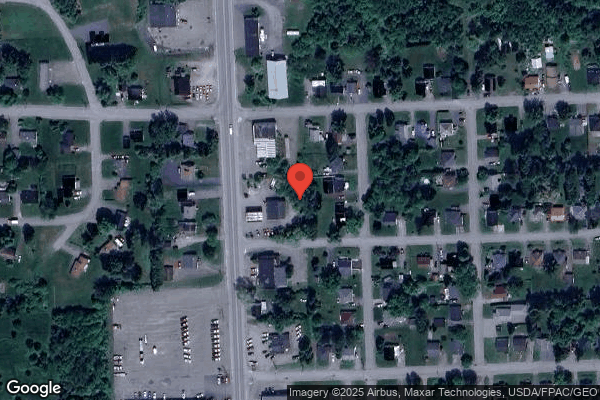
163 VAN BUREN RD SUITE 2, CARIBOU, ME 04736 (207) 498-6074
Non profit - Other 40 Beds MAINE VETERANS' HOME Data: November 2025
Trust Grade
83/100
#7 of 77 in ME
Last Inspection: January 2025

Within standard 12-15 month inspection cycle. Federal law requires annual inspections.

Overview

Maine Veterans Home in Caribou has a Trust Grade of B+, meaning it is above average and generally recommended for potential residents. It ranks #7 out of 77 nursing homes in Maine, placing it in the top half of facilities in the state, and #4 out of 7 in Aroostook County, indicating that only three local options are considered better. The facility's performance is stable, with the same number of issues reported in both 2023 and 2025, but it has incurred $7,901 in fines, which is concerning as it is higher than 80% of Maine facilities. Staffing is a significant strength here, with a 5/5 star rating and a turnover rate of 24%, well below the state average, meaning residents receive consistent care from familiar staff. However, there are notable weaknesses, including a serious incident where a resident was left unsupervised outside, resulting in injuries, and concerns about the dignity of another resident related to improper management of a urinary collection bag, along with reports of insufficient showering opportunities for some residents.

Trust Score
B+
83/100
In Maine
#7/77
Top 9%
Safety Record
Moderate
Needs review
Inspections
Holding Steady
5 → 5 violations
Staff Stability
✓ Good
24% annual turnover. Excellent stability, 24 points below Maine's 48% average. Staff who stay learn residents' needs.
Penalties
⚠ Watch
$7,901 in fines. Higher than 82% of Maine facilities, suggesting repeated compliance issues.
Skilled Nurses
✓ Good
Each resident gets 89 minutes of Registered Nurse (RN) attention daily — more than 97% of Maine nursing homes. RNs are the most trained staff who catch health problems before they become serious.
Violations
⚠ Watch
17 deficiencies on record. Higher than average. Multiple issues found across inspections.
★★★★★
5.0
Overall Rating
★★★★★
5.0
Staff Levels
★★★☆☆
3.0
Care Quality
★★★★☆
4.0
Inspection Score
Stable
2023: 5 issues
2025: 5 issues

The Good

  • 5-Star Staffing Rating · Excellent nurse staffing levels
  • Low Staff Turnover (24%) · Staff stability means consistent care
  • Full Sprinkler Coverage · Fire safety systems throughout facility
  • No fines on record
  • Staff turnover is low (24%)

    24 points below Maine average of 48%

Facility shows strength in staffing levels, staff retention, fire safety.

The Bad

Federal Fines: $7,901

Below median ($33,413)

Minor penalties assessed

Chain: MAINE VETERANS' HOME

Part of a multi-facility chain

Ask about local staffing decisions and management

The Ugly 17 deficiencies on record

1 actual harm
Jan 2025 5 deficiencies
CONCERN (D)

Potential for Harm - no one hurt, but risky conditions existed

Resident Rights (Tag F0550)

Could have caused harm · This affected 1 resident

Based on observations, record review, and interview, the facility failed to maintain the dignity of 1 resident (Resident #29 [R29]) related to urinary collection bags during 2 of 3 days of survey (1/7...

Read full inspector narrative →
Based on observations, record review, and interview, the facility failed to maintain the dignity of 1 resident (Resident #29 [R29]) related to urinary collection bags during 2 of 3 days of survey (1/7/25 and 1/8/25). Findings: R29's care plan under Self Care Deficit included an approach, dated 5/25/23, references that R29 has a Foley Catheter and to cover bag to maintain dignity when out of room. 1. On 1/6/25 at 12:15 p.m. two surveyors observed R29's Foley catheter bag under his/her Tilt in Space wheelchair while R29 was in the dining room at lunch time. The blue covering of the Foley Catheter bag was riding up bottom to top and urine was visible at the bottom of the bag. 2. On 1/7/25 at 11:35 p.m. two surveyors observed R29's Foley catheter bag under his/her Tilt in Space wheelchair while resident was in the doorway of his/her room, facing the hallway. The blue covering of the Foley Catheter bag was riding up from the bottom to the top and urine was visible at the bottom of the bag. 3. On 1/7/24 11:46 p.m., a surveyor observed R29 in the dining room at lunch time sitting in his/her Tilt in Space wheelchair. The blue covering of the Foley catheter bag was riding up and urine was visible at the bottom of the bag. The surveyor confirmed this finding with Staff Development Coordinator at this time.
CONCERN (D)

Potential for Harm - no one hurt, but risky conditions existed

Deficiency F0561 (Tag F0561)

Could have caused harm · This affected 1 resident

Based on interview and record review the facility failed to ensure that a resident's choice in bathing was being followed for 1 of 1 sampled resident reviewed for Choices (Resident #30 [R30]). Findin...

Read full inspector narrative →
Based on interview and record review the facility failed to ensure that a resident's choice in bathing was being followed for 1 of 1 sampled resident reviewed for Choices (Resident #30 [R30]). Finding: On 1/6/25 at 9:30 a.m., during an interview with a surveyor, R30 stated that he/she does not get their shower every week, stating that it is more like once a month that they are able to go into the shower. R30 stated that staff are saying they just don't have time to do showers. Upon review of the scheduled whirlpool list R30 is scheduled on Monday. Certified Nursing Assistant (CNA) documentation shows that R30 has received 2 showers since November 1st, 2024, to current day (1/7/25). Documentation shows that R30 received a shower on 11/11/24 and 12/9/24 supporting R30's statement of only receiving a shower once a month. R30 was scheduled to receive his/her shower on 1/6/25 during this survey, there is no evidence that R30 received a shower. During an observation of the whirlpool and shower room with a CNA there was no evidence showing that the shower/whirlpool room was used (floors in shower were dry, whirlpool tub was dry). On 1/7/25 at approximately 1:30 p.m. during an interview with the Director of Nursing Services and review of CNA documentation for R30's showers, the surveyor confirmed that R30 has not had his/her showers weekly as scheduled, with 2 scheduled days being documented that R30 had refused bathing.
CONCERN (D) 📢 Someone Reported This

A family member, employee, or ombudsman was alarmed enough to file a formal complaint

Potential for Harm - no one hurt, but risky conditions existed

Deficiency F0657 (Tag F0657)

Could have caused harm · This affected 1 resident

**NOTE- TERMS IN BRACKETS HAVE BEEN EDITED TO PROTECT CONFIDENTIALITY** Based on record reviews and interviews the facility failed to ensure a care plan was resident centered, updated, and implemented...

Read full inspector narrative →
**NOTE- TERMS IN BRACKETS HAVE BEEN EDITED TO PROTECT CONFIDENTIALITY** Based on record reviews and interviews the facility failed to ensure a care plan was resident centered, updated, and implemented for 2 of 14 residents reviewed on survey (Resident #6 [R6] and [R33]). Findings: 1. Clinical record review indicated R6 transitioned to hospice level of care on 12/13/24. The care plan identified the following: -A care area identified on 1/5/24 and revised on 12/31/24, indicated the Potential for Constipation. The approach indicated Keep fluids in reach and encourage fluid intake. -A care area identified on 1/5/24 and revised on 12/31/24, indicated the Potential for Fluid volume [deficit] manifested by Dry mucous membranes. The approaches listed included Encourage fluid intake and Offer fluids frequently, Keep fluids within reach. - A care area last revised on 12/31/24, identified verbally and physically disruptive behaviors related to dementia, manifested by outbursts and agitation. Approach for this care area, indicated Provide auditory or tactile stimulation for excess vocalization and Use headset to provide music or puzzles for distraction when behaviors are increased . Do not leave Hoyer sling underneath R6 when Hoyer is not being used. -A care area identified on 1/5/24 and revised on 12/31/24, identified Mood Disturbance manifested by agitation. Approach to this care area directed staff to decrease environmental stimulation, and provide temporary isolation as indicated. On 1/6/25 at 9:44 a.m., a surveyor observed R6 resting in a chair at bedside. The Hoyer sling was observed under the resident. There were no fluids observed within reach. On 1/7/25 at 11:52 a.m., a surveyor observed R6 sitting in a chair at bedside. The Hoyer sling was observed under the resident. There were no fluids observed within reach. At 1:07 p.m., during an interview with a surveyor, a staff member stated that leaving the Hoyer pad under the resident is easier due to R6 being easily agitated. On 1/7/24 at 3:36 p.m., during an interview with a surveyor, the Director of Nursing Services (DNS) stated the care plan should be updated to allow the Hoyer sling to remain under R6 for comfort purposes, clarified R6 responds better to reduce stimulation, and stated that staff offer fluids but may not be documenting each attempt. At this time the surveyor confirmed R6's care plan was not updated and implemented to meet R6's needs. 2. Clinical record review indicated R33 was admitted on [DATE]. On 9/23/24 the provider ordered 240 milliliters (ml) of House Supplement (CIB) to be given at breakfast, lunch and dinner. R33's weights were as follows: - On 9/7/24, R33 weighed 98.6 pounds (lbs). - On 10/3/24, R33 weighed 98.4 lbs. -On 11/4/24, R33 weighed 87.6 lbs. -On 12/2/24, R33 weighed 86.6 lbs. -On 1/1/25, R33 weighed 86.6 lbs. R33 had a 12.17 percent weight loss in less than 6 months. On 1/8/25 at 2:28 p.m., during an interview with a surveyor and the Director of Nursing Services (DNS), R33's care plan was reviewed. The care plan indicated a care area of Potential for Alteration in nutrition on 10/26/24, with a goal that R33 will consume 50 percent to 75 percent of meals and maintain a weight of 95 lbs to 105 lbs. This care area was revised on 12/13/24 indicating Alteration in Nutrition with a goal that R33 would consume 25 percent to 50 percent of meals and maintain a body weight of 85 lbs to 95 lbs. The care plan did not address the use of CIB with meals, resident preferences for meals, or weight monitoring parameters , and was not revised when the care area and goals were changed to prevent further weight loss. At this time the surveyor confirmed R33's care plan was not resident centered, or updated for the monitoring, and treatment of unintended weight loss.
CONCERN (D)

Potential for Harm - no one hurt, but risky conditions existed

Deficiency F0692 (Tag F0692)

Could have caused harm · This affected 1 resident

**NOTE- TERMS IN BRACKETS HAVE BEEN EDITED TO PROTECT CONFIDENTIALITY** Based on record review and interviews, the facility failed to address significant weight loss for 1 of 1 sampled residents revie...

Read full inspector narrative →
**NOTE- TERMS IN BRACKETS HAVE BEEN EDITED TO PROTECT CONFIDENTIALITY** Based on record review and interviews, the facility failed to address significant weight loss for 1 of 1 sampled residents reviewed for nutrition (Resident #33 [R33]). Finding: On 1/8/25, a clinical record review was done for R33. The record indicated R3 was admitted on [DATE]. On 9/23/24 the provider ordered 240 milliliters (ml) of House Supplement Carnation Instant Breakfast (CIB) to be given at breakfast, lunch and dinner. R33's weights were as follows: - On 9/7/24, R33 weighed 98.6 pounds (lbs). - On 10/3/24, R33 weighed 98.4 lbs. -On 11/4/24, R33 weighed 87.6 lbs. -On 12/2/24, R33 weighed 86.6 lbs. -On 1/1/25, R33 weighed 86.6 lbs. R33 had a 12.17 percent weight loss in less than 6 months. On 10/26/24 at 1:13 p.m., a dietary note indicated the resident had an involuntary 5 percent weight loss. A goal was set to have no weight loss and continue to maintain a weight of 95 lbs to 105 lbs for three months. On 12/13/24 at 8:36 a.m., the dietary note identified alteration in nutrition and change the goal to maintain a body weight of 85 lbs to 95 lbs for three months. On 1/8/25 at 1:15 p.m., during an interview with a surveyor, 2 staff reviewed resident charts but were unable to find food preferences. They stated the dietary details come on the meal tray on a slip, but they do not have access otherwise. On 1/8/25 at 1:30 p.m., during an interview with a surveyor, the Dietary Manager (DM) stated that she meets with residents within the first 7 days of admission. She will mark off resident's preferences and take the slip back to the kitchen. Residents will be sent a meal avoiding dislikes. If a resident does not like the meal, they are offered an alternative (soup and sandwich). If a resident does not eat the food, the DM will sometimes come meet with the resident to ask what else they might like but is unable to do this with residents who are cognitively impaired. DM stated, she does not notify the physician of weight loss but addresses it at interdisciplinary team meetings for care planning. DM stated she does not communicate food preferences to staff. At this time the surveyor confirmed that the weight goals were changed for R33, but no interventions were initiated to prevent further weight loss. On 1/8/25 at 2:28 p.m., during an interview with a surveyor and the Director of Nursing Services (DNS), R33's care plan was reviewed. The care plan indicated that on 10/26/24 the care plan identified a care area Potential for Alteration in nutrition with a goal that resident will eat 50 percent to 75 percent of meals and maintain a weight of 95 lbs to 105 lbs. This was revised on 12/13/24 indicating Alteration in Nutrition with a goal that R33 would consume 25 percent to 50 percent of meals and maintain a body weight of 85 lbs to 95 lbs. The approach did not address the use of CIB with meals, R33's preferences for meals, or weight monitoring parameters, and was not revised when the care area and goals were changed. At this time the surveyor confirmed R33's care plan was not resident centered or updated to prevent further unintended weight loss. The DNS stated, residents with weight loss are reviewed weekly in a meeting, it is run by the Staff Development Coordinator (SDC). On 1/8/25 at 3:08 p.m., during an interview with a surveyor, the SDC stated, we monitor weights for residents on supplements, to make sure weights are done. The SDC does not notify the provider of weights discussed in the meeting. The SDC reviewed the previous meeting notes and stated R33 was not on the list for monitoring. At this time the surveyor confirmed R33 was not monitored for significant weight loss.
CONCERN (D)

Potential for Harm - no one hurt, but risky conditions existed

Respiratory Care (Tag F0695)

Could have caused harm · This affected 1 resident

Based on observations, record reviews and interviews, the facility failed to have complete orders that contained the specific amount of liters per minute (LPM) for the use of oxygen and the facility f...

Read full inspector narrative →
Based on observations, record reviews and interviews, the facility failed to have complete orders that contained the specific amount of liters per minute (LPM) for the use of oxygen and the facility failed to ensure that one oxygen concentrator was operated and maintained per manufacturer's directions for 2 of 3 residents reviewed with oxygen (Resident #19 [R19 and R1]). Findings: 1. On 1/6/24 at 12:00 p.m. R19 was in the dining room using his/her oxygen concentrator with a flow rate of 3 liters using a nasal cannula. The surveyor observed that the oxygen concentrator was missing the side filter. A surveyor asked RN #1 to observe the oxygen concentrator with the surveyor and acknowledged the side filter was missing. On 1/7/25 at 8:50 a.m. an observation of R19's oxygen concentrator was observed and showed the side filter was still missing. At this time the surveyor confirmed the side filter was missing with the RN MDS Coordinator. The RN MDS Coordinator cut a filter to replace the missing side filter after the observation was made. On 1/7/25 during a review of the manufacturer's manual for the Rhythm Healthcare oxygen concentrator that R19 was using the manual reads on page 17, section 5.2, do not operate the concentrator without the filter installed. The Administrator was shown the manufacturer's manual that instructed to not operate the concentrator without the filter installed. On 1/7/25 during a clinical record review R19 had an order dated 11/15/24 to apply humidified oxygen via nasal cannula to keep O2 sat (saturation) above 88%. The order does not contain a specific flow rate (the amount of oxygen to be delivered) making the order incomplete. 2. On 1/6/25, R1's clinical record was reviewed and it was noted that R1 had a medical diagnosis that included chronic obstructive pulmonary disease. The current physician order entered into the electronic record on 9/14/24 was, Apply humidified Oxygen via Nasal Cannula to keep O2 sat above 88%. On 9/21/24, R1 was transferred to the hospital and returned with an order for oxygen to be administered at 2 liters per minute (LPM) to keep saturation (sats) above 90% but this was not the current order and was not entered into the clinical record. On 1/6/25 at 11:49 a.m., a surveyor observed R1's oxygen concentrator set at 3 LPM. On 1/7/25 at 12:27 p.m., during an interview with a surveyor, the Director of Nursing Services stated that the physician orders for oxygen should include the amount of liters to administer and will follow up on the oxygen orders. The surveyor confirmed the oxygen orders did not include the amount of liters to administer during this interview.
Dec 2023 4 deficiencies
CONCERN (D) 📢 Someone Reported This

A family member, employee, or ombudsman was alarmed enough to file a formal complaint

Potential for Harm - no one hurt, but risky conditions existed

Deficiency F0604 (Tag F0604)

Could have caused harm · This affected 1 resident

**NOTE- TERMS IN BRACKETS HAVE BEEN EDITED TO PROTECT CONFIDENTIALITY** Based on a review of a Facility Reportable Incident Form, the facility's internal investigations, and interview, the facility fa...

Read full inspector narrative →
**NOTE- TERMS IN BRACKETS HAVE BEEN EDITED TO PROTECT CONFIDENTIALITY** Based on a review of a Facility Reportable Incident Form, the facility's internal investigations, and interview, the facility failed to ensure that 1 of 1 sampled resident had the right to refuse care when a Certified Nursing Assistant (CNA) used body contact (physical restraint) that limited a residents voluntary movement. (Resident #30 [R30]) Finding: R30 was admitted to the facility on [DATE], with diagnoses that include unspecified dementia with agitation, insomnia, Alzheimer's disease, unspecified injury of head, difficulty in walking. R30's admission Minimum Data Set (MDS), dated [DATE], was coded for Section C, Cognitive Patterns, Brief Interview for Mental Status (BIMS) with a score of 2, indicating cognitive impairment. The facility reported that a CNA was observed by the Licensed Practical Nurse (LPN) physically restraining R30 by placing both of R30's arms across his/her chest and held them there until incontinence care was completed. The LPN assisted with the incontinence care while the CNA held R30's arms across his/her chest. The LPN did not redirect or stop the restraint which would have allowed R30 to refuse the care. On 12/4/23 at 2:43 p.m., during an interview with the LPN, she confirmed that she witnessed the CNA holding (restraining) R30's arms by taking his hands and putting R30's arms across his/her chest and held them. He held his/her arms for about 2 minutes. I was able to help change the brief, it was at this time R30 said let go of me. After the brief was changed, that's when I said let's take a step back This was an attempt to quiet the resident and stop him/her from hitting them, this physical restraint restricted Resident #30's voluntary movement. On 12/6/23 at 10:01 a.m during an interview with the alleged perpetrator (CNA), he confirmed that he had held the residents arms across his/her chest restricting his/her voluntary movements. He stated that he was attempting to get him/her ready for bed when he/she became aggressive and He/she was sitting at the nurses station. I walked him/her down to his/her room, and when in his/her room I tried to get him/her ready for bed and he/she was getting physically combative hitting and kicking at me. I put the call light on, and he/she was still hitting and kicking me. The Med person (LPN) came in to help. She was trying to help me change his/her brief and we had to roll him/her from side to side so we could change his/her brief because it was soiled. He/she was trying to hit and kick us, so I had to hold his/her hands for him/her not to punch me. I was holding them by the wrists on his/her stomach (arms crossed and held them there). I wasn't holding them tight and just long enough to get his/her brief on and I let go. I only held them once just when the LPN was in the room, and it was only long enough to get done with the brief change. On 12/6/23 at 9:15 a.m during an interview with the Administrator and the Director of Nursing the surveyor confirmed that R30 was physically restrained by a CNA and the restraint was observed by the LPN who did not redirect the CNA resulting in the restriction of R30's voluntary movement when R30 requested to be let go.
CONCERN (D) 📢 Someone Reported This

A family member, employee, or ombudsman was alarmed enough to file a formal complaint

Potential for Harm - no one hurt, but risky conditions existed

Deficiency F0637 (Tag F0637)

Could have caused harm · This affected 1 resident

Based on interviews and record review, the facility failed to conduct a comprehensive Minimum Data Set 3.0 (MDS) assessment within 14 days after a resident experienced a significant change of conditio...

Read full inspector narrative →
Based on interviews and record review, the facility failed to conduct a comprehensive Minimum Data Set 3.0 (MDS) assessment within 14 days after a resident experienced a significant change of condition when hospice services were discontinued for 1 of 2 sampled residents who had received hospice services (Resident #19 [R19]). Finding: On 12/4/23, during a review of R19's clinical record, a surveyor noted a hospice note discontinuing hospice services; however, the clinical record, which included Physician Orders, signed on 11/2/23 indicated that the resident was still receiving hospice services. On 12/4/23 at approximately 3:00 p.m., during an interview with a surveyor, Registered Nurse (RN) stated that R19 had improved and no longer qualified for hospice services (which were initiated on 8/8/23 and discontinued on 11/8/23). There was no comprehensive MDS assessment, that addressed Hospice services, completed within 14 days of the cessation of hospice services on 11/8/23 . In an interview on 12/4/23 at approximately 3:00 p.m. with RN, and on 12/5/23 at 3:34 p.m. with the Director of Nursing Services, a surveyor confirmed the above finding.
CONCERN (D) 📢 Someone Reported This

A family member, employee, or ombudsman was alarmed enough to file a formal complaint

Potential for Harm - no one hurt, but risky conditions existed

Deficiency F0655 (Tag F0655)

Could have caused harm · This affected 1 resident

**NOTE- TERMS IN BRACKETS HAVE BEEN EDITED TO PROTECT CONFIDENTIALITY** Based on interviews and record reviews, the facility failed to ensure a baseline care plan was developed and implemented within ...

Read full inspector narrative →
**NOTE- TERMS IN BRACKETS HAVE BEEN EDITED TO PROTECT CONFIDENTIALITY** Based on interviews and record reviews, the facility failed to ensure a baseline care plan was developed and implemented within 48 hours that included the problems, interventions, and initial goals needed to provide minimum healthcare information necessary to properly care for 2 of 2 newly admitted residents that were reviewed for baseline care plans. (Resident [R] 37 and R2). Findings: 1. On 12/5/23, R37's clinical record was reviewed and indicated the resident was admitted to the facility on [DATE]. R37's discharge summary from the hospital included information that the resident had a Foley catheter, was a diabetic, on a psychotropic medication Trazodone, on medication for pain, and needed therapy evaluations. Review of the baseline care plan, developed within 48 hours from admission, only included problems and/or interventions on bowel elimination and that the resident had dentures. On 12/5/23 at 12:52 p.m., during an interview with the Director of Nursing Services (DNS), a surveyor confirmed this finding. 2. On 12/5/23, R2's clinical record was reviewed and indicated the resident was admitted to the facility on [DATE], coming from another facility. R2's clinical record included an admission listing of medications and a visit from this facility's medical doctor on 9/18/23 which summarized the resident's history, prior to admission to this facility. The medication listing and MD provider notes indicated that R2 was receiving anticoagulant injections daily, on a psychotropic medication for depression, received medication for diabetes, received two antibiotics, had chronic pain, and had a pace maker. Review of the baseline care plan, developed within 48 hours from admission, included a problem with no interventions for social adjustment-ineffective coping and did not include problems or interventions for the use of an anti-coagulant, psychotropic medication use, or having a pace maker. On 12/5/23 at 2:34 p.m., during an interview with the DNS, a surveyor confirmed this finding.
MINOR (B) 📢 Someone Reported This

A family member, employee, or ombudsman was alarmed enough to file a formal complaint

Minor Issue - procedural, no safety impact

Transfer Notice (Tag F0623)

Minor procedural issue · This affected multiple residents

**NOTE- TERMS IN BRACKETS HAVE BEEN EDITED TO PROTECT CONFIDENTIALITY** Based on record reviews and interviews, the facility failed to the resident representative in writing for the reason of a transf...

Read full inspector narrative →
**NOTE- TERMS IN BRACKETS HAVE BEEN EDITED TO PROTECT CONFIDENTIALITY** Based on record reviews and interviews, the facility failed to the resident representative in writing for the reason of a transfer/discharge from the facility for 2 of 3 sampled residents reviewed for hospitalization (Resident [R] 13, R37). Findings: 1. On 12/4/23, R13's clinical record was reviewed which indicated that the resident was transferred to the hospital on [DATE] and returned to the facility on [DATE]. On 12/5/23 at 1:16 p.m., during an interview with a surveyor, the Administrator was not able to provide evidence that the Resident Representative received a written copy of the transfer/discharge notice. 2. On 12/4/23, R37's clinical record was reviewed which indicated that the resident was transferred to the hospital on [DATE] and returned to the facility on [DATE]. On 12/5/23 at 1:16 p.m., during an interview with a surveyor, the Administrator was not able to provide evidence that the Resident Representative received a written copy of the transfer/discharge notice.
Jun 2023 1 deficiency 1 Harm
SERIOUS (G) 📢 Someone Reported This

A family member, employee, or ombudsman was alarmed enough to file a formal complaint

Actual Harm - a resident was hurt due to facility failures

Accident Prevention (Tag F0689)

A resident was harmed · This affected 1 resident

Based on record review, interviews, and facility policy review, the facility failed to supervise 1 of 1 residents (Resident #1) when the resident, who was wearing a secure care bracelet, was let outsi...

Read full inspector narrative →
Based on record review, interviews, and facility policy review, the facility failed to supervise 1 of 1 residents (Resident #1) when the resident, who was wearing a secure care bracelet, was let outside while in their wheelchair by a staff member and left unsupervised. Because of the facility's failure, the resident while in their wheelchair left the paved sidewalk, rolled down a slight incline on a grassy hill which resulted in the wheelchair tipping over the parking lot curb and the resident sustained a forehead laceration that required sutures, facial abrasion, bruises, knee pain and left wrist pain. Finding: On 6/23/23, a facility reported incident and a complaint were received by the Division of Licensing and Certification that indicated that on 6/21/23 at 4:30 p.m., Resident #1 asked a staff member to go outside to which the staff member let Resident #1 outside and left him/her unsupervised. Resident #1 left the paved sidewalk, rolled down a slight include on a grassy hill and the wheelchair tipped over the parking lot curb which resulted in the resident hitting his/her head. Staff that were outside tending to a facility event (barbeque/cookout) immediately ran to assist the person in the tipped over wheelchair. On 6/21/23 at 4:45 p.m., Resident #1 arrived at the emergency room and was treated for a 2.0 centimeter forehead laceration with moderate tenderness and swelling that required 4 sutures, a large abrasion with controlled bleeding of the upper central forehead, and both knees had a small abrasion located on each patella [kneecap]. On 6/21/23 following the incident, a Fall Scene Investigation Report was completed by the Charge Nurse (CN) that indicated at 4:30 p.m., [Resident #1's] wheelchair hit curb, flipping [Resident] out of chair into parking lot. A Huddle and Staffing was completed at 5:00 p.m., which the discussion was about what happened and what can we (facility) do to prevent future falls. It was noted that, [Resident] was outside unattended and that [Resident #1] told employee (Activities Aide) that the CN said the resident can go outside - this was not verified with CN before letting resident outside. [Resident] was wearing secure care at time of fall. The cause of the fall, was outside unattended. Interventions initiated, not to be outside without supervision, secure care, education to staff. The investigation section included relevant health history that could have contributed to falls of dementia and history of falls. On 6/22/23, Resident #1 was re-examined by a Primary Care Provider. Resident #1 complained of left hand/wrist and knee pain since the fall. X-ray images were ordered for the left knee and left wrist due to pain and were negative for fractures. On 6/26/23 at 9:05 a.m., the surveyor observed Resident #1 who was in a wheelchair and seated at a table with his/her brother. The surveyor observed Resident #1 with bruising to both eyes and a large bandage to the forehead. The left arm was also wrapped with an elastic-like bandage and the surveyor observed a staff member place a pillow under Resident #1's left arm. The surveyor asked Resident #1 what happened. Resident #1 stated, I fell off the step outside as he/she was looking out the door they had been let out. The surveyor also asked Resident #1 if he/she usually went outside by him/herself and the resident replied, no. On 6/26/23, a review of Resident #1's current care plan indicated the resident was care planned for care areas of behavior of wandering related to dementia with exit seeking behaviors on 1/26/23 and potential for falls on 11/9/22. The facility policy, Elopement Alert System, last reviewed 5/23/23, included the following procedure: When a resident is found to be an elopement risk the resident will be fitted for the alert system (secure care). Residents with an alert system desiring to leave will be allowed to do so with resident representative, family, staff or other visitors and that facility staff are responsible for responding to door alarms to ensure resident safety. On 6/26/23 at 8:10 a.m., during an interview with a surveyor, the Administrator stated that there were four staff outside tending to a staff barbeque (herself included) and they watched this person in a wheelchair roll (down the slight incline of a hill). As soon as the wheelchair tipped over, they ran to assist the person. The Administrator stated, At first, we didn't know that it was our resident and thought it could be someone from the hospital going to their car. Resident #1 has a laceration across his/her forehead but no broken bones. On 6/26/23 at 9:30 a.m., during an interview with a surveyor, the Activities Supervisor (AS) stated that Resident #1 is not 100% cognitively with it and that the resident moves about the facility slow, not strong or quick and gets pushed from place to place usually, but can move about on his/her own. When asked about the secure care alarm system, AS stated that you have to enter a code to deactivate it and the alarm will not go off once you enter a code even if the resident wears a secure care. On 6/26/23 at 10:10 a.m., during an interview with a surveyor, the CN stated, Resident #1 was alert to person, place, and time but forgets his/her own limitations and gets confused to his/her own abilities. Resident #1 thinks he/she can walk sometimes. Resident #1 never talked to me about going outside, he/she was in activities and the music thing was all done before he/she went outside. After the incident the CN stated she told the Activities Aide (AA), we don't let any residents outside without supervision. AA told the CN that Resident #1 told her that he/she had permission to go outside by the nurse, which he/she did not. On 6/26/23 at 11:07 a.m., during a telephone interview with a surveyor, AA stated that Resident #1 said to her, I want to go out. I asked Resident #1 if he/she had permission and Resident #1 told me that he/she could go out anytime he/she wanted. AA stated she asked Resident #1 three times if he/she had permission, all to which Resident #1 told AA, yes. AA stated that Resident #1 had never lied to her before so she had no reason not to believe the resident. AA stated she entered the code and Resident #1 kicked open the door and that she helped Resident #1 out the door in the wheelchair and locked the wheels. AA stated that no sooner then she turned her back, the Administrator came running in the door. The surveyor asked AA if she would normally let a resident outside unsupervised. AA stated that is not her normal duty which is why she questioned Resident #1 about the permission part several times. AA stated, I figured that if Resident #1 said that he/she had permission 3 times, I figured it must be fine, but it was not and he/she lied to me. The surveyor asked AA about the Resident Monitoring System and secure care bracelets. AA stated, when they talked to me the next day, I was asked if I knew he/she had a bracelet .I thought everyone had a bracelet. I thought that once they were put in there, they all had it .I don't know why I had to enter the code to get out .I thought you had to enter a code to just get out. I didn't even know what that was until I asked the next day. I didn't know that is what it was called. I assumed that because they put bracelets on, they all had them. AA stated that she completed orientation in November 2022, when she was hired per-diem, but does not remember this. On 6/26/23 at 11:30 a.m., during an interview with a surveyor, the Staff Development Coordinator (SDC) stated she was the one that completed the orientation with AA and that she did go over the Resident Monitoring Systems which included the secure care. The SDC also stated that she tells the new staff if they have any questions to always go to their Charge Nurse or Supervisor. She stated that the New Employee Orientation Classroom Checklist was signed by the employee and herself after orientation was completed. As a result of the this isolated incident, the following corrective actions were initiated: - On 6/21/23, Resident was assessed immediately by Charge Nurse and sent to Emergency Room; - On 6/21/23, the Charge Nurse, educated the evening shift staff (1:45 p.m. - 10:15 p.m.), after the incident, by informing staff of the following: Residents are not to go outside by themselves and while in an outdoor setting, residents need supervision by a staff member or a family member that has gotten permission by a nurse. The Charge Nurse also shared this information with the oncoming nurse, who was relieving her at 6:15 p.m. - On 6/22/23, the Charge Nurse, educated the day shift (6:15 a.m. - 2:15 p.m.) during report that Residents are not to go outside by themselves and while in an outdoor setting, residents need supervision by a staff member or a family member that has gotten permission by a nurse. - On 6/22/23, Primary Care Provider also evaluated Resident #1 and additional x-rays were ordered which were negative; - Neuro checks and wound care were completed as ordered for Resident #1; - Activities Aide was suspended pending investigation and was terminated 6/26/23; - A mass email was sent to staff on 6/26/23 reminding staff about the practice of residents going outside; - The facility will provide education on Elopement Alert System and the Elopement Risk Assessment and develop a Resident Outdoor Protocol with staff education on the steps involved, both to start immediately with a target date of completion of July 8th.
Sept 2022 7 deficiencies
CONCERN (D)

Potential for Harm - no one hurt, but risky conditions existed

PASARR Coordination (Tag F0644)

Could have caused harm · This affected 1 resident

Based on record review and interviews, the facility failed to revise a care plan to reflect the current needs of a resident in the area of the Preadmission Screening Resident Review (PASRR) Level II d...

Read full inspector narrative →
Based on record review and interviews, the facility failed to revise a care plan to reflect the current needs of a resident in the area of the Preadmission Screening Resident Review (PASRR) Level II determination for 1 of 2 sampled residents reviewed for PASRR (Resident #26). Finding: On 3/24/22 the facility submitted a new Maine Level I Form, Preadmission Screening and Resident Review for evaluation due to Resident #26 showing signs or symptoms that indicate he/she may have a PASRR condition (mental health diagnoses, substance related diagnoses, dementia/neurocognitive disorders) that would require a PASRR Level II evaluation. On 4/6/22 the Notice of PASRR Level II Outcome determined that Resident #26 was approved with specialized service. The PASRR Level II indicated, You meet the State of Maine's definition for serious mental illness due to your diagnosis of delusional disorder. As of 9/22/22 the current care plan printed on 9/22/22, and reviewed with a surveyor and the Director of Nursing Services, was not revised to reflect Resident #26's current needs related to the recommendations from the PASRR level II determination of 4/6/22, and 7/12/22. On 9/22/22 at 2:44 p.m., in an interview with the Director of Nursing Services, a surveyor confirmed the finding.
CONCERN (D)

Potential for Harm - no one hurt, but risky conditions existed

Comprehensive Care Plan (Tag F0656)

Could have caused harm · This affected 1 resident

Based on record review and interview, the facility failed to develop a person-centered care plan in the care areas of anxiety, wandering/elopement and psychotropic medication (med) use for 1 of 5 resi...

Read full inspector narrative →
Based on record review and interview, the facility failed to develop a person-centered care plan in the care areas of anxiety, wandering/elopement and psychotropic medication (med) use for 1 of 5 resident reviewed for unnecessary medications (Resident #25). Finding: On 9/22/22, during record review of Resident #25 physician orders, it was noted that he/she is receiving the psychotropic medications Risperidone and Ativan. Upon review of Resident #25's care plan, care areas were initiated for anxiety related to (r/t) dementia, wandering/elopement r/t dementia and psychotropic med use r/t opioid. The approaches (interventions) listed are generic, instructing staff to identify usual habits to maintain familiar routines to establish individualized toileting plan, to identify patterns of behaviors, identify triggers and or underlying causes, to report unusual behavior and change in physical condition. The facility failed to identify and list his/her habits, to establish routines for a toileting plan and to utilize interventions that are effective for Resident #25. On 9/22/22 at 1:00 p.m., a surveyor confirmed the above finding with the Director of Nursing.
CONCERN (D)

Potential for Harm - no one hurt, but risky conditions existed

Accident Prevention (Tag F0689)

Could have caused harm · This affected 1 resident

**NOTE- TERMS IN BRACKETS HAVE BEEN EDITED TO PROTECT CONFIDENTIALITY** Based on observations and interviews, the facility failed to ensure that hot water temperatures in areas that were accessible to...

Read full inspector narrative →
**NOTE- TERMS IN BRACKETS HAVE BEEN EDITED TO PROTECT CONFIDENTIALITY** Based on observations and interviews, the facility failed to ensure that hot water temperatures in areas that were accessible to residents did not exceed 120 degrees Fahrenheit in 4 of 4 resident rooms during 1 of 3 days of survey (9/20/22). Finding: On 9/20/22 two surveyors measured and observed the following hot water temperatures: At 1:38 p.m. room [ROOM NUMBER]/40, water temperature 127.8-degrees Fahrenheit. At 1:39 p.m. room [ROOM NUMBER]/20, water temperature 127.9-degrees Fahrenheit. At 1:40 p.m. room [ROOM NUMBER]/12, water temperature 123.3-degrees Fahrenheit. At 1:44 p.m. room [ROOM NUMBER]/32, water temperature 121.6-degrees Fahrenheit. On 9/20/22 at 1:45 p.m., 2 surveyors had an interview with the Environmental Service Manager and the above water temperatures were confirmed. He then stated he got called on Saturday for cold water, there was no hot water. He came in and worked on the mixing valve that and found it was not working properly. He called the mechanical company and until they could come in, they were checking the water temperatures 4 times a day with a thermometer. He informed the charge nurse to tell her staff there was no hot water. On 9/20/22 he had the part overnighted and will be delivered on 9/21/22. On 9/21/22, Mechanical Services came to the facility and the mixing valve was replaced. During the remainder of the survey, random resident room checks for hot water revealed no hot water temperatures in excess of 120 degrees Fahrenheit.
CONCERN (D)

Potential for Harm - no one hurt, but risky conditions existed

Drug Regimen Review (Tag F0756)

Could have caused harm · This affected 1 resident

Based on record reviews and interviews, the facility failed to respond to the consultant pharmacist's recommendations in a timely manner for 1 of 5 sampled residents reviewed for Unnecessary Medicatio...

Read full inspector narrative →
Based on record reviews and interviews, the facility failed to respond to the consultant pharmacist's recommendations in a timely manner for 1 of 5 sampled residents reviewed for Unnecessary Medication use (Residents #25). Finding: On 9/22/22, during review of Resident #25's clinical record, the monthly pharmacy medication review, dated 5/25/22, documents Resident #25 is taking Risperidone for the off-label diagnosis of depression. Recommendation to review accepted diagnosis for use of Risperidone. Pharmacist requested documentation that Physician is aware of the off-label use for this resident. The Physician documented on 6/20/22, clinically stable, continue current regimen and he did not address the off-label diagnosis. On 9/22/22 at 10:46 a.m., the surveyor confirmed during an interview with the Director of Nursing, that the Pharmacist's recommendation had not been addressed correctly and did not address the off-label diagnosis for Risperidone use.
CONCERN (D)

Potential for Harm - no one hurt, but risky conditions existed

Medication Errors (Tag F0758)

Could have caused harm · This affected 1 resident

Based on record reviews and interviews, the facility failed to ensure as needed (PRN) psychotropic medications met the requirements for continued use beyond 14 days, for 1 of 2 residents reviewed on P...

Read full inspector narrative →
Based on record reviews and interviews, the facility failed to ensure as needed (PRN) psychotropic medications met the requirements for continued use beyond 14 days, for 1 of 2 residents reviewed on PRN psychotropic medications (Resident #26) Finding: On 9/22/22, Resident #26's clinical record was reviewed. The physician orders included a current order for Ativan (anti-anxiety psychotropic medication) 1 milligram by mouth every 6 hours as needed, with a start date of 8/3/22 and an end date of 2/1/23. This was a new medication for Resident #26, first started on 8/3/22. The Physician visited on 8/11/22 and wrote a progress note but this note did not address the use of Ativan or a rationale to continue this medication beyond 14 days. On 9/22/22 at 9:35 a.m., during an interview with a surveyor, the Director of Nursing (DON) reviewed the Physician's progress note and was unable to to find a written rationale to continue the medication, Ativan, and that indicated a duration for this PRN order.
CONCERN (D)

Potential for Harm - no one hurt, but risky conditions existed

Antibiotic Stewardship (Tag F0881)

Could have caused harm · This affected 1 resident

Based on record review and interviews, the facility failed to ensure that the physician was notified of a urine culture and sensitivity (C&S) result when an organism was identified that was resistant ...

Read full inspector narrative →
Based on record review and interviews, the facility failed to ensure that the physician was notified of a urine culture and sensitivity (C&S) result when an organism was identified that was resistant to the antibiotic already ordered, for 1 of 1 sampled residents (#22). Finding: On 9/21/22, the surveyor reviewed Resident #22's clinical record and observed a lab report - Urinalysis Plus, dated 9/10/22 with a hand written order by the Medical Provider that indicated the resident was to start Ciprofloxacin (anti-biotic) 250 milligrams twice a day for 5 days; the Medication Administration Record for September 2022 indicated the medication, Ciprofloxacin, was started on 9/14/22 and completed on 9/19/22. The surveyor was unable to locate a urine C&S result and requested one from the facility. On 9/21/22 at 12:14 p.m., during an interview with a surveyor, the Medical Provider stated that the urine C&S report indicated the urine organism was resistant to Ciprofloxacin and he would have to order a new antibiotic. On 9/21/22 at 1:28 p.m., during an interview with a surveyor, the Charge Nurse stated she was not sure how this was missed unless the fax from the hospital was never received.
MINOR (B)

Minor Issue - procedural, no safety impact

Transfer Notice (Tag F0623)

Minor procedural issue · This affected multiple residents

Based on record review and interview, the facility failed to issue a written discharge/transfer notice to a Resident's Representative for facility-initiated transfers/discharges for 2 of 2 hospital tr...

Read full inspector narrative →
Based on record review and interview, the facility failed to issue a written discharge/transfer notice to a Resident's Representative for facility-initiated transfers/discharges for 2 of 2 hospital transfers for Resident #32 (5/27/22 and 8/21/22). Findings: On 9/21/22, Resident #32's paper and electronic clinical record was reviewed which indicated that Resident #32 was transferred to the hospital on 5/27/22 and 8/21/22. The surveyor could not locate evidence in the electronic or paper record that the Resident's Representative was notified in writing for either of of the discharges/transfers to the hospital. On 9/22/22 at 9:49 a.m., during an interview with a surveyor, the Director of Nursing stated that a written copy of the transfer notice goes to the hospital with the resident when nursing staff generated the paperwork for the hospital. The Social Services Manager stated that Resident #32's family member was the Power of Attorney (Resident Representative) and that she sent a written copy of the bed hold notice to the Resident Representative when the Resident #32 was admitted to the hospital but did not send a written copy of the transfer notice to the Resident Representative for either transfer to the hospital.
Understanding Severity Codes (click to expand)
Life-Threatening (Immediate Jeopardy)
J - Isolated K - Pattern L - Widespread
Actual Harm
G - Isolated H - Pattern I - Widespread
Potential for Harm
D - Isolated E - Pattern F - Widespread
No Harm (Minor)
A - Isolated B - Pattern C - Widespread

Questions to Ask on Your Visit

  • "Can I speak with families of current residents?"
  • "What's your RN coverage like on weekends and overnight?"

Our Honest Assessment

Strengths
  • • Grade B+ (83/100). Above average facility, better than most options in Maine.
  • • 24% annual turnover. Excellent stability, 24 points below Maine's 48% average. Staff who stay learn residents' needs.
Concerns
  • • 17 deficiencies on record, including 1 serious (caused harm) violation. Ask about corrective actions taken.
Bottom line: Generally positive indicators. Standard due diligence and a personal visit recommended.

About This Facility

What is Maine Veterans Home - Caribou's CMS Rating?

CMS assigns MAINE VETERANS HOME - CARIBOU an overall rating of 5 out of 5 stars, which is considered much above average nationally. Within Maine, this rating places the facility higher than 99% of the state's 100 nursing homes. This rating reflects solid performance across the metrics CMS uses to evaluate nursing home quality.

How is Maine Veterans Home - Caribou Staffed?

CMS rates MAINE VETERANS HOME - CARIBOU's staffing level at 5 out of 5 stars, which is much above average compared to other nursing homes. Staff turnover is 24%, compared to the Maine average of 46%. This relatively stable workforce can support continuity of care.

What Have Inspectors Found at Maine Veterans Home - Caribou?

State health inspectors documented 17 deficiencies at MAINE VETERANS HOME - CARIBOU during 2022 to 2025. These included: 1 that caused actual resident harm, 14 with potential for harm, and 2 minor or isolated issues. Deficiencies causing actual harm indicate documented cases where residents experienced negative health consequences.

Who Owns and Operates Maine Veterans Home - Caribou?

MAINE VETERANS HOME - CARIBOU is owned by a non-profit organization. Non-profit facilities reinvest revenue into operations rather than distributing to shareholders. The facility is operated by MAINE VETERANS' HOME, a chain that manages multiple nursing homes. With 40 certified beds and approximately 35 residents (about 88% occupancy), it is a smaller facility located in CARIBOU, Maine.

How Does Maine Veterans Home - Caribou Compare to Other Maine Nursing Homes?

Compared to the 100 nursing homes in Maine, MAINE VETERANS HOME - CARIBOU's overall rating (5 stars) is above the state average of 3.1, staff turnover (24%) is significantly lower than the state average of 46%, and health inspection rating (4 stars) is above the national benchmark.

What Should Families Ask When Visiting Maine Veterans Home - Caribou?

Based on this facility's data, families visiting should ask: "Can I visit during a mealtime to observe dining assistance and food quality?" "How do you handle medical emergencies, and what is your hospital transfer rate?" "Can I speak with family members of current residents about their experience?"

Is Maine Veterans Home - Caribou Safe?

Based on CMS inspection data, MAINE VETERANS HOME - CARIBOU has a clean safety record: no substantiated abuse findings (meaning no confirmed cases of resident harm), no Immediate Jeopardy citations (the most serious violation level indicating risk of serious injury or death), and is not on the Special Focus Facility watch list (a federal program monitoring the lowest-performing 1% of nursing homes). The facility has a 5-star overall rating and ranks #1 of 100 nursing homes in Maine. While no facility is perfect, families should still ask about staff-to-resident ratios and recent inspection results during their visit.

Do Nurses at Maine Veterans Home - Caribou Stick Around?

Staff at MAINE VETERANS HOME - CARIBOU tend to stick around. With a turnover rate of 24%, the facility is 22 percentage points below the Maine average of 46%. Low turnover is a positive sign. It means caregivers have time to learn each resident's needs, medications, and personal preferences. Consistent staff also notice subtle changes in a resident's condition more quickly. Registered Nurse turnover is also low at 23%, meaning experienced RNs are available to handle complex medical needs.

Was Maine Veterans Home - Caribou Ever Fined?

MAINE VETERANS HOME - CARIBOU has been fined $7,901 across 1 penalty action. This is below the Maine average of $33,158. While any fine indicates a compliance issue, fines under $50,000 are relatively common and typically reflect isolated problems that were subsequently corrected. Families should ask what specific issues led to these fines and confirm they've been resolved.

Is Maine Veterans Home - Caribou on Any Federal Watch List?

MAINE VETERANS HOME - CARIBOU is not on any federal watch list. The most significant is the Special Focus Facility (SFF) program, which identifies the bottom 1% of nursing homes nationally based on persistent, serious quality problems. Not being on this list means the facility has avoided the pattern of deficiencies that triggers enhanced federal oversight. This is a positive indicator, though families should still review the facility's inspection history directly.