EASTPORT MEMORIAL NURSING HOME
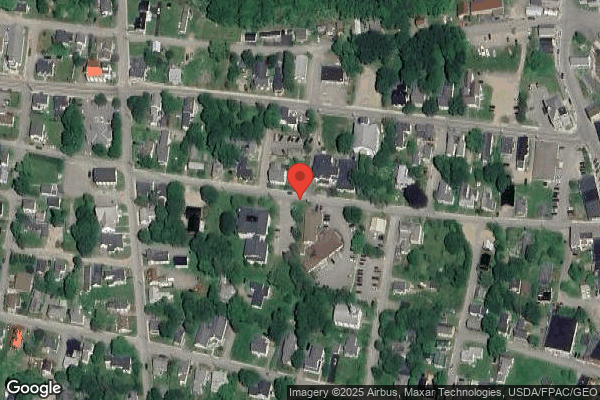

23 BOYNTON STREET, EASTPORT, ME 04631 (207) 853-2531
Non profit - Other 26 Beds Independent Data: November 2025
Trust Grade
55/100
#49 of 77 in ME
Last Inspection: January 2025

Within standard 12-15 month inspection cycle. Federal law requires annual inspections.

Overview

Eastport Memorial Nursing Home has a Trust Grade of C, which means it is average and situated in the middle of the pack among similar facilities. It ranks #49 out of 77 nursing homes in Maine, placing it in the bottom half, and is #2 out of 2 in Washington County, indicating limited local options. The facility is showing improvement, with the number of issues decreasing from 22 in 2024 to 13 in 2025. Staffing is a strong point, rated at 4 out of 5 stars with a low turnover rate of 23%, which is significantly better than the state average. However, there are concerns regarding RN coverage, as it has less than 92% of Maine facilities, and specific incidents included failures to adequately supervise a resident at risk of elopement and not following their own policies to secure exits. Overall, while there are strengths in staffing, the facility does face challenges that potential residents and their families should consider.

Trust Score
C
55/100
In Maine
#49/77
Bottom 37%
Safety Record
Low Risk
No red flags
Inspections
Getting Better
22 → 13 violations
Staff Stability
✓ Good
23% annual turnover. Excellent stability, 25 points below Maine's 48% average. Staff who stay learn residents' needs.
Penalties
✓ Good
No fines on record. Clean compliance history, better than most Maine facilities.
Skilled Nurses
○ Average
Each resident gets 36 minutes of Registered Nurse (RN) attention daily — about average for Maine. RNs are the most trained staff who monitor for health changes.
Violations
⚠ Watch
40 deficiencies on record. Higher than average. Multiple issues found across inspections.
★★☆☆☆
2.0
Overall Rating
★★★★☆
4.0
Staff Levels
★★☆☆☆
2.0
Care Quality
★★☆☆☆
2.0
Inspection Score
Stable
2024: 22 issues
2025: 13 issues

The Good

  • 4-Star Staffing Rating · Above-average nurse staffing levels
  • Low Staff Turnover (23%) · Staff stability means consistent care
  • Full Sprinkler Coverage · Fire safety systems throughout facility
  • No fines on record
  • Staff turnover is low (23%)

    25 points below Maine average of 48%

Facility shows strength in staffing levels, staff retention, fire safety.

The Bad

2-Star Overall Rating

Below Maine average (3.0)

Below average - review inspection findings carefully

The Ugly 40 deficiencies on record

Jul 2025 1 deficiency
CONCERN (D) 📢 Someone Reported This

A family member, employee, or ombudsman was alarmed enough to file a formal complaint

Potential for Harm - no one hurt, but risky conditions existed

Deficiency F0551 (Tag F0551)

Could have caused harm · This affected 1 resident

Based on record review and interviews, the facility failed to ensure that the current resident representative was notified of a change in the resident's representative status and a change in the resid...

Read full inspector narrative →
Based on record review and interviews, the facility failed to ensure that the current resident representative was notified of a change in the resident's representative status and a change in the resident's medical plan of care for 1 of 1 resident representative not notified of resident changes. (Resident #1 [R1]) Finding: On 7/1/25, a review of R1's clinical record was completed. An advanced directive indicted that family member #1 (FM1) was designated by R1 in 2017 to be his/her legal representative. On 6/10/25, R1's primary physician made a medical visit. At that time, family member #2 (FM2) was visiting and requested that R1 be transitioned to end of life care. FM2 delivered a copy of a legal document indicating that FM2 is the Power of Attorney (POA). There is no evidence in R1's clinical record that the facility contacted FM1 to discuss the conflict of who is R1's legal representative and if FM1 wanted medical care changes. On 6/25/25, the primary physician documented in R1's progress note that they had discovered in the physician's office file a legal document that revoked FM2's POA status in 2015. The current legal representative is FM1. On 6/30/25, in an interview with FM1, they stated they had not been notified of a change in the resident's representative status and a change in the resident's medical plan of care until visiting R1 on 6/23/25. On 7/1/25, in an interview with the Director of Nursing, she confirmed that the facility did not contact the current legal resident representative (FM1) on 6/10/25 regarding R1's conflicting POA status and the physician's order to implement comfort care and discontinue medications.
Jun 2025 2 deficiencies
CONCERN (E) 📢 Someone Reported This

A family member, employee, or ombudsman was alarmed enough to file a formal complaint

Potential for Harm - no one hurt, but risky conditions existed

Comprehensive Care Plan (Tag F0656)

Could have caused harm · This affected multiple residents

Based on record review, facility reported incident and investigation reviews, and interviews, the facility failed to implement a comprehensive care plan for Resident #1 (R1) for 2 of 2 facility report...

Read full inspector narrative →
Based on record review, facility reported incident and investigation reviews, and interviews, the facility failed to implement a comprehensive care plan for Resident #1 (R1) for 2 of 2 facility reported incidents of elopement reviewed (5/13/25 and 5/17/25). Findings: On 6/23/25, R1's clinical record was reviewed. R1 had been identified as an elopement risk and wore a wander guard bracelet on his/her ankle which should trigger a secured exit (doors with alarms, security codes, and other locking mechanisms to prevent unauthorized exit) to activate. R1's care plan, dated 11/26/24 and last reviewed on 5/21/25, under the care area of I am at risk for elopement, directed staff to redirect me from exits and at times when I am really upset and trying to leave have available staff sit with me. 1. On 5/13/25, the State Agency received a facility reported incident that indicated R1 was found outside after he/she exited the building unwitnessed. A review of the facility's investigation, dated 5/18/25, indicated that R1 had been redirected from the Sunroom exit door at least 3 times before he/she was able to exit the building. On 6/23/25 at 12:10 p.m., during an interview with a surveyor, Certified Nursing Assistant #1 (CNA1) stated R1 tried to get out the Sunroom exit door and got the door open. Housekeeping was present also and we redirected R1 out of the area and closed the wooden (swinging) Sunroom doors. On 6/23/25 at 2:10 p.m., during an interview with the Director of Nursing (DON), a surveyor confirmed that for the 5/13/25 elopement, there was no evidence that anyone sat with R1 during the elopement behaviors and staff just kept redirecting the resident from the area. 2. On 5/18/25, the State Agency received a facility reported incident that indicated the evening of 5/17/25, R1 was found outside when he/she exited the building, unwitnessed. A review of the facility's investigation, dated 5/22/25, indicated there were 3 staff on duty that evening. The DON interviewed the Charge Nurse on duty as part of the investigation who stated that R1 had made multiple attempts to elope that evening, but was able to be redirected. On 6/23/25 at 12:00 p.m., during an interview with a surveyor, CNA2 stated that she heard the alarm going off and she figured it was R1. On 6/23/25 at 2:10 p.m., during an interview with the DON, a surveyor confirmed for the 5/17/25 incident at occurred at 9:27 p.m., R1 again was exit seeking that shift, and with only 3 staff present, there was no one able to provide adequate supervision for R1 who figured out how to open the alarmed Smokers door and get outside unwitnessed. There was no evidence that anyone sat with R1 during the elopement behaviors and just kept redirecting the resident from the area. The DON stated that she asked Charge Nurse on why he did not immediately notify her or call her or ask for help for someone to come in and sit with R1 until she calmed down.
CONCERN (E) 📢 Someone Reported This

A family member, employee, or ombudsman was alarmed enough to file a formal complaint

Potential for Harm - no one hurt, but risky conditions existed

Accident Prevention (Tag F0689)

Could have caused harm · This affected multiple residents

Based on the facility's incident report forms and investigations, facility policy review, and interviews, the facility failed to provide adequate supervision to a resident who was actively exit seekin...

Read full inspector narrative →
Based on the facility's incident report forms and investigations, facility policy review, and interviews, the facility failed to provide adequate supervision to a resident who was actively exit seeking and was able to leave the facility unwitnessed and/or failed to follow it's own Elopement and Wandering Policy by ensuring secured exits were in working order for 2 of 2 facility reported incidents of elopement reviewed (5/13/25 and 5/17/25) for Resident #1 (R1). Findings: The facility's Elopement and Wandering Policy, reviewed 3/12/25, indicated the following: Environmental Modifications: Secure exits: Doors with alarms, security codes, and other locking mechanisms to prevent unauthorized exit. Door alarms should continue alarming after the door is closed and the alarm should be deactivated by staff entering the code to end the alarm. At any time staff finds that door alarms are not functioning properly, it must be reported immediately to maintenance staff or the Administrator and/or the Director of Nursing. Facility Notification: In the event of a resident's elopement, staff need to inform the Director of Nursing or Administrator immediately. On 6/23/25, R1's clinical record was reviewed. R1 had been identified as an elopement risk and wore a wander guard bracelet on his/her ankle which should trigger a secured exit (doors with alarms, security codes, and other locking mechanisms to prevent unauthorized exit) to activate. 1. On 5/13/25, State Agency received a facility reported incident that indicated a staff member (Housekeeping) taking out the garbage observed R1 walking, without their walker, on the sidewalk outside, towards a parked vehicle. The State Agency received the facility's investigation on 5/19/25 for this incident; a review of the facility's investigation, dated 5/18/25, indicated (via cameras) on 5/13/25, between 9:01 a.m. - 9:51 a.m., R1 was observed 4 times to be pushing on the Sunroom exit door with his/her walker, but was unable to push the door open. R1 was observed and redirected by staff 3 times during those attempts at opening the door. At 10:00 a.m., R1 was at the Sunroom exit door again, pushing on the handle and managed to get the door open with the front wheels of the walker, making it outside. Housekeeping was present and called for assistance from a Certified Nursing Assistant (CNA) and R1 was redirected from the area. Housekeeping then closed the wooden swinging doors to the Sunroom. At 10:12 a.m., R1 opened the wooden swinging doors to the Sunroom, pushed on the Sunroom exit door handle and pushed the door open, exiting the building while holding his/her walker with one hand and pushing the door with the other hand. (R1 exited the building on to concrete steps, stepping off those, and on to the level ground). At 10:16 a.m., staff was observed exiting the building through the Sunroom exit door after receiving notification from Housekeeping who was outside at the dumpster and observed R1 outside, walking without their walker, towards a parked car. The facility's investigation concluded that the secure exit (door keypad/alarm system) was not working and therefore when R1 opened the outside door, R1's secure care bracelet did not trigger the exit to be secure or sound an alarm; a loose power connection was found to the the reason the exit was not secured. On 6/23/25 at 12:10 p.m., during an interview with a surveyor, Certified Nursing Assistant #1 (CNA1) stated R1 tried to get out the Sunroom exit door and got the door open, but it did not sound the alarm. Housekeeping was present also and we redirected R1 out of the area and closed the wooden (swinging) Sunroom doors. CNA1 stated that she attempted to contact the Maintenance Supervisor after the first attempt of getting the door opened when the alarm did not sound, but he did not answer so she called the kitchen to see if they could track him down; R1 ended up getting out before the Maintenance Supervisor could make it upstairs to check the door. On 6/23/25 at 2:10 p.m., during an interview with the Director of Nursing (DON), a surveyor confirmed that for the 5/13/25 elopement, staff knew that the Sunroom door exit was not secured and left the unsecured door unattended and failed to provide adequate supervision for R1, knowing that R1 was actively exit seeking and was able to open an unsecured exit door and leave the building unwitnessed. 2. On 5/18/25, the State agency received a facility reported incident that indicated that on 5/17/25 at 9:30 p.m., had exited out a side door (Smoker's exit) and down steps; R1 was caught by staff who were made aware of R1's elopement because the alarm was sounding. The facility's investigation, dated 5/22/25, indicated the DON was in the facility on 5/18/25, working on the investigation for R1's 5/13/25 elopement, when she discovered that R1 had eloped again on 5/17/25. She noted that she had not informed immediately of this incident (as directed by Elopement policy) by the Charge Nurse. The facility completed an investigation for this incident by reviewing cameras and conducting interviews that indicated on 5/17/25 at 9:27 p.m., R1 was seen on camera leaving the building through the Smoker's exit and at 9:28 p.m., CNA3 was observed exiting the building to bring R1 back inside. The DON gathered statements from staff that were on duty the evening of 5/17/25. On 5/19/25 at 1:59 p.m., CNA3 reported she heard the door alarm go off at the back door. She went towards the back door, opened the back door and saw R1 going down the steps. CNA3 attempted to redirect R1, however the resident was resistant but she was able to get R1 to turn around and walk towards the ambulance entrance. On 5/21/25 at 6:06 a.m., Charge Nurse stated that R1 had made multiple attempts to elope that evening, but was able to be redirected; when staff had brought R1 back into the building, they reported to him that R1 had eloped from the building. On 6/23/25 at 12:00 p.m., during an interview with a surveyor, CNA2 stated that she heard the alarm going off and she figured it was R1. CNA3 went out brought R1 back inside. (R1 must of held the door handle down 15 seconds to open the door [per life safety code] but the alarm sounded as it should have.) On 6/23/25 at 12:15 p.m., during an interview with a surveyor, Family Member stated that R1's wandering behavior is not new for the resident and that she has been this way for at least 4 years. On 6/23/25 at 2:10 p.m., during an interview with the DON, the surveyor confirmed that for the 5/17/25, R1 again was exit seeking that shift, and with only 3 staff present, there was no one able to provide adequate supervision for R1 who figured out how to open the alarmed door and get outside at 9:27 p.m. The DON stated that she asked Charge Nurse on why he did not immediately notify her or call her or ask for help for someone to come in and sit with R1 until she calmed down. The DON stated that education was provided to Charge Nurse about immediate notification of resident elopements to either the DON or Administrator.
Jan 2025 10 deficiencies
CONCERN (D)

Potential for Harm - no one hurt, but risky conditions existed

Comprehensive Assessments (Tag F0636)

Could have caused harm · This affected 1 resident

**NOTE- TERMS IN BRACKETS HAVE BEEN EDITED TO PROTECT CONFIDENTIALITY** Based on record review and interview, the facility failed to complete an annual Comprehensive Minimum Data Set 3.0 (MDS 3.0) ass...

Read full inspector narrative →
**NOTE- TERMS IN BRACKETS HAVE BEEN EDITED TO PROTECT CONFIDENTIALITY** Based on record review and interview, the facility failed to complete an annual Comprehensive Minimum Data Set 3.0 (MDS 3.0) assessment timely for 1 of 1 residents reviewed for hospice (Resident #23 [R23]) Finding: On 1/28/25, a review of R23's clinical record was completed. R23 was admitted on [DATE]. An admission Comprehensive MDS assessment was completed and submitted on 6/17/23. Quarterly MDS assessments were completed on 9/15/23, 12/14/23, 3/15/24, 6/16/24, 9/15/24 and 12/16/24. The record lacked evidence that an annual Comprehensive MDS assessment was completed. On 1/29/25 at 10:05 a.m., during an interview with a surveyor, The Interim Director of Nursing reviewed her records and stated the MDS completed on 6/16/24 should have been an annual Comprehensive MDS assessment. At the time of the interview, it was 592 days since R23's last Comprehensive assessment. At this time a surveyor confirmed the above finding.
CONCERN (D)

Potential for Harm - no one hurt, but risky conditions existed

Deficiency F0637 (Tag F0637)

Could have caused harm · This affected 1 resident

**NOTE- TERMS IN BRACKETS HAVE BEEN EDITED TO PROTECT CONFIDENTIALITY** Based on interview and record review, the facility failed to complete a significant change in status Minimum Data Set 3.0 (MDS 3...

Read full inspector narrative →
**NOTE- TERMS IN BRACKETS HAVE BEEN EDITED TO PROTECT CONFIDENTIALITY** Based on interview and record review, the facility failed to complete a significant change in status Minimum Data Set 3.0 (MDS 3.0) assessment within 14 days of a resident's admission to hospice services, for 1 of 1 sampled residents (Resident #23 [R23]). Finding: On 1/28/25, a review of R23's clinical record was completed. R23 was admitted on [DATE]. An admission MDS was completed and submitted on 6/17/23. On 7/29/24, R23 transitioned to hospice level of care. The record lacked evidence that a significant change in status MDS was completed after R23 transitioned to hospice level of care. On 1/29/25 at 10:05 a.m., during an interview with a surveyor, The Interim Director of Nursing reviewed her records and stated she had not completed a change in condition when R23 transitioned to hospice. At this time a surveyor confirmed the above finding.
CONCERN (D)

Potential for Harm - no one hurt, but risky conditions existed

Comprehensive Care Plan (Tag F0656)

Could have caused harm · This affected 1 resident

**NOTE- TERMS IN BRACKETS HAVE BEEN EDITED TO PROTECT CONFIDENTIALITY** Based on record review and interview, the facility failed to develop a care plan to address the physical needs of a resident for...

Read full inspector narrative →
**NOTE- TERMS IN BRACKETS HAVE BEEN EDITED TO PROTECT CONFIDENTIALITY** Based on record review and interview, the facility failed to develop a care plan to address the physical needs of a resident for 1 of 5 residents reviewed for unnecessary medication (Resident #9 [R9]). Finding: On 1/28/25, a record review of R9's clinical record was completed. R9 was admitted on [DATE] with diagnoses including heart failure and atrial fibrillation (afib). The care plan did not address the management of heart failure, afib or the use of an anticoagulant medication (a medication used to prevent blood clots). On 1/28/25 at 2:12 p.m., during an interview with the Interim Director of Nursing, a surveyor confirmed the care plan did not address monitoring and management of heart failure including daily weight monitoring as ordered by the provider, and/or the monitoring and management of afib including the use of anticoagulant medication.
CONCERN (D)

Potential for Harm - no one hurt, but risky conditions existed

Quality of Care (Tag F0684)

Could have caused harm · This affected 1 resident

**NOTE- TERMS IN BRACKETS HAVE BEEN EDITED TO PROTECT CONFIDENTIALITY** 2. Review of pharmacist recommendation dated 1/2/25 for R1 indicated that olanzapine (a psychotropic medication) 15 milligrams (...

Read full inspector narrative →
**NOTE- TERMS IN BRACKETS HAVE BEEN EDITED TO PROTECT CONFIDENTIALITY** 2. Review of pharmacist recommendation dated 1/2/25 for R1 indicated that olanzapine (a psychotropic medication) 15 milligrams (m.g) at 1300 (1:00 p.m.) and 5 m.g in evening should be reviewed per discussion with staff the patient (R1) is awake much of the evening there was questions if R1 could benefit from the large dose of olanzapine 15 m.g in the evening with 5 m.g during the day. The Psychiatric Mental Health Nurse Practitioner (PMHNP) declined the pharmacist recommendation to change the timing of the doses for olanzapine stating that R1 stable on current medication regimen and any reduction could destabilize presentation, maintain medications as prescribed and will continue to assess for potential reductions. On 1/29/25 at 11:05 a.m. during a telephone call with a Licensed Practical Nurse (LPN)-Charge Nurse, the PMHNP stated she sees a lot of recommendations pertaining to GDR's (gradual dose reductions) and was not aware that the pharmacists recommendation was to change the timing of the doses, and not a GDR request. The PMHNP gave a new telephone order to adjust olanzapine 15 m.g to be given in the evening and 5 m.g in the a.m. for R1. On 1/29/25 at 11:06 a.m. during an interview with the LPN, a surveyor confirmed that the pharmacist recommendation response from the PMHNP dated 1/2/25 for R1 was not fully assessed, and the facility failed to clarify the providers response to the pharmacist recommendation. Based on record review and interview the facility failed to follow a doctors order for daily weights for a resident with heart failure for 1 of 5 residents reviewed for unnecessary medications [Resident #9 (R9]. and the facility failed to have a provider appropriately addresss a pharmacist reocmmendation regarding a psychotropic medication for 1 of 5 residents reviewed for unnecessary medications (R1). Finding: 1. On 1/28/25, clinical record review indicated R9 was admitted on [DATE] with a diagnosis of heart failure. A provider order dated 1/16/25 stated, Start Daily weight checks. Notify provider of weight gain greater than 3 pounds in one day or 5 pounds in one Week. The record lacked evidence that daily weights were obtained as ordered. On 1/28/25 at 1:54 p.m., during an interview, provider orders and daily weight documentation were reviewed by the Interim Director of Nursing and a surveyor. At this time the surveyor confirmed the provider order for daily weights were not followed.
CONCERN (D)

Potential for Harm - no one hurt, but risky conditions existed

Accident Prevention (Tag F0689)

Could have caused harm · This affected 1 resident

**NOTE- TERMS IN BRACKETS HAVE BEEN EDITED TO PROTECT CONFIDENTIALITY** Based on record review, review of the facility incident report, and interviews, the facility failed to monitor an unlocked and/o...

Read full inspector narrative →
**NOTE- TERMS IN BRACKETS HAVE BEEN EDITED TO PROTECT CONFIDENTIALITY** Based on record review, review of the facility incident report, and interviews, the facility failed to monitor an unlocked and/or non-alarmed door to prevent a resident identified as an elopement risk from leaving the building unnoticed. A staff member, who was on the third floor, looked out the window and saw a resident outside, unattended. The failure to have monitoring of unlocked, and/or non-alarmed doors, resulted in an avoidable elopement for 1 of 1 resident reviewed for elopement risk (Resident # 15 [R15]). Finding: R15 was admitted to the facility on [DATE] with diagnoses to include Schizophrenia, Major Depressive Disorder, and Alzheimer's disease. R15 was identified as an elopement risk and wears a wander guard alert (a safety device that alarms if resident wanders too close to a door). Review of R15's Reportable Incident Form dated 12/10/24 indicates that on 12/10/24 at approximately 10:25 a.m., R15 was outside for three minutes and he/she was standing at the edge of our property near the sidewalk. Our Social Worker (SW) saw him/her outside .R15 was wearing a wander guard, but the doors unlocked due to an alarm test and the fire doors closed . with the charge nurse, med tech [Certified Nursing Assistant - Medications], and at least one CNA [Certified Nursing Assistant] on the other side of the doors. On 1/28/25 at 1:21 p.m. in an interview with a surveyor, the SW states that on 12/10/24 she observed R15 outside with bare feet, the SW alerted other staff, and ran to bring R15 inside, and nursing staff checked his/her feet. On 1/28/25 at 1:38 p.m. in an interview with a surveyor, the Interim Director of Nursing (IDON) states the facility was able to determine through video surveillance footage that R15 exited the building from the day room door during a fire alarm (a fire alarm disables the wander guards from alarming the doors) and was returned to the facility on [DATE] approximately three minutes after elopement. R15 was outside with bare feet on a day when it snowed that morning. R15 was assessed, treated (salt and gravel removed from R15's feet), and monitored, there were no lasting effects to R15. During this interview a surveyor confirmed that R15 had elopement unnoticed by staff. On 1/29/25 at 10:44 a.m. in an interview with a surveyor, a Licensed Practical Nurse (LPN) states she was in a resident room doing wound care when R15 went outside and when she came out of the resident room, the IDON and the SW were with R15 in the day room. The LPN states staff will make sure to go and get to the door in the day room (monitor the door) if a fire alarm goes off in the future.
CONCERN (D)

Potential for Harm - no one hurt, but risky conditions existed

Respiratory Care (Tag F0695)

Could have caused harm · This affected 1 resident

Based on observations, record reviews, and interviews, the facility failed to maintain a physician ordered oxygen setting on an air concentrator, and failed to maintain respiratory equipment in a sani...

Read full inspector narrative →
Based on observations, record reviews, and interviews, the facility failed to maintain a physician ordered oxygen setting on an air concentrator, and failed to maintain respiratory equipment in a sanitary manner to help prevent the development and transmission of disease and infection related to respiratory care for 2 of 3 residents reviewed for respiratory care (Resident #20 [R20], and R8). Findings: 1. On 1/27/25 at 11:00 a.m., during an intial tour, a surveyor observed that the oxygen regulator on R20's oxygen concentrator was set at 3.5 milliliters per minute (LPM). Also observed that the concentrator was soiled with dried liquid and dust and the oxygen concentrator air intake filter located on the back on the concentrator was heavily soiled with dust. On 1/28/25, a review of R20's clinical record was completed. R20 had a physician order for continuous oxygen at 2 LPM. On 1/28/25 between 10:15 a.m. and 11:15 a.m., in an interview with the Licensed Practical Nurse (LPN)-Charge Nurse, she confirmed that the oxygen concentrator and air filter were soiled/dusty and that the oxygen setting should be at 2 LPM not 3.5 LPM. The LPN corrected the air setting immediately. 2. On 1/27/25 at 1:15 p.m., during an initial tour, a surveyor observed R8 wearing oxygen via nasal cannula attached to an oxygen concentrator. The oxygen concentrator air intake filter located on the back of the concentrator was heavily soiled with dust. On 1/28/25 at 11:02 a.m., during an observation, a surveyor observed R8 wearing oxygen via nasal cannula attached to an oxygen concentrator. The oxygen concentrator air intake filter located on the back of the concentrator was heavily soiled with dust. On 1/28/25 at 11:05 a.m. in an interview with the LPN, a surveyor confirmed R8's oxygen concentrator air intake filter located on the back of the concentrator was heavily soiled with dust.
CONCERN (D)

Potential for Harm - no one hurt, but risky conditions existed

Deficiency F0761 (Tag F0761)

Could have caused harm · This affected 1 resident

**NOTE- TERMS IN BRACKETS HAVE BEEN EDITED TO PROTECT CONFIDENTIALITY** Based on observations and interviews, the facility failed to remove an expired medication from the supply available for use in 1...

Read full inspector narrative →
**NOTE- TERMS IN BRACKETS HAVE BEEN EDITED TO PROTECT CONFIDENTIALITY** Based on observations and interviews, the facility failed to remove an expired medication from the supply available for use in 1 of 2 locations where medications are stored (medication storage room). Findings: On [DATE] at 7:30 a.m., a surveyor and a Licensed Practical Nurse (LPN) observed an opened vial (bottle) of Novolog (insulin, medication used to treat diabetes, high blood sugar) for Resident #9 (R9) that was in the medication storage room with an open date of [DATE]. The LPN states the Novolog is good for 28 days once opened according to manufacturers directions. In an interview with the LPN, a surveyor confirmed that the Novolog vial was labeled with an opened date of [DATE] and is still being used 16 days after the insulin should have been discarded. The LPN discarded the Novolog vial for R9 at time of finding and replaced it with a new Novolog vial.
CONCERN (D)

Potential for Harm - no one hurt, but risky conditions existed

Infection Control (Tag F0880)

Could have caused harm · This affected 1 resident

Based on review of the facility's Water Management Program/Legionella and interview, the facility failed to fully develop/implement a water management program to prevent the growth and spread of legio...

Read full inspector narrative →
Based on review of the facility's Water Management Program/Legionella and interview, the facility failed to fully develop/implement a water management program to prevent the growth and spread of legionella and other water-borne pathogens in the area of testing protocols. Finding: On 1/28/25, a review of the facility's Water Management Program/Legionella (revised on 5/24/22) was completed. There was no evidence of testing protocols in the Water Management Program if water testing was necessary. There was no evidence of testing protocols for control measures, acceptable ranges, how this would be monitored and what interventions would be used if water tests positive for Legionella or other opportunistic waterborne pathogens. On 1/28/25 at 1:57 p.m., in an interview with a surveyor, the Maintenance Supervisor stated he could not show evidence of a plan or protocol in place for Legionella/water pathogen testing, acceptable test ranges or monitoring of the water for potential Legionella or other opportunistic waterborne pathogens.
CONCERN (E)

Potential for Harm - no one hurt, but risky conditions existed

Deficiency F0680 (Tag F0680)

Could have caused harm · This affected multiple residents

Based on interviews, the facility failed to employ a qualified Activity Director (AD) to manage resident centered activities for all residents (24 residents). Finding: On 1/27/25 at 10:45 a.m. in an i...

Read full inspector narrative →
Based on interviews, the facility failed to employ a qualified Activity Director (AD) to manage resident centered activities for all residents (24 residents). Finding: On 1/27/25 at 10:45 a.m. in an interview with a surveyor, the Administrator stated that the AD has not completed a State-approved program to become qualified as an AD. On 1/29/25 at 11:02 a.m., in an interview with a surveyor, the AD stated she hasn't completed the State-approved program to take the exam to become an Activity Professional, and does not have other requirements to ensure the activities program is directed by a qualified professional. The surveyor confirmed at this time that the AD has not completed the State-approved program and is not qualified to be the AD. The Administrator and AD state the AD is enrolled in the program and is in the process of completing a State-approved program to become qualified as an AD.
CONCERN (E)

Potential for Harm - no one hurt, but risky conditions existed

Deficiency F0865 (Tag F0865)

Could have caused harm · This affected multiple residents

Based on observations, record review, and interviews, the facility's quality assurance committee failed to ensure that the Plan of Correction (PoC) for identified deficiencies from the Recertification...

Read full inspector narrative →
Based on observations, record review, and interviews, the facility's quality assurance committee failed to ensure that the Plan of Correction (PoC) for identified deficiencies from the Recertification Survey, dated 1/29/25, were implemented / effective. The facility lacked evidence that the PoC for deficiencies F636 (Comprehensive Assessments & Timing), F637 (Comprehensive Assessments After Significant Change), F656 (Develop/Implement Comprehensive Care Plan), F684 (Quality of Care), and F689 (Free of Accident Hazards/Supervision/Devices) was implemented in order to prevent repeat deficient practice. The deficiencies F695 (Respiratory Care), and F761 (Label/Store Drugs and Biologicals) were again identified during the re-visit survey on 3/18/25. Findings: 1. The facility's accepted PoC for F636, signed on 2/14/25, indicated the facility would print weekly MDS reports to identify residents needing assessments, the MDS coordinator would receive education on the process, and a monitor would be completed to ensure all residents have a Comprehensive Minimum Data Set (MDS) assessment timely. On 3/18/25 at 11:15 a.m., during an interview with the Administrator and the Director of Nursing, a surveyor confirmed the facility lacked evidence the PoC was implemented, that education was provided, that education was received by the MDS coordinator, or that a monitor was completed weekly. 2. The facility's accepted PoC for F637, signed on 2/14/25, indicated the Director of Nursing would monitor nursing documentation of resident significant change and MDS assessment submission, the MDS coordinator would receive education on the process, and a monitor would be completed to ensure all residents with a significant change in status have a Comprehensive Minimum Data Set (MDS) assessment timely. The PoC indicated an anticipated date of compliance of 3/5/25. The facility lacked evidence that education was provided, that education was received by the MDS coordinator, or that a monitor was completed weekly. On 3/18/25 at 11:15 a.m., during an interview with the Administrator and the Director of Nursing, a surveyor confirmed the facility lacked evidence that the PoC was implemented, that education was provided, that education was received by the MDS coordinator, that a monitor was completed weekly, and deficient practice was identified after the PoC's anticipated date of compliance. 3. The facility's accepted PoC for F656, signed on 2/14/25, indicated nursing staff would receive education on how to add a diagnosis to a resident's diagnosis list and update the care plan to correspond with the diagnosis, and the Director of Nursing would monitor all physician's notes after visits and ensure any new diagnoses were updated. On 3/18/25 at 11:15 a.m., during an interview with the Administrator and the Director of Nursing, a surveyor confirmed the facility lacked evidence that the PoC was implemented, that education was provided, that education was received by nursing staff, or that monitoring was completed. 4. The facility's accepted PoC for F684, signed on 2/14/25, indicated staff would receive education, and the Director of Nursing would monitor all orders and Gradual Dose Reduction (GDR) recommendations for 6 months. On 3/18/25 at 11:15 a.m., during an interview with the Administrator and the Director of Nursing, a surveyor confirmed the facility lacked evidence that the PoC was implemented, that education was provided to staff, that education was received by staff, or that monitoring was completed for GDR recommendations. 5. On 2/14/25, the facility signed a Plan of Correction (PoC) indicating an Elopement/Wandering policy would be established by 3/15/24, staff would be educated on the new policy, drill would be conducted at randomly selected times, and a monitor of staff response to the drills would be completed. The PoC indicated the anticipated date of compliance as 3/5/25. The facility lacked evidence that the policy was established, education was provided to staff, received by staff, drills completed, and/or a monitor of staff response was completed. On 3/18/25 at 10:15 a.m., during an interview with a surveyor and the Director of Nursing, the Elopement and Wandering Policy draft was reviewed. The DON indicated staff had not received education as this policy has not been approved by the board of directors. At this time the surveyor confirmed the Plan of Correction had not been implemented to prevent a resident identified as an elopement risk from leaving the building unnoticed. 6. The facility's accepted PoC for F695, signed on 2/14/25, concentrators will be cleaned, weekly walking rounds would be completed to residents with oxygen orders, staff would receive education, and monitored results would be documented. The PoC identified 3/5/25 as the anticipated date of compliance. On 3/18/25 at 11:15 a.m., during an interview with the Administrator and the Director of Nursing, a surveyor confirmed the facility lacked evidence that the PoC was fully implemented, that education was provided to staff, that education was received by staff, that weekly walking rounds and/or monitoring were completed / documented. Deficient practice was identified at the time of the revisit, after the PoC's anticipated date of compliance. 7. The facility's accepted PoC for F761, signed on 2/14/25, indicated staff would receive education on dating insulin vials / pens, discarding insulin after the expiration date, and weekly monitors would be conducted for 6 months. On 3/18/25 at 11:15 a.m., during an interview with the Administrator and the Director of Nursing, a surveyor confirmed the facility lacked evidence that the PoC was fully implemented, that education was provided to staff, that education was received by staff, or that weekly audits were completed. Deficient practice was identified at the time of the revisit, after the PoC's anticipated date of compliance.
Oct 2024 1 deficiency
CONCERN (D) 📢 Someone Reported This

A family member, employee, or ombudsman was alarmed enough to file a formal complaint

Potential for Harm - no one hurt, but risky conditions existed

Deficiency F0685 (Tag F0685)

Could have caused harm · This affected 1 resident

**NOTE- TERMS IN BRACKETS HAVE BEEN EDITED TO PROTECT CONFIDENTIALITY** Based on record review and interviews, the facility failed to ensure that a resident was provided a hearing aid device daily for...

Read full inspector narrative →
**NOTE- TERMS IN BRACKETS HAVE BEEN EDITED TO PROTECT CONFIDENTIALITY** Based on record review and interviews, the facility failed to ensure that a resident was provided a hearing aid device daily for 1 of 1 resident that required a hearing aid (Resident #1 [R1]). Finding: On 10/7/24, a review of R1's clinical record was completed. R1 was admitted on [DATE] with a diagnosis of bilateral sensorineural hearing loss. On R1's current physician orders dated 9/19/24, there is an order to install 1 device (hearing aid) in each ear in the morning and remove devices at bedtime. Documentation on a nurse's note dated 8/13/24, written by the Director of Nursing, indicated staff were educated about hearing aids and reminded that it is in his/her plan of care. R1's current care plan indicates R1 has the potential to have problems communicating. The intervention indicates to make sure R1 has his/her hearing aids, and that they are functioning appropriately. In addition, under the care plan problem of anxiety and agitation, the intervention is to evaluate R1 for situational stressors such as are his/her hearing aids in. On 10/7/24 at 12:30 a.m., in an interview with a family member, they stated R1 often has no hearing aid in because staff are unaware how to use them, and on 10/6/24 at around 2:00 p.m., R1 did not have a hearing aid in when the family member came to visit. On 10/7/24 at 1:30 p.m., in an interview with the Director of Nursing (DON), she stated that on 10/6/24, she was responsible for putting R1's hearing aide in and she did not. She stated they try to get the hearing aid in for Zoom (a communications platform that allows users to connect with video, audio, phone, and chat) visits that occur at 2 p.m. but she was unable to determine if the aid is in while resident is awake at other times of the day. The DON confirmed they do not have a system in place to monitor the use and care of the hearing aid and if R1 is being provided the hearing aid daily.
Jan 2024 21 deficiencies
CONCERN (D)

Potential for Harm - no one hurt, but risky conditions existed

Notification of Changes (Tag F0580)

Could have caused harm · This affected 1 resident

Based on record review and interview, the facility failed to ensure that the resident's physician was notified immediately of a significant change in the resident's medical condition for 1 of 2 reside...

Read full inspector narrative →
Based on record review and interview, the facility failed to ensure that the resident's physician was notified immediately of a significant change in the resident's medical condition for 1 of 2 residents (Resident #25(R25)) chosen for closed record review. Findings: The standing orders, signed on 10/27/23, state for Shortness of Breath: Apply [oxygen] at 2 Liters (L) per minute via nasal cannula PRN (as needed). Check pulse ox (oxygen saturation) on oxygen if not greater than 90% call MD. On 11/5/23 at 4:19 p.m., documentation shows R25's breathing pattern is normal, oxygen saturation is 93% on 3L of oxygen. There is no documentation to support the physician was notified of the need for oxygen exceeding the standing orders. On 11/7/23 at 6:49 a.m., vital signs documented shows, pulse: 104, respiratory rate: 141, and oxygen saturation 92% on 2L of oxygen. At 1:49 p.m., documentation shows, pulse: 43, oxygen saturation 72% on 2L of oxygen, oxygen saturation 88-92% on 3L of oxygen, respiratory rate 20. There is no documentation to support the physician was notified of change in condition for oxygen below 90%, elevated heart rate, or abnormally slow heart rate. On 11/7/23 at 3:44 p.m., documentation indicated physician notified (2 days after onset of change in condition with need of increased oxygen). On 1/11/23 at 4:30 p.m., in an interview, two surveyors confirmed with the Assistant Director of Nursing, that there is no evidence to show the physician was notified immediately of a change in status or the need to exceed the standing orders.
CONCERN (D)

Potential for Harm - no one hurt, but risky conditions existed

Safe Environment (Tag F0584)

Could have caused harm · This affected 1 resident

**NOTE- TERMS IN BRACKETS HAVE BEEN EDITED TO PROTECT CONFIDENTIALITY** Based on observations and interviews, the facility failed to adequately provide housekeeping and maintenance services necessary ...

Read full inspector narrative →
**NOTE- TERMS IN BRACKETS HAVE BEEN EDITED TO PROTECT CONFIDENTIALITY** Based on observations and interviews, the facility failed to adequately provide housekeeping and maintenance services necessary to maintain the building in good repair and in a sanitary condition for 1 of 1 environmental tours (1/11/24). Findings: On 1/11/24 at 8:47 a.m., the Maintenance/Housekeeping Supervisor and surveyor toured 4 rooms with the following observed and confirmed at the time of tour: room [ROOM NUMBER] - The floor area around bed 2, including the fireplace indent and yellow wall tile was dirty, the paint on the window sills were cracked, water stained, and the paint was peeling. The protector attached to the doors were not secure to the door, the outlet box by bed 2 has open areas around it, and the wall above bed 1's night stand was gouged with peeling paint. room [ROOM NUMBER] - The two fans in the room were dusty and the floor was dirty, The protector attached to the doors was not secure to the door. The paint on the window sill was cracked, water stained, and the paint was peeling. The baseboard registers behind bed 2 were now put back together but the surveyor confirmed that on 2 different observations on 1/8/24 at 12:15 p.m. and 1/9/24 at 8:55 a.m., the baseboard registers were in disarray and the metal fins were showing. room [ROOM NUMBER] - The door frame to the room had large areas of peeling paint where it had been painted over multiple times without removing the old paint.
CONCERN (D) 📢 Someone Reported This

A family member, employee, or ombudsman was alarmed enough to file a formal complaint

Potential for Harm - no one hurt, but risky conditions existed

Report Alleged Abuse (Tag F0609)

Could have caused harm · This affected 1 resident

Based on interviews, and record reviews the facility failed to report suspected abuse to the State Agency in a timely manner after it was brought to their attention that it was suspected that a reside...

Read full inspector narrative →
Based on interviews, and record reviews the facility failed to report suspected abuse to the State Agency in a timely manner after it was brought to their attention that it was suspected that a resident was abused physically (Resident #16 [R16]). Finding: Review of facility policy titled Abuse, Neglect and Exploitation Prevention Policy dated June 2022 states It is the policy of this facility to provide quality care to all of our residents. Reporting: reporting requirement timeframes: 1) immediately but not later than 2 hours if the alleged violation involves abuse or results in serious bodily injury. On 5/16/23 at 2:17 p.m., the Department of Licensing and Certification (State Agency) received a report from Adult Protective Services (APS) indicating that R16 was physically abused by staff working at this facility during a shower with the allegation that they were rough and hurt him/her. During the facility's recertification survey and this investigation, the facility was not able to provide evidence that this allegation of abuse was reported to the Division of Licensing and Certification. On 1/11/24 at 1:40 p.m., a surveyor confirmed with the Administrator that the facility did not report an allegation of abuse when they were made aware by APS. The Administrator stated, they took the APS results as a he said she said situation and it was unsubstantiated, so they felt they didn't have to report it as APS was already aware.
CONCERN (D) 📢 Someone Reported This

A family member, employee, or ombudsman was alarmed enough to file a formal complaint

Potential for Harm - no one hurt, but risky conditions existed

Investigate Abuse (Tag F0610)

Could have caused harm · This affected 1 resident

Based in interviews, record review and facility policy review, the facility failed to thoroughly investigate an allegation of suspected abuse for 1 of 1 abuse allegations investigated. Finding: Revie...

Read full inspector narrative →
Based in interviews, record review and facility policy review, the facility failed to thoroughly investigate an allegation of suspected abuse for 1 of 1 abuse allegations investigated. Finding: Review of facility policy titled Abuse, Neglect and Exploitation Prevention Policy dated June 2022 states It is the policy of this facility to provide quality care to all of our residents. Investigation: a report shall be made to the Administrator, or the Director of Nursing and they will conduct an internal investigation immediately. The facility shall provide any and all information to Adult Protective Services and the Division of Licensing and Regulatory Services. On 5/16/23 at 2:17 p.m., the Department of Licensing and Certification (State Agency) received a report from Adult Protective Services (APS) indicating that R16 was physically abused by staff working at this facility during a shower with the allegation that they were rough and hurt him/her. During the facility's recertification survey and this investigation, the facility was not able to provide evidence that this allegation of abuse was investigated. On 1/09/24 at 1:09 p.m., during an interview with the Administrator the surveyor confirmed that the facility did not complete an abuse investigation for the allegation that was brought to their attention in June when APS came in to investigate. One of the staff involved had already given her resignation and because of this allegation even though abuse was not substantiated the facility decided to end the second staffs employment. The Administrator stated she could not find any evidence of a completed investigation for this allegation of abuse.
CONCERN (D)

Potential for Harm - no one hurt, but risky conditions existed

Comprehensive Assessments (Tag F0636)

Could have caused harm · This affected 1 resident

**NOTE- TERMS IN BRACKETS HAVE BEEN EDITED TO PROTECT CONFIDENTIALITY** Based on record review and interviews, the facility failed to complete an admission Comprehensive Minimum Data Set (MDS) 3.0 wit...

Read full inspector narrative →
**NOTE- TERMS IN BRACKETS HAVE BEEN EDITED TO PROTECT CONFIDENTIALITY** Based on record review and interviews, the facility failed to complete an admission Comprehensive Minimum Data Set (MDS) 3.0 with Care Area Assessment (CAA) in a timely manner for 1 of 1 closed records reviewed for hospitalization (Resident [R] 26). Finding: On 1/9/24, a review of R26's clinical record was completed and indicated the resident was admitted to the facility on [DATE]. R26's admission MDS with CAA were due to be completed by day 14 (10/10/23) counting admission date. Resident #26's clinical record lacked evidence that the admission Comprehensive MDS with CAA's were completed. On 1/9/24 at 1:10 p.m., during an interview with the Assistant Director of Nursing (ADON), a surveyor asked about R26's MDS assessments. At 1:33 p.m., the ADON stated she was unable to find a completed MDS with CAAs for R26.
CONCERN (D)

Potential for Harm - no one hurt, but risky conditions existed

MDS Data Transmission (Tag F0640)

Could have caused harm · This affected 1 resident

**NOTE- TERMS IN BRACKETS HAVE BEEN EDITED TO PROTECT CONFIDENTIALITY** Based on record review and interview, the facility failed to transmit an entry, comprehensive, and discharge Minimum Data Set 3....

Read full inspector narrative →
**NOTE- TERMS IN BRACKETS HAVE BEEN EDITED TO PROTECT CONFIDENTIALITY** Based on record review and interview, the facility failed to transmit an entry, comprehensive, and discharge Minimum Data Set 3.0 (MDS) electronically to the State MDS database for 1 of 1 closed records reviewed for hospitalization (Resident [R] 26). Finding: On 1/9/24, a review of R26's clinical record was completed and indicated the resident was admitted to the facility on [DATE]. The comprehensive assessment was due to be completed by day 14 of admission [DATE]). R26 was discharged on 10/11/23. The surveyor was unable to find evidence of any MDS that had been successfully transmitted to the State MDS database according to the facility's records. On 1/9/24 at 1:33 p.m., during an interview with a surveyor, the Assistant Director of Nursing had stated that no MDS successfully transmitted to the State database for R26.
CONCERN (D)

Potential for Harm - no one hurt, but risky conditions existed

Deficiency F0645 (Tag F0645)

Could have caused harm · This affected 1 resident

Based on record review and interviews, the facility failed to ensure a Pre-admission Screening and Resident Review (PASRR), included current diagnosis, and was updated for 1 of 1 resident reviewed for...

Read full inspector narrative →
Based on record review and interviews, the facility failed to ensure a Pre-admission Screening and Resident Review (PASRR), included current diagnosis, and was updated for 1 of 1 resident reviewed for PASRR (Resident #5). Finding: During review of Resident #5's medical record it contained a PASRR Level I Screen dated 12/28/22. The PASRR Level I Screen in the diagnosis section, did not include a current diagnosis of psychosis. On 1/19/23 Resident #5 was ordered Risperdal 0.25 milligram by mouth twice a day for psychosis. The resident record lacked evidence that the PASRR Level I Screen was updated to include his/her new diagnosis of Psychosis and was forwarded to the State-designated authority to determine if a Level II assessment was needed. On 1/11/24 at 3:00 p.m. during an interview with the Licensed Social Worker- Conditional and the Assistant Director of Nursing the surveyor confirmed that the PASRR Level I for Resident #5 did not include a diagnosis of Psychosis and was not resubmitted to PASRR for a updated Level II.
CONCERN (D)

Potential for Harm - no one hurt, but risky conditions existed

Deficiency F0657 (Tag F0657)

Could have caused harm · This affected 1 resident

Based on record review and interviews, the facility failed to update a care plan to reflect a resident's current needs for the use of oxygen and a gastrointestinal (GI) bleed for 2 of 14 sampled resid...

Read full inspector narrative →
Based on record review and interviews, the facility failed to update a care plan to reflect a resident's current needs for the use of oxygen and a gastrointestinal (GI) bleed for 2 of 14 sampled residents (Resident [R] 8 and R20). Findings: 1. On 1/8/24 at 12:54 p.m., a surveyor observed R8 wearing oxygen via nasal cannula. On 1/11/24, R8's clinical record was reviewed and contained numerous documentation that R8 was wearing oxygen, including a Medical Provider's note, dated 1/6/24, that R8 was at baseline oxygen at 2 Liters per nasal cannula. A review of the physician orders included a standing order for the use of oxygen that was added on 12/8/23 times 3 doses. On 1/11/24 at 12:07 p.m., during an interview with a surveyor, Licensed Practical Nurse (LPN) #1 stated that R8 wears oxygen as needed and we check the saturations daily. Today, R8 went to dialysis with it as sometimes he/she needs it. On 1/11/24 at 1:09 p.m., a surveyor confirmed with Registered Nurse #1 that R8's care plan had not been updated for the use of oxygen. R8's clinical record also contained information that R8 was sent to the hospital from dialysis on 10/20/23 and was found to have a GI bleed and anticoagulation therapy was stopped. On 1/9/24 at 6:33 a.m., late entry for 1/8/24 was documented in the clinical record that noted R8 was experiencing confusion - and was guiac positive. On 1/11/24 at 1:50 p.m., during an interview with a surveyor, the Assistant Director of Nursing stated that R8 is still being worked up for the GI bleed. The surveyor confirmed that the care plan had not been updated to with a care area with interventions related to the bleeding. 2 On 1/8/24 at 12:15 p.m., a surveyor observed R20 wearing oxygen via nasal cannula; the most recent Minimum Data Set (MDS) 3.0, which was a quarterly, dated 11/22/23, under section O110-C1 was checked to indicate the resident used oxygen. During record review, the current physician orders included an order that started on 6/15/23, for Bi Level Positive Airpay Pressure (BiPap) usage. On 1/11/24 at 10:00 a.m., during an interview with the ADON, a surveyor confirmed that R20's care plan, dated 11/28/23, lacked evidence of a problem and interventions related to the use of oxygen and BiPap.
CONCERN (D)

Potential for Harm - no one hurt, but risky conditions existed

Quality of Care (Tag F0684)

Could have caused harm · This affected 1 resident

**NOTE- TERMS IN BRACKETS HAVE BEEN EDITED TO PROTECT CONFIDENTIALITY** 2. R25 was admitted on [DATE] with Encephalopathy, Essential Hypertension, Chronic Kidney Disease, Bradycardia, Paroxysmal atria...

Read full inspector narrative →
**NOTE- TERMS IN BRACKETS HAVE BEEN EDITED TO PROTECT CONFIDENTIALITY** 2. R25 was admitted on [DATE] with Encephalopathy, Essential Hypertension, Chronic Kidney Disease, Bradycardia, Paroxysmal atrial fibrillation, Diverticulitis of intestine without perforation, Chronic Pain Syndrome, and Unspecified Osteoarthritis. Resident allergies at the time of admission included: Percocet, Morphine, and Dust Mite. On 11/7/23 at 3:30 p.m., the physician was notified of R25's deteriorating condition. The physician gave telephone orders for Morphine Sulfate oral solution 100 milligrams (mg) / 5 milliliters (ml), Take 0.25ml every 30 minutes PRN (as needed) for end of life care. Monitor for reaction, hold if any adverse reaction occurs and inform the physician. There is no documentation regarding rationale for use of morphine (a known allergy to this resident) instead of alternative options (R25 had an increased dose of hydrocodone in the past for a previous potential terminal state). On 11/8/23 at 10:22 a.m., R25 was given a dose of morphine for a documented pain level of 10 out of 10 (a scale of 1 to 10, with 10 being the worst pain ever experienced). The documentation reflects the pain location as all over. There is no documentation regarding reassessment for signs and symptoms of an allergic reaction or for effectiveness of pain control. On 01/11/24 at 01:48 p.m., in an interview with the ADON, she reported, I remember this being an issue. I think there was an issue with the doctor, and we had to call the family. Let me look at my notes. On 01/11/24 at 02:24 p.m., in an interview with the ADON, she stated, I have not found any notes. I believe that's my fault for not charting. Two surveyors confirmed R25 received a medication he/she had listed as an allergy without evidence to show the allergy to morphine was addressed before or after administration. Based on record reviews and interviews, the facility failed to a physician order to send a urine specimen to the hospital for a urinalysis/culture for 1 of 1 residents reviewed (Resident [R] 21) and the facility failed to assess and monitor a resident for a potential allergic reaction after the administration of a medication listed as an allergy for 1 of 1 closed records reviewed for death (R25). Findings: 1. On 1/9/24, R21's clinical record was reviewed and included a telephone order for Augmentin (antibiotic). The surveyor could not find evidence that supported why the antibiotic was ordered in the clinical record. On 1/11/24 at 9:03 a.m., during an interview with a surveyor, the Assistant Director of Nursing (ADON) stated she would check on this; at 11:05 a.m., the ADON provided the surveyor with a copy of a hospital urinalysis with culture. During this time, the surveyor confirmed that there was no physician order for the urinalysis and culture in the clinical record.
CONCERN (D)

Potential for Harm - no one hurt, but risky conditions existed

Deficiency F0699 (Tag F0699)

Could have caused harm · This affected 1 resident

**NOTE- TERMS IN BRACKETS HAVE BEEN EDITED TO PROTECT CONFIDENTIALITY** Based on record review and interview, the facility failed to identify a resident's current diagnosis of Post-Traumatic Stress Di...

Read full inspector narrative →
**NOTE- TERMS IN BRACKETS HAVE BEEN EDITED TO PROTECT CONFIDENTIALITY** Based on record review and interview, the facility failed to identify a resident's current diagnosis of Post-Traumatic Stress Disorder (PTSD)/trauma to determine what trigger(s) might cause re-traumatization for 1 of 1 sampled resident reviewed with a current diagnosis of PTSD (Resident #23 [R23]). Finding: 1. On 1/9/23, R23's clinical record was reviewed and indicated the resident was admitted to the facility on [DATE] with a diagnosis of Post Traumatic Stress Disorder (PTSD). R23's admission minimum data set (MDS) 3.0 was dated 6/17/23. This MDS indicated, under Active Diagnosis Section I6100, that the resident had PTSD. The surveyor was unable to find information in the clinical record that indicated what R23's PTSD was caused by or what events might cause re-traumatization. On 1/11/24 at 12:30 p.m , during an interview with the Assistant Director of Nursing a surveyor confirmed the finding that the facility had not obtained information regarding R23's PTSD or what triggers/events might cause re-traumatization.
CONCERN (D)

Potential for Harm - no one hurt, but risky conditions existed

Medical Records (Tag F0842)

Could have caused harm · This affected 1 resident

Based on record reviews and interview, the facility failed to ensure that clinical records were complete and contained accurate information for 3 of 14 residents reviewed (Resident [R] #21, R8, and R2...

Read full inspector narrative →
Based on record reviews and interview, the facility failed to ensure that clinical records were complete and contained accurate information for 3 of 14 residents reviewed (Resident [R] #21, R8, and R20}. Findings: 1. The facility's policy, Antibiotic Stewardship, last reviewed 4/2023, indicated the following: - When evaluating for a urinary tract infection (UTI), nurse will assess if resident meets criteria for possible UTI and initiate UTI protocol. - When a nurse calls a physician/prescriber to communicate a suspected infection, he or she will have the following information available to include signs and symptoms and when symptoms were first observed, On 1/9/24, R21's clinical record was reviewed. The Medical Provider (MP) visited R21 on 11/28/23 and there were no new orders. The clinical record included a telephone order, dated 11/29/23, for Augmentin (antibiotic) for a urinary tract infection (UTI). The surveyor was unable to find evidence of signs and symptoms of a UTI to determine why the antibiotic was ordered. On 1/11/24 at 9:03 a.m., during an interview with a surveyor, the Assistant Director of Nursing (ADON)/Infection Preventionist (IP) stated she would check on this; at 10:14 a.m., the ADON/IP stated she contacted the MP and they faxed a copy of a DIP Urinalysis Report that was completed by Licensed Practical Nurse (LPN) #1 and faxed to the MP. This report was noted to have hand written signs and symptoms of increased confusion, dark urine, and odor. The ADON/IP and surveyor, reviewed R21's clinical record and was unable to find evidence of the DIP Urinalysis Report (which the facility had to contact the MP office for) or signs and symptoms of a UTI written in R21's clinical record. 2. Standards of Practice for Pressure wound documentation indicate once a pressure ulcer is staged it can progress to a higher stage but can NEVER be back-staged or down staged. On 1/9/24, R8's clinical record was reviewed and included documentation on pressure ulcers as follows: - 12/20/23 Site - Coccyx site to the left and Coccyx site 1 was documented as unstagable -12/28/23 Site - Coccyx (location unknown) was now documented as stage II and improving - 1/4/24 Site - Coccyx (location unknown) was now documented as stage I and improving -1/10/24 Site - Coccyx (location unknown) was now documented as Stage II On 1/9/24 at 3:10 p.m., during an interview with the Assistant Director of Nursing (ADON)/Wound Nurse (WN), a surveyor asked why the stage for the coccyx area pressure ulcer kept changing? The ADON/WN stated that she must have clicked on the wrong button (charting is on the computer). The surveyor confirmed that the documentation was not accurate for the pressure ulcer staging. 3. On 1/9/24, R20's clinical record was reviewed. The September Medication/Treatment Administration Record under apply bilevel positive airway pressure (BiPap) on at bedtime (HS) and off in the morning (AM) lacked evidence of any documentation on 9/19/23, and no documentation under the AM removal for 9/16/23 and 9/17/23. The October Medication/Treatment Administration Record under apply BiPap on at bedtime (HS) and off in the morning (AM) lacked evidence documentation of being applied on 10/1/23 at HS, of removal at AM on 10/7/23, 10/8/23, and 10/17/23. The documentation for both months included some inconsistent documentation such as the BiPap was removed in the AM but was documented as not being on in at HS. On 1/16/24 at 4:20 p.m., during an interview with a surveyor, the Director of Nursing stated as far as the non-correlating documentation, that is one of the biggest issues we face with nursing staff. A nurse states that resident refused at night, and the day nurse documents they have taken it off. This is an ongoing issue, and more education is definitely needed.
CONCERN (D)

Potential for Harm - no one hurt, but risky conditions existed

Infection Control (Tag F0880)

Could have caused harm · This affected 1 resident

Based on observation, interviews, and facility policy reviews, the facility failed to ensure that gloves were changed, and hands washed/sanitized during a dressing change observation for 1 of 1 dressi...

Read full inspector narrative →
Based on observation, interviews, and facility policy reviews, the facility failed to ensure that gloves were changed, and hands washed/sanitized during a dressing change observation for 1 of 1 dressing change observations. (1/11/24) Finding: The facility's policy, Dressing changes , dated January 12, 2011, directs staff with the following phases in the procedure: There are six phases for staff to follow for dressing changes. Phase two directs staff to discard the old dressing and gloves in the plastic bag after removing the old dressing. Phase 3 directs staff to disinfect hands, Donn new gloves and cleanse the wound after wound cleansed to discard cleansing supplies and gloves into the plastic bag. Phase four directs staff to disinfect hands, Donn new gloves and dress the wound. Phase five directs staff to disinfect the scissors prior to placing them in the clean dressing kit. On 1/11/24 at 9:04 a.m. a surveyor observed a Licensed Practical Nurse (LPN#1) complete a dressing change on Resident #18. The physician orders directed staff to cleanse with normal saline, apply calcium alginate with silver, cut to wound bed. Apply non-stick pad, wrap with roll gauze daily in am. During the dressing change, LPN#1 placed the dressing supplies in a plastic container on the foot of R18's bed (can of normal saline, package of calcium alginate with silver, roll of gauze , scissors, non-stick pad, 4x4 pads) she donned clean gloves using the scissors she removed the old dressing and discarded it onto the bed, LPN#1 then proceeded, with same gloves now soiled, to clean the wound with normal saline, cut the calcium alginate with silver and place on wound bed, apply the non-stick pad while wearing the same soiled gloves. She then removed the soiled gloves sanitized her hands and donned a clean pair of gloves and wrapped the dressing with roll of gauze. She then picked up the old dressing and open packages of supplies and discarded them, she doffed her gloves picked up the plastic container that now held the soiled can of normal saline and soiled scissors. The resident was repositioned, and LPN#1 left the room with the soiled supplies, she returned to the nurses desk and without disinfecting the can of normal saline or the plastic container and put it in the closet for the next use, she then placed the scissors on the desk without disinfecting them. At 9:22 a.m. a surveyor confirmed with LPN#1 that she did not change her gloves after removing the old dressing and did not disinfect the items she removed from the room (can of normal saline, scissors, and plastic container).
CONCERN (D)

Potential for Harm - no one hurt, but risky conditions existed

Antibiotic Stewardship (Tag F0881)

Could have caused harm · This affected 1 resident

**NOTE- TERMS IN BRACKETS HAVE BEEN EDITED TO PROTECT CONFIDENTIALITY** Based on record review, facility policy review, and interviews, the facility failed to ensure that the Medical Provider (MP) was...

Read full inspector narrative →
**NOTE- TERMS IN BRACKETS HAVE BEEN EDITED TO PROTECT CONFIDENTIALITY** Based on record review, facility policy review, and interviews, the facility failed to ensure that the Medical Provider (MP) was notified timely of a negative result of a urinalysis for a resident that was already started on an antibiotic for 1 of 1 residents reviewed for antibitoic use (Resident [R] 21). Finding: The facility's policy, Antibiotic Stewardship, last reviewed 4/23, indicated when a culture and sensitivity is ordered, lab results and the current clinical situation will be communicated to the prescriber as soon as available to determine if antibiotic therapy should be started, continued, modified, or discontinued. ON 1/9/24, R21's clinical record was reviewed and included a telephone order, dated 11/29/23, to start an antibiotic, Augmentin. According to the Urinalysis Microscopic Report completed by the laboratory, the specimin was received on 11/30/23 at 4:45 a.m. and resulted at 11:08 p.m.; the urinalysis result was negative. The results were faxed by the laboratory to the MP's office on 11/30/23 at 11:11 p.m. and the nursing home on [DATE] at 7:05 a.m. On 1/11/24 at 9:03 a.m., the Assistant Director of Nursing (ADON)/Infection Preventionist (IP) and surveyor reviewed the urinalysis result for R21 which was found to be negative but there was no evidence that the facility contacted the MP about this negative result to determine if the antibiotic should be discontinued, therefore the antibiotic was not stopped. On 1/11/24 at 11:05 a.m., during an interview with a surveyor, the ADON/IP stated that the results were sent to the MP by the laboratory but the MP did not review the results until 12/4/23, because the MP does not work on Fridays (12/1/23). The surveyor confirmed this finding during these interviews.
CONCERN (E)

Potential for Harm - no one hurt, but risky conditions existed

Deficiency F0655 (Tag F0655)

Could have caused harm · This affected multiple residents

**NOTE- TERMS IN BRACKETS HAVE BEEN EDITED TO PROTECT CONFIDENTIALITY** Based on record reviews and interviews, the facility failed to ensure a baseline care plan was developed and implemented within ...

Read full inspector narrative →
**NOTE- TERMS IN BRACKETS HAVE BEEN EDITED TO PROTECT CONFIDENTIALITY** Based on record reviews and interviews, the facility failed to ensure a baseline care plan was developed and implemented within 48 hours that included problems, interventions, and initial goals needed to provide minimum healthcare information necessary to properly care 2 of 3 newly admitted sampled residents (Resident [R] 176 and R8). Findings: 1. On 1/3/24, R176 was admitted to the facility. A review of R176's clinical record included a diagnosis of Chronic Obstructive Pulmonary Disease (a disease which limits airflow in and out of your lungs) and dependence on supplemental Oxygen. R176's baseline oxygen use was 3 liters of oxygen per minute continuously. R176's baseline care plan, initiated 1/3/24, did not include interventions to monitor and maintain R176's respiratory health. On 1/9/24 at 3:40 p.m., in an interview the Assistant Director of Nursing (ADON), two surveyors confirmed the resident's baseline care plan did not reflect the resident's need for oxygen. 2. On 1/9/24, R8's clinical record was reviewed and indicated R8 was admitted to the facility on [DATE] with diagnoses that included end stage renal disease/dependence on renal dialysis, type 2 diabetes, long term use of anticoagulants, and had unstageable pressure wounds on admission. On 1/11/24 at 11:45 a.m., during an interview with Registered Nurse #1 and at 1:50 p.m., during an interview with the ADON, a surveyor confirmed that the resident's baseline care plan was not developed that included problems and interventions related to those diagnoses.
CONCERN (E)

Potential for Harm - no one hurt, but risky conditions existed

Comprehensive Care Plan (Tag F0656)

Could have caused harm · This affected multiple residents

2. On 1/9/24, R2's clinical record was reviewed. The annual MDS 3.0, dated 9/21/23, under Section I6100 indicated the resident had a diagnosis of PTSD. On 1/9/24 at 11:31 a.m., during an interview wit...

Read full inspector narrative →
2. On 1/9/24, R2's clinical record was reviewed. The annual MDS 3.0, dated 9/21/23, under Section I6100 indicated the resident had a diagnosis of PTSD. On 1/9/24 at 11:31 a.m., during an interview with a surveyor, the Licensed Social Worker, Conditional (LSX) was able to state what R2's PTSD was related to and identified some of the triggers and interventions the facility has implemented but it was not on paper. During this review, the surveyor confirmed that R2's care plan, dated 1/2/24, lacked evidence of interventions that addressed what may trigger R2's PTSD symptoms and what interventions that staff should or should not do that may cause re-traumatization for R2. 3. On 1/9/24, R8's clinical record was reviewed. The admission MDS 3.0, dated 10/12/23, under section O100-J1 indicated the resident received dialysis, section M0300-F1 had an unstageable pressure ulcer, Section N0415-E received an anti-coagulant, and Section I-2900 had a diagnosis of diabetes. The current care plan, last updated 10/17/23, lacked evidence of development of a care plan with problems, interventions and goals for these areas. On 1/11/24 at 11:45 a.m., during an interview with Registered Nurse #1 and at 1:50 p.m., during an interview with the ADON, a surveyor confirmed that the resident's care plan, dated 10/17/23, was not developed that included problems and interventions related to those diagnoses/care areas. 4. On 1/11/24, R12's clinical record was reviewed. The annual MDS 3.0, dated 12/6/23, under Section I6100 indicated the resident had a diagnosis of PTSD and under Section M0300-C1 that the resident had a stage III pressure ulcer. On 1/11/24 at 8:53 a.m., during an interview with the ADON, a surveyor confirmed that R12's care plan lacked evidence of developement of a care plan with problems, interventions, and goal for the pressure ulcer. On 1/11/24 at 1:31 p.m., during an interview with a surveyor, the Licensed Social Worker, Conditional (LSX), the surveyor confirmed that R12's care plan, last updated 12/13/23, lacked evidence of interventions that addressed what may trigger R12's PTSD symptoms and what interventions that staff should or should not do that may cause re-traumatization for R12. Based on observations, record reviews, and interviews, the facility failed to ensure that care plans were developed to reflect a resident's current needs for 4 of 14 residents reviewed (Resident [R6], [R23], [R2], [R8], and [R12]). Findings: 1. On 1/8/24 at 3:15 p.m., a surveyor observed R6 wearing oxygen being administered by nasal cannula. On 1/9/24, R6's clinical record was reviewed and included a physician order, dated 11/1/23, to administer oxygen 3.0 liter per minute per nasal cannula. A review of R6's current care plan, last reviewed on 11/14/23, did not include a care area or interventions that identified that R6 used oxygen. On 1/9/24 at 3:14 p.m., a surveyor confirmed this finding with the Assistant Director of Nursing (ADON). 2. On 1/9/24 at 3:15 p.m., R23 clinical record was reviewed. The admission Minimum data set (MDS) 3.0 DATED 6/17/23, under section I6100 indicated R23 had a diagnosis of Post Traumatic Stress Disorder (PTSD). Review of R23's care plan there is no evidence that his/her PTSD had been addressed identifying any triggers or interventions for the management of his/her PTSD. On 1/9/24 at 3:30 p.m. a surveyor confirmed with the ADON that R23's care plan did not address his/her PTSD.
CONCERN (E)

Potential for Harm - no one hurt, but risky conditions existed

Pressure Ulcer Prevention (Tag F0686)

Could have caused harm · This affected multiple residents

**NOTE- TERMS IN BRACKETS HAVE BEEN EDITED TO PROTECT CONFIDENTIALITY** 3. On 1/8/24, R8's clinical record was reviewed and included documentation that R8 was admitted on [DATE], with unstageable pres...

Read full inspector narrative →
**NOTE- TERMS IN BRACKETS HAVE BEEN EDITED TO PROTECT CONFIDENTIALITY** 3. On 1/8/24, R8's clinical record was reviewed and included documentation that R8 was admitted on [DATE], with unstageable pressure ulcers on the right foot. R8 also developed a pressure ulcer to the coccyx on 12/20/23. The clinical record lacked evidence of weekly pressure ulcer assessments with all the required documentation. On 1/11/24 at 5:15p.m., during an interview with the ADON/WN, a surveyor confirmed this finding. 4. On 1/9/24, R12's clinical record was reviewed and included documentation that on 10/2/23, R12 had a stage III pressure ulcer to the left and right bunion areas. The clinical record lacked evidence of weekly pressure ulcer assessments with all the required documentation. On 1/11/24 at 8:53 a.m., during an interview with the ADON/WN, a surveyor confirmed this finding. Based on facility policy reviews, record reviews, and interviews, the facility failed to ensure that physician's orders were obtained for treatment of pressure ulcers for 2 of 5 residents reviewed for pressure ulcer care (Resident #11 [R11], Resident#18 [R18]). and failed to ensure that weekly pressure ulcer assessment documentation, used to monitor the healing progress of the wounds, included all of the required documentation for 3 of 5 residents reviewed with a pressure ulcer (R18, R8, R12). Findings: The facility's policy, Wound Care, revised 10/10, directs staff to verify that there is a physician order for this procedure. The facility's policy, Weekly Wound Documentation:, revised 7/22, directs staff to complete weekly. The weekly evaluation must include: type of wound, wound(s) location, wound size (length, width, and depth), amount of drainage, and any other relevant wound status information. 1. On 1/8/24 at 1:43 p.m. during a review of the clinical record for R11, indicated that on 12/28/23 R11 developed open areas on his/her coccyx and upper leg/buttocks. The electronic treatment administration record (eTAR) documents that on 12/28/23 a treatment was initiated to cleanse area in left lower buttock, apply derma gran and foam pad every shift AM PM on (night) NOC as needed with incontinence episodes. On 1/5/24 nursing orders were initiated to cleanse wound on right upper leg/buttock crease, apply collagen powder and a foam pad twice a day AM PM, to cleanse open areas on coccyx with normal saline (NS), apply derma gran and foam pad with peri-care three times a day AM PM NOC. Review of the clinical record lacked evidence that a physician order was obtained for the treatment of R11's pressure ulcers. On 1/9/24 at 3:14 p.m., during an interview with the Assistant Director of Nursing/Infection preventionist/wound nurse, the surveyor confirmed that R11's Provider was not aware of the treatment being used to treat his/her pressure ulcers. She stated that her practice is to use the recommendations from her contact person at the medical supply company to determine what treatment will be used on the pressure ulcers for all residents. She will then put an order in the electronic medical record either as a treatment order or a nursing order. She then stated that she does not notify the Provider of the treatments, but the person at medical supplies sends a request for dressing supplies to the Provider who then signs the forms for the items being used for the dressing changes. These forms do not contain an order for treatment of the wounds, only gives permission to bill insurance company for supplies needed. She then stated because R11 is on a different insurance she forgot to get the recommendation for the treatment and did not get an order for the treatment she was using until 1/9/24 during this survey. 2. On 1/11/24 at 8:37 a.m. during a record review for R18 he/she has a treatment that was entered in the electronic medical record dated 12/28/23 for his/her left foot bunion to cleanse with normal saline, apply calcium alginate with silver (cut to wound bed) apply non-stick pad, wrap with roll gauze daily and prn. R18's clinical record lacks evidence of a written physician order for the treatment of his/her wound. In addition, the facility failed to complete weekly wound assessments for the week of December 17 to December 23, 2023. On 1/9/24 at 3:14 p.m. during an interview with the Assistant Director of Nursing/infection preventionist/wound nurse, she stated that the Provider was not part of the decision of what the wound care would be. She gets her recommendations for wound care from a person who is a wound care specialist at the medical supply company. She then stated she would not get an order for the wound care, but the medical supply would get the supply order signed by the Provider and she took that as an order. The supply list is not a complete order it lists what supplies would be used but does not include any directions for the wound care/dressing changes. At this time the surveyor confirmed that the facility failed to get an order for wound treatment and the Provider has not evaluated or assessed the wound care provided. On 1/9/24 the surveyor confirmed with the Assistant Director of Nursing (ADON)/Wound Nurse(WN) that the wound assessment/measurements for R18 were not completed for the week of December 17 through December 23, 2023.
CONCERN (E)

Potential for Harm - no one hurt, but risky conditions existed

Accident Prevention (Tag F0689)

Could have caused harm · This affected multiple residents

**NOTE- TERMS IN BRACKETS HAVE BEEN EDITED TO PROTECT CONFIDENTIALITY** Based on observations and interviews, the facility failed to ensure that wooden doors were maintained in a manner to prevent pos...

Read full inspector narrative →
**NOTE- TERMS IN BRACKETS HAVE BEEN EDITED TO PROTECT CONFIDENTIALITY** Based on observations and interviews, the facility failed to ensure that wooden doors were maintained in a manner to prevent possible injury to residents on 3 of 3 days of survey (1/8, 1/9, and 1/11/24) and failed to ensure that electrical outlet adapter was used in accordance with current fire prevention codes for 1 of 3 days of survey (1/8/24). Findings: 1. On 1/8/24 at 12:15 p.m., two surveyors observed the corners of the wooden bedroom doors in room [ROOM NUMBER] and 3 were chipped, creating sharp edges. On 1/8/24 at 12:25 p.m., a surveyor and fire marshall observed Resident # [R] 21's television plugged in to an improper outlet adapter. On 1/08/24 at 12:44 p.m., during a brief tour with the Administrator, a surveyor confirmed that the wooden doors for room [ROOM NUMBER] and room [ROOM NUMBER] had sharp edges and that the electrical outlet adapter was not a proper one to use for R21. 2. On 1/9/24 at 8:55 a.m., a surveyor observed the corners of the wooden bedroom doors in room [ROOM NUMBER] and 3 were still chipped, creating sharp edges. 3. On 1/11/24 at 8:35 a.m. a surveyor observed the corners of the wooden bedroom doors in room [ROOM NUMBER] and 3 were still chipped, creating sharp edges. 4. On 1/11/24 at 8:47 a.m. a tour of rooms [ROOM NUMBER] were complete with the Maintenance Supervisor. At this time, room [ROOM NUMBER], room [ROOM NUMBER], and room [ROOM NUMBER]'s doors was observed to be chipped, creating sharp edges; the Maintenance Supervisor was in the process of puttying the door for room [ROOM NUMBER]. He also stated that he changed the improper electrical outlet adapter on Tuesday for R21.
CONCERN (E)

Potential for Harm - no one hurt, but risky conditions existed

Respiratory Care (Tag F0695)

Could have caused harm · This affected multiple residents

**NOTE- TERMS IN BRACKETS HAVE BEEN EDITED TO PROTECT CONFIDENTIALITY** 7. On 1/8/24 at 1:00 p.m., Resident #176 (R176) was observed to have oxygen tubing including a nasal cannula that was attached t...

Read full inspector narrative →
**NOTE- TERMS IN BRACKETS HAVE BEEN EDITED TO PROTECT CONFIDENTIALITY** 7. On 1/8/24 at 1:00 p.m., Resident #176 (R176) was observed to have oxygen tubing including a nasal cannula that was attached to extension tubing. A surveyor observed there was no label or date on the tubing. On 1/9/24 a record review of R176's chart revealed no orders for oxygen use, tubing changes, or equipment maintenance. On 1/9/24 at 3:30 p.m., in an interview, the Licensed Practice Nurse #2 (LPN2) stated night staff have a task on the Treatment Administration Record (TAR) to change tubing weekly. When LPN2 was asked if R176 has orders for changing oxygen tubing or for oxygen, LPN2 stated, there is no order. On 1/9/24 at 3:40 p.m., in an interview with the ADON, two surveyors confirmed there were no orders for oxygen, or orders for oxygen tubing to be changed. She also stated she is unsure if the tubing had been changed on admission or if it was still the tubing from the previous facility. Based on observations, record reviews, and interviews, the facility failed to provide physician ordered respiratory services for 1 of 1 residents (Resident [R] 20} reviewed with a bilevel positive airway pressure (BiPap) machine when the facility failed to obtain services in the form a of rental BiPap machine while R20's machine was broken and needing repair. The facility also failed to recognize that nebulizer treatments could be used in the facility after the Public Health Emergency (PHE) ended on 5/11/23 when hospital discharge orders for the use of nebulizer treatments were delayed for 1 of 1 residents (R20). In addition, the facility failed to provide respiratory care consistent with professional standards of practice by failing to: store oxygen according to facility practice, obtain a physician order for the use of oxygen, failed to ensure that respiratory equipment was clean, and failed to date and label oxygen tubing for 3 of 3 sampled residents reviewed for respiratory care (R20, R6 and R176). Findings: 1. On 1/9/24, R20's clinical record was reviewed which indicated R20 was admitted to the facility on [DATE] with diagnoses that included sleep apnea, Chronic obstructive pulmonary disease (COPD), and extreme obesity with alveolar hypoventilation. On 6/14/23, the nursing home Medical Provider (MP) visited R20 who requested to use his/her BiPap; the MP wrote an order for the use of a bilevel positive airway pressure (BiPap) machine to start on 6/15/23. On 9/25/23, the clinical record contained a note from the MP that indicated that R20 needs to be encouraged to use his/her BiPap or else will continue to go into respiratory failure. On 9/26/23 at 11:53 p.m., the Night shift nurse documented that R20 was wearing BiPap and the tubing had a hole in it with a large leak. On 9/27/23, the MP visited R20 at the facility and wrote in a progress note that the BiPap has hole in tubing and mask does not feel ok. (On 1/16/24 at 4:20 p.m., during an interview with a surveyor, the DIrector of Nursing (DON) stated that supplies were ordered on 9/27/23 and received on 9/29/23). On 10/3/23, R20 was transferred to the emergency room (ER) and admitted until 10/6/23. The admitting diagnoses included community acquired pneumonia and acute respiratory failure with hypercapnia (a buildup of carbon dioxide in your bloodstream) due to acute COPD exacerbation. The Discharge Summary included a brief history that indicated that R20's family member stated that R20's BiPap had not worked for awhile. The Discharge summary, dated [DATE], indicated, Social Worker/house supervisor confirmed repair of continuous positive airway pressure (CPAP) to ensure compliance and present medical complications; to encourage use of home CPAP as tolerated at night and/or when asleep and to keep on supplemental oxygen to goal of pulse oximeter of 88 - 92 percent. The facility's documentation under Med Exception report indicated that starting on 10/18/23, R20's first BiPap machine was not working. (On 1/16/24 at 4:20 p.m., the DON stated she was notified that R20's BiPap machine was not working and she contacted Rotech on 10/18/23 and was told that R20 did not qualify for a new machine. She again contacted Rotech on 10/25/23 and they requested $75 to send the BiPap machine out for repair. We discussed this with R20 and he/she stated there was another machine at home and family could bring it in. On 11/12/23, a family member brought in a box with 2 BiPap machines, but the machines were not usable.) On 12/5/23, R20 was transferred to the ER with a complaint of resident was found to be not really responsive, foaming at the mouth and oxygen saturation was in the 40's on 3 liters of oxygen. While in the ER, R20 was found to be in respiratory acidosis (a failure of ventilation and an accumulation of carbon dioxide) and placed on BiPap. R20 returned to the nursing home on [DATE]. On 12/13/23, the MP completed a follow up visit to the hospital transfer on 12/5/23. The assessment plan included Sleep apnea - BiPap has been on and off so trying to get correct parts - family member just brought an old one in also. (On 1/16/24 at 4:20 p.m., the DON stated that on 12/13/23, a family member brought in box of supplies for the machines that were brought in on 11/12/23 which now made one machine usable. The DON was informed on 12/26/23 that this BiPap machine was now broken. She also stated that the first machine was sent to Rotech for maintenance the week after Christmas but the she was unsure of the exact date.) On 1/5/24, R20 was transferred to the ER after found to be more confused than baseline. The hospital History and Physical was documented, Apparently the patient's CPAP has been broken for the past month so she has not been using it at night. Review of this document indicated R20 was hypoxic on room air and is requiring BiPap with labs showing a compensated respiratory acidosis and R20 was admitted to the hospital. The Physician Documentation indicated on 1/5/24 at 4:50 p.m., Per Emergency Medical Services (EMS), nursing home called because her CPAP has been broken for over 1 month and she gradually became more hypoxic and confused. During the hospital course, BiPap was continued and Arterial Blood Gas was monitored. It was noted that R20 will need new CPAP. The Discharge Summary completed on 1/7/24, indicated R20 needs to get his/her home BiPap fixed. On 1/09/24 at 10:44 a.m., a surveyor observed a BiPap machine in the chair in R20's room. R20 stated that there was a second one on the floor (not able to see it anywhere) but that neither of them worked. R20 stated that the facility is working on getting the BiPap fixed and if it was, he/she would use it. On 1/9/24 at approximately 3:30 p.m., a surveyor requested additional information from the Assistant Director of Nursing (ADON) on R20's BiPap including asking if anyone ever checked into a rental by the BiPap was broken? On 1/11/24, during review of R20's clinical record, a nurse's note written on 1/10/24 at 12:38 p.m. by the ADON indicated, called Lincare and spoke a representative and where this is a long term care resident they can provide a rental machine and the settings were faxed to Lincare. This note also mentioned that a machine was found in the nurses office and would be dropped off for repairs on Friday. On 1/16/24 at 9:26 a.m., during an interview with a surveyor, the Director of Nursing (DON) stated that this was the resident's personal machine that he/she brought from home when he/she was admitted and that the machine worked when the order was received, but the resident refused to wear it. The DON stated that education had been provided to the resident for encouragement for the use of the machine. During this interview, the ADON stated that she did not realize that the BiPap machine that was at the facility (noted in 1/10/24 nurses note) was a second machine that needed repair. The surveyor asked both the DON and ADON if anyone had ever inquired about a rental BiPap while R20's machines were out for repair? The ADON stated that they had spoken with people from the different companies but no one mentioned R20 qualifying for the rental until 1/10/24. R20 did not have a functional BiPap machine available between 10/18/23 to 12/13/23 and 12/26/23 until Lincare was contacted on 1/10/24 and told the ADON that they could get a rental BiPap for R20. 2. On 9/24/23, a telephone order was written to send R20 to the hospital via ambulance for complaints of shortness of breath, respiratory distress, and wheezing. R20 was transferred to the emergency room (ER) with increasing shortness of breath with wheezing that became worse this morning. Per the hospital nurse's notes at 4:03 p.m., Resident was hypoxic with a pulse oximeter in the 50's on oxygen per report from the nursing home. The ER physician's assessment completed at 5:01 p.m., indicated that resident attributes the edema and worsening shortness of breath to not being able to receive nebulizer while at the nursing home. The resident was treated and discharged back to the nursing home the same day with prescriptions for prednisone and nebulizer treatments, 3 to 4 times a day. The facility nurses note written at 9:43 p.m., indicated that per ER report, medications can start tomorrow (9/25/23) if regular doctor agrees with the plan and this information was faxed to MP for review. On 9/25/23, the MP wrote an order to discontinue the nebulizers. On 9/27/23, the MP visited R20 and wrote in the progress notes, unable to get nebulizer and I do feel we can use those again. The MD also ordered R20 to go to the hospital for treatment (left at 11:40 a.m.) and left the ER to return to the facility at approximately 2:45 p.m. with discharge instructions to continue nebulizers as ordered and extended the prednisone. On 9/27/23 at 3:27 p.m., a fax was received that indicated the MD ordered the nebulizers four times a day as needed. On 1/16/24 at 9:26 a.m. , during an interview with the Director of Nursing (DON), the surveyor asked why the nebulizer treatment was discontinued on 9/25/23 and then the MD visited R20 on 9/27/23 and wrote I do feel we can use those again. On 1/16/24 at 4:08 p.m., the Director of Nursing (DON) stated that through the PHE, the facility did not utilize nebulizers and that R20 was the first resident that was truly in need to nebulizers; it was verified with the Medical Director that they could, in fact administer nebulizers now. On 1/18/24 at 12:08 p.m., during an interview with a surveyor, the DON clarified that during PHE, the facility did not allow nebulizer treatments due to the aerosolization process and that clarification was obtained that now the PHE was over and they could do nebs, so they were ordered by the doctor. 3. On 1/8/24 at 12:15 p.m., a surveyor observed the outside of R20's oxygen concentrator to be dirty with a white powder and the vent located on the back of the machine covered with dust. On 1/9/24 at 8:54 a.m., a surveyor observed R20's oxygen concentrator to still be dirty and dusty. On 1/9/24 at 3:08 p.m., during an interview with ADON, a surveyor confirmed this finding. On 1/8/24 at 12:15 p.m., a surveyor observed R20 wearing oxygen via nasal cannula at 2 liters per minute (LPM). On 1/9/24 at 8:54 a.m., a surveyor again observed R20 wearing oxygen (O2) via nasal cannula at 2 LPM. On 1/9/24, R20's clinical record was reviewed. The surveyor was unable to find a current order for the use of continuous oxygen and was able to only find an as needed (PRN) order dated 5/19/23, to administer O2 at 2 LPM PRN as needed for 3 doses. On 1/9/24 at 3:08 p.m., during an interview with the ADON, a surveyor asked about an order for the use of continuous oxygen; the ADON did not realize there was not an order and would look into it. 4. On 1/8/24 at 12:15 p.m., two surveyors observed a portable O2 cylinder without a regulator in a holder stored against the wall in R20's room. On 1/9/24 at 8:55 a.m., a surveyor observed the portable O2 cylinder in the same condition and location. On 1/11/24 at 9:17 a.m., during an interview with a surveyor, the Maintenance Supervisor (MS) and surveyor observed the same O2 cylinder in the same condition and location as the previous observations. The MS stated that this should not be stored in the resident's room and it should be stored downstairs. On 1/11/24 at 10:04 a.m., during an interview with a surveyor, the ADON stated that the O2 cylinder should not be stored in the resident's room, whether the tank is full or empty and should be stored downstairs. On 1/11/24 at 11:37 a.m., during an interview with a surveyor, Licensed Practical Nurse (LPN) #1 stated that the cylinder was empty and either way O2 was not be to stored in a resident's room and that it now has been removed. 5. On 1/8/24 at 12:54 p.m., a surveyor observed R8 wearing oxygen via nasal cannula. On 1/11/24 at 3:51 p.m., a surveyor observed R8 wearing oxygen via nasal cannula. On 1/11/24, R8's clinical record was reviewed which included a physician order, dated 12/10/23, to administer O2 at 2 liters per minute times 3 doses as needed for shortness of breath with instructions to Notify Medical Doctor (MD). Nurses documentation reviewed from 12/11/23 to 1/11/24 indicated R8 has been wearing oxygen greater than 3 doses and lacked evidence of notification to MD each time used. A physician progress note, dated 1/6/24, noted that R8 was on his/her baseline O2 at 2 liters per nasal cannula is 98%. A review of the clinical record indicated that R8 has worn oxygen greater than 3 doses and currently has no order for the use of oxygen. On 1/11/24 at 12:07 p.m., during an interview with a surveyor, Licensed Practical Nurse (LPN) #1 stated R8 wears oxygen as needed (PRN) and went to dialysis today with it because sometimes he/she needs it and that the facility was utilizing a standing order for the use of oxygen. The surveyor confirmed that R8 has utilized the PRN order greater than 3 doses and has no active order for the use of the oxygen. 6. On 1/8/24 at 2:20 p.m., a surveyor observed R6's oxygen concentrator was covered in a white substance and the vent on the back of the concentrator was covered with dust. On 1/9/24 at 3:27 p.m., a second surveyor observed that the oxygen concentrator was covered in a white substance and that the vent on the back of the concentrator was still covered with dust. On 1/9/24 at 3:27 p.m. a surveyor confirmed the above finding with the Assistant Director of Nursing (ADON).
CONCERN (E)

Potential for Harm - no one hurt, but risky conditions existed

Deficiency F0710 (Tag F0710)

Could have caused harm · This affected multiple residents

3. On 1/9/24, R12's clinical record was reviewed and included documentation that on 10/2/23, R12 had a stage III pressure ulcer to the left and right bunion areas. The physician visited R12 on 10/11/2...

Read full inspector narrative →
3. On 1/9/24, R12's clinical record was reviewed and included documentation that on 10/2/23, R12 had a stage III pressure ulcer to the left and right bunion areas. The physician visited R12 on 10/11/23 but the Physician progress note made no mention of the status of R12's pressure ulcers. In addition, on 12/13/23, the Physician visited R12 and documented that NIMA was watching sore on the foot. On 1/11/24 at 12:28 p.m., during an interview with a surveyor, the ADON/WN stated that NIMA is the podiatrist and that the podiatrist is not monitoring R12's wound. The surveyor confirmed this finding at this time. Based on facility policy review, record reviews and interviews, the facility failed to ensure that a resident's pressure ulcer care was supervised by a physician when the physician did not document the evaluation or assessment of the pressure ulcers for 3 of 4 residents reviewed (Resident [R] 11, R18, and R12). Findings: The facility policy, Pressure Ulcers/Skin Breakdown - Clinical Protocol, last updated April 2018, indicated under the section Monitoring: During resident visits, the physician will evaluate and document progress of wound healing - especially for those with complicated, extensive, or poorly-healing wound. 1.On 1/8/24 at 1:43 p.m. during a review of the clinical record for R11, indicated that on 12/28/23 R11 developed open areas on his/her coccyx and upper leg/buttocks. The electronic treatment administration record (eTAR) documents that on 12/28/23 a treatment was initiated to cleanse area in left lower buttock, apply derma gran and foam pad every shift AM PM on (night) NOC as needed with incontinence episodes. On 1/5/24 nursing orders were initiated to cleanse wound on right upper leg/buttock crease, apply collagen powder and a foam pad twice a day AM PM, to cleanse open areas on coccyx with normal saline (NS), apply derma gran and foam pad with peri-care three times a day AM PM NOC. Review of the clinical record lacks evidence that a physician order was obtained for the treatment of R11's pressure ulcers and lacks evidence the physician evaluated or assessed what treatment was being used for the treatment of these pressure ulcers. 2.On 1/11/24 at 8:37 a.m. during a record review for R18 he/she has a treatment that was entered in the electronic medical record dated 12/28/23 for his/her left foot bunion to cleanse with normal saline, apply calcium alginate with silver (cut to wound bed) apply non-stick pad, wrap with roll gauze daily and prn. R18's clinical record lacks evidence of a written physician order for the treatment of his/her wound and lacks evidence that his/her physician has evaluated or assessed the treatment being used for his/her pressure ulcer. On 1/9/24 at 3:14 p.m. a surveyor confirmed during an interview with the Assistant Director of Nursing (ADON)/Wound Nurse (WN) that the physician was not aware of what was being used to treat the pressure ulcers and has not completed or documented an evaluation of the areas with pressure ulcers.
MINOR (B)

Minor Issue - procedural, no safety impact

Transfer Notice (Tag F0623)

Minor procedural issue · This affected multiple residents

**NOTE- TERMS IN BRACKETS HAVE BEEN EDITED TO PROTECT CONFIDENTIALITY** Based on record reviews and interviews, the facility failed to notify the resident and/or resident representative in writing for...

Read full inspector narrative →
**NOTE- TERMS IN BRACKETS HAVE BEEN EDITED TO PROTECT CONFIDENTIALITY** Based on record reviews and interviews, the facility failed to notify the resident and/or resident representative in writing for the reason of a transfer/discharge from the facility, for 2 of 3 sampled residents reviewed for hospitalization (Resident [R8], [R26]). Findings: 1. On 1/9/24, R8's clinical record indicated that the resident was transferred to the hospital on 1/6/24 and was admitted to the hospital. The clinical record lacked evidence of a transfer notice being provided to the resident/resident representative. On 1/11/24 at 3:34 p.m., during an interview with the Social Services - Conditional, a surveyor confirmed that the resident/resident representative did not receive a transfer notice. 2. On 1/9/24, R26's clinical record indicated that the resident was transferred to the hospital on [DATE] and was admitted to the hospital. The clinical record lacked evidence of a transfer notice being provided to the resident/resident representative. On 1/11/24 at 4:37 p.m., during an interview with the Social Services - Conditional, a surveyor confirmed that the resident/resident representative did not receive a transfer notice.
MINOR (B)

Minor Issue - procedural, no safety impact

Deficiency F0625 (Tag F0625)

Minor procedural issue · This affected multiple residents

**NOTE- TERMS IN BRACKETS HAVE BEEN EDITED TO PROTECT CONFIDENTIALITY** Based on record reviews and interviews, the facility failed to issue a written bed hold notice to the resident and /or resident ...

Read full inspector narrative →
**NOTE- TERMS IN BRACKETS HAVE BEEN EDITED TO PROTECT CONFIDENTIALITY** Based on record reviews and interviews, the facility failed to issue a written bed hold notice to the resident and /or resident representative for 2 of 3 sampled residents reviewed for hospitalization (Resident [R8], [R26]). Findings: 1. On 1/9/24, R8's clinical record indicated that the resident was transferred to the hospital from Dialysis on 10/20/23 and was admitted was transferred to the hospital from Dialysis on 11/14/23 and was admitted . In addition, R8's clinical record indicated that the resident was transferred to the hospital on 1/6/24 and was admitted . The clinical record lacked evidence of a written bed hold notice being provided to the resident and/or resident representative. On 1/11/24 at 3:34 p.m., during an interview with the Social Services - Conditional, a surveyor confirmed that the resident/resident representative did not receive a written bed hold notice. 2. On 1/9/24, R26's clinical record indicated that the resident was transferred to the hospital on [DATE] and was admitted to the hospital. The clinical record lacked evidence of a written bed hold notice being provided to the resident and/or resident representative. On 1/11/24 at 4:37 p.m., during an interview with the Social Services - Conditional, a surveyor confirmed that the resident/resident representative did not receive a written bed hold notice.
Sept 2022 5 deficiencies
CONCERN (D)

Potential for Harm - no one hurt, but risky conditions existed

Report Alleged Abuse (Tag F0609)

Could have caused harm · This affected 1 resident

Based on the facility's Reportable Incident Form review and interview, the facility failed to report in a timely manner, an allegation of Abuse to the Division of Licensing and Certification (DLC) (St...

Read full inspector narrative →
Based on the facility's Reportable Incident Form review and interview, the facility failed to report in a timely manner, an allegation of Abuse to the Division of Licensing and Certification (DLC) (State Survey Agency) and to Adult Protective Services (APS) (State Agency) for 1 of 1 investigated allegations of Abuse (6/25/22). Finding: On 7/15/22 at 2:26 p.m., the Division of Licensing and Certification (DLC) received the facility's Reportable Incident Form that indicated Certified Nursing Assistant (CNA) #4 reported that CNA #3 allegedly abused Resident #12 on 6/25/22 at 8:00 p.m. On 9/13/22 at 7:50 a.m., during an interview with the Director of Nursing, a surveyor confirmed that CNA #4 did not report this allegation to the facility until days later and therefore it was not reported to DLC and APS timely.
CONCERN (D)

Potential for Harm - no one hurt, but risky conditions existed

Quality of Care (Tag F0684)

Could have caused harm · This affected 1 resident

Based on observation, interviews, and record review, the facility failed to ensure that a wound observed on a resident included a documented assessment, treatment, and monitoring for 1 of 2 residents ...

Read full inspector narrative →
Based on observation, interviews, and record review, the facility failed to ensure that a wound observed on a resident included a documented assessment, treatment, and monitoring for 1 of 2 residents reviewed who had sustained a skin tear (Resident #12). Finding: On 9/12/22 at 11:11 a.m., a surveyor observed Resident #12 with steri-strips on the right forearm/wrist area. The resident was unable to tell the surveyor what happened. On 9/13/22 at 8:30 a.m., a surveyor reviewed Resident #12's clinical record and was unable to find any documentation on how this injury occurred or assessment when first observed, any monitoring of the area, or any treatments already provided or to be provided. At 8:43 a.m., during interviews with a surveyor, Licensed Practical Nurse (LPN) #1 stated she was not here over the weekend so she wasn't sure what happened. Certified Nursing Assistant - Medication (CNA-M) was working the day this happened and stated that the skin tear occurred Saturday (9/10/22) afternoon when the resident was at an activity outside of the facility. LPN #1 reviewed Resident #12's clinical record and was unable to find any documentation about or treatment for the skin tear. LPN #1 and the surveyor went to Resident #12's room to observe the area and found that the steri-strips all had been removed and the skin tear flap was no longer aligned with the non-wounded area. LPN #1 stated that she would clean up this wound, redress it, and put something over the area so the resident would not be able to remove the steri-strips she would reapply and she would be putting in a treatment for this area as well as monitoring for infection.
CONCERN (D)

Potential for Harm - no one hurt, but risky conditions existed

Drug Regimen Review (Tag F0756)

Could have caused harm · This affected 1 resident

Based on record reviews and interview, the facility failed to respond to the consultant pharmacist's recommendations in a timely manner for 1 of 3 sampled residents reviewed for Gradual Dose Reduction...

Read full inspector narrative →
Based on record reviews and interview, the facility failed to respond to the consultant pharmacist's recommendations in a timely manner for 1 of 3 sampled residents reviewed for Gradual Dose Reduction (GDR) (Residents #16). Finding: On 9/13/22, review of Resident #16's current physician orders indicated that Resident #16 was receiving the medication Duloxetine (An anti-depressant and nerve pain medication) 30 milligram capsule every morning for arthritic pain. Resident #16's monthly pharmacy medication review, dated 7/12/2022, recommended to the facility that a GDR was due for the medication Duloxetine. On the monthly pharmacy medication review dated 8/24/22, the Pharmacist again recommended that a GDR for Duloxetine was due. On 9/13/22 at 11:15 a.m., in an interview with the Director of Nursing (DON), the DON confirmed that the Pharmacist's recommendation had not been addressed and there was no evidence of a Gradual Dose Reduction for Duloxetine since 8/12/21.
MINOR (B)

Minor Issue - procedural, no safety impact

Abuse Prevention Policies (Tag F0607)

Minor procedural issue · This affected multiple residents

Based on facility policy review, personnel files review, and interview, the facility failed to ensure references were checked for new employees before they are permitted to work for 2 of 3 sampled emp...

Read full inspector narrative →
Based on facility policy review, personnel files review, and interview, the facility failed to ensure references were checked for new employees before they are permitted to work for 2 of 3 sampled employees (Employee #1 and #2). Findings: The facility's, Abuse, Neglect, and Exploitation Prevention Policy, last revised 7/14/2022, indicated under Screening that the department manager shall check at least two references for all employees. On 9/13/2022, the surveyor requested to review 3 newly hired employee files. 1. Employee #1 was hired on 5/9/2022. Employee #1's personnel file lacked evidence of references being checked. 2. Employee #2 was hired on 5/12/2022. Employee #2's personnel file lacked evidence of references being checked. On 9/13/2022 at 12:14 p.m., during an interview with the Business Office Manager, the surveyor confirmed these findings.
MINOR (B)

Minor Issue - procedural, no safety impact

Deficiency F0730 (Tag F0730)

Minor procedural issue · This affected multiple residents

Based on review of Employee Job Performance Evaluations and interview, the facility failed to complete an annual performance evaluation at least every 12 months, for 3 of 3 sampled Certified Nursing A...

Read full inspector narrative →
Based on review of Employee Job Performance Evaluations and interview, the facility failed to complete an annual performance evaluation at least every 12 months, for 3 of 3 sampled Certified Nursing Assistants (CNA) (#1, #2, #3). Findings: On 9/13/2022, between 1:15 p.m. and 1:37 p.m., a surveyor asked the Business Office Manager for the 2 most recent evaluations for 3 CNAs. 1. CNA #1 was hired on 5/15/2015. The most recent completed Employee Job Performance Evaluation was completed on 5/21/2021; there was no evaluation completed by May 2022. 2. CNA #2 was hired on 10/12/2016. The most recent completed Employee Job Performance Evaluation was completed on 10/1/2020; there was no evaluation completed for 2021. 3. CNA #3 was hired on 3/16/2020. The most recent completed Employee Job Performance Evaluation was completed on 3/30/21; there was no evaluation completed by March 2022. The surveyor confirmed these findings during the time of the review with the Business Office Manager.
Understanding Severity Codes (click to expand)
Life-Threatening (Immediate Jeopardy)
J - Isolated K - Pattern L - Widespread
Actual Harm
G - Isolated H - Pattern I - Widespread
Potential for Harm
D - Isolated E - Pattern F - Widespread
No Harm (Minor)
A - Isolated B - Pattern C - Widespread

Questions to Ask on Your Visit

  • "Can I speak with families of current residents?"
  • "What's your RN coverage like on weekends and overnight?"

Our Honest Assessment

Strengths
  • • No major safety red flags. No abuse findings, life-threatening violations, or SFF status.
  • • No fines on record. Clean compliance history, better than most Maine facilities.
  • • 23% annual turnover. Excellent stability, 25 points below Maine's 48% average. Staff who stay learn residents' needs.
Concerns
  • • 40 deficiencies on record. Higher than average. Multiple issues found across inspections.
  • • Grade C (55/100). Below average facility with significant concerns.
Bottom line: Mixed indicators with Trust Score of 55/100. Visit in person and ask pointed questions.

About This Facility

What is Eastport Memorial's CMS Rating?

CMS assigns EASTPORT MEMORIAL NURSING HOME an overall rating of 2 out of 5 stars, which is considered below average nationally. Within Maine, this rating places the facility higher than 0% of the state's 100 nursing homes. A rating at this level reflects concerns identified through health inspections, staffing assessments, or quality measures that families should carefully consider.
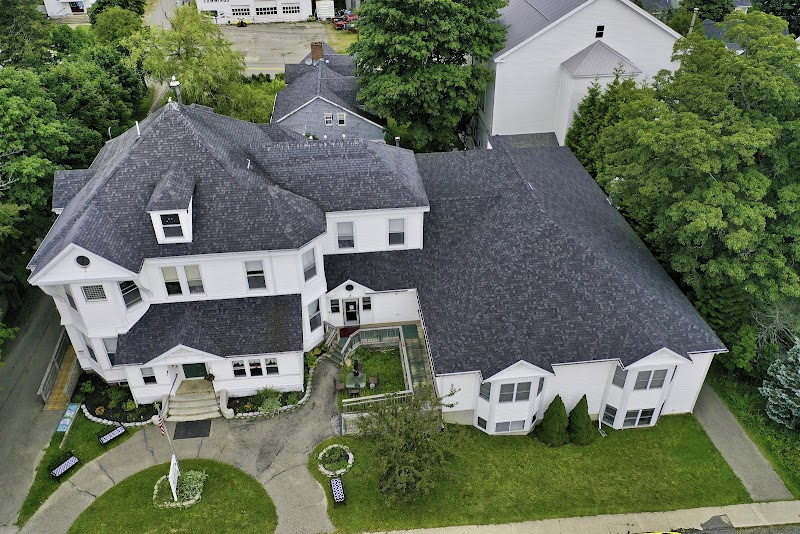
How is Eastport Memorial Staffed?

CMS rates EASTPORT MEMORIAL NURSING HOME's staffing level at 4 out of 5 stars, which is above average compared to other nursing homes. Staff turnover is 23%, compared to the Maine average of 46%. This relatively stable workforce can support continuity of care.

What Have Inspectors Found at Eastport Memorial?

State health inspectors documented 40 deficiencies at EASTPORT MEMORIAL NURSING HOME during 2022 to 2025. These included: 36 with potential for harm and 4 minor or isolated issues.
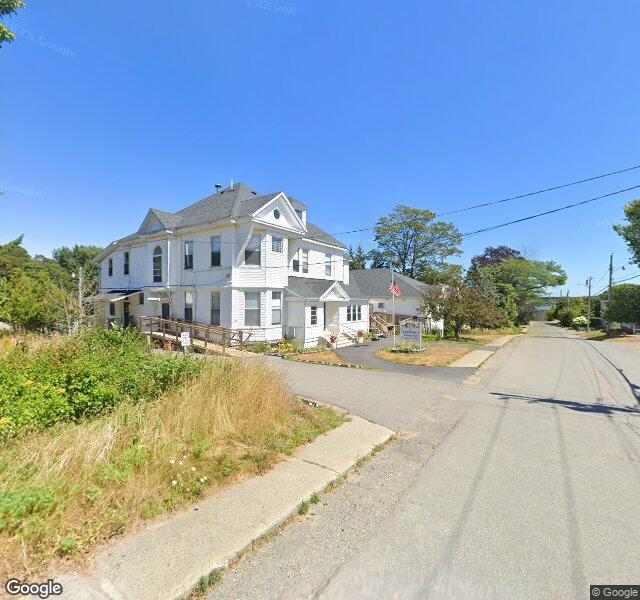
Who Owns and Operates Eastport Memorial?

EASTPORT MEMORIAL NURSING HOME is owned by a non-profit organization. Non-profit facilities reinvest revenue into operations rather than distributing to shareholders. The facility operates independently rather than as part of a larger chain. With 26 certified beds and approximately 24 residents (about 92% occupancy), it is a smaller facility located in EASTPORT, Maine.
How Does Eastport Memorial Compare to Other Maine Nursing Homes?

Compared to the 100 nursing homes in Maine, EASTPORT MEMORIAL NURSING HOME's overall rating (2 stars) is below the state average of 3.0, staff turnover (23%) is significantly lower than the state average of 46%, and health inspection rating (2 stars) is below the national benchmark.

What Should Families Ask When Visiting Eastport Memorial?

Based on this facility's data, families visiting should ask: "Can I visit during a mealtime to observe dining assistance and food quality?" "How do you handle medical emergencies, and what is your hospital transfer rate?" "Can I speak with family members of current residents about their experience?"

Is Eastport Memorial Safe?

Based on CMS inspection data, EASTPORT MEMORIAL NURSING HOME has a clean safety record: no substantiated abuse findings (meaning no confirmed cases of resident harm), no Immediate Jeopardy citations (the most serious violation level indicating risk of serious injury or death), and is not on the Special Focus Facility watch list (a federal program monitoring the lowest-performing 1% of nursing homes). The facility has a 2-star overall rating and ranks #100 of 100 nursing homes in Maine. While no facility is perfect, families should still ask about staff-to-resident ratios and recent inspection results during their visit.

Do Nurses at Eastport Memorial Stick Around?

Staff at EASTPORT MEMORIAL NURSING HOME tend to stick around. With a turnover rate of 23%, the facility is 23 percentage points below the Maine average of 46%. Low turnover is a positive sign. It means caregivers have time to learn each resident's needs, medications, and personal preferences. Consistent staff also notice subtle changes in a resident's condition more quickly.

Was Eastport Memorial Ever Fined?

EASTPORT MEMORIAL NURSING HOME has no federal fines on record. CMS issues fines when nursing homes fail to meet care standards or don't correct problems found during inspections. The absence of fines suggests the facility has either maintained compliance or corrected any issues before penalties were assessed. This is a positive indicator, though families should still review recent inspection reports for the full picture.

Is Eastport Memorial on Any Federal Watch List?

EASTPORT MEMORIAL NURSING HOME is not on any federal watch list. The most significant is the Special Focus Facility (SFF) program, which identifies the bottom 1% of nursing homes nationally based on persistent, serious quality problems. Not being on this list means the facility has avoided the pattern of deficiencies that triggers enhanced federal oversight. This is a positive indicator, though families should still review the facility's inspection history directly.