MARSHALL HEALTH CARE AND REHAB
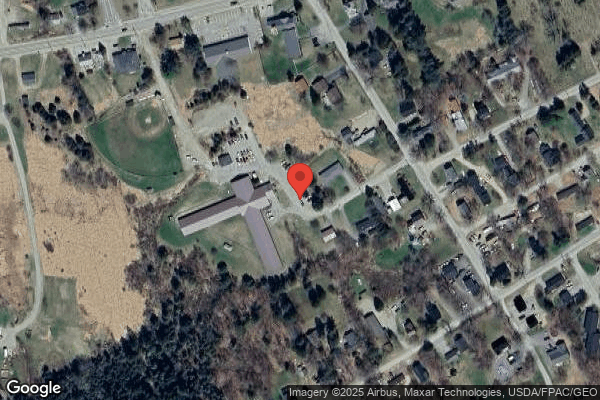
16 BEAL STREET, MACHIAS, ME 04654 (207) 255-3387
For profit - Corporation 64 Beds FIRST ATLANTIC HEALTHCARE Data: November 2025
Trust Grade
65/100
#28 of 77 in ME
Last Inspection: June 2025

Inspected within the last 6 months. Data reflects current conditions.

Overview

Marshall Health Care and Rehab in Machias, Maine has a Trust Grade of C+, indicating that it is slightly above average but not exceptional. It ranks #28 out of 77 facilities in Maine, placing it in the top half, and is the top-rated facility in Washington County, meaning it has a competitive local standing. The facility is improving, having reduced its issues from 14 in 2024 to 8 in 2025, which is a positive sign. Staffing is a strength, with a 5-star rating and a turnover rate of 43%, which is lower than the state average, suggesting experienced staff that know the residents well. However, there were some concerning incidents, such as a failure to monitor a resident's heart condition properly, leading to hospitalization, and incomplete medication orders that could potentially harm residents if not addressed. Despite these weaknesses, the lack of fines and better RN coverage than 81% of facilities in the state are notable strengths to consider.

Trust Score
C+
65/100
In Maine
#28/77
Top 36%
Safety Record
Moderate
Needs review
Inspections
Getting Better
14 → 8 violations
Staff Stability
○ Average
43% turnover. Near Maine's 48% average. Typical for the industry.
Penalties
✓ Good
No fines on record. Clean compliance history, better than most Maine facilities.
Skilled Nurses
✓ Good
Each resident gets 74 minutes of Registered Nurse (RN) attention daily — more than 97% of Maine nursing homes. RNs are the most trained staff who catch health problems before they become serious.
Violations
⚠ Watch
33 deficiencies on record. Higher than average. Multiple issues found across inspections.
★★★★☆
4.0
Overall Rating
★★★★★
5.0
Staff Levels
★★☆☆☆
2.0
Care Quality
★★★☆☆
3.0
Inspection Score
Stable
2024: 14 issues
2025: 8 issues

The Good

  • 5-Star Staffing Rating · Excellent nurse staffing levels
  • Full Sprinkler Coverage · Fire safety systems throughout facility
  • No fines on record
  • Staff turnover below average (43%)

    5 points below Maine average of 48%

Facility shows strength in staffing levels, fire safety.

The Bad

Staff Turnover: 43%

Near Maine avg (46%)

Typical for the industry

Chain: FIRST ATLANTIC HEALTHCARE

Part of a multi-facility chain

Ask about local staffing decisions and management

The Ugly 33 deficiencies on record

1 actual harm
Aug 2025 1 deficiency
CONCERN (D) 📢 Someone Reported This

A family member, employee, or ombudsman was alarmed enough to file a formal complaint

Potential for Harm - no one hurt, but risky conditions existed

Report Alleged Abuse (Tag F0609)

Could have caused harm · This affected 1 resident

Based on record review, review of the facility's Abuse Policy and Procedure and interview, the facility failed to report an injury of unknown origin to the State Agency for 1 of 4 sampled resident who...

Read full inspector narrative →
Based on record review, review of the facility's Abuse Policy and Procedure and interview, the facility failed to report an injury of unknown origin to the State Agency for 1 of 4 sampled resident who had an injury of unknown origin. On 8/19/25, a review of R1's clinical record was completed. Documentation indicated R1 has many diagnoses including mental health issues, dementia and cognitive impairments. Documentation in a nurse's note dated 7/24/25, indicted that in the early evening R1 told a staff member that they had injured their finger. When asked what happened, R1 told the nurse it happened from a fall.On 8/19/25 at 9:45 a.m., in an interview with Certified Nurse Assistant #1 (CNA1), she stated the resident told her it happened when she fell, but did not know where or when. CNA1 stated the resident is not reliable in what he/she says. CNA1 stated the resident has behavior problems and could have hurt her finger in a number of different ways. A review of the facility's Abuse Policy and Procedure indicated under the Section: Reporting Allegations to the Administrator and Authorities: #1 If resident abuse, neglect, exploitation, misappropriation of resident property or injury of unknown origin source is suspected, the suspicion must be reported immediately to the Administrator and to other officials according to state law.#2 The Administrator or the individual making the allegation immediately reports his or her suspicion to the following persons or agencies: a. The state licensing/certification agency.On 8/19/25 at 10:45 a.m. in an interview with the surveyor, the Administrator and the Assistant Director of Nursing (ADON) stated R1 has impaired cognition and mental health diagnoses. The ADON stated when they were notified of the incident, they were told that the resident said she fell out of bed. The ADON stated it was an unwitnessed fall with injury. The resident is a poor historian, and it could have been a fall or something else could have caused the injury. The Administrator confirmed that the resident's recall of events could be unreliable, and the injury was of unknown origin and should have been reported to the State Agency.
Jun 2025 7 deficiencies 1 Harm
SERIOUS (G)

Actual Harm - a resident was hurt due to facility failures

Quality of Care (Tag F0684)

A resident was harmed · This affected 1 resident

**NOTE- TERMS IN BRACKETS HAVE BEEN EDITED TO PROTECT CONFIDENTIALITY** Based on record review and interviews, the facility failed to monitor and adequately treat 1 of 2 residents (Resident #255 [R255...

Read full inspector narrative →
**NOTE- TERMS IN BRACKETS HAVE BEEN EDITED TO PROTECT CONFIDENTIALITY** Based on record review and interviews, the facility failed to monitor and adequately treat 1 of 2 residents (Resident #255 [R255]) reviewed for Skin Conditions, when the facility failed to follow discharge orders for the use of a diuretic medication (a medication used to treat fluid retention [edema] associated with conditions such as heart failure), obtain and monitor daily weights, and failed to report a potentially significant weight gain. These failures resulted in harm to R255 who required hospitalization for the treatment of worsening signs and symptoms of diastolic congestive heart failure. Findings: On 6/26/25, review of R255's clinical record indicated the following: R255 has an active diagnosis of heart failure, and hypertensive heart disease with heart failure, and R255 had a Brief Interview for Mental Status (BIMS) score of 4 (indicates severe cognitive impairment). The hospital discharge instructions were signed into use for admission orders but not dated (See F711). The discharge instructions identified under Assessment and Plan, [Diastolic Congestive Heart Failure (D-CHF)] as chronic, stable - no exacerbation . [continue (cont)] home Lasix, [Potassium Chloride (KCL)]. Under the Special Instructions heading, directed the provider to be notified of the following signs/symptoms, increased difficulty breathing, Weight gain or low of 3 pounds on two consecutive days, and Swelling in your ankle of feet. The clinical record lacks evidence that the home Lasix (a medication used to treat fluid retention [edema] associated with conditions such as heart failure) was continued as directed. On 6/5/25 at 2:57 p.m., R255's admission weight was 164.1 pounds (Lbs). On 6/6/25, doctor's orders indicated, OBTAIN WEIGHT DAILY - notify [Doctor of Medicine (MD)] of weight gain or loss of 3 pounds on 2 consecutive days, one time a day for Monitoring obtain weight daily notify MD of weight gain or loss of 3 pounds on 2 consecutive days, with a start date of 06/07/2025. On 6/6/25 at 2:35 p.m., a skilled evaluation note indicated R255's Skin warm and pink . No edema present and No signs of difficulty breathing, Right lung clear, Left lung clear. The clinical record lacks evidence that a daily weight was obtained. On 6/10/25 at 11:12 a.m., R255 weighed 163.6 Lbs. The clinical record lacked evidence that R255 was weighed on 6/6/25, 6/7/25, 6/8/25, or 6/9/25 (4 days). On 6/14/25, the MD had a scheduled visit with R255 and indicated R255 was receiving furosemide (Lasix) 40 milligrams (mg) once daily. The clinical record lacked evidence that the MD addressed R255's heart failure or reviewed the total program of care at that time (See F711). The record lacks evidence that R255 received furosemide as indicated in the discharge instructions or the MD's note. On 6/19/25 at 12:05 p.m., a skilled evaluation note identified a new onset of non-pitting edema of both feet dependent on R255's position, and No signs of difficulty breathing, No shortness of breath noted, Right lung clear. Left lung clear. The clinical record lacked evidence that R255's weight was obtained on 6/11/25, 6/12/25, 6/13/25, 6/14/25, 6/15/25, 6/16/25, 6/17/25, 6/18/25, or 6/19/25 (9 days). On 6/24/25 at 1:43 p.m., R255 weighed 175.6 Lbs. At 3:32 p.m., a skilled evaluation note identified, non-pitting edema of both feet dependent on R255's position, and No signs of difficulty breathing, No shortness of breath noted. At 5:02 p.m., a health status note indicated [R255's] lower legs have +3 [pitting] edema noted. resident stated that it has been chronic. There is no evidence that the provider was notified of the 12 Lbs weight gain or the new onset of pitting edema, and the record lacked evidence that R255's weight was obtained on 6/20/25, 6/21/25, 6/22/25, or 6/23/25 (13 consecutive days from 6/11/25-6/23/25). On 6/26/25 at 10:29 a.m., a health status note indicated, [R255] was assessed at 1030, [R255] had new onset pitting edema in bilateral lower extremities, [shortness of breath (SOB)], wheezing in upper lobes, and new onset heart murmur. Physician contacted and order to send to [Down East Community Hospital ([NAME])] for evaluation and treatment. Ambulance arrived and resident was taken from facility at 1050 to [NAME]. On 6/26/25 at 3:08 p.m., during an interview with a surveyor and the Unit/Nurse Manager (U/NM), R255's medical record was reviewed. The U/NM stated that she reviewed the discharge instructions with the MD by phone and was directed to follow the discharge instructions completely. She pointed to the direction: OBTAIN WEIGHT DAILY - notify [Doctor of Medicine (MD)] of weight gain or loss of 3 pounds on 2 consecutive days, one time a day for Monitoring obtain weight daily notify MD of weight gain or loss of 3 pounds on 2 consecutive days, and stated this is why she entered the order for daily weights. She stated she followed the discharge medication list for orders as directed by the provider, but the list was handwritten because the hospital's computer systems were down. The order to continue home Lasix was on another page of the discharge instruction packet and not included on the medication list page. At 3:20 p.m., during an interview with a surveyor and U/NM, the MD note dated 6/14/25 was reviewed. U/NM stated the medication list in the note is reviewed and auto populated from the provider's office not from the facility and the provider may not know the resident was not on the furosemide (Lasix) due to a conflict in the computer systems. At this time the surveyor confirmed R255 was not receiving furosemide (Lasix) as ordered in the discharge instructions or as identified by the MD note, that the R255's weights were not obtained for 19 out of 22 days, that the provider was not notified of a 12 pound weight gain, and that R255 was hospitalized due to signs and symptoms of worsening congestive heart failure.
CONCERN (D)

Potential for Harm - no one hurt, but risky conditions existed

Resident Rights (Tag F0550)

Could have caused harm · This affected 1 resident

Based on observation and interviews, the facility failed to promote care for all residents in a manner that maintains each resident's dignity and respect during repositioning on 1 of 4 survey days (6/...

Read full inspector narrative →
Based on observation and interviews, the facility failed to promote care for all residents in a manner that maintains each resident's dignity and respect during repositioning on 1 of 4 survey days (6/23/25), and during breakfast meal service on 1 of 4 survey days (6/26/25). Findings: 1. On 6/23/25 at 12:15 p.m., during a resident observation in the South wing dining room, Resident #38 [R38] was sitting in their wheelchair slouching/sliding out of the wheelchair. a Certified Nursing Assistant (CNA) was observed walking over to R38 and grabbed the pants/waistband of his/her pants and pulled the resident up to a proper sitting position which resulted in R38's pants being pulled up causing their incontinence brief being shifted to the side and bulging in the crotch area. On 6/23/25 at 12:20 p.m., during an interview with the CNA, the surveyor confirmed that using a residents pants as a repositioning tool is a dignity and respect concern, the CNA stated that she should have used a gait belt for repositioning. 2. On 6/26/25 at 8:00 a.m., during a resident observation in the [NAME] wing dining room, two surveyors observed R34 sitting in a wheelchair, positioned in the aisle between 2 tables. R34 looked around watching the other residents eat. R30 pointed out that R34 hasn't eaten to staff and invited R34 to sit at his/her table. At 8:30 a.m., a staff member asked R34 if he/she would like to eat and assisted R34 to sit at R30's table. R34 was served breakfast without silverware, at the time of positioning to table. At 8:37 a.m., staff gave R34 silverware to eat their meal. This was observed and confirmed with the Administrator at the time of the observation.
CONCERN (D)

Potential for Harm - no one hurt, but risky conditions existed

Accident Prevention (Tag F0689)

Could have caused harm · This affected 1 resident

**NOTE- TERMS IN BRACKETS HAVE BEEN EDITED TO PROTECT CONFIDENTIALITY** Based on observations and interviews, the facility failed to ensure that the resident's environment was free of accident hazards...

Read full inspector narrative →
**NOTE- TERMS IN BRACKETS HAVE BEEN EDITED TO PROTECT CONFIDENTIALITY** Based on observations and interviews, the facility failed to ensure that the resident's environment was free of accident hazards regarding water temperatures for 1 of 4 days (6/26/25) and water spills for 4 of 4 days of survey (6/23/25, 6/24/25, 6/25/25, and 6/26/25). Findings: 1. On 6/23/25 at 1:41 p.m., a surveyor observed a fluid puddle in the entry area of the [NAME] wing dining room. The fluid puddle covered the surface of 3 square foot tiles with a trail running along an additional 4 tiles. There were 3 residents observed at the other end of the dining room. At 1:43 p.m., a surveyor observed and confirmed the presence of the fluid puddle with a Dietary Aide. 2. On 6/24/25 at 8:37 a.m., a surveyor observed fluid on the floor in room [ROOM NUMBER] of the [NAME] wing. The fluid extended from the side of the furthest bed in the room to the doorway. Wet shoe prints observed past the spill in the direction of the window. Resident #42 (R42) was observed sitting in bed while eating breakfast. At 8:46 a.m., during an interview with R42, a surveyor observed a staff member walk through the fluid spill to talk to R42 then returned to the hall without addressing the hazard. At 8:53 a.m., a surveyor observed and confirmed with CNA3 the fluid on the floor in room [ROOM NUMBER] [NAME] wing, including the wet shoe prints, created an accident hazard for residents. 3. On 6/25/25 at 8:23 a.m., a surveyor and the Unit/Nurse Manager/Infection Control Preventionist (U/NM/ICP) observed fluid on the floor in the South wing hallway. The fluid extended down the hallway past approximately 6 resident rooms, there were 6 areas of fluid streaks and puddles in the hallway with no staff or wet floor signs to alert residents and staff of the wet floor areas. The surveyor confirmed the presence of the fluid streaks and puddles with the U/NM/ICP at the time of observation, she said it was probably from the floor machine. No staff were observed cleaning the floor at time of observation. 4. On 6/26/25 at 12:02 p.m., two surveyors identified hot water temperatures as follows on the: South Wing: Hallway bathroom at 12:01 p.m. = 121.4 degrees Fahrenheit room [ROOM NUMBER] at 12:06 p.m. = 121.8 degrees Fahrenheit West Wing: room [ROOM NUMBER] at 12:23 p.m. = 120.2 degrees Fahrenheit room [ROOM NUMBER] at 12:27 p.m. = 123.1 degrees Fahrenheit Repeat temperatures with Maintenance Director: room [ROOM NUMBER] at 12:45 p.m. = 125.0 degrees Fahrenheit room [ROOM NUMBER] at 12:50 p.m. = 124.3 degrees Fahrenheit On 6/26/25 at 12:30 p.m., during an interview with a surveyor, the Maintenance Director stated that water temperatures are taken every Monday, and maintenance on the mixing valve is completed every 6 months and is due. The above findings were observed and confirmed with the Maintenance Director at the time of the repeat temperatures.
CONCERN (D)

Potential for Harm - no one hurt, but risky conditions existed

Deficiency F0940 (Tag F0940)

Could have caused harm · This affected 1 resident

Based on interview and employee personnel record reviews, the facility failed to implement and maintain an effective training program by failing to ensure that 2 of 5 Certified Nursing Assistant's (CN...

Read full inspector narrative →
Based on interview and employee personnel record reviews, the facility failed to implement and maintain an effective training program by failing to ensure that 2 of 5 Certified Nursing Assistant's (CNA) employed, completed training (CNA1 and CNA2). Finding: 1. CNA1 was hired on 6/24/24. A review of CNA1's education record lacked evidence that she received the required in-service trainings for abuse, resident rights and behavioral trainings. On 6/26/25 at 2:27 p.m., during an interview and a record review of CNA1's training with the Business Office Manager she stated that CNA1 has not had the trainings listed above, that she is always calling them to get the trainings done. At this time the surveyor confirmed this finding. 2. On 6/26/25, review of CNA2's employee file indicated the date of hire was 5/2/22. The employee file lacked evidence that CNA2 received annual in-service trainings for communication, resident rights, behavioral health, dementia management, abuse prevention, and/or training to ensure continuing competency of nurse aids for a minimum of 12 hours per year. At 2:49 p.m., during an interview with a surveyor, the Business Office Manager confirmed CNA2 had an annual evaluation but has not completed the annual trainings. At this time the surveyor confirmed this finding.
CONCERN (E)

Potential for Harm - no one hurt, but risky conditions existed

Deficiency F0711 (Tag F0711)

Could have caused harm · This affected multiple residents

Based on record reviews and interviews, the facility failed to ensure the physician reviewed the resident's total program of care, ensure orders were complete, signed and dated for 2 of 4 residents re...

Read full inspector narrative →
Based on record reviews and interviews, the facility failed to ensure the physician reviewed the resident's total program of care, ensure orders were complete, signed and dated for 2 of 4 residents reviewed under the general pathway (Resident #6 [R6] and [R255]). Findings: 1. On 12/27/24, a telephone order for R6 indicated, Update loperamide [a diarrhea medication] order to recommended dosage. This order was incomplete, signed by the provider, but not dated by the provider. A second telephone order indicated Give ½ of Resource juice [with (w/)] meds [twice a day (BID)]. The provider signed but did not date the order. On 6/26/25 at 9:18 a.m., during an interview with a surveyor and the Director of Nursing (DON), R6's medical record was reviewed. The DON stated the loperamide order was placed after pharmacy requested clarification. At this time the surveyor confirmed the order was incomplete, and the provider signed but did not date a total of 11 telephone orders over the past 6 months (12/27/24 (2 separate orders), 12/4/24 (2 separate orders), 12/2/24, 11/30/24, 11/25/24, 11/23/24, 11/22/24, 11/20/24, and 11/19/24). 2. On 6/5/25, R255's discharge instructions indicated under the Assessment and Plan: 1. Left Hip Fracture after mechanical fall, pain controlled with current medication. 2. Hypothyroid, chronic, stable, continue with current medication. 3. Diastolic Congestive Heart Failure (D-CHF), chronic, stable, continue home Lasix. Special Instructions directed to notify the provider for increased difficulty breathing, weight gain or loss of 3 pounds on two consecutive days, and/or swelling of the ankles or feet. These orders were signed by the facility's provider but not dated. The clinical record lacked evidence that the home Lasix was continued in the facility, or that the daily weights were monitored (See F684). On 6/14/25, a provider note addressed R255's Hip Fracture, and directed continue current medications, management, and physical therapy. The provider note also indicated R255 was currently prescribed Furosemide (Lasix). The provider note did not address R255's Diastolic Heart Failure for monitoring or management. On 6/26/25 at 3:20 p.m., during an interview with a surveyor and Unit/Nurse Manager (U/NM), the provider note dated 6/14/25 was reviewed. U/NM stated the medication list in the note is reviewed and auto populated from the provider's office not from the facility and the provider may not know the resident was not on the furosemide (Lasix) due to a conflict in the computer systems. The provider comes to the facility for assessments but returns to his office offsite for documentation and review. At this time the surveyor confirmed the provider did not review the full plan of care for R255 and did not date the signed orders on admission.
CONCERN (E)

Potential for Harm - no one hurt, but risky conditions existed

Pharmacy Services (Tag F0755)

Could have caused harm · This affected multiple residents

2. On 6/24/25 at 10:04 a.m. during a review of R40's EMAR and nursing progress notes, it was noted that R40 had an order for Tramadol HCl [hydrochloric acid] Oral Tablet 50 milligrams (mg) (medication...

Read full inspector narrative →
2. On 6/24/25 at 10:04 a.m. during a review of R40's EMAR and nursing progress notes, it was noted that R40 had an order for Tramadol HCl [hydrochloric acid] Oral Tablet 50 milligrams (mg) (medication used to treat moderate to moderately severe chronic pain in adults), Give 50 mg by mouth every 4 hours for pain. The EMAR shows documentation that on 5/26/25 at 4:00 p.m. R40 did not receive his/her dose of Tramadol documented that the medication not available but has been ordered and should be here this p.m On 5/27/25 the EMAR documents that his/her 1200 dose was on hold due to waiting for shipment from pharmacy, and the medications had already shipped so pharmacy unable to give this nurse an override code without emergency prescription sent in from MD (doctor of medicine). There is no evidence in R40's clinical record that an emergency prescription was sent into the pharmacy resulting in R40 missing his/her 1200 dose of Tramadol. On 5/27/2025 at 3:30 p.m., the EMAR documents that R40's 4:00 p.m. dose was not available, the medication was coming from pharmacy that evening, the medication was not available from the Pyxis (medication dispensing machine, emergency medicine supply) because they had no override code. On 6/25/25 at 12:17 p.m. during an interview and record review for R40 with the DON and the Unit/Nurse Manager/ICP, the nursing progress notes show that R40 did miss three doses of Tramadol due to unavailability from pharmacy. And the facilities failure to obtain the medication from their Pyxis, the nursing progress notes documents that the pharmacy would not provide a Pyxis code to the nurse that would allow her to get the Tramadol for R40. The DON stated the pharmacy should have given a code to use the Pyxis for the medication needed and that they did not use a local pharmacy to obtain the medication because Pharmerica (pharmacy) would not send the script over to the local pharmacy due to the medication already scheduled for delivery the night of 5/27/25. At this time the surveyor confirmed that R40 missed 3 doses of his/her tramadol for pain control. Based on record reviews and interview, the facility failed to ensure that physician ordered medications were available for use to meet the needs of the residents for 2 of 5 residents reviewed (Resident #202 [R202], and R40). Findings: 1. On 6/25/25, during a review of R202's electronic medication administration record (EMAR), it was noted that R202 had an order for Dexlansoprazole Oral Capsule Delayed Release 60 MG [milligram] (medication that treats lowers stomach acid). Give 1 capsule by mouth one time a day for GERD [gastroesophageal reflux disease] - Start Date- 06/17/25 09:00 [a.m.]. On 6/17/25 through 6/25/25 the EMAR report shows documentation that on 6/17/25 at 9:00 a.m. through 6/25/25 9:00 a.m. R202 did not receive his/her doses of Dexlansoprazole for a total of 9 missed doses due to being on order, ordered or not available (n/a). R202 had another order for Pantoprazole Sodium Oral Tablet Delayed Release 40 MG (medication that reduces stomach acid) Give 1 tablet by mouth one time a day for GERD - Start Date- 6/17/24 9:00 a.m. by mouth daily for GERD and R202 did not receive his/her doses of Pantoprazole for a total of 6 missed doses due to being on order, ordered or not available (n/a) on the following days 6/17/25 through 6/20/25, 6/22/25, 6/23/25. On 6/25/25 at 12:14 p.m. in an interview with the Director of Nursing [DON], a surveyor confirmed that R202 missed 9 doses of Dexlansoprazole and 6 doses of Pantoprazole.
CONCERN (E)

Potential for Harm - no one hurt, but risky conditions existed

Deficiency F0761 (Tag F0761)

Could have caused harm · This affected multiple residents

**NOTE- TERMS IN BRACKETS HAVE BEEN EDITED TO PROTECT CONFIDENTIALITY** Based on observations and interviews, the facility failed to ensure medications were stored properly in two medication storage r...

Read full inspector narrative →
**NOTE- TERMS IN BRACKETS HAVE BEEN EDITED TO PROTECT CONFIDENTIALITY** Based on observations and interviews, the facility failed to ensure medications were stored properly in two medication storage refrigerators for 2 of 3 medication storage refrigerators reviewed (1 on [NAME] Wing, and 1 on South Wing), failed to ensure that an expired immunization was removed from the supply available for use in 1 of 3 medication storage refrigerators reviewed (West Wing), and failed to monitor medication refrigerator temperatures for 3 of 3 medication storage refrigerators (West Wing Medication refrigerator/freezer, South Wing Immunization refrigerator, and South Wing refrigerator/freezer). Findings: On [DATE] at 8:44 a.m., in an observation and interview with the Unit/Nurse Manager/Infection Control Preventionist (Unit/NM/ICP], a surveyor and the Unit/NM/ICP observed, on the [NAME] Wing, in the medication storage room, significant ice buildup in the dormitory style refrigerator (small combination refrigerator/freezer unit that is outfitted with one exterior door) which is inappropriate for storing medications due to temperature fluctuations. The refrigerator contained several medications along with an expired vial of Prevnar 20, 0.5 ml (millimeter) filled syringe (pneumonia vaccine) available for use with an expiration date of [DATE], 43 days past its expiration date. On [DATE] at approximately 8:50 a.m., in an observation and interview with the Unit/NM/ICP, a surveyor and the Unit/NM/ICP observed, on the South Wing, in the medication storage room, significant ice buildup in the dormitory style refrigerator (small combination refrigerator/freezer unit that is outfitted with one exterior door) which is inappropriate for storing medications due to temperature fluctuations. The refrigerator contained several medications. On [DATE] at approximately 8:51 a.m., in an observation and interview with the Unit/NM/ICP, a surveyor and Unit/NM/ICP observed, on the South Wing, in the medication storage room, a refrigerator intended to store immunizations lacked evidence that refrigerator temperatures were monitored. On [DATE] at 9:10 a.m., in an observation and interview with the Director of Nursing (DON), a surveyor and DON observed, on the South Wing that the vaccine refrigerator was noted to have an internal temperature reading of 40 degrees Fahrenheit. The DON confirmed that vaccines were kept in the refrigerator for resident use. There was no observed temperature log to ensure that the refrigerator temperatures were being monitored to ensure medications and vaccines were stored at appropriate temperature. On [DATE] at 9:11 a.m., the DON produced a temperature logbook, titled Medication, refrigerator/freezer temperature, Wing South, Month, Jun (June), Year, 2025. The temperature logbook was missing documented temperatures for [DATE] and [DATE], 2 of 25 days. On [DATE] at 9:11 a.m., the DON produced a temperature logbook, titled Immunization, Refrigerator Temperature, Wing South, Month Jun (June), Year 2025. The temperature logbook was missing documented temperatures for [DATE]-[DATE], [DATE]-[DATE], 21 of 25 days. On [DATE] at 9:23 a.m., the DON produced a temperature logbook, titled Medication, Refrigerator/Freezer Temperature, Wing West, Month June, Year 2025. The temperature logbook was missing documented temperatures for [DATE], [DATE], [DATE], [DATE], [DATE], and [DATE], 6 of 25 days. On [DATE] at 9:25 a.m. in an interview with the DON, a surveyor confirmed the above findings.
Jun 2024 13 deficiencies
CONCERN (D)

Potential for Harm - no one hurt, but risky conditions existed

Assessment Accuracy (Tag F0641)

Could have caused harm · This affected 1 resident

**NOTE- TERMS IN BRACKETS HAVE BEEN EDITED TO PROTECT CONFIDENTIALITY** Based on record review and interview, the facility failed to ensure that the Annual Minimum Data Set (MDS) 3.0 was coded accurat...

Read full inspector narrative →
**NOTE- TERMS IN BRACKETS HAVE BEEN EDITED TO PROTECT CONFIDENTIALITY** Based on record review and interview, the facility failed to ensure that the Annual Minimum Data Set (MDS) 3.0 was coded accurately to indicate that a resident had a state Level II Preadmission Screening and Resident Review (PASRR) for 1 of 2 sampled residents reviewed for PASRR (Resident #11 [R11]). Finding: On 6/10/24, R11's clinical record was reviewed. On 4/20/23, R11's PASSR was completed and indicated that R11 qualified for Level II services. Review of R11's Annual MDS, dated [DATE], Section: A1500 was coded to indicate that R11 did not have a Level II PASRR. On 6/12/24 at 8:29 a.m., during an interview with a surveyor, the Licensed Social Worker (LSW) stated that R11 did have a Level II PASRR and that the MDS was coded inaccurately. The surveyor confirmed this finding during this interview.
CONCERN (D)

Potential for Harm - no one hurt, but risky conditions existed

PASARR Coordination (Tag F0644)

Could have caused harm · This affected 1 resident

Based on record review and interview, the facility failed to obtain recommendations from the Preadmission Screening and Resident Review (PASRR) level II determination-Maine Summary of Findings for 1 o...

Read full inspector narrative →
Based on record review and interview, the facility failed to obtain recommendations from the Preadmission Screening and Resident Review (PASRR) level II determination-Maine Summary of Findings for 1 of 1 sampled resident (Resident #11 [R11]). Finding: On 06/10/24, R11's clinical record was reviewed and included a PASRR level II determination explanation, dated 4/20/23 that indicated R11 met the State of Maine's definition for serious mental illness due to a diagnosis of bipolar disorder. R11's PASRR indicated that the nursing facility was required to provide: ongoing psychiatric services by a psychiatrist to evaluate response and effectiveness of psychotropic medications on target symptoms, modify medication orders, and to evaluate ongoing need for additional behavioral health services. On 6/12/24 at 11:22 a.m., during an interview with a surveyor, the Licensed Social Worker (LSW) stated that she did not realize that R11's PASRR recommended psychiatric services for medication management and that there was provider available to provide these services. She stated that the Social Worker was responsible to obtain these services and could not find documentation that indicated that these services had been offered or refused.
CONCERN (D)

Potential for Harm - no one hurt, but risky conditions existed

Deficiency F0655 (Tag F0655)

Could have caused harm · This affected 1 resident

**NOTE- TERMS IN BRACKETS HAVE BEEN EDITED TO PROTECT CONFIDENTIALITY** Based on interviews and record reviews, the facility failed to ensure a baseline care plan was developed and implemented within ...

Read full inspector narrative →
**NOTE- TERMS IN BRACKETS HAVE BEEN EDITED TO PROTECT CONFIDENTIALITY** Based on interviews and record reviews, the facility failed to ensure a baseline care plan was developed and implemented within 48 hours that included the problems, interventions, and initial goals needed to provide minimum healthcare information necessary to properly care for 1 of 3 residents that were reviewed for new admissions (Resident #195 [R195]). Finding: R195 was admitted to the facility on [DATE]. R195's diagnosis list included Chronic obstructive pulmonary disease and admission orders included use of oxygen and nebulizer treatments. The baseline care plan lacked evidence for the use/care of these respiratory treatments. On 6/11/24 at 1:18 p.m., during an interview with the Director of Nursing, a surveyor confirmed this finding.
CONCERN (D)

Potential for Harm - no one hurt, but risky conditions existed

Comprehensive Care Plan (Tag F0656)

Could have caused harm · This affected 1 resident

**NOTE- TERMS IN BRACKETS HAVE BEEN EDITED TO PROTECT CONFIDENTIALITY** 2. On 6/10/24 at 2:29 p.m., a surveyor observed R195 wearing oxygen via nasal cannula and observed a nebulizer treatment setup i...

Read full inspector narrative →
**NOTE- TERMS IN BRACKETS HAVE BEEN EDITED TO PROTECT CONFIDENTIALITY** 2. On 6/10/24 at 2:29 p.m., a surveyor observed R195 wearing oxygen via nasal cannula and observed a nebulizer treatment setup in the room on a nightstand. R195's clinical record indicated that the resident was admitted to the facility on [DATE] and the admission orders included use of oxygen and nebulizer treatments. R195's admission minimum data set (MDS) 3.0 care area assessment (CAA) was completed and signed on 6/3/24, making the care plan due to be completed within 7 days thereafter, or 6/10/24. On 6/11/24 at 2:00 p.m., R195's comprehensive care plan was reviewed with the Director of Nursing and the surveyor confirmed that the care plan lacked evidence of a care area and interventions related to R195's respiratory treatments which included the use of oxygen and nebulizer treatments. Based on record reviews and interviews, the facility failed to implement a care plan approach in the area of nutrition for 1 of 2 residents reviewed for nutrition (Resident #31 [R31] and failed to develop a care plan for respiratory care for 1 of 2 residents reviewed for oxygen (R195). Findings: 1. On 6/11/24 at 9:15 a.m., during an interview with R31, he/she stated that he/she needed help with meals. R31stated that sometimes after their meals he/she still feels hungry and does not get more food to eat. On 6/11/24 at 10:43 a.m., during record review for R31 his/her record has documentation that shows he/she has had an 8-pound weight loss in a 5-month time span. R31's care plan for nutrition was initiated on 4/23/24 to address swallowing precautions, with an approach that he/she needed dietary staff to provide him/her with pureed meals with large portions with enough calories. Review of R31's diet order slip used by the dietary staff, does not include the large portions for meals. On 6/11/24 at 2:20 p.m., during an interview with the Director of Nursing and the Administrator a surveyor confirmed the above finding.
CONCERN (D)

Potential for Harm - no one hurt, but risky conditions existed

Deficiency F0692 (Tag F0692)

Could have caused harm · This affected 1 resident

Based on observations, interviews, and record review, the facility failed to follow physician orders and care plan for 1 of 4 residents reviewed for weight loss (Resident #40 [R40]). Finding: On 6/10/...

Read full inspector narrative →
Based on observations, interviews, and record review, the facility failed to follow physician orders and care plan for 1 of 4 residents reviewed for weight loss (Resident #40 [R40]). Finding: On 6/10/24, R40's clinical record was reviewed and indicated that on 2/06/24, the resident weighed was 137.4 pounds (lbs) and on 4/30/2024, the resident weighed 126.4 pounds, which was an 8.01 percent loss. R40's physician orders for diet, dated 4/10/24, included carnation instant breakfast (CIB) mixed with thrive supplement, to be provided with breakfast, lunch, and supper, and a physician order, dated 3/6/24, for adaptive equipment-Kennedy cup (light weight, easy to grip with handle, spill proof cup). R40's nutrition care plan, dated 5/8/24, indicated that the staff were to provide all drinks in Kennedy cups and the that a thrive shake was to be provided 3 times a day. On 6/10/24 at 12:40 p.m., a surveyor observed R40 in the dining room, and noticed that there was an empty round cup with a straw poked thru the plastic wrap over the top of the cup on the table by R40, but there was no Kennedy cup. On 6/11/24 at 9:07 a.m., two surveyors observed R40 done eating breakfast, with a large plastic cup with no handles, with some beverage left in the cup. During an interview with two surveyors, the cook, who was in the room because he had plated the breakfast meal from the steam table, was unsure what a Kennedy cup was. The cook had R40's meal slip that identified the adaptive equipment as a Kennedy cup was to be used for R40. On 6/11/24 at 12:40 p.m., during an interview with a surveyor, Certified Nursing Assistant (CNA)1 and CNA2 stated they were unaware that R40 needed a Kennedy cup for beverages. CNA2 stated that R40 did not get her CIB shake at lunch time because the plastic wrap with writing fell into the cup (provided from the kitchen in what was not a Kennedy cup). On 6/11/24 at 12:52 p.m., during an interview with a surveyor, the Dietary Manager stated that the CNA was responsible for transferring the beverages over to the Kennedy cups. The surveyor explained that R40 did not get her shake today because the plastic wrap with writing fell into the beverage and that Kennedy cups were not being used.
CONCERN (D)

Potential for Harm - no one hurt, but risky conditions existed

Respiratory Care (Tag F0695)

Could have caused harm · This affected 1 resident

2. On 6/10/24 at 2:27 p.m., a surveyor observed R2 wearing oxygen via nasal cannula and the concentrator filter was dusty. A picture of the dusty filter was taken at this time. On 6/11/24 at 10:21 a.m...

Read full inspector narrative →
2. On 6/10/24 at 2:27 p.m., a surveyor observed R2 wearing oxygen via nasal cannula and the concentrator filter was dusty. A picture of the dusty filter was taken at this time. On 6/11/24 at 10:21 a.m., a surveyor observed R2 wearing oxygen via nasal cannula and the concentrator filter was dusty. R2's treatment administration (TAR) was reviewed and there are orders for cleaning of the concentrator filters 1 x wk, Tuesday PM (one time per week on Tuesday evenings). On 6/12/24 at approximately 10:00 a.m. during an interview with the Administrator, a surveyor showed the picture of the dusty concentrator, and confirmed that R2's concentrator filter was dusty. The TAR was signed that the concentrator filter was cleaned on 6/4/24 as directed; however, the amount of dust on the filter was not consistent with being cleaned 6 days prior to 6/10/24's observation. Based on observations, record reviews and interviews, the facility failed to provide respiratory care consistent with professional standards of practice by failing to follow physician orders for oxygen administration, failing to date and label oxygen tubing/nebulizer set ups, and/or failing to ensure that respiratory equipment was clean, for 2 of 2 sampled residents (Resident #195 [R195] and R2). Findings: 1. On 6/10/24 at 2:29 p.m,. a surveyor observed R195 wearing oxygen via nasal cannula with the concentrator set at 1.5 liters per minute (LPM). The surveyor also observed a nebulizer treatment setup with neither the oxygen or nebulizer setup dated to indicate when the tubing/setup was last changed and the concentrator filter located on the back of the machine was dusty. On 6/11/24 at 7:55 a.m., a surveyor observed R195 wearing oxygen via nasal cannula with the concentrator set at 1.5 LPM and the concentrator filter was still dusty. A review of R195's clinical record included physician orders included the following: -5/21/24 - apply oxygen at 2 LPM for shortness of breath and/or oxygen saturations of less than 90% and Albuterol Sulfate nebulization solution as needed. The surveyor was unable to find treatments that directed staff to document when the tubing/nebulizer setup was changed and the equipment to be cleaned on the treatment record. On 6/11/24 at 1:18 p.m. the Director of Nursing (DON) and surveyor observed R195 wearing oxygen with the concentrator set at 1.5 LPM, and not the physician ordered 2 LPM. R195 also stated that he/she had to ask for the oxygen tubing to be changed recently because he/she wasn't getting any air out of it. R195 stated that the nebulizer setup was changed this morning. The surveyor also confirmed that the concentrator filter was dirty with the DON at this time. After this observation, the DON stated that she was adding a treatment for R195 to change the tubing setups and clean the filter weekly.
CONCERN (D)

Potential for Harm - no one hurt, but risky conditions existed

Deficiency F0711 (Tag F0711)

Could have caused harm · This affected 1 resident

**NOTE- TERMS IN BRACKETS HAVE BEEN EDITED TO PROTECT CONFIDENTIALITY** Based on record review and interview, the facility failed to ensure the physician reviewed the resident's total program of care,...

Read full inspector narrative →
**NOTE- TERMS IN BRACKETS HAVE BEEN EDITED TO PROTECT CONFIDENTIALITY** Based on record review and interview, the facility failed to ensure the physician reviewed the resident's total program of care, which included signing orders for medications and treatments listed on the Physician Orders (block orders) in a timely manner for 1 of 4 newly admitted residents reviewed (Residents #40 [R40]). Finding: On 6/12/24, R40's clinical record was reviewed and indicated R40 was admitted to the facility on [DATE]. The Physician signed the admission orders on 2/5/24 and these were in effect for 30 days. The next Physician Orders (block orders), including a 10-day grace period, needed review and the Physician's signature by 3/16/24, but weren't signed until 3/19/24, 3 days late; these orders were in effect for 30 days. The next Physician Orders (block orders), including a 10-day grace period, needed review and the Physician's signature by 4/28/24, but were signed on 5/1/24, 3 days late. On 6/12/24 at 7:51 a.m., a surveyor confirmed with the Administrator that the Physician Orders were signed late.
CONCERN (D)

Potential for Harm - no one hurt, but risky conditions existed

QAPI Program (Tag F0867)

Could have caused harm · This affected 1 resident

Based on record review and interview, the facility's Quality Assurance Committee failed to ensure that the Plan of Correction (POC) for an identified deficiency from the annual Long Term Care Recertif...

Read full inspector narrative →
Based on record review and interview, the facility's Quality Assurance Committee failed to ensure that the Plan of Correction (POC) for an identified deficiency from the annual Long Term Care Recertification Survey, dated 6/12/24, was effective. The Federal citations F712, and F812 were cited again during the re-visit to the annual Long Term Care Recertification Survey, dated 8/13/24. Findings: 1. During the annual Long Term Care survey, dated 6/12/24, a deficiency was cited at F712 for the facilities failure to ensure the attending physician made required visits, at least every 30 or every 60 days (depending on date of admission), and wrote a progress note. The facility's POC, dated 6/21/24, stated, Residents #40, #31, #11, #44, and #25's attending physician progress notes have been reviewed, updated, and signed off on per their individual plans of care accordingly. Administrator has provided education to each facility physician individually and reviewed Maine State rules and regulations regarding timeliness and frequency of physician documentation. All residents have the potential to be affected by this practice. To ensure compliance going forward the facility [NAME] Clerk and/or Designee will fax physician documentation, complete in-person runs to physician offices, and conduct follow-up phone calls to physician offices. The facility will also implement regular medical chart audits to ensure completion of documentation. Physician progress notes documentation will be reviewed and reported for compliance during monthly Quality Assurance and Performance Improvement (QAPI) meetings for a full quarter. The Administrator and/or Designee will ultimately be responsible for the process going forward, with the POC completion date of 7/1/24. During the re-visit on 8/13/24, record review revealed the facility failed to ensure the attending physician made required visits, at least every 30 or every 60 days (depending on date of admission), and wrote a progress note. It was determined the same tag F712 would be recited. On 8/13/24 at 3:15 p.m., the above concerns were discussed with the Administrator and Director of Nursing. 2. During the annual Long Term Care survey, dated 6/12/24, a deficiency was cited at F812 for the facilities failure remove fresh food items and outdated meat timely and ensure plumbing fixtures were properly installed to prevent backflow. The facility's POC, dated 6/21/24, stated, All non-servable food items were removed immediately. Metal cabinets, juice machine, and ice machine were also cleaned and sanitized accordingly during survey. The Maintenance Director fixed the ice machine air gap during survey as well. All residents have the potential to be affected by this practice. To ensure compliance going forward weekly sanitization audits of kitchen equipment as well as air gap compliance will be conducted for completeness. If deficient practice is identified throughout the audit process, corrective action will be taken immediately and education will be provided to the appropriate staff members accordingly. Kitchen equipment sanitization as well as air gap compliance will be reviewed and reported during monthly Quality Assurance and Performance Improvement (QAPI) meetings for a full quarter. The Dietary Supervisor and/or Designee will ultimately be responsible for the process going forward with the POC completion date of 7/1/24. During the re-visit on 8/13/24, observations of the kitchen and food storage revealed ongoing concerns regarding removal of food items timely. It was determined the same tag F812 would be recited. On 8/13/24 at 3:15 p.m., the above concerns were discussed with the Administrator and Director of Nursing.
CONCERN (E)

Potential for Harm - no one hurt, but risky conditions existed

Deficiency F0657 (Tag F0657)

Could have caused harm · This affected multiple residents

Based on record review and interview, the facility failed to update a care plan for services outlined on the Preadmission Screening and Resident Review (PASRR) level II determination-Maine Summary of ...

Read full inspector narrative →
Based on record review and interview, the facility failed to update a care plan for services outlined on the Preadmission Screening and Resident Review (PASRR) level II determination-Maine Summary of Findings, dated 4/20/23, for 1 of 1 sampled resident (Resident #11 [R11]). Finding: On 06/10/24, R11's clinical record was reviewed and included a PASRR level II determination explanation, dated 4/20/23 that indicated R11 met the State of Maine's definition for serious mental illness due to a diagnosis of bipolar disorder. R11's PASRR indicated that the nursing facility was required to provide: ongoing psychiatric services by a psychiatrist to evaluate response and effectiveness of psychotropic medications on target symptoms, modify medication orders, and to evaluate ongoing need for additional behavioral health services. On 6/12/24 at 11:22 a.m., during an interview with a surveyor, the Licensed Social Worker reviewed R11's care plan which did include a care area Mental Wellbeing and mentioned PASRR Level II but she was unable to find an intervention about psychiatrist medication management. The surveyor confirmed this finding during this interview.
CONCERN (E)

Potential for Harm - no one hurt, but risky conditions existed

Deficiency F0712 (Tag F0712)

Could have caused harm · This affected multiple residents

**NOTE- TERMS IN BRACKETS HAVE BEEN EDITED TO PROTECT CONFIDENTIALITY** 3. On 6/11/24, Resident #11's clinical record was reviewed and included Physician progress notes for a visit completed on 11/8/2...

Read full inspector narrative →
**NOTE- TERMS IN BRACKETS HAVE BEEN EDITED TO PROTECT CONFIDENTIALITY** 3. On 6/11/24, Resident #11's clinical record was reviewed and included Physician progress notes for a visit completed on 11/8/23. The next 60-day Physician visit was due by 1/17/24 (including a 10-day grace period) but the resident's next 60-day Physician visit wasn't completed until 2/28/24, 42 days beyond the grace period. The next 60-day Physician visit was due by 5/8/24 (including a 10-day grace period) but the resident's next 60-day Physician visit wasn't completed until 5/24/24, 16 days beyond the grace period. On 6/12/24 at 12:59 p.m., during an interview with RN, ICP/Unit Manager and the Administrator, a surveyor confirmed this finding. The RN ICP/Unit Manager stated she thought they were due every 90 days. 4. On 6/11/24, R40's clinical record was reviewed and indicated that R40 was admitted to the facility on [DATE]. R40's first 30 day Physician visit was completed on 2/8/24 with the next 30 day Physician visit due on 4/18/24 (including a 10-day grace period) but was not completed until 5/24/24, 36 days beyond the grace period. On 6/12/24 at 7:51 a.m., during an interview with the Administrator, a surveyor confirmed this finding. 5. On 6/11/24, R44's clinical record was reviewed with the Director of Nursing and Administrator and included Physician progress notes for a visit completed on 5/19/23. The next 60-day Physician visit was due by 7/28/23 (including a 10-day grace period) but the resident's next 60-day Physician visit wasn't completed until 9/11/23, 42 days beyond the grace period. The next 60-day Physician visit was due by 11/20/23 (including a 10-day grace period) but the resident's next 60-day Physician visit wasn't completed until 12/14/23, 16 days beyond the grace period. The next 60-day Physician visit was due by 2/22/24 (including a 10-day grace period) but the resident's next 60-day Physician visit wasn't completed until 3/13/24, 18 days beyond the grace period. On 6/11/24 at 1:02 p.m., during an interview with the Administrator and Director of Nursing, a surveyor confirmed these findings. Based on clinical record reviews and interviews, the facility failed to ensure the attending physician made required visits, at least every 30 or every 60 days (depending on date of admission) and wrote a progress note for 5 of 11 sampled residents (Resident #25 [R25,] R31, R11, R40, R44). Findings: 1. Documentation in R25's clinical record, under the progress notes section, indicates that R25 had a Physician visit on 2/23/24. His/her next Physician visit would have been due on 5/3/24 (this includes a 10-day grace period). Documentation in R25's clinical record indicates that the next Physician visit was completed on 5/31/24 making it 28 days overdue and beyond the 10-day grace period. 2. Documentation in R31 clinical record, under the progress notes section, indicates that R31 had a Physician visit on 2/6/24. His/her next Physician visit would have been due on 5/15/24 (this includes a 10-day grace period). Documentation in R31's clinical record indicates that the next Physician visit was completed on 5/23/24 making it 8 days overdue and beyond the 10-day grace period. On 6/12/24 at 1:00 p.m., during an interview with the RN, ICP/Unit Manager and the Administrator, a surveyor confirmed that the above residents R31 and R25's physician visits were not completed timely.
CONCERN (E)

Potential for Harm - no one hurt, but risky conditions existed

Food Safety (Tag F0812)

Could have caused harm · This affected multiple residents

Based on observations and interviews, the facility failed to remove fresh food items and out dated meat timely from the walk in cooler for 1 of 1 initial tours (6/10/24). In addition, the facility fai...

Read full inspector narrative →
Based on observations and interviews, the facility failed to remove fresh food items and out dated meat timely from the walk in cooler for 1 of 1 initial tours (6/10/24). In addition, the facility failed to ensure that plumbing fixtures were properly installed to prevent backflow as required by the Maine State Plumbing Code and failed to ensure that equipment/cabinets were kept clean on 2 of 3 survey days (6/10/24 and 6/11/24). Findings: 1. On 6/10/24 at 11:30 a.m., an initial tour of the kitchen was completed with the Dietary Manager and a surveyor. The following were observed: - In the walk in cooler Cooked Turkey bacon in plastic bag, dated 5/11/24, and 12 heads of celery that had some brown, slimy stalks. The Dietary Manager stated that the bacon was good for 5 days. All items were removed from the stock available for use at the time of observation. A metal cabinet with doors, where dishes were stored, had dirty shelves. A photo was taken of the ice machine air gap for review as equipment needed to be moved in order to properly view. The air gap did not appear to be in compliance in the photo. 2. On 6/11/24 at 8:17 a.m., during an interview with the Maintenance Director, a surveyor reviewed the photo of what appeared to be an improper air gap on the ice machine. On 6/11/24 at 1:50 p.m., two surveyors returned to the kitchen as the Maintenance Director had moved the equipment out of the way so a surveyor could properly observe the ice machine air gap. During this observation, a surveyor confirmed with the Maintenance Director that the air gap was not in compliance and was in violation of the 10-114 State of Maine Rules Chapter 226, definition Section A, which defines an Air-Gap Separation - A physical separation between the free-flowing discharge end of a potable water supply pipeline and an open or non-pressure receiving vessel. An air-gap separation shall be at least twice the diameter of the supply pipe measured vertically above the overflow rim of the vessel - in no case less than one inch (2.54 cm). During this visit to the kitchen, two surveyors also observed dust on the back of the juice machine and on the front of the ice maker with the Dietary Manager.
CONCERN (E)

Potential for Harm - no one hurt, but risky conditions existed

Deficiency F0883 (Tag F0883)

Could have caused harm · This affected multiple residents

**NOTE- TERMS IN BRACKETS HAVE BEEN EDITED TO PROTECT CONFIDENTIALITY** Based on record reviews and interview, the facility failed to ensure residents were offered pneumococcal vaccinations in accorda...

Read full inspector narrative →
**NOTE- TERMS IN BRACKETS HAVE BEEN EDITED TO PROTECT CONFIDENTIALITY** Based on record reviews and interview, the facility failed to ensure residents were offered pneumococcal vaccinations in accordance with the Centers for Disease and Prevention Control (CDC) recommendations for 5 of 6 residents reviewed for immunizations (Resident #5 [R] , R18, R2, R39, and R244). Findings: 1. R5 was admitted to the facility on [DATE]. The CDC recommendation was to review, offer and/or receive one dose of Prevnar 20 which had not been done. 2. R18 was admitted to the facility on [DATE]. The CDC recommendation was to administer one dose of Prevnar 20 which had not been done. 3. R2 was admitted to the facility on [DATE]. The CDC recommendation was to review, offer and/or receive one dose of Prevnar 20 which had not been done. 4. R39 was admitted to the facility on [DATE]. The CDC recommendation was to review, offer and/or receive one dose of Prevnar 20 which had not been done. 5. R244 was admitted to the facility on [DATE]. The CDC recommendation was to review, offer and/or receive one dose of Prevnar 20 which had not been done. R244'a pneumococcal vaccination status was reviewed for pneumococcal vaccines that did not include a Prevnar 20 vaccination. On 6/12/24 at 9:45 a.m. in an interview with the Unit Manager-Infection Preventionist and the Director of Nursing, a surveyor confirmed they are not following CDC recommendations and were unaware of the CDC recommendation to review, offer, and administer the Prevnar 20 vaccination.
MINOR (B)

Minor Issue - procedural, no safety impact

Transfer Notice (Tag F0623)

Minor procedural issue · This affected multiple residents

Based on record review and interviews, the facility failed to notify the resident and/or resident representative in writing for the reason of a transfer/discharge from the facility, for 2 of 3 facilit...

Read full inspector narrative →
Based on record review and interviews, the facility failed to notify the resident and/or resident representative in writing for the reason of a transfer/discharge from the facility, for 2 of 3 facility initiated hospital transfers for Resident #44 (R44). In addition, the facility failed to notify the Ombudsman of the transfer/discharges from the facility. Finding: On 6/11/24, R44's clinical record was reviewed and indicated that R44 was transferred to the hospital on 3/25/24 and 3/28/24. The clinical record indicated that nursing notified the resident representative verbally and lacked evidence of the written transfer/discharge notices being provided to the resident/resident representative. On 6/11/24 at 11:58 a.m., during an interview with a surveyor, the Licensed Social Worker stated she did not send written notices of transfer/discharge notices to the resident representative and that she had not been notifying the Ombudsman of transfer/discharges; she has been working at the facility for 6 months. On 6/11/24 at 12:02 p.m., during an interview with a surveyor, the Administrator stated that she was unaware that written notices must be provided to the resident representatives.
Apr 2024 1 deficiency
CONCERN (D) 📢 Someone Reported This

A family member, employee, or ombudsman was alarmed enough to file a formal complaint

Potential for Harm - no one hurt, but risky conditions existed

Abuse Prevention Policies (Tag F0607)

Could have caused harm · This affected 1 resident

Based on facility policy review, the facility reportable incident report, the facility 5 day follow up report, the facility working schedule review, and interviews, facility failed to protect resident...

Read full inspector narrative →
Based on facility policy review, the facility reportable incident report, the facility 5 day follow up report, the facility working schedule review, and interviews, facility failed to protect residents during their investigation by allowing the alleged perpetrator to work 5 of 5 scheduled shifts (4/1/24, 4/2/24, 4/3/24, 4/4/24, and 4/5/24), prior to investigation completion. Finding: The facility's Abuse, Neglect, Exploitation, or Misappropriation of Property- Reporting and Investigating policy, revised 2/2023, indicated the following: Under Investigation Allegations, the policy indicated Any employee who has been accused of resident abuse is placed on leave with no resident contact until the investigation is complete. During surveyor review of the initial report, dated 4/5/24; the facility reported an abuse allegation against a Certified Nurse Assistant [CNA] after receiving written statements of complaint from Resident [R]1 and a family member. The initial report indicated the Administrator became aware of the allegation on 4/1/24. A review of written statements indicated CNA gave a written statement on 4/3/24 as part of the investigation. A review of the facility's completed investigation indicated the facility concluded the investigation on 4/10/24. A review of the working schedule for 3/31/24 through 4/4/24 indicated that CNA worked 4/1/24, 4/2/24, 4/3/24, and 4/4/24 (while under investigation). On 4/25/24 at 11:40 a.m., in an interview, CNA stated he/she did not know he/she was under investigation because he/she was not asked to leave work and continued working daily through 4/5/24. The surveyor confirmed that CNA was allowed to work providing resident care before the investigation was completed at this time.
Apr 2023 8 deficiencies
CONCERN (D)

Potential for Harm - no one hurt, but risky conditions existed

Report Alleged Abuse (Tag F0609)

Could have caused harm · This affected 1 resident

Based on record review, review of the facility Abuse Policy and Procedure and interview, the facility failed to notify the State Agency of a resident reported allegation of abuse for 1 of 15 sampled r...

Read full inspector narrative →
Based on record review, review of the facility Abuse Policy and Procedure and interview, the facility failed to notify the State Agency of a resident reported allegation of abuse for 1 of 15 sampled residents (Resident #13). Finding: On 4/4/23, a clinical record review was completed for Resident #13. A nurse note dated 1/29/23, indicated a Certified Nurse Assistant (CNA) alerted a nurse that Resident #13 had a skin tear on the left forearm. As the nurse was treating the skin tear, the resident stated that during the night someone was mean to him/her. The nurse called a family member who stated the resident had been telling the family member that during the night someone was very mean to Resident #13. The incident was reported to the Director of Nursing (DON) and to the Administrator. On 4/4/23 at 8:54 a.m., in an interview with the surveyor, Resident #13 was unable to recall the incident. On 4/4/23, a review of the facility's current policy titled Resident Abuse Prevention Policy and Procedure states It is the policy of this facility to prevent abuse, neglect and exploitation of residents living at this facility .Reporting/Response: The Administrator, Adult Protective Services and Department of Health and Human Services/Licensing and Certification will be notified immediately of any suspected abuse, neglect or exploitation . On 4/4/23 at 10:20 a.m., in an interview with the surveyor, the Registered Nurse (RN)-Unit Manager stated that she just phoned the DON and the DON stated she met with the resident and resident's family member after the incident and the resident could not recall anything happening. The RN-Unit Manager stated they looked into it and could not substantiate that anything actually happened. RN-Unit Manager confirmed that the allegation of abuse was not reported to Licensing.
CONCERN (D)

Potential for Harm - no one hurt, but risky conditions existed

Deficiency F0645 (Tag F0645)

Could have caused harm · This affected 1 resident

**NOTE- TERMS IN BRACKETS HAVE BEEN EDITED TO PROTECT CONFIDENTIALITY** Based on record review and interview, the facility failed to ensure that the State mental health authority was notified when the...

Read full inspector narrative →
**NOTE- TERMS IN BRACKETS HAVE BEEN EDITED TO PROTECT CONFIDENTIALITY** Based on record review and interview, the facility failed to ensure that the State mental health authority was notified when the nursing home stay of a resident with a mental health diagnosis was expected to exceed 30 days for 1 of 3 residents reviewed for Pre-admission Screening and Resident Review (PASARR) (Resident #10). Finding: A review of Resident #10's clinical record indicated he/she was admitted to the facility on [DATE] with a diagnosis of Bipolar Disorder. The clinical record indicated Resident #10 had a Level I Pre-admission Screening and Resident Review (PASARR) with a determination letter, dated 10/21/22, indicating a PASARR Level I, time limited waiver, was good for 30 days, and directed the facility to notify the State mental health authority if the individual's stay was expected to exceed 30 days. A review of the clinical record lacked evidence that the State mental health authority was notified that the Resident remained in the facility past the 30 days waiver time period until 3/31/23. In an interview with the Social Services Director on 4/4/23 at 1:43 p.m., a surveyor confirmed that the facility did not send the required information to the State mental health authority for a final PASARR Level I determination as was indicated on the 30-day time limited letter until 3/31/23, four months past the 30-day requirement.
CONCERN (D)

Potential for Harm - no one hurt, but risky conditions existed

Drug Regimen Review (Tag F0756)

Could have caused harm · This affected 1 resident

Based on record reviews and interviews, the facility failed to follow up on pharmacist recommendations timely, and failed to keep all copies of Medication Regimen Reviews (MRR) in the resident's perma...

Read full inspector narrative →
Based on record reviews and interviews, the facility failed to follow up on pharmacist recommendations timely, and failed to keep all copies of Medication Regimen Reviews (MRR) in the resident's permanent health record for 1 of 5 residents reviewed for medications (Resident #10). Finding: On 4/4/23, Resident #10's clinical record was reviewed. A surveyor requested from the Administrator, the Consultant Pharmacist's (CP) MRR recommendations completed in October, November, December of 2022, and January, February, and March of 2023 as they were not able to be located in the resident's permanent record. Between 2/1/23 and 2/16/23, the CP completed a Consultant Report recommendation that indicated, This resident has been taking Trazodone [a medication to help with sleep] 200 [milligrams] mg nightly since 10/26/22. Please evaluate the current dose and consider a dose reduction. The clinical record lacked evidence that this recommendation was addressed by the Medical Provider as of 4/4/23. On 4/4/23 at 12:17 p.m., during an interview with the Unit Manager, a surveyor confirmed this finding. The Unit Manager stated she spoke with the Medical Director, and he doesn't recall seeing the recommendations from the CP. She stated that the Medical Director will make a note to keep the medication as is. On 4/5/23 the Unit Manager stated the Medical Director found the original CP's MRR recommendation, and he addressed it on 3/1/23; however, the recommendation was not located at the facility or in the resident's permanent record.
CONCERN (D)

Potential for Harm - no one hurt, but risky conditions existed

Food Safety (Tag F0812)

Could have caused harm · This affected 1 resident

Based on observation and interview the facility failed to ensure food temperatures were taken before a meal service and were maintained at the proper holding temperature for 1 of 5 meal services obser...

Read full inspector narrative →
Based on observation and interview the facility failed to ensure food temperatures were taken before a meal service and were maintained at the proper holding temperature for 1 of 5 meal services observed. (4/2/23, lunch meal). In addition, the facility failed to ensure that plumbing fixtures were properly installed to prevent backflow as required by the Maine State Plumbing Code for 1 of 4 days of survey (4/2/23). Finding: 1 On 4/2/23 at 12:29 p.m., in the south dining room, the lunch meal service was observed. The food was brought down to south dining room on a cart, the food was then put in a steam table, temperatures were not taken prior to meal service. At 12:30 p.m., a pureed meal was being served in individual blue cups. The surveyor asked what the serving temperatures of the pureed food items were. At this time the temperatures were taken, and the holding temperature of the pureed turkey was 116 degrees Fahrenheit, stuffing was 111 degrees Fahrenheit, and the green bean casserole was 122 degrees Fahrenheit. These temperatures were below the required 135-degree Fahrenheit holding temperatures. This was confirmed with the dietary aide who was serving the lunch meal at that time. On 4/2/23 at 12:33 p.m., during an interview with the FSD, the surveyor confirmed that the food temperatures should have taken the temperatures before serving from the steamtable and the pureed food should have been reheated to a temperature of 165 degrees Fahrenheit before serving it to the resident. 2. This direct connection of wastewater and potable water was in violation of the 10-114 State of Maine Rules Chapter 226, definition Section A, which defines an Air-Gap Separation - A physical separation between the free-flowing discharge end of a potable water supply pipeline and an open or non-pressure receiving vessel. An air-gap separation shall be at least twice the diameter of the supply pipe measured vertically above the overflow rim of the vessel - in no case less than one-inch (2.54 cm) and the Code of Federal Regulation, Title 21, Part 1250, Section 1250, 30 (d) states all plumbing shall be so designed, installed, and maintained as to prevent contamination of the water supply, food, and food utensils. On 4/2/23 at 10:57 a.m., the surveyor observed the air gap on the ice machine drain line. The drainpipes for the ice machine and juice machine were pushed into the drainpipe located behind the ice machine. The drain lines did not have the 1-inch air gap as required. On 4/2/23 at 11:01 am., this was confirmed with the cook and reviewed with the Food Service Director at 12:15 p.m.
CONCERN (E)

Potential for Harm - no one hurt, but risky conditions existed

Deficiency F0552 (Tag F0552)

Could have caused harm · This affected multiple residents

Based on record review and interviews the facility failed to inform and obtain consent from the resident or resident representatives for the holding of non-essential medications for staff convivence d...

Read full inspector narrative →
Based on record review and interviews the facility failed to inform and obtain consent from the resident or resident representatives for the holding of non-essential medications for staff convivence during a two-week span of time. (10/14/22 to 10/27/22) for 2 of 5 residents reviewed. (Resident #16 and Resident #21) Findings: On 4/3/23 at 8:15 a.m., during record reviews the surveyor revieved a telephone order, dated 10/14/22, which reads may hold all non-essential medications (example (i.e.) Vitamins, tums, etcetera (etc.)) Covid and crisis staffing. Discontinue when covid recovered. 1. On 4/3/23 at 8:20 a.m., a record review was done for Resident #16, it was noted that he/she had an order to hold all non-essential medications (i.e., vitamins, tums) during this review of the clinical record electronic and paper he/she had an order for vitamin B12 1000 microgram (mcg) by mouth daily for cyanocobalamin (vitamin B12) deficiency. Resident #16 did not receive this medication on the following days 10/15/23 through 10/19/23 for a total of 5 doses. He/she had an order for Magnesium Oxide 400 1 tablet by mouth two times a day for hypomagnesemia. Resident #16 did not receive this medication on the following days 10/14/23 evening dose, on 10/15/23 through 10/19/23 he/she did not receive their morning doses, and on 10/19/23 their evening dose for a total of 7 doses. He/she had an order for vitamin D 1000 unit by mouth daily for vitamin D deficiency. Resident #16 did not receive this medication on the following days 10/14/23 evening dose, On 10/15/23 through 10/19/23 for a total of 5 doses. He/she had an order for Ferrous Sulfate 325 milligrams by mouth daily for iron deficiency. Resident #16 did not receive this medication on the following days 10/14/23 through 10/17/23 and on 10/19/23 for a total of 5 doses. 2. On 4/4/23, during a record review of Resident #21's EMAR it was noted that he/she had an order to hold all non-essential medications (i.e., vitamins, tums) during this review of the EMAR and paper clinical record he/she had an order for vitamin D 50000-unit capsule by mouth daily for vitamin deficiency. Resident #21 did not receive this medication on the following days 10/14/23, 10/17/23, 10/18/23 and 10/19/23 for a total of 4 doses. On 4/3/23 at 8:20 a.m., during an interview with the Unit Manager, the surveyor asked why this order was obtained, the Unit Manager stated this was done to help decrease the number of medications the nurse had to pass. Surveyor confirmed with the Unit Manager that the holding of certain medications was for staff convenience and not for the residents benefit. In addition, the Unit Manager was not able to provide evidence that the residents or representatives were made aware that medications would be held for Resident #16 and Resident #21. The Unit Manager stated they have two delivery times from Pharmerica Monday through Friday, one delivery arrives between 5 to 6:00 p.m. and again around Midnight to 1:00 a.m., on Saturday and Sunday they receive one delivery each day around 6 to 7:00 p.m. On 4/3/23 2:35 p.m., interview with the facility's Medical Director; regarding the orders that they may hold all non-essential medications (i.e., vitamins, tums, etc.) He stated they were having staffing issues and they asked him to hold some meds to help them get things done. I do believe it was for staff convenience. I didn't initiate the order, but I felt bad for them and said I would allow it. The meds were not stopped for resident benefit but for staffs benefit. During this interview the medication administration record for Resident #16 was reviewed with the Medical Director he stated that Vitamin B 12, Magnesium Oxide and Vitamin D should not have been considered as non - essential medications as they were being used to treat a specific diagnosis. Review of the facility's COVID-19 Surge Capacity staffing policy with a revision date of 2/2022, the policy does not address holding non-essential medications to compensate for minimal staffing
CONCERN (E)

Potential for Harm - no one hurt, but risky conditions existed

Quality of Care (Tag F0684)

Could have caused harm · This affected multiple residents

Based on record reviews and interviews the facility failed to ensure that physician orders for the use of medications were followed for 3 of 5 residents reviewed (Resident #16, Resident #21, and Resid...

Read full inspector narrative →
Based on record reviews and interviews the facility failed to ensure that physician orders for the use of medications were followed for 3 of 5 residents reviewed (Resident #16, Resident #21, and Resident #3). Findings: On 4/3/23 at 8:20 a.m., during a clinical record review for Resident #16, had an active physician order to notify the physician prior to holding insulin. He/she had an order for blood sugar checks four times a day, and to notify physician if blood sugar is less than 80 or lower, then no insulin coverage needed. Upon review of Resident #16's electronic medication administration record (EMAR) it was noted that Resident #16 had Humalog KwikPen insulin used for as needed coverage for blood sugars above 150 to 350 (sliding scale). The EMAR documented that Resident #16 would have as needed insulin coverage on the following days and was held (not given as ordered) 10/3/22, 10/4/22, 10/6/22, 10/7/22, 10/9/22, 3 doses on 10/13/22, 10/15/22, 10/17/22, 2 doses on 10/21/22 and 3 doses on 10/22/22. The clinical record lacks evidence that the physician was made aware prior to holding his/her insulin. On 4/4/23, during a clinical record review for Resident #21, had an active order dated 10/31/20, to notify physician prior to holding insulin. Upon review of his/her EMAR, Resident # 21 had an order to check his/her blood sugar four times a day and had an order for NovoLog insulin 20 units to be given subcutaneous three times a day after each meal. On 10/12/22, Resident #21's insulin was held with no evidence in the clinical record that the physician was made aware prior to holding his/her insulin. On 4/4/23 at 2:02 p.m., during an interview with the Unit Manager, the surveyor confirmed that Resident #21's insulin was held without notifying the physician prior to it being held. On 4/4/23, during a clinical record review for Resident #3, had an order dated 2/2/22, for blood sugar checks four times a day, and to notify physician if blood sugar less than 60 milligrams (mg)/glycemic load (gl) for insulin dependent diabetes mellitus. Upon review of Resident #3's EMAR, it was noted that he/she had Novolog insulin used for as needed coverage for blood sugars above 150 to 350 (sliding scale). The EMAR documents that Resident #3 would have needed as needed insulin coverage on the following days and was held (not given as ordered) 2 doses on 10/7/22 1 dose on 10/12/22 and 1 dose on 10/13/22. On 4/5/23 at 10:20 a.m., during an interview with the surveyor, the Unit Manger confirmed that Residents #16, # 21 and 3's insulin orders were not followed. The physician was not made aware of the insulin's being held prior to being held.
CONCERN (E)

Potential for Harm - no one hurt, but risky conditions existed

Pharmacy Services (Tag F0755)

Could have caused harm · This affected multiple residents

Based on record reviews and interview, the facility failed to ensure that physician ordered medications were available for use to meet the needs of the residents for 4 of 5 residents reviewed (Residen...

Read full inspector narrative →
Based on record reviews and interview, the facility failed to ensure that physician ordered medications were available for use to meet the needs of the residents for 4 of 5 residents reviewed (Resident #16, Resident #11, Resident #12, and Resident #3). Findings: 1. On 4/3/23, during a review of Resident #16's electronic medication administration record (EMAR), it was noted that resident had an order for Combivent Respimat/ipratropium-albuterol 20 microgram (mcg)/ACT-100 mcg aerosol inhalation 1 puff four times a day for Chronic Obstructive Pulmonary Disease (COPD) (this is a medication to help open airways in the lungs for people with COPD). The EMAR shows documentation that on 10/21/22 at 12:00 p.m. through 10/25/22 at 8:00 p.m. Resident #16 did not receive his/her doses of Combivent inhaler for a total of 19 missed doses due to being on order, ordered or not available(n/a). In addition, Resident #16 had an order for Vitamin D 1000 unit by mouth daily for vitamin D deficiency that was on order or n/a on the following days 10/24/23, 10/25/23, 10/27/23, 10/28/23, 10/29/23 and 10/31/23. 2. On 4/4/23, during a record review of Resident #11's EMAR, it was noted that resident had an order for omeprazole suspension by enteral tube two times a day for gastroesophageal reflux disease (GERD). The EMAR indicates that this medication was on order from 10/18/23 to 10/22/23, resulting in Resident #11 missing 9 doses of this medication. On 4/4/23, during an interview with the Unit Manager she stated that this medication is a combination medication that is not carried in the emergency supply, and it would have to come from pharmacy. The surveyor confirmed at this time that Resident #11 missed 9 doses of his/her medication omeprazole. 3. On 4/4/23, during a record review of Resident #12's EMAR, it was noted that he/she had an order for Vitamin D 1000 unit by mouth daily for osteoarthritis. The EMAR indicated that on 10/12/23, 10/13/23 and 10/14/23 this medication was on order and Resident #12 did not receive his/her daily dose of Vitamin D. On 10/16/23 and 10/17/23, the EMAR indicated this medication was not available resulting in him/her not receiving this medication on those days. On 10/24/23 through 10/29/23, the EMAR indicated the medication was on order or not available resulting in Resident #12 not receiving this medication on those days. Also, on 10/31/23, this medication was not available and Resident #12 did not receive that daily dose. Resident #12's EMAR showed an order for prednisone 10 mg by mouth daily for bronchitis on 10/23/23 through 10/28/22 he/she did not receive his/her daily dose of prednisone for a total of 6 missed daily doses. On 4/4/23 at 9:58 a.m., during an interview with the Unit Manager, she stated that they have been having a corporate wide issue with the pharmacy with getting medications. She stated sometimes they have to order the medications and then reorder the medications and they still have to keep calling the pharmacy before they get the medications. The facility has a Cubex that is used as their emergency supply of medications. She brought surveyor a copy of the medications available for use from the Cubex and listed as available was the medication prednisone. There were nine 10 mg tablets available in October of 2022. The used inventory list for the Cubex was reviewed, there was no evidence to show that the prednisone was pulled from the Cubex to be used for Resident #12's six missed doses. 4. On 4/4/23, during a record review of Resident #3's EMAR, it was noted that he/she had an order for omeprazole 40 mg by mouth daily for GERD. The EMAR indicated that this medication was on order and that they did not receive this medication on 10/14/23. Additionally, Resident #3 had an order for Montelukast sodium 10 mg by mouth daily for asthma; on 10/18/23 the EMAR indicated this medication was on order and Resident #3 did not receive this medication. On 4/5/23 at 10:20 a.m., during an interview with the surveyor, the Unit Manger confirmed that Resident #16, Resident #11, Resident #12, and Resident #3 did not receive their medications due to being on order from pharmacy and were not available for administration.
CONCERN (E)

Potential for Harm - no one hurt, but risky conditions existed

Menu Adequacy (Tag F0803)

Could have caused harm · This affected multiple residents

Based on review of the posted meal menus and interviews, the facility failed to ensure that all meal menus are prepared in advance and followed on 4 of 4 days of survey (4/2/23, 4/3/23 4/4/23 and 4/5/...

Read full inspector narrative →
Based on review of the posted meal menus and interviews, the facility failed to ensure that all meal menus are prepared in advance and followed on 4 of 4 days of survey (4/2/23, 4/3/23 4/4/23 and 4/5/23). Finding: On 4/3/23, during a meal observation, the cycle menu that was posted for residents to review showed the main menu choice and a second-choice meal. On 4/3/23 at 12:47 p.m., during an interview with two surveyors, the Food Service Director (FSD), reviewed the menu that was posted for residents. The week menu posted is week 4 of a corporate cycle menu, the lunch meal was listed as smoked pit ham, sour cream mashed potatoes, broccoli with a wheat roll and margarine and ice cream for dessert. The alternative meal is listed as chopped steak with peppers, buttered bowties and brussels sprouts. The FSD stated they have not made and do not make the second meal and if the residents do not want the main meal, the alternative is not available, and the residents would be offered a sandwich and soup as a substitute. The FSD confirmed with the surveyors that the alternative meal that is listed and posted as a residents alternative meal choice is not available to the residents.
Nov 2022 3 deficiencies
CONCERN (D) 📢 Someone Reported This

A family member, employee, or ombudsman was alarmed enough to file a formal complaint

Potential for Harm - no one hurt, but risky conditions existed

Safe Environment (Tag F0584)

Could have caused harm · This affected 1 resident

**NOTE- TERMS IN BRACKETS HAVE BEEN EDITED TO PROTECT CONFIDENTIALITY** Based on observation and interview, the facility failed to adequately provide housekeeping/maintenance services necessary to mai...

Read full inspector narrative →
**NOTE- TERMS IN BRACKETS HAVE BEEN EDITED TO PROTECT CONFIDENTIALITY** Based on observation and interview, the facility failed to adequately provide housekeeping/maintenance services necessary to maintain the building in good repair and sanitary condition for 3 of 3 rooms. Findings: On 11/29/22, between 1:30 p.m. - 1:35 p.m., 3 resident rooms were toured with the Administrator and the surveyor. The following were confirmed at the time of the observations: West Wing room [ROOM NUMBER], bed 2 - the footboard of the bed was broken. South Wing room [ROOM NUMBER], bed 1 - the bedside table was chipped along the edges creating an uncleanable surface. South Wing room [ROOM NUMBER], bed 2 - the wall behind the bed had multiple areas of peeling paint and the bedside table was chipped and the molding was loose along the edges, creating an uncleanable surface.
CONCERN (D) 📢 Someone Reported This

A family member, employee, or ombudsman was alarmed enough to file a formal complaint

Potential for Harm - no one hurt, but risky conditions existed

Accident Prevention (Tag F0689)

Could have caused harm · This affected 1 resident

**NOTE- TERMS IN BRACKETS HAVE BEEN EDITED TO PROTECT CONFIDENTIALITY** Based on observations and interviews, the facility failed to ensure that electrical outlet adapter was used in accordance with c...

Read full inspector narrative →
**NOTE- TERMS IN BRACKETS HAVE BEEN EDITED TO PROTECT CONFIDENTIALITY** Based on observations and interviews, the facility failed to ensure that electrical outlet adapter was used in accordance with current fire prevention codes, in 1 of 3 rooms toured (room [ROOM NUMBER] West). Finding: On 11/29/22 at 9:15 a.m., the surveyor observed in room [ROOM NUMBER] on the [NAME] Wing, an orange 3 plug outlet convertor (creates 3 outlets from a single outlet) plugged into the wall outlet that was located above the recliner. Resident #1 stated that an employee that no longer worked at the facility gave it to him/her to use. On 11/29/22 at 1:30 a.m., during a tour of room [ROOM NUMBER] [NAME] with the Administrator, the surveyor confirmed this finding.
CONCERN (E) 📢 Someone Reported This

A family member, employee, or ombudsman was alarmed enough to file a formal complaint

Potential for Harm - no one hurt, but risky conditions existed

Pharmacy Services (Tag F0755)

Could have caused harm · This affected multiple residents

Based on facility policy reviews, controlled substance book reviews, record reviews, and interviews, the facility failed to ensure that each nurse signed the controlled substance book after shift coun...

Read full inspector narrative →
Based on facility policy reviews, controlled substance book reviews, record reviews, and interviews, the facility failed to ensure that each nurse signed the controlled substance book after shift count for 2 of 2 shift counts pages reviewed (Page 272 of Book 3 and Book 7) and failed to ensure resident's received the right medication and in the correct dose for 2 of 2 incidents reviewed 10/1/22 and 11/21/22). 1. The facility's policy, Controlled Substances, last revised on 2/2022, indicated that nursing staff must count controlled medications at the end of each shift. The nurse coming on duty and the nurse going off duty must make the count together and they must document and report any discrepancies to the Director of Nursing Services (DON) who shall investigate any discrepancies in narcotics reconciliation to determine the cause and identify any responsible parties. On 11/29/22 at 12:00 p.m., the surveyor reviewed the shift count for the Controlled Substances Books number 3 and 7. Review of the Controlled Substance Book for shift count Book 3 page 272, completed between 10/1/22 and 10/11/22, indicated the following: On 10/3/22 at 11:00 p.m., the nursing going off duty failed to sign the shift count. On 10/4/22 at 7:00 a.m., the nurse coming on duty failed to sign the shift count and at 3:00 p.m., the nurse going off duty failed to sign the shift count. On 10/9/22 at 7:00 a.m. and 3:00 p.m., the same nurse signed as the nurse coming on duty for both of these times and at 3:00 p.m., the nurse that signed under going off duty never signed in as coming on duty that day and at 11:00 p.m., the nurse going off duty failed to sign the shift count. On 10/10/22, at 11:00 p.m., the nurse going off duty failed to sign the shift count. On 10/11/22 at 7:00 a.m. and 3:00 p.m., there was a documentation issue with 2 entries for the same date and time. On the first 10/11/22 at 3:00 p.m. entry, the nurse coming on duty failed to sign the shift count and the second entry for 10/11/22 at 7:00 a.m., the nurse going off duty failed to sign the shift count. Review of the Controlled Substance Book for shift count Book 7 page 272, completed between 11/19/22 and 11/29/22, indicated the following: On 11/28/22 at 7:00 a.m., the nurse coming on duty failed to sign the shift count and at 3:00 p.m., the nurse going off duty failed to sign the shift count. On 11/29/22 at 7:00 a.m., the nurse coming on duty failed to sign the shift count. On 11/29/22 at 12:50 p.m., during an interview with the Director of Nursing, the surveyor confirmed that staff are not always signing the shift count book at change of shift and there appears to be some documentation issues for a couple of the dates. 2. The facility's policy, Administering Medications revised 2/2022, directs The individual administering the medication must check the label THREE (3) times to verify the right resident, right medication, right dose, right time and right method (route) of administration before giving the medication. On 11/29/22, the surveyor reviewed 2 medication incident reports that occurred on 10/1/22 and 11/21/22 and reviewed the facility's investigation of the incidents. - A medication incident report, indicated on 10/1/22 at 8:00 a.m., that one resident received another resident's medication. On 11/29/22 at 12:00 p.m., during an interview with a surveyor, Registered Nurse (RN) #1 stated that she was supposed to be giving Resident #1 hydrocodone but she took out the wrong card and gave Resident #1 oxycodone, that belonged to Resident #2. RN #1 stated that she knew the residents but she just pulled the wrong medication card. RN #1 stated, I have learned, triple checking myself and did not want to do that again. I really have been paying more attention. - A medication incident report, indicated that on 11/21/22 at 8:30 a.m., it was found that Resident #2 may have received an extra dose of Oxycodone given on the overnight shift. It was noted that the Narcotic count at the change of shift was correct. A review of Resident #2's physician orders indicated that Resident #2 was to receive Oxycodone, 5 milligrams every 4 hours scheduled. A review of Resident #2's controlled substance record documented on page 16, indicated at on 11/20/22 at 8:00 p.m., the count for this medication was 129. On 11/21/22 at 12:10 a.m. and 4:20 a.m., RN #2 documented on the controlled substance record that she removed 1 tablet each time but the ending balance was 126 as of 4:20 a.m. (meaning 3 tablets had been removed since 8:00 p.m. and not 2). A review of the facility's investigation of this medication error indicated that RN #2 was spoken to about the medication error and reminded of the medication administration process. On 11/29/22 at 2:20 p.m., during an interview with a surveyor, the DON stated that when RN #2 was asked about the incident, RN #2 stated that she must have given 2 tablets instead of 1.
Understanding Severity Codes (click to expand)
Life-Threatening (Immediate Jeopardy)
J - Isolated K - Pattern L - Widespread
Actual Harm
G - Isolated H - Pattern I - Widespread
Potential for Harm
D - Isolated E - Pattern F - Widespread
No Harm (Minor)
A - Isolated B - Pattern C - Widespread

Questions to Ask on Your Visit

  • "Can I speak with families of current residents?"
  • "What's your RN coverage like on weekends and overnight?"

Our Honest Assessment

Strengths
  • • No fines on record. Clean compliance history, better than most Maine facilities.
  • • 43% turnover. Below Maine's 48% average. Good staff retention means consistent care.
Concerns
  • • 33 deficiencies on record, including 1 serious (caused harm) violation. Ask about corrective actions taken.
Bottom line: Mixed indicators with Trust Score of 65/100. Visit in person and ask pointed questions.

About This Facility

What is Marshall Health Care And Rehab's CMS Rating?

CMS assigns MARSHALL HEALTH CARE AND REHAB an overall rating of 4 out of 5 stars, which is considered above average nationally. Within Maine, this rating places the facility higher than 99% of the state's 100 nursing homes. This rating reflects solid performance across the metrics CMS uses to evaluate nursing home quality.

How is Marshall Health Care And Rehab Staffed?

CMS rates MARSHALL HEALTH CARE AND REHAB's staffing level at 5 out of 5 stars, which is much above average compared to other nursing homes. Staff turnover is 43%, compared to the Maine average of 46%. This relatively stable workforce can support continuity of care.

What Have Inspectors Found at Marshall Health Care And Rehab?

State health inspectors documented 33 deficiencies at MARSHALL HEALTH CARE AND REHAB during 2022 to 2025. These included: 1 that caused actual resident harm, 31 with potential for harm, and 1 minor or isolated issues. Deficiencies causing actual harm indicate documented cases where residents experienced negative health consequences.

Who Owns and Operates Marshall Health Care And Rehab?

MARSHALL HEALTH CARE AND REHAB is owned by a for-profit company. For-profit facilities operate as businesses with obligations to shareholders or private owners. The facility is operated by FIRST ATLANTIC HEALTHCARE, a chain that manages multiple nursing homes. With 64 certified beds and approximately 50 residents (about 78% occupancy), it is a smaller facility located in MACHIAS, Maine.

How Does Marshall Health Care And Rehab Compare to Other Maine Nursing Homes?

Compared to the 100 nursing homes in Maine, MARSHALL HEALTH CARE AND REHAB's overall rating (4 stars) is above the state average of 3.0, staff turnover (43%) is near the state average of 46%, and health inspection rating (3 stars) is at the national benchmark.

What Should Families Ask When Visiting Marshall Health Care And Rehab?

Based on this facility's data, families visiting should ask: "Can I visit during a mealtime to observe dining assistance and food quality?" "How do you handle medical emergencies, and what is your hospital transfer rate?" "Can I speak with family members of current residents about their experience?"

Is Marshall Health Care And Rehab Safe?

Based on CMS inspection data, MARSHALL HEALTH CARE AND REHAB has a clean safety record: no substantiated abuse findings (meaning no confirmed cases of resident harm), no Immediate Jeopardy citations (the most serious violation level indicating risk of serious injury or death), and is not on the Special Focus Facility watch list (a federal program monitoring the lowest-performing 1% of nursing homes). The facility has a 4-star overall rating and ranks #1 of 100 nursing homes in Maine. While no facility is perfect, families should still ask about staff-to-resident ratios and recent inspection results during their visit.

Do Nurses at Marshall Health Care And Rehab Stick Around?

MARSHALL HEALTH CARE AND REHAB has a staff turnover rate of 43%, which is about average for Maine nursing homes (state average: 46%). Moderate turnover is common in nursing homes, but families should still ask about staff tenure and how the facility maintains care continuity when employees leave.

Was Marshall Health Care And Rehab Ever Fined?

MARSHALL HEALTH CARE AND REHAB has no federal fines on record. CMS issues fines when nursing homes fail to meet care standards or don't correct problems found during inspections. The absence of fines suggests the facility has either maintained compliance or corrected any issues before penalties were assessed. This is a positive indicator, though families should still review recent inspection reports for the full picture.

Is Marshall Health Care And Rehab on Any Federal Watch List?

MARSHALL HEALTH CARE AND REHAB is not on any federal watch list. The most significant is the Special Focus Facility (SFF) program, which identifies the bottom 1% of nursing homes nationally based on persistent, serious quality problems. Not being on this list means the facility has avoided the pattern of deficiencies that triggers enhanced federal oversight. This is a positive indicator, though families should still review the facility's inspection history directly.