


SEDGEWOOD COMMONS

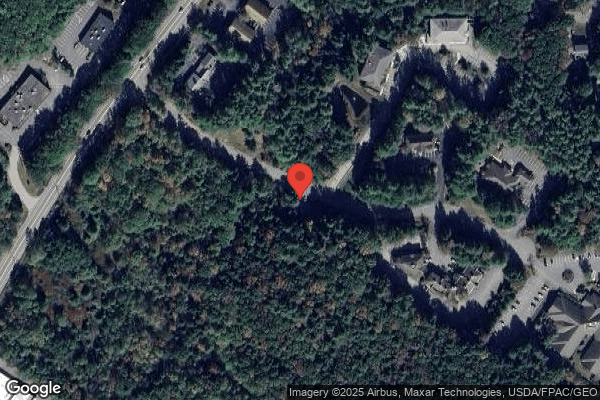
22 NORTHBROOK DR, FALMOUTH, ME 04105 (207) 781-5775
For profit - Corporation 91 Beds GENESIS HEALTHCARE Data: November 2025
Trust Grade
55/100
#42 of 77 in ME
Last Inspection: June 2025

Inspected within the last 6 months. Data reflects current conditions.

Overview

Sedgewood Commons in Falmouth, Maine has a Trust Grade of C, which means it is average and in the middle of the pack among nursing homes. It ranks #42 out of 77 facilities in Maine, placing it in the bottom half, and #14 out of 17 in Cumberland County, indicating there are only a few local options that are better. The facility is on an improving trend, with issues decreasing from 13 in 2024 to 7 in 2025. Staffing is rated average, with a 3/5 star rating and a turnover rate of 56%, which is close to the state average of 49%. Although there are currently no fines on record, which is a positive sign, recent inspections revealed concerns such as inadequate housekeeping in many resident rooms and failure to monitor temperature controls for medication refrigerators. Overall, while Sedgewood Commons has some strengths, including good RN coverage, there are notable weaknesses that families should consider.

Trust Score
C
55/100
In Maine
#42/77
Bottom 46%
Safety Record
Low Risk
No red flags
Inspections
Getting Better
13 → 7 violations
Staff Stability
⚠ Watch
56% turnover. Above average. Higher turnover means staff may not know residents' routines.
Penalties
✓ Good
No fines on record. Clean compliance history, better than most Maine facilities.
Skilled Nurses
✓ Good
Each resident gets 63 minutes of Registered Nurse (RN) attention daily — more than 97% of Maine nursing homes. RNs are the most trained staff who catch health problems before they become serious.
Violations
⚠ Watch
28 deficiencies on record. Higher than average. Multiple issues found across inspections.
★★★☆☆
3.0
Overall Rating
★★★☆☆
3.0
Staff Levels
★★☆☆☆
2.0
Care Quality
★★★☆☆
3.0
Inspection Score
Stable
2024: 13 issues
2025: 7 issues

The Good

  • Full Sprinkler Coverage · Fire safety systems throughout facility
  • No fines on record

Facility shows strength in fire safety.

The Bad

3-Star Overall Rating

Near Maine average (3.0)

Meets federal standards, typical of most facilities

Staff Turnover: 56%

Near Maine avg (46%)

Frequent staff changes - ask about care continuity

Chain: GENESIS HEALTHCARE

Part of a multi-facility chain

Ask about local staffing decisions and management

Staff turnover is elevated (56%)

8 points above Maine average of 48%

The Ugly 28 deficiencies on record

Jun 2025 7 deficiencies
CONCERN (D)

Potential for Harm - no one hurt, but risky conditions existed

Accident Prevention (Tag F0689)

Could have caused harm · This affected 1 resident

**NOTE- TERMS IN BRACKETS HAVE BEEN EDITED TO PROTECT CONFIDENTIALITY** Based on observations and a review of Safety Data Sheets (SDS), the facility failed to ensure that the resident's environment wa...

Read full inspector narrative →
**NOTE- TERMS IN BRACKETS HAVE BEEN EDITED TO PROTECT CONFIDENTIALITY** Based on observations and a review of Safety Data Sheets (SDS), the facility failed to ensure that the resident's environment was free of accident hazards relating to the storage of chemicals being properly secured on 1 of 3 units ([NAME]) for 1 of 3 days of survey (6/2/25). Findings: 1. On 6/2/25 at 10:14 a.m., observation of an unsecured container of CaviWipes on a bedside table in room [ROOM NUMBER]. At this time, the Director of Nursing removed the CaviWipes from the resident's room, stating that these wipes should not be in resident rooms or care areas. The Safety Data Sheet for CaviWipes Section 4. First Aid Measures states Inhalation: Move the affected person to fresh air. Get medical attention if symptoms occur . Skin: Gently wash with plenty of soap and water. Seek medical attention if irritation develops . Eyes: Rinse cautiously with water for several minutes. Remove contact lenses, if present and easy to do so. Continue rinsing. If eye irritation persists: get medical advice/attention . Ingestion: Rinse mouth thoroughly with water. DO NOT induce vomiting. Call poison control or a doctor if you feel unwell.
CONCERN (D)

Potential for Harm - no one hurt, but risky conditions existed

QAPI Program (Tag F0867)

Could have caused harm · This affected 1 resident

Based on observations, record review and interview, the facility's Quality Assurance Committee failed to ensure that the Plan of Correction for identified deficiencies from the Annual Long Term Care S...

Read full inspector narrative →
Based on observations, record review and interview, the facility's Quality Assurance Committee failed to ensure that the Plan of Correction for identified deficiencies from the Annual Long Term Care Survey Process for Federal Recertification, dated 6/4/25, were effective. The Federal citations F761 and F880 were cited again during the re-visit for the Annual Long Term Care Recertification Survey, completed 9/10/25.Finding:During the follow-up survey on 9/10/25, it was determined that F761 and F880 would be re-cited: F761 for failure to monitor medication refrigerator temperatures daily and F880 for failure to maintain an Infection Control Program designed to help prevent the development and transmission of disease and infection by failing to apply appropriate interventions relating to the use of Enhanced Barrier Precautions (see F761 and F880).On 9/10/25 at 2:55 p.m., the above was discussed during the exit conference with the Administrator and the Region [NAME] President of Operations.
CONCERN (D)

Potential for Harm - no one hurt, but risky conditions existed

Infection Control (Tag F0880)

Could have caused harm · This affected 1 resident

Based on observations, interviews and record reviews, the facility failed to have an effective infection prevention and control program (IPCP) for the surveillance and transmission prevention of Gastr...

Read full inspector narrative →
Based on observations, interviews and record reviews, the facility failed to have an effective infection prevention and control program (IPCP) for the surveillance and transmission prevention of Gastrointestinal disease for 1 out of 6 residents reviewed for infection control. Findings: Reviewed Facility Policy Infection Control Policies and Procedures IC306 Transmission Based Precautions last revised 5/1/25. 8. Initiating Transmission Based Precautions: 8.1 Nursing Staff may place patients with suspected or confirmed infectious diarrhea, influenza or symptoms consistent with a communicable disease on Transmission Based Precautions/isolation (TBP) empirically while awaiting confirmation. 8.2 Notify the attending physician or Medical Director (in the absence of the attending physician) and the Infection Preventionist if there is reason to believe that an individual has an infectious disease. 8.3 An order for Transmission Based Precautions will be obtained for patients who are known or suspected to be infected or colonized with infectious agents that require additional controls to prevent transmission effectively. A review of U.S. Centers for Disease Control and Prevention document titled C-Diff: Facts for Clinicians states: If a patient has had three or more stools in 24 hours: isolate patients with possible C-Diff immediately, even if you only suspect CDI (C-Diff Infection) and Order a C-diff test if other etiologies of diarrhea such as a stool softener or laxative were not used. On 6/4/25 a surveyor reviewed the progress notes in Resident #62 's Electronic Medical Record (EMR) and found the following nursing note dated 6/1/25 at 7:08 a.m., Resident had 3 episodes of watery stool with significant mucous and foul odor this night shift. Declined any oral (P.O.) fluids offered. On 6/4/25 at 12:40 p.m., a surveyor interviewed Certified Nursing Assistant (CNA) #1 and learned that they were told Resident #62 didn't need precautions because they were colonized but they suspected the resident had real C-diff again because of the smell and appearance of the stool and they didn't know what to do because they were told not to use TBP or do anything different but it smells so bad. On 6/4/25 at 12:45 p.m., surveyor observed Resident #62's room and found no transmission-based precaution sign posted and no personal protective equipment available. There was a strong fecal-like odor noted in the room and detectable from the doorway of the room. Resident #62 was in the common room. On 6/4/25 at 12:48 p.m. surveyor interviewed CNA #2 and learned that Resident #62 always had frequent loose stools but lately it has been much smellier with mucous like when she had C-diff before. It smells and looks like C-diff. CNA #2 stated that they had used Contact Precautions for resident before but they were told she didn't need precautions anymore. On 6/4/25 at 1:00 pm a surveyor interviewed CNA - Medication Tech #1 and was told that Enhanced Barrier Precautions (EBP) signs went up all over the unit Monday morning and no one told us why. For Resident #62, we were told to not use Contact Precautions, but it sure looks and smells like C-diff. They never tell us anything. On 6/4/25 at 1:20 p.m. surveyor interviewed the Infection Preventionist (IP) Nurse and the Market Clinical Advisor and stated they were unaware that Resident #62 was showing acute symptoms of gastrointestinal disease but that note could indicate the possibility of an active infection. Contact Precautions were immediately initiated, and a stool sample was ordered. On 6/4/25 at 2:14 p.m., a surveyor observed outside Resident #62's room Contact precaution signage with PPE and a bleach odor was present. A review of Resident #62's EMR found an order for Contact Precautions and a stool sample. On 6/4/25 at 2:37 p.m., surveyors interviewed the facility provider and was told that Resident #62 was complicated because they had chronic diarrhea and was considered colonized with C-diff but changes to the stool described in the note from 6/1/25 would warrant initiation of transmission-based precautions and another stool sample to rule out an active infection. They were not notified of the changes described in the note on 6/1/25 and had not seen the note. On 6/4/25 at 3:00 p.m. a surveyor discussed the above findings with the Market Clinical Advisor and the IP Nurse.
CONCERN (E)

Potential for Harm - no one hurt, but risky conditions existed

Safe Environment (Tag F0584)

Could have caused harm · This affected multiple residents

**NOTE- TERMS IN BRACKETS HAVE BEEN EDITED TO PROTECT CONFIDENTIALITY** Based on observations and interviews, the facility failed to maintain adequate housekeeping and maintenance services to maintain...

Read full inspector narrative →
**NOTE- TERMS IN BRACKETS HAVE BEEN EDITED TO PROTECT CONFIDENTIALITY** Based on observations and interviews, the facility failed to maintain adequate housekeeping and maintenance services to maintain a sanitary, orderly, and comfortable interior in 36 of 56 resident rooms and on 3 of 3 units ([NAME], [NAME], and [NAME]). Findings: On 6/4/25 at 8:00 a.m. a surveyor conducted an environmental observation tour with the Administrator, and the Maintenance Supervisor following were observed: [NAME] Unit: -The room divider curtains are off track and do not fully close to allow for resident privacy in the following rooms: 2, 3, 5, 9, 14, and 15. -The closet doors are misaligned and do not fully close in the following rooms: 3, 8, and 9. -The window curtains are off track and do not fully close in the following rooms: 7, 9, 10, and 11. -room [ROOM NUMBER]: Bathroom toilet is on a [NAME] sticking out from the base. -room [ROOM NUMBER]: There is a stained ceiling tile outside the room. [NAME] Unit: -The room divider curtains are off track and do not fully close to allow for resident privacy in the following rooms: 21, 28 and 31. -The closet doors are misaligned and do not fully close in the following rooms: 19, 20, 21, 25, 26, 28, 29, 31, 34, and 35. -room [ROOM NUMBER]: Wall inside of door has holes from previous TV. -room [ROOM NUMBER]: Has a strong urine-like odor. -room [ROOM NUMBER]: The room privacy curtain is torn. -room [ROOM NUMBER]: The base of toilet has a large brown ring around it. -room [ROOM NUMBER]: The bathroom sink countertop has two chips in the edge creating an uncleanable surface. -room [ROOM NUMBER]: The toilet has a large [NAME] at the base. -room [ROOM NUMBER]: The bathroom floor has a stain. -room [ROOM NUMBER]: The bathroom floor has a stain, and the window curtains are off track and do not fully close. -room [ROOM NUMBER]: Stain on the wall outside of room. -There is a stained ceiling tile in the common TV area. [NAME] Unit: -Just inside unit to the right has hole and torn wallpaper. -The room divider curtains are off track and will not fully close to allow for resident privacy in the following rooms: 40, 41, 42, 43, 44, 47, 49, 53, and 56. -room [ROOM NUMBER]: Stained bathroom floor. -room [ROOM NUMBER]: Outside of the room there are two holes near the baseboard, and there is a stain on the bathroom floor. -room [ROOM NUMBER]: Outside of the room there is a stained ceiling tile. -room [ROOM NUMBER]: Has a strong urine-like odor. -room [ROOM NUMBER]: Stain on bathroom floor On 6/4/25, at approximately 9:30 a.m., at the end of the observational tour the Administrator stated that he knows that there is a lot of work to be done and confirmed all the above findings.
CONCERN (E) 📢 Someone Reported This

A family member, employee, or ombudsman was alarmed enough to file a formal complaint

Potential for Harm - no one hurt, but risky conditions existed

Deficiency F0761 (Tag F0761)

Could have caused harm · This affected multiple residents

**NOTE- TERMS IN BRACKETS HAVE BEEN EDITED TO PROTECT CONFIDENTIALITY** Based on record review and interviews, the facility failed to monitor temperature controls for 2 of 3 refrigerators observed and...

Read full inspector narrative →
**NOTE- TERMS IN BRACKETS HAVE BEEN EDITED TO PROTECT CONFIDENTIALITY** Based on record review and interviews, the facility failed to monitor temperature controls for 2 of 3 refrigerators observed and 3 of 3 months of medication refrigerator logs reviewed. Findings: 1. On 6/2/25 at 1:30 p.m., observation of the [NAME] medication storage room refrigerator with Registered Nurse #1 (RN) which contained 1 Pneumococcal 20 (PCV 20) vaccination, 6 multi-use vials of influenza vaccinations (Afluria), and a multi-use vial of Tuberculin Purified Protein. On 6/2/25 a surveyor reviewed the facilities Temperature Log For Medication/Vaccine Refrigerators for months of March, April, and May. March 1st through March 31st lacked evidence of twice daily temperature readings for 15 out of the 31 days. April 1st through April 30th lacked evidence of twice daily temperature readings for 24 out of the 30 days. May 1st through May 31st lacked evidence of twice daily temperature readings for 25 out of the 31 days. 2. On 6/2/25 at 2 p.m., observation of the [NAME] medication storage room refrigerator with RN #1, which contained 1 Pneumococcal 20 (PCV 20) vaccination and a multi-use vial of Tuberculin Purified Protein. On 6/2/25 a surveyor reviewed the facilities Temperature Log For Medication/Vaccine Refrigerators for months of March, April, and May. March 1st through March 31st lacked evidence of twice daily temperature readings for 31 out of the 31 days. April 1st through April 30th lacked evidence of twice daily temperature readings for 28 out of the 30 days. May 1st through May 31st lacked evidence of twice daily temperature readings for 30 out of the 31 days. On 6/2/25 at 2:30 p.m., during an interview, the above findings were confirmed with the Market Clinical Advisor at this time she states they follow Center of Disease and Control (CDC) guidelines for vaccination and medication storage. Review of the CDC guidelines regarding vaccine storage, last revised 3/19/24, states facilities should check and record current temperatures a minimum of 2 times daily.
MINOR (B)

Minor Issue - procedural, no safety impact

Transfer Notice (Tag F0623)

Minor procedural issue · This affected multiple residents

Based on record reviews and interviews, the facility failed to issue a written transfer/discharge notice to a resident or their legal representative for a facility-initiated transfer/discharge for 2 o...

Read full inspector narrative →
Based on record reviews and interviews, the facility failed to issue a written transfer/discharge notice to a resident or their legal representative for a facility-initiated transfer/discharge for 2 of 3 sampled residents transferred/discharged to an acute care facility. ( Resident #13 and #66) Findings: 1. Documentation in Resident 13's clinical record indicated that he/she was transferred to an acute hospital on 4/2/25 and subsequently admitted . The clinical record lacked evidence that the facility issued a written transfer/discharge notice to the resident and/or legal representative. 2. Documentation in Resident 66's clinical record indicated that he/she was transferred to an acute hospital on 5/7/25 and subsequently admitted . The clinical record lacked evidence that the facility issued a written transfer/discharge notice to the resident and/or legal representative. On 6/4/25 at 10:30 a.m., in an interview with the surveyor, the Market Clinical Advisor confirmed that she was unable to locate evidence that a transfer/discharge form for Resident #13 and Resident #66 was completed and provided to the resident or resident representative at the time of transfer to the hospital.
MINOR (B)

Minor Issue - procedural, no safety impact

Deficiency F0625 (Tag F0625)

Minor procedural issue · This affected multiple residents

Based on record reviews and interviews, the facility failed to issue a written bed hold notice to a resident, known family member or legal representative for 2 of 3 sampled residents who had been tran...

Read full inspector narrative →
Based on record reviews and interviews, the facility failed to issue a written bed hold notice to a resident, known family member or legal representative for 2 of 3 sampled residents who had been transferred to an acute care facility (Resident #13 and #66). Findings: 1. in Resident #13's clinical record indicated that he/she transferred to an acute care hospital on 4/2/25 and subsequently admitted . The clinical record lacked evidence that the facility issued a written bed hold notice to the resident, a family member, or legal representative upon transfer. 2. Documentation in Resident #66's clinical record indicated that he/she transferred to an acute care hospital on 5/7/25 and subsequently admitted . The clinical record lacked evidence that the facility issued a written bed hold notice to the resident, a family member, or legal representative upon transfer. On 5/25/25 at 10:30 a.m., in an interview with the Market Clinical Advisor confirmed that she was unable to locate evidence that the facility issued a written bed hold notice to the resident, a family member, or a legal representative upon transfer for Resident #13 and #66.
Jul 2024 1 deficiency
CONCERN (D) 📢 Someone Reported This

A family member, employee, or ombudsman was alarmed enough to file a formal complaint

Potential for Harm - no one hurt, but risky conditions existed

Pharmacy Services (Tag F0755)

Could have caused harm · This affected 1 resident

**NOTE- TERMS IN BRACKETS HAVE BEEN EDITED TO PROTECT CONFIDENTIALITY** Based on interviews, observations, and record reviews, the facility failed to have a working system in place to communicate, sep...

Read full inspector narrative →
**NOTE- TERMS IN BRACKETS HAVE BEEN EDITED TO PROTECT CONFIDENTIALITY** Based on interviews, observations, and record reviews, the facility failed to have a working system in place to communicate, separate and carry out the disposition of controlled substances. In addition, the facility failed to ensure that all scheduled medications were being received from the pharmacy by 2 licensed staff. Findings: 1. On 7/16/24 Division of Licensing received a complaint which a nurse gave Resident #1 a dose of morphine from Resident #2's morphine bottle using Resident #2's oral syringe was given another residents morphine on 7/12/24. On 7/24/24 at 10:30 a.m., a surveyor reviewed the Narcotics Logbook for the [NAME] unit medication cart, Page 169, a log for Resident #2's morphine showing it was in use on 7/12/24 and continued to be used until 7/18/24. The log failed to document the error from 7/12/24. On 7/24/24 at 10:55 a.m.,during an interview with the Unit Director for [NAME], stated the response to the incident on 7/12/24 was to immediately remove from use the bottle of morphine involved. The Unit Manager had been unaware that the bottle of morphine had not been removed immediately or that the bottle continued to be used until 7/18/24 or that the bottle was still in the medication cart. There is a lack of evidence that the oral syringe was disposed of after being used for Resident #1 and with the bottle remaining in use for 6 more days, On 7/24/24 at 11:15 a.m. a surveyor discussed the above findings with the Director of Nursing. 2. During review of the Narcotic Log book, documentation on page 198, dated 7/17/24, stated a 15 ml bottle of morphine had been delivered from the pharmacy and logged in by 1 staff member; on page 214, dated 7/22/24, a 15 ml bottle of morphine had been delivered by pharmacy and logged in by 1 staff member; on page 215, dated 7/22/24, fentanyl patch 12 mcg x 2 patches had been delivered by pharmacy and logged in by 1 staff member. Facility Policy NSG300 Controlled Drugs: Management: states the following Storage: Two licensed nurses and/or authorized nursing personnel, per state regulations are required to document placement of controlled substances into inventory. This was confirmed with the Administrator and the Unit Manager on [NAME].
Mar 2024 12 deficiencies
CONCERN (D)

Potential for Harm - no one hurt, but risky conditions existed

Deficiency F0645 (Tag F0645)

Could have caused harm · This affected 1 resident

**NOTE- TERMS IN BRACKETS HAVE BEEN EDITED TO PROTECT CONFIDENTIALITY** Based on record review and interview, the facility failed to coordinate assessments for Pre-admission Screening and Resident Rev...

Read full inspector narrative →
**NOTE- TERMS IN BRACKETS HAVE BEEN EDITED TO PROTECT CONFIDENTIALITY** Based on record review and interview, the facility failed to coordinate assessments for Pre-admission Screening and Resident Review (PASRR) Level I and Level II programs for 1 of 1 residents reviewed for PASRR (#46). Findings: A review of the clinical record for Resident #46 revealed he/she was admitted to the facility on [DATE], and had diagnoses including Dementia and Post Traumatic Stress Disorder. The clinical record lacked evidence that the PASRR Level I Screen was forwarded to the State Mental Health Authority to determine if the resident met the State of Maine's definition of a serious mental health disorder and to determine if a Level II assessment was needed. On 3/27/24 at 1:35 p.m., in an interview with a surveyor, the facility's Social Worker confirmed that the PASRR Level I screening had not been completed and he/she would proceed with the PASSR at that time. On 3/27/24 at 2:19 p.m., the finding was discussed with the Market President.
CONCERN (D)

Potential for Harm - no one hurt, but risky conditions existed

Deficiency F0657 (Tag F0657)

Could have caused harm · This affected 1 resident

Based on interviews and record review, the facility failed to review and revise the care plan by an interdisciplinary team (IDT), that included, to the extent possible, participation of the resident a...

Read full inspector narrative →
Based on interviews and record review, the facility failed to review and revise the care plan by an interdisciplinary team (IDT), that included, to the extent possible, participation of the resident and/or his/her representative after each assessment (Resident #32). Finding: On 3/26/24 at 9:34 a.m., during an interview, Resident #32 stated he/she is not invited or remembers having care plan meetings. Review of Resident #32's medical record, the surveyor noted Minimum Data Set (MDS) Quarterly assessments, dated 11/2/23 and 2/2/24 were completed. The medical record lacked evidence that a care plan meeting had been held by the IDT after both assessments. On 3/28/24 at 1:31 p.m., during an interview, the Licensed Social Worker confirmed the above findings.
CONCERN (D)

Potential for Harm - no one hurt, but risky conditions existed

ADL Care (Tag F0677)

Could have caused harm · This affected 1 resident

**NOTE- TERMS IN BRACKETS HAVE BEEN EDITED TO PROTECT CONFIDENTIALITY** Based on observations, record review, and interviews, the facility failed to meet the personal hygiene preferences for 1 of 6 re...

Read full inspector narrative →
**NOTE- TERMS IN BRACKETS HAVE BEEN EDITED TO PROTECT CONFIDENTIALITY** Based on observations, record review, and interviews, the facility failed to meet the personal hygiene preferences for 1 of 6 residents who are dependent on staff to complete Activities of Daily Living needs. (Resident #49) Findings: On 3/26/24 at 11:22 a.m., a surveyor observed Resident #49 with an unshaven face, and long fingernails with a dark substance built up under the nails. The resident was dressed in day clothing asleep on the bed. Record review revealed Resident #49 was admitted to the facility on [DATE] with a diagnosis of dementia and lower extremity amputation. Minimum Data Set (MDS) assessment dated [DATE] indicated that Resident #49 was assessed to need staff assistance for personal hygiene which includes nail care and shaving. On 3/26/24 at 12:30 p.m., a surveyor interviewed Resident #49's Certified Nursing Assistant (CNA) who confirmed that Resident #49 hasn't been shaved for several days and they weren't sure about when the nails were last done. The CNA confirmed that Resident #49 was dependent upon staff for nail care and shaving. On 3/27/24 at approximately 11:00 a.m., a surveyor interviewed Resident #49 and the Resident Representative together. Resident #49 had still not been shaved or provided nail care. The surveyor asked Resident #49 if he was growing a beard and he answered, No, it needs to come off. The Resident representative stated, I asked several days ago if he could be shaved. He doesn't like beards and makes fun of mine all the time. On 3/27/24 at approximately 12:50 p.m., a surveyor interviewed the Unit Manager and was told that there wasn't a way to specifically document completed nail care or shaving but staff should document when a resident refused. There was no documentation available that Resident #49 had ever refused nail care or shaving. The surveyor confirmed with the unit manager that a resident should be shaved daily if that is a preference.
CONCERN (D)

Potential for Harm - no one hurt, but risky conditions existed

Quality of Care (Tag F0684)

Could have caused harm · This affected 1 resident

**NOTE- TERMS IN BRACKETS HAVE BEEN EDITED TO PROTECT CONFIDENTIALITY** Based on observations, record review and interviews, the facility failed to ensure that a resident received treatment and servic...

Read full inspector narrative →
**NOTE- TERMS IN BRACKETS HAVE BEEN EDITED TO PROTECT CONFIDENTIALITY** Based on observations, record review and interviews, the facility failed to ensure that a resident received treatment and services in accordance with the standards of practice for 1 of 2 residents reviewed for skin conditions (#343). Findings: On 3/26/24 at 12:27 p.m., during an interview with Resident #343's representative, the surveyor observed Resident #343 scratching/itching several small, scabbed areas on his/her upper right arm. At this time, the Resident Representative stated, the resident has a rash and was given a cream from the dermatologists that he will bring in. On 3/27/24 at 12:25 p.m., the surveyor observed Resident #343 wearing a long sleeve shirt and scratching/ itching at his/her right shoulder through the collar opening. On 3/28/24 at 11:37 a.m., during an additional interview with Resident #343's representative, the surveyor observed the resident continuing to scratch/itch at his/her right shoulder through the collar opening. At this time, the Resident Representative stated he had brought in the cream and gave it to nursing this morning stating, [he/she] itches a lot, [he/she] got the dry skin pretty bad. Review of Resident #343's skilled documentation from admission on [DATE] through 3/28/24 lacked evidence of the nursing staff identifying the resident's rash. A review of the case line care plan initiated on 3/24/24 instructs nursing to Observe skin condition daily with ADL care and report abnormalities. On 3/28/24 at 11:46 a.m., during an interview, the Registered Nurse (RN) confirmed she was not aware of a rash on his/her shoulders, stating. Nurses do skin checks weekly, not sure when his/hers is due and the Certified Nurses Aids (CNA) generally report any skin concerns. The RN then reviewed the Electronic Medical Record and confirmed she did not see any documentation of a rash and then stated, the family brought in cream for which she needs to get a provider order to use. At this time, both the surveyor and RN observed the rash to Resident #343's upper bilateral extremities. The RN stated she will have the provider take a look. On 3/28/24 at 11:57 a.m., during an interview with the interim Director of Nursing the above was discussed, confirming the resident's rash was assessed after surveyor intervention.
CONCERN (D)

Potential for Harm - no one hurt, but risky conditions existed

QAPI Program (Tag F0867)

Could have caused harm · This affected 1 resident

**NOTE- TERMS IN BRACKETS HAVE BEEN EDITED TO PROTECT CONFIDENTIALITY** Based on record review, observations and interviews, the facility's Quality Assurance Committee failed to ensure that the Plan o...

Read full inspector narrative →
**NOTE- TERMS IN BRACKETS HAVE BEEN EDITED TO PROTECT CONFIDENTIALITY** Based on record review, observations and interviews, the facility's Quality Assurance Committee failed to ensure that the Plan of Correction (POC) for an identified deficiency from the annual Long Term Care Recertification Survey, dated 3/29/24, was effective. The Federal citation F584 was cited again during the re-visit to the annual Long Term Care Recertification Survey, dated 5/20/24. Finding: During the annual Long Term Care survey, dated 3/39/24, a deficiency was cited at F584 for the facilities failure to adequately provide housekeeping and maintenance services necessary to maintain the building in good repair and in a sanitary condition. The facility's POC, dated 4/30/24, indicated that the facility would ensure that the resident rooms/bathrooms would be in a sanitary condition with the POC completion date of 5/7/24. During the re-visit survey on 5/20/24, observations of [NAME] unit residents shared bathrooms 26-27 and 28-29 were found to have ongoing concerns regarding storage of urinals and bed pans. It was determined the same tag F584 would be recited. On 5/20/24 at 1:40 p.m., the above ongoing concerns were discussed with the Director of Nursing and the Market President.
CONCERN (E)

Potential for Harm - no one hurt, but risky conditions existed

Safe Environment (Tag F0584)

Could have caused harm · This affected multiple residents

**NOTE- TERMS IN BRACKETS HAVE BEEN EDITED TO PROTECT CONFIDENTIALITY** Based on observations and interview, the facility failed to adequately provide housekeeping and maintenance services necessary t...

Read full inspector narrative →
**NOTE- TERMS IN BRACKETS HAVE BEEN EDITED TO PROTECT CONFIDENTIALITY** Based on observations and interview, the facility failed to adequately provide housekeeping and maintenance services necessary to maintain the building in good repair and in a sanitary condition for 2 of 3 units ([NAME] and [NAME]) for 1 of 1 environmental tour (3/29/24). Findings: On 3/29/24 from 8:30 a.m. to 9:01 a.m., an environmental tour was conducted with the Maintenance Director in which the following was observed: [NAME] Unit: >The shower room had a laydown shower chair with orange colored coating under the chair edge and rim, the floor next to shower stall was raised with cracks and cove base peeling away from the wall. >Resident #32 wheelchair seat is coated with dirt/debris. >room [ROOM NUMBER] the bedroom bottom door sticks making it difficult to open. >room [ROOM NUMBER] wall light near room door is missing the light cover. >Wallpaper peeling up and stapled to wall next to room [ROOM NUMBER]. >Wallpaper peeling up across from the TV viewing room. [NAME] Unit: >The shower room had a bariatric shower chair and lay down shower chair both with orange colored coating under the chair edge and rim. >room [ROOM NUMBER] bathroom has 2 cracked tiles under the sink, black built-up substance around the base of the toilet. >room [ROOM NUMBER] bathroom has a urine hat stored on top of the toilet wedged between the toilet and wall. >room [ROOM NUMBER]-27 shared bathroom has an unlabeled urinal hanging on the toilet grab bars. On 3/29/24 at 9:01 a.m., in an interview, the Director of Maintenance confirmed the findings.
CONCERN (E)

Potential for Harm - no one hurt, but risky conditions existed

Deficiency F0730 (Tag F0730)

Could have caused harm · This affected multiple residents

Based on performance evaluations and interview, the facility failed to complete annual performance evaluations at least every 12 months for 3 of 5 sampled Certified Nursing Assistants (CNA #3, CNA #4,...

Read full inspector narrative →
Based on performance evaluations and interview, the facility failed to complete annual performance evaluations at least every 12 months for 3 of 5 sampled Certified Nursing Assistants (CNA #3, CNA #4, and CNA #5). Findings: 1. CNA #3 was hired on 3/4/20. CNA #3's last performance evaluation was a 90-day progress report completed on 8/14/20. The facility was unable to provide evidence of a completed annual performance evaluation for 2021, 2022, 2023, or 2024. 2. CNA #4 was hired on 5/11/15. CNA #4's last performance evaluation was completed on 5/3/19. The facility was unable to provide evidence of a completed annual performance evaluation for 2020, 2021, 2022, or 2023. 3. CNA #5 was hired on 7/31/18. CNA #5's last performance evaluation was completed on 9/26/19. The facility was unable to provide evidence of a completed annual performance evaluation for 2020, 2021, 2022, or 2023. On 3/27/24 at 4:15 p.m., in an interview with a surveyor, the Administrator, the Clinical Market Advisor, and the Market President confirmed staff performance evaluations had not been completed annually.
CONCERN (E)

Potential for Harm - no one hurt, but risky conditions existed

Deficiency F0761 (Tag F0761)

Could have caused harm · This affected multiple residents

**NOTE- TERMS IN BRACKETS HAVE BEEN EDITED TO PROTECT CONFIDENTIALITY** Based on observations, record reviews and interviews, the facility failed to properly store medications and biologicals in 2 out...

Read full inspector narrative →
**NOTE- TERMS IN BRACKETS HAVE BEEN EDITED TO PROTECT CONFIDENTIALITY** Based on observations, record reviews and interviews, the facility failed to properly store medications and biologicals in 2 out of 3 medication rooms refrigerators surveyed. ([NAME] House and [NAME] House) Findings: 1. On 3/26/24 at 11:38 a.m., a surveyor observed the [NAME] House medication room refrigerator with the Unit Manager and noted a dormitory style refrigerator with a freezer. Inside the refrigerator were influenza vaccines and a pneumococcal vaccine. A review of the recorded temperatures for the refrigerator showed an out-of-range temperature on 3/24/24 of 70.8 (F). A surveyor asked the unit manager what happened following the discovery of the out-of-range temperature, and they did not know. They were unable to deny or confirm that the vaccinations in the refrigerator were in the refrigerator at the time of the out-of-range temperature. 2. On 3/26/24 at 11:40 a.m., a surveyor observed the [NAME] House medication room refrigerator with a Licensed Practical Nurse (LPN), and found 2 opened and unlabeled vials of Purified Protein Derivative (PPD) which is used to test for tuberculosis for staff and residents. A surveyor confirmed with the LPN during the observation that these should have an open date and be discarded 30 days after opening. They were immediately removed. It was also noted that the refrigerator had significant ice buildup along the back inside surface. Also stored in the refrigerator were pneumococcal, respiratory syncytial virus (RSV), Spikevax (Covid-19), and influenza vaccines. On 3/26/24 at 11:45 a.m., during an observation of the [NAME] House and [NAME] House medication room refrigerators with the Interim Director of Nursing (IDON), the vaccines in the [NAME] medication room refrigerator had been removed, but the IDON confirmed they were not removed at the time the out-of-range temperature was discovered. The IDON also confirmed that a dorm style refrigerator with a freezer section was not appropriate for storing vaccinations. The IDON also confirmed that ice build up in the back of a refrigerator. On 3/27/24 at 11:50 a.m., a surveyor reviewed the facility policy titled: Infection Control Policies and Procedures IC401 Medication and Vaccine refrigerator/freezer temperatures last revised 8/7/23 which states: If temperatures fall outside the acceptable range: 2.1 Notify Maintenance and Director of Nursing Immediately 2.2 Move medications and/or vaccines to another refrigerator/freezer. 2.3 Contact pharmacist for guidance regarding handling of medications or vaccines 2.4 Do not discard medication or vaccine unless directed to by pharmacist. 2.5 Notify vaccine distributor. 2.6 Complete Medication/Vaccine Storage Troubleshooting record and discuss at QAPI On 3/27/24 at 12:20 p.m., a surveyor interviewed the Clinical Market Advisor and confirmed that a dorm style refrigerator with a freezer was being used to store vaccinations. Also confirmed that ice buildup in a fridge, confirmed the facility policy was not followed after the discovery of the out-of-range temperature leading to incorrect storage of vaccinations.
CONCERN (E)

Potential for Harm - no one hurt, but risky conditions existed

Food Safety (Tag F0812)

Could have caused harm · This affected multiple residents

Based on observations and interview, the facility failed to ensure the kitchen was maintained in a clean and sanitary manner for 1 of 1 initial kitchen tour completed on 3/26/24. Additionally, the fac...

Read full inspector narrative →
Based on observations and interview, the facility failed to ensure the kitchen was maintained in a clean and sanitary manner for 1 of 1 initial kitchen tour completed on 3/26/24. Additionally, the facility failed to ensure that food temperatures were recorded at the time of cooking breakfast on the morning of 3/26/24. Findings: 1. On 3/26/24 at 9:10 a.m., a surveyor conducted an initial tour of the kitchen with the [NAME] in which the following findings were observed and confirmed. - A light amount of dust, debris, and staining on the ceiling vents - A sticky, dusty film on all flat surfaces of the Kitchen - A lack of documentation of food temperatures being taken during dinner on 3/23/24, all day on 3/24/24, all day on 3/25/24 and breakfast on 3/26/24. The above findings were confirmed with the cook at that time.
CONCERN (E)

Potential for Harm - no one hurt, but risky conditions existed

Deficiency F0883 (Tag F0883)

Could have caused harm · This affected multiple residents

Based on review of the facility's Pneumococcal Vaccination policy and procedure, interviews, and record review the facility failed to provide the Resident and/or the Resident's Representatives with th...

Read full inspector narrative →
Based on review of the facility's Pneumococcal Vaccination policy and procedure, interviews, and record review the facility failed to provide the Resident and/or the Resident's Representatives with the Vaccine Information Statement (VIS) prior to immunizing a resident with the pneumococcal vaccine (Prevnar) for all residents receiving the Prevnar vaccine. Findings: The facilities Pneumococcal Vaccination policy and procedure, revised on 11/1/23 states, Provide the patient/representative education (Vaccine Information Statement (VIS)) regarding benefits and potential side effects of vaccination. On 3/27/24 at 11:43 a.m., during an interview, the facility's Infection Preventionist (IP) confirmed that the facility does offer the recommended pneumonia vaccines (PPSV23, PCV13, PCV15, PCV20) for those residents who are illegible and upon admission. She then stated the admission packet contains the consent forms with information explaining the risks versus the benefits (called the VIS) for having the pneumococcal vaccination. The surveyor and the IP reviewed the facilities admission packet which contained the VIS sheet for only the PPSV23 and the Pneumococcal Vaccine Informed Consent for Pneumovax (PPSV23), Prevnar 13 (PCV13), Prevnar 15 (PCV15) and Prevnar 20 (PCV20) which states, VIS provided to patient/representative and questions answered, as needed. The admission packet lacked evidence of VIS sheets for the PCV13, PCV15 and PCV20 vaccines. At this time the IP confirmed the Residents and/or Resident Representatives have not received the required VIS sheets upon admission. On 3/27/24 at 2:24 p.m., during an interview, the Marketing Clinical Advisor confirmed the facility has not provided residents and/or resident representatives with the Prevnar vaccine VIS sheet upon admission to the facility and/or prior to administration of these vaccines. The facility is currently only providing the Pneumococcal Polysaccharide vaccine (PPSV23) VIS sheet.
CONCERN (E)

Potential for Harm - no one hurt, but risky conditions existed

Deficiency F0887 (Tag F0887)

Could have caused harm · This affected multiple residents

Based on review of the facility's COVID-19 Vaccination policy and procedures, interviews and record review the facility failed to ensure each resident, or the resident representative received educatio...

Read full inspector narrative →
Based on review of the facility's COVID-19 Vaccination policy and procedures, interviews and record review the facility failed to ensure each resident, or the resident representative received education regarding the benefits, risks and potential side effects associated with the COVID-19 vaccine prior to immunizing a resident with the COVID-19 vaccine for all residents who received the COVID-19 vaccine. In addition, the facility failed ensure staff were provided education regarding the benefits and potential risks associated with COVID-19 vaccine. Findings: The facilities COVID-19 Vaccination policy and procedure revised, 2/7/24 states, Centers will provide the opportunity to receive COVID-19 vaccinations following Centers for Disease Control and Prevention (CDC) recommendation and the facility will obtain consent using the Patient Informed Consent or Declination COVID-19 form. On 3/27/24 at 11:43 a.m., during an interview, the facility's Infection Preventionist (IP) confirmed that the facility does offer the recommended COVID-19 vaccine for those residents who are illegible and upon admission stating, the admission packet contains the COVID-19 (Spikevax) vaccine education and consent form. The surveyor and IP reviewed the admission packet which contained the Patient Informed Consent or Declination COVID-19 vaccine form which states, I have read or had explained to me the Emergency Use Authorization Fact Sheet or Vaccine Information Statement for the COVID-19 vaccine and understand the risks and benefits. At this time, the IP confirmed the admission packet lacked evidence of education regarding the benefits, risks and potential side effects associated with the COVID-19 vaccine. In addition, the IP confirmed that staff are not provided education regarding the benefits and potential risks associated with COVID-19 vaccine. Stating, there's nothing formal and upon hire in October of 2023 she was not provided COVID-19 vaccine education however did decline the vaccine. On 3/27/24 at 12:24 p.m., during an interview, the Nurse Practice Educator (NPE) stated, she has not done any education for COVID and was unable to provide evidence of staff education regarding the benefits and potential risks associated with COVID-19 vaccine (Spikevax). At this time, a Registered Nurse (RN) was in the office with the NPE for day 2 of orientation. She stated, she has already provided her vaccinations but has not had any education on the new Spikevax COVID-19 vaccine. On 3/27/24 at 12:36 p.m., during an interview, the surveyor asked the Licensed Practical Nurse (LPN) if she was educated on the new Spikevax, COVID-19 vaccine. The LPN stated, I can't say for sure, typically when stuff like that comes out we get the sheets to sign. On 3/27/24 at 2:24 p.m., during an interview, the Marketing Clinical Advisor confirmed the facility has not provided residents and/or resident representatives with the VIS education on the COVID-19 vaccine upon admission to the facility and/or prior to administration of these vaccine. At this time. Both the surveyor and the Marketing Clinical Advisor looked in the employee break room and around the common area/time clock for any COVID-19 (Spikevax) education but was unable to find any.
CONCERN (E)

Potential for Harm - no one hurt, but risky conditions existed

Deficiency F0947 (Tag F0947)

Could have caused harm · This affected multiple residents

Based on employee record review and interview, the facility failed to implement and maintain an effective training program which includes, at a minimum, training on Resident Rights for 2 of 5 Certifie...

Read full inspector narrative →
Based on employee record review and interview, the facility failed to implement and maintain an effective training program which includes, at a minimum, training on Resident Rights for 2 of 5 Certified Nursing Assistant (CNA) staff reviewed (CNA #1, CNA #2). Findings: On 3/27/24, the following employee records were reviewed: 1. CNA #1 was hired on 12/26/23. There was no documented training regarding Resident Rights. 2. CNA #2 was hired on 12/4/23. There was no documented training regarding Resident Rights. On 3/27/24 at 4:15 p.m., in an interview with a surveyor, the Clinical Market Advisor confirmed there was no documentation of the staff attending the required annual training regarding Resident Rights.
Apr 2022 8 deficiencies
CONCERN (D)

Potential for Harm - no one hurt, but risky conditions existed

Deficiency F0727 (Tag F0727)

Could have caused harm · This affected 1 resident

Based on interview, review of the daily staffing postings, and the nursing working schedule, the facility failed to have a Registered Nurse on duty for at least 8 consecutive hours for 1 of 128 days r...

Read full inspector narrative →
Based on interview, review of the daily staffing postings, and the nursing working schedule, the facility failed to have a Registered Nurse on duty for at least 8 consecutive hours for 1 of 128 days reviewed for Sufficient and Competent Nurse Staffing. Finding: A review of the daily staffing postings, and nursing working schedule, indicated that on (Sunday)12/5/21, the facility did not have a Registered Nurse (RN) on duty for at least 8 consecutive hours. On 4/6/22 at 10:10 a.m., in an interview with the Director of Nursing, the surveyor confirmed the finding above.
CONCERN (D)

Potential for Harm - no one hurt, but risky conditions existed

Medication Errors (Tag F0758)

Could have caused harm · This affected 1 resident

**NOTE- TERMS IN BRACKETS HAVE BEEN EDITED TO PROTECT CONFIDENTIALITY** Based on record review and interview, the facility failed to ensure an as needed (PRN) psychotropic medication met the required ...

Read full inspector narrative →
**NOTE- TERMS IN BRACKETS HAVE BEEN EDITED TO PROTECT CONFIDENTIALITY** Based on record review and interview, the facility failed to ensure an as needed (PRN) psychotropic medication met the required 14-day limit for 1 of 5 residents reviewed for unnecessary medications (#80). Finding: A review of Resident #80's clinical record revealed an electronic physician's order, dated [DATE], instructing staff to administer Lorazepam (an anxiolytic medication) 0.5 mg (milligrams) - one tablet by mouth every 8 hours as needed (PRN) for dementia with behaviors. On [DATE] at 12:25 p.m., in an interview with the Clinical Lead, the surveyor discussed the PRN order did not have an end date and was valid for 14 days. The order had expired on [DATE]. The Clinical Lead confirmed the finding at this time.
CONCERN (D)

Potential for Harm - no one hurt, but risky conditions existed

Deficiency F0761 (Tag F0761)

Could have caused harm · This affected 1 resident

**NOTE- TERMS IN BRACKETS HAVE BEEN EDITED TO PROTECT CONFIDENTIALITY** Based on observation and interview, the facility failed to adequately date and properly dispose of open biologicals according to...

Read full inspector narrative →
**NOTE- TERMS IN BRACKETS HAVE BEEN EDITED TO PROTECT CONFIDENTIALITY** Based on observation and interview, the facility failed to adequately date and properly dispose of open biologicals according to manufacturer specifications in 1 of 3 units, [NAME] House. Findings: On 4/4/22 at 10:45 a.m., during [NAME] House medication storage review, a surveyor observed the following: 1. In the medication room, an opened vial of Aspart insulin with an open date of 3/2/22. Manufacturer specifications on the insulin indicates that after first use to Discard after 28 days. At this time the Registered Nurse (RN) confirmed the insulin should have been discarded on 3/30/22, 5 days prior to discovery. 2. In the medication cart, a vial of Humalog insulin with a pharmacy delivery date of 3/26/22 and a Basaslar Kiwi Pen insulin with a pharmacy delivery date of 4/2/22. Both insulins were opened and undated with a manufacturer specification indicating after first use to discard unused medication after 28 days. At this time the Registered nurse confirmed the insulins were not dated however they were not past the discard date of 28 days. The insulins were then dated with the pharmacy delivery date after surveyor intervention.
CONCERN (D)

Potential for Harm - no one hurt, but risky conditions existed

Food Safety (Tag F0812)

Could have caused harm · This affected 1 resident

**NOTE- TERMS IN BRACKETS HAVE BEEN EDITED TO PROTECT CONFIDENTIALITY** Based on observations and interviews the facility failed to ensure a sanitary environment during 1of 2 dining observations of me...

Read full inspector narrative →
**NOTE- TERMS IN BRACKETS HAVE BEEN EDITED TO PROTECT CONFIDENTIALITY** Based on observations and interviews the facility failed to ensure a sanitary environment during 1of 2 dining observations of meal service on 1 of 3 units ([NAME]). Finding: 1. On 4/4/22 at 12:14 p.m., during lunch service on [NAME] house, a surveyor observed the Dietary Manager in Training (MIT) at the steam table preparing residents lunch plates. He was wearing gloves and was using the scoops provided to plate the meat and fruit however when he plated the garlic bread he used his gloved hands rather than the tongs visible next to the bread pan. He then exited the unit, still wearing gloves to return only a minute later with ungloved hands and carrying a stack of plates against his shirt. He then reapplied new gloves, picking up the delivered plates and continued to plate the entre' using his gloved hands to pick up the garlic bread again. At this time the surveyor asked the MIT why he was not using the tongs provided for the garlic bread, the MIT stated I didn't know I was supposed to use tongs. On 4/7/22 at approx 3:00 p.m., the above concern was discussed with the Administrator.
CONCERN (D)

Potential for Harm - no one hurt, but risky conditions existed

Medical Records (Tag F0842)

Could have caused harm · This affected 1 resident

Based on record review, observation and interview the facility failed to ensure the Medication Administration Record (MAR) was accurately documented for removing a Lidoderm patch for 1 of 7 residents ...

Read full inspector narrative →
Based on record review, observation and interview the facility failed to ensure the Medication Administration Record (MAR) was accurately documented for removing a Lidoderm patch for 1 of 7 residents observed during medication administration review (#71). Finding: A review of Resident #71's physician order dated 3/18/22, instructs nursing to apply a Lidoderm patch to the residents lower back daily at 8:00 a.m. and remove the patch in the evening at 8:00 p.m. The MAR indicated, by nursing documentation, that on 4/4/22 at 7:12 p.m. the Lidoderm patch was removed. On 4/5/22 at 9:15 a.m., a surveyor observed a Licensed Practical Nurse (LPN) administering a new Lidoderm patch to Resident #71's lower back. The LPN had to remove to old patch on the residents lower back to then replace it with the new Lidoderm patch. At this time, the LPN confirmed that the old Lidoderm patch should have been removed the evening prior.
CONCERN (D)

Potential for Harm - no one hurt, but risky conditions existed

Deficiency F0883 (Tag F0883)

Could have caused harm · This affected 1 resident

**NOTE- TERMS IN BRACKETS HAVE BEEN EDITED TO PROTECT CONFIDENTIALITY** Based on record review, review of the facility's immunization policy, and interview, the facility failed to implement their Pneu...

Read full inspector narrative →
**NOTE- TERMS IN BRACKETS HAVE BEEN EDITED TO PROTECT CONFIDENTIALITY** Based on record review, review of the facility's immunization policy, and interview, the facility failed to implement their Pneumococcal Vaccine policy for 1 of 5 residents whose immunization records were reviewed (#26). Findings: The Facility's Pneumococcal Vaccination - Prevnar 13 (PCV13) or Pneumovax (PPSV23) policy, with a review date of 11/2020, indicated that Centers will provide the opportunity to receive pneumococcal vaccine to all patients, in adherence with current recommendations of the Advisory Committee on Immunizations Practices (ACIP) as set forth by the Centers for Disease Control and Prevention (CDC). The Section titled Process stated, 2. Based on the patient's pneumococcal vaccination history, offer (unless the vaccination is medically contraindicated or the patient has already been vaccinated) the appropriate vaccination following the recommended schedule. The Centers for Disease Control (CDC) Vaccine Information Statement (VIS) for the Pneumococcal Conjugate Vaccine (PCV13), dated 8/6/21, indicated, A dose of PCV13 is also recommended for adults and children 6 years or older with certain medical conditions if they did not already receive PCV13. This vaccine may be given to healthy adults 65 years or older who did not already receive PCV13, based on discussions between the patient and health care provider. The CDC Vaccine Information Sheet for the Pneumococcal Polysaccharide Vaccine (PPSV23, Pneumovax), dated 10/30/19, indicated, PPSV23 is recommended for: All adults 65 years or older. Resident #26, with an admission date of 10/16/20, had received Pneumovax (PPSV23) prior to admission on [DATE]. The surveyor could not locate evidence that the Prevnar 13 (PCV13) vaccine was offered. On 4/6/22 at 4:00 p.m., the facility's Infection Preventionist confirmed that Resident #26 was not offered the Prevnar 13 vaccine, though he/she was eligible, per the facility's pneumococcal vaccination policy,
CONCERN (E)

Potential for Harm - no one hurt, but risky conditions existed

Deficiency F0657 (Tag F0657)

Could have caused harm · This affected multiple residents

**NOTE- TERMS IN BRACKETS HAVE BEEN EDITED TO PROTECT CONFIDENTIALITY** Based on interviews and record review, the facility failed to review and revise the care plan by an interdisciplinary team (IDT...

Read full inspector narrative →
**NOTE- TERMS IN BRACKETS HAVE BEEN EDITED TO PROTECT CONFIDENTIALITY** Based on interviews and record review, the facility failed to review and revise the care plan by an interdisciplinary team (IDT) meeting, which included the participation of the resident and resident's representative, after each Minimum Data Set (MDS) 3.0 assessments, for 7 of 33 residents whose care plans were reviewed (#10, #24, #25, #33, #37, #39, #49). Findings: 1. A surveyor reviewed the clinical documentation of Resident #10, which included review of a comprehensive admission Minimum Data Set (MDS) 3.0 assessment dated [DATE]. The surveyor could not locate evidence a care plan meeting was held by the IDT that included, to the extent possible, participation of Resident #10 and/or his/her representative to review and revise the care plan. 2. A surveyor reviewed the clinical documentation of Resident #24, which included review of a comprehensive admission MDS 3.0 assessment dated [DATE] and Quarterly MDS dated [DATE], 11/16/21 and 2/15/22. The surveyor could not locate evidence, after completion of the above 4 MDS assessments, that a care plan meeting was held by the IDT that included, to the extent possible, participation of Resident #24 and/or his/her representative to review and revise the care plan. 3. The surveyor reviewed the clinical documentation of Resident #25, which included a review of the MDS 3.0 Significant Change assessment dated [DATE], the MDS 3.0 Quarterly assessment dated [DATE] and the MDS 3.0 admission assessment dated [DATE]. The surveyor could not locate evidence that after completion of the above 3 MDS assessments, a care plan meeting was held by the IDT that included, to the extent possible, participation of Resident #25 and/or his/her representative to review and revise the care plan. On 4/6/21 at 1:30 p.m., during an interview with Center Nurse Executive, she confirmed the IDT meetings were not completed. 4. A surveyor reviewed the clinical documentation of Resident #33's, which included review of a comprehensive Annual MDS 3.0 assessment dated [DATE] and Quarterly MDS 3.0 dated 8/6/21. The surveyor could not locate evidence, after completion of the above 2 MDS assessments, that a care plan meeting was held by the IDT that included, to the extent possible, participation of Resident #33 and/or his/her representative to review and revise the care plan. 5. The surveyor reviewed the clinical documentation of Resident #37, which included a review of the MDS 3.0 Quarterly assessments dated 6/17/21, 8/28/21 and 11/28/21. The surveyor could not locate evidence, after completion of the above 3 MDS assessments, that a care plan meeting was held by the IDT that included, to the extent possible, participation of Resident #37 and/or his/her representative to review and revise the care plan. 6. A surveyor reviewed the clinical documentation of Resident #39, which included a comprehensive Quarterly MDS 3.0 assessment dated [DATE]. The surveyor could not locate evidence that a care plan meeting were held by the IDT that included, to the extent possible, participation of Resident #39 and/or his/her representative to review and revise the care plan. 7. The surveyor reviewed the clinical documentation of Resident #49, which included a review of the MDS 3.0 Quarterly assessment dated [DATE]. The surveyor could not locate evidence, after completion of the above MDS assessments, that a care plan meeting was held by the IDT that included, to the extent possible, participation of Resident #49 and/or his/her representative to review and revise the care plan. On 4/7/22 at 10:40 a.m., during an interview with the Licensed Social Worker, she confirmed the above IDT meetings were not completed
MINOR (B)

Minor Issue - procedural, no safety impact

Transfer Notice (Tag F0623)

Minor procedural issue · This affected multiple residents

Based on record review and interview, the facility failed to issue a written transfer/discharge notice, which included information regarding appeal rights, and the name and address of the Office of th...

Read full inspector narrative →
Based on record review and interview, the facility failed to issue a written transfer/discharge notice, which included information regarding appeal rights, and the name and address of the Office of the State Long-Term Care Ombudsman, to a resident or their representative for 1 of 2 sampled residents transferred/discharged by the facility to an acute care hospital (#80). Finding: On review of the clinical record, the surveyor noted Resident #80 was transferred to an acute care facility on 12/23/21, and on 3/17/22, both for evaluation and treatment of hip pain after sustaining falls. There was no evidence in the clinical record that the facility issued a transfer/discharge notice to the resident, family member or legal representative. On 4/7/22 at 11:20 a.m., the Clinical Lead confirmed there was no evidence that transfer/discharge notices had been sent to the resident's representative for either transfer to the emergency department.
Understanding Severity Codes (click to expand)
Life-Threatening (Immediate Jeopardy)
J - Isolated K - Pattern L - Widespread
Actual Harm
G - Isolated H - Pattern I - Widespread
Potential for Harm
D - Isolated E - Pattern F - Widespread
No Harm (Minor)
A - Isolated B - Pattern C - Widespread

Questions to Ask on Your Visit

  • "Why is there high staff turnover? How do you retain staff?"
  • "Can I speak with families of current residents?"
  • "What's your RN coverage like on weekends and overnight?"

Our Honest Assessment

Strengths
  • • No major safety red flags. No abuse findings, life-threatening violations, or SFF status.
  • • No fines on record. Clean compliance history, better than most Maine facilities.
Concerns
  • • 28 deficiencies on record. Higher than average. Multiple issues found across inspections.
  • • Grade C (55/100). Below average facility with significant concerns.
  • • 56% turnover. Above average. Higher turnover means staff may not know residents' routines.
Bottom line: Mixed indicators with Trust Score of 55/100. Visit in person and ask pointed questions.

About This Facility

What is Sedgewood Commons's CMS Rating?

CMS assigns SEDGEWOOD COMMONS an overall rating of 3 out of 5 stars, which is considered average nationally. Within Maine, this rating places the facility higher than 0% of the state's 100 nursing homes. This mid-range rating indicates the facility meets federal standards but may have areas for improvement.

How is Sedgewood Commons Staffed?

CMS rates SEDGEWOOD COMMONS's staffing level at 3 out of 5 stars, which is average compared to other nursing homes. Staff turnover is 56%, which is 10 percentage points above the Maine average of 46%. High turnover can affect care consistency as new staff learn residents' individual needs. RN turnover specifically is 60%, which is notably high. RNs provide skilled clinical oversight, so turnover in this role can affect medical care quality.

What Have Inspectors Found at Sedgewood Commons?

State health inspectors documented 28 deficiencies at SEDGEWOOD COMMONS during 2022 to 2025. These included: 25 with potential for harm and 3 minor or isolated issues.

Who Owns and Operates Sedgewood Commons?

SEDGEWOOD COMMONS is owned by a for-profit company. For-profit facilities operate as businesses with obligations to shareholders or private owners. The facility is operated by GENESIS HEALTHCARE, a chain that manages multiple nursing homes. With 91 certified beds and approximately 82 residents (about 90% occupancy), it is a smaller facility located in FALMOUTH, Maine.

How Does Sedgewood Commons Compare to Other Maine Nursing Homes?

Compared to the 100 nursing homes in Maine, SEDGEWOOD COMMONS's overall rating (3 stars) is below the state average of 3.0, staff turnover (56%) is near the state average of 46%, and health inspection rating (3 stars) is at the national benchmark.

What Should Families Ask When Visiting Sedgewood Commons?

Based on this facility's data, families visiting should ask: "How do you ensure continuity of care given staff turnover, and what is your staff retention strategy?" "Can I visit during a mealtime to observe dining assistance and food quality?" "How do you handle medical emergencies, and what is your hospital transfer rate?" "Can I speak with family members of current residents about their experience?" These questions are particularly relevant given the facility's high staff turnover rate.

Is Sedgewood Commons Safe?

Based on CMS inspection data, SEDGEWOOD COMMONS has a clean safety record: no substantiated abuse findings (meaning no confirmed cases of resident harm), no Immediate Jeopardy citations (the most serious violation level indicating risk of serious injury or death), and is not on the Special Focus Facility watch list (a federal program monitoring the lowest-performing 1% of nursing homes). The facility has a 3-star overall rating and ranks #100 of 100 nursing homes in Maine. While no facility is perfect, families should still ask about staff-to-resident ratios and recent inspection results during their visit.

Do Nurses at Sedgewood Commons Stick Around?

Staff turnover at SEDGEWOOD COMMONS is high. At 56%, the facility is 10 percentage points above the Maine average of 46%. Registered Nurse turnover is particularly concerning at 60%. RNs handle complex medical decisions and coordinate care — frequent RN changes can directly impact care quality. High turnover means new staff may not know residents' individual needs, medications, or preferences. It can also be disorienting for residents, especially those with dementia who rely on familiar faces. Families should ask: What is causing the turnover? What retention programs are in place? How do you ensure care continuity during staff transitions?

Was Sedgewood Commons Ever Fined?

SEDGEWOOD COMMONS has no federal fines on record. CMS issues fines when nursing homes fail to meet care standards or don't correct problems found during inspections. The absence of fines suggests the facility has either maintained compliance or corrected any issues before penalties were assessed. This is a positive indicator, though families should still review recent inspection reports for the full picture.

Is Sedgewood Commons on Any Federal Watch List?

SEDGEWOOD COMMONS is not on any federal watch list. The most significant is the Special Focus Facility (SFF) program, which identifies the bottom 1% of nursing homes nationally based on persistent, serious quality problems. Not being on this list means the facility has avoided the pattern of deficiencies that triggers enhanced federal oversight. This is a positive indicator, though families should still review the facility's inspection history directly.