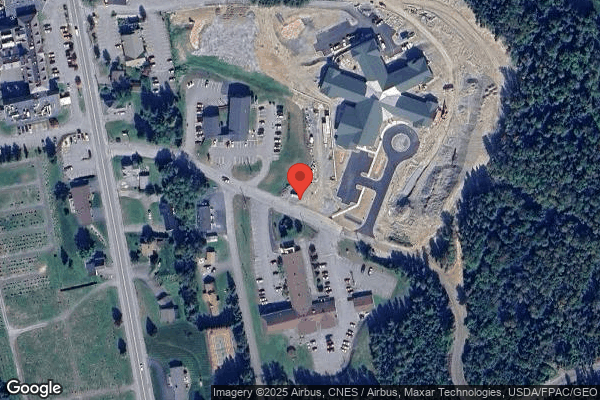
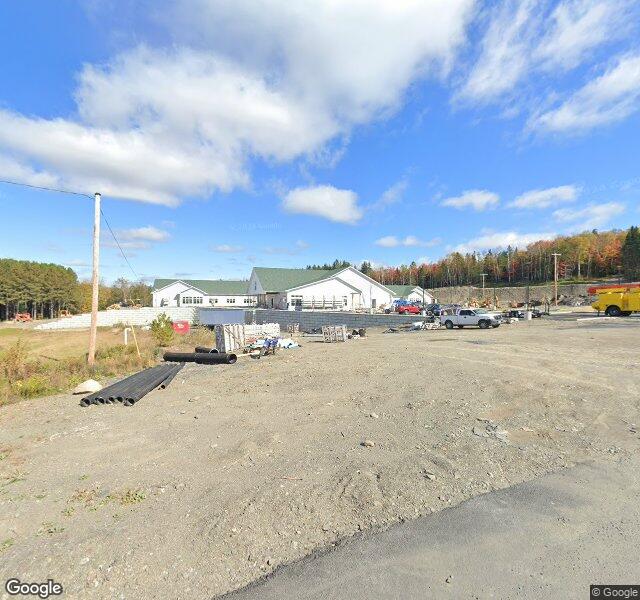
FOREST HILL MANOR

25 BOLDUC AVE, FORT KENT, ME 04743 (207) 834-3915
Non profit - Corporation 45 Beds Independent Data: November 2025 1 Immediate Jeopardy citation
Trust Grade
26/100
#65 of 77 in ME
Last Inspection: February 2025

Within standard 12-15 month inspection cycle. Federal law requires annual inspections.

Overview

Forest Hill Manor in Fort Kent, Maine has received a Trust Grade of F, indicating significant concerns about the facility's quality and care. Ranking #65 out of 77 facilities in the state means they are in the bottom half, with only one local option being worse (#6 out of 7 in Aroostook County). The facility's trend is worsening, as issues have increased from 11 in 2024 to 14 in 2025. While staffing turnover is impressively low at 0%, the facility has a poor 1-star rating for staffing overall, raising concerns about adequate care for residents. Additionally, the facility has incurred fines of $13,627, which is higher than 85% of Maine facilities, suggesting ongoing compliance issues. Specific incidents highlight serious concerns, including a case of staff-to-resident sexual abuse that caused significant emotional harm to a resident. There were also findings indicating inadequate staffing on weekends, which could affect residents' daily living needs. Furthermore, cleanliness and maintenance issues were noted, with floors in poor condition and lacking proper housekeeping, creating an unclean and unsafe environment. Overall, while staffing turnover is a strength, the facility faces critical challenges that families should carefully consider.

Trust Score
F
26/100
In Maine
#65/77
Bottom 16%
Safety Record
High Risk
Review needed
Inspections
Getting Worse
11 → 14 violations
Staff Stability
○ Average
Turnover data not reported for this facility.
Penalties
⚠ Watch
$13,627 in fines. Higher than 95% of Maine facilities. Major compliance failures.
Skilled Nurses
○ Average
RN staffing data not reported for this facility.
Violations
⚠ Watch
28 deficiencies on record. Higher than average. Multiple issues found across inspections.
★☆☆☆☆
1.0
Overall Rating
★☆☆☆☆
1.0
Staff Levels
★☆☆☆☆
1.0
Care Quality
★★☆☆☆
2.0
Inspection Score
Stable
2024: 11 issues
2025: 14 issues

The Good

  • Full Sprinkler Coverage · Fire safety systems throughout facility
  • No fines on record

Facility shows strength in fire safety.

The Bad

1-Star Overall Rating

Below Maine average (3.0)

Significant quality concerns identified by CMS

Federal Fines: $13,627

Below median ($33,413)

Minor penalties assessed

The Ugly 28 deficiencies on record

1 life-threatening
Jul 2025 1 deficiency
CONCERN (D) 📢 Someone Reported This

A family member, employee, or ombudsman was alarmed enough to file a formal complaint

Potential for Harm - no one hurt, but risky conditions existed

Respiratory Care (Tag F0695)

Could have caused harm · This affected 1 resident

Based on clinical record reviews, and interviews, the facility failed to provide physician ordered respiratory services requiring specific types of respiratory care and services including supplemental...

Read full inspector narrative →
Based on clinical record reviews, and interviews, the facility failed to provide physician ordered respiratory services requiring specific types of respiratory care and services including supplemental oxygen and continuous positive airway pressure (CPAP) and/or bilevel positive airway pressure (BIPAP) treatments for 1 of 3 residents reviewed for respiratory care (Resident # 1 [R1]).1.R1's clinical record has a provider written order dated 6/30/25 at 1305 [1:05 p.m.] 1. Please check pulse ox (oxygen saturation rate) 4x [times]/shift. Call covering provider if SpO2 (peripheral capillary oxygen saturation rate) < [less than] 90% while awake or < [less than] 88% when sleeping. R1's clinical record Nursing Narrative Note: dated 7/3/25 at 3:30 p.m. states, SpO2 88%, 89%, 93%, 94%. The clinical record lacks evidence that the covering provider was called when SpO2 was less than 90% while awake or less than 88% when sleeping. R1's clinical record Nursing Narrative Note dated 7/12/25 at 21:21 (9:21 p.m.) states, Writer went in to see resident at 0745 [7:45 a.m.] R1 resting in bed in less than 45-degree position. CPAP on with oxygen set at 4L/min. NP ([nasal prong] nasal canula). From 0747 [7:47 a.m.] to 750 [7:50 a.m.] O2 Sat via pulse oximetry read 79%, 80%, 83%, 84%, 85%, 86%, 87%, 88%, 90%, 92%, and 1112 [11:12 a.m.] to 1114 [11:14 a.m.] O2 Sat 56%, 57%, 59%, 60%, 73%, 75%, 79%, 80%, 83%, 88%, 89%, 92%. It took 2 minutes for oxygen sat to go from 56% to 92%. The clinical record lacks evidence that the covering provider was called when SpO2 was less than 90% while awake or less than 88% when sleeping. R1's clinical record Nursing Narrative Note dated 7/13/25 at 8:17 a.m. states, [R1] is wearing the NP oxygen set at 4L/min. Pulse oximeter form 0800 to 0801 readings are 80%, 84%, 85%, 87%, 89%, 86%, 88%, 90%, 91%. The clinical record lacks evidence that the covering provider was called when SpO2 was less than 90% while awake or less than 88% when sleeping. R1's clinical record Nursing Narrative Note dated 7/13/25 at 22:03 (10:03 p.m.) 1501 (3:01 p.m.) P65. O2 Sat 88%, 87%, 89%, 90%, wearing CPAP at 4 L/Min. It took 3 minutes to reach 90%. 1843 (6:43 p.m.) to 1844 (6:44 p.m.): P64, O2 Sat 79%, 80%, 81%, 84%, 88%, *7%, 90%. [R1] is wearing the CPAP at 4L/min. The clinical record lacks evidence that the covering provider was called when SpO2 was less than 90% while awake or less than 88% when sleeping. 2. R1's clinical record contains written orders dated 7/10/25 Continuous Positive Airway Pressure (CPAP) 06/14/23 10:00:00 EDT [eastern daylight time], every day at bedtime. On 7/15/25 at 10:13 a.m. during an observation and interview with a surveyor, R1 was observed using a CPAP (or BIPAP) machine with a mask that covered the nose and mouth with tubing attached to a CPAP (or BIPAP) machine that had supplemental oxygen via an oxygen concentrator unit set at 3L [liters]/min. [minute]. The surveyor observed R1 remove the mask, unattached the oxygen tubing from the CPAP (or BIPAP) machine and reattach the oxygen tubing to a nasal canula, which he/she then used for supplemental oxygen. There was no evidence in the clinical record whether R1 is supposed to use a CPAP (or BIPAP) machine other than at bedtime, and there is no evidence in the clinical record that supplemental oxygen is supposed to be attached to the CPAP (or BIPAP) machine during use. On 7/15/25 at 2:18 p.m. in an interview with the Director of Nursing (DON), a surveyor confirmed that R1's clinical record lacks evidence that the covering provider was called when R1's SpO2 was less than 90% while awake or less than 88% when sleeping on 7/3/25, 7/12/25, and 7/13/25, and confirmed that the order for CPAP (or BIPAP) is not clear. The DON stated that the provider orders were not clear as to when R1 needs to use the CPAP and/or BIPAP, and if supplemental oxygen is supposed to be used with the CPAP and/or BIPAP.
Feb 2025 13 deficiencies
CONCERN (D)

Potential for Harm - no one hurt, but risky conditions existed

Notification of Changes (Tag F0580)

Could have caused harm · This affected 1 resident

Based on record review and interviews, the facility failed to notify timely the Medical Provider of abnormal laboratory results that required further tests to determine cause and the Resident Represen...

Read full inspector narrative →
Based on record review and interviews, the facility failed to notify timely the Medical Provider of abnormal laboratory results that required further tests to determine cause and the Resident Representative (RR) with results of abnormal labs when results were requested, for 1 of 1 residents reviewed for hospitalization (Resident # [R42]). Findings: 1. On 2/20/25, R42's clinical record was reviewed and indicated that on 1/21/25, R42 had blood work, which included a Comprehensive Metabolic Panel (CMP) and Complete Blood Count (CBC), that were sent to the hospital for analysis and were resulted at 9:06 a.m. (CBC) and 9:23 a.m. (CMP) on 1/21/25. R42's abnormal lab results were as follows: White blood cell count was high at 14.6 with a normal reference range of 4.0-10.0; Sodium level was high at 158, with a normal reference range of 136-145; and Potassium level was high at 5.3, with a normal reference range of 3.5-5.1. On 1/22/25 at 1:44 p.m., the facility's documentation indicated that the (abnormal) blood work was reviewed by Nurse Practitioner (NP), 28 hours after resulted. The NP ordered a STAT (to be completed immediately) urinalysis. On 2/20/25 at 1:24 p.m., during an interview with a surveyor, the Director of Nursing (DON) stated that the Medical Provider should have been made aware of the abnormal lab results by telephone when they were resulted. 2. Review of R42's clinical record indicated on 1/21/25 at 5:30 p.m., documentation indicated that R42's RR requested an update on the blood work results. The RR was told that the results were in the chart and would be reviewed by the doctor tomorrow and that RR would be called tomorrow after that review. On 2/20/25 at 1:24 p.m., during an interview with multiple surveyors present, the DON stated that he saw the note that was written about not giving the RR the information regarding the lab results and making the RR wait until the following day and that the RR should have been given the information (as the RR could have requested transfer to the hospital for further workup).
CONCERN (D)

Potential for Harm - no one hurt, but risky conditions existed

Comprehensive Care Plan (Tag F0656)

Could have caused harm · This affected 1 resident

**NOTE- TERMS IN BRACKETS HAVE BEEN EDITED TO PROTECT CONFIDENTIALITY** Based on record review and interview, the facility failed to ensure a person-centered comprehensive care plan was developed in t...

Read full inspector narrative →
**NOTE- TERMS IN BRACKETS HAVE BEEN EDITED TO PROTECT CONFIDENTIALITY** Based on record review and interview, the facility failed to ensure a person-centered comprehensive care plan was developed in the area of Diabetes for 1 of 13 residents reviewed (Resident #13 [R13]) Findings: Review of Resident #13's clinical record revealed that he/she was admitted to the facility on [DATE]. Review of the current physician order for Novolin R insulin sliding scale. Resident #13's current care plan was reviewed, and it lacked evidence that the care plan included goals and interventions for the care area of Diabetes and use of insulin. On 2/20/25 at 8:27 a.m. During a review of R13's care plan with the Residential Care Coordinator, the surveyor confirmed that the treatment of R13's Diabetes was not addressed in his/her care plan.
CONCERN (D)

Potential for Harm - no one hurt, but risky conditions existed

Quality of Care (Tag F0684)

Could have caused harm · This affected 1 resident

Based on clinical record review and interview, the facility failed to ensure physician orders were followed for 1 of 5 sampled residents for unnecessary medications (Resident #13 [R13]). Finding: On ...

Read full inspector narrative →
Based on clinical record review and interview, the facility failed to ensure physician orders were followed for 1 of 5 sampled residents for unnecessary medications (Resident #13 [R13]). Finding: On 2/19/25 at 3:05 p.m., during a clinical record review for R13, the electronic Medication Administration Record (MAR) showed that R13's blood sugars (BS) were checked 4 times a day and the sliding scale insulin would provide coverage as indicted per the sliding scale. Review of the physician order indicated the use of Novolin R insulin for sliding scale insulin coverage. Sliding scale coverage was ordered for BS starting at 150, coverage would be provided using the following sliding scale: 150-200 = 2 units of Novolin R 201-250 = 4 units of Novolin R 251-300 = 6 units of Novolin R 301-350 = 8 units of Novolin R 351-400 = 10 units of Novolin R On 2/6/25 at 7:47 p.m., R13's BS was 175, R13's sliding scale indicates that he/she should have received 2 units. Documentation on the MAR shows that R13 received 1 unit of Novolin R insulin. On 2/9/25 at 10:44 a.m., R13's BS was 153, R13's sliding scale indicates that he/she should have received 2 units. Documentation on the MAR shows that R13 received 1 unit of Novolin R insulin. On 2/10/25 at 3:35 p.m., R13's BS was 228, R13's sliding scale indicates that he/she should have received 4 units. Documentation on the MAR shows that R13 received 1 unit of Novolin R insulin. On 2/11/25 at 5:21 a.m., R13's BS was 151, R13's sliding scale indicates that he/she should have received 2 units. Documentation on the MAR shows that R13 received 1 unit of Novolin R insulin. On 2/11/25 at 10:50 a.m., R13's BS was 162, R13's sliding scale indicates that he/she should have received 2 units. Documentation on the MAR shows that R13 received 1 unit of Novolin R insulin. On 2/13/25 at 5:09 a.m., R13's BS was 161, R13's sliding scale indicates that he/she should have received 2 units. Documentation on the MAR shows that R13 received 1 unit of Novolin R insulin. On 2/13/25 at 10:48 a.m., R13's BS was 205, R13's sliding scale indicates that he/she should have received 4 units. Documentation on the MAR shows that R13 received 1 unit of Novolin R insulin. On 2/13/25 at 3:38 p.m., R13's BS was 240, R13's sliding scale indicates that he/she should have received 4 units. Documentation on the MAR shows that R13 received 1 unit of Novolin R insulin. On 2/13/25 at 7:59 p.m., R13's BS was 157, R13's sliding scale indicates that he/she should have received 2 units. Documentation on the MAR does not show how much insulin coverage he/she received. On 2/20/25 at 8:15 a.m., during an interview with the Resident Care Coordinator, R13's MAR was reviewed The surveyor confirmed that on several days R13 had BS that would have required coverage from sliding scale and he/she did not receive the correct dose.
CONCERN (D)

Potential for Harm - no one hurt, but risky conditions existed

Deficiency F0692 (Tag F0692)

Could have caused harm · This affected 1 resident

Based on record review and interview, the facility failed to recognize a potential significant weight loss for 1 of 5 sampled residents reviewed for nutrition (Resident #30 [R30]). Finding: On 2/19/25...

Read full inspector narrative →
Based on record review and interview, the facility failed to recognize a potential significant weight loss for 1 of 5 sampled residents reviewed for nutrition (Resident #30 [R30]). Finding: On 2/19/25, R30's clinical record was reviewed. R30's care plan, revised on 11/29/24, indicated R30 lost weight and will now get a nutritional supplement once a day. R30's care plan indicated a goal to maintain a body weight within 3 lbs of 179 lbs. R30's weights were as follows: On 9/5/24, R30 weighed 184 lbs. On 10/18/24, R30 weighed 175 lbs. On 11/19/24, R30 weighed 168 lbs. On 1/7/25, R30 weighed 160 lbs. On 2/13/25, R30 weighed 155 lbs. On 2/20/25 at 9:40 a.m., during an interview with a surveyor, the Director of Nursing stated the dietician had ordered a supplement, but the order had dropped off. At this time, the surveyor confirmed R30's clinical record lacked evidence that nursing staff had not notified the medical provider or the registered dietitian, and had not initiated nutritional interventions, such as requesting additional supplements to address the weight loss.
CONCERN (D)

Potential for Harm - no one hurt, but risky conditions existed

Deficiency F0761 (Tag F0761)

Could have caused harm · This affected 1 resident

Based on observation and interview, the facility failed to ensure all expired drugs and biologicals, available for resident use, had been removed from 1 of 2 medication storage units (skilled nursing ...

Read full inspector narrative →
Based on observation and interview, the facility failed to ensure all expired drugs and biologicals, available for resident use, had been removed from 1 of 2 medication storage units (skilled nursing unit), and 1 of 1 medication storage refrigerator (medication storage refrigerator long term care unit). Findings: 1. On 2/20/25 at 10:36 a.m., during an inspection of the medication storage room on the skilled unit, a surveyor discovered one box of Ayr Saline Nasal Gel (sinus spray), available for resident use, that had expired on 7/24. 2. On 2/20/25 at 10:55 a.m., during an inspection of the medication storage room refrigerator on the long term care unit, a surveyor discovered one bottle of GI (gastrointestinal) Cocktail (Lidocaine, Banophen, Mylanta) (medication for dyspepsia [upper abdominal pain]) give 15 milliliters (ml) by mouth twice daily as needed, with Resident #15's name on the bottle, which had a discard after 2/2/25 written on the label. R15's current physician's orders, dated 8/17/23, included an order for GI Cocktail 15 ml, solution, oral, twice a day as needed for dyspepsia. The above findings were confirmed with the Certified Nursing Assistant - Medications on 2/20/25 at the time of the observations, and the medications were immediately removed for destruction.
CONCERN (D)

Potential for Harm - no one hurt, but risky conditions existed

Deficiency F0773 (Tag F0773)

Could have caused harm · This affected 1 resident

Based on record review and interviews, the facility failed to notify the provider of abnormal laboratory results timely for 1 of 1 residents reviewed for hospitalization (Resident #42 [R42]). Finding:...

Read full inspector narrative →
Based on record review and interviews, the facility failed to notify the provider of abnormal laboratory results timely for 1 of 1 residents reviewed for hospitalization (Resident #42 [R42]). Finding: On 2/20/25, R42's clinical record was reviewed and indicated that on 1/21/25, R42 had blood work and a chest x-ray ordered by the doctor (MD). The bloodwork, which included a Comprehensive Metabolic Panel (CMP) and Complete Blood Count (CBC), were obtained by the facility and sent to the hospital for analysis and were resulted at 9:06 a.m. (CBC) and 9:23 a.m. (CMP) on 1/21/25. R42's abnormal lab results were as follows: White blood cell count was high at 14.6 with a normal reference range of 4.0-10.0; Sodium level was high at 158, with a normal reference range of 136-145; and Potassium level was high at 5.3, with a normal reference range of 3.5-5.1. On 1/21/25 at 5:30 p.m., the facility's documentation indicated that the results were in the chart and would be reviewed by MD tomorrow. On 1/22/25 at 1:44 p.m., the facility's documentation indicated that the (abnormal) blood work and chest x-ray results were reviewed by Nurse Practitioner (NP), 28 hours after resulted. On 2/20/25 at 12:21 p.m., during an interview with a surveyor, Registered Nurse stated that if a resident has labs that were completed, they have to check the computer for the results unless it is a critical value and then the laboratory would call (the facility is owned by the hospital and share the same electronic medical record). On 2/20/25 at 1:24 p.m., during an interview with a surveyor, the Director of Nursing (DON) stated that the Medical Provider should have been made aware of the abnormal lab results by telephone when they were resulted.
CONCERN (D)

Potential for Harm - no one hurt, but risky conditions existed

Deficiency F0883 (Tag F0883)

Could have caused harm · This affected 1 resident

Based on record review, facility policy review, and interview, the facility failed to ensure residents were offered pneumococcal immunizations for 1 of 5 residents reviewed for immunizations (Resident...

Read full inspector narrative →
Based on record review, facility policy review, and interview, the facility failed to ensure residents were offered pneumococcal immunizations for 1 of 5 residents reviewed for immunizations (Resident #34 [R34]). Finding: The facility's policy, Pneumococcal/Influenza Immunization Policy, last revised 2/12, indicated that all patients will be offered the vaccine unless contraindicated due to health history. Administration of the vaccine will be in accordance with the Pneumococcal Immunization/Influenza Standing Order. On 2/19/25, R34's clinical record was reviewed. The surveyor could not find evidence that R34 was offered, declined, or had received a Pneumococcal Immunization. On 2/20/25 at 9:31 a.m., during an interview with a surveyor, the Infection Preventionist stated that there was no offering, history of receiving, or declination of a Pneumococcal Immunization in R34's clinical record and that R34's Resident Representative consented yesterday, after the surveyor asked for further information on R34's vaccination status.
CONCERN (E)

Potential for Harm - no one hurt, but risky conditions existed

Safe Environment (Tag F0584)

Could have caused harm · This affected multiple residents

**NOTE- TERMS IN BRACKETS HAVE BEEN EDITED TO PROTECT CONFIDENTIALITY** Based on observations and interviews, the facility failed to adequately provide housekeeping and maintenance services necessary ...

Read full inspector narrative →
**NOTE- TERMS IN BRACKETS HAVE BEEN EDITED TO PROTECT CONFIDENTIALITY** Based on observations and interviews, the facility failed to adequately provide housekeeping and maintenance services necessary to maintain resident equipment and the building in good repair, homelike, and in a sanitary condition on 2 of 2 units (Skilled Nursing Unit [SNF] and Long Term Care Unit [LTC]). Findings: 1. On 2/19/25 at 10:30 a.m., the Administrator, Housekeeping/laundry Manager (HLM) and a surveyor observed multiple areas of the building that included floors in resident rooms, the Skilled Unit dining room, common areas, and hallways on both units. The flooring was observed to have discolored areas that created a soiled and/or worn appearance and cracked floor coverings, which created uncleanable surfaces. The HLM stated that the floors are down to the last layers, they are so worn and that is why the floors look the way they do; the surveyor also noted that some of the thresholds between the hallway and resident rooms on the LTC Unit had dirt buildup along the cracks. On 2/19/25 at 3:30 p.m., during the end of day conference with the Administrator, the surveyors reviewed other areas of concern with the environment to include chipped paint along a door frame and the trim that was broken on the edge of a sink in room [ROOM NUMBER] and a soiled floor mat in room [ROOM NUMBER]. 2. On 2/20/25 at 1:54 p.m., in an observation and interview with Registered Nurse #2, a surveyor confirmed that R15's wheelchair had dirt and dried debris on both arms, and wheels of his/her wheelchair.
CONCERN (E)

Potential for Harm - no one hurt, but risky conditions existed

Deficiency F0657 (Tag F0657)

Could have caused harm · This affected multiple residents

Based on observations, record reviews and interviews, the facility failed to update/revise care plans for the use of Enhanced Barrier Precautions (EBP) for 2 of 3 residents reviewed (Resident #26 [R26...

Read full inspector narrative →
Based on observations, record reviews and interviews, the facility failed to update/revise care plans for the use of Enhanced Barrier Precautions (EBP) for 2 of 3 residents reviewed (Resident #26 [R26] and [R27]) Findings: 1. On 2/19/25 at 7:55 a.m., a surveyor observed an EBP sign on the outside of the door of R26's room. Record review showed that R26 has wounds on both heels with daily dressing changes. The care plan was reviewed and lacked evidence of addressing the need for the EBP while providing care to R26. On 2/20/25 at 1:30 p.m., during an interview with a surveyor and the Residential Care Coordinator, the surveyor confirmed that R26's care plan had not been updated to include the required EBP. 2. On 2/18/25 at 1:01 p.m., a surveyor observed an EBP sign displayed outside the door of R27's room. On 2/20/25, the Director of Nursing provided orders, dated 8/8/24, for R27 that indicated that the resident was on precautions due to Vancomycin-resistant Enterococci (VRE) in the urine. The care plan was reviewed but lacked evidence of the resident needing EBP continuously, with no end date, for this diagnosis. At 1:45 p.m., during an interview with a surveyor, the Resident Care Coordinator stated that this had not been added to R27's care plan.
CONCERN (E)

Potential for Harm - no one hurt, but risky conditions existed

Accident Prevention (Tag F0689)

Could have caused harm · This affected multiple residents

**NOTE- TERMS IN BRACKETS HAVE BEEN EDITED TO PROTECT CONFIDENTIALITY** Based on observations and interviews, the facility failed to ensure that hot water temperatures in resident rooms did not exceed...

Read full inspector narrative →
**NOTE- TERMS IN BRACKETS HAVE BEEN EDITED TO PROTECT CONFIDENTIALITY** Based on observations and interviews, the facility failed to ensure that hot water temperatures in resident rooms did not exceed 120 degrees Fahrenheit and that blue floor tiles in the Skilled Unit hallway were completely glued to the floor creating a possible trip hazard, on 2 of 3 days of survey (2/18-2/19/25). Findings: 1. On 2/18/25 between 11:25 a.m. - 11:46 a.m., two surveyors observed the following hot water temperatures: room [ROOM NUMBER], the hot water temperature was 124.8; room [ROOM NUMBER], the hot water temperature was 122.1; room [ROOM NUMBER], the hot water temperature was 124.5; room [ROOM NUMBER], the hot water temperature was 124.8; room [ROOM NUMBER], the hot water temperature was 122.5; room [ROOM NUMBER], the hot water temperature was 120.9; and room [ROOM NUMBER], the hot water temperature was 120.8. At 11:48 a.m., two surveyors discussed with the Administrator that there were hot water temperatures above 120 degrees in some of the rooms. room [ROOM NUMBER] was rechecked at this time and was not above 120 degrees. On 2/18/25 between 1:38 p.m.- 1:46 p.m., surveyors observed the following hot water temperatures: room [ROOM NUMBER], the hot water temperature was 121.2; room [ROOM NUMBER], the hot water temperature was 122.1; room [ROOM NUMBER], the hot water temperature was 121.5; and room [ROOM NUMBER], the hot water temperature was 120.4. At 2:02 p.m., during an interview with a surveyor, the Administrator stated that the water temperatures were adjusted this morning after the first report, but they will make another one. They will continue to check rooms today and continue to make adjustments. On 2/19/25 at 11:32 a.m., in room [ROOM NUMBER], the hot water temperature was 120.3. On 2/19/25 at 12:20 p.m., the Administrator stated that the mixing valve was found to be faulty was changed this morning and they are continuing to make adjustments. 2. On 2/19/25 at 9:09 a.m., two surveyors observed areas of blue floor tiles in the Skilled Unit hallway that were starting to lift because they were becoming unglued in areas, presenting a possible trip hazard. On 2/19/25 at 10:30 a.m., during an interview with a surveyor, the Administrator stated that the blue tiles are downstairs, and they had plans to replace them.
CONCERN (E)

Potential for Harm - no one hurt, but risky conditions existed

Respiratory Care (Tag F0695)

Could have caused harm · This affected multiple residents

2. On 2/18/25 at 1:01 p.m., a surveyor observed R27's oxygen tubing, dated 1/7/25, and the INVACARE oxygen concentrator was missing both side filters. On 2/19/25 at 8:45 a.m., a surveyor observed the...

Read full inspector narrative →
2. On 2/18/25 at 1:01 p.m., a surveyor observed R27's oxygen tubing, dated 1/7/25, and the INVACARE oxygen concentrator was missing both side filters. On 2/19/25 at 8:45 a.m., a surveyor observed the oxygen tubing, dated 1/7/25, and the oxygen concentrator still was missing both side filters. On 2/19/25 at 12:20 p.m., during an interview with a surveyor, R27 stated that he/she uses oxygen every night. Review of the manual of the INVACARE Platinum Series XL, 5, 10 indicated that the concentrator was not to be operated without the filter. On 2/19/25 at 12:24 p.m., the DON and surveyor observed R27's oxygen concentrator was missing the filters, and the tubing that was dated 1/7/25. The DON stated that all respiratory tubing and respiratory masks were to be changed every 2 weeks. 3. On 2/18/25 at 11:37 a.m., a surveyor observed R33's oxygen tubing with nasal cannula, dated 1/20/25, resting on the floor. On 2/19/25 at 12:28 p.m., during an interview with the DON, a surveyor confirmed the tubing had not been changed timely per protocol. Based on observations and interview, the facility failed to maintain respiratory equipment in a sanitary manner to help prevent the development and transmission of disease and infection related to respiratory care for 3 of 5 residents reviewed for respiratory care (Resident #11 [R11], [R27] and [R33]). Findings: 1. On 2/18/25 at 11:35 a.m., a surveyor observed R11's oxygen tubing, dated 1/20/25, resting on the floor. The oxygen concentrator filters were observed to be heavily soiled with dust / debris. On 2/19/25 at 8:07 a.m., a surveyor observed R11's oxygen concentrator filters to be heavily soiled with dust / debris. On 2/19/25 at 12:28 p.m., during an interview, a surveyor and the Director of Nursing (DON), observed R11's oxygen concentrator filters to be heavily soiled with dust/debris. The DON stated the tubing should be changed every 2 weeks unless otherwise directed by the provider. At this time the surveyor confirmed the tubing had not been changed per protocol and the concentrator was not maintained in a manner to prevent the development and/or transmission of disease.
CONCERN (E)

Potential for Harm - no one hurt, but risky conditions existed

Infection Control (Tag F0880)

Could have caused harm · This affected multiple residents

3. On 2/19/25 at 7:55 a.m., a surveyor observed an Enhanced Barrier Precaution sign to indicate necessary precautions be used when assisting R26, to include a gown, and gloves that were needed when pr...

Read full inspector narrative →
3. On 2/19/25 at 7:55 a.m., a surveyor observed an Enhanced Barrier Precaution sign to indicate necessary precautions be used when assisting R26, to include a gown, and gloves that were needed when providing care. The surveyor observed two certified Nursing Assistants (CNA) assisting R26 to reposition in bed, both CNAs did not wear a protective gown and one CNA did not wear gloves when assisting R26 with repositioning, they failed to follow the enhanced barrier precautions (EBP) for R26. On 2/19/25 at 9:00 a.m., a surveyor confirmed the above finding with the charge nurse. 4. On 2/19/25 at 8:13 a.m., a surveyor observed CNA take R28 into the bathroom by wheelchair. The surveyor observed an Enhanced Barrier Precaution sign on the doorframe area. CNA was not wearing a gown when entering or exiting the bathroom. At 8:21 a.m., the surveyor observed Registered Nurse (RN) go into R28's bathroom and then observed her transporting R28 in a wheelchair out of the bathroom. At 8:25 a.m., during an interview with a surveyor, RN stated that she assisted R28 with toileting hygiene and transferred R28 to the wheelchair and did not know that R28 was on enhanced barrier precautions, but would check why. On 2/19/25 at 8:50 a.m., during an interview with a surveyor, and with a CNA present, RN stated that R28 tested positive for Vancomycin-Resistant Enterococcus (VRE) and that they should be wearing gowns when providing care to R28. On 2/19/25 at 9:21 a.m., during an interview with a surveyor, Infection Preventionist confirmed that R28 was on EBP for VRE in the urine and that is why the sign is posted outside the door. 5. The facility's Water Management Program indicated the individual or team responsible for the Water Management Program manages the following: Documented results of all monitoring activities; Corrective actions and procedures to follow if a test result outside of acceptable limits is obtained; and Documented corrective actions taken when the control limits are not maintained. The Control Locations Management Log identified areas to monitor (action item), control ranges, and minimum frequency of checks. Further review included multiple action items that included: check hot water temperatures of faucets to ensure proper heating (monthly), clean showerheads and run hoses weekly, ensuring all active outlets are flushed weekly, and cleaning the ice machine at least twice a year, with more items listed. On 2/19/25 at 10:18 a.m., during an interview with a surveyor, the Forest Hill Maintenance Specialist stated that he only checks the water temperatures that comes into the boiler room that is generated by the hospital. He does not check hot water temperatures at faucets to ensure proper heating or any other monitoring that was identified on the Control Locations Management Log. On 2/19/25 at 10:30 a.m., during an interview with a surveyor, the Administrator stated that he would check for further information regarding action items that were to be monitored. On 2/19/25 at 12:20 p.m., during an interview with a surveyor, the Administrator confirmed that the facility is not monitoring the action items identified per Water Management Policy except for the ice machine and boiler room checks. Based on observations and interviews, the facility failed to implement infection prevention measures for 2 of 3 days of survey (2/18/25 and 2/19/25) and failed to fully develop/implement a water management program to prevent the growth and spread of Legionella and other water-borne pathogens in the area of monitoring for control measures for 1 of 1 review of water management program. Findings: The facility's Enhanced Barrier Precautions signage directed staff and providers to wear gloves and a gown for the following High-Contact Resident Care Activities: -dressing -bathing/showering -transferring -changing linens -providing hygiene -changing briefs or assisting with toileting -device care or use: central line, urinary catheter, feeding tube, tracheostomy -wound care: any skin opening requiring a dressing 1. On 2/18/25 at 11:28 a.m., a surveyor observed personal protective equipment signage to indicate necessary precautions, to include a gown, needed before entering room. The surveyor observed the Unit Caretaker changing linen and making Resident 33's (R33's) bed and did not wear a protective gown when handling used linen and bedspread for a resident on enhanced barrier precautions (EBP). On 2/20/25 at 11:28 a.m., in an interview with the Director of Nursing (DON), a surveyor confirmed that the Unit Caretaker did not wear a gown when handling linen and bedspread for R33, on EBP's. 2. On 2/19/25 at 8:20 a.m., a surveyor observed a Certified Nursing Assistant - Medications (CNA-M) administer eye drops in both eyes for R11 without wearing gloves. In an interview with the CNA-M, she stated she probably should have worn gloves. On 2/20/25 at 11:28 a.m., in an interview with the DON, a surveyor confirmed that the CNA-M did not wear gloves when administering eye drops for R33. The DON stated that Lippincott Nursing Procedures are used as guidance for appropriate medication administration, and the CNA-M should have been wearing gloves. On 2/20/25 a surveyor reviewed Lippincott Nursing Procedures, ninth education, copyright 2023, page 338 stated perform hand hygiene and then put on gloves, when administering eye drops.
CONCERN (F)

Potential for Harm - no one hurt, but risky conditions existed

Deficiency F0725 (Tag F0725)

Could have caused harm · This affected most or all residents

Based on record review and interviews, the facility failed to ensure sufficient direct care staff were scheduled and on duty to meet the needs of residents that reside in the facility. This has the po...

Read full inspector narrative →
Based on record review and interviews, the facility failed to ensure sufficient direct care staff were scheduled and on duty to meet the needs of residents that reside in the facility. This has the potential to affect all residents needing assistance with Activities of Daily Living (ADL's). Findings: Review of Payroll Based Journal staffing report revealed the facility triggered for low weekend staffing during the fourth quarter of 2024 (July 1 - September 30). On 2/20/25 at 9:58 a.m., during an interview with a surveyor and the Administrator, the staffing schedules were reviewed for the fourth quarter of 2024. The Administrator confirmed the facility did not ensure enough staff were on duty to meet resident needs on the weekends.
Oct 2024 2 deficiencies 1 IJ
CRITICAL (J) 📢 Someone Reported This

A family member, employee, or ombudsman was alarmed enough to file a formal complaint

Immediate Jeopardy (IJ) - the most serious Medicare violation

Free from Abuse/Neglect (Tag F0600)

Someone could have died · This affected 1 resident

Based on the facility reported incident dated 9/17/24, review of the facility's investigation report dated 9/17/24, facility's investigation follow-up report dated 9/20/24, facility policy, record rev...

Read full inspector narrative →
Based on the facility reported incident dated 9/17/24, review of the facility's investigation report dated 9/17/24, facility's investigation follow-up report dated 9/20/24, facility policy, record review, and interviews, the facility failed to protect a resident from being sexually harmed, and potentially being emotionally harmed and causing the resident to sustain emotional fear, sadness, and embarrassment for 1 of 1 resident sampled for abuse (Resident #1 [R1]). A reasonable person could have psychosocial harm. Finding: On 9/17/24, the facility reported to the Maine Department of Health and Human Service, Division of Licensing and Certification a facility reportable incident of staff to resident sexual abuse. Documentation in the facility's Investigation Summary Report indicates that on 9/17/24, a Certified Nursing Assistant #1 (CNA1) reported to the facility's Director of Nursing (DON) that on 9/17/24 at 10:30 a.m. CNA1 noted R1's room door was closed and noted she had not seen R1 recently. CNA1 entered the room without knocking and states she saw an employee, the Transporter, [Facility] Activities sitting in front of R1 and describes that the Transporter, [Facility] Activities appeared to be startled to see CNA1 entering the room and removed his hands from under R1's shirt. CNA1 states, I saw [the Transporter] had his hands in R1's shirt on [his/her] breast. Documentation in R1's clinical record, under a physician progress note indicates that R1 has diagnoses to include generalized anxiety disorder, major depressive disorder, PTSD [post-traumatic stress disorder], agitation, dementia, major neurocognitive disorder, Alzheimer's disease, and vascular dementia. Documentation in the resident's clinical record, showed no outward signs of emotional distress from the incident. R1 is incapable of giving his/her consent to sexual activity. It would be reasonable that R1 would be very distraught that his/her dignity was violated by a staff placing his hands on R1's breast. Documentation in the facility's current Abuse, Neglect, Exploitation and Misappropriation of Property policy indicates that residents will be free from sexual abuse. On 9/30/24 at 12:00 p.m., in an interview with a surveyor, CNA1 states that she was searching for R1, went into R1's room and observed the Transporter, Activities staff with his hands up the front of R1's shirt, under R1's clothing on his/her breasts. CNA1 states the Transporter, Activities staff removed his hands from under R1's shirt, then fixed R1's shirt when she entered the room. CNA1 took R1's hand and led him/her to the hallway where R1 continued to walk down the hallway. CNA1 states that R1 had a dazed look on his/her face, and she immediately reported the incident to the Director of Nursing (DON). On 9/30/24 at 11:36 a.m. in an interview with a surveyor, the Administrator, Chief Operating Officer confirmed that the Transporter, Activities staff admitted to him that, he [Transporter, Activities staff] had his hands between R1's breasts and touching his/her breasts. He did admit to me that [R1] was not of [his/her] normal state of mind, could not consent. R1 did not have the cognitive ability to get out of the situation of being sexually touched and was under the control of the Transporter [Facility] Activities. Potential long-lasting embarrassment and emotional distress would occur knowing that he/she was sexually touched. A reasonable person would suffer from anger and deep sadness due to lack of control over the situation and would experience fear of the Transporter [Facility] Activities. As a result of the facility's investigation the following correction actions were immediately taken on 9/17/24: -The facility immediately took action by ensuring the resident was safe and the resident was assessed and showed no signs of distress. - The Transporter [Facility] Activities was immediately terminated from employment on 9/17/24 after meeting with the Administrator, Chief Operating Officer, and the DON. The local police were notified, Licensing and Certification and the Adult Protective Agency were notified, the resident's physician and the resident representatives were notified. -The DON began to hold in-service education reviewing Abuse Reporting and Investigation, with more training to take place next week. The DON documented on an attendance record, which contained staff names, and the completion of the in-services attended. Additionally, based on the above information, Immediate Jeopardy (IJ) at past non-compliance was called on 10/15/24 for the facility's failure to ensure that a resident was free from abuse [sexual]. Please see F-0000- Initial Comments related to the IJ removal plan.
CONCERN (D) 📢 Someone Reported This

A family member, employee, or ombudsman was alarmed enough to file a formal complaint

Potential for Harm - no one hurt, but risky conditions existed

Deficiency F0943 (Tag F0943)

Could have caused harm · This affected 1 resident

Based on interview and record review, the facility failed to implement and maintain an effective training program which includes, at a minimum, training on abuse, neglect, exploitation and misappropri...

Read full inspector narrative →
Based on interview and record review, the facility failed to implement and maintain an effective training program which includes, at a minimum, training on abuse, neglect, exploitation and misappropriation of resident property by failing to ensure that 2 of 3 unlicensed staff reviewed for in-service training completed the required training (Staff #1, and Staff #2). Findings: During a review of facility staff education records the following was identified: 1. Transporter, [Facility] Activities, staff #1 was hired on 3/28/16. The education record lacks evidence of mandatory abuse, neglect, exploitation and misappropriation of resident property education/training in within the past year. 2. Housekeeping and Engineer Services, Handyman, staff #2 was hired on 1/5/23. The education record lacks evidence of mandatory abuse, neglect, exploitation and misappropriation of resident property education/training in within the past year. On 9/30/24 at 4:44 p.m. in an interview with a surveyor, the Director of Nursing confirmed that not all of the mandatory training required was completed for Staff #1, and staff #2 within the past year.
Sept 2024 1 deficiency
CONCERN (D) 📢 Someone Reported This

A family member, employee, or ombudsman was alarmed enough to file a formal complaint

Potential for Harm - no one hurt, but risky conditions existed

ADL Care (Tag F0677)

Could have caused harm · This affected 1 resident

Based on interviews, the facility's bathing schedule, and facility's bathing documentation, and electronic medical record the facility failed to ensure that resident's preferences were being followed ...

Read full inspector narrative →
Based on interviews, the facility's bathing schedule, and facility's bathing documentation, and electronic medical record the facility failed to ensure that resident's preferences were being followed in the area of bathing for 1 of 1 resident reviewed. (Resident's #1 [R1]). Findings: On 9/4/24 at 10:07 a.m. in an interview with a surveyor, R1 indicated that he/she should be getting whirlpools every evening, that it is care planned, and he/she did not receive whirlpools for 7 days in the past 31 days. R1 further indicated that he/she only refused a whirlpool bath 1 time due to being sick, and 1 time because he/she returned from an outing late and knew it was late for staff to give him/her a whirlpool. Review of LTC IPOC (plan of care) for R1, last evaluated on 8/27/24, indicates under ADL (activities of daily living), I request a daily whirlpool in the evening. I may decline at times, if my schedule changes or I don't feel up to it. Review of facility Whirlpool Schedule indicates under Miscellaneous, R1, WP (whirlpool) every evening before 9 pm [9:00 p.m.]. Review of CORP - Section GG (MDS 3.0) - Detail Report for R1, printed on 9/4/24, dated 8/25/24 9:30 PM (p.m.), Inpatient, indicates, please describe the resident's shower/bathe performance., Substantial/maximal assistance. The detail report does not specify what type of bathing R1 received. On 9/4/24 at 11:53 a.m. in an interview with a surveyor, Registered Nurse #1 [R1] indicated that last October things changed with the documentation and as a facility they decided to choose how they document bathing according to Section GG of the Material Data Set (MDS) 3.0. which doesn't specify the type of bath a resident receives. The surveyor confirmed that R1's documentation does not indicate if he/she received a bed bath, whirlpool bath, or shower. Review of R1's clinical record lacked evidence that he/she received any whirlpools in the past 31 days. On 9/4/24 at 1:04 p.m. in an interview with the Administrator, a surveyor confirmed that there is no evidence that R1 received any whirlpool baths in the past 31 days.
Apr 2024 1 deficiency
CONCERN (D) 📢 Someone Reported This

A family member, employee, or ombudsman was alarmed enough to file a formal complaint

Potential for Harm - no one hurt, but risky conditions existed

Quality of Care (Tag F0684)

Could have caused harm · This affected 1 resident

Based on interview and record review, the facility failed to follow physician orders to obtain a urine sample for 1 of 2 residents reviewed for resident to resident abuse (Resident #24 [R24]). Findin...

Read full inspector narrative →
Based on interview and record review, the facility failed to follow physician orders to obtain a urine sample for 1 of 2 residents reviewed for resident to resident abuse (Resident #24 [R24]). Findings: Review of Resident #24's medical record contained a provider order dated 4/18/24 to obtain an u/a (urinalysis, or urine sample to rule out urinary tract infection), due to change in mental status. On 4/23/24 at 11:46 a.m. in an interview with the Administrator, a surveyor confirmed that a urine sample was not obtained, as ordered, 5 days after the provider's order, and there is no record of attempt or completion of urine sample.
Feb 2024 7 deficiencies
CONCERN (D)

Potential for Harm - no one hurt, but risky conditions existed

Assessment Accuracy (Tag F0641)

Could have caused harm · This affected 1 resident

**NOTE- TERMS IN BRACKETS HAVE BEEN EDITED TO PROTECT CONFIDENTIALITY** Based on record review and interviews, the facility failed to ensure that the admission Minimum Data Set (MDS) 3.0 was coded acc...

Read full inspector narrative →
**NOTE- TERMS IN BRACKETS HAVE BEEN EDITED TO PROTECT CONFIDENTIALITY** Based on record review and interviews, the facility failed to ensure that the admission Minimum Data Set (MDS) 3.0 was coded accurately in the area of Active Diagnosis for 1 of 1 sampled residents reviewed for Pre-admission Screening and Resident Review (PASRR) (Resident #40 [R40]). Finding: On 2/26/24, R40's clinical record was reviewed. On 12/14/23, R40 was admitted to the facility , the discharge paperwork from the hospital stated R40 had a diagnosis of anxiety and the admission physician orders, dated 12/14/23, included a medication, Clonazepam, that was used to treat anxiety. Review of R40's admission MDS, dated [DATE], for Section: I Active Diagnoses (in the last 7 days) did not include I5700 - Anxiety. On 2/26/24 at 11:55 a.m., during an interview with the Resident Care Coordinator, a surveyor confirmed the missing diagnosis on the MDS. On 2/26/24 at 12:40 p.m., during an interview with the Director of Nursing, a surveyor confirmed that R40 was receiving medication to treat the diagnosis of anxiety.
CONCERN (D)

Potential for Harm - no one hurt, but risky conditions existed

Deficiency F0645 (Tag F0645)

Could have caused harm · This affected 1 resident

**NOTE- TERMS IN BRACKETS HAVE BEEN EDITED TO PROTECT CONFIDENTIALITY** Based on record review and interview, the facility failed to ensure a Pre-admission Screening and Resident Review (PASRR), inclu...

Read full inspector narrative →
**NOTE- TERMS IN BRACKETS HAVE BEEN EDITED TO PROTECT CONFIDENTIALITY** Based on record review and interview, the facility failed to ensure a Pre-admission Screening and Resident Review (PASRR), included current diagnosis, and was updated for 1 of 1 residents reviewed (Resident #40 [R40]). Finding: On 2/25/24, R40's clinical record was reviewed and indicated that R40 was admitted to the facility on [DATE]. The PASRR was completed by the hospital and submitted to the State-designated authority on 12/12/23, (prior to admission to the facility) which indicated R40 had no mental health diagnoses known or suspected. A review of R40's clinical record indicated that R40 had a diagnosis of anxiety that was added to the diagnosis list on 12/14/23 (the date of admission) and was also included on the discharge paperwork from the hospital. A review of R40's admission Minimum Data Set (MDS) 3.0, dated 12/20/24, under section I5950 was coded to indicate that R40 had other psychotic disorder. The clinical record lacked evidence that the PASRR Level I Screen was corrected to include his/her diagnosis of anxiety and other psychotic disorder and was resubmitted to the State-designated authority to determine if a Level II assessment was needed. On 2/26/24 at 12:45 p.m., during an interview with a surveyor, the Licensed Social Worker stated that she reviewed the PASRR that was submitted by the hospital to the State-designated authority but did not know that R40 had these diagnoses. The surveyor confirmed that the PASRR was not resubmitted with the correct information when R40 was admitted to the facility.
CONCERN (D)

Potential for Harm - no one hurt, but risky conditions existed

Food Safety (Tag F0812)

Could have caused harm · This affected 1 resident

**NOTE- TERMS IN BRACKETS HAVE BEEN EDITED TO PROTECT CONFIDENTIALITY** Based on observation and interview, the facility failed to ensure the kitchen was maintained in a clean and sanitary manner for ...

Read full inspector narrative →
**NOTE- TERMS IN BRACKETS HAVE BEEN EDITED TO PROTECT CONFIDENTIALITY** Based on observation and interview, the facility failed to ensure the kitchen was maintained in a clean and sanitary manner for drawers, cabinets, oven/stove overhead vent, propane pipe, bowls, dishes, ice machine, air fryer, and food in a reach-in freezer. Additionally, the facility failed to label and date food in a reach-in freezer. This was for 1 of 1 kitchen tours on 1 of 3 days of survey (2/25/24). Findings: On 2/25/24 from 10:13 a.m. to 10:40 a.m., a surveyor conducted a tour of the kitchen with the [NAME] in which the following were observed: - Two drawers, and two cabinets to the right of the cook prep sink had chipped paint and missing paint exposing bare wood. - The oven/stove overhead vent/fan hood had chipped paint. - The propane pipe to the left of the oven/stove had chipped paint and dust. - The table to the left of the oven/stove had bowls and plates facing upward directly under the propane pipe, exposing them to chipped paint and dust. - The outside of the ice machine, and ice machine vent/filter was dusty, and the upper outside edge of the ice machine was corroded and had chipped paint. - The top of the air fryer was dusty. - The reach-in freezer had one bag of yellowish, breaded pieces of unidentified food, identified by the [NAME] as [NAME] wedges that was unlabeled and undated. - The reach-in freezer had one bag of yellowish patties of unidentified food, identified by the [NAME] as hash brown's that was unlabeled and undated. - The reach-in freezer had two bags of red unidentified food, identified by the [NAME] as red hotdogs that was unlabeled and undated. - The reach-in freezer had two bags of yellow/brown unidentified food, identified by the [NAME] as peeled frozen bananas that was unlabeled and undated. - The reach-in freezer had two bags of pot roast that contained ice crystals on the food. - The reach-in freezer had one package of provolone cheese that contained ice crystals on the food. - The reach-in freezer had one package of turkey breast slices that contained ice crystals on the food. - The reach-in freezer had one bag of loose elbow macaroni that contained ice crystals on the food. A surveyor confirmed the above findings with the [NAME] at time of observation, and on 2/26/24 at 8:15 a.m. during an interview with the Dietary Manager, a surveyor confirmed the above findings.
CONCERN (D)

Potential for Harm - no one hurt, but risky conditions existed

Deficiency F0883 (Tag F0883)

Could have caused harm · This affected 1 resident

**NOTE- TERMS IN BRACKETS HAVE BEEN EDITED TO PROTECT CONFIDENTIALITY** Based on record reviews and interview, the facility failed to ensure 5 of 6 residents (Residents #41 [R41], R43, R18, R17, and R...

Read full inspector narrative →
**NOTE- TERMS IN BRACKETS HAVE BEEN EDITED TO PROTECT CONFIDENTIALITY** Based on record reviews and interview, the facility failed to ensure 5 of 6 residents (Residents #41 [R41], R43, R18, R17, and R28) reviewed for immunizations were reviewed and offered pneumococcal vaccinations in accordance with the Centers for Disease and Prevention Control (CDC) recommendations. Findings: On 2/26/24 at 11:15 a.m. a facility pharmacist faxed a copy of the Pneumococcal Vaccine Timing for Adults that CDC recommends that adults > (greater than or equal to) [AGE] years old complete pneumococcal vaccine schedules, with a shared clinical decision-making for those who already completed the series with 13-valent pneumococcal conjugate vaccine (PCV13) at any age and 23-valent pneumococcal polysaccharide vaccine (PPSV23) greater than or equal to 65 years pertaining to receiving 20-valent pneumococcal conjugate vaccine (PCV20). 1. During a review of Resident #41's immunization record, the surveyor could not locate evidence that R41 was reviewed, offered, or received the PCV20. The Resident is over [AGE] years of age. 2. During a review of R43's immunization record, the surveyor could not locate evidence that R#43 was reviewed, offered or received the PCV20. The Resident is over [AGE] years of age. 3. During a review of R18's immunization record, the surveyor could not locate evidence that R18 was reviewed, offered or received the PCV20. The Resident is over [AGE] years of age. 4. During a review of R17's immunization record, the surveyor could not locate evidence that R17 was reviewed, offered or received the PCV20. The Resident is over [AGE] years of age. 5. During a review of R28's immunization record, the surveyor could not locate evidence that R28 was reviewed, offered or received the PCV20. The Resident is over [AGE] years of age. On 2/26/24 at 1:40 p.m., during an interview with the Infection Prevention Nurse and the Administrator, a surveyor confirmed that R41, R43, R18, R17, and R28 weren't reviewed, offered, or received PCV20. The IP spoke with a facility pharmacist, and she said that Resident's should be receiving the PCV20.
CONCERN (E)

Potential for Harm - no one hurt, but risky conditions existed

Quality of Care (Tag F0684)

Could have caused harm · This affected multiple residents

3. On 2/25/24, a surveyor reviewed Resident #34's clinical record. The record included documentation that on 11/29/23 at 6:15 p.m., R34 was found in front of the radio with blood in the nose. emergenc...

Read full inspector narrative →
3. On 2/25/24, a surveyor reviewed Resident #34's clinical record. The record included documentation that on 11/29/23 at 6:15 p.m., R34 was found in front of the radio with blood in the nose. emergency room documentation, dated 11/29/23, that indicated R#34 stated he/she fell onto his/her face and his/her nose hurts; the resident sustained a nose fracture. The record also included documentation, dated 1/10/24, that R34 was found with their head resting on the bottom shelf on the table next to the wheelchair and R34 was complaining of pain to the left temporal area. emergency room documentation, dated 1/10/24, that indicated R34 stated that he/she was trying to get out of his/her wheelchair when he/she fell forward striking his/her head on the bedside table; the resident sustained head abrasions. A review of the clinical record and neurological assessments for the dates of 11/29/23 thru 12/2/23 and 1/10/24 thru 1/13/24 lacked evidence of assessments being completed per facility policy. A surveyor confirmed this when the documentation was received from the Director of Nursing on 2/26/24 at 3:08 p.m. On 2/26/24 at 3:21 p.m., during an interview with a surveyor, the Charge Nurse reviewed the clinical record with the surveyor. He stated that the electronic software (Cerner) was not set up correctly to initiate neurological assessments to be completed at the times the facility policy indicated to complete them. He will contact the appropriate person to fix this issue. Based on record review, policy and procedure review and interview, the facility failed to follow their fall policy and procedure for completing neurological checks for 3 of 3 residents who had a fall and sustained a head injury. (Resident #41 [R41], R12, R34) Findings: 1. Documentation on the facility's Fall risk protocol policy and procedure, with a revised date of June 2014, on page 6 of 7 directs staff for post fall interventions letter (f) for patients with head trauma and or cognitive changes, perform vital signs and neuro checks every hour times 4, then every 2 hours times 4, then every 4 hours for 24 hours. During record review for R41 he/she had a fall documented on 1/20/24 at 9:30 a.m., this was an unwitnessed fall and R41 stated he/she had hit his/her head. A review of the paper and electronic clinical record lacks evidence of completed neuro checks every hour times 4, then every 2 hours times 4, then every 4 hours for 24 hours per post fall intervention directions listed in the facility's fall risk protocol policy and procedure. (Page 6). During record review R41 had a documented fall on 1/27/24 at 9:30 p.m. where he/she was found on the floor, Review of the paper and electronic clinical record lacks evidence of completed neuro checks every hour times 4, then every 2 hours times 4, then every 4 hours for 24 hours per post fall intervention directions listed in the facility's fall risk protocol policy and procedure. (Page 6). On 2/25/24 a surveyor observed R41 and noted bruising on his/her left eye area, During review of R41's clinical record it was documented that on 2/17/24 R41 had a fall at approximately 2:14 p.m., where he/she was on the floor in the dining room. It is documented that R41 did hit his/her head and he/she had a small bump on his/her right eyebrow (incorrect site, the bump was on her left eyebrow) it was clarified with the charge nurse that the location of the bump was on his/her left eyebrow. A review of the paper and electronic clinical record lacks evidence of completed neuro checks every hour times 4, then every 2 hours times 4, then every 4 hours for 24 hours per post fall intervention directions listed in the facility's fall risk protocol policy and procedure. (Page 6). 2. During record review for R12 the clinical record documents in a phone message note to the provider that R12 was found on the floor in the hallway around 8:35 p.m., sitting on the floor holding his/her head. R12 was noted to have had a bump on the back of his/her head this was an unwitnessed fall. A review of the paper and electronic clinical record lacks evidence of completed neuro checks every hour times 4, then every 2 hours times 4, then every 4 hours for 24 hours per post fall intervention directions listed in the facility's fall risk protocol policy and procedure. (Page 6). On 2/26/24 at 2:35 PM during an interview with the Director of Nursing (DON) the surveyor confirmed that he was not able to find where staff followed the fall policy dated June 2014, the documentation in the electronic clinical record shows that staff have been documenting neuro's every shift and not every hour as directed by policy. On 2/26/24 at 3:08 PM during an interview with the Director of Nursing who supplied printed documentation that the neuro checks were not completed as outlined in policy for R41, R12 and R34, the surveyor confirmed the above findings.
CONCERN (E)

Potential for Harm - no one hurt, but risky conditions existed

Infection Control (Tag F0880)

Could have caused harm · This affected multiple residents

Based on observations and interviews, the facility failed to implement infection prevention measures for 2 of 3 days of survey (2/25/24, and 2/26/24). Findings: 1. On 2/25/24 at 10:49 a.m., a surveyor...

Read full inspector narrative →
Based on observations and interviews, the facility failed to implement infection prevention measures for 2 of 3 days of survey (2/25/24, and 2/26/24). Findings: 1. On 2/25/24 at 10:49 a.m., a surveyor observed a personal protective equipment station outside a resident's room. There was no signage to indicate the necessary precautions needed before entering the room, thus leaving residents, staff, and visitors vulnerable to a transmission-based infection. On 2/26/24 at 9:00 a.m., two surveyors observed a personal protective equipment station outside a resident's room. There was no signage to indicate the necessary precautions needed before entering the room, thus leaving residents, staff, and visitors vulnerable to a transmission-based infection. On 2/26/24 at 9:05 a.m., in an interview with a Registered Nurse, a surveyor confirmed that there was no signage to indicate what precautions were needed for a resident room. 2. On 02/25/24 at 1:18 p.m., in an interview, Resident #28 (R28) stated he/she was on contact precautions for shingles. R28 stated concern that the facility does not label bed pans which resulted in R28 using the wrong bed pan on the previous evening. On 2/25/24 at 1:20 p.m., a surveyor observed two soiled bed pans stacked within commode bucket resting on the toilet tank in R28's bathroom, which is shared with 2 other residents. The bed pans were not labeled or stored in a manner to prevent the spread of infection. On 02/25/24 at 01:53 p.m., in an interview with the Director of Nursing, two surveyors confirmed that the bed pans were not labeled or stored to prevent the spread of infection.
MINOR (B)

Minor Issue - procedural, no safety impact

Deficiency F0730 (Tag F0730)

Minor procedural issue · This affected multiple residents

Based on performance evaluation review and interview, the facility failed to complete annual performance evaluations at least every 12 months for 2 of 6 sampled employees (Unit Care Taker, and Certifi...

Read full inspector narrative →
Based on performance evaluation review and interview, the facility failed to complete annual performance evaluations at least every 12 months for 2 of 6 sampled employees (Unit Care Taker, and Certified Nursing Assistant [CNA]). Findings: 1. The CNA's last annual performance evaluation was completed in 2022. The facility was unable to provide evidence of a completed annual performance evaluation for 2023. 2. The Unit Care Taker's last annual performance evaluation was completed in 2022. The facility was unable to provide evidence of a completed annual performance evaluation for 2023. On 2/26/24 at 3:54 p.m., in an interview with the Administrator, a surveyor confirmed there was no facility documentation of a 2023 annual performance evaluation for the CNA and the Unit Care Taker.
Oct 2022 3 deficiencies
CONCERN (D)

Potential for Harm - no one hurt, but risky conditions existed

Resident Rights (Tag F0550)

Could have caused harm · This affected 1 resident

Based on observations and interviews, the facility failed to promote care for a resident (Resident #42) in a manner that maintains the resident's dignity and respect during resident observations on 2 ...

Read full inspector narrative →
Based on observations and interviews, the facility failed to promote care for a resident (Resident #42) in a manner that maintains the resident's dignity and respect during resident observations on 2 of 4 days of survey (10/17/22 and 10/19/22) Findings: On 10/17/22 at approximately 11:21 a.m., staff were observed assisting Resident #42 who is dependent on staff for all Activities of Daily living (ADLs) tasks, out of his/her room to the general sitting area. It was observed by a surveyor that Resident #42 had food substance on and around his/her mouth, the front of their shirt was soiled with unknown substance, and observed that his/her dentures were soiled with stuck on food particles. He/she removed his/her dentures and placed them on the rolling table that was in front of them; the dentures were observed to be covered with food stuck on inside of the denture. Resident #42 was attempting to put denture powder on his/her dentures. Surveyor asked Resident #42 if staff assisted them with brushing his/her dentures daily. Resident #42 did not answer, the Certified nursing assistant (Cna) who assisted him/her to the general area stated that he/she prefers to do this out here and that she did not brush his/her dentures that morning. Resident #42's clothing appeared to not fit him/her properly leaving his/her abdomen exposed and the top half of their incontinence brief was visible to any passerby's. The Surveyor confirmed this with the Cna who was assisting resident at the time and it was discussed with the Charge Nurse who then instructed the Cna to adjust the resident's clothing to allow the proper coverage. On 10/19/22 at 11:45 a.m., Resident #42 was being assisted out of their room to the general sitting area; the surveyor observed that his/her clothing was not fitting properly exposing his/her abdomen and incontinence brief. Resident #42 was not sitting properly in his/her wheelchair (leaning to his/her right) and his/her left foot was dragging on the floor as they were pushing him/her to the general sitting area. The surveyor asked Resident #42 if he/she was comfortable, he/she stated they would like to sit better. Surveyor notified Charge Nurse who instructed staff to reposition Resident #42. At this time the Cna was observed pushing Resident #42 backwards down the hall towards their room while their left foot was dragging on the floor. Surveyor asked Resident #42 if he/she liked being pushed backwards and they stated that they would like to see where they were going. The Cna then stated that it would take another staff to assist, and it would make them have to walk backwards. The surveyor confirmed with the Cna at that time that pushing the resident backwards was for staff convenience. On 10/19/22 at approximately 11:55 a.m. the surveyor confirmed with the Charge Nurse that a Cna was observed pushing Resident #42 backwards down the hallway and is a dignity and respect concern.
CONCERN (D)

Potential for Harm - no one hurt, but risky conditions existed

Deficiency F0554 (Tag F0554)

Could have caused harm · This affected 1 resident

Based on observations, interviews, and record review, the facilities interdisciplinary team failed to determine if it was clinically appropriate for a resident to keep a medication at bedside and self...

Read full inspector narrative →
Based on observations, interviews, and record review, the facilities interdisciplinary team failed to determine if it was clinically appropriate for a resident to keep a medication at bedside and self-administer medications for 1 of 13 residents reviewed during the investigation stage of the survey process (Resident #1). Findings: On 10/18/22 at 8:32 a.m., during an interview with Resident #1, a surveyor observed a medication, Combivent (inhalation spray to treat and prevent symptoms such as wheezing and shortness of breath caused by ongoing lung disease), on the bedside table. Resident #1 stated he/she uses the medication on his/her own. On 10/18/22 during clinical record review, there was no evidence that the facility interdisciplinary team determined it was clinically appropriate for Resident #1 to keep a medication at bedside and self-administer the medication. On 10/19/22 at 10:42 a.m., during an interview with the Director of Nursing (DON), a surveyor asked if Resident #1 was assessed for the ability to self-administer the Combivent medication. The DON said no he/she wasn't and that they would assess.
CONCERN (E)

Potential for Harm - no one hurt, but risky conditions existed

Deficiency F0561 (Tag F0561)

Could have caused harm · This affected multiple residents

Based on record reviews and interviews, the facility failed to ensure that a Resident's choice in the area of bathing were being followed for 6 to 13 weeks for 3 of 8 residents interviewed (Resident #...

Read full inspector narrative →
Based on record reviews and interviews, the facility failed to ensure that a Resident's choice in the area of bathing were being followed for 6 to 13 weeks for 3 of 8 residents interviewed (Resident #12, #42, and #35). Findings: 1. On 10/17/22 at 9:48 a.m., during an interview with a surveyor, Resident #12 stated that he/she has not received a whirlpool for approximately 1 month. He/she stated, I don't get whirlpools anymore. I used to love it. On 10/17/22 at 1:24 p.m., a surveyor reviewed the CORP - Bath Type Detail Report for Resident #12's bed bath/whirlpool's given. The last whirlpool Resident #12 received was on 9/5/22. There was no evidence of a whirlpool being offered/given and/or refused for 6 weeks. Review of the facility Whirlpool/WTS/VS schedule dated 10/18/22 indicates Resident #12 is listed on the schedule to receive a whirlpool every Monday. 2. On 10/17/22 at 10:40 a.m., during an interview with a surveyor, Resident #42 stated that he/she loves whirlpools and has not received a whirlpool for a while. On 10/19/22 at 1:13 p.m., a surveyor reviewed the CORP - Bath Type Detail Report for Resident #42's bed bath/whirlpool's given between 7/21/22 through 10/19/22. There was no documented evidence of a whirlpool being offered/given and/or refused for the last 13 weeks. Review of the facility Whirlpool/WTS/VS schedule dated 10/18/22 indicates Resident #42 is listed on the schedule to receive a whirlpool every Friday. 3. On 10/18/22 at 8:27 a.m., during an interview with a surveyor, Resident #35 stated that they like their whirlpools when they get to go. On 10/19/22 at 1:46 p.m., a surveyor reviewed the CORP - Bath Type Detail Report for Resident #35's bed bath/whirlpool's given between 7/21/22 through 10/19/22. The last whirlpool Resident #35 was on 8/18/22. There is no documented evidence of a whirlpool being offered/given and/or refused for the last 8 weeks. Review of the facility Whirlpool/WTS/VS schedule dated 10/18/22 indicates Resident #35 is listed on the schedule to receive a whirlpool every Thursday. On 10/19/22 at 12:18 p.m., in an interview with the Director of Nursing, two surveyors confirmed that whirlpool baths were not given as scheduled.
Understanding Severity Codes (click to expand)
Life-Threatening (Immediate Jeopardy)
J - Isolated K - Pattern L - Widespread
Actual Harm
G - Isolated H - Pattern I - Widespread
Potential for Harm
D - Isolated E - Pattern F - Widespread
No Harm (Minor)
A - Isolated B - Pattern C - Widespread

Questions to Ask on Your Visit

  • "What changes have you made since the serious inspection findings?"
  • "Can I speak with families of current residents?"
  • "What's your RN coverage like on weekends and overnight?"

Our Honest Assessment

Strengths
  • • Licensed and certified facility. Meets minimum state requirements.
Concerns
  • • Multiple safety concerns identified: 1 life-threatening violation(s). Review inspection reports carefully.
  • • 28 deficiencies on record, including 1 critical (life-threatening) violation. These warrant careful review before choosing this facility.
  • • $13,627 in fines. Above average for Maine. Some compliance problems on record.
  • • Grade F (26/100). Below average facility with significant concerns.
Bottom line: Trust Score of 26/100 indicates significant concerns. Thoroughly evaluate alternatives.

About This Facility

What is Forest Hill Manor's CMS Rating?

CMS assigns FOREST HILL MANOR an overall rating of 1 out of 5 stars, which is considered much below average nationally. Within Maine, this rating places the facility higher than 0% of the state's 100 nursing homes. A rating at this level reflects concerns identified through health inspections, staffing assessments, or quality measures that families should carefully consider.

How is Forest Hill Manor Staffed?

CMS rates FOREST HILL MANOR's staffing level at 1 out of 5 stars, which is much below average compared to other nursing homes.

What Have Inspectors Found at Forest Hill Manor?

State health inspectors documented 28 deficiencies at FOREST HILL MANOR during 2022 to 2025. These included: 1 Immediate Jeopardy (the most serious level, indicating potential for serious harm or death), 26 with potential for harm, and 1 minor or isolated issues. Immediate Jeopardy findings are rare and represent the most serious regulatory concerns. They require immediate corrective action.

Who Owns and Operates Forest Hill Manor?

FOREST HILL MANOR is owned by a non-profit organization. Non-profit facilities reinvest revenue into operations rather than distributing to shareholders. The facility operates independently rather than as part of a larger chain. With 45 certified beds and approximately 44 residents (about 98% occupancy), it is a smaller facility located in FORT KENT, Maine.

How Does Forest Hill Manor Compare to Other Maine Nursing Homes?

Compared to the 100 nursing homes in Maine, FOREST HILL MANOR's overall rating (1 stars) is below the state average of 3.0 and health inspection rating (2 stars) is below the national benchmark.

What Should Families Ask When Visiting Forest Hill Manor?

Based on this facility's data, families visiting should ask: "What changes have been made since the serious inspection findings, and how are you preventing similar issues?" "Can you walk me through typical staffing levels on day, evening, and night shifts?" "Can I visit during a mealtime to observe dining assistance and food quality?" "How do you handle medical emergencies, and what is your hospital transfer rate?" These questions are particularly relevant given the facility's Immediate Jeopardy citations and the below-average staffing rating.

Is Forest Hill Manor Safe?

Based on CMS inspection data, FOREST HILL MANOR has documented safety concerns. Inspectors have issued 1 Immediate Jeopardy citation (the most serious violation level indicating risk of serious injury or death). The facility has a 1-star overall rating and ranks #100 of 100 nursing homes in Maine. Families considering this facility should ask detailed questions about what corrective actions have been taken since these incidents.

Do Nurses at Forest Hill Manor Stick Around?

FOREST HILL MANOR has not reported staff turnover data to CMS. Staff turnover matters because consistent caregivers learn residents' individual needs, medications, and preferences. When staff frequently change, this institutional knowledge is lost. Families should ask the facility directly about their staff retention rates and average employee tenure.

Was Forest Hill Manor Ever Fined?

FOREST HILL MANOR has been fined $13,627 across 1 penalty action. This is below the Maine average of $33,215. While any fine indicates a compliance issue, fines under $50,000 are relatively common and typically reflect isolated problems that were subsequently corrected. Families should ask what specific issues led to these fines and confirm they've been resolved.

Is Forest Hill Manor on Any Federal Watch List?

FOREST HILL MANOR is not on any federal watch list. The most significant is the Special Focus Facility (SFF) program, which identifies the bottom 1% of nursing homes nationally based on persistent, serious quality problems. Not being on this list means the facility has avoided the pattern of deficiencies that triggers enhanced federal oversight. This is a positive indicator, though families should still review the facility's inspection history directly.