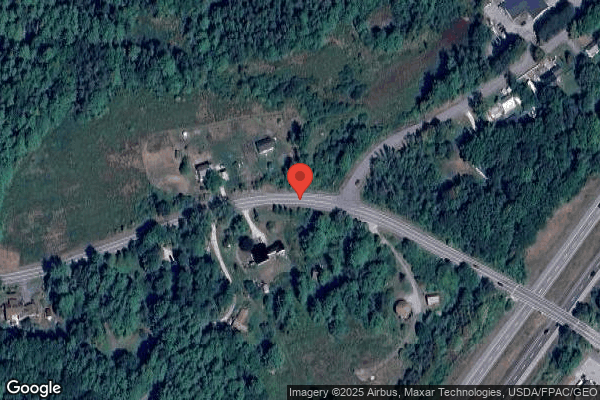

HAWTHORNE HOUSE

6 OLD COUNTY RD, FREEPORT, ME 04032 (207) 865-4782
For profit - Corporation 81 Beds FIRST ATLANTIC HEALTHCARE Data: November 2025
Trust Grade
45/100
#52 of 77 in ME
Last Inspection: May 2025

Inspected within the last 6 months. Data reflects current conditions.

Overview

Hawthorne House in Freeport, Maine, has a Trust Grade of D, indicating below-average performance with some concerning issues. It ranks #52 out of 77 facilities in the state, placing it in the bottom half, and #16 out of 17 in Cumberland County, meaning there is only one local option that is rated better. The facility is worsening, with the number of issues increasing from 7 in 2024 to 14 in 2025. Staffing is a relative strength with a 4 out of 5 stars rating, but the turnover rate is high at 63%, well above the state average. While there have been no fines reported, the facility has had several concerning incidents, such as failing to maintain a clean kitchen, not properly documenting residents' advanced directives, and neglecting housekeeping services, which raises questions about the overall care provided.

Trust Score
D
45/100
In Maine
#52/77
Bottom 33%
Safety Record
Low Risk
No red flags
Inspections
Getting Worse
7 → 14 violations
Staff Stability
⚠ Watch
63% turnover. Above average. Higher turnover means staff may not know residents' routines.
Penalties
✓ Good
No fines on record. Clean compliance history, better than most Maine facilities.
Skilled Nurses
✓ Good
Each resident gets 59 minutes of Registered Nurse (RN) attention daily — more than average for Maine. RNs are trained to catch health problems early.
Violations
⚠ Watch
31 deficiencies on record. Higher than average. Multiple issues found across inspections.
★★☆☆☆
2.0
Overall Rating
★★★★☆
4.0
Staff Levels
★☆☆☆☆
1.0
Care Quality
★★★☆☆
3.0
Inspection Score
Stable
2024: 7 issues
2025: 14 issues

The Good

  • 4-Star Staffing Rating · Above-average nurse staffing levels
  • Full Sprinkler Coverage · Fire safety systems throughout facility
  • No fines on record

Facility shows strength in staffing levels, fire safety.

The Bad

2-Star Overall Rating

Below Maine average (3.0)

Below average - review inspection findings carefully

Staff Turnover: 63%

17pts above Maine avg (46%)

Frequent staff changes - ask about care continuity

Chain: FIRST ATLANTIC HEALTHCARE

Part of a multi-facility chain

Ask about local staffing decisions and management

Staff turnover is elevated (63%)

15 points above Maine average of 48%

The Ugly 31 deficiencies on record

May 2025 13 deficiencies
CONCERN (D)

Potential for Harm - no one hurt, but risky conditions existed

Deficiency F0645 (Tag F0645)

Could have caused harm · This affected 1 resident

Based on record reviews and interview, the facility failed to coordinate assessments for the Pre-admission Screening and Resident Review (PASRR) Level I and Level II program for 1 of 3 sampled residen...

Read full inspector narrative →
Based on record reviews and interview, the facility failed to coordinate assessments for the Pre-admission Screening and Resident Review (PASRR) Level I and Level II program for 1 of 3 sampled residents with a possible serious mental disorder (Resident #45). Findings: During review of Resident #45s clinical record, a surveyor noted that a PASRR Level I completed by Maximus on 4/19/24 required a face-to-face Level II evaluation. The surveyor could not find evidence that the PASRR Level II instructions were followed to ensure completion of a PASRR Level II for determination of potential recommended specialized services. In an interview with the Administrator on 4/30/25 at 12:35 p.m., a surveyor confirmed that there is no evidence that a face-to-face Level II evaluation was completed to ensure completion of a PASRR Level II for determination of potential recommended specialized services.
CONCERN (D)

Potential for Harm - no one hurt, but risky conditions existed

Quality of Care (Tag F0684)

Could have caused harm · This affected 1 resident

Based on record review and interviews, the facility failed to adequately follow physician orders for 15 minute checks for 1 of 1 resident reviewed for 15 minute checks (Resident #30). Findings: Review...

Read full inspector narrative →
Based on record review and interviews, the facility failed to adequately follow physician orders for 15 minute checks for 1 of 1 resident reviewed for 15 minute checks (Resident #30). Findings: Review of Resident #30s clinical record shows a physician order for 15 minute checks. Ensure 15 minute check paper sheet is filled out which was initiated on 3/27/25 and discontinued on 4/16/25 for suicidal ideation. Review of Resident #30s 15 minute checks from 3/27/25 through 4/16/25 shows missing checks on the below dates: -On 3/30/25 there are 29 missing checks. -On 3/31/25 there are 59 missing checks. -On 4/1/25 there are 26 missing checks. -On 4/3/25 there are 11 missing checks. -On 4/7/25 there are 75 missing checks. -On 4/9/25 there are 28 missing checks. -On 4/11/25 there are 7 missing checks. On 4/30/25 at 10:30 a.m., the above information was confirmed with the Director of Nursing.
CONCERN (D)

Potential for Harm - no one hurt, but risky conditions existed

Deficiency F0730 (Tag F0730)

Could have caused harm · This affected 1 resident

Based on performance evaluation reviews and interviews, the facility failed to complete annual performance evaluations at least every 12 months for 3 of 5 sampled employees. (Certified Nursing Assista...

Read full inspector narrative →
Based on performance evaluation reviews and interviews, the facility failed to complete annual performance evaluations at least every 12 months for 3 of 5 sampled employees. (Certified Nursing Assistant (CNA) #1, #3, #4) Findings: 1. CNA#1 was hired in 7/2001. The facility was unable to provide evidence of completed annual performance evaluations for 2024. 2. CNA#3 was hired in 7/2023. The facility was unable to provide evidence of completed annual performance evaluations for 2024. 3. CNA#4 was hired in 3/1990. The facility was unable to provide evidence of completed annual performance evaluations for 2024. On 4/30/25 at 10:20 a.m., the above information was confirmed with the Facility Administrator.
CONCERN (D)

Potential for Harm - no one hurt, but risky conditions existed

Deficiency F0761 (Tag F0761)

Could have caused harm · This affected 1 resident

**NOTE- TERMS IN BRACKETS HAVE BEEN EDITED TO PROTECT CONFIDENTIALITY** Based on observations and interviews, the facility failed to ensure expired medications were removed from the supply available f...

Read full inspector narrative →
**NOTE- TERMS IN BRACKETS HAVE BEEN EDITED TO PROTECT CONFIDENTIALITY** Based on observations and interviews, the facility failed to ensure expired medications were removed from the supply available for use in 1 of 4 medication carts observed ([NAME] Unit]. Findings: On 4/29/25 at 7:34 a.m., a surveyor observed a medication cart on the Long Hall of the [NAME] Unit. A surveyor observed a medication punch card of Codeine Sulfate 30mg that expired on 1/2025, still in the medication cart and available for use. This was called to the attention of Certified Nursing Assistant - Medications #1 that was adminstering medications from the cart that day and then given to Registered Nurse #2. This was confirmed with the Director of Nursing on 4/29/25 at approximately 9:00 a.m.
CONCERN (D)

Potential for Harm - no one hurt, but risky conditions existed

Food Safety (Tag F0812)

Could have caused harm · This affected 1 resident

**NOTE- TERMS IN BRACKETS HAVE BEEN EDITED TO PROTECT CONFIDENTIALITY** Based on observations, interviews, and review of the facility's Dish Machine Temperature policy/procedure(High Temp Dishwashers)...

Read full inspector narrative →
**NOTE- TERMS IN BRACKETS HAVE BEEN EDITED TO PROTECT CONFIDENTIALITY** Based on observations, interviews, and review of the facility's Dish Machine Temperature policy/procedure(High Temp Dishwashers), the facility's Refrigerator and Freezer Temperatures policy/procedure, and the facility's Food Storage policy/procedure, the facility failed to ensure the kitchen was maintained in a clean and sanitary manner for ceiling lights, table legs, floors, chemical hoses, sink drains, and a standing floor mixer: failed to ensure dishes and cups were not wet stacked; failed to ensure foods were dated and labeled in the walk-in refrigerators, the walk-in freezer and the dry storage area and failed to ensure that liquids on a juice/liquid delivery cart, used for unit service, were not expired for 2 of 2 observations on 1 of 4 days of survey (5/28/25). Findings: The facility's Dish Machine Temperature policy/procedure(High Temp Dishwashers) dated 2021 noted: Policy: Dishwashing staff will monitor and record dish machine wash and rinse temperatures to assure proper sanitizing of dishes. 2. Staff will monitor dish machine temperatures throughout the dishwashing process. 4. Staff will record dish machine temperatures for the wash and rinse cycle each meal. 5. The director of food and nutrition services will spot check this log to assure temperatures are appropriate and staff is correctly monitoring and documenting dish machine temperatures. The facility's Refrigerator and Freezer Temperatures policy/procedure revised 1/26/22 noted: Policy: refrigerators and freezers are to be kept at adequate temperatures to ensure food safety. Temperatures are to be taken twice per day to verify temperatures are being sustained throughout the day. 1. Each temperature will be documented and any concerns or corrective actions will be noted. The facility's Food Storage policy/procedure dated 2021 noted: Procedure: 7. b. Food should be dated as it is placed on the shelves if required by state regulation. c. Date marking will be visible on all high-risk food to indicate the date by which a ready-to-eat food should be consumed, sold, or discarded. 8. All containers must be legible and accurately labeled and dated. 1. On 4/28/25 from 9:10 a.m. to 9:45 a.m., an Initial Kitchen Tour with the morning cook in which the following findings were observed: > The dish room had a 4-foot ceiling light that had a broken lens. > The legs of the dish machine tables had dried liquid residue on them and were extremely rusty. > There was an approximately 4-foot long by 1-foot-wide section of floor tiles missing under one of the dish machine tables exposing untreated cement. > There was a basin of approximately 45 desert cups that were wet stacked and available for use(interview with kitchen staff at this time in which they stated they were just washed and ready for use). > There were 2 trays of approximately 70 stacked plastic glasses that were stained/spotted with dried liquid residue that were available for use (interview with kitchen staff at this time in which they stated they were just washed and ready for use). > The triple bay pot sink had a chemical hose hanging down in the center bay touching the bottom of the sink. > The vegetable sink with an appropriate air gap had a bus bucket under it, which was 1/4 full of drain water, due to the drain line overflowing when the sink is drained. > The kitchen floor had food debris and dirt on the entire floor and under the equipment and shelving. > The standing floor mixer had dried liquid residue on the base and the shroud. > The dry storage room had 2 large bags of noodles, 5 large bags of cereal and a small, covered bin of cereal that were not dated and labeled. > The dry storage room floor had food debris and dirt on the entire floor and under the equipment and shelving. > The walk-in refrigerator had a previously opened bag of what appeared to be coleslaw that was not dated and labeled. The floor had dried liquid residue, spilled liquids and dirt on the floor and under the equipment and shelving. > The walk-in freezer had a large package of what appeared to be ravioli and a large package of what appeared to be chicken patties that were not labeled and dated. On 4/28/25 at 9:45 a.m., in an interview with a surveyor, the morning cook confirmed the findings. At this time, the surveyor asked for the monitoring and documenting of February, March and April 2025 dish machine temperature checks, and temperature checks for refrigerators and freezers on the Somerset, [NAME], Kennebec and [NAME] units. On 4/28/25 at 10:00 a.m., in an interview, the surveyor discussed the findings with the Administrator. 2. On 4/28/25 at 12:47 p.m., a surveyor observed, on the [NAME] juice/liquid cart, a 46-ounce container of Thickened Orange juice with a best if used by date of April 18,2025. At this time, in an interview, Certified Nursing Assistant #6 (CNA #6) confirmed that the juice was 10 days past its best use by date. 3. On 4/29/25 at 3:45 p.m., a surveyor reviewed the monitoring and documenting of dish machine temperature checks for the kitchen and temperature checks for refrigerators/freezers for February, March and April 2025 on the Somerset, [NAME], Kennebec and [NAME] units. February - No documentation was provided by the facility for dish machine and refrigerators/freezers. March: Dish machine missing dates: Breakfast: 1, 2, 7-10, 13-17, 20, 21, 24-26, 29 and 31. Lunch: 1, 2, 6-8, 10, 14-16, 21, 22, 26, 29 and 31. Dinner: 1-22, 24 and 26-31. Refrigerator/Freezer Temperatures: Missing monitoring and documentation Somerset - 1, 2, 3, 6, 8-11, 13, 15, 16, 18, 20, 22, 23, 25, 29 and 30. [NAME] - 1, 2, 4, 6, 8, 9, 11, 15, 16, 19, 20, 22, 23, 25, 29 and 30. Kennebec - 1, 2, 4, 6, 8, 9, 13, 15, 16, 18, 20, 22, 23, 25, 27, 29 and 30. [NAME] - 1, 2, 4, 9, 13, 15, 18, 22, 23, 25 and 29. April: No documentation was provided by the facility for dish machine and refrigerators and freezers. On 4/29/25 at 4:05 pm., in an interview with a surveyor, the Administrator confirmed the findings of missing/low monitoring/documenting for dish machine temperature checks and temperature checks for refrigerators/freezers of March 2025. Additionally, the Administrator confirmed there was no documentation of temperatures for refrigerators/freezers for February and April 2025 on the Somerset, [NAME], Kennebec and [NAME] units.
CONCERN (D)

Potential for Harm - no one hurt, but risky conditions existed

Infection Control (Tag F0880)

Could have caused harm · This affected 1 resident

**NOTE- TERMS IN BRACKETS HAVE BEEN EDITED TO PROTECT CONFIDENTIALITY** Based on observation, interview and facility policy review, the facility failed to maintain an infection prevention and control ...

Read full inspector narrative →
**NOTE- TERMS IN BRACKETS HAVE BEEN EDITED TO PROTECT CONFIDENTIALITY** Based on observation, interview and facility policy review, the facility failed to maintain an infection prevention and control program designed to help prevent the development and transmission of communicable diseases for residents, staff and visitors regarding linen handling on 1 of 4 units([NAME]) for 1 of 4 days of survey (4/28/25). Findings: The facility's Laundry and Bedding, Soiled policy and procedure revised 03/2025 noted: Policy: Soiled laundry/bedding shall be handled, transported and processed according to the best practices for infection prevention and control. Handling: 1. All used laundry is handled as potentially contaminated using standard precautions (e.g., gloves and gowns when sorting). a. Contaminated laundry is bagged or contained at the point of collection (i.e., location where it was used). On 4/28/25 at 11:11 a.m., a surveyor observed Certified Nursing Assistant (CNA #5) exit Resident room [ROOM NUMBER] carrying unbagged soiled linen with her bare hands and take it to the soiled linen room and place it in a soiled linen hamper. At this time, CNA #5 confirmed she had carried unbagged soiled linen with her bare hands out of the resident room and had taken it to the soiled room. On 4/28/25 at 11:29 a.m., in an interview, the surveyor discussed the finding with a Registered Nurse/Unit Manager.
CONCERN (D)

Potential for Harm - no one hurt, but risky conditions existed

Deficiency F0883 (Tag F0883)

Could have caused harm · This affected 1 resident

Based on clinical record review, immunization record review, and interview, the facility failed to administer vaccines for 1 of 5 residents whose immunization records were reviewed (Resident #45). Fin...

Read full inspector narrative →
Based on clinical record review, immunization record review, and interview, the facility failed to administer vaccines for 1 of 5 residents whose immunization records were reviewed (Resident #45). Finding: On 10/4/24 Resident #45s clinical record included a form, Pneumonia, Covid, and Influenza Vaccines that was checked off, I understand the information provided and would like the pneumonia vaccine. Resident #45s immunization records lack evidence that a pneumococcal vaccine was reviewed and/or administered. On 4/30/25 at 3:04 p.m. in an interview with the Administrator, a surveyor confirmed that the pneumococcal vaccine has not been reviewed and/or administered to Resident #45.
CONCERN (D)

Potential for Harm - no one hurt, but risky conditions existed

Deficiency F0887 (Tag F0887)

Could have caused harm · This affected 1 resident

Based on record review, and interview, the facility failed to review and/or offer a Coronavirus (COVID-19) vaccine for 1 of 5 residents reviewed for immunizations (Resident #45). Findings: On 10/4/24...

Read full inspector narrative →
Based on record review, and interview, the facility failed to review and/or offer a Coronavirus (COVID-19) vaccine for 1 of 5 residents reviewed for immunizations (Resident #45). Findings: On 10/4/24 Resident #45s clinical record included a form, Pneumonia, Covid, and Influenza Vaccines that was checked off, I understand the information provided and would like the Covid vaccine. Resident #45s immunization records lack evidence that a Covid-19 immunization was reviewed and/or administered. On 4/30/25 at 3:04 p.m. in an interview with the Administrator, a surveyor confirmed that the Covid-19 vaccine has not been reviewed and/or administered to Resident #45.
CONCERN (D)

Potential for Harm - no one hurt, but risky conditions existed

Deficiency F0947 (Tag F0947)

Could have caused harm · This affected 1 resident

Based on Certified Nursing Assistant (CNA) employee education record review and interview, the facility failed to monitor and ensure that the CNA attended the mandatory yearly dementia training for 1 ...

Read full inspector narrative →
Based on Certified Nursing Assistant (CNA) employee education record review and interview, the facility failed to monitor and ensure that the CNA attended the mandatory yearly dementia training for 1 of 5 CNA's reviewed. (CNA#2) Findings: On 4/40/25 a surveyor reviewed the following employee files: CNA #2 was hired in 6/2022. Review of the CNA's employee in-service/attendance record lacked evidence of dementia training for the year 2024. On 4/30/25 at 10:20 a.m., the above information was confirmed with the Facility Administrator.
CONCERN (E)

Potential for Harm - no one hurt, but risky conditions existed

Deficiency F0578 (Tag F0578)

Could have caused harm · This affected multiple residents

Based on record reviews, facility policy review, and interviews, the facility failed to ensure a resident's Advanced Directive documentation was accurate and in the clinical record for 20 of 24 record...

Read full inspector narrative →
Based on record reviews, facility policy review, and interviews, the facility failed to ensure a resident's Advanced Directive documentation was accurate and in the clinical record for 20 of 24 records sampled. Findings: - A review of Resident #20s electronic medical record and their paper medical record lacked evidence that the facility offered, reviewed, or provided written information concerning the right to formulate an advanced directive to the resident and/or resident representative. - A review of Resident #35s electronic medical record and their paper medical record lacked evidence that the facility offered, reviewed, or provided written information concerning the right to formulate an advanced directive to the resident and/or resident representative. - A review of Resident #36s electronic medical record and their paper medical record lacked evidence that the facility offered, reviewed, or provided written information concerning the right to formulate an advanced directive to the resident and/or resident representative. - A review of Resident #45s electronic medical record and their paper medical record lacked evidence that the facility offered, reviewed, or provided written information concerning the right to formulate an advanced directive to the resident and/or resident representative. - A review of Resident #65s electronic medical record and their paper medical record lacked evidence that the facility offered, reviewed, or provided written information concerning the right to formulate an advanced directive to the resident and/or resident representative. - A review of Resident #1s electronic medical record and their paper medical record lacked evidence that the facility offered, reviewed, or provided written information concerning the right to formulate an advanced directive to the resident and/or resident representative. - A review of Resident #16s electronic medical record and their paper medical record lacked evidence that the facility offered, reviewed, or provided written information concerning the right to formulate an advanced directive to the resident and/or resident representative. - A review of Resident #27s electronic medical record and their paper medical record lacked evidence that the facility offered, reviewed, or provided written information concerning the right to formulate an advanced directive to the resident and/or resident representative. - A review of Resident #33s electronic medical record and their paper medical record lacked evidence that the facility offered, reviewed, or provided written information concerning the right to formulate an advanced directive to the resident and/or resident representative. - A review of Resident #43s electronic medical record and their paper medical record lacked evidence that the facility offered, reviewed, or provided written information concerning the right to formulate an advanced directive to the resident and/or resident representative. - A review of Resident #57s electronic medical record and their paper medical record lacked evidence that the facility offered, reviewed, or provided written information concerning the right to formulate an advanced directive to the resident and/or resident representative. - A review of Resident #9s electronic medical record and their paper medical record lacked evidence that the facility offered, reviewed, or provided written information concerning the right to formulate an advanced directive to the resident and/or resident representative. -A review of Resident #46s electronic medical record and their paper medical record lacked evidence that the facility offered, reviewed, or provided written information concerning the right to formulate advanced directive to the resident and/or resident representative. -A review of Resident #29s electronic medical record and their paper medical record lacked evidence that the facility offered, reviewed, or provided written information concerning the right to formulate and advanced directive to the resident and/or resident representative. - A review of the Resident #226s electronic medical record and their paper medical record lacked evidence that the facility offered, reviewed, or provided written information concerning the right to formulate an advanced directive to the resident and/or resident representative. -A review of Resident #227s electronic medical record and their paper record lacked evidence that the facility offered, reviewed, or provided written information concerning the right to formulate an advanced directive to the resident and/or resident representative. -A review of Resident #230s electronic medical record and their paper medical record lacked evidence that the facility offered, reviewed, or provided written information concerning the right to formulate an advanced directive to the resident and/or resident representative. - A review of Resident #30s electronic medical record and their paper medical record lacked evidence that facility offered, reviewed, or provided written information concerning the right to formulate an advanced directive to the resident and/or resident representative. - A review of Resident #31s medical record and their paper medical record lacked evidence that the facility offered, reviewed, or provided written information concerning the right to formulate an advanced directive to the resident and/or resident representative. -A review of Resident #51s medical record and their paper medical record lacked evidence that the facility offered, reviewed, or provided written information concerning the right to formulate an advanced directive to the resident and/or resident respresentative. On 5/1/25 at approximately 10:30 a.m. in an interview with the Director Nursing and the Administrator, the lack of Advanced Directive documentation was confirmed. They stated that they had identified Advance Directives as an issue that they were having problems with it and had developed an Action Plan, but as yet no audits have been done for review.
CONCERN (E)

Potential for Harm - no one hurt, but risky conditions existed

Safe Environment (Tag F0584)

Could have caused harm · This affected multiple residents

**NOTE- TERMS IN BRACKETS HAVE BEEN EDITED TO PROTECT CONFIDENTIALITY** Based on observations and interviews, the facility failed to adequately provide housekeeping and maintenance services necessary ...

Read full inspector narrative →
**NOTE- TERMS IN BRACKETS HAVE BEEN EDITED TO PROTECT CONFIDENTIALITY** Based on observations and interviews, the facility failed to adequately provide housekeeping and maintenance services necessary to maintain the building in a sanitary, orderly, and comfortable environment on 3 of 4 units ([NAME], [NAME] and Somerset) and the laundry room for 2 of 2 facility tours (4/28/25 and 5/5/25). Findings: 1. On 4/28/25 at 12:20 p.m., a surveyor observed in Resident room [ROOM NUMBER] that the bathroom floor was black around the base of the toilet and there was a pink wash bucket on floor under the sink. On 4/28/25 at 12:33 p.m., in an interview, a Registered Nurse confirmed the findings. 2. On 5/01/25 from 8:43 a.m. to 9:30 a.m., an Environmental tour was completed with the Administrator and the Director of Nursing in which the following findings were observed: Laundry: > There were 2 laundry carts that had untreated wooden wheeled bases. [NAME]: > Resident room [ROOM NUMBER]- The privacy curtain was missing hooks, hanging down and in disrepair. > Resident room [ROOM NUMBER] - The floor around the base of the toilet was stained and dirty. The flooring was lifting next to the wall around the room. >The wheelchair scale, in the sitting area, had a ripped/missing non-skid surface creating an uncleanable surface. [NAME]: > The dining room baseboard heater had chipped/missing paint creating an uncleanable surface. > The nurse's station baseboard heater has chipped/missing paint creating an uncleanable surface. > Resident room [ROOM NUMBER] - The laminate was peeling off from the bottom of the bathroom door and the bathroom door was missing finish on a large area around door handle creating an uncleanable surface. The floor was stained and dirty around the base of the toilet. > Resident room [ROOM NUMBER] - The baseboard heater had broken parts that had fallen on the floor. The floor was stained and dirty around the base of the toilet. > Resident room [ROOM NUMBER] - The sink was rusty around the sink faucet. The transition strip at the base of the bathroom door was stained and dirty. The floor was stained and dirty around the base of the toilet. > Resident room [ROOM NUMBER]- The floor and caulking were stained and dirty around the base of the toilet. The room wall fan was dusty/dirty. Somerset: > Resident room [ROOM NUMBER] - The walls behind the resident's beds were marred with black marks and had chipped/missing paint exposing sheetrock. On 5/01/25 at 9:30 a.m., in an interview, the Administrator and the Director of Nursing confirmed the findings.
CONCERN (E)

Potential for Harm - no one hurt, but risky conditions existed

Accident Prevention (Tag F0689)

Could have caused harm · This affected multiple residents

**NOTE- TERMS IN BRACKETS HAVE BEEN EDITED TO PROTECT CONFIDENTIALITY** 4. On 4/29/25 at 11:42 a.m. a surveyor observed wound care for Resident #30, on the GPKU room [ROOM NUMBER]. The treatment nurse...

Read full inspector narrative →
**NOTE- TERMS IN BRACKETS HAVE BEEN EDITED TO PROTECT CONFIDENTIALITY** 4. On 4/29/25 at 11:42 a.m. a surveyor observed wound care for Resident #30, on the GPKU room [ROOM NUMBER]. The treatment nurse brought a two shelf utility cart that had 2 tubes of Antifungal cream, 1 can of Brava skin barrier spray, 2 bottles of Vashe, 1 Tuberculin Purified Protein vial, and Cavilon barrier cream on the top shelf of the utility cart that was left in the hallway, accessible to resident's on the GPKU. The surveyor confirmed, with the treatment nurse, an accident hazard when the treatment nurse closed the door to room [ROOM NUMBER], Resident #30's room leaving the utility cart unattended and accessible to other residents wandering on the unit. The treatment nurse took the utility cart to a locked room behind the nursing station at this time. 5. On 4/29/25 at 11:45 a.m., a surveyor observed wound care for Resident #30, on the GPKU room [ROOM NUMBER]. The treatment nurse was observed removing a pair of scissors from Resident #30 bedside drawer to use during wound care treatment for Resident #30. Once the nurse was done with wound care, she left the scissors on the windowsill accessible to other residents wandering on the unit. The scissors were left out in the open creating an accident hazard and was confirmed with the treatment nurse by the surveyor at the time of observation. The treatment nurse stated that staff usually leave the scissors in the room. 6. On 4/29/25 at 3:09 p.m. a surveyor observed on the [NAME] Unit in room [ROOM NUMBER], Resident #45 wearing headphones that has a cord plugged into a television on a dresser at the opposite end of the room. The cord is taped to the floor crossing the walkway from the dresser to the bed with the tape lifting up on both ends of the tape creating a tripping, accident hazard. On 4/29/25 at 3:35 p.m. in an interview with the Administrator, a surveyor confirmed the accident hazard in [NAME] Unit room [ROOM NUMBER], Resident #45. Maintenance removed the accident hazard immediately. 3. On 4/28/25 at 12:20 p.m., a surveyor observed on [NAME] Unit the toilet in Resident room [ROOM NUMBER] to be loose and not secured to the floor. On 04/28/25 at 12:33 p.m., in an interview, a Registered Nurse confirmed that the toilet was loose and not secured to the floor which created an accident hazard. On 4/28/25 at 12:50 p.m., in an interview the Administrator, the surveyor discussed the loose and unsecured toilet, which created an accident hazard. Based on observations and interviews, the facility failed to ensure that the resident's environment was free of accident hazards by ensuring that cleaning supplies were secured, a toilet was secured to the floor room, closet and bathroom doors had laminate that was not gouged and splintered creating sharp edges, medication and wound care supplies, and a sharp object secured on 3 of 4 units ([NAME] Unit, Geriatric Psychiatric Kennebec Unit (GPKU), and [NAME] Unit) for 1 of 2 environmental tours (4/28/25, and 4/29/25). In addition, the facility failed to store oxygen tanks securely for 1 of 4 days (4/28/25). 1. On 4/28/25 at 10:04 a.m., a surveyor observed a unsecured container of Sani-Cloth Plus Germicidal Disposable Cloth on Resident #51s nightstand. At this time, after surveyor intervention, the Unit Manager of the GPKU removed the chemical from the residents room. The Safety Data Sheet for Sani-Cloth Plus Germicidal Disposable Cloth states in Section 4: First Aid Measures Eyes: Flush eyes with large quantities of water for several minutes. Remove contact lenses if easy to do so. Continue rinsing. Get medical attention if irritation persists Skin: No first aid should be required. Wash skin with water. Get medical attention if irritation develops or persists Inhalation: Not a normal route of exposure. If symptoms develop move victim to fresh air. Get medical attention if symptoms develop Ingestion: Ingestion is unlikely for solid products. No first aid is required for small amounts transferred from hands to mouth. On 4/28/25 at 11:25, the above information was confirmed with the Quality Improvement Manager. 2. On 4/28/25 at 11:25 a.m., observation, with the House Keeping Team Lead and the Quality Improvement Manager on the Geriatric Psychiatric Kennebec Unit, of a spray bottle containing Virex TB Ready-To-Use Disinfectant Cleaner sitting on a railing in the common area, available to use for all residents residing on the unit. At this time the House Keeping Team Lead removed the chemical from the unit. The Safety Data Sheet for Virex TB Ready-To-Use Disinfectant Cleaner states in Section 4: First Aid Measures. Eyes: Rinse cautiously with water for several minutes. Remove contact lenses, if present and easy to do. Continue rinsing for at least 15 minutes. If eye irritation persists: Get medical advice/attention Skin: In case of contact, immediately flush with plenty of water. If irritation occurs or persists, get medical attention Inhalation: no specific first aid measures are required Ingestion: if swallowed: rinse mouth. Drink a cupful of water or milk.
CONCERN (E)

Potential for Harm - no one hurt, but risky conditions existed

Antibiotic Stewardship (Tag F0881)

Could have caused harm · This affected multiple residents

Based on record reviews, and interviews, the facility failed to implement an Antibiotic Stewardship Program (ASP) that includes protocols and a system to effectively monitor antibiotic use. This has t...

Read full inspector narrative →
Based on record reviews, and interviews, the facility failed to implement an Antibiotic Stewardship Program (ASP) that includes protocols and a system to effectively monitor antibiotic use. This has the potential to affect all residents receiving an antibiotic. Findings: Review of the Infection Preventionist monthly log for antibiotics Infections 2025 spreadsheet lists a total of 13 resident infections from 1/1/25 through 3/11/25. The spreadsheet includes the Resident name, antibiotic given with start and stop date; however, the spreadsheet is not complete. There are six columns that have the headings, Bacteria, UTI, Soft tissue, Blood, Influenza, Surgery that are blank. Review of Infection Preventionist monthly log for antibiotics lacks evidence of the Infection Preventionist following through on the antibiotic use, the trends of infections and/or organisms, clusters of infections, and type of antibiotics used. On 5/1/25 at 12:08 p.m., during an interview with a surveyor, the Administrator and Director of Nursing discussed tracking infections of what residents have and what antibiotic they are originally on, but the infections tracking is not complete. It does not include if a culture was completed, what the culture indicated/what the organism is, and if it is the correct antibiotic. The Administrator stated that the previous Infection Preventionist quit with no notice, and a current employee was hired as the Infection Preventionist and started on 5/1/25. The surveyor confirmed at this time that the facility failed to implement an ASP.
Jan 2025 1 deficiency
CONCERN (D) 📢 Someone Reported This

A family member, employee, or ombudsman was alarmed enough to file a formal complaint

Potential for Harm - no one hurt, but risky conditions existed

Deficiency F0742 (Tag F0742)

Could have caused harm · This affected 1 resident

**NOTE- TERMS IN BRACKETS HAVE BEEN EDITED TO PROTECT CONFIDENTIALITY** Based on record reviews and interviews, the facility failed to provide effective treatment for 1 resident (Resident #1) reviewed...

Read full inspector narrative →
**NOTE- TERMS IN BRACKETS HAVE BEEN EDITED TO PROTECT CONFIDENTIALITY** Based on record reviews and interviews, the facility failed to provide effective treatment for 1 resident (Resident #1) reviewed for care in the area of mental disorders and a post-traumatic stress disorder (PTSD). (Resident #1) Findings: On 1/14/25, the Division of Licensing and Certification (DLC) received a referral from Adult Protective Services regarding Resident #1 and became aware of allegations of neglect in the area of Behavioral Health. Resident #1 was admitted to the facility on [DATE] with diagnoses that included schizophrenia, bipolar, PTSD along with a Preadmission Screening and Resident Review (PASRR) Level II assessment indicating care needs that required a Medical Psychiatric Long-Term Care Unit. A record review of Resident #1's medical record showed a Trauma Screening form with the date of 1/6/25 that indicated a Trauma History. The rest of the form was incomplete, missing the assessment of trauma triggers. There is no indication a trauma assessment was completed upon admission or prior to 1/6/25. On 1/28/25 at 11:45 a.m., a surveyor interviewed RN #1 and was shown the form used for 15-minute checks that are initiated for safety. RN#2 stated that this form would be filed in the Medical Record once completed. On 1/29/25 at 9:35 a.m., a surveyor interviewed Registered Nurse (RN) #2 by phone and confirmed RN#2 had worked with Resident #1. It was shared with this surveyor that Resident #1 felt re-traumatized every time Emergency Medical Services (EMS) and the police came to take her to the hospital because in the past it was men who would hold her down and abuse her and that was why she fought so much. Male staff are also very triggering. This was not documented in Resident #1's medical record. RN #2 stated this should have been documented in the medical record. A record review of Resident #1's care plan showed it failed to include a focus, goals and interventions in the area of PTSD. A record review of Resident #1's Electronic Medical Record (EMR) under progress notes found the following: - 11/26/24 at 8:54 p.m., showed a Behavior note Resident is stating that the voices in his/her head are telling him/her to kill him/herself. He/She states he/she can't stop them or make them go away. He/She states that he is telling him/her how to kill him/herself. Telling him/her to hang him/herself or take a fork and stab him/herself with it until he/she bleeds to death. Resident #1 stated he/she doesn't plan on harming him/herself but does state he/she doesn't want to live like this anymore. He/She says the voices are getting stronger and harder to ignore. There is no documentation that the provider was notified. There is no documentation that any additional safety measures were put in place to ensure Resident #1's safety. - 11/29/24 at 1:21 p.m., a CNA reported to RN #1 that resident stated I am having hallucinations, and the voices are telling me to hurt myself. The documentation indicates the unit manager was notified and safety checks were performed. There is no documentation indicating when or if those safety checks were done. There is no documentation that the provider was notified. -12/3/24 at 7:47 pm., the physician was notified that the \resident is complaining that the voices she/he is hearing are getting stronger and more frequent. They are telling resident to kill self and telling resident ways to do it. An order for Hydroxyzine, a medication used for anxiety, was changed. The documentation does not show any additional measures were taken to ensure resident safety. - 1/8/25 around 10:00 a.m Resident #1 stated to a provider that she/he had suicidal thoughts and a plan with intent to carry out the plan. The provider's note indicates that Resident #1 stated they told a CNA last night. There is no record of this. Orders for 15-minute checks for safety and replace the oxygen tubing with a shorter tube were immediately implemented. There is no documentation that 15-minute checks were performed. Resident #1 was transferred to the ER around 7:30 p.m. due to safety concerns. - 1/9/25 at 11:30 a.m., Resident #1 returned to the facility. There were no changes to his/her care plan following the return. No documentation that additional safety measures were initiated. A safety plan was located in the Medical Record with a date of 1/8/25. There is no evidence this prompted any new orders or updates to the care plan. RN #2, during interview above, stated that she/he was unaware of the safety plan. A safety plan is completed with the patient and outlines what to do in the event of self-harm thoughts, it includes warning signs, interventions and is in the patient's own words. - 1/10/25 at 5:30 a.m Resident #1 was found with a pillow case and a sheet tightly around his/her neck. When assisted, Resident #1 yelled Leave me alone, I want to die 911 was called and Resident #1 was transferred to the hospital. - 1/17/25 that Resident #1 returned from the hospital with a new prescription for an antipsychotic medication and a plan for the hospital Nurse to fax the safety plan and psych notes. Following Resident #1's return, the care plan was not updated with additional safety measures. No documentation that additional safety measures were initiated. The facility was unable to locate Resident #1's safety plan. - 1/21/25 at around 3:00 p.m Resident #1 was again found on the floor with a blue sheet tied tightly around his/her neck. 911 was called and Resident #1 returned to the hospital where she/he remained at the time of this investigation. On 1/28/25 at 12:40 p.m. a surveyor met with the Administrator and the Director of Nursing to discuss the above findings.
May 2024 7 deficiencies
CONCERN (D)

Potential for Harm - no one hurt, but risky conditions existed

Food Safety (Tag F0812)

Could have caused harm · This affected 1 resident

Based on observations and interviews, the facility failed to serve and store food in a sanitary manner on 2 of 3 survey days. Findings: 1. On 5/6/24 at 9:05 a.m., during initial kitchen tour, with the...

Read full inspector narrative →
Based on observations and interviews, the facility failed to serve and store food in a sanitary manner on 2 of 3 survey days. Findings: 1. On 5/6/24 at 9:05 a.m., during initial kitchen tour, with the Director of Food Service, a surveyor observed in the walk-in refrigerator, a bag of hard-boiled eggs that were not dated and not labeled. This was confirmed with the Director of Food Service at that time. 2. On 5/8/24 at 10:30 a.m., during a return observation of the Kitchen with the Food Service Director, a surveyor observed a light to moderate amount of dust & debris on all ceiling vents. Also observed a large stand mixer that the cook stated that they rarely use it and have not used it in over a month, had a small amount of dark liquid on the bottom of the bowel and the entire mixer was cover with a light amount of dust and scattered food particles. This was confirmed with the Food Service Manager at that time.
CONCERN (E)

Potential for Harm - no one hurt, but risky conditions existed

Safe Environment (Tag F0584)

Could have caused harm · This affected multiple residents

**NOTE- TERMS IN BRACKETS HAVE BEEN EDITED TO PROTECT CONFIDENTIALITY** Based on observations and interviews, the facility failed to adequately provide housekeeping and maintenance services necessary ...

Read full inspector narrative →
**NOTE- TERMS IN BRACKETS HAVE BEEN EDITED TO PROTECT CONFIDENTIALITY** Based on observations and interviews, the facility failed to adequately provide housekeeping and maintenance services necessary to maintain the building in a sanitary, orderly, and comfortable interior for the 3 of 5 units ([NAME] - Long Hall, Kennebec, and Somerset units). Findings: On 5/8/24, from 11:55 a.m. to 12:10 p.m., a surveyor completed an environmental tour with the Director of Maintenance and the Maintenance Assistant. The following findings were confirmed: On the [NAME] unit, Long Hall: >room [ROOM NUMBER], the center of the floor was observed with 7 cracked floor tiles, creating an uncleanable surface. In the bathroom of room [ROOM NUMBER], a black substance was noted around the base of the toilet. >In the common area, the nonslip adhesive covering on the base of the wheelchair scale was observed to be torn and lifting up. On the Somerset unit: >The shared bathroom for rooms [ROOM NUMBERS] was observed with a stained floor tile under the sink. >The shared bathroom for rooms [ROOM NUMBERS] was observed with peeling and missing areas of laminate on the sink vanity, with the underlying wood exposed, creating an uncleanable surface. >The shared bathroom for rooms [ROOM NUMBERS] was observed with an area of patched drywall requiring paint. >The base and frame of the sit to stand lift was observed with dirt, debris, and a white powdered substance. >The wheelchair for Resident #3 was observed with a ripped right armrest, and a torn seat cushion exposing the foam padding. On the Kennebec Unit: >The shared bathroom for rooms [ROOM NUMBERS] was observed with a black substance at the base of the toilet.
CONCERN (E)

Potential for Harm - no one hurt, but risky conditions existed

Respiratory Care (Tag F0695)

Could have caused harm · This affected multiple residents

Based on observations, record reviews, and interviews, the facility failed to provide a sanitary environment to help prevent the development and transmission of disease and infection related to oxygen...

Read full inspector narrative →
Based on observations, record reviews, and interviews, the facility failed to provide a sanitary environment to help prevent the development and transmission of disease and infection related to oxygen and nebulizer mask/tubing for 6 of 6 residents reviewed for respiratory care (Residents #2, #3, #16, #37, #69 and #172). In addition, the facility failed to follow the physician order for 1 of the 6 sampled residents (Resident #172) for 2 of 3 day of survey (5/6/24 and 5/7/24). Findings: The facilities Respiratory Therapy policy and procedure, revised to 2/2022 States, under Infection Control Considerations Related to Oxygen Administration instructs nursing to . Change the oxygen cannula and tubing every seven (7) days or as needed. Keep the oxygen cannula in tubing used PRN in a plastic bag they're not in use. Check and clean filters for oxygen concentrators every seven days. Under Infection Control Considerations Related to Medication Nebulizers/Continuous Aerosol instructs nursing to, after completion of therapy remove the nebulizer container, rinse the container with fresh tap water, dry on a clean paper towel or gauze sponge . store the circuit in plastic bag, marked with date and residents name, between uses . Discard the administration setup every seven (7) days. 1. On 5/6/24 at 9:54 a.m. and on 5/7/24 at 12:24 p.m., observations of Resident #2's unlabeled or dated oxygen nasal cannula being stored by lying across his/her bed. Review of Resident #2's medical record lacked evidence of an order or documentation of the nasal cannula changed weekly. 2. On 5/6/24 at 10:04 a.m. and on 5/7/24 at 12:25 p.m., observations of Resident #3's oxygen nasal cannula with a date of 4/14/24 wrapped up and stored on top of the bedside dresser. In addition, Resident #3's Treatment Administration Record (TAR) had documentation of the nasal cannula being changed on 4/21/24, 4/28/24 and 5/5/24. 3. On 5/6/24 at 11:55 a.m. and on 5/7/24 at 12:27 p.m., Resident #16's nebulizer mouth piece and nebulizer container still assembled and stored on the back of the nebulizer machine, there was no bag available for storage. 4. On 5/6/24 at 10:37 a.m. and on 5/7/24 at 12:38 p.m., observations of Resident #37's room to have an Oxygen tank with a unlabeled or dated nasal cannula tubing wrapped up and stored hanging on the handle of the oxygen caddy. Review of Resident #37's TAR indicated he/she has not utilized oxygen within the past month. 5. On 5/6/24 at 10:07 a.m. and on 5/7/24 at 10:02 a.m., observations of Resident #69's unlabeled or dated oxygen nasal cannula wrapped up and stored on top of the bedside dresser. Review of Resident #69's medical record lacked evidence of documentation of the nasal cannula being changed weekly. 6. On 5/6/24 at 12:58 p.m. and 5/7/24 at 12:39 p.m., observation of Resident #172 wearing an unlabeled or dated oxygen nasal cannula with the concentrator set at 1 liter per minute (LPM). At this time, Resident #172 stated that he/she is on 1 LPM of oxygen for his/her shortness of breath (SOB). Review of Resident #172's medical record lacked evidence of an order or documentation of the nasal cannula being changed weekly. However the surveyor noted a Physician order dated 5/1/24 states, for Dyspnea, apply Oxygen at 2L[Liters] per NC [Nasal Cannula] of SOB and/or O2 sat less than 90% and Notify Provider as needed. On 5/7/24 at 1:43 p.m., both the surveyor and the Acting Director of Nursing (DON) observed the above oxygen nasal cannula's storage, the unlabeled or dated tubing, Resident #3's TAR which documented the nasal cannula tubing had been changed weekly x3 and R#172's oxygen concentrator set at 1LPM. The Acting DON adjusted Resident #172's the oxygen to reflect the current physician orders at 2 LPM and confirmed the above stating that oxygen tubing should be changed weekly and documented on the TAR and should be stored in a plastic bag when not in use.
CONCERN (E)

Potential for Harm - no one hurt, but risky conditions existed

Deficiency F0761 (Tag F0761)

Could have caused harm · This affected multiple residents

**NOTE- TERMS IN BRACKETS HAVE BEEN EDITED TO PROTECT CONFIDENTIALITY** Based on record review, the Centers for Disease Control (CDC) guidance, observations and interviews the facility failed to adequ...

Read full inspector narrative →
**NOTE- TERMS IN BRACKETS HAVE BEEN EDITED TO PROTECT CONFIDENTIALITY** Based on record review, the Centers for Disease Control (CDC) guidance, observations and interviews the facility failed to adequately monitor vaccine storage temperatures on 1 of 1 immunizations refrigerator (Kennebec unit) and failed to ensure an expired medication was removed from the supply available for use on 1 of 4 medications carts observed ([NAME] Short Hall) Findings: Facilities Vaccine Storage and Handling Requirements and Considerations, states under Handling Vaccine: Maintain a daily temperature log that clearly shows when temperatures are not correct .check unit temperature two times per day, once in the morning and once in the evening, and record them on the temperature log posted on the storage unit. Review of CDC guidance Vaccine Storage and Handling Toolkit dated 1/23 states .Refrigerators should maintain temperatures between 2° C and 8° C (36° F and 46° F) .Every vaccine storage unit must have a Temperature Monitoring Device (TMD). An accurate temperature history that reflects actual vaccine recommended temperature range. 1. On [DATE] at 11:36 a.m., observation of Immunization refrigerator on the Kennebec unit with the Licensed Practical Nurse (LPN). The refrigerator contained the following immunizations: 14 boxes of Influenza vaccines, 11 individual COVID-19 vaccines and 2 Pneumonia vaccines, a Prevnar 13 and a Prevnar 20. Review of the Maine Immunization Program Refrigerator Temperature Log which was attached to the front of the refrigerator indicates temperature monitoring to be completed twice daily. Review of the following months lacked monitoring of temperatures twice daily: > [DATE] out of 31 days a temperature was documented once a day. The remaining days there was no temperature monitoring. > February 2024, 11 out of 29 days a temperature was documented once a day. The remaining days there was no temperature monitoring. > [DATE] out of 31 days a temperature was documented once a day. The remaining days there was no temperature monitoring. > [DATE] out of 30 days documented temps once daily. The remaining days there was no temperature monitoring. > As of [DATE] 1 of 5 days a temperature was documented once a day. At this time, the lack of temperature monitoring for immunizations was confirmed with the LPN. 2. On [DATE] at 10:32 a.m., during observation of the [NAME] Short Hall medication cart with the Certified Medication Technician (CNA-M) an opened bottle of Milk of Magnesium with the expiration date of 4/24 was noted. At this time, the CNA-M confirmed and discarded the expired medication. On [DATE] at approx. 2:15 p.m., the above was discussed with the Acting Director of Nursing.
MINOR (B)

Minor Issue - procedural, no safety impact

Transfer Notice (Tag F0623)

Minor procedural issue · This affected multiple residents

Based on record review and interviews, the facility failed to issue a written transfer/discharge notice to a resident or their legal representative for a facility-initiated transfer/discharge for 2 of...

Read full inspector narrative →
Based on record review and interviews, the facility failed to issue a written transfer/discharge notice to a resident or their legal representative for a facility-initiated transfer/discharge for 2 of 2 sampled residents transferred/discharged to an acute care facility. (#13, #31) Findings: Documentation in Resident 13's clinical record indicated that he/she was discharged /transferred to an acute hospital on 3/24/24 and 7/2/23 and subsequently admitted . The clinical record lacked evidence that the facility issued a written discharge/transfer notice to the resident and/or legal representative. Documentation in Resident 31's clinical record indicated that he/she was discharged /transferred to an acute hospital on 5/25/23 and 9/21/23 and subsequently admitted . The clinical record lacked evidence that the facility issued a written discharge/transfer notice to the resident and/or legal representative. On 5/7/24 at 3:26 p.m., the surveyor confirmed the above findings in an interview with the Licensed Clinical Social Worker.
MINOR (B)

Minor Issue - procedural, no safety impact

Deficiency F0625 (Tag F0625)

Minor procedural issue · This affected multiple residents

Based on record review and interviews, the facility failed to issue a written transfer/discharge notice to a resident or their legal representative for a facility-initiated transfer/discharge for 2 of...

Read full inspector narrative →
Based on record review and interviews, the facility failed to issue a written transfer/discharge notice to a resident or their legal representative for a facility-initiated transfer/discharge for 2 of 2 sampled residents transferred/discharged to an acute care facility. (#13, #31) Findings: Documentation in Resident 13's clinical record indicated that he/she was discharged /transferred to an acute hospital on 3/24/24 and 7/2/23 and subsequently admitted . The clinical record lacked evidence that the facility issued a written discharge/transfer notice to the resident and/or legal representative. Documentation in Resident 31's clinical record indicated that he/she was discharged /transferred to an acute hospital on 5/25/23 and 9/21/23 and subsequently admitted . The clinical record lacked evidence that the facility issued a written discharge/transfer notice to the resident and/or legal representative. On 5/7/24 at 3:26 p.m., the surveyor confirmed the above findings in an interview with the Licensed Clinical Social Worker.
MINOR (B)

Minor Issue - procedural, no safety impact

Deficiency F0657 (Tag F0657)

Minor procedural issue · This affected multiple residents

Based on interviews and record review, the facility failed to review and revise the care plan by an interdisciplinary team (IDT) that included, to the extent possible, participation of the resident an...

Read full inspector narrative →
Based on interviews and record review, the facility failed to review and revise the care plan by an interdisciplinary team (IDT) that included, to the extent possible, participation of the resident and/or his/her representative after each assessment for 3 of 4 potential interdiciplanary meetings. (Resident #37). Finding: On 5/6/24 at 10:37 a.m., during an interview, Resident #37 stated he/she had only participated in one care plan meeting in the past year. Review of Resident #37's IDT care plan meeting notes indicated IDTs occurred on 7/26/23 and on 11/1/23. The medical record lacked evidence that he/she was invited and/or participated in his/her IDT meeting. In addition, the IDT meeting which occurred on 2/7/24 stated Resident #37 did not attend because resident in middle of dressing change. On 5/7/24 at 12:14 p.m., during an interview, the Licensed Social Worker confirmed the above.
May 2023 1 deficiency
CONCERN (D) 📢 Someone Reported This

A family member, employee, or ombudsman was alarmed enough to file a formal complaint

Potential for Harm - no one hurt, but risky conditions existed

Investigate Abuse (Tag F0610)

Could have caused harm · This affected 1 resident

**NOTE- TERMS IN BRACKETS HAVE BEEN EDITED TO PROTECT CONFIDENTIALITY** Based on interviews, record review, and facility policy, the facility failed to ensure an injury of unknown origin was investiga...

Read full inspector narrative →
**NOTE- TERMS IN BRACKETS HAVE BEEN EDITED TO PROTECT CONFIDENTIALITY** Based on interviews, record review, and facility policy, the facility failed to ensure an injury of unknown origin was investigated timely and reported to appropriate state agencies for 1 of 3 residents reviewed for accidents and injuries (#3). Findings: On 4/27/23 Division of Licensing and Certification received and annonymous report of a resident with bruising and a fractured clavical. On 5/10/23 at 9:02 a.m., during an interview, the Certified Nurses Aid (CNA) stated, something happened to his/her shoulder maybe 2 weeks ago, I saw bruising, I have no idea. Last Monday [Resident #3] started complaining about his/her shoulder. [Resident #3] told me he/she was hurting. I told the nurse, she said he/she hurt it on Saturday . It was all over his/her shoulder and on the back of his/her shoulder and he/she wouldn't lift it On 5/10/23 at 10:42 a.m., during interview with the Registered Nurse (RN) Manager on [NAME] unit, she confirmed during an unrelated work visit to the facility on 4/23/23 she had visualized Resident #3 with yellow color skin around his/her shirt neckline stating, When I looked at him/her, I was like geez. I didn't know if it was a shadow but his/her skin looked yellow. I took him/her over to the exit door, right there in front of the nurse's station, and then I pulled it (shirt) back and I was like oh, your skin is yellow. I said do you have something going on right here, and that was on Sunday and I said, does anyone know anything about this, and they were like, No, we know about the elbow. Surveyor asked the RN if she had initiated an investigation related to the newly identified bruising. The RN stated she had only stopped into the facility on the 23rd when she noticed the bruising and didn't return back to work until 4/25/23 stating, I really didn't look into it honestly . because at that point, I think that's when the doctor was notified and there were x-rays being done, so I didn't. I figured the nurses were taking care of it and the doctor was involved, so I didn't do anything with it. Nobody knows how this bruising occurred. Review of the CNA daily assignment sheet dated 4/25/23 states Resident #3 has a hurt L (left) shoulder! X-rays ordered, not taken yet. In a lot of pain, very tired. Resident #3's medical record states the following: Nurses SBAR (Situation Background, Assessment and Recommendation- which notifies the attending physician of a concern), dated 4/25/23 states [Resident #3] has a change in condition . pain in left shoulder and arm, bruise on back of left shoulder . Started on 4/24/23 . Other relevant information: no falls or injuries reported to nursing. Recommendations; X-ray. Further review, the clinical record lacked evidence that this identified bruise was reported, investigated and that Physician was notified at the time of the initial observation on 4/23/23. Attending Physician note date 4/25/23 states: seen today acutely for left shoulder bruising and pain Hospice aide noted decreased range of motion in utilization of the left shoulder. then identified bruising over patients left scapula in posterior shoulder. no known falls or trauma. patient unwilling to abduct or flex his/her left shoulder. Radiology report completed on 4/26/23 states, Results: Clavicle shaft fracture with no displacement . Conclusion: Old or healing clavicle fracture. Correlate with clinical exam and history. An additional Attending Physician note dated 5/4/23 states: Left clavicle fracture. Further mobile radiographs age-indeterminate however given acute pain in bruising with name active fracture. The quality of mobile imaging not specific. Review of the facility policy Abuse, Neglect, Exploitation or Misappropriation - Reporting and Investigating Policy & Procedure, revised 2/2023 states, All reports of resident abuse (including injuries of unknown origin), neglect, exploitation, or theft/misappropriation of resident property are reported to local, state and federal agencies (as required by current regulations) and thoroughly investigated by facility management. The findings of all investigations are documented and reported. Under section: Policy implementation states: If resident abuse, neglect, exploitation, misappropriation of residents property or injury of unknown source is suspected, the suspicion must be reported immediately to the administrator and to other officials according to state law. The administrator or the individual making the allegation immediately reports his or her suspicion to the following persons or agencies: the state licensing/certification agency responsible for surveying/licensing the facility, . Adult Protective Services . The residents attending physician. All investigations are thoroughly investigated and within five business days of the incident, the administrator will provide a follow up investigation report. On 5/10/23 at 1:00 p.m., during an interview, the Acting Director of Nursing confirmed the injury of unknown origin should have been immediately investigated and as of 5/10/23 Resident #3's injury of unknown origin had not been investigated and reported to appropriate agencies.
Apr 2023 2 deficiencies
CONCERN (D) 📢 Someone Reported This

A family member, employee, or ombudsman was alarmed enough to file a formal complaint

Potential for Harm - no one hurt, but risky conditions existed

Notification of Changes (Tag F0580)

Could have caused harm · This affected 1 resident

**NOTE- TERMS IN BRACKETS HAVE BEEN EDITED TO PROTECT CONFIDENTIALITY** Based on record review and interviews, the facility failed to ensure that a resident's physician and representative were notifie...

Read full inspector narrative →
**NOTE- TERMS IN BRACKETS HAVE BEEN EDITED TO PROTECT CONFIDENTIALITY** Based on record review and interviews, the facility failed to ensure that a resident's physician and representative were notified immediately of a significant change in the resident's medical condition and failed to follow its own policy and procedure for Change in Resident Condition or Status for 1 of 2 residents reviewed. (#1) Findings: On 3/27/23 at 5:30 p.m., the Department of Licensing & Certification received a complaint with concerns indicating [his/her] family member (Resident #1) had not been eating for 4 days, had a significant weight loss and abdominal pain and was not informed until the facility Doctor called and discuss Resident #1 acute decline. [Resident representative] insisted Resident #1 be sent to emergency room for evaluation and was admitted with severe sepsis, Urinary Tract Infection (UTI) and aspiration pneumonia. On 4/11/23 at 3:39 p.m., during an interview, Resident #1's representative stated the facility Doctor notified him/her on 3/21/23. The Doctor had just returned to thier shift after having 4 days off, that Resident #1 had been declining for the past 4 days and the nursing staff made *(Doctor) aware of the decline. The Doctor stated they cannot pinpoint what's going on with [Resident #1], however, thinks he's/she's just giving up. The representative then reports the Doctor stating, I'm assuming from the sound of your voice, you didn't know anything about this. Resident representative stated, I said no, I didn't. I had no idea [he/she] was declining and requested Resident #1 be transferred to the hospital. Review of Resident #1's medical record stated, Resident #1 was originally admitted to the facility on [DATE] with diagnoses to include dementia, coronary artery disease, diabetes, post [NAME] syndrome and Traumatic brain injury. The most recent significant change Minimum Data Set, dated [DATE] revealed Resident #1 had a Brief Interview for Mental Status (BIMS) of 0 of 15 indicating [he/she] is not cognitively intact and [he/she] requires extensive assistance from staff for all activities of daily living. Review of progress notes states the following: Note dated 3/18/23 states, held senna 8.6 mg (milligram) tablet (2 tablet/17.2 mg) 1800, docusate Sodium 100mg tablet. Reason med not taken/given: loose stools 03/18/2023 16:43 Note dated 3/19/23, states resident has lost 4.4 pounds since 2/28/23. Current weight is 109lb. staff tries to encourage [him/her] to eat more and drink more appetite decreasing and a fussy eater. Note dated 3/20/23 states, resident has been having a decline in current health condition, resident has been having decreased intake and has been having increase loose stools .Resident has lost weight and is not eating well, change in appearance overall. Concern for increased episodes of loose stool, BM (bowel movement) meds held. On 4/11/23 at 3:01 p.m., during an interview with the Nurse Practitioner, she confirmed the most recent visit prior to 3/21/23 was on 3/7/23 stating, we hadn't gotten any kind of notification that anything warranted a visit or maybe labs. She then stated, when the doctor saw [Resident #1] and talked to [resident representative], who was surprised to hear about the decline, Doctor was concerned and so sent [him/her] to the hospital for abdominal pain, acute on chronic anorexia, new weakness and lethargy. Further review of Resident #1's medical record, which includes nursing documentation, lacked evidence of the Physician and the resident representative being notified of the significant change of status for 4 days, not until 3/21/23. Review of the Physician note dated 3/21/23, reason for the visit is abdominal pain, anorexia and weight loss, states, [Resident #1] seen today for acute on chronic decline. Nursing reporting that patient has had an 8 pound loss in the last 3 months and oral intake has dropped off significantly in the past 4 days staff noting stools have been looser recently. Cathartic medications have been held for the past several days Resident is visible in the milieu daily and self propels self in wheelchair, however, she has been bedridden over the past few days. Spoke with [Resident's representative] who was surprised to hear about his/her decline .[Resident representative] reports that he/she saw [Resident #1] 2 weeks ago and at that time he/she looked overall well . Today, patient is found disheveled and somnolent lying in a fetal position in his/her bed. Notably dry mucous membranes from afar. In addition, the Physician's Assessment and Plan states, Failure to thrive in adult. Acute and unstable. Patient with 4.5 weight loss in the past week, 8 pound weight loss over the past 3 months, abdominal pain, acute on chronic anorexia, new weakness and lethargy . Now bedridden. Change in Resident Condition or Status, Policy and Procedure, revised 2/2022 states, Our facility shall promptly notify the resident, his or her attending physician, and representative of changes in the residence medical/mental condition and/or status. A significant change of condition is a major decline or improvement in the residence status that: will not normally resolve itself without intervention by staff or by implementing standard disease related clinical interventions and impacts more than one area of the residence health status. Intervention and implementation states, Prior to notifying the physician or health care provider, the nurse will make detailed observations and gather relevant and pertinent information for the provider, including (for example) information prompted by the interact SBAR (Situation Background Assessment Recommendation) communication form . Unless otherwise instructed by the resident, a nurse will notify the residents representative when there is a significant change in the residence physical, mental, or psychosocial status . The nurse will record in the residence medical record information relative to the changes in the residence medical/mental condition or status. On 4/11/23 at 4:05 p.m., during an interview with the Director of Nursing, she was unable to find an SBAR or nursing documentation to support that the Physician and the resident representative were immediately notified of the change of status.
CONCERN (D) 📢 Someone Reported This

A family member, employee, or ombudsman was alarmed enough to file a formal complaint

Potential for Harm - no one hurt, but risky conditions existed

Deficiency F0761 (Tag F0761)

Could have caused harm · This affected 1 resident

**NOTE- TERMS IN BRACKETS HAVE BEEN EDITED TO PROTECT CONFIDENTIALITY** Based on observations and interviews, the facility failed to ensure that medications were stored properly by having an unlocked,...

Read full inspector narrative →
**NOTE- TERMS IN BRACKETS HAVE BEEN EDITED TO PROTECT CONFIDENTIALITY** Based on observations and interviews, the facility failed to ensure that medications were stored properly by having an unlocked, unattended medication cart allowing residents and unauthorized persons access to medications, on 1 of 3 units observed ([NAME]) for 1 of 1 day of survey. Finding: On 4/11/23 at 9:34 a.m., observation of [NAME] unit medication cart unlocked with no staff in site of the cart, for approx. 2 minutes. During this time, the surveyor was able to open up all 3 of the medication draws, all of which contained prescribed medications, and observed 3 residents walking independently in the hallway in the area of the unattended medication cart. At approximately 9:36 a.m., the Licensed Practical Nurse (LPN) approached the cart and locked it. At this time, in a brief interview with the LPN, she stated she usually locks her cart. On 4/11/23 at 3:10 p.m., during an interview, a surveyor discussed the above findings with the Director of Nursing.
May 2022 7 deficiencies
CONCERN (D)

Potential for Harm - no one hurt, but risky conditions existed

Deficiency F0569 (Tag F0569)

Could have caused harm · This affected 1 resident

Based on record review, resident funds review, and interviews, the facility failed to convey residents funds within 30 days after discharge for 1 of 3 resident's that were discharged and had funds wit...

Read full inspector narrative →
Based on record review, resident funds review, and interviews, the facility failed to convey residents funds within 30 days after discharge for 1 of 3 resident's that were discharged and had funds with the facility (Resident #153). Finding: A review of Resident #153's electronic clinical record indicated the resident was discharged on 4/9/21. A review of Resident #153's personal funds with the facility was completed which noted a remaining balance in the account. Resident #153's facility financial statement indicated the funds were not conveyed to the resident within 30 days. On 5/4/22 at 11:00 a.m., in an interview with the surveyor, the Business Office Manager stated that she had just started in April 2021 and she did not know that the facility had to convey the remaining funds to the resident within 30 days. The Business Office Manager confirmed with the surveyor, that Resident #153 did not receive the remaining funds within 30 days. On 5/4/22 at 11:15 a.m., in an interview with the surveyor, the Administrator stated that it is the policy of the facility to convey remaining resident personal funds within 30 days to a resident who has discharged from the facility or to the representative of the resident. The Administrator confirmed that Resident #153 did not receive the remaining funds within 30 days.
CONCERN (D)

Potential for Harm - no one hurt, but risky conditions existed

Comprehensive Care Plan (Tag F0656)

Could have caused harm · This affected 1 resident

Based on record review, observations and interview, the facility failed to implement a care plan in the area of safety for 1 of 27 sampled residents (#38). Finding: Resident #38's care plan initiated ...

Read full inspector narrative →
Based on record review, observations and interview, the facility failed to implement a care plan in the area of safety for 1 of 27 sampled residents (#38). Finding: Resident #38's care plan initiated on 4/18/22, states the resident has a history of falls with potential to fall down and hurt him/herself related to a diagnosis of Dementia and unaware of safety risks with interventions for the resident's bed to be kept low to the ground and keep the wheels locked. On 5/3/22 at 9:51 a.m., observation of Resident #38 in bed with the bed off the ground at knee height. On 5/3/22 at 10:15 a.m., during a resident representative interview it was reported that Resident #38 had a fall 10 days ago and had fallen out of bed a number of times. On 5/3/22 at 1:01 p.m., observation of Resident #38 in bed with the bed off the ground at knee height. On 5/4/22 at 7:10 a.m., observation of Resident #38 in bed with the bed off the ground at knee height. On 5/4/22 at 10:40 a.m., during an interview with the Administrator a surveyor discussed the observations over the past 2 days of resident's bed being at knee height.
CONCERN (D)

Potential for Harm - no one hurt, but risky conditions existed

Quality of Care (Tag F0684)

Could have caused harm · This affected 1 resident

Based on record review and interviews the facility failed to follow a physician orders for updating allergies list for 1 of 27 sampled residents (#38). Finding: Resident #38's medical record containe...

Read full inspector narrative →
Based on record review and interviews the facility failed to follow a physician orders for updating allergies list for 1 of 27 sampled residents (#38). Finding: Resident #38's medical record contained a physician order dated 4/22/22 instructing nursing to add allergy to adhesive. As of 5/4/22 Resident #38's medical record had not been updated to reflect the resident's allergy to adhesives. On 5/4/22 at 10:05 a.m., the surveyor confirmed the above with the Director of Nursing.
CONCERN (D)

Potential for Harm - no one hurt, but risky conditions existed

Deficiency F0761 (Tag F0761)

Could have caused harm · This affected 1 resident

**NOTE- TERMS IN BRACKETS HAVE BEEN EDITED TO PROTECT CONFIDENTIALITY** Based on observations and interviews, the facility failed to store medication according to manufacturer specifications for Acido...

Read full inspector narrative →
**NOTE- TERMS IN BRACKETS HAVE BEEN EDITED TO PROTECT CONFIDENTIALITY** Based on observations and interviews, the facility failed to store medication according to manufacturer specifications for Acidophilous in 1 of 2 medication carts observed (Cart G, [NAME] unit). Finding: On 5/5/22 at 8:24 a.m., observation of Medication Cart G on [NAME] unit, contained a multi-dose bottle of Acidophilus, (probiotic dietary supplement) with an open date of 2/15/22, and manufacturer specifications to refrigerate after opening. At this time, the Licensed Practical Nurse confirmed the Acidophilus had always been stored in the cart and was unaware it should be stored in the refrigerator once opened. On 5/5/22 at 8:52 a.m., the surveyor discussed the above concern with the Administrator and Administrator in Training.
CONCERN (D)

Potential for Harm - no one hurt, but risky conditions existed

Safe Environment (Tag F0921)

Could have caused harm · This affected 1 resident

**NOTE- TERMS IN BRACKETS HAVE BEEN EDITED TO PROTECT CONFIDENTIALITY** Based on observations and interviews the facility failed to store wheelchair cushion properly for 3 of 3 days of survey, Finding...

Read full inspector narrative →
**NOTE- TERMS IN BRACKETS HAVE BEEN EDITED TO PROTECT CONFIDENTIALITY** Based on observations and interviews the facility failed to store wheelchair cushion properly for 3 of 3 days of survey, Findings: On 5/3/22 at 9:51 a.m., room [ROOM NUMBER]B, observation of a wheelchair cushion stored on the floor in the corner of the room between the dresser and the wall. On 5/4/22 at 7:10 a.m., room [ROOM NUMBER]B, observation of a wheelchair cushion stored on the floor in the corner of the room between the dresser and the wall. On 5/4/22 at 1:45 p.m., room [ROOM NUMBER]B, observation of a wheelchair cushion stored on the floor in the corner of the room between the dresser and the wall. On 5/5/22 at 7:42 a.m., room [ROOM NUMBER]B, observation of a wheelchair cushion stored on the floor in the corner of the room between the dresser and the wall. On 5/5/22 at 10:44 a.m., the surveyor and the Administrator observed the wheelchair cushion on the floor and surveyor discussed the observations above.
CONCERN (E)

Potential for Harm - no one hurt, but risky conditions existed

Safe Environment (Tag F0584)

Could have caused harm · This affected multiple residents

**NOTE- TERMS IN BRACKETS HAVE BEEN EDITED TO PROTECT CONFIDENTIALITY** Based on observations and interviews, the facility failed to adequately provide housekeeping and maintenance services necessary ...

Read full inspector narrative →
**NOTE- TERMS IN BRACKETS HAVE BEEN EDITED TO PROTECT CONFIDENTIALITY** Based on observations and interviews, the facility failed to adequately provide housekeeping and maintenance services necessary to maintain the building in good repair and in a sanitary condition, on 1 of 3 Units ([NAME] Unit) and in the laundry room, for 2 of 2 environmental tours. Findings: 1. On 5/4/22 from 1:45 p.m. to 2:00 p.m., a tour of the laundry was completed with the Environmental Services Director in which the following were observed: - The three wall fans were dusty/dirty. - The ceiling vent over the clean folding table was dusty/dirty. 2. On 5/5/22 from 9:00 a.m to 9:25 a.m., an Environmental Tour was done with the Environmental Services Director and the Administrator in Training in which the following were observed: [NAME] Unit - Resident room [ROOM NUMBER]- The caulking was dirty/stained around the base of the toilet. The floor was dirty. The sink faucet had a crusty residue buildup and was dirty. - Resident room [ROOM NUMBER]- The caulking was dirty/stained around the base of the toilet. The toilet bowl was stained with yellowish/brownish steaks. The bathroom exhaust fan was dirty/dusty. - Resident room [ROOM NUMBER]- The caulking was dirty/stained around the base of the toilet. The bathroom walls were marred and had chipped/missing paint exposing sheetrock and the outside of the bathroom door was missing laminate creating uncleanable surfaces. - Resident room [ROOM NUMBER]- The caulking was dirty/stained around the base of the toilet. The toilet bowl was stained with yellowish/brownish steaks. The bathroom exhaust fan was dirty/dusty. - Resident room [ROOM NUMBER]- The caulking was dirty/stained around the base of the toilet. The inside of the bathroom door had laminate peeling off creating an uncleanable surface. - The two wall fans in the hallway, by resident rooms [ROOM NUMBERS], were dusty/dirty. On 5/5/22 at 9:25 a.m., in an interview, the Environmental Services Director and the Administrator in Training confirmed the findings.
CONCERN (F)

Potential for Harm - no one hurt, but risky conditions existed

Food Safety (Tag F0812)

Could have caused harm · This affected most or all residents

Based on observations, interview, the facility's Dishwasher Temperature Log review, and the facility's Dish Machine Temperature Policy(High Temp Dishwashers), the facility failed to ensure the kitchen...

Read full inspector narrative →
Based on observations, interview, the facility's Dishwasher Temperature Log review, and the facility's Dish Machine Temperature Policy(High Temp Dishwashers), the facility failed to ensure the kitchen was maintained in a clean and sanitary manner for a wall fan, the floor, and the walk-in refrigerator. Additionally, the facility also failed to date, label and/or seal foods in the dry storage area and the walk-in freezer. Further, the facility failed to monitor the dishwasher wash cycle temperatures for 1 of 1 kitchen tours on 1 of 3 days of survey (5/3/22). This has the potential to affect all residents. Findings: 1. On 5/3/22 from 8:45 a.m. - 9:15 a.m., a kitchen tour was conducted with the Food Service Director(FSD) in which the following findings were observed: - The dish room wall fan was dusty/dirty. - The kitchen floor had a used glove, food debris and dirt around the kitchen and under the shelving. - The walk-in refrigerator door had large amounts of rust on the inside of the door. - The dry storage area had a one pound box of corn starch, available for use, that was not sealed shut and open to the air. On 5/3/22 at 9:15 a.m., in an interview, the Food Service Director confirmed the findings. 2. During the initial tour, the facility was observed to have a high temperature dish machine. The facility's Dish Machine Temperature Policy(High Temp Dishwashers) dated 2021, noted the following: Dishwashing staff will monitor and record dish machine wash and rinse temperatures to assure sanitizing of dishes. Procedures: 3. For a high temperature sanitizing dishwasher, the following temperatures must be met: A minimum wash temperature of 150 degrees F(Fahrenheit) and a minimum rinse temperature of 180 degrees F(Fahrenheit) for sanitizing. 5. The director of food and nutrition services will spot check this log to assure temperatures are appropriate and staff are correctly monitoring and documenting dish machine temperatures. 7. The director of food and nutrition services will promptly address and dish machine problems and take action immediately to assure proper sanitation of dishes. On 5/4/22 at 8:45 a.m., upon review of the Dish Washer Temperature/Sanitizer Final Rinse Check Food And Nutrition Services Logs, the following was noted: The wash cycle was below 150 degrees Fahrenheit for the following dates and meals: February 2022 Breakfast: 4, 5, 9, 15, 16, 17, 21, 23, 24, 26, and 28. Lunch: 2-7, 9, 12, 14-19, and 21-27. Supper: 4-6, 19, and 20. March 2022 Breakfast: 2-4, 8-10, 14, 15, 23-25, 27, 28, 30, and 31. Lunch: 3, 4, 8-11, 14-16, 18, 20, 21, 24-26, 28, and 29. Supper: 2, 15, 16, 24, 27, 29, and 30. April 2022 Breakfast- 1, 5-7, 9, 11, 18-23, 25, 26, 28, 30 Lunch- 1, 6, 7, 12, 13, 15, 18-23, 26-28 Supper- 8, 14, 16-18, 20, 21, 25, 26, 28-30 On 5/4/22 at 9:00 a.m., in an interview, the Administrator confirmed that the dates reviewed with the surveyor on the documented Dish Washer Temperature/Sanitizer Final Rinse Check Food And Nutrition Services Logs, were below wash temperature standards and regulations. The Administrator additionally confirmed that there was no documentation to show the staff informed the FSD or that the low temperatures were addressed and corrected. The Administrator stated that there had been no widespread outbreaks of illness in the facility during those months.
Understanding Severity Codes (click to expand)
Life-Threatening (Immediate Jeopardy)
J - Isolated K - Pattern L - Widespread
Actual Harm
G - Isolated H - Pattern I - Widespread
Potential for Harm
D - Isolated E - Pattern F - Widespread
No Harm (Minor)
A - Isolated B - Pattern C - Widespread

Questions to Ask on Your Visit

  • "Why is there high staff turnover? How do you retain staff?"
  • "Can I speak with families of current residents?"
  • "What's your RN coverage like on weekends and overnight?"

Our Honest Assessment

Strengths
  • • No major safety red flags. No abuse findings, life-threatening violations, or SFF status.
  • • No fines on record. Clean compliance history, better than most Maine facilities.
Concerns
  • • 31 deficiencies on record. Higher than average. Multiple issues found across inspections.
  • • Grade D (45/100). Below average facility with significant concerns.
  • • 63% turnover. Above average. Higher turnover means staff may not know residents' routines.
Bottom line: Trust Score of 45/100 indicates significant concerns. Thoroughly evaluate alternatives.

About This Facility

What is Hawthorne House's CMS Rating?

CMS assigns HAWTHORNE HOUSE an overall rating of 2 out of 5 stars, which is considered below average nationally. Within Maine, this rating places the facility higher than 0% of the state's 100 nursing homes. A rating at this level reflects concerns identified through health inspections, staffing assessments, or quality measures that families should carefully consider.

How is Hawthorne House Staffed?

CMS rates HAWTHORNE HOUSE's staffing level at 4 out of 5 stars, which is above average compared to other nursing homes. Staff turnover is 63%, which is 17 percentage points above the Maine average of 46%. High turnover can affect care consistency as new staff learn residents' individual needs. RN turnover specifically is 64%, which is notably high. RNs provide skilled clinical oversight, so turnover in this role can affect medical care quality.

What Have Inspectors Found at Hawthorne House?

State health inspectors documented 31 deficiencies at HAWTHORNE HOUSE during 2022 to 2025. These included: 28 with potential for harm and 3 minor or isolated issues.

Who Owns and Operates Hawthorne House?

HAWTHORNE HOUSE is owned by a for-profit company. For-profit facilities operate as businesses with obligations to shareholders or private owners. The facility is operated by FIRST ATLANTIC HEALTHCARE, a chain that manages multiple nursing homes. With 81 certified beds and approximately 74 residents (about 91% occupancy), it is a smaller facility located in FREEPORT, Maine.

How Does Hawthorne House Compare to Other Maine Nursing Homes?

Compared to the 100 nursing homes in Maine, HAWTHORNE HOUSE's overall rating (2 stars) is below the state average of 3.0, staff turnover (63%) is significantly higher than the state average of 46%, and health inspection rating (3 stars) is at the national benchmark.

What Should Families Ask When Visiting Hawthorne House?

Based on this facility's data, families visiting should ask: "How do you ensure continuity of care given staff turnover, and what is your staff retention strategy?" "Can I visit during a mealtime to observe dining assistance and food quality?" "How do you handle medical emergencies, and what is your hospital transfer rate?" "Can I speak with family members of current residents about their experience?" These questions are particularly relevant given the facility's high staff turnover rate.

Is Hawthorne House Safe?

Based on CMS inspection data, HAWTHORNE HOUSE has a clean safety record: no substantiated abuse findings (meaning no confirmed cases of resident harm), no Immediate Jeopardy citations (the most serious violation level indicating risk of serious injury or death), and is not on the Special Focus Facility watch list (a federal program monitoring the lowest-performing 1% of nursing homes). The facility has a 2-star overall rating and ranks #100 of 100 nursing homes in Maine. While no facility is perfect, families should still ask about staff-to-resident ratios and recent inspection results during their visit.

Do Nurses at Hawthorne House Stick Around?

Staff turnover at HAWTHORNE HOUSE is high. At 63%, the facility is 17 percentage points above the Maine average of 46%. Registered Nurse turnover is particularly concerning at 64%. RNs handle complex medical decisions and coordinate care — frequent RN changes can directly impact care quality. High turnover means new staff may not know residents' individual needs, medications, or preferences. It can also be disorienting for residents, especially those with dementia who rely on familiar faces. Families should ask: What is causing the turnover? What retention programs are in place? How do you ensure care continuity during staff transitions?

Was Hawthorne House Ever Fined?

HAWTHORNE HOUSE has no federal fines on record. CMS issues fines when nursing homes fail to meet care standards or don't correct problems found during inspections. The absence of fines suggests the facility has either maintained compliance or corrected any issues before penalties were assessed. This is a positive indicator, though families should still review recent inspection reports for the full picture.

Is Hawthorne House on Any Federal Watch List?

HAWTHORNE HOUSE is not on any federal watch list. The most significant is the Special Focus Facility (SFF) program, which identifies the bottom 1% of nursing homes nationally based on persistent, serious quality problems. Not being on this list means the facility has avoided the pattern of deficiencies that triggers enhanced federal oversight. This is a positive indicator, though families should still review the facility's inspection history directly.