SANFIELD REHAB & LIVING CENTER
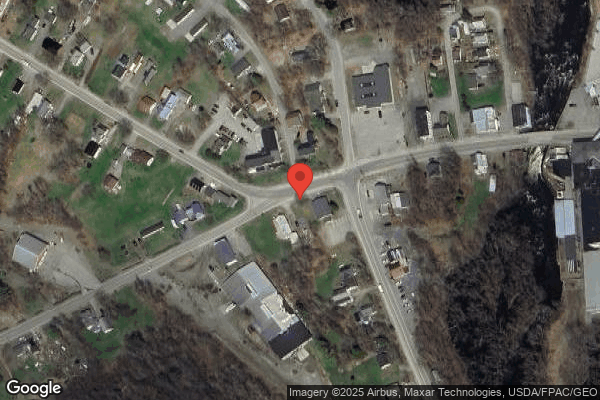
95 MAIN STREET, HARTLAND, ME 04943 (207) 938-2616
For profit - Corporation 23 Beds NORTH COUNTRY ASSOCIATES Data: November 2025
Trust Grade
85/100
#14 of 77 in ME
Last Inspection: July 2025

Inspected within the last 6 months. Data reflects current conditions.

Overview

Sanfield Rehab & Living Center in Hartland, Maine, has a Trust Grade of B+, indicating it is above average and recommended for families considering care options. It ranks #14 out of 77 facilities in the state, placing it in the top half, and #1 out of 4 in Somerset County, meaning it is the best local option available. The facility's performance is stable, with the number of issues remaining consistent at 8 in both 2022 and 2025. Staffing is a strong point, with a perfect 5/5 rating and a turnover rate of 42%, which is lower than the state average, suggesting staff members are experienced and familiar with residents' needs. However, there were some concerns noted during inspections, including failures to complete required assessments for residents in hospice care and a lack of care plans for those residents, which could impact their management and support. Overall, while there are notable strengths, families should be aware of these weaknesses when considering this facility.

Trust Score
B+
85/100
In Maine
#14/77
Top 18%
Safety Record
Low Risk
No red flags
Inspections
Holding Steady
8 → 8 violations
Staff Stability
○ Average
42% turnover. Near Maine's 48% average. Typical for the industry.
Penalties
✓ Good
No fines on record. Clean compliance history, better than most Maine facilities.
Skilled Nurses
✓ Good
Each resident gets 77 minutes of Registered Nurse (RN) attention daily — more than 97% of Maine nursing homes. RNs are the most trained staff who catch health problems before they become serious.
Violations
⚠ Watch
16 deficiencies on record. Higher than average. Multiple issues found across inspections.
★★★★★
5.0
Overall Rating
★★★★★
5.0
Staff Levels
★★☆☆☆
2.0
Care Quality
★★★★☆
4.0
Inspection Score
Stable
2022: 8 issues
2025: 8 issues

The Good

  • 5-Star Staffing Rating · Excellent nurse staffing levels
  • Full Sprinkler Coverage · Fire safety systems throughout facility
  • No fines on record
  • Staff turnover below average (42%)

    6 points below Maine average of 48%

Facility shows strength in staffing levels, fire safety.

The Bad

Staff Turnover: 42%

Near Maine avg (46%)

Typical for the industry

Chain: NORTH COUNTRY ASSOCIATES

Part of a multi-facility chain

Ask about local staffing decisions and management

The Ugly 16 deficiencies on record

Jul 2025 8 deficiencies
CONCERN (D)

Potential for Harm - no one hurt, but risky conditions existed

Comprehensive Assessments (Tag F0636)

Could have caused harm · This affected 1 resident

Based on record review and interview, the facility failed to complete an annual Comprehensive Minimum Data Set (MDS) 3.0 with Care Area Assessments timely for 1 of 1 resident reviewed for Accident Haz...

Read full inspector narrative →
Based on record review and interview, the facility failed to complete an annual Comprehensive Minimum Data Set (MDS) 3.0 with Care Area Assessments timely for 1 of 1 resident reviewed for Accident Hazards (Resident #17 [R17]). The Long Term Care Facility Resident Assessment Instrument (RAI) User's Manual, Version 1.19.1, dated October 2024, on page 2-16, Section 2.6 Required OBRA Assessments for the MDS provided a table RAI OBRA-required Assessment Summary required assessments that directs when assessments are due to be completed. Annual MDS are due to be completed 14 days from the ARD date. On 7/22/25, a review of R17's clinical record was completed. R17's annual MDS with an Assessment Reference Date (ARD) of 4/2/25 was due to be completed by 4/16/25, 14 days from the ARD date. The CAA completion date was 4/28/25, 12 days late. On 7/23/25 at 10:48 a.m., a surveyor confirmed this finding with the Director of Nursing.
CONCERN (D)

Potential for Harm - no one hurt, but risky conditions existed

Deficiency F0638 (Tag F0638)

Could have caused harm · This affected 1 resident

Based on record reviews and interviews, the facility failed to complete a quarterly Minimum Data Set (MDS) 3.0 in a timely manner for 2 of 12 sampled residents (Resident #11 [R11] and R7).The Long Ter...

Read full inspector narrative →
Based on record reviews and interviews, the facility failed to complete a quarterly Minimum Data Set (MDS) 3.0 in a timely manner for 2 of 12 sampled residents (Resident #11 [R11] and R7).The Long Term Care Facility Resident Assessment Instrument (RAI) User's Manual, Version 1.19.1, dated October 2024, on page 2-16, Section 2.6 Required OBRA Assessments for the MDS provided a table RAI OBRA-required Assessment Summary required assessments that directs when assessments are due to be completed. Quarterly MDS are due to be completed 14 days from the ARD date. 1. On 7/21/25, R11's clinical record was reviewed. R11's Quarterly MDS had an Assessment Reference Date (ARD) of 7/3/25 and was due to be completed by 7/17/25, which is the ARD plus 14 calendar days. The assessment was not completed at time of review. On 7/22/2025 at 2:37 p.m., during an interview with the [NAME] President of Clinical Services, a surveyor confirmed that R11's quarterly MDS was late. 2. On 7/22/25, R7's clinical record was reviewed. R7's Quarterly MDS had an Assessment Reference Date (ARD) of 7/8/25 and was due to be completed by 7/22/25, which is the ARD plus 14 calendar days. The assessment was not completed at time of review. On 7/23/2025 at 10:46 a.m., during an interview with the Director of Nursing, a surveyor confirmed that R7's quarterly MDS was now late.
CONCERN (D)

Potential for Harm - no one hurt, but risky conditions existed

Deficiency F0730 (Tag F0730)

Could have caused harm · This affected 1 resident

Based on performance evaluation review and interview, the facility failed to complete annual performance evaluations at least every 12 months for 1 of 5 sampled employees (Certified Nursing Assistant ...

Read full inspector narrative →
Based on performance evaluation review and interview, the facility failed to complete annual performance evaluations at least every 12 months for 1 of 5 sampled employees (Certified Nursing Assistant #1 [CNA1]). 1. CNA1 was hired on 8/3/2004. The facility was unable to provide evidence of a completed annual performance evaluations for 2024. On 7/23/25 at 12:45 p.m., in an interview with a surveyor, the Administrator confirmed that CNA1 had not received an annual performance evaluations in 2024.
CONCERN (D)

Potential for Harm - no one hurt, but risky conditions existed

Infection Control (Tag F0880)

Could have caused harm · This affected 1 resident

Based on observations, record review and interview, the facility failed to maintain an Infection Control Program designed to help prevent the development and transmission of disease and infection by f...

Read full inspector narrative →
Based on observations, record review and interview, the facility failed to maintain an Infection Control Program designed to help prevent the development and transmission of disease and infection by failing to wear gloves during a subcutaneous injection for 1 of 1 resident observed during medication administration. (Resident# 12 [R12])On 7/22/25 at 7:50 a.m., the Charge Nurse was observed in the nurse's station preparing R12's Lantus insulin dose 25 units with no infection control concerns. The Charge Nurse then entered R12's room and asked him/her where they wanted their injection. The charge nurse then cleaned the abdominal area with an alcohol prep pad and then administered the 25 units of Lantus subcutaneously without wearing gloves.At this time the Charge Nurse acknowledged that she did not wear gloves during this insulin injection and that she should have been wearing gloves, the surveyor confirmed this finding.
CONCERN (D)

Potential for Harm - no one hurt, but risky conditions existed

Deficiency F0909 (Tag F0909)

Could have caused harm · This affected 1 resident

Based on observations and interview, the facility failed to ensure that a bed gap filler (bumper pad) was in place between the mattress and foot of bed frame to eliminate the potential risk of entrapm...

Read full inspector narrative →
Based on observations and interview, the facility failed to ensure that a bed gap filler (bumper pad) was in place between the mattress and foot of bed frame to eliminate the potential risk of entrapment of body parts for 1 of 22 resident beds observed (Resident #17 [R17]).On 7/21/2025 at 12:42 p.m., two surveyors observed a gap stuffed with blankets between the foot board of bed frame and mattress of R17's bed. The gap between the end of the mattress and foot board was 5 inches. On 7/21/25 at 2:15 p.m., during an observation of R17's bed, the Administrator stated that there should have been a bumper pad in place and not stuffed with blankets, thinking maybe it was soiled and sent for cleaning. The bumper pad was immediately put in place by the facility.
CONCERN (E)

Potential for Harm - no one hurt, but risky conditions existed

Deficiency F0637 (Tag F0637)

Could have caused harm · This affected multiple residents

Based on interview and record reviews, the facility failed to complete a significant change in status Minimum Data Set 3.0 (MDS 3.0) assessment within 14 days of a resident's admission to hospice serv...

Read full inspector narrative →
Based on interview and record reviews, the facility failed to complete a significant change in status Minimum Data Set 3.0 (MDS 3.0) assessment within 14 days of a resident's admission to hospice services, for 2 of 3 sampled residents (Resident #10 [R10] and R9). 1.Review of the RAI (Resident Assessment instrument) manual directs that a significant change MDS ARD (assessment reference date) date is no later than 14th calendar day after determination that significant change occurred. Completion is the 14th calendar day after determination. On 7/22/25 at 12:16 p.m., a review of R10's clinical record was completed. R10 was admitted to Hospice on 6/27/25 and a Significant Change MDS was initiated with an Assessment Reference Date (ARD) of 7/3/25 but was not completed. The completion date should have been 7/11/25 and as of 7/22/25 the MDS was not completed. On 7/22/25 at 1:52 p.m., during an interview with a surveyor, The [NAME] President of clinical Services reviewed the clinical records and stated the MDS's had not been completed timely. 2. On 7/21/25, R9's clinical record was reviewed and indicated that R9 entered Hospice on 6/22/25. A significant change MDS was due to be completed by 7/6/25, within 14 days after the entrance into Hospice. R9's significant change MDS was not signed by the Registered Nurse, indicating completion until 7/17/25, 11 days late. On 7/22/2025 at 1:52 p.m., during an interview with the [NAME] President of Clinical Services, a surveyor confirmed this finding.
CONCERN (E)

Potential for Harm - no one hurt, but risky conditions existed

MDS Data Transmission (Tag F0640)

Could have caused harm · This affected multiple residents

Based on record reviews, Minimum Data Set 3.0 (MDS) reviews and interviews, the facility failed to electronically submit discharge MDS data to the State MDS database within 14 days after completion fo...

Read full inspector narrative →
Based on record reviews, Minimum Data Set 3.0 (MDS) reviews and interviews, the facility failed to electronically submit discharge MDS data to the State MDS database within 14 days after completion for 4 of 12 residents MDS's reviewed (Resident #2 [R2], R3, R19, R21).1. On 7/21/25, a review of R2's clinical record indicated that R2 was discharged on 6/5/25. A review of R2's discharge MDS with an ARD date of 6/5/25 indicated that assessment was due to be completed by 6/19/25 and was required to be electronically submitted to the State MDS database within 14 days after completion (7/3/25) but had not been submitted at time of review. 2, On 7/21/25, a review of R3's clinical record indicated that R3 was discharged on 6/6/25. A review of R3's discharge MDS with an ARD date of 6/6/25 indicated that assessment was due to be completed by 6/20/25 and was required to be electronically submitted to the State MDS database within 14 days after completion (7/4/25) but had not been submitted at time of review. On 7/22/2025 at 1:52 p.m., during an interview with the [NAME] President of Clinical Services, a surveyor confirmed these findings 3. On 7/22/25, a review of R19's clinical record and discharge MDS was completed. Documentation on R19's MDS indicated that the resident's discharge date was 6/4/25 and the MDS was completed on 6/5/26. This MDS was required to be electronically submitted to the State MDS database within 14 days (6/19/25), but was not submitted until 7/22/25 (33 days late). On 7/23/25 at 9:00 a.m., in an interview with the surveyor, the Director of Nursing (DON) confirmed the MDS's were not submitted timely. 4. On 7/22/25, a review of R21's clinical record and discharge MDS was completed. Documentation on R21's MDS indicated that the resident's discharge date was 4/9/25 and the MDS was not completed until 7/14/26 (82 days late). This MDS was required to be electronically submitted to the State MDS database within 14 days (4/23/25), but was not submitted until 7/22/25 (90 days late). On 7/23/25 at 9:00 a.m., in an interview with the surveyor, the Director of Nursing (DON) confirmed the MDS's were not submitted timely.
CONCERN (E)

Potential for Harm - no one hurt, but risky conditions existed

Comprehensive Care Plan (Tag F0656)

Could have caused harm · This affected multiple residents

Based on observation, record review and interview, the facility failed to ensure that a care plan was developed in the area of Hospice care for 2 of 3 residents reviewed for Hospice (Resident #10 [R10...

Read full inspector narrative →
Based on observation, record review and interview, the facility failed to ensure that a care plan was developed in the area of Hospice care for 2 of 3 residents reviewed for Hospice (Resident #10 [R10] and R9). 1. Review of R10's clinical record stated he/she was admitted into Hospice on 6/27/25. The clinical record lacked evidence that a comprehensive care plan had been developed in the area of Hospice care that included goals and interventions. On 7/22/25 at 12:30 p.m., during an interview with the Director of Nursing the surveyor confirmed the above finding. 2. On 7/22/25, R9's clinical record was reviewed indicated R9 was admitted on Hospice on 6/22/25. The clinical record lacked evidence that a comprehensive care plan had been developed in the area of Hospice care that included goals and interventions. On 7/22/25 at 12:31 p.m., during an interview with the Director of Nursing, the surveyor confirmed the above finding.
Aug 2022 8 deficiencies
CONCERN (D)

Potential for Harm - no one hurt, but risky conditions existed

Comprehensive Care Plan (Tag F0656)

Could have caused harm · This affected 1 resident

**NOTE- TERMS IN BRACKETS HAVE BEEN EDITED TO PROTECT CONFIDENTIALITY** Based on record review and interviews the facility failed to develop/implement goals and interventions for a pacemaker for 1 of ...

Read full inspector narrative →
**NOTE- TERMS IN BRACKETS HAVE BEEN EDITED TO PROTECT CONFIDENTIALITY** Based on record review and interviews the facility failed to develop/implement goals and interventions for a pacemaker for 1 of 12 residents reviewed for care plans. (Resident #4) Findings: Review of facility policy Comprehensive Person-Centered Care Planning updated 1/19 states, .The facility must develop and implement a comprehensive person centered care plan for each resident, consistent with Resident Rights, which includes measurable objectives and timeframes to meet a residents medical, nursing, mental, and psychosocial needs identified in the comprehensive assessment/evaluation the facility must develop and implement a comprehensive person-centered care plan for each resident, which includes measurable objectives and time frames to meet a resident's medical, nursing, and mental/psychosocial needs identified in the comprehensive assessment/evaluation. must describe the following: the services to be furnished to attain or maintain the resident's highest practicable physical, mental, and psychosocial well-being . Resident #4 was admitted to facility on 9/13/21 with diagnoses to include vascular dementia, major depressive disorder, and anxiety. Further review of Resident #4's clinical record revealed that he/she had a pacemaker implanted in 2012. Review of quarterly Minimum Data Set (MDS) dated [DATE], indicates a Brief interview for Mental Status (BIMS) of 1 of 15. Review of Resident #4's care plan initiated 9/21/21 updated 6/15/22 lacked evidence of goals and interventions for the presence of a pacemaker. During an interview on 8/24/22 at approximately 10:04 a.m., the Director of Nursing confirmed that goals and interventions were not care planned for Resident #4. During an interview on 8/24/22 at approximately 11:05 a.m. the Minimum Data Set (MDS) Coordinator indicated that she was aware that Resident #4 had a pacemaker, and it should be care planned.
CONCERN (D)

Potential for Harm - no one hurt, but risky conditions existed

Quality of Care (Tag F0684)

Could have caused harm · This affected 1 resident

**NOTE- TERMS IN BRACKETS HAVE BEEN EDITED TO PROTECT CONFIDENTIALITY** Based on record review and interview the facility failed to obtain provider orders for the maintenance and monitoring of a pacem...

Read full inspector narrative →
**NOTE- TERMS IN BRACKETS HAVE BEEN EDITED TO PROTECT CONFIDENTIALITY** Based on record review and interview the facility failed to obtain provider orders for the maintenance and monitoring of a pacemaker. In addition, the facility failed to initiate goals and interventions necessary for the presence of a pacemaker for 1 of 12 residents reviewed for care plans (Resident #4). Resident #4 was admitted to facility on 9/13/21 with diagnoses to include vascular dementia, major depressive disorder, and anxiety. Further review of Resident #4's clinical record revealed that he/she had a pacemaker implanted in 2012. Review of quarterly Minimal Data Set (MDS) dated [DATE], indicates a Brief interview for Mental Status (BIMS) of 1 of 15. Review of section I: Active Diagnoses indicate Resident #4 has Atrial Fibrillation or Other Dysrhythmias. Review of Resident #4's clinical record reveled Referral to clinic/physician dated 4/25/22 for pacer check [pacemaker]. Review of Resident #4's signed provider orders for July 2022 lacked evidence that orders regarding maintenance/monitoring of Resident #4's pacemaker. Review of Resident #4's care plan initiated 9/21/21 updated 6/15/22 lacked evidence of goals and interventions for the presence of a pacemaker. During an interview on 8/24/22 at 9:39 a.m., Registered Nurse (RN)1 indicated that she did not believe that Resident #4 had a pacemaker because she did not have a scar on his/her chest. RN1 reviewed Resident #4's diagnosis list indicating that the presence of a pacemaker is not listed. At this time this writer showed RN1 referral to clinic/physician dated 4/25/22 for pacer check. RN1 then again reviewed Resident #4's clinical record indicating she did not see any notes regarding the referral. RN1 further indicated that if a resident leaves for an appointment the nurse should document that they left and should document the return. RN1 then reviewed the scheduling book noting on 4/25/2022 Resident #4 had a scheduled appointment with cardiology for pacemaker check. RN1 was not able to provide evidence that Resident #4 attended this appointment. Further review of Resident #4's clinical record revealed Appointment Card dated 1/31/22 for Northern Light Cardiovascular Care-S Pacer Clinic for March 12, 22 at 12:30 p.m. Appointment card indicated rescheduled. New appointment date. April 25th at 12:30. Only avail spot holding the spot. Accepted. Further review of Resident #4's clinical record revealed Appointment card dated 6/16/22 for Northern Light Cardiovascular Care-S Pacer Clinic for 7/25/22 at 12:30 p.m. Upon further review of facility scheduling book RN1 indicated that the appointment dated 7/25/22 says rescheduled but was unable to locate the rescheduled date. At this time RN1 confirmed Resident #4's clinical record lacked a provider order with instructions to monitor pacemaker and residents care plan did not have goals and interventions necessary to monitor a pacemaker. During an interview on 8/24/22 at approximately 11:05 a.m. the Minimum Data Set (MDS) Coordinator indicated that she was aware that Resident #4 had a pacemaker, and it should be care planned. During an interview on 8/24/22 at 10:04 a.m., Director of Nursing (DNS) was able to provide documentation of 4/25/22 cardiology visit. At this time DNS confirmed that Resident #4's clinical record lacked evidence of provider orders and a care plan with goals and interventions necessary to monitor Resident #4's pacemaker.
CONCERN (D)

Potential for Harm - no one hurt, but risky conditions existed

Deficiency F0698 (Tag F0698)

Could have caused harm · This affected 1 resident

**NOTE- TERMS IN BRACKETS HAVE BEEN EDITED TO PROTECT CONFIDENTIALITY** Based on record review and interviews the facility failed to ensure that a resident who requires dialysis services was monitored...

Read full inspector narrative →
**NOTE- TERMS IN BRACKETS HAVE BEEN EDITED TO PROTECT CONFIDENTIALITY** Based on record review and interviews the facility failed to ensure that a resident who requires dialysis services was monitored for weight loss/gain for 1 of 1 resident reviewed for dialysis. (Resdient #12). Finding: Resident #12 was admitted on [DATE] with diagnoses to include chronic obstructive pulmonary disease (COPD) and end stage renal disease requiring hemodialysis 3 times per week. Review of Resident #12's Care Plan initiated 1/20/21, updated on 8/21/22 indicates .will remain stable x 90 days. Interventions: . Monitor weight . Review of Hemodialysis noted revealed the following weights: 8/19/22 =79.25 kg (174.71lbs [pounds]), 8/17/22- 78.6 kg (173.5 lbs), 8/12/22 -77.8 kg (171.5 lbs.) 8/5/22 -71.1 kg (156.74 lbs), 7/20/22-77.7- 171.2 lbs), 7/18/22 -77.7 kg (169.7 lbs) Review of Resident #12's signed provider orders for July 2022 lacked evidence of an order to monitor weights. During interview on 8/23/22 at 8:10 a.m., Minimum Data Set (MDS) Coordinator indicated that Resident #12 has his/her weights done three days a week at dialysis and the facility does not do them daily and that all residents are weighed monthly, at a minimum. During an interview on 8/24/22 at 9:54 a.m., Registered Nurse (RN)1 indicated Resident #12 does not have a strict weight schedule and she was told that the facility just used his/her weights taken at dialysis. During an interview on 8/24/22 at 10:01 a.m., Director of Nursing confirmed that Resident #12 does not have a provider order to monitor weights.
CONCERN (D)

Potential for Harm - no one hurt, but risky conditions existed

Food Safety (Tag F0812)

Could have caused harm · This affected 1 resident

Based on observations, interview, and the facility's food storage policy, the facility failed to date and label foods in 2 of 4 reach-in freezers and 1 of 2 refrigerators( a walk-in refrigerator and a...

Read full inspector narrative →
Based on observations, interview, and the facility's food storage policy, the facility failed to date and label foods in 2 of 4 reach-in freezers and 1 of 2 refrigerators( a walk-in refrigerator and a reach-in refrigerator). The facility also failed to cover/seal food in 1 of 1 dry storage area for 1 of 3 days of survey (8/22/22). Findings: On 8/22/22 from 10:55 a.m. to 11:30 a.m., a kitchen tour was conducted with the Food Service Director (FSD) in which the following findings were observed: The facility Food Storage policy noted in section 4. Procedure: 4. Plastic containers with tight-fitting covers must be used for storing cereals, cereal products, flour, sugar, dried vegetables and broken lots of bulk foods. All containers must be legible and accurately labeled and dated. The facility Food Storage policy noted in section 14. Refrigerated Food Storage: f. All foods should be covered, labeled and dated. All foods will be checked to assure that foods (including leftovers) will be consumed by their safe use by dates, or frozen (where applicable) or discarded. The facility Food Storage policy noted in section 15. Frozen Foods: c. All foods should be covered, labeled and dated. All foods will be checked to assure that foods will be consumed by their safe use dates or discarded. - Reach-in freezer #2 had 9 individually wrapped hot dog buns, 3 packages of sandwich wraps, 12 loaves of bread, and 4 packages of hamburger buns that were not labeled and dated. - Reach-in freezer #3 had 2 large packages of tater tots and 1 package of fish sticks that were not labeled and dated. - The walk-in refrigerator had 2 packages of hot dog buns and 1 package of hamburger buns that were not labeled and dated. - The dry storage area had a 22 quart plastic container of rice, half full, that had a broken/unsecured lid which allowed the rice to be open to the air. On 8/22/22 at 11:30 a.m., in an interview with a surveyor, the Food Service Director (FSD) confirmed the above findings.
CONCERN (D)

Potential for Harm - no one hurt, but risky conditions existed

Deficiency F0943 (Tag F0943)

Could have caused harm · This affected 1 resident

Based on Certified Nursing Assistant (CNA) education and training report reviews and interviews, the facility failed to ensure that 2 of 5 CNA's completed education/training for Abuse, Neglect, Exploi...

Read full inspector narrative →
Based on Certified Nursing Assistant (CNA) education and training report reviews and interviews, the facility failed to ensure that 2 of 5 CNA's completed education/training for Abuse, Neglect, Exploitation, and Misappropriation of Property annually. (CNA2, and CNA3) Finding: Review of CNA2's employee file stated CNA2's date of hire is 6/30/10. A review of CNA2's Employment Record indicated annual education that included Abuse, Neglect, Exploitation, and Misappropriation of Property was completed on 3/18/21. There was no evidence of Abuse, Neglect , Exploitation, and Misappropriation of Property training completed annually as of 8/23/22, 1 year and 5 months later. Review of CNA3's employee file stated CNA3's date of hire is 9/1/04. A review of CNA3's Employment Record indicated annual education, that included Abuse, Neglect, Exploitation, and Misappropriation of Property, was completed on 2/23/21. There was no evidence that Abuse, Neglect, Exploitation, and Misappropriation of Property training was completed annually as of 8/23/22, 1 year and 6 months later. On 8/24/22 at 12:54 p.m., during an interview with a surveyor, the Administrator, and the Director of Nursing (DNS) stated they were unable to find any additional Abuse, Neglect, Exploitation, and Misappropriation of Property education/training for CNA2, and CNA3. The surveyor confirmed CNA2 and CNA3 have not had abuse, neglect, exploitation, and misappropriation of property education/training within the last year.
CONCERN (E)

Potential for Harm - no one hurt, but risky conditions existed

Deficiency F0565 (Tag F0565)

Could have caused harm · This affected multiple residents

**NOTE- TERMS IN BRACKETS HAVE BEEN EDITED TO PROTECT CONFIDENTIALITY** Based on interviews and record review the facility failed to assist residents to organize and hold monthly Resident Council meet...

Read full inspector narrative →
**NOTE- TERMS IN BRACKETS HAVE BEEN EDITED TO PROTECT CONFIDENTIALITY** Based on interviews and record review the facility failed to assist residents to organize and hold monthly Resident Council meetings for 3 of 20 residents reviewed for Resident Council. This has the potential to affect all residents in the facility. Findings: During an interview on 8/22/22 at 11:09 a.m. Resident #19 indicated that he/she does not know if the facility is having a Resident Council and has not been invited but would like to attend. Review of clinical record indicated he/she was admitted on [DATE]. During an interview on 8/22/22 at 11:45 a.m., Resident #18 indicated that he/she has never been invited to a Resident Council meeting but would attend. Review of clinical record indicated He/she was admitted on [DATE]. During an interview on 8/23/22 at 8:16 a.m., Resident #12 indicated that he/she had never been invited to Resident Council meeting but would attend. Review of clinical record indicated He/she was admitted on [DATE]. Review of Resident Council minutes binder revealed Resident Council meeting was held on 2/25/21, There is no evidence that a Resident Council was held after that time. (18 months). During an interview on 8/23/22 at approximately 9:02 a.m., the Director of Nursing (DNS) indicated that the facility has not had an Activities Director for over a year and the Social Worker (SW) reviews resident rights. During an interview on 8/24/22 at 9:17 a.m., SW indicated that Resident Rights were reviewed on admission and should be done during Resident Council meetings, but since the Activity Director left over a year ago, residents rights have not been reviewed.
CONCERN (E)

Potential for Harm - no one hurt, but risky conditions existed

Deficiency F0572 (Tag F0572)

Could have caused harm · This affected multiple residents

**NOTE- TERMS IN BRACKETS HAVE BEEN EDITED TO PROTECT CONFIDENTIALITY** Based on review of resident council meeting minutes and interview, the facility failed to inform residents of his or her rights ...

Read full inspector narrative →
**NOTE- TERMS IN BRACKETS HAVE BEEN EDITED TO PROTECT CONFIDENTIALITY** Based on review of resident council meeting minutes and interview, the facility failed to inform residents of his or her rights on an ongoing basis after admission for 3 of 20 Residents reviewed for Resident Rights. (#19, #18, #12) Findings: During an interview on 8/22/22 at 11:09 a.m. Resident #19 indicated that he/she has not been informed of her rights as a resident since his/her admission and does not know where to find them. Review of clinical record revealed he/she was admitted [DATE]. During an interview on 8/22/22 at 11:45 a.m., Resident #18 indicated that resident rights were given to him/her on admission but does not know where they are. Review of clinical record revealed he/she was admitted [DATE]. During an interview on 8/23/22 at 8:16 a.m., Resident #12 indicated that he/she knew what resident rights are but doesn't remember anyone reviewing them with him/her and does not know where to find them. Review of clinical record revealed he/she was admitted [DATE]. Review of Resident Council minutes binder revealed Resident Council meeting was held on 2/25/21, There is no evidence that a Resident Council was held after that time. (18 months). During an interview on 8/23/22 at approximately 9:02 a.m., the Director of Nursing (DNS) indicated that it was the Activity Directors responsibility to review resident rights during Resident Council meetings, but the facility has not had an Activities Director for over a year and the Social Worker (SW) will go to residents directly if there's a problem. During an interview on 8/24/22 at 9:17 a.m., SW indicated resident rights are reviewed upon admission, but they have not been done after that. SW further indicated that the Activity Director would have done those monthly if they had one. At this time the SW confirmed that resident rights have not been reviewed with the residents on an ongoing basis during their stay.
CONCERN (E)

Potential for Harm - no one hurt, but risky conditions existed

Deficiency F0679 (Tag F0679)

Could have caused harm · This affected multiple residents

**NOTE- TERMS IN BRACKETS HAVE BEEN EDITED TO PROTECT CONFIDENTIALITY** Based on care plan reviews, observations and interviews, the facility failed to provide residents with a continuous resident cen...

Read full inspector narrative →
**NOTE- TERMS IN BRACKETS HAVE BEEN EDITED TO PROTECT CONFIDENTIALITY** Based on care plan reviews, observations and interviews, the facility failed to provide residents with a continuous resident centered activities program for 5 of 9 residents reviewed for activity participation. (Resident's #2, #4, #12, #14, and #19). Findings: 1. Resident #2 was admitted to the facility on [DATE] with diagnoses to include Parkinson's Disease, Bipolar Disorder, Hereditary and Idiopathic Neuropathy and Macular Degeneration. Review of quarterly Minimum Data Set (MDS) dated [DATE], indicates a Brief interview for Mental Status (BIMS) of 4 of 15. Further review of section F: Preferences for Customary Routine Activities noted it is very important for Resident #2 to listen to music and somewhat important to see pets, to have books/newspapers/ magazines, and to keep up with news. Review of Resident #2's entire clinical record lacked evidence that he/she participated in activities of interest in August 2022. Review of Resident #2's current care plan, updated 6/5/22, noted goal: Resident #2 will attend one out of room activity a week x 90 days. Interventions: Provide a copy of activity schedule. Highlight activities of interest on Resident #2's calendar. Invite/encourage and assist Resident #2 to activities of his/her choice. Activities: Provide necessary supplies for self-directed pursuits. Resident #2 enjoys his/her computer and TV in his/her room, he/she likes to listen to music daily. Review of Resident #2's Activity Participation Log dated August 2022 indicated he/she participated in no activities. Further review of Resident #4's clinical record lacked evidence that he/she was invited or refused. Observation on 8/22/22 at 11:15 a.m., Resident #2 was noted lying in bed awake. There was no music or television on for the resident. Observation on 8/23/22 at 1:00 p.m., Resident #2 was noted lying in bed awake. There was no music or television on for the resident. Observation on 8/24/22 at 11:00 a.m., Resident #2 was noted lying in bed awake. There was no music or television on for the resident. 2. Resident #4 was admitted to facility on 9/13/21 with diagnoses to include vascular dementia, major depressive disorder, and anxiety. Review of quarterly MDS dated [DATE], indicates a BIMS of 1 of 15. Further review of MDS, section F: Preferences for Customary Routine Activities states it is very important for Resident #4 to have books, newspapers, and magazines, be around animals, keep up with news, participate in favorite activities, and participate in religious practices. Review of Resident #4's care plan initiated 9/21/21 updated 6/15/22 revealed goal: wished to participate in activities on a daily basis x 90 days. Interventions: provided a copy of activity schedule .[he/she] enjoys reading. Observations of Resident #4's room on 3 of 3 survey days lacked evidence that he/she was provided with reading material, an activity schedule or participated in a daily activity. Review of Resident #4's Activity Participation Log dated August 2022 indicated he/she participated in 1 group activity. Further review of Resident #4's clinical record lacked evidence that he/she was invited or refused to attend activities of interest. Observations on 8/23/22 at 8:00 and 3:19 p.m., Resident #4 was noted sitting up in his/her chair. There were no books or magazines noted, and television was not on. Observation on 8/24/22 at approximately 1:00 p.m., Resident #4 was sleeping in his/her bed and his/her roommate was observed sitting in chair with 2 Bingo cards on side table participating in Bingo game held in Dining room across the hall. 3. Resident #12 was admitted to facility on 1/20/21 with diagnoses to include anxiety and depression. Review of quarterly MDS dated [DATE], indicates a BIMS of 12 of 15. Further review of section, F: Preferences for Customary Routine Activities states it is very important for Resident #12 to have books, newspapers, and magazines, listen to music, be around animals, keep up with news, do his/her favorite activities, go outside for fresh air in good weather, and participate in religious activities. Review of Resident #12's care plan initiated 1/21/21 and updated 5/26/22 states, [Resident #12] will have activity needs meet x 90 days. interventions Provide 1:1 (one on one) visits, PRN (as needed) for psychosocial well-being, Provide a copy of activity schedule and allow [Resident #12] to choose activities. Observations of Resident #12's room on 3 of 3 survey days lacked evidence that he/she was provided with an activity schedule. Review of Resident #12's Activity Participation Log dated August 2022 indicated he/she participated in 3 activities during the month of August 20222. Further review of Resident #12's clinical record lacked evidence that he/she was invited or refused to attend activities. During an interview on 8/23/22 at 8:16 a.m., Resident #12 indicated that there has not been anyone to offer activities on a regular basis and when the staff try to do something, they will get pulled away to do their own work but they do the best they can. He/she further indicated that he/she had not gotten an activity schedule in a long time but would like to have it to see what she/he wants to do. Observations of Resident #12's room on 3 of 3 survey days lacked evidence that he/she was provided with an activity schedule. 4. Resident #14 was admitted to the facility on [DATE] with diagnoses to include Wernicke's Encephalopathy, contracture, dysphagia, depressive disorders, diabetes, and chronic pain. Review of quarterly MDS dated [DATE], indicates a BIMS of 0 of 15. Further review of section F: Preferences for Customary Routine Activities/staff assessment noted Listening to music. Doing things with groups of people. Participating in favorite activities. Spending time outdoors. Review of Resident #14's Activity Participation Log dated August 2022 indicated he/she participated in 1 activity. Further review of Resident #14's clinical record lacked evidence that he/she was invited and refused or participated in activities. Review of Resident #14's current care plan, updated 6/9/22, noted Goal: [Resident #14] will participate in group and/or individual activities 1 time per week as tolerated over the next 90 days. Interventions: Encourage visits from family, friends, and clergy--. Favorite activities include music, outdoors, bingo. Provide 1 on 1 visits to meet activity goal. Provide a copy of monthly activity schedule and allow him/her to choose activities. Assist him/her to attend/participate as needed. Observation on 8/22/22 at 11:15 a.m., Resident #14 was noted sitting in his/her wheelchair in the dining room. Group activity/music happening. 1 on 1 reading after. Observation on 8/23/22 at 1:00 p.m., Resident #14 was noted lying in bed awake. There was no music or television on for the resident. 5. Resident #19 was admitted to facility on 9/14/21 with diagnoses to include chronic obstructive pulmonary disease (COPD) and anxiety. Review of quarterly MDS dated [DATE], indicates a BIMS of 9 of 15. Further review of section, F: Preferences for Customary Routine Activities states it is very important for Resident #12 to have books, newspapers, and magazines, listen to music, be around animals, keep up with news, do his/her favorite activities, go outside for fresh air in good weather, and participate in religious activities. Review of Resident #19's care plan initiated 9/14/21 and updated 6/14/22 states, [Resident #19] will participate in facility activities 3 times per week x 90 days. Assist [Resident #19] to attend/participate as needed. Provide a copy of activity schedule and allow [resident #19] to choose activities. Observations of Resident #19's room between 8/22/22 at 11:00 a.m., through 8/14/22 at 2 p.m., lacked evidence that an activity schedule was provided to resident. Review of Resident #19's Activity Participation Log dated August 2022 lacked evidence that Resident #19 was invited and refused or participated in activities. During an interview on 8/22/22 at 11:09 a.m., Resident #19 indicated that they don't have anyone in the Activity Department anymore but sometimes the staff do BINGO and things like that. He/she further indicated that she hasn't gotten an activity schedule in a long time but he/she would like to have one so he/she can look forward to something. During an interview on 8/23/22 at 8:11 a.m , MDS Coordinator indicated that they have not had an Activity Director in over a year, but the facility staff have done some activities with the residents and that they should be documented in the Electronic Medical Record (EMR). During an interview on 8/23/22 at 1:48 p.m., Certified Nursing Assistant 1 (CNA)1 indicated that the facility has not had an Activity Director in a long time and it's up to staff to document activity participation in the EMR. CNA1 then indicated that residents have not received an activity calendar in a long time but there should be one posted in the hallway. At this time CNA1 directed this writer to bulletin board in front of nursing station that had colored pictures on it. CNA1 indicated that the activity calendar should go in there. During an interview on 8/23/22 at 1:52 p.m. CNA2 indicated that she helps with activities, but there is no schedule that they go by and participation should be documented in the EMR. During an interview on 8/24/22 at approximately 11:02 a.m., the Director of Nursing confirmed that activities are not being provided according to resident's preferences and they are not being documented appropriately.
Understanding Severity Codes (click to expand)
Life-Threatening (Immediate Jeopardy)
J - Isolated K - Pattern L - Widespread
Actual Harm
G - Isolated H - Pattern I - Widespread
Potential for Harm
D - Isolated E - Pattern F - Widespread
No Harm (Minor)
A - Isolated B - Pattern C - Widespread

Questions to Ask on Your Visit

  • "Can I speak with families of current residents?"
  • "What's your RN coverage like on weekends and overnight?"

Our Honest Assessment

Strengths
  • • Grade B+ (85/100). Above average facility, better than most options in Maine.
  • • No major safety red flags. No abuse findings, life-threatening violations, or SFF status.
  • • No fines on record. Clean compliance history, better than most Maine facilities.
  • • 42% turnover. Below Maine's 48% average. Good staff retention means consistent care.
Concerns
  • • 16 deficiencies on record. Higher than average. Multiple issues found across inspections.
Bottom line: Generally positive indicators. Standard due diligence and a personal visit recommended.

About This Facility

What is Sanfield Rehab & Living Center's CMS Rating?

CMS assigns SANFIELD REHAB & LIVING CENTER an overall rating of 5 out of 5 stars, which is considered much above average nationally. Within Maine, this rating places the facility higher than 99% of the state's 100 nursing homes. This rating reflects solid performance across the metrics CMS uses to evaluate nursing home quality.

How is Sanfield Rehab & Living Center Staffed?

CMS rates SANFIELD REHAB & LIVING CENTER's staffing level at 5 out of 5 stars, which is much above average compared to other nursing homes. Staff turnover is 42%, compared to the Maine average of 46%. This relatively stable workforce can support continuity of care.

What Have Inspectors Found at Sanfield Rehab & Living Center?

State health inspectors documented 16 deficiencies at SANFIELD REHAB & LIVING CENTER during 2022 to 2025. These included: 16 with potential for harm.

Who Owns and Operates Sanfield Rehab & Living Center?

SANFIELD REHAB & LIVING CENTER is owned by a for-profit company. For-profit facilities operate as businesses with obligations to shareholders or private owners. The facility is operated by NORTH COUNTRY ASSOCIATES, a chain that manages multiple nursing homes. With 23 certified beds and approximately 20 residents (about 87% occupancy), it is a smaller facility located in HARTLAND, Maine.

How Does Sanfield Rehab & Living Center Compare to Other Maine Nursing Homes?

Compared to the 100 nursing homes in Maine, SANFIELD REHAB & LIVING CENTER's overall rating (5 stars) is above the state average of 3.1, staff turnover (42%) is near the state average of 46%, and health inspection rating (4 stars) is above the national benchmark.

What Should Families Ask When Visiting Sanfield Rehab & Living Center?

Based on this facility's data, families visiting should ask: "Can I visit during a mealtime to observe dining assistance and food quality?" "How do you handle medical emergencies, and what is your hospital transfer rate?" "Can I speak with family members of current residents about their experience?"

Is Sanfield Rehab & Living Center Safe?

Based on CMS inspection data, SANFIELD REHAB & LIVING CENTER has a clean safety record: no substantiated abuse findings (meaning no confirmed cases of resident harm), no Immediate Jeopardy citations (the most serious violation level indicating risk of serious injury or death), and is not on the Special Focus Facility watch list (a federal program monitoring the lowest-performing 1% of nursing homes). The facility has a 5-star overall rating and ranks #1 of 100 nursing homes in Maine. While no facility is perfect, families should still ask about staff-to-resident ratios and recent inspection results during their visit.

Do Nurses at Sanfield Rehab & Living Center Stick Around?

SANFIELD REHAB & LIVING CENTER has a staff turnover rate of 42%, which is about average for Maine nursing homes (state average: 46%). Moderate turnover is common in nursing homes, but families should still ask about staff tenure and how the facility maintains care continuity when employees leave.

Was Sanfield Rehab & Living Center Ever Fined?

SANFIELD REHAB & LIVING CENTER has no federal fines on record. CMS issues fines when nursing homes fail to meet care standards or don't correct problems found during inspections. The absence of fines suggests the facility has either maintained compliance or corrected any issues before penalties were assessed. This is a positive indicator, though families should still review recent inspection reports for the full picture.

Is Sanfield Rehab & Living Center on Any Federal Watch List?

SANFIELD REHAB & LIVING CENTER is not on any federal watch list. The most significant is the Special Focus Facility (SFF) program, which identifies the bottom 1% of nursing homes nationally based on persistent, serious quality problems. Not being on this list means the facility has avoided the pattern of deficiencies that triggers enhanced federal oversight. This is a positive indicator, though families should still review the facility's inspection history directly.