KENNEBUNK CENTER FOR HEALTH & REHABILITATION, LLC
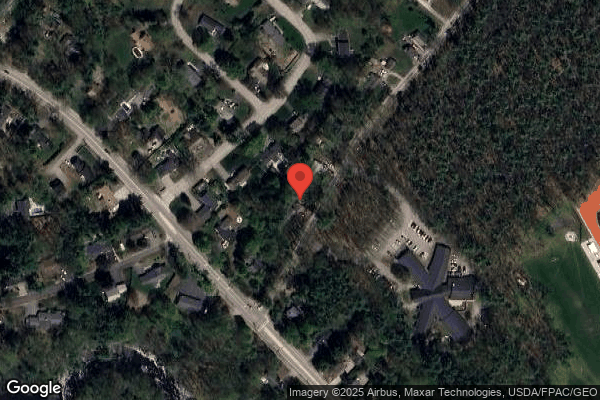
158 ROSS RD, KENNEBUNK, ME 04043 (207) 985-7141
For profit - Corporation 78 Beds NATIONAL HEALTH CARE ASSOCIATES Data: November 2025
Trust Grade
50/100
#54 of 77 in ME
Last Inspection: January 2025

Within standard 12-15 month inspection cycle. Federal law requires annual inspections.

Overview

Kennebunk Center for Health & Rehabilitation has a Trust Grade of C, indicating average performance-this places it in the middle of the pack among nursing homes. In Maine, it ranks #54 out of 77, meaning it falls in the bottom half of facilities, and #6 out of 9 in York County, suggesting that there are only a few better local options. The facility's situation appears to be worsening, with issues increasing from 2 in 2024 to 14 in 2025. Staffing is rated 3 out of 5 stars, which is average, with a turnover rate of 50%, similar to the state average. While there have been no fines, which is a positive sign, the RN coverage is also average, and recent inspections uncovered concerning issues, such as residents being allowed to self-administer medications without proper oversight, raising risks of misuse or harm. Additionally, the facility has struggled to maintain cleanliness, with reports of unsanitary conditions in shared bathrooms. Overall, while there are strengths like the lack of fines, the facility has notable weaknesses that families should consider carefully.

Trust Score
C
50/100
In Maine
#54/77
Bottom 30%
Safety Record
Low Risk
No red flags
Inspections
Getting Worse
2 → 14 violations
Staff Stability
⚠ Watch
50% turnover. Above average. Higher turnover means staff may not know residents' routines.
Penalties
✓ Good
No fines on record. Clean compliance history, better than most Maine facilities.
Skilled Nurses
✓ Good
Each resident gets 56 minutes of Registered Nurse (RN) attention daily — more than average for Maine. RNs are trained to catch health problems early.
Violations
⚠ Watch
32 deficiencies on record. Higher than average. Multiple issues found across inspections.
★★☆☆☆
2.0
Overall Rating
★★★☆☆
3.0
Staff Levels
★★☆☆☆
2.0
Care Quality
★★☆☆☆
2.0
Inspection Score
Stable
2024: 2 issues
2025: 14 issues

The Good

  • Full Sprinkler Coverage · Fire safety systems throughout facility
  • No fines on record

Facility shows strength in fire safety.

The Bad

2-Star Overall Rating

Below Maine average (3.0)

Below average - review inspection findings carefully

Staff Turnover: 50%

Near Maine avg (46%)

Higher turnover may affect care consistency

Chain: NATIONAL HEALTH CARE ASSOCIATES

Part of a multi-facility chain

Ask about local staffing decisions and management

The Ugly 32 deficiencies on record

Feb 2025 4 deficiencies
CONCERN (D) 📢 Someone Reported This

A family member, employee, or ombudsman was alarmed enough to file a formal complaint

Potential for Harm - no one hurt, but risky conditions existed

Accident Prevention (Tag F0689)

Could have caused harm · This affected 1 resident

Based on observation, interview, and a review of Safety Data Sheets (SDS), the facility failed to ensure that the resident's environment was free of accident hazards relating to the storage of a chemi...

Read full inspector narrative →
Based on observation, interview, and a review of Safety Data Sheets (SDS), the facility failed to ensure that the resident's environment was free of accident hazards relating to the storage of a chemical not being properly secured for 1 of 1 days of survey (2/25/25). Findings: The Safety Data Sheet for HDX Disinfectant Spray Linen Scent 19 oz noted the following: Description of first aid measures: Inhalation Remove to fresh air. Eye contact Rinse thoroughly with plenty of water for at least 15 minutes, lifting lower and upper eyelids. Consult a physician. Skin contact Wash skin with soap and water. Ingestion Rinse mouth. On 2/25/25 at 8:31 a.m., the surveyor observed Resident #1 to have a can of Great Value Disinfectant Spray Linen Scent on his/her bedside dresser. In a brief interview, Resident #1 stated he/she uses it for when it smells, and it's his/her personal can. On 2/25/25 at 10:05 a.m., the surveyor and the Director of Nursing (DON) observed Resident #1's can of Great Value Disinfectant Spray Linen Scent on the bedside dresser. At this time, the DON stated she was unaware of the disinfectant in the room and confirmed it should not be in the room or available for the resident to use.
CONCERN (D) 📢 Someone Reported This

A family member, employee, or ombudsman was alarmed enough to file a formal complaint

Potential for Harm - no one hurt, but risky conditions existed

Medical Records (Tag F0842)

Could have caused harm · This affected 1 resident

Based on observations, record reviews and interview, the facility failed to ensure that clinical records were complete and contained accurate information for 1 of 5 residents reviewed for medications ...

Read full inspector narrative →
Based on observations, record reviews and interview, the facility failed to ensure that clinical records were complete and contained accurate information for 1 of 5 residents reviewed for medications (Resident #5). Finding: On 2/25/25 at approx. 9:02 a.m., Resident #5 was sitting on the side of the bed with the bedside tray table in front of him/her. On the table was a medicine cup with an unknown opaque color cream with a plastic cup over it and 2 medicine cups of applesauce with a spoon. At this time, in a brief interview, Resident #5 stated that the nurse was giving him/her medications, but they were too big to swallow, so she is cutting them in half. The surveyor asked what the unknown cream was for. Resident #5 stated, for arthritis pain. Surveyor asked if the nurse applies the cream, he/she stated, I do. At 9:05 a.m., the nurse entered the room with a cup of pills, upon leaving the room, the arthritis cream was left on the table. On 2/25/25 from 10:05 a.m., through 10:17 a.m., during a walk through with the Director of Nursing (DON), both the surveyor and DON observed the above cream in a medicine cup, at this time, the DON removed the cream. Review of Resident #5's provider order dated 4/3/24 states, Voltaren External Gel 1% (Diclofenac Sodium (Topical)) Apply to bilateral hips topically every day and evening shift for Pain lower extremities, apply 4G (grams) of 1% gel to affected area (maximum 16g per joint per day). The Treatment Administration Records (TAR) states, the Voltaren gel is being applied twice daily and was applied topically on 2/25/25 at 10:03 by the nurse with the location of where the gel was applied as not recorded. On 2/25/25 at 10:21 a.m., in an additional interview, the surveyor discussed the documentation on the TAR for Resident #5's Voltaren gel being administered at 10:03 a.m., when both the DON and surveyor began the walk through at 10:05 and viewed several concerns before observing R#5's cream at the bed side and the resident states he/she applies the gel independently to his/her neck and right groin. At this time, the DON stated, maybe the nurse went back in and applied the gel. On 2/25/25 at 11:57 a.m., in an additional interview, Resident #5 was asked if the nurse applied the arthritis cream this morning. He/she stated no, I do it myself. The surveyor asked where he/she applies the cream, he/she replied On the back of my neck and right here (rubbing his/her right groin area) stating, I have a patch on by back but it doesn't do anything for the front, I actually have 2 patches on my back. The surveyor asked if it was Voltaren, Resident stated, Yes, that is it. The surveyor then asked, how often does he/she use Voltaren. Resident stated, Only when I ask for it, I only use it if I need it. Again, the surveyor asked if nursing has applied the Voltaren, he/she stated, No, I do it myself. On 2/25/25 at approximately 1:15 p.m., the above was discussed with as discussed during exit with both the Administrator and the DON.
CONCERN (E) 📢 Someone Reported This

A family member, employee, or ombudsman was alarmed enough to file a formal complaint

Potential for Harm - no one hurt, but risky conditions existed

Deficiency F0554 (Tag F0554)

Could have caused harm · This affected multiple residents

Based on observation, interviews, record review, and facility policy, the facilities interdisciplinary team failed to determine if it was clinically appropriate for a resident to keep a medication at ...

Read full inspector narrative →
Based on observation, interviews, record review, and facility policy, the facilities interdisciplinary team failed to determine if it was clinically appropriate for a resident to keep a medication at bedside and self-administer medications for 4 of 5 residents reviewed. (Resident ##2, #3, #4 and #5). Findings: 1. On 2/25/25 from approx. 8:15 through 9:02 a.m., the following was observed: Resident #2 had a medicine cup with an unknown cream on the bedside tray table. Resident #3 had a medicine cup with an unknown cream on the beside dresser. Resident #4 had pump bottle of Bio freeze and a tube of Triad Hydrophilic wound dressing paste on the bedside dresser. Resident #5 had a medicine cup with an unknown opaque color cream with a plastic cup over it on the bedside tray table. 2. Review of Resident #2's medical record lacked evidence of a provider order for any cream treatment other than house stock lotions, an order for self-administration, a self-administration evaluation and a care plan for self-administration. 3. Review of Resident #3's medical record contained a provider order, dated 8/6/24, for Biofreeze External Gel 4 % (Menthol (Topical Analgesic)). Apply to bilateral knees and shoulders topically every day and evening shift for OA (osteoarthritis), and an order dated 1/6/25 for Voltaren External Gel 1 % (Diclofenac Sodium (Topical))Apply to area of pain on feet topically two times a day for pain 2gm (grams). Further review, the record lacked evidence of a physician order for self-administration, a self-administration evaluation and a care plan for self-administration. 4. Review of Resident #4's medical record contained a provider order, dated 2/10/25, for Biofreeze Professional External Gel 5 % (Menthol (Topical Analgesic)) Apply to legs topically every shift for leg pain. Further review, the record lacked evidence of a physician order for Triad Hydrophilic wound dressing paste, an order for self-administration, a self-administration evaluation and a care plan for self-administration. 5. On 2/25/25 at approx. 9:02 a.m., Resident #5 was observed sitting on the side of the bed with the bedside tray table in front of him/her. On the table was a medicine cup with an unknown opaque color cream with a plastic cup over it and 2 medicine cups of applesauce with a spoon. At this time, in a brief interview, Resident #5 stated that the nurse was giving him/her medications, but they were too big to swallow, so she is cutting them in half. The surveyor asked what the unknown cream was for. Resident #5 stated, for arthritis pain. Surveyor asked if the nurse applies the cream, he/she stated, I do. At 9:05 a.m., the nurse entered the room with a cup of pills, upon leaving the room, the arthritis cream was left on the table. Review of Resident #5's medical record contained a provider order, dated 4/3/24, states, Voltaren External Gel 1% (Diclofenac Sodium (Topical)) Apply to bilateral hips topically every day and evening shift for Pain lower extremities, apply 4G (grams) of 1% gel to affected area (maximum 16g per joint per day). Further review of the medical record lacked evidence of a doctors order for self-administration, a self-administration evaluation and a care plan for self-administration. Review of facility policy Self-Administration, dated 10/2024 states and it request to self-administer medications, a self-administration evaluation is completed by the licensed nurse to evaluate the resident's safety and understanding of their medication/treatments. If the evaluation determines it is safe for the resident to self-administer, the licensed nurse will obtain an order from the health care provider for self-administration for the specific medication(s)/treatments. Upon obtaining the order for the medication treatment the licensed nurse will instruct the resident in the process of storing the medications safely which should include a locked box. The licensed nurse is responsible to account for every medication treatment on the EMAR and TAR . the IDT will initiate person-centered care plan for self-administration of medications/treatments. On 2/25/25 at 10:05 a.m., the surveyor and the Director of Nursing (DON) observed the above creams at bedside. The DON stated if a resident is administrating own medications, then there should be an MD order and evaluation completed.
CONCERN (E) 📢 Someone Reported This

A family member, employee, or ombudsman was alarmed enough to file a formal complaint

Potential for Harm - no one hurt, but risky conditions existed

Deficiency F0761 (Tag F0761)

Could have caused harm · This affected multiple residents

**NOTE- TERMS IN BRACKETS HAVE BEEN EDITED TO PROTECT CONFIDENTIALITY** Based on observations, interviews and record reviews, the facility failed to ensure medications including treatments were stored...

Read full inspector narrative →
**NOTE- TERMS IN BRACKETS HAVE BEEN EDITED TO PROTECT CONFIDENTIALITY** Based on observations, interviews and record reviews, the facility failed to ensure medications including treatments were stored properly on 2 of 4 units observed (Sagamore and [NAME] units). for 1 of 1 day of survey. (2/25/25) Findings: 1. On 2/25/25 at 9:02 a.m., Resident #5 was sitting on the side of the bed with the bedside tray table in front of him/her. On the table was a medicine cup filled with an unknown opaque color cream with a plastic cup over it and 2 medicine cups of applesauce with a spoon. At this time, in a brief interview, Resident #5 stated that the nurse was giving him/her medications, but they were too big to swallow, so she is cutting them in half. The surveyor asked what the unknown cream was for. Resident #5 stated, for arthritis pain. Surveyor asked if the nurse applies the cream, he/she stated, I do. At 9:05 a.m., the nurse entered the room with a cup of pills, upon leaving the room, the arthritis cream was left on the table. 2. On 2/25/25 at 10:05 a.m., the surveyor rounded with the Director of Nursing (DON) and observed the following: Sagamore unit: > Resident #2 had a medicine cup filled with an unknown/unlabeled cream on the bedside tray table. At this time, Resident #2 stated to both the surveyor and the DON, the cream was for the itch on his/her legs, which he/she will apply independently when needed. > Resident #3 had a medicine cup with an unknown/unlabeled cream on the bedside dresser. > Resident #4's bedside dresser was littered with treatment supplies including a pump bottle of Bio freeze and a tube of Triad Hydrophilic wound dressing paste. [NAME] Unit: > Resident #5 had a medicine cup with an unknown/unlabeled opaque color cream with a plastic cup over it on the bedside tray table. 3. Review of Resident #2's medical record lacked evidence of a provider order for any cream treatment other than house stock lotions. 4. Review of Resident #3's medical record contained a provider order dated 8/6/24 for Biofreeze External Gel 4 % (Menthol (Topical Analgesic)). Apply to bilateral knees and shoulders topically every day and evening shift for OA (osteoarthritis) and an order dated 1/6/25 for Voltaren External Gel 1 % (Diclofenac Sodium (Topical))Apply to area of pain on feet topically two times a day for pain 2gm (grams). 5. Review of Resident #4's medical record contained a provider order dated 2/10/25 for Biofreeze Professional External Gel 5 % (Menthol (Topical Analgesic)) Apply to legs topically every shift for leg pain. Further review, the record lacked evidence of a physician order for Triad Hydrophilic wound dressing paste. 6. Review of Resident #5's medical record contained a provider order dated 4/3/24 for, Voltaren External Gel 1% (Diclofenac Sodium (Topical)) Apply to bilateral hips topically every day and evening shift for Pain lower extremities, apply 4G (grams) of 1% gel to affected area (maximum 16g per joint per day). At this time, the DON confirmed the unknown/unlabeled creams were stored improperly and removed the items from the above resident's rooms.
Jan 2025 10 deficiencies
CONCERN (D) 📢 Someone Reported This

A family member, employee, or ombudsman was alarmed enough to file a formal complaint

Potential for Harm - no one hurt, but risky conditions existed

Deficiency F0561 (Tag F0561)

Could have caused harm · This affected 1 resident

Based on interviews and record reviews, the facility failed to ensure that a resident's choice in the area of clothing were followed for 1 of 9 sampled residents (Resident #234). Findings: On 4/18/2...

Read full inspector narrative →
Based on interviews and record reviews, the facility failed to ensure that a resident's choice in the area of clothing were followed for 1 of 9 sampled residents (Resident #234). Findings: On 4/18/24 the Department of Licensing and Certification (DLC) received a referral from Adult Protective Services (APS) of an incident that occurred on 4/12/24 around 11:00 p.m. where a tooth became cracked during the removal of a sweater. A surveyor reviewed the facility incident report dated and learned that on the night of 4/12/24, two staff members were getting Resident #234 ready for bed and tried to remove his/her sweater. Resident #234 reportedly told the staff she/he did not want to remove the sweater and bit down on the neck of the sweater to prevent removal. The sweater was removed anyway and Resident #234's tooth broke during the removal. On 1/15/25 at 2:10 p.m. a surveyor spoke with the Director of Nursing about the incident and confirmed that the residents' right to keep the sweater on was not respected despite the resident clearly expressing he/she did not want the sweater removed.
CONCERN (D) 📢 Someone Reported This

A family member, employee, or ombudsman was alarmed enough to file a formal complaint

Potential for Harm - no one hurt, but risky conditions existed

Quality of Care (Tag F0684)

Could have caused harm · This affected 1 resident

**NOTE- TERMS IN BRACKETS HAVE BEEN EDITED TO PROTECT CONFIDENTIALITY** Based on facility policy, record review and interviews, the facility failed to adequately evaluate a resident after an unwitness...

Read full inspector narrative →
**NOTE- TERMS IN BRACKETS HAVE BEEN EDITED TO PROTECT CONFIDENTIALITY** Based on facility policy, record review and interviews, the facility failed to adequately evaluate a resident after an unwitnessed fall and complete neurological assessments as per facility policy for 1 of 2 residents reviewed for falls (Resident #125). Findings: The facilities Fall Prevention Program, last revised 3/23 states, If a fall occurs . Monitor resident's status for 72 hours. Some injuries may not be apparent immediately after the fall. The facilities Neurological Evaluation Policy, revised 4/23 states, The licensed nurse performs neurological evaluations whenever there is a possibility of a head injury, change in mentation, or an unwitnessed fall Purpose: Accurate evaluation and monitoring of changes in residence neurological status to allow prompt medical notification treatment Procedure: The neuro care flow sheet includes vital signs temperature, pulse, respirations, and blood pressure and information regarding pupil reaction of both eyes, level of consciousness, motor function, speech, facial symmetry, and headache . #2. Any resident, who has had an unwitnessed or witnessed fall and is on an anticoagulant/antiplatelet therapy, will have an initial neurological evaluation by the Licensed Nurse or Registered Nurse per state regulation followed by neurological monitoring per policy #3. After the initial evaluation, the neurological exam is repeated every 15 minutes x4 (1hr), every 30 mins x4 (2 hrs), every 2 hrs. x 4 (8 hrs), then every shift x3. #5. Any resident requiring emergency room treatment for injuries relating to a fall and head injury suspected, upon their return to the facility, the neurological evaluation will be initiated/re-initiated. Resident #125 was admitted on [DATE] with diagnosis of COVID-19 and orthostatic hypotension. Review of the medical record shows a care plan for Resident has had a fall with/without injury due to: Unsteady gait, poor insight initiated on 9/17/24 had a nursing intervention of Neuro-checks per facility protocol. From admission through discharge on [DATE], the resident had 4 unwitnessed falls. Review of facility documentation relating to the falls states the following: 1. A nurses noted dated 9/24/24 at 6:31 a.m., states Found resident on the bathroom floor. Left-side lying facing the bathroom door. Denies pain. Neuro-check initiated, within patient's baseline .will continue to monitor. The residents' medical record lacked evidence of Neurological monitoring per policy. 2. A nurses note dated 10/6/24 at 10:26 a.m., states, Resident found on floor in bathroom. States [he/she] slid off the toilet after getting dizzy. ROM (range of motion) and neuro intact, new skin tear measuring 0.2 x 6.5 cm to right forearm. Steri-strips and dressing applied. Denies pain . Review of the neurological monitoring initiated on 10/6/24 at 7:30 a.m., has the following vitals documented with a time of 8:13 a.m., a Blood Pressure of 107/66, Pulse 88 regular, respirations 18, and a temperature of 98.3. Review of the 1st 15 minutes through the 4th 30 minutes, a total of 8 neurological evaluations, had the vitals documented with the same readings as the initial vitals at 8:13 a.m. In addition, the 3rd and 4th 2 hour evaluations and the 1st and 2nd shift evaluations were not completed. 3. A nurses note dated 10/13/24 at 9:30 a.m., states, Resident found with bruising on the side of [his/her] face, reporting that [he/she] fell overnight and feels foggy. TEH contacted and received new orders to send resident to ED for a CT scan to rule out head injury. A late entry nurses noted, effective 10/12/24 at 11:15 p.m., states, this writer found resident laying on left side on floor in room next to bed, large amount of water on floor, side table turned upside down on floor next to resident. Upper and lower extremities checked for any clicks/disfigurement. Resident transferred into bed with 2 staff members via hoyer lift. Full body assessment performed. Multiple old bruising and ecchymosises noted to body. Vital signs and neuro checks initiated . Review of the medical record states the resident returned from the emergency room on [DATE]. Further review, the medical record lacked evidence of neurological monitoring after the fall and upon return from the emergency room visit. On 1/16/25 at 2:22 p.m., both the surveyor and the Director of Nursing reviewed the above 3 falls. The Director of Nursing confirmed the neurological monitoring did not occur and/or the documentation for the neurological monitoring was incorrect with the vitals being the same throughout the monitoring.
CONCERN (D)

Potential for Harm - no one hurt, but risky conditions existed

Deficiency F0761 (Tag F0761)

Could have caused harm · This affected 1 resident

**NOTE- TERMS IN BRACKETS HAVE BEEN EDITED TO PROTECT CONFIDENTIALITY** Based on observations, and interviews, the facility failed to maintain adequate pharmaceutical services to ensure that outdated ...

Read full inspector narrative →
**NOTE- TERMS IN BRACKETS HAVE BEEN EDITED TO PROTECT CONFIDENTIALITY** Based on observations, and interviews, the facility failed to maintain adequate pharmaceutical services to ensure that outdated medications, were removed from the medication carts making them no longer available for use in 1 of 3 medication carts. Findings: On [DATE] at 9:06 a.m., a surveyor observed in medication cart on Eagle Wing a medication card for Ondansetron HCL 4 milligrams (mg) for Resident #13 had expired on [DATE]. The surveyor confirmed the finding with the Licensed Practical Nurse (LPN) #1. at 9:12 a.m. On [DATE] at 9:30 a.m., a surveyor discussed the above findings with the Director of Nursing.
CONCERN (E)

Potential for Harm - no one hurt, but risky conditions existed

Safe Environment (Tag F0584)

Could have caused harm · This affected multiple residents

**NOTE- TERMS IN BRACKETS HAVE BEEN EDITED TO PROTECT CONFIDENTIALITY** Based on observations and interviews, the facility failed to adequately provide housekeeping and maintenance services necessary ...

Read full inspector narrative →
**NOTE- TERMS IN BRACKETS HAVE BEEN EDITED TO PROTECT CONFIDENTIALITY** Based on observations and interviews, the facility failed to adequately provide housekeeping and maintenance services necessary to maintain the building in a sanitary, orderly, and comfortable environment on 4 of 4 units (Windermere, Eagle, Sagamore and Regena, and Laundry Room) for 1 of 4 days of survey. Findings: Sagamore unit: On 1/14/25 at 8:09 a.m., observation of the shared bathroom for room [ROOM NUMBER] and 4 with a black substance around the base of the toilet and the caulking strip peeled up. On 1/13/25 at 11:32 a.m., and on 1/14/25 at 8:11 a.m., observations of the shared bathroom for room [ROOM NUMBER] and 9 with a commode bucket stored on the floor, a large brown circular stain on the floor to the left of the toilet, a brownish tan substance around the base of the toilet and the caulking strip peeled up. On 1/13/25 at 10:29 a.m., observation of the shared bathroom for room [ROOM NUMBER] and 10 with a gray basin stored on floor and leaning against the wall. On 1/16/25 at 3:16 p.m., the above was discussed with the Administer. Laundry Room: On 1/15/25 at 08:50 a.m. 2 surveyors observed dust and debris on the 2 fans, a heater on the wall, and 3 air vents on the clean linen side. Above the laundry folding table there was dust and debris on the pipes. On the dirty linen side, the sink was heavily stained and soiled including the eye wash station. The window is covered in dust and cobwebs. Behind the hot water tank there were multiple areas of dust and cobwebs. The pipes throughout were covered in dust/debris. On 1/16/25 at 10:00 a.m. During a tour of the physical environment the following concerns were observed: room [ROOM NUMBER] - Bathroom - Heavy staining around and in back of the toilet room [ROOM NUMBER] - Wall fan dusty room [ROOM NUMBER] - Heating Unit stained room [ROOM NUMBER] - Entry into Bathroom, floor tile chipped Pink basin in the floor room [ROOM NUMBER] - Pink Basin on the floor On 1/13/25 at 10:59 a.m. and on 1/14/24 at 12:00 p.m., observation of a shared bathroom for room [ROOM NUMBER] with a gray basin stored on floor under the sink. On 1/13/25 at 10:30 a.m. and on 1/14/25 at 12:23 p.m., observation of the shared bathroom for room [ROOM NUMBER] with a gray basin stored on the floor to the side of the toilet. On 1/13/25 at 10:48 a.m. and on 1/14/25 at 12:00 p.m., observation of the shared bathroom for room [ROOM NUMBER] with 2 gray basins stored on floor under the sink. On 1/13/25 at 10:12 a.m. and on 1/14/25 at 12:22 p.m., observation of the shared bathroom for room [ROOM NUMBER] with a gray basin stored under the sink.
CONCERN (E)

Potential for Harm - no one hurt, but risky conditions existed

ADL Care (Tag F0677)

Could have caused harm · This affected multiple residents

**NOTE- TERMS IN BRACKETS HAVE BEEN EDITED TO PROTECT CONFIDENTIALITY** Based on observations, interviews, and record reviews the facility failed to provide Activities of Daily Living (ADL) care for 6...

Read full inspector narrative →
**NOTE- TERMS IN BRACKETS HAVE BEEN EDITED TO PROTECT CONFIDENTIALITY** Based on observations, interviews, and record reviews the facility failed to provide Activities of Daily Living (ADL) care for 6 of 6 resident reviewed for ADL's (Resident #126, #6, #19, #64, #226 and #230). In addition, the facility failed to follow the care plan in the area of oral hygiene for 1 of 1 reviewed. (Resident #6). Findings: The facilities ADL Policy and Procedure issued 6/23 states, Purpose: To provide the level of care required by each individual resident and Procedure: Staff provide assistance to complete ADL activities per their person centered evaluation and care plan. These activities are broken down into eight areas. #1.Bathing/showering . #8 Personal hygiene and grooming. 1. On 4/10/24 the Division of Licensing and Certification received a complaint that Resident #126 did not receive appropriate care with his/her Activities of Daily Living (ADL). He/she was found wearing the hospital [NAME] a day after admission and for the 2 weeks Resident #126 was at the facility, his/her underwear were only changed twice, and he/she had the same socks on for 3 days in a row. Resident #126 was admitted on [DATE] for skilled services following a Chronic Obstructive Pulmonary Disease acute exacerbation. The care plan for ADL self-care performance deficit instructed nursing to provide bathing/showering, dressing and toilet use with extensive assist by 1 staff and bed mobility, transfers and personal hygiene/oral care with limited assistance by 1 staff. Review of Resident #126's Certified Nurses Aid (CNA) documentation for March 2024 lacked evidence of Activities of Daily Living which included bathing, dressing, oral hygiene, bladder and bowel elimination, bed mobility and transfers being provided on 3/8/24 both 3pm-11pm and 11pm-7am shifts and both 3/9/24 and 3/10/24 for the 3pm-11pm shifts. On 1/16/25 at 2:22 p.m., the above was discussed with the Director of Nursing who confirmed the lack of ADL documentation could not suggest Resident #126 received the appropriate ADL care. 2. On 1/13/25 at 10:31 a.m., observation of Resident #6, sitting upright in bed, his/her teeth were coated with a thick white/yellow debris at the gum line. In a brief interview, Resident #6 stated, staff help him/her with brushing his/her teeth. On 1/14/25 at 8:16 a.m. and at 11:56 a.m., observation of Resident #6 sitting upright in bed, his/her teeth were coated with a thick whitish/yellow/brown in color debris at the gum line. At this time, the resident was asked again if staff help him/her with brushing his/her teeth. He/she stated, yes. He/she was asked when the last time his/her teeth were brushed, the resident answered, I don't know On 1/16/25 at 8:36 a.m., observation of Resident #6 sitting up in bed, his/her hair is combed back into a ponytail, his/her teeth were thickly coated with whitish/yellow/ brown debris at the gum line. Review of Resident #6's care plan stated Resident has oral/dental health problems Poor nutrition, Poor oral hygiene dated 5/17/23. Instructs nursing to Monitor/document/report PRN any s/sx of oral/dental problems needing attention: Pain (gums, toothache, palate), Abscess, Debris in mouth, Lips cracked or bleeding, Teeth missing, loose, broken, eroded, decayed, Tongue (black, coated, inflamed, white, smooth), Ulcers in mouth, Lesions and Provide mouth care as per ADL personal hygiene. Review of the Certified Nursing Aid (CNA) documentation from 1/3/25 through 1/15/25 for ORAL HYGIENE: The ability to use suitable items to clean teeth . Each day had documented oral care was completed. On 1/13/25 oral care was documented as completed with substantial /Max Assist: Helper does more than half the effort. On 1/14/25 oral care was documented as completed twice, with one Set-up or clean-up. Helper sets up or cleans up only and one with Dependent: Helper does all the effort. On 1/15/25 oral care was documented as completed with Supervision/touch assist: Helper gives verbal cues or touch assist. On 1/16/25 at 9:27 a.m., both the surveyor and the Director of Nursing (DON) observed Resident #6's teeth. The DON asked the resident if he/she would like help brushing his/her teeth, stating it looked like he/she needed his/her teeth brushed, the resident stated yes. 3. On 1/13/25 at 9:20 a.m., a surveyor interviewed Resident #230 and learned that she/he was hoping to get a shower today because the CNAs couldn't do it yesterday, which is his/her regular bathing day. A review of Resident #230 Electronic Medical Record (EMR) showed their last documented shower was on 12/17/24 but no other documentation of showers, baths or refusals. On 1/13/25 at 9:30 a.m. a surveyor interviewed Resident #64 who was admitted to the facility on [DATE]. Resident #64 stated that he/she had refused most of his/her showers due to illness. A review of Resident #64's EMR showed no bathing documentation until 12/17/24, which was a refusal. A shower was documented on 12/24/24 and then no other bathing documentation. On 1/14/25 at 1:34 p.m., a surveyor interviewed Resident #226 and learned they do not get regular weekly showers or baths. A review of Resident #226's EMR showed no documentation of showers, baths or refusals since admission. On 1/14/25 at 1:45 p.m. A surveyor interviewed Resident #19 and learned they have not had a shower or a bath since admission on [DATE]. She/he would very much like to have a shower, but the CNAs told him/her it takes too long because they have to wrap their arm and leg. A review of Resident #19's Electronic Medical Record failed to show any documentation of showers, baths or refusals. On 1/14/25 at 2:30 p.m. a surveyor met with the Director of Nursing (DON) and learned that CNAs are expected to document showers or baths in the EMR and if there is a refusal, they tell the nurse, and a progress note would document the refusal. A surveyor discussed the above findings with the DON.
CONCERN (E)

Potential for Harm - no one hurt, but risky conditions existed

Respiratory Care (Tag F0695)

Could have caused harm · This affected multiple residents

Based on observations and interviews, the facility failed to maintain a sanitary environment to help prevent the development and transmission of disease and infection related to respiratory care for 2...

Read full inspector narrative →
Based on observations and interviews, the facility failed to maintain a sanitary environment to help prevent the development and transmission of disease and infection related to respiratory care for 2 of 3 residents reviewed for respiratory care (Resident # 16 and #20). In addition, the facility failed to follow physician orders for 1 of 3 reviewed for respiratory care (Resident #16). Findings: The facilities Nebulizer Treatments Policy and Procedure revised 2/23, states, post treatment, disconnect the reservoir from the compressor and clean per manufacturer's Instructions, Place reservoir in a plastic bag Manufactures Instruction Manual for Power Neb Ultra Compressor Nebulizer, under section cleaning and maintenance states, clean after every use .disassemble mouthpiece or mask from cap .wash all items, except tubing in a hot water/dishwashing detergent solution. Rince under hot tap water for 30 seconds to remove detergent residue. Allow to air dry. Under section , Filter Change states, Filter should be changed every 6 months or sooner if filter discolors. 1. On 1/13/25 at 11:32 a.m., observation of Resident #16's nebulizer machine on the bedside dresser with mouthpiece/pipe stored on the back of the machine and the tubing dated 12/30. At this time, Resident #16, stated, he/she only needs it when he/she is congested. On 1/14/25 at 1:33 p.m., observation of Resident #16's nebulizer machine on the bedside dresser with mouthpiece/pipe stored on the back of the machine and the tubing dated 12/30. Review of Resident #16 physician orders dated 1/7/24 states, Change Nebulizer unit and tubing every night shift every Sun for Prophylaxis. Review of the Treatment admission Records (TAR) for December 2024 states the nebulizer unit and tubing were changed on 12/29/24. The TAR for January 2025 states the nebulizer unit and tubing were changed on 1/5/25 and 1/12/25. In addition, the medical record lacked evidence of the filter being changed as per manufactures recommendations. On 1/16/25 at 12:59 p.m., during an interview with the Director of Nursing (DON), the surveyor discussed the above and asked how often the nebulizer filters are changed. The DON stated she was unsure and would get back to the surveyor. On 1/16/25 at 1:06 p.m., the DON returned and stated they do not have a record of changing nebulizer filters. 2. On 11/13/25 at 11:07 a.m., on 1/14/25 at 12:10 p.m., and on 1/15/25 at 1:51 p.m., Observation of Resident #20's unbagged and unlabeled nebulizer pipe and tubing stored on their bedside table. On 1/15/25 at 1:51 p.m. the above information was confirmed with the Regional Director of Clinical Operations.
CONCERN (E)

Potential for Harm - no one hurt, but risky conditions existed

Deficiency F0725 (Tag F0725)

Could have caused harm · This affected multiple residents

Based on record review and interviews, the facility failed to ensure sufficient direct care staff were scheduled and on duty to meet the needs of residents that reside in the facility. This has the po...

Read full inspector narrative →
Based on record review and interviews, the facility failed to ensure sufficient direct care staff were scheduled and on duty to meet the needs of residents that reside in the facility. This has the potential to affect all residents needing assistance with Activities of Daily Living (ADL's). Findings: Review of Payroll Based Journal staffing report revealed the facility triggered for excessively low weekend staffing during the fourth quarter of 2024 (July 1 - September 30). On 1/15/25 at 3:47 p.m., a surveyor met with the Administrator and reviewed weekend staffing for July 1, 2024, through September 30, 2024, the Administrator confirmed the facility did not have enough staff to meet resident needs on the weekends.
CONCERN (E)

Potential for Harm - no one hurt, but risky conditions existed

Food Safety (Tag F0812)

Could have caused harm · This affected multiple residents

Based on observations, interviews, record review and the facility's own Personal Appearance and Dress guidelines and the Personal Hygiene for Food Handlers policy and procedures, the facility failed t...

Read full inspector narrative →
Based on observations, interviews, record review and the facility's own Personal Appearance and Dress guidelines and the Personal Hygiene for Food Handlers policy and procedures, the facility failed to ensure the kitchen was maintained in a clean and sanitary manner, failed to serve food in accordance with professional standards for food service safety, failed to monitor food temperatures to prevent food borne illness prior to serving residents for 1 of 2 days of survey (1/13/25), and failed to ensure that plumbing fixtures were properly installed to prevent backflow as required by the Maine State Plumbing Code. This has the potential to affect all residents in the facility. Findings: The facilities Personal Hygiene for Food Handlers, revised on 2/22 states, Hair restraints such as hats, hair coverings or nets, and beard restraints are worn at all times when in the kitchen and Facial hair should be neatly trimmed and covered by mask or beard guard. The 10-114 State of Maine Rules Chapter 226, definition Section A, defines an Air-Gap Separation - A physical separation between the free-flowing discharge end of a potable water supply pipeline and an open or non-pressure receiving vessel. An air-gap separation shall be at least twice the diameter of the supply pipe measured vertically above the overflow rim of the vessel - in no case less than one inch (2.54 cm) and the Code of Federal Regulation, Title 21, Part 1250, Section 1250, 30 (d) states all plumbing shall be so designed, installed, and maintained as to prevent contamination of the water supply, food, and food utensils. 1. On 1/13/25 from 9:18 a.m. to 9:40 a.m., a surveyor completed a tour of the kitchen with the Food Service Manager (FSM) in which the following findings were observed: - The Kitchen floor around and under the prep sink and the 3 bay sink had crumbs, food, dirt and debris throughout. - The kitchen prep sink air gap was not plumbed in accordance with code requirements to prevent food contamination. - The kitchen ice machine air gap was not plumbed in accordance with code requirements to prevent food contamination. - The tray line table lower shelf was heavily soiled with dirt and debris. - The shelving unit containing cereal was visibly dirty with dirt and debris. - The dish washer hood exhaust was coated with thick dust. - The walk-in freezer had a large brown ice puddle, a cookie wrapper, crumbs and debris on the floor. - The walk-in refrigerators fan was coated with a thick layer of dust, a container containing egg salad with an exp. date of 1/10 and a wrapped chicken salad sandwich with exp. date of 1/12. - The food mixer safety shield and cage were visibly soiled with white debris/dried liquid 2. On 1/13/25 from 11:32 a.m. to 11:56 a.m., a surveyor observed the Kitchen staff at the steam table and tray line preparation serving lunch, in which the following was observed: [NAME] #1 had a scruff mustache/beard without a hair restraint. [NAME] #2 had a mustache with a patchy beard on his chin without a hair restraint, and no name tag. Dietary Aid #1 had a mustache and beard without a hair restraint. Dietary Aid #3 had a mustache without a hair restraint. Cook #1 prepared the residents plates, during this time, he picked up a grilled cheese sandwich with his gloved hands and cut off the edges, then placed it on a plate. Next, using his hand, he picked up a piece of steak. Then he opened the steamer cabinet and removed a cup of soup. With the same gloved hands, he picked up a piece of fish and plated it. Then again opened the steamer cabinet and obtained another cup of soup and handed it off to [NAME] 2. At approx. 11:44 a.m., the surveyor alerted the FSM, of the lack of hair restraints and hand hygiene. Without intervention, the FSM continued to observe, [NAME] #1 plate another piece of fish using the same gloved hands. Then he obtain a chicken salad sandwich in a bag. He removed it from the bag, cut off the edges and placed it back into the bag and handed it back to [NAME] #2. He then picked up another grill cheese sandwich, cut off the edges and plated it. Again, he picked up another piece of fish, held it with the same gloved hands and cut it up. At this time, the above observations were confirmed with the FSM. 3. On 1/13/25 at 11:56 a.m., both the FSM and the surveyor reviewed the Kitchen Production Report: Lunch team table temperatures. Temperatures were not obtained prior to serving, for the gravy (separate from steak), mashed potatoes, grilled cheese sandwiches, peas/carrots and chicken salad sandwich. 4. On 1/14/25 from 6:18 a.m. to 6:32a.m., an additional tour of the kitchen in which the following findings were observed again observed: - [NAME] #2 had a mustache with a patchy beard on his chin without a hair restraint. At this time, the above was confirmed with the FSM.
CONCERN (E) 📢 Someone Reported This

A family member, employee, or ombudsman was alarmed enough to file a formal complaint

Potential for Harm - no one hurt, but risky conditions existed

Deficiency F0847 (Tag F0847)

Could have caused harm · This affected multiple residents

**NOTE- TERMS IN BRACKETS HAVE BEEN EDITED TO PROTECT CONFIDENTIALITY** Based on interviews and record review, the facility failed to ensure the terms and conditions of a binding arbitration agreement...

Read full inspector narrative →
**NOTE- TERMS IN BRACKETS HAVE BEEN EDITED TO PROTECT CONFIDENTIALITY** Based on interviews and record review, the facility failed to ensure the terms and conditions of a binding arbitration agreement were clearly communicated to the residents or their representatives and not required as a condition of admission due to the agreement being a part of the admission paperwork for 5 of 5 residents reviewed for Arbitration (Resident #126, #230, #23, #64, and #19). Findings: 1. On 1/13/25 at 9:15 a.m., a surveyor conducted an entrance conference with the Administrator and the Director of Nursing and was told, when asked, that no residents in the facility had signed an arbitration agreement. During a record review for Resident #19, a surveyor located a signed Arbitration agreement in Resident #19's Electronic medical Record (EMR). 2. On 1/16/25 at 9:32 a.m., during an interview, the Admissions and Marketing Director stated she is responsible for having the resident/family representative sign the admission packet which also contains the Resident and Facility Arbitration Agreement upon admission or within 48 hours. The admission packet is now digital stating, We use Docusign, they can do it at home. I either do it with the resident or family. I email to family, the resident is with me, I go over it with them and ask, Can sign I for you. I need to know who is signing before I go, because I have to generate the packet with who is going to sign .it's easier than going through each individual piece of paper for them to sign. The surveyor asked how she explains the arbitration agreement to residents or family, she stated, My talking points, the Center offers arbitration for legal matters. If you accept you are waiving your right to a judge or jury, that's my [NAME], if they want more detail I'll explain if you go to court with a lawyer or arbitration. The Surveyor asked, if the admission contract is emailed how does she explain the arbitration agreement, They have to read it and call me if they have any questions. Everything is self-explanatory for them to be able to do it on their own. On 1/16/25 at 11:06 a.m., during an additional interview with 3 surveyors present, the Admissions and Marketing Director was asked if she explained that signing an arbitration, after 30 days, it's binding even after discharge and readmission. She stated, I don't think it's a forever signature and they get a new one with every admission. At this time, the surveyors and the Admissions and Marketing Director reviewed the facilities arbitration agreement which states, The Resident also understands that: (1) he/she has the right to seek legal counseling concerning this agreement and (2) this agreement may be rescinded by written notice to the Facility from the Resident within 30 days of the Resident's signature below. If not rescinded within 30 days, this agreement shall remain in effect for all care and services subsequently rendered at the Facility, even if such care and services are rendered following the Resident's discharge and readmission to the Facility. The Admissions and Marketing Director confirmed she was unaware that an arbitration agreement would be a permanent decision and believed with each new admission a new agreement could be made. 3. On 4/10/24 the Division of Licensing and Certification received a complaint from Resident #126's representative stating, I should have been alerted when they had me sign a Resident and Facility arbitration agreement upon admission. On 1/17/25 at 3:28 p.m., during a telephone interview with Resident #126's representative, she stated, The woman that was in charge of the admittance, she said, Oh, you have to sign all these papers, she didn't really explain a lot of stuff to me. At that point I was exhausted. I've been going back to Southern Maine Medical everyday and at that point I just wanted to get [Resident #126] in there. So, I signed whatever paperwork I needed. The surveyor asked if it was clearly explained that signing the arbitration agreement was not a requirement for admission, she stated, Not that I can remember. I signed the paperwork because it was pressure from her but also pressure on my part because there wasn't any other facilities available. At that point, it was like, I'll do what I have to do to get [Resident #126] in there. On 1/16/25 at 11:32 a.m., during an interview with 3 surveyors, the Administrator and the Admissions and Marketing Director the above was discussed; the arbitration is in the admission packet, residents or families are signing all the paperwork for an admission. At this time, the surveyor expressed the concern that the Admissions and Marketing Director was not fully aware of the terms and conditions of an arbitration and therefore would not be able to clearly explain those terms and conditions appropriately to residents and family representatives. 4. On 1/16/25 at 10:10 a.m., a surveyor met with Resident #19 and asked if he/she signed an arbitration agreement with the facility during admission. He/She did not think so but said there were so many documents. It was overwhelming. A surveyor let him/her know that she had signed an arbitration agreement and explained what that meant. Resident #19 stated, I would not have signed that if I had understood. I don't remember anyone explaining that. 5. On 1/16/25 at 10:20 a.m. a surveyor met with Resident #64 who had overheard the conversation about the arbitration agreement and wanted to know if she/he had signed one. After confirming that Resident #64 had signed one and it was in their EMR. Resident #64 stated that no one explained this and she/he thought all the forms had to be signed for admission to the facility. 6. On 1/26/25 at 10:45 a.m., a surveyor met with Resident #230 after locating a signed arbitration agreement in their EMR. Resident #230 was unaware this was not a required part of the admission packet. Upon explaining what an arbitration agreement meant, Resident #230 stated I probably would not have signed that had I known. 7. On 1/26/25 at 11:00 a.m., a surveyor met with Resident #23 after locating a signed arbitration agreement in their EMR. After a surveyor explained the agreement and asked if anyone had explained this before she/he signed it. She/he stated that she does not remember anyone explaining this agreement. There were so many papers to sign when I got here and she didn't know what she was signing. I thought they were just admission papers. On 1/6/25 at 2:30 p.m., a surveyor met with the Administrator and the Admissions Coordinator with 3 other surveyors present. At this time the Administrator apologized for saying there were no arbitration agreements. He was not feeling well on Monday (1/13/25). They were both unaware that residents did not understand they had signed a binding agreement that limits their rights to choose a dispute resolution method.
MINOR (B)

Minor Issue - procedural, no safety impact

Deficiency F0578 (Tag F0578)

Minor procedural issue · This affected multiple residents

**NOTE- TERMS IN BRACKETS HAVE BEEN EDITED TO PROTECT CONFIDENTIALITY** Based on record reviews, and interviews, the facility failed to provide evidence to show Advance Directives were offered or revi...

Read full inspector narrative →
**NOTE- TERMS IN BRACKETS HAVE BEEN EDITED TO PROTECT CONFIDENTIALITY** Based on record reviews, and interviews, the facility failed to provide evidence to show Advance Directives were offered or reviewed with the resident and/or resident representatives or that the resident and/or resident representatives were provided with written information concerning the right to formulate an Advance Directive, for 11 of 14 residents reviewed for Advance Directive. (Resident #8, #3, #35, #17, #18, #19, #37, #64, #226 and #230) Findings: 1. Resident #8 was admitted to the facility on [DATE]. A review of the electronic medical record and the paper medical record lacked evidence that the facility offered or reviewed with the resident and/or resident representatives or that the resident and/or resident representatives were provided with written information concerning the right to formulate an advanced directive. On 1/14/25 at 7:19 a.m., during an interview with the Administrator, the above was confirmed. 2. Resident #18 was admitted to the facility on [DATE]. A review of the electronic medical record and the paper medical record lacked evidence that the facility offered or reviewed with the resident and/or resident representatives or that the resident and/or resident representatives were provided with written information concerning the right to formulate an advanced directive. 3. Resident #19 was admitted to the facility on [DATE]. A review of the electronic medical record and the paper medical record lacked evidence that the facility offered or reviewed with the resident and/or resident representatives or that the resident and/or resident representatives were provided with written information concerning the right to formulate an advanced directive. 4. Resident #64 was admitted to the facility on [DATE]. A review of the electronic medical record and the paper medical record lacked evidence that the facility offered or reviewed with the resident and/or resident representatives or that the resident and/or resident representatives were provided with written information concerning the right to formulate an advanced directive. 5. Resident #226 was admitted to the facility on [DATE]. A review of the electronic medical record and the paper medical record lacked evidence that the facility offered or reviewed with the resident and/or resident representatives or that the resident and/or resident representatives were provided with written information concerning the right to formulate an advanced directive. 6. Resident #230 was admitted to the facility on [DATE]. A review of the electronic medical record and the paper medical record lacked evidence that the facility offered or reviewed with the resident and/or resident representatives or that the resident and/or resident representatives were provided with written information concerning the right to formulate an advanced directive. On 01/14/25 at 12:04 p.m. a surveyor met with the facility social worker who confirmed the requirements for Advance Directives are not being met. She/he said they will ask upon admission but not always document or follow-up. On 1/14/25 at 12:48 p.m. a surveyor discussed concerns with the Director of Nursing who said that if we can't find them in the chart, they don't exist. Stated they placed calls to families for missing documentation yesterday. 7. Resident #3 was admitted to the facility on [DATE]. A review of the residents electronic medical record and their paper medical record lacked evidence that the facility offered, reviewed, or provided written information concerning the right to formulate an advanced directive to the resident and/or resident representative. 8. Resident #35 was admitted to the facility on [DATE]. A review of the residents electronic medical record and their paper medical record lacked evidence that the facility offered, reviewed, or provided written information concerning the right to formulate an advanced directive to the resident and/or resident representative. 9. Resident #17 was admitted to the facility on [DATE]. A review of the residents electronic medical record and their paper medical record lacked evidence that the facility offered, reviewed, or provided written information concerning the right to formulate an advanced directive to the resident and/or resident representative.
Sept 2024 2 deficiencies
CONCERN (D) 📢 Someone Reported This

A family member, employee, or ombudsman was alarmed enough to file a formal complaint

Potential for Harm - no one hurt, but risky conditions existed

Pharmacy Services (Tag F0755)

Could have caused harm · This affected 1 resident

Based on record review, interviews, and facility policy, the facility failed to ensure that two people, who are authorized to administer medications, signed the Narcotic Bound Book Shift Count page in...

Read full inspector narrative →
Based on record review, interviews, and facility policy, the facility failed to ensure that two people, who are authorized to administer medications, signed the Narcotic Bound Book Shift Count page indicating that they counted all the controlled substances at the change of shift for multiple shifts between 8/14/24 and 9/3/24 (total of 56 shifts) for 1 of 4 units reviewed for drug diversion (Sagamore). Findings: Review of the facility policy Controlled Substances dated 10/07 states: At each shift change, a physical inventory of controlled medications, as defined by state regulation, is conducted by two licensed clinicians and is documented on an audit record. On 8/16/24, the Department of Licensing and Certification received a facility reported incident indicating during shift change on 8/16/24 at 16:00, a 30ml bottle of Ativan could not be located. Review of provided Sagamore Unit shift count log lacked documented evidence that a shift change count was conducted by two qualified staff on the following days 8/14/24 at 15:00 during oncoming shift. 8/15/25 at 23:00 during outgoing shift. 8/16/24 at 07:00 during oncoming shift and at 15:00 for the outgoing shift. 8/27/24 at 07:00 during oncoming shift and at 23:00 for the outgoing shift 8/29/24 at 07:00 during oncoming shift and at 15:00 for the outgoing shift 9/1/24 at 24:00 during outgoing shift 9/2/24 at 23:00 during oncoming shift 9/3/24 there is no documentation of outgoing or oncoming shift Further review of the shift count log revealed Status of count exact yes/no space was left blank 42 of 56 shifts. On 9/3/24 at 9:00a.m., a surveyor and the Director of Nursing (DON) reviewed Sagamore Unit Narcotic Book. At this time the DON confirmed there is no documented evidence the shift count was completed for the above dates. She stated that it is her expectation that both people that have counted sign the log and that they enter a 'Y or a N for the count being correct or incorrect. She said that we have been doing audits and it is a common thing to find that there are not always two signature and that the 'Y or the N is not entered. On 9/3/24 at 9:45a.m., Licensed Practical Nurse (LPN) #1 stated that she came on duty this morning (9/3/24) at 7:00a.m., and did the shift count with the departing nurse, but neither of them signed the narcotic count. On 9/3/24 at 10:17a.m., LPN #2 stated stated that the correct change of shift count process is that there are always 2 sets of eyes on both the book and the medication, and that both nurses sign the book. On 9/3/24 at 10:35a.m., RN #1 stated that the correct change of shift count process is that there are always 2 sets of eyes on both the book and the medication, and that both nurses sign the book. On 9/3/24 at 10:45a.m., Med Tech (MT) stated that the correct change of shift count process is that there are always 2 sets of eyes on both the book and the medication, and that both people counting sign the book. On 9/3/24 during an interview with the DON, the surveyor confirmed the lack of documentation of shift to shift counting of controlled substance medications.
CONCERN (D) 📢 Someone Reported This

A family member, employee, or ombudsman was alarmed enough to file a formal complaint

Potential for Harm - no one hurt, but risky conditions existed

Deficiency F0761 (Tag F0761)

Could have caused harm · This affected 1 resident

Based on observations, interviews, and record review the facility failed to provide a separately locked, permanently affixed compartments for storage of controlled drugs listed in Schedule II of the C...

Read full inspector narrative →
Based on observations, interviews, and record review the facility failed to provide a separately locked, permanently affixed compartments for storage of controlled drugs listed in Schedule II of the Comprehensive Drug Abuse Prevention and Control Act of 1976 and other drugs subject to abuse for 1 of 1 observation. Findings: On 8/16/24, the Department of Licensing and Certification received a facility reported incident indicating during shift change on 8/16/24 at 16:00, a 30ml bottle of Ativan could not be located. On 9/3/24 at 9:15 a.m. an observation of the locked refrigerator in the locked Medication Room, a surveyor observed that there was no separate, locked box that is attached to the refrigerator for storage of Controlled Substances. On 9/3/24 at 11:00a.m. in an interview with the Director of Nursing, she stated that there had never been a seperate locked box in that refrigerator. On 9/3/24 at 11:05a.m. the above were confirmed with the Director of Nursing.
Oct 2023 8 deficiencies
CONCERN (D)

Potential for Harm - no one hurt, but risky conditions existed

Deficiency F0582 (Tag F0582)

Could have caused harm · This affected 1 resident

Based on closed record review and interview, the facility failed to ensure the Skilled Nursing Facility Advance Beneficiary Notice of Non-Coverage (Form CMS -10055) (SNFABN) were provided to 1 out of ...

Read full inspector narrative →
Based on closed record review and interview, the facility failed to ensure the Skilled Nursing Facility Advance Beneficiary Notice of Non-Coverage (Form CMS -10055) (SNFABN) were provided to 1 out of 2 residents reviewed whose Medicare Part A services were discontinued. (Resident #267) Finding: On 10/19/23 at 10:45 a.m. a surveyor reviewed Resident #267's medical record. Resident #267 received Medicare Part A services that ended on 6/16/23. The Medical record lacked evidence that the required Skilled Nursing Facility Advance Beneficiary Notice of Non-Coverage (SNFABN) was provided to the resident so that he/she could make an informed decision to continue receiving the skilled services that may not be paid for by Medicare and assume financial responsibility. On 10/19/23 at 11:15 a.m. a surveyor met with the Business Office Manager and confirmed this notice was not issued prior to the end of Medicare Part A services.
CONCERN (D) 📢 Someone Reported This

A family member, employee, or ombudsman was alarmed enough to file a formal complaint

Potential for Harm - no one hurt, but risky conditions existed

Safe Transfer (Tag F0626)

Could have caused harm · This affected 1 resident

**NOTE- TERMS IN BRACKETS HAVE BEEN EDITED TO PROTECT CONFIDENTIALITY** Based on closed record reviews and interviews, the facility failed to permit a resident's return to facility for 1 out of 1 resi...

Read full inspector narrative →
**NOTE- TERMS IN BRACKETS HAVE BEEN EDITED TO PROTECT CONFIDENTIALITY** Based on closed record reviews and interviews, the facility failed to permit a resident's return to facility for 1 out of 1 resident reviewed for facility-initiated discharge to the hospital (Resident #270). Findings: On 5/16/23 at 9:16 a.m., Division of Licensing and Certification received a complaint indicating on 5/15/23 the facility transferred a resident to the hospital and failed to accept return of the resident. On 10/17/23 at 9:30 a.m., a closed record review of Resident #270's showed Resident #270 was admitted to the facility on [DATE] with a complicated medical history. The hospital discharge summary included follow up appointments scheduled for 5/2/23 and 5/3/23 involving out of state providers. Resident #270 was transferred on 4/15/23 to the facility by ambulance due to their inability to tolerate sitting upright for the duration of the ride. On 10/17/23 at 11:00 a.m., in an interview with the admission Coordinator, stated that transportation was a known problem prior to admitting Resident #270. The facility reports they were told it was no longer possible to transfer resident's out of state. It was reported that the facility expected resident's family would provide transportation to medical appointments. On 10/18/23 at 2:15 p.m., during review of the facility admission Packet that is provided to all admissions, it states on the first page Except in emergency, the facility will arrange for the transfer of the resident to a hospital or other health care facility when any such transfer is ordered by the attending physician or a substitute physician as specified in Section I, Paragraph 1 of this agreement. On 10/18/23 at 3:45 p.m., during review of the provider notes, dated 5/2/23, it was stated the facility was unable to provide transportation to the follow up appointments on 5/2/23 and 5/3/23 and those appointments were missed. On 10/18/23 at 4:00 p.m., during review of the provider notes dated 5/15/23, it was stated Resident #270 was transferred to the hospital on 5/15/23 for further evaluation and stated The transfer or discharge is necessary to meet the resident's welfare or medical needs and the resident's welfare or medical needs cannot be met in the facility. This form remains unsigned by the resident. Unable to locate confirmation the resident received it. On 10/18/23 at 4:30 p.m., in an interview with the Director of Nursing, stated Resident #270 never should have been admitted due to the complexity of the out of state medical care along with the known transportation issues that the facility has, that left them unable to meet resident's medical needs.
CONCERN (E)

Potential for Harm - no one hurt, but risky conditions existed

Safe Environment (Tag F0584)

Could have caused harm · This affected multiple residents

**NOTE- TERMS IN BRACKETS HAVE BEEN EDITED TO PROTECT CONFIDENTIALITY** Based on observations and interviews, the facility failed to adequately provide housekeeping and maintenance services necessary ...

Read full inspector narrative →
**NOTE- TERMS IN BRACKETS HAVE BEEN EDITED TO PROTECT CONFIDENTIALITY** Based on observations and interviews, the facility failed to adequately provide housekeeping and maintenance services necessary to maintain the building in good repair and in a sanitary condition, on 2 of 4 units (Sagamore and [NAME]) for 1 of 1 environmental tour. Findings: 1. [NAME] wing - room [ROOM NUMBER] - resident by the door, arm of wheel chair is cracked with open areas creating an uncleanable surface. 2. Sagamore wing - room [ROOM NUMBER], the wall to the left of the door upon entry has deep gouges in wall door frame. 3. Sagamore wing - room [ROOM NUMBER] - wall between dresser and bathroom has gouges in the lower portion of the wall. 4. Sagamore wing - room [ROOM NUMBER]'s bathroom - Ceiling vent full of dust and cobwebs. On 10/19/23, at 2:20 p.m the above finding was confirmed with the Administrator.
CONCERN (E)

Potential for Harm - no one hurt, but risky conditions existed

Deficiency F0657 (Tag F0657)

Could have caused harm · This affected multiple residents

**NOTE- TERMS IN BRACKETS HAVE BEEN EDITED TO PROTECT CONFIDENTIALITY** 4. On 10/17/23 at 8:34 a.m. in an interview with Resident #39, discovered they had fallen during a transfer and had broken both ...

Read full inspector narrative →
**NOTE- TERMS IN BRACKETS HAVE BEEN EDITED TO PROTECT CONFIDENTIALITY** 4. On 10/17/23 at 8:34 a.m. in an interview with Resident #39, discovered they had fallen during a transfer and had broken both legs. Record review of Resident #39 progress notes in the Electronic Medical Record (EMR) found the fall occurred on 7/9/23. 5. On 10/17/23 at 9:04 a.m. this surveyor reviewed Resident #39's care plan that was active on 7/9/23 and found Transfer extensive assist with stand lift, (a partial mechanical lift), from bed to wheelchair. Use Hoyer (a total mechanical lift) if unsafe to use stand lift. 6. On 10/17/23 at 2:18 p.m. this surveyor met with the Director of Nursing about the incident and confirmed a stand lift was not used during the transfer on 7/9/23 but therapy had cleared resident to transfer with 2 people assisting for quite a while at that point. 7. On 10/17/23 at 4:00 p.m. this surveyor reviewed the original Rehab Department Recommendations form for Resident #39 to Nursing dated 3/7/23 that stated, Extensive Assist with 2 staff. Minimum assist from wheelchair. Limited assist from bed. Stand lift was no longer checked. 8. On 10/18/23 at 10:35 a.m. this surveyor reviewed provider note located in Resident #39's EMR dated 3/21/23 that documented resident able to transfer with minimal assistance/contact guard Another Provider note dated 4/11/23 documented transfers improved today. PT attributes inconsistent transfers likely to post dialysis weakness. 9. On 10/18/23 at 10:45 a.m. this surveyor reviewed the care plan, including revisions since 3/7/23, and failed to locate any changes in transfer orders for Resident #39 making it unclear to staff on 7/9/23, if resident transfers should continue to utilize a stand lift or take post-dialysis weakness into consideration and use a Hoyer lift. Met with [NAME] Unit Manager and they were also unable to locate documentation that the care plan had been updated following the physical therapy assessment and recommendation on 3/7/23 or after. On 10/18/23 at 1:43 p.m. this surveyor met with the Director of Nursing and confirmed that the care plan had not been updated to reflect the changed recommendation from Therapy on or after 3/7/23. Based on record review and interview, the facility failed to revise a care plan to reflect the current needs for 3 of 27 residents reviewed in the areas of transmission-based precautions and respiratory care (#51, #173, #176); and failed to revise the care plan after each assessment for 1 out of 3 sampled residents (#39) receiving in-house therapy services. Findings: 1. On 10/16/23 at 11:16 a.m., a surveyor observed a personal protective equipment (PPE) station with signage advising of the need for transmission-based precautions (TBP) outside of Resident #51's room. A review of Resident #51's clinical record revealed a history and physical, dated 6/25/23, which noted the diagnosis of Vancomycin Resistant Enterococcus (VRE) in the resident's urine. A review of Resident #51's care plan noted the last revision was completed on 9/2/23 and did not include the need to use TBP when providing care for the resident. On 10/18/23 at 12:15 p.m., in an interview with a surveyor, the Director of Nursing confirmed that Resident #51 required TBP and was not included on the care plan. 2. On 10/16/23 at 3:04 p.m., a surveyor observed Resident #173 was using oxygen. A review of the clinical record noted a diagnosis of Chronic Obstructive Pulmonary Disease and a physician's order, dated 10/4/23, which stated O2 (oxygen) via nasal cannula, titrate to keep O2 saturations greater than 90% every shift. A review of Resident #173's care plan, dated 9/28/23, did not include the resident's need for oxygen. On 10/18/23 at 10:15 a.m., in an interview with a surveyor, the Director of Nursing confirmed that the care plan did not include Resident #173's oxygen therapy. 3. On 10/19/23 at 10:00 a.m., a surveyor observed a PPE station with signage advising of the need for TBP outside of Resident #176's room. A review of Resident #176's clinical record revealed the results of a urine culture, dated 10/16/23, were VRE. A review of Resident #176's care plan, last revised on 10/10/23, had not been updated to include the need for TBP when providing care. On 10/19/23 at 12:38 p.m., in an interview with a surveyor, the Director of Nursing confirmed that Resident #176 required TBP and was not included on the care plan.
CONCERN (E) 📢 Someone Reported This

A family member, employee, or ombudsman was alarmed enough to file a formal complaint

Potential for Harm - no one hurt, but risky conditions existed

Deficiency F0660 (Tag F0660)

Could have caused harm · This affected multiple residents

**NOTE- TERMS IN BRACKETS HAVE BEEN EDITED TO PROTECT CONFIDENTIALITY** Based on record reviews, observations and interviews, the facility failed to develop and implement a safe discharge plan that fo...

Read full inspector narrative →
**NOTE- TERMS IN BRACKETS HAVE BEEN EDITED TO PROTECT CONFIDENTIALITY** Based on record reviews, observations and interviews, the facility failed to develop and implement a safe discharge plan that focused on a resident's discharge goals, preparation, and effective transition of care for 5 out of 6 sampled residents discharged from the facility. (#25, #168, #268, #269 and #271) Findings: 1. On 10/16/23 at 9:30 a.m. a surveyor reviewed closed records for Resident #171 in response to a complaint received at the Department of Licensing and Certification on 8/3/22. Review found Resident #271 was admitted on [DATE] and discharged to home on 7/30/22. Discharge orders included orders for home health services. The medical record lacked evidence that home health services was located. Resident #271 was readmitted to acute care on 8/1/22 with sepsis. 2. On 10/16/23 at 9:50 a.m., a surveyor reviewed closed records for Resident #269 in response to a complaint received at the Department of Licensing Certification on 10/18/22. Review found Resident #269 was admitted on [DATE] and discharged to home on [DATE]. Discharge orders included an order for home health services. The medical record lacked evidence that home health services were confirmed. Resident #259 medical record stated that on 10/2/22, Resident #269 refused to leave the facility when transportation arrived. Provider Note, dated 10/3/22, states Patient anxious about d/c (discharge) and unsure how (they) will do at home. And Pt (Patient) will need extensive help at home. Resident #269 was readmitted to acute care 10/3/22 following a fall at home. 3. On 10/16/23 at 10:12 a.m., a surveyor reviewed closed records for Resident #268 in response to a complaint received at the Department of Licensing and Certification on 1/12/23. Review found Resident #268 was admitted to facility on 12/15/22. Provider notes from the Emergency Department (ED) on 12/28/22 showed Resident #268 had a new vertebral compression fracture with increased pain limiting mobility. The facility failed to reevaluate the discharge plan following this new diagnosis and change in Resident #268's condition as requested by the family. The family initiated a discharge to the ED on 1/8/23 rather than follow the facility planned discharge to home. 4. On 10/16/23 at 11:30 a.m., a surveyor observed Resident #168 sitting on the edge of the bed in room [ROOM NUMBER]. The residents had their belongings in a plastic bag and was wearing slipper socks and no shoes. In an interview, the resident stated that insurance ran out on Sunday (10/15/23) and they were ready to go home today. An Uber had been arranged for resident. The resident was observed being discharged into the rain with no shoes. When a surveyor brought this to the attention of the Administrator, a pair of slippers was provided to the resident. A surveyor observed the LPN reading the discharge plan to resident at the inside front entrance of facility as resident was leaving. After completion of discharge teaching, this surveyor asked the resident for confirmation that they understood what medications were ordered or what they needed to do once they got home. Resident stated no at which point the LPN lifted the rolling walker seat and reminded resident the list of medications was there and to call when they got home if they needed any new prescriptions. Spoke with facility Social Services following this discharge and Social Services confirmed home health services had been verified for this resident and Adult Protective Services would be notified because they did not consider this a safe discharge. 5. A surveyor observed notice that Resident #25 was listed on the dry erase board as a planned discharge to home on [DATE] with a neighbor providing transportation. On 10/18/23 at 10:55 a.m., a surveyor interviewed Resident #25 who stated that therapy thought they should stay but insurance said they were ready to go home. Resident #25 confirmed they live alone but have a neighbor who helps. Review of Resident #25's hospital discharge paperwork indicated that prior to admission at the facility, an assessment at the hospital found Resident #25 deemed unsafe to return home. On 10/18/23 at 11:23 a.m., a surveyor interviewed Social Services and confirmed that home health services were verified for Resident #25. When asked about the hospital documentation indicating it was unsafe for this resident to return home, I was told that Adult Protective Services would be notified. On 10/19/23 9:00 a.m., in an interview with the Director of Nursing regarding the discharges reviewed in response to complaints and the three discharges observed during survey; confirmed the facility was unable to provide documentation that these residents had a safe discharge.
CONCERN (E)

Potential for Harm - no one hurt, but risky conditions existed

Quality of Care (Tag F0684)

Could have caused harm · This affected multiple residents

**NOTE- TERMS IN BRACKETS HAVE BEEN EDITED TO PROTECT CONFIDENTIALITY** Based on record reviews and interviews, the facility failed to follow doctor's orders and their own Weight Policy & Procedure to...

Read full inspector narrative →
**NOTE- TERMS IN BRACKETS HAVE BEEN EDITED TO PROTECT CONFIDENTIALITY** Based on record reviews and interviews, the facility failed to follow doctor's orders and their own Weight Policy & Procedure to document weights for 4 out of 4 residents (#6, #13, #26 and #53) with daily or weekly weight orders. Findings: 1. On 10/19/23 at 11:00 a.m a surveyor reviewed Resident #6 physician orders located in the Electronic Medical Record (EMR) and found an order dated 4/15/23 to obtain Daily Weights for a diagnosis of Congestive Heart Failure (CHF). Daily weights were not recorded for sampled months of 9/23 and 10/23. No documentation found with an explanation for the missing weights. 2. On 10/19/23 at 11:30 am a surveyor reviewed Resident #13 physician orders located in the EMR and found an order dated 4/19/23 one-time weekly weight, do every Monday for CHF. Weights were not recorded weekly for the months of 5/23, 6/23, 7/23 and 8/23. No documentation found with an explanation for the missing weights. 3. On 10/19/23 at 11:40 a.m., a surveyor reviewed Resident #53 orders located in the EMR and found an order dated 6/22/23 for weekly weights. Weekly weights were not done for sampled months of 8/23, 9/23 and 10/23. No documentation found with an explanation for the missing weights. 4. On 10/19/23 at 11:49 a.m., a surveyor reviewed Resident #26 care plan located in the EMR, dated 8/25/23 said to obtain weights per facility protocol. Review of facility Weight Policy & Procedure issued 06/2008 and revised 1/2023, states in Procedure #2. After initial weight, new admissions will be weighed weekly for the first 4 weeks. Procedure #5 Significant weight changes will have verification of weight for accuracy and documentation purposes. Review of Resident #26 documented weights in the EMR are: 8/16/23 - 95 pounds (Discharge Weight from [NAME] Hospital) 8/24/23 - 111.6 pounds (admission weight at facility) 9/18/23-87.6 pounds 9/20/23-89.6 pounds 10/3/23-93.2 pounds No documentation found that showed the facility verified the admission weight when it was 16.6 pounds different from the discharge weight. No documentation that facility documented weekly weights for the first 4 weeks. No documentation in resident's EMR with an explanation for refusals. On 10/19/23 at 12:14 p.m., in an interview with RN#1, surveyor and RN#1 were unable to locate ordered weights for Resident #6, #13 and #26. RN #1 stated that a CNA comes in at 6:00 a.m. to get the days weights and the nurse let's them know who needs a weight if it's not a normal monthly weight. They showed me the location of the monthly weight binder at the nurse's station. On 10/19/23 at 1:00 p.m., in an interview with RN #2, stated the weights can be entered by the CNA or the nurse. On 10/19/23 at 1:10 p.m., in an interview with Nurse Practioner #1 (NP#1) stated when asked that they sometimes must find the nurse to learn a resident's weight for daily or weekly weights. On 10/19/23 at 1:15 p.m., in an interview with Certified Nurse Aide (CNA #1) stated that CNAs get the weights, usually on night shift, and give them to the nurse who usually enters the weight into the EMR. On 10/19/23 at 2:14 p.m., in an interview with Director of Nursing stated she was surprised there was an issue with the weights. The faciliyt spoke with the CNA that comes in early to do weights and learned they did not know the CNA should document the weight beyond giving it to the nurse.
CONCERN (E)

Potential for Harm - no one hurt, but risky conditions existed

Respiratory Care (Tag F0695)

Could have caused harm · This affected multiple residents

Based on observations, record reviews, and interviews, the facility failed to provide respiratory services as directed by physician orders related to oxygen use and monitoring for 2 of 2 residents rev...

Read full inspector narrative →
Based on observations, record reviews, and interviews, the facility failed to provide respiratory services as directed by physician orders related to oxygen use and monitoring for 2 of 2 residents reviewed for oxygen therapy (#51, #173). Findings: 1. On 10/16/23 at 11:16 a.m., a surveyor observed an oxygen concentrator set at 3 liters/minute in use next to Resident #51's bed. A review of the clinical record revealed a physician's order, dated 9/22/23, which stated Oxygen 2-5 liters per minute via nasal cannula as needed for shortness of breath. Indicate O2 (oxygen) saturation. A review of Resident #51's medication and treatment administration records found no documentation of when oxygen was in use or what the saturation levels were. 2. On 10/16/23 at 3:04 p.m., a surveyor observed an oxygen concentrator set at 1 liter/minute and in use next to Resident #173's bed. A review of the clinical record revealed a physician's order, dated 10/4/23, which stated Oxygen via nasal cannula, titrate to keep O2 saturation greater than 90% every shift. A review of Resident #173's medication and treatment administration records found no documentation of when oxygen was in use, what the saturation levels were, or when oxygen tubing was to be changed. On 10/18/23 at 10:15 a.m., in an interview with a surveyor, the Director of Nursing confirmed the findings.
CONCERN (E)

Potential for Harm - no one hurt, but risky conditions existed

Deficiency F0806 (Tag F0806)

Could have caused harm · This affected multiple residents

**NOTE- TERMS IN BRACKETS HAVE BEEN EDITED TO PROTECT CONFIDENTIALITY** Based on observations, record reviews and interviews, the facility failed to provide food that accommodated resident preferences...

Read full inspector narrative →
**NOTE- TERMS IN BRACKETS HAVE BEEN EDITED TO PROTECT CONFIDENTIALITY** Based on observations, record reviews and interviews, the facility failed to provide food that accommodated resident preferences for 2 out of 3 residents (#3 and #13) sampled about the food choices available. Findings: On 10/17/23 at 11:30 a.m., in an interview with Resident #13, stated he/she has repeatedly asked for ice cream as a snack and hamburgers as a meal alternative and has not received them. Resident #13 stated their goal is to gain weight because they have lost a lot of weight and that is why they are at the facility. Resident #13 would like more sugar snacks like ice cream and cookies, but they never get them. Dessert is frequently fruit cocktail. On 10/17/23 at 12:00 p.m., a surveyor observed Resident #13 ask the [NAME] Unit Helper for some ice cream. This surveyor walked with the [NAME] Unit Helper to get some ice cream and met the Head Chef in the hallway. The [NAME] Unit Helper asked for ice cream for Resident #13 and was told ice cream is no longer stocked and they would have to go buy some at the store. At this time, a surveyor asked the Head Chef if a resident would be able to order a hamburger as a meal replacement. They stated yes, but not right away and it would be after meal service was finished. On 10/17/23 at 12:30 pm, in an interview with Resident #3 about the food and snacks they enjoy. Resident #3 stated ice cream and cakes. Resident #3 stated she did not enjoy the food at this facility. Resident #3 was unaware that ice cream was no longer available from the facility but stated they weren't surprised. At this time, a surveyor observed Resident #3 send her lunch back and ask for one of her soup cups to be warmed up instead. On 10/19/23 at 10:00 a.m., during an interview with Activity Director stated that residents complain about the snacks available. Oreos were given as an example of a snack that was no longer purchased but residents enjoy. The activities department purchases snacks for residents when they can and tries to offer beverages on the hydration cart that are not usually available. They stated food is very important to these residents and they try to offer activities around making and eating food. They were unaware that ice cream was no longer stocked for residents. On 10/19/23 at 10:14 a.m., a surveyor observed the resident freezer at the central nurse's station and found 9 personal tubs of ice cream that were labeled with residents name but no facility provided ice cream for resident's who do not have anyone to bring them outside food. On 10/19/23 at 2:45 p.m., in an interview with the Administrator about observations of a resident not being able to procure ice cream for a snack, the Administrator agreed this was a reasonable snack and they do provide ice cream but was unable to explain why the Head Chef stated there was no ice cream anymore, why no one went to buy the resident ice cream, or why they were not offered an alternative snack. The Administrator then stated they were trying to minimize the snacks so residents would eat their meals which would be a healthier option. The quality of the snacks and food in general has been a known issue and the facility meets with residents about the food and snacks available.
Apr 2023 3 deficiencies
CONCERN (D) 📢 Someone Reported This

A family member, employee, or ombudsman was alarmed enough to file a formal complaint

Potential for Harm - no one hurt, but risky conditions existed

Laboratory Services (Tag F0770)

Could have caused harm · This affected 1 resident

Based on record review and interview, the facility failed to ensure a lab order for a urinalysis was completed as ordered by the Nurse Practitioner for 1 of 1 residents reviewed (Resident #1). Findin...

Read full inspector narrative →
Based on record review and interview, the facility failed to ensure a lab order for a urinalysis was completed as ordered by the Nurse Practitioner for 1 of 1 residents reviewed (Resident #1). Finding: On 4/3/23 at 3:05 p.m., Nurse Practitioner (NP) #1 entered an electronic order in Resident #1's physician orders to obtain a urinalysis (U/A) reflux to culture and sensitivity for cloudy urine to be completed on 4/3/23. This order transferred over to Resident #1's Treatment Administration Record (TAR) and was signed off by Registered Nurse #1 on 4/3/23 at 9:40 p.m. On 4/26/23 between 12:34 p.m. - 1:45 p.m., the Director of Nursing Services and a surveyor reviewed Resident #1's clinical record and were unable to find evidence that urine ordered on 4/3/23 was sent to the lab and resulted.
CONCERN (D) 📢 Someone Reported This

A family member, employee, or ombudsman was alarmed enough to file a formal complaint

Potential for Harm - no one hurt, but risky conditions existed

Medical Records (Tag F0842)

Could have caused harm · This affected 1 resident

Based on record reviews and interview, the facility failed to ensure that clinical records were complete and contained accurate information for 1 of 3 sampled residents (Resident's #1). Findings: On 4...

Read full inspector narrative →
Based on record reviews and interview, the facility failed to ensure that clinical records were complete and contained accurate information for 1 of 3 sampled residents (Resident's #1). Findings: On 4/26/23, Resident #1's clinical record was reviewed which included the vitals log, Medication Administration Record (MAR) and nurse's notes indicated the following: 1. Resident #1's clinical record indicated that on 1/13/23, a physician order was entered for Amlodipine (a blood pressure medication) 5 milligrams to administer daily but to hold if systolic blood pressure was lower than 110. March's MAR indicated that on 3/23/23, the 9:00 a.m. scheduled medication was not needed (code 11) but there was no documentation to indicate what the blood pressure was. 2 Resident #1's physician orders included an order which was active from 1/13/23 thru 4/12/23 for Metoprolol (a blood pressure medication) 100 milligrams twice a day and to hold if the systolic blood pressure was less than 110 or pulse was less than 60. January's MAR for 1/21/23 indicated that the medication scheduled for 9:00 p.m. was not needed (code 11) but there was no documentation to indicate what the blood pressure and pulse were. January's MAR for 1/23/23 contained no documentation if the 8:00 p.m. dose of medication was administered or held. January's MAR for 1/26/23 indicated that the medication scheduled for 9:00 p.m. was not needed (code 11) but there was no documentation to indicate what the blood pressure and pulse were. March's MAR for 3/4/23 indicated that the medication scheduled for 9:00 p.m. was held but there was no documentation to indicate what the blood pressure and pulse were. March's MAR indicated that on 3/23/23, the 9:00 a.m. scheduled medication was not needed (code 11) but there was no documentation to indicate what the blood pressure and pulse were. April's MAR for 4/6/23 indicated that the medication scheduled for 8:00 p.m. was not needed (code 11) but there was no documentation to indicate what the blood pressure and the pulse were. On 4/26/23 between 12:34 p.m. and 1:45 p.m., the Director of Nursing Services and a surveyor reviewed Resident #1's clinical record which included vitals, the Medication Administration Records (MAR) for January thru April 2023 and nursing notes and noted that there were missing physician ordered vitals related to the parameters for the blood pressure medications.
CONCERN (E) 📢 Someone Reported This

A family member, employee, or ombudsman was alarmed enough to file a formal complaint

Potential for Harm - no one hurt, but risky conditions existed

Quality of Care (Tag F0684)

Could have caused harm · This affected multiple residents

Based on record reviews, facility policy review, and interview, the facility failed to follow physician orders for blood pressure medications and/or daily weights for 4 of 4 months (January, February,...

Read full inspector narrative →
Based on record reviews, facility policy review, and interview, the facility failed to follow physician orders for blood pressure medications and/or daily weights for 4 of 4 months (January, February, March, and April) for Resident #1. Findings: The facility's Medication Pass Policy, updated 4/23, indicated acceptable medication pass time is 1 hour before and 1 hour after the scheduled time for most medications (medications ordered before or after a meal must be given at the specified time). Medications requiring monitoring of vital signs are to be given AFTER vitals are obtained. On 4/26/23, Resident #1's clinical record was reviewed. 1. Resident #1's physician orders included an order which was active from 1/13/23 thru 4/12/23 for Amlodipine (a blood pressure medication) 5 milligrams daily that was scheduled daily in the morning and to hold if the systolic blood pressure (b/p) was less than 110. February's Medication Administration Record (MAR) for 2/1/23 indicated that the systolic b/p was 108, which indicated that the medication should have been held according to the parameters, but it was documented that the medication was administered. March's MAR for On 3/27/23, 3/28/23, 3/29/23 and 3/31/23 indicated that the scheduled medication was was administered but there is no documented evidence that the b/p was checked. 2. Resident #1's physician orders included an order which was active from 1/13/23 thru 4/12/23 for Metoprolol (a blood pressure medication) 100 milligrams that was scheduled for twice a day and to hold if the systolic blood pressure was less than 110 or pulse was less than 60. January's MAR for 1/30/23 indicated that the systolic b/p was 108, which indicated that the medication should have been held according to the parameters, but it was documented that the medication was administered for the 8:00 p.m. dose. February's MAR for 2/1/23 indicated that the systolic b/p was 108, which indicated that the medication should have been held according to the parameters, but it was documented that the medication was administered for the 8:00 a.m. dose. February's MAR for 2/6/23 indicated that the systolic b/p was 100, which indicated that the medication should have been held according to the parameters, but it was documented that the medication was administered for the 8:00 p.m. dose. February's MAR for 2/9/23 indicated that the systolic b/p was 108 which indicated that the medication should have been held according to the parameters, but it was documented that the medication was administered for the 8:00 p.m. dose. February's MAR for 2/19/23 indicated that the 9:00 p.m. scheduled dose was held because the medication was not needed (code 11). The pulse log was reviewed and included a pulse of 54, documented at 4:00 p.m., 5 hours PRIOR to the time the medication was to be administered. There was no evidence of a recheck of the pulse, within 1 hour of the time of medication was scheduled at 9:00 p.m. February's MAR for 2/25/23 indicated that the 9:00 p.m. scheduled dose was held because the medication was not needed (code 11). The b/p log was reviewed and included a systolic b/p of 106, documented at 3:40 p.m., over 5 hours PRIOR to the time the medication was to be administered. There was no evidence of a recheck of the b/p, within 1 hour of the time of medication was scheduled at 9:00 p.m. February's MAR for 2/26/23 indicated that the 9:00 p.m. scheduled dose was held because the medication was not needed (code 11). The b/p log was reviewed and included a systolic b/p of 107, documented at 3:39 p.m., over 5 hours PRIOR to the time the medication was to be administered. There was no evidence of a recheck of the b/p, within 1 hour of the time of medication was scheduled at 9:00 p.m. February's MAR for 2/28/23 indicated that the 9:00 p.m. scheduled dose was administered but the vitals log indicated that the systolic b/p was 109 at 8:26 p.m. This medication should have been held. March's MAR for 3/27/23, 3/28/23, 3/29/23 and 3/31/23 indicated that the 8:00 a.m. scheduled medication was was administered but there was no evidence that the b/p or pulse were checked. March's MAR for 3/1/23, 3/3/23, 3/5/23-3/6/23, 3/8/23-3/10, 3/12/23-3/31/23, indicated that the 8:00 p.m. scheduled medication was administered but there was no evidence that b/p or pulse were checked. April's MAR for 4/1/23 indicated that the 8:00 p.m. scheduled dose was held because the medication was not needed (code 11). The b/p log was reviewed and included a systolic b/p of 107, documented at 5:09 p.m., almost 3 hours hours PRIOR to the time the medication was to be administered. There was no evidence of a recheck of the b/p, within 1 hour of the time of medication was scheduled at 8:00 p.m. April's MAR for 4/2/23 indicated that the 8:00 p.m. scheduled dose was held because the medication was not needed (code 11). The b/p log was reviewed and included a systolic b/p of 100, documented at 5:54 p.m., almost 2 hours hours PRIOR to the time the medication was to be administered. There was no evidence of a recheck of the b/p, within 1 hour of the time of medication was scheduled at 8:00 p.m. April's MAR for 4/5/23 and 4/7/23 indicated that the medication scheduled for 8:00 p.m. was administered but there was no evidence that the blood pressure or the pulse were checked. April's MAR for 4/10/23 indicated that the 8:00 p.m. scheduled dose was held because the medication was not needed (code 11). The b/p log was reviewed and included a systolic b/p of 100, documented at 4:14 p.m., almost 4 hours hours PRIOR to the time the medication was to be administered. There was no evidence of a recheck of the b/p, within 1 hour of the time of medication was scheduled at 8:00 p.m. 3. Resident #1's physician orders included an order which was active from 1/14/23 to 4/4/23, to obtain daily weights for Congestive Heart Failure. Further review indicated: From 1/14/23 thru 1/31/23, 9 of 18 days lacked evidence of a documented or refused weight; From 2/1/23 thru 2/28/23, 11 of 28 days lacked evidence of a documented or refused weight; From 3/1/23 thru 3/31/23, 20 of 31 days lacked evidence of a documented or refused weight; and From 4/1/23 thru 4/4/23, 3 of 4 days lacked evidence of a documented or refused weight. On 4/26/23 between 12:34 p.m. and 1:45 p.m., the Director of Nursing Services and a surveyor reviewed Resident #1's clinical record which included the weights documented under vitals, the Medication Administration Records (MAR) for January thru April 2023 and nursing notes and noted that there were missing weights, no documentaton for blood pressure medication physician ordered vitals, and medication errors related to the parameters for the blood pressure medications.
Nov 2021 5 deficiencies
CONCERN (D)

Potential for Harm - no one hurt, but risky conditions existed

Deficiency F0561 (Tag F0561)

Could have caused harm · This affected 1 resident

**NOTE- TERMS IN BRACKETS HAVE BEEN EDITED TO PROTECT CONFIDENTIALITY** Based on record review and interviews, the facility failed to ensure that a resident's choice in the area of bathing was being f...

Read full inspector narrative →
**NOTE- TERMS IN BRACKETS HAVE BEEN EDITED TO PROTECT CONFIDENTIALITY** Based on record review and interviews, the facility failed to ensure that a resident's choice in the area of bathing was being followed for 1 of 14 sampled residents (Resident #39). Finding: On 11/17/19 at 10:49 a.m., during an interview with a surveyor, Resident #39 stated that he/she does not receive her weekly showers. Surveyor then asked the resident if he/she had ever refused to have a shower? Resident #39 replied No, it's supposed to be on Friday's 3-11 shift. The CNA [NAME] indicates that Resident #39's scheduled shower/tub day is every Friday on the 3-11 shift. The Certified Nursing Assistant (CNA) documentation reviewed from August 2021 to November 2021 indicated Resident #39 did not receive scheduled showers on 8/13/21, 8/20/21. 8/27/21, 9/10/21, 9/17/21, 9/24/21, 10/8/21, 10/15/21, 10/22/21, 10/29/21, 11/5/21 and 11/12/21. CNA documentation indicates resident refused his/her scheduled shower on 8/6/21 and 9/3/21. On 11/18/21 at 11:13 a.m., a surveyor confirmed the above finding in an interview with the Director of Nursing.
CONCERN (D)

Potential for Harm - no one hurt, but risky conditions existed

Accident Prevention (Tag F0689)

Could have caused harm · This affected 1 resident

**NOTE- TERMS IN BRACKETS HAVE BEEN EDITED TO PROTECT CONFIDENTIALITY** Based on interviews, observations and record review the facility failed to ensure that the resident's environment was free of ac...

Read full inspector narrative →
**NOTE- TERMS IN BRACKETS HAVE BEEN EDITED TO PROTECT CONFIDENTIALITY** Based on interviews, observations and record review the facility failed to ensure that the resident's environment was free of accident hazards when a portable oxygen tank was transported in an unsafe manner by not utilizing an approved carry device on 1 of 4 days of survey. Finding: On 11/17/21 at 10:43 a.m., the surveyor observed a Licensed Practical Nurse walking from the end of [NAME] unit to the nurse's station carrying a portable oxygen tank by the neck and bottom of the tank then placing the cylinder into an approved storage device. At this time, in an interview with the LPN, the surveyor asked the LPN how he is supposed to transport O2 cylinders, the LPN stated, with two hands. The facilities Oxygen Safety/Storage policy and procedure on line #6 that Oxygen will be transported using safe handling practices within the facility. On 11/17/21 at 10:46 a.m. the above finding was discussed in an interview with the Administrator.
CONCERN (D)

Potential for Harm - no one hurt, but risky conditions existed

Food Safety (Tag F0812)

Could have caused harm · This affected 1 resident

Based on observations and interviews, the facility failed to ensure the kitchen was maintained in a clean and sanitary manner with the window air conditioner, a circulating fan next to the window air ...

Read full inspector narrative →
Based on observations and interviews, the facility failed to ensure the kitchen was maintained in a clean and sanitary manner with the window air conditioner, a circulating fan next to the window air conditioner and a plate size area of the ceiling that was pealing plaster for 1 of 4 days of survey. Findings: On 11/15/21 at 9:30 a.m. a surveyor conducted the initial tour of the kitchen with the Dietary Manager at which time the following was observed: a moderate amount of black dust covered the window air conditioning unit and a circulating fan next to the window air conditioning unit. This finding was confirmed with the Dietary manager at the time of the observation. On 11/16/21 at 11:20 a.m. a surveyor conducted an observation of the kitchen with the Dietary Manager at which time the following was observed: large plate sized area of the ceiling above the stove had broken plaster hanging down approximately three inches. This finding was confirmed with the Dietary Manager at the time of the observation. The above findings confirmed with the Administrator on 11/15/21 at 3:00 p.m.
CONCERN (E)

Potential for Harm - no one hurt, but risky conditions existed

Medication Errors (Tag F0758)

Could have caused harm · This affected multiple residents

Based on record reviews and interviews, the facility failed to show evidence of an attempt of a gradual dose reduction (GDR) and lacked documentation to justify the continued use of an antidepressant ...

Read full inspector narrative →
Based on record reviews and interviews, the facility failed to show evidence of an attempt of a gradual dose reduction (GDR) and lacked documentation to justify the continued use of an antidepressant medication for 2 of 5 residents reviewed for unnecessary medications (#17 and #37). In addition, the facility failed to show evidence of an attempt of a GDR and lacked documentation to justify the continued use of an antipsychotic medication for 1 of 5 residents reviewed for unnecessary medications (#17). Findings: 1. On 11/18/21 review of Resident #17's Physician Orders, indicated that Resident #17 has been receiving the antidepressant medication buspirone 15 milligrams (mg) three times a day since 4/22/21 and the antipsychotic medication ariprazole 2 mg one time daily, since 4/23/20. The clinical record lacked evidence that a gradual dose reduction was attempted (for the antidepressant and antipsychotic mediation) or that a gradual dose reduction was clinically contraindicated for this resident between the dates of 4/22/20 and 11/18/21 for the antidepressant medication and between the dates of 4/23/20 and 11/18/21 for the antipsychotic medication. On 11/18/21 at 12:13 p.m. a surveyor discussed these findings in an interview with the Director of Operations. 2. On 11/18/21 during review of Resident #37's Physician Orders, indicated that Resident #37 had been receiving the antidepressant medication Zoloft 200 mg once daily, since 12/28/20. The clinical record lacked evidence that a gradual dose reduction was attempted or that a gradual dose reduction was clinically contraindicated for this resident between the dates of 12/28/20 and 11/18/21. On 11/18/21 at 1:25 p.m. a surveyor discussed the above findings in an interview with the Director of Nursing.
CONCERN (E)

Potential for Harm - no one hurt, but risky conditions existed

Deficiency F0947 (Tag F0947)

Could have caused harm · This affected multiple residents

Based on Certified Nurse's Aide (CNA) employee education record reviews and interview, the facility failed to monitor and ensure that CNA's attended the required annual in-service education which incl...

Read full inspector narrative →
Based on Certified Nurse's Aide (CNA) employee education record reviews and interview, the facility failed to monitor and ensure that CNA's attended the required annual in-service education which included dementia management training and abuse and neglect training for 3 of 5 randomly selected CNA's employed greater than 1 year. (#1, #2 and #5). Findings: During a review of Certified Nurse's Aide (CNA) in-service records, the surveyor noted that the record of CNA #1, date of hire 3/20/19, lacked evidence that the CNA had attended the required abuse & neglect training per year from 3/20/20 - 3/20/21. During a review of CNA in-service records, the surveyor noted that the record of CNA #2, date of hire 2/1/17, lacked evidence that the CNA had attended the required dementia in-service and abuse and neglect training for the year 2021. During a review of CNA in-service records, the surveyor noted that the record of CNA #5, date of hire 10/24/18, lacked evidence that the CNA had attended the required dementia in-service and abuse and neglect training for the year 2021. On 11/18/21 at 10:49 a.m. a surveyor confirmed the findings in an interview with the Administrator.
Understanding Severity Codes (click to expand)
Life-Threatening (Immediate Jeopardy)
J - Isolated K - Pattern L - Widespread
Actual Harm
G - Isolated H - Pattern I - Widespread
Potential for Harm
D - Isolated E - Pattern F - Widespread
No Harm (Minor)
A - Isolated B - Pattern C - Widespread

Questions to Ask on Your Visit

  • "Can I speak with families of current residents?"
  • "What's your RN coverage like on weekends and overnight?"

Our Honest Assessment

Strengths
  • • No major safety red flags. No abuse findings, life-threatening violations, or SFF status.
  • • No fines on record. Clean compliance history, better than most Maine facilities.
Concerns
  • • 32 deficiencies on record. Higher than average. Multiple issues found across inspections.
  • • Grade C (50/100). Below average facility with significant concerns.
Bottom line: Mixed indicators with Trust Score of 50/100. Visit in person and ask pointed questions.

About This Facility

What is Kennebunk Center For Health & Rehabilitation, Llc's CMS Rating?

CMS assigns KENNEBUNK CENTER FOR HEALTH & REHABILITATION, LLC an overall rating of 2 out of 5 stars, which is considered below average nationally. Within Maine, this rating places the facility higher than 0% of the state's 100 nursing homes. A rating at this level reflects concerns identified through health inspections, staffing assessments, or quality measures that families should carefully consider.

How is Kennebunk Center For Health & Rehabilitation, Llc Staffed?

CMS rates KENNEBUNK CENTER FOR HEALTH & REHABILITATION, LLC's staffing level at 3 out of 5 stars, which is average compared to other nursing homes. Staff turnover is 50%, compared to the Maine average of 46%.

What Have Inspectors Found at Kennebunk Center For Health & Rehabilitation, Llc?

State health inspectors documented 32 deficiencies at KENNEBUNK CENTER FOR HEALTH & REHABILITATION, LLC during 2021 to 2025. These included: 31 with potential for harm and 1 minor or isolated issues.

Who Owns and Operates Kennebunk Center For Health & Rehabilitation, Llc?

KENNEBUNK CENTER FOR HEALTH & REHABILITATION, LLC is owned by a for-profit company. For-profit facilities operate as businesses with obligations to shareholders or private owners. The facility is operated by NATIONAL HEALTH CARE ASSOCIATES, a chain that manages multiple nursing homes. With 78 certified beds and approximately 70 residents (about 90% occupancy), it is a smaller facility located in KENNEBUNK, Maine.

How Does Kennebunk Center For Health & Rehabilitation, Llc Compare to Other Maine Nursing Homes?

Compared to the 100 nursing homes in Maine, KENNEBUNK CENTER FOR HEALTH & REHABILITATION, LLC's overall rating (2 stars) is below the state average of 3.0, staff turnover (50%) is near the state average of 46%, and health inspection rating (2 stars) is below the national benchmark.

What Should Families Ask When Visiting Kennebunk Center For Health & Rehabilitation, Llc?

Based on this facility's data, families visiting should ask: "Can I visit during a mealtime to observe dining assistance and food quality?" "How do you handle medical emergencies, and what is your hospital transfer rate?" "Can I speak with family members of current residents about their experience?"

Is Kennebunk Center For Health & Rehabilitation, Llc Safe?

Based on CMS inspection data, KENNEBUNK CENTER FOR HEALTH & REHABILITATION, LLC has a clean safety record: no substantiated abuse findings (meaning no confirmed cases of resident harm), no Immediate Jeopardy citations (the most serious violation level indicating risk of serious injury or death), and is not on the Special Focus Facility watch list (a federal program monitoring the lowest-performing 1% of nursing homes). The facility has a 2-star overall rating and ranks #100 of 100 nursing homes in Maine. While no facility is perfect, families should still ask about staff-to-resident ratios and recent inspection results during their visit.

Do Nurses at Kennebunk Center For Health & Rehabilitation, Llc Stick Around?

KENNEBUNK CENTER FOR HEALTH & REHABILITATION, LLC has a staff turnover rate of 50%, which is about average for Maine nursing homes (state average: 46%). Moderate turnover is common in nursing homes, but families should still ask about staff tenure and how the facility maintains care continuity when employees leave.

Was Kennebunk Center For Health & Rehabilitation, Llc Ever Fined?

KENNEBUNK CENTER FOR HEALTH & REHABILITATION, LLC has no federal fines on record. CMS issues fines when nursing homes fail to meet care standards or don't correct problems found during inspections. The absence of fines suggests the facility has either maintained compliance or corrected any issues before penalties were assessed. This is a positive indicator, though families should still review recent inspection reports for the full picture.

Is Kennebunk Center For Health & Rehabilitation, Llc on Any Federal Watch List?

KENNEBUNK CENTER FOR HEALTH & REHABILITATION, LLC is not on any federal watch list. The most significant is the Special Focus Facility (SFF) program, which identifies the bottom 1% of nursing homes nationally based on persistent, serious quality problems. Not being on this list means the facility has avoided the pattern of deficiencies that triggers enhanced federal oversight. This is a positive indicator, though families should still review the facility's inspection history directly.