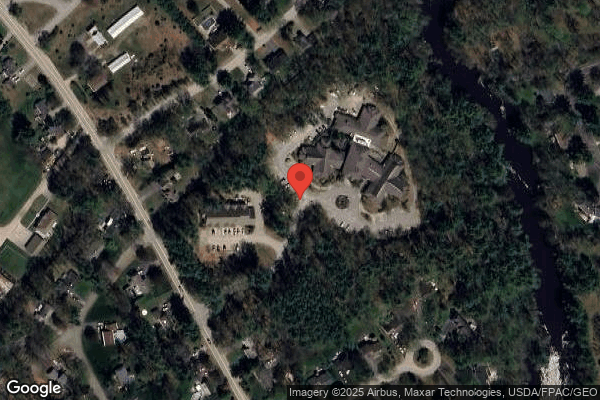
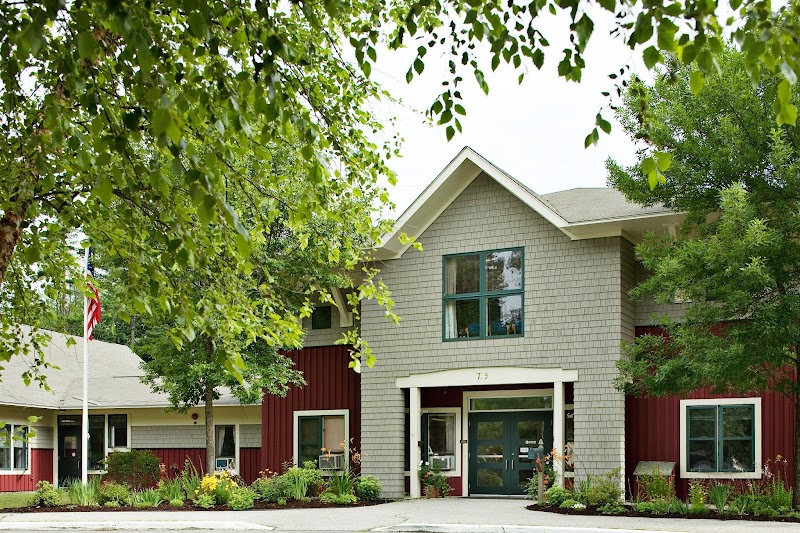


RIVER RIDGE CENTER

3 BRAZIER LANE, KENNEBUNK, ME 04043 (207) 985-3030
For profit - Corporation 62 Beds GENESIS HEALTHCARE Data: November 2025 1 Immediate Jeopardy citation
Trust Grade
21/100
#72 of 77 in ME
Last Inspection: July 2025

Inspected within the last 6 months. Data reflects current conditions.

Overview

River Ridge Center in Kennebunk, Maine, has received a Trust Grade of F, indicating significant concerns about care quality. It ranks #72 out of 77 facilities in the state, placing it in the bottom half, and #7 out of 9 in York County, meaning only two local options are worse. The facility's trend is worsening, with issues increasing from 1 in 2024 to 12 in 2025. Staffing is rated average with a 3/5 star rating, but the turnover rate is concerning at 69%, significantly higher than the state average of 49%. Notably, the facility faces $23,590 in fines, indicating compliance problems, and while it has good RN coverage, specific incidents such as dangerously high hot water temperatures and failure to follow infection control protocols raise serious safety concerns for residents.

Trust Score
F
21/100
In Maine
#72/77
Bottom 7%
Safety Record
High Risk
Review needed
Inspections
Getting Worse
1 → 12 violations
Staff Stability
⚠ Watch
69% turnover. Above average. Higher turnover means staff may not know residents' routines.
Penalties
✓ Good
$23,590 in fines. Lower than most Maine facilities. Relatively clean record.
Skilled Nurses
✓ Good
Each resident gets 90 minutes of Registered Nurse (RN) attention daily — more than 97% of Maine nursing homes. RNs are the most trained staff who catch health problems before they become serious.
Violations
⚠ Watch
27 deficiencies on record. Higher than average. Multiple issues found across inspections.
★☆☆☆☆
1.0
Overall Rating
★★★☆☆
3.0
Staff Levels
★★★★☆
4.0
Care Quality
★☆☆☆☆
1.0
Inspection Score
Stable
2024: 1 issues
2025: 12 issues

The Good

  • 4-Star Quality Measures · Strong clinical quality outcomes
  • Full Sprinkler Coverage · Fire safety systems throughout facility
  • No fines on record

Facility shows strength in quality measures, fire safety.

The Bad

1-Star Overall Rating

Below Maine average (3.0)

Significant quality concerns identified by CMS

Staff Turnover: 69%

23pts above Maine avg (46%)

Frequent staff changes - ask about care continuity

Federal Fines: $23,590

Below median ($33,413)

Minor penalties assessed

Chain: GENESIS HEALTHCARE

Part of a multi-facility chain

Ask about local staffing decisions and management

Staff turnover is elevated (69%)

21 points above Maine average of 48%

The Ugly 27 deficiencies on record

1 life-threatening
Jul 2025 9 deficiencies 1 IJ (1 affecting multiple)
CRITICAL (K)

Immediate Jeopardy (IJ) - the most serious Medicare violation

Accident Prevention (Tag F0689)

Someone could have died · This affected multiple residents

**NOTE- TERMS IN BRACKETS HAVE BEEN EDITED TO PROTECT CONFIDENTIALITY** Based on water temperature observations, water temperature log reviews, interviews, and review of facility's Water Temps [temper...

Read full inspector narrative →
**NOTE- TERMS IN BRACKETS HAVE BEEN EDITED TO PROTECT CONFIDENTIALITY** Based on water temperature observations, water temperature log reviews, interviews, and review of facility's Water Temps [temperatures] policy the facility failed to act on identified hazards in a resident's environment and implement interventions to prevent potential accidents/injuries by ensuring that hot water temperatures, accessible to residents did not exceed 120 degrees Fahrenheit for 7 of 9 months reviewed (January 2025 through July 2025) on 3 of 3 units ([NAME] River, Kennebec River and Mousam River). The failure of the facility to ensure that hot water temperatures accessible to residents did not exceed 120 degrees Fahrenheit created the potential for residents to be scalded/burned by the domestic hot water. This created an Immediate Jeopardy (IJ) situation for residents.1. On 7/24/25 at 3:19 p.m., a surveyor identified that hot water in the public bathroom across from the rehabilitation department was extremely hot to the touch. The surveyor immediately obtained a water temperature of 132.6 degrees Fahrenheit (F). At 3:22 p.m., both the surveyor and Maintenance observed the hot water temperature of 132.5 degrees F in the same bathroom. Maintenance confirmed he is aware of the hot water temperatures, and they will be anywhere from 100 - 130 degrees but could be cold. If [NAME] is taking showers, it affects the kitchen temps. If Kitchen is doing dishes, [NAME] is cold. The surveyor again asked if he was aware of the extremely hot temperatures above 120 degrees F in the resident rooms he stated, Yes, but it's not 90% of the day. The surveyor asked what was implemented to bring the water temperatures down to a safe level. He stated, he reported the concern to the [Senior Maintenance Director Maine and Director Senior Maintenance Northeast Genesis]. At this time, both the surveyor and Maintenance observed the boiler room where there were 4 gas on demand water heaters all with the temperatures displayed as 140 degrees F. He stated the gas heaters are set to their max of 140 degrees but to get to 160 degrees for the kitchen there is 140 degrees from the gas heaters and a booster. He stated the hot water system is inconstant and they are getting a quote to rip out all the plumbing and get a new water system that he can regulate. He then rotated the mixing valve stating, if I mix cold to it, I don't have hot water anywhere. The surveyor requested the quote, he stated, No quote yet and they came out last November/December. The surveyor asked when the hot water concerns were first identified, he stated since Nov/Dec. At 3:35 p.m., both the surveyor and Maintenance observed the [NAME] River unit kitchenette (locked access) with water temperature of 136.2.As a result, hot water temperatures of other resident areas/rooms on all units were taken:[NAME] River unit hot water temperatures on the following rooms occurred at 3:22 p.m.Room S-3 the hot water temperature was 124.3 degrees Fahrenheit (F)Room S-6 the hot water temperature was 124.7 degrees [NAME] S-7 the hot water temperature was 124.8 degrees [NAME] S-8 the hot water temperature was 132.4 degrees [NAME] S-9 the hot water temperature was 132.7 degrees F Kennebec River unit hot water temperatures on the following rooms occurred at 3:31 p.m.Community room the hot water temperature was 128.3 degrees FPublic bathroom the hot water temperature was 127.2 degrees [NAME] K-3 the hot water temperature was 130.4 degrees [NAME] K-8 the hot water temperature was 127.4 degrees [NAME] K-12 the hot water temperature was 130.3 degrees F Mousam River unit hot water temperatures on the following rooms occurred at 3:58 p.m.Room M-1 the hot water temperature was 122.4 degrees [NAME] M-4 the hot water temperature was 122.3 degrees [NAME] M-10 the hot water temperature was 128.7 degrees [NAME] M-11 the hot water temperature was 126.8 degrees [NAME] M-15 the hot water temperature was 128.8 degrees FAll three of the above named units have residents who are able to ambulate and/or self-propel in their wheelchair and could potentially assess sinks with the noted hot water temperatures without staff assistance.On 7/24/25 at 3:47 p.m., in an interview with the Administrator, the surveyor asked if there were any hot water issues in the facility. The Administrator stated she was not aware of any hot water concerns. At this time, the Market Clinical Advisor joined the interview, and the above findings were discussed. The surveyor requested an immediate removal plan to ensure resident safety going forward and the temperature monitoring logs from November 2024 going forward. The Market Clinical Advisor stated, currently all department heads are on the units ensuring staff and residents are not using the faucets. The water temperature was turned down to 120 degrees and they are going to flush the system. They will monitor temps on all faucets hourly x4, if all are within range then they will monitor every 12 hours x1 then every 24 hours. They have called the plumber who will be at the facility this evening to address the hot water temperatures. The kitchen will be on paper products until temps are in range, education will be provided to staff immediately. They do not currently have any resident on precautions for infectious disease that required hand washing as ABHS (Alcohol Based Hand Sanitizer) was available, wet wipes and water spray bottles to ensure ADL's are maintained.On 7/24/24 at 4:32 p.m., 2 surveyors meet with the Market Clinical Advisors and the Region [NAME] President of Operations. The Market Clinical Advisor stated they are working on the official removal plan, and a plumber will be in the facility tonight to address the hot water concern. The facility will stay on paper products for now, utilizing 3 bay sink/chemical sanitization for adaptive equipment, monitoring of temps in every faucet every 4 hours then every 12 hours x1 then every 24 hours. Staff are utilizing hand sanitizer and water spray bottles for ADL's. Water is being temped prior to use if needed.On 7/25/25 at approx. 8:00 a.m., review of the temperature monitoring logs showed the following high temperatures above 120 degrees F in resident care areas ([NAME] River Unit (SRU), Kennebec River Unit (KRU) and Mousam River Unit (MRU):On 1/3/25 - SRU was 124 degrees, KRU was 123 degrees and MRU was 122 degrees. The comments area stated ALL HOTOn 1/10/25 - SRU was 124 degrees and KRU was 123 degrees. The comments area stated running hot due to systemOn 1/13/25 - SRU was 122 degrees, KRU was 123 degrees and MRU was 121 degrees. The comments area stated faulty hot water systemOn 1/21/25 - SRU was 124 degrees, KRU was 125 degrees and MRU was 123 degrees. The comments area stated ALL RUNNING HIGH FAULTY HOT WATER SYSTEM UNABLE TO MIX OR WATER TO KITCHEN TO COLDOn 1/27/25 - SRU was 130 degrees, KRU was 130 degrees and MRU was 126 degrees. The comments area stated All to hot Hot water system is set at 140 to adjust lower temp. hot water wont keep upOn 2/4/25 - SRU was 130 degrees, KRU was 123 degrees and MRU was 122 degrees. No commentOn 2/13/25 - SRU was 124 degrees and MRU was 122 degrees. No commentOn 2/21/25 - all 3 resident areas state to hot (no actual temp documented). The comments area stated ‘all to hotOn 2/27/25 - states all units 125+. The comments area stated to hotOn 3/5/25 - SRU was 125 degrees, KRU was 124 degrees and MRU was 126 degrees. The comments area stated all to hot. Hot water supply piped wrong water temp all over the place at anytimeOn 3/18/25 - SRU was 125 degrees, KRU was 125 degrees and MRU was 126 degrees. The comments area stated all to hotOn 3/24/25 - SRU was 130 degrees, KRU was 130 degrees and MRU was 132 degrees. The comments area stated all to hot I have reported this to management. Hot water heaters need re pipingOn 3/31/25 - SRU was 125 degrees, KRU was 124 degrees and MRU was 123 degrees The comments area stated all to hotOn 4/17/25 - SRU was 127 degrees, KRU was 127 degrees and MRU was 125 degrees The comments area stated all to hotOn 4/24/25 - SRU was 125 degrees, KRU was 122 degrees and MRU was 122 degrees. The comments area stated all to hot hot water system needs to be re pipedOn 4/28/25 - states building to hot (no actual temp documented). The comments area stated hot water needs re pipingOn 5/5/25 - states TO HOT for all units (no actual temp documented). The comments area stated HOT WATER SYSTEM NEEDS TO BE RE PIPED PIPING IS A MESSOn 5/15/25 - SRU was 123 degrees and KRU was 122 degrees. The comments area stated note water is too hot most of the time or no hot water depending on where water is being usedOn 5/28/25 - KRU was 123 degrees. No commentOn 6/6/25 - SRU and KRU states 120 plus and MRU states 122 plus. The comments area stated temps are very high at times cold others. Mainly way over temp requirements. System needs to be repaired. Not piped properly.On 6/9/25 - all 3 resident areas states, 120 plus. The comments area stated temps way too hot or just plain coldOn 6/16/25 - KRU was 121 degrees. The comments area stated water is way to hot or coldOn 6/26/25 - all 3 resident areas states, TOO HOT (no actual temp documented). No comment.On 6/30/25 - all 3 resident areas states, to hot (no actual temp documented). The comments area stated too hot or coldOn 7/11/25 - SRU was 129 degrees, KRU was 123 degrees and MRU was 124 degrees. The comments area stated all water temps are way to high need hot water system re pipedOn 7/18/25 - SRU was 124 degrees, KRU was 125 degrees and MRU was 122 degrees. The comments area stated too hotOn 7/25/25 at 8:50 a.m., during an interview, Certified Nurses Aid (CNA) #9 stated she has worked in the facility since December 2024 and she uses the sinks in the resident's room every day. The surveyor asked if she ever thought the temperature of the water was too hot, she stated, Sometimes it is a little too hot. The Surveyor asked if she or any other person had been burned by the hot water, she said, No. When asked if she had ever taken the water temperature, she said, No. When asked if she ever reported the water being too hot, she said, No. On 7/25/25 at 9:08 a.m., observation of Resident #28, in a wheelchair washing his/her hands in the sink. In a brief interview, the surveyor asked how the water temperature was, He/she stated, it's ok now, before it got so hot you couldn't hold your hand there. They were supposed to adjust it. It was too hot. At this time, Registered Nurse (RN) #2 entered the room and asked R#28 not to use the water right now and they were supposed to use wipes for now. Resident #28's clinical record revealed he/she was admitted in June 2025 and has a Brief Interview for Mental Status of 15 of 15 indicating he/she is cognitively intact. On 7/25/25 at 9:49 a.m., interview with Administrator and the Market Clinical Advisor, the surveyor discussed the hot water temperature monitoring since January 2025 where the temperatures are above 120 degrees F weekly on the units with documented comments stating: All hot, faulty hot water system and hot water reported to management. The Administrator stated, yes, he told me there was hot water issues and it went to the [Senior Maintenance Director for Maine], up the chain of command. I wasn't aware of the water being too hot. He wouldn't report to me. That would go up the chain of command to [Senior Maintenance Director for Maine]. The surveyor asked if she had been monitoring the temperatures, she stated, No, but I will now.The facility's Hot Water Temperatures: Inspection revised 1/8/24 states, Hot water temperatures will be tested weekly to ensure temperatures are at proper levels.If temperature does not meet state or local regulations, facility will investigate and adjust mixing valve or source accordingly.The immediate jeopardy began on 1/3/25 when the facility failed to identify hazards in a resident environment and implement interventions to prevent injury including the risk of scalding and burning. The Administrator was notified of the immediate jeopardy on 7/25/25 at 9:49 a.m.Please See F-000 Initial Comments related to the IJ removal plan.
CONCERN (D)

Potential for Harm - no one hurt, but risky conditions existed

Deficiency F0657 (Tag F0657)

Could have caused harm · This affected 1 resident

Based on record review and interview, the facility failed to revise the care plan to reflect a resident's current status for 1 of 2 residents reviewed for insulin use (#46).On 7/21/25 at 11:32 a.m., a...

Read full inspector narrative →
Based on record review and interview, the facility failed to revise the care plan to reflect a resident's current status for 1 of 2 residents reviewed for insulin use (#46).On 7/21/25 at 11:32 a.m., a surveyor asked Resident #46 if he/she received insulin. Resident #46 stated he/she used to receive insulin twice daily and now receives none, and didn't know why this had changed. A review of the clinical record revealed diagnoses including Type 2 Diabetes Mellitus and long term use of insulin. The MDS (Minimum Data Set) 3.0 admission Assessment, dated 4/25/25, Section C, Cognitive Patterns, noted a BIMS (Brief Interview of Mental Status) score of 15, indicating Resident #46 is cognitively intact. Section N, Medications, noted Resident #46 received insulin injections. The current care plan, with a revision date of 5/15/25, for the focus area of: The resident has a diagnosis of diabetes: Insulin Dependent, includes an intervention: Provide diabetes education and related complications as appropriate. A review of physician orders noted Resident #46 had been admitted with on 4/19/25 with orders to received long acting insulin twice daily and a rapid acting insulin three times daily before meals. On 6/13/25, the physician discontinued all insulin. On 7/16/25, a care plan meeting was held with Resident #46 in attendance. A review of nursing progress notes lacked evidence that Resident #46 had received education or information regarding the rationale for discontinuation of the insulin. The care plan was not revised after the care plan meeting to reflect the change in Resident #46's diabetes management.On 7/23/25 at 3:00 p.m., a surveyor discussed the above findings with the Market Clinical Advisor.
CONCERN (E) 📢 Someone Reported This

A family member, employee, or ombudsman was alarmed enough to file a formal complaint

Potential for Harm - no one hurt, but risky conditions existed

Safe Environment (Tag F0584)

Could have caused harm · This affected multiple residents

**NOTE- TERMS IN BRACKETS HAVE BEEN EDITED TO PROTECT CONFIDENTIALITY** Based on observations and interviews, the facility failed to adequately provide housekeeping and maintenance services necessary ...

Read full inspector narrative →
**NOTE- TERMS IN BRACKETS HAVE BEEN EDITED TO PROTECT CONFIDENTIALITY** Based on observations and interviews, the facility failed to adequately provide housekeeping and maintenance services necessary to maintain the building in a sanitary, orderly, and comfortable environment on 3 of 3 wings (Mousam River, Kennebec River and [NAME] River) for 2 of 2 facility tours.1. On 7/22/25 at 8:24 a.m., during an interview with the Administrator, the surveyor discussed the thick bubbled and peeling/flaking red paint on multiple doors on Mousam River unit. The Administrator explained the door repairs were part of the Plan of Correction (POC) for a citation back on 5/28/25. The facility had ordered 30 new doors that are due to come in November 2025. However, in the interim, Maintenance is removing the Acrovyn layer, sanding the door down and applying paint, stating that the red painted doors have been completed. At this time, both the surveyor and the Administrator observed the following Mousam River unit doors with bubbled/peeling/flaking red paint: the double doors into Sebago Hall, the biohazard door next to the Sebago Hall doors and rooms M6 through M9. The administrator confirmed the condition of the doors stating maintenance should have sanded the old, chipped paint off prior to adding the new red paint. 2. On 7/28/25 at12:15 p.m., a surveyor conducted an Environmental Tour with the Director of Nursing and the Clinical Lead, in which the following findings were observed and or discussed:Mousam River Unit (has Ossipee, [NAME] halls): the entrance to Mousam River unit has several areas where the walls have been patched and unpainted and a hole in the sheetrock approx. 2 inch in diameter.Resident #7's broda chair is ripped under the right arm rest.Resident #44's electric wheelchair chair bilateral arm rests and foot rests were ripped. Ossipee hall: The dining room has dried food/debris on the ceiling near the light fixture.The Whirlpool room the threshold is cracked with missing flooring, the door is splintered with exposed wood. The grout around the toilet base is brown and/or missing, the heater is not attached to the fixture, and a hold approx. 2 inches in diameter above the heater. The exit/storage area wall has several holes and gouges with exposed sheetrock. Sebago Hall: The Biohazard door just before Sebago Hall doors has a large hole in the door above the pad lock. The entrance double doors to Sebago Hall and multiple rooms on the hall have red thick, layered, bubbling/peeling/flaky paint. The storage area heater end cap is off track.The door frame to the dining area has chipped and peeled paint. Room M-4 - the wall next to the closet and above the baseboard is damaged with broken sheetrock.Room M -5 - floor has cracked tiles extending across the entire floor.Room M-9 - door has chipped and peeling paint, the right side of closet is gouged and exposed metal flashing with the plastic protectant broken and peeling off and taped with medical tape. Around the light switch is marred/gouged with exposed sheetrock. The bathroom has multiple marred walls, and the cove base is peeled off the wall. Resident #9's wheelchairs left arm rest is missing a chunk of cushion with an exposed screw head with sharp edges and the chair pad has dried food /debris.Room M-10 - has several ceiling tiles splattered with a brown substance, 17 floor tiles are cracked and one is missing part of the tile. The corner of the wall next to the bathroom has exposed metal flashing. In the closet on the floor is a broken drawer in multiple pieces.Room M-12 - the wall behind the bed is marred/gouged with exposed sheetrock and the wall above the light fixture is missing paint. The bathroom floor tiles are stained and has a brown build up around the base of the toilet. The caulking around the tub is cracked and stained.Room M15 - the wall behind the bed is marred/gouged with exposed sheetrock. There is a phone jack with exposed wires, the wall above the heater is unfinished with cracked sheetrock, the bathroom toilet is missing the tank lid. Both the bedroom and bathroom doors are marred/splintered raw wood creating an uncleanable surface. Kennebec River Unit: there are multiple areas of patched and unpainted walls throughout the unit, in the hallways and in the resident rooms.The Whirlpool room tub is posted with a sign stating it is not to be used. Behind the toilet has tile missing.The Shower room drain has delaminated areas around it with visible hair, debris and a hair tie near the drain. The shower head has a brownish substance around the water portals. The trim around the perimeter of the shower is peeled off and has black substance caked up behind it and the walls have chipped areas.Room K2 and K3 shared bathroom has a dark substance caked around toilet base. Room K4-B the wall near the clock has unpainted drywall and the bathroom has multiple areas of chipped paint.Room K6 - door has two proud screws with sharp edges.Room K6 and K7 shared bathroom window is missing a shade, the shower curtain is missing hooks, the light switch cover is chipped, the base of the toilet has a caked layer of a dark substance, and the light is missing a cover.Room K7 - the window curtains are in disrepair with missing or broken hooks. Room K8 - the room has no curtains, only bare hooks. The unoccupied roommate's bed is bare and unmade creating a non-home like environment.Between rooms K6 and K9 there are tiles missing and multiple areas of cracked and/or missing chunks of tile. Room K10 - the windowsills have chipped paint and missing a curtain. The flooring has a large crack going across room and a section of the flooring is missing by the closet.Room K11 - has floor tiles with missing sections and exposing flooring underneath. Under the window has exposed sheetrock. The corner wall by the closet is gouged, exposing sheetrock. The bathroom door is gouged with exposed raw sharp wood; the bathroom has a strong urine smell upon entering with broken and visibly dirty tiles around the base of toilet. The ceiling has a square cut hole opening and a light fixture hanging down through the hole. Room K12 - the floor has 2 broken tiles, the heater cover has a missing section with exposed sharp edges and the top is coated with a thick layer od dust and stains.Room K13 - the bathroom toilet seat has red tape on it creating an uncleanable surface, the lower half of the walls has a loose covering nailed up. [NAME] River Unit: Room S1 - the corner wall near the bathroom is in disrepair, creating an uncleanable surfaceRoom S5 - the wall near the bathroom has a unpainted patched area. The bathroom sink faucet handle for the hot side is missing. The hose in the bathroom does not work.
CONCERN (E) 📢 Someone Reported This

A family member, employee, or ombudsman was alarmed enough to file a formal complaint

Potential for Harm - no one hurt, but risky conditions existed

Deficiency F0725 (Tag F0725)

Could have caused harm · This affected multiple residents

Based on Payroll Based Journal staffing (PBJ) report, weekend staffing schedules and interview, the facility failed to ensure sufficient direct care staff were scheduled and on duty to meet the needs ...

Read full inspector narrative →
Based on Payroll Based Journal staffing (PBJ) report, weekend staffing schedules and interview, the facility failed to ensure sufficient direct care staff were scheduled and on duty to meet the needs of residents that reside in the facility for weekends of the first quarter 2025 (October 1 - December 31, 2024) and second quarter 2025 (January 1 - March 31, 2025).The Center for Medicare & Medicaid (CMS) PBJ Report revealed the facility triggered for low weekend staffing during the first quarter of 2024 and second quarter of 2025.Review of the first quarter of 2024 weekend staffing schedules indicated 8 weekend days where there was an insufficient number of direct care staff.Review of the second of 2025 weekend staffing schedules indicated 2 weekend days where there was an insufficient number of direct care staff.On 7/28/25 at 11:18 a.m., during an interview and review of the weekend staffing for the first and second quarter, the Market Clinical Advisor confirmed that the facility triggered for low weekend staffing per the PBJ reports and the facility did not ensure enough staff were on duty to meet resident needs on the weekends.
CONCERN (E)

Potential for Harm - no one hurt, but risky conditions existed

Deficiency F0761 (Tag F0761)

Could have caused harm · This affected multiple residents

Based on observations and interviews, the facility failed to ensure expired medications were removed from the supply available for use in 2 of 3 medication storage rooms reviewed (Kennebunk River and ...

Read full inspector narrative →
Based on observations and interviews, the facility failed to ensure expired medications were removed from the supply available for use in 2 of 3 medication storage rooms reviewed (Kennebunk River and Mousam River Units). 1. On 7/24/25 at approximately 10:00 a.m., a surveyor observed the medication storage room on the Kennebunk River Unit with the unit nurse manager. The emergency intravenous medication and supply stock, stored in a large plastic tote, was noted to contain 2 prepackaged syringes of Heparin lock flush 500 units/5 ml (milliliter), with expiration dates of 4/30/25. In addition, observation of the medication storage refrigerator noted 1 vial of Insulin Lispro 100 units/ml prescribed to a resident who had been discharged on 4/16/25. The unit manager confirmed the findings at the time of the observations.2. On 7/24/25 at 10:30 a.m., a surveyor observed the medication storage room on the Mousam River Unit with the Market Clinical Advisor. One (1) vial of PPD (purified protein derivative) labeled with an opened date of 6/1/25, remained available for resident use past the 30 days recommended use. The Market Clinical Advisor confirmed the finding at the time of the observation
CONCERN (E)

Potential for Harm - no one hurt, but risky conditions existed

Deficiency F0806 (Tag F0806)

Could have caused harm · This affected multiple residents

Based on observations, interviews, record reviews, and facility policy, the facility failed to ensure that a resident's choices for food preferences were followed for 3 of 4 residents (Resident #22, #...

Read full inspector narrative →
Based on observations, interviews, record reviews, and facility policy, the facility failed to ensure that a resident's choices for food preferences were followed for 3 of 4 residents (Resident #22, #43, and #75) 1. On 7/22/25 at 12:53 p.m. the surveyor observed Resident #22 being served a ham sandwich. Resident #22 stated he/she does not like or want pork and has met with the dietician to discuss his/her preferences but, “they still keep giving me pork”. Review of the dietary slip on the resident’s food tray only indicated, “NO EGG EVER” On 7/22/25 at 1:05 p.m., during an interview, Certified Nurses Aid (CNA) #6 stated, they keep sending it (pork) and “we keep telling the kitchen”. The surveyor observed the CNA calling the kitchen to request a substitution for resident #22’s ham sandwich. On 7/23/25 at 8:47 a.m., a surveyor observed Resident #22 being served bacon on his/her breakfast plate and then observed staff calling the kitchen. When resident #22’s second plate came out it also had bacon on it as observed by the surveyor. On 7/23/25 at 12:14 p.m., the Food Service Director (FSD) and District Manager of Healthcare Services met with the survey team. The FSD stated, typically I go and interview residents and bring scrap pieces of paper and put the information into the meal tracker. When asked if it shows up on the meal ticket, the FSD stated, “yes it does”, and “If I put dislikes (like) chicken then it gives them an alternate on meal ticket”. The surveyor asked how are changes or preferences communicated with him, the FSD stated,” I think what is happening, they are not telling me. If they go to the kitchen and tell the diet aid, they don’t speak English. They are not telling me”. The FSD and District Manager of Healthcare Services stated they would go and speak with the residents and add the preference on the food tickets. The FSD returned shortly after and provided surveyor with an updated food ticket for Resident #22 which included “No Pork Ever”. On 7/25/25 at 11:30 a.m., a surveyor confirmed the above in an interview with the Market Clinical Advisor. 2. On 7/22/25 at 9:12a.m. in an interview with Resident #43, she stated that they do not use real eggs. I have asked for eggs cooked any other way than scrambled and they ignore me. On 7/23/25 at approximately 1:00 p.m. in an interview with the Food Service Director, and the Regional Director of Food Services, he stated that it is correct we do not use real eggs and that the only eggs in the facility are egg substitute. He stated that the high cost of eggs is one reason. The Regional Director stated that if there is a resident that has made the request for real eggs or to put the scrambled eggs into a sandwich they will do that. The finding was confirmed with the Regional Director of Food Services at that time. 3. On 7/21/25 at 2:08 p.m. a surveyor interviewed Resident #75 about his/her lunch today. Resident #75 stated that he/she doesn’t eat wheat but got a sandwich on wheat so he/she had to ask for a different sandwich which he/she got. Resident #75 confirmed that he/she told staff she/he doesn’t eat wheat when she requested a different lunch. On 7/22/25 at approximately 1:00 pm., a surveyor interviewed Resident #75 about lunch today and learned he/she got a tuna fish sandwich. Resident #75 stated that they never eat tuna and had to request a different lunch. They received chicken as a substitute which he/she also dislikes but they ate the rest of the meal and it was enough. On 7/23/25 at 12:15 pm, the survey team met with the District Kitchen Manager and the Food Services Director and learned that a resident’s likes and dislikes are printed on their food slips which accompany every meal. The Food Services Director stated that it was best for nursing staff to come find him/her because there was a language barrier with many of the kitchen staff. On 7/24/25 a surveyor reviewed Resident #75’s Food Preference Interview form completed on 7/15/25 by facility Dietician that indicated that Resident #75 disliked the following foods: raw fruits and vegetables, bacon, ham, beef chicken, ground meat, pork, tuna, tomato sauce. On 7/24/25 a surveyor reviewed a meal slip dated 7/24/25 for Resident #75 and noted the following instructions: Consistent Carbohydrate, small portions on two plates, no raw fruit or veg. No other likes or dislikes were on the slip. On 7/24/2025 at 11:24 a.m. a surveyor met with CNA #12 and learned that he/she calls to the kitchen when a resident expresses a food dislike. I asked if that dislike would then show up on the food slip, he/she stated sometimes. On 7/24/2025 at 11:35 a.m. a surveyor met with the unit manager and asked how nursing staff would communicate a food dislike to the kitchen. He/She stated there were dietary forms to fill out but when asked to provide a form, was unable to locate a dietary form. On 7/24/2025 at 11:48 a.m. a surveyor met with LPN #2 and learned that he/she goes down to the kitchen to speak with the food services director about a resident’s food preferences. I asked what staff do if the Food Services Director is not around, she said they can call but that usually isn’t very effective. On 7/24/25 at 1:30 p.m. a surveyor reviewed the above findings with the Market Clinical Advisor and Administrator The facility policy “Person Centered Choice” effective 5/1/23 states, “Patients/Residents are offered a choice of nourishing, palatable, well-balanced food and beverage options that meet their daily nutritional needs, taking into consideration the preferences of each resident.” Section 7 states, “Residents who do not pre-select meals or choose at the point-of-service are served the first meal choice listed on the menu, unless identified as disliked items(s) or allergen-containing items(s).” and “If the menu item listed has been identified as a dislike or allergen-containing item the second choice item will be served if compatible with other foods being served.”
CONCERN (E)

Potential for Harm - no one hurt, but risky conditions existed

Deficiency F0865 (Tag F0865)

Could have caused harm · This affected multiple residents

Based on interviews and record reviews the facility failed to ensure that its Quality Assurance Process Improvement (QAPI) committee systematically identified and addressed a known safety concern rela...

Read full inspector narrative →
Based on interviews and record reviews the facility failed to ensure that its Quality Assurance Process Improvement (QAPI) committee systematically identified and addressed a known safety concern related to elevated water temperatures in resident areas, despite prior awareness documented by the Safety Committee.Findings:On 07/24/25 at approximately 9:00 a.m., during an interview with the Administrator, she stated that the QAPI committee's current focus areas were identified as Falls with Injury, Trauma Services, and Staffing. There was no mention of water temperature concerns.On 07/24/25 at approximately 3:19 p.m., the survey team measured water temperatures exceeding 124 F in multiple resident-accessible areas, posing a potential risk of scalding. (See F689)On 07/24/25 at 3:45 p.m., the Administrator provided Safety Committee Minutes from February 2025, which listed Working on Repairs (AAA) for water temp issues under agenda item #5. However, no documentation was present under Action Required, and no evidence was provided that the issue had been escalated to or addressed by the QAPI committee.On 07/25/25 at 10:00 a.m., in an interview with the Administrator, when asked for documentation showing QAPI committee involvement in addressing water temperature issues, the Administrator was unable to produce any further records. The Administrator confirmed the finding at this time.
CONCERN (E)

Potential for Harm - no one hurt, but risky conditions existed

Infection Control (Tag F0880)

Could have caused harm · This affected multiple residents

**NOTE- TERMS IN BRACKETS HAVE BEEN EDITED TO PROTECT CONFIDENTIALITY** Based on observations, interviews and record reviews, the facility failed that ensure staff were educated and knowledgeable abou...

Read full inspector narrative →
**NOTE- TERMS IN BRACKETS HAVE BEEN EDITED TO PROTECT CONFIDENTIALITY** Based on observations, interviews and record reviews, the facility failed that ensure staff were educated and knowledgeable about Enhanced Barrier Precautions (EBP) in 3 out of 3 units surveyed for Infection Control and Prevention. (Kennebunk River Unit, Mousam River Unit and [NAME] River Unit) Facility Policy Titled IC308 Enhanced Barrier Precautions states: In addition to Standard Precautions, Enhanced Barrier Precautions (EBP) will be used (when Contact Precautions do not otherwise apply) for novel or targeted multi-drug resistant organisms (MDROs). Enhanced Barrier Precautions (EBP) are an infection control intervention designed to reduce the transmission of novel or multi-drug resistant organisms. It employs targeted personal protective equipment (PPE) use during high contact patient/resident (hereinafter patient) activities.On 7/23/25 at 10:30 a.m., a surveyor observed EBP precaution signage on the doors of the following rooms in Kennebunk River Unit, Mousam River Unit and [NAME] River Unit; M1, M2, M8, M14, S8, S9, K12, K14.On 7/23/25 at 11:23 a.m., a surveyor interviewed CNA #11 and asked what EBP was. CNA#11 said he/she didn't know what that was. We went to K12 and I pointed to the EBP sign and asked what PPE would be utilized and when, he/she still didn't know. CNA#11 stated she has been at the facility over 1 year.On 7/23/25 at 12:04 p.m., a surveyor observed Rooms M1 and M2 with EBP precaution signs on the doors. A surveyor stopped CNA #6 in the hall and asked him/her to explain EBP and pointed to an EBP sign. CNA #6 stated, I have no idea what that is for. I asked CNA#6 if he/she wore PPE during close contact care and was told no. He/she pointed to a different sign about not using straws and asked if it was about not using straws. CNA #6 stated they have been with the facility for about 4 months and does not remember getting trained on EBP.On 7/23/25 at 12:15 p.m., a surveyor interviewed CNA#7 and asked what EBP was. CNA#7 stated they did not know what that was and does not remember getting education. CNA#7 stated they has been at the facility about 4 months.On 7/23/25 at 12:20 p.m. a surveyor observed Environment Services Worker (ESW) cleaning room M8, which had an EBP sign on the door. When asked if they knew what EBP was while pointing to the sign, ESW replied no.On 7/23/24 at 2:00 p.m. a surveyor met with the facility Infection Preventionist (IP) and discussed the above findings. The IP stated they do verbal education with staff and were unable to provide documentation that staff were knowledgeable about EBP and when to wear PPE.
CONCERN (F)

Potential for Harm - no one hurt, but risky conditions existed

Administration (Tag F0835)

Could have caused harm · This affected most or all residents

Based on observations, interviews and record reviews, the facility failed to ensure the facility was Administered in a manner that ensured the resident environment remained as free from accident hazar...

Read full inspector narrative →
Based on observations, interviews and record reviews, the facility failed to ensure the facility was Administered in a manner that ensured the resident environment remained as free from accident hazards, as evidenced by Federal findings under 42 CFR S483.25(d), F689- Free of Accident Hazards/Supervision/Devices, on 3 of 3 resident units. This failure to ensure a process was in place to monitor and correct hot water temperatures in excess of 120 degrees Fahrenheit (F) has the potential to affect all 57 residents.During a review of the facility's Hot Water Temperature Logs, from 10/31/24 through 7/18/24, the first recorded excessively high hot water temperature was on 12/2/24 at 121 degrees F. On 12/9/24, the service hall bathroom temperature was recorded at 130 degrees F. During the next 6 months, temperature logs revealed consistently high hot water temperatures. On 1/3/25, a comment was written on the log which stated all hot. On 1/10/25, a comment stated running hot due to system. On 1/13/25, a comment stated hot, faulty hot water system. On 1/21/25, a comment stated all running high, faulty hot water system. Unable to mix or water to kitchen too cold. On 1/27/25, a comment stated All too hot. Hot water system is set at 140 (degrees F) to adjust lower temp. Hot water won't keep up. On 2/27/25, all units were recorded 125+ (degrees F), service hall 135 (degrees F). On 3/24/25, temperatures were recorded from 130-137 degrees F. A comment stated All too hot. I have reported this to management. Hot water heaters need re-piping. Temperature logs recorded on all units through 7/18/25 continue to remain all above 120 degrees F.During a review of Safety Committee meeting minutes, dated 2/25/25, the Committee identified unsafe hot water temperatures as evidenced by the entry: 5. Safety Awareness Training: Working on repairs for water temp issues. There was no evidence that the Safety Committee or management staff developed a plan or documented follow-up interventions to address the extreme hot water temperatures.On 7/24/25 at 3:22 p.m., both a surveyor and Maintenance Supervisor observed hot water temperature of 132.5 degrees F in the public bathroom in the hallway across from the rehabilitation department (F689). At this time, the Maintenance Supervisor stated he had been aware of excessively hot temperatures in resident rooms since November/December, 20on 7/24/25 from 3:22 to 3:58 p.m., hot water temps were taken and hot water temperatures were excess of 120 degrees F were found on all three resident units of the facility. (See F689)On 7/25/25 at 9:49 a.m., in an interview with the Administrator and Market Clinical Advisor, a surveyor discussed the hot water temperature monitoring back in March, 2025, in which comments stated: hot water reported to management. The Administrator stated the Maintenance Supervisor had reported hot water concerns to her and it went up the chain of command, after that. The surveyor asked if the Administrator had been monitoring the hot water temperatures. The Administrator stated she had not.
May 2025 3 deficiencies
CONCERN (D) 📢 Someone Reported This

A family member, employee, or ombudsman was alarmed enough to file a formal complaint

Potential for Harm - no one hurt, but risky conditions existed

Report Alleged Abuse (Tag F0609)

Could have caused harm · This affected 1 resident

Based on interviews and record reviews, the facility failed to report a fall with suspicion of negligence and significant injury within the required time frame for 1 out of 1 resident. (Resident #6) F...

Read full inspector narrative →
Based on interviews and record reviews, the facility failed to report a fall with suspicion of negligence and significant injury within the required time frame for 1 out of 1 resident. (Resident #6) Findings: The Department of Licensing and Certification (DLC) received a report from the facility on 5/15/25 at 3:50 p.m. about a resident who fell on 5/13/25 at 10:50 p.m. The report was labeled as FINAL. There was no initial report received by the department. The report indicated Resident #6 had fallen from an elevated bed after being left alone. On 5/28/25 a surveyor reviewed the Genesis Health OPS-300 Policy - Abuse Prohibition that stated under Section 7 Immediately upon receiving information concerning a report of suspected or alleged abuse, mistreatment, or neglect, the Administrator or designee will perform the following. 7.3 Report all allegations to the appropriate state and local authority(s) involving neglect, exploitation or mistreatment (including injuries of unknown source), suspected criminal activity, and misappropriation of patient property not later than two (2) hours after the allegation is made if the event results in serious bodily injury. 7.4 Report all allegations to the appropriate state and local authority(s) involving neglect, exploitation or mistreatment (including injuries of unknown source), suspected criminal activity, and misappropriation of patient property within 24 hours if the event does not result in serious bodily injury. On 5/28/25 a surveyor reviewed the Facility Risk Management Report #772, dated 5/14/25 in the Electronic Medical Record (EMR) that confirmed Resident #6 had experienced a fall on 5/13/25 at 10:50 p.m. after Certified Nursing Assistant (CNA) #3 had raised the bed and left the resident unsupervised. On 5/28/25, a surveyor reviewed Resident #6's EMR. A Progress Note, dated 5/14/25 at 12:20 a.m., documented an x-ray of the lower back had been ordered on 5/14/25 for Resident #6 following the fall due to increased pain in the lower back and leg for a suspicion of fracture(s). On 5/28/25 a surveyor reviewed a Record of Death for Resident #6 dated 5/15/25 with a time of 7:50 a.m. On 5/28/25 2:23 p.m. a surveyor met with the Administrator and the Market Clinical Advisor to discuss the above findings and confirmed an initial report was not sent timely following the incident.
CONCERN (D) 📢 Someone Reported This

A family member, employee, or ombudsman was alarmed enough to file a formal complaint

Potential for Harm - no one hurt, but risky conditions existed

Accident Prevention (Tag F0689)

Could have caused harm · This affected 1 resident

**NOTE- TERMS IN BRACKETS HAVE BEEN EDITED TO PROTECT CONFIDENTIALITY** Based on record reviews, the facility failed to ensure that a resident received adequate supervision when resident was left unat...

Read full inspector narrative →
**NOTE- TERMS IN BRACKETS HAVE BEEN EDITED TO PROTECT CONFIDENTIALITY** Based on record reviews, the facility failed to ensure that a resident received adequate supervision when resident was left unattended in a raised bed. This action resulted in resident fall d injury for 1 of 6 residents reviewed for falls (Resident #6). In addition, the facility failed to ensure that the resident environment was free of accidents and hazards. Findings: 1. On 5/15/25 at 3:50 p.m. the Department of Licensing and Certification (DLC) received a facility reported incident that on 5/13/25 at 10:50 a.m. Resident #6 had been left alone in an elevated bed resulting in a fall between the wall and the bed. Record review of Resident #6's Minimum Data Set assessment (MDS), dated [DATE] under section GG indicated that Resident #6 was dependent on staff for almost all Activities of Daily Living (ADL) needs including bed mobility. On 5/28/25 a surveyor reviewed Resident #6's care plan and found a focus stating Resident #6 is at risk for falls with interventions including Utilize low bed. On 5/28/25 a surveyor reviewed documentation of Certified Nursing Assistant (CNA) #3's verbal statement of the incident dated 5/15/25, I was changing (Resident #6), I had the bed at my waist level and left the room to get more linens from the cart, when I heard a sound in (his/her) room. I came back in and saw that (Resident #6) was on the floor. On 5/28/25 a surveyor reviewed Resident #6's Electronic Medical Record (EMR) under progress notes and found a general , dated 5/14/25 at 12:20 a.m. that stated Resident #6 was found lying on the floor on the right side of the bed and was having lower back pain and left leg pain. The provider contacted at that time ordered an x-ray, suspecting a fracture. On 5/28/25 at 2:23 p.m., a surveyor met with the Administrator and the Market Clinical Advisor with the above findings. 2. On 5/28/25 at 12:46 p.m., during an environmental observation of the Ossipee unit hallway, a surveyor observed an empty closet located in the corridor. The closet door was missing a doorknob and had jagged splintered wooden edges on the side of the door. On 5/28/25 at 2:27 p.m., during an environmental tour of the Mousam unit hallway with the Unit Manager. A Surveyor observed the following: - An unlocked storage room that contained electrical panels and a locked cabinet labeled Biohazard. - An unlocked door labeled Electrical Room. No Admittance. A sign on the door read Danger Please keep door closed at all times. The door was equipped with a non-functional keypad lock and the area beneath the keypad was jagged with splintered wood. On 5/28/25 at 2:58 p.m. the surveyor confirmed the above findings with the Administrator and Market Clinical advisor.
CONCERN (E) 📢 Someone Reported This

A family member, employee, or ombudsman was alarmed enough to file a formal complaint

Potential for Harm - no one hurt, but risky conditions existed

Medical Records (Tag F0842)

Could have caused harm · This affected multiple residents

Based on observations, record reviews and interviews, the facility failed to maintain a complete medical record for 5 of 5 Residents reviewed for unwitnessed falls. A surveyor reviewed the facility p...

Read full inspector narrative →
Based on observations, record reviews and interviews, the facility failed to maintain a complete medical record for 5 of 5 Residents reviewed for unwitnessed falls. A surveyor reviewed the facility policy Titled Centers' Nursing Policies - NSG215 Falls Management last reviewed on 3/15/24 under Section 5.3 ; Any patient who sustains an injury to the head from a fall and/or has a fall unwitnessed by staff will be observed for neurological abnormalities by performing neurological check, per policy. A surveyor reviewed the facility policy Titled Centers' Nursing Policies - NSG204 Neurological Evaluation last reviewed 2/1/23 reads; Neurological evaluation will be performed as indicated or ordered. When a patient sustains injury to the head or face and/or an unwitnessed fall, neurological evaluation will be performed: Every 15 minutes x two hours, then Every 30 minutes x two hours, then, Every 60 minutes x four hours, then Every eight hours until at least 72 hours has elapsed. 1. On 5/28/25 a surveyor reviewed Resident #1's Electronic Medical Record (EMR) under Progress notes and learned Resident #1 had an unwitnessed fall in March 2025. A Neurological Assessment Log was located for this incident but was found incomplete for the 72 hours following the fall. A review of the progress notes did not provide an explanation for the missing assessments. 2. On 5/28/25 a surveyor reviewed Resident #2's EMR under Progress notes and learned Resident #2 had an unwitnessed fall in March 2025 at. A Neurological assessment log was not located for this incident. 3. On 5/28/25 a surveyor reviewed Resident #3's EMR under Progress notes and learned Resident #3 had an unwitnessed fall in April 2025. A neurological assessment log was located for this incident but found incomplete for the 72 hours following the fall. A Review of the progress notes following the incident did not provide an explanation for the missing assessments. 4. On 5/28/25 a surveyor reviewed Resident #4's EMR under Progress notes and learned Resident #4 had an unwitnessed fall in May 2025. A Neurological Assessment log was not located for this incident. 5. On 5/28/25 a surveyor reviewed Resident #5's EMR under Progress notes and learned Resident #5 had an unwitnessed fall in May 2025. A Neurological assessment log was not located for this incident. On 5/28/25 at 3:50 p.m. a surveyor met with the Corporate Representative and learned the facility was unable to produce the missing logs or confirm that the neurological assessments were completed for 72 hours post fall for the above residents per facility policy.
Sept 2024 1 deficiency
CONCERN (E) 📢 Someone Reported This

A family member, employee, or ombudsman was alarmed enough to file a formal complaint

Potential for Harm - no one hurt, but risky conditions existed

Food Safety (Tag F0812)

Could have caused harm · This affected multiple residents

Based on observations, interviews, record reviews and the facility's Food Storage: Cold Foods, Food Storage: Dry Goods and the Food Preparation policy and Procedures, all revised on 2/2023, the facili...

Read full inspector narrative →
Based on observations, interviews, record reviews and the facility's Food Storage: Cold Foods, Food Storage: Dry Goods and the Food Preparation policy and Procedures, all revised on 2/2023, the facility failed to ensure that foods in the dry storage room, the walk-in refrigerator and freezer were labeled and/or dated, stored appropriately and not expired. In addition, the facility failed to ensure all foods were held at appropriate temperatures for 1 of 1 day of survey. Findings: Food Storage: Cold Foods revised 2/2023 states, all foods will be stored wrapped or in covered containers, labeled and dated, and arranged in a manner to prevent cross contamination. Food Storage: Dry Goods revised 2/2023 states, All packaged and canned food items will be kept clean, dry, and properly sealed Food Preparation policy and Procedure, revised on 2/2023 states, All Time/Temperature Control for Safety (TCS) foods frozen and refrigerated will be appropriately stores in accordance with guidelines ., Dining Services staff will be responsible for food preparation procedures that avoid contamination by potentially harmful physical, biological, and chemical contamination., The Dining Services Director /Cooks will be responsible for food preparation techniques which minimize the amount of time that food items are exposed to temperatures greater the 41 ?F and/or less than 135?F, or per state regulations. All foods will be held at appropriate temperatures, greater than 135 ?F for hot holding, and less than 41 ?F for cold holding and All refrigerated, ready to eat, TCS prepared foods that are to be held for more that 24 hours at temperature of 41?F or less, will be labeled and dated with a Prepared date (day 1) and a use by date (day 7). 1. On 9/19/24 at 6:30 a.m., upon entry to the kitchen, observation of the cook at the food prep table mixing up cinnamon. Her hair was up in a loose bun with loose hairs around her head, she was not wearign a hair net. The Surveyor asked where the hair nets were located, the cook immediately applied a hair net and washed her hands, then returned to the prep table. On 9/19/24 at 6:46 a.m., the surveyor discussed the above concern with the Administrator and requested her presence during the remainder of the kitchen tour, where the following was observed: Dry food storage room floor had dirt, debris and food particles on the floor. There were 3 sets of 4 tiered shelves with peeling/chipping paint with paint chips falling onto food products below. One of the shelves had a sign, use first which had 2 packages of buns, one with use by date of 8/8/24 and the other dated 9/17/24. The other shelves had 1 loaf of sandwich bread with use by date of 9/13/24, 1 package of hot dog rolls with use by date of 9/14/24, 1 package of flour tortillas with use by date of 7/26/24, a box of rice opened to air, an opened bag of frosted flakes not dated, an open bag of rice crispies not dated, 1 bucket of vanilla crème icing with the top opened/unsecured, and a large carton of sprinkles with top opened. The walk-in refrigerator had a container of egg salad, a container of tuna salad, a container of apple pie filling and a container of potato salad all without a label or dated. There was a loaf of ham dated 9/14/24, a bag of shredded cheese with use by date of 9/18, and a meat product in a bag with use by date of 9/18. The walk-in freezer contained 2 pies that were uncovered with no label or date and box of hamburgers with patties not covered. On the prep table, where the cook was preparing breakfast, was 3 loaves of bread, all with a use by date of 9/13/24, no other dates on the bags. At this time, the cook confirmed she got the loaves of bread off the use first shelf. On 9/19/24 at 7:10 a.m., the above was confirmed with the Administrator. 2. The Service Line Checklist states, Temperature: Hot Food > 135. Cold Food < 41 and Correction action if needed. Review of the Service line checklist from July 2024 through September 17, 2024 revealed the following: July 2024 documented 16 out of 31 days where the food temperatures were outside of the parameters for TCS or lacked documentation of temperatures. August 2024 documented 18 out of 31 days where the food temperatures were outside of the parameters for TCS or lacked documentation of temperatures. September 2024 documented 13 out of 17 days where the food temperatures were outside of the parameters for TCS or lacked documentation of temperatures. On 9/19/24 at 10:14 a.m., during an interview, the above concerns were confirmed with the Healthcare Services Group District Manager.
Aug 2022 11 deficiencies
CONCERN (D)

Potential for Harm - no one hurt, but risky conditions existed

Deficiency F0561 (Tag F0561)

Could have caused harm · This affected 1 resident

**NOTE- TERMS IN BRACKETS HAVE BEEN EDITED TO PROTECT CONFIDENTIALITY** Based on record review and interviews, the facility failed to ensure that a resident's choice in the area of bathing were being ...

Read full inspector narrative →
**NOTE- TERMS IN BRACKETS HAVE BEEN EDITED TO PROTECT CONFIDENTIALITY** Based on record review and interviews, the facility failed to ensure that a resident's choice in the area of bathing were being followed for 1 of 2 sampled residents (Resident #200). Findings: On 8/15/22 at 11:00 a.m., during an interview, Resident #200 stated that he/she has not been offered a shower or a whirlpool but prefers a shower and would like one. On 8/17/22 at 8:52 a.m., during an interview, the CNA stated Resident #200 should have 2 showers a week on Mondays and Thursday on the evening shift. Review of the Certified Nursing Assistant (CNA) documentation from admission 8/8/22 through 8/17/22 indicated he/she has not received a shower, this review did show he/she received 4 bed baths and no refusals were noted. On 8/17/22 at 9:05 a.m., both the surveyor and the [NAME] Unit Register Nurse Manager (RN) reviewed the CNA documentation for resident #200's tub/shower schedule and bathing. There was no evidence of a shower being offered/given and/or refused. The RN stated, it doesn't look like [he/she] had one.
CONCERN (D)

Potential for Harm - no one hurt, but risky conditions existed

Safe Environment (Tag F0584)

Could have caused harm · This affected 1 resident

**NOTE- TERMS IN BRACKETS HAVE BEEN EDITED TO PROTECT CONFIDENTIALITY** Based on observation and interview, the facility failed to adequately provide housekeeping and maintenance services necessary to...

Read full inspector narrative →
**NOTE- TERMS IN BRACKETS HAVE BEEN EDITED TO PROTECT CONFIDENTIALITY** Based on observation and interview, the facility failed to adequately provide housekeeping and maintenance services necessary to maintain the building in good repair and sanitary condition for 1 of 3 units for 3 of 3 survey days (Kennebunk River Unit). Finding: 1. On 8/15/22 at approximately 11:00 a.m., a surveyor observed Room K12 on the Kennebunk River Unit. One resident remained in the semi-private room. The other resident had been discharged on 8/9/22. At the bedside of the discharged resident, a full suction canister was observed, as well as bags of tube feeding and water, both dated 8/9/22, hanging from a pump. On 8/17/22 at 12:00 p.m., the surveyor observed the suction canister and tube feeding items had been removed and the room cleaned. On 8/17/22 at 12:00 p.m., the surveyor discussed with the Administrator the items that were observed in the room [ROOM NUMBER] days after the resident was discharged and available for other residents to access. 2. During observations of the Kennebunk River Unit common area on 8/15/22 at 10:49 a.m., 8/16/22 at 7:26 a.m., and 8/17/22 at 10:00 a.m., the walls were marred and doorjams had missing/peeling paint. On 8/17/22 at 10:17 a.m., during an interview with the charge nurse, she confirmed the Kennebunk River Unit's Common area walls were marred and door jams had missing paint.
CONCERN (D)

Potential for Harm - no one hurt, but risky conditions existed

Deficiency F0657 (Tag F0657)

Could have caused harm · This affected 1 resident

**NOTE- TERMS IN BRACKETS HAVE BEEN EDITED TO PROTECT CONFIDENTIALITY** Based on record review and interviews, the facility failed to review and revise the care plan to reflect the current needs of a ...

Read full inspector narrative →
**NOTE- TERMS IN BRACKETS HAVE BEEN EDITED TO PROTECT CONFIDENTIALITY** Based on record review and interviews, the facility failed to review and revise the care plan to reflect the current needs of a resident in the area of infection control. (#46) Finding: A review of Resident #46's clinical record noted the resident was re-admitted on [DATE] from an acute care hospital. The hospital Discharge summary, dated [DATE], stated Precaution Alert: ESBL (Extended Spectrum Beta-Lactamase), MRSA (Methicillin-resistant Staphylococcus aureus), both Multidrug Resistant Organisms (MDRO). The discharge summary contained a note stating the resident had previously been treated at the hospital for an ESBL urinary tract infection and discharged on 7/14/22. The dashboard for Resident #46's electronic medical record noted MRSA G-tube site, (gastrostomy tube). A review of Resident #46's care plan, with a revision date of 8/10/22, did not include the requirement for staff to use transmission-based precautions when providing care in order to prevent disease transmission. On 8/16/22 at 2:45 p.m., in a discussion with the Administrator, Senior Director of Nursing, and the Director of Nursing, the finding was confirmed.
CONCERN (D)

Potential for Harm - no one hurt, but risky conditions existed

Accident Prevention (Tag F0689)

Could have caused harm · This affected 1 resident

**NOTE- TERMS IN BRACKETS HAVE BEEN EDITED TO PROTECT CONFIDENTIALITY** Based on record reviews, interviews and the facility's Resident Smoking Policy, the facility failed to complete an assessment of...

Read full inspector narrative →
**NOTE- TERMS IN BRACKETS HAVE BEEN EDITED TO PROTECT CONFIDENTIALITY** Based on record reviews, interviews and the facility's Resident Smoking Policy, the facility failed to complete an assessment of resident capabilities and deficits to determine resident safety for 2 of 2 residents reviewed for smoking. (Resident #22, and #301). Findings: Review of provided Survey Ready Binder undated, section 4: states [RiverRidge] is a non-smoking facility for residents. If a resident chooses to smoke the process for Smoking would be followed and a smoking assessment would be completed for safety purposes. [RiverRidge] Center does not currently have any residents that choose to smoke. However, any resident [who do choose] to smoke have a designated smoking area (away from the building) which they can identify. All residents have a smoking assessment, and care plan to reflect this status. Staff store and manage the lighters and cigarettes for all residents who smoke.] Review of facility Smoking Policy reviewed 11/4/19 states, .For Centers that allow smoking, smoking (including the use of electronic cigarettes) will be permitted in designated areas only. Patients will be assessed on admission, quarterly, and with change in condition for the ability to smoke safely and, if necessary, will be supervised Smoking,(including electronic cigarettes) will only be allowed in designated areas . The admissions designee will explain the Center's smoking policy T the patients and their families and inform them that patients will be assessed to determine if supervision is required. The admitting nurse will perform a Smoking Evaluation on each patient who chooses to smoke. Patients will be re-evaluated quarterly and with a change in condition .A patient's smoking status-independent, supervised, or not permitted to smoke- will be documented in the care plan . 1. Resident #22 was admitted to the facility on [DATE] with diagnoses to include schizophrenia, bipolar disorder, and nicotine dependence. Review of Resident #22's signed provider orders for April 2022 reveled orders with start date of 4/22/22 for Nicotine Patch 24-hour 21 mg/24 hr. Apply 1 patch trans dermally one time a day for smoking cessation. Remove before applying new patch, and Nicotrol inhaler (nicotine) 1 dose inhale orally every 12 hours as needed for tobacco cessation. Review of Resident #22's quarterly Minimum Data Set (MDS) dated [DATE] indicated a Brief Interview for Mental Status (BIMS) of 15 of 15. Review of Resident #22's entire clinical record lacked evidence that a Smoking Evaluation was completed upon admission. During an interview on 8/16/22 at 11:17 a.m. Resident #22 indicated that he/she was a 3 pack per day smoker prior to his/her admission to the facility and that no one ever asked him/her upon admission if he/she was a smoker, nor did they complete a smoking assessment. During interview on 8/17/22 at 12:40 p.m., Administrator confirmed smoking assessment was not completed for Resident #22 upon admission. During an interview on 8/17/22 at approximately 3:22 p.m., Kennebec Unit Manager indicated that Smoking Assessments are to be completed upon admission for all smokers and Resident #22 had two nicotine patches on his/her upper arm upon admission and that she was aware he/she was a smoker. 2. Resident #301 was admitted to the facility on [DATE] with diagnoses to include anxiety disorder, depression, and nicotine dependence. Review of Resident #301's signed July 2022 orders reveled order with start date of 7/27/22 for Nicotrol inhaler. 1 device inhale orally every 2 hours as needed for smoking cessation, and Nicotine Polacrilex Gum 4 mg. give 1 each by mouth every 1 hours as needed for smoking cessation. Review of Resident #301''s admission MDS dated [DATE] indicated Resident #301 had a BIMS of 15 of 15. Review of Resident #301's entire clinical record lacked evidence that a Smoking Evaluation was completed upon admission. During an interview on 8/15/2021 at 2:37 p.m., Resident #301 indicated that he/she smoked 1-1.5 packs per day prior to admission, and that he/she was not informed that it was a non-smoking facility until a week or so after his/her admission and that he/she had smoked that whole time. During an interview on 8/17/22 10:02 a.m., the Kennebec Unit Managerindicated confirmed she was aware that Resident #301 was a smoker upon his/her admission and that he/she had informed her that he/she would have never agreed to come to the facility if he/she had known he/she couldn't smoke. At this time, the Kennebec Unit Manager confirmed that Resident #301 did not receive a Smoking assessment upon admission. During an interview on 8/16/22 at 1:43 p.m., the Senior Director of Nursing (DON) indicated the admission Director is responsible to inform the residents that it is a non-smoking facility upon admission and also inform the admitting nurse that the resident would need to be evaluatied for smoking. The Senior DON further indicated that after the smoking assessment is completed it should indicate that the resident was not allowed to smoke and it should be documented in the Electronic Medical Record (EMR). During an interview on 8/16/22 at approximately 1:45 p.m., the Director of Admissions indicated that during the admission process, she does not notify residents that it is a non-smoking facility unless they bring up the fact that they are a smoker and at that time she would notify the admitting nurse that a Smoking Evaluation needed to be completed. During an interview on 8/16/22 at 2:10 p.m. the Administrator indicated that it is a non-smoking facility and that upon admission all residents are informed by Admissions Director that they are not allowed to smoke on the property. Administrator further indicated that there is a smoking area on the property, but it is used by visitors and people receiving outpatient therapy.
CONCERN (D)

Potential for Harm - no one hurt, but risky conditions existed

Unnecessary Medications (Tag F0759)

Could have caused harm · This affected 1 resident

Based on observation, interview, and record review, the facility failed to be free of medication error rate of 5% or more. There was a total of 2 medication errors out of 27 opportunities. The medicat...

Read full inspector narrative →
Based on observation, interview, and record review, the facility failed to be free of medication error rate of 5% or more. There was a total of 2 medication errors out of 27 opportunities. The medication error rate was 7.41%. Findings: On 8/16/22 at approximately 7:39 a.m., a surveyor observed the Licensed Practical Nurse (LPN) prepare medications for Resident #49, which included physician orders for: Escitalopram Oxalate Tablet 5mg (milligrams), Give 2 tablet by mouth one time a day for depression and Cholecalciferol Tablet 25mcg (microgram), Give 2 tablet by mouth one time a day for supplement. The LPN dispensed one tab of the Escitalopram 5mg and one tab of the Cholecalciferol 25mcg into the medicine cup. She then locked the medication cart, grabbed the medicine cup and the water, completing the medication preparation. At this time the surveyor intervened, questioning the dosage/number of tablets dispensed of both the Escitalopram and Cholecalciferol. The LPN reviewed the medications in the medicine cup and confirmed she did not dispense the correct number of tablets for both medications and obtained the corrected dosage prior to administering the medication. On 8/16/22 at approximately 4:10 p.m., the above findings were discussed with the Administrator, Senior Director of Nursing and the Director of Nursing.
CONCERN (D)

Potential for Harm - no one hurt, but risky conditions existed

Room Equipment (Tag F0908)

Could have caused harm · This affected 1 resident

Based on observations, and interviews, the facility failed to ensure that the residents' wheelchairs were maintained in good repair to provide safe and functional use for 2 of 2 residents observed (#5...

Read full inspector narrative →
Based on observations, and interviews, the facility failed to ensure that the residents' wheelchairs were maintained in good repair to provide safe and functional use for 2 of 2 residents observed (#5 and #301). 1. On 8/15/22 at 11:38 a.m., observation of Resident #5's wheelchair's foot board had pieces missing along the edge with bare foam and rubber showing, creating an uncleanable surface. The wheelchair also had a heavy amount of food waste along the side and base. At this time, the wheelchair conditions were confirmed with the Mousam River Registered Nurse Unit Manager. 2. On 8/15/22 at 2:37 p.m., 8/16/22 at 1:37 p.m., and 8/17/22 at 10:00 a.m., observations of Resident #301's wheelchair with the right-side armrest missing. On 8/17/22 at 10:02 a.m., in an interview with the Kennebec Registered Nurse Manger, she confirmed the condition of the wheelchair stating, she had attempted to secure it back on multiple times but it will not stay on and the facility does not currently have a maintenance person.
CONCERN (E)

Potential for Harm - no one hurt, but risky conditions existed

Deficiency F0565 (Tag F0565)

Could have caused harm · This affected multiple residents

**NOTE- TERMS IN BRACKETS HAVE BEEN EDITED TO PROTECT CONFIDENTIALITY** Based on review of resident council meeting minutes, interviews and facility policy, the facility failed to document results of ...

Read full inspector narrative →
**NOTE- TERMS IN BRACKETS HAVE BEEN EDITED TO PROTECT CONFIDENTIALITY** Based on review of resident council meeting minutes, interviews and facility policy, the facility failed to document results of the grievances voiced by members of the Resident Council for 6 of 8 months reviewed. In addition, the facility failed to ensure that all residents that wished to attend resident Council meetings were present (Resident's #18, #24, and #49). Findings: Review of facility policy Resident Council reviewed 3/7/18 states, .Genesis HealthCare Centers promote and support self governing and decision making Resident Councils .To provide residents, patients, and guests an opportunity to meet regularly and without interference, to participate in educational opportunities, and have input into the recreation, policies, and issues affecting their care and lives in the community . 1. Review of Resident Council meeting minutes [NAME] the following: - On 1/29/22, concerns were voiced regarding, sometimes we don't get knives with meals, and run out of mugs, and sometimes laundry takes longer, and things go missing. - On 2/22/22, concerns were voiced regarding, cold eggs and burnt toast, and need to clean in bedrooms better. - On 3/26/22, concerns were voiced regarding, we don't like the pork because it is tough. - On 4/30/22, concerns were voiced regarding, the pork is usually tough, and the dining room doesn't get cleaned well in the weekend. - On 5/9/22, concerns were voiced regarding, Still need to clean dining areas after lunch better. Complaints of ants & spiders in dining areas. - On 7/6/22, concerns were voiced regarding, [tv] rooms and dining area tables & floor areas need to be cleaned/sanitized more often and same with portable tables, and concerns about ants & spiders & other insects on the units. Resident Council meeting minutes lacked evidence that all the areas of concerns were addressed by all departments and the outcomes were not conveyed to the residents. During an interview on 8/17/22 at 8:13 a.m. the Resident Council President stated, when a concern is brought up a grievance is supposed to be made out of it and no one gets back to [residents] about them and they are not discussed in the next meeting. During an interview on 8/16/22 at 1:22 p.m., Regional Recreation Director indicated any concern that is [NAME] up during a Resident Council meeting is put on a separate [department communication form] and given to the department manager for review/response and it should be addressed with the resident with the concern and again at the beginning of the next Resident Council meeting. During a follow up interview on 8/16/22 at 3:39 p.m., Regional Recreation Director confirmed that were no department responses completed to correspond with the resident council meetings. 2. Review of the Resident Council meeting minutes from January 2022 through July 2022 did not include the names of residents in attendance. During an interview on 8/16/22 at 1:14 p.m., Resident #24 (admitted [DATE]) indicated that he/she has only been invited to one meeting and would have gone to more if he/she was invited. During an Interview on 8/17/22 at 7:22 a.m., Resident #49 (admitted [DATE]) indicated that he/she had never been invited to a resident council meeting and would have liked the opportunity to attend. During an interview on 8/17/22 at 7:23 a.m., Resident #18 (admitted [DATE]) indicated that he/she had been invited to 1 meeting and had not been invited to anymore and that he/she would have attended if asked. During an interview on 8/16/22 at 1:18 p.m., Recreation Assistant (RA) indicated that she has only been part of one resident council meeting and residents are informed of the meeting a few days before, a day before an on same day of the meeting. She further indicated that she wrote down the names of residents that are interested in going and had given them to Activity Director at that time. She was unsure where her list was placed after providing them to the Activity Director. During an interview on 8/17/22 at 8:08 a.m., the Administrator indicated that all residents should be invited to attend Resident council meetings. During an interview on 8/17/22 at 8:13 a.m. the Resident Council President indicated that all residents should be invited to the meeting and only approximately 15 attend. During an interview on 8/16/22 at 1:22 p.m., the Regional Recreation Director indicated that the Corporations Policy is that due to privacy issues the names of residents are not put in the Resident council minutes and there was no way to know who attended the meetings.
CONCERN (E)

Potential for Harm - no one hurt, but risky conditions existed

Deficiency F0655 (Tag F0655)

Could have caused harm · This affected multiple residents

**NOTE- TERMS IN BRACKETS HAVE BEEN EDITED TO PROTECT CONFIDENTIALITY** Based on interviews, record review, and facility policy, the facility failed to ensure a baseline care plan was developed and im...

Read full inspector narrative →
**NOTE- TERMS IN BRACKETS HAVE BEEN EDITED TO PROTECT CONFIDENTIALITY** Based on interviews, record review, and facility policy, the facility failed to ensure a baseline care plan was developed and implemented within 48 hours that included the instructions needed to provide minimum healthcare information necessary to care for 4 of 22 Residents reviewed for care plans (#22, #201, #204, and #301) Findings: Review of facility policy Person-Centered Care Plan reviewed 6/12/19 states, .The Center must develop and implement a baseline person-centered care plan within 48 hours for each patient that includes the instructions needed to provide effective and person-centered care that meet professional standards of quality care . 1. Resident #22 was admitted to the facility on [DATE] with diagnoses to include schizophrenia, bipolar disorder, and nicotine dependence. Review of the signed provider orders for July 2022 reveled orders with start date of 4/22/22 for Nicotine Patch 24-hour 21 mg/24 hr. Apply 1 patch Trans dermally one time a day for smoking cessation. Remove before applying new patch, and Nicotrol inhaler (nicotine) 1 dose inhale orally every 12 hours as needed for tobacco cessation. Review of the baseline care plan initiated on 4/21/22 with revision date of 5/16/22 did not include goals and interventions for smoking cessation. During an interview on 8/16/22 at 11:17 a.m., Resident #22 indicated that he/she was a 3 pack per day smoker prior to his/her admission to the facility. During interview on 8/17/22 at 12:40 p.m., Administrator confirmed smoking assessment and baseline care plan was not completed for Resident #22. 2. Resident #201 was admitted to the facility on [DATE] with diagnosis of adenocarcinoma of the sigmoid colon and a Central Venous Access Device (CVAD) which was placed on 1/24/20. Review of baseline care plan initiated on 8/8/22 lacked instructions necessary to properly care for Resident #201's immediate health and safety needs for the CVAD. During an interview on 8/16/22 at 2:41 p.m., the Senior Director of Nursing confirmed the baseline care plan did not contain, interventions, safety needs and goals regarding the CVAD. 3. Resident #204 was admitted to the facility on [DATE] with diagnoses to of diabetes with diabetic ketoacidosis and nicotine dependence. On 8/15/22 at 12:26 p.m., during an interview with Resident #204's representative, he/she stated the resident has and is using a Dexcom (a continuous glucose monitoring system which penetrates the dermis layer of the skin and worn for an extend time). Review of the physician orders dated 7/27/22 states, Nicotrol Inhaler 10 mg (Nicotine) 1 puff inhale orally as needed for smoking cessation. tobacco cessation. Review of the baseline care plan initiated on 7/28/22 lacked instructions necessary to properly care for Resident #204's immediate health and safety needs for the Dexcom and lacked evidence that goals and interventions were included for smoking cessation. During an interview on 8/17/22 1:38 p.m., the Administrator, Senior Director of Nursing and the Director of Nursing confirmed the baseline care plan did not contain interventions, safety needs and goals regarding the Dexcom and smoking cessation. 4. Resident #301 was admitted to the facility on [DATE] with diagnoses to include anxiety disorder, depression, and nicotine dependence. Review of the signed provider orders for July 2022 reveled an order with start date of 7/27/22 for Nicotrol inhaler. 1 device inhale orally every 2 hours as needed for smoking cessation, and Nicotine Polacrilex Gum 4 mg. give 1 each by mouth every 1 hours as needed for smoking cessation. Review of the baseline care plan initiated on 7/27/22 lacked evidence that goals and interventions were included for smoking cessation. During an interview on 8/15/22 at 2:37 p.m., Resident #301 indicated that she smoked 1-1.5 packs a day prior to her admission to the facility. During an interview on 8/17/22 10:02 a.m., Kennebec Unit Manager indicated that Unit Managers usually complete and update care plans and that she was aware that Resident #301 was a smoker upon his/her admission. At this time she confirmed that Resident #301's care plan did not include goals and interventions in smoking cessations.
CONCERN (E)

Potential for Harm - no one hurt, but risky conditions existed

Deficiency F0761 (Tag F0761)

Could have caused harm · This affected multiple residents

**NOTE- TERMS IN BRACKETS HAVE BEEN EDITED TO PROTECT CONFIDENTIALITY** Based on observation and interview, the facility failed to adequately date and properly dispose of open biologicals according to...

Read full inspector narrative →
**NOTE- TERMS IN BRACKETS HAVE BEEN EDITED TO PROTECT CONFIDENTIALITY** Based on observation and interview, the facility failed to adequately date and properly dispose of open biologicals according to manufacturer specifications in 3 of 3 units, [NAME] River, Mousam River and Kennebunk River. Findings: 1. On 8/15/22 at 11:59 a.m., during observation of [NAME] River Unit medication storage with the Register Nurse (RN) Manager, a surveyor observed the following: - The medication storage room contained an unopened bottle of Geri Dryl with an expiration date of 5/22. The refrigerator contained 1(one) opened multi use vial of Tuberculin Purified Protein Derivative (TB) with manufacturer's directions of once entered, vial should be discarded after 30 days, further observation reveals that the TB vial did not have an opened date nor a discard date. - The [NAME] River PO medication cart contained an opened bottle of Geri Dryl with an expiration date of 5/22. At this time, the LPN, confirmed the expired medications and the TB vial should have been labeled with an open date. 2. On 8/16/22 at 7:15 a.m., during observation of Mousam River Unit medication storage room with the RN Manager, a surveyor observed in the refrigerator, an opened bottle of Acidophilus Probiotic with an expiration date of 3/22. At this time the RN confirmed the Acidophilus should've been discarded. 3. On 8/16/22 at 7:20 a.m., during observation of Kennebunk River Unit medication storage room with the RN Manager, a surveyor observed an unopened bottle of Vitamin B-12 500 mcg (microgram) with an expiration date of 7/22, an unopened tube of Antifungal cream with an expiration date of 1/22 and 2 packs (Blue top and purple top) of blood collection tubes with an expiration date of 5/13/22. At this time, the RN confirmed the above expired medications and stated the facility has the ability to draw their own blood labs if needed and usually uses the gold and purple tubes for labs. On 8/16/22 at approximately 4:10 p.m., the above findings were discussed with the Administrator, Senior Director of Nursing and the Director of Nursing.
CONCERN (F)

Potential for Harm - no one hurt, but risky conditions existed

Infection Control (Tag F0880)

Could have caused harm · This affected most or all residents

Based on observations, record review, and interviews, the facility failed to follow the facility's Infection Control Policies and Procedures to prevent the introduction and spread of Coronavirus Infec...

Read full inspector narrative →
Based on observations, record review, and interviews, the facility failed to follow the facility's Infection Control Policies and Procedures to prevent the introduction and spread of Coronavirus Infectious Disease 2019 (COVID-19) into the facility. This has the potential to affect all residents at the facility (52 residents). Findings: The facilities, Infection Control Policies and Procedures last reviewed on 6/7/2021 states, Entrance Screening. Active screening of all persons entering the Center (such as employees, visitors, medically necessary personnel, contracted staff/vendors, and volunteers) will be done upon entry into the Center. Follow the Screening of Visitors and Employees, Return to Work Guidance for Employee and Employee Workers Comp guidelines (refer to Central Coronavirus site) and section 1.2 Employees who screen positive for temperature or symptom criteria will be instructed to return home and self-isolate. On 8/16/22 at 7:00 a.m., upon entrance to the facility, there was no one at the information desk for screening and no signs on the desk with screening instructions. The only documents on the desk were papers titled Employee Sign In, these papers ask for the following information: date, time, name and temperature. These papers do not have a place to document any potential signs and symptoms consistent with COVID-19. On 8/16/22 at 7:30 a.m., in an interview with the receptionist, she confirmed she arrives at 7:30 a.m. When asked why staff use a different sign in form she stated The form was created by me to help get many staff members arriving at the same time, through the entry process quickly. She then stated, she will look at the paper, call the employees, who are already working the floor, and ask if they had any symptoms, and enter the information into the live system. On 8/16/22 at 9:00 a.m., during an interview with the Administrator, she confirmed she was aware of the sign in sheet created by the receptionist and that it was utilized while the receptionists was out or away from the desk. At this time, it was confirmed the screening process was not inclusive for the signs and symptoms of COVID-19 and the staff were allowed to work prior to the screening process with included signs and symptoms of COVID-19. On 8/17/22 at approximately 9:30 a.m., during an interview with the Infection Preventionist, she stated she had never seen the Employee sign in sheet before but she had seen staff sign in on a regular piece of notebook paper.
MINOR (B)

Minor Issue - procedural, no safety impact

Assessment Accuracy (Tag F0641)

Minor procedural issue · This affected multiple residents

**NOTE- TERMS IN BRACKETS HAVE BEEN EDITED TO PROTECT CONFIDENTIALITY** Based on record review and interview, the facility failed to ensure that a Minimum Data Set, Version 3.0 (MDS) was accurately co...

Read full inspector narrative →
**NOTE- TERMS IN BRACKETS HAVE BEEN EDITED TO PROTECT CONFIDENTIALITY** Based on record review and interview, the facility failed to ensure that a Minimum Data Set, Version 3.0 (MDS) was accurately coded for 2 of 3 residents reviewed for infections. (#46 and #201) Findings: 1. Resident #46's clinical record stated the resident was re-admitted on [DATE] from an acute care hospital. The hospital Discharge summary, dated [DATE], stated Precaution Alert: ESBL (Extended Spectrum Beta-Lactamase), MRSA (Methicillin-resistant Staphylococcus aureus), both Multidrug Resistant Organisms (MDRO). A Significant Change Assessment, with an Assessment Reference Date (ARD) of 7/26/22, and completed on 7/26/22, and a Medicare 5-day MDS, with an ARD of 8/1/22, completed on 8/1/22, under Section Infections I1700, Multidrug-Resistant Organism (MDRO), both were checked under the NO column. On 8/16/22 at 3:20 pm, the finding was discussed with the Director of Nursing and the Senior Director of Nursing. 2. Resident #201's clinical record stated that the resident was re-admitted on [DATE] with a diagnosis of recurrent enterocolitis due to clostridium difficile with physician orders dated 8/8/22 for Vancomycin HCl Solution 25 mg/ml (milligram/milliliter), give 5ml (125mg total) by mouth one time a day every other day for C-Difficile for 4 weeks. An admission MDS and the Medicare 5- day MDS, both with an Assessment Reference Date (ARD) of 8/12/22, was completed on 8/16/22 under Section Infections I1700, Multidrug-Resistant Organism (MDRO), was checked under the NO column. On 8/16/22 at 4:10 p.m., during an interview with the Administrator and the Senior Director of Nursing the above was confirmed.
Jan 2020 3 deficiencies
CONCERN (D)

Potential for Harm - no one hurt, but risky conditions existed

Deficiency F0761 (Tag F0761)

Could have caused harm · This affected 1 resident

Based on observations and interviews, the facility failed to ensure proper storage of medications on 1of 3 units (Kennebunk Unit) during 1 of 4 survey days. Finding: On 1/13/20 at 6:01 p.m., upon en...

Read full inspector narrative →
Based on observations and interviews, the facility failed to ensure proper storage of medications on 1of 3 units (Kennebunk Unit) during 1 of 4 survey days. Finding: On 1/13/20 at 6:01 p.m., upon entry to the Kennebunk Unit, a surveyor observed the Registered Nurse (RN) walk away from the nurse's medication cart and enter a resident's room, leaving the medication unlocked and unattended for approximately 2 minutes. Upon returned to the medication cart the RN confirmed with the surveyor that is was unlocked and unattended. On 1/15/20 at 3:15 p.m., during an interview with the Administrator and Director of Nursing, a surveyor confirmed the unattended and unlocked medication cart allowed residents and other unauthorized persons access to medications.
CONCERN (E)

Potential for Harm - no one hurt, but risky conditions existed

Safe Environment (Tag F0584)

Could have caused harm · This affected multiple residents

**NOTE- TERMS IN BRACKETS HAVE BEEN EDITED TO PROTECT CONFIDENTIALITY** Based on observations and interviews, the facility failed to ensure the resident environment was clean and homelike in 3 of 3 re...

Read full inspector narrative →
**NOTE- TERMS IN BRACKETS HAVE BEEN EDITED TO PROTECT CONFIDENTIALITY** Based on observations and interviews, the facility failed to ensure the resident environment was clean and homelike in 3 of 3 resident units and 5 of 8 common areas during 1 of 4 days of survey. Findings: On 1/14/20 between 11:15 a.m. and 12:15 p.m., during a tour with the Administrator, Director of Maintenance and Director of Nursing, a surveyor confirmed the following: 1. On the Moussam River Unit: -Whirlpool Room: missing floor tile piece at threshold, multiple black skid marks on floor, radiator with chipped paint, missing and stained caulking at base of toilet. -Brown substance on carpeted wall near Supplies closet, corner of cove base heavily soiled and torn; -Brown substance on carpeted wall outside of room [ROOM NUMBER]. -Cove base between rooms [ROOM NUMBERS] with chipped paint. -Missing laminate on corner of wall across from the nursing station. -Activity/Dining Room (Sebago): casing and walls with heavily chipped paint. -The two activity/dining rooms (Arrowhead): radiators with chipped paint, casings with chipped paint. -room [ROOM NUMBER]: casing and cove base at doorway with chipped paint, yellow stain around base of toilet. -room [ROOM NUMBER]: casing at doorway and bathroom with heavily chipped paint. -room [ROOM NUMBER]: casing at doorway heavily chipped, yellow stained caulking around base of the toilet, light over toilet not in working order. -room [ROOM NUMBER]-A: casing at doorway with chipped paint, wall behind bed with two large torn areas, corner of casing at closet heavily chipped. -room [ROOM NUMBER]: cove base at doorway chipped paint, torn and chipped paint on wall behind toilet, cove base in bathroom with heavily scraped paint. -room [ROOM NUMBER]: casing at doorway heavily chipped paint. -room [ROOM NUMBER]: casing at doorway and at bathroom heavily chipped, base of toilet soiled with yellow stain. -room [ROOM NUMBER]: casing at doorway heavily chipped. -room [ROOM NUMBER]: casing at doorway heavily chipped. -room [ROOM NUMBER]: bathroom light out of working order. 2. On the Kennebunk River Unit: -Community Room: casing with chipped paint. -Casing of oxygen room with heavily chipped paint. -Whirlpool Room: yellow stain at base of toilet -Shower Chair storage area: casing at doorway heavily chipped paint. -room [ROOM NUMBER]-A: wall behind bed scraped paint, missing floor tile behind the bed. -room [ROOM NUMBER]-B: missing floor tile piece behind the bed and in bathroom, yellow stain at base of toilet and along the wall. -Rooms 03 through 06: casing at doorway with chipped paint. -room [ROOM NUMBER]: casing at doorway and bathroom with chipped paint. -rooms [ROOM NUMBERS]: casing at doorway with chipped paint. 3. On the [NAME] River Unit: -Radiator in activity/dining room with chipped paint. -Rooms 02-06 casing at doorway with chipped paint. -room [ROOM NUMBER]: casing at doorway with chipped paint.
MINOR (B)

Minor Issue - procedural, no safety impact

Transfer Notice (Tag F0623)

Minor procedural issue · This affected multiple residents

2. On record review, the surveyor noted Resident #57 had transferred to an acute care facility on 11/15/19 for further evaluation and treatment of possible urinary tract infection with sepsis. The sur...

Read full inspector narrative →
2. On record review, the surveyor noted Resident #57 had transferred to an acute care facility on 11/15/19 for further evaluation and treatment of possible urinary tract infection with sepsis. The surveyor could not locate evidence that a written transfer/discharge notice was provided to the resident's guardian. On 1/16/20 at 9:22 a.m., in an interview with the Administrator, the finding was discussed. The surveyor confirmed the finding for lack of evidence regarding written transfer notice provided to Resident's guardian. Based on interview and record review, the facility failed to issue a written transfer/discharge notice to residents or their representative for a facility-initiated transfer/discharge for 2 of 3 sampled residents transferred/discharged to an acute care facility (Residents #33 and #57). Findings: 1. On record review, the surveyor noted Resident #33 transferred to an acute care facility on 11/4/19 for further evaluation and treatment. The surveyor could not locate evidence that a written transfer/discharge notice was provided to the resident's representative. On 1/15/20 at 1:35 p.m., the Charge Nurse informed the surveyor she could not locate any evidence that the discharge/transfer notice was provided to the resident representative. The surveyor later confirmed the finding during an interview with the Director of Nursing and Administrator on 1/15/20 at 3:15 p.m. who confirmed a clear process was not in place to consistently insure a written notice is provided to the resident representatives.
Understanding Severity Codes (click to expand)
Life-Threatening (Immediate Jeopardy)
J - Isolated K - Pattern L - Widespread
Actual Harm
G - Isolated H - Pattern I - Widespread
Potential for Harm
D - Isolated E - Pattern F - Widespread
No Harm (Minor)
A - Isolated B - Pattern C - Widespread

Questions to Ask on Your Visit

  • "What changes have you made since the serious inspection findings?"
  • "Why is there high staff turnover? How do you retain staff?"
  • "Can I speak with families of current residents?"
  • "What's your RN coverage like on weekends and overnight?"

Our Honest Assessment

Strengths
  • • Licensed and certified facility. Meets minimum state requirements.
Concerns
  • • Multiple safety concerns identified: 1 life-threatening violation(s). Review inspection reports carefully.
  • • 27 deficiencies on record, including 1 critical (life-threatening) violation. These warrant careful review before choosing this facility.
  • • $23,590 in fines. Higher than 94% of Maine facilities, suggesting repeated compliance issues.
  • • Grade F (21/100). Below average facility with significant concerns.
Bottom line: Trust Score of 21/100 indicates significant concerns. Thoroughly evaluate alternatives.

About This Facility

What is River Ridge Center's CMS Rating?

CMS assigns RIVER RIDGE CENTER an overall rating of 1 out of 5 stars, which is considered much below average nationally. Within Maine, this rating places the facility higher than 0% of the state's 100 nursing homes. A rating at this level reflects concerns identified through health inspections, staffing assessments, or quality measures that families should carefully consider.

How is River Ridge Center Staffed?

CMS rates RIVER RIDGE CENTER's staffing level at 3 out of 5 stars, which is average compared to other nursing homes. Staff turnover is 69%, which is 23 percentage points above the Maine average of 46%. High turnover can affect care consistency as new staff learn residents' individual needs.

What Have Inspectors Found at River Ridge Center?

State health inspectors documented 27 deficiencies at RIVER RIDGE CENTER during 2020 to 2025. These included: 1 Immediate Jeopardy (the most serious level, indicating potential for serious harm or death), 24 with potential for harm, and 2 minor or isolated issues. Immediate Jeopardy findings are rare and represent the most serious regulatory concerns. They require immediate corrective action.

Who Owns and Operates River Ridge Center?

RIVER RIDGE CENTER is owned by a for-profit company. For-profit facilities operate as businesses with obligations to shareholders or private owners. The facility is operated by GENESIS HEALTHCARE, a chain that manages multiple nursing homes. With 62 certified beds and approximately 54 residents (about 87% occupancy), it is a smaller facility located in KENNEBUNK, Maine.

How Does River Ridge Center Compare to Other Maine Nursing Homes?

Compared to the 100 nursing homes in Maine, RIVER RIDGE CENTER's overall rating (1 stars) is below the state average of 3.0, staff turnover (69%) is significantly higher than the state average of 46%, and health inspection rating (1 stars) is much below the national benchmark.

What Should Families Ask When Visiting River Ridge Center?

Based on this facility's data, families visiting should ask: "What changes have been made since the serious inspection findings, and how are you preventing similar issues?" "How do you ensure continuity of care given staff turnover, and what is your staff retention strategy?" "Can I visit during a mealtime to observe dining assistance and food quality?" "How do you handle medical emergencies, and what is your hospital transfer rate?" These questions are particularly relevant given the facility's Immediate Jeopardy citations and the facility's high staff turnover rate.

Is River Ridge Center Safe?

Based on CMS inspection data, RIVER RIDGE CENTER has documented safety concerns. Inspectors have issued 1 Immediate Jeopardy citation (the most serious violation level indicating risk of serious injury or death). The facility has a 1-star overall rating and ranks #100 of 100 nursing homes in Maine. Families considering this facility should ask detailed questions about what corrective actions have been taken since these incidents.

Do Nurses at River Ridge Center Stick Around?

Staff turnover at RIVER RIDGE CENTER is high. At 69%, the facility is 23 percentage points above the Maine average of 46%. High turnover means new staff may not know residents' individual needs, medications, or preferences. It can also be disorienting for residents, especially those with dementia who rely on familiar faces. Families should ask: What is causing the turnover? What retention programs are in place? How do you ensure care continuity during staff transitions?

Was River Ridge Center Ever Fined?

RIVER RIDGE CENTER has been fined $23,590 across 1 penalty action. This is below the Maine average of $33,315. While any fine indicates a compliance issue, fines under $50,000 are relatively common and typically reflect isolated problems that were subsequently corrected. Families should ask what specific issues led to these fines and confirm they've been resolved.

Is River Ridge Center on Any Federal Watch List?

RIVER RIDGE CENTER is not on any federal watch list. The most significant is the Special Focus Facility (SFF) program, which identifies the bottom 1% of nursing homes nationally based on persistent, serious quality problems. Not being on this list means the facility has avoided the pattern of deficiencies that triggers enhanced federal oversight. This is a positive indicator, though families should still review the facility's inspection history directly.