HIGH VIEW REHABILITATION AND LIVING CENTER
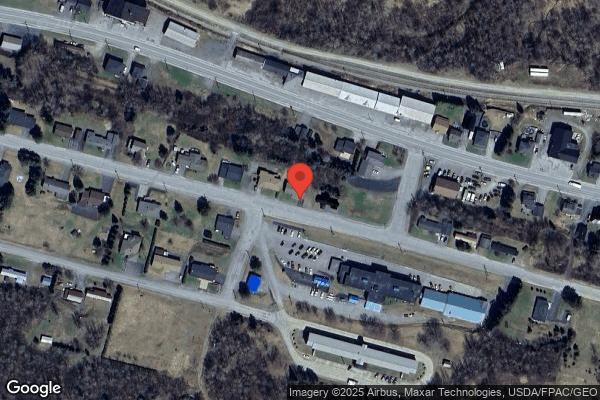

517 RIVERVIEW ST, MADAWASKA, ME 04756 (207) 728-3338
For profit - Corporation 51 Beds Independent Data: November 2025 3 Immediate Jeopardy citations
Trust Grade
0/100
#68 of 77 in ME
Last Inspection: April 2025

Within standard 12-15 month inspection cycle. Federal law requires annual inspections.

Overview

High View Rehabilitation and Living Center has received a Trust Grade of F, indicating poor performance with significant concerns about resident safety and care. Ranking #68 out of 77 facilities in Maine places it in the bottom half, and #7 out of 7 in Aroostook County means there are no local options that are worse. While the facility's trend is improving, going from 13 issues in 2024 to 12 in 2025, there are still serious problems, including critical safety failures related to resident bed safety that put multiple residents at risk for injuries and entrapment. Staffing is a relative strength with a 4/5 star rating and good RN coverage, although the turnover rate is average at 55%. However, the facility has incurred fines totaling $27,115, which is concerning as it is higher than 92% of Maine facilities, suggesting ongoing compliance issues.

Trust Score
F
0/100
In Maine
#68/77
Bottom 12%
Safety Record
High Risk
Review needed
Inspections
Getting Better
13 → 12 violations
Staff Stability
⚠ Watch
55% turnover. Above average. Higher turnover means staff may not know residents' routines.
Penalties
○ Average
$27,115 in fines. Higher than 55% of Maine facilities. Some compliance issues.
Skilled Nurses
✓ Good
Each resident gets 103 minutes of Registered Nurse (RN) attention daily — more than 97% of Maine nursing homes. RNs are the most trained staff who catch health problems before they become serious.
Violations
⚠ Watch
32 deficiencies on record. Higher than average. Multiple issues found across inspections.
★☆☆☆☆
1.0
Overall Rating
★★★★☆
4.0
Staff Levels
★★☆☆☆
2.0
Care Quality
★☆☆☆☆
1.0
Inspection Score
Stable
2024: 13 issues
2025: 12 issues

The Good

  • 4-Star Staffing Rating · Above-average nurse staffing levels
  • Full Sprinkler Coverage · Fire safety systems throughout facility
  • No fines on record

Facility shows strength in staffing levels, fire safety.

The Bad

1-Star Overall Rating

Below Maine average (3.0)

Significant quality concerns identified by CMS

Staff Turnover: 55%

Near Maine avg (46%)

Frequent staff changes - ask about care continuity

Federal Fines: $27,115

Below median ($33,413)

Moderate penalties - review what triggered them

Staff turnover is elevated (55%)

7 points above Maine average of 48%

The Ugly 32 deficiencies on record

3 life-threatening 1 actual harm
Apr 2025 12 deficiencies 3 IJ (3 affecting multiple)
CRITICAL (K)

Immediate Jeopardy (IJ) - the most serious Medicare violation

Accident Prevention (Tag F0689)

Someone could have died · This affected multiple residents

Based on observations, review of facility's Bed Safety policy, clinical record reviews, and interviews, the facility failed to identify hazards in a resident's environment and implement interventions ...

Read full inspector narrative →
Based on observations, review of facility's Bed Safety policy, clinical record reviews, and interviews, the facility failed to identify hazards in a resident's environment and implement interventions to prevent avoidable accidents/injuries. This failure resulted in Resident #3 (R3) obtaining a skin tear when hitting his/her right arm on the exposed, uncovered, square tubing on the bed frame that the mattress was not wide enough to cover, and failure to identify exposed areas of a bed frame that created a risk of entrapment for Resident #26 (R26). This created an Immediate Jeopardy (IJ) situation for all 35 residents. Findings: On 3/31/25, the facility census was 35; all 35 resident bed frames have a mattress, and 2 quarter size bed rails attached to the bed frames. On 3/31/25, the facility's Bed Safety policy, undated, was reviewed. The policy indicated the following: -To try to prevent deaths/injuries from the beds and related equipment (including the frame, mattress, side rails, headboard, footboard, and bed accessories), the facility shall promote the following approaches: -Inspection by maintenance staff of all beds and related equipment as part of our regular bed safety program to identify risks and problems including potential entrapment risks; - Review that gaps within the bed system are within the dimensions established by the Federal and Drug Administration (FDA) (See Bionix Bed System Measurement Device Instructions and www.Bionix.com). -Ensure that bed side rails are properly installed using the manufacturer's instructions and other pertinent safety guidance to ensure proper fit (e.g., avoid bowing, ensure proper distance from the headboard and footboard etc.); and - Identify additional safety measures for residents who have been identified as having a higher than usual risk for injury including entrapment (e.g. altered mental status, restlessness, etc.). -The maintenance department or designee shall provide a copy of inspections to the Administrator and report results to the Quality Assurance (QA) Committee for appropriate action. Copies of the inspection results and QA Committee recommendations shall be maintained by the Administrator and/or Safety Committee. -The staff shall report to the Director of Nursing and Administrator any deaths, serious illnesses and/or injuries resulting from a problem associated with a bed and related equipment including the bed frame, bed side rails, and mattresses. -The Administrator shall ensure that reports are made to the Food and Drug Administration (FDA) or other appropriate agencies, in accordance with pertinent laws and regulations including the Safe Medical Devices Act. According to the Hospital Bed System Dimensional and Assessment Guidance to Reduce Entrapment document, published by the FDA on March 10, 2006, the FDA is recommending a dimensional limit of less than 120 millimeters (4 ¾ inches) for the area between the inside surface of the (bed) rail and the compressed mattress. 1. On 3/31/25 at 10:58 a.m., a surveyor observed a skin tear on R3's right arm. R3 stated that he/she fell on Saturday (3/29) and hit their arm on the bed frame as R3 pointed to an area of the bed frame; the surveyor observed that R3's mattress did not cover the bed frame, exposing a mechanical hinge, a screw, and sharp metal edges where plastic caps were missing. Review of R3's clinical record indicated that R3 self-reported to nursing that he/she had fallen in his/her room and hit the bed frame. On 3/31/25 at 11:44 a.m., a surveyor and the Director of Nursing (DON) observed R3's skin tear and the area of the bedframe that R3 hit their arm on. R3 stated to the DON that the bed frame was harder than his/her arm. The DON stated to R3 that someone would be in to clean up the injury and started treatment for R3's skin tear. On 3/31/25 at 1:10 p.m., the Maintenance/Housekeeping/Laundry Supervisor stated that the Administrator brought down a tool (Bionix Bed System Measurement Device) from the third floor, but he doesn't know how to use it or what the proper measurements are supposed to be (between mattress and bed side rail). The surveyor shared photos of R3 and R29's bed frames and mattresses with the Maintenance/Housekeeping/Laundry Supervisor at this time and confirmed the mattresses did not fit the bed frames. On 3/31/25 at 1:18 p.m., during an interview with the DON, a surveyor confirmed that R3's mattress does not fit the bed frame which allowed R3's arm to strike the square tubing on the bed frame that was not covered. On 3/31/25 at 2:19 p.m., two surveyors observed Maintenance/Housekeeping/Laundry Supervisor in the process of changing R3's bedframe. He stated it was one of the last beds in the facility this way and that the mattress was a 36 inch mattress on a 39 inch bed frame. On 4/2/25, R3's clinical record was reviewed; on 4/1/25 at 4:57 p.m., it was documented that R3's right forearm skin tear dressing was changed. There was serous drainage and during the wound dressing change, R3 reported pain 3/10. At 7:20 p.m., the skin tear measurements were documented as follows: the top measures 1.2 centimeters (cm) length (L) x 0.8 cm width (W), the middle skin tear measured 1.5 cm L x 0.7 cm W, and the bottom skin tear measured 0.5 cm L x 0.5 cm W and was superficial. The length of all 3 areas together measured 4 cm L x 0.8 cm W.2. On 3/31/25 at 11:32 a.m., 2 surveyors observed R26 lying in bed leaning toward his/her left side. The mattress did not appear to be compatible with the bed frame as several inches of bed frame was observed exposed on both sides of the mattress creating multiple areas for possible entrapment of body parts (See F909 for details). The bed rail at the height of the resident's head measured 10 inches from the mattress, this had the potential to cause death as a result of entrapment of body parts (See F700 for details). On 4/1/25 at 8:30 a.m., during an interview with 2 surveyors and the Maintenance/Housekeeping/Laundry Supervisor, R26's bed frame was observed to be wider than the mattress by a couple inches (improved compared to observation on 3/31/25). The Maintenance/Housekeeping/Laundry Supervisor stated he had narrowed the width of the bed frame this morning, and staff independently adjust bed equipment, and he doesn't know why. On 4/1/25 at 9:05 a.m., during an interview with a surveyor, the Administrator stated night staff have made changes such as switching out a resident's bed mattress without letting administrative staff know of the changes. At this time the surveyor confirmed that staff did not identify the risk for accidents / injuries associated with exposed bed frames around resident mattresses. The immediate jeopardy that began on 3/31/25 when the facility failed to identify hazards in a resident environment and implement interventions to prevent injury including the risk of death by entrapment of body parts. The Administrator was notified of the immediate jeopardy at 12:25 p.m. on 4/1/25. Please See F-000 Initial Comments related to the IJ removal plan.
CRITICAL (K)

Immediate Jeopardy (IJ) - the most serious Medicare violation

Deficiency F0700 (Tag F0700)

Someone could have died · This affected multiple residents

Based on observation, interview, and record review, the facility failed to ensure a resident's bed dimensions were appropriate for a resident resulting in a 10 inch gap between the mattress and the be...

Read full inspector narrative →
Based on observation, interview, and record review, the facility failed to ensure a resident's bed dimensions were appropriate for a resident resulting in a 10 inch gap between the mattress and the bed rail. This failure created the potential for bodily injury including death by entrapment of body parts, for 1 of 35 residents [Resident #26 (R26]. In addition to the resident in immediate jeopardy, the facility's failure to regularly inspect and monitor bed rails resulted in the potential for harm for 35 out of 35 residents with bed rails. Finding: According to the Hospital Bed System Dimensional and Assessment Guidance to Reduce Entrapment document, published by the FDA on March 10, 2006, the FDA is recommending a dimensional limit of less than 120 millimeters (4 ¾ inches) for the area between the inside surface of the (bed) rail and the compressed mattress. According to the clinical record, R26 is diagnosed with HEMIPLEGIA AND HEMIPARESIS (paralysis or severe loss of motor function on one side of the body) affecting the resident's left side, and osteoporosis (condition where bones become weak and brittle increasing the risk of fractures). The care plan indicates The resident has limited physical mobility [related to (r/t)] Stroke, and The resident is at risk for falls r/t Hemiparesis, Confusion Unaware of safety needs. Care plan interventions indicate that R26 is on fall precautions, requires fall mats on the floor beside the bed, R26 will use the bed rails for independent bed mobility, and R26 is dependent on 2 staff for turning and repositioning in bed. On 3/31/25 at 11:32 a.m., 2 surveyors observed R26 lying in bed leaning toward his/her left side. The mattress was observed to be smaller than the bed frame. The resident's left bed rail measured 10 inches from the mattress at resident's head level. The mattress was off set, creating a wedge shaped gap with the opening wider toward the top of the mattress. On 3/31/25 at 1:10 p.m., during an interview with a surveyor, the Maintenance/Housekeeping/Laundry Supervisor stated the facility has a tool to measure the bed rail gaps, but he does not know how to use it, or what the proper measurements are supposed to be (between mattress and bed side rail). At this time, the surveyor confirmed the mattresses did not fit the bed frame creating the potential for entrapment of body parts. The immediate jeopardy that began on 3/31/25 when the facility failed to ensure a resident's bed dimensions were appropriate for a resident resulting in a 10 inch gap between the mattress and the bed rail creating the potential for entrapment of body parts including the risk of death. The Administrator was notified of the immediate jeopardy at 12:25 p.m. on 4/1/25. Please See F-000 Initial Comments related to the IJ removal plan.
CRITICAL (K)

Immediate Jeopardy (IJ) - the most serious Medicare violation

Deficiency F0909 (Tag F0909)

Someone could have died · This affected multiple residents

Based on observation, interview, and record review, the facility failed to identify the existing risk for entrapment of body parts through bed inspections, this failure created the potential for sever...

Read full inspector narrative →
Based on observation, interview, and record review, the facility failed to identify the existing risk for entrapment of body parts through bed inspections, this failure created the potential for severe bodily injury including death by entrapment of body parts, for 3 of 35 residents [Resident #26 (R26), (R3) and (R13)]. In addition to the resident in immediate jeopardy, the facility's failure to implement an effective inspection of all resident bed equipment (bed frames, mattresses, and bed rails) to ensure that bed mattresses fit the bed frames to prevent entrapment of body parts, this has the potential to effect 35 out of 35 residents with bed rails. Findings: On 3/31/25, the facility's Bed Safety policy, undated, was reviewed. The policy indicated, to prevent deaths/injuries, maintenance staff would inspect all beds and related equipment to identify risks and problems including potential entrapment of body parts using the Bionix Bed System Measurement Device (Please see F689). 1. According to the clinical record, R26 is diagnosed with HEMIPLEGIA AND HEMIPARESIS (paralysis or severe loss of motor function on one side of the body) affecting the resident's left side, and osteoporosis (condition where bones become weak and brittle increasing the risk of fractures). The care plan indicates The resident has limited physical mobility [related to (r/t)] Stroke, and The resident is at risk for falls r/t Hemiparesis, Confusion Unaware of safety needs. Care plan interventions indicate that R26 is on fall precautions, requires fall mats on the floor beside the bed, R26 will use the bed rails for independent bed mobility, and R26 is dependent on 2 staff for turning and repositioning in bed. On 3/31/25 at 11:32 a.m., 2 surveyors observed R26 lying in bed leaning toward his/her left side. The mattress did not appear to be compatible with the bed frame. The bed frame had exposed square holes measuring 4 inches by 5 inches along the lower end of the bed frame on both sides of the mattress creating the risk for entrapment of body parts. On R26's left side at his/her waist level, the bed frame had rectangular openings creating risk for entrapment of body parts. The bed rail at the height of the resident's head measured 10 inches from the mattress, creating the risk of entrapment of body parts (See F700 details). 2. On 3/31/25 at 11:22 a.m., 2 surveyors observed a skin tear on R3's right upper forearm. R3's mattress observed to be smaller than the bed frame, exposing a mechanical hinge, a screw, and sharp metal edges where plastic caps are missing. At 2:19 p.m., the Maintenance/Housekeeping/Laundry Supervisor stated the mattress does not fit the frame, the mattress is 36 inches, and the frame is 39 inches (See F689 for details). 3. On 3/31/25 at 2:00 p.m., a surveyor observed R13's mattress length was not compatible with the length of the bed frame creating a 3 inch gap between the end of the mattress and the foot board (See F558 for details). On 3/31/25 at 1:10 p.m., during an interview with a surveyor, the Maintenance/Housekeeping/Laundry Supervisor stated the facility has a tool to measure the bed rail gaps, but he does not know how to use it, or what the proper measurements are supposed to be (between mattress and bed side rail). He stated bed inspections were recently completed but he was not sure what the inspection included. On 4/1/25 at 7:15 a.m., during an interview with a surveyor, the Administrator stated the recent bed inspections only evaluated the electrical mechanics of resident beds. At this time a surveyor confirmed that bed inspections did not evaluate bed mattress and bed frame compatibility or identify areas of possible entrapment. The immediate jeopardy that began on 3/31/25 when the facility failed to implement an effective inspection of all resident bed equipment or identify the existing risk for entrapment of body parts. The Administrator was notified of the immediate jeopardy at 12:25 p.m. on 4/1/25. Please See F-000 Initial Comments related to the IJ removal plan.
CONCERN (D)

Potential for Harm - no one hurt, but risky conditions existed

Deficiency F0558 (Tag F0558)

Could have caused harm · This affected 1 resident

Based on interviews and observations, the facility failed to meet the reasonable needs of residents in the area of bed size for 1 of 35 residents reviewed for accommodation of needs (Resident #13 [R13...

Read full inspector narrative →
Based on interviews and observations, the facility failed to meet the reasonable needs of residents in the area of bed size for 1 of 35 residents reviewed for accommodation of needs (Resident #13 [R13]) Finding: On 3/31/25 at 2:00 p.m., a surveyor spoke to R13, he/she stated that his/her bed is too short for them and was told by the facility they would get a bed to fit him/her. R13 stated that it has not happened. Observation of the bed shows there is a 3-inch gap from the end of the mattress to the footboard with a rolled-up blanket to fill the gap. R13 is over 6 feet tall and the mattress on the bed is not long enough leaving a gap at the foot of the mattress where his/her feet hang over the edge of the mattress. On 3/31/25 at 2:19 p.m., a surveyor confirmed this finding during an interview with the Maintenance/Housekeeping/Laundry Supervisor and was told the facility has ordered R13 a longer mattress on this date.
CONCERN (D)

Potential for Harm - no one hurt, but risky conditions existed

Quality of Care (Tag F0684)

Could have caused harm · This affected 1 resident

Based on clinical record review and interviews, the facility failed to ensure physician orders were followed for 1 of 5 residents reviewed for unnecessary medications (Resident #27, [R27]). Finding: ...

Read full inspector narrative →
Based on clinical record review and interviews, the facility failed to ensure physician orders were followed for 1 of 5 residents reviewed for unnecessary medications (Resident #27, [R27]). Finding: On 4/2/25 during a review of R27's clinical record, a telephone order on 3/21/25 at 17:57 (5:57 p.m.) stated, Eliquis (a blood thinner) oral tablet 2.5 m.g (milligram) give 1 tablet by mouth two times a day related to non-ST elevation MI (myocardial infarction [heart attack]) HOLD 3/22/25 06:00 a.m. - 3/24/25 14:00 (2:00 p.m.), Hold Date / Reason: procedure for wart removal on 3/24/25. Review of R27's medication administration record dated March 2025 stated, on 3/23/25 at 20:00 (8:00 p.m.) H (Hold). On 4/3/25 at 10:38 a.m. in an interview with a surveyor, the Director of Nursing (DON) stated that the Registered Nurse (RN) gave Eliquis to R27 on the evening of 3/23/25 when it should have been held, and the RN only noticed the hold order when she went to chart medication given. A review of Resident/Facility Notification Form to the provider on 3/24/25 stated, Resident's (R27's) Eliquis was on hold for 3/24/25 appointment to remove lesion. Med tech did not notice the hold on this med, and it was given. On 4/3/25 at 10:39 a.m., during an interview with a surveyor, the DON confirmed that Eliquis was given to R27 on the evening of 3/23/25 when the medication was supposed to be held. The failure to follow the providers orders to hold Eliquis for R27 prior to a medical procedure resulted in the cancellation and rescheduling of the medical procedure and necessity to hold the Eliquis a second time prior to a medical procedure.
CONCERN (D)

Potential for Harm - no one hurt, but risky conditions existed

Respiratory Care (Tag F0695)

Could have caused harm · This affected 1 resident

Based on observations, manufacturer's instructions, facility policy review, and interview, the facility failed to provide oxygen therapy in a sanitary manner for 2 of 4 days of survey (2/10/25 and 2/1...

Read full inspector narrative →
Based on observations, manufacturer's instructions, facility policy review, and interview, the facility failed to provide oxygen therapy in a sanitary manner for 2 of 4 days of survey (2/10/25 and 2/11/25) for Resident #19 (R19). Finding: The manufacturer's instructions for Invacare Perfecto2 indicated that there is one cabinet filter located on the back of the cabinet; environmental conditions that may require more frequent inspection and cleaning of the filter include, but are not limited to: high dust, air pollutants, etc and to remove the filter and clean as needed. The facility's policy, Departmental (Respiratory Therapy)-Prevention of Infection, revised 3/2025, directed staff to wash filters from oxygen concentrators every seven days with soap and water. 1. On 4/01/25 at 10:21 a.m., a surveyor observed R19 wearing oxygen via nasal cannula and that the oxygen concentrator filter on the back of the machine was very dusty. 2. On 4/2/25 at 8:15 a.m., a surveyor observed that the oxygen concentrator filter on the back of the machine was very dusty. At 8:21 a.m., during an observation and interview with the Director of Nursing, a surveyor confirmed this finding.
CONCERN (D)

Potential for Harm - no one hurt, but risky conditions existed

Deficiency F0699 (Tag F0699)

Could have caused harm · This affected 1 resident

Based on record review and interview, the facility failed to identify a resident's current diagnosis of Post-Traumatic Stress Disorder (PTSD) to determine what trigger(s) might cause re-traumatization...

Read full inspector narrative →
Based on record review and interview, the facility failed to identify a resident's current diagnosis of Post-Traumatic Stress Disorder (PTSD) to determine what trigger(s) might cause re-traumatization for 1 of 1 sampled resident reviewed with a current diagnosis of PTSD (Resident #5 [R5]). Finding: On 4/2/25 during a clinical record review for R5, it was noted that R5 had a diagnosis of PTSD listed as an active diagnosis. Review of R5's care plan updated on 2/19/25 lacked evidence that a trauma informed care plan was established to include triggers for this resident's PTSD diagnoses. Review of R5's quarterly Minimum Data Set (MDS) 3.0, Section I, Active Diagnoses, Psychiatric/Mood Disorder, I6100 was coded to indicate R5 had an active diagnosis for Post Traumatic Stress Syndrome (PTSD). On 4/2/25 at approximately 1:30 p.m., during an interview with the Director of Nursing the surveyor confirmed that R5 did not have a trauma informed care plan.
CONCERN (D)

Potential for Harm - no one hurt, but risky conditions existed

QAPI Program (Tag F0867)

Could have caused harm · This affected 1 resident

Based on observations, interviews, and record reviews, the facility's Quality Assurance Committee failed to ensure the plan of correction for identified deficiencies from the annual survey dated 5/1/2...

Read full inspector narrative →
Based on observations, interviews, and record reviews, the facility's Quality Assurance Committee failed to ensure the plan of correction for identified deficiencies from the annual survey dated 5/1/24 was effective. Findings: At the annual recertification survey of 4/29/24 through 5/1/24, the following deficiencies were cited: F812, F880 and F883. During the annual recertification survey of 3/31/25 through 4/2/25, it was determined that F812, F880 and F883 would be cited again for the same issues: F812 was cited again for failure to ensure the kitchen was maintained in a clean and sanitary manner and failure to discard expired foods; F880 was cited again for failure to implement a water management program to monitor for and prevent the growth and spread of Legionella and other water-borne pathogens; and F883 was cited again for failure to offer the updated Pneumococcal vaccination to 3 of 5 residents. On 4/3/25 at 8:25 a.m., during an interview with a surveyor and the Administrator, repeat deficiencies were reviewed. The Administrator stated the plan of correction from the previous survey indicated monitoring for 3 months, monitoring was not continued beyond that time. At this time the surveyor confirmed the above finding.
CONCERN (E)

Potential for Harm - no one hurt, but risky conditions existed

Safe Environment (Tag F0584)

Could have caused harm · This affected multiple residents

**NOTE- TERMS IN BRACKETS HAVE BEEN EDITED TO PROTECT CONFIDENTIALITY** Based on observations and interviews, the facility failed to maintain the building in good repair for 4 of 4 days of survey (3/3...

Read full inspector narrative →
**NOTE- TERMS IN BRACKETS HAVE BEEN EDITED TO PROTECT CONFIDENTIALITY** Based on observations and interviews, the facility failed to maintain the building in good repair for 4 of 4 days of survey (3/31/25, 4/1/25, 4/2/25, and 4/3/25). Findings: On 3/31/25 at 11:22 a.m., a surveyor observed chipped paint around the room [ROOM NUMBER] placard, and the wall next to the nurse station door had a large un-painted area around a camera installation. On 4/1/25 at 8:08 a.m., during an interview with a surveyor and the Administrator, Resident #26's (R26) bathroom was observed. The bathroom had a large trash bag taped to the ceiling directing a steady leak of water into a trash barrel. Paint chips and insulation debris was observed in the standing water of the trash barrel. The Administrator stated it has been like that over the winter and will not be repaired until it is warmer outside. The Maintenance, Housekeeping, and Laundry Supervisor was able to redirect all the water into R26's bathroom (R26 does not use the bathroom). On 4/2/25 at 7:30 a.m., a surveyor observed the ceiling outside room [ROOM NUMBER] to be discolored, and large pieces of peeling paint were observed hanging down and an out of order sign was observed on the bathroom door in room [ROOM NUMBER]. At 7:51 a.m., during an interview with 2 surveyors, the Maintenance, Housekeeping, and Laundry Supervisor stated the resident in room [ROOM NUMBER] does not use the toilet, and the toilet has been out of order for 2 weeks due to a leaking seal. On 4/3/25 at 9:00 a.m., during a facility tour with a surveyor and the Maintenance, Housekeeping, and Laundry Supervisor, the following were observed and confirmed: -the transition strip, connecting the hall to the sitting area created uncleanable surfaces at the wall, and had accumulations of dirt /debris along the strip border; -the wall next to the nurse station door had a large un-painted area around a camera installation; -the wall around the room number placard for room [ROOM NUMBER] had chipped paint; -the ceiling outside of room [ROOM NUMBER] is discolored, and peeling paint observed hanging from the ceiling; -the resident bathroom in room [ROOM NUMBER] is out of order due to a leaking toilet; -the closet door of room [ROOM NUMBER] is displaced from the track, the track support is broken. The closet ceiling in room [ROOM NUMBER] is discolored with peeling paint. Paint chips observed on the resident's clothing below the ceiling damage; and -the resident bathroom in room [ROOM NUMBER] is observed with trash bag funnel taped to ceiling draining water into the trash barrel below. Paint chips and insulation debris observed in the standing water of the collection barrel.
CONCERN (E)

Potential for Harm - no one hurt, but risky conditions existed

Food Safety (Tag F0812)

Could have caused harm · This affected multiple residents

Based on observations, interviews and record review, the facility failed to ensure the kitchen was maintained in a clean manner on 4 of 4 days of survey (3/31/25, 4/1/25, 4/2/25, and 4/3/25), the faci...

Read full inspector narrative →
Based on observations, interviews and record review, the facility failed to ensure the kitchen was maintained in a clean manner on 4 of 4 days of survey (3/31/25, 4/1/25, 4/2/25, and 4/3/25), the facility failed to label thawed nutritional shakes with a thaw date on 1 of 4 days of survey. (3/31/25), the facility failed to discard expired foods on 1 of 4 days of survey (3/31/25), the facility failed to label, and date opened foods for 1 of 4 days of survey (3/31/25). In addition, the facility failed to consistently monitor and document food temperatures for proper cooked temperatures and proper serving temperatures for 94 of 99 meals reviewed. (Food Temperature Log sheets for March and 2 days in April) Findings: On 3/31/25 at 10:50 a.m., during the initial tour of the kitchen a surveyor observed the following areas that were not clean: Under the dish storage rack there was a seam in the linoleum flooring that was raised and had dirt buildup. Under the stove there was a seam in the linoleum flooring that was raised and had dirt buildup. The wall behind the stove was observed to have food splatter and around the pipes on the back wall was a build up of dirt and grime. The wall behind the meat slicers was observed to have food splatter. The warewasher room (dishwasher room) on the clean side, the flooring was raised and had dirt build up, the tiles on the dirty side were soiled and had dirt build up in the grout lines. In the reach in cooler there were 5-6 fluid ounce thawed cartons of Mighty Shakes with directions to store frozen, thaw at or below 40 degrees Fahrenheit and use thawed produce within 14 days. There was a ½ gallon of fat free milk with an expiration date of 3/30/25 that was available for use. In the walk-in refrigerator there were 5 containers of Yoplait plain yogurt 2 pounds each with a best by date of 3/27/25. There were 3 containers of Ricotta Cheese 48 ounce each with a best by date of 3/24/25. On the second shelf there was a steamtable pan that contained thawed meat wrapped in plastic with a label identifying the meat as Roast Beef with a use by label of 3/26/25. (Food Service Supervisor (FSS) opened the plastic wrap, and the inner label identified the meat as a Pot Roast.) In the dry food storage area, there was an unopened bag with a label of 4 Season with a use by date of 3/18/25 (per interview with the FSS this would be the date it should have been discarded). There were 12 bags of unlabeled/unidentified crumbs with no expiration date, there were 11 assorted bags of cereal that were not labeled or had expiration dates. On a serving cart, on the second shelf, was a bin containing 8 unlabeled bags of cereals with no expiration dates, and 3 opened bags with no labels or expiration dates. On 3/31/25 at 11:30 a.m. during an interview with the FSS the surveyor confirmed the above findings. On 4/1/25 at 11:00 a.m. during a meal prep and meal service observation the surveyor observed the FSS taking the cooked temperatures of the lunch meal. The surveyor asked the FSS for the facilities food temperature logs for previous meals. Upon reviewing the facilities food temperature logs for the month of March, the facility failed to consistently record cooked temperatures and serving temperatures for 94 out of 99 meals. The surveyor confirmed this finding during an interview with the FSS at 2:40 p.m.
CONCERN (E)

Potential for Harm - no one hurt, but risky conditions existed

Infection Control (Tag F0880)

Could have caused harm · This affected multiple residents

Based on facility policy review and interviews, the facility failed to notify the Centers for Disease Control and Prevention (CDC) of an outbreak of Norovirus in the facility. In addition, based on re...

Read full inspector narrative →
Based on facility policy review and interviews, the facility failed to notify the Centers for Disease Control and Prevention (CDC) of an outbreak of Norovirus in the facility. In addition, based on review of the facility's Legionella Water Management Program and interview, the facility failed to fully develop and implement a water management program to monitor for and prevent the growth and spread of Legionella and other water-borne pathogens. Findings: The facility's policy, Reporting Communicable Diseases, revised 3/20/25, indicated that the Infection Preventionist is responsible for notifying the local, district, or state health department of confirmed cases of state-specific reportable diseases. The Maine CDC Notifiable diseases and Conditions List, dated 2/17/21, indicated that any cluster/outbreak of illness with potential public health significance needs to be reported. 1. On 3/31/25 at 10:15 a.m., the Administrator stated that the facility is experiencing what was thought to be an outbreak of Norovirus. On 3/31/25 at 3:59 p.m., during an interview with a surveyor, the Director of Nursing (DON) stated the CDC had not been notified of the outbreak. She also stated that they have not tested residents for Norovirus but five (5) residents have symptoms of nausea, vomiting, and diarrhea. On 4/1/25, the DON provided a statement that she had contacted the CDC and that she was advised that they are not required to test symptomatic individuals for Norovirus and to continue precautions per guidance. A line list of affected residents will be sent to the CDC when the outbreak is completed and that an outbreak of unknown etiology is reportable (to the CDC). On 4/2/25 at 2:10 p.m., during an interview with a surveyor, the Nurse Manager-Infection Preventionist stated she was away part of last week and that the DON filled her in on the communication with the CDC. 2. On 4/3/25, a review of the facility's Legionella Water Management Program was completed by the surveyor with the Administrator and Maintenance/Housekeeping/Laundry Supervisor. The program lacked evidence of testing protocols and acceptable ranges for control measures, documentation of the results of testing, and what corrective actions would be taken if control limits are not maintained. The program also lacked evidence of validating the effectiveness of the program by testing the water for Legionella/water pathogens.
CONCERN (E)

Potential for Harm - no one hurt, but risky conditions existed

Deficiency F0883 (Tag F0883)

Could have caused harm · This affected multiple residents

Based on facility policy review, record reviews, Centers for Disease Control and Prevention (CDC) recommendations, and interview, the facility failed to offer the updated Pneumococcal vaccination to 3...

Read full inspector narrative →
Based on facility policy review, record reviews, Centers for Disease Control and Prevention (CDC) recommendations, and interview, the facility failed to offer the updated Pneumococcal vaccination to 3 of 5 residents (Resident #3 [R3], R22, and R29). Findings: The facility's policy, Pneumococcal Vaccine, revised 3/2025, indicated prior to or upon admission, residents will be assessed for eligibility to receive the Pneumococcal vaccine series and when indicated, are offered the vaccine series within thirty (30) days of admission to the facility unless medically contraindicated or the resident has completed the current recommended vaccine series. Assessments of Pneumococcal vaccination status are conducted within five (5) working days of the resident's admission if not conducted prior to admission. Administration of the Pneumococcal vaccines are made in accordance with current CDC recommendations at the time of the vaccination. On 4/3/25 at 9:10 a.m., during an interview with a surveyor, the Nurse Manager-Infection Preventionist stated she was unable to find information to indicate that R3, R22, and R29 were offered the most recent Pneumococcal vaccination, and that the facility does use the PneumoRecs VaxAdvisor: Vaccine Provider App | CDC tool to determine Pneumococcal vaccination recommendations. The following were confirmed at this time: 1. The documentation in R3's clinical record indicated that R3 received the Pneumococcal Conjugate Vaccine (PCV) 13 in 2019. The CDC recommendation was to give one dose of PCV20 or PCV21 at least 1 year after PCV13. 2. The documentation in R22's clinical record indicated that R22 received the PCV13 in 2015 and the Pneumococcal Polysaccharide Vaccine (PPV) 23 in 2011. The CDC recommendation was based on shared clinical decision-making, decide whether to administer one dose of PCV20 or PCV21 at least 5 years after the last pneumococcal vaccine dose. 3. The documentation in R29's clinical record indicated that R29 received the PCV13 in 2016 and the PPV23 in 2007. The CDC recommendation was based on shared clinical decision-making, decide whether to administer one dose of PCV20 or PCV21 at least 5 years after the last pneumococcal vaccine dose
Dec 2024 2 deficiencies
CONCERN (D) 📢 Someone Reported This

A family member, employee, or ombudsman was alarmed enough to file a formal complaint

Potential for Harm - no one hurt, but risky conditions existed

Notification of Changes (Tag F0580)

Could have caused harm · This affected 1 resident

Based on record reviews and interview, the facility failed to ensure the physician was notified of a resident's change of condition prior to transfer to the hospital for 1 of 2 sampled residents (Resi...

Read full inspector narrative →
Based on record reviews and interview, the facility failed to ensure the physician was notified of a resident's change of condition prior to transfer to the hospital for 1 of 2 sampled residents (Resident #1 [R1]}. Findings: On 12/23/24, R1's clinical record was reviewed. 1. On 12/1/24, a staff member reported to Registered Nurse #1 (RN1) that R1 was not looking like [themselves]. Upon assessment by RN1, R1 was experiencing increased confusion with vital signs within normal limits. R1 was later found by a staff member attempting to eat a tea bag At 6:06 p.m., RN1 called 911 and prepared R1 for a hospital transfer, notifying R1's family member and giving report to the hospital. The clinical record lacked evidence of notifying the Medical Provider prior to this acute care facility transfer. 2. On 12/9/24 at 11:30 a.m., a stall remember reported to RN1 that R1 was not looking well and had slurred speech. Upon assessment by RN1, R1 was alert but unable to answer orientation questions with slurred words and was unable to understand what R1 was saying. Vital signs were within normal limits except the resident was experiencing respirations at 28 breathes per minute. According to the Emergency Medical Services (EMS) report, with EMS dispatched to the facility at 1:13 p.m. The clinical record lacked evidence of notifying the Medical Provider prior to this acute care facility transfer. On 12/23/24 11:55 a.m., during an interview with RN1 with the Director of Nursing present, the surveyor asked about documentation about notifying the Medical Provider prior to transferring R1 to the hospital. RN1 stated that she was unaware that she needed to call the provider prior to transferring R1 to the hospital.
CONCERN (D) 📢 Someone Reported This

A family member, employee, or ombudsman was alarmed enough to file a formal complaint

Potential for Harm - no one hurt, but risky conditions existed

Quality of Care (Tag F0684)

Could have caused harm · This affected 1 resident

**NOTE- TERMS IN BRACKETS HAVE BEEN EDITED TO PROTECT CONFIDENTIALITY** Based on record reviews, facility reported incident and written statements review, and interviews, the facility failed to transf...

Read full inspector narrative →
**NOTE- TERMS IN BRACKETS HAVE BEEN EDITED TO PROTECT CONFIDENTIALITY** Based on record reviews, facility reported incident and written statements review, and interviews, the facility failed to transfer a resident to the hospital timely, after a change in condition for 1 of 2 residents reviewed (Resident #1 [R1]). Finding: On 12/11/24, the facility sent a Reportable Incident Report to the State Agency alleging that there may have been a delay in treatment for R1 on 12/9/24. On 12/23/24, R1's clinical record was reviewed. Documentation in the clinical record on 12/9/24 and written statements obtained during the facility's investigation indicated that on 12/9/24, a Certified Nursing Assistant reported to RN1 and Nurse Manager (NM) that R1 was not looking well and had slurred speech, reported between 11:22 a.m. and 11:30 a.m. NM's written statement indicated that she was the one that said that R1 would be sent to the emergency room (ER); RN1 told NM that she needed to finish giving one insulin and then she would be sending R1 out. NM's statement indicated that she started to prepare the paperwork for transfer around 11:50 a.m. and spoke with the Power of Attorney (POA). NM clocked out for lunch at 12:13 p.m., thinking that RN1 would call Emergency Medical Services (EMS) as she informed RN1 that she had completed the paperwork for the ER and EMS. NM returned from lunch at 12:41 p.m. and upon return, RN1 and NM double signed the paperwork that they had gotten verbal permission from the POA to send the resident. NM asked RN1 if EMS had been called and RN1 stated no so NM called the 911 operator. The surveyor reviewed the EMS Care Report for R1's transfer to the hospital on [DATE]. Per this report, the unit was dispatched at 1:13 p.m. and enroute at 1:14 p.m., EMS is located 0.5 miles from the facility and arrived on scene at 1:16 p.m. On 12/23/24 at 11:55 a.m., during an interview with a surveyor, RN1 stated that she assessed R1 before 12:00 p.m. as she documented vitals in the clinical record at that time. She stated that the resident's vitals were normal except she was tachypneic (respirations were 28). RN1 stated that she checked for stroke and signs were negative other than the slurred speech. The surveyor asked why was there a delay in transferring R1 to the hospital and RN1 stated, there was a lot of paperwork that needs to be completed. I was being pulled in so many directions which is why there was a delay. On 12/23/24 at 12:51 p.m., during an interview with the Administrator and Director of Nursing, the surveyor reviewed the EMS Care Report noting that it was almost 1 3/4 hours after it was reported that R1 had slurred speech to when 911 was called. As a result of this isolated incident, the following actions were initiated: - RN1 received a written warning on 12/13/24 for not following policies and procedures related to resident change in condition. - RN1 worked on 12/9/24 (incident date) and next scheduled day to work was 12/13/24. RN1 was removed from the Charge Nurse role for the weekend shifts and placed on the Medication Cart with direction to report any concerns to a more experienced nurse. - RN1 has returned to the Charge Nurse role but is to follow up with a more experience nurse for any questions. She also has the Director of Nursing's telephone number. The DON stated on 12/23/24 at 12:51 p.m., RN1 is to report any concerns at all to a senior nurse or call me with any questions. I have my phone on me 24/7 and receive calls at all times of the day or night. - On 12/13/24, additional training, Clinical Assessment/Critical Thinking was completed with RN1 and discussed with the Director of Nursing. - On 12/13/24, the training document, Clinical Assessment/Critical Thinking was provided and reviewed by other nursing staff, including NM; this document will be reviewed with the four remaining nursing staff that are out on leave or are per diem when they return. The facility also provided education to the CNAs, Stop and Watch - Early Warning Tool which helps direct when to report a resident change in condition to a nurse.
May 2024 11 deficiencies
CONCERN (D)

Potential for Harm - no one hurt, but risky conditions existed

Notification of Changes (Tag F0580)

Could have caused harm · This affected 1 resident

Based on observation, record review and interview, the facility failed to notify the physician of a change in status for 1 of 1 sampled residents reviewed for a choking event, (Resident [R]1). Finding...

Read full inspector narrative →
Based on observation, record review and interview, the facility failed to notify the physician of a change in status for 1 of 1 sampled residents reviewed for a choking event, (Resident [R]1). Finding: On 4/29/24 at 11:36 a.m., a surveyor observed from the hallway a Certified Nursing Assistant Medication Aide (CNA-M) checking on R1 who was choking. The surveyor heard coughing sounds, almost vomiting, choking sounds, then more repetitive coughing. CNA-M left to get the Registered Nurse (RN3). On 4/29/24 at 11:39 a.m., RN3 entered the room to aid R1. R1's coughing cleared. RN3 stated to the surveyor that the gravy must have gone down the wrong pipe. On 04/29/24 11:41 a.m., RN3 stated that CNA-M is supervising him to eat now. On 04/29/24 at 12:24 p.m., RN3 documented the choking incident in a nurse note as Category: Change of Condition. The note indicates initiating a nursing measure of aspirations precaution monitoring opened [for] 72 hours. There was no evidence to indicate the provider was notified of the incident. On 5/1/24 at 10:30 a.m., in an interview the interim Director of Nursing (DON), she stated that when residents are placed on aspiration precautions for 72 hours following aspiration, this is done following the facility's practice. There is not a policy. The facility's practice includes checking lung sounds, temperature, oxygen saturation, respiratory rate, and making any necessary adjustments like having them out of bed to eat their meals. At this time, the DON called the provider to notify her of the aspiration event and received orders. On 5/1/24 at 10:37 a.m., in an interview with a surveyor, the DON stated, staff should notify the provider after each incident. The provider should have been told while in house yesterday. At this time, the surveyor confirmed the provider had not been notified of a change in status.
CONCERN (D)

Potential for Harm - no one hurt, but risky conditions existed

Transfer Notice (Tag F0623)

Could have caused harm · This affected 1 resident

**NOTE- TERMS IN BRACKETS HAVE BEEN EDITED TO PROTECT CONFIDENTIALITY** Based on record review and interview, the facility failed to identify the reason for a transfer on the transfer notice and faile...

Read full inspector narrative →
**NOTE- TERMS IN BRACKETS HAVE BEEN EDITED TO PROTECT CONFIDENTIALITY** Based on record review and interview, the facility failed to identify the reason for a transfer on the transfer notice and failed notify the resident and/or the resident's representative in writing of the transfer/discharge to an acute care hospital for 1 of 1 residents sampled for hospitalizations (Resident [R]34). Finding: R34 was admitted to the facility on [DATE] and transferred to the hospital on 2/27/24. A review of R34's clinical record lacked evidence of the reason for the transfer identified on the transfer form. This form was signed by the resident on 2/27/24 and also had an area that was to be completed that indicated who received this written notice, that was blank. On 4/29/24 at 2:30 p.m., during an interview with a surveyor, the Social Worker-Conditional stated that the nurses complete the form when they fill out the paperwork for the transfer. On 04/30/24 at 9:34 a.m., during an interview with a surveyor, Registered Nurse (RN) 2 stated that she called the Resident Representative, but she did not mail a written copy of the notice nor did she give a written copy to the resident after the notice was signed. The surveyor also reviewed the form noting that the reason for the transfer was not indicated.
CONCERN (D)

Potential for Harm - no one hurt, but risky conditions existed

Deficiency F0625 (Tag F0625)

Could have caused harm · This affected 1 resident

**NOTE- TERMS IN BRACKETS HAVE BEEN EDITED TO PROTECT CONFIDENTIALITY** Based on record review and interview, the facility failed to notify the resident and/or the resident's representative in writing...

Read full inspector narrative →
**NOTE- TERMS IN BRACKETS HAVE BEEN EDITED TO PROTECT CONFIDENTIALITY** Based on record review and interview, the facility failed to notify the resident and/or the resident's representative in writing of a bed hold notice after a transfer/admission to an acute care hospital for 1 of 1 residents sampled for hospitalizations (Resident [R]34). Finding: R34 was admitted to the facility on [DATE] and transferred to the hospital and was admitted on [DATE]. The Bed Hold Notification form was signed by the resident on 2/27/24 and also had an area that was to be completed that indicated who received this written notice, that was blank. On 4/29/24 at 2:30 p.m., during an interview with a surveyor, the Social Worker-Conditional stated that the nurses complete the form when they fill out the paperwork for the transfer. On 04/30/24 at 9:34 a.m., during an interview with a surveyor, Registered Nurse (RN) 2 stated that she called the Resident Representative but she did not mail a written copy of the notice, nor did she give a written copy to the resident after the notice was signed.
CONCERN (D)

Potential for Harm - no one hurt, but risky conditions existed

Quality of Care (Tag F0684)

Could have caused harm · This affected 1 resident

2. On 5/1/24 at 10:24 a.m., during observation of ADL care for R16, a surveyor observed RN3 enter the room with a medicine cup containing a white ointment. RN3 identified the ointment as Lantiseptic a...

Read full inspector narrative →
2. On 5/1/24 at 10:24 a.m., during observation of ADL care for R16, a surveyor observed RN3 enter the room with a medicine cup containing a white ointment. RN3 identified the ointment as Lantiseptic and applied it to open skin areas on R16's buttocks. RN3 assessed the skin under the breasts and stated she would get some powder for R16. Certified Nursing Assistant (CNA1) dressed R16 while waiting for the powder. On 5/1/24 at 10:27 a.m., a surveyor observed RN3 return to R16's room holding a medicine cup with white powder in it. RN3 handed the cup to CNA1, then left the room. CNA1 lifted R16's shirt to apply the powder under the breasts, then restored R16's clothing. On 5/1/24 review of the clinical record revealed a physician order written on 3/9/24 for Caldesene Powder - apply topically under breasts, armpits, abdominal fold [and] to left/right [abdominal] fold above hips twice daily preventative for preventative measure for redness [and] BID (twice per day) PRN (as needed), and a physician order written on 3/18/24 for Lantiseptic apply small amount barrier to right inner thigh [and] groin for redness/irritation to skin BID [and] BID PRN. On 5/1/24 at 12:15 p.m., review of the electronic -Treatment Administration Record (e-TAR) indicated: Lantiseptic apply small amount barrier to right inner thigh and groin for redness and irritation to skin twice a day and twice daily prn, Caldesene Powder Apply topically under breasts, armpits, abdominal fold and to left and right side of abdominal fold above hips twice a day for preventative measures for redness. (and BID PRN), and Calmoseptine with stoma powder to buttocks twice a day, were marked with a checkmark indicating they were administered. On 5/1/24 at 12:28 p.m., in an interview with a surveyor, RN3 stated the documented administrations reflected the applications of ointment and powder during ADL care. RN3 also stated CNA1 was supposed to apply Calmoseptine with stoma powder, it is in a jar in the resident's room. At this time the surveyor confirmed the Lantiseptic, Caldesene, and Calmoseptine were not administered as ordered. Based on record review, facility protocol, and interviews, the facility failed to complete neurological (neuro) assessments for 1 of 1 residents reviewed who fell and hit their head (Resident [R]136) and the facility failed to ensure Physician orders were followed for 1 of 1 resident observed for Activities of Daily Living (ADL) care (the acts of bathing, dressing, and personal hygiene care), (Resident [R]16). Findings: A review of the facility's protocol, High View Rehab and Nursing Center Fall Protocol, revised 9/1/23, indicated that If resident hits his/her head or are suspected of hitting their head, initiate neuro checks every shift for 72 hours. 1. A review of R136's clinical record included a nursing note written by Registered Nurse (RN)4 that indicated R136 was on the floor, the nose was bruised and tender to touch and slightly abraded (scraped). R136 was sent to the hospital for evaluation for a possible concussion. A review of the hospital records indicated that on 4/5/24, R136 was sent to the hospital after R136 rolled out of bed, hit his/her nose, landed on the floor, striking face and head. The surveyor was unable to find any evidence of neurological assessments in the clinical record. On 4/30/24 at 9:45 a.m., during a joint interview with Interim Director of Nursing (DON) and Registered Nurse (RN)2, the surveyor asked when would you do neurological assessments on a resident? RN2 stated that nursing would enter (special circumstances) in the computer that would direct nursing to complete neuro assessments when a resident hits their head or has an unwitnessed fall. The DON stated that RN4 should have entered a task to complete the neuro assessments in the computer, but did not. The surveyor confirmed that neuro assessments were not completed for R136 during this interview.
CONCERN (D)

Potential for Harm - no one hurt, but risky conditions existed

Drug Regimen Review (Tag F0756)

Could have caused harm · This affected 1 resident

Based on record review and interview, the facility failed to ensure the pharmacist identified an irregularity for a psychotropic medication for 1 of 4 residents reviewed for the use of Psychotropic me...

Read full inspector narrative →
Based on record review and interview, the facility failed to ensure the pharmacist identified an irregularity for a psychotropic medication for 1 of 4 residents reviewed for the use of Psychotropic medications (Resident [R]28) Finding: On 5/1/24 at 10:00 a.m., R28's clinical record was reviewed, it revealed that the R28 was on an anti-psychotic medication, Olanzapine. R28's current physician order dated 4/16/24 contained a treatment to complete Abnormal Involuntary Movement Scale (AIMS) testing every 6 months. The last AIMS test completed for R28 was done on 5/27/23. On 05/01/24 at 10:55 a.m. During a clinical record review with the Minimum Data Set (MDS) nurse. The surveyor confirmed at this time the Pharmacist did not identify in their monthly medication reviews that the AIMS test for R28 was not completed in November and that the AIMS test is supposed to be done every 6 months.
CONCERN (D)

Potential for Harm - no one hurt, but risky conditions existed

Medication Errors (Tag F0758)

Could have caused harm · This affected 1 resident

Based on record review and interview, the facility failed to ensure an Abnormal Involuntary Movement Scale (AIMS), used to monitor for potentially irreversible side effects of anti-psychotic medicatio...

Read full inspector narrative →
Based on record review and interview, the facility failed to ensure an Abnormal Involuntary Movement Scale (AIMS), used to monitor for potentially irreversible side effects of anti-psychotic medications, was completed every 6 months for 1 of 4 sampled residents reviewed for the use of Psychotropic medications (Resident [R] 28). Finding: On 5/1/24 at 10:00 a.m., R28's clinical record was reviewed, and revealed that the R28 was on an anti-psychotic medication, Olanzapine. R28's current physician order dated 4/16/24 contained a treatment to complete Abnormal Involuntary Movement Scale (AIMS) testing every 6 months. In the electronic record under the other assessments tab, documentation shows the last AIMS test was completed on 5/27/23. Review of the electronic treatment administration record (e-tar) shows that the AIMS test was due to be completed on 11/26/23, the AIMS test was not completed. On 5/1/24 at 10:55 a.m., during an interview with the Minimum Data Set (MDS) Nurse the surveyor confirmed that the AIMS test was not completed for R28 in November.
CONCERN (E)

Potential for Harm - no one hurt, but risky conditions existed

Deficiency F0801 (Tag F0801)

Could have caused harm · This affected multiple residents

Based on interviews, the facility failed to ensure they had a qualified Food Service Director for 3 of 3 days of survey (4/29/24, 4/30/24, and 5/1/24). This has the potential to affect all the residen...

Read full inspector narrative →
Based on interviews, the facility failed to ensure they had a qualified Food Service Director for 3 of 3 days of survey (4/29/24, 4/30/24, and 5/1/24). This has the potential to affect all the residents. Findings: On 4/29/24 at 10:10 a.m., Dietary Aide [DA]2 stated, we do not have a Food Service Director, the Administrator is filling the role until one is hired. We are working on it, but they are hard to find in Northern Maine. On 04/30/24 at 7:55 a.m., in an interview with the Cook, DA1, and DA2; they stated they do not have serve safe certifications. On 04/30/24 at 2:24 p.m., In an interview with a surveyor, the Administrator stated, no, I do not have a serve safe manager certificate. On 05/01/24 at 11:58 a.m., in an interview with the Administrator, a surveyor confirmed the facility did not have a qualified Food Service Director.
CONCERN (E)

Potential for Harm - no one hurt, but risky conditions existed

Food Safety (Tag F0812)

Could have caused harm · This affected multiple residents

Based on observations, and interviews, the facility failed to store, prepare, and serve food in accordance with professional standards for food service safety by not storing dishes in a sanitary manne...

Read full inspector narrative →
Based on observations, and interviews, the facility failed to store, prepare, and serve food in accordance with professional standards for food service safety by not storing dishes in a sanitary manner for 1 of 3 days of survey (4/30/24), not storing food in a sanitary manner, not wearing hair nets or beard restraints while preparing food, and not maintaining the kitchen in a clean and sanitary manner for wall around oven for 2 of 3 days of survey (4/29/24 and 4/30/24), and not maintaining a clean kitchen floor for 3 of 3 days of survey (4/29/24, 4/30/24, and 5/1/24) . Findings: On 4/29/24 at 10:10 a.m., during initial tour of the kitchen a surveyor observed that portions of the floor were uncleanable, including a circular patch of concrete near the oven, circular slices in the linoleum where tables were relocated within the kitchen, and broken tiles around a drain in front of the walk in freezer. In the dry storage area on the shelf and available for use the following items: 2 cans labeled 28.2oz Mushroom Pieces and Stems, both cans had dented in bottom seals 1 can labeled 7 pounds (lb) 4oz [NAME] Creek Cherry Pie Filling Ready to Use, with a dented in bottom seal 1 package 12oz Pork Flavored Gravy mix, undated and open to the environment On 4/29/24 at 10:31 a.m., a surveyor observed and confirmed the above findings with Cook. On 4/29/24 at 10:45 a.m., a surveyor observed in back storage on the shelf and available for use 2 package of cereal, open, and undated 1 bottle of Glucerna original shake Rich Chocolate flavor with an expiration date of 12/1/2023 23 bottles of Glucerna Homemade Vanilla flavor, with an expiration date of 4/1/24 A surveyor observed and confirmed these findings with DA1 at the time of the observations. On 4/29/24 at 11:10 a.m., Observation of the walk-in freezer revealed a box labelled 5lb Fully Cooked Ground Italian Sausage, within the box was an opened, undated and unlabeled bag. The surveyor confirmed this with DA2 at the time of the observation. On 04/30/24 at 7:47 a.m., review of the walk-in refrigerator revealed the following: 1 unopened box containing 48 cups, 4oz each, Yoplait Light strawberry/ banana yogurt, with a use by date of 4/29/24 1 open box containing 40 cups, 4oz each, Yoplait Light strawberry/ banana yogurt, with a use by date of 4/29/24 At this time the surveyor confirmed with the [NAME] that 88 cups were available for use and the yogurt was used during breakfast service that morning. No residents were effected. On 04/30/24 at 12:50 p.m., a surveyor observed and confirmed with the [NAME] that the serving pans were stored in an unsanitary manner, face up, and exposed to the environment with debris visibly accumulated on pans. The surveyor also confirmed wet stacking of serving pans on kitchen racks with the Cook. On 04/30/24 at 01:10 p.m., Two surveyors observed and confirmed with [NAME] that portions of the floor were uncleanable, including a circular patch of concrete near the oven, circular slices in the linoleum where tables were relocated within the kitchen, and broken tiles around a drain in front of the walk in freezer. Two surveyors also confirmed at that time food splashings dried to the wall around and behind the stove top, and preparation of food by [NAME] without a hairnet or beard restraint on 4/29/24 and 4/30/24. On 5/1/24 at 4:45 p.m., a surveyor observed that portions of the floor remained uncleanable, including a circular patch of concrete near the oven, circular slices in the linoleum where tables were relocated within the kitchen, and broken tiles around a drain in front of the walk in freezer.
CONCERN (E)

Potential for Harm - no one hurt, but risky conditions existed

Infection Control (Tag F0880)

Could have caused harm · This affected multiple residents

Based on Infection Prevention Control Program (IPCP) review and interview, the facility failed to implement the elements of the Legionella Water Management Program for 1 of 1 Water Management Program ...

Read full inspector narrative →
Based on Infection Prevention Control Program (IPCP) review and interview, the facility failed to implement the elements of the Legionella Water Management Program for 1 of 1 Water Management Program reviewed. Finding: On 5/1/24, the facility's Legionella Water Management Program policy was reviewed. In Policy Interpretation and Implementation: Under #5: the water management program includes the following elements: 5c - The identification of areas in the water system that could encourage the growth and spread of Legionella or other waterborne bacteria, including: 1) storage tanks; 2) Water heaters; 3) Filters; 4) Aerators; 5) Showerheads and hoses; 6) Misters, atomizers, air washers and humidifiers; 7) Whirlpool tubs; 8) Fountains; and 9) Medical devices such as CPAP machines, hydrotherapy equipment; etc. 5d - The identification of situations that can lead to Legionella growth, such as: 1) Construction; 2) Water main breaks; 3) Changes in municipal water quality; 4) The presence of biofilm, scale or sediment; 5) Water temperature fluctuations; 6) Water pressure changes; 7) Water stagnation and; 8) Inadequate disinfection. On 5/1/24 at 1:55 p.m., in an interview with the Administrator, a surveyor confirmed that the facility does not have measures in place to assess and monitor areas where Legionella and opportunist waterborne pathogen can grow and spread.
CONCERN (E)

Potential for Harm - no one hurt, but risky conditions existed

Deficiency F0883 (Tag F0883)

Could have caused harm · This affected multiple residents

**NOTE- TERMS IN BRACKETS HAVE BEEN EDITED TO PROTECT CONFIDENTIALITY** Based on facility policy reviews, record reviews, Centers for Disease Control and Prevention (CDC) recommendations, and intervie...

Read full inspector narrative →
**NOTE- TERMS IN BRACKETS HAVE BEEN EDITED TO PROTECT CONFIDENTIALITY** Based on facility policy reviews, record reviews, Centers for Disease Control and Prevention (CDC) recommendations, and interview, the facility failed to offer the influenza vaccination to 4 of 5 residents reviewed (Resident [R]9, R15, R24, and R30) and failed to offer the updated Pneumococcal vaccination to 5 of 5 residents (R9, R15, R17, R24, and R30). Findings: The facility's policy, Influenza Vaccine, revised 9/2022, indicated that between October 1st and March 31st each year, the influenza vaccine shall be offered to residents. The facility's policy, Pneumococcal Vaccine, revised 10/2023, indicated prior to or upon admission, residents will be assessed for eligibility to receive the Pneumococcal vaccine series and when indicated, will be offered the vaccine series within thirty days of admission to the facility unless medically contraindicated or the resident has already been vaccination. Assessments of Pneumococcal vaccination status will be conducted within five working days of the resident's admission if not conducted prior to admission. Administration of the Pneumococcal vaccines or revaccinations will be made in accordance with current CDC recommendations at the time of the vaccination. On 4/30/24, between 12:30 p.m. - 1:00 p.m. during an interview with the Interim Director of Nursing/Infection Preventionist (DON), resident's vaccination records were reviewed for influenza and Pneumococcal vaccinations. During this interview, the DON used the PneumoRecs VaxAdvisor: Vaccine Provider App | CDC tool to determine Pneumococcal vaccination recommendations for the 5 residents. During this interview, the DON confirmed that the Pneumococcal assessments were not conducted within 5 days of admission nor were the Pneumococcal vaccines offered within 30 days of admission to the facility and confirmed that influenza had not been offered/administered either. The following were confirmed during this interview: 1. R9 was admitted to the facility on [DATE]. The clinical record lacked evidence of offering the influenza vaccination and the CDC recommendation was to administer one dose of Prevnar 20 which had not been offered. 2. R15 was admitted to the facility on [DATE]. The clinical record lacked evidence of offering the influenza vaccination and the CDC recommendation was to administer one dose of Prevnar 20 which had not been offered. 3. R17 was admitted to the facility on [DATE]. The CDC recommendation was to administer one dose of Prevnar 20 which had not been offered. 4. R24 was admitted to the facility on [DATE] and is currently [AGE] years old. The clinical record lacked evidence of offering the influenza vaccination and the CDC recommendation was to administer one dose of Prevnar 20 which had not been offered. 5. R30 was admitted to the facility on [DATE]. The clinical record lacked evidence of offering the influenza vaccination and the CDC recommendation was to administer one dose of Prevnar 20 which had not been offered.
CONCERN (E)

Potential for Harm - no one hurt, but risky conditions existed

Deficiency F0887 (Tag F0887)

Could have caused harm · This affected multiple residents

**NOTE- TERMS IN BRACKETS HAVE BEEN EDITED TO PROTECT CONFIDENTIALITY** Based on clinical records review, facility policy review, Centers for Disease Control and Prevention (CDC) recommendations, and ...

Read full inspector narrative →
**NOTE- TERMS IN BRACKETS HAVE BEEN EDITED TO PROTECT CONFIDENTIALITY** Based on clinical records review, facility policy review, Centers for Disease Control and Prevention (CDC) recommendations, and interview, the facility failed to follow the CDC guidelines and offer the updated 2023-2024 Coronavirus (COVID-19) vaccine doses for 4 of 5 residents reviewed (Resident [R]15, R17, R24, and R30). Findings: The facility's policy, COVID-19 Vaccination of Residents, revised 6/2023, indicated that vaccine recommendations and schedules are consistent with the Centers for Disease Control Interim Clinical Considerations for the Use of COVID-19 Vaccines in the United States. Booster vaccine doses are provided in accordance with current CDC guidance. The CDC website, Stay Up to Date with COVID-19 Vaccines | CDC, indicated that CDC recommends the 2023-2024 updated COVID-19 vaccines: Pfizer-BioNTech, Moderna, or Novavax, to protect against serious illness from COVID-19 and that people aged 65 years and older who received 1 dose of any updated 2023-2024 COVID-19 vaccine (Pfizer-BioNTech, Moderna or Novavax) should receive 1 additional dose of an updated COVID-19 vaccine at least 4 months after the previous updated dose, and that you are up to date when you have received 2 updated 2023-2024 COVID-19 vaccine doses. On 4/30/24, between 2:00 p.m. - 2:15 p.m. during an interview with the Interim Director of Nursing/Infection Preventionist, the following resident's vaccination records were reviewed and confirmed that the updated 2023-2024 COVID-19 vaccinations were not offered: 1. R15 was admitted to the facility on [DATE] and is currently [AGE] years old. R15's last documented COVID-19 vaccination was 10/10/22. The clinical record lacked evidence of offering the updated COVID-19 vaccination. 2. R17 was admitted to the facility on [DATE] and is currently [AGE] years old. R17's last documented COVID-19 vaccination was 10/25/23. The clinical record lacked evidence of offering the additional dose of the updated COVID-19 vaccination. 3. R24 was admitted to the facility on [DATE] and is currently [AGE] years old. R24's last documented COVID-19 vaccination was 12/23/21. The clinical record lacked evidence of offering the updated COVID-19 vaccination. 4. R30 was admitted to the facility on [DATE] and is currently [AGE] years old. R30's last documented COVID-19 vaccination was not found in the clinical record. The DON called the Medical Providers office and was given documentation that the last documented COVID-19 vaccination was 6/4/21. The clinical record lacked evidence of offering the updated COVID-19 vaccination.
Dec 2022 7 deficiencies 1 Harm
SERIOUS (G) 📢 Someone Reported This

A family member, employee, or ombudsman was alarmed enough to file a formal complaint

Actual Harm - a resident was hurt due to facility failures

Accident Prevention (Tag F0689)

A resident was harmed · This affected 1 resident

**NOTE- TERMS IN BRACKETS HAVE BEEN EDITED TO PROTECT CONFIDENTIALITY** Based on record review and interviews, the facility failed to ensure that one person assist was provided during activities of da...

Read full inspector narrative →
**NOTE- TERMS IN BRACKETS HAVE BEEN EDITED TO PROTECT CONFIDENTIALITY** Based on record review and interviews, the facility failed to ensure that one person assist was provided during activities of daily living (ADL's) for 1 of 2 sampled residents (Resident #3), reviewed for falls. The failure to have supervision (one person assist) as directed by the care plan, and the Minimum Data Set (MDS) 3.0, resulted in an avoidable accident; Resident #3 falling during evening ADL's, required transfer to the emergency room, sustained an abrasion and hematoma to the right hip causing an increase in pain and limited mobility. Findings: Review of Resident #3's Resident Incident Report, High View Manor dated 12/5/22 at 2:05 a.m., indicated that on 12/5/22 at 7:00 p.m., Resident was found on the floor by his/her bed laying on his/her right side. Resident stated he/she had finished washing himself/herself and fell to the floor hitting his/her back on the wastepaper basket, but did not hit his/her head. Resident complaining of severe pain to rt (right) hip area. Resident sent to ER (emergency room) for evaluation. Resident has a bruise/abrasion to his/her right mid lower back. Review of Resident #3's Care Plan 8/17/22, indicated under Problem Onset: Inability to bathe independently, Approaches: Assist me with my bathing, dressing, grooming and personal hygiene. Review of Resident #3's MDS 3.0 Item Listing-Version 1.17.2 effective 10/1/20, quarterly review dated 11/8/22 under section G. Functional Status, 1. ADL Self-Performance, is coded 3. Extensive assistance - resident involved in activity, staff provide weight-bearing support, and 2. ADL Support Provided, is coded 2. One person physical assist. Section G. Functional Status for G. Dressing, and J. Personal hygiene for Resident #3 for self-performance is coded 3. extensive assistance, and for support is coded 2. one person physical assist. Review of Departmental Notes on 8/18/22 3:21 p.m., by the MDS Coordinator, indicated, under Category: Care Plan Notes, Resident voiced during IDT that he/she feels he/she is more tired after completing his/her ADL's and he/she would like to have more help to complete them. Staff will be made aware of resident's increased need for assistance. Review of Resident #3's ADL Assistance and Support documentation of 12/5/22 was documented by CNA #3 and indicated that Bathing, Eve, was 0/1 (0 = Independent - no help or staff oversight at any time, and 1 = Setup help only). The Resident is an extensive, one person physical assist for this task. Review of physician clinic note dated 12/13/22 at 10:13 a.m., follow up pain. suffered a fall on 12/5/22 and was evaluated to the emergency room. He/she was noted to have possible hairline fractures of the hip. He/she was returned to the nursing home with Tylenol and Tramadol. Patient continued to have pain, was resent to the emergency room on [DATE]. He/she did undergo an MRI which did not show any fracture. Tramadol was scheduled. Tylenol continued. He/she continues to have pain to his/her right flank area whenever he/she is moved. He/she is working with physical therapy in bed. He/she has not gotten out of bed. he/she does have a hematoma noted to his/her right flank area. There is some ecchymosis. Seems to be dissipating At this time, he/she is not getting out of bed due to pain to his/her right flank area. Assessment/plan: 1. Right hip pain. On 12/19/22 at 2:06 p.m. in an interview with a surveyor, CNA #4, works during the evening, stated, regarding Resident #3 We help with lower half. We set up with bin, he/she was very independent. CNA #4 was not aware that Resident #3 was supposed to have one person physical assistance. On 12/20/22 at 9:08 a.m. in an interview with a surveyor, CNA #2, works during the day, and stated, regarding Resident #3, during the day we wash upper body and supervise him/her the entire time. On 12/20/22 at 9:10 a.m. in an interview with a surveyor, CNA #1, works during the day, stated, regarding Resident #3, during the day we wash upper body and supervise. If he/she would attempt to do himself/herself, we would assist. On 12/20/22 at 2:43 p.m. in an interview with a surveyor, CNA #6, works during the evening, stated, regarding Resident #3, we set him/her up with a wash basin, and left. We would leave, leave him/her to sit down, upper half only, then he/she rings and will stand him/her up to help him/her. Now we help with everything. CNA #6 was not aware that Resident #3 was supposed to have one person physical assistance. On 12/20/22 at 2:56 p.m. in an interview with a surveyor, CNA #5, works during the evening, stated, regarding Resident #3, he/she (thought Resident #3) was an independent before, he/she was self-sufficient, setup for PJ's, and take away, etc., now (after fall) extensive, go in setup and wash in chair, help take clothes off, get dressed. CNA #5 was not aware that Resident #3 was supposed to have one person physical assistance at time of fall. On 12/21/22 at 2:43 p.m. in an interview with a surveyor, CNA #3, works during the evening, stated, regarding Resident #3, that she was assigned to this resident on 12/6/22, the evening he/she had a fall. CNA #3 stated that Resident #3 is so independent, I set him/her up to wash himself/herself, and I had gone to go help someone else. CNA #3 stated Resident #3 was doing it himself/herself, referring to evening ADL's. CNA #3 was not aware that Resident #3 required one person physical assistance as stated in his/her care plan. On 12/20/22 at 2:50 p.m. in an interview with the Director of Nursing (DON), a surveyor confirmed that the care plan for Resident #3 stated he/she needed assistance with bathing, dressing, grooming and personal hygiene. The failure to have one staff member present during care for Resident #3 resulted in the resident falling and sustaining injuries. The evening shift staff interviewed were unaware that Resident #3 required one person physical assist.
CONCERN (D)

Potential for Harm - no one hurt, but risky conditions existed

Deficiency F0655 (Tag F0655)

Could have caused harm · This affected 1 resident

**NOTE- TERMS IN BRACKETS HAVE BEEN EDITED TO PROTECT CONFIDENTIALITY** Based on interview and record review, the facility failed to ensure a baseline care plan was developed and implemented within 48...

Read full inspector narrative →
**NOTE- TERMS IN BRACKETS HAVE BEEN EDITED TO PROTECT CONFIDENTIALITY** Based on interview and record review, the facility failed to ensure a baseline care plan was developed and implemented within 48 hours that included the instructions needed to provide minimum healthcare information necessary to properly care for 1 of 1 residents reviewed that were admitted in the past 30 days (Resident #135). Finding: On 12/20/22, Resident #135's clinical record was reviewed. Resident #135 was admitted to the facility on [DATE]. A review of the resident's physician orders indicated that the resident was admitted with a wound that required a daily dressing change and monitoring, was on an anti-coagulant and an opioid pain medication. A review of the baseline care plan indicated that it was completed within 48 hours but the care areas for wound, anti-coagulant use and pain regimen were not completed. On 12/20/22 at 1:05 p.m., during an interview with a surveyor, the Minimum Data Set (MDS) Coordinator was unable to find these in the baseline care plan.
CONCERN (D)

Potential for Harm - no one hurt, but risky conditions existed

Comprehensive Care Plan (Tag F0656)

Could have caused harm · This affected 1 resident

Based on record reviews and interview, the facility failed to develop/implement a care plan for 1 of 3 sampled residents with a history of post-traumatic stress disorder (PTSD) (Resident #30). Finding...

Read full inspector narrative →
Based on record reviews and interview, the facility failed to develop/implement a care plan for 1 of 3 sampled residents with a history of post-traumatic stress disorder (PTSD) (Resident #30). Finding: On 12/20/22, Resident #30's clinical record was reviewed and indicated that on 11/14/19, a diagnosis of PTSD was added. The most recent Minimum Data Set (MDS) quarterly, dated 11/24/22, indicated under section I6100 that PTSD was checked. A review of Resident #30's care plan, last updated 12/14/22, lacked evidence of this care area with interventions being developed. On 12/20/22 at 2:32 p.m. , during an interview with a surveyor, the MDS Coordinator was able to state what Resident #30's trauma and triggers were but was unable to find this in Resident #30's care plan. The surveyor confirmed this finding during this interview.
CONCERN (D)

Potential for Harm - no one hurt, but risky conditions existed

Quality of Care (Tag F0684)

Could have caused harm · This affected 1 resident

Based on record reviews and interview, the facility failed to follow a physician order for 1 of 5 residents reviewed for unnecessary medications (Resident #135). Finding: On 12/19/22, Resident #135'...

Read full inspector narrative →
Based on record reviews and interview, the facility failed to follow a physician order for 1 of 5 residents reviewed for unnecessary medications (Resident #135). Finding: On 12/19/22, Resident #135's clinical record was reviewed and included a physician order, dated 12/5/22, that directed staff to hold Metoprolol (blood pressure medication) if the systolic blood pressure was less than 100 or pulse less than 55. Documentation on the Electronic Medication Administration Record (EMAR) for December indicated that on 12/9/22, Resident #135's systolic blood pressure was 98 but the EMAR was check marked that the medication was administered even though the systolic blood pressure was less than 100. On 12/20/22 at 1:05 p.m., during an interview with the Minimum Data Set (MDS) Coordinator, a surveyor confirmed this finding.
CONCERN (E)

Potential for Harm - no one hurt, but risky conditions existed

Deficiency F0676 (Tag F0676)

Could have caused harm · This affected multiple residents

8. Resident #3's care plan indicated, I need to participate in restorative therapy 3-6 times/week for ambulation with assistance and using an Assistive Device as needed times 15 minutes. Assist me to ...

Read full inspector narrative →
8. Resident #3's care plan indicated, I need to participate in restorative therapy 3-6 times/week for ambulation with assistance and using an Assistive Device as needed times 15 minutes. Assist me to ambulate to and from meals and activities. I need to participate in restorative therapy 3-6 times/week for transfer training: I need to practice transferring to/from bed to chair and transferring to/from the toilet or commode. Cue me for proper technique, hand or foot placements, pacing. A review of the Restorative Participation Roster, from 10/1/22 thru 12/3/22, indicated that Resident #3 did not receive restorative services for walking, and transfers as directed, for 8 of 9 weeks. Also I need to participate in restorative therapy for AROM exercises to my UE and LE 3-6 times/week as tolerated times 15 minutes. A review of the Restorative Participation Roster, from 10/1/22 thru 12/3/22, indicated that Resident #3 did not receive AROM as directed, 8 of 9 weeks. On 12/21/22 at 11:25 a.m. and 12/22/22 at 10:25 a.m., during interviews with the Director of Nursing, the surveyors confirmed that the Restorative Participation Rosters she had printed for the 8 sampled residents verified the Restorative Therapy program for Residents Resident #17, #20, #26, #32, #2, #8, #9 and #3 were not being completed as directed in their care plans. 5. Resident #2's care plan indicated, I participate in restorative therapy 3-6 times/week for transfers and I need to participate in restorative therapy for ambulation 3-6 times/week. A review of the Restorative Participation Roster, from 10/2/22 thru 12/17/22, indicated that Resident #2 did not receive ambulation as directed, 10 of 11 weeks and transfer training as directed, 11 of 11 weeks. Also I participate in restorative therapy 3-6 times/week for Active Range of Motion (AROM) exercises to my Upper Extremities (UE) and Lower Extremities (LE) times 15 minutes or as I can tolerate. A review of the Restorative Participation Roster, from 10/2/22 thru 12/17/22, indicated that Resident #2 did not receive AROM as directed, 10 of 11 weeks. 6. Resident #8's care plan indicated, I need to participate in restorative therapy 3-6 times/week for ambulation with assistance and I need to participate in restorative therapy 3-6 times/week for transfer training. A review of the Restorative Participation Roster, from 10/2/22 thru 12/17.22, indicated that Resident #8 did not receive ambulation training as directed, 9 of 11 weeks and transfer training as directed 10 of 11 weeks. Also I need to participate in restorative therapy for AROM exercises to my UE and LE 3-6 times a week as tolerated times 15 minutes. A review of the Restorative Participation Roster, from 10/2/22 thru 12/17/22, indicated that Resident #8 did not receive AROM as directed, 11 of 11 weeks. 7. Resident #9's care plan indicated, I need to participate in restorative therapy 3-6 times/week for transfer training. A review of the Restorative Participation Roster, from 10/2/22 thru 12/17/22, indicated that Resident #9 did not receive transfer training as directed, 11 of 11 weeks. Also I need to participate in restorative therapy for AROM exercises to my right UE and right LE 3-6 times a week as tolerated times 15 minutes. A review of the Restorative Participation Roster, from 10/2/22 thru 12/17/22, indicated that Resident #9 did not receive AROM as directed, 9 of 11 weeks.Based on record reviews and interviews, the facility failed to provide services to maintain and/or improve residents highest level of ambulation and Active Range of Motion (AROM), the facility failed to provide Restorative services as outlined in the resident's restorative therapy program care planned for 8 of 8 sampled residents (Resident #17, #20, #26, #32, #2, #8, #9 and #3). Findings: 1. Resident #17's care plan indicated, I need to participate in restorative therapy 3-6 times per week for transfer training: I need to practice transferring to/from bed to chair and transferring to/from the toilet or commode. Cue me for proper technique, hand or foot placements, pacing and I need to participate in restorative therapy 3-6 times per week for ambulation with assistance and using an assistive device as needed (distance is as I can tolerate x 15 minutes. Assist me to ambulate to and from meals and activities A review of the Restorative Participation Roster dated from 10/2/22 to 12/21/22, indicates that Resident #17 did not receive ambulation or transfer training as directed for 10 of the 11 weeks reviewed. Also I need to participate in restorative therapy for AROM exercises to my UE (Upper Extremity) and LE (Lower Extremity) 3-6 times/week as tolerated times 15 minutes. A review of the Restorative Participation Roster, from 10/1/22 thru 12/21/22, indicated that Resident #3 did not receive AROM as directed, 10 of 11 weeks. 2. Resident #20's care plan indicated, I participate in restorative therapy 3-6 times per week for transfers with extensive assist x 15 minutes per 24 hours, practice transfers from bed to chair and back as well as from chair to commode/toilet and back as I can tolerate, and I need to participate in restorative therapy for ambulation 3-6 times per 24 hours, I ambulate in the hall using a front wheeled walker and extensive assist of 1, distance as I can tolerate A review of the Restorative Participation Roster dated from 10/2/22 to 12/21/22, indicates that Resident #20 did not receive ambulation or transfer training as directed for 11 of the 11 weeks reviewed. Also I participate in restorative therapy 3-6 times a week for AROM exercises to my UE and LE times 15 minutes or as I can tolerate. A review of the Restorative Participation Roster, from 10/1/22 thru 12/21/22, indicated that Resident #3 did not receive AROM as directed, 10 of 11 weeks. 3. Resident #26's care plan indicated, I participate in restorative therapy for ambulation. I need to walk to and from all meals and activities x 15 minutes daily. And I participate in restorative therapy for transfer training. I need to practice transferring to and from the bed to chair as well to and from the toilet. Cue me for proper technique as well as hand and foot placement x 15 minute daily. A review of the Restorative Participation Roster dated from 10/2/22 to 12/21/22, indicates that Resident #26 did not receive ambulation or transfer training daily as directed for 11 of the 11 weeks reviewed. Also I participate in restorative therapy for AROM exercises to my UE and LE. I need to perform active ROM exercises to my UE & LE time 15 minutes per day. A review of the Restorative Participation Roster, from 10/1/22 thru 12/21/22, indicated that Resident #26 did not receive AROM daily as directed, 11 of 11 weeks. 4. Resident #32's care plan indicated, I need to participate in restorative therapy 3-6 times per week for ambulation with assistance and using an assistive device as needed. (Distance is as I can tolerate) times 15 minutes. Assist me to ambulate to and from meals and activities. And I need to participate in restorative therapy 3-6 times per week for transfer training; I need to practice transferring to/from bed to chair and transferring to/from the toilet for commode. Cue me for proper technique, hand or foot placements, pacing. A review of the Restorative Participation Roster dated from 10/2/22 to 12/21/22, indicates that Resident #32 started his/her restorative therapy program on 11/14/22 and did not receive ambulation or transfer training daily as directed for 5 of the 5 weeks reviewed. Also I need to participate in restorative therapy for AROM exercises to my UE & LE 3-6 times per week as tolerated times 15 minutes. A review of the Restorative Participation Roster, from 10/1/22 thru 12/3/22, indicated that Resident #3 did not receive AROM as directed, 5 of 5 weeks.
CONCERN (E) 📢 Someone Reported This

A family member, employee, or ombudsman was alarmed enough to file a formal complaint

Potential for Harm - no one hurt, but risky conditions existed

Deficiency F0725 (Tag F0725)

Could have caused harm · This affected multiple residents

8. On 12/20/22 at 9:17 a.m., during an interview with a surveyor, Resident #2 stated that CNA #2 did ambulate him/her but it wasn't enough because they are short staffed. A review of Resident #2's cli...

Read full inspector narrative →
8. On 12/20/22 at 9:17 a.m., during an interview with a surveyor, Resident #2 stated that CNA #2 did ambulate him/her but it wasn't enough because they are short staffed. A review of Resident #2's clinical record indicated that Resident #2 did have restorative care plan that was not being completed. On 12/21/22 at 11:25 p.m., during an interview with the Director of Nursing (DON), the surveyor reviewed the Restorative Participation Roster and care plan for Residents #2, #8 and #9 which indicated that restorative therapies were not being completed as directed. The DON stated that they have had to take CNA #2 off of restorative and have had to give her an assignment due to being short staffed. On 12/21/22 and on 12/22/22 surveyors confirmed during an interview with the Administrator and the Director of Nursing that the facility did not have staff on duty to meet the residents needs Based on interviews and record reviews, the facility failed to ensure sufficient direct care staff were scheduled and on duty to meet the needs of residents that have a restorative care plan for 1 of 1 floor. Findings: 1.On 12/19/22 at 10:10 a.m., during an interview with a resident he/she stated that staffing is a concern. At mealtime it is the worst because if you have to use the bathroom they can't come and help you and you have to wait if you can until the meal is done. He/she also stated they don't always have time to help set them up to brush their teeth or do their exercise program (restorative). 2. On 12/19/22 at 10:20 a.m.; interview with a resident he/she stated it usually takes them 5-10 minutes to come help, and it happens at all times of the day. He/she also stated that when he/she asks to use the bathroom and they don't come help me I end up wetting myself and this makes me sad I don't like to be wet. 3. On 12/19/22 10:30 a.m. during an interview with a resident he/she stated that they wear Depends and has since before they came here, but mostly it is because they don't help me soon enough. He/she stated he/she is not told about them being short staff directly, but he/she overhears staff talking about it and it makes him/her feel disappointed for the day, that means they will have to wait for them. 4. On 12/22/22 at 10:30 a.m. during an interview with Resident #26, he/she stated they do not walk him/her daily and they do not always do their exercise program. 5. On 12/22/22 at 10:40 a.m. during an interview with Resident #17, he/she stated they do not do his/her exercise program (restorative) every day. 6. On 12/19/22 at 2:33 p.m. during an interview with CNA #2, she stated that she has been not doing Restorative since Covid started, she has been pulled to work the floor and she doesn't get to do Restorative very often. And that they have a whirlpool person and if they are off the whirlpools don't get done for that day until their next scheduled day. 7. On 12/20/22 at 8:39 a.m. during an interview with CNA #1 she stated that if she has a day off there is no one to give whirlpools and by the time they get a whirlpool they have to wait 2 weeks. They keep pulling the Restorative Aide to work the floor, so they don't get their programs done.
MINOR (B)

Minor Issue - procedural, no safety impact

Deficiency F0577 (Tag F0577)

Minor procedural issue · This affected multiple residents

Based on observation and interviews, the facility failed to post in a place readily accessible to residents, family members, and legal representatives, the results of the most recent survey of the fac...

Read full inspector narrative →
Based on observation and interviews, the facility failed to post in a place readily accessible to residents, family members, and legal representatives, the results of the most recent survey of the facility for 1 of 1 floors. Finding: On 12/22/22 at 11:20 a.m., two surveyors observed the Residents Information Binder located in a rack across from the nurses' station on the second floor. This binder included the State Survey results, with the most recent results from a survey dated 12/31/18, although the State Agency had completed surveys in 2022 on 8/30/22 and 4/24/22. At 11:30 a.m., during an interview with a surveyor, the Director of Nursing stated that was the only book on the second floor that included the State Survey results. At 11:45 a.m., during an interview with the Administrator, the surveyor confirmed this finding.
Understanding Severity Codes (click to expand)
Life-Threatening (Immediate Jeopardy)
J - Isolated K - Pattern L - Widespread
Actual Harm
G - Isolated H - Pattern I - Widespread
Potential for Harm
D - Isolated E - Pattern F - Widespread
No Harm (Minor)
A - Isolated B - Pattern C - Widespread

Questions to Ask on Your Visit

  • "What changes have you made since the serious inspection findings?"
  • "Why is there high staff turnover? How do you retain staff?"
  • "Can I speak with families of current residents?"
  • "What's your RN coverage like on weekends and overnight?"

Our Honest Assessment

Strengths
  • • Licensed and certified facility. Meets minimum state requirements.
Concerns
  • • Multiple safety concerns identified: 3 life-threatening violation(s), Special Focus Facility, 1 harm violation(s), $27,115 in fines, Payment denial on record. Review inspection reports carefully.
  • • 32 deficiencies on record, including 3 critical (life-threatening) violations. These warrant careful review before choosing this facility.
  • • $27,115 in fines. Higher than 94% of Maine facilities, suggesting repeated compliance issues.
  • • Grade F (0/100). Below average facility with significant concerns.
Bottom line: This facility is on CMS's Special Focus list for poor performance. Consider alternatives strongly.

About This Facility

What is High View Rehabilitation And Living Center's CMS Rating?

CMS assigns HIGH VIEW REHABILITATION AND LIVING CENTER an overall rating of 1 out of 5 stars, which is considered much below average nationally. Within Maine, this rating places the facility higher than 0% of the state's 100 nursing homes. A rating at this level reflects concerns identified through health inspections, staffing assessments, or quality measures that families should carefully consider.

How is High View Rehabilitation And Living Center Staffed?

CMS rates HIGH VIEW REHABILITATION AND LIVING CENTER's staffing level at 4 out of 5 stars, which is above average compared to other nursing homes. Staff turnover is 55%, which is 9 percentage points above the Maine average of 46%. High turnover can affect care consistency as new staff learn residents' individual needs.

What Have Inspectors Found at High View Rehabilitation And Living Center?

State health inspectors documented 32 deficiencies at HIGH VIEW REHABILITATION AND LIVING CENTER during 2022 to 2025. These included: 3 Immediate Jeopardy (the most serious level, indicating potential for serious harm or death), 1 that caused actual resident harm, 27 with potential for harm, and 1 minor or isolated issues. Immediate Jeopardy findings are rare and represent the most serious regulatory concerns. They require immediate corrective action.

Who Owns and Operates High View Rehabilitation And Living Center?

HIGH VIEW REHABILITATION AND LIVING CENTER is owned by a for-profit company. For-profit facilities operate as businesses with obligations to shareholders or private owners. The facility operates independently rather than as part of a larger chain. With 51 certified beds and approximately 32 residents (about 63% occupancy), it is a smaller facility located in MADAWASKA, Maine.

How Does High View Rehabilitation And Living Center Compare to Other Maine Nursing Homes?

Compared to the 100 nursing homes in Maine, HIGH VIEW REHABILITATION AND LIVING CENTER's overall rating (1 stars) is below the state average of 3.0, staff turnover (55%) is near the state average of 46%, and health inspection rating (1 stars) is much below the national benchmark.

What Should Families Ask When Visiting High View Rehabilitation And Living Center?

Based on this facility's data, families visiting should ask: "What changes have been made since the serious inspection findings, and how are you preventing similar issues?" "How do you ensure continuity of care given staff turnover, and what is your staff retention strategy?" "Can I visit during a mealtime to observe dining assistance and food quality?" "How do you handle medical emergencies, and what is your hospital transfer rate?" These questions are particularly relevant given the facility's Immediate Jeopardy citations and the facility's high staff turnover rate.

Is High View Rehabilitation And Living Center Safe?

Based on CMS inspection data, HIGH VIEW REHABILITATION AND LIVING CENTER has documented safety concerns. Inspectors have issued 3 Immediate Jeopardy citations (the most serious violation level indicating risk of serious injury or death). The facility is currently on the Special Focus Facility watch list (a federal program monitoring the lowest-performing 1% of nursing homes nationwide). The facility has a 1-star overall rating and ranks #100 of 100 nursing homes in Maine. Families considering this facility should ask detailed questions about what corrective actions have been taken since these incidents.

Do Nurses at High View Rehabilitation And Living Center Stick Around?

Staff turnover at HIGH VIEW REHABILITATION AND LIVING CENTER is high. At 55%, the facility is 9 percentage points above the Maine average of 46%. High turnover means new staff may not know residents' individual needs, medications, or preferences. It can also be disorienting for residents, especially those with dementia who rely on familiar faces. Families should ask: What is causing the turnover? What retention programs are in place? How do you ensure care continuity during staff transitions?

Was High View Rehabilitation And Living Center Ever Fined?

HIGH VIEW REHABILITATION AND LIVING CENTER has been fined $27,115 across 2 penalty actions. This is below the Maine average of $33,350. While any fine indicates a compliance issue, fines under $50,000 are relatively common and typically reflect isolated problems that were subsequently corrected. Families should ask what specific issues led to these fines and confirm they've been resolved.

Is High View Rehabilitation And Living Center on Any Federal Watch List?

HIGH VIEW REHABILITATION AND LIVING CENTER is currently an SFF Candidate, meaning CMS has identified it as potentially qualifying for the Special Focus Facility watch list. SFF Candidates have a history of serious deficiencies but haven't yet reached the threshold for full SFF designation. The facility is being monitored more closely — if problems continue, it may be added to the official watch list. Families should ask what the facility is doing to address the issues that led to this status.