KATAHDIN HEALTH CARE LLC
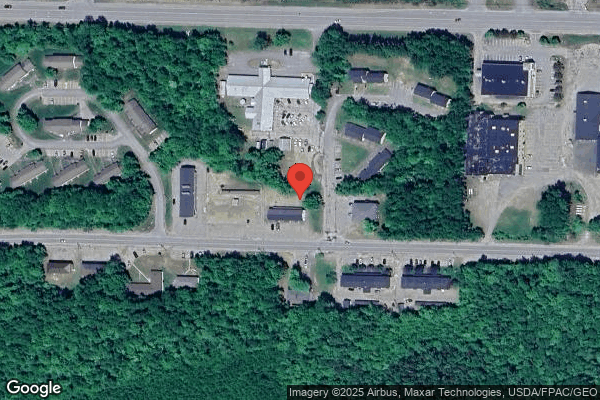
22 WALNUT STREET, MILLINOCKET, ME 04462 (207) 723-4711
For profit - Corporation 36 Beds FIRST ATLANTIC HEALTHCARE Data: November 2025
Trust Grade
75/100
#26 of 77 in ME
Last Inspection: February 2025

Within standard 12-15 month inspection cycle. Federal law requires annual inspections.

Overview

Katahdin Health Care LLC has a Trust Grade of B, which indicates it is a good choice for families considering nursing home options. It ranks #26 out of 77 facilities in Maine, placing it in the top half of all nursing homes in the state, and #2 out of 11 in Penobscot County, meaning only one local facility is rated higher. However, the facility's trend is concerning as it has worsened, with issues increasing from 6 in 2024 to 12 in 2025. Staffing is a strong point, with a perfect 5-star rating and a turnover rate of 22%, significantly lower than the state average, suggesting that staff are experienced and familiar with residents. On the downside, there are some alarming deficiencies, including a failure to create complete care plans for residents upon admission, which could leave critical needs unaddressed, and improper medication management for residents returning from the hospital. Additionally, there were issues in the kitchen related to food safety and staff compliance with hygiene protocols, indicating a need for improvement in operational standards.

Trust Score
B
75/100
In Maine
#26/77
Top 33%
Safety Record
Low Risk
No red flags
Inspections
Getting Worse
6 → 12 violations
Staff Stability
✓ Good
22% annual turnover. Excellent stability, 26 points below Maine's 48% average. Staff who stay learn residents' needs.
Penalties
✓ Good
No fines on record. Clean compliance history, better than most Maine facilities.
Skilled Nurses
○ Average
Each resident gets 39 minutes of Registered Nurse (RN) attention daily — about average for Maine. RNs are the most trained staff who monitor for health changes.
Violations
⚠ Watch
29 deficiencies on record. Higher than average. Multiple issues found across inspections.
★★★★☆
4.0
Overall Rating
★★★★★
5.0
Staff Levels
★★★☆☆
3.0
Care Quality
★★★☆☆
3.0
Inspection Score
Stable
2024: 6 issues
2025: 12 issues

The Good

  • 5-Star Staffing Rating · Excellent nurse staffing levels
  • Low Staff Turnover (22%) · Staff stability means consistent care
  • Full Sprinkler Coverage · Fire safety systems throughout facility
  • No fines on record
  • Staff turnover is low (22%)

    26 points below Maine average of 48%

Facility shows strength in staffing levels, staff retention, fire safety.

The Bad

Chain: FIRST ATLANTIC HEALTHCARE

Part of a multi-facility chain

Ask about local staffing decisions and management

The Ugly 29 deficiencies on record

Feb 2025 12 deficiencies
CONCERN (D)

Potential for Harm - no one hurt, but risky conditions existed

Comprehensive Care Plan (Tag F0656)

Could have caused harm · This affected 1 resident

**NOTE- TERMS IN BRACKETS HAVE BEEN EDITED TO PROTECT CONFIDENTIALITY** Based on record review and interview, the facility failed to ensure that a care plan was created after a comprehensive assessmen...

Read full inspector narrative →
**NOTE- TERMS IN BRACKETS HAVE BEEN EDITED TO PROTECT CONFIDENTIALITY** Based on record review and interview, the facility failed to ensure that a care plan was created after a comprehensive assessment in the area of diabetes and pain for 1 of 1 resident received for Hospice (Resident #25 [R25]). Finding: On 2/10/25, R25's clinical record was reviewed which indicated that R25 was admitted to the facility, already receiving Hospice services for a terminal illness. Review of the admission orders indicated that R25 was admitted with physician orders for an Opioid pain medication for chronic pain and required pain monitoring and was receiving insulin for diabetes. R25's admission Minimum Data Set (MDS), dated [DATE], was coded under section I2900 to indicate R25 had a diagnosis of diabetes mellitus and under section J0100A to indicate that the Resident was receiving scheduled pain medication. R25's care plan as of 2/10/25, lacked evidence of chronic pain or diabetes being addressed in the comprehensive care plan. On 2/11/25 at 10:45 a.m., during an interview with the MDS nurse, a surveyor confirmed this finding.
CONCERN (D)

Potential for Harm - no one hurt, but risky conditions existed

Deficiency F0657 (Tag F0657)

Could have caused harm · This affected 1 resident

**NOTE- TERMS IN BRACKETS HAVE BEEN EDITED TO PROTECT CONFIDENTIALITY** Based on record review and interview, the facility failed to review, revise and update a care plan in the area for a pressure ul...

Read full inspector narrative →
**NOTE- TERMS IN BRACKETS HAVE BEEN EDITED TO PROTECT CONFIDENTIALITY** Based on record review and interview, the facility failed to review, revise and update a care plan in the area for a pressure ulcer 1 of 1 resident reviewed for pressure ulcer (Resident #16 [R16]). Finding: On 2/10/25, R16's clinical record was reviewed and included a physician order for a treatment for a pressure ulcer to the left lateral 5th digit toe (pinky toe). The surveyor reviewed the care plan but could not find a pressure ulcer care area. On 2/11/25 at 11:09 a.m., during an interview with a surveyor, the Director of Nursing (DON) stated that R16's Stage II pressure ulcer to the pinky toe started on 12/12/24 and resolved on 1/15/25. R16 went to the hospital and was admitted on [DATE] and returned on 2/4/25 with the pressure ulcer reopened to the same area. The Minimum Data Set (MDS) Nurse updated R16's care plan late yesterday afternoon for the pressure ulcer. The surveyor confirmed the care plan had not been updated to reflect that R16 had a pressure ulcer when it first started 12/12/24 and the care plan was not updated when R16 was re-admitted with an open pressure ulcer on 2/4/25, until 6 days after re-admission.
CONCERN (D)

Potential for Harm - no one hurt, but risky conditions existed

Respiratory Care (Tag F0695)

Could have caused harm · This affected 1 resident

Based on observations and interviews, the facility failed to provide oxygen therapy in a sanitary manner for 2 of 3 days of survey (2/10/25 and 2/11/25) for Resident #16 (R16). Finding: The manufact...

Read full inspector narrative →
Based on observations and interviews, the facility failed to provide oxygen therapy in a sanitary manner for 2 of 3 days of survey (2/10/25 and 2/11/25) for Resident #16 (R16). Finding: The manufacturer's instructions for DeVilbiss 5 Liter Oxygen Concentrator indicated that the air filter should be inspected periodically and cleaned as needed by the user or caregiver. On 2/10/25 at 11:00 a.m. and 2/11/25 at 12:15 p.m., a surveyor observed R16 wearing oxygen via nasal cannula that was attached to a DeVilbiss oxygen concentrator and observed the filter on the back of the concentrator to be dusty. The surveyor confirmed this finding with the Director of Nursing (DON) after the second observation. The DON stated she never thought of cleaning the filter and will add that to the orders when they change the tubing.
CONCERN (D)

Potential for Harm - no one hurt, but risky conditions existed

Deficiency F0711 (Tag F0711)

Could have caused harm · This affected 1 resident

Based on record review and interview, the facility failed to ensure the physician reviewed the resident's total program of care, which included signing orders for medications and treatments listed on ...

Read full inspector narrative →
Based on record review and interview, the facility failed to ensure the physician reviewed the resident's total program of care, which included signing orders for medications and treatments listed on the Physician Orders (block orders) in a timely manner for 1 of 12 residents reviewed (Residents #31 [R31]). Finding: On 02/12/25, R31's clinical record was reviewed and included block orders (30 day) signed by the physician on 12/18/24. The next block order, including a 10-day grace period, needed review and the Physician's signature by 1/28/25; there are no further visits from the physician. On 2/12/25 at 7:10 a.m., in an interview with the surveyor, the Director of Nursing, confirmed that the last block order was signed on 12/18/24, making them now 15 days late.
CONCERN (D)

Potential for Harm - no one hurt, but risky conditions existed

Deficiency F0712 (Tag F0712)

Could have caused harm · This affected 1 resident

**NOTE- TERMS IN BRACKETS HAVE BEEN EDITED TO PROTECT CONFIDENTIALITY** Based on clinical record review and interview, the facility failed to ensure the attending physician made required visits, at le...

Read full inspector narrative →
**NOTE- TERMS IN BRACKETS HAVE BEEN EDITED TO PROTECT CONFIDENTIALITY** Based on clinical record review and interview, the facility failed to ensure the attending physician made required visits, at least every 30 or every 60 days (depending on date of admission) and wrote a progress note for 1 of 12 sampled residents (Resident #31 [R31,]. Findings: On 2/12/25 a review of R31's clinical record indicated that R31 was admitted on [DATE] and had a physician visit on 12/18/24. The next 30 day physician visit, including a 10-day grace period, which needed a review and written progress note was due on 1/28/25; there are no further visits from the physician. On 2/12/25 at 7:10 a.m., in an interview with the surveyor, the Director of Nursing, confirmed that the last physician visit and written progress note was signed on 12/18/24, now making the visit 15 days late.
CONCERN (D)

Potential for Harm - no one hurt, but risky conditions existed

Deficiency F0761 (Tag F0761)

Could have caused harm · This affected 1 resident

Based on observation, interviews, and the Centers for Disease Control (CDC) guidance, the facility failed to ensure vaccines were stored in a refrigerator without a freezer compartment for 1 of 1 medi...

Read full inspector narrative →
Based on observation, interviews, and the Centers for Disease Control (CDC) guidance, the facility failed to ensure vaccines were stored in a refrigerator without a freezer compartment for 1 of 1 medication storage refrigerator. Finding: Review of United States (U.S.) Centers for Disease Control and Prevention: Vaccine Storage and Handling Toolkit dated 3/24/24 states .Do not store any vaccine in a dormitory-style or bar-style combined refrigerator/freezer unit under any circumstances. On 2/11/25 at 3:00 p.m., a surveyor and a Licensed Practical Nurse observed in the medication storage room, a dormitory style refrigerator (small combination refrigerator/freezer unit that is outfitted with one exterior door). The refrigerator contained multiple vials of vaccines that included: influenza, Prevnar 20, measles, and Coronavirus (Covid-19). The surveyor confirmed that the vaccines were stored in the combination refrigerator/freezer during this observation. On 2/11/25 at 3:20 p.m., during an interview with the Director of Nursing, the surveyor confirmed that the facility follows CDC recommendations for the administration of vaccines. The surveyor confirmed that the vaccines are being stored in a dormitory style refrigerator with a built-in freezer compartment.
CONCERN (D)

Potential for Harm - no one hurt, but risky conditions existed

Infection Control (Tag F0880)

Could have caused harm · This affected 1 resident

Based on review of the facility's Legionella Water Management Program and interview, the facility failed to fully develop/implement a water management program to prevent the growth and spread of legio...

Read full inspector narrative →
Based on review of the facility's Legionella Water Management Program and interview, the facility failed to fully develop/implement a water management program to prevent the growth and spread of legionella and other water-borne pathogens in the area of testing protocols for 1 of 1 review of water management program. Finding: On 2/11/25, a review of the facility's Legionella Water Management Program (revised on 2/2023) was completed. The facility's program identified areas where Legionella could grow and spread that included: sinks located in resident rooms, kitchen, hair care room, whirlpool room, staff bathroom, visitors bathroom, A-wing day room bathroom, and medication room, showers, water heaters, boiler room, ice machine, medical devices, and water cooler. Control measures and monitoring included: visual testing of ice machine and water cooler on a scheduled basis, temperature monitoring of water heaters to be maintained at or above 140 degrees Fahrenheit (F) and chemical analysis of free chlorine when sections of the building have been offline or damage has been found to the water main. The verification process to make sure the program was running as designed and was effective included documentation of process control that would be reviewed monthly and that random testing will also be done to insure testing reliability. On 2/11/25 at 11:05 a.m., during an interview with a surveyor, the Maintenance Supervisor stated that he has no documentation to verify the process for control measures and monitoring in areas that the program identified as areas where Legionella could grow and spread (including monitoring areas that have not been frequently used that included sinks and showers) and the facility does not send water samples out for testing at all.
CONCERN (E)

Potential for Harm - no one hurt, but risky conditions existed

Deficiency F0655 (Tag F0655)

Could have caused harm · This affected multiple residents

**NOTE- TERMS IN BRACKETS HAVE BEEN EDITED TO PROTECT CONFIDENTIALITY** 3. On 2/12/25, R31's clinical record was reviewed which indicated that R31 was admitted to the facility on [DATE]. R31 was admit...

Read full inspector narrative →
**NOTE- TERMS IN BRACKETS HAVE BEEN EDITED TO PROTECT CONFIDENTIALITY** 3. On 2/12/25, R31's clinical record was reviewed which indicated that R31 was admitted to the facility on [DATE]. R31 was admitted with the diagnoses of insulin dependant diabetes, which requires monitoring, physical weakness requiring activities of daily living assistance and depression. These care areas were not added to the baseline care plan until after 48 hours of admission. On 2/12/25 at 7:10 a.m., in an interview with the surveyor, the Director of Nursing confirmed that there was not a complete baseline care plan developed addressing the resident's immediate needs to monitor diabetes, activities of daily living assistance and depression. 4. On 2/12/25, R37's clinical record was reviewed which indicated that R37 was admitted to the facility on [DATE]. R37 was admitted with the diagnoses of acute and chronic respiratory failure requiring oxygen treatment, Chronic Obstructive Pulmonary Disease, Opioid abuse-requiring suboxone (used to treat narcotic addiction) and a Stage 2 pressure ulcer on the left gluteal fold. These care areas were not added to the baseline care plan until after 48 hours of admission. On 2/12/25 at 10:45 a.m., in an interview with the surveyor, the Director of Nursing confirmed that there was not a complete baseline care plan developed addressing the resident immediate needs: suboxone use due to opioid addiction, activity of daily living assistance due to shortness of breath, and skin care, wound prevention, monitoring and caring for a Stage 2 pressure ulcer on the left gluteal fold. Based on record reviews and interviews, the facility failed to ensure that baseline care plans were completely developed and implemented within 48 hours that included health care instructions needed to provide minimum healthcare for 4 of 4 residents reviewed that were admitted in the last 30 days (Resident #16 [R16], [R25], [R31], R37]). Findings: 1. On 2/10/25, R16's clinical record was reviewed which indicated that R16 was admitted to the facility on [DATE]. R16 was admitted with the diagnosis of diabetes mellitus receiving oral medication, heart failure and receiving a diuretic medication and blood thinner, oxygen dependent, limited physical mobility requiring activities of daily living assistant and was to receive therapy, and received a psychotropic medication for depression. These care areas were not added to the baseline care plan until after 48 hours of admission. On 02/11/25 at 1:19 p.m., during an interview with the Minimum data Set (MDS) nurse, a surveyor confirmed that this finding. 2. On 2/10/25, R25's clinical record was reviewed which indicated that R25 was admitted to the facility on [DATE]. R25 was admitted already receiving Hospice services due to cancer, with the diagnosis of type 2 diabetes mellitus receiving insulin medication and blood glucose monitoring, Chronic obstructive pulmonary disease (COPD) with as needed nebulizer medications, psychotropic medication use, and pain medications in addition to limited physical mobility needing activities of daily living assistance. On 02/11/25 at 10:38 a.m., during an interview with the Minimum data Set (MDS) nurse, a surveyor confirmed that this finding.
CONCERN (E)

Potential for Harm - no one hurt, but risky conditions existed

Quality of Care (Tag F0684)

Could have caused harm · This affected multiple residents

**NOTE- TERMS IN BRACKETS HAVE BEEN EDITED TO PROTECT CONFIDENTIALITY** 3. On 2/11/25, R16's clinical record was reviewed and indicated R16 was admitted to the facility on [DATE]. R16 was sent to the ...

Read full inspector narrative →
**NOTE- TERMS IN BRACKETS HAVE BEEN EDITED TO PROTECT CONFIDENTIALITY** 3. On 2/11/25, R16's clinical record was reviewed and indicated R16 was admitted to the facility on [DATE]. R16 was sent to the hospital and admitted on [DATE] and returned to the facility on 2/4/25. The admitting orders from the hospital included Amiodarone 200 milligrams (mg) daily and sucralfate 1 gram tablet four times a day. A review of the orders entered into R16's electronic record upon re-admission to the facility did not include Amiodarone 200 mg daily (heart arrhythmia medication) and the frequency of the sucralfate (ulcer treatment medication) was three times a day and not the ordered four times a day. In addition, ferrous sulfate 325 mg (iron medication) and folic acid 0.8 mg (vitamin B medication) were added to the facility's physician orders but were not on the orders from the hospital. On 2/11/25 at 4:00 p.m., the surveyor reviewed R16's current orders and hospital discharge orders with the DON. The hospital orders had not been signed by the facility's Medical Provider and there were no progress notes or written physician orders that indicated the hospital discharge orders were changed. At the time of this review, R16 was receiving the folic acid, ferrous sulfate, and sucralfate three times a day, but was not receiving the Amiodarone. On 2/12/25 at 7:06 a.m., during an interview with a surveyor, the DON stated she confirmed with the Medical Provider last night that the Amiodarone, ferrous sulfate and folic acid should have been on the physician orders and clarified the that the sucralfate was to be three times a day. When asked if the orders were reviewed or clarified with the Medical Provider at time of readmission from the hospital, the DON stated that was done last night, 7 days after admission. Based on record reviews and interviews the facility failed to verify/clarify admission orders when residents returned from an Acute Care Hospital stay, the facility failed to get an order for the use of a Foley catheter and failed to follow a Physicians order for 3 of 4 Residents who returned from the hospital (Resident #3, [R3, R17 and R16]). Findings: 1. On 2/11/25, R3's clinical record was reviewed, documentation showed that R3 was sent to the hospital on 2/4/25 and returned to the facility on 2/6/25. The discharge orders from the hospital were not clarified with a Provider and did not match the current medications R3 was currently receiving. The following medications and treatments on R3's discharge orders were not on the active Medication Administration Record (MAR) or Treatment Administration Record (TAR): albuterol sulfate 2 inhalation 6 hours as needed (PRN), Foley catheter, and trolamine salicylate 10% cream. The following medications were not clarified for the frequency of the doses, R3's MAR indicates that R3 was receiving the following: Flonase allergy relief nasal suspension 2 spray in both nostrils daily in the am and the discharge orders are written for PRN use. R3 received 5 doses, Lactulose oral solution 20 grams(gm)/30 milliliters (ml) give 20gm, 20 ml every other day. The concentration being used 20gm/30ml, the facility was giving 20 ml which is less than the 20gm ordered for 2 doses, Eliquis 5 (milligram) mg twice a day and the discharge orders did not specify the frequency, R3 received Eliquis twice a day for 4 days before clarification. Metoprolol 25 mg ½ tablet twice a day when the discharge orders did not specify the frequency, potassium citrate-citric acid oral solution 110-334 mg/5ml give 5 ml by mouth two times a day, the discharge orders did not specify the frequency, refresh tears 0.5% instill 1 drop in both eyes two times a day the discharge orders did not specify the frequency. Senna oral tablets give 2 tablets by mouth two times a day the discharge orders did not specify the frequency. Tylenol extra strength 500 mg tablets- 2 tables by mouth three times a day, the discharge order was for Tylenol extra strength 1,000mg every 6 hours as needed. The following medications were received by R3 without a physician order: Vitamin D 25 microgram (mcg) by mouth one time a day was being received for 5 days without a Physician order. ProAir inhalation aerosol solution 2 puffs inhale orally three times a day and received 14 doses, sucralfate oral tablet 1 tablet by mouth four times a day, received 16 doses without a physicians order. On 12/12/24, a physicians order was written for a dose reduction of Risperidone of 0.25 mg every week and to inform if it's not tolerated. The clinical record lacks evidence that this reduction was followed. The facility discontinued R3's morning 0.25mg dose and decreased the bedtime dose from 1 mg to 0.5mg and did not continue with the 0.25mg weekly reduction. On 2/12/25 at 4:00 p.m., during an interview with the Director of Nursing (DON), the surveyor confirmed that the discharge orders were not verified/clarified with the Provider and that the facility assumed they were to continue R3's medications as previously ordered. She did not get clarification orders for the medications listed in the discharge and did not get an order for the use of the Foley catheter. The discharge orders for R3 and R17 were not clarified with a provider upon their returns to the facility. 2. On 2/12/25, R17's clinical record was reviewed, documentation indicated that R17 went to the hospital on 1/6/25 and returned to the facility on 1/10/25. Hospital discharge orders were reviewed and compared to current MAR/TAR. Upon discharge the following medications were discontinued: Fluticasone furoate-vilanterol 200-25 mcg/dose inhalation the facility failed to follow this order and R17 continued to receive a daily dose from 1/11/25 to 2/11/25 when it was brought to the DON's attention who then discontinued the medication. Januvia 100 mg tablet was not discontinued and received 33 doses after discontinuation order. The following medications were ordered to be held until resumed by usual care Providers or as directed on discharge orders: Cephalexin 250 mg by mouth daily was ordered to be held until 1/15/25, R17 received 5 doses, and medication was not held as ordered. Furosemide 40 mg daily was ordered to be held until restarted at the discretion of primary provider. This medication was not held and order to restart was not received. Tamsulosin 0.4 mg daily was held until reviewed by primary providers since suprapubic catheter in place. This medication was not held as ordered and an order to restart was not received. The following orders were reviewed and R17 received incorrect doses of the following medications: Metformin HCI ER was ordered for 500 mg ER 1,000 mg twice a day and R17's MAR indicates that R17 has received Metformin 1,000 mg once a day. Vitamin C 500mg is ordered once a day and R17 has been receiving 1,000 mg a day. Pantoprazole sodium 40 mg by mouth daily, MAR indicates R17 has been receiving 40mg twice a day. Potassium chloride ER 20 Meq (milliequivalent) by mouth once a day, R17's MAR indicates that he/she has been receiving 20 Meq twice a day. Bisacodyl 5 mg tablet was ordered three times a day as needed, R17's MAR indicates that R17 has been receiving this medication three times a day. Discharge orders dated 1/10/25 have orders for the following: acetaminophen-codeine 300-30 mg twice a day as needed for pain. R17's MAR/TAR does not have this order and R17 reported pain 7 times and was given regular strength acetaminophen 650 mg for his/her discomfort instead of the acetaminophen-codeine as ordered for pain. Aspirin 81 mg daily, this order is not on the MAR/TAR and R17 has not received this medication since 1/10/25 when ordered. R17's TAR was reviewed and indicates the following treatments are being used without a current physician orders. Lidocaine external patch apply one time a day and remove per schedule. R17 does not have a current order for this treatment. Treatment for blood glucose monitoring is being done 4 times a day, R17 does not have an order for this treatment. Insulin sliding scale using Humalog insulin has been used with no active order, R17 received 53 doses of Humalog insulin. On 2/12/25 at 20:28 a.m., during an interview with the DON the above findings were reviewed and confirmed. She stated the discharge orders were not verified/clarified with the Provider. The facility just continued all previously ordered medications without getting them reordered by the physician.
CONCERN (E)

Potential for Harm - no one hurt, but risky conditions existed

Food Safety (Tag F0812)

Could have caused harm · This affected multiple residents

Based on observations and interviews, the facility failed to label supplements with a thaw date that were located in the walk-in refrigerator and reach in refrigerator which were located in the kitche...

Read full inspector narrative →
Based on observations and interviews, the facility failed to label supplements with a thaw date that were located in the walk-in refrigerator and reach in refrigerator which were located in the kitchen, failed to label and date bags of cereal in the dry food storage area and failed to ensure kitchen staff properly wore hairnets by leaving hair uncovered and unrestrained for 2 of 3 days of survey (2/10/25, 2/11/25). Findings: On 2/10/25 at 10:30 a.m., during the initial kitchen tour, a surveyor observed in the walk-in refrigerator, on a shelf was a carton of 30 Vital Cuisine nutritional juice drinks that were thawed that were not labeled with a thaw date. Storage and handling instructions on the carton after thawing keep refrigerated, use within 14 days. In the reach in refrigerator there were 6 thawed Healthy shakes with no thaw date with storage and handling instructions on the carton after thawing keep refrigerated, use within 14 days, there were 4 thawed Vital Cuisine nutritional juice drinks with the same handling instructions. In the dry food storage area, there were bags of cereal that were out of the original packages they were not labeled and did not have an expiration date. (the original packages had expiration dates) The surveyor confirmed the above findings with the Food Service Director at the time of the observations. On 2/11/25 at 9:00 a.m., during the second tour of the kitchen the surveyor observed the cook with a hat that did not contain all her hair. The surveyor confirmed this finding at the time of the observation.
CONCERN (E)

Potential for Harm - no one hurt, but risky conditions existed

Medical Records (Tag F0842)

Could have caused harm · This affected multiple residents

Based on record reviews and interviews, the facility failed to ensure that clinical records were complete and contained accurate information for 4 of 12 sampled residents reviewed for code status or a...

Read full inspector narrative →
Based on record reviews and interviews, the facility failed to ensure that clinical records were complete and contained accurate information for 4 of 12 sampled residents reviewed for code status or advanced directive for 4 of 12 sampled residents (Resident #6 [R6]), R23, R15, R25) and 1 of 3 reviewed for hospitalization (R16). Findings: 1. On 2/12/25, a reviewed of R6's electronic clinical record was completed. There was no evidence in the electronic record for information regarding R6's code status. A review of R6's current paper chart was completed and there was no evidence of a completed Physician Orders for Life-Sustaining Treatment (POLST) and did not have an Advanced Directive. On 2/12/25 at 9:42 a.m., in an interview with the surveyor, the Administrator presented a paper copy of a signed physician order dated 10/5/24, that indicated R6's code status as 'full code'. This information was not readily available unless you looked through the old filed paper chart. On 12/12/25 at 9:42 a.m., the Administrator confirmed R6's code status was not readily available in their current chart and would immediately be added to the current electronic record.2. On 2/12/25, a review of R23's electronic clinical record and paper clinical record was completed. In the paper clinical record admission form acknowledgement of important information and policies number 6, advanced directives are checked off indicating that R23 had an advanced directive and was provided to the facility. R23's electronic and paper clinical record lacked evidence of R23's advanced directives. On 2/12/25 7:41 a.m., during a review of clinical records with the Administrator the form is in his/her clinical record, but the advanced directive was not there. During an interview later at approximately 9:00 a.m. the Administrator stated that R23's POA was called and there was a misunderstanding and that the POA stated they thought the POLST was R23's advanced directive, the facility failed to explain the advanced directive, they will review with POA and will put a copy in clinical record when completed. 3. On 2/12/25, a surveyor reviewed R15's electronic clinical record, the surveyor could not find information about R15's code status. The surveyor reviewed the paper chart and noted that R15 did not have a completed Physician Orders for Life-Sustaining Treatment (POLST) and did not have an Advanced Directive. At 10:00 a.m., the Director of Nursing was able to find a signed physician order in the paper chart, dated 9/6/24, that indicated R15's code status was a full code but this information was not readily available unless you looked through the paper chart. The DON entered R15's code status into the electronic orders at this time. 4. On 2/10/25, R25's clinical record was reviewed. The surveyor reviewed the Acknowledgement of Important Information and Policies, dated 1/17/25, and noted that the Advanced Directives were not checked to indicate whether or not R25 had an Advanced Directive. On 2/10/25 at 10:39 a.m., during an interview with a surveyor, the [NAME] Hospice Nurse stated that R25 was admitted to the facility already receiving Hospice services and continued at the nursing facility. On 2/10/25 at 12:59 p.m., during an interview with a surveyor, the Administrator stated R25 was asked if he/she wanted an Advance Directive and the information was provided but she forgot to check the form to indicate so. The surveyor reviewed R25's physician orders that were printed on 1/17/25 and signed by the Medical Provider on 1/18/25 and noted that neither a code status or Hospice was included on the physician orders. On 2/12/25 at 10:52 a.m., during an interview with the Director of Nursing (DON), a surveyor confirmed these findings. 5. On 2/10/25, R16's clinical record was reviewed. A review of the signed physician orders that were printed on 12/3/24 indicated that the Medical Provider signed the physician orders but the date signed was 11/23/24, 7 days prior to R16's admission date and 10 days prior to the orders being printed. On 2/11/25 at 1:30 p.m., during an interview with the Director of Nursing, a surveyor confirmed this finding.
CONCERN (E)

Potential for Harm - no one hurt, but risky conditions existed

Deficiency F0883 (Tag F0883)

Could have caused harm · This affected multiple residents

Based on record reviews, facility policy review, and interviews, the facility failed to ensure residents were offered Pneumococcal vaccinations in accordance with the Centers for Disease and Preventio...

Read full inspector narrative →
Based on record reviews, facility policy review, and interviews, the facility failed to ensure residents were offered Pneumococcal vaccinations in accordance with the Centers for Disease and Prevention Control (CDC) recommendations for 2 of 5 residents reviewed for immunizations (Resident #20 ([R20] and R12). Findings: The facility's policy, Pneumococcal Vaccine, last revised 10/2023, indicated that administration of the pneumococcal vaccines or revaccinations will be made in accordance with current Centers for Disease Control and Prevention (CDC) recommendations. 1. On 2/11/25, R20's clinical record was reviewed. The surveyor could not find evidence that R20 was offered or had received the PCV20 vaccine, a type of pneumococcal vaccine. The CDC recommendation was based on shared clinical decision-making, decide whether to administer one dose of PCV20 or PCV21 at least 5 years after the last Pneumococcal vaccine dose, which was administered in 2017. 2. On 2/11/25, R12's clinical record was reviewed. The surveyor could not find evidence that R12 was offered or had received the PCV20 vaccine. The CDC recommendation was to give one dose of PCV15, PCV20, or PCV21 at least 1 year after the last dose of PPSV23, a type of pneumococcal vaccine, which was administered in 2017. On 2/11/25 at 1:42 p.m., the Director of Nursing (DON) stated that the facility does offer the PCV20 and uses the CDC recommendations for offering/administration of the vaccine; she would review R20 and R12's clinical records. On 2/12/25 at 7:03 a.m., the DON stated that both residents will be offered the PCV20 as she found no evidence that they were offered to R20 and R12.
Mar 2024 6 deficiencies
CONCERN (D)

Potential for Harm - no one hurt, but risky conditions existed

Deficiency F0657 (Tag F0657)

Could have caused harm · This affected 1 resident

Based on observation, record review, and interview the facility failed to update a care plan for the problem area of care/assistance for 1 of 1 residents reviewed for fall with major injury (Resident ...

Read full inspector narrative →
Based on observation, record review, and interview the facility failed to update a care plan for the problem area of care/assistance for 1 of 1 residents reviewed for fall with major injury (Resident #10 [R10]). Finding: On 3/11/24 at 11:26 a.m., a surveyor observed R10 sitting in a wheelchair with a cast on his/her left lower leg. On 3/13/24, R10's clinical record was reviewed which indicated that the resident fell on 2/10/24 and sustained a fractured left lower leg and is now non-ambulatory and wheelchair dependent. As of 3/11/24, R10's care plan had not been revised and/or updated with interventions related to his/her fall with major injury. Review of Minimum Data Set (MDS) 3.0 Nursing Home Comprehensive (NC) Version 1.18.11 Effective 10/01/2023 significant change form was completed on 2/27/24 and signed by MDS Coordinator on 2/28/24 indicated care area triggered related to falls and addressed in the care plan. Review of the care plan, dated 1/23/24, lacked evidence that it was updated to reflect the change in ambulation status from I walk without help I use a roller walker, to non-weight bearing. On 3/12/24 at 2:19 p.m., during an interview with a surveyor, the MDS Coordinator stated that the care plan for the ambulation status, and falls was not updated after a fall with major injury, and it should have been. The above finding was confirmed at this time.
CONCERN (D)

Potential for Harm - no one hurt, but risky conditions existed

Deficiency F0727 (Tag F0727)

Could have caused harm · This affected 1 resident

Based on time card reviews and interviews, the facility failed to use the services of a Registered Nurse (RN) for at least 8 consecutive hours a day, 7 days a week for 2 of 2 weekend dates reviewed fo...

Read full inspector narrative →
Based on time card reviews and interviews, the facility failed to use the services of a Registered Nurse (RN) for at least 8 consecutive hours a day, 7 days a week for 2 of 2 weekend dates reviewed for RN coverage (2/25/24 and 3/9/24). Finding: On 3/11/24, a surveyor requested from the Business Office Manager a printed copy of time cards for RNs for the dates of Sunday 2/25/24 and Saturday 3/9/24. On 3/12/24 at 8:36 a.m., the Business Office Manager and surveyor reviewed the time cards for RNs for those dates and the surveyor confirmed that there was not RN coverage for 8 consecutive hours for either of those 2 dates reviewed. On 3/12/24 08:45 a.m., during an Interview a surveyor, the Director of Nursing (DON) stated that there was a RN that was out on medical leave at this time that worked every other weekend. The DON stated that she does not punch a time card herself but has been filing in on those weekends, but denied working either 2/25/24 or 3/9/24.
CONCERN (D)

Potential for Harm - no one hurt, but risky conditions existed

Deficiency F0773 (Tag F0773)

Could have caused harm · This affected 1 resident

Based on record review and interviews, the facility failed to ensure that physician ordered labs (bloodwork) were attempted or completed for 1 of 6 sampled residents reviewed (Resident # [R]19). Findi...

Read full inspector narrative →
Based on record review and interviews, the facility failed to ensure that physician ordered labs (bloodwork) were attempted or completed for 1 of 6 sampled residents reviewed (Resident # [R]19). Finding: On 3/12/24, R19's clinical record was reviewed and contained a physician order, dated 1/14/24, to attempt to draw blood for 5 laboratory tests (if possible); this order was entered into the electronic treatment administration record (TAR) to be completed on 1/16/24 but was not signed off as being completed. The surveyor was unable to find evidence that this was attempted or completed in the clinical record. On 3/12/24 at approximately 12:15 p.m., during an interview with a surveyor, Licensed Practical Nurse 1 stated that the Clinical Supervisor draws blood for laboratory work. At 12:28 p.m., during an interview with a surveyor, the Clinical Supervisor stated that R19 was a hard stick (difficult to draw blood) and that if she cannot draw blood, she will let the Director of Nursing know so she can try; she will do some research on what happened. At 12:44 p.m., the Clinical Supervisor stated she called the lab and the bloodwork was not done. The surveyor confirmed that there was no evidence that these were attempted.
CONCERN (E)

Potential for Harm - no one hurt, but risky conditions existed

Quality of Care (Tag F0684)

Could have caused harm · This affected multiple residents

**NOTE- TERMS IN BRACKETS HAVE BEEN EDITED TO PROTECT CONFIDENTIALITY** 4. On 3/12/24, R31's clinical record was reviewed and included a physician order, dated 1/25/24, for Sucralfate 1 gram (GM) tabl...

Read full inspector narrative →
**NOTE- TERMS IN BRACKETS HAVE BEEN EDITED TO PROTECT CONFIDENTIALITY** 4. On 3/12/24, R31's clinical record was reviewed and included a physician order, dated 1/25/24, for Sucralfate 1 gram (GM) tablet for R31, to be given by mouth four times a day (7:30 a.m., 11:30 a.m., 4:30 p.m., and 8:00 p.m.) for a diagnosis of gastroesophageal reflux disease. The clinical record indicated that on 2/3/24 R31's refill order was sent to the pharmacy for Sucralfate 1GM. R31 did not receive Sucralfate on 2/4/24 or 2/5/24 (a total of 8 missed doses), the record indicated medication [not available], waiting on pharmacy. On 2/18/24 at 1:39 p.m., R31's indicated Sucralfate 1GM was not given due to morning meds given too late. On 2/26/24 at 1:47 p.m., R31's clinical record indicated Sucralfate 1GM was not given due to morning meds given too late. On 3/03/24 at 2:32 p.m., R31's clinical record indicated Sucralfate 1GM was not given due to morning meds given too late. On 03/13/24 at 10:09 a.m., in an interview with a surveyor, LPN2 stated, normally we order a medication refill when the card (medication blister pack) reaches the blue strip (the last row on the card). LPN2 stated there are times when they don't have the medicine residents need because the pharmacy does not deliver the medications in time. LPN2 stated she usually gives R31's Sucralfate before meals. LPN2 stated there is no documentation to indicate the medication needs to be given before meals. LPN2 stated the physician was not notified of held doses as the computer automatically notifies the charge nurse electronically. LPN2 stated sometimes she gets stuck down at the other end helping, then it is too late to pass the medication. On 03/13/24 at 10:14 a.m., a surveyor confirmed with LPN2 that R31 did not receive Sucralfate as ordered by the physician on 2/4/24, 2/5/24, 2/18/24, 2/26/24, and 3/3/24. 2. On 3/12/24, R4's clinical record was reviewed and included a physician order for Lantus (long-acting insulin) , dated 2/12/24, to administer 40 units in the a.m. and 50 units in the p.m. The order for the Lantus did not include parameters to hold. Documentation on the Medication Exception Report indicated that Lantus was held multiple times due to low blood sugar between 2/12/24 and 3/11/24. The physician orders contained a standing order, dated 10/5/23, that indicated the physician should be notified prior to holding any insulin; this standing order was displayed on the MAR. On 3/12/24 at 10:54 a.m., during an interview with a surveyor, Licensed Practical Nurse (LPN)1 stated that she used her nursing judgement to hold the Lantus (multiple times) but did not notify the physician or obtain an order to hold the insulin. R4's clinical record included a physician order, dated 10/5/23, to administer Duloxetine (an antidepressant) 60 milligrams (mg) in the morning. The medication administration record (MAR) for February 2024 indicated that this medication was held on 2/4/24 with no reason documented on the Medication Exception Report but the MAR indicated this medication was reordered on 2/3/24. Duloxetine 30 mg tablets were available in the emergency stock. R4's clinical record included a physician order, dated 2/15/24, to administer Tramadol (an opioid pain reliever) 50 mg, 3 times a day for pain. The MAR for February 2024 indicated that this medication was held on 2/27/24 for the 3:00 p.m. 9:00 p.m., and on 2/28/24 for the 9:00 a.m. dose, with documentation on the Medication Exception Report because the medication was not available. This medication was reordered on 2/27/24 and was available in the emergency stock. 3. On 3/12/24, R19's clinical record was reviewed and included a physician order, dated 2/4/24, to start Mucinex (an expectorant work by thinning and lossening mucus in the airways, clearing congestion, and making breathing easier) on 2/5/24, twice a day for 7 days. A review of the MAR and Medication Exception Report indicated the medication was never given because it was not available. On 3/12/24 at 12:42 p.m., during an interview with a surveyor, the Clinical Supervisor stated that she was unaware that this medication was not available, and we could have gone to [NAME] to go get it. We are supposed to get an order to hold a medication if needed. Based on record reviews, Medication Administration Records (MARs) and interviews, the facility failed to follow physician orders for 4 of 9 sampled residents (Resident #15 [R15], R4, R19, and R31). Findings: 1. On 3/12/24, R15's clinical record was reviewed. R15 had a medication order for Sucralfate (a protectant) 1 gram, give 1 tablet by mouth three times a day at 6:00 a.m., 11:00 a.m. and 4:00 p.m. for gastroesophogeal reflux disease. A review of R15's MAR indicated that R15 did not receive Carafate on 12/3/23, 12/4/23, 12/5/23 and 12/6/23. On 3/12/24 at 11:00 a.m., in an interview with a surveyor, the Clinical Supervisor confirmed that R15 had not received Carafate for four days. She stated they have had problems getting medications from the Pharmacy and medications are not always ordered timely.
CONCERN (E)

Potential for Harm - no one hurt, but risky conditions existed

Food Safety (Tag F0812)

Could have caused harm · This affected multiple residents

Based on observations, and interviews, the facility failed to store, prepare, and serve food in accordance with professional standards for food service safety by not storing food in a sanitary manner,...

Read full inspector narrative →
Based on observations, and interviews, the facility failed to store, prepare, and serve food in accordance with professional standards for food service safety by not storing food in a sanitary manner, not sanitizing the thermometer used for food temperature checks, as well as not monitoring sanitizer levels in the chemical sanitizer bucket to prevent food borne illness for 2 of 3 days of survey (3/11/24, 3/12/24). This has the potential to effect all residents in the facility. Findings: 1. On 3/11/24 at 10:15 a.m., during initial tour of the kitchen a surveyor observed: In the dry storage area, within the deep freezer, 1 open bag of garlic bread sticks, unlabeled and open to the environment. In the walk-in freezer, 1 bag of chicken patties, and 1 open bag containing bread rolls, unlabeled and open to the environment. In the walk-in fridge, 1 open, unwrapped box labeled 15 pounds sliced bacon, open to the environment. On 3/11/24 at 10:30 a.m., a surveyor and [NAME] #1 observed and confirmed each of the above findings. On 3/12/24 at 11:28 a.m., a surveyor observed 1 open bag containing bread rolls, open to the environment within the walk-in freezer. The surveyor confirmed the bread rolls were not stored in a sanitary manner with [NAME] #2 at the time of the observation. 2. On 3/11/24 at 11:21 a.m., a surveyor observed [NAME] #1 check food temperatures. During the observation [NAME] #1 attempted to use a thermometer to check food temperatures after the thermometer had been dropped on the floor and then swirled it in a red bucket. At this time the surveyor asked what was in the red bucket. On 3/11/24 at 11:45 a.m., in an interview with a surveyor, the Dietary Supervisor (DS) stated the red bucket contained sanitizer solution. DS stated you don't use this with dishes. You use the dishwasher to sanitize dishes. On 3/11/24 at 11:50 a.m., the surveyor confirmed with DS that the thermometer was not sanitized in manner to prevent food borne illness. On 3/12/24 at 11:25 a.m., the surveyor observed [NAME] #2 check food temperatures. During this observation [NAME] #2 sanitized the thermometer with alcohol wipes, lifted a trash lid (while holding the thermometer), rinsed the thermometer with water, used a towel to wipe the thermometer, then attempted to check food temperatures with the same soiled gloves and thermometer. At this time the surveyor confirmed with [NAME] #2 that the gloves were contaminated, and the thermometer was not sanitized in a manner to prevent food borne illness. 3. On 3/11/24 at 11:45 a.m., in an interview with a surveyor, the DS performed a test strip on the sanitizer solution which resulted in a concentration of 100 parts per million (ppm). According to manufacturer's specifications, the appropriate concentration result should be 200-400ppm to prevent food borne illness. On 3/11/24 at 11:50 a.m., the surveyor confirmed with DS that the sanitizer bucket did not meet the appropriate concentration to prevent food borne illness. On 3/12/24 at 11:25 a.m., a surveyor observed Dietary Aid#1 test the sanitizer solution, the test strip result indicated a concentration of 100-200ppm. This finding was confirmed at the time of the observation.
MINOR (B)

Minor Issue - procedural, no safety impact

Deficiency F0947 (Tag F0947)

Minor procedural issue · This affected multiple residents

Based on employee file reviews and interview, the facility failed to implement and maintain an effective training program which includes, at a minimum, annual training on dementia for 2 of 3 Certified...

Read full inspector narrative →
Based on employee file reviews and interview, the facility failed to implement and maintain an effective training program which includes, at a minimum, annual training on dementia for 2 of 3 Certified Nursing Assistants (CNA) reviewed (CNA4, CNA5). Findings: On 3/13/24, the following employee records were reviewed: 1. CNA4 was hired on 12/15/22. There was no documented dementia training completed by CNA4 in the employee file. 2. CNA5 was hired on 12/31/21. The most recent dementia training completed by CNA5 was 8/13/22. There was no documented dementia training completed by CNA5 for 2023. On 3/13/24 at 8:51 a.m., during an interview with the Business Office Manager, a surveyor confirmed this finding.
Nov 2022 11 deficiencies
CONCERN (D)

Potential for Harm - no one hurt, but risky conditions existed

Deficiency F0561 (Tag F0561)

Could have caused harm · This affected 1 resident

Based on record review and interviews, the facility failed to ensure that a resident's choice in the area of meals was followed for 1 of 2 sampled residents (Resident #6). Finding: Record review of Re...

Read full inspector narrative →
Based on record review and interviews, the facility failed to ensure that a resident's choice in the area of meals was followed for 1 of 2 sampled residents (Resident #6). Finding: Record review of Resident #6's physician order dated 11/11/22 stated, change diet to regular mechanical soft. On 11/12/22 and 11/13/22 as surveyor observed meals provided for Resident #6 (breakfast, lunch, and supper) were served to Resident #6 pureed, not regular mechanical soft as ordered, and per Resident #6's family and Resident #6's preference. On 11/15/22 at 5:12 p.m., in an interview with a surveyor, a Dietary Aide stated that she remembers that the diet for Resident #6 was for a pureed plate. She stated she was told that this was changed to mechanical soft, but couldn't change it unless there was something in writing. On 11/15/22 at 5:20 p.m., in an interview with a surveyor, the Director of Nursing (DON) stated that Resident #6's dietary order was changed from pureed to regular mechanical soft due to Resident #6's family preference and Resident #6's preference. The DON stated she called the kitchen to let them know about the change but did not send any written communication to notify the kitchen of the change.
CONCERN (D)

Potential for Harm - no one hurt, but risky conditions existed

Safe Environment (Tag F0584)

Could have caused harm · This affected 1 resident

Based on observations and interview, the facility failed to create a homelike dining experience for residents dining in the Dementia Wing dining room by serving their meal on a tray for 1 of 4 meals o...

Read full inspector narrative →
Based on observations and interview, the facility failed to create a homelike dining experience for residents dining in the Dementia Wing dining room by serving their meal on a tray for 1 of 4 meals observed (11/15/22). Finding: On 11/15/22 at 5:20 p.m., two surveyors observed residents sitting at two different tables in the Dementia Wing dining room, being served their supper meals, left on trays. On 11/15/22 at 5:29 p.m., the surveyor observed with the Administrator that the one staff member in the Dementia Wing dining room passing the supper meal trays to the residents, was leaving the meal plates, cups and utensils on the tray and placing them in front of residents. The surveyor confirmed this finding at the time of the observation.
CONCERN (D)

Potential for Harm - no one hurt, but risky conditions existed

Comprehensive Care Plan (Tag F0656)

Could have caused harm · This affected 1 resident

Based on record review and interview the facility failed to develop a discharge care plan with approaches/interventions to assist a resident with a discharge to home goal for 1 of 1 residents reviewed...

Read full inspector narrative →
Based on record review and interview the facility failed to develop a discharge care plan with approaches/interventions to assist a resident with a discharge to home goal for 1 of 1 residents reviewed for Rehab and Restorative Care (Resident #14) Finding: On 11/15/22 at 8:48 a.m., during an interview with Resident #14 he/she stated he/she is being discharged home on Friday (11/18/22). During a clinical record review the surveyor reviewed his/her care plan to review Resident #14's discharge plan. Resident #14's care plan dated 7/20/22 has a need/preference labeled discharge plan to determine if I am safe to return to my own home because I want or expect to go home. The approach column is blank (does not have any approaches listed to assist him/her in reaching their goal and the Goal column has a goal of to be able to return home safely in two weeks from date of care plan (7/20/22). On 11/15/22 at 3:45 p.m. the surveyor confirmed this finding during an interview with the Director of Nursing and the Administrator when they stated there is no written plan for his/her discharge, but he/she was home before and was aware and able to do his/her own blood sugars and insulin, but they will have staff go over it with him/her tomorrow 11/16/22 and Thursday 11/17/22 before he/she leaves the facility.
CONCERN (D)

Potential for Harm - no one hurt, but risky conditions existed

Deficiency F0657 (Tag F0657)

Could have caused harm · This affected 1 resident

Based on observation, record review, and interview, the facility failed to ensure that a care plan was updated to include the use of a seatbelt in a wheelchair for 1 of 1 residents reviewed for physic...

Read full inspector narrative →
Based on observation, record review, and interview, the facility failed to ensure that a care plan was updated to include the use of a seatbelt in a wheelchair for 1 of 1 residents reviewed for physical restraints (Resident #4). Finding: On 11/14/22 at 11:26 a.m., a surveyor observed Resident #4 sitting in his/her wheelchair with a seatbelt on. On 11/15/22, Resident #4's clinical record was reviewed which indicated that the resident was sent to the hospital on 8/14/22 and returned on 8/22/22. A review of the care plan, dated 8/22/22, lacked evidence of the use of the seat belt. On 11/15/22 at 11:21 a.m., during an interview with a surveyor, the Director of Nursing stated that when Resident #4 was discharged to the hospital, the care plan for the use of the seatbelt was discontinued and was not reactivated when he/she returned to the facility.
CONCERN (D)

Potential for Harm - no one hurt, but risky conditions existed

Deficiency F0712 (Tag F0712)

Could have caused harm · This affected 1 resident

Based on clinical record review and interview, the facility failed to ensure the attending physician made required visits and wrote a progress note, at least every 60 days, for 1 of 5 residents review...

Read full inspector narrative →
Based on clinical record review and interview, the facility failed to ensure the attending physician made required visits and wrote a progress note, at least every 60 days, for 1 of 5 residents reviewed (Resident #20). Finding: On 11/15/22, Resident #20's clinical record was reviewed; the surveyor noted Resident #20 had a 60 day physician visit completed on 6/15/22. The next 60-day physician visit was due on 8/24/22 (including a 10-day grace period) but the resident's next 60-day Physician Visit was until 10/21/22, 58 days beyond the grace period. On 11/15/22 at 3:43 p.m., during an interview with a surveyor, the Director of Nursing reviewed Resident #20's clinical record and also went online to the Medical Provider's electronic documentation and was unable to find evidence that a 60 day visit occurred in August and that it must have been missed.
CONCERN (D)

Potential for Harm - no one hurt, but risky conditions existed

Drug Regimen Review (Tag F0756)

Could have caused harm · This affected 1 resident

Based on record review and interviews, the facility failed to respond to the Consultant Pharmacist's recommendations in a timely manner for 1 of 5 sampled residents reviewed for unnecessary medication...

Read full inspector narrative →
Based on record review and interviews, the facility failed to respond to the Consultant Pharmacist's recommendations in a timely manner for 1 of 5 sampled residents reviewed for unnecessary medications (Resident #20). Finding: On 11/16/22, Resident #20's clinical record was reviewed. The surveyor noted that on 4/16/22 at 3:45 p.m., the Consultant Pharmacist documented in the electronic record, Recommendations for MD .Please evaluate for potential Gradual Dose Reduction (GDR). The surveyor was unable to find evidence of this recommendation in the clinical record or that it was reviewed by the Medical Provider. On 11/16/22 at 8:41 a.m., during an interview with the Director of Nursing (DON), the surveyor requested documentation regarding the Consultant Pharmacist report for 4/16/22. The DON was able to see that this recommendation was for Trazodone, an anti-depressant medication, and would look for the report. On 11/16/22 at 10:33 a.m., during an interview with a surveyor, the DON stated that she called the Consultant Pharmacist and was told that the Medical Provider took the recommendations out of the facility to review, but the facility was unsure if this recommendation was returned from the Medical Provider or was misplaced and didn't get put in the clinical record. The Consultant Pharmacist made the repeat recommendation on 10/17/22 which was acted upon by the Medical Provider.
CONCERN (D)

Potential for Harm - no one hurt, but risky conditions existed

Food Safety (Tag F0812)

Could have caused harm · This affected 1 resident

2. On 11/14/22 at 10:03 a.m., during a tour of the Dementia Wing, a surveyor observed in the refrigerator 6 strawberry shakes, 7 cranberry apple nutritional juices and 7 orange nutritional juices that...

Read full inspector narrative →
2. On 11/14/22 at 10:03 a.m., during a tour of the Dementia Wing, a surveyor observed in the refrigerator 6 strawberry shakes, 7 cranberry apple nutritional juices and 7 orange nutritional juices that were all thawed, but not dated. The handling instructions on the cartons directed after thawed, keep refrigerated and use within 14 days after thawing. The surveyor confirmed that these cartons all contained thawed liquid and were not dated with Certified Nursing Assistant (CNA) #1. Based on observations and interviews the facility failed to ensure products in the walk-in refrigerator located in the kitchen were labeled with a thaw date or an open date on 1 of 3 days of survey (11/14/22), in addition the facility failed to label supplements in the unit refrigerator with no thaw dates on the Dementia Wing for 1 of 3 days of survey (11/14/22) Findings: 1. On 11/14/22 at 10:00 a.m., during the initial tour of the kitchen, a surveyor observed in the walk-in refrigerator there were 2 unopened packages of thawed whipped topping and 1 opened thawed bag of whipped topping with no thaw dates. Storage and handling instructions on the packages was shelf life 2 weeks refrigerated. There was an opened carton of whole eggs with handling instructions to use within 3 days after opening that did not have an open date on the carton and there were 16 thawed apple cranberry nutritional juices, 23 thawed orange nutritional juices and 17 thawed strawberry shakes with no thaw dates on the individual packages or on the cases containing the juices and shakes that were available for use. The handling instructions on the individual packages was after thawing keep refrigerated use within 14 days after thawing. On 11/14/22 the surveyor confirmed this finding with the Food Service Director at the time of the observations.
CONCERN (D)

Potential for Harm - no one hurt, but risky conditions existed

Medical Records (Tag F0842)

Could have caused harm · This affected 1 resident

Based on record reviews and interviews, the facility failed to maintain current Physician Progress Notes in the resident clinical record and failed to have the Physician Progress Notes accessible for ...

Read full inspector narrative →
Based on record reviews and interviews, the facility failed to maintain current Physician Progress Notes in the resident clinical record and failed to have the Physician Progress Notes accessible for 1 of 15 resident records reviewed (Residents #16). Finding: On 11/15/22 during a clinical record review of Resident #16's clinical record, under the Physician orders section, stated the most current Physician order was dated 9/30/22 which included an admissions physician visit. In the Physician Progress note section there was no evidence or progress note documenting that visit. On 11/15/22 at 4:10 p.m., the surveyor confirmed during an interview with the Director of Nursing (DON), who stated that the provider documents her visits on her own program and that only 3 staff members can access the documents, the DON, the Minimum Data Set nurse (MDS) and the clinical supervisor are the only ones who can print the progress notes. The DON was not able to find the progress note dated 9/30/22 in the clinical record or in the papers that were to be filed. The surveyor confirmed with the DON that there were no progress notes in Resident #16's clinical record.
CONCERN (D)

Potential for Harm - no one hurt, but risky conditions existed

Deficiency F0883 (Tag F0883)

Could have caused harm · This affected 1 resident

Based on record review and interview, the facility failed to provide evidence of a Resident being assessed for eligibility for the pneumococcal vaccine series within thirty days of admission to the fa...

Read full inspector narrative →
Based on record review and interview, the facility failed to provide evidence of a Resident being assessed for eligibility for the pneumococcal vaccine series within thirty days of admission to the facility per their Pneumococcal Vaccine policy, and the facility failed to ensure Resident #14 received the pneumococcal vaccine series after the education and consent was signed by Resident #14 requesting, he/she receive the pneumococcal vaccine for 1 of 5 residents reviewed for immunizations (Resident #14). Finding: On 11/16/22 during a clinical record review the surveyor was unable to verify that Resident #14 had received his/her Pneumococcal Vaccine that he/she consented for and requested upon admission. (7/20/22) A review of his/her electronic medication administration record and the electronic treatment administration record from his/her July admission to current date 11/16/22, his/her clinical record lacks documented evidence that the Pneumococcal vaccine was administered. On 11/16/22 at 9:59 a.m., the surveyor confirmed that Resident #14 was not assessed for and was not administered the Pneumococcal Vaccine. The Director of Nursing was unable to find evidence that he/she was assessed or vaccinated for Pneumococcal, the Director of Nursing stated that Resident #14 had been admitted before and was discharged home on 7/11/22 returning 10 days later on 7/20/22, and that she believes that the consents and request for the Pneumococcal vaccine was overlooked. First Atlantic Healthcare Policy and Procedure with revised date of 6/2022 Policy interpretation and implementation; prior to or upon admission, residents will be assessed for eligibility to receive the pneumococcal vaccine series, and when indicated, will be offered the vaccine series within thirty days of admission to the facility unless medically contraindicated or the resident has already been vaccinated. Assessments of pneumococcal vaccination status will be conducted within five working days of the resident's admission if not conducted prior to admission.
CONCERN (E)

Potential for Harm - no one hurt, but risky conditions existed

Quality of Care (Tag F0684)

Could have caused harm · This affected multiple residents

3. On 11/14/22 at 11:26 a.m., a surveyor observed Resident #4 sitting in his/her wheelchair with a seatbelt on; Resident #4 was able to unbuckle the seat belt that was attached to the wheelchair. On 1...

Read full inspector narrative →
3. On 11/14/22 at 11:26 a.m., a surveyor observed Resident #4 sitting in his/her wheelchair with a seatbelt on; Resident #4 was able to unbuckle the seat belt that was attached to the wheelchair. On 11/15/22, the surveyor reviewed Resident #4's clinical record but was unable to find a physician order for the use of the seatbelt. At 2:20 p.m., during an interview with a surveyor, the Director of Nursing stated she was unable to find a physician order for the seatbelt. 4. On 11/15/22 at 9:31 a.m., during record review for Resident #25, a surveyor noted a new physician order, dated 11/4/22, to administer Metoprolol Succinate ER (extended release) 25 milligrams (mg) give 0.5 tablet if the blood pressure (B/P) is greater than 140/65 and heart rate greater than 80. The surveyor observed on the Medication Administration Record (MAR) for November, that Metoprolol Succinate ER 25mg (give 0.5 tablet) was documented as being administered even though the vital signs documented included a blood pressure of 151/63 and heart rate of 61, outside of the ordered parameters. The Director of Nursing (DON) confirmed that she was the one that wrote the telephone order and that the parameters are to hold the medication when the blood pressure is less than 140/65 and heart rate is less than 80. The surveyor confirmed that the medication should not have been administered. The DON stated she had not received an incident report for this medication error. Based on record reviews and interviews the facility failed to follow a written physician's order for Blood Pressure parameters prior to administering a medication and facility failed to follow their standing orders for treatment of constipation for 2 of 2 residents reviewed (Resident #5, and Resident #16). In addition, based on observation, interviews, and record reviews, the facility failed to have a physician order for the use of a seat belt in a wheelchair for 1 of 1 residents reviewed for physician restraints, (Resident #4) and failed to hold a medication per physician order for 1 of 12 days (11/5/22) reviewed for Resident #25. Findings: 1. On 11/14/22 during a clinical record review the surveyor noted Resident #5 had a written physician's order dated 9/5/22 to hold Valsartan for Systolic Blood pressure (SBP) below 100 and to hold Metoprolol for SBP below 100 or Heart Rate (HR/pulse) below 60. Upon review of Resident #5's electronic medical administration record (EMAR) there is no evidence that Resident #5's SBP or HR was monitored prior to receiving his/her scheduled Valsartan or Metoprolol. On 11/14/22 at 2:30 p.m., during an interview with the Licensed Practical Nurse who was administering medications on that day, she stated they do not take his/her blood pressure or pulse before giving the medications Valsartan or Metoprolol. She stated that she had noticed this before, but the issue was not having a place to document the blood pressure or pulse on the MAR, so they didn't take the blood pressure or pulse before giving the medications. On 11/14/22 at 2:38 p.m., the surveyor confirmed during an interview with the Director of Nursing (DON), that the order to hold Valsartan and Metoprolol based on his/her SBP and HR has been in place since 9/5/22 and that there is no documented evidence that Resident #5's blood pressure or heart rate/pulse has been monitored prior to being given the medications as ordered by their Dr. 2. On 11/14/22 at 12:20 p.m., during resident interview, he/she stated he/she was having difficulty moving their bowels and has not had a bowel movement (BM) since last Wednesday (11/9/22) and that he/she was supposed to get a suppository that evening. On 11/15/22 during clinical record review it was noted that Resident #16 had not received the suppository the evening of 11/14/22. He/she did receive a Bisacodyl suppository on 11/15/22 at 5:20 a.m. at 12:00 p.m. during a review of Resident #16's stool report it was noted that the last BM he/she had was on 11/9/22. On 11/15/22 at 12:00 p.m. during an interview with the charge nurse, the surveyor confirmed that Resident #16 has not had a BM since 11/9/22 and that he/she did receive a bisacodyl suppository that a.m. and has not had a BM since administration of the suppository. She then stated the evening shift is usually the ones who deals with the bowel regimen and was not aware of having to notify the provider after the bisacodyl suppository not producing any results. Review of the facilities signed and dated standing orders of 11/12/21, for the treatment of constipation, the regimen is as follows Senna 2 tablets by mouth as needed (prn) every hour of sleep (hs) for constipation if no bowel movement (BM) For 48 hours, give prune juice. If no results in 12 hours after prune juice give polyethylene glycol 17-gram (gm) x 1 dose. If no results in 12 hours after polyethylene glycol, give bisacodyl 10 milligram (mg) suppository per rectum (PR) x 1 dose. If still no results in 4 hours, notify provider. On 11/15/22 at 12:40 p.m. the surveyor confirmed during an interview with DON, she stated the med-tech prints off the BM list and will mark down who needs what part of the standing order bowel protocol. If the med tech would give the prune juice after the 48 hours, they would document the prune juice given on the EMAR. The EMAR/ETAR was reviewed with DON and there is no documented evidence that the bowel protocol was followed for Resident #16, no documentation of the prune juice being given, and no documentation of the polyethylene glycol being administered, and he/she has not had a BM in 6 days and the provider was not notified per their standing orders.
MINOR (C)

Minor Issue - procedural, no safety impact

Transfer Notice (Tag F0623)

Minor procedural issue · This affected most or all residents

**NOTE- TERMS IN BRACKETS HAVE BEEN EDITED TO PROTECT CONFIDENTIALITY** Based on record reviews and interviews, the facility failed to issue written transfer/discharge notices that included appeal rig...

Read full inspector narrative →
**NOTE- TERMS IN BRACKETS HAVE BEEN EDITED TO PROTECT CONFIDENTIALITY** Based on record reviews and interviews, the facility failed to issue written transfer/discharge notices that included appeal rights and the State Ombudsman Office contact information as well as the reason, effective date, and location of transfer/discharge to residents/resident representatives for facility-initiated transfers/discharges for 3 of 3 transfers (8/14/22, 9/7/22, and 9/29/22) to an acute care facility for Resident # 4. In addition, the facility was not notifying the Ombudsman Office of facility-initiated transfer/discharges. Findings: 1. Documentation in Resident #4's clinical record indicated that he/she was discharged /transferred to an acute care facility and admitted to the hospital on [DATE]. The surveyor was unable to find evidence that the Resident Representative received a written copy of the discharge/transfer notice. 2. Documentation in Resident #4's clinical record indicated that he/she was discharged /transferred to an acute care facility and admitted to the hospital on [DATE]. The surveyor was unable to find evidence that the Resident Representative received a written copy of the discharge/transfer notice. 3. Documentation in Resident #4's clinical record indicated that he/she was discharged /transferred to an acute care facility and admitted to the hospital on [DATE]. The surveyor was unable to find evidence that the Resident Representative received a written copy of the discharge/transfer notice. On 11/16/22, the surveyor reviewed the clinical record and was able to find documentation that the bed hold notice was being sent to the Resident Representative but no mention that the transfer notices were made in the documentation reviewed. At 8:21 a.m., during an interview with a surveyor, the Licensed Social Worker(LSW)/Administrator stated that the facility is not providing documentation to the State Ombudsman Office for transfer/discharges out of the facility. At 8:46 a.m., the LSW/Administrator provided documentation to the surveyor for what was provided to the resident at the time of transfer and stated that she does not provide a written copy of the transfer notice to the Resident Representatives.
Understanding Severity Codes (click to expand)
Life-Threatening (Immediate Jeopardy)
J - Isolated K - Pattern L - Widespread
Actual Harm
G - Isolated H - Pattern I - Widespread
Potential for Harm
D - Isolated E - Pattern F - Widespread
No Harm (Minor)
A - Isolated B - Pattern C - Widespread

Questions to Ask on Your Visit

  • "Can I speak with families of current residents?"
  • "What's your RN coverage like on weekends and overnight?"

Our Honest Assessment

Strengths
  • • No major safety red flags. No abuse findings, life-threatening violations, or SFF status.
  • • No fines on record. Clean compliance history, better than most Maine facilities.
  • • 22% annual turnover. Excellent stability, 26 points below Maine's 48% average. Staff who stay learn residents' needs.
Concerns
  • • 29 deficiencies on record. Higher than average. Multiple issues found across inspections.
Bottom line: Generally positive indicators. Standard due diligence and a personal visit recommended.

About This Facility

What is Katahdin Health Care Llc's CMS Rating?

CMS assigns KATAHDIN HEALTH CARE LLC an overall rating of 4 out of 5 stars, which is considered above average nationally. Within Maine, this rating places the facility higher than 99% of the state's 100 nursing homes. This rating reflects solid performance across the metrics CMS uses to evaluate nursing home quality.

How is Katahdin Health Care Llc Staffed?

CMS rates KATAHDIN HEALTH CARE LLC's staffing level at 5 out of 5 stars, which is much above average compared to other nursing homes. Staff turnover is 22%, compared to the Maine average of 46%. This relatively stable workforce can support continuity of care.

What Have Inspectors Found at Katahdin Health Care Llc?

State health inspectors documented 29 deficiencies at KATAHDIN HEALTH CARE LLC during 2022 to 2025. These included: 27 with potential for harm and 2 minor or isolated issues.

Who Owns and Operates Katahdin Health Care Llc?

KATAHDIN HEALTH CARE LLC is owned by a for-profit company. For-profit facilities operate as businesses with obligations to shareholders or private owners. The facility is operated by FIRST ATLANTIC HEALTHCARE, a chain that manages multiple nursing homes. With 36 certified beds and approximately 35 residents (about 97% occupancy), it is a smaller facility located in MILLINOCKET, Maine.

How Does Katahdin Health Care Llc Compare to Other Maine Nursing Homes?

Compared to the 100 nursing homes in Maine, KATAHDIN HEALTH CARE LLC's overall rating (4 stars) is above the state average of 3.0, staff turnover (22%) is significantly lower than the state average of 46%, and health inspection rating (3 stars) is at the national benchmark.

What Should Families Ask When Visiting Katahdin Health Care Llc?

Based on this facility's data, families visiting should ask: "Can I visit during a mealtime to observe dining assistance and food quality?" "How do you handle medical emergencies, and what is your hospital transfer rate?" "Can I speak with family members of current residents about their experience?"

Is Katahdin Health Care Llc Safe?

Based on CMS inspection data, KATAHDIN HEALTH CARE LLC has a clean safety record: no substantiated abuse findings (meaning no confirmed cases of resident harm), no Immediate Jeopardy citations (the most serious violation level indicating risk of serious injury or death), and is not on the Special Focus Facility watch list (a federal program monitoring the lowest-performing 1% of nursing homes). The facility has a 4-star overall rating and ranks #1 of 100 nursing homes in Maine. While no facility is perfect, families should still ask about staff-to-resident ratios and recent inspection results during their visit.

Do Nurses at Katahdin Health Care Llc Stick Around?

Staff at KATAHDIN HEALTH CARE LLC tend to stick around. With a turnover rate of 22%, the facility is 24 percentage points below the Maine average of 46%. Low turnover is a positive sign. It means caregivers have time to learn each resident's needs, medications, and personal preferences. Consistent staff also notice subtle changes in a resident's condition more quickly.

Was Katahdin Health Care Llc Ever Fined?

KATAHDIN HEALTH CARE LLC has no federal fines on record. CMS issues fines when nursing homes fail to meet care standards or don't correct problems found during inspections. The absence of fines suggests the facility has either maintained compliance or corrected any issues before penalties were assessed. This is a positive indicator, though families should still review recent inspection reports for the full picture.

Is Katahdin Health Care Llc on Any Federal Watch List?

KATAHDIN HEALTH CARE LLC is not on any federal watch list. The most significant is the Special Focus Facility (SFF) program, which identifies the bottom 1% of nursing homes nationally based on persistent, serious quality problems. Not being on this list means the facility has avoided the pattern of deficiencies that triggers enhanced federal oversight. This is a positive indicator, though families should still review the facility's inspection history directly.