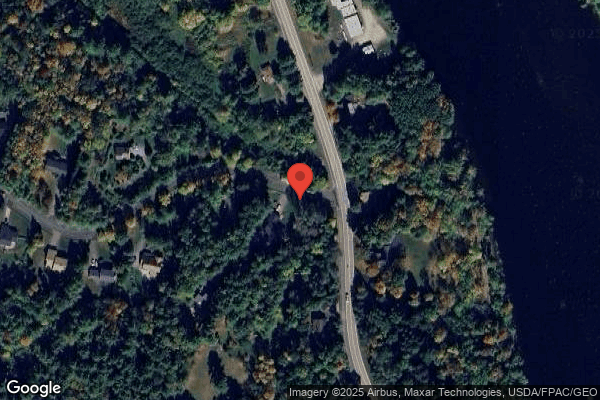
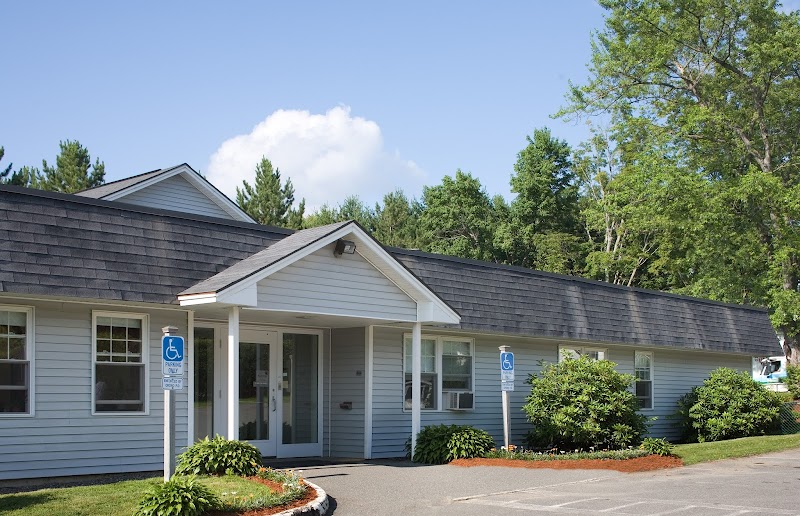



ORONO COMMONS

117 BENNOCH RD, ORONO, ME 04473 (207) 866-4914
For profit - Corporation 80 Beds GENESIS HEALTHCARE Data: November 2025
Trust Grade
38/100
#58 of 77 in ME
Last Inspection: May 2025

Inspected within the last 6 months. Data reflects current conditions.

Overview

Orono Commons has received a Trust Grade of F, indicating significant concerns and a poor reputation among nursing homes. It ranks #58 out of 77 facilities in Maine, placing it in the bottom half, and #10 out of 11 in Penobscot County, meaning only one local option performs worse. The facility is improving, with issues decreasing from 22 in 2024 to 10 in 2025, but it still has a high staff turnover rate of 63%, well above the Maine average of 49%. While the nursing home boasts good RN coverage, surpassing 92% of state facilities, there have been troubling incidents, such as a resident in severe pain not receiving medication due to staffing issues and a failure to develop necessary care plans for residents in a timely manner. Overall, families should weigh these strengths and weaknesses carefully when considering Orono Commons for their loved ones.

Trust Score
F
38/100
In Maine
#58/77
Bottom 25%
Safety Record
Moderate
Needs review
Inspections
Getting Better
22 → 10 violations
Staff Stability
⚠ Watch
63% turnover. Above average. Higher turnover means staff may not know residents' routines.
Penalties
✓ Good
$10,358 in fines. Lower than most Maine facilities. Relatively clean record.
Skilled Nurses
✓ Good
Each resident gets 77 minutes of Registered Nurse (RN) attention daily — more than 97% of Maine nursing homes. RNs are the most trained staff who catch health problems before they become serious.
Violations
⚠ Watch
40 deficiencies on record. Higher than average. Multiple issues found across inspections.
★★☆☆☆
2.0
Overall Rating
★★★☆☆
3.0
Staff Levels
★★★☆☆
3.0
Care Quality
★★☆☆☆
2.0
Inspection Score
Stable
2024: 22 issues
2025: 10 issues

The Good

  • Full Sprinkler Coverage · Fire safety systems throughout facility
  • No fines on record

Facility shows strength in fire safety.

The Bad

2-Star Overall Rating

Below Maine average (3.0)

Below average - review inspection findings carefully

Staff Turnover: 63%

17pts above Maine avg (46%)

Frequent staff changes - ask about care continuity

Federal Fines: $10,358

Below median ($33,413)

Minor penalties assessed

Chain: GENESIS HEALTHCARE

Part of a multi-facility chain

Ask about local staffing decisions and management

Staff turnover is elevated (63%)

15 points above Maine average of 48%

The Ugly 40 deficiencies on record

1 actual harm
May 2025 10 deficiencies 1 Harm
SERIOUS (G) 📢 Someone Reported This

A family member, employee, or ombudsman was alarmed enough to file a formal complaint

Actual Harm - a resident was hurt due to facility failures

Deficiency F0697 (Tag F0697)

A resident was harmed · This affected 1 resident

**NOTE- TERMS IN BRACKETS HAVE BEEN EDITED TO PROTECT CONFIDENTIALITY** 2. On 5/4/25 at 11:15 a.m. during an interview with R40, he/she stated their admission date was on 4/10/25 between 5:00 and 6:0...

Read full inspector narrative →
**NOTE- TERMS IN BRACKETS HAVE BEEN EDITED TO PROTECT CONFIDENTIALITY** 2. On 5/4/25 at 11:15 a.m. during an interview with R40, he/she stated their admission date was on 4/10/25 between 5:00 and 6:00 p.m., R40 stated that they were in pain and that no staff came in to see him/her. R40 stated that he/she had to leave their room to find staff late in the night per R40 and ask for pain medication. He/she found the charge nurse and reports that RN told them that there were no written scripts for the pain medications therefore would not be giving R40 any pain medications. During a clinical record review on 5/4/25 the clinical record revealed that R40 arrived at the facility at 5:22 pm. and reported a pain level of 8 out of 10. The clinical record revealed that the resident was admitted for skilled care after a total hip replacement and had orders for pain management using the following medications: Acetaminophen 325 Milligrams (mg) 2 tablets for mild pain every 4 hours as needed, Cyclobenzaprine 10 mg every 8 hours as needed for muscle spasms and Hydromorphone 2 mg 1-2 tablets by mouth every 6 hours as needed for pain with a maximum daily dose of 12 mg. During a review of R40's Medication Administration Record (MAR), there was no documentation to indicate R40 received any pain medication until 11:37 p.m. and at that time R40's pain was documented at a level of 10, with 10 being severe pain. Based on the physician orders and discharge orders the resident was eligible to receive a dose of Acetaminophen 325 mg 2 tablets as needed, the last dose received was on 4/10/25 at 8:49 a.m. and was eligible to receive Hydromorphone 2 mg 1-2 tablets with the last dose received on 4/10/25 at 8:49 a.m. while at the hospital prior to discharge. On 5/6/25 during an interview with the Administrator, she stated that the facility has an Ekit (emergency kit) titled: RX Now. The RX Now list of available medications was not readily available in the nurses station and was found in the Providers office in a folder. Review of the RX Now medication list (Genesis Master Ekit contents list) revealed that the facility's RX Now (machine used in the facility as their emergency medication supply) showed the ordered medications for R40's pain control were available for use. On 5/6/25 at 8:09 a.m. The surveyor confirmed with the Administrator that R40 was admitted at 5:22 p.m. and per documentation on the CNA admission checklist documents that R40's pain was 8/10 and that he/she should have been provided pain medications and that he/she was not provided with any pain medications until 11:37 p.m. almost 6 hours after reported pain at a level of 8 out of 10 when admitted . Based on record reviews and interviews, the facility failed to provide pain management in a timely manner for 2 of 2 residents reviewed for pain management (Resident #40 [R40] and R268). Due to this facility's failure, R268 experienced consistent, unrelieved pain resulting in the resident discharging Against Medical Advice (AMA) to seek pain control from an emergency room (ER). Findings: 1. On 5/6/25, a review of the clinical record for R268 revealed the following: -R268 was admitted on [DATE] for skilled therapy after a spinal surgery. -Review of the admission orders revealed an order for MS Contin Oral Tablet Extended Release 30 [milligrams (MG)] (Morphine Sulfate) Give 30mg by mouth every 8 hours for pain, and acetaminophen Tablet 325 MG (Acetaminophen) Give 2 tablet by mouth every 4 hours as needed for Mild Pain no more than 3 doses in 48 hours, notify physician/ advanced practice provider(APP). Do not exceed 3[grams(g)]/day. (standing order). -Review of the admission assessment, dated 11/19/24 and completed by the Registered Nurse (RN) at 7:06 p.m., indicated R268 had an elevated heart rate, reported a Pain score: 10 (on a scale of 1 to 10, with 1 meaning little to no pain and 10 is the worst pain imaginable), vocal complaints of pain and resident unable to tolerate being still due to pain. The admission assessment also indicated Mood is pleasant, no unwanted behaviors witnessed. The admission assessment provided no indication the facility provided R268 with any pain relieving treatment when R268 complained of severe pain. -Review of R268's Medication Administration Record (MAR) for 11/19/24 shows that R268 did not receive morphine or acetaminophen as ordered for pain (these are stock medications that were available but not given). -Review of nurse notes documented at 8:29 p.m. on 11/19/24, indicated that R268 was verbally angry about uncontrolled pain resulting in R268 signing out AMA to get pain control from the ER. The nursing notes provided no indication the facility provided R268 with any pain relieving treatment when R268 complained of severe pain on 11/19/24. The clinical record lacks evidence that R268 received pain medications as ordered (See F684) or any other interventions for severe pain. Review of the facility's Ekit (emergency kit) titled: RX Now revealed Morphine Sulfate [extended release (Er)] 15 mg tablets MS Contin available for use. On 5/06/25 at 2:20 p.m., during an interview with the Administrator, the Market Clinical Advisor, and the Director of Nursing, R268's clinical record was reviewed. The Administrator stated R268 arrived at 4:51 p.m., and left the building at 8:52 p.m., R268 had mistakenly been transported from the hospital to the pharmacy before arriving at the facility which contributed to the resident going so long without pain medication. The Administrator stated they did not have his medications available. The list of available medication in the facility's Ekit (emergency kit) titled: RX Now was reviewed. At this time a surveyor confirmed the morphine was available in the facility's Ekit but not provided to R268, and there was no evidence that pain relieving interventions (pharmaceutical and non-pharmaceutical) were implemented for R268. On 5/7/25 at 10:22 a.m., during an interview with a surveyor, a RN stated that the delay in pain medication on admission is a common problem. RN stated he was waiting for the prescriptions to be delivered from the pharmacy and did not know the medication was available in the Ekit stock. RN confirmed the provider was not notified of the uncontrolled pain or elevated heart rate, and was unable to identify non-pharmaceutical interventions implemented to treat R268's pain. At this time the surveyor confirmed with RN there was no evidence that pain relieving interventions (pharmaceutical and non-pharmaceutical) were implemented for R268's severe pain.
CONCERN (D)

Potential for Harm - no one hurt, but risky conditions existed

Deficiency F0578 (Tag F0578)

Could have caused harm · This affected 1 resident

**NOTE- TERMS IN BRACKETS HAVE BEEN EDITED TO PROTECT CONFIDENTIALITY** Based on record review and interview, the facility failed to ensure a resident's right to formulate an advanced directive regard...

Read full inspector narrative →
**NOTE- TERMS IN BRACKETS HAVE BEEN EDITED TO PROTECT CONFIDENTIALITY** Based on record review and interview, the facility failed to ensure a resident's right to formulate an advanced directive regarding code status (cardiopulmonary resuscitation [CPR]) was accurate in the clinical record for (Resident #60 [R60]). Finding: On [DATE] at 1:38 p.m., R60's clinical record was reviewed. R60's electronic record indicated (Advanced Directives) DO NOT RESUSCITATE (DNR) (Do not perform CPR). R60's paper chart contained a Physicians Orders for Life Sustaining Treatment (POLST) form indicating Attempt Resuscitation/CPR. On [DATE] at 12:36 p.m., during an interview with a surveyor and an LPN, R60's electronic and paper charts were reviewed. LPN stated she was unsure which directive was correct. At this time the surveyor confirmed R60's advance directive regarding code status had conflicting information.
CONCERN (D) 📢 Someone Reported This

A family member, employee, or ombudsman was alarmed enough to file a formal complaint

Potential for Harm - no one hurt, but risky conditions existed

Report Alleged Abuse (Tag F0609)

Could have caused harm · This affected 1 resident

Based on the facility's policy, Reportable Incident Form review, and interview, the facility failed to notify the State Agencies (Division of Licensing and Certification [DLC]) and Adult Protective Se...

Read full inspector narrative →
Based on the facility's policy, Reportable Incident Form review, and interview, the facility failed to notify the State Agencies (Division of Licensing and Certification [DLC]) and Adult Protective Services (APS) timely for an allegation of abuse for 1 of 3 facility reported incidents (9/16/24) reviewed during an annual survey. Finding: The facility's policy, Abuse Prohibition, last reviewed 10/24/22, directed staff to Report allegations to the appropriate state and local authority(s) involving neglect, exploitation or mistreatment (including injuries of unknown source), suspected criminal activity, and misappropriation of patient property within 24 hours if the event does not result in serious bodily injury. On 9/16/24, the State Agency - Division of Licensing and Certification (DLC), received a fax from the facility that included a Reportable Incident Form that alleged a resident to resident incident occurred on 9/12/24. The report indicated that the physician and Resident Representatives were notified of the incident on 9/12/24. On 5/5/25 at 12:25 p.m., during an interview with a surveyor, the Administrator stated that she reached out to APS and they have no record of receiving the initial report and she does not have evidence that one was sent to DLC. The surveyor confirmed that the initial report was not sent to the State Agencies timely at this time.
CONCERN (D)

Potential for Harm - no one hurt, but risky conditions existed

PASARR Coordination (Tag F0644)

Could have caused harm · This affected 1 resident

Based on record review and interview, the facility failed to ensure that the State mental health authority for Pre-admission Screening and Resident Review (PASRR) was notified after a resident was new...

Read full inspector narrative →
Based on record review and interview, the facility failed to ensure that the State mental health authority for Pre-admission Screening and Resident Review (PASRR) was notified after a resident was newly diagnosed and/or experienced symptoms related to a mental disorder or trauma event to determine if a change in level of service was required for 1 of 2 sampled residents reviewed for PASRR (Resident #18 [R18]). Finding: On 5/4/25, R18's clinical record was reviewed. R18's PASARR, completed on 2/15/22, did not require a level II determination. On 8/6/24, R18 was diagnosed with bipolar disorder, but the clinical record lacked evidence that the resident was referred to the State mental health authority for a new PASARR determination. On 5/7/25 at 8:35 a.m., during an interview with a surveyor, the Administrator stated a new PASARR was submitted for R18 on 5/6/25. At this time a surveyor confirmed the facility failed to refer R18 for a PASARR after a new diagnosis and/or experienced symptoms related to a mental disorder.
CONCERN (D)

Potential for Harm - no one hurt, but risky conditions existed

Respiratory Care (Tag F0695)

Could have caused harm · This affected 1 resident

Based on record review and interviews, the facility failed to provide respiratory care as order by the Provider for 1of 3 residents that use oxygen. Resident #165 [R165]) Finding: On 5/6/25 during a ...

Read full inspector narrative →
Based on record review and interviews, the facility failed to provide respiratory care as order by the Provider for 1of 3 residents that use oxygen. Resident #165 [R165]) Finding: On 5/6/25 during a clinical record review for R165, it was noted that R165 uses oxygen daily and has had an order change dated 5/1/25 for oxygen to be administered by nasal cannula (NC) at 2 liters/min every shift for maintaining peripheral oxygen saturation (SPO2) between 88-93% evaluate HR (heart rate), respiratory rate, pulse oximetry, skin color and breath sounds. R165's clinical record was reviewed and there is no evidence that this order was completed as ordered as there is no documentation showing that his/her respiratory rate, skin color and breath sounds were evaluated as ordered. On 5/06/25 at 2:46 p.m., during a clinical record review for R165 the surveyor confirmed with the Director of Nursing, the Administrator and the Clinical Market Advisor that there is no nursing documented evidence of R165's respiratory rate, skin color and breath sounds being evaluated every shift as ordered.
CONCERN (D) 📢 Someone Reported This

A family member, employee, or ombudsman was alarmed enough to file a formal complaint

Potential for Harm - no one hurt, but risky conditions existed

Deficiency F0804 (Tag F0804)

Could have caused harm · This affected 1 resident

**NOTE- TERMS IN BRACKETS HAVE BEEN EDITED TO PROTECT CONFIDENTIALITY** Based on interviews, observations, and two lunch meal test trays, the facility failed to serve hot foods at an appetizing and pa...

Read full inspector narrative →
**NOTE- TERMS IN BRACKETS HAVE BEEN EDITED TO PROTECT CONFIDENTIALITY** Based on interviews, observations, and two lunch meal test trays, the facility failed to serve hot foods at an appetizing and palpable temperature for 1 of 2 lunch trays tested on [DATE] and 5/6/25. Findings: On 5/4/25 between 10:15 a.m. and 11:30 a.m., during a facility initial tour, several residents stated to the surveyors that hot foods were served cold. On 05/5/25 at 12:45 p.m., two surveyors tested food temperatures on a lunch test tray at the end of lunch delivery service to the residents on the Riverview Unit. The following food temperatures were: Cubed chicken was 96.4 degrees Fahrenheit and had a taste sensation of cool to cold. Macaroni and cheese was 94.3 degrees Fahrenheit and had a taste sensation of cool to cold. Cubed potatoes were 96.6 degrees Fahrenheit and had a taste sensation of cool. On 5/6/25 at 1:10 p.m., after the second lunch meal tray was tested, in an interview with the surveyor, the District Manager of Health Services Group, confirmed that the hot foods temped on 5/5/25 were not served hot.
CONCERN (E) 📢 Someone Reported This

A family member, employee, or ombudsman was alarmed enough to file a formal complaint

Potential for Harm - no one hurt, but risky conditions existed

Deficiency F0655 (Tag F0655)

Could have caused harm · This affected multiple residents

Based on clinical record review and interview, the facility failed to ensure a baseline care plan was developed and implemented within 48 hours, that included the instructions needed to provide minimu...

Read full inspector narrative →
Based on clinical record review and interview, the facility failed to ensure a baseline care plan was developed and implemented within 48 hours, that included the instructions needed to provide minimum healthcare information necessary to properly care for 5 of 10 sampled residents (Resident #40 [R40], R166, R56, R50, and R60). Findings: 1. On 5/6/25 during a clinical record review for R40, admitted to the facility for skilled care. The clinical record shows that R40's baseline care plan was not implemented or developed to provide the instructions needed to provide minimum healthcare necessary to properly care for R40. On 5/6/25 at 11:30 a.m. during an interview with the Regional Marketing Advisor the surveyor confirmed that R40's baseline care plan was not developed until 4 days after admission. 2. On 5/6/25 during a clinical record review for R166, admitted to the facility for skilled care. The clinical record shows that R166's baseline care plan was not implemented or developed to provide the instructions needed to provide minimum healthcare necessary to properly care for R166. On 5/6/25 at 3:45 p.m. during an interview with the Administrator the surveyor confirmed that R166's baseline care plan was not developed until 4 days after admission. 3. On 5/4/25, R56's clinical record was reviewed and indicated that R56 was admitted to the facility the last week of February 2025. R56's baseline care plan, which included problems, goals, and interventions, was not started until 3/5/25, greater than 48 hours after admission. On 5/6/25 at 8:23 a.m., during an interview with Market Clinical Advisor, a surveyor confirmed this finding. 4. On 5/6/25, R50's clinical record was reviewed and indicated that R50 was admitted to the facility in February 2025. The clinical record lacked evidence that R50's baseline care plan, which included problems, goals, and interventions, was developed and implemented within 48 hours of admission. On 5/6/25 at 2:13 p.m., during an interview with a surveyor, the Administrator, the Director of Nursing, and the Market Clinical Advisor, R50's clinical record reviewed. At this time a surveyor confirmed R50's baseline care plan was not completed with 48 hours of admission. 5. On 5/6/25, R60's clinical record was reviewed and indicated that R60 was admitted to the facility in April 2025. The clinical record lacked evidence that R60's baseline care plan, which included problems, goals, and interventions, was developed and implemented within 48 hours of admission. On 5/6/25 at 2:13 p.m., during an interview with a surveyor, the Administrator, the Director of Nursing, and the Market Clinical Advisor, R60's clinical record reviewed. At this time a surveyor confirmed R60's baseline care plan was not completed with 48 hours of admission.
CONCERN (E) 📢 Someone Reported This

A family member, employee, or ombudsman was alarmed enough to file a formal complaint

Potential for Harm - no one hurt, but risky conditions existed

Quality of Care (Tag F0684)

Could have caused harm · This affected multiple residents

Based on clinical record reviews and interviews, the facility failed to follow physician orders for 4 of 20 residents reviewed. (Resident #40 [R40], R51, and R172). Findings: 1. On 5/6/25 at 8:00 a.m...

Read full inspector narrative →
Based on clinical record reviews and interviews, the facility failed to follow physician orders for 4 of 20 residents reviewed. (Resident #40 [R40], R51, and R172). Findings: 1. On 5/6/25 at 8:00 a.m. during a clinical record review for R40 shows an order for Aspirin 81 milligrams (mg) by mouth twice a day for clot prevention. Review of R40's Medication Administration Record (MAR) shows that R40 did not receive his/her bedtime dose as ordered. (this is a stock medication that was available but not given) R40 also had an order for Quetiapine 25 mg at bedtime, review of his/her MAR shows that this medication was not given as ordered. The facility has an Ekit (emergency kit) called Rx now that has medications available for use. This list included the Quetiapine 25 mg dose for R40 On 5/6/25 at 10:15 a.m. during an interview with the Director of Nursing (DON), and the Marketing Advisor the surveyor confirmed that Aspirin is a house stock medication and was not given to R40 as ordered and that the RX Now system had the dose of Quetiapine that was ordered for R40, and that this medication was not given to R40 as ordered. 2. On 5/6/25 at 2:17 p.m., during a clinical record review for R172, shows orders for atorvastatin 80 mg at bedtime, Calcium Carbonate 500 mg twice a day, Docusate 100 mg twice a day, Levetiracetam 500 mg twice a day, metformin 500 mg twice a day, Senna 8.6 mg twice a day, and Warfarin 3 mg at 5:00 p.m. The following medications are stock medications and were available but were not given to R172 as ordered; Calcium Carbonate 500 mg, Docusate 100 mg, Senna 8.6 mg. The following medications were listed on the medications available list for the RX Now and were available and were not given to R172 as ordered, Atorvastatin 80 mg, Levetiracetam 500 mg, metformin 500 mg and Warfarin 1 mg Review of R172's MAR showed that the above medications were on hold until arrival from pharmacy. On 5/06/25 at 2:09 p.m. During an interview with the Office Manager, R172's MARs were reviewed. The surveyor confirmed that the above medications were not given when they were available as stock medications and in the RX Now system. On 5/6/25 at 2:15 p.m. the above findings were reviewed with the DON and the Marketing Advisor, the surveyor, confirmed that the medications were not given to R40 and R172 as ordered when they were available as stock medications and in the RX Now system. 3. 4. On 5/6/25, clinical record review for R268 shows an order for MS Contin Oral Tablet Extended Release 30 [milligrams (MG)] (Morphine Sulfate) Give 30mg by mouth every 8 hours for pain. Review of the admission assessment indicated R268 had an elevated heart rate and reported a pain level of 10 on a scale of 1 to 10 (1 being little to no pain and 10 is the worst pain imaginable). Review of R268's Medication Administration Record (MAR) shows that R268 did not receive morphine as ordered for pain (this is a stock medication that was available but not given). The facility has an Ekit (emergency kit) called RX Now that has medications available for use. The list of medications available in the Ekit include the Morphine ordered for R268. On 5/6/25 at 2:20 p.m. during an interview with the Director of Nursing (DON), the Marketing Advisor, and the Administrator, a surveyor confirmed that the Morphine ordered for R268 is a house stock medication and was not given to R268 as ordered for pain. 4. On 5/7/25 R51's clinical record review indicated a physician order for Basaglar KwikPen Subcutaneous Solution Pen-injector 100 UNIT/[Milliliter (ML)] (Insulin Glargine) Inject 25 unit subcutaneously one time a day for diabetes Hold for [Blood Glucose (BG)] [less than(<)] 110. Review of the Medication Administration Record (MAR) and Treatment Authorization Record (TAR) revealed insulin was administered outside of parameters on 7 out of 30 days in the month of April (4/1/25, 4/3/25, 4/15/25, 4/16/25, 4/17/25, 4/22/25, and 4/25/25). On 5/7/25 at 9:33 a.m., during an interview with a surveyor, the Market Clinical Advisor confirmed with the surveyor that R51 received insulin on 4/1/25, 4/3/25, 4/15/25, 4/16/25, 4/17/25, 4/22/25, and 4/25/25 with a blood glucose result less than 110. At this time the surveyor confirmed that the physician's order to hold insulin for a blood glucose less than 110 was not followed.
CONCERN (E)

Potential for Harm - no one hurt, but risky conditions existed

Food Safety (Tag F0812)

Could have caused harm · This affected multiple residents

**NOTE- TERMS IN BRACKETS HAVE BEEN EDITED TO PROTECT CONFIDENTIALITY** 2. On 5/4/25 at 12:00 p.m., a surveyor observed in the Homestead Unit Refrigerator the following: 3 cartons of thickened beverag...

Read full inspector narrative →
**NOTE- TERMS IN BRACKETS HAVE BEEN EDITED TO PROTECT CONFIDENTIALITY** 2. On 5/4/25 at 12:00 p.m., a surveyor observed in the Homestead Unit Refrigerator the following: 3 cartons of thickened beverage with directions to discard 7 days after opening. The dates written on the cartons were older than 7 days from 5/4/25; 1 individual glass of poured juice with a date of 4/27 on the cover; 2 individual glasses of poured juice with a date of 4/28 on the cover; and 2 pitchers of juice with a date of 4/26/25. On 5/4/25 at 12:20 p.m., during an interview with a surveyor, [NAME] stated that the individual poured glasses of juice were good for 3 days. [NAME] also stated that the dates written on the cartons were the dates that the kitchen received the item and was not the date the product was opened. The surveyor confirmed that these were either not dated or were expired but were in the refrigerator, available for use. [NAME] removed the items. On 5/5/25 at 9:35 a.m., a surveyor observed an open carton of Thickened Orange Juice with no open date in the Homestead Unit Refrigerator. On 5/05/25 at 11:45 a.m., a surveyor observed a Mighty Shake that was thawed with no written date in the Riverview Unit Refrigerator. The directions on the carton are to use within 14 days of thawing. On 12:55 p.m., during an interview with the District Manager of Health Services Group, a surveyor reviewed yesterday's observations that the cartons of thickened beverages are not being dated when opened, and that the thickened beverages are only good for 7 days after opening. She stated that the practice is to date them when they are received by the kitchen. She also stated that the juices in cups are good for 3 days. The surveyor also reported that there was a Mighty Shake currently in the Riverview Unit Refrigerator that was thawed with no date with directions to discard 14 days after thawing. On 5/05/25 1:08 p.m., the surveyor observed the Mighty Shake was still in the Riverview Unit Refrigerator and confirmed with Certified Nursing Assistant that the mighty shake was thawed with no open date and he discarded the carton. Based on observations, and interviews, the facility failed to store, prepare, and serve food in accordance with professional standards for food service safety by not restraining hair with a hair net for 1 of 4 days of survey (5/4/25), ensuring the dishes were sanitized with regular monitoring of the dishwasher for 2 of 4 days of survey (5/4/25 and 5/5/25), not ensuring that plumbing fixtures were properly installed to prevent backflow as required by the Maine State Plumbing Code for 2 of 4 days of survey (5/4/25 and 5/5/25), not maintaining food temperatures to prevent food borne illness prior to serving residents for 1 of 4 days of survey (5/5/25), and not storing dishes in a sanitary manner for 2 of 4 days of survey (5/5/25 and 5/6/25), In addition, the facility failed to ensure that beverages were removed when outdated or failed to include an open date in 2 of 2 unit refrigerators (Homestead and Riverview). This has the potential to effect all residents in the facility. Findings: 1. On 5/4/25 at 10:20 a.m., during an initial tour of the kitchen a surveyor observed Dietary Aide #1 (DA1) working within the kitchen without a hair restraint. DA1 sent several trays of dishes through the low temperature dishwasher. A surveyor and DA1 observed the wash cycle temperature was 95 degrees Fahrenheit (F), and the rinse cycle temperature was observed to be 100 degrees F (the minimum wash temperature should be 120 degrees F). DA1 stated he is not trained on how to test or monitor the dishwasher; he was only trained on how to change out the chemicals when they run low. A surveyor and DA1 reviewed the dishwasher logs. The dishwasher monitoring log had not been completed to ensure sanitation of resident's dishes for 8 out of 10 meals cycles (breakfast 5/1/25, 5/2/25, 5/3/25, and 5/4/25; lunch 5/2/25 and 5/3/25; dinner 5/2/25and 5/3/25). These findings were observed and confirmed with DA1 at the time of the observations. On 5/425 at 10:45 a.m., during an initial tour of the kitchen, a surveyor observed and confirmed the following with Cook1 at the time of the observations: -the air gap under the ice machine was less than 1 inch, in violation of the 10-114 State of Maine Rules Chapter 226, definition Section A, which defines an Air-Gap Separation - A physical separation between the free-flowing discharge end of a potable water supply pipeline and an open or non-pressure receiving vessel. An air-gap separation shall be at least twice the diameter of the supply pipe measured vertically above the overflow rim of the vessel - in no case less than one inch (2.54 cm). - Cook1 was working in the kitchen, and a hair restraint was not used to restrain his facial hair. -The kitchen floor was observed to be soiled with accumulations of food debris not associated with the current meal preparation. Cook1 stated they monitor temperatures of food, refrigerators and freezers, and chemical levels of cleaning solutions but do not have a cleaning schedule currently established. -Observation of the dry food storage revealed a 4 pound can of Light Tuna in water chunks, salt added, dented in on the top seal, on the shelf and available for use. On 5/4/25 at 11:00 a.m., a surveyor observed in the walk-in refrigerator, bags of thawing cooked chicken stored on a large tray. The bags extended beyond the ends of the tray allowing the runoff from the bags to drip onto the tray below. On the tray below the thawing chicken were large round balls of dough with plastic wrap partially covering the dough. At this time a surveyor observed and confirmed with Cook2 that thawing chicken was stacked in a manner that allowed runoff to drip onto the dough below. On 5/4/25 at 11:05 a.m., a surveyor observed 2 Dietary Aides entered the kitchen wearing hats (baseball cap style); both aides had facial hair and large amounts of hair protruded out from under their hats unrestrained by a hair restraint. This observation was observed and confirmed by a surveyor with Dietary Aide #2 and Dietary Aide #3 at the time of the observation. A surveyor also confirmed this finding with [NAME] #1 at 11:08a. On 5/5/25 at 8:02 a.m., a surveyor observed and confirmed the following with the District Manager for Health Services Group (DM): -the air gap under the ice machine was less than 1 inch, in violation of the 10-114 State of Maine Rules Chapter 226, definition Section A, which defines an Air-Gap Separation - A physical separation between the free-flowing discharge end of a potable water supply pipeline and an open or non-pressure receiving vessel. An air-gap separation shall be at least twice the diameter of the supply pipe measured vertically above the overflow rim of the vessel - in no case less than one inch (2.54 cm). The DM was able to manipulate the pipe into the correct position and stated the support was missing a screw. -the dishwasher wash cycle was observed to be 85 degrees F, the rinse cycle was observed to be 90 degrees F. The interior water temperature was 90 degrees F. The water was lukewarm to touch. -the floor by dishwasher was observed to have standing water and exposed concrete creating an uncleanable surface. On 5/5/25 at 11:20 a.m., a surveyor observed wet stacking of serving pans next to the steam table, and serving spoons stored in uncovered bins next to the steam table. The bins containing the serving spoons were observed to have food debris accumulated within the bins. These findings were observed and confirmed with DM at the time of the observation. On 5/5/25 at 11:34 a.m., a surveyor observed [NAME] 2 check holding temperatures on the steam table. The chicken was 120 degrees F (Minimum safe holding temperature for hot foods is 135 degrees Fahrenheit), [NAME] 2 turned up the temperature on the first bay of the steam table. The diced potato was 128 degrees F, at that time the second bay of the steam table was observed to be off, [NAME] 2 turned on the second bay of the steam table. At this time a surveyor confirmed with [NAME] 2 that the chicken and potatoes were not maintained at a safe holding temperature. On 5/6/25 at 9:47 a.m., during an interview with the DM, a surveyor observed in the walk-in refrigerator, a 75 count box of Mighty Shakes, approximately 1/2 full of vanilla flavored shake containers. The box was dated 4/23. The DM stated 4/23 is the date the facility received the box, but DM is unable to determined when the box was placed in the refrigerator (Mighty Shakes are good for 7 days after thawing). A second box of Mighty [NAME] was observed unopened and undated, DM stated the second box was moved from the freezer to refrigerator this morning (5/6/25).
CONCERN (F)

Potential for Harm - no one hurt, but risky conditions existed

Deficiency F0725 (Tag F0725)

Could have caused harm · This affected most or all residents

Based on Payroll Based Journal staffing (PBJ) report and interview, the facility failed to ensure sufficient direct care staff were scheduled and on duty to meet the needs of residents that reside in ...

Read full inspector narrative →
Based on Payroll Based Journal staffing (PBJ) report and interview, the facility failed to ensure sufficient direct care staff were scheduled and on duty to meet the needs of residents that reside in the facility for weekends of the first quarter 2025 (October 1 - December 31, 2024). Finding: A payroll based journal (PBJ) report for the first quarter of 2025 indicated the facility triggered for low weekend staffing. On 5/6/25 at 1:50 p.m., during an interview with the surveyor, the Administrator confirmed that the facility triggered for low weekend staffing for the first quarter per the PBJ report. The Administrator confirmed this finding and no additional information was provided to indicate that the PBJ information was incorrect which identified low weekend staffing.
May 2024 20 deficiencies
CONCERN (D)

Potential for Harm - no one hurt, but risky conditions existed

Deficiency F0561 (Tag F0561)

Could have caused harm · This affected 1 resident

Based on observation and interviews, the facility failed to ensure that a resident's preference for a second serving of the main meal choice for lunch was available on 5/21/24, for 1 of 1 residents (R...

Read full inspector narrative →
Based on observation and interviews, the facility failed to ensure that a resident's preference for a second serving of the main meal choice for lunch was available on 5/21/24, for 1 of 1 residents (Resident #37 [R37]) reviewed for weight loss and received an appetite stimulant. Finding: On 5/21/24 a during lunch meal service on Homestead Unit, a surveyor observed that chop suey and salad was part of the main menu choice for lunch. R37 requested seconds because he/she did not get enough. A surveyor observed Certified Nursing Assistant #6 (C.N.A.6) call down to the kitchen and reported to R37 that there wasn't any left. On 5/21/24 at 1:10 p.m., during an interview with surveyors, the Food Service Director (FSD) stated that they ran out of the main meal choice of chop suey and salad. It is the last day before our delivery tomorrow, so we ran out, usually I would run to the store to buy lettuce but I couldn't because I was working as staff. Sometimes we do not have enough of something at the end of a supply period. We have a lot of double portions, we are not compensated double portions. We only made enough chop suey for everyone (one serving), we were unable to offer seconds. When we run out, we offer them off the alternative menu. On 5/22/24 at 8:05 a.m., C.N.A.6 stated that R37 did not want anything else other than the chop suey and salad so R37 did not get anything else to eat. R37's admission weight on 2/27/24 was 117.2 pounds (lbs). On 5/3/24, R37's most recent documented weight was 102.1 lbs, a 15.1 lbs weight loss in 2 months. On 3/22/24, a nutrition note was documented that stated R37's Body Mass Index (BMI) was 21.4, which is considered low for age. Would continue to work with resident to meet food preferences and encourage intake. May at some point need to consider an appetite stimulant. Registered Dietician (RD) to continue to monitor and evaluate as indicated. On 3/29/24, another nutrition note was documented, spoke with Speech Language Provider (SLP) and Provider, because R37 was refusing to eat. The Provider ordered Mirtazapine for appetite stimulant. On 5/21/24, R37's clinical record was reviewed. R37's care plan included a Nutrition care area that indicated, Resident is at nutritional risk: related to poor intake, which was initiated on 3/4/24 with an intervention to Honor food preferences within meal plan.
CONCERN (D)

Potential for Harm - no one hurt, but risky conditions existed

Comprehensive Care Plan (Tag F0656)

Could have caused harm · This affected 1 resident

Based on record review and interview, the facility failed to develop a care plan for the area Post Traumatic Stress Syndrome (PTSD) for 1 of 1 sampled resident with a diagnosis of PTSD (Resident #18 [...

Read full inspector narrative →
Based on record review and interview, the facility failed to develop a care plan for the area Post Traumatic Stress Syndrome (PTSD) for 1 of 1 sampled resident with a diagnosis of PTSD (Resident #18 [R18]). Finding: On 5/21/24, a review of R18's care plan, under the care problem of 'Resident/patient exhibits or is at risk for distressed/fluctuating mood symptoms related to: depression, anxiety, PTSD.' There was no documented evidence of a care plan developed to address the issues of PTSD. On 5/22/24 at 9:55 a.m., in an interview with the surveyor, the Director of Nursing (DON) stated she did not find a care plan for PTSD other than it being mentioned as one of the problems under fluctuating mood symptoms in the care plan. The DON stated the Licensed Social Worker (LSW) told the DON an assessment of R18's PTSD was not done. The DON confirmed there was no care plan for PTSD.
CONCERN (D) 📢 Someone Reported This

A family member, employee, or ombudsman was alarmed enough to file a formal complaint

Potential for Harm - no one hurt, but risky conditions existed

Pressure Ulcer Prevention (Tag F0686)

Could have caused harm · This affected 1 resident

Based on record reviews, observation, and interviews, the facility failed to ensure that weekly pressure ulcer assessment documentation, used to monitor the healing progress of the wounds, were comple...

Read full inspector narrative →
Based on record reviews, observation, and interviews, the facility failed to ensure that weekly pressure ulcer assessment documentation, used to monitor the healing progress of the wounds, were completed, failed to follow physician orders in obtaining a wound clinic referral, and failed to follow a care plan for 3 of 4 residents reviewed with pressure ulcers (Resident #15 [R15], R68, and R31). Findings: 1. On 5/22/24, R15 clinical record was reviewed. Pressure wound documentation for wound #7, left gluteus; #8 right gluteus; and #9 left gluteus, were reviewed with the Riverview Unit Manager. The Wound Evaluation documentation in the clinical record lacked evidence of weekly assessments/evaluations for the week of 3/31/24-4/6/24 and 4/28/24-5/4/24. On 5/22/24 at 10:01 a.m., in an interview with the Riverview Unit Manager, a surveyor confirmed weekly pressure ulcer wound evaluation assessment/measurements for R15 were not done for the week of 3/31/24-4/6/24, and 4/28/24-5/4/24. 2. On 5/21/24, R68's clinical record was reviewed and included a physician order, dated 10/31/23, for an urgent wound clinic referral for progressive wounds with poor healing. As of 10/31/23, the facility was treating multiple pressure wounds that included an unstageable on the coccyx, unstageable on the left lower back, a stage 2 in the genital region, and a deep tissue injury on the left heel. On 5/22/24 at 8:31 a.m., during an interview with a surveyor, the Director of Nursing (DON) stated she was unable to find where a wound clinic consult was obtained for R68's multiple pressure injuries. 3. On 5/22/24, R31's clinical record was reviewed which indicated that R31 had a current stage II pressure injury to the left buttock that was first observed on 4/24/24. The surveyor was unable to find weekly (assessment) documentation for the week of 5/5/24 - 5/11/24. On 12:06 p.m. during an interview with the Senior Director of Nursing (SDN), a surveyor confirmed this finding. The SDN stated that it is the facility's practice to complete weekly assessments (which include measurements to monitor healing). In addition, R31's current careplan indicated that R31 should have had a redistribution cushion to his/her chair. On 5/22/24 at 12:28 p.m., during an observation of R31 seated in his/her chair and interview with the Homestead Unit Manager (HUM), a surveyor confirmed that R31 did not have a redistribution cushion in his/her chair. At 12:39 p.m., the HUM stated that R31 used to have a cushion but that the resident kept sliding and they sent the cushion for adjustment and no one knows where it went. The surveyor confirmed this finding.
CONCERN (D)

Potential for Harm - no one hurt, but risky conditions existed

Deficiency F0699 (Tag F0699)

Could have caused harm · This affected 1 resident

Based on record review and interview, the facility failed to identify a resident's current diagnosis of Post-Traumatic Stress Disorder (PTSD)/trauma to determine what trigger(s) might cause re-traumat...

Read full inspector narrative →
Based on record review and interview, the facility failed to identify a resident's current diagnosis of Post-Traumatic Stress Disorder (PTSD)/trauma to determine what trigger(s) might cause re-traumatization for 1 of 1 sampled resident reviewed with a current diagnosis of PTSD (Resident #18 [R18]). Finding: On 5/21/24, a review of R18's clinical record, in the Minimum Data Set (MDS) 3.0, Section I, Active Diagnoses, Psychiatric/Mood Disorder, I6100 was coded to indicate R18 had an active diagnosis for Post Traumatic Stress Syndrome (PTSD). The surveyor was unable to find information in the clinical record that indicated what R18's PTSD was caused by or what events might cause re-traumatization. On 5/22/24 at 9:55 a.m., in an interview with the surveyor, the Director of Nursing (DON) stated she did not find a care plan (goal and trauma interventions) for PTSD other than it being mentioned as one of the problems under fluctuating mood symptoms in the care plan. The DON confirmed the Licensed Social Worker (LSW) did not assess Resident #18's PTSD.
CONCERN (D)

Potential for Harm - no one hurt, but risky conditions existed

Deficiency F0711 (Tag F0711)

Could have caused harm · This affected 1 resident

Based on record reviews and interviews, the facility failed to ensure the physician reviewed the resident's total program of care, which included signing orders for medications and treatments listed o...

Read full inspector narrative →
Based on record reviews and interviews, the facility failed to ensure the physician reviewed the resident's total program of care, which included signing orders for medications and treatments listed on the Physician Orders (block orders) in a timely manner for 1 of 8 sampled residents (Residents #15 [R15]). Finding: Documentation in R15's clinical record stated that the Physician signed the Physician Orders (block orders) on 2/12/24. These orders were in effect for 60 days. The next Physician Orders (block orders), including a 10-day grace period, needed review and the Physician's signature by 4/22/24. The medical record lacked evidence that Physician reviewed and signed orders on or around 4/22/24. Documentation in R15's clinical record stated that the Physician signed the Physician Orders (block orders) on 5/21/24, 29 days late, including the 10-day grace period. On 5/22/24 at 1:13 p.m. in an interview with the Senior Director of Nursing, a surveyor confirmed the above finding.
CONCERN (D)

Potential for Harm - no one hurt, but risky conditions existed

Deficiency F0761 (Tag F0761)

Could have caused harm · This affected 1 resident

Based on observations and interviews, the facility failed to ensure opened insulin was labeled with an open date in 1 of 2 treatment carts (Homestead unit) and failed to remove expired medications fro...

Read full inspector narrative →
Based on observations and interviews, the facility failed to ensure opened insulin was labeled with an open date in 1 of 2 treatment carts (Homestead unit) and failed to remove expired medications from the supply available for use in 2 of 2 medication storage rooms (Homestead and Riverview units) Findings: On 5/19/24 at 11:16 a.m., a surveyor and a Licensed Practical Nurse (LPN1) observed a Basaglar KwikPen (Lantus) for Resident #35 that was in the treatment cart that did not have an open or discard date (Lantus is good for 28 days once opened and at room temperature). On 5/19/24 at 11:26 a.m. a surveyor and LPN1 observed the medication storage room on the Homestead Unit and found the following expired medications available for use: 2 bottles of Stool Softener 100 milligram with expiration date of 4/2024. On 5/19/24 at 11:32 a surveyor and LPN2 observed the medication storage room on the Riverview Unit and found the following expired medications: 2 bottles of Aspirin 325 milligram with an expiration date of 4/2024 These findings were confirmed by the surveyor at the time of the observations.
CONCERN (D)

Potential for Harm - no one hurt, but risky conditions existed

Deficiency F0947 (Tag F0947)

Could have caused harm · This affected 1 resident

Based on employee file reviews and interview, the facility failed to implement and maintain an effective training program which includes, at a minimum, training on abuse for 1 of 4 Certified Nursing A...

Read full inspector narrative →
Based on employee file reviews and interview, the facility failed to implement and maintain an effective training program which includes, at a minimum, training on abuse for 1 of 4 Certified Nursing Assistants (CNA) reviewed (CNA3). Finding: On 5/22/24, the following employee record was reviewed: CNA3 was hired on 1/29/24. There was no documented abuse training completed by CNA3 in the employee file. On 5/22/24 at 3:09 p.m., in an interview with the surveyor, the Director of Nursing confirmed that she was unable to locate documentation indicating CNA3 completed her abuse training.
CONCERN (E) 📢 Someone Reported This

A family member, employee, or ombudsman was alarmed enough to file a formal complaint

Potential for Harm - no one hurt, but risky conditions existed

Resident Rights (Tag F0550)

Could have caused harm · This affected multiple residents

3. On 5/20/24 at 10:00 a.m., in an interview with a surveyor, R4 stated that a couple of weeks ago he/she rang his/her call bell and waited for approximately one to two hours before someone answered i...

Read full inspector narrative →
3. On 5/20/24 at 10:00 a.m., in an interview with a surveyor, R4 stated that a couple of weeks ago he/she rang his/her call bell and waited for approximately one to two hours before someone answered it, mostly at night. R4 stated it's pretty rough if you gotta pee, have to hold it, and stated this happens a lot. 4. On 5/20/24 8:45 a.m., R168 was observed sitting at table with another resident that was being assisted with eating by staff. R168 did not have his/her food. The CNA assisting the other resident stated that she had been assisting that resident while R168 had been there for 5 to 10 minutes. When asked if R168 was waiting for breakfast the whole time, the CNA stated yes; another CNA stated they were looking for R168's tray. At 8:52 a.m., dietary brought R168's tray up from the kitchen and staff apologized that it was late. On 5/20/24 at 8:57 a.m., during an interview with a surveyor, Homestead Unit Manager (HUM) stated that R168 had been at the table the whole time the other resident was being assisted with eating. R168's tray did not come up on either cart so HUM had to call down to the kitchen to get a breakfast tray. 5. On 5/20/24 at 12:15 p.m., a surveyor observed multiple residents sitting around the bar area of the Homestead Unit eating lunch. A surveyor observed that 2 residents did not have their lunch trays. During an interview with a surveyor, CNA7 stated that they separate the tickets for the residents by where they usually eat and send them to the kitchen that way but they just don't always come up that way. She stated that R57 and R219 typically eat at the bar. All other residents seated at the bar area have their food except R57, and R219, the cart was not here with their trays. At 12:22, R57 received his/her tray and 12:26 p.m. , R219 received his/her tray. Based on record reviews and interviews the facility failed to respond to residents request for assistance in a manner that maintained or enhanced their dignity by not answering the call bells in a timely manner for 3 of 9 residents interviewed (Resident #18 [R18], R9, R4). In addition, the facility failed to provide morning bathing care for 1 of 1 sampled resident (R9) and facility failed to promote care for residents in a manner that maintains each resident's dignity and respect when staff failed to serve all residents seated at the same table at the same time for meal observations on 1 of 2 units (Homestead). Findings: 1. On 5/19/24, R18's clinical record was reviewed. R18 was diagnosed with Cerebral Vascular Accident (CVA) with hemiplegia and hemiparesis, wheelchair dependent, and the care plan indicated R18 requires extensive assist with toileting. On 5/19/24 at 10:35 a.m., in an interview with the surveyor, R18 stated he/she rang the call bell at around 10:00 a.m. because they had to move their bowels and needed the bedpan right away. R18 stated a half an hour had past and no one has answered his/her call bell. R18 stated their anal area was on fire and it hurt. R18's call bell was observed being answered at 10:50 a.m., fifty minutes after R18 stated he/she turned the call bell on. 2. On 5/19/24, R9's clinical record was reviewed. R9 was diagnosed with diabetes, atrial fibrillation, depression, anxiety and R9's Activity of Daily Living Toileting Task indicated R9 requires extensive to total assist with toileting. On 5/19/24 at 10:45 a.m., in an interview with the surveyor, Resident R9 stated that a couple weeks ago, he/she rang his/her call bell and waited for approximately an hour before someone answered it. R9 stated he/she couldn't hold it and was incontinent of bowel. R9 stated there aren't enough staff to answer call bells. R9 stated he/she has had other incontinent accidents waiting for the call bell to be answered. R9 also stated that he/she has not had a morning bath and likes to have a bath before noon and be clean. On 5/19/24 at 1:15 p.m., in an interview with the surveyor, Certified Nurse Assistant #4 (CNA4) stated she has not given R9 a morning bath because she had so much to do and not enough staff to help. She stated she will do the bath after lunch. On 5/20/24 at 8:00 a.m., in an interview with the surveyor, R9 stated he/she did not get a bath on 5/19/24 until after 3:00 p.m.
CONCERN (E)

Potential for Harm - no one hurt, but risky conditions existed

Safe Environment (Tag F0584)

Could have caused harm · This affected multiple residents

**NOTE- TERMS IN BRACKETS HAVE BEEN EDITED TO PROTECT CONFIDENTIALITY** Based on observations and interview, the facility failed to adequately provide housekeeping and maintenance services necessary t...

Read full inspector narrative →
**NOTE- TERMS IN BRACKETS HAVE BEEN EDITED TO PROTECT CONFIDENTIALITY** Based on observations and interview, the facility failed to adequately provide housekeeping and maintenance services necessary to maintain an environment free from offensive odors for 2 of 3 days of survey (5/19/24 through 5/21/24) and to maintain the building in good repair and in a sanitary condition for 1 of 1 environmental tour (5/21/24). Findings: On 5/19/24 at 10:30 a.m., a surveyor observed a strong, foul odor of urine in the corridor outside room [ROOM NUMBER]. On 5/19/24 at 10:45 a.m., in room [ROOM NUMBER]-1, in an interview with the surveyor, Resident #9 (R9) stated that almost every day a strong urine odor from the hall seeps into his/her room and is very unpleasant. On 5/19/24, between 10:30 a.m. and 1:15 p.m., a surveyor observed a lingering, strong, foul urine odor in the corridor outside room [ROOM NUMBER]. On 5/20/24 at 7:30 a.m., in the corridor outside room [ROOM NUMBER], the strong, foul odor of urine continued and was observed throughout the day until 2:00 p.m. when the observations were stopped. On 05/21/24, between 2:10 p.m. and 2:29 p.m., a surveyor completed an environmental tour with the Director of Nursing, the Administrator, and the Maintenance Supervisor. The following findings were confirmed at the time of observations: At 2:15 p.m. during the tour, in the hallway near Rooms 133, and room [ROOM NUMBER] the strong odor of urine was confirmed with the Director of Nursing, the Administrator, and the Maintenance Supervisor. room [ROOM NUMBER], the floor tile had a torn section that was patched and had unsealed seams creating an uncleanable surface. room [ROOM NUMBER], the threshold has tear in the flooring which is unsealed creating an uncleanable surface. room [ROOM NUMBER], threshold has unsealed flooring creating an uncleanable surface. A wheelchair (K2-lite) being used on the Homestead unit has a torn armrest on the left side. room [ROOM NUMBER], the bathroom was observed to have flooring that was heavily soiled and stained around toilet. room [ROOM NUMBER], the bathroom was observed to be dirty and not homelike. room [ROOM NUMBER], the wheelchair in the room was observed to have torn armrests on the left and right side creating an uncleanable surface and the floor was noted to be sticky when you walked on it causing your shoes to stick to the floor, in the bathroom the toilet paper holder was missing a piece and was not attached to the wall, the walls had peeling/chipped paint and the sink top was peeling, all creating uncleanable surfaces. room [ROOM NUMBER], the baseboard heater was observed with chipped paint and the recliner chair was dirty. room [ROOM NUMBER], the bathroom had chipped paint on the walls and the wheelchair in the room had torn armrests on the left and right side creating an uncleanable surface. room [ROOM NUMBER], the bathroom walls had chipped paint and the recliner chair in the room had torn armrests. R38's recliner chair had torn armrest on the right and left side creating an uncleanable surface. R52's recliner chair had a torn back handle creating an uncleanable surface. R11's wheelchair had a torn armrest on the right side creating an uncleanable surface. In the large dining room on the Homestead unit a table had peeled top creating an uncleanable surface.
CONCERN (E) 📢 Someone Reported This

A family member, employee, or ombudsman was alarmed enough to file a formal complaint

Potential for Harm - no one hurt, but risky conditions existed

Quality of Care (Tag F0684)

Could have caused harm · This affected multiple residents

9. On 5/22/24, review of R71's clinical record indicated an unwitnessed fall on 6/6/23. R71 was observed on the floor between the beds laying on R71's left side. The resident was unable to tell the st...

Read full inspector narrative →
9. On 5/22/24, review of R71's clinical record indicated an unwitnessed fall on 6/6/23. R71 was observed on the floor between the beds laying on R71's left side. The resident was unable to tell the staff what happened. Nurse notes indicated neurological evaluation were recommended by the provider and initiated. On 5/22/24 at 12:27 p.m., in an interview with the DON and the Senior Director of Nursing, a surveyor confirmed that the Neurological Evaluation Flowsheet was not completed as directed for R71, who had an unwitnessed fall. 7. On 5/22/24, R26's clinical record was reviewed and contained information that on 4/9/24 R26 was standing at the table and then fell to the ground and landed on his/her right side. R26 complained of discomfort in his/her right arm and right leg. On 4/11/24 at 11:21 a.m. R26's electronic record contained an order by the Medical Provider to have an urgent/stat diagnostic CAT Scan of the right hip. The order summary stated, recent fall, x-rays of right hip in ED (emergency department) were negative for fracture but significant pain with hip flexion. Concern for occult hip fracture. The diagnostic CAT Scan was not ordered by the facility until 4/15/24, 4 days after the urgent/stat order. On 5/22/24 at 2:17 p.m., during an interview with the DON, a surveyor confirmed that the facility failed to follow the Medical Provider's order timely for an urgent/stat order for diagnostic CAT Scan right hip. The DON stated the facility staff did not see the order until 4/15/24, 4 days after the order was written by the provider. 8. On 5/22/24, R26's clinical record was reviewed and included a physician order, dated 4/11/24, to give 5 units Novolog (insulin) SQ (subcutaneous) if glucose (blood sugar [BS]) greater than 300, before meals and at bedtime for DM (Diabetes Mellitus). On 4/13/24 at 7:00 a.m. BS was 288, Novolog 5 units SQ was given, at 11:00 a.m. BS was 245, Novolog 5 units SQ was given, and at 4:00 p.m. BS was 213, Novolog 5 units SQ was given. Novolog 5 units was given on 4/13/24 at 7:00 a.m., 11:00 a.m., and 4:00 p.m. when not needed. On 5/22/24 at 2:50 p.m., during an interview with the Minimum Data Set Coordinator, and the Senior Director of Nursing, a surveyor confirmed that R26 received three doses of insulin when not needed/ordered. Based on record reviews and interviews, the facility failed to complete neurological assessments as directed, failed to follow physician orders for obtaining vital signs, referrals, medication administration, and failed to order urgent/stat diagnostic testing timely for 6 of 10 sampled residents (Resident #37 [R37], R24, R68, R168, R26, and R71). Findings: The facility's policy, Neurological Evaluation, revised 2/1/23, directed staff to completed a neurological evaluation when a resident sustains an injury to the head, or face, and/or has an unwitnessed fall. Evaluations will be performed every 15 minutes for 2 hours, then every 30 minutes for 2 hours, then every 60 minutes for 4 hours, and then every 8 hours until at least 72 hours as elapsed. 1. On 5/20/24, R37's clinical record was reviewed and included documentation that on 3/28/24 R37 was observed sitting on floor in-between the bed and nightstand and had a small bruise noted to forehead. On 5/20/24 at 10:18 a.m., during an interview with the Homestead Unit Manager, a surveyor confirmed that the Neurological Evaluation Flowsheet was not completed as directed for a resident who had a fall and hit their head. 2. On 5/22/24, R24's clinical record was reviewed and included documentation that on 5/1/24, R24 had a fall and was found by staff on floor in the bathroom. R24 reported that he/she hit his/her head on the toilet. A surveyor reviewed the Neurological Evaluation Flowsheet and found that neuro checks were not completed as directed. On 5/22/24 at 11:00 a.m., during an interview with the Director of Nursing-Center Nurse Executive (DON), a surveyor confirmed this finding. 3. On 5/20/24, R24's clinical record was reviewed and contained a physician order, dated 3/29/24, to administer Atenolol, a blood pressure medication, daily and to hold if systolic blood pressure is less than 110 or the heart rate is less than 60. On 5/21/24 at 8:50 a.m., a surveyor reviewed the clinical record with the Homestead Unit Manager (HUM) and was unable to find evidence that the vitals were taken daily, prior to the administration of the medication. The HUM stated the way the order was entered into the electronic system lacked evidence of a place to record the vitals prior to the administration of the medication. The surveyor confirmed this finding during this review. 4. On 5/20/24, R24's clinical record was reviewed and contained a hand written order by the Medical Provider, dated 4/4/24, to complete orthostatic vital signs in the morning and to notify the provider if positive. This order was entered by staff into the electronic orders with the directions to take Blood Pressure while lying and take Blood Pressure while standing (which was not the way the Medical Provider wrote it). On 5/20/24 at 10:39 a.m., a surveyor and the HUM reviewed R24's documentation and the HUM stated that the orthostatic vital signs were not completed correctly. The HUM stated that vital signs should have been completed while R24 was lying and while sitting as R24 is unable to stand. The surveyor confirmed that the orthostatics were not completed correctly during this review. 5. On 5/21/24, R68's clinical record was reviewed and included a physician order, dated 10/31/23, for both an urgent wound clinic referral for progressive wounds with poor healing, and an order for an urgent vascular consult. The surveyor was only able to find a vascular clinic referral and visit which addressed the vascular wound concerns and not a wound clinic referral or visit for the non-vascular wounds (multiple pressure, moisture related and abrasions). On 5/22/24 at 8:31 a.m., during an interview with a surveyor, the DON stated she was unable to find where a wound consult was obtained other than the vascular consult. 6. On 5/21/24, R168's clinical record was reviewed and included a physician order, dated 5/7/24, for Acetaminophen (analgesic pain reliever) Tablet 325 milligrams (mg), give 2 tablets every 4 hours as needed (PRN) for mild pain and if more than 3 doses in 48 hours to notify the provider. Do not exceed 3 grams (3000 mg) a day. On 5/9/24, a physician order was received that directed staff to administer 500 mg, give 2 tablets of Acetaminophen twice a day, at 9:00 a.m. and 5:00 p.m. A review of the clinical record indicated that on 5/10/24, R168 received the following Acetaminophen doses: 1 dose of 325 mg x 2 tabs PRN at 2:13 a.m. = 650 mg 1 dose of 500 mg x 2 tabs scheduled at 9:00 a.m. = 1000 mg 1 dose of 325 mg x 2 tabs PRN at 2:45 p.m. = 650 mg 1 dose of 500 mg x 2 tabs scheduled at 5:00 p.m. = 1000 mg On 5/21/24 at 11:03 a.m., during an interview with the DON, a surveyor confirmed that R168 received greater than 3000 mg of Acetaminophen in a 24 hour period.
CONCERN (E)

Potential for Harm - no one hurt, but risky conditions existed

Respiratory Care (Tag F0695)

Could have caused harm · This affected multiple residents

**NOTE- TERMS IN BRACKETS HAVE BEEN EDITED TO PROTECT CONFIDENTIALITY** Based on observations, record review, and interviews, the facility failed to follow its own policy for oxygen use and humidifica...

Read full inspector narrative →
**NOTE- TERMS IN BRACKETS HAVE BEEN EDITED TO PROTECT CONFIDENTIALITY** Based on observations, record review, and interviews, the facility failed to follow its own policy for oxygen use and humidification, failed to ensure physician orders were followed for oxygen administration, failed to ensure that oxygen tubing was changed weekly, and failed to ensure that respiratory equipment was maintained in a clean manner for 4 of 4 days of survey (5/19/24-5/22/24) for Resident #168 (R168). Findings: The facility's policy and procedure for Oxygen:Nasal Cannula, revised 8/7/23, indicated the following: - Verify order, -Determine if humidification is needed by using the table - 2 liters of oxygen per minute does not indicate the use for humidification, -Nasal cannula labeled with date of initial set-up, - If humidifier is used, label with date, - Replace disposable set-up every seven days, date and store in a treatment bag when not in use. R168 was admitted to the facility on [DATE]. The physician orders contained an order, dated 5/7/24, to administer oxygen at 2 liters per minute. The clinical record lacked evidence of orders/treatments to use humidification, clean the concentrator, or change the tubings. 1. On 5/19/24 at 12:14 p.m., a surveyor observed R168 sitting in a wheelchair and using portable oxygen. The oxygen tank regulator was set on 3 liters of oxygen per minute. 2. On 5/19/24 at 12:35 p.m., two surveyors observed the filter on R168's concentrator dusty and the oxygen tubing extension connector touching the floor. The surveyors also noted that there was a humidifier bottle attached to the concentrator that was not dated nor was the oxygen tubing extension dated. 3. On 5/19/24 at 2:34 p.m., during an interview with a surveyor, Licensed Practical Nurse #1 (LPN1) stated that she brought R168 back to his/her room and hooked up the nasal cannula tubing from the portable oxygen tank to the extension tubing that has hooked to the concentrator. LPN1 stated that she did not notice that the extension tubing connector had been on the floor and she did not use an alcohol wipe prior to connecting the extension to the tubing. LPN1 was not sure if housekeeping had been in the room prior to bringing R168 back to his/her room (surveyor noticed the room had been cleaned between observations). The surveyor confirmed with LPN1 that the tubing had been observed laying on the floor and had not been cleaned or changed prior to connecting to the nasal cannula. 4. On 5/20/24 at 8:46 a.m., a surveyor observed R168 sitting in a wheelchair and using portable oxygen. The oxygen tank regulator was set on 3 liters of oxygen per minute. 5. On 5/20/24 at 10:49 a.m., a surveyor and the Homestead Unit Manager observed R168's portable oxygen regulator was set on 3 liters of oxygen per minute and not the physician ordered 2 liters per minute. The surveyor also confirmed that the concentrator filter was dusty and humidifier bottle that was connected to the concentrator, was not dated. 6. On 5/21/24 at 11:25 a.m., during an interview with the Market Clinical Advisor, a surveyor confirmed there was no evidence of R168's oxygen tubing being changed weekly and that there was no order for the use of the humidifier bottle that was not dated. The facility's policy and procedure that was provided to the surveyor did not indicate the use of humidification based on R168's physician order for 2 liters per minute of oxygen. 7. On 5/22/24 at 2:32 p.m., a surveyor observed the undated humidifier bottle still attached to R168's oxygen concentrator. The clinical record still lacked evidence of an order to use humidified oxygen.
CONCERN (E) 📢 Someone Reported This

A family member, employee, or ombudsman was alarmed enough to file a formal complaint

Potential for Harm - no one hurt, but risky conditions existed

Deficiency F0725 (Tag F0725)

Could have caused harm · This affected multiple residents

7. On 5/20/24 at 10:00 a.m., in an interview with a surveyor, R4 stated that a couple of weeks ago he/she rang his/her call bell and waited for approximately one to two hours before someone answered i...

Read full inspector narrative →
7. On 5/20/24 at 10:00 a.m., in an interview with a surveyor, R4 stated that a couple of weeks ago he/she rang his/her call bell and waited for approximately one to two hours before someone answered it, and it happens mostly at night. R4 stated it's pretty rough if you gotta pee, have to hold it, and stated this happens a lot. 4. On 5/20/24 at 9:10 a.m., a surveyor observed CNA6 assisting R27 with breakfast. CNA7 needed to get a straw for R27's beverage and noticed R37's call light on. She went into R37's room who wanted his/her eggs warmed up. CNA6 proceeded to warm R37's eggs up and then another resident wanted their eggs warmed up too, so CNA6 did that too. CNA6 then returned back to R27 and apologized for being gone for so long and placed the straw in the beverage. During an interview with a surveyor, CNA6 stated that there was no one else available to do it and she needed to assist the others at the same time and not make them wait. 5. On 5/21/24 at 10:44 a.m. during a resident council meeting R4 stated there are not enough staff. He/she knows this because they are supposed to be up before breakfast and he/she is not getting up before 10:00 a.m., this happens at least 1-2 times a week and it's because they don't have enough staff. R4 does have a care plan intervention that documents that it is important for him/her to engage in daily routines that are meaningful to him/her. One of the listed interventions it that he/she likes to get up in the morning between 7:00 a.m. and 9:00 a.m. 6. On 5/21/24 at 10:46 during a resident council meeting R5 stated that there is not enough staff. They don't go without, but they must wait almost 1.5 hours to use the bathroom and that is not ok. It has become a regular thing to be shorthanded almost daily. Based on observations, interviews, and record reviews, the facility failed to ensure sufficient direct care staff were scheduled and on duty to meet the needs of all 73 residents that reside on the Homestead and Riverview units. This has the potential to affect all residents that need assistance with Activities of Daily Living (ADL). Findings: 1. On 5/19/24, R18's clinical record was reviewed. R18 was diagnosed with a Cerebral Vascular Accident (CVA) with hemiplegia and hemiparesis, wheelchair dependent, and the care plan indicated R18 requires extensive assist with toileting. On 5/19/24 at 10:35 a.m., in an interview with the surveyor, R18 stated he/she rang the call bell at around 10:00 a.m. because they had to move their bowels and needed the bedpan right away. R18 stated a half an hour had past and no one has answered his/her call bell. R18 stated their anal area was on fire and it hurt. R18's call bell was observed being answered at 10:50 a.m., fifty minutes after R18 stated he/she turned the call bell on. 2. On 5/19/24, R9's clinical record was reviewed. R9 was diagnosed with diabetes, atrial fibrillation, depression, anxiety and R9's Activity of Daily Living Toileting Task indicated R9 requires extensive to total assist with toileting. On 5/19/24 at 10:45 a.m., in an interview with the surveyor, R9 stated that a couple weeks ago, she rang her call bell and waited for approximately an hour before someone answered it. R9 stated he/she couldn't hold it and was incontinent of bowel. R9 stated there aren't enough staff to answer call bells. R9 stated he/she has had other incontinent accidents waiting for the call bell to be answered. R9 also stated that he/she has not had a morning bath and likes to be clean and have a bath before noon. On 5/19/24 at 1:15 p.m., in an interview with the surveyor, Certified Nurse Assistant #4 (CNA4) stated she has not given R9 a morning bath because she had so much to do and not enough staff to help. She stated she will do the bath after lunch. On 5/20/24 at 8:00 a.m., in an interview with the surveyor, R9 stated he/she did not get a morning bath on 5/19/24 until after 3:00 p.m. 3. On 5/21/24 at 9:15 a.m., in an interview with CNA4, she stated that there are days when she just barely gets her work done. CNA5 stated sometimes she skips her break to get things done. She stated on this past Friday, May seventeenth, there were two CNA's for forty residents. She stated bath were barely done and R9 did not get a bath the way she usually likes to have it done.
CONCERN (E) 📢 Someone Reported This

A family member, employee, or ombudsman was alarmed enough to file a formal complaint

Potential for Harm - no one hurt, but risky conditions existed

Deficiency F0802 (Tag F0802)

Could have caused harm · This affected multiple residents

Based on observations and interviews the facility failed to provide adequate dietary staff to ensure the dietary needs of residents were met timely for 3 of 4 days of survey (5/19/24, 5/20/24, and 5/2...

Read full inspector narrative →
Based on observations and interviews the facility failed to provide adequate dietary staff to ensure the dietary needs of residents were met timely for 3 of 4 days of survey (5/19/24, 5/20/24, and 5/21/24). Findings: Review of the posted meal times for Homestead dining room indicated breakfast is served at 8:00 a.m., lunch is served at 12:00 p.m., and dinner is served at 5:00 p.m. On 5/19/24 at 12:30 p.m., observation of lunch services in the Homestead dining room revealed residents in the dining room were served lunch one-half hour late. Meal trays were delivered to resident rooms up to 1:45 p.m., one and three quarter hours late. On 5/20/24 at 8:32 a.m., a surveyor observed breakfast trays arrived to the Homestead dining room one-half hour late. On 5/20/24 at 8:35 a.m., in an interview with surveyor, a resident stated, they are always late during the week, they are usually early on weekends. On 5/20/24 at 12:30 p.m., a surveyor observed lunch trays arriving to the Homestead dining room one-half hour late. On 5/21/24 at 8:32 a.m., a surveyor observed the breakfast trays arriving to the Homestead dining room one half hour late. On 5/21/24 at 12:35 p.m., a surveyor observed residents and nursing staff requesting more salad as not all residents received a salad. The Account Manager informed them it was all gone. On 5/21/24 at 12:55 p.m., in an interview with a surveyor, the Account Manager stated we are down 2 people today, the open part-time position, and a chef called out. She stated nursing staff have complained about meals not being on time as it makes it hard to plan morning care for residents; it can depend on who is working, we have one staff member who tends to slow things down. The Account Manager also stated they ran out of salad because she was unable go to the store for more ingredients; she was working as kitchen staff to replace the Chef that called out. At this time the surveyor confirmed there were not enough staff to ensure the dietary needs of residents were met timely.
CONCERN (E) 📢 Someone Reported This

A family member, employee, or ombudsman was alarmed enough to file a formal complaint

Potential for Harm - no one hurt, but risky conditions existed

Deficiency F0804 (Tag F0804)

Could have caused harm · This affected multiple residents

Based on interviews and observations, the facility failed to serve hot foods hot and cold food cold on 1 of 4 days of survey (5/21/24). Findings: On 5/19/24 at 11:36 a.m., during a resident interview ...

Read full inspector narrative →
Based on interviews and observations, the facility failed to serve hot foods hot and cold food cold on 1 of 4 days of survey (5/21/24). Findings: On 5/19/24 at 11:36 a.m., during a resident interview they stated concerns regarding the temperature of meals. On 5/19/24 at 12:30 p.m., observation of lunch service revealed residents in the Homestead dining room were served one-half hour late. Meal trays were delivered to resident rooms up to 1:45 p.m., one and three quarter hours late. On 5/20/24 at 8:29 a.m., during a resident interview they stated meals are always late during the week, hot foods are not always hot. On 05/20/24 11:56 a.m., during a resident interview they stated the food is not always warm. On 5/21/24 at 12:55 p.m., two surveyors received test trays with American Chop Suey and Pineapple Crisp (cold dessert) with whipped topping. The temperature of the chop suey was 116.9 degrees Fahrenheit, and 116.8 degrees Fahrenheit. The temperature of the Pineapple Crisp for both trays was 66.8 degrees Fahrenheit. The hot and cold foods on the test trays were found not to be palatable at those temperatures by both surveyors. These findings were observed and confirmed with the Account Manager at the time of the findings.
CONCERN (E) 📢 Someone Reported This

A family member, employee, or ombudsman was alarmed enough to file a formal complaint

Potential for Harm - no one hurt, but risky conditions existed

Food Safety (Tag F0812)

Could have caused harm · This affected multiple residents

**NOTE- TERMS IN BRACKETS HAVE BEEN EDITED TO PROTECT CONFIDENTIALITY** Based on observations, and interviews, the facility failed to monitor food temperatures to prevent food borne illness prior to s...

Read full inspector narrative →
**NOTE- TERMS IN BRACKETS HAVE BEEN EDITED TO PROTECT CONFIDENTIALITY** Based on observations, and interviews, the facility failed to monitor food temperatures to prevent food borne illness prior to serving residents for 1 of 4 days of survey (5/19/24), failed to store, prepare, and serve food in accordance with professional standards for food service safety by not storing food in a sanitary manner for 2 of 4 days of survey (5/19/24, and 5/20/24) and failed to ensure that plumbing fixtures were properly installed to prevent backflow as required by the Maine State Plumbing Code on 4 of 4 days of survey (5/19/24, 5/20/24, 5/21/24, and 5/22/24). This has the potential to effect all residents in the facility. Findings: On 5/19/24 at 10:10 a.m., during the initial tour of the kitchen, a surveyor observed on the shelf and available for use in the dry storage: 1 package- Lays Classic chips, opened and undated. 1 package- white powder, open, unlabeled, and undated. The package was resting on the shelf with biscuit mix and pancake mix. Staff were unable to determined what was in the package. 1 package - 4 pounds (lbs) Jello Cheesecake Filling mix, open and undated. 3 condiment containers - contained a dark liquid substance later identified as syrup, unlabeled and undated. 1 container- 5 lbs peanut butter, observed laying on its side, peanut butter residue on the outside of the container, lid not sealed. The floor in the dry storage was sticky with dark residue in the doorway. The Manager in Training stated, I think we just switched out the juice boxes. Next to the doorway was a juice pump system. The nozzle for a juice container was laying on the floor with a thick sticky substance covering the nozzle and tubing. A dark residual substance was visible inside the tubing in dependent locations. The tubing leading off the nozzle was attached to the same pump as 3 other juice containers. Observation of the walk-in refrigerator revealed on the shelf and available for use: 1 package - 5lbs Casa [NAME] Grated Parmesan Cheese, facility sticker label on the package reads opened on 5/9 and labeled discard by 5/16. 1 container- 16 ounces (oz) liquid egg whites, undated and open to the environment. Observation of the walk-in freezer revealed on the shelf and available for use: 1- unlabeled and unidentified previously cooked meat wrapped in plastic wrap. The date 4/7 was written on the plastic wrap. Staff were unable to determine if 4/7 was the date it was cooked, the date it was placed in the freezer, or the date it should be discarded. 1- package later determined to be hash browns, open and undated. 1- package Italian Sausages open and undated. Observation of the stand-up freezer revealed: 1 metal container- staff identified as ice cream, unlabeled and undated. 1 package- Rich's pre-sheeted pizza dough, undated and open to the environment. The above findings were confirmed with the Account Manager at the time of the observations. On 5/19/24 at 11:00 a.m., a surveyor observed improper air gaps on the drain line of a sink used for food preparation and the ice machine. This direct connection of wastewater and potable water was in violation of the 10-114 State of Maine Rules Chapter 226, definition Section A, which defines an Air-Gap Separation - A physical separation between the free-flowing discharge end of a potable water supply pipeline and an open or non-pressure receiving vessel. An air-gap separation shall be at least twice the diameter of the supply pipe measured vertically above the overflow rim of the vessel - in no case less than one inch (2.54 cm). The above was observed and confirmed with the Account Manager at the time of the finding. On 5/19/24 at 11:15 a.m., observation of Disaster Food Storage revealed on the shelf and available for use: 12- 46 fluid (fl) oz bottles, Thick and Easy Clear Hydrolyte Honey Consistency, Use by Date 12/19/20 2- 46 fl oz bottles, Thick and Easy Clear Hydrolyte Honey Consistency, Use by Date 9/2/23 6- 46 fl oz bottles, Thick and Easy Clear Hydrolyte Honey Consistency, Use by Date 10/28/23 2- 46 fl oz bottles, Thick and Easy Clear Hydrolyte Honey Consistency, Use by Date 7/19/23 9- 15oz can, Thick-it Beef Stew Puree, Expiration date 3/16/23 The above was observed and confirmed with the Account Manager at the time of the finding. On 05/19/24 at 12:10 p.m., a surveyor observed the [NAME] plating meals. The [NAME] stated he forgot to check food temperatures prior to serving. Observation of the temperature binder with the Account Manager revealed the last recorded food temperatures were taken on 5/2/24, seventeen days ago. On 5/19/24 at 12:50 p.m., in an interview with a surveyor, the [NAME] stated, I have not done them every day. I have done them most of the days, but I won't lie and say I've done it every day. At this time the surveyor confirmed that food temperatures were not taken consistently to prevent food borne illness prior to serving resident. On 5/20/24 at 7:15 a.m., a surveyor observed improper air gaps on the drain line of a sink used for food preparation and the ice machine, this was confirmed on observation with the Account Manager. On 05/20/24 at 7:20 a.m., A surveyor observed: 1 package- sub rolls, open and undated 1 package- of hamburger buns, open and undated 1 package- unidentified white powder in the dry storage on shelf available for use open, unlabeled, and undated. On 5/20/24 at 7:25 a.m., in an interview with a surveyor, the Account Manager stated they should be dating the packages. At this time the surveyor confirmed the above findings. On 5/21/24 at 8:18 a.m., a surveyor observed improper air gaps on the drain line of a sink used for food preparation and the ice machine, this finding was confirmed with the Account Manager. On 5/22/24 at 9:00 a.m., a surveyor observed improper air gaps on the drain line of a sink used for food preparation and the ice machine, this finding was confirmed with the Account Manager.
MINOR (B)

Minor Issue - procedural, no safety impact

Transfer Notice (Tag F0623)

Minor procedural issue · This affected multiple residents

**NOTE- TERMS IN BRACKETS HAVE BEEN EDITED TO PROTECT CONFIDENTIALITY** Based on record reviews and interviews, the facility failed to notify the resident and/or resident representative in writing for...

Read full inspector narrative →
**NOTE- TERMS IN BRACKETS HAVE BEEN EDITED TO PROTECT CONFIDENTIALITY** Based on record reviews and interviews, the facility failed to notify the resident and/or resident representative in writing for the reason of a transfer/discharge from the facility, for 2 of 3 sampled residents reviewed for hospitalization (Resident #37 [R37], and R24). In addition, the facility failed to notify the Ombudsman of transfer/discharges since January 2024. Findings: 1. On 5/21/24, R37's clinical record was reviewed and indicated that the resident was transferred to the hospital on 3/8/24 and admitted to the hospital. The clinical record lacked evidence of a written transfer/discharge notice being provided to the resident/resident representative. On 5/21/24 at 10:22 a.m., during an interview with a surveyor, the Market Clinical Advisor stated she was unable to find evidence that a written transfer/discharge notice had been given to the resident and/or representative. 2. On 5/22/24, R24's clinical record was reviewed and indicated that the resident was transferred to the hospital on [DATE] and was admitted to the hospital. The clinical record lacked evidence of a written transfer/discharge notice being provided to the resident/resident representative. On 5/22/24 at 11:12 a.m., during an interview with a surveyor, the Senior Director of Nursing stated she was unable to find evidence of a written transfer/discharge notice had been given to the resident and/or representative. On 5/22/24 at 10:45 a.m., during an interview with a surveyor, the Director of Nursing stated the last time the Ombudsman received notification of transfer/discharges was in January.
MINOR (B)

Minor Issue - procedural, no safety impact

Deficiency F0625 (Tag F0625)

Minor procedural issue · This affected multiple residents

**NOTE- TERMS IN BRACKETS HAVE BEEN EDITED TO PROTECT CONFIDENTIALITY** 3. On 5/22/24, review of R71's clinical record indicated the resident was transported to the hospital on 6/8/24 and admitted to ...

Read full inspector narrative →
**NOTE- TERMS IN BRACKETS HAVE BEEN EDITED TO PROTECT CONFIDENTIALITY** 3. On 5/22/24, review of R71's clinical record indicated the resident was transported to the hospital on 6/8/24 and admitted to the hospital. The bed hold notice in the record does not indicate that it was provided to R71's representative. On 5/22/24 at 12:27 p.m., in an interview with the Director of Nursing and the Senior Director of Nursing, the Director of Nursing stated she was unable to find evidence that the bed hold notice was provided to the resident representative. At this time a surveyor confirmed this finding. Based on record review and interview, the facility failed to notify the resident and/or the resident's representative in writing of a bed hold notice after a transfer/admission to an acute care hospital for 3 of 4 sampled residents reviewed that were sent to the hospital (Resident #37 [R37], R24, and R71). Findings: 1. On 5/21/24, R37's clinical record was reviewed and indicated that the resident was transferred to the hospital on 3/8/24 and admitted to the hospital. The clinical record lacked evidence of a written bed hold notice being provided to the resident/resident representative. On 5/21/24 at 10:22 a.m., during an interview with a surveyor, the Market Clinical Advisor stated she was unable to find evidence that a written bed hold notice had been given to the resident and/or representative. 2. On 5/22/24, R24's clinical record was reviewed and indicated that the resident was transferred to the hospital on [DATE] and was admitted to the hospital. The clinical record lacked evidence of a written bed hold notice being provided to the resident/resident representative. On 5/22/24 at 11:12 a.m., during an interview with a surveyor, the Senior Director of Nursing stated she was unable to find evidence that a written bed hold notice had been given to the resident and/or representative.
MINOR (B) 📢 Someone Reported This

A family member, employee, or ombudsman was alarmed enough to file a formal complaint

Minor Issue - procedural, no safety impact

Deficiency F0655 (Tag F0655)

Minor procedural issue · This affected multiple residents

**NOTE- TERMS IN BRACKETS HAVE BEEN EDITED TO PROTECT CONFIDENTIALITY** 3. On 5/20/24 record review indicated R63 was admitted on [DATE] with Hemiparesis (weakness or the inability to move one side of...

Read full inspector narrative →
**NOTE- TERMS IN BRACKETS HAVE BEEN EDITED TO PROTECT CONFIDENTIALITY** 3. On 5/20/24 record review indicated R63 was admitted on [DATE] with Hemiparesis (weakness or the inability to move one side of the body) following cerebral infarction affecting the right dominant side. The baseline care plan was completed on 4/16/24. The care plan identifies the resident is incontinent with potential for improved control or management of urinary elimination and includes the intervention assist the resident to the toilet at scheduled times i.e. (that is) upon rising, before meals, at HS (bedtime) and as needed. On 5/20/24 at 7:53 a.m., in an interview with a surveyor, R63 stated it can be hard to get help to the bathroom, by the time someone is able to come help, sometimes it is too late. R63 stated staff only assist R63 to the bathroom when the resident initiates the request. On 5/21/24 at 10:37 a.m., in an interview with a surveyor, the Director of Nursing stated it looks like the care plan was completed on 4/16/24. At this time the surveyor confirmed the care plan was not completed within 48 hours of admission. On 5/21/24 at 2:04 p.m., in an interview with a surveyor, Certified Nursing Assistant #8 (CNA8) stated the toileting schedule is not on R63's [NAME]. CNA8 stated he was unaware of that being part of R63's care plan and believes the care plan should be updated as R63 is able to ring the call bell to use the bathroom. CNA8 stated he had not assisted R63 to the bathroom since approximately 10:00 a.m. At this time the surveyor confirmed with CNA8 that the toileting schedule on R63's care plan was not followed. 4. On 5/20/24 record review indicated R270 was admitted on [DATE] with Pneumonitis due to inhalation of food and vomit, autistic disorder, and reduced mobility. The baseline care plan was completed on 5/19/24 (4 days after admission). On 05/21/24 at 9:24 a.m., in an interview with the Director of Nursing, a surveyor confirmed that the base line care plan was not completed within 48 hours. Based on record reviews and interview, the facility failed to provide the resident and/or their representative with a summary of the baseline care plan for 4 of 5 residents reviewed for baseline care plans (Resident #37 [R37], R168, R63, and R270). Findings: 1. On 5/19/24, R37's clinical record was reviewed which indicated R37 was admitted to the facility on [DATE]. There was no evidence in R37's clinical record that a copy of the baseline care plan summary was provided to the resident or his/her representative. 2. On 5/21/24, R168's clinical record was reviewed which indicated R168 was admitted to the facility on [DATE]. There was no evidence in R168's clinical record that a copy of the baseline care plan summary was provided to the resident or his/her representative. On 5/21/24 between 10:25 a.m. and 10:31 a.m., during interviews with a surveyor, the Riverview Unit Manager she stated that during the care plan meetings, she currently does not and did not provide a copy of the baseline care plan to the resident or resident representative.
MINOR (B)

Minor Issue - procedural, no safety impact

Deficiency F0730 (Tag F0730)

Minor procedural issue · This affected multiple residents

Based on review of annual evaluations and interview, the facility failed to complete an annual performance evaluation for nurse aides at least every 12 months for 2 of 4 sampled Certified Nurse Assist...

Read full inspector narrative →
Based on review of annual evaluations and interview, the facility failed to complete an annual performance evaluation for nurse aides at least every 12 months for 2 of 4 sampled Certified Nurse Assistants (CNA) employed greater than a year (CNA1, and CNA2). Findings: On 5/22/24 surveyors reviewed the employee files: 1. CNA1 was hired on 2/1/20. There was no evidence that an annual performance evaluation was completed by 2/1/24. On 5/22/24 at 2:00 p.m., in an interview with the surveyor, the Director of Nursing (DON) stated she was unable to find any annual performance evaluations completed after 2022. She confirmed that CNA1 had not had an annual performance evaluation. 2. CNA2 was hired on 8/14/17. There was no evidence that an annual performance evaluation was completed by 8/14/23. On 5/22/24 at 2:00 p.m., in an interview with the surveyor, the DON stated she was unable to find any annual performance evaluations completed after 2022. She confirmed that CNA2 had not had an annual performance evaluation.
MINOR (B)

Minor Issue - procedural, no safety impact

Staffing Information (Tag F0732)

Minor procedural issue · This affected multiple residents

Based on observations and interview, the facility failed to post the nurse staffing information in a prominent place, readily accessible and visible to all residents, for 3 of 4 days of survey (5/19/2...

Read full inspector narrative →
Based on observations and interview, the facility failed to post the nurse staffing information in a prominent place, readily accessible and visible to all residents, for 3 of 4 days of survey (5/19/24, 5/20/24, 5/21/24). Finding: On 5/19/24 through 5/21/24, surveyors observed that the nurse staffing information was not posted in a prominent place readily accessible and visible to residents. Surveyors observed the staff posting placed on a table in a room between the entrance door to the facility and an exit door out of the this room to the outdoors. This entrance door to this area was noted to be locked at times and staff had to use a code to allow visitors in or out of the building; a resident would have to be able to exit the entrance door in order to observe the posting that was placed on a table. On 5/21/24 at 3:00 p.m., during an interview with the Director of Nursing, a surveyor confirmed that the staff posting was not accessible to residents for reviewing.
Mar 2024 2 deficiencies
CONCERN (D) 📢 Someone Reported This

A family member, employee, or ombudsman was alarmed enough to file a formal complaint

Potential for Harm - no one hurt, but risky conditions existed

Free from Abuse/Neglect (Tag F0600)

Could have caused harm · This affected 1 resident

Based on facility policy review, facility reportable incident review and investigation with written statements, and interview, the facility failed to protect a resident from physical and mental abuse ...

Read full inspector narrative →
Based on facility policy review, facility reportable incident review and investigation with written statements, and interview, the facility failed to protect a resident from physical and mental abuse (intimidation) when a Certified Nursing Assistant (CNA) grabbed Resident (R)4's foot/ankle when R4 attempted to kick CNA1 a second time, after making contact the first time. CNA1 held R4's foot/leg against the bed to stop R4 from kicking, only letting go after R4 said he/she wouldn't kick CNA1 again. The action of CNA1 grabbing R4's foot/ankle resulted in right ankle swelling, bruising, and mild pain to R4. Finding: On 7/11/23, the Division of Licensing and Certification (State Agency) received a fax from the facility, alleging that on 7/11/23 at 2:50 a.m., R4 kicked CNA1, attempted to kick CNA1 again, when CNA1 grabbed R4's right foot/leg to stop resident from kicking. CNA 1 was sent home pending investigation and the Medical Provider would see R4 in the morning. Immediate treatment to R4 was his/her right lower leg was elevated, ice applied, with 1 to 1 attention provided to R4 to calm him/her down after the incident. A review of signed and dated written statements (7/11/23) indicated the following: - CNA1 - I heard shouting and I went to see what it was about, R4 was arguing her his/her roommate saying that he/she was not in his/her bed. I tried to reassure him/her that he/he was in the correct room and bed. R4 got aggressive and kicked me in the groin making contact. As I recovered he/she went to do it again and, out of reflex, I grabbed his/her ankle and put it on the bed, and held his/her leg there so he/she couldn't do it again. When he/she told me to let go of his/her leg, I asked if he/she was going to kick me again and he/she said no, so I let go at which point CNA2 came in and I removed myself from the room. - CNA2 - When I walked into the room, CNA1 was trying to get a very distraught R4 to lay down back in his/her bed. I told him to leave the room and let me try to calm her down. R4 told me that the man (CNA1) grabbed his/her legs and that the right one really hurt. Upon looking at it, I did notice it was swollen. I asked R4 again what happened and he/she said the man grabbed her legs. I asked CNA1 if R4 hit his/her legs on anything in the process of trying to get him/her back to his/her room. CNA1 said no, that R4 had tried to kick him in the groin and he grabbed his/her leg to stop him/her. - Charge Nurse (CN) - When this writer approaches the resident, he/she is ambulating from the bathroom to his/her bed. R4 reports she was in her room and was asked to leave by staff, she didn't want to leave so she kicked him. R4 reports she attempted to kick him again and staff (CNA1) grabbed his/her foot to stop him/her from kicking him. This writer observed his/her right foot which was swollen on the outer ankle and slightly bruised. R4 was assisted to bed, right leg elevated and ice applied. - On 7/11/23, the Medical Provider saw R4 and ordered ice pack to the right distal tibula/fibula twice a day for 2 days and an X-ray to rule out fracture, sub post swelling, pain, and injury. The Medical Provider's progress note stated that R4 was able to weight bear and has ambulated some, but less then baseline. Bruising was noted lateral aspect of distal tibula/fibula, low suspicion for fracture but will order X-ray to make sure. On 7/11/23 at 7:39 a.m., a follow up note to the incident indicated that there was visible swelling, some bruising noted, R4 has complained of pain (mild pain), some discomfort with flexion of foot. On 7/12/23, the X-Ray was completed and was negative for fracture. On 7/13/23, a skin check was performed and a nickel size, purple in color, bruise to the right lateral ankle/heel. On 3/27/24 at 10:55 p.m., during an interview with a surveyor, CNA2's recollection of the incident was that R4 stated that he (CNA1) grabbed his/her leg and R4 was very irate. CNA2 stated that she asked CNA1 what happened and he stated that he did grab R4's ankle because he/she was trying to kick him. The facility's five day investigation report was faxed to the State Agency on 7/14/23, with the allegation of abuse substantiated and CNA1 was terminated. R4's ankle swelling has resolved. The facility's policy, Abuse Prohibition, last reviewed 10/24/22, defined Abuse, as the willful infliction of injury, unreasonable confinement, intimidation, or punishment with resulting physical harm, injury, or mental anguish This definition further defined that instances of abuse of all patients, irrespective of any mental or physical condition, cause physical harm, pain, or mental anguish. It includes verbal abuse, sexual abuse, physical abuse, and mental abuse including abuse facilitated or enabled through the use of technology. Willful, as used in this definition of abuse, means the individual must have acted deliberately, not that the individual must have intended to inflict injury or harm. Physical Abuse - includes hitting, slapping, pinching, kicking, etc. as well as controlling behavior through corporal punishment. Mental Abuse - includes, but is not limited to humiliation, harassment, and threats of punishment or deprivation. Mental abuse may occur through either verbal or nonverbal conduct which causes or has the potential to cause the patient to experience humiliation, intimidation, fear, shame, agitation, or degradation. As a result of this isolated incident, the following actions were initiated between 7/11/23 and 9/30/23: On 7/11/23 (day of incident), CNA1 was removed from the floor immediately after incident and sent home at 3:12 a.m. On 7/11/23, within minutes of the incident, 1:1 attention was provided to R4 and application of ice and elevation to the right ankle/leg was completed. On 7/11/23 at 7:39 a.m., R4 was examined by the Medical Provider with an order for ice application twice a day for 2 days and X-Ray ordered. On 7/12/23, an X-Ray was completed which was negative for fracture. On 7/14/23, facility investigation completed which resulted in CNA1's termination and notification to the CNA registry. Between 7/5/23 thru 9/30/23, staff completed Code of Conduct training, which included training on Abuse and Neglect. Between August 7, 2023 - August 11, 2023, facility wide dementia training was completed.
CONCERN (D) 📢 Someone Reported This

A family member, employee, or ombudsman was alarmed enough to file a formal complaint

Potential for Harm - no one hurt, but risky conditions existed

Report Alleged Abuse (Tag F0609)

Could have caused harm · This affected 1 resident

Based on facility policy review, facility's Reportable Incident Form, facility investigation, and interview, the facility failed to report an allegation of Abuse to Adult Protective Services (APS) and...

Read full inspector narrative →
Based on facility policy review, facility's Reportable Incident Form, facility investigation, and interview, the facility failed to report an allegation of Abuse to Adult Protective Services (APS) and law enforcement for 1 of 1 investigated allegations of Abuse (7/11/23). Finding: The facility policy, Abuse Prohibition, last revised 10/24/22, indicated that staff are to report allegations to the appropriate state and local authority(s) involving neglect, exploitation, or mistreatment (including injuries of unknown source) suspected criminal activity, and misappropriation of patient property. The External Abuse Reporting Requirements table indicated reporting to Law Enforcement and Adult Protective Services (APS) was required with the responsible person being the Administator or Director of Nursing. The Division of Licensing and Certification (DLC) received the facility's Reportable Incident Form, dated 711/23, alleging that on 7/11/23 at 2:50 a.m., Resident (R)1 kicked Certified Nursing Assistant (CNA)1 in the groin and attempted to kick CNA1 again, when CNA1 grabbed R4's right foot/leg to stop resident from kicking. CNA1 was sent home pending investigation. This report lacked evidence of APS and Law Enforcement being notified of this allegation of physical abuse. A review of the facility investigation, dated 7/14/23, that included a written statement from CNA1, that read, R4 got aggressive and kicked me in the groin making contact. As I recovered he/she went to do it again and, out of reflex, I grabbed his/her ankle and put it on the bed, and held her leg there so he/she couldn't do it again. The facility substantiated the allegation of abuse and CNA1 was terminiated and reported to the CNA registry. The investigation lacked evidence of APS and law enforcement being notified of the allegation of abuse. On 3/27/24 at 9:20 a.m., during entrance with a surveyor, the Administrator stated that the Director of Nursing that completed that investigation no longer works there but she would provide surveyor with what information she has. A review of the facility's Reportable Incident Form and investigation, dated 7/14/23, both lacked evidence that APS, a State Agency, and local law enforcement were notified of the physical altercation between R4 and CNA1. As a result of this isolated incident, the following actions were initiated: Between 7/5/23 thru 9/30/23, staff completed Code of Conduct training, which included training on Abuse and Neglect. Since this incident occured, new staff are in the role of Administrator and Director of Nursing.
Mar 2023 8 deficiencies
CONCERN (D)

Potential for Harm - no one hurt, but risky conditions existed

Quality of Care (Tag F0684)

Could have caused harm · This affected 1 resident

Based on record reviews, observations, and interviews, the facility failed to follow a written physician's order for heart rate parameters prior to administering a medication for 1 of 6 residents obse...

Read full inspector narrative →
Based on record reviews, observations, and interviews, the facility failed to follow a written physician's order for heart rate parameters prior to administering a medication for 1 of 6 residents observed during medication administration (Resident #10). Findings: 1. On 2/11/23 during a clinical record review, the surveyor noted Resident #10 had a written physician's order dated 11/1/21 for Metoprolol Succinate ER Tablet Extended Release 24 Hour Give 100 mg (milligrams) by mouth one time a day for A-Fib (Atrial Fibrillation, irregular heart beat), HTN (hypertension, high blood pressure) HOLD FOR HR (heart rate) < (below) 60 BPM (beats per minute). 2. Upon review of Resident #10's electronic medical administration record (EMAR), there is no evidence that Resident #10 had his/her heart rate taken prior to administration of the medication Metoprolol on 2/28/23. On 2/23/23 at 8:11 a.m., in an interview with a surveyor, the Director of Nursing confirmed that Resident #10's heart rate was not taken before the administration of the medication Metoprolol, and the medication was given without knowing whether or not the medication should have been held.
CONCERN (D)

Potential for Harm - no one hurt, but risky conditions existed

Deficiency F0809 (Tag F0809)

Could have caused harm · This affected 1 resident

Based on staff interviews and observations the facility failed to offer snacks to all residents on 1 of 2 units (Homestead Unit) Findings: During the recertification and complaint survey on 2/26/23 t...

Read full inspector narrative →
Based on staff interviews and observations the facility failed to offer snacks to all residents on 1 of 2 units (Homestead Unit) Findings: During the recertification and complaint survey on 2/26/23 thru 3/1/23 through observations and during anonymous interviews with staff, the staff stated that on a regular basis there are no snacks to offer residents. The activity person will have snacks for them at times but if someone is hungry there is nothing to offer them. The staff denied having any sandwiches on the unit to offer the residents, the staff can call down to the kitchen but only if the kitchen is open, and by the time it comes up the resident has forgotten they are hungry. The staff stated that the residents with labeled snacks, (snacks that come from the kitchen with individual resident names), are the only ones that get snacks, and the snacks are passed by the Certified Medication Aide (C.N.A.-M), and it is usually a supplement shake. On 2/26/23 during Homestead unit observations it was observed by two surveyors that there were no snacks to offer the residents. Mother's Kitchen was observed, and in the cupboard, there were 2 unsealed open bags of cereal (cheerios and rice Krispies) On 2/26/3 the refrigerator in the dining area of the Homestead unit was observed and it was not in working order. The refrigerator was empty and per the Food Service Manager the items that were in the refrigerator were discarded. In the bar area refrigerator, there were no sandwiches, a few (3) dessert dishes with brown substance (pudding) in the cupboard there was a bag of opened unsealed cheese curls (bag not dated) and an open bag of plain potato chips. On 2/27/23 during anonymous staff interviews the staff stated they haven't had real snacks to offer the residents in a long time. There normally aren't any sandwiches they brought some up today but daily there are no sandwiches to offer the residents. Staff member stated they used to have individual donuts and cookies, but the kitchen said they were too expensive, and they were going to start making the cookies but that was a long time ago and it still hasn't happened for these residents. Staff were very passionate about how hard it is to get the residents snacks on a regular basis. Staff also stated that a few residents will ask for soda on occasion, but they do not have any to offer them all they have is juice or water or they send unsweetened iced tea that the residents do not like. On 2/26/23 at 12:46 p.m. the snack availability was observed with the Social Service Director and Unit Manager. At this time the Unit Manager acknowledged that this has been an ongoing problem and when she addresses the issue it gets better for a day then goes back to not having enough snacks for the residents. On 2/27/23 at 8:30 a.m. During an interview with two surveyors Administration and Director of Nursing had stated that sandwiches were always available. AT this time the two surveyors confirmed that there were no sandwiches available on the Homestead unit until day two of the survey process. On 2/27/23 at 1:00 p.m. during an interview with Food Service Manager, he stated that they do not order soda for the facility and that he sends unsweetened tea as it has less sugar content. He then stated that when they did offer soda for Homestead the residents were drinking too many in one sitting so, they stopped ordering soda. From 2/26/23 to 3/1/23 there were no observations of snacks being offered to residents by this surveyor on the Homestead unit.
CONCERN (D)

Potential for Harm - no one hurt, but risky conditions existed

Medical Records (Tag F0842)

Could have caused harm · This affected 1 resident

Based on record reviews and interview the facility failed to ensure that clinical records were complete and contained accurate information for 1 of 3 sampled residents reviewed for Treatment Administr...

Read full inspector narrative →
Based on record reviews and interview the facility failed to ensure that clinical records were complete and contained accurate information for 1 of 3 sampled residents reviewed for Treatment Administration (Resident's #43). Findings: Resident #43 was admitted to facility on 5/28/19 with diagnoses to include dementia, major depressive disorder, adult failure to thrive, and is receiving end of life care. During an initial observation of Homestead kitchenette on 2/26/23 at 12:43 p.m. two surveyors observed 1 vanilla magic cup (dietary supplement) dated 2/25 for with Resident #43's name on it in refrigerator. At this time Certified Nursing Assistant #6 observed the magic cup, confirming it belonged to Resident #43 and should have been given to him/her yesterday 2/25/23. Review of Resident #43's provider orders active for February 2023 revealed order with start date of 5/10/21 states: other. Two times a day magic cup/nutritional treat appropriate for those on thickened liquids BID. Review of Resident #43's February 2023 Treatment Administration Record (TAR) revealed on 2/25/23 Resident #43 consumed 100% of his/her magic cup at 10:00 and 14:00. Review of Nutritional Assessment dated 2/7/23 revealed .Receives magic cup/nutritional treat BID [twice daily] . Review of Resident #43's care plan initiated 5/28/19 and update revealed .Offer magic cup/nutritional treat supplements as ordered. During an interview on 2/28/23 at 10:38 a.m. Registered Nurse (RN)2 indicated that Resident #43 is very fragile and does get a Magic cup twice a day and they should be offered as ordered and the expectation is that it is documented appropriately. During an interview on 2/28/23 at 11:04 a.m., Homestead Unit Manager (UM) indicated that Resident #43 is very fragile and is total dependent on staff for all his/her needs. Confirmed that magic cup was found in refrigerator by 2 surveyors, and it was documented that 100% was consumed in Treatment Administration Record.
CONCERN (E)

Potential for Harm - no one hurt, but risky conditions existed

Resident Rights (Tag F0550)

Could have caused harm · This affected multiple residents

Based on observations and interviews the facility failed to promote care for residents in a manner that maintains each resident's dignity and respect when staff failed to serve all residents seated at...

Read full inspector narrative →
Based on observations and interviews the facility failed to promote care for residents in a manner that maintains each resident's dignity and respect when staff failed to serve all residents seated at the same table at the same time for 2 of 6 meals observed (2/26/32 Lunch, 2/27/23 Breakfast) Findings: On 2/26/23 on the Homestead unit during the lunch meal observation between 12:00 p.m. and 12:45 p.m., residents at the long table nearest the doors, 3 residents were served their meals and 2 residents sat watching their tablemates eat and being assisted with their lunch. At the table nearest the back wall there were 3 residents eating their lunch meal and 3 residents were waiting for their lunch meals to be served. In the bar area near the nursing station there were 6 residents sitting, 3 residents were eating their meals and 3 residents were waiting for their meals to be served. 2 residents voiced being hungry and wanting their lunch. One resident stated, this happens every day. On 2/27/23 between 8:00 a.m. and 8:38 a.m. during breakfast service on Homestead unit, 6 residents were observed sitting in the bar area near the nursing station waiting for their breakfast meal. At 8:30 a.m. a resident stated that they always have to wait for their meals and that they only get one coffee, and that he/she wished the staff could change places with him/her for one day and they wouldn't like it. The resident then stated that he/she was so hungry that he/she is ready to take food from another residents plate (banana) who had already been served their breakfast. At 8:37 a.m. the last two residents at the bar were served their breakfast 15 minutes after the first tray was delivered to the bar area residents. On 2/27/23 at 8:42 a.m. during an interview with the Administrator and the Regional Administrator the surveyor confirmed that the residents were not all served at the same time while at the same table.
CONCERN (E)

Potential for Harm - no one hurt, but risky conditions existed

Deficiency F0561 (Tag F0561)

Could have caused harm · This affected multiple residents

Based on observations and interviews, the facility failed to ensure that residents were allowed to choose their preferences for beverages throughout the day for 2 of 4 days of survey (2/26/23 and 2/27...

Read full inspector narrative →
Based on observations and interviews, the facility failed to ensure that residents were allowed to choose their preferences for beverages throughout the day for 2 of 4 days of survey (2/26/23 and 2/27/23) Findings: On 2/26/23 between 12:00 p.m. and 12:45 p.m. during lunch meal observation on the Homestead unit it was observed that no coffee was served with the lunch meal. On 2/27/23 at approximately 8:00 a.m. a resident requested a cup of coffee. Staff were asked to assist resident with his/her request for coffee. Staff then stated that he/she already had a cup of coffee. When staff was asked if residents were limited for coffee, she stated the residents get coffee with breakfast only. When asked why the limitation she stated that the kitchen only sends up so much coffee and that the kitchen does not send up coffee carafes to be able to make more coffee. On 2/27/23 at 8:15 a.m. during an anonymous staff interview, it was stated that drink choices and being able to offer coffee except during breakfast has stopped a long time ago. They stated it was because the kitchen didn't send up any clean carafes to make more coffee. This staff member also stated that it is so frustrating when the residents ask for soda, and they have to tell them they don't have any to offer them. On 2/27/23 at 9:30 a.m., a surveyor observed a coffee carafe was brought to the bar area (near the nursing station) and 5 residents spoke up requesting a cup of coffee and how they would like it fixed (milk, sugar). The residents voiced how happy they were to receive a cup of coffee after breakfast. On 2/27/23 at 8:42 a.m. during an interview with the Administrator and the Regional Administrator, the surveyor confirmed that residents were not getting their preferences of beverages with their meals (coffee/soda). On 2/27/23 at 1:00 p.m. during an interview with Food Service Manager, he stated that they do not order soda for the facility and that he sends unsweetened tea as it has less sugar content. He then stated that when they did offer soda for Homestead unit, the residents were drinking too many in one sitting so, they stopped ordering soda for the Homestead unit.
CONCERN (E)

Potential for Harm - no one hurt, but risky conditions existed

Safe Environment (Tag F0584)

Could have caused harm · This affected multiple residents

**NOTE- TERMS IN BRACKETS HAVE BEEN EDITED TO PROTECT CONFIDENTIALITY** Based on observations and interviews, the facility failed to adequately provide housekeeping and maintenance services necessary ...

Read full inspector narrative →
**NOTE- TERMS IN BRACKETS HAVE BEEN EDITED TO PROTECT CONFIDENTIALITY** Based on observations and interviews, the facility failed to adequately provide housekeeping and maintenance services necessary to maintain the building in good repair and in a sanitary condition on 2 of 2 unites (Riverside and Homestead) for 1 of 1 Environmental Tour. In addition, the facility failed to create a homelike dining experience for residents dining in the dining room and the bar area by serving their lunch and breakfast meals on a tray for 2 of 6 meals observed on the Homestead unit. Findings: On 3/01/23 from 1:52 p.m., to 2:00 p.m., two surveyors did an environmental tour with the facility Administrator, Maintenance Director, and Director of Housekeeping in which the following was observed: 1. Riverview Unit: - Cracked ceilings in Riverview entrance, and in Riverview hall near Activity room -[NAME] observed on the walls outside activity room - not cleanable surface -Water stain around ceiling speaker outside of employee staircase -Peeled wallpaper where wall meets ceiling, stained pulling apart from top of walls all through Riverview Unit -Privacy curtains - stained in rooms [ROOM NUMBERS] -Railings chipped and dirty - Walls are marred in resident dining area 2. Homestead Unit: - Stained ceiling tiles outside of kitchenette new common area -Railings chipped and dirty on entire unit -Ceiling vents in hall outside of Mothers kitchen obvious debris/stains. On 3/1/23 at 2:01 p.m., the Administrator, Maintenance Director, and Director of Housekeeping confirmed the findings. 3. On 2/26/23, during lunch meal observation in the Homestead dining room and bar area (near the nursing station), the residents were served their lunch meal on a meal trays 4. On 2/27/23, during meal observations in the Homestead dining room and bar area, it was observed that the residents were served their breakfast meal on trays. On 2/27/23 at 8:42 a.m. surveyor confirmed with the Administrator, Regional Administrator that the residents meals were being served on meal trays. Regional Administrator stated the meals should not be served on trays.
CONCERN (E) 📢 Someone Reported This

A family member, employee, or ombudsman was alarmed enough to file a formal complaint

Potential for Harm - no one hurt, but risky conditions existed

Deficiency F0725 (Tag F0725)

Could have caused harm · This affected multiple residents

Based on observations, interviews, and record reviews, the facility failed to ensure sufficient direct care staff were scheduled and on duty to meet the needs of residents that reside on the Riverview...

Read full inspector narrative →
Based on observations, interviews, and record reviews, the facility failed to ensure sufficient direct care staff were scheduled and on duty to meet the needs of residents that reside on the Riverview and Homestead Units. This has the potential to affect all residents needing assistance with Activities of Daily Living (ADL)'s. Findings: 1. Review of Facility Incident/Accident Report dated February 2023 revealed there were 17 falls, 5 resident to resident altercations and 6 injuries of unknown origin. During an interview on 2/26/23 at 11:13 a.m., Certified Nursing Assistant (CNA)7 indicated that on some weekends there are just 2 CNA's along with the med tech and the nurses do not help on the floor. During an interview on 2/26/23 at 11:30 a.m., CNA #6 indicated that staffing is really bad and quite often the nurse will have to cover the whole building during the evening shifts and when the residents with Alzheimer sundown [behaviors that begin in the evening] there is a lot going on and no one around to help. During an interview on 2/26/23 at 12:00 p.m., a Homestead family member indicated that his/her wife/husband attempts to get up on his/her own and has had 2 falls since admission. Family member further indicated that sometimes there does not seem to be anyone around to help. During an interview on 3/01/23 at 9:28 a.m., Resident #69 indicated I've messed my pants waiting, but they're busy because they have other people their waiting on, and I understand that, I think they're short staffed a lot because this place gets really crazy at night, and they don't get to do anything about it because there's not enough of them. During an interview on 3/1/23 at 9:07 a.m., Registered Nurse (RN) #4 indicated that staffing is short. At times 2nd shift nurse could be responsible 40 on Homestead and 40. Homestead nurse responsible for any emergencies on res care (downstairs). If the nurse has to leave the locked unit, [Homestead] there would be no nurse covering Homestead or Long-Term Care. During an interview on 2/27/23 at 10:01 a.m., Staffing Coordinator in presence of Regional Director of Nursing (DON) and 4 surveyors reviewed staffing x 2 weeks confirming staffing shortages found. 2. On 1/15/23 Division of Licensing (DLC) received a facility reported incident regarding neglect in relation to resident care not being completed on the over night shift. On 2/27/23, during schedule review and timecard reviews, it was determined that on 1/14/23 for the overnight shift there was one Certified Nursing assistant (CNA) for 40 residents on the Homestead unit, there was only 1 nurse for both units for a total of 76 residents two CNA's on the Riverview unit for 36 residents. They had a call out and staff were reassigned, the Charge Nurse for Homestead was reassigned to the assisted living unit. A CNA from assisted living was reassigned to the Riverview unit. During the overnight shift on the Homestead unit there were three residents that were up (awake) and wandering the unit. The facility's investigation indicated that one resident was walking around without his/her walker making him/her a fall risk. The CNA on duty stayed with the residents to monitor and keep them safe until the next shift arrived. During the CNA's shift he was not able to complete incontinence care for all residents because he was the only staff on that unit. On 2/27/23 at 2:30 p.m. the surveyor confirmed with the Regional Director of Nursing that on the night shift of 1/14/23 into 1/15/23 the facility failed to have sufficient direct care staff on duty to meet the needs of residents that reside on the Homestead unit.
MINOR (B) 📢 Someone Reported This

A family member, employee, or ombudsman was alarmed enough to file a formal complaint

Minor Issue - procedural, no safety impact

Comprehensive Care Plan (Tag F0656)

Minor procedural issue · This affected multiple residents

Based on record reviews and interviews, the facility failed to update/implement goals and interventions in the area of behaviors when a resident was observed wandering into rooms and pushing other res...

Read full inspector narrative →
Based on record reviews and interviews, the facility failed to update/implement goals and interventions in the area of behaviors when a resident was observed wandering into rooms and pushing other resdients in wheelchairs without their consent for 1 of 3 residents reviewed for care plans (Resident #27). Findings: Resident #27 was admitted to facility on 5/20/22 with diagnoses to include dementia and major depressive disorder and resides on a locked unit for safety. During 5 observations between 2/26/23 at 11:04 a.m. and 2/27/27 at 2:45 p.m., Resident #27 was observed self-propelling in a wheelchair, wandering in residents' rooms and attempting to push other residents in their wheelchairs without their consent. During 2 of 4 days of survey Resident #27 was in 2 residents to resident altercations. Review of Resident #27's clinical record revealed nursing note dated 2/24/2023 states, Mental Health/Behavior reviewed. Physical behaviors, directed towards others occurs up to 5 days a week. Verbal behaviors, directed towards others occurs up to 5 days a week. Wandering occurs daily or almost daily and poses significant risk and/or is intruding on others. Review of Resident #27s entire care plan lacked evidence that Resident #27's care plan was updated with goals and interventions for these behaviors. During an interview on 2/28/23 at 10:56 a.m. Registered Nurse (RN) #2 indicated that indicated that Resident #27 has both physician and verbal behaviors towards other residents, exit seeks, wanders in rooms, and pushes other residents' wheelchairs without their consent. During an interview on 02/28/23 at 11:54 a.m., Homestead Unit Mangerm confirmed that Resident #27 gets verbally and physically aggressive toward others, but feels these behaviors are situational and did not realize they should be care planned. During an interview on 2/28/23 at 12:08 p.m., Regional Director of Nursing (DON) and 2 surveyors discussed the above concerns.
Understanding Severity Codes (click to expand)
Life-Threatening (Immediate Jeopardy)
J - Isolated K - Pattern L - Widespread
Actual Harm
G - Isolated H - Pattern I - Widespread
Potential for Harm
D - Isolated E - Pattern F - Widespread
No Harm (Minor)
A - Isolated B - Pattern C - Widespread

Questions to Ask on Your Visit

  • "Why is there high staff turnover? How do you retain staff?"
  • "Can I speak with families of current residents?"
  • "What's your RN coverage like on weekends and overnight?"

Our Honest Assessment

Strengths
  • • Licensed and certified facility. Meets minimum state requirements.
Concerns
  • • 40 deficiencies on record, including 1 serious (caused harm) violation. Ask about corrective actions taken.
  • • $10,358 in fines. Above average for Maine. Some compliance problems on record.
  • • Grade F (38/100). Below average facility with significant concerns.
  • • 63% turnover. Above average. Higher turnover means staff may not know residents' routines.
Bottom line: Trust Score of 38/100 indicates significant concerns. Thoroughly evaluate alternatives.

About This Facility

What is Orono Commons's CMS Rating?

CMS assigns ORONO COMMONS an overall rating of 2 out of 5 stars, which is considered below average nationally. Within Maine, this rating places the facility higher than 0% of the state's 100 nursing homes. A rating at this level reflects concerns identified through health inspections, staffing assessments, or quality measures that families should carefully consider.

How is Orono Commons Staffed?

CMS rates ORONO COMMONS's staffing level at 3 out of 5 stars, which is average compared to other nursing homes. Staff turnover is 63%, which is 17 percentage points above the Maine average of 46%. High turnover can affect care consistency as new staff learn residents' individual needs.

What Have Inspectors Found at Orono Commons?

State health inspectors documented 40 deficiencies at ORONO COMMONS during 2023 to 2025. These included: 1 that caused actual resident harm, 33 with potential for harm, and 6 minor or isolated issues. Deficiencies causing actual harm indicate documented cases where residents experienced negative health consequences.

Who Owns and Operates Orono Commons?

ORONO COMMONS is owned by a for-profit company. For-profit facilities operate as businesses with obligations to shareholders or private owners. The facility is operated by GENESIS HEALTHCARE, a chain that manages multiple nursing homes. With 80 certified beds and approximately 70 residents (about 88% occupancy), it is a smaller facility located in ORONO, Maine.

How Does Orono Commons Compare to Other Maine Nursing Homes?

Compared to the 100 nursing homes in Maine, ORONO COMMONS's overall rating (2 stars) is below the state average of 3.0, staff turnover (63%) is significantly higher than the state average of 46%, and health inspection rating (2 stars) is below the national benchmark.

What Should Families Ask When Visiting Orono Commons?

Based on this facility's data, families visiting should ask: "How do you ensure continuity of care given staff turnover, and what is your staff retention strategy?" "Can I visit during a mealtime to observe dining assistance and food quality?" "How do you handle medical emergencies, and what is your hospital transfer rate?" "Can I speak with family members of current residents about their experience?" These questions are particularly relevant given the facility's high staff turnover rate.

Is Orono Commons Safe?

Based on CMS inspection data, ORONO COMMONS has a clean safety record: no substantiated abuse findings (meaning no confirmed cases of resident harm), no Immediate Jeopardy citations (the most serious violation level indicating risk of serious injury or death), and is not on the Special Focus Facility watch list (a federal program monitoring the lowest-performing 1% of nursing homes). The facility has a 2-star overall rating and ranks #100 of 100 nursing homes in Maine. While no facility is perfect, families should still ask about staff-to-resident ratios and recent inspection results during their visit.

Do Nurses at Orono Commons Stick Around?

Staff turnover at ORONO COMMONS is high. At 63%, the facility is 17 percentage points above the Maine average of 46%. High turnover means new staff may not know residents' individual needs, medications, or preferences. It can also be disorienting for residents, especially those with dementia who rely on familiar faces. Families should ask: What is causing the turnover? What retention programs are in place? How do you ensure care continuity during staff transitions?

Was Orono Commons Ever Fined?

ORONO COMMONS has been fined $10,358 across 1 penalty action. This is below the Maine average of $33,182. While any fine indicates a compliance issue, fines under $50,000 are relatively common and typically reflect isolated problems that were subsequently corrected. Families should ask what specific issues led to these fines and confirm they've been resolved.

Is Orono Commons on Any Federal Watch List?

ORONO COMMONS is not on any federal watch list. The most significant is the Special Focus Facility (SFF) program, which identifies the bottom 1% of nursing homes nationally based on persistent, serious quality problems. Not being on this list means the facility has avoided the pattern of deficiencies that triggers enhanced federal oversight. This is a positive indicator, though families should still review the facility's inspection history directly.