CEDARS NURSING CARE CENTER
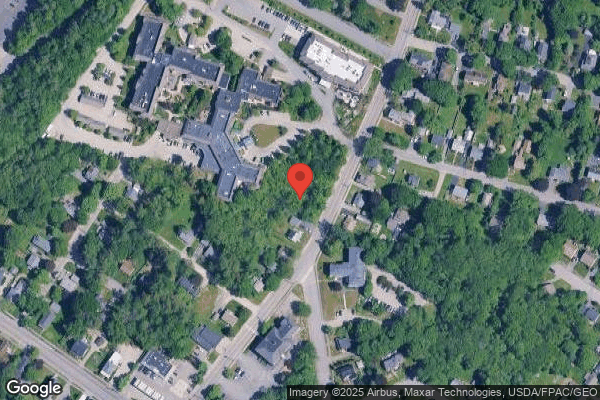

630 OCEAN AVENUE, PORTLAND, ME 04112 (207) 772-5456
Non profit - Corporation 102 Beds Independent Data: November 2025
Trust Grade
70/100
#20 of 77 in ME
Last Inspection: June 2025

Inspected within the last 6 months. Data reflects current conditions.

Overview

Cedars Nursing Care Center in Portland, Maine has a Trust Grade of B, indicating it is a good choice among nursing homes. Ranking #20 out of 77 facilities statewide places it in the top half of Maine's nursing homes, while a county rank of #6 out of 17 suggests that only five local options are better. The facility is improving, having reduced its number of issues from 12 in 2024 to 8 in 2025. Staffing is a strong point, with a perfect 5/5 star rating and turnover close to the state average at 51%, indicating that staff tend to stay and know the residents well. However, there are concerns, including insufficient infection control measures observed and a lack of proper housekeeping, which could affect resident comfort and safety. Additionally, the facility failed to conduct annual performance evaluations for several staff members, which raises questions about staff accountability and training.

Trust Score
B
70/100
In Maine
#20/77
Top 25%
Safety Record
Low Risk
No red flags
Inspections
Getting Better
12 → 8 violations
Staff Stability
⚠ Watch
51% turnover. Above average. Higher turnover means staff may not know residents' routines.
Penalties
✓ Good
No fines on record. Clean compliance history, better than most Maine facilities.
Skilled Nurses
✓ Good
Each resident gets 90 minutes of Registered Nurse (RN) attention daily — more than 97% of Maine nursing homes. RNs are the most trained staff who catch health problems before they become serious.
Violations
⚠ Watch
26 deficiencies on record. Higher than average. Multiple issues found across inspections.
★★★★☆
4.0
Overall Rating
★★★★★
5.0
Staff Levels
★★★★☆
4.0
Care Quality
★★★☆☆
3.0
Inspection Score
Stable
2024: 12 issues
2025: 8 issues

The Good

  • 5-Star Staffing Rating · Excellent nurse staffing levels
  • 4-Star Quality Measures · Strong clinical quality outcomes
  • Full Sprinkler Coverage · Fire safety systems throughout facility
  • No fines on record

Facility shows strength in staffing levels, quality measures, fire safety.

The Bad

Staff Turnover: 51%

Near Maine avg (46%)

Higher turnover may affect care consistency

The Ugly 26 deficiencies on record

Jun 2025 8 deficiencies
CONCERN (D)

Potential for Harm - no one hurt, but risky conditions existed

Resident Rights (Tag F0550)

Could have caused harm · This affected 1 resident

Based on observations and interviews, the facility failed to promote care for residents in a manner that maintained the residents' dignity when staff failed to groom a resident on 1 of 3 days of surve...

Read full inspector narrative →
Based on observations and interviews, the facility failed to promote care for residents in a manner that maintained the residents' dignity when staff failed to groom a resident on 1 of 3 days of survey (6/23/25) (Resident #34). Finding: On 6/23/25 at 11:09 a.m., observation of Resident #34 with long facial hair on the chin and upper lip. During an interview, Resident #34 stated he/she usually shaves every other day but hasn't since admission because he/she does not have a shaver. The surveyor asked if he/she would like staff to assist him/her with shaving, he/she stated, That would be nice, I noticed it was getting long. The Surveyor asked if staff has offered or asked him/her if he/she would like to be shaved, he/she stated No. On 6/24/25 at 3:22 p.m., After surveyor intervention, observation of Resident #34 with a clean shaven face. At this time, he/she confirmed it bothered him/her to have facial hair stating, Oh yeah, I had a really long one on my neck and I don't feel so subconscious. Review of the care plan initiated on 6/5/25 for ADL self-care performance deficit relating to limited mobility had a nursing intervention for Personal Hygiene: The resident requires assistance with personal hygiene and oral care. On 6/25/25 at 12:22 p.m., the above was discussed with the Director of Nursing who stated he/she should've been offered and assisted to shave.
CONCERN (D)

Potential for Harm - no one hurt, but risky conditions existed

Deficiency F0655 (Tag F0655)

Could have caused harm · This affected 1 resident

Based on record review and interview, the facility failed to ensure a baseline care plan was developed and implemented within 48 hours that included the instructions needed to provide minimum healthca...

Read full inspector narrative →
Based on record review and interview, the facility failed to ensure a baseline care plan was developed and implemented within 48 hours that included the instructions needed to provide minimum healthcare information necessary to properly care for 1 of 4 sampled residents reviewed for new admissions (Resident #281). Finding: Resident #281 was admitted in June of 2025 with a primary diagnosis of closed fracture of upper and lower end of left fibula, requiring a Enoxaparin (anticoagulant) injection daily. As of 6/25/25 Resident #281's medical record lacked evidence of a baseline care plan that included the instructions necessary to properly care for him/her, in the area above. On 6/25/25 at 11:15 a.m., the above was discussed with the Director of Nursing.
CONCERN (D)

Potential for Harm - no one hurt, but risky conditions existed

Deficiency F0657 (Tag F0657)

Could have caused harm · This affected 1 resident

Based on interviews and record review, the facility failed to review and revise the care plan by an interdisciplinary team (IDT), that included, to the extent possible, participation of the resident f...

Read full inspector narrative →
Based on interviews and record review, the facility failed to review and revise the care plan by an interdisciplinary team (IDT), that included, to the extent possible, participation of the resident for 1 of 25 reviewed for care planning. (Resident #65) On 6/23/25 at 9:26 a.m., during an interview, Resident #65 stated he/she has never heard of care plan meetings. Review of Resident #65's IDT care plan meeting notes showed IDTs occurring on 10/25/24, 1/28/25, 4/24/25, and 5/8/25. The medical record lacked evidence that he/she was invited and/or participated in his/her IDT meetings. On 6/25/25 at 1:00 p.m., the above was discussed with the Director of Nursing.
CONCERN (D)

Potential for Harm - no one hurt, but risky conditions existed

Food Safety (Tag F0812)

Could have caused harm · This affected 1 resident

**NOTE- TERMS IN BRACKETS HAVE BEEN EDITED TO PROTECT CONFIDENTIALITY** Based on observations and interviews, the facility failed to ensure the kitchen was maintained in a clean and sanitary manner fo...

Read full inspector narrative →
**NOTE- TERMS IN BRACKETS HAVE BEEN EDITED TO PROTECT CONFIDENTIALITY** Based on observations and interviews, the facility failed to ensure the kitchen was maintained in a clean and sanitary manner for 2 of 2 kitchen observations, and in 1 of 3 Kitchenette observations. Findings: 1. On 6/23/25 at 8:50 a.m. during the initial observation of the kitchen with Food Service Manager (FSM) the following were observed and confirmed. - Floor of walk-in fridge and freezer had a sticky substance on the floor. - Several stained ceiling tiles and overall heavy concentration of dust build up on the ceiling above the area of the clean dishes, exit, the dish machine and other areas of the ceiling. - Flat surface near the entrance of the kitchen was covered in a heavy layer of dust and grease. 2. On 6/25/25 at 7:30 a.m. during observation of the [NAME] kitchenette, was a black powdery substance on the top shelf of the freezer door. The refrigerator contained an open unlabeled/dated container of fruit. At this time, the above was confirmed with the Registered Nurse #1. 3. On 6/25/25 at 8:15 a.m. during the return visit to the kitchen with the Food Service Manager the following was observed and confirmed. After reviewing the cleaning duties documents, the FSM was asked how often the ceiling is cleaned. He stated, he thinks it is on a yearly schedule and In some areas that is probably not enough. The surveyor showed him the large section of the ceiling that appeared to be covered in dust and debris in the entry to the kitchen. The FSM took a cloth and wiped the ceiling and the debris came off, confirming that it was dust and dirt that should and can be removed.
CONCERN (E)

Potential for Harm - no one hurt, but risky conditions existed

Safe Environment (Tag F0584)

Could have caused harm · This affected multiple residents

**NOTE- TERMS IN BRACKETS HAVE BEEN EDITED TO PROTECT CONFIDENTIALITY** Based on observations and interviews, the facility failed to adequately provide housekeeping and maintenance services necessary ...

Read full inspector narrative →
**NOTE- TERMS IN BRACKETS HAVE BEEN EDITED TO PROTECT CONFIDENTIALITY** Based on observations and interviews, the facility failed to adequately provide housekeeping and maintenance services necessary to maintain the building in a sanitary, orderly, and comfortable environment on 3 of 3 Wings ([NAME], Black Wolf and [NAME]) and the common area/hallway for 3 of 3 days of survey. Findings: 1. On 6/23/25 at 9:40 a.m., [NAME] wing had 3 fans in the hallways, all of which were coated with a thick layer of dust. On 6/24/25 at 7:17 a.m., the surveyor discussed the observation of the dust covered fans observed in the hallways on 6/23/25. The Director of Nursing stated, they were filthy and were removed from the hallways. 2. On 6/24/25 at 1:34 p.m., an environmental tour was conducted with the Chief Operating Officer and the Director of Nursing for which the following was observed: [NAME] wing: room [ROOM NUMBER] next to the resident bed was a large area with exposed joint compound/sheetrock, creating an uncleanable surface. room [ROOM NUMBER]A had a fan coated with a thick layer of dust and the bathroom wall had a large area with exposed joint compound/sheetrock creating an uncleanable surface. room [ROOM NUMBER] the wall to the left side of window has large gouge with exposed sheetrock and edge of corner chipped paint exposing metal flashing. room [ROOM NUMBER] the corner of the wall has a plastic protector applied using medical tape and in the center of the floor there is a plank were the laminate is gouged out creating a hole in the floor. room [ROOM NUMBER]B had several areas of gouged wall with exposed sheetrock above the bed. Black Wolf Wing: room [ROOM NUMBER]B beside the bed was a very large area of gouged/scraped wall exposing sheet rock and the tile floor near the bathroom was stained white. [NAME] Wing: room [ROOM NUMBER]A had a broken lamp hanging on the wall 3. The carpet in the common area/hallways near the elevators were torn and stained throughout. On 6/25/25 at 1:30 p.m., during an interview the above was discussed with the Director of Nursing.
CONCERN (E)

Potential for Harm - no one hurt, but risky conditions existed

Deficiency F0730 (Tag F0730)

Could have caused harm · This affected multiple residents

Based on performance evaluation reviews and interviews, the facility failed to complete annual performance evaluations at least every 12 months for 5 of 5 sampled employees. (Certified Nursing Assista...

Read full inspector narrative →
Based on performance evaluation reviews and interviews, the facility failed to complete annual performance evaluations at least every 12 months for 5 of 5 sampled employees. (Certified Nursing Assistant (CNA) #2, #3, #4, #5, and #6) Findings: 1. CNA#2 was hired in April of 2023. The facility was unable to provide evidence of completed annual performance evaluations for 2024. 2. CNA#3 was hired in June of 2005. The facility was unable to provide evidence of completed annual performance evaluations for 2024. 3. CNA#4 was hired in March of 2017. The facility was unable to provide evidence of completed annual performance evaluations for 2024. 4. CNA#5 was hired in November of 2003. The facility was unable to provide evidence of completed annual performance evaluations for 2024. 5. CNA#6 was hired in October of 2020. The facility was unable to provide evidence of completed annual performance evaluations for 2024. On 6/24/25 at 2:07 p.m., the above information was confirmed with the Director of Nursing.
CONCERN (E)

Potential for Harm - no one hurt, but risky conditions existed

Infection Control (Tag F0880)

Could have caused harm · This affected multiple residents

**NOTE- TERMS IN BRACKETS HAVE BEEN EDITED TO PROTECT CONFIDENTIALITY** Based on observations, interviews and record reviews, the facility failed to demonstrate staff competency for Infection Control ...

Read full inspector narrative →
**NOTE- TERMS IN BRACKETS HAVE BEEN EDITED TO PROTECT CONFIDENTIALITY** Based on observations, interviews and record reviews, the facility failed to demonstrate staff competency for Infection Control in the areas of Transmission Based Precautions (TBP) and Enhanced Barrier Precautions (EBP) in 3 out of 3 units surveyed for Infection Control and Prevention. ([NAME] Unit, Black/Wolf Unit, and [NAME] Unit). Findings: Facility Policy Titled Transmission Based Precautions states: Contact Precautions: In addition to standard Precautions Contact Precautions for residents known or suspected of infection with microorganisms that can be transmitted by direct contact with the resident or indirect contact with environmental surfaces or resident-care items in the resident's environment. It also directs Wear gloves (clean, non-sterile) when entering the room and wear a disposable gown upon entering the Contact Precautions room Facility Policy Titled Enhanced Barrier Precautions states: These residents will be identifiable by colored tint of their name plate outside their room. Personal Protective Equipment (PPE) will be stored in PPE bags on the inside of resident's door or the outside of the bathroom door inside the resident room. EBP is only necessary when performing high-contact activities and may not need to be donned prior to entering the resident's room. Staff who do not engage in high-contact resident care would not need to utilize PPE such as answering the call light, speak with a resident or provide medications. Review of the Centers for Disease Control and Prevention (CDC) Contact Precautions signage states: Everyone Must: Clean their hands before entering and when leaving the room. Providers and Staff Must also: Put on gloves before room entry. Discard gloves before room exit. Put on Gown before room entry. Discard Gown before room exit. On 6/23/25 at 8:45 a.m. a surveyor observed a resident room on Black/Wolf Unit with PPE hanging from the door in a caddy, but no signage indicating when or what PPE to utilize. A Registered Nurse (RN#2) was observed about to enter the room. This surveyor stopped RN#2 and inquired what the PPE on the door was for. RN#2 was unable to tell the surveyor and went to ask another staff member. RN#2 returned and stated it was for EBP for (a drug-resistant organism) in the urine so she didn't need to wear PPE to give medications. On 6/23/25 at 9:10 a.m. a surveyor interviewed CNA#7 on Black/Wolf Unit about the PPE on resident's doors with no signage and where they would learn why it was on the door, CNA#7 stated it was shared in report, and it was also available in the care plan. On 6/23/25 at 9:15 a.m. A surveyor interviewed an Environmental Services worker (ES#1) who was cleaning a room on Black/Wolf Unit with PPE on the door and no signage. They were unable to correctly tell me what kind precautions the resident was on and what PPE they should be utilizing in that room. They were observed wearing gloves in the room. On 6/23/25 at 1:30 p.m. a surveyor interviewed RN #1 on [NAME] Unit who was caring for the resident who was on Contact precautions. When asked about what PPE to use in this room, RN#1 stated it's confusing if they should use Contact precautions or EBP. The signage on the door was a CDC sign for Contact precautions On 6/24/25 at 10:00 a.m a surveyor interviewed CNA-M#1 on [NAME] Unit and learned that the PPE on the doors with no signage was for EBP if the name was also highlighted in yellow. On 6/24/25 at 10:24 a.m. a surveyor interviewed CNA#8 on [NAME] Unit to ask why some resident names were highlighted in yellow. The surveyor was told, it doesn't mean anything. On 6/25/25 at 8:56 a.m. a surveyor interviewed CNA#2 on [NAME] Unit and she/he was able to verbalize the difference between Contact precautions and EBP but she/he was confused because there was one resident with a Contact precautions sign posted on their door but the PPE had been placed inside the room beyond the bathroom like they do for EBP which meant they had to enter the room completely to obtain PPE. On 6/25/25 at 9:00 a.m. a surveyor interviewed CNA#10 on [NAME] Unit who when asked the difference between Contact precautions and EBP stated that Contact precautions meant that they only used PPE if they were doing personal care and EBP meant they had to use PPE every time they entered the room. The surveyor explained to CNA#10 that it was the reverse. On 6/25/25 at 9:40 a.m. a surveyor interviewed CNA #9 on [NAME] Unit as they were about to enter a room with EBP. I asked if this room was EBP or Contact precautions and to explain the PPE that was needed, and they were unable to say for sure. A record review of the facility's Enhanced Barrier Precautions Performance Improvement Plan showed it was initiated on 6/20/24 and last revised on 12/19/24. There is no evidence that the plan has been reviewed or revised since that date. There is no evidence that the staff were assessed for competency or knowledge since the initiation of the plan or evidence the plan was revised since 12/19/24. On 6/25/25 at 10:11 a.m. the surveyor met with the Infection Preventionist and discussed the concerns with staff competency around TBP and EBP. The surveyor learned this was an issue they recognized when EBP was initiated which is why they initiated the Performance Improvement Plan but stated that it wasn't working and staff still didn't understand.
CONCERN (E)

Potential for Harm - no one hurt, but risky conditions existed

Deficiency F0947 (Tag F0947)

Could have caused harm · This affected multiple residents

Based on Certified Nursing Assistant (CNA) employee education record review and interview, the facility failed to ensure that the CNA attended the mandatory yearly Resident Rights training for 5 of 5 ...

Read full inspector narrative →
Based on Certified Nursing Assistant (CNA) employee education record review and interview, the facility failed to ensure that the CNA attended the mandatory yearly Resident Rights training for 5 of 5 CNA's reviewed. Furthermore, the facility failed to monitor and ensure that the CNA attended the required 12 hours of annual in-service education training for 2 of 5 randomly selected CNAs employed greater than 1 year. (CNA #2, #3, #4, #5, #6) Findings: 1. CNA #2 was hired in April of 2023. Review of CNA #2 Employee In-service/attendance records lacked evidence of Resident Rights training for 2024. 2. CNA #3 was hired in June of 2005. Review of CNA #3 Employee In-service/attendance records lacked evidence of Resident Rights training for 2024. 3. CNA #4 was hired in March of 2017. Review of CNA #4 Employee In-service/attendance records lacked evidence of Resident Rights training for 2024. Furthermore, the record lacked evidence of the required 12 hours for continuing education for the year 2024. 4. CNA #5 was hired in November of 2003. Review of CNA #5 Employee In-service/attendance records lacked evidence of Resident Rights training for 2024. 5. CNA #6 was hired in October of 2020. Review of CNA #6 Employee In-service/attendance records lacked evidence of Resident Rights training for 2024. Furthermore, the record lacked evidence of the required 12 hours for continuing education for the year 2024. On 6/24/25 at 2:07 p.m., the above information was confirmed with the Director of Nursing.
Apr 2024 11 deficiencies
CONCERN (D)

Potential for Harm - no one hurt, but risky conditions existed

Comprehensive Care Plan (Tag F0656)

Could have caused harm · This affected 1 resident

Based on record review, observations and interview, the facility failed to implement a care plan in the area of nutrition for 1 of 1 sampled resident for tube feedings (#36). Finding: Review of Reside...

Read full inspector narrative →
Based on record review, observations and interview, the facility failed to implement a care plan in the area of nutrition for 1 of 1 sampled resident for tube feedings (#36). Finding: Review of Resident #36's nutrition care plan, revised 3/2/24, instructs nursing to, Verify that my tube placement is correct prior to administering any medications, tube feedings or flushing of the tube. On 4/1/24 at 12:01 p.m., during observation of a Registered Nurse (RN) administering medication and a feeding bolus via gastrostomy tube (GT); the RN failed to confirm placement of the G-Tube and check gastric residual volume (GRV) prior to administering medications and feeding bolus. In an interview with the RN, she stated she did not check placement or residual because, We don't have orders to. On 4/1/24 at 4:11 p.m., during an interview, the above was discussed with the [NAME] President of Nursing.
CONCERN (D)

Potential for Harm - no one hurt, but risky conditions existed

Tube Feeding (Tag F0693)

Could have caused harm · This affected 1 resident

Based in record review, observation and interview, the facility failed to provide appropriate treatment to prevent the risk of complications related to enteral feeding, for 1 of 1 resident reviewed fo...

Read full inspector narrative →
Based in record review, observation and interview, the facility failed to provide appropriate treatment to prevent the risk of complications related to enteral feeding, for 1 of 1 resident reviewed for tube feeding. (#36) Finding: Facilities Medication Administration via Gastrostomy Tube, with no initiation or revision dates available states, of this procedure is to provide guidelines for the safe administration of medications through an enteral tube, with the following procedures to be completed before administration of medication and/or feeding; confirm placement of feeding tube and check gastric residual volume (GRV) to assess for tolerance of enteral feeding. On 4/1/24 at 12:01 p.m., during observation of Registered Nurse (RN#1) administering a feeding bolus and medication via gastrostomy tube for resident #36, RN#1 failed to confirm placement of the G-Tube and check GRV prior to administering the medication and feeding bolus. In an interview with RN#1, she stated she did not check placement or residual because, We don't have orders to. On 4/2/24 at 10:42 a.m., during an interview, Resident #36 was asked if nursing ensures the G-tube is in the correct place prior to administering medications or feedings, resident stated No. He/she was asked if nursing checks residual prior to administering feeding, resident stated, No. On 4/1/24 at 4:11 p.m., during an interview, the above was discussed with the [NAME] President of Nursing
CONCERN (D)

Potential for Harm - no one hurt, but risky conditions existed

Respiratory Care (Tag F0695)

Could have caused harm · This affected 1 resident

Based on observations and interviews, the facility failed to provide a sanitary environment to help prevent the development and transmission of disease and infection related to nebulizer and oxygen tu...

Read full inspector narrative →
Based on observations and interviews, the facility failed to provide a sanitary environment to help prevent the development and transmission of disease and infection related to nebulizer and oxygen tubing for 2 of 2 residents reviewed for respiratory care. (#4, #82) Findings 1. On 4/1/24 at 9:48 a.m., Observation of Resident #21 to have a nebulizer pipe with tubing stored in a basin along with an exercise band and socks. At this time, during an interview, resident stated he/she has not used a nebulizer for, long time ago, only when I need it. On 4/2/24 at 2:29 p.m., both the Registered Nurse (RN#1) and surveyor observed the nebulizer pipe and tubing in the basin, the RN#1 removed/discarded the nebulizer pipe into the trash. On 4/2/24 at 3:50 p.m., during an interview, the [NAME] President of Nursing stated Resident #21's last nebulizer order was back in 3/24/20 and if a nebulizer is being used it should be rinsed out, dried and stored in a bag. 2. On 4/1/24 at 10:46 a.m., observation of Resident #170's oxygen concentrator with a nasal cannula tubing, unlabeled/dated and hanging off the knob of the concentrator. At this time, in an interview, Resident stated, he/she only uses oxygen at night. On 4/2/24 at 9:30 a.m., an additional observation of Resident #170's oxygen concentrator with a nasal cannula now dated with a date of 3/31 and hanging off the back of the concentrator. On 4/2/24 at 2:31 p.m., both the RN#1 and surveyor observed the oxygen nasal cannula hanging off the back of the concentrator. The surveyor questioned the validity of the dated nasal cannula tube due to the observation the day prior. The RN#1 did not have a reason for the discrepancy, and stated she has worked at the facility for 3 years and has never seen oxygen tubing stored in bags stating, it often looks like that, wrapped up. On 4/3/24 at 8:24 a.m., during an interview, the [NAME] President of Nursing confirmed the above stating nasal cannulas should be stored in plastic bags, when not in use. In addition, the facility was unable to provide a policy and procedure for storage of oxygen tubing and nebulizer supplies when used intermittently.
CONCERN (D)

Potential for Harm - no one hurt, but risky conditions existed

Infection Control (Tag F0880)

Could have caused harm · This affected 1 resident

Based on record review and interview, the facility failed to conduct an annual review of it's Infection Prevention and Control Program (IPCP). Finding: On 4/2/24, during a review of the facility's IPC...

Read full inspector narrative →
Based on record review and interview, the facility failed to conduct an annual review of it's Infection Prevention and Control Program (IPCP). Finding: On 4/2/24, during a review of the facility's IPCP policy and procedures, a surveyor noted various policies within the program lacked dates indicating a review and/or revision was completed. Policies included: Infection Control, undated; Pneumococcal Immunization for Resident with Prevnar 13 and Prevnar 23, undated; Infection Control: Influenza Vaccination for Residents, Administration of Covid-19 Vaccine, with a revision date of 1/4/22; Coronavirus Pandemic Strategies to Mitigate Healthcare Personnel Staffing Shortages, with a revision date of 3/11/22; Influenza Protocol, undated; Transmission Based Precautions, undated. On 4/2/24 at 11:00 a.m., in an interview with a surveyor, the Director of Nursing stated the facility reviews its policies and procedures, but confirmed the policies were unsigned and there was no evidence to show the policies related to the IPCP were reviewed and revised on an annual basis.
CONCERN (D)

Potential for Harm - no one hurt, but risky conditions existed

Deficiency F0883 (Tag F0883)

Could have caused harm · This affected 1 resident

**NOTE- TERMS IN BRACKETS HAVE BEEN EDITED TO PROTECT CONFIDENTIALITY** Based on record reviews and interview, the facility failed to ensure 1 of 5 residents (#51) reviewed for immunizations was revie...

Read full inspector narrative →
**NOTE- TERMS IN BRACKETS HAVE BEEN EDITED TO PROTECT CONFIDENTIALITY** Based on record reviews and interview, the facility failed to ensure 1 of 5 residents (#51) reviewed for immunizations was reviewed and offered pneumococcal vaccination in accordance with the United States Centers for Disease Control and Prevention (CDC) recommendations. Finding: A review of the CDC's Vaccine Information Statement (Interim) Pneumococcal Conjugate Vaccine, dated 5/12/23, stated Pneumococcal conjugate vaccine helps protect against bacteria that cause pneumococcal disease. There are three pneumococcal conjugate vaccines (PCV13, PCV15, and PCV20). The different vaccines are recommended for different people based on age and medical status. Adults 65 years or older who have not previously received pneumococcal conjugate vaccine should receive pneumococcal conjugate vaccine. During a review of Resident #51's immunization record, the surveyor could not locate evidence that Resident #51 was reviewed, offered, or received a pneumococcal conjugate vaccination. The Resident is over [AGE] years of age. On 4/2/24, during an interview with a surveyor at approximately 11:00 a.m., the Director of Nursing confirmed the record lacked evidence that Resident #51 was reviewed and offered a pneumococcal vaccination.
CONCERN (E)

Potential for Harm - no one hurt, but risky conditions existed

Safe Environment (Tag F0584)

Could have caused harm · This affected multiple residents

**NOTE- TERMS IN BRACKETS HAVE BEEN EDITED TO PROTECT CONFIDENTIALITY** Based on observations and interviews, the facility failed to maintain adequate housekeeping and maintenance services to maintain...

Read full inspector narrative →
**NOTE- TERMS IN BRACKETS HAVE BEEN EDITED TO PROTECT CONFIDENTIALITY** Based on observations and interviews, the facility failed to maintain adequate housekeeping and maintenance services to maintain a sanitary, orderly, and comfortable interior for 3 of 3 residential units. Findings: On 4/3/2024 beginning at 9:00a.m., during a facility tour with the Maintenance Supervisor, the following findings were observed: [NAME] Unit: Stained ceiling tile in hallway just outside of restroom. Cobwebs attached to the light fixture and ceiling just outside of dining room. Black/[NAME] Unit: room [ROOM NUMBER] - Stained ceiling tile in the middle of the room room [ROOM NUMBER] - Debris stuck to floor from an area rug that was fixed to the floor Intravenous (IV) pole that is used for Tube feedings has stains and debris on base of IV pole room [ROOM NUMBER] - Stained ceiling tile in the middle of the room Unit exit door - has a buildup of sticky material on the door, staff member stated it was glue residue from a Velcro patch that was on the door. [NAME] Unit: Dining Room - Stained ceiling tiles in the middle of the room; 5-6 stained spots on the ceiling in front of the window Hallway in front of the Nutrition Kitchen - 2 stained ceiling tiles Conference Room on first floor - Stained ceiling tile above white board All of the above were confirmed with the Maintenance supervisor at 9:45 a.m., during the facility tour.
CONCERN (E)

Potential for Harm - no one hurt, but risky conditions existed

Deficiency F0657 (Tag F0657)

Could have caused harm · This affected multiple residents

**NOTE- TERMS IN BRACKETS HAVE BEEN EDITED TO PROTECT CONFIDENTIALITY** Based on observation, record review and interview, the facility failed to revise the care plan to reflect a resident's current s...

Read full inspector narrative →
**NOTE- TERMS IN BRACKETS HAVE BEEN EDITED TO PROTECT CONFIDENTIALITY** Based on observation, record review and interview, the facility failed to revise the care plan to reflect a resident's current status for 1 of 3 residents reviewed for skin conditions (#21) and 1 of 1 resident reviewed for limited range of motion (#8). Findings: 1. On 4/1/24 at 9:43 a.m., observation of Resident #21 to have compression wraps with kerlix and coban, to both lower extremities. Review of Resident #21's medical record contained the following: a care plan initiated on 2/22/21 for Edema, interfering with functional abilities with an intervention of put ted hose on in am, off at hs. A Wound Assessment Report initiated on 2/21/24 stated, a new wound identified, Venous Ulcer to right top of foot and a Provider order dated 2/21/24 for wound care for bilateral lower edema (BLE) every Tuesday and Saturday. Cleanse BLE with soapy water / cover wounds with Ag (Silver) Alginate / compression wraps with kerlix followed by coban mid foot -knee. On 4/2/24 at 12:08 p.m., during an interview, the Registered Nurse confirmed the resident is no longer using ted hose and the care plan does not reflect the current needs/treatment of the resident in the area of edema. 2. On 4/01/24 at 10:55 a.m., in an interview with a surveyor, Resident #8 stated I do have splints for my arm and leg but I've lost weight and it doesn't fit. The fellow who fit it no longer works here. A review of Provider Orders, signed on 1/4/24, noted the following order: Resident should wear resting left hand splint day and evening as much as possible. No order was found for use of a left leg splint. A review of the Minimum Data Set (MDS) 3.0, Quarterly Assessment, dated 12/13/23, Section O0500, Restorative Nursing Program, C. Splint or Brace Assistance, found no documentation for restorative nursing to provide assistance with splints or braces. A review of Resident #8's care plan, last revised 3/9/24, noted the following: I have an impaired ability to apply my left ankle AFO (Ankle Foot Orthosis) related to foot drop and I also want to prevent getting a contracture. Interventions included: Provide me with verbal cues for sequence of step by step instructions. Provide me with passive range of motion (PROM) to my left ankle for 5 minutes prior to donning my left ankle AFO 2 times per day following instructions from therapy. Apply my left ankle AFO first thing in the morning and worn the entire time I am up in my chair. And, I will wear a brace on my left leg and a resting splint on my left hand. I have a schedule in my room to follow. On 04/02/24 at 12:30 p.m., in an interview with a surveyor, RN #3 stated he/she had never known Resident #8 to wear splints. On 04/02/24 at 3:10 p.m., in an interview with 3 Certified Nursing Assistants (CNA) on the [NAME] Unit, a surveyor asked if Resident #8 has a splint or leg brace applied, and if staff performs PROM. The CNA's stated PROM was not done because Resident #8 is usually in too much pain and is too sensitive. The staff stated Resident #8 refuses (care) a lot, and staff will position him/her with a pillow under his/her left elbow for support. Staff stated Resident #8 may agree to wearing the left wrist splint when he/she is up and out of bed in the morning, but usually for no more than an hour. Staff stated Resident #8 has not worn the leg brace for a long time and they are not performing PROM on the ankle. On 4/02/24 at 3:30 p.m., in an interview with a surveyor, the Rehabilitation Manager stated due to the scope and severity of Resident #8's contractures and his/her spasticity, performing PROM would be too painful. The Rehabilitation Manager stated Resident #8's condition was brought to his/her attention during rounds and was discussed with the team 2-3 weeks ago. The surveyor asked if staff should be applying the hand splint and/or AFO now. The Rehabilitation Manager stated applying them would cause more harm, such as pressure ulcers, due to them not fitting right. On 04/02/24 at 4:10 p.m., in an interview with the Director of Nursing (DON), a surveyor discussed that Resident #8's current care plan instructs staff to perform PROM and apply the wrist splint and AFO. However, therapy's recommendation is to avoid use until Resident #3 can be re-evaluated. The DON confirmed that Resident #8's care plan was not revised to reflect the current needs of the resident regarding limited range of motion.
CONCERN (E)

Potential for Harm - no one hurt, but risky conditions existed

Quality of Care (Tag F0684)

Could have caused harm · This affected multiple residents

Based on observation, interviews and record reviews, the facility failed to ensure that nursing obtained new orders for wound care and followed physician orders for 2 of 3 residents reviewed for skin ...

Read full inspector narrative →
Based on observation, interviews and record reviews, the facility failed to ensure that nursing obtained new orders for wound care and followed physician orders for 2 of 3 residents reviewed for skin conditions (Resident #21 [R21], R30) and the facility failed to follow physician orders to obtain a urine sample for 1 of 2 residents reviewed for falls (R3). Findings: 1. Review of R21's medical record contained a Provider order dated 2/21/24 for wound care for bilateral lower edema (BLE) every Tuesday and Saturday. Cleanse BLE with soapy water / cover wounds with Ag (Silver) Alginate / compression wraps with kerlix followed by coban mid foot -knee. Review of a Wound Assessment Report stated R21's venous ulcer to top of the right foot had resolved on 2/29/24. On 4/2/24 at approx. 11:34 a.m., during an interview, the wound nurse stated, R21 had an open area to his/her right lateral heel and legs were weepy due to edema, he/she did have an alginate dressing, but the wound healed, so now it's just kerlix and coban. During the observation of R21's BLE dressing change, the wound nurse did not apply alginate as per the MD order. The wound nurse stated she did not use the alginate because the opened area was closed, and she would normally update the orders for alginate as needed after treatments/assessment of wound. At this time, the wound nurse confirmed the wound was documented as healed on 2/29/24 and the order was not updated to reflect the current treatment. 2. On 4/1/24 at 10:25 a.m., R30 was observed to have extremely dry, scaly skin on bilateral arms. In a brief interview, the resident was asked if staff apply lotion to his/her arms, resident replied No, they don't do anything with it, they put lotion on my legs. Review of R30's medical record contained a Provider order dated 3/17/24, to apply moisturizer to arms twice daily. The Treatment Administration Record has documented administration of moisturizer to his/her arms twice daily. In addition, the documentation states on 4/1/24 that Registered Nurse (RN) #1 applied lotion on the day shift. On 4/2/24 at 2:29 p.m., during an interview, RN #1 stated she was not aware of R30 having any orders for lotion. Both the surveyor and RN #1 observed R30's extremely dry, scaly arms. In an additional interview with R30, he/she again stated, that he/she has not had any lotions applied to his/her arms, not yesterday or today. At this time, RN#1 stated, we will have to get an order for lotion. The surveyor informed the RN#1 that there was already an order in place, she signed it off that she applied lotion to the resident's arm yesterday. On 4/2/24 at 2:54 p.m., the above was discussed with the [NAME] President of Nursing. 3. Review of R3's Post-Incident Actions report states .resident found down at bedside on floor with head under the bed and updated provider of increased confusion and {R3) stated that he/she felt the need to void more often and that his/her back hurt. Received order from provider to do st cath (straight cathetor) for u/a (urinalysis) reflux and sediment due to staff and family observing behavior changes and urine frequency. Review of Resident #3's medical record contained a provider order dated 3/30/24 to obtain urine sample to rule out UTI (urinary tract infection), increased confusion and urinary frequency, and fall protocol/neuro (neurological) checks. On 4/3/24 at 11:00 a.m. in an interview with the [NAME] President of Nursing, a surveyor confirmed that a urine sample was not obtained, and neurological checks were not completed.
CONCERN (E)

Potential for Harm - no one hurt, but risky conditions existed

Pharmacy Services (Tag F0755)

Could have caused harm · This affected multiple residents

**NOTE- TERMS IN BRACKETS HAVE BEEN EDITED TO PROTECT CONFIDENTIALITY** Based on record review and interview, the facility failed to ensure expired medications were removed from the Automated Dispensi...

Read full inspector narrative →
**NOTE- TERMS IN BRACKETS HAVE BEEN EDITED TO PROTECT CONFIDENTIALITY** Based on record review and interview, the facility failed to ensure expired medications were removed from the Automated Dispensing Machine (ADM) for first dose and emergency medications available for use in 2 of 2 medication rooms which contain an ADM (Black Wolf and [NAME] Neighborhoods). Findings: The facilities Automated Dispensing Machine for first dose and emergency medications policy and Procedure states, Authorized staff should not place any medications with expiration dates less than 60 days in the dispensing machine and The pharmacy will provide routine inspections to evaluate . condition and expiration dates of medications stored in the dispensing machine. On 4/1/24 at 12:40 p.m., the [NAME] President of Nursing provided the surveyor with the Outdated Inventory tracking form for the facilities ADM. At this time, the [NAME] President of Nursing confirmed there was 19 medications available for use that were expired, and she will get them removed. Upon review of the Outdated Inventory tracking form: [NAME] ADM contained the following expired medications: Amoxicillin/Clavulanic acid 500/125mg (milligram), expiration date of 3/31/24 Colchicine 0.5mg, expiration date of 3/31/24 Diltiazem 30mg, expiration date of 3/31/24 Glipizide 5mg, expiration date of 3/30/24 Potassium CL ER 10 mEq (milliequivalents), expiration date of 3/31/24 The Black Wolf ADM contained the following expired medications: Bupropion 75mg, expiration date of 3/31/24 Ciprofloxacin 250mh, expiration date of 4/1/24 Glipizide 5mg, expiration date of 3/30/24 Hydrocodone-APAP 5/325mg, expiration date of 3/31/24 Levetiracetam 250mg, expiration date of 4/1/24 Methylprednisolone 4mg, expiration date of 3/30/24 Morphine Sulfate 15mg, expiration date of 3/31/24 Morphine Sulfate 10mg, expiration date of 3/30/24 Moxifloxacin 400mg, expiration date of 3/30/24 On 4/1/24 at 4:11 p.m., during an interview, the [NAME] President of Nursing confirmed the above expired medications were available for use.
CONCERN (E)

Potential for Harm - no one hurt, but risky conditions existed

Deficiency F0761 (Tag F0761)

Could have caused harm · This affected multiple residents

**NOTE- TERMS IN BRACKETS HAVE BEEN EDITED TO PROTECT CONFIDENTIALITY** 3. On 4/1/24 at 12:21 p.m. a surveyor observed the following on top of Resident #47's nightstand; 1 Spiriva inhaler, 2 Combivent...

Read full inspector narrative →
**NOTE- TERMS IN BRACKETS HAVE BEEN EDITED TO PROTECT CONFIDENTIALITY** 3. On 4/1/24 at 12:21 p.m. a surveyor observed the following on top of Resident #47's nightstand; 1 Spiriva inhaler, 2 Combivent inhalers, 1 Flonase inhaler. When Resident #47 was asked about the medications, they confirmed that is where the nurses leave them. On 4/1/24 at 12:40 p.m. a surveyor interviewed the unit manager and learned that Resident #47 had not been assessed to safely keep medications at the bedside nor were those medications being stored safely. Based on record review, observations and interviews, facility failed to adequately date and properly dispose of open medications according to manufacturer specifications and failed to ensure expired medications were removed from the supply available for use on 3 of 3 neighborhoods observed ([NAME], [NAME], Black Wolf). Findings: The facilities Storage of Medication policy and Procedure effective January 2019 states, All expired medications will be removed from the active supply and destroyed in the facility, regardless of amount remaining, The facility should maintain a temperature log in the storage area to record temperatures at least once a day and The facility should check the refrigerator or freezer in which vaccines are stored, at least two times a day, per CDC guidelines. 1. On 4/1/24 at 11:18 a.m., observation of medication storage on the [NAME] Neighborhood with the Certified Medication Technician the following was observed: The Certified Medication Cart contained an opened bottle of multivitamins with minerals with expiration date of 3/24 and the Medication room refrigerator contained one influenza vaccine, the refrigerator temperature log from 1/7/24 through 4/1/24 has recordings of temperatures once daily with 11 days without monitoring. 2. On 4/2/24 at 8:45 a.m., observation of medication storage on the [NAME] Neighborhood with the RN#2 the refrigerator contained an opened bottle of Tuberculin Purified Protein unlabeled without an opened date with manufactures instructions, once entered vial should be discarded after 30 days. On 4/2/24 at 10:02 a.m., during an interview, the above was discussed with the [NAME] President of Nursing
CONCERN (E)

Potential for Harm - no one hurt, but risky conditions existed

Food Safety (Tag F0812)

Could have caused harm · This affected multiple residents

**NOTE- TERMS IN BRACKETS HAVE BEEN EDITED TO PROTECT CONFIDENTIALITY** Based on observations and interviews, the facility failed to ensure the kitchen was maintained in a clean and sanitary manner du...

Read full inspector narrative →
**NOTE- TERMS IN BRACKETS HAVE BEEN EDITED TO PROTECT CONFIDENTIALITY** Based on observations and interviews, the facility failed to ensure the kitchen was maintained in a clean and sanitary manner due to the Dietitian walking through the kitchen with hair not contained or covered. Additionally, the walk-in refrigerator contained a pan of green beans that was not labeled or dated. Findings: 1- 0n 4/1/2024, at 9:10 a.m., during the initial tour of the kitchen with the Dietary Director a surveyor observed a pan of green beans in the refrigerator unlabeled and undated. The Dietician was observed walking through the kitchen with hair uncontained and uncovered. The Food Service Director was present and aware of the findings at that time. 2- On 4/2/2024 @ 8:00 a.m. - Observation of serving breakfast on [NAME] Unit a surveyor observed food server with long hair not contained but wearing a hair net over the top of her head. Staff member stated that she is not a kitchen staff member, she works in Medical Records, and we train them to be able to serve the meals. 3- On 4/2/2024 @ 2:20p.m. - Return observation to the Kitchen with Dietary Manager, a surveyor observed a light amount of dust on and hanging from approximately 1/4 of kitchen ceiling On 4/2/2-24. The above findings were confirmed with the Director of Nursing at approximately 3:30p.m.
Feb 2024 1 deficiency
CONCERN (D) 📢 Someone Reported This

A family member, employee, or ombudsman was alarmed enough to file a formal complaint

Potential for Harm - no one hurt, but risky conditions existed

Accident Prevention (Tag F0689)

Could have caused harm · This affected 1 resident

Based on record review, facility policy review, and interview, the facility failed to ensure that a resident was free from an avoidable accident hazard by not removing a hot pack timely for 1of 1 resi...

Read full inspector narrative →
Based on record review, facility policy review, and interview, the facility failed to ensure that a resident was free from an avoidable accident hazard by not removing a hot pack timely for 1of 1 residents reviewed for accidents (#1). Finding: A review of Resident #1s clinical record reveals a physician order dated 1/30/24 for Hot Pack q [every] 4 hours PRN [as needed] for back pain. A review of Resident #1s clinical record states that on the night of 2/3/24, a hot pack was placed on the resident's back for treatment of back pain. Review of a progress note dated 2/4/24 states a dime sized blister was observed on Resident #1s lower back, and there was a cold hot pack found in the resident's bed. Review of the facilities procedure for Hot Packs: Safe application and use states in Step #11 Assess the patient/resident's skin every fifteen minutes or frequently. In Step #12, it states, Remove and dispose of the pack after thirty minutes. Additional review of Resident #1s clinical record lacks evidence that the facility procedure for safe application of Hot Packs was followed as outlined in Steps #11 and #12. On 2/20/2024, at 11:30a.m. in an interview with the Director of Nursing, the surveyor confirmed the avoidable accident hazard related to Hot Packs.
Aug 2023 2 deficiencies
CONCERN (D) 📢 Someone Reported This

A family member, employee, or ombudsman was alarmed enough to file a formal complaint

Potential for Harm - no one hurt, but risky conditions existed

Free from Abuse/Neglect (Tag F0600)

Could have caused harm · This affected 1 resident

**NOTE- TERMS IN BRACKETS HAVE BEEN EDITED TO PROTECT CONFIDENTIALITY** Based on review of the anonymous complaint report, review of the facility's Abuse /Neglect or Misappropriation of Resident Prope...

Read full inspector narrative →
**NOTE- TERMS IN BRACKETS HAVE BEEN EDITED TO PROTECT CONFIDENTIALITY** Based on review of the anonymous complaint report, review of the facility's Abuse /Neglect or Misappropriation of Resident Property policy, and interviews the facility failed to protect the resident's right to be free from emotional/mental abuse by staff which caused the resident to be temporarily embarrassed, humiliated, and fearful to ask for staff assistance for 1 of 3 residents reviewed for abuse allegations (Resident #1). Finding: Review of facility policy titled Reporting Resident Mistreatment, Abuse, Neglect, or Misappropriation of Resident Property policy and procedure states: Purpose: Residents of the [NAME] will be protected from any mistreatment. Mental abuse includes but is not limited to humiliation, harassment, threats of punishment or deprivation . On 8/10/23 at 11:30 a.m., the Division of Licensing and Certification received an anonymous complaint stating Resident #1 felt like a staff member was very harsh to him/her and made him/her feel uncomfortable pressing the help button so he/she would avoid calling for help. The staff member entered resident's room once with an angry face and heaved blankets onto Resident #1. Additionally, Resident #1 stated that the staff member was washing him/her with water that was way too hot and was providing very rough care in his/her private area. Further, Resident #1 was put on a toilet in his/her bathroom by the same staff member, and the bathroom and bedroom door were left open, and another staff member entered the room which was embarrassing and humiliating for Resident #1. Review of Resident #1s clinical record reveals Resident #1 was admitted to the facility in June of 2023 following hospitalization for fall with fracture. Review of OBRA admission Minimum Data Set (MDS) dated [DATE] revealed Resident #1 has a Brief Interview for Mental Status (BIMS) 15 of 15 indicating resident is cognitively intact. On 8/21/23 at 1:13 p.m., in an interview with the surveyor, Resident #1s representative stated that on 7/26/23 [he/she] sent an e-mail to the Nurse Manager of the unit Resident #1 resided on, and the Licensed Clinical Social Worker (LCSW) of the facility. This was following up on a discussion they all had a couple of weeks prior regarding the concern [he/she] and Resident #1 had with Certified Nursing Assistant (CNA #1) throwing blankets on/at him/her. The resident representative stated that Resident #1 told [him/her] that the interaction with CNA #1 made him/her not want to call for assistance. The [resident representative] would prefer that CNA # 1 did not provide care for Resident #1 at all. The resident representative went on to discuss other allegations of mistreatment/abuse in July and August 2023. The surveyor reviewed the emails dated 7/28/23 to 8/10/23 between the Nurse Manager, the LCSW, and Resident #1s representative, the email communications confirm the facility was aware of allegations of mistreatment/abuse from mid-July 2023 on. The facility's solution was to remove CNA #1 from doing care for Resident #1. On 8/22/23 at 9:00 a.m., in an interview, Resident #1 stated, I had care from a CNA [#1] and she always seemed very angry at me because I would call for help a lot, to have care done. CNA #1 really made me feel bad and I felt like I was a bother to her. She really intimidated me so I got so I really didn't want to push the call bell for fear that it would be her that answered it and she would be mad and retaliate against me somehow. CNA #1's reaction to me needing help made me not want to call for assistance. Another instance was when I need my blankets picked back up for my bed, I have trouble sleeping at night and I move my legs around a lot and my blankets get kicked off my bed, I pushed my call bell and she entered the room and I described what I needed, CNA #1 picked the blankets up and threw them back at me. Another day, which would have been about the first week of August 2023 I believe, she went to clean me up and dumped very hot water on my groin and then proceeded to wash me very hard and aggressively, it hurt, but I was afraid to say anything to her because she seemed angry, there was another day where CNA #1 walked me to the toilet and left me on the toilet with the bathroom door open, I am not sure if the room door was open, but I never heard anybody knock on the door, and I saw a staff member bring in my meal tray and there I was sitting on the toilet with the bathroom door wide open. I felt so embarrassed/humilitated and very upset. It felt like I was treated without dignity or respect. On 8/22/23 at 10:15 a.m., in an interview, the surveyor discussed the concerns with the Director of Nursing, DON. The DON stated that she knew there was an accusation from Resident #1 and the resident's [representative] that CNA #1 had thrown blankets at him/her. The DON stated that she informed from the Nurse Manager of the Rehab unit and the LCSW of the blanket throw incident on July 28, 2023. The DON stated she did not report it to the State Survey Agency because it was just blankets and she didn't think it was abuse. The DON stated she thinks on or around August 8, 2023, the Staff Scheduler and the Rehab Unit Nurse Manager met with CNA #1 to take her off of Resident #1's care and assignment. The DON stated she believed that there were emails between the Social Worker and Rehab unit Nurse Manager and the resident's [representative] and she would provide them. On 8/22/23 at 10:35 a.m., in an interview, CNA #1 denied the alleged allegations of mistreating/abusing Resident #1. On 8/22/23 at 11:20 a.m., in an interview, LCSW stated she was knowledgeable about the allegations of mistreatment/abuse Resident #1 had with CNA #1. The LCSW stated she had told the Nurse Manager on the Rehab unit. She stated she thought it was just a disagreement between a resident and a staff member. On 8/22/23 at 11:50 a.m., in an interview, the DON stated she had reviewed e-mail between the facility and the resident representative, and it was the first time she had seen the allegations of mistreatment/abuse other than the one about the blankets being thrown. She stated that all the allegations should have been reported to her and the Administrator and the SSA should have been called, the staff member should have been suspended and the facility should have completed a thorough investigation. On 8/22/23 at 12:10 p.m., in a phone interview, the Rehab Unit Nurse Manager stated that she knew of the allegations of mistreatment/abuse by CNA #1 to Resident #1. She stated that she didn't feel it was abuse. She stated that she believed the Resident #1 and CNA #1 had a personality conflict.
CONCERN (D) 📢 Someone Reported This

A family member, employee, or ombudsman was alarmed enough to file a formal complaint

Potential for Harm - no one hurt, but risky conditions existed

Report Alleged Abuse (Tag F0609)

Could have caused harm · This affected 1 resident

**NOTE- TERMS IN BRACKETS HAVE BEEN EDITED TO PROTECT CONFIDENTIALITY** Based on interviews and the facility's Abuse/Neglect or Misappropriation of Resident Property policy and procedure review, the f...

Read full inspector narrative →
**NOTE- TERMS IN BRACKETS HAVE BEEN EDITED TO PROTECT CONFIDENTIALITY** Based on interviews and the facility's Abuse/Neglect or Misappropriation of Resident Property policy and procedure review, the facility failed to report an allegation of abuse to the Division of Licensing and Certification (DLC) (State Survey Agency (SSA)) for 1 of 3 residents sampled. (#1) Finding: On 8/10/23 at 11:30 a.m., the Division of Licensing and Certification received an anonymous complaint stating Resident #1 felt like a staff member was very harsh to him/her and made him/her feel uncomfortable pressing the help button so he/she would avoid calling for help. The staff member entered resident's room once with an angry face and heaved blankets onto Resident #1. Additionally, Resident #1 stated that the staff member was washing him/her with water that was way too hot and was providing very rough care in his/her private area. Further, Resident #1 was put on a toilet in his/her bathroom and the bathroom and room door were left open and another staff member entered the room which was embarrassing and humiliating for Resident #1. The facility's Reporting Resident Mistreatment, Abuse, Neglect, or Misappropriation of Resident Property policy and procedure states: Purpose: Residents of the [NAME] will be protected from any mistreatment. Mental abuse includes but is not limited to humiliation, harassment, threats of punishment or deprivation. Procedure for Prevention of Abuse: 4. Staff will be supervised to identify any resident mistreatment regarding delivery of resident care that would put them at risk for abuse, neglect or misappropriation. Identification of Abuse: 5. Staff will be annually trained and annually notified of their obligation to comply with state statute of mandatory reporting. Investigation of Abuse: 1. Any suspected abuse or neglect or misappropriation or suspicious incident will be reported immediately, but no later than 2 hours after forming suspicion if the events that cause suspicion result in serious bodily injury, or no later than 24 hours if the events that cause the suspicion do not result in serious bodily injury. 2. All suspected abuse or neglect or misappropriation incidents investigated by the supervisory license staff at [NAME] will be immediately reported to the administrator, director of nursing and slash or designee. Annual training to staff: 1. All new employees at the [NAME] will receive training prior to taking care of residents. 2. Additional training will occur annual to all other employees. 3. Training will include: A. Appropriate interventions to deal with aggressive and/or catastrophic reactions of residents. B. Policy and procedure for reporting knowledge of related allegations to include staff notified of their obligation to comply with state statute of mandatory reporting. C. How to recognize signs of burnout, frustration and stress that may lead to resident mistreatment. D. Definitions of what constitutes resident mistreatment: abuse, neglect, exploitation and misappropriation of resident financial and property. On 8/22/23 at 1:30 p.m., during a review of the education for abuse/neglect/reporting for requested staff members, it was determined that the Licensed Clinical Social Worker (LCSW) had not completed the annual training for abuse/neglect/reporting. Her last education was completed 7/5/22 and should have been completed by 7/5/23 according to the DON. At this time, the DON confirmed that the LCSW had not completed annual training for abuse/neglect/reporting. On 8/22/23 at 11:20 a.m., in an interview, the LCSW stated she was knowledgeable about the allegations of mistreatment/abuse Resident #1 had with CNA #1. The LCSW stated she had told the Nurse Manager on the Rehab unit. The LCSW stated that she herself didn't think anything was reportable. She stated she thought it was just a disagreement between a resident and a staff member. At this time, the LCSW confirmed that she did not tell the director of nursing, the administrator, or report to the SSA. On 8/22/23 at 11:50 a.m., in an interview, the DON stated she had reviewed e-mail between the facility and the resident representative and it was the first time she had seen the allegations of mistreatment other than the one about the blankets being thrown. She stated that all the allegations of mistreatment/abuse should have been reported to her and the Administrator and the SSA should have been called, the staff member should have been suspended and the facility should have completed a thorough investigation. At this time, the DON confirmed that the facility administrator and director of nursing were not informed of allegations of mistreatment/abuse, an investigation what's not done and that it was not reported to the SSA. On 8/22/23 at 12:10 p.m., in a phone interview, the Rehab unit Nurse Manager stated that she knew of the allegations of mistreatment by CNA #1 to Resident #1. She stated that she did not report the incident to the SSA because she didn't feel it was abuse. She stated that she believed the Resident #1 and CNA #1 had a personality conflict. At this time, the Rehab unit Nurse Manager confirmed that these allegations should have been reported to the facility administrator and director of nursing and to the state agency.
Dec 2022 4 deficiencies
CONCERN (D)

Potential for Harm - no one hurt, but risky conditions existed

Medication Errors (Tag F0758)

Could have caused harm · This affected 1 resident

Based on record review and interview, the facility failed to ensure an as needed (PRN) antipsychotic medication order met the required 14-day time limit or provided the rationale to extend the time li...

Read full inspector narrative →
Based on record review and interview, the facility failed to ensure an as needed (PRN) antipsychotic medication order met the required 14-day time limit or provided the rationale to extend the time limit beyond the 14 days, with the indicated duration, for 1 of 5 residents reviewed for unnecessary medications (#31). Finding: During a review of Resident #31's clinical record, a surveyor noted a provider order, dated 10/6/22, for a antipsychotic medication, Risperdal 0.5 mg (milligrams) ODT (orally disintegrating tablet) once nightly and once daily PRN for physically/verbal aggressive behaviors. Diagnosis: Dementia with psychotic features. Hold for sedation. The surveyor noted no 14-day limit for the PRN order. On 12/1/22 at 10:50 a.m., the Informatics Nurse reviewed the record and confirmed there was no evidence that the PRN order had been renewed after 14 days and continued to be in effect.
CONCERN (D)

Potential for Harm - no one hurt, but risky conditions existed

Deficiency F0761 (Tag F0761)

Could have caused harm · This affected 1 resident

Based on observation and interviews, the facility failed to ensure expired medications were removed from the supply available for use in 1 of 2 medication rooms and 1 of 4 medication carts observed (B...

Read full inspector narrative →
Based on observation and interviews, the facility failed to ensure expired medications were removed from the supply available for use in 1 of 2 medication rooms and 1 of 4 medication carts observed (Black Wolf House). Findings: 1. On 11/28/22 at 7:34 p.m., observations of the Black Wolf House medication room with the Licensed Practical Nurse (LPN), the surveyor noted an opened vial of Lispro insulin labeled with expiration date of 10/24/22 and an opened vial of Tuberculin Purified Protein Derivative (TB) with manufacturer's directions of once entered, vial should be discarded after 30 days, further observation reveals the TB vial was labeled with an open date of 10/23/22. At this time the LPN, discarded both the insulin and the TB vial. 2. On 11/28/22 at 7:56 p.m., observation of Black Wolf House medication cart #1 with the Registered Nurse (RN), the surveyor noted an open bottle of Melatonin 3mg with an expiration date of 6/22. At this time the RN discarded the bottle of melatonin. On 11/29/22 at approx. 9:02 a.m., during an interview with the Director of Nursing, a surveyor discussed the above findings.
CONCERN (E)

Potential for Harm - no one hurt, but risky conditions existed

Food Safety (Tag F0812)

Could have caused harm · This affected multiple residents

Based on observations and interviews, the facility failed to store frozen foods in a safe and sanitary manner on 2 of 3 days of kitchen observations, and, failed to monitor chemical sanitizer levels f...

Read full inspector narrative →
Based on observations and interviews, the facility failed to store frozen foods in a safe and sanitary manner on 2 of 3 days of kitchen observations, and, failed to monitor chemical sanitizer levels for sanitizing buckets used to clean kitchen work areas. This has the potential to affect all residents. Findings: On 11/29/22 at 9:15 a.m., a surveyor observed within the walk-in freezer, a cardboard tray of burgers and another cardboard tray of quiche with loose, open, plastic wrap leaving the food uncovered and exposed. The finding was confirmed by the Executive Chef, who removed the products. On 11/30/22 at 12:15 p.m., a surveyor observed within the walk-in freezer, undated/unlabeled, open packages of chocolate chip cookies, raspberries, and an undated/unlabeled ziplock package of sausages. The finding was confirmed by the Executive Chef. On 11/30/22 at 12:05 p.m., a surveyor asked a dietary worker how often the sanitizer buckets used to clean the kitchen work areas are changed and tested. The worker stated he/she sets up the buckets once a day and does not test the sanitizer solution ever. The surveyor asked the worker to test the solution and he/she was unable to locate any test strips. The surveyor then asked the cook how often the sanitizer solution is changed. The cook stated it is changed in the morning at the time the solution is made. When asked how often the cook tests the sanitizer solution, he/she stated never. On 11/30/22 at 12:15 p.m., the surveyor discussed with the Executive Chef that the staff confirmed they are not changing the sanitizer solution throughout the day and are not testing it.
CONCERN (F)

Potential for Harm - no one hurt, but risky conditions existed

Infection Control (Tag F0880)

Could have caused harm · This affected most or all residents

**NOTE- TERMS IN BRACKETS HAVE BEEN EDITED TO PROTECT CONFIDENTIALITY** Based on observations, interviews, and record reviews the facility failed to maintain an Infection Control Program designed to h...

Read full inspector narrative →
**NOTE- TERMS IN BRACKETS HAVE BEEN EDITED TO PROTECT CONFIDENTIALITY** Based on observations, interviews, and record reviews the facility failed to maintain an Infection Control Program designed to help prevent the development of infection related to personal equipment storage for 3 of 3 days of survey. In addition, the facility failed to assess and have measures in place to monitor and prevent the growth of Legionella and other opportunistic waterborne pathogens in building water systems. Findings: 1. On 11/29/22 at 11:17 a.m.,11/30/22 at 8:33 a.m. and 12/1/22 at 7:35 a.m., observations of room [ROOM NUMBER] bathroom to have a piece of gauze wrap tied to the end of the call bell string and wrapped around the toilet handlebar. The gauze wrap was visibly soiled with a black substance. Under the sink was a basin and 3 containers of wipes stored on the floor. 2. On 11/30/22 at 8:20 a.m. and 2/1/22 at 7:36 a.m., observations of room [ROOM NUMBER] to have a bed pan stored behind the toilet between the plumbing and the wall. On 12/1/22 at 7:40 a.m., both the surveyor and the Licensed Practical Nurse observed the above concerns. On 12/1/22 at 8:46 a.m., the above concerns were discussed with the DON. 3. On 11/30/22 at 12:16 p.m., during an interview with Maintenance, he stated the facility does not have a Legionella or other opportunistic waterborne pathogen management and prevention program in place, however they do test the water yearly. On 11/30/22 at 12:52 p.m., the DON confirmed the facility does not have a water management program and prevention in place.
Understanding Severity Codes (click to expand)
Life-Threatening (Immediate Jeopardy)
J - Isolated K - Pattern L - Widespread
Actual Harm
G - Isolated H - Pattern I - Widespread
Potential for Harm
D - Isolated E - Pattern F - Widespread
No Harm (Minor)
A - Isolated B - Pattern C - Widespread

Questions to Ask on Your Visit

  • "Can I speak with families of current residents?"
  • "What's your RN coverage like on weekends and overnight?"

Our Honest Assessment

Strengths
  • • No major safety red flags. No abuse findings, life-threatening violations, or SFF status.
  • • No fines on record. Clean compliance history, better than most Maine facilities.
Concerns
  • • 26 deficiencies on record. Higher than average. Multiple issues found across inspections.
Bottom line: Mixed indicators with Trust Score of 70/100. Visit in person and ask pointed questions.

About This Facility

What is Cedars Nursing's CMS Rating?

CMS assigns CEDARS NURSING CARE CENTER an overall rating of 4 out of 5 stars, which is considered above average nationally. Within Maine, this rating places the facility higher than 99% of the state's 100 nursing homes. This rating reflects solid performance across the metrics CMS uses to evaluate nursing home quality.

How is Cedars Nursing Staffed?

CMS rates CEDARS NURSING CARE CENTER's staffing level at 5 out of 5 stars, which is much above average compared to other nursing homes. Staff turnover is 51%, compared to the Maine average of 46%.

What Have Inspectors Found at Cedars Nursing?

State health inspectors documented 26 deficiencies at CEDARS NURSING CARE CENTER during 2022 to 2025. These included: 26 with potential for harm.
Who Owns and Operates Cedars Nursing?

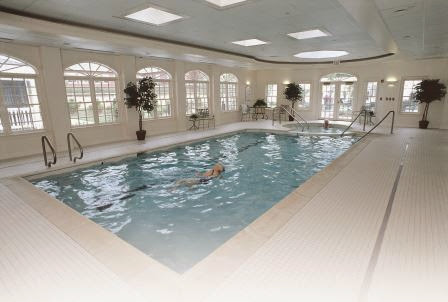
CEDARS NURSING CARE CENTER is owned by a non-profit organization. Non-profit facilities reinvest revenue into operations rather than distributing to shareholders. The facility operates independently rather than as part of a larger chain. With 102 certified beds and approximately 77 residents (about 75% occupancy), it is a mid-sized facility located in PORTLAND, Maine.

How Does Cedars Nursing Compare to Other Maine Nursing Homes?

Compared to the 100 nursing homes in Maine, CEDARS NURSING CARE CENTER's overall rating (4 stars) is above the state average of 3.0, staff turnover (51%) is near the state average of 46%, and health inspection rating (3 stars) is at the national benchmark.

What Should Families Ask When Visiting Cedars Nursing?

Based on this facility's data, families visiting should ask: "Can I visit during a mealtime to observe dining assistance and food quality?" "How do you handle medical emergencies, and what is your hospital transfer rate?" "Can I speak with family members of current residents about their experience?"

Is Cedars Nursing Safe?

Based on CMS inspection data, CEDARS NURSING CARE CENTER has a clean safety record: no substantiated abuse findings (meaning no confirmed cases of resident harm), no Immediate Jeopardy citations (the most serious violation level indicating risk of serious injury or death), and is not on the Special Focus Facility watch list (a federal program monitoring the lowest-performing 1% of nursing homes). The facility has a 4-star overall rating and ranks #1 of 100 nursing homes in Maine. While no facility is perfect, families should still ask about staff-to-resident ratios and recent inspection results during their visit.

Do Nurses at Cedars Nursing Stick Around?

CEDARS NURSING CARE CENTER has a staff turnover rate of 51%, which is 5 percentage points above the Maine average of 46%. Moderate turnover is common in nursing homes, but families should still ask about staff tenure and how the facility maintains care continuity when employees leave.

Was Cedars Nursing Ever Fined?

CEDARS NURSING CARE CENTER has no federal fines on record. CMS issues fines when nursing homes fail to meet care standards or don't correct problems found during inspections. The absence of fines suggests the facility has either maintained compliance or corrected any issues before penalties were assessed. This is a positive indicator, though families should still review recent inspection reports for the full picture.

Is Cedars Nursing on Any Federal Watch List?

CEDARS NURSING CARE CENTER is not on any federal watch list. The most significant is the Special Focus Facility (SFF) program, which identifies the bottom 1% of nursing homes nationally based on persistent, serious quality problems. Not being on this list means the facility has avoided the pattern of deficiencies that triggers enhanced federal oversight. This is a positive indicator, though families should still review the facility's inspection history directly.