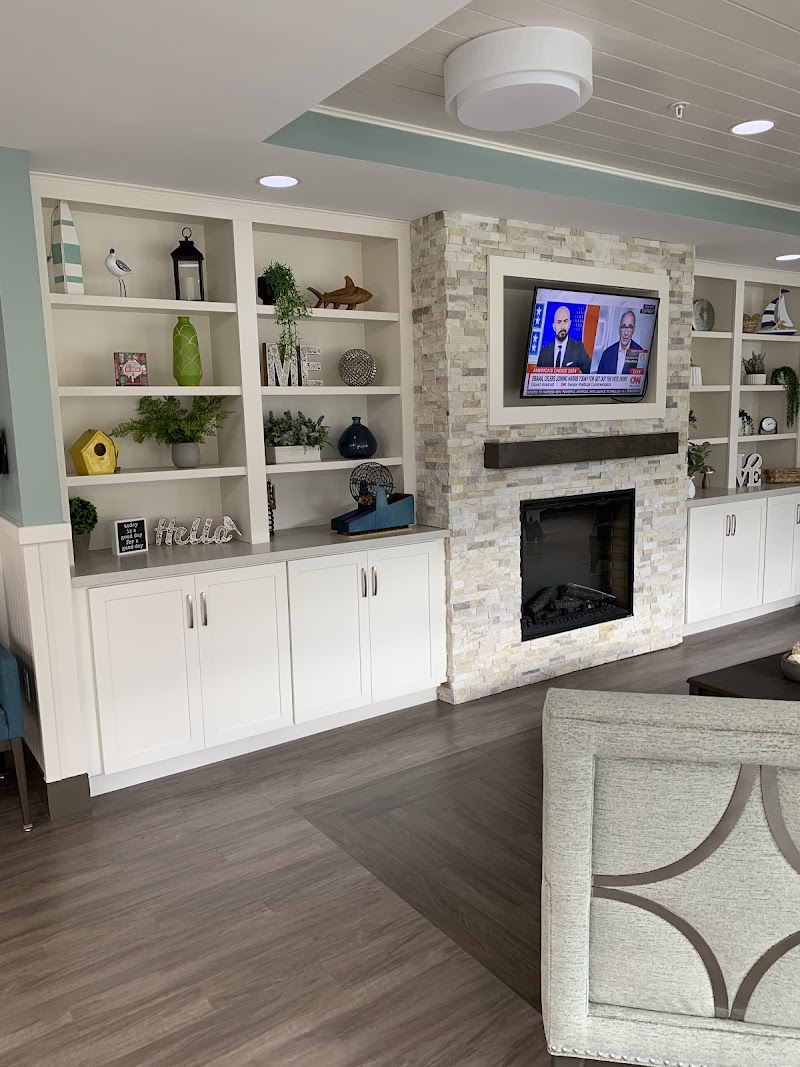
Fallbrook Commons

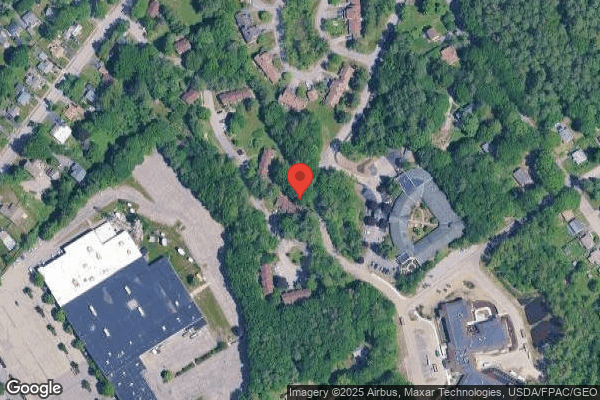
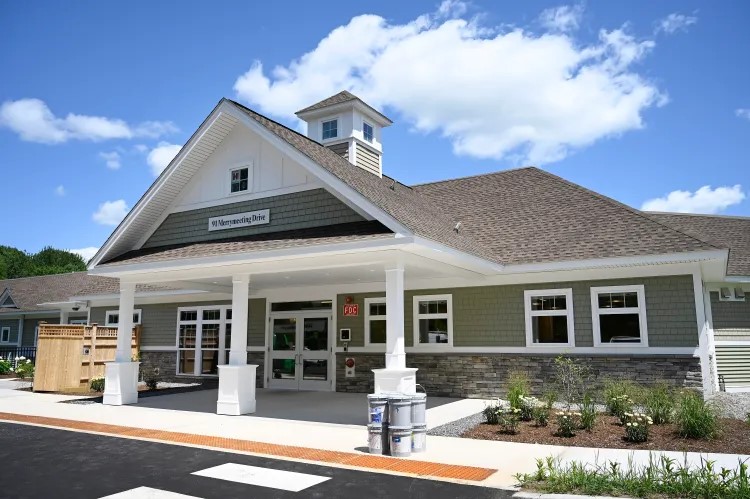
91 Merrymeeting Dr, PORTLAND, ME 04103 (207) 331-9292
Non profit - Other 102 Beds NORTH COUNTRY ASSOCIATES Data: November 2025
Trust Grade
45/100
#51 of 77 in ME
Last Inspection: August 2024

Within standard 12-15 month inspection cycle. Federal law requires annual inspections.

Overview

Fallbrook Commons in Portland, Maine has a Trust Grade of D, indicating below-average performance with notable concerns. It ranks #51 out of 77 facilities in the state, placing it in the bottom half, and #15 out of 17 in Cumberland County, meaning only one local option is better. While the facility is improving, having reduced its issues from 17 in 2024 to just 2 in 2025, staffing remains a concern with a turnover rate of 66%, significantly higher than the state average. However, the facility does not have any fines on record, which is a positive sign, but it has less RN coverage than 87% of Maine facilities, which is worrying as RNs play a crucial role in monitoring residents' health. Specific incidents noted include staff not providing dignified feeding assistance to residents and failure to inform residents about their rights to create advance directives, highlighting weaknesses in care practices. Overall, while there are some strengths in staffing ratings, the facility has significant areas needing improvement.

Trust Score
D
45/100
In Maine
#51/77
Bottom 34%
Safety Record
Low Risk
No red flags
Inspections
Getting Better
17 → 2 violations
Staff Stability
⚠ Watch
66% turnover. Above average. Higher turnover means staff may not know residents' routines.
Penalties
✓ Good
No fines on record. Clean compliance history, better than most Maine facilities.
Skilled Nurses
✓ Good
Each resident gets 49 minutes of Registered Nurse (RN) attention daily — more than average for Maine. RNs are trained to catch health problems early.
Violations
⚠ Watch
26 deficiencies on record. Higher than average. Multiple issues found across inspections.
★★☆☆☆
2.0
Overall Rating
★★★★☆
4.0
Staff Levels
★★★☆☆
3.0
Care Quality
★★☆☆☆
2.0
Inspection Score
Stable
2024: 17 issues
2025: 2 issues

The Good

  • 4-Star Staffing Rating · Above-average nurse staffing levels
  • Full Sprinkler Coverage · Fire safety systems throughout facility
  • No fines on record

Facility shows strength in staffing levels, fire safety.

The Bad

2-Star Overall Rating

Below Maine average (3.0)

Below average - review inspection findings carefully

Staff Turnover: 66%

20pts above Maine avg (46%)

Frequent staff changes - ask about care continuity

Chain: NORTH COUNTRY ASSOCIATES

Part of a multi-facility chain

Ask about local staffing decisions and management

Staff turnover is elevated (66%)

18 points above Maine average of 48%

The Ugly 26 deficiencies on record

Mar 2025 2 deficiencies
CONCERN (D) 📢 Someone Reported This

A family member, employee, or ombudsman was alarmed enough to file a formal complaint

Potential for Harm - no one hurt, but risky conditions existed

Deficiency F0760 (Tag F0760)

Could have caused harm · This affected 1 resident

Based on record reviews and interviews, the facility failed to ensure a resident was free from a significant medication error when controlled medications were administered in excess of prescribed dose...

Read full inspector narrative →
Based on record reviews and interviews, the facility failed to ensure a resident was free from a significant medication error when controlled medications were administered in excess of prescribed doses ordered by a physician for 1 of 3 (#3). Finding: On 3/4/25, during a review of medication error reports, a report for Resident #3 was noted which stated, It was reported to this writer that last evening around 8:30 p.m., on 2/12/25, that at least 2 of resident's medications were administered twice, pregabalin 75 mg (milligrams) and oxycodone 10 mg. These were signed out of the narcotic/control book for 1904 (7:04 p.m.), but the nurse that signed it out had left facility earlier in the shift around 5:30 p.m.- 6:00 p.m. Medications were not signed out in EMAR (electronic medication administration record). Med tech (medication technician) reported that Nurse (#2) reported that Nurse (#1) had given medications before he/she left for the night. Med tech had given bedtime medications before this as medication administration was not passed on to med tech. Further concerns were noted that Resident #3 may have received double doses of bedtime medications. The report indicated that on 2/13/25, the resident's provider was notified of the error, as well as the resident's guardian. A review of Resident #3's clinical record noted Physician block orders, signed on 2/10/25 included Pregabalin 75 mg by mouth twice daily, and Oxycodone 10 mg by mouth 3 times daily. A review of the EMAR noted these medications were administered on 2/12/25 at bedtime and signed by the medication technician. A review of the facility's controlled medication (bound) book, confirmed both medications had been signed out as given on 2/12/25 at 19:04 by Nurse #1 and also on 2/12/25 at 19:00 by the med tech. Resident #3's clinical record contained a progress note dated 2/13/25 at 12:12 p.m., which stated It was reported that resident received at least an additional dose of Lyrica and Oxycodone last evening on 2/12/25. Medications were signed out in narcotic and control book at 1900 but staff member who signed out left facility early. Med tech unknowingly gave all HS (bedtime) medications as did not realize that nurse who left early had reportedly given them. Another nurse reported to med tech around 8:30 p.m., that the nurse who left had given HS medications but did not sign them out. This writer was notified on 2/13/25 at 7:00 a.m. On 2/13/25, a provider evaluated Resident #3 and stated, seen today for medication error. Nursing notified me this morning that nursing had given duplicate night medications last night. This included additional dose of Lyrica 75 mg and oxycodone 10 mg definitively as these were signed out of narcotic count. The provider note stated facility staff strongly believed that he/she received additional doses of bedtime medications. Vitals with tachycardia 108-112 (beats per minute) but otherwise stable. As a result of the error, the provider ordered increased staff monitoring of vital signs, an electrocardiogram, and lab work. On 3/5/25, in an interview with a surveyor, Nurse #2 stated that when Nurse #1 left early on 2/12/25, he/she stated all the medications for Resident #3 had been given, and within that time, the med tech had given (Resident #2) the oxycodone. (Nurse #1) did not sign off the meds, so the med tech thought it was not given. The surveyor asked if staff can view residents' medications when they are not due on the electronic medical record (EMAR). Nurse #2 stated when a resident's name is pulled up, all the meds ordered for the day are listed. A medication is highlighted yellow and able to be signed off 1 hour before and after the time it is due to be given. On 3/6/25 at 2:14 p.m., in a telephone interview with a surveyor, Nurse #1 stated he/she had given Resident #3 medication outside of the window prescribed by the doctor. Nurse #1 stated the resident had requested medication for pain, and that the medication as ordered, did not adequately address the pain. Nurse #1 stated when he/she left early on 2/12/25 at 6:00 p.m., he/she told the charge nurse (Nurse #2) to contact the resident's physician to have the medication order changed. Nurse #1 stated he/she had signed all medications administered in residents' EMARs but had not signed the controlled medications given to Resident #3, as it was before the 1 hour administration window and the EMAR was locked. A review of the facility's policy, 6.0 General Dose Preparation and Medication Administration, with a revision date of 1/1/13, stated Section 5. During medication administration, facility staff should take all measures required by facility policy and applicable law, including, but not limited to the following: 5.5 Document the administration of controlled substances in accordance with applicable law; 6. After medication administration, facility staff should take all measures required by facility policy and applicable law, including but not limited to the following: 6.1 Document necessary medication administration/treatment information (e.g., when medications are given) on appropriate forms. On 3/7/25 at 9:50 a.m., in a telephone interview with the Clinical Services Director, the surveyor confirmed that Nurse #1 had failed to follow accepted standards of practice for medication administration, resulting in Resident #3 receiving additional doses of prescribed medications.
CONCERN (D) 📢 Someone Reported This

A family member, employee, or ombudsman was alarmed enough to file a formal complaint

Potential for Harm - no one hurt, but risky conditions existed

Medical Records (Tag F0842)

Could have caused harm · This affected 1 resident

Based on record reviews and interviews, the facility failed to ensure that clinical records were complete and contained accurate information for 1 of 3 residents reviewed for medication errors (Reside...

Read full inspector narrative →
Based on record reviews and interviews, the facility failed to ensure that clinical records were complete and contained accurate information for 1 of 3 residents reviewed for medication errors (Resident #3). Finding: On 3/4/25, during a review of medication error reports, a surveyor noted on 2/13/25, a report for Resident #3 which stated, It was reported to this writer that last evening around 8:30 p.m., on 2/12/25, that at least 2 of resident's medications were administered twice, pregabalin 75 mg (milligrams) and oxycodone 10 mg. These were signed out of the narcotic/control book for 1904 (7:04 p.m.), but the nurse that signed it out had left facility earlier in the shift around 5:30 p.m. - 6:00 p.m. Medications were not signed out in EMAR (electronic medication administration record). Med tech (medication technician) reported that Nurse (#2) reported that Nurse (#1) had given medications before he/she left for the night. Med tech had given bedtime medications before this as medication administration was not passed on to med tech. Further concerns were noted that Resident #3 may have received double doses of bedtime medications. The report indicated that on 2/13/25, the resident's provider was notified of the error, as well as the resident's guardian. A review of Resident #3's clinical record noted he/she was admitted in March, 2023. Physician block orders, signed on 2/10/25 included Pregabalin 75 mg by mouth twice daily, and Oxycodone 10 mg by mouth 3 times daily. A review of the EMAR noted these medications were administered on 2/12/25 at bedtime and signed by the medication technician. A review of the facility's controlled medication (bound) book, confirmed both medications had been signed out as given on 2/12/25 at 19:04 by Nurse #1 and also on 2/12/25 at 19:00 by the med tech. On 3/4/25 at 3:00 p.m., in an interview with a surveyor, the Nurse Manager stated that Nurse #1 had not signed out that he/she had given the oxycodone at 19:04, but he/she left at 6 pm. The only way we knew it happened was he/she did sign it out in the bound book. He/she didn't sign out on the EMAR. The person following him/her discovered it when they were doing count after he/she had left. We suspected (the resident) got all his/her meds in duplicate. We are only sure of the ones he/she signed out - the oxycodone and the Lyrica (pregabalin). Those were due at bedtime. A review of the facility's policy, 6.0 General Dose Preparation and Medication Administration, with a revision date of 1/1/13, stated Section 5. During medication administration, facility staff should take all measures required by facility policy and applicable law, including, but not limited to the following: 5.5 Document the administration of controlled substances in accordance with applicable law; 6. After medication administration, facility staff should take all measures required by facility policy and applicable law, including but not limited to the following: 6.1 Document necessary medication administration/treatment information (e.g., when medications are given) on appropriate forms. On 3/6/25 at 1:36 p.m., in a telephone interview with a surveyor, the Director of Clinical Services confirmed that Nurse #1 had not followed the facility's policy for medication administration when he/she didn't sign Resident #3's EMAR for administration of the controlled medications before leaving.
Aug 2024 17 deficiencies
CONCERN (D) 📢 Someone Reported This

A family member, employee, or ombudsman was alarmed enough to file a formal complaint

Potential for Harm - no one hurt, but risky conditions existed

Free from Abuse/Neglect (Tag F0600)

Could have caused harm · This affected 1 resident

**NOTE- TERMS IN BRACKETS HAVE BEEN EDITED TO PROTECT CONFIDENTIALITY** Based on a review of the Nursing Facility Reportable Incident Form submitted to the Division of Licensing and Certification on 6...

Read full inspector narrative →
**NOTE- TERMS IN BRACKETS HAVE BEEN EDITED TO PROTECT CONFIDENTIALITY** Based on a review of the Nursing Facility Reportable Incident Form submitted to the Division of Licensing and Certification on 6/11/24, written statements by staff, facility policy, clinical record review, and interviews, the facility failed to protect residents from physical abuse for 1 of 34 sampled residents. (#91) Finding: The facility's Abuse, Neglect, Misappropriation of Resident Property and Exploitation, Effective 10/2022 .each resident will be free from abuse. Abuse can include verbal, mental, sexual or physical abuse. Corporal punishment or involuntary seclusion. The resident will also be free from physical or chemical restraints imposed for purposes of discipline or convenience. And that are not required to treat the residents' medical symptoms. Additionally, residents will be protected from abuse, neglect and harm while they are residing at the facility. No abuse or harm of any type will be tolerated, and residents and staff will be monitored for protection. On 6/11/24, the Division of Licensing and Certification received from the facility a Reportable Incident Form which indicated an allegation of abuse of a resident (Resident #91) by Certified Nursing Assistant #4. (CNA #4) While CNA #4 was providing 1:1 care to Resident #91. CNA #5 observed Resident #91 grabbing CNA #4's arm and CNA #4 slapping the resident's arm/hand and stating: How do you like it? A Clinical record review indicates that Resident #91 was admitted to the facility on [DATE] for long term care. Resident #91 has a diagnosis of Down Syndrome, Conduct Disorder, Alzheimer's disease and dementia with behavioral disturbance. On 8/21/24 at 3:17 p.m. a surveyor conducted a telephone interview with CNA #4. CNA #4 stated Resident #91 was being very combative, and he/she had a lot of feces on his/her hands because he/she kept digging all day long. I took him/her in the room, I cleaned him/her up, brought him/her back outside, and he/she tried to reach out to give me a hug. I took his/her hand and placed his/her hands by his/her side, and I attempted to fix his/her pants zipper at one point, and he/she kicked me, and he/she punched me. The other caregivers saw and rushed over to help. On 8/21/24 at 3:24 p.m., a surveyor conducted a telephone interview with CNA #5. CNA #5 stated she observed Resident #91 grab CNA #4's arm. She then observed CNA #4 hit Resident #91 and say, How does it feel? A statement written by CNA #5 states Resident #91 became agitated from being followed by his 1:1 (CNA #4). When Resident #91 tried to walk away from CNA #4. CNA #4 grabbed Resident #91 to redirect him/her. Resident #91 grabbed and squeezed CNA #4's arm. CNA #4 pushed Resident #91's arm away and slapped Resident #91's arm hard and said How do you like it? A statement written by CNA #6 states Resident #91 was agitated walking around the common area. CNA #6 states she heard the 1:1 (CNA #4) yell loudly at Resident #91. She then observed Resident #91 grab the 1:1's (CNA #4) arm and the 1:1 (CNA #4) removed Resident #91's hand off her arm and reached up and smacked Resident #91 in the right arm and said, How do you like it? loudly. A care plan dated 4/25/23 indicates when resident becomes agitated: Intervene before agitation escalates; Guide away from source of distress; Engage calmly in conversation; If response is aggressive, staff to walk calmly away, and approach later. If resisting care, stop care, ensure he/she is safe and retry care in 5-10 minutes. Attempt care 3 times, if he/she continues to refuse care, alert charge nurse for further. Observe and Document observed behavior and attempted interventions. Provide 1:1 supervision as needed. On 8/20/24 at 3:05 p.m. a surveyor discussed this finding in an interview with the Director of Nursing (DON). The DON stated that CNA #4 was immediately sent home, and the facility terminated her contract with the agency.
CONCERN (D)

Potential for Harm - no one hurt, but risky conditions existed

Deficiency F0645 (Tag F0645)

Could have caused harm · This affected 1 resident

**NOTE- TERMS IN BRACKETS HAVE BEEN EDITED TO PROTECT CONFIDENTIALITY** Based on record reviews and interview, the facility failed to ensure that 1 of 5 residents reviewed with a specialized mental he...

Read full inspector narrative →
**NOTE- TERMS IN BRACKETS HAVE BEEN EDITED TO PROTECT CONFIDENTIALITY** Based on record reviews and interview, the facility failed to ensure that 1 of 5 residents reviewed with a specialized mental health diagnosis, whose stay went beyond the expected 30 days, had been referred to the appropriate state-designated authority for Pre-admission Screening & Resident Review Level II (PASRR) evaluation and determination (Residents #55). Finding: Resident #55 was admitted to the facility on [DATE] with diagnosis of bipolar disorder. Resident #55's clinical record contained a PASRR Level I determination letter dated 10/18/21 that stated further PASRR evaluation was not required due to Resident #55 met the criteria for a short-term convalescence admission. Resident #55 was not discharged after a short stay and was assessed to be Nursing Facility level of care and continued to reside in the facility. The clinical record lacked evidence to indicate that the PASRR Level I was forwarded again to the State Mental Health Authority to determine if a PASRR Level II evaluation and determination was needed after the Residents stay changed from short-term to long-term. On 8/21/24 at 12:38 p.m., in an interview, the Director of Clinical Services confirmed the findings.
CONCERN (D)

Potential for Harm - no one hurt, but risky conditions existed

Deficiency F0661 (Tag F0661)

Could have caused harm · This affected 1 resident

Based on interview and record review, the facility failed to develop a discharge summary which included a recapitulation of the resident's stay for 1 of 1 residents reviewed for discharge (Resident #1...

Read full inspector narrative →
Based on interview and record review, the facility failed to develop a discharge summary which included a recapitulation of the resident's stay for 1 of 1 residents reviewed for discharge (Resident #105). Findings: Resident #105 was admitted to facility on 2/1/24 for skilled services. On 6/12/24 Resident #105 was discharged to the community. The clinical record lacked evidence a recapitulation of the resident's stay was completed at discharge. On 8/22/24 at 9:41 a.m., during an interview, the Director of Clinical Services indicated that she reviewed Resident #105's clinical record and was unable to find evidence that a recapitulation of stay was completed for this resident.
CONCERN (D)

Potential for Harm - no one hurt, but risky conditions existed

Quality of Care (Tag F0684)

Could have caused harm · This affected 1 resident

Based on record review and interview, the facility failed to ensure that physician's orders were followed for 1 of 33 sampled residents (#9). Finding: Resident #9's Physician Order Summary sheet dated...

Read full inspector narrative →
Based on record review and interview, the facility failed to ensure that physician's orders were followed for 1 of 33 sampled residents (#9). Finding: Resident #9's Physician Order Summary sheet dated 4/9/24 indicated the resident was to be weighed weekly on Tuesday and Thursday for Congestive Heart Failure. There was no evidence in the resident's clinical record to indicate the resident was weighed on 4/18/24, 5/23/24, 6/6/24, 6/11/24, 7/11/24, 7/18/24 and 7/25/24. On 8/21/24 at 3:30 p.m., the surveyor confirmed this finding in an interview with the Director of Nursing (DON).
CONCERN (D)

Potential for Harm - no one hurt, but risky conditions existed

Deficiency F0699 (Tag F0699)

Could have caused harm · This affected 1 resident

**NOTE- TERMS IN BRACKETS HAVE BEEN EDITED TO PROTECT CONFIDENTIALITY** Based on record review and interview, the facility failed to identify a resident's past history of Post-Traumatic Stress Disorde...

Read full inspector narrative →
**NOTE- TERMS IN BRACKETS HAVE BEEN EDITED TO PROTECT CONFIDENTIALITY** Based on record review and interview, the facility failed to identify a resident's past history of Post-Traumatic Stress Disorder (PTSD)/trauma to determine what trigger(s) might cause re-traumatization and failed to revise the care plan to include trauma informed care for 1 of 5 sampled residents reviewed for trauma. (#60) Finding: Facility policy and procedure, Trauma Informed Care, revised 11/2023 states, upon admission to the facility, social services, or designee, will assess each resident using screening question on admit for a history of trauma and or post traumatic stress disorder to ensure identified residents receive appropriate treatment and services. Any additional information may be obtained from the medical record or resident representative. Identified traumatic events and triggers will be reviewed by the interdisciplinary care team, who will work with the resident/resident representative to develop methodologies and approaches to mitigate/eliminate the triggers . Trauma specific interventions will be placed on the residence care plan, and this will be reviewed quarterly, and updated as necessary. On 8/19/24 during an interview, Resident #60 stated, the facility is aware that he/she has PTSD, and he/she is not to have male caregivers. Resident #60's clinical record was reviewed and indicated the resident was admitted to the facility on [DATE]. The history and physical completed on 5/9/22 states under Past Medical History, Diagnosis: History of sexual abuse in childhood. The Psychosocial Assessment & History completed on 5/9/22 and on 6/6/23 - Section 6 indicates, he/she had Physical/Sexual/Emotional Abuse History. The screening for trauma informed care completed on 6/5/23 and on 5/9/24 indicate yes for facing a traumatic event or experience in the past. The clinical record lacked information that indicated what Resident #60's PTSD triggers are or what events might cause re-traumatization. On 8/20/24 at 8:59 a.m., during an interview, the Director of Clinical Services stated she could not find a care plan (goal and trauma interventions) for the above history of trauma other than, resident does not want male direct care givers (CNAs) being mentioned as an intervention under Personalized care. At this time, the Director of Clinical Services confirmed the above.
CONCERN (E)

Potential for Harm - no one hurt, but risky conditions existed

Resident Rights (Tag F0550)

Could have caused harm · This affected multiple residents

2. On 8/20/24 at 8:15 a.m. a surveyor observed CNA#1 in Unit C dining room, standing over a resident while aiding him/her feeding. A surveyor observed CNA #2 in the hallway at the nurse's station, sta...

Read full inspector narrative →
2. On 8/20/24 at 8:15 a.m. a surveyor observed CNA#1 in Unit C dining room, standing over a resident while aiding him/her feeding. A surveyor observed CNA #2 in the hallway at the nurse's station, standing over a resident while aiding him/her with feeding. This was confirmed with the Unit Manager at the time. Based on observations and interviews, the facility failed to ensure that residents who required feeding assistance were aided with feeding in a dignified manner for 2 of 3 dining observations. (#42) Findings: 1. On 8/19/24 between 12:27 p. m. and 12:34 p.m., a surveyor observed the lunch meal service in the C - Unit dining room. A surveyor observed Certified Nursing Assistant #3 (CNA#3) standing over Resident #42 while feeding him/her. In addition, the CNA did not engage in any conversation with the resident while feeding him/her. In an interview, a surveyor confirmed the above findings with CNA #3 on 8/19/24 at 12:34 p.m., and also confirmed the above findings on 8/19/24 at 1:45 p.m. with the Director of Nursing (DON).
CONCERN (E)

Potential for Harm - no one hurt, but risky conditions existed

Deficiency F0578 (Tag F0578)

Could have caused harm · This affected multiple residents

Based on record review, and interviews, the facility failed to inform and provide written information concerning the right to formulate an advance directive for 4 of 16 residents reviewed for advanced...

Read full inspector narrative →
Based on record review, and interviews, the facility failed to inform and provide written information concerning the right to formulate an advance directive for 4 of 16 residents reviewed for advanced directives. ( #62, #65, #40, #21) Findings: 1. On 8/20/24 at 9:22 a.m. a surveyor reviewed Resident #62's clinical record and was unable to locate an advance directive. Also, documentation was not found that the resident was informed and provided information they had the right to formulate an advance directive. An Advance Care Planning Tracking form was located in Resident #62's clinical record but the document was unsigned and blank other than Full Code being selected. On 8/20/24 at 9:34 a.m. a surveyor reviewed Resident #65's clinical record and was unable to locate an advance directive. Also, documentation was not found that the resident was informed and provided information they had the right to formulate an advance directive. A form was located in Resident #65's clinical record titled Advance Care Planning Tracking form This form was signed by their representative but in the section Date of Discussion the representative had written was none. The rest of the form was blank other than Do Not Resuscitate (DNR) being selected. On 8/20/24 at 1:55 p.m. a surveyor reviewed Resident #40's clinical record and was unable to locate an advance directive. Also, documentation was not found that the resident was informed and provided information they had the right to formulate an advance directive. On 8/21/24 at 2:45 p.m. a surveyor met and discussed the above findings with the Director of Nursing who was also unable to locate the requested documentation. 2. On 08/19/24 at 1:38 p.m., a surveyor was unable to locate documentation of an Advanced Directive discussion with Resident #21. On 8/20/24 at 12:40 p.m. After an extensive search of the electronic record and the hard copy of the clinical record, the charge nurse of Unit A stated that she could find no documentation that advanced directive documentation was ever given to the resident. She confirmed, You are correct, I do not see it anywhere.
CONCERN (E)

Potential for Harm - no one hurt, but risky conditions existed

Deficiency F0657 (Tag F0657)

Could have caused harm · This affected multiple residents

Based on interviews and record review the facility failed to review and revise the care plan by an interdisciplinary team (IDT), that included but is not limited to, the attending physician, a registe...

Read full inspector narrative →
Based on interviews and record review the facility failed to review and revise the care plan by an interdisciplinary team (IDT), that included but is not limited to, the attending physician, a registered nurse and Certified Nurses Aid (CNA) with responsibility for the resident, a member of nutrition services and to the extent possible, include the participation of the resident and/or resident's representative, after each Minimum Data Set (MDS) assessment for 16 of 29 residents whose care plans were reviewed (#9, #13, #18, #30, #31, #40, #54, #55, #62, #65, #67, #71, #75 #78, #88, #93 and #95). Findings: 1. Review of Resident #9's medical record, the surveyor noted IDT meetings held on 7/13/23, and 4/11/24 where the only IDT members in attendance were a registered nurse and nutrition services. The IDT held on 7/13/23 and 10/11/23 only had nutrition services in attendance. 2. Review of Resident #13's medical record, the surveyor noted an IDT meetings held on 1/4/2024, with only Dietary & Nursing in attendance. No documentation of resident or family invitation or attendance. Review of Resident #13's medical record, the surveyor noted an IDT on 3/27/2024, with only Dietary & Nursing in attendance. A note stated resident has no complaints or concerns. goes to dialysis x3 wk scheduled for cataract surgery 4/22/24. dialysis is concerned with residents eating consumption (high K+/Ca+ foods & fluid intake) resident has been educated numerous times. No documentation of resident or family invitation or attendance. Review of Resident #13's medical record, the surveyor noted an IDT on 7/2/2024 with only Dietary in attendance. A note stated, Renal, large portions protein tid with meals, regular consistency (level 4) thin liquids, 1500cc fluid restriction. Allergic to raw carrots, celery and peaches. No documentation of resident or family invitation or attendance 3. Review of Resident #18's medical record, the surveyor noted IDT meetings held on 11/3/23, 2/3/24, and 5/3/24 where the only IDT members in attendance were a registered nurse and nutrition services. The IDT held on 8/3/24 only had a registered nurse in attendance. 4. Review of Resident #30's medical record, the surveyor noted IDT meetings held on 11/23/23 and 2/14/24 where the only IDT members in attendance were a registered nurse and nutrition services. The IDT held on 5/15/24 only had a registered nurse and activities in attendance. The IDT held on 8/14/24 only had a registered nurse in attendance. 5. On 8/19/24 at 1:53 p.m., during an interview, Resident #31 was asked if he/she was invited or participated in their plan of care meetings with the IDT team, he/she stated, not sure if he/she was invited. Review of Resident #31's medical record, the surveyor noted IDT meetings held on 10/30/23 and 1/29/24 where the only IDT members in attendance were a registered nurse and nutrition services. An MDS Quarterly assessment was completed on 5/20/24. The medical record lacked evidence that a care plan meeting had been held by the IDT after the 5/20/24 assessment. All past 3 IDT meetings lacked documentation of resident #31 being invited or attending his/her IDT. 6. Review of Resident #40's medical record, the surveyor noted IDT meetings held 3/6/24 and 2/27/24 where only dietary attended. An IDT meeting held 11/21/23 where only nursing and dietary attended. 7. Review of Resident #54's medical record, the surveyor noted IDT meetings held on 1/26/24 and 7/23/24 where the only IDT members in attendance were a registered nurse and nutrition services. The IDT held on 7/27/23, 10/26/23 and 4/25/24, only had nutrition services in attendance. 8. Review of Resident #55's medical record, the surveyor noted IDT meetings held on 9/7/23 and 12/7/23 where the only IDT member in attendance was nutrition services. The IDT held on 3/6/24 only had a registered nurse, activities and nutritional services in attendance and the IDT held on 6/5/24 only had a registered nurse and nutritional services in attendance. 9. Review of Resident #62's medical record, the surveyor noted IDT meetings held 10/4/23, 1/30/24, 4/26/24 and 7/29/24 where only nursing and dietary attended. 10. Review of Resident #65's medical record, the surveyor noted IDT meetings held 2/10/23, 8/10/23, 11/9/23, 3/15/24 where only nursing and dietary attended. An IDT meeting held 5/12/23 where nursing, dietary, wife and resident attended. A meeting held 6/13/24 where only activities attended. 11. Review of Resident #67's medical record, the surveyor noted IDT meetings held on 3/21/24 and 6/11/24 where the only IDT members in attendance were a registered nurse and nutrition services. 12. On 8/19/24 at 10:14 a.m., during an interview, Resident #71 was asked if he/she was invited or participated in their plan of care meetings with the IDT team, he/she stated, No, nobody said anything about it. Review of Resident #71's medical record, the surveyor noted IDT meetings held on 11/6/23 and 2/2/24 where the only IDT members in attendance was a registered nurse and nutrition services. The IDT held on 5/10/24 only had nutrition services in attendance and the IDT on 8/7/24 only had a registered nurse in attendance. All past 4 IDT meetings lacked documentation of resident #71 being invited or attending his/her IDT. 13. Review of Resident #75's medical record, the surveyor noted IDT meetings held on 6/29/23 where the only IDT members in attendance were a registered nurse and nutrition services. The IDT held on 6/29/23 and 9/14/23 only had nutrition services in attendance. 14. Review of Resident #78's medical record, the surveyor noted IDT meetings held 9/21/23 where only dietary attended. IDT meetings held 6/22/23, 12/21/23, 3/26/24 where only nursing and dietary attended. 15. Review of Resident #88's medical record, the surveyor noted IDT meetings held 5/1/24 and 8/1/24 where only dietary attended. IDT meetings held 8/4/23, 11/3/23 and 2/1/24 where only nursing and dietary attended. 16. Review of Resident #93's medical record, the surveyor noted IDT meetings held on 4/17/24 and 7/24/24 where the only IDT member in attendance was a registered nurse and nutrition services. 17. On 8/19/24 at 10:32 a.m., during an interview, resident #95 was asked if he/she was invited or participated in their plan of care meetings with the IDT team, he/she stated, I don't think I've had one for quite a while. Review of Resident #95's medical record, the surveyor noted IDT meetings held on 9/22/23 and 12/22/23 where the only IDT member in attendance was a registered nurse and nutrition services. The IDT held on 3/22/24 only had nutrition services in attendance and the IDT on 6/21/24 only had activities and nutritional services in attendance. All past 4 IDT meetings lacked documentation of Resident #95 being invited or attending his/her IDT.
CONCERN (E)

Potential for Harm - no one hurt, but risky conditions existed

Respiratory Care (Tag F0695)

Could have caused harm · This affected multiple residents

Based on observations, record reviews, facility policy, and interviews, the facility failed to provide a sanitary environment to help prevent the development and transmission of disease and infection ...

Read full inspector narrative →
Based on observations, record reviews, facility policy, and interviews, the facility failed to provide a sanitary environment to help prevent the development and transmission of disease and infection related to respiratory care for 4 of 4 residents reviewed for respiratory care (#30, #60, #93 and #70) Findings: Facility policy and procedure Oxygen Use and Storage effective 3/2023 states under Respiratory Care, A sanitary environment must be maintained to prevent the transmission of disease and infection. Nasal cannula should be discarded and changed weekly. A label indicating the date and the initials of the staff changing the cannula/tubing should be applied to the nasal cannula. Nebulizer parts should be wrenched after each use and discarded every week. A label indicating the date in the initials of the staff changing the parts/tubing should be applied to the tubing . Staff changing the tubing should document on the treatment administration record (TAR) when the tubing has been changed following the policy. 1. On 8/19/24 at 9:22 a.m., on 8/20/24 at 2:45 p.m., and on 8/21/24 at 10:02 a.m., observations of Resident #30's oxygen (O2) nasal cannula tubing unlabeled/undated, an oxygen tubing connected to the CPAP (continuous positive airway pressure) machine with the open end hanging of the bedside table and resting on the floor and a nebulizer pipe stored on the bedside table amongst personal belongings unlabeled/undated. Review of the clinical record lacked documentation of both the O2 and nebulizer tubing change weekly. 2. On 8/19/24 at 9:46 a.m., and on 8/21/24 at 10:04 a.m., observations of Resident #60's nebulizer tubing unlabeled/undated with the mouthpiece hanging down the backside of the bedside dresser and wall. Review of the clinical record lacked documentation of the nebulizer tubing change weekly. 3. On 8/19/24 at 10:30 a.m., and on 8/20/24 at 2:47 p.m., observations of Resident #93's nebulizer tubing unlabeled/undated with the mask stored on the bedside table amongst personal belongings and another nebulizer pipe hanging off the top between the dresser and wall. 08/19/24 at 1:59 p.m., During observation and discussion with Resident #70, a surveyor observed that his Oxygen was running at 2L and that there was no date on the tubing. He stated, I don't wear it that much. Review of the clinical record lacked documentation of the oxygen tubing change weekly. This was verified with the LPN passing meds and with the charge nurse at that time. On 8/21/24 at 10:08 a.m., during an interview, the Licensed Practical Nurse stated, O2 tubing and nebulizers are changed weekly, should be signed off on the TAR and the tubing should be initialed. On 8/21/24 at 10:35 a.m., both the surveyor and the Director of Clinical Services observed the above O2/nebulizer tubing and storage. The Director of Clinical Services stated the tubing is usually stored coiled up and stored on top of the machines and should be changed weekly and documented on the Treatment Administration Record (TAR).
CONCERN (E)

Potential for Harm - no one hurt, but risky conditions existed

Pharmacy Services (Tag F0755)

Could have caused harm · This affected multiple residents

Based on facility policy, observations, record review and interviews the facility failed to ensure controlled drug records are in order and an account of all controlled drugs is maintained to enable r...

Read full inspector narrative →
Based on facility policy, observations, record review and interviews the facility failed to ensure controlled drug records are in order and an account of all controlled drugs is maintained to enable reconciliation and failed to ensure that two people who are authorized to administer medications signed the controlled substance cycle count once daily for 1 of 1 Omnicell (automated medication dispensing cabinet) reviewed. Findings Facility policy and procedure for Omnicell Inventory & Cycle Count, dated 7/2018 states, Controlled medications will counted at least once daily by two licenses nurses. This specific count will be signed off as complete using the accountability log sheet. On 8/21/24 at 8:14 a.m., observation of the Unit A medication storage room with the Registered Nurse Manager (RN #3) to have an Omnicell machine which contained emergency box medications including controlled drugs. At this time, the RN #3 stated the controlled medications in the Omnicell should be counted daily. The Daily Omnicell Controlled Substance Cycle Count log indicated controlled substances are counted once daily by outgoing and incoming nurse. A review of the logs from 1/2024 through 8/21/24 showed the following missing controlled substance count daily: 1/2024 missing count for 9 of 31 days 2/2024 missing count for 11 of 28 days 3/2024 missing count for 14 of 31 days 4/2024 missing count for 12 of 30 days 5/2024 missing count for 17 of 31 days 6/2024 missing count for 22 of 30 days 7/2024 missing count for 20 of 31 days 8/2024 missing count for 14 of 20 days reviewed On 8/21/24 at 8:50 a.m., the above was discussed with the Director of Clinical Services.
CONCERN (E)

Potential for Harm - no one hurt, but risky conditions existed

Deficiency F0761 (Tag F0761)

Could have caused harm · This affected multiple residents

Based on facility policy, observation, interview and record review the facility failed to ensure biologicals were stored at appropriate temperatures in 2 of 2 refrigerators observed (Unit A, #1 and #2...

Read full inspector narrative →
Based on facility policy, observation, interview and record review the facility failed to ensure biologicals were stored at appropriate temperatures in 2 of 2 refrigerators observed (Unit A, #1 and #2 refrigerators). Findings: Facility policy and procedure for Omnicare Storage and Expiration of Medications, Biologicals, Syringes and Needles, revised 8/24 states, Facility should ensure that medications and biologicals are stored at their appropriate temperatures . refrigeration: 36° to 46°F. 1. On 8/21/24 at 8:14 a.m., observation of the Unit A medication storage room with the Registered Nurse Manager (RN #3) which contained 2 refrigerators #1 (containing insulin, Ozempic and Tuberculin Purified Protein) and #2 (containing insulins). At this time, the RN #3 stated the refrigerators temperatures should be monitored once or twice daily, she could not remember. The Medication Fridge Temperatures Log for refrigerators #1 and #2 indicated temperatures are to be monitored twice daily. Review of the temperature logs from 1/2024 through 8/21/24 showed temperatures were only being monitored once daily, with the following daily temperatures missing: 1/2024 missing temp for 6 of 31 days 2/2024 missing temp for 7 of 28 days 3/2024 missing temp for 6 of 31 days 4/2024 missing temp for 4 of 30 days 5/2024 missing temp for 3 of 31 days 6/2024 missing temp for 2 of 30 days 7/2024 missing temp for 6 of 31 days 8/2024 missing temp for 7 of 20 days reviewed On 8/21/24 at 8:50 a.m., the above was discussed with the Director of Clinical Services. 2. On 8/21/24 at 10:24 a.m., both surveyor and Director of Clinical Services observed the vaccine refrigerator in the Infection Control office which contained 22 boxes of influenza vaccine and 3 boxes and 7 syringes of pneumococcal vaccines. Review of the Temperature Logs which were attached to the front of the refrigerator stated July 2024 temperatures were monitored only once daily for 14 out of 31 days and August 2024 temperatures were monitored only once daily for 12 out of 21 days reviewed. At this time, the Director of Clinical Services confirmed the lack of temperature monitoring.
CONCERN (E)

Potential for Harm - no one hurt, but risky conditions existed

Food Safety (Tag F0812)

Could have caused harm · This affected multiple residents

Based on observations and interviews, the facility failed to serve and store food in a sanitary manner during 1 of 2 observations. Findings: 1. On 8/19/24 at 9:10a.m. during the initial observation of...

Read full inspector narrative →
Based on observations and interviews, the facility failed to serve and store food in a sanitary manner during 1 of 2 observations. Findings: 1. On 8/19/24 at 9:10a.m. during the initial observation of the kitchen, this surveyor found undated and unlabeled pie and other deserts in the reach-in refrigerator. 2. Also, on a cart that the 'person in charge' stated was the breakfast cart observed three different packages of cheese with no dates, and a package of French toast with no date. These were confirmed with the 'person in charge' at the time. 3. On 8/21/24 at 11:30a.m. Observation of Unit A Kitchenet - Observed that the freezer contained a moderate to heavy amount of dirt and the refrigerator contained a light to moderate amount of dirt and it was extremely full. All items observed did have resident names and dates. Observation of Unit B Kitchenet - observed a small to moderate amount of dirt and the temperature log on the outside of the fridge was lacking documentation of temperature checks for 13 of 31 days in July of 24 and for 3 of 21 days in August of 2024. The were confirmed with the person in charge of the Dietary Department at 12:45p.m. 4. On 8/21/24 at 3:45p.m. in an interview with the Food Service Consultant, she reviewed the Dish Machine Temp log with this surveyor that showed when the dish machine needed repair and would no longer record the temp of the wash and rinse, the company told them to add bleach and they were doing it, but never recorded the parts per million (ppm) that they added. The log lacks documentation from 6/7/24 - 7/9/24, this was confirmed with her at that time.
CONCERN (E)

Potential for Harm - no one hurt, but risky conditions existed

Deficiency F0868 (Tag F0868)

Could have caused harm · This affected multiple residents

Based on interviews and reviews of the attendance from the facility Quality Assurance meetings, the facility failed to ensure the Quality assessment and assurance (Qaa) committee consisted of the requ...

Read full inspector narrative →
Based on interviews and reviews of the attendance from the facility Quality Assurance meetings, the facility failed to ensure the Quality assessment and assurance (Qaa) committee consisted of the required members. Findings: A review of the signed attendance list for Qaa meetings held on 6/11/24 and 7/2/24 showed that the administrator, owner, board member or other individual in a leadership role did not attend either meeting. On 8/22/24 at 9:15 a.m. a surveyor discussed the above finding with the Director of Nursing (DON) and learned the Qaa committee meets weekly but the Administrator (or owner, board member or other individual in a leadership role) does not ever attend the Qaa meetings.
MINOR (B)

Minor Issue - procedural, no safety impact

Deficiency F0577 (Tag F0577)

Minor procedural issue · This affected multiple residents

Based on observations and interview, the facility failed to post, in a place readily accessible to residents, family members, and legal representatives, the results of the most recent survey of the fa...

Read full inspector narrative →
Based on observations and interview, the facility failed to post, in a place readily accessible to residents, family members, and legal representatives, the results of the most recent survey of the facility in the survey folder (located in the entrance foyer). Finding: On 8/22/24 at 9:05 a.m. a surveyor went to the main lobby to review the book that contained the Latest Survey Results and the book was empty. The Director of Clinical Services was asked where the results are and she stated that she did not know and did not know how long it had been empty.
MINOR (B)

Minor Issue - procedural, no safety impact

Deficiency F0582 (Tag F0582)

Minor procedural issue · This affected multiple residents

Based on record reviews and interview, the facility failed to ensure the Notice of Medicare Provider Non-Coverage (CMS-10123-NOMNC) form was provided for 2 of 3 sampled residents whose Medicare Part A...

Read full inspector narrative →
Based on record reviews and interview, the facility failed to ensure the Notice of Medicare Provider Non-Coverage (CMS-10123-NOMNC) form was provided for 2 of 3 sampled residents whose Medicare Part A Skilled services were discontinued. In addition, the facility failed to ensure the Skilled Nursing Facility Advance Beneficiary Notice (CMS-10055-SNF ABN), which included appeal rights and liability of payment was provided for 2 of 2 sampled residents who remained in the facility after Medicare Part A benefits ended. Findings: On 8/20/2024 a surveyor reviewed a random sample of 3 residents who had been discharged from Medicare Part A and found: 1. A resident's last covered day was 3/3/24 and they remained in the facility. This resident should have received a CMS-10123-NOMNC form and a CMS-10055-SNF ABN form. They received neither. 2. A resident's last day of coverage was 2/28/24 and were discharged to home on 2/29/24. They should have received a CMS-10123-NOMNC form. They did not. 3. A resident's last day of coverage was 3/29/24 and they remained in the facility. They should have received a CMS-10123-NOMNC form and CMS-10055-SNF ABN form. They did not receive a CMS-10055-SNF ABN form. On 8/20/2024 at 9:30 a.m. a surveyor discussed the missing forms with the Director of Nursing.
MINOR (B)

Minor Issue - procedural, no safety impact

Transfer Notice (Tag F0623)

Minor procedural issue · This affected multiple residents

**NOTE- TERMS IN BRACKETS HAVE BEEN EDITED TO PROTECT CONFIDENTIALITY** Based on record reviews and interviews, the facility failed to issue a written transfer/discharge notice to a resident or their ...

Read full inspector narrative →
**NOTE- TERMS IN BRACKETS HAVE BEEN EDITED TO PROTECT CONFIDENTIALITY** Based on record reviews and interviews, the facility failed to issue a written transfer/discharge notice to a resident or their legal representative for a facility-initiated transfer/discharge for 5 of 5 sampled residents transferred/discharged to an acute care facility. (#75, #40, #65, #78 and #88) Findings: 1. Documentation in Resident #75's clinical record indicated that he/she was transferred to an acute hospital on 7/14/24 and subsequently admitted . The clinical record lacked evidence that the facility issued a written transfer/discharge notice to the resident and/or legal representative. On 8/21/24 at 3:30 p.m., in an interview with the surveyor, the Director of Nursing (DON) and confirmed that she was unable to locate evidence that a transfer/discharge form for Resident #75 was completed and provided to the resident or resident representative at the time of transfer to the hospital. 2. Documentation in Resident #40's clinical record indicated that he/she was transferred to an acute hospital on [DATE] and subsequently admitted . The clinical record lacked evidence that the facility issued a written transfer/discharge notice to the resident and/or legal representative. 3. Documentation in Resident #65's clinical record indicated that he/she was transferred to an acute hospital on [DATE] and subsequently admitted . The clinical record lacked evidence that the facility issued a written transfer/discharge notice to the resident and/or legal representative. 4. Documentation in Resident #78's clincial record indicated that he/she was transferred to an acute hospital on 4/11/24 and subsequently admitted . The clinical record lacked evidence that the facility issued a written transfer/discharge notice to the resident and/or legal representative. 5. Documentation in Resident #88's clinical record indicated that he/she was transferred to an acute hospital on 4/11/24 and subsequently admitted . The clinical record lacked evidence that the facility issued a written transfer/discharge notice to the resident and/or legal representative. On 8/22/24 at 9:40 a.m. a surveyor interviewed RN #4 and learned a written transfer/discharge notice for the resident and/or representative is not used in this facility but he/she remembers using it at other facilities. On 8/22/24 at 2:50 p.m. a surveyor discussed the above findings with the DON and confirmed the facility does not provide a transfer/discharge form to residents and/or representatives and they were unaware this was necessary.
MINOR (B)

Minor Issue - procedural, no safety impact

Deficiency F0625 (Tag F0625)

Minor procedural issue · This affected multiple residents

**NOTE- TERMS IN BRACKETS HAVE BEEN EDITED TO PROTECT CONFIDENTIALITY** Based on record reviews and interviews, the facility failed to issue a written bed hold notice to a resident, a family member or...

Read full inspector narrative →
**NOTE- TERMS IN BRACKETS HAVE BEEN EDITED TO PROTECT CONFIDENTIALITY** Based on record reviews and interviews, the facility failed to issue a written bed hold notice to a resident, a family member or legal representative for 5 of 5 sampled residents who had been transferred to an acute care facility (#75, #40, #65, #78 and #88). Findings: 1. Documentation in Resident #75's clinical record indicated that he/she transferred to an acute care hospital on 7/14/24 and subsequently admitted . The clinical record lacked evidence that the facility issued a written bed hold notice to the resident, a family member, or legal representative upon transfer. On 8/21/24 at 3:30 p.m., in an interview with the Director of Nursing (DON) confirmed that she was unable to locate evidence that the facility issued a written bed hold notice to the resident, a family member, or a legal representative upon transfer for Resident #75. 2. Documentation in Resident #40's clinical record indicated that he/she transferred to an acute care hospital on [DATE] and subsequently admitted . The clinical record lacked evidence that the facility issued a written bed hold notice to the resident, a family member, or legal representative upon transfer. 3. Documentation in Resident #65's clinical record indicated that he/she transferred to an acute care hospital on [DATE] and subsequently admitted . The clinical record lacked evidence that the facility issued a written bed hold notice to the resident, a family member, or legal representative upon transfer. 4. Documentation in Resident #78's clinical record indicated that he/she transferred to an acute care hospital on 4/11/24 and subsequently admitted . The clinical record lacked evidence that the facility issued a written bed hold notice to the resident, a family member, or legal representative upon transfer. 5. Documentation in Resident #88's clinical record indicated that he/she transferred to an acute care hospital on 4/11/24 and subsequently admitted . The clinical record lacked evidence that the facility issued a written bed hold notice to the resident, a family member, or legal representative upon transfer. On 8/21/24 at 1:27 p.m.a surveyor discussed the findings with the DON and confirmed that she was unable to locate evidence that the facility had issued completed bed hold notices for Resident #40, Resident #65, Resident #78 and Resident #88.
Jun 2023 7 deficiencies
CONCERN (D)

Potential for Harm - no one hurt, but risky conditions existed

Safe Environment (Tag F0584)

Could have caused harm · This affected 1 resident

**NOTE- TERMS IN BRACKETS HAVE BEEN EDITED TO PROTECT CONFIDENTIALITY** Based on observations and interview, the facility failed to maintain a safe, clean, comfortable, and homelike environment on 1 o...

Read full inspector narrative →
**NOTE- TERMS IN BRACKETS HAVE BEEN EDITED TO PROTECT CONFIDENTIALITY** Based on observations and interview, the facility failed to maintain a safe, clean, comfortable, and homelike environment on 1 of 4 units (Unit D), for 2 of 4 days of survey. Findings: On 6/12/23 at 6:55 a.m. and 6/13/23 at 7:38 a.m. Unit D rooms [ROOM NUMBERS] shared bathroom had a urine hat stored between the handrail and the wall and a graduate cylinder on the floor next to toilet. On 6/12/23 at 7:07 a.m. and 6/13/23 at 7:35 a.m. Unit D rooms [ROOM NUMBERS] shared bathroom had an unbagged plunger on the floor in corner and a container of germicidal bleach wipes on the shelf next to the toilet. On 6/12/23 at 7:36 a.m. and 6/13/23 at 7:36 a.m. Unit D room [ROOM NUMBER] had a pink basin on the floor under the sink. room [ROOM NUMBER] had a basin and bed pan on the floor under the sink and the shared bathroom for rooms [ROOM NUMBERS] had a box of tissues and a gray basin on the floor next to the toilet. On 6/12/23 at 8:06 a.m. and 6/13/23 at 7:32 a.m. Unit D room [ROOM NUMBER] had a bed pan and a gray basin on the floor under the sink. The shared bathroom for rooms [ROOM NUMBERS] had a toilet riser and an orange ben pan on the floor next to the toilet, and an unlabeled urinal on shelf. On 6/13/23 at 7:34 a.m. Unit D rooms [ROOM NUMBERS] shared bathroom had a full toilet paper roll on the floor, individual wipes out of package resting on the top of the toilet plumbing. On 6/13/23 at 7:39 a.m. Unit D rooms [ROOM NUMBERS] shared bathroom had a bed pan stored between the handrail and the wall. On 6/13/23 at 10:21 a.m., during an environmental tour, the surveyor and the Registered Nurse Unit Manager observed the above concerns in resident's rooms and shared bathrooms.
CONCERN (D)

Potential for Harm - no one hurt, but risky conditions existed

Deficiency F0655 (Tag F0655)

Could have caused harm · This affected 1 resident

**NOTE- TERMS IN BRACKETS HAVE BEEN EDITED TO PROTECT CONFIDENTIALITY** Based on interview and record review, the facility failed to ensure a baseline care plan was developed and implemented within 48...

Read full inspector narrative →
**NOTE- TERMS IN BRACKETS HAVE BEEN EDITED TO PROTECT CONFIDENTIALITY** Based on interview and record review, the facility failed to ensure a baseline care plan was developed and implemented within 48 hours that included the instructions needed to provide minimum healthcare information necessary to properly care for 1 of 9 new admission residents (#136). Finding: Resident #136 was admitted to the facility on [DATE] with a primary diagnosis of: Infection of right hip joint prosthesis with a newly placed Peripherally Inserted Central Catheter (PICC) line requiring Intravenous antibiotic treatment, a right hip surgical incision with precautions for weight bearing and positioning and receiving an anticoagulant medication. Resident #136's clinical record was reviewed and revealed that it lacked evidence of a baseline care plan that was completed within 48 hours to include the instructions necessary to properly care for Resident #136's immediate health and safety needs for the above concerns. A care plan for Intravenous antibiotics and anticoagulant use was initiated on 6/1/23, 16 days after admission. The care plan for the surgical incision was initiated on 6/12/23, 27 days after admission. In addition, the current comprehensive care plan lacked PICC line information with emergency care, and precaution with weight bearing status and positioning of the right hip. On 6/15/23 at approx. 3:00 p.m., during exit interview, a surveyor discussed this finding with the Director of Nursing.
CONCERN (D)

Potential for Harm - no one hurt, but risky conditions existed

Deficiency F0698 (Tag F0698)

Could have caused harm · This affected 1 resident

Based on interview and record review, the facility failed to ensure that the clinical record contained information necessary to meet the professional standards of practice for 1 of 1 residents reviewe...

Read full inspector narrative →
Based on interview and record review, the facility failed to ensure that the clinical record contained information necessary to meet the professional standards of practice for 1 of 1 residents reviewed for dialysis (#26). Findings: On 6/12/23 at 10:24 a.m., in an interview with a surveyor, Resident #26 stated he/she went to dialysis on Tuesdays, Thursdays and Saturdays. Resident #26 stated he/she was on a little bit of a fluid restriction and showed the surveyor his vascular access site: a double lumen central line catheter located at the right chest with a transparent dressing over the insertion site. A review of Resident #26's clinical record revealed diagnoses which included, Congestive Heart Failure, Diabetes Mellitis, and Chronic Kidney Disease, Stage 4. The care plan, last reviewed 5/10/23, noted Resident #26 went to dialysis on Tuesdays, Thursdays and Saturdays, and included fluid restriction per physician orders. The care plan did not include monitoring or care of the vascular access site. Physician block orders, last signed on 6/5/23 noted fluid restrictions, every shift, record intake per dietician. The orders did not include the amount of fluid restrictions required. In addition, the orders did not include an order for dialysis, or instructions to monitor or provide care to the vascular access site. A review of Resident #26's medication and treatment administration record for the month of June, 2023, lacked evidence that staff were monitoring the vascular access site. On 6/14/23 at 2:00 p.m., in an interview with the nurse manager of the B unit, the surveyor discussed that Resident #26's orders did not include an order for dialysis, monitoring of the vascular access site, or the current fluid restriction amount. The nurse manager reviewed Resident #26's provider orders and confirmed an order for dialysis and monitoring of the vascular access site had been omitted. Additionally, the nurse manager confirmed that an order from 5/1/23 to change fluid restrictions from 2 liters to 1.5 liters per day had not been implemented.
CONCERN (D)

Potential for Harm - no one hurt, but risky conditions existed

Deficiency F0802 (Tag F0802)

Could have caused harm · This affected 1 resident

Based on observations, interviews and record review, the facility failed to provide adequate competent dietary staff to be able to accomplish basic tasks of the Kitchen and are serving the residents w...

Read full inspector narrative →
Based on observations, interviews and record review, the facility failed to provide adequate competent dietary staff to be able to accomplish basic tasks of the Kitchen and are serving the residents with plastic cutlery and paper/plastic dishware. Findings: On 6/13/23 07:51 a.m., observed breakfast pass on Unit C. All residents were served with disposable dishes and utensils. On 6/13/23 at approximately 1:00 p.m. during an interview with Food Service Manager, she stated that the facility went from a census of 98 to 150 with no increase in dietary support staff. She stated that she is very short staffed. She stated that in the past they have used Clip Board temporary staffing but the facility's account is currently On hold. On 6/14/23, at 8:20 a.m. during an interview with the Food Service Manager, when asked why the facility was serving residents with disposable plates and utensils she said, Because I do not have the staff to run all the dishes through the machine. With only 2 staff members at times, I do not have enough help to cook, do the tray line, deliver the food and wash all the dishes for approximately 150 residents. On 6/14/23, at 8;20 a.m. in an interview with the Food Service Manager, the surveyor confirmed the lack of sufficient dietary support staff.
CONCERN (D)

Potential for Harm - no one hurt, but risky conditions existed

Food Safety (Tag F0812)

Could have caused harm · This affected 1 resident

Based on observation and interview, the facility failed to ensure the kitchen was maintained in a clean and sanitary manner for 2 of 2 kitchen tour observations. Findings: 1- On 6/12/23 at 6:15 a.m....

Read full inspector narrative →
Based on observation and interview, the facility failed to ensure the kitchen was maintained in a clean and sanitary manner for 2 of 2 kitchen tour observations. Findings: 1- On 6/12/23 at 6:15 a.m. during the initial kitchen tour, a surveyor observed four ceiling light covers with heavy amounts of dirt, debris, and dead insects. In addition, two ceiling tiles with deep gouges were observed and a general observation of dirt & debris on the high areas of the walls and ceiling. On 6/12/23 at 6:15 a.m., the surveyor confirmed the above observations with the morning cook. 2- On 6/14/23, at 7:45 a.m. during a return tour of the kitchen, observed in the dish room, on the floor under and behind the dish machine, a large amount of food and dirt debris. In an interview with the Dietary Manager regarding the cleaning schedule of the high areas, she stated that the facility's managment does that [cleaning], and could not provide any date/time when it was last completed. On 6/14/23, at 7:45 a.m., the surveyor confirmed the dish room floor and under the dish machine had a large amount of food and dirt debris, in an interview with the Food Service Manager.
CONCERN (E)

Potential for Harm - no one hurt, but risky conditions existed

Quality of Care (Tag F0684)

Could have caused harm · This affected multiple residents

**NOTE- TERMS IN BRACKETS HAVE BEEN EDITED TO PROTECT CONFIDENTIALITY** Based on record review, and interview the facility failed to ensure weights were obtained and monitored as per the facilities po...

Read full inspector narrative →
**NOTE- TERMS IN BRACKETS HAVE BEEN EDITED TO PROTECT CONFIDENTIALITY** Based on record review, and interview the facility failed to ensure weights were obtained and monitored as per the facilities policy and residents care plan for 1 of 6 residents reviewed for nutrition (#134) and failed to provided passive range of motion (PROM) for 1 of 1 resident reviewed for mobility (#100). Findings: Facilities Policy interpretation and implementation: Weight Assessment and Intervention, effective 9/2017 #1 states, The nursing staff will measure residents weight on admission and weekly for four weeks thereafter (monthly for duration of skilled stay, if not otherwise noted per provider's orders). If no weight concerns are noted at this point, weight will be measured monthly thereafter. 1. Resident #134 was admitted to the facility on [DATE] with diagnosis of acute respiratory failure with adult failure to thrive. On 3/24/23 resident #134's weight was documented as 201 lbs. The next and last documented weight of 192.7 was on 4/24/23. A review of the comprehensive care plan initiated on 4/13/23 states, [Resident] has (acute) pain r/t Fracture (Sacrum) with interventions of; Observe/report to nurse loss of appetite, refusal to eat and weight loss. On 6/14/23 at 1:02 p.m., during an interview with Unit D Registered Nurse (RN) manager, she stated weights are obtained upon admission and then monthly unless otherwise specified. At this time the RN could not find any additional weights and confirmed the weights were obtained as they should've been. On 6/14/23 at 1:24 p.m., during an interview with the Director of Nursing (DON), she stated weights are obtained upon admission, then weekly for 4 weeks, then monthly unless otherwise ordered differently. At this time, the DON confirmed resident #134 only had 2 documented weights and he/she should've had weekly and then monthly weights. 2. On 6/12/23 at 8:06 a.m., in an interview with a surveyor, Resident #100 stated she had been receiving passive range of motion (ROM) daily, but then a couple weeks ago, the CNA (Certified Nursing Assistant) who provided it stopped coming and I don't know why. A review of Resident #100's clinical record noted he/she was admitted to the facility on [DATE]. Diagnoses included Diabetes with neuropathy and osteoarthritis. A review of the Annual Minimum Data Set (MDS) 3.0, completed on 3/26/23, Section C, Cognitive Patterns, revealed the results of the Brief Interview for Mental Status (BIMS) score was 14, indicating Resident #100 was cognitively intact. The care plan, last revised on 4/10/23, noted a focus area which stated Resident #100 has impaired range of motion related to impaired mobility and obesity. Interventions included, Provide extensive assist for active range of motion exercise. A provider note, dated 5/23/23, stated Resident #100 does not get out of bed. He/she has been working with the restorative program, who is with the patient just prior to my visit, working on passive lower extremity ROM. A review of CNA documentation failed to locate evidence of CNA's provision of ROM for Resident 100. On 6/13/23 at 3:00 p.m., in an interview with a surveyor, the Director of Nursing (DON)stated the facility's electronic medical record did not include ROM provided by staff and that the ROM team had limited going onto units with cases of COVID-19 during the past 2 weeks. On 6/13/23 at 3:48 p.m., in another interview with a surveyor, the DON stated that one of the unit CNAs could have provided ROM as it is part of the resident's care plan. In addition, the DON stated she would work to correct the inability for CNA staff to document ROM provided in the electronic medical record.
CONCERN (E)

Potential for Harm - no one hurt, but risky conditions existed

Deficiency F0761 (Tag F0761)

Could have caused harm · This affected multiple residents

**NOTE- TERMS IN BRACKETS HAVE BEEN EDITED TO PROTECT CONFIDENTIALITY** Based on record review, observation and interview, the facility failed to adequately date, properly dispose of open biologicals ...

Read full inspector narrative →
**NOTE- TERMS IN BRACKETS HAVE BEEN EDITED TO PROTECT CONFIDENTIALITY** Based on record review, observation and interview, the facility failed to adequately date, properly dispose of open biologicals according to manufacturer specifications for 5 of 6 medication/treatment carts observed and failed to ensure that medications were stored properly by having an unlocked, unattended medication cart allowing residents and unauthorized persons access to medications, on 1 of 4 days of survey. (Unit B) Findings: Storage of Medications, policy and procedure reviewed on 10/2022, instructs nursing staff of: The facility shall not use discontinued, outdated, or deteriorated drugs or biologicals. All such drugs shall be returned to the dispensing pharmacy or destroyed and Compartments (including, but not limited to, drawers, cabinets, rooms, refrigerators, carts, and boxes) containing drugs and biologicals shall be locked when not in use, and trays or carts used in transport to transport such items shall not be left unattended if opened or otherwise potentially available to others. Administering medications, policy and procedure reviewed on 10/2022, instructs nursing staff of: Medications are prepared for one resident at a time; the practice of pre pouring medications is not accepted and If the drug is withheld, refused, or given at a time other than the scheduled time, the individual administering the medication shall be documented in the EHR/MAR, and include rationale for medication not administered for that drug and dose. 1. On 6/13/23 at 8:08 a.m., observation of Unit D middle medication cart with Registered Nurse (RN) #3, the cart contained the following: opened and undated vail of Lantus insulin and 3 Lantus/Glargine pens with manufactures directions of, use within 28 days after initial use, an opened and undated vial of Degludec insulin with manufactures directions of After first use store refrigerated or at room temperature for up to 56 days, an opened and undated vial of Novolog insulin with manufactures directions of discard unused portion after 28 days and two Victoza Pens one dated 4/11/23 and the other date eligible with manufactures directions of discard pen 30 days after first use. 2. On 6/13/23 at 8:51 a.m., observation of Unit B medication cart #2 with the Licensed Practical Nurse (LPN) #1, the cart contained an opened bottle of Oyster Shell Calcium 500mg (milligram) tablets with best by date of 5/23. 3. On 6/13/23 at 9:13 a.m., observation of the Unit B Treatment cart with LPN #3, the cart contained two opened [NAME] of Lispro insulin; one undated and the other with an open date of 1/22/23 with manufactures directions of, discard unused portion 28 days after first opening, a vial of Lantus insulin with an open date of 5/6/23 and an opened and undated Lantus pen with manufactures directions of, use within 28 days after initial use. 4. On 6/13/23 at 9:36 a.m., observation of Unit A medication cart #1 with LPN #2, the cart contained an opened bottle of Vitamin C 500mg tablets with best by date of 2/23 and in the top draw of the cart was an unlabeled medicine cup filled with multiple pills/tablets. At this time the LPN #2 stated it was for resident who wanted to eat breakfast first. 5. On 6/13/23 at 9:42 a.m., observation of Unit A medication cart #2 with RN #5, the cart contained an opened and undated vial of Humalog insulin with manufactures directions of discard unused portion 28 days after first opening and an opened and undated Victoza pen with manufactures directions of discard pen 30 days after first use. On 6/13/23 at 3:23 p.m., during an interview, the above concerns were discussed with the Director of Nursing. 6. On 6/15/23 at approx. 9:10 a.m., observation of unlocked and unattended medication cart on Unit B for approx. 5 minutes. Upon return to the cart the Licensed Practical Nurse confirmed the cart was unlocked and unattended with access to unauthorized people.
Understanding Severity Codes (click to expand)
Life-Threatening (Immediate Jeopardy)
J - Isolated K - Pattern L - Widespread
Actual Harm
G - Isolated H - Pattern I - Widespread
Potential for Harm
D - Isolated E - Pattern F - Widespread
No Harm (Minor)
A - Isolated B - Pattern C - Widespread

Questions to Ask on Your Visit

  • "Why is there high staff turnover? How do you retain staff?"
  • "Can I speak with families of current residents?"
  • "What's your RN coverage like on weekends and overnight?"

Our Honest Assessment

Strengths
  • • No major safety red flags. No abuse findings, life-threatening violations, or SFF status.
  • • No fines on record. Clean compliance history, better than most Maine facilities.
Concerns
  • • 26 deficiencies on record. Higher than average. Multiple issues found across inspections.
  • • Grade D (45/100). Below average facility with significant concerns.
  • • 66% turnover. Above average. Higher turnover means staff may not know residents' routines.
Bottom line: Trust Score of 45/100 indicates significant concerns. Thoroughly evaluate alternatives.

About This Facility

What is Fallbrook Commons's CMS Rating?

CMS assigns Fallbrook Commons an overall rating of 2 out of 5 stars, which is considered below average nationally. Within Maine, this rating places the facility higher than 0% of the state's 100 nursing homes. A rating at this level reflects concerns identified through health inspections, staffing assessments, or quality measures that families should carefully consider.

How is Fallbrook Commons Staffed?

CMS rates Fallbrook Commons's staffing level at 4 out of 5 stars, which is above average compared to other nursing homes. Staff turnover is 66%, which is 20 percentage points above the Maine average of 46%. High turnover can affect care consistency as new staff learn residents' individual needs. RN turnover specifically is 65%, which is notably high. RNs provide skilled clinical oversight, so turnover in this role can affect medical care quality.

What Have Inspectors Found at Fallbrook Commons?

State health inspectors documented 26 deficiencies at Fallbrook Commons during 2023 to 2025. These included: 22 with potential for harm and 4 minor or isolated issues.

Who Owns and Operates Fallbrook Commons?

Fallbrook Commons is owned by a non-profit organization. Non-profit facilities reinvest revenue into operations rather than distributing to shareholders. The facility is operated by NORTH COUNTRY ASSOCIATES, a chain that manages multiple nursing homes. With 102 certified beds and approximately 93 residents (about 91% occupancy), it is a mid-sized facility located in PORTLAND, Maine.

How Does Fallbrook Commons Compare to Other Maine Nursing Homes?

Compared to the 100 nursing homes in Maine, Fallbrook Commons's overall rating (2 stars) is below the state average of 3.0, staff turnover (66%) is significantly higher than the state average of 46%, and health inspection rating (2 stars) is below the national benchmark.

What Should Families Ask When Visiting Fallbrook Commons?

Based on this facility's data, families visiting should ask: "How do you ensure continuity of care given staff turnover, and what is your staff retention strategy?" "Can I visit during a mealtime to observe dining assistance and food quality?" "How do you handle medical emergencies, and what is your hospital transfer rate?" "Can I speak with family members of current residents about their experience?" These questions are particularly relevant given the facility's high staff turnover rate.

Is Fallbrook Commons Safe?

Based on CMS inspection data, Fallbrook Commons has a clean safety record: no substantiated abuse findings (meaning no confirmed cases of resident harm), no Immediate Jeopardy citations (the most serious violation level indicating risk of serious injury or death), and is not on the Special Focus Facility watch list (a federal program monitoring the lowest-performing 1% of nursing homes). The facility has a 2-star overall rating and ranks #100 of 100 nursing homes in Maine. While no facility is perfect, families should still ask about staff-to-resident ratios and recent inspection results during their visit.

Do Nurses at Fallbrook Commons Stick Around?

Staff turnover at Fallbrook Commons is high. At 66%, the facility is 20 percentage points above the Maine average of 46%. Registered Nurse turnover is particularly concerning at 65%. RNs handle complex medical decisions and coordinate care — frequent RN changes can directly impact care quality. High turnover means new staff may not know residents' individual needs, medications, or preferences. It can also be disorienting for residents, especially those with dementia who rely on familiar faces. Families should ask: What is causing the turnover? What retention programs are in place? How do you ensure care continuity during staff transitions?

Was Fallbrook Commons Ever Fined?

Fallbrook Commons has no federal fines on record. CMS issues fines when nursing homes fail to meet care standards or don't correct problems found during inspections. The absence of fines suggests the facility has either maintained compliance or corrected any issues before penalties were assessed. This is a positive indicator, though families should still review recent inspection reports for the full picture.

Is Fallbrook Commons on Any Federal Watch List?

Fallbrook Commons is not on any federal watch list. The most significant is the Special Focus Facility (SFF) program, which identifies the bottom 1% of nursing homes nationally based on persistent, serious quality problems. Not being on this list means the facility has avoided the pattern of deficiencies that triggers enhanced federal oversight. This is a positive indicator, though families should still review the facility's inspection history directly.