RUMFORD COMMUNITY HOME
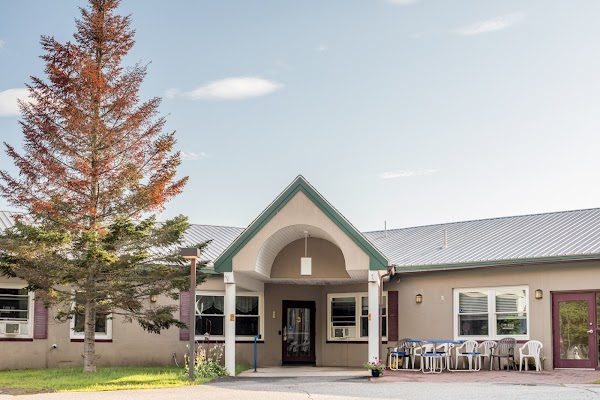
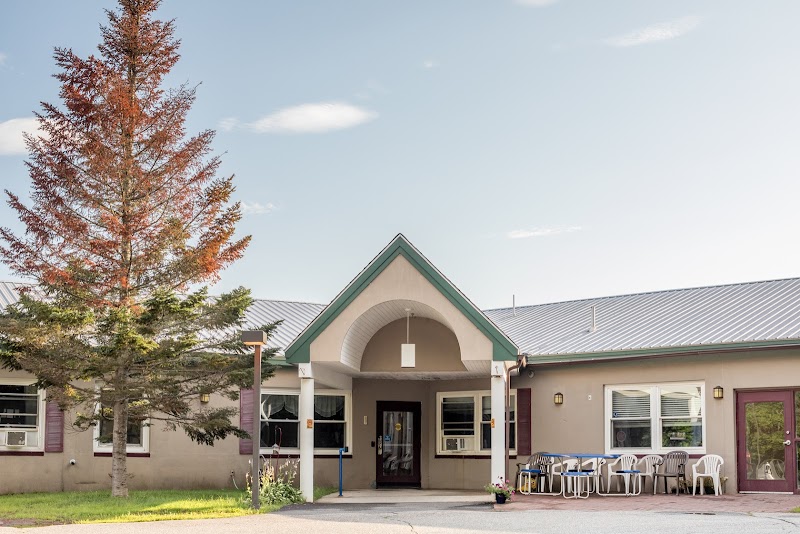
11 JOHN F KENNEDY LANE, RUMFORD, ME 04276 (207) 364-7863
Non profit - Corporation 32 Beds Independent Data: November 2025
Trust Grade
35/100
#73 of 77 in ME
Last Inspection: February 2025

Within standard 12-15 month inspection cycle. Federal law requires annual inspections.

Overview

Rumford Community Home has received a Trust Grade of F, indicating poor performance with significant concerns. It ranks #73 out of 77 facilities in Maine, placing it in the bottom half of statewide options and last in Oxford County. The facility's trend is worsening, with issues increasing from 3 in 2023 to 15 in 2025. While staffing is a strength with a 4 out of 5 rating and a low turnover rate of 32%, the overall quality is undermined by serious incidents, such as a resident sustaining injuries during a transfer due to improper use of a mechanical lift. Additionally, the facility has failed to maintain kitchen cleanliness and ensure safe bed frame inspections, highlighting both strengths in staffing and significant weaknesses in care quality.

Trust Score
F
35/100
In Maine
#73/77
Bottom 6%
Safety Record
Moderate
Needs review
Inspections
Getting Worse
3 → 15 violations
Staff Stability
○ Average
32% turnover. Near Maine's 48% average. Typical for the industry.
Penalties
✓ Good
No fines on record. Clean compliance history, better than most Maine facilities.
Skilled Nurses
✓ Good
Each resident gets 45 minutes of Registered Nurse (RN) attention daily — more than average for Maine. RNs are trained to catch health problems early.
Violations
⚠ Watch
29 deficiencies on record. Higher than average. Multiple issues found across inspections.
★☆☆☆☆
1.0
Overall Rating
★★★★☆
4.0
Staff Levels
★★★★☆
4.0
Care Quality
★☆☆☆☆
1.0
Inspection Score
Stable
2023: 3 issues
2025: 15 issues

The Good

  • 4-Star Staffing Rating · Above-average nurse staffing levels
  • 4-Star Quality Measures · Strong clinical quality outcomes
  • Full Sprinkler Coverage · Fire safety systems throughout facility
  • No fines on record
  • Staff turnover below average (32%)

    16 points below Maine average of 48%

Facility shows strength in staffing levels, quality measures, fire safety.

The Bad

1-Star Overall Rating

Below Maine average (3.0)

Significant quality concerns identified by CMS

Staff Turnover: 32%

13pts below Maine avg (46%)

Typical for the industry

The Ugly 29 deficiencies on record

1 actual harm
May 2025 1 deficiency 1 Harm
SERIOUS (G) 📢 Someone Reported This

A family member, employee, or ombudsman was alarmed enough to file a formal complaint

Actual Harm - a resident was hurt due to facility failures

Accident Prevention (Tag F0689)

A resident was harmed · This affected 1 resident

**NOTE- TERMS IN BRACKETS HAVE BEEN EDITED TO PROTECT CONFIDENTIALITY** Based on record review, facility policies, review of a reportable incident form, and interviews the facility failed to ensure th...

Read full inspector narrative →
**NOTE- TERMS IN BRACKETS HAVE BEEN EDITED TO PROTECT CONFIDENTIALITY** Based on record review, facility policies, review of a reportable incident form, and interviews the facility failed to ensure that a resident was free from injury when the facility staff failed to properly transfer a resident causing the resident to sustain a laceration on the nose and several lacerations with hematomas to the head for 1 of 13 residents requiring a mechanical lift for transfers. (Resident #1) Findings: On 5/5/25, The Division of Licensing and Certification received a facility Reportable Incident Form indicating that on 5/4/25 at 1:50 p.m. Resident #1 was being transferred out of bed to a Broda chair using a mechanical lift (hoyer). The legs of the hoyer lift were not opened and the hoyer lift fell over sideways while the resident was in the sling. The resident fell to his/her left side onto the floor resulting in a laceration to the back of the head and the bridge of his/her nose. Review of nurses note dated 5/4/25 at 2:42 p.m., stated, This nurse was called to resident's room. Resident was laying on [his/her] left side on the floor and the staff was in the process of standing the hoyer lift back up. Per staff resident was being transferred into [his/her] broda chair. The legs of the hoyer were not open and the hoyer lift tipped over sideways with the resident in it. Resident noted to have a small laceration on the bridge of [his/her] nose. [He/she] also has a 8cm (centimeter) x 7cm [NAME] on the left side of [his/her] head. There is a 0.5cm laceration in the center of the [NAME]. Also noted is a 0.5cm laceration on the back of [his/her] head. Resident alert and answering questions appropriately. Offers no complaint of pain or discomfort. Able to move all extremities. Lacerations cleansed with wound cleanser and left open to air. Review of Physician order dated 5/5/25 stated, Hematoma to left side of head and posterior head: monitor q (every) shift, notify provider of any new or worsening sx (symptoms)- HA (headache), nausea, vomiting, confusion. Resident #1's care plan initiated on 8/16/23 stated, he/she has ADL self-care performance deficit related to Dementia and requires extensive assists with bathing, grooming, personal hygiene and bed mobility. Interventions include the resident requires total assist via hoyer lift with 2 staff. On 5/14/25 at 12:17 p.m., during an interview, the Certified Nurses Aid (CNA #5) stated she assisted 2 other CNA's and the Licensed Practical Nurse get Resident #1 off the floor using the hoyer lift and into his/her Broda chair. When she entered the room the hoyer lift was on its side and the legs were in the closed position stating, the first thing I said, oh the legs are closed, you're supposed to have them open. On 5/14/25 at 1:16 p.m., during an interview, the Licensed Practical Nurse (LPN) stated CNA #7, a witness, reported that the hoyer legs were closed during the transfer. On 5/15/25 at 1:21 p.m., during a telephone interview, CNA #7 confirmed she was assisting CNA #3 with the hoyer transfer for Resident #1 with CNA #3 operating the hoyer. CNA #7 stated, we were going to the chair that we had placed and when she went to try to open the legs, it was like a manual hoyer, you have to pull it, like physically to open the legs. So, basically when she went to go do that, it kind of made the balance off centered and that's when the hoyer fell. The surveyor asked if Resident #1 was lifted out of the bed and transferred over to the broda chair with the hoyer legs in the closed position. CNA #7 stated, it wasn't until we got to the chair that she was trying to open them. Mechanical lift Policy effective 4/2004, revision date 5/6/2025 states The base legs of the lift will be locked in the maximum open position. The base legs must be always locked for stability and resident safety when lifting and transferring a resident. On 5/14/25 at 2:45 p.m., the above was confirmed with the Administrator. As a result of the facility's investigation, the following corrective actions were initiated: Immediate education on mechanical lift safety to staff involved in the incident Hoyer lifts were inspected and removed from service if needed Resident #1's care plan was reviewed and revised on 5/9/25 Nursing staff completed education on mechanical lift safety including videos, in person training and tests New hoyer lifts were ordered Facility conducted an investigation with root cause analysis. Audits in place for hoyer use observations and results will be brought to QAPI.
Feb 2025 14 deficiencies
CONCERN (D) 📢 Someone Reported This

A family member, employee, or ombudsman was alarmed enough to file a formal complaint

Potential for Harm - no one hurt, but risky conditions existed

Deficiency F0655 (Tag F0655)

Could have caused harm · This affected 1 resident

**NOTE- TERMS IN BRACKETS HAVE BEEN EDITED TO PROTECT CONFIDENTIALITY** Based on interviews, record reviews, and facility policy, the facility failed to ensure a baseline care plan was developed and i...

Read full inspector narrative →
**NOTE- TERMS IN BRACKETS HAVE BEEN EDITED TO PROTECT CONFIDENTIALITY** Based on interviews, record reviews, and facility policy, the facility failed to ensure a baseline care plan was developed and implemented within 48 hours that included the problems, interventions, and initial goals needed to provide minimum healthcare information necessary to properly care for 1 of 15 residents reviewed for baseline care plans. (Resident #15). Findings: Review of policy Baseline Care Plan Policy and Procedure revised 3/17/23 noted: .The baseline care plan must (i) Be developed within 48 hours of a resident's admission ., (ii) include the minimum healthcare information necessary to properly care for a resident including, but not limited to: a. initial goals based on admission orders, b. Physician orders-Code status, c. dietary orders, d. therapy service e. social service- discharge, f. PASRR recommendations (if applicable). On 2/04/25 at 12:54 p.m., a surveyor observed Resident #15 sitting in his/her room in his/her recliner chair with his/her foley catheter bag hanging on his/her walker. The surveyor observed no EBP signage on the resident's door or door frame and did not observe any PPE readily available. Resident #15 was admitted to the facility on [DATE] with order that included Foley care every shift -active 1/23/25. On 2/04/25 at 3:20 p.m., a surveyor and the Director of Nursing (DON) reviewed a list of residents identified to be on Enhanced Barrier Precautions (EBP). The surveyor pointed out that Resident #15 was not on the list and he/she had a foley catheter. The DON stated that he/she had been missed and he/she had not been identified as needing to be on EBP. On 2/4/25 at 3:20 p.m., a surveyor reviewed Residents #15's Base Line Care plan, initiated 1/22/25, and it did not include Problems, Goals, and Interventions for Enhanced Barrier Precautions. At this time, in an interview, the DON confirmed that the base line care plan did not include EBP Surveyor: [NAME], [NAME] 2. Resident #85 was admitted on [DATE] under hospice care and had diagnoses to include heart failure, chronic respiratory failure with oxygen dependence, hearing loss, falls with rib fractures, and anxiety, Review of Resident #85's clinical record revealed the following active orders for February 2024: -Order with a start date of 2/22/24 for Pregabalin Oral Capsule 25 MG [milligrams] * Controlled Drug* Give 1 capsule by mouth one time a day for Pain. -Order with a start date of 2/23/24 for Morphine Sulfate Oral Solution 20MG/5ML [milliliters] (Morphine Sulfate) *Controlled Drug* Give 0.25ml by mouth every 3 hours as needed for Pain for 30 Days. - Order with a start date of 2/23/24 for Lorazepam Oral Tablet 0.5 MG *Controlled Drug* Give 1 tablet by mouth every 4 hours as needed for agitation for 30 Days. -Order with a start date of 2/23/24 for Lasix Oral Tablet 20 MG Give 1 tablet by mouth one time a day for CHF [congestive heart failure] -Order with a start date of 2/23/24 for Cleanse skin tear to right forearm with N/S, apply bacitracin ointment, cover with non-adherent dressing and wrap with gauze . -Order with a start date of 2/24/24 for Fall mat on floor beside bed every shift -Order with a start date of 2/26/24 for Oxygen 2L [liters] continuously via nasal cannula 4-6L for comfort every shift. Review of Resident #85's baseline care plan, initiated 2/23/24, revealed, Focus: Residents/POA [Power of Attorney]/guardians goal is for resident to remain in long term care facility at this time . and Focus: The resident is (SPECIFY: independent/dependent on staff etc.) for meeting emotional, intellectual, physical, and social needs r/t [related to] (if dependent) Disease process (Specify) . but lacked evidence that goals and interventions were put into place for these focus areas. Further review of Resident #85's baseline care plan lacked evidence that goals and interventions were put into place for hospice care, activities of daily living, pain, anxiety, diuretic use, impaired skin integrity, falls, oxygen use, and nutrition. On 2/7/25 at 12:47 p.m., the Director of Nursing (DON) reviewed Resident #85's care plan and confirmed it did not contain goals and interventions for the above concerns.
CONCERN (D) 📢 Someone Reported This

A family member, employee, or ombudsman was alarmed enough to file a formal complaint

Potential for Harm - no one hurt, but risky conditions existed

Quality of Care (Tag F0684)

Could have caused harm · This affected 1 resident

3. On 2/6/25, a review of Resident #7's clinical record was completed. Resident #7 had a Physician order on 12/31/24 to obtain bloodwork (labs) for a Complete Blood Count (CBC) without diff, Comprehen...

Read full inspector narrative →
3. On 2/6/25, a review of Resident #7's clinical record was completed. Resident #7 had a Physician order on 12/31/24 to obtain bloodwork (labs) for a Complete Blood Count (CBC) without diff, Comprehensive Metabolic Panel (CMP), Erythrocyte sedimentation rate (ESR) and C-Reactive Protein (CRP) the next lab day. A review of the physicians orders written on the Medication Administration Record (MAR) revealed the resident required labs to be drawn on 12/31/24 for a CBC without diff, CMP, ESR and CRP. A review of the lab results for Resident #7 revealed the physicians ordered labs were not done until 1/28/25. On 2/6/25 at 9:34 a.m., in an interview, the DON stated that the providers order for labs was missed and she had provided education to nursing staff regarding the process of adding provider orders for lab work to the binder used for the lab. Based on interviews, observations, and record review, the facility failed to document and adequately monitor a resident after an unwitnessed fall for 1 of 2 residents reviewed for falls (Resident #28). In addition, the facility failed to ensure that physician orders were followed for 1 of 2 residents reviewed. (Resident #8 & (Resident #7) Findings: 1. Review of Resident #28's clinical record indicated that he/she sustained an unwitnessed fall on 1/23/25 at 10:45 p.m. Further review of the clinical record lacked evidence that a fall risk assessment and Post Fall Observation Tool were completed or that neurological checks were initiated following the unwitnessed fall. Review of policy, Falls Management Policy, revised 12/4/24, states, Complete a fall risk assessment upon admission .quarterly .and after a fall .Complete Post Fall Observation Tool, following a fall .If the fall is unwitnessed .neurological checks will be initiated as outlined on the Neurological Assessment Flow Sheet . On 2/10/25 at 10:53 a.m., during an with the Director of Nursing (DON) stated it is her expectation that after an unwitnessed fall, the nurse completes a post-fall observation tool and initiates neuro-checks. At this time, the DON confirmed that the facility failed to complete the required documentation and monitoring for the above unwitnessed fall. 2. Review of Resident #8's clinical record revealed a physician order, with a start date of 1/17/24, for Continuous Oxygen 2L/min [liters per minute] to maintain O2 [oxygen] sat [saturation] >88% On 2/4/25 at 10:49 a.m. and 2/5/25 at 9:59 a.m., Resident #8 was observed lying in bed, receiving continuous oxygen via a nasal cannula, connected to an oxygen concentrator located on the floor next to the bed, out of Resident #8's reach, with the oxygen flow rate set to 2.5 L/min. On 2/5/25 at 10:00 a.m., during an interview, Resident #8 stated that he/she does not adjust his/her oxygen concentrator, and that staff make all adjustments to the oxygen flow rate. On 2/5/25 at 11:50 a.m., the finding was reviewed with the Administrator.
CONCERN (D)

Potential for Harm - no one hurt, but risky conditions existed

Accident Prevention (Tag F0689)

Could have caused harm · This affected 1 resident

Based on observation, interview, and a review of Safety Data Sheets (SDS), the facility failed to ensure that the resident's environment was free of accident hazards relating to the storage of chemica...

Read full inspector narrative →
Based on observation, interview, and a review of Safety Data Sheets (SDS), the facility failed to ensure that the resident's environment was free of accident hazards relating to the storage of chemicals being properly secured for 1 of 5 days of survey (2/10/25). Findings: . The Safety Data Sheet for Oxivir Tb Wipes(Virucidal - Bactericidal - Fungicidal - Tuberculocidal) Disinfectant Cleaner wipes noted the following: 4. First Aid Measures: Eyes: Rinse with plenty of water. If irritation occurs and persists, get medical attention. Ingestion: IF SWALLOWED: Call a Poison Center or Doctor/Physician if you feel unwell. On 2/10/25 at 8:00 a.m., a surveyor observed a 1.8 pound container of Oxivir Tb Wipes(Virucidal - Bactericidal - Fungicidal - Tuberculocidal) Disinfectant Cleaner wipes in the conference room which had the door open. The chemical was not secured and accessible to confused and vulnerable residents who ambulate and residents who also move about the facility in wheelchairs. On 2/10/25 at 8:35 a.m., in an interview, the Administrator confirmed the wipes were left unsecured in an unlocked room and accessible to confused and vulnerable residents who ambulate and residents who also move about the facility in wheelchairs.
CONCERN (D)

Potential for Harm - no one hurt, but risky conditions existed

Deficiency F0757 (Tag F0757)

Could have caused harm · This affected 1 resident

Based on record review and interview, the facility failed to show evidence of an attempt of a gradual dose reduction (GDR) and lacked documentation to justify the continued use of an antidepressant me...

Read full inspector narrative →
Based on record review and interview, the facility failed to show evidence of an attempt of a gradual dose reduction (GDR) and lacked documentation to justify the continued use of an antidepressant medication for 1 of 5 residents reviewed for unnecessary medications (#5.) Finding: Resident #5 has diagnosis of Bipolar Disorder, Major Depressive Disorder. Resident #5's Medication Administration Record (MAR) indicated that Resident #5 had been receiving the antidepressant medication Venlafaxine Extended Release (ER) 225 milligrams (mg) once daily, since 6/15/24. A Pharmacy Report dated 11/20/24 indicated that Resident #5 had been receiving antidepressant Venlafaxine ER 225 mg daily since 6/15/24. Consider gradual dose reduction (GDR) or document contraindication. The clinical record lacked evidence that a GDR was attempted or documented that it was clinically contraindicated for this resident between the dates of 11/20/24 and 2/7/25. The surveyor discussed this finding in an interview with the Administrator on 2/6/25 at 7:45 a.m.
CONCERN (D)

Potential for Harm - no one hurt, but risky conditions existed

Infection Control (Tag F0880)

Could have caused harm · This affected 1 resident

Based on record review and interview, the facility failed to conduct an annual review of it's Infection Prevention and Control Program (IPCP). Finding: On 2/6/25, during a review of the facility's IPC...

Read full inspector narrative →
Based on record review and interview, the facility failed to conduct an annual review of it's Infection Prevention and Control Program (IPCP). Finding: On 2/6/25, during a review of the facility's IPCP policy and procedures, a surveyor noted various policies within the program lacked dates indicating a review and/or revision was completed. Policies included: Infection Control/Exposure Control Plan Review Policy revised 9/2018, North Country Associates: Infection Control Immunizations - Influenza, Pneumococcal Policy revised 9/2018, COVID-19 (Vaccine Policy revised 5/2/23 and National: Clinical Services Infection Prevention & Control Policy dated 6/1/23. On 2/6/25 at 10:07 a.m., the Administrator confirmed that the IPCP policies and procedures had not been reviewed on annually.
CONCERN (D)

Potential for Harm - no one hurt, but risky conditions existed

Deficiency F0882 (Tag F0882)

Could have caused harm · This affected 1 resident

Based on interview and policy review, the facility failed to designate a qualified staff member to function as the Infection Preventionist, who is responsible for the facility's Infection Control Prog...

Read full inspector narrative →
Based on interview and policy review, the facility failed to designate a qualified staff member to function as the Infection Preventionist, who is responsible for the facility's Infection Control Program since 12/4/22. Finding: On 2/4/25 at approximately 9:37 a.m., during an interview with the Director of Nursing (DON), the surveyor inquired who was responsible for the facilities infection control program. The DON stated that she had been the facilities Infection Preventionist until she transitioned to the DON position on 12/4/22 and a new acting IP and (Assistant Director of Nursing) ADON was hired in January 2024. As of today, the new acting IP has not completed the infection control training for the IP role. A review of the Infection Prevention & Control Policy indicates under Roles and Responsibilities: Administration: Designate one or more individual(s) as the Infection Preventionist(s) who is responsible for the facility's IPCP. The IP will: i. Have primary professional training in nursing, medical technology, microbiology, epidemiology, or another related field. ii. Be qualified by education, training experience, or certification. iii. Work at least part-time at the facility. iiii. Have completed specialized training in infection prevention and control. Be an active member of the facility's quality assessment and assurance committee and reports to the committe on a regular basis. On 2/4/25 at 3:00 p.m. a surveyor confirmed with the Administrator that the facility did not have a designated and qualified IP since 12/4/22.
CONCERN (D)

Potential for Harm - no one hurt, but risky conditions existed

Deficiency F0883 (Tag F0883)

Could have caused harm · This affected 1 resident

Based on immunization record review, review of the facility's immunization policy and interview, the facility failed to implement their Influenza, Pneumococcal, COVID policy for 1 of 5 residents whose...

Read full inspector narrative →
Based on immunization record review, review of the facility's immunization policy and interview, the facility failed to implement their Influenza, Pneumococcal, COVID policy for 1 of 5 residents whose immunization records were reviewed. (#19) Finding: The facility's Infection Prevention & Control Policy revised 6/1/23 indicated under Immunizations- Influenza: It is the policy of this facility that every fall, residents will be offered immunization against influenza. The time for immunization will follow the recommendations of the Centers for Disease Control and Prevention (CDC) and the state department of health. Residents or their responsible party will be educated about the risk/benefit of the vaccine. Resident #19's clinical record indicated that the resident was admitted to the facility on 6/2023. Resident #19's immunization records lacked evidence that the resident's Influenza Vaccination was administered as directed by the facility's Infection Prevention & Control Policy. On 2/6/25 at 8:30 a.m., the Director of Nursing (DON) stated that Resident #19's consent for the Influenza Vaccination was obtained from the Power of Attorney (POA) in October 2024. At that time, Resident #19 had refused the vaccination, and staff had planned on reapproaching the resident. Since then, she had lost site of the vaccines. Resident #19 received the Influenza vaccine on 2/5/25.
CONCERN (D)

Potential for Harm - no one hurt, but risky conditions existed

Deficiency F0887 (Tag F0887)

Could have caused harm · This affected 1 resident

**NOTE- TERMS IN BRACKETS HAVE BEEN EDITED TO PROTECT CONFIDENTIALITY** Based on immunization record review, review of the facility's immunization policy and interview, the facility failed to implemen...

Read full inspector narrative →
**NOTE- TERMS IN BRACKETS HAVE BEEN EDITED TO PROTECT CONFIDENTIALITY** Based on immunization record review, review of the facility's immunization policy and interview, the facility failed to implement their Infection Prevention & Control Policy for 1 of 5 residents whose immunization records were reviewed. (#19) Finding: The facility's Infection Prevention & Control Policy revised 6/1/23 indicated under Immunizations - COVID: The facility will offer the COVID-19 vaccine series to all eligible residents as per recommendations of the Center for Disease Control and Prevention. (CDC) Vaccines are offered by the facility or through an arrangement with a pharmacy partner, local health department or other appropriate health entity. Residents and/or healthcare representative (s) will be provided with education by a physician or licensed nurse regarding COVID-19 immunization using the Emergency Authorization Use (EAU) Fact Sheet for Recipients and Caregivers. Any new vaccine information will be dispersed as they become available. Resident #19's clinical record indicated that the resident was admitted to the facility on [DATE]. Resident #19's immunization records lacked evidence that the resident's Covid-19 immunization was administered as directed by the facility's Infection Prevention & Control Policy. On 2/6/25 at 8:30 a.m., the Director of Nursing (DON) stated that Resident #19's consent for the COVID-19 immunization was obtained from the Power of Attorney (POA) in October 2024. At that time, Resident #19 had refused the vaccination, and staff had planned on reapproaching the resident. Since then, she had lost site of the vaccines. Resident #19 received the Covid-19 vaccine on 2/5/25.
CONCERN (E)

Potential for Harm - no one hurt, but risky conditions existed

Deficiency F0558 (Tag F0558)

Could have caused harm · This affected multiple residents

**NOTE- TERMS IN BRACKETS HAVE BEEN EDITED TO PROTECT CONFIDENTIALITY** Based on interviews and record review, the facility failed to ensure resident preferences were followed for 2 of 3 residents rev...

Read full inspector narrative →
**NOTE- TERMS IN BRACKETS HAVE BEEN EDITED TO PROTECT CONFIDENTIALITY** Based on interviews and record review, the facility failed to ensure resident preferences were followed for 2 of 3 residents reviewed for bathing ( Residents #23 #8). Findings: 1.Resident #23 and has a Brief Interview for Mental Status (BIMS) of 10 out of 15, indicating he/she is moderately cognitively impaired. Review of Resident #23's care plan revealed, . requires extensive assist by 1 staff with bathing BID [2 times a day] and as necessary .often refuses care reapproach and offer several times as needed . Review of East/West Bath Schedule, updated 1/25/25, revealed that Resident #23 is to receive a shower or bed bath on Thursday day shift. Review of Resident #23's clinical record lacked evidence that he/she was offered/refused a shower or bed bath on 10/10/24, 1/2/25, 1/9/25, 1/16/25, 1/30/25, and 2/6/25. During an interview on 2/5/25 at 11:33 a.m., Certified Nursing Assistant (CNA) #7 stated Resident #23 primarily receives bed baths but is showered occasionally and sometimes refuses to bathe, though not often. 2. Resident #8 has a BIMS of 15 out of 15, indicating he/she is cognitively intact. Review of Resident #8's Annual Minimum Data Set (MDS) dated [DATE], under Section F- Preferences for Customary Routine and Activities, Interview for Daily Preferences, revealed it is very important for Resident #8 to choose his/her bathing options. Review of Resident #8's care plan states, .self-care performance deficit r/t [related to] Activity Intolerance, Impaired balance . BATHING/SHOWERING .requires extensive assist by 1 staff for bathing daily and as necessary . Review of East/West Bath Schedule, updated 1/25/25, revealed that Resident #8 is to receive a shower on Thursday night shift. During an interview on 2/5/25 at 10:00 a.m., Resident #8 stated his/her shower day is Thursday and that he/she is supposed to get a shower but that staff does not want to give him/her one, so they provide a bed bath instead. During a follow-up interview on 2/7/25 at 11:09 a.m., Resident #8 stated that he/she wanted to get a shower last night, but staff did not offer a shower and instead gave him/her a bed bath. Review of Resident #8's Bathing Task, revealed he/she received a shower on 12/12/24. Further review lacked evidence he/she was offered/refused a shower or bed bath on 10/17/24, 10/24/24, 10/31/24, 11/7/24, 11/14/24, 11/21/24, 11/28/24, 12/5/24, 12/19/24, 12/26/24, 1/2/25, and 1/23/25. During an interview on 2/5/25 at 11:33 a.m., CNA #7 stated Resident #8's shower day is Thursday and that he/she requires a Hoyer lift to transfer to a shower chair and is dependent on assistance for bathing. During an interview in the presence of 2 surveyors on 2/7/25 at 11:37 a.m., the Director of Nursing (DON) stated that CNAs know a resident's bathing preference and schedule based on the Electronic Medical Record (EMR) and the bath/shower list in CNA binder at the nurses' desk. At this time, the DON stated it is her expectation that residents receive sponge baths daily and receive a weekly shower, whirlpool bath, or bed bath on their designated bath day. On 2/7/25 at 12:47 p.m., the DON reviewed the clinical records for Residents #8 and #23 and confirmed the above findings.
CONCERN (E)

Potential for Harm - no one hurt, but risky conditions existed

Safe Environment (Tag F0584)

Could have caused harm · This affected multiple residents

**NOTE- TERMS IN BRACKETS HAVE BEEN EDITED TO PROTECT CONFIDENTIALITY** Based on observations and interview, the facility failed to adequately maintain maintenance and housekeeping services necessary ...

Read full inspector narrative →
**NOTE- TERMS IN BRACKETS HAVE BEEN EDITED TO PROTECT CONFIDENTIALITY** Based on observations and interview, the facility failed to adequately maintain maintenance and housekeeping services necessary to maintain the facility in good repair and sanitary conditions for 2 of 2 units (East and West), a laundry cart, the conference room and the laundry room for 2 of 2 environmental tours (2/5/25 and 2/6/25). Findings: 1. On 2/05/25 at 10:30 a.m., a surveyor and the Administrator observed a laundry cart being used in the East Unit Hallway that had untreated wood holding the laundry bin to the wheeled unit. At this time, in an interview, the Administrator confirmed the wood was not treated and created uncleanable surfaces. 2. On 2/06/25 from 8:35 a.m. to 9:10 a.m., an environmental tour was conducted with the Director of Ancillary Services in which the following findings were observed: Conference Room - There were four(4) ceiling lights that had dirt/debris in them. East Unit - Resident room [ROOM NUMBER] - The baseboard heater was coming apart, hanging down and in a disrepair. The room entrance door had chipped/gouges on the face of the door and had rough edges creating an uncleanable surface. - The wheelchair storage closet, across from resident room [ROOM NUMBER], had chipped/missing paint and gouges on the door creating an uncleanable surface. - Resident room [ROOM NUMBER] - The room entrance door had chipped, gouged and missing paint creating uncleanable surfaces. - Resident room [ROOM NUMBER] - The baseboard heater was broken apart, hanging down and in disrepair. The caulking around the base of the toilet was stained yellowish brown. - Resident room [ROOM NUMBER] - The baseboard heater has chipped/missing paint creating an uncleanable surface. - Resident room [ROOM NUMBER] - The baseboard heater in the bathroom has chipped/missing paint creating an uncleanable surface. The toilet seat was stained yellowish brown. - The base board heater in the dining room had chipped/missing paint creating an uncleanable surface. West Unit - Resident Rooms 7, 8, 10, 11, 12, 13,,15, 16 and 18 had room entrance doors that had chipped, gouged and missing paint creating uncleanable surfaces. - Resident room [ROOM NUMBER] - The room entrance door had chipped, gouged and missing paint creating uncleanable surfaces. The walls had chipped/missing paint and there was a large area of spackled wall near the bathroom door. - The hallway base board heater, near the Rehab room, had chipped/missing paint creating an uncleanable surface. Laundry Room: - The ceiling above the 2 bay sink had a large brown stain on it. - The floor was dirty and stained brown throughout the laundry. On 2/06/25 at 9:10 a.m., in an interview, the Director of Ancillary Services confirmed the findings.
CONCERN (E)

Potential for Harm - no one hurt, but risky conditions existed

Respiratory Care (Tag F0695)

Could have caused harm · This affected multiple residents

Based on observations and interviews, the facility failed to maintain respiratory equipment in a sanitary manner to help prevent the development and transmission of disease and infection related to re...

Read full inspector narrative →
Based on observations and interviews, the facility failed to maintain respiratory equipment in a sanitary manner to help prevent the development and transmission of disease and infection related to respiratory care for 3 of 4 days of survey. (2/4/25, 2/5/25 and 2/10/25) Findings: 1. On 2/4/25 at 10:40 a.m., a surveyor observed Resident #13's oxygen concentrator tubing and nasal cannula was observed stored on top of resident's bureau on some of his/her personal belongings and not bagged. The resident stated to the surveyor that he/she only wears oxygen at night and it is stored during the day. 2. On 2/5/25 at 8:15 a.m., a surveyor observed Resident #13's oxygen concentrator tubing and nasal cannula was observed stored on top of her concentrator and not bagged. On 2/05/25 at 10:25 a.m., in an interview, the Administrator confirmed that the oxygen tubing and nasal canula should be stored in a bag and not just draped on the resident's belongings on the night stand or coiled up and stored on top of the O2 concentrator. At this time, the surveyor asked for the oxygen/respiratory policy and procedure for storing equipment in the resident. On 2/05/25 at 11:50 a.m., the Administrator reached out to the Regional Director of Clinical Operation-Maine for input and a policy on O2 storage and equipment storage. The Regional Director of Clinical Operation-Maine informed the Administrator that National Health Care Associates Inc. does not have a specific policy on that however, they store tubing in respiratory bags when they are not in use. The facility could not produce a policy and procedure on storing oxygen/respiratory equipment in the resident rooms. 3. On 2/10/25 at 9:25 a.m Resident #13's oxygen concentrator tubing and nasal cannula was observed lying on the floor next to the head of her bed and was not bagged. On 2/10/25 at 9:30 a.m., in an interview, LPN #1 confirmed that Resident #13's oxygen concentrator tubing and nasal cannula was lying on the floor next to the head of her bed and was not stored in a bag.
CONCERN (E)

Potential for Harm - no one hurt, but risky conditions existed

Deficiency F0947 (Tag F0947)

Could have caused harm · This affected multiple residents

Based on Certified Nursing Assistant (CNA) employee education record review and interview, the facility failed to monitor and ensure that the Certified Nursing Assistants (CNAs) received the required ...

Read full inspector narrative →
Based on Certified Nursing Assistant (CNA) employee education record review and interview, the facility failed to monitor and ensure that the Certified Nursing Assistants (CNAs) received the required 12 hours of annual in-service education training for 5 of 5 randomly selected CNAs employed greater than 1 year (CNA #1, CNA #2, CNA #3, CNA #4, and CNA #5). Findings On 2/6/25, a surveyor reviewed the following employee education files: 1. CNA #1 was hired 3/27/23. A review of CNA #1's education records revealed they had not received the required 12 hours of education/in-service training including Resident Rights, Dementia, Quality Assurance and Performance Improvement Program (QAPI), and Infection Control in 2024. 2. CNA #2 was hired 4/10/23. A review of CNA #2's education records revealed they had not received the required 12 hours of education/in-service training including Resident Rights, QAPI, and Infection Control in 2024. 3. CNA #3 was hired 1/8/24. A review of CNA #3's education records revealed they had not received the required 12 hours of education/in-service training including Dementia, QAPI, and Infection Control in 2024. 4. CNA #4 was hired 9/13/1994. A review of CNA #4's education records revealed they had not received the required 12 hours of education/in-service training including QAPI and Infection Control in 2024. 5. CNA #5 was hired 11/1/2016. A review of CNA #5's education records revealed they had not received the required 12 hours of education/in-service training including Resident Rights, QAPI and Infection Control in 2024. On 2/06/25 at 11:19 a.m., in an interview, the Administrator confirmed that all 5 CNAs had not received the required 12 hours, including certain mandatory education and in-service training in 2024.
CONCERN (F)

Potential for Harm - no one hurt, but risky conditions existed

Food Safety (Tag F0812)

Could have caused harm · This affected most or all residents

Based on observations, interviews, review of the Dish Machine Temperature Logs (dated 2013), and review of the Food Storage policy (dated 2013), the facility failed to ensure the kitchen was maintaine...

Read full inspector narrative →
Based on observations, interviews, review of the Dish Machine Temperature Logs (dated 2013), and review of the Food Storage policy (dated 2013), the facility failed to ensure the kitchen was maintained in a clean and sanitary manner for ceiling tiles, floors, and a wall mounted fan; failed to ensure foods were sealed, labeled and dated in a reach-in freezer and in a walk-in refrigerator; failed to ensure that the kitchen ice machine was plumbed in accordance with code requirements to prevent food contamination and failed to ensure that the dish machine was monitored for proper wash and rinse temperatures to ensure clean and sanitized utensils and dishes, all for 1 of 1 kitchen tour for 1 of 1 day of survey (2/4/25). Findings: 1. On 2/4/25 from 9:10 a.m. to 10:00 a.m., a surveyor conducted a kitchen tour with the Food Service Director in which the following findings were observed: - There were three ceiling tiles above a food preparation area that had brown stains on them. - There was trash and food debris on the floor under the equipment and around the edges of the floor. - The dish room had a wall mounted fan that was dusty/dirty and a base board heater that had chipped/missing paint creating an uncleanable surface. - There was an unlabeled and undated plastic container of cereal on a food preparation table. - There was a large bin of flour that was unlabeled and undated. - The walk-in refrigerator had one pie crust wrap that was unlabeled and undated. Also, there was a container of peeled eggs that was not securely shut/sealed and open to the air. - The walk-in freezer had one large package of meatballs, one package of stuffed shells, one package of chicken patties and two packages of pancakes that were unlabeled and undated. - The kitchen ice machine air gap was not plumbed in accordance with code requirements to prevent food contamination. The facility's Food Storage policy noted: Procedure: 13. Leftover food is stored in covered containers or wrapped carefully and securely. Each item is clearly labeled and dated before being refrigerated. 14. Refrigerated food storage: F. All food should be covered, labeled and dated. 16. Frozen foods: All food should be covered, labeled and dated. This direct connection of waste water and potable water was in violation of the 10-114 State of Maine Rules Chapter 226, definition Section A, which defines an Air-Gap Separation - A physical separation between the free-flowing discharge end of a potable water supply pipeline and an open or non-pressure receiving vessel. An air-gap separation shall be at least twice the diameter of the supply pipe measured vertically above the overflow rim of the vessel - in no case less than one inch (2.54 cm) and the Code of Federal Regulation, Title 21, Part 1250, Section 1250, 30 (d) states all plumbing shall be so designed, installed, and maintained as to prevent contamination of the water supply, food, and food utensils. On 2/4/25 at 10:00 a.m., in an interview, the Food Service Director (FSD) confirmed the findings. 2. Upon review of the Dish Machine Temperature Logs, the surveyor found the following missing dates of monitoring/documentation. November 2024: Breakfast - 2, 3, 8, 15, 16, 17 and 19. Lunch - 16, 18, 24, 27 and 28. Dinner - 22, 27 and 28. December 2024: Breakfast - 1, 6, 10, 19, 2 and 30. Lunch - 1, 5, 19, 20 and 25. January 2025: Breakfast - 7, 21, 30 and 31. Lunch - 5, 8, 12, 13, 14, 16, 22 and 23. Dinner - 1, 2, 3, 5, 8, 12-16, 21 and 22. The facility's Dish Machine Temperature Log noted: Policy: Dishwashing staff will monitor and record dish machine temperatures to assure proper sanitizing of dishes. 3. Staff will be trained to record dish machine temperatures for the wash and rinse cycles at each meal. a. The food service manager will spot check this log to assure temperatures are appropriate and staff is actually monitoring dish machine temperatures. On 2/5/25 at 2:00 p.m., in an interview, the FSD confirmed there were missing dates of monitoring/documentation of the dish machine temperatures for November 2024, December 2024 and January 2025.
CONCERN (F) 📢 Someone Reported This

A family member, employee, or ombudsman was alarmed enough to file a formal complaint

Potential for Harm - no one hurt, but risky conditions existed

Deficiency F0909 (Tag F0909)

Could have caused harm · This affected most or all residents

Based on interviews, the facility failed to conduct regular inspection of all bed frames, mattresses, and bed rails as part of a regular maintenance program to identify areas of possible entrapment fo...

Read full inspector narrative →
Based on interviews, the facility failed to conduct regular inspection of all bed frames, mattresses, and bed rails as part of a regular maintenance program to identify areas of possible entrapment for 32 of 32 beds. This has the potential to affect the safety of all residents. Finding: On 2/10/25 at 11:30 a.m., a surveyor asked the Administrator for the bed gap measurements and side rail gap measurement documentation. A surveyor received and reviewed the documentation with the Administrator and she confirmed that the bed gap measurements and side rail gap measurements had not been completed since February 2023. On 2/10/25 at 12:05 a.m., a surveyor and the Director of Ancillary Services reviewed the bed gap measurements and side rail gap measurement documentation. At this time, in an interview, the Director of Ancillary Services confirmed that regular inspection of all bed frames, mattresses, and bed rails as part of a regular maintenance program to identify areas of possible entrapment and bed gap measurements and side rail gap measurements have not been completed since February 2023.
Nov 2023 3 deficiencies
CONCERN (D)

Potential for Harm - no one hurt, but risky conditions existed

Deficiency F0657 (Tag F0657)

Could have caused harm · This affected 1 resident

Based on record review and interviews, the facility failed to review and revise the care plan to reflect the current needs of a resident in the area of pressure ulcers. (#22) Finding: A review of Resi...

Read full inspector narrative →
Based on record review and interviews, the facility failed to review and revise the care plan to reflect the current needs of a resident in the area of pressure ulcers. (#22) Finding: A review of Resident #22's clinical record noted diagnoses which included: Diabetes Mellitus and past history of stroke with hemiplegia/hemiparesis of the right side. A dietitian's note, dated 10/28/23, indicated Resident #22 had a recently healed Stage II pressure ulcer. Physician's orders, dated 10/5/23, instructed staff to have the resident get up to chair daily in the afternoon for two hours, or as tolerated. In addition, an order dated 10/2/23, instructs staff to apply Barrier ointment to right hip (resolved pressure ulcer area) twice daily for preventive skin care. A review of Resident #22's care plan, last revised on 10/17/23, noted Resident #22 was at risk for pressure ulcer development related to immobility. The section titled Interventions was noted to be blank. On 11/7/23 at 11:20 a.m., in an interview with a surveyor, the Director of Nursing confirmed the care plan had not been revised to include interventions for pressure ulcer prevention in a resident at risk for recurrence.
CONCERN (D)

Potential for Harm - no one hurt, but risky conditions existed

Garbage Disposal (Tag F0814)

Could have caused harm · This affected 1 resident

Based on observation and interview, the facility failed to maintain a garbage storage area in a sanitary condition to prevent the harborage and feeding of pests for 1 trash dumpster for 1 of 3 days of...

Read full inspector narrative →
Based on observation and interview, the facility failed to maintain a garbage storage area in a sanitary condition to prevent the harborage and feeding of pests for 1 trash dumpster for 1 of 3 days of survey. (11/6/23) Finding: On 11/6/23 at 6:00 a.m., a surveyor observed a trash dumpster with the front right lid open exposing trash. 0n 11/6/23 at 6:35 a.m., in an interview, the [NAME] confirmed the findings. 0n 11/6/23 at 7:40 a.m., in an interview, the surveyor discussed the findings with the Food Service Director.
CONCERN (E)

Potential for Harm - no one hurt, but risky conditions existed

Food Safety (Tag F0812)

Could have caused harm · This affected multiple residents

Based on observations and interview, the facility failed to ensure the kitchen was maintained in a clean and sanitary manner for a baseboard heater, the grease trap, the cement floor, a standing floor...

Read full inspector narrative →
Based on observations and interview, the facility failed to ensure the kitchen was maintained in a clean and sanitary manner for a baseboard heater, the grease trap, the cement floor, a standing floor fan, the food disposal unit, the large food mixer, the dish machine, and the hood system filters for 1 of 3 days of survey (11/6/23). Additionally, the facility failed to ensure all staff with facial hair were wearing facial hair protectors for 1 of 3 days of survey (11/8/23). Findings: On 11/6/23 from 6:05 a.m. to 6:35 a.m., an initial kitchen tour was conducted with the [NAME] in which the following findings were observed: 1. > The dish room baseboard heater had chipped/missing paint creating an uncleanable surface. The grease trap cover was rusty on the top and around the edges of the lid. The cement floor portion had chipped/missing paint creating an uncleanable surface. The standing floor fan was dusty/dirty and had dried liquid residue on the blades. > The food disposal unit had dried liquid residue on it. > The large food mixer had dried food particles on the mix arm and the safety guard. > The dish machine was heavily soiled with scale buildup on the inside of the unit and the outside top and outside sides of the unit. > The hood system filters were heavily soiled with dust. 0n 11/6/23 at 6:35 a.m., in an interview, the [NAME] confirmed the findings. 0n 11/6/23 at 7:40 a.m., in an interview, the surveyor discussed the findings with the Food Service Director. 2. 0n 11/8/23 at 12:25 p.m., a surveyor observed two(2) male kitchen staff with facial hair in the kitchen that were not wearing facial hair protection. 0n 11/8/23 at 12:30 p.m., in an interview, the Food Service Director confirmed the finding.
Dec 2022 1 deficiency
CONCERN (D) 📢 Someone Reported This

A family member, employee, or ombudsman was alarmed enough to file a formal complaint

Potential for Harm - no one hurt, but risky conditions existed

ADL Care (Tag F0677)

Could have caused harm · This affected 1 resident

**NOTE- TERMS IN BRACKETS HAVE BEEN EDITED TO PROTECT CONFIDENTIALITY** Based on observation, interviews, and record review, the facility failed to provide personal hygiene related to bathing for 2 of...

Read full inspector narrative →
**NOTE- TERMS IN BRACKETS HAVE BEEN EDITED TO PROTECT CONFIDENTIALITY** Based on observation, interviews, and record review, the facility failed to provide personal hygiene related to bathing for 2 of 3 residents reviewed for Activities of Daily Living (Resident #1 and Resident #2 ). Findings: 1. Resident #1 was admitted to the facility on [DATE], with diagnoses including diabetes mellitus with diabetic autonomic polyneuropathy, essential hypertension, anxiety disorder, unspecified, gastroesophageal reflux disease, major depressive disorder, hypothyroidism, and asthma. Review of the quarterly Minimum Data Set (MDS) completed 10/11/2022. Under G - Personal Hygiene, Resident #1 requires extensive assistance for bathing assistance. Review of Resident #1's Care Plan with a target date of 09/29/2022, Resident #1 required extensive assistance by 1-2 staff with bathing, showering. On 12/12/2022 at 10:44 a.m., in an interview, Resident #1 stated he/she had been getting baths or showers. Resident #1 stated he/she was supposed to get a whirlpool once a week and was not receiving whirlpools. 2. Resident #2 was admitted to the facility on [DATE], with diagnoses including chronic inflammatory demyelinating polyneuritis, polyneuropathy, type 2 diabetes mellitus, essential (primary) hypertension, and constipation. Review of quarterly Minimum Data Set (MDS) completed 11/28/2022, shows that Resident #2 is dependent on staff for bathing assistance. Review of Resident #2's Care Plan signed 11/28/2022, reveals Resident #2 required extensive assistance with bathing/showering. On 12/12/2022 at 10:23 a.m., in an interview, Resident #2 stated he/she had been getting baths or showers. Resident #2 stated that before they received a whirlpool on Thanksgiving, it had been three weeks since a whirlpool. On 12/12/2022 at 2:01 p.m., in an interview with the Director of Nursing, she stated that she spoke with staff and Resident #1 usually gets a whirlpool. She stated, Resident #2 had a whirlpool last Thursday. She stated, I can't say if it happened consistently. The Director of Nursing reviewed the Bath schedule and stated they were working on making changes to make the schedule more efficient so that whirlpools/showers were not missed. On 12/12/2022, at approximately 3:30 p.m. an interview with the Director of Nursing and administrator, the above findings were confirmed.
Jan 2022 10 deficiencies
CONCERN (D)

Potential for Harm - no one hurt, but risky conditions existed

Quality of Care (Tag F0684)

Could have caused harm · This affected 1 resident

Based on record review and interview, the facility failed to ensure that staff followed physician orders for obtaining weights for 1 of 13 residents reviewed. (Resident #22) Finding: Resident #22's cl...

Read full inspector narrative →
Based on record review and interview, the facility failed to ensure that staff followed physician orders for obtaining weights for 1 of 13 residents reviewed. (Resident #22) Finding: Resident #22's clinical record contained physician's treatment orders, dated 12/22/2021, that instructed staff to do Weekly weight every day shift every Wed(Wednesday) for Wt.(Weight) loss. A review of December 2021's and Januarys 2022's Treatment Administration Record (TAR) did not reflect documentation that the weekly weight orders were performed on 12/22/21, 12/29/21 and 1/5/22. On 11/2/21 at 1:00 p.m., during an interview, the Interim Director of Nursing(IDON) stated that the TAR was signed off by nursing and had the number 9 documented. The number 9 meant to see the progress notes. Upon review of the progress notes, documentation showed weight not obtained. The IDON stated that this meant the staff did not do the weight and the resident did not refuse to be weighed. On 11/2/21 at 1:00 p.m., during an interview, the Interim Director of Nursing confirmed that the physician order to obtain weekly weights was not followed by staff on these days.
CONCERN (D)

Potential for Harm - no one hurt, but risky conditions existed

Medication Errors (Tag F0758)

Could have caused harm · This affected 1 resident

Based on record review and interview, the facility failed to ensure an as needed (PRN) psychotropic medication met the required 14-day limit for 1 of 5 residents reviewed for unnecessary medications (...

Read full inspector narrative →
Based on record review and interview, the facility failed to ensure an as needed (PRN) psychotropic medication met the required 14-day limit for 1 of 5 residents reviewed for unnecessary medications (#18). Finding: A review of Resident #18's physician orders dated 10/19/21 instructs staff to administer Lorazepam Intensol Concentrate 2 MG/ML, give 0.5 mg by mouth every 4 hours as needed for Anxiety, Agitation, Nausea, Dyspnea, with no stop date. The medical record lacked evidence of clinical rational to continue the medication. On 1/13/22 at 12:05 p.m., in an interview with the Quality Improvement Specialist, the surveyor confirmed the above findings.
CONCERN (D)

Potential for Harm - no one hurt, but risky conditions existed

Garbage Disposal (Tag F0814)

Could have caused harm · This affected 1 resident

Based on observations and interviews, the facility failed to maintain garbage storage areas in a sanitary condition to prevent the harborage and feeding of pests for 2 of 2 dumpster observations for 1...

Read full inspector narrative →
Based on observations and interviews, the facility failed to maintain garbage storage areas in a sanitary condition to prevent the harborage and feeding of pests for 2 of 2 dumpster observations for 1 of 4 days of survey. (1/10/22) Findings: 1. On 1/10/22 at 9:00 a.m., the dumpster by the kitchen was observed to have the top right lid open exposing trash. On 1/10/22 at 9:15 a.m., in an interview, the Administrator confirmed the finding. 2. On 1/10/22 at 12:15 p.m., the dumpster behind the building was observed to have the top right lid open exposing trash. On 1/10/22 at 12:15 a.m., in an interview, the Laundry Aide confirmed the finding. The finding was discussed with the Administrator on 1/10/22 at 1:00 p.m.
CONCERN (E)

Potential for Harm - no one hurt, but risky conditions existed

Deficiency F0553 (Tag F0553)

Could have caused harm · This affected multiple residents

**NOTE- TERMS IN BRACKETS HAVE BEEN EDITED TO PROTECT CONFIDENTIALITY** Based on interviews and record reviews, the facility failed to review and revise the care plan by an interdisciplinary team (IDT...

Read full inspector narrative →
**NOTE- TERMS IN BRACKETS HAVE BEEN EDITED TO PROTECT CONFIDENTIALITY** Based on interviews and record reviews, the facility failed to review and revise the care plan by an interdisciplinary team (IDT) which included the participation of the resident and resident's representative after each assessment, including an admission Minimum Data Set (MDS), a quarterly MDS, and a significant change MDS, for 4 of 4 residents whose care plans were reviewed. (Residents #14, #17, #22, #4) Findings: 1. A clinical record review indicated Resident #14 was admitted on [DATE]. In addtion, a MDS Quarterly assessment was completed on 8/24/21. A MDS Significant Change Minimum Data Set assessment was completed on 11/21/21. In review of Resident #14, the clinical record indicated the care plan was revised on 12/7/21. The surveyor could not locate evidence that a care plan meeting was held by the IDT that included, to the extent possible participation of Res #14 and/or his/her representative to review the Care Plan. During an interview with the Interim Director of Nursing (DON), on 1/13/22 at 9:20 a.m., the DON indicated that no care plan meeting took place. 2. A clinical record review indicated Resident #17 was admitted on [DATE]. On 1/11/22 at 10:07 a.m., in an interview with a surveyor, Resident #17 stated there had been no care plan meetings and he/she had not been invited to attend. A review of the clinical record indicated on 6/24/21, an Annual MDS Assessment was completed, and an IDT meeting was held on 6/25/21. A Quarterly MDS Assessment was completed on 9/14/21, and an IDT meeting was held on 9/14/21. The most recent revision of the care plan was noted on 10/4/21. A Quarterly MDS Assessment was completed on 12/14/21, and an IDT meeting held on 12/30/21. There was no evidence that Resident #14 had been included to participate in care planning, until 1/4/22. On 1/11/22 at 4:00 p.m., the Administrator stated that it was likely documentation would not be found indicating the resident was included in his/her care plan meetings. The Administrator stated the facility had not had a social worker since May, 2021. In October, 2021, the business office manager assumed some of the duties, including notifying residents and families of IDT meetings. 3. A clinical record review indicated Resident #22 was admitted on [DATE] with the admission Minimum Data Set (MDS), completed on 8/10/21. The clinical record lacked evidence that IDT meetings, which included the participation of the resident and the resident's representative, were conducted following the admission and Quarterly MDS assessments in October, 2021, and after a Significant Change MDS assessment was completed on 12/27/21. On 1/11/22 at 2:55 p.m., in an interview, the Interim Director of Nursing confirmed that the clinical record lacked documented evidence that IDT meetings were conducted following the admission MDS, the Quarterly MDS in October 2021, and after a Significant Change MDS was completed on 12/27/21. 4. A clinical record review indicated hat Resident #4 was admitted on [DATE]. On 1/10/22 at 11:29 a.m., in an interview with a surveyor, Resident #4 stated that he/she did not remember a care plan meeting or receiving a written summary of the care plan. On 1/11/22 at 2:51 p.m., in an interview with the Assistant Director of Nursing, he/she stated that the initial IDT (interdisciplinary team) meeting was completed on 9/02/21, and that the chart was also lacking the quarterly care plan. In an interview with surveyors on 1/13/21 at 10:50 a.m., the Administrator confirmed that required IDT care plan meetings should have been conducted after completion of resident MDS assessments with participation of the resident and/or representative, but had not been not done.
CONCERN (E)

Potential for Harm - no one hurt, but risky conditions existed

Safe Environment (Tag F0584)

Could have caused harm · This affected multiple residents

**NOTE- TERMS IN BRACKETS HAVE BEEN EDITED TO PROTECT CONFIDENTIALITY** Based on observations and interviews, the facility failed to adequately provide housekeeping and maintenance services necessary ...

Read full inspector narrative →
**NOTE- TERMS IN BRACKETS HAVE BEEN EDITED TO PROTECT CONFIDENTIALITY** Based on observations and interviews, the facility failed to adequately provide housekeeping and maintenance services necessary to maintain the building in good repair and in a sanitary condition, on 2 of 2 wings (East and West), a common area and the laundry room, for 1 of 1 environmental tour. Findings: On 1/13/22 from 8:30 a.m. to 9:00 a.m., an Environmental Tour was conducted with the Administrator in which the following findings were observed: Common Area > The staff bathroom, closest to Administrator's office, had a base board heater that was dirty, rusty, had chipped/missing paint and was in disrepair. East Wing > The staff bathroom, across from Director of Nursing office, had a dirty/dusty and noisy exhaust fan. Additionally, there were 2 broken ceiling tiles. West Wing > Resident room [ROOM NUMBER] - The wall behind the heads of bed 1 and bed 2 were marred and gouged exposing sheet rock. > Resident Room16 - Bed 2 privacy curtain was ripped and had areas not hanging on the track. > Resident room [ROOM NUMBER] - Bed 2 privacy curtain was ripped and had areas not hanging on the track. > Resident room [ROOM NUMBER] - The bedside table for Bed 2 was missing the trim around the entire top creating an uncleanable surface. > Resident room [ROOM NUMBER] - The bathroom light lens was dusty/dirty. The bureau had worn/missing laminate across the front and top creating uncleanable surfaces. > Resident room [ROOM NUMBER] - The base of the bedside table for Bed 1 was dirty. The bureau was missing laminate on front top edge creating an uncleanable surface. The bathroom door had chipped/missing paint. The bathroom sink faucet was corroded and in disrepair. The floor was dirty around the base of the toilet. > Resident room [ROOM NUMBER] - The bathroom fan was loud/noisy. The toilet bowl was dirty/stained with black streaks. The ceiling light lenses were dirty. The bathroom base board heater had chipped/missing paint. The closet doors were chipped/gouged. The bureau had worn/missing laminate creating an uncleanable surface. The bathroom door had chipped/missing paint. > Resident room [ROOM NUMBER] - The bureau had worn/missing laminate across the front and top creating uncleanable surfaces. The room entrance door had chipped/missing paint. > Resident room [ROOM NUMBER] - The wall behind Bed 2 was gouged/marred exposing sheetrock. There was a stained ceiling tile above Bed 2. > The whirlpool room had chipped/missing paint on the legs of the chair lift. The heater had chipped/missing paint. The door to the whirlpool room had chipped/missing paint. > The left hallway door, at the end of [NAME] Wing hallway by room [ROOM NUMBER], was coming apart at the top and in disrepair. Laundry Room > There was unfinished/unsealed wood under multiple carts and under boxes of linens. > There were 3 wall fans that were dirty/dusty. > The floor was heavily soiled with dirt. On 1/13/22 at 9:00 a.m., in an interview, the Administrator confirmed the findings.
CONCERN (E)

Potential for Harm - no one hurt, but risky conditions existed

Food Safety (Tag F0812)

Could have caused harm · This affected multiple residents

Based on observations and interview, the facility failed to ensure the kitchen was maintained in a clean and sanitary manner for the walk-in freezer, hood filters, a cook stove, floors, ceiling lights...

Read full inspector narrative →
Based on observations and interview, the facility failed to ensure the kitchen was maintained in a clean and sanitary manner for the walk-in freezer, hood filters, a cook stove, floors, ceiling lights and ceiling tiles. In addition, the facility failed to ensure that foods were labeled and dated in the walk-in freezer and the reach in refrigerator for 1 of 1 kitchen tour on 1 of 4 days of survey(1/10/22). Findings: On 1/10/22 From 9:15 a.m. to 9:55 a.m., a surveyor conducted a tour of the kitchen with the Acting Food Service Director in which the following findings were observed: > The hood system filters were dirty/dusty. > The cook stove had dried liquid spatter on it and was missing the front bottom kick plate/gas valve cover. > The cement floor, in the entrance to the back hall, had chipped/missing paint. > The cement floor, in the entrance to the dry storage area, had chipped/missing paint. > The cement floor, in the dish room area, had chipped/missing paint. > The floor in the dry storage area had 5 broken floor tiles. > The ceiling light by the dish room entrance had a cracked/broken lens. > There were 2 stained ceiling tiles above the coffee maker, 2 stained ceiling tiles above a food preparation area, and 1 stained ceiling tile over the three bay pot sink. > There were 3 ceiling lights above a food preparation area that had bugs/debris in the light lenses. > The reach-in cooler had a bowl of bacon that was an open to air and not labeled and dated. Also, there was a wrapped package of cake not labeled and dated. > The walk-in freezer had a large package of meat patties, 2 packages of cakes and 1 bag of cream puffs that were not labeled and dated. Additionally, the were large amounts of ice build-up on pies and assorted boxed foods, under the freezing unit, with ice columns going from the freezing unit to the foods. On 1/10/22 at 9:55 a.m., in an interview, the Acting Food Service Director confirmed the findings.
CONCERN (E)

Potential for Harm - no one hurt, but risky conditions existed

Deficiency F0883 (Tag F0883)

Could have caused harm · This affected multiple residents

Based on record review, review of the facility's immunization policy and interview, the facility failed to implement their Infection Control, Immunizations - Influenza, Pneumococcal Policy for 5 of 5 ...

Read full inspector narrative →
Based on record review, review of the facility's immunization policy and interview, the facility failed to implement their Infection Control, Immunizations - Influenza, Pneumococcal Policy for 5 of 5 residents whose immunization records were reviewed (#2, #4, #10, #15, #18). Findings: The Facility's Immunization Policy, with a revised date of 9/18, indicated that Each resident will be offered a Pneumonia Vaccine, upon admission unless the immunization is medically contraindicated or the resident has already been immunized. A. Vaccines will be given in accordance with the Maine Center for Disease Control. For immunocompetent adults aged 65 and older. Administer 1 dose of 13-valent pneumococcal conjugate vaccine (PCV13), if not previously administered, followed by 1 dose of 23-valent pneumococcal polysaccharide vaccine (PPSV23) at least 1 year after PCV13. If PPSV23 was previously administered, but not PCV13, administer PCV13 at least 1 year after PPSV23. For adults who have received 1 or more doses of PPSV23, or those with unclear documentation of the type of pneumococcal vaccine received: Administer 1 dose of PCV13 at least 1 year after the most recent pneumococcal vaccine dose. Administer a second dose of PPSV23 at least 8 weeks after the PCV13 and at least 5 years after the previous dose of PPSV23. The Centers for Disease Control (CDC) Vaccine Information Statement (VIS) for the Pneumococcal Conjugate Vaccine (PCV13), dated 8/6/21, indicated, A dose of PCV13 is also recommended for adults and children 6 years or older with certain medical conditions if they did not already receive PCV13. This vaccine may be given to healthy adults 65 years or older who did not already receive PCV13, based on discussions between the patient and health care provider. The CDC Vaccine Information Sheet for the Pneumococcal Polysaccharide Vaccine (PPSV23), dated 10/30/19, indicated, PPSV23 is recommended for: All adults 65 years or older. The facility provided a list of residents titled East/West Immunization Record. The list was reviewed for current sampled residents and the following was noted. 1. Resident #2, with an admission date of 12/29/20, had received Pneumovax (PPSV23) on 1/19/18. The surveyor could not locate evidence indicating whether the PCV13 vaccine was offered. 2. Resident #4, with an admission date of 7/21/21, had received Pneumovax (PPSV23) on 4/17/14. The surveyor could not locate evidence indicating whether the PCV13 vaccine was offered. 3. Resident #10, admission date of 11/23/21. The surveyor could not locate evidence indicating whether any pneumococcal vaccine was offered. 4. Resident #15, admission date of 3/5/21. The surveyor could not locate evidence indicating whether any pneumococcal vaccine was offered. 5. Resident #18, with an admission date of 4/1/21, had received Pneumovax (PPSV23) on 12/7/12. The surveyor could not locate evidence indicating whether the PCV13 vaccine was offered. On 1/13/22 at 1:09 p.m., the Interim Director of Nursing confirmed that residents had not been offered pneumococcal vaccinations and that the facility's immunization practices do not reflect current CDC recommendations.
CONCERN (E)

Potential for Harm - no one hurt, but risky conditions existed

Deficiency F0943 (Tag F0943)

Could have caused harm · This affected multiple residents

Based on interview and record review, the facility failed to implement and maintain an effective training program which includes, at a minimum, training on abuse, neglect, exploitation and misappropri...

Read full inspector narrative →
Based on interview and record review, the facility failed to implement and maintain an effective training program which includes, at a minimum, training on abuse, neglect, exploitation and misappropriation of resident property and dementia management by failing to ensure that 3 of 5 Certified Nursing Assistants (CNAs) reviewed for in-service training completed the required training (#2, #4 and #5). Findings: On 1/12/21 during a review of facility staff education records the following were noted: CNA #2 was hired on 5/6/19. The record lacks evidence of mandatory Resident Rights/Abuse/Neglect and Dementia related training in 2020 and 2021. CNA #4 was hired on 11/23/2020. The last abuse training received by CNA #4 was completed on 2/18/21. The record lacks evidence of mandatory Resident Rights and Dementia related training in 2021. CNA #5 was hired on 2/18/2003. The last abuse training received by CNA #5 was completed on 4/1/21. The record lacks evidence of mandatory Resident Rights and Dementia related training in 2021. On 1/12/22 at 1:20 p.m., in an interview, the Administrator confirmed that not all of the mandatory training required was done in 2021 for the staff reviewed.
MINOR (B)

Minor Issue - procedural, no safety impact

Transfer Notice (Tag F0623)

Minor procedural issue · This affected multiple residents

2. On review of the clinical record, the surveyor noted Resident #21 was transferred to an acute care facility on 12/16/21 and 12/29/2021. There was no evidence in the clinical record that the facilit...

Read full inspector narrative →
2. On review of the clinical record, the surveyor noted Resident #21 was transferred to an acute care facility on 12/16/21 and 12/29/2021. There was no evidence in the clinical record that the facility issued a Transfer Notice to the resident, a family member or legal representative for both dates. On 1/13/22 at 11:15 a.m., the surveyor requested documentation indicating Resident #21 and his/her representative had received the notice of transfer/discharge. The Administrator stated that the Transfer Notice was not completed. The Administrator stated, I know we are out of compliance. Based on record reviews and interviews, the facility failed to issue a written transfer/discharge notice, which included information regarding appeal rights and the name and address of the Office of the State Long-Term Care Ombudsman, to residents or their representative for 2 of 2 sampled residents transferred/discharged by the facility to an acute care hospital (Residents #28, #21). Findings: 1. On review of the clinical record, the surveyor noted Resident #28 was transferred to an acute care facility on 10/7/21 for evaluation and treatment of fever, congestion, and hypoxia. There was no evidence in the clinical record that the facility issued a bed hold notice to the resident, a family member or legal representative. On 1/13/22 at 12:03 p.m., the surveyor requested documentation indicating Resident #28 and his/her representative had received the notice of transfer/discharge. The Administrator stated an audit of Bed Hold and Transfer/Discharge notices had been completed and found the facility was not in compliance. The Administrator stated I'm pretty confident he/she did not get them.
MINOR (B)

Minor Issue - procedural, no safety impact

Deficiency F0625 (Tag F0625)

Minor procedural issue · This affected multiple residents

2. On review of the clinical record, the surveyor noted Resident #21 was transferred to an acute care facility on 12/16/21 and on 12/29/21. There was no evidence in the clinical record that the facili...

Read full inspector narrative →
2. On review of the clinical record, the surveyor noted Resident #21 was transferred to an acute care facility on 12/16/21 and on 12/29/21. There was no evidence in the clinical record that the facility issued a bed hold notice to the resident, a family member or legal representative for each date. On 1/13/22 at 11:15 a.m., the surveyor requested documentation indicating Resident #21 and his/her representative had received the notice of transfer/discharge. On the Bed Hold Policy signed by the facility representative on 12/16/21, the Resident or Resident Representative Signature and date spaces were blank. The Administrator stated, I know we are out of compliance. Based on record reviews and interviews, the facility failed to issue a bed hold notice to a resident, known family member or legal representative for 2 of 2 sampled residents, who had been transferred to an acute care facility (#21, #28). Findings: 1. On review of the clinical record, the surveyor noted Resident #28 was transferred to an acute care facility on 10/7/21 for evaluation and treatment of fever, congestion, and hypoxia. There was no evidence in the clinical record that the facility issued a bed hold notice to the resident, a family member or legal representative. On 1/13/22 at 12:03 p.m., the surveyor requested documentation indicating Resident #28 and his/her representative had received the notice of transfer/discharge. The Administrator stated an audit of Bed Hold and Transfer/Discharge notices had been completed and found the facility was not in compliance. The Administrator stated I'm pretty confident he/she did not get them.
Understanding Severity Codes (click to expand)
Life-Threatening (Immediate Jeopardy)
J - Isolated K - Pattern L - Widespread
Actual Harm
G - Isolated H - Pattern I - Widespread
Potential for Harm
D - Isolated E - Pattern F - Widespread
No Harm (Minor)
A - Isolated B - Pattern C - Widespread

Questions to Ask on Your Visit

  • "Can I speak with families of current residents?"
  • "What's your RN coverage like on weekends and overnight?"

Our Honest Assessment

Strengths
  • • No fines on record. Clean compliance history, better than most Maine facilities.
  • • 32% turnover. Below Maine's 48% average. Good staff retention means consistent care.
Concerns
  • • 29 deficiencies on record, including 1 serious (caused harm) violation. Ask about corrective actions taken.
  • • Grade F (35/100). Below average facility with significant concerns.
Bottom line: Trust Score of 35/100 indicates significant concerns. Thoroughly evaluate alternatives.

About This Facility

What is Rumford Community Home's CMS Rating?

CMS assigns RUMFORD COMMUNITY HOME an overall rating of 1 out of 5 stars, which is considered much below average nationally. Within Maine, this rating places the facility higher than 0% of the state's 100 nursing homes. A rating at this level reflects concerns identified through health inspections, staffing assessments, or quality measures that families should carefully consider.

How is Rumford Community Home Staffed?

CMS rates RUMFORD COMMUNITY HOME's staffing level at 4 out of 5 stars, which is above average compared to other nursing homes. Staff turnover is 32%, compared to the Maine average of 46%. This relatively stable workforce can support continuity of care.

What Have Inspectors Found at Rumford Community Home?

State health inspectors documented 29 deficiencies at RUMFORD COMMUNITY HOME during 2022 to 2025. These included: 1 that caused actual resident harm, 26 with potential for harm, and 2 minor or isolated issues. Deficiencies causing actual harm indicate documented cases where residents experienced negative health consequences.

Who Owns and Operates Rumford Community Home?

RUMFORD COMMUNITY HOME is owned by a non-profit organization. Non-profit facilities reinvest revenue into operations rather than distributing to shareholders. The facility operates independently rather than as part of a larger chain. With 32 certified beds and approximately 29 residents (about 91% occupancy), it is a smaller facility located in RUMFORD, Maine.

How Does Rumford Community Home Compare to Other Maine Nursing Homes?

Compared to the 100 nursing homes in Maine, RUMFORD COMMUNITY HOME's overall rating (1 stars) is below the state average of 3.0, staff turnover (32%) is significantly lower than the state average of 46%, and health inspection rating (1 stars) is much below the national benchmark.

What Should Families Ask When Visiting Rumford Community Home?

Based on this facility's data, families visiting should ask: "Can I visit during a mealtime to observe dining assistance and food quality?" "How do you handle medical emergencies, and what is your hospital transfer rate?" "Can I speak with family members of current residents about their experience?"

Is Rumford Community Home Safe?

Based on CMS inspection data, RUMFORD COMMUNITY HOME has a clean safety record: no substantiated abuse findings (meaning no confirmed cases of resident harm), no Immediate Jeopardy citations (the most serious violation level indicating risk of serious injury or death), and is not on the Special Focus Facility watch list (a federal program monitoring the lowest-performing 1% of nursing homes). The facility has a 1-star overall rating and ranks #100 of 100 nursing homes in Maine. While no facility is perfect, families should still ask about staff-to-resident ratios and recent inspection results during their visit.

Do Nurses at Rumford Community Home Stick Around?

RUMFORD COMMUNITY HOME has a staff turnover rate of 32%, which is about average for Maine nursing homes (state average: 46%). Moderate turnover is common in nursing homes, but families should still ask about staff tenure and how the facility maintains care continuity when employees leave.

Was Rumford Community Home Ever Fined?

RUMFORD COMMUNITY HOME has no federal fines on record. CMS issues fines when nursing homes fail to meet care standards or don't correct problems found during inspections. The absence of fines suggests the facility has either maintained compliance or corrected any issues before penalties were assessed. This is a positive indicator, though families should still review recent inspection reports for the full picture.

Is Rumford Community Home on Any Federal Watch List?

RUMFORD COMMUNITY HOME is not on any federal watch list. The most significant is the Special Focus Facility (SFF) program, which identifies the bottom 1% of nursing homes nationally based on persistent, serious quality problems. Not being on this list means the facility has avoided the pattern of deficiencies that triggers enhanced federal oversight. This is a positive indicator, though families should still review the facility's inspection history directly.