Maine Veterans Home - So Paris
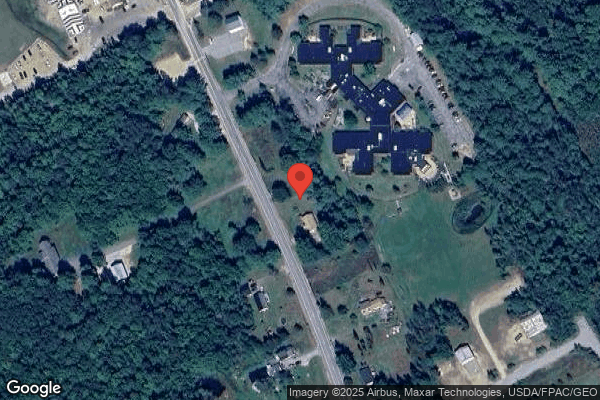

477 HIGH ST, SOUTH PARIS, ME 04281 (207) 743-6300
Non profit - Other 62 Beds MAINE VETERANS' HOME Data: November 2025
Trust Grade
90/100
#10 of 77 in ME
Last Inspection: October 2024

Within standard 12-15 month inspection cycle. Federal law requires annual inspections.

Overview

Maine Veterans Home - So Paris has an excellent Trust Grade of A, indicating it is highly recommended for families seeking care. It ranks #10 out of 77 facilities in Maine, placing it in the top half, and is the best option among the five nursing homes in Oxford County. However, the facility's trend is worsening, with the number of issues increasing from 2 in 2021 to 6 in 2024. Staffing is a strong point, rated 5 out of 5 stars, with a turnover rate of 35%, which is significantly lower than the state average. While there have been no fines, the recent inspector findings revealed concerns such as failures to ensure residents understood their rights regarding medical treatment and not adequately identifying triggers for residents with PTSD. Overall, this facility has commendable strengths but also has some important areas that need improvement.

Trust Score
A
90/100
In Maine
#10/77
Top 12%
Safety Record
Low Risk
No red flags
Inspections
Getting Worse
2 → 6 violations
Staff Stability
○ Average
35% turnover. Near Maine's 48% average. Typical for the industry.
Penalties
✓ Good
No fines on record. Clean compliance history, better than most Maine facilities.
Skilled Nurses
✓ Good
Each resident gets 90 minutes of Registered Nurse (RN) attention daily — more than 97% of Maine nursing homes. RNs are the most trained staff who catch health problems before they become serious.
Violations
○ Average
8 deficiencies on record. Average for a facility this size. Mostly minor or procedural issues.
★★★★★
5.0
Overall Rating
★★★★★
5.0
Staff Levels
★★★☆☆
3.0
Care Quality
★★★★☆
4.0
Inspection Score
Stable
2021: 2 issues
2024: 6 issues

The Good

  • 5-Star Staffing Rating · Excellent nurse staffing levels
  • Full Sprinkler Coverage · Fire safety systems throughout facility
  • No fines on record
  • Staff turnover below average (35%)

    13 points below Maine average of 48%

Facility shows strength in staffing levels, fire safety.

The Bad

Staff Turnover: 35%

11pts below Maine avg (46%)

Typical for the industry

Chain: MAINE VETERANS' HOME

Part of a multi-facility chain

Ask about local staffing decisions and management

The Ugly 8 deficiencies on record

Oct 2024 6 deficiencies
CONCERN (D)

Potential for Harm - no one hurt, but risky conditions existed

Resident Rights (Tag F0550)

Could have caused harm · This affected 1 resident

Based on observation and interview the facility failed to promote care for a resident in a manner that maintains dignity and respect when staff failed to respect the residents right to confidentiality...

Read full inspector narrative →
Based on observation and interview the facility failed to promote care for a resident in a manner that maintains dignity and respect when staff failed to respect the residents right to confidentiality for 1 of 1 residents observed (Resident #9). Findings: On 10/7/24 at 9:19 a.m. a surveyor approached the Clinical Resource Nurse (CRN) and asked why Resident #9 was on Enhanced Barrier Precautions. The CRN proceeded to shout down the hall, twice, to the Registered Nurses (RN) Manager, is [Resident #9] on enhanced barrier precautions for [his/her] foley. The CRN then stated, I typically yell louder. On 10/8/24 at 2:32 p.m., during an interview, the above was discussed with the Assistant Director of Nursing who agreed it was a dignity concern.
CONCERN (D)

Potential for Harm - no one hurt, but risky conditions existed

Tube Feeding (Tag F0693)

Could have caused harm · This affected 1 resident

Based on observation, record review and interview, the facility failed to follow physician orders for treatment related to enteral feeding tube maintenance/care for 1 of 1 resident reviewed with a Per...

Read full inspector narrative →
Based on observation, record review and interview, the facility failed to follow physician orders for treatment related to enteral feeding tube maintenance/care for 1 of 1 resident reviewed with a Percutaneous Gastrostomy tube (G-tube or PEG-tube). (Resident #48) Finding: On 10/8/24 at 7:51 a.m., during observation of Resident #48's G-tube medication administration and maintenance with the Registered Nurse (RN), the RN removed dirty G-tube split gauze dressing from around the stoma. She then obtained a gauze pad and wet it with the faucet water and preceded to clean the G-tube stoma site, then applied new split gauze. At this time, the surveyor asked why she was cleaning the site with water rather than normal saline. The RN stated she uses water to clean around the site. Review of Resident #48's medical record contained a physician order dated 8/14/24 to Cleanse PEG tube Stoma with NS (Normal Saline) and apply split gauze daily. On 10/8/24 at 10:18 a.m., during an interview with Interim Administer, the above was discussed.
CONCERN (D)

Potential for Harm - no one hurt, but risky conditions existed

Deficiency F0761 (Tag F0761)

Could have caused harm · This affected 1 resident

Based on observations and interviews, the facility failed to ensure expired medications and medical supplies were removed from the supply available for resident use for 2 of 2 medication rooms observe...

Read full inspector narrative →
Based on observations and interviews, the facility failed to ensure expired medications and medical supplies were removed from the supply available for resident use for 2 of 2 medication rooms observe (Unit B and Unit C) for 1 of 3 days of survey. Findings: 1. On 10/7/24 at 2:34 p.m., during observation of Unit B medication room with the Nurse Manager, two surveyors observed a flat with approx. ¾ full of vacutainers with an expiration date of 9/30/24 available for use on residents. At this time, the Nurse Manager stated the vacutainers are used to collect residents' blood on the unit for the International Normalized Ratio (INR) labs. 2. On 10/7/24 at 2:52 p.m., during observation of Unit C medication room with the Assistant Director of Nursing (ADON), two surveyors observed a tote with over-the-counter medications on the counter containing the following open bottles available for use: One bottle of Calcium 600 plus D5 milligram (mg) with the expiration date of 6/2024, One bottle of daily multi-vitamin with minerals with the expiration date of 6/2024, and One bottle of Aspirin 325mg with the expiration date of 4/2024. At this time, during an interview, the Director of Nursing (DON) and the ADON stated that the tote is for the overflow of opened medications from the medication cart and are to be used first before obtaining a new unopened bottle from supply, confirming the medications are available to be used on residents.
CONCERN (D)

Potential for Harm - no one hurt, but risky conditions existed

Food Safety (Tag F0812)

Could have caused harm · This affected 1 resident

Based on observations and interviews, the facility failed to serve food in accordance with professional standards for food service safety and failed to follow their own policy and procedure by not del...

Read full inspector narrative →
Based on observations and interviews, the facility failed to serve food in accordance with professional standards for food service safety and failed to follow their own policy and procedure by not delivering food in a sanitary manner for 1 of 2 units observed during dining service and tray pass for 2 of 3 days of survey. (B unit). Findings: Facilities Policy and Procedure for Dining/Meal service, dated 2023 states, All foods should be covered and delivered as soon as possible after plating to maintain food quality and temperature. 1. On 10/7/24 from 12:21 p.m., through 12:49 p.m., 2 surveyors observed the following during the lunch dining service on the B unit in the East dining room: Dietary staff plated the food and handed the uncovered plates to the nursing staff. Nursing staff placed the plates on a tray, added drinks condiments etc. then walked the uncovered food trays through the hallways, to the end of the [NAME] Wing, the [NAME] dining room, the family room and to the end of the East Wing. All trays observed during this dining service were served without being covered to maintain sanitary conditions. 2. On 10/8/24 at 8:44 a.m., 2 surveyors observed the following during the breakfast dining service on the B unit in the East dining room: Nursing staff delivered 2 trays of uncovered food to the end of the [NAME] Wing. In addition, observation of several trays prepped, uncovered and sitting on the dining room island for, approx. 2 mins then delivered to the rooms down the [NAME] Wing hallway, uncovered. 3. On 10/8/24 at 12:14 p.m., 2 surveyors observed the following during the lunch dining service on the B unit in the East dining room: Nursing staff delivered several trays of uncovered food to the end of the [NAME] Wing and the end of the East Wing. In addition, there were no covers available in the dining room for the food to be covered. On 10/8/24 at 12:39 p.m., during an interview with the Interim Administrator and the Director of Nursing (DON) the above was discussed. The DON stated they have never covered the food from the East dining room to the [NAME] dining room, only when they are delivering to rooms. At this time, the Interim Administrator, the DON and a surveyor observed the East dining room with no food covers available. The DON immediately educated staff and plate covers were requested from the kitchen.
CONCERN (E)

Potential for Harm - no one hurt, but risky conditions existed

Deficiency F0578 (Tag F0578)

Could have caused harm · This affected multiple residents

**NOTE- TERMS IN BRACKETS HAVE BEEN EDITED TO PROTECT CONFIDENTIALITY** Based on facility policy review, record reviews, and interviews, the facility failed to ensure that the resident and/or resident...

Read full inspector narrative →
**NOTE- TERMS IN BRACKETS HAVE BEEN EDITED TO PROTECT CONFIDENTIALITY** Based on facility policy review, record reviews, and interviews, the facility failed to ensure that the resident and/or resident representative written information, concerning the right to accept or refuse medical or surgical treatment and/or formulate and advanced directive, was completed for 2 of 2 residents reviewed for advanced directives. (Resident #30 and #47) Findings: Review of the facility policy Advance Directives, DNR Orders and Health Care Decision Making Policy: AD14. It is the policy of (Facility) to: Provide to all residents at the time of their admission and subsequently, upon request, written information concerning their rights under Maine law to make decisions concerning their health care, including the right to accept or refuse medical treatment and healthcare services, the right to withhold or withdraw life- sustaining treatment, including attempts to resuscitate in the event of cardiopulmonary arrest, the right to execute advanced directives concerning their health care decisions, and the right to designate a representative to exercise the rights of the resident in accordance with Maine law. Resident #30 was admitted to the facility on [DATE]. Review of Resident #30's clinical record lacked evidence that the facility provided/obtained resident and/or resident representative written information concerning the right to accept or refuse medical or surgical treatment and/or formulate an advance directive. On 10/9/24 at 11:45 a.m. in an interview with a surveyor, the Licensed Social Worker confirmed that Resident #30 states he/she has an advance directive, but not available, and the clinical record lacked evidence that the facility followed up with Resident #30 to obtain the advance directive. Resident #47 was admitted to the facility on [DATE]. Review of Resident #47's clinical record lacked evidence that the facility provided/obtained resident and/or resident representative written information concerning the right to accept or refuse medical or surgical treatment and/or formulate an advance directive. On 10/9/24 at 11:51 a.m., the C - Unit Nurse Manager confirmed Residents #47's clinical record did not include evidence that the residents and/or representatives were asked or offered and refused assistance filling out an advanced directive.
CONCERN (E)

Potential for Harm - no one hurt, but risky conditions existed

Deficiency F0699 (Tag F0699)

Could have caused harm · This affected multiple residents

**NOTE- TERMS IN BRACKETS HAVE BEEN EDITED TO PROTECT CONFIDENTIALITY** Based on record review and interview, the facility failed to identify resident's past history of Post-Traumatic Stress Disorder ...

Read full inspector narrative →
**NOTE- TERMS IN BRACKETS HAVE BEEN EDITED TO PROTECT CONFIDENTIALITY** Based on record review and interview, the facility failed to identify resident's past history of Post-Traumatic Stress Disorder (PTSD)/trauma to determine what trigger(s) might cause re-traumatization for 3 of 3 sampled residents reviewed with a diagnosis of PTSD (Resident #9, #23, and #47) Findings: 1. On 10/9/24, review of Resident #9's medical record contained several providers progress notes dated 11/8/23, 12/6/23, 4/26/24 and 9/6/24 under the section Past Medical History indicate he/she has a diagnosis of Anxiety/PTSD. Review of the facilities Trauma Exposure Checklist dated 4/6/23 states Resident #9 has PTSD due to being a Prisoner of War ([NAME]) in Korea This facility form was signed and completed by the Licensed Social Worker (LSW) indicating it was reported to the Unit B Registered Nurse (RN) Manager. Review of the quarterly interdisciplinary team meeting held on 6/25/24 stated Resident #9 has shown increased signs/symptoms of depression/PTSD (a nightmare/flashback from [NAME] experience). A verbal telephone medication order dated 8/23/24 stated the diagnosis for the mediation was for Anxiety/PTSD. In addition, review of Resident #9's care plan lacked evidence of a trauma informed care plan with identified triggers and interventions to prevent re-traumatization. On 10/9/24 at 11:01 a.m., during an interview, the above was discussed with the Director of Nursing who stated Resident #9 does not have a diagnosis of PTSD. 2. Resident Resident #23 was admitted to the facility on [DATE]. The Trauma Exposure checklist indicates that Resident #23 has a diagnosis of PTSD with no listed triggers. Review of Resident #23's care plan, most updated on 7/15/24, states under care area (mood): potential for anxiety anger depression; Resident Choice: I don't want to be re-traumatized; Approach: Social Services --- screen for suicidal thoughts, assist to identify strengths, support daily decision making, provide emotional support, promote sense of control; Will participate in activities, avoid re-traumatization. On 10/9/24 at 1:09 p.m. in an interview with the Unit Manager C Unit, a surveyor confirmed that Resident #23's care plan lacked evidence of what triggers and what interventions are in place to prevent re-traumatization of the PTSD trauma informed care plan section of Resident #23's care plan. 3. Resident #47 was admitted to the facility on [DATE]. The Trauma Exposure checklist indicates that Resident #47 was exposed to combat, war zone and an unexpected death as a stressful event that remains traumatic for the resident. This facility form was signed and completed by the Licensed Social Worker (LSW) on 5/14/24 indicating it was reported to the Unit Manager. The Trauma Exposure checklist instructs staff to notify the Unit Manager and Social Services Manager for follow-up with any affirmative answers. A social service progress note dated. 5/15/24 indicates that Resident #47's Power of Attorney (POA) reported that the resident has significant PTSD and had been attending group sessions. Documentation provided by the facility on 10/9/24 indicates that Resident #47 has a past medical history of PTSD. On 10/9/24 at 11:47 a.m., during an interview with the LSW, she stated that Resident #47 had a diagnosis of vascular dementia and vascular dementia takes over for the PTSD. Resident #47's care plan lacked evidence of a trauma informed care plan with identified triggers and interventions to prevent re-traumatization.
Oct 2021 2 deficiencies
CONCERN (D)

Potential for Harm - no one hurt, but risky conditions existed

Food Safety (Tag F0812)

Could have caused harm · This affected 1 resident

Based on observation and interviews, the facility failed to serve food in a sanitary manner by handling and preparing food without gloves on 1 of 3 days of survey (10/20/21). Finding: Review of the 2...

Read full inspector narrative →
Based on observation and interviews, the facility failed to serve food in a sanitary manner by handling and preparing food without gloves on 1 of 3 days of survey (10/20/21). Finding: Review of the 2013 FDA Food Code section 3-301.11(B) Preventing Contamination from Hands states the following: FOOD EMPLOYEES may not contact exposed, READY-TO-EAT FOOD with their bare hands and shall use suitable UTENSILS such as deli tissue, spatulas, tongs, single-use gloves, or dispensing EQUIPMENT. Review of the 2013 FDA Food Code section 3-301.11(E) Prior Approval for Food Employees to Touch Ready-to-Eat Food with Bare Hands states the following: Because highly susceptible populations include persons who are immunocompromised, the very young and the elderly, establishments serving these populations may not use alternatives to the no bare hand contact with ready-to-eat food requirement. Review of the facility's Infection Prevention and Control Policy, date approved on 2/25/21, stated on page 51 and 52 the following: Use of Plastic Gloves Policy: Plastic gloves will be worn when handling food directly with hands to ensure that bacteria are not transferred from the food handler's hands to the food product being served. Procedure: Section 3 - Plastic gloves are to be worn whenever handling the food directly with hands when: Handling ready to eat foods, ANYTIME you touch food directly. Serving Guidelines: Avoid bare hand contact with food that is ready to eat. Use clean glove, utensil or disposable napkin to touch/handle food. On 10/20/21 at 11:05 a.m., two surveyors observed Activity staff #1 and Activity staff #2 cutting apples in the activity room without wearing gloves. When asked about using their bare hands, Activity staff #1 stated that it was ok because they had used hand sanitizer first. On 10/20/21 at 11:08 a.m., during an interview, Activity staff #1 confirmed that both Activity staff #1 and Activity staff #2 were preparing and handling food without wearing gloves. On 10/20/21 at 11:30 a.m., during an interview, the Director of Nursing confirmed that it was against facility policy for any staff in the facility to handle and prepare any foods without wearing gloves.
CONCERN (E)

Potential for Harm - no one hurt, but risky conditions existed

Safe Environment (Tag F0584)

Could have caused harm · This affected multiple residents

Based on observations and interview, the facility failed to adequately maintain housekeeping and maintenance services necessary to maintain in good repair and sanitary condition on 1 of 2 units(B Comp...

Read full inspector narrative →
Based on observations and interview, the facility failed to adequately maintain housekeeping and maintenance services necessary to maintain in good repair and sanitary condition on 1 of 2 units(B Company unit) for 1 of 1 facility tours. Findings: On 10/20/21 from 8:30 a.m. to 9:05 a.m., a surveyor conducted an environmental tour with the Facilities Manager, in which the following findings were observed: B Company Unit(West side and East side) - The nurse's station, right side cubicle wall corner, was loose and in disrepair. The wall carpet and small step area carpet, to the right of the nurse's desk, was ripped and peeling off floor area. The floor carpet, behind the nurse's station, was heavily soiled and heavily stained. - The B [NAME] center island has chipped/gouged and unsealed wooden trim creating an uncleanable surface. - The B [NAME] wall corner, near the exit door to the outside patio has a broken peice of drywall exposing the metal corner and creating an uncleanable surface. - A Broda chair on the B [NAME] side has ripped material on the back rest and the head rest. - A second Broda chair on the B [NAME] side has dried liquid spills on the arms and sides. - The blue desk across from resident room B-4, has a drawer with chipped/gouged wood and is missing finish creating an uncleanable surface. - The B [NAME] restroom for the residents beside the whirlpool has a chipped/gouged area at the bottom creating an uncleanable surface. - The B [NAME] common area island has ripped/torn wall paper on the wall facing the sitting area. - In the B [NAME] hallway area near resident room B-13 dining area, a blue floral chair has worn off finish on the feet areas creating uncleanable surfaces. - A Broda chair, in the B East common area by resident room B-26, is soiled with dried food debris. - The B East counter top table area had ripped/torn and missing wallpaper, exposing sheetrock and creating an uncleanable surface. - Resident Room B-20 shower that soiled with a greenish/brownish residue. - Resident Room B-29 window curtain was in disrepair. - The hallway wall carpets, by resident rooms B-29 and B-30, had dried liquid residue on them. On 10/20/21 at 9:05 a.m., during an interview, the Facilities Manager confirmed the findings.
Understanding Severity Codes (click to expand)
Life-Threatening (Immediate Jeopardy)
J - Isolated K - Pattern L - Widespread
Actual Harm
G - Isolated H - Pattern I - Widespread
Potential for Harm
D - Isolated E - Pattern F - Widespread
No Harm (Minor)
A - Isolated B - Pattern C - Widespread

Questions to Ask on Your Visit

  • "Can I speak with families of current residents?"
  • "What's your RN coverage like on weekends and overnight?"

Our Honest Assessment

Strengths
  • • Grade A (90/100). Above average facility, better than most options in Maine.
  • • No major safety red flags. No abuse findings, life-threatening violations, or SFF status.
  • • No fines on record. Clean compliance history, better than most Maine facilities.
  • • 35% turnover. Below Maine's 48% average. Good staff retention means consistent care.
Concerns
  • • No significant concerns identified. This facility shows no red flags across CMS ratings, staff turnover, or federal penalties.
Bottom line: Generally positive indicators. Standard due diligence and a personal visit recommended.

About This Facility

What is Maine Veterans Home - So Paris's CMS Rating?

CMS assigns Maine Veterans Home - So Paris an overall rating of 5 out of 5 stars, which is considered much above average nationally. Within Maine, this rating places the facility higher than 99% of the state's 100 nursing homes. This rating reflects solid performance across the metrics CMS uses to evaluate nursing home quality.

How is Maine Veterans Home - So Paris Staffed?

CMS rates Maine Veterans Home - So Paris's staffing level at 5 out of 5 stars, which is much above average compared to other nursing homes. Staff turnover is 35%, compared to the Maine average of 46%. This relatively stable workforce can support continuity of care.

What Have Inspectors Found at Maine Veterans Home - So Paris?

State health inspectors documented 8 deficiencies at Maine Veterans Home - So Paris during 2021 to 2024. These included: 8 with potential for harm.

Who Owns and Operates Maine Veterans Home - So Paris?

Maine Veterans Home - So Paris is owned by a non-profit organization. Non-profit facilities reinvest revenue into operations rather than distributing to shareholders. The facility is operated by MAINE VETERANS' HOME, a chain that manages multiple nursing homes. With 62 certified beds and approximately 54 residents (about 87% occupancy), it is a smaller facility located in SOUTH PARIS, Maine.

How Does Maine Veterans Home - So Paris Compare to Other Maine Nursing Homes?

Compared to the 100 nursing homes in Maine, Maine Veterans Home - So Paris's overall rating (5 stars) is above the state average of 3.1, staff turnover (35%) is significantly lower than the state average of 46%, and health inspection rating (4 stars) is above the national benchmark.

What Should Families Ask When Visiting Maine Veterans Home - So Paris?

Based on this facility's data, families visiting should ask: "Can I visit during a mealtime to observe dining assistance and food quality?" "How do you handle medical emergencies, and what is your hospital transfer rate?" "Can I speak with family members of current residents about their experience?"

Is Maine Veterans Home - So Paris Safe?

Based on CMS inspection data, Maine Veterans Home - So Paris has a clean safety record: no substantiated abuse findings (meaning no confirmed cases of resident harm), no Immediate Jeopardy citations (the most serious violation level indicating risk of serious injury or death), and is not on the Special Focus Facility watch list (a federal program monitoring the lowest-performing 1% of nursing homes). The facility has a 5-star overall rating and ranks #1 of 100 nursing homes in Maine. While no facility is perfect, families should still ask about staff-to-resident ratios and recent inspection results during their visit.

Do Nurses at Maine Veterans Home - So Paris Stick Around?

Maine Veterans Home - So Paris has a staff turnover rate of 35%, which is about average for Maine nursing homes (state average: 46%). Moderate turnover is common in nursing homes, but families should still ask about staff tenure and how the facility maintains care continuity when employees leave.

Was Maine Veterans Home - So Paris Ever Fined?

Maine Veterans Home - So Paris has no federal fines on record. CMS issues fines when nursing homes fail to meet care standards or don't correct problems found during inspections. The absence of fines suggests the facility has either maintained compliance or corrected any issues before penalties were assessed. This is a positive indicator, though families should still review recent inspection reports for the full picture.

Is Maine Veterans Home - So Paris on Any Federal Watch List?

Maine Veterans Home - So Paris is not on any federal watch list. The most significant is the Special Focus Facility (SFF) program, which identifies the bottom 1% of nursing homes nationally based on persistent, serious quality problems. Not being on this list means the facility has avoided the pattern of deficiencies that triggers enhanced federal oversight. This is a positive indicator, though families should still review the facility's inspection history directly.