LAKEWOOD A CONTINUING CARE CENTER
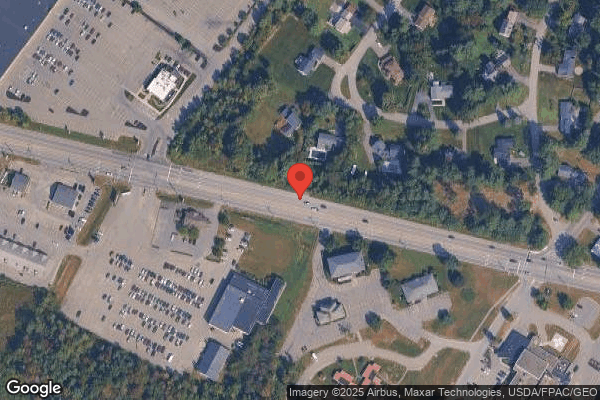
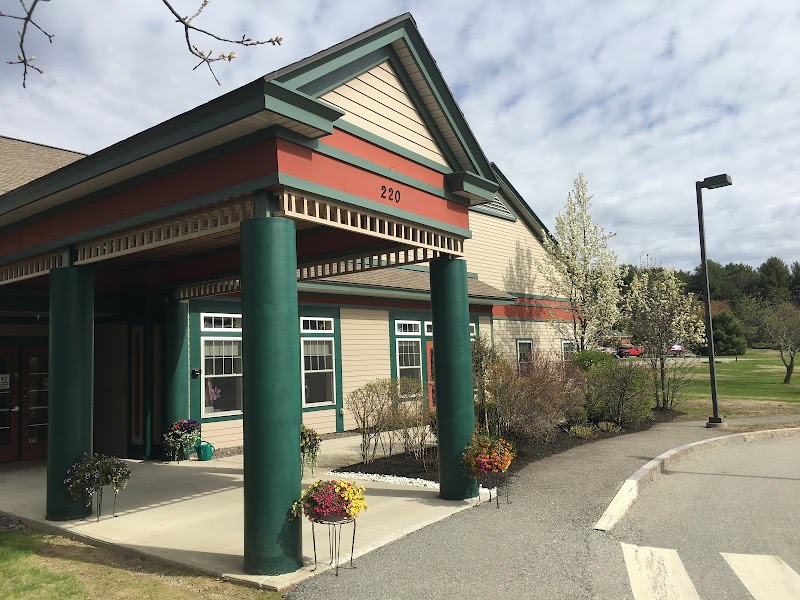
220 KENNEDY MEMORIAL DR, WATERVILLE, ME 04901 (207) 873-5125
Non profit - Corporation 105 Beds Independent Data: November 2025
Trust Grade
60/100
#37 of 77 in ME
Last Inspection: November 2024

Within standard 12-15 month inspection cycle. Federal law requires annual inspections.

Overview

Lakewood A Continuing Care Center has a Trust Grade of C+, which means it is slightly above average but not exceptional. It ranks #37 out of 77 facilities in Maine, placing it in the top half, and #4 out of 7 in Kennebec County, indicating only three local options are better. The facility is improving, with a reduction in issues from 17 in 2023 to 13 in 2024, and it has not incurred any fines, which is a positive sign. However, it has some concerning weaknesses, including lower RN coverage than 81% of Maine facilities, potentially impacting care quality. Specific incidents noted during inspections included inadequate housekeeping that left areas in disrepair and a failure to investigate a significant fall, highlighting potential gaps in safety protocols and staff responsiveness. Overall, while there are strengths such as no fines and a decent trust score, families should be aware of the deficiencies in staffing and facility maintenance.

Trust Score
C+
60/100
In Maine
#37/77
Top 48%
Safety Record
Low Risk
No red flags
Inspections
Getting Better
17 → 13 violations
Staff Stability
⚠ Watch
50% turnover. Above average. Higher turnover means staff may not know residents' routines.
Penalties
✓ Good
No fines on record. Clean compliance history, better than most Maine facilities.
Skilled Nurses
○ Average
Each resident gets 39 minutes of Registered Nurse (RN) attention daily — about average for Maine. RNs are the most trained staff who monitor for health changes.
Violations
⚠ Watch
35 deficiencies on record. Higher than average. Multiple issues found across inspections.
★★★☆☆
3.0
Overall Rating
★★★☆☆
3.0
Staff Levels
★★☆☆☆
2.0
Care Quality
★★★☆☆
3.0
Inspection Score
Stable
2023: 17 issues
2024: 13 issues

The Good

  • Full Sprinkler Coverage · Fire safety systems throughout facility
  • No fines on record

Facility shows strength in fire safety.

The Bad

3-Star Overall Rating

Near Maine average (3.0)

Meets federal standards, typical of most facilities

Staff Turnover: 50%

Near Maine avg (46%)

Higher turnover may affect care consistency

The Ugly 35 deficiencies on record

Nov 2024 13 deficiencies
CONCERN (D) 📢 Someone Reported This

A family member, employee, or ombudsman was alarmed enough to file a formal complaint

Potential for Harm - no one hurt, but risky conditions existed

Deficiency F0561 (Tag F0561)

Could have caused harm · This affected 1 resident

Based on observations, interviews and record review, the facility failed to ensure that a resident's choice in the area of bathing and hygiene were being followed for 1 of 20 sampled residents (Reside...

Read full inspector narrative →
Based on observations, interviews and record review, the facility failed to ensure that a resident's choice in the area of bathing and hygiene were being followed for 1 of 20 sampled residents (Resident #37). Findings: On 11/12/24 at 9:10 a.m., observation of Resident #37 lying in bed with a splint on his/her right hand. His/her face was unshaven with flakey skin around his/her scalp. During an interview, Resident #37 stated, Tuesdays is his/her whirlpool bath day and Since I hurt myself .I haven't gotten it for a few weeks. It's usually a whirlpool bath. The surveyor asked if he/she can shave him/herself. Resident stated, Before I hurt myself, I've been waiting for over a week. I'm right-handed, with this especially, showing the surveyor his/her right hand in the splint. The resident confirmed the split is always in place and he/she would like his/her face shaved. The surveyor then asked if he/she had asked the staff to help. He/she stated, yes, but they are always busy. At this time the Registered Nurse #3 (RN #3) entered the room. Resident #37 asked the RN #3 about his/her whirlpool which was scheduled today. The RN#3 stated the whirlpool girl is not here today. On 11/12/24 at 1:33 p.m., observation of Resident #37 in his/her wheelchair with an unshaven face. He/she confirmed he/she did not receive a whirlpool today stating, not yet, I haven't for several past Tuesdays. At this time, the Physical Therapy Assistant (PTA) stated resident #37 has not had a whirlpool yet so she got him/her up to do his/her exercise. The PTA then stated the resident had not received a whirlpool last week either. On 11/12/24 at 1:39 p.m., review of the shower schedule at the nurses station stated resident #37 was scheduled for a whirlpool on Tuesdays. At this time, RN #3 stated all showers/whirlpools are on the day shift. Review of Resident #37's Activities of Daily Living for bathing, from 9/1/24 through 11/12/24 lacked evidence of a whirlpool being provided on Tuesdays, or refusals for the following dates: 9/17/24, 9/24/24, 10/15/24, 10/29/24, 11/5/24 and lacked documentation of bathing from 10/3/24 through 10/14/24 and on 10/22/24. On 11/12/24 at 3:25 p.m., the above was discussed with the Director of Nursing. On 11/13/24 at 7:45 a.m. observation of Resident #37 in bed with a shaved face. At this time, Resident #37 stated he/she did not get his/her whirlpool yesterday but is having one today.
CONCERN (D) 📢 Someone Reported This

A family member, employee, or ombudsman was alarmed enough to file a formal complaint

Potential for Harm - no one hurt, but risky conditions existed

Free from Abuse/Neglect (Tag F0600)

Could have caused harm · This affected 1 resident

Based on a review of the Nursing Facility Reportable Incident submitted to the Division of Licensing and Certification on 10/21/24, the facility's internal investigation, written statements by staff, ...

Read full inspector narrative →
Based on a review of the Nursing Facility Reportable Incident submitted to the Division of Licensing and Certification on 10/21/24, the facility's internal investigation, written statements by staff, facility policy, clinical record review and interviews, the facility failed to protect a resident's right to be free from physical and emotional abuse by staff when a Certified Nursing Assistant (CNA #1) forcibly dressed and transferred a resident. (Resident #70) Findings: The incident on 10/21/24 came to the attention of DHHS-DLC in a facility reported incident dated 10/21/24 alleging that CNA #1 was abusive towards Resident #70. A surveyor reviewed the facility policy Resident Abuse, Neglect, or Exploitation stated that Abuse is The willful infliction of injury, unreasonable confinement, intimidation, or punishment with resulting physical harm, pain or mental anguish. Willful means the individual must have acted deliberately, not that the individual must have intended to inflict injury or harm. Resident #70's medical records showed diagnoses of dementia, anxiety, depression, Post-traumatic stress disorder (PTSD) and agoraphobia. Resident #70 is a long term care resident of the facility. A surveyor reviewed Resident #70's care plan and found the following dated 3/7/2023: Provide care to (Resident #70) with 2 providers at all times. and Use patient approach. If resident becomes agitated, make him/her safe and approach later. On 11/12/24 at 12:00 p.m. a surveyor spoke with Resident #70 in his/her room and was told how nervous he/she gets and how difficult it is for him/her to leave her room and not have an anxiety attack. He/She did not remember the incident that occurred on 10/21/24. On 11/13/24 at 11:10 a.m. a surveyor interviewed RN #2 who cared for Resident #70 on 10/21/24. She/He stated that the resident is often resistant to care and requires a gentle, calm approach and time to accept care due to his/her history of PTSD and anxiety. They often have to reapproach several times to complete care that he/she may need. A surveyor reviewed a written witness statement from CNA #2 dated 10/21/24 states; I walked in on (CNA #1 forcing (Resident #70) to get dressed with an abrasive attitude, and also forced him/her into the sit/stand without proper securement while (Resident #70) yelled Why are you letting (him/her) do this Stop, Stop CNA #2 stated he/she told (CNA #1) to step out and he/she would take over. (CNA #1) continued to manhandle Resident #70. A surveyor reviewed a written statement dated 10/21/24 by an RN #1 who was involved following the incident on 10/21/24 stated Resident #70 expressed pain in the area (back) that was reddened following the incident. A surveyor reviewed a written interview by the facility with CNA #1 dated 10/23/24 at 15:58; CNA #1 was asked if he/she forced the patient's arms into his/her shirt. CNA #1 stated I did force his/her arm into the shirt, by the elbow. I probably should have backed off or had the nurse come in. CNA #1 stated this was a mistake. On 11/13/24 at 11:06 a.m. a surveyor spoke with the administrator and was told the incident on 10/21/24 towards Resident #70 was unfortunately abusive and CNA #1 was fired. On 11/13/24 at 1:46 p.m. a surveyor interviewed CNA #2, who was a witness and reporter of the incident on 10/21/24. CNA #2 stated that she/he told CNA #1 to stop when he/she saw how forcibly she was handling Resident #70 and hearing Resident #70 yell for help and to stop. CNA #1 refused to stop and leave the room when CNA #2 begged him/her to stop and leave the room. CNA #2 stayed to protect Resident #70 the best he/she could and then immediately reported the incident to RN#1 once he/she felt Resident #70 was safe. On 11/15/24 at 9:49 am a surveyor spoke with CNA #1 on the phone and when asked about the reported incident on 10/21/24; Well, they said I made the wrong move. I don't know what I'm doing. I feel like I try to do the best to my abilities. It was a mistake. I try to do a good job. A surveyor reviewed a document dated 10/25/24 titled Employee Warning Notice to Employee (CNA #1) that showed the facility dismissed CNA #1 for abuse of resident on 10/21/24.
CONCERN (D)

Potential for Harm - no one hurt, but risky conditions existed

Accident Prevention (Tag F0689)

Could have caused harm · This affected 1 resident

**NOTE- TERMS IN BRACKETS HAVE BEEN EDITED TO PROTECT CONFIDENTIALITY** Based on observation, interview, and a review of Safety Data Sheets (SDS), the facility failed to ensure that the resident's env...

Read full inspector narrative →
**NOTE- TERMS IN BRACKETS HAVE BEEN EDITED TO PROTECT CONFIDENTIALITY** Based on observation, interview, and a review of Safety Data Sheets (SDS), the facility failed to ensure that the resident's environment was free of accident hazards relating to the storage of chemicals being properly secured for 2 of 2 observations for 2 of 3 days of survey. (11/12/24 and 11/13/24) Findings: The Safety Data Sheet for Clorox Healthcare Hydrogen Peroxide Cleaner Disinfectant Wipes noted the following: 4. First Aid Measures General advice: Show this safety data sheet to the doctor in attendance. Eye contact: Rinse thoroughly with water as necessary. Get medical attention if irritation develops and persists. Skin contact: Wash skin with soap and water. Give medical attention if irritation develops and persists. Inhalation: If symptoms develop move victim to fresh air. If breathing is difficult, [trained personnel should] give oxygen. If symptoms persist, call a physician. Ingestion: Drink 1 to 2 glasses of water. Get medical attention if symptoms occur. On 11/12/24 at 10:38 a.m., during an observation of Resident room [ROOM NUMBER] bathroom, a surveyor observed an open 1lb, 8.8 ounce container of Clorox Healthcare Hydrogen Peroxide disinfectant wipes, with a wipe sticking out of the open top. On 11/13/24 at 9:58 a.m., a surveyor and the Director of Nursing [DON] observed the open 1lb, 8.8 ounce container of Clorox Healthcare Hydrogen Peroxide disinfectant wipes, with a wipe sticking out of the open top in Resident room [ROOM NUMBER] bathroom. At this time, the DON confirmed that the wipes were not secured in a locked cabinet and were accessible.
CONCERN (D)

Potential for Harm - no one hurt, but risky conditions existed

Deficiency F0725 (Tag F0725)

Could have caused harm · This affected 1 resident

Based on interviews and record reviews, the facility failed to ensure sufficient direct care staff were scheduled and on duty to meet the needs of residents that reside on the Long Term Care Unit. Thi...

Read full inspector narrative →
Based on interviews and record reviews, the facility failed to ensure sufficient direct care staff were scheduled and on duty to meet the needs of residents that reside on the Long Term Care Unit. This has the potential to affect all residents needing assistance with Activities of Daily Living (ADL)'s. (Resident #4, #45, and #87). Findings: 1.On 11/12/24 at 10:13 a.m., Resident #4 stated, staff take between 30 mintues to 1 hours for staff to answer his/her call bell. In an attitional interview on 11/13/24 at 1:20 p.m. Resident #4 stated that he/she believed waiting over 20 minutes for staff to respond to a call bell is too long. Review of quarterly Minimum Data Set (MDS) revealed Resident #4 had a Brief Interview for Mental Status (BIMS) of 15 of 15, indicating he/she is cognitively intact. Record review of the Individual Account Report from 11/5/24 through 11/12/24 states Resident #4 waited approximately 25 minutes to 1 hour and 18 minutes 10 times. 2. On 11/12/24 at 8:51 a.m., Resident #45 states the unit is often short staffed, taking up to 1 hour for staff to answer his/her call bell, resulting in him/her having incontinent episodes while waiting for the call bell to be answered. Review of quarterly MDS revealed Resident #45 had a BIMS of 15 of 15, indicating he/she is cognitively intact. Record review of the Individual Account Report from 11/5/24 through 11/12/24. Show Resident #45 having to wait approximately 27 minutes to 1 hour and 26 minutes 5 times. 3. On 11/12/24 at 10:13 a.m., Resident #87 states that the unit is often short staffed and it can take anywhere from 30 minutes to 1 hours for his/her call bell to be answered. Review of quarterly MDS revealed Resident #87 had a BIMS of 10 of 15, indicating he/she is cognitively intact. Record review of the Individual Account Report from 11/5/24 through 11/12/24. Showed Resident #87 having to wait approximately 25 minutes to 1 hour and 18 minutes 10 times. On 11/13/24 at 3:25 p.m., during an interview, CNA #1 stated there are times where they are unable to answer call bells within a appropriate amount of time due to limited staff. On 11/13/24 at 3:40 p.m., during an interview, CNA #2 stated some days are difficult and they are unable to answer call bells in a decent amount of time. On 11/13/24 at 4:00 p.m., the above information was confirmed with the Director of Nursing.
CONCERN (D) 📢 Someone Reported This

A family member, employee, or ombudsman was alarmed enough to file a formal complaint

Potential for Harm - no one hurt, but risky conditions existed

Infection Control (Tag F0880)

Could have caused harm · This affected 1 resident

**NOTE- TERMS IN BRACKETS HAVE BEEN EDITED TO PROTECT CONFIDENTIALITY** Based on observations and interviews, the facility failed to follow appropriate infection control procedures related to hand hyg...

Read full inspector narrative →
**NOTE- TERMS IN BRACKETS HAVE BEEN EDITED TO PROTECT CONFIDENTIALITY** Based on observations and interviews, the facility failed to follow appropriate infection control procedures related to hand hygiene during 1 of 2 medication pass observations. Review of Policy/Procedure #31-202, Hand Hygiene Program for Northern Light Member Organizations that Provide Clinical Patient Care, states, .Hand Hygiene is to occur: 1. Before touching a patient .The use of gloves does not replace Hand Hygiene .Hand Hygiene shall occur prior to donning gloves and after doffing gloves . During a medication pass observation on the Memory Lane unit on 11/14/24 between 11:30 a.m. and 11:38 a.m., Registered Nurse (RN) #2 was observed in room [ROOM NUMBER], checking Resident #61's blood sugar, with gloved hands. RN #2 was observed exiting room [ROOM NUMBER] with gloved hands and walking to the medication cart located outside of room [ROOM NUMBER]. RN #2 doffed (removed) her gloves and placed them in the trash bin hanging on the side of the medication cart. Without using the hand sanitizer observed on top of the medication cart, RN #2 then used her right hand to pick up a pen from the top of the medication cart and proceeded to record Resident #61's blood sugar on a sheet of paper and then returned the pen to the medication cart. RN #2 then placed her right hand in her right pocket and removed a set of keys, proceeded to unlock the medication cart drawer, and removed a multi-dose vial containing insulin and placed it on top of the medication cart. RN #2 then donned (put on) a new pair of gloves without sanitizing, and using both hands proceeded to open an alcohol swab, swabbed the top of the insulin vial, and drew up insulin in a syringe. At this time, Resident #61 self-propelled his/her wheelchair into the hall just outside of room [ROOM NUMBER]. RN #2 then used her right hand to wipe Resident #61's abdomen with the alcohol pad and proceeded to administer the insulin. RN #2 then doffed and discarded the gloves and alcohol pad in the trash bin on the side of the medication cart, without performing hand hygiene and immediately donned a new pair of gloves. RN #2 then notified Resident #12, who was observed in a wheelchair next to the medication cart, that she was going to check his/her blood sugar. RN #2 then used her gloved hands to remove a glucometer test strip from its container and inserted it into the glucometer. At this time, a surveyor intervened and asked RN #2 if she was aware of the facility's hand hygiene policy. RN #2 replied that she forgot to sanitize and further indicated that she should sanitize between residents and when donning and doffing gloves. RN #2 then confirmed that she received education regarding hand hygiene and stated that if she sanitizes prior to donning gloves that she cannot put on the new pair of gloves because her hands will be sticky but that she will sanitize after providing care to Resident #12. At this time, a surveyor again intervened, and RN #2 doffed the gloves and used the hand sanitizer and then donned a new pair of gloves. During an interview on 11/14/24 at 11:46 a.m., the Director of Nursing (DON) confirmed that RN #2 has received education regarding the facility's hand hygiene policy and that it was his/her expectation that hands would be sanitized according to the policy. At this time, the above findings were discussed with the DON.
CONCERN (D)

Potential for Harm - no one hurt, but risky conditions existed

Deficiency F0919 (Tag F0919)

Could have caused harm · This affected 1 resident

Based on observations and interviews, the facility failed to ensure that a call bell was functional for 1 of 20 sampled residents (#37). Finding; On 11/12/24 at 9:10 a.m. during an interview, Resident...

Read full inspector narrative →
Based on observations and interviews, the facility failed to ensure that a call bell was functional for 1 of 20 sampled residents (#37). Finding; On 11/12/24 at 9:10 a.m. during an interview, Resident #37 stated his/her call bell has not been working and they said they fixed it. At this time, the surveyor pushed the call bell, the light above the door did not illuminate. The surveyor then went to the nurse's station and checked the call bell screen and asked the Registered Nurse (RN#3) if the call bell screen shows active call bells. RN#3 stated if it's highlighted red is an active call bell. Resident #37's room had no indication of the call bell being activated. Both the Surveyor and RN #3 went to resident #37's room. A Certified Nurses Aid also entered the room and stated the call bell was not working. At this time the Minimum Data Set project manager came to the door stating she would grab a hand bell for resident #37 to use. RN#3 attempted to put call bell on and it did not work. At this time RN #3 wiggles the call bell box and the light illuminated, then shut off. RN #3 stated, it might be a battery. At 9:15 a.m., a hand bell was brought in for Resident #37. RN #3 stated he is having maintenance check the call bell. Resident #37 the then stated, he said he fixed it recently. On 11/12/24 at 3:25 p.m., the above was discussed with the Director of Nursing who confirmed the call bell was now in working order.
CONCERN (E)

Potential for Harm - no one hurt, but risky conditions existed

Safe Environment (Tag F0584)

Could have caused harm · This affected multiple residents

**NOTE- TERMS IN BRACKETS HAVE BEEN EDITED TO PROTECT CONFIDENTIALITY** Based on observations and interview, the facility failed to adequately provide housekeeping and maintenance services necessary t...

Read full inspector narrative →
**NOTE- TERMS IN BRACKETS HAVE BEEN EDITED TO PROTECT CONFIDENTIALITY** Based on observations and interview, the facility failed to adequately provide housekeeping and maintenance services necessary to maintain the building in a sanitary, orderly, and comfortable environment on 3 of 3 units (the Skilled Unit, the Long-Term Care Unit and the Memory Care Unit) for 1 of 1 facility tour. Findings: On 11/14/24 from 9:15 a.m. to 9:45 a.m., two surveyors conducted an Environmental tour with the Facilities Director in which the following findings were observed: > Activity Room by front entrance - the ceiling, in the far-left corner of the room, had an area hanging down exposing sheetrock. There were multiple floor seams that were held down with black tape. > The skilled unit common area had a blue manual sit-to-stand lift and a mechanical Sara Plus sit-to-stand lift that had dirt/debris in the foot base areas; and had a manual sit-to-stand lift that had a foot base that had ripped/torn non-skid tape and chipped/peeling paint on the base and legs creating uncleanable surfaces. > Resident room [ROOM NUMBER] - The ceiling and wall, around the bathroom light fixture, was unpainted and had holes in them. > Resident room [ROOM NUMBER] - The ceiling and wall, behind the bathroom light fixture, was unpainted and had holes in them. The bathroom ceiling vent was dusty/dirty. > Resident room [ROOM NUMBER] - The bathroom floor was dirty around the base of the toilet. > A hallway ceiling tile, by the emergency exit near room [ROOM NUMBER], had a ceiling tile with a brown stain on it. > Resident room [ROOM NUMBER] - The ceiling and wall, around the bathroom light fixture, was unpainted and had holes in them. > Resident room [ROOM NUMBER] - There was a large, spackled and unpainted area on the right wall by Resident 63's bed. The ceiling and wall, behind the bathroom light fixture, was unpainted and had holes in them. The bathroom ceiling vent was dusty/dirty. > Resident room [ROOM NUMBER] - The ceiling and wall, behind the bathroom light fixture, was unpainted and had holes in them. Memory Care Unit: > Resident room [ROOM NUMBER]A - Resident #50's wheelchair had ripped/cracked arm rests. > The hallway walls, outside Resident room [ROOM NUMBER] to Resident room [ROOM NUMBER] had chipped and missing paint and there was a corner wall joint missing drywall, leaving the metal corner exposed. A sit-to-stand lift had chipped/missing paint on the base and the legs and there was dirt and debris on the foot base area. The baseboard heater register had chipped and missing paint. > Resident room [ROOM NUMBER] - The ceiling and wall, behind the bathroom light fixture, was unpainted and had holes in them. The wall behind the soap dispenser was missing paint exposing sheetrock The bathroom walls were chipped/gouged in multiple places along the bottom perimeter of the wall. > The Personal Care Room on the memory care unit had a wall cabinet that had white tape covering the bottom edge of each of the two (2) cabinet doors. A tall cabinet had chipped laminate at the base of the cabinet. A shorter base cabinet had chipped laminate and missing laminate at the base of the cabinet and the front base trim piece was bowed. The countertop edges were chipped, exposing the underlying particleboard. The baseboard heater register had chipped/missing paint. There was an Olympic Warmette [linen warmer] full of towels, with a temperature control range of 75-150 degrees Fahrenheit, that had a plastic and cloth doll and a folded throw blanket on top of it. Long term Care Unit: > Resident room [ROOM NUMBER]A - Resident #88's wheelchair had ripped/cracked arm rests. > Resident room [ROOM NUMBER]A - Both the left and right armrests were ripped/torn and created uncleanable surfaces. > Resident room [ROOM NUMBER]B - The electric wheelchair stored in the bathroom had tape on the left armrest created an uncleanable surface. On 11/14/24 at 9:45 a.m., in an interview with 2 surveyors, the Facilities Director confirmed the findings.
CONCERN (E) 📢 Someone Reported This

A family member, employee, or ombudsman was alarmed enough to file a formal complaint

Potential for Harm - no one hurt, but risky conditions existed

Report Alleged Abuse (Tag F0609)

Could have caused harm · This affected multiple residents

Based on the facility's policy, record review, and interview, the facility failed to notify the State Agency after an allegation of potential neglect concerns were identified, failed to investigate an...

Read full inspector narrative →
Based on the facility's policy, record review, and interview, the facility failed to notify the State Agency after an allegation of potential neglect concerns were identified, failed to investigate an unwitnessed fall resulting in a major injury, and failed to ensure that the facility's investigation was sent to the State Agency within 5 business days of the incident for 2 of 4 complaint investigations reviewed during an annual survey. Findings: A review of the facility's policy, Policy/Procedure #23-007, Reporting and Investigating Compliance Concerns, Section B. Investigations, states, Any alleged violation will be acted upon promptly by the individual receiving a report of non-compliance from a Workforce Member . A review of the facility's policy, Policy/Procedure #004, Resident Abuse, Neglect, or Exploitation, states, Section III. Reporting and Procedures .7. A Nursing Facility Reportable Incident Form will be completed, and written documentation of action taken shall be maintained. 8. The Administrator, Director of Nursing, or designee will report all incidents of actual or suspected resident abuse, neglect, or exploitation to the Division of Licensing and Certification within 24 hours . and The Director of Nursing or designee will submit the findings to the State Survey Agency within 5 working days of the initial incident or per state regulations. 1. On 8/14/24 at 11:17 a.m., the Division of Licensing and Certification received a complaint alleging that agency Certified Nursing Assistant (CNA) #4 did not provide adequate rounding or toileting for assigned residents on the 8/9/24 11:00 p.m. to 7:30 a.m. shift. A review of a facility-provided email, dated 8/11/24 at 11:07 a.m., addressed to [Unit Manager], [Scheduler], [MDSC], and [Director of Nursing (DON)], states that .Friday [8/9/24] . [CNA4] did not chart and did not complete adequate rounds. Day shift CNAs complained that the Residents assigned to [CNA4] were soaked with urine when they went to get them up . I followed up .and confirmed this report . During an interview on 11/13/24 at 3:40 p.m. with the Director of Nursing (DON), a surveyor requested evidence that an incident report had been completed for the above complaint. A surveyor reviewed the facility-provided email with the DON, and the DON stated the incident happened 2 days after she started and didn't know where the incident reports were and stated the Administrator may have the incident reports. During electronic medical record (EMR) review with the Minimum Data Set Coordinator (MDSC) on 11/14/24 at 11:57 a.m., confirmed that the last login for CNA #4 last logged onto the system on 8/2/24 at 12:43 a.m. and there was no evidence that CNA #4 had logged into or documented in the EMR on 8/9/24 between 11p.m.-7:30 a.m. or any dates thereafter. During an interview on 11/13/24 at 3:46 p.m., the Administrator stated that when documentation is not complete, the facility requests, through the staffing agency, that the agency staff member complete late entry documentation. The Administrator further stated that she was not included in the complaint email and was not aware of the reported concerns. The Administrator stated she would have to investigate this further and determine if an incident report was completed. During a follow-up interview in the presence of 5 surveyors, on 11/14/24 at 9:07 a.m., the Administrator confirmed that the State Agency was not notified of the above concerns. 2. On 10/18/24, the facility initially reported to the State Agency that Resident #22 had an unwitnessed fall with fracture. On 11/12/24, the facility was not able to verify nor provide evidence that an investigation was completed, and a 5-day report was sent to the State Agency on this incident. On 11/13/24 at 11:00 a.m., during an interview, the Director of Nursing confirmed she could not find the completed investigation and could not find a 5-day report of the incident.
CONCERN (E)

Potential for Harm - no one hurt, but risky conditions existed

Quality of Care (Tag F0684)

Could have caused harm · This affected multiple residents

2. On 11/13/24 at 11:20 a.m., during an interview, Resident #87 stated he/she asks for staff to take him/her on walks often, but they frequently tell him/her there are not enough staff to accommodate ...

Read full inspector narrative →
2. On 11/13/24 at 11:20 a.m., during an interview, Resident #87 stated he/she asks for staff to take him/her on walks often, but they frequently tell him/her there are not enough staff to accommodate this request. Review of PT note dated 10/8/24 states Reviewed goals, POC (Plan of Care), and progress. Patient will remain at Lakewood on the LTC (Long Term Care) unit with FMP (Functional Maintenance Program) in place for ambulation. Review of the PT/OT/ST (Occupational Therapy/Speech Therapy) Recommendations to Caregivers form states pt [patient] to be out of bed in AM for breakfast and meals. No eating in bed please, stand close to pt. when walking [he/she] becomes easily distracted and becomes unsteady,give consistent verbal cues to pick feet up, stay closer to walker, pay attention, walk in hallway (to dining room, shower room, and activities room), and encourage daily walks in hallway. On 11/13/24 at 4:00 p.m., during an interview, the Administrator stated there was a lack of communication and the recommendation for the FMP was never followed up on. Based on interviews, observations and record review, the facility failed to ensure that physician orders were followed for 1 of 2 Resident's reviewed for oxygen. (Resident #3) Additionally, the facility failed to follow recommendations given by Physical Therapy (PT) for 1 of 1 residents reviewed for restorative care (Resident #87). Findings: 1. On 11/12/24 during Resident #3's clinical record review, Resident #3 had a current physician order filed in the paper record and scanned into the electronic record dated 8/26/24 that noted: O2 [oxygen] therapy cont[continuous]/daily 4L[liters] via Nasal Canula q [every] shift am [morning] pm [evening] NOC [night] - 8/26/24. On 11/12/24 at 11:20 a.m., a surveyor observed Resident #3's oxygen concentrator set at 3 liters. On 11/13/24 at 9:00 a.m., a surveyor observed Resident #3's oxygen concentrator set at 3 liters. On 11/13/24 at 3:20 p.m., a surveyor and the Director of Nursing [DON] reviewed Resident #3's Treatment Administration Record (TAR) for oxygen administration and found documentation from September 6, 2024 to November 13, 2024 that showed the oxygen concentrator was set at 3 liters instead of 4 liters consistently. Resident #3's oxygen percentages stayed in the 90s during this time. At this time, the DON confirmed in an interview that staff were not following the physician 's orders for 4 liters of oxygen continuous. On 11/14/24 at 8:20 a.m., a surveyor observed Resident #3's oxygen concentrator set at 3 liters. On 11/14/24 at 8:30 a.m., in an interview, LPN #2 (Licensed Practical Nurse) confirmed that he set the oxygen concentrator at 3 liters because Resident #3 doesn't need 4 liters and that it was not following the physician 's orders for 4 liters of oxygen continuous. On 11/14/24 at 8:35 a.m., a surveyor discussed with the DON that staff continued not to follow the physician 's orders for 4 liters of oxygen continuous.
CONCERN (E)

Potential for Harm - no one hurt, but risky conditions existed

Respiratory Care (Tag F0695)

Could have caused harm · This affected multiple residents

Based on observations and interviews, the facility failed to maintain a sanitary environment to help prevent the development and transmission of disease and infection related to respiratory care for 5...

Read full inspector narrative →
Based on observations and interviews, the facility failed to maintain a sanitary environment to help prevent the development and transmission of disease and infection related to respiratory care for 5 of 5 residents reviewed for respiratory care (Resident # 5, #23, #49, #3, #13). Findings: 1. On 11/12/24 at 9:15 a.m. and on 11/13/24 at 7:42 a.m., Observation of Resident #5's nebulizer mask unlabled and stored on their bedside table. 2. On 11/12/24 at 10:00 a.m. and on 11/13/24 at 9:00 a.m., observation of Resident #23's nasal cannula tubing unlabeled and stored on their bedside table. 3. On 11/13/24 at 8:20 a.m., 2 surveyors observed Resident #49 nasal cannula tubing unlabeled and stored on a wheelchair in the hallway. On 11/13/24 at 9:12 a.m., the above was confirmed by the Director of Nursing. 4. On 11/12/24 at 11:28 a.m., during an observation of Resident 3's bathroom, 2 surveyors noted a currently being used oxygen concentrator with the oxygen tubing for the concentrator taped to the floor across the room that had two (2) filters that were heavily built up with dust. On 11/13/24 at 9:17 a.m., in an interview, the the Director of Nursing[DON] confirmed the finding. 5. On 11/13/24 at 9:58 a.m., during an observation of Resident 13's bathroom, a surveyor and the DON noted a mask and oxygen tubing attached to a nebulizer machine resting on a chest of drawers. The mask and tubing were not covered. At this time, the DON confirmed the mask and oxygen tubing was not stored properly.
CONCERN (E)

Potential for Harm - no one hurt, but risky conditions existed

Deficiency F0761 (Tag F0761)

Could have caused harm · This affected multiple residents

2. On 11/13/24 at 8:54 a.m. two surveyors observed an unlocked and unattended medication cart in the Skilled Unit hallway for approximately 5 minutes. Observation of Certified Nursing Assistants and r...

Read full inspector narrative →
2. On 11/13/24 at 8:54 a.m. two surveyors observed an unlocked and unattended medication cart in the Skilled Unit hallway for approximately 5 minutes. Observation of Certified Nursing Assistants and residents walking nearby. At 8:59 a.m. through a surveyor intervention, the Licensed Practical Nurse (LPN) #2 was made aware of the unlocked medicaiton cart. On 11/13/24 at 9:12 a.m. the above information was discussed with the Director of Nursing (DON). 3. On 11/13/24 at 2:00 p.m. a surveyor observed two (2) treatment carts containing insulin and ointments unlocked and unattended in the Long Term Care Unit hallway. Observation of residents nearby. On 11/13/24 at 2:00 p.m. the above was confirmed and observed with the LPN #1 through surveyor intervention. On 11/13/24 at 2:10 p.m. the above was discussed the the Facility Administrator. 4. On 11/14/24 11:00 a.m. a surveyor observed an unlocked and unattended medication cart in the Memory Care Unit nurses station by the door for approximately 3 minutes. Observation of residents and a Hospice Certified Nurses Aid nearby. On 11/14/24 at 11:03 a.m. the above was confirmed and observed with Certified Medicaiton Technician #1 through surveyor intervention. On 11/14/24 at 11:10a.m. the above was disucssed with the Facility Administrator. Based on observations, record reviews and interviews, the facility failed to properly store medications and biologicals in medication refrigerators, treatment carts and medication carts for 3 out of 3 units surveyed for medication storage. Findings: 1. Record review of the facility policy #PHARM903 states: All drugs shall be stored at appropriate temperatures that do not exceed manufacturer's recommendations or warnings. Refrigerator: A cold place in which the temperature is held between 36F and 46F. On 11/13/24 at 10:02 a.m. a surveyor observed the medication room for the long-term care unit with the Administrator and found the following: The refrigerator was a dorm style unit with a freezer compartment which is inappropriate for storing medications due to temperature fluctuations. Thermometers located under the freezer and in the lower drawer showed a 10 degree Farenheit difference in temperatures. Significant ice buildup in the freezer and pools of water on the top shelf with 3 medications in the water including a plastic bag containing a Spice Vax vaccination. Two boxes with sealed medications were saturated with the pooled water. A review of the temperature record for this refrigerator showed 12 months of temperatures not in the recommended range of 36-46 degrees with no follow up. On 11/14/24 at 10:30 a.m. a surveyor observed the medication refrigerator located in the Skilled Nursing unit medication room with the unit manager. Several boxes of 2024/2025 Influenza vaccinations were visible through the glass door of the refrigerator. There was no documentation for regular temperature checks for the past year. The Unit Manager confirmed temperatures were not checked.
CONCERN (E)

Potential for Harm - no one hurt, but risky conditions existed

Food Safety (Tag F0812)

Could have caused harm · This affected multiple residents

Based on observations and interviews, the facility failed to ensure the kitchen was maintained in a clean and sanitary manner for fans, ceiling vents, and ceiling lights and failed to ensure that the ...

Read full inspector narrative →
Based on observations and interviews, the facility failed to ensure the kitchen was maintained in a clean and sanitary manner for fans, ceiling vents, and ceiling lights and failed to ensure that the kitchen ice machine and the skilled unit ice machine were plumbed in accordance with code requirements to prevent food contamination for 2 of 2 tours. Findings: This direct connection of waste water and potable water was in violation of the 10-114 State of Maine Rules Chapter 226, definition Section A, which defines an Air-Gap Separation - A physical separation between the free-flowing discharge end of a potable water supply pipeline and an open or non-pressure receiving vessel. An air-gap separation shall be at least twice the diameter of the supply pipe measured vertically above the overflow rim of the vessel - in no case less than one inch (2.54 cm) and the Code of Federal Regulation, Title 21, Part 1250, Section 1250, 30 (d) states all plumbing shall be so designed, installed, and maintained as to prevent contamination of the water supply, food, and food utensils. 1. On 11/12/24 from 8:40 a.m. to 9:30 a.m. a surveyor completed a tour of the kitchen with the Food Service Director[FSD] in which the following findings were observed: > The dish room had two wall mounted fans that were dusty/dirty. > There were two wall ceiling vents, over food preparation areas in the kitchen, that were dusty/dirty. > There were five ceiling lights in the kitchen that were heavily soiled with dust and debris. > The kitchen ice machine air gap was not plumbed in accordance with code requirements to prevent food contamination. 2. On 11/12/24 at 11:10 a.m. two surveyors observed the ice machine in the dining area on the skilled unit. The ice machine air gap was not plumbed in accordance with code requirements to prevent food contamination. On 11/13/24 at 8:25 a.m., in an interview, the FSD confirmed the finding.
MINOR (C)

Minor Issue - procedural, no safety impact

Deficiency F0868 (Tag F0868)

Minor procedural issue · This affected most or all residents

Based on review of the quarterly Quality Assurance Committee meeting attendance sheets and interview, the facility failed to ensure that the Medical Director attended 3 of 3 quarterly meetings. Findi...

Read full inspector narrative →
Based on review of the quarterly Quality Assurance Committee meeting attendance sheets and interview, the facility failed to ensure that the Medical Director attended 3 of 3 quarterly meetings. Finding: A review of the Quarterly Assurance Committee meeting attendance sheets indicated that the Medical Director did not attend the 1/17/24, 4/17/24 & 7/24/24 quarterly meeting. On 11/14/24 at 11:09 a.m., during an interview with the Administrator, the surveyor confirmed the finding above.
Aug 2023 17 deficiencies
CONCERN (D)

Potential for Harm - no one hurt, but risky conditions existed

Deficiency F0558 (Tag F0558)

Could have caused harm · This affected 1 resident

Based on observation and interviews, the facility failed to ensure that portable oxygen was available for 1 of 1 resident (Resident #1 [R1]) to leave their room for activities and to eat in the dining...

Read full inspector narrative →
Based on observation and interviews, the facility failed to ensure that portable oxygen was available for 1 of 1 resident (Resident #1 [R1]) to leave their room for activities and to eat in the dining room for breakfast, lunch and supper for 4 of 6 meals served (8/27/23 supper, 8/28/23 breakfast, 8/28/23 lunch, and 8/28/23 supper). Findings: On 8/28/23 at 1:07 p.m. in an interview with a surveyor, R1 stated he/she did not receive lunch and that he/she goes to the dining room to eat, but there were no portable oxygen tanks in storage or available, so was told by staff he/she could not go to the dining room and has to eat in his/her room, and could not attend activities. He/she had to eat in room, where there is an oxygen concentrator machine, on 8/27/23 supper, 8/28/23 breakfast, 8/28/23 lunch, and 8/28/23 supper. He/she stated there was a portable oxygen machine that someone donated to the facility, but he/she could not use that because it was not holding a charge. On 8/28/23 at 1:15 p.m., in an interview with a surveyor, Registered Nurse #2 [RN#2] stated that R1 was not given lunch today, not sure why, and ate breakfast in his/her room this morning because there were no portable oxygen tanks available for R1's use. A surveyor confirmed with RN#2, at this time, that R1 was not able to go to the dining room for meals, per his/her preference because there were no portable oxygen tanks available for use, and was not offered a choice to go to the dining room or activities.
CONCERN (D)

Potential for Harm - no one hurt, but risky conditions existed

Deficiency F0561 (Tag F0561)

Could have caused harm · This affected 1 resident

Based on observation and interviews, the facility failed to ensure that portable oxygen was available for 1 of 1 resident (Resident #1 [R1]) to leave their room to eat in the dining room for breakfast...

Read full inspector narrative →
Based on observation and interviews, the facility failed to ensure that portable oxygen was available for 1 of 1 resident (Resident #1 [R1]) to leave their room to eat in the dining room for breakfast, lunch and dinner for 3 of 5 meals served (8/27/23 dinner, 8/28/23 breakfast, and 8/28/23 lunch). Findings: On 8/28/23 at 1:07 p.m. in an interview with a surveyor, R1 stated he/she did not receive lunch and that he/she goes to the dining room to eat, but there were no portable oxygen tanks available or in storage so was told by staff he/she could not go to the dining room and has to eat in his/her room. He/she had to eat in room on 8/27/23 supper, 8/28/23 breakfast, and 8/28/23 lunch, where there is an oxygen concentrator machine. On 8/28/23 at 1:15 p.m., in an interview with a surveyor, Registered Nurse [RN] stated that R1 was not given lunch today, not sure why, and ate breakfast in his/her room this morning because there were no portable oxygen tanks available for R1's use. A surveyor confirmed at this time that R1 was not able to go to the dining room for meals, per his/her preference because there were no portable oxygen tanks available for use, and was not offered a choice to go to the dining room.
CONCERN (D)

Potential for Harm - no one hurt, but risky conditions existed

Transfer Notice (Tag F0623)

Could have caused harm · This affected 1 resident

**NOTE- TERMS IN BRACKETS HAVE BEEN EDITED TO PROTECT CONFIDENTIALITY** 2. On 8/30/23, R15's clinical record was reviewed and indicated the R15 was transferred to the hospital on 6/25/23 and 6/30/23. ...

Read full inspector narrative →
**NOTE- TERMS IN BRACKETS HAVE BEEN EDITED TO PROTECT CONFIDENTIALITY** 2. On 8/30/23, R15's clinical record was reviewed and indicated the R15 was transferred to the hospital on 6/25/23 and 6/30/23. The surveyor was unable to find a transfer/discharge notices in the clinical record for either transfer. On 8/30/23 at 10:50 a.m., during an interview with a surveyor, the Administrator in Training (AIT) stated she was unable to find evidence of transfer notices being provided in writing to R15 and R15's resident's representative in writing. At 10:50 a.m., the AIT stated that the Ombudsman was not being notified of transfer/discharges. 3. On 8/30/23, R83's clinical record was reviewed and indicated the R83 was transferred to the hospital on 3/18/23 and 5/27/23. The surveyor was unable to find a transfer/discharge notices in the clinical record for either transfer. On 8/30/23 at 10:50 a.m., during an interview with a surveyor, the Administrator in Training (AIT) stated she was unable to find evidence of transfer notices being provided in writing to R83 and R83's resident's representative in writing. At 10:50 a.m., the AIT stated that the Ombudsman was not being notified of transfer/discharges. Based on record reviews and interviews, the facility failed to notify the resident and the resident's representative in writing of the transfers/discharges to an acute care hospital for 3 of 3 residents sampled for hospitalization ( Resident #53 [R53], Resident #15 [R15], and Resident #83 [R83]). In addition, the facility failed to notify the State Ombudsman of facility initiated transfer/discharges. Findings: 1. On 8/28/23 at 12:49 p.m., during an interview with a surveyor, R53 stated that he/she was recently admitted to the hospital but did not recall receiving any paperwork from the faciltiy regarding this hospital transfer. On 8/29/23. R53's clinical record was reviewed and indicated the R53 was transferred and admitted to the hospital on [DATE] and returned to the facility on 7/18/23. The surveyor was unable to find a transfer/discharge notice in the clinical record. On 8/30/23 at 10:26 a.m., during an interview with a surveyor, the Administrator in Training (AIT) stated she was unable to find evidence of a transfer notice being provided to R53. At 10:50 a.m., the AIT stated that the Ombudsman was not being notified of transfer/discharges.
CONCERN (D)

Potential for Harm - no one hurt, but risky conditions existed

Assessment Accuracy (Tag F0641)

Could have caused harm · This affected 1 resident

**NOTE- TERMS IN BRACKETS HAVE BEEN EDITED TO PROTECT CONFIDENTIALITY** 3. Resident #86 was admitted to the facility on [DATE]. The MDS 3.0 Admission, dated 5/23/23, under section M-Skin Conditions, 0...

Read full inspector narrative →
**NOTE- TERMS IN BRACKETS HAVE BEEN EDITED TO PROTECT CONFIDENTIALITY** 3. Resident #86 was admitted to the facility on [DATE]. The MDS 3.0 Admission, dated 5/23/23, under section M-Skin Conditions, 0300B1 was coded to indicate the resident had one stage II pressure ulcer (PU) and 0300D1 was coded to indicate that resident did not have a stage IV PU. On 7/20/23, a Discharge (return not anticipated) MDS 3.0 was completed. Section M 0300B2 was coded to indicate that the resident did not have a stage II PU upon admission/re-entry and section M 0300D2 was coded to indicate that the resident did have a Stage IV PU upon admission/re-entry. On 8/30/23 at approximately 10:00 a.m., a surveyor confirmed with the Director of Nursing that the MDS admission Assessment was not accurately coded to capture Resident #86's Skin Conditions for these assessments. Based on record reviews and interviews, the facility failed to ensure that the Minimum Data Set (MDS) 3.0 was coded accurately for 3 of 22 sampled residents (Resident #87 [R87], Resident #101 {R101}, and Resident #86 [R86]). Findings: 1. On 8/28/23 at 1:05 p.m., a surveyor observed R87 wearing oxygen being administered by nasal cannula. On 8/30/23, R87's clinical record was reviewed and included a physician order, dated 4/28/23, to administer oxygen. Review of R87's most recent quarterly MDS, dated [DATE], for Section: O Special Treatments and Programs was not checked on O100C for oxygen use. On 8/30/23 at 11:47 a.m., a surveyor confirmed this finding with the Administrator in Training (AIT). 2. On 8/31/23, R101's clinical record was reviewed and included a physician order, dated 2/11/23, that indicated a Hospice referral was made on 2/8/23. On 8/31/23 at a.m., during an interview with a surveyor, the Resident Assessment Coordinator (RAC) stated she would check on the date that R101 was accepted into the Hospice Program. At this time, R101's Significant Change MDS, dated [DATE], was reviewed and it was noted that Section: O Special Treatments and Programs was not checked on O100K for Hospice. At 9:00 a.m., during an interview with a surveyor, the RAC stated that the Significant Change MDS was completed because R101 was accepted into the Hospice Program on 2/13/23, but section O100K was not checked in error.
CONCERN (D)

Potential for Harm - no one hurt, but risky conditions existed

Deficiency F0655 (Tag F0655)

Could have caused harm · This affected 1 resident

**NOTE- TERMS IN BRACKETS HAVE BEEN EDITED TO PROTECT CONFIDENTIALITY** Based on record review and interview, the facility failed to ensure a baseline care plan was developed and implemented within 48...

Read full inspector narrative →
**NOTE- TERMS IN BRACKETS HAVE BEEN EDITED TO PROTECT CONFIDENTIALITY** Based on record review and interview, the facility failed to ensure a baseline care plan was developed and implemented within 48 hours that included the instructions needed to provide minimum healthcare information necessary to properly care for 1 of 5 sampled residents admitted for skilled care services (Resident #27 [R27]). Finding: Review of R27's clinical record noted that he/she was admitted to the facility on [DATE] with a primary diagnoses of medically complex, morbid obesity, chronic diastolic congestive heart failure, obstructive sleep apnea, bipolar disorder, major depressive disorder, and post-traumatic stress disorder (chronic). The clinical record lacked evidence that the base line care plan was not developed for the use of oxygen to include the instructions necessary to properly care for R27. On 8/30/23 at approximately 1:31 p.m. during an interview with the Skilled Nurse Manager, the surveyor confirmed that that baseline care plan was not developed to include the use of oxygen and the instructions necessary to care for R27.
CONCERN (D)

Potential for Harm - no one hurt, but risky conditions existed

Comprehensive Care Plan (Tag F0656)

Could have caused harm · This affected 1 resident

**NOTE- TERMS IN BRACKETS HAVE BEEN EDITED TO PROTECT CONFIDENTIALITY** Based on observations, record reviews, and interviews, the facility failed to ensure that care plans were developed to reflect a...

Read full inspector narrative →
**NOTE- TERMS IN BRACKETS HAVE BEEN EDITED TO PROTECT CONFIDENTIALITY** Based on observations, record reviews, and interviews, the facility failed to ensure that care plans were developed to reflect a resident's current needs for 2 of 19 residents reviewed (Resident #87 [R87] and Resident #27 [R27]). Findings: 1. On 8/28/23 at 1:05 p.m., a surveyor observed R87 wearing oxygen being administered by nasal cannula. On 8/30/23, R87's clinical record was reviewed and included a physician order, dated 4/28/23, to administer oxygen. A review of R87's current care plan, last reviewed on 7/5/23, did not include a care area or interventions that identified that R87 used oxygen. On 8/31/23 at 12:14 p.m., a surveyor confirmed this finding with the Administrator in Training (AIT). 2. On 8/28/23 at 12:10 a surveyor observed R27 wearing oxygen that was being administered by a nasal cannula at a rate of 3 liters (L) and a bilevel positive airway pressure (BiPAP) machine on his/her bedside table. On 8/28/23 R27's clinical record was reviewed and there was no evidence of a physicians order for the use of oxygen or the BiPAP machine. A review of R27's nursing notes dated 6/19/23 to 7/11/23 shows documentation of R27 using oxygen daily at a rate of 3L. A review of R27's current care plan last reviewed on 7/11/23 did not include a care area or interventions for the use of oxygen or his/her BiPAP machine. On 8/30/23 at 1:31 p.m. a surveyor confirmed that R27's care plan did not include a care area for the use of oxygen or BiPAP machine with the Skilled Nurse Manager. 3. Review of R27's clinical record noted that he/she was admitted to the facility on [DATE] with a diagnosis of post-traumatic stress disorder (PTSD) (chronic). The clinical record lacked evidence that the comprehensive care plan was developed in the care area of PTSD that would list triggers of his/her PTSD and what interventions would assist R27 with dealing with any and all PTSD episodes. On 8/30/23 at approximately 2:00 p.m. during an interview with the Administer in training the surveyor confirmed that that R27's care plan was not developed to include the care area and interventions needed to address R27's PTSD.
CONCERN (D)

Potential for Harm - no one hurt, but risky conditions existed

Quality of Care (Tag F0684)

Could have caused harm · This affected 1 resident

Based on record review and interview, the facility failed to complete daily assessments and weekly or as needed dressing changes to a midline catheter for 1 of 1 sampled residents reviewed (Resident #...

Read full inspector narrative →
Based on record review and interview, the facility failed to complete daily assessments and weekly or as needed dressing changes to a midline catheter for 1 of 1 sampled residents reviewed (Resident #53 [R53}). Finding: The facility's policy and procedure, Vascular Access Devices (VADS): Ongoing Assessment, Site Care, and Dressing Change, indicated that a sterile dressing is applied and maintained on all peripheral, nontunneled, peripherally inserted central catheters, and access implanted VADs. Midline catheter site care and dressing changes are performed at established intervals, and immediately when the integrity of the dressing is compromised; if moisture, drainage, or blood is present; or for further assessment if site infection or inflammation is suspected. Gauze dressings are changes every 2 days, transparent semipermeable membrane dressings are changed every 5 to 7 days. R53 returned from the hospital on 7/18/23 with a midline catheter in place so intravenous (IV) medications could still be received. A nurses note, dated 7/18/23 2:34 p.m., indicated patient noted with midline in right brachial vein. Dressing is intact, clean and dry with noted dried blood. Review of physician orders indicated the facility was flushing the midline catheter twice a day from 7/18/23 until it was removed on 8/6/23. A physician order was added on 8/1/23 which directed staff to change midline catheter dressing once a week starting on Wednesday 8/2/23, 14 days after R53 returned to the facility. A review of a nurses note, dated 8/6/23 at 7:40 a.m., indicated the IV dressing full of blood. Resident states its been that way since Registered Nurse (RN) care 8/2/23. On 8/6/23 at 8:39 a.m., an additional note indicated Midline discontinued per order of Doctor. Site had been very blood with old/new blood under dressing. Gauze saturated. Resident states it has been that way since dressing change/bath 8/2/23. On 8/30/23 at 9:14 a.m., during an interview with a surveyor, the Administrator in Training (AIT) stated that the first documented dressing change was 8/2/23. At 1:31 p.m., the AIT stated that the midline (daily) assessment should have included arm circumference, flushing of the catheter, and monitoring of the dressing status. Surveyor confirmed that the facility was flushing the line but there was no evidence of monitoring of the dressing /arm circumference daily. The surveyor confirmed also that if staff was completing a daily assessment of the site, that the dressing should have been changed when it was soiled.
CONCERN (D)

Potential for Harm - no one hurt, but risky conditions existed

Accident Prevention (Tag F0689)

Could have caused harm · This affected 1 resident

Based on observations and interviews, the facility failed to ensure that the resident environment remained free from the potential risk of accidents, for 1 of 1 days of survey (8/28/23), when they fai...

Read full inspector narrative →
Based on observations and interviews, the facility failed to ensure that the resident environment remained free from the potential risk of accidents, for 1 of 1 days of survey (8/28/23), when they failed to ensure a toilet was secured to the floor in a resident bathroom. Finding: On 8/8/23 at 12:26 p.m., a surveyor observed Resident #83's bathroom toilet to be loose and not secured to the floor. On 8/8/23 at 12:29 p.m., in an interview, Registered Nurse [RN] #2, he stated that Resident #83 does use the toilet and that there has been trouble with this toilet before. 0n 8/28/23 at 12:33 p.m., in an interview, the Facilities Maintenance Director confirmed that Resident #83's toilet was not properly secured to the floor and was a potential accident hazard. The Regional Facilities Director had the toilet immediately fixed by a maintenance worker. 0n 8/28/23 a 1:17 p.m., a surveyor discussed the finding with the Administrator in training [AIT], the Director of Nursing [DON], and the Interim Administrator.
CONCERN (D)

Potential for Harm - no one hurt, but risky conditions existed

Deficiency F0699 (Tag F0699)

Could have caused harm · This affected 1 resident

**NOTE- TERMS IN BRACKETS HAVE BEEN EDITED TO PROTECT CONFIDENTIALITY** Based on record review and interview, the facility failed to identify a resident's current diagnosis of Post-Traumatic Stress Di...

Read full inspector narrative →
**NOTE- TERMS IN BRACKETS HAVE BEEN EDITED TO PROTECT CONFIDENTIALITY** Based on record review and interview, the facility failed to identify a resident's current diagnosis of Post-Traumatic Stress Disorder (PTSD)/trauma to determine what trigger(s) might cause re-traumatization for 1 of 1 sampled resident reviewed with a current diagnosis of PTSD (Resident #27 [R27]). Finding: 1. On 8/28/23, R27's clinical record was reviewed and indicated the resident was admitted to the facility on [DATE] with a diagnosis of PTSD. R27's admission minimum data set (MDS) 3.0 was dated 6/26/23. This MDS indicated, under Active Diagnosis Section I6100, that the resident had PTSD. The surveyor was unable to find information in the clinical record that indicated what R27's PTSD was caused by or what events might cause re-traumatization. On 8/30/23 at approximately 2:00 p.m , during an interview with the Administer in training a surveyor confirmed the finding that the facility had not obtained information regarding R27's PTSD or what triggers/events might cause traumatization.
CONCERN (D)

Potential for Harm - no one hurt, but risky conditions existed

Food Safety (Tag F0812)

Could have caused harm · This affected 1 resident

Based on observations, interviews, the facility's Purchasing, Receiving, Storage, and Issuance of Food and Supplies Policy/Procedure #: FNS-4, and The facility's Sanitation, Infection Control, HACCP a...

Read full inspector narrative →
Based on observations, interviews, the facility's Purchasing, Receiving, Storage, and Issuance of Food and Supplies Policy/Procedure #: FNS-4, and The facility's Sanitation, Infection Control, HACCP and Safety Policy/Procedure #: IC-FNS- 8, the facility failed to ensure the kitchen was maintained in a clean and sanitary manner for wall fans, a hanging pot rack, and hood filters; failed to ensure that staff with facial hair utilized beard restraints; and failed to ensure that food is stored, served and prepared in a safe, sanitary manner as evidenced by improper food storage in the walk-in freezer on 1 of 1 days of kitchen observations (8/28/23). In addition, the facility failed to monitoring for sanitizer solution levels in sanitizing buckets and failed to ensure that the dish machine was maintaining proper temperature ranges for proper cleaning and sanitizing. This has the potential to affect all residents. Findings: On 8/28/23 from 11:30 a.m. to 12:05 p.m., an initial Kitchen Tour was conducted with the Kitchen Manager in which the following findings were observed: 1. >The dish room wall fan was dusty and dirty. >The pot hanging rack had areas of rust build-up on it. >Wall fan by in the kitchen over a food preparation area was dusty and dirty. >The hood filters were heavily soiled with dust. 2. Two male staff with beards and mustaches were observed without beard restraints. The facility's Sanitation, Infection Control, HACCP, and Safety Policy/Procedure #: IC-FNS- 8, last revised on 12/30/2020 noted the following: Procedure - General Principles - f. Staff shall wear clean outer clothing and aprons. Head and facial hair shall effectively be restrained through the use of Nets or other clean hair coverings while in food preparation and service areas. 3. The walk-in freezer had two opened packages of tater tots, one package of hash browns, several packages of pancakes, one package of chicken strips and two cakes that were not labeled and dated. The facility's Purchasing, Receiving, Storage, and Issuance of Food and Supplies Policy/Procedure #: FNS-4, last revised on 12/7/2020 noted the following: Section 5. Storage l. All foods prepared on site will be stored in refrigerators and will be covered, labeled, and dated. s. All foods will be covered, dated (to include date prepared), and identified; Stock will be rotated. jj. Food, whether raw or prepared, if removed from the container or package in which it is obtained, shall be stored in a clean and sanitized container and be labeled (identified), covered, and dated, all foods not currently being used will be properly stored and covered slash seal to protect food products. 4. In an interview, the Kitchen Manager confirmed that the facility does not monitor or maintain records of results of sanitizer solution checks of the sanitizing buckets (to ensure correct levels in parts per million [ppm] for proper sanitizing) and that the sanitizing buckets are filled first thing in the morning and are not changed throughout the day. The facility's Sanitation, Infection Control, HACCP, and Safety Policy/Procedure #: IC-FNS- 8, last revised on 12/30/2020 noted the following: Procedure - General Principles - 8. Sanitizers are available. Clearly labeled sanitizers of the correct concentration must be used to sanitize all food contact surfaces of stationary equipment ( e.g., work counters, tables): stationary equipment: spray bottles. Each work station should have its own sanitizing solution container for holding wiping cloths. Sanitizing solutions must be checked(using sanitizer test strips) throughout the day to assure correct concentration. Spray bottles with sanitizing solutions also may be used for sanitizing of workstation work services. 5. Observations were made by the surveyor and the kitchen manager of the dish machine's wash and rinse cycles revealing that wash temperatures were140 degrees Fahrenheit[F] and rinse temperatures were 158 degrees Fahrenheit. The dish machine was run five separate times and could not reach proper washing and rinse sanitation temperatures. Upon checking the hot water booster for the dish machine, the kitchen manager determined that the booster had kicked out and would not stay on when reset. He stated the booster helps heat the water up to 180 degrees for sanitation. The dish machine temperature documentation for the morning of 8/28/23 noted wash temperature at 150 degrees Fahrenheit and rinse temperature at 182 degrees Fahrenheit. The kitchen manager stated this documentation could not be correct as the dish machine did not reach proper temperatures for sanitation when repeatedly tested now. The kitchen manager stated that he was not aware that the dish machine was not running at the proper wash and rinse temperatures to ensure sanitizing of the dishes. He stated that it had not been reported to him by staff and that he had no idea how long the dish machine was not washing and rinsing at the required/appropriate temperatures ensure cleaning and sanitizing of the dishes. The surveyor observed a sign on the front of the dish machine that noted: Note!! Please make sure you have at least 180 degrees Fahrenheit rinse water temp[temperature] by running several empty racks through before washing any dishes. Record temp[temperature] on chart behind you . (alert your supervisor immediately if there are any problems!!) On 8/28/23 at 12:05 p.m., in an interview, the Kitchen Manager confirmed the findings. The kitchen manager immediately placed a call to Ecolab to service the dish machine. On 8/28/23 at 2:45 p.m., Ecolab arrived and hooked the dish machine up to a chemical sanitizer dispenser. The dish machine would now sanitize the dishes at temperatures over 120 degrees. The facility was instructed to test and make sure the ppm were between 50 and 100 at each test once each meal. 0n 8/28/23 at1:17 p.m. , a surveyor discussed the finding with the Administrator in training [AIT], the Director of Nursing [DON], and the Interim Administrator. 0n 8/31/23 at 11:00 a.m., in an interview, Facilities Manager observed the dish machine with the surveyor and stated that he was not aware the dish machine was not washing and rinsing to temperature to ensure proper cleaning and sanitizing. The facility's Sanitation, Infection Control, HACCP, and Safety Policy/Procedure #: IC-FNS- 8, last revised on 12/30/2020 noted the following: Procedure - General Principles - l. Pots are hand washed and then run through the dishwasher where they are rinsed at 180 degrees for proper sanitation. M. Dishes and silver will be washed by machine at wash temperature of 150 degrees[Fahrenheit] and above and the final rinse at least 180 degrees [Fahrenheit] (120[Fahrenheit] chemical rinse, if applicable). Temperatures will be recorded after each meal. x. Food and Nutrition Services Department equipment and facilities are on the plant operations preventive maintenance schedule. Any equipment found to be defective or in questionable repair is reported to engineering immediately for corrective action. cc. The director and or designee will conduct sanitation slash safety inspections of the entire department, and make appropriate assignments. 4. Mechanical cleaning and sanitizing a period where washing machines and their auxiliary components shall be operated in accordance with manufacturer's instructions and procedures for testing shall be provided and used.
CONCERN (D)

Potential for Harm - no one hurt, but risky conditions existed

Room Equipment (Tag F0908)

Could have caused harm · This affected 1 resident

Based on observations, interviews, and the facility's Sanitation, Infection Control, HACCP, and Safety Policy/Procedure #: IC-FNS- 8, the facility failed to ensure that the kitchen high temperature di...

Read full inspector narrative →
Based on observations, interviews, and the facility's Sanitation, Infection Control, HACCP, and Safety Policy/Procedure #: IC-FNS- 8, the facility failed to ensure that the kitchen high temperature dish machine was maintained in good repair and in safe operating condition for 4 of 4 dish machine observations (8/28/23, 8/29/23, 8/30/23 and 8/31/23) and failed to ensure proper cleaning and sanitizing of dishes for 1 of 4 kitchen tours (8/28/23). Findings: The facility's Sanitation, Infection Control, HACCP, and Safety Policy/Procedure #: IC-FNS- 8, last revised on 12/30/2020 noted the following: Procedure - General Principles - l. Pots are hand washed and then run through the dishwasher where they are rinsed at 180 degrees for proper sanitation. M. Dishes and silver will be washed by machine at wash temperature of 150 degrees[Fahrenheit] and above and the final rinse at least 180 degrees [Fahrenheit] (120[Fahrenheit] chemical rinse, if applicable). Temperatures will be recorded after each meal. x. Food and Nutrition Services Department equipment and facilities are on the plant operations preventive maintenance schedule. Any equipment found to be defective or in questionable repair is reported to engineering immediately for corrective action. On 8/28/23 from 11:30 a.m. to 12:05 p.m., during an Initial Kitchen Tour, a surveyor observed that the high temperature dish machine had a large bus bucket underneath it, half full of dirty water. When the dish machine was run, water leaked from somewhere under the dish machine into the bus bucket. The surveyor also observed the dish machine's wash temperatures were 140 degrees Fahrenheit[F] and rinse temperatures were 158 degrees Fahrenheit. On 8/28/23 at 12:05 p.m., in an interview, the kitchen manager confirmed that a dish machine had a leak somewhere underneath it and he was not sure how long it had been leaking. The kitchen manager also confirmed that the dish machine was not washing and rinsing at the correct temperatures according to the manufacturer's recommendations to ensure proper sanitation of dishes. He stated that he was unaware that the dish machine was not washing and rinsing at proper temperatures and that he had not been notified by his staff. He additionally stated that the hot water booster for the dish machine would not stay on and that it kept kicking out. 0n 8/28/23 at1:17 p.m. , a surveyor discussed the finding with the Administrator in training [AIT], the Director of Nursing [DON], and the Interim Administrator. 0n 8/29/23 at 9:00 a.m., a surveyor observed that when the dish machine was run, water leaked from somewhere under the dish machine into the bus bucket. 0n 8/30/23 at 8:30 a.m., a surveyor observed that when the dish machine was run, water leaked from somewhere under the dish machine into the bus bucket. 0n 8/31/23 at 8:05 a.m., a surveyor observed that when the dish machine was run, water leaked from somewhere under the dish machine into the bus bucket. 0n 8/31/23 at 8:15 a.m., in an observation of the kitchen dish machine, the Facilities Director confirmed that the dish washing machine was leaking and not maintained in good repair. The Facilities Director stated that he had not been made aware of the dish machine leak, had not been made aware of the dish machine not washing and rinsing properly and had not been made aware of the problem with the hot water booster.
CONCERN (E)

Potential for Harm - no one hurt, but risky conditions existed

Safe Environment (Tag F0584)

Could have caused harm · This affected multiple residents

**NOTE- TERMS IN BRACKETS HAVE BEEN EDITED TO PROTECT CONFIDENTIALITY** Based on observations and interviews, the facility failed to adequately provide housekeeping and maintenance services necessary ...

Read full inspector narrative →
**NOTE- TERMS IN BRACKETS HAVE BEEN EDITED TO PROTECT CONFIDENTIALITY** Based on observations and interviews, the facility failed to adequately provide housekeeping and maintenance services necessary to maintain the building in good repair and in a sanitary condition for 3 of 3 Units. (Skilled unit, Dementia unit and Long Term Care unit) for 2 of 2 environmental tours (08/29/23 and 8/31/23) Findings: 1. On 8/29/23 at 1:16 p.m., a surveyor did an environmental tour with the Infection Preventionist in which the following findings were observed: Resident room [ROOM NUMBER] - Shared bathroom with a resident tooth brush not labeled for who it belonged to and basin stored on floor not covered. Resident room [ROOM NUMBER] - Basin stored on floor not covered. Resident room [ROOM NUMBER] - Basin and bedpan stored on floor not covered. On 8/29/23 at approximately 3:00 p.m., a surveyor reviewed the above findings with the Infection Preventionist and confirmed basins should not be stored on the floors, personal items in shared bathrooms should be labeled. 2. On 8/31/23 from 8:15 a.m. to 8:45 a.m., a surveyor did an environmental tour with the Facilities Maintenance Director in which the following findings were observed: Skilled Unit Resident room [ROOM NUMBER] - The privacy curtain is missing hooks and in disrepair. Memory Care unit The sit-to-stand patient lift, by Resident room [ROOM NUMBER] had dirt/debris on foot base and had paint chipped on base legs creating uncleanable surfaces. On 8/31/23 at 8:45 a.m., in an interview, the Facilities Maintenance Director confirmed the findings.
CONCERN (E)

Potential for Harm - no one hurt, but risky conditions existed

Pressure Ulcer Prevention (Tag F0686)

Could have caused harm · This affected multiple residents

Based on record review and interview, the facility failed to ensure weekly pressure ulcer documentation were completed as per facility policy for 1 of 1 residents reviewed for pressure ulcers (Residen...

Read full inspector narrative →
Based on record review and interview, the facility failed to ensure weekly pressure ulcer documentation were completed as per facility policy for 1 of 1 residents reviewed for pressure ulcers (Resident #68 [R68]. Finding: The facility's policy and procedure, Pressure Injury and Wound - Elsevier, directed staff to use the organization-approved assessment tool (located in the computer software) to complete assessments. Areas that needed to be documented included: anatomic location on the body, type of pressure injury (PI) or wound, extent of tissue involvement, color, type, and percentage of tissue involved, length, width, and depth measures in centimeters, presence of undermining at the PI or wound edges, tunnels, or sinus tracts (measure and record depth and direction of each), amount, color, and consistency of exudate, presence of foul odor, and periwound skin integrity and to document this in the clinical record. On 8/29/23, R68's clinical record was reviewed and included a physician order for treatment to measure weekly on Thursdays which started on 6/29/23 for a Stage III pressuer injury. The surveyor was unable to find evidence in the clinical record of weekly wound assessments being documented with all the required areas completed. On 8/31/23 at 12:00 p.m., during an interview with the Administrator in Training (AIT), the surveyor confirmed that the documentation provided did not include weekly assessments for all weeks from 6/29/23 to current and what assessments were completed did not include all required areas in the assessments.
CONCERN (E)

Potential for Harm - no one hurt, but risky conditions existed

Respiratory Care (Tag F0695)

Could have caused harm · This affected multiple residents

4. On 8/29/2023 at approximately 10:00 a.m., a surveyor observed Resident #34 wearing oxygen and did not see any date on the with oxygen tubing not dated. On 8/29/23 at approximately 11:00 a.m., a su...

Read full inspector narrative →
4. On 8/29/2023 at approximately 10:00 a.m., a surveyor observed Resident #34 wearing oxygen and did not see any date on the with oxygen tubing not dated. On 8/29/23 at approximately 11:00 a.m., a surveyor spoke with the Infection Preventionist (IP) asking about when the oxygen tubing is changed. The IP stated that it is changed once a week and documented in the Treatment Administration Record (TAR) located in the Electronic Medical Record (EMR) and that the tubing itself is not expected to be dated. On 8/31/2023 at 09:35 a.m., a surveyor and LPN#4 reviewed the TAR for the past month for Resident #2. LPN#4 was unable to provide documentation that indicated the oxygen tubing was changed weekly. 3. On 8/29/23 at 8:35 a.m., a surveyor observed R4's oxygen concentrator's vents located on the back of the machine were dusty. At this time, Licensed Practical Nurse [LPN] #2 confirmed that the oxygen concentrator's vents were dusty. Based on observations, record reviews, and interviews, the facility failed to ensure physician orders were followed for oxygen administration, failed to obtain a physician order for the use of oxygen, failed to ensure that oxygen tubing was changed weekly, and failed to ensure that respiratory equipment was clean for 4 of 4 sampled residents reviewed for respiratory care (Resident #87 [R87], Resident #27 [R27], Resident #4 [R4], and Resident #34 [R34]). Findings: 1. On 8/29/23 at 8:25 a.m., a surveyor observed R87's oxygen concentrator's vents located on the back of the machine were dusty. On 8/30/23, at 9:54 a.m., a surveyor observed that the oxygen setting on the concentrator was set at 2 LPM and that the vents on the back of the oxygen concentrator were still dusty. On 8/30/23 at 10:00 a.m., during an interview with a surveyor, Registered Nurse (RN) #1 reviewed R87's clinical record and stated that the oxygen LPM should be set a 3 (per physician order dated 4/28/23). The surveyor and RN #1 then observed R87's oxygen concentrator and the surveyor confirmed that the oxygen setting was not being administered per physican order and that the concentrator vents were dusty. 2. On 8/28/23 at 12:10 p.m. a surveyor observed R27 wearing oxygen that was being administered by a nasal cannula (NC) at a rate of 3 liters (L). On 8/28/23 R27's clinical record was reviewed and there was no evidence of a physician's order for the use of oxygen. A review of R27's nursing notes dated 6/19/23 to 7/11/23 shows documentation of R27 using oxygen daily at a rate of 3L per minute by nasal cannula. R27's clinical record review shows documentation that on 7/7/23 R27 transitioned from skilled care to long term care, the facility continued to monitor his/her use of oxygen daily until 7/11/23 (4 days after skilled services ended). R27's clinical record lacked evidence that R27's had a physician's order for the use of oxygen. A surveyor observed the oxygen concentrator and the vents located on the back of the machine were covered in dust. On 8/29/23 at 9:25 a.m. a surveyor observed that R27's oxygen concentrator continued to be covered in dust. At 10:00 a.m. a surveyor confirmed with the Skilled Unit Manager that R27's oxygen concentrator was covered in dust. At this time the Skilled Nurse Manager stated he was not sure who was responsible for the cleaning of the oxygen concentrators either the maintenance department or the nursing department. On 8/30/23 at various times throughout the day R27's oxygen concentrator and vents were observed to remain covered in dust. On 8/31/23 at 11:30 a.m. a surveyor and the Skilled Unit Manager were in R27's room, making an observation, and R27's oxygen concentrator remained covered in dust. This finding was confirmed by the surveyor at the time of the observation.
MINOR (B)

Minor Issue - procedural, no safety impact

Deficiency F0625 (Tag F0625)

Minor procedural issue · This affected multiple residents

**NOTE- TERMS IN BRACKETS HAVE BEEN EDITED TO PROTECT CONFIDENTIALITY** 2. On 8/30/23, R15's clinical record was reviewed and indicated the R15 was transferred to the hospital on 6/25/23 and 6/30/23. ...

Read full inspector narrative →
**NOTE- TERMS IN BRACKETS HAVE BEEN EDITED TO PROTECT CONFIDENTIALITY** 2. On 8/30/23, R15's clinical record was reviewed and indicated the R15 was transferred to the hospital on 6/25/23 and 6/30/23. The surveyor was unable to find bed hold notices in the clinical record for either transfer. On 8/30/23 at 10:50 a.m., during an interview with a surveyor, the Administrator in Training (AIT) stated she was unable to find evidence of bed hold notices being provided in writing to R15 and/or R15's resident's representative in writing. 3. On 8/30/23, R83's clinical record was reviewed and indicated the R83 was transferred to the hospital on 3/18/23 and 5/27/23. The surveyor was unable to find bed hold notices in the clinical record for either transfer. On 8/30/23 at 10:50 a.m., during an interview with a surveyor, the Administrator in Training (AIT) stated she was unable to find evidence of bed hold notices being provided in writing to R83 and/ or R83's resident's representative in writing. Based on record reviews and interviews, the facility failed to notify the resident and/or the resident's representative in writing of a bed hold notice for 3 of 3 residents sampled for hospitalization (Resident #53 [R53], Resident #15 [R15], and Resident #83 [R83]). Findings: 1. On 8/28/23 at 12:49 p.m., during an interview with a surveyor, R53 stated that he/she was recently admitted to the hospital but did not recall receiving any paperwork from the faciltiy regarding this hospital transfer. On 8/29/23. R53's clinical record was reviewed and indicated the R53 was transferred and admitted to the hospital on [DATE] and returned to the facility on 7/18/23. The surveyor was unable to find a bed hold notice in the clinical record. On 8/30/23 at 10:26 a.m., during an interview with a surveyor, the Administrator in Training (AIT) stated she was unable to find evidence of a bed hold notice being provided to R53.
MINOR (B)

Minor Issue - procedural, no safety impact

Deficiency F0688 (Tag F0688)

Minor procedural issue · This affected multiple residents

Based on interviews and observations, the facility failed to provide equipment (wheelchair) to maintain and/or improve residents' highest level of mobility for 1 of 1 resident reviewed for positioning...

Read full inspector narrative →
Based on interviews and observations, the facility failed to provide equipment (wheelchair) to maintain and/or improve residents' highest level of mobility for 1 of 1 resident reviewed for positioning and mobility (Resident #27). Finding: On 8/28/23 at 12:20 p.m., during an interview with Resident #27, he/she stated they are stuck in their room because they do not have a wheelchair that fits him/her. They can't go to activities or even leave the room due to not having a wheelchair that fits him/her. During clinical record review the surveyor reviewed Physical Therapy (PT) treatment notes with dates from 6/20/23 to 7/7/23. The notes indicate that Resident #27 was having his/her personal wheelchair delivered over the weekend, on 6/28/23 a wheelchair trial was attempted, and it is documented that he/she did not fit well and was unable to keep feet on foot pedals he/she was extremely uncomfortable. On 6/30/23 documentation supports resident refusing to use the wheelchair and requested a chair that fits him/her, treatment session was limited due to Resident not able to tolerate use of wheelchair. On 7/1/23 Resident #27 requested a wheelchair that would accommodate their size. On 7/6/23 Resident #27 was asking PT about how to obtain a chair that allows him/her to get out of bed. On 7/7/23 discharge note, Resident #27 was being discharged from skilled services due to progress had ceased. Resident #27 was upset that a wheelchair had not been provided to allow him/her to get out of bed comfortably. On 8/31/23 at approximately 12:00 p.m. during an interview with the Skilled nurse manager, he stated the hospital had provided a wheelchair that fit her (bariatric) as that was one of the conditions the facility would accept her as an admission. He stated the chair was kept in the bathroom of her room when skilled nurse manager and surveyor observed the bathroom the bariatric wheelchair and Resident #27's personal wheelchair was not there. The skilled nurse manager then stated they must have come to get it back. Resident #27 then stated that she would like to have a chair that fits him/her so he/she could leave his/her room and socialize. On 8/31/23 at approximately 12:40 p.m. during an interview with the Administer in Training the surveyor confirmed the facility did not have a wheelchair to accommodate Resident #27's needs.
MINOR (B)

Minor Issue - procedural, no safety impact

Staffing Information (Tag F0732)

Minor procedural issue · This affected multiple residents

Based on observations and interview, the facility failed to post the current daily nurse staffing information that included a separate breakdown of hours for each shift for registered nurses (RN's), l...

Read full inspector narrative →
Based on observations and interview, the facility failed to post the current daily nurse staffing information that included a separate breakdown of hours for each shift for registered nurses (RN's), licensed practical nurses (LPN's), and certified medical assistants (CNA's) for 3 of 4 survey days (8/28/23, 8/29/23, and 8/30/23). The facility also failed to port the current daily nurse staffing information for 1 of 4 survey days (8/30/23). Findings: On 8/28/23 at 11:15 a.m., a surveyor observed staff posting on the wall by the front hallway across from the reception desk. This posting did not include the hours for each shift for RN's, LPN's, and CNA's working. On 8/29/23 at 1:15 p.m., a surveyor observed staff posting on the wall by the front hallway across from the reception desk. This posting did not include the hours for each shift for RN's, LPN's, and CNA's working. On 8/30/23 at 3:00 p.m., a surveyor observed staff posting on the wall by the front hallway across from the reception desk. This posting was not for the current day, 8/30/23. This posting was dated for 8/29/23, the previous day, and did not include the hours for each shift for RN's, LPN's, and CNA's working. On 8/30/23 at 3:04 p.m., a surveyor confirmed this finding with the Administrator in Training.
Dec 2021 5 deficiencies
CONCERN (D)

Potential for Harm - no one hurt, but risky conditions existed

Resident Rights (Tag F0550)

Could have caused harm · This affected 1 resident

Based on observation and interview, the facility failed to promote care for a resident in a manner that maintained the resident's dignity and/or respect when staff failed to cover a urinary drainage b...

Read full inspector narrative →
Based on observation and interview, the facility failed to promote care for a resident in a manner that maintained the resident's dignity and/or respect when staff failed to cover a urinary drainage bag that was visible to other residents and visitors during 1 of 4 days of survey (Resident #31 on 11/30/21). Finding: On 11/30/21 at 8:26 a.m., a surveyor noted Resident #31 sitting in the dining room talking with other residents. The Resident had an uncovered urinary drainage bag, with urine in the bag, visible to others in the dining room. The Resident stated he/she would like to speak to the surveyor, and escorted the surveyor down the hallway to a more private area. Staff did not stop to offer to cover the bag. On 12/1/21 at 9:40 a.m., the observation was discussed with the Infection Control and Prevention Coordinator and the surveyor confirmed an uncovered urinary drainage bag is a dignity concern.
CONCERN (D)

Potential for Harm - no one hurt, but risky conditions existed

Deficiency F0655 (Tag F0655)

Could have caused harm · This affected 1 resident

**NOTE- TERMS IN BRACKETS HAVE BEEN EDITED TO PROTECT CONFIDENTIALITY** 2. Resident #79 was admitted to the facility on [DATE]. The clinical record lacked evidence of a baseline care plan being create...

Read full inspector narrative →
**NOTE- TERMS IN BRACKETS HAVE BEEN EDITED TO PROTECT CONFIDENTIALITY** 2. Resident #79 was admitted to the facility on [DATE]. The clinical record lacked evidence of a baseline care plan being created within 48 hours that included the instructions needed to provide minimum healthcare information necessary to properly care for Resident #79 . On 11/30/21 at 2:44 p.m., a surveyor confirmed this finding with Minimum Data Set (MDS)/Clinical Systems Manager. Based on interviews and record reviews, the facility failed to ensure a baseline care plan was developed and implemented within 48 hours that included the instructions needed to provide minimum healthcare information necessary to properly care for 2 of 11 residents reviewed who were admitted in the past 6 months (Residents #74 and #79). Findings: 1. During review of Resident #74's medical record, a surveyor noted an admission date of 9/2/21. The primary diagnosis on admission was cerebral infarction. The surveyor could not locate a baseline care plan that included the Resident's basic level of function and needs. The surveyor requested a baseline careplan for Resident #74 from both the Long Term Care (LTC) Unit Manager and the Skilled Unit Manager. On 11/30/21 at 1:14 p.m., the LTC Unit manager stated she could not locate a baseline care plan for Resident #74; and on 11/30/21 at 1:23 p.m., the Skilled Unit Manager stated the same. On 11/30/21 at 2:00 p.m., in an interview with the Director of Nursing, the surveyor confirmed Resident #74 did not have a baseline care plan.
CONCERN (D)

Potential for Harm - no one hurt, but risky conditions existed

Deficiency F0761 (Tag F0761)

Could have caused harm · This affected 1 resident

Based on observations and interviews, the facility failed to ensure expired medications were removed from the supply available for use in 1 of 3 medication/treatment carts inspected. (treatment cart 5...

Read full inspector narrative →
Based on observations and interviews, the facility failed to ensure expired medications were removed from the supply available for use in 1 of 3 medication/treatment carts inspected. (treatment cart 5&6 on Long-Term Care Unit) Findings: On 12/1/21 at 9:30 a.m., during a medication storage review with the Long-Term Care Unit Manager, a surveyor observed in the medication/treatment cart labeled 5&6 the following: - 1 opened vial of Lantus insulin, labeled with an open date of 10/30 and an expiration date of 11/27 with manufacturer instructions to Use within 28 days after opening. - 1 opened vial of Novolog insulin, labeled with an open date of 10/31 and an expiration date of 11/28 with manufactures instructions to discard unused med after 28 days. At this time, the surveyor confirmed the above findings with the Long-Term Care Unit Manager who confirmed the insulins were expired.
CONCERN (D)

Potential for Harm - no one hurt, but risky conditions existed

Infection Control (Tag F0880)

Could have caused harm · This affected 1 resident

Based on observation and interview, the facility failed to implement appropriate infection prevention and control practices related to urinary drainage bag during 1 of 4 days of survey (11/30/21). Fin...

Read full inspector narrative →
Based on observation and interview, the facility failed to implement appropriate infection prevention and control practices related to urinary drainage bag during 1 of 4 days of survey (11/30/21). Finding: On 11/30/21 at 8:26 a.m., a surveyor noted Resident #31 sitting in the dining room talking with other residents. The Resident had a urinary drainage bag attached to his/her wheelchair, with the drainage spout unclipped from the bag, touching the floor. The Resident stated he/she would like to speak to the surveyor, and escorted the surveyor down the hallway to a more private area. The drainage spout touched the floor throughout the locomotion. On 12/1/21 at 9:40 a.m., the observation was discussed with the Infection Control and Prevention Coordinator and the surveyor confirmed this was a break in infection control.
MINOR (B)

Minor Issue - procedural, no safety impact

Deficiency F0730 (Tag F0730)

Minor procedural issue · This affected multiple residents

Based on review of performance evaluations and interview, the facility failed to complete an annual performance evaluation at least every 12 months, for 2 of 4 sampled Certified Nursing Assistants (CN...

Read full inspector narrative →
Based on review of performance evaluations and interview, the facility failed to complete an annual performance evaluation at least every 12 months, for 2 of 4 sampled Certified Nursing Assistants (CNA) (#4, #5). Findings: 1. CNA #4 was hired on 2/3/19. The only evaluation for CNA #4 was completed 12/29/19; there were no evaluations found for 2020 or 2021 in CNA #4's employee file. 2. CNA #5 was hired on 3/17/19. The only evaluation completed for CNA #5 was done 12/10/20 which was 8 months late. On 12/1/21 at 2:21 p.m., the CNA performance evaluations were reviewed with the Human Resources Business Partner and confirmed late at the time of the reviews.
Understanding Severity Codes (click to expand)
Life-Threatening (Immediate Jeopardy)
J - Isolated K - Pattern L - Widespread
Actual Harm
G - Isolated H - Pattern I - Widespread
Potential for Harm
D - Isolated E - Pattern F - Widespread
No Harm (Minor)
A - Isolated B - Pattern C - Widespread

Questions to Ask on Your Visit

  • "Can I speak with families of current residents?"
  • "What's your RN coverage like on weekends and overnight?"

Our Honest Assessment

Strengths
  • • No major safety red flags. No abuse findings, life-threatening violations, or SFF status.
  • • No fines on record. Clean compliance history, better than most Maine facilities.
Concerns
  • • 35 deficiencies on record. Higher than average. Multiple issues found across inspections.
Bottom line: Mixed indicators with Trust Score of 60/100. Visit in person and ask pointed questions.

About This Facility

What is Lakewood A Continuing's CMS Rating?

CMS assigns LAKEWOOD A CONTINUING CARE CENTER an overall rating of 3 out of 5 stars, which is considered average nationally. Within Maine, this rating places the facility higher than 0% of the state's 100 nursing homes. This mid-range rating indicates the facility meets federal standards but may have areas for improvement.

How is Lakewood A Continuing Staffed?

CMS rates LAKEWOOD A CONTINUING CARE CENTER's staffing level at 3 out of 5 stars, which is average compared to other nursing homes. Staff turnover is 50%, compared to the Maine average of 46%. RN turnover specifically is 68%, which is notably high. RNs provide skilled clinical oversight, so turnover in this role can affect medical care quality.

What Have Inspectors Found at Lakewood A Continuing?

State health inspectors documented 35 deficiencies at LAKEWOOD A CONTINUING CARE CENTER during 2021 to 2024. These included: 30 with potential for harm and 5 minor or isolated issues.
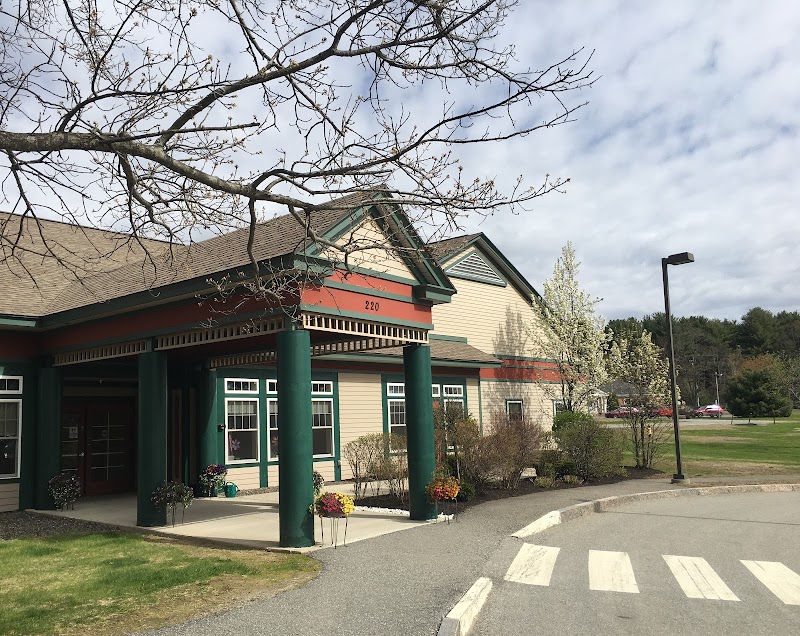
Who Owns and Operates Lakewood A Continuing?

LAKEWOOD A CONTINUING CARE CENTER is owned by a non-profit organization. Non-profit facilities reinvest revenue into operations rather than distributing to shareholders. The facility operates independently rather than as part of a larger chain. With 105 certified beds and approximately 93 residents (about 89% occupancy), it is a mid-sized facility located in WATERVILLE, Maine.

How Does Lakewood A Continuing Compare to Other Maine Nursing Homes?

Compared to the 100 nursing homes in Maine, LAKEWOOD A CONTINUING CARE CENTER's overall rating (3 stars) is below the state average of 3.0, staff turnover (50%) is near the state average of 46%, and health inspection rating (3 stars) is at the national benchmark.

What Should Families Ask When Visiting Lakewood A Continuing?

Based on this facility's data, families visiting should ask: "Can I visit during a mealtime to observe dining assistance and food quality?" "How do you handle medical emergencies, and what is your hospital transfer rate?" "Can I speak with family members of current residents about their experience?"

Is Lakewood A Continuing Safe?

Based on CMS inspection data, LAKEWOOD A CONTINUING CARE CENTER has a clean safety record: no substantiated abuse findings (meaning no confirmed cases of resident harm), no Immediate Jeopardy citations (the most serious violation level indicating risk of serious injury or death), and is not on the Special Focus Facility watch list (a federal program monitoring the lowest-performing 1% of nursing homes). The facility has a 3-star overall rating and ranks #100 of 100 nursing homes in Maine. While no facility is perfect, families should still ask about staff-to-resident ratios and recent inspection results during their visit.

Do Nurses at Lakewood A Continuing Stick Around?

LAKEWOOD A CONTINUING CARE CENTER has a staff turnover rate of 50%, which is about average for Maine nursing homes (state average: 46%). Moderate turnover is common in nursing homes, but families should still ask about staff tenure and how the facility maintains care continuity when employees leave.

Was Lakewood A Continuing Ever Fined?

LAKEWOOD A CONTINUING CARE CENTER has no federal fines on record. CMS issues fines when nursing homes fail to meet care standards or don't correct problems found during inspections. The absence of fines suggests the facility has either maintained compliance or corrected any issues before penalties were assessed. This is a positive indicator, though families should still review recent inspection reports for the full picture.

Is Lakewood A Continuing on Any Federal Watch List?

LAKEWOOD A CONTINUING CARE CENTER is not on any federal watch list. The most significant is the Special Focus Facility (SFF) program, which identifies the bottom 1% of nursing homes nationally based on persistent, serious quality problems. Not being on this list means the facility has avoided the pattern of deficiencies that triggers enhanced federal oversight. This is a positive indicator, though families should still review the facility's inspection history directly.