WATERVILLE CENTER FOR HEALTH AND REHAB
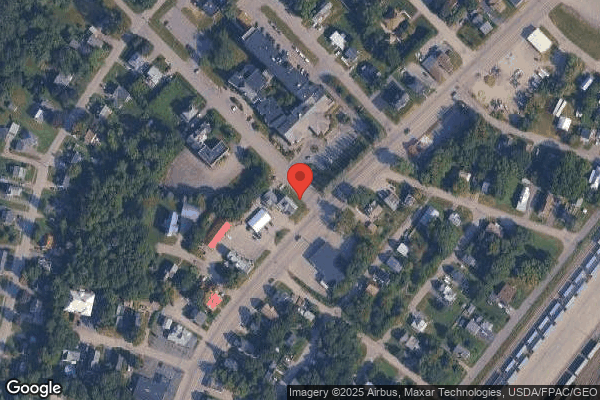

7 HIGHWOOD ST, WATERVILLE, ME 04901 (207) 873-0705
For profit - Individual 111 Beds Independent Data: November 2025 3 Immediate Jeopardy citations
Trust Grade
0/100
#77 of 77 in ME
Last Inspection: September 2024

Within standard 12-15 month inspection cycle. Federal law requires annual inspections.

Overview

Waterville Center for Health and Rehab has received an F grade for its trust score, which indicates significant concerns about the facility’s overall quality and care. Ranked #77 out of 77 in Maine, it is in the bottom tier of nursing homes in the state, and #7 out of 7 in Kennebec County means there are no better local options available. While the facility has shown an improving trend, reducing its issues from 32 in 2024 to 5 in 2025, it still faces serious problems, including $87,232 in fines, which is higher than 98% of other Maine facilities, suggesting ongoing compliance issues. Staffing is relatively strong with a 4/5 star rating, but a turnover rate of 63% is concerning, indicating many staff members leave. Specific incidents of concern include critical failures, such as a resident being restrained improperly and the facility not reporting possible abuse, which raises serious questions about resident safety. Overall, while there are some strengths, the weaknesses in care and compliance make it essential for families to carefully consider their options.

Trust Score
F
0/100
In Maine
#77/77
Bottom 1%
Safety Record
High Risk
Review needed
Inspections
Getting Better
32 → 5 violations
Staff Stability
⚠ Watch
63% turnover. Above average. Higher turnover means staff may not know residents' routines.
Penalties
○ Average
$87,232 in fines. Higher than 60% of Maine facilities. Some compliance issues.
Skilled Nurses
✓ Good
Each resident gets 66 minutes of Registered Nurse (RN) attention daily — more than 97% of Maine nursing homes. RNs are the most trained staff who catch health problems before they become serious.
Violations
⚠ Watch
55 deficiencies on record. Higher than average. Multiple issues found across inspections.
★☆☆☆☆
1.0
Overall Rating
★★★★☆
4.0
Staff Levels
★☆☆☆☆
1.0
Care Quality
★☆☆☆☆
1.0
Inspection Score
Stable
2024: 32 issues
2025: 5 issues

The Good

  • 4-Star Staffing Rating · Above-average nurse staffing levels
  • Full Sprinkler Coverage · Fire safety systems throughout facility
  • No fines on record

Facility shows strength in staffing levels, fire safety.

The Bad

1-Star Overall Rating

Below Maine average (3.0)

Significant quality concerns identified by CMS

Staff Turnover: 63%

16pts above Maine avg (46%)

Frequent staff changes - ask about care continuity

Federal Fines: $87,232

Well above median ($33,413)

Moderate penalties - review what triggered them

Staff turnover is elevated (63%)

15 points above Maine average of 48%

The Ugly 55 deficiencies on record

3 life-threatening 1 actual harm
Aug 2025 4 deficiencies
CONCERN (D) 📢 Someone Reported This

A family member, employee, or ombudsman was alarmed enough to file a formal complaint

Potential for Harm - no one hurt, but risky conditions existed

Deficiency F0627 (Tag F0627)

Could have caused harm · This affected 1 resident

Based on interviews and record review, the facility failed to develop and/or implement an effective discharge planning process by failing to send referrals to appropriate entities timely, to involve t...

Read full inspector narrative →
Based on interviews and record review, the facility failed to develop and/or implement an effective discharge planning process by failing to send referrals to appropriate entities timely, to involve the interdisciplinary team in discharge planning process, and to update the comprehensive care plan with goals and preferences regarding discharge, with referrals to appropriate entities made for this purpose and /or responses to information received from referrals to appropriate entities, for 1 of 4 residents reviewed for Discharge (Resident #88 [R88]).Findings: On 8/25/25 at 2:24 p.m., during an interview with a surveyor, R88 stated he/she has wanted to transfer to another facility for the past 3 years but has not had the help he/she needs to achieve this goal. On 8/27/25, R88's clinical record was reviewed and revealed the following:-Review of the R88's Care Plan indicated the focus discharge: [R88 will] remain in the facility through the next review date, revised on 12/01/2022. The intervention for this focus stated, Discuss with [R88] appropriate options through the next review date, revised on 06/16/23. The clinical record lacks evidence that R88's comprehensive care plan was updated to address R88's goals and preferences regarding discharge, documentation of referrals to appropriate entities made for this purpose and /or response to information received from referrals to appropriate entities.- On 9/13/24, A Social Service Note stated that R88 was anxious to hear if he/she was approved to transfer to another facility. The clinical record lacks evidence that R88's comprehensive care plan was updated in response to information received from the referral.-On 9/24/24, R88's Interdisciplinary Care Meeting indicated that R88's Care Plan was reviewed and updated. The summary note states [R88] has an incentive to move to a new placement. The clinical record lacked evidence that the Interdisciplinary Team was involved in the process of developing the discharge plan, or that R88's comprehensive care plan was updated to include R88's goals and preferences regarding discharge, referrals to appropriate entities made for this purpose and /or updated in response to information received from referrals to appropriate entities.-On 12/23/24, R88's Interdisciplinary Care Meeting indicated that R88's Care Plan was reviewed and updated. The clinical record lacked evidence that the Interdisciplinary Team was involved in the process of developing the discharge plan, or that R88's comprehensive care plan was updated to include R88's goals and preferences regarding discharge, referrals to appropriate entities made for this purpose and /or updated in response to information received from referrals to appropriate entities.-On 3/13/25, a social service note indicates a Social Worker sent R88's Case Manager (not employed by the facility) a list of referrals to facilities already explored and indicated the Case Manager would help make referrals. The clinical record lacked evidence that the Interdisciplinary Team was involved in the process of developing the discharge plan, or that R88's comprehensive care plan was updated to include R88's goals and preferences regarding discharge, referrals to appropriate entities made for this purpose, collaboration with R88's Case Manager, and/or responses to information received from referrals to appropriate entities.-On 3/26/25, R88's Interdisciplinary Care Meeting indicated that R88's Care Plan was reviewed and updated. The summary indicated Referrals are continuing to be completed for other facility options. The clinical record lacked evidence that R88's comprehensive care plan was updated to include R88's goals and preferences regarding discharge, referrals to appropriate entities made for this purpose and /or updated in response to information received from referrals to appropriate entities.-On 6/24/25, R88's Interdisciplinary Care Meeting indicated that R88's Care Plan was reviewed and updated. The summary indicated Referrals are continuing to be completed for other facility options. The clinical record lacked evidence that R88's comprehensive care plan was updated to include R88's goals and preferences regarding discharge, referrals to appropriate entities made for this purpose and /or updated in response to information received from referrals to appropriate entities. On 8/27/25, the facility's policy Discharge of Resident: Home [or] Other Facility dated 6/12/14 was reviewed. The policy does not address the discharge planning process. On 8/27/25 at 12:40 p.m., during an interview with a surveyor, the Director of Nursing (DON) stated there is not a specific policy for discharge planning regarding a resident's requesting to transfer to another facility. The DON confirmed that it is the expectation that the facility will make referrals to appropriate entities when requested by residents. The DON stated that this was made clear to the Director of Social Services. She stated the Director of Social Services has made referrals to appropriate entities since that discussion (2/24/25). On 8/27/25 at 4:30 p.m., during an interview with the DON and the Administrator, a surveyor confirmed the above findings. The Administrator stated there is a policy within the Care Plan policy to include transfers to other facilities. On 8/28/25, the facility's policy Care Plans, Comprehensive Person-Centered, Revised December 2024, was reviewed and stated 8. The comprehensive, person-centered care plan will: . f. include the resident's stated preference and potential for future discharge, including his or her desire to return to the community and any referrals made to local agencies or other entities to support such a desire; . 14. The interdisciplinary team must review and update the care plan: . b. when the desired outcome is not met; . 16. Discharge Planning: a. The facility will develop and implement an effective discharge planning process that focuses on the resident's discharge goals, the preparation of residents to be active partners and effectively transition them post discharge. The clinical record lacks evidence that the comprehensive care plan was updated to include R88's goals and preferences regarding discharge, referrals to appropriate entities made for this purpose and /or updated in response to information received from referrals to appropriate entities. On 8/28/25, the facility's Discharge Planning Protocol, (undated), was reviewed and stated 4. If a resident is requesting to. be transferred to another facility, initiate referral to. facility of choice. The clinical record lacks evidence that referrals to appropriate entities were made for R88 to transfer to another facility between September 2024 and 2/24/25. On 8/28/25 at 12:15 p.m., during an interview with the Administrator and the Social Services Director, the Social Services Director confirmed that the facility failed to make referrals to appropriate entities after R88's request to transfer, between September 2024 and 2/24/25. At this time the surveyor confirmed the above finding.
CONCERN (D) 📢 Someone Reported This

A family member, employee, or ombudsman was alarmed enough to file a formal complaint

Potential for Harm - no one hurt, but risky conditions existed

Deficiency F0645 (Tag F0645)

Could have caused harm · This affected 1 resident

Based on record review and interview, the facility failed to ensure a resident with a specialized mental health diagnosis had been referred to the appropriate state-designated authority for Pre-admiss...

Read full inspector narrative →
Based on record review and interview, the facility failed to ensure a resident with a specialized mental health diagnosis had been referred to the appropriate state-designated authority for Pre-admission Screening & Resident Review (PASRR) evaluation and determination for 1 of 1 resident reviewed for PASRR evaluation (Resident #81).Finding:On 8/26/25, clinical record review indicated Resident #81 was admitted to the facility in October of 2024 from a hospital, with a specialized mental health diagnosis. The clinical record lacked evidence that that the resident had been screened for a PASRR Level I determination and that it was submitted to the State-designated authority prior to admission. On 8/28/25 at 12:23 p.m., in an interview with five surveyors present, the Social Services Director and the Administrator confirmed that Resident #81's clinical record lacked evidence that that the resident had been screened for a PASRR Level I determination and that it was submitted to the State-designated authority when the resident was admitted in October of 2024.
CONCERN (D) 📢 Someone Reported This

A family member, employee, or ombudsman was alarmed enough to file a formal complaint

Potential for Harm - no one hurt, but risky conditions existed

Deficiency F0657 (Tag F0657)

Could have caused harm · This affected 1 resident

Based on interviews and record reviews, the facility failed to review and revise the care plans by an interdisciplinary team (IDT), that included, to the extent possible, participation of the resident...

Read full inspector narrative →
Based on interviews and record reviews, the facility failed to review and revise the care plans by an interdisciplinary team (IDT), that included, to the extent possible, participation of the resident and/or his/her representative after each Minimum Data Set (MDS) assessment for 5 of 33 residents reviewed for care planning (Resident #125 [R125], R2, R45, R57, and R1).Findings: 1. Review of R125's clinical record revealed an MDS admission Assessment was completed on 11/8/24. Further review of R125’s clinical record indicated an Interdisciplinary Team (IDT) meeting was held 11/25/24 and lacked evidence that an IDT meeting was held within 7 days following the assessment. On 8/28/25 at 12:22 p.m. during an interview, the above finding was discussed with the Social Services Director. 2. Review of R2’s clinical record revealed the quarterly MDS was completed on 5/29/25. Further review of R2’s clinical record indicated, the Interdisciplinary Team meeting (IDT) was held on 6/15/25 (19 days after MDS completion). 3. Review of R45’s clinical record revealed the quarterly MDS was completed on 6/3/25. Further review of R45’s clinical record revealed the IDT was held on 5/29/25 (6 days prior to completed MDS). Review of R45’s quarterly MDS completed on 2/18/25. Review of R45’s clinical record revealed the IDT was held 2/27/25 (9 days after completed MDS). 4. Review of R57’s clinical record revealed quarterly MDS completed on 12/16/24. Further review of R57’s clinical record revealed the IDT was held on 1/8/25 (24 days after completed MDS). Review of R57’s clinical record revealed significant change MDS completed on 12/16/24. Further review of R57’s clinical record revealed the IDT was held on 1/8/25 (23 days after completion of MDS). Review of R57’s clinical record revealed quarterly MDS completed on 5/9/25. Further review of R57’s clinical record revealed the IDT was held on 5/8/25 (1 day before the completed MDS). During an interview on 8/26/25 at 4:04 p.m., in presence of 5 surveyors Minimum Data Set (MDS) Coordinator stated she uses the Assessment Reference Date (ARD) date to schedule IDT meetings. During an interview with Director of Nursing and Administrator on 8/28/25 at 12:45 p.m., the Director of Nursing stated that the IDT meetings are held within 7 days after the completion of the MDS. 5. On 8/28/25, R1’s clinical record was reviewed. R1’s diagnosis list includes, atrial fibrillation ([afib] an irregular and often very rapid heart rhythm), Chronic Pain and a history of genital herpes and Methicillin-Resistant Staphylococcus Aureus ([MRSA] bacteria that does not get better with the type of antibiotics that usually cure staph infections). R1’s Order Summary states, “Foley [Catheter] wash site with soap and water daily as needed”. The Care Plan states, “[R1] has acute/chronic pain [related to (r/t)]”, the Care Plan does not identify what the acute/chronic pain is related to or the location of the chronic pain. R1’s Care Plan does not address the monitoring and management of afib, or R1’s history of genital herpes and MRSA. On 8/28/25 at 2:36 p.m., during an interview with a surveyor, the Director of Nursing (DON) and the Administrator, R1's clinical record was reviewed. The DON stated the last episode of genital herpes resolved in April of 2025 but is unsure why that was removed from the care plan. She also stated R1 had afib in June of 2025. At this time the surveyor confirmed R1's care plan was not updated to address the monitoring and / or management R1’s diagnoses including afib, Chronic Pain or R1’s history of genital herpes and MRSA.
CONCERN (E) 📢 Someone Reported This

A family member, employee, or ombudsman was alarmed enough to file a formal complaint

Potential for Harm - no one hurt, but risky conditions existed

Medical Records (Tag F0842)

Could have caused harm · This affected multiple residents

Based on observation, record reviews, and interviews, the facility failed to ensure that clinical records were complete and contained accurate information for 6 of 33 sampled residents (Resident #5 [R...

Read full inspector narrative →
Based on observation, record reviews, and interviews, the facility failed to ensure that clinical records were complete and contained accurate information for 6 of 33 sampled residents (Resident #5 [R5], R7, R13, R4, R86, and R48). Findings: 1. Review of Resident #5's medical record stated in the current care plan: Range of motion[ROM] (active or passive) with am/pm care daily. ON HOLD WHILE GETTING THERAPY Date Initiated: 09/12/2024 Revision on: 05/27/2025. The medical record lacked evidence that Range of motion (active or passive) was documented twice daily for the following dates in 2025: June: 1, 3, and 4. July: 1, 2, 4-10, 13, 15, 16, 18, 20, and 25. The clinical record lacks documentation that the resident completed or refused ROM exercises. August 1, 2, 7-9, 11, 14, 16-19, 21, 22, and 23-26. The clinical record lacks documentation that the resident completed or refused ROM exercises. Bathing documentation shows missing/inaccurate documentation with no resident baths given and no resident refusal for the following dates in 2025: June: 3, 12, 19, and 26. July: 10, 24 and 31 August: 10, 24 and 31. On 8/27/2025 at 3:54 p.m., in an interview with a surveyor, the Cove Unit Manager and the Administrator confirmed that there was missing/inaccurate documentation on the resident's ROM and Bathing Documentation. 2. Review of Resident #7's medical record indicated R7 receives a bath/shower on Mondays and Thursdays. Bathing documentation shows missing/inaccurate documentation with no resident baths given and no resident refusal for the following dates in 2025: June: 2, 5, 9, 12, 16, 26, and 30. August: 2, 5, 9, 12, 16 and 26. On 8/28/2025 at 2:30 p.m., in an interview with five surveyors present, the Director of Nursing and the Administrator stated that charting/documentation was not completed accurately and it should have been completed accurately in the resident's clinical records. 3. On 8/26/25 at 8:15 a.m., during an observation of R13's room, the Memory Unit Manager (UM1) entered the room with a surveyor and encouraged R13 to drink fluids from his/her breakfast tray and stated that R13 needs frequent encouragement because he/she forgets to drink fluids. UM1 then stated that R13’s blood pressure is low today, and he/she is complaining of feeling dizzy, so the doctor will be seeing him/her today. Review of R13’s care plan states “…at risk for fluid volume deficit .Monitor/document/report to MD [Medical Doctor] PRN [as needed] s/sx [signs/symptoms] of dehydration…” Review of R13’s clinical record revealed a physician progress note, dated 8/27/25, that states, .seen today for an acute visit for hypotension. This morning [he/she] was reported to have blood pressure of 80s/50s. [He/she] felt lightheaded. Staff encouraged oral fluids and [his/her] blood pressures normalized. [He/she] is now asymptomatic…” Further review of R13’s clinical record revealed his/her last documented blood pressure was 119/84 on 8/5/25, and the clinical record lacked evidence of the low blood pressure taken on 8/26/25 for the above symptoms. On 8/27/25 at 8:56 a.m., during an interview, Licensed Practical Nurse #1 (LPN1) stated she took R13's blood pressure yesterday, and it was low, so she encouraged fluids and re-checked the blood pressure, and it improved and that she verbally notified the physician. LPN1 then stated she did not document the initial low blood pressure, the re-check, or that she notified the physician. At this time, a surveyor discussed the above concerns with UM1. At this time, UM1 stated that vital signs are documented in the electronic medical record (EMR) and that R13’s blood pressures and a nursing progress note should have been documented in the EMR. 4. R4 has diagnoses to include dementia with behavior disturbance and bladder incontinence. Review of R4’s clinical record revealed a physician progress note dated 8/12/25 that states, “…Assessment and Plan…Presumed urinary infection. Patient is incontinent. Patient reports feeling ill today but is unable to articulate why. Physical exam revealed suprapubic tenderness without rebound or guarding. Ordered UA [urinalysis] with reflex culture to evaluate for possible UTI [urinary tract infection] . Review of R4’s active physician orders revealed an order dated 8/12/25 for .UA with reflex culture; suprapubic tenderness on exam + reports of feeling fatigued/ill . Further review of R4’s clinical record lacked evidence of urinalysis results or that the urine sample was collected and sent or that the resident refused. On 8/27/25 at 8:52 a.m., during an interview, LPN1 stated R4 was combative with the attempt to collect the urine sample, and she was unable to obtain a sample, so she passed it onto the night nurse, who was also unable to obtain a sample. LPN1 then stated she notified Nurse Practitioner (NP) 1 that the specimen was unable to be obtained. At this time, a surveyor discussed the above finding with UM1, and she stated it is her expectation that the nurse enter a nursing progress note to reflect the refusal(s) and that the provider was notified. 5. R86 has diagnoses to include dementia. R86’s care plan states, .has a POA [Power of Attorney]-Care and POA Financial .has a POA that will remain in effect through next review date . Review of R86’s Interdisciplinary Team (IDT) meeting note, dated 7/17/25, indicates R86’s “…[representative]/POA attended via phone…” and states, .Advanced Directives reviewed, no changes at this time . Further review of R86’s clinical record lacked evidence of POA documentation or Advance Directive documentation. On 8/27/25 at 9:10 a.m., the above finding was discussed with the Memory Unit Social Worker (SW). At this time, the SW stated R86's [representative] is not his/her POA, that R86 does not have an Advance Directive, and that the IDT meeting note and care plan are labeled wrong. 6. Review of R48’s clinical record revealed a nursing Change in Condition (CIC) Evaluation, dated 8/1/25, that indicated R48 sustained an unwitnessed fall at 4:15 p.m. The assessment section of the CIC Evaluation indicated the most recent vital signs taken after the change in condition occurred were documented at 4:10 p.m. Review of R48’s Neurologic Screen Form, dated 8/1/25, indicated that neuro checks were not initiated until 6:00 p.m., however, the vital signs documented under the 6:00 p.m. entry on the Neurologic Screen Form are identical to the vital signs documented at 4:10 p.m. on the CIC Evaluation. Review of the Incident Report for the above fall, dated 8/1/25 at 6:00 p.m., lacked evidence of the actual time of R48’s fall. On 8/28/25 between 9:12 a.m.-10:13 a.m., during an interview, the Director of Nursing reviewed R48's entire clinical record and confirmed that it does does not accurately reflect the time of R48’s fall and stated that she cannot determine what time R48 fell or if neurologic checks should have been started at 4:10 p.m. or 6:00 p.m.
Feb 2025 1 deficiency
CONCERN (D) 📢 Someone Reported This

A family member, employee, or ombudsman was alarmed enough to file a formal complaint

Potential for Harm - no one hurt, but risky conditions existed

Medical Records (Tag F0842)

Could have caused harm · This affected 1 resident

**NOTE- TERMS IN BRACKETS HAVE BEEN EDITED TO PROTECT CONFIDENTIALITY** Based on record review, observation, and interviews, the facility failed to ensure that clinical records were complete and conta...

Read full inspector narrative →
**NOTE- TERMS IN BRACKETS HAVE BEEN EDITED TO PROTECT CONFIDENTIALITY** Based on record review, observation, and interviews, the facility failed to ensure that clinical records were complete and contained accurate information for 1 of 3 residents reviewed during an investigation of a facility-reported incident. (Resident #1) Findings: Resident #1 was admitted on [DATE] and had diagnoses to include venous stasis ulcers and deep vein thrombosis (DVT). Review of Resident #1's Care plan, initiated on 12/19/24, states, .history of Deep Vein Thrombosis r/t [related to] Immobility .at risk of developing another DVT . Inspect legs and feet for Skin color/temperature (calf/thigh): pale, cool, edematous (DVT); pinkish red, warm along the course of the vein (superficial) . Review of Resident #1's active physician orders, dated January 2025, lacked evidence that Resident #1 was being monitored for signs and symptoms related to a DVT. Review of Resident #1's daily skilled assessments dated 1/12/25, 1/16/25, and 1/17/25 lacked evidence that a cardiovascular assessment was completed, and assessments dated 1/12/25 and 1/13/25 lacked evidence that a skin assessment was completed. There is no evidence that daily skilled assessments were completed on 1/7/25 and 1/14/25. During an interview with 2 surveyors on 2/11/25 at 11:39 a.m., the Cove Harbor Unit Manager (UM) stated it was her expectation that monitoring for signs of a DVT would be documented on the Treatment Administration Record (TAR) or in the skin and cardiovascular sections in the daily skilled note and that all sections of the assessment should be complete. At this time, UM further reviewed Resident #1's clinical record and confirmed that the TAR lacked evidence of monitoring for signs of a DVT and that the skilled assessments were incomplete for the above dates.
Sept 2024 32 deficiencies 3 IJ (3 facility-wide)
CRITICAL (L) 📢 Someone Reported This

A family member, employee, or ombudsman was alarmed enough to file a formal complaint

Immediate Jeopardy (IJ) - the most serious Medicare violation

Deficiency F0604 (Tag F0604)

Someone could have died · This affected most or all residents

⚠️ Facility-wide issue

Based on interviews, policy review and record review, the facility failed to ensure a resident's right to remain free from a physical restraint in accordance with §483.12, resulting in an immedia...

Read full inspector narrative →
Based on interviews, policy review and record review, the facility failed to ensure a resident's right to remain free from a physical restraint in accordance with §483.12, resulting in an immediate jeopardy situation with psychosocial harm and the risk of physical harm including the potential to cause death [Resident #99 (R99)]. All residents remained at risk as the facility failed to develop and/or implement measures, to protect the residents from further use of unnecessary restraints. Findings: On 7/31/24 at 12:35 p.m., the State of Maine's Division of Licensing and Certification received an anonymous complaint alleging the facility was short staffed and CNAs (Certified Nursing Assistants) were tying residents to chairs. On 9/10/24 at 10:45 a.m., in an interview with a surveyor, the Life Enrichment and Pastoral Care staff member stated, I have never seen or noticed a resident tied to their chairs, but I think I know what you're talking about. That resident passed away. I can't remember what staff or what resident were involved but they were on Cove [Unit]. The surveyor was directed to ask Registered Nurse #1 (RN1). On 9/10/24 at 11:15 a.m., in an interview with the surveyor, RN1 stated she did not remember who the resident was or when the incident happened, but did remember she last saw the resident in bed around 5:00p.m.-5:30p.m., at which time the resident had visitors who were preparing to leave. RN1 stated she remembers the prior Interim Director of Nursing (IDON) asked about the resident being tied to a wheel chair in the days following the incident, RN1 told the prior IDON that she believed the family had restrained the resident. On 9/10/24 at 12:47 p.m., in an interview with a surveyor, the Certified Nursing Assistant -Medications #2 (CNA-M2) stated that she was aware of the possibility of someone having been tied to the bed or chair, and that CNA3 had been placed on administrative leave because of that, but that CNA3 returned quickly, and heard it was the family that had restrained the resident. On 9/12/24 at 8:52 a.m., in an interview the Director of Nursing (DON) stated she knows of the incident but was not here at the time. The DON provided the surveyor with a folder containing partial notes that appeared as a timeline . The notes did not indicate who wrote them or when, but did include a copy of the visitor log on the day of the incident, and 2 witness statements from facility employees CNA6 and CNA7 both dated 7/25/24. According to CNA6's witness statement dated July 25th, 2024, at approximately 6:30 p.m., CNA6 and CNA7 found R99 sitting in [his/her] wheelchair attempting to get out of it. This was due to a sheet wrapped around [his/her] waist, we witnessed that it was double knotted in the back of [his/her] wheelchair . The sheet seemed to act as a restraint due to the fact [he/she] couldn't get out of [his/her] wheelchair. According to CNA7's witness statement dated 7-25-24, at approximately 6:30 p.m., CNA7 and CNA6 found [R99] in [his/her] wheelchair trying to stand up but couldn't because there was a sheet tied around her waist then double knotted to the back of [his/her] wheelchair . the sheet seemed to act as a restraint. On 9/12/24 at 9:40 a.m., a surveyor confirmed with the DON that a physical restraint was used to confine R99 to a wheelchair without a physician's order, evaluation/assessment, monitoring or informed consent, and the clinical record lacked documentation regarding the medical need for a physical restraint. On 9/12/24 at 2:22 p.m., in an interview, CNA3 stated R99 was known for getting out of his/her wheelchair and walking from his/her room to the nurse station. CNA3 stated she last saw R99 in bed around 5:30 p.m., there were no visitors in the room at that time. CNA3 stated she was investigated for a day or two but was told it wasn't her fault. The facility's Restraint Use policy, dated 6/24/2014, states the resident has the right to be kept from any chemical/physical restraint imposed for discipline or convenience and not requested to treat his/her medical condition. For residents requiring some level of physical restraint use the following documentation must be in place: -Medical reason or use and type of device with a signed physician order. PRN (as needed) orders are not acceptable. -Documentation indicating the assessment of risk, the interdisciplinary process that determined the least restrictive device, and plan of care for the restrictive device. -Documentation must reflect either the MDS (Minimum Data Set)/Triggers CAA's (Care Area Assessments), continued assessment of the need for, or the medical improvement of the resident that may support a reduction in the means of restraint. -A daily documentation tool indicating the release of the restraint every 2 hours for a minimum of 15 minutes and the type of activity in which the resident participates to enhance mobility. -The resident and/or representative will be informed of risk and benefits and possible negative outcomes and a written consent for use will be obtained. -The consent must be signed by a competent resident, responsible party, or legal representative. -The resident / responsible party has the right to refuse a restraint. The medical record had no such documentation. The immediate jeopardy began on 7/25/24 when the facility failed to ensure R99's right to freedom from physical restraint, and all residents remained at risk of not being free from the use of unnecessary restraints. The immediate jeopardy was identified on 9/13/24. The Administrator, Director of Nursing, and Director of Clinical and Quality Assurance were notified of the immediate jeopardy at 2:25 p.m. on 9/13/24. Please See F-000 Initial Comments related to the IJ removal plan.
CRITICAL (L) 📢 Someone Reported This

A family member, employee, or ombudsman was alarmed enough to file a formal complaint

Immediate Jeopardy (IJ) - the most serious Medicare violation

Report Alleged Abuse (Tag F0609)

Someone could have died · This affected most or all residents

⚠️ Facility-wide issue

Based on interviews, facility policy review, and record review, the facility failed to develop and/or implement policies and procedures for ensuring the reporting of a reasonable suspicion of a crime ...

Read full inspector narrative →
Based on interviews, facility policy review, and record review, the facility failed to develop and/or implement policies and procedures for ensuring the reporting of a reasonable suspicion of a crime in accordance with section 1150B of the Social Security Act, resulting in failure to protect the resident from further potential harm from the perpetrator. In addition, the facility failed to report to law enforcement or the State Survey Agency (SA) an incident of possible abuse including the violation of a resident's right to be free from a physical restraint in accordance with §483.12, which kept the resident from ambulating from a wheelchair [Resident #99 (R99)]. This had the potential to affect all residents in the facility. Findings: The facility's Abuse, Neglect and/or Misappropriation of Resident Funds or Property Prohibition Policy last revised on April 21, 2023 indicated under the Definitions heading: Abuse means the willful infliction of injury, unreasonable confinement, intimidation, or punishment with resulting physical harm, pain, or mental anguish. It also states Timing: incidents and/or allegations of abuse . should be reported to the Administrator and/or his/her designee immediately. The Administrator or his/her designee will notify the State Agency of alleged violations involving abuse, neglect . and injuries of unknown source as soon as possible, but in no event later than 24 hours from the time the incident/allegation was made known to them. The Restraint Use Policy dated 6/24/2014 states The resident has the right to be kept from any chemical/physical restraint imposed for discipline or convenience and not requested to treat his/her medical condition. On 7/31/24 at 12:35 p.m., the State of Maine, Division of Licensing and Certification received an anonymous complaint alleging the facility was short staffed and CNAs (Certified Nursing Assistants) were tying residents to chairs. On 9/10/24 at 10:45 a.m. in an interview with a surveyor the Life Enrichment and Pastoral Care staff member stated, I have never seen or noticed a resident tied to their chairs, but I think I know what you're talking about. That resident passed away. I can't remember what staff or what resident were involved but they were on Cove [Unit]. The surveyor was directed to ask Registered Nurse #1 (RN1). On 9/10/24 at 11:15 a.m., in an interview with the surveyor, RN1 stated she did not remember who the resident was or when the incident happened, but did remember she last saw the resident in bed around 5:00p.m.-5:30p.m., at which time the resident had visitors who were preparing to leave. RN1 stated she remembers the prior Interim Director of Nursing (IDON) asked about the resident being tied to a wheel chair in the days following the incident, RN1 told the prior IDON that she believed the family had restrained the resident. On 9/10/24 at 12:47 p.m., in an interview with a surveyor, the Certified Nursing Assistant -Medications #2 (CNA-M2) stated that she was aware of the possibility of someone having been tied to the bed or chair, and that CNA3 had been placed on administrative leave because of that, but that CNA3 returned quickly, and heard it was the family that had restrained the resident. On 9/12/24 at 2:22 p.m., in an interview, CNA3 stated she last saw R99 in bed around 5:30 p.m., there were no visitors in the room at that time. CNA3 stated she was investigated for 1 to 2 days but was told it wasn't her fault. On 9/12/24 at 8:52 a.m., in an interview with a surveyor the Director of Nursing (DON) stated she knows of the incident but was not here at the time. The DON provided the surveyor with the name of the resident and a folder containing the facility's handwritten notes regarding the incident. The folder lacked evidence that the facility reported the incident to law enforcement agencies or to the SA . On 9/12/24 from 8:58 a.m.- 9:40 a.m., interviews were completed with a surveyor and the DON. During the interview: The Director of Clinical and Quality Assurance confirmed she did not report this incident to law enforcement or the SA. The IDON at the time of the incident joined the interview by phone, and confirmed she did not report this incident to law enforcement or the SA. The Interim Administrator at the time of the incident joined the interview by phone and confirmed she did not report this incident to law enforcement or the SA. On 9/12/24 at 9:40 a.m., in an interview with the DON a surveyor confirmed that the facility failed to report the incident to law enforcement or the SA within 24 hours and failed to report a Follow-Up Investigation within 5 working days. The immediate jeopardy began on 7/25/24 when the facility failed to report the violation of R99's right to be free from a physical restraint. All residents remained at risk of such reports not being made as the facility failed to implement policy and procedures to ensure reasonable suspicion of a crime against a resident is reported. Immediate Jeopardy was identified on 9/13/24. The Administrator, Director of Nursing, and Director of Clinical and Quality Assurance were notified of the immediate jeopardy at 2:25 p.m. on 9/13/24. Please See F-000 Initial Comments related to the IJ removal plan.
CRITICAL (L) 📢 Someone Reported This

A family member, employee, or ombudsman was alarmed enough to file a formal complaint

Immediate Jeopardy (IJ) - the most serious Medicare violation

Investigate Abuse (Tag F0610)

Someone could have died · This affected most or all residents

⚠️ Facility-wide issue

**NOTE- TERMS IN BRACKETS HAVE BEEN EDITED TO PROTECT CONFIDENTIALITY** Based on interviews, record review, and policy review, the facility failed to fully investigate an incident involving possible a...

Read full inspector narrative →
**NOTE- TERMS IN BRACKETS HAVE BEEN EDITED TO PROTECT CONFIDENTIALITY** Based on interviews, record review, and policy review, the facility failed to fully investigate an incident involving possible abuse including the use of an unnecessary physical restraint on a resident, which kept the resident from ambulating from a wheelchair (Resident #99 (R99). This had the potential to effect all residents in the facility. Findings: On [DATE] at 12:35 p.m., the State of Maine, Division of Licensing and Certification received an anonymous complaint alleging the facility was short staffed and CNAs (Certified Nursing Assistants) were tying residents to chairs. On [DATE] at 10:45 a.m., in an interview with a surveyor, the Life Enrichment and Pastoral Care staff member stated, I have never seen or noticed a resident tied to their chairs, but I think I know what you're talking about. That resident passed away. I can't remember what staff or what resident was involved but they were on Cove. The surveyor was directed to ask Registered Nurse #1 (RN1). On [DATE] at 11:15 a.m., in an interview with the surveyor, RN1 stated she did not remember who the resident was or when the incident happened, but did remember she last saw the resident in bed around 5:00p.m.-5:30p.m., at which time the resident had visitors who were preparing to leave. RN1 stated she remembers the prior Interim Director of Nursing (IDON) asked about the resident being tied to a wheel chair in the days following the incident, RN1 told the prior IDON that she believed the family had restrained the resident. On [DATE] at 12:47 p.m., in an interview with a surveyor, the Certified Nursing Assistant -Medications #2 (CNA-M2) stated that she was aware of the possibility of someone having been tied to the bed or chair, and that CNA3 had been placed on administrative leave because of that, but that CNA3 returned quickly, and heard it was the family that had restrained the resident. On [DATE] at 2:22 p.m., in an interview, CNA3 stated she last saw R99 in bed around 5:30 p.m., there were no visitors in the room at that time, she believed the visitors had gone home. CNA3 stated she was investigated for 1 to 2 days but was told it wasn't her fault. The facility's Abuse, Neglect and/or Misappropriation of Resident Funds or Property Prohibition Policy last revised on [DATE] indicates under the Investigation heading it states: As part of the investigation, the Administrator or his/her designee, shall coordinate the investigative process .and take the following action(s): Interview the resident, the accused, and potential witnesses. Witnesses may include anyone who: Witnessed or heard the incident; Came in close contact with either the resident the day of the incident (including other residents, family members, etc.); and Colleagues who worked closely with the accused colleague(s) and/or alleged victim the day of the incident. To the extent possible, all interviews should be summarized into a written statement, which is signed and dated. On [DATE] at 8:52 a.m., in an interview the Director of Nursing (DON) stated she knows of the incident but was not here at the time. The DON provided the surveyor with a folder containing partial notes that appeared as a timeline . The notes did not indicate who wrote them or when. The folder also contained a copy of the visitor log on the day of the incident, and 2 witness statements from facility employees CNA6 and CNA7 both dated [DATE]. Review of the documents indicated: - the resident was able to independently transfer from her bed to her chair . -The visitor log showed only one person had signed in to visit R99 on [DATE]. The visitor returned the visitor's badge at 2:02 p.m. - CNA3 last saw the resident in a wheelchair between 4:30-5:30 p.m. when CNA3 went into R99's room to pick up a meal tray . There is no mention in the documents of R99 being restrained at this time. - RN1 last saw R99 in bed between 5-5:30 p.m., when R99 received their evening meal tray. There is no mention in the documents of R99 being restrained at this time. -RN3 was notified at approximately 6:30 p.m. that R99 was trying to stand up while restrained to a wheelchair. The evening meal tray was observed on the floor. -There was a change for the worse in the resident's condition at 6:30 p.m., for which hospice was notified. - The resident was resisting the restraint but unable to get out of it. - The facility notes have no information about any visitors other than the one who returned the visitor's badge at 2:02p.m., when R99 transferred from the bed to the wheelchair, or who restrained R99 to the wheelchair. On [DATE] from 8:58 a.m.- 9:40 a.m., interviews were completed with a surveyor and the DON. During the interview: -The Unit Manager denied investigating the incident. She stated RN3 had texted her at 6:41 p.m. to inform her that R99 was found in the chair tied with the sheet behind it and like a double knot, that they had let [him/her] out. The UM notified the prior IDON and from there the Director of Clinical and Quality Assurance and the prior IDON took control of the incident. -The Director of Clinical and Quality Assurance denied investigating this incident. -The IDON at the time of the incident joined the interview by phone and confirmed that she had not spoken with the family or fully investigated this incident. -The Interim Administrator at the time of the incident joined the interview by phone and confirmed she had not spoken with the family or full investigated this incident. - The resident had a Brief Interview for Mental Status (BIMS) which indicated severe cognitive impairment; and was thus unable to be interviewed at the time of the incident. The resident died on [DATE] and was not available to be interviewed by surveyors. On [DATE] at 9:40 a.m., in an interview with the DON, a surveyor confirmed that the facility failed to fully investigate this incident, and at the time it was still unknown who had restrained R99 to the wheelchair. A surveyor requested the Incident Policy, and the DON provided the Accidents/Incidents Involving Residents policy dated [DATE] which requires each incident or accident must be detailed in the medical record of the resident, and each incident, accident, or medication error must be investigated immediately for determination of root cause. Review of the facility Incident Report #1944 dated [DATE] and timed as having been written at 8:38 p.m., states [6:30 p.m.]- [Certified Nursing Assistants] called nurse into [patient's ] room where [he/she] was found restrained to [his/her] wheelchair by wrapping a bedsheet around [his/her] waist and the wheelchair ending with a double knot. Resident unable to give Description . There was no documentation in the medical record to indicated this incident occurred or was fully investigated. The immediate jeopardy began on [DATE] when the facility failed to fully investigate the violation of R99's right to be free from a physical restraint in accordance with §483.12. All residents remained at risk as the facility failed to implement its policy and procedures to report and thoroughly investigate an incident involving possible abuse including the use of an unnecessary physical restraint on a resident . Immediate Jeopardy was identified on [DATE]. The Administrator, Director of Nursing, and Director of Clinical and Quality Assurance were notified of the immediate jeopardy at 2:25 p.m. on [DATE]. Please See F-000 Initial Comments related to the IJ removal plan.
SERIOUS (G) 📢 Someone Reported This

A family member, employee, or ombudsman was alarmed enough to file a formal complaint

Actual Harm - a resident was hurt due to facility failures

Deficiency F0675 (Tag F0675)

A resident was harmed · This affected 1 resident

**NOTE- TERMS IN BRACKETS HAVE BEEN EDITED TO PROTECT CONFIDENTIALITY** Based on record reviews and interviews , the facility failed to protect and promote a resident's right be free from a physical r...

Read full inspector narrative →
**NOTE- TERMS IN BRACKETS HAVE BEEN EDITED TO PROTECT CONFIDENTIALITY** Based on record reviews and interviews , the facility failed to protect and promote a resident's right be free from a physical restraint in accordance with §483.12 [Resident #99 (R99)]. A reasonable and prudent person would suffer anxiety, distress, and fear from the involuntary loss of independent movement. Findings: On 7/31/24 at 12:35 p.m., the State of Maine, Division of Licensing and Certification received an anonymous complaint alleging the facility was short staffed and CNAs (Certified Nursing Assistants) were tying residents to chairs. The following is a result of the investigation: R99 was admitted on [DATE] to the facility on hospice. The resident had a Brief Interview for Mental Status (BIMS)which indicated severe cognitive impairment and was unable to make his/her needs known. Diagnoses included dementia, lung cancer, acute respiratory failure with hypoxia, and anxiety disorder with a history of panic attacks. The Care Plan initiated on 7/19/24 indicated the resident has difficulty breathing (dyspnea) on exertion. Remind me not to push beyond endurance. Review of the facility-provided Incident Report #1944 dated 7/25/24 and timed as having been written at 8:38 p.m ., states [6:30pm.] -[Certified Nursing Assistants] called nurse into Pt's (patient's) room where [he/she] was found restrained to [his/her] wheelchair by wrapping a bedsheet around [his/her] waist and the wheelchair ending with a double knot. Resident Unable to give Description . On 9/12/24 at 8:52 a.m., in an interview with a surveyor the Director of Nursing (DON) stated she knows of the incident but was not here at the time. The DON provided the surveyor with a folder which contained handwritten notes, 2 witness statements, and a copy of the visitor log for 7/25/24. Review of folder contents indicated: - the resident was able to independently transfer from her bed to her chair. -The resident had a change in condition at 6:30 p.m. on 7/25/24 for which hospice was notified. -Witness statements indicate the resident was found restrained at approximately 6:30 p.m. and was observed resisting the restraint by attempting to stand and get out of it. On 7/26/24 at 12:07 a.m., RN3's nurse note indicated he contacted hospice because R99 had changed from [his/her] baseline to severe anxiety and agitation, constantly shouting, and the Doctor had called back with new orders for Effexor [used to treat anxiety ] and Clonidine [treats high blood pressure, withdrawal symptoms, anxiety, and post-traumatic stress disorder]. This behavior had started at 6:30 p.m., per the facility's hand written notes, when R99 was found by staff attempting to stand while restrained. On 9/13/24 at 2:25 p.m., during an interview with the DON, the Administrator, and the Director of Clinical and Quality Assurance 2 surveyors reviewed and confirmed R99 had increased anxiety and distress after the use of a physical restraint.
CONCERN (D) 📢 Someone Reported This

A family member, employee, or ombudsman was alarmed enough to file a formal complaint

Potential for Harm - no one hurt, but risky conditions existed

Deficiency F0567 (Tag F0567)

Could have caused harm · This affected 1 resident

Based on interviews and record review, the facility failed to provide a resident access to personal funds (Resident #47 [R47]). Finding: On 9/9/24 at 11:41 a.m., in an interview with a surveyor, R47 s...

Read full inspector narrative →
Based on interviews and record review, the facility failed to provide a resident access to personal funds (Resident #47 [R47]). Finding: On 9/9/24 at 11:41 a.m., in an interview with a surveyor, R47 stated, I didn't get the $40.00 for the last 2 months. I was fighting about that this morning. Corporate took it all instead of giving it to me. They said they need to find out why. Review of R47's financial statements indicated the facility's cost of care deduction for R47 was $1,251.00 per month, which left $40.00 dollars in an account for personal use. The facility deducted $1,291.00 for cost of care on 8/2/24 and 9/3/24 with out explanation for the increased charge. On 9/12/24 at 7:50 a.m., in an interview with a surveyor, the Nursing and Operations Assistant stated she became aware of this when R47's guardian came to do some shopping for R47 but there was not enough money in the account; an email was sent on 9/9/24 regarding this error, and compensation had to wait until a reply was received from the Corporate office. At this time a surveyor confirmed that a resident did not have access to the $80.00 of personal funds that was deducted without explanation.
CONCERN (D) 📢 Someone Reported This

A family member, employee, or ombudsman was alarmed enough to file a formal complaint

Potential for Harm - no one hurt, but risky conditions existed

Abuse Prevention Policies (Tag F0607)

Could have caused harm · This affected 1 resident

Based on employee record review, facility policy review, and interview, the facility failed to implement its own Abuse, Neglect and/or Misappropriation of Resident Funds or Property Prohibition policy...

Read full inspector narrative →
Based on employee record review, facility policy review, and interview, the facility failed to implement its own Abuse, Neglect and/or Misappropriation of Resident Funds or Property Prohibition policy to ensure Maine background checks were completed for new employees before they were permitted to work for 2 of 12 sampled employees (Certified Nursing Assistant #5 [CNA5] and Registered Nurse #1 [RN1]). Findings: The facility's Abuse, Neglect and/or Misappropriation of Resident Funds or Property Prohibition Policy Date: 7/1/2021 and Revised: April 21, 2023, indicates under A. Screening . 1. At a minimum this Community will do the following prior to hiring a new colleague: a. Criminal background checks are conducted per state/federal law/regulation and per [Facility] guidelines. 1. On 9/13/24, a review of CNA5's employee file indicated the date of hire as 6/12/23. CNA5's Maine background check was completed on 7/30/23 (48 days after date of hire and working). 2. On 9/13/24, a review of RN1's employee file indicated the date of hire as 11/6/23. RN1's Maine background check was completed on 9/13/24 (295 days later after date of hire and working). On 9/13/24 at 5:11 p.m., in an interview with a surveyor, the Human Resource Director stated the date of hire is the day an employee starts working in the facility. At this time a surveyor confirmed CNA5 and RN1 were hired and working with Resident's prior to the completion of a Maine background check.
CONCERN (D) 📢 Someone Reported This

A family member, employee, or ombudsman was alarmed enough to file a formal complaint

Potential for Harm - no one hurt, but risky conditions existed

Transfer Notice (Tag F0623)

Could have caused harm · This affected 1 resident

**NOTE- TERMS IN BRACKETS HAVE BEEN EDITED TO PROTECT CONFIDENTIALITY** Based on record reviews, and interviews, the facility failed to issue a written transfer/discharge notice to a Resident or their...

Read full inspector narrative →
**NOTE- TERMS IN BRACKETS HAVE BEEN EDITED TO PROTECT CONFIDENTIALITY** Based on record reviews, and interviews, the facility failed to issue a written transfer/discharge notice to a Resident or their legal representative for a facility-initiated transfer/discharge for 2 of 3 Resident's reviewed for hospitalization (Resident #68 [R68], and R48). Findings: 1. R68 was admitted on [DATE] and has diagnoses to include dementia, dysphagia and atrial fibrillation. Review of R68's clinical record revealed on 9/5/24 he/she was transferred to an acute care hospital and subsequently admitted to the hospital. Further review of R68's clinical record lacked evidence that the Resident and/or Resident Representative was provided a written transfer/discharge notice. During a review of R68's clinical record on 9/11/24 at 1:40 p.m. with a surveyor, the Administrator confirmed the clinical record lacked evidence that a transfer notice was provided in writing to the Resident and/or Resident Representative. 2. R48 was admitted on [DATE] and has diagnoses to include Escherichia coli, dysphagia, hemiplegia and hemiparesis following cerebral infarction affecting left non-dominant side and chronic respiratory failure. Review of R48's clinical record revealed on 7/22/24 he/she was transferred to an acute care hospital and subsequently admitted . Further review of R48's clinical record lacked evidence that the Resident and/or Resident Representative was provided a written transfer/discharge notice. During a review of R48's clinical record on 9/12/24 at 1:20 p.m. with a surveyor, the Administrator confirmed the clinical record lacked evidence that a transfer notice was provided in writing to the Resident and/or Resident Representative.
CONCERN (D) 📢 Someone Reported This

A family member, employee, or ombudsman was alarmed enough to file a formal complaint

Potential for Harm - no one hurt, but risky conditions existed

Deficiency F0625 (Tag F0625)

Could have caused harm · This affected 1 resident

**NOTE- TERMS IN BRACKETS HAVE BEEN EDITED TO PROTECT CONFIDENTIALITY** Based on record review and interview, the facility failed to issue written bed hold notices to include cost of care to the Resid...

Read full inspector narrative →
**NOTE- TERMS IN BRACKETS HAVE BEEN EDITED TO PROTECT CONFIDENTIALITY** Based on record review and interview, the facility failed to issue written bed hold notices to include cost of care to the Resident and/or legal representative for 2 of 3 sampled Resident's reviewed for transfer to an acute care hospital (Residents #68 [R68], and R48). Findings: 1. R68 was admitted on [DATE] and has diagnoses to include dementia, dysphagia and atrial fibrillation. Review of R68's clinical record revealed on 9/5/24 he/she was transferred to an acute care hospital and subsequently admitted to the hospital. Review of R68's clinical record lacked evidence that the Resident and/or Resident Representative was provided a written bed hold notice upon this transfer. During a review of R68's clinical record on 9/11/24 at 1:40 p.m. in an interview with a surveyor, the Administrator confirmed the clinical record lacked evidence that a written bed hold notice was provided in writing to Resident and/or Resident Representative. 2. R48 was admitted on [DATE] and has diagnoses to include Escherichia coli, dysphagia, hemiplegia and hemiparesis following cerebral infarction affecting left non-dominant side and chronic respiratory failure. Review of R48's clinical record revealed on 7/22/24 he/she was transferred to an acute care hospital and subsequently admitted to the hospital. Further review of R48's clinical record lacked evidence that the Resident and/or Resident Representative was provided a written bed hold notice upon this transfer. During a review of R48's clinical record on 9/12/24 at 1:20 p.m. in an interview with a surveyor, the Administrator confirmed the clinical record lacked evidence that a written bed hold notice was provided in writing to Resident and/or Resident Representative.
CONCERN (D) 📢 Someone Reported This

A family member, employee, or ombudsman was alarmed enough to file a formal complaint

Potential for Harm - no one hurt, but risky conditions existed

Deficiency F0645 (Tag F0645)

Could have caused harm · This affected 1 resident

**NOTE- TERMS IN BRACKETS HAVE BEEN EDITED TO PROTECT CONFIDENTIALITY** Based on record reviews and interviews, the facility failed to ensure residents with a specialized mental health diagnosis had b...

Read full inspector narrative →
**NOTE- TERMS IN BRACKETS HAVE BEEN EDITED TO PROTECT CONFIDENTIALITY** Based on record reviews and interviews, the facility failed to ensure residents with a specialized mental health diagnosis had been referred to the appropriate state-designated authority for Pre-admission Screening & Resident Review (PASRR) evaluation and determination for 3 of 3 residents reviewed for PASRR evaluation (Resident #90 [R90], R25, and R11). Findings: 1. Clinical record review indicates R90 was re-admitted to the facility on [DATE], diagnoses to include bipolar disorder, anxiety disorder, and depression. Review of R90's PASRR Level I dated 5/31/24 indicates R90 had a Convalescence Categorical exemption (a time-limited 30-day exemption). R90's clinical record lacks evidence that the resident had been re-evaluated for a PASRR Level II determination after the Convalescent period ended. On 9/12/24 at 4:40 p.m., in an interview with the Administrator, a surveyor confirmed R90 had not been re-evaluated for a PASRR Level II determination after the Convalescent period ended.
CONCERN (D) 📢 Someone Reported This

A family member, employee, or ombudsman was alarmed enough to file a formal complaint

Potential for Harm - no one hurt, but risky conditions existed

Quality of Care (Tag F0684)

Could have caused harm · This affected 1 resident

Based on record reviews, and interview the facility failed to ensure that physician orders were updated and/or followed for 1 of 5 Resident's reviewed for unnecessary medications. (Resident #29 [R29])...

Read full inspector narrative →
Based on record reviews, and interview the facility failed to ensure that physician orders were updated and/or followed for 1 of 5 Resident's reviewed for unnecessary medications. (Resident #29 [R29]). Findings: On 9/12/24 during R29's clinical record review, R29 had a new physician order filed in the paper record and scanned into the electronic record dated 9/4/24 to, 1) discontinue acetaminophen 650 mg (milligram [m.g]) 3 times daily, 2) Begin acetaminophen 1 g (gram) (1000 m.g equals 1 g) 3 times daily for chronic pain, 3) physical therapy evaluation and treatment for decreased mobility with the patient goal of regaining independence in bed mobility, and 4) occupational therapy evaluation and treatment for decreased mobility with the patient goal of regaining independence in bed mobility. Review of R29's clinical record lacked evidence that R29's acetaminophen order, physical therapy order, and occupational therapy order dated 9/4/24 was reviewed and/or updated by a provider. On 9/12/24 at 9:28 a.m. in an interview with a surveyor, Registered Nurse #4 (RN4), Charge Nurse on Memory Care Unit, states that R29 gets acetaminophen 325 m. g. two tabs by mouth three times per day according to his/her physician order. RN5 is unaware of the physician orders dated 9/4/24 pertaining to acetaminophen, physical therapy, and occupational therapy orders. On 9/12/24 at 9:34 a.m. in an interview with a surveyor, Licensed Practical Nurse #1 (LPN1) Unit Manager Memory Care Unit, states regarding the orders dated 9/4/24 for R29, that somebody filed this without addressing it. On 9/13/24 at 4:29 p.m. in an interview with LPN1, a surveyor confirmed that the facility failed to follow physician orders for the change in dose of acetaminophen, order for physical therapy evaluation and treatment, and order for occupational therapy evaluation and treatment. LPN1 states that this should have been addressed.
CONCERN (D) 📢 Someone Reported This

A family member, employee, or ombudsman was alarmed enough to file a formal complaint

Potential for Harm - no one hurt, but risky conditions existed

Deficiency F0730 (Tag F0730)

Could have caused harm · This affected 1 resident

Based on performance evaluation review and interview, the facility failed to complete annual performance evaluations at least every 12 months for 1 of 5 sampled employees (Certified Nursing Assistant ...

Read full inspector narrative →
Based on performance evaluation review and interview, the facility failed to complete annual performance evaluations at least every 12 months for 1 of 5 sampled employees (Certified Nursing Assistant #2 [CNA2]). Findings: 1. CNA2 was hired on 7/1/21. The facility was unable to provide evidence of completed annual performance evaluations for 2023 and 2024. On 9/13/24 at 1:00 p.m., in an interview with a surveyor, the Administrator confirmed that CNA2 had not received annual performance evaluations in 2023 and 2024.
CONCERN (D) 📢 Someone Reported This

A family member, employee, or ombudsman was alarmed enough to file a formal complaint

Potential for Harm - no one hurt, but risky conditions existed

Deficiency F0810 (Tag F0810)

Could have caused harm · This affected 1 resident

**NOTE- TERMS IN BRACKETS HAVE BEEN EDITED TO PROTECT CONFIDENTIALITY** Based on record review, observations, and interview, the facility failed to provide adaptive built-up utensils and Kennedy cups ...

Read full inspector narrative →
**NOTE- TERMS IN BRACKETS HAVE BEEN EDITED TO PROTECT CONFIDENTIALITY** Based on record review, observations, and interview, the facility failed to provide adaptive built-up utensils and Kennedy cups for 1 of 5 residents reviewed for nutrition (Resident #11 [R11]). Findings: Clinical record review indicates R11 was admitted on [DATE], diagnoses to include generalized muscle weakness, dysphagia (difficulty swallowing), and protein-calorie malnutrition. R11's Care Plan initiated on 7/9/24 states, [R11] has or may have a nutritional problem, the interventions for this include Adaptive equipment at meals: Kennedy cup, rimmed plate, built-up utensils. The Dietary Communication Slip dated 11/26 states Please issue weighted utensil. On 9/09/24 at 12:58 p.m., a surveyor observed R11 eating lunch in bed. The meal ticket on the tray indicates use of a Kennedy cup, and built-up utensils. R11's meal tray did not include a Kennedy cup or built-up utensils. On 9/10/24 at 8:30 a.m., a surveyor observed R11's breakfast tray did not include a Kennedy cup or built-up utensils. On 9/11/24 at 12:09 p.m., a surveyor observed R11 lying in bed, 2 open face cups with a straw and a standard spoon observed on the bedside table. At 12:29 p.m., a surveyor observed Licensed Practical Nurse #2 (LPN2) deliver R11's lunch tray. The lunch tray did not include a Kennedy cup or built-up utensils. On 9/11/24 at 12:29 p.m., in an interview with a surveyor, the LPN2 states, she has seen R11 use adaptive dishes before but not in a while. At this time the surveyor confirmed adaptive equipment was not provided to R11 as directed by the Dietary Communication, R11's meal ticket, or the Care Plan.
CONCERN (D) 📢 Someone Reported This

A family member, employee, or ombudsman was alarmed enough to file a formal complaint

Potential for Harm - no one hurt, but risky conditions existed

Medical Records (Tag F0842)

Could have caused harm · This affected 1 resident

**NOTE- TERMS IN BRACKETS HAVE BEEN EDITED TO PROTECT CONFIDENTIALITY** 2. On 9/10/24 at 3:31 p.m., during an interview, the surveyor observed and confirmed R3's oxygen concentrator to be heavily soil...

Read full inspector narrative →
**NOTE- TERMS IN BRACKETS HAVE BEEN EDITED TO PROTECT CONFIDENTIALITY** 2. On 9/10/24 at 3:31 p.m., during an interview, the surveyor observed and confirmed R3's oxygen concentrator to be heavily soiled and the oxygen tubing was dated 8/21/24 with the Registered Nurse #2 (RN2). On 9/10/24 at 3:51 p.m., during an interview with a surveyor, RN2 reviewed R3's clinical record and states, It looks like the tubing was changed on 8/28/24, and 9/4/24. At this time a surveyor confirmed the documentation for R3's oxygen tubing was not accurate as the tubing had not been changed. 3. On 9/10/24 at 3:29 p.m., during an interview, a surveyor and RN2 observed and confirmed R47's oxygen tubing was labelled 7/21/24 and the filter was missing from the oxygen concentrator. On 9/10/24 at 3:51 p.m., during an interview with a surveyor, RN2 reviewed R47's clinical record and states, it looks like the oxygen tubing was changed 7/28/24, 8/4/24, 8/11/24, 8/18/24, 9/1/24, and 9/8/24. The surveyor confirmed at this time that documentation was not accurate as the tubing had not been changed. Based on record reviews, and interview, the facility failed to ensure that clinical records were complete and contained accurate information for 3 of 20 residents reviewed for documentation (Resident #46 [R46], R3, and R47). Findings: R46 was admitted on [DATE] and has diagnoses to include diabetes mellitus II, chronic obstructive pulmonary disease (COPD), hypertension, vision loss, depression, chronic pain, and end stage renal failure - dialysis dependent. Review of R46's clinical record revealed active orders dated September 2024 and revealed the following: -Order with start date of 12/6/23 for Bupropion HCl ER (XL) Oral Tablet Extended Release 24 Hour (Bupropion HCl). Give 150 mg (milligram) by mouth one time a day for depression 150 mg. -Order with start date of 7/12/24 for Famotidine Oral Tablet 10 mg. Give 1 tablet by mouth one time a day every [Mon, Wed, Fri, Sun] for GERD (gastroesophageal reflux disease). -Order with start date of 2/15/24 for Apixaban Oral Tablet 5 MG (Apixaban). Give 1 tablet by mouth two times a day for anticoagulation. Review of clinical record lacked evidence it was given on 9/8/24 at 7:00 a.m. -Order with start date of 2/15/24 for Carvedilol Oral Tablet 12.5 MG (Carvedilol). Give 1 tablet by mouth two times a day related to essential (Primary) hypertension. Hold for Systolic BP <110 or HR <60. -Order with start date of 2/15/24 for Timolol Maleate Ophthalmic Solution 0.5 % (Timolol Maleate (Ophth). Instill 1 drop in right eye two times a day related to unspecified vision loss. -Order with start date of 11/28/24 for Sevelamer carbonate 800mg tablet. Give 2 tablet by mouth three times a day for Monitoring related to end stage renal disease. Administer with meals. -Order with start date of 7/3/24 for Tramadol HCl Oral Tablet 50 mg. Give 1 tablet by mouth three times a day for pain related to chronic pain syndrome. Review of R46's clinical record lacked evidence the above medications were given or refused on 9/8/24. -Order with start date of 2/15/24 for Humalog Kwik Pen Subcutaneous Solution Pen-injector 100 UNIT/ML (Insulin Lispro.) Inject 8 unit subcutaneously before meals for diabetes. Review of R46's clinical record lacked evidence it was given or refused on 9/7/24 at 1600 (4:00 p.m.). -Order with start date of 2/15/24 Humalog Kwik Pen Subcutaneous Solution Pen-injector 100 UNIT/ML (Insulin Lispro) Inject as per sliding scale: if 100 - 199 = 4 units; 200 - 299 = 6 units; 300 - 399 = 8 units; 400 - 499 = 10 units; 500 - 599 = 14 units, subcutaneously before meals for diabetes. Review of R46's clinical record lacked evidence it was given or refused on 9/7/24 at 1600 (4:00 p.m.). During a record review on 9/11/24 at 7:20 a.m. with a surveyor, the Director of Nursing confirmed the above findings.
CONCERN (D) 📢 Someone Reported This

A family member, employee, or ombudsman was alarmed enough to file a formal complaint

Potential for Harm - no one hurt, but risky conditions existed

Deficiency F0940 (Tag F0940)

Could have caused harm · This affected 1 resident

Based on interview and employee personnel record reviews, the facility failed to implement and maintain an effective training program by failing to ensure that 1 of 1 Certified Nursing Assistant's (CN...

Read full inspector narrative →
Based on interview and employee personnel record reviews, the facility failed to implement and maintain an effective training program by failing to ensure that 1 of 1 Certified Nursing Assistant's (CNA) employed for less than 1 year, completed training prior to independently providing services to Residents (CNA4). Findings: CNA4 was hired on 6/27/22. A review of CNA4's education record lacked evidence that she received the required in-service training for new hires upon hire. On 9/13/24 at 2:10 p.m., in an interview with the Human Resource Director, a surveyor confirmed that there is no evidence that CNA4 received training upon hire on 6/27/22.
CONCERN (D) 📢 Someone Reported This

A family member, employee, or ombudsman was alarmed enough to file a formal complaint

Potential for Harm - no one hurt, but risky conditions existed

Deficiency F0942 (Tag F0942)

Could have caused harm · This affected 1 resident

Based on employee files review and interview, the facility failed to develop and implement an education program that included training on Resident Rights for 1 of 5 Certified Nursing Assistant's (CNA)...

Read full inspector narrative →
Based on employee files review and interview, the facility failed to develop and implement an education program that included training on Resident Rights for 1 of 5 Certified Nursing Assistant's (CNA) reviewed (CNA4). Findings: CNA4 was hired on 6/27/22. A review of CNA4's education records revealed she has not received yearly education for Resident Rights since 6/27/22. On 9/13/24 at 2:10 p.m. in an interview with a surveyor, the Human Resource Director confirmed that CNA4 had not received the above In-service training in 2023 and 2024.
CONCERN (D) 📢 Someone Reported This

A family member, employee, or ombudsman was alarmed enough to file a formal complaint

Potential for Harm - no one hurt, but risky conditions existed

Deficiency F0943 (Tag F0943)

Could have caused harm · This affected 1 resident

Based on review of Certified Nursing Assistant's (CNA) in-service training and interview, the facility failed to ensure that 1 of 1 CNA completed yearly training for Abuse, Neglect, Exploitation and M...

Read full inspector narrative →
Based on review of Certified Nursing Assistant's (CNA) in-service training and interview, the facility failed to ensure that 1 of 1 CNA completed yearly training for Abuse, Neglect, Exploitation and Misappropriation of Property (CNA1). Finding: A review of the Facility Assessment for 2024-2025 revealed Required in-service training for new aides. In-service training must: Be sufficient to ensure the continuing competence of nurse aides but must be no less than 12 hours per year. Include dementia management training and resident abuse prevention training. For nurse aides providing services to individuals with cognitive impairments, also address the care of the cognitively impaired. CNA4 was hired on 6/27/22. A review of CNA4's education records revealed she has not received yearly education for Abuse, Neglect, Exploitation and Misappropriation of Property since hired. On 9/13/24 at 2:10 p.m. in an interview with a surveyor, the Human Resource Director confirmed that CNA4 had not received the above in-service training in 2023 and 2024.
CONCERN (D) 📢 Someone Reported This

A family member, employee, or ombudsman was alarmed enough to file a formal complaint

Potential for Harm - no one hurt, but risky conditions existed

Deficiency F0944 (Tag F0944)

Could have caused harm · This affected 1 resident

Based on record review and interview, the facility failed to ensure staff received mandatory training on its Quality Assurance and Performance Improvement Program (QAPI), which included the staff's ro...

Read full inspector narrative →
Based on record review and interview, the facility failed to ensure staff received mandatory training on its Quality Assurance and Performance Improvement Program (QAPI), which included the staff's role and communication with the program, for 1 of 5 employee files reviewed (Certified Nursing Assistant #4 [CNA4]). Finding: CNA4 was hired on 6/27/22. A review of CNA4's education records lacked evidence she received annual mandatory training regarding the facilities QAPI program. On 9/13/24 at 2:10 p.m. in an interview with a surveyor, the Human Resource Director confirmed the CNA4 had not received the above in-service training in 2023 and 2024.
CONCERN (D) 📢 Someone Reported This

A family member, employee, or ombudsman was alarmed enough to file a formal complaint

Potential for Harm - no one hurt, but risky conditions existed

Deficiency F0946 (Tag F0946)

Could have caused harm · This affected 1 resident

Based on review of Certified Nursing Assistant's (CNA) in-service training and interview, the facility failed to ensure that 1 of 1 CNA completed Compliance and Ethics Training on hire (CNA4). Finding...

Read full inspector narrative →
Based on review of Certified Nursing Assistant's (CNA) in-service training and interview, the facility failed to ensure that 1 of 1 CNA completed Compliance and Ethics Training on hire (CNA4). Finding: CNA4 was hired on 6/27/22. A review of CNA4's education records revealed she did not receive education in Compliance and Ethics on hire. On 9/13/24 at 2:10 p.m., in an interview with a surveyor, the Human Resource Director confirmed the CNA4 had not received the above In-service training.
CONCERN (D) 📢 Someone Reported This

A family member, employee, or ombudsman was alarmed enough to file a formal complaint

Potential for Harm - no one hurt, but risky conditions existed

Deficiency F0947 (Tag F0947)

Could have caused harm · This affected 1 resident

Based on Certified Nursing Assistant's (CNA) employee education records reviews and interviews, the facility failed to monitor and ensure that CNA's attended the required 12 hours of annual in-service...

Read full inspector narrative →
Based on Certified Nursing Assistant's (CNA) employee education records reviews and interviews, the facility failed to monitor and ensure that CNA's attended the required 12 hours of annual in-service education, for 1 of 5 randomly selected CNA's employed greater than 1 year. (CNA3). Findings: A review of the Facility Assessment for 2024-2025 revealed Required in-service training for new aides. In-service training must: Be sufficient to ensure the continuing competence of nurse aides but must be no less than 12 hours per year. Include dementia management training and resident abuse prevention training. For nurse aides providing services to individuals with cognitive impairments, also address the care of the cognitively impaired. CNA3 was hired on 6/27/22. A review of CNA3's education records revealed she has not received the required 12 hours of in-service training in 2023 or 2024. On 9/13/24 at 2:10 p.m., the Human Resources Director confirmed the CNA3 had not received the above in-service training in 2023 and 2024.
CONCERN (D) 📢 Someone Reported This

A family member, employee, or ombudsman was alarmed enough to file a formal complaint

Potential for Harm - no one hurt, but risky conditions existed

Deficiency F0949 (Tag F0949)

Could have caused harm · This affected 1 resident

2. CNA5 was hired on 6/12/23 and last completed Behavioral Health Training on 6/23/23. On 9/13/24 at 5:18 p.m., in an interview with a surveyor, the Human Resource Director confirmed that CNA5 had not...

Read full inspector narrative →
2. CNA5 was hired on 6/12/23 and last completed Behavioral Health Training on 6/23/23. On 9/13/24 at 5:18 p.m., in an interview with a surveyor, the Human Resource Director confirmed that CNA5 had not completed the annual training for Behavioral Health Training. Based on review of Certified Nursing Assistant's (CNA) in-service training and interview the facility failed to maintain an effective training program for staff when 2 of 10 sampled Certified Nursing Assistant's did not receive annual training for Behavioral Health (Certified Nursing Assistant #4 [CNA4], and CNA5). Findings: 1. CNA4 was hired on 6/27/22. A review of CNA4's education records revealed she did not receive Behavioral Health training on hire. On 9/13/24 at 2:10 p.m. in an interview with a surveyor, the Human Resource Director confirmed that CNA4 had not received the above in-service training for Behavioral Health.
CONCERN (E) 📢 Someone Reported This

A family member, employee, or ombudsman was alarmed enough to file a formal complaint

Potential for Harm - no one hurt, but risky conditions existed

Deficiency F0578 (Tag F0578)

Could have caused harm · This affected multiple residents

**NOTE- TERMS IN BRACKETS HAVE BEEN EDITED TO PROTECT CONFIDENTIALITY** Based on record review and interviews the facility failed to provide/obtain Resident and/or Resident's Representatives written i...

Read full inspector narrative →
**NOTE- TERMS IN BRACKETS HAVE BEEN EDITED TO PROTECT CONFIDENTIALITY** Based on record review and interviews the facility failed to provide/obtain Resident and/or Resident's Representatives written information concerning the right to accept or refuse medical or surgical treatment and/or formulate an Advance Directive for 8 of 8 Resident's reviewed for Advance Directives (Resident #26 [R26], R46, R251, R252, R43, R4, R64, and R34). Findings: Review of facility policy Advance Directive undated states, .As part of the admission process, [Facility] Social Service Department shall ask and document in the resident's medical record whether the resident has executed an Advance Directive (i.e., Living Will or Durable Healthcare Power of Attorney), if so, the social worker shall obtain a copy and place it in the resident's current medical record. In the absence of an Advance Directive, the social worker shall provide to the Resident and/or the admitting party written information about Maine's Advance Directive laws, the right to refuse or accept medical care, sample forms, and this policy. 1. R26 was admitted on [DATE] and has diagnoses to include recent liver transplant, chronic kidney disease, and presence of heart valve on admission. Review of R26's clinical record lacked evidence that the facility provided/obtained Resident and/or Resident's Representative written information concerning the right to accept or refuse medical or surgical treatment and/or formulate an Advance Directive. 2. R46 was admitted on [DATE] and has diagnoses to include diabetes mellitus II, chronic obstructive pulmonary disease (COPD), hypertension, and end stage renal failure and is dialysis dependent. Review of R46's clinical record lacked evidence that the facility provided/obtained Resident and/or Resident's Representative written information concerning the right to accept or refuse medical or surgical treatment and/or formulate an Advance Directive. 3. R251 was originally admitted on [DATE] and has diagnoses to include heart failure, diabetes mellitus and chronic kidney disease. Review of R251's clinical record lacked evidence that the facility provided/obtained Resident and/or Resident's Representative written information concerning the right to accept or refuse medical or surgical treatment and/or formulate an Advance Directive. 4. R252 was admitted on [DATE] and has diagnoses to include recent history of heart attack, left bundle branch block and first degree atrioventricular block with recent pacemaker placement. Review of R252's clinical record lacked evidence that the facility provided/obtained Resident and/or Resident's Representative written information concerning the right to accept or refuse medical or surgical treatment and/or formulate an Advance Directive. 5. R43 was admitted on [DATE] and had diagnoses to include multiple sclerosis, convulsions and multiple pressure ulcers. Review of R43's clinical record lacked evidence that the facility provided/obtained Resident and/or Resident's Representative written information concerning the right to accept or refuse medical or surgical treatment and/or formulate an Advance Directive. 6. R4 was admitted on [DATE] and had diagnoses to include hypoxic ischemic encephalopathy, heart failure, acute respiratory failure, chronic obstructive pulmonary disease and acute kidney failure. Review of R4's clinical record lacked evidence that the facility provided/obtained Resident and/or Resident's Representative written information concerning the right to accept or refuse medical or surgical treatment and/or formulate an Advance Directive. 7. R64 was admitted on [DATE] and had diagnoses to include chronic kidney disease, type 2 diabetes mellitus and heart failure. Review of R64's clinical record lacked evidence that the facility provided/obtained Resident and/or Resident's Representative written information concerning the right to accept or refuse medical or surgical treatment and/or formulate an Advance Directive. 8. R34 was admitted on [DATE] and had diagnoses to include acute and chronic respiratory failure, type 2 diabetes mellitus, chronic obstructive pulmonary disease, obstructive sleep apnea, a traumatic brain injury and bipolar disorder. Review of R34's clinical record lacked evidence that the facility provided/obtained Resident and/or Resident's representative written information concerning the right to accept or refuse medical or surgical treatment and/or formulate an Advance Directive. During an interview with four surveyors on 9/11/24 at 11:03 a.m., the Administrator and Social Worker confirmed above findings.
CONCERN (E) 📢 Someone Reported This

A family member, employee, or ombudsman was alarmed enough to file a formal complaint

Potential for Harm - no one hurt, but risky conditions existed

Safe Environment (Tag F0584)

Could have caused harm · This affected multiple residents

**NOTE- TERMS IN BRACKETS HAVE BEEN EDITED TO PROTECT CONFIDENTIALITY** Based on observations and interviews, the facility failed to adequately provide housekeeping and maintenance services necessary ...

Read full inspector narrative →
**NOTE- TERMS IN BRACKETS HAVE BEEN EDITED TO PROTECT CONFIDENTIALITY** Based on observations and interviews, the facility failed to adequately provide housekeeping and maintenance services necessary to maintain the building in a sanitary, orderly, and comfortable environment on 2 of 4 units (Mountain Top Unit and Harbor Unit) for 3 of 3 facility tours (9/9/24, 9/10/24 and 9/12/24). Findings: 1. On 9/9/24, the following observations were made and confirmations received at time of observation: > On 9/9/24 at 12:52 p.m., in the Cranberry dining room on the Mountain Top Unit, a surveyor observed a pile of wet towels under the ice machine, the flooring had stripped away and the cabinet laminate had peeled back. Mildew was visible on the wall and the floor. At this time, in an interview, Certified Nursing Assistant #2 (CNA2) observed and confirmed the findings. > On 9/9/24 at 12:12 p.m., in the Blueberry dining room on the Mountain Top Unit, a surveyor observed fruit flies over the stove and around the sink. At this time, in an interview, Registered Nurse #2 (RN2) observed and confirmed the findings. > On 9/9/24 at 12:36 p.m., a surveyor observed fruit flies in Resident room [ROOM NUMBER] during an interview with Resident #3 (R3). 2. On 9/10/24 the following observations were made and confirmations received at time of observation: > On 9/10/24 at 8:15 a.m., a surveyor observed in Resident room [ROOM NUMBER], R3 sitting in his/her wheelchair by his/her bed. A fruit fly was observed flying in the room over a blue tote. R3 was observed waving the fly away. > On 9/10/24 at 8:16 a.m., in R5's room, a surveyor observed a fruit fly flying around during an interview. The resident was observed waving the fly away. > On 9/10/24 at 8:25 a.m., in the Cranberry dining room on the Mountain Top Unit, a surveyor observed fruit flies over the counter space. > On 9/10/24 at 11:53 a.m., in the Harbor Unit dining area, two surveys observed a fly buzzing around in the metal container containing a trifle cake partially covered with plastic wrap. Half of the trifle cake was gone and CNA1 confirmed the finding and remove the cake from the lunch service. 3. On 9/12/24 from 9:30 a.m. to 9:40 a.m., an Environmental Tour was conducted with the Administrator and the Director of Facilities Operations in which the following findings were observed: > The shower room across from Resident room [ROOM NUMBER] had sections of non-skid tape peeling up in the shower. > Resident room [ROOM NUMBER] had a bathroom wall that had chipped/gouged paint creating an uncleanable surface. R4's wheelchair had a right armrest that was ripped and torn. > Resident room [ROOM NUMBER] had a ceiling vent that was dusty/dirty. On 9/12/24 at 9:40 a.m. in an interview, a surveyor discussed and confirmed all the above findings with the Administrator and the Director of Facilities Operations.
CONCERN (E) 📢 Someone Reported This

A family member, employee, or ombudsman was alarmed enough to file a formal complaint

Potential for Harm - no one hurt, but risky conditions existed

Respiratory Care (Tag F0695)

Could have caused harm · This affected multiple residents

2. On 9/9/24 at 11:04 a.m., a surveyor observed the filter to R3's oxygen concentrator to be heavily soiled, the oxygen tubing was dated 8/21/24, and the nebulizer mask and tubing were not stored in a...

Read full inspector narrative →
2. On 9/9/24 at 11:04 a.m., a surveyor observed the filter to R3's oxygen concentrator to be heavily soiled, the oxygen tubing was dated 8/21/24, and the nebulizer mask and tubing were not stored in a sanitary manner. On 9/10/24 at 3:31 p.m., during an interview, the surveyor observed and confirmed the above findings with RN2. 3. On 9/09/24 at 12:04 p.m., a surveyor observed R47's concentrator was missing its filter. The label on R47's oxygen tubing was dated 7/21/24. On 9/10/24 at 3:29 p.m., during an interview with a surveyor, RN2 stated, the night nurse usually changes the oxygen tubing. The tubing is labelled with the date it was changed and should be changed weekly. At this time a surveyor observed and confirmed with RN2 that R47's oxygen tubing was labelled 7/21/24 and the filter was missing from the oxygen concentrator. Based on observations and interviews, the facility failed to provide a sanitary environment to ensure that respiratory equipment was clean to help prevent the development and transmission of disease and infection related to nebulizer and oxygen tubing for 3 of 3 residents reviewed for respiratory care (Resident #251 [R251], R3, and R47). Findings: Review of facility policy Nebulizer Cleaning dated 7/1/21 states ., store the nebulizer in a zip lock plastic bag . 1. Observations of R251 on 9/9/24 at 11:45 a.m., and 9/10/24 at 8:08 a.m., a nebulizer was observed on bedside table with tubing connected to mask lying on top of table not labeled or bagged. Observation of oxygen concentrator on opposite side of room with nasal cannula/tubing connected and observed lying on floor, undated and unbagged. Review of R251's active orders dated September 2024 lacked evidence of an order for oxygen or nebulizer use. During an interview on 9/09/24 at 11:49 a.m. with a surveyor, Registered Nurse (RN) #1 indicated R251 does not use a nebulizer or oxygen. During an observation of R251 on 9/10/24 at 9:50 a.m. with a surveyor, the Unit Manager (UM) indicated it was her expectation that nebulizer and oxygen tubing would be labeled and in bag when not in use. At this time the UM confirmed a nebulizer and oxygen tubing was not dated or bagged.
CONCERN (E) 📢 Someone Reported This

A family member, employee, or ombudsman was alarmed enough to file a formal complaint

Potential for Harm - no one hurt, but risky conditions existed

Deficiency F0725 (Tag F0725)

Could have caused harm · This affected multiple residents

Based on interviews, record review, and staffing schedule review, the facility failed to ensure sufficient staff were scheduled and on duty to meet the needs of resident's (Resident #25 [R25], R64, an...

Read full inspector narrative →
Based on interviews, record review, and staffing schedule review, the facility failed to ensure sufficient staff were scheduled and on duty to meet the needs of resident's (Resident #25 [R25], R64, and R18) with the potential to affect all resident's. Findings: On 9/09/24 at 12:52 p.m., in an interview with a surveyor, Certified Nursing Assistant #2 (CNA2) stated, it's hard to provide care timely, lately it's me; a nurse will have 2 floors, and a med tech (Certified Medication Assistant - Medications [CNA-M]). On 9/10/24 at 7:30 a.m., in an interview with a surveyor, R25 states they had not received a bath 3 times in a row in the past month because staff wouldn't provide it. Record review of R25's Care Plan indicates, [R25] requires extensive assist for toileting and personal hygiene, and physical assist with bathing and patient to have a shower twice a week and prn [as needed]. On 9/10/24 at 10:45 a.m., in an interview with a surveyor, RN1 states there is a delay in care due to staffing. Resident's still get what they need but they may be sitting in incontinence for too long before staff can respond. On Cove Unit, a lot of resident's require 2-assist, and a resident that needs the Hoyer lift can be very time consuming. I only have two people on the floor, I don't have anyone on the floor for that amount of time (spent with a 2-assist Resident for Activities of Daily Living Living). On 9/10/24 at 3:13 p.m., in an interview with a surveyor, CNA-M3 states, resident's on Mountain Top Unit get everything they need as long as they are full staffed. Showers are the hardest to provide as a lot of resident's are 2-assist for showers. CNA-M3 clarified, 2-assist are not just resident's that require the Hoyer lift, but resident's who use psychiatric medications also need 2-assist for staff safety. CNA-M3 stated Memory Lane and Harbor are the units that will skip bathing care for resident's related to staffing. On 9/11/24 at 8:26 a.m., in an interview with a surveyor, R18 states, there have been a few days where I missed my shower days. It only happens when there are only 2 aides (CNA's) on the floor for 28 residents with 28 meals to pass out. Shower time is usually during breakfast time. On 9/12/24 at 8:51 a.m., during an interview with the Scheduler, and the Director of Nursing (DON), staffing schedules were reviewed with a surveyor. The facility did not meet minimum staffing ratios on day shifts for 9/4/24, 8/31/24, 8/29/24, 7/26/24, and 7/22/24. The DON states they are working on staffing to meet the minimum ratio then will work up to staffing for acuity. At this time a surveyor confirmed the facility is not staffing based on the resident's needs.
CONCERN (E) 📢 Someone Reported This

A family member, employee, or ombudsman was alarmed enough to file a formal complaint

Potential for Harm - no one hurt, but risky conditions existed

Pharmacy Services (Tag F0755)

Could have caused harm · This affected multiple residents

Based on record review, observations and interviews the facility failed to ensure that two people who are authorized to administer medications signed the Narcotic Bound Book [a logbook used to record ...

Read full inspector narrative →
Based on record review, observations and interviews the facility failed to ensure that two people who are authorized to administer medications signed the Narcotic Bound Book [a logbook used to record medication] Shift Count page indicating that they counted all the controlled substances at the change of shift for multiple shifts on 2 of 3 units observed for medication storage (Cove and Harbor). Findings: 1. Review of bound controlled medication book labeled Harbor Log #119 lacked evidence that controlled medication counts were conducted by the oncoming nurse on 8/17/24 at 18:20 (6:20 p.m.). Further review of controlled medication book lacked evidence that controlled medication counts were conducted by the outgoing nurse on 8/17/24 at 5:40 a.m., 8/18/24 at 6:00 a.m., and on 8/28/24 at 6:00 a.m. During an interview on 9/10/24 at 6:30 a.m. with a surveyor, Certified Nursing Assistant- Medications #1 (CNA-M1) confirmed above findings. 2. Review of bound controlled medication book labeled Cove #21 lacked evidence that controlled medication counts were conducted by the oncoming nurse on 7/26/24 at 18:00 (6:00 p.m.), on 7/27/24 at 5:30 a.m., on 8/7/24 (no time noted), and on 9/3/24 at 21:00 (9:00 p.m.). Further review of controlled medication book lacked evidence that controlled medication counts were conducted by the outgoing nurse on 7/5/24 on 5:30 a.m., on 7/11/24 at 18:00 (6:00 p.m.), on 7/25/24 at 6:00 a.m., on 8/8/24 at 6:00 a.m., on 8/10/24 at 18:00 (6:00 p.m.), on 8/11/24 at 6:00 a.m., and on 9/4/24 5:30 a.m. During an interview on 9/10/24 at 7:59 a.m. with a surveyor, CNA-M2 confirmed above findings. During review of controlled medication books #119 and #21 with a surveyor on 9/10/24 at 8:45 a.m., the Administrator confirmed the above findings. During a follow up interview on 9/10/24 at approximately 11:20 a.m. with a surveyor, the Director of Nursing confirmed that controlled medication should be counted during each shift change and was aware of the above concerns because the facility has a previous performance improvement plan in this area, but no one followed through with it.
CONCERN (E) 📢 Someone Reported This

A family member, employee, or ombudsman was alarmed enough to file a formal complaint

Potential for Harm - no one hurt, but risky conditions existed

Deficiency F0761 (Tag F0761)

Could have caused harm · This affected multiple residents

Based on observations, interviews, record reviews, and policy review, the facility failed to adequately date and properly dispose of biological's according to manufacturer specifications and expired m...

Read full inspector narrative →
Based on observations, interviews, record reviews, and policy review, the facility failed to adequately date and properly dispose of biological's according to manufacturer specifications and expired medications on 1 of 1 unit (Cove). In addition, the facility failed to adequately store controlled substances in a permanently affixed compartment and double locked in 2 of 2 medication rooms observed (Cove and Harbor). Furthermore, the facility failed to ensure proper vaccine storage temperatures for 1 of 1 unit (Cove) and failed to monitor and record medication refrigerator temperatures for 3 of 4 medication refrigerators observed (Cove and Harbor). Findings: 1. Review of facility policy Storage and Expiration Dating of Medications and Biological's dated 12/1/07 states .Facility should ensure that medications and biological's that (1) have an expired date on the label; (2) have been retained longer than recommended by manufacturer or supplier guidelines . Medications with a manufactured expiration date expressed with month and year will expire on the last day of the month .Facility personnel should inspect nursing station storage areas for proper storage compliance on a regularly scheduled basis . Observation of vaccination refrigerator located on the Cove Unit on 9/10/24 at 8:17 a.m., with Registered Nurse #1 (RN1) revealed the following vaccinations stored with unexpired vaccinations and available for use: -1 Flu Vaccine (Flu Zone Quad 2022-2 60Mcg (micrograms)/0.5ml (milliliter) syringe expiration date June 30, 2023. -10 boxes containing 10 individual dose syringes of influenza vaccine Afluria with expiration date May 31, 2024 (total of 100 doses) -5 individual doses of Prevnar 20 0.5ml syringe with expiration date July 2024. -1 Prevnar 20 0.5ml syringe with expiration date 12/28/23 -1 multi dose vial of Moderna COVID-19 vaccine 100 mcg/0.5ml vial use by day 6/9/23 -1 multidose vial of Moderna Covid Bival (18 50 mcg/0.5ml) with use by date 6/13/23. -2 multidose vial of Pfizer COVID-19 30mcg/0.3ml vial use by date 1/6/23 -1 multidose vial of Pfizer COVID-19 30mcg/0.3ml vial use by date 12/2/22. 2. Review of facility policy Storage and Expiration Dating of Medications and Biologicals dated 12/1/07 states Store all drugs and biological's in locked compartments, including the storage of Schedule II-V medications in separately locked, permanently affixed compartments. During an observation of Cove Medication Room on 9/10/24 at 8:15 a.m. with a surveyor and RN1, the following was observed: -Mini Controlled medication refrigerator located on top of counter containing an unlocked, unaffixed small index card sized metal box containing 1 box of Lorazepam 2mg (milligram)/ml concentrate, and one box of Lorazepam 2mg/ml concentrate lying on the shelf. At this time RN1 confirmed above findings. On 9/10/24 at 8:22 a.m., observation of the Harbor Medication room with Licensed Practical Nurse #3 (LPN3), the surveyor noted mini refrigerator containing 1 box of Lorazepam 2mg/ml concentrate located in refrigerator door. During an observation with surveyor on 9/10/24 at 8:45 a.m., the Administrator confirmed above findings 3. Review of facility policy Storage and Expiration Dating of Medications and Biologicals dated 12/1/07 states Facility should ensure that medications and biological's are stored at their appropriate temperatures according to the United States Pharmacopeia (USP) guidelines for temperature ranges and manufacturer guidance. Facility staff should monitor the temperature of vaccines twice a day. Refrigeration: 36*-46* F (Fahrenheit) or 2*-8* C (Celsius). Facility should monitor the temperature of medication storage areas at least once a day. Facility should monitor cold storage containing vaccines two time a day per CDC (Centers for Disease Control) guidelines . Review of provided Cove Refrigerator temperature logs revealed the following: --Review of Cove Tall Refrigerator Temperatures dated August 2024 revealed temperatures were taken 7 of 31 days. -Review of Cove Vaccine Refrigerator Temperatures dated September 2024 revealed temperatures were taken 1 of 10 days -Review of Cove Controlled Refrigerator Temperatures dated September 2024 revealed temperatures were taken 4 of 10 days. -Review of Unlabeled Cove Refrigerator Temperatures dated August 2024 revealed temperatures were taken 12 of 31 days. Review of facility provided Harbor Medication Refrigerator Log revealed the following: -Review of Harbor Medication Refrigerator Log dated July 2024 revealed temperatures were taken 7 of 31 days. -Review of Harbor Medication Refrigerator Log dated August 2024 revealed temperatures were taken 11 of 31 days. -Review of Harbor Medication Refrigerator Log dated September 2024 revealed temperatures were taken 10 of 30 days. During observations of Cove and Harbor Units with surveyor on 9/10/24 at 8:45 a.m., the Administrator confirmed above findings.
CONCERN (E) 📢 Someone Reported This

A family member, employee, or ombudsman was alarmed enough to file a formal complaint

Potential for Harm - no one hurt, but risky conditions existed

Deficiency F0804 (Tag F0804)

Could have caused harm · This affected multiple residents

Based on observations, interviews, Resident Council Meeting Minutes and lunch meal test trays, the facility failed to serve hot foods hot, and cold foods cold for 2 of 4 lunch meals (lunch 9/9/24, and...

Read full inspector narrative →
Based on observations, interviews, Resident Council Meeting Minutes and lunch meal test trays, the facility failed to serve hot foods hot, and cold foods cold for 2 of 4 lunch meals (lunch 9/9/24, and lunch 9/10/24) tested for appetizing temperatures (Resident #4 [R4], R5, R16, R34, R47, and R59). Findings: 1. On 9/09/24 at 11:13 a.m., in an interview with a surveyor, R59 states, The food is lukewarm most of the time. 2. On 9/09/24 at 11:50 a.m., in an interview with a surveyor, R47 states, The vegetables are soft and squishy. 3. On 9/9/24 at 11:55 a.m., a surveyor received a test tray from the Harbor Unit with Hot Potato salad, [NAME] Beans and a Hamburger. The temperature of the Hot Potato salad was 95.3 degrees Fahrenheit (F). The temperature of the [NAME] Beans was 95 degrees F. The temperature of the Hamburger was 99.6 degrees F. The hot foods on the test tray were found not to be palatable at those temperatures by the surveyor. 4. On 9/09/24 at 1:59 p.m., in an interview with a surveyor, R4 states, The food that comes is always cold and has to be reheated. It is never hot and is not good to eat and tastes terrible when it's not hot and cold foods not cold. 5. On 9/09/24 at 2:05 p.m., in an interview with a surveyor, R34 states, I like my food hot, and it always comes cold. The staff has to heat it for me. 6. On 9/10/24 at 8:20 a.m., a surveyor discussed the lunch meal and food temperatures from the Harbor unit the surveyor received on 9/9/24 with the Interim Food Service Director. The surveyor discussed with him that the meal was not hot and not palatable. At this time, the Interim Food Service Director confirmed that those temperatures were not appropriate, the food was not hot and that it would not be palatable at that temperature. 7. On 9/10/24 at 11:15 a.m., in an interview with a surveyor, Registered Nurse #1 (RN1) states, On days like today, I have someone that has to go to dialysis, and [he/she] is very particular about [he/she] doesn't want to be up early and doesn't want to sit in [his/her] chair long before [he/she] is taken. We try to accommodate that the best that we can but then it becomes an issue of well now I have only two Certified Nursing Assistant's (CNA's) and they're tied up in this room for a solid half hour and its right smack dab during breakfast. So lately I go and help the CNA, and I have one CNA go and do breakfast but then then you have all these Resident's that are complaining their foods cold. By the time we get the trays all passed, sometimes some are really cold and then we're running back and forth trying to heat it up. 8. On 9/10/24 at 11:40 a.m., in an interview with a surveyor, a family member of R16 states, The food comes up to the second-floor dining room cold. It comes up and just sits there in the cart. Sometimes the carts are even delivered before the Residents are out to the table so the cart will sit there for half hour before the trays are delivered. The CNA's have to heat up many of the meals because they are cold, and the residents don't like it cold. I have complained to the nursing staff many times and it doesn't seem to make a difference. 9. On 9/10/24 at 8:16 a.m., in an interview with a surveyor, R5 states, The food is disgusting. There is a lack of seasoning, and the food is warm but not hot. Flavor and texture of meat has been so bad that I have become a bit of a vegetarian but recently told them to stop sending salad because the lettuce has been rusty. I do not enjoy meals anymore. 10. On 9/10/24 at 11:55 a.m., a large, enclosed food cart came up from the kitchen to the Harbor Unit. A small, enclosed food cart came up at 12:03 p.m. from the kitchen. Both carts were in the Harbor dining room at 12:05 p.m. in the unit. Three CNA's started serving the Residents. It was not until 12:25 p.m. that the large cart was emptied, and 13 residents were served at the table. The surveyors observed a CNA heating up a resident's meal. 11. On 9/10/24 at 12:40 p.m., two surveyors received a test tray from the Harbor Unit with Breaded Italian Style Chicken, [NAME] Pilaf and California Mixed Blend Vegetables. The temperature of the Breaded Italian Style Chicken was 116 degrees Fahrenheit (F). The temperature of the [NAME] Pilaf was 116.7 degrees F. The temperature of the California Mixed Blend Vegetables was 117 degrees F. The hot foods on the test tray were found not to be palatable at those temperatures by the surveyors. On 9/10/24 at 2:20 p.m., in an interview with a surveyor, the Interim Food Service Director confirmed that the food temperatures for the lunch tray were not hot like they were supposed to be. He stated that the company policy is food heated appropriately and held at least 140 degrees F. 12. Review of the Facility's Resident Council minute meetings reveals the following: 8/6/24 at 2:00 p.m. - The majority states: 1. They are still not getting menus choose alternate dishes. Would like to see a variety of meals and not just sandwiches. 2. Meals are still being served cold. 7/9/24 - [Resident] had mentioned, [he/she] has not been receiving menus to fill out and receiving cold meals daily. Majority states not given menus weekly, not offered, no menus to fill out. Majority states portions are too small a lot of the time. On 9/11/24 at 8:30 a.m., in an interview, the surveyor discussed the findings with the Administrator.
CONCERN (E) 📢 Someone Reported This

A family member, employee, or ombudsman was alarmed enough to file a formal complaint

Potential for Harm - no one hurt, but risky conditions existed

Food Safety (Tag F0812)

Could have caused harm · This affected multiple residents

Based on observations, interviews, facility logs and the facility's Dish Machine Temperatures policy, the facility failed to ensure the kitchen was maintained in a clean and sanitary manner for a wall...

Read full inspector narrative →
Based on observations, interviews, facility logs and the facility's Dish Machine Temperatures policy, the facility failed to ensure the kitchen was maintained in a clean and sanitary manner for a wall mounted fan, food disposals, the dishwasher, the standing floor mixer, ceiling air vents, ceiling tiles, and the walk-in freezer; failed to ensure hair protection was worn by staff; failed to ensure foods were dated/labeled appropriately; failed to ensure kitchen sanitizer was monitored and failed to ensure that kitchen and unit refrigerator/freezer and dishwasher temperatures were monitored appropriately for 1 of 1 kitchen tours (9/9/24) and 2 of 2 kitchen observations (9/9/24 and 9/10/24). This has the potential to affect all residents that eat food prepared by kitchen staff. Findings: Review of the facility's Dish Machine Temperatures policy revised 1/24 noted: Dish machine wash and rinse water should be maintained at temperatures that meet guidelines established by the Food and Drug administration. State or local regulations will apply if stricter. Note: The range for optimal cleaning performance of the Diversey dish detergent is 150° Fahrenheit (F) to 165°F. Supervisor: If documentation of temperatures and test strips/max temperatures results has been assigned to a food and nutrition associate, confirm that it is completed at each meal period. Director: In the event of inappropriate temperature, make management decision concerning adequacy of sanitation of service ware. If due to inappropriate water temperature, high temperature machine, implements disposable service ware or use three compartment sink for sanitation. Notifies nursing units of use of disposal service ware. Contact sources of repairs. Documents action taken on the back of form. Director/designee: Verifies completion of logs, initials weekly. Initial Kitchen Tour on 9/9/24 from 10:45 a.m. to 11:30 a.m. with a surveyor and Kitchen Supervisor in which the following findings were observed: -The wall mounted fan in the dietary office was heavily soiled with dust/dirt. -A male kitchen worker with facial hair was not wearing facial hair protection. -2 food disposal units had dried food and dried liquid residue on the outside of them. -The high temperature dishwasher was only washing at 110° F and would not reach 150 F after 5 tries. - There were 4 ceiling air vents and 6 ceiling tiles that were dusty/dirty. -The standing floor mixer had chipped/missing paint on the mix arm and the base. -The walk-in freezer had ice build-up on 2 boxes of sheet cakes and on 1 blueberry pie. Additionally, there were 2 bags of waffles, 2 bags of tater tots, 4 bags of hot dog buns, 2 bags of sliced potatoes and 1 bag of French fries that were unlabeled and undated. On 9/9/24 at 11:30 a.m., in an interview a surveyor, the Kitchen Supervisor confirmed the findings. -On 9/10/24 at 8:00 a.m., a surveyor observed a male kitchen worker with facial hair who was not wearing facial hair protection. At this time, the Interim Food Service Director confirmed the finding. The surveyor had requested the Dish machine Temperature Logs, the kitchen/unit refrigerators/freezers daily temperatures and Sanitizing Testing Logs for June, July, August and September 2024 on 9/9/24, 9/10/24, 9/11/24, and finally received them on 9/12/24 from the Administrator at 8:20 a.m. The surveyor reviewed them with the Administrator and found many missing days of monitoring and documenting temperatures. Monitoring and Documentation of Dish Machine Temperature Logs: 2024 June - missing 14th - 30th July - missing 1st - 31st August - missing 18th - 31st September - missing 1st - 13th Monitoring and Documentation of Sanitizing Testing Logs: 2024 June - missing 14th, 15th, 25th -30th Monitoring and Documentation of Refrigerator/Freezer Temperatures: 2024 Kitchen: June - Refrigerator and Freezer - missing 26th -30th Harbor Unit(2nd floor)(1 Refrigerator/Freezer): June - missing 3rd-30th July - missing 20th-31st August - missing 1st-31st September - missing 1st-5th and 10th-30th Cove Unit(2nd floor)(2 Refrigerators/Freezers): #1 June - missing 28th-30th #1 July - missing 1st-31th #1 August - missing 2nd-9th, 11th, 13th and 15th-31st #1 September - missing 11th-21st and 10th-30th #2 June - missing 1st-30th #2 July - missing 1st-31st #2 August - missing 1st-31st #2 September - missing 7th, 8th and 12th-30th Memory Unit(3rd floor)( 3 Refrigerators/Freezers): #1 June 2024- missing 26th-30th #1 July 2024 - missing 20th-31st #1 August - missing 1st-31st #1 September 2024- missing 1st-30th #2 June 2024- missing 1st-30th #2 July 2024 - missing 1st-31st #2 August - missing 1st-31st #2 September 2024- missing 1st-30th #3 June 2024- missing 1st-30th #3 July 2024 - missing 1st-31st #3 August 2024- missing 1st-31st #3 September 2024- missing 1st-30th Mountaintop Unit(4h floor)(2 Refrigerators/Freezers):2024 #1 June 2024 - missing 28th-30th #1 July 2024 - missing 28th-31st #1 August - missing 1st-31st #1 September 2024- missing 1st-30th #2 June 2024- missing 1st-30th #2 July 2024 - missing 1st-31st #2 August - missing 1st-31st #2 September 2024- missing 1st-30th On 9/12/24 at 8:24 a.m., in an interview with a surveyor, the Administrator confirmed that temperatures were not monitored and documented daily for the Dish machine Temperature Logs, the kitchen/unit refrigerators/freezers daily temperatures, and Sanitizing Testing Logs for June, July, August and September 2024.
CONCERN (E) 📢 Someone Reported This

A family member, employee, or ombudsman was alarmed enough to file a formal complaint

Potential for Harm - no one hurt, but risky conditions existed

Administration (Tag F0835)

Could have caused harm · This affected multiple residents

Based on the cumulative effect of deficiencies cited during the recertification survey from 9/9/24 through 9/17/24, the facility failed to ensure the facility was Administered in a manner that enabled...

Read full inspector narrative →
Based on the cumulative effect of deficiencies cited during the recertification survey from 9/9/24 through 9/17/24, the facility failed to ensure the facility was Administered in a manner that enabled residents to attain or maintain their highest practicable well-being as evidenced by Federal findings listed under §483.10 - Resident Rights (F567, F578, F584); § 483.12 - Freedom from Abuse, Neglect, and Exploitation (F604, F607, F609, and F610); §483.15 - Admission, Transfer, and Discharge (F623, and F625); §483.20 - Resident Assessments (F645); §483.24 - Quality of Life (F675); §483.25 - Quality of Care (F684, F695); §483.35 - Nursing Services (F725, and F730); §483.45 - Pharmacy Services (F755, and F761); §483.60 - Food and Nutrition Services (F804, F810, and F812); §483.70 - Administration (F842); §483.80 - Infection Control (F880, and F883); §483.90 - Physical Environment (F908); and §483.95 - Training Requirements (F940, F942, F943, F944, F946, F947, and F949). These failures to ensure a process was in place to monitor staff development and resident care resulted in the facility failing to assist Resident's to maintain their highest functional and practicable well-being and has the potential to affect all 91 Resident's. In addition, the Administration failed to follow the Facility Assessment ensuring staff education/training and competencies were completed. Findings: 1. Based on interviews and record review, the facility failed to provide a Resident access to personal funds (Resident #47 [R47]). (F567) 2. Based on record review and interviews the facility failed to provide/obtain Resident and or Resident Representatives written information concerning the right to accept or refuse medical or surgical treatment and/or formulate an Advance Directive for 8 of 8 Resident's reviewed for Advance Directives (Resident #26 {R26], R46, R251, R252, R43, R4, R64, and R34). (F578) 3. Based on observations and interviews, the facility failed to adequately provide housekeeping and maintenance services necessary to maintain the building in a sanitary, orderly, and comfortable environment on 2 of 4 units (Mountain Top Unit and Harbor Unit) for 3 of 3 facility tours (9/9/24, 9/10/24 and 9/12/24). (F584) 4. Based on interview, internal facility notes, policy review and record review, the facility failed to ensure a Resident's right to remain free from a physical restraint which kept the Resident from ambulating from his/her wheelchair resulting in an immediate jeopardy situation with psychosocial harm and the risk of physical harm including the potential to cause death [Resident #99 (R99)]. All Residents (91 of 91 Residents) remained at risk as the facility failed to develop and/or implement measures to report, fully investigate, and protect the Resident's from further use of unnecessary restraints. (F604) 5. Based on employee record review, facility policy review, and interview, the facility failed to implement its own Abuse, Neglect and/or Misappropriation of Resident Funds or Property Prohibition policy to ensure Maine background checks were completed for new employees before they were permitted to work for 2 of 12 sampled employees (Certified Nursing Assistant #5 [CNA5] and Registered Nurse #1 [RN1]). (F607) 6. Based on interviews, facility policy review, record review and facility notes, the facility failed to develop and/or implement policies and procedures for ensuring the reporting of a reasonable suspicion of a crime in accordance with section 1150B of the Social Security Act, resulting in failure to protect the resident from further potential harm from the perpetrator. In addition, the facility failed to report to the State Survey Agency (SA) an incident of possible abuse including the violation of a resident's right to be free from a physical restraint, which kept the resident from ambulating from a wheelchair [Resident #99 (R99)]. This had the potential to affect all residents in the facility (91 of 91 Resident's). (F609) 7. Based on interviews, record review, policy review, and review of the facility's handwritten notes, the facility failed to fully investigate an incident involving possible abuse including the use of an unnecessary physical restraint on a resident, which kept the resident from ambulating from a wheelchair (Resident #99 (R99). This had the potential to affect all residents in the facility (91 of 91 Resident's). (F610) 8. Based on record reviews, and interviews, the facility failed to issue a written transfer/discharge notice to a Resident or their legal representative for a facility-initiated transfer/discharge for 2 of 3 Resident's reviewed for hospitalization (Resident #48 [R48], and R68). (F623) 9. Based on record review and interview, the facility failed to issue written bed hold notices to include cost of care to the Resident and/or legal representative for 2 of 3 sampled Resident's reviewed for transfer to an acute care hospital (Resident #68 [R68], and R48). (F625) 10. Based on record reviews and interviews, the facility failed to ensure Residents with a specialized mental health diagnosis had been referred to the appropriate state-designated authority for Pre-admission Screening & Resident Review (PASRR) evaluation and determination for 3 of 3 Residents reviewed for PASRR evaluation (Resident #90 [R90], R25, and R11). (F645) 11. Based on observations, record reviews, and interview, the facility failed to ensure a Resident was free from psychosocial harm when a Resident was restrained to a wheelchair, preventing them from ambulating, which resulted in increased anxiety, distress, and increased perception of pain [Resident #99 (R99)]. (F675) 12. Based on record reviews, and interview the facility failed to ensure that physician orders were updated and/or followed for 1 of 5 Resident's reviewed for unnecessary medications. (Resident #29 [R29]). (F684) 13. Based on observations and interviews, the facility failed to provide a sanitary environment to ensure that respiratory equipment was clean to help prevent the development and transmission of disease and infection related to nebulizer and oxygen tubing for 3 of 3 residents reviewed for respiratory care (Resident #251 [R251], R3, and R47). (F695) 14. Based on interviews, record review, and staffing schedule review, the facility failed to ensure sufficient staff were scheduled and on duty to meet the needs of Resident's (Resident #25 [R25], R64, and R18) with the potential to affect all Resident's (91 of 91 Resident's). (F725) 15. Based on performance evaluation review and interview, the facility failed to complete annual performance evaluations at least every 12 months for 1 of 5 sampled employees (Certified Nursing Assistant #2 [CNA2]). (F730) 16. Based on record review, observations and interviews the facility failed to ensure that two people who are authorized to administer medications signed the Narcotic Bound Book Shift Count page indicating that they counted all the controlled substances at the change of shift for multiple shifts on 2 of 3 units observed for medication storage (Cove and Harbor). (F755) 17. Based on observations, interviews, record reviews, and policy review, the facility failed to adequately date and properly dispose of biological's according to manufacturer specifications and expired medications on 1 of 1 unit (Cove). In addition, the facility failed to adequately store controlled substances in a permanently affixed compartment and double locked in 2 of 2 medication rooms observed (Cove and Harbor). Furthermore, the facility failed to ensure proper vaccine storage temperatures for 1 of 1 unit (Cove) and failed to monitor and record medication refrigerator temperatures for 3 of 4 medication refrigerators observed (Cove and Harbor). (F761) 18. Based on observations, interviews, Resident Council Meeting Minutes and lunch meal test trays, the facility failed to serve hot foods hot, and cold foods cold for 2 of 4 lunch meals (lunch 9/9/24, and lunch 9/10/24) tested for appetizing temperatures (Resident #4 [R4], R5, R16, R34, R47, and R59). (F804) 19. Based on record review, observations, and interview, the facility failed to provide adaptive built-up utensils and Kennedy cups for 1 of 5 residents reviewed for nutrition (Resident #11 [R11]). (F810) 20. Based on observations, interviews, facility logs and the facility's Dish Machine Temperatures policy, the facility failed to ensure the kitchen was maintained in a clean and sanitary manner for a wall mounted fan, food disposals, the dishwasher, the standing floor mixer, ceiling air vents, ceiling tiles, and the walk-in freezer; failed to ensure hair protection was worn by staff; failed to ensure foods were dated/labeled appropriately; failed to ensure kitchen sanitizer was monitored and failed to ensure that kitchen and unit refrigerator/freezer and dishwasher temperatures were monitored appropriately for 1 of 1 kitchen tours (9/9/24) and 2 of 2 kitchen observations (9/9/24 and 9/10/24). This has the potential to affect all residents that eat food prepared by kitchen staff. (F812) 21. Based on record reviews, and interview, the facility failed to ensure that clinical records were complete and contained accurate information for 3 of 20 residents reviewed for documentation (Resident #46 [R46], R3, and R47). (F842) 22. Based on observations, and interviews the facility failed to maintain an Infection Control Program designed to help prevent cross contamination and/or development of infection by maintaining a safe and sanitary environment related to enhanced barrier precautions (EBP's) pertaining to Residents (Resident #70 [R70], R87, and R84) with a wound(s) for 2 of 5 days of survey (9/9/24, and 9/10/24). (F880) 23. Based on record review, and interview, the facility failed to ensure Residents were offered pneumococcal vaccinations in accordance with their policy and the Centers for Disease Control and Prevention (CDC) recommendations for 5 of 5 residents reviewed for immunizations (Resident [R] 87, R90, R29, R1, and R70). (F883) 24. Based on observations, interviews, the facility's Dish Machine Temperatures, and a food equipment service company work log, the facility failed to ensure that the kitchen high temperature dish machine was maintained in good repair and in safe operating condition for 1 of 1 dish machine observations (9/9/24) and failed to ensure proper cleaning and sanitizing of dishes for 1 of 1 kitchen tours (9/9/24). (F908) 25. Based on interview and employee personnel record reviews, the facility failed to implement and maintain an effective training program by failing to ensure that 1 of 1 Certified Nursing Assistant's (CNA) employed for less than 1 year, completed training prior to independently providing services to Residents (CNA4). (F940) 26. Based on employee files review and interview, the facility failed to develop and implement an education program that included training on Resident Rights for 1 of 5 Certified Nursing Assistant's (CNA) reviewed (CNA4). (F942) 27. Based on review of Certified Nursing Assistant's (CNA) in-service training and interview, the facility failed to ensure that 1 of 1 CNA completed yearly training for Abuse, Neglect, Exploitation and Misappropriation of Property (CNA1). (F943) 28. Based on record review and interview, the facility failed to ensure staff received mandatory training on its Quality Assurance and Performance Improvement Program (QAPI), which included the staff's role and communication with the program, for 1 of 5 employee files reviewed (Certified Nursing Assistant #4 [CNA4]). (F944) 29. Based on review of Certified Nursing Assistant's (CNA) in-service training and interview, the facility failed to ensure that 1 of 1 CNA completed Compliance and Ethics Training on hire (CNA4). (F946) 30. Based on Certified Nursing Assistant's (CNA) employee education records review and interviews, the facility failed to monitor and ensure that CNA's attended the required 12 hours of annual in-service education, for 1 of 5 randomly selected CNA's employed greater than 1 year (CNA3). (F947) 31. Based on review of Certified Nursing Assistant's (CNA) in-service training and interview the facility failed to maintain an effective training program for staff when 2 of 10 sampled Certified Nursing Assistant's did not receive annual training for Behavioral Health (Certified Nursing Assistant #4 [CNA4], and CNA5). (F949) 32. Based on review of the staffing schedules, daily resident census, and interview, the facility failed to ensure staffing minimums were met in accordance with the State of Maine Regulations Governing the Licensing and Functioning of Skilled Nursing Facilities and Nursing Facilities, Chapter 9.A.4.A., 5 days out of 35 days reviewed for minimum staffing (7/22/24, 7/26/24, 8/29/24, 8/31/24, and 9/4/24). (State of Maine's T0222) 33. Based on observations and interviews, the facility failed to have the current menu plan posted and readable for personnel, Resident's and dietetic services staff on 5 of 5 Units (Harbor, Cove, Memory Care, Blueberry Hill, and Cranberry Island) for 3 of 5 days of survey (9/9/24, 9/10/24, and 9/11/24). (State of Maine's T0480) On 9/13/24 at 6:50 p.m., during an interview, the Administrator confirmed the facility failed to ensure the facility was Administered in a manner that enabled residents to attain or maintain their highest practicable well-being.
CONCERN (E) 📢 Someone Reported This

A family member, employee, or ombudsman was alarmed enough to file a formal complaint

Potential for Harm - no one hurt, but risky conditions existed

Infection Control (Tag F0880)

Could have caused harm · This affected multiple residents

Based on observations, and interviews the facility failed to maintain an Infection Control Program designed to help prevent cross contamination and/or development of infection by maintaining a safe an...

Read full inspector narrative →
Based on observations, and interviews the facility failed to maintain an Infection Control Program designed to help prevent cross contamination and/or development of infection by maintaining a safe and sanitary environment related to enhanced barrier precautions (EBP's) pertaining to Residents (Resident #70 [R70], R87, and R84) with a wound(s) for 2 of 5 days of survey (9/9/24, and 9/10/24). Findings: On 9/9/24, from 10:30 a.m. to 3:45 p.m., a surveyor observed no signage or personal protective equipment (PPE) other than gloves for R70's room who has a wound and is on EBP's. On 9/10/24, from 7:30 a.m. to 3:45 p.m., a surveyor observed no signage or PPE other than gloves for R70's room who has a wound and is on EBP's. On 9/9/24, from 10:30 a.m. to 3:45 p.m., a surveyor observed no signage or PPE other than gloves for R87's room, who has a wound and is on EBP's. On 9/10/24, from 7:30 a.m. to 3:45 p.m., a surveyor observed no signage or PPE other than gloves for R87's room who has a wound and is on EBP's. On 9/9/24, from 10:30 a.m. to 3:45 p.m., a surveyor observed no signage or PPE other than gloves for R84's room, who has a wound and is on EBP's. On 9/10/24, from 7:30 a.m. to 3:45 p.m., a surveyor observed no signage or PPE other than gloves for R84's room who has a wound and is on EBP's. On 9/10/24 at 11:15 a.m. during a tour of the Memory Care Unit, LPN1 Unit Manager of Memory Care Unit and a surveyor observed no signage or PPE for EBP's for R70, R87, and R84's rooms. In an interview with LPN1 Unit Manager of Memory Care Unit, a surveyor confirmed no signage or PPE for R70, R87, and R84's rooms. The LPN1 Unit Manager of Memory Care Unit state there should have been signage and PPE because R70, R87, and R84 are on EBP's.
CONCERN (E) 📢 Someone Reported This

A family member, employee, or ombudsman was alarmed enough to file a formal complaint

Potential for Harm - no one hurt, but risky conditions existed

Deficiency F0883 (Tag F0883)

Could have caused harm · This affected multiple residents

**NOTE- TERMS IN BRACKETS HAVE BEEN EDITED TO PROTECT CONFIDENTIALITY** Based on record review, and interview, the facility failed to ensure Residents were offered pneumococcal vaccinations in accorda...

Read full inspector narrative →
**NOTE- TERMS IN BRACKETS HAVE BEEN EDITED TO PROTECT CONFIDENTIALITY** Based on record review, and interview, the facility failed to ensure Residents were offered pneumococcal vaccinations in accordance with their policy and the Centers for Disease Control and Prevention (CDC) recommendations for 5 of 5 residents reviewed for immunizations (Resident [R] 87, R90, R29, R1, and R70). Findings: Review of the facility Pneumococcal Vaccine Policy Statement, 1. Prior to or upon admission, residents will be assessed for eligibility to receive the pneumococcal vaccine series, and when indicated, will be offered the vaccine series within thirty (30) days of admission to the facility unless medically contraindicated or the resident has already been vaccinated., and 7. Administration of the pneumococcal vaccines or revaccinations will be made in accordance with current Centers for Disease Control and Prevention (CDC) recommendations at the time of the vaccination. 1. R87's admission date to the facility was on 1219/23. During review of immunization records, a surveyor could not locate evidence that R87 was reviewed, offered, or received a pneumococcal vaccine according to CDC recommendations. The Resident is over [AGE] years of age. 2. R90's admission date to the facility was on 8/1/24. During review of immunization records R90 received a PPSV23 immunization on 2/29/11. A surveyor could not locate evidence that R90 received a pneumococcal vaccine according to CDC recommendations. The Resident is over [AGE] years of age. On 8/1/24, R90's representative signed a consent for R90 to receive a PPSV23 and as of 9/12/24 R90 has not received a PPSV23. 3. R29's admission date to the facility was on 12/8/23. During review of immunization records, a surveyor could not locate evidence that R29 was reviewed, offered, or received a pneumococcal vaccine according to CDC recommendations. The Resident is over [AGE] years of age. 4. R1's admission date to the facility was on 1/24/24. During review of immunization records, R1 received a PPSV23 on 8/7/23. A surveyor could not locate evidence that R29 was reviewed, offered, or received a pneumococcal vaccine according to CDC recommendations. The Resident is over [AGE] years of age. 5. R70's admission date to the facility was on 3/11/22. During review of immunization records, R1 received a PCV13 on 1/20/23. A surveyor could not locate evidence that R70 was reviewed, offered, or received a pneumococcal vaccine according to CDC recommendations. The Resident is over [AGE] years of age. On 9/12/24 at 4:40 p.m., during an interview with the LPN1 Memory Care Unit Manager, a surveyor confirmed that R87, R90, R29, R1, and R70 were not reviewed, offered, or received a pneumococcal vaccine according to CDC recommendations, and should have been.
CONCERN (E) 📢 Someone Reported This

A family member, employee, or ombudsman was alarmed enough to file a formal complaint

Potential for Harm - no one hurt, but risky conditions existed

Room Equipment (Tag F0908)

Could have caused harm · This affected multiple residents

**NOTE- TERMS IN BRACKETS HAVE BEEN EDITED TO PROTECT CONFIDENTIALITY** Based on observations, interviews, the facility's Dish Machine Temperatures, and a food equipment service company work log, the ...

Read full inspector narrative →
**NOTE- TERMS IN BRACKETS HAVE BEEN EDITED TO PROTECT CONFIDENTIALITY** Based on observations, interviews, the facility's Dish Machine Temperatures, and a food equipment service company work log, the facility failed to ensure that the kitchen high temperature dish machine was maintained in good repair and in safe operating condition for 1 of 1 dish machine observations (9/9/24) and failed to ensure proper cleaning and sanitizing of dishes for 1 of 1 kitchen tours (9/9/24). Findings: Review of the facility's Dish Machine Temperatures policy revised 1/24 noted: Dish machine wash and rinse water should be maintained at temperatures that meet guidelines established by the Food and Drug administration. State or local regulations will apply if stricter. Note: The range for optimal cleaning performance of the Diversey dish detergent is 150° Fahrenheit (F) to 165°F. Supervisor: If documentation of temperatures and test strips/max temperatures results has been assigned to a food and nutrition associate, confirm that it is completed at each meal period. Director: In the event of inappropriate temperature, make management decision concerning adequacy of sanitation of service ware. If due to inappropriate water temperature, high temperature machine, implements disposable service ware or use three compartment sink for sanitation. Notifies nursing units of use of disposal service ware. Contact sources of repairs. Documents action taken on the back of form. Director/designee: Verifies completion of logs, initials weekly. Review of a food equipment service company work log, dated 8/29/24 noted: [NAME] dishwasher -Came in and replaced upper float switch, wash and rinse thermometers, rinse pressure gauge, and toggle switch. Noticed that there was another water level float that is broken as well. Ran machine and watched for any leaks. Operated unit and watched gauge. Unit not heating at all. Found low flow probe getting continuity when closed but not sending contact to border element. Need float switches. Need low water probe, float assembly, one tech 2 hours. Please quote. On 9/9/24 from 10:45 a.m. to 11:30 a.m., a surveyor completed an initial kitchen tour with the Kitchen Supervisor. During this time, the kitchen staff operated the high temperature dishwasher 5 times for surveyor observation and the dishwasher was only washing at 110 degrees (°) Fahrenheit (F) and would not reach 150°F according wash temperature gauge. The surveyor also noted a sign on the dishwasher that said Remember to turn water off or it could flood the kitchen! T. Y. At this time, the Kitchen Supervisor stated that the dish machine wash temperature gauge was not working accurately, and the machine has been having a lot of problems and that the water has to be shut off every time they're not using it or it will flood the kitchen. The Kitchen Supervisor confirmed that the dish machine wash temperature was 110°F and not up to 150°F and that the dish machine leaked water and was not operating safely and properly. On 9/9/24 at 11:45 a.m., in an observation and interview in the kitchen with a surveyor, the Director of Facilities Operations stated that the dish machine had been worked on 2 weeks ago and they found it needed more parts. He stated that the kitchen was not to be using the dish machine. He confirmed at this time that the dish machine was not maintained in a safe operating condition, was not washing at the proper wash temperature and the water was running all the time when used and it should not be used until fixed. On 9/10/24 from 8:00 a.m. to 8:20 a.m., in an observation and interview in the kitchen with a surveyor, the Interim Food Service Director stated that when the dish machine broke down about 2 weeks ago, the facility had it worked on, and it was found out it needed more parts. He stated that he instructed the kitchen staff to wash dishes by hand in the 3 bay pot sink until further notice. He stated that he was unaware that the kitchen staff was using the dish machine. He was going to lock it out but forgot, he said. At this time, the Interim Food Service Director confirmed that the dish machine was not washing dishes at the proper temperature, was not in a safe operating condition and the water was running all the time when used and it should not be used until fixed. On 9/10/24 at 9:35 a.m., in an interview, a surveyor discussed with the Administrator the kitchen dish washer issues and that the equipment was not being maintained in proper working condition but was still being used by the staff. She confirmed the staff was still using the dishwasher and it was not functioning properly and not maintained in a safe operating condition. She stated that it would not be used from this time forward until fixed. Review of a food equipment service company work log, dated 9/11/24 noted: Installed new float switch and filled unit. Found wash heater high limit tripped. Reset OK, brought unit up to temp on wash. Found booster not working period addressed this on separate call. Pics in file room period found machine time are not working. Unrelated issue opening new call.
Jun 2023 1 deficiency
CONCERN (D)

Potential for Harm - no one hurt, but risky conditions existed

Medication Errors (Tag F0758)

Could have caused harm · This affected 1 resident

**NOTE- TERMS IN BRACKETS HAVE BEEN EDITED TO PROTECT CONFIDENTIALITY** Based on record reviews, review of the facility's Anti-psychotropic Medication Use Policy, and interview, the facility failed to...

Read full inspector narrative →
**NOTE- TERMS IN BRACKETS HAVE BEEN EDITED TO PROTECT CONFIDENTIALITY** Based on record reviews, review of the facility's Anti-psychotropic Medication Use Policy, and interview, the facility failed to complete an Abnormal Involuntary Movement Scale (AIMS) test for 1 of 5 residents reviewed for unnecessary medications (Resident # 70). Finding: A review of the facility's policy titled Abnormal Involuntary Movement Scale (AIMS), dated 7/1/2021, states The AIMS test is completed on admission, or with initiation of an anti-psychotic medication. The AIMS test is to be completed at least every 180 days (every six months) and/or when requested by the physician. The AIMS test is administered to residents who take anti-psychotics on a regularly scheduled basis or more than ten times per month. A review of Resident #70's clinical record revealed that since the resident's admission on [DATE], he/she has been on the anti-psychotic medication Quetiapine 25 mg (milligrams) twice a day; every day for agitation and anxiety. There was no evidence in Resident #70's clinical record that an AIMS test had been completed. On 6/28/23 at approximately 1:00 p.m., in an interview with the surveyor, the Director of Nurses (DON) confirmed that an AIMS test had not been completed for Resident #70. Pursuant to the finding and in a subsequent interview, the DON followed up and completed the AIMS test for Resident #70.
Jan 2023 17 deficiencies
CONCERN (D)

Potential for Harm - no one hurt, but risky conditions existed

PASARR Coordination (Tag F0644)

Could have caused harm · This affected 1 resident

Based on record review and interviews, the facility failed to revise a care plan to reflect the current needs of a resident in the area of the Preadmission Screening Resident Review (PASRR) Level II d...

Read full inspector narrative →
Based on record review and interviews, the facility failed to revise a care plan to reflect the current needs of a resident in the area of the Preadmission Screening Resident Review (PASRR) Level II determination for 1 of 5 sampled residents reviewed for PASRR (Resident #54). Finding: On 8/24/22 the facility received a Maine Level I Form, Preadmission Screening and Resident Review due to Resident #54 qualifying for nursing services in Long Term Care. On 8/24/22 the Notice of PASRR Level II Outcome determined that Resident #54 was approved with specialized service. The PASRR Level II indicated, You meet the State of Maine's definition for serious mental illness due to your diagnosis of schizoaffective disorder, anxiety, posttraumatic stress disorder and unspecified personality disorder. As of 1/12/22 the current care plan initiated on 8/11/22, and reviewed with a surveyor and the Minimum Data Set Coordinator and the Social Service Director, the care plan was not revised to reflect Resident #54's current needs related to the recommendations from the PASRR level II determination of 8/24/22 On 1/11/23 at 9:20 a.m. during an interview with the Social Service Director, a surveyor confirmed the above finding.
CONCERN (D)

Potential for Harm - no one hurt, but risky conditions existed

Accident Prevention (Tag F0689)

Could have caused harm · This affected 1 resident

**NOTE- TERMS IN BRACKETS HAVE BEEN EDITED TO PROTECT CONFIDENTIALITY** Based on observations and interviews, the facility failed to ensure that the resident's environment was free of accident hazards...

Read full inspector narrative →
**NOTE- TERMS IN BRACKETS HAVE BEEN EDITED TO PROTECT CONFIDENTIALITY** Based on observations and interviews, the facility failed to ensure that the resident's environment was free of accident hazards when a resident was observed sitting on a large approximately 4 foot long metal light cover, with sharp corners, in an unoccupied bed for 1 of 1 facility tour on 1 of 1 days of survey. (3/1/23) Findings: On 3/1/23 at 9:40 a.m., a surveyor and the Associate Director of the Division of Licensing and Certification observed Resident #300 sitting on a large, approximately 4 foot long light cover which was on an unoccupied bed in room [ROOM NUMBER]R. The metal light cover belonged on the approximately 4 foot long light fixture that was attached to the wall above the bed. The metal light cover was facing upwards with sharp edges exposed. At this time, the Admissions Director, who was filling in for the maintenance director, observed Resident #300 sitting on the sharp light cover and assisted the resident up off the bed and assisted the resident out of the room. The Admissions Director confirmed at this time that this was an accident hazard and the sharp metal light cover should have never been left unattended by maintenance staff.
CONCERN (D)

Potential for Harm - no one hurt, but risky conditions existed

Medication Errors (Tag F0758)

Could have caused harm · This affected 1 resident

Based on record review and interview, the facility failed to ensure the physician wrote a rationale for the continued use of an as needed (PRN) psychotropic medication beyond the 14-day limit that inc...

Read full inspector narrative →
Based on record review and interview, the facility failed to ensure the physician wrote a rationale for the continued use of an as needed (PRN) psychotropic medication beyond the 14-day limit that included a timeframe for when the next evaluation would be done for 1 of 6 sampled residents reviewed for medications (Resident #1). Finding: On 1/9/23, Resident #1's clinical record was reviewed. A surveyor observed a physician order, dated 12/5/22, for hydroxyzine every 6 hours as needed for itching. This medication belongs to the drug classes of antihistamines and anxiolytics (anti-anxiety), a psychotropic medication. This medication order did not include a stop date for re-evaluation and the physician progress notes did not include a rationale for continued use of this medication. On 1/10/23 at 2:08 p.m., during an interview with a surveyor, the Assistant Director of Nursing stated that this medication had an anti-anxiety drug classification but was being used to treat a rash. The surveyor confirmed that it was a psychotropic medication and the order for the hydroxyzine was still active beyond the 14 day limit with out a rationale to continue and the order did not contain a stop date for a re-evaluation.
CONCERN (D)

Potential for Harm - no one hurt, but risky conditions existed

Deficiency F0809 (Tag F0809)

Could have caused harm · This affected 1 resident

Based on observations and interviews, the facility failed to offer nourishing bedtime snacks and nourishing snacks to residents who want to eat at non-traditional times or outside of scheduled meal se...

Read full inspector narrative →
Based on observations and interviews, the facility failed to offer nourishing bedtime snacks and nourishing snacks to residents who want to eat at non-traditional times or outside of scheduled meal service times in 3 of 6-unit kitchenettes (2 on Mountain Top, and Cove 2). Findings: On 1/9/23 at 11:30 a.m. in an interview with two Certified Nurses Aids they confirmed that there are minimal snacks available to the residents, stating, we can't offer snacks because we don't have any snacks for them. On 1/9/23 at 11:40 a.m., a surveyor observed Mountain Top unit Kitchenette with no snacks available to residents. The refrigerator and freezer were locked, when asked staff to unlock, the fridge was observed to have a container of applesauce, no beverages, and the freezer was observed and was empty (18 residents on this unit). On 1/9/23 as surveyor was observing the contents of the kitchenette cupboards on Mountain Top unit a resident #68 stated, I am diabetic, and they should be getting me snacks to keep my blood sugars where they need to be. After 7:00 p.m. when the kitchen is closed, we can't get anything, so we go without. On 1/9/23 at 12:06 p.m. the Cove 2 units long term care side kitchenette was observed in the cupboard there was a large container of peanut butter there wasn't any bread, there were beverages in the fridge but not enough for all residents (22 residents on this unit). On 1/10/23 the kitchenettes were observed on the 2nd and 4th floor (Cove 2, and 2 on Mountain Top) there continues to be no snacks to offer the residents. The kitchenette on Cove 2 for the LTC residents had no snacks to offer residents and the 2 kitchenettes on Mountain Top had additional snacks from day prior but not enough snacks or beverages for all 18 residents. On 1/11/23 kitchenettes on all units were observed the Cove 2 unit LTC side and 2 Mountain Top kitchenettes do not have adequate amount of snacks for all residents if requested. 1/11/23 at 8:45 a.m. during an interview with Food Service Director, he stated that kitchen has a snack list, and they are to check the units every day. They don't have the staff and the time to do it, so they have been asking the nursing staff to do it, the nursing staff try to do it, but it doesn't get done regularly. The kitchen is also supposed to stock all the units with snacks every day and they are not doing it. It is not getting done every day as it should. The above findings were confirmed at this time.
CONCERN (D)

Potential for Harm - no one hurt, but risky conditions existed

Deficiency F0868 (Tag F0868)

Could have caused harm · This affected 1 resident

Based on review of the facility's Quarterly Assurance Performance Improvement (QAPI) Committee Attendance Record sheets and interview, the facility failed to present evidence that a quarterly meeting ...

Read full inspector narrative →
Based on review of the facility's Quarterly Assurance Performance Improvement (QAPI) Committee Attendance Record sheets and interview, the facility failed to present evidence that a quarterly meeting was held 1 of 4 quarters (July 2022). Finding: During entrance conference on 1/9/23 at 10:50 a.m., a surveyor requested a copy of the attendance sheets for the quality assessment and assurance committee quarterly meetings. The Administrator provided the surveyor with 4 QAPI committee meeting attendance sheets dated 11/29/22, 10/20/22, 4/21/22, and 1/27/22. On 1/12/23 at 2:03 p.m. during an interview with a surveyor, the Administrator stated that she has no evidence to show that a quality assessment and assurance committee meeting was held in July 2022. The surveyor confirmed this finding during this interview.
CONCERN (D)

Potential for Harm - no one hurt, but risky conditions existed

Infection Control (Tag F0880)

Could have caused harm · This affected 1 resident

Based on record reviews and interviews, the facility failed to implement Infection Control Contact Precautions for a resident (Resident #74) diagnosed with Methicillin-resistant Staphylococcus aureus ...

Read full inspector narrative →
Based on record reviews and interviews, the facility failed to implement Infection Control Contact Precautions for a resident (Resident #74) diagnosed with Methicillin-resistant Staphylococcus aureus (MRSA) for 2 of 4 days of survey. (1/9/23 and 1/10/23) Findings: The facility's Transmission Based Precautions Policy supplied to the surveyor noted: Transmission based precautions are designed for circumstances when additional precautions beyond standard precautions are needed. The three transmission based precautions are contact, droplet and airborne precautions. Signage and Notice- To protect resident confidentiality and provide a safe and healthful environment, a Stop: See Nurse for Instructions sign is posted on the resident's room door for any transmission based precautions. 01/09/23 at 12:15 p.m., a surveyor observed a cabinet outside the door with precaution supplies in it and hampers inside the Resident #74's door, one for soiled linen and the other for trash. There was no sign on the resident's door informing staff, residents or visitors of any precautions to take. On 1/09/23 12:27 p.m., the unit Licensed Practical Nurse (LPN) stated that Resident #74 was on contact precaution for MRSA in wound that is covered. On 1/09/23 at 12:29 p.m., Certified Nursing Assistant (CNA #5) went in the room with the resident returning from lunch. When asked about the precaution supplies, CNA #5 stated that the resident was on precautions before but she was told by someone the resident was not any longer. She confirmed that there was no sign on door stating what precautions to take and for whom. On 1/9/23, a review of documentation in Resident #74's clinical record, in the nurse's note section, noted: 12/29/2022 05:03 Health Status Note Text: Resident had wound culture done to wound on (his/her) L upper thigh/gluteal fold on 12/13/22. Facility did not receive results. This nurse called MGMC lab and asked for report to be faxed. Copy of culture and sensitivity results received and notes wound culture was positive for MRSA and proteus mirabilis. Report left for provider to review Nursing. 0n 1/10/23 at 8:11 a.m., a surveyor observed a cabinet outside the door with precaution supplies in it and hampers inside the Resident #74's door, one for soiled linen and the other for trash. There was no sign on the door informing staff, residents or visitors of any precaution to take. 0n 1/10/23 at 12:50 p.m., in an interview with the Director of Nursing, she confirmed that the resident had MRSA in a small wound on his/her buttocks and was on contact precautions. She additionally confirmed that there should have been a sign on Resident #74's door stating what to do for transmission based precautions. She stated, that at this time, a sign has been put up and the staff educated.
CONCERN (E)

Potential for Harm - no one hurt, but risky conditions existed

Safe Environment (Tag F0584)

Could have caused harm · This affected multiple residents

**NOTE- TERMS IN BRACKETS HAVE BEEN EDITED TO PROTECT CONFIDENTIALITY** Based on observations and interviews, the facility failed to adequately provide housekeeping and maintenance services necessary ...

Read full inspector narrative →
**NOTE- TERMS IN BRACKETS HAVE BEEN EDITED TO PROTECT CONFIDENTIALITY** Based on observations and interviews, the facility failed to adequately provide housekeeping and maintenance services necessary to maintain the building in good repair and in a sanitary condition on 3 of 3 floors (Cove , Harbor and Mountaintop), for 1 of 1 Environmental Tour. Findings: On 1/12/23 from 10:08 a.m. to 10:52 a.m., an Environmental Tour was conducted with the Director of Facilities and the Administrator in which the following findings were observed: Cove > The elevator, by the nursing station, had a missing right hand rail corner cover plate. > The dining room, by resident room [ROOM NUMBER], had seven ceiling tiles that had large brown stains on them. > The sit-to-stand lift labeled #2 had food and dirt debris in the foot base area and the non-skid tape was ripped/missing. > The dining room, by resident room [ROOM NUMBER], had blue tape on a storage room door frame near the refrigerator. > Resident room [ROOM NUMBER] had two broken floor tiles in the bathroom creating an uncleanable surface. > Resident room [ROOM NUMBER] had tape on the floor, in the doorway along the seam, creating an uncleanable surface. > Resident room [ROOM NUMBER] had tape on the floor, in the doorway along the seam, creating an uncleanable surface. The baseboard was torn and peeling from the wall, under the call light, on the left side of the room. > Resident room [ROOM NUMBER] had tape on the floor, in the doorway along the seam, creating an uncleanable surface. > Resident room [ROOM NUMBER] had items that were stuck to a shelf near the window. A picture to the left of window was dusty. There were gouges on the wall behind the bed creating an uncleanable surface. > Resident room [ROOM NUMBER]-1 had a wall next to the bed which was chipped/gouged showing dry wall creating an uncleanable surface. Harbor > Resident room [ROOM NUMBER]-L had a top drawer of the dresser missing. The room fan had dirty/dusty blades. > Resident room [ROOM NUMBER] had a towel and a blanket in the resident's wheelchair that had pink and brown stains on them. The wall mounted fan had dirty/dusty blades. > Resident room [ROOM NUMBER]-L had a bedside table with trim around the top missing. The wall, behind the chair, was chipped/gouged showing dry wall creating an uncleanable surface. > Resident room [ROOM NUMBER]-L had dirt/debris around the entire floor. The wall mounted fan had dirty/dusty blades. The trim, on headboard of the bed, was coming unglued. The drywall, on the edge of wall that goes into bedroom, was chipped/gouged exposing metal corner creating an uncleanable surface. 315-R had missing trim on bedside table. The bathroom had lose dirt/debris around the edges of the floor. > Resident room [ROOM NUMBER]-R had drywall on edge of wall, that goes into bedroom, that was chipped/gouged exposing the metal corner creating an uncleanable surface. The wall mounted fan had dirty/dusty blades. > Resident room [ROOM NUMBER]-L had a bedside table with chipped edges creating an uncleanable surface. The portable fan had dirty/dusty blades. The dresser was missing two bottom drawer knobs. > Resident room [ROOM NUMBER]-L had broken/missing trim on the right side of the dresser front. > Resident room [ROOM NUMBER]-L had missing trim on bedside table. The drywall, on the edge of wall that goes into bedroom, was chipped/missing exposing the metal corner creating an uncleanable surface. The wall mounted fan had dirty/dusty blades. The bottom dresser draw was missing a knob. > Resident room [ROOM NUMBER]-R had a wall mounted fan that had dirty/dusty blades. The wall was chipped/gouged to the side of the bed. The privacy curtain was missing hooks and in disrepair. Mountain Top: > Resident room [ROOM NUMBER] had plaster patches on the wall behind bed that had not been painted. The floor was scuffed up, soiled with dirt and food debris and had dried on liquid residue stains. 0n 1/12/23 at 10:52 a.m., in an interview, the Director of Facilities and Administrator confirmed the findings.
CONCERN (E)

Potential for Harm - no one hurt, but risky conditions existed

Comprehensive Care Plan (Tag F0656)

Could have caused harm · This affected multiple residents

4. On 1/11/23, Resident #69's clinical record was reviewed and indicated that Resident #69 was on psychotropic medications that included an anti-psychotic and an anti-depressant. A review of the admis...

Read full inspector narrative →
4. On 1/11/23, Resident #69's clinical record was reviewed and indicated that Resident #69 was on psychotropic medications that included an anti-psychotic and an anti-depressant. A review of the admission Minimum Data Set (MDS) 3.0, dated 11/2/22, was coded under Section V that psychotropic drug use would be careplanned. On 1/11/23 at 10:53 a.m., during an interview with the MDS Coordinator, a surveyor confirmed that there was no documented problem for psychotropic drug use with goals and interventions related to the use of the anti-psychotic and anti-depressant in the care plan. 2. On 1/11/23 Resident #54's clinical record was reviewed and indicated that on 8/10/22 Resident #54 was admitted with a diagnosis of PTSD self-harm and suicidal ideation. The most recent Minimum Data Set (MDS) quarterly, dated 11/17/22, indicated under section I6100 that PTSD was checked. A review of Resident #54's care plan, last updated 8/24/22, lacked evidence of this care area with interventions being developed. On 1/11/23 at 12:15 p.m. during an interview with a surveyor, the surveyor confirmed with the MDS Coordinator that Resident #54's care plan was not revised to include the trauma, triggers and interventions Resident #54 uses to cope with his/her PTSD 3. On 1/11/23 Resident #3's clinical record was reviewed and Resident #54's care plan does not include a problem, goal time, or interventions for the use of continuous oxygen, a bilevel positive airway pressure (BIPAP) or use of a continuous positive air way pressure device at night as ordered. On 1/12/23 at 12:10 p.m. during an interview with the Assistant Director of Nursing, the surveyor confirmed Resident #3's care plan does not address the use of Oxygen, Bipap, Cpap or any respiratory care. Based on record reviews and interviews, the facility failed to develop/implement care plans for 4 of 6 sampled residents with a history of post-traumatic stress disorder (PTSD), passive suicidal ideations, psychotropic drug use, and oxygenation needs (Resident #31, #54, #3, #69). Findings: 1. On 1/11/23, Resident #31's clinical record was reviewed and indicated that Resident #31 participated in mental health therapy with an Advanced Practice Register Nurse (APRN). Resident #31's psychiatric 'Medical Management Note', dated 12/22/22, indicated that some of his/her diagnoses are chronic post traumatic stress disorder (PTSD), passive suicidal ideations, Schizophrenia, depression and anxiety. Further review of the 12/22/22 'Medical Management Note' indicated that the resident told the APRN that he/she should go to the hospital because he/she was going to hurt himself/herself. The Psychiatric Nurse ordered a transfer to the hospital for evaluation of suicidal ideations. A review of a nurses note, dated 12/22/22, indicated Resident #31 told the APRN that he/she wants to kill himself/herself and she has a plan, and he/she wanted to go to the hospital. The nurse note indicated the resident was sent to the hospital and returned later smiling, pleasant and no complaints. On 1/11/23, Resident #31's current care plan was reviewed. There was no documented problem, goal and interventions for the resident's periodical suicidal ideations. No documented problem, goal, and interventions for the diagnosis of Post Traumatic Stress Disorder. On 1/11/23 at 1:25 p.m., in an interview with the surveyor, the Minimum Data Set (MDS) Coordinator confirmed that no care plan for PTSD and for suicidal ideation was developed.
CONCERN (E)

Potential for Harm - no one hurt, but risky conditions existed

Deficiency F0657 (Tag F0657)

Could have caused harm · This affected multiple residents

Based on record reviews and interviews, the facility failed to ensure that a care plan was updated for 2 of 6 residents reviewed (Resident #5 and #63). Findings: 1. On 1/10/23 at 9:49 a.m., during an ...

Read full inspector narrative →
Based on record reviews and interviews, the facility failed to ensure that a care plan was updated for 2 of 6 residents reviewed (Resident #5 and #63). Findings: 1. On 1/10/23 at 9:49 a.m., during an interview with a surveyor, Resident #5 stated he/she was in pain because of a long cyst on his/her bottom. The surveyor observed that the resident appeared to be crying. On 1/10/23, Resident #5's clinical record was reviewed and included a Physician Progress note, dated 11/17/22, that indicated the resident had a rectal prolapse and was not a surgical candidate. The Minimum Data Set (MDS) quarterly, dated 11/22/22, was coded under section J: Health Condition, that the resident's pain frequency was almost constantly. A review of Resident #5's care plan with a problem of At risk for pain related to lumbar compression fracture and history of migraines did not identify or address interventions for Resident #5's pain that was related to the rectal prolapse. On 1/10/23 at 2:47 p.m., the Assistant Director of Nursing (ADON) and surveyor reviewed Resident #5's clinical record regarding documentation for Resident #5's pain. The care plan was reviewed and the ADON was unable to find in the care plan any mention of Resident #5's pain was from a rectal prolapse. 2. On 1/9/23, Resident #63's clinical record was reviewed. On 1/9/23 at 2:25 p.m., during an interview with a surveyor, the charge nurse stated the Resident #63 had a pressure wound on his/her heel. The Minimum Data Set (MDS) significant change, dated 11/16/22, was coded under section M: Skin Condition, Section G - that the resident had 1 unstageable with suspected deep tissue injury. A review of Resident #63's care plan, under the problem. I have a pressure ulcer ., updated 11/11/22, did not address interventions related to a pressure ulcer and only included interventions related to incontinence care. On 1/11/23 at 2:40 p.m., a surveyor confirmed this finding with the MDS Coordinator.
CONCERN (E)

Potential for Harm - no one hurt, but risky conditions existed

Quality of Care (Tag F0684)

Could have caused harm · This affected multiple residents

Based on record reviews and interviews, the facility failed to follow a written physician's order for Blood Pressure parameters prior to administering medications and/or for daily vital signs for 3 of...

Read full inspector narrative →
Based on record reviews and interviews, the facility failed to follow a written physician's order for Blood Pressure parameters prior to administering medications and/or for daily vital signs for 3 of 27 residents reviewed (Resident #33 and #67), and failed to follow a written physician order for Resident #1 to monitor daily blood pressure and pulse prior to administering a medication used to treat an irregular heart beat for 6 of 6 months reviewed (July thru December 2022). Findings: 1. On 1/11/23 during a clinical record review, the surveyor noted Resident #33 had a written physician's order dated 12/9/22 to obtain Vital signs daily one time a day. Upon review of Resident #33's electronic medical administration record (EMAR), there is no evidence that Resident #33's had vital signs taken on 12/10/22, 12/14/22, 12/17/22, 12/19/22, 12/23/22 and 12/26/22. 2. On 1/11/23 during a clinical record review, the surveyor noted Resident #67 had a written physician's order dated 10/24/22 to hold Furosemide, in the morning and afternoon, for Systolic Blood pressure (SBP) below 110 and to hold Losartan Potassium SBP below 110. Upon review of Resident #67's electronic medical administration record (EMAR), there is no evidence that Resident #67's SBP was monitored prior to receiving his/her scheduled Furosemide on 12/9/22 morning and noon, 12/12/22 in morning, 12/13/22 in morning, 12/17/22 in morning, 12/23/22 morning and noon, 12/26/22 in morning and 12/27/22 for noon. There is no evidence that Resident #67's SBP was monitored prior to receiving his/her scheduled Losartan Potassium on 12/4/22, 12/9/22, and 12/23/22. On 1/11/23 at 10:30 a.m., in an interview, the Assistant Director of Nursing confirmed that Resident #33's vital signs were not taken on these dates and that Resident #67's blood pressure was not taken before the administration of these medications on these dates. 3. On 1/9/23, Resident #1's clinical record was reviewed and contained a physician order, dated 7/9/22, for Diltazem, to treat Atrial Fibrillation, and to hold this medication if systolic blood pressure is less than 100 or diastolic blood pressure is less than 60 or the heart rate is less than 60. This medication was being administered around 6:00 a.m. each morning. The clinical record lacked evidence that the blood pressure/pulse was taken daily prior to the administration of this medication. On 1/10/23 at 2:08 p.m., during an interview with the Assistant Director of Nursing (ADON), the surveyor reviewed the physician order and vitals for Resident #1 and were unable to find documentation of the daily vitals prior to administering this medication. The ADON stated that the order was entered incorrectly and there was no place on the Medication Administration Record that prompted staff to document this information (since July 2022). The vital signs section of the clinical record was also reviewed and this too lacked evidence of the daily vital sign check before 6:00 a.m., the time the medication was assigned to be given.
CONCERN (E)

Potential for Harm - no one hurt, but risky conditions existed

Pharmacy Services (Tag F0755)

Could have caused harm · This affected multiple residents

**NOTE- TERMS IN BRACKETS HAVE BEEN EDITED TO PROTECT CONFIDENTIALITY** Based on record review and interview, the facility failed to maintain adequate pharmaceutical services to ensure the receipt and...

Read full inspector narrative →
**NOTE- TERMS IN BRACKETS HAVE BEEN EDITED TO PROTECT CONFIDENTIALITY** Based on record review and interview, the facility failed to maintain adequate pharmaceutical services to ensure the receipt and administration of medications to meet the needs of a resident (Resident #33) for 21 of 35 days reviewed. Findings: A review of Resident #33's clinical record noted he/she was admitted to the facility on [DATE]. Resident #33's diagnoses included with diagnosis to include Pneumonia, Severe Sepsis with Septic Shock, Acute Kidney Failure, Cirrhosis of Liver and Chronic Atrial Fibrillation. A doctor's order noted Brimonidine Tartrate Solution 0.2 % Instill 1 drop in both eyes two times a day related to ENCOUNTER FOR PROPHYLACTIC MEASURES, UNSPECIFIED (Z29.9) Pharmacy Actives start date 12/8/2022 17:00 (5:00 p.m.). The surveyor reviewed the electronic medical administration record (EMAR) from 12/8/22 to 1/11/23 and noted the resident did not receive the eye drops for 21 of 35 days. Review of Nursing notes noted: 12/24/2022 15:59 (3:59 p.m.) Health Status Note Text: Patients eye drops have not been available since she/he was admitted to the skilled unit. Called Omni care and they stated that they sent the script to CVS pharmacy in Waterville per ADON (Assistant Director of Nursing). I called CVS and the eye drops have been there since 12/19/2022 and no one has gone to pick them up. I called nursing supervisor x 2 separate times and the on call phone stated not excepting messages at this time. I needed that person to pick up the medication and bring it to the facility. Will pass on information to the next shift. Nursing On 1/12/23 at 2:00 p.m., in an interview with the ADON, she stated that she had called the Omnicare Pharmacy and they confirmed that they received the order on 12/8/22 at 7:00 p.m. She stated that they said the order was delivered to the facility. The ADON stated that the facility has no evidence that the medication was ever delivered to the facility. She then stated that Omnicare said they had called a local pharmacy to fill the order. She stated that she really doesn't know what happened but was really surprised when the surveyor showed her the note that nursing had written about the resident not getting the medication since his/her admission. She stated that when notified, she assumed that the nursing staff would have followed through getting the medication. She stated that the resident's medication was picked up at the local CVS pharmacy on 12/29/22. At this time, the ADON confirmed that Resident #33 did not receive the ordered eye drops from 12/8/22 to 12/29/22.
CONCERN (E)

Potential for Harm - no one hurt, but risky conditions existed

Drug Regimen Review (Tag F0756)

Could have caused harm · This affected multiple residents

5. On 1/12/23, Resident #80's clinical record was reviewed. The surveyor requested from the Director of Nursing (DON), the Consultant Pharmacist's (CP) MRR recommendations completed in November and De...

Read full inspector narrative →
5. On 1/12/23, Resident #80's clinical record was reviewed. The surveyor requested from the Director of Nursing (DON), the Consultant Pharmacist's (CP) MRR recommendations completed in November and December 2022 as they were not able to be located in the resident's permanent record. On 1/3/23, the CP completed a Consultant Report that indicated CLINICALLY URGENT RECOMMENDATION: PROMPT RESPONSE REQUESTED. This recommended that for the initial attempt at a gradual dose reduction (GDR) , by D/C (discontinue) olanzapine (an anti-psychotic) and correcting the electrolyte imbalances and adjust dose of sertraline (an anti-depressant) if needed. The clinical record lacked evidence that these recommendations were addressed or reviewed by the Medical Provider as of 1/12/23. On 1/12/23 at 1:00 p.m., during an interview with the DON, the surveyor confirmed the above findings. Based on facility policy review, record reviews and interviews, the facility failed to follow up on pharmacist recommendations timely, failed to ensure the pharmacist identified an irregularity for a psychotropic medication, and failed to keep all copies of Medication Regimen Reviews in the resident's permanent health record for 5 of 6 residents reviewed for medications (Resident #5, #69, #1, #50 and #80 ). Findings: The facility's policy, Medication Regimen Review (MRR), dated 11/28/16, indicated: -The pharmacist will address copies of residents' MRRs to the Director of Nursing and/or the attending physician and to the Medical Director. Facility staff should ensure that the attending physician, Medical Director, and Director of Nursing are provided with copies of the MRRs. -When the Consultant Pharmacist identifies an urgent medication irregularity during MRR that requires immediate action, the Consultant Pharmacist will notify the nurse and request the facility contact the attending physician to communicate the issue and obtain direction or new orders. If the attending physician has not responded by the time the Consultant Pharmacist has completed his/her consultation for the day, the issue will be escalated to the Medical Director for immediate action. -Facility should maintain readily available copies of MRRs on file in Facility, as part of the resident's permanent health record. Between 1/10/23 and 1/12/23, surveyors had to request copies of the Consultant Report for the MRRs because they were not found in the resident's clinical records. 1. On 1/10/23, Resident #5's clinical record was reviewed. The surveyor requested from the Director of Nursing (DON), the Consultant Pharmacist's (CP) MRR recommendations completed in November and December 2022 as they were not able to be located in the resident's permanent record. On 11/1/22, the CP recommended a gradual dose reduction (GDR) for bupropion (an anti-depressant) to 150 milligrams (mg) daily. On 12/6/22, the CP recommended a GDR trial of divalproex because resident is receiving other medications for depression. On 12/6/22, the CP completed a Consultant Report that indicated CLINICALLY URGENT RECOMMENDATION: PROMPT RESPONSE REQUESTED. This recommended that the facility please reduce the dose of oseltamivir (influenza prophylaxis) to 30 mg daily x 14 days because the resident had a documented reduced creatinine clearance (CrCl) and adjustment for renal function minimizes the risk for adverse consequences. The clinical record lacked evidence that these recommendations were addressed by the Medical Provider as of 1/11/23. 2. On 1/11/23, Resident #69's clinical record was reviewed. The surveyor requested from the DON, the CP's MRR recommendations completed in December 2022 as they were not able to be located in the resident's permanent record. On 12/6/22, the CP completed a Consultant Report that indicated Resident #69 has a recent order for oseltamivir 75 mg daily x 14 days for influenza prophylaxis and does not have labs to calculate CrCl. The recommendation was to please reduce the dose of oseltamivir to appropriate dose based on CrCl. This recommendation had not been addressed by the Medical Provider as of 1/11/23. On 1/11/23 at 12:31 p.m., during an interview with a surveyor, the DON stated that the recommendation on 11/1/22 for Resident #5 did not get sent to the Medical Provider and the MMRs completed on 12/6/22 for all residents were not sent to the Medical Providers. Today, she had to ask for the CP to resend the 12/6/22 recommendations. The DON stated that the expectation is to have the MMRs provided to the doctors for review within a couple of weeks by the time she prints them and gives them to the unit managers. On 1/11/23 at 2:54 p.m., the surveyor confirmed with the DON and Administrator that there was no documentation to indicate that the CP notified the facility of the CLINICALLY URGENT RECOMMENDATION: PROMPT RESPONSE REQUESTED for Resident #5. At this time, a review of Resident #5's clinical record was completed which indicated that there was no adjustment on the oseltamivir and that the resident received the full dose as originally written. On 1/11/23 at 3:41 p.m., during an interview with a surveyor, the Administrator stated that she called the CP and that the CP told her that he tried calling the facility but no one answered the phone so he sent an email. The surveyor confirmed that the facility did not follow the process for an urgent medication irregularity after it was identified. 3. On 1/9/23, Resident #1's clinical record was reviewed. A surveyor observed a physician order, dated 12/5/22, for hydroxyzine every 6 hours as needed for itching. This medication belongs to the drug classes of antihistamines and anxiolytics (anti-anxiety), a psychotropic medication. This medication order did not include a stop date for re-evaluation and the physician progress notes did not include a rationale for continued use of this medication beyond 14 days. On 1/3/23, the pharmacist completed a MRR for Resident #1 and did not identify this irregularity. On 1/10/23 at 2:08 p.m., during an interview with the Assistant Director of Nursing (ADON), a surveyor confirmed this finding. At 2:52 p.m., during an interview with a surveyor, the ADON stated that the Consultant Pharmacist told her that this medication did not need a stop date or rationale to continue beyond the 14 days because it was not being used as an anti-anxiety medication. 4. On 1/12/23, Resident #50's clinical record was reviewed. The surveyor requested from the Director of Nursing (DON), the Consultant Pharmacist's (CP) MRR recommendations completed in September thru December 2022 as they were not able to be located in the resident's permanent clinical record. On 9/7/22 the Pharmacist consultation report recommendations were to initiate a trial of donepezil 5 milligrams (mg)in the evening prior to bedtime for 4 weeks; if tolerated, then titrate up to 10 mg in the evening prior to bed or consider discontinue (D/C) memantine and to reevaluate the combination of Buspirone, Morphine, clonazepam, divalproex, and Gabapentin and reevaluate this combination and reduce the dose of clonazepam. The surveyor was unable to find evidence of this recommendation in the clinical record or that it was reviewed by the Medical Provider as of 1/12/23. On 10/3/22 the Pharmacist consultation report recommendation documents repeated recommendation from 9/7/22. Please respond promptly to assure facility compliance with federal regulations. Also recommends a trial of donepezil 5 mg in the evening prior to bedtime for 4 weeks then titrate up to 10 mg in the evening prior to bedtime or consider D/C memantine. Clinical record shows that on 10/13/22 donepezil 5 mg was started with no 4 week stop date and as of 1/12/23 Resident #50 continues to receive donepezil 5 mg by mouth at bedtime. On 11/1/22 the Pharmacist consultation report recommendation to attempt a gradual dose reduction (GDR) to buspirone 10 mg twice a day (BID). The surveyor was unable to find evidence of this recommendation in the clinical record, on 11/4/22 the Medical Provider accepted the recommendations. The residents electronic medication administration record documents the buspirone dose has not been adjusted as of 1/12/23. On 12/6/22 the Pharmacist consultation report recommendation to increase donepezil to 10 mg in the evening prior to bedtime or consider D/Cing, to monitor thyroid-stimulating hormone (TSH) lab level on next lab day and at least annually. And a clinically urgent recommendation This recommended that the facility please reduce the dose of oseltamivir (influenza prophylaxis) to 30 mg daily x 14 days because the resident had a documented reduced creatinine clearance (CrCl) of 21 milliliters/minute on 10/22/21 (labs are outdated) and adjustment for renal function minimizes the risk for adverse consequences. The clinical record lacked evidence that these recommendations were addressed by the Medical Provider as of 1/12/23. The surveyor was not able to find evidence that this recommendation was completed or reviewed by the Medical Provider and was not in the residents clinical record as of 1/12/23. On 1/12/23 at 1:00 p.m., during an interview with the DON, the surveyor confirmed the above findings.
CONCERN (E)

Potential for Harm - no one hurt, but risky conditions existed

Food Safety (Tag F0812)

Could have caused harm · This affected multiple residents

**NOTE- TERMS IN BRACKETS HAVE BEEN EDITED TO PROTECT CONFIDENTIALITY** Based on observations, interview, the facility's food and supply storage policy and the facility's snacks policy, the facility f...

Read full inspector narrative →
**NOTE- TERMS IN BRACKETS HAVE BEEN EDITED TO PROTECT CONFIDENTIALITY** Based on observations, interview, the facility's food and supply storage policy and the facility's snacks policy, the facility failed to date and/or label and or discard expired food in 5 of 5 unit kitchenettes for 5 of 5 kitchenette tour (2 on Cove Unit and 3 on Harbor Unit) Findings: The facility's Food and Supply Storage policy (#B003) and procedure, revised January 2018, noted: Procedures: Foods past the use by, sell by, best by, or enjoy by date should be discarded. Cover, label and date unused portions and open packages. Date and rotate items: first in, first out. Discard food past the use-by or expiration date.Refrigerated and Frozen Storage: Label and date containers. The facility's Snacks policy and procedure, revised January 2018, noted: Policy: All items opened must be labeled with the date opened and use-by-date. Labels will be provided by the Dining Services Department. Items brought in by family members for resident use must be also labeled with date brought in, use-by-date. Procedures: Dining Service Department: Label, date and discard outdated items per to policy (#B003). Nursing: Dates products such as canned juice and canned nutritional products when opened and specifies the use-by-date. All items must be covered, labeled, and dated. 1. On 3/1/23 at 10:46 a.m., a surveyor and the Associate Director of the Division of Licensing and Certification observed, on the Harbor Unit, the refrigerator in the kitchenette closest to resident room [ROOM NUMBER] to have the following: > An individual-serving-sized cup of mixed fruit (known as a fruit cup) with an expiration date of October 2022. > An individual-serving-sized cup of peaches, with expiration date of September 2022. > An individual-serving-sized cup of mandarin oranges with expiration date of 10/5/22. Licensed Practical Nurse, LPN #1 confirmed the findings at this time. 2. On 3/1/23 at 11:00 a.m., a surveyor and the Associate Director of the Division of Licensing and Certification observed on the Harbor Unit, the refrigerator in the kitchenette closest to the nurse's station to have the following: > An open box of Cream of Wheat in the cupboard. Some of the Cream of Wheat had spilled onto the shelf. > An unsealed 32 ounce (oz) bag of light brown sugar Licensed Practical Nurse, LPN #1 confirmed the findings at this time. 3. On 3/1/23 at 11:15 a.m., a surveyor and the Associate Director of the Division of Licensing and Certification observed on the Harbor Unit, the refrigerator in the kitchenette next to the room where the cat's litter box is kept, to have the following: > An unopened bag of Honey-Nut Cheerios, with an expiration date of 11/19/22. > An unopened cardboard box of Carnation Breakfast Essentials, with an expiration date of 12/22/22. > An 11.75 oz container of Movie Theater Butter & Salt, with an expiration date of 6/10/2021. > A half full, plastic 2 pound, 13 oz, jug of [NAME] Reddenbockers' popcorn kernels, with an expiration date of 1/7/2021. Licensed Practical Nurse, LPN #1 confirmed the findings at this time. 4. On 3/1/23 at 11:58 a.m., a surveyor and the Associate Director of the Division of Licensing and Certification observed on the Cove Unit, the kitchenette, across from resident room [ROOM NUMBER], to have the following: > There was an open package of cookies in the cupboard. > There was a frozen McDonald's plastic drinking cup in the freezer, filled to the top with what appeared to be iced coffee, that did not have a date or a name on it. > There was a frozen 16.9 oz bottle of water in the same freezer, also with no name or date on it. Certified Nursing Assistant #1 confirmed the findings at this time. 5. On 3/1/23 at 12:20 p.m., a surveyor and the Associate Director of the Division of Licensing and Certification observed on the Cove Unit, in the kitchenette closest to the main offices, to have the following: > There was a hard, clear, plastic container of left overs in the refrigerator, with the store label of cheese bites that was undated and unnamed. > There was a 20 oz hard, clear, plastic container in the refrigerator with a store label of Quiche [NAME], also undated and unnamed. > There was a 20 oz hard, clear, plastic container in the refrigerator with a store label of Spinach Quiche, also undated and unnamed. > There was a baggie in the refrigerator containing 2 Grands Biscuits, undated and unnamed. Certified Nursing Assistant #2 confirmed the findings at this time. 6. On 3/1/23 at 3:23 p.m., a surveyor and the Associate Director of the Division of Licensing and Certification observed on the Cove Unit in the kitchen off the television viewing area, open bags of white and brown sugar in the cupboard. Registered Nurse #2 confirmed that the bags of white and brown sugar in the cupboard were opened and not sealed.
CONCERN (E)

Potential for Harm - no one hurt, but risky conditions existed

Administration (Tag F0835)

Could have caused harm · This affected multiple residents

Based on observation, interview, the facility's Emergency and Disaster Preparedness Policy and the facility's Emergency Menu, the Administration failed to replenish the facilities Emergency Preparedne...

Read full inspector narrative →
Based on observation, interview, the facility's Emergency and Disaster Preparedness Policy and the facility's Emergency Menu, the Administration failed to replenish the facilities Emergency Preparedness food supply for 83 residents for 1 of 1 kitchen tour. Finding: On 1/10/23 at 9:30 a.m., during an kitchen tour and interview with the Food Service Director (FSD) in which the surveyor asked about the facilities Disaster food plan, the FSD stated that the facility has a shelf stocked with the emergency/disaster supplies but he hasn't rotated any of the stock or checked it recently. Upon observation of the supply room, the facility had a partial supply of emergency/disaster items that are required. At 9:45 a.m., the FSD gave a menu list and supply list, with all the items marked with an x, that were not stocked in the emergency/disaster supplies. At this time, a review of the list and supplies on hand was done with the FSD. The supply list requires the facility to have 47 food and drink items available in case of a disaster. The facility is missing 32 of the 47 listed items on their inventory par list along with meeting only a partial supply of some of the remaining items on the list. On 1/10/23 at 10:15 a.m., the FSD confirmed with the surveyor that the emergency/disaster plan stock supplies have been low since September 2022 and they will have the Corporate Executive Chef order them now.
MINOR (B)

Minor Issue - procedural, no safety impact

Deficiency F0565 (Tag F0565)

Minor procedural issue · This affected multiple residents

**NOTE- TERMS IN BRACKETS HAVE BEEN EDITED TO PROTECT CONFIDENTIALITY** Based on review of resident council meeting minutes/filed grievances and interview, the facility failed to document results of t...

Read full inspector narrative →
**NOTE- TERMS IN BRACKETS HAVE BEEN EDITED TO PROTECT CONFIDENTIALITY** Based on review of resident council meeting minutes/filed grievances and interview, the facility failed to document results of the grievances voiced by members of the Resident Council for 5 of 7 months reviewed. Finding: 1. During review of Resident Council meeting minutes from 7/28/22, grievances were voiced regarding Housekeeping issues bathrooms not being cleaned, and garbage not being removed regularly, laundry issues with missing clothing, Maintenance; sinks being repaired timely, Dietary issues with snacks being brought up to the units, alternate meals being provided, and meals ordered not being received, Nursing; call bells not being answered. 2. During review of Resident Council meeting minutes from 8/30/22, grievances were voiced regarding Housekeeping of garbage not being removed regularly, laundry concerns of not receiving laundry in timely manner or being put in wrong closets, maintenance issues of strong odor smells in a residents room (room [ROOM NUMBER]), unfinished painting of walls, overbed lights flickering and broken thermostat (room [ROOM NUMBER]), dietary concerns of meals received are not what was ordered, food being undercooked or overcooked, Nursing for slow communication with Dr's and resident concerns and medication review with nurses. Care plan issues of resident would like to be informed of Interdisciplinary Team meetings so they can attend. 3. During review of Resident Council meeting minutes from 9/20/22, grievances were voiced regarding Housekeeping of bathrooms not being cleaned and supplied with toilet paper on weekends, rooms not being cleaned (walls soiled with spilled juices, over bed tables not being wiped) Maintenance for room having strong smell of urine (room [ROOM NUMBER]), overbed lights flickering and broken thermostat (room [ROOM NUMBER]) and asking when air conditioners coming out of windows, dietary concerns of meals received are not what was ordered, food being undercooked or overcooked. 4. During review of Resident Council meeting minutes from 10/20/22, grievances were voiced regarding Laundry issues of getting the wrong clothes back and not smelling clean (smell dirty) not receiving laundry back timely, Maintenance, strong smell of urine in room [ROOM NUMBER], asking when air conditioners coming out of the windows, dietary, regarding menu choice not being honored, receiving the foods ordered. Nursing for receiving medications very late, Dr order for labs due in June and has not been done in October, not receiving showers as outlined (went 2 weeks without shower) resident not being assisted up for breakfast, not having coffee on the unit. and long call bell times when staff is sent home. 5. During review of Resident Council meeting minutes from 11/22, grievances were voiced regarding Housekeeping issues of dining rooms being dirty after meals, Maintenance for wanting Air conditioners to be removed, room on Mt top wants thermostat to be checked, dietary; small portions of meals, food overcooked and rubbery or overcooked, burnt and not edible. Nursing, not enough staff some staff being sent home takes almost an hour to get help after ringing call bell. On 1/12/23 at 2:30 p.m. during an interview with the Administrator the surveyor confirmed that the Resident Council meeting minutes lacked evidence that all the areas of concerns were addressed by all departments and the outcomes were not conveyed to the residents. She stated that there is no evidence or documentation of the residents' concerns being addressed or shared with the residents and resident council members. Several repeated concerns were noted on the Resident Council minutes from the 7/28/22 thru 11/22 meetings.
MINOR (B)

Minor Issue - procedural, no safety impact

Deficiency F0655 (Tag F0655)

Minor procedural issue · This affected multiple residents

**NOTE- TERMS IN BRACKETS HAVE BEEN EDITED TO PROTECT CONFIDENTIALITY** Based on interviews and record reviews, the facility failed to ensure a baseline care plan was developed and implemented within ...

Read full inspector narrative →
**NOTE- TERMS IN BRACKETS HAVE BEEN EDITED TO PROTECT CONFIDENTIALITY** Based on interviews and record reviews, the facility failed to ensure a baseline care plan was developed and implemented within 48 hours that included the problems, interventions, and initial goals needed to provide minimum healthcare information necessary to properly care for 2 of 3 residents that were reviewed for baseline care plans. (Resident #33 and #1). Findings: 1. On review of Resident #33's medical record, he/she was admitted on [DATE] with diagnosis to include Pneumonia, Severe Sepsis with Septic Shock, Acute Kidney Failure, Cirrhosis of Liver and Chronic Atrial Fibrillation. The medical record lacked evidence that a base line care plan was developed within 48 hours that included the problems, interventions, and goals. 2. On 1/10/23 , Resident #1's clinical record was reviewed which indicated the resident was admitted to the facility on [DATE]. A review of the clinical record indicated the baseline care plan was not developed until 7/11/22, one day late. On 1/11/23 at 12:43 p.m., in an interview, the Minimum Data Set(MDS) Coordinator confirmed that a baseline care plan was not developed within 48 hours that included the problems, goals, and interventions for Resident #33 and #1.
MINOR (B)

Minor Issue - procedural, no safety impact

Staffing Information (Tag F0732)

Minor procedural issue · This affected multiple residents

Based on observations and interviews, the facility failed to post the current daily nurse staffing information that included the facility name, day of the month, the total number of staff and actual h...

Read full inspector narrative →
Based on observations and interviews, the facility failed to post the current daily nurse staffing information that included the facility name, day of the month, the total number of staff and actual hours worked per shift for direct care staff (registered nurses, licensed nurses, and certified nursing assistants) by shift, and the facility census, in a prominent place readily accessible to residents and visitors, for 2 of 4 survey days (1/9/23 and 1/12/23). Finding: On 1/9/23 at 10:30 a.m., a surveyor observed the Daily Staffing Information posted on a board by the window at the front desk on the first floor where visitors would check in to the facility. On 1/12/23 at 1:40 p.m., during a tour of the second floor (Cove 1 and Cove 2), the surveyor was unable to locate the staff posting with census (Daily Staffing Information) for viewing for residents that resided on that floor. The surveyor asked staff on Cove 1 and Cove 2 if they have ever seen this report posted below. Only one staff member was able to identify where the posting was located which was downstairs at the front desk. At 1:49 p.m., during an interview with a surveyor, the Assistant Director of Nursing (ADON) stated that the only place the Daily Staffing Information (staffing hours with census) was posted was downstairs at the front desk. The surveyor confirmed that this was not in a prominent place readily assessible to residents that resided on the second, third, and fourth floors of the building (noting that you need a badge to use the elevator). On 1/12/23 at 3:49 p.m., a surveyor observed the Daily Staffing Information posted on a board by the window at the front desk on the first floor where visitors would check in to the facility.
Understanding Severity Codes (click to expand)
Life-Threatening (Immediate Jeopardy)
J - Isolated K - Pattern L - Widespread
Actual Harm
G - Isolated H - Pattern I - Widespread
Potential for Harm
D - Isolated E - Pattern F - Widespread
No Harm (Minor)
A - Isolated B - Pattern C - Widespread

Questions to Ask on Your Visit

  • "What changes have you made since the serious inspection findings?"
  • "Why is there high staff turnover? How do you retain staff?"
  • "Can I speak with families of current residents?"
  • "What's your RN coverage like on weekends and overnight?"

Our Honest Assessment

Strengths
  • • Licensed and certified facility. Meets minimum state requirements.
Concerns
  • • Multiple safety concerns identified: 3 life-threatening violation(s), Special Focus Facility, 1 harm violation(s), $87,232 in fines. Review inspection reports carefully.
  • • 55 deficiencies on record, including 3 critical (life-threatening) violations. These warrant careful review before choosing this facility.
  • • $87,232 in fines. Extremely high, among the most fined facilities in Maine. Major compliance failures.
  • • Grade F (0/100). Below average facility with significant concerns.
Bottom line: This facility is on CMS's Special Focus list for poor performance. Consider alternatives strongly.

About This Facility

What is Waterville Center For Health And Rehab's CMS Rating?

CMS assigns WATERVILLE CENTER FOR HEALTH AND REHAB an overall rating of 1 out of 5 stars, which is considered much below average nationally. Within Maine, this rating places the facility higher than 0% of the state's 100 nursing homes. A rating at this level reflects concerns identified through health inspections, staffing assessments, or quality measures that families should carefully consider.
How is Waterville Center For Health And Rehab Staffed?

CMS rates WATERVILLE CENTER FOR HEALTH AND REHAB's staffing level at 4 out of 5 stars, which is above average compared to other nursing homes. Staff turnover is 63%, which is 16 percentage points above the Maine average of 46%. High turnover can affect care consistency as new staff learn residents' individual needs. RN turnover specifically is 62%, which is notably high. RNs provide skilled clinical oversight, so turnover in this role can affect medical care quality.

What Have Inspectors Found at Waterville Center For Health And Rehab?

State health inspectors documented 55 deficiencies at WATERVILLE CENTER FOR HEALTH AND REHAB during 2023 to 2025. These included: 3 Immediate Jeopardy (the most serious level, indicating potential for serious harm or death), 1 that caused actual resident harm, 48 with potential for harm, and 3 minor or isolated issues. Immediate Jeopardy findings are rare and represent the most serious regulatory concerns. They require immediate corrective action.
Who Owns and Operates Waterville Center For Health And Rehab?

WATERVILLE CENTER FOR HEALTH AND REHAB is owned by a for-profit company. For-profit facilities operate as businesses with obligations to shareholders or private owners. The facility operates independently rather than as part of a larger chain. With 111 certified beds and approximately 97 residents (about 87% occupancy), it is a mid-sized facility located in WATERVILLE, Maine.

How Does Waterville Center For Health And Rehab Compare to Other Maine Nursing Homes?

Compared to the 100 nursing homes in Maine, WATERVILLE CENTER FOR HEALTH AND REHAB's overall rating (1 stars) is below the state average of 3.0, staff turnover (63%) is significantly higher than the state average of 46%, and health inspection rating (1 stars) is much below the national benchmark.

What Should Families Ask When Visiting Waterville Center For Health And Rehab?

Based on this facility's data, families visiting should ask: "What changes have been made since the serious inspection findings, and how are you preventing similar issues?" "How do you ensure continuity of care given staff turnover, and what is your staff retention strategy?" "Can I visit during a mealtime to observe dining assistance and food quality?" "How do you handle medical emergencies, and what is your hospital transfer rate?" These questions are particularly relevant given the facility's Immediate Jeopardy citations and the facility's high staff turnover rate.

Is Waterville Center For Health And Rehab Safe?

Based on CMS inspection data, WATERVILLE CENTER FOR HEALTH AND REHAB has documented safety concerns. Inspectors have issued 3 Immediate Jeopardy citations (the most serious violation level indicating risk of serious injury or death). The facility is currently on the Special Focus Facility watch list (a federal program monitoring the lowest-performing 1% of nursing homes nationwide). The facility has a 1-star overall rating and ranks #100 of 100 nursing homes in Maine. Families considering this facility should ask detailed questions about what corrective actions have been taken since these incidents.

Do Nurses at Waterville Center For Health And Rehab Stick Around?

Staff turnover at WATERVILLE CENTER FOR HEALTH AND REHAB is high. At 63%, the facility is 16 percentage points above the Maine average of 46%. Registered Nurse turnover is particularly concerning at 62%. RNs handle complex medical decisions and coordinate care — frequent RN changes can directly impact care quality. High turnover means new staff may not know residents' individual needs, medications, or preferences. It can also be disorienting for residents, especially those with dementia who rely on familiar faces. Families should ask: What is causing the turnover? What retention programs are in place? How do you ensure care continuity during staff transitions?

Was Waterville Center For Health And Rehab Ever Fined?

WATERVILLE CENTER FOR HEALTH AND REHAB has been fined $87,232 across 2 penalty actions. This is above the Maine average of $33,951. Fines in this range indicate compliance issues significant enough for CMS to impose meaningful financial consequences. Common causes include delayed correction of deficiencies, repeat violations, or care failures affecting resident safety. Families should ask facility leadership what changes have been made since these penalties.

Is Waterville Center For Health And Rehab on Any Federal Watch List?

WATERVILLE CENTER FOR HEALTH AND REHAB is currently an SFF Candidate, meaning CMS has identified it as potentially qualifying for the Special Focus Facility watch list. SFF Candidates have a history of serious deficiencies but haven't yet reached the threshold for full SFF designation. The facility is being monitored more closely — if problems continue, it may be added to the official watch list. Families should ask what the facility is doing to address the issues that led to this status.