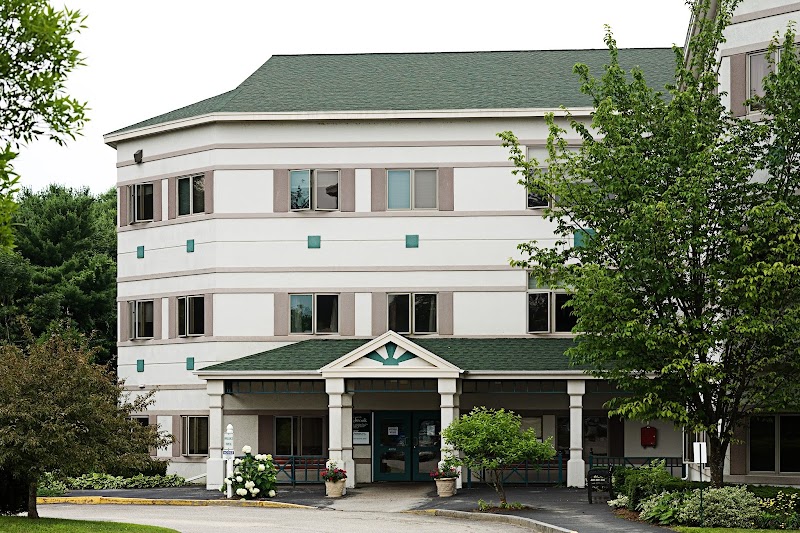
SPRINGBROOK CENTER

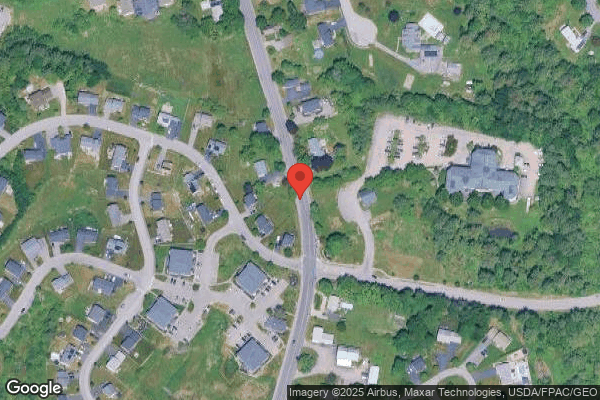
300 SPRING ST, WESTBROOK, ME 04092 (207) 856-1230
For profit - Corporation 123 Beds GENESIS HEALTHCARE Data: November 2025
Trust Grade
43/100
#60 of 77 in ME
Last Inspection: July 2024

Within standard 12-15 month inspection cycle. Federal law requires annual inspections.

Overview

Springbrook Center in Westbrook, Maine has received a Trust Grade of D, indicating below-average performance with some concerns about care quality. It ranks #60 out of 77 facilities in Maine, placing it in the bottom half, and #17 out of 17 in Cumberland County, meaning there are no better local options. The facility's trend is improving, with a significant decrease in issues from 15 in 2024 to just 2 in 2025. Staffing is a strength, rated 4 out of 5 stars, with a turnover rate of 38%, which is better than the state average. However, there have been serious incidents, including a medication error that led to a resident being hospitalized and concerns about inadequate housekeeping and care planning for residents requiring oxygen therapy. Overall, while there are positive aspects like good staffing and a trend of improvement, families should be aware of the significant issues that have occurred and consider these when researching care options.

Trust Score
D
43/100
In Maine
#60/77
Bottom 23%
Safety Record
Moderate
Needs review
Inspections
Getting Better
15 → 2 violations
Staff Stability
○ Average
38% turnover. Near Maine's 48% average. Typical for the industry.
Penalties
✓ Good
$12,735 in fines. Lower than most Maine facilities. Relatively clean record.
Skilled Nurses
✓ Good
Each resident gets 73 minutes of Registered Nurse (RN) attention daily — more than 97% of Maine nursing homes. RNs are the most trained staff who catch health problems before they become serious.
Violations
⚠ Watch
28 deficiencies on record. Higher than average. Multiple issues found across inspections.
★★☆☆☆
2.0
Overall Rating
★★★★☆
4.0
Staff Levels
★★★★☆
4.0
Care Quality
★★☆☆☆
2.0
Inspection Score
Stable
2024: 15 issues
2025: 2 issues

The Good

  • 4-Star Staffing Rating · Above-average nurse staffing levels
  • 4-Star Quality Measures · Strong clinical quality outcomes
  • Full Sprinkler Coverage · Fire safety systems throughout facility
  • No fines on record
  • Staff turnover below average (38%)

    10 points below Maine average of 48%

Facility shows strength in staffing levels, quality measures, fire safety.

The Bad

2-Star Overall Rating

Below Maine average (3.0)

Below average - review inspection findings carefully

Staff Turnover: 38%

Near Maine avg (46%)

Typical for the industry

Federal Fines: $12,735

Below median ($33,413)

Minor penalties assessed

Chain: GENESIS HEALTHCARE

Part of a multi-facility chain

Ask about local staffing decisions and management

The Ugly 28 deficiencies on record

1 actual harm
Jul 2025 1 deficiency
CONCERN (D) 📢 Someone Reported This

A family member, employee, or ombudsman was alarmed enough to file a formal complaint

Potential for Harm - no one hurt, but risky conditions existed

Pressure Ulcer Prevention (Tag F0686)

Could have caused harm · This affected 1 resident

Based on observation and interview, the facility failed to ensure that sterile technique was maintained during a pressure ulcer dressing change for 1 of 1 residents observed. (Resident #1) On 7/31/25 ...

Read full inspector narrative →
Based on observation and interview, the facility failed to ensure that sterile technique was maintained during a pressure ulcer dressing change for 1 of 1 residents observed. (Resident #1) On 7/31/25 at 10:57 a.m., LPN #1 was observed performing a dressing change on Resident #1's stage 4 sacrococcygeal pressure ulcer with tunneling. After cleansing the wound, LPN #1 retrieved a piece of silver alginate dressing that had been resting on the outer wrapper of the product packaging, a surface that is not sterile, and inserted it into the tunneling wound using a sterile cotton-tipped applicator. At that time, the surveyor intervened and asked whether the outer surface of the packaging was sterile. LPN #1 acknowledged that it was not and agreed that this action could have contaminated the dressing. Physician's orders dated 7/22/25 directed daily cleansing Vashe solution, drying, and application of silver alginate to the wound bed.The facilities policy titled Wound Dressings - Aseptic Technique includes the following directive: Step 17: Open dressing(s) without contaminating. Keep the dressing(s) within the open packet and place it directly on top of the barrier.On 7/31/25 at 2:55 p.m. the surveyor discussed this finding during an interview with the Administrator, Director of Nursing (DON) and the Market Clinical Advisor.
May 2025 1 deficiency 1 Harm
SERIOUS (G) 📢 Someone Reported This

A family member, employee, or ombudsman was alarmed enough to file a formal complaint

Actual Harm - a resident was hurt due to facility failures

Deficiency F0760 (Tag F0760)

A resident was harmed · This affected 1 resident

**NOTE- TERMS IN BRACKETS HAVE BEEN EDITED TO PROTECT CONFIDENTIALITY** Based on the complaint intake form, clinical record reviews, interviews, and facility policy, the facility failed to identify th...

Read full inspector narrative →
**NOTE- TERMS IN BRACKETS HAVE BEEN EDITED TO PROTECT CONFIDENTIALITY** Based on the complaint intake form, clinical record reviews, interviews, and facility policy, the facility failed to identify the appropriate resident when passing medications resulting the CNA-M admisistering medications to the incorrect resident that resulted in a resident being transported to an Acute Care Emergency Department and later admitted to the hospital critical care unit for monitoring and treatment of low blood pressure. (Resident #1) Findings: The Division of Licensing and Certification received an Adult Protective Services (APS) complaint that indicated on 5/8/25, at 9:20 a.m., Resident #1 received another resident's medications which resulted in a hypotensive episode. Resident #1 was transported to the emergency room and subsequently admitted to the critical care unit (CCU). A review of nursing documentation dated 5/8/25 at 9:33 a.m., stated, [Med tech] approached me [Nurse] and stated that she gave the meds of [room [ROOM NUMBER]B to room [ROOM NUMBER]A]. On assessment, patient appears to be stable and no complaints. Vital signs were taken immediately and stable. Reported incident immediately to [Doctor] and [Nurse Practice educator]. He/she was reevaluated by MD immediately. A review of the physician note dated 5/8/25, signed at 11:18 a.m., stated, I was asked to see [Resident #1] acutely as [he/she] received the wrong medications on morning pass. Meds taken at 09:20 this morning incorrectly received: Amlodipine 10 mg (milligram), Aspirin 81 mg, Calcium carbonate 500 mg, Clonidine 0.3 mg, Furosemide 80 mg, Losartan 100 mg, Metoprolol tartrate 100 mg, Nephro-Vite 0.8 mg, Omeprazole 20 mg, Prednisone 30 mg, Sertraline 100 mg, Sevelamer 800 mg . My greatest concern is for [his/her] blood pressure, having received amlodipine 10/clonidine 0.3/losartan 100/metoprolol 100 as well as furosemide 80 (but [he/she] usually takes torsemide 10 mg daily). Blood pressure checks every 15 minutes through 8 PM . As such, we will have a low threshold for sending to ER, but currently with a strong BP (Blood Pressure) and safe to continue to monitor here with frequent checks. A nursing note dated 5/8/25 at 1:57 p.m., stated, [Resident #1] was transferred to hospital for abnormal Vital Signs. On 5/12/25 at 1:08 p.m., during an interview with Certified Nurse's Assistant - Medication Aide (CNA-M) #2, she stated she had grabbed the medication cards from the slot labeled 6A (indicating the medications were for the resident in room [ROOM NUMBER] bed A). She then opened up the Medication Administration Record for the name on the card and began preparing the medications. She then entered the room and asked the resident in 6A if he/she was [the name on the medication cards]. The resident stated he/she was that name and was given the medications. When the CNA-M #2 returned to the cart, she realized she had given resident in room [ROOM NUMBER]A resident in room [ROOM NUMBER]B's medications. She immediately notified the nurse. At this time, the CNA-M #2 confirmed she failed to identify the resident using the picture and the identification bracelet he/she had on. The facilities Identification of Patient policy and procedure revised on 10/15/24 states, Purpose: To identify a method of patient identification. Practice Standards: Staff will use at least two patient identifiers to verify patient identity while being evaluated or prior to undergoing procedures/treatments. The facilities Medication Administration General Guidelines policy and procedure revised on 1/25 states, Residents are identified before medication is administered using at least two resident identifiers. Methods of identification may include: Check identification band, Check photograph attached to medical record, Verify resident identification with another nursing care center personnel. Note: the residence room number or physical location is not used as an identifier. On 5/12/25 at 4:20 p.m., during the exit interview with the Market Clinical Advisor, Administrator, Administrator in Training, and the Director of Nursing, the above failure to identify the resident prior to administering medications, failure to follow basic principles of medication administration safety and the facilities own policy on resident identification resulting in Resident #1 being admitted to the CCU was confirmed. On 5/12/25 Resident #1 remained at the hospital being treated for receiving the wrong medications.
Jul 2024 11 deficiencies
CONCERN (D)

Potential for Harm - no one hurt, but risky conditions existed

Deficiency F0557 (Tag F0557)

Could have caused harm · This affected 1 resident

Based on observation and interviews, the facility failed to ensure that a resident was treated with dignity and respect for 1 of 19 residents reviewed. (Resident #419) Finding: On 9/23/2024 at 10:15 a...

Read full inspector narrative →
Based on observation and interviews, the facility failed to ensure that a resident was treated with dignity and respect for 1 of 19 residents reviewed. (Resident #419) Finding: On 9/23/2024 at 10:15 a.m., upon entrance to Saccarappa house, a surveyor observed the shower room door wide open, exposing a naked resident, sitting on a shower chair actively showering him/herself. A Certified Nurses Aid and a Registered Nurse were observed on the other side of the unit. Approx 1 min later, the Occupational Therapist (OT) came from the far end of the unit with a face cloth and a bottle. The Surveyor asked why the door was left open, the OT stated, I didn't mean to and entered the shower room and closed the door. At 10:29 a.m., both the resident and the OT exited the shower room. At this time, the above was confirmed with the OT. On 9/23/24 at approx. 10:45 a.m., the above was discussed with the Administrator
CONCERN (D) 📢 Someone Reported This

A family member, employee, or ombudsman was alarmed enough to file a formal complaint

Potential for Harm - no one hurt, but risky conditions existed

Quality of Care (Tag F0684)

Could have caused harm · This affected 1 resident

3. Review of Resident #407's clinical record revealed Progress Note dated 7/29/23 stating At approximately 0025 (12:25 a.m.) nursing staff including this nurse heard someone call out and a clash of no...

Read full inspector narrative →
3. Review of Resident #407's clinical record revealed Progress Note dated 7/29/23 stating At approximately 0025 (12:25 a.m.) nursing staff including this nurse heard someone call out and a clash of noises coming from patient room. This nurse and other staff quickly responded and found resident on the floor laying supine, Resident said [he/she] lost balance on [his/her] way out from the bathroom and fell onto [his/her] bottom . Vital signs were WNL (within normal limits), neuros were baseline . Will continue to monitor. Review of Resident #407's entire clinical record lacked evidence of continued neurological monitoring or ''Neurological Evaluation Flow Sheet'' for fall occurring 7/29/23. On 7/15/24 at 1:26 p.m. during an interview, the Administrator was unable to provide evidence of continued neurological monitoring following the resident's fall on 7/29/23. Review of policy titled Falls Management last reviewed 3/15/24 states, . Any patient who sustains an injury to the head from a fall and/or has a fall unwitnessed by staff will be observed for neurological abnormalities by performing neurological check per policy . Review of policy titled Neurological Evaluation Flow Sheet states . Evaluate every 15 minutes for first 2 hours after final evaluation .After first 2 hours completed above, evaluate every 30minutes for 2 hours, after first 4 hours completed above, evaluate every hour for 4 hours . Based on policy review, clinical record review, observations and interviews, the facility failed to notify the provider and obtained orders for 1 of 6 residents reviewed for respiratory care (#33) and 1 of 6 residents reviewed for pressure ulcers (#48). In addition, the facility failed to assess a resident after an unwitnessed fall and complete neurological assessments as per facility policy for 1 of 3 residents reviewed for falls (#407). 1. On 7/15/24 at 11:05 a.m., a surveyor observed Resident #33 asleep in his/her bed on the Wayside Unit. The surveyor observed oxygen delivered at 3.5 liters/minute via nasal cannula with 2 oxygen tubes connected to the wall unit and only 1 tube connected to Resident #33. At 11:14 a.m., the surveyor discussed with the charge nurse that the oxygen was running but one tube was not connected to the resident. The charge nurse stated the extra tube was to be used with the nebulizer and then proceeded to turn that oxygen tube off. Resident #33 awoke and asked what the oxygen was set at. The charge nurse stated 3.5 liters. Resident #33 asked for the oxygen to be turned up to 4 liters and the charge nurse complied. A review of Resident #33's clinical record noted a diagnosis of Chronic Obstructive Pulmonary Disease (COPD). A physician order, dated 10/5/23, was noted for Oxygen at 3 liters/minute via nasal cannula continuously. Another order, dated 1/26/24, stated Oxygen 2.5 liters via nasal cannula to keep Oxygen Saturation greater than 90-94%. Review of a provider visit on 5/10/24, noted Stage 3 Severe COPD, O2 (oxygen) dependent, 3.5 liters, closer to usual baseline following treatment for exacerbation/pneumonia last month. Continue O2 nasal cannula. Review of nursing progress notes revealed a note dated 6/27/24 at 6:41 a.m., which stated Resident who had episode of shortness of breath and chest xray was negative, this a.m., his/her O2 (saturation) was around 87-88, 89, 90 on 5 liters (of) oxygen. Will share with other nurses and sbar (communication) with provider. A review of the July Treatment Administration Record noted Resident #33's oxygen saturation was checked every shift but did not indicate how much oxygen the resident was receiving at the time. On 7/17/24 at 9:20 a.m., the surveyor asked the charge nurse on the Wayside Unit to clarify Resident #33's oxygen order. The charge nurse reviewed the electronic record and stated the current order was 2.5 liters (per minute). The surveyor noted there were 2 orders, and the charge nurse confirmed both orders were in effect. He/she stated the order from 10/5/23 should have been discontinued. In addition, the charge nurse confirmed that documentation for the amount of oxygen being delivered should be included when oxygen saturation levels are checked. The surveyor asked if the charge nurse remembered turning Resident #33's oxygen up to 4 liters when he was asked to on 7/15/24. The nurse confirmed he/she had turned up the oxygen and stated Resident #33 had been at 4 liters for a couple of months and was getting 3.5 liters before that. It looks like 4 liters is his/her baseline already. We need to see if that's where he/she is at and let the provider know. On 7/17/24 at 9:45 a.m., the surveyor discussed the findings with the Market Clinical Advisor, who reviewed the provider orders and confirmed there were 2 oxygen orders in effect and no documentation of the amount of oxygen in use when the saturation level is obtained. 2. On 7/16/24, review of the clinical record for Resident #48 revealed documentation, dated 7/15/24, of a wound on the bilateral gluteal folds that was described as measuring 9.0 centimeters (cm) in length by 5.5 cm in width, and was erythemic and excoriated. There was no documentation of steps taken by staff to address the wound. On 7/17/24 at 9:15 a.m., in an interview with the Wayside Unit charge nurse, a surveyor asked what type of wound Resident #48 had on the gluteal folds. The charge nurse reviewed the electronic medical record and stated Resident #48's wound was moisture associated skin damage. The surveyor asked what type of treatment would be used. The charge nurse stated I would use Z-guard and combine it with miconazole. The surveyor asked if there was an order for this treatment. The charge nurse stated he/she had left a message regarding the wound for the nurse on the facility's skin care team. The charge nurse confirmed the provider had not been notified and no order had been obtained since the wound assessment was completed on 7/15/24. On 7/17/24 at 9:45 a.m., the surveyor discussed the finding with the Market Clinical Advisor and the Administrator. The Administrator confirmed the facility's process would be if a nurse found a new wound, the provider would be called, and an order obtained.
CONCERN (D)

Potential for Harm - no one hurt, but risky conditions existed

Deficiency F0726 (Tag F0726)

Could have caused harm · This affected 1 resident

Based on observations, interviews and record reviews, the facility failed to ensure that staff maintained the appropriate competency and skill required to provide tracheostomy care for 1 of 2 resident...

Read full inspector narrative →
Based on observations, interviews and record reviews, the facility failed to ensure that staff maintained the appropriate competency and skill required to provide tracheostomy care for 1 of 2 residents with tracheostomies on the Wayside Unit (#48). Finding: On 7/15/24 at 10:47 a.m., a surveyor observed a personal protective equipment station and signage advising Enhanced Barrier Precautions were required at the entrance of Resident #48's room The surveyor observed Resident #48 lying in bed, receiving oxygen via a tracheostomy. A review of Resident #48's clinical record revealed diagnoses including anoxic brain injury, seizure disorder, chronic respiratory failure with hypoxia, and developmental delay. The record revealed a history of drug resistant organisms in Resident #48's sputum: Methicillin Resistant Staphylococcus Aureus (MRSA) and Pseudomonas Aeruginosa. The quarterly Minimum Data Assessment (MDS) 3.0, completed 6/11/24, indicated Resident #48 is dependent upon staff for all ADLs and is nonverbal, requires suctioning, has a tracheostomy and receives oxygen. The current care plan includes appropriate interventions to address Resident #48's needs. Provider orders, signed 6/26/24, include tracheostomy care twice daily and as needed, suctioning twice daily and as needed, change the inner cannula of the tracheostomy every day shift and as needed. On 7/16/24, the surveyor requested to observe the Wayside Unit charge nurse perform tracheostomy care for Resident #48. At 12:30 p.m., the surveyor observed the Nurse Practice Educator (NPE) was present for the observation. The charge nurse stated he/she had asked the NPE to be present as he/she did not feel competent doing the procedure. During the procedure, the NPE coached and prompted the charge nurse for next steps using a check off sheet. At one point, Resident #48 appeared to have labored breathing with audible rhonchi and copious white secretions draining from the tracheostomy. The charge nurse began using a Yankauer suction around the outside edge of the tracheostomy. The surveyor asked the charge nurse if he/she was going to perform deep suction. The charge nurse then proceeded to provide deep suction. Afterwards, Resident #48 was observed to be calm and relaxed, with unlabored respirations. At approximately 1:30 p.m., the surveyor asked the charge nurse if he/she had received training on performing tracheostomy care. The nurse stated it had been about 3 years ago but he/she was usually assigned on the upstairs unit, and did not feel competent to do the care when the surveyor asked to observe. The surveyor asked what did the nurse do when Resident #48 requires deep suctioning? The nurse stated he/she calls an upstairs unit and requests another nurse come down to perform the procedure. The surveyor stated that on 7/15/24, the charge nurse had signed Resident #48's treatment administration record and indicated he/she had performed tracheostomy care and deep suctioning. The charge nurse stated he/she had the nurse who was going off duty perform the suctioning and he/she did all the other things and signed off the tasks. On 7/17/24 at 2:00 p.m., a review of the facility assessment, last revised 1/22/24, noted the facility stated it provides care for respiratory treatments including suctioning, tracheostomy care, ventilator or respirator. This includes policies and procedures to provide specialized respiratory care for tracheostomy or ventilator. The surveyor reviewed the procedures for tracheostomy care and suctioning, dated 7/15/21. On 7/17/24 at 2:50 p.m., the surveyor discussed the findings with the Administrator, who stated licensed nurses are required to complete a combination of online trainings and attend an annual skills fair where annual competencies are tested. On 7/17/24 at 3:00 p.m., in an interview with the surveyor, the Marketing Clinical Advisor, confirmed the last skills fair and competency testing for tracheostomy care and suctioning, that the charge nurse on the Wayside Unit completed was 9/29/22.
CONCERN (D)

Potential for Harm - no one hurt, but risky conditions existed

Deficiency F0761 (Tag F0761)

Could have caused harm · This affected 1 resident

Based on observations, and interviews the facility failed to ensure that medications were stored properly by having an unlocked, unattended medication cart on 1 of 7 resident units in the facility. In...

Read full inspector narrative →
Based on observations, and interviews the facility failed to ensure that medications were stored properly by having an unlocked, unattended medication cart on 1 of 7 resident units in the facility. In addition, the facility failed by leaving a resident's medications unattended at a bedside, allowing residents and unauthorized persons access to medications. (#33) (Saccarappa House Unit, Wayside Unit). Findings: 1. On 7/15/24 at 9:42 a.m., two surveyors observed the unlocked and unattended medication cart in the hallway on Saccarappa House Unit. At 9:46 a.m., the Certified Medication Technician returned to the unlocked medication cart and began to prepare a resident's medication. On 7/17/24 at 11:27 a.m., the above finding was discussed with the Administrator and the Market Clinical Advisor. 2. On 7/15/24 at 11:05 a.m., a surveyor observed Resident #33 asleep in bed. A cup of pills was observed on the overbed table next to Resident #33. At 11:14 a.m., the Wayside Unit charge nurse confirmed he/she had left the pills next to Resident #33, who must have forgotten to take them. On 7/15/24 at 1:15 p.m., the surveyor discussed the finding with the Market Clinical Advisor.
CONCERN (D)

Potential for Harm - no one hurt, but risky conditions existed

Dental Services (Tag F0791)

Could have caused harm · This affected 1 resident

Based on record review and interview the facility failed to follow through with a physician's order for a dental referral for 1 of 43 sampled residents (#29). Finding: Resident #29's clinical record c...

Read full inspector narrative →
Based on record review and interview the facility failed to follow through with a physician's order for a dental referral for 1 of 43 sampled residents (#29). Finding: Resident #29's clinical record contained a physician's order dated 3/18/23 instructing staff to refer the resident to a dentist for gingivitis and a cleaning. Resident #29's clinical record lacked evidence of any follow up with the dental referral. In an interview with the surveyor on 7/17/24 at 11:06 a.m. the Marketing Clinical Advisor confirmed that Resident #29's dental referral had not been scheduled.
CONCERN (D)

Potential for Harm - no one hurt, but risky conditions existed

Medical Records (Tag F0842)

Could have caused harm · This affected 1 resident

Based on observations, record reviews and interview, the facility failed to ensure that clinical records were complete and contained accurate information for 1 of 2 residents reviewed for Activities o...

Read full inspector narrative →
Based on observations, record reviews and interview, the facility failed to ensure that clinical records were complete and contained accurate information for 1 of 2 residents reviewed for Activities of Daily Living (ADL) (#53). Finding: On 7/15/24 lunch meal and on 7/16/24 breakfast meal, Resident #53 was observed sleeping through both of the meals with no cueing provided by staff and did not consume any of the food or fluids provided. Review of the certified nursing aid documentation for 7/15/24 lunch and 7/16/24 breakfast states the amount eaten my mouth was 50%. The documentation for eating: self-performance for 7/15/24 lunch states resident was supervision with encouragement or cueing, and the lunch on 7/16/24 the documentation states resident was independent with no help or staff oversight at any time. On 7/17/24 at 8:11 a.m., during an interview with the Administrator, the above concerns were discussed.
CONCERN (D)

Potential for Harm - no one hurt, but risky conditions existed

QAPI Program (Tag F0867)

Could have caused harm · This affected 1 resident

Based on record review, observations and interviews, the facility's Quality Assurance Committee failed to ensure that the Plan of Correction (POC) for an identified deficiency from the Annual Long Ter...

Read full inspector narrative →
Based on record review, observations and interviews, the facility's Quality Assurance Committee failed to ensure that the Plan of Correction (POC) for an identified deficiency from the Annual Long Term Care Survey Process for Federal Recertification dated 7/19/24, was followed and effective. The Federal citation F656 was cited again during the re-visit to the annual Long Term Care Recertification Survey. Finding: At Annual Long Term Care Survey Process for Federal Recertification, the following deficiency was cited, F656. During the follow up survey on 9/23/24, it was determined the F656 would be recited for the same issue: failure to implement a comprehensive person-centered care plan for each resident. On 9/23/24 at 4:15 p.m., during and interview, the above was confirmed with the Administrator and Director of Nursing.
CONCERN (E)

Potential for Harm - no one hurt, but risky conditions existed

Safe Environment (Tag F0584)

Could have caused harm · This affected multiple residents

**NOTE- TERMS IN BRACKETS HAVE BEEN EDITED TO PROTECT CONFIDENTIALITY** Based on observations and interview, the facility failed to adequately provide housekeeping and maintenance services necessary t...

Read full inspector narrative →
**NOTE- TERMS IN BRACKETS HAVE BEEN EDITED TO PROTECT CONFIDENTIALITY** Based on observations and interview, the facility failed to adequately provide housekeeping and maintenance services necessary to maintain the building in good repair and sanitary conditions on 4 of 7 units (Wayside, Mayflower, Saccarappa and King), the clean utility room, the 3rd floor common area for 1 of 1 Environmental tours. Findings: 1. On 7/19/24 from 10:15 a.m. to 10:45 a.m., a surveyor conducted an environmental tour with the Administrator in which the following findings were observed and confirmed: Wayside Unit: -Resident room [ROOM NUMBER] - the bathroom walls were observed to be gouged, and/or water damaged with sheetrock exposed around the toilet. -Resident room [ROOM NUMBER]- The bathroom wall had water damage. The floor had dirt/debris around the base of the toilet. Saccarappa Unit: -Resident room [ROOM NUMBER] - the entrance door had a missing piece from the door. -Resident room [ROOM NUMBER] - the area under the window sill was open to the outside. Mayflower Unit: -Resident room [ROOM NUMBER]- the entrance door had approximately a 5 feet piece of laminate peeling off with a large chipped area. -The 3rd floor common area had two stained ceiling tiles. -The 3rd floor clean utility room had dirt/debris and trash on the floor. King Unit: -Resident room [ROOM NUMBER] - the wall is gouged. the resident bathroom wall cove base near the toilet was loose/peeling. -Resident room [ROOM NUMBER] - the door was chipped/gouged. -Resident room [ROOM NUMBER] - the bathroom wall to the left after entering the room was gouged. -Resident room [ROOM NUMBER] - the entrance door was missing a piece of laminate from the door -The unit kitchenette counter was missing multiple areas of laminate on the counter.
CONCERN (E)

Potential for Harm - no one hurt, but risky conditions existed

Comprehensive Care Plan (Tag F0656)

Could have caused harm · This affected multiple residents

Based on observations, interviews and record reviews, the facility failed to develop care plans in the area of oxygen therapy for 4 of 5 residents reviewed for respiratory care (#17, #56, #72 and #310...

Read full inspector narrative →
Based on observations, interviews and record reviews, the facility failed to develop care plans in the area of oxygen therapy for 4 of 5 residents reviewed for respiratory care (#17, #56, #72 and #310). In addition, the facility failed to implement a care plan in the area of Activities of Daily Living (ADL), nutrition and incontinence for 1 of 2 residents reviewed for ADL's (#53). Findings: 1. On 7/15/24 at 9:30 a.m., a surveyor observed oxygen equipment at Resident #17's bedside. A Review of Resident #17's Electronic Medical Record (EMR) found orders dated 4/8/24 for Oxygen therapy and Continuous positive airway pressure (CPAP) therapy. A review of Resident #17's care plan failed to include a focus, goal or intervention in the area of oxygen or CPAP therapy. 2. On 7/15/24 at 9:35 a.m,. a surveyor reviewed Resident #56's EMR showed orders dated 7/17/24 for oxygen therapy. A review of Resident #56's care plan did not include a focus, goal or intervention in the area of oxygen therapy. 3. On 7/15/24 at 9:45 a.m., a surveyor observed Resident #72 with a nasal cannula for oxygen therapy. A surveyor reviewed Resident #72's EMR and found an order dated 5/5/23 for oxygen therapy. Resident #72's care plan did not include a focus, goal or intervention in the area of oxygen therapy. 4. On 7/15/24 at 10:00 a.m., a surveyor observed Resident #310 with a nasal cannula for oxygen therapy during an interview. Resident #310's EMR found an order dated 7/14/24 for oxygen therapy. A review of Resident #310's care plan did not include a focus, goal or intervention in the area of oxygen therapy. On 7/17/24 at 1:50 p.m. a surveyor discussed the above findings with the Market Quality Specialist. 5. Resident #53's most recent ADL care plan revised on 3/14/23 states, resident requires assistance/is dependent of ADL care, with instruction for nursing to, Lip plate for all meals, resident has limited vision to the left- please provide assist as needed as patient is not able to scan or see to the left, resident with limited vision and attention to left, approach resident from right side and Provide resident/patient with set-up assist for self feeding and supervision and cues- This includes putting utensils in hand or problem solving with resident for eating, The most recent Nutritional risk care plan last revised on 6/28/24 instructs nursing to, encourage resident to chew and swallow each bite and the most recent incontinence care plan last revised on 4/14/22 instructs nursing to, routine toileting, individualized schedule: 2 hours using toilet. On 7/15/24 from 12:24 p.m. to 12:48 p.m., observation of Resident #53 sleeping in a Broda chair at the dining room table with an uneaten lunch served on regular plate in front of him/her. At 12:37 p.m., observation of a certified nursing assistant (CNA) approach the table and then walked away, with no resident contact. At 12:45 p.m., while the resident was sleeping, the CNA removed the uneaten lunch tray, and left a slice of watermelon. At 12:48 p.m., while the resident was still sleeping, the CNA discarded the uneaten slice of watermelon. At no time did the CNA attempt to wake up the resident or assist him/her with eating. On 7/16/24 from 8:10 a.m. to 11:52 a.m., the surveyor observed the following: Resident #53 was sleeping in the Broda chair sitting at the dining room table with his/her right side against the wall. In his/her lap is an empty cup. While the resident slept, a CNA approached the resident from the left side and removed the cup from his/her lap and walked away. Then, at 9:13 a.m., while the resident slept, the CNA again approached the resident from the left side and removed the uneaten breakfast, served on regular plate, leaving the chocolate milk and blueberry muffin in front of him/her. At 11:24 a.m., the CNA again, approached the resident from the left side and discarded the uneaten blueberry muffin, leaving the chocolate milk. At 11:52 a.m., lunch was delivered to Resident #53 from the left side, usign a regular plate.During this time of 3 hours and 42 mins, the CNA continued to approach the resident from the left side, did not attempt to wake up the residen up to assist with his/her meal or offer toileting. On 7/17/24 at 8:11 a.m., during an interview with the Administrator, the above concerns were discussed.
CONCERN (E)

Potential for Harm - no one hurt, but risky conditions existed

ADL Care (Tag F0677)

Could have caused harm · This affected multiple residents

2. Resident #53's ,Quarterly Minimum Data Set 3.0 dated 6/30/24, under section GG0130A Eating states, resident requires supervision or touching assistance - helper provides verbal cues or touching/ste...

Read full inspector narrative →
2. Resident #53's ,Quarterly Minimum Data Set 3.0 dated 6/30/24, under section GG0130A Eating states, resident requires supervision or touching assistance - helper provides verbal cues or touching/steadying assistance as resident completes activity. The most recent ADL care plan revised on 3/14/23 states, resident requires assistance/is dependent of ADL care, with instructions for nursing to, Provide resident/patient with set-up assist for self feeding and supervision and cues- This includes putting utensils in hand or problem solving with resident for eating. On 7/15/24 at 9:41 a.m., observation of Resident #53 sleeping in a Broda chair at the dining room table with a cup of chocolate milk in front of him/her. At 12:24 p.m., observation of Resident #53 sleeping at the dining room table with an untouched lunch tray in front of him/her and the cup of chocolate milk on the side of the tray. At 12:37 p.m., observation of a certified nursing assistant (CNA) approach the table and then walked away, with no resident contact. At 12:45 p.m., while the resident was sleeping, the CNA removed the uneaten lunch tray, and left a slice of watermelon. At 12:48 p.m., while the resident was still sleeping, the CNA discarded the uneaten slice of watermelon. At no time did the CNA attempt to wake up the resident or assist him/her with eating. On 7/15/24 at 12:52 p.m., during an interview with the Licensed Practical Nurse (LPN) Manager, the above was discussed. The LPN manager stated Resident #53 typically does not feed oneself and needs assistance. On 7/15/24 at 3:53 p.m., during an interview, Resident #53's guardian stated, she wondered about Resident #53's eating and if his/her behaviors occur because he/she is hungry. On 7/16/24 from 8:10 a.m. to 11:52 a.m., the surveyor observed the following: Resident #53 was sleeping in the Broda chair sitting at the dining room table with his/her right side against the wall. In his/her lap is an empty cup. A breakfast tray in front of him/her contained chocolate milk, a banana, a blueberry muffin, scrambled eggs and a bowl of cereal. While the resident slept, a CNA removed the cup from his/her lap and walked away. Then, at 9:13 a.m., while the resident slept, the CNA removed the uneaten breakfast and left the chocolate milk and blueberry muffin in front of him/her. At 11:24 a.m., while Resident #53 slept, a wandering resident was observed moving Resident #53's chair back away from the table. The CNA redirected the wandering resident and placed Resident #53 back at the table, then discarded the uneaten blueberry muffin, leaving the chocolate milk. At 11:52 a.m., lunch was delivered to Resident #53. During this time, the CNA did not attempt to wake up Resident #53 or assist with his/her meal. On 7/17/24 at 8:11 a.m., during an interview with the Administrator, the above concerns were discussed. Based on record reviews, observations and interviews the facility failed to provide Activities of Daily Living (ADL) care in the area of showers/bathing for 1 of 33 residents reviewed (#18), and in the area of nutrition for 1 of 2 sampled residents during 2 of 5 days of survey. (#53). Findings: 1. On 7/15/24 at 11:44 a.m., in an interview with a surveyor, Resident #18 stated a couple weeks ago (she) did not get her weekly shower, due on Sundays, for 2 weeks until her family said something to staff. A review of the clinical record for Resident #18 revealed diagnoses that included multiple sclerosis and an above the knee amputation of the left leg. The quarterly Minimum Data Set 3.0 (MDS) assessment, completed on 7/6/24, indicated Resident #18 required partial to moderate assistance for showering/bathing. The current care plan stated Resident #18 required extensive 1-person assistance for bathing, and a total mechanical lift, with 2-person assistance to transfer to a shower. A review of Certified Nursing Assistant (CNA) documentation noted Resident #18 received one shower in the month of June, on 6/23/24. There was no documentation from staff stating Resident #18 refused weekly showers. On 7/18/24 at 11:10 a.m., in an interview with the Market Clinical Advisor and the Administrator, the surveyor discussed that staff documentation indicated Resident #18 received only one shower in June.
CONCERN (E)

Potential for Harm - no one hurt, but risky conditions existed

Infection Control (Tag F0880)

Could have caused harm · This affected multiple residents

Based on facility policy, record reviews, observations and interviews, the facility failed to maintain and implement an infection control program to help prevent the development and transmission of di...

Read full inspector narrative →
Based on facility policy, record reviews, observations and interviews, the facility failed to maintain and implement an infection control program to help prevent the development and transmission of disease and infection related to Multidrug-Resistant Organisms (MDRO's) colonized in sputum and wound care for a 2 of 2 sampled residents (Resident #48 and #79) for 1 of 1 day of survey (9/23/24). This has the potential to affect all 21 residents on the Wayside Gardens unit. Findings: Facilities procedure for Enhanced Barrier Precautions, revised 5/1/24 states, all patients with any of the following: Infection or colonization with a targeted MDRO (Multidrug-resistant organisms) . and Chronic wounds and/or indwelling medical devices (e.g. central line, urinary catheter, enteral feeding tube, tracheostomy, or ventilator) regardless of MDRO colonization status. PPE (Personal protective Equipment) used for these situations during high contact patient cared activities: device care or use .tracheostomy, wound care; any skin opening requiring a dressing, and PPE required, Gown, gloves prior to high contact care activity and Face protection may also be needed if performing activity with risk of splash or spray. Facilities procedure for Tracheostomy Care and Tracheostomy Suctioning instructs nursing to Put on PPE including eye protection and face mask, as indicated Facilities procedure for wound Dressings: Aseptic instructs nursing to apply personal protective equipment as indicated, Apply clean gloves . Discard soiled dressing and gloves .preform hand hygiene. Apply gloves. Cleanse or irrigate wound and periwound gently . 1. Review of Resident #48's medical record had Special Instructions: MDRO: MRSA [Methicillin-resistant Staphylococcus aureus], PSEUDOMONAS AERUGINOSA (Enhanced Barrier Precaution). Outside the entrance to Resident #48's bedroom was a stop sign stating, Enhanced Barrier Precaution instructing nursing to wear gown and gloves prior to . wound care: any opening requiring a dressing and face protection may also be needed if preforming activity with risk of splash or spray. A cart with PPE was available outside of the room which contained gowns, masks and eye protection. On 9/23/24 at 9:10 a.m., the surveyor observed Resident #48's tracheostomy care with the Licensed Practical Nurse (LPN). The LPN entered the room, preformed hand hygiene and applied sterile gloves. She completed the tracheostomy care which included suctioning the tracheostomy cannula, removing the soiled split sponge, cleaning around the stoma, removing the inner cannula and replacing with a new cannula and applying a new splint sponge around the stoma all without the use of the appropriate Personal Protective Equipment (PPE) of a gown and face/eye protection. At this time, surveyor asked the LPN if she is to wear a gown, face/eye protection while preforming tracheostomy care. LPN stated, she does not wear a gown and or face/eye protection, only gloves when she performs the trach care. 2. Review of Resident #79's medical record had Special instructions: MDRO risk- due to wounds (Enhanced barrier precaution). Outside the entrance to resident #79's bedroom was a stop sign stating, Enhanced Barrier Precaution instructing nursing to wear gown and gloves prior to . wound care: any opening requiring a dressing and face protection may also be needed if preforming activity with risk of splash or spray. A cart with PPE was available outside of the room which contained gowns, masks and eye protection. On 9/23/24 at 9:20 a.m., the surveyor observed Resident #79's wound care with the LPN. The LPN prepared the wound care supplies, spraying the gauze with the wound wash. She then applied clean gloves and removed the soiled dressing, then cleansed the wound with the wet gauze. She then obtained the wound wash spray and sprayed the wound bed and patted it dry with another gauze pad. With the same gloved had she then applied the primary dressing of xeroform and then the secondary foam dressing. At this time, the surveyor discussed the lack of PPE and the lack of hand hygiene preformed between removing old dressing and cleansing/applying new dressing. The LPN stated, she should have washed wash her hands and applied new gloves before cleansing and applying the new dressing. On 9/23/24 at 9:42 a.m., during an interview with the Director of Nursing, the above was discussed. On 9/23/24 at 11:27 a.m., during an interview, the Infection Preventionist confirmed the nurses are expected and educated on the use Enhanced Barrier Precautions and should wear a gown, glove and whole face covering and/or mask/goggles when preforming tracheostomy or wound care due to risk of splashes or sprays.
Apr 2024 1 deficiency
CONCERN (D) 📢 Someone Reported This

A family member, employee, or ombudsman was alarmed enough to file a formal complaint

Potential for Harm - no one hurt, but risky conditions existed

Deficiency F0557 (Tag F0557)

Could have caused harm · This affected 1 resident

Based on observation and interviews, the facility failed to ensure that a resident was treated with dignity and respect for 1 of 11 residents reviewed. (Resident #5) Findings: On 4/25/2024 at 8:20 a.m...

Read full inspector narrative →
Based on observation and interviews, the facility failed to ensure that a resident was treated with dignity and respect for 1 of 11 residents reviewed. (Resident #5) Findings: On 4/25/2024 at 8:20 a.m., Resident #5 was observed in the common area of Wayside Gardens Unit in his/her wheelchair sitting at the dining table naked from the waist down. Two CNAs were observed also in the dining area serving other residents and did nothing to preserve the resident's dignity. (CNA1 and CNA2) The LPN (LPN1) who was passing meds nearby was called to assist in removing resident to his/her room. At 8:30 a.m. the Director of Nursing came to the unit and the above findings were confirmed with him at that time.
Feb 2024 2 deficiencies
CONCERN (D) 📢 Someone Reported This

A family member, employee, or ombudsman was alarmed enough to file a formal complaint

Potential for Harm - no one hurt, but risky conditions existed

Abuse Prevention Policies (Tag F0607)

Could have caused harm · This affected 1 resident

Based on record reviews and interviews, the facility failed to follow the facility policy and failed to document adequate interventions taken to protect resident (Resident #7) from abuse following a r...

Read full inspector narrative →
Based on record reviews and interviews, the facility failed to follow the facility policy and failed to document adequate interventions taken to protect resident (Resident #7) from abuse following a resident-to-resident altercation for 1 of 2 residents reviewed for abuse allegations. Findings: On 2/13/24 at 12:40 p.m., Department of Licensing and Certification received a facility reported incident of abuse between two residents that took place at 2/12/24 at approximately 9:00 p.m. Resident #5 was found with his/her hands around Resident #7's neck and Resident #7 was screaming. They were immediately separated. A scratch was discovered on Resident #7's neck. On 2/28/24 at 12:12 p.m., during an interview with the Unit Director, discussed the documentation in the medical records for Resident #5 and Resident #7 does not show that the residents involved in the altercation had adequate supervision following the altercation, per facility policy. A room change did not occur until 4 days following the incident. No documentation of additional safety checks before this room change occurred were located. Review of the Genesis Healthcare Policy OPS300 Abuse Prohibition last revised 10/24/22 states the following: 6.3 If the suspected abuse is patient-to-patient, the patient who has in any way threatened or attacked another will be removed from the setting or situation and an investigation will be completed. 6.3.1 The center will provide adequate supervision when the risk of patient-to-patient altercation is suspected. On 2/28/24 at 1:00 p.m., during an interview with the DON and Administrator, it was discussed that while both residents have cognitive impairments, a reasonable person would not feel safe sleeping in the same room following the described altercation and the documentation does not show additional supervision following the altercation.
CONCERN (E) 📢 Someone Reported This

A family member, employee, or ombudsman was alarmed enough to file a formal complaint

Potential for Harm - no one hurt, but risky conditions existed

Accident Prevention (Tag F0689)

Could have caused harm · This affected multiple residents

**NOTE- TERMS IN BRACKETS HAVE BEEN EDITED TO PROTECT CONFIDENTIALITY** Based on observations, interviews, and record reviews, the facility failed to provide an environment free of accident hazards an...

Read full inspector narrative →
**NOTE- TERMS IN BRACKETS HAVE BEEN EDITED TO PROTECT CONFIDENTIALITY** Based on observations, interviews, and record reviews, the facility failed to provide an environment free of accident hazards and supervision for 2 out 3 floors observed for accident hazards. Findings: 1. On 2/28/24 at 9:20 a.m., a surveyor and an Administrator in Training(AIT) observed a resident on [NAME] Unit in room [ROOM NUMBER] who exited their bathroom with a walker and had difficulty maneuvering around a commode being stored along the wall that was blocking the pathway back into his/her room. The resident was not assisted at any point by staff during our observation. 2. 0n 2/28/24 at 9:25 a.m., a surveyor and an AIT observed an empty wheelchair against the wall in [NAME] Unit room [ROOM NUMBER]. The footrests were raised and sticking out creating a potential tripping hazard in the direct pathway into the room for anyone entering or leaving the room. 3. On 2/28/24 at 11:10 a.m., a surveyor observed on the second floor, 5 walkers blocking access to the handrail in front of the physical therapy room. When I brought this to the attention of staff at the nursing station, they were not removed. On 2/28/24 at 1:00 p.m., the above findings were discussed with the Administrator, Director of Nursing and the Administrator in Training, who confirmed the above findings were hazards.
Jan 2024 1 deficiency
CONCERN (D) 📢 Someone Reported This

A family member, employee, or ombudsman was alarmed enough to file a formal complaint

Potential for Harm - no one hurt, but risky conditions existed

Medical Records (Tag F0842)

Could have caused harm · This affected 1 resident

**NOTE- TERMS IN BRACKETS HAVE BEEN EDITED TO PROTECT CONFIDENTIALITY** Based on record reviews and interviews, the facility failed to ensure that the clinical records were complete and contained accu...

Read full inspector narrative →
**NOTE- TERMS IN BRACKETS HAVE BEEN EDITED TO PROTECT CONFIDENTIALITY** Based on record reviews and interviews, the facility failed to ensure that the clinical records were complete and contained accurate documentation for 1 of 1 sampled residents ( #1). Findings: On 1/18/2024, during review of Resident #1 clinical record, it was discovered in the providers documentation of their visit on 12/11/2023, that the resident left the facility post 911 call made by the residents case manager because she was not getting the medical care she needed. The medical record lacked documentation of the resident's condition other than the provider's note. In addition, the medical record lacked documentation that the resident left the faciity on [DATE], and that the resident returned to the facility on [DATE]. On 1/18/2024 at 12:15 p.m,. in an interview with the Director of Nursing, he stated that any resident who needed to be taken from the facility as a result of a 911 call, no matter who made it, needed documentation in the clinical record as to their condition. He agreed that Resident #1's record lacked any documentation of condition or the fact that she left the facility. He also agreed that on 12/12/2023, when the resident returned to the facility, the record lacked documentation of her return or mention of her condition on returning. On 1/18/2024, the above information was confirmed with the Director of Nursing and the Administrator at 12:30 p.m.
Dec 2023 2 deficiencies
CONCERN (E) 📢 Someone Reported This

A family member, employee, or ombudsman was alarmed enough to file a formal complaint

Potential for Harm - no one hurt, but risky conditions existed

Safe Environment (Tag F0584)

Could have caused harm · This affected multiple residents

Based on observations and interviews, the facility failed to adequately provide housekeeping, laundry, and maintenance services necessary to maintain the building in good repair and in a sanitary cond...

Read full inspector narrative →
Based on observations and interviews, the facility failed to adequately provide housekeeping, laundry, and maintenance services necessary to maintain the building in good repair and in a sanitary condition for 2 of 4 units observed (Wayside Gardens, Saccarappa House). Findings: 1. On 12/6/23 at 10:15 a.m., two surveyors observed a rolling rack with residents' personal laundry hanging uncovered in the common area of the Wayside Gardens unit. On 12/6/23 at 11:15 a.m., a surveyor discussed the finding with the Housekeeping Manager, who stated he/she was not in charge of residents' personal laundry but would let staff know. The Housekeeping Manager stated the laundry is transported to Massachusetts, where it is laundered by a contracted company and transported back to the facility. The resident's personal laundry is then delivered to residents by activities or central supply staff. 2. On 12/6/23 at 11:35 a.m., two surveyors observed the shower room on the Saccarappa House unit. The edges and corners in the shower were noted to have a build-up of black, mildew-like material. The shower chair was observed with a build-up of brown material. An odor was noted emanating from the shower drain. On 12/6/23 at 12:20 p.m., the Nurse Manager of the Saccarappa House unit observed the shower room with a surveyor and confirmed the findings of the black, mildew like substance in the shower and the brown build-up on the shower chair. On 12/6/23 at 3:50 p.m., the surveyors discussed the above findings with the Administrator, the Director of Nursing, and the Nurse Manager of the Saccarappa House unit.
CONCERN (E) 📢 Someone Reported This

A family member, employee, or ombudsman was alarmed enough to file a formal complaint

Potential for Harm - no one hurt, but risky conditions existed

Deficiency F0657 (Tag F0657)

Could have caused harm · This affected multiple residents

Based on record review and interview, the facility failed to revise a care plan to reflect the current needs for 2 of 3 residents reviewed for falls with injuries (#2, #3). Findings: 1. A review of Re...

Read full inspector narrative →
Based on record review and interview, the facility failed to revise a care plan to reflect the current needs for 2 of 3 residents reviewed for falls with injuries (#2, #3). Findings: 1. A review of Resident #2's clinical record revealed that he/she sustained unwitnessed falls on 10/8/23 and 10/26/23, resulting in rib fractures. Resident #2's physician orders were noted to contain an order, dated 10/5/23, which stated nonskid footwear for safety. The Minimum Data Set (MDS) 3.0, admission Assessment, completed 10/11/23, noted under section J1900, Resident #2 experienced 1 fall with injury and 1 fall with no injury since admission. The care plan, with the most recent revision on 11/2/23, did not include the use of nonskid footwear, as ordered by the physician. 2. A review of Resident #3's clinical record revealed that he/she sustained an unwitnessed fall on 11/4/23, resulting in a fracture of the left distal fibula. A provider note, dated 11/16/23, stated Seen by Ortho, significant swelling, stable fracture, recommend follow-up in additional 4 weeks. Continue nonweightbearing. A provider note, dated 11/29/23, stated Seen by orthopedics. Patient fitted with a cam (controlled ankle motion) boot last week. Weight bearing as tolerated. Boot may be removed when he/she is in bed. The physician's orders were noted to contain the order, dated 11/29/23, Weight bearing as tolerated on left lower extremity with the cam boot. Does not have to wear the boot when he/she is in bed. The MDS, admission Assessment, completed 11/8/23, noted under section J1900, Resident #3 experienced 1 fall with injury since admission. The care plan, with the most recent revision on 12/3/23, noted a focus area, initiated on 11/23/23, of Resident/Patient requires assistance/is dependent for mobility related to recent fracture. The focus area did not include any goals or interventions as required by physician orders. On 12/15/23 at 10:22 a.m., in a telephone interview, the surveyor discussed the findings with the Administrator. A review of the facility's policy, Falls Management, last revised 8/7/23, stated under Practice Standards, 2. Implement and document patient-centered interventions according to individual risk factors in the patient's plan of care. 2.1. Adjust and document individualized intervention strategies as patient condition changes.
Nov 2023 1 deficiency
CONCERN (E) 📢 Someone Reported This

A family member, employee, or ombudsman was alarmed enough to file a formal complaint

Potential for Harm - no one hurt, but risky conditions existed

Safe Environment (Tag F0584)

Could have caused harm · This affected multiple residents

**NOTE- TERMS IN BRACKETS HAVE BEEN EDITED TO PROTECT CONFIDENTIALITY** Based on observations and interview, the facility failed to adequately provide housekeeping and maintenance services necessary t...

Read full inspector narrative →
**NOTE- TERMS IN BRACKETS HAVE BEEN EDITED TO PROTECT CONFIDENTIALITY** Based on observations and interview, the facility failed to adequately provide housekeeping and maintenance services necessary to maintain the building in good repair and in a sanitary condition for 7 of 7 Units. (Wayside Unit, Saccarappa Unit, [NAME] Hill Unit, [NAME] Unit, Valley Square Unit, Mayflower Unit & King Unit). Findings: On 11/28/23, between 9:45 a.m. and 11:30 a.m., the surveyor did an environmental tour with the Administrator and the following was observed with the Administrator and the Director of Nursing (DNS): - The Physical Therapy room had excessive dirt and debris on the floor. The kitchenette cabinet below the sink was cluttered with several empty soda cans overflowing in a bag. Wayside Unit: -The kitchenette had excessive dirt and debris on the floor and inside the upper and lower cabinets and 2 dead roaches and 1 dead roach in an [NAME] trap under the sink. A live roach along with dirt and debris was found under the refrigerator. -The unit floor had excessive dirt buildup on the floors along the walls. Saccarappa Unit: -The kitchenette had excessive dirt and debris on the floors and inside the upper and lower cabinets. -room [ROOM NUMBER] and 5, shared bathroom, had a pink wash basin and two bedpans, unlabeled, unbagged on the floor beside the toilet available for use. A dark yellow material on the bottom of the bedpans was observed. -The linen closet had excessive dirt and debris on the floor and 5 clean depends. -The unit floor had excessive dirt buildup on the floors along the walls. [NAME] Hill Unit: -The kitchenette had excessive dirt and debris on the floor and inside the upper and lower cabinets. -The unit floor had excessive dirt buildup on the floors along the walls. [NAME] Unit: -The kitchenette had excessive dirt and debris on the floor and in the upper and lower cabinets. -An empty plastic container soiled with food was observed in the cupboard above the sink. -The unit floor had excessive dirt buildup on the floors along the walls. Valley Square Unit: -The kitchenette had excessive dirt and debris on the floors and inside the upper and lower cabinet. -The unit floor had excessive dirt buildup on the floors along the walls. Mayflower Unit: -The kitchenette had excessive dirt and debris on the floors and inside the upper and lower cabinets. -The unit floor had excessive dirt buildup on the floors along the walls. King Unit: -The kitchenette had excessive dirt and debris on the floors and inside the upper and lower cabinets. -The unit floor had excessive dirt buildup on the floors along the walls. On 11/28/23 at 11:45 a.m., the above findings were confirmed with the Administrator.
Apr 2023 6 deficiencies
CONCERN (D) 📢 Someone Reported This

A family member, employee, or ombudsman was alarmed enough to file a formal complaint

Potential for Harm - no one hurt, but risky conditions existed

Transfer Requirements (Tag F0622)

Could have caused harm · This affected 1 resident

**NOTE- TERMS IN BRACKETS HAVE BEEN EDITED TO PROTECT CONFIDENTIALITY** Based on record review, facility policy, and interviews the facility failed to ensure a resident was adequately prepared and saf...

Read full inspector narrative →
**NOTE- TERMS IN BRACKETS HAVE BEEN EDITED TO PROTECT CONFIDENTIALITY** Based on record review, facility policy, and interviews the facility failed to ensure a resident was adequately prepared and safely discharged for 1 of 1 resident reviewed for discharge (Resident #2). Findings: On [DATE] the Department of Licensing & Certification received an Adult Protective report indicating that Resident #2 was prematurely discharged on [DATE] and that a neighbor had to use his/her key to get into the apartment because Resident #2 was not able to get up independently and was found to be sitting in his/her own feces. As Resident #2 is unable to transfer or care for him/herself and an ambulance was called, and Resident #2 was readmitted into the hospital. Report further indicated that there was paperwork sent home with resident indicating Resident #2's inpatient coverage expired on [DATE] and had appeal information, but Resident #2 does not have the mental capacity to address this. Review of facility Discharge Policy dated [DATE] states Identify discharge needs and develop a discharge plan to meet those needs .consider caregiver/support person availability and the patent's or caregiver's/support person's capacity and capability to perform required care, as part of the identification of discharge needs. Involve the patient and resident representative to establish goals of care and treatment preferences, recommend options for the continuing care of the patient and refer to programs or services that meet the patient's assessed needs and preferences, Liaise with community agencies and care facilities to promote patient access and to address gaps in service, provide ongoing support, encouragement, and education to patients and patient representatives, and families from admission through discharge from the center. Document that a patient has been asked about his/her interest in receiving information about returning to the community. Offer information about community-based services, if the patient indicates an interest in returning to the community, the Center must document any referrals to local contact agencies or other appropriate entities made for this purpose Resident #2 was admitted to facility on [DATE] with diagnoses to include schizoaffective disorder, peripheral vascular disease, adult failure to thrive, atherosclerosis, chronic obstructive pulmonary disease, hypertension, chronic kidney disease, bipolar and recent poorly healing wound from amputation of right 5th toe due to gangrene. Resident #2 was discharged home on [DATE]. Review of discharge Minimum Data Set (MDS) dated [DATE] revealed Resident #2 had a Brief Interview for Mental Status (BIMS) of 12 of 15 indicating he/she is moderately impaired. Further review revealed Resident #2 needs extensive assist with bed mobility, dressing, hygiene and is incontinent of bowel and bladder. Review of Resident #2's clinical record revealed: Resident Transfer or Discharge Notification dated [DATE] states Effective date of the Transfer/discharge: [DATE]. Location to which resident is to be Transferred/discharged : Home. Reason for Transfer/discharge: The transfer or discharge is appropriate because the resident's health and/or functional abilities has improved sufficiently so the resident no longer needs the services provided by the facility as determined by the resident's physician or a third-party payor including Medicare and/or Maine Care. Review of Resident #2's Physical Therapy Discharge summary dated [DATE] states Assessment and Summary of Skilled Services: Patient Progress & Response to Treatment: Patient demonstrates poor progress toward established goals due to decreased initiation, and medical complexity. Patient is unable to stand with physical assistance or use of sit to stand lift. [He/she] requires assist x2 for squat pivot transfers or use of Hoyer. Patient is being discharged at this time per insurance case manager. Poor prognosis for success at home.Poor prognosis due to decreased insight into deficits and poor ability to comply with recommendations. Review of Resident #2's Occupational Therapy Discharge summary dated [DATE] states Discharge recommendations: 24-hour care. Assistance with ADL's and elevated toilet seat/3 in 1 commode. Prognosis: Poor prognosis due to decreased insight into deficits and poor ability to comply with recommendations. Review of Resident #2's Discharge Plan Documentation dated [DATE] states Estimated discharge date and time: [DATE] at 10:00 a.m.; discharge destination: home alone; Cognitive impairment: yes; Bed mobility: independent, toileting: independent; transfers from bed/chair: independent; walking: independent; Will home care be provided: yes; estimated start date: [DATE] (indicating Resident #2 would be without assistance 4 days). Review of Resident #2's CNA tasks from [DATE] through [DATE] (10 days) revealed Resident #2 is incontinent of bowel and bladder, Bed mobility: needed a limited to extensive assist, transfer: independent 1 day, extensive 1 day total dependent 3 days. not applicable on remaining 6 days. Review of Resident #2's clinical record revealed social service note created [DATE] at 10:00 a.m., with effective date: [DATE] at 9:52 a.m. stating [SW] made an APS referral regarding [his/her] discharge home. Patient declined a referral to SMMA and meals on Wheels along with Life alert. I gave the family the information for SMMA meals on wheels. During an interview on [DATE] at 9:03 a.m., Occupational Therapist (OT) indicated that the therapist that worked with Resident #2 recommended 24 -hour care assistance with ADL's and that Resident #2 was not ready to go home but [his/her] insurance stopped paying. During an interview on [DATE] at 1:35 p.m. Physical Therapist (PT) indicated that from reviewing Resident #2's notes, he/she was not ready to be discharged , but [his/her] insurance stopped paying. During an interview on [DATE] at 9:51 a.m., Social Worker (SW) indicated we all had concerns about [his/her] discharge but [he/she] was [his/her] own person and [he/she] wanted to discharge. SW further indicated that [we] spoke with all involved and we expressed concerns regarding the discharge but [we] often get into these situations and discharge plans are not always where we would like them. SW indicated that normally home health tried to get into the home within 48 hours but in this case were not able to. When asked how Resident #2 was going to be able to get his/her ADL needs met if she wasn't able to ambulate independently until home health was able to get in on [DATE]. SW indicated that the facility did inform him/her that he/she could stay but, he/she refused to stay until [DATE] and indicated that he did not have any documentation to confirm this and stated in hindsight, documenting that is important. This writer asked if a referral to APS upon [his/her] discharge and he stated he did not notify APS and it may be something that should have been done. Review of Resident #2's entire clinical record lacked evidence to indicated that the facility offered to let Resident #2 stay in the facility until home health was able to enter the home or documentation to indicate that he/she wanted to go home immediately or that assistance was offered to put in an appeal. During an interview on [DATE] at 1:01 p.m., Adult Protective (APS) indicated that Resident #2 has major mental illness and lives alone in [his/her] own apartment in a support house. Has multiple comorbidities and had a recent toe amputation due to gangrene. APS further indicated that Resident #2 was driven home via ambulance and was carried to the couch and left there and he/she could not even stand up by him/herself and could not get up off the couch. Later in the day the neighbor came by and found Resident #2 sitting in his/her own feces and called the ambulance, and he/she was readmitted to the hospital. APS indicated that he contacted facility social worker who stated that Resident #2 wasn't demanding to go home but did not want to stay at the facility either. APS further indicated that he was told that a SW contacted APS on the following Monday [DATE]. APS looked into this and there were no APS referrals filed from the facility on between [DATE] and [DATE]. During an interview on [DATE] at 1:50 p.m. the above was confirmed with Director of Nursing.
CONCERN (D) 📢 Someone Reported This

A family member, employee, or ombudsman was alarmed enough to file a formal complaint

Potential for Harm - no one hurt, but risky conditions existed

Deficiency F0655 (Tag F0655)

Could have caused harm · This affected 1 resident

**NOTE- TERMS IN BRACKETS HAVE BEEN EDITED TO PROTECT CONFIDENTIALITY** Based on interview and record review, the facility failed to ensure a baseline care plan was developed and implemented within 48...

Read full inspector narrative →
**NOTE- TERMS IN BRACKETS HAVE BEEN EDITED TO PROTECT CONFIDENTIALITY** Based on interview and record review, the facility failed to ensure a baseline care plan was developed and implemented within 48 hours that included the instructions needed to provide minimum healthcare information necessary to properly care for 2 of 5 residents reviewed for new admissions (Resdients #2 and #30). Findings: 1. Resident #2 was admitted to facility for skilled therapy on 3/16/23 with diagnoses to include surgical incisions with staples on right inner thigh and medial right leg, two unstageable pressure areas on right foot and a wound from a recent amputation of right 5th great toe due to gangrene. Review of Resident #2's skin assessment dated [DATE] states A skin check was performed. The following skin injury/wound(s) were previously identified and were evaluated as follows: Incision(s): Description: right inner thigh, medial right leg surgical incision with staples, right 5th toe incision with sutures, Pressure Area(s): Location(s): right heel pressure ulcers unstageable. Review of Resident #2's care plan initiated on 3/16/23 revealed resident at risk for skin breakdown related to [blank] and or has actual skin breakdown Type: vascular, Location: rle (right lower extremity) vascular disease, heel wounds: At Risk Goal: The resident will not show signs of skin breakdown x 30 days. Healing Goal: The resident's wound /skin impairment will heal as evidenced by decrease in size, absence of erythema and drainage and/or presence of granulation x 30 days. Provide preventative skin care i.e. lotions, barrier creams as ordered. Observe skin for signs/symptoms of skin breakdown i.e., redness, cracking, blistering, decrease sensation, and skin that does not blanche easily. Evaluate for any localized skin problems, i.e., dryness, redness pustules, inflammation. Observe skin condition daily with ADL care and report abnormalities. Off Load/Float heels while in bed with [blank] Pressure redistribution surface to bed as per guideline. Provide wound treatment as ordered. Review of Resident #2's entire care plan lacked evidence that goals and interventions were put into place for the surgical wound on Right 5th toe or surgical wounds on inner thigh and medial right leg. During an interview on 4/26/23 at 1:50 p.m. the above was confirmed with Director of Nursing. 2. On 4/24/23, at approximately 2:30 p.m. in an interview with the Resident #30's representative, she stated, [Resident #30] speaks very little English. [He/she] does have a communication board for the usual things but anything beyond that, they usually call me. In review of Resident #30's medical record, resident was admitted in March 2023. The resident's base line care plan, addressed communication barriers with the resident being hard of hearing. As of 4/24/23, there was no evidence that the base line care plan included information of the resident speaking very little English. On 4/25/23 at 11:32 review of the resident's admission assessment and care plan with Licensed Practical Nurse (LPN#1) she stated, There is no documentation in the admission assessment that the resident does not speak English as his/her primary Language. On 4/25/23 at 11:50 a.m. during an interview, the above was conformed with the Director of Nursing.
CONCERN (D)

Potential for Harm - no one hurt, but risky conditions existed

Deficiency F0658 (Tag F0658)

Could have caused harm · This affected 1 resident

Based on record review, observations and interview, the facility's nursing staff failed to provide care in accordance with professional standards of quality by not following guidelines for the safe ad...

Read full inspector narrative →
Based on record review, observations and interview, the facility's nursing staff failed to provide care in accordance with professional standards of quality by not following guidelines for the safe administration set management for 1 of 2 observations of intravenous (IV) medication administration. Finding: A review of the facility's policy, Administration of an Intermittent Infusion, Guidance, steps in Procedure, page 3, steps 10-13 stated, Using aseptic technique, remove protective cover from administration set spike and insert spike into solution container access port, Hang medication/solution container on IV pole, squeeze drip chamber 1/3 full. Slowly open roller clamp and Prime medication/solution through entire administration set purging air. Close clamp. On 4/25/23 at 8:36 a.m., a surveyor observed a Licensed Practical Nurse (LPN #2) during orientation, prepare and administer intravenous medication with the presence of the Registered Nurse (RN #5). LPN #2 was observed inserting the administration spiked end into the solution access port. She then hanged the solution bag on the IV pole and opened the roller clamp, filling the IV administration set tubing with solution and air bubbles and then closed the roller clamp. She then prepared to attached the IV set tubing that was filled with air bubbles to the needless connector port attached to a resident. At this time, the surveyor asked the LPN #2 to stop and asked RN #5 to ensure LPN #2 had correctly primed the IV administration set. The RN #5 then informed LPN #2 that she did not squeeze the drip chamber prior to opening the roller clamp, thus filling the tubing with air bubbles. He then primed the tubing correctly with the LPN#2 observing. On 4/25/23 at 10:26 a.m., during an interview with the Director of Nursing, the surveyor discussed the need of the surveyor intervention prior to the LPN #2 connecting the air filled tubing to a resident IV line. The Director of nursing confirmed the drip chamber should have had solution in it prior to opening the roller clamp.
CONCERN (D) 📢 Someone Reported This

A family member, employee, or ombudsman was alarmed enough to file a formal complaint

Potential for Harm - no one hurt, but risky conditions existed

ADL Care (Tag F0677)

Could have caused harm · This affected 1 resident

**NOTE- TERMS IN BRACKETS HAVE BEEN EDITED TO PROTECT CONFIDENTIALITY** Based on observations, interviews and record review, the facility failed to provide personal hygiene related to bathing for 1 of...

Read full inspector narrative →
**NOTE- TERMS IN BRACKETS HAVE BEEN EDITED TO PROTECT CONFIDENTIALITY** Based on observations, interviews and record review, the facility failed to provide personal hygiene related to bathing for 1 of 3 residents reviewed for Activities of Daily Living (Resident #80). Findings: Resident #80 was admitted to facility on 3/28/23 with diagnoses to include congestive heart failure, chronic myeloproliferative disease (blood cancer caused by changes in the stem cells inside bone marrow), chronic obstructive pulmonary disease, dysphagia, chronic respiratory failure with hypoxia, urinary tract infection. and recent history of subdermal hematoma. Review of admission Minimum Data Set (MDS) dated [DATE] revealed Resident #80 had a Brief Interview for Mental Status (BIMS) of 7 of 15 indicting a severe cognition impairment. Extensive assist with Activities of Daily Living. Review of Resident #80s care plan initiated on 3/28/23 revealed, focus: at risk for decreased ability to perform ADLS in bathing, personal hygiene, .related to recent illness, hospitalization resulting in fatigue, activity intolerance: goal resident/patient will improve current level of function in bathing .Intervention .provide resident/patient with extensive assist of 1 for bathing. Review of Resident #80's clinical record revealed his/her showers were scheduled for Saturdays on 7-3 shift. Review of Resident #80's bathing task for April 2023 lacked evidence that he/she was offered or refused a shower on 4/1/23, 4/8/23 or 4/15/23. Further reviewed lacked evidence that he/she received a bed bath on 3/30/23, 3/31/23, 4/1/23, 4/3/23, 4/6/23, 4/10/23, 4/12/23, 4/15/23, 4/17/23, or 4/18/23. During an interview on 4/26/23 at 1:45 p.m. the above was confirmed with Director of Nursing.
CONCERN (D) 📢 Someone Reported This

A family member, employee, or ombudsman was alarmed enough to file a formal complaint

Potential for Harm - no one hurt, but risky conditions existed

Quality of Care (Tag F0684)

Could have caused harm · This affected 1 resident

Based on observation, record review and interviews, the facility failed to ensure that physician's orders were obtained and/or followed for 2 of 47 sampled residents (Residdent #70 and #312). Findings...

Read full inspector narrative →
Based on observation, record review and interviews, the facility failed to ensure that physician's orders were obtained and/or followed for 2 of 47 sampled residents (Residdent #70 and #312). Findings: 1. On 4/24/23 at 10:20 a.m., 4/25/23 at 9:21 a.m., and 4/26/23 at 8:41 a.m., Resident #72 was observed to have a mepilex dressing to the right elbow, left bicep and left forearm all labeled with a date of 4/23. On 4/26/23 at 9:49 a.m., during an interview with the Licensed Practical Nurse (LPN #1), she stated Resident #72 obtained a scratch on his/her left forearm approx. 1 week ago and the right arm skin tear was obtained from a fall on Saturday 4/22/23. LPN #1 was unaware of the wound dressing on residents left bicep. LPN #1 stated Typically, with skin tears, change every 7 days with cleansing, xeroform then mepilex. Surveyor asked about a physician orders for the dressings in place, LPN #1 stated, They are probably not in there, I will look at the orders. Review of Resident #72's medical record lacked evidence of a physician order for mepilex dressings and/or monitoring of these wounds. On 4/26/23 at 10:57 a.m., the above findings were discussed with the Director of Nursing. 2. On 4/26/23 at 1:00 p.m. during review of Resident #312's closed record, the physician reviewed the block orders and discontinued an order for sliding scale Insulin Lispro (Humalog Insulin) on 10/5/22 by drawing a wavy line through the order and writing D/C at the end of the order. Further review of the medical reocrd noted Resident #312 continued to recieve Insulin Lispro three times a day for an additional 7 days. On 4/26/23 at 1:30 p.m. in an interview with the Registered Nurse and the Director of Nursing, they stated, The physician did not go to the yellow sheet and write Discontinue Insulin.
CONCERN (D)

Potential for Harm - no one hurt, but risky conditions existed

Deficiency F0761 (Tag F0761)

Could have caused harm · This affected 1 resident

Based on observation and interviews, the facility failed to ensure expired medications were removed from the supply available for use in 1 of 2 medication rooms observed (Wayside House). Findings: On ...

Read full inspector narrative →
Based on observation and interviews, the facility failed to ensure expired medications were removed from the supply available for use in 1 of 2 medication rooms observed (Wayside House). Findings: On 4/25/23 at 8:15 a.m., observations of the Wayside House medication room with the Registered Nurse (RN #3) the surveyor noted 2 unopened bottles of Docu Liquid stool softener with expiration date of 02/2023 and 2 boxes of Acetaminophen suppositories 650 milligrams with expiration date of 12/2022. At this time, RN #3 confirmed the medications were expired and removed them for availability. On 4/25/23 at 10:26 a.m., a surveyor discussed the above findings with the Director of Nursing.
Nov 2022 1 deficiency
CONCERN (E) 📢 Someone Reported This

A family member, employee, or ombudsman was alarmed enough to file a formal complaint

Potential for Harm - no one hurt, but risky conditions existed

Deficiency F0725 (Tag F0725)

Could have caused harm · This affected multiple residents

**NOTE- TERMS IN BRACKETS HAVE BEEN EDITED TO PROTECT CONFIDENTIALITY** Based on observations, interviews, and record reviews, the facility failed to ensure sufficient direct care staff were scheduled...

Read full inspector narrative →
**NOTE- TERMS IN BRACKETS HAVE BEEN EDITED TO PROTECT CONFIDENTIALITY** Based on observations, interviews, and record reviews, the facility failed to ensure sufficient direct care staff were scheduled and on duty to meet the needs of residents that reside on 2 of 3 floors (2nd and 3rd floor). On 11/9/22 at 8:25 a.m., observations of both the 2nd and 3rd floors, each floor has 3 separate house/units with a nursing station in the common area between the units. All the unit doors were shut. The following interviews regarding staffing concerns at the facility were conducted with anonymous staff on both the 2nd and 3rd floors: 1. On 11/9/22 at 8:35 a.m., an anonymous nursing staff stated, the unit has 14 residents, 4 of which require 2 assistance for transfers with a Hoyer lift or a sit-to-stand lift, 3 require feeding assistance and he/she is the only one on the unit most days. Staff states when help is required, I have to leave the unit to get someone to help me, leaving theses residents alone. I wait for help, I hope and I pray that someone comes. They just sit there. They don't get out of bed at all. 2. On 11/9/22 at 8:45 a.m., an anonymous nursing staff stated, When it's busy, I help out. There's 14 residents, normally 16 if we're full, 7 potentially 8 residents require 2 staff assistance for transfers. The CNA's are supposed to seek assistance, she has to leave the unit to find someone. Surveyor asked if the residents left in bed due to not having the staff to assist with transfers. Staff stated, I don't know if it's due to transferring, but yes, due to being by yourself. Surveyor then asked, how many days a week is the floor managed by one staff. Staff stated, About 4 out of 7. If any unit is gonna be left with just one CNA it would be this one. 3. On 11/9/22 at 8:52 a.m., an anonymous nursing staff stated, Some days there are 3 or 4 Certified Nursing Aides (CNA's) on the floor and if there is a 4th then that CNA is to float between all 3 units. Surveyor asked if residents are left soiled or wet for an extended amount of time, staff stated, Yep, some get care at nights at 5:30 p.m., and then again after breakfast, It takes all day to do morning care. There's no time for shaving, there's no nails, sometimes we can do teeth. They're not getting up when they should be, and some showers don't get done because they try to at least touch them once every day. 4. On 11/9/22 at 9:07 a.m., an anonymous nursing staff stated, there are typically 2 CNA's on the unit. Surveyor asked how often there is 1 CNA on unit, he/she stated, Right now with the staffing it's pretty often, more times than not. He/she confirms there are 5 residents who require 2 nursing staff for assistance with transfers, stating, if he/she is alone, I get someone to at least help with the Hoyers, confirming he/she will have to leave the unit to find help leaving the residents unsupervised. 5. On 11/9/22 at 9:40 a.m., during an interview with anonymous staff member the surveyor asked, when there's only one CNA on the unit and you have a resident requiring 2 nursing staff for a Hoyer lift or sit to stand, what do you do? Staff stated, We're supposed to ask a nurse, so we're supposed to go over to the other side and ask them, but they only have two on that side. So, a lot of times they can't, so we leave them in bed. 6. On 11/9/22 at 11:55 a.m., during an interview with the surveyor an anonymous staff stated, the unit has 12 residents for which 8 of them require 2 staff assistance with transfers. Stating, I'm always by myself and I have to go find someone to help me or sometimes there is a float between all 3 units. Showers are sometimes provided and are frequently missed weekly stating, A lot, weekly. You have to try to find someone to help you or watch the unit and we have a shower every day, we have to take them to Saccarappa unit, that's why I can't do showers. I don't know when the last time I gave a shower honestly. Surveyor asked toileting is provide to residents every 2-3 hours. He/she stated, Nope, I just got done at 11:30 with [Resident], I haven't done anything with [him/her] until 11:30, Its tiring doing the whole unit by yourself and I wash them up on my shift every morning. I'm not able to shave faces, I try to get to it, but I'm trying to do 10 things at once. 7. On 11/9/22 at 12:09 p.m., during an interview with the surveyor an anonymous staff stated he/she is on the unit alone with 11 residents, 4 of which require 2 staff assistance for transfers. Staff stated, he/she would have to get another [staff] and they're by themselves, you'll have to drag them off their unit to come help me for however long and so that leaves that unit unsupervised. Surveyor asked if all the residents are provided Activities of Daily living and showers as scheduled, he/she stated, No because we simply do not have time, there is no time I wish that I did, some of them can do it themselves. I will set them up and they will take their time doing it themselves but others, I just need to make sure they're dry, get them in fresh clothes, change the brief, get them situated in bed and that's the extent, that's because that's all I have time to do. The residents that requires 2 staff assistance for transfers, They don't get up .over the weekend, I was by myself both days and I have people that wanted to get up but I physically had no way of getting them up myself and I had no help to get them up. The nurse and the Med tech are stretched so thin, and they don't have time It just couldn't happen, it didn't happen. 8. On 11/9/22 at 1:05 p.m., during an interview with the surveyor an anonymous staff stated showers are not always done, I know they try, there are days they don't get to them. If they are in there with a shower it leaves the unit unattended for falls, and we do have a lot of falls risks on the 2nd floor and lately we have 3-4 CNA's for the 2nd floor, all 3 units and [NAME] Hill unit has at least half that unit that are 2 assist. 9. On 11/9/22 at 1:19 p.m. during an interview with the surveyor an anonymous staff stated, there are family complaints of showers are not getting done and people are in bed for a long amount of time, the families do not want it documented because they don't want retaliation and Our podiatrist left, the nails have been an ongoing problem. There is not enough time in the day, not enough people because we run at minimum. On 11/9/22 the following observations and/or interviews were conducted with residents and/or resident representatives regarding staffing concerns at the facility: 10. On 11/9/22 at 8:25 a.m. and 11:42 a.m., Resident #2 was observed in the Mayflower unit dining room sitting in a broda chair, his/her hair was disheveled, face unshaved with noticeable dry flaky skin on his/her face. Review of shower schedule has resident #2 scheduled for a shower on Saturdays 3-11 shift. The CNA documentation for the Tub/Shower task, from 10/11/22 through 11/9/22 states Resident #2 had one shower in the past 30 days. 11. On 11/9/22 at 8:25 a.m., Resident #3 was observed in the Mayflower unit ambulating barefoot around the dining area, his/her hair was disheveled, and fingernails had a black substance underneath them. Surveyor then observed feces dropping out of his/her pant legs onto the dining room floor. At this time, a staff member redirected the resident to his/her room. Several minutes later, both Resident #3 and the staff member exited the bedroom, Resident #3 was wearing the same pants his/her had on when feces were dropping out. 12. Resident #3 was observed again at 11:39 a.m., wearing the same pants from which the feces fell out of, and his/her hair uncombed, wandering around the common area between the 3 units on the 3rd floor. No staff were visible in the area. Review of shower schedule has Resident #3 scheduled for a shower on Mondays 3-11 shift. The CNA documentation for the Tub/Shower task, from 10/23/22 through 11/7/22 lacks evidence that Resident #3 had a shower. 13. On 11/9/22 at 9:05 a.m., Observation of Valley Square unit to have 6 residents dining area. Housekeeping staff cleaning the dining area. No nursing staff was visible on the unit at that time. room [ROOM NUMBER] door is closed, when staff member exited the room and X-ray technician notified the staff member of resident's toileting needs. Staff stated, Ok I just need to find the other [staff] At that time, Physical Therapist (PT) entered the unit, the nursing staff asked the PT if she would help feed the resident in room [ROOM NUMBER], (who also needs to be toileted), PT stated, she can't because she is PT. Resident #10 waited an additional 20 minutes to be toileted and fed. 14. On 11/9/22 at 12:52 p.m., during an interview Resident #4 stated, I fell yesterday, I'm very stubborn. I went to the bathroom, and I rang the bell for a nurse and nobody came, so I got up and came out on my own. Surveyor asked if he/she is able to wash him/herself up daily. Resident #4 stated, No, so I can't get to the sink safely and I can't stand there all by myself. Surveyor confirmed the resident was admitted on Saturday, 5 days prior and asked if the staff had assisted him/her daily with washing up and/or providing a wash basin. He/she stated, Maybe two days and No, maybe I have to ask them. I don't know. The girl came in this morning, I told her I wanted to get up and she got my clothes and helped me get dressed and that was it. Surveyor asked, if he/she you prefer a shower or bed bath, Resident #4 stated, a shower. At this time, he/she confirmed she has not had a shower since admission. Review of CNA documentation for Tub/Shower task, indicated resident #4 was scheduled for a weekly shower on Wednesday (day of the interview) on the 7-3 shift. On 11/9/22 at 1:09 p.m., in a brief interview the CNA confirmed Resident #4 was scheduled to have a shower today on 7-3 shift. CNA stated, I can try to. After lunch I will take my only break, then its rounds, then it's time to go home. Surveyor asked if she had planned to give Resident #4 a shower during the 7-3 shift. CNA stated, It would not have happened, but I can try. 15. On 11/9/22 at approx. 1:00 p.m., during an interview with Resident #5, the surveyor asked if the resident is washed up daily and receives weekly showers. Resident #5 stated, they usually give me a wet face cloth so I can wash my face and hands and I got my first shower last week. Surveyor asked if he/she prefers a shower, tub or bed bath, Resident #5 stated, oh yes, a shower. Surveyor then asked if he/she was given weekly bed baths, resident responded no. Review of Resident #5 clinical record shows an admission date of 9/27/22. The weekly shower schedule has him/her scheduled for Mondays 3-11 shift. The CNA documentation for the Tub/Shower task, from 10/11/22 through 11/9/22 lacks evidence that Resident #5 had received a shower. 16. On 11/9/22 at 12:49 p.m., during an interview with Resident #6 and his/her family member, the family member stated, [his/her] first shower was last week, I had to beg for it. Resident #6 stated he/she preferred showers and that the call bells are not answered for 30-40 minutes. At this time, the family member stated he/she visits daily. When surveyor asked if resident is getting washed up daily, family stated, that's not my job. It's their job. and It's not getting done. When you have one person taking care of all these people, there is no way. It's not their fault. Most days they only have 1 CNA over here. Review of Resident #6 clinical record shows an admission date of 9/27/22. The weekly shower schedule has him/her scheduled for Thursdays 7-3 shift. The CNA documentation for the Tub/Shower task, lacks evidence of any showers being given since admission. On 11/9/22 at 2:00 p.m., during an interview with the Administrator and the Director of Nursing, a surveyor discussed the above concerns regarding lack of sufficient direct care staff to meet the needs of the residents on 2 of 3 units review.
Jun 2021 1 deficiency
CONCERN (E)

Potential for Harm - no one hurt, but risky conditions existed

Safe Environment (Tag F0584)

Could have caused harm · This affected multiple residents

**NOTE- TERMS IN BRACKETS HAVE BEEN EDITED TO PROTECT CONFIDENTIALITY** Based on observations and interviews, the facility failed to adequately provide housekeeping and maintenance services necessary ...

Read full inspector narrative →
**NOTE- TERMS IN BRACKETS HAVE BEEN EDITED TO PROTECT CONFIDENTIALITY** Based on observations and interviews, the facility failed to adequately provide housekeeping and maintenance services necessary to maintain the building in good repair and sanitary conditions on 6 of 7 units (Wayside, [NAME], Saccarappa, [NAME] Square, Mayflower, and King), the supply room, the kitchen hallway, and the Laundry Room for 2 of 2 Environmental tours. Findings: 1. On 6/23/2021 from 9:10 a.m. to 9:15 a.m., a surveyor and the District Manager for Healthcare Services conducted a tour of the laundry room, in which the following findings were observed: Laundry Room: -The cement floor between and behind the washing machines was exposed and untreated creating an uncleanable surface. -The chemical buckets, the wooden platforms under the buckets, and the drain piping behind the washing machines were built up with lint and dust. -The floor, in front of the clothes dryers, had a large area of chipped/missing floor surface, exposing untreated cement creating an uncleanable surface. -The wall mounted air conditioner was dusty/dirty. On 6/23/2021 at 9:15 a.m., the District Manager for Healthcare Services confirmed the findings. 2. On 6/24/2021 from 8:30 a.m. to 9:30 a.m. a surveyor conducted an environmental tour with the Maintenance Supervisor, the District Manager for Health Care Services, and the Facility Account Manager for Health Care Services in which the following findings were observed: Supply Room: -The floor had chipped/missing paint creating an uncleanable surface. Kitchen hallway: -One(1) ceiling tile was stained above the ice machine. Wayside Unit: -Resident room [ROOM NUMBER]- There was one(1) stained ceiling tile in the bathroom. -Resident room [ROOM NUMBER]- The floor was dirty around the base of the toilet. -Resident room [ROOM NUMBER]- Two(2) ceiling tiles over the sink were stained, three(3) privacy curtains were in disrepair, and the room ceiling vent had chipped/missing paint. -Resident room [ROOM NUMBER]- The base board heater cover, next to bed A, was broken and in disrepair. -Resident room [ROOM NUMBER]- One(1) ceiling tile over the sink was stained, bed B window sill had chipped/missing laminate, the base board heater cover was broken and in disrepair, bed B window shade was dirty, and the privacy curtain was in disrepair. -Resident room [ROOM NUMBER]- The floor was dirty around the base of the toilet. [NAME] Unit: -Resident rooms 1 through 10- The rooms wooden entrance doors were chipped/gouged creating uncleanable surfaces. Saccarappa Unit: -Resident room [ROOM NUMBER]- The bathroom floor, from the door to the toilet, was scuffed/marred with black marks. [NAME] Square Unit: -The unit entrance door frame had chipped/missing paint. -Resident room [ROOM NUMBER]- The floor was dirty around the base of the toilet and the privacy curtain was in disrepair. -Resident room [ROOM NUMBER]- The room door and the bathroom door frames had chipped/missing paint, the wooden bathroom door was gouged/chipped, the wooden wardrobe had chipped/gouged doors and drawers, and the cove base to the left of the sink was peeling off. -Resident room [ROOM NUMBER]A- The over bed light had no string, the bedside table top had worn/chipped/missing laminate , the floor was dirty around the base of the toilet, and the bathroom door frame had chipped/missing paint. -Resident room [ROOM NUMBER]= The fall mats were cracked/ripped, the room door frame and the closet door frame had chipped/gouged paint. -Resident room [ROOM NUMBER]- The wooden bathroom door was gouged/chipped, the bathroom door frame had chipped/gouged paint, and the floor was dirty around the base of the toilet. -The wall, in the common/dining area by resident rooms [ROOM NUMBERS], had chipped/gouged paint exposing sheetrock, creating an uncleanable surface. Mayflower Unit: -Resident room [ROOM NUMBER]- The fall mats were cracked/ripped and the privacy curtain was in disrepair. King Unit: -The unit entrance door frame had chipped/missing paint. -Resident room [ROOM NUMBER]- The wooden entrance door was chipped/gouged on the inside and the door frame had chipped/missing paint. -Resident room [ROOM NUMBER]- The entrance door laminate was loose/peeling and the closet door had a hole in it. -Resident room [ROOM NUMBER]- The wall, next to bed B, had brown splatter on it and there was a ripped/torn floor mat. -Resident room [ROOM NUMBER]- The wooden entrance door was chipped/gouged, the doorframe had chipped/missing paint, and the room had a ripped/torn floor mat. -Resident room [ROOM NUMBER]- The wall, to the left after entering the room, had a chipped/gouged corner exposing sheetrock creating an uncleanable surface. -Resident room [ROOM NUMBER]- The wooden entrance door was chipped/gouged and the door frame had chipped/missing paint. -The shower room floor was cracked, the shower floor had rust colored built up areas around the inside of the shower floor, and the shower room walls were chipped/ gouged. -The unit entry hallway had chipped/gouged paint exposing sheet rock. -The kitchenette countertop had chipped/missing laminate, and the base of the kitchen cabinet was missing laminate. -The bedside table, in dining area, had chipped/gouged/missing laminate on top. On 6/24/2021 at 9:30 a.m., the Maintenance Supervisor, the District Manager for Health Care Services, and the Facility Account Manager for Health Care Services confirmed the findings.
Understanding Severity Codes (click to expand)
Life-Threatening (Immediate Jeopardy)
J - Isolated K - Pattern L - Widespread
Actual Harm
G - Isolated H - Pattern I - Widespread
Potential for Harm
D - Isolated E - Pattern F - Widespread
No Harm (Minor)
A - Isolated B - Pattern C - Widespread

Questions to Ask on Your Visit

  • "Can I speak with families of current residents?"
  • "What's your RN coverage like on weekends and overnight?"

Our Honest Assessment

Strengths
  • • 38% turnover. Below Maine's 48% average. Good staff retention means consistent care.
Concerns
  • • 28 deficiencies on record, including 1 serious (caused harm) violation. Ask about corrective actions taken.
  • • $12,735 in fines. Above average for Maine. Some compliance problems on record.
  • • Grade D (43/100). Below average facility with significant concerns.
Bottom line: Trust Score of 43/100 indicates significant concerns. Thoroughly evaluate alternatives.

About This Facility

What is Springbrook Center's CMS Rating?

CMS assigns SPRINGBROOK CENTER an overall rating of 2 out of 5 stars, which is considered below average nationally. Within Maine, this rating places the facility higher than 0% of the state's 100 nursing homes. A rating at this level reflects concerns identified through health inspections, staffing assessments, or quality measures that families should carefully consider.

How is Springbrook Center Staffed?

CMS rates SPRINGBROOK CENTER's staffing level at 4 out of 5 stars, which is above average compared to other nursing homes. Staff turnover is 38%, compared to the Maine average of 46%. This relatively stable workforce can support continuity of care.

What Have Inspectors Found at Springbrook Center?

State health inspectors documented 28 deficiencies at SPRINGBROOK CENTER during 2021 to 2025. These included: 1 that caused actual resident harm and 27 with potential for harm. Deficiencies causing actual harm indicate documented cases where residents experienced negative health consequences.

Who Owns and Operates Springbrook Center?

SPRINGBROOK CENTER is owned by a for-profit company. For-profit facilities operate as businesses with obligations to shareholders or private owners. The facility is operated by GENESIS HEALTHCARE, a chain that manages multiple nursing homes. With 123 certified beds and approximately 107 residents (about 87% occupancy), it is a mid-sized facility located in WESTBROOK, Maine.

How Does Springbrook Center Compare to Other Maine Nursing Homes?

Compared to the 100 nursing homes in Maine, SPRINGBROOK CENTER's overall rating (2 stars) is below the state average of 3.0, staff turnover (38%) is near the state average of 46%, and health inspection rating (2 stars) is below the national benchmark.

What Should Families Ask When Visiting Springbrook Center?

Based on this facility's data, families visiting should ask: "Can I visit during a mealtime to observe dining assistance and food quality?" "How do you handle medical emergencies, and what is your hospital transfer rate?" "Can I speak with family members of current residents about their experience?"

Is Springbrook Center Safe?

Based on CMS inspection data, SPRINGBROOK CENTER has a clean safety record: no substantiated abuse findings (meaning no confirmed cases of resident harm), no Immediate Jeopardy citations (the most serious violation level indicating risk of serious injury or death), and is not on the Special Focus Facility watch list (a federal program monitoring the lowest-performing 1% of nursing homes). The facility has a 2-star overall rating and ranks #100 of 100 nursing homes in Maine. While no facility is perfect, families should still ask about staff-to-resident ratios and recent inspection results during their visit.

Do Nurses at Springbrook Center Stick Around?

SPRINGBROOK CENTER has a staff turnover rate of 38%, which is about average for Maine nursing homes (state average: 46%). Moderate turnover is common in nursing homes, but families should still ask about staff tenure and how the facility maintains care continuity when employees leave.

Was Springbrook Center Ever Fined?

SPRINGBROOK CENTER has been fined $12,735 across 1 penalty action. This is below the Maine average of $33,206. While any fine indicates a compliance issue, fines under $50,000 are relatively common and typically reflect isolated problems that were subsequently corrected. Families should ask what specific issues led to these fines and confirm they've been resolved.

Is Springbrook Center on Any Federal Watch List?

SPRINGBROOK CENTER is not on any federal watch list. The most significant is the Special Focus Facility (SFF) program, which identifies the bottom 1% of nursing homes nationally based on persistent, serious quality problems. Not being on this list means the facility has avoided the pattern of deficiencies that triggers enhanced federal oversight. This is a positive indicator, though families should still review the facility's inspection history directly.