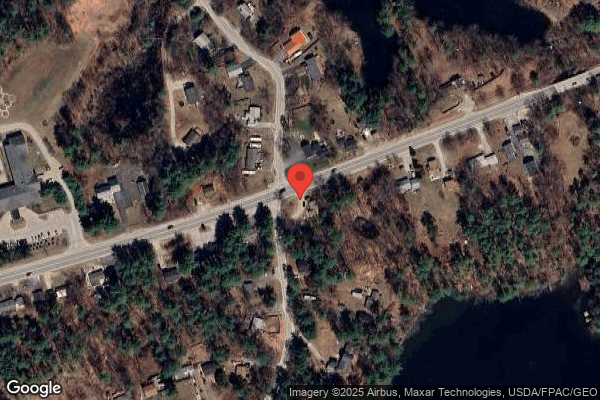
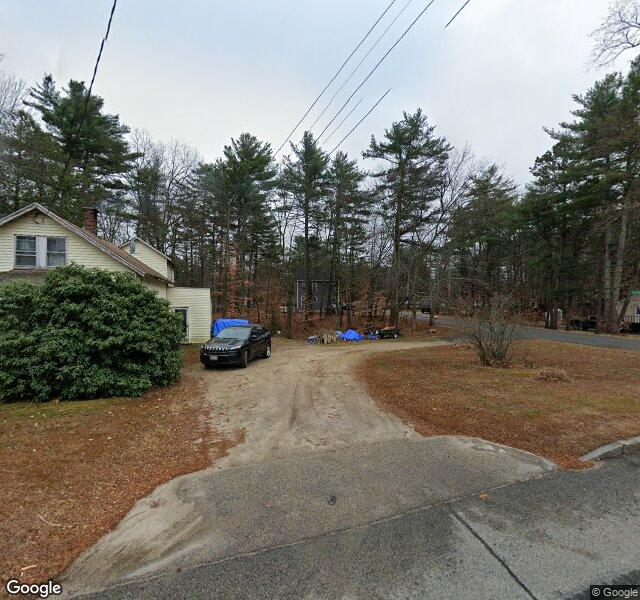
Ledgewood Manor

200 ROUTE 115, WINDHAM, ME 04062 (207) 892-2261
For profit - Individual 60 Beds Independent Data: November 2025 1 Immediate Jeopardy citation
Trust Grade
48/100
#38 of 77 in ME
Last Inspection: February 2025

Within standard 12-15 month inspection cycle. Federal law requires annual inspections.

Overview

Ledgewood Manor has received a Trust Grade of D, indicating below-average quality and some concerns for families considering this nursing home. It ranks #38 out of 77 facilities in Maine, placing it in the top half, but only #12 out of 17 in Cumberland County, suggesting there are better local options available. Unfortunately, the facility's situation appears to be worsening, with issues increasing from 1 in 2024 to 11 in 2025. Staffing is relatively strong with a 4/5 star rating and a turnover rate of 47%, which is below the Maine average, allowing for better resident care. However, the RN coverage is concerning, as it is less than that of 98% of Maine facilities, and there have been critical findings, including failure to ensure safe hot water temperatures and a lack of a qualified Infection Preventionist, which can pose health risks for residents. While there are strengths, such as no fines on record and decent staffing, families should weigh these against the alarming trend of increasing issues.

Trust Score
D
48/100
In Maine
#38/77
Top 49%
Safety Record
High Risk
Review needed
Inspections
Getting Worse
1 → 11 violations
Staff Stability
⚠ Watch
47% turnover. Above average. Higher turnover means staff may not know residents' routines.
Penalties
✓ Good
No fines on record. Clean compliance history, better than most Maine facilities.
Skilled Nurses
⚠ Watch
Each resident gets only 28 minutes of Registered Nurse (RN) attention daily — below average for Maine. Fewer RN minutes means fewer trained eyes watching for problems.
Violations
⚠ Watch
33 deficiencies on record. Higher than average. Multiple issues found across inspections.
★★★☆☆
3.0
Overall Rating
★★★★☆
4.0
Staff Levels
★★★☆☆
3.0
Care Quality
★★★☆☆
3.0
Inspection Score
Stable
2024: 1 issues
2025: 11 issues

The Good

  • 4-Star Staffing Rating · Above-average nurse staffing levels
  • Full Sprinkler Coverage · Fire safety systems throughout facility
  • No fines on record

Facility shows strength in staffing levels, fire safety.

The Bad

3-Star Overall Rating

Near Maine average (3.0)

Meets federal standards, typical of most facilities

Staff Turnover: 47%

Near Maine avg (46%)

Higher turnover may affect care consistency

The Ugly 33 deficiencies on record

1 life-threatening
Apr 2025 1 deficiency
CONCERN (D) 📢 Someone Reported This

A family member, employee, or ombudsman was alarmed enough to file a formal complaint

Potential for Harm - no one hurt, but risky conditions existed

Deficiency F0658 (Tag F0658)

Could have caused harm · This affected 1 resident

Based on record review and interviews, the facility failed to ensure professional standards of quality were met for controlled medication administration for 1 of 1 resident reviewed. Finding: Record r...

Read full inspector narrative →
Based on record review and interviews, the facility failed to ensure professional standards of quality were met for controlled medication administration for 1 of 1 resident reviewed. Finding: Record review revealed Resident #1 was admitted in 2019 with diagnoses to include dementia. Resident #1 was admitted to Hospice services on 1/10/25. Review of Resident #1's active physician orders revealed the following: -Order with a start date of 4/9/25 for, Morphine Sulfate (Concentrate) Solution 20 MG/ML [milligrams per milliliter] *Controlled Drug* Give 5 mg by mouth every 30 minutes as needed for PAIN / DISCOMFORT . - Order with a start date of 3/19/25 for, LORazepam Intensol Concentrate 2 MG/ML (LORazepam) *Controlled Drug* Give 0.5 mg by mouth every 15 minutes as needed for ANXIETY . Review of facility-reported incident, dated 4/12/25, states, . [Resident #1's] family members informed nursing staff that the night shift charge nurse .informed the family that she did not have time to give [Resident #1] his/her PRN [as needed] medications as often as they were requesting them. She then drew up a dose of Morphine and a dose of Ativan (Lorazepam) into syringes and gave them to the family to administer themselves. On 5/2/25 at 9:48 a.m., during a phone interview, the Registered Nurse (RN) stated that at 5:00 a.m. she gave Resident #1 a dose or lorazepam and morphine and then asked Resident #1's [family member] to give the next dose at 5:30 a.m. because the RN was too busy and proceeded to give Resident #1's [family member] a pre-drawn oral syringe of morphine and a pre-drawn oral syringe of lorazepam to administer at 5:30 a.m. At this time, the RN stated she knows she is not supposed to leave medications at the bedside table for family to administer. On 4/29/25 at approximately 11:00 a.m., the Director of Nursing (DON) stated the RN was sent home as soon as the incident was reported to the DON, and the RN's employment was terminated once the facility determined the RN had given medications to the family to administer to Resident #1. As a result of the facility's investigation the following correction actions were immediately taken: -On 4/14/25 a report of the incident was submitted to the Department of Licensing and Certification (DLC) -The Registered Nurse was terminated -The Maine State Board of Nursing was notified -On 4/24/25 a Licensed Nursing Meeting included the Narcotic Incident Review which instructed licensed staff that under no circumstances are they to give medications to family to administer.
Feb 2025 10 deficiencies
CONCERN (D)

Potential for Harm - no one hurt, but risky conditions existed

Comprehensive Care Plan (Tag F0656)

Could have caused harm · This affected 1 resident

**NOTE- TERMS IN BRACKETS HAVE BEEN EDITED TO PROTECT CONFIDENTIALITY** Based on record review and interview, the facility failed to develop a comprehensive care plan that addressed the use of psychot...

Read full inspector narrative →
**NOTE- TERMS IN BRACKETS HAVE BEEN EDITED TO PROTECT CONFIDENTIALITY** Based on record review and interview, the facility failed to develop a comprehensive care plan that addressed the use of psychotropic drug use and nutrition for 1 of 5 residents reviewed for unnecessary medications. (#21). Finding: Resident #21's February 2025 Medication Administration Record (MAR) indicated that the resident had received the antidepressants Fluoxetine 40 milligrams (mg) once daily since 10/8/24 and Trazodone 100 mg once daily at bedtime since 5/8/24. Resident #21's Minimum Data Set (MDS) 3.0 Annual assessment dated [DATE], under Care Area Assessment Summary, noted Resident #21 would be care planned for Psychotropic Drug use and Nutrition. As of 2/26/25, Resident #21's medical record lacked evidence of a comprehensive care plan in the area of psychotropic drug use and Nutrition. The surveyor confirmed this lack of care plan for psychotropic drug use and in the care area of nutrition in an interview with the Director of Nursing, on 2/26/25 at 11:15 a.m.
CONCERN (D)

Potential for Harm - no one hurt, but risky conditions existed

Respiratory Care (Tag F0695)

Could have caused harm · This affected 1 resident

Based on observation, interview, clinical record and policy review, the facility failed to provide a sanitary environment to help prevent the development and transmission of disease and infection rela...

Read full inspector narrative →
Based on observation, interview, clinical record and policy review, the facility failed to provide a sanitary environment to help prevent the development and transmission of disease and infection related to respiratory care for 1 of 2 residents (Resident's #24). Finding: On 2/24/25 at 11:18 a.m., a surveyor observed a nebulizer machine on a stand next to Resident #24's bed. The face mask and attached tubing was noted to be dated 10/27, and was placed exposed on a shelf of the stand. On 2/24/25 at 11:28 a.m., a surveyor asked the treatment nurse how staff care for nebulizer equipment. The nurse stated tubing is changed weekly and other items are washed every night. The nurse stated I don't have anyone with a nebulizer right now. At this time, the surveyor showed the nurse Resident #24's nebulizer machine and face mask with tubing dated 10/27. The nurse stated he/she did not know why that was there and should have been removed as there is no order for a nebulizer. The nurse then removed the equipment. A review of Resident #24's provider orders noted an active order, dated 10/22/24, for DuoNeb Solution (Ipratropium-Albuterol) 0.5-2.5 mg/3 ml (milligrams per milliliter) - 3 ml inhale orally every 4 hours as needed for shortness of breath, wheezing related to chronic respiratory failure with hypoxia; panlobular emphysema. On 2/24/25 at 4:00 p.m., a surveyor discussed the finding with the Director of Nursing who confirmed Resident #24 had an active order for nebulizer treatments and that the tubing should be changed weekly. The facility's policy, Equipment Change Out, revised 10/4/24, stated Small volume nebulizers will be dated and changed out weekly.
CONCERN (E)

Potential for Harm - no one hurt, but risky conditions existed

Deficiency F0578 (Tag F0578)

Could have caused harm · This affected multiple residents

Based on record review and interview, the facility failed to ensure that the resident and/or resident representative was provided with written information concerning the right to formulate an advanced...

Read full inspector narrative →
Based on record review and interview, the facility failed to ensure that the resident and/or resident representative was provided with written information concerning the right to formulate an advanced directive for 2 of 5 residents (Residents #24, #38), and failed to ensure a physician's order included the resident's preference for resuscitation (Resident #17). Findings: 1. Resident #24 was admitted in August of 2023. A review of the entire electronic medical record lacked evidence that the facility offered or provided the resident and/or resident representative with written information concerning the right to formulate an advanced directive. 2. Resident #38 was admitted in September of 2024. A review of the entire electronic medical record lacked evidence that the facility offered or provided the resident and/or resident representative with written information concerning the right to formulate an advanced directive. 3. Resident # 17 was admitted in December of 2024. A review of the electronic medical record revealed that provider orders did not designate the resident's preferred code status, meaning to resuscitate or do not resuscitate. On 2/25/25 at 12:30 p.m., in an interview with a surveyor, the Business Office Manager stated the facility's admission process includes requesting copies of an advanced directive but staff do not document if a resident is offered the opportunity to form an advanced directive or if the resident declines the offer, and stated it has not been routine practice to offer or provide assistance with formulating advanced directives. The Business Office Manager reviewed the records and confirmed that there was no advanced directive in the records of Residents #24 and #38. On 2/25/25, at approximately 3:30 p.m., the Business Office Manager reviewed Resident #17's record and confirmed the provider did not write an order indicating Resident #17's code status was to be designated as do not resuscitate.
CONCERN (E)

Potential for Harm - no one hurt, but risky conditions existed

Deficiency F0655 (Tag F0655)

Could have caused harm · This affected multiple residents

Based on interviews and record review, the facility failed to complete a baseline care plan, as required, within 48 hours of admission to the facility for 5 of 16 residents sampled. (Resident #38, Res...

Read full inspector narrative →
Based on interviews and record review, the facility failed to complete a baseline care plan, as required, within 48 hours of admission to the facility for 5 of 16 residents sampled. (Resident #38, Resident #39, Resident #242, Resident #243 and Resident #244). Finding: Resident #38 was admitted to the facility in mid September of 2024. The care plan for Resident #38, located in the Electronic Medical Record (EMR), was initiated on 10/2/24. Resident #39 was admitted to the facility in early December of 2024. The care plan for Resident #39, located in the EMR, was initiated on 12/11/24. Resident #243 was admitted to the facility in mid February of 2025. The care plan for Resident #243 located in the EMR, was initiated on 2/20/25. Resident #242 was admitted to the facility in mid February of 2025. The care plan for Resident #242, located in the EMR, was initiated on 2/24/25. Resident #244 was admitted to the facility in mid February of 2025. On 2/25/25 a surveyor was unable to locate a care plan in the EMR for Resident #244. On 2/25/25 at 12:50 p.m. a surveyor met with the charge nurse about Resident #249's missing care plan. The charge nurse confirmed that a baseline care plan should be in the resident's EMR and completed within 48 hours. She/he was also unable to locate a care plan for Resident #249. On 2/26/25 at 9:50 a.m. a surveyor met with the Director of Nursing to discuss the above findings.
CONCERN (E)

Potential for Harm - no one hurt, but risky conditions existed

Accident Prevention (Tag F0689)

Could have caused harm · This affected multiple residents

Based on observations, interviews, and a review of Safety Data Sheets (SDS), the facility failed to ensure that the resident's environment was free of accident hazards relating to the storage of chemi...

Read full inspector narrative →
Based on observations, interviews, and a review of Safety Data Sheets (SDS), the facility failed to ensure that the resident's environment was free of accident hazards relating to the storage of chemicals and over-the-counter medications for 1 of 3 survey days. (2/24/25) Findings: On 2/24/25 at 9:08 a.m. a surveyor observed a storage room door propped open, cupboards in the room were unlocked and contained the facility's of supply of over-the-counter medications. The administrator was immediately made aware. On 2/24/25 at 9:14 a.m. a surveyor observed a whirlpool #1 room with a door propped open that had a closet door inside with a key in the door. The closet contained a supply of G2-2100 bottles used for surface cleaning and Simoniz hospital disinfecting deodorant. CNA #1 was immediately made aware. On 2/25/25 at 10:00 a.m. a surveyor observed Whirlpool #2 room with a door propped open and found a bottle of G2-2100 on a shelf unsecured next to the sink. A closet door inside Whirlpool #2 was observed with a key in the lock. The closet contained a supply of G2-2100 and Simoniz hospital disinfecting deodorant. CNA #2 was immediately made aware. She/he stated that shouldn't be there and locked the door and removed the key. On 2/24/25 at 9:00 a.m. a surveyor observed Resident #11 wandering in and out of accessible areas. MDS review of Resident #11 revealed a diagnosis of Dementia with a Brief Interview for Mental Status (BIMS) score of 0 indicting severe cognitive impairment. A review of the SDS for GC-2100 with a revision date of 3/24/27 showed a GHS US classification -Serious eye damage/eye irritation Category 2B A review of the SDS for Simoniz hospital disinfectant deoderant with a revision date of 3/3/2015 showed a classification for eye irritant as Category 2A. Hazardous ingredients include Propane/n-Butane and ethyl Alcohol. On 2/24/25 at 3:12 p.m. the Director of Nursing was made aware of the above findings.
CONCERN (E)

Potential for Harm - no one hurt, but risky conditions existed

Pharmacy Services (Tag F0755)

Could have caused harm · This affected multiple residents

Based on facility policy and clinical record reviews, observations and interviews, the facility failed to establish a system of records of receipt and disposition of all controlled drugs in sufficient...

Read full inspector narrative →
Based on facility policy and clinical record reviews, observations and interviews, the facility failed to establish a system of records of receipt and disposition of all controlled drugs in sufficient detail to enable an accurate reconciliation by failing to ensure that two people who are authorized to administer medications signed the Shift Count page indicating that they counted all controlled substances at the change of shift for multiple shifts, on 2 of 2 units reviewed. Findings: A review of the facility's policy, Controlled Drug Policy and Procedure, dated 10/4/24, stated Controlled drugs, as determined by the facility, are counted every shift by the nurse/med tech reporting on duty with the nurse/med tech reporting off-duty. The inventory of the controlled drugs must be recorded on the narcotic records and signed for accuracy of count. On 2/24/25 at 11:45 a.m., a surveyor reviewed the Controlled Substance Books and Shift Counts which indicated the facility counts at the change of each shift, approximately 3 times a day. The person authorized to administer medications coming on duty or the person authorized to administer medications going off duty failed to sign the Shift Count page of the Controlled Substances Book that indicated the controlled substances count was completed on multiple days. Multiple days on both units were missing staff signatures for verification and completion of the controlled medication count on the following dates: 9/28/24, 11/28/24, 12/19/24, 1/21/25, 1/23/25, 2/3/25, 2/15/25, 2/23/25, and 2/24/25. On 2/24/25 at 4:00 p.m., the surveyor confirmed the findings with the Director of Nursing and the Administrator.
CONCERN (E)

Potential for Harm - no one hurt, but risky conditions existed

Food Safety (Tag F0812)

Could have caused harm · This affected multiple residents

Based on observations, interviews and record review, the facility failed to ensure the facility was maintained in a clean and sanitary manner for the kitchen counter, fans, ceiling vents and floors. I...

Read full inspector narrative →
Based on observations, interviews and record review, the facility failed to ensure the facility was maintained in a clean and sanitary manner for the kitchen counter, fans, ceiling vents and floors. In addition, the facility failed to ensure the kitchen ice machine and food preparation sink were plumbed in accordance with code requirements to prevent food contamination. Further, the facility lacked evidence that the sanitizing bucket and sanitizing sink solutions, dishwashing temperatures were documented and within the appropriate range for 3 of 3 days of survey. Findings: Initial Kitchen Tour: 1. On 2/24/25 from 9:23 a.m. to 9:45 a.m. a surveyor completed a tour of the kitchen with the Food Service Director [FSD] in which the following findings were observed: -The countertop near the food preperation sink had several gauged areas on the surface creating an uncleanable surface. -Two floor fans in the dish room had chipped paint on the front grille and base of fan. -The ceiling vent in the dishwashing room had dust/debris. -The floor in the dishwashing room was soiled and had missing pieces of tile. -The ceiling and walls in the dishwashing room were stained and had areas of chipped loose paint creating an uncleanable surface. The kitchen ice machine and the food preparation sink were not plumbed in accordance with the code requirement and did not have the required proper air gaps. This direct connection of wastewater and potable water was in violation of the 10-114 State of Maine Rules Chapter 226, definition Section A, which defines an Air-Gap Separation - A physical separation between the free-flowing discharge end of a potable water supply pipeline and an open or non-pressure receiving vessel. An air-gap separation shall be at least twice the diameter of the supply pipe measured vertically above the overflow rim of the vessel - in no case less than one inch (2.54 cm) and the Code of Federal Regulation, Title 21, Part 1250, Section 1250, 30 (d) states all plumbing shall be so designed, installed, and maintained as to prevent contamination of the water supply, food, and food utensils. On 2/25/25 a.m. during an interview with the FSD. She indicated that the dishwashing final rinse temperature is not always accurate on the temperature gauge and that the facility is currently waiting for a part to repair the dishwasher. A surveyor asked if there was an alternate method of checking the final rinse temperature. The FSD confirmed that the staff had no alternative method of checking the final rinse temperature while using the dishwashing machine. Record review of the facilities monthly Dish Machine Temperatures log for October, November 2024 and February 2025 revealed that the staff recorded using the High-Temp dish washer at temperatures below the recommended range (Wash 150°F-165° F, Rinse 180° F) on various shifts and on five days including but not limited to: On the morning shift of 10/14/24 the rinse was recorded at 178° F; on the evening shift of 10/16/24, the rinse was recorded as 179° F; on the evening shift of 11/25/24, the rinse was recorded at 179° F; on the evening shift of 11/27/24, the rinse was recorded at 178° F; on the evening shift of 2/25/25, the rinse was recorded at 179° F. A review of the monthly Dish Machine Temperatures log for November 2024 and January 2025, revealed that the staff did not record dish machine temperatures for the Wash and Rinse cycles on various shifts on three days including but not limited to: Evening shift on 11/29/24 and 11/30/24; and Evening shift on 1/31/25. A review of the Dish Machine Temperature/Sanitizer Records Policy & Procedure indicates Dish machine temperatures and/or sanitizer strengths (as indicated) shall be monitored prior to each meal and recorded to prevent foodborne illness by ensuring all food contact surfaces are properly cleaned and sanitized. Special attention is required to determine if a high temperature or low temperature dish machine is being used. 1. The Dietary Manager shall train all dietary employees regarding the type of dish machine (high temperature/low temperature) and sanitation methods specific to the type being used. 2. Dish machines use either heat or chemical sanitation methods. The following are specifications according to the US Department of Health and Human Services , 7. If there is concern about the sanitizing quality due to inadequate wash or rinse temperature, inadequate sanitizer strength, or inappropriate flow pressure that cannot be resolved by the dietary employee, the ware washing shall be stopped and reported to the Dietary Manager or a designee for corrective action. 9. The Dietary Manager shall be responsible for assuring that the record of dish machine temperatures is maintained at all times. · The facilities Sanitizer Bucket Strength Record Policy and Procedure revised 5/2011 indicates When sanitizing buckets are utilized as a system to sanitize food contact surfaces, the strength of the sanitizer in the buckets shall be monitored. Procedure: 1. The Dietary Manager shall train all dietary employees regarding the use of sanitizer test strips, acceptable sanitizer concentration, and the required procedure for documenting sanitizer strength in the sanitizer bucket(s). 3. Sanitizer strength in sanitizing bucket(s) shall be monitored following each meal and recorded by the dietary staff. The Sanitizer Bucket Strength Log may be utilized as a reference as needed. 5. The Dietary Manager or designee shall be responsible for posting the log in the Dietary Department to record sanitizer strength in sanitizer bucket(s). 6. The Dietary Manager shall be responsible for assuring that the record of sanitizer bucket(s) is maintained at all times. The Sanitization Buckets in the Kitchen: The facility lacked evidence that the sanitizer checks for appropriate parts per million (ppm) were monitored and documented for the following dates and times: 11/16/24 6 a.m., 9 a.m., 11 a.m., and 1 p.m., 11/20/24 and 11/21/24 3 p.m., 6 p.m., 11/23/24 and 11/24/24 6 a.m., 9, a.m., 11 a.m., 1 p.m., 3 p.m., 6 p.m., 11/25/24, 11/26/24 and 11/27/24 3 p.m., 6 p.m., 1/28/25 3 p.m., 6 p.m., 2/8/25 11 a.m. On 2/26/25 at 10:38 a.m. during an interview with a surveyor, the FSD stated that the facility started using paper and plastic during the evening meal on 2/25/25 and that the dishwasher is not currently being used. On 2/26/25 at 12:37 p.m., a surveyor discussed the above findings with the Administrator and the Director of Nursing.
MINOR (B)

Minor Issue - procedural, no safety impact

Transfer Notice (Tag F0623)

Minor procedural issue · This affected multiple residents

Based on record reviews and interviews, the facility failed to issue a written transfer/discharge notice to a resident or their legal representative for a facility-initiated transfer/discharge for 3 o...

Read full inspector narrative →
Based on record reviews and interviews, the facility failed to issue a written transfer/discharge notice to a resident or their legal representative for a facility-initiated transfer/discharge for 3 out 3 of of sampled residents transferred/discharged to an acute care facility.(#6, #21 & #40) Findings: 1. Documentation in Resident 6's clinical record indicated that he/she was transferred to an acute hospital in early February of 2025 and subsequently admitted . The clinical record lacked evidence that the facility issued a written transfer/discharge notice to the resident and/or legal representative. 2. Documentation in Resident 21's clinical record indicated that he/she was transferred to an acute hospital in early December of 2024. The clinical record lacked evidence that the facility issued a written transfer/discharge notice to the resident and/or legal representative. On 2/26/25 at 11:15 a.m., in an interview with a surveyor, the Director of Nursing (DON) confirmed that she was unable to locate evidence that the facility issued a written transfer/discharge notice to the resident, a family member, or a legal representative upon transfer to an acute care facility for Resident #6 and Resident #21. 3. Documentation in Resident 40's clinical record indicated that he/she was transferred to an acute hospital in early January of 2025 and subsequently admitted . The clinical record lacked evidence that the facility issued a written transfer/discharge notice to the resident and/or legal representative. On 2/26/25 at 8:54 a.m., During an interview the Facility Administrator confirmed that the clinical record lacked evidence that a transfer/discharge notice was provided in writing to the Resident and/or Resident Representative.
MINOR (B)

Minor Issue - procedural, no safety impact

Deficiency F0625 (Tag F0625)

Minor procedural issue · This affected multiple residents

Based on record reviews and interviews, the facility failed to issue a written bed hold notice to a resident, known family member or legal representative for 3 of 3 sampled residents who had been tran...

Read full inspector narrative →
Based on record reviews and interviews, the facility failed to issue a written bed hold notice to a resident, known family member or legal representative for 3 of 3 sampled residents who had been transferred to an acute care facility (#6, #21, & #40). Findings: Documentation in Resident #6's clinical record indicated that he/she transferred to an acute care hospital in early February of 2025 and subsequently admitted . The clinical record lacked evidence that the facility issued a written bed hold notice to the resident, a family member, or legal representative upon transfer. Documentation in Resident #21's clinical record indicated that he/she transferred to an acute care hospital in early December of 2024. The clinical record lacked evidence that the facility issued a written bed hold notice to the resident, a family member, or legal representative upon transfer. On 2/26/25 at 11:15 a.m., in an interview with a surveyor, the Director of Nursing (DON) confirmed that she was unable to locate evidence that the facility issued a written bed hold notice to the resident, a family member, or a legal representative upon transfer to an acute care facility for Resident #6 and Resident #21. 3. Documentation in Resident #40's clinical record indicated that he/she transferred to an acute care hospital in early January of 2025 and subsequently admitted . The clinical record lacked evidence that the facility issued a written bed hold notice to the resident, a family member, or legal representative upon transfer. On 2/26/25 at 8:54 a.m., During an interview the Facility Administrator confirmed that the clinical record lacked evidence that a written bed hold notice was provided in writing to Resident and/or Resident Representative.
MINOR (B)

Minor Issue - procedural, no safety impact

Deficiency F0637 (Tag F0637)

Minor procedural issue · This affected multiple residents

Based on interview and record review, the facility failed to conduct a comprehensive Minimum Data Set 3.0 (MDS 3.0) assessment within 14 calendar days after a resident experienced a significant change...

Read full inspector narrative →
Based on interview and record review, the facility failed to conduct a comprehensive Minimum Data Set 3.0 (MDS 3.0) assessment within 14 calendar days after a resident experienced a significant change of condition and hospice services were initiated for 3 of 16 sampled residents (Resident #23, Resident #29, and Resident #31). Finding: The Resident Assessment Instrument (RAI) Version 3.0 Manual, Chapter 2, page 2-23 reads that a Significant Change in Status Assessment (SCSA) is required to be performed when a terminally ill resident enrolls in a hospice program (Medicare-certified or State-licensed hospice provider) or changes hospice providers and remains a resident at the nursing home. The Assessment Reference date (ARD) must be within 14 calendar days from the effective date of the hospice election (which can be the same or later than the date of the hospice election statement, but not earlier than). A SCSA must be performed regardless of whether an assessment was recently conducted on the resident. This is to ensure a coordinated plan of care between the hospice and nursing home is in place. Resident #23's clinical record contained documentation that indicated the resident was admitted into Hospice care in mid December of 2024. An SCSA was not completed. Resident #29's clinical record contained documentation that indicated the resident was admitted into Hospice care in mid July of 2024. An SCSA was not completed. Resident #31's clinical record contained documentation that indicated the resident was admitted into Hospice care in mid October of 2024. An SCSA was not completed. On 2/25/25 at 9:45 a.m., during an interview with the Director of Nursing, the surveyor confirmed the SCSA was not completed for the residents listed.
Oct 2024 1 deficiency
CONCERN (D) 📢 Someone Reported This

A family member, employee, or ombudsman was alarmed enough to file a formal complaint

Potential for Harm - no one hurt, but risky conditions existed

Report Alleged Abuse (Tag F0609)

Could have caused harm · This affected 1 resident

Based on record review and interviews, the facility failed to ensure that an alleged violation of resident sexual abuse was reported to the State Agency within 24 hours when an incident occurred for 1...

Read full inspector narrative →
Based on record review and interviews, the facility failed to ensure that an alleged violation of resident sexual abuse was reported to the State Agency within 24 hours when an incident occurred for 1 of 6 residents reviewed for neglect/abuse (#1). Findings: A review of the facility's Resident Rights Policy Revised on 9/06, on page 2, #4. When an alleged or suspected case of mistreatment, neglect, injuries of unknown source, or abuse is reported, the facility administrator. Or his/her designee, will notify the following persons or agencies of such incident. A. The State Licensing/certification agency responsible for surveying/licensing the facility; and on page 7, Reporting Abuse to State Agencies and Other Entities/Individuals Policy, revised on 9/13/06, page 7, under #1. A. Should an alleged/suspected violation or substantiated incident of neglect, injury of unknown source, or abuse (including resident to resident abuse) be reported, the facility administrator, or his/her designee, will promptly notify the following person or agencies (verbally and written) of such incident: a. The State Licensing/certification agency responsible for surveying/licensing the facility. On 8/9/24 at 9:07 a.m., the State Agency received a report stating that Resident #1 was currently in Maine Medical Center (MMC) for a Urinary Tract Infection (UTI) and [he/she] reported to a staff member that [he/she] resides at Ledgewood Manor and there is a staff member there that is making [him/her] feel uncomfortable when that staff member made a comment about [his/her] genitalia being pretty. Resident #1 could not remember the Certified Nursing Assistant's (CNA) name, but it is a male from a different country. On 8/14/24, (no time given in the report), A member of the APS staff contacted the Director of Nursing (DON) and informed her of the alleged incident. On 8/14/24, (no time given in the report), the DON went to interview Resident #1 and the resident initially denied the incident. [He/She] then stated that the incident did happen. Resident #1 stated that he [the CNA] says that to a lot of [residents], and he/she did not want to get anyone into trouble and stated that he/she has a brain fog and can't remember the person or what he said. On 8/16/24, (no time given in the report), the DON interviewed the CNA. He denied being inappropriate and asked what the resident reported that he said. When he was told, he stated that he would never use language like that in any aspect of his life but that he would fully cooperate with the investigation. He stated that he prides himself in being a professional care giver and that this is very upsetting. On 10/8/24, at 11:48a.m. in an interview with the DON, a surveyor asked her what the outcome of the incident was, and she stated that she was convinced that the CNA did not make that remark to the resident, but he was assigned away from [Resident #1s] room and did not make any contact with [Resident #1] after that. She also stated that there was no discipline of the CNA and that he left the facility shortly after the incident to work elsewhere. When asked why she did not report the incident to the State Agency, she said that when the staff member from APS called her, she asked if she needed to report the incident and she was told that she did not because they already knew and they would report it to the SA. On 10/8/24, at approximately 12:00 p.m. this surveyor informed the DON that that information from APS was incorrect and that she should have reported the incident directly to State Agency as the regulations require and as stated in the facility's policy.
Jun 2022 12 deficiencies
CONCERN (D)

Potential for Harm - no one hurt, but risky conditions existed

Safe Environment (Tag F0584)

Could have caused harm · This affected 1 resident

Based on observations and interviews, the facility failed to provide maintenance services necessary to maintain the building in good repair and in a sanitary condition for 4 of 17 residents sampled (#...

Read full inspector narrative →
Based on observations and interviews, the facility failed to provide maintenance services necessary to maintain the building in good repair and in a sanitary condition for 4 of 17 residents sampled (#17, #18, #26, #29) for 2 of 2 environmental tours. Findings: On 6/12/22 at 10:08 a.m., during the initial tour of the facility, a surveyor observed the following: 1. Resident #17's Broda chair had bilateral arm rests and footrest that were ripped/torn. The wall behind the residents bed had a circular area approximately 1.5' of marred wall with exposed sheetrock and above the headboard was another large area of marred wall with sheet rock exposed. On 6/13/22 at 11:20 a.m., during an interview with Resident #17's representative, he/she stated the marred wall has been like that quite a while. 2. Resident #18's Broda chair had bilateral arm rest that were ripped/torn the entire length of arm rests. 3. Resident #26's wheelchairs right arm rest was ripped with the plastic coating peeled off. 4. Resident #29's Broda chair had bilateral arm rests and footrest that were ripped/torn. On 6/12/22 at 1:32 p.m., in an interview with the Administrator, he confirmed they were renovating the facility however, there is no schedule for the renovation and its being done, when they can. On 6/13/22 at 3:38 p.m., during an environmental tour with the Director of Nursing the above concerns were observed. She stated, wheelchairs have a cleaning schedule for the night shift, at that point when washing them, they are supposed to notify me and [Maintenance] if they need repair.
CONCERN (D)

Potential for Harm - no one hurt, but risky conditions existed

Deficiency F0645 (Tag F0645)

Could have caused harm · This affected 1 resident

**NOTE- TERMS IN BRACKETS HAVE BEEN EDITED TO PROTECT CONFIDENTIALITY** Based on interview and record reviews, the facility failed to coordinate assessments for Pre-admission Screening and Resident Re...

Read full inspector narrative →
**NOTE- TERMS IN BRACKETS HAVE BEEN EDITED TO PROTECT CONFIDENTIALITY** Based on interview and record reviews, the facility failed to coordinate assessments for Pre-admission Screening and Resident Review (PASRR) Level I and Level II program for 1 of 4 records reviewed. (#12) Findings: Resident #12 was admitted to the facility on [DATE]. Resident #12's medical record indicated that he/she has a diagnosis of Down Syndrome. The medical record lacked evidence that the PASRR Level I Screen was forwarded to the State Mental Health Authority to determine if the resident met the State of Maine's definition of a serious mental health disorder and to determine if a Level II assessment was needed. On 6/13/22 at 12:50 p.m., in an interview with the surveyor the Director of Nursing he/she confirmed that there was no referral made for PASRR Level I and Level II.
CONCERN (D)

Potential for Harm - no one hurt, but risky conditions existed

Deficiency F0883 (Tag F0883)

Could have caused harm · This affected 1 resident

**NOTE- TERMS IN BRACKETS HAVE BEEN EDITED TO PROTECT CONFIDENTIALITY** Based on record review and interview, the facility failed to screen and determine eligibility for immunizations for 1 of 9 resid...

Read full inspector narrative →
**NOTE- TERMS IN BRACKETS HAVE BEEN EDITED TO PROTECT CONFIDENTIALITY** Based on record review and interview, the facility failed to screen and determine eligibility for immunizations for 1 of 9 residents reviewed for pneumococcal and influenza vaccinations (#13). Finding: A review of the facility's Immunization Policy, with an adopted date of 1/12/08, stated The influenza and pneumonia vaccine will be offered to residents during all months recommended by the Center for Disease Control, which is usually October 1st through March 31st of each year. The dosage will be given per the physician's order. The pneumonia vaccination history of each resident will be reviewed on admission in the event that it is not current a vaccination will be offered and administered per CDC recommendations and doctor's orders. All residents will be screened on admission for pneumococcal/influenza immunization. If the status of the resident is unknown or never given the vaccine, the resident will be offered immunization. A review of Resident #13's clinical record indicated he/she was admitted on [DATE]. The record lacked evidence of Resident #13's pneumococcal immunization status. On 6/13/22 at approximately 3:30 pm, the Resident Coordinator stated Resident #13's immunization status had been requested by the physician several times and had not been received. The Resident Coordinator confirmed that Resident #13's record did not contain evidence of attempts made to request information from the physician, and that Resident #13 had not been screened yet for eligibility of vaccinations.
CONCERN (D)

Potential for Harm - no one hurt, but risky conditions existed

Deficiency F0887 (Tag F0887)

Could have caused harm · This affected 1 resident

**NOTE- TERMS IN BRACKETS HAVE BEEN EDITED TO PROTECT CONFIDENTIALITY** Based on record review and interview, the facility failed to screen and determine eligibility for immunizations for 1 of 9 resid...

Read full inspector narrative →
**NOTE- TERMS IN BRACKETS HAVE BEEN EDITED TO PROTECT CONFIDENTIALITY** Based on record review and interview, the facility failed to screen and determine eligibility for immunizations for 1 of 9 residents reviewed for COVID-19 vaccinations (#13). Finding: During a review of the facility's list of residents who had refused vaccination for COVID-19, the surveyor noted Resident #13's immunization status was listed as unknown for COVID-19. A review of Resident #13's record indicated he/she was admitted on [DATE]. On 6/13/22 at approximately 3:30 pm, the Resident Coordinator stated Resident #13's immunization status had been requested by the physician several times and not yet received. The Resident Coordinator confirmed that Resident #13's record did not contain evidence of attempts made to request information from the physician, and that Resident #13 had not been screened yet for eligibility of vaccinations. On 6/14/22 at 11:10 am, in a discussion with the Administrator, Director of Nursing, and the Resident Coordinator, it was confirmed the facility did not have current policies and procedures for resident and staff COVID-19 vaccinations.
CONCERN (E)

Potential for Harm - no one hurt, but risky conditions existed

Deficiency F0657 (Tag F0657)

Could have caused harm · This affected multiple residents

**NOTE- TERMS IN BRACKETS HAVE BEEN EDITED TO PROTECT CONFIDENTIALITY** Based on interviews and record review, the facility failed to review and revise the care plan by an interdisciplinary team (IDT)...

Read full inspector narrative →
**NOTE- TERMS IN BRACKETS HAVE BEEN EDITED TO PROTECT CONFIDENTIALITY** Based on interviews and record review, the facility failed to review and revise the care plan by an interdisciplinary team (IDT) meeting, which included the participation of the resident and resident's representative, after each Minimum Data Set (MDS) 3.0 assessments, for 3 of 17 residents whose care plans were reviewed (#11, #24, #26) Findings: 1. On 6/12/22 at 10:43 a.m., during an interview, Resident #11 stated he/she hasn't had an IDT meeting in the past several months and I was supposed to have it in Jan, that didn't happen. On review of Resident #11's clinical record, the surveyor noted an MDS Annual assessment dated [DATE]. The clinical record lacked evidence of an IDT which included the resident, and resident's representative after the 9/29/21 assessment. In addition, the MDS Quarterly assessment dated [DATE], had and IDT meeting on 2/14/22, 31 days late. 2. On review of Resident #24's clinical record, the surveyor noted a MDS Quarterly assessment dated [DATE]. The clinical record lacked evidence of an IDT which included the resident, and resident's representative after the 5/15/22 assessment. 3. On review of Resident #26's clinical record, the surveyor noted a MDS Quarterly assessment dated [DATE]. The clinical record lacked evidence of an IDT which included the resident, and resident's representative after the 11/22/21 assessment. On 6/13/22 at 4:13 p.m., during an interview with the Director of Nursing, she confirmed the above IDT meetings were not completed.
CONCERN (E)

Potential for Harm - no one hurt, but risky conditions existed

Food Safety (Tag F0812)

Could have caused harm · This affected multiple residents

Based on observation, interview, and policy review, the facility failed to ensure that food was stored, prepared and served in a sanitary manner for 2 of 3 days of survey. Findings The facilities poli...

Read full inspector narrative →
Based on observation, interview, and policy review, the facility failed to ensure that food was stored, prepared and served in a sanitary manner for 2 of 3 days of survey. Findings The facilities policies: Hood/Filters, revised 10/2010 states, All hoods/filters shall be free of soil build up. and Note: Filters shall be cleaned at least weekly. Hood shall be cleaned at least monthly. Freezer, Walk-in, revised 10/2010 states, All freezers shall be cleaned and sanitized at least once a month and as needed. Procedure #9 wash gaskets, use a brush if needed, and replace when necessary and Note: check all gasket thoroughly, check thermometer. Refrigerator, Reach-in revised 10/2010 states, All refrigerators shall be cleaned and sanitized at least once a month and as needed. #7 Scrub inside and outside, give special attention to: hinges and door frames, gaskets - may need to use a small toothbrush. Refrigerator, Walk-In revised 10/2010 states, All refrigerators shall be cleaned and sanitized at least once a month and as needed. #5 Wash inside and outside surfaces, including the door and handle. Note: check all gaskets thoroughly, check thermometer. 1. On 6/12/22 at 9:05 a.m., during kitchen tour with the Dietary Manager an on 6/13/22 at 7:35 a.m., the following was observed: - The stove hood had built up dust along the filters - The walk-in freezer had rust and condensation around the door, the temperature gauge and the light switch had condensation running down form them, there was a bucket with weights placed in front of the door, the door did not latch. The gasket is coated with a black substance. The ceiling above the walk-in freezer has a large area of peeling paint and black in color. - The reach-in freezer had rust and condensation around the door, with a bath towel rolled up and placed at the base of the freezer door, collecting the moisture dripping. The gasket is coated with a black substance. The ceiling above the reach-in freezer has a large area of peeling paint and black in color. - The walk-in cooler fans were coded with dust and the wall to the right of the fans had condensation and rust buildup. A bath towel was on the floor below the condensation area wrapped around a crate on the floor collecting the moisture buildup. On 6/12/22 at approx. 9:20 a.m., in an interview with the Dietary Manager, she confirmed the above findings and stated, the last time the hood was cleaned was by a professional 2 months ago. Review of the professional hood cleaning invoice was dated 3/29/22. The facility was unable to provided monthly cleaning completed by the facility. 2. On 6/12/22 at 12:00 p.m., during lunch observation CNA #6 was observed with hair down, below shoulder length, delivering a tray to a resident. She then tucked her hair behind her ears, walked over to the lunch tray cart, flipped her hair to one side with her hands and removed another tray. She then delivered that tray to another resident, removed the plate cover and offered to cut up the food. She applied gloves and began cutting the meat. While cutting the meat she flipped her head from one side to the other several times, flipping her hair out of her face. At this time the surveyor intervened, explain sanitary concern of her hair tossing around while serving food, the CNA left the floor and returned approx. 2 minutes later with her hair up/pulled back, preformed hand hygiene and continued to pass out lunch trays. On 6/14/22 at 3:15 p.m., during and interview with the Administrator, the surveyor confirmed the above findings.
CONCERN (E)

Potential for Harm - no one hurt, but risky conditions existed

Deficiency F0947 (Tag F0947)

Could have caused harm · This affected multiple residents

Based on Facility Assessment review, in-service review, and interview, the facility failed to monitor and ensure Certified Nursing Assistants (CNA) attended the required annual in-service education wh...

Read full inspector narrative →
Based on Facility Assessment review, in-service review, and interview, the facility failed to monitor and ensure Certified Nursing Assistants (CNA) attended the required annual in-service education which included abuse and Dementia in-services for 5 of 5 randomly selected CNA's employed greater than 1 year (#1, #2, #3, #4 & #5). Findings: Review of Page 2 of the Facility Assessment provided at survey, under Resident Profile, Part 1 Diseases/Conditions and cognitive disabilities, under the category Neurological Symptoms, revealed one of the common diagnoses is Non-Alzheimer's Dementia. On 06/13/22, a surveyor requested 5 randomly sampled Certified Nursing Assistants (CNA) annual training records from the Director of Nursing (DON). 1. CNA #1 was hired on 8/27/07. Documentation provided by the facility indicated CNA #1 attended 1.5 hours Dementia training from the facility between 2021 to 2/15/22. There was no record that Dementia training had been completed or Abuse training having been attended by CNA #1. 2. CNA #2 was hired on 8/23/17. Documentation provided by the facility indicated CNA #2 attended 1 hour of Dementia training from the facility between 10/2019 to 2/15/22. There was no record that Dementia training had been completed by CNA #2. 3. CNA #3 was hired on 10/17/19. Documentation provided by the facility indicated CNA #3 attended 2 hours of in-services from the facility between 10/30/17 to 1/24/22. There was no record that Dementia or Abuse training had been completed by CNA #3. 4. CNA #4 was hired on 8/20/20. Documentation provided by the facility indicated CNA #4 attended 1.5 hours of Dementia training from the facility between 9/9/21 to 5/17/22. There was no record that Dementia or Abuse training had been completed by CNA #4. 5. CNA #5 was hired on 6/4/21. There was no record that Dementia or Abuse training had been completed by CNA #5. On 6/14/22 at 10:10 a.m. The DON confirmed the above findings with a surveyor.
CONCERN (F)

Potential for Harm - no one hurt, but risky conditions existed

Infection Control (Tag F0880)

Could have caused harm · This affected most or all residents

**NOTE- TERMS IN BRACKETS HAVE BEEN EDITED TO PROTECT CONFIDENTIALITY** Based on record review and interview, the facility failed to establish a facility wide Infection Prevention and Control Program ...

Read full inspector narrative →
**NOTE- TERMS IN BRACKETS HAVE BEEN EDITED TO PROTECT CONFIDENTIALITY** Based on record review and interview, the facility failed to establish a facility wide Infection Prevention and Control Program (IPCP) which included standards, policies and procedures that are current, based on national standards and reviewed annually for COVID-19. This has the potential to affect all residents. Finding: From 6/12/22 through 6/14/22, the annual Long-Term Care Survey Process was completed. The facility was found to be in noncompliance with F880, F882, F883, F886, and F887. The facility failed to develop written policies and procedures for an Infection Prevention and Control Program, resulting in failure to designate a qualified staff to serve as the Infection Preventionist, failure to screen and determine eligibility for resident vaccinations, and failed to implement routine COVID-19 testing of staff and residents. On 6/12/22, a surveyor requested the Director of Nursing (DON) provide copies of the facility's infection control policies and procedures, including Covid-19, testing, and vaccination. The facility provided a document entitled Ledgewood Manor, Inc., Coronavirus Disease 2019 (COVID-19) Preparedness Checklist for Nursing Homes and other Long-Term Care Settings, with a handwritten update on 7/28/20 by a Licensed Practical Nurse. A second document was entitled COVID-19 Pandemic Facility After-Action Report/Improvement Plan, dated 3/1/20 to present, with no revision or review date noted. The third document provided was entitled N95 Respiratory Protection Program, dated 4/10/20. On 6/13/22 at 2:30 PM, in an interview with the Director of Nursing (DON), and the Resident Coordinator, the surveyor requested copies of the facility's policy and procedures for staff and resident COVID vaccinations. During this interview, the surveyor confirmed the facility had not designated a qualified individual who had completed specialized training in infection prevention and control. In addition, it was confirmed the facility had not developed or implemented a plan for regular staff and resident COVID-19 testing. Documentation provided to the surveyor indicated sporadic testing of staff who were not up to date on COVID-19 vaccination. A review of a list of resident immunizations revealed Resident #13 had not been appropriately screened for eligibility for pneumococcal and COVID-19 vaccinations since admission on [DATE]. The facility's Immunization Policy lacked evidence of review since 1/12/08 and did not include COVID-19 vaccination. On 6/14/22 at 11:10 am, in an interview with the Administrator, the DON, and the Resident Coordinator, it was confirmed that the facility had no policies or procedures in place for undiagnosed respiratory illness and COVID-19.
CONCERN (F)

Potential for Harm - no one hurt, but risky conditions existed

Deficiency F0882 (Tag F0882)

Could have caused harm · This affected most or all residents

Based on interview and record review, the facility failed to designate a qualified staff member to function as the Infection Preventionist, who is responsible for the facility's Infection Control Prog...

Read full inspector narrative →
Based on interview and record review, the facility failed to designate a qualified staff member to function as the Infection Preventionist, who is responsible for the facility's Infection Control Program. This has the potential to affect all residents in the facility. Finding: On 6/13/22 at 2:30 PM, in an interview with the Director of Nursing (DON), and the Resident Coordinator, the surveyor asked who was designated as the facility's Infection Preventionist (IP). The DON stated the previous Infection Preventionist had not worked at the facility from October 2021 through March 2022. The DON stated the facility did not have a copy of the staff's infection preventionist certificate or evidence of training. The DON stated that she and the Resident Coordinator (a Certified Nursing Assistant - Medications), were presently taking the courses, but had not completed the program. The DON and Resident Coordinator confirmed the facility did not have a designated staff person who had completed specialized training in infection prevention and control.
CONCERN (F)

Potential for Harm - no one hurt, but risky conditions existed

Deficiency F0886 (Tag F0886)

Could have caused harm · This affected most or all residents

Based on record review and interview, the facility failed to follow the Centers for Disease Control and Prevention (CDC) guidelines and the Center for Medicare and Medicaid Services (CMS) August 26, 2...

Read full inspector narrative →
Based on record review and interview, the facility failed to follow the Centers for Disease Control and Prevention (CDC) guidelines and the Center for Medicare and Medicaid Services (CMS) August 26, 2020, revised 3/10/22, Quality, Survey and Certification Group (QSO)-20-38-Nursing Home (NH) for testing of staff who are not up to date with COVID-19 vaccination. This has the potential to affect all residents at the facility (31 residents). Findings: A review of the CDC Interim Infection Prevention and Control Recommendations to Prevent SARS-CoV-2 Spread in Nursing Homes, Nursing Homes & Long-Term Care Facilities, updated 2/2/22, stated In nursing homes, Health Care Personnel (HCP) who are not up to date with all recommended COVID-19 vaccine doses should continue expanded screening testing based on the level of community transmission as follows: In nursing homes in counties with substantial to high community transmission, these HCP should have a viral test twice a week. A review of the CDC website, covid.cdc.gov/covid-data-tracker, noted on 6/13/22 the county in which the facility is located, community transmission rate was designated as high. On 6/13/22 at 2:30 PM, in an interview with the Director of Nursing (DON), and the Resident Coordinator, the surveyor asked what the facility's plan was for staff testing. The DON and Resident Coordinator stated staff who are not boosted are tested twice weekly or if staff experience symptoms. A review of the employee vaccination list revealed one staff had received a medical exemption for COVID-19 vaccination. The surveyor requested copies of the routine testing completed for the employee. The surveyor asked if the facility had a procedure in place for residents and staff who refuse testing or are unable to be tested. The DON stated this had not been a problem yet and residents had been cooperative with testing. The surveyor requested a copy of the facility's policy and procedure for testing of residents and staff. On 6/14/22 at 9:50 am, during a discussion with the Administrator, DON, and Resident Coordinator, it was confirmed that the facility did not have evidence of regular COVID-19 testing for staff, or for the one employee who was not up to date on COVID-19 vaccination. In addition, it was confirmed that the facility had no policy or procedure for testing of residents and staff, including those who refuse testing.
MINOR (B)

Minor Issue - procedural, no safety impact

Deficiency F0868 (Tag F0868)

Minor procedural issue · This affected multiple residents

Based on review of the Quarterly Quality Performance improvement Committee meeting attendance sheets and interview, the facility failed to ensure that the Medical Director attended 2 of 5 quarterly me...

Read full inspector narrative →
Based on review of the Quarterly Quality Performance improvement Committee meeting attendance sheets and interview, the facility failed to ensure that the Medical Director attended 2 of 5 quarterly meetings. In addition, the facility failed to ensure that a Infection Preventionist attended 5 of 5 meetings and the Director of Nursing attended 1 of 5 meetings. Findings: A review of the Quarterly Quality Assurance and Professional Policy Review meeting attendance sheets indicated that the Medical Director did not attend the 12/15/21 and 3/16/22 quarterly meetings. The Quality Assurance Performance Improvement Committee meeting attendance sheets also indicated that a Infection Preventionist did not attend the 3/9/21, 6/8/21, 9/7/21, 12/15/21 and 3/16/22 quarterly meetings and the Director of Nursing (DON) did not attend the 3/9/21 Quarterly meeting. On 6/14/22 at 3:00 10:00 a.m , during an interview with the Administrator, the surveyor confirmed that the findings above.
MINOR (C)

Minor Issue - procedural, no safety impact

Deficiency F0567 (Tag F0567)

Minor procedural issue · This affected most or all residents

Based on interview and record review, the facility failed to deposit the resident's personal funds into an interest bearing account for all residents having personal funds with the facility. Finding: ...

Read full inspector narrative →
Based on interview and record review, the facility failed to deposit the resident's personal funds into an interest bearing account for all residents having personal funds with the facility. Finding: On 6/12/22 at 10:05 am, Resident #15 stated that he/she had a personal funds account managed by the facility and did not know if the account earned interest. A review of the last quarterly statement for Resident #15's account, dated 3/31/22, revealed a balance in excess of $100, with no interest paid. On 6/13/22 at 3:05 pm, the facility's Business Office manager confirmed that the resident's personal trust account does not accrue interest. A review of the facility's Policy for Resident Funds, undated, did not indicate resident personal funds would be placed in interest bearing accounts. On 6/14/22 at 11:10 am, the Administrator stated resident accounts had always received interest, but that during the many staffing changes in the business office over the past couple of years, this had been missed.
Oct 2019 9 deficiencies 1 IJ (1 affecting multiple)
CRITICAL (K)

Immediate Jeopardy (IJ) - the most serious Medicare violation

Accident Prevention (Tag F0689)

Someone could have died · This affected multiple residents

**NOTE- TERMS IN BRACKETS HAVE BEEN EDITED TO PROTECT CONFIDENTIALITY** Based on observations and interviews, the facility failed to ensure that hot water temperatures accessible to residents did not ...

Read full inspector narrative →
**NOTE- TERMS IN BRACKETS HAVE BEEN EDITED TO PROTECT CONFIDENTIALITY** Based on observations and interviews, the facility failed to ensure that hot water temperatures accessible to residents did not exceed 120 degrees Fahrenheit on 2 of 2 resident wings in 5 of 7 resident rooms and 1 shower room during 1 of 4 days of survey. The failure of the facility to ensure that hot water temperatures accessible to residents did not exceed 120 degrees Fahrenheit created the potential for residents to be burned by the domestic hot water. Finding: There are twenty eight (28) resident rooms and 1 whirlpool room in use at Ledgewood Manor. On 10/28/19 four surveyors measured and observed the following hot water temperatures: On Wing 2: -At 9:43 a.m., the hot water temperature in whirlpool hair-washing sink was 125.8 degrees Fahrenheit; -At 9:48 a.m., the hot water temperature in Resident room [ROOM NUMBER]'s bathroom sink was 129.8 degrees Fahrenheit; -At 9:50 a.m., the hot water temperature in Resident room [ROOM NUMBER]'s bathroom sink was 126.8 degrees Fahrenheit; and -At 9:54 a.m., the hot water temperature in Resident room [ROOM NUMBER]'s bathroom sink was 125.4 degrees Fahrenheit. On Wing 1: -At approximately 9:45 a.m., the hot water temperature in room [ROOM NUMBER]'s bathroom sink was 129.6 degrees Fahrenheit. -At approximately 9:45 a.m., the hot water temperature in room [ROOM NUMBER]'s bathroom sink was 124.2 degrees Fahrenheit. On 10/28/19 at 9:45 a.m., two surveyors met with the General Manager (GM) and the Maintenance Supervisor to inform them of hot water temperatures above 120 degrees Fahrenheit in resident accessible rooms. The facility provided the surveyors with a printout titled Boiler Room Temperature Check, with entries for October 2019. The Boiler Room Temperature Check indicated readings from gauges on Boiler #1, Boiler #2, mixer temp gauges, outgoing and incoming digital gauges. The GM explained that the outgoing and incoming digital gauges most accurately reflect the water temperatures upon leaving and reentry to the boiler room after circulating through the facility. Only 1 of the 14 readings from both outgoing and incoming was less than 120 degrees Fahrenheit. The GM stated that the printout does not reflect any adjustments made to the temperature settings. At this time, the Maintenance Supervisor stated he was new and started employment 8/16/19. He stated he was not directed to perform resident room hot water temperatures monitoring. The GM confirmed he did not direct the Maintenance Supervisor to perform this task. When the surveyor asked the GM if he was aware that monitoring of resident room hot water temperatures was necessary, he responded, Yes, I am aware. I dropped the ball. When the surveyor requested any hot water temperature monitoring prior to October, the Maintenance Supervisor responded he did not have any. On 10/28/19 at 9:54 a.m. a surveyor, the GM and the Maintenance Supervisor noted in Resident room [ROOM NUMBER] a hot water temperature of 125.4 degrees Fahrenheit and at 10:53 a.m., in Resident room [ROOM NUMBER] a hot water temperature of 128 degrees Fahrenheit. The GM used a facility digital thermometer and the surveyor used a calibrated digital thermometer. The readings were compared and matched. The surveyor confirmed the hot water temperature readings with the GM at this time. On 10/28/19 at 1:50 p.m., the Immediate Jeopardy (IJ) template was provided to the GM by the surveyor Team Leader. On 10/28/19 at 3:06 p.m., an immediate plan of correction for the unsafe hot water temperatures was provided and accepted by the survey team. The Action Plan included the following immediate interventions: Facility would immediately adjust the water temperature; staff were made aware to use caution and to observe residents closely; and the facility would be monitoring temperatures to ensure safe temperatures of 120 degrees Fahrenheit or below. Random checks throughout the building were conducted by surveyors prior to exiting the building on 10/28/19 at 3:30 p.m. No hot water temperatures exceeded 120 degrees Fahrenheit. On 10/29/19 at 8:00 a.m., random resident room's hot water temperature readings were provided to the surveyor by the Maintenance Supervisor. No hot water temperatures exceeded 120 degrees Fahrenheit. During the remainder of the survey, random resident room checks for hot water revealed no hot water temperatures in excess of 120 degrees Fahrenheit.
CONCERN (D)

Potential for Harm - no one hurt, but risky conditions existed

Comprehensive Care Plan (Tag F0656)

Could have caused harm · This affected 1 resident

Based on record reviews and interview, the facility failed to ensure that a care plan was developed for the use of blood thinners 1 of 5 sampled residents reviewed for unnecessary medications (Residen...

Read full inspector narrative →
Based on record reviews and interview, the facility failed to ensure that a care plan was developed for the use of blood thinners 1 of 5 sampled residents reviewed for unnecessary medications (Resident #6). Finding: Documentation on Resident #6's Minimum Data Set (MDS) admission Assessment, dated 4/30/19, indicated the Resident received a blood thinner (Coumadin). On review of the Resident's comprehensive care plan, dated 4/30/19, the surveyor noted, [Resident #6] had received coumadin for 4 days out of the 7 day look back period. The surveyor could not locate in the care plan any further directions on the care/approaches/interventions of the coumadin. On 10/29/19 at 2:00 p.m., in an interview with the MDS Coordinator, a surveyor confirmed the finding.
CONCERN (D)

Potential for Harm - no one hurt, but risky conditions existed

Deficiency F0661 (Tag F0661)

Could have caused harm · This affected 1 resident

Based on interviews and clinical record review, the facility failed to develop a discharge summary which included a recapitulation of the resident's stay, a final summary of the resident's status, and...

Read full inspector narrative →
Based on interviews and clinical record review, the facility failed to develop a discharge summary which included a recapitulation of the resident's stay, a final summary of the resident's status, and reconciliation of all the resident's pre- and post-discharge medications for 1 of 1 residents reviewed for discharge to the community (Resident #43). Finding: On review of Resident #43's clinical record, a surveyor noted an admission date of 7/24/19. Resident #43 discharge back to the community with home health services on 8/24/19. The surveyor could find no evidence in the clinical record of a recapitulation of the Resident's stay, a final summary of his/her status or a summary of the Resident's pre- and post-discharge medications in the hard or electronic clinical record. During an interview with the Director of Nursing on 10/30/19 at 11:02 AM, the surveyor confirmed that a summary of the Resident's stay was not completed.
CONCERN (D)

Potential for Harm - no one hurt, but risky conditions existed

Deficiency F0692 (Tag F0692)

Could have caused harm · This affected 1 resident

Based on observation, interviews and record review, the facility failed to provide recommended nutritional services to 1 of 1 residents (#4) reviewed with a significant weight loss. Finding: During a...

Read full inspector narrative →
Based on observation, interviews and record review, the facility failed to provide recommended nutritional services to 1 of 1 residents (#4) reviewed with a significant weight loss. Finding: During a clinical record review a surveyor noted a Registered Dietitian's (RD) documentation, dated 9/6/19, which indicated a significant weight loss at 7% x1 month with a noted decline in health status with by mouth intake of food insufficient to meet nutritional needs. The RD documentation indicated that an oral liquid supplement was recommended. On further review of the clinical record, a surveyor noted that the oral supplement recommended on 9/6/19 was not implemented until 10/10/19 via physician's telephone orders, 33 days after the dietary recommendation. The surveyor confirmed with the Director of Nursing that the RD's recommendation was not followed in a timely fashion.
CONCERN (D)

Potential for Harm - no one hurt, but risky conditions existed

Deficiency F0838 (Tag F0838)

Could have caused harm · This affected 1 resident

Based on interview and record review, the facility failed to review and update the facility assessment at least annually (between 7/2018 and 7/2019) to determine what resources are necessary to care f...

Read full inspector narrative →
Based on interview and record review, the facility failed to review and update the facility assessment at least annually (between 7/2018 and 7/2019) to determine what resources are necessary to care for its residents competently during day-to-day operations. Finding: On 10/29/19 at 10:00 a.m., the Administrator provided the surveyor with the Ledgewood Manor Facility Assessment, originally dated 11/2017 and updated on 7/23/18. The surveyor could not locate any further evidence that a review or update of the assessment was completed by 7/23/19. In an interview on 10/29/19 at 3:15 p.m., the surveyor confirmed in an interview with the General Manager that the review and revision of the facility assessment was not completed in the past 15 months.
CONCERN (D)

Potential for Harm - no one hurt, but risky conditions existed

Deficiency F0883 (Tag F0883)

Could have caused harm · This affected 1 resident

Based on record review and interview, the facility failed to ensure 1 of 5 residents (Resident #16) reviewed for immunizations received a pneumococcal vaccination. Finding: During a review of Residen...

Read full inspector narrative →
Based on record review and interview, the facility failed to ensure 1 of 5 residents (Resident #16) reviewed for immunizations received a pneumococcal vaccination. Finding: During a review of Resident #16's immunization record, the surveyor noted that on 1/23/19, the pneumococcal polysaccharide vaccine (PPSV 23) and Pneumococcal Conjugate Vaccine (PCV 13) information sheets, explaining the risks and benefits of the vaccinations, was offered to the resident's representative. The representative gave consent for the administration of the vaccine. The surveyor could not locate evidence that Resident #16 received either of the vaccinations. On 10/31/19 at 10:28 a.m., the surveyor confirmed in an interview with the Infection Preventionist that Resident #16 was not given the pneumococcal vaccination after the resident representative provided informed consent.
CONCERN (E)

Potential for Harm - no one hurt, but risky conditions existed

Deficiency F0657 (Tag F0657)

Could have caused harm · This affected multiple residents

**NOTE- TERMS IN BRACKETS HAVE BEEN EDITED TO PROTECT CONFIDENTIALITY** 3. The surveyor reviewed the clinical documentation of Resident #20, which included a review of the quarterly Minimum Data Set (...

Read full inspector narrative →
**NOTE- TERMS IN BRACKETS HAVE BEEN EDITED TO PROTECT CONFIDENTIALITY** 3. The surveyor reviewed the clinical documentation of Resident #20, which included a review of the quarterly Minimum Data Set (MDS) assessment dated [DATE]. Further review of the clinical documentation lacked evidence of an interdisciplinary team (IDT) meeting to review and revise the care plan related to the 8/29/19 MDS. On 10/29/19 at 11:47 a.m., in an interview with the MDS Coordinator, the surveyor confirmed there was no interdisciplinary team meeting after the 8/29/19 quarterly MDS. Based on interviews and record review, the facility failed to review and revise a care plan related to fall risks on 1 of 1 residents reviewed for accidents (Resident #21) and failed to review and revise care plans by an interdisciplinary team, which included the participation of the resident and resident's representative, after each assessment, for 5 of 18 residents whose care plans were reviewed (Resident #20, #21, #24, #36 and #42). Findings: 1. On 10/28/19 at 12:37 p.m., a family member of Resident #36 stated in a interview with the surveyor that he/she could not recall being invited to any care plan meetings. The surveyor reviewed the clinical documentation of Resident #36, which included reviews of 2 quarterly Minimum Data Set (MDS) assessments dated 7/13/19 and 10/13/19. Further review of the clinical documentation lacked evidence of an interdisciplinary team (IDT) meeting to review and revise the care plan related to the 7/13/19 MDS. The clinical record did indicate on an Interdisciplinary Team Meeting sheet, dated 10/13/19, that an IDT was held but lacked evidence that the resident and/or resident representative was included in the care planning process. On 10/29/19 at 11:47 a.m., in an interview with the MDS Coordinator, the surveyor confirmed there was no interdisciplinary team meeting after the 7/13/19 quarterly MDS. The MDS Coordinator also stated that she could not confirm or deny if the family and/or resident representative was invited to the 10/13/19 interdisciplinary team meeting as the Social Worker responsible for that process is no longer employed by the facility and left no tracking record of the invitations. 2. On 10/28/19 at 2:37 p.m., Resident #24 stated to the surveyor that he/she couldn't recall being invited to participate in a care plan meeting. The surveyor reviewed the clinical documentation of Resident #24, which included a review of 2 quarterly Minimum Data Set (MDS) assessments dated 6/8/19 and 9/8/19. The clinical record indicated on Interdisciplinary Team Meeting sheets, dated 6/13/19 and 9/18/19, that IDTs were held but lacked evidence that the resident and/or resident representative was included in the care planning process. 10/29/19 12:30 p.m., in an interview with the MDS Coordinator, the surveyor confirmed that the resident and/or resident representative did not participate in the care planning process. 4. On 10/28/19 at 11:42 a.m., a surveyor observed Resident #21 ambulate in the Resident's room, holding onto furniture for support, rather than his/her walker. On 10/28/19, a review of Resident #21's record revealed an admission date of 7/17/19 and a Fall Risk Assessment score of 20 (high risk) in July 2019; the surveyor discovered the Resident had 2 falls in September 2019 (9/8/19 and 9/27/19). As a result of the fall on 9/27/19, the Resident sustained a minor skin tear to his/her right arm for which treatment was rendered. The surveyor discovered on further review of clinical record that the care plan had not been revised to meet the resident's current needs to prevent accidents from falls. On 10/29/19 at 11:15 a.m., in an interview with the MDS Coordinator, he/she stated it is the responsibility of the unit nurses to update care plans to reflect resident's current needs, especially following a change. On 10/29/19 at 11:20 a.m., in an interview with Wing 1's Charge Nurse, the surveyor inquired about care plan interventions to prevent falls for Resident #21, the Charge Nurse stated the staff monitor this resident and maintain clear pathways, but acknowledged there were no fall prevention interventions in the written care plan. At the time of the interview, the surveyor confirmed the finding with the Charge Nurse. In an interview on 10/31/19 at 8:38 a.m. with the Director of Nursing, the surveyor confirmed there were no fall prevention interventions in the written care plan. 5. On 10/28/19 at 11:39 a.m., in an interview with Resident #42's Representative, he/she stated the resident and Resident Representative had not been invited to any Interdisciplinary Team (IDT) meetings. Resident #42 was admitted on [DATE] and had Quarterly IDT's due on 4/22/19, 7/22/19 and 10/22/19. In review of the resident's record, there were documents titled Interdisciplinary Team Meeting dated 5/1/19 and 10/10/19; the resident and Resident Representative were not in attendance at both meetings. On 10/30/19 at 8:50 a.m., the Director of Nursing (DON) stated in an interview with the surveyor that the Social Worker (SW) is responsible for inviting the resident and Resident Representative to IDT meetings. The DON reviewed an IDT meeting schedule and confirmed there should have been an IDT meeting in July 2019 that did not take place for this resident. On 10/30/19 at 9:07 a.m., in an interview with the DON and a newly hired SW, the SW stated she could not find any tracking by the previous SW of family invitations to IDT meetings. The DON and newly hired SW believed the July meeting did not occur. Also, at the time of the interview, the surveyor confirmed that Resident #42 and his/her respresentative did not participate in the 5/1/19 and 10/10/19 IDT meetings.
MINOR (B)

Minor Issue - procedural, no safety impact

Transfer Notice (Tag F0623)

Minor procedural issue · This affected multiple residents

Based on record reviews and interviews, the facility failed to issue written transfer/discharge notices to the residents or their legal representative for facility-initiated transfers/discharges for 2...

Read full inspector narrative →
Based on record reviews and interviews, the facility failed to issue written transfer/discharge notices to the residents or their legal representative for facility-initiated transfers/discharges for 2 of 2 sampled residents transferred/discharged to an acute facility (Resident #23 and #44). Findings: 1. Documentation in Resident #44's clinical record indicated that he/she transferred to an acute care hospital on 9/1/19 and was subsequently admitted . The clinical record contained no evidence that the facility issued a transfer notice to the resident and a family member or legal representative at the time of transfer. On 10/30/19 at 2:30 p.m., in an interview with the Social Worker on 10/30/19 at 2:30 p.m., the surveyor confirmed there is no evidence that a written notice of transfer/discharge was provided to the resident or his/her representative. 2. Documentation in Resident #23's clinical record indicated he/she was transferred/discharged to an acute care facility on 10/6/19. The resident returned on 10/10/19 to the facility and later in the day on 10/10/19 was again transferred/discharged to an acute care facility. The clinical record lacked evidence that the facility issued written transfer/discharge notices to the resident and/or legal representative. On 10/30/19 at 9:30 a.m., during an interview with the Director of Nursing (DON), the surveyor confirmed the clinical record lacked evidence of the written transfer/discharge notices for Resident #23.
MINOR (B)

Minor Issue - procedural, no safety impact

Deficiency F0730 (Tag F0730)

Minor procedural issue · This affected multiple residents

Based on performance evaluation review and interview, the facility failed to complete a performance evaluation at least every twelve months for 4 of 4 Certified Nurse Assistants (C.N.A.) (C.N.A. #1, 2...

Read full inspector narrative →
Based on performance evaluation review and interview, the facility failed to complete a performance evaluation at least every twelve months for 4 of 4 Certified Nurse Assistants (C.N.A.) (C.N.A. #1, 2, 3 and 4). Findings: 1. A review of C.N.A. #1's performance evaluations, with a hire date of 11/30/17, indicated there was no performance evaluation completed for 2018. 2. A review of C.N.A. #2's performance evaluations, with a hire date of 8/23/17, indicated no performance evaluations for 2018 and 2019. 3. A review of C.N.A. #3's performance evaluations, with a hire date of 8/29/11, indicated there was no performance evaluations for 2018 and 2019. 4. A review of C.N.A. #4's performance evaluations, with a hire date of 10/7/14, indicated there was no performance evaluation for 2018 and 2019. On 10/30/19 at 8:00 a.m., in an interview with the Director of Nursing and Resident Coordinator, the surveyor confirmed these findings.
Understanding Severity Codes (click to expand)
Life-Threatening (Immediate Jeopardy)
J - Isolated K - Pattern L - Widespread
Actual Harm
G - Isolated H - Pattern I - Widespread
Potential for Harm
D - Isolated E - Pattern F - Widespread
No Harm (Minor)
A - Isolated B - Pattern C - Widespread

Questions to Ask on Your Visit

  • "What changes have you made since the serious inspection findings?"
  • "Can I speak with families of current residents?"
  • "What's your RN coverage like on weekends and overnight?"

Our Honest Assessment

Strengths
  • • No fines on record. Clean compliance history, better than most Maine facilities.
Concerns
  • • Multiple safety concerns identified: 1 life-threatening violation(s). Review inspection reports carefully.
  • • 33 deficiencies on record, including 1 critical (life-threatening) violation. These warrant careful review before choosing this facility.
  • • Grade D (48/100). Below average facility with significant concerns.
Bottom line: Trust Score of 48/100 indicates significant concerns. Thoroughly evaluate alternatives.

About This Facility

What is Ledgewood Manor's CMS Rating?

CMS assigns Ledgewood Manor an overall rating of 3 out of 5 stars, which is considered average nationally. Within Maine, this rating places the facility higher than 0% of the state's 100 nursing homes. This mid-range rating indicates the facility meets federal standards but may have areas for improvement.

How is Ledgewood Manor Staffed?

CMS rates Ledgewood Manor's staffing level at 4 out of 5 stars, which is above average compared to other nursing homes. Staff turnover is 47%, compared to the Maine average of 46%.

What Have Inspectors Found at Ledgewood Manor?

State health inspectors documented 33 deficiencies at Ledgewood Manor during 2019 to 2025. These included: 1 Immediate Jeopardy (the most serious level, indicating potential for serious harm or death), 25 with potential for harm, and 7 minor or isolated issues. Immediate Jeopardy findings are rare and represent the most serious regulatory concerns. They require immediate corrective action.

Who Owns and Operates Ledgewood Manor?

Ledgewood Manor is owned by a for-profit company. For-profit facilities operate as businesses with obligations to shareholders or private owners. The facility operates independently rather than as part of a larger chain. With 60 certified beds and approximately 42 residents (about 70% occupancy), it is a smaller facility located in WINDHAM, Maine.

How Does Ledgewood Manor Compare to Other Maine Nursing Homes?

Compared to the 100 nursing homes in Maine, Ledgewood Manor's overall rating (3 stars) is below the state average of 3.0, staff turnover (47%) is near the state average of 46%, and health inspection rating (3 stars) is at the national benchmark.

What Should Families Ask When Visiting Ledgewood Manor?

Based on this facility's data, families visiting should ask: "What changes have been made since the serious inspection findings, and how are you preventing similar issues?" "Can I visit during a mealtime to observe dining assistance and food quality?" "How do you handle medical emergencies, and what is your hospital transfer rate?" "Can I speak with family members of current residents about their experience?" These questions are particularly relevant given the facility's Immediate Jeopardy citations.

Is Ledgewood Manor Safe?

Based on CMS inspection data, Ledgewood Manor has documented safety concerns. Inspectors have issued 1 Immediate Jeopardy citation (the most serious violation level indicating risk of serious injury or death). The facility has a 3-star overall rating and ranks #100 of 100 nursing homes in Maine. Families considering this facility should ask detailed questions about what corrective actions have been taken since these incidents.

Do Nurses at Ledgewood Manor Stick Around?

Ledgewood Manor has a staff turnover rate of 47%, which is about average for Maine nursing homes (state average: 46%). Moderate turnover is common in nursing homes, but families should still ask about staff tenure and how the facility maintains care continuity when employees leave.

Was Ledgewood Manor Ever Fined?

Ledgewood Manor has no federal fines on record. CMS issues fines when nursing homes fail to meet care standards or don't correct problems found during inspections. The absence of fines suggests the facility has either maintained compliance or corrected any issues before penalties were assessed. This is a positive indicator, though families should still review recent inspection reports for the full picture.

Is Ledgewood Manor on Any Federal Watch List?

Ledgewood Manor is not on any federal watch list. The most significant is the Special Focus Facility (SFF) program, which identifies the bottom 1% of nursing homes nationally based on persistent, serious quality problems. Not being on this list means the facility has avoided the pattern of deficiencies that triggers enhanced federal oversight. This is a positive indicator, though families should still review the facility's inspection history directly.