BRENTWOOD CENTER FOR HEALTH & REHABILITATION, LLC
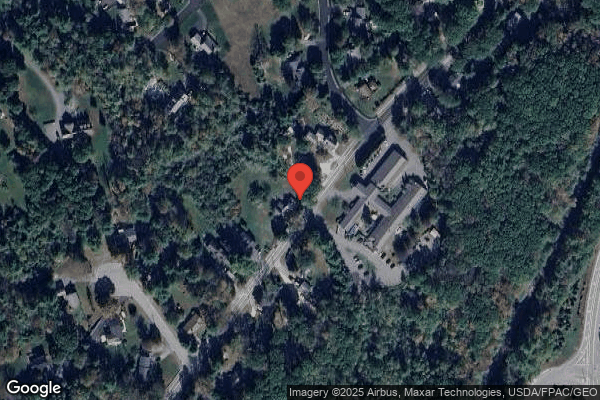

370 PORTLAND ST, YARMOUTH, ME 04096 (207) 846-9021
For profit - Limited Liability company 78 Beds NATIONAL HEALTH CARE ASSOCIATES Data: November 2025
Trust Grade
70/100
#18 of 77 in ME
Last Inspection: December 2024

Within standard 12-15 month inspection cycle. Federal law requires annual inspections.

Overview

Brentwood Center for Health & Rehabilitation, LLC has a Trust Grade of B, indicating it is a good choice among nursing homes. It ranks #18 out of 77 facilities in Maine, placing it in the top half of the state, and #5 out of 17 in Cumberland County, meaning only a few local options are better. However, the facility is experiencing a worsening trend, with issues increasing from 5 in 2022 to 9 in 2024. Staffing is rated 4 out of 5 stars, but the turnover rate of 52% is average compared to the state average of 49%. While there have been no fines, which is a positive sign, recent inspector findings revealed concerns such as medication management issues, where staff did not ensure residents swallowed their medications and failed to properly document controlled substances, highlighting areas that need improvement. Overall, Brentwood has strengths in its trust grade and staffing ratings, but the recent decline in compliance and specific incidents should be carefully considered by families.

Trust Score
B
70/100
In Maine
#18/77
Top 23%
Safety Record
Low Risk
No red flags
Inspections
Getting Worse
5 → 9 violations
Staff Stability
⚠ Watch
52% turnover. Above average. Higher turnover means staff may not know residents' routines.
Penalties
✓ Good
No fines on record. Clean compliance history, better than most Maine facilities.
Skilled Nurses
✓ Good
Each resident gets 52 minutes of Registered Nurse (RN) attention daily — more than average for Maine. RNs are trained to catch health problems early.
Violations
⚠ Watch
21 deficiencies on record. Higher than average. Multiple issues found across inspections.
★★★★☆
4.0
Overall Rating
★★★★☆
4.0
Staff Levels
★★★☆☆
3.0
Care Quality
★★★★☆
4.0
Inspection Score
Stable
2022: 5 issues
2024: 9 issues

The Good

  • 4-Star Staffing Rating · Above-average nurse staffing levels
  • Full Sprinkler Coverage · Fire safety systems throughout facility
  • No fines on record

Facility shows strength in staffing levels, fire safety.

The Bad

Staff Turnover: 52%

Near Maine avg (46%)

Higher turnover may affect care consistency

Chain: NATIONAL HEALTH CARE ASSOCIATES

Part of a multi-facility chain

Ask about local staffing decisions and management

The Ugly 21 deficiencies on record

Dec 2024 9 deficiencies
CONCERN (D)

Potential for Harm - no one hurt, but risky conditions existed

Safe Environment (Tag F0584)

Could have caused harm · This affected 1 resident

**NOTE- TERMS IN BRACKETS HAVE BEEN EDITED TO PROTECT CONFIDENTIALITY** Based on observations, the facility failed to adequately maintain maintenance services necessary to maintain the facility in goo...

Read full inspector narrative →
**NOTE- TERMS IN BRACKETS HAVE BEEN EDITED TO PROTECT CONFIDENTIALITY** Based on observations, the facility failed to adequately maintain maintenance services necessary to maintain the facility in good repair and sanitary condition for three of three units. Findings: On 12/4/24 at approximately 9:00 a.m., during a visit to the Laundry, a surveyor observed a heavy amount of dust and debris found on top of all dryers. This was confirmed with the Director of Maintenance at that time. On 12/4/24 at 10:30 a.m., during environmental rounds with the Administrator, the Director of Maintenance, and Director of Housekeeping, the following were discussed/observed: - room [ROOM NUMBER] - Closet door hinge needs repair - room [ROOM NUMBER] - Cable outlet coming out of wall - Café Sun Room has a stained ceiling above the windows - Entry into the Café Room has a small stain in the ceiling - The air handling unit across from the Nurses Station is stained with a red liquid substance - The Eagle Unit Dining Room has 4 stained ceiling tiles - Sebago Unit hallway has 3 ceiling lights with dead bugs on the light cover All of the above observations were confirmed with the Administrator at 11:15 a.m.
CONCERN (D)

Potential for Harm - no one hurt, but risky conditions existed

Medication Errors (Tag F0758)

Could have caused harm · This affected 1 resident

Based on record reviews and interviews, the facility failed to ensure that as needed (PRN) psychotropic medication orders were limited to 14 days, for 1 of 5 residents reviewed for unnecessary medicat...

Read full inspector narrative →
Based on record reviews and interviews, the facility failed to ensure that as needed (PRN) psychotropic medication orders were limited to 14 days, for 1 of 5 residents reviewed for unnecessary medications (Resident #121). Findings: On 12/3/24, during a review of Resident #121's physician orders, a surveyor noted an order dated 11/18/24 for Lorazepam (a psychotropic medication) 0.5 milligrams (mg) by mouth every 24 hours as needed (PRN) for Anxiety for 3 months. The surveyor noted no 14-day limit (or stop date) for the PRN order and no provider documentation supporting a PRN order for this medication extending beyond the 14-day limit. On 12/3/24 at 1:58 p.m. a surveyor reviewed the above findings with the Administrator.
CONCERN (D)

Potential for Harm - no one hurt, but risky conditions existed

Medical Records (Tag F0842)

Could have caused harm · This affected 1 resident

Based on record review, observation and interview, the facility failed to ensure the Medication Administration Record (MAR) was accurately documented for removing a Lidocaine patch for 1 of 4 resident...

Read full inspector narrative →
Based on record review, observation and interview, the facility failed to ensure the Medication Administration Record (MAR) was accurately documented for removing a Lidocaine patch for 1 of 4 residents observed during medication administration review. (#170) Finding: A review of Resident #170's physician order dated 12/1/24, instructs nursing to Lidocaine External patch 5%, apply to effected area topically one time a day for pain and remove lidocaine patch nightly. The MAR indicated, by nursing documentation, that on the evening of 12/2/24 the Lidocaine patch was removed. On 12/3/24 at 7:41 a.m., a surveyor observed Registered Nurse #3 (RN #3) administering a new Lidocaine patch to Resident #170's lower back. The RN #3 had to remove an old patch on the residents lower back to then replace it with the new Lidocaine patch. At this time, RN #3 confirmed the old Lidocaine patch should have been removed the evening prior. On 12/3/24 at 8:17 a.m., during an interview, the above was discussed with the Director of Nursing and the Regional Director of Clinical Operations.
CONCERN (D)

Potential for Harm - no one hurt, but risky conditions existed

Infection Control (Tag F0880)

Could have caused harm · This affected 1 resident

Based on observations and interviews, the facility failed to maintain an Infection Control Program designed to provide a sanitary environment to help prevent the development and transmission of diseas...

Read full inspector narrative →
Based on observations and interviews, the facility failed to maintain an Infection Control Program designed to provide a sanitary environment to help prevent the development and transmission of disease and infection related to hand hygiene for 1 of 2 medication administration observations (Eagle unit) for 1 of 3 days of survey. (12/2/24) Finding: On 12/2/24 at 9:35 a.m., during medication administration observation on the Eagle unit, Registered Nurse #1 (RN #1) prepared and administered medications to Resident #51. She then discarded the medicine cup, grabbed a tissue and wiped her hands. She then prepared and administered medications to Resident #52 and discarded the used drink cup and medicine cup. Next, she prepared and administered medications to Resident #9. On 12/2/24 at 9:49 a.m., the surveyor intervened and discussed the lack of hand hygiene between each resident's medication administration. RN #1 acknowledged she had not performed hand hygiene and stated there was not any hand sanitizer on the medication cart.
CONCERN (E)

Potential for Harm - no one hurt, but risky conditions existed

Deficiency F0658 (Tag F0658)

Could have caused harm · This affected multiple residents

Based on observations, record reviews, interviews, and facility policy, the facility staff failed to provide care in accordance with professional standards of quality in the areas of medication and pa...

Read full inspector narrative →
Based on observations, record reviews, interviews, and facility policy, the facility staff failed to provide care in accordance with professional standards of quality in the areas of medication and pain management for 2 of 4 residents observed for medication administration (Resident #51 and #170). Findings: A review of the facility's, Medication Pass Policy and Procedure, revised 9/23/2024 states, Always observe resident until they have swallowed all medications that have been administered. Do not leave medication in medication cup at the bedside or on tableside. 1. On 12/2/24 at 9:35 a.m., the surveyor observed Resident #51's medication administration with the Registered Nurse #1 (RN #1). RN #1 prepared the residents' medications, however, did not prepare the Miralax. When she was asked why the Miralax was not prepared, RN #1 stated she will not give the Miralax until later in the afternoon because Resident #51 frequently refuses in the mornings, and he/she does better in the afternoon. At this time, the surveyor asked if Resident #51 had refused the Miralax for this administration, RN #1 stated no. Review of the physician order dated 9/13/24 for Miralax oral packet 17 GM (grams), give 1 packet by mouth in the morning for constipation, mix in 8 oz of water or juice Hold for loose stools, scheduled for 9:00 a.m., administration. The administration record dated 12/2/24 at 10:02 a.m., states the Miralax was held 2. On 12/3/24 at 7:41 a.m., the surveyor observed Resident #170's medication administration with RN #3. RN #3 handed Resident #170 the medicine cup of medication and asked, Are you ok to take these pills on your own, I'll come back in a few minutes. RN #3 exited the room, leaving the medicine cup with the resident and returned to the medication cart. She then noticed Resident #170 also had an order for Glucerna. While in the Medication Administration Record (MAR), RN #3 documented Resident #170's pain scale of a 2. At this time, the RN#3 had not asked the resident what his/her pain level was. RN #3 then obtained a Glucerna and brought it to the resident. At this time, RN #3 asked Resident #170 what his/her pain level was, the resident stated he/she had no pain. RN #3 then stated, You want to take the pills with this, pointing to the Glucerna, resident responded Yes. RN #3 stated, Ok, I'll be back in a few, and left the room leaving the cup containing medication with the resident. The surveyor asked if she was finished with Resident #170's medication pass. She stated yes, but I have to correct the pain level. She then returned to the MAR and corrected the documentation to the pain level of 0. At this time, the surveyor discussed with the RN #3 the above concerns regarding documentation of the resident's pain scale prior to asking the resident and failure to observe the resident consume the medication by leaving medication at the bedside twice. On 12/3/24 at 8:17 a.m., during an interview, the above was discussed with the Director of Nursing and the Regional Director of Clinical Operations.
CONCERN (E)

Potential for Harm - no one hurt, but risky conditions existed

Pharmacy Services (Tag F0755)

Could have caused harm · This affected multiple residents

Based on record review, observations and interviews the facility failed to establish a system of records of receipt and disposition of all controlled drugs in sufficient detail to enable an accurate r...

Read full inspector narrative →
Based on record review, observations and interviews the facility failed to establish a system of records of receipt and disposition of all controlled drugs in sufficient detail to enable an accurate reconciliation by failed to ensure that two people who are authorized to administer medications signed the Shift Count page indicating that they counted all controlled substances at the change of shift for multiple shifts reviewed between 9/25/24 through 2/3/24 on 5 of 5 units. Findings: A review of the facility's Controlled Substances Policy and Procedure, dated 11/17 states, At shift change, a physical inventory of controlled medications, as defined by state regulation, is conducted by two licensed clinicians and is documented on an audit record. 1. On 12/2/24 at 9:09 a.m., during review of the Sebago Unit Narcotic book shift count, pages 294 through 298 from 9/25/24 thorough 12/2/24 with the Registered Nurse #2 (RN #2). The surveyor observed that the facility counts at the change of each shift, approx. 3 times a day. The licensed nursing staff coming on duty and/or the licensed nursing staff nurse going off duty failed to sign the Shift Count page of the Controlled Substances Book that indicated the controlled substances count was completed on the following dates: 9/25/24, 10/9/24, 10/16/24, 10/21/24, 11/1/24, 11/8/24 and 11/14/24. In addition, the surveyor noted that RN #2 failed to sign the shift count page for nurse coming on duty this morning upon accepting the narcotic keys. At this time, RN #2 confirmed she had not signed the shift count book this morning. 2. On 12/2/24 at 9:21 a.m., during review of the Eagle Unit Narcotic book shift count, pages 278 through 280 from 10/24/24 thorough 12/2/24 with RN #1. The licensed nursing staff coming on duty and/or the licensed nursing staff nurse going off duty failed to sign the Shift Count page of the Controlled Substances Book that indicated the controlled substances count was completed on the following dates: 10/24/24, 10/27/24, 11/12/24 and 11/22/24. In addition, the surveyor noted that RN #1 failed to sign the shift count page for the nurse coming on duty this morning upon accepting the narcotic keys. At this time, RN #1 confirmed she had not signed the shift count book this morning and immediately signed the book. 3. On 12/2/24 at 9:57 a.m., during review of the Short Hall and Kitchen Hall narcotic books with the Licensed Practical Nurse #1 (LPN #1) the surveyor noted the LPN #1 had signed the nurse coming on duty but had also presigned the nurse going off duty in both of the narcotic books indicating the narcotic count was correct prior to the end of her shift. At this time, LPN #1 confirmed she should not have signed the nurse going off duty until the nurse coming on duty counted with her. 4. On 12/3/24, review of the Passport Unit Narcotic book shift count, pages 293 and 294 from 10/23/24 through 12/3/24. The licensed nursing staff coming on duty and/or the licensed nursing staff nurse going off duty failed to sign the Shift Count page of the Controlled Substances Book that indicated the controlled substances count was completed on the following dates: 10/30/24, 11/6/24 and 11/9/24. On 12/3/24 at 8:17 a.m., the above concerns were again discussed with the Director of Nursing.
CONCERN (E)

Potential for Harm - no one hurt, but risky conditions existed

Deficiency F0761 (Tag F0761)

Could have caused harm · This affected multiple residents

2. On 12/2/24 at 10:06 a.m. a surveyor observed an unlocked and unattended medication cart located in the Eagle Unit hallway for approximately 2 minutes. Observation of residents nearby. At 10:08 a.m....

Read full inspector narrative →
2. On 12/2/24 at 10:06 a.m. a surveyor observed an unlocked and unattended medication cart located in the Eagle Unit hallway for approximately 2 minutes. Observation of residents nearby. At 10:08 a.m. through surveyor intervention, RN #1 was made aware of the unlocked medication cart. On 12/2/24 at 12:07 p.m. the above information was discussed with the Director of Nursing. Based on observations and interviews, the facility failed to remove expired medications from the supply available for use in 1 of 4 medication carts observed (Sebago unit) and failed to properly secure medications on 1 of 4 units (Eagle unit). Findings: 1. On 12/2/24 at 9:09 a.m., observation of the Sebago unit medication cart with the Registered Nurse #2 (RN #2) the following was observed: one opened bottle of Naproxen Sodium 220mg (milligram) with an expiration date of 7/24, one opened bottle of Vitamin D 10mcg (microgram) with an expiration date of 11/24, and one opened bottle of Oyster Shell Calcium 500mg with an expiration date of 10/24. At this time, the RN#2 confirmed and removed the expired meds. On 12/2/24 at 10:09 a.m., during an interview, the above was discussed with the Director of Nursing.
CONCERN (E)

Potential for Harm - no one hurt, but risky conditions existed

Food Safety (Tag F0812)

Could have caused harm · This affected multiple residents

Based on observations, interviews, and document review, the facility failed to ensure the kitchen was maintained in a clean and sanitary manner for undated and unlabeled food, 2 trays of unlabeled and...

Read full inspector narrative →
Based on observations, interviews, and document review, the facility failed to ensure the kitchen was maintained in a clean and sanitary manner for undated and unlabeled food, 2 trays of unlabeled and undated meat, moderate level of staining on ceiling tiles (17), dirty equipment. Findings: On 12/2/24 at 8:50 a.m., during the initial kitchen observation, a surveyor observed 2 trays of meat in the walk-in that was undated and unlabeled. Also observed was seventeen ceiling tiles that are stained or dirty. [NAME] stated that she has been with the facility for 12 years and the ceiling has not been done since she has been here. She was informed of the findings at that time. On 12/4/24 at 8:30 a.m., during a kitchen observation, a surveyor observed the ice machine, located in a kitchen on the Passport Unit, to have a moderate level of dirt on the inside of the lid, 0bserved a small amount of dried debris on the food slicer, observed a moderate amount of dried dirt and debris on the large mixer. The above finding were confirmed with the Administrator at 9:00 a.m.
MINOR (B)

Minor Issue - procedural, no safety impact

Deficiency F0730 (Tag F0730)

Minor procedural issue · This affected multiple residents

Based on review of annual evaluations and interviews, the facility failed to complete a annual performance evaluation for Certified Nursing Assistants (CNA) at least every 12 months, for 2 of 5 CNA's ...

Read full inspector narrative →
Based on review of annual evaluations and interviews, the facility failed to complete a annual performance evaluation for Certified Nursing Assistants (CNA) at least every 12 months, for 2 of 5 CNA's reviewed with employment greater than 1 year. (CNA#1 and CNA#2) Findings: On 12/3/24 and on12/4/24, a surveyor reviewed the following employee files: 1. CNA #1 was hired on 2/17/21. The employee file showed evidence of annual review being filled out and signed only by the Division Head, lacking evidence of employee signature. Further review of the employee file lacked evidence of an annual review being completed since date of hire. On 12/4/24 at 8:16 a.m. during a phone interview, CNA #1 states they have not received an annual review since their date of hire. 2. CNA #2 was hired on 7/13/2009. The employee file lacked evidence of an annual review being completed since date of hire. On 12/4/24 at 8:39 a.m., during an interview, CNA#2 states they have not received an annual review since their date of hire. On 12/4/24 at 9:00 a.m. the above information was confirmed with the Regional Director of Operations.
Nov 2022 1 deficiency
CONCERN (D) 📢 Someone Reported This

A family member, employee, or ombudsman was alarmed enough to file a formal complaint

Potential for Harm - no one hurt, but risky conditions existed

Notification of Changes (Tag F0580)

Could have caused harm · This affected 1 resident

Based on record review and interviews, the facility failed to ensure that a resident's representative was notified of an incident resulting in a fall and failed to follow its own Accident/Incident Pol...

Read full inspector narrative →
Based on record review and interviews, the facility failed to ensure that a resident's representative was notified of an incident resulting in a fall and failed to follow its own Accident/Incident Policy and Procedure for 1 of 3 sampled residents with a history of falls (#1). Finding: Accident/Incident Policy and Procedure, revised on 12/2018. Indicates the following: Procedure: 5. The family/responsible party will be notified by the charge nurse/designee with the date and time of notification on the Accident/Incident form and nurses notes. All failed attempts to speak with the responsible party are to be documented in the nurses notes with the date and the time that call was made. A review of Resident #1's Accident/Incident Report indicated on 10/28/22 at approximately 6:30 a.m. he/she had an unwitnessed fall and was found on the floor. Staff assisted resident into wheelchair. Condition after Occurrence indicates Residents #1's has chronic knee pain and no complaints of hip pain. The Accident/Incident Report and the clinical record lacked evidence of the resident representative being notified of the fall. On 11/8/22 at 11:29 a.m., during an interview with the Registered Nurse, she reported that she had not notified the family of the fall. On 11/9/22 at approximately 9:06 a.m. during an interview with the resident's representative, she reported the facility had not notified her of the fall until 10/30/22 when Resident #1 was being sent to the emergency room for evaluation of hip pain. On 11/8/22 at 11:46 a.m., in an interview with the Director of Nursing, the surveyor confirmed the above finding.
May 2022 4 deficiencies
CONCERN (D)

Potential for Harm - no one hurt, but risky conditions existed

Deficiency F0657 (Tag F0657)

Could have caused harm · This affected 1 resident

Based on record review and interview, the facility failed to ensure that a care plan was updated to reflect the resident's current need in the area of Cardio Pulmonary Resuscitation status for 1 of 1 ...

Read full inspector narrative →
Based on record review and interview, the facility failed to ensure that a care plan was updated to reflect the resident's current need in the area of Cardio Pulmonary Resuscitation status for 1 of 1 residents reviewed. (#16) Finding: Resident #16's electronic record face sheet has the residents Code Status as Code Status: Cardio Pulmonary Resuscitation. The Care Plan entry from 3/10/22, states that the resident's code status is Do Not Resuscitate. This finding was confirmed with the Director of Nursing (DON) on 5/18/22 at 11:40 a.m.
CONCERN (D)

Potential for Harm - no one hurt, but risky conditions existed

Accident Prevention (Tag F0689)

Could have caused harm · This affected 1 resident

Based on interviews, observations and record review the facility failed to ensure that the resident's environment was free of accident hazards when a broken outlet cover was observed in a resident's r...

Read full inspector narrative →
Based on interviews, observations and record review the facility failed to ensure that the resident's environment was free of accident hazards when a broken outlet cover was observed in a resident's rooms on 1 of 3 days of survey. Finding: On 5/16/22 at 10:31 a.m. a surveyor observed a broken outlet cover (the cover was missing except for a jagged piece in the bottom right hand corner) on the wall next to Resident #44's bed (the Resident's bed was lengthwise against the wall with the broken outlet cover). On 5/16/22 at 11:19 a.m., this finding was confirmed with the Director of Nursing Services.
CONCERN (E)

Potential for Harm - no one hurt, but risky conditions existed

Deficiency F0761 (Tag F0761)

Could have caused harm · This affected multiple residents

Based on observations and interviews, the facility failed to store medication according to manufacturer specifications for Acidophilous in 3 of 5 medication carts observed (Skilled Nursing Facility (S...

Read full inspector narrative →
Based on observations and interviews, the facility failed to store medication according to manufacturer specifications for Acidophilous in 3 of 5 medication carts observed (Skilled Nursing Facility (SNF) Short Hall Cart, SNF/Kitchen Hall cart and Sebago med cart). Findings: 1. On 5/16/22 at 3:57 p.m., observation of the medication cart on the SNF/short hall was an opened bottle of Acidophilus capsules with manufacturer directions to Refrigerate after opening to help maintain potency. At this time, the Licensed Practical Nurse (LPN) #1 confirmed the Acidophilus should be stored in the refrigerator once opened. 2. On 5/16/22 at 4:06 p.m., observation of the medication cart on the SNF/kitchen hall was an opened bottle of Acidophilus capsules with manufacturer directions to Refrigerate after opening to help maintain potency. At this time, the LPN #2 confirmed the observation. 3. On 5/16/22 at 4:10 p.m., observation of the medication cart on the Sebago unit was an opened bottle of Acidophilus capsules with manufacturer directions to Refrigerate after opening to help maintain potency. At this time, the LPN #3 confirmed the observation. On 5/16/22 at 4:30 p.m., the surveyor discussed the above concern with the Director of Nursing
CONCERN (F)

Potential for Harm - no one hurt, but risky conditions existed

Food Safety (Tag F0812)

Could have caused harm · This affected most or all residents

Based on observations, interviews, review of the facility's Dishwasher Temperature Log, and the facility's Dish Machine Use policy, the facility failed to ensure dishwasher temperatures were monitored...

Read full inspector narrative →
Based on observations, interviews, review of the facility's Dishwasher Temperature Log, and the facility's Dish Machine Use policy, the facility failed to ensure dishwasher temperatures were monitored and maintained according to the U.S. Department of Health and Human Services, Public Health Services, Food and Drug Administration Food Code, for 1 of 2 kitchen observation days of survey, and 3 of 4 months of dishwasher temperature logs reviewed. Findings: On 5/16/22 from 9:00 a.m. to 9:30 a.m., during the initial kitchen tour, a surveyor observed the facility's high temperature dishwasher reached a maximum of 150 degrees Fahrenheit (F) during the wash cycle. The rinse cycle reached a maximum temperature of 144 degrees F. In addition, the temperature gauges were observed to be filled with condensation and difficult to read. Two kitchen staff stated the dishwasher had recently been repaired but were unable to provide details other than the temperature had been too high. On 5/16/22 at 9:30 a.m., the surveyor notified the facility's Administrator that there was a problem with the dishwasher temperatures reading too low. On 5/16/22, at approximately 11:00 a.m., the Evening [NAME] Supervisor stated the thermostat for the high temperature dishwasher was replaced on Friday, 5/13/22, and also a couple months ago, as the temperature had been running too high. It was staying on 212, (degrees F). He stated the temperatures were set at 185 degrees F maximum for the rinse and 140-150 degrees maximum for the wash. On 5/16/22 at 12:20 p.m., a technician was observed repairing the dishwasher. He stated I was here twice before to replace the thermostat that had shorted out and the temps were too cold. He stated he would replace the gauge covers that were filled with condensation. A review of the facility's Culinary Services Policy for Monitoring Dish Machine Temperatures and Sanitizer, with a revision date of 1/7/22, stated: Water temperature and sanitizer levels are monitored to verify proper functioning of equipment and adequate sanitizing of dishware and food contact surfaces. 2. The dish washer or designee checks the temperature and, if applicable, sanitizer concentration before washing dishes from each meal. Results are recorded on the log. Out of range levels are to be reported to the Food Service Director, designee, or directly to the maintenance department immediately. Do not use the dish machine if temperature or sanitizer does not meet standards. Monitoring Temperatures for High-Temperature Dish Machine. 6. Refer to the data plate on the machine to determine the appropriate wash and rinse temperature for the machine. Appropriate water temperatures vary by machine. Specifications from the U.S. Department of Health and Human Services, Public Health Services, and Food and Drug Administration Food Code indicated below. However, always defer to the manufacturer's recommendations. Wash temperature: 150-165 degrees F (depending on the type of dish machine). Final rinse temperature: not less than 165 degrees F (stationary rack, single temp machine) and 180 degrees F (all other machines) and not more than 194 degrees F. A review of the facility's Dish Machine temperature logs revealed the following: - During the month of May, 2022, wash cycle temperatures ranged from 140 to 145 degrees F for 8 out of 15 days. The rinse cycle temperatures ranged from 150 to 170 degrees F for 11 out of 15 days. There were 4 days that no monitoring was completed. - During the month of April, 2022, wash cycle temperatures ranged from 140 to 148 degrees F for 7 out of 30 days. The rinse cycle temperatures ranged from 160 to 175 degrees F on 6 days. There was one day with no monitoring completed for the morning shift. - During the month of March, 2022, wash cycle temperatures ranged from 100 to 144 degrees F for 6 out of 31 days. The rinse cycle temperatures ranged from 120 to 178 degrees F for 4 out of 31 days. On 3/9/22, 3/10/22, and 3/11/22, staff had written boss knows next to low temperature entries. - During the month of February, 2022, one wash cycle temperature was recorded at 140 degrees F. On 5/16/22 at 1:45 p.m., the surveyor spoke with 2 kitchen staff and asked what type of dishwasher machine the facility had (high or low temperature). Neither staff knew the answer. The surveyor asked if either staff knew what the dishwasher temperatures should range. Neither staff knew the answer. The surveyor asked if temperatures were low, what were they to do? The staff stated we'd tell the boss. On 5/16/22 at 1:50 p.m. the Evening [NAME] Supervisor was observed carrying a large cardboard box of styrofoam food containers. He stated this is the first time we've had to use them. The surveyor showed the Evening [NAME] Supervisor the dishwasher temperature logs from February, March, April and May, 2022, with multiple low or blank readings. The Evening [NAME] Supervisor confirmed the low temperature readings. He did not know if meals were served on dishes and utensils that had been washed with the low temperature readings. He stated staff were supposed to call a tech when it happens. On 5/16/22 at 2:00 p.m., a surveyor observed staff using the dishwasher after the technician had serviced it. The wash cycle temp was 148 degrees F and the Rinse cycle temp was 181 degrees. The gauges were still filled with condensation after the tech had told the surveyor he was going to replace them. On 5/16/22 at 3:00 p.m., the surveyor confirmed the finding of continued low wash cycle temperatures with the Administrator, who then instructed the kitchen staff to not use the dishwashing machine.
Jul 2019 7 deficiencies
CONCERN (D)

Potential for Harm - no one hurt, but risky conditions existed

Deficiency F0645 (Tag F0645)

Could have caused harm · This affected 1 resident

Based on record review and interview, the facility failed to ensure that 1 of 1residents with a specialized mental health diagnosis, whose stay was expected to exceed 30 days, had been referred to the...

Read full inspector narrative →
Based on record review and interview, the facility failed to ensure that 1 of 1residents with a specialized mental health diagnosis, whose stay was expected to exceed 30 days, had been referred to the appropriate state-designated authority for Pre-admission Screening & Resident Review Level II ( PASARR) evaluation (#36). Finding: Resident #36 was admitted to the facility with diagnosis of major depressive disorder, anxiety disorder and schizoaffective disorder. Resident #36's clinical record contained a PASARR Level I determination letter dated 11/9/18 with the directions to refer Resident #36 to PASSARR Level II. There was no evidence in the clinical record to indicate a Level II screen was conducted. As of 7/23/19 no PASARR Level II had been completed for Resident #36. On 7/24/19 at 9:15 a.m., in an interview with the Social Worker, a surveyor confirmed that a PASARR Level II evaluation was not completed for Resident #36.
CONCERN (D)

Potential for Harm - no one hurt, but risky conditions existed

Accident Prevention (Tag F0689)

Could have caused harm · This affected 1 resident

**NOTE- TERMS IN BRACKETS HAVE BEEN EDITED TO PROTECT CONFIDENTIALITY** Based on observations and interviews, the facility failed to ensure that hot water temperatures, accessible to residents, did no...

Read full inspector narrative →
**NOTE- TERMS IN BRACKETS HAVE BEEN EDITED TO PROTECT CONFIDENTIALITY** Based on observations and interviews, the facility failed to ensure that hot water temperatures, accessible to residents, did not exceed 120 degrees Fahrenheit during 1 of 4 days of survey. Finding: On 7/22/19 from 10:10 a.m. to 11:02 a.m., surveyors observed hot water temperatures in the following locations: Resident room [ROOM NUMBER] = 122.5 degrees Fahrenheit at 10:10 a.m.; Resident room [ROOM NUMBER] = 124.7 degrees Fahrenheit at 10:13 a.m.; Resident room [ROOM NUMBER] = 120.4 degrees Fahrenheit at 10:15 a.m.; Resident room [ROOM NUMBER] = 122 degrees Fahrenheit at 10:20 a.m.; Resident room [ROOM NUMBER] = 125.2 degrees Fahrenheit at 10:30 a.m.; Resident room [ROOM NUMBER] = 122 degrees Fahrenheit at 10:30 a.m.; and Whirlpool Room on Eagle Lake Unit = 120.8 degrees Fahrenheit at 10:35 a.m. On 7/22/19 at 10:28 a.m., a surveyor and the Maintenance Supervisor jointly tested the hot water temperature in Resident room [ROOM NUMBER] with their own equipment and confirmed the hot water temperature exceeded 120 degrees Fahrenheit. The Maintenance Supervisor provided the surveyor with hot water temperature logs for June and July, taken 5 days a week in 3 different resident rooms each day. The surveyor noted no high hot water temperatures. The facility notified a plumber to correct the situation. The surveyors noted no further high hot water temperatures.
CONCERN (D)

Potential for Harm - no one hurt, but risky conditions existed

Food Safety (Tag F0812)

Could have caused harm · This affected 1 resident

Based on observations and interview, the facility failed to serve food in a sanitary manner and failed to ensure the kitchen was maintained in a clean and sanitary manner for the ice machine, kitchen ...

Read full inspector narrative →
Based on observations and interview, the facility failed to serve food in a sanitary manner and failed to ensure the kitchen was maintained in a clean and sanitary manner for the ice machine, kitchen walls and ceiling on 2 of 4 days of kitchen observation. Findings: 1. On 7/22/19 at 9:05 a.m., during the initial kitchen tour, a surveyor observed: > A corner of the wall, on the left side of the walk-in refrigerator, missing a section of sheetrock, creating an uncleanable surface; > The area above the sink and below the window with 3 broken and 1 missing tiles behind the pipes, creating an uncleanable surface; > Areas of the ceiling over the sink and steam table with rusty metal strapping and ceiling tiles stained with food spatters; and > Two surveyors observed the ice machine, located in the kitchenette at the end of the first floor hallway, with a black substance on the inside lid cover. The finding was confirmed with the Administrator and two surveyors on 7/22/19 at 1:05 p.m On 7/22/19 at 1:45 p.m. and 2:45 p.m., during tours of the kitchen, the findings of the kitchen were confirmed with the Administrator. 2. On 7/24/19 at 12:10 p.m., during the noon meal service, a surveyor observed: > During testing of the food temps, the surveyor observed the [NAME] wipe off the thermometer onto a soiled pot holder; and > While serving the meal, the surveyor observed the [NAME] wearing clean gloves, open the trash can with gloved hands, dispose of plastic wrap, and then walk into the dry storage area. The [NAME] then removed from a shelf, a box containing a bag of chips, removed the bag of chips, then opened the chips and wearing the same gloves, reached into the bag and placed a handful of chips onto a plate. On 7/24/19 at 12:50 p.m., in an interview with the surveyor, the [NAME] confirmed that he/she did not change gloves in between tasks. The findings were discussed in an interview with the surveyor and the Administrator on 7/24/19 at 2:30 p.m.
CONCERN (E)

Potential for Harm - no one hurt, but risky conditions existed

Deficiency F0657 (Tag F0657)

Could have caused harm · This affected multiple residents

**NOTE- TERMS IN BRACKETS HAVE BEEN EDITED TO PROTECT CONFIDENTIALITY** 2. During a medical record review of Resident #31, the Minimum Data Set (MDS) admission assessment dated [DATE] and the Quarterl...

Read full inspector narrative →
**NOTE- TERMS IN BRACKETS HAVE BEEN EDITED TO PROTECT CONFIDENTIALITY** 2. During a medical record review of Resident #31, the Minimum Data Set (MDS) admission assessment dated [DATE] and the Quarterly MDS dated [DATE] lacked evidence that the resident/representative was involved in the development of his/her plan of care or that it was reviewed with him/her. Further review of the clinical documentation indicated the only clinical documentation of an interdisciplinary team meeting was held on 4/30/19. In an interview with the Administrator on 7/25/19 at 9:30 a.m., the surveyor confirmed the finding. Based on interviews and record reviews, the facility failed to review and revise the care plan by an interdisciplinary team, which included the participation of the resident and resident's representative, after each assessment, for 2 of 21 residents whose care plans were reviewed (Resident #12 and #31). Findings: 1. During a medical record review of Resident #12, quarterly Minimum Data Set (MDS) 3.0 assessments dated 1/18/19 and 4/20/19. Clinical documentation indicated the last interdisciplinary team (IDT) meeting was held on 11/17/18. In a review of the clinical record the surveyor did not locate evidence that after completion of the 1/18/19 and 4/20/19 quarterly MDS assessments, care plan meetings were held by the interdisciplinary team that included, to the extent possible, participation of Resident #12's representative to review and revise the care plan. In an interview with the Administrator on 7/25/19 at 9:30 a.m., the surveyor confirmed that no care plan meeting was held after 11/17/18.
MINOR (C)

Minor Issue - procedural, no safety impact

Transfer Notice (Tag F0623)

Minor procedural issue · This affected most or all residents

4. On record review, the surveyor noticed that Resident #10 transferred to an acute care facility on 7/17/19 for treatment of cough, confusion and shaking. The surveyor could not locate evidence that ...

Read full inspector narrative →
4. On record review, the surveyor noticed that Resident #10 transferred to an acute care facility on 7/17/19 for treatment of cough, confusion and shaking. The surveyor could not locate evidence that a written transfer/discharge notice was provided to the resident. On 7/25/19 at 10:50 a.m., the surveyor confirmed in an interview with the Administrator that the medical record lacked evidence that a written transfer/discharge notice was issued to Resident #10 and the resident's representative. 5. On record review, the surveyor noticed that Resident #24 transferred to an acute care facility on 6/22/19 for treatment of a change in mental status. The surveyor could not locate evidence that a written transfer/discharge notice was provided to the resident. 6. On record review, the surveyor noticed that Resident #34 transferred to an acute care facility on 6/26/19 for treatment of possible pyelonephritis. The surveyor could not locate evidence that a written transfer/discharge notice was provided to the resident. On 7/23/19 at 1:59 p.m., the surveyor confirmed in an interview with the Director of Nursing that the medical record lacked evidence that a written transfer/discharge notice was issued to Resident #24 and Resident #34 and the resident's representatives. Based on interview and record review, the facility failed to issue a written transfer/discharge notice to residents or their representative for a facility-initiated transfer/discharge for 6 of 7 sampled residents transferred/discharged to an acute care facility (Residents #10, #12, #24, #34, #40 and #54). Findings: 1. On record review, the surveyor noted Resident #12 transferred to an acute care facility on 1/30/19 for treatment of violent behaviors. The surveyor could not locate evidence that a written transfer/discharge notice was provided to the resident and the resident representative. 2. On record review, the surveyor noted Resident #40 transferred to an acute care facility on 6/3/19 for treatment a fall with an injury. The surveyor could not locate evidence that a written transfer/discharge notice was provided to the resident and the resident representative. 3. On record review, the surveyor noted Resident #54 transferred to an acute care facility on 4/19/19 and 6/13/19 for treatment acute kidney failure. The surveyor could not locate evidence that a written transfer/discharge notice was provided to the resident and the resident representative. On 7/23/19 at 1:59 p.m., the surveyor confirmed in an interview with the Director of Nursing that the medical record lacked evidence that a written transfer notice was issued for Residents #12, #40 and #54 and the resident's representatives.
MINOR (C)

Minor Issue - procedural, no safety impact

Deficiency F0625 (Tag F0625)

Minor procedural issue · This affected most or all residents

5. On record review, the surveyor noticed that Resident #10 transferred to an acute care facility on 7/17/19 for treatment of cough, confusion, and shaking. The surveyor could not locate evidence that...

Read full inspector narrative →
5. On record review, the surveyor noticed that Resident #10 transferred to an acute care facility on 7/17/19 for treatment of cough, confusion, and shaking. The surveyor could not locate evidence that a written bed hold notice was provided to the resident. On 7/25/19 at 10:50 a.m., the surveyor confirmed in an interview with the Administrator that the medical record lacked evidence that a written bed hold notice was issued to Resident #10 and the resident's representative. 6. On record review, the surveyor noticed that Resident #24 transferred to an acute care facility on 6/22/19 for treatment of a change in mental status. The surveyor could not locate evidence that a written bed hold notice was provided to the resident. 7. On record review, the surveyor noticed that Resident #34 transferred to an acute care facility on 6/26/19 for treatment of possible pyelonephritis. The surveyor could not locate evidence that a written bed hold notice was provided to the resident. On 7/23/19 at 1:59 p.m., the surveyor confirmed in an interview with the Director of Nursing that the medical record lacked evidence that a written bed hold notice was issued to Resident #24 and Resident #34 and the resident's representative. 4. Documentation in Resident #36's clinical record indicated Resident #36 was transferred to the hospital on 5/3/19 and admitted . The clinical record lacks evidence that Resident #36 or his/her representative was provided a written bed hold notice. On 7/23/19 at 1:59 p.m., in an interview with the Director of Nursing, a surveyor confirmed that a bed hold notice was not given. Based on interview and record review, the facility failed to issue a written bed hold notice to residents and their representative for a facility-initiated transfer/discharge for 7 of 7 sampled residents transferred/discharged to an acute care facility (Residents #10, #12, #24, #34, #36, #40 and #54). Findings: 1. On record review, the surveyor noted Resident #12 transferred to an acute care facility on 1/30/19 for treatment of violent behaviors. The surveyor could not locate evidence that a written bed hold notice was provided to the resident and the resident representative. 2. On record review, the surveyor noted Resident #40 transferred to an acute care facility on 6/3/19 for treatment a fall with an injury. The surveyor could not locate evidence that a written bed hold notice was provided to the resident and the resident representative. 3. On record review, the surveyor noted Resident #54 transferred to an acute care facility on 4/19/19 and 6/13/19 for treatment of acute kidney failure. The surveyor could not locate evidence that a written bed hold notice was provided provided to the resident and the resident's representative. On 7/23/19 at 1:59 p.m., the surveyor confirmed in an interview with the Director of Nursing that the medical record lacked evidence that a written bed hold notice was issued to Residents #12, #40, and #54 and the resident's representative.
MINOR (C)

Minor Issue - procedural, no safety impact

Deficiency F0947 (Tag F0947)

Minor procedural issue · This affected most or all residents

Based on review of the Inservice Attendance Log and interview, the facility failed to monitor and ensure that 3 out of 3 randomly selected Certified Nursing Assistant's (C.N.A.'s), attended the requir...

Read full inspector narrative →
Based on review of the Inservice Attendance Log and interview, the facility failed to monitor and ensure that 3 out of 3 randomly selected Certified Nursing Assistant's (C.N.A.'s), attended the required 12 hours of annual in-service education (C.N.A. #1, C.N.A. #2 and C.N.A. #3) Findings: 1. C.N.A. #1 has been employed at facility since 9/27/12. The Facility could not provide information that C.N.A #1 completed the required 12 hours of in-services in the past year which would have included Dementia. 2. C.N.A. #2 has been employed at facility since 9/25/06. The Facility could not provide information that C.N.A. #2 completed the 12 hours of in-services in the past year. 3. C.N.A. #3 has been employed at facility since 1/2/15. The Facility could not provide information that C.N.A. #3 completed the 12 hours of in-services in the past year which would have included Dementia.
Understanding Severity Codes (click to expand)
Life-Threatening (Immediate Jeopardy)
J - Isolated K - Pattern L - Widespread
Actual Harm
G - Isolated H - Pattern I - Widespread
Potential for Harm
D - Isolated E - Pattern F - Widespread
No Harm (Minor)
A - Isolated B - Pattern C - Widespread

Questions to Ask on Your Visit

  • "Can I speak with families of current residents?"
  • "What's your RN coverage like on weekends and overnight?"

Our Honest Assessment

Strengths
  • • No major safety red flags. No abuse findings, life-threatening violations, or SFF status.
  • • No fines on record. Clean compliance history, better than most Maine facilities.
Concerns
  • • 21 deficiencies on record. Higher than average. Multiple issues found across inspections.
Bottom line: Mixed indicators with Trust Score of 70/100. Visit in person and ask pointed questions.

About This Facility

What is Brentwood Center For Health & Rehabilitation, Llc's CMS Rating?

CMS assigns BRENTWOOD CENTER FOR HEALTH & REHABILITATION, LLC an overall rating of 4 out of 5 stars, which is considered above average nationally. Within Maine, this rating places the facility higher than 99% of the state's 100 nursing homes. This rating reflects solid performance across the metrics CMS uses to evaluate nursing home quality.

How is Brentwood Center For Health & Rehabilitation, Llc Staffed?

CMS rates BRENTWOOD CENTER FOR HEALTH & REHABILITATION, LLC's staffing level at 4 out of 5 stars, which is above average compared to other nursing homes. Staff turnover is 52%, compared to the Maine average of 46%.

What Have Inspectors Found at Brentwood Center For Health & Rehabilitation, Llc?

State health inspectors documented 21 deficiencies at BRENTWOOD CENTER FOR HEALTH & REHABILITATION, LLC during 2019 to 2024. These included: 17 with potential for harm and 4 minor or isolated issues.

Who Owns and Operates Brentwood Center For Health & Rehabilitation, Llc?

BRENTWOOD CENTER FOR HEALTH & REHABILITATION, LLC is owned by a for-profit company. For-profit facilities operate as businesses with obligations to shareholders or private owners. The facility is operated by NATIONAL HEALTH CARE ASSOCIATES, a chain that manages multiple nursing homes. With 78 certified beds and approximately 69 residents (about 88% occupancy), it is a smaller facility located in YARMOUTH, Maine.

How Does Brentwood Center For Health & Rehabilitation, Llc Compare to Other Maine Nursing Homes?

Compared to the 100 nursing homes in Maine, BRENTWOOD CENTER FOR HEALTH & REHABILITATION, LLC's overall rating (4 stars) is above the state average of 3.0, staff turnover (52%) is near the state average of 46%, and health inspection rating (4 stars) is above the national benchmark.

What Should Families Ask When Visiting Brentwood Center For Health & Rehabilitation, Llc?

Based on this facility's data, families visiting should ask: "Can I visit during a mealtime to observe dining assistance and food quality?" "How do you handle medical emergencies, and what is your hospital transfer rate?" "Can I speak with family members of current residents about their experience?"

Is Brentwood Center For Health & Rehabilitation, Llc Safe?

Based on CMS inspection data, BRENTWOOD CENTER FOR HEALTH & REHABILITATION, LLC has a clean safety record: no substantiated abuse findings (meaning no confirmed cases of resident harm), no Immediate Jeopardy citations (the most serious violation level indicating risk of serious injury or death), and is not on the Special Focus Facility watch list (a federal program monitoring the lowest-performing 1% of nursing homes). The facility has a 4-star overall rating and ranks #1 of 100 nursing homes in Maine. While no facility is perfect, families should still ask about staff-to-resident ratios and recent inspection results during their visit.

Do Nurses at Brentwood Center For Health & Rehabilitation, Llc Stick Around?

BRENTWOOD CENTER FOR HEALTH & REHABILITATION, LLC has a staff turnover rate of 52%, which is 6 percentage points above the Maine average of 46%. Moderate turnover is common in nursing homes, but families should still ask about staff tenure and how the facility maintains care continuity when employees leave.

Was Brentwood Center For Health & Rehabilitation, Llc Ever Fined?

BRENTWOOD CENTER FOR HEALTH & REHABILITATION, LLC has no federal fines on record. CMS issues fines when nursing homes fail to meet care standards or don't correct problems found during inspections. The absence of fines suggests the facility has either maintained compliance or corrected any issues before penalties were assessed. This is a positive indicator, though families should still review recent inspection reports for the full picture.

Is Brentwood Center For Health & Rehabilitation, Llc on Any Federal Watch List?

BRENTWOOD CENTER FOR HEALTH & REHABILITATION, LLC is not on any federal watch list. The most significant is the Special Focus Facility (SFF) program, which identifies the bottom 1% of nursing homes nationally based on persistent, serious quality problems. Not being on this list means the facility has avoided the pattern of deficiencies that triggers enhanced federal oversight. This is a positive indicator, though families should still review the facility's inspection history directly.