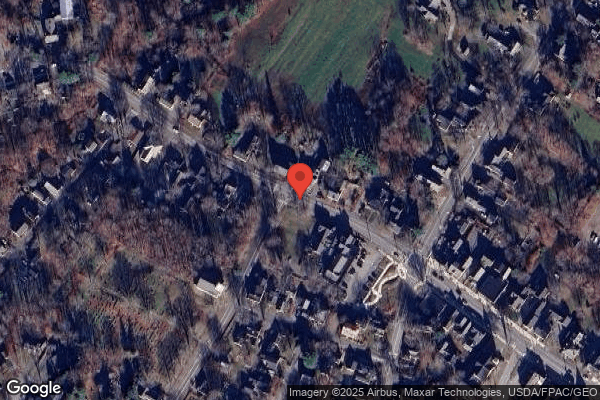
Coastal Manor

20 WEST MAIN STREET, YARMOUTH, ME 04096 (207) 846-2250
For profit - Corporation 39 Beds Independent Data: November 2025
Trust Grade
70/100
#22 of 77 in ME
Last Inspection: August 2024

Within standard 12-15 month inspection cycle. Federal law requires annual inspections.

Overview

Coastal Manor has a Trust Grade of B, which indicates it is a good choice for families looking for care. It ranks #22 out of 77 nursing homes in Maine, placing it in the top half of options available in the state, and #7 out of 17 in Cumberland County, meaning there are only six local facilities rated higher. However, the facility is experiencing a worsening trend, increasing from 6 issues in 2023 to 11 in 2024. Staffing is a relative strength, with a turnover rate of 39%, which is better than the state average, but RN coverage is concerning, as it is lower than that of 84% of Maine facilities. While the home has no fines, there are concerns about food variety and overall cleanliness, with residents reporting repetitive meals and observed stained ceilings and dirty curtains. Additionally, there were incidents where the facility failed to notify families of residents' significant changes in medical conditions after falls, which raises safety concerns.

Trust Score
B
70/100
In Maine
#22/77
Top 28%
Safety Record
Low Risk
No red flags
Inspections
Getting Worse
6 → 11 violations
Staff Stability
○ Average
39% turnover. Near Maine's 48% average. Typical for the industry.
Penalties
✓ Good
No fines on record. Clean compliance history, better than most Maine facilities.
Skilled Nurses
○ Average
Each resident gets 40 minutes of Registered Nurse (RN) attention daily — about average for Maine. RNs are the most trained staff who monitor for health changes.
Violations
⚠ Watch
32 deficiencies on record. Higher than average. Multiple issues found across inspections.
★★★★☆
4.0
Overall Rating
★★★☆☆
3.0
Staff Levels
★★★★★
5.0
Care Quality
★★★☆☆
3.0
Inspection Score
Stable
2023: 6 issues
2024: 11 issues

The Good

  • 5-Star Quality Measures · Strong clinical quality outcomes
  • Full Sprinkler Coverage · Fire safety systems throughout facility
  • No fines on record
  • Staff turnover below average (39%)

    9 points below Maine average of 48%

Facility shows strength in quality measures, fire safety.

The Bad

Staff Turnover: 39%

Near Maine avg (46%)

Typical for the industry

The Ugly 32 deficiencies on record

Dec 2024 1 deficiency
CONCERN (D) 📢 Someone Reported This

A family member, employee, or ombudsman was alarmed enough to file a formal complaint

Potential for Harm - no one hurt, but risky conditions existed

Deficiency F0558 (Tag F0558)

Could have caused harm · This affected 1 resident

Based on observations and interviews the facility staff failed to provide access to resident call bell device for 3 of 35 residents (#2, #3, and #4). Findings: On 12/10/24 at 8:15a.m. Resident #2 was...

Read full inspector narrative →
Based on observations and interviews the facility staff failed to provide access to resident call bell device for 3 of 35 residents (#2, #3, and #4). Findings: On 12/10/24 at 8:15a.m. Resident #2 was asked if he/she had a device to call the staff if he needed them, he/she said, Sometimes. No device was observed at that time. The call device was observed hanging on the wall, approximately 5 feet from the resident's bed. This was pointed out to the Certified Nursing Assistant (CNA) #1 and she moved it to the resident's bed covers. On 12/10/24 at 8:55a.m. Resident #3 was asked if he/she had a device to call the nurses if he/she needed anything, he/she looked around and said, No. No call bell observed. With a search the device was found with the cord behind him/her and the button on the floor between his/her chair and his/her bed. On 12/10/24 at 9:00a.m. Resident #4 was observed in bed with no call bell near him/her. He/She was unable to respond to questions about his/her call bell. Observed that there was no call for this resident. A Registered Nurse was asked if she knew about the call bell. A search of the area found that the call device was pulled out of the wall, on the floor wrapped around the bed. On 12/10/24 at 9:10a.m. Infection Preventionist and surveyor toured the remaining residents. No other residents had a call device that was not in reach and knew where it was. She confirmed that 3 of 35 residents did not have access to a call bell.
Aug 2024 6 deficiencies
CONCERN (D)

Potential for Harm - no one hurt, but risky conditions existed

Assessment Accuracy (Tag F0641)

Could have caused harm · This affected 1 resident

**NOTE- TERMS IN BRACKETS HAVE BEEN EDITED TO PROTECT CONFIDENTIALITY** Based on record reviews and interviews, the facility failed to ensure that the Minimum Data Set (MDS) 3.0 was coded accurately i...

Read full inspector narrative →
**NOTE- TERMS IN BRACKETS HAVE BEEN EDITED TO PROTECT CONFIDENTIALITY** Based on record reviews and interviews, the facility failed to ensure that the Minimum Data Set (MDS) 3.0 was coded accurately in the area of Active Diagnosis for 1 of 3 sampled residents with the diagnosis of Post Traumatic Stress Disorder (PTSD) (Resident #9). Finding: On 8/13/24, R9's clinical record was reviewed and indicated the resident was admitted to the facility on [DATE]. The provider's admission progress note dated 4/19/24 states under Problem List/Past Medical History, ongoing: Nightmares, from PTSD. HX of abusive relationship . PTSD, Pt states from horrible divorce, husband abusive mentally and physically suffers nightmares . Pt fears leaving home. States only drives to get groceries. Suffers from PTSD. The admission minimum data set (MDS) 3.0 dated 4/22/24 and the most recent Quarterly MDS dated [DATE] indicates, under Active Diagnosis Section I6100, states that the resident did not have PTSD. The surveyor was unable to find information in the clinical record that indicated what R9's PTSD trigger(s) might cause re-traumatization. On 8/13/24 at 11:15 a.m., the above was discussed with the Administrative Assistant.
CONCERN (D)

Potential for Harm - no one hurt, but risky conditions existed

Comprehensive Care Plan (Tag F0656)

Could have caused harm · This affected 1 resident

**NOTE- TERMS IN BRACKETS HAVE BEEN EDITED TO PROTECT CONFIDENTIALITY** Based on record review and interview, the facility failed to develop a care plan for a resident with a current diagnosis of Post...

Read full inspector narrative →
**NOTE- TERMS IN BRACKETS HAVE BEEN EDITED TO PROTECT CONFIDENTIALITY** Based on record review and interview, the facility failed to develop a care plan for a resident with a current diagnosis of Post-Traumatic Stress Disorder (PTSD) for 1 of 3 sampled residents reviewed (Resident #9). Finding: Resident #9 was admitted to the facility on [DATE]. The provider's admission progress note dated 4/19/24 states under Problem List/Past Medical History, ongoing: Nightmares, from PTSD. HX of abusive relationship . PTSD, Pt states from horrible divorce, husband abusive mentally and physically suffers nightmares . Pt fears leaving home. States only drives to get groceries. Suffers from PTSD. A review of Resident #9's care plan did not include a care area with interventions for the diagnosis of PTSD. On 8/13/24 at10:19 a.m., the above was discussed with the Director of Nursing. The surveyor confirmed that there was no evidence addressing what might trigger the PTSD symptoms and there was no evidence of interventions that indicated what staff should or should not do that may cause re-traumatization from the resident's PTSD.
CONCERN (D)

Potential for Harm - no one hurt, but risky conditions existed

Deficiency F0699 (Tag F0699)

Could have caused harm · This affected 1 resident

**NOTE- TERMS IN BRACKETS HAVE BEEN EDITED TO PROTECT CONFIDENTIALITY** Based on record review and interview, the facility failed to identify a resident's past history of Post-Traumatic Stress Disorde...

Read full inspector narrative →
**NOTE- TERMS IN BRACKETS HAVE BEEN EDITED TO PROTECT CONFIDENTIALITY** Based on record review and interview, the facility failed to identify a resident's past history of Post-Traumatic Stress Disorder (PTSD)/trauma to determine what trigger(s) might cause re-traumatization for 2 of 3 sampled residents reviewed with a current diagnosis of PTSD (Resident #9, and #31). Findings: 1. On 8/13/24, R9's clinical record was reviewed and indicated the resident was admitted to the facility on [DATE]. The provider's admission progress note dated 4/19/24 states under Problem List/Past Medical History, ongoing: Nightmares, from PTSD. HX of abusive relationship . PTSD, Pt states from horrible divorce, husband abusive mentally and physically suffers nightmares .Pt fears leaving home. States only drives to get groceries. Suffers from PTSD. On 8/13/24 at 10:16 a.m., during an interview, the Licensed Social Worker confirmed she does not complete a trauma assessment on residents other than Veterans. On 8/13/24 at 10:19 a.m., the above was discussed with the Director of Nursing. 2. On 08/12/24 at 9:50 a.m., a surveyor observed Resident #31 yelling and in distress. Resident #31 was admitted to the facility on [DATE] with dementia from his/her home. A record review of Resident #31's progress notes showed Resident #31 had a significantly difficulty adjustment to the recent changes in his/her life. In addition, a note from the hospice medical social worker (MSW) dated 6/2/24 located in Resident #31's medical record indicated the behaviors were most likely stemming from a trauma background from their childhood as opposed to his/her dementia deficits. A review of Resident #31's Minimum Data Set (MDS) admission assessment dated [DATE] indicated behavioral symptoms that interfered significantly with resident care and participation in activities or social interactions. On 08/12/24 at 1:41 p.m. a surveyor met with the facility MSW and learned that Resident #31 was not screened for trauma upon admission to the facility despite the behavioral indications that trauma may be a factor, and unless the resident is a veteran, they don't screen for any other resident's for trauma history or attempt to determine triggers to avoid re-traumatization. On 8/12/24 at 2:03 p.m. a surveyor requested the trauma informed care policy for the facility. A policy was not presented by the end of survey.
CONCERN (D)

Potential for Harm - no one hurt, but risky conditions existed

Deficiency F0804 (Tag F0804)

Could have caused harm · This affected 1 resident

Based on observations and interviews, the facility failed to serve food that was at an appetizing temperature to residents on 2 of 2 floors. Findings: On 8/12/24 at 8:56 a.m. a surveyor interviewed ...

Read full inspector narrative →
Based on observations and interviews, the facility failed to serve food that was at an appetizing temperature to residents on 2 of 2 floors. Findings: On 8/12/24 at 8:56 a.m. a surveyor interviewed a resident in the dining room and was told the food is not hot enough and it feels like the same foods are served every week. On 08/12/24 at 09:40 a.m. a surveyor asked a resident in her bed about breakfast and was told Breakfast was not good. It's cold On 8/12/24 at 10:34 a.m. a surveyor met with a resident in [his/her] room who had a piece of French Toast on a plate. [HeShe] held up the French Toast and said it was cold this morning. The food is always cold. [He/She] also said the same things are served all the time and they never know what it's going to be. On 8/13/2024 at 11:00 a.m. a surveyor interviewed the cook in the kitchen and learned that the food is temperature checked as it's plated, a cover is placed over the plate and the tray is moved to the carts for transporting by the designated time for each meal. She often sees the carts sit there 30-40 minutes before the CNAs take them to be passed. On 08/13/24 at 11:18 a.m. a surveyor met with a resident who requested to speak with a surveyor. This resident stated that the food is not delivered to the residents on time to keep the hot foods hot and the cold foods cold. [He/She] can see the trays delivered to the second-floor unit by elevator and it sits in the hallway for sometimes 30 minutes or more before the CNAs start passing the trays. [He/She] never sees anyone, but the CNAs pass the trays. Also, this resident stated its unappetizing to see the same foods all the time. There is no variety. The residents recently started a food committee led by this resident about the food complaints. A surveyor reviewed the notes from the food committee meeting held on Monday August 5, 2024 with the permission of Resident Council President. The Activities Director and 5 residents were in attendance. The following was recorded: 1. Food is often served cold or less than lukewarm 2. Ice cream is often melted by the time residents eat dessert. 3. The residents would like to see more variety and choices with varyng alternative choices 4. Which are always egg salad or peanut butter and jelly 5. snacks be available in the evening. In the past, a snack cart was brought to the rooms one or two times a day 6. Presentation is important. Often the food may taste ok, but the presentation makes it unappealing On 8/13/2024 a surveyor observed the lunch meal tray pass on the first floor. Two CNAs were passing the trays to residents in their rooms. Residents were also seen in the dining room at tables waiting for food. A licensed nurse was at the desk, when this surveyor asked if licensed nurses ever helped pass the trays she responded affirmatively. I did not see any licensed staff passing trays at any point during the survey. On 8/13/2024 at 1:00 p.m. a surveyor interviewed a CNA and was told that CNAs pass the meal trays. I was told that by the time all the trays are delivered, and he/she is able to assist those that need help eating, the food isn't very warm for those residents. On 8/13/2024 at 1:30 p.m. a surveyor met with the Director of Nursing about the above issues and was told that food was an issue they were addressing. On 08/13/24 at 1:43 p.m., a surveyor spoke with a family member for a resident who has lived at the facility since 2015. This family member visits 5 days a week for several hours at a time and helps to feed her family member lunch. When asked about the temperature and quality of the food. He/She stated that the food temperature was not very warm and the variety was poor.
CONCERN (E)

Potential for Harm - no one hurt, but risky conditions existed

Safe Environment (Tag F0584)

Could have caused harm · This affected multiple residents

**NOTE- TERMS IN BRACKETS HAVE BEEN EDITED TO PROTECT CONFIDENTIALITY** Based on observations and interviews, the facility failed to maintain a safe, clean, comfortable and homelike environment on 2 o...

Read full inspector narrative →
**NOTE- TERMS IN BRACKETS HAVE BEEN EDITED TO PROTECT CONFIDENTIALITY** Based on observations and interviews, the facility failed to maintain a safe, clean, comfortable and homelike environment on 2 of 2 units. Findings: On 8/14/24 at 9:30 a.m., during tour of the facility with Director of Nursing and the Maintenance Director, the following were observed and confirmed: First floor: Upper Dining Room - Stained ceiling around speaker in the middle of the room. Hallway connecting Upper Dining Room and Lower Dining Room has stained ceiling tiles. First floor living room has stained and damaged ceiling. First floor resident hallway at North end has stained ceiling tile near external door. There are also stained ceiling tiles across from rooms 102, 104, the Nurses Station, 108, 109, and at the Main entrance. Resident Rooms on the first floor: room [ROOM NUMBER] - The curtains in room are dirty and have brown stains. Bathroom shared by rooms 108/110, Resident sink does not work and has a sign on it that says it is out of order. room [ROOM NUMBER] - There are stained ceiling tiles over bed near window, and in the corner near second bed. The wallpaper above bed near window is torn with a piece approximately 3 x 5 missing, exposing the bare wallboard. room [ROOM NUMBER] - The floor mat beside bed and in front of the recliner has dirt/debris. The heater behind the edge of the bed is exposed, there are 3 metal safety straps along the register; however, the heating element is exposed. Equipment on the first floor: room [ROOM NUMBER]- The sit to stand has no non-slip grip on feet, it appears that they have been ripped off. Second Floor: Resident Hallway - There are 3 ceiling tiles with very deep gouges near the old nurses' station. The handrail in main stairway has areas of bare and rough wood creating an uncleanable surface.
CONCERN (F)

Potential for Harm - no one hurt, but risky conditions existed

Menu Adequacy (Tag F0803)

Could have caused harm · This affected most or all residents

Based on observations, review of 4-week menu cycle, and interviews, the facility failed to follow the printed menu for 3 of 3 days of the survey, and not complying with regulation §483.60(c)(2) t...

Read full inspector narrative →
Based on observations, review of 4-week menu cycle, and interviews, the facility failed to follow the printed menu for 3 of 3 days of the survey, and not complying with regulation §483.60(c)(2) that menus be prepared in advance; and §483.60(c)(3) that menus must be followed. This has the potential to effect all 33 of the residents in the facility. Findings: On 8/12/24 at 8:56 a.m. a surveyor met with a resident who states it feels like we have the same meal every week, the variety is not a lot 0n 8/12/24 at 10:34 a.m. a surveyor met with a resident in his/her room. He/She also said the same things are served all the time and they never know what it's going to be because they don't get a menu. On 08/13/24 at 12:16 p.m. a surveyor met with a resident who stated The variety is lacking. It feels like we get the same thing every week. I get tired of the same food. A surveyor reviewed the notes from the food committee meeting held on Monday August 5, 2024 with the permission of Resident Council president. The activities Director and 5 residents were in attendance. The following was recorded: The residents would like to see more variety and choices with varying alternative choices Which are always egg salad or peanut butter and jelly On 8/13/24 at 11:14 a.m. a surveyor met with the facility cook regarding the variety of food. A 4-week rotated menu was provided but the cook said that it's not followed, and they write the menu on the dry erase board outside the kitchen every day. The menus were not followed for lunch or dinner for 3 out of 3 survey days. If the resident doesn't like the meal served, they have a choice of chicken noodle soup, tomato soup, and/or sandwich of the day. On 08/13/24 at 12:43 p.m. a surveyor met with the Director of Nursing regarding the menu not being followed. He was unaware the menu was not being followed but was aware of complaints about the variety of food served. On 8/13/24 at 9:45a.m. - the cook, was asked what week they were on in the printed 4-week cycle? She stated that they never follow that. When asked why the meal that is served is different from the printed menu, she stated that she cooks what the manager tells her to. She is on vacation this week and before she left she gave me a hand written menu for the week. She stated that the chicken the facility ordered did not come in so she, the manager told her to cook something different, But that is not unusual because we hardly ever follow the printed menu. 8/14/24 at 9:50a.m. - Called placed to the dietitian, she stated that she had no idea that the facility was not following the published menu. She stated that when she is in the facility she spends about 2 hours there and that is divided between the kitchen and the residents. She stated that she makes her nutritional assessments based on the published menus and she has no knowledge that they were not being followed.
Jun 2024 2 deficiencies
CONCERN (E) 📢 Someone Reported This

A family member, employee, or ombudsman was alarmed enough to file a formal complaint

Potential for Harm - no one hurt, but risky conditions existed

Notification of Changes (Tag F0580)

Could have caused harm · This affected multiple residents

**NOTE- TERMS IN BRACKETS HAVE BEEN EDITED TO PROTECT CONFIDENTIALITY** Based on record review and interviews, the facility failed to ensure that a resident's physician and/or representative were noti...

Read full inspector narrative →
**NOTE- TERMS IN BRACKETS HAVE BEEN EDITED TO PROTECT CONFIDENTIALITY** Based on record review and interviews, the facility failed to ensure that a resident's physician and/or representative were notified immediately of a significant change in the resident's medical condition and failed to follow its own policy and procedure for Unwitnessed falls and Head injury protocol for 2 of 4 residents reviewed for falls. (#1, #4) Findings: Coastal Manors Falls Policy and Procedure, revised 6/24 states under, Types of Falls . An unwitnessed fall is one in which a resident has sustained a fall in which no clinical staff directly witnessed the incident. Regardless if a resident is alert and oriented and a good historian, if no clinical staff member was there to witness the incident, it shall be classified as an unwitnessed fall, and Unwitnessed Fall with or without head injury: any type of unwitnessed fall shall be treated under the Head Injury Protocol. Coastal Manors Head injury protocol, revised 9/23 states, If a resident sustains ahead injury while at Coastal [NAME], the charge nurse will assess the situation and contact the resident's physician .The residents contact person will be notified as well of the incident in the course of action decided upon and The nursing staff will do a full set of vital signs as well as neurological testing as follows; every 15 minutes for 1 hr., then every 1 hr. x 4 hrs. then every 4 hrs. x 24 hrs.; once a shift up to 72 hrs. The neurological assessment that should be done includes: check for changes from premorbid status and level of consciousness, pupil responses, vomiting, blood pressure, bradycardia, changes in coordination/gate and speech, hand grasp, and hyperthermia. 1. Review of resident #1's fall incident reports indicated he/she had fallen twice on 5/31/24, one at approx. 5:00 p.m. and one at approx. 10 p.m. The unwitnessed fall incident report dated 5/31/24 at 10:29 stated, Resident found on [his/her] back on floor, up against door, still hanging on to [his/her] walker. Under the section People notified stated, No notifications found. A nurses note dated 6/1/24 stated, Residents [relative]calls nurse to give update. [Relative] inquires why [he/she] did not receive a call after the 2nd fall . Further review of the medical record lacked evidence of the resident representative or the physician being notified of the unwitnessed fall. 2. Review of Resident #4's medical record indicated he/she had unwitnessed falls on 5/7/24 and 525/24. A nurses note dated 5/7/24 states, Resident had an unwitnessed fall. Resident states that [he/she] got up to the bedside commode and legs became weak and [he/she] slid sideways to the floor. Resident states [he/she] did not hit [his/her] head. VS stable . Called legal guardian The medical record lacked evidence of the physician being notified of the 5/7/24 fall. A nurses note dated 5/25/24 states, Resident had unwitnessed fall at 0500. Nurse was in hallway and heard a thump followed by ouch. Nurse found resident on floor of room on [his/her] lying in prone position. Nurse asked resident what happened, resident stated I got up to use the bathroom and fell over. Resident denies any pain. VSS (Vitals signs stable), neuro intact. Will continue to monitor. Further review of the medical record lacked evidence of the Legal Guardian being notified of the unwitnessed fall. On 6/7/24 at approx. 2:50 p.m., during an interview, the above concerns of the facilities failure to notify the resident representative and/or physician regarding the falls were discussed with the RN Consultant.
CONCERN (E) 📢 Someone Reported This

A family member, employee, or ombudsman was alarmed enough to file a formal complaint

Potential for Harm - no one hurt, but risky conditions existed

Quality of Care (Tag F0684)

Could have caused harm · This affected multiple residents

Based on record review, interview, and facility policy review, the facility failed to adequately assess, monitor and/or complete neurological assessments after unwitnessed falls for 4 of 5 resident re...

Read full inspector narrative →
Based on record review, interview, and facility policy review, the facility failed to adequately assess, monitor and/or complete neurological assessments after unwitnessed falls for 4 of 5 resident reviewed for falls (#1, #3, #4 and #5). Findings: Coastal Manors Falls Policy and Procedure, revised 6/24 states under, Types of Falls . An unwitnessed fall is one in which a resident has sustained a fall in which no clinical staff directly witnessed the incident. Regardless if a resident is alert and oriented and a good historian, if no clinical staff member was there to witness the incident, it shall be classified as an unwitnessed fall, and Unwitnessed Fall with or without head injury: any type of unwitnessed fall shall be treated under the Head Injury Protocol. Coastal Manors Head injury protocol, revised 9/23 states, The nursing staff will do a full set of vital signs as well as neurological testing as follows; every 15 minutes for 1 hr., then every 1 hr. x 4 hrs. then every 4 hrs. x 24 hrs.; once a shift up to 72 hrs. The neurological assessment that should be done includes: check for changes from premorbid status and level of consciousness, pupil responses, vomiting, blood pressure, bradycardia, changes in coordination/gate and speech, hand grasp, and hyperthermia. 1. Review of Resident #1's medical record revealed he/she had 2 unwitnessed falls on 5/31/24. A nurses note dated 5/31/24 at 5:29 p.m., stated, Resident found lying on [his/her] side, in [his/her] room, still hanging onto [his/her] walker. Resident was assessed for injury, none noted. Denied hitting [his/her] head and denies pain at this time .VS's (vital signs) and neuro check was attempted but declined. A nurses note dated 6/1/2024 at 11:28 a.m., stated, Late note: Last evening at approximately 10 pm a loud bang was heard from resident's room. Was found on [his/her] back still holding on to [his/her] walker with [his/her] head against the door . Neuro checks in place from previous fall . Review of the neurological assessment flow sheet indicated it had been started after the first fall on 5/31/24 at 4:30 p.m. The medical record lacked evidence of a new neurological assessment initiated after the second unwitnessed fall. On 6/3/24 at 11:14 a.m., during an interview, the Registered Nurse (RN#1), who was in charge during both unwitnessed falls confirmed she should have stopped the current neurological assessment and initiated a new one after the second fall which would have monitored the resident more frequently. RN#2, she confirmed resident #1 requested Tylenol for a headache. On 6/3/24 at approx. 2:50 p.m., during an interview with the RN consultant, the surveyor discussed the above concerns. The RN consultant confirmed that RN#1 failed to appropriately assess and monitor resident #1 and should have initiated a new neurological assessment after the second fall. 2. Review of Resident #3's medical record revealed he/she had unwitnessed falls on 3/20/24, 4/4/24, 4/14/24, 4/18/24 and 5/28/24. A nurses note date 3/20/24 states, Resident fell out of wheelchair onto floor . Fall protocol initiated . A review of the neurological assessment flow sheet initiated on 3/20/24 lacks evidence of the neurological assessment being completed on 3/21/24 at 12pm and 4pm, on 3/22/24 and 3/23/24 the 11pm-7am shift and on 3/24/24 all 3 shifts. A nurses note dated 4/4/24 states, Resident was found by RN on the floor in the back dining room .Resident denied hitting his head . Fall protocol initiated . A review of the neurological assessment flow sheet initiated on 4/4/24 lacks evidence of the neurological assessment being completed on 4/7/24 and 4/8/24 for all 3 shifts. A nurses note dated 4/14/24 states, Resident had a fall from wheelchair in the hall while trying to get himself up after hearing a thump staff found resident lying on [his/her] right side . neuro's initiated. A review of the neurological assessment flow sheet initiated on 4/14/24 lacks evidence of the neurological assessment being completed on 4/14/24 the 11pm-7am shift and on 4/16/24 for all 3 shifts. A nurses note dated 4/18/24 states, Resident attempted to self transfer back to wheelchair and was found on the ground. Resident denied hitting head .Fall protocol initiated. A review of the neurological assessment flow sheet initiated on 4/18/24 lacks evidence of the neurological assessment being completed on 4/18/24 for 3:45pm, 4pm and 11pm, on 4/19/24 the 11am, and on 4/20/24 the 11pm-7am shift. A nurses note dated 5/28/24 at 7:51 p.m., states, CNA alerted this RN at 1900 that resident had an unwitnessed fall in the front dining room . Will monitor resident per the facilities unwitnessed fall protocol . A review of the neurological assessment flow sheet initiated on 5/28/24 lacks evidence of the neurological assessment being completed on 5/30/24 on the 11pm-7am shift. 3. Review of resident #4's medical record revealed he/she had unwitnessed falls on 5/7/24 and 5/25/24. A nurses note dated 5/7/24 states Resident had an unwitnessed fall . Resident states [he/she] did not hit [his/her] head .Will continue to monitor. Review of the medical record and the facility incidents lack evidence of an incident report and neurological assessment being completed after the 5/7/24 fall. A nurses note dated 5/25/24 states, Resident had unwitnessed fall at 0500. Nurse was in hallway and heard a thump followed by ouch. Nurse found resident on floor of room .Will continue to monitor. Review of the neurological assessment flow sheet initiated on 5/25/24 at 5:00 a.m., lacks evidence of the neurological assessments being completed on 5/26/24 for all 3 shifts (11pm-7am, 7am-3pm and 3pm-11pm) and on 5/27/24 for the 3pm-11pm and 11pm-7am shift. 4. Review of Resident #5's medical record revealed he/she had an unwitnessed fall on 5/22/24. A nurses note dated 5/22/24 states, Resident was observed sitting on the floor. Resident denied hitting head/denied pain . Fall protocol initiated. Review of the medical record lack evidence of a neurological assessment being completed after the 5/22/24 fall. On 6/3/24 at 2:03 p.m., during an interview, the RN consultant confirmed residents #3, #4 and #5 should have had completed neurological assesments in their entiryity after each unwitnessed fall.
Apr 2024 2 deficiencies
CONCERN (D) 📢 Someone Reported This

A family member, employee, or ombudsman was alarmed enough to file a formal complaint

Potential for Harm - no one hurt, but risky conditions existed

Deficiency F0838 (Tag F0838)

Could have caused harm · This affected 1 resident

Based on interview and record review, the facility failed to review and update the facility assessment at least annually (between 10/2022 and 04/2024) to determine what resources are necessary to care...

Read full inspector narrative →
Based on interview and record review, the facility failed to review and update the facility assessment at least annually (between 10/2022 and 04/2024) to determine what resources are necessary to care for its residents competently during day-to-day operations. Finding: On 4/10/24, the Director of Nursing provided the surveyor with the Coastal Manor, Corp. Facility Assessment, reviewed on 10/2022. The surveyor could not locate any further evidence that a review or update of the assessment was completed by 10/2023. On 4/10/24 at 2:15 p.m., the surveyor confirmed in an interview with the Director of Nursing that the review and revision of the facility assessment was not completed since 10/2022.
CONCERN (D) 📢 Someone Reported This

A family member, employee, or ombudsman was alarmed enough to file a formal complaint

Potential for Harm - no one hurt, but risky conditions existed

Deficiency F0868 (Tag F0868)

Could have caused harm · This affected 1 resident

Based on review of the quarterly Quality Performance Improvement Committee meeting attendance sheets and interview, the facility failed to ensure that the Administrator attended 5/5 quarterly meetings...

Read full inspector narrative →
Based on review of the quarterly Quality Performance Improvement Committee meeting attendance sheets and interview, the facility failed to ensure that the Administrator attended 5/5 quarterly meetings. Finding: The Coastal Manor Quality Assurance and Professional Improvement (QAPI) Plan dated 11/16/17, page 2 under C. QAPI Leadership: The QAPI council provides the backbone and structure of QAPI. This council will consist of an executive leadership team including the Administrator, Director of Nursing (DON) Assistant Director of Nursing, Social worker, Minimum Data Set (MDS) Coordinator, Medical Director, Pharmacist and Physician, etc. The QAPI committee will meet on a quarterly basis. A review of the quarterly QAPI committee meeting attendance sheets also indicate that the Administrator did not attend the 6/2/23, 9/18/23, 12/18/23, 1/29/24 and 3/18/24 quarterly meetings. On 4/10/24 at 1:30 p.m , during an interview with the Director of Nursing, the surveyor confirmed the above findings.
Mar 2023 6 deficiencies
CONCERN (D) 📢 Someone Reported This

A family member, employee, or ombudsman was alarmed enough to file a formal complaint

Potential for Harm - no one hurt, but risky conditions existed

Respiratory Care (Tag F0695)

Could have caused harm · This affected 1 resident

Based on observations, record reviews, and interviews, the facility failed to maintain respiratory equipment consistent with the facility's oxygen equipment policy for 1 of 3 residents reviewed that w...

Read full inspector narrative →
Based on observations, record reviews, and interviews, the facility failed to maintain respiratory equipment consistent with the facility's oxygen equipment policy for 1 of 3 residents reviewed that were receiving oxygen therapy (#1). Findings: On 3/27/23 at 10:10 a.m., Resident #1 was observed receiving oxygen via nasal cannula from an oxygen concentrator which was set at 5 liters. The oxygen cannula and tubing lacked labeling which indicated when the tubing was changed. Review of the facility's Oxygen Equipment Policy, with a revision date of 10/2022, stated Oxygen nasal cannula and tubing to be changed every Tuesday on the 3-11 PM shift for all oxygen dependent residents. Tubing will also be changed PRN (as needed). Review of Resident #1's clinical record noted a physician's order, dated 3/15/23, which read O2 at 5 LPM (liters per minute) via nasal cannula continuous for shortness of breath or dyspnea. Resident #1's medication and treatment record did not include instructions to change the nasal cannula and oxygen tubing as per the facility's policy. On 3/27/23 at 12:30 p.m., the surveyor discussed the finding with the Assistant Director of Nursing (ADON), who confirmed that the physician's orders should have included instructions to change the oxygen cannula and tubing.
CONCERN (D) 📢 Someone Reported This

A family member, employee, or ombudsman was alarmed enough to file a formal complaint

Potential for Harm - no one hurt, but risky conditions existed

Deficiency F0712 (Tag F0712)

Could have caused harm · This affected 1 resident

Based on record review and interview, the facility failed to ensure that a physician made required visits, reviewed the total plan of care and wrote a progress note every 60 days for 1 of 9 sampled re...

Read full inspector narrative →
Based on record review and interview, the facility failed to ensure that a physician made required visits, reviewed the total plan of care and wrote a progress note every 60 days for 1 of 9 sampled residents (Residents #2). Finding: Documentation in Resident #2's clinical record indicated that the physician last visited the resident and wrote a progress note on 12/22/22. The next required physician visit and progress note was due by 3/2/23 (with a 10-day grace period). The physician renewed Resident #2's orders on 2/20/23, but did not visit the resident or write a progress note again until 3/16/23. On 3/27/23 at 12:50 p.m., the finding was confirmed by the Charge Nurse. On 3/27/23 at 3:00 p.m., the finding was discussed with the Administrator, Assistant Director of Nursing, and the Office Manager during the exit interview.
CONCERN (D) 📢 Someone Reported This

A family member, employee, or ombudsman was alarmed enough to file a formal complaint

Potential for Harm - no one hurt, but risky conditions existed

Medical Records (Tag F0842)

Could have caused harm · This affected 1 resident

Based on record review and interview, the facility failed to ensure that a clinical record contained complete and accurate documentation of the current health status and care provided for 1 of 9 sampl...

Read full inspector narrative →
Based on record review and interview, the facility failed to ensure that a clinical record contained complete and accurate documentation of the current health status and care provided for 1 of 9 sampled residents (Resident #2). Finding: A review of the electronic clinical record of Resident #2 indicated he/she had previously received hospice services, was dependent on oxygen, and was bedbound. The record lacked nursing progress notes from 4/22/22 until 2/4/23, at which time the administration of a laxative was documented. The next nursing progress notes were on 2/23/23 and 2/24/23, again regarding administration of a laxative. On 3/23/23 at 11:50 a.m., the surveyor discussed the finding with the Assistant Director of Nursing (ADON). The ADON searched Resident #2's record and confirmed there were no recent nursing progress notes. On 3/27/23 at 3:00 p.m., the finding was discussed with the Administrator, Assistant Director of Nursing, and the Office Manager during the exit interview.
CONCERN (E) 📢 Someone Reported This

A family member, employee, or ombudsman was alarmed enough to file a formal complaint

Potential for Harm - no one hurt, but risky conditions existed

Notification of Changes (Tag F0580)

Could have caused harm · This affected multiple residents

Based on record review and interview, the facility failed to ensure that a resident's representative was notified of a significant change in medical condition or incident, for 2 of 5 residents reviewe...

Read full inspector narrative →
Based on record review and interview, the facility failed to ensure that a resident's representative was notified of a significant change in medical condition or incident, for 2 of 5 residents reviewed for falls (Residents #6, #7). Findings: A review of Resident #6's clinical record revealed a nursing note, dated 2/5/23 at 9:55 p.m., which stated Resident returned to facility via Northeast Ambulance at 2150. No paperwork at this time. Resident has dressing over right eye. No complaints of pain, headaches, or other side effects at this time. Hospital cleared resident from head injuries. Will continue to monitor resident for change in status. The record lacked evidence that Resident #6's representative had been notified of the incident. A review of Resident #7's clinical record revealed a nursing note, dated 2/26/23 at 1:34 p.m., which stated Fall in room. Patient got up alone and tripped over her oxygen cannula and sat on the floor banging her right elbow. Skin tear to right elbow 0.5x0.5. area cleansed and dressing applied. Patient denies pain or discomfort. The record lacked evidence that Resident #6's representative had been notified of the incident. On 3/27/23 at 12:30 p.m., the Assistant Director of Nursing confirmed the clinical records of Residents #6 and #7 lacked evidence that resident representatives had received notification of the falls.
CONCERN (E) 📢 Someone Reported This

A family member, employee, or ombudsman was alarmed enough to file a formal complaint

Potential for Harm - no one hurt, but risky conditions existed

Deficiency F0657 (Tag F0657)

Could have caused harm · This affected multiple residents

Based on record review and interview, the facility failed to revise a care plan to reflect the current needs for 6 of 9 residents reviewed for falls, respiratory care, hospice, and anticoagulant use (...

Read full inspector narrative →
Based on record review and interview, the facility failed to revise a care plan to reflect the current needs for 6 of 9 residents reviewed for falls, respiratory care, hospice, and anticoagulant use (#2, #3, #4, #5, #6, #9). Findings: 1. A review of Resident #2's clinical record revealed that the most recent quarterly Minimum Data Set (MDS) 3.0 assessment was completed on 1/16/23. A review of Resident #2's care plan noted the last revision was completed on 7/27/22. 2. A review of Resident #3's clinical record revealed that the most recent quarterly Minimum Data Set (MDS) 3.0 assessment was completed on 12/24/22. A review of Resident #2's care plan noted the last revision was completed on 7/6/22. 3. A review of Resident #4's clinical record revealed that the most recent quarterly Minimum Data Set (MDS) 3.0 assessment was completed on 12/26/22. A review of Resident #2's care plan noted the last revision was completed on 7/12/22. 4. A review of Resident #5's clinical record revealed that the most recent Annual Minimum Data Set (MDS) 3.0 assessment was completed on 1/1/23. A review of Resident #5's care plan noted the last revision was completed on 7/12/22. 5. A review of Resident #6's clinical record revealed that the most recent quarterly Minimum Data Set (MDS) 3.0 assessment was completed on 12/18/22. A review of Resident #6's care plan noted the last revision was completed on 6/27/22. 6. A review of Resident #9's clinical record revealed that the most recent quarterly Minimum Data Set (MDS) 3.0 assessment was completed on 2/19/23. A review of Resident #9's care plan noted the last revision was started on 11/23/22, and was never completed. On 3/27/23 at 12:05 and 12:30 p.m., the findings were discussed with and confirmed by the Assistant Director of Nursing (ADON). On 3/27/23 at 3:00 p.m., the findings were discussed with the Administrator, Assistant Director of Nursing, and the Office Manager during the exit interview.
MINOR (C) 📢 Someone Reported This

A family member, employee, or ombudsman was alarmed enough to file a formal complaint

Minor Issue - procedural, no safety impact

Deficiency F0565 (Tag F0565)

Minor procedural issue · This affected most or all residents

Based on interviews, the facility failed to assist residents to organize and hold monthly Resident Council meetings. This has the potential to affect all residents. Findings: On 3/23/23 at 2:15 p.m.,...

Read full inspector narrative →
Based on interviews, the facility failed to assist residents to organize and hold monthly Resident Council meetings. This has the potential to affect all residents. Findings: On 3/23/23 at 2:15 p.m., a resident requested to speak with the surveyor. The resident stated there had been no Resident Council meetings since August, 2022. On 3/23/23 at 2:35 pm, in an interview with the Assistant Director of Nursing (ADON), the surveyor asked when the last Resident Council Meeting was held. The ADON stated she thought the last meeting was held in January, 2023. When asked to provide copies of the last meeting minutes, the ADON stated the minutes were locked in another office and was not able to provide them. The ADON stated the Activities Director position was posted and various staff are filling in to provide activities to the residents. On 3/23/23 at approximately 3:00 p.m., during the exit interview, the finding was discussed with the Administrator, Office Manager, and ADON. The surveyor stated meeting minutes could be sent to the Division of Licensing and Certification when found. As of 3/31/23, evidence of Resident Council meetings that were held has not been received.
Sept 2022 13 deficiencies
CONCERN (D)

Potential for Harm - no one hurt, but risky conditions existed

Deficiency F0558 (Tag F0558)

Could have caused harm · This affected 1 resident

Based on observations and interviews, the facility failed to ensure that a call bell was accessible to 1 of 17 sampled residents observed for 2 of 4 days of survey (#19). Findings: On 9/19/22 at 10:3...

Read full inspector narrative →
Based on observations and interviews, the facility failed to ensure that a call bell was accessible to 1 of 17 sampled residents observed for 2 of 4 days of survey (#19). Findings: On 9/19/22 at 10:35 a.m., Resident #19 was observed sitting in the recliner with elevated feet. The call bell was hanging from the wall and resting on the floor behind the recliner, not within reach for the resident. On 9/20/22 at 10:26 a.m., Resident #19 was observed sleeping in the recliner. The call bell was hanging from the wall and resting on the floor behind the recliner, not within reach for the resident. On 9/20/22 at 1:29 p.m., the surveyor, Director of Nursing (DON) and the Registered Nurse (RN) observed Resident #19 sleeping in the recliner with the call bell hanging from the wall and resting on the floor behind the recliner, not within reach for the resident. At this time the surveyor discussed the above findings with both the DON and the RN.
CONCERN (D)

Potential for Harm - no one hurt, but risky conditions existed

Deficiency F0761 (Tag F0761)

Could have caused harm · This affected 1 resident

Based on observations and interviews, the facility failed to ensure expired medications were removed from the supply available for use in 1 of 1 medication rooms and failed to ensure that medications ...

Read full inspector narrative →
Based on observations and interviews, the facility failed to ensure expired medications were removed from the supply available for use in 1 of 1 medication rooms and failed to ensure that medications were stored properly by having an unlocked, unattended treatment/medication cart allowing residents and unauthorized persons access to Treatments/medications, on 1 of 3 days of survey. Findings: 1. On 9/21/22 at 8:20 a.m., a surveyor observed in the medication room, a refrigerator containing an opened box of Bisacodyl suppositories with an expiration date of 6/2022. At this time, the surveyor confirmed the above finding with the Certified Medication Technician. 2. On 9/20/22 at 12:10 p.m., a surveyor observed an unlocked, unattended treatment/medication cart (in the first floor nurses station located near the front entrance with no staff around the cart or in the nurses station). The gate entering the nurses station was open, allowing access to the nurses station from the hallway. On 9/20/22 12:17 p.m. a surveyor opened 2 drawers of the treatment cart and observed over the counter medications and prescription medications labeled for residents. On 9/20/22 at 12:20 p.m. a surveyor located the Director of Nursing (DON) in her office, confirmed the treatment/medication cart was unlocked and secured the treatment/medication cart at this time. In an interview with the DON, she stated that the treatment cart should be secured and that the nurse was upstairs passing medications at this time.
CONCERN (E)

Potential for Harm - no one hurt, but risky conditions existed

Comprehensive Care Plan (Tag F0656)

Could have caused harm · This affected multiple residents

Based on record review, observations and interview, the facility failed to implement a care plan in the area of falls for 1 of 17 sampled residents (#19), and failed to develop a care plan in the area...

Read full inspector narrative →
Based on record review, observations and interview, the facility failed to implement a care plan in the area of falls for 1 of 17 sampled residents (#19), and failed to develop a care plan in the area of oxygen/respiratory needs for 1 of 3 residents reviewed for respiratory care (#24) Findings: 1. Review of Resident #19's care plan, initiated on 6/4/2018, states the resident is high risk for falls r/t use of antidepressants, history of falls, poor safety awareness, unsteadiness with gait and transfers with interventions instructing nursing to be sure the residents call light is within reach and encourage the resident to use it for assistance as needed. The resident needs prompt response to all requests for assistance. On 9/19/22 at 10:35 a.m., on 9/20/22 at 10:26 a.m., and on 9/20/22 at 1:29 p.m., Resident #19 was observed in the recliner with the call bell hanging from the wall and resting on the floor behind the recliner, not within reach for the resident. 2. On 9/19/22 at 11:26 a.m., and 9/20/22 at 10:25 a.m., observations were made of Resident #24 utilizing Oxygen therapy at 2 liters per minute via nasal cannula. On 9/20/22 during review of Residents #24's medical record, the Quarterly Minimum Data Set (MDS) 3.0, dated 7/18/22, under section O, states that the resident uses oxygen. Review of the comprehensive care plan recently reviewed and revised by an interdisciplinary team on 8/11/22 lacked evidence of a care area and/or interventions to manage the residents use of Oxygen. On 9/20/22 at 1:29 p.m., the surveyor confirmed the above findings with the Director of Nursing.
CONCERN (E)

Potential for Harm - no one hurt, but risky conditions existed

Deficiency F0657 (Tag F0657)

Could have caused harm · This affected multiple residents

Based on record review and interviews, the facility failed to revise the care plan to reflect the current needs of a resident in the area of respiratory. (#14) Finding: On 9/19/22 and 9/20/22 Resident...

Read full inspector narrative →
Based on record review and interviews, the facility failed to revise the care plan to reflect the current needs of a resident in the area of respiratory. (#14) Finding: On 9/19/22 and 9/20/22 Resident #14 was observed using Oxygen 3 Liters Per minute (lpm) via nasal cannula and the O2 tubing with a date of 8/23. A review of Resident #14's physician order dated 1/4/22, instructs nursing to change the O2 tubing weekly on Tuesday's evening shift. Review of the current care plan initiated on 6/10/19 and recently reviewed and revised by an interdisciplinary team on 8/11/22 stated, the resident has altered cardiovascular/respiratory status related to congestive heart failure, hypertension and chronic obstructive pulmonary disease with the intervention of oxygen settings: O2 3 liters per minute via nasal cannula continuous . Change tubing monthly and PRN. As of 9/20/22 the current care plan was not revised to reflect the residents current needs related to the physician orders for changing the O2 tubing weekly. On 9/20/22 at 1:29 p.m., in a discussion with the Director of Nursing, the finding was confirmed.
CONCERN (E)

Potential for Harm - no one hurt, but risky conditions existed

Respiratory Care (Tag F0695)

Could have caused harm · This affected multiple residents

Based on observation, record review and interview, the facility failed to provide respiratory care according to physician orders for 2 of 3 residents (#14 and #20) and failed to obtain physician order...

Read full inspector narrative →
Based on observation, record review and interview, the facility failed to provide respiratory care according to physician orders for 2 of 3 residents (#14 and #20) and failed to obtain physician orders for oxygen therapy for 1 of 3 residents (#24) reviewed for respiratory care. Findings: 1. On 9/19/22 at 10:39 a.m., and 9/20/22 at 10:25 a.m., observations of residents #14's O2 tubing labeled with the date of 8/23. A review of Resident #14's physician order dated 1/4/22, instructs nursing to change the O2 tubing weekly on Tuesday's evening shift. 2. On 9/19/22 at 2:59 p.m., and 9/20/22 at 10:25 a.m., observations of residents #20's O2 tubing labeled with the date of 8/23. A review of Resident #20's physician order dated 12/14/21, instructs nursing to change the O2 tubing weekly on Tuesday's evening shift. 3. On 9/19/22 at 11:26 a.m., and 9/20/22 at 10:25 a.m., observations of resident #24 utilizing Oxygen therapy at 2 liters per minute via nasal cannula with O2 tubing labeled with the date of 8/23. A review of Resident #24's medical record lacked evidence of a physician order for oxygen therapy and orders for O2 tubing changes. On 9/20/22 at 1:29 p.m., the surveyor, Director of Nursing (DON) and the registered Nurse (RN) observed the above residents utilizing O2 and the O2 tubing's labeled with the date of 8/23. At this time, in an interview with both the DON and RN, the surveyor discussed the lack of tubing changes and the absence of a physician order for oxygen. The RN stated tubing is labeled when they are changed, confirming the physician orders were not followed.
CONCERN (E)

Potential for Harm - no one hurt, but risky conditions existed

Food Safety (Tag F0812)

Could have caused harm · This affected multiple residents

**NOTE- TERMS IN BRACKETS HAVE BEEN EDITED TO PROTECT CONFIDENTIALITY** Based on observations and interviews, the facility failed to remove spoiled items from the refrigerator located in the kitchen a...

Read full inspector narrative →
**NOTE- TERMS IN BRACKETS HAVE BEEN EDITED TO PROTECT CONFIDENTIALITY** Based on observations and interviews, the facility failed to remove spoiled items from the refrigerator located in the kitchen and failed to discard expired dry goods for 1 of 4 days of survey. On [DATE] at 9:00 a.m., during the initial tour of the kitchen with the Cook, the following was observed: 1. The Kitchen refrigerator contained a head of brown wilted lettuce and 3 cucumbers which were shriveled up on the ends. 2. Dry storage contained a stack of pie shells in saran wrap with no expiration date, 1 Package of hot dog rolls with expiration date of [DATE] and 6 packages of English muffins all with expiration date of [DATE]. At this time, the above concerns were confirmed with the Cook.
CONCERN (E)

Potential for Harm - no one hurt, but risky conditions existed

Medical Records (Tag F0842)

Could have caused harm · This affected multiple residents

Based on record review, observation and interview the facility failed to ensure the Treatment Administration Record (TAR) was accurately documented for Oxygen (O2) tubing replacement for 2 of 3 reside...

Read full inspector narrative →
Based on record review, observation and interview the facility failed to ensure the Treatment Administration Record (TAR) was accurately documented for Oxygen (O2) tubing replacement for 2 of 3 residents observed for respiratory care. (#14, #20) Finding: 1. A review of Resident #14's physicians order dated 1/4/22, instructs nursing to change the O2 tubing weekly on Tuesday's evening shift. The TAR indicated, by nursing documentation, the evening shifts on 8/30/22, 9/6/22 and 9/13/22 the O2 tubing was changed. On 9/19/22 at 10:39 a.m., and 9/20/22 at 10:25 a.m., observations of Residents #14's O2 tubing labeled with the date of 8/23. 2. A review of Resident #20's physician order dated 12/14/21, instructs nursing to change the O2 tubing weekly on Tuesday's evening shift. The TAR indicated, by nursing documentation, the evening shifts on 8/30/22, 9/6/22 and 9/13/22 the O2 tubing was changed. On 9/19/22 at 2:59 p.m., and 9/20/22 at 10:25 a.m., observations of residents #20's O2 tubing labeled with the date of 8/23. On 9/20/22 at 1:29 p.m., in an interview with the Director of Nursing (DON) and the Registered Nurse (RN), the surveyor discussed the documentation in the TARS indicating the tubing was changed weekly. At this time, the surveyor, DON and RN observed the above O2 tubing's labeled with the date of 8/23. The RN stated tubing is labeled when they are changed, confirming the documentation in the TARS was inaccurate.
CONCERN (E)

Potential for Harm - no one hurt, but risky conditions existed

Infection Control (Tag F0880)

Could have caused harm · This affected multiple residents

Based on record review and interview, the facility failed to ensure its infection prevention and control program (IPCP) included standards, policies and procedures that that were based on its facility...

Read full inspector narrative →
Based on record review and interview, the facility failed to ensure its infection prevention and control program (IPCP) included standards, policies and procedures that that were based on its facility assessment and reviewed at least annually. Findings: A review of the facility's policies and procedures for its IPCP noted the following policies were not reviewed at least annually: *Surveillance for Infections, last revised July, 2017; *Antibiotic Stewardship, last revised December, 2016; *Pneumococcal Vaccine, last revised August 2016; and *Influenza Vaccine, last revised August, 2016. In addition, a review of the Facility Assessment noted the last review and revision was November, 2019. On 9/21/22 at 12:00 p.m., the facility's former director of nursing confirmed that IPCP policies and procedures, as well as the Facility Assessment, had not been reviewed on an annual basis.
CONCERN (E)

Potential for Harm - no one hurt, but risky conditions existed

Deficiency F0888 (Tag F0888)

Could have caused harm · This affected multiple residents

Based on facility policy reviews, interviews, and observations, the facility failed to ensure that Coronovirus (Covid-19) policies and procedures were implemented based on Centers for Medicare and Med...

Read full inspector narrative →
Based on facility policy reviews, interviews, and observations, the facility failed to ensure that Coronovirus (Covid-19) policies and procedures were implemented based on Centers for Medicare and Medicaid Services (CMS) guidance for unvaccinated staff. Findings: On 12/28/21, CMS's memo Quality Safety & Oversight (QSO)-22-07-ALL, Attachment A, Long-Term Care and Skilled Nursing Facility directed facilities to develop and implement policies and procedures to ensure that all staff are fully vaccinated for COVID-19. Page 1, states: (3) The policies and procedures must include, at a minimum, the following components: (i) A process for ensuring all staff specified in paragraph (i)(1) of this section (except for those staff who have pending requests for, or who have been granted, exemptions to the vaccination requirements of this section, or those staff for whom COVID-19 vaccination must be temporarily delayed, as recommended by the [Centers for Disease Control] CDC, due to clinical precautions and considerations) have received, at a minimum, a single-dose COVID-19 vaccine, or the first dose of the primary vaccination series for a multi-dose COVID-19 vaccine prior to staff providing any care, treatment, or other services for the facility and/or its residents; (ii) A process for ensuring that all staff specified in paragraph (i)(1) of this section are fully vaccinated for COVID-19, except for those staff who have been granted exemptions to the vaccination requirements of this section, or those staff for whom COVID-19 vaccination must be temporarily delayed, as recommended by the CDC, due to clinical precautions and considerations; (iii) A process for ensuring the implementation of additional precautions, intended to mitigate the transmission and spread of COVID-19, for all staff who are not fully vaccinated for COVID-19; (iv) A process for tracking and securely documenting the COVID-19 vaccination status of all staff; (viii) A process for ensuring that all documentation, which confirms recognized clinical contraindications to COVID-19 vaccines and which supports staff requests for medical exemptions from vaccination, has been signed and dated by a licensed practitioner, who is not the individual requesting the exemption, and who is acting within their respective scope of practice as defined by, and in accordance with, all applicable State and local laws, and for further ensuring that such documentation contains: (A) All information specifying which of the authorized COVID-19 vaccines are clinically contraindicated for the staff member to receive and the recognized clinical reasons for the contraindications; and (B) A statement by the authenticating practitioner recommending that the staff member be exempted from the facility's COVID-19 vaccination requirements for staff based on the recognized clinical contraindications; Page 7 noted, In general, CDC considers a history of a severe allergic reaction (e.g., anaphylaxis) after a previous dose or to a component of the COVID-19 vaccine, or an immediate (within 4 hours of exposure) allergic reaction of any severity to a previous dose, or known (diagnosed) allergy to a component of the COVID-19 vaccine, to be a contraindication to vaccination with COVID-19 vaccines. Page 5 stated that there are a variety of actions that a facility can implement to potentially reduce the risk of COVID-19 transmission including, but not limited to: - Requiring staff who have not completed their primary vaccination series to use a NIOSH-approved N95 or equivalent or higher-level respirator for source control, regardless of who they are providing direct care to or otherwise interacting with patients. The facility's Staff Covid-19 Vaccination Policy, created November, 2021, states: Medical exemptions for the Covid-19 vaccine will be accepted at the discretion of the Director of Nursing and Administrator. A review of the medical exemption for Staff #1, dated 9/25/21, noted no clinical contraindications for receiving the vaccine and referred to a medical condition. The licensed medical provider stated as an alternative, testing on a regular basis is an appropriate alternative management approach. A review of the medical exemption for Staff #2, dated 10/14/21, noted no clinical contraindications for receiving the vaccine. The licensed medical provider stated has had previous clinical Covid-19 and has evidence of SARS-COV-2 antibodies. Further evidence of immunity not necessary. A lab report for SARS-COV-2 antibodies, dated 10/13/21, was attached. A review of the document: External FAQ: CMS Omnibus Covid-19 Health Care Staff Vaccination Interim Final Rule, updated 1/20/22, asks Does the regulation include exemptions for staff that show they have Covid-19 antibodies? Answer: No. Staff who have previously had Covid-19 are not exempt from these vaccination requirements. Available evidence indicates that Covid-19 vaccines offer better protection than natural immunity alone and that vaccines, even after prior infection, help prevent reinfections. On 9/20/22 at 2:00 p.m., in an interview with the former Director of Nursing (DON), the surveyor asked what additional precautions are taken for those staff who have not completed their vaccines or have been granted an exemption? The former DON stated Staff are tested twice weekly and must be masked. At this time, the surveyor also requested copies of immunization records for agency nursing staff. On 9/21/22 at 9:40 a.m., the surveyor observed Staff #1 wearing a blue surgical mask. The surveyor asked to discuss the medical exemption. Staff #1 confirmed there was no medical condition which contraindicated vaccination and that he/she would not have a vaccination at this time. Staff #1 stated he/she routinely wears a blue surgical mask only, and when providing care to Covid positive residents, wears an N-95 mask. Staff #1 stated he/she is tested twice weekly for Covid-19. On 9/21/22 at 11:45 a.m., the surveyor observed Staff #2 wearing a blue surgical mask while assisting a resident. The surveyor asked to discuss the medical exemption. Staff #2 confirmed there was no medical condition that would contraindicate vaccination and stated he/she would not receive a vaccine. Staff #2 confirmed a previous infection with Covid-19 and stated antibody tests are obtained frequently to demonstrate immunity. Staff #2 stated he/she did not provide care to Covid positive residents and routinely wears a blue surgical mask while working. However, Staff #2 stated he/she would wear an N95 mask if Covid-19 was in the building. On 9/21/22 at 12:00 p.m., the surveyor discussed with the former DON that the medical exemptions for Staff #1 and #2 do not meet the requirements of the regulation. The former DON confirmed that Staff #1 and #2 are not routinely wearing N95 masks for source control when providing care to residents. In addition, the former DON also confirmed that she had not received copies of agency staff immunization records.
MINOR (B)

Minor Issue - procedural, no safety impact

Deficiency F0567 (Tag F0567)

Minor procedural issue · This affected multiple residents

Based on interviews, the facility failed to provide residents access to personal funds after business hours during the evenings and on weekends for 1 of 1 resident's reviewed for personal funds with t...

Read full inspector narrative →
Based on interviews, the facility failed to provide residents access to personal funds after business hours during the evenings and on weekends for 1 of 1 resident's reviewed for personal funds with the facility. (#14) Finding: On 9/19/22 at 10:43 a.m., in an interview with Resident #14, the resident stated that he or she could not access personal funds on the weekends stating, Not on weekends, there's nobody here. You make sure you get it on Friday. On 9/20/22 at 11:02 a.m., during an interview, with both the Administrator and the Business Office Manager (BOM), the BOM stated that only the residents who asked a head of time will have money available on the weekends. The requested money is put into an envelope and locked in the medication cart. She then confirmed in the past, the residents who have not requested money ahead of time would get money from the nurse on duty, from the nurse's personal money. That nurse would then let her know and be reimbursed on the Monday. At this time, the surveyor confirmed with the Administrator and BOM the above finding that all residents do not have access to their personal funds on the weekends.
MINOR (B)

Minor Issue - procedural, no safety impact

Deficiency F0838 (Tag F0838)

Minor procedural issue · This affected multiple residents

Based on interview and record review, the facility failed to review and update the facility assessment at least annually (between 11/2020 and 11/2021) to determine what resources are necessary to care...

Read full inspector narrative →
Based on interview and record review, the facility failed to review and update the facility assessment at least annually (between 11/2020 and 11/2021) to determine what resources are necessary to care for its residents competently during day-to-day operations. Finding: On 9/19/22 at 10:00 a.m., the Director of Nursing provided the surveyor with the Coastal Manor, Corp. Facility Assessment, originally dated 11/2017 and updated in 11/2019. The surveyor could not locate any further evidence that a review or update of the assessment was completed by 11/2020 and 11/2021. On 9/21/22 at 2:15 p.m., the surveyor confirmed in an interview with the Director of Nursing that the review and revision of the facility assessment was not completed since 11/2019.
MINOR (B)

Minor Issue - procedural, no safety impact

Deficiency F0943 (Tag F0943)

Minor procedural issue · This affected multiple residents

Based on facility staff education records and interview, the facility failed to implement and monitor an effective training program by ensuring Certified Nursing Assistants (CNA) attended the required...

Read full inspector narrative →
Based on facility staff education records and interview, the facility failed to implement and monitor an effective training program by ensuring Certified Nursing Assistants (CNA) attended the required abuse and dementia in-services for 2 of 5 selected CNA's. (#2 and #5). Findings: On 9/21/22 during a review of facility staff education records the following were noted: 1. CNA #2 was hired on 3/21/22. Documentation provided by the facility indicated that CNA #2's most recent abuse training was 7/14/22. There was no record of abuse and dementia training having been attended by CNA #2 upon hire. 2. CNA #5 was hired on 3/22/22. Documentation provided by the facility indicated there was no record of abuse and dementia training having been attended by CNA #5 upon hire. On 9/21/22 at 2:15 p.m., a surveyor confirmed the above findings with the Director of Nursing.
MINOR (C)

Minor Issue - procedural, no safety impact

Deficiency F0868 (Tag F0868)

Minor procedural issue · This affected most or all residents

Based on interview, the facility failed to ensure that Quality Assurance meetings were held for 4 of 4 meetings in the last 12 months. Finding: The facility's Quality Assurance Improvement Plan indi...

Read full inspector narrative →
Based on interview, the facility failed to ensure that Quality Assurance meetings were held for 4 of 4 meetings in the last 12 months. Finding: The facility's Quality Assurance Improvement Plan indicated that the committee would meet at least quarterly and would be comprised of the following individuals: Medical Director, Administrator, Director of Nursing, Pharmacy Consultant and a Certified Nurses Aid (C.N.A.) During an interview with the former Director of Nursing on 9/21/22 at 3:29 p.m., she confirmed that meetings were not held for the past 12 months.
Feb 2020 2 deficiencies
CONCERN (D)

Potential for Harm - no one hurt, but risky conditions existed

Deficiency F0658 (Tag F0658)

Could have caused harm · This affected 1 resident

Based on observation, interviews, and record review, the facility's nursing staff failed to provide care in accordance with professional standards of quality by not following guidelines for the safe a...

Read full inspector narrative →
Based on observation, interviews, and record review, the facility's nursing staff failed to provide care in accordance with professional standards of quality by not following guidelines for the safe administration of medications through an enteral tube for 1 of 1 residents observed during medication administration (#29). Finding: A review of Resident #29's clinical record indicated a diagnosis of feeding difficulty and the presence of an enteral tube for nutritional supplementation and administration of medications. Physician block orders, signed 1/3/20, stated May administer crushed meds via GT (gastric tube) all together. Resident #29's care plan, last revised 1/12/20, included the following intervention: Check for tube placement and gastric contents/residual volume per facility protocol and record. A review of the facility's policy, Administering Medications Through an Enteral Tube, Steps in the Procedure, page 2, step 17, stated Confirm placement of feeding tube. Step 18 stated If you suspect improper tube positioning, do not administer feeding or medication. Notify the charge nurse or physician. Page 3, step 20 stated When correct tube placement and acceptable gastric residual volume have been verified, flush tubing with 15-30 ml (milliliters) warm sterile water (or prescribed amount). On 2/5/20 at 8:30 a.m., two surveyors observed a Registered Nurse (RN) administer medications to Resident #29 through an enteral tube. The RN was observed to don gloves and flush the tube with 30 ml of water as ordered. At this time, the surveyors questioned if the RN was going to check for proper tube placement prior to administering medications. The RN stated he/she had checked for placement approximately 2 hours earlier when administering the resident's thyroid medication and found the tube to be patent and without problems at that time. The RN then proceeded to check enteral tube placement by instilling air, checked for residual volume, and then administered the crushed meds mixed in water as ordered, and flushed with water. On 2/5/20 at 11:00 a.m., the surveyor discussed the findings with the Director of Nursing and the Assistant Director of Nursing, who both confirmed the facility's policy and procedures require placement of gastric tubes be confirmed before administration of medications or feedings.
CONCERN (D)

Potential for Harm - no one hurt, but risky conditions existed

Medication Errors (Tag F0758)

Could have caused harm · This affected 1 resident

**NOTE- TERMS IN BRACKETS HAVE BEEN EDITED TO PROTECT CONFIDENTIALITY** Based on record review and interview, the facility failed to ensure an as needed (PRN) psychotropic medication met the required ...

Read full inspector narrative →
**NOTE- TERMS IN BRACKETS HAVE BEEN EDITED TO PROTECT CONFIDENTIALITY** Based on record review and interview, the facility failed to ensure an as needed (PRN) psychotropic medication met the required 14-day limit for 1 of 5 residents reviewed for unnecessary medications (#26). Finding: A review of Resident #26's Physician Orders, revealed an order written on [DATE] for Haloperidol lactate Concentrate (Haldol) 2 mg/ml (milligrams/milliliter), Give 0.5 mg by mouth every 4 hours as needed for agitation (0.25 ml = 0.5 mg), with no stop date. A review of Resident #26's clinical record revealed a pharmacist recommendation, dated [DATE], which stated the Resident has a PRN order for an antipsychotic, which has been in place for greater than 14 days without a stop date: Haldol prn (used only 1 time so far). Recommendation: Please discontinue PRN Haldol. Rational for Recommendation: Centers for Medicare and Medicaid Services (CMS) requires that PRN orders for antipsychotic psychotropic drugs to be limited to 14 days. A new order should not be written without the prescriber directly examining the resident and assessing the resident's condition and progress to determine if the PRN antipsychotic is still needed. Report of the resident's condition from facility staff to the prescriber does not meet the criteria for an evaluation. On [DATE], the physician declined the recommendations and indicated the rational: Dementia, Hospice, GDR planned. The physician did not write a new order to continue the medication. A review of the Resident #26's Medication Administration Record indicated Haldol was administered 3 times after the 14-day order had expired on the following days: [DATE], [DATE], and [DATE]. On [DATE], the pharmacist again addressed the PRN order for an antipsychotic being in place for greater than 14 days, and it's use not evaluated by the physician and renewed every 14 days. The pharmacist recommended discontinuation of the PRN Haldol, and If this PRN antipsychotic cannot be discontinued at this time, current regulations require that the prescriber directly examine the resident to determine if the antipsychotic is still needed and document the specific condition being treated prior to issuing a new PRN order. On [DATE], the physician accepted the recommendation and discontinued the medication. On [DATE] at 2:30 p.m., in an interview with the Director of Nursing, the surveyor discussed the finding that Resident #26 had received Haldol PRN 3 times after the 14-day order had expired. The Director of Nursing stated the physician had indicated he/she wanted to continue the medication, however agreed the physician had not renewed the prn order specifying a stop date.
Understanding Severity Codes (click to expand)
Life-Threatening (Immediate Jeopardy)
J - Isolated K - Pattern L - Widespread
Actual Harm
G - Isolated H - Pattern I - Widespread
Potential for Harm
D - Isolated E - Pattern F - Widespread
No Harm (Minor)
A - Isolated B - Pattern C - Widespread

Questions to Ask on Your Visit

  • "Can I speak with families of current residents?"
  • "What's your RN coverage like on weekends and overnight?"

Our Honest Assessment

Strengths
  • • No major safety red flags. No abuse findings, life-threatening violations, or SFF status.
  • • No fines on record. Clean compliance history, better than most Maine facilities.
  • • 39% turnover. Below Maine's 48% average. Good staff retention means consistent care.
Concerns
  • • 32 deficiencies on record. Higher than average. Multiple issues found across inspections.
Bottom line: Mixed indicators with Trust Score of 70/100. Visit in person and ask pointed questions.

About This Facility

What is Coastal Manor's CMS Rating?

CMS assigns Coastal Manor an overall rating of 4 out of 5 stars, which is considered above average nationally. Within Maine, this rating places the facility higher than 99% of the state's 100 nursing homes. This rating reflects solid performance across the metrics CMS uses to evaluate nursing home quality.

How is Coastal Manor Staffed?

CMS rates Coastal Manor's staffing level at 3 out of 5 stars, which is average compared to other nursing homes. Staff turnover is 39%, compared to the Maine average of 46%. This relatively stable workforce can support continuity of care.

What Have Inspectors Found at Coastal Manor?

State health inspectors documented 32 deficiencies at Coastal Manor during 2020 to 2024. These included: 27 with potential for harm and 5 minor or isolated issues.

Who Owns and Operates Coastal Manor?

Coastal Manor is owned by a for-profit company. For-profit facilities operate as businesses with obligations to shareholders or private owners. The facility operates independently rather than as part of a larger chain. With 39 certified beds and approximately 35 residents (about 90% occupancy), it is a smaller facility located in YARMOUTH, Maine.

How Does Coastal Manor Compare to Other Maine Nursing Homes?

Compared to the 100 nursing homes in Maine, Coastal Manor's overall rating (4 stars) is above the state average of 3.0, staff turnover (39%) is near the state average of 46%, and health inspection rating (3 stars) is at the national benchmark.

What Should Families Ask When Visiting Coastal Manor?

Based on this facility's data, families visiting should ask: "Can I visit during a mealtime to observe dining assistance and food quality?" "How do you handle medical emergencies, and what is your hospital transfer rate?" "Can I speak with family members of current residents about their experience?"

Is Coastal Manor Safe?

Based on CMS inspection data, Coastal Manor has a clean safety record: no substantiated abuse findings (meaning no confirmed cases of resident harm), no Immediate Jeopardy citations (the most serious violation level indicating risk of serious injury or death), and is not on the Special Focus Facility watch list (a federal program monitoring the lowest-performing 1% of nursing homes). The facility has a 4-star overall rating and ranks #1 of 100 nursing homes in Maine. While no facility is perfect, families should still ask about staff-to-resident ratios and recent inspection results during their visit.

Do Nurses at Coastal Manor Stick Around?

Coastal Manor has a staff turnover rate of 39%, which is about average for Maine nursing homes (state average: 46%). Moderate turnover is common in nursing homes, but families should still ask about staff tenure and how the facility maintains care continuity when employees leave.

Was Coastal Manor Ever Fined?

Coastal Manor has no federal fines on record. CMS issues fines when nursing homes fail to meet care standards or don't correct problems found during inspections. The absence of fines suggests the facility has either maintained compliance or corrected any issues before penalties were assessed. This is a positive indicator, though families should still review recent inspection reports for the full picture.

Is Coastal Manor on Any Federal Watch List?

Coastal Manor is not on any federal watch list. The most significant is the Special Focus Facility (SFF) program, which identifies the bottom 1% of nursing homes nationally based on persistent, serious quality problems. Not being on this list means the facility has avoided the pattern of deficiencies that triggers enhanced federal oversight. This is a positive indicator, though families should still review the facility's inspection history directly.